Feeds:
Posts
Comments

Posts Tagged ‘photograph’

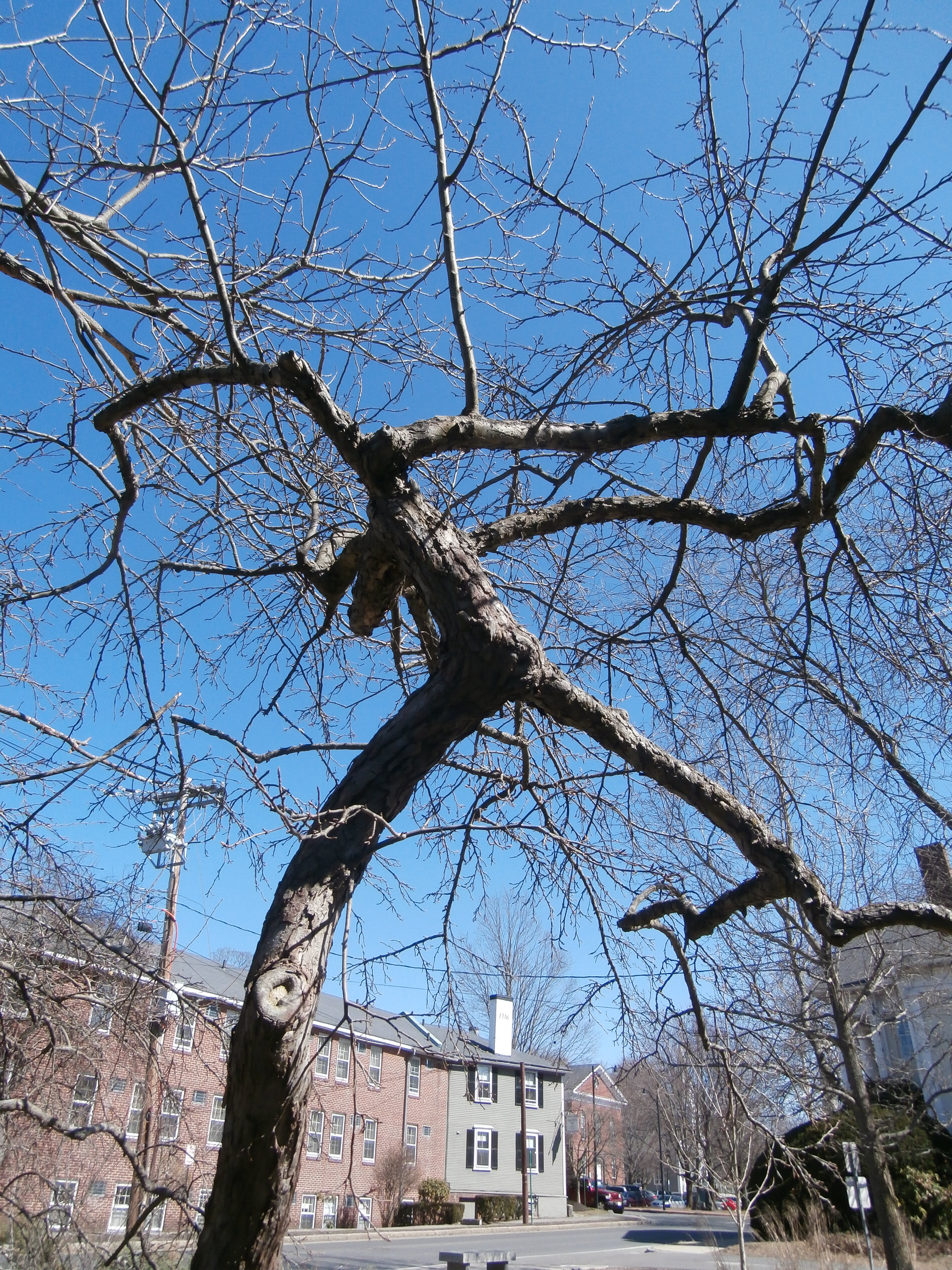
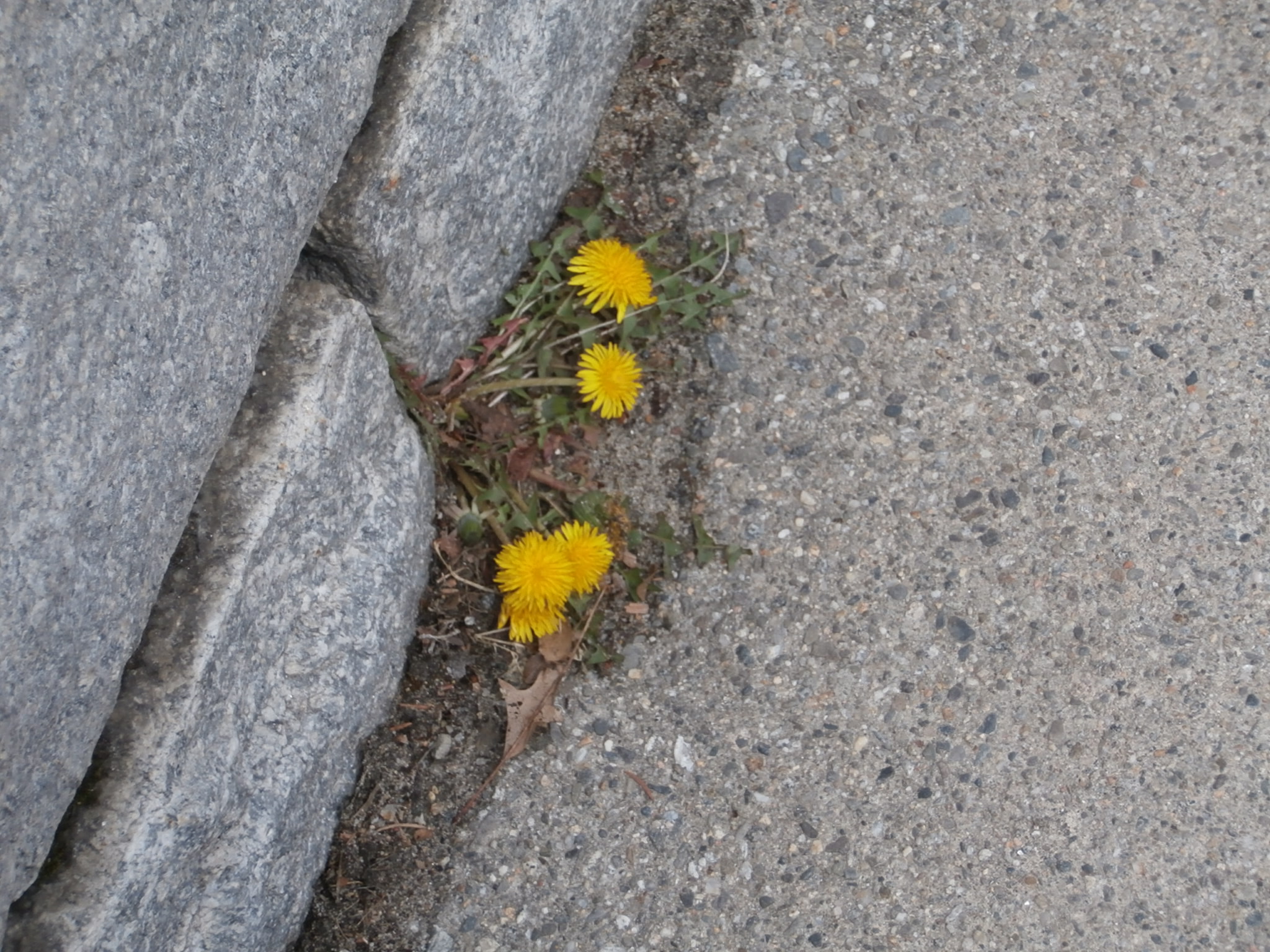
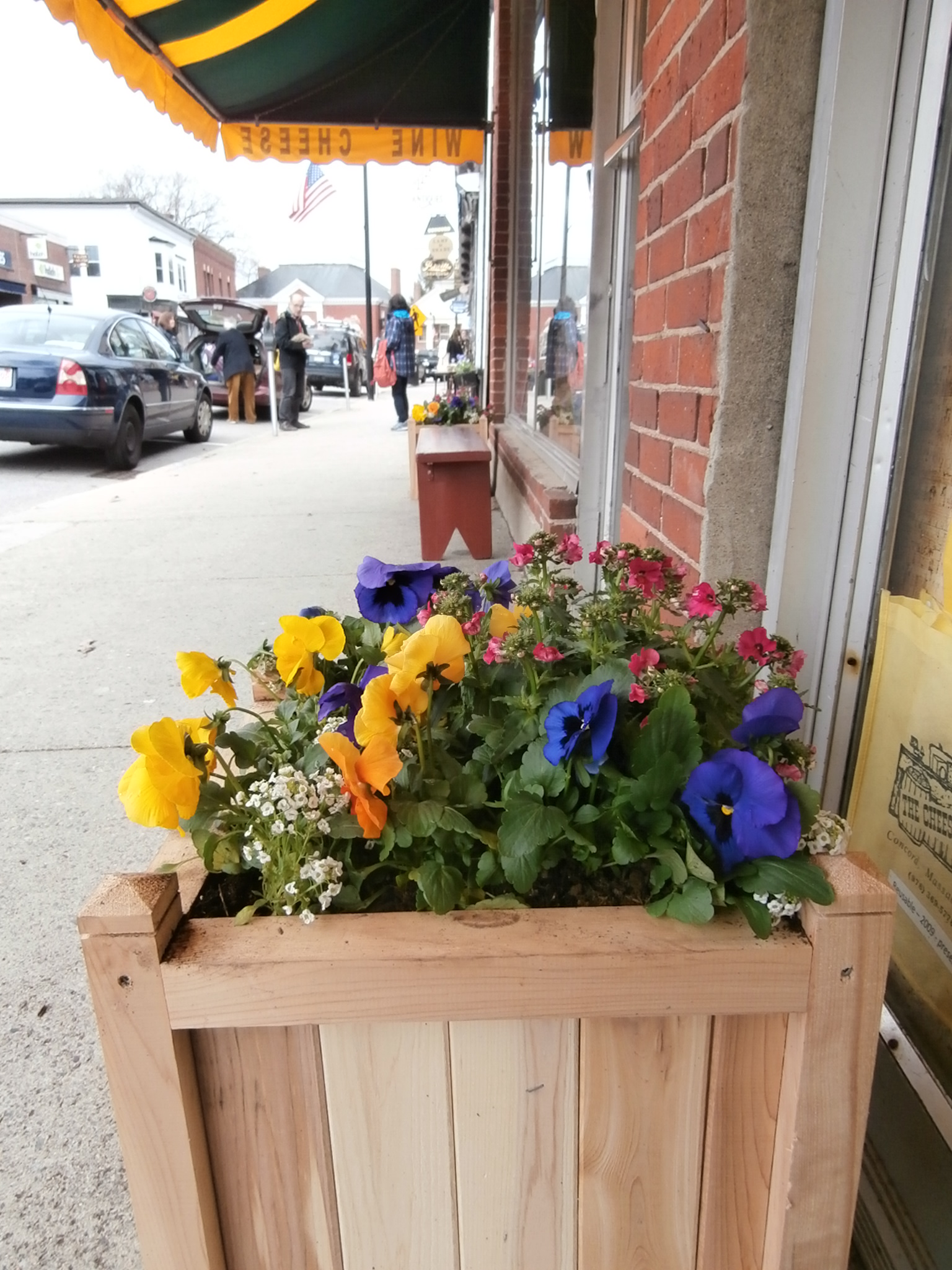
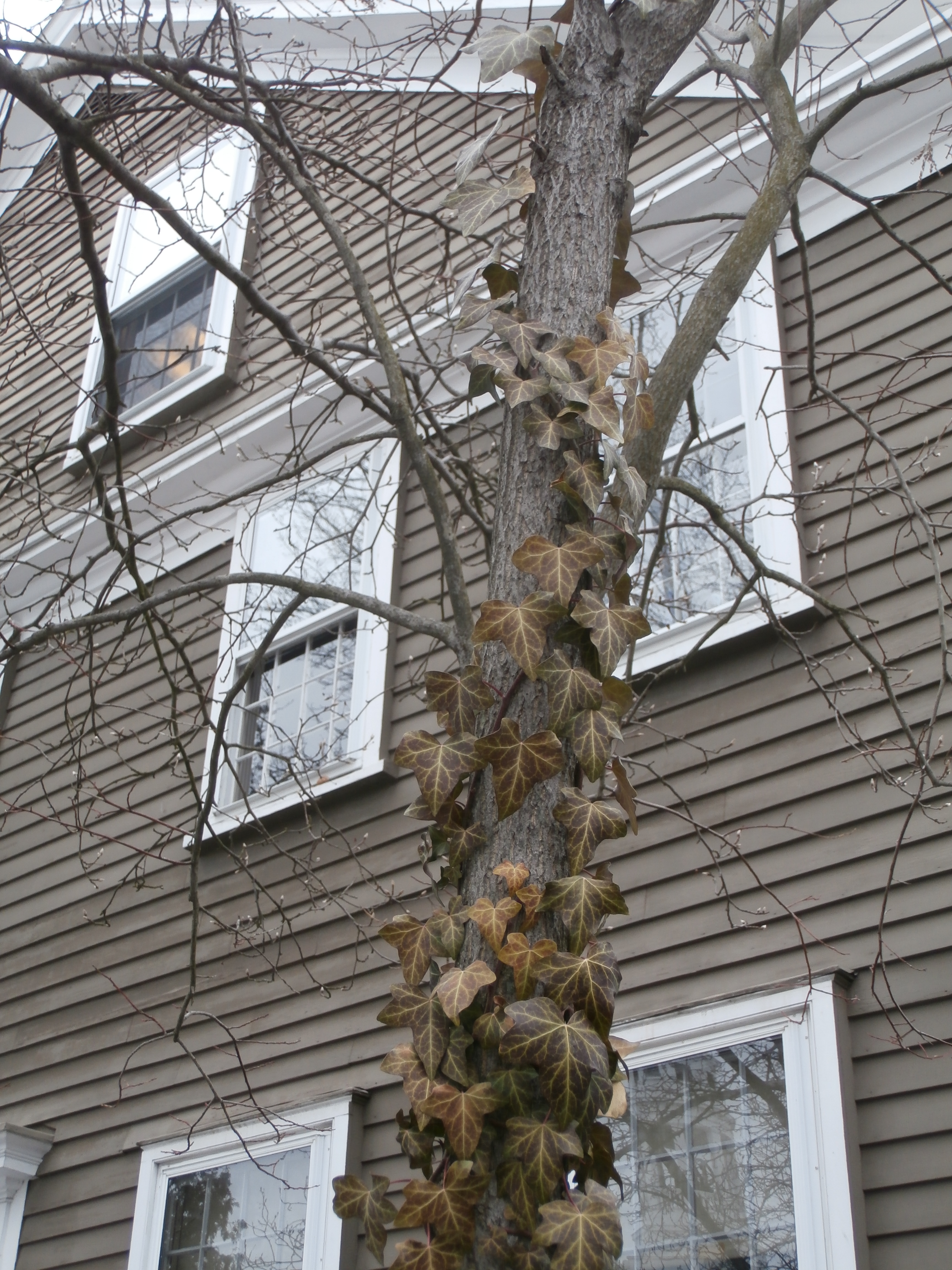
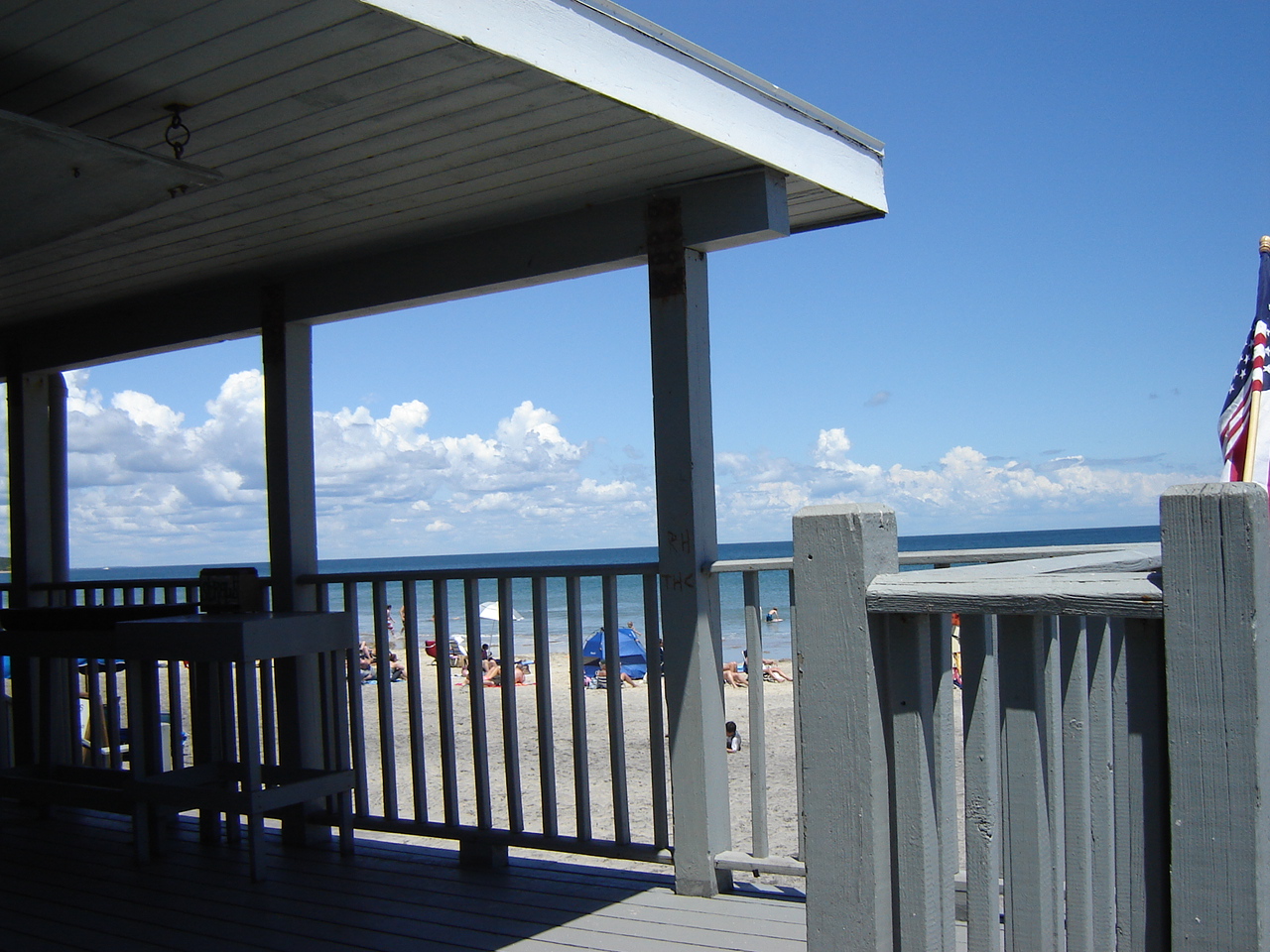
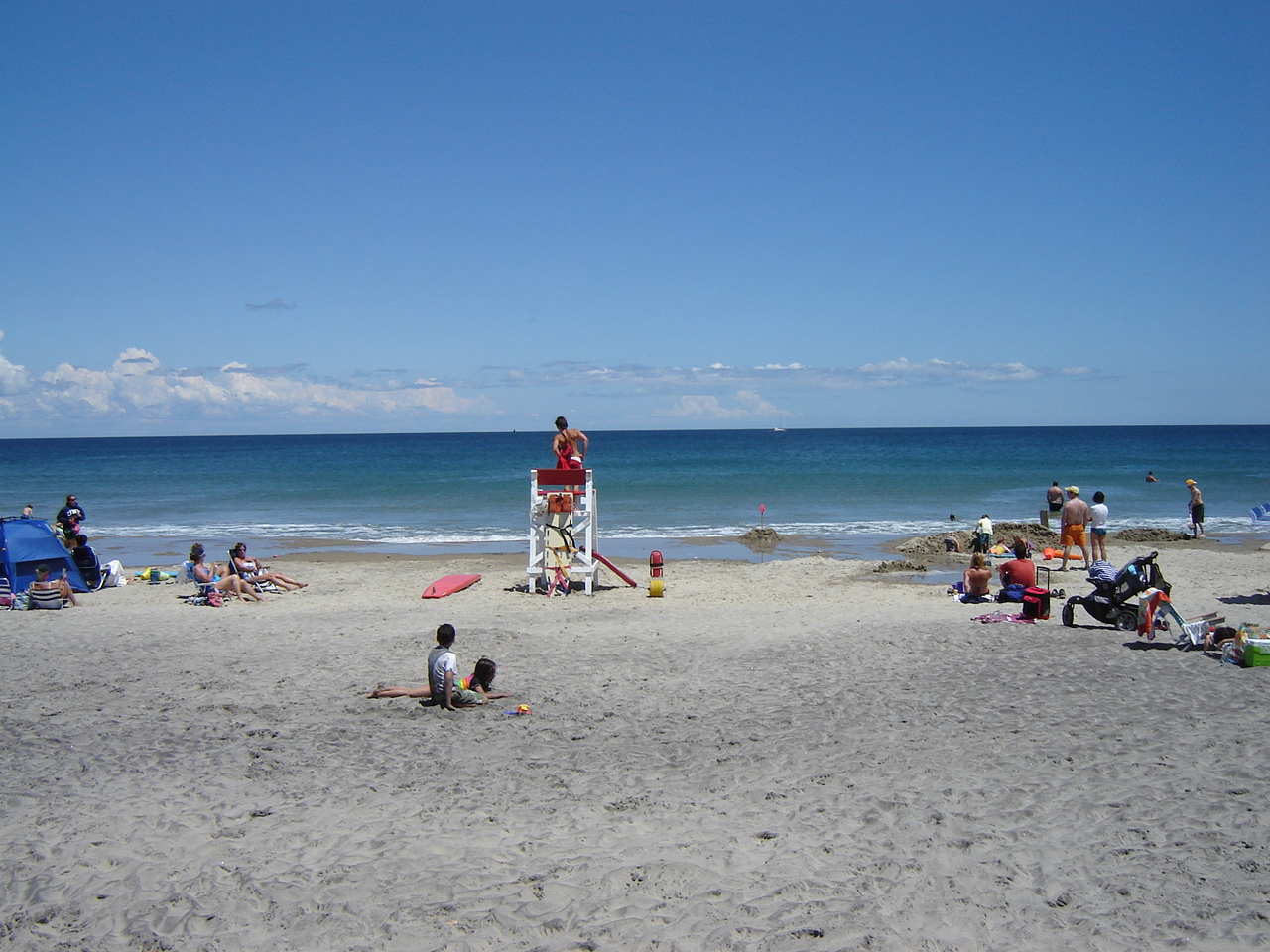
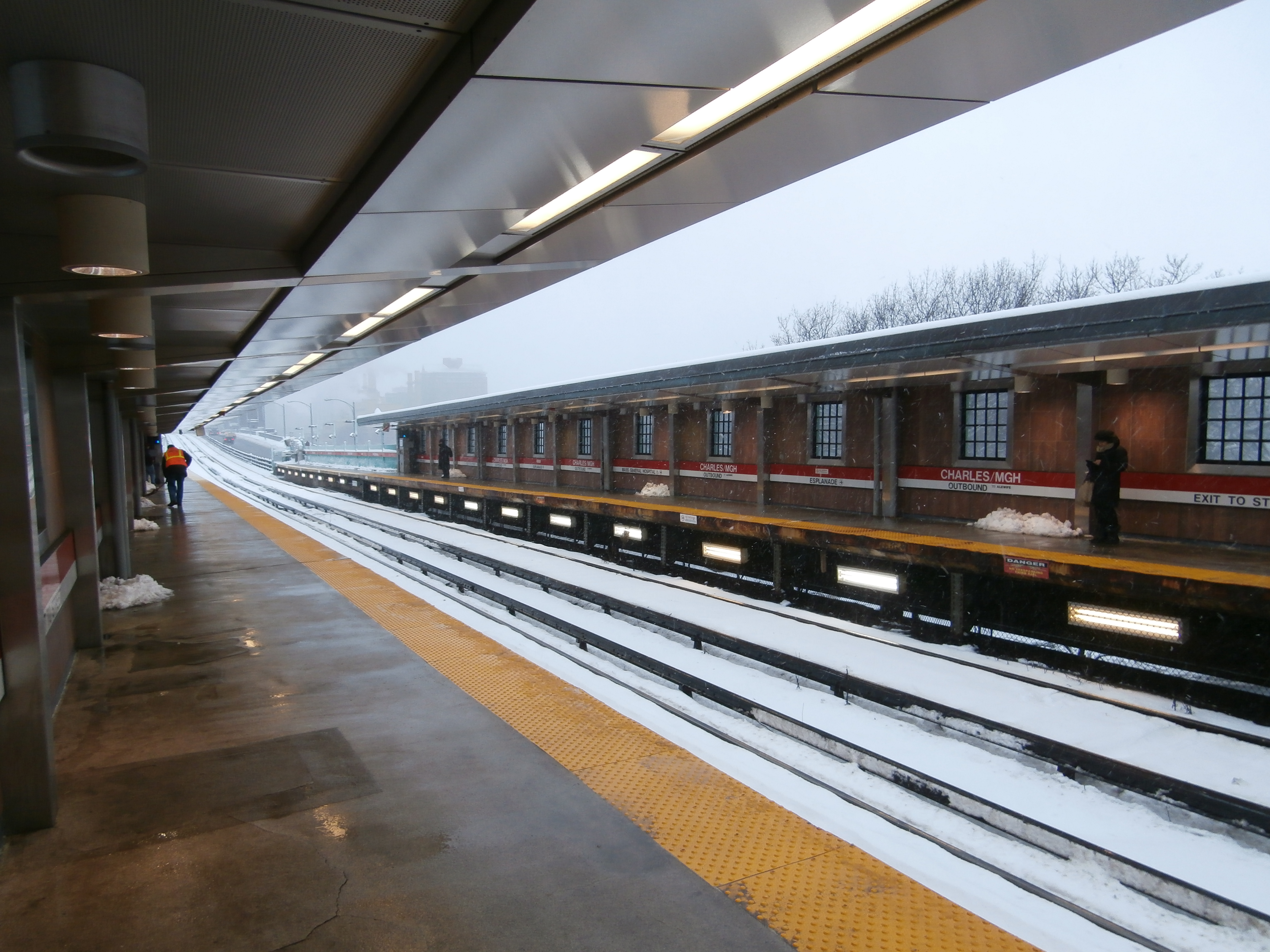
These recent photographs show the changing seasons — from a March storm at a T station to driving with the top down.

The weather changes fast around here — today on my walk I kept zipping and unzipping my coat because the sun kept going in and out of clouds and the temperature kept zooming up and down. As the saying goes, “If you don’t like New England weather, stick around for a few minutes — it will change.”

March-storm-MBTA

bare-branches-in-april

rogue-dog-in-convertible

dandelions-in-april

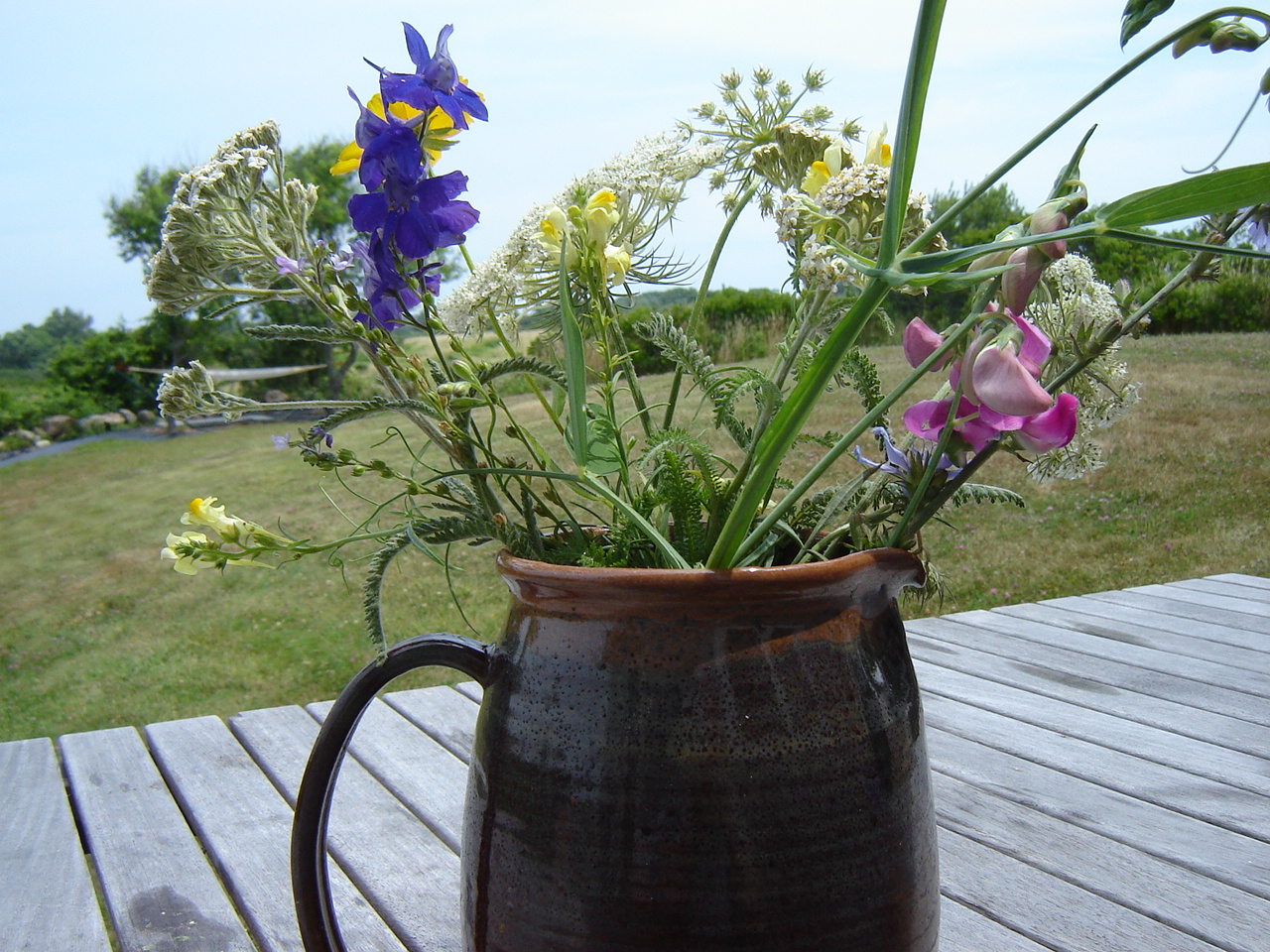
concordma-cheese-shop-flowers

Read Full Post »

My husband heard that the Kiev subway is a popular place for older Russians and Ukrainians to go dancing. So I Googled around a bit and found stories at Odd Stuff Magazine, here, and the Daily Mail, here. And a video at YouTube. In today’s world, you can’t keep a good story down.

At the Daily Mail (which seems to favor bullet points) Helen Lawson writes, “Saturday night fever: The subway where Kiev’s pensioners dance and find love.

  •     The dancers cannot afford to pay for a venue so they use a metro subway
  •     The group meets every Saturday at 7 pm to socialise and dance
  •     About 20 couples are known to have met thanks to the meet-ups
  •     Reuters photographer Gleb Garanich documented the weekly gatherings

At Odd Stuff, photographer Garanichev Hleb (is that the same Reuters guy?) asks the subjects of his photos about the dance scene. “Milevsky Nicholas was born in 1938 and Natalia Stolyarchuk born in 1955 met at these dances and has since moved in together. This is one of the 20 couples who met at these clubs. ..

“Despite his age, both retired and still work together earn about 4,000 hryvnia per month. …

“These people do not communicate in social networks, but still remember all the holidays of childhood and youth, when put on the table, to visit friends and neighbors come, everywhere sounded cheerful sounds of accordion.” More.

Read Full Post »

My colleague Bob put me on to a NY Times blog called “Lens,” and in particular, a post by James Estrin about a modest 2013 version of the Farm Security Administration’s photographic outreach of the 1930s.

He writes, “Just as the Farm Security Administration unleashed a team of photographers to chronicle the United States in the 1930s, Lens is beginning a new interactive project called ‘My Hometown.’

“In the coming months, we are asking high school students to help create a 21st century portrait of America, turning their cameras on their neighborhoods, families, friends and schools. …

“Participants must either be enrolled in high school or be 14 to 18 years old. All submissions must be uploaded under the supervision of a photography class teacher or program instructor by the May 1 deadline. …

“The resulting collection of photographs will be shown in an interactive gallery of several thousand pictures that will be sortable by geography or theme. We will also highlight select images in a series of posts on the Lens Blog. Many of the photos will be archived at the Library of Congress (just like the Farm Security Administration) photos. …

“If your high school or community-based photography program wants to participate, the instructor should contact the Lens editors by e-mail at lens.projects@gmail.com. …

“We will start accepting entries on March 20.” More.

As Bob commented to me, an initiative like this is likely to appeal to kids. Writing essays about one’s hometown might be harder to get charged up about, especially if you don’t feel like a writer. But everyone takes pictures, and some teens will be inspired to be artful with them.


Photograph: Dorothea Lange/Library of Congress/Farm Security Administration

Read Full Post »

A few random pictures from my window, from walks, from train travel.

I am struggling to understand my new camera. It speaks in code.

wintry angles

MBTA geometry

Chas St Jail luxury

Concord Art Assoc

reach higher

antique shop

Read Full Post »

Everyone is getting ready for Thanksgiving around here. John’s family has left for Syracuse to join culinary forces with my daughter-in-law’s family. My husband and I just arrived in Providence, where we will celebrate with Suzanne, Erik, my sister, and my brother-in-law.

Big cooking starts early tomorrow. But I already made the From Scratch Club’s cranberry sauce that was such a hit last year. (I found it on their WordPress blog.)

So as not to repeat myself too much, I am just going to share a link John sent me that captures the leaping-for-joy spirit that should be the essence of a holiday that is basically about eating a lot of food with people you like. And then maybe taking a nap and dreaming you are flying.

Check out the wonderful pictures at http://imgur.com/a/NAwjl

This is just one.

Read Full Post »

Boston Photos

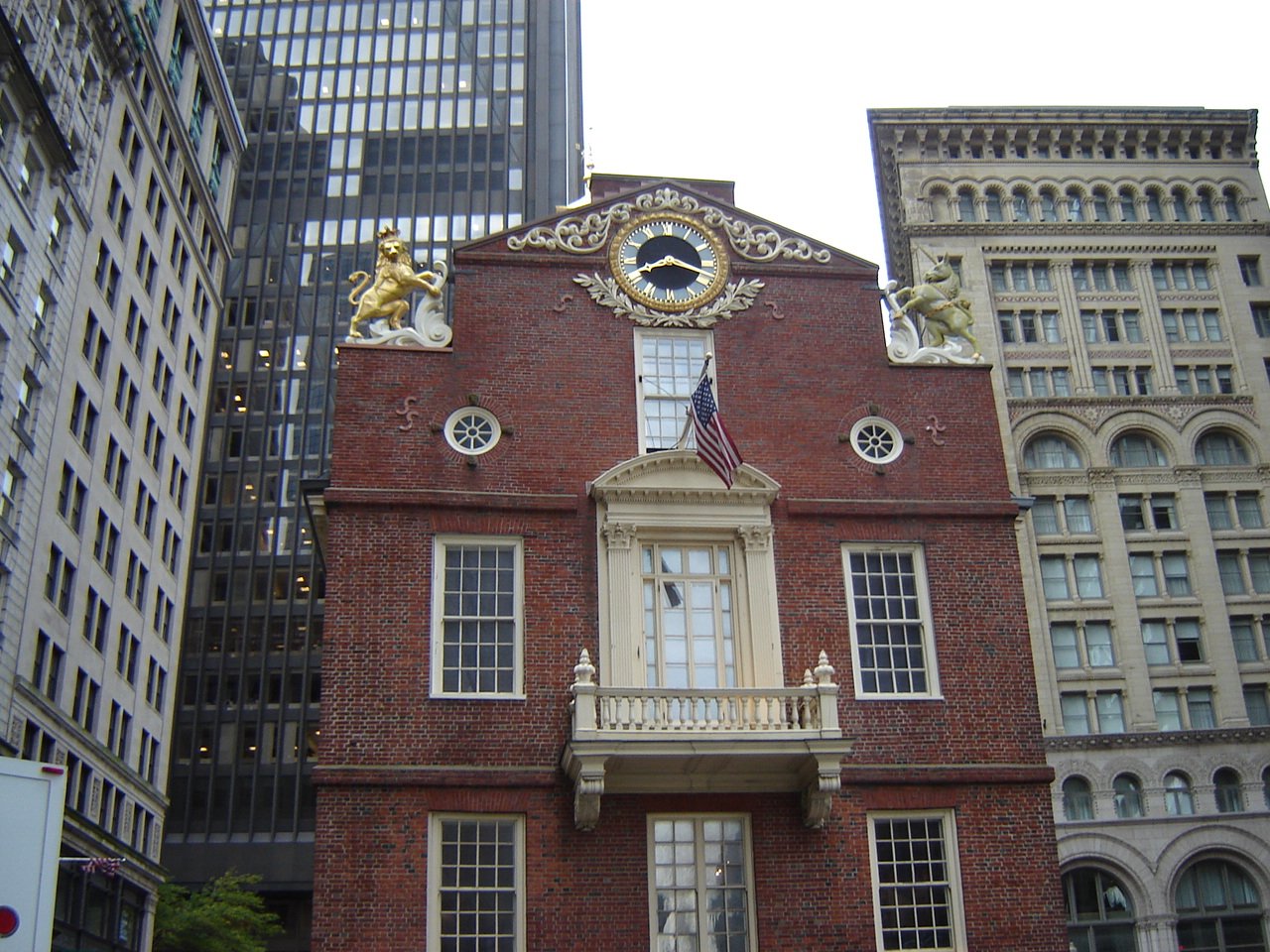
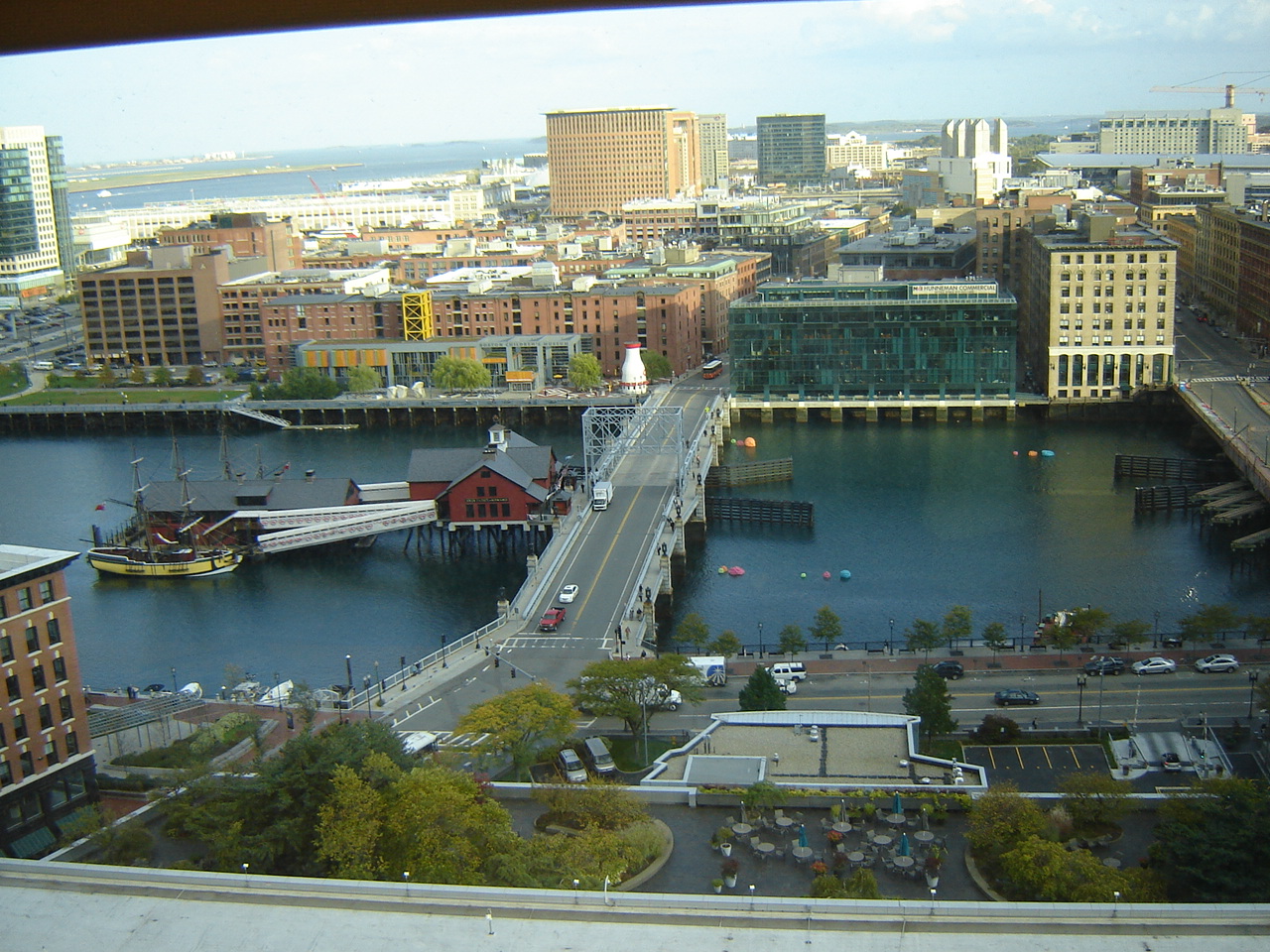
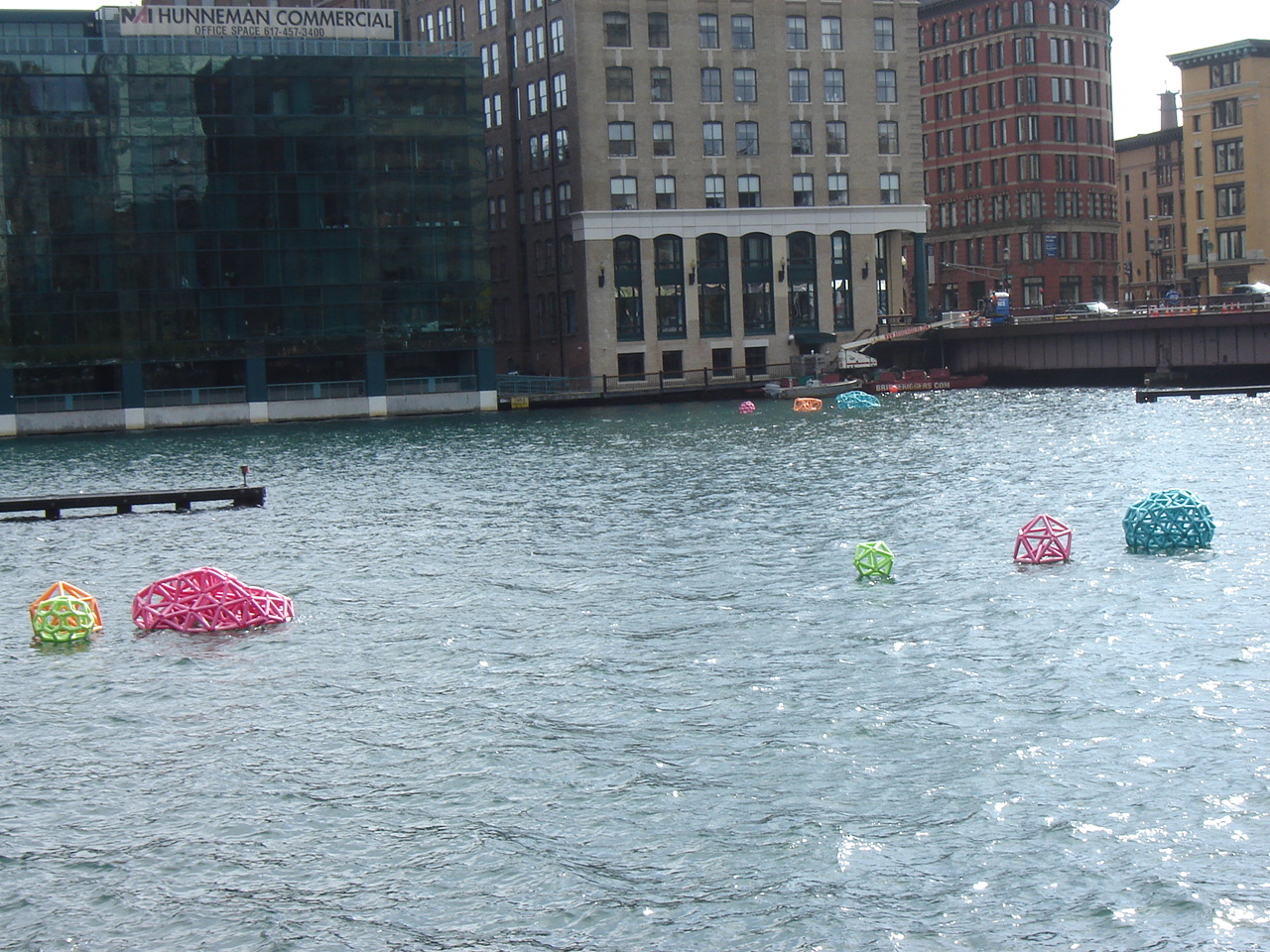
Here are a few recent photos of Boston, including a sun-dial sculpture dedicated to healers through the ages at Massachusetts General Hospital, the original State House, and Fort Point Channel from my office building. Can you see the brightly colored, twisty toys in the channel? Art objects appear in the water every once in a while and remain for a couple months before they vanish.

Read Full Post »

The fall color is the same pretty much every year, and yet it’s always amazing.

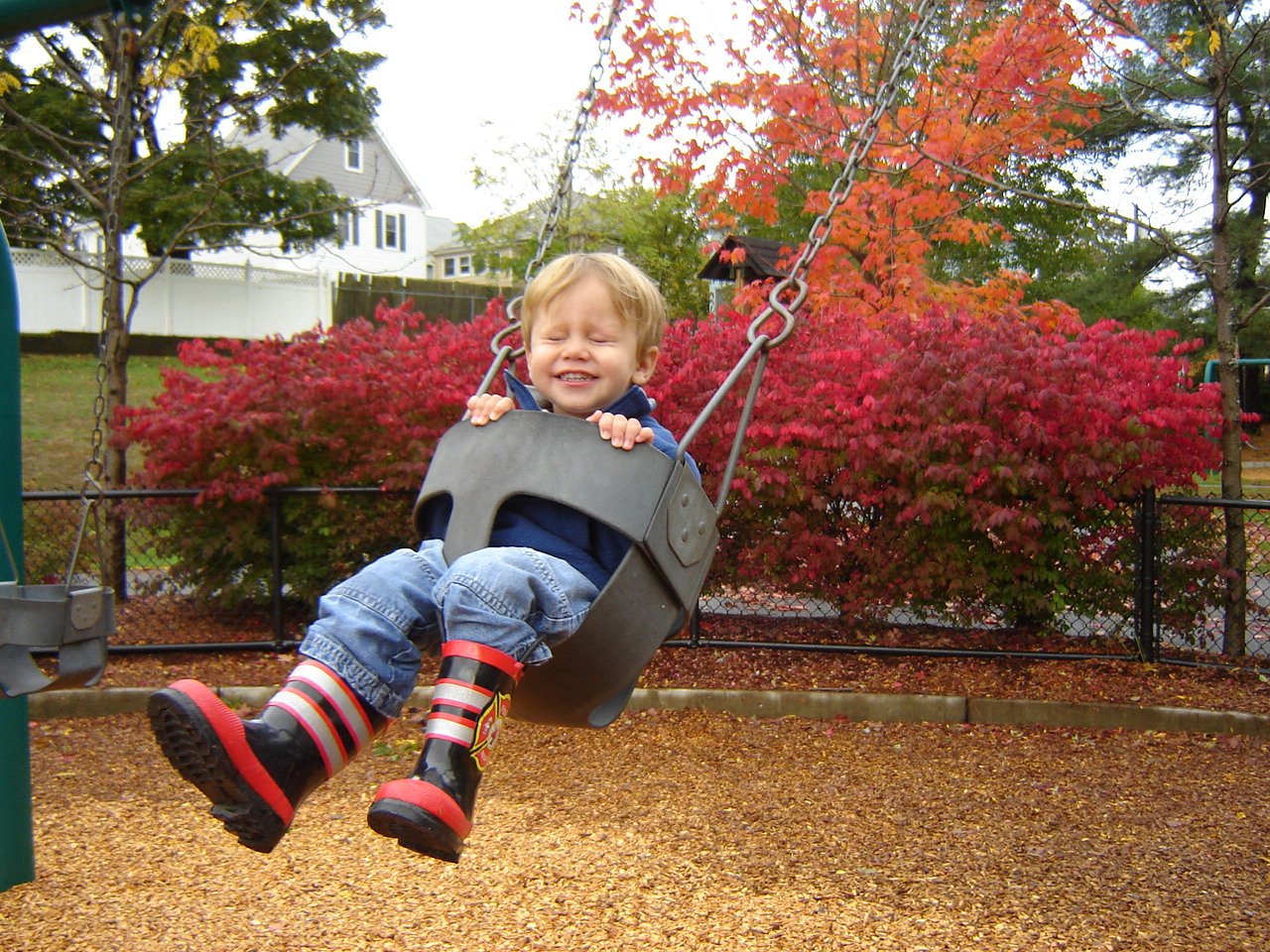
I walked around Concord and Cambridge, parked near a West Concord brook to go to the street fair (where a woman at Dabblers reminded me how to cast off in knitting), and hung out with an entertaining two-year-old.

Read Full Post »

Saying adios to a few things I don’t expect to see anytime soon — including the romantic potato that Pat gave Sandra, which will likely get eaten before I see my friends again — or made into a Christmas ornament.

To paraphrase Heraclitus, no one ever steps in the same river twice.

And while we are on the subject of ancient philosophy, you of course remember the Klingon adage, “Everything moves on, like gorillas at the beach.”

Read Full Post »

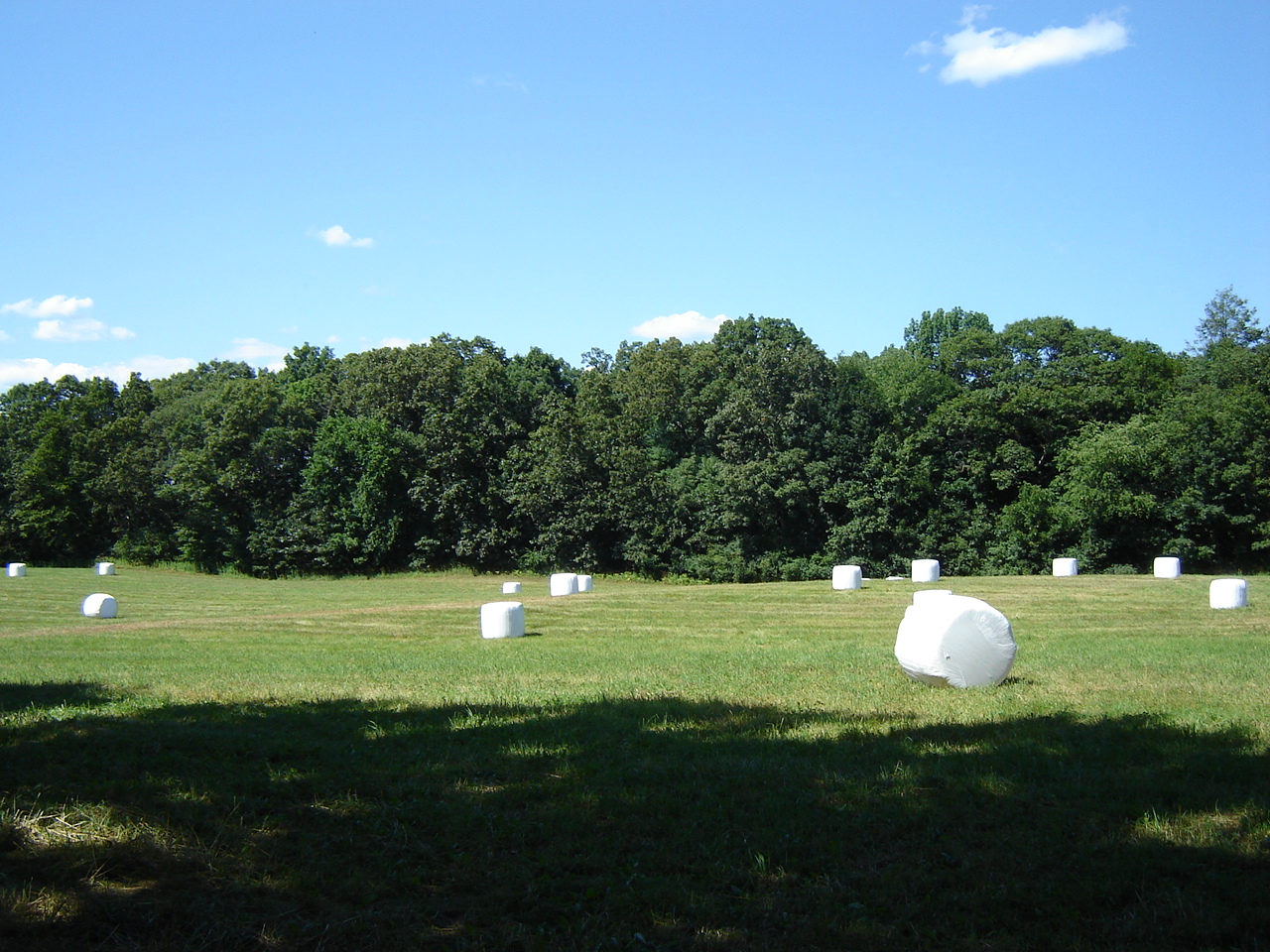
I believe these marshmallows are used as  prizes in the giants’ midnight games of dodge ball. Please correct me if I’m wrong.

Other photographs of summer are less cryptic.

Read Full Post »

No doubt I would have grown up to be a photographer if the Brownie cameras and box cameras I used as a child had not gotten sand in them. After at least a week of high anticipation, the film kept coming back black. Very discouraging. All the effort I had put into creating little still-life scenes with dolls and sea shells — wasted!

So a word to the wise, if you take a camera to the beach, protect it.

I got a few pictures on this lovely June day, but I fear they lack the artistry that surely would have been evident had sand not mysteriously worked its way into all cameras in my youth.

Read Full Post »

Twenty years ago I helped out on what local people jokingly refer to as the Concord Passion Play: Little Women. It’s performed every 10 years by the Concord Players because (a) author Louisa May Alcott lived at Orchard House in Concord and (b) she was a founder of the theater group that became the Concord Players.

Kate Clarke is directing the show this year, and she just got some great publicity in the Boston Globe.

“ ‘Preparing to direct the play, I started to do some research and was fascinated to discover just how meaningful the book is to so many people,’ Clarke said.

“ ‘Even the rock star Patti Smith wrote in her recent memoir that “Little Women” was what made her feel as a young high school student that she could be an artist. It motivated her to go to New York and become a performer. I started thinking, “Good Lord, Jo March is everywhere! Why do people find her so compelling?”

“ ‘That’s the question I’ve been tackling with this group of actors. Yes, it’s about the Civil War era, and the societal restrictions that females were under at that time. But the fact that the book’s popularity has endured reflects what compelling characters these young women were.

“ ‘This story is so uniquely Concord and yet reaches far beyond the boundaries of Concord, just as it is a story about the 1860s that also brings up a lot of contemporary issues,’ Clarke said.” Read more.

Here’s photo by Jon Chase for the Boston Globe. Pat Kane, an incredible costume designer, is in the middle. (I don’t think she remembers, but the first time she worked for the Concord Players was when I sought her help on a one-act I directed, Stoppard’s After Magritte.)

Read Full Post »

Sometimes a new perspective is called for. This is the hallway staircase, from below.

It’s a little weird how I discovered this might make a good shot.

Normally I do my back exercises in the dining room on a yoga mat, but because I hoped to catch the trash and recycling guys and give them their New Year’s envelope, I did the exercises in the hall where I could hear if a truck stopped. Hence.

P.S. I caught them.

Read Full Post »

I really like Michelle Aldredge’s blog on writing and the arts, Gwarlingo. (The word gwarlingo, Aldredge says, is Welsh for the rushing sound a grandfather clock makes before striking, “the movement before the moment.”)

See my post about Gwarlingo and artistic Japanese manhole covers here.

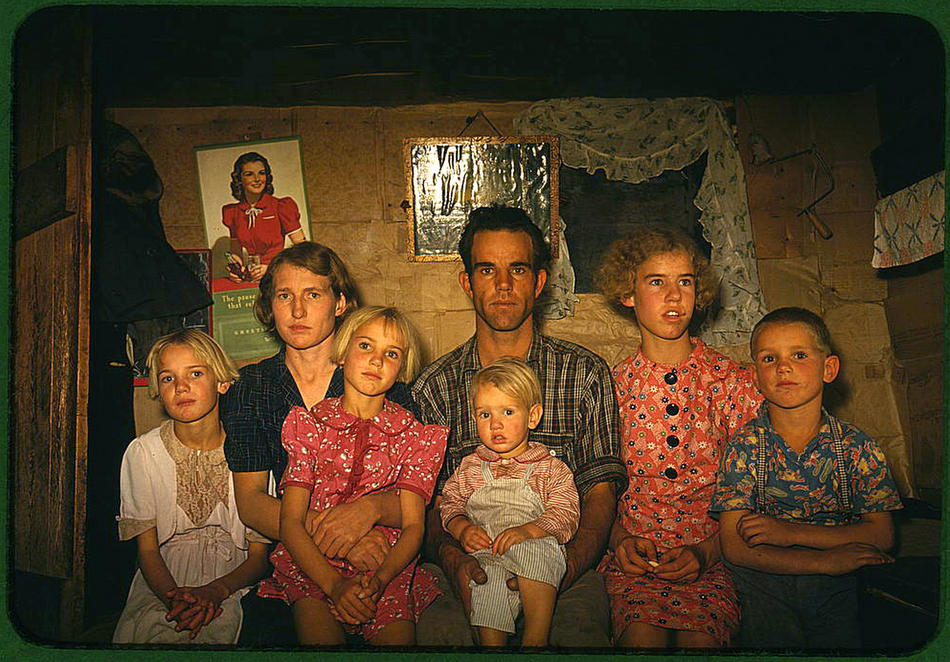
This week Aldredge wrote that she had recently “stumbled across a small online collection of rare color images taken by photographers from the Farm Security Administration and Office of War Information. The … photograph of Jack Whinery and his family was so remarkable and surprising that I immediately began exploring the online archive of the Library of Congress, which owns the images. The 1,610 Kodachrome transparencies were produced by FSA and OWI photographers like John Vachon, Marion Post Wolcott, Jack Delano, and Russell Lee. They are less well known and far less extensive than their black and white images, but their rarity only increases their impact.”

Check out the America in Transition photos.

*Jack Whinery, homesteader, and his family. Pie Town, New Mexico, October 1940. Photo by Russell Lee. Prints and Photographs Division, Library of Congress*

Another great Gwarlingo post was on poetry bombing.

“Since 2001,” writes Aldredge, “the Chilean art collective Casagrande has been staging ‘Poetry Rain’ projects in cities like Warsaw, Berlin, Santiago de Chile, Dubrovnik, and Guernica – all cities that have suffered aerial bombings in their history. The most recent event took place in Berlin in 2010 and was part of the Long Night of Museums. Crowds of thousands gathered in the city’s Lustgarten as 100,000 poems rained down from the sky.” Read more here.

I also found a happy video.

Read Full Post »

I would like to tell you about Woophy, the international photo-sharing site. One of many great things about Woophy is its home page, which features a map of the world with each photo’s location. Do click on it.

I have uploaded photos to Woophy off and on since first reading about it in the Wall Street Journal. (That was when I was still reading the WSJ, which used to be full of great articles. I was one of the 170 people who cancelled their subscriptions the day Rupert Murdoch bought the paper. I know this because the WSJ wrote the next day that 170 subscribers out of 1.7 milion had cancelled.)

Woophy has always been managed by unpaid volunteers, and in recent years they struggled to keep up with the work. Loyalists worldwide helped out. Now Woophy has crossed a threshold and has partnered with a travel company. I’m glad because I would like to see it survive. I particularly enjoyed getting comments from far-away places whenever I posted a picture.

Here’s Wikipedia’s description: “Woophy (World of photography) is a photo sharing website and an online community where members can put their photos on a world map. Founded in 2005 by Joris van Hoytema, Hoyte van Hoytema and Marcel Geenevasen, the site has over 39,300 members and contains around a million photos from over 43,000 cities and villages in the world. Most of the uploaded pictures are from surroundings, buildings, nature and problems in the world. Woophy also has an active forum where photographers discuss their photos in a critical way. Woophy now has a finance deal with Eurobookings.com which should enable it to survive through the use of advertising.”

Woophians are planning a meeting in Madrid next spring. See photos of a previous Woophy forum (with music):


Read Full Post »

Years ago, when we were living near Rochester, New York, it was pointed out to me that poverty in rural areas was often worse than in cities because people were more isolated and there were fewer services. That winter I contacted an outreach coordinator who had put out a call for warm clothing. I offered to drop off some clothes we no longer needed.

The coordinator, an African American, believed deeply that dropping off clothes was not the same as understanding what the need was. She herself had grown up in a family of migrant farm workers and was acquainted with grief. When she was small, I later learned, her family had even been assigned to a chicken coop for their housing.

The coordinator knew a family who needed my clothes, and she thought I should go with her to make the delivery. Somewhat reluctantly, I agreed.

I will never forget the wary, beaten-down look in the eyes of a young woman living with family members in a tumble-down old house. After handing over the donation, the coordinator and I hung around for a brief, awkward chat. I could see that my contribution could not scratch the surface of the family’s need and was mostly for my conscience (which is not a reason to give up on donations, of course).

The main thing that has changed in the America in 30-plus years is that greater percentages of Americans are poor.

That is why some photojournalists, outraged at the lack of serious coverage in the mainstream media and recognizing that a picture is worth a thousand words, have founded an organization to fight poverty called American Poverty. See their recent photos here.

Perhaps you know the work of Walker Evans and James Agee in the Great Depression. The photographers’ new antipoverty site may, like Walker and Agee’s “Let Us Now Praise Famous Men,” provoke the question, “Is this America?”

Read Full Post »
« Newer Posts