Feeds:
Posts
Comments

Posts Tagged ‘pollinators’

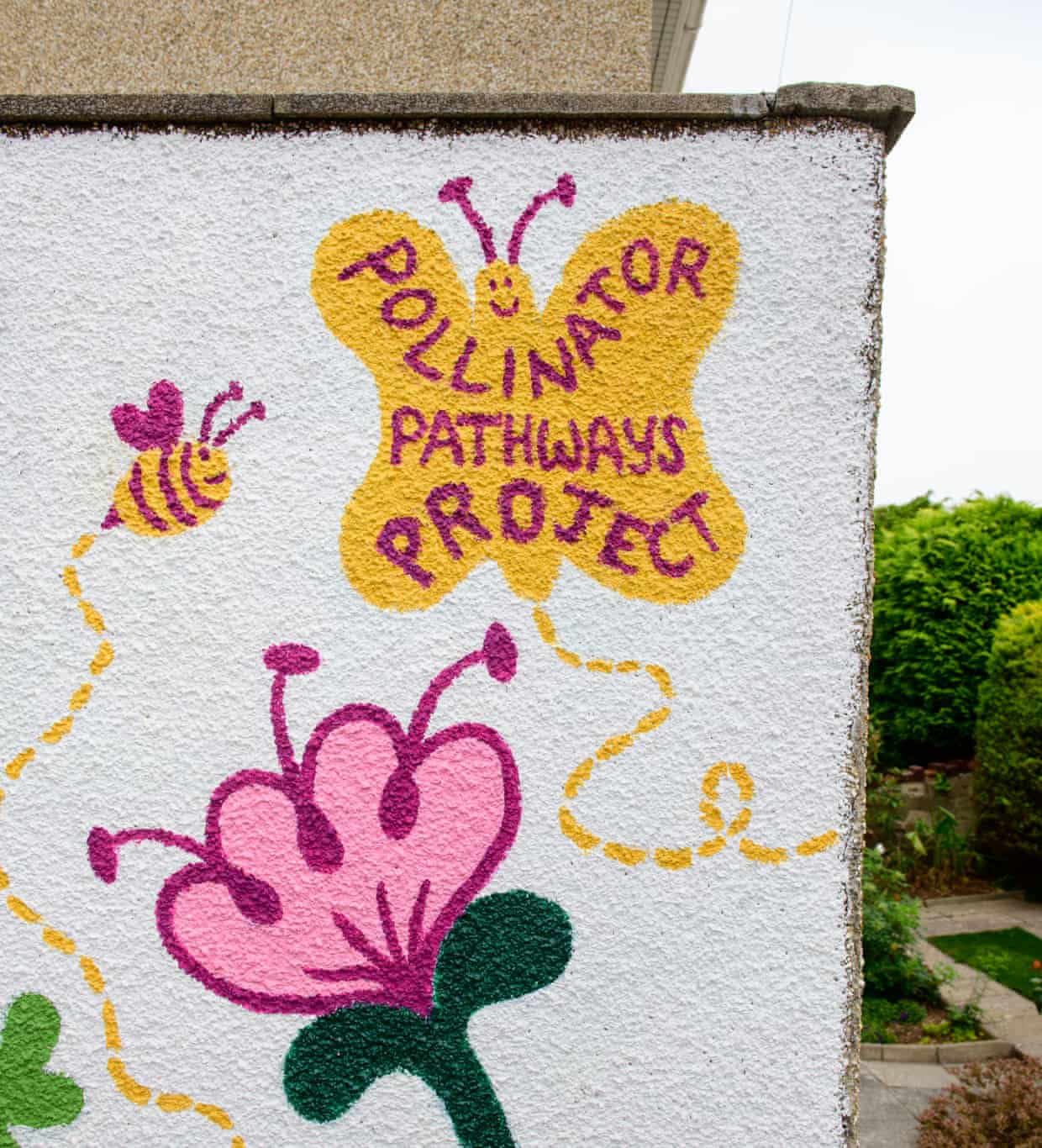
Photo: Adrian Sherratt/The Guardian.
The UK pollinator pathways project in Knowle, Bristol.

I do like stories about how humans sometimes learn what they’ve been doing wrong and then go all out to rectify the damage. I’m speaking of what humanity has done in ignorance to bees and other pollinators that uphold life on Earth.

Emma Snaith has a turnaround example at the Guardian. “Take a closer look at the colorful plants dotted along an initially unassuming Bristol alleyway and you’ll see them teeming with insects. Bumblebees, hoverflies and ladybirds throng around a mixture of catmint, yarrow, geraniums and anemones. ‘It’s buzzing with pollinators now,’ Flora Beverley says.

“Just over a year ago, the alley we are walking down was a dreary, litter-strewn dumping ground. Now, thanks to the pollinator pathways project, it is filled with nectar-rich plants and bee hotels. Colorful murals line the walls. A neighbor and her son passing by stop to tell Beverley they watered the plants yesterday. The local people who helped to transform the pathways continue to maintain them too.

“A trail runner and fitness influencer, Beverley started the project after a chronic illness left her unable to spend as much time running in the countryside. She wanted to bring more nature into her local community and, at the same time, help to connect important nearby habitats in Bristol including parks and the Northern Slopes nature reserve with insect-friendly corridors.

“The project took off unexpectedly well and in the space of a year local groups have revamped seven alleyways around the south of the city. Most transformations take place over a weekend. Volunteers and mural artists pile in, and it is funded by small grants that Beverley – who does not get paid – applies for in her own time, street collections and donations from local businesses.

“ ‘The things that are good for nature tend to be very good for people too,’ she says. ‘We’re lucky to have so many green spaces in Bristol, but there is a lack of connection between them.’ Habitat fragmentation is a big issue.’ …

Scientists are reporting catastrophic declines in insect numbers around the world. International reviews estimate annual losses globally of between 1% and 2.5% of total insect biomass every year. The drivers of the plummeting numbers vary, but include habitat loss, exposure to pesticides and the climate crisis.

In the UK, ​a citizen science survey run by the conservation charity Buglife monitors bug splats on cars. It found a 63% decline in flying insects between 2021 and 2024.

“There are many ways to help protect insects, some simple, others harder to achieve. Prof Dave Goulson from the University of Sussex says that creating more pollinator-friendly habitat in our cities is ‘a fairly easy win.’

“ ‘We already know that urban areas can be surprisingly good for pollinators compared to modern, intensive farmland,’ he says. …

“A huge network of community pollinator pathways has [sprung] up across 300 towns in 24 states in the US and in Ontario, Canada. It began in 2017 when the conservationist Donna Merrill offered people near her home town of Wilton free native trees to form a passage of pollinator habitat that spanned the Connecticut-New York state line. Merrill was particularly inspired by Oslo’s ‘bee highway‘ created a few years before – a network of green rooftops, beehives and patches of insect-friendly plants that stretches across the city.

“In the UK, Buglife is tackling the loss of pollinator habitat on a national scale through its B-Lines network, which is mapping a series of 3km-wide [~2 miles] insect superhighways that crisscross the country, connecting the best remaining wildflower-rich areas. The charity has been working with farmers, landowners, wildlife organizations, businesses, local authorities and the public for more than 10 years to help fill at least 10% of each line with insect-friendly plants. …

“The charity’s B-Lines officer, Rachel Richards, says the lines running north-south are particularly important for migrating species and those moving northwards as a result of the climate crisis.

“ ‘Reconnecting fragmented landscapes builds resilience,’ she says. ‘As we see more fires and floods, it’s quite easy for an amazing site to be destroyed or partly destroyed. But if we have the stepping stones of wildflower-rich habitat, it can be colonized by insects from neighboring sites.’ ” More at the Guardian, here.

In the Greater Boston area, my friend Jean and Biodiversity Builders have been leading the way for years. I wrote about them several times — for example, here. Do you have pollinator pathways near you?
Read Full Post »

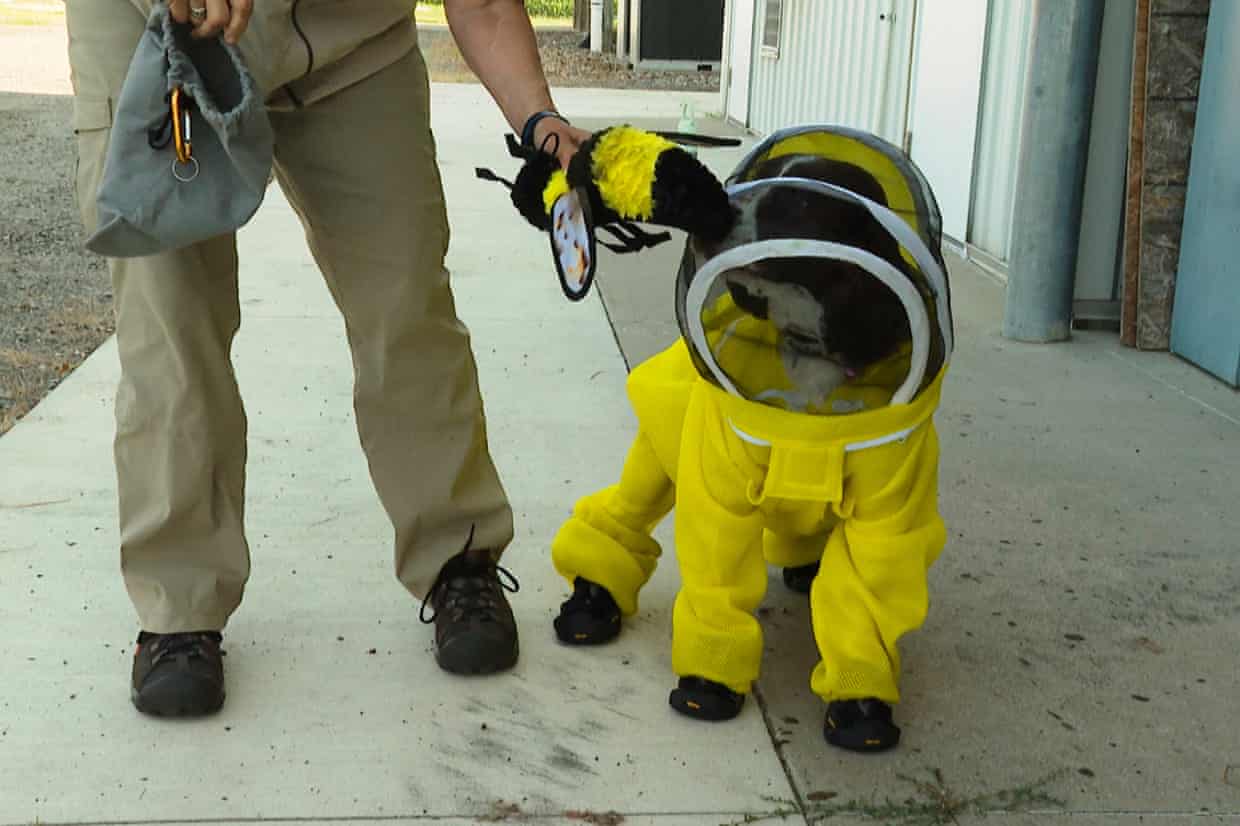
Photo: Mike Householder/AP.
Sue Stejskal lets Maple, an English springer spaniel, sniff a bee-themed dog toy at Michigan State University’s Pollinator Performance Center. Maple is part of an effort to screen and diagnose diseases that sicken honeybees.

It seems that over the past few years, I’m hearing more and more about bees — their importance to the food chain, their worrisome diseases. On Instagram I’ve been following the intrepid Erika Thompson @texasbeeworks, and after Sandra told me about an inspiring bee tour, I added @bodhis.bees in Rhode Island. Then, there’s my friend AJ, who shares honey from his hives when the black bear leaves them alone.

Keeping bees and other pollinators healthy is an important job that’s getting increasingly difficult as unaware humans damage their environment. In today’s story, a specially trained dog is helping protect bees.

Ramon Antonio Vargas reports at the Associated Press via the Guardian, “Maple, a springer spaniel aged nine, is earning news headlines by helping Michigan State University (MSU) researchers identify bacteria that is harmful for bee colonies. …

“Maple landed the role after spending seven years detecting human remains for a sheriff’s office. She had to retire from the sheriff’s office after suffering an injury on the job – leaving her handler, Sue Stejskal, in search of something to keep Maple busy.

“ ‘She’s a very over-the-top, enthusiastic, sometimes hard-to-live with dog because of her energy level,’ Stejskal, who has been training dogs for law enforcement and other uses for more than 25 years, said to the AP.

“Fortunately for Stejskal, MSU professor Meghan Milbrath was seeking out tools to screen and diagnose diseases that sicken honeybees, which her lab studies. A veterinarian who had taken part in a training about honeybees later put Stejksal and Milbrath in touch.

“And soon, the pair hatched a plan by which Stejskal taught Maple to apply her police canine detection methods in beehives to uncover American foulbrood – a bacterial disease that poses a deadly threat to honeybee larvae.

“The work Maple has since done for MSU’s Pollinator Performance Center has been crucial, with bees and other pollinators in a years-long decline stemming from diseases, insecticides, a lack of a diverse food supply and climate change driven by human emissions of greenhouse gases.

“ ‘American foulbrood [harms] young developing bees, and when a hive gets infected, it actually basically leads to death,’ Milbrath, an assistant professor in MSU’s entomology department. …

” ‘Beekeepers have had to burn tens of thousands of dollars of equipment due to this disease,’ Milbrath said to WILX.

“Maple carries out her duties in a distinctive, yellow protective suit. Her gear includes a veil for her head and four bootees worn on her paws to shield Maple in case she steps on a bee. …

“About 465 bee species are native to Michigan alone. Among the goals of training Maple to spot American foulbrood for the Pollinator Performance Center was to create a guidebook with which other dogs could be similarly taught, WILX noted.

“Stejskal told the AP, ‘I was over-the-moon excited because my dog would have joy in her life and would still be able to work,’ Stejskal said.” More at the Guardian, here.

You probably know there are things we can all do to help bees.

Many homeowners, for example, are giving up pesticides and herbicides. They are leaving the leaves on their lawns in fall to provide pollinator habitat in spring, and they’re committing to No Mow May. After all, as Bee City tells us, “The start of the growing season is a critical time for hungry, newly emerged native bees. Flowers may be hard to find. By allowing it to grow longer, and letting flowers bloom, your lawn can provide nectar and pollen to help your bee neighbors thrive.”

Please add bee tips if you know of some not covered here.

Read Full Post »

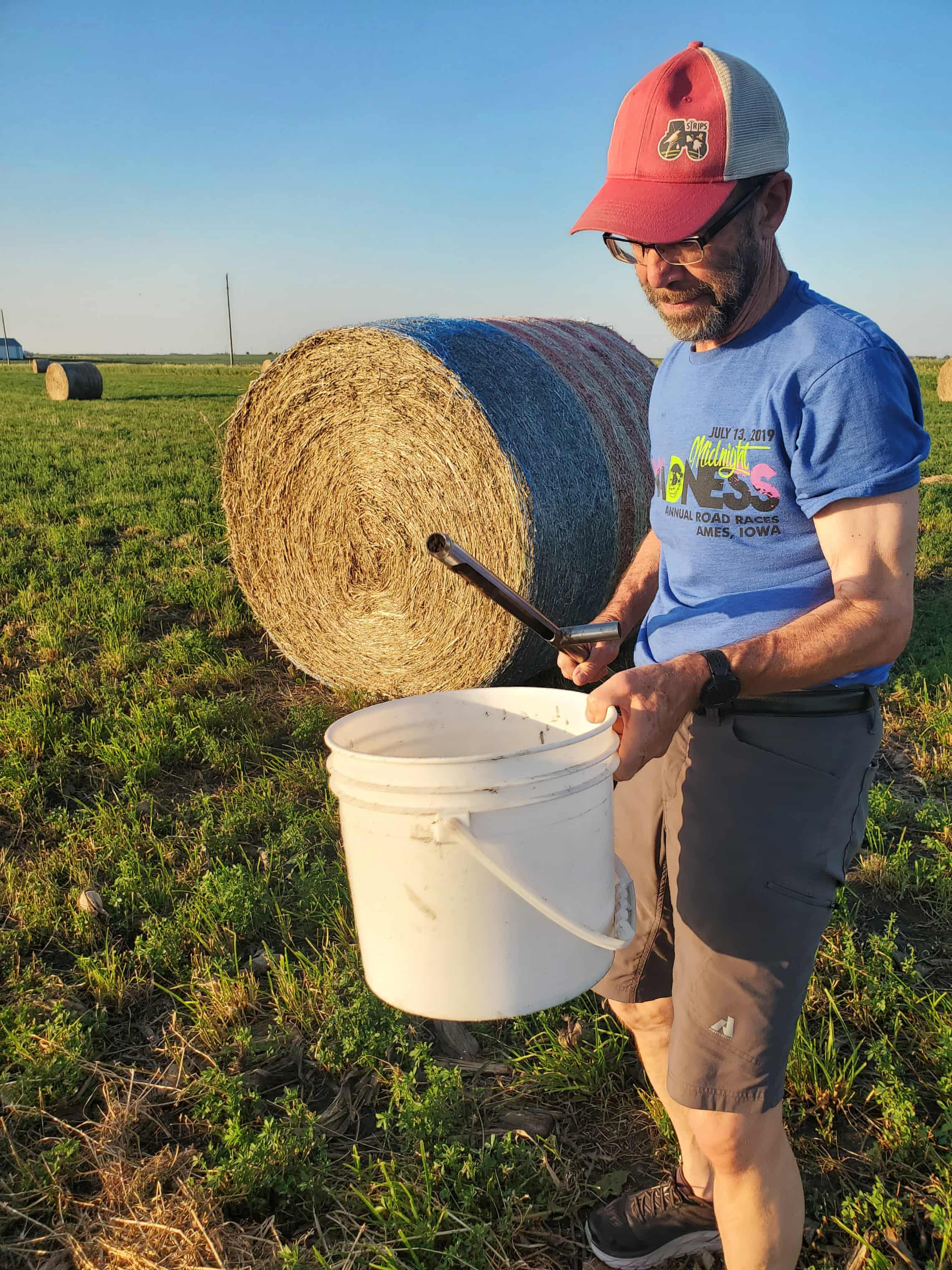
Photo: Lee Tesdell.
Behind farmer Lee Tesdell in the photo are rolled-up strips of prairie sod containing native plants that help improve his land’s resistance to climate change. 

There are so many things we have taken for granted in our natural world. Consider weeds. We might have noticed that various flying things liked their blossoms, but we didn’t like them.

That is, until we started noticing that we wouldn’t have much food if those flying things didn’t pollinate plants.

Now some farmers who used to kill weeds are bringing them back. As Rachel Cramer reports at the Guardian, strips of native plants (weeds) on as little as 10% of farmland can reduce soil erosion by up to 95%.

“Between two corn fields in central Iowa,” she writes, “Lee Tesdell walks through a corridor of native prairie grasses and wildflowers. Crickets trill as dickcissels, small brown birds with yellow chests, pop out of the dewy ground cover. …

“This is a prairie strip. Ranging from 10-40 metres (30-120ft) in width, these bands of native perennials are placed strategically in a row-crop field, often in areas with low yields and high runoff. Tesdell has three on his farm.

“He points out several native plants – big bluestem, wild quinine, milkweed, common evening primrose – that came from a 70-species seed mix he planted here six years ago. These prairie plants help improve the soil while also protecting his more fertile fields from bursts of heavy rain and severe storms, which are becoming more frequent.

“ ‘To a conventional farmer, this looks like a weed patch with a few pretty flowers in it, and I admit it looks odd in the corn and soy landscape in central Iowa,’ … he said. ‘I’m trying to be more climate-change resilient on my farm.’ …

“Prairie strips also help reduce nutrient pollution, store excess carbon underground and provide critical habitat for pollinators and grassland birds. Thanks to federal funding through the USDA’s conservation reserve program, they’ve taken off in recent years.

“But the idea started two decades ago with Iowa State University researchers and Neal Smith National Wildlife Refuge managers. Lisa Schulte Moore, a landscape ecologist and co-director of the Bioeconomy Institute at Iowa State University, who was integral to the research, knows that large patches of restored and reconstructed prairie are vital, especially for wildlife, but she argues that integrating small amounts of native habitat back into the two dominant ecosystems – corn and soya beans – can make a big difference. …

“In north-central Missouri, farmer Doug Doughty has been adding and expanding conservation practices, like no-till, for decades. He also has a few hundred acres of prairie enrolled in the USDA’s conservation reserve program. This past winter, he added prairie strips, as part of a plan to tackle nutrient pollution. High levels of nitrates and phosphorus can wreak havoc on aquatic habitats and the economies that depend on them. There are also health risks for people. Nitrates in drinking water have been associated with methaemoglobinaemia or ‘blue baby syndrome,’ and cancer. …

“During an outreach event in the Iowa Great Lakes region, Matt Helmers uses a rainfall simulator to demonstrate runoff and erosion with different conservation practices. He’s one of the prairie strips researchers and director of the Iowa Nutrient Research Center at Iowa State University. …

“During a big rain storm, each prairie strip in a field acts like a ‘mini speed-bump,’ said Helmers. A thick wall of stems and leaves slows down surface water, which reduces soil erosion and gives the ground more time to soak up water. Below ground, long roots anchor layers of soil while absorbing excess water, along with nitrates and phosphorus.

“Farmer Eric Hoien says he first heard about the conservation practice a decade ago, right around the time he was becoming more concerned about water issues in Iowa. But the final push to add 24 acres of prairie strips came from something Hoien saw in an plane above the Gulf of Mexico.

“ ‘I looked down and for what was probably 20 minutes, it was just like the biggest brown mud puddle I’d ever seen. And so I knew that, that stuff they say about the dead zone, from 30,000 ft, was real,’ Hoien said. …

“Hoien says prairie strips offer other benefits close to home. Neighbors often tell him they appreciate the wildflowers and hearing the ‘cackle’ of pheasants. He also enjoys hunting in the prairie strips and spotting insects he’s never seen before.

“The strips are hugely beneficial for pollinator populations, which have been dropping around the world. Researchers point to a combination of habitat loss, pesticide exposure, parasites and diseases, along with warmer temperatures and more severe weather events due to climate change.

“ ‘If we can help them have a place to live and something to eat, they can be better equipped to cope with those kinds of stress that they’re inevitably going to encounter in their environments,’ says Amy Toth, who is also part of the prairie strips research team and an entomology professor at Iowa State University. Research shows both the diversity of pollinator species and overall numbers are higher in prairie strips compared to field edges without native plants.

“And strips of native plants aren’t just good for pollinators. Researchers, including Schulte Moore, found a nearly threefold higher density of grassland birds on fields with prairie strips. She says that grassland birds have declined more than any other avian group in North America since 1970. …

“Schulte Moore says a group of forward-thinking, innovative farmers and partnerships with non-profits, foundations, universities and agencies in the midwest have helped prairie strips gain traction, but then a ‘monumental shift’ happened with the 2018 Farm Act, when prairie strips became an official practice in the federal conservation reserve program.” More here.

Pray that these federal conservation programs are not already slashed.

And for more on the prairie’s vast potential, read about Buffalo Commons, a movement launched by my husband’s classmate and his wife in the 1980s, here.

Read Full Post »

Photo: The Verge.
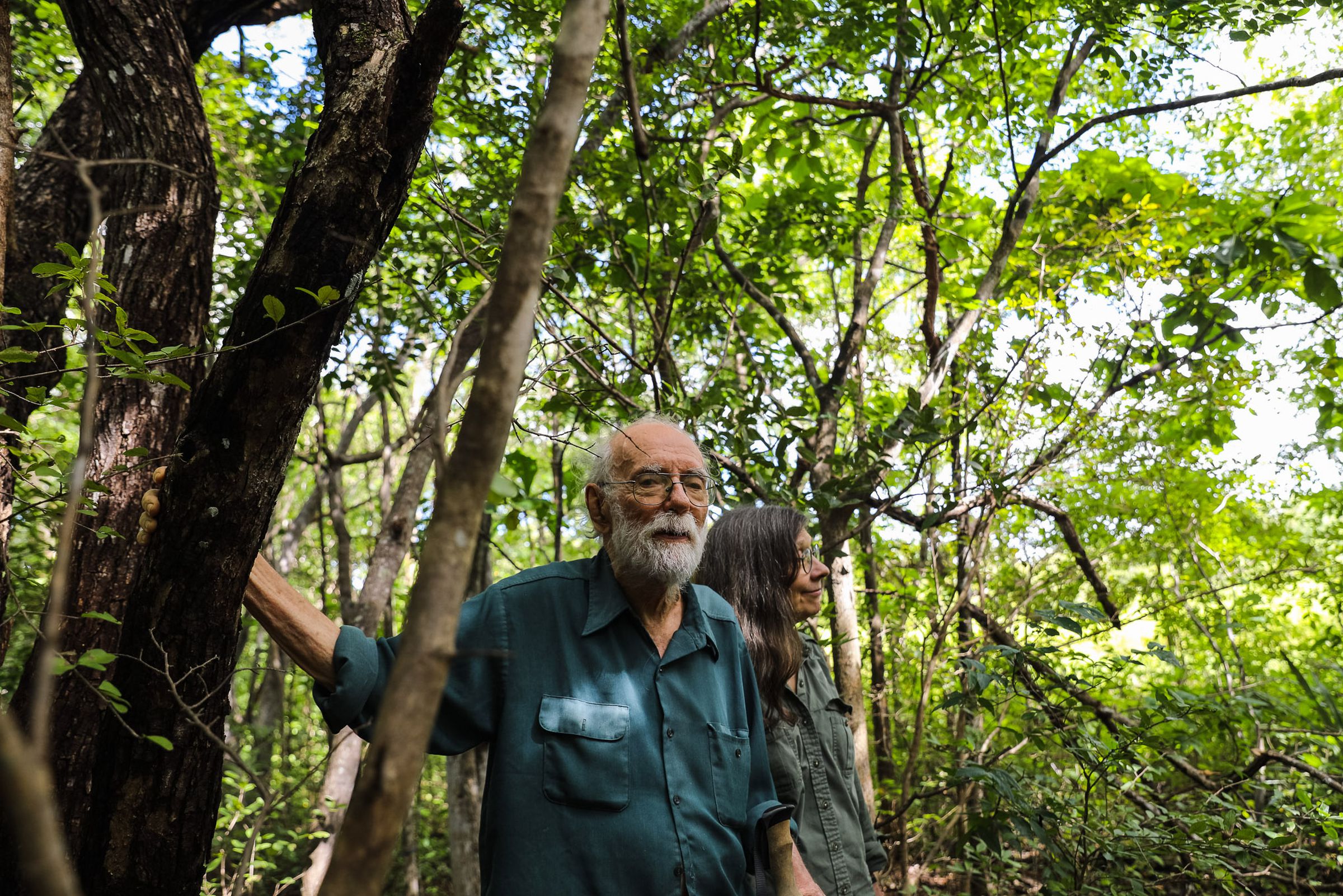
Daniel Janzen and Winnie Hallwachs, together with other conservationists, has brought forests back to the Area de Conservación Guanacaste (ACG) in Costa Rica — an area larger than the Hawaiian island of Oahu.   

Costa Rica, a beautiful country, has the right priorities. It has restored its forests and moved to renewable energy. Justine Calma at the Verge writes about the people behind the reforestation efforts and how climate change is starting to make their work more difficult.

“Ecologist Daniel Janzen wades into the field, clutching a walking stick in one hand and a fist full of towering green blades of grass in the other to steady himself. Winnie Hallwachs, also an ecologist and Janzen’s wife, watches him closely, carrying a hat that she hands to him once he stops to explain our whereabouts. 

“Together with other conservationists who have dedicated decades of their lives to this place, the couple has brought forests back to the Area de Conservación Guanacaste (ACG). It’s ​​an astonishing 163,000 hectares [~403,000 acres] of protected landscapes — an area larger than the Hawaiian island of Oahu — where forests have reclaimed farmland in Costa Rica. …

“ACG is a success story, a powerful example of what can happen when humans help forests heal. It’s part of what’s made Costa Rica a destination for ecotourism and the first tropical country in the world to reverse deforestation. But now, the couple’s beloved forest faces a more insidious threat.

“Across the road, the leaves are too perfect. It’s like they’re growing in a greenhouse, Janzen says. There’s an eerie absence among the foliage — although you’d probably also have to be a regular in the forest to notice. …

“There should have been bees, wasps, and moths along our walk, she explains. And plenty of caterpillar ‘houses’ — curled up leaves the critters sew together that eventually become shelter for other insects. …

“The bugs play crucial roles in the forest — from pollinating plants to forming the base of the food chain. Their disappearance is a warning. Climate change has come to the ACG, marking a new, troubling chapter in the park’s comeback story. … What’s happening here in the ACG says a lot about what it takes to revive a forest — especially in a warming world. …

“The dry season is about two months longer than it was when Janzen arrived in the 1960s. Climate change is making seasons more unpredictable and weather more erratic across the planet. …

“María Marta Chavarría, ACG’s field investigation program coordinator … explains it like this, ‘A big rain is the trigger. It’s time! The rainy season is going to start!’ Trees unfurl new leaves. Moths and other insects that eat those leaves emerge. But now, the rains don’t always last. The leaves die and fall. That has ripple effects across the food chain, from the insects that eat the leaves to birds that eat the insects. They perish or move on. And next season, there are fewer pollinators for the plants. ‘The big trigger in the beginning was false,’ Chavarría explains. …

“In 1978, Janzen … recalls in a 2021 paper he and Hallwachs published in the journal PNAS [his front wall was plastered with moths at night]. The title was ‘To us insectometers, it is clear that insect decline in our Costa Rican tropics is real, so let’s be kind to the survivors.’

“That observation in 1978 led the couple to focus their research on caterpillars and their parasites. In 1980, they used light traps to inventory moth species across the country, documenting at least 10,000 species. Since then, however, they’ve seen a steady decline in caterpillars. … 

“Hanging a white sheet and lights at the edge of a cliff overlooking a vast stretch of both old and new-growth forests, they photographed moths that came to rest on the sheet in 1984, 1995, 2007, and 2019. The first photograph is an impressive tapestry of many different winged critters. By 2019, that’s been reduced to a mostly white sheet speckled here and there with far fewer moths. Instead of an intricate tapestry of wings and antennae, the sheet looks more like a blank canvas an artist has only started to splatter with a brush. 

“Hallwachs and Janzen can see the same phenomenon now standing in broad daylight in the forest across from the field. Just because forests have come roaring back across the ACG doesn’t mean the struggle to survive is over. …

” ‘A lot of the reforestation projects are kind of assuming that trees are mechanical objects,’ Hallwachs says. But they don’t stand alone, not in a healthy forest. 

“Merely plant rows of trees, and the result is a tree plantation — not a forest. Bringing back a forest is a much different endeavor. It’s more about restoring relationships — reconnecting remaining forests with land that’s been cleared and nurturing new kinds of connections between people and the land.  

“In ACG’s dry forest, they didn’t have to plant trees by hand. By getting rid of the grass and stopping the fires, they cleared the way for the forest’s return. The first seeds blew in with the wind.

“Hallwachs and Janzen recognize them like old friends — stopping next to a Dalbergia tree that was one of the first to grow where they stomped out the fires. Its seeds are light and flat, allowing them to float on a breeze. When those trees start to grow, they attract animals in search of food or shelter. 

“Janzen measures each animal up by how many seeds they can hold and then spit or defecate onto the forest floor. ‘When you see a bird fly by, what you’re seeing is a tablespoon full of seeds,’ he says. ‘Every deer you see is a liter of seeds.’ ”

More at the Verge, here.

Read Full Post »

2437

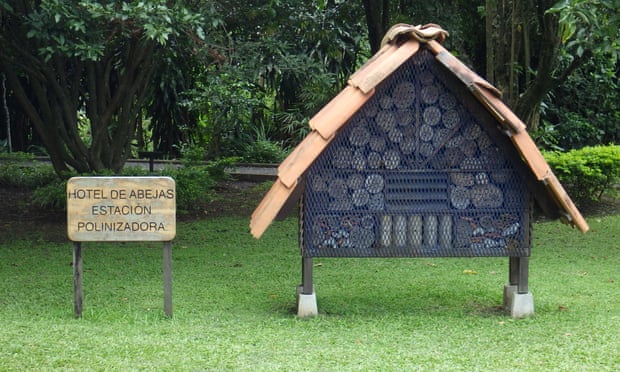
Photo: Curridabat Municipality
A bee hotel, part of Curridabat’s drive to welcome and protect pollinators. Costa Rica takes environmental issues seriously, which has made it a popular destination.

Some folks believe that many of the troubling aspects of our world will get fixed after coronavirus. Some say that’s unlikely. Others expect everything to get worse — problems such as inequality, nationalism, and environmental degradation.

The only prediction I’m confident about is that it will be a long time before we know. Meanwhile, stories from around the world are showing us options — often completely different ways of being.

Consider this story. Patrick Greenfield reports at the Guardian that a suburb of San Jose, Costa Rica, is taking environmental quality very seriously. In fact, the attitude toward nature nationwide has made this part of Central America a desirable destination in normal times. We ourselves went there when the kids were young.

” ‘Pollinators were the key,’ says Edgar Mora, reflecting on the decision to recognise every bee, bat, hummingbird and butterfly as a citizen of Curridabat during his 12-year spell as mayor.

‘Pollinators are the consultants of the natural world, supreme reproducers and they don’t charge for it. The plan to convert every street into a biocorridor and every neighbourhood into an ecosystem required a relationship with them.’

“The move to extend citizenship to pollinators, trees and native plants in Curridabat has been crucial to the municipality’s transformation from an unremarkable suburb of the Costa Rican capital, San José, into a pioneering haven for urban wildlife.

“Now known as ‘Ciudad Dulce’ – Sweet City – Curridabat’s urban planning has been reimagined around its non-human inhabitants. Green spaces are treated as infrastructure with accompanying ecosystem services that can be harnessed by local government and offered to residents. Geolocation mapping is used to target reforestation projects at elderly residents and children to ensure they benefit from air pollution removal and the cooling effects that the trees provide. The widespread planting of native species underscores a network of green spaces and biocorridors across the municipality, which are designed to ensure pollinators thrive. …

“The metropolitan area surrounding San José is home to more than 2 million people – about half of the population of Costa Rica – despite covering less than 5% of the country’s area.

“Were it not for the lush volcanic peaks that surround Costa Rica’s central valley, it would not be immediately obvious that you were in the heart of one of the most biodiverse countries on the planet. Humans dominate and the country’s cloud forests, pristine coastline and emblematic sloths can feel a long way from the concrete and traffic.

“ ‘We attract a lot of tourists because of nature and conservation but there is still friction in the city,’ says Irene Garcia, head of innovation at the mayor’s office in Curridabat, who oversees the Sweet City project. …

“By the middle of the century, the UN projects that 68% of humanity will live in towns and cities, placing further pressure on ecosystems and rapidly vanishing habitats.

“But many urban planners are trying to change this relationship and the importance of green spaces in towns and cities has been recognised in a draft UN agreement to halt and reverse biodiversity loss, often referred to as the Paris agreement for nature.

“Sweet City is just one of a number of biocorridors around the country that allow the genetic spread of species to maintain their strength. In Central America, this concept has developed since the early 2000s following an agreement to form a biocorridor network to connect jaguars.

“ ‘Grey infrastructure makes the city warm up too much. So the idea to connect green areas is to cool down parts of the city, return the ecosystem services that were there previously but have deteriorated,’ says Magalli Castro Álvarez, who oversees Costa Rica’s network of biocorridors with the National System of Conservation Areas (Sinac).

“ ‘Inter-urban biocorridors have a double objective: they create ecological connectivity for biodiversity but also improve green infrastructure through roads and river banks lined with trees that are linked with the small forested areas that still exist in metropolitan areas. They improve air quality, water quality and give people spaces to relax, have fun and improve their health.’

“Many Costa Ricans are happy to speak about the policy benefits of schemes such as Sweet City, as their response to the challenges of bringing nature into the city is part of a deeper national sentiment. It is not in this tiny Central American country’s DNA to behave as if humans were somehow set apart from nature. …

“Says the country’s president, Carlos Alvarado Quesada, who credits Costa Rica’s tradition of pacifism and respect for nature with its desire to tackle big environmental issues, ‘Even though we have a small territory, its characteristics allow us to have 6% of the biodiversity of the world in our land.’ ”

More here.

Read Full Post »

green-bus-stop

Photo: The Independent
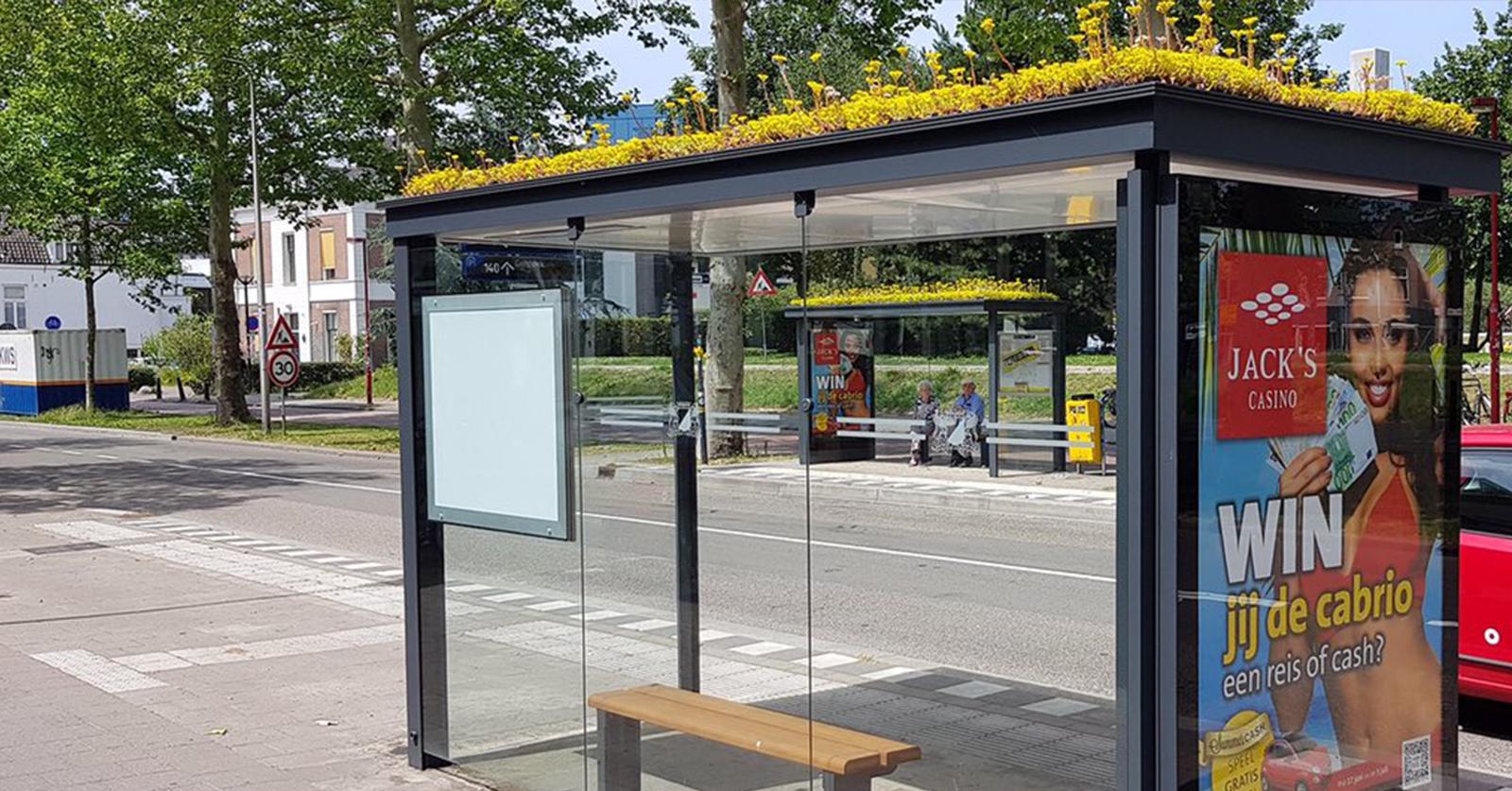
Holland is welcoming bees to bus-stop roofs with plants that also clean dust from the air.

Here is a cool idea for nourishing our valuable pollinators — as long as you’re not allergic to bee stings.

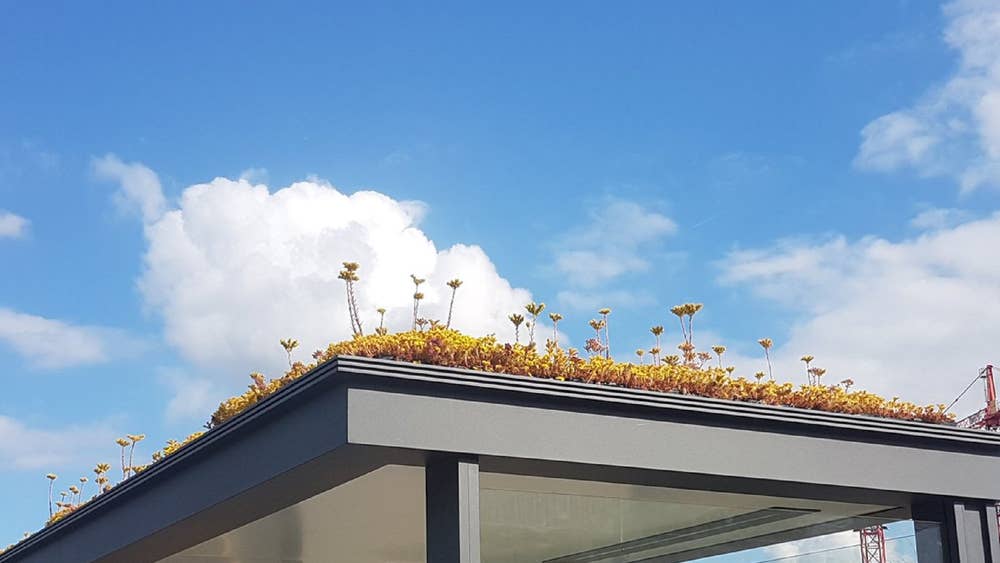
Sophie Hirsh at Green Matters has the story. “Waiting for the bus is typically pretty uneventful — unless you live in one Dutch city. Utrecht, a city in Holland, the Netherlands, recently gave makeovers to 316 bus stops, outfitting them with ‘green roofs,’ The Independent reports. The roofs are covered with sedum flowers and other plants, which act as an oasis for bees. …

“As explained by BrightVibes, the plants will also help absorb rainwater, capture dust or pollutants from the air, and regulate temperatures. …

“In addition to the green roofs, the bus stops also feature bamboo benches and LED lights, which are much more efficient than fluorescent and incandescent lights. And to keep the maintenance of the green bus stops as eco-friendly as possible, Utrecht’s municipal employees who service the bus stops travel from station to station using electric vehicles.

“If Utrecht citizens find themselves inspired when waiting for their daily bus ride, the city is encouraging residents to install green roofs on their houses. In fact, Utrecht residents can actually apply for a subsidy to cover the costs of planting greenery on their roofs, according to BrightVibes. …

“According to the USDA, bee pollination assists in producing one out of every three bites of food we take in the U.S. Many foods we regularly enjoy would not be possible without bees. According to the NRDC, 42 percent of U.S. bee colonies collapsed in 2015, putting our nation’s food supply in jeopardy.

“But over the past few years, there have been a few other local projects to protect bees around the world. For example, in 2010, a German couple began installing bee hives on buildings around Berlin, with the goal of helping bees, as well as creating awareness for the importance of protecting pollinator insects. …

“If you have a garden at your home, there are plenty of ways to use your outdoor space to help bees and other pollinators. For example, you can plant flowers that will attract bees, such as alyssum, echinacea, geranium, and clover, preferably in bright colors like blue, purple, and yellow, according to Gardeners Supply Company. You can also stop weeding your garden and mowing your lawn. As explained by the New York Bee Sanctuary, dandelions and other weeds are great food sources for bees.”

More here.

Photo: GreenMatters.com
Pollinator gardens on bus-stop roofs offer numerous environmental benefits.

bus-stop-bees-1562873127347

Read Full Post »

large_t_bcyzlmnca3tnmpokvf8h7rlalyd5xo7anjqui3htc

Photo: REUTERS/Toru Hanai
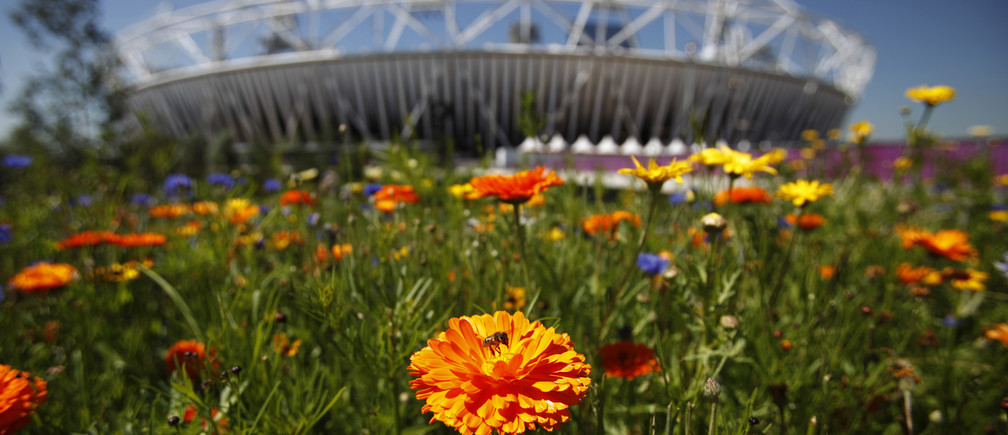
Insects are facing habitat loss across Europe, so London and other cities are taking action.

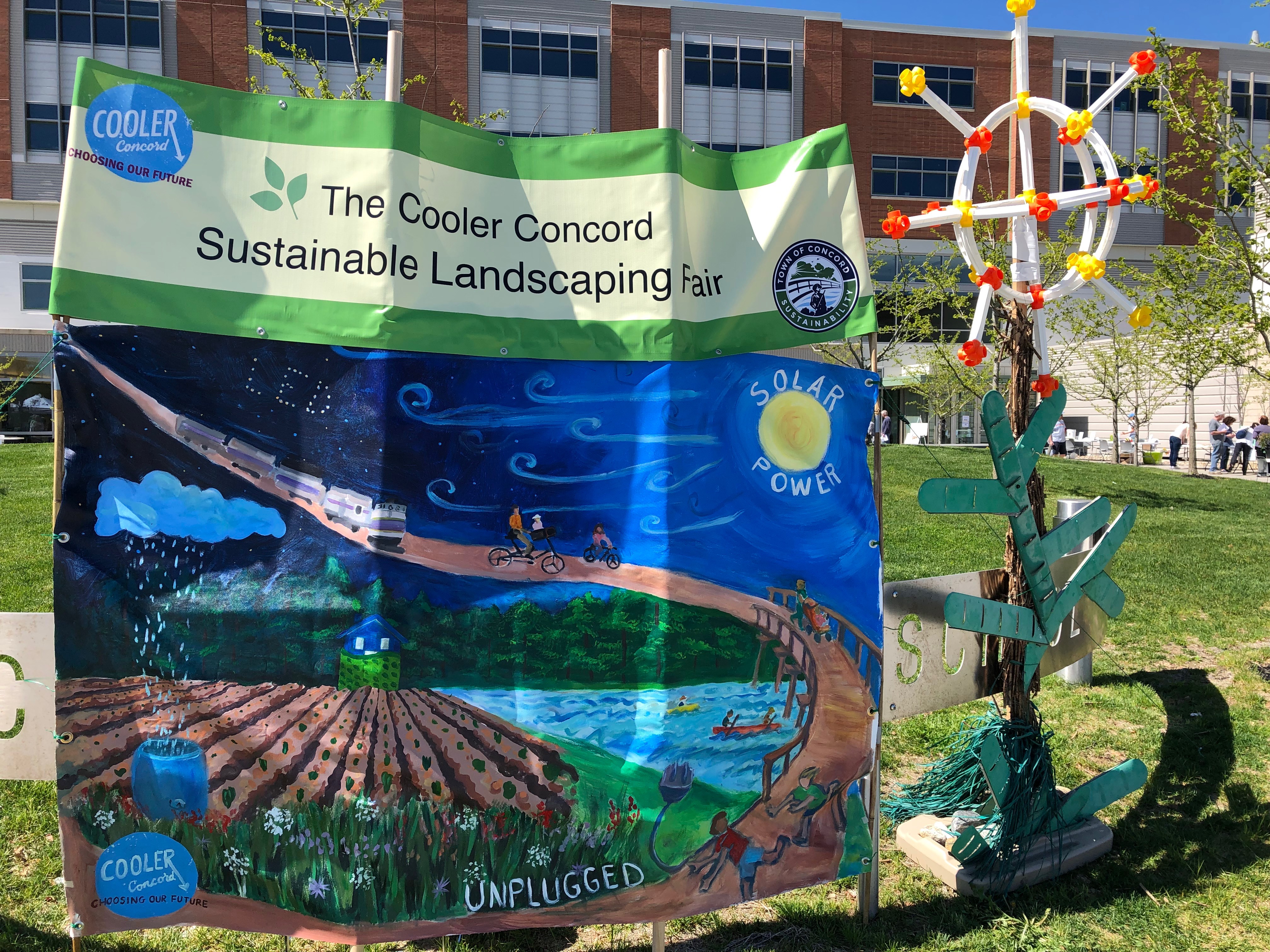
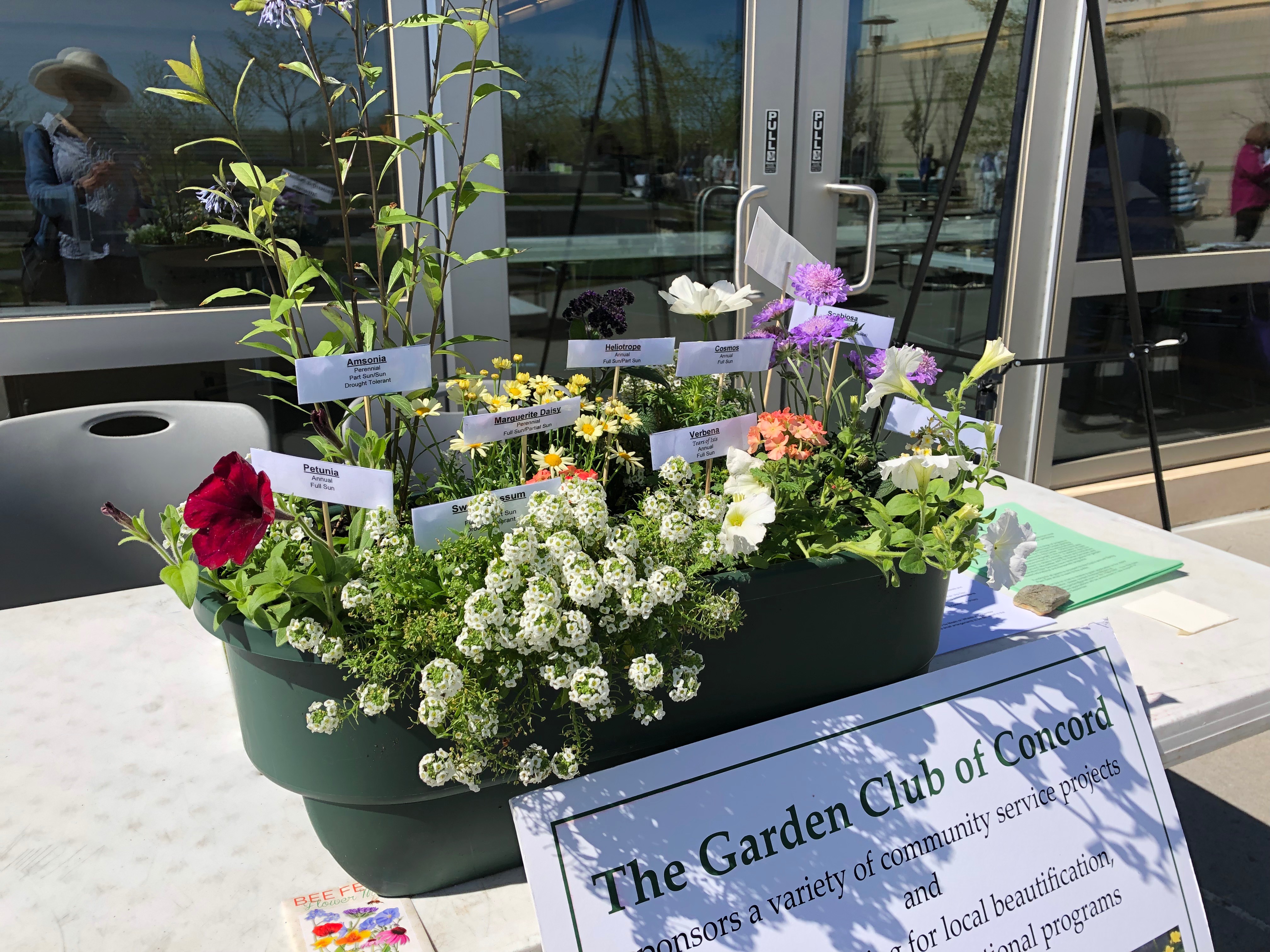
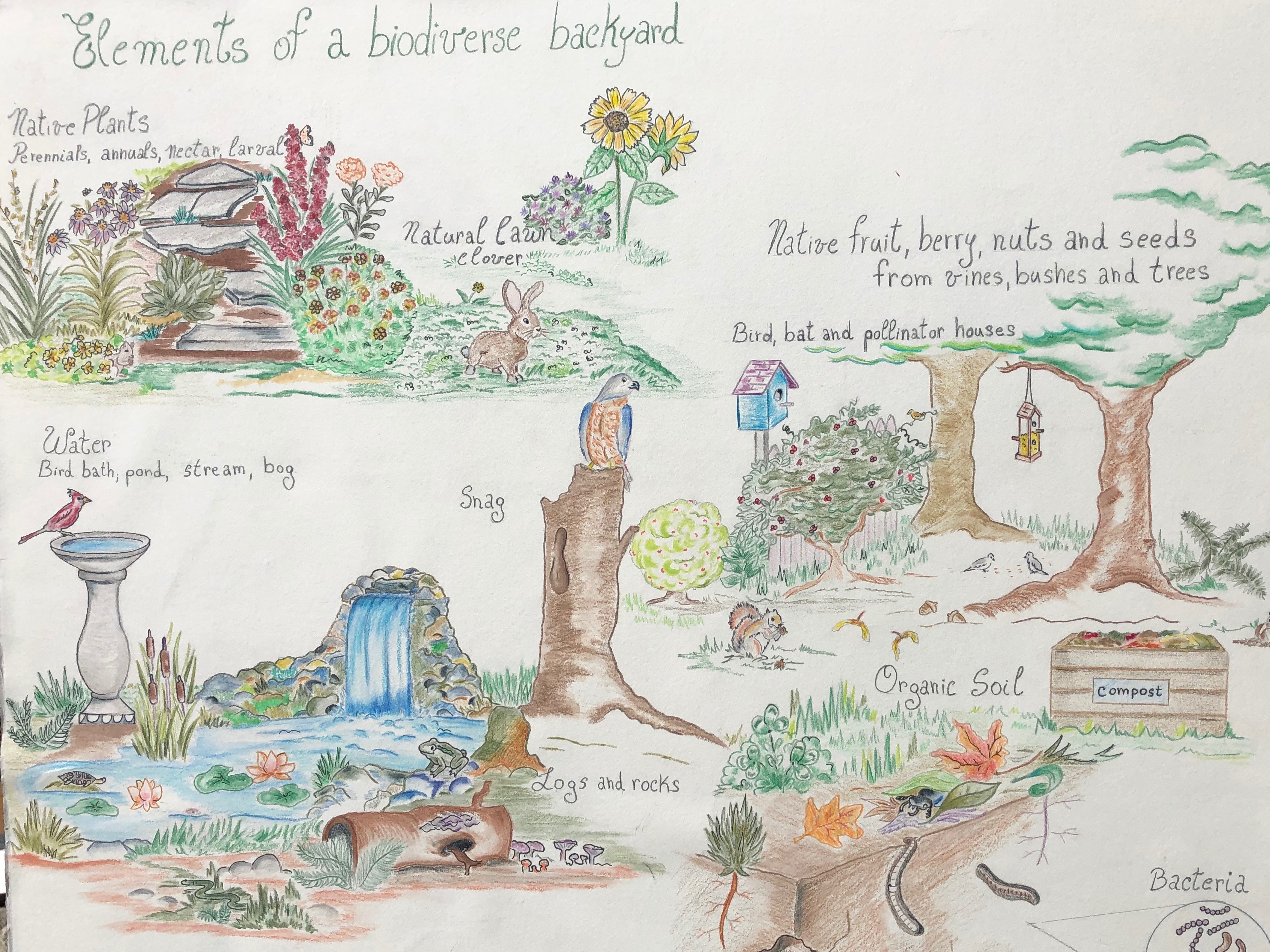
This story is for Jean, whose booth on MeadowScaping for Biodiversity I visited today at the high school’s sustainability event. Forward-thinking students at our school want this town of many lawns and too many lawn chemicals to change its pollinator-killing ways.

Charlotte Edmond at the World Economic Forum reports on how the city of London is getting serious about making bees and other important insects welcome.

“At any one time it’s estimated there are 10 quintillion insects alive. … Many of us hold no great affection for creepy crawlies, so it’s easy to overlook the crucial role they play in supporting ecosystems. Sitting at the bottom of the food web, they are also nature’s waste disposers, crucial to decomposition. Without them we would more than likely go hungry, with many crops needing pollinators to thrive.

But habitat loss and widespread use of insecticides and agrichemicals has led to insect numbers plummeting in recent years.

“In London, as with many other cities, you’re more likely to hear the buzz of cars than insects. But the UK’s capital is looking to give bugs a boost by creating an insect highway through the north-west of the city.

“A seven-mile wildflower corridor is being planted in parkland to provide a safe haven for insects. To support a range of bees and other pollinators, a mixture of seeds has been chosen.

“There has been a catastrophic loss of flower-rich grasslands in England since the 1930s, often as a result of intensive farming or redevelopment of green sites. … Recent studies have shown some species of pollinators in Britain have decreased by up to a third in the past two decades. There has also been a dip in the range of insects seen: in contrast to the sharp decline seen in some species, other insects, particularly those that [eat] crops, have become more prevalent.

“Experts are concerned by the impact the falling bug count will have. The UK government is five years into a strategy to curb pollinator loss, and is working with bodies such as Buglife to introduce more spaces to support pollinating insects. The charity is introducing a network of insect pathways throughout Britain, running through towns and countryside to connect existing wildlife areas together.

“Alongside this, it is working to create ‘urban hotspots’ for insects, transforming mown and unused areas of land by introducing shrubs, flowers and so-called bee hotels.

“Elsewhere, Norway has built a ‘bee highway’ through its capital, Oslo. And Berlin is one of a number of cities around the world to have introduced urban hives in a bid to support bee populations.

“Honey bees, bumblebees, wild bees and other pollinators are estimated to bring at least $25 billion to the European agriculture industry, ensuring pollination for most crops and wild plants.”

For more on London’s biodiversity efforts, go to the World Economic Forum site, here, where you can also find related stories.

Student-run fair to encourage town residents to use sustainable practices in their yards.

051819-sustainable-landscaping-fair

051819-native-flowers-Massachusetts

051819-MeadowScaping-for-BiodiversityJPG

Read Full Post »

Photo: Aram Boghosian for The Boston Globe
Jean Devine (left) and Jayden Pineda, 7, make a meadow at the Waltham Y.

I’m excited that today the Boston Globe caught up with my friend Jean’s terrific biodiversity-education outreach. Readers may recall that I blogged here and here about how she and Barbara Passero got started on “meadowscaping” — hoping to ween homeowners from using pesticides and herbicides that harm the environment and contribute to global warming.

Debora Almeida reports on the educators’ latest work with kids: “Swimming, crafting, and playing games are staples of day camp, but kids at the Waltham YMCA are doing something new this summer.

“They’re learning how to plant and cultivate a meadow — and why they should.

“ ‘We just want to save the world, that’s all,’ said Barbara Passero, cofounder of Meadowscaping for Biodiversity, an outdoor environmental education program for students of all ages, which has partnered with the Y for the project.

“Over the course of the summer, Passero and program leader Jean Devine are teaching children the fundamentals of meadow upkeep and the importance of planting exclusively native plants. They are the best hosts for pollinators, such as bees, butterflies, and moths. In turn, the insects attract other wildlife such as birds and rabbits, building biodiversity.

“While some people’s first instinct would be to spray pesticides to protect their hard work from leaf-munching insects, Passero knows that birds will take care of the insects on their own. She also refuses to use any toxic substances around the children, who truly get their hands dirty digging in the meadow. Seth Lucas, program administrator at the Waltham Y, said kids love the activity. …

“The meadow started as a patch of weedy grass, but is in the process of becoming a 10-by-60-foot flourishing garden. Passero and Devine are setting the meadow up for success with native plants that come back year after year. The plants are self-sustaining and spread on their own.”

Such a happy story! Do read the whole thing here.

Read Full Post »