Feeds:
Posts
Comments

Posts Tagged ‘wildflower’

Photos: Suzanne and John’s Mom.
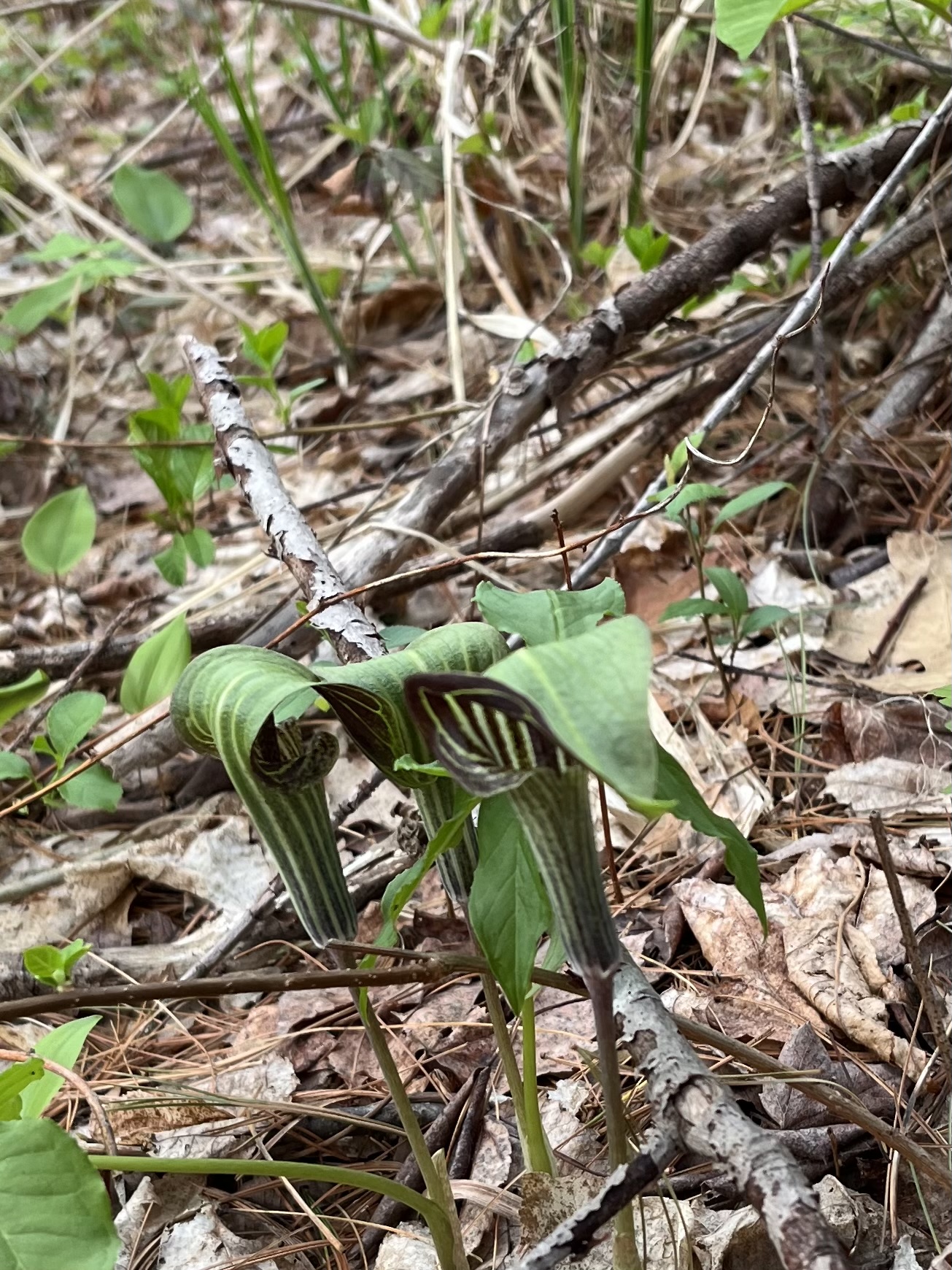
First Jack-in-the-Pulpit I had seen in years.

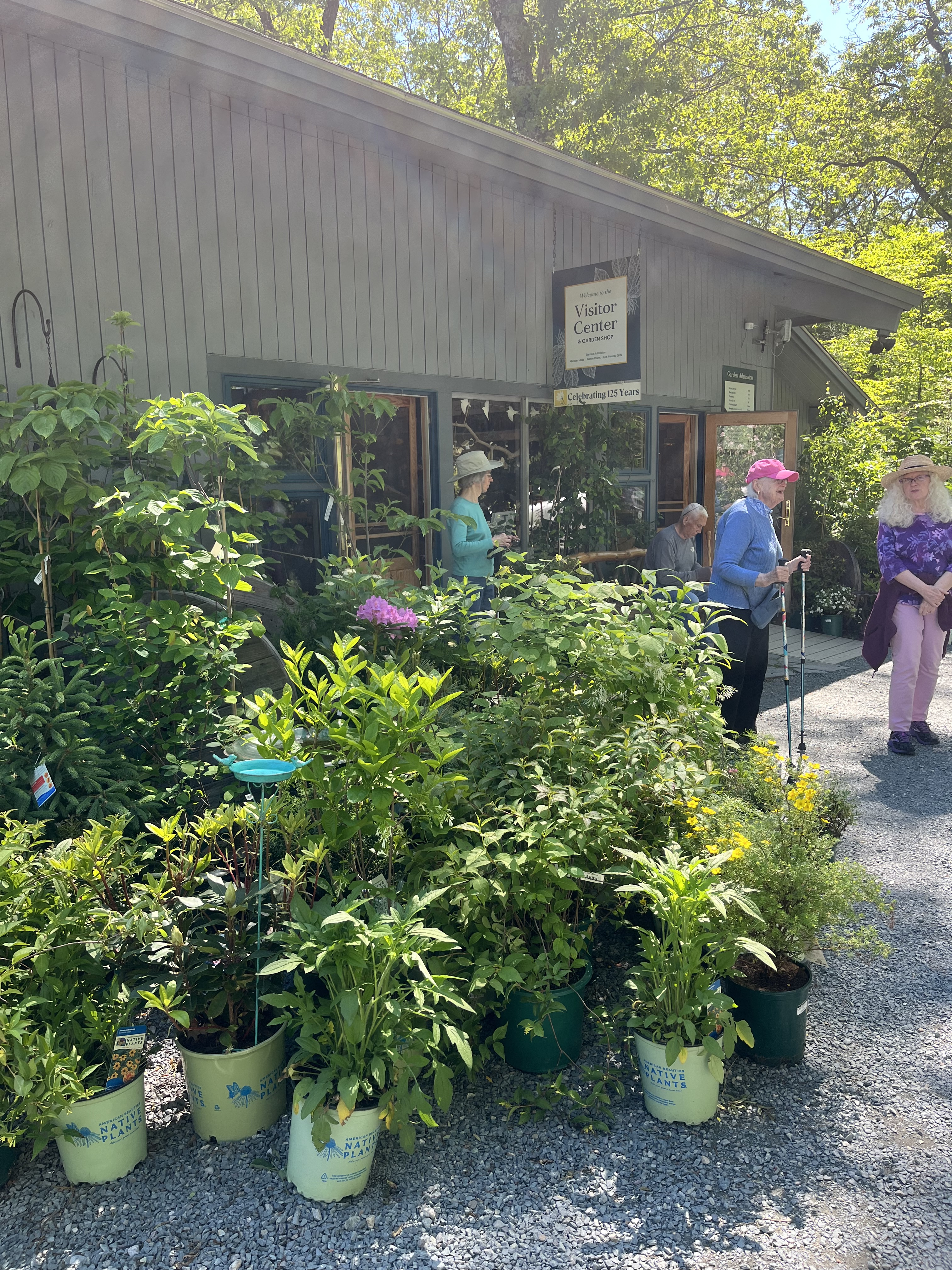
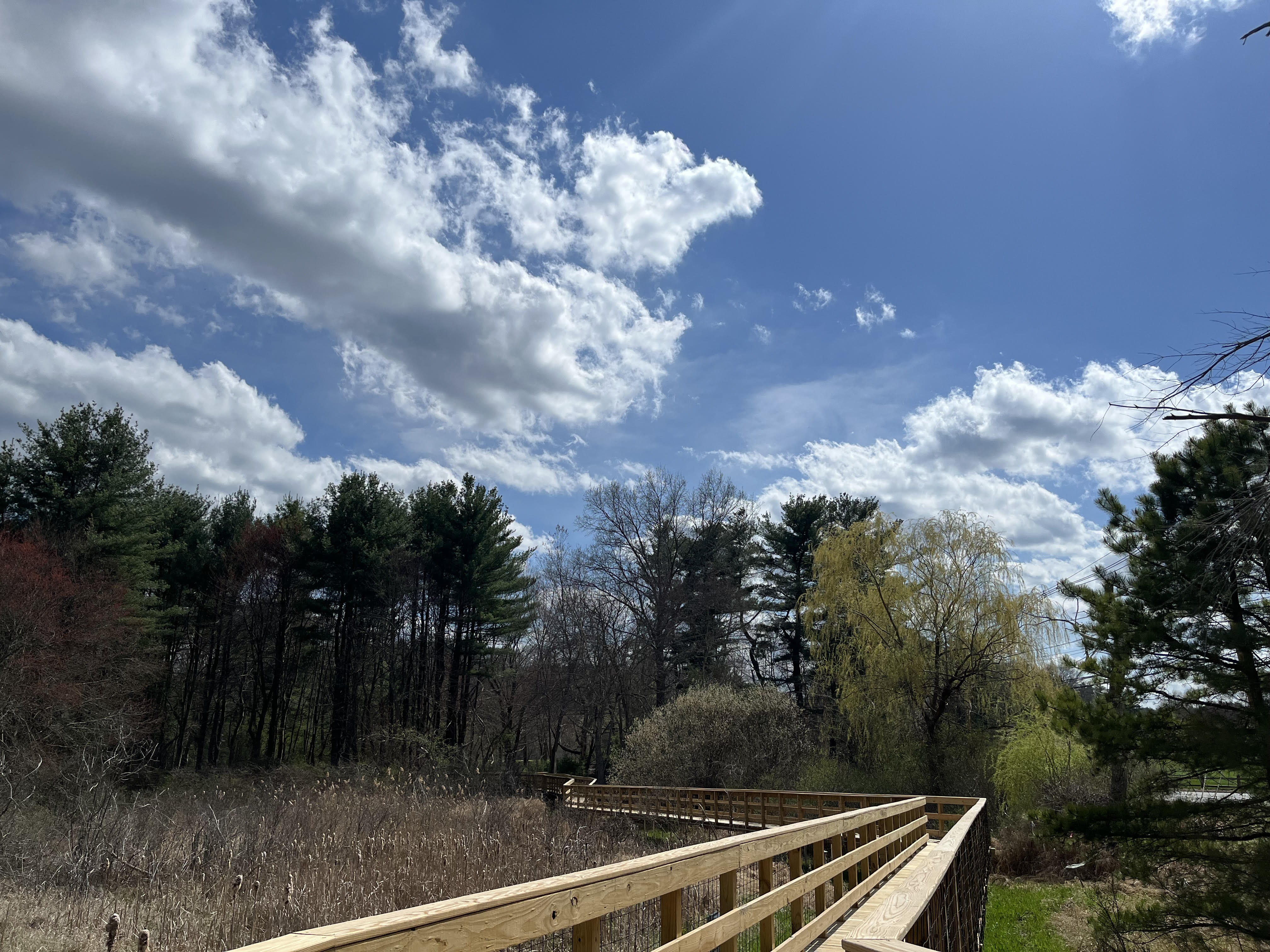
Today I’m sharing recent photos — mostly of Massachusetts spring flowers. One thing I’m especially enjoying this year is all the wildflowers. After my retirement community built a boardwalk that could accommodate walkers and wheelchairs, the administration and a group of residents started planting (ethically grown) wildflowers. Wonderful! And then we got a trip to the Native Plant Trust’s Garden in the Woods, which is entirely wildflowers.

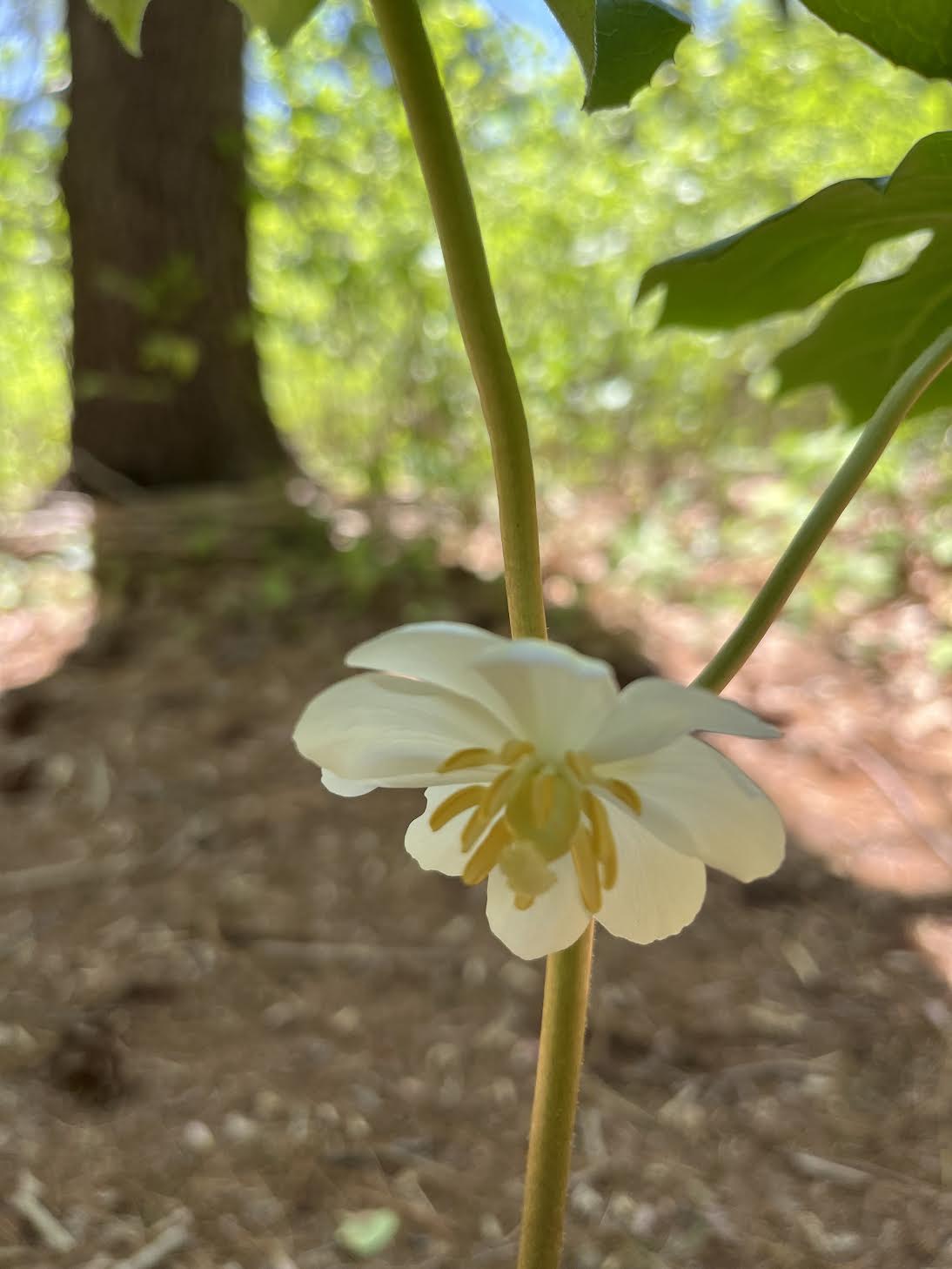
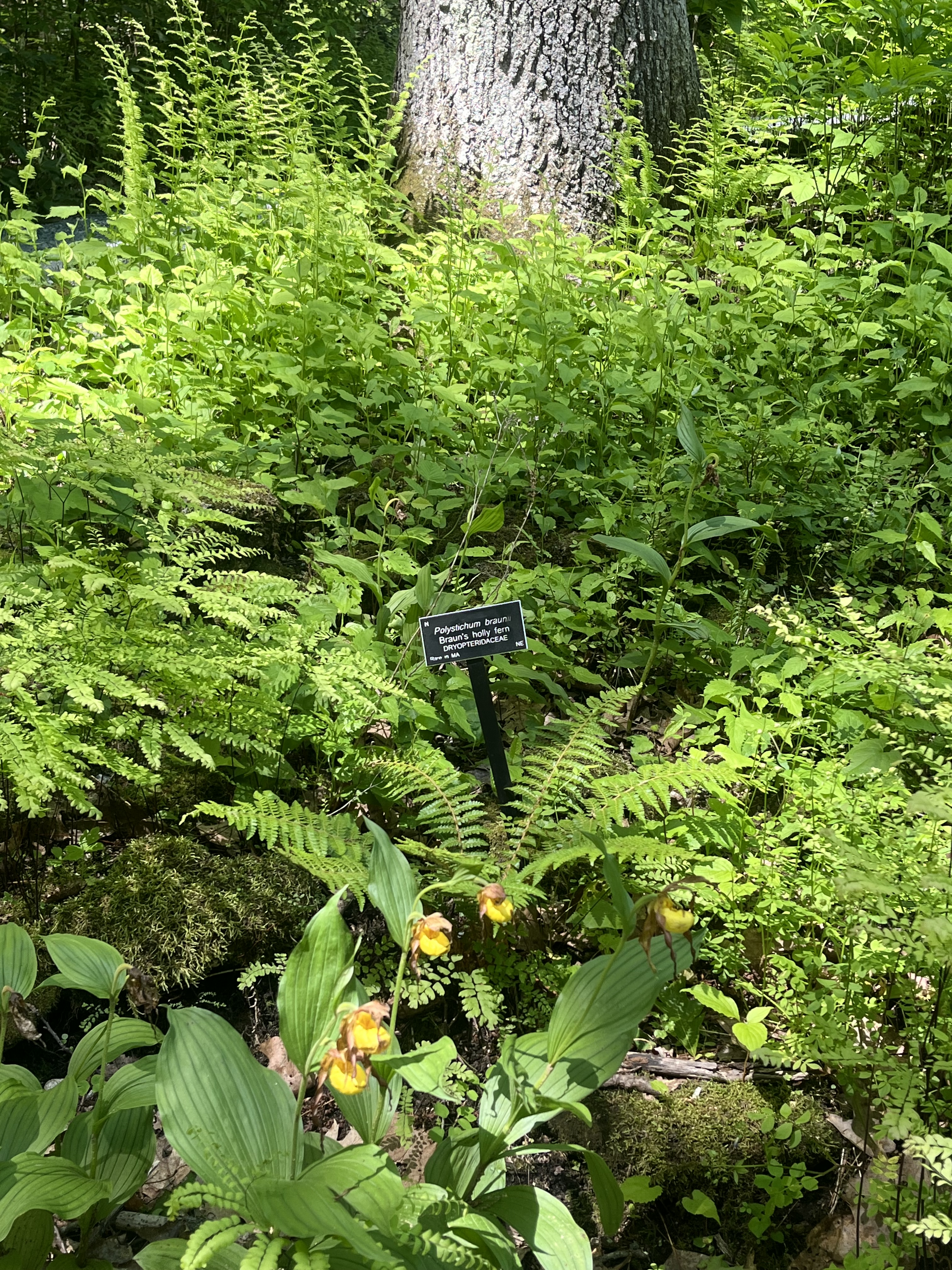
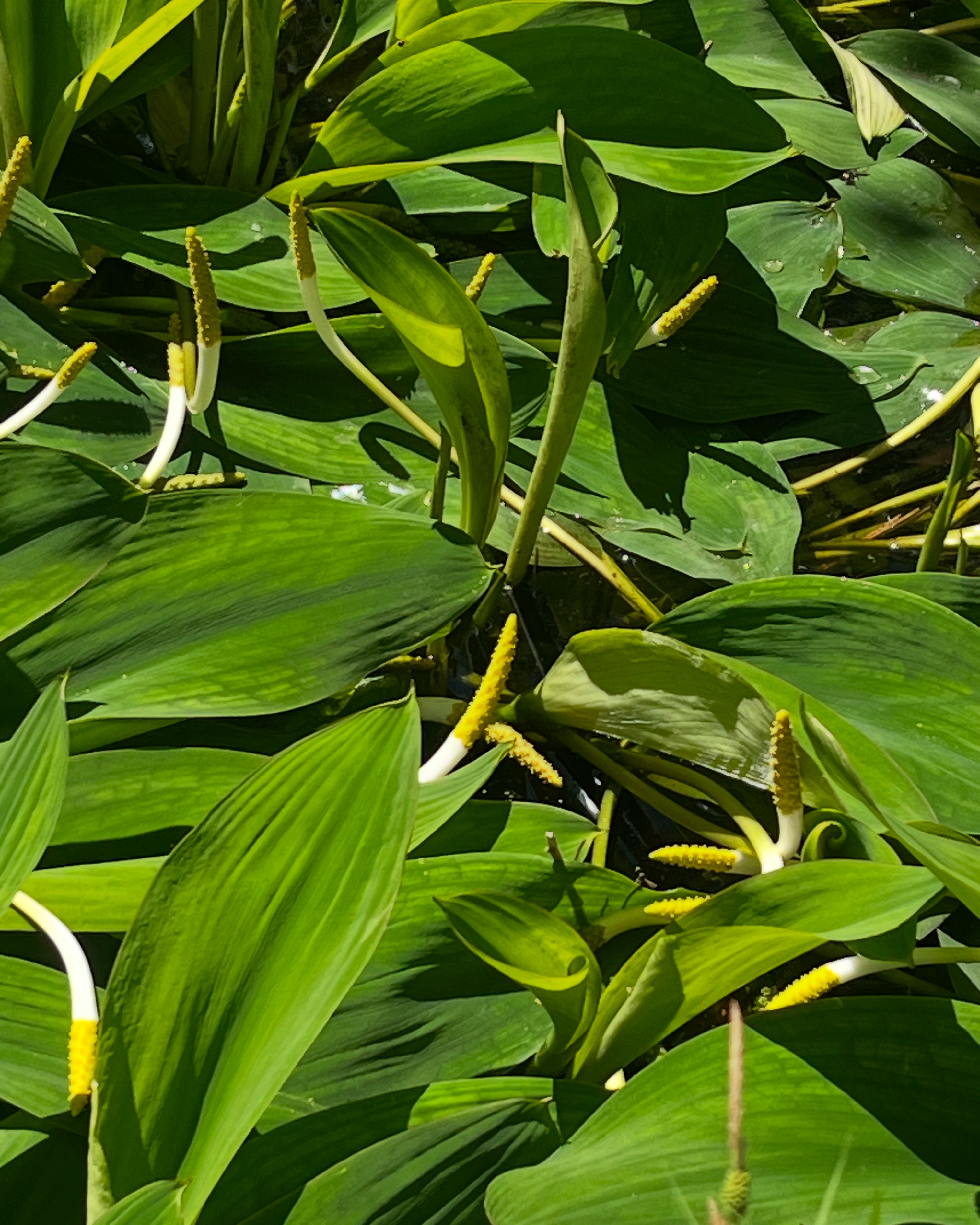
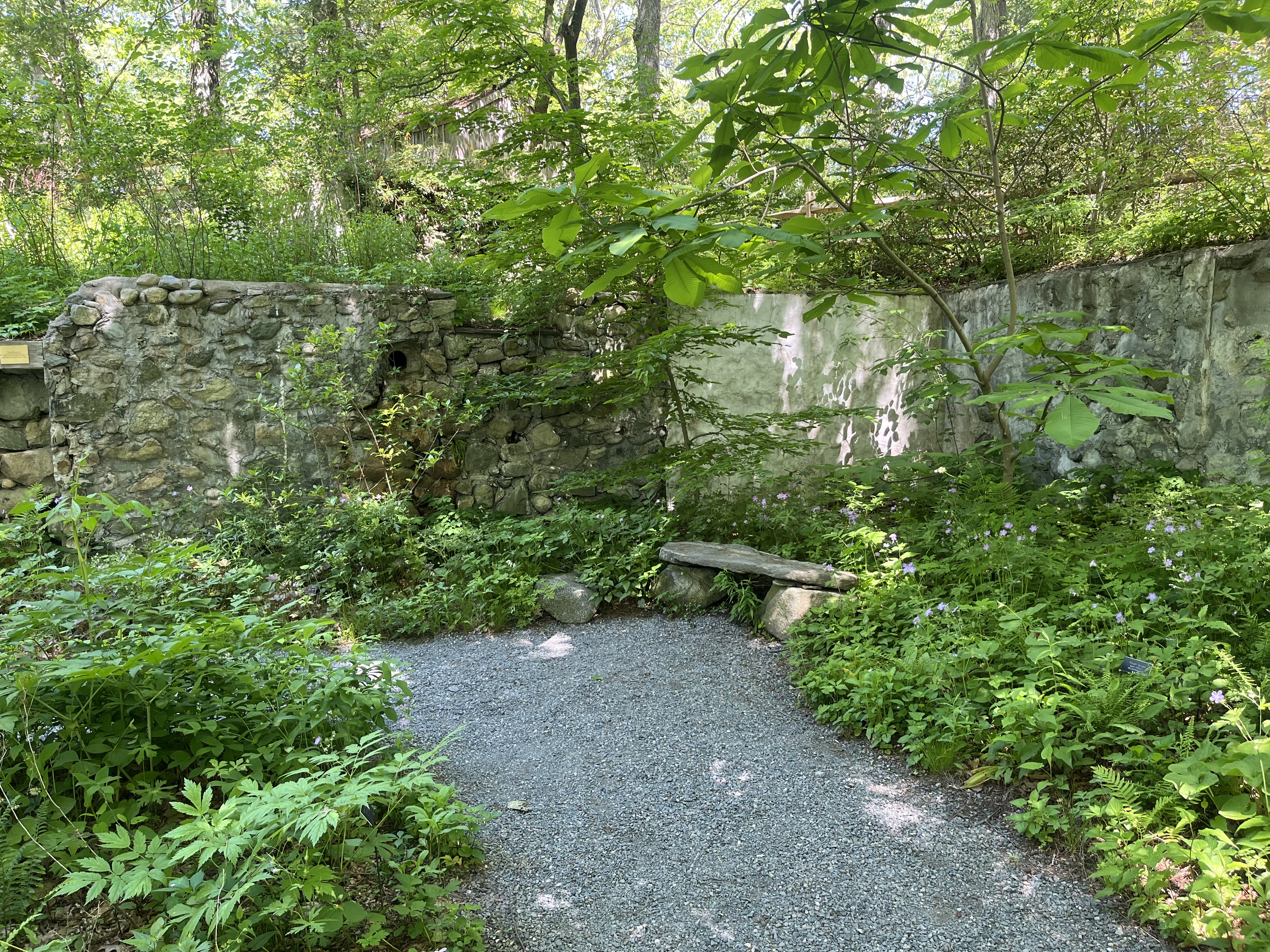
Below, note a flowering May apple near our boardwalk. It’s followed by yellow Lady slippers at Garden in the Woods. At the same nature preserve, we learned about Golden club, which is found in the wetland area. So unusual!

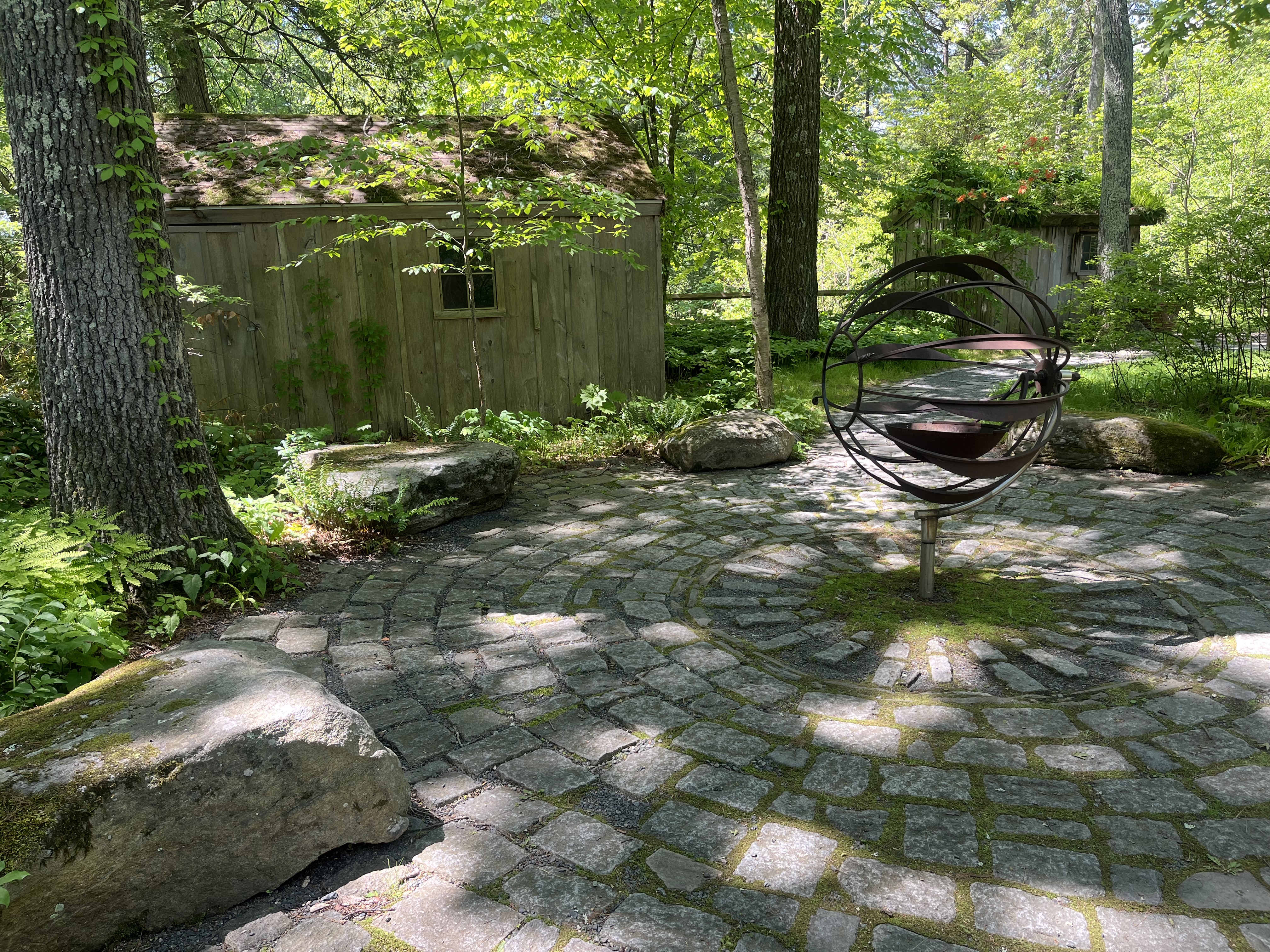
There are more pictures from Garden in the Woods after that.

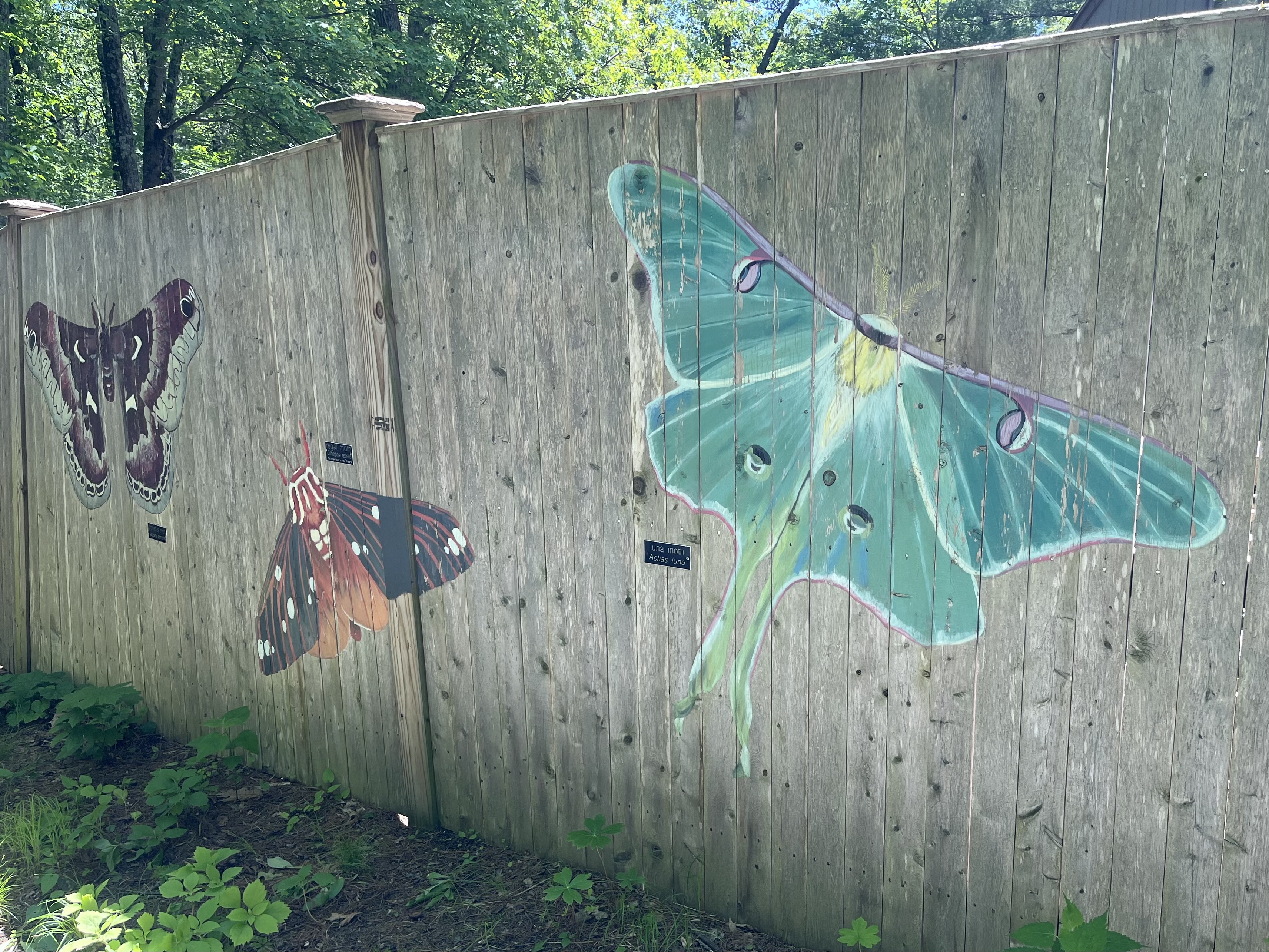
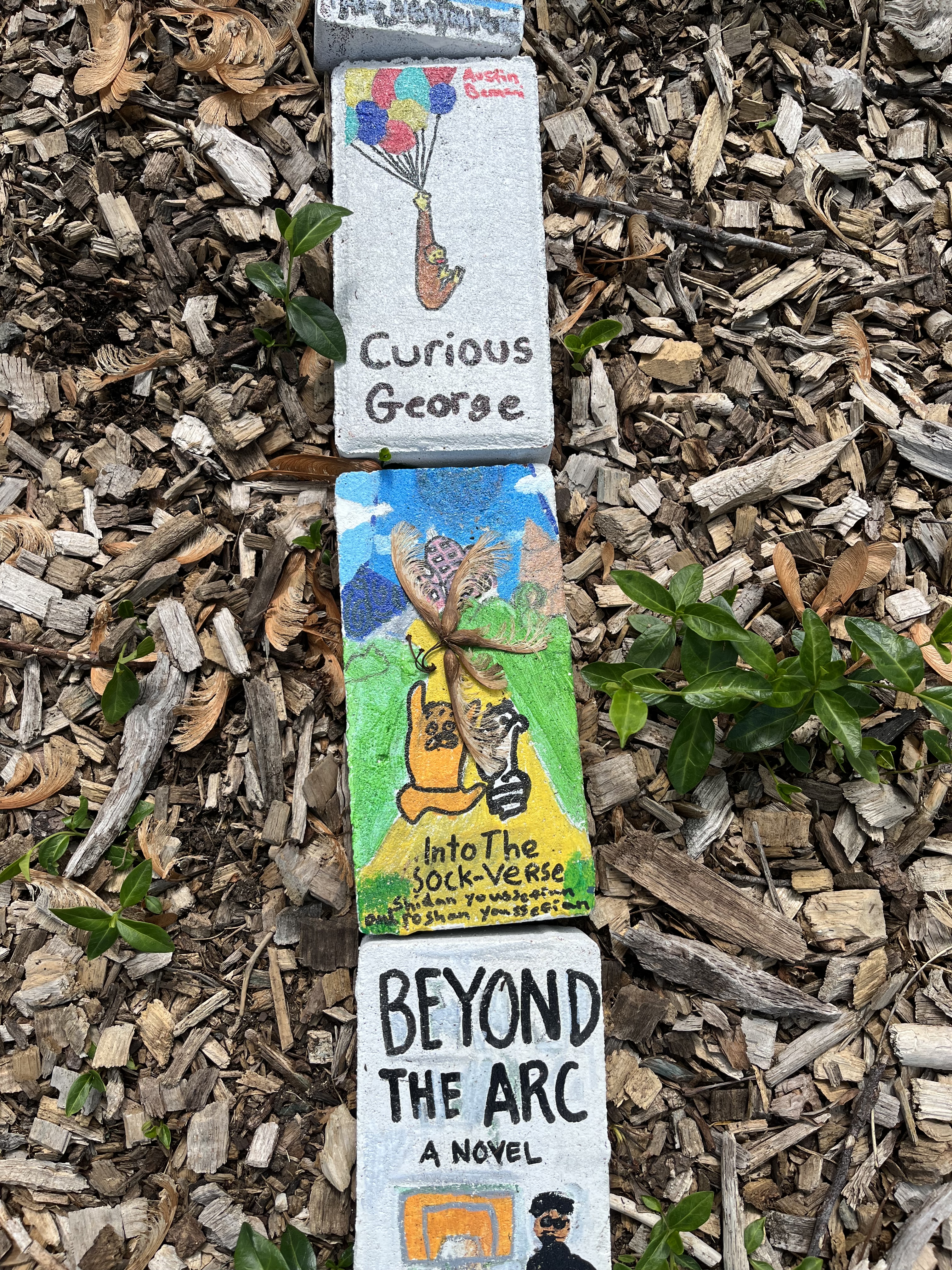
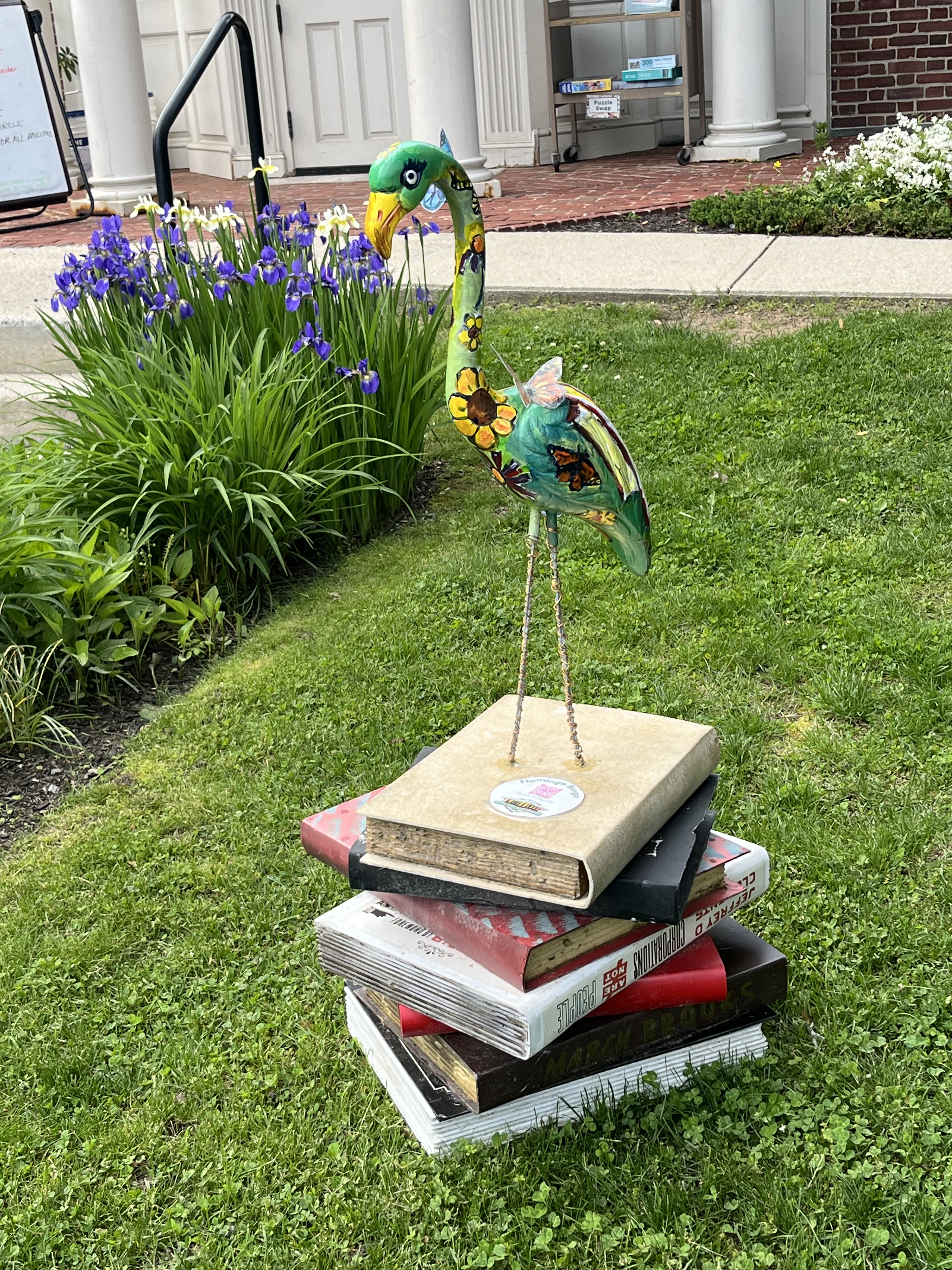
Next are a couple photos from our local library. The librarians love fun art projects, often involving child artists. They offer loads of activities for kids. For example: painting book bricks to border a garden.

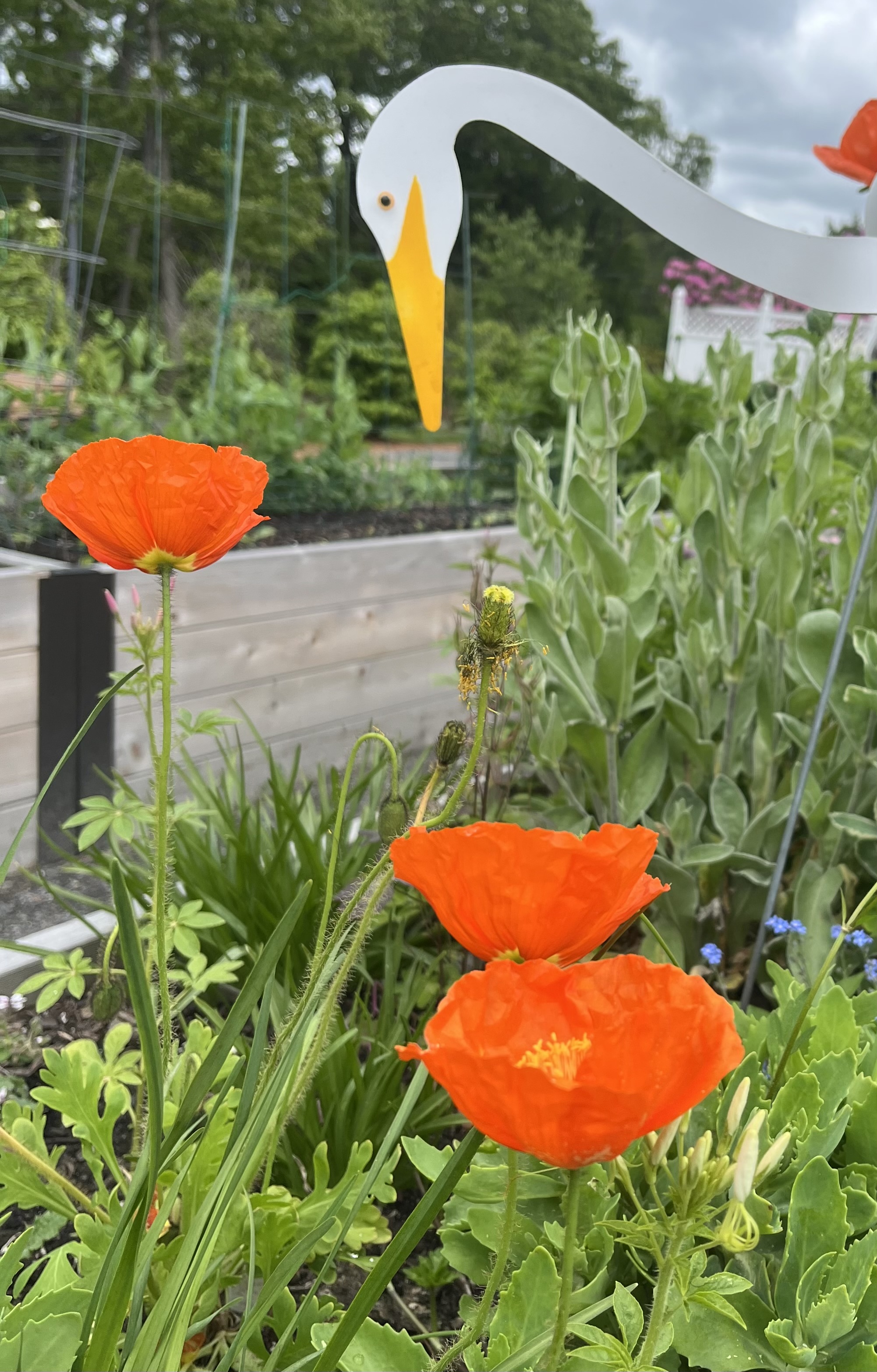
Next are Jane’s poppies. Jane has a variety of flowers and edibles in one of the raised beds in our community.

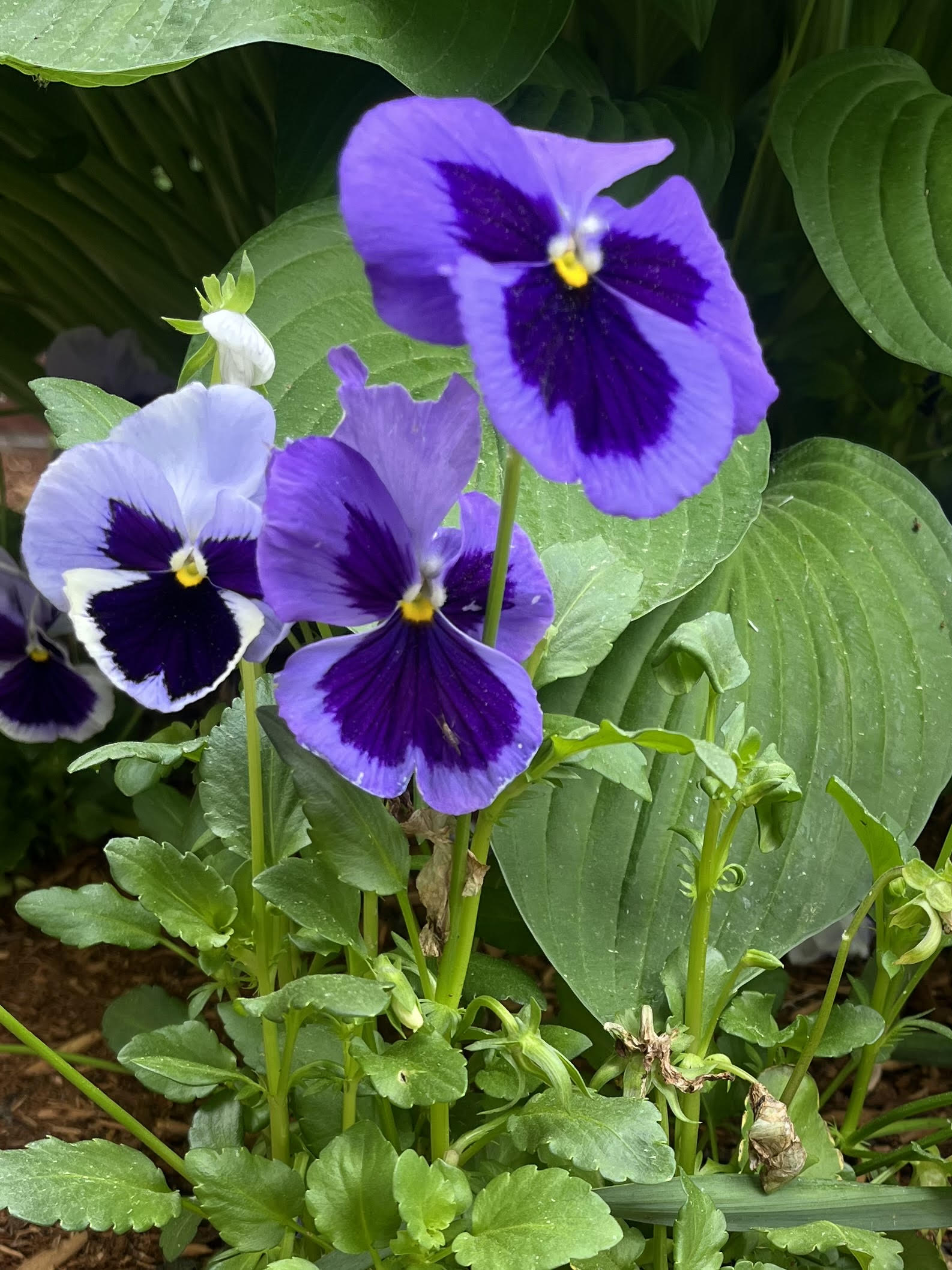
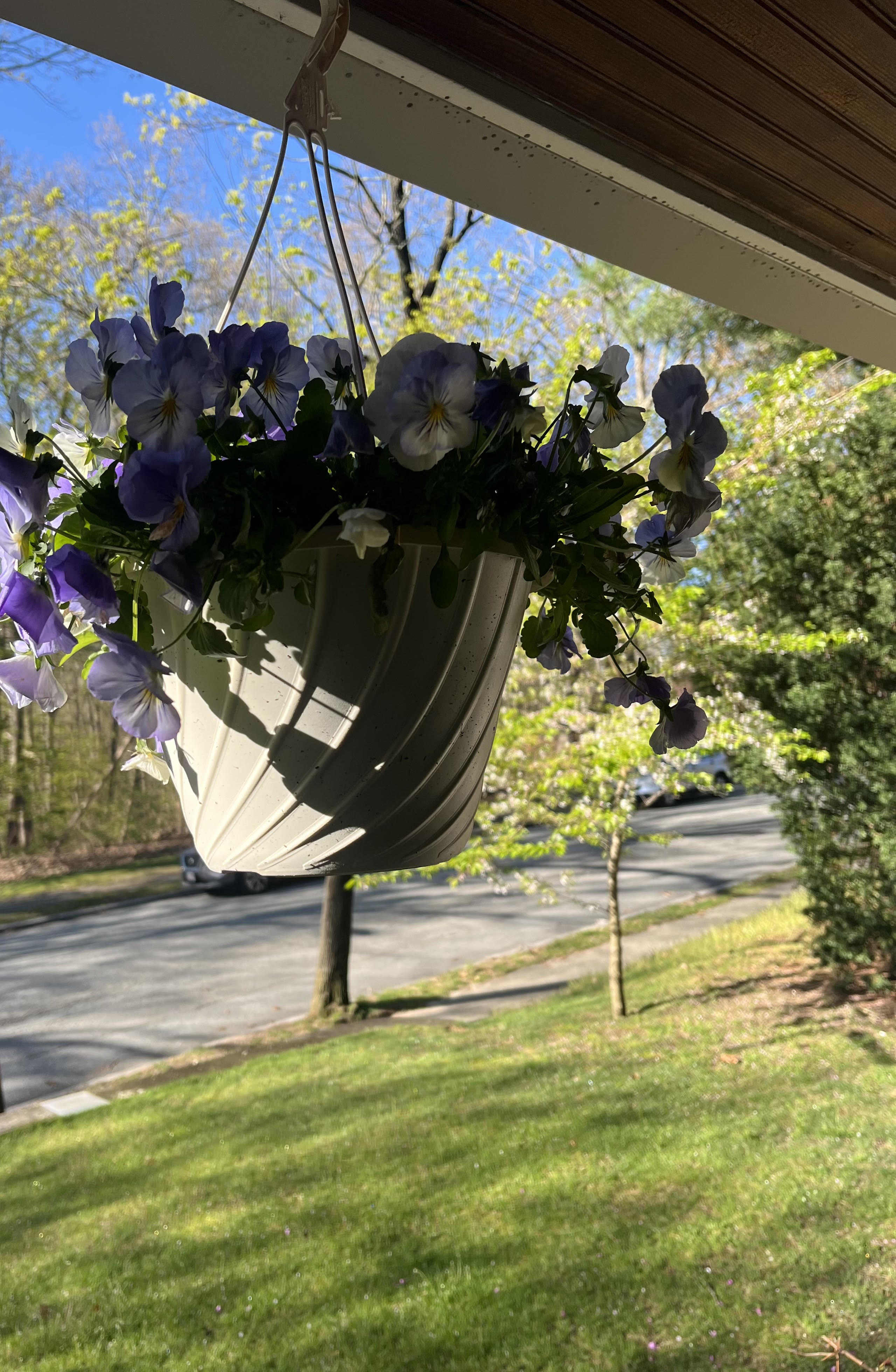
Finally, here are some pansies that seemed to sing, reminding me of the pansies in a wacky Disney remix I love.

Read Full Post »

Photos: Suzanne and John’s Mom. (Erik took the photo of my grandson.)
Where I like to walk these days.

We had some gorgeous days in April, and May is shaping up nicely, too.

I start my latest photo round-up with the boardwalk my retirement community built according to stringent environmental regulations. I love the feeling of walking in the woods, and right now, wildflowers that were already there are coming up, while residents are planting others with the guidance of a woman specializing in the removal of invasive species.

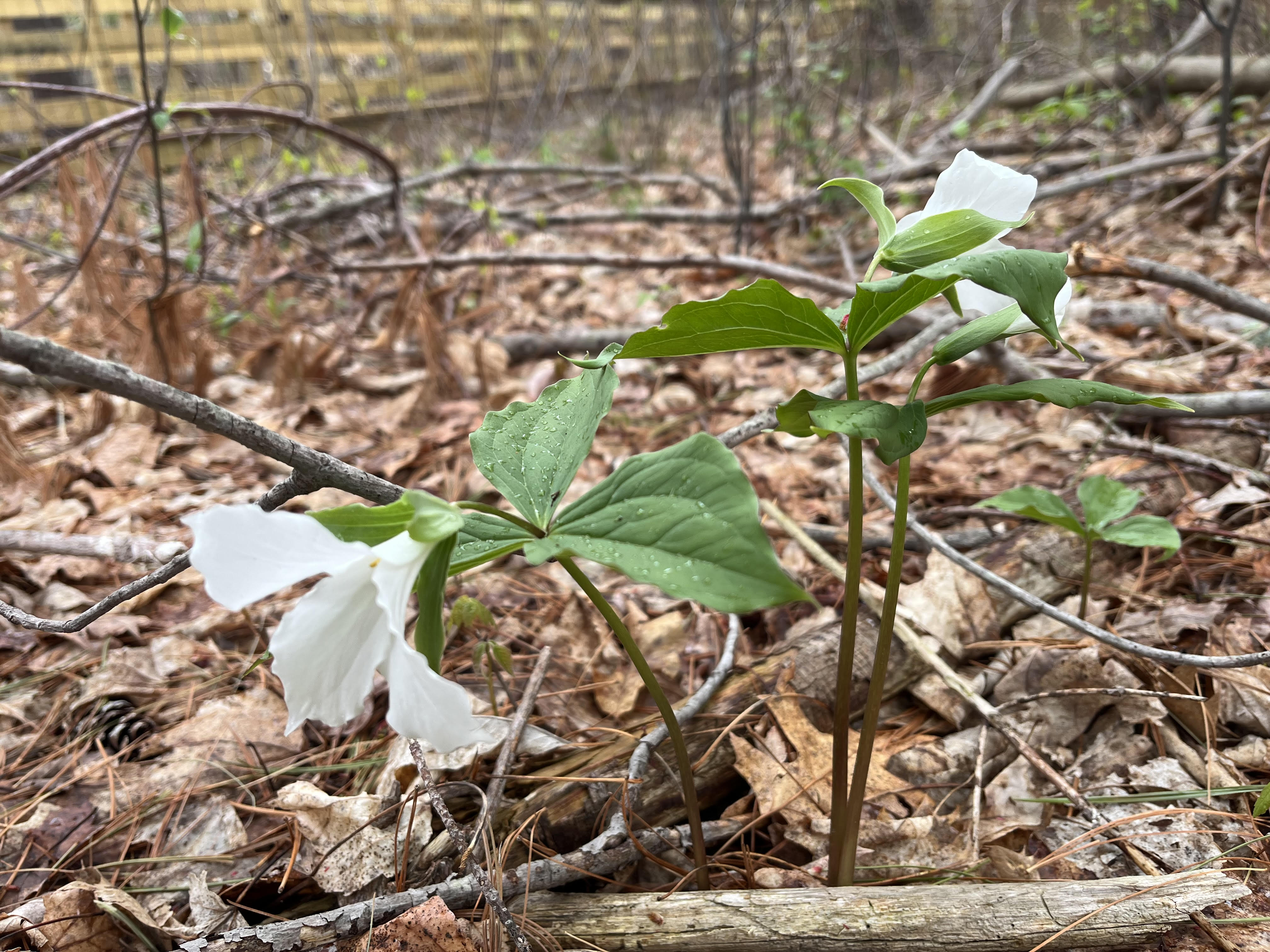
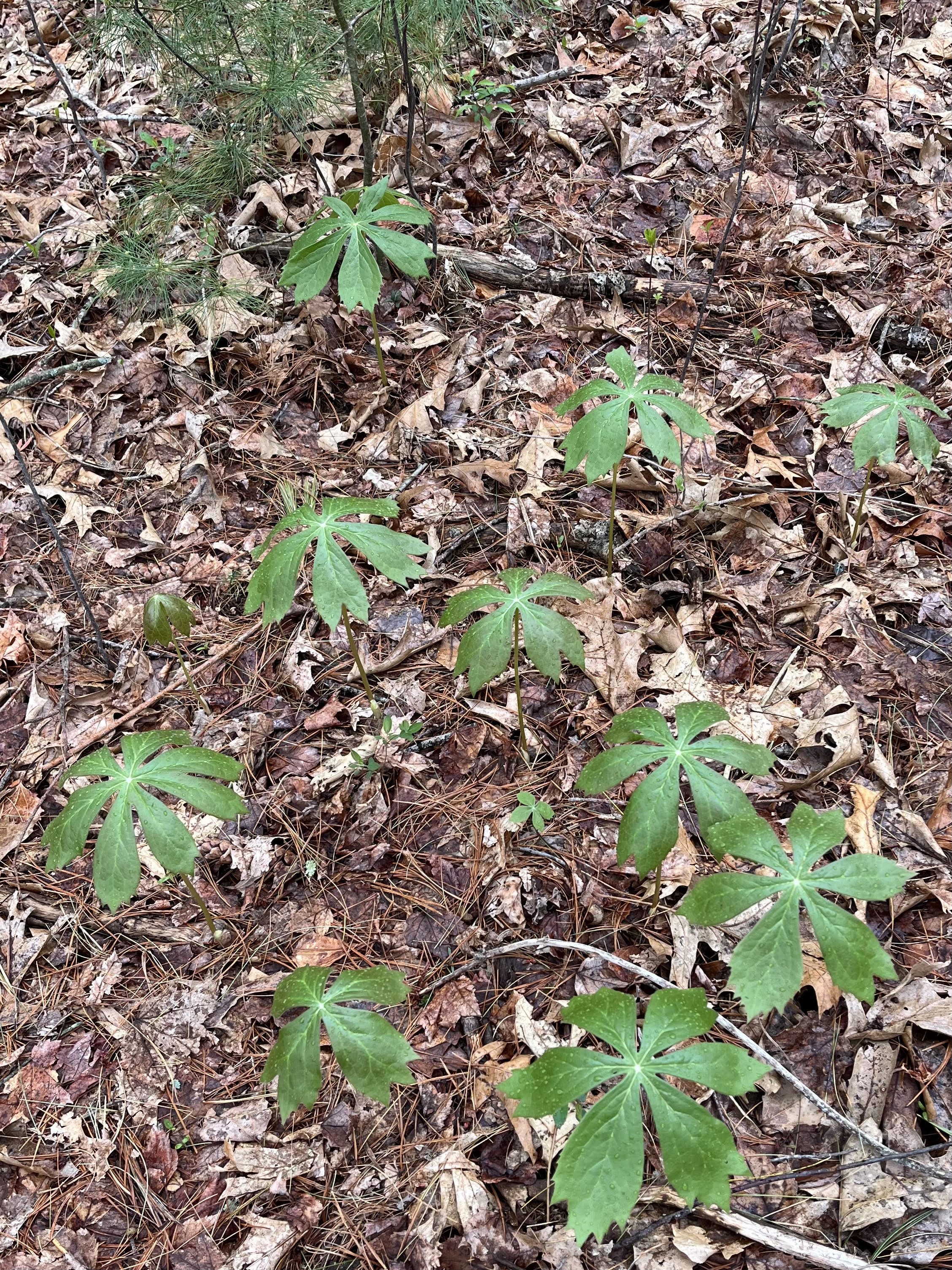
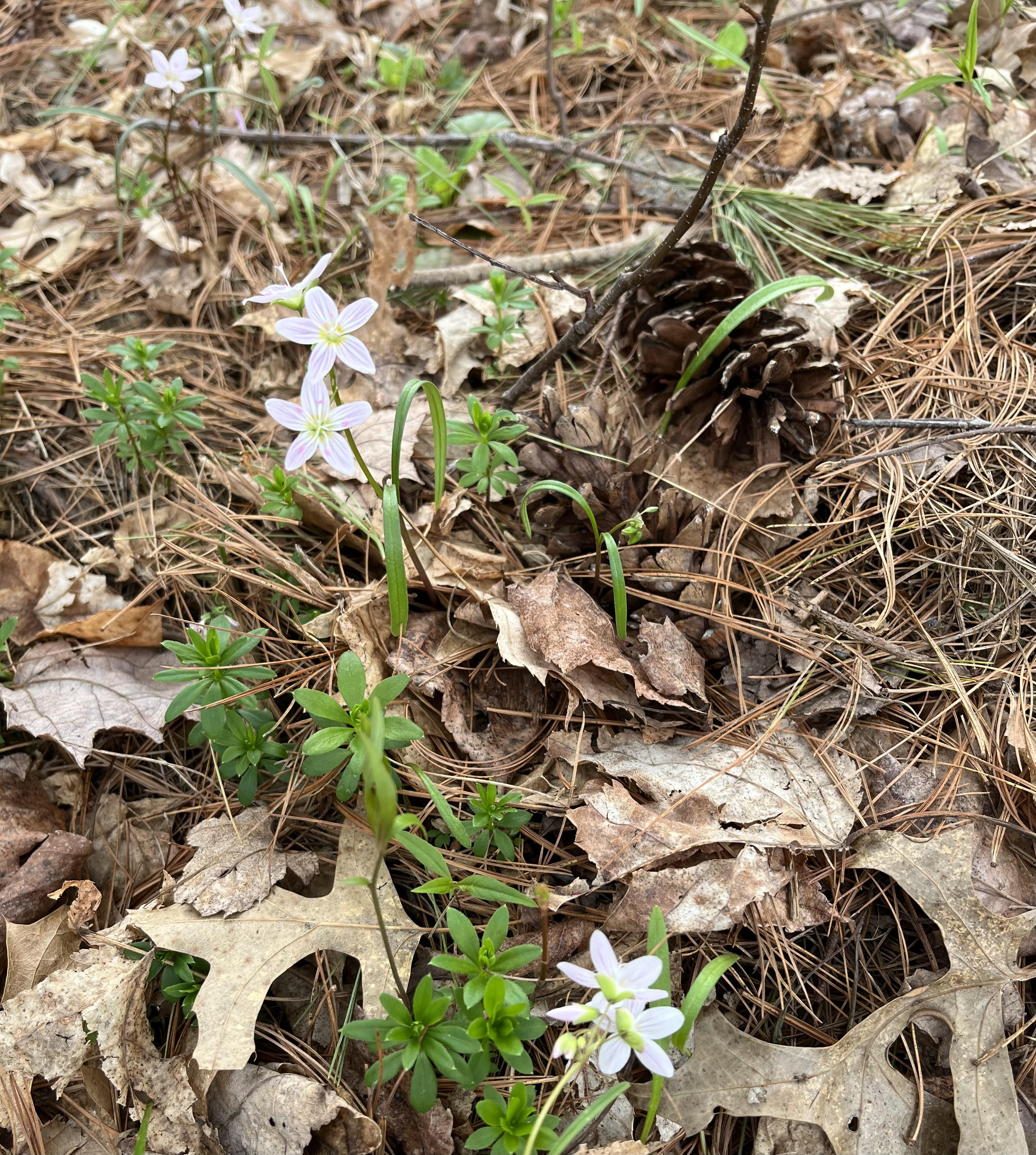
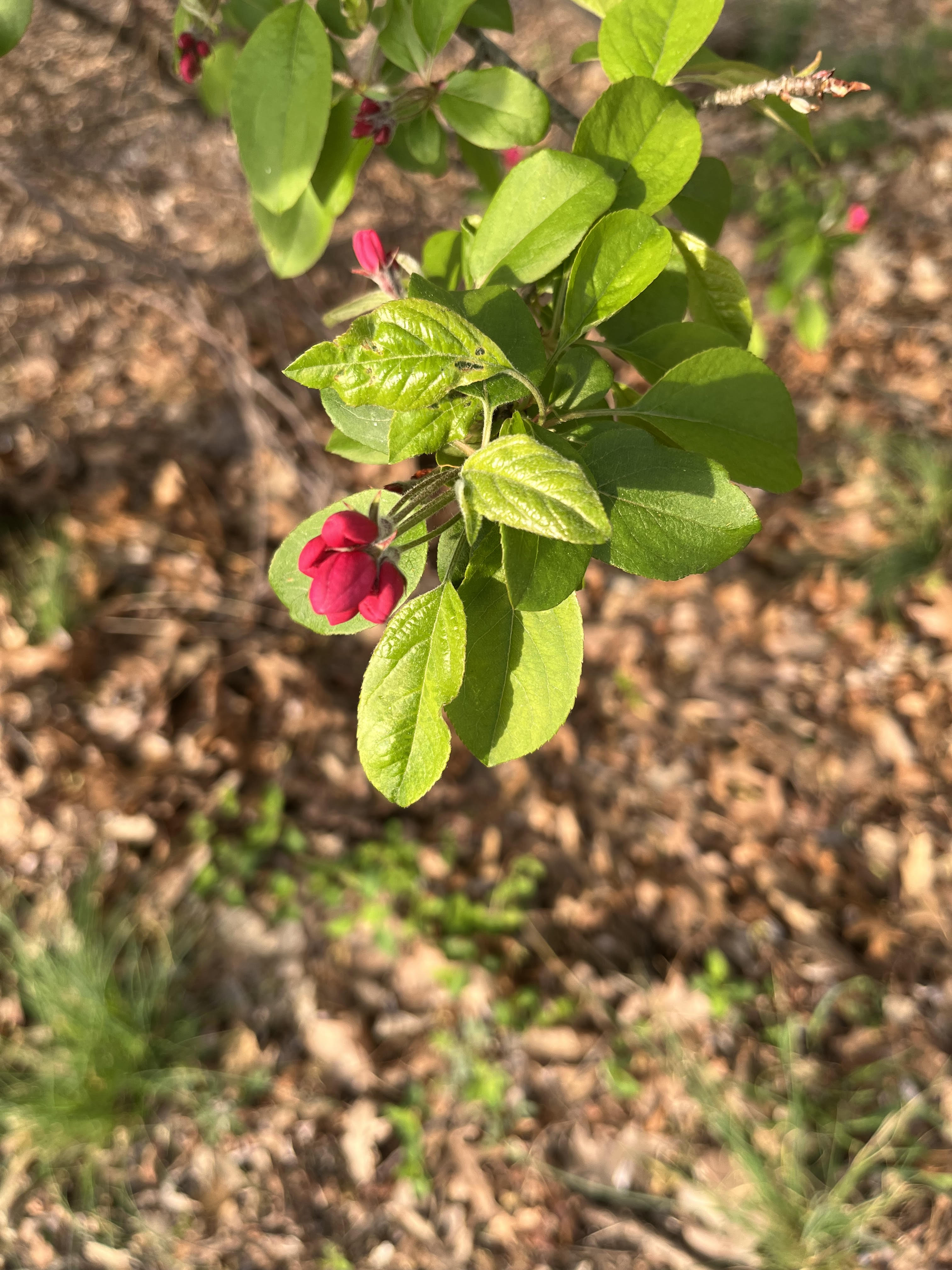
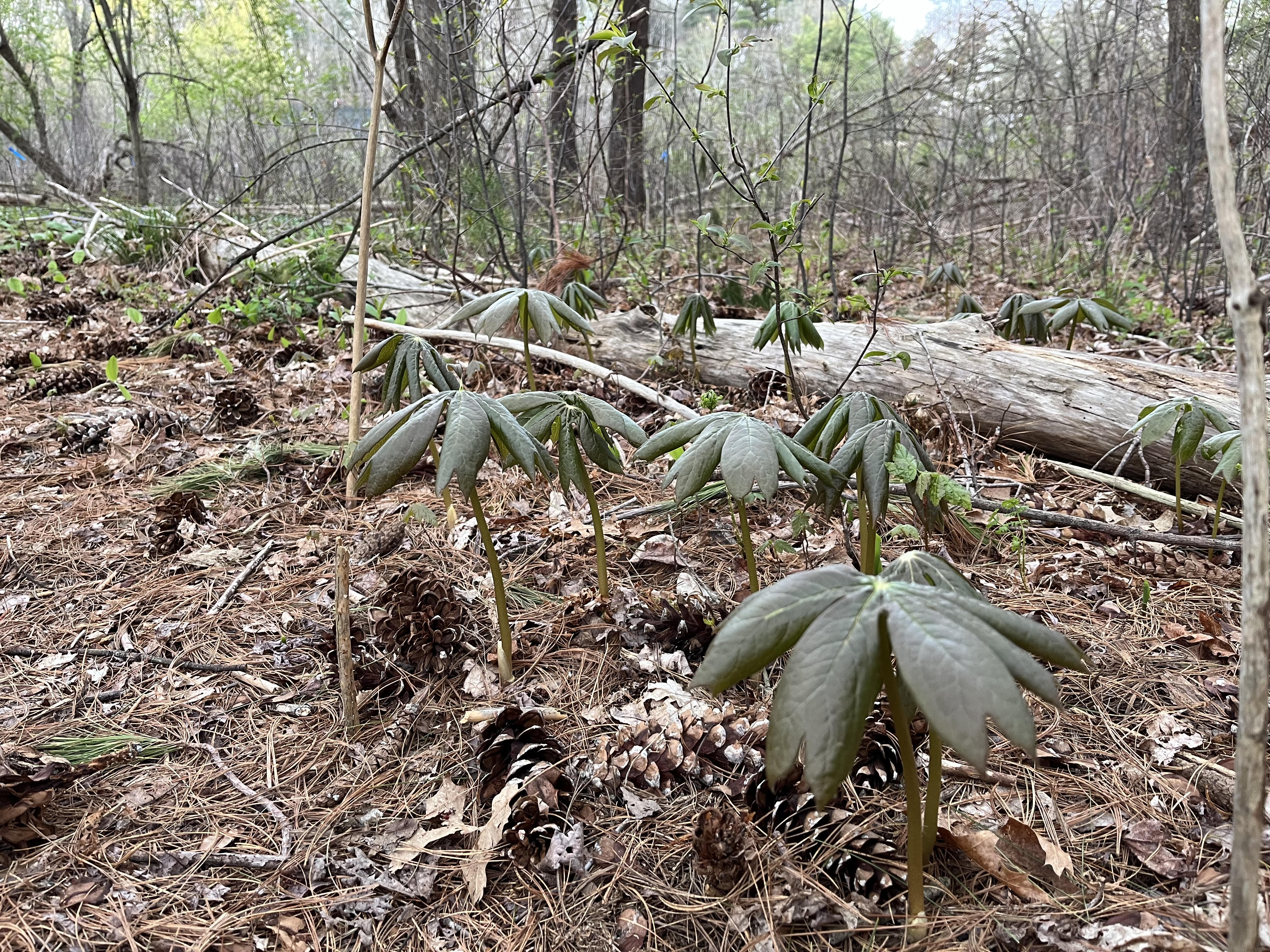
The first photo below is a white trillium. Next in the leaf litter, you see a stand of May apples and a group of Spring beauty wildflowers. The apple tree has buds about to bloom.

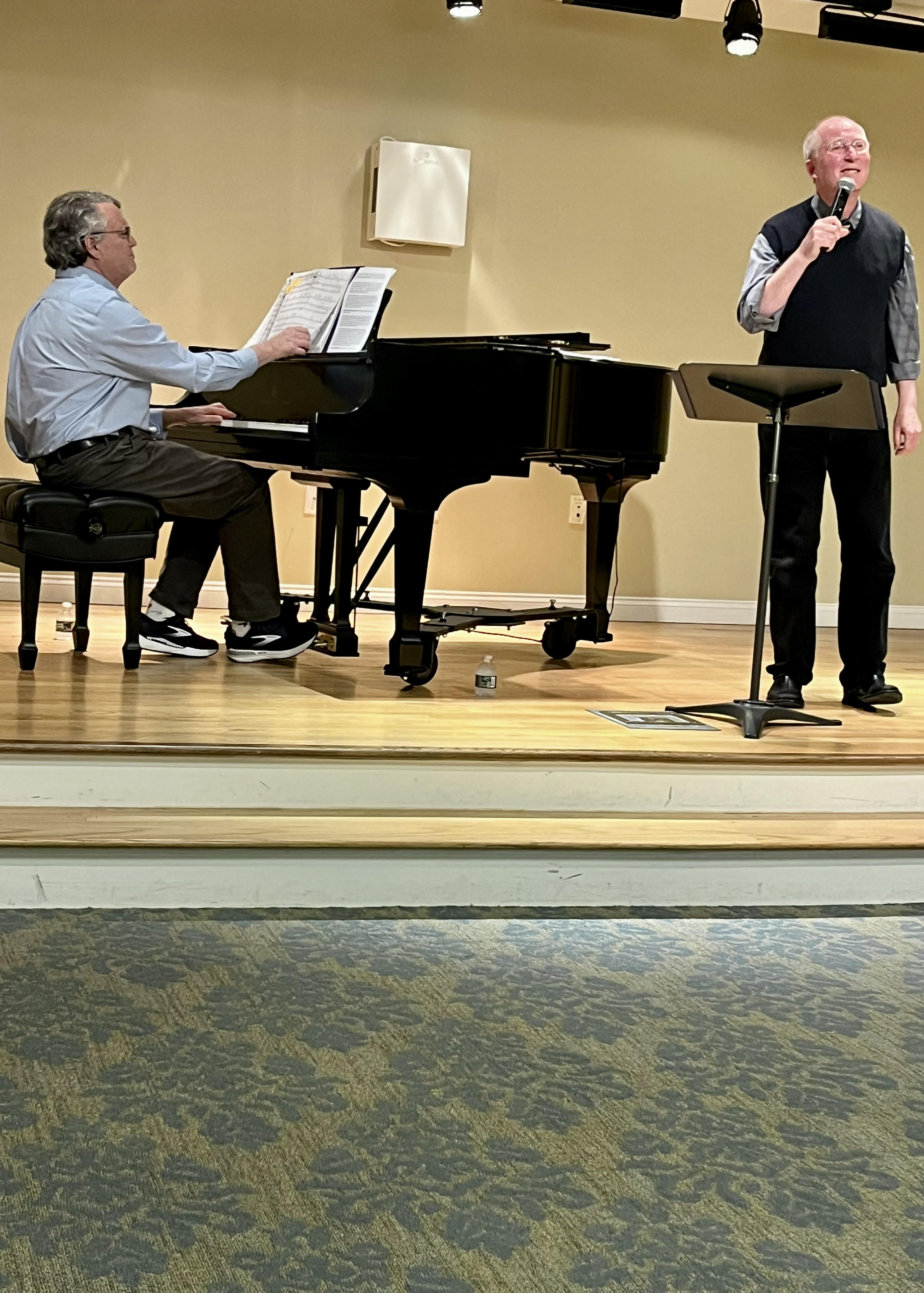
Blogger Will McMillan bloomed at my retirement community the other day with one of his deep dives into the heroes of the American Songbook. This time it was Hoagy Carmichael. It’s amazing the forgotten songs Will digs up for his shows — while also presenting classics like “Skylark” and “Stardust.” There was a funny one about a jazz band in the afterlife, where all Carmichael’s departed friends were playing.

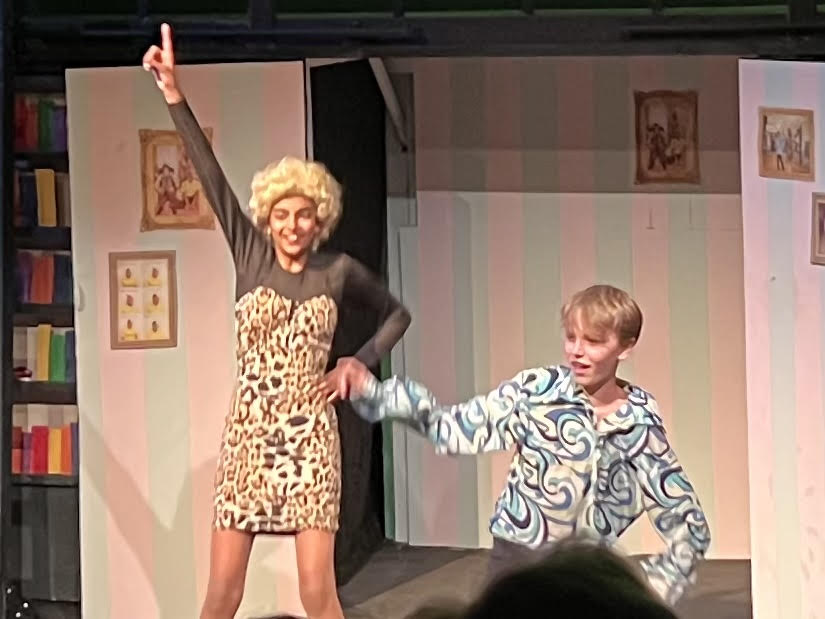
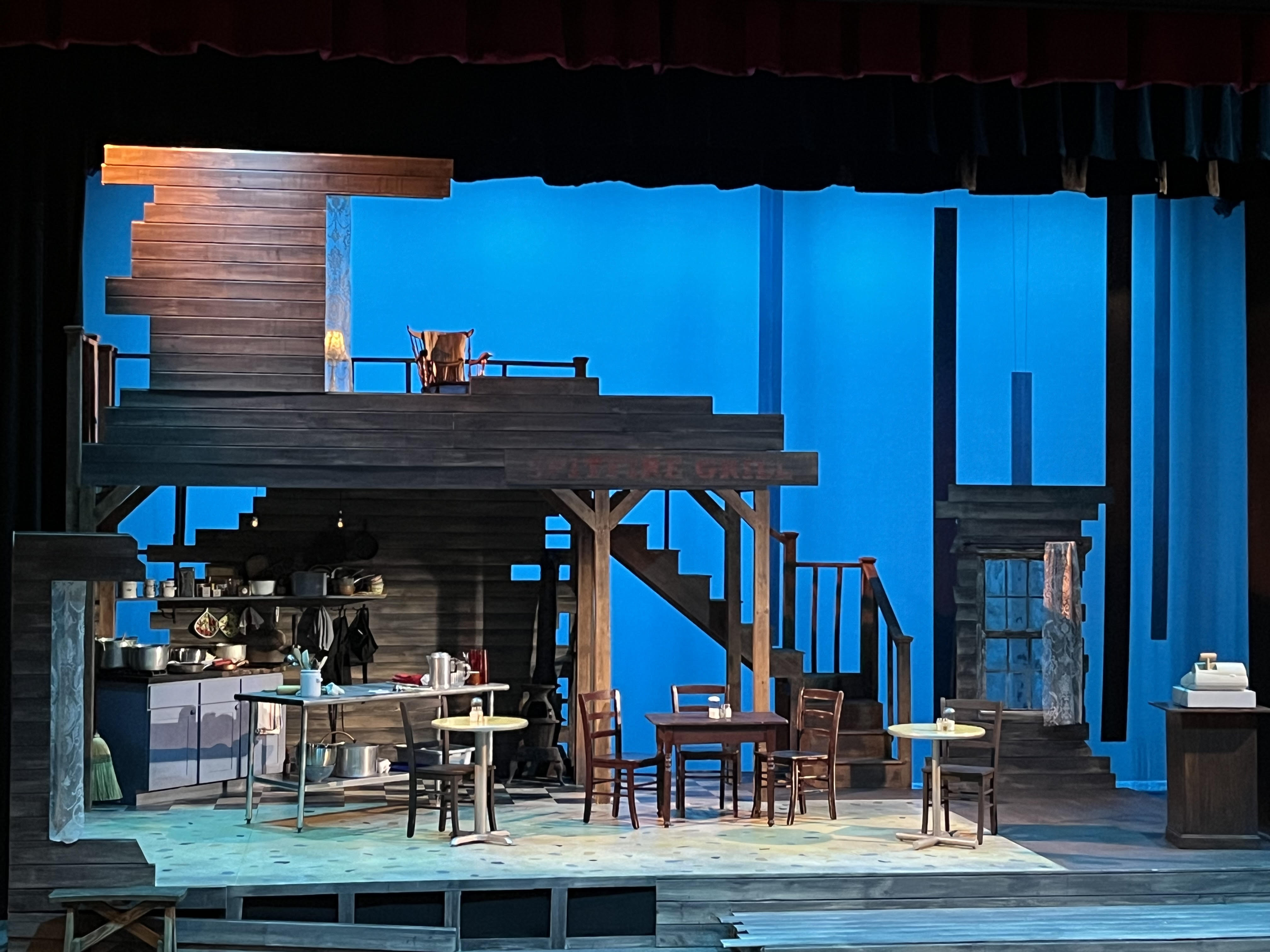
In one week, we went to see a grandson in the musical Matilda, which was polished and lots of fun, and the Spitfire Grille, which did not impress.

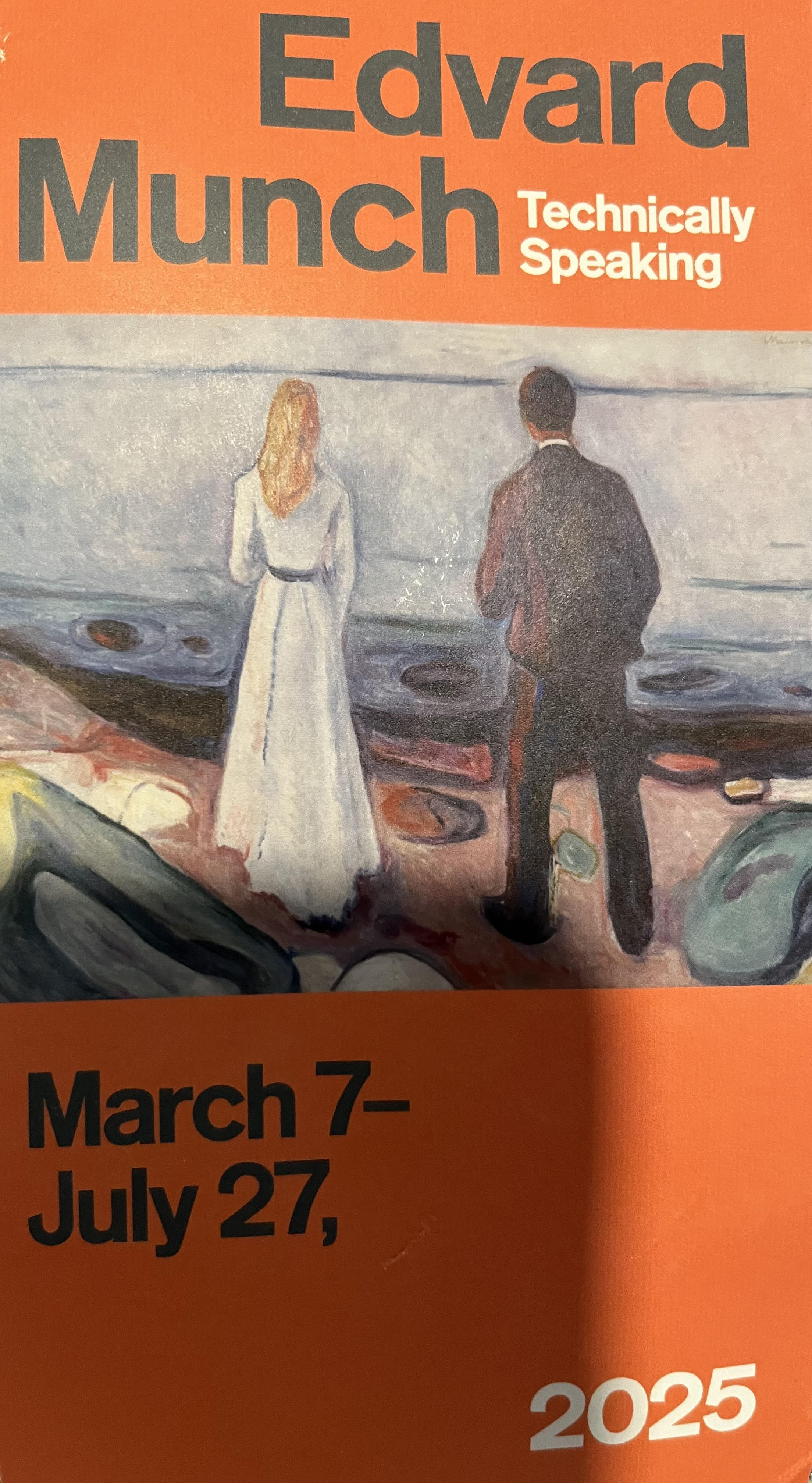
I also attended the Edvard Munch exhibit at the Harvard Museums, which I liked very much. It had paintings as well as a lot of prints in different stages of development to demonstrate Munch’s experiments with technique. The exhibit is there until the end of July, so try to catch it if you are ever near Cambridge, Massachusetts.

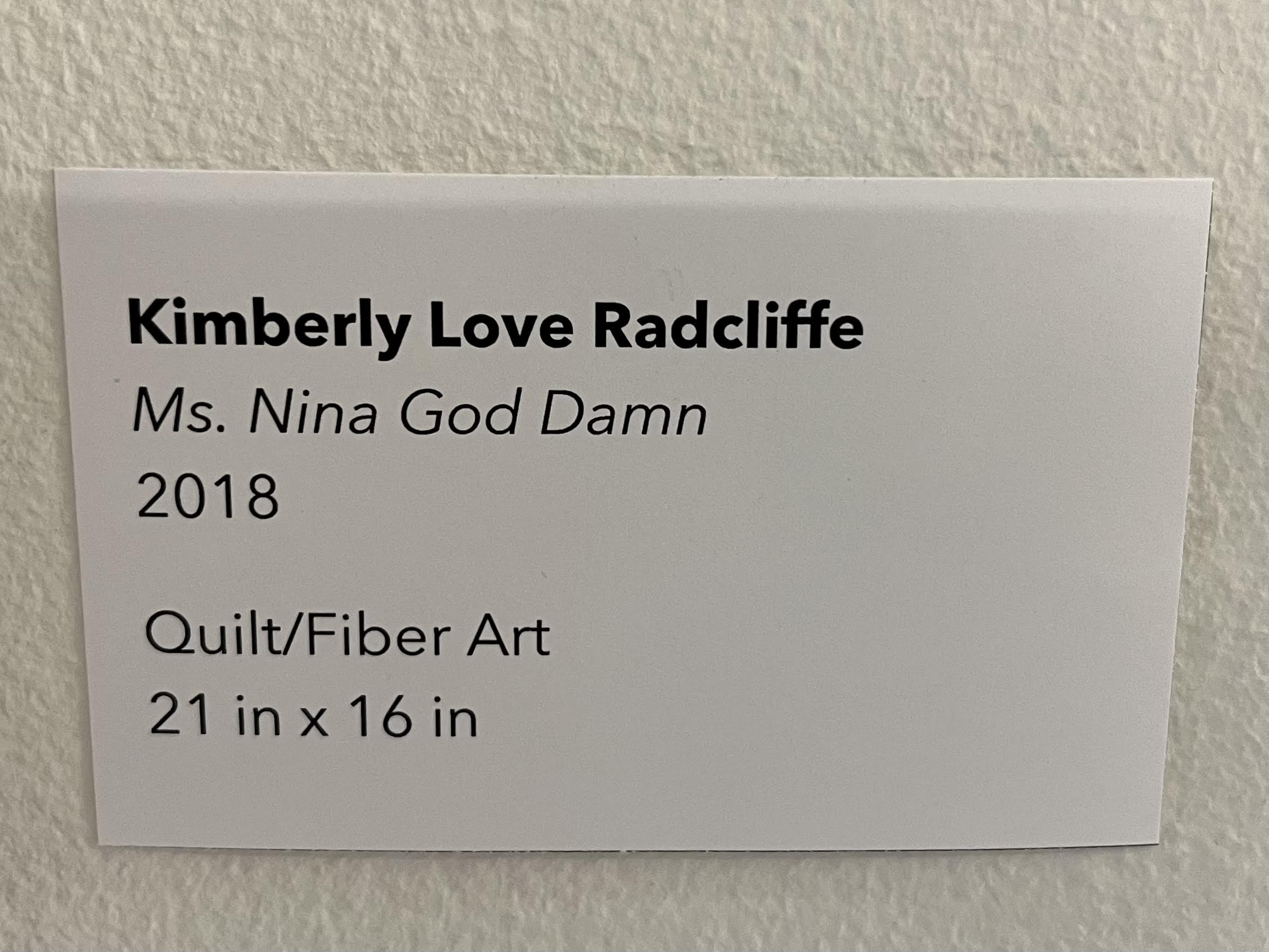
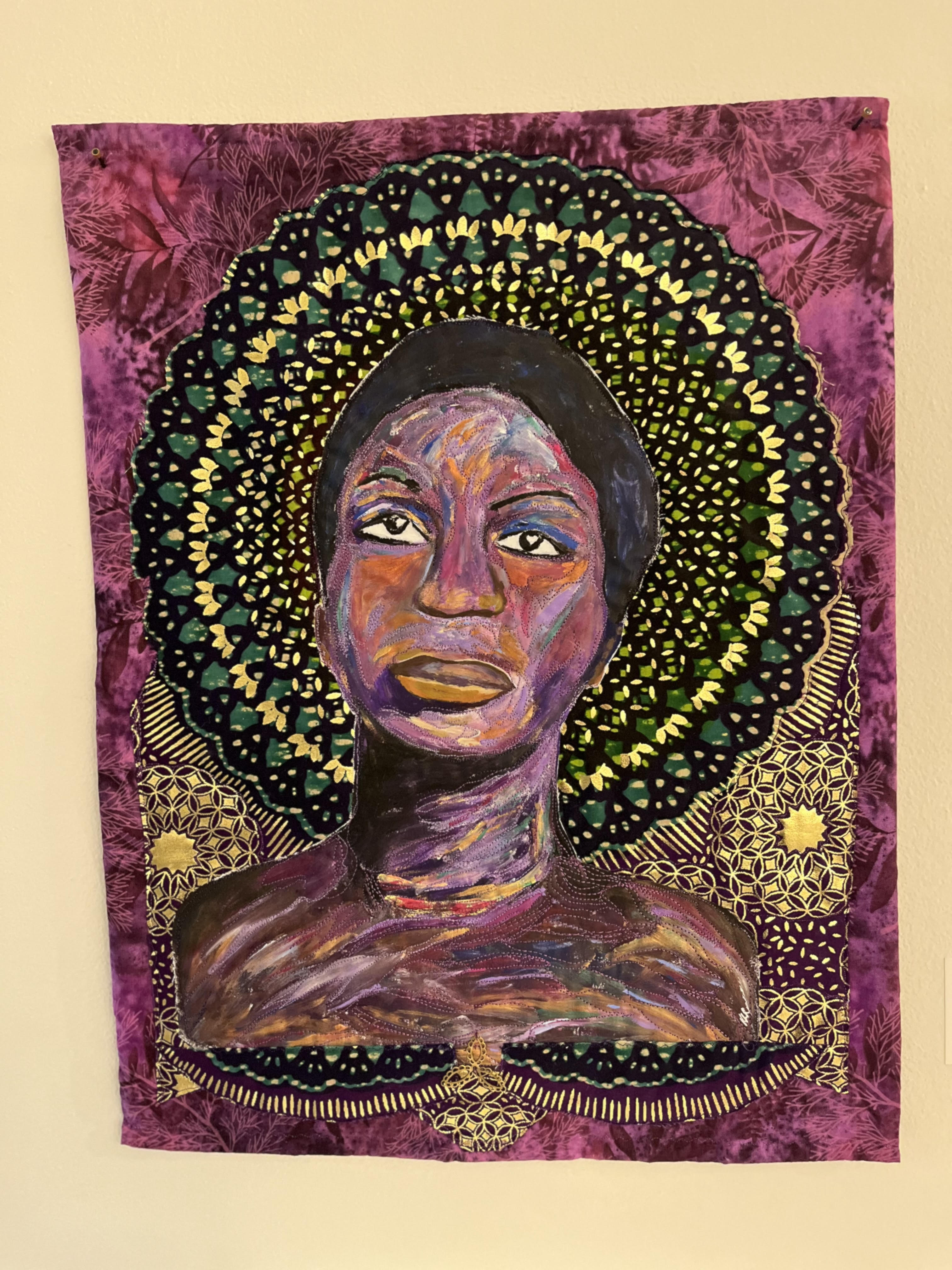
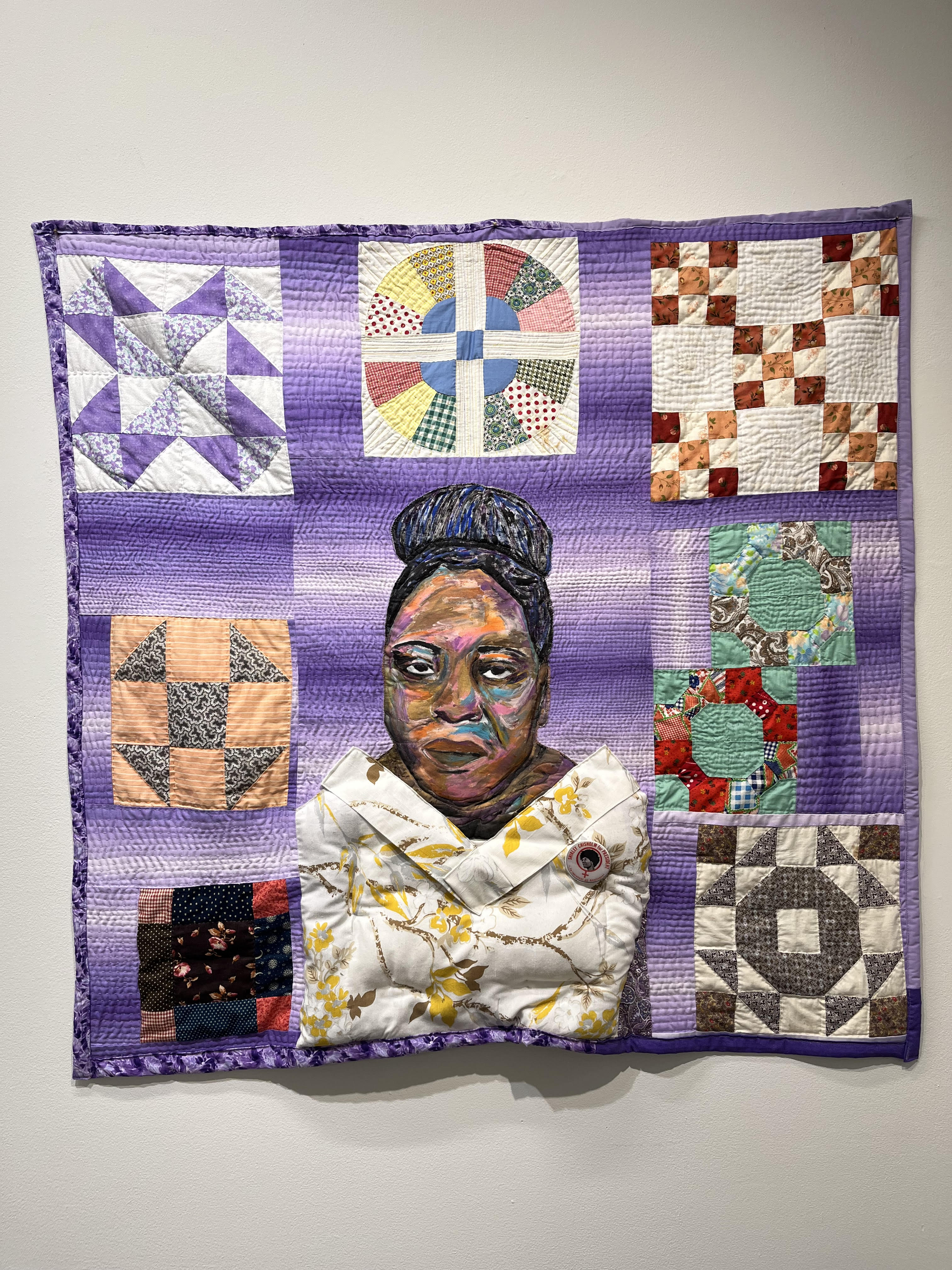
Meanwhile, at Umbrella Arts, there’s a textile show called “Weaving an Address.” The beautiful fiber art here is by Kimberly Love Radcliffe. The first one I photographed she calls “Have Faith in Art.” Then “Ms. Nina God Damn” references singer Nina Simone’s response to the murder of Black Sunday school girls in 1963. And the last Radcliffe I’m showing is a portrait of civil rights icon Fannie Lou Hamer. I just love these works.

Read Full Post »

042118-trout-lily-brick-wal

Photos: Suzanne and John’s Mom.
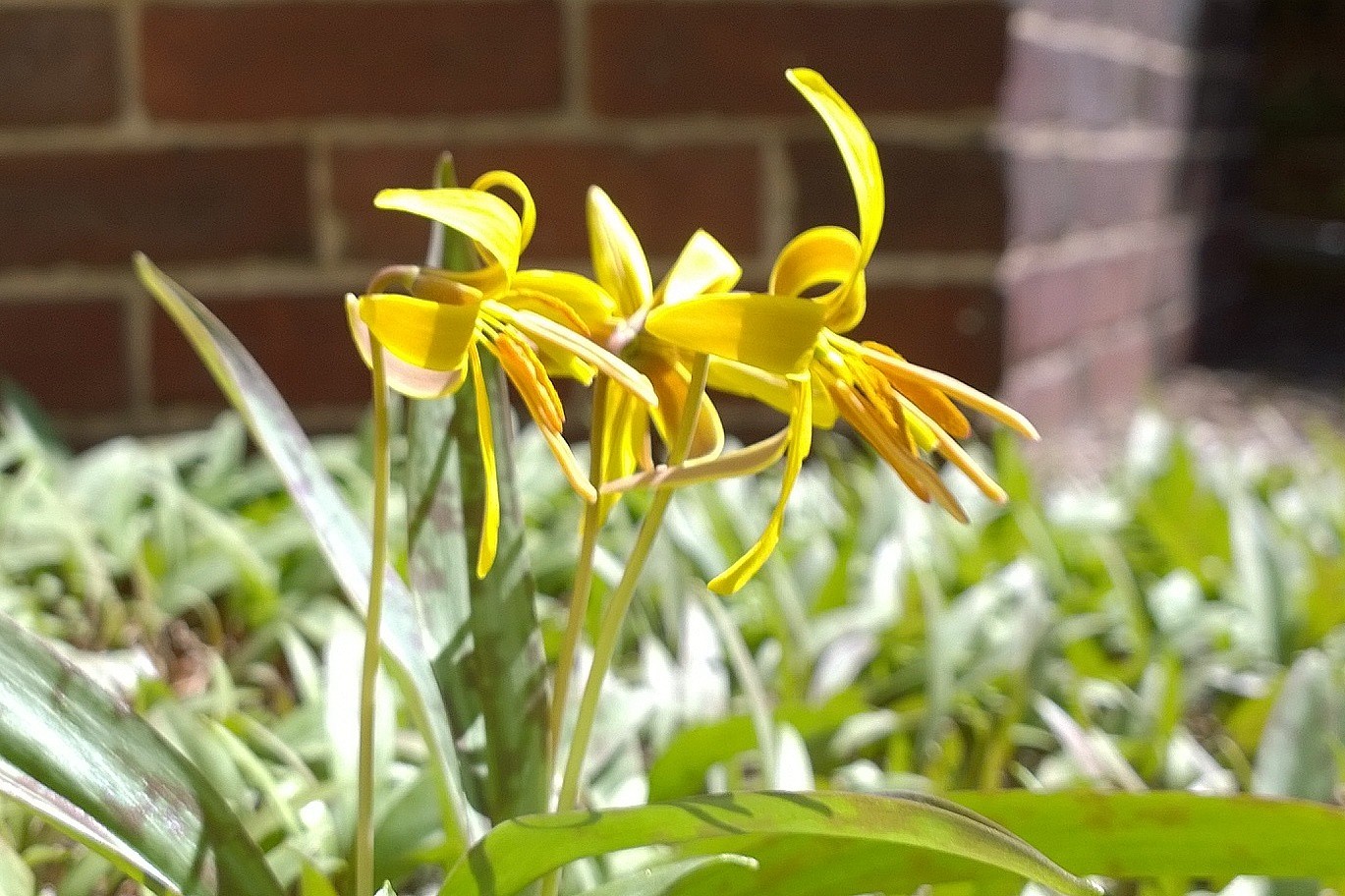
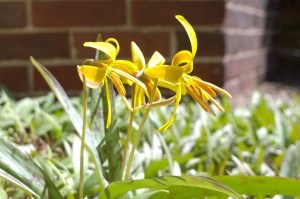
Trout lilies in Massachusetts.

I always look eagerly for the early spring wildflowers to emerge. I even planted several kinds when we had a house. You are not supposed to transplant them, because most require very special woodland conditions, but there are vendors who grow them from scratch, like Grow Native Massachusetts and Garden in the Woods, and their flowers are safe.

It was only this year I learned that these beloved wildflowers are called spring ephemerals.

The Massachusetts government website says, “Early flowering plants that produce leaves, bloom, and set seed quickly after the snow melts in the spring are referred to as spring ephemerals. … They represent the seasons changing. Spring ephemeral flowers also provide the much-needed first nectar and pollen of the season for over-wintering pollinators, including bumblebee queens, mining bees, halictid or sweat bees, early butterflies, beetles, flies, and gnats. In return, these insects transfer pollen from one plant to another. 

“Spring ephemerals are found in deciduous forests dominated by sugar maple, ash, black cherry, and hop hornbeam trees. Before the trees have their leaves, these wildflowers show up early to take advantage of the unobscured access to sunlight. While the trees are still dormant, spring ephemerals are in a race against time. They take advantage of the above-average nutrient levels in the soil (from decomposing fall leaves) to photosynthesize quickly. This provides the energy they need for flowering, setting seed, and storing carbohydrates for the following year all before the tree canopy blocks sunlight from the forest floor. 

“The forest trees pull large amounts of water out of the soil when they start to grow leaves. The amount of water being absorbed by the trees is so great that it causes groundwater levels to drop. Before this happens, spring ephemerals use the higher moisture levels in the soil to carry out their life cycle. The dampness also helps them tolerate low temperatures they often face in early spring.

“Please keep in mind that the survival of a plant population depends on each plant’s ability to produce seed for the following year. If you find a location with these beautiful plants, enjoy them in place and do not pick them. Other people who follow in your path will appreciate what you have admired and left untouched, as will the many native pollinator insects that depend on spring ephemerals for their survival.”

If you are interested in more, Wikipedia gets wonky with scientific explanations of not just spring ephemerals but desert, mud flat, and weedy ephemerals. Here’s what is says about the spring ones.

“Spring ephemerals are woodland wildflowers which develop aerial parts (i.e. stems, leaves, and flowers) of the plant early each spring and then quickly bloom, and produce seed. The leaves often wither leaving only underground structures (i.e. roots, rhizomes, and bulbs) for the remainder of the year. This strategy is very common in herbaceous communities of deciduous forests as it allows small herbaceous plants to take advantage of the high levels of sunlight reaching the forest floor prior to the formation of a canopy by woody plants. Examples include: spring beauties, trilliums, harbinger of spring and the genus of Dicentra particularly D. cucullaria, Dutchman’s breeches and D. canadensis, squirrel corn.”

More at Wikipedia, here. Mass.gov, here, has some great photos.

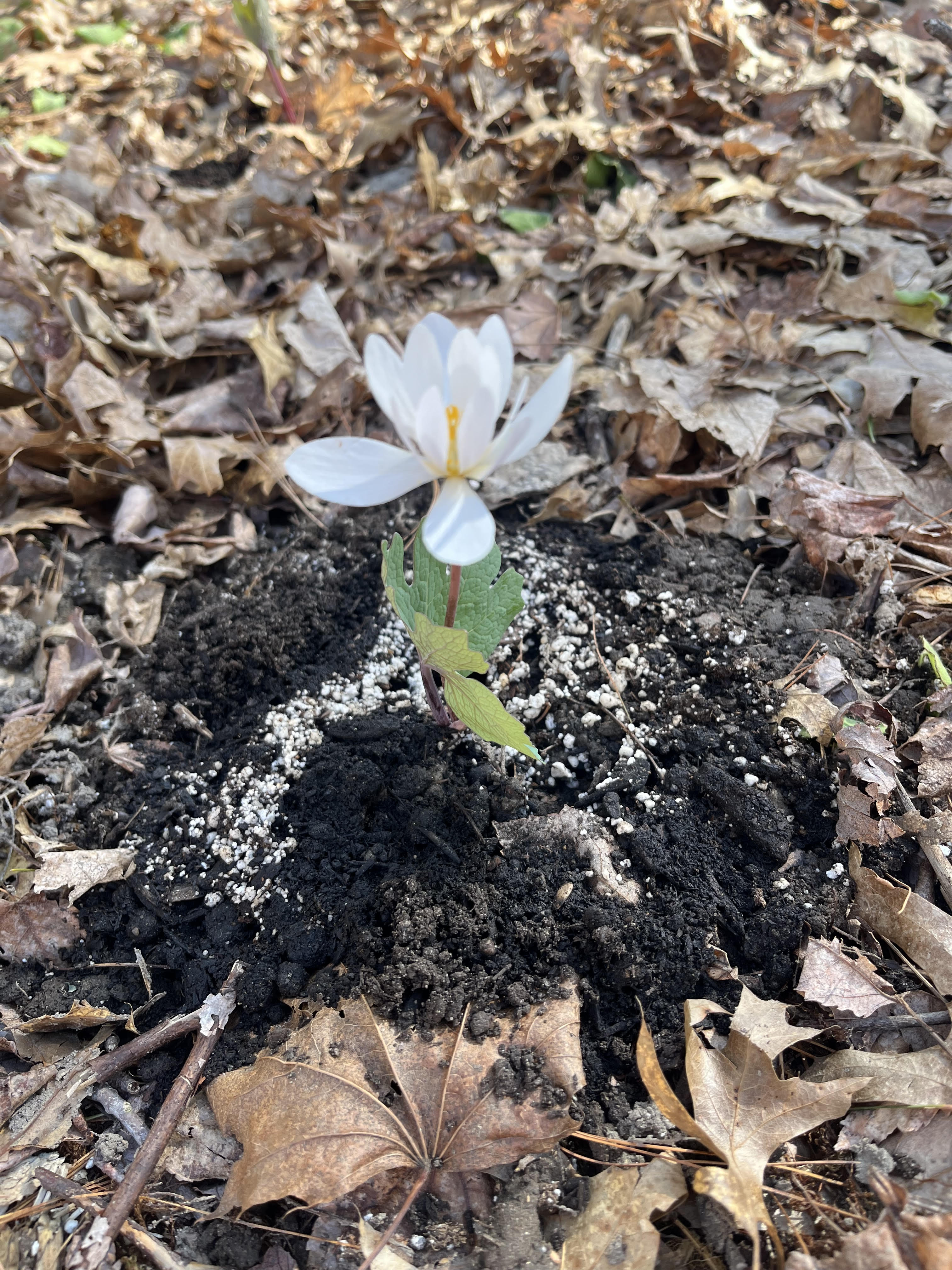
An early spring flower called bloodroot, planted by a committee at my retirement community.

Read Full Post »

Partly, of course, spring is about the angle of sunlight, how early the sun comes up, how late it stays. I never thought I had seasonal affective disorder, wasn’t sure I believed there was such a thing. But I do find I’m cheered up by sunlight, discouraged by gray skies.

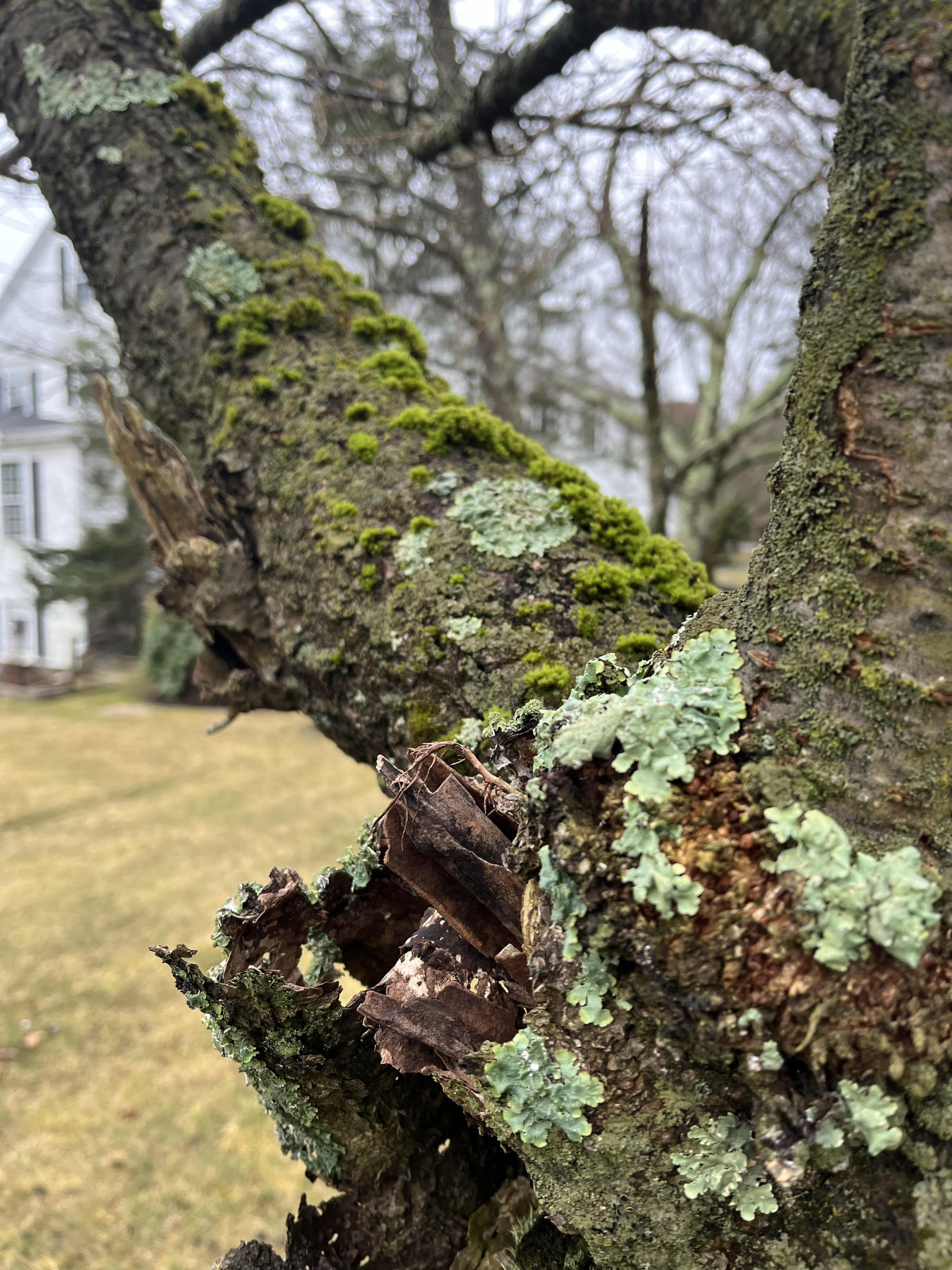
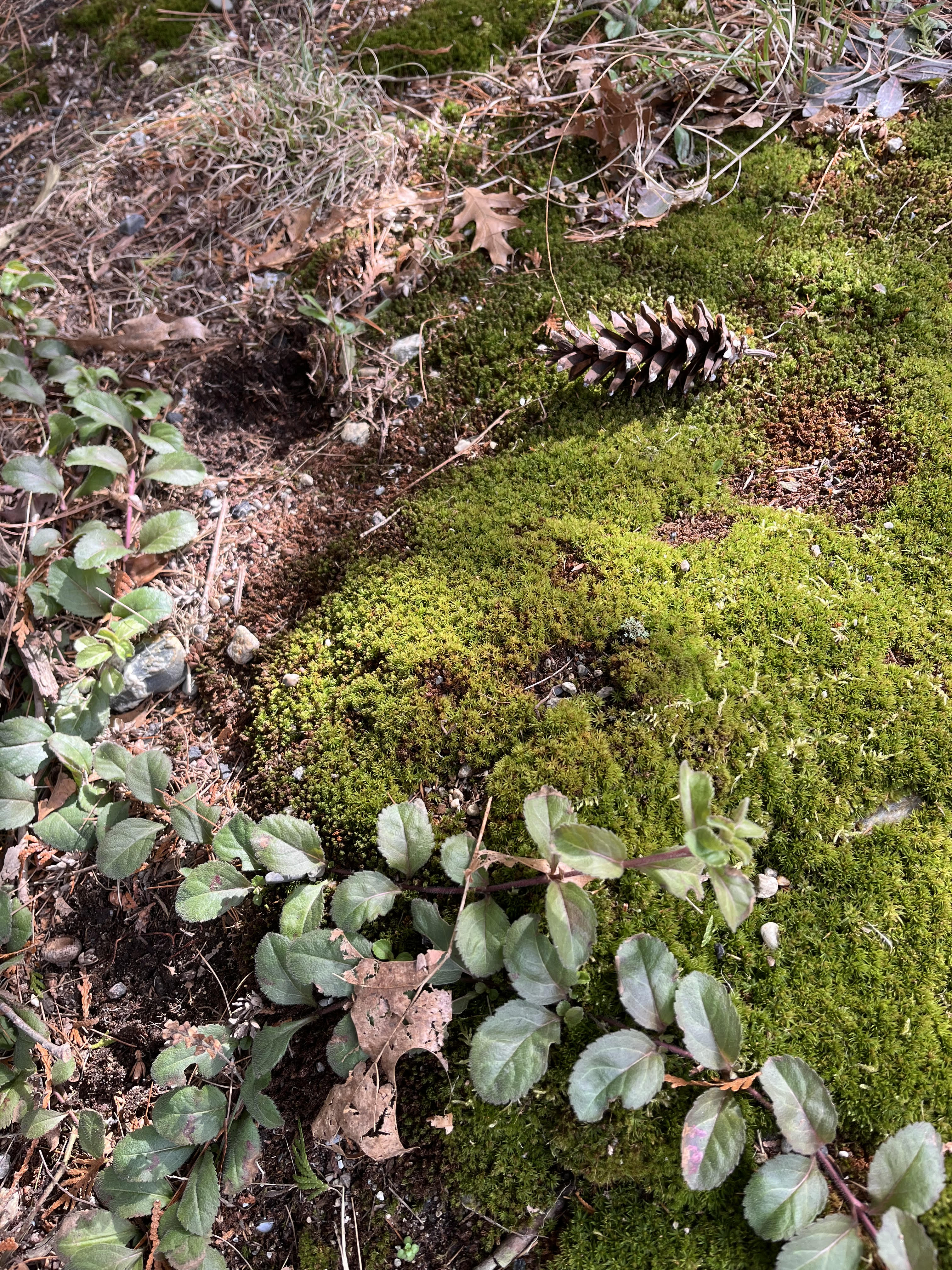
The photos today are mostly self-explanatory, but I want to point out how vibrant the moss looks in early spring. Also, the last photo is of a New England wildflower called Mayapple.

Read Full Post »

Photo: John Francis Peters/The Guardian
The super bloom of wildflowers in tiny Borrego Springs, California, is wonderful to behold. Good planning is ensuring that the chaos of 200,000 visitors in March 2017 is not being repeated.

My friend Kristina is headed off to a family reunion in the Southwest, and she’s excited that she’ll be there when the desert is in bloom. Have you ever seen that amazing phenomenon? It doesn’t happen every year. You need just the right amount of rain at just the right time.

Katharine Gammon writes at the Guardian, “It’s lunchtime at Kesling’s Kitchen in Borrego Springs, and the line is out the door and down the block. It takes about 20 minutes to get inside to order food. The rush isn’t surprising: Borrego Springs is a small town that swells in size when people flock to see wildflowers around Anza-Borrego, California’s largest state park.

“Plentiful winter rain and precise conditions have led to a bonanza of spring wildflowers this season. And while that can be a great thing, it also raised fears that Borrego Springs could once again face what locals have dubbed ‘flowergeddon.’ …

“The last time the region experienced a wildflower bloom was March 2017, when some 200,000 visitors flocked to the super bloom. … Borrego Springs (population 3,000) was unprepared for the avalanche of visitors coming from nearby Los Angeles, San Diego and even farther afield. The town ran out of food, hotel rooms, gas, and money in the ATMs. Traffic backed up for 20 miles; restaurant employees quit on the spot. When bathrooms filled up, visitors began using the fields to relieve themselves. …

“This year, the town wanted to be prepared. [An] all-community committee has been meeting regularly for months, since the winter rains foretold a bountiful flower year. They established a website with downloadable maps, manned information booths, and set up port-a-potties in Borrego Springs and near the flower areas. ‘This year, we are prepared and our restaurants stocked up – as are the gas stations and ATMs,’ [says Betsy Knaak, the executive director of the Anza-Borrego Desert Natural History Association].’ …

“The early rains made it easier to predict that the bloom was coming, and it looks set to last over a longer period, meaning that even busy weekends don’t feel as packed with people. On a recent Sunday cars lined the road but there was no crush of people on the trails or in the flowers. Still, hotel rooms in Borrego Springs and nearby Julian were fully booked for two weekends straight. …

“This year, an extraordinary proliferation of painted lady butterflies and sphinx moth caterpillars are part of the natural spectacle too. The butterflies are the result of a phenomenon known as an ‘irruption’ – the strong rains brought a population explosion, a billion strong, in northern Mexico.” Read more at the Guardian, here.

In Massachusetts, we are feeling spring in the air, but the huge snow piles in the supermarket parking lots tell us we have a way to go before seeing an array wildflowers like those in California.

Read Full Post »
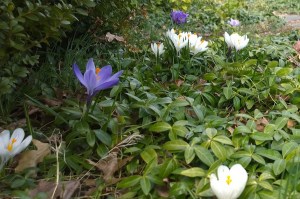
There’s been a bit of a drought in my picture taking. I got so tired of winter, and now in spring I’m reluctant to shoot the same photos I shoot every year. Although when you think about it, it’s kind of beautiful that the same crocus, hellabore, and winter aconite pop up over the same creative neighbor’s stonewall year after year.

We’ve finally had some spring in New England. The very best sign of that was a lemonade stand I saw yesterday.

Two young girls were selling lemonade and flavored iced tea ($.75, mint leaves optional) and Rice Krispies Treats ($.25) while playing duets on the clarinet and violin. They told me they were raising money for a charity that provides instruments and music lessons to children in Haiti.

They were adorable. One girl pointed out their homemade signs. She said, “We didn’t have any big cardboard to make signs, so we got pizza for dinner last night.” The pizza box provided the needed cardboard.

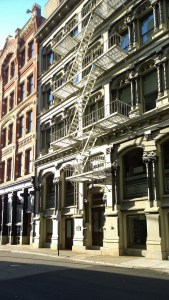
The other pictures are pretty self-explanatory. The crocus flowers peeked up just before we had one of our numerous late snowstorms. The gorgeous architecture and shadows are thanks to the preservation ethos in Providence.

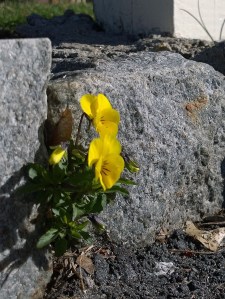
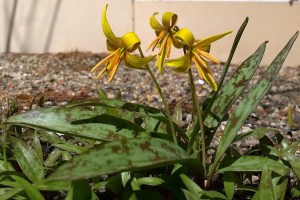
I was thrilled to see the opportunistic pansy poking through a stone curb. And the trout lilies. I had to take two shots of the trout lilies, the only wildflowers that still flourish after I took a walking class in local conservation lands 25 years ago.

(No worries: I didn’t steal flowers from the woods but was able to buy several varieties of wildflowers at a plant sale. Sometimes a solitary May Apple shows up near the trout lilies in my yard, but it is sad and lonely. The trillium never had a prayer as it is fussy about soil and likes to hang with a group. Perhaps the wild geraniums will bloom this year.)

042818-lemonade-for-worthy-cause

042818-young-musicians-raise-money


041218-crocus-blooming-before-storm

042318-Providence-architecture-and-shadows


042218-pansies-in-wall

042118-trout-lily-stucco-wall


042118-trout-lily-brick-wal


Read Full Post »