Feeds:
Posts
Comments

Archive for April, 2015

Douglas Quenqua recently wrote in the NY Times about a study with rats that could someday lead to aids for the blind.

“Blind rats with a sensor and compass attached to their brains were able to navigate a maze as successfully as sighted rats, researchers found.

“Researchers at the University of Tokyo wanted to test whether a mammal could use allocentric sense — the awareness of one’s body relative to its environment — to replace vision. The scientists attached a geomagnetic sensor and digital compass to the visual cortices of rats with their eyes sewn shut.

“When the rats moved their heads, the sensors generated electrical impulses to tell them which direction they were facing. The rats were then trained to find pellets in various mazes.

“Within a few days, the blind rats were able to navigate the mazes as well as rats that could see. The two groups of rodents relied on similar navigation strategies. The findings, published in the journal Current Biology, could help lead to devices that help blind people independently navigate their surroundings.

“ ‘The most plausible application is to attach a geomagnetic sensor to a cane so that the blind can know the direction via tactile signals such as vibration,’ Yuji Ikegaya, a pharmacologist and co-author of the study, wrote in an email.” More here.

I couldn’t find a picture of three rats together although there were lots of drawings of three blind mice. I started thinking, Do children even know nursery rhymes anymore? I wonder what they would make of Jack, for example, who fell down “and broke his crown” and “went to bed to mend his head with vinegar and brown paper.” I know a couple kids who would have a lot of questions about that medical treatment.

Perhaps we should make a concerted effort to teach these rhymes before they are lost completely. After all, they are part of our culture, one of our many cultures.

Photo: redorbit

Read Full Post »

Did you see the Kenneth Chang story about Hawaii’s wild chickens? Tourists love them. Scientists study them. And the guy in the picture below has the job of rehabilitating the ones that are injured or orphaned. (I need to remember Orphaned-Chicken Rehabilitator next time I make a list of unusual jobs.)

“On the island of Kauai, chickens have not just crossed the road,” writes Chang. “They are also crowing in parking lots, hanging out at beaches and flocking in forests.

“ ‘They’re absolutely everywhere,’ said Eben J. Gering, an evolutionary biologist at Michigan State University who has been studying these truly free-range birds. …

“In a paper published last month in the journal Molecular Ecology, Dr. Gering and his colleagues tried to untangle the genetic history of the Kauai feral chickens, which turn out to be not only a curiosity for tourists, but also a window into how humans domesticated wild animals. …

“Local lore is that many of the Kauai chickens are descendants of birds that escaped when Hurricane Iwa in 1982 and then Hurricane Iniki in 1992 blew open coops. (Feral chickens are found on other Hawaiian islands, but not in overwhelming numbers. Some speculate that Kauai is overrun because mongooses, which like to eat eggs, were never released there. Dr. Gering said another reason could be that the two hurricanes only sideswiped the other islands.) …

“In follow-up research, the scientists would like to observe more of the characteristics of the feral chickens — How many eggs do they lay? How often? Do they grow quickly like the farm breeds? — and then try to connect the genes responsible for the evolution of the hybrids. Dr. Wright is mating chickens and red junglefowl to precisely study how traits and behaviors are passed on.

“Dr. Gering speculated that until recent decades, the Kauai chickens were largely like the ones that the Polynesians brought long ago, living in small parts of the island and modest in number. Then they began mating with the escaped farm chickens or their descendants, with greater fecundity and a wider range of habitats.

“ ‘We think that’s why we’re seeing them now at Walmart and all over the place,’ Dr. Gering said.”

More at the NY Times.

Photo: Hob Osterlund for The New York Times
Stuart Hollinger, right, rehabilitates injured and orphaned wild chickens on Kauai. 

Read Full Post »

Taking pictures is a personal expression. I imagine it is a bit personal even if you are taking a standard shot of something like the Washington Monument. What catches your eye has a lot to do with who you are, and there is only one of you.

Libby Kane captured that idea in a December Business Insider story about homeless photographers. Kane reported, “In early June, Jason Storbakken distributed disposable cameras to 10 homeless residents of New York City.

“Storbakken, the director of chapel and compassionate care at The Bowery Mission and author of Radical Spirituality: Repentance, Resistance, Revolution, directed each photographer to capture ‘things they hoped others might see.’ …

“The photos from this project have been curated into a show called ‘Through My Lens,’ which will spend the next year in various locations around New York City. …

“As the photographers returned with their images, Storbakken sat down with them in his office to do some light editing through web editor Picasa and to add their statements to each photo.”

See 17 of the pictures at Business Insider, here. More on the project at OneGlimpse.org.

Photo: Sean Collins
“This was on the subway platform. There is a reggae band in the back singing ‘Three Little Birds.’ The little girl is dancing with her daddy. Watching this interaction gave me a lot of joy.” 

Read Full Post »

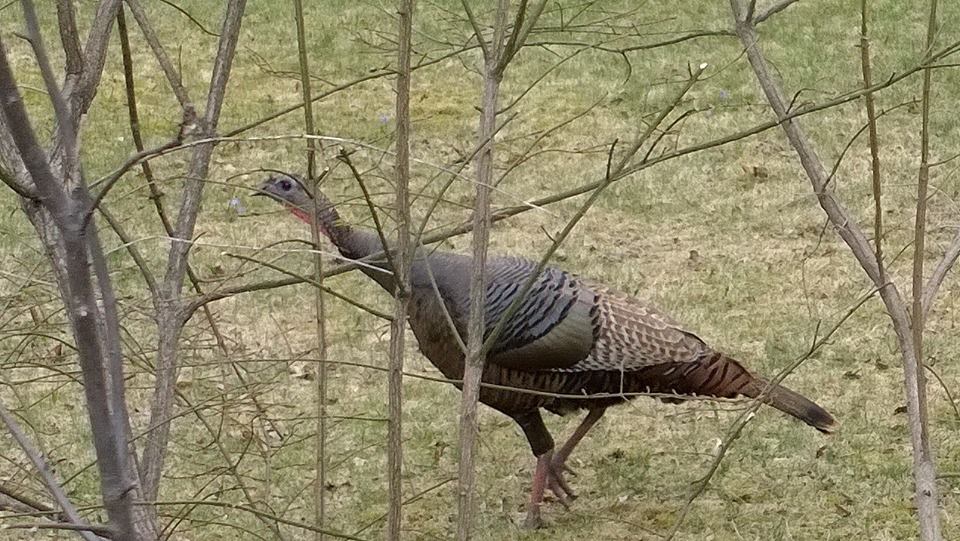
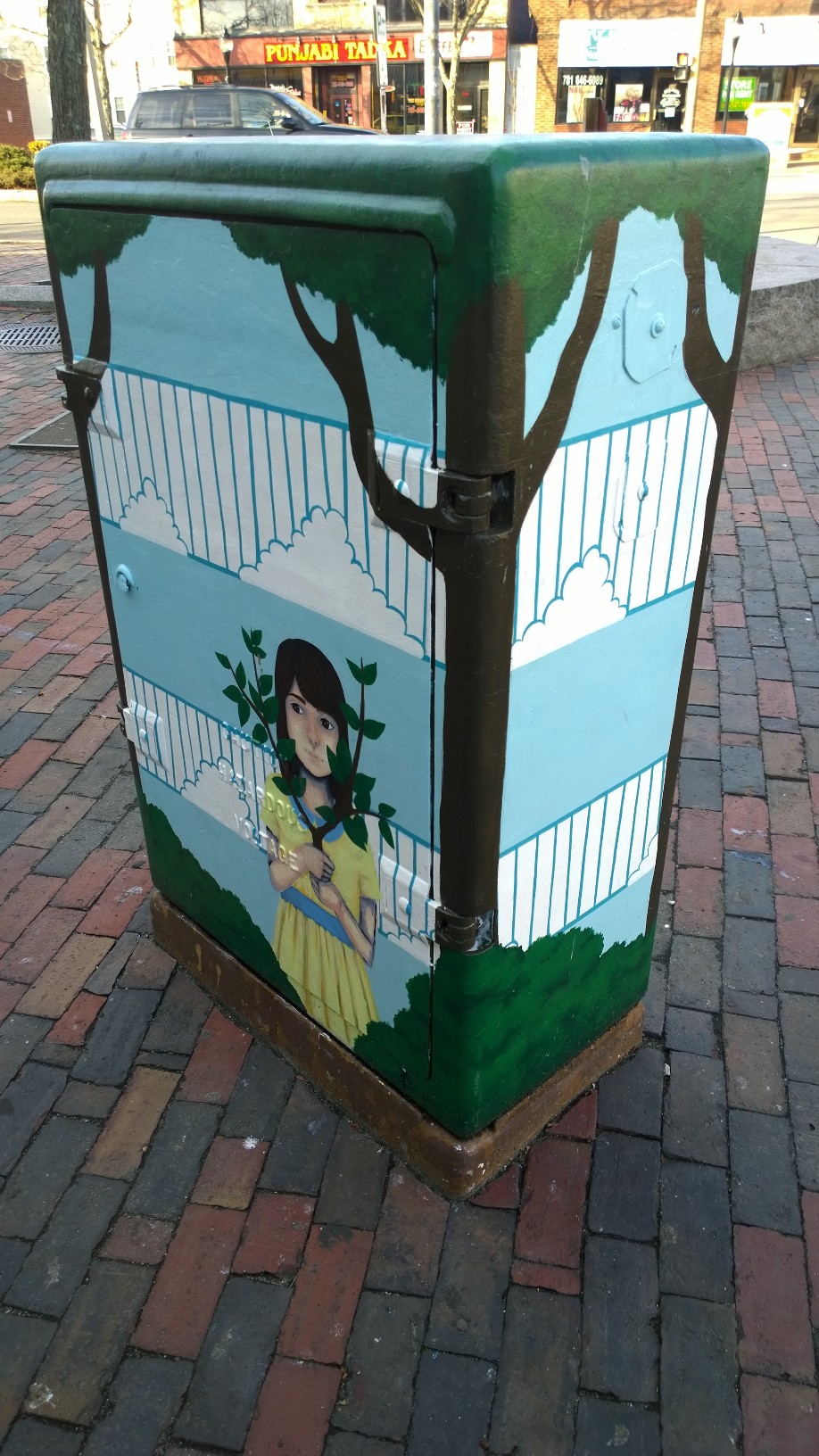
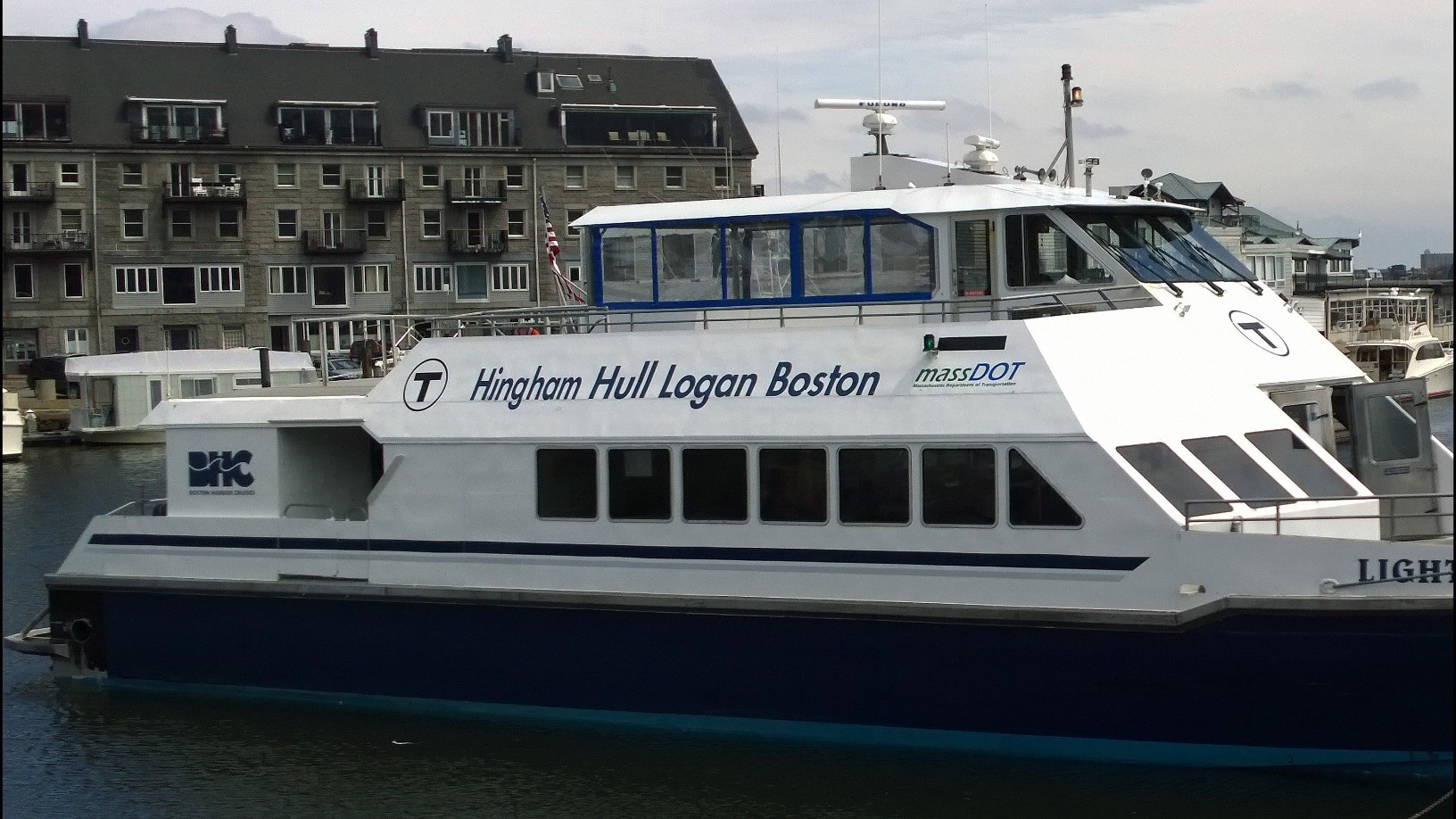
I have a few more photos to share today. The first is of some early flowers. (I don’t know the name. Will have to ask mistersmartyplants.com.) Next is a long-necked character hanging out in my neighbor’s backyard. Then there’s an example of how Arlington artists are sprucing up utility boxes, followed by the gourmet Bee’s Knees grocery in Fort Point, a commuter boat reminiscent of the water taxis we sometimes took when we missed the Ocean Beach back in the day, and a new fancy building about to sail into the sky. (Construction in Boston is making up for time lost during the recession. The view from my office window has been completely altered in just a few years.)

April-flowers

new-kid-on-the-block


Arlington-Public-Art

breads-at-bees-knees


water-taxi

setting-sail

Read Full Post »

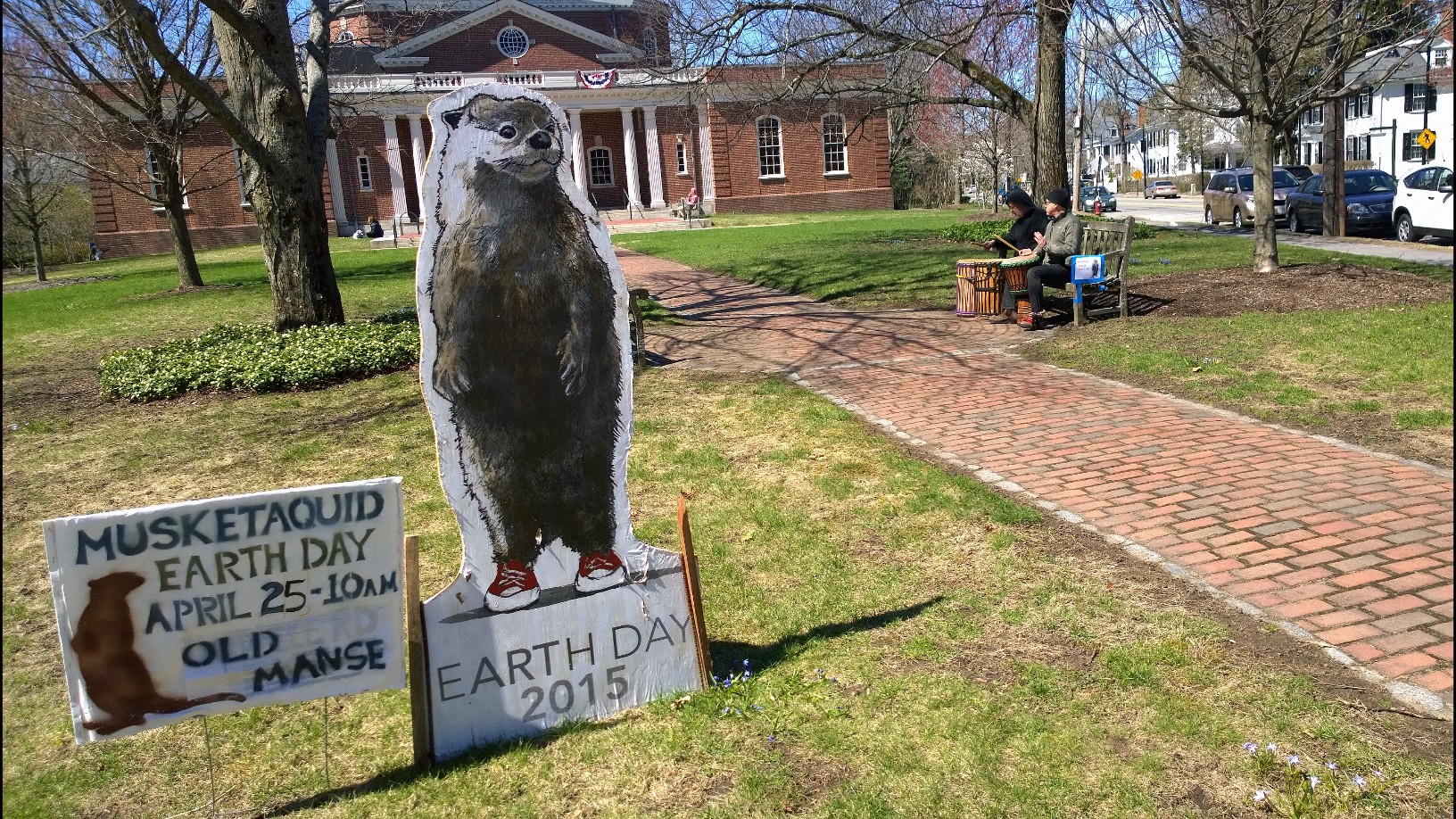
otter-welcome

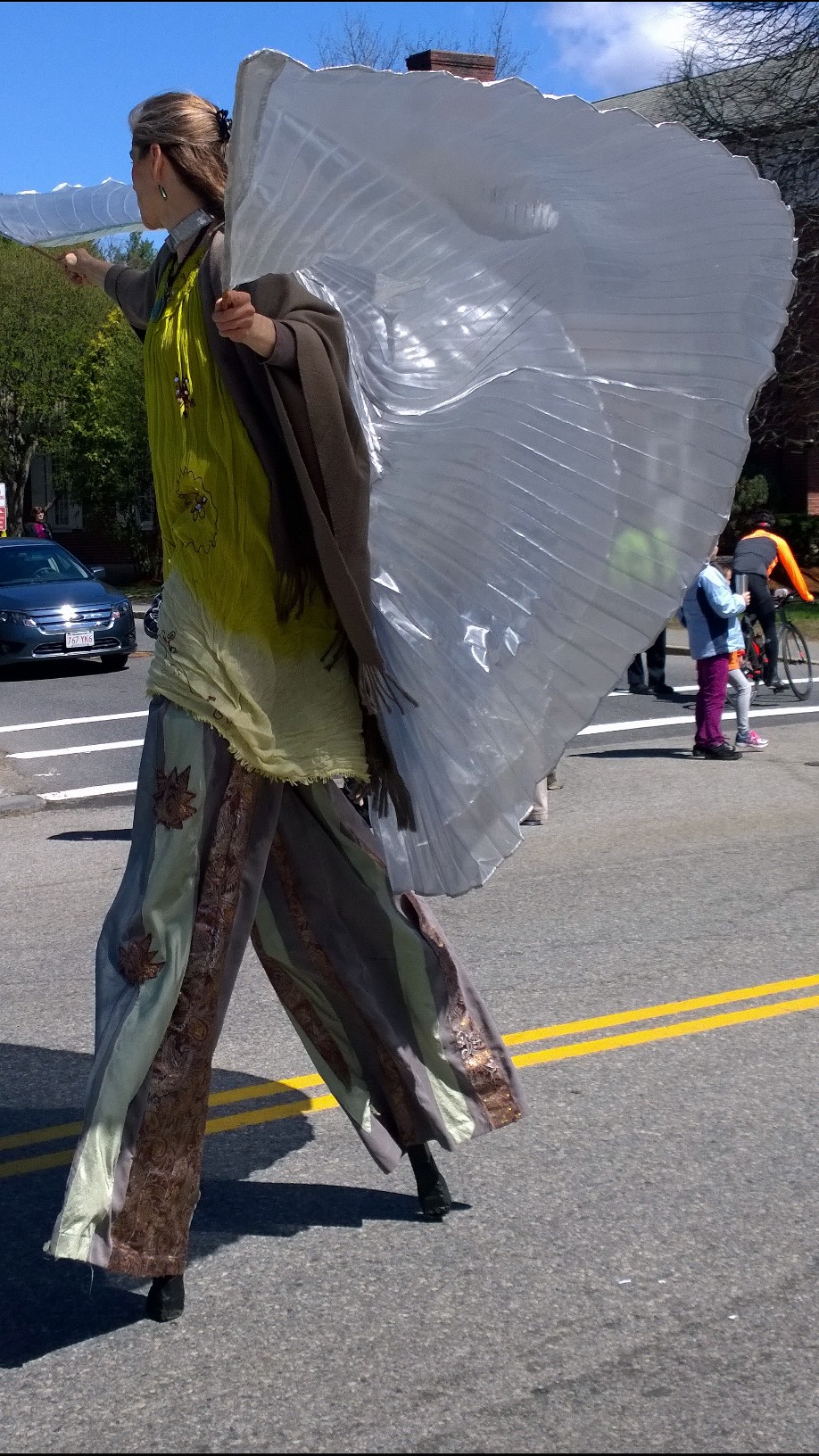
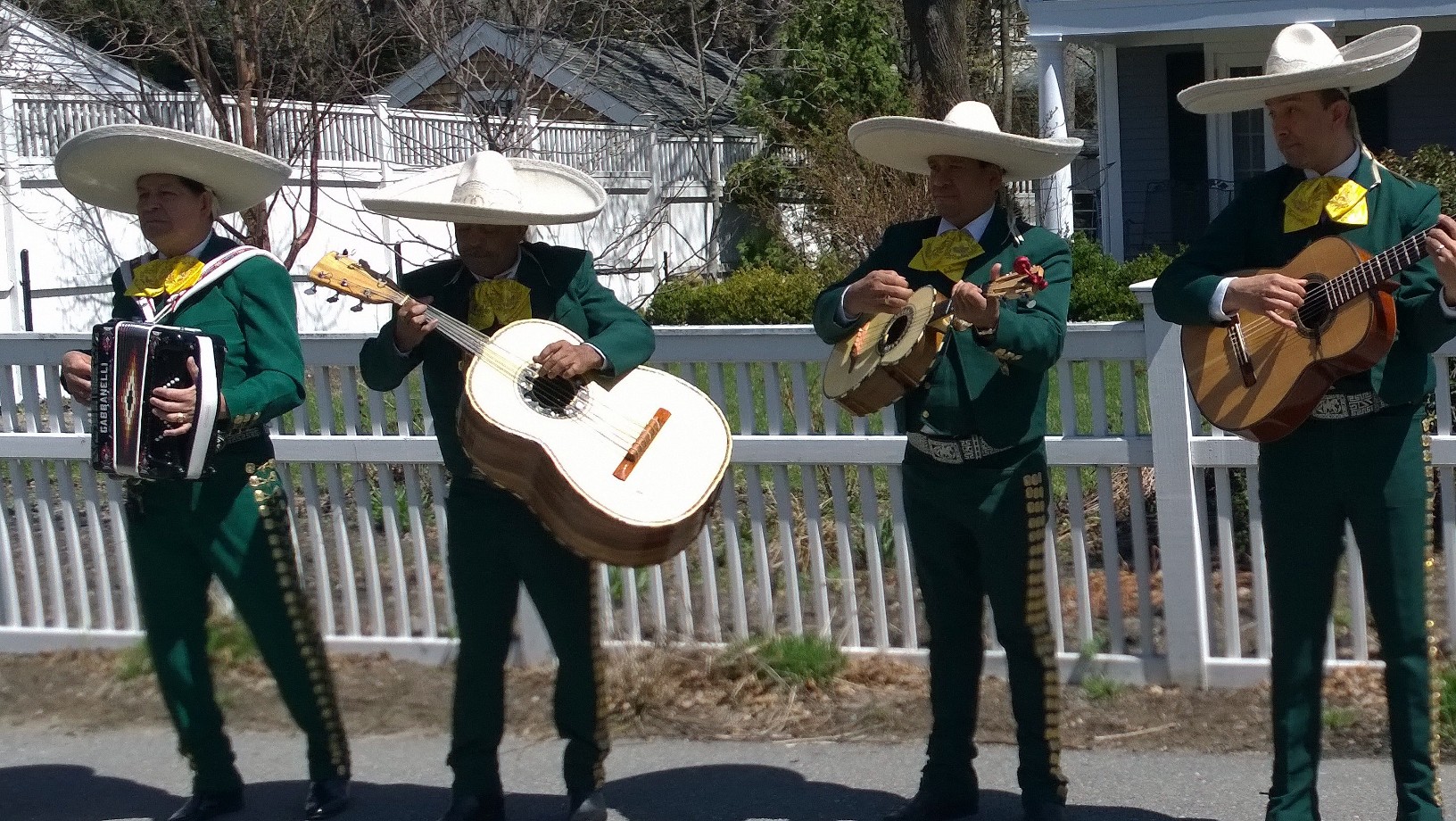
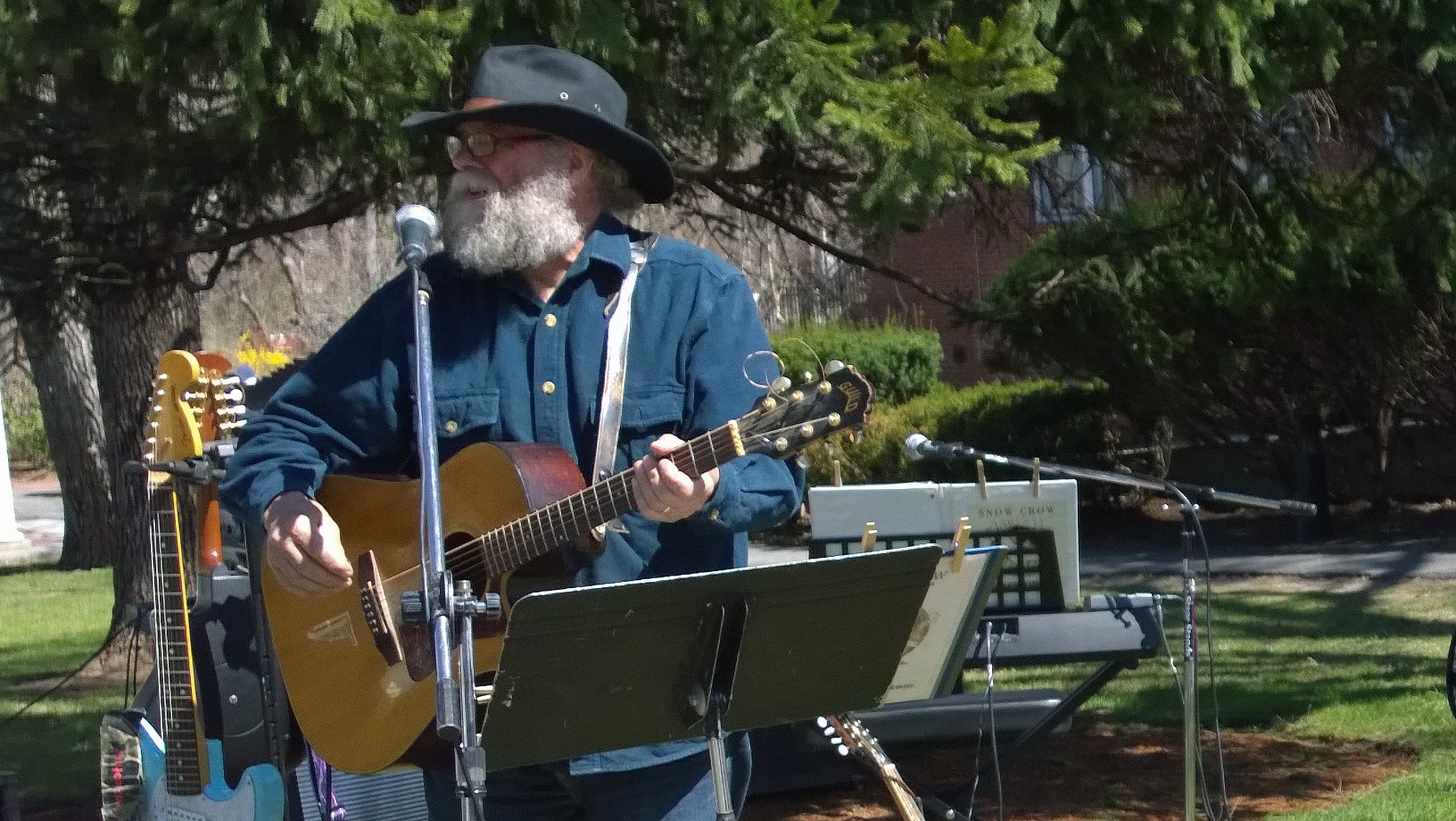
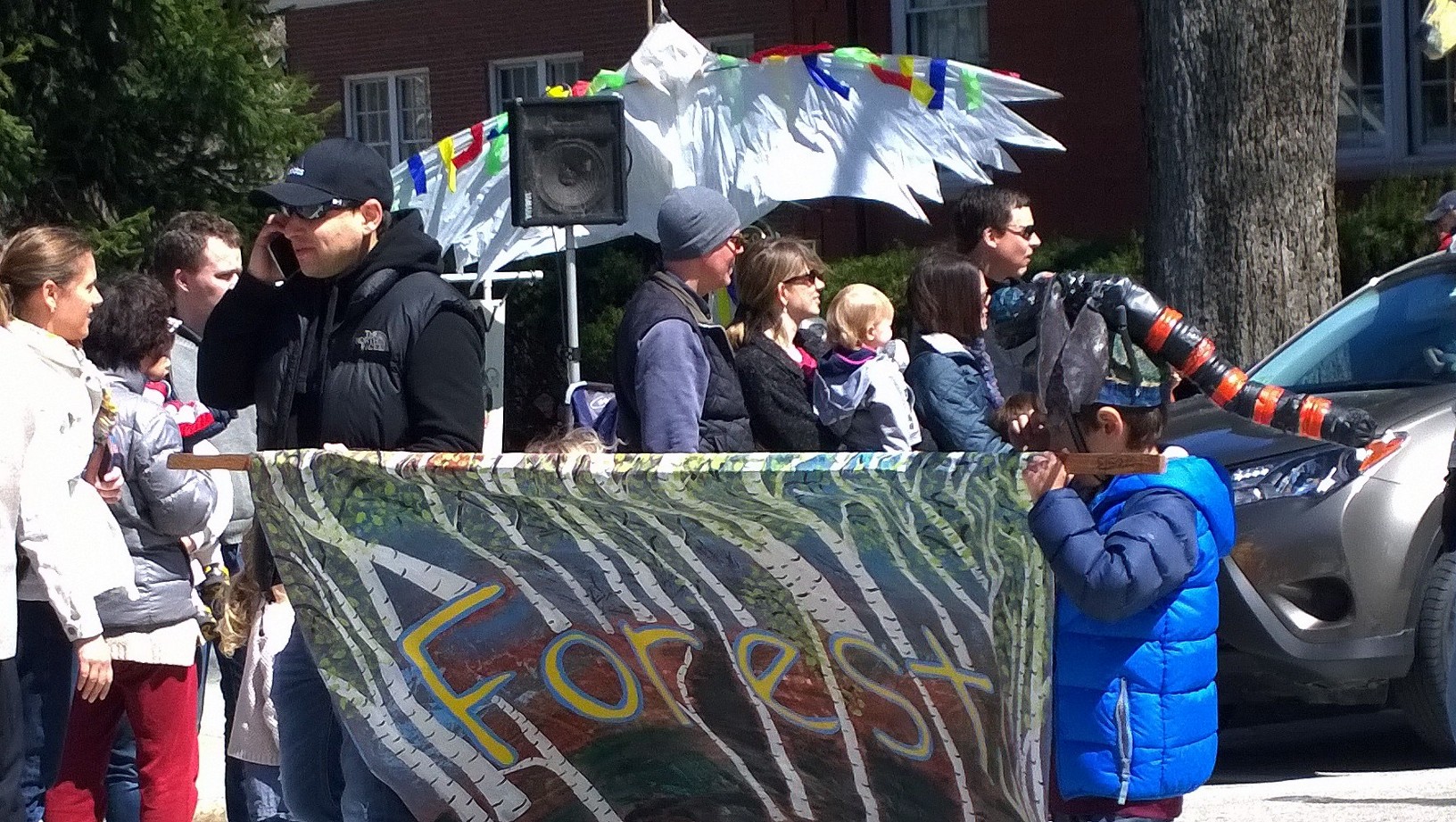
It was still chilly on Saturday, but a great day for the Musketaquid Parade celebrating the Earth. Bands, stilt walkers, homemade floats, drummers, tables for environmental advocates of all kinds.

Does the boy with the “forest” banner whose dad is on a cellphone remind you of the picture book Sidewalk Flowers?

In the afternoon, I helped my 3-year-old grandson dig holes for strawberry plants. (“It’s gonna be a flower. It’s gonna be beautiful!”)

joyous-drummers

perhaps-a-fox

stilts-and-wings

mariachi-band

Earth_Day-guitar

forest-and-cellphone

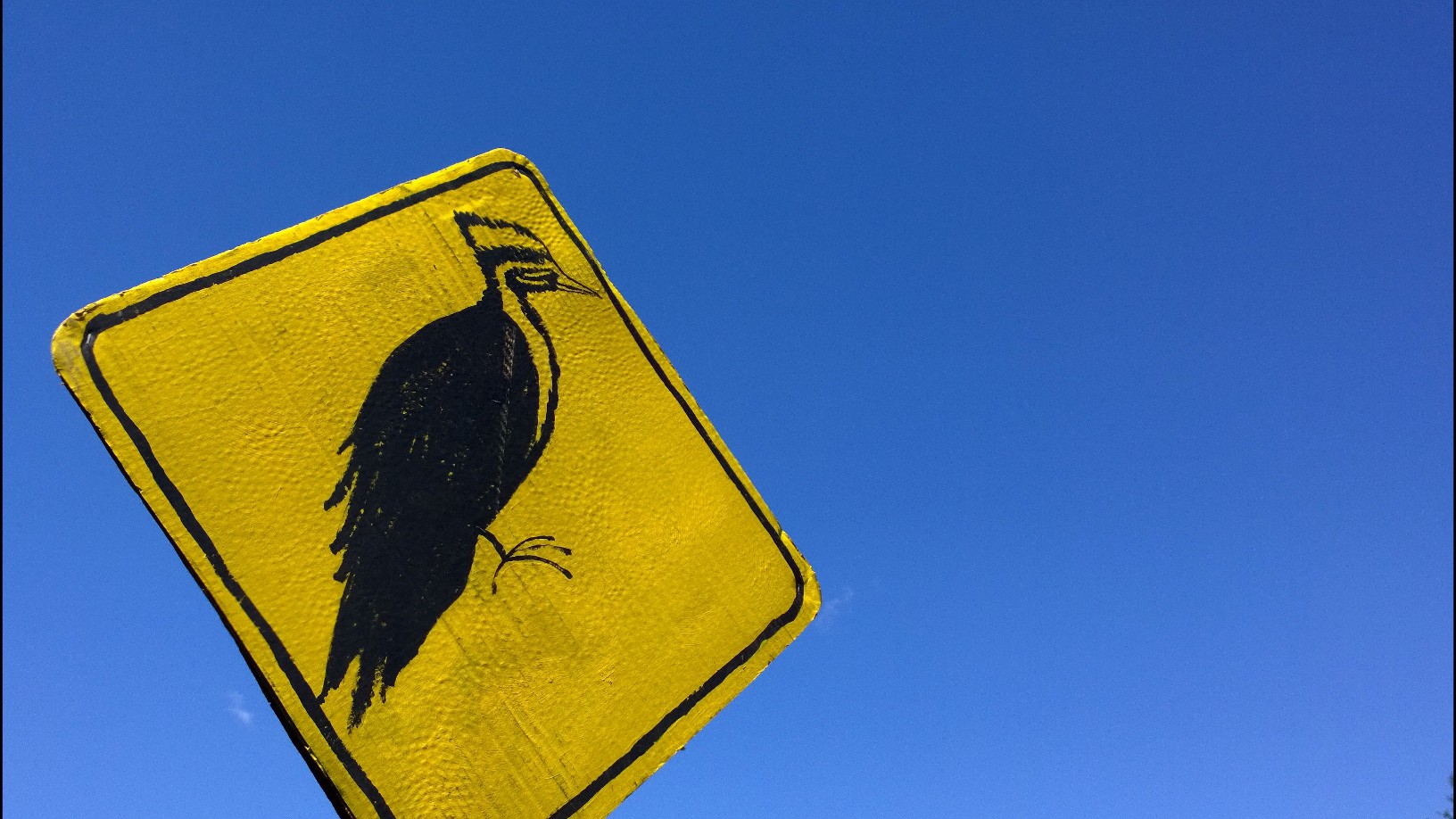
woodpecker-for-Earth-Day

Read Full Post »

Knitting seems to be coming back in style. I thought I had forgotten everything I learned from knitting sweaters during college lectures, but the basic stitch came back to me when I started tackling scarves as an alternative to doodling in work meetings.

Now I see that knitting is serving many positive social purposes among kids in a poor Chicago neighborhood

Lisa Suhay writes at the Christian Science Monitor, “Students are getting knitty in a gritty urban neighborhood on Chicago‘s west side, as they are learning to craft skeins of yarn into a blanket of calm that is making them more social – and fiscally sound.

“ ‘Three years ago, I started teaching kids here to knit and then I thought, “Let’s see if we could sell what they make at my church and give the kids some pocket money in the process,’ says Dorothea Tobin, a teacher at North Lawndale College Prep, in a phone interview from her classroom where she is surrounded by clicking needles and chatting teens.

“In the ‘BT Lives in the Stitch’ club, according to Ms. Tobin, students price their wares between $10 and $30 per item and reap the rewards of being able to socialize while earning enough profit to pay for prom tickets or sundries they might not otherwise be able to afford. …

“Of the 40 students in Tobin’s club a handful are boys. Asked if there was a difference between what boys and girls prefer to knit she says, ‘Boys prefer to knit scarves because those are good sellers. Girls tend more towards baby hats.’ … She has observed that the simple act of mastering a traditional skill and producing something has a profound effect on her students. …

“ ‘They’re always making fun of my rules, but I have club rules for a reason,’ she says. ‘I don’t want them to isolate themselves in the process.’

“The first rule of Knitting Club, Tobin says, is no headphones. … The second rule is to dance with her on Fridays. The third rule, she says is ‘Greet each other when new members come to join us in a session.’ ”

More here.

Photo: Casey Bayer

Read Full Post »

talulah-cooper-boutique-providenceNew followers can be forgiven for not knowing that this is a blog for Luna & Stella, the contemporary birthstone jewelry company. The company owner is my daughter, Suzanne, and she lets me blog about anything that interests me. So I do go off on tangents.

But today what interests me is the Luna & Stella trunk show, scheduled to take place Saturday, May 2, 12 to 5, in Providence, Rhode Island, at the Talulah Cooper Boutique on Traverse Street (left).

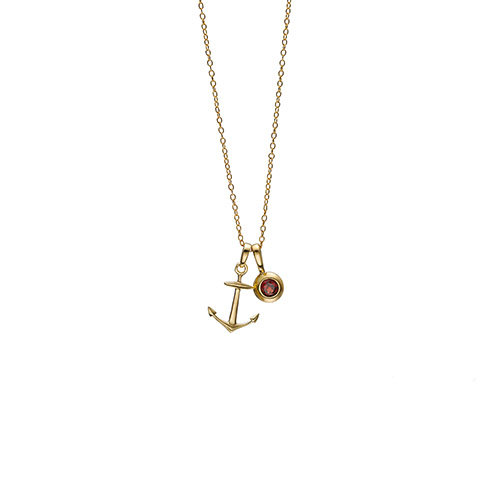
I really love the new Luna & Stella charms, including the Blixt lightning bolt (which has a special association with Suzanne’s electrifying son), the delicate cross, and the anchor that is based on the Rhode Island state flag. And because I am pretty familiar with the great work of the folks at the Rhode Island Foundation, I’m also tickled that Suzanne is sending them $5 of every anchor charm purchased.

She writes, “Our Hope Anchor Charm Necklace is inspired by the anchor on the Rhode Island state flag. $5 of every Anchor charm ordered goes to The Rhode Island Foundation’s Fund for Rhode Island, serving the state’s most critical needs since 1916.”

Oh. Did I mention that Mother’s Day is really soon, May 10? I myself have been dropping broad hints about needing my new granddaughter’s birthstone.

hope anchor birthstone charm necklace

Read Full Post »

Today would have been Shakespeare’s 451st birthday, and I am seeing testimonials all over Facebook and twitter. So it seems like a good day to write about the Sonnet Project in New York City.

Stuart Miller wrote at the New York Times about “an ambitious project to create a short film for each of Shakespeare’s 154 sonnets, with each movie shot at a different New York City location.

“ ‘It brings Shakespeare to people who might not be in touch with it, and we can use social media like Twitter and Instagram to spread the word,’ [actor Billy] Magnussen said. The endeavor, called the Sonnet Project, grew from the work of the New York Shakespeare Exchange, a local theater group.

“The group, which started the project in 2013, just completed its 100th film: Sonnet 27, starring Carrie Preston, an Emmy award-winning actress, and filmed on the Verrazano-Narrows Bridge [and premiering] April 8 on the Sonnet Project website and app. …

“Some directors found inspiration at the location where the films were shot. At Leidy’s Shore Inn, a 110-year-old bar on Staten Island, Daniel Finley, who was making Sonnet 19, filmed Laurie Birmingham, an actress who works mostly in regional theater, as a world-weary regular musing over her drink.

“ ‘We walked in at 10 a.m. and the regulars were there watching OTB and scratching their lotto tickets,’ he said. ‘We learned some of their stories and Laurie based her character on those impressions.’ ” More at the New York Times, here.

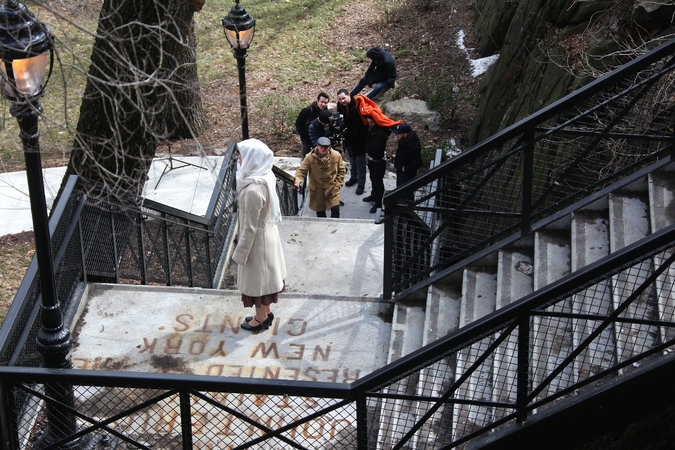
Photo: Chang W. Lee/The New York Times
A crew filming Sonnet 108 at the John T. Brush stairway. 

Read Full Post »

At Global Envision, Seth Heller blogged about an organization that provides inexpensive eyeglasses to poor people in the developing world.

“We often take clear vision for granted,” writes Heller, “but Peter Eliassen knows that eyeglasses can be the difference between financial security and poverty for many in the developing world. As the chief operating officer of VisionSpring, Eliassen travels the globe making reasonably priced eyewear available for people who cannot otherwise afford them. …

“VisionSpring estimates more than 703 million people around the world need eyeglasses. Without vision correction, people are unable to secure employment during their prime working years, and supporting a family becomes almost impossible. …

“VisionSpring’s eyeglasses are priced around $4 and typically boost the wearer’s wage by an average of $108 per year – a significant amount in many developing nations. …

“However, a worker’s clear vision can be life-changing to many people outside their family. …

“The correlation between good public health and economic growth in developing nations is strong. If developing nations can reduce unemployment by solving ongoing public health problems such as impaired vision, the socioeconomic benefits can improve the lives of a nation’s entire population.” More here.

The story came to me by way of the Christian Science Monitor‘s Change Agent listserv.

Photo: Thatcher Cook/Mercy Corps
Eyeglasses from VisionSpring.

Read Full Post »

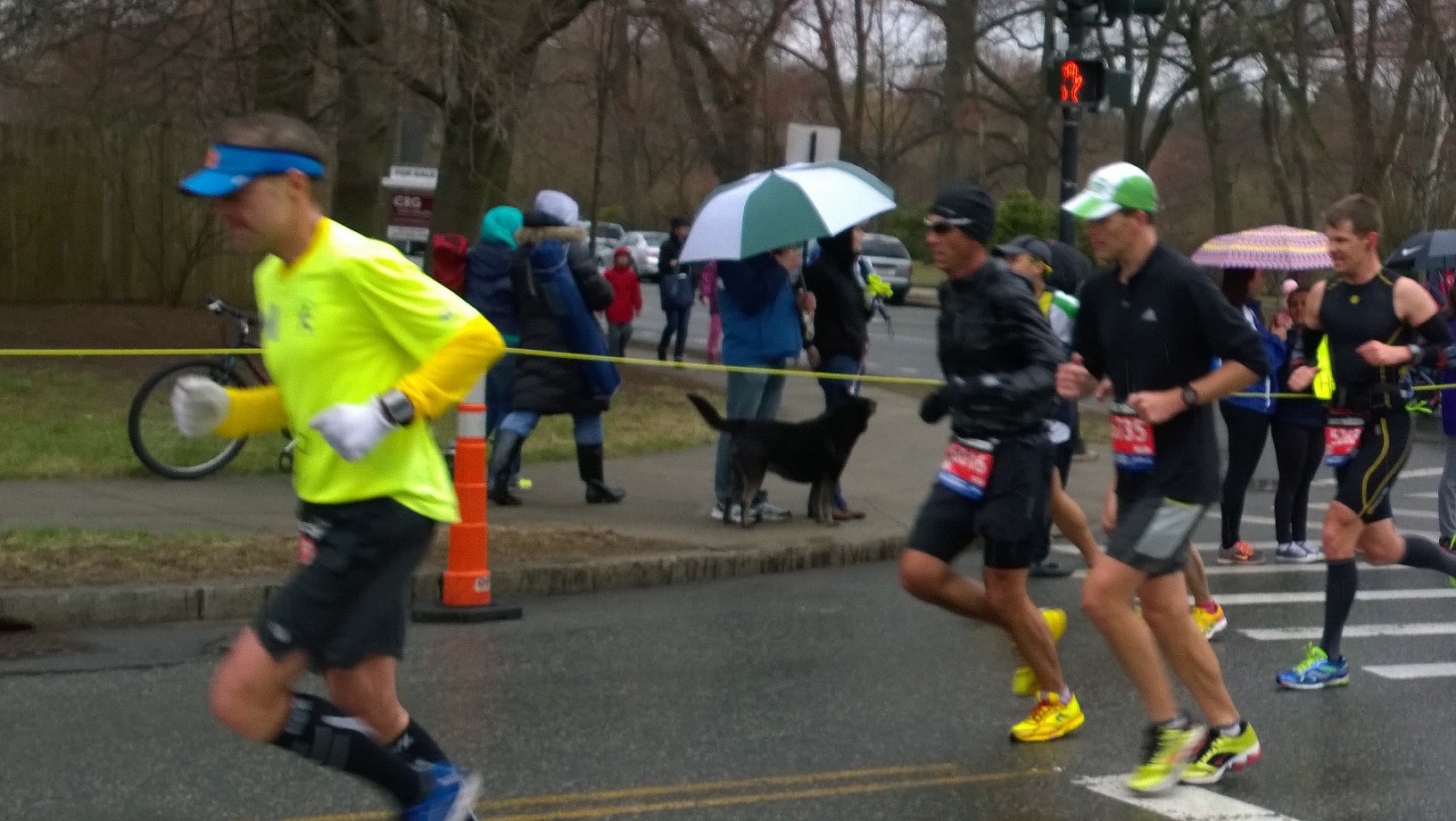
Hours in an icy rain madly cheering family and strangers along with four grandchildren under the age of five. Erik made his best time, coming in under three hours. John looked on the web and found that Erik’s sister was the fourth woman from Denmark to cross the finish line yesterday, and Erik’s cousin was the fourth woman from Sweden. Erik’s mother waved a makeshift Swedish flag, which bled onto everything in the rain but elicited delight from unknown Swedes who also were running in the Boston Marathon.

Mile 19 in Newton was our meeting place, next to the hot-dog vendor. Suzanne got stuck on the wrong side, but the police knew this would happen and had little cards already printed out to tell people how to drive to the other side. She got there in time.

The day was a grand accomplishment for all concerned, not excluding four cold, soggy, cheering children.

runners-042015-Newton

Read Full Post »

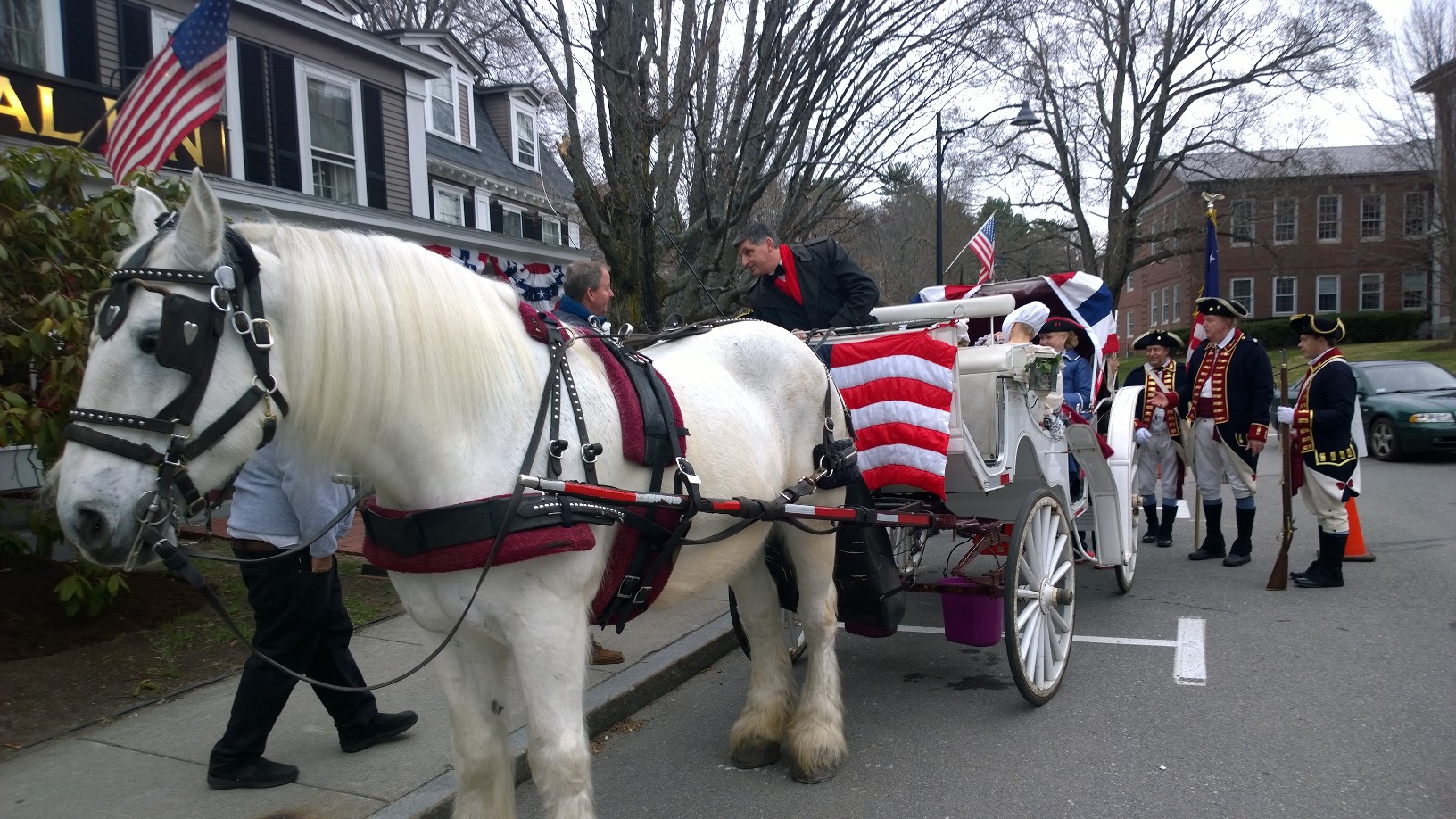
It’s Patriots Day. Actually, it should be April 19, but everything gets celebrated on Mondays now.

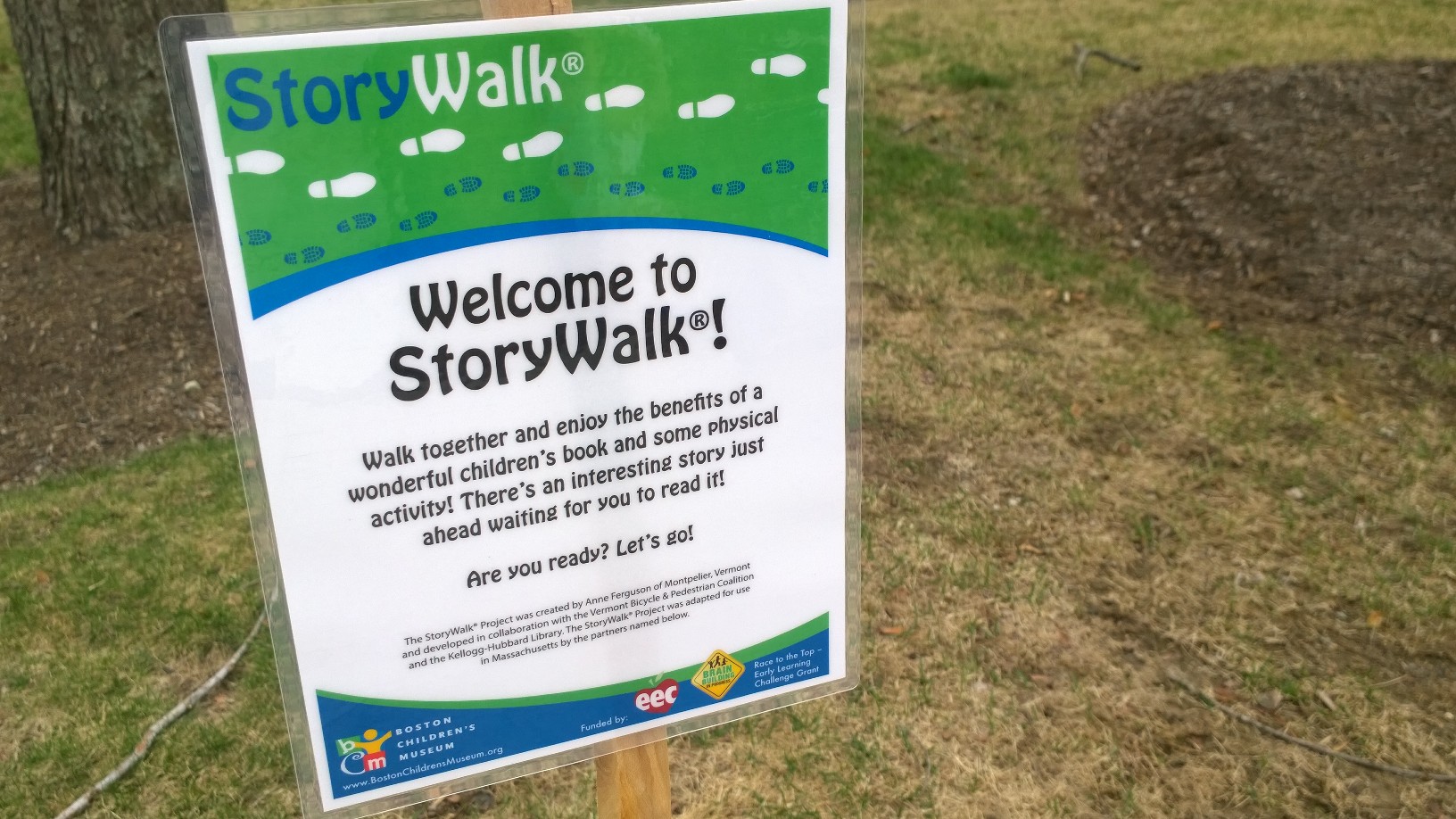
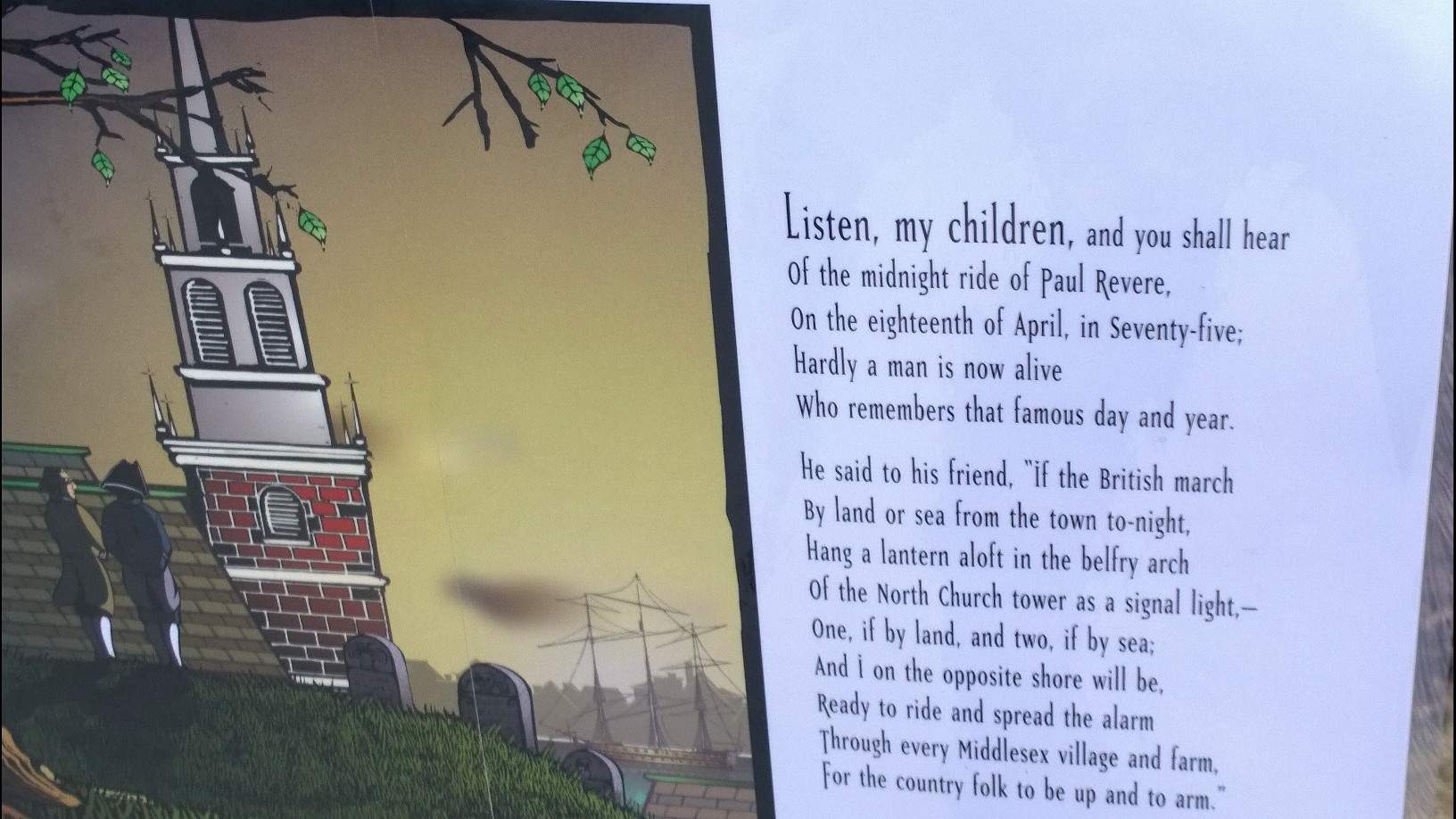
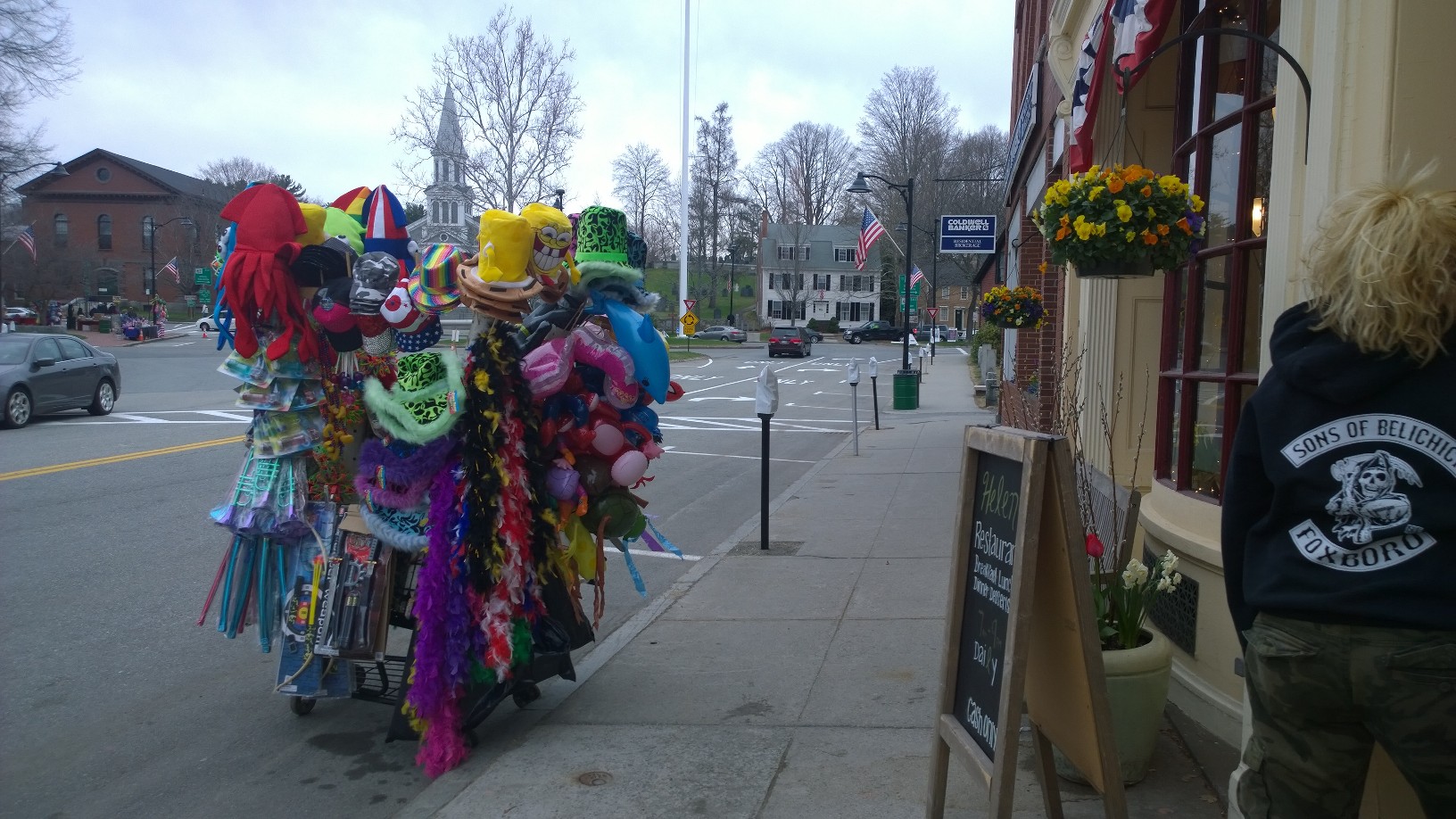
Concord is ready for its parade. In front of the library, the Boston Children’s Museum has posted the Midnight Ride of Paul Revere on wooden stakes. The grandstand is set up for the dignitaries. The vendors are out in force.

I picture Paul Revere coming back for the celebrations and wondering if his ride was for the freedom to buy cotton candy, fried dough, and Sponge Bob Square Pants balloons on a stick.

Kind of like the hobbits who had all the wild adventures coming home and being a bit nonplussed by the pedestrian preoccupations of Hobbiton.

Actually, I think the adventurers did think they had fought for the freedom to have pedestrian preoccupations.

stroy-walk-in-Concord

listen-and-you-shall-hear

it-was-12-by-the-clock

parade-vendor

horse-and-enactors

Read Full Post »

My husband passed along a funny Ben Schott column from the NY Times. It’s about the slang that professional dog walkers often use. Here are a few samples. If you have others, please send them along.

A “bow wow” is the initial meet and greet with a new client.

“Sepanx” refers to a dog with separation anxiety.

A “cujo” is a very aggressive dog (after the dog in a Stephen King novel).

A “paper pusher” is a dog that likes to rip paper.

A “pupdate” is an after-walk e-mail update sent to the owner.

A “slumber party” is an overnight with a dog in the owner’s home when the owner is away.

More here.

I’ve noticed that dog walkers are quick to tell you when you have admired the dog, “I’m not the mother. I’m just the dog walker.” I wonder why that is.

Photo: http://www.earthpetsorganic.com

Read Full Post »

Green sea turtles are being seen farther north these days, thanks to a very warm river in California.

Sanden Totten has the story at National Public Radio. “The green sea turtle typically lives in tropical waters, like the shores of Mexico or Hawaii. But recently, scientists have discovered a population swimming year-round in a river just south of Los Angeles. It’s the northernmost group of these turtles known to science. …

” ‘The small turtles have heads about the size of a golf ball or even a small lime, and the large turtles, their heads are about the size of a softball or grapefruit,’ [Cassandra Davis of the Aquarium of the Pacific] says.

“Her group has been carrying out this sea turtle census for about three years. She estimates there are between 30 and 100 turtles in the area. But why these large tropical creatures chose this place to settle down is a mystery. It’s a river sometimes mired in trash next to a busy road and a military base. …

“Dan Lawson, with the National Oceanic and Atmospheric Administration … says the river is a mix of salt and fresh water, which is good for sea turtles. It seems to have plenty of food. And it has another thing going for it.

“There are two power plants — one on each side of the river. They both suck in cold ocean water and use it to cool their generating systems. This process ends up heating the water before it’s dumped back into the river. This warm outflow results in a sort of turtle Jacuzzi. …

“But, he says, there’s a catch. Over the next decade or so, the plants will phase out this method of using ocean water as a cooling mechanism. That means, eventually, no Jacuzzi. It’s unclear how this will affect the federally protected turtles.” More here.

Reading about warm water from power plants reminds me that when we lived in Rochester, New York, we heard that there was good fishing near a power plant on Lake Ontario. But the unnatural heating of the water is really not considered good for the environment.

Photo: Sanden Totten/Southern California Public Radio/KPCC
A recently rescued sea turtle recovering on the banks of the San Gabriel River.

Read Full Post »

As we have noted in other posts on the subject, one of the most ephemeral forms of art is street art. Many street artists like it that way, but others hate to see the work disappear.

Deborah Vankin and Saba Hamedy write at the Los Angeles Times that Google has decided to do something about that.

“A new worldwide database of public art aims to preserve — if only in digital form — street art, a medium that is often political, sometimes renegade and, perhaps most important, frequently fleeting. These are artworks that may get tagged by graffiti or fall into decay because of weather exposure. The accessible, populist nature of the medium — buildings and sidewalks as canvases — also is what makes them vulnerable. …

” ‘You never know when a mural will be scrubbed out or painted over,’ said Lucy Schwartz, program manager for the Google Cultural Institute, the umbrella organization that this week launched an expanded version of its searchable database of photos simply called Street Art. ‘Our goal is to offer a permanent home for these works so users today and tomorrow can enjoy them and learn about them.’ …

“The project launched in June 2014 with 5,000 images and 31 partnering organizations internationally. [In March] Google added 55 partners who have helped to document more than 5,000 more pieces of public art, all viewable at streetart.withgoogle.com/en/. The collection includes Australia, Sweden, Colombia, South Africa —34 countries in all. It also includes mobile apps and listening tours, as well as a map on which visitors can click to browse local art. …

“Google has said the street art in its online project cannot be downloaded, and the company credits all featured artists. Images in Street Art also include the title of the mural and the date it was created.” More here.

As you might imagine, some of the artists working in this form were highly skeptical of Google’s outreach to them. The sort of Buddhist acceptance of the transitory nature of all things certainly seems incompatible with a Google database. But for many artists, digital preservation is welcome.

Photo: Noel Celis / AFP/Getty Images
A mural by an unidentified artist in Manila. Jan. 26, 2015.

Read Full Post »

I went to the Museum of Fine Arts to see an exhibition on 100 years of American ceramics. It was a lovely show, but I would have liked to see an example of the late Anne Kraus’s mysterious tea cups there. If Warren McKenzie could give her a whole show at the Northern Clay Center when I was living in Minneapolis, I know it’s not just the gal on the street who thinks Kraus is major.

The MFA ceramics show was a very small show, tucked away in a corner. It hardly seemed enough to justify the admission fee and parking.

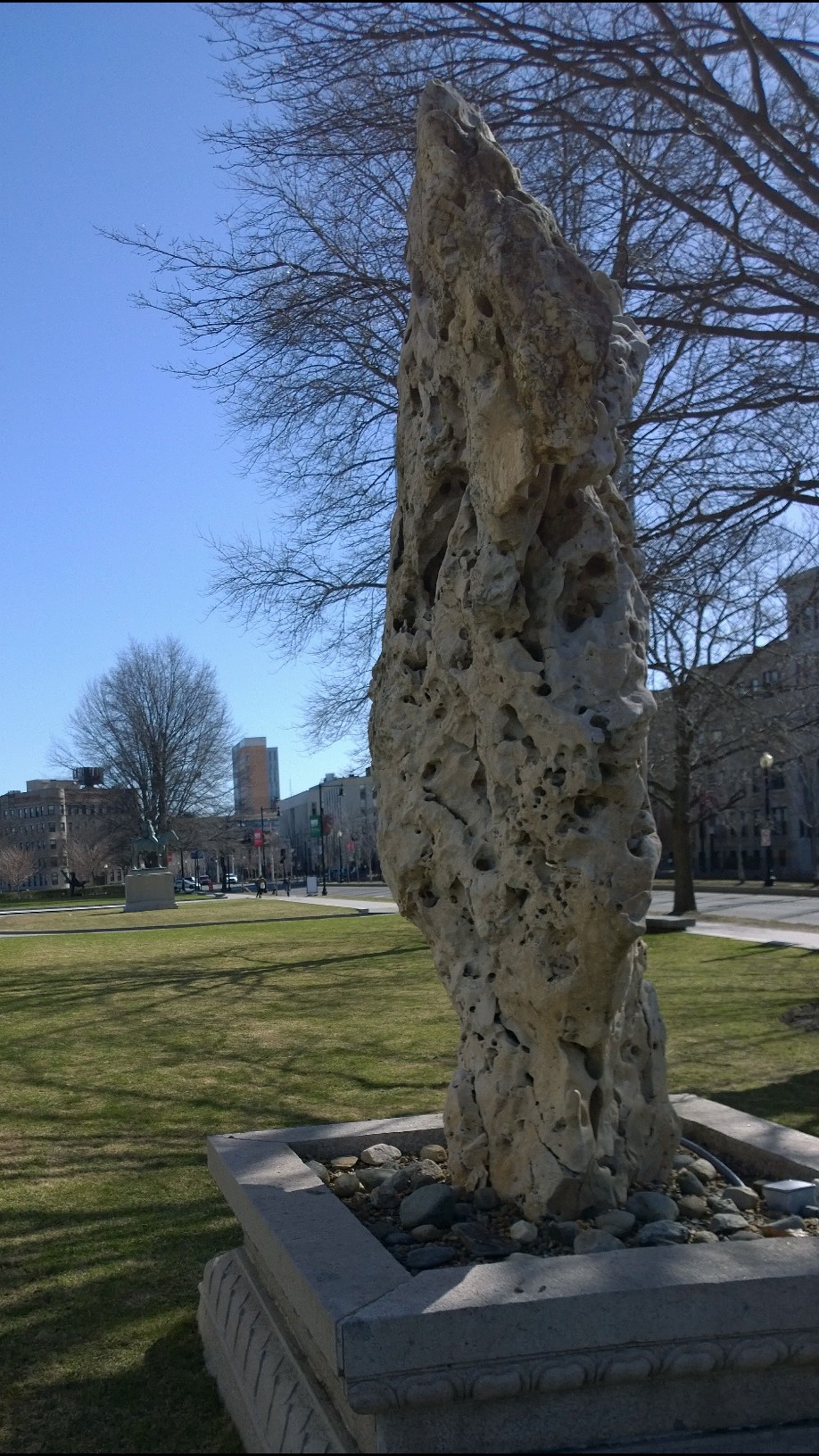
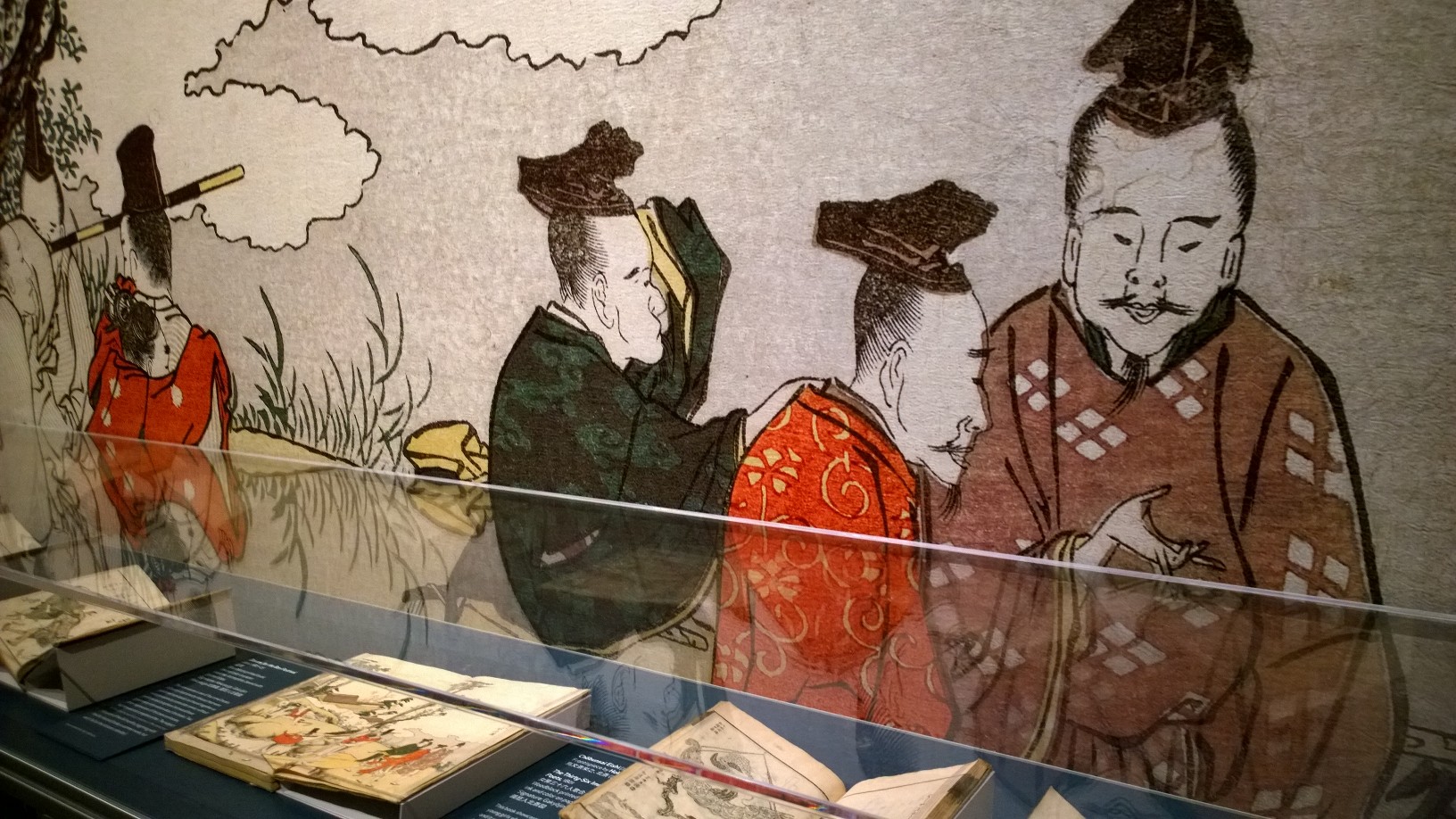
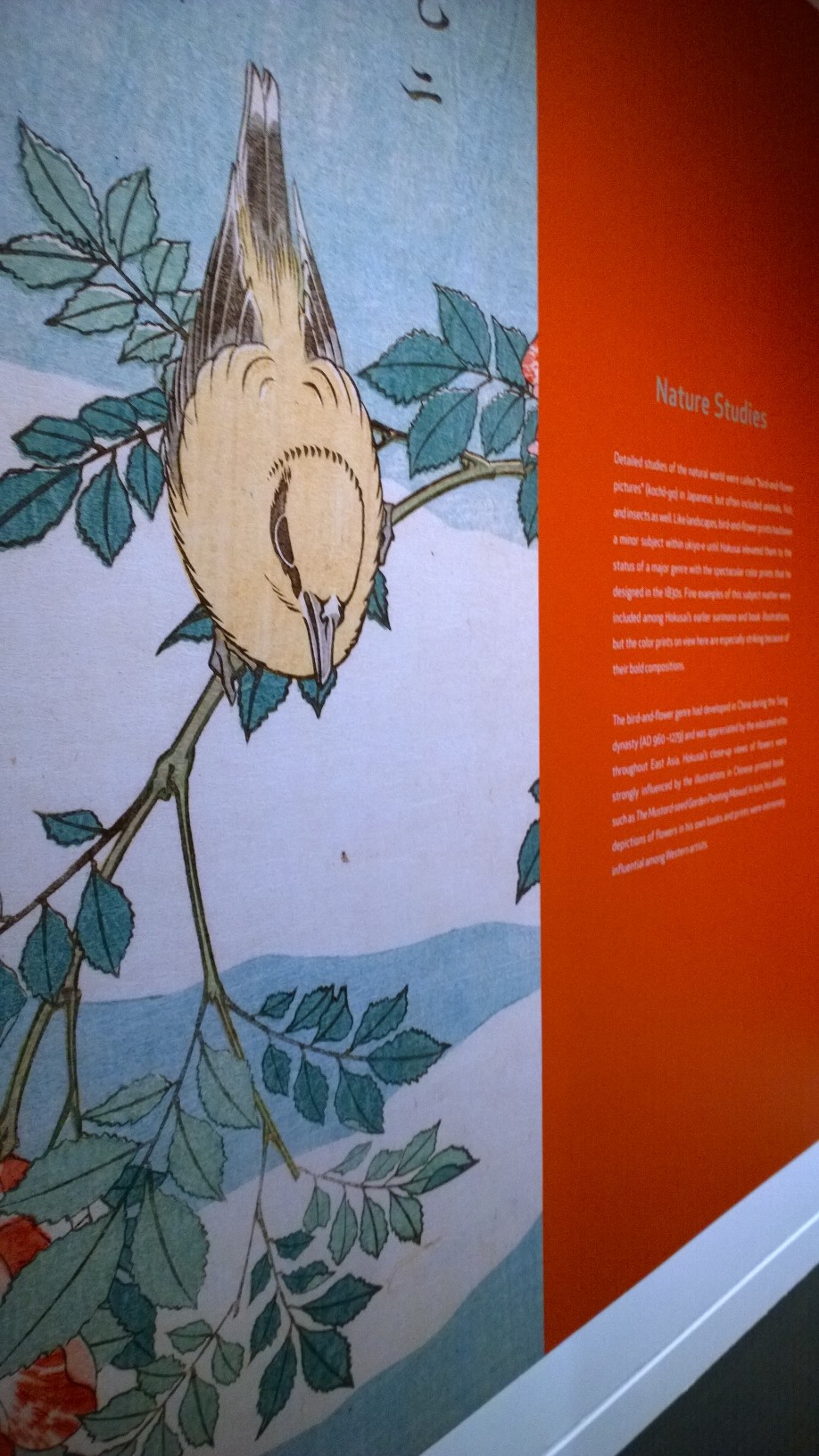
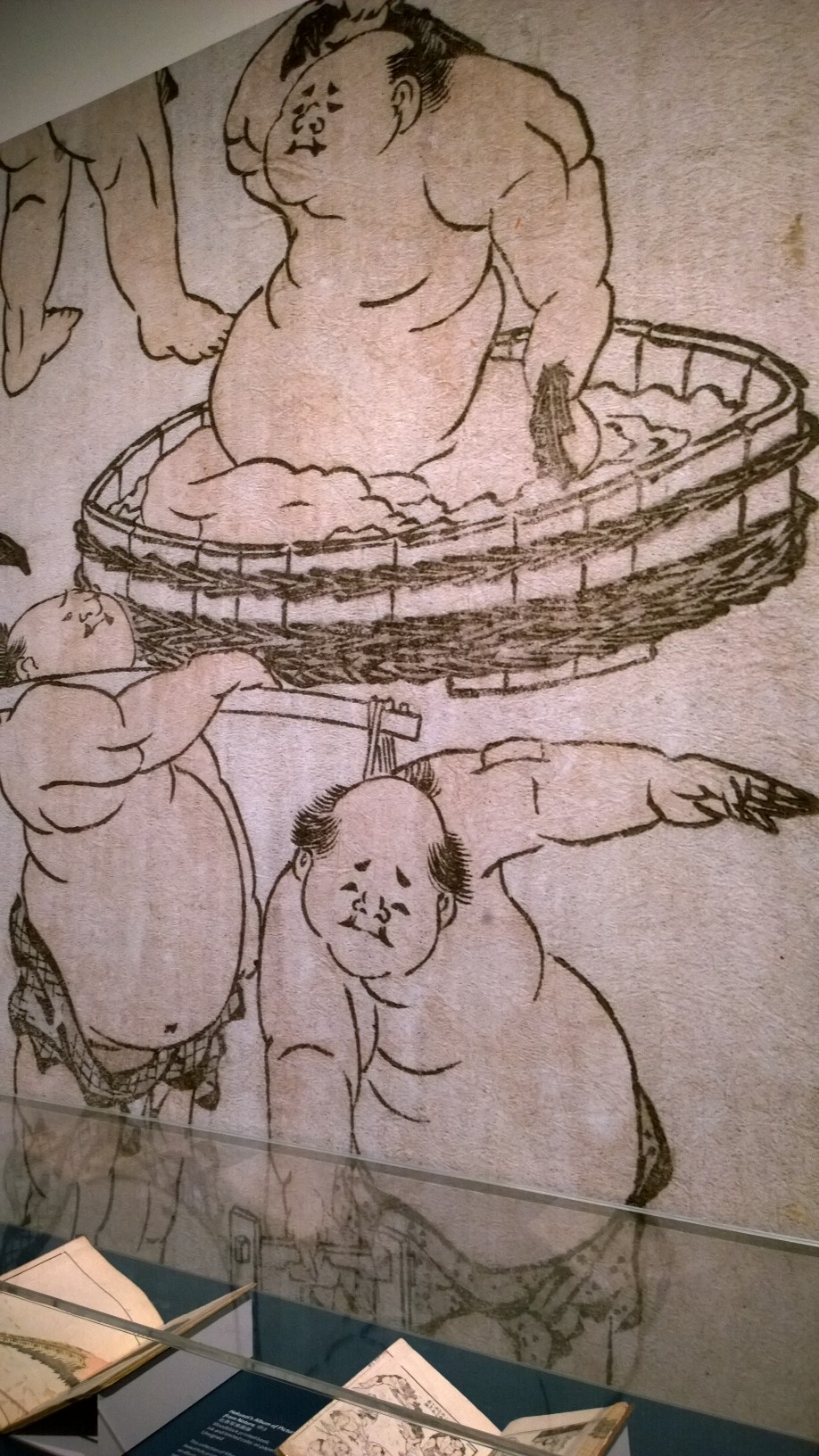
So I took a walk through a really big show there, one on the Japanese artist Hokusai (you know: “The Wave”). Unlike the ceramics show, this one was crowded and almost too extensive to take in, but I enjoyed what I saw — especially some colorful wall hangings.

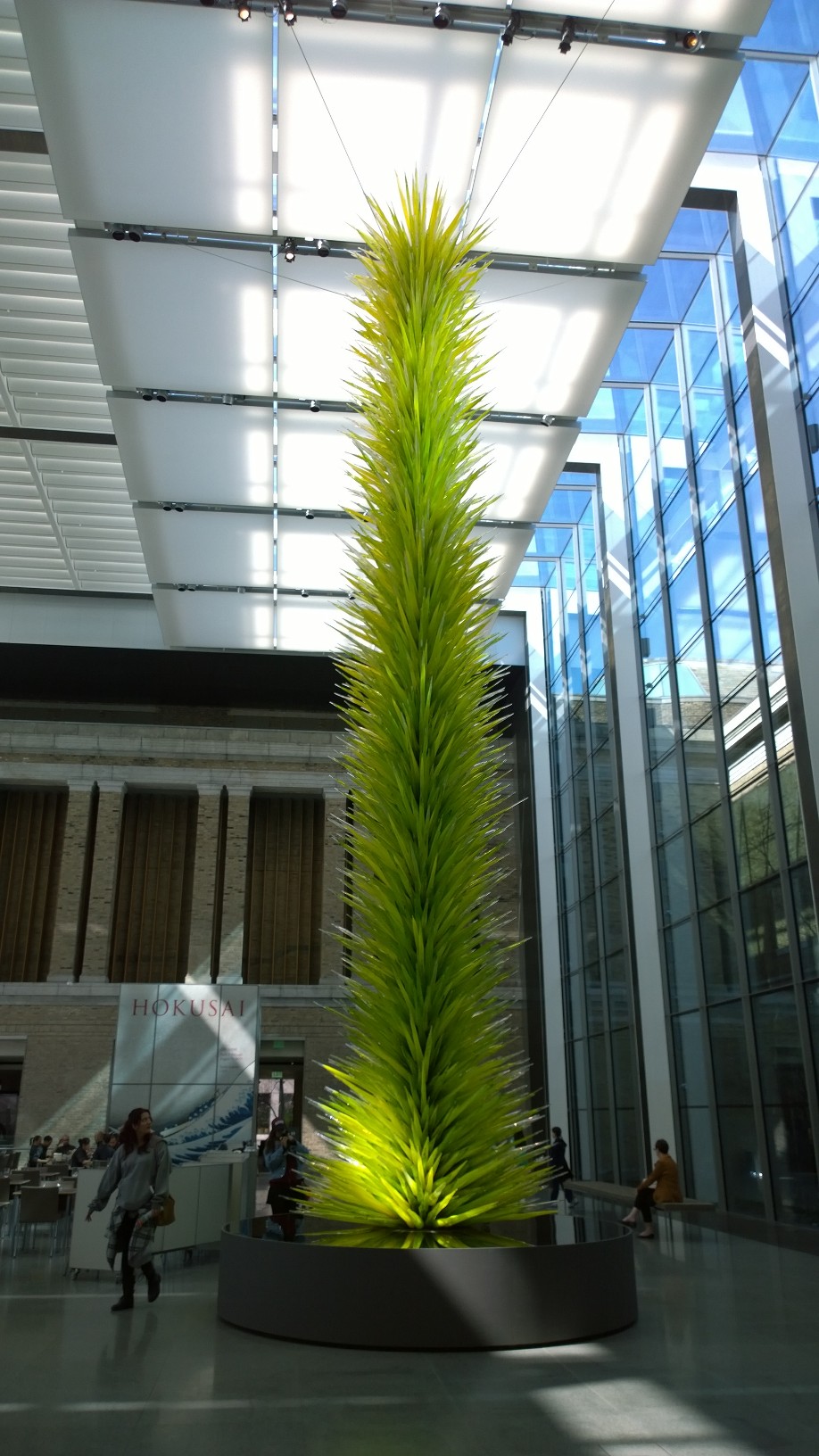
I took photos both outside the museum and inside (a sign said it was OK — just not to use a flash). My Hokusai photos are mostly of large-scale reproductions. The originals were small and harder to shoot through glass.

The show is running until August 9, and if you go, I recommend that you pause for the wall of slides at the entrance, which is delightful and gives one a sensation of watching the art coming into being, like a waterfall swishing down a landscape.

natural-water-pitted-stone

Indian-outside-the-MFA-by-Dallin

MFA-dining-room-glass sculpture

Hokusai-at-MFA-Boston

Hokusai-bird

tubby-time-Hokusai-style

Read Full Post »

Older Posts »