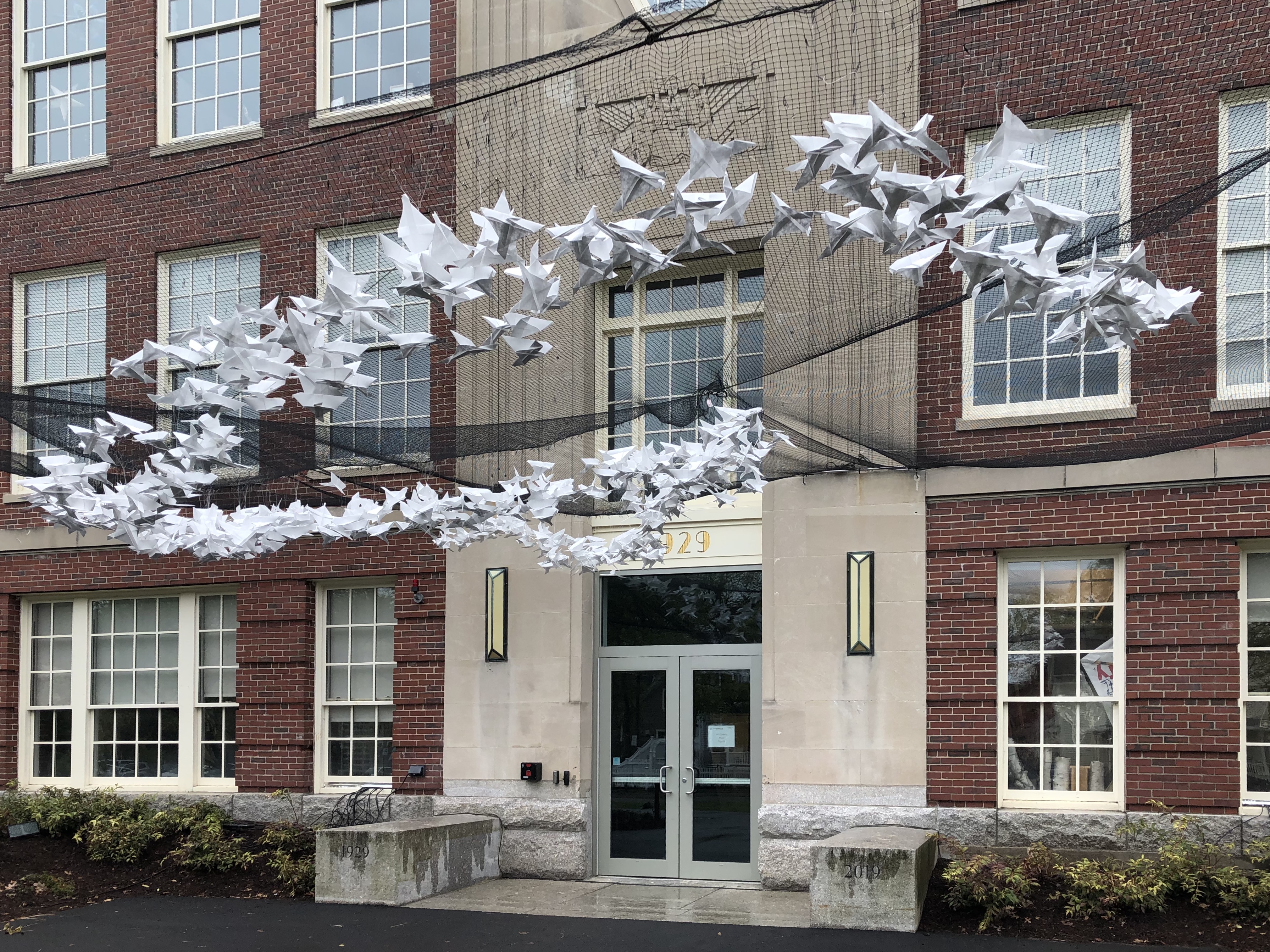
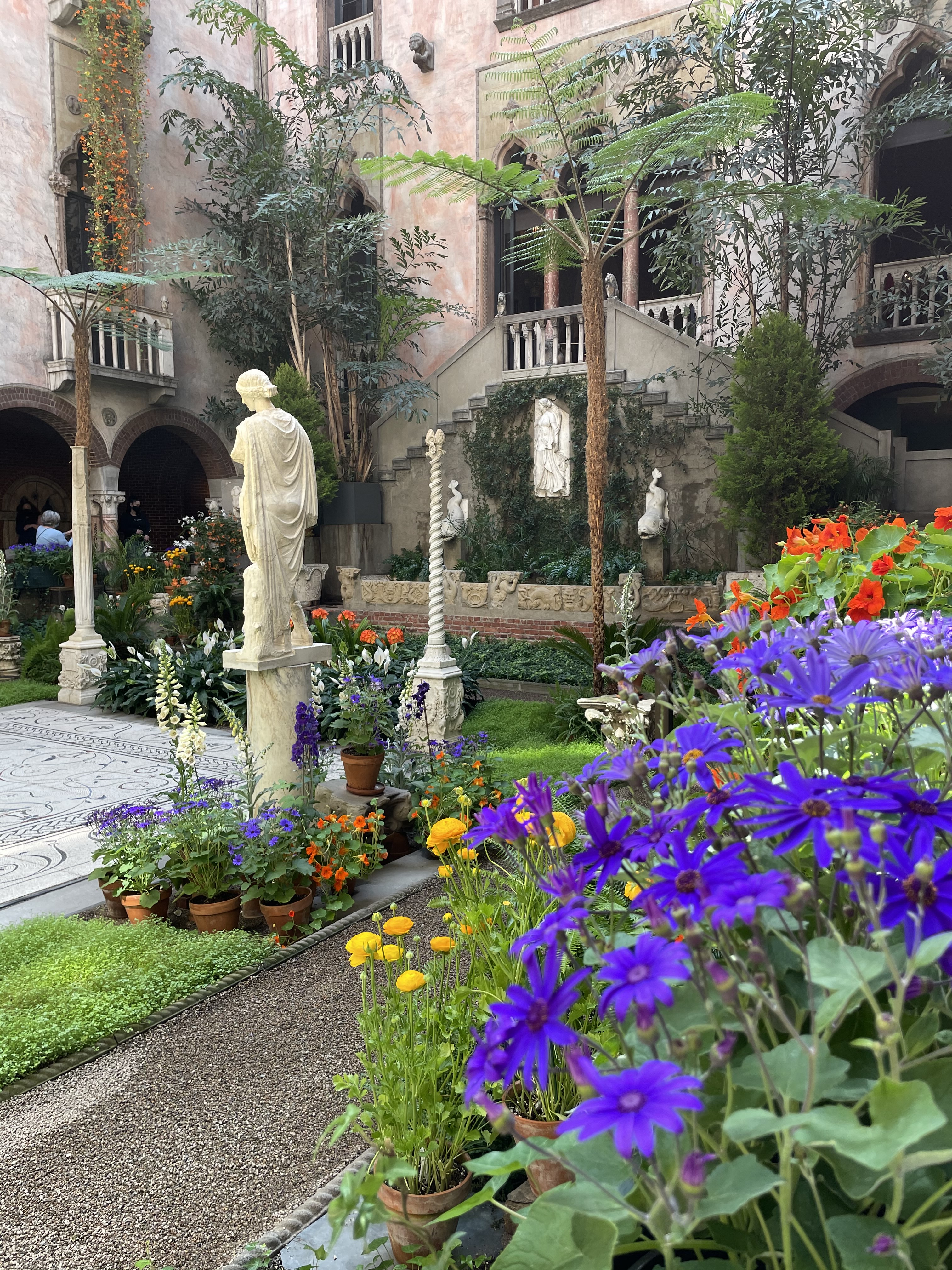
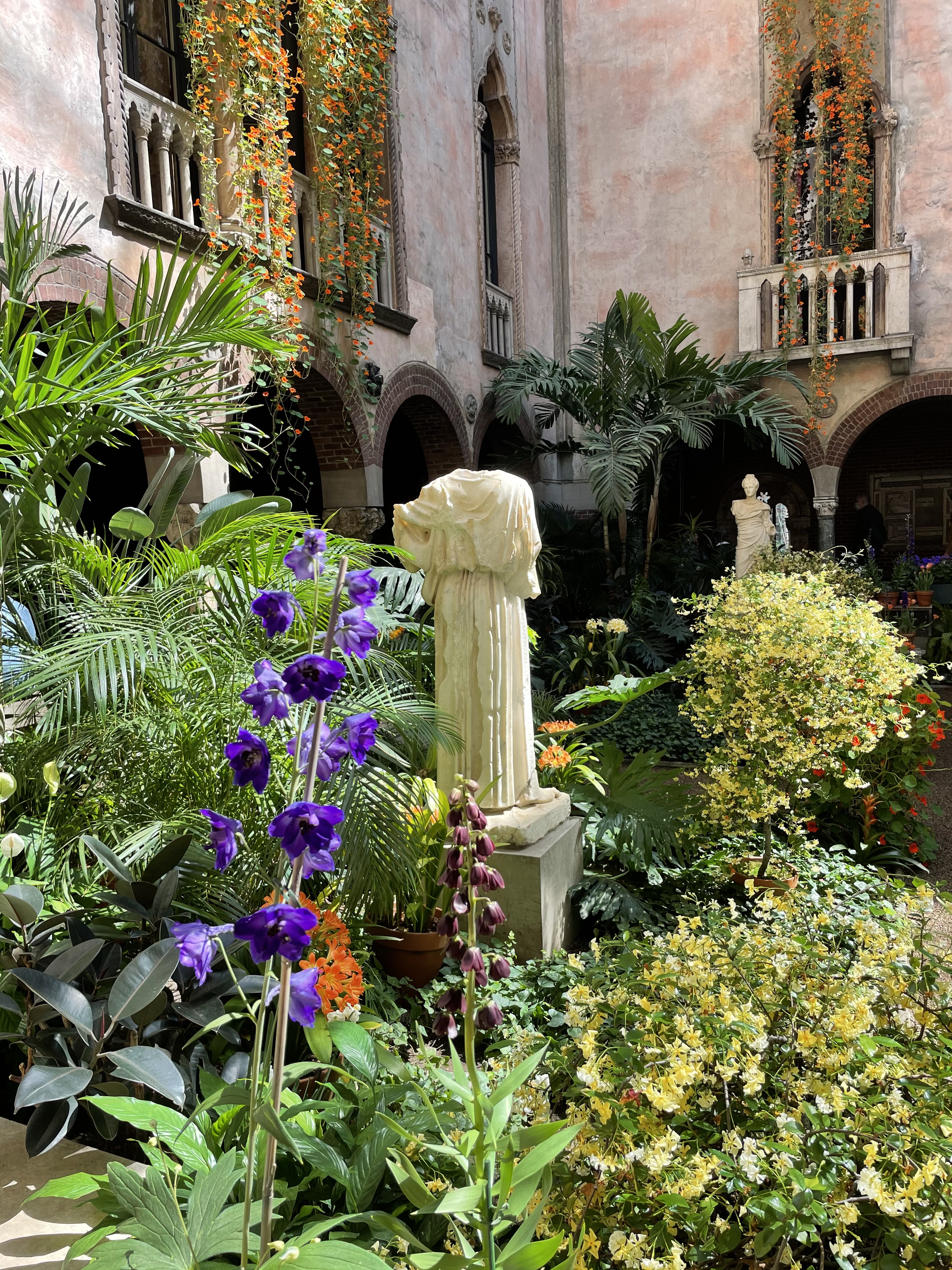
Here come more spring photos. Most are from my walks, but the pictures of the gorgeous Isabella Stewart Gardner Museum in Boston were take by Suzanne. She put lots more photos of the Gardner on Instagram, @lunaandstella.
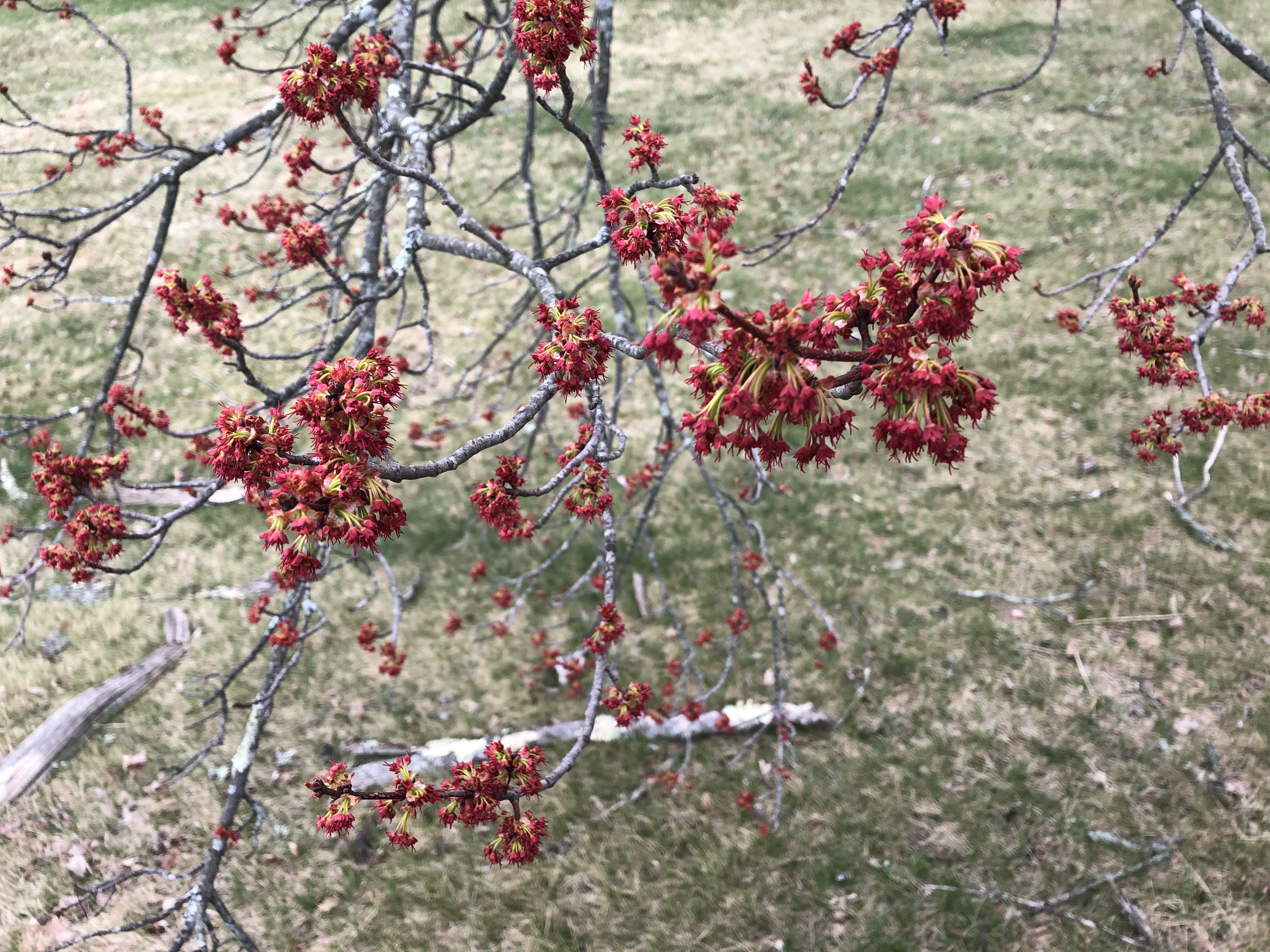
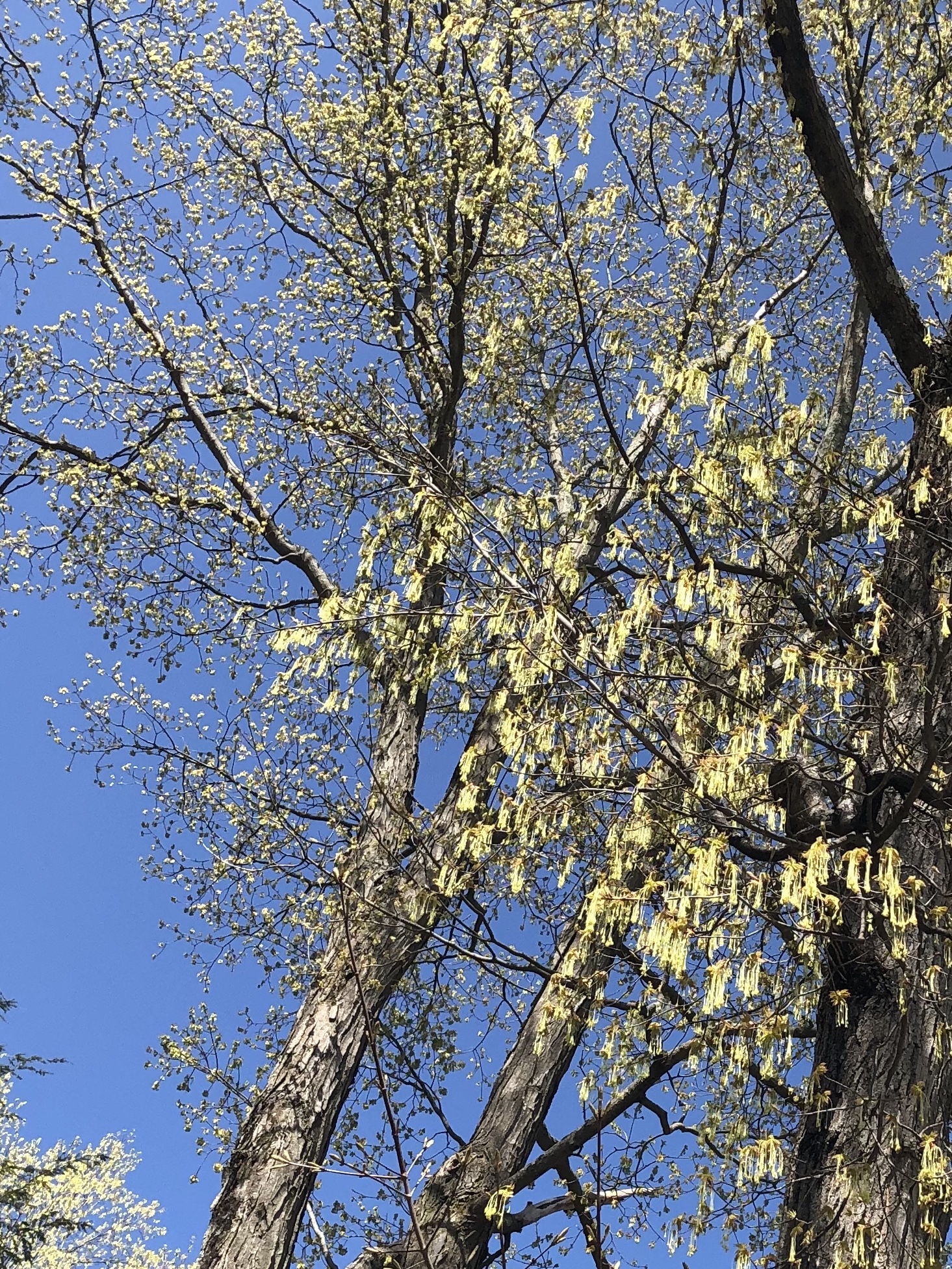
The top picture illustrates for me how spring is a time of becoming. The tree is budding lustily over the lichen-covered branch.
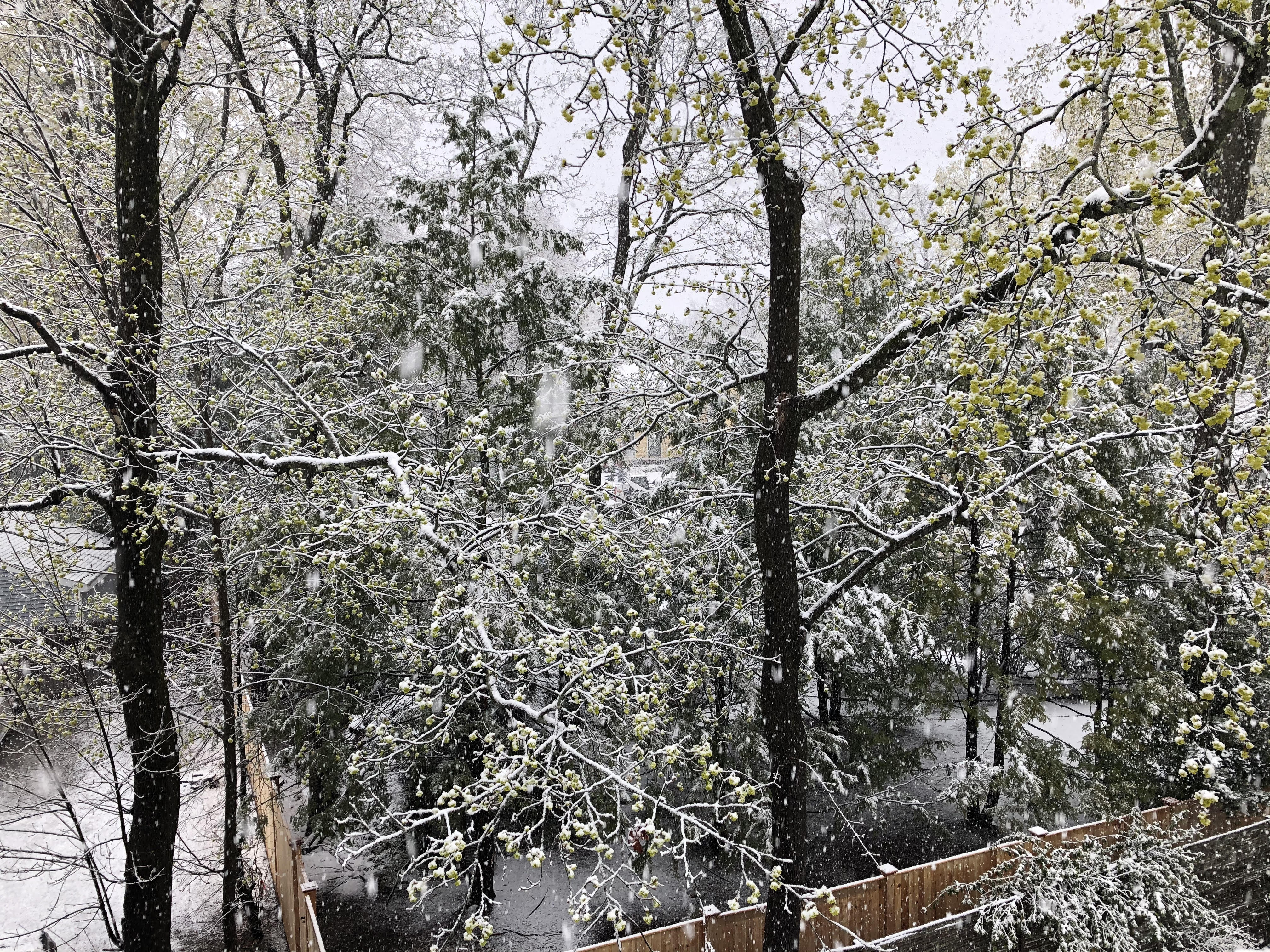
But we weren’t quite done with snow. As you can see from the next image, the April 16 snowfall decorated trees already flowering out.
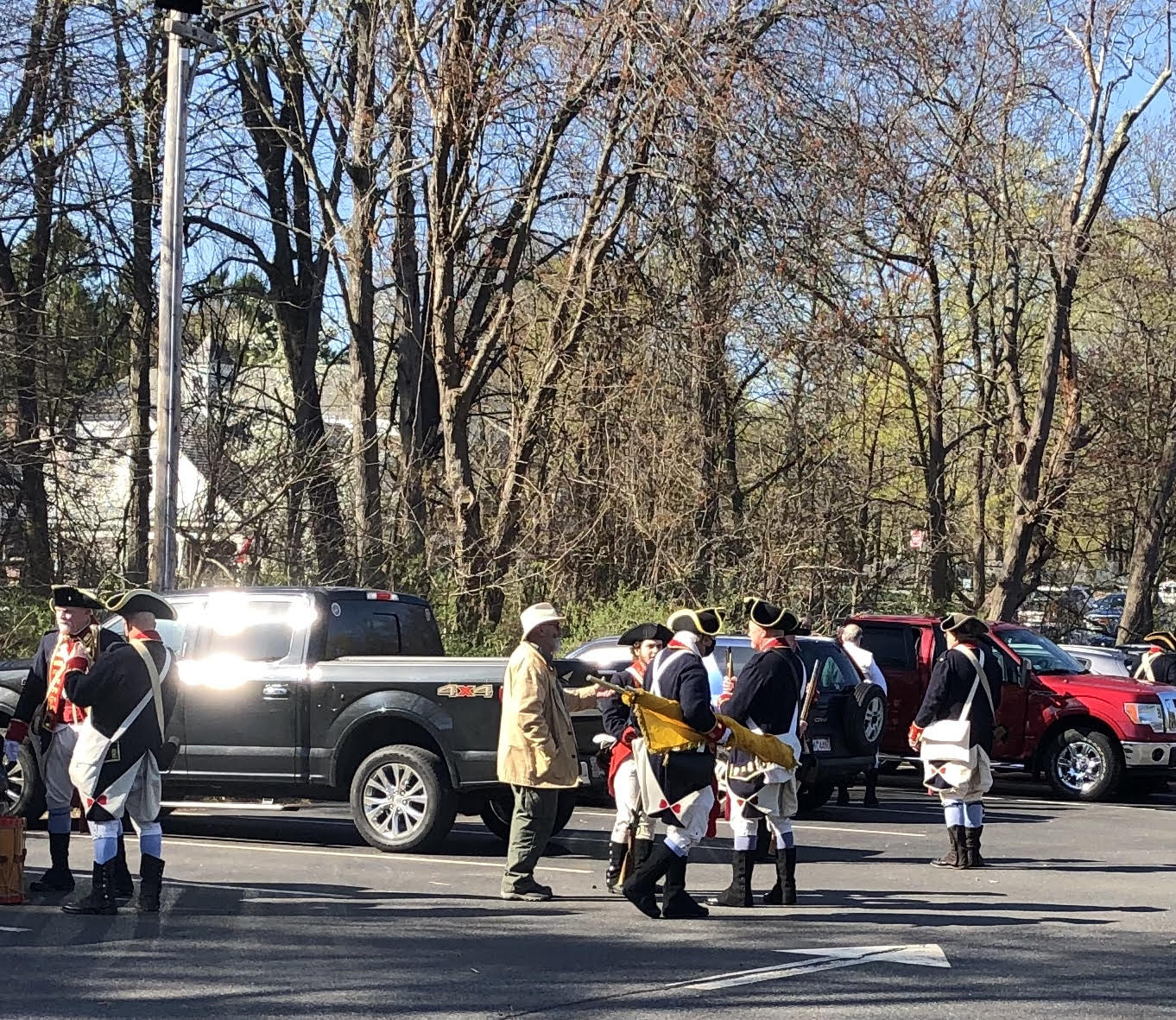
Patriot’s Day, traditionally April 19 in my neck of the woods, has had to be subdued during the pandemic. No parades. But as you can see, a few Minutemen mustered anyway. I guess that after starting the Revolution a year before Independence Day, they imagine germs, however deadly, can’t slow them down. I wonder if they ended up wearing masks.
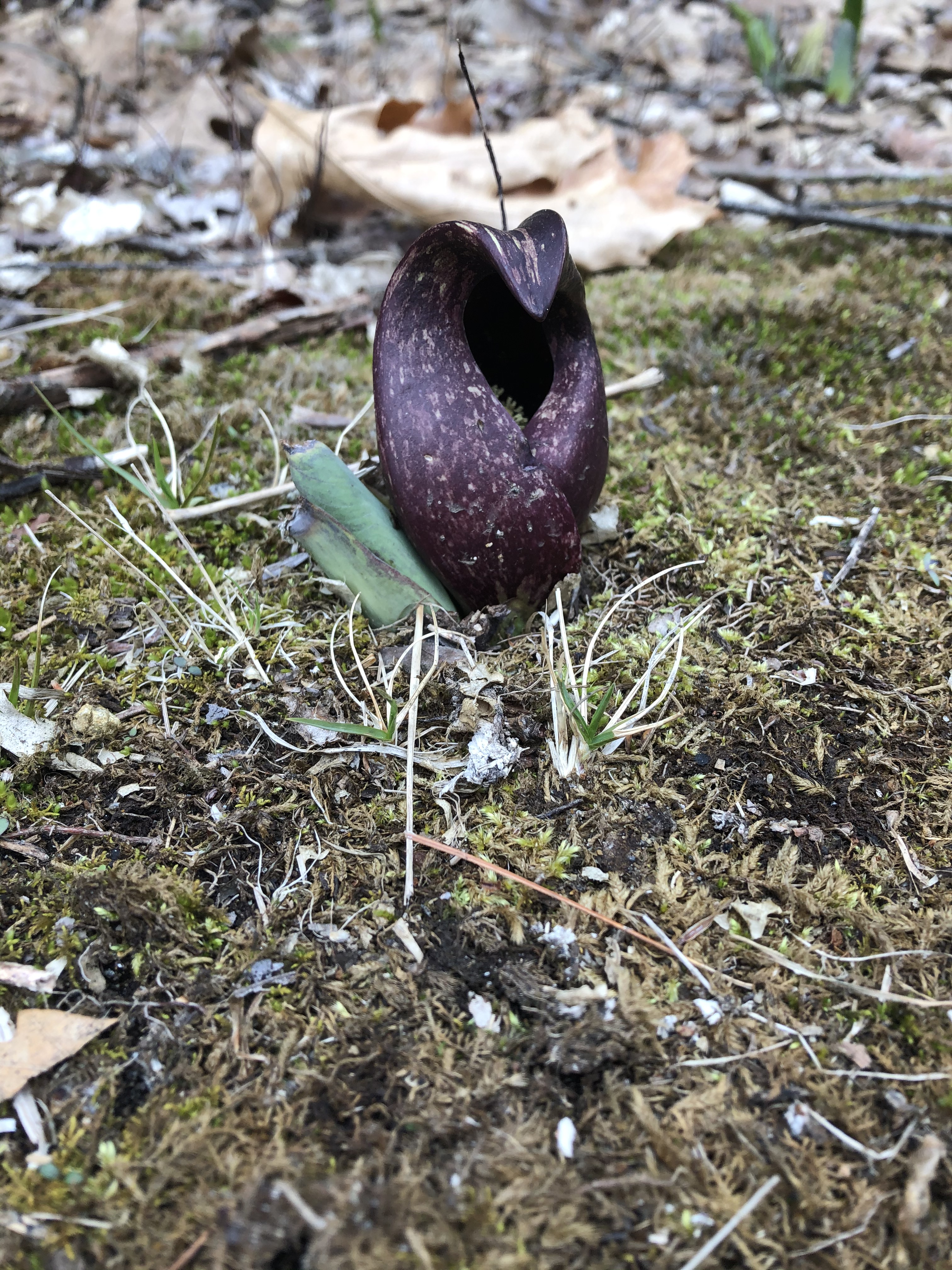
I went looking for Jack-in-the-pulpit plants in the town forest as I haven’t seen one in years, but what I found was skunk cabbage and lots of it.
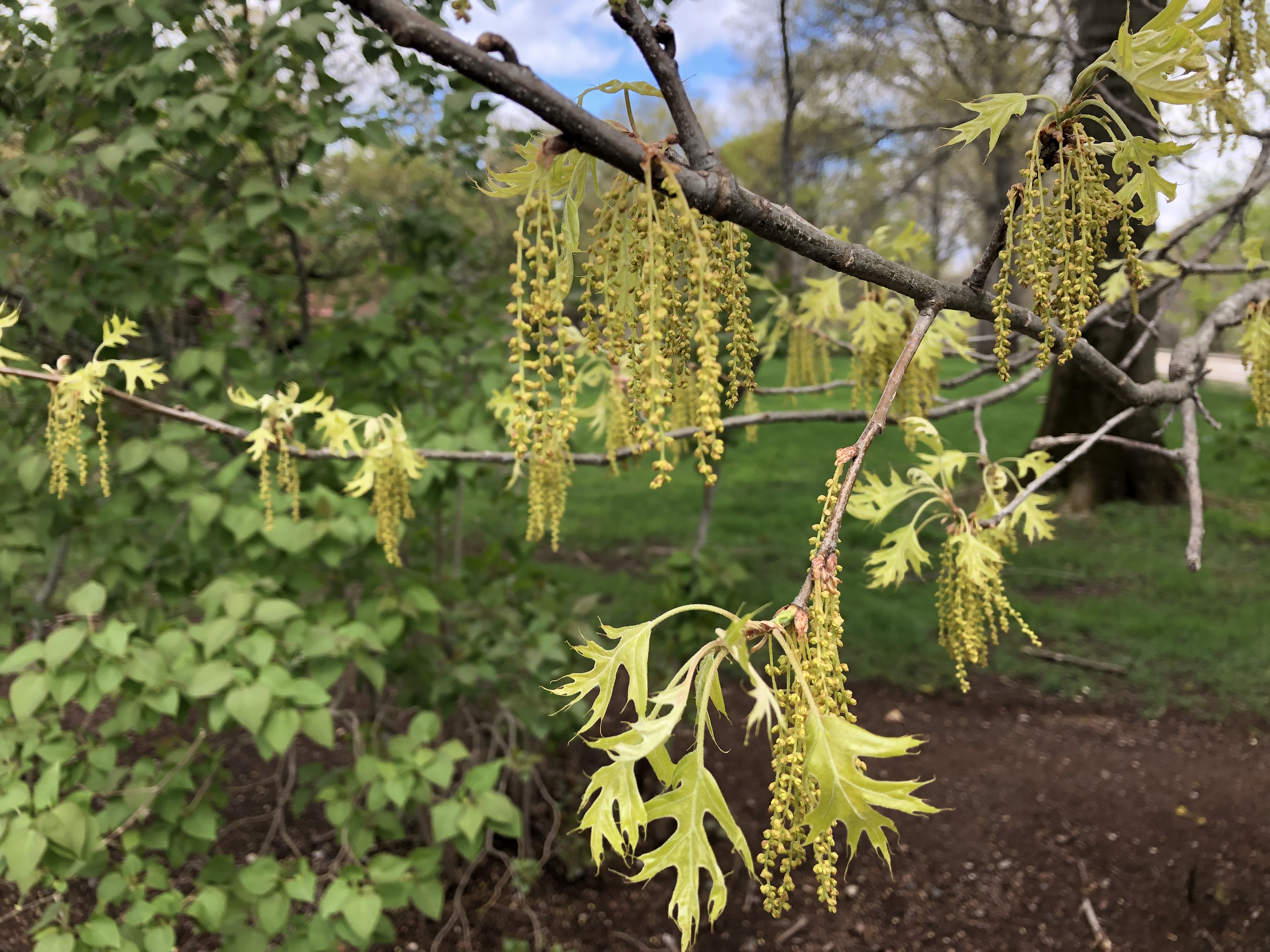
It was only last year while walking and asking questions of my phone that I realized the green tassels you see below are on oak trees. Takes a lifetime to learn basic things.
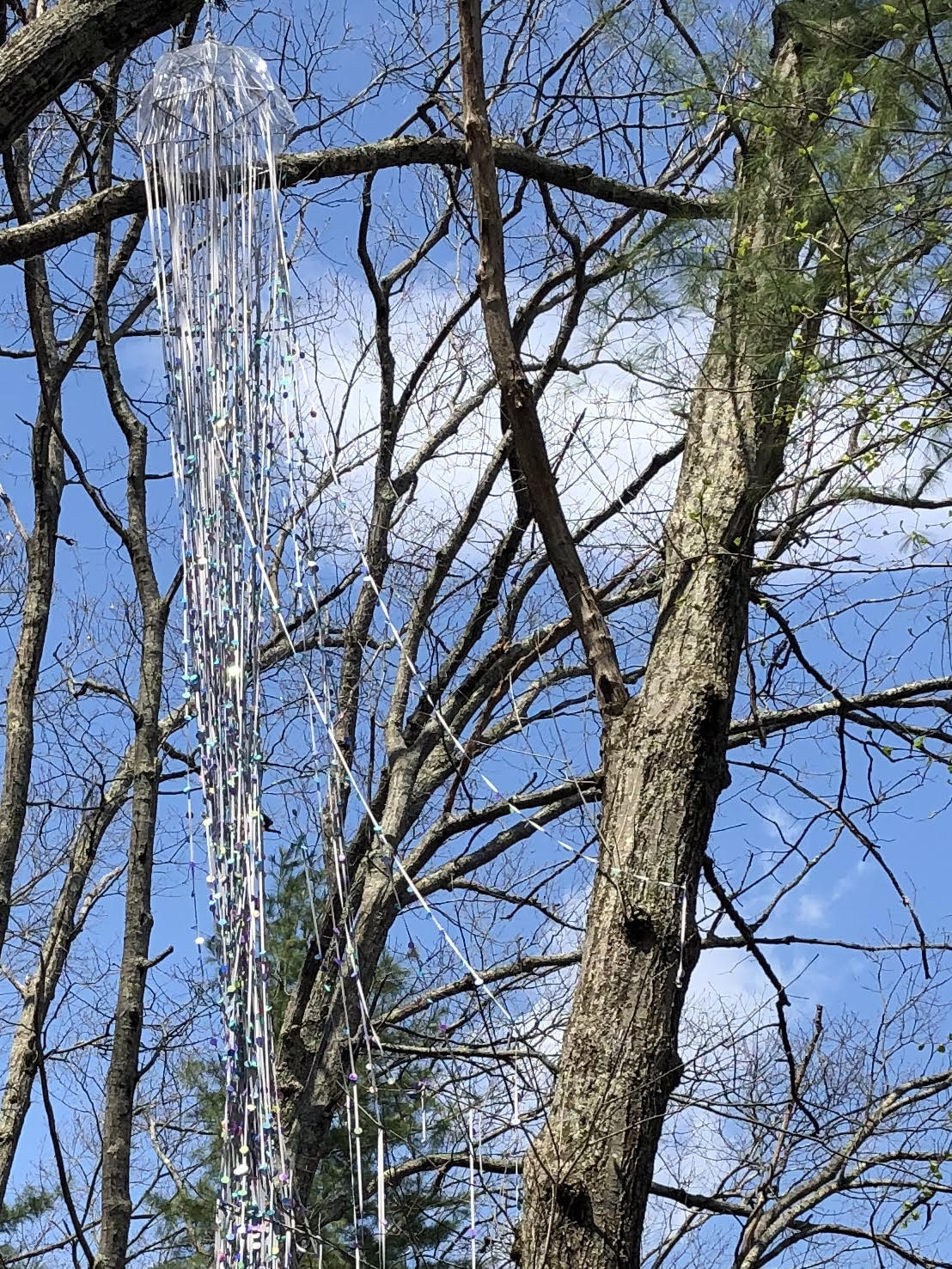
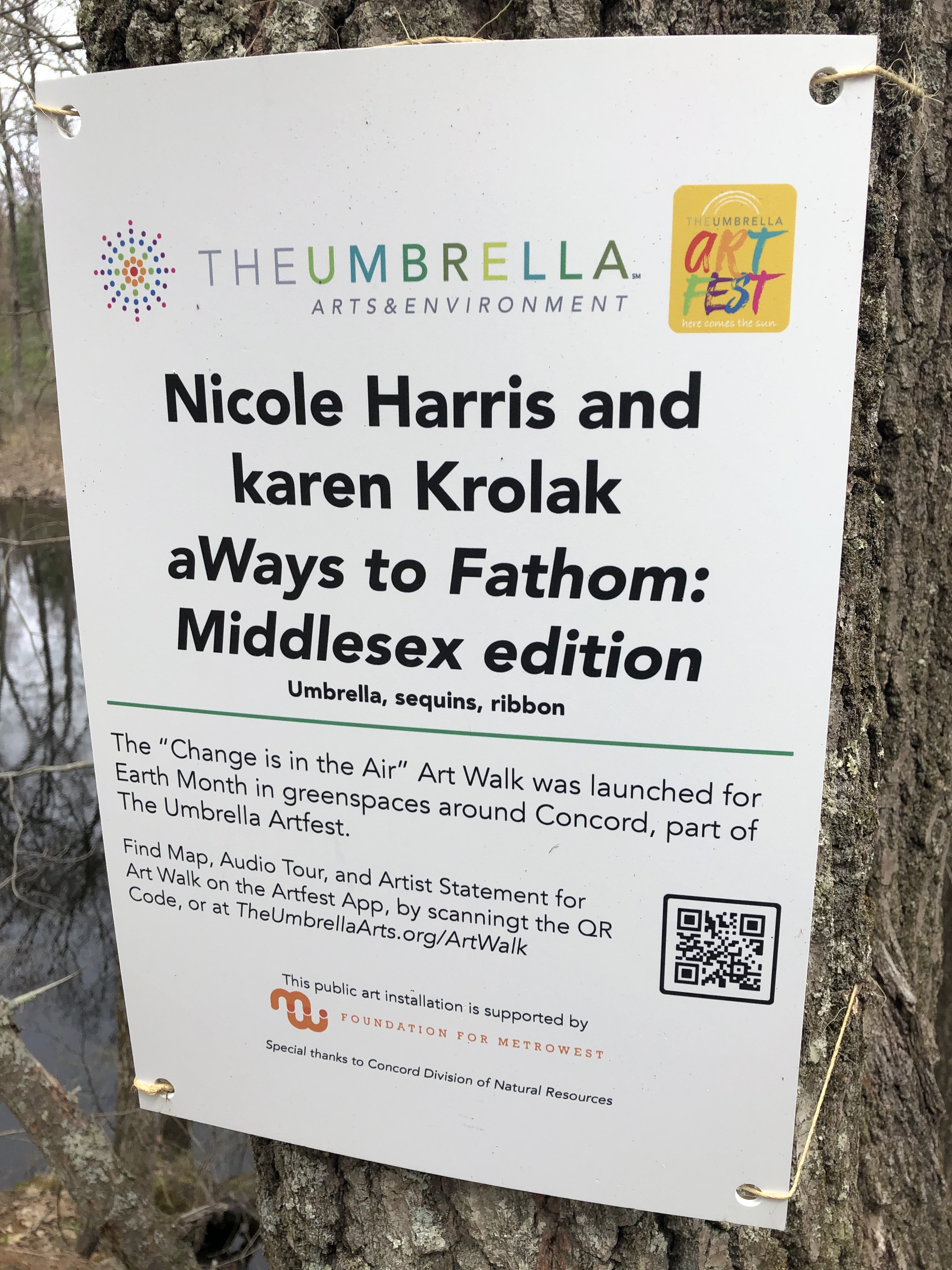
Umbrella Arts is doing a lot outdoors this year. I recently happened upon this jelly-fish-like hanging on a conservation trail, part of the Umbrella’s Change Is in the Air art walk. So pretty. The artists are Nicole Harris and karen [sic] Krolak.
At the Umbrella building itself there was a kind of awning made of paper cranes floating in a net.
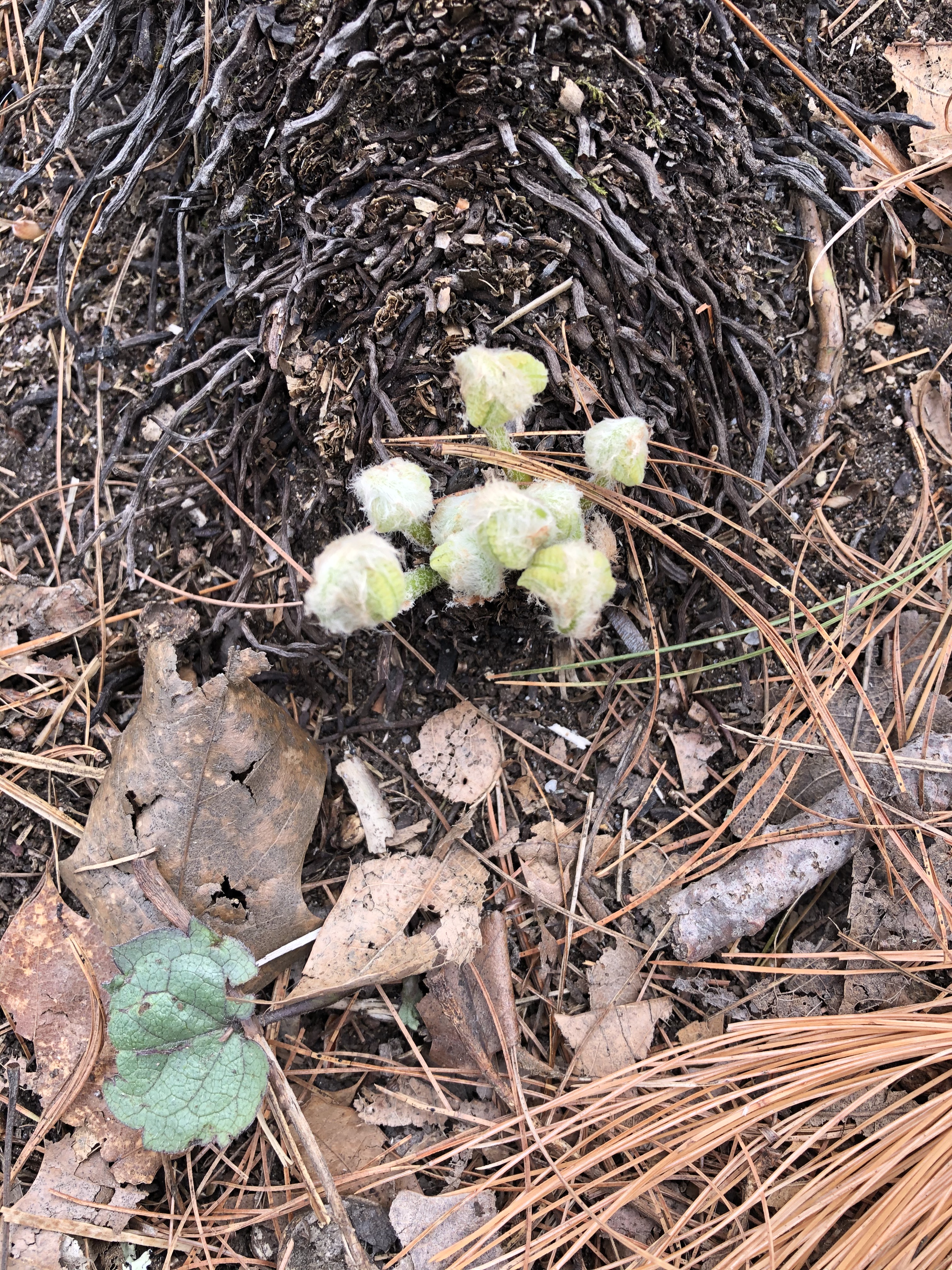
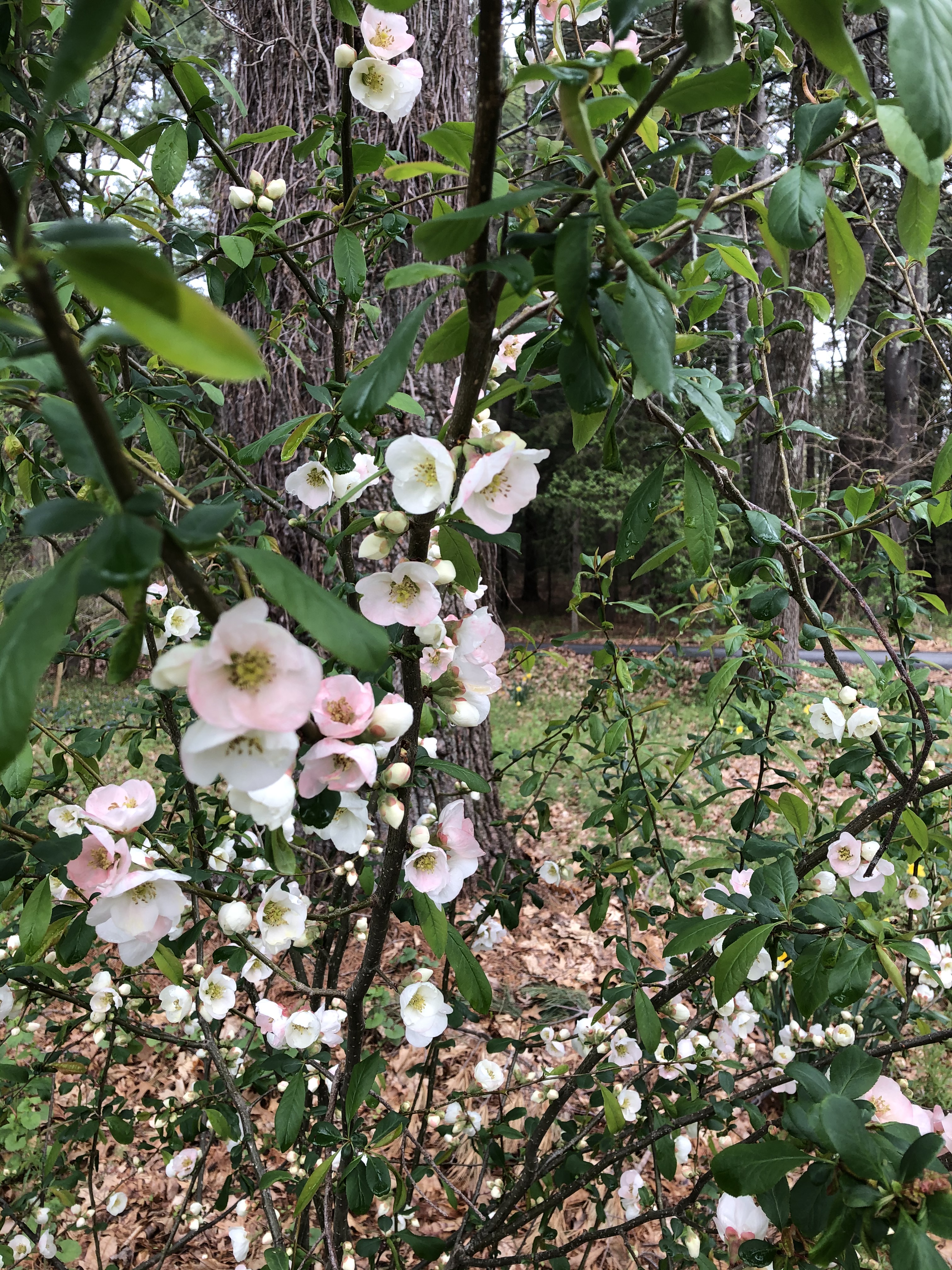
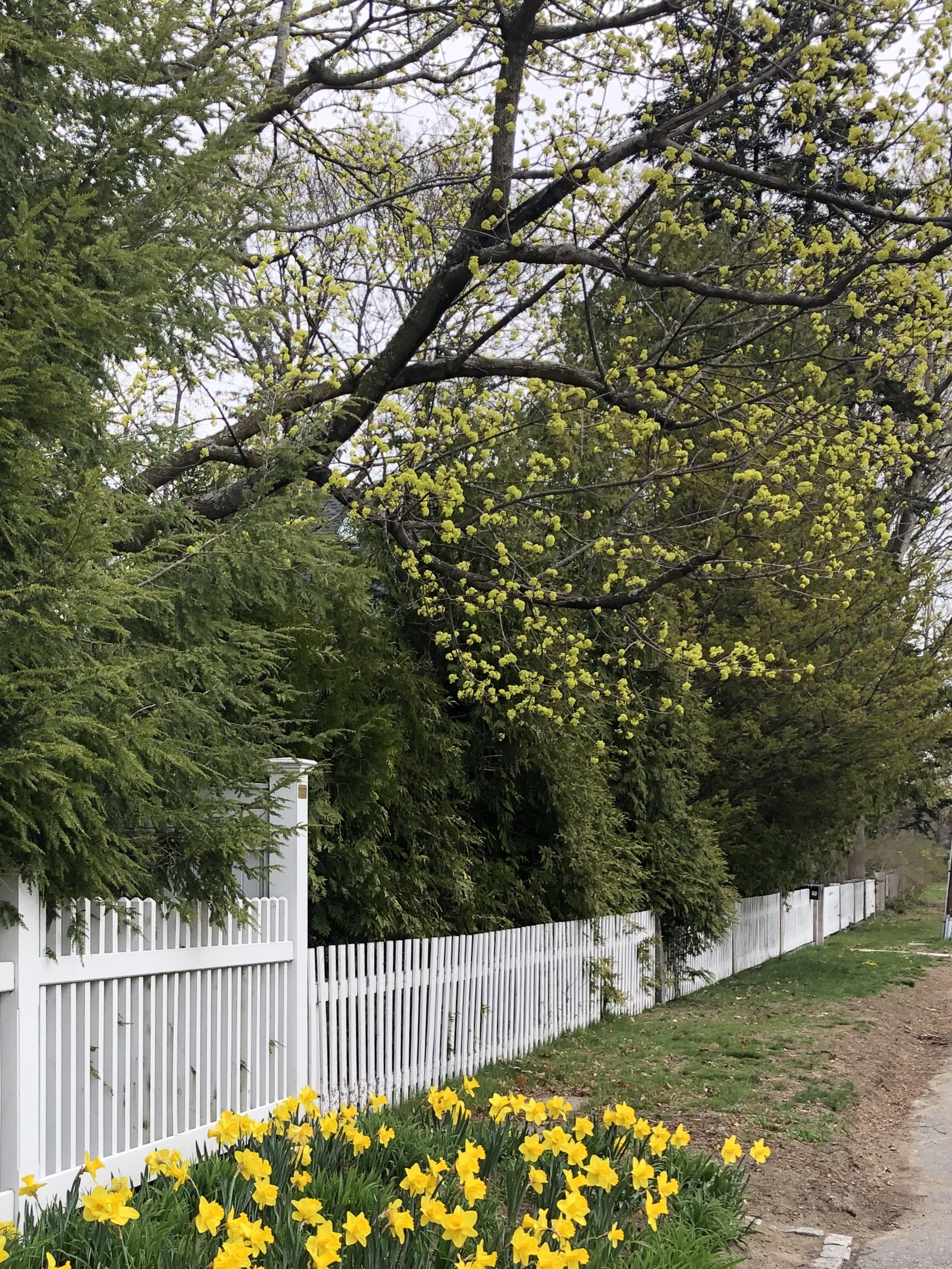
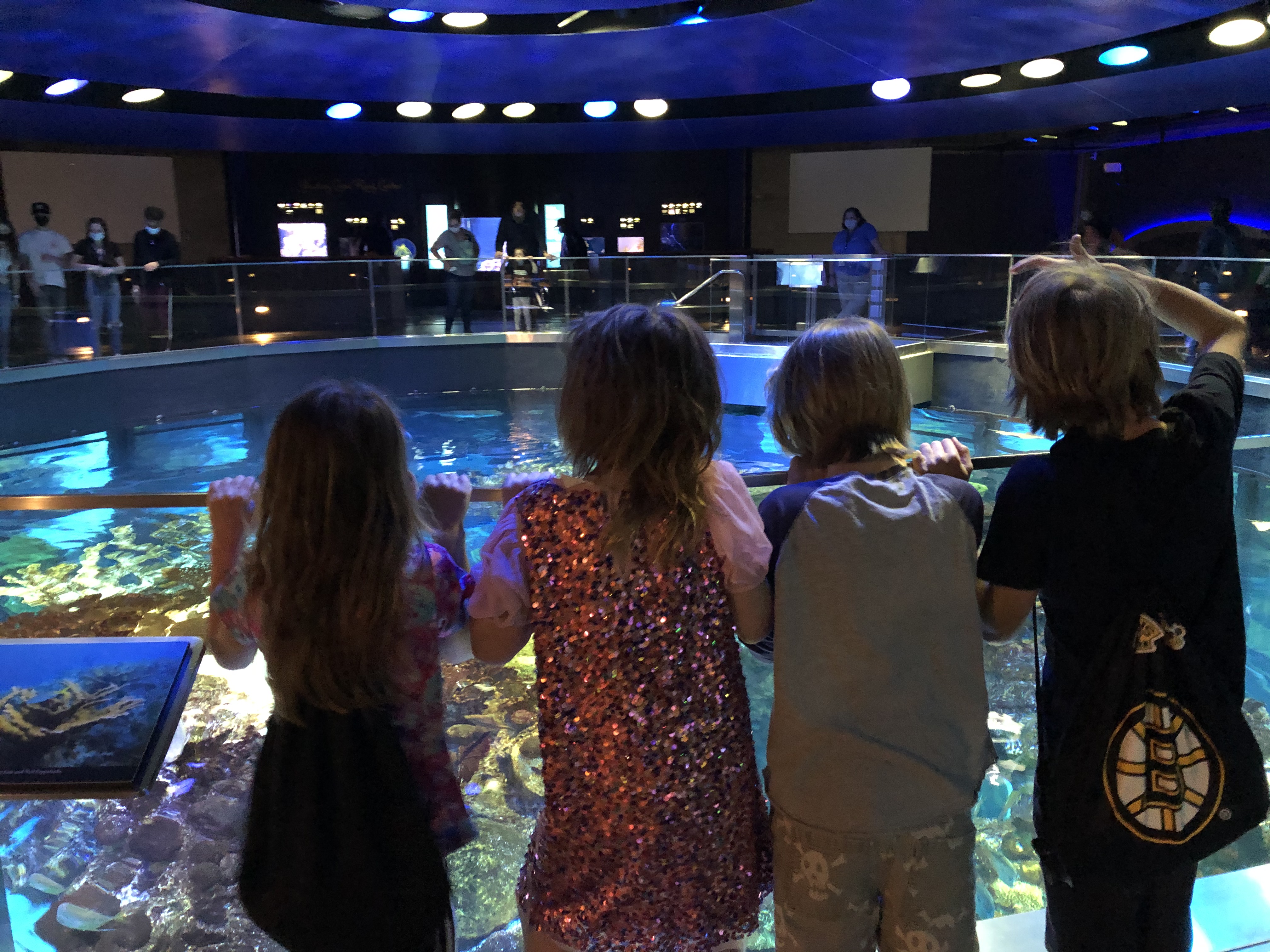
Next three pictures: something called an Interrupted fern, a fuzzy thing beginning to unfurl; a Japanese quince; daffodils; and grandchildren at the New England Aquarium for a birthday celebration of Suzanne’s son.
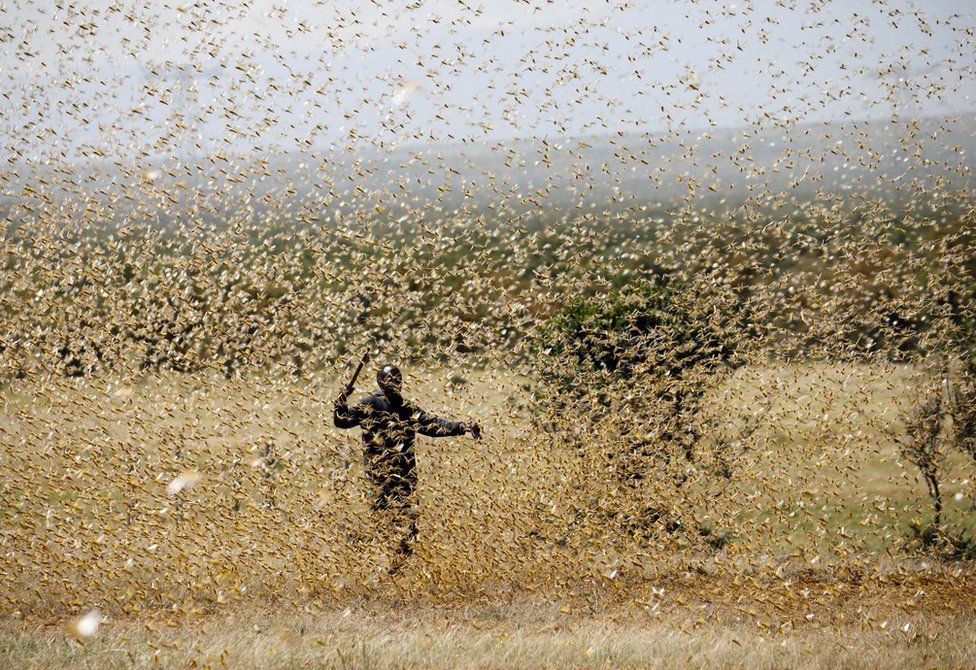
Photo: Reuters. A man attempts to fend off a swarm of desert locusts at a ranch near the town of Nanyuki, in Laikipia county, Kenya.
Talk about citizen scientists! Tribal elders in Africa could teach Westerners a few things about enlisting everyone to solve problems.
Rachel Nuwer reports at the New York Times, “Melodine Jeptoo will never forget the first time she saw a locust swarm. Moving like a dark cloud, the insects blotted out the sky and pelted her like hail.
“ ‘When they’re flying, they really hit you hard,’ said Ms. Jeptoo, who lives in Kenya and works with PlantVillage, a nonprofit group that uses technology to help farmers adapt to climate change.
“In 2020, billions of the insects descended on East African countries that had not seen locusts in decades, fueled by unusual weather connected to climate change. Kenya had last dealt with a plague of this scale more than 70 years ago; Ethiopia and Somalia, more than 30 years ago. Nineteen million farmers and herders across these three countries, which bore the brunt of the damage, saw their livelihoods severely affected. …
“But as bad as 2020’s swarms were, they and their offspring could have caused much worse damage. While the weather has helped slow the insects’ reproduction, the success, [said Keith Cressman, a senior locust forecasting officer at the United Nations Food and Agriculture Organization], has primarily resulted from a technology-driven anti-locust operation that hastily formed in the chaotic months following the insects’ arrival to East Africa. This groundbreaking approach proved so effective at clamping down on the winged invaders in some places that some experts say it could transform management of other natural disasters around the world.
‘We’d better not let this crisis go to waste,’ said David Hughes, an entomologist at Penn State University. ‘We should use this lesson as a way not just to be adapted to the next locust crisis, but to climate change, generally.’ …
“The locust plague that hit East Africa in 2020 was two years in the making. In 2018, two major cyclones dumped rain in a remote area of Saudi Arabia, leading to an 8,000-fold increase in desert locust numbers. By mid-2019, winds had pushed the insects into the Horn of Africa, where a wet autumn further boosted their population. An unusual cyclone in Somalia in early December finally tipped the situation into a true emergency. …
“Countries like Sudan and Eritrea that regularly deal with small, seasonal swarms have teams of locust trackers who are trained to find the insects and recognize which life cycle stage they are in. They use a tablet-based program to transmit locust data by satellite to national and international authorities so experts can design appropriate control strategies.
“But people outside of those frontline locust nations who may want to start using this system today would encounter a typical technology problem. … Even if the hardware were available, in 2020, East Africa lacked experts who could identify locusts.
“ ‘We’d never had a dress rehearsal for the real thing,’ said Alphonse Owuor, a United Nations Food and Agriculture Organization specialist in Somalia. ‘We had people who were very familiar with locusts in theory, but who didn’t have the experience or equipment required to carry out this massive operation.’
“With swarms suddenly covering an area of Kenya larger than New Jersey, officials were tasked with creating a locust-combating operation virtually from scratch. Collecting dependable, detailed data about locusts was the first crucial step.
” ‘Saying “Oh, there’s locusts in northern Kenya” doesn’t help at all,’ Mr. Cressman said. ‘We need longitude and latitude coordinates in real time.’
“Rather than try to rewrite the locust-tracking software for newer tablets, Mr. Cressman thought it would be more efficient to create a simple smartphone app that would allow anyone to collect data like an expert. He reached out to Dr. Hughes, who had already created a similar mobile tool with the Food and Agriculture Organization to track a devastating crop pest, the fall armyworm, through PlantVillage, which he founded.
“PlantVillage’s app uses artificial intelligence and machine learning to help farmers in 60 countries, primarily in Africa, diagnose problems in their fields. Borrowing from this blueprint, Dr. Hughes and his colleagues completed the new app, eLocust3m, in just a month
“Unlike the previous tablet-based program, anyone with a smartphone can use eLocust3m. The app presents photos of locusts at different stages of their life cycles, which helps users diagnose what they see in the field. GPS coordinates are automatically recorded and algorithms double check photos submitted with each entry. Garmin International also helped with another program that worked on satellite-transmitting devices.
“ ‘The app is really easy to use,’ said Ms. Jeptoo of PlantVillage. Last year, she recruited and trained locust trackers in four hard-hit Kenyan regions. ‘We had scouts who were 40- to 50-year-old elders, and even they were able to use it.’ ”
I love how many apps there are for identifying things these days. PictureThis has been a great help to me in identifying unfamiliar flowers. Now if I could just get one for birds!
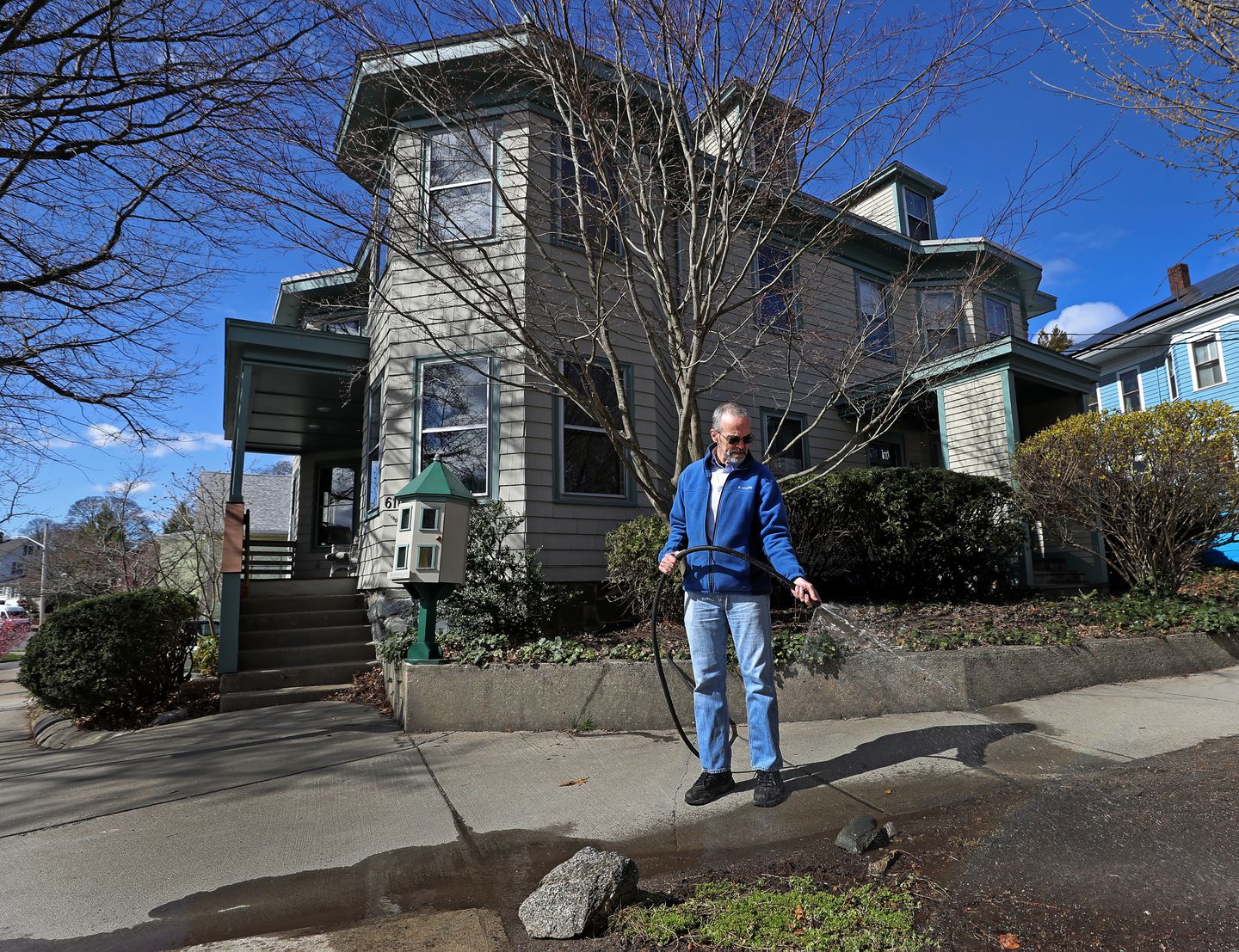
Photo: David L Ryan/ Globe Staff. Homeowner Paul E. Fallon hopes to inspire others to bequeath their homes to an affordable-housing nonprofit that will help moderate-income families in Cambridge, Mass., to build wealth through homeownership.
As much as I believe that lack of homeownership is a major cause of inequality, keeping many lower-income families from passing on their nest egg to another generation, I could never bring myself to do what Paul E. Fallon recently committed himself to doing. He’s really putting his money where his mouth is. And his children are amazingly supportive.
As Jon Gorey reported for the Boston Globe, “When Paul E. Fallon purchased a Victorian four-family in Cambridge nearly 30 years ago, he wasn’t angling to become a minor real estate tycoon. But he wanted to raise his children in the city, and a single-family home was, even then, more than he could afford. ‘I bought it when a four-family house in Cambridge was a pariah because it was under rent control,’ Fallon said. ‘There was no crystal ball in 1992 that told me this house was going to make me rich.’
“But it did. Fallon lived in one unit and rented out the others, first under rent control, then at fair market rents. Now a single man in his mid-60s, the writer and retired architect owns his property outright. … In just one generation, his home in what had long been a middle-class neighborhood of plumbers and electricians has become a multimillion-dollar asset.
“That makes Fallon uncomfortable as he sees young families, especially people of color, unable to plant the kind of roots in Cambridge he did. His own children, despite being well-launched in good careers, he said, could never afford to buy the house they grew up in now. ‘Cambridge’s vanishing middle class makes my city a less diverse, less dynamic place to live’ he said.
“So when he turned 65 last year, … Fallon realized he wanted to do something very different with his property. He decided to leave his house to a local nonprofit when he dies. The goal is to create not just affordable housing, but long-term generational homeownership opportunities for four Cambridge households. …
‘I don’t just want to give people a secure place to live; I want to give the opportunity for people to be in the middle class, to accrue equity, to be able to pass the house down to their own children if they want to … to really build wealth.’
” ‘The difference between the haves and have-nots in the United States is largely a matter of who owns their house,’ Fallon added. … ‘I feel like if we’re going to be serious about creating a more equitable world, then those of us who have more than we need have to spread our wealth. We can’t just talk about it.’ …
“Fallon first wanted to make sure his two adult children were on board with his idea, even though it meant they would be losing out on a significant portion of their inheritance. But that, too, was part of his plan. ‘My house is worth so much money that, if my children inherited it, they would be living on Easy Street. And I’ve never met anyone who inherited wealth that wasn’t changed for the worse as a result,’ Fallon said. Gratefully, his kids understood where he was coming from. ‘They’ve spent their whole lives around me — they were not surprised,’ he said.
“He then sent letters to eight Cambridge nonprofits explaining his still-nebulous idea in vague terms — big on concept, short on logistics. After interviewing a handful of them, Fallon landed on Just-A-Start, a 53-year-old Cambridge organization that develops and manages affordable housing and offers youth programs, job training, and other economic advancement services.
“ ‘Just-A-Start really got it,’ Fallon said. Their goals aligned with his, and he felt confident they would still be around when the time comes to implement his vision. ‘They understood that what I’m trying to do is to help Cambridge be a more diverse place, a more equitable place,’ he said. …
“When Just-A-Start executive director Carl Nagy-Koechlin received the inquiry, he recognized Fallon’s name; they had worked together on an affordable housing development in Somerville a few years prior. He also realized that Fallon’s explicit instructions — that the house be used for homeownership opportunities — would help fill a key gap in the city’s affordable housing stock. ‘Most of the housing we’ve developed is rental housing, and that’s because it’s needed — but also because the financing sources for affordable housing are skewed in that direction,’ he said. …
“Fallon and Nagy-Koechlin spent a few months hammering out the details into a memorandum of understanding, which Fallon then brought to [Gregory Pearce, the Cambridge lawyer who assisted Fallon with his estate plan] to review. ‘All the heavy lifting was done before it got to me,’ Pearce said. ‘All I really had to do was to make sure that the plan is actually going to happen upon Paul’s death.’ That meant establishing an estate plan and selecting a reliable trustee to make sure Fallon’s wishes are faithfully carried out.”
Read the details about how this is going to work, here.
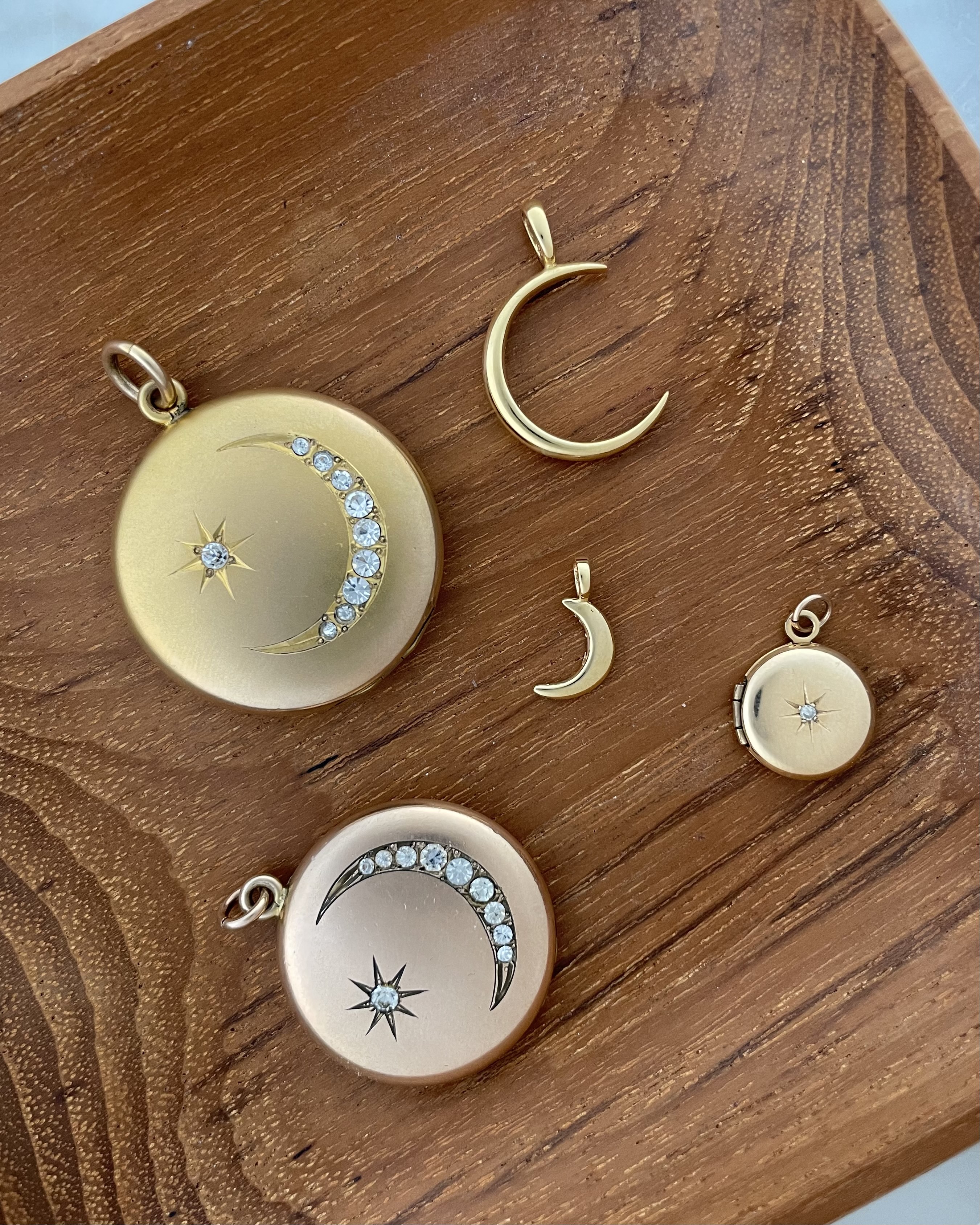
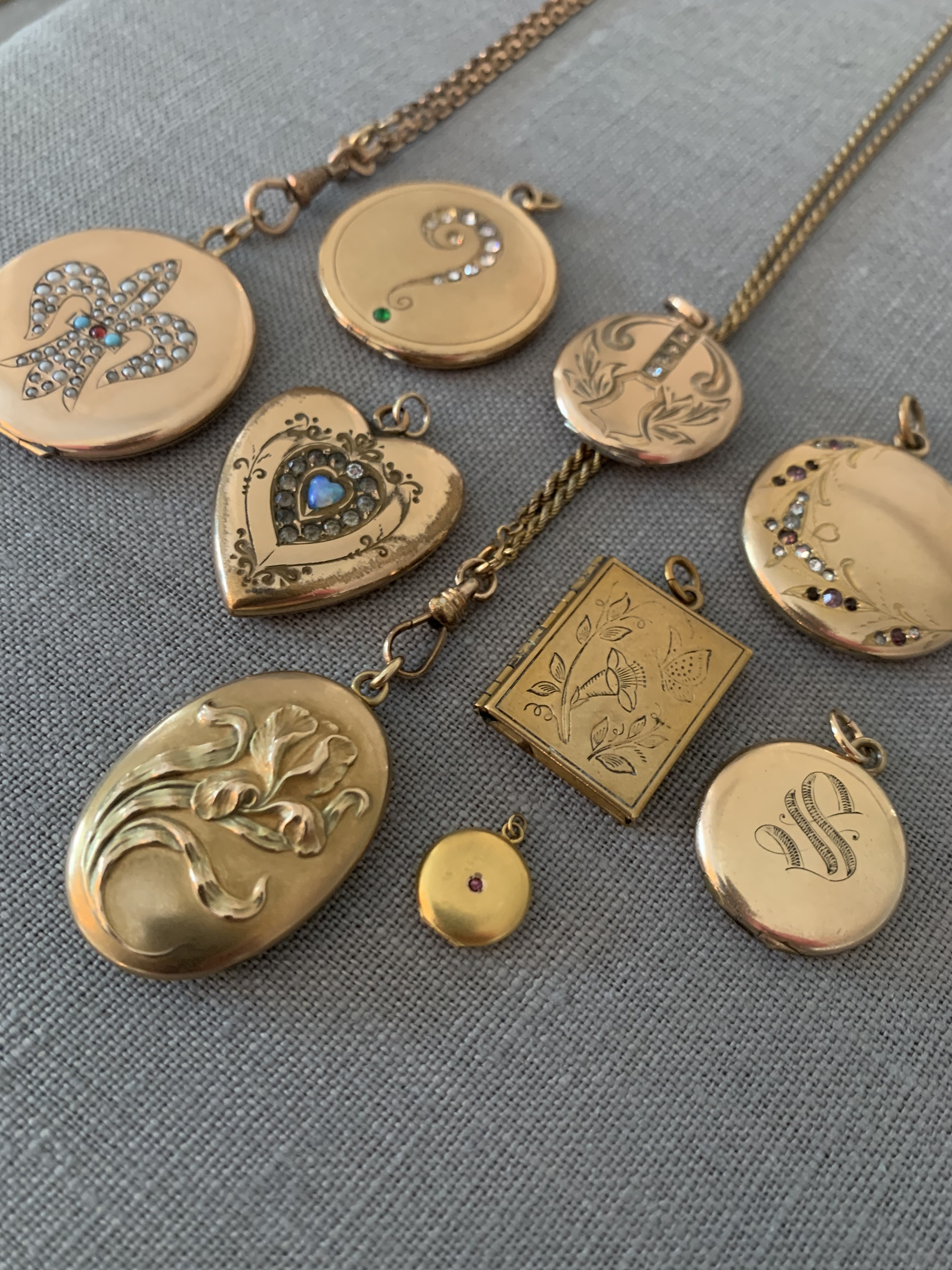
Photos: Luna & Stella. “Who’s Your Moon & Stars?” birthstone jewelry and antique lockets can reach you by Mother’s Day.
New followers may be unaware that this blog exists because one day 10 years ago Suzanne, the founder of the jewelry company Luna & Stella, asked me to write a blog she could link to because her website didn’t have any other blog yet. She told me to write about whatever interested me (which explains why Suzanne’s Mom’s Blog is so eclectic).
A lot of random things interest me, but as Laurie and Brenda and others among you know, I do write about jewelry as well as bighorn sheep and mushrooms. I especially like to let everyone know what’s available at Luna & Stella for a special occasion like Mother’s Day.
The options range from birthstone necklaces, earrings, and rings to exquisite vintage lockets that Suzanne has continued to source right through the pandemic. She has a curator’s eye, though it’s her mother who tells you.
The pictures here feature just a few of the newest acquisitions. The antique lockets have invisible hinges, which is how Suzanne expanded from contemporary birthstone jewelry into antique and vintage in the first place. A light bulb went off, you see, after she had searched for more than a year to find a modern manufacturer who could make an invisible hinge for a new locket she had in mind.
Of course! Why not sell lockets that already had invisible hinges? Suzanne loved vintage, and it turned out vintage was “in.” Vogue even featured one of Suzanne’s finds on a model in one of the magazine’s fashion spreads.
Suzanne says, “If you are ordering with USPS, please place your order by thisFriday, April 30. We also offer 2-day shipping with UPS and FedEx (worldwide!). Order by Wednesday, May 5, for Mother’s Day.”
Newly acquired antique lockets are ready to start making new memories, new traditions.
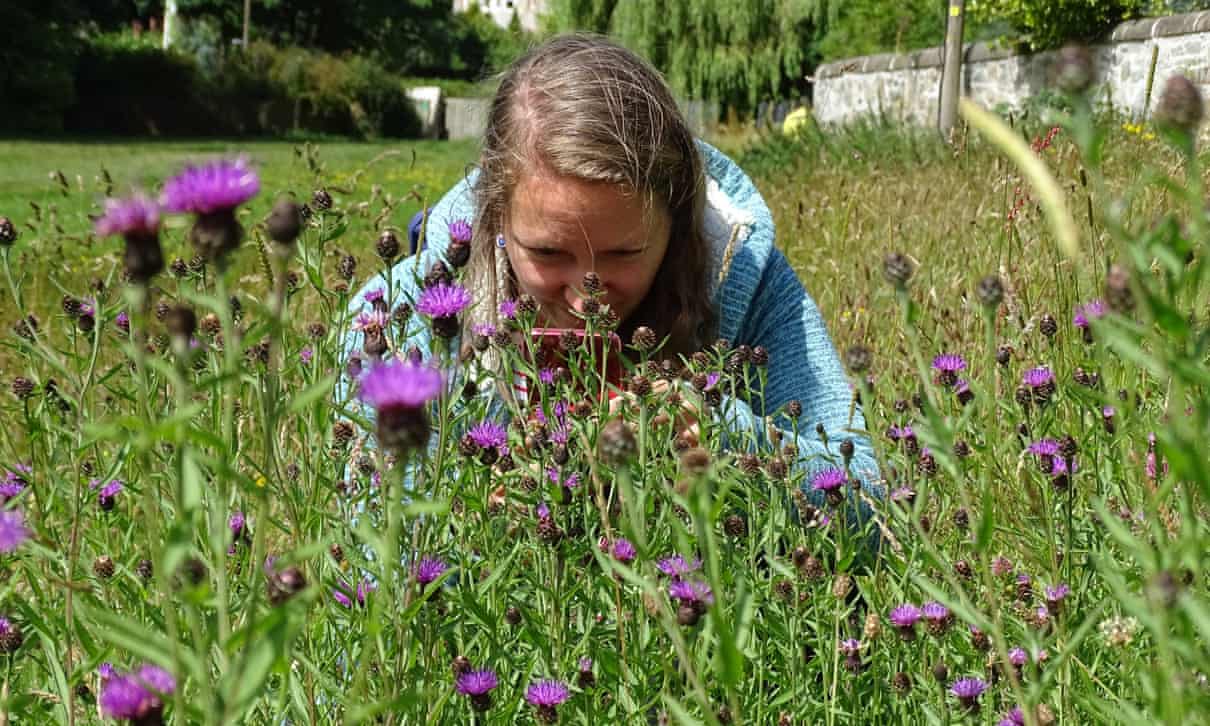
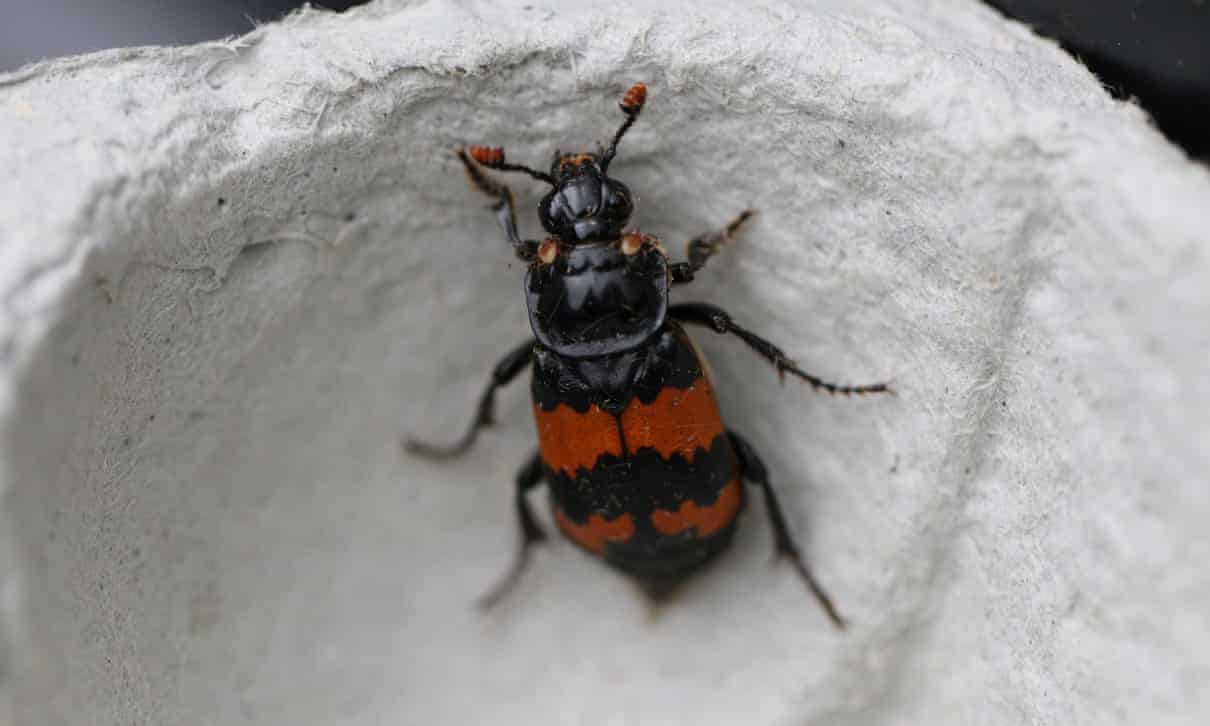
Photos: Ashleigh Whiffin. Amateur nature recorders in the UK are providing vital data on beetles, soldierflies, and many lesser-known insects.
Britain’s long tradition of amateur scientists sets the stage for today’s enthusiastic volunteers mapping the nation’s insect population.
Isabella Kaminski writes at the Guardian, “Ashleigh Whiffin’s day job as assistant curator of entomology is to look after National Museums Scotland’s vast collection of preserved insects. But her passion for the creatures doesn’t end when she goes home; in her spare time she spends hours recording and verifying sightings of a specific group of large carrion beetles in the family silphidae.
“ ‘Silphidae are absolutely brilliant,’ Whiffin says from her Edinburgh office. ‘They’re decomposers, so they are really vital for recycling and also have forensic applications. Some of the members in the family are called burying beetles and they actually prepare a carcass, make a nest out of the corpse and then feed on the rotting flesh and regurgitate it for their kids. They’re quite a charming – but also grisly – insect.’
This banded burying beetle in the UK is a scavenger said to be able to smell a rotting carcass from two miles away. I’m thinking it’s a cousin of the endangered American Burying Beetle that John used to study in Rhode Island.
“Wanting to know more about the distribution of silphidae across the UK and how they were faring in conservation terms, Whiffin established what already exists for more charismatic species such as ladybirds: a national recording scheme. …
Whiffin is one of Britain’s tens of thousands of volunteer nature recorders, whose detailed sightings of flora and fauna, or key events in their lifecycles, are vital for keeping tabs on biodiversity as the climate warms, habitats shrink, and pesticides and pollution degrade the quality of land.
“It’s a hobby with a long history in the UK, where amateurs have been stuffing, pinning and pressing specimens for centuries. … These days, records are collated, verified and filtered through a patchwork of recording schemes and local environmental record centres. Many end up in the National Biodiversity Network’s Atlas, the country’s most comprehensive collection of biodiversity information. …
“The Biological Records Centre (BRC), a research institution in Oxfordshire set up in the 1960s, calculated a few years ago that about 70,000 people take part in biological recording each year, although Helen Roy, the BRC’s coordinator of zoological data and research, thinks that is probably an underestimate. Despite years of doom-mongering about the death of natural history as a pastime, the Royal Society for the Protection of Birds’ State of Nature 2019 reports calculated that there had been a 46% increase in the time donated to nature recording since 2000.
“Martin Harvey, who also works at the BRC but runs a recording scheme for soldierflies and their allied families in his spare time, says most insect surveys are run by volunteers. …
“But while there is little concrete data on demographics, recorders admit there is a lack of diversity among those involved. … Says Whiffin. ‘I have to say for the beetle community, that is predominantly white men and that is something that I’m very keen to change.’
“Whiffin has been advertising her recording scheme on social media and running beetle identification courses online to try to reach a wider range of people.
“Biological recording has also benefited from apps such as iSpot and iRecord, which allow citizen scientists to snap a picture of their subject and quickly upload it. …
“Harvey notes that people get involved at different levels, from casual recorders to those who go to ‘extraordinary lengths’ to specialise in a subject or species. … ‘For most, if not all, insects there’s a lot we don’t know and a lot of areas that don’t get recorded very well,’ says Harvey. ‘There’s also basic natural history gaps in how they live, what they feed on, what their lifecycle and behaviour is, and individual volunteer naturalists can and do make an enormous contribution to finding out that sort of information.’ …
“There are now 30,000 records on large carrion beetles from the silphidae family recording scheme combined with historical data gleaned from dusty museum notebooks. This enabled Natural England to commission a recent study on the prevalence of silphidae in the UK, which showed that several species were critically endangered or vulnerable.”
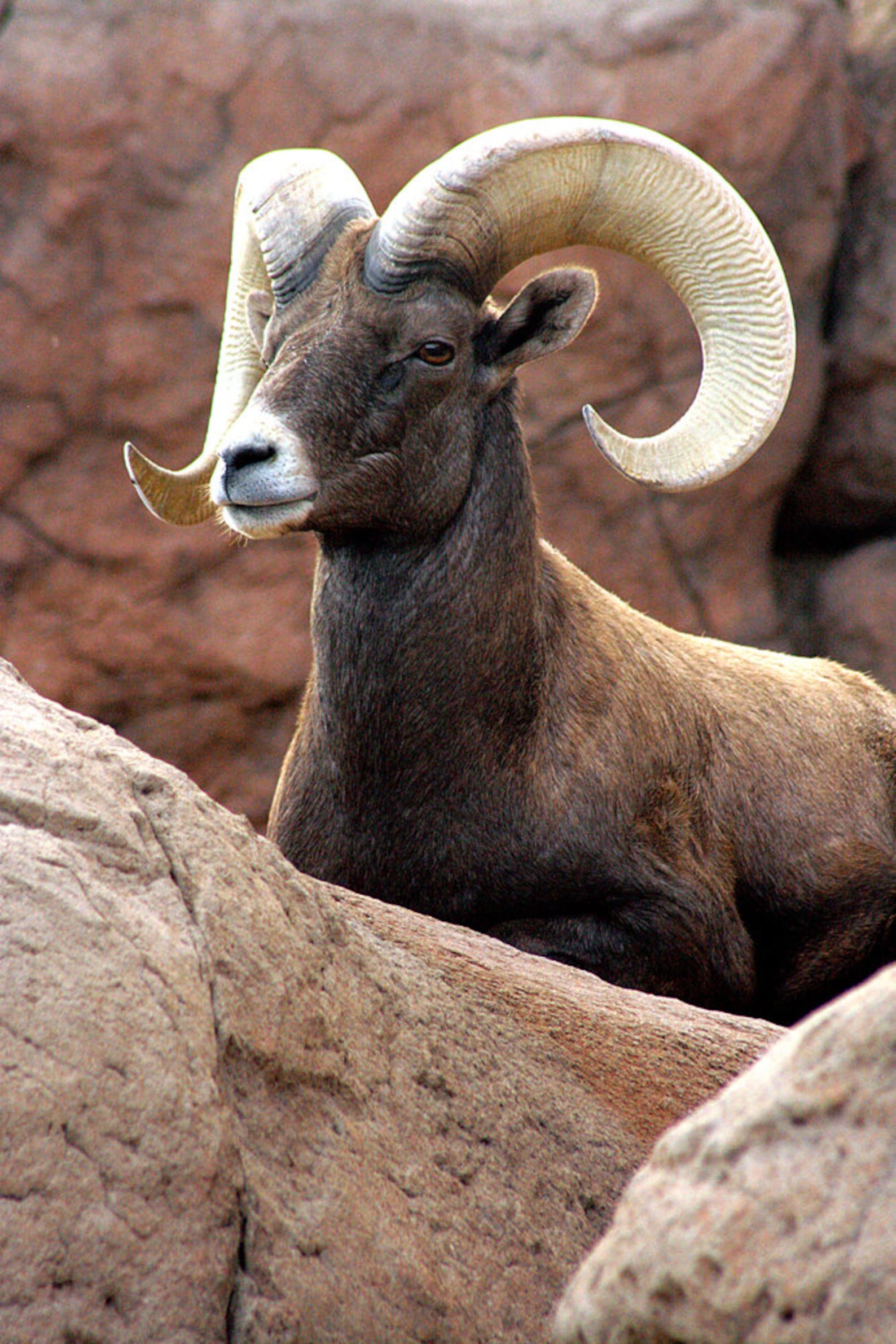
Earle sent a cool article about capturing bighorn sheep by helicopter and suggested that it might be something for the blog. It comes from the California Department of Fish and Wildlife (CDFW).
“Wildlife biologist Paige Prentice grew up surrounded by trees in Nevada City, California, and knew she had selected the right college when she saw all the redwoods on the campus of UC Santa Cruz. But it was a seasonal job after college in Death Valley National Park that spawned her love of the desert, and today she is a Desert Bighorn Sheep Biologist with CDFW, based in Inyo County. …
“CDFW: Do you remember when you first became so interested in science you realized it might become your career?
“When I was a little kid, I used to tell people that I wanted to study elephants and gorillas. After college I had the opportunity to spend six months studying orangutans on the Island of Borneo in Indonesia. And while that was an awesome once-in-a-lifetime experience, I learned that I wanted to focus on species a little closer to home. Growing up, my folks were the type of people that would drive through deserts and say, ‘It’s just hot and dry and there’s nothing here.’ I believed them, until I was 24 and I got a job in Death Valley as an AmeriCorps intern with the Park Service. It was then that fell in love with the desert. I was mesmerized by the expansive landscapes and amazed by how much life the desert supported. …
“Why does CDFW dedicate staff to Desert Bighorn Sheep specifically?
“Well, first, you have to understand that in California we have three separately managed bighorn populations. Two populations are endangered and managed under their own recovery programs — the Sierra Nevada bighorn sheep and the peninsular bighorn sheep (San Diego, Riverside and Imperial counties). Then, there is the broad grouping of desert bighorn sheep which are not endangered — these are the ones I focus on. Because … we’re interested in questions at both the population and metapopulation level, it makes sense to have a desert bighorn sheep specific program.
“As a bighorn sheep biologist, what are you studying? What are you looking at when trying to manage that population?
“Great question. There is a lot to study, given that we are looking at over 50 distinct populations across a large geographic area that is fragmented by major interstates. On a broad scale, we’re looking at which mountain ranges have bighorn in them, how many animals are in each population and how the populations are connected to one another. We conduct ground, camera, and helicopter surveys to document age and sex ratios and recruitment (lambs surviving to adulthood). We capture and collar animals to track movements, monitor survival and to test for disease. We are interested in what type of diseases are present and what the short- and long-term impacts are. We also have artificial and natural water sources in the desert, and we work with NGOs, like the Society for the Conservation of Bighorn Sheep, to makes sure these sources are maintained and stay full of water. …
“Aren’t there times we capture sheep as well, shooting nets on them from helicopters?
“Yes, we generally capture bighorn using a helicopter with a netgun. Thankfully, we’re not the ones that are flying for captures– we hire professionals for that. We conduct captures in the fall and this past November we captured and collared 100 animals across eight populations. It is a team effort and certainly a lot of work. I think some folks hear about the captures and think, ‘Why capture wild animals?’ But in fact, the work we do with captures provides the majority of the data we have to help protect these magnificent creatures.
“What is it you like about bighorn sheep?
“They completely captivate me. I am aware of very few species that are experts of such extreme environments. Within California, there are desert bighorn that live above 14,000 feet and navigate snow in the wintertime. A hundred miles to the south, there are animals in Death Valley that are living below sea level and are experiencing temperatures of over 125 degrees in the summer. When you track these animals and spend time in the landscapes in which they flourish, you can’t help but respect them. They are also one of the most graceful animals I have ever seen — watching them move with ease, at top speed up mountain sides is stunningly impressive.”
Art: Vincent van Gogh. “Memory of the Garden at Etten” (1888), oil on canvas, State Hermitage Museum, Saint Petersburg.
From the quasi-animated film Loving Vincent to revelations in old postcards, Vincent van Gogh has been making a lot of headlines in the last few years. I’ve covered a few of the stories myself: for example here, here, and here.
Now there’s a book aiming to shine a light on the artist’s three sisters. Eva Recinos reviewed it for Hyperallergic.
“We might sometimes forget that major artists have had to exist as people, too, with all the trials and tribulations that might come before they reach fame. Take, for example, family dynamics. And in the van Gogh family, there were many of them.
“Vincent van Gogh’s three sisters — Willemien (Wil), Elisabeth (Lies), and Anna van Gogh — are highlighted in the historical biography The Van Gogh Sistersby Willem-Jan Verlinden (Thames & Hudson). The book was originally published in Dutch in 2016; the English version, translated by Yvette Rosenberg and Brendan Monaghan, includes previously unpublished letters, largely the result of research completed after the Dutch version was first released.
“Through letters between the siblings, we read that Lies was frustrated that women didn’t have more professional options that were socially acceptable. We learn about how Wil often copied Vincent’s drawings and was his favorite model, and that the two wrote to each other about art and literature and inquired about one another’s mental health. …
“But about 100 pages in, there’s still a lot of focus on Vincent and his two brothers, Theodorus (Theo) and Cornelis (Cor) van Gogh, as well as their father. … While we do get more insight into the sisters’ lives, quite a few pages are dedicated to Vincent.
“The reproductions of art are largely his works. That’s clearly because there’s more of his art to share, yet it takes the reader out of the narrative about the sisters. (The book does include a watercolor piece by his mother, Anna Carbentus, also known as Moe van Gogh. She was an avid gardener and created pieces to capture the beauty of nature.) …
“We learn that Wil has an interest in making her own art and writing. She explored flower arranging and wrote an article for the journal ‘The Dutch Lily’ that was ‘an unconventional guide to flower arranging,’ Verlinden writes (one line speaks of her love for ‘more loosely arranged flowers’). Vincent, for his part, wrote to Theo that maybe Wil could marry an artist; as much as he did love discussing the arts with her, it can be deduced that he didn’t exactly see her being a professional artist herself.
“She eventually focused her efforts on the National Exhibition of Women’s Labour, which was organized to shed light on women’s contributions to the economy, particularly through the production of goods. But Wil would also end up struggling with mental health. She spent more than three decades of her life at a psychiatric institution, where she passed away.
“Lies wrote poetry and would go on to publish multiple books — including one centered on the life and work of Vincent. There’s also a fourth sister, of sorts, in the text. Johanna Gezina Bonger (Jo), Vincent’s sister-in-law, who helped organize exhibitions of his work after he died in 1890.
“Ultimately, if you approach the book as a fan of Vincent van Gogh’s work, it will feel like a deeper dive into his place within the family, such as his struggles to prove himself as an artist to his parents and his complicated relationship with his sisters — an argument with Anna likely drove him from the family home in 1885 and he was disappointed that his other sisters, especially Wil, didn’t come to his defense. … But as with any under-highlighted history, we can only hope future research will tell us even more.”
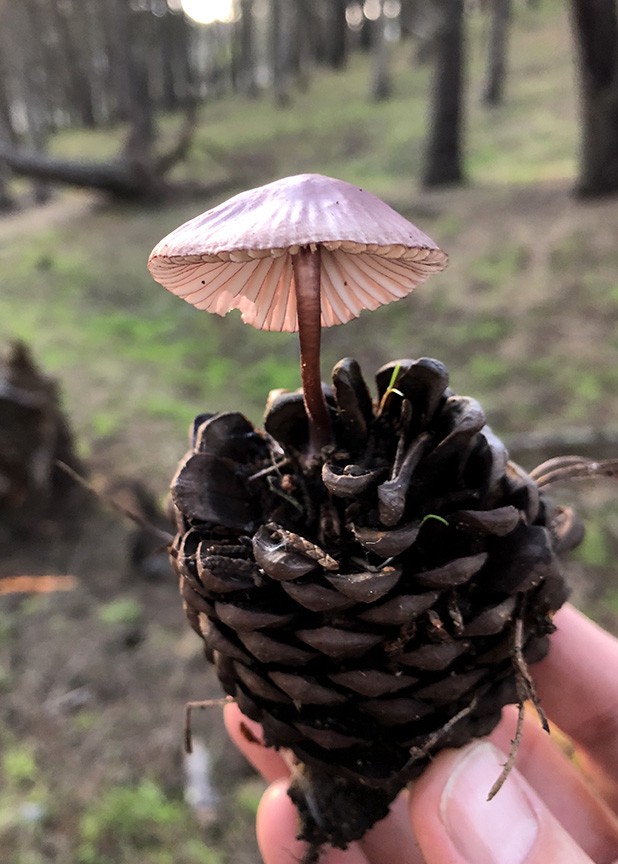
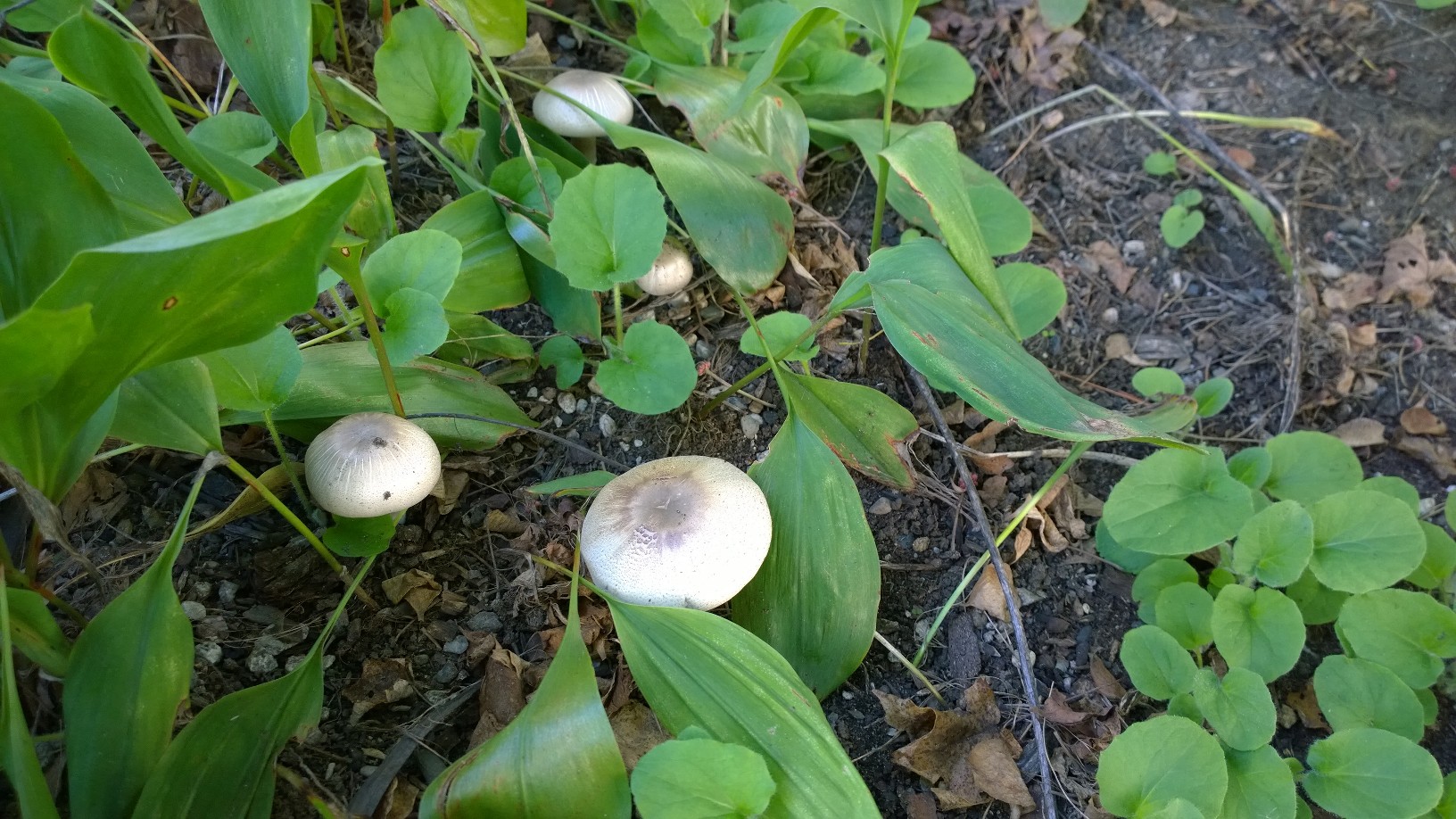
Mushrooms, lichen, and fungus are increasingly fascinating to me. I’ve posted photos here and on Instagram, where I especially love the mushroom pictures of @chasonw.
When John’s employees visited from Ukraine, they used to enjoy looking for wild mushrooms to eat, but I don’t know any Americans who are sure enough of themselves to take a chance.
Today’s article by Margaret Roach at the New York Times explains why you really need mushrooms in your yard — and also which ones are safe to eat. (A tip of the hat to Hannah for the story!)
“They appear spontaneously, or so it seems, popping up out of the mulch, rising in a single spot on the lawn or bursting from between the pathway pavers like little marshmallows. But there is an intricate master plan at work, just not one to which most gardeners are privy. What are the mushrooms in our gardens trying to tell us — and would you be surprised to learn it’s mostly good news?
“ ‘Without the fungi we wouldn’t have soil, at least not the way we know it now,’ said John Michelotti, of Catskill Fungi in Big Indian, N.Y., a family farm on land his great-great-grandfather bought, where Mr. Michelotti spent his childhood summers. ‘Their filamentous underground mycelia are essential for the nutrient cycling and balance of our soils, plants, microbial life — and ecosystems as a whole.’
“Today, Mr. Michelotti leads guided mushroom walks, teaches classes about mushroom growing and medicinal mushrooms at the New York Botanical Garden and elsewhere, and produces health extracts from fungi — in between occasional calls to identify mushrooms in his role as a poison-control volunteer. …
“Fungi serve various critical ecosystem roles. The saprobic species act as powerful decomposers: Oyster mushrooms, for instance, work to recycle a dead tree.
“Mycorrhizal fungi help plants build resilience and resistance to pathogens. In a symbiotic partnership, they translocate water and mine nutrients and micronutrients, making those resources available to plant roots. Some 92 percent of plant families rely on such services, according to the North American Mycological Association.
“In return, up to a third of the energy that plants make through photosynthesis goes to feeding simple sugars to the fungi, Mr. Michelotti said: ‘This plant-fungi symbiosis is how the earliest plants accessed essential nutrients that helped them inhabit land in the first place. …
” ‘People come up to me to ask, “I’ve got these mushrooms in my lawn — how do I get rid of them?” ‘ he said. …
“His message, always delivered patiently: ‘Can we perhaps look a little deeper about what the fungi are doing here?’
“Mushrooms — the fruiting or reproductive bodies of fungi — are not a disease, but a sign of health, he explains. They indicate that, under the grass, ‘your soil is running with vast networks of mycelial mats and trillions of microscopic organisms working together, helping break down organic matter to make nutrients available to plants.’
“His questioners might have seen some thin-stemmed, pointy-topped little Conocybe apala, mushroomsthat come and go quickly, often unnoticed. Or maybe something more emphatic just erupted? From late summer into fall, soccer-ball-like giant puffballs (Calvatia gigantea) are the headliners.
“ ‘Watch the film “Fantastic Fungi” if you want to really appreciate the puffballs in your lawn,’ said Mr. Michelotti, who has a walk-on in the documentary — and a favorite recipe for puffball piccata.
“Again: Enough with the eradication efforts. First, you can’t eradicate them — most of the fungi’s life is unseen, below ground, and continues even if the fruiting bodies are removed. And ‘if you pick them and toss them somewhere, or mow them, you’re actually helping spread their spores,’ Mr. Michelotti said.” More here.
Read how Michelotti makes his delicious piccata from giant puffballs in the fall.
Photo: Anna Chojnicka via Republic World. She bruises bananas to make art.
Connie Chang has such a funny and inspiring tale at the Washington Post! You’re going to love this one!
“Anna Chojnicka was bored as she quarantined last year in her London apartment because of a suspected case of covid-19. She was so bored that she absent-mindedly picked up a banana on her kitchen table and started running her fork along the outside of the peel.
“The dark lines that appeared on the peel looked interesting to her, and she watched as the marks gradually got darker. She continued doodling and was soon fascinated. She drew eyes, a nose and a mouth and — satisfied with how it looked — decided to see how far she could go with it. …
“Chojnicka, 35, started making pictures that were more and more intricate using the same method — only pressure, no paint — until she sketched an Ethiopian coffee pot and cup. Her new hobby was born. …
“Since that first day she figured out what she can do by bruising a banana peel, Chojnicka has been posting her daily creations on Twitter and Instagram, where she has thousands of followers. … She inspects her daily sketch, takes a photo and then eats the banana — she doesn’t like waste.
“Her popular banana art ranges from familiar cartoons such as Homer Simpson (which she cheekily labeled ‘self portrait’) to painstakingly rendered portraits of people such as Greta Thunberg. She does puns, like a zipper around a partially peeled banana. She is often inspired by current events, such as the coronavirus vaccine drive. She recently made one with the slogan ‘Empowered women empower women,’ nestled in a yin-yang of two women in profile.
“ ‘Bananas have a really beautiful way of going from yellow to black by way of gold, orange, and brown,’ said Chojnicka, who liked art as a child but hadn’t practiced it much as an adult until last year. …
“Her art comes to life by oxidization. Just like apples, bananas oxidize, or turn brown, as the enzymes in their cells are released and interact with the oxygen in the air. Cells that are damaged — because they’ve been poked with a fork or dropped on the floor — brown faster. By varying when she applied the marks, Chojnicka discovered that she could create a palette of shades, resulting in surprisingly intricate pictures.
‘I saw an opportunity to put it to some good,’ said Chojnicka, whose day job is working for a company that supports local businesses focused on social or environmental issues.
“With the help of her social media followers, she has raised about $1,600 for FareShare, a charity in the United Kingdom that provides food to people in need. Admirers, moved or just amused by Chojnicka’s art, have donated to the organization through the fundraising site JustGiving.
“Once she realized her fruity art had a following, she decided to branch out into other causes close to her heart. She helped bring attention to the Grand Ethiopian Renaissance Dam, which aims to address the country’s energy shortage. She felt close to that project, she said, because she worked in Ethiopia for four years and said the dam ‘has the potential to lift people out of poverty.’ …
“Among her most popular pieces was a banana she made in February scrawled with the word ‘banana’ in different languages. ‘What language(s) do you speak? Do you see your language here?’ she asked in a caption on the post. Responses flooded in from all over the world: Brazil, the United States, South America, Africa, Asia and Europe.
“The post ended up ‘sparking separate conversations between people around the commonalities in their languages,’ Chojnicka said. …
“Chojnicka said she realizes that bruising a banana to make a sketch isn’t everyone’s thing. But for anyone who might want to give it a try, she has a few tips.”
The tips are fascinating. For example, she shows how to get different shades of brown by waiting different periods of time. Learn more at the Washington Post, here.
Photo: Folio. Are newspapers really dead? Maybe it’s just taking a while to find new ways to support them.
As consumers of the news and traditional advertisers increasingly go online, there has been understandable handwringing about how local reporting and investigative journalism is to survive.
Sarah Scire writes for Nieman Lab about a philanthropic model.
“The Guardian — through its U.S.-based philanthropic arm theguardian.org — raised $9 million between April 2020 and April 2021. Rachel White, who has been president of theguardian.org since its founding in 2016, said [donations for news organizations continued].
“New multi-year reporting projects were funded and launched, too. Humanity United, which has funded reporting on modern day slavery and labor exploitation with a pair of two-year $800,000 grants, expanded its support in 2021 with a $1.5 million grant for a series on human rights around the world. … In another example, Open Society Foundations, which has funded reporting on gender inequality in the U.S. at the Guardian in the past, reupped its contributions to fund work on climate justice and the intersection of inequality and Covid-19. Other grants have boosted the climate journalism … and made a U.S. voting rights project possible.
“With bleak-and-getting-bleaker advertising figures, we’ve seen a number of new newsrooms choose to go the nonprofit route and look to fund their journalism through individual contributions and direct support from foundations and other charitable organizations.
“Philanthropy at the Guardian is a little less straightforward. The news organization, owned by Scott Trust Limited, is not a nonprofit like. … Instead, in 2016, the Guardian formed an independent, U.S.-based charitable organization specifically to find financial support for its journalism. It’s part of a growing trend of U.S. newspapers seeking philanthropic support; the same year, the New York Timeslaunched its own philanthropic arm. …
“White, who joined from New America Foundation, says … ‘For a place like the Guardian, we wouldn’t and shouldn’t be seeking the same kind of funding that nonprofit newsrooms split, because we have lots of different revenue streams that support the news organization. [We] really needed to define why and how we would seek philanthropic support.’
“The ‘how’ was relatively straightforward; setting up a 501(c)(3) made it easier for more nonprofits to contribute. The ‘why,’ White says, has been driven entirely by the newsroom.
“ ‘We’re fierce — and always will be — about editorial independence,’ she said. ‘Every one of the ideas that we take to philanthropy comes first from senior editors at the Guardian.’ …
“White is quick to point out that philanthropy is not the primary way the Guardian supports its journalism. Annual revenue for the Guardian was £223.5 million (USD $308 million) in 2020, including digital-driven revenue — now making up 56% of all revenue — at £125.9 million. In contrast, theguardian.org has reliably contributed between $5.1 million and $5.4 million per year. … The philanthropic arm focuses on reporting projects that might be difficult to justify funding while facing budget shortfalls. …
“The organizations and individuals that White works with are, unsurprisingly, very interested in the impact of the journalism they fund. The Guardian has developed a suite of tools and procedures to try and measure who their journalism is reaching — and what effect it has. …
“Looking ahead, White says the newsroom is looking at finding funding for topics like ‘the future of the American worker’ and ‘the long tail of inequality and poverty’ post-pandemic. …
“Toward the end of our conversation, I asked White — who has been working to secure philanthropic support for journalism for nearly six years now — what has surprised her most in her role.
“ ‘I really did believe in 2016 … that everyone would immediately see the role of journalism and philanthropy would rise triumphantly to the challenge and that there would be this outpouring of support. While the market has expanded and this commitment to the idea of supporting journalism has grown, it certainly hasn’t grown at the pace of the crisis for journalism. …
“ ‘I just continue to hope that the philanthropic market will expand to meet the needs of news organizations, because they’re substantial.’ ”
A bullied homeowner in a homeowners association won the right to have natural landscaping. The governor is expected to sign a bill that affects every gardener in Maryland.
Jean is my go-to source for information on saving the planet by protecting insects, planting native species, and getting rid of yard chemicals.
Yesterday she sent me a cool article about a tyrannical homeowners association that bit off more than it could chew when it told one couple what to plant.
Nancy Lawson wrote at Human Gardener, “If you live in a community governed by a homeowners association [HOA] in Maryland, your HOA will soon no longer be allowed to require you to grow turfgrass. It can no longer prohibit you from planting native plants and creating wildlife habitat. The Maryland General Assembly has spoken, quietly and firmly, joining a growing number of states last week by passing House Bill 322, the low-impact landscaping legislation that specifically codifies your right to be wildlife-friendly, plant-friendly, and environmentally conscious.
“You can thank my sister, Janet Crouch, for that. … Three and a half years ago, Janet and her husband Jeff began receiving demands from the Beech Creek Homeowners Association in Howard County that they convert their beautiful 15-year-old pollinator gardens to turfgrass. In a series of bullying and nonsensical letters, the HOA’s contracted law firm, Nagle & Zaller, wrote that a garden ‘without the use of pesticides in which they have maintained “native plants” to provide food for birds, bees, and other insects and animals’ is ‘completely contrary to the overall design scheme for the Association, which is a planned development.’ … Attorney Sean Suhar used quotes around words and concepts he apparently viewed as suspicious, such as ‘garden,’ and wrote disparagingly of the Crouches’ ‘environmentally sensitive agenda.’
The law firm’s letters displayed a seemingly boundless ignorance by trying to demonize my sister and her husband for adding ‘plantings which grow back every year.’
“Throughout this process, there was virtually no opposition from politicians, and even the national association representing HOAs supported the legislation. When we testified for the bill the first time at last year’s hearing, the curmudgeonly delegate who’d voted against other environmental proposals that day surprised us all by asking, ‘Who wouldn’t support pollinator gardens?’
“His question was more than rhetorical for my sister. Janet’s HOA board was so unsupportive of pollinator gardens that it paid the law firm of Nagle & Zaller about $100,000 of the community’s money — made up entirely of homeowners’ dues — to try to get rid of the one in my sister’s yard. …
“The entire case against the Crouches was built on the complaints of one neighbor, who grows Japanese barberries in front of his house and fills his lawn with blue chemicals that I have filmed running down toward the wooded and stream-filled park during rainstorms. He also hires pesticide sprayers routinely and accused the Crouches’ of attracting mosquitoes, even though his eroded lawn pools with standing water and provides perfect mosquito habitat. One of the most ludicrous complaints of all from this man — whose property and entire neighborhood abuts forest where owls, foxes, squirrels, chipmunks and many other animals live — was repeated in illogical screeds from the lawyers proclaiming that ‘numerous squirrels are being attracted to the subject property. The neighbor fear [sic] this will affect their property.’
“Claims of squirrel takeovers may sound laughable, but since 2017, it has been no laughing matter for Janet, who poured her heart into saving the garden that has offered so much solace to her family and so much habitat to the community’s birds and other wildlife. …
“In preparation for a ‘hearing’ process in 2018, we prepared many documents and photos, only to arrive and discover it was all a sham. Suhar, the HOA lawyer, immediately told my sister to ‘shut up’ when she tried to speak and yelled at me to ‘be quiet.’ …
“Unfortunately there was no law against such abusive behaviors, nothing to prohibit HOAs from acting in a kind of Wild West, arbitrary fashion toward gardens and nature and the people who love them. Until now. …
“We will be eternally grateful to wildlife biologist John Hadidian, native nursery expert Rob Jenkins, and realtor Kristi Neidhardt for their wisdom, insight and bravery in signing on to help with the case. Most of all, Jeff Kahntroff and Matt Skipper of Skipper Law took on what most lawyers consider to be an unwinnable issue. …
“It’s easy to become overwhelmed by the forces against nature, but my sister has taught me that you can change those tides by becoming a force of nature. ‘I’m a shy person,’ she told me last week, ‘and I don’t usually put myself out there like this.’ But she’s never countenanced bullies and has defended me from them since I was a little girl. This time, she was defending the plants and animals and her family, who felt attacked in their own home of 20 years. … Thanks in large part to the bravery and fortitude of Janet Crouch, many more people in my home state will now be allowed to nurture the bees, butterflies and other wildlife in their own backyards.
“The bill is waiting for the governor’s signature and is set to become law in October.”
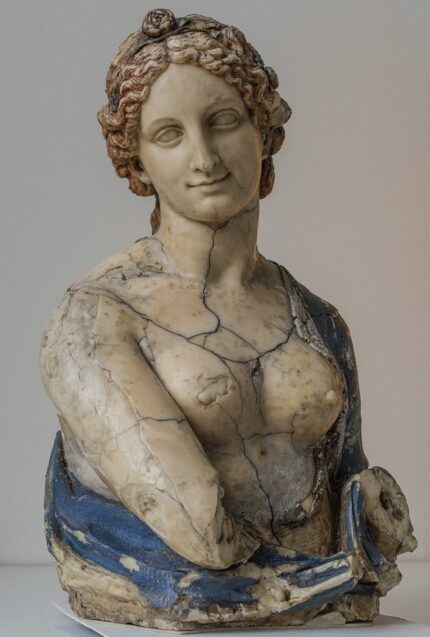
Photo: Bode-Museum, Berlin, Germany. A wax bust once attributed to Leonardo da Vinci (1452-1519) has been conclusively shown to be no earlier than the 18th century.
There are always new things to discover. In today’s story, decades of fierce arguments about the artist behind a wax bust in a Berlin museum were laid to rest when researchers mastered the dating of the wax. The History Blog has the report.
“A wax bust whose attribution to Leonardo da Vinci once caused art historians to threaten violence has been conclusively shown to be a modern work from the 18th century at the earliest.
“The bust of Flora, goddess of flowers and springtime, now in the National Museums in Berlin, was spotted by general director of the Royal Museum of Berlin Wilhelm von Bode in an antique store in London in 1907. Her downcast eyes, half-smile and finely-modeled features impressed Bode as a work by Leonardo da Vinci. German art historian Max Friedländer, assistant director of the Kaiser-Friedrich Museum under Bode, was convinced by its high quality and wear patterns that it was a Renaissance work. Bode bought it for a princely sum (185,000 Goldmark) in 1909 and announced with much fanfare that it was a work by no less a Renaissance luminary than Leonardo da Vinci, the only known wax sculpture surviving from the period.
“Bode was held in high regard in Germany. He had been involved in the creation of a national collection for the royal museums since he was hired as assistant curator of sculpture in 1872 and his career would span the entire five decades of the second German Empire from Unification to Republic. …
“Within months, the Times published a story contesting the attribution and alleging Flora was in fact it was created by 19th century British sculptor and photographer Richard Cockle Lucas who had copied it in 1860 from a painting of Flora in the Hermitage once attributed to Leonardo but later determined to be the work of his student and right-hand-man Francesco Melzi.
Lucas’ son Albert Dürer Lucas, then 80 years old, swore that his father had made it and that Albert had helped stuff old newspapers and wood chips into the hollow of the bust.
“Even though newspapers and wood chips were indeed found inside, including an article from 1840, Bode dismissed out of hand the possibility that Lucas was the sculptor. Lucas, Bode contended, was simply not good enough to model so superlative a piece. Unlike Flora, Lucas’ known wax pieces were greyish in color, lacked any polychromy and still smelled of wax. Bode was sure that at most, Lucas had been employed to fill its empty core to reinforce the structure and had fashioned some arms to match.
“In the next two years, more than 730 heated articles were written debating the attribution. There were debates on the floor of the Prussian parliament. Two scholars challenged each other to a duel. Bode died in 1929, still convinced that his attribution to Leonardo was correct. The debate got less aggressive over the decades, but never died down. Even modern technology hasn’t been able to settle the issue conclusively, because wax, as it happens, is a complicated medium to date.
“Albert Dürer Lucas said his father made the bust by melting down a bunch of burned candle ends. Analysis of wax samples found it is composed almost entirely of spermaceti, a waxy substance produced in the head cavity of the sperm whale commonly used in 19th century candles, and a small amount of beeswax. The decay of C14 occurs in the atmosphere in a calculable way, but under water the C14 is absorbed much more slowly and is much older than the carbon absorbed on land. The Marine Reservoir Effect makes radiocarbon dating results difficult to calibrate because you would need to know that specific whale’s full biography — track its movements from equator to ice shelves — to produce any semblance of accurate results. …
“The new study utilized two calibration curves, marine and terrestrial, and applied them to samples of the wax from Flora as well as to another work by Lucas, an 1850 relief of Leda and the Swan. The result was a date range of between 1704 and 1950, admittedly wide, but it conclusively precludes that the bust was made by Leonardo or anyone else in the Renaissance. The study has been published in the journal Scientific Reports and can be read here.”
For additional details, check out the HistoryBlog, here.
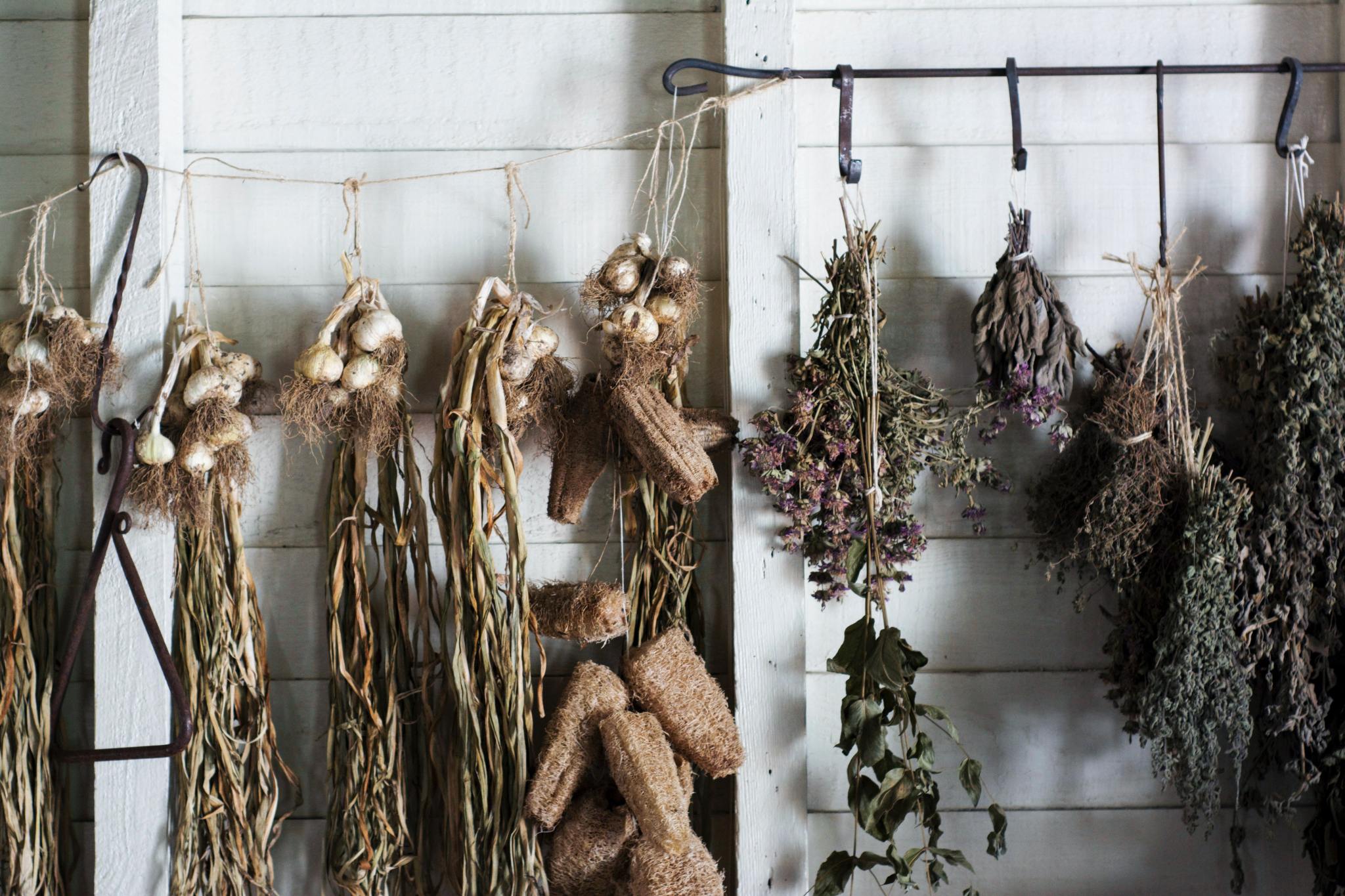
Photo: Landis Brown/The Archive of Healing at UCLA. The Archive of Healing describes cures, rituals, and healing methods spanning two centuries.
My daughter-in-law and I got interested in a kind of tumeric tea that we bought at the farmers market before Covid. Since then, I’ve tried other kinds of tumeric tea just because I like the weird flavor. And as today’s article points out, tumeric has long been known to reduce inflammation.
At Hyperallergic, Valentina Di Liscia wrote recently about similar tried and (sometimes) true traditional remedies that are featured in something called the Archive of Healing.
“The digital archive features hundreds of thousands of entries describing cures, rituals, and healing methods spanning two centuries, with a focus on protecting Indigenous knowledge from for-profit exploitation.
“The University of California, Los Angeles (UCLA)’s Archive of Healing, one of the most comprehensive databases of medicinal folklore in the world, is now accessible online. The interactive, searchable website boasts hundreds of thousands of entries describing cures, rituals, and healing methods spanning more than 200 years and seven continents.
“The site … focuses on the preservation of Indigenous traditions and customs related to wellness.
“The project started five decades ago, when former UCLA professors Wayland Hand and Michael Owen Jones led teams of students to document medicinal practices described in university archives, published sources, anthropologists’ field notes, and their own family folklore.
In 1996, the school received a grant to digitize the research — encompassing more than a million handwritten four-by-six note cards — and transform it into a searchable database then known as the ‘Archive of Traditional Medicine.’
“But somehow, the massive trove remained a little-known resource until 2012, when a librarian at UCLA came across the database and alerted Dr. David Delgado Shorter, Professor of World Arts and Cultures/Dance at UCLA. Shorter, who had just published a book based on fieldwork with the Yoeme communities in northwest Mexico and launched a digital tool to help Indigenous people preserve their languages, was ‘blown away’ by the archive.
“ ‘It was just sitting there probably for years without people knowing about it,’ Shorter said in an interview. … ‘In some ways it’s fantastic that no one knew about it, because in this day and age, someone could have created a mining program and simply just pulled all the material from the database,’ he added. … His team safeguarded the data in a secure server.
“One of Shorter’s priorities is protecting Indigenous knowledge from exploitation by for-profit entities, such as pharmaceutical companies. For that reason, some entries in the archive do not mention specific plant names or recipes unless that information is already widely known.
“As dangerous health-related disinformation surged during the coronavirus pandemic, many have become wary of alternative medicine. The archive’s initial compilers were folklorists, not medical doctors, and the website includes a disclaimer that the entries do not constitute medical advice. … Users can flag entries they deem inappropriate. …
“Most importantly, these spices, plants, and other healing methods can deepen our understanding of how different cultures view the body, wellness, and community.
“ ‘The whole goal here is to democratize what we think of as healing and knowledge about healing, and take it across cultures in a way that’s respectful and gives attention to intellectual property rights,’ said Shorter.”
Hooray for librarians who alert people to “treasure troves”! More at Hyperallergic, here.
Photo: J. Scott Applewhite/AP. Gardening gurus Jim and Cindy Kaufmann met when they both worked at the National Gallery. Today they work in separate government jobs to brighten Washington, DC, with 300 acres of landscaping and flowers.
Have you ever thought about how the beautiful flowers appear in public places like the US capital — and what it takes to keep them beautiful, even in a pandemic?
Cari Shane reports at the Washington Post reports about a married couple who are responsible for more than 300 acres of the the Washington, DC, landscape.
“Cindy Kaufmann, 56, is chief of horticulture services at the National Gallery of Art and Sculpture Garden. Her husband, Jim Kaufmann, 48, is the director of the Capitol grounds and arboretum for the Architect of the Capitol, which maintains the buildings, monuments and gardens on the U.S. Capitol campus. He also chooses the National Christmas Tree. …
“They call themselves ‘garden geeks’: Jim is ‘a tree guy,’ he says. (His favorite is the white oak.) Cindy loves pink flowering plants the most. ‘But it’s like having children,’ she says. ‘You really just love them all.’
Cindy grew up in Rockville, Md., where she spent hours in the garden, ‘growing flowers and vegetables just to see how they would look,’ she says.
“After studying horticulture at the University of Maryland, she started at the National Gallery right out of college. Jim grew up in Philadelphia, helping his parents take care of their vegetable garden. He attended a public vocational-technical high school that specialized in agriculture, then graduated from Temple University with a degree in horticulture. They met when they both worked at the National Gallery. …
“Cindy’s pre-pandemic life meant arriving at the office at 6 a.m. and ‘walking five miles every day, visiting the campus and directing the wide variety of areas we support from the Sculpture Garden — the greenhouses, the garden courts, terraces and every exhibit and interior space,’ she says.
“Now, like for many of us, her work is done mostly over Zoom. The National Gallery closed and reopened a few times over the past year; each time, Cindy had to be ready, constantly ‘planning for normal.’ The museum’s March anniversary is celebrated annually with a rotating display of 250 azaleas in the Rotunda, and Cindy and her staff spent the winter preparing the plants to transfer from greenhouses in Frederick, Md., but the museum didn’t reopen after all. (The Sculpture Garden reopened in February.)
“For Jim, the pandemic and the Jan. 6 siege on the Capitol — which was followed by the erecting of non-scalable fencing — meant some pivoting, too.
“He and his team continue to care for more than 4,500 trees and all the flowering plants on 274 acres of Capitol landscape. …
“Like Cindy, Jim’s days this past year have been less hands-on, which he misses. ‘Nothing ever replaces the ability or the experience to walk the grounds, feel the landscape and talk to people,’ he says.
“But the pandemic has allowed the Kaufmanns to spend more time in their own garden in Silver Spring, Md. Last summer, tending it was their ‘pandemic therapy,’ says Cindy. It reflects their different horticultural styles, and over the years, the yard has naturally divided into ‘Cindy’ and ‘Jim’ sections.’ “
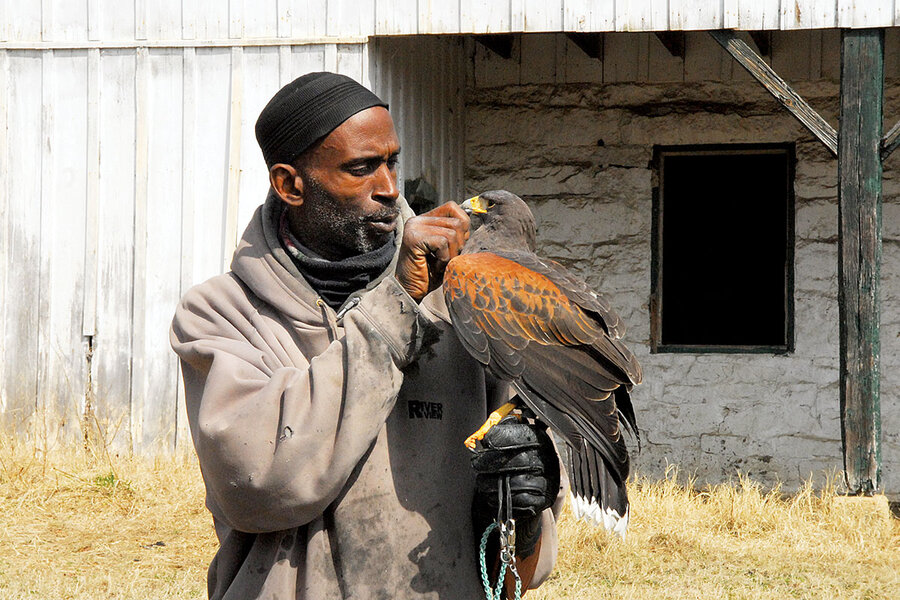
Photo: Noah Robertson/Christian Science Monitor. Master falconer Rodney Stotts, founder of Rodney’s Raptors, holds a Harris hawk at the Earth Conservation Corps campus in Laurel, Maryland. At ECC, Stotts works with young people who may be at risk, just as he was once.
There’s more than one way to connect with troubled teens, but sharing an interest can be key. In today’s story, we learn how getting involved with birds of prey transformed the life of a young Rodney Stotts and how he later commmitted himself to helping other kids.
Noah Robertson writes at the Christian Science Monitor, “Before young Jamaal Hyatt met falconer Rodney Stotts, the youth had never seen a bird fly from a person’s finger, disappear out of sight, and return at the sound of a whistle. He’d never fed a bird of prey, or understood the trust it takes for one to calmly perch on a person’s arm. He’d never even seen a raptor up close.
“Mr. Hyatt grew up in downtown Washington, D.C., where birds rest on traffic lights as often as trees. Two years ago, when his family felt he wasn’t focused on school, they decided to send him to Capital Guardian Youth Challenge Academy, a military school for at-risk students in Washington high schools. It was in the woods here that he met Mr. Stotts – a master falconer, mentor, conservationist, and Dr. Dolittle of sorts.
“Mr. Stotts, too, grew up in Washington, and, like Mr. Hyatt, once barely knew a pigeon from a peregrine falcon. But more than 30 years ago, working with animals transformed him from a man of the streets to a man of the woods. He’s since become a mentor for young people facing similar challenges.
“That mission brought him to Laurel, where his office is sandwiched between Capital Guardian and New Beginnings Youth Development Center, a youth detention and rehabilitation facility. He works with young people in each facility, giving them an outlet, a role model, and a chance to learn to trust others by learning to trust animals. …
“In three decades Mr. Stotts has worked with thousands of people on the streets and in schools, parks, jails, barns, and Zoom calls. Along the way, he founded his own nonprofit, Rodney’s Raptors, and earned his falconry license. The work is low in pay and often poignant, forcing him to confront violence, substance misuse, and loss.
“But for Mr. Stotts, whose life is profiled in a new documentary, ‘The Falconer,’ it’s highest in personal reward. If he could change, he tells the young people he works with, so can they. …
“With a mother who struggled with heavy substance use (before later quitting cold turkey), Mr. Stotts grew up in southeast Washington during the crack epidemic. In early adulthood, he reflected his circumstances; he dealt drugs and was likely to cross up with law enforcement, he says. Then, by accident, he found animals.
“In the early 1990s, he needed a pay stub to sign on an apartment and took a position at Earth Conservation Corps (ECC), a nonprofit then focused on cleaning the notoriously polluted Anacostia River. Bob Nixon, the program’s de facto founder and a falconer himself, helped introduce Mr. Stotts to animals and eventually birds of prey.
‘The first time I held a bird, period, it took me somewhere else, says Mr. Stotts. …
“After a year, he stayed with ECC and eventually took charge of its raptor program, based in Laurel. … ‘He’s been engaged since the get-go – that’s the impressive thing,’ says Mr. Nixon, of ECC. ‘He really feels the nature in his bones and gets a real reward in sharing that with people.’ …
“ ‘There’s a lot of kids out here that don’t really have anything or don’t even believe in [themselves],’ says Mr. Hyatt. ‘Seeing somebody like that … can uplift them and give them a little bit more hope.’ ”








 Suzanne's Mom's Blog