Feeds:
Posts
Comments

Archive for the ‘Uncategorized’ Category

Photo: Scott Ball / San Antonio Report.
The SWISD mariachi band performs during a school event at Stinson Field, San Antonio, Texas, in February. 

When education programs unite with family culture and community culture, a unique energy is born, and students are more likely to stay in school. That can be seen in this story from south Texas.

Nicholas Frank writes at the San Antonio Report, “In 1969, educator Belle Ortiz introduced mariachi to a ballet folklórico class at Lanier High School, which soon added a dedicated mariachi class. 

“Over the next decades, Ortiz’s pioneering effort would grow into dozens of mariachi education programs in middle schools, high schools, colleges and universities throughout the San Antonio area, now serving more than 2,000 students in 17 schools in the San Antonio Independent School District (SAISD) alone. …

“Musician Juan Ortiz met Belle Ortiz in that Lanier folklórico class, and the pair would emerge as changemakers establishing mariachi as an educational mainstay in the region, building off of deep Mexican American cultural roots throughout South Texas.

“Belle Ortiz spearheaded the first collegiate-level mariachi education program in 1974 at San Antonio College, and Juan Ortiz and musician Pete Moreno are widely credited with creating the first university mariachi program at Texas A&M University at Kingsville, a program that still flourishes today

“Northside ISD Director of Fine Arts James Miculka said he’s regarded as a person who could sell a tree off of an asphalt lot, but more than salesmanship helped him secure his district’s first mariachi education programs in the 1990s.

“Belle Ortiz served as Miculka’s primary research contact for his music education degree studies at UTSA because he ‘was working on a middle school band curriculum that had more cultural pieces and connected to the Hispanic population’ in a way that his knowledge of jazz and classical music did not.

“A professional trumpeter, Miculka had experience performing in salsa bands and developed a special appreciation for the art form of mariachi when he witnessed firsthand the professional mariachi ensemble assembled by Juan Ortiz for Fiesta Texas.

“Seeing and hearing the array of trumpets, violins, guitars and vihuelas, Miculka said his ‘jaw hit the floor. When I heard that I thought, “Holy cow, this is what a mariachi group should really sound like.” ‘ …

“Miculka hired Roland Sandoval as music director of the program established in 1990 at John Jay High School. Miculka then expanded to start a program at Holmes High School and created ‘feeder’ programs at middle schools in the district. …

Both Miculka and Sandoval credit parents in their districts with establishing the importance of formalized mariachi education programs.

“ ‘It’s such a visible part of our culture,’ and when parents realized their children could access the traditional music through formal education, ‘they started advocating for that,’ said Sandoval. …

“Cynthia Muñoz has been working to bring visibility to the art form of mariachi for decades, starting the Mariachi Vargas Extravaganza competition in San Antonio in 1995.

“The annual competition invites high school mariachi groups from around the country to hone their skills toward winning recognition in the prestigious event, with groups from the Rio Grande Valley regularly winning top honors.  

“Muñoz credits Belle Ortiz with inspiring her own work to promote mariachi culture, having witnessed Ortiz’s first mariachi festival in San Antonio in 1979 featuring the world-renowned Mariachi Vargas de Tecalitlán

“ ‘This had a significant impact on me as a young teenager as I realized that our culture, music and history was way deeper and more beautiful than I ever could have imagined,’ Muñoz wrote in a Facebook memorial post commemorating Ortiz’s influence. …

“Education programs need certified teachers. Miculka said that as mariachi learning evolved from being passed along through families to professional apprenticeships and public school programs, musician John Lopez saw the demand and led the effort to establish a mariachi-focused degree-level program at Texas State University in San Marcos. …

“Lopez said the Kingsville program ‘was like lighting a match,’ with students going on to create ensembles at schools in their home communities throughout the Rio Grande Valley and South Texas, many of which have been formalized as programs as those former students rose into the ranks of school administrations. …

“Despite overall growth in mariachi education programs, Poe Middle School mariachi director Augustine Ortiz nearly lost his program in February, with SAISD facing declining enrollment, budgetary tightening and school closures. But Poe principal Elizabeth Castro was able to save the program through a special allocation, in part because hundreds of students prioritized their mariachi studies.

“Studying mariachi not only creates enthusiasm for his students to come to school, Ortiz said, but helps them excel overall. ‘The standard of the students’ education is rising when they’re in programs like these,’ he said. ‘What helps is that it’s culturally relevant to them since we do have a huge Mexican American population in our school.’

“Ortiz said he has been open with his students about the challenges faced by the programs. ‘They need to learn that we need to advocate for ourselves,’ he said. ‘That way we can get the best education [for] our students, not just currently but in the future as well.’ …

“ ‘There’s a supply and demand now for mariachi teachers,’ he said. ‘If you’re gonna go into music education right now, the place to be is mariachi education.’ ”

More at San Antonio Report, here.

Read Full Post »

Photo: Melanie Stetson Freeman/CSM Staff.
Jason Tackie’s summer job is at Parkway Community YMCA in Boston.

I was a day-camp counselor, my husband scooped ice cream back in the day and delivered newspapers, my sister checked out grocery-store items. Those were a few of the typical summer jobs people had.

Then came the years when it seemed like no one was taking those jobs anymore unless they were on a work-first-and-tour-America program from Eastern European or Turkish universities. US young people were taking internships at hedge funds and that sort of thing.

Now the Christian Science Monitor says summer jobs are back, at least according to a Northeastern University study of the Boston area.

Reporters Troy Aidan Sambajon and Oli Turner write, “Getting a summer job used to mean scooping ice cream at the mall or working the drive-thru at Burger King. Then came the Great Recession, followed by a rush for teens to spend their summers padding their college résumés with coding and language camps.

“That changed again when the world closed for COVID-19, and then reopened. Not all adults returned to their jobs. The virtual ones came and went. Enter the teenage worker. …

“The year before the pandemic, teens accounted for just over 2% of new hires, according to Gusto, a human resources and payroll company. In 2023, teens accounted for 20% of new hires. This summer, the share of teens working or looking for work hit a 14-year high – 38%, reversing a decades-long decline, according to the Bureau of Labor Statistics

“ ‘Employers suddenly rediscovered teenagers as an important source of labor in the post-COVID economy, when adults realized they didn’t want to come back,’ says Alicia Sasser Modestino, associate professor at Northeastern University, who has been surveying Boston’s summer employment program for nearly a decade.

“The return of teens to lifeguard stations, grocery checkout lines, and summer camps has benefits beyond the paycheck, according to experts and the teens themselves. In addition to learning CPR or how to run a social media campaign, teens interviewed talk about learning financial literacy, planning for their future, and feeling part of a community. 

“Consider Jayden Orr, 16, who just started in July at ABCD SummerWorks in Boston. …

“ ‘The main thing that’s on my mind lately is my family,’ says Jayden, ‘because I got to help my family out. That’s how the family’s gonna eat.’

“Zariyah Witherspoon, 17, also helps out her family, giving her mother $100 from her paychecks, the bulk of which she’s saving for college. …

“Zariyah talks about growing up at the South Street Youth Center and finding her passion in the center’s boiler-room-turned-recording studio. As a 10-year-old, she helped replace the youth center’s floors and paint the walls a cheerful blue. She says the program and the mentorship she has received from her manager have helped her focus on her future. …

” ‘Nearly 70% of the young people in the summer jobs program are using some of their earnings to pay some kind of household bill. They’re helping pay rent, groceries, or utilities,’ [Modestino] says. ‘They’re paying for their own cellphone or their own clothes now.’ 

“Allison Vernerey has been handling hundreds of applications a day. As executive director of the city’s Office of Youth Employment and Opportunity, she has also been meeting with families to place their youths in the right job.

“The pandemic was especially tough for teens, says Ms. Vernerey. ‘I speak to a lot of the parents. … There’s really this eagerness to in some way catch up and make sure that the youth are set up for success in the future.’ …

“The benefits of a summer job can shape teens’ academic and social success in both the short and long term, according to a 10-year study conducted by Northeastern University on Boston’s teen summer employment programs. 

” ‘In the short term, young people increase their aspirations to go to college, have higher GPAs, and less absenteeism in school,’ says Dr. Modestino. …

“In the long term, the social-emotional skills developed on the job also reduce anxiety and conflict by training youths to deal with stressful situations. ‘We found that those soft skills – like managing emotions, resolving conflicts with a peer, and asking adults for help – those things are highly correlated with a reduction in criminal justice involvement. Young people in the program are 35% less likely to be involved in a violent crime and 29% less likely to be involved in a property crime,’ says Dr. Modestino. …

“ ‘What I see is that more kids are getting jobs because parents aren’t always going to be able to buy the stuff they want, so teens want to be more independent,’ says Jason Tackie. …

“Jason started working after his first year of high school to buy new shoes and basketball equipment. He didn’t expect to be learning new skills, gaining new mentors, or frankly, learning to have fun while working.  He says having a job has improved his time management in school, too. Jason wants to study nursing at a four-year college, something he said he has only realized recently. …

“ ‘There’s a lot of stuff that I learned on the job that I didn’t know that I was going to learn,’ he adds. ‘I feel like it motivates me every day to come here and make sure everyone’s having a good time. It’s helped me grow up a lot.’ ”

More at the Monitor, here. No paywall.

Read Full Post »

Photo: Lane Turner/Boston Globe.
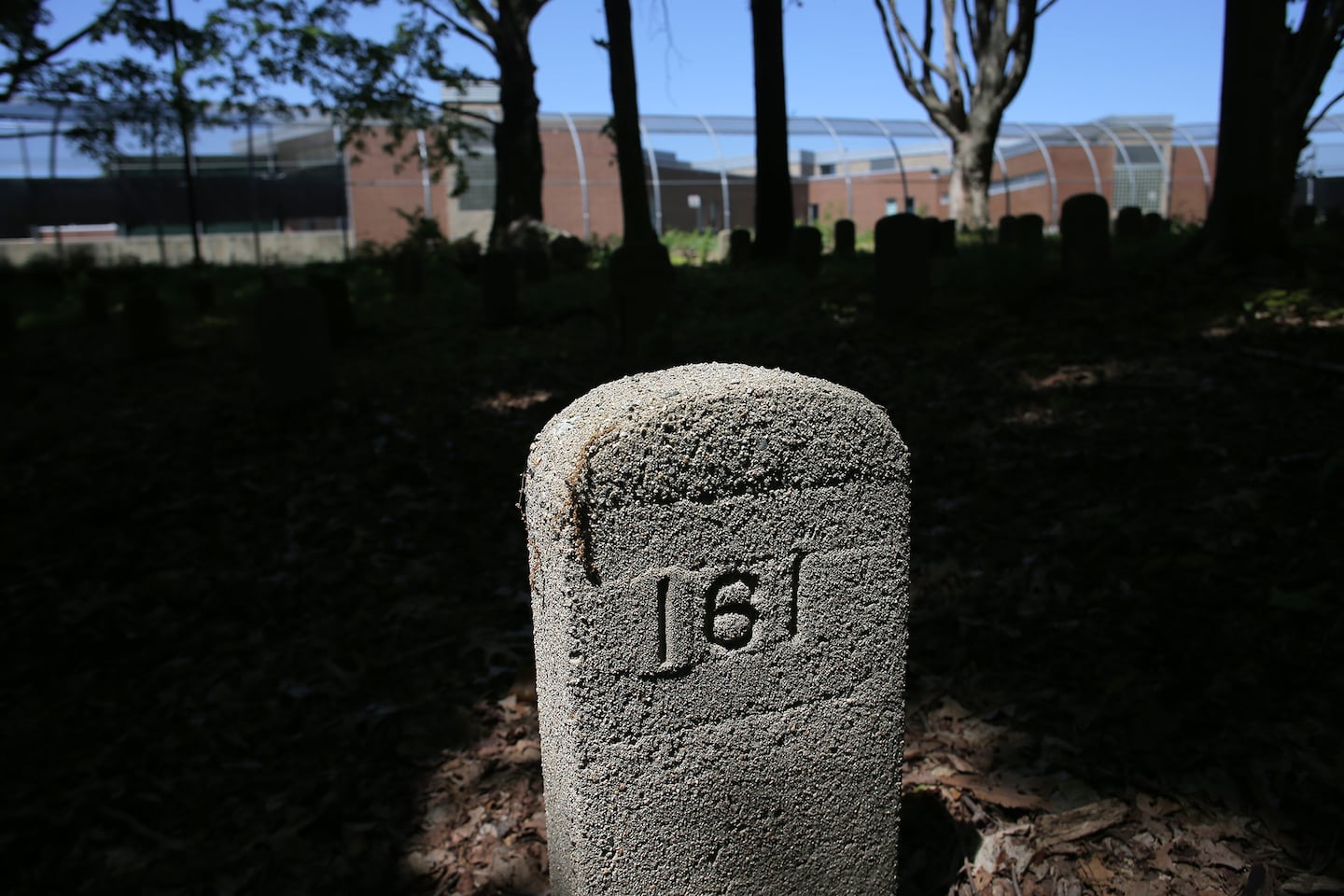
A numbered grave just outside the Rhode Island Training School Thomas C. Slater Youth Development Center in Cranston, Rhode Island. Teens incarcerated at the facility helped bring the paupers’ graveyard to light, writing obituaries for the forgotten.

Recently, I read a Victorian novel (The Three Clerks, Anthony Trollope) in which the notorious Dickens villain Bill Sykes was favorably compared to a villain who was born with every opportunity to live an upright life. Trollope’s point was that for a pauper raised in poverty with no access to education or higher things it might be considered understandable that he went bad and died in ignominy.

I’m thinking about this in connection with today’s story about how paupers’ graves raised the consciousness of some youths in trouble with the law today.

Amanda Milkovits wrote at the Boston Globe, “Sometimes, as they played basketball outside at the Rhode Island Training School, the teens would glance through the security fence to the woods and brush that shrouded rows of small stones.

“ ‘What are they?’ A 16-year-old boy incarcerated at the Training School remembered asking one of the staff members.

“Graves, he was told. The plain, numbered concrete headstones marked the burial sites of 1,049 people who died a century ago.

“Some had been residents of the state asylum. Some were teenagers who lived at the former Sockanosset Boys Training School. Some had spent their last years in the state poorhouse. Some were stillborn infants who were never given names, factory workers who fell on hard times, immigrants who sought a better life, only to die far from home.

“What they all had in common was poverty and no one to claim their bodies. From around 1915 until 1933, the state gave them a simple burial in this place, known as the State Farm Cemetery Annex, or Cranston Historical Cemetery No. 107. Prisoners made the concrete headstones, which were engraved with numbers instead of the names of those buried 6 feet below.

“ ‘I thought it was just a regular grave site, but I’d never seen a grave with a number before,’ another boy told the Globe. … ‘It’s sad. No one should just be a number.’

“For decades, the cemetery has been a lonely, quiet place, cut off from public access because it’s bordered by the state’s maximum security prison, Route 37, and the Training School. …

“John Scott, a senior community development training specialist at the Training School, had been interested in the cemetery since he first caught a glimpse of it in the 1990s. The teens’ curiosity made him wonder whether those on probation or who needed to perform community service could help restore the cemetery, even if only by clearing some of the brush.

“But Theresa Moore, president of T-Time Productions, saw potential for more. Her company designs educational curriculums with the goal of shining light on untold or little-known stories, and was already working with the Training School on its educational programs for incarcerated youths. …

“ ‘I’ve always looked for projects to enhance their lives,’ Moore said, ‘so when John mentioned it, I thought, “Why don’t we make it happen?” ‘

She called the project: ‘They Were More Than A Number.’

“Moore reached out to the leaders of the Rhode Island and Cranston historical cemeteries commissions, who were delighted to share their knowledge — they’d wanted to restore that cemetery for years, but could never get access. She contacted Secretary of State Gregg Amore, who assisted with resources at the state archives, giving the teens access to records from the state infirmary that include doctors’ notes, reports from the state institutions … and burial records. …

“The students started their research. Records and documents from the state archives, the drone footage, and other resources were used to help them put the history into context. Some materials, such as a video of Lorén Spears, executive director of the Tomaquag Museum, explaining the ‘pencil genocide’ of Indigenous people, were scanned into a Google drive for about 50 students and their teachers. …

” ‘At first, I didn’t really care,’ admitted one 16-year-old boy, ‘but I wouldn’t like it if I was just a number.’ …

“A 16-year-old boy said he chose No. 500, and learned it was the grave of a man named John Holland, who died in 1915. When he wrote Holland’s obituary, ‘It made me feel bad that they didn’t have names,’ he said. …

“One day in late May, the teens and the adults involved with the cemetery project met in person along the security fence at the Training School. The view through the fence was clear now. Brush and saplings and debris had been hauled away, and there were two new signs, marking the site as a state and city historical cemetery. The cemetery was serene, shaded by the old silver maples.

“As the teens in their dark blue uniforms listened, accompanied by their teachers, Scott, Moore, and volunteers from the Cranston Historical Cemeteries Commission thanked them for their work and told them it had meaning.

“John Hill, chairman of the Cranston Historical Cemeteries Commission, had read some of the obituaries written by the students.

“ ‘You’re giving them their names back,’ Hill told them. ‘You are making them human beings again.’ …

“Scott knew why the teens incarcerated at the Training School could relate. ‘If anyone can understand what it means to be a number,’ he said, ‘it’s our students.’”

Read this long, beautiful article at the Globe, here.

Read Full Post »

Photo: Jackie Valley/The Christian Science Monitor.
Fifth graders at Dennis Ortwein Elementary School in Las Vegas, Nevada, and their Let Grow posters.

Ultimately, you want your children to grow up able to take care of themselves. Love and convenience give parents plenty of temptation to do things for them beyond the point where the help is beneficial. That’s why a school in Nevada is lending a hand to kids and parents alike to so that fledglings may have a good chance to fledge.

Jackie Valley has the story at the Christian Science Monitor.

“Walking the dog. Wrapping a package. Cooking dinner.

“For adults, these activities often represent mundane to-do list tasks. But for fifth graders in Las Vegas, they offered something different this past school year – a taste of independence. 

“ ‘I can do things by myself more instead of having my dad or my mom do them,’ says Deven Doutis, who learned his dog goes a little nuts when he spots another canine out for a stroll.

The small steps toward greater – and lasting – independence came about in a very intentional way.

“Deven’s teacher, Amy Wolfe, sensed students were entering higher grades with more needs than in past years. Some couldn’t open a water bottle, for instance, or navigate minor conflicts with their peers. So when Ms. Wolfe heard about a program called Let Grow, she decided to pilot it within select classrooms at Dennis Ortwein Elementary School in Las Vegas.

“The program’s premise is simple: When children gain independence, they grow into more confident and capable people. …

“But what, exactly, are kids allowed to do by themselves nowadays? Terms such as ‘helicopter parent’ or ‘overparenting’ have become shorthand to describe adults who are overly involved, sometimes to the detriment of their child’s developmental growth. …

“A poll conducted last year for C.S. Mott Children’s Hospital at the University of Michigan found that three-quarters of parents say they have their children do things for themselves; however, the percentage of parents who report their children do specific activities independently is lower. Only a third of parents, for example, allow their 9-to-11-year-old child to walk or bike to a friend’s house. A similar portion say they encourage their 5-to-8-year-olds to decide how to spend their own gift or allowance money.

“Safety concerns emerged as the top reason those same parents don’t allow their children more free rein. The results did not come as a surprise to Lenore Skenazy, president of Let Grow and author of Free-Range Kids. For years, she has been on a mission to unleash children in a society where they increasingly have little independence in the physical world. …

“She says the backlash stems from a pervasive, heightened sense of danger built by media narratives and litigious tendencies. …

“In a commentary piece published by the Journal of Pediatrics last year, researchers pointed to evidence showing a correlation between children’s dwindling independence and increasing mental health problems over several decades.

” ‘We are not suggesting that a decline in opportunities for independent activity is the sole cause of the decline in young people’s mental well-being over decades, only that it is a cause, possibly a major cause,’ the authors wrote. (The lead author, Peter Gray, is a research professor in psychology at Boston College and a founding member of Let Grow.)

“In Ms. Wolfe’s classroom each month, students chose an independent activity, loosely tied to a theme, and completed it by themselves. Then they reported back to their classmates and teacher about the experience. There were no grades or critiques. If Ms. Wolfe asked any probing questions, it was to suss out how her students felt after, say, baking a cake or pulling weeds. …

“ ‘It’s more about developing the conversations with students to where they see independence … as a value,’ she says. …

“For her first project, Giwan Istefan’s 11-year-old daughter, Aria, decided to make miniature lemon-and-blueberry cheesecakes. Ms. Istefan says it turned into an exercise in parental restraint as well.

“ ‘I was like, “Oh my gosh, I see the disaster happening,” ‘ she says. ‘But I had to step back. It was growth not just for her, but it was growth for also myself.’ “

More at the Monitor, here. What are some of the ways you have encouraged independence in children, not necessarily only as a parent?

Read Full Post »

Photo: Jackson School.
A research team treks across a field in South Africa in search of carbon-sequestering termite mounds.

Termites in South Africa build mounds that sequester carbon in the soil, which unbeknownst to them, benefits a planet struggling with climate change. Can humans learn to extend those benefits?

Michele Francis, a researcher in the department of soil science at South Africa’s Stellenbosch University, shares some ideas at the Conversation.

“The landscape along the Buffels River in South Africa’s Namaqualand region is dotted with thousands of sandy mounds that occupy about 20% of the surface area. These heuweltjies, as the locals call them (the word means ‘little hills’ in Afrikaans), are termite mounds, inhabited by an underground network of tunnels and nests of the southern harvester termite, Microhodotermes viator.

“I’m part of a group of earth scientists who, in 2021, set out to study why the groundwater in the area, around 530km from Cape Town, is saline. The groundwater salinity seemed to be specifically related to the location of these heuweltjies. We used radiocarbon dating; dating the mounds, we reasoned, would allow us to see when minerals that were stored in the mounds were flushed to the groundwater.

“The tests revealed far more than we expected: Namaqualand’s heuweltjies, it turns out, are the world’s oldest inhabited termite mounds. … This is more than just an interesting scientific find or historical curiosity. It offers a window into what our planet looked like tens of thousands of years ago, providing a living archive of environmental conditions that shaped our world.

“It is also hugely important today: there is growing evidence that termites have a substantial, but still poorly understood, role in the carbon cycle. By studying these and other termite mounds, scientists can gain a better understanding of how to sequester (store) carbon. This process removes CO₂ from the atmosphere and is vital for mitigating climate change.

“Namaqualand is a global biodiversity hotspot renowned for its spring flowers, but it is a dry area. Surface water is in short supply and the groundwater is saline.

“Although most of Namaqualand receives very little rainfall, there are rare, high intensity rainfall events. When these do occur, the termite burrows on the mound surfaces serve as water flow paths that can harvest rain and channel water into the mound. This causes the salts that built up in the mounds over thousands of years to be flushed into the groundwater system via flow paths created by the tunneling action of the termites, pushing the dissolved minerals ever deeper. This process also pushes down the carbon that slowly built up in the center of the mounds when termites collected plant material and brought it into the mound. …

“The ability of these mounds to sequester carbon is linked to the termites’ unique behavior. The insects transport organic material [from] small woody plants – deep into the soil. This way, fresh stores of carbon are continuously added. …. Deep storage reduces the likelihood of organic carbon being released back into the atmosphere. So the mound acts as a long-term carbon sink.

“Not only do the termites take the organic carbon material deep underground into their nests, but their tunnels also allow dissolved inorganic carbon (known as soil calcite or calcium carbonate) in the mound soil to move into the groundwater along with other soluble minerals. So the termite mounds also offer a mechanism to sequester carbon dioxide through dissolution and leaching of soil carbonate-bicarbonate to groundwater. …

“These findings are further evidence that termites fully deserve their reputation as ecosystem engineers. They modify their soil surroundings to maintain ideal humidity and temperature conditions. …

“Termite mounds can help provide a more comprehensive understanding of global carbon dynamics. In Namaqualand, mounds occupy 27% of the total area but contribute 44 % of the total soil organic carbon stock. …

“Public awareness and policy integration are key, too. Termite mounds are often cleared for agriculture or termites are considered pests. Raising awareness about the ecological importance of termite mounds and integrating these findings into environmental policies can help promote practices that support natural carbon sinks.”

More at the Conversation, here. Listen to the story at The World, here.

Read Full Post »

Photo: Arian Zwegers/Flickr.
The monumental statues of Easter Island. 

Imagine all the work that has gone into figuring out how dead civilizations died! Even now it often feels like guesswork. But I like how new research provides new details on how people lived.

Consider this report at YaleEnvironment360.

“A new study casts doubt on the narrative often told about Easter Island, of an ancient society that plundered its forests to the point of collapse. Researchers have found fresh evidence for another [story] that the islanders learned to live within the bounds set by nature.

“When Europeans first arrived to the remote South Pacific island in 1722, they found hundreds of massive statues, evidence of considerable manpower, but only around 3,000 people, too few to easily explain the monuments. Historians inferred that the Polynesians who settled Easter Island must have seen their population grow to a large and unsustainable level, at which point they destroyed their forests, exhausted their soils, and hunted seabirds to oblivion before seeing their own numbers collapse.

“But in recent years a competing narrative has taken hold. It posits that the population never exploded, but that instead a small number of people learned to sustain themselves on the arid and relatively barren island. Researchers found evidence for this view in the remains of ‘rock gardens,’ where islanders grew sweet potatoes, their staple crop.

“To protect crops from sea winds and supply minerals to the soil, islanders grew potatoes among densely packed rocks. It has been difficult to determine, however, how much of the island was composed of rock gardens, which would indicate how many people farming sustained. Prior research found that rock gardens potentially covered more than 12 percent of Easter Island, which, scientists estimate, could have supported as many as 25,000 people.

“For the new study, researchers aimed to improve on previous inventories of rock gardens by studying gardens on the ground and then training artificial intelligence to identify them in satellite imagery. To better distinguish between rock gardens and rocky outcroppings, they also gathered satellite data on the levels of moisture and nitrogen in the soil, markers of cultivation.

“With this additional data, researchers determined that rock gardens covered less that 0.5 percent of the island. Accounting for other potential sources of food, such as fish, bananas, taro, and sugar cane, they estimated that Easter Island would have supported around 3,000 people, the number first recorded by Europeans. The findings were published in Science Advances.

“ ‘The population could never have been as big as some of the previous estimates,’ said lead author Dylan Davis, a postdoctoral researcher at Columbia University. ‘The lesson is the opposite of the collapse theory. People were able to be very resilient in the face of limited resources by modifying the environment in a way that helped.’

“History will show that the islanders did ultimately face collapse, but after Europeans arrived.” Europeans, alas, brought disease and slavery. No wonder the population died out!

More at YaleEnvironment360, here.

Read Full Post »

Photo: Scotsman.
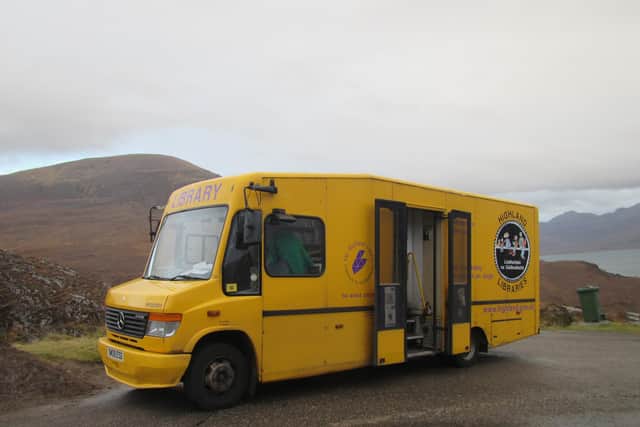
A yellow mobile library in the Highlands. The fleet has dwindled from 10 to seven. Transit vans, with fewer books packed in crates, are now filling the gaps.

All over the world, fans of books and libraries have found ways to reach readers in largely inaccessible regions. We’ve had stories here about using camels, horseback riders, vans, carts, and more.

Today’s article from the Scotsman, bemoans the gradual disappearance of Scotland’s yellow library buses.

As Alison Campsie reported in June, “For those living in the most isolated pockets of the Highlands, the sight of the yellow library van coming into view has long been a welcome one.

“But now, concerns for the future of the mobile libraries have been raised after the distinctive vans – complete with desk and bookshelves – dwindle in numbers.

“Mr Preston said a fleet of 10 yellow mobile libraries – plus a spare – has now been reduced to seven vans. Of these, five are standard Transits, which are now packed with crates, carry fewer books and have to be loaded and unloaded.

“The librarian, whose yellow van did not return from the garage in April, said: ‘I am worried that the mobile library service will fizzle out and die.

“ ‘People love the service and they want to see it continue. A lot of the people I serve are single people living by themselves and they might not see people, apart from the postman, for two or three weeks and then the library arrives. …

“Megan MacInnes, a co-opted community councillor for Applecross, said the mobile library was ‘a hugely important service.

” ‘The range of demographics of folk who use it demonstrates that. We have to drive nearly an hour to get to the nearest library at Lochcarron. That is just not feasible for many.

” ‘Personally, I completely rely on the mobile library for my books and as a parent it has been hugely important in helping my son to read and become interested in books. The children at school love being able to use the mobile library and they come out with such a range, from history and geology to novels and cartoons and the latest David Walliams or Harry Potter.

“Everyone here is very aware of the financial pressures that Highland Council is under but when it comes to these lifeline services, we really urge them to be continued.’ We are so far from population centres that we really can’t afford for our outreach services to go.’ …

“A spokesperson from Highlife Highland said it was working with Highland Council, which owns the vans, ‘to better understand how such services can be delivered including accessibility and customer needs. This will also help to inform replacement fleet requirements and to establish specifications and costs.’

“A statement added: ‘High Life Highland is providing an alternative service for rural customers with the option of a drop-off of books to their homes to ensure that they have access to reading material and schools are also given the option of a drop-off of books to their building.

” ‘We recognise that mobile libraries are an essential part of life in the Highlands and while this service is not a like for like replacement, it may help to ease some of the difficulties for the most vulnerable and isolated service users during this time.’ ”

More at the Scotsman, here. PS, if you search this blog on “mobile library,” you could get enough material for a dissertation, almost! Mobile libraries are cherished all over the world.

Read Full Post »

Photo: Instagrammer @maxfennell.
A hunter spotted a donkey living with elks in northern California.

A donkey-owning family in California lost its pet to a wild elk herd — and decided he was better off. What would you have done? Would it depend on how long your pet was missing?

The Guardian reports: “A donkey spotted apparently living with a herd of wild elk in a video that went viral on the internet has been identified as Diesel, a once beloved pet who had apparently run away five years ago.

“The video was taken earlier this year, when Max Fennell, a hunter in northern California, filmed a group of wild elk apparently hanging out with a donkey who appeared to be a member of their herd.

“The short clip of the unusual scene rapidly spread across social media. Now Terrie Drewry and her husband, Dave, have told CBS news that they are convinced the free-roaming burro is their missing pet Diesel, who had scarpered into the wilderness five years earlier. …

“ ‘Finally, we know he’s good. He’s living his best life. He’s happy. He’s healthy, and it was just a relief,’ Drewry told CBS.

“The Drewrys revealed that Diesel had gone missing after getting scared on a trail while on a hiking trip with his human family. They searched for him in vain, though a trail camera spotted him, and hoof prints showed that he was still alive.

“Despite their joy, in seeing Diesel alive and apparently thriving as a want-to-be elk, they have no plans to try to capture him.” More at the Guardian, here.

That got me curious about donkeys that normally live in the wild, and poking around on the web, I ended up at the Young People’s Trust for the Environment (YPTE), which works to inspire “young people to look after our world.”

“There are still several types of donkey living wild in various parts of the world including: the ‘Kiang’ in India and Nepal the ‘Somali’ wild ass in Africa the endangered ‘Onager’ in Mongolia, Turkestan, Iran and Syria. …

“In the wild, donkeys don’t live in such close herds as horses and ponies do, since they occupy marginal desert-lands where food is generally scarce. As a result they have developed very loud ‘voices,’ which can carry just over three kilometres [~2 miles]. This allows them to keep in contact with one another. Their larger ears also allow them to hear the distant calls of their neighbors. Donkeys also use their ears as a form of visual communication and they may help dissipate some of the hot desert heat.

“Donkeys have a very tough digestive system that can break down almost inedible vegetation and at the same time extract and save as much moisture as possible.” More here.

Read Full Post »

Photo: Trilogy Captain’s Log.
“Lahaina Strong Paddle Out” expresses the determination of young Hawaiian climate activists after the fires in Maui.

I am so relieved to see young people taking charge of some of the issues that have messed up our planet. They focus on goals and don’t get distracted by the usual specious arguments for not upsetting the apple cart or for taking more time. Good things do happen when you don’t realize your goal is “impossible.”

Consider these young people in Hawaii.

Dharna Noor and Lois Beckett write at the Guardian, “Hawaii officials have announced a ‘groundbreaking’ legal settlement with a group of young climate activists, which they said will force the state’s department of transportation to move more aggressively towards a zero-emission transportation system.

“ ‘You have a constitutional right to fight for life-sustaining climate policy and you have mobilized our people in this case,’ Josh Green, the Hawaii governor, told the 13 young plaintiffs in the case, saying he hoped the settlement would inspire similar action across the country.

“Under what legal experts called a ‘historic’ settlement, announced [in June], Hawaii officials will release a roadmap ‘to fully decarbonize the state’s transportation systems, taking all actions necessary to achieve zero emissions no later than 2045 for ground transportation, sea and inter-island air transportation,’ Andrea Rodgers, one of the attorneys representing the plaintiffs in the case, said at a press conference with the governor.

“ ‘This is an extraordinary, unprecedented victory for the youth plaintiffs,’ Michael Gerrard, the faculty director of the Sabin Center for Climate Change Law at Columbia University, told the Guardian.

“While Hawaii has long embraced a progressive climate change agenda, with 2045 as a target year for decarbonization, the new settlement is ‘as big a deal as everyone said it is,’ said Denise Antolini, an emeritus professor of law at the University of Hawaii Law School, who has followed climate change litigation for decades. …

“The June 2022 lawsuit, Navahine F v Hawaii Department of Transportation, was filed by 13 young people who claimed the state’s pro-fossil fuel transportation policies violate their state constitutional rights. By prioritizing projects like highway expansion instead of efforts to electrify transit and promote walking and biking, the complaint says, the state created ‘untenable levels of greenhouse gas emissions.’ As a result, state officials harmed the plaintiffs’ ability to ‘live healthful lives in Hawaii.’ …

“It named the Hawaii Department of Transportation and its director, as well as the state of Hawaii and its former governor David Ige, as defendants.

“The plaintiffs, most of whom are Indigenous, alleged that by contributing to the climate crisis, the state hastened the ‘decline and disappearance of Hawaii’s natural and cultural heritage.’ When the case was filed, the plaintiffs were between the ages of nine and 18. …

“Navahine, whose name is on the lawsuit, is a 16-year-old Native Hawaiian whose family has been farming the land ‘for 10 generations.’ Drought, flooding and sea level rise were all having immediate effects on her family’s crops, she said. ‘Seeing the effects, how we were struggling to make any money for our farm, kind of pushed me to this case,’ she said.

“Officials said the legal settlement brings together activists with all three branches of the state’s government to focus on meeting climate change goals, including mobilizing the judicial branch. The court will oversee the settlement agreement through 2045 or until the state reaches its zero emission goals, Rodgers said.”

More at the Guardian, here. No paywall. Donations sought.

Read Full Post »

Photo: Nathaniel Bivan.
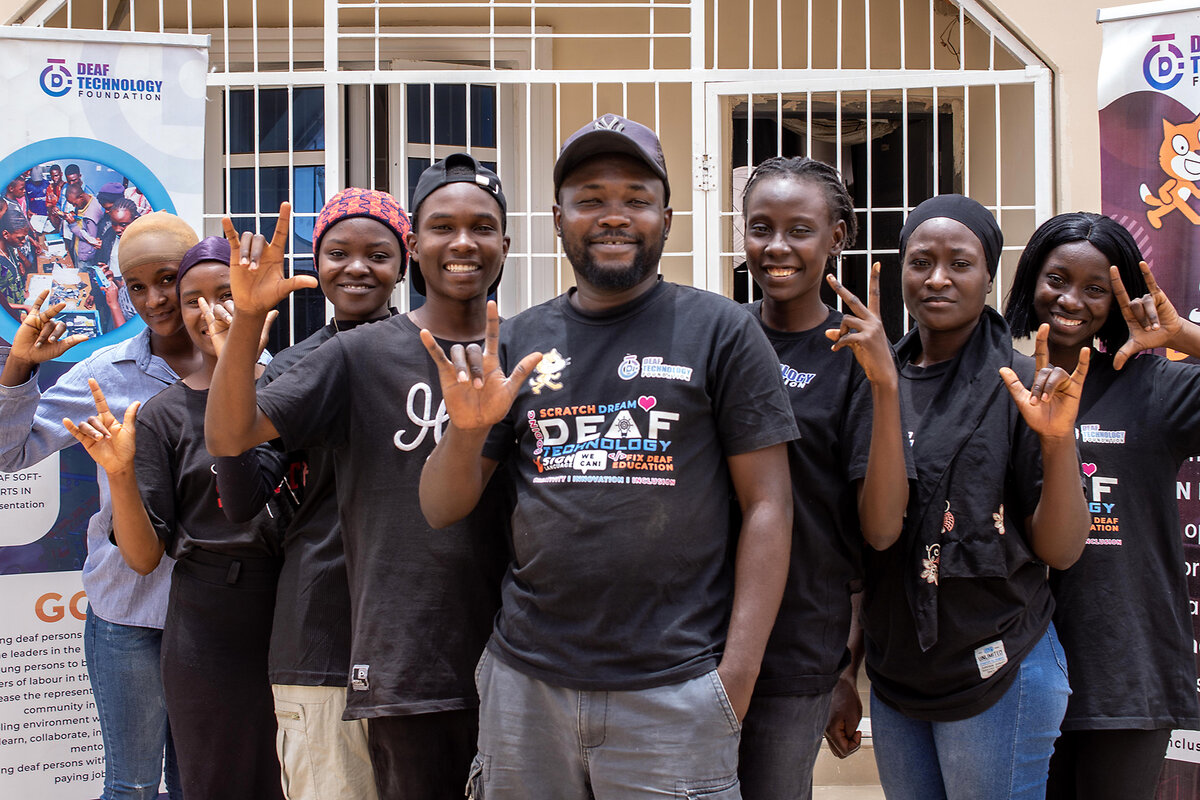
Wuni Bitrus (co-founder of the Deaf Technology Foundation) and some of his students sign “I love you” in Jos, Nigeria.

Things change so fast in our world that I can only hope a positive story I read in June is still true in August. It’s a worry. At the same time, we do know that people keep a good thing going — somehow — even with turmoil all around them.

I preface today’s story with that observation because I have been hearing about protests and riots in Nigeria that started with grievances about the economy and then went berserk as the government overreacted.

Nathaniel Bivan at Christian Science Monitor wrote in June about progress for the deaf community in Nigeria.

“In a one-room apartment in Jos, Nigeria, instructor Wuni Bitrus and almost a dozen students gather around a table cluttered with equipment – a toolbox, a 12-volt adapter, a coding panel, a set of jumper cables, a mix of colored wires. The students’ idea: to build the prototype for a ‘smart’ door that opens with the touch of a finger.

“The students chat back and forth in sign language, and Mr. Bitrus signs back. The group discusses using Arduino, an open-source electronics platform, and one student wonders how fingerprints can be stored. Mindful of Nigeria’s electricity problems, Mr. Bitrus genially advises the group to use a battery-powered keypad lock system first and incorporate a fingerprint feature later. 

“ ‘It works well, rather than waste time reinventing the wheel,’ Mr. Bitrus says. After nodding in agreement, the students excitedly start working.

“This is just another afternoon in a club run by the Deaf Technology Foundation, a nonprofit co-founded by Mr. Bitrus in 2017 that trains Nigerian children and young adults who are deaf in computer programming and robotics. The students also work to improve their reading skills, and receive career guidance and counseling to help them believe in themselves.

“Mr. Bitrus’ … desire to change the prospects of Nigeria’s deaf and hard-of-hearing community was sparked in 2014 by his encounter with a 13-year-old girl while he was teaching as part of the National Youth Service Corps in Zamfara state. Mr. Bitrus had noticed that the teen faced discrimination, and he became determined to learn sign language and teach her to use a computer. Three years later, he marshaled the resources, including funding from the Massachusetts Institute of Technology, to form the Deaf Technology Foundation.

“One of the darkest memories that Mercy Samson Grimah, a foundation student, has about growing up is looking at the faces of people around her and recognizing insults and negative energy directed at her. 

“ ‘That hurt me so bad because I knew in my heart that I could do anything. They just see us as lesser human beings,’ she says. ‘I wanted to show them that deaf people can become whatever they want to be.’ … 

“Ms. Grimah says her private secondary school did not formally teach sign language to her, nor much of anything else. But there was one teacher who knew how to sign, and she taught Ms. Grimah. … She dropped out in her third year because her parents could not pay her school fees, but fortunately, she had already formed a bond with the Deaf Technology Foundation. …

“Five years ago, Ms. Grimah and several other students made a road trip from Jos to Nigeria’s capital, Abuja, to compete in MakeX, a robotics contest. … Although Ms. Grimah’s team was not chosen to go on to represent Nigeria in the international competition, it emerged fourth among about 15 teams.

“ ‘Our team was the only one made up of the deaf,’ says Ms. Grimah, her eyes lighting up.

“Her father, Grimah Samson, adds, ‘What they are doing changed her.’ …

“Joy Yusuf, another Deaf Technology Foundation student, had wanted to become a doctor. But she was moved to a new school where the principal and staff said there was no way that could happen, even though the school welcomed students with disabilities.  

“ ‘It was a blow for me,’ Ms. Yusuf says. ‘I cried. I had to call Mr. Bitrus and my father to beg them, but [the principal and staff] still refused. For me, Deaf Tech is the only way I can have anything close to [studying] medicine.’  Now, she, too, wants to become a web developer.” 

More at the Monitor, here. No paywall.

The part of Nigeria where this story takes places is Jos. Online I found something interesting about it: “The state has over forty ethno-linguistic groups. Some of the indigenous tribes in the state are the Berom, Afizere, Amo, Anaguta, Aten, Bogghom, Buji, Challa, Chip, Fier, Gashish, Goemai, Irigwe, Jarawa, Jukun, Kofyar (comprising Doemak, Kwalla, and Mernyang), Montol, Mushere, Mupun, Mwaghavul, Ngas, Piapung, Pyem, Ron-Kulere, Bache, Talet, Taroh (Tarok), Youm and Fulani/Kanuri in Wase.” Wow.

Read Full Post »

Photo: Ilan Ben Zion.
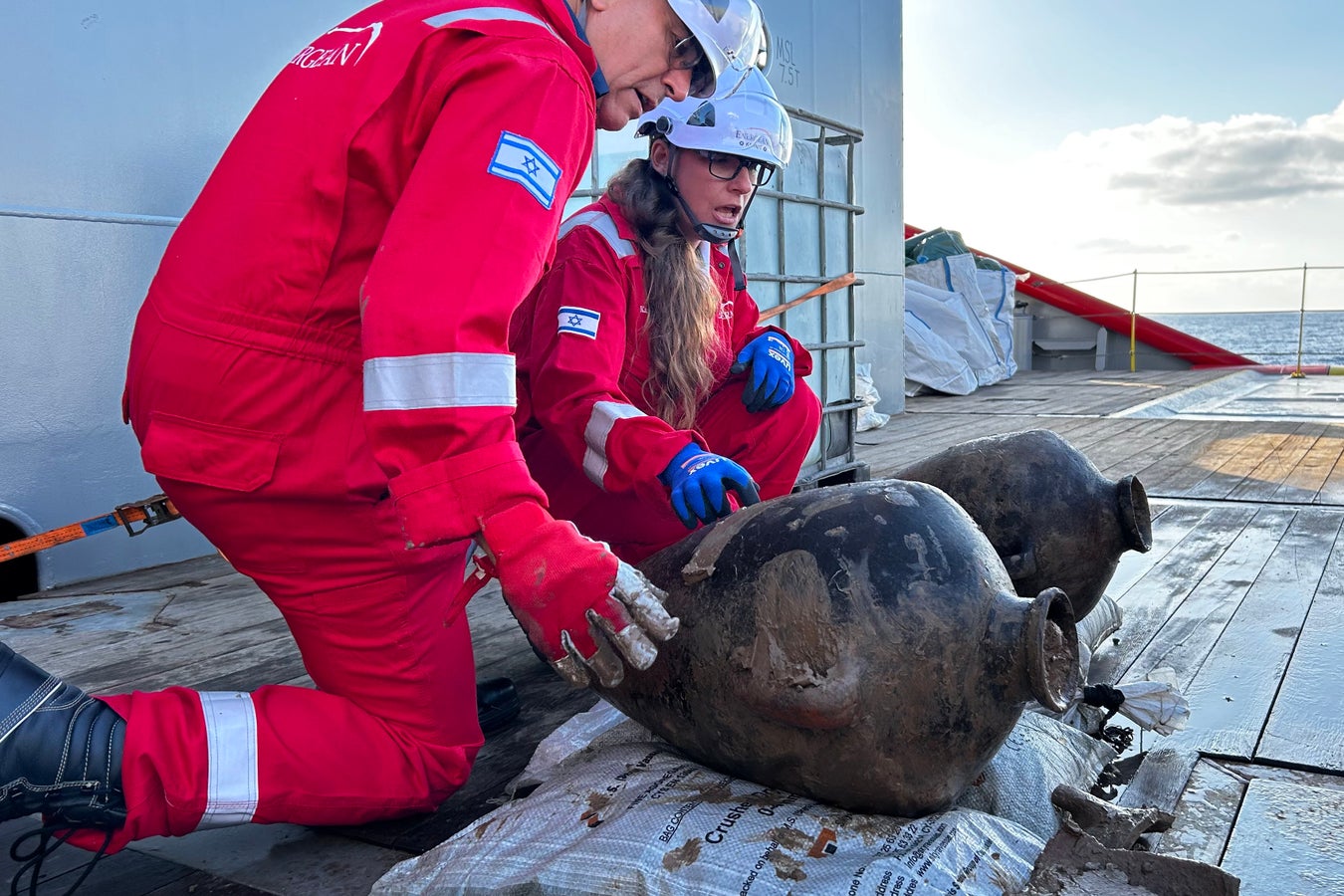
IAA archaeologist Jacob Sharvit (left) and Energean environmental lead Karnit Bahartan examine Canaanite storage jars retrieved from the seafloor of the Mediterranean on May 30, 2024. They are from the Bronze Age (which ran about 3300 to 1200 BC, according to Wikipedia). 

Judging from past comments here, we all like archaeology stories, especially those that explore the mysteries of shipwrecks. It must be something about realizing that nothing is ever completely lost.

At Scientific American, Ilan Ben Zion reports on the recent discovery of a Bronze Age shipwreck in the Mediterranean.

“Golden sunlight fell on the two amphorae, still caked in brown ooze, as they breached the Mediterranean’s waves. Their ascent from the seafloor, more than a mile down and 60 miles from land, had taken three hours. It was the first daylight they had seen in at least 3,200 years, and they came from the only Bronze Age shipwreck discovered in deep waters.

“Archaeologists retrieved these Canaanite storage jars, just two from a cargo of dozens located far off northern Israel’s coast in May.

” ‘It’s the only ship from this period that was found in the deep sea,’ one of the final frontiers of archaeology, says Jacob Sharvit, director of marine archaeology at the Israel Antiquities Authority. Only a handful of other Late Bronze Age ships have been discovered — all of them in shallow coastal waters of the Mediterranean Sea, including in the Aegean Sea.

“Sharvit helped spearhead a complex archaeological operation far offshore, along with the Israel Antiquities Authority (IAA) and offshore gas firm Energean to retrieve the jars from the seafloor.

“In the Bronze Age people shipped these storage jars across the Levant starting around 2000 B.C.E., when maritime trade in the Mediterranean exploded.

“ ‘They’re always either pointy or rounded at the bottom,’ so they rock with ship’s motion but don’t tip over and break, says Shelley Wachsmann, a nautical archaeology expert at Texas A&M University, who was not involved in the research.

“These workaday ceramics evolved so consistently over the centuries that they can be reliably dated with an examination of their shape and design. Based on the recently discovered jars’ neck, the pronounced angle of their shoulders and their pointed base, these amphorae are estimated to date to between 1400 and 1200 B.C.E., the IAA said in a recent press release.

“At that time, the ship and its crew sailed a world of prolific international trade, diplomacy and relative stability in the eastern Mediterranean, which was dominated by the Egyptian and Hittite empires. Merchant ships carrying olive oil, wine, ores, timber, precious stones and numerous other goods plied the seas between Greece, Cyprus, Anatolia, the Levant and Egypt.

” ‘This is the time that the Mediterranean is globalized,’ says Eric Cline, a professor of archaeology at George Washington University. ‘You’ve got lots of commerce, lots of diplomacy and lots of interconnections’ between the Egyptian, Hittite, and Assyrian empires and the lands between them, says Cline, whose newly published book, After 1177 B.C.: The Survival of Civilizations, explores the aftermath of the collapse of this Late Bronze Age international order.

In our own era of globalization, this disintegration draws particular interest among scholars looking for clues into how stable civilizations foundered in the past.

“The first signs of the shipwreck surfaced in 2023, during an environmental survey that Energean conducted ahead of its development of a new undersea natural gas field. The survey’s sonar scans were meant to locate and protect deep-sea ecological hotspots from undersea construction, says Karnit Bahartan, Energean’s environmental lead.

“Subsea surveys of the nearby Leviathan gas field conducted in 2016 by Noble Energy (now part of Chevron) reportedly turned up at least nine deep-sea archaeological sites, including a Late Bronze Age shipwreck. But details of the finds were never disclosed, and the sites were never excavated, according to a Haaretz report in 2020.

“ ‘What we were doing is looking for sensitive areas, sensitive habitats, anything that can be worth saving,’ Bahartan recalls.

“Closer examination of the sonar hits revealed that most were modern trash, Bahartan says as she flips through photographs taken by a remotely operated vehicle (ROV). The images show plastic bags, deck chairs, oil drums and a porcelain toilet, seat included. Occasionally, she says, she and her colleagues might find a solitary amphora or ceramic fragments.

“But one sonar blip turned out to be a large assemblage of jars jutting out of the seabed. ‘I didn’t know if it was something dramatic or not. I just sent it to the [Israel] Antiquities Authority,’ Bahartan says.

“Energean offered the IAA a ride onboard the Energean Star, an offshore supply and construction vessel. … Six hours out of Haifa’s port, the Energean Star hovered over the wreck’s coordinates, and a crane lowered a truck-sized, canary-yellow-and-black ROV into the sea. It took an hour to descend to the bottom. Nearing the seabed, operators released the ROV toward the site. …

“Dozens of jars, nearly identical and about half a meter long, clustered in an oblong patch roughly 46 feet long and 19 feet across. … The ROV circumnavigated the wreck, taking a high-resolution video that would be stitched into a photomosaic of the site. Sharvit picked out a couple jars from the fringes that could be extracted with minimal disturbance.

“Sharvit had hoped to find the ancient crew’s personal effects to help nail down the ship’s origin but spotted none. The IAA is running a so-called petrographic analysis of the ceramics to try to pinpoint where they came from; analyses of residue and trace elements could help identify their contents.

“Cline, who was not involved in the IAA mission or its preliminary study, says the proposed date ‘would place the wreck right in the middle of the most interconnected period of the Late Bronze Age in the Aegean and eastern Mediterranean, which is exciting.’ ”

More at Scientific American, here.

Read Full Post »

Photo: Melanie Stetson Freeman/CSM Staff.
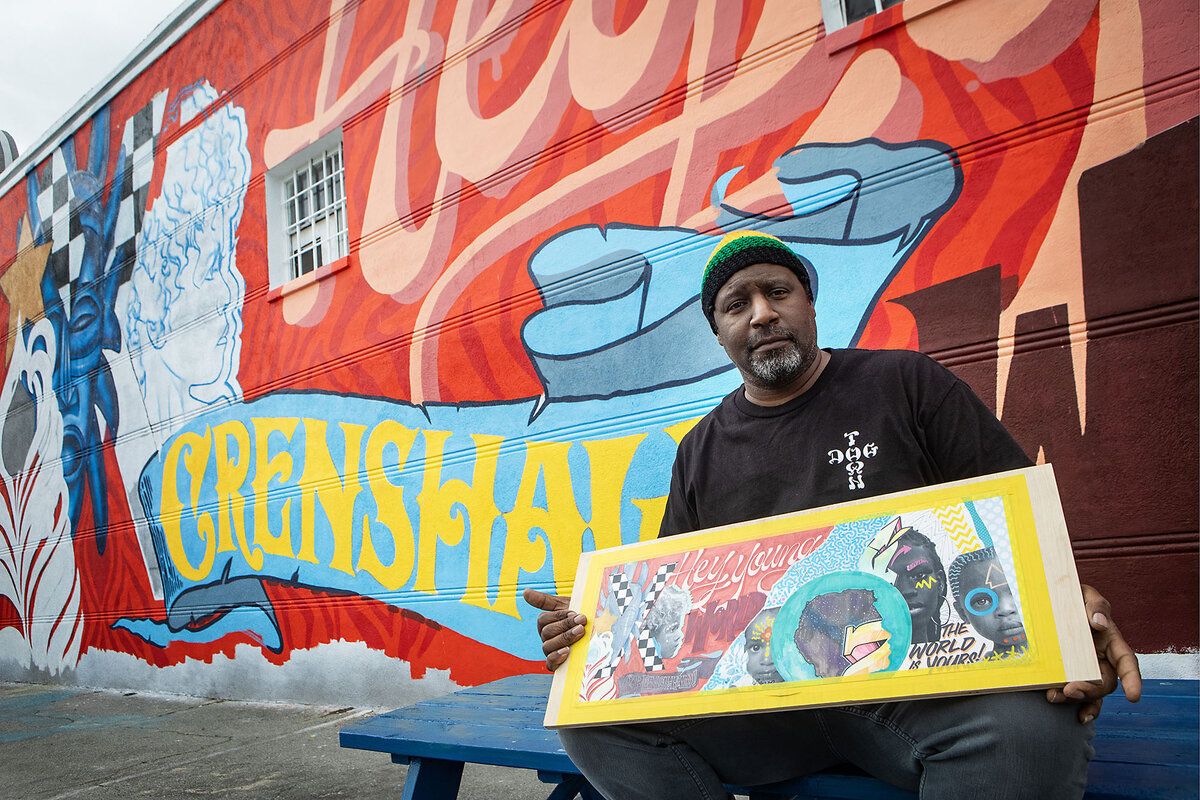
Anthony “Toons One” Martin created this mural as part of a $100 million art-focused initiative in South Los Angeles called Destination Crenshaw.

To bring out the beauty inherent in a marginalized community, you need to get everyone on board. Because the beauty is there.

Ali Martin writes at the Christian Science Monitor about Destination Crenshaw, a part of Los Angeles that used to be known as South Central.

“Growing up in South Los Angeles, Anthony Fagan was ‘very much part of all of the problems that take place in this community,’ he says. Today, he’s overseeing construction on a park that is at the heart of efforts to make the Crenshaw District a must-visit stretch of LA.   

“ ‘We’re going to change lives with this park on so many different levels,’ says Mr. Fagan, an assistant superintendent with PCL Construction. 

“The $100 million initiative has drawn public and private funding to transform a 1.3-mile stretch of Crenshaw Boulevard into the largest Black-centered public art display in the United States. Destination Crenshaw is a holistic plan that weaves economic and community development together with cultural celebration to recast this neighborhood as a tourism center and create economic stability for those who live here – and for generations to come. …

“Destination Crenshaw runs north-south through the Hyde Park neighborhood – part of South LA, known as South-Central Los Angeles until 2003, when the LA City Council changed the name, hoping to dissociate the 16-square-mile area from a reputation for gang violence and race riots. 

“Destination Crenshaw touches three census tracts that fall in California’s highest quartile for poverty and unemployment. On average, about three-fourths of the residents who live in these neighborhoods are Black.

“In the 1950s, South LA had the highest concentration of Japanese Americans in the country. … African American families soon followed, and by the late 1960s, Crenshaw Boulevard was a corridor of flourishing Black-owned businesses. Leimert Park, capping the northern end of the district, was a center of artistic expression.

“Rosemary Williams moved here from Chicago in 1968. She opened Dog Lovers Pet Grooming on Crenshaw Boulevard in 1980. … Ms. Williams’ daughter convinced her to participate in Destination Crenshaw’s mural program, which pairs artists with storefronts. Her reluctance gave way, she said, because of the organizers’ efforts to support small businesses and to clean up the area. …

“Anthony ‘Toons One‘ Martin answered the call. He grew up in South LA in the ’70s, and remembers it as vibrant. He turned a talent for graffiti art into a career and worked around the world as a muralist. … His design is titled ‘Hey Young World,’ inspired by the hip-hop song with the same name. He hopes, in turn, to inspire the youth who live here to take pride in their neighborhood and themselves – and dream big about their futures. … He says, ‘If we want to see [solutions], we have to be a part of that process.’  

“Nobody knows that better than Marqueece Harris-Dawson, City Council member representing the 8th District and a driving force behind Destination Crenshaw. The South LA native came into office as plans were underway to build a light rail station at Leimert Park.

“Residents were upset that the line would be built at street level, instead of below or above ground, bisecting their main throughway and disrupting foot traffic. But Mr. Harris-Dawson took a cue from Beverly Hills, which lobbied to have its light rail at grade to showcase the world-famous shopping district around Rodeo Drive, where palm trees punctuate power lunches and luxury stores.

“He enlisted the Crenshaw community for ideas about building on the city’s investment. … What emerged was a plan to capitalize on the art and culture that radiate from this district, stimulate economic development, and strengthen community ties. …

“People associate Black culture with Harlem, Chicago, or Atlanta, ‘but they don’t think of LA. And it’s because we just don’t put it forward,’ says Mr. Harris-Dawson. … Organizers describe Destination Crenshaw as ‘unapologetically Black.’ Sankofa Park showcases that spirit. The triangle-shaped plot sits across from Leimert Park Station, one of a half dozen pocket parks. …

“Every detail is intentional: The park name – Sankofa – is for the African bird that represents moving forward while learning from the past.”

More at the Monitor, here. No firewall. Subscriptions are reasonable.

Read Full Post »

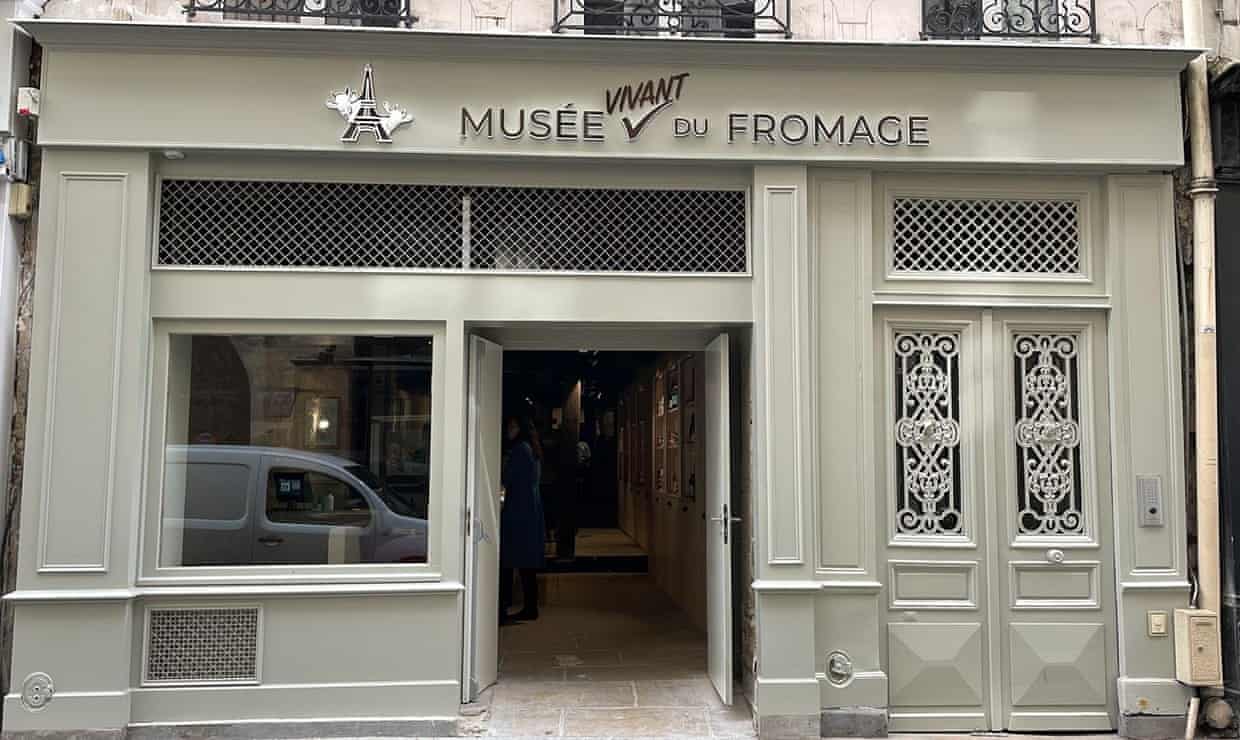
Photo: Capucine Gillier/Musée du Fromage.
The exterior of the newly-opened Musee du Fromage in Paris. The French are estimated to eat about 44 pounds to 60 pounds of cheese per person annually. 

With the eyes of the world on Paris and the summer Olympics just now, it’s a good time to highlight a museum that could only be in Paris: The Museum of Cheese.

Kim Willsher writes at the Guardian, “Say ‘cheese’ and Pierre Brisson is a happy man. The founder of France’s first cheese museum is passionate about the subject – and not just eating it but passing on the traditional skills of cheesemaking to future generations.

“ ‘It’s not an easy job but a marvelous one and there is a real risk that it could disappear,’ he said. … ‘We hear a lot about wines and how they are made and the subtleties of taste and how they are produced and nothing about cheese. Although people like eating it and the demand for cheese is still high, fewer youngsters want to make a career of it.’ …

“Visitors will be charged [~$20] to watch a demonstration of how various cheeses are made, take part in a tasting and learn the history of cheese and regional varieties through interactive displays.

Farmers and agriculture students will be allowed in for free.

“Brisson, 38, the son of Burgundy winemakers, said his passion for cheese developed as a boy. ‘My father would take me to the cheesemonger every Sunday after Mass.’ …

“After studying at the National Dairy Industries School, Brisson set up Paroles de Fromagers to run courses in cheesemaking for the public and training for professionals.

“He chose to locate the museum, which has been a decade in the planning, in Paris to appeal to the French and tourists and to avoid regional rivalries. A plaque reminds visitors of General de Gaulle’s aphorism: ‘How can one govern a country where there are 258 varieties of cheese?’ …

“Brisson said: ‘When I moved to Paris I realized there were lots of places promoting wine, its culture and how it is made and lots of shops selling cheese, but nothing showing people how it is made.’

“He has recruited half a dozen cheesemakers to help visitors understand the art of producing different varieties from live milk, including the role of bacteria, and the animals and the land on which they graze. …

“Agathe de Saint-Exupéry will be one of the experts explaining the process, including how makers ‘read’ the milk and how small details can affect the final product.

“ ‘It’s a very individual process that depends on so many things, even the humor of the animals whose milk is being used. You can make the same good cheese every day, and every day it will taste different. It just cannot be done industrially,’ she said.

“Guillaume Gaubert, a cheesemaker, said the aim was also to remind the French – particularly those living in towns and cities – of their traditional links with the terroir, an untranslatable concept that covers not only the soil, environment and human interactions with it, but a sense of history and geography, and which is a cornerstone of French gastronomy. …

“France has 56 official cheese appellations – registered regional varieties – which is nine more than Italy and more than three times the number in the UK. … The Campagne de France, a cooperative of milk producers, estimates there could be as many as 1,500 different varieties, not including those produced at home in small quantities. …

“Brisson said the museum would be a ‘little window’ on country life in the heart of the capital.

“ ‘My dream is that in 20 years’ time someone will say they decided to become a cheesemaker after visiting the museum.’ ”

More at the Guardian, here.

Read Full Post »

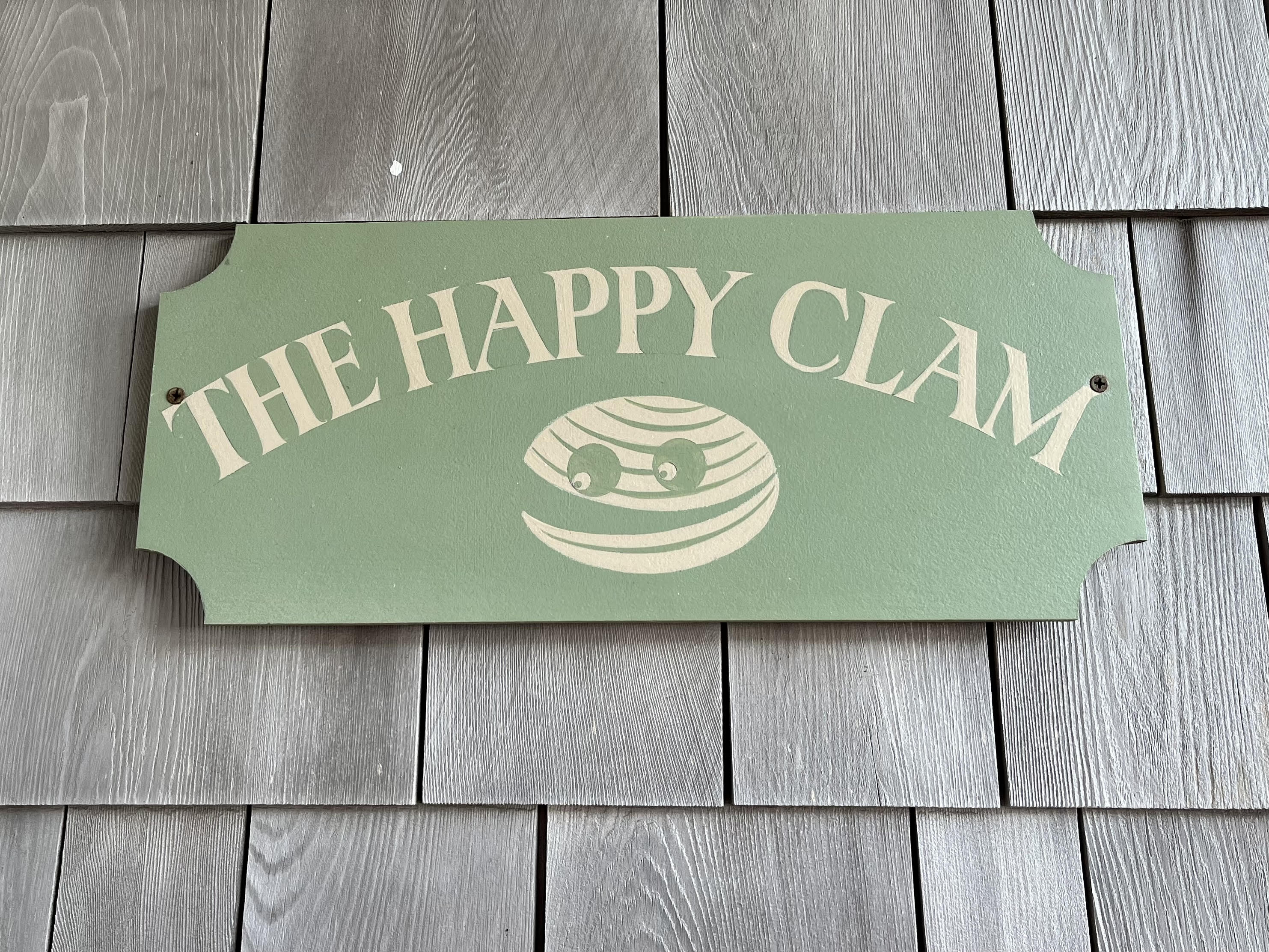
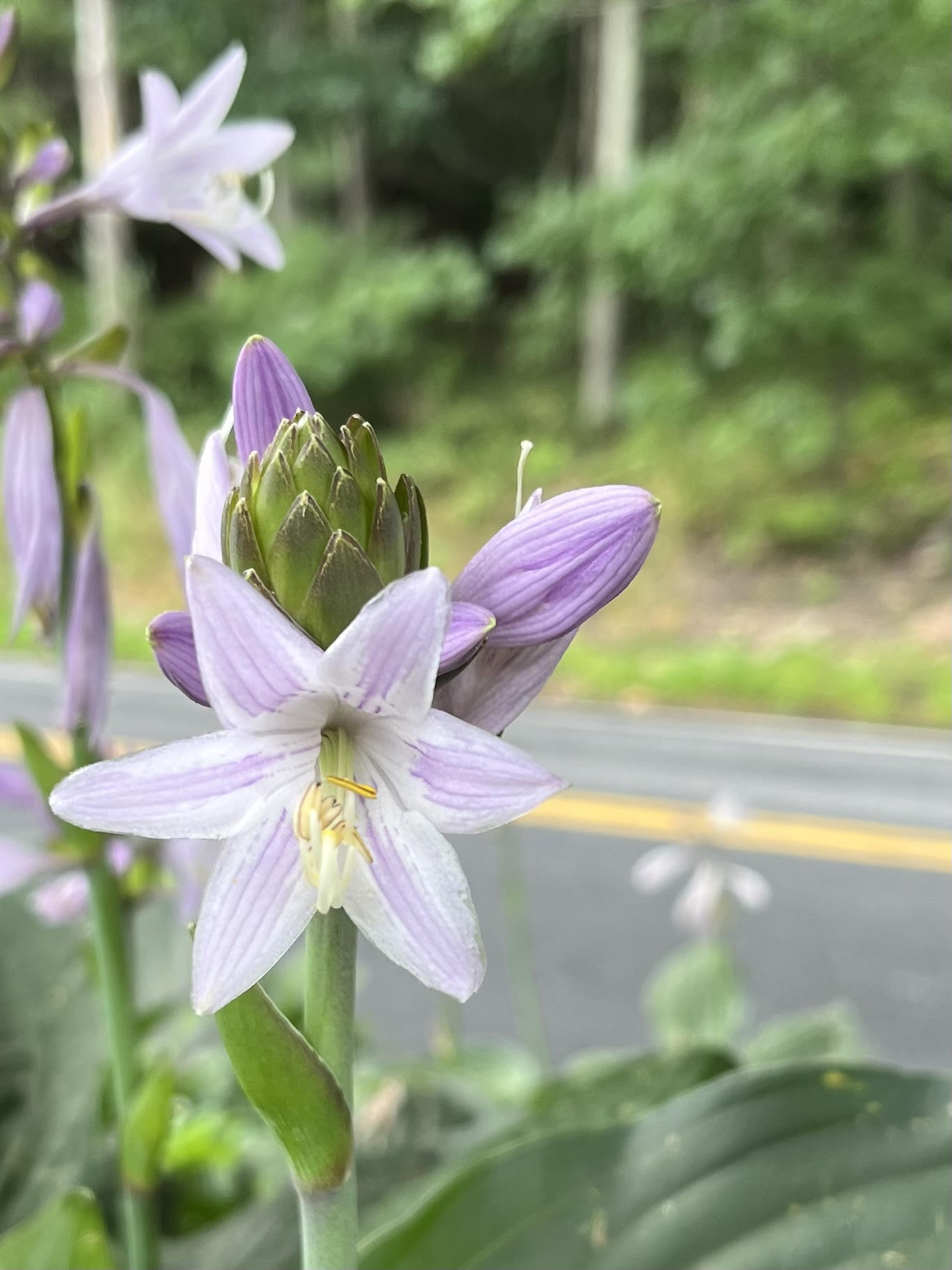
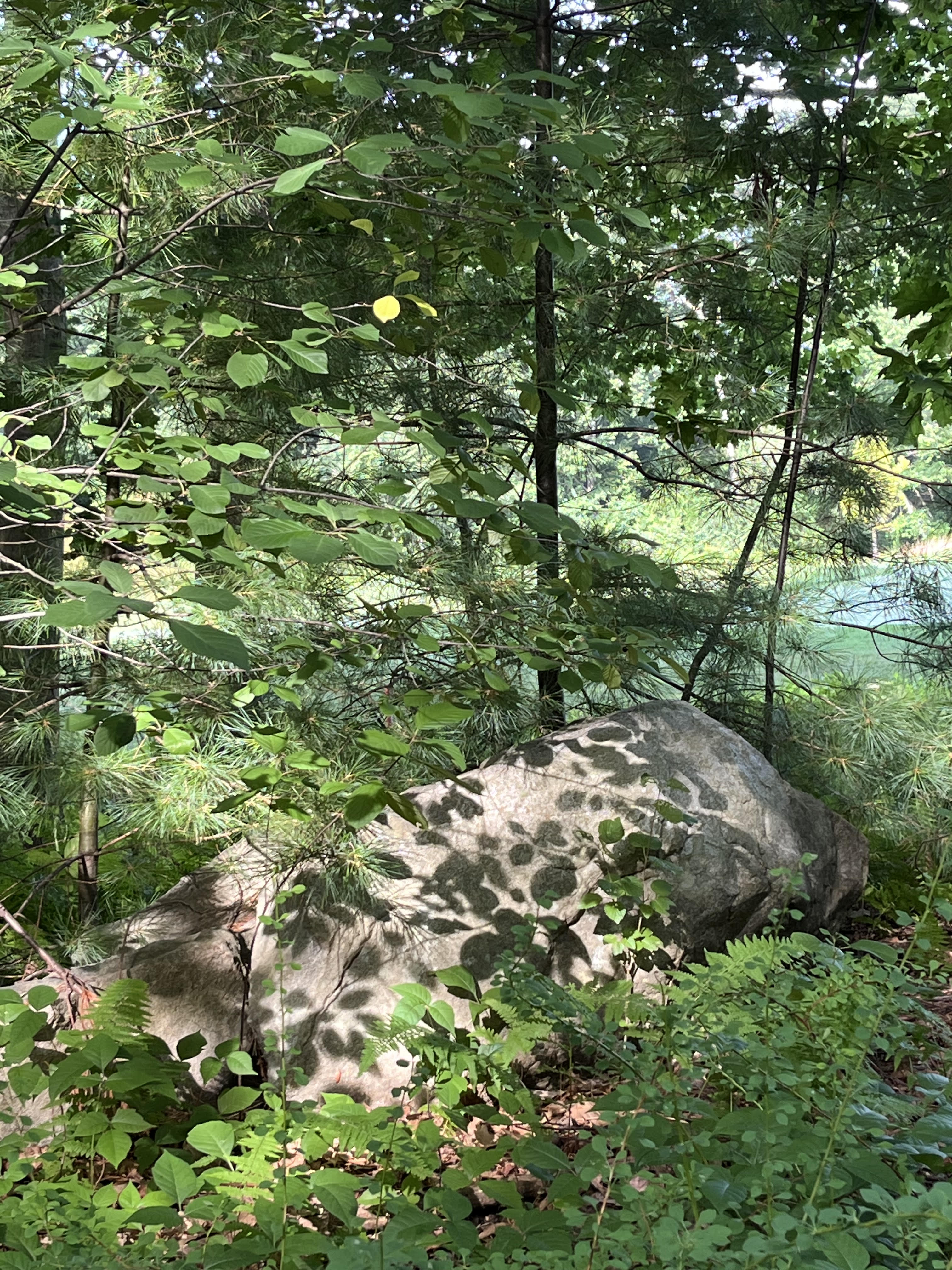
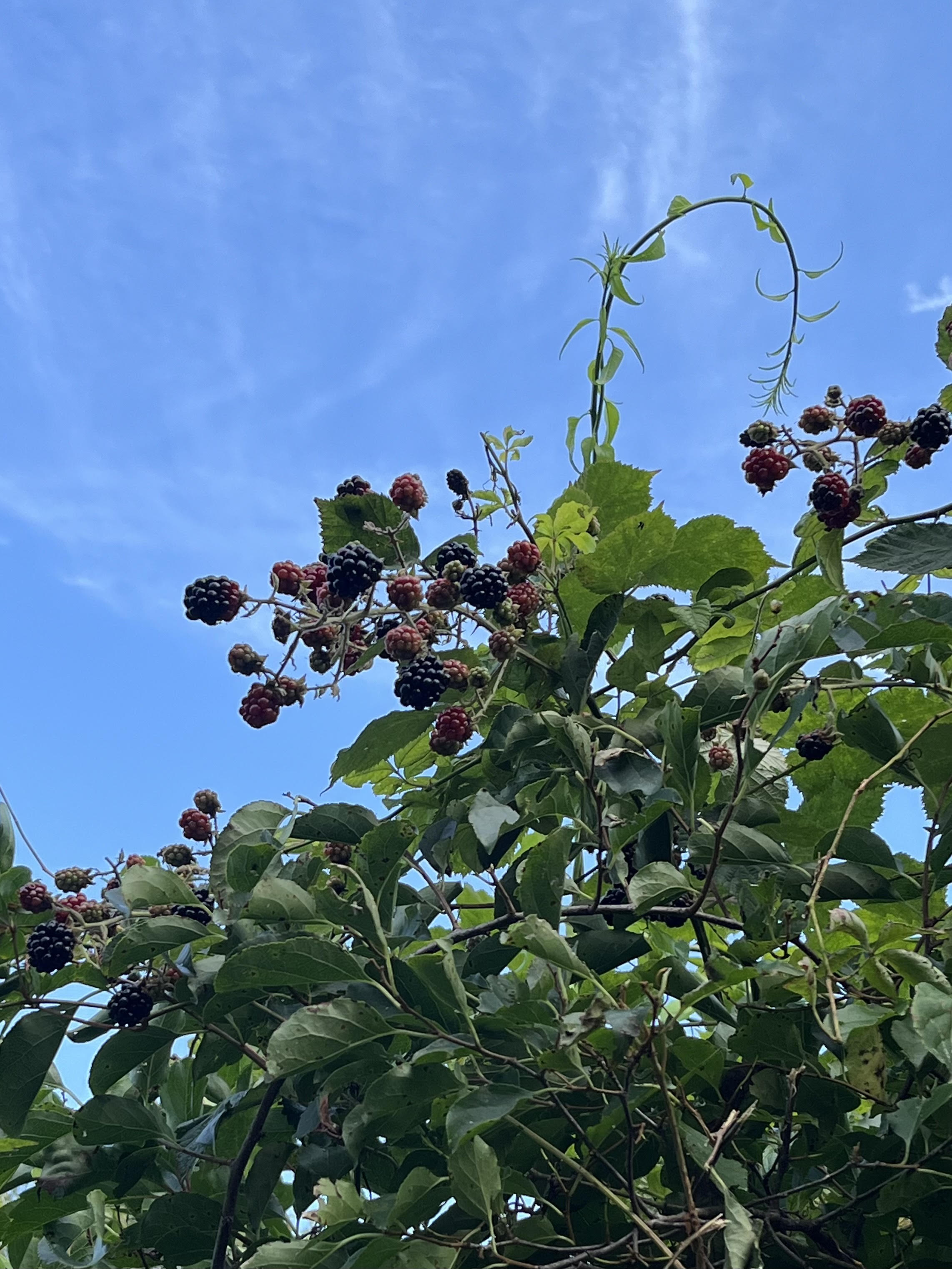
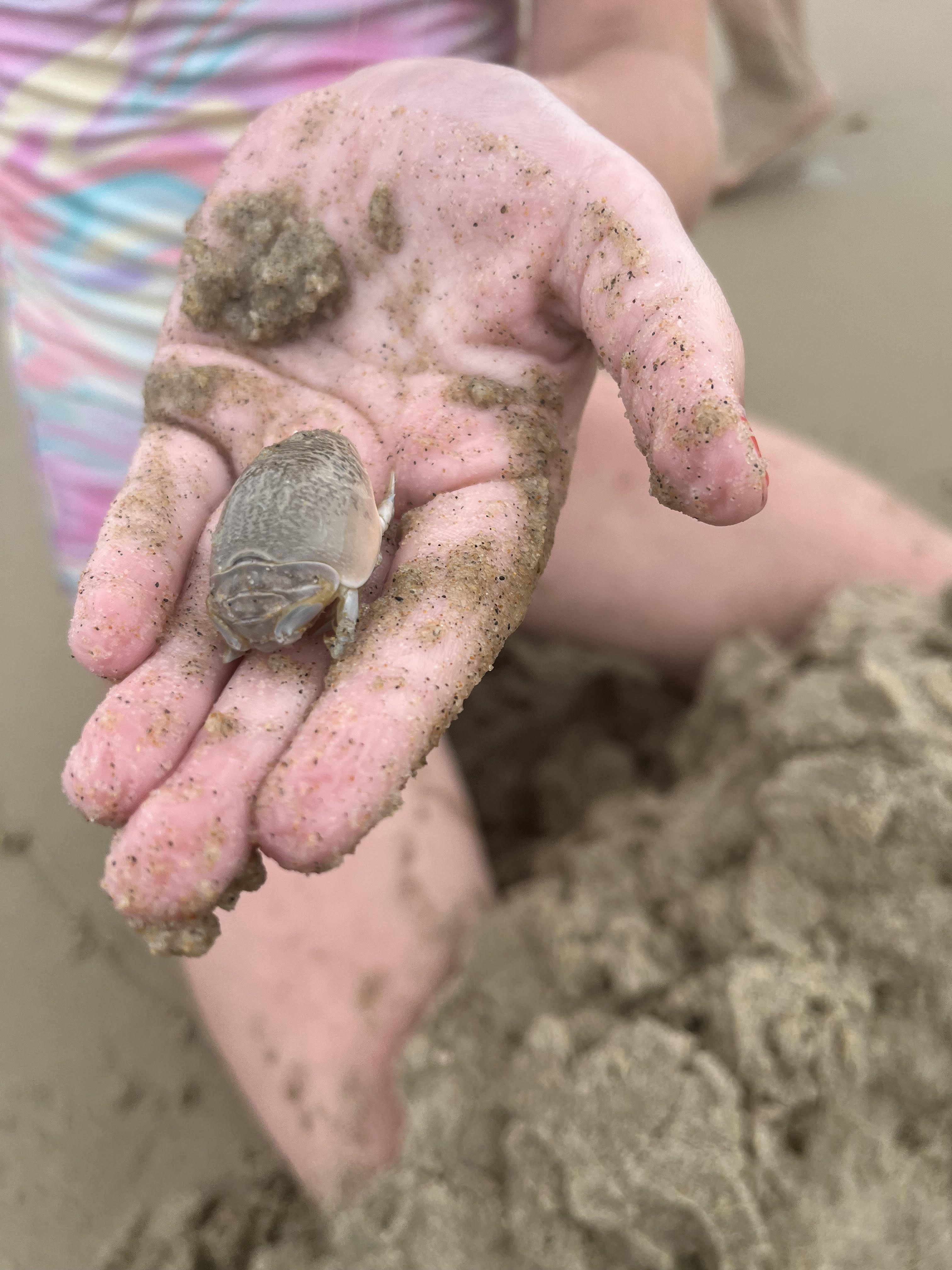
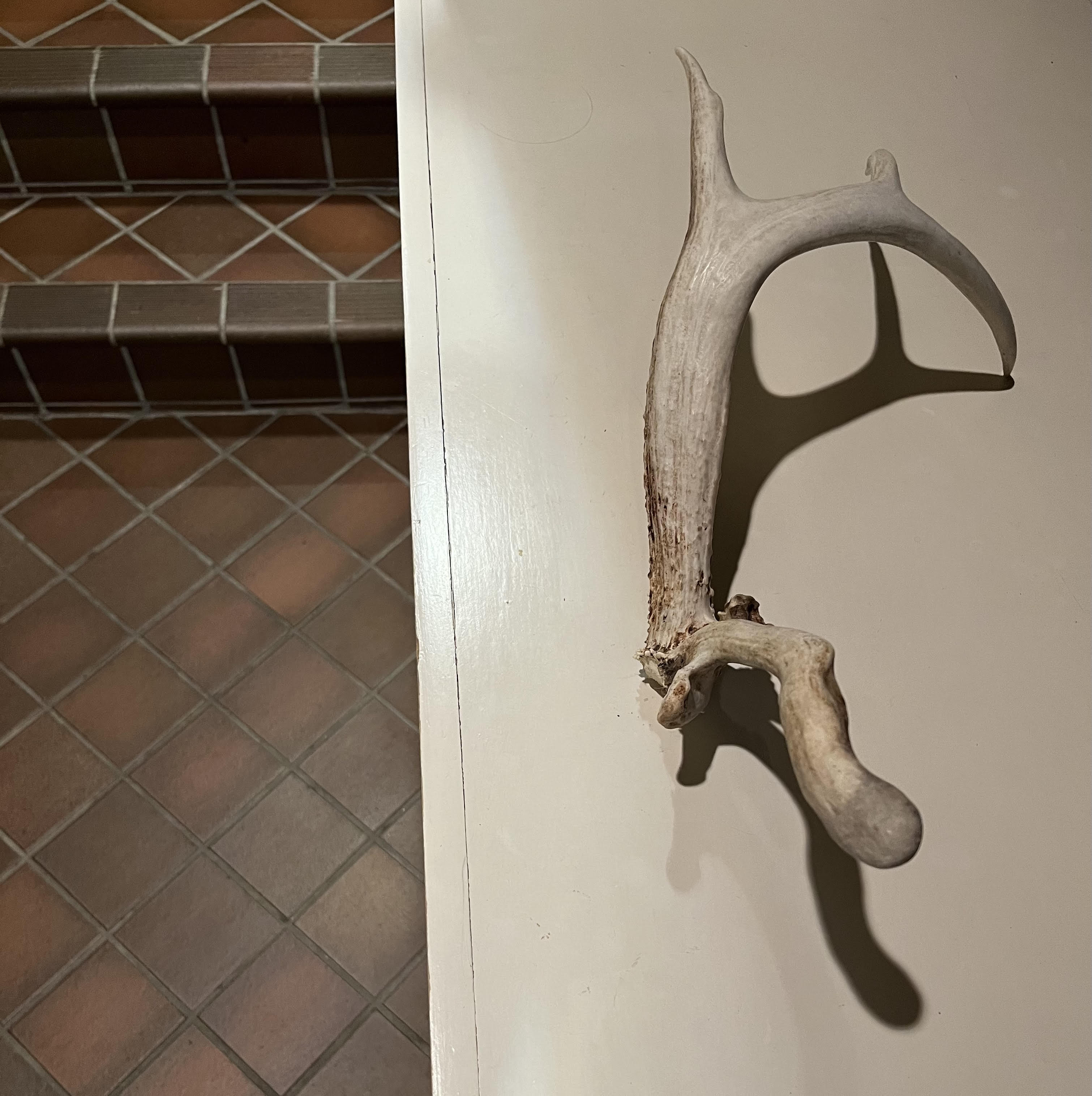
I took a lot of photos in July. The light was so wonderful. If you have questions about what you are seeing here, please let me know in the comments.

I’ll just point out a few things. I took a close-up of a hosta flower. They normally look so droopy. This perky one caught my eye.

The raised flower and vegetable beds were just inaugurated at my retirement community for the many residents with green thumbs. I visit the gardens most mornings and take in the lovely scents. Is anyone else enamored of the way tomato plants smell — the leaves, the stems?

I was wildly excited when a granddaughter dug up a mole crab at the beach. I hadn’t seen one in decades. On Fire Island we used to call them “jumpies.”

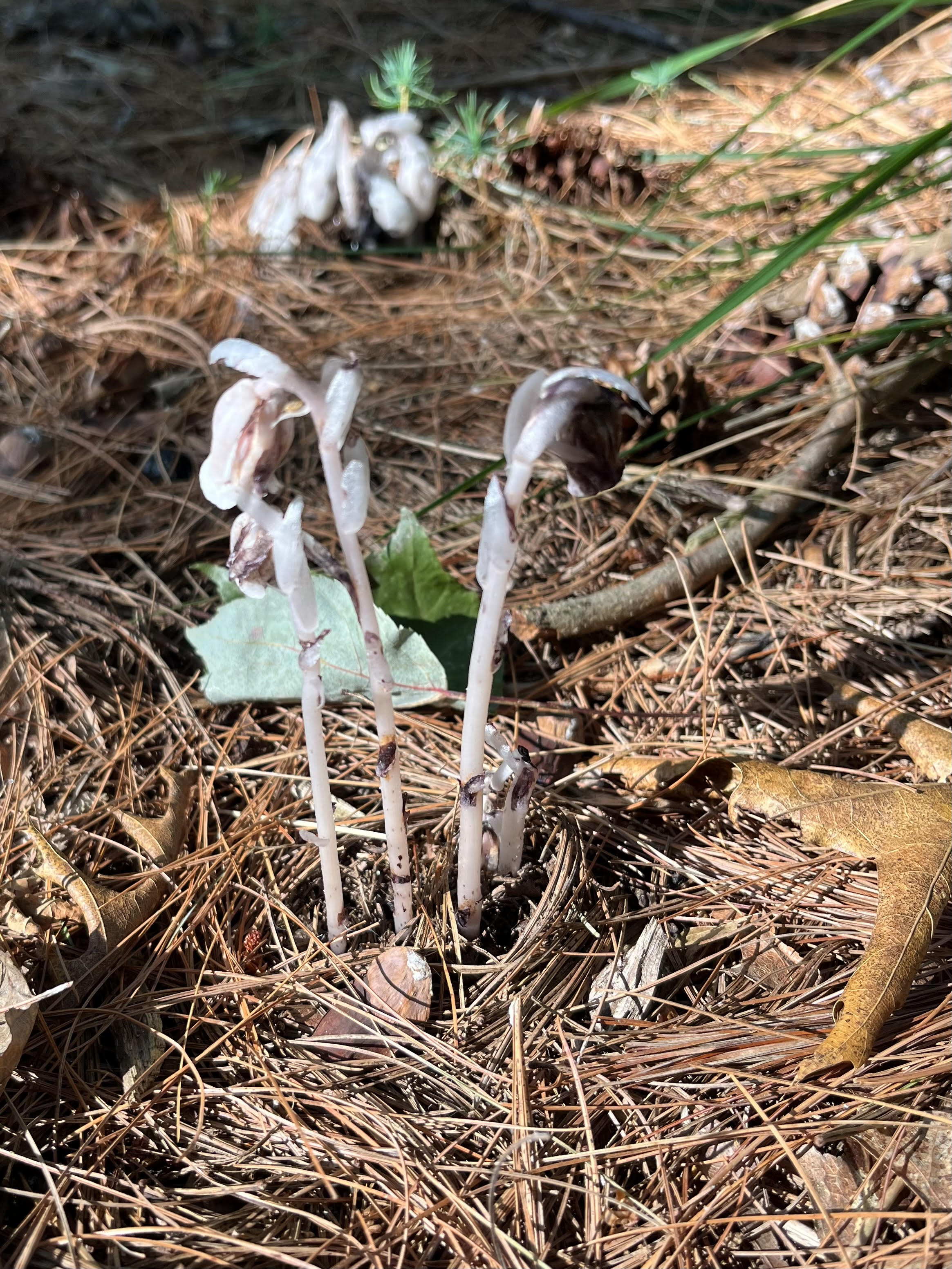
I love Indian Pipes, too.

I greatly appreciated all the birthday flowers — from my son-in-law and from a dear niece and nephew.

There’s a lovely new exhibit of paintings where we live. Notice the light on those buildings.

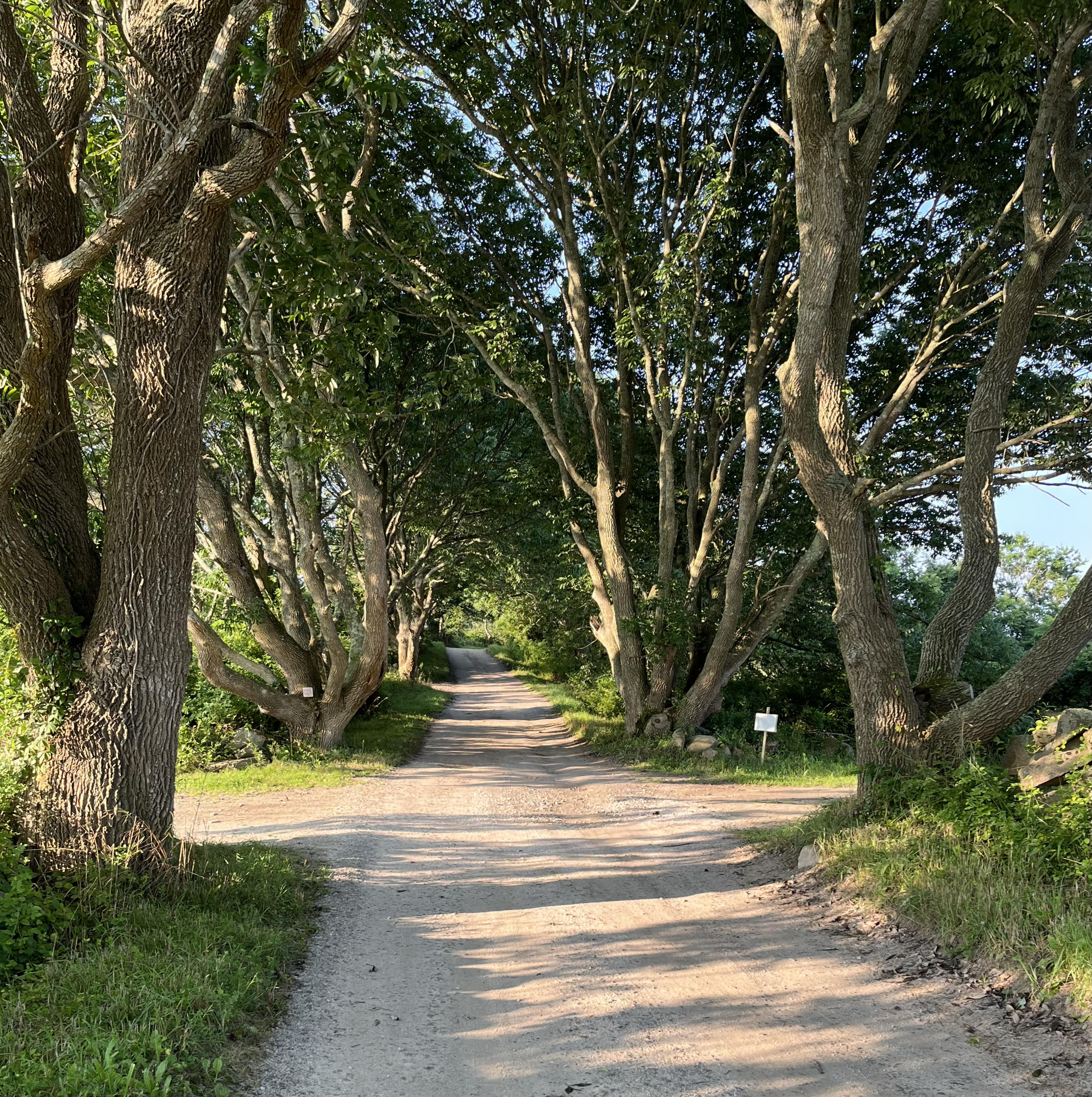
Also notice that a dirt road can make art, too. This dirt road makes leaf prints!

I look forward to comments.

Read Full Post »

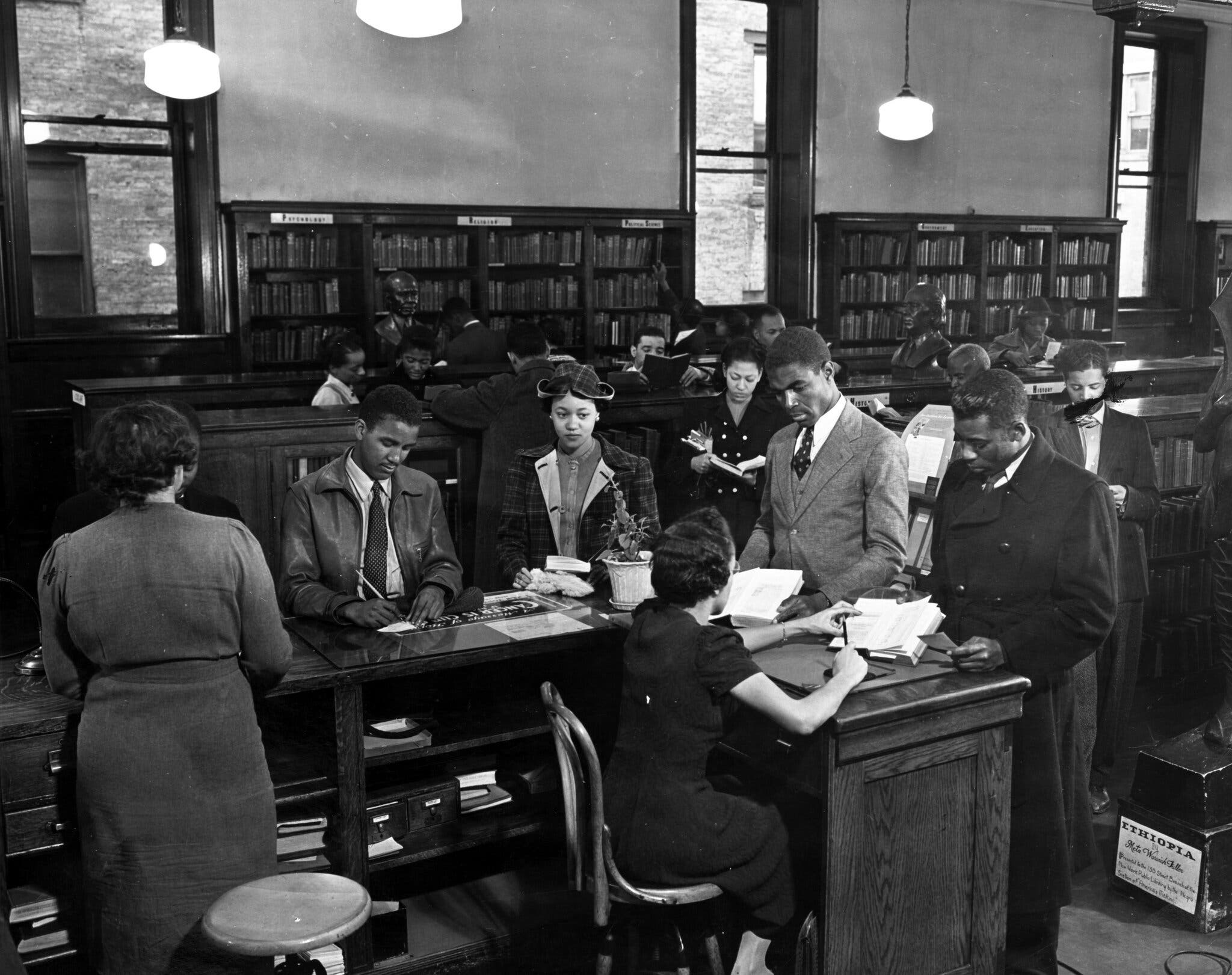
Photo: New York Public Library.
In 1925, the New York Public Library system established the first public collection dedicated to Black materials at its 135th Street branch in Harlem, now known as the Schomburg Center for Research in Black Culture.

I have read numerous accounts of what a public library has meant to poor children with insatiable curiosity. The most recent was the autobiography Up Home by future intellectual and university president Ruth J. Simmons. She grew up in a desperately poor Black sharecropper’s family in Texas. Books and encouragement from Black teachers meant everything.

Meanwhile in Harlem, Black librarians meant everything to generations of Northern children.

Jennifer Schuessler reports at the New York Times, “It was a banner day in the history of American libraries — and in Black history. On May 25, 1926, the New York Public Library announced that it had acquired the celebrated Afro-Latino bibliophile Arturo Schomburg’s collection of more than 4,000 books, manuscripts and other artifacts.

“A year earlier, the library had established the first public collection dedicated to Black materials, at its 135th Street branch in Harlem. Now, the branch would be home to a trove of rare items, from some of the earliest books by and about Black people to then-new works of the brewing Harlem Renaissance.

“Schomburg was the most famous of the Black bibliophiles who, starting in the late 19th century, had amassed impressive ‘parlor libraries’ in their homes. Such libraries became important gathering places for Black writers and thinkers at a time when newly created public libraries — which exploded in number in the decades after 1870 — were uninterested in Black materials, and often unwelcoming to Black patrons.

“Schomburg summed up his credo in a famous 1925 essay, writing, ‘The American Negro must remake his past in order to make his future.’ In a 1913 letter, he had put it less decorously: The items in his library were ‘powder with which to fight our enemies. …

“Today, figures like Schomburg and the historian and activist W.E.B. Du Bois (another collector and compiler of Black books) are hailed as the founders of the 20th-century Black intellectual tradition. But increasingly, scholars are also uncovering the important role of the women who often ran the libraries, where they built collections and — just as important — communities of readers.

“ ‘Mr. Schomburg’s collection is really the seed,’ said Joy Bivins, the current director of the Schomburg Center for Research in Black Culture, as the 135th Street library, currently home to more than 11 million items, is now known. ‘But in many ways, it is these women who were the institution builders.’

“Many were among the first Black women to attend library school, where they learned the tools and the systems of the rapidly professionalizing field.

On the job, they learned these tools weren’t always suited to Black books and ideas, so they invented their own.

“At times, they battled overt and covert censorship. … But whether they worked in world-famous research collections or modest public branch libraries, these pioneers saw their role as not just about tending old books but also about making room for new people and new ideas.

“ ‘These librarians were very tuned in and understood that a cultural movement also needs a space,’ said Laura E. Helton, a historian at the University of Delaware and author of the recent book Scattered and Fugitive Things: How Black Collectors Created Archives and Remade History. …

“In the 1920 census, only 69 of the 15,297 Americans who listed their profession as librarian were Black. Many cities in the segregated South had no library services at all for Black citizens. And even in the North, those branches that did serve them often had few books geared to their interests, and sometimes no card catalogs or reference collections at all.

“That started to change, if slowly. In 1924, in Chicago, Vivian Harsh became the first Black librarian to lead a public library branch there. [But] no place captures the transformations of the era more than Harlem, where, starting in 1920, a white librarian named Ernestine Rose hired four young Black librarians at the 135th Street library. …

“The poet Arna Bontemps (who himself later became a librarian) recalled visiting the 135th Street library after his arrival in Harlem in 1924. ‘There were a couple of very nice-looking girls sitting at the desk, colored girls,’ he said. ‘I had never seen that before.’ …

“Other ‘girls’ at the branch fostered the neighborhood’s artistic ferment in different ways. Among them was Regina Andrews, a young librarian from Chicago (where she was mentored by Harsh) who came to New York City on vacation in 1922 and decided to stay. She … soon settled into an apartment at 580 St. Nicholas Avenue with two friends who worked at Opportunity, a new magazine that aimed to capture the creative ferment bubbling up in Harlem. Nicknamed Dream Haven, the apartment quickly became a salon and crash pad for some of the most celebrated figures of the period.

“It was there that Alain Locke held some planning meetings for the special issue of the Survey Graphic magazine that later grew into his landmark 1925 anthology The New Negro. And it was there that many Black artists and writers who attended the 1924 Civic Club dinner now recognized as an opening bell of the Harlem Renaissance gathered.”

Read more at the Times, here.

Read Full Post »

« Newer Posts - Older Posts »