Feeds:
Posts
Comments

Archive for the ‘Uncategorized’ Category

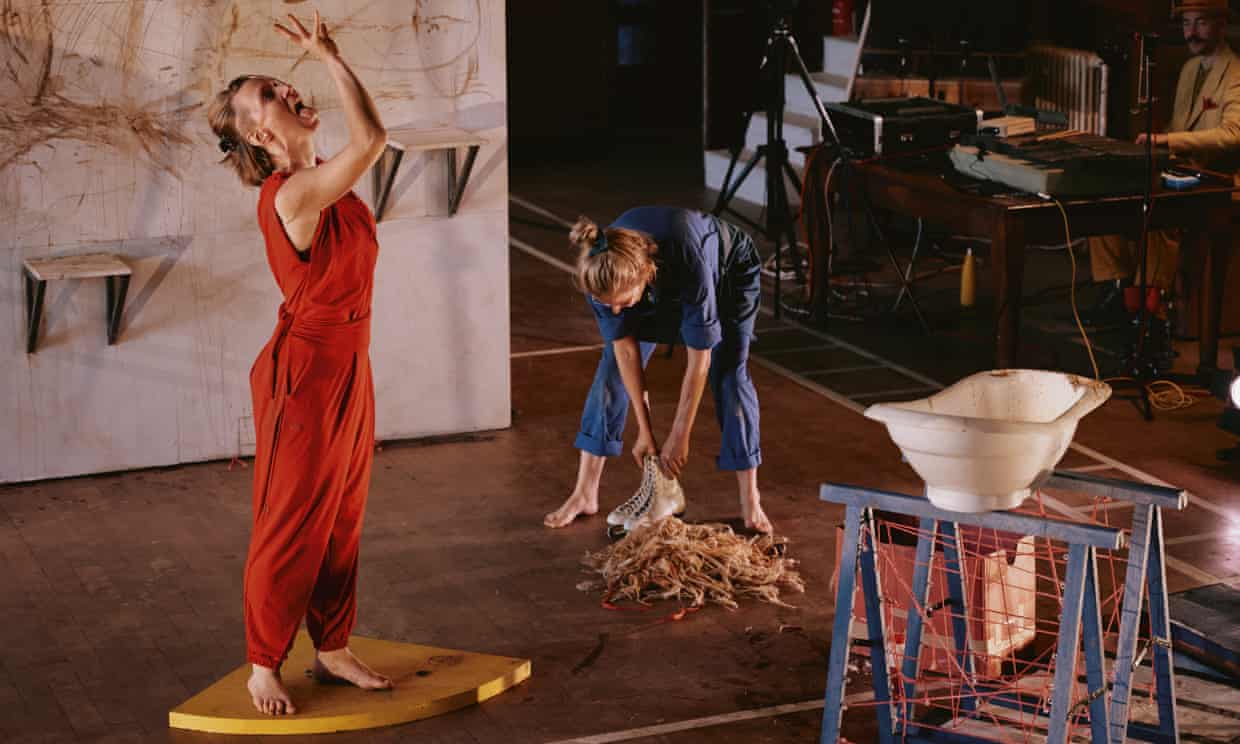
Photo: Luke Waddington.
At Cambois Miners Welfare Institute, Esther Huss’s avant garde dance group involved local residents in performing Stairwall. Another choreographer in the north of England tapped local low-income children for a production and realized that it would be practical to make costumes that the kids could keep.

When the arts engage local people, they learn fast that fantasy tied to the practical concerns of daily life works best.

Lyndsey Winship reports at the Guardian on dance groups in the UK that are serious about involving the community.

“On the beach, the sand is black-flecked with coal. The pit closed in 1968, houses condemned and residents pushed to move out. But people stayed. ‘There’s not much in the way of anything really,’ says one local resident, Becca Sproat, except for a strong sense of community.

“This isolated patch of Northumberland seems an unlikely place for the German choreographer Esther Huss to have set up shop, after 20 years in London. But her husband, the playwright Alex Oates, who grew up down the coast in Whitley Bay, brought her here. ‘I fell in love with the oddness of this place, this meeting of the industrial and nature and being slightly outside mainstream society. It’s creatively interesting,’ she says. …

“In the middle of a row of brightly painted houses stands the Cambois Miners Welfare Institute, built in 1929. It had been unused for more than a decade until Huss asked to have a look inside. … Huss and Oates took on the lease, shared with the local boxing club. So there is a boxing ring on the hall’s stage and leather punchbags along one wall. As well as Huss making her own work here, she runs a dance group, and Oates runs a writing group, shivering through the winter with no heating and scraping together funding to keep everything free. Some artists pay lip service to reaching new audiences, Huss and Oates are actually living it. Next is a two-year project Cambois Creates, to make a memorable event for the whole community.

“Huss’s choreography is inspired by dadaism, German expressionism and the Japanese dance-theatre form butoh, and in the Cambois dance group, she encourages novice dancers to create their own movement.

‘My family howl at me,’ laughs 61-year-old Alison Johnson, ‘ “Oh mam, show us your latest interpretive dance!” But it’s nice to do something different,’ she says.

“ ‘It’s become such a safe environment where we all get out of our comfort zone, because we trust each other, because of Esther. It’s special.’

“Sproat, 33, had been stuck at home for 16 months during the pandemic when she got a leaflet through the door. ‘Something about a dance group, and I just laughed and binned it, because there’s no way I was going to do that. Or so I thought!’ she says. Desperate to get out of the house, she agreed to volunteer at the Institute, ‘And somehow Esther’s enthusiasm rubbed off on me. I’m not a dancer,’ says Sproat, who has some mobility issues, ‘but I’ve learned how to express myself through movement. I’m a lot more confident than I was.’ …

“You’re a long way from the London bubble and for artists working here that can be part of the appeal. ‘Moving up here, it changed everything,’ says Huss. ‘I always felt like, does London need another dance piece?’ Liv Lorent, who moved to Newcastle 30 years ago, tells me the same: ‘London didn’t need another choreographer.’ Lorent only planned to stay a few months, but fell in love with the people, the light, the beauty, the audiences. [They’re] no-nonsense, there’s no woolliness, she says, but there’s always a sense of humor. …

“Lorent describes herself as ‘all heart and idealism’ and being in the north-east has allowed that. Like Huss, she’s long been committed to community involvement. Her company, balletLORENT, recently moved into a 1930s former school building in Newcastle’s deprived West End. Lorent frequently works with local adults and children in performances. She tells me about one project where there was a costume budget, but knowing some of those children were in need of every day clothes, she made the costumes something they could take home and wear after the show. It’s about creating fantasy, while living in the real world.

“Huss likes to take her fantasies into the real world. Her last piece, Stairwall, toured in unconventional venues including a timber merchants in North Shields. She heard that some of the male staff were expecting the dancers to arrive in heels and sexy outfits – ‘It’s quite blokey up here sometimes’ – so they must have been surprised by Huss’s multidisciplinary dance-theatre. But some of the men were game to be part of the performance, one telling Huss: ‘When I die, this is going to be one of the proudest days of my life.’ She loves seeing how people respond to her work. ‘I’m not pretending everyone liked it, but generally people were really open to it,’ says Huss.

“ ‘I was surprised how immersed I became in it,’ says Johnson. ‘I found myself becoming quite emotionally charged. The fact that she’s showcased these within Cambois, I remember feeling very privileged that something you would see on a stage in a major town or city was on in Cambois Institute!’

“ ‘I didn’t think I would actually like it,’ says Sproat, ‘But it was just so inspiring. Esther and Alex lived in London and there’s millions of opportunities down there. So for them to come here is amazing.’ ”

More at the Guardian, here.

Read Full Post »

People from the Maasai community, one of the oldest tribes in East Africa, live in a semi-nomadic state and have had to go to the UN to try to preserve a pastoral way of life.

I love reading about other cultures. Today’s article is about Maasai people living in Tanzania. It is unfortunately a worrisome story, the only upbeat aspect being that forums exist where indigenous people can fight for rights and that they are starting to use those resources.

Joseph Lee’s Grist article was reprinted at Salon.

“In Tanzania, the Indigenous Maasai face an ongoing, violent campaign to evict them from their lands and make way for protected conservation areas and hunting reserves. [In April, several were] in New York to ask the U.N. Permanent Forum on Indigenous Issues, or UNPFII, to tell Tanzania to stop taking their cattle, remove its security forces, establish a commission to investigate disputed lands and displaced people, and allow international human rights monitors to visit without restrictions. 

” ‘We, the Maasai people of Loliondo and Ngorongoro in Tanzania, are fighting against the Tanzanian government and wildlife trophy hunters who are threatening our livelihood, culture, ancestral wisdom, legacy, and basic human rights,’ Edward Porokwa, executive director of the Pastoralists Indigenous Non Governmental Organization’s Forum, said. …

“The Maasai land conflict in Tanzania is focused on two main areas: the Ngorongoro Conservation Area and Loliondo. The Ngorongoro Conservation Area is a UNESCO World Heritage Site that attracts over half a million visitors every year for safaris to see the park’s ‘Big 5’ game — elephants, lions, leopards, buffalo, and rhinoceros. Around 80,000 Indigenous Maasai call the park home, but have faced decades of government efforts to push them off their land.

“In a statement delivered at the Permanent Forum, Porokwa said that, since June 2022, the government has closed four nursery schools, nine water sources, and six mobile health clinics. The government says that Maasai are voluntarily leaving the area for resettlement sites, but the Maasai say that they are essentially being forced out. ‘It is a forceful relocation by ensuring that people don’t get the basics,’ Porokwa said. ‘They are there to die.’ 

“And in Loliondo, which is legally demarcated Maasai village land, state security forces shot at Maasai in a violent campaign to drive them from their lands [in June 2022]. In the attack, dozens of Maasai were injured and many fled across the nearby border to Kenya for medical attention. At least two dozen others were arrested, while some were not permitted to leave their homes. 

“[Nine] United Nations experts raised concern about forced evictions and resettlement plans, but the Maasai representatives at the United Nations say that the government has not changed its approach. … Tanzania has taken or killed over 600,000 of their cows and demanded over $2.5 million in fines for grazing. This is all part of what Maasai say is a massive campaign to destroy their pastoralist way of life. 

“At the Permanent Forum, a representative from the Tanzanian government pushed back on the Maasai’s claims, pointing to the East African Court of Justice’s 2022 dismissal of an eviction case brought by the Maasai, stating that the Maasai could not prove their claims about violent evictions. …

“In January, the African Commission on Human and Peoples’ Rights conducted a monitoring visit to investigate the situation. But Maasai community organizations say that at every step, the visit was controlled by the government. Commission representatives were shepherded around by state security forces who intimidated Maasai and excluded them from some meetings. Some Maasai waited for hours to speak with the Commission, only for them to never show up. While the Commission’s final report on the visit did express concern about the situation, it also commended Tanzania’s commitment to protecting human rights. The Commission also recommended starting new consultations with the Maasai, as well as addressing their concerns about the resettlement program. 

“In December, José Francisco Calí Tzay, the United Nations Special Rapporteur on the rights of indigenous peoples was scheduled for a week-long visit to Tanzania, but the visit was indefinitely postponed. Maasai leaders believe that the visit was scuttled out of concern that the Special Rapporteur would not be given full access to investigate. …

“With few options remaining, the Maasai have turned to the Permanent Forum to raise their concerns. Briane Keane is the director of Land is Life, an international organization that works with Indigenous peoples, including providing travel funding, medical assistance, and security assessments to the Maasai. Keane says that the United Nations is an important platform for the Maasai. ‘It’s a place where they can be heard. The government of Tanzania is not listening,’ he said. 

“The Maasai hope that international pressure may convince the government to finally listen to their concerns. But speaking out on the international level also comes with risks for the Maasai. Several leaders who spoke out against government abuses were forced to flee the country for their safety

” ‘Indigenous peoples are the most among the most criminalized peoples of the world,’ said Keane. ‘There’s people being thrown in jail. There are threats. So it’s very dangerous work sticking up for your rights when you’re as marginalized as the Maasai are in Tanzania.’ “

Man, if your gripe is against the government, you really don’t want the government’s security forces leading the tour for the human rights inspectors! That should be a given. More at Grist, here. No firewall.

Read Full Post »

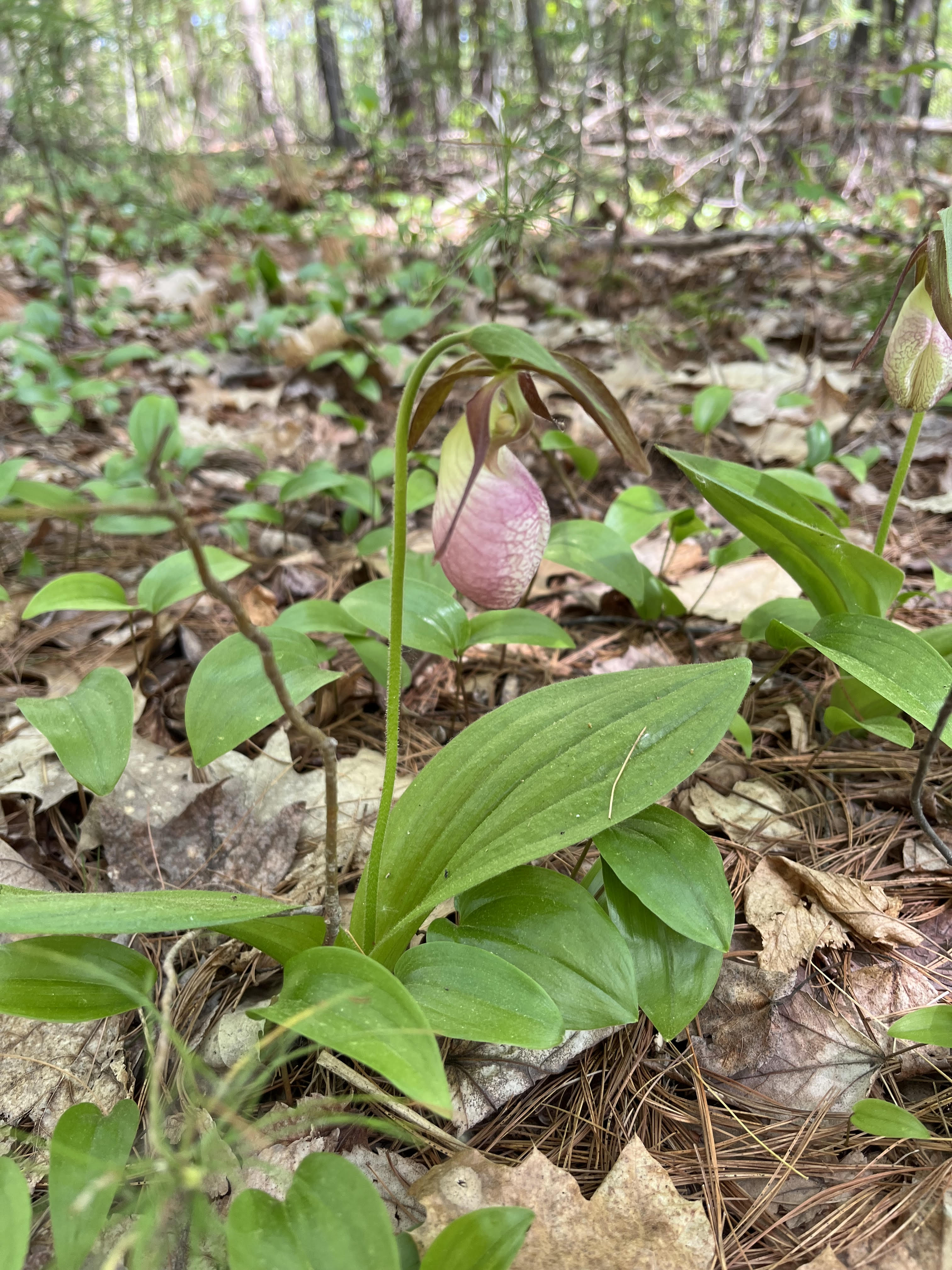
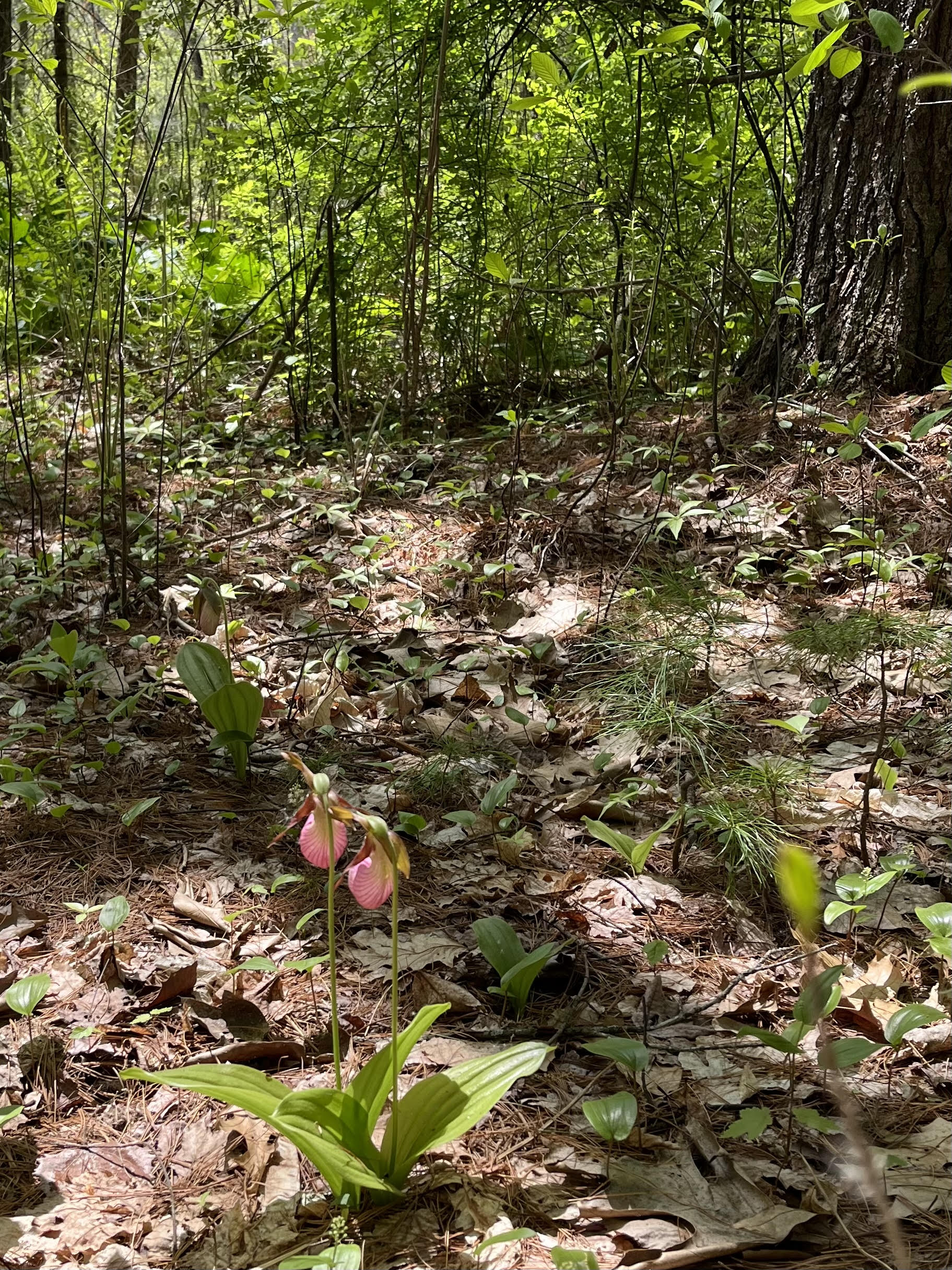
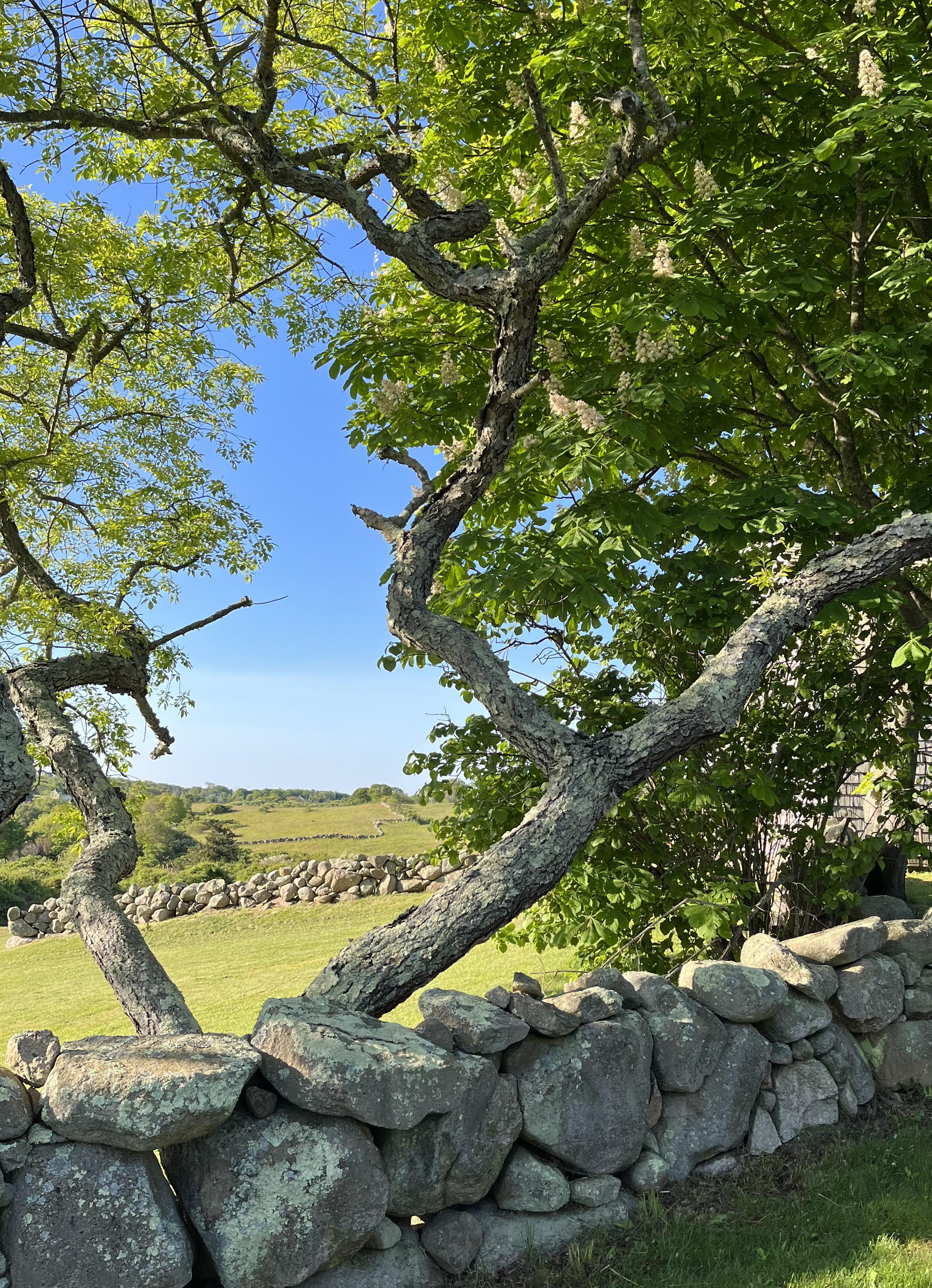
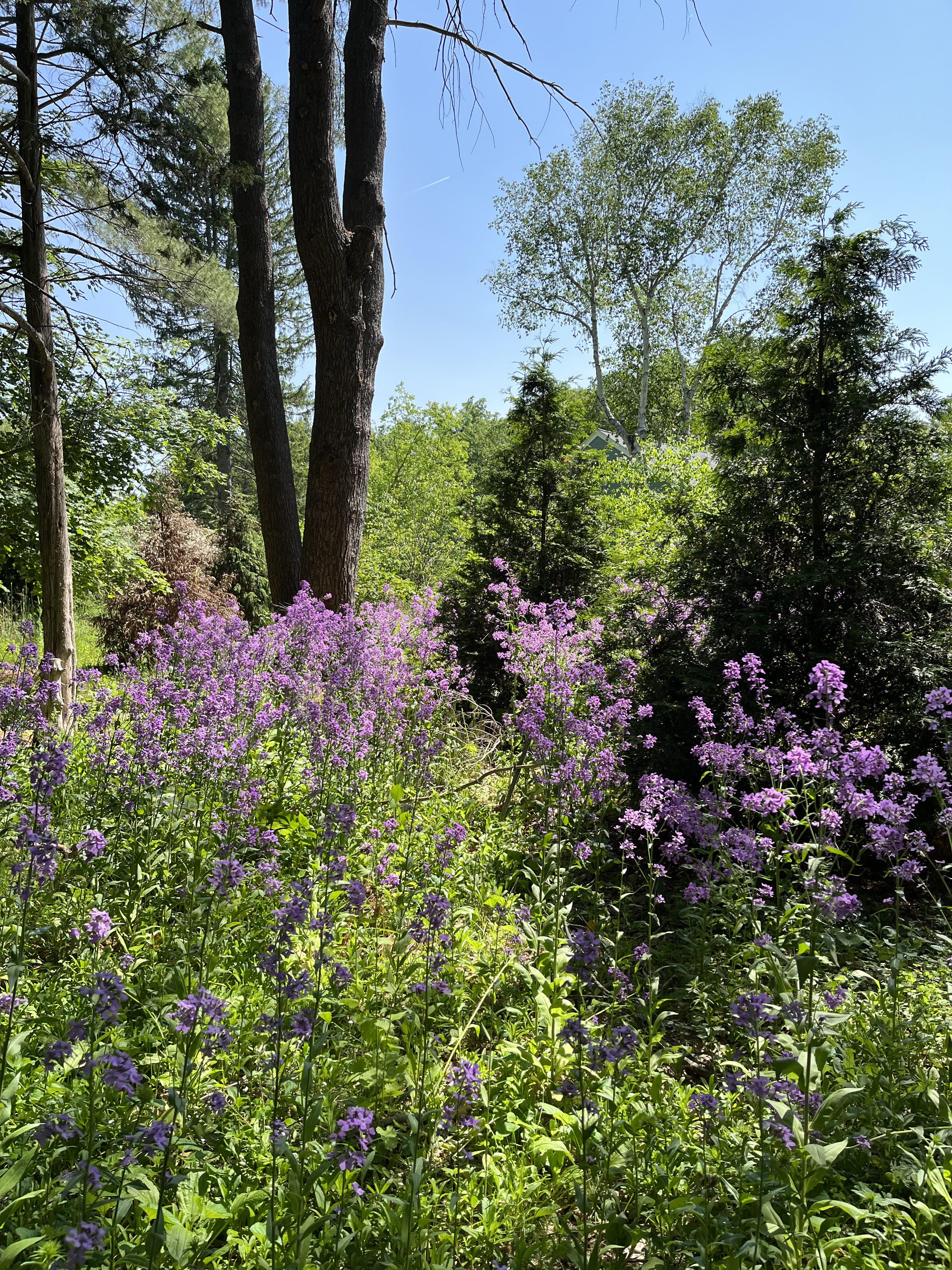
Most of the photos and videos from my walks this spring are self-explanatory. The lady slippers are gone now, but it was exciting to revisit the spot where so many of them grow together.

Yellowwood leaves and blossoms move in the breeze like a magical curtain.

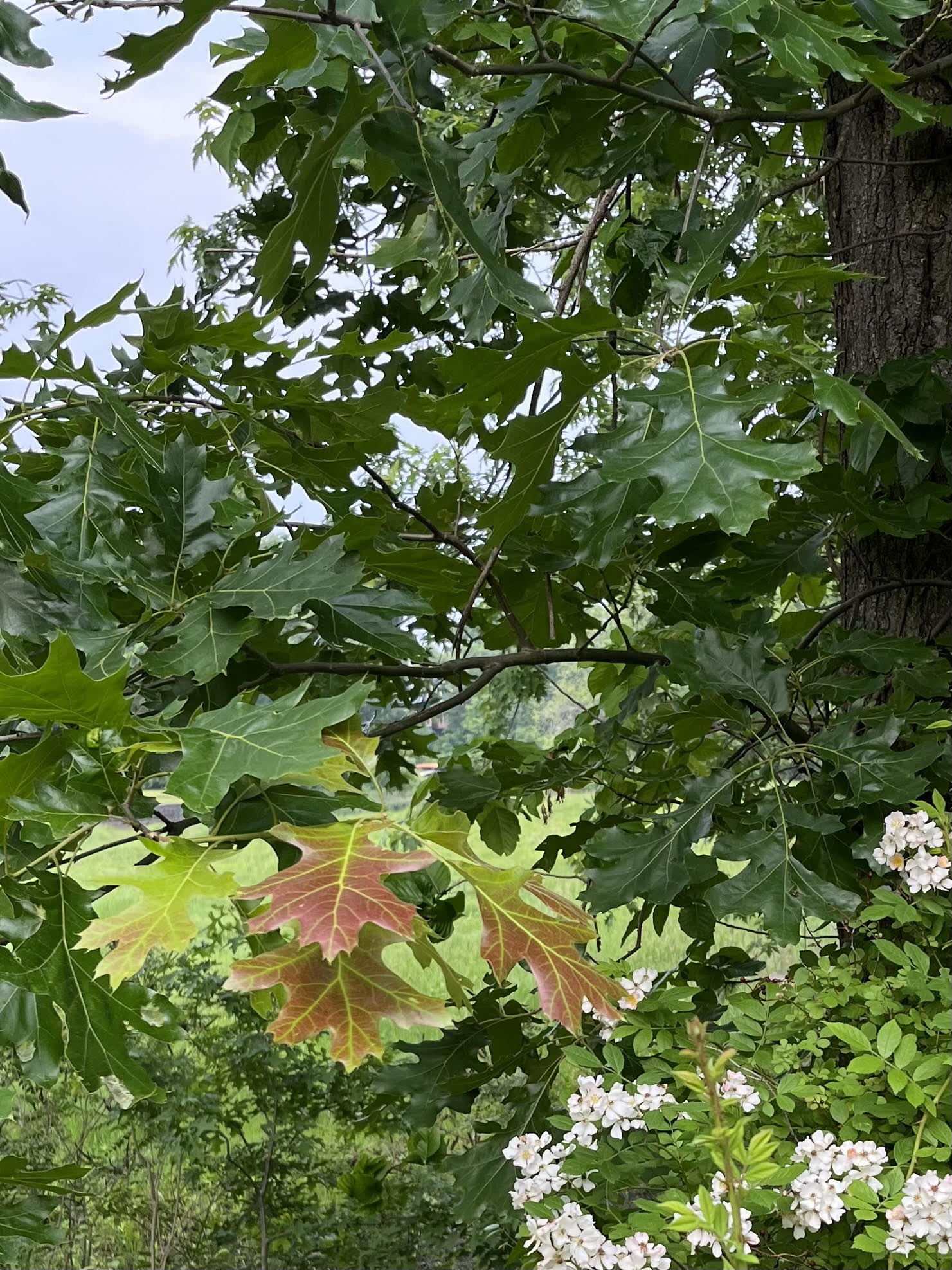
I was really into leaves — ginkgo leaves, oak leaves, tulip tree leaves.

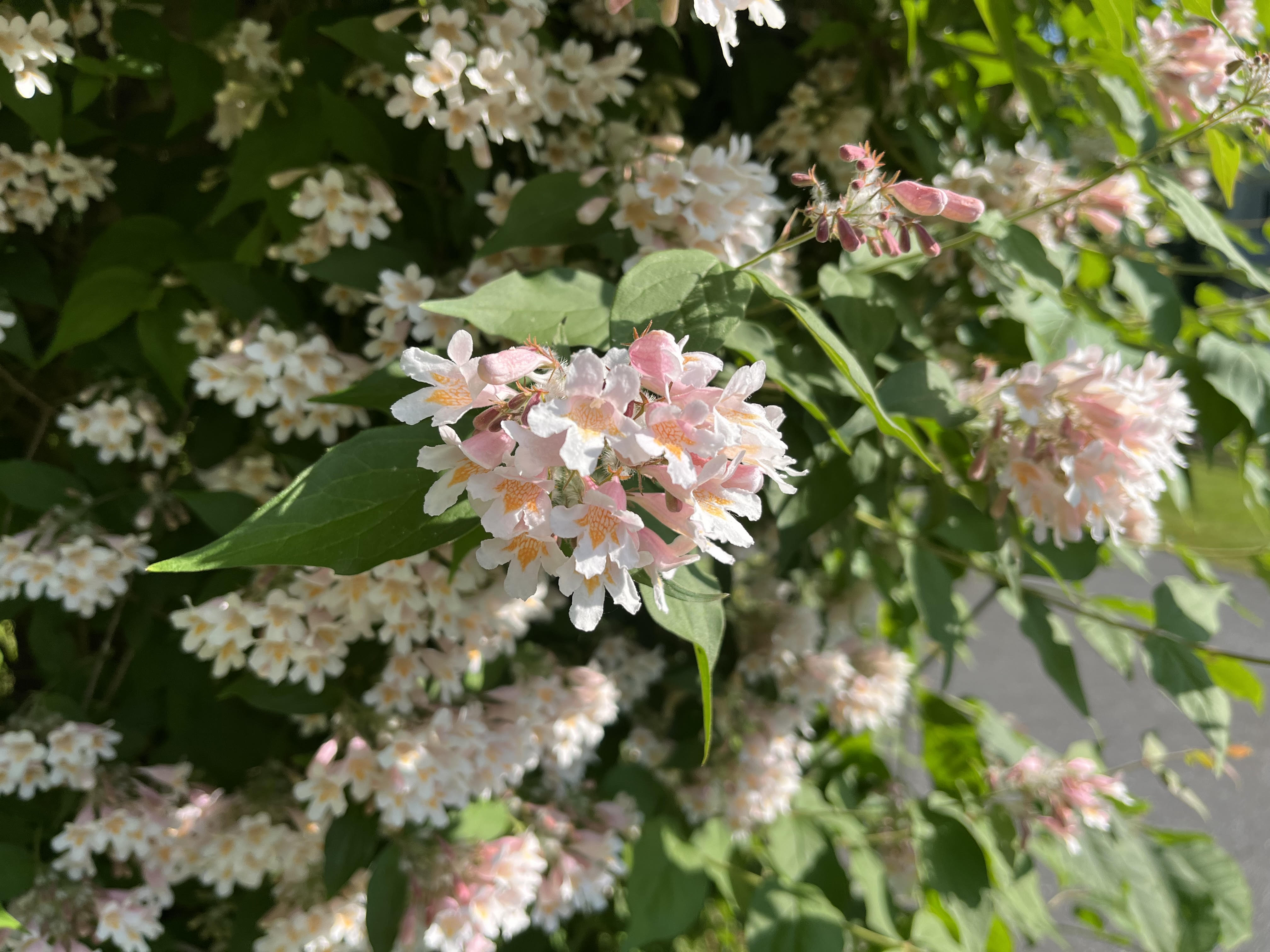
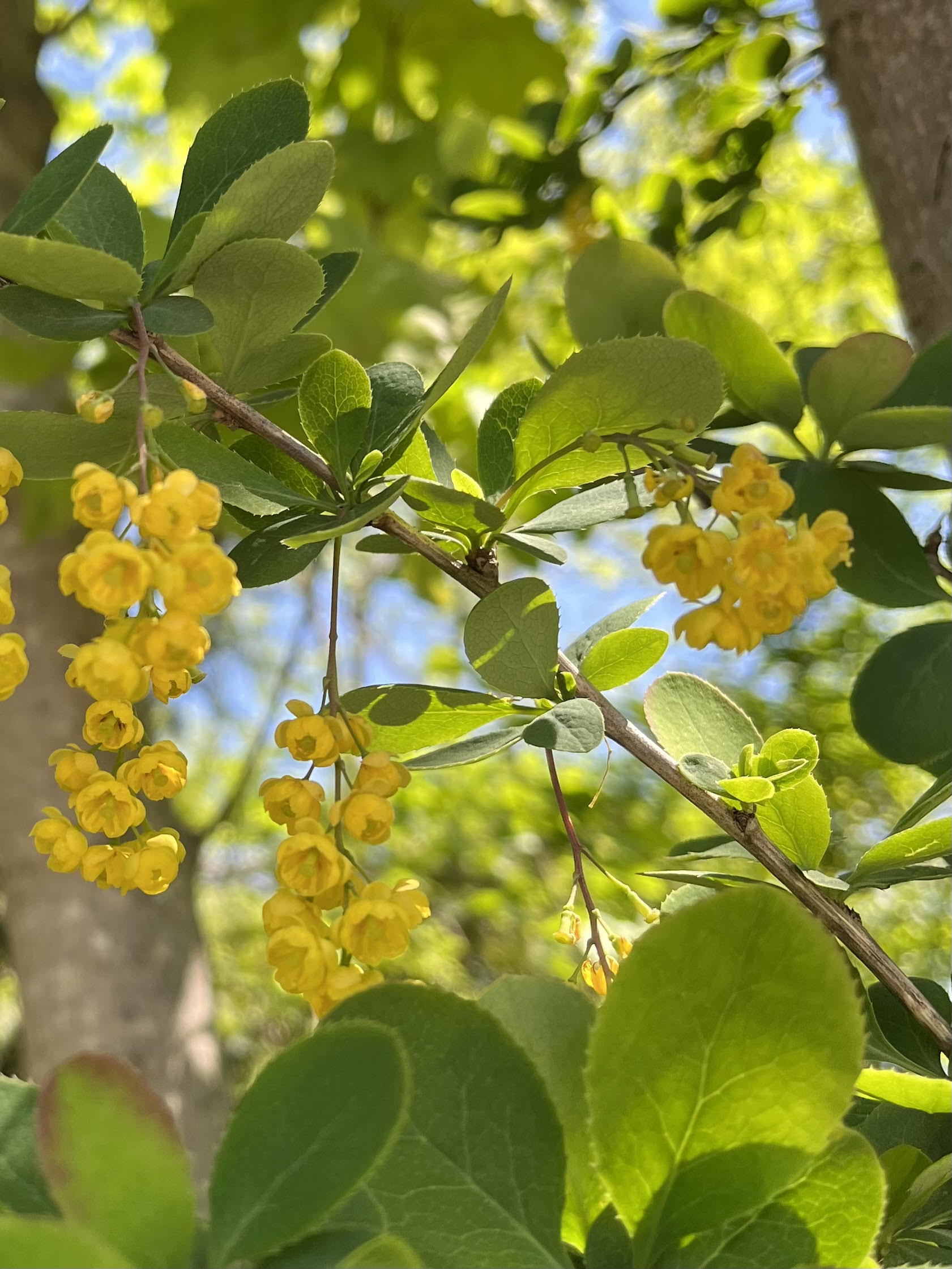
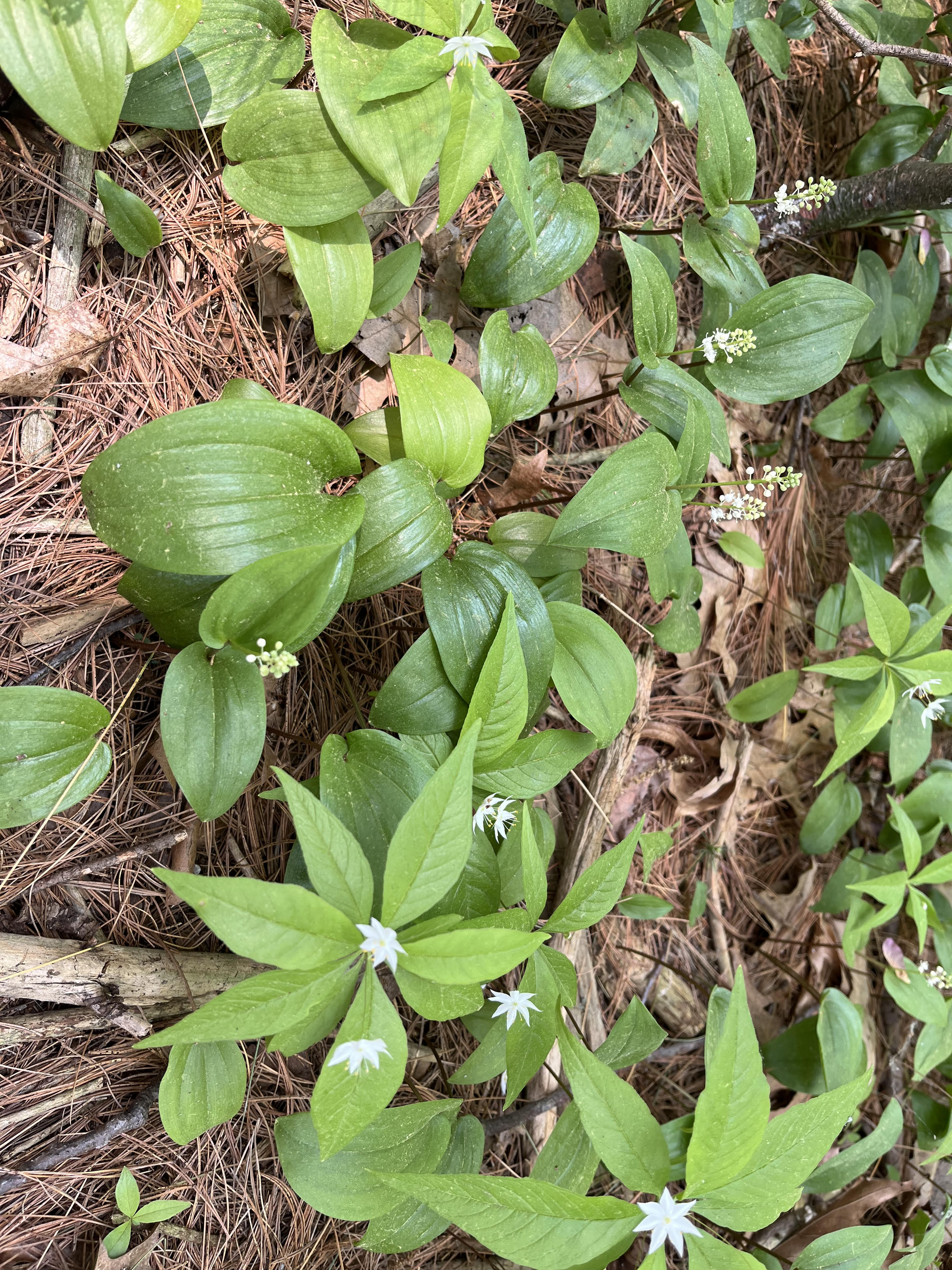
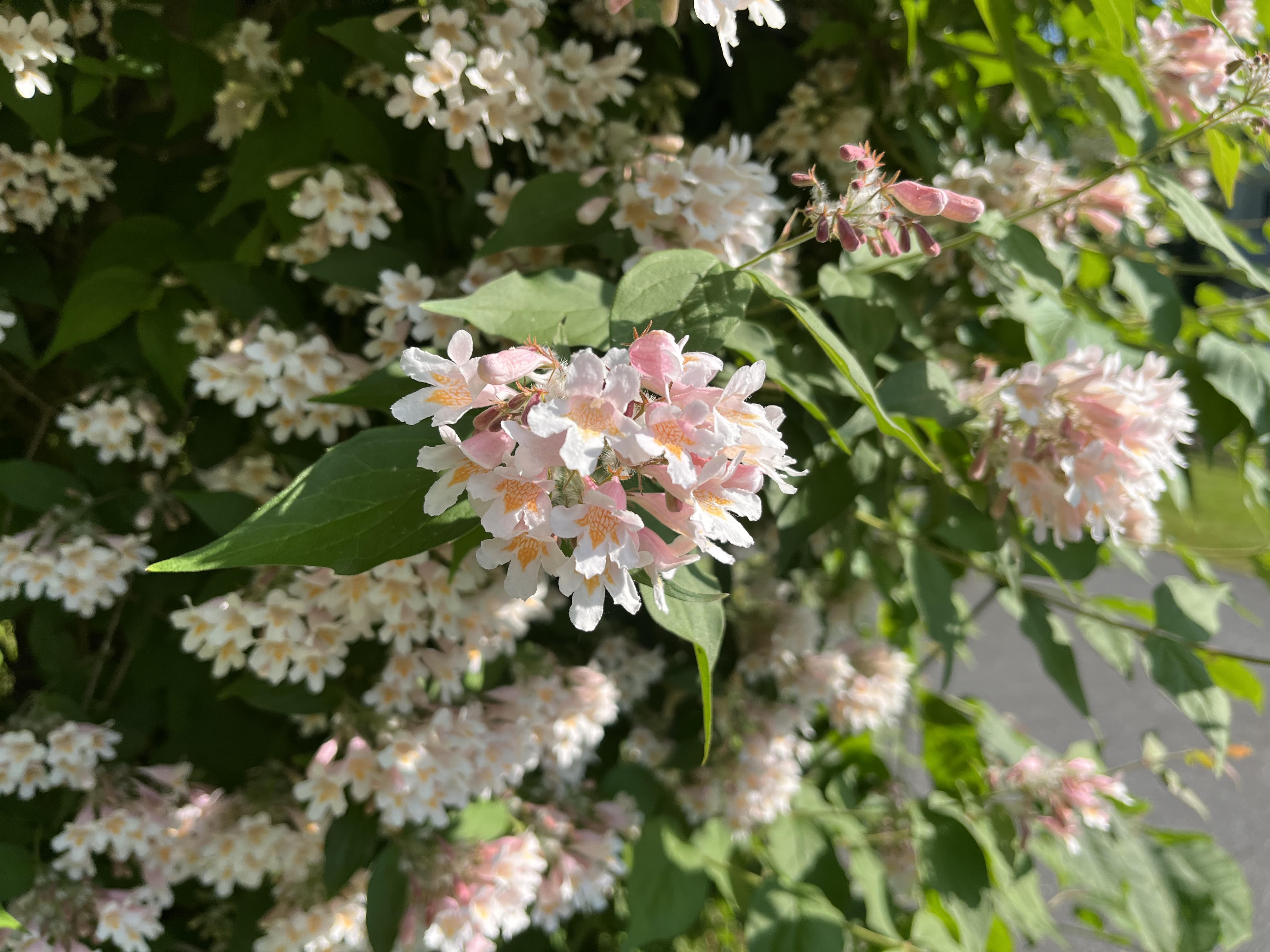
Below, Beauty bush, barberry blossoms — and in the woods, Canadian mayflower and starflower.

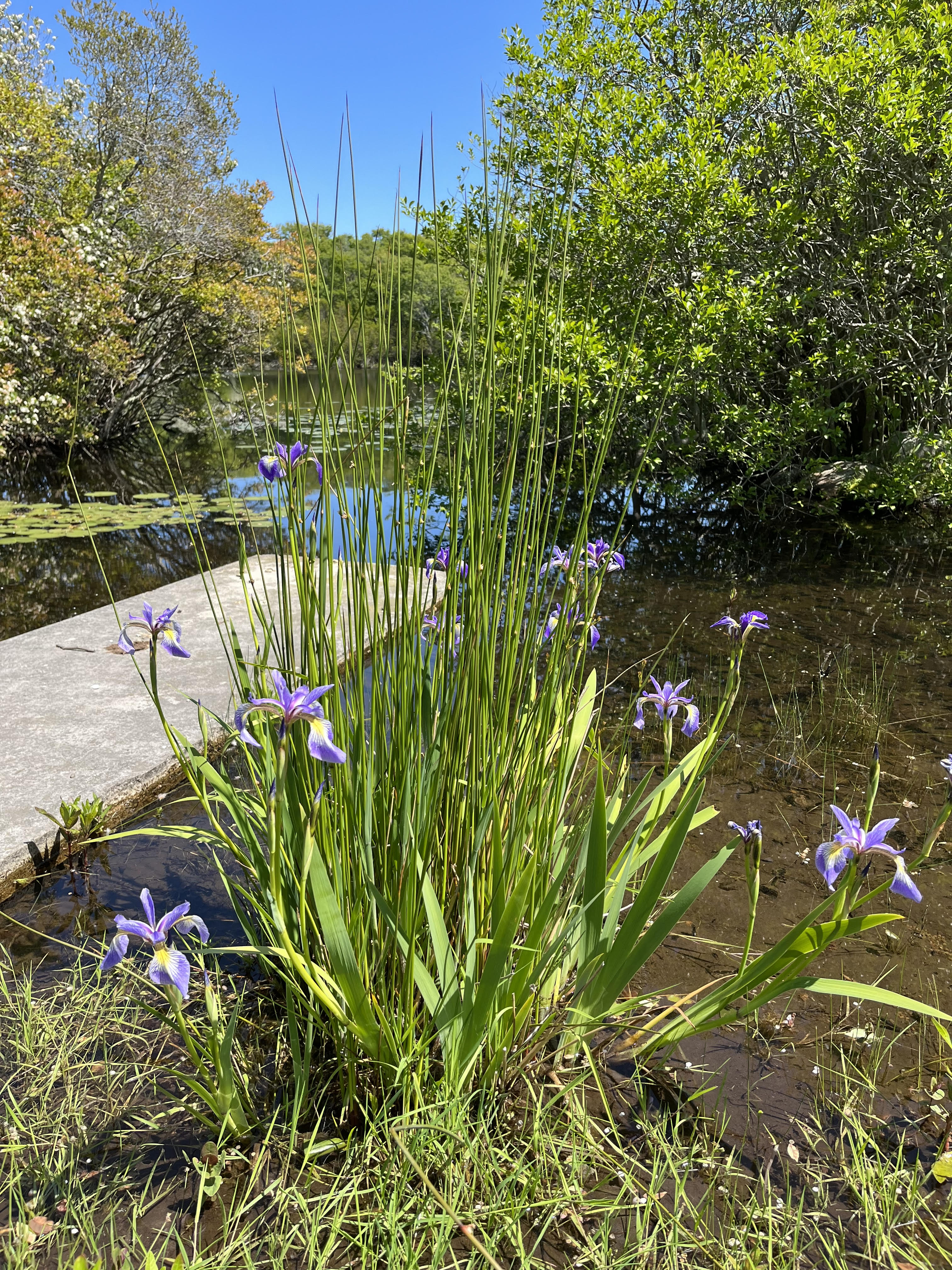
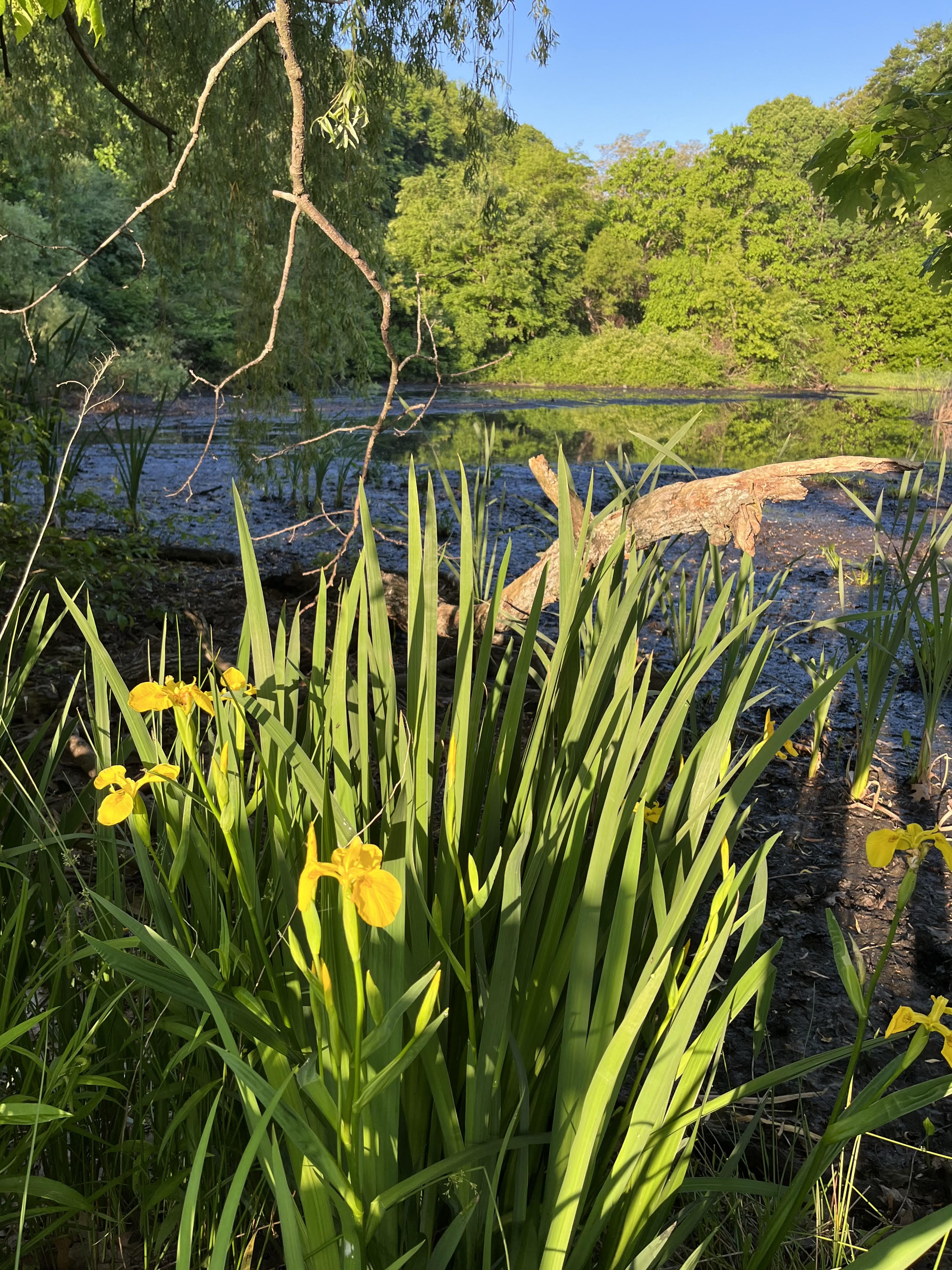
Wild iris, horse chestnut, dandelions, dame’s rocket, peonies.

The bees are in love with what my app calls Desert false indigo.

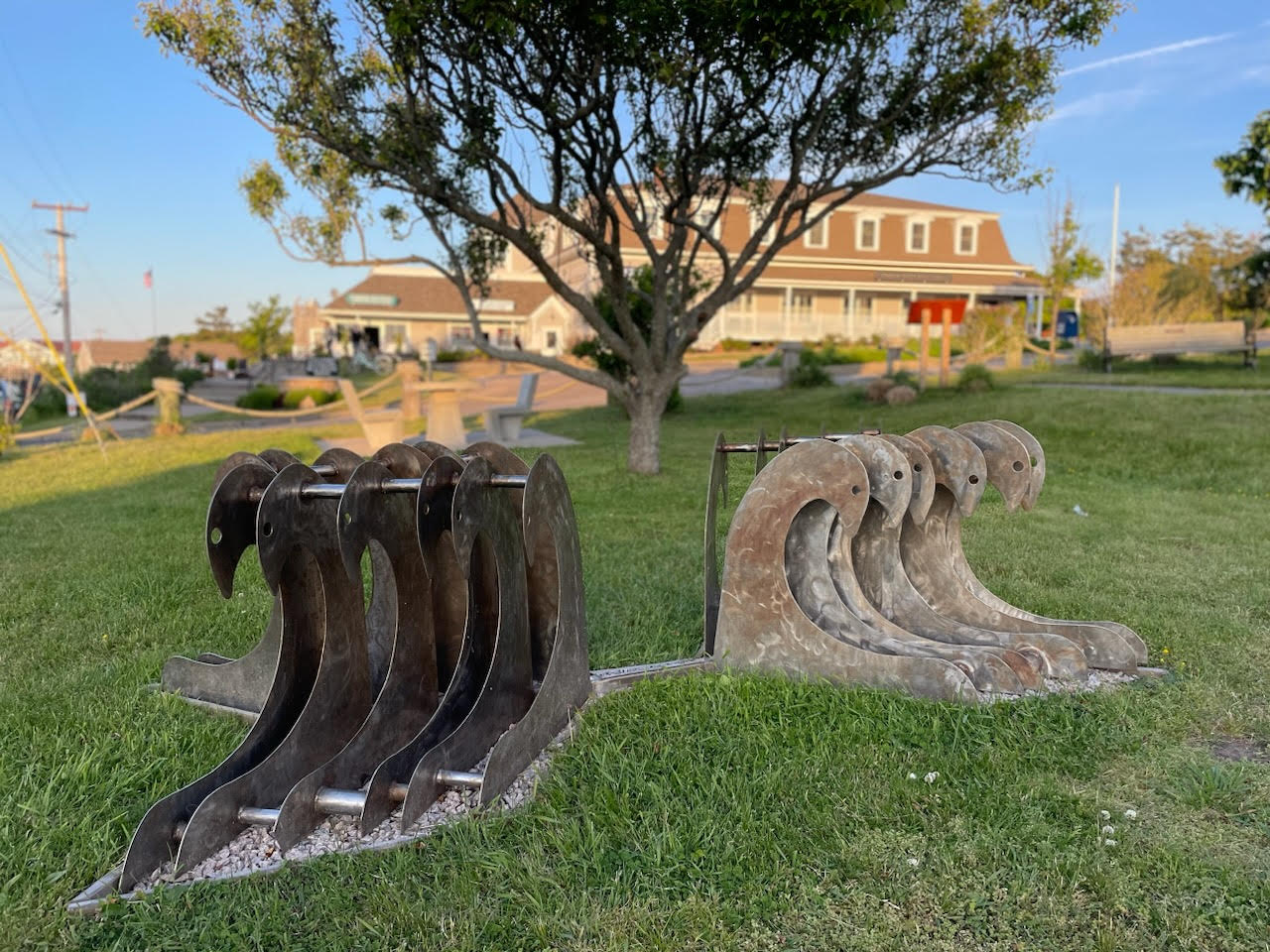
The photo of the wavelike bike rack by indigenous sculptor Peruko Ccopacatty was taken by Suzanne in New Shoreham.

Read Full Post »

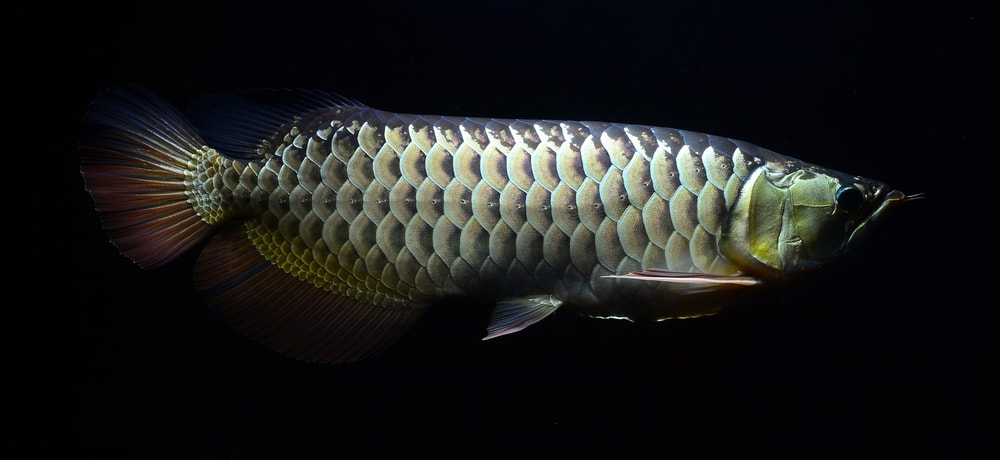
Photo: The Aquarium Guide.
The silver arowana, a mouthbrooding fish. The dads incubate eggs in their mouths.

Here’s another dad story in time for Father’s Day — this one from the animal kingdom.

New York Times reporter Elizabeth Preston wrote about research on male fish that carry eggs in their mouth until they hatch.

“Lurking among the underwater plants in Australia’s ponds and streams is a fish called the mouth almighty. The species is named for its impressive jaws, which snap up passing prey. But the males also use their almighty mouths to gently carry as many as hundreds of babies.

“The dads do this oral caretaking, called mouthbrooding, for two or three weeks at a time. Like other mouthbrooding fish, they do so at great personal cost. Yet, according to a study published [in] the journal Biology Letters, mouth almighty fathers sometimes carry babies that aren’t their own.

“The study’s lead author, Janine Abecia, is a Ph.D. candidate at Charles Darwin University in Northern Territory, Australia, where she’s been studying the mouth almighty, or Glossamia aprion, as well as the blue catfish Neoarius graeffei. Both live in the freshwater environments of Australia. Fathers of both species scoop fertilized eggs into their mouths and carry them until after the young have hatched.

“Her research has suggested that these two species don’t eat at all when they’re on dad duty. … Research in other kinds of mouthbrooders — which can be fathers or mothers, depending on the species — has shown that they don’t eat, either. Having a mouth stuffed with offspring may also make it difficult to breathe. And it seems to slow down the parent, potentially making it harder to escape predators, Mrs. Abecia said. …

“[It makes] sense that fish parents would only engage in oral caretaking for babies they’re certain are their own. Yet scientists don’t know how often this is true. ‘It’s actually a question I’ve long been interested in,’ [Tony Wilson, a biologist at Brooklyn College who studies reproduction in fish and wasn’t involved in the research] said.

“Mrs. Abecia collected mouthbrooding fathers of both the mouth almighty and blue catfish from rivers in the Northern Territory. She collected additional adult fish, with no young in their mouths, for genetic comparison. Then she selected about 10 eggs or babies from each father’s mouth and analyzed their DNA to figure out where they’d come from.

“With the blue catfish, things were as expected. All nine dads seemed to be carrying their own young, and those baby fish all had the same mother.

“Inside the powerful jaws of the mouth almighty, though, things were a little weird. The mouth almighty species forms seemingly faithful pairs in the lab, Mrs. Abecia said. Yet … two batches of young had multiple mothers, suggesting that the male had courted a female while he already had eggs in his mouth. One batch had multiple fathers. … And in one batch, the young were totally unrelated to the fish that was carrying them.

“ ‘It’s a very small study,’ Dr. Wilson said, so it would be ‘premature’ to draw conclusions. … But, he added, the genetic techniques used in this study are making it easier for scientists to ask [questions]. …

“Scientists have already discovered other mouthbrooding fish carrying the wrong babies. In one type of cardinalfish, about 8 percent of broods included a second dad’s young. A study of fish called silver arowanas found that out of 14 brooding dads, two had mouths full of offspring that were totally unrelated.

“For their efforts, these dads will pass down none of their genes. Why? … ‘Some female fishes in other species are attracted to males that are already caring for their young,’ Mrs. Abecia said. Males that get stuck with the wrong babies now could make up for it later.” More at the Times, here.

I know I will have a use for the name of one of these guys. How about you? Why limit the resonance of “mouth almighty” to the fish kingdom?

Read Full Post »

Photo: Erika Page.
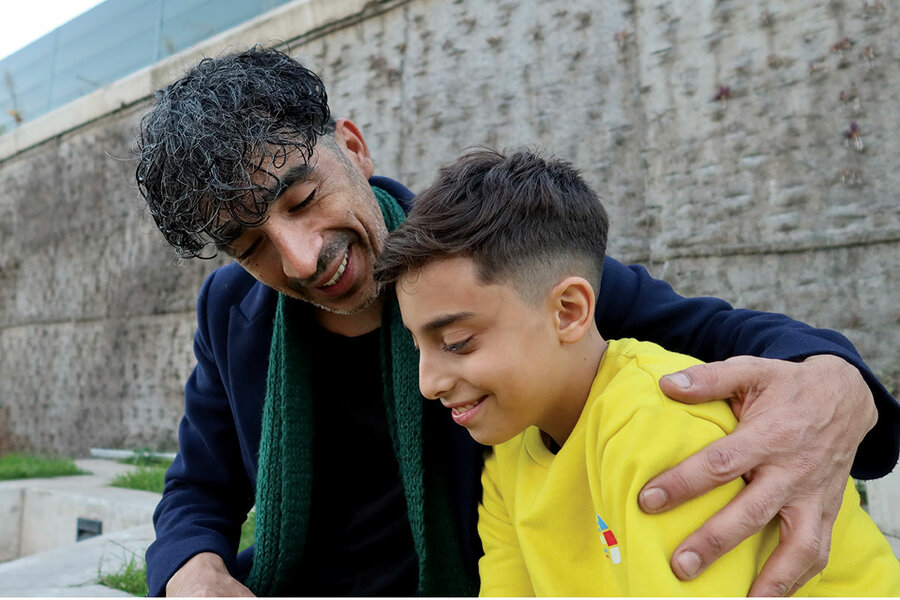
Julio Franchi and Ian Cháves in Buenos Aries, Argentina. The two met in a square four years ago and are now father and son.

Who can resist a story like this at this time of year? I had just finished reading Nothing to See Here, a fanciful novel about parenting someone else’s children, when I read today’s entry by Julio Franchi, written up by Christian Science Monitor staff writer Erika Page.

Fiction and reality are closer than you think.

“At the time,” Franchi reports, “my only thought was to help. I just followed my instinct. Only now am I realizing what it means to be a father. 

“It was 2019. I would meet up with a group of neighbors and our dogs at the square around 10 o’clock at night. We were always the same people. One night a little boy appeared. 

“He was just there, playing with a stick, and you could tell he was alone. He looked abandoned. It was 11 o’clock, 12 o’clock at night. That was late for a 7-year-old. I asked him what his name was, what he was doing there. We got along right away. The next day he came back. 

“From then on he was always there, with his broken sneakers and clothes that weren’t his size. 

“We asked, and he wasn’t going to school. The first thing that occurred to us was to buy him some sneakers. We pooled money between the 10 of us neighbors. 

“I kept trying to connect the dots. I asked where he lived, and he said, ‘that way.’ The next day I walked him to the corner. There were a few squatter houses left in the neighborhood – his was one of them. I went with him one day with the excuse of the new shoes. I didn’t want his mom to think I was meddling. When she came out I realized because of her state that she was dealing with an addiction. But she was receptive to help.

“We found him a local school. That was already a lot. He could eat there and not spend so much time on the street. He would come to my apartment for an afternoon snack, or he’d go to one of the neighbors’ homes. This continued into 2020. We saw each other several times a week. …

“Then the pandemic hit, and the pandemic was really strict here. You couldn’t go anywhere. Six months passed, and I didn’t hear anything from him. When the quarantine began to relax … his mom called to say she was going to be hospitalized. She couldn’t take care of Ian. 

“She wanted to know if I could. I obviously said yes. She never called to ask for Ian back. 

“She clearly loves her son. In her right mind, she’s great. Very fun, very cheerful. But the addiction leads her to lie endlessly. She can sleep for days. Later I learned that Ian had to get her out of places where he was forced to see really ugly situations. Within her chaos, though, she is always looking for the best for him. …

“I’m always thinking about myself, always caught up in my own world. I never thought I would be ready to be a father. When I realized she was handing him over to me, I didn’t think about my life. It’s never crossed my mind even a little bit to wonder what I’ve gotten myself into. I live alone in Buenos Aires; he is my family.

Ian came to pull me out of myself, out of my ego. 

“People who know me can’t believe I get up at 6 a.m. and take him to school. I used to go to bed at 7 in the morning or later. I’ve discovered the morning. I’ve discovered what it means to miss someone. The most important things in my life happen without me expecting them. 

“My relationship with my own father marked me. There are things that have been difficult for me to forgive, moments of violence from another generation. But he never threw in the towel. He always wanted to change. Now I see what it means to be a model for Ian. I can’t hit the brakes and say, ‘I’m not going to raise you for a while. I’m going to spend my time screwing everything up and doing things wrong, so don’t watch me.’ He’s going to watch anyway. 

“Fatherhood is like a giant mirror in which I see all my flaws. The virtues, too, although they aren’t as numerous. It forces me to try to be better, even if I don’t succeed all the time. When I get angry, and I realize five minutes later I’ve made a mistake, I apologize right then. No matter how much I feel like screaming like a madman, I say, ‘Look, what I just said was wrong. I’m sorry.’ …

“When I told Ian the whole truth about what was happening to his mom – what it’s like to be an addict – everything became clearer to him. He began to understand that his mom had a problem. It wasn’t that she didn’t love him. It was essential for him to understand that. …

“When I met him, knowing where he came from, the first thing I imagined was that I was going to bring him things, offer him experiences, buy him stuff. Not that I have any money. I’m a musician. I was better off than him, but just by a bit. But later I realized that in reality what I was going to give him were limits. That’s what he needed. That’s really being a parent. 

“At first we explained things to people about our relationship. Then at one point we said, ‘OK, that’s it, we’re father and son.’ I told him, ‘Just watch, now that we say it, we’re going to start hearing that we look alike.’ Two days later, a woman stopped us and said, ‘You’re identical!’ Ian just started to laugh.”

More at the Monitor, here. No firewall.

Read Full Post »

What do you do for exercise? I take walks. I also do a bunch of physical therapy exercises I’ve collected over the years for preventing a repeat of various aches and pains.

The kind of exercise in today’s story sounds too energetic for me, but I see that it could be exhilarating. Maybe if I had been doing it since our days in nursery school with the friend who sent me the story, I could handle it today.

The exercise is jumprope. Specifically, Double Dutch.

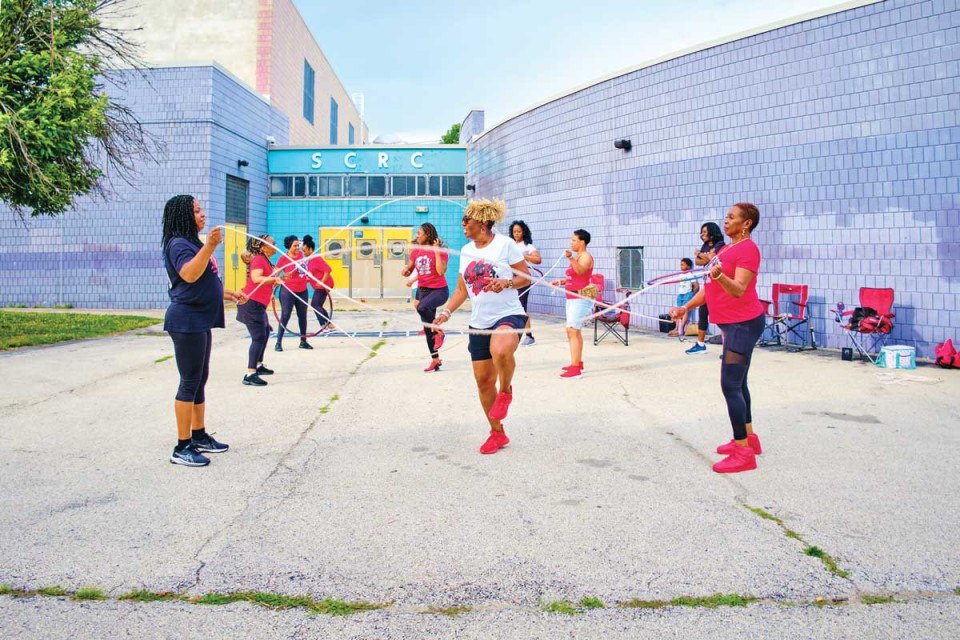
Shaunice Ajiwe at Philadelphia wrote that the magazine’s 2022 “Best Pastime winner, 40+ Double Dutch Club, started from a 2016 gathering of friends in Chicago and is now a nationwide women’s fitness movement. Sharon Hatcher and Iesha Jackson steer the Philly chapter, where a quick visit to observe their footwork turned into much more.

6:00 p.m.

“Earth, Wind & Fire echoes down the halls of a West Oak Lane community center. Inside a multi-purpose room, seven women stand in bright red t-shirts, hula-hooping and chatting about their plans for the summer: graduations, prom send-offs, cookouts, new babies. In the middle of the room, a trio gets to the main event. Two begin turning the ropes while the third dives into the fray, alternating feet at breakneck speed. To a layman, it’s perfect. To these experts, it’s anything but. They stop and ask for a different set of ropes. Hatcher hands them a lighter woven set, and feet start to fly again.

6:08 p.m.

“ ‘It started off with two friends who wanted to do something that was just for them to have fun,’ Hatcher says. ‘They were in their heads about different things — divorces, kids growing up, all that. They thought back to how they jumped rope when they were kids and how much fun they had.’ From that original duo, the club has amassed more than 30,000 members across the country.

6:20 p.m.

“Hatcher took to double Dutch at age five, she says. Many women join the club without having jumped rope in decades; just like riding a bike, they return to the childhood pastime with ease.

6:30 p.m.

“Fun, fitness and fellowship, Hatcher says, is the name of their game. They don’t concern themselves with competition, just with passing down skills, traditions and memories. …

6:45 p.m.

“When I thank Hatcher for her time and turn to leave, she stops me: ‘Oh no, now we’re gonna teach you.’ Prince’s ‘I Wanna Be Your Lover’ is playing. Each time I trip, they offer another tip: Get in when the rope closest to you is raised. Don’t jump in; run in. Don’t be scared. When I get the hang of it, they speed up and have me turn in a circle. When I finish the revolution, they cheer.”

Pretty cute, huh?

There’s more. Matteo Iadonisi interviewed Jackson for ABC television.

” ‘I was scrolling on Facebook one day, you know, just looking for something to do,’ said Iesha Jackson, who is now 44 years old. ‘And I ran across, you know, the 40+ Double Dutch page.’

“The 40+ Double Dutch Club was founded in 2016 in Chicago as a means for women over a certain age to come together, work out, and relive childhood memories. It spread across the country, reaching Philadelphia in 2018 thanks to Jackson. Locally, there are also chapters in Delaware County, Pennsylvania, and South Jersey.

” ‘When I started the group, I was actually going through something really depressing,’ said Jackson, referring to a breakup. ‘And just coming and meeting a bunch of the sisters really just improved my mental health, my physical health, so, it’s just been a complete turnaround for me.’

“What started with about five women in Philadelphia has grown to include dozens, including those who cannot physically jump rope. Other activities such as hop scotch and line dancing keep everyone engaged.

“But the group is also a safe space for prayer, conversation, and camaraderie among women who can mentor and be mentored by one another.

” ‘We all have a lot of things going on with family and work and all of that, and this is a time for us to come together,’ said Philadelphia co-captain Sharon Hatcher, ‘And just have a good time and enjoy some of the things that we did as children.’ “

From the club website: “0+ Double Dutch Club exists to empower women in mental health and physical fitness, all while inspiring them in friendship. fitness, fun, and fellowship. …

” ‘No Sister Left Behind’: Financial assistance for official members in an effort to support our sisters who are experiencing emotional, spiritual and/or financial challenges and showing not only through our words but also our actions that we are our sisters’ keepers.

“We envision communities where women can live out their purpose as they walk in mental and physical health, encouraging and empowering themselves and other women over 40 while inspiring generations to come. “

More at ABC, here, and at Philadelphia magazine, here.

Hat tip: Hannah.

Photo: Jeff Fusco.
40+ Double Dutch Club at Philadelphia’s Simons Community Recreation Center.

Read Full Post »

Photo: Twitter | @latifnaseer.
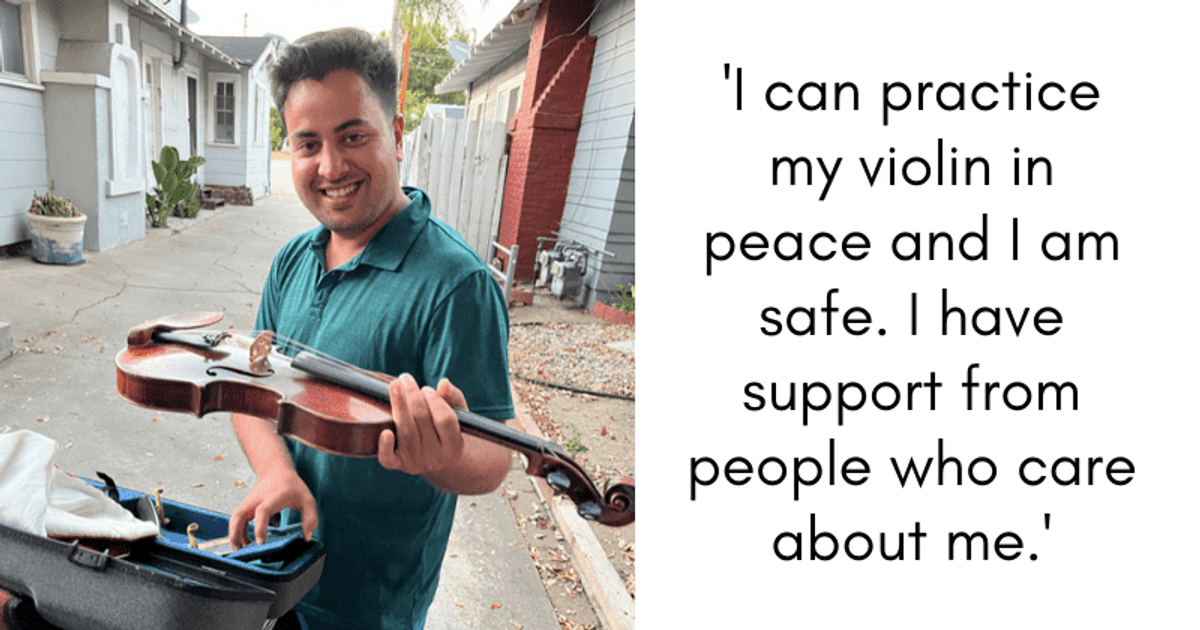
Ali Esmahilzada, an Afghan violinist, fled Kabul in 2022 amid the Taliban takeover. He arrived in Los Angeles without a violin. Latif Nasser delivered an antique violin from Jeremy Bloom and found a friend for life.

There are few positive stories about the aftermath of the abrupt 2022 US departure from Afghanistan. So, in sharing today’s article, I don’t want to minimize the suffering that continues there. For example, my friend Shagufa, the youngest of 11 children in a Herat family, was faced with getting her mother and all her sisters out, working with Marilyn Mosley Gordanier at Educate Girls Now. One of Shagufa’s sisters really had a target on her back, having trained as a police officer for the deposed government.

But at the Washington Post, we do find a nice story by Sydney Page about an Afghan who made it to the US.

“On a work trip in Upstate New York last May, Latif Nasser got an unexpected request from a colleague: ‘Can you hand-deliver an antique violin across the country?’ …

“The violin was going to an Afghan violinist who fled Kabul amid the Taliban takeover, and settled in Los Angeles with almost nothing but the clothes on his back. He left his violin behind.

“Nasser, [science journalist and co-host of Radiolab from] Los Angeles, agreed to help. The request came from Jeremy Bloom, a sound designer based in Brooklyn, who had heard about the struggling musician from a friend.

“Bloom happened to have a 110-year-old German-made violin collecting dust in his closet. He decided to offer it to the Afghan musician, who he knew would put it to good use.

“ ‘I was very lucky to be able to play that violin for a while, but I also felt guilty that it was sitting in a closet,’ said Bloom, adding that older violins are sometimes seen as more desirable than newer instruments. …

“The problem was, Bloom had no way of getting the violin to Los Angeles. ‘You do not want to ship an antique violin in the mail,’ he said, because he feared it would get damaged. …

“It took several weeks to get the instrument to the Afghan violinist, Ali Esmahilzada. ‘It felt like it took forever for us to coordinate,’ said Nasser, who — after several failed delivery attempts — became irritated when Esmahilzada asked if he could bring it to a mall. The musician didn’t seem eager to get the instrument, and Nasser began to wonder whether he even really wanted it.

“ ‘In a way, I was being protective of my friend Jeremy. … ‘This is the most beautiful gesture, giving someone this priceless violin for free.’

“After the mall plan didn’t work out, Nasser and Esmahilzada finally found a time to meet, and … it was immediately clear that ‘he wanted this violin so bad,’ Nasser said.

“Esmahilzada said he did not take his treasured violin with him when he left Afghanistan because he feared if the Taliban found his instrument at armed checkpoints throughout the city, they would ‘hurt me.’ …

“The Taliban has prohibited playing music in Afghanistan, and possessing an instrument is considered a crime. Esmahilzada, who has been playing the violin since he was 13, felt he had no choice but to flee his home country — and leave his family behind. ‘I was so scared.’ … He came to the United States on a Special Immigrant Visa with only a few belongings. …

“He was living in a small house with four Spanish-speaking roommates who he had trouble communicating with. He worked in the stockroom of a clothing store — which is why he asked Nasser to meet him at the mall. He ate eggs for every meal because it was the only thing he knew how to cook. …

“Nasser — whose parents immigrated to Canada in the early 1970s from Tanzania — empathized with Esmahilzada.

“ ‘It was so hard for my parents,’ said Nasser, explaining that kind strangers helped them get settled, and likewise, they went on to assist other immigrants.

“ ‘The more I heard his story and how deeply alone he was, I decided I could be that person for him,’ Nasser continued. … He invited Esmahilzada over to have dinner with his wife and two small children — which soon became a weekly invitation.

“ ‘It clearly meant a lot to him. He both needed it and was grateful for it,’ Nasser said. ‘It seemed like it was a gulp of water to a thirsty guy.’

“Nasser’s family started to feel like his own. … Life in America [had been so] difficult. He worked tirelessly to make a meager living, most of which he sent back to his family in Kabul. …

“Nasser and his wife helped him find an immigration lawyer, a laptop, some clothing and groceries. They also supported him as he sought a more stable job, and got himself a car. …

“For the first time in a long while, Esmahilzada said, he is hopeful about the future.

“ ‘I started from zero when I came to the United States,’ he said. ‘Now I’m happy. I have support from people who care about me. We have really kind people in the world.’ ”

More at the Post, here. To read without a firewall, click on Upworthy.

Read Full Post »

Photo: World Bird Sanctuary on Facebook.
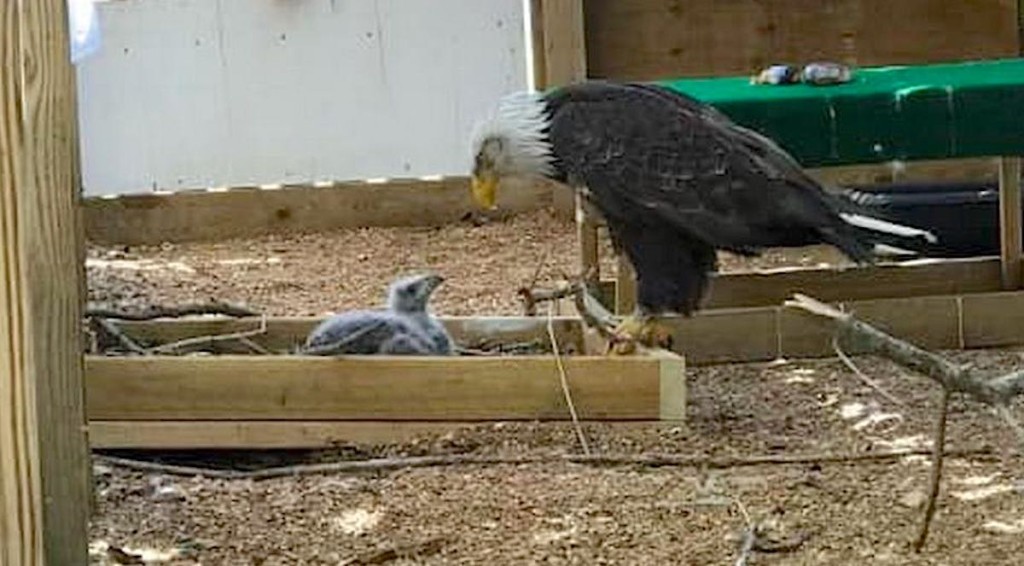
Murphy the bald eagle really want to be a dad and tried hatching a rock. Friends helped him adopt an orphaned eaglet.

Sometimes humans actually do the right thing by critters. For example, in today’s story, they gave a hand to a bald eagle who wanted so much to be a parent that he tried hatching a rock.

Praveena Somasundaram reports the story at the Washington Post.

“Visitors to the World Bird Sanctuary in Valley Park, Mo., started to worry about Murphy [in March]. They saw the 31-year-old bald eagle sitting in one spot in the aviary, barely moving, and worried that he was sick or injured. As the month went by, so many visitors brought their concerns to the keepers that the sanctuary posted a sign near the enclosure explaining why the eagle sat so still underneath his perch and atop a makeshift nest.

“ ‘Murphy is not hurt, sick, or otherwise in distress,’ the sign read. ‘He has built a nest on the ground, and is very carefully incubating a rock. We wish him the best of luck!’

“A tweet about Murphy’s mission quickly went viral, leading thousands to follow along as he tried to hatch the rock, though they knew it was impossible. Then, in a twist, Murphy’s new fans got to see the eagle become a father after all when, in early April, he began to bond with an eaglet the sanctuary received.

” ‘He was sitting on a rock and everybody told him, “It’s a rock, it’s not going to hatch,” ‘ said Dawn Griffard, CEO of World Bird Sanctuary. ‘And all of a sudden, in his mind, it hatched and he has a chick.’

“Murphy first arrived at the sanctuary, which tries to release the birds it receives back into the wild, about 30 years ago. He was transported from Oklahoma with a broken leg that was treated at World Bird Sanctuary before he was released. But he soon returned with a broken wing.

“Staff determined he had suffered permanent damage that made him unable to fly or survive in the wild, where most eagles live 20 to 30 years, and he has lived at the sanctuary ever since.

“Murphy was in the center’s bald eagle aviary with four others in early March when staff first noticed that he’d taken to one of the rocks in the enclosure.

“Over several weeks, Murphy had become so protective of his rock that he wouldn’t allow the other four eagles near his side of the enclosure, Griffard said. If they tried to come anywhere close, he screamed or charged at them.

“While Murphy had not incubated like that before, Griffard said it’s not uncommon for birds during the spring breeding season when their hormones run high. …

“A few days after Murphy had started to protect his ‘rock baby’ too aggressively, on April 4, the sanctuary staff moved him to a separate, private enclosure, she said. … That same week, rescuers brought a baby eaglet to the sanctuary from Ste. Genevieve, Mo., following a windstorm that had blown its nest down. The other eaglet it had shared the nest with died in the fall, Griffard said.

“After the eaglet was checked for injuries, the sanctuary staff’s next task was to figure out which eagle to bond it with. … Murphy was ‘the best choice.’ …

“But Murphy only had experience caring for a rock. So sanctuary staff decided to place the eaglet in a small cage they then put inside Murphy’s nest. They monitored the bonding process carefully through a camera in the enclosure. The eaglet was released from its cage on April 13, after about a week in the nest with Murphy. …

“That morning, Murphy was given a full fish, and the eaglet had small chunks placed in the nest to eat. When keepers checked to make sure both had eaten, Murphy’s fish had been torn apart, but the eaglet’s pile of fish was untouched.

“However, the eaglet’s crop, an area under its chin where food is stored, was full — meaning Murphy had fed his chick. …

“Soon, staff will begin training the eaglet to fly and to hunt, preparing the chick to be released back into the wild this summer. But, Griffard said, people shouldn’t worry too much about Murphy being sad or lonely when that happens.

“ ‘There is a point where eagle parents know that it’s time for the chick to leave,’ she said. ‘And they almost kick the chick out of the nest. So, he’ll know.’ ”

More at the Post, here.

Meanwhile, if you wake up early, you can watch an osprey (“fish eagle”) feed its baby in real time, here. Today feeding started at 6:09 a.m. Eastern Daylight Savings.

Read Full Post »

Photo: Basri Marzuki/Nurphoto via Getty Images.
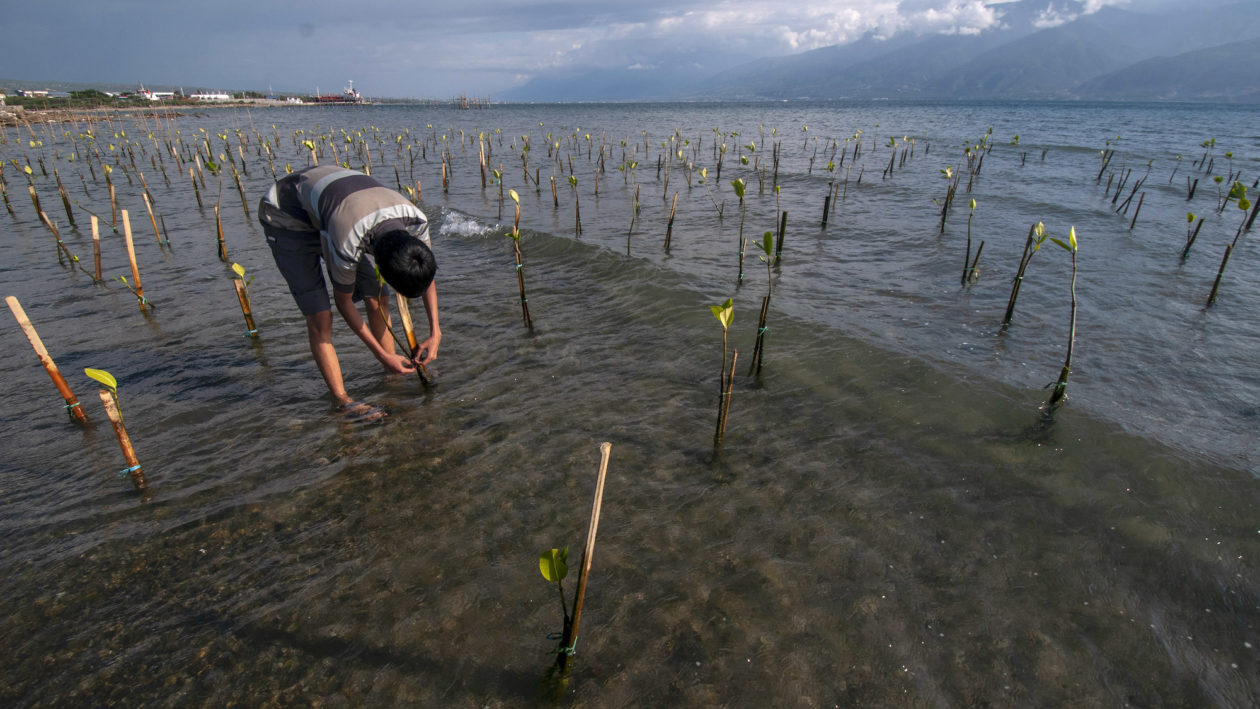
A volunteer ties a newly-grown mangrove to a stake on Teluk Palu Beach, Indonesia. A science writer asks, Is international funding shortchanging nature-based climate solutions like this?

Here’s something to think about. As we try to remedy damage to the environment, are we overlooking the power of small steps that add up and instead favoring big-deal engineering approaches?

Fred Pearce at YaleEnvironment360 suggests we are indeed. “On the low-lying northern shore of the Indonesian island of Java,” he writes, “the sea has invaded a kilometer inland in places in recent years, engulfing whole communities and vast expanses of rice paddy. But villagers are fighting back against further advances by erecting brushwood barriers in the mud to help the natural regeneration of mangroves.

“This innovative nature-based response to rising sea levels and worsening storms, sponsored by the Indonesian government and the Dutch-based environmental group Wetlands International, could be scaled up across Asia. Within a decade it could be helping at least 10 million people in similar situations to protect and restore their denuded coastlines — all at a fraction of the cost of sea walls, says Jane Madgwick, CEO of Wetlands International.

“But it can do that only if local projects are developed and the financing secured. And so far, she says, progress has been slow. …

“There are a ‘growing number of analyses and reviews of the effectiveness of habitats as natural defenses,’ writes Siddharth Narayan, now of East Carolina University. Hundreds of local projects to restore ecosystems on coastlines and mountains, in river valleys, forests, and grassy plains, have proved their worth in using restored nature to boost the resilience of millions of people to the ravages of onrushing climate change. Most are cheaper and more effective than any engineering alternatives, with more spinoff benefits for ecosystems and fewer downsides.

But the political will and funding that could turn pilot projects for nature-based climate adaptation into policy norms benefitting hundreds of millions more people are still largely absent.

“Most nature-climate activities ‘are currently not funded,’ says Ebony Holland, climate researcher at the London-based International Institute for Environment and Development. …

“Nature-based climate adaptation remains the poor relation of climate finance. First, that’s because private investors, philanthropists, aid agencies, and development banks are usually happier to pay for climate ‘mitigation’ projects that curb emissions of planet-warming gases than for helping communities adapt to climate change. Overall, adaptation of all kinds has so far attracted less than a quarter, and by some measures only 5 percent, of international climate funding, according to Barbara Buchner of the Climate Policy Initiative, a San Francisco-based think tank.

“And second because policymakers and funders still mostly prefer engineering solutions. Holland found that less than 10 percent of funding for climate adaptation in the least-developed nations — which are usually the most vulnerable — went into projects that harnessed nature. The remaining 90 percent ‘poured concrete.’ …

“Overall, the UN Environment Programme and the Global Commission on Adaptation, an international body set up by the Dutch government, both estimate that about 1 percent of total climate finance has so far gone toward such nature-based adaptation projects.

“Governments in Glasgow promised to close the funding gap between adaptation and mitigation by doubling adaptation funding. [In April] climate finance chiefs from leading funding governments met in Lahti, Finland, to discuss how to achieve this. But official reports of the meeting record little discussion of the need for more nature-based projects. Instead, the main topic was to ‘seek ways to give the private sector a bigger role in adaptation finance.’

“This could be a step back for nature since, in the past, private financiers have been even less keen on nature-based solutions than public-sector donors, says Madgwick.

“The casebook of successful nature-based adaptation is growing fast. Perhaps best documented are the benefits from restoring coastal ecosystems such as mangroves to protect coastal communities from storm waves, tidal surges, and rising sea levels, which are all increasing as climate change gathers pace.

“The world has lost half its mangroves along shorelines, but those that remain are protecting some 18 million people and several tens of billion dollars’ worth of property from flooding every year, says Michael Beck, a marine scientist at the University of California Santa Cruz. Their importance can only grow. Unlike sea walls, mangroves appear to keep pace with rising sea levels, self-seeding inland to maintain their barriers against storms and tidal surges and nurturing marine fisheries.

“The island nations and river deltas of Asia would benefit most from their restoration, but a study by the World Bank and The Nature Conservancy found great potential too in African countries, including Guinea, Mozambique, Sierra Leone, Madagascar, and Guinea-Bissau.

“The restoration of other coastal ecosystems can be equally effective. A review by Narayan of 52 such projects around the world found that salt marshes, sea grasses, and coral reefs all reduced the height of storm waves at typically between a half and one-fifth of the cost of sea walls. Yet scaling up is failing to keep pace with the success of pilot projects. …

“In parts of the Panchase mountain region of Nepal, a favorite with foreign trekkers, the restoration of wetlands and community ponds is protecting local communities against both worsening floods and droughts, while improving soils, revitalizing biodiversity, and encouraging tourism. It is part of a three-nation project known as the Mountain Ecosystems-based Adaptation Program devised over a decade ago by UN agencies and implemented in remote corners of Nepal, Uganda, and Peru.

“But despite ambitious plans for new projects in neighboring Bhutan, Kenya, and Colombia, scaling up remains elusive. Communities in most mountain regions stressed by climate change are plagued by dam projects that extract their water for use downstream, rather than being helped to conserve their water and improve their climate resilience. …

“[Nathalie Seddon of the Nature-Based Solutions Initiative, an interdisciplinary research center at the University of Oxford] says nature-based adaptation can simultaneously help meet the three great challenges of our time: responding to climate change, protecting biodiversity, and ensuring human well-being. But right now, the opportunities for delivering these synergies are still going begging.” 

More at YaleEnvironment360, here. No firewall.

Read Full Post »

Photo: John and Suzanne’s Mom.
The PictureThis app calls this Beauty Bush. If you want to use the app, note that they try to hide the spot where you click “cancel” to get the free part.

Today’s article, by Michael J. Coren at the Washington Post, will be useful for anyone who walks outside and wonders what kind of flower or tree that is, what bird has that unusual song. It’s a post about apps. I myself use these freebies: Merlin for bird identification and PictureThis for plants (thanking Claudia for that tip).

From Coren: “First I see the wall barley, like tiny fields of wheat on the side of the road. Then a profusion of musk stork’s-bill overflowing with purple flowers. That’s just the crack in the sidewalk. By the time I reach my office, I’ve identified dozens of species, most unknown to me a few hours earlier.

“I’m not a master naturalist, but I have one in my pocket. Thanks to artificial intelligence trained on millions of observations, anyone with a smartphone can snap a picture or record a sound to identify tens of thousands of species. …

“It’s the kind of thing I would normally miss while walking or pedaling to work. Birdsong might be gorgeous but I’d barely hear it. I’d note ‘pine tree’ as a catchall for conifers.

“That has changed. I’m now on a first-name basis with most of my wild neighbors. It has reconnected me to a natural world I love. ….

“For 2.5 million years, humans spent a huge share, if not virtually all, of their time outdoors. Today, many adults are spending more hours on screens than outside.

“Nature is even disappearing from our books, songs and culture, say researchers who looked at nature-related words in popular works during the mid-20th century. Our mental and physical health has declined alongside our estrangement from the outdoors. …

“This new generation of naturalist apps is the Rosetta Stone to the natural world. Reestablishing relationships with your outdoor neighbors might not only transform your commute, it might change your life. There are more than a dozen apps promising to help you identify the natural world, many of them paid. Don’t bother.

Four apps, designed and managed by scientists with world-class data, meet all your ID needs free of charge. And every observation will advance our scientific understanding of the natural world.

“The easiest to use is Seek. The app, an offshoot of iNaturalist, a joint initiative of the California Academy of Sciences and the National Geographic Society, lets you shoot live video. It automatically grabs frames and analyzes them. The augmented reality experience is like downloading a foreign language into your brain. The app identifies the taxonomy of plants and animals instantly as you shoot. If it can’t figure out the species, it will give you its best guess.

“In less than an hour, I had racked up dozens of plants and insects near my house from Bombus vosnesenskii, a native yellow-faced bumblebee, to the purple-flowered bush lupine it was buzzing around. The only drawback? The app doesn’t include deeper context about the species it identifies.

“For that, there’s iNaturalist and Pl@ntNet. Both offer sophisticated, if slightly less user-friendly, apps that upload and analyze photographs of flora. In seconds, they typically return a ranked list of potential candidates with rich descriptions of each. The identification of the most common species is a slam dunk. For rarer ones, it’s easy to compare your observation against those of others in the database.

“The apps’ real superpower is the community around them: Millions of citizen scientists who can vet and confirm your observations. It’s particularly satisfying to watch your skills — and ranking — rise in the apps as you get to know your neighborhood. When you’re ready to up your game, download these apps.

“Finally, there’s Merlin Bird ID, a project of the Cornell Lab of Ornithology. Merlin feels like magic. The app uses a phone’s sensitive microphone to identify bird vocalizations in the sonic landscape around you, painting a visual representation or sonogram analogous to a musical score. …

“Merlin has permanently changed how I hear the world. I can now tune in to birdsong operas that had never entered my consciousness. Within a day, I was able to recognize distinct calls without consulting the app. …

“But the apps are more than tools to get acquainted with nature. They’re pushing AI identification — and conservation — forward. Recognizing natural inhabitants, and our relationship to them, helps us rediscover what remains and protect it.

“ ‘We’re just at the beginning of actual real scientific progress,’ says [Grant Van Horn, a machine learning researcher at the Cornell Lab, who helped build Merlin’s sound ID feature]. ‘And none of this stuff happens without a passionate group of people that helps you curate, train and evaluate the data.’ …

“The first big breakthrough came around 2018 from Snapshot Serengeti, a research project using digital camera traps to photograph thousands of migrating African animals. Organizing this enormous collection featuring a variety of animals, from wildebeests to giraffes, proved overwhelming for the small team of scientists.

“So researchers enlisted thousands of online volunteers to sort and label more than 3 million images. That allowed Jeff Clune, then a computer scientist at the University of Wyoming, and his collaborators to unleash algorithms on what was at the time the world’s largest collection of labeled wildlife images. The new algorithms could identify animals in 99 percent of images with the same accuracy as human volunteers, around 97 percent. …

“Citizen science-powered algorithms are now going beyond individual organisms. They’re mapping their relationships to an entire ecosystem, from the flower a butterfly pollinates to the leaf where the insect lays its eggs.

“ ‘My goal is to turn ecosystems into fire hoses of data,’ says Clune. ‘In the same way a video game company knows everything that happens inside their system, we should know that for the Amazon rainforest. Imagine what that would mean for science.’ …

“Ultimately, the apps’ greatest breakthrough may not be technological at all. It may be raising our awareness. We are nearly blind to entire categories of living creatures. In her book Braiding Sweetgrass, Robin Wall Kimmerer described it as ‘being lost in a foreign city where you can’t read the street signs,’ a form of species loneliness. While these plants and animals are our neighbors, we scarcely acknowledge their existence, let alone their right to exist. …

“This could reverse one of the great losses of the past century: our severed connection to the unique, wild character of where we live.”

More at the Post, here.

And speaking of technology that gets you closer to nature, check this live camera in the early morning East Coast time to watch an osprey feed its baby. Catch it soon, before the baby fledges.
http://198.7.226.69:8023/#view

Read Full Post »

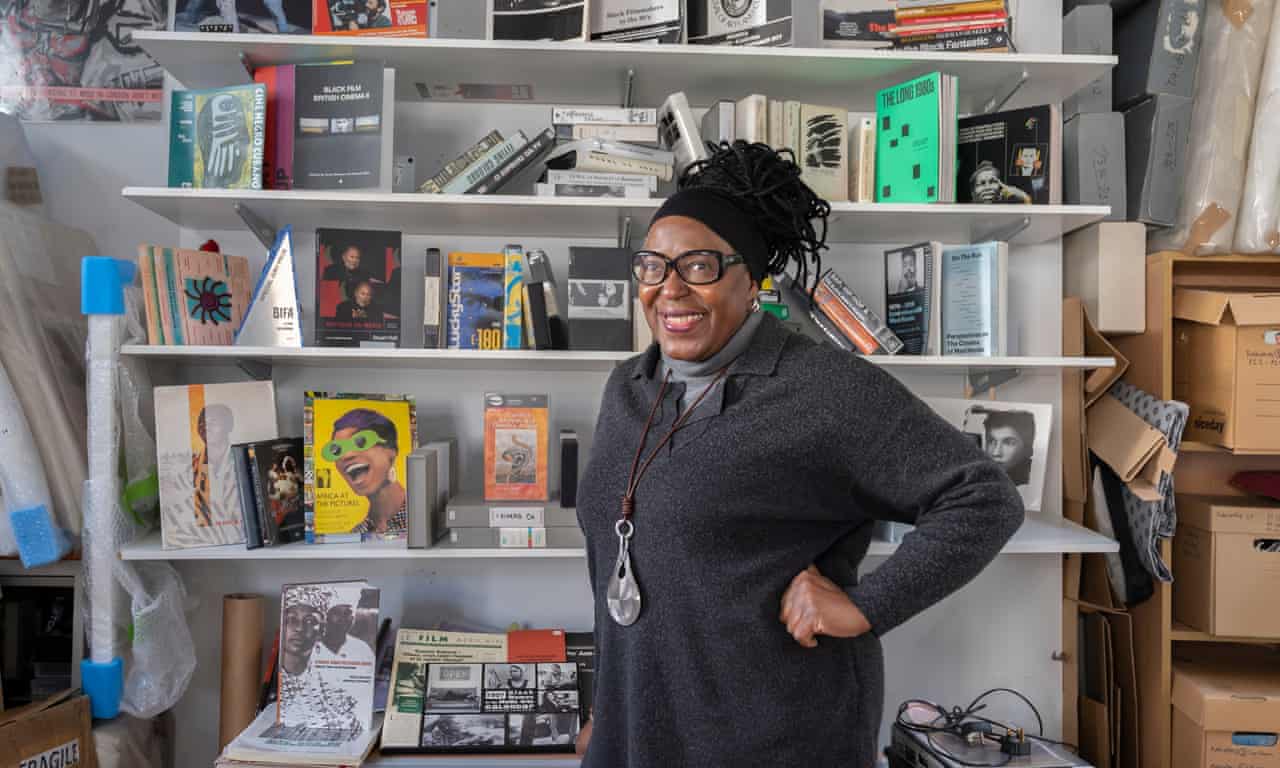
Photo: Amaal Said/JGPACA [June Givanni Pan African Cinema Archive].
From a Mogadishu film week
poster to VHS videos of pioneering art movies, June Givanni has collected a range of Black film artifacts and is now ready to share.

Sometimes people whose childhood struggles involve race-based discrimination grow up to embrace and trumpet the beauty of their heritage. I enjoy stories like that.

At the Guardian, Leila Latif interviews one such person, the founder of June Givanni Pan African Cinema Archive.

Discussing her recent exhibition, “PerAnkh: The June Givanni Pan African Cinema Archive,” Givanni played down the show’s title. Says Latif, “The Black British film curator, activist and archivist who created it is hesitant about positioning herself front and center.

“ ‘I don’t want it to sound like it’s all me, me, me,’ she worries. ‘My name is part of it because I worked as a curator for many years and collected work throughout the non-digital era, which developed into this archive.’

“Though she wants the films, documents, artworks and objects she has preserved to be the focus of people’s attention – from an installation of the earliest audiovisual works by the Black Audio Film Collective to new works by the Chimurenga collective from South Africa – Givanni is more than worthy of the spotlight. When she received the British independent film awards’ grand jury prize in 2021, the organizers said that she had ‘made an extraordinary, selfless and lifelong contribution to documenting a pivotal period of film history.’

Born in British Guiana 72 years ago, Givanni moved to the UK aged seven and was immediately underestimated.

“ ‘They put me with the five-year-olds because I was Black and I’d come from the Caribbean,’ she remembers. ‘My mum went to the school twice before they moved me up to my age range.’

“As an adult, Givanni collaborated with some of the most significant figures and institutions in pan-African cinema and across ‘different territories, different continents.’ She kept adding elements to her collection, she says, ‘because I needed to use them for subsequent programs and as part of building a body of knowledge and a whole series of resources that can be shared with others.’

“Lack of preservation has meant many of pan-African cinema’s masterworks have disappeared. In America alone, it is estimated more than 80% of Black films from the silent era are lost, and technological advances endanger film further. While physical film has a potential shelf life of hundreds of years, digital preservation requires constant migration to keep up with changing technology. …

“Givanni has faced changes in technology, politics and culture since she began in the early 80s. The first film festival she worked on was called Third Eye, inspired by the Latin American Third Cinema movement which set out to challenge Europe and North America’s dominance in film. For Givanni, the festival provided ‘an area to develop our own ideas about representation and taking charge. Pan-African cinema has always been a cinema of resistance. I can’t tell you how inspiring it was that there were all these people out there doing things that really chimed with what I thought should be happening.’ …

“She programmed festivals on five continents; worked for Greater London Council’s ethnic minorities unit and the Independent Television Commission; ran the BFI’s African Caribbean film unit and co-edited Black Film Bulletin, which relaunched in 2021 as a quarterly collaboration with Sight and Sound magazine, and has celebrated the under-sung work of film-makers. …

“The spirit of pan-Africanism was a guiding light, connecting all cultures that originated on the continent without treating them as a monolith. Givanni explains, ‘When I say pan-African, it’s not just the African continent; it’s the entire diaspora. All those significant histories are interconnected and cinema is very much part of that.’

“Choosing how to represent that history at Raven Row, with selections from an archive that now surpasses 10,000 items, was a gargantuan task. But Givanni immediately knew she wanted to include ‘a poster of the Mogadishu film week, given to me at my first attendance at the Fespaco film festival in 1985 by a Somali film-maker. Now people mention Somalia and they don’t picture these vibrant and strategic cultural events taking place there. …

“ ‘At the Havana film festival I bought a collection of silkscreen posters that will be exhibited. Lots of art can be seen digitally, but to see a silkscreen poster, the texture and the color of it – there’s an experience of culture and artifacts that goes beyond digital representation.’

“Beyond allowing the public to admire key objects from Givanni’s collection, the exhibition is structured around a program of films from the likes of Sarah Maldoror and Ousmane Sembène (the mother and father of African cinema). There is also an archive studio and reading room in the spirit of the exhibition’s title, PerAnkh – an Egyptian term for ‘a place of learning and memory.’ “

More at the Guardian, here. No firewall.

Read Full Post »

Photo: Conférence PPL 2022.
Brian Maracle shares his technique for teaching the Mohawk language at Canadian conferences such as Multidisciplinary Approaches in Language Policy and Planning (LPP or in French, PPL).

I love learning about other languages and sometimes pick up tidbits through my volunteering with ESL teachers. But languages in danger of dying out are especially interesting to me. If they die out, we lose too much about the ways others see the world.

Today’s story is about a technique for teaching a particular endangered language.

Ian Austen wrote at the New York Times from Ontario, Canada, “When Brian Maracle returned in his mid-40s to the Mohawk community near Toronto that he had left when he was just 5, he didn’t have a job and knew almost no one there.

“But perhaps the biggest challenge facing him was that he neither spoke nor understood much Kanyen’keha, the Mohawk language. More than a century of attempts by Canada’s government to stamp out Indigenous cultures had left Mr. Maracle and many other Indigenous people without their languages.

“Now, 30 years later, Mr. Maracle has become a champion of Mohawk, and is helping revive it and other Indigenous languages, both in Canada and elsewhere, through his transformation of teaching methods.

“ ‘I never studied linguistics, don’t have any teacher training, my parents weren’t speakers,’ he said in his office at an adult language school he founded about two decades ago in his community, the Six Nations of the Grand River territory, southwest of Toronto. Yet, linguistics academic conferences now feature him as a speaker. …

“From the 19th century into the 1990s, thousands of Indigenous students were taken from their homes, sometimes by force, and placed into Canada’s residential schools system. There, they were forbidden from speaking their languages and from practicing their traditions in what a national commission later characterized as ‘cultural genocide.’

“The system failed to entirely eradicate Indigenous languages, but its effect was nevertheless devastating for the 60 Indigenous languages found in Canada.

“Today restoring Indigenous languages has been a component of Canada’s push for reconciliation with its Indigenous people. … Four years ago, the government passed the Indigenous Languages Act, which formally recognizes the importance of these languages and requires the allocation of money — more than 700 million Canadian dollars to date — for teaching them.

“But none of that was around when Mr. Maracle arrived at Six Nations, and the program that was available, he found, was ill-suited for adult students.

“ ‘Indigenous languages are extremely different from English,’ said Ivona Kucerova, the director of the Center for Advanced Research in Experimental and Applied Linguistics at McMaster University in Hamilton, Ontario. ‘But typically what you see is that the local Indigenous language teaching methodologies are designed to teach Western languages.’

“Mr. Maracle said the problem with his first, unsuccessful lesson was that the instructors, generally Mohawk elders without training as language teachers, were tossing out ‘whole words.’

“ ‘They just expected by dropping a word on you and saying it louder that you’d somehow figure it out,’ Mr. Maracle said. ‘They didn’t understand how the language really is structured.’ …

“Mr. Maracle found the answer about 25 years ago in the office of David Kanatawakhon-Maracle, no direct relation, a lecturer at the Western University in London, Ontario.

“ ‘There were little bits of paper all over this big table,’ Mr. Maracle recalled. The lecturer told Mr. Maracle words he had been longing to hear: ‘He said: “I think I’ve got a new way of teaching the language.” ‘

“There were about 60 slips of paper on his office table, and they ‘were the Rosetta Stone of all the things that you need to be a competent beginning speaker,’ Mr. Maracle said.

“Kanyen’keha is a polysynthetic language, where a single word can function as an entire sentence. Those words are made up of morphemes, small elements that change their meaning depending on how they are combined. …

“Understanding that these elements were the key to unlocking the language was the breakthrough Mr. Maracle needed to attain fluency. But other students at the school he helped start in 1999 were still struggling. It became apparent that someone needed to build a curriculum and teaching program around the morphemes, including a color-coded system for grouping them, which Mr. Maracle did through trial and error.

“One essential discovery was figuring out that learning Kanyen’keha requires ‘looking at the world with Mohawk language eyes,’ he said. In comparison with other languages, Kanyen’keha relies heavily on verbs.

Objects are generally described by what they do. The word for ‘computer,’ for example, roughly translates as ‘it brings things up.’

“ ‘We don’t teach you how to say “pencil,” “chair,” ”shoe” for six months,’ Mr. Maracle said. ‘Because the language is a verb-based language, the names of things are less grammatically important.’

“Prof. Kucerova, the director of the linguistics center in Hamilton, regards Mr. Maracle as a linguist despite his lack of formal training. She said tests showed that his students emerged with a university-level fluidity in two years.

“ ‘I have never seen anyone else bring adult learners to that level of language, to be able to speak at this level after two years,’ she said, adding that Mohawk ranks with Arabic in terms of difficulty for English-speaking students. ‘That’s really astonishing.’

“ ‘I became literally mesmerized by the extent of his work,’ Prof. Kucerova said. ‘He’s figured out this improbable, but linguistically extremely smart, method of delivering this radically different language to adults.’ ”

More at the Times, here.

Read Full Post »

Photo: WCIA [Welsh Centre for International Affairs].
Annie Hughes-Griffiths holds the women’s peace appeal outside the White House in 1924 after a meeting with President Coolidge, with (from left) Gladys Thomas, Mary Ellis and Elined Prys. 

There are so many great initiatives by women that take years to get broad recognition because, at the time, they weren’t highly valued. That’s why I love sharing them now.

Steven Morris covered today’s example for the Guardian.

“There were tears of joy, speeches of hope and sighs of relief that all had gone smoothly after an extraordinary century-old document – reputedly seven miles long – completed its transatlantic trip back to Wales.

“The peace petition, signed by almost three-quarters of all Welsh women in the 1920s but forgotten until the last few years, arrived at the National Library of Wales [in April] after being gifted to the country by the National Museum of American History in Washington.

“Over the coming weeks and months, the reams of sheets will be taken carefully out of the hefty oak chest where they are stored, then digitized at the library in Aberystwyth, before a crowd-sourcing exercise takes place to transcribe all 390,296 signatures and addresses.

Prof Mererid Hopwood, the chair of the Peace Petition Partnership, said she was so excited she could hardly breathe and, though it was an overcast day in Wales, quoted the Welsh phrase mae’r haul yn gwenu – the sun smiles.

” ‘Actually, I think the sun’s practically chuckling with joy in Aberystwyth today. We are so very delighted,’ she said.

“In 1923, galvanized by the horrors of the first world war, a group of Welsh women decided to organize a campaign for world peace.

“During a Welsh League of Nations Union (WLNU) conference at Aberystwyth University, they agreed that the best way would be to appeal to the women of the US to work with them for a world without war. Two paid officers and 400 local organizers set about collecting names from every community in Wales.

“In 1924 the Welsh delegation, led by Annie Hughes-Griffiths, the chair of the WLNU, crossed the Atlantic with the petition and worked with American women such as the women’s rights campaigner Carrie Chapman Catt to disseminate their message.

“They received an enthusiastic welcome and travelled through the US addressing audiences. The US press claimed that if the signature sheets were laid end to end they would go on for 7 miles.

“However, over the years the petition was forgotten, until a mysterious plaque mentioning it was uncovered at the time of the centenary of the first world war in Cardiff’s Temple of Peace.

“ ‘It was a lost story, a hidden story,’ said Hopwood, a poet and the chair of Welsh and Celtic studies at Aberystwyth University. She said the idea of returning the petition to Wales was both to remind people of its amazing story and to inspire people today to campaign for peace.

“Hopwood pointed out that Wales has a history of its citizens working for peace, including … the women who marched from Wales to Greenham Common in Berkshire in 1981 to protest against nuclear weapons. …

“The Welsh deputy minister for arts and sport, Dawn Bowden, said it was an inspiring document: ‘I hope that the return of the petition to Wales will inspire and motivate a new generation of advocates for peace.’

“Dafydd Tudur, the head of digital services at the National Library of Wales, called it an ‘historic’ day.

“He said he hoped a pilot of the crowd-sourcing exercise would take place in the autumn, before fully beginning next year. An exhibition will be organized to present the chest and petition at three locations – Aberystwyth, St Fagans in south Wales, and Wrexham in the north.

“Tudur studied modern Welsh history but had not heard of the petition until the plaque was found. ‘It was forgotten. People are amazed when they hear about it,’ he said.” More at the Guardian, here. No firewall.
For more on the peace agenda, click here on an article co-authored by my friend Ann Tickner. The article examines “feminism in international relations from the emergence of women’s peace pragmatism during WW I to the development of the United Nations (UN) Women, Peace, and Security (WPS) agenda a century later. … We show how the principles articulated by women peace activists at the 1915 Hague Conference represent distinct contributions to the discipline.”

Read Full Post »

Photo: Getty Images.
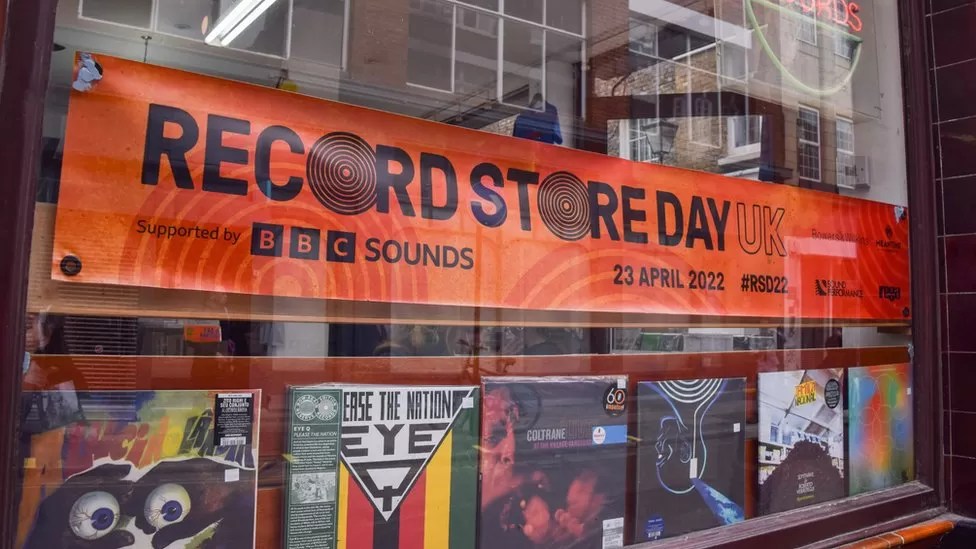
Record Store Day celebrates independent music stores in the UK, says the BBC, “with many labels and artists releasing limited vinyl editions specifically on the day.”

Some of us still listen to our vinyl records. And others are starting to. In fact, vinyl records have become so popular in England that there is now an official Record Store Day to celebrate the bricks-and-mortar places you can buy them.

Gareth George reports at the BBC, “More young music fans are snapping up the latest releases on vinyl, triggering a boom in LP sales. In 2022, vinyl outsold CDs for the first time in 35 years. Ahead of Record Store Day in the UK, the BBC asked young record store regulars why ‘old school’ beats downloads. …

“Will, 16, is a GCSE [General Certificate Secondary Education] student and guitarist who hopes to study music full-time at the Colchester Institute. He believes buying vinyl is a better way of supporting artists than streaming or downloading music and reveals he has inherited his own collection of records from parents and grandparents. …

” ‘You can inherit not only the music, but also the memories, and tell the story though vinyl.’

“Will is running a second-hand vinyl stall with Sam, 18, from Chelmsford, a guitarist and singer who plays in a band called Alison. Sam says record fairs are essential because new vinyl LPs can be expensive for budding collectors.

” ‘It’s hard to become a vinyl collector now when you go to your local record shop and see that it’s 40 quid a record,’ he says. ‘That’s why these record fairs are important. Stuff’s just cheaper.’

“The pair work at Intense Records in Chelmsford, one of the hundreds of independent music shops across the UK taking part in Record Store Day on 22 April. The annual event, which was established in 2007, has become one of the biggest in the music calendar, with independent record shops often achieving their highest sales of the year. …

” ‘We’ve definitely seen a new generation of younger music fans embracing vinyl,’ says Record Store Day UK co-ordinator Megan Page. ‘For superstar artists like Taylor Swift and The 1975, vinyl has become a really important part of their marketing campaign. …

“Jon Smith, manager of Intense Records, says DJs will be playing to the crowds of collectors expected to go along. He said many customers hope to grab a bargain or snap up a limited release on the day. …

“Nineteen-year-old Kasabian fan, Geordie Breeze, is ‘crate-digging’ in Norwich – a vinyl hunter term for flicking through the rows and racks of records in music shops. The environmental science student at Lancaster University says he already has ‘a few hundred’ vinyl LPs. ‘I think the sound quality’s better, and I like a physical record to hold,’ he says.

“According to figures from the British Phonographic Industry, vinyl records outsold CDs in 2022 for the first time in 35 years. The revenue generated from vinyl was [about] £119.5m [$128 million] more than CDs. …

“Musician Imogen Bradley, 23, looks out for ‘old school hip-hop’ on vinyl. She is a fan of British rapper MF Doom and American hip-hop collective Wu-Tang Clan. ‘I just prefer having a physical copy,’ she says.”

What was before vinyl? My grandfather left behind a wind-up Victrola with a horn that would be valuable today. But my brother and I at a young age thought it was hilarious to smash the records. Golly, but kids are weird!

More at the BBC, here. No firewall.

Photo: Suzanne and John’s Mom.

Read Full Post »

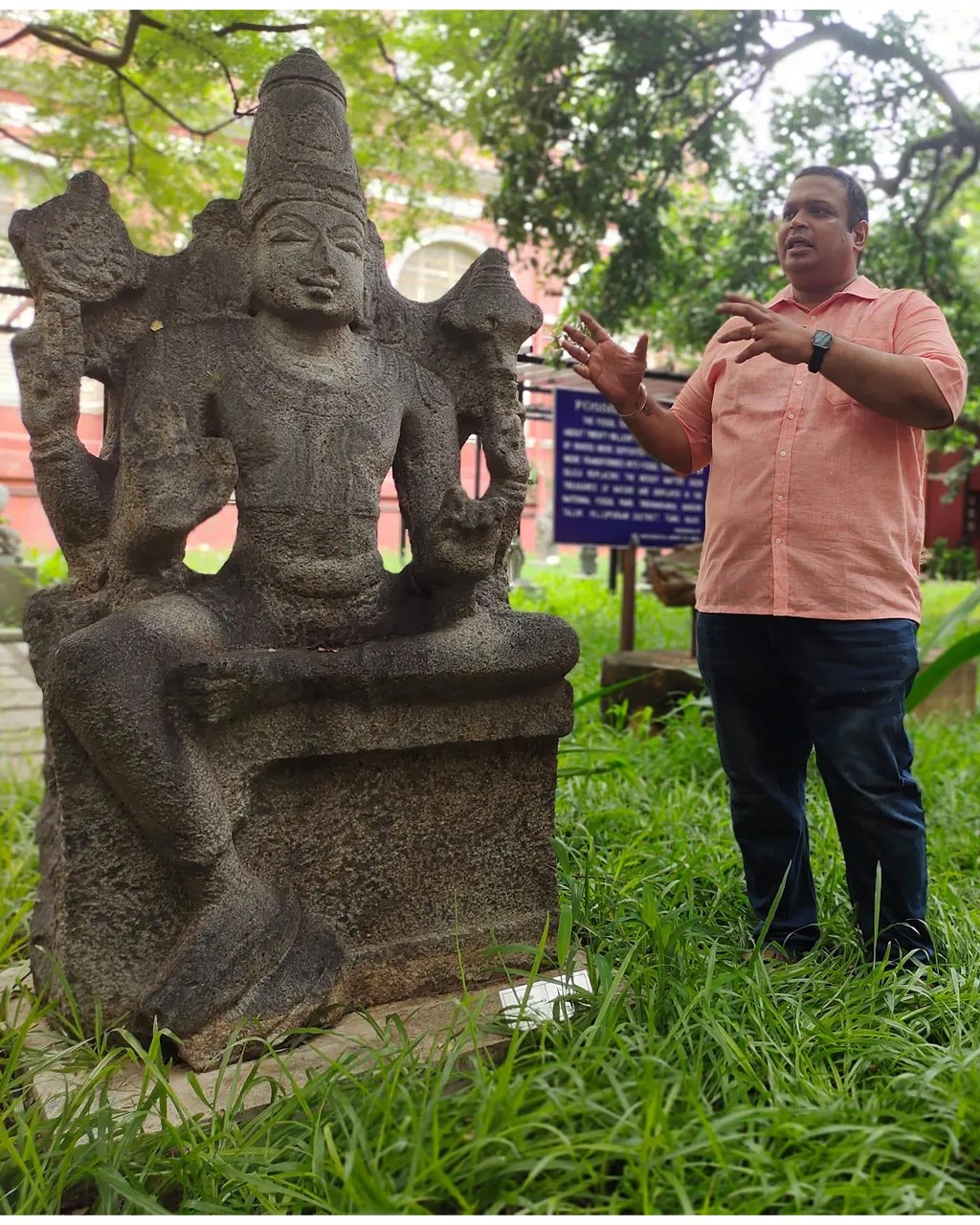
Photo: IPP [India Pride Project].
S Vijay Kumar, above, “travels through India, documenting artifacts and investigating the trail of missing objects online,” says the BBC.

For how many millenia have travelers thought it was perfectly fine to pick up local art objects and take them home, perhaps eventually donating them to museums? Today the looted countries are saying, “Wait a minute–that’s mine.”

Charukesi Ramadurai writes at BBC “Culture” that volunteers in India have started doing something about these thefts.

The story starts with recent speculation concerning the coronation of King Charles III, when many eyes in India were turned toward the Queen Consort and the “the contentious Koh-i-Noor diamond.” Would she wear it? She did not.

“While the palace has not made any official statement about the reason,” Ramadurai reports, “there were worries about it causing diplomatic issues with India, if it had been used, given the country’s claims to be its rightful owner. …

“The Koh-i-Noor, first found in written records in 1628, has long been the subject of acrimony between India and its former colonizer, with a persistent demand by the Indian government and its citizens for its return. As this piece in India’s Mint newspaper explains bluntly, ‘The main controversy around the diamond is that the British give an impression to its younger generation that the Koh-i-Noor was a gift from India and make no official mention of the violent history behind acquiring it.’

“The renewed uproar about the Koh-i-Noor has also led to intensifying questioning of all the other resources – not just the sparkly stones –  taken away from the Global South by western powers over centuries of trading and ruling. ‘Wear the diamond, give back the rest,’ suggests this op-ed piece in The Indian Express.

“Among the ‘rest’ are priceless cultural artifacts – and this is what the India Pride Project concerns itself with. This citizen movement for the restitution of stolen and smuggled antiques (particularly statues) from public museums and private collectors across the world was started in 2013 by shipping executive S Vijay Kumar and public policy expert Anuraag Saxena from Singapore. …

“These sleuths, with the help of a small, anonymous global team of volunteers from various fields – who communicate mostly online – have brought back to India several millions worth of antiquities from countries like Australia, Singapore, Germany, UK and the US.

“Most recently, they made the news when their efforts aided the investigation that prompted the National Gallery of Australia to return antiques worth $2.2 million – stolen by art smuggler Subash Kapoor – to the Indian government. Their targets include both artifacts taken forcibly out of India during the British colonial era, and those more recently stolen and smuggled from temples and public collections.

“Kumar, who is now based in Chennai in south India, and Saxena, who remains in Singapore, talk with ease about field trips to document missing idols and sting operations with auction houses. … This is not to suggest they are some kind of gung-ho art vigilante group, given the amount of plodding through paperwork and complex negotiation work they do. Their work involves advocacy, activism and coordinating between governments and law enforcement agencies such as Customs, Europol and Homeland Security within India and outside. Kumar says, ‘In the past when they reached out to India, nobody replied, so now we are doing that job.’

India Pride project is more of a network than an organization – we have no money, no employees and no authority,’ admits Saxena candidly, even a tad proudly.

“Art expert and former Egyptologist at the British Museum, Lewis McNaught, who now runs Returning Heritage, an online resource about cultural restitution, thinks the IPP model of citizen activism is intriguing. ‘They go out and actively source information using a social network of supporters. And only when they are able to confirm that the object has been stolen, do they approach the government, which in turn applies pressure on the museum or other governments where the object is being held.’

“There has been an established pattern of theft and trafficking of valuable art and artifacts from poorer countries in Asia and Africa to richer nations in the West – either directly by colonizing forces or in more recent times, through a sophisticated network of smugglers.

“In his book The Anarchy: The East India Company, Corporate Violence, and the Pillage of an Empire (and in various other places), writer and historian William Dalrymple has called out the looting of thousands of priceless objects from India to Britain by the employees of the trading East India Company. …

“Long after the colonizers have retired, there still remains a flourishing multi-billion-dollar black market in stolen antiquities. Serendipitous discovery is rare, such as this story from the 2018 Met Gala when Kim Kardashian took a photo in her sparkling gold gown twinning with a resplendent golden mummy. The photo drew attention to, well, the mummy, which was then detected to have been smuggled out of Egypt unnoticed in the chaos of the 2011 Arab Spring, making its way into New York’s august Metropolitan Museum of Art. The ensuing media outcry forced the Met – which had paid $4 million for fake documents – to return said mummy to Egypt.

“And before anyone feels too sorry for this museum’s loss, it is important to know that despite the 1970 Unesco Convention aimed at ending the illicit trade of antiquities, museums including big ones like the Met and The British Museum (the largest receiver of stolen goods, some say) have continued to buy from art thieves such as the now-convicted Subhash Kapoor. Kumar, who has written about his long pursuit of Kapoor in his book The Idol Thief, says this is simply because of the standard market economics of supply and demand. In a 2020 piece for the New Indian Express entitled: ‘When the buying by museums stops, the looting stops,’ Kumar called out museums for turning a blind eye to the origins of coveted antiquities.”

More at the BBC, here. No firewall.

Read Full Post »

« Newer Posts - Older Posts »