Feeds:
Posts
Comments

Posts Tagged ‘art’

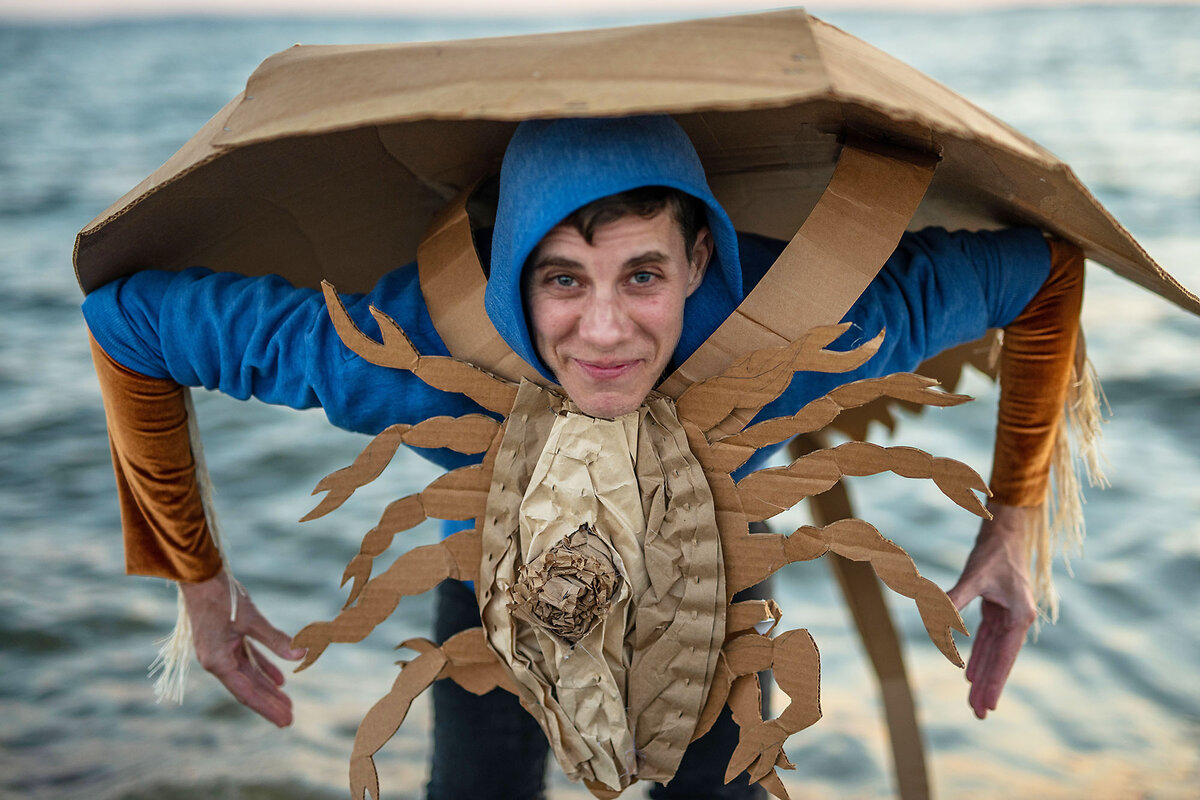
Photo: Epli Photography via Eli Nixon.
Multidisciplinary artist Eli Nixon poses in a homemade cardboard horseshoe crab costume at Barrington Beach in Barrington, Rhode Island.

There is an ancient form of life that lives in the waters along our shores — the horseshoe crab. The horseshoe crab is in danger from big pharma, which harvests them because their blood can reveal toxins in chemicals. Fortunately, people of all backgrounds are learning about this treasure and hope to save it.

Oli Turner writes at the Christian Science Monitor, “With its dome shape and spiky tail, the horseshoe crab might at first look like a fearsome visitor from another planet. But for artists like Heidi Mayo, the ancient creature is an approachable muse.

“A collection of 13 brightly painted horseshoe crab shells hangs along her back fence here. On her kitchen table sits a novel she wrote, inspired by encounters with the living fossil. Upstairs, in the top-floor studio where she teaches art classes, two spiny molt serve as figure-drawing models. [Crabs molt shells.] …

“A few miles away, at the Plymouth Center for the Arts, the public can see more of her work – and that of other artists, similarly inspired – at a new exhibit, ‘The Horseshoe Crab: Against All Odds.‘  

“The exhibition, featuring representations in watercolor, metal, and textiles, is part of a broader effort to save and conserve the once-misunderstood sea animal, which is now facing new threats. 

“ ‘The essence of this show [is] that horseshoe crabs are in trouble,’ says Joan Pierce, one of the curators, her silver horseshoe crab earrings swaying as she speaks. …

Pharmaceutical companies use their unusual blue blood to test products for toxins. 

“The Atlantic States Marine Fisheries Commission reports that the Northeast horseshoe crab population is currently in a ‘neutral,’ or stable, state. But the population remains vulnerable, according to advocates. On March 19, the Massachusetts Marine Fisheries Advisory Commission approved protections preventing the harvest of horseshoe crabs during their spring spawning season. …

“The horseshoe crab isn’t actually a crab, despite its name. More closely related to ticks and spiders, it walks on 10 spindly legs in the coastal shallows, feeding on worms, algae, and other inhabitants of the ocean floor. The long, pointed tail protruding from its hardened exoskeleton is often mistaken for a stinger. At times, the public has seen them only as a nuisance … not understanding that their eggs, which migratory shorebirds eat, help the coastal ecosystem.

“But the tide is turning. The curators of ‘Against All Odds’ felt an urgency to raise awareness about the crabs’ plight. They issued invitations to artists to highlight ‘the beauty of these ancient creatures, their ecological importance, and the threats they face.’ They hoped for 35 submissions. Then more than 160 offerings rolled in from more than 70 artists. Of those submitted, 74 works made it into the final show. …

“ ‘This is not just pretty pictures on the wall,’ Ms. Pierce says. ‘This is about education and advocacy. … We want to see stricter regulations.’ …

“Elsewhere in New England, other artists are also trying to raise awareness. In Rhode Island, another horseshoe crab hub, multidisciplinary artist Eli Nixon hopes that learning about the animal can create a new culture of compassion and responsibility. [Nixon offers a] 2021 illustrated manual and field guide Bloodtide: A New Holiday in Homage to Horseshoe Crabs [and] often wears a homemade cardboard horseshoe crab costume to parades. …

“Back in Massachusetts, Mark Rea remembers in his youth, before tourism swept the shores of Nantucket, when horseshoe crabs drifted along the seafloor undisturbed. …

“For the past 18 years, Mr. Rea has made ceramic casts of the exoskeletons of horseshoe crabs when he finds their remains on Cape Cod beaches. He fires the lifelike molds, glazing them with vibrant, glossy colors. While most of his creations look peaceful, several of them depict the toll the bait and pharmaceutical industries have had. Creating the ceramic horseshoe crabs is now his full-time job – he makes 600 a year and sells his work online and in local galleries.”

More at the Monitor, here (no firewall; subscriptions reasonable). Use the Search box on this blog to find more horseshoe crab info.

Read Full Post »

Weaver and Shepherd

Photo: John Burcham.
Textile weaver and fiber artist Roy Kady.

Today’s story is about a man for whom work and art are inseparable: Navajo weaver Roy Kady.

Elaine Velie at Hyperallergic conducted the interview.

“Diné weaver and fiber artist Roy Kady sat down for a video interview wearing a shirt that read ‘Sheep is life.’ Kady is a shepherd and an artist, roles he sees as definitively intertwined. ‘I am first a shepherd, then art comes with it,’ he said.

“Kady’s decades-long career has been one of constant learning, and in recent years, teaching. He shares weaving techniques and Diné stories that he says are too often missing from younger generations. Kady spoke to Hyperallergic about Diné conceptions of gender, apprenticeship in his small Arizona town, and being accepted as a gay man in his community.

Hyperallergic: What are your earliest memories of weaving, and how did your mother’s practice influence your own?

Roy Kady: My sisters and I grew up in a single-parent household where my mother brought us up, so we were taught everything from building a house to repairing a roof to working under the hood of a vehicle, the sort of things the colonized world would call ‘man’s work.’ We learned inside, too. From washing dishes and getting the house tidied up to cooking and baking, we did what would be considered ‘women’s work.’ But for us, it’s not.

“I was taught about weaving at the young age of nine years old. I have some recollections before that of sitting by my grandmother, grandfather, and mother, who all also partook in fiber arts — weaving and processing the fiber. My mom gifted and shared weaving techniques with me: vegetable dyeing and some of the family designs that came with it. I was fortunate; I was given the tools she and our kin relations had, and that’s what inspired me to become an artist. We learned farming and goat and sheep herding, too. …

“Sheep provide you with sustainability, food, and the opportunity to learn how to maintain the land. We take care of them so that they can take care of us.

“As a shepherd, you know what they like to eat and what keeps them healthy. They also know that themselves, so they’ll take you on journeys to where particular plants exist. On those journeys, you’re able to be inspired by color and the environment, by the mesas. You start to see geometric forms that you can bring back to your weaving repertoire.

“That’s what traditional Navajo weaving is: an interpretation of your environment. A lot of my earlier pieces were designed with that in mind. They’re not necessarily just stripes; they represent rainbows. They’re not just step patterns; they’re mesas or clouds.

“There’s a whole opening of the universe that is represented. In order to understand and have that knowledge, you must have the knowledge of shepherding. But it’s a rarity now because there are not many shepherds. The sheep population has really declined. Navajo fiber artists and textile weavers create beautiful artistry, and while they may no longer have herds, they have memories from their grandparents or parents or maybe from within themselves around growing up with sheep. …

“My mother would sometimes say something like, ‘You’re at the age when you are going to learn about horsemanship.’ She was a horsewoman type. She would teach us, then she would want us to ask a neighbor or other kinfolks to learn other forms. I remember growing up and learning a lot from the neighboring kids. We would go to their houses and learn different types of fiber arts, traditional recipes, or plant foraging. …

“I would go spend a day, a weekend, or even a month in their home and helping them with their livestock. That’s how I would earn the opportunity to learn from them. They’ve always told me that this knowledge doesn’t just belong to one individual, saying, ‘It was gifted to me. It goes all the way back to the creation story.’ That’s how I model my apprenticeships now. …

“I don’t just use wool. I use anything that’s of natural origin, including tree bark and wild cotton, nettle, silk, you name it — whatever I can get my hands on. If I can find somebody who says, ‘I have a herd of bison,’ then I say, ‘What do you do with their wool?’

H: Are there any works that you particularly love?

RK: That would be the one titled ‘Shimá,’ meaning ‘my mother.’ I would wheel her into the sheep corral in her wheelchair, and the sheep knew who she was and come up and greet her. They knew the scent of her hands and how she cared for them. I took a beautiful picture of her making those interactions and decided to weave it. I broke ground for myself by incorporating all different types of techniques that I’ve learned along my weaving journey. At this point, that would be my favorite. …

H: Are there any projects you’re working on now or that you’re excited to start in the future?

RK: There’s an upcoming gallery exhibit near us in Cortez, Colorado, that I’m starting with my grandson, Tyrell Tapaha. He’s come back to learn about shepherding and be my apprentice. We’re doing a collaborative type of show. I will show what took place between the two of us, and it will include his interpretation of what I taught him about sheep, the landscape, or a particular plant.

“We are utilizing what we call barbed wire art. When you’re a sheepherder in this country, you have barbed wires lying around everywhere that are rusty, but we create these wonderful shapes and incorporate that into our textiles or fiber work. We’re excited to venture.”

Read more and see how the artist wove an image of a sheep at Hyperallergic, here. No firewall. Subscriptions encouraged.

Read Full Post »

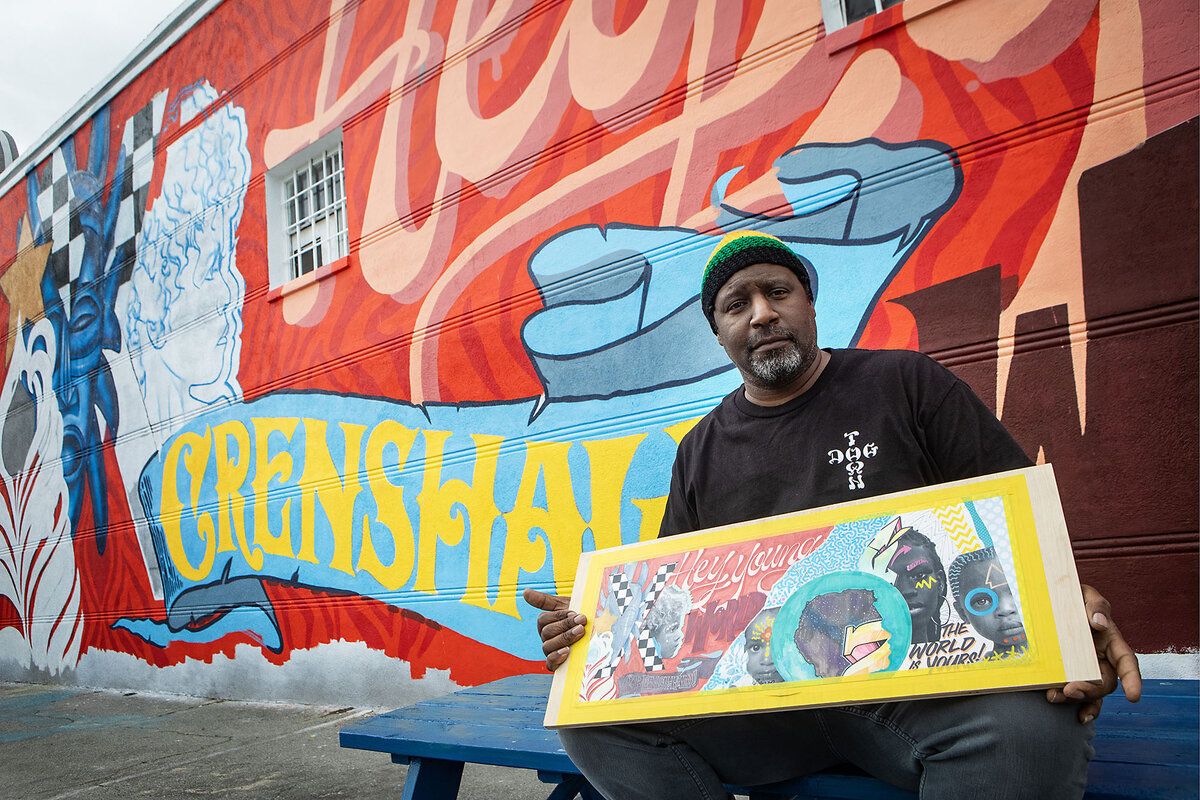
Photo: Melanie Stetson Freeman/CSM Staff.
Anthony “Toons One” Martin created this mural as part of a $100 million art-focused initiative in South Los Angeles called Destination Crenshaw.

To bring out the beauty inherent in a marginalized community, you need to get everyone on board. Because the beauty is there.

Ali Martin writes at the Christian Science Monitor about Destination Crenshaw, a part of Los Angeles that used to be known as South Central.

“Growing up in South Los Angeles, Anthony Fagan was ‘very much part of all of the problems that take place in this community,’ he says. Today, he’s overseeing construction on a park that is at the heart of efforts to make the Crenshaw District a must-visit stretch of LA.   

“ ‘We’re going to change lives with this park on so many different levels,’ says Mr. Fagan, an assistant superintendent with PCL Construction. 

“The $100 million initiative has drawn public and private funding to transform a 1.3-mile stretch of Crenshaw Boulevard into the largest Black-centered public art display in the United States. Destination Crenshaw is a holistic plan that weaves economic and community development together with cultural celebration to recast this neighborhood as a tourism center and create economic stability for those who live here – and for generations to come. …

“Destination Crenshaw runs north-south through the Hyde Park neighborhood – part of South LA, known as South-Central Los Angeles until 2003, when the LA City Council changed the name, hoping to dissociate the 16-square-mile area from a reputation for gang violence and race riots. 

“Destination Crenshaw touches three census tracts that fall in California’s highest quartile for poverty and unemployment. On average, about three-fourths of the residents who live in these neighborhoods are Black.

“In the 1950s, South LA had the highest concentration of Japanese Americans in the country. … African American families soon followed, and by the late 1960s, Crenshaw Boulevard was a corridor of flourishing Black-owned businesses. Leimert Park, capping the northern end of the district, was a center of artistic expression.

“Rosemary Williams moved here from Chicago in 1968. She opened Dog Lovers Pet Grooming on Crenshaw Boulevard in 1980. … Ms. Williams’ daughter convinced her to participate in Destination Crenshaw’s mural program, which pairs artists with storefronts. Her reluctance gave way, she said, because of the organizers’ efforts to support small businesses and to clean up the area. …

“Anthony ‘Toons One‘ Martin answered the call. He grew up in South LA in the ’70s, and remembers it as vibrant. He turned a talent for graffiti art into a career and worked around the world as a muralist. … His design is titled ‘Hey Young World,’ inspired by the hip-hop song with the same name. He hopes, in turn, to inspire the youth who live here to take pride in their neighborhood and themselves – and dream big about their futures. … He says, ‘If we want to see [solutions], we have to be a part of that process.’  

“Nobody knows that better than Marqueece Harris-Dawson, City Council member representing the 8th District and a driving force behind Destination Crenshaw. The South LA native came into office as plans were underway to build a light rail station at Leimert Park.

“Residents were upset that the line would be built at street level, instead of below or above ground, bisecting their main throughway and disrupting foot traffic. But Mr. Harris-Dawson took a cue from Beverly Hills, which lobbied to have its light rail at grade to showcase the world-famous shopping district around Rodeo Drive, where palm trees punctuate power lunches and luxury stores.

“He enlisted the Crenshaw community for ideas about building on the city’s investment. … What emerged was a plan to capitalize on the art and culture that radiate from this district, stimulate economic development, and strengthen community ties. …

“People associate Black culture with Harlem, Chicago, or Atlanta, ‘but they don’t think of LA. And it’s because we just don’t put it forward,’ says Mr. Harris-Dawson. … Organizers describe Destination Crenshaw as ‘unapologetically Black.’ Sankofa Park showcases that spirit. The triangle-shaped plot sits across from Leimert Park Station, one of a half dozen pocket parks. …

“Every detail is intentional: The park name – Sankofa – is for the African bird that represents moving forward while learning from the past.”

More at the Monitor, here. No firewall. Subscriptions are reasonable.

Read Full Post »

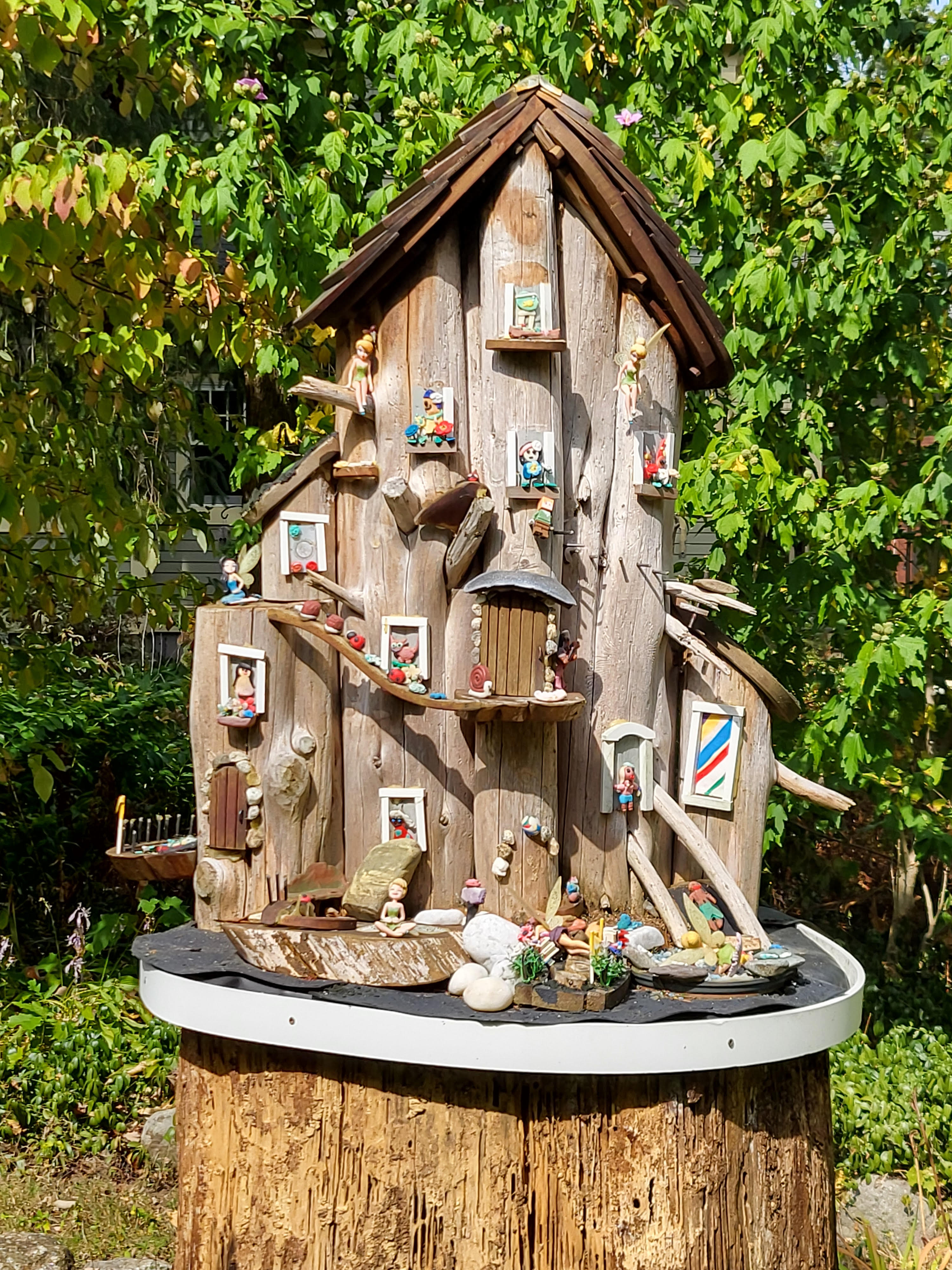
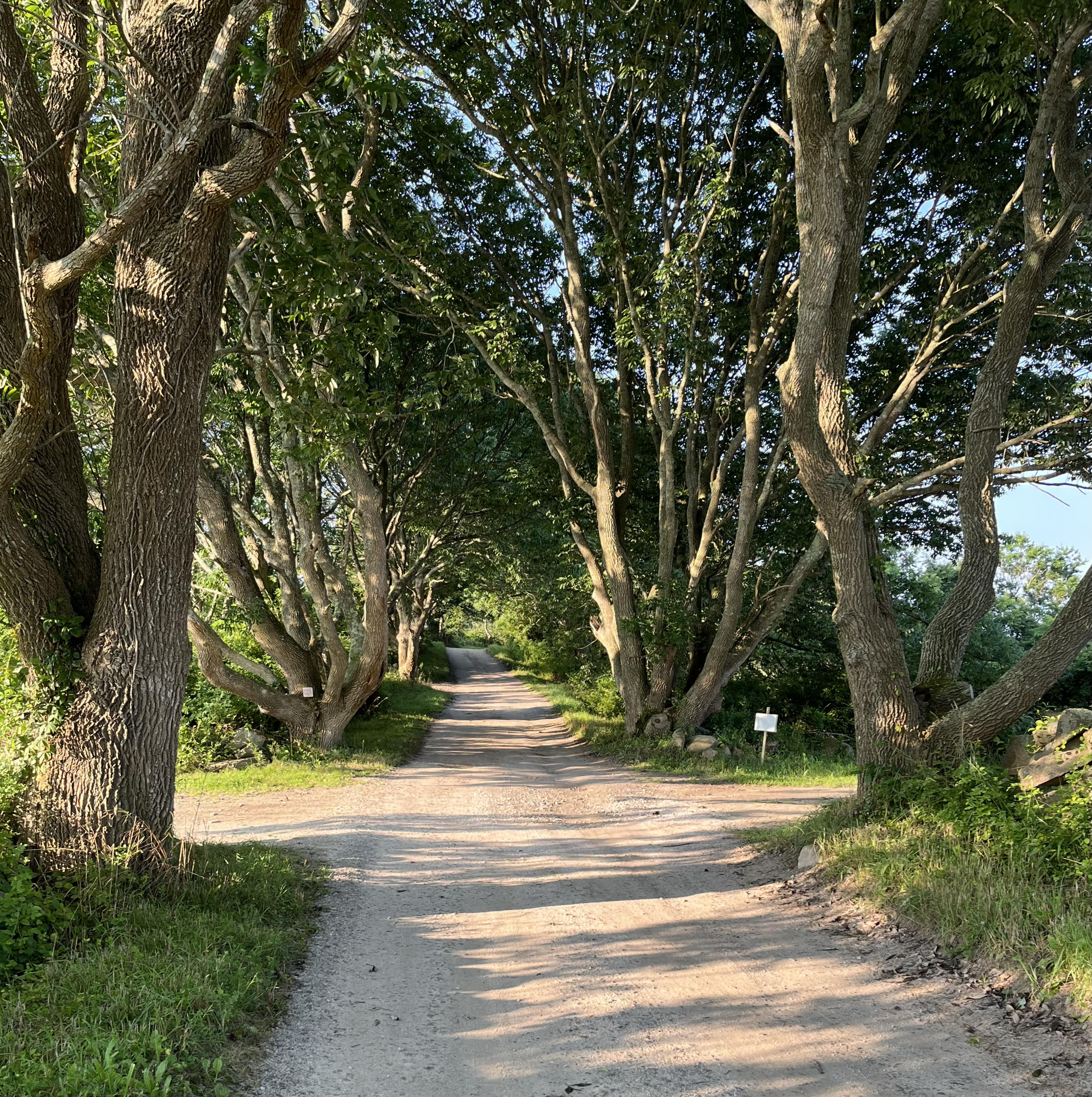
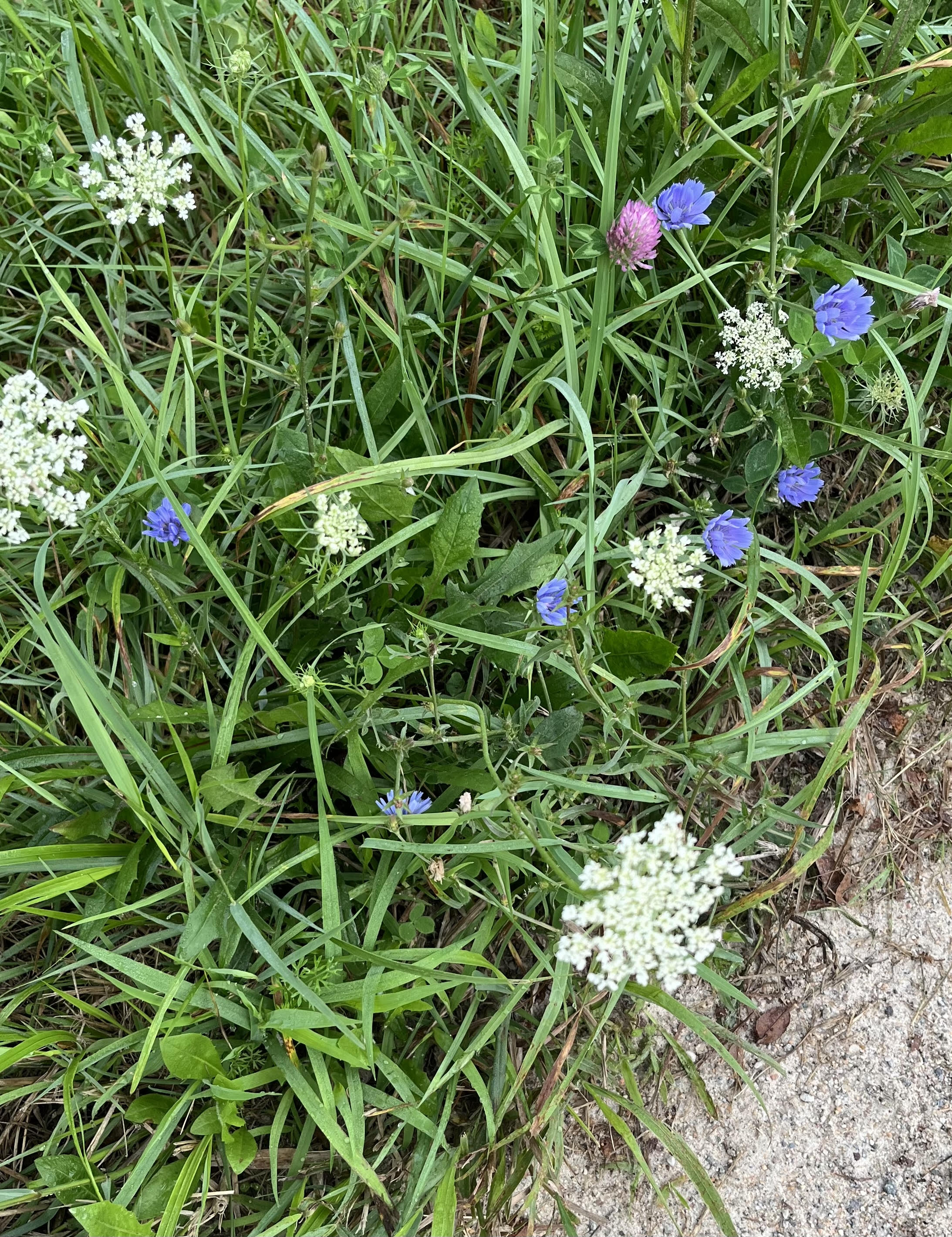
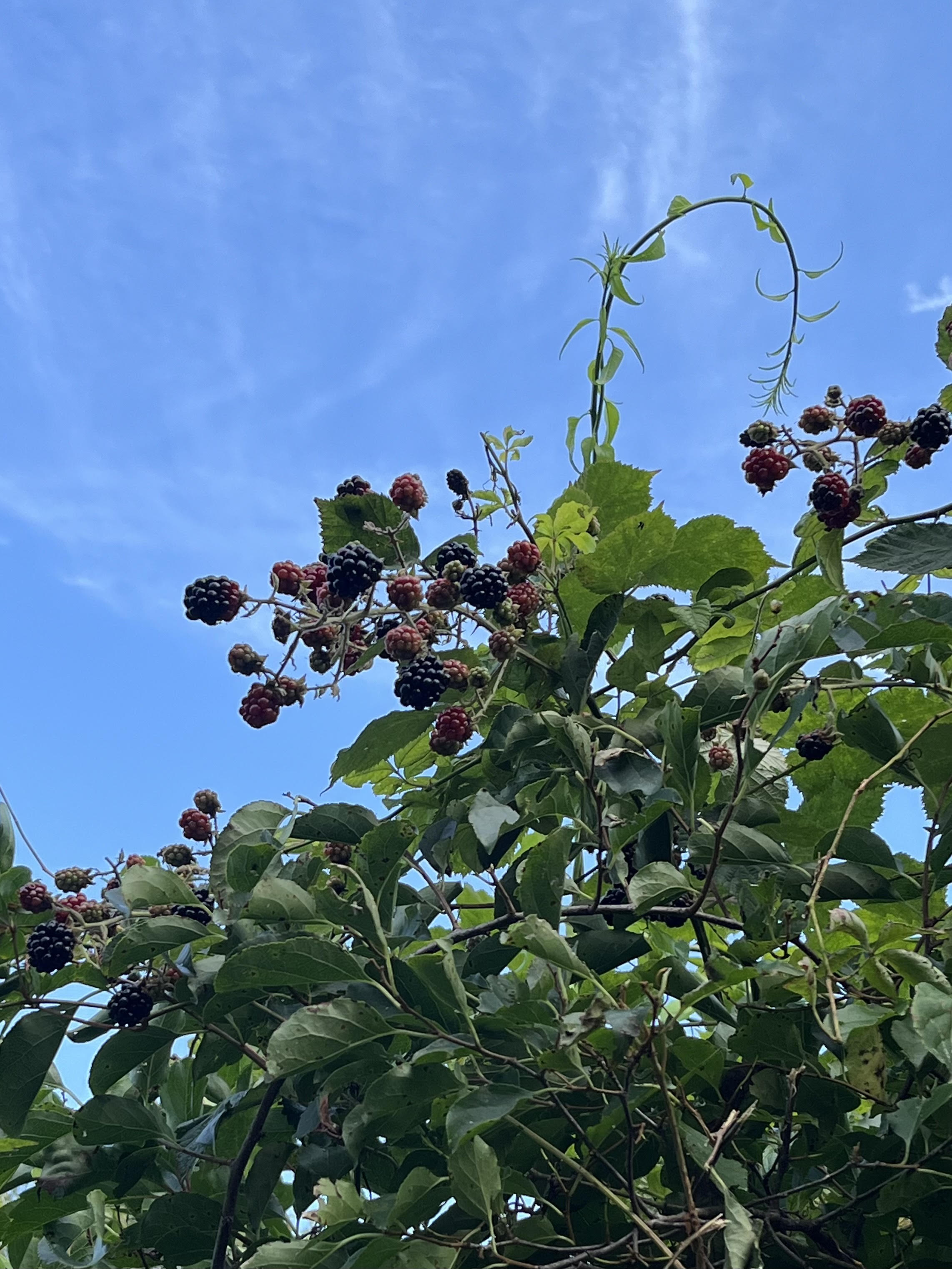
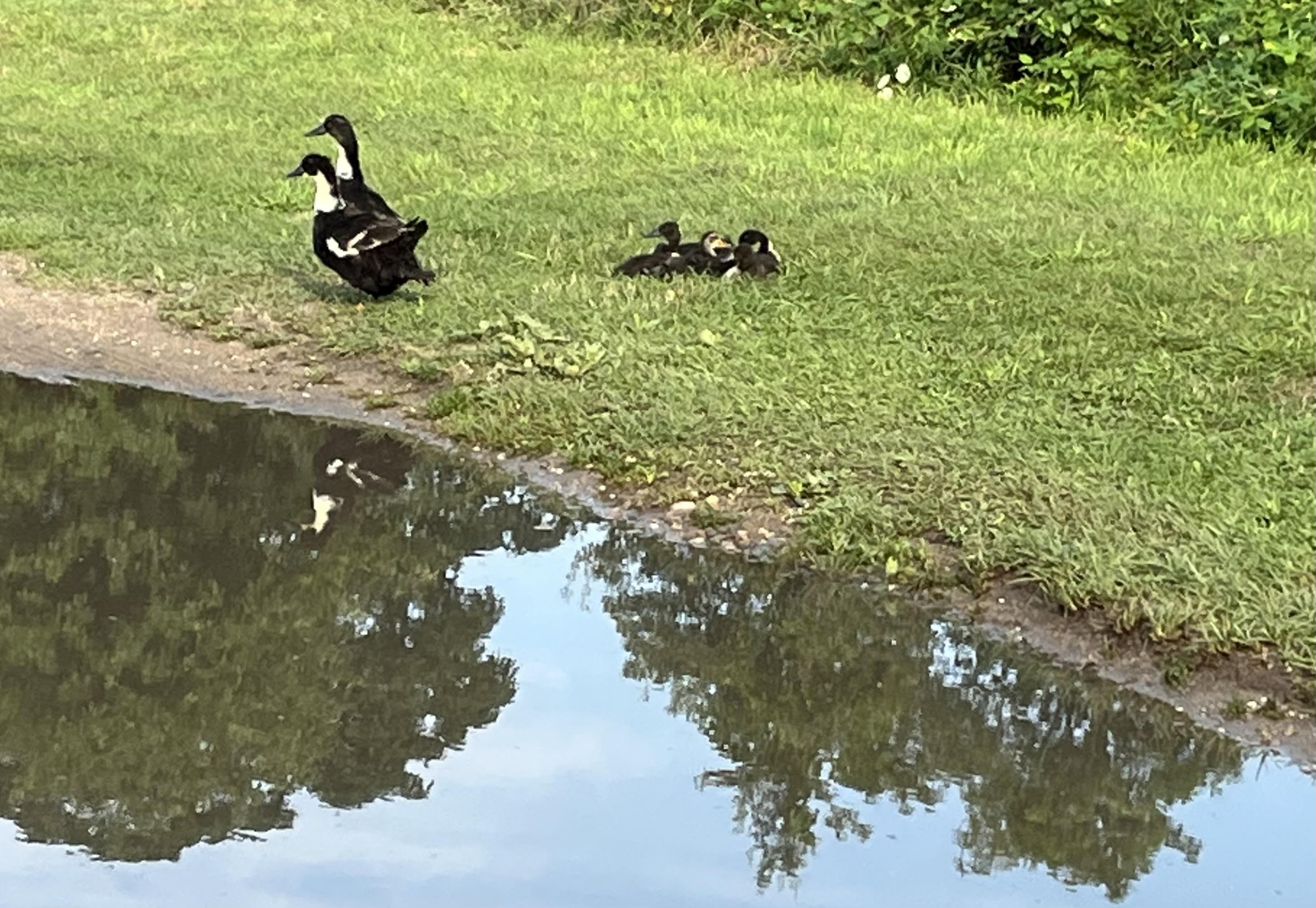
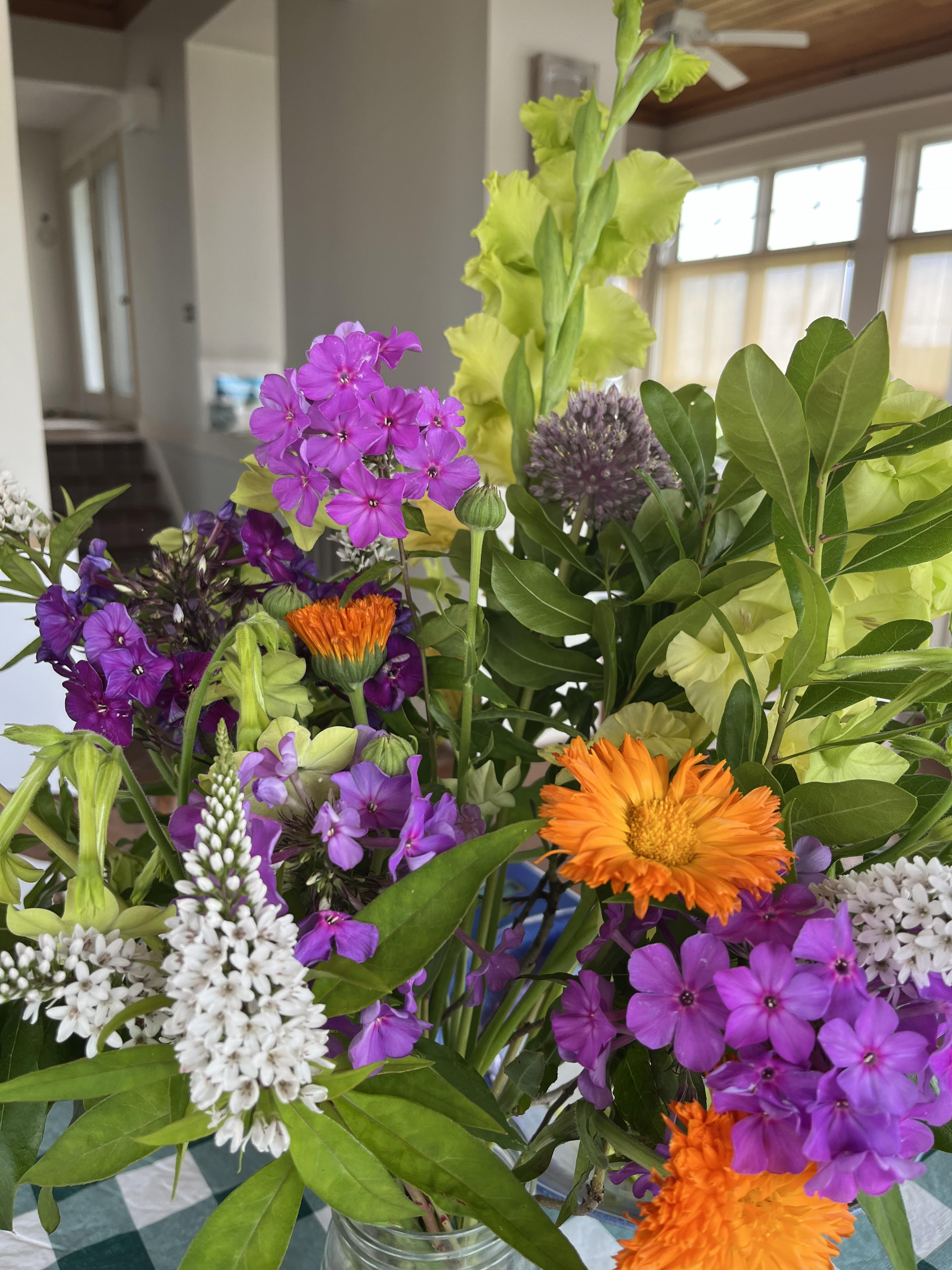
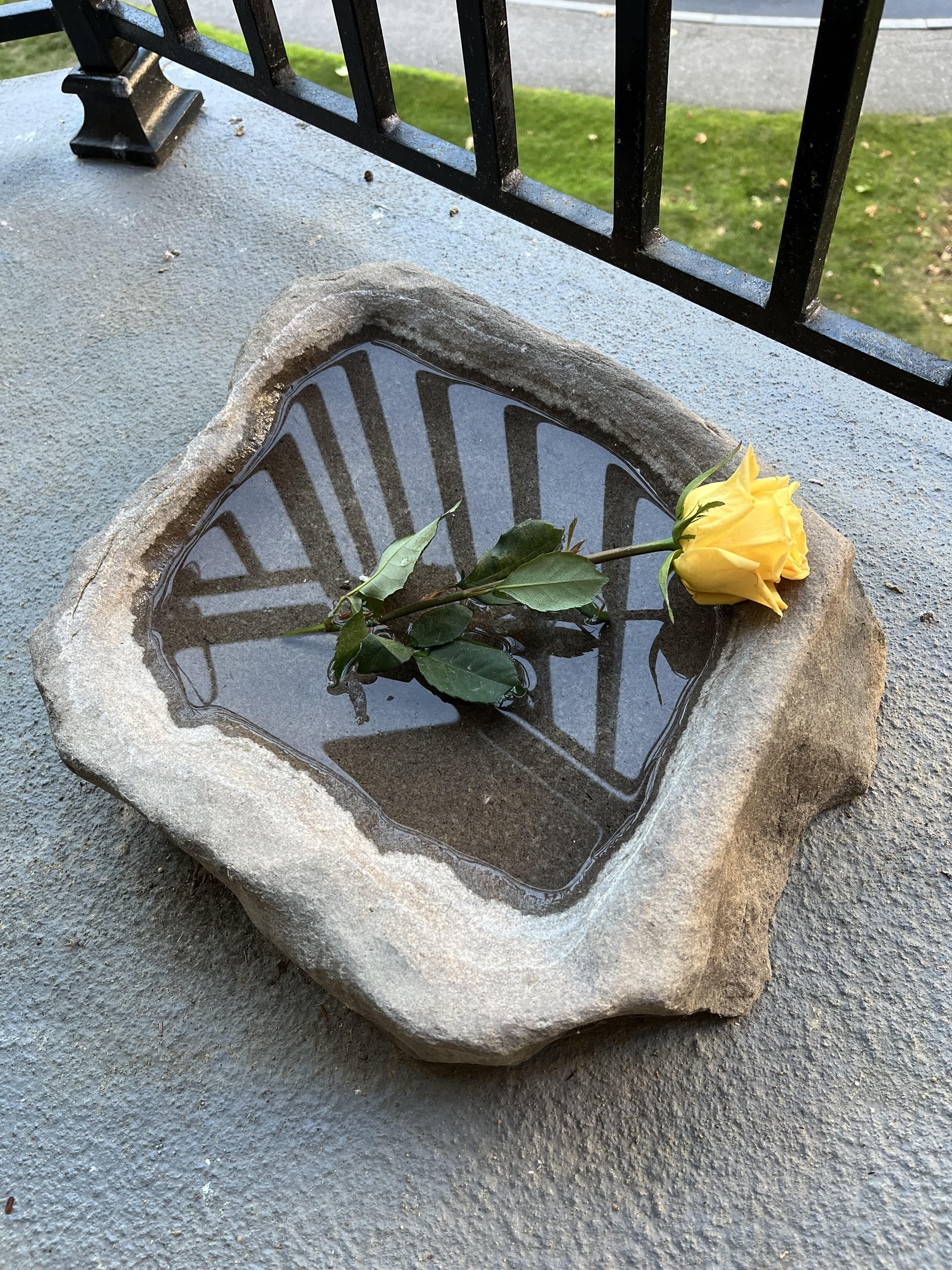
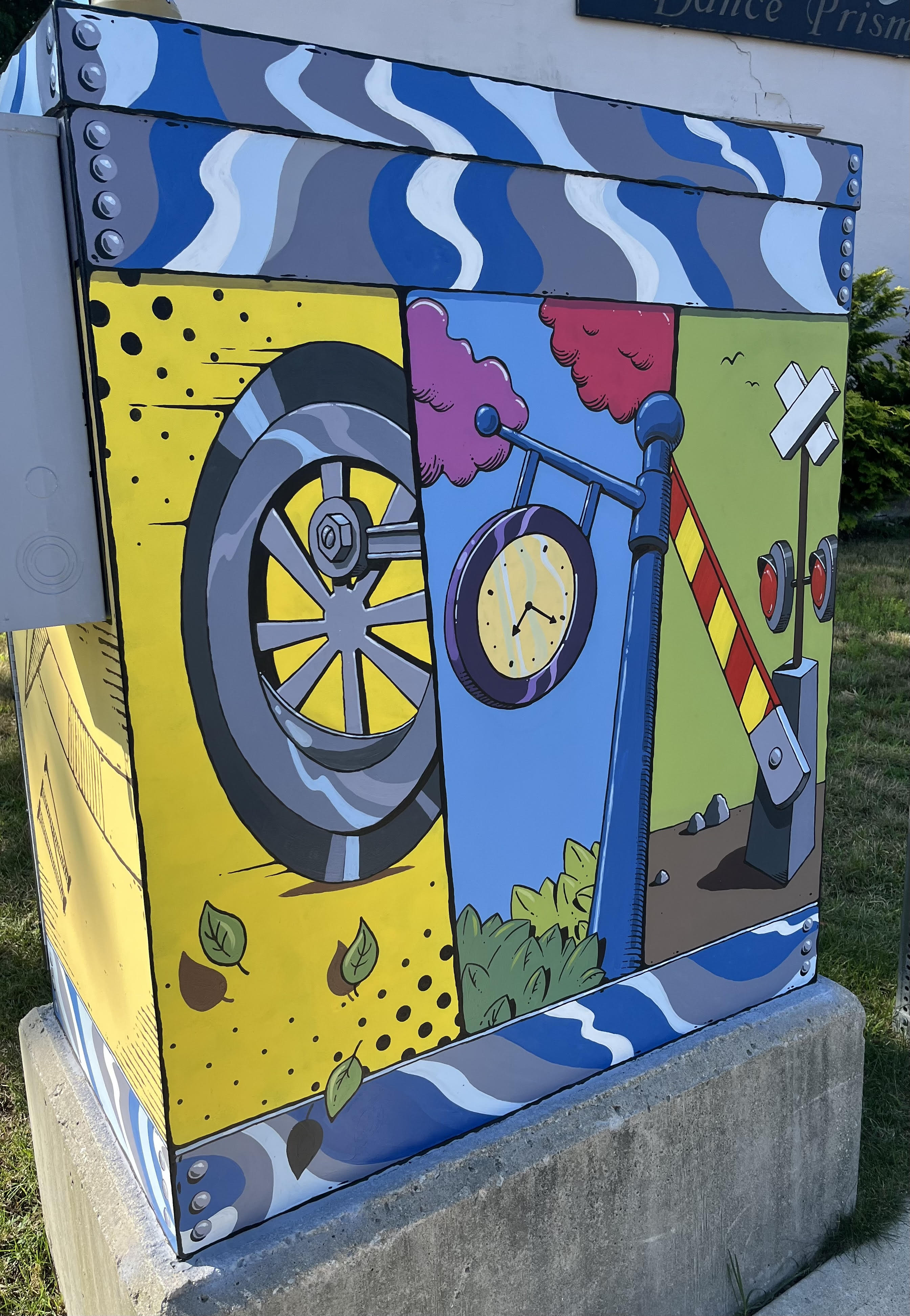
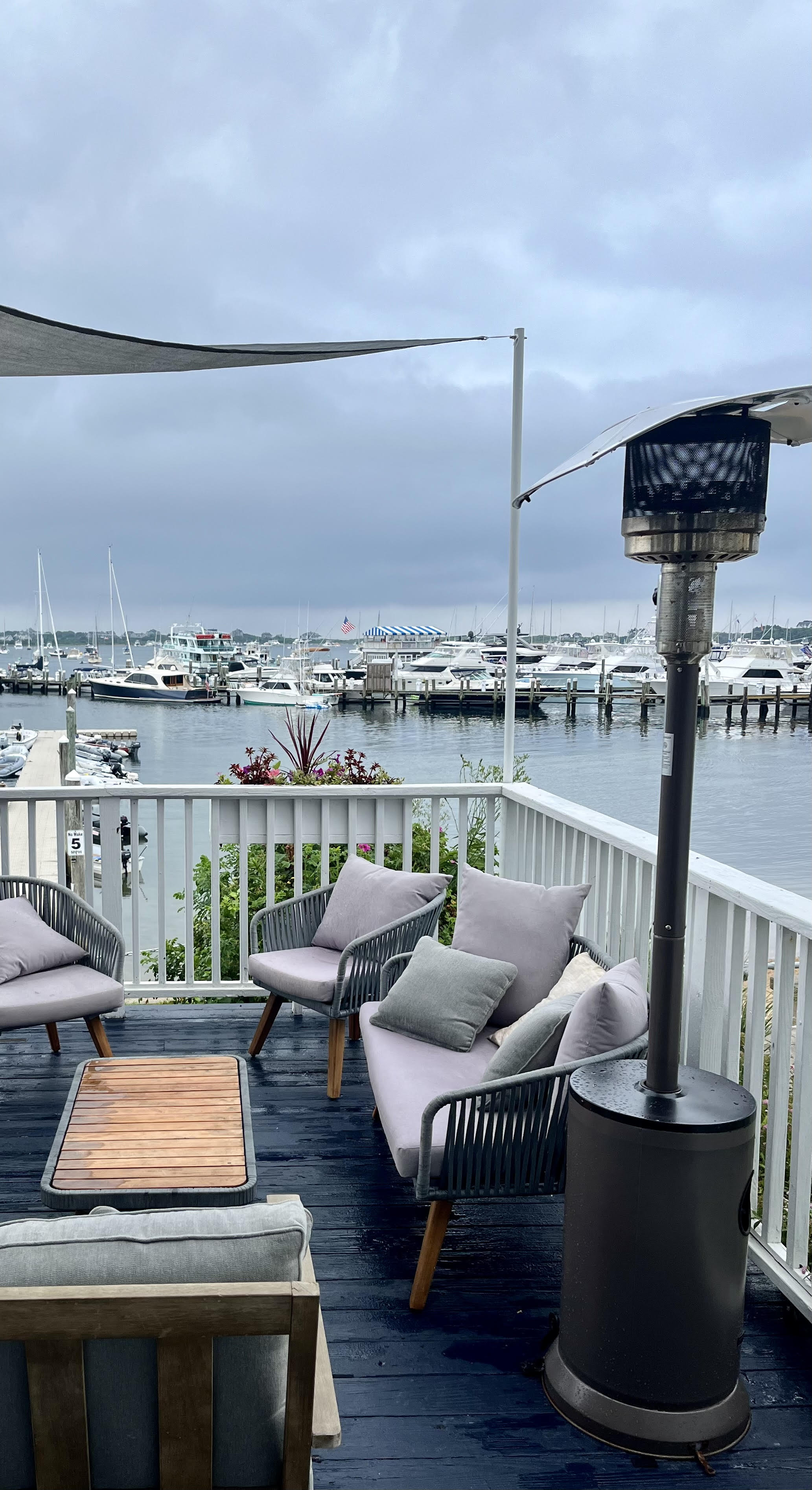
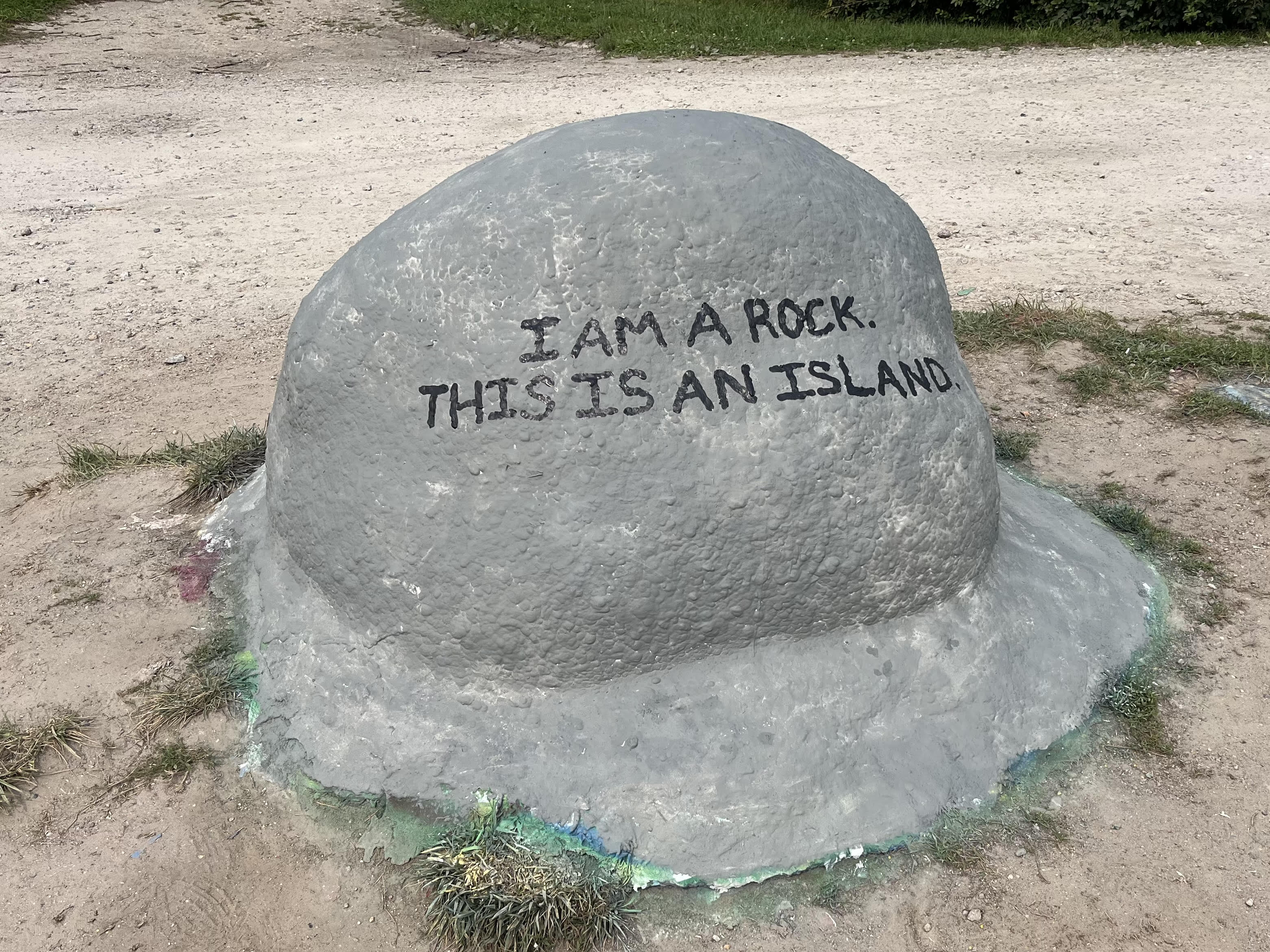
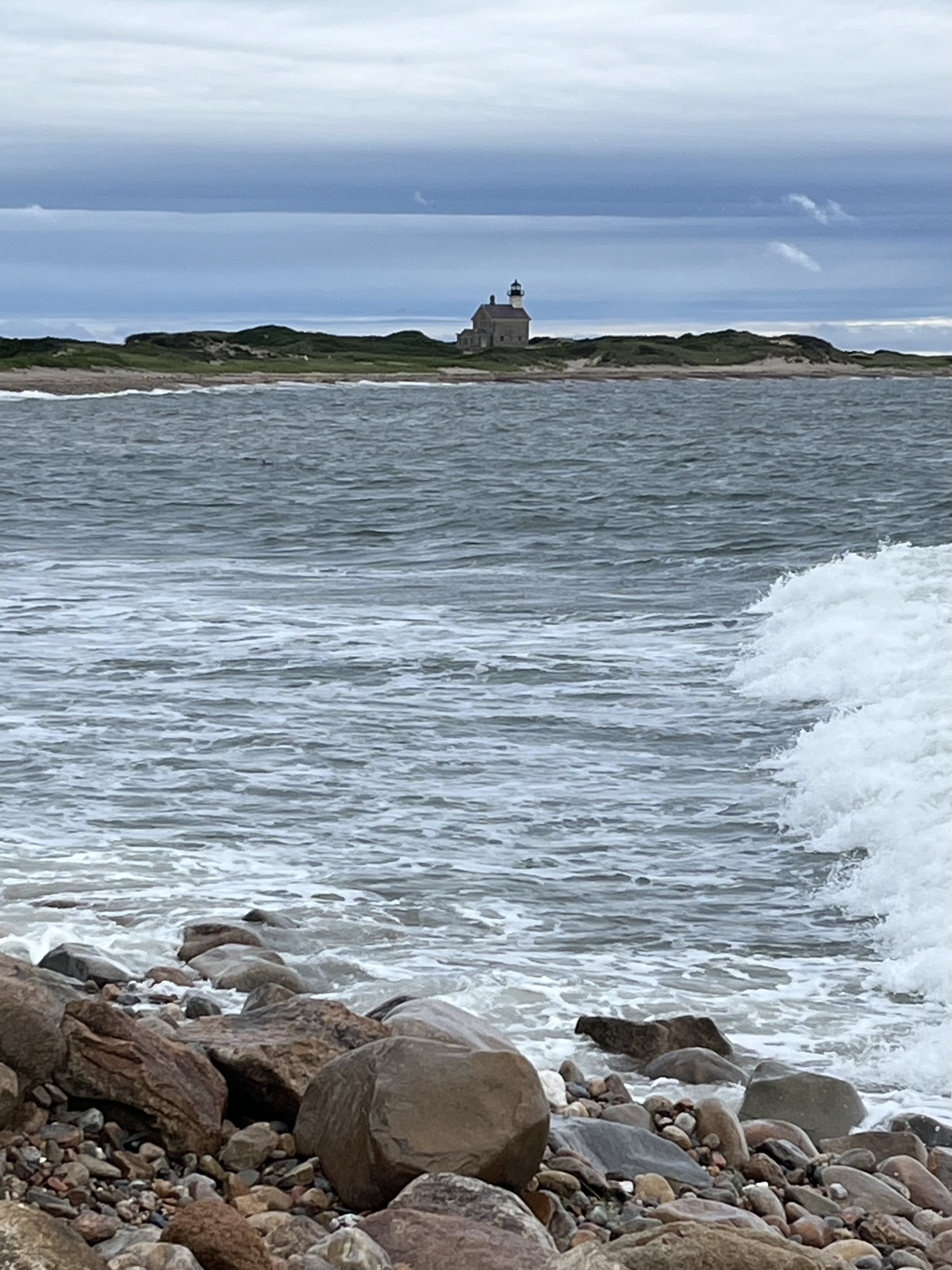
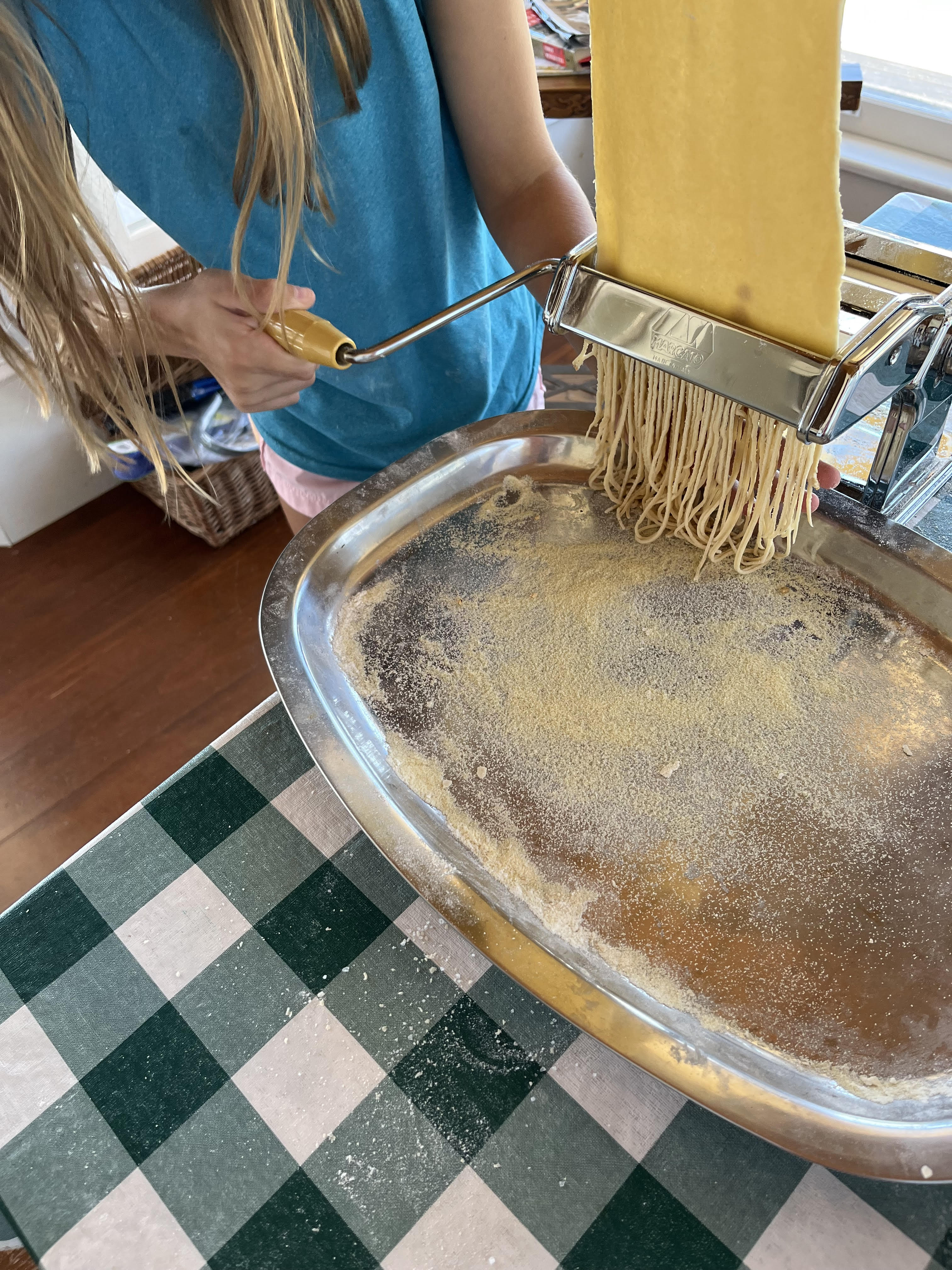
I took a lot of photos in July. The light was so wonderful. If you have questions about what you are seeing here, please let me know in the comments.

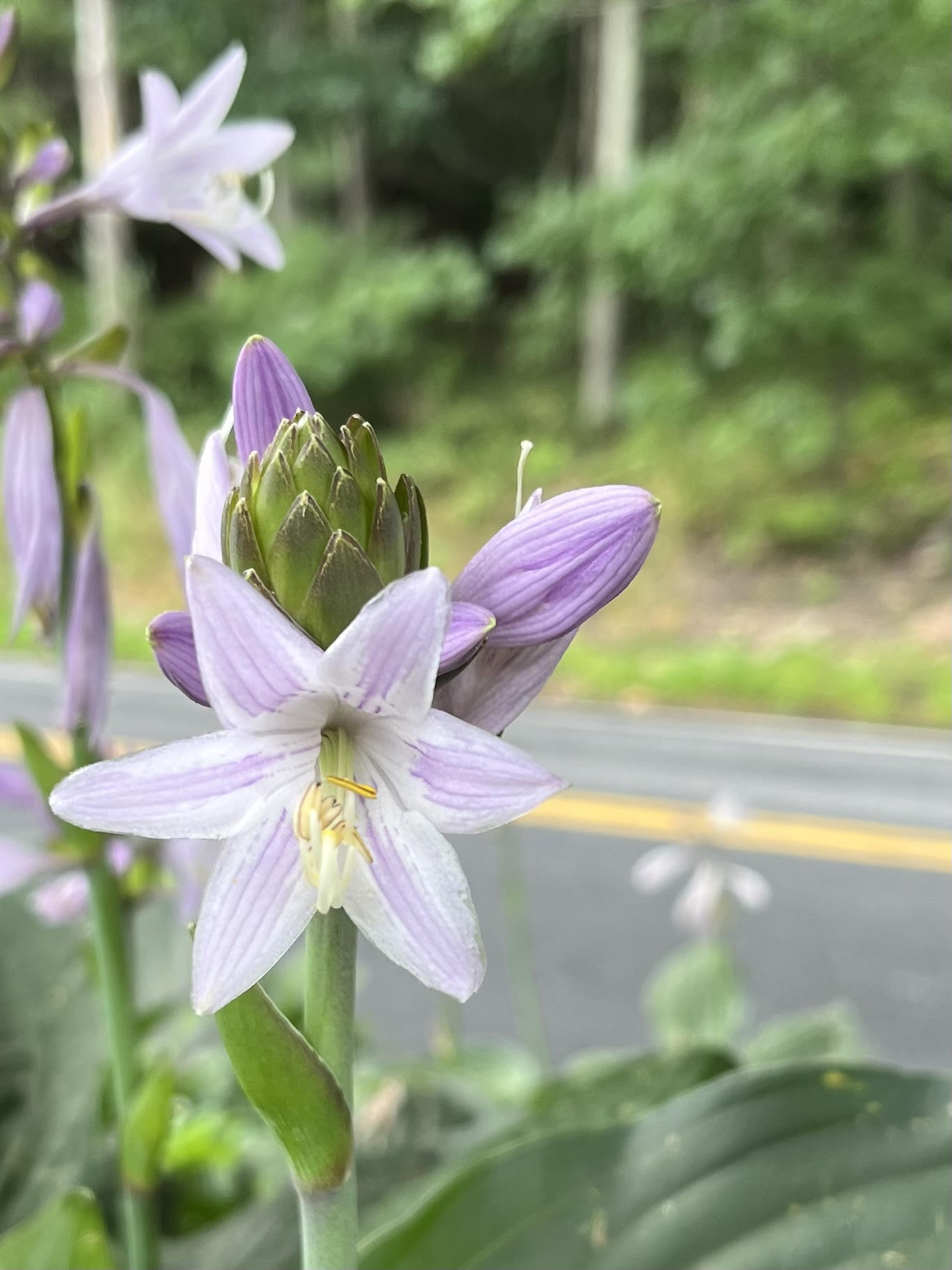
I’ll just point out a few things. I took a close-up of a hosta flower. They normally look so droopy. This perky one caught my eye.

The raised flower and vegetable beds were just inaugurated at my retirement community for the many residents with green thumbs. I visit the gardens most mornings and take in the lovely scents. Is anyone else enamored of the way tomato plants smell — the leaves, the stems?

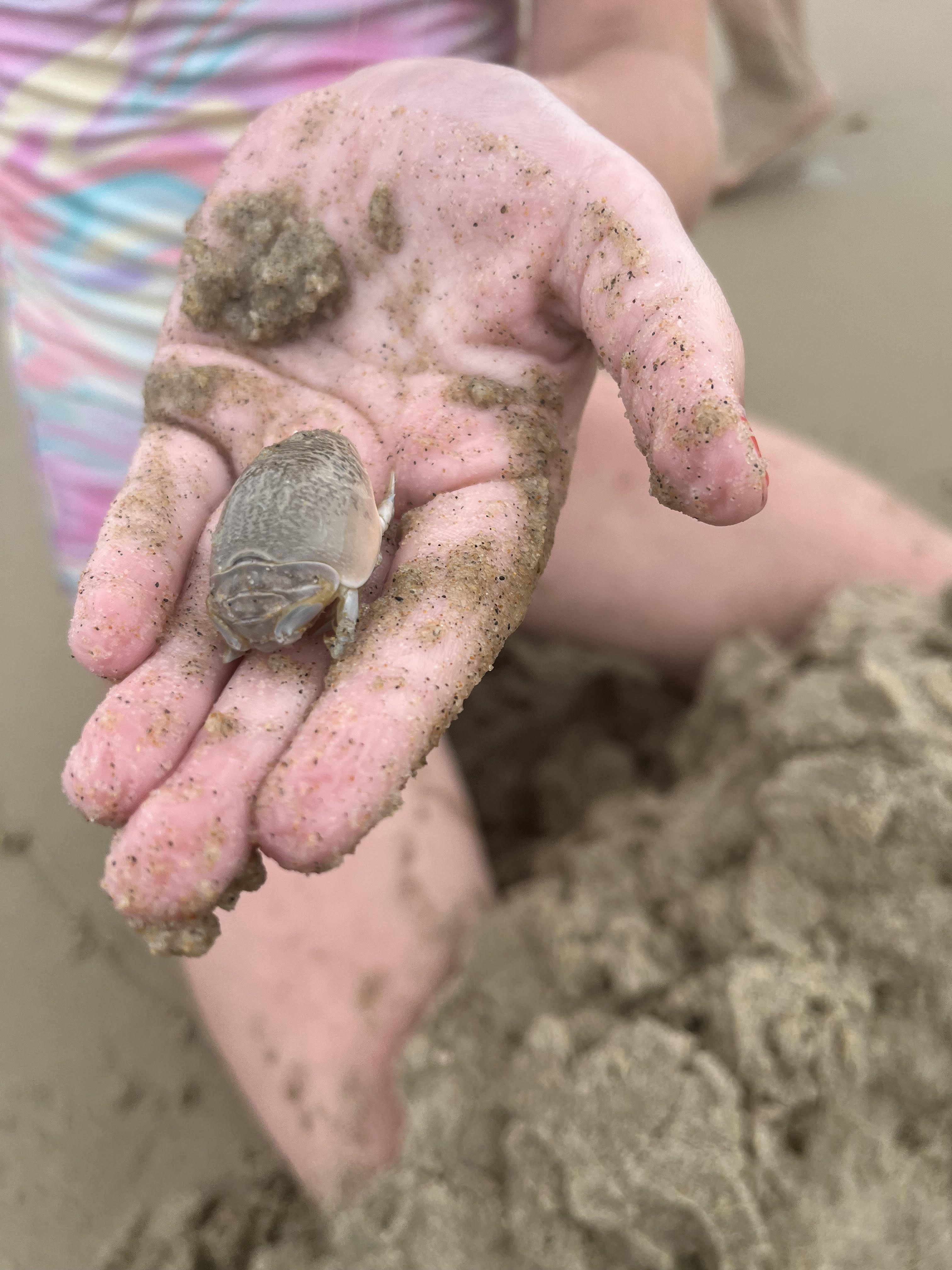
I was wildly excited when a granddaughter dug up a mole crab at the beach. I hadn’t seen one in decades. On Fire Island we used to call them “jumpies.”

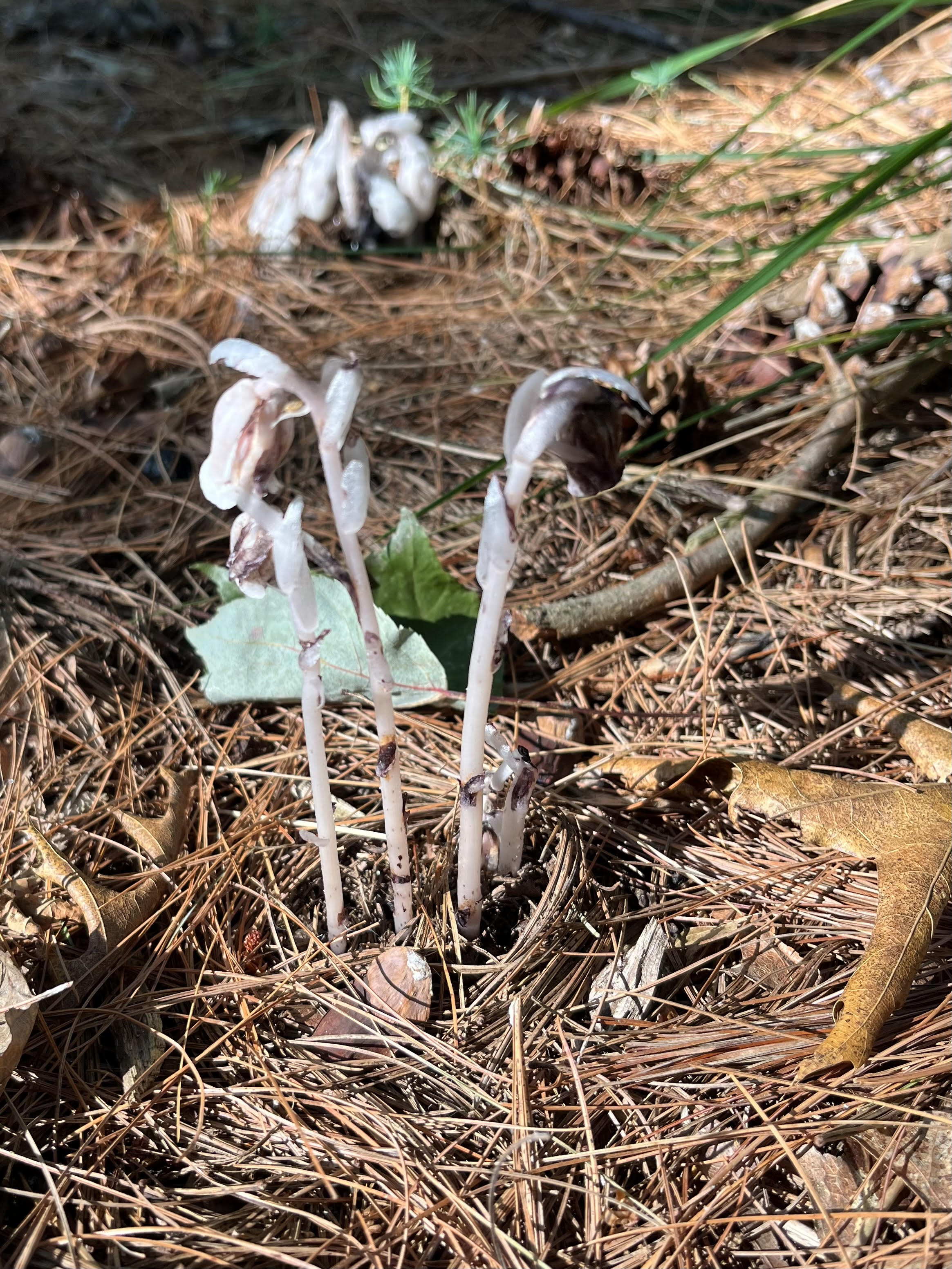
I love Indian Pipes, too.

I greatly appreciated all the birthday flowers — from my son-in-law and from a dear niece and nephew.

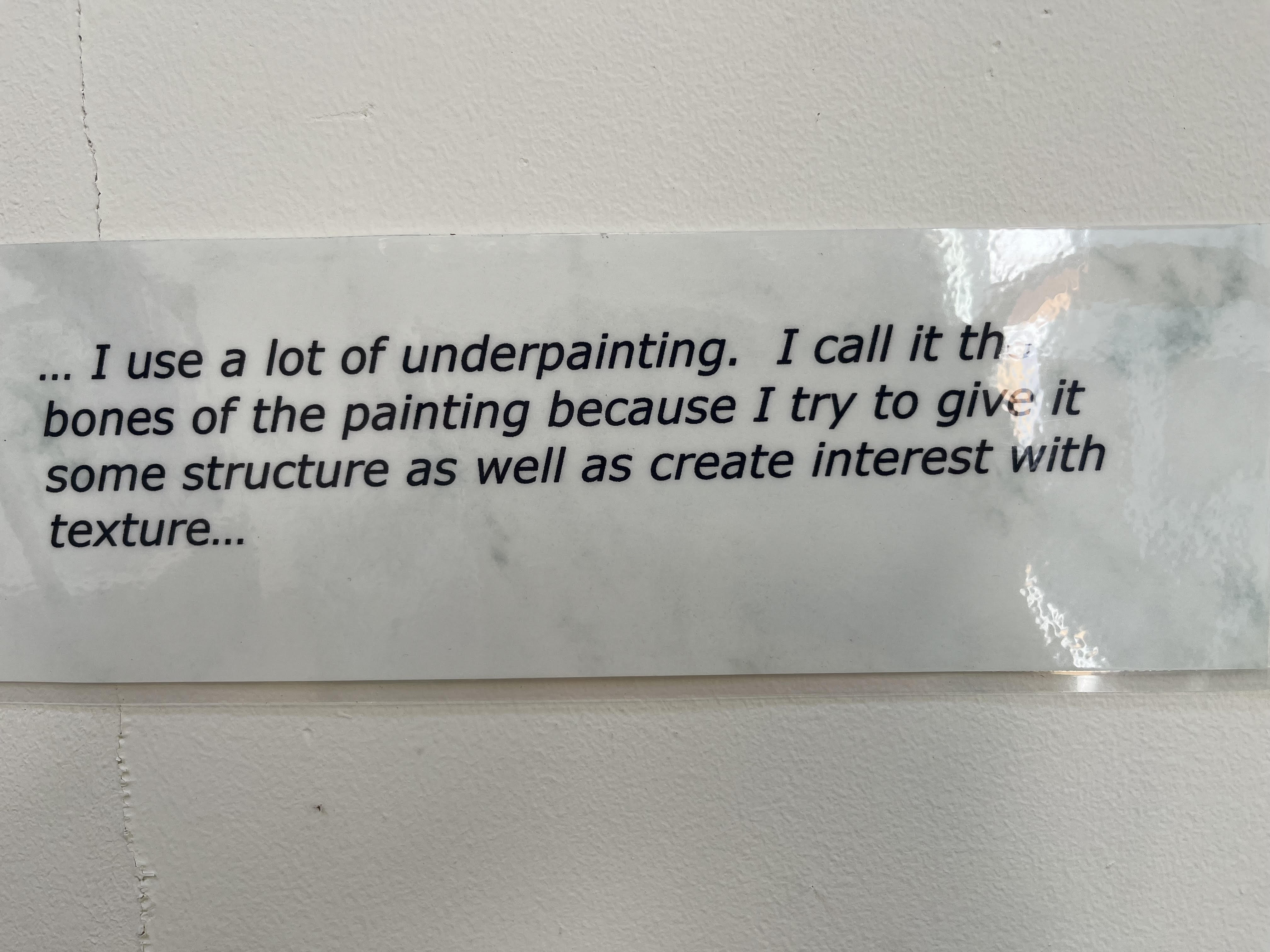
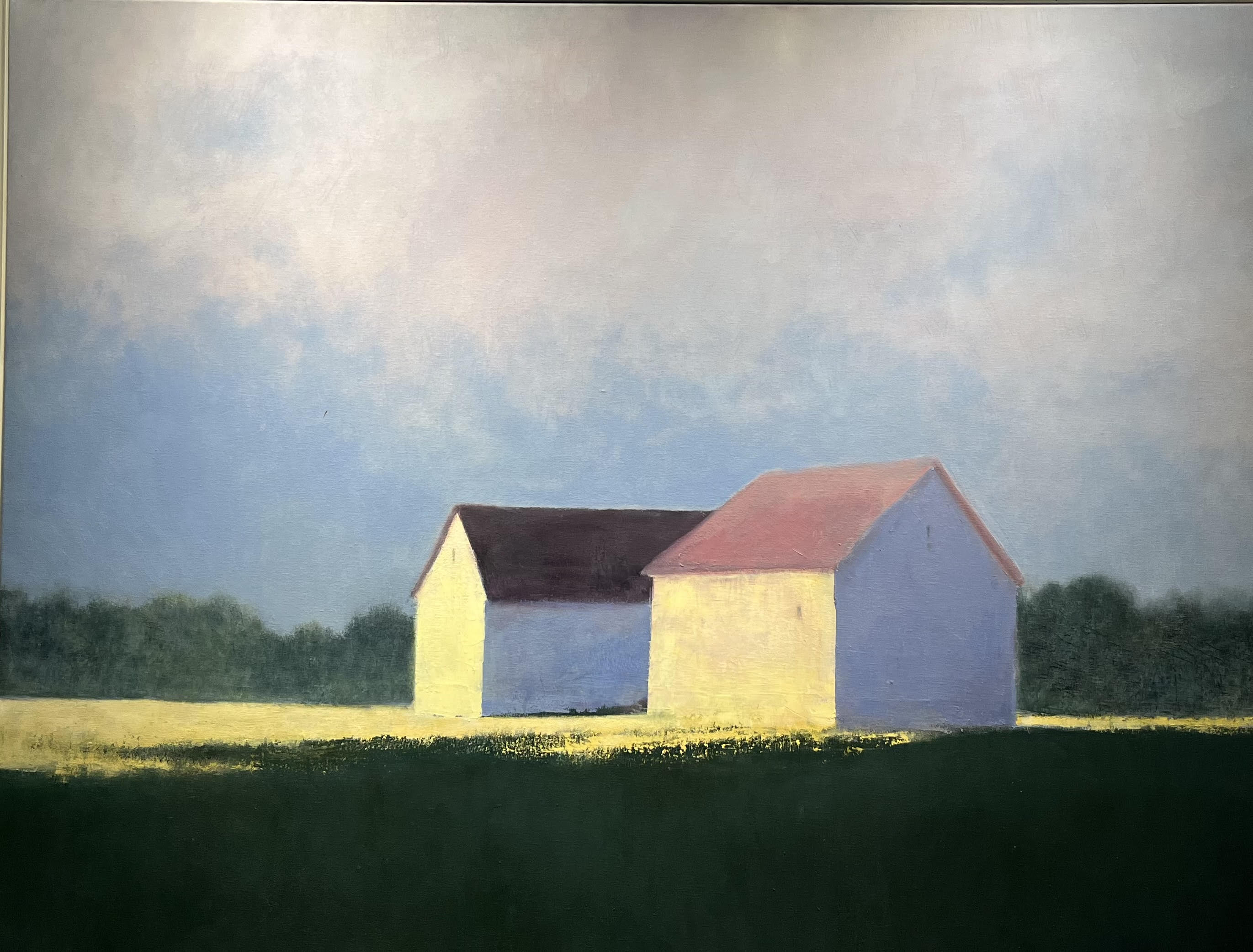
There’s a lovely new exhibit of paintings where we live. Notice the light on those buildings.

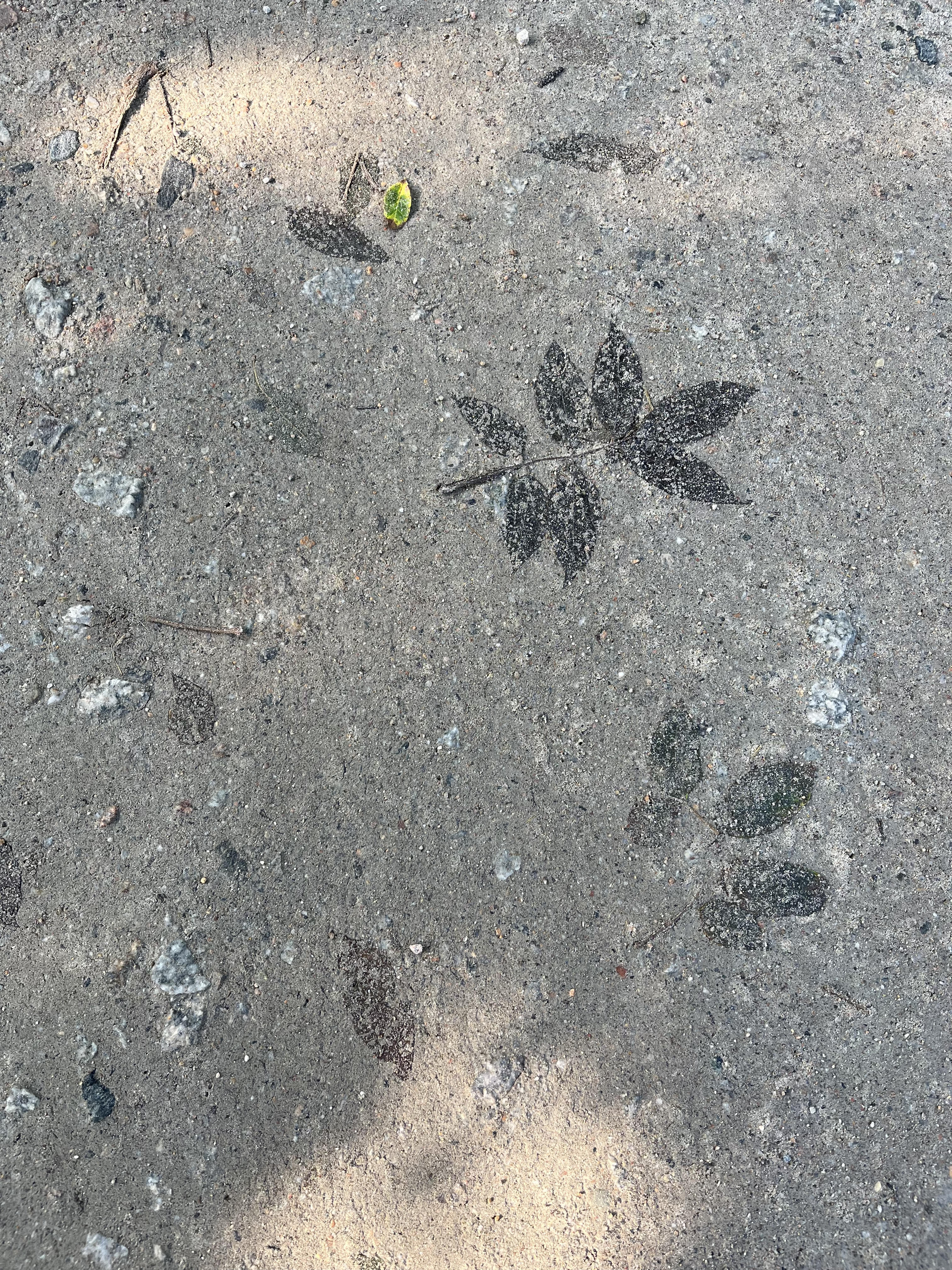
Also notice that a dirt road can make art, too. This dirt road makes leaf prints!

I look forward to comments.

Read Full Post »

Photo: Isabel Kokko, Forman Arts Initiative, Philadelphia, via the Art Newspaper.
Inside the former electrical substation as it appears today. The Forman Arts Initiative plans to renovate four buildings in Kensington to hold a gallery, performing arts venue, garden area, and FAI offices.

One of the cool places I get leads from is ArtsJournal. The variety of topics is great because they check out way more sources than any one person could monitor (or pay the fees for). Today’s story is from the Philadelphia Inquirer and covers an art initiative not far from where I used to live in Pennsylvania.

Rosa Cartagena writes, “A new 100,000-square-foot arts campus coming to West Kensington will open in stages over the next two years. The Forman Arts Initiative, an arts organization that awards grants to local creatives and arts nonprofits, plans to renovate four buildings on American Street. The multipurpose space will hold a gallery, performing arts venue, and garden area, in addition to FAI’s offices.

“Michael Forman and Jennifer Rice, the art-collecting couple behind FAI, envision the campus as a cross between an arts center, coffee shop, art-making studio, and gallery space where they can publicly display their collection of more than 800 artworks. The collection — largely works from artists of color and women — includes such names as Philadelphia ceramist Robert Lugo, legendary photographer Gordon Parks, and abstract painter Alma Thomas.

“ ‘We live with our art, and we think of our collecting more as stewardship than ownership,’ said Rice. … ‘We’re really looking at using art as a tool for education, community engagement, performance, and inspiration.’

“In late 2022 and early 2023, the couple purchased a vacant lot and four adjoining buildings on the 2200 block of American Street. … FAI will work with Philadelphia architecture firms DIGSAU and Ian Smith Design Group to transform the 100,000-square-foot site. Forman said it’s too early to know how much the restoration and renovation will cost, but FAI plans to finance it internally and will seek government funding and potential support from local foundations.

“FAI has also attracted one of the most influential people in the art world to serve as lead designer: urban planner and sculptor Theaster Gates. Forman and Rice first connected with him as collectors of his art and when they began developing plans for the campus, they approached Gates for his unique style that combines ‘social practice and art practice,’ said Forman.

“In Chicago, where Gates lives and works, he is renowned for repurposing abandoned industrial buildings into arts spaces, archives for Black culture, affordable housing, and artist residences that have revitalized a South Side neighborhood.

“Philadelphia has been a site for his artwork, as well. In 2020, Gates created the public work Monument in Waiting, in a response to the movement to tear down Confederate monuments. The sculpture, which critically questions national heroes, has been on display at Drexel University since 2022. …

“FAI is undertaking an extensive listening tour to determine what exactly the West Kensington neighborhood needs and wants from a space such as this. Gates will work with newly appointed FAI executive director Adjoa Jones de Almeida, who was previously at the Brooklyn Museum, and associate executive director Sunanda Ghosh, a local nonprofit strategist who has worked with BlackStar and Asian Arts Initiative, among others.

“ ‘We are very intentionally saying to people, “We actually don’t know,” because, truly, we are emphasizing the design of a communities engagement strategy,’ said Jones de Almeida, who moved to East Kensington earlier this year. The plan is to incorporate input from the neighborhood’s residents and organizations into the design of the space.

“She’s interested in ‘radical collaboration’ with neighborhood organizations such as the Norris Square Neighborhood Project and Taller Puertorriqueño, both recipients of last year’s FAI grants. …

“Forman and Rice believe that West Kensington is the best location because, despite being systemically overlooked and under-resourced, the community has a strong arts community, including Crane Arts and the Clay Studio.

“ ‘We were interested in the notion that we’re not displacing anybody — the buildings that we bought were all commercial,’ said Rice. ‘It’s just repurposing.’ …

“ ‘You have to enter with big ears and an open and pliant heart,’ said Gates. ‘The work of creating a creative space and making a significant investment in a place that’s been highly underinvested is hard work when you’re trying to really listen, because there’s a lot of bruised feelings.’ ”

More at the Inquirer, here. And the Art Newspaper version has no paywall, here.

Read Full Post »

Photo: Galerie Canesso.
An unknown artist now dubbed “Master of the Blue Jeans” created “A Woman Sewing with Two Children” (c. 17th century).

In case you missed it, several outlets wrote recently about a Parisian gallery’s exhibit drawing attention to what looks like blue jeans in 17th century paintings. What? They weren’t invented by Levi Strauss?

Vittoria Benzine writes at Artnet News, “A new exhibition opening at Galerie Canesso will highlight the contested origins of blue jeans, with the display of 17th-century paintings that appear to depict the fabric. Levi Strauss is often credited with creating the sartorial staple in California 150 years ago, though France and Italy have made their own claims. But 10 early artworks featuring blue jeans complicate the narrative.

“In 2004, curator Gerlinde Gruber reattributed these works to an unknown artist dubbed the Master of the Blue Jeans. By 2010, the Italian dealer Maurizio Canesso had bought up all of the mysterious painter’s works. Two will appear in his gallery’s 30th anniversary show, taking place in Paris (May 16—June 23) and Milan (May 23 — June 23), but only one of them, Woman Begging with Two Children, will be for sale.

“Since Galerie Canesso’s last exhibition in 2010, which presented the full-known oeuvre of the Master of the Blue Jeans, the dealer has located one additional example, which he bought in Buenos Aires.

“The original 10 paintings by the Master have always been traced to Northern Italy during the 17th century, but were previously attributed to Michael Sweerts, Diego Velásquez, and Georges de Latour. While they are all early genre scenes centered on society’s poorest people, most feature flashes of prototypical jeans crafted from blue cloth and white thread.

“ ‘People are still not very familiar with the true history of blue jeans, as they confuse it with the material made by Levi Strauss,’ Canesso told Artnet News. ‘One has to distinguish between blue jeans and denim: jeans come from Genoa, while denim comes from the French city of Nîmes.’ The Italian specimens were woven with perpendicular stitches, while their French kin were woven in chevron patterns.

“ ‘An amazing thing is that until the 11th century, no one could wear blue fabric because they didn’t know how to make blue color adhere to the fabric,’ Canesso continued. ‘Only in the year 1000 did this begin to happen using woad leaves, and at a very high cost. The genius of the Genoese was to find the indigo stone in India and make this an industrial and therefore low-cost process.’ …

“Genre painting flourished in the century that followed, but these works stand out. ‘The Master of the Blue Jeans is the only one who painted jeans,’ Canesso wrote. ‘These paintings are the story of a family: they are always the same characters, wearing the same clothes — clothes that they used every day. And they are true jeans fabric: when it tears, the white thread comes out.’

“This feature is especially visible in ‘A Woman Sewing With Two Children’ — another work by the Master of the Blue Jeans set to go on view at Galerie Canesso. It will be on loan (like most works in the anniversary show) from the collector that Canesso originally sold it to.”

More at Artnet News, here. No paywall. If you prefer an audio version of the story, check out radio show The World, here. That’s where I first learned about this.

Read Full Post »

Art: Jonathan Lyndon Chase.
“Calm Touches” (2021), acrylic paint, oil stick, and marker on canvas, 20 x 20 inches. One of the pieces that students chose for the art collection at Wake Forest University.

I’ve been reading Just Kids, Patti Smith’s memoir about her life with artist Robert Mapplethorpe, and I’ve been thinking about how young artists carve out new ways, how they realize they have a different vision and develop the confidence to stick with it.

So it was with interest that I read at Hyperallergic about a university tapping youthful insights about art to form a very special collection.

John Yau reports from Winston-Salem, North Carolina, “Wake Forest University is one of the few American institutions of higher education to establish a collection of student-acquired art.

“Once every four years, a small group of students, along with faculty advisors, travels to New York City to buy art for the Mark H. Reece Collection of Student-Acquired Contemporary Art. This collection was started in 1963, at the beginning of a convulsive era in American history.

“Mark Reece, the dean of students and college union advisor, decided the school should establish a collection of contemporary art chosen by an acquisitions committee composed solely of students. In June of that year, Reece, Dean Ed Wilson, Professor J. Allen Easeley, and two students, David Forsyth and Theodore Meredith, drove to New York to visit contemporary art galleries. Working within a budget that Reece had cobbled together from unused funds, Forsyth and Meredith chose 18 works by 17 artists. 

“Earlier this year, Wake Forest University celebrated the 60th year of this program — and the 16 trips that have taken place since the program’s inception — with a selection of works obtained by previous generations of students. The exhibition, Of the Times: Sixty Years of Student-Acquired Art at Wake Forest University at the Charlotte & Phillip Hanes Art Gallery, was curated by Jennifer Finkel, who also contributed to the catalog, along with Leigh Ann Hallberg and J. D. Wilson. 

“The collection comprises more than 130 works, including, paintings, sculptures, drawings, photographs, and prints. Unsurprisingly, given that the acquisitions committee changes every four years, no style, movement, or material dominates. The one constant holding the collection together, though in no obvious way, is the mandate that Reece gave the first two students, which has been followed ever since: the art they buy must be ‘a reflection of the times.’ 

“During my time on campus, I was invited to sit on Professor John J. Curley’s class, titled Slow Looking. The small group of students, seated in a semicircle, faced Ida Applebroog’s ‘Promise I Won’t Die?’ (1987), a work on paper combining lithography, linocut, and watercolor that the acquisition group elected to buy in 1993. …

“By asking students to research an artist and carefully scrutinize a particular work of art, Curley encouraged them to go down a rabbit hole, where they can consider what they are looking at and how it communicates with them. This level of engagement is hard to achieve without being in the presence of a physical artwork. That it was chosen by a group of students 30 years ago underscores this collection’s ongoing vitality and relevance. 

“On campus, I also met some of the students who participated in the most recent New York buying trip. All were genuinely excited. They talked about how they prepared for the trip, beginning with Reece’s original mandate. They began compiling the initial list of 300 artists once they had been accepted into Contemporary Arts and Criticism. Throughout the semester the list expanded and contracted until it was down to 20 names. The students met in and outside of class. Each week, they presented a short list to their two professors, Finkel and Curley. 

“The students discussed what they thought art reflecting the times would look like, and who might make it, resulting in a racially diverse group. Before the trip, they made appointments with the artists’ galleries. Some dealers, I learned, were arrogant to them, treating them as if they didn’t know what they were doing. Others were warm and welcoming. At least one gallerist kept looking to the professors who accompanied them, convinced it was they who would make the final decision. …

“This immersive art-buying experience … mirrors this country’s changing demographics. For the first decades, the artists on the list were all or nearly all White. In 1989, the students bought Robert Colescott’s painting ‘Famous Last Words: The Death of a Poet’ (1988). … Four years later, the students bought ‘Untitled (Four Etchings)’ (1992) by Glenn Ligon and ‘Untitled (from the Empty Clothing series)’ (1991) by Whitfield Lovell. In 2001, they added South Korean artist Do-Ho Suh and Pakistani-American artist Shahzia Sikander to the collection. They confronted controversial subjects, such as Congolese child soldiers, photographed by Richard Mosse, and Pakistani artist Salman Toor’s paintings of queer Brown men. 

“This year, the eight students chose the work of eight artists: Tunji Adeniyi-Jones, Jonathan Lydon Chase, Melissa Cody, Adebunmi Gbadebo, Emilie Gossiaux, Melvin L. Nesbitt Jr., Willa Wasserman, and Zhang Xiaoli.

“My only criticism,” Yau writes, “is that the university has no building dedicated to this collection, and it really should. Yet the diversity of artists, mediums, and practices is to be applauded. Taking their cues from Reece’s mandate, Wake Forest’s students have assembled an impressive gathering of art.”

I love how the university recognizes that young people have different sensibilities and how it honors that. More at Hyperallergic, here. No paywall. Subscriptions encouraged.

Read Full Post »

Photo: British Museum.
Benin bronzes.

Around the world, looted national treasures are beginning to return home. Among the most famous are the bronze plaques made in Benin, Africa. Now that country is building museums to protect its returning bronzes — and all its art.

Chinma Johnson-Nwosu writes at the Arts Newspaper, “The Republic of Benin, which is making its debut appearance at the Venice Biennale this year, is turning to culture as part of a strategy to spur economic growth. Its government is building four new museums in a range of locations and a cultural quarter in the largest city, Cotonou, in addition to boosting investment in arts education.

“A museum in the coastal city of Ouidah, from where the last recorded shipment of slaves to the US departed in 1860, will explore the history of slavery. It is scheduled to be completed at the end of this year, the first of the four new museums slated to open over the next five years in Benin. Maison de la Mémoire et de l’Esclavage aims to tell the history of slavery from African, American and Caribbean and European perspectives, says Alain Godonou, the director of museums for the national agency of heritage and tourism.

“Between 2016 and 2026, the Benin government plans to invest €250m [more than $5 million], with the goal of making culture the economy’s second pillar after agriculture. In addition to building museums, the government’s focus is on preserving non-material heritage, increasing cultural tourism and offering financial incentives to private investors.

“Promoting the arts goes beyond fostering a sense of national identity, says Babalola Jean-Michel Abimbola, the country’s minister of culture. ‘It’s a fight against poverty, allowing us to create jobs and build a better economy.’

“Construction began last year on a new cultural quarter in the centre of Cotonou [Le Quartier Culturel et Créatif] which is to host a contemporary art museum, a sculpture garden, a Franco-Beninese cultural institute, a concert arena, commercial galleries and a crafts village showing local crafts and heritage. …

“Further plans include the Musée des Rois et des Amazones du Danhomè in Abomey, where visitors will in future be able to explore the 300-year history of the kingdom of Dahomey. Musée International du Vodun, located in the capital, Porto-Novo, aims to rehabilitate the image of a much-maligned and globally poorly understood Indigenous religion, also known as Voodoo.

“The government hopes that the new museums will build on the success of a 2022 exhibition, where 26 recently repatriated royal artefacts went on display in the presidential office. These were shown alongside the contemporary exhibition, Art of Benin From Yesterday and Today: From Restitution to Revelation.

“The show drew more than 230,000 visitors in the three months it ran, 90% of whom were citizens of Benin, Godonou says. … While he concedes it may be too ambitious to expect to replicate the 2022 success annually, he believes a target of 100,000 would be sustainable.

“Last year, the government launched an Agency for the Development of Art and Culture. The ministries of tourism and finance are also seeking to introduce tax relief policies for the cultural industries.

“The kind of publicly funded, government-led major museum projects Benin is undertaking have little precedent in Africa. … The Benin government’s plan does, however, envisage involving the private sector. By showing entrepreneurs that people in the country are interested in art, Abimbola hopes to spark business interest. In some parts of Cotonou that is already happening. Septième Gallery, which already had a space in Paris, launched in Cotonou in 2022. …

“Investment in arts education and professional training is also increasing. Sèmè City, a government-backed development project, has revealed plans for a new Africa Design School campus located in Ouidah. The school launched in Cotonou in 2019 in partnership with L’École de Design Nantes Atlantique and has since added a masters programme and an exchange programme, in which 11 French students participated in 2023. …

“Last year, the École du Patrimoine Africain, which trains heritage professionals, celebrated its 25th anniversary. When it began, only 5% of the people working in Beninese museums were trained in heritage preservation. Now the figure is 80%.”

More at the Art Newspaper, here. Can you guess what country was the colonizer? Consider the names of the museums.

Read Full Post »

Photo: Dezeen.
Abandoned Los Angeles skyscrapers covered in graffiti.

Is graffiti a scourge or an art? I guess that depends on the graffiti and your point of view. In Los Angeles, graffiti on a monumental scale is the subject of debate.

Corina Knoll reports at the New York Times that, first, there were fancy buildings.

“It was a billion-dollar aspiration meant to transform a neighborhood. A trio of shimmering skyscrapers would feature luxury condos, a five-star hotel and an open-air galleria with retailers and restaurants. …

The vision was called Oceanwide Plaza, and the chief executive said it would ‘redefine the Los Angeles skyline.’ An executive for the design firm said it would create ‘a vibrant streetscape.’ The website said it would be a place of ‘rare and unexpected moments.’

“All these statements, some would say, proved to be true. Just not in the way originally imagined.

“Funding for the venture quickly evaporated. The towers went up but were unfinished and empty. Plagued by financial and legal issues, the plaza was in a quiet limbo for five years. …

“Now those skyscrapers have become a symbol of street swagger, ‘bombed’ with the work of dozens of graffiti writers and artists. Their aliases cover windows that rise more than 40 stories, visible from the nearby highways.

“ ‘Everybody’s talking about it, of course,’ said Ceet Fouad, a French graffiti artist based in Hong Kong, known for his commissioned murals featuring cartoon chickens. … ‘It’s the best promotion you can have.’

“The sentiment is obviously not universal. Many Angelenos see the graffiti as unconscionable vandalism, encouraging waves of crime. Those who live near it say it has jarred their sense of safety. Civic leaders see it as an immediate hazard to the neighborhood as well as to trespassers, not to mention a worldwide embarrassment.

“Others have admired the work, some traveling to see the embellished towers for themselves and ruminate on what they represent. …

“A subculture took note that no one was bothering to clean off the fresh paint. Crews were trudging up together, their backpacks rattling with spray paint. Some lugged up gallons of paint and roller brushes. Security guards on patrol were easy to evade. Inside, they saw loose wires dangling from ceilings and rebar left exposed. Ladders and buckets littered the concrete floors. Bathtubs were full of water from the rain.

“ ‘We got a little lost at first; it’s kind of like entering a little city,’ said a graffiti artist who goes by Aker and managed to paint his alias twice. Although advice was passed around (bring water, the flight up is killer), he said there was no coordination among artists, just individual ambition. …

” ‘This is the problem of the city, people do whatever they want,’ said Rodel Corletto, who built Aladdin Coffee Shop on a nearby corner four decades ago.

“Mr. Corletto, 76, said that over the last 15 years, his windows have been broken, his chairs thrown into the street. He often feels like there is no recourse. The plaza, he said, was a larger example of downtown’s lawlessness. …

“In mid-February, city leaders were scrambling to figure out their role in a private property gone wrong. They had a responsibility, they said, to keep people safe and set an ultimatum: The plaza owner, Oceanwide Holdings, a conglomerate headquartered in Beijing, was ordered to secure the property within a matter of days. …

” ‘For them to have just completely abandoned these properties speaks more volumes about their irresponsibleness as opposed to the graffiti artists,’ said Kevin de León, the councilman who represents the area.

“The city earmarked $1.1 million to start to secure the property, including fencing. Mr. de León also said city leaders were looking into estimates for graffiti removal and putting a lien on the property. ‘The taxpayers will be repaid,’ Mr. de León insisted. …

“Some residents have openly wondered whether the funds might be better used to house the homeless. Or whether the trespassing will be curbed completely. …

“Whatever happens, graffiti artists like Aker say the takeover magnified and transformed a company’s folly hiding in plain sight.

“ ‘They failed not just themselves but the city,’ he said. ‘And this is what happens when things just get left — graffiti artists are like spiders, we’ll go out and put webs up there.’ “

Many outlets have covered this. More at the Times, here, at Dezeen, here, and at the Guardian, here.

Read Full Post »

Photo: Nora Hickey/ Hyperallergic.
A Veronica comic strip drawn by Dan DeCarlo.

What cartoonists and comic strips did you read as a kid? My mother wanted me to be a child always, so she bought Little Lulu comics until I was into my teens. Not that I didn’t like Little Lulu, but I really, really wanted to know about the romantic adventures of Archie, Veronica, Daisy, Jughead, and all that gang. I wanted to understand why the blond was never as popular as the brunette.

Comics are an art that draws in young and old. But they have not often received attention as an art. Until now.

Nora Hickey reports at the art magazine Hyperallergic, “In an unendingly flat city nicknamed ‘Cowtown,’ the Ohio State University (OSU) erupts as an archetypal college campus. A miscellany of stone and brick buildings from various eras look over pedestrian paths bisecting green lawns. In one of these limestone, academy-coded buildings resides a museum and library dedicated to a genre long thought to be miles from the ivory tower: comics.

The Billy Ireland Cartoon Library & Museum claims to house the world’s largest collection of cartoon- and comics-related materials, including a range of inked paper, artifacts, newspaper clips, magazines, scrapbooks, and even the drawing board used by Chester Gould, who created the Dick Tracy comic strip (1931—77).

“But it is much more than an archive: it is at once a museum, center for scholarship, and venue for events, all of it surprisingly accessible. … First, it costs nothing to attend. Also, the materials and displays are easy for anyone to understand, comics aficionado or not. And, if you — that is, anybody — want to see any of the holdings, you can request to view it onsite.  

“This approachability may be due in part to the fact that the comics genre has been routinely underestimated, despite its outsize impact. It’s one of the only historically disposable art forms — think of those painstakingly conceived, drawn, inked, and colored newspaper funny strips smeared with wet from their hasty relegation to the recycling bin. …

” ‘The Billy Ireland was founded back in 1977 through a donation from the cartoonist Milton Caniff — who was at one point one of the most successful and influential American cartoonists in American history,’ explains Caitlin McGurk, curator of Comics and Cartoon Art and associate professor at OSU. Caniff, a ‘celebrity’ artist (‘he would appear on late night TV,’ McGurk tells me) who created the widely read Terry and the Pirates (1934–73) and Steve Canyon (1947–88) adventure newspaper strips, was an Ohioan and a 1930 alum of OSU. As he prepared for retirement, he aimed to donate all of his work to the library of the university to which he felt he owed his career. ‘The libraries at OSU actually turned it down,’ McGurk told Hyperallergic in an interview. …

We show visitors the archive and people cry — especially if you’re a maker of this form that has been so long disrespected.

“Luckily, as Caniff produced newspaper comic strips, the journalism department decided to take his archives. … With Caniff’s encouragement of his fellow comic creators and Caswell’s outreach, the Billy Ireland would become a top choice for donations.

“Bill Watterson, for instance, the famously private artist of the beloved Calvin and Hobbes (1985–95), entrusted his entire backlog to the museum — the only collection in the world to hold his archive. There are also lesser-known treasures, like the namesake of the museum itself, editorial cartoonist Billy Ireland, whose fame waned after his death but was resurrected by the Museum. …

Behind the Ink: the Making of Comics and Cartoons … explores the variety of tools and art-making techniques employed by cartoonists over the years. The other current exhibit is Depicting Mexico and Modernism: Gordo by Gus Arriola, which details the life and work of the Modernist Mexican-American cartoonist.  Then, in May, a bonanza exhibition of the sardonic, iconic Nancy goes up, accompanied by a weekend-long Nancy fest on the 24 and 25 where Nancy scholars, cartoonists, and fans will dig into their favorite wisecracking character.   

“Below the exhibition spaces are the archives themselves. ‘Since OSU is part of a land grant institution, our archive is completely open to the public, which is pretty rare,’ McGurk explains. Some highlights are zines from the Riot Grrrl movement of the 1980s, which bear the raw emotion of their creators, and scrapbooks of cartoon engravings kept by a wealthy English family in the 1700s that painstakingly depict events long past. … There’s also a collection of 2.5 million comic strips saved by a single man (Bill Blackbeard). Personally, I loved seeing the colorful mid-century manga laid out as a huge page of frenzied activity punctuated by moments of photorealistic pictures. 

“The ability to see the comics in all stages of development — from nascent sketches, to embryonic penciled pages, to White’d Out and inked final pages — is a rare treat because of how such work is typically experienced: in reproduction on a mass scale, in frequent installments. To see the original version of a comic read by so many of us feels like seeing the artist at work. …

“ ‘We show visitors the archive and people cry — especially if you’re a maker of this form that has been so long disrespected,’ McGurk said. ‘Then you see this place and you’re like, all this is for comics? This is amazing.’ “

More at Hyperallergic, here. No firewall but subscrptions are encouraged.

Read Full Post »

Photo: Ben Hovland/MPR News.
Art Shanty #1 stands on the frozen surface of Lake Harriet in Minneapolis.

I once read that an eggshell is simultaneously one of the most fragile and also the most durable of Nature’s materials. Isn’t art like that, too? Both lasting and ephemeral?

Consider the on-again off-again role of ice in artistic output, from New Year’s Eve ice sculptures to colonies of working artists on frozen lakes. Alex V. Cipolle reported at Minnesota Public Radio about the latter.

“In the winter of 2004, something funny was afoot on Medicine Lake. There were ice fishing houses like always. But on the frozen lake, away from the fishing holes, was another shanty. This one was made with shiny red vinyl, a circle window and a wood sign hanging from the door that said, ‘The Poet is In.’

“The inhabitants weren’t fishing. Instead, they hosted birthday parties and built a heart-shaped ice skating rink for Valentine’s Day. They had a sleepover and screened the icy horror flick The Thing.

“This was the first-ever Art Shanty, created by local artists Peter Haakon Thompson and David Pitman.

“ ‘I had been talking with a couple of friends and was trying to convince them that we should build this shanty that we were going to put on Medicine Lake for the winter as our sort of fort-clubhouse-art studio,’ recalls Thompson.

“ ‘Just the creativity of what the possibilities were, were endless,’ Pitman adds. ‘As we’ve sort of seen 20 years later.’

“Twenty years later, one shanty has become a village, and a circle of artist friends became an arts nonprofit — Art Shanty Projects —  annually programming two weeks of free art events on ice. Now on Lake Harriet, Jan. 27 to Feb. 11, the frozen lake becomes a temporary arts community with about 20 shanties, each with a different theme, which host live performances, yoga sessions, and a polar bear (‘Lady Bear’) that walks the grounds. …

“To mark the 20th anniversary of the little red shack, the Art Shanty Projects team has recreated it, calling it Art Shanty #1.

“ ‘I had been going through old photos,’ says Erin Lavelle, the artistic director for Art Shanty Projects. ‘And the picture of the original shanty is just so iconic.’ … Lavelle wanted to bring in new artists to activate the classic shanty, so she tapped Richard Parnell and Tony Chapin, both based in Minneapolis and longtime shanty artists. During December and January, they rebuilt Art Shanty #1 in the Ivy Arts Building in South Minneapolis, using photos of the original as a guide. 

The original shanty was built with found materials and red-vinyl-covered plywood lifted from a Walker Art Center dumpster, says Thompson. 

“ ‘In the spirit of the way they had built theirs, we repurposed a lot of materials,’ Parnell says. Parnell volunteers in public schools so had access to gymnastic floor mats and plexiglass COVID shields that were being thrown out. The floor mats are now insulation and the shields are windows. …

“Thompson and Pitman, who are no longer officially involved with the event, say they are excited to see the shanty recreated, and the art shanty village flourishing two decades on.

“ ‘I don’t think either of us anticipated that it would be something that would continue hardly for any time at all,’ Thompson says. …

“ ‘What really excited me was seeing all these other people coming up with ideas for similar things within the limitations that were kind of set in this unregulated land,’ Pitman says.

“ ‘Relatively unregulated,’ Thompson adds, laughing. (The Hennepin County Sheriff’s Office Water Patrol board and the Department of Natural Resources require permits.) …

“The growing art village hopped from Medicine Lake to White Bear Lake and now Lake Harriet, and has had a few evacuations due to melting ice. In 2023, Art Shanty Projects moved it ashore for ‘Plan Beach.’ … 

“Today, the Art Shanty Projects is sometimes jokingly referred to as ‘Burning Man on Ice.’

“ ‘I’ve always been rankled by the whole Burning Man, Frozen Man comparison,’ Thompson says. The ever-expanding Nevada festival has become infamous for its impact on the environment.  With the art shanties, Thompson says, ‘We’ve followed this “Leave No Trace” ethos on the ice.’ ”

More at MPR, here. No paywall.

This year was one when the ice colony had to evacuate. The New York Times has that story here.

Read Full Post »

Photo: Wikimedia Commons.
“Chicago’s ‘Rat Hole’ has become an unofficial city landmark as hundreds have flocked to pay tribute to the unidentified rodent imprint,”
Hyperallergic reports.

Never underestimate the capacity of humans for fun and creativity. And be glad that social media amplifies good things, not just bad.

Rhea Nayyar writes at Hyperallergic, “In less than two whole weeks, the internet has turned a mildly interesting pavement impression on a residential sidewalk slab in Chicago into a viral local tourism site and a wellspring of artistic inspiration.

“The Chicago Rat Hole is exactly what it’s named — an imprint of a rat (or perhaps a squirrel) that fell with some force on a sidewalk panel that hadn’t fully dried yet. Some locals say it’s been there for over 20 years, but all it took was one post on X [site formerly known as Twitter] to turn the Rat Hole into something just short of a national landmark.

There is so much whimsy in going about your daily life here! That’s what I love about the Rat Hole the most

“Since artist and comedian Winslow Dumaine tweeted about his pilgrimage to the Rat Hole [January 2024] hundreds of people have flocked to the city’s Roscoe Village neighborhood to pay tribute to the unidentified rodent and its signature. What began as an innocent meme crept slowly into a small monument as people started leaving loose change and cigarettes and pouring one out over the hole, and then spiraled into something major. Offerings went from coins and smokes to flowers, cards, jewelry, hats, trinkets, toys, posters, and personalized artwork as the site drew more attention on TikTok and X.

“But it didn’t stop there. People built a community around the Rat Hole. Some groups have congregated and started drinking and partying together at the site, one couple got engaged in front of it, and another held a gay wedding there, complete with a balloon arch and everything. …

“Chicago-based artist and Etsy seller Margot la Rue was quick to cement the Rat Hole into the city’s iconography by replacing the stars of the official flag with silhouettes of the imprint and adding it to the label of the locally famous Jeppson’s Malört liquor bottle motif for iron-on patches. La Rue told Hyperallergic that she visited the Hole and chatted with a neighbor who was sitting on her porch at the time.

“ ‘She said over the weekend there was a line down the block to see the rat hole,’ La Rue recounted. … ‘It is very Chicago,’ the artist continued. ‘The city is simultaneously shiny and gritty — turning a rat shape in a sidewalk into a cultural landmark is very on brand.’ …

“Anthony Hall, one half of the Chicago-based design duo Harebrained, shared that people can get their very own Rat Hole t-shirt now. … Nick, a tattoo artist who goes by Inked Skunk on social media, recently moved to Chicago from New England and was really excited by the buzz around the Rat Hole. Enamored by the culture, Nick is offering Rat Hole-inspired tattoos. … ‘Since moving here, I’ve picked up such a different energy from the people and the area itself. There is so much whimsy in going about your daily life here! That’s what I love about the Rat Hole the most — it’s just a silly reminder that life doesn’t have to be so serious.’ …

“A less permanent option for Rat Hole fans who happen to be baddies is local nail technician Jena’s (@nailswithonen) artistic nail set tribute to the landmark. …

“Perhaps the most impressive ode to the Rat Hole is its commemorative plaque commissioned by Riot Fest, Chicago’s annual punk rock music festival. … The plaque has been converted into a t-shirt as well with all proceeds directed toward benefiting the city’s Douglass Park neighborhood and surrounding community via the Riot Fest Foundation. …

“But considering that the Rat Hole sits on a residential street, the loitering, littering, and loud noises have become a nuisance for the locals. One neighbor even took to Reddit to bullet-point out how the Rat Hole frenzy has impacted their life. … To anyone looking to make a pilgrimage to the Rat Hole as its future remains unclear, remember to be respectful of the neighborhood and keep the area clean.”

More at Hyperallergic, here.

Read Full Post »

Art: Francisco Goya via Museo del Prado.
The Parasol (also known as El Quitasol) is one of a series of oil on linen paintings made by Francisco Goya. This series was made in order to be transformed into tapestries that would be hung on the walls of the Royal Palace in Madrid.

Companies that last over many generations know how to evolve with the times. There are a few in the US but more in other parts of the world. In Spain, for example, a factory that once converted pieces by the painter Francisco Goya into tapestries for his clients still plays a role in art and design.

Irene Yagüe writes at the Associated Press (AP), “Spain’s Royal Tapestry Factory has been decorating the walls and floors of palaces and institutions for more than 300 years. Located on a quiet, leafy street in central Madrid, its artisans work with painstaking focus on tapestries, carpets and heraldic banners, combining the long wisdom of the craft with new techniques.

“The factory was opened in 1721 by Spain’s King Felipe V. He brought in Catholic craftsmen from Flanders, which had been part of Spain’s empire, to get it started. Threads and wool of all colors, bobbins, tools and spinning wheels are everywhere. Some of the original wooden machines are still in use.

“The general director, Alejandro Klecker de Elizalde, is proud of the factory’s sustainable nature. ‘Here the only products we work with are silk, wool, jute, cotton, linen,’ he said. ‘And these small leftovers that we create, the water from the dyes, or the small pieces of wool, everything is recycled, everything has a double, a second use.’ …

“The factory recently received one of its biggest orders, 32 tapestries for the Palace of Dresden in Germany — worth more than 1 million euros and providing work for up to five years, according to Klecker de Elizalde. …

“Creating a tapestry is a delicate process that takes several weeks or months of work for each square meter. A tapestry begins with ‘cartoons,’ or drawings on sheets of paper or canvas that are later traced onto vertical thread systems called warps, which are then woven over.

“One of the factory’s most illustrious cartoonists was master painter Francisco Goya, who began working there in 1780. Some of the tapestries he designed now hang in the nearby Prado Museum and Madrid’s Royal Collections Gallery.”

Just for fun, see if you recognize any companies on the list of the world’s oldest companies, here. There’s one called Adam & Eve, which you’d expect to be old! It’s a pub in England, founded 1249.
More at AP, here. No paywall. Wonderful pictures!
Read Full Post »

Photo: Adeline Heymann/One Ocean Expeditions.
Candice Pedersen, a guide for One Ocean Expeditions in the Arctic, tells passengers that Inuit women feel empowered reclaiming traditional tattoos for themselves.

I love the radio show called The World because of the international focus. It always has a deeper take on mainstream media stories, and you can hear music you’re unlikely to be exposed to anywhere else. Recently, Joshua Coelda, Sejersdal Dreiager, and Shirsha Chakraborty reported about a tradition that is coming back from the brink: Inuit tattoo art.

“Najannguac Dalgård Christensen, 35, pulled back her sleeve on one forearm to reveal a pair of tattoos shaped like train tracks across her wrists. …

“These are traditional Inuit tattoo patterns that speak to her Indigenous Inuit heritage. The markings, she said, represent Sila, a word that carries many meanings, including ‘breath,’ ‘sky,’ ‘spirit’ and ‘universe.’

“To Christensen, who got the tattoo several years ago, it also means ‘the Greenlandic belief that we should be aware of who we are and what we can be, and that is attached to each other.’

“In precolonial times, Inuit women of Greenland, and across much of the Arctic, would have tattoos on both their bodies and faces, holding important pre-Christian spiritual meaning. Today, some Greenlandic Inuit like Christensen are reclaiming their identity through this long-lost art. 

“She said that she didn’t always embrace her Greenlander identity — because it is often associated with negative stereotypes about the Inuit diaspora living in Denmark, who colonized the North American island three centuries ago.  

“ ‘I felt empowered by getting the tattoos because it was like there was some kind of relief that I didn’t have to be embarrassed about being a Greenlander anymore,’ Christensen said. …

“The custom itself is far from new, but tattoos were some of the first traditions to be discouraged when Danish-Norwegian missionaries started colonizing the island at the beginning of the 18th century. The missionaries found tattooing incompatible with Christian faith, [Randi Sørensen Johansen, intangible cultural heritage curator at the Greenland National Museum and Archives] said. …

“As the custom disappeared, so did much of the knowledge about the tattoos’ meaning. ‘We didn’t have that tradition of writing down,’ Johansen said — Inuit passed knowledge through oral storytelling. …

“Inuit would use amulets to protect them from ‘unwelcome spirits,’ but also to help certain attributes or ensure a successful childbirth, among other things. It is likely, Johansen said, that Inuit tattoos were seen as a kind of amulet, giving strength, help or protection to the women or — in rarer cases — men who had gotten them.

“The tattoos were most often made as linear patterns across the brow and vertical lines on the chin made by using both a puncture or dot technique and a sewing technique. The latter technique consisted of pulling sinew dipped in soot under the skin with a needle made of animal bone, curator Johansen said.

“Maya Sialuk Jacobsen is one of about a dozen Inuit tattoo artists across the globe reviving this traditional art. … It was she who created Christensen’s tattoos. For over six years, she’s been helping Inuit like Christensen who live in Denmark connect with their culture through ink. Like Christensen, she is of both Danish and Greenlandic Inuit descent — a group she describes as an emerging ‘third culture’ in the Scandinavian country.

“The community is fairly small in Denmark and not well-defined demographically. According to StatBank Greenland, there are a little under 17,000 people born in Greenland currently living in Denmark. But community leaders, including from the Greenlandic House of Aalborg, aren’t even sure about the exact number of Inuit in Denmark. The number of self-identifying Inuit could be even higher, due to the presence of third-culture community members, who are partially Inuit. …

“Sialuk Jacobsen said, ‘It’s basically identity work all the time.’  Many come to her with a feeling of sadness, in search of a sense of belonging, she said. ‘They need to talk about these things, and to learn about the culture, they just want to learn.’ …

“While Sialuk Jacobsen said she uses inks and needles approved for tattooing on clients in Denmark, her research into the traditional techniques has included experimental tattooing on herself, and using her own right leg as her test area to reconstruct authentic methods of inking up.

“But in Denmark, finger, hand and face tattoos are prohibited (though it’s not illegal in Greenland). So, Sialuk Jacobsen is limited to tattooing the rest of the body. …

“The legacies of colonialism hang heavy over the community living in Denmark. Greenlanders are overrepresented among Denmark’s homeless population — accounting for 7% of people experiencing homelessness, according to VIVE.

“In recent years, Denmark’s colonial past came under public scrutiny.  For her master’s degree, Christensen looked into a form of ‘modern boarding schools.’ She found that Inuit children in Denmark are more likely than Danish children to be taken away from their families and placed in foster homes, which are almost always Danish families. 

“ ‘They learn to speak Danish, and there isn’t any focus on the Greenlandic language, so they lose their Greenlandic language. And when the parents only speak Greenlandic, they can’t talk to each other without an interpreter.’

“Christensen, who has become an activist through her research, believes the government should make it at least mandatory for Inuit children living in foster care to have lessons on Greenlandic.”

More at PRI’s The World, here, and CNN, here.
Read Full Post »

Photo: James Lee Chiahan/Procedure Press.
“Tone Shift,” by James Lee Chiahan. depicts musician Yoko Sen’s journey from being patient in the hospital to working to improve the sounds of ICU alarms around the world. Chiahan is a Taiwanese-Canadian artist currently working out of Montreal, Canada.

Those of us who have ever had a hospital stay know how difficult it is to get any sleep. Part of the reason is noise. Today’s article suggests that since artists started applying their creativity to the challenge, hospitals have new ways they could improve sounds and doctors have new ways to improve patient interactions.

Mara Gordon at NPR (National Public Radio) begins her story with Emily Peters, who had a rough time with the health care system when her daughter was born. “Peters, who works as a health care brand strategist, decided to work to fix some of what’s broken in the American health care system. Her approach is provocative: she believes art can be a tool to transform medicine.

“Medicine has a ‘creativity problem,’ she says, and too many people working in health care are resigned to the status quo, the dehumanizing bureaucracy. That’s why it’s time to call in the artists, she argues, the people with the skills to envision a radically better future.

“In her new book, Artists Remaking Medicine, Peters collaborated with artists, writers and musicians, including some doctors and public health professionals, to share [ideas] about how creativity might make health care more humane. …

“For example, the book profiles electronic musician and sound designer Yoko Sen, who has created new, gentler sounds for medical monitoring devices in the ICU, where patients are often subjected to endless, harsh beeping.

“It also features an avant-garde art collective called MSCHF (pronounced ‘mischief’). The group produced oil paintings made from medical bills, thousands and thousands of sheets of paper charging patients for things like blood draws and laxatives. They sold the paintings and raised over $73,000 to pay off three people’s medical bills.

“It’s similar to a recent performance art project not profiled in the book: A group of self-described ‘gutter-punk pagans, mostly queer dirt bags’ in Philadelphia burned a giant effigy of a medical billing statement and raised money to cancel $1.6 million in medical debt. …

“There’s very little in the way of policy prescription in this book, but that’s part of the point. The artists’ goal is to inject humanity and creativity into a field mired in apparently intractable systemic problems and plagued by financial toxicity. They turn to puppetry, painting, color theory, and music, seeking to start a much-needed dialogue that could spur deeper change.

Mara Gordon: What made you want to create this book?
Emily Peters: I think I’m always very curious why so many people – really the majority of everybody in any way involved in the health care system – feel so powerless. … And so the book came about as thinking about power and change. And then I realized that artists have this unique intersection where they are very powerful, they bring a lot of the things that were missing in health care, trying to build a better future.

MG: What is it about art that feels like a tool to challenge that feeling of powerlessness?
EP: The very first person I interviewed for the book was a photographer, Kathleen [Sheffer], who was a heart-lung transplant survivor. She used her camera in the hospital to try to be seen as more powerful, to be seen as a full person by these very fancy transplant surgeons who are whisking in and out of her room, viewing her as just a body. I saw that she had gained that power through being an artist.

“I had another conversation with a physician out of New York, Dr. [Stella] Safo. … She really highlighted that there’s this crisis of imagination. Everybody feels so demoralized that we can’t even imagine what we want to ask for to make it better.

“That’s a creativity problem. And the people who are creative are artists. They are really good at sitting in complexity and paradox, and not wanting everything to be perfect, but being able to imagine. And so that was the hypothesis: Oh, there’s something really interesting at this intersection between art and medicine. …

“MG: My favorite part of the book was the section where there’s a color palette, named for different medical phenomena: pill bottle orange, Viagra blue.… I think a lot of people in health care worry that too much color somehow distracts from the seriousness of medicine.
EP: So many of these things, somebody chose, and they didn’t do a huge amount of research on it. They just chose it, and we take it as gospel now.

“The white coat ceremony. [I had thought it must have started in] medieval Florence: they were putting white coats on medical students and welcoming them into the guild, it just feels like this ancient tradition. And it’s something that was invented in Chicago in 1989. A professor was complaining that the students weren’t dressing professionally enough. …

We surveyed a couple hundred people [and published the results online]: ‘What colors would you want to see in the hospital?’ I was expecting those soothing pastel tones. And it was totally different: it was neon purples and oranges and reds. Don’t assume what people want. We have the technology and the capability now to build in systems that give people some control and some agency over things like color. …

MG: Has anyone told you that they think that health care is too important for art?
EP: I’ve heard the criticism that this is just about wallpaper on a pig: ‘You’re talking about adding more sculpture gardens and increasing the cost of health care.’

“I did not want it to be a book about creating more luxurious hospitals. We have a crisis of financial toxicity, we have a crisis of outcomes. It’s specifically a book about fighting those things. …

“MG: Do you think medicine takes itself too seriously? Do we need more humor in health care?
“EP: You’re holding somebody’s heart in your hand – this is a very intense job. You’re trying to convince somebody to enter hospice – that is not easy. This is not an easy job. But that seriousness can feel almost like play acting and really inauthentic to people. …

“And that’s such a waste to me, because it is such a beautiful, incredible profession. We, as patients, also want you guys to be humans. We’re on your side.”

More at NPR, here. No paywall.
Read Full Post »

« Newer Posts - Older Posts »