Feeds:
Posts
Comments

Posts Tagged ‘fungus’

Photo: Jordan Freeman/Sam Shoemaker.
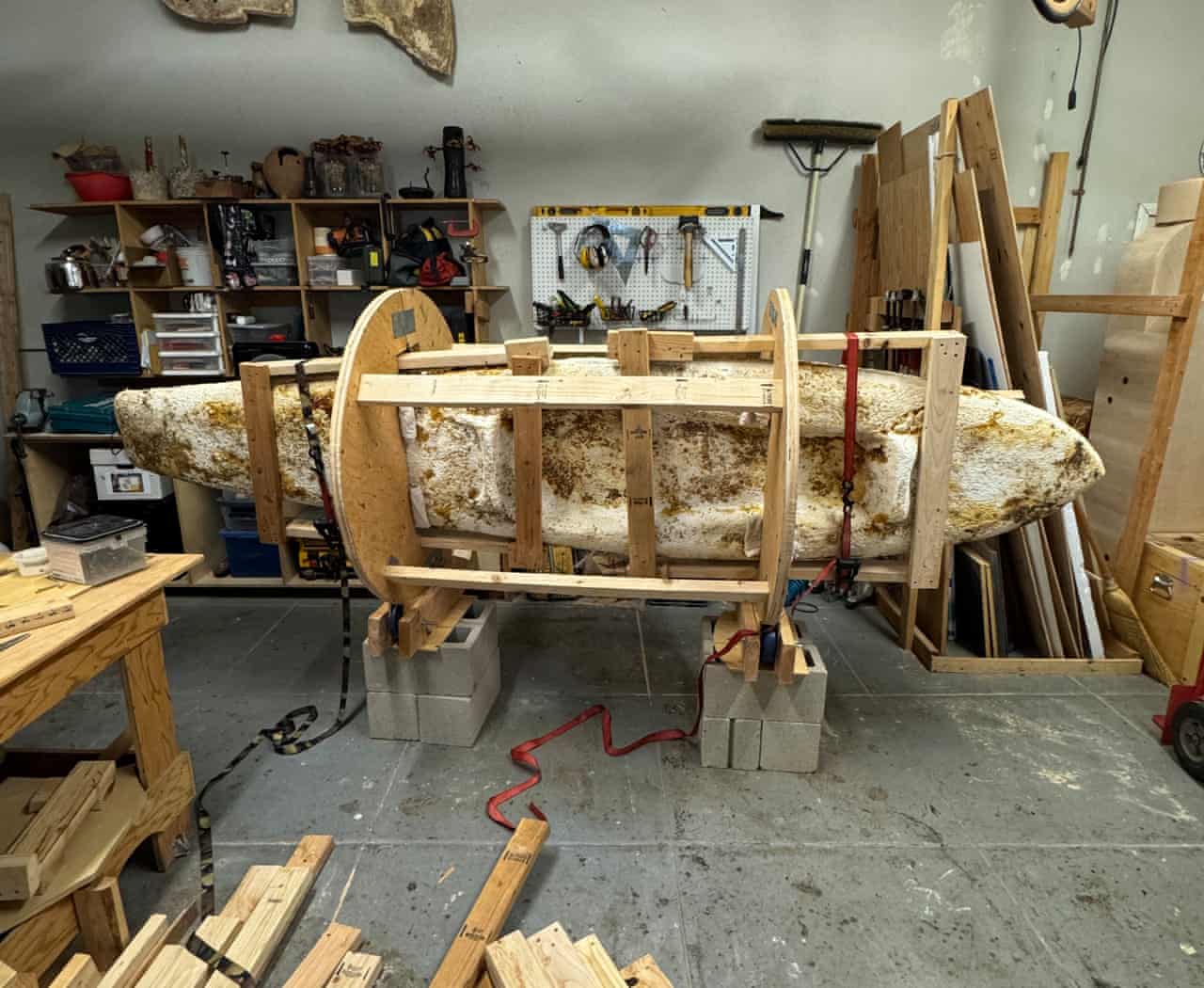
Sam Shoemaker made a kayak entirely from mushrooms.

Mushrooms! What next?

This week I chatted with Ann about a class where she learned to use mushrooms for natural dyes. And you may remember a post, here, about human caskets made from mushrooms.

But, wait! There’s more, says Open Fung, a nonprofit advancing the future of fungi-based technologies, materials, and the arts. Their latest endeavor: making a kayak from mushrooms.

Lisa Kwon reports at the Guardian, “On a clear, still morning in early August, Sam Shoemaker launched his kayak into the waters off Catalina Island and began paddling. His goal: to traverse the open ocean to San Pedro, just south of Los Angeles, some 26.4 miles away.

“But upon a closer look, Shoemaker’s kayak was no ordinary kayak. Brown-ish yellow and bumpy in texture, it had been made – or rather, grown – entirely from mushrooms. His journey, if successful, would mark the world’s longest open-water journey in a kayak built from this unique material.

“With his phone, GoPro camera, walkie talkie, and a compass affixed to his life vest, Shoemaker left shortly before 6am in order to avoid the worst of the swells in the forecast. But three hours in and powering through his ninth mile, the coastline still out of sight, Shoemaker began feeling seasick.

“Suddenly, he heard the sound of a large animal breaching the waters. To his left, a fin whale flashed its glistening tail, then trailed slowly behind him. As the 50-ft creature followed him for three more miles, Shoemaker found the strength to finish out the maiden voyage … which took him 12 hours.

“As he stumbled onto shore with his mushroom kayak still intact, the artist and mycologist embraced his friends and family. …

“Shoemaker began his career as an artist creating sculptures with propagated mushrooms. Upon returning to Los Angeles after graduating from Yale with an MFA in 2020, he began exhibiting artwork that captured the unique behavior of mushrooms as they grew out of hand-built ceramic vessels and blown glass. … Shoemaker now belongs to a small community of scientists and artists exploring the potentiality of fungal innovation as an alternative material that could be used in everything from kayaks and buoys to surfboards.

“Their focus is on mycelium … a pivotal connective tissue in the animal kingdom. Mycelium-based materials in an aquatic context are known as AquaFung, a term coined by Shoemaker’s mentor Phil Ross, an artist and the co-founder of a biotechnology company called MycoWorks that engineers mycelium-based materials including a mushroom ‘leather‘ that can be used in furniture, handbags and biomedical equipment. After cofounding MycoWorks, Ross cofounded Open Fung. …

“Ross argues that AquaFung has many of the appealing properties as plastic – such as being lightweight and buoyant – but without the harmful footprint. …

“Shoemaker began working on his first mycelium boat in 2024. …

He modified a used fishing kayak to serve as his fiberglass mold, then grew the mycelium network inside the mold …

“Shoemaker meticulously dried the resulting kayak composite structure using fans over the course of several months. …

“Confident in his prototype, Shoemaker began searching for appropriate support. Shoemaker met Patrick Reed, the lead curator of the Pasadena-based arts organization Fulcrum Arts, in December 2023 through mutual friends. After a studio visit, Reed was blown away by everything that the artist had to show him. … Shoemaker completed his second mushroom boat in June; grown from the same wild Ganoderma polychromum mycelium. …

“The completion of Shoemaker’s boat marks the second ever water-tested mushroom boat to be made after Katy Ayers, who holds the Guinness World Record for growing, then testing, what was then the world’s longest fungal mycelium boat on a Nebraska lake in 2019.

“ ‘A lot of people really didn’t think it was possible,’ says Ayers, who grew her boat after being inspired by a documentary called Super Fungi. …

“Ayers and Shoemaker credits mycology pioneers like Ross for making the technology more accessible. And mushroom-based materials are slowly beginning to pop up in the mainstream: In 2021, Stella McCartney made headlines with its launch of the world’s first-ever garments made from lab-grown mushroom leather, in consultation with Ross.”

More on the future of fungal materials at the Guardian, here. No paywall: Please consider offering some financial support to the Guardian.

Read Full Post »

Photo:  Patrick T. Fallon/AFP via Getty Images.
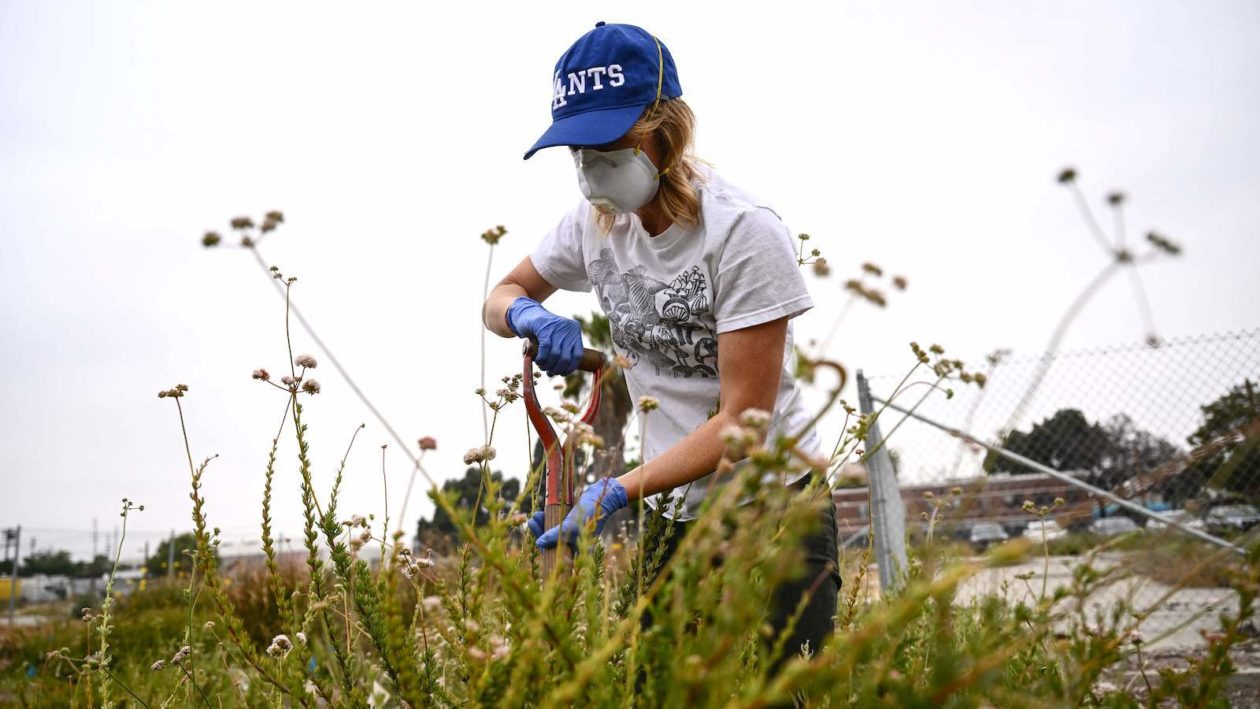
Researcher Danielle Stevenson digs up California buckwheat grown at a brownfield site in Los Angeles.

Given the mess we humans make of the environment, I have to be grateful that we can learn ways to clean things up. And to be fair, we don’t always realize we’re making a mess until it’s too late.

Richard Schiffman at Yale Environment 360, explains one new technique for cleaning things up: harnessing the power of fungus.

“The United States is dotted with up to a million brownfields — industrial and commercial properties polluted with hazardous substances. These sites are disproportionally concentrated near low-income communities and communities of color, according to the Environmental Protection Agency, and researchers predict that heavy rains and flooding due to climate change are likely to both spread and increase exposure to these contaminants.

“For more than 15 years, Danielle Stevenson, who holds a PhD in environmental toxicology from the University of California, Riverside, has been pioneering a nature-based technique for restoring contaminated land, using fungi and native plants to break down toxins like petroleum, plastics, and pesticides into less toxic chemicals.

“The usual way of dealing with tainted soil is to dig it up and cart it off to distant landfills. But that method is expensive and simply moves the problem somewhere else, Stevenson says in an interview with Yale Environment 360, ‘typically to another state with less restrictive dumping laws.’

“In a recent pilot project funded by the city of Los Angeles, Stevenson, 37, working with a team of UC Riverside students and other volunteers, significantly reduced petrochemical pollutants and heavy metals at an abandoned railyard and other industrial sites in Los Angeles. While her research is still in its early stages, Stevenson says she believes her bioremediation methods can be scaled up to clean polluted landscapes worldwide.

Yale Environment 360: I understand that you grew up on the shores of Lake Erie in a highly polluted area.

Danielle Stevenson: The Cuyahoga River, near Lake Erie, used to catch on fire from oil spills. There’s a huge amount of industrial agricultural runoff that leads to toxic algae blooms. The second-largest floating plastic island of the Great Lakes is in Lake Erie.

“But I was surprised to see abandoned oil refineries and factories with trees, plants, and mushrooms growing. I mean, they’ve found fungi growing in Chernobyl in a melted down nuclear reactor. I’ve been on sites that look so desolate and bleak, where the air smells like diesel. It looks like nothing could possibly live there. But when we sample the soil, we always find life, and we especially find fungi that are really resilient and have found a way to live in those conditions and get some sort of food from the pollution.

e360: So you became interested in fungi, eventually founding your own mycoremediation company, D.I.Y. Fungi. What are fungi?

Stevenson: They are their own kingdom of life. They are not bacteria, not a type of plant or animal. Some fungi form mushrooms [as their fruiting bodies], like the ones we like to eat. Other fungi do not form mushrooms but create these beautiful dynamic networks throughout forests and grasslands that connect to the roots of plants. Fungi are largely overlooked, but it is a really important kingdom without which we wouldn’t have soil or the carbon cycle or so many other really important functions in our ecosystems.

e360: How do fungi help restore contaminated soil?

Stevenson: Decomposer fungi can degrade petrochemicals the same way they would break down a dead tree. And in doing so, they reduce the toxicity of these petrochemicals and create soil that no longer has these contaminants or has much reduced concentrations of it. They can also eat plastic and other things made out of oil, like agrochemicals. …

e360: You worked at industrial sites in Los Angeles that were highly contaminated with heavy metals: How did the fungus help there?

Stevenson: Unfortunately, most metals don’t break down because they’re not carbon-based. In nature, it’s actually plants that pull metals out of soil. And so there are fungi, they’re called arbuscular mycorrhizal fungi, that can help plants do that better. And so on Taylor Yard [the Los Angeles railyard] and other sites, I’ve worked with a combination of decomposer fungi, arbuscular mycorrhizal fungi, and plants that we previously found to be able to pull metals like lead and arsenic out of the soil into their aboveground parts. These plants can then be removed from the site without having to remove all of that contaminated soil.

e360: How did the sites look different after the work that you did on them?

Stevenson: They became basically beautiful meadows of native plants that were flowering, and now there are bees and birds and all sorts of life coming through. We had a very high success rate. In three months we saw a more than 50 percent reduction in all [petrochemical] pollutants. And then by the 12-month period, they were pretty much not detectable.”

The rest of this article — on reusing some metals, on working with tribes — is fascinating. Read at e360, here. No paywall.

Read Full Post »

Photo: The Japanese Food Lab.
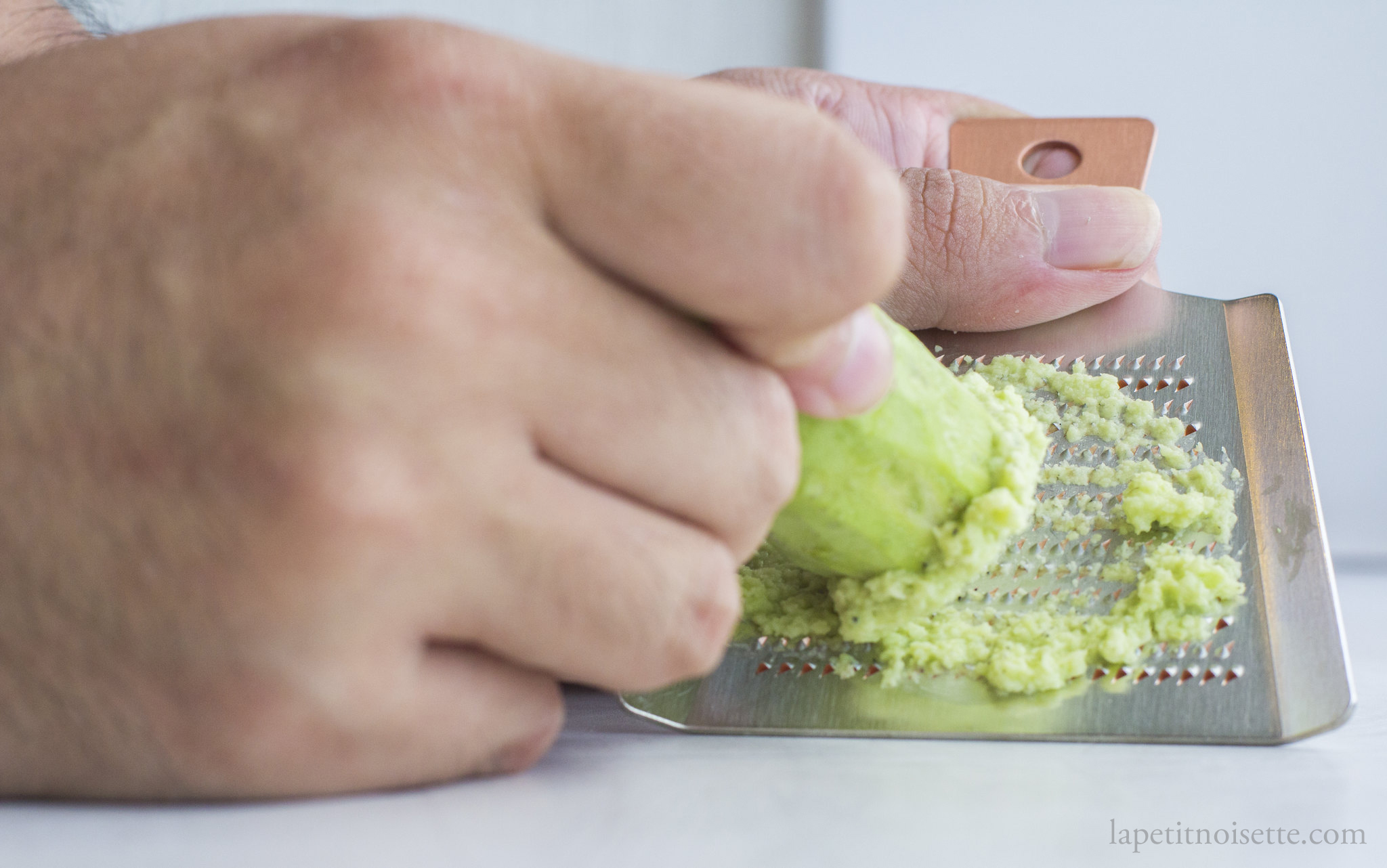
Grating a wasabi root. The fumes from this horseradish relative have been found to kill fungus on papyrus.

I love stories of great discoveries made by accident, but was the discovery in today’s post made by accident? I haven’t succeeded in finding out. Perhaps it was just a matter of understanding how chemicals work, as in the case of the Bryn Mawr professor who wrote that a pinch of salt improves a cup of tea. (Read about that tempest in a teapot here.)

Verity Babbs writes at Artnet, “A new study reveals that Japanese horseradish isn’t just good as a sinus-clearing part of a plate of sushi, but is also effective in art conservation.

“Wasabi vapors have been found to effectively treat fungal infections on both painted and unpainted samples of mock ancient Egyptian papyrus, and to do so without impacting the papyrus’ delicate chemicals or painted pigments.

“A study led by Hanadi Saada of the Conservation Center of the Grand Egyptian Museum and published in March’s volume of the Journal of Archaeological Science shares the results of treating fungally infected replicas of ancient papyri with wasabi.

“To create accurate replicas for the study, the team heated modern papyri (painted with accurately replicated ancient pigments) to 212°F for 120 days, mimicking a 1,000-year aging process. They then exposed the replicas to fungal species and treated them with vapors from wasabi left on nearby aluminum foil after three days.

“Exposure to the wasabi vapors was found to completely eradicate microbial growth and increase the sample papyri’s strength by 26 percent. The treatment only negligibly impacted the chemical makeup of the pigments used, and no noticeable change was observed in the color of both painted and unpainted samples of papyri.

“Papyrus — made from the stems of the plant Cyperus papyrus — was used in the ancient world for baskets, sails, and boat-making in addition to being a popular writing material. …

“Famous papyri include the Ebers Papyrus, which documents ancient Egyptian medical practices and is considered the world’s best-preserved and most extensive example. Dating to around 1550 B.C.E., it is kept at the Leipzig University Library in Germany. …

“Native to Japan as well as Korea and the far east of Russia, wasabi is a popular condiment, made from the plant Wasabia japonica, which is similar to the horseradish.

“This new conservation solution is a much greener and safer treatment than disinfectants previously used, which were known to harm the artifacts, possibly as badly as the fungus itself. Further research will be carried out to test the efficacy of wasabi for treating fungal infections on other organic, textile, and paper artifacts. The Grand Egyptian Museum in Giza plans to use the wasabi treatment for future preservation.  The study concluded that ‘Wasabi can be considered a safety biocide for controlling biodegradation of archaeological painted papyri.’ ”

More at Artnet, here.

Read Full Post »

Love for Fungi

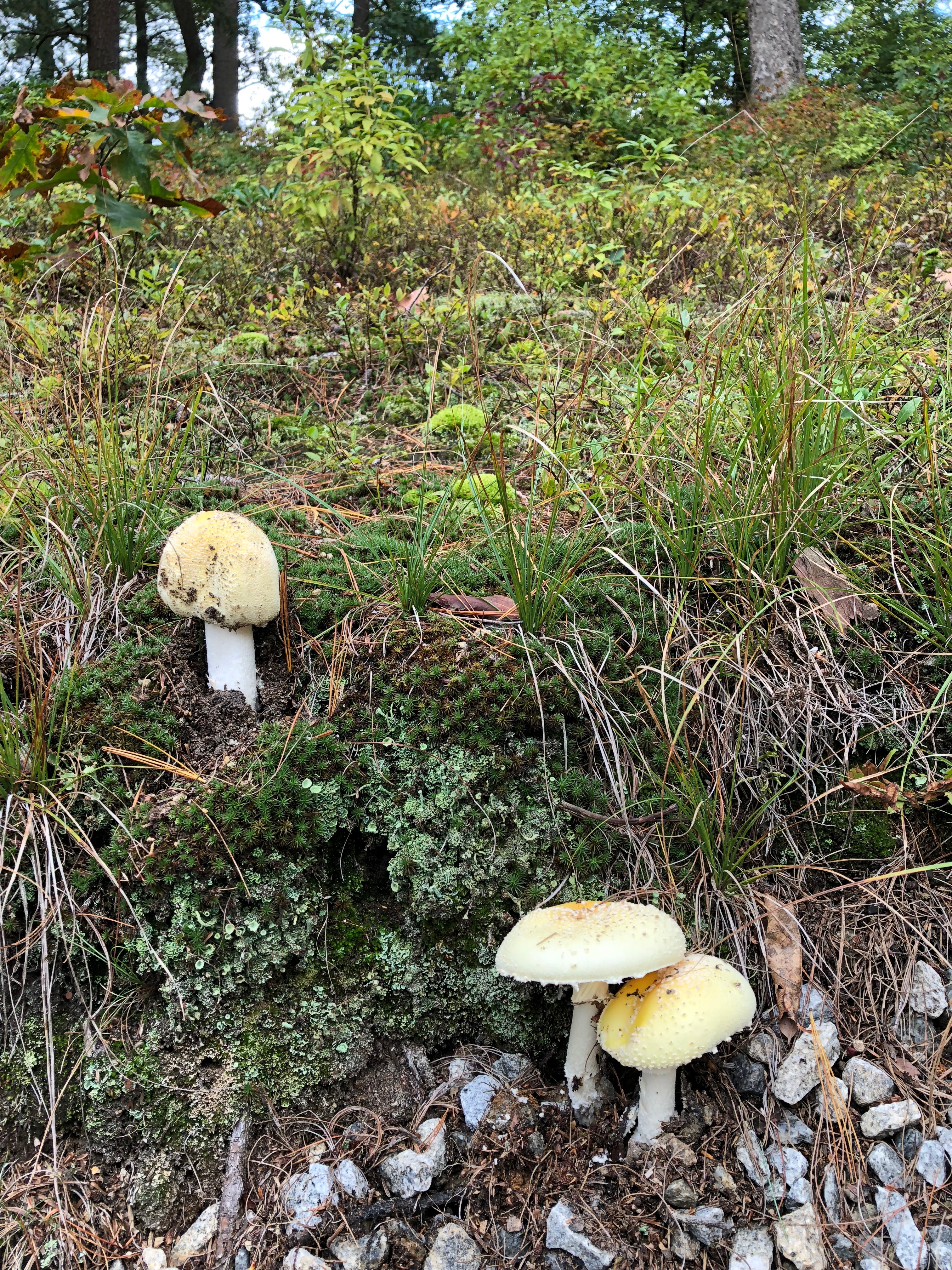
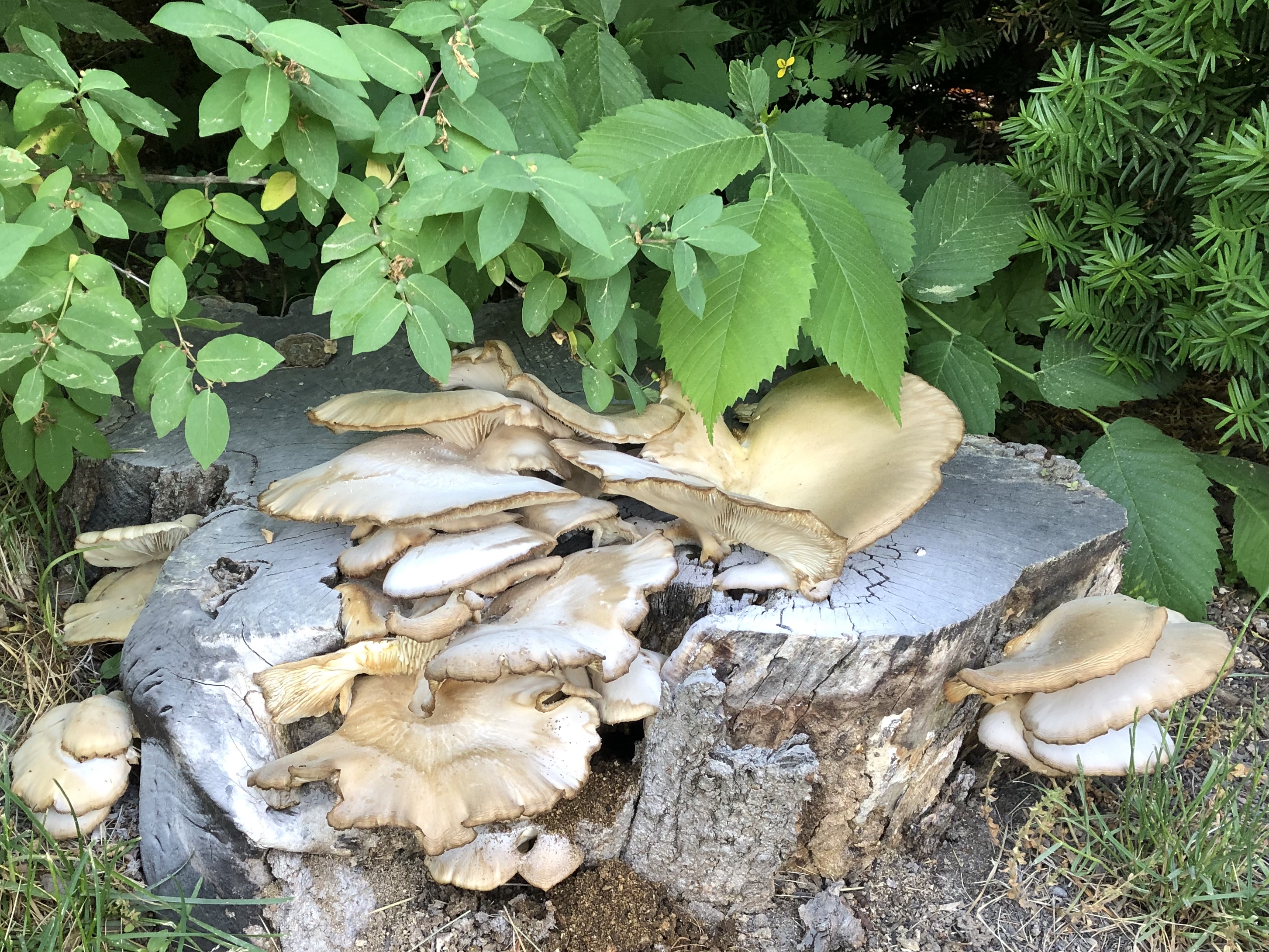
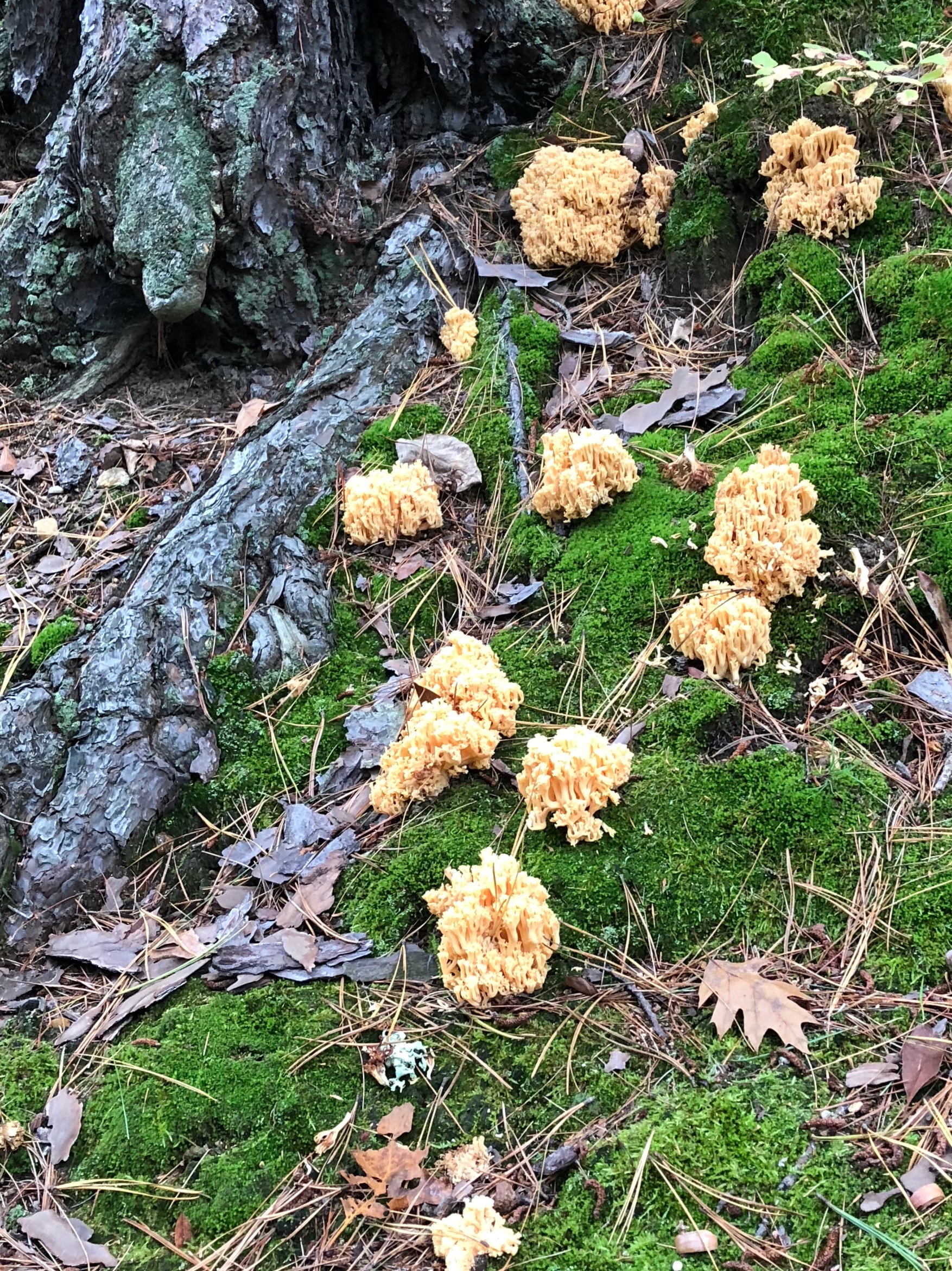
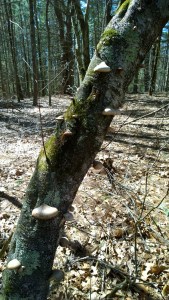
As a kid, I was kind of creeped out by fungi, but in recent years I’ve found myself fascinated by their unexpected beauty and mystery. And I’ve taken lots of pictures, three of which are here.

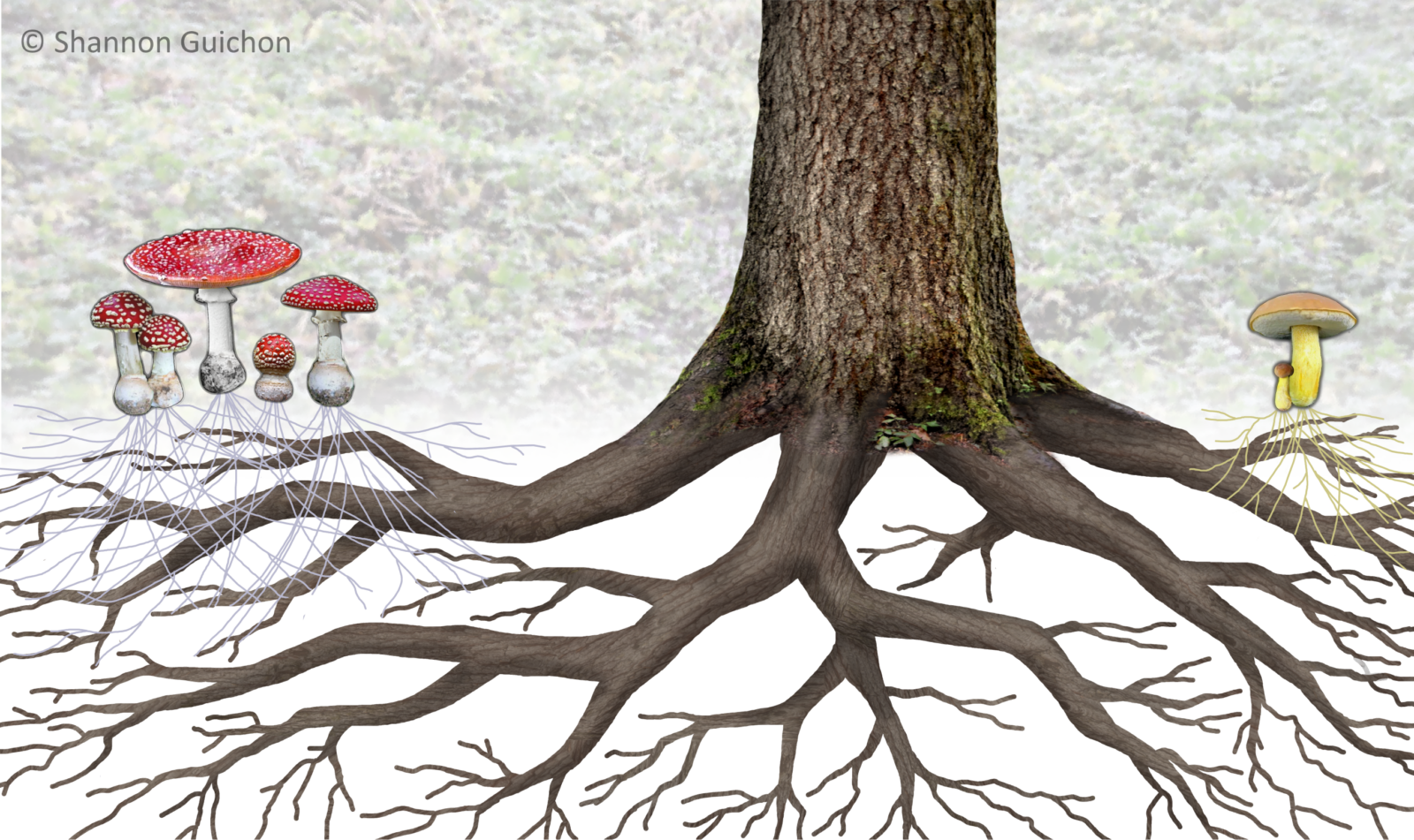
In an article at the New York Times, Ferris Jabr, describing the symbiotic relationship between trees and fungi, talks to forest ecologist Suzanne Simard about what trees are communicating with one another through their subterranean networks of fungi.

“By the time she was in grad school at Oregon State University, [Simard] understood that commercial clearcutting had largely superseded the sustainable logging practices of the past. Loggers were replacing diverse forests with homogeneous plantations, evenly spaced in upturned soil stripped of most underbrush. Without any competitors, the thinking went, the newly planted trees would thrive. Instead, they were frequently more vulnerable to disease and climatic stress than trees in old-growth forests.

“In particular, Simard noticed that up to 10 percent of newly planted Douglas fir were likely to get sick and die whenever nearby aspen, paper birch and cottonwood were removed. The reasons were unclear. The planted saplings had plenty of space, and they received more light and water than trees in old, dense forests. So why were they so frail?

“Simard suspected that the answer was buried in the soil. Underground, trees and fungi form partnerships known as mycorrhizas: Threadlike fungi envelop and fuse with tree roots, helping them extract water and nutrients like phosphorus and nitrogen in exchange for some of the carbon-rich sugars the trees make through photosynthesis.

“Research had demonstrated that mycorrhizas also connected plants to one another and that these associations might be ecologically important, but most scientists had studied them in greenhouses and laboratories, not in the wild. For her doctoral thesis, Simard decided to investigate fungal links between Douglas fir and paper birch in the forests of British Columbia. …

‘The old foresters were like, Why don’t you just study growth and yield?’ Simard told me. ‘I was more interested in how these plants interact. They thought it was all very girlie.’

“Now a professor of forest ecology at the University of British Columbia, Simard, who is 60, has studied webs of root and fungi in the Arctic, temperate and coastal forests of North America for nearly three decades. Her initial inklings about the importance of mycorrhizal networks were prescient, inspiring whole new lines of research that ultimately overturned longstanding misconceptions about forest ecosystems. By analyzing the DNA in root tips and tracing the movement of molecules through underground conduits, Simard has discovered that fungal threads link nearly every tree in a forest — even trees of different species. Carbon, water, nutrients, alarm signals and hormones can pass from tree to tree through these subterranean circuits.

“Resources tend to flow from the oldest and biggest trees to the youngest and smallest. Chemical alarm signals generated by one tree prepare nearby trees for danger. Seedlings severed from the forest’s underground lifelines are much more likely to die than their networked counterparts. And if a tree is on the brink of death, it sometimes bequeaths a substantial share of its carbon to its neighbors.

“Although Simard’s peers were skeptical and sometimes even disparaging of her early work, they now generally regard her as one of the most rigorous and innovative scientists studying plant communication and behavior. … In May, Knopf will publish [her] book, Finding the Mother Tree, a vivid and compelling memoir of her lifelong quest to prove that ‘the forest was more than just a collection of trees.’ …

“Before Simard and other ecologists revealed the extent and significance of mycorrhizal networks, foresters typically regarded trees as solitary individuals that competed for space and resources and were otherwise indifferent to one another. Simard and her peers have demonstrated that this framework is far too simplistic. An old-growth forest is neither an assemblage of stoic organisms tolerating one another’s presence nor a merciless battle royale: It’s a vast, ancient and intricate society. There is conflict in a forest, but there is also negotiation, reciprocity and perhaps even selflessness. The trees, understory plants, fungi and microbes in a forest are so thoroughly connected, communicative and codependent that some scientists have described them as superorganisms. …

“Together, these symbiotic partners knit Earth’s soils into nearly contiguous living networks of unfathomable scale and complexity. ‘I was taught that you have a tree, and it’s out there to find its own way,’ Simard told me. ‘It’s not how a forest works, though.’ ”

More at the New York Times, here.
Hat tip: Hannah.

Read Full Post »

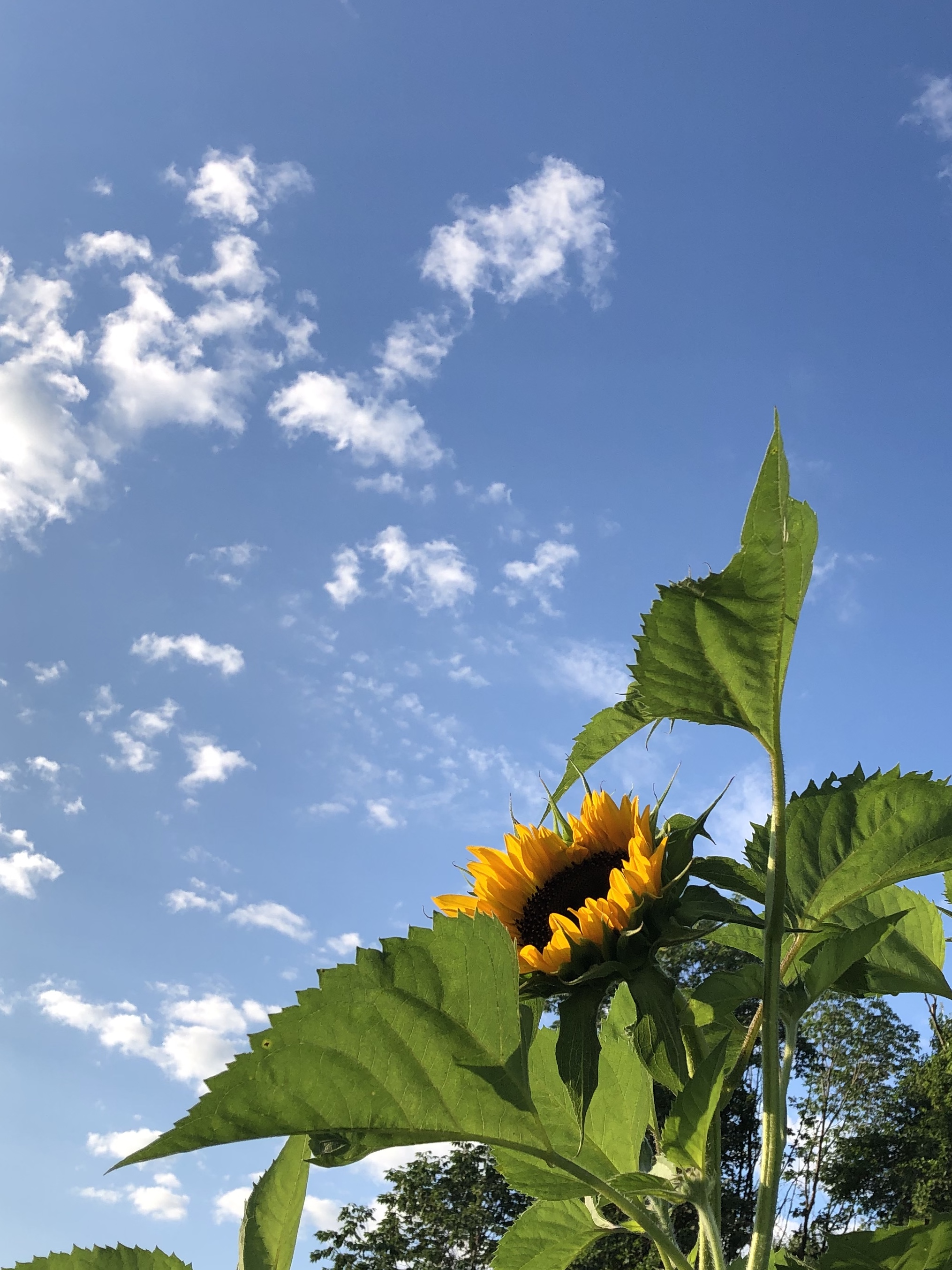
080620-sunflower-in-community-garden

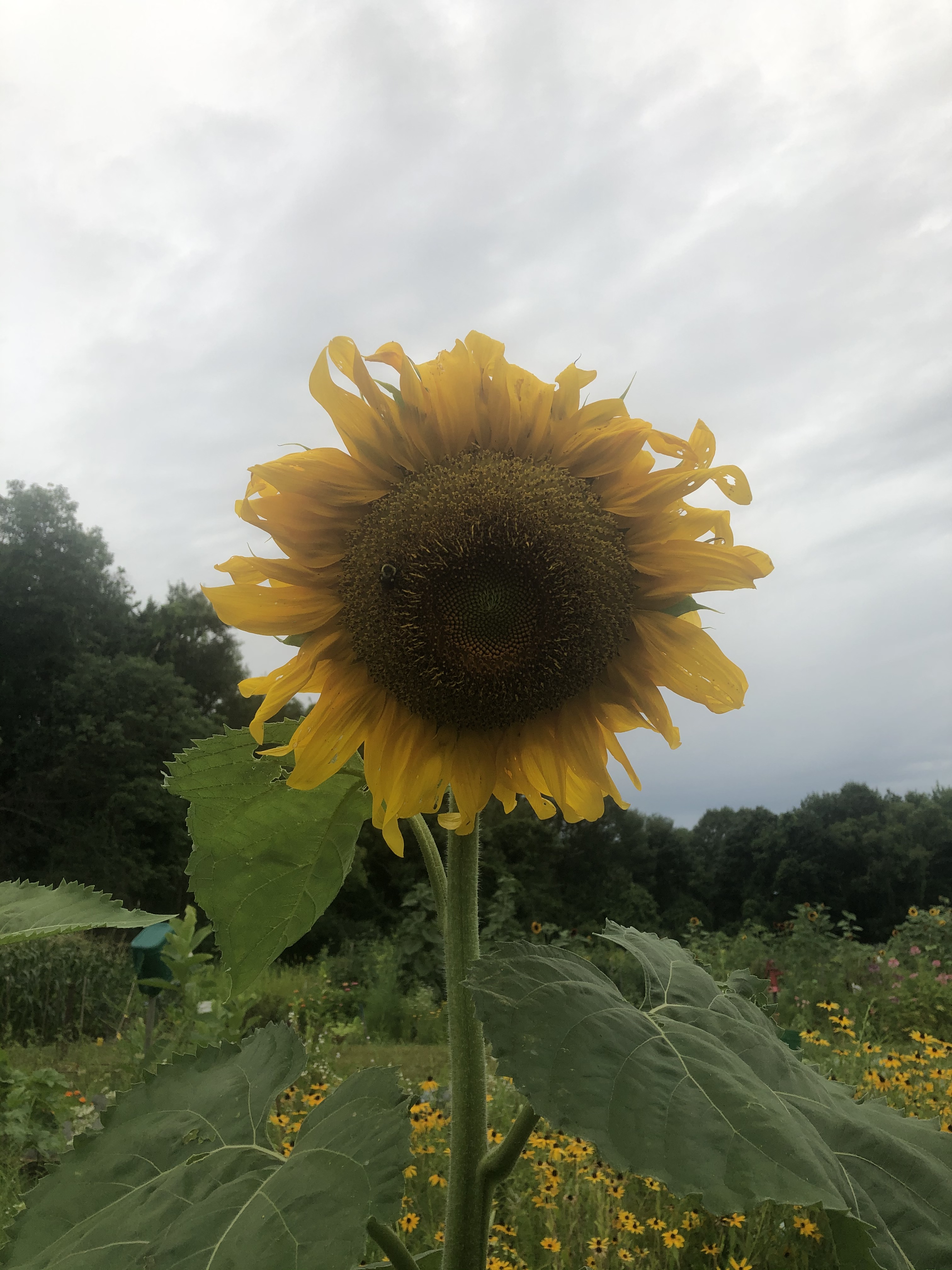
Sunflowers are wonderful on gray days or sunny, but they seem happiest on sunny days. Gardeners in the local community garden plant a lot of sunflowers, probably to keep the birds busy and away from other plants.

I took the second sunflower photo on a gray day when I happened to notice how prettily this lady’s hair was arranged around her face. I haven’t been to my hairdresser for many moons. Although I’m concerned for her and her coworkers, who need to make a living, I’m still too afraid to go in buildings where coronavirus droplets might linger in the air. I’m hoping my hair ends up with a sunflower naturalness — but a scarecrow look seems more likely.

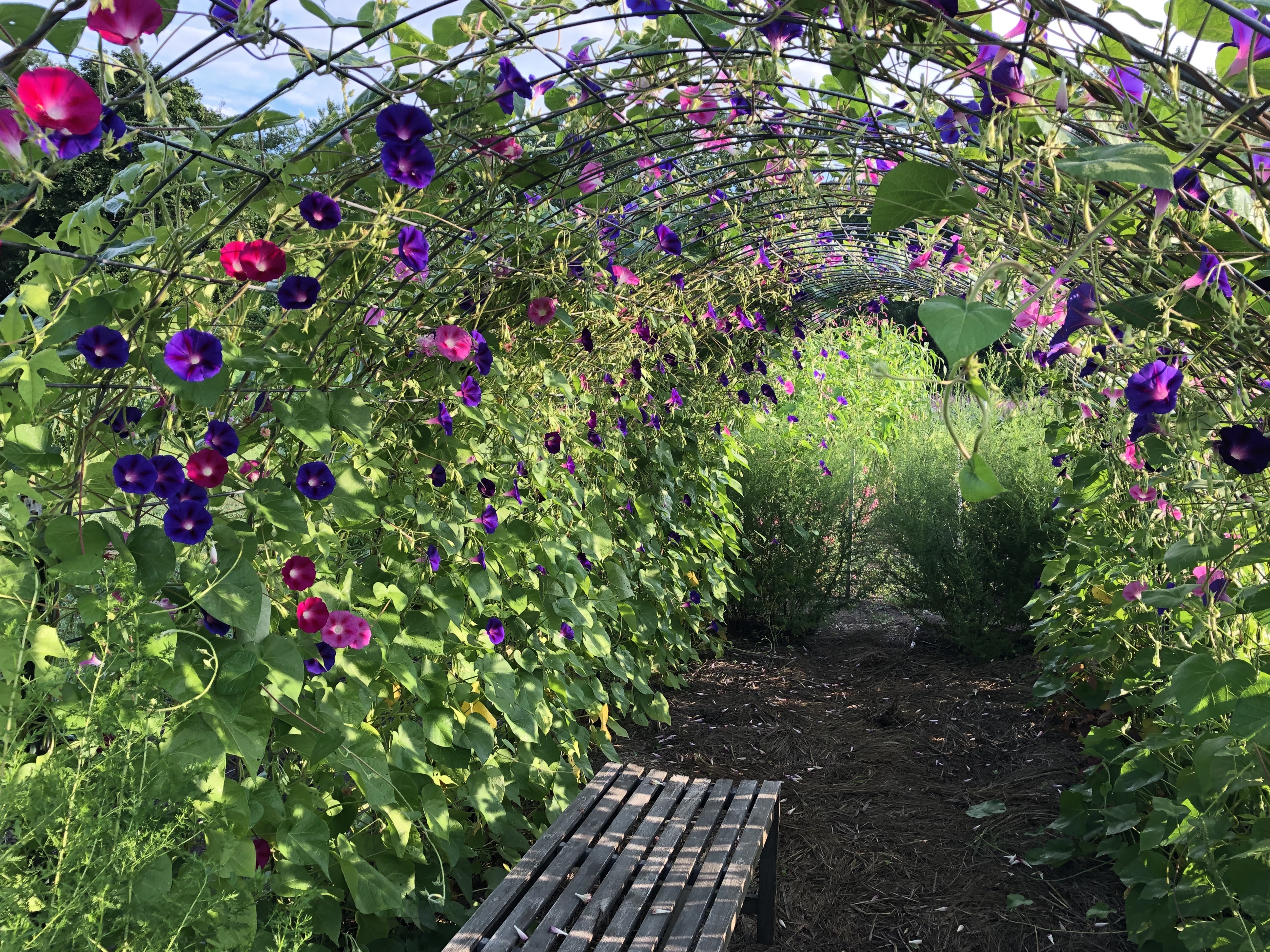
Going deeper into the garden to capture the first photo, I noticed an arbor I hadn’t seen before. All Morning Glories!

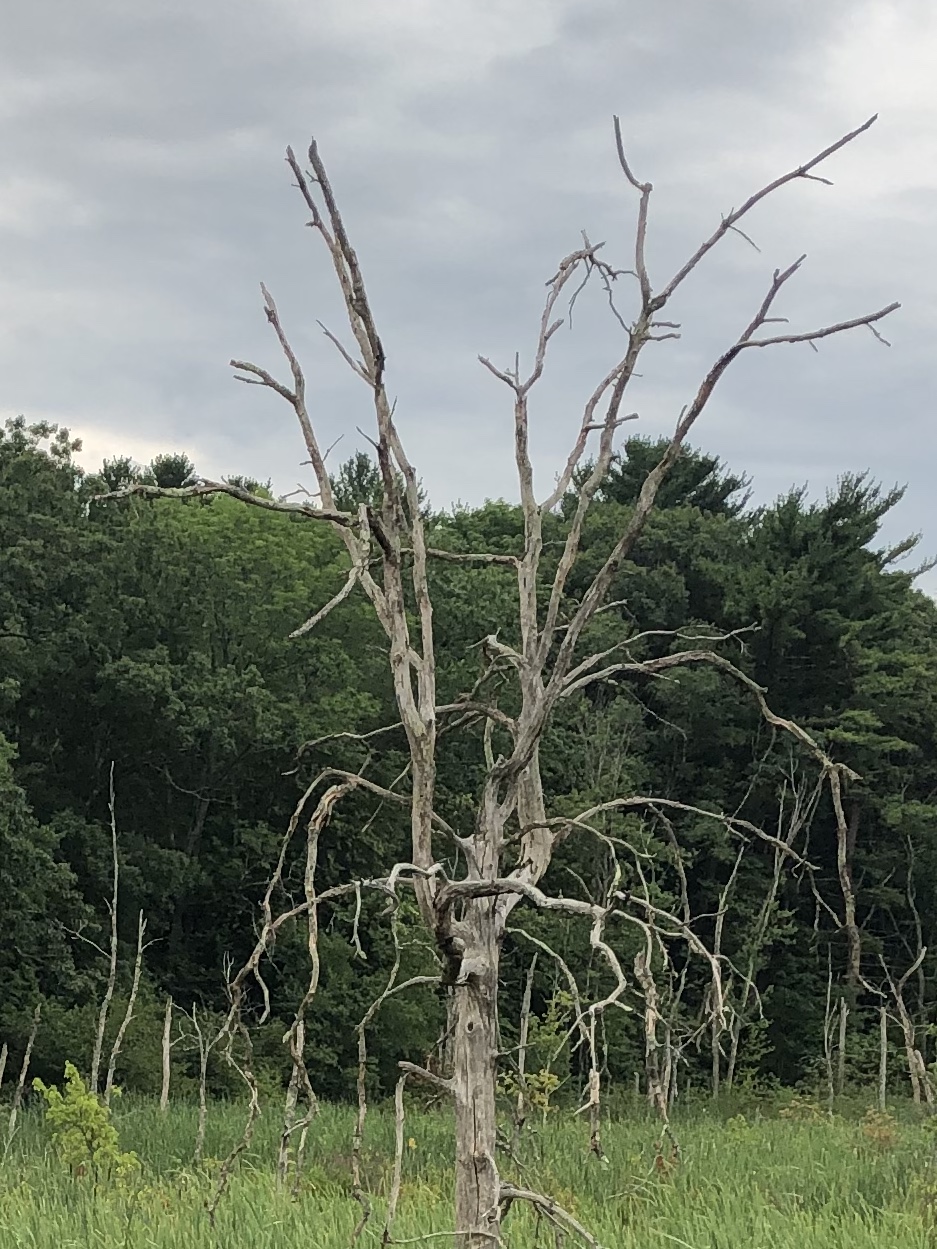
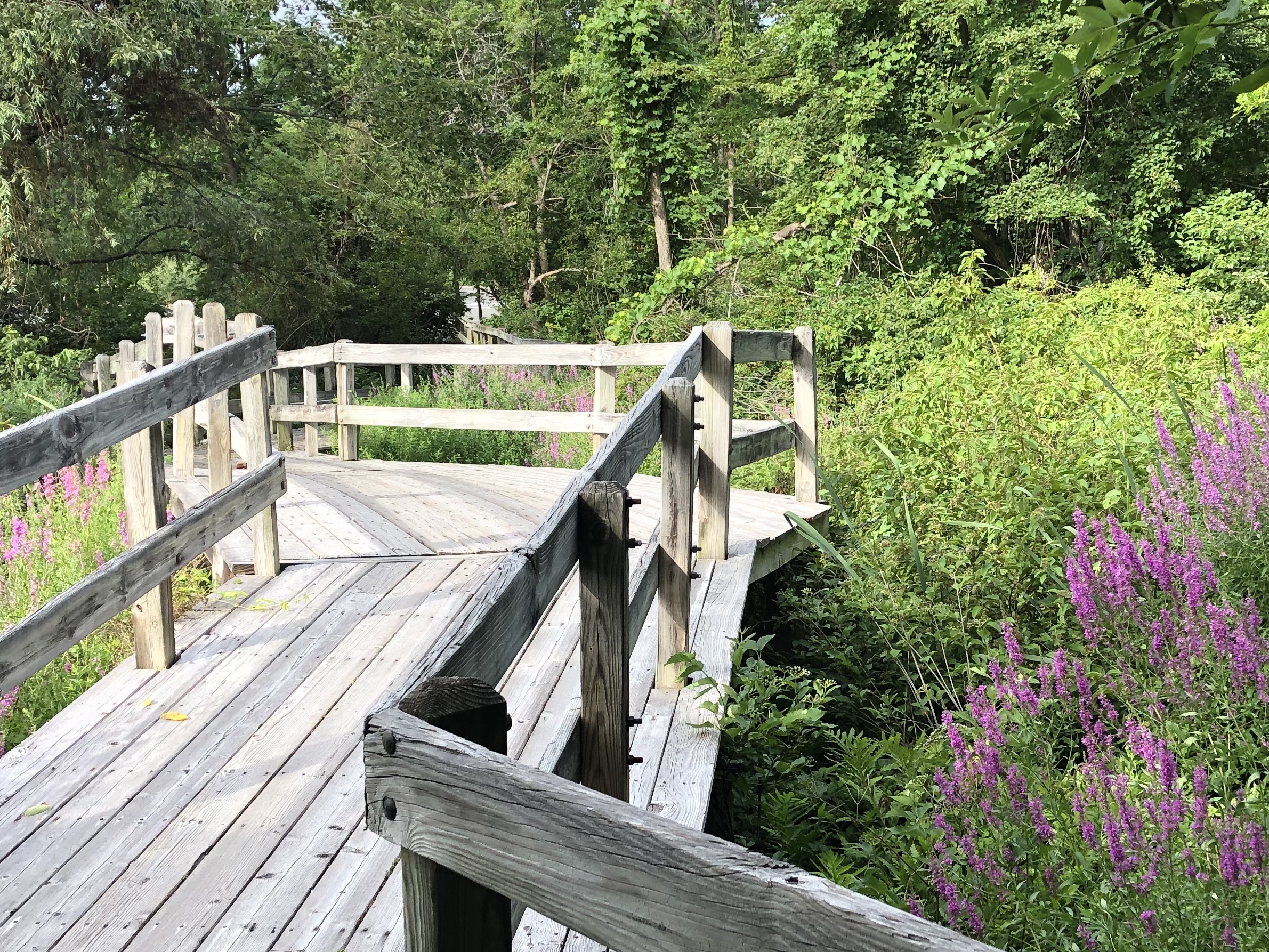
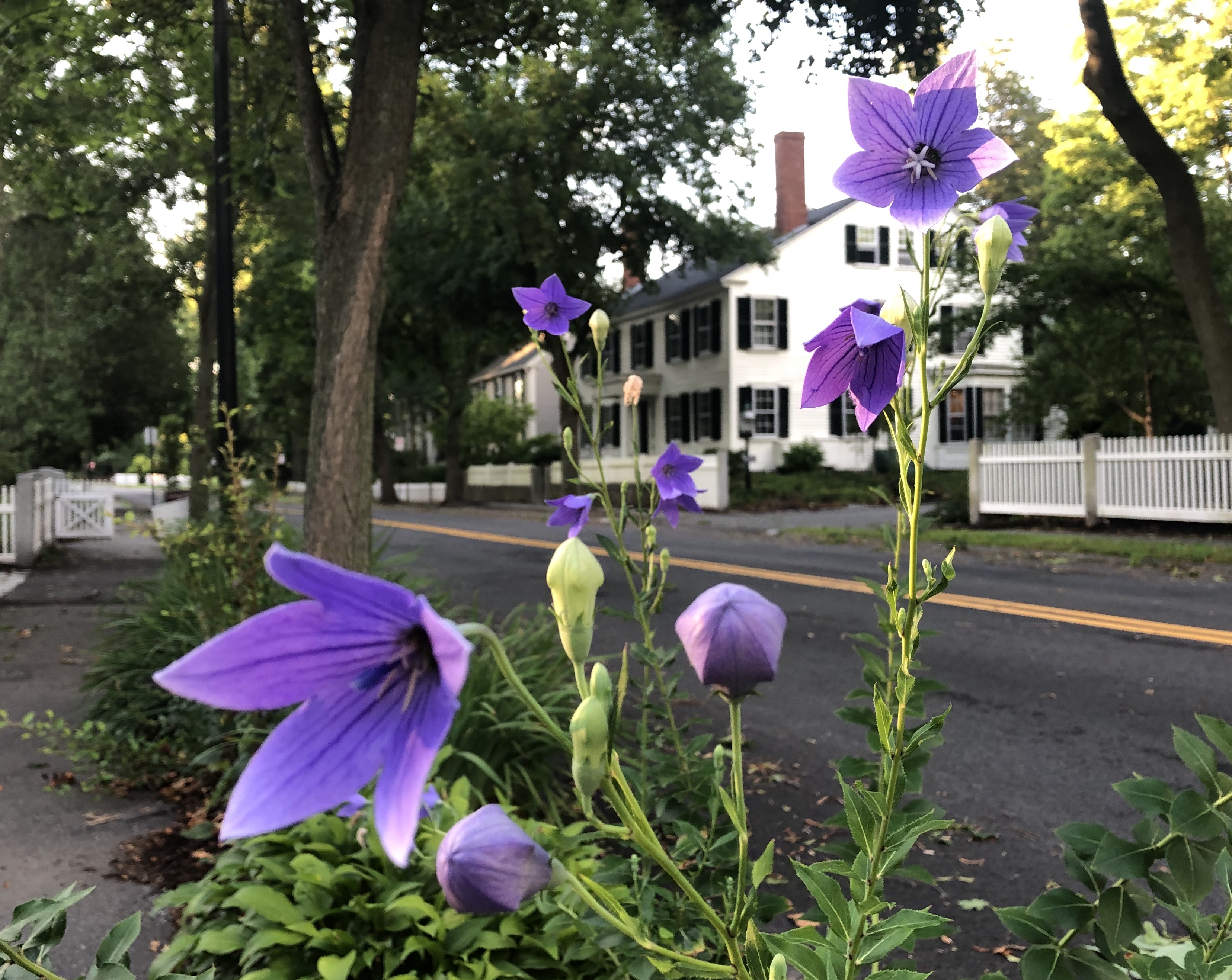
In other walks around town, I was drawn to a stark tree skeleton in a quiet swamp and Purple Loosestrife crowding around a footbridge. The Balloon Flower (or Japanese Bellflower) I suddenly started noticing in local yards after studying a painting on a calendar that a friend in Hokkaido sends me every year. I had never zeroed in on those balloon-like buds before.

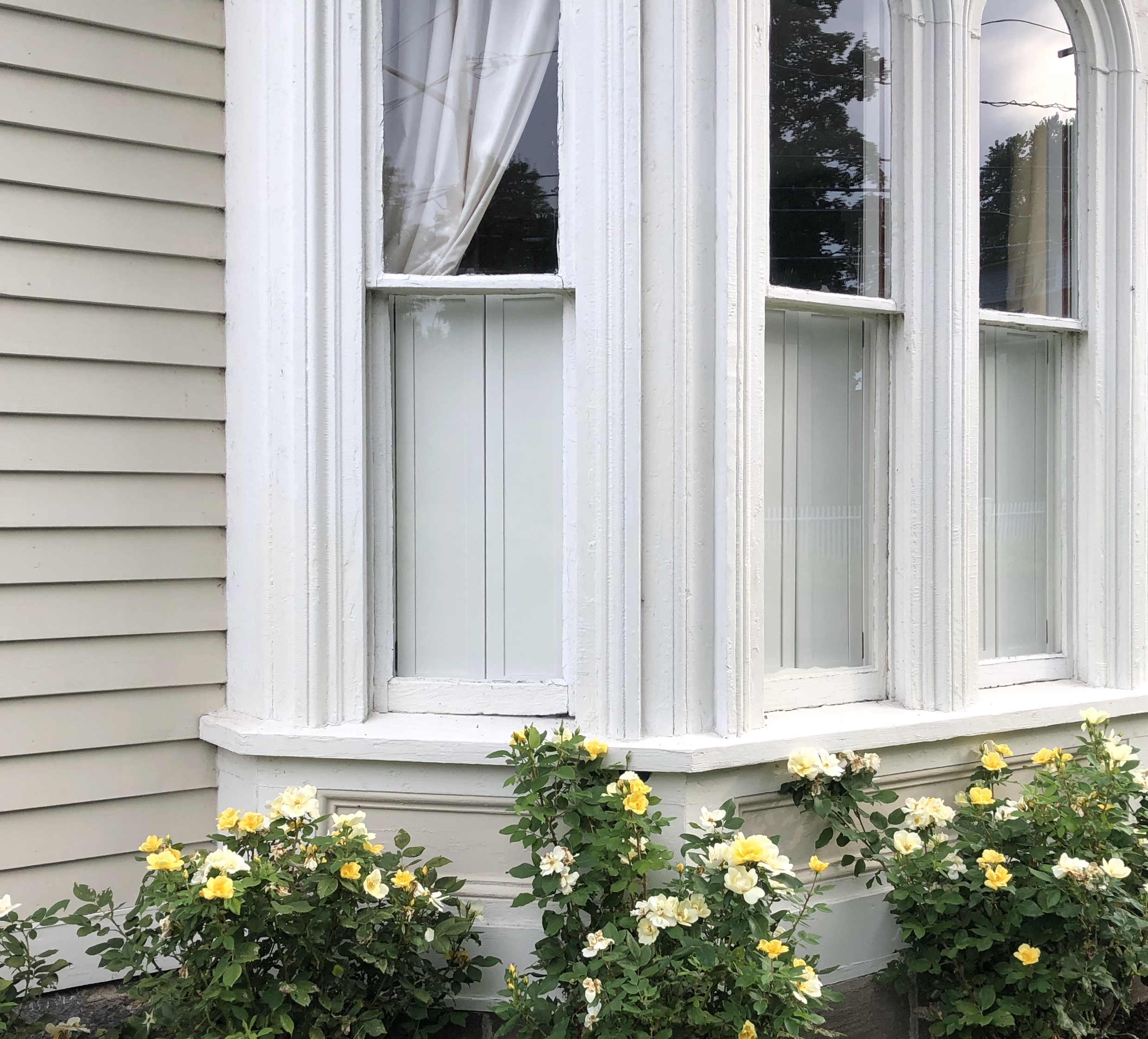
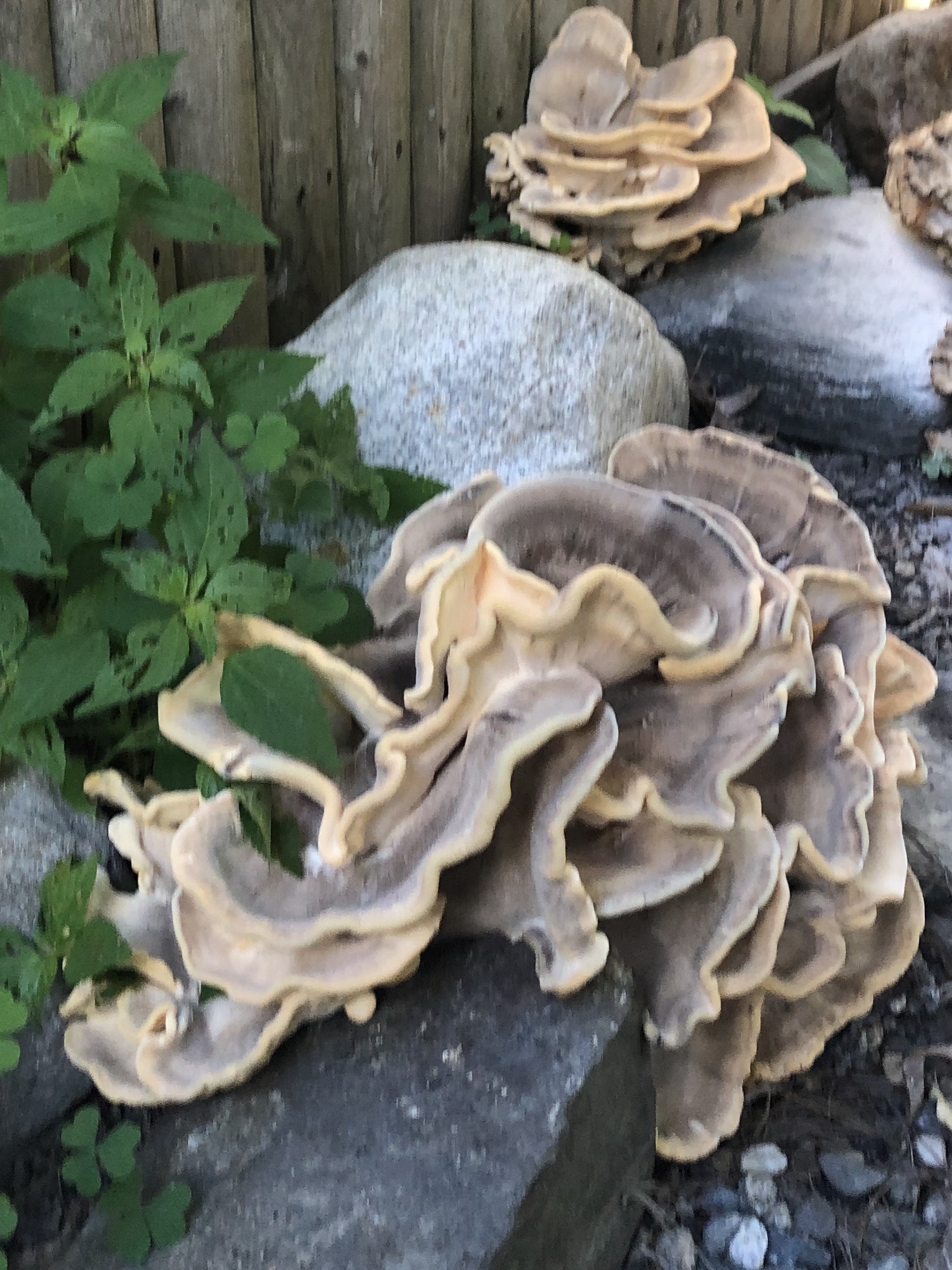
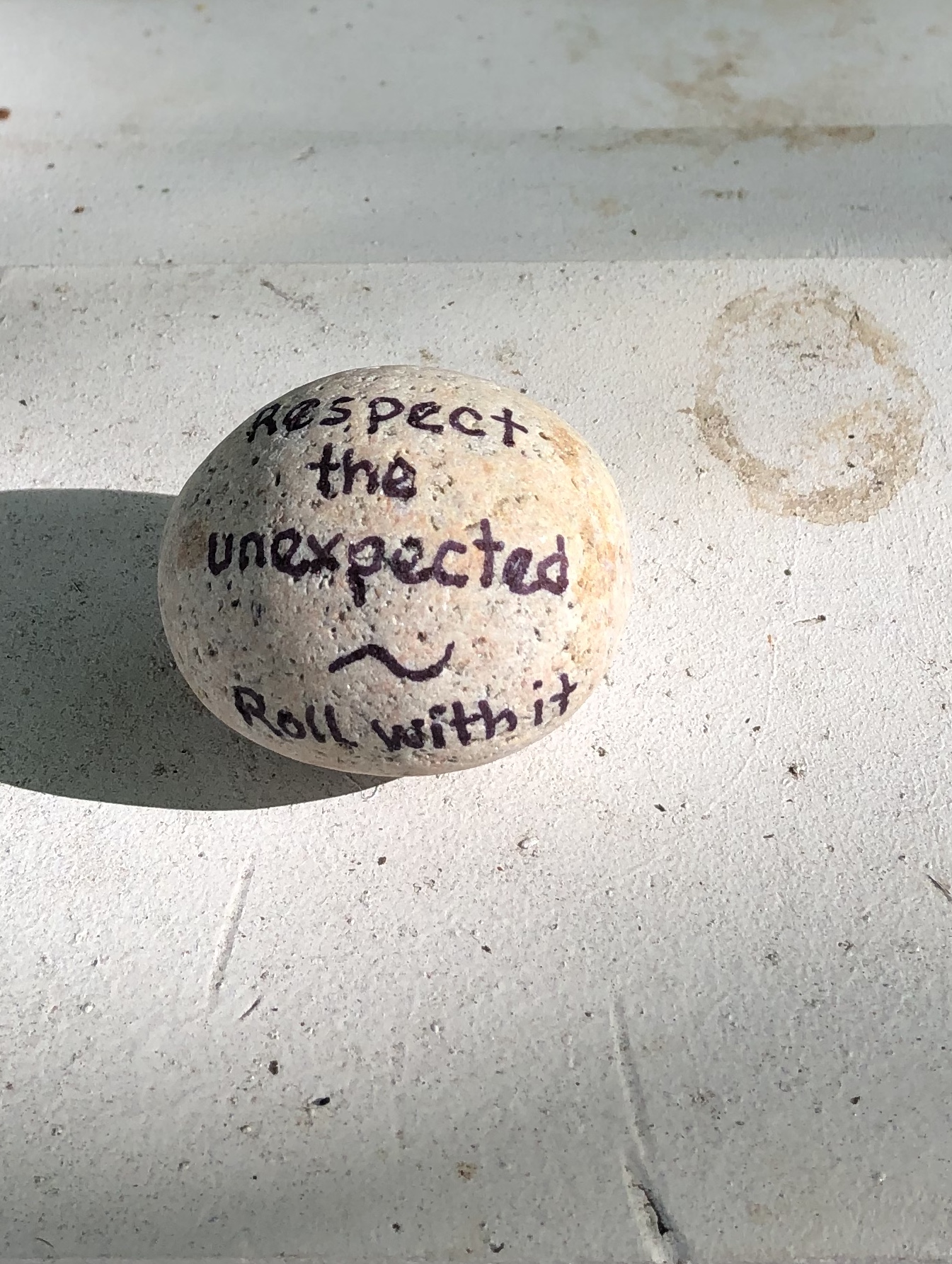
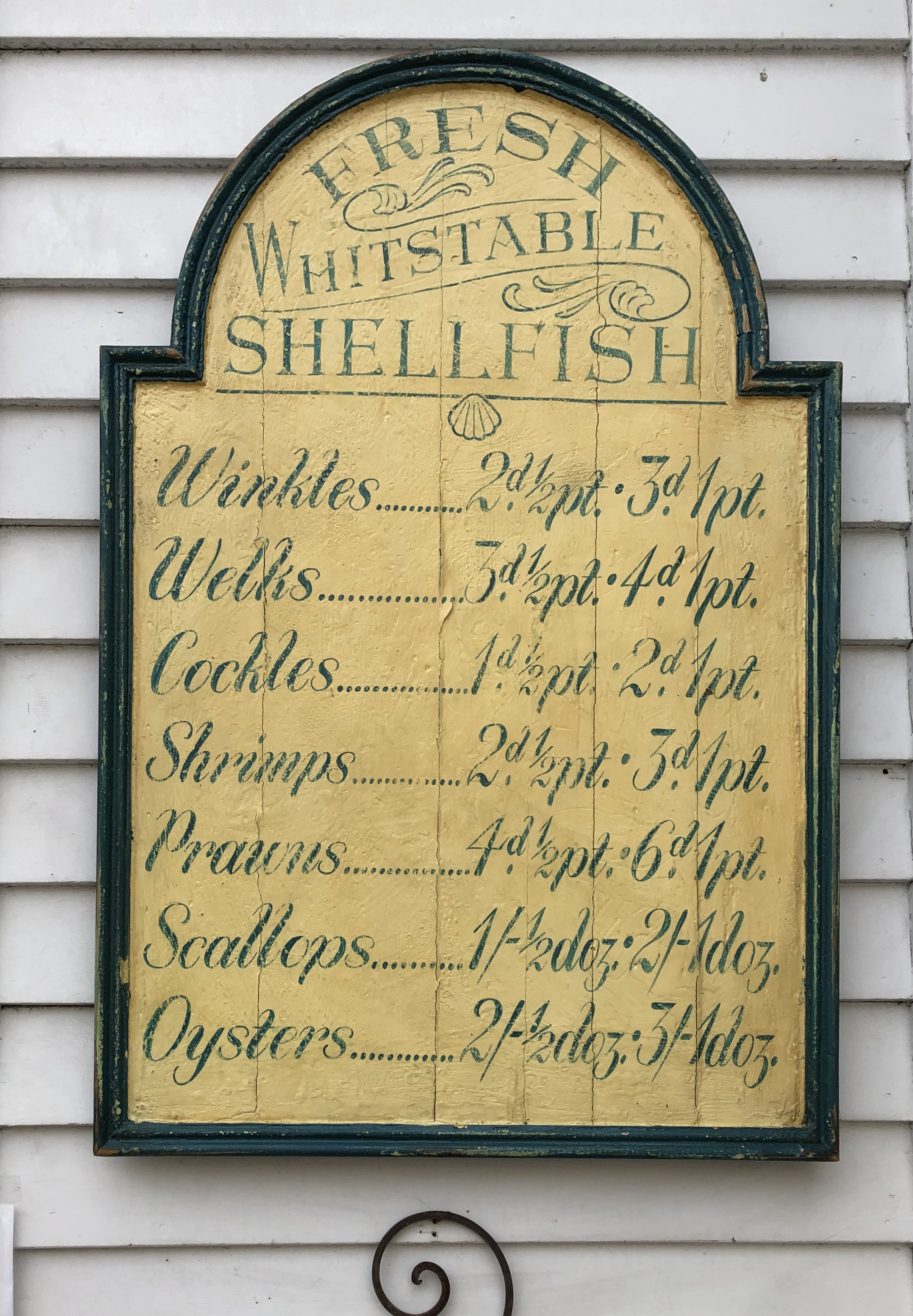
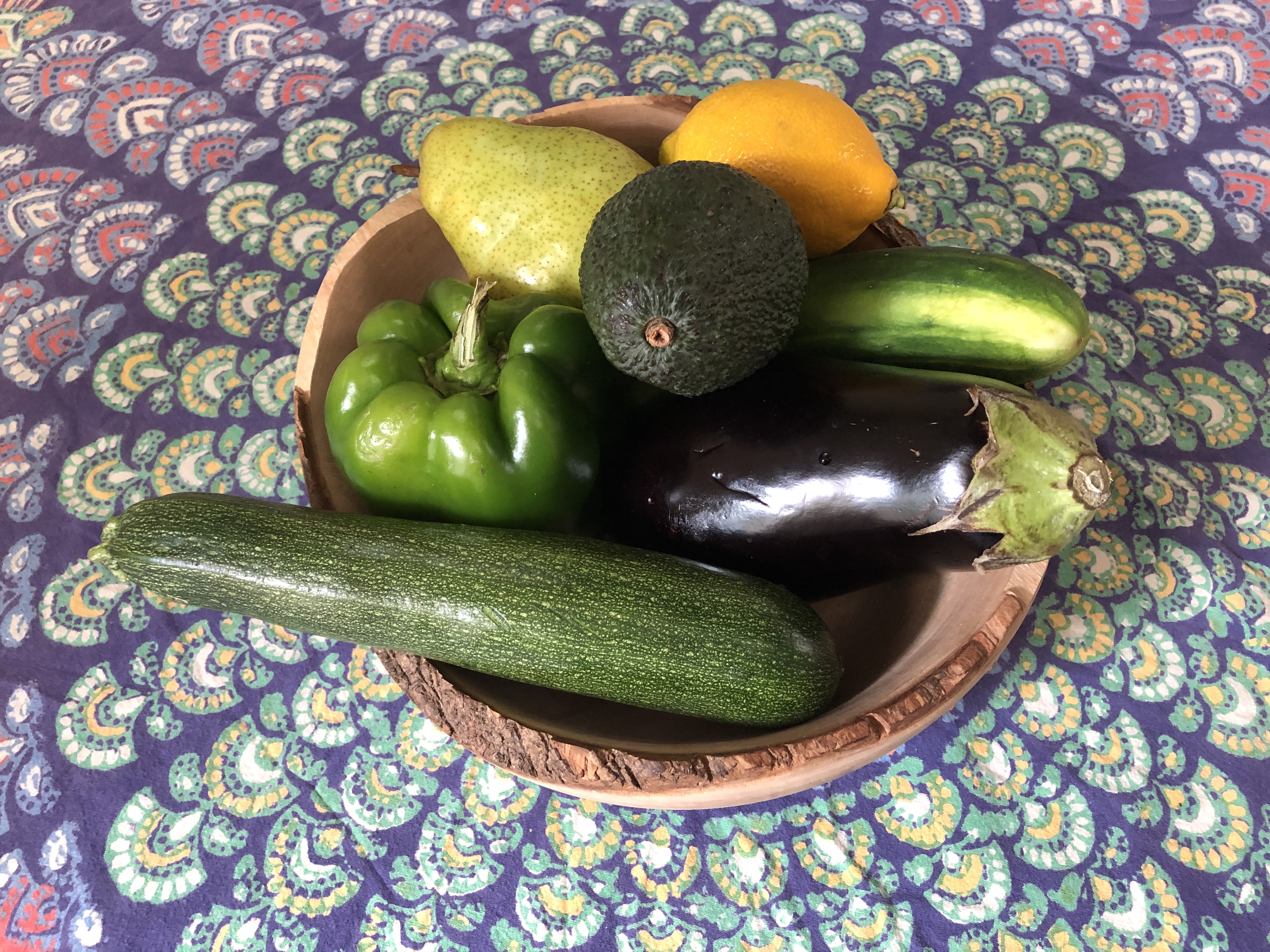
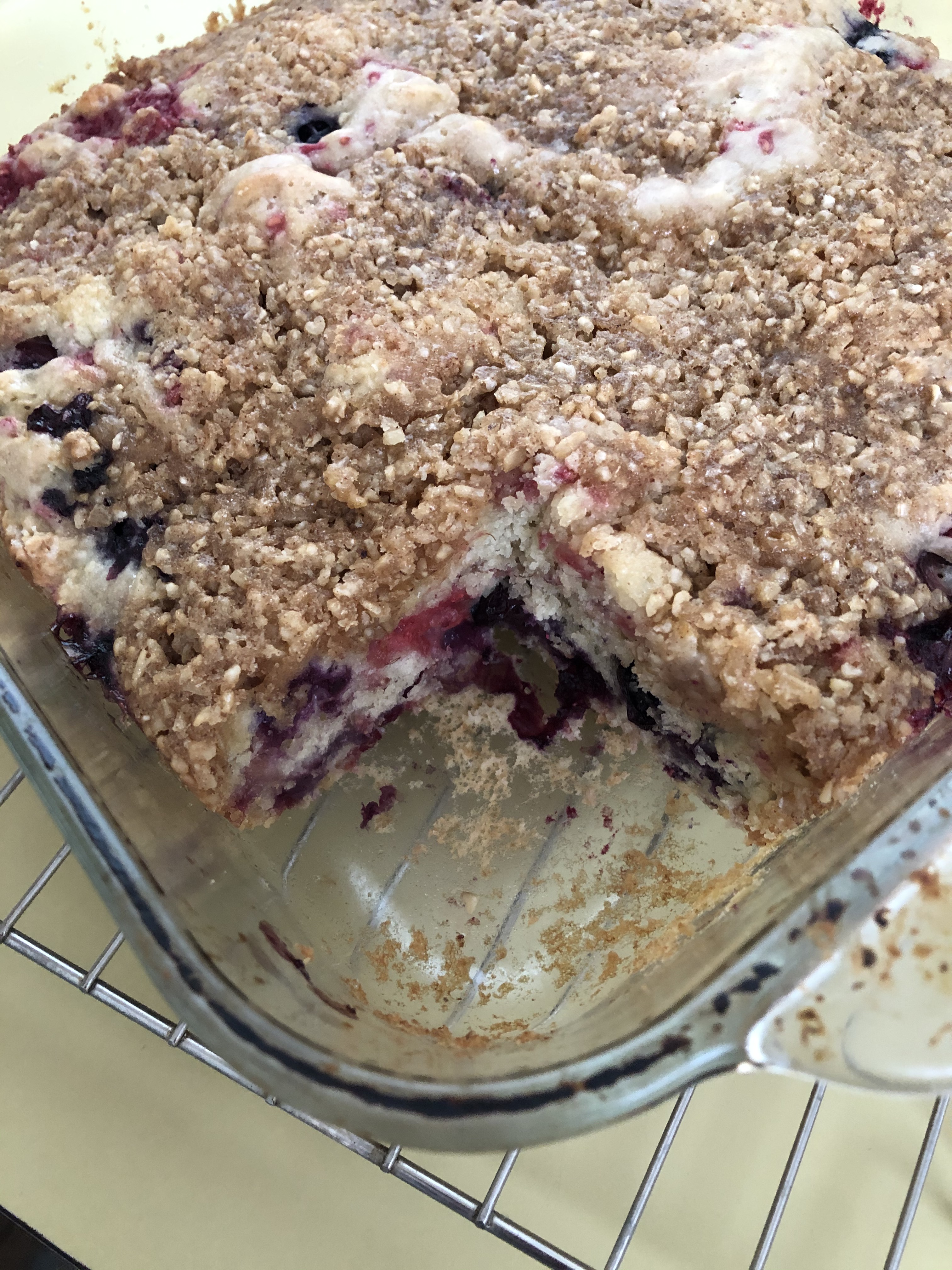
Next are yellow roses, a bizarre fungus, and good advice on a small, wise stone. The old seafood sign was outside an antique shop. I’m also sharing a picture of produce that the grocery store delivered the other day, and a blueberry-raspberry cake I made for our very quiet 50th anniversary.

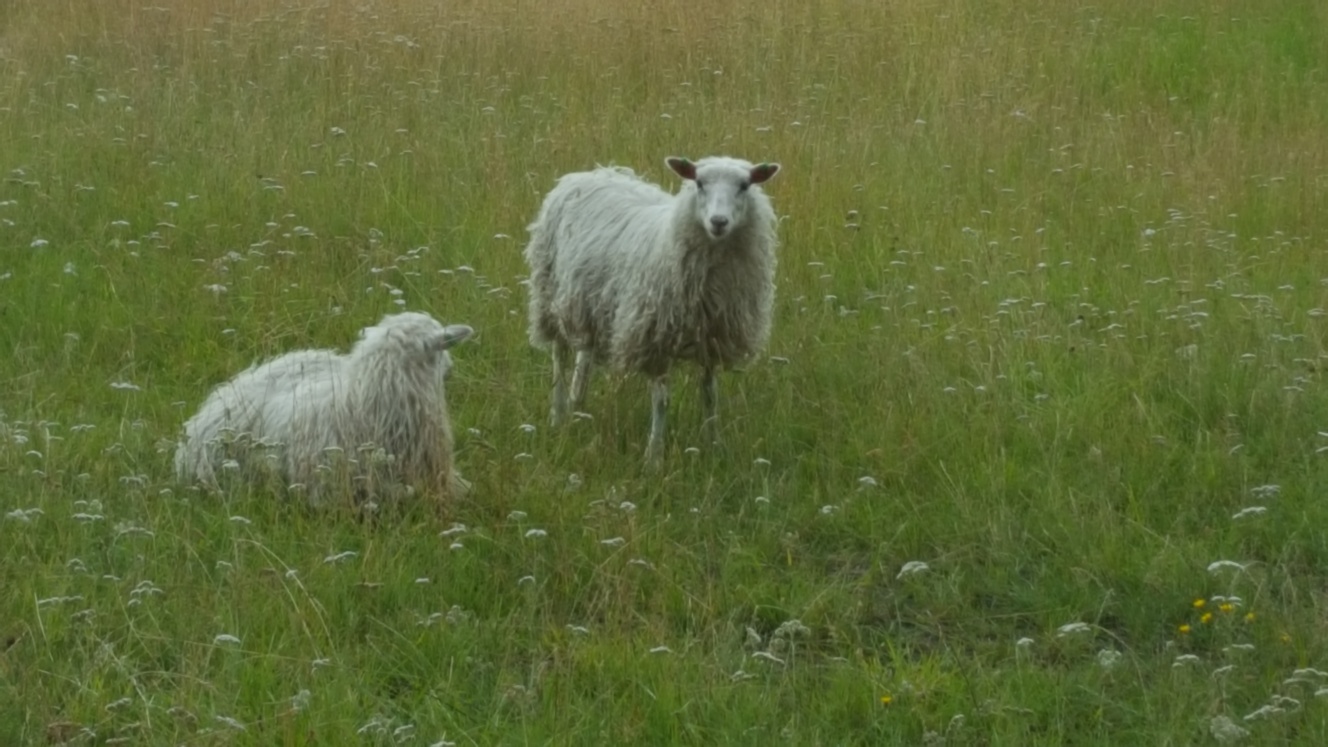
The sheep were sent to me by Stuga40, who sees many wonders on her walks in Stockholm, a city that knows the value of nature.

080420-sunflower-on-gray-day

080620-arbor-in-community-garden

073020-wetlands-Cambridge-Turnpike

073120-loosestrife-by-bridge

080520-balloon-or-Japanese-bell-flower

073120-yellow-roses

072920-mystery-fungus

073120-respect-the-unexpected

073020-antique-seafood-sign073020-green-still-life073120-very-berry-cake

20200729-sheep-in-Skogen-Sweden


Read Full Post »

062620-clouds-and-blue-sky

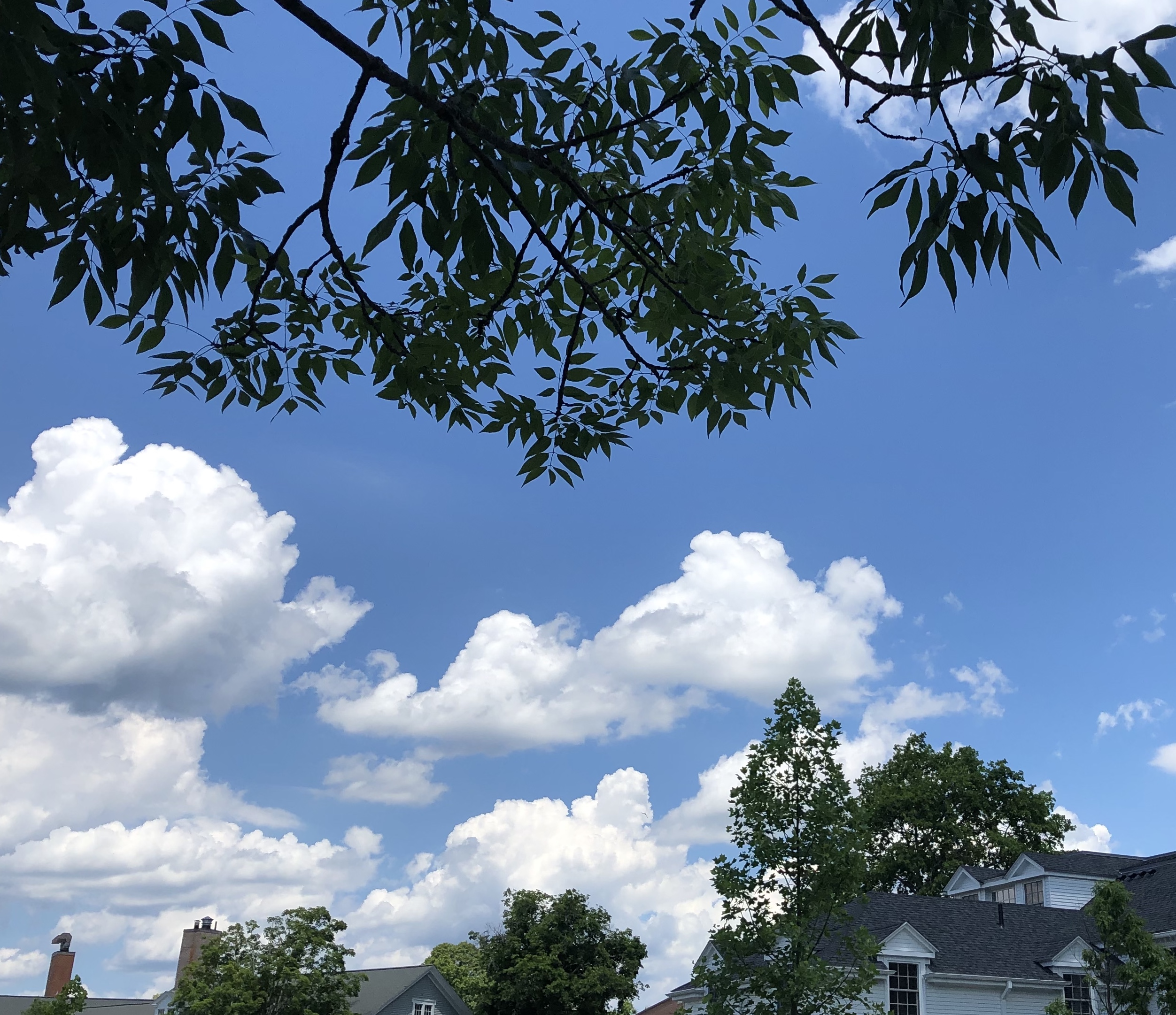
Hello, summer clouds — so beautiful! I was discussing them with my friend Nancy yesterday, and she told me she had signed up some years ago with the UK-based Cloud Appreciation Society, which sends her a daily cloud picture and a few words on cloud science or cloud mythology. Consider joining if you need a daily pick-me-up in quarantine.

The next two pictures reference my growing appreciation of fungus. Then comes a bright red intruder in the forest, reminding me of the lamppost that Lucy found in the wintry Narnia woodland after emerging from the wardrobe.

The doorknob in the tree made Suzanne think of a handy panic button (I think she is tired of lockdown), but I’m pretty sure it leads into a home. Probably not a hobbit home, since they prefer burrows underground. Maybe it belongs to Owl.

I love the little red squirrels that have started to appear in our region. John thinks global warming may be bringing them up from the south. Clue me in if you know.

The decidedly unscenic bug repellent had been abandoned along the bike trail. I didn’t touch it as I am a Covid germaphobe, but I got a laugh: I’d been slapping mosquitoes for the whole walk.

In the town of Lincoln, yarn stretched between trees caught my eye. A bit further along the conservation trail, there was a helpful explanation.

The tippy old wooden building is next to Orchard House, a childhood home of author Louisa May Alcott. The building was named the School of Philosophy by Louisa’s hippy father Bronson and continues to offer presentations and lectures in normal times. (I put up my photo of Louisa in her coronavirus face mask for yesterday’s post.)

Speaking of adapting to the times, you will note that the Colonial Inn (founded in 1716) has marked off six-foot segments on its brick walk for safe distancing.

The Art Deco frieze on the old Emerson school building welcomes visitors to what is now the Umbrella Center for the Arts.

I don’t think I need to explain the last three. Sometimes readers give me their reactions to one or two pics. I do get a kick out of that — should you feel moved to comment.

Read Full Post »

092118-Swedish-flag-on-Peace-Day092118-Egyptian-flag-International-Peace-Day

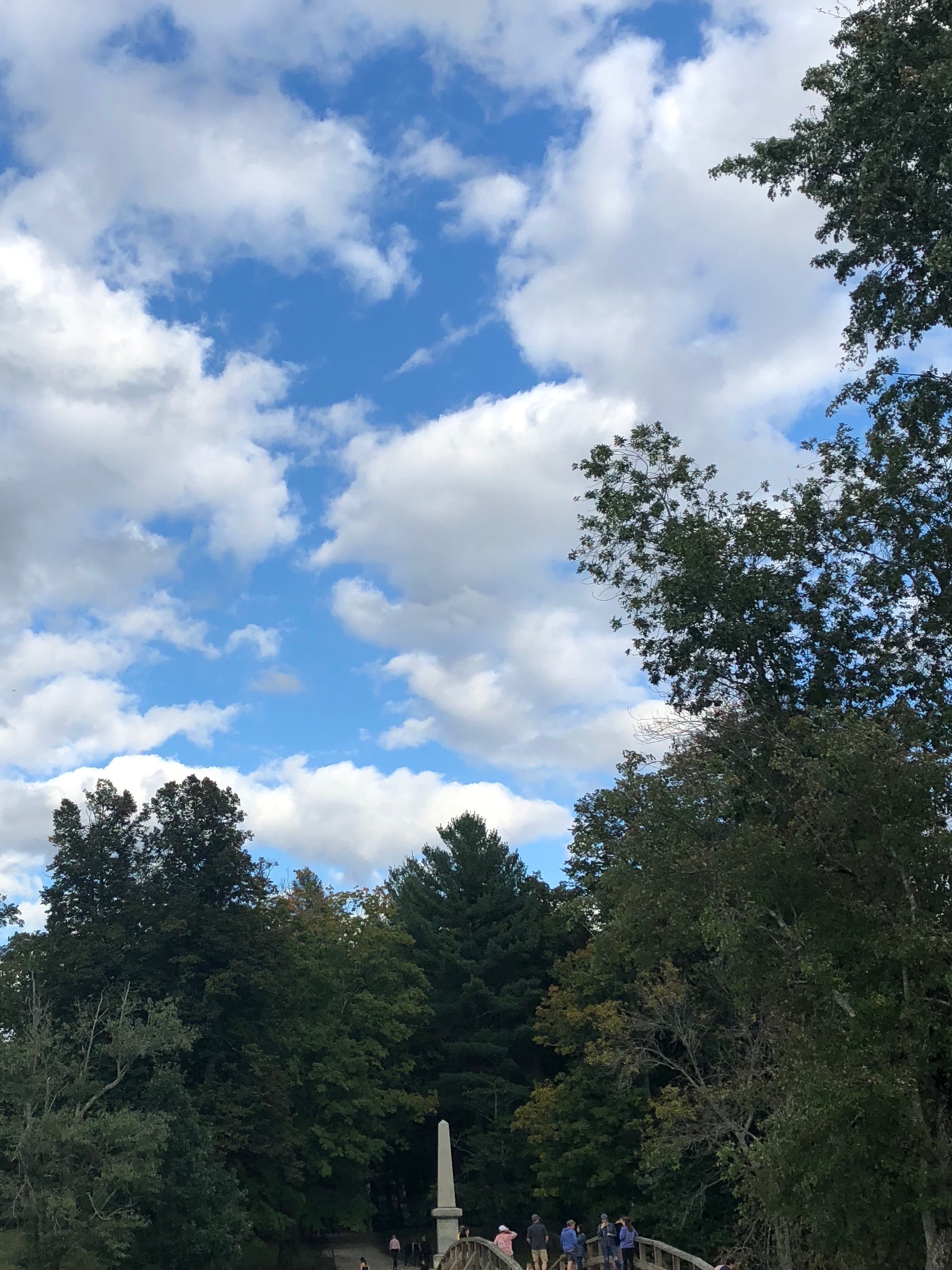
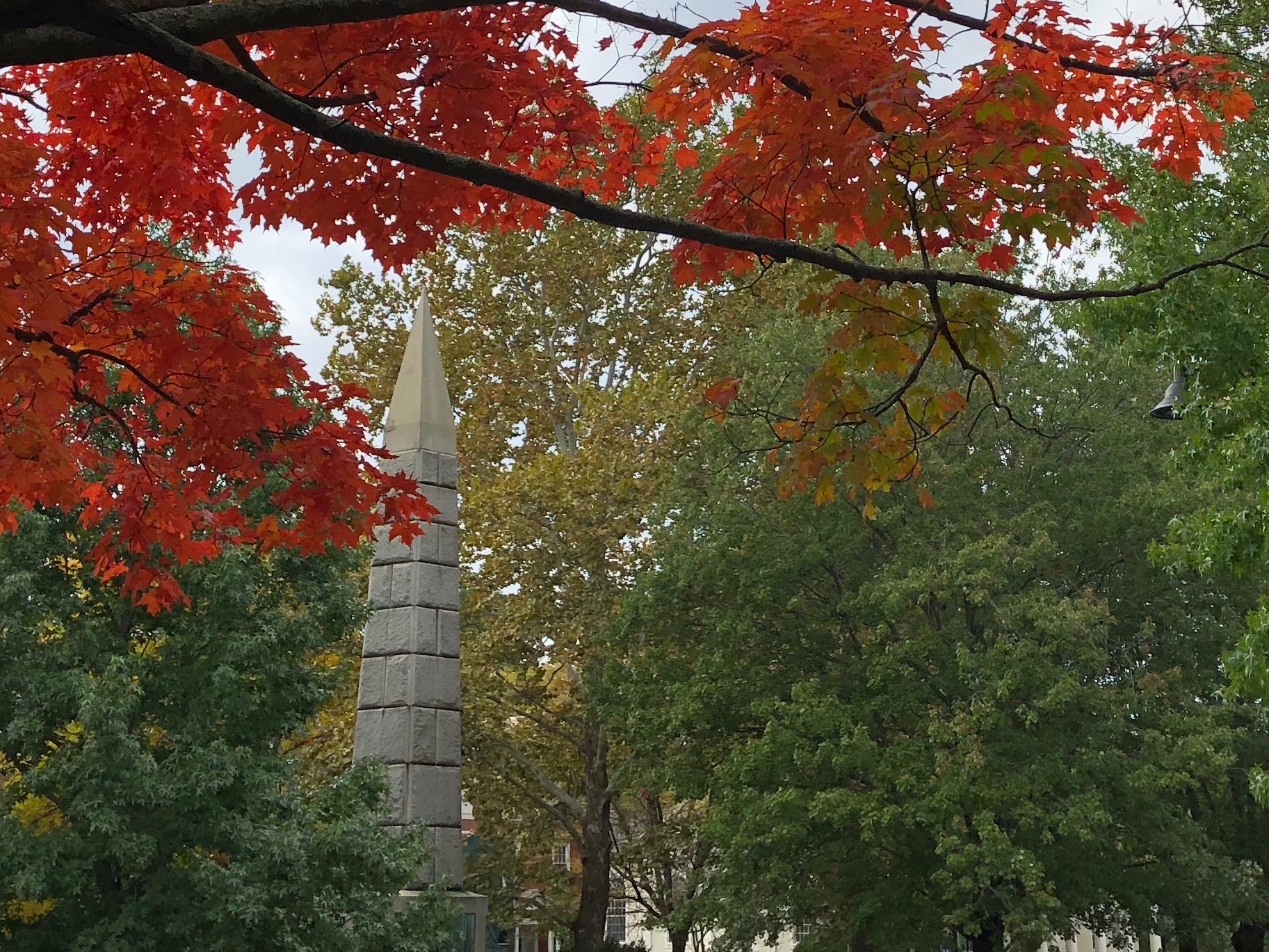
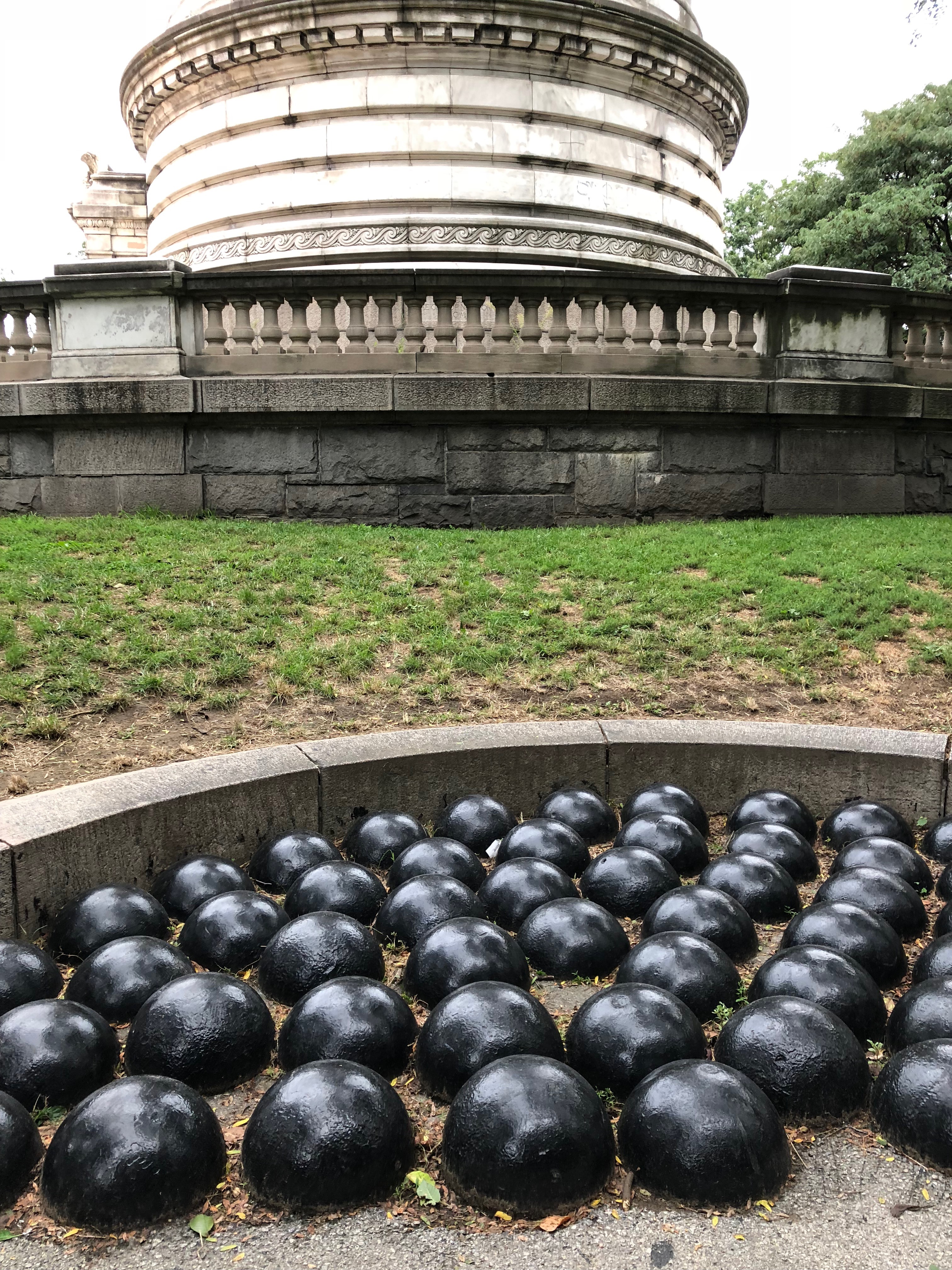
Except for the cannon balls at the Civil War monument in New York City, these photos are all from my walks in Massachusetts.

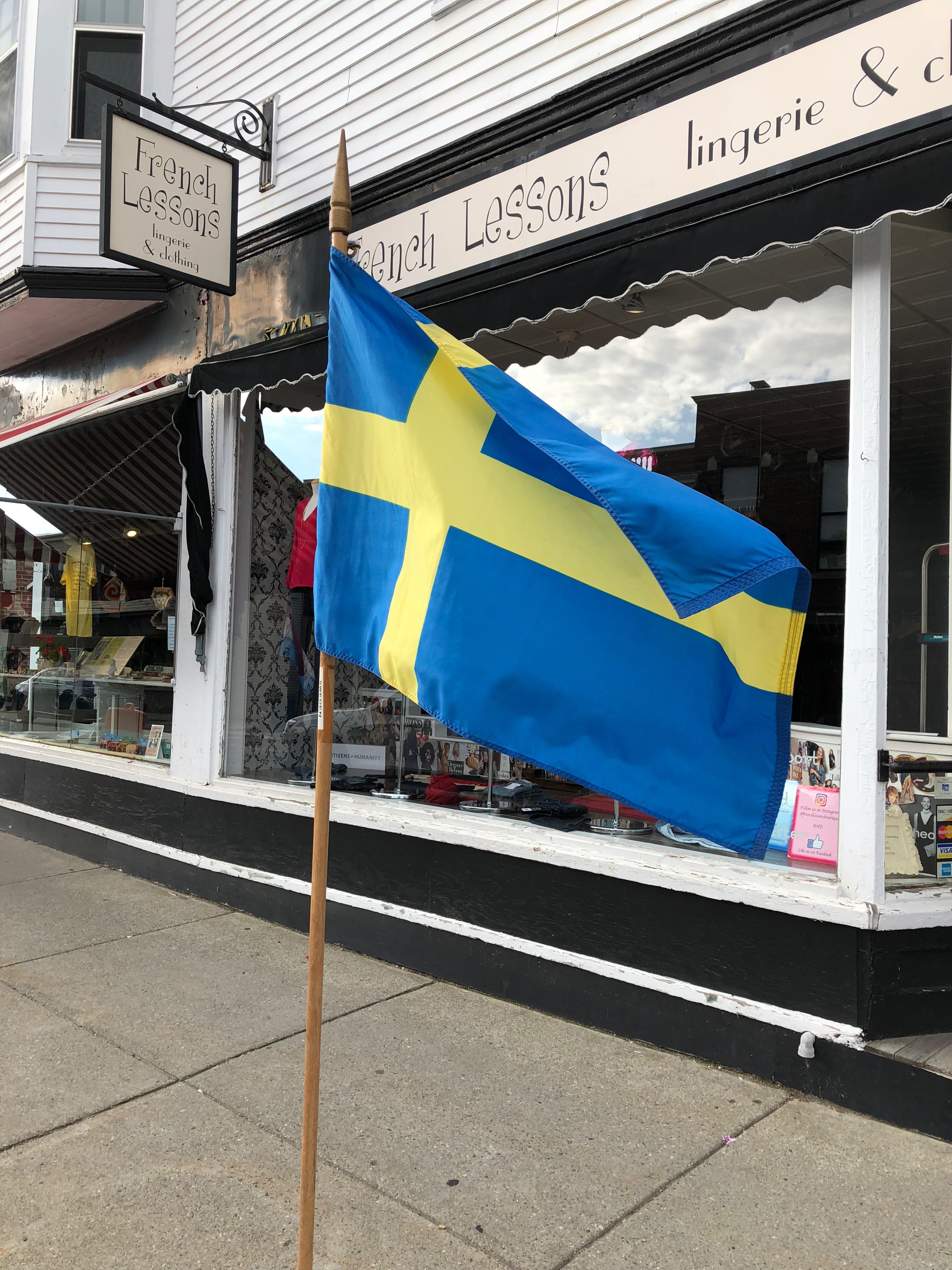
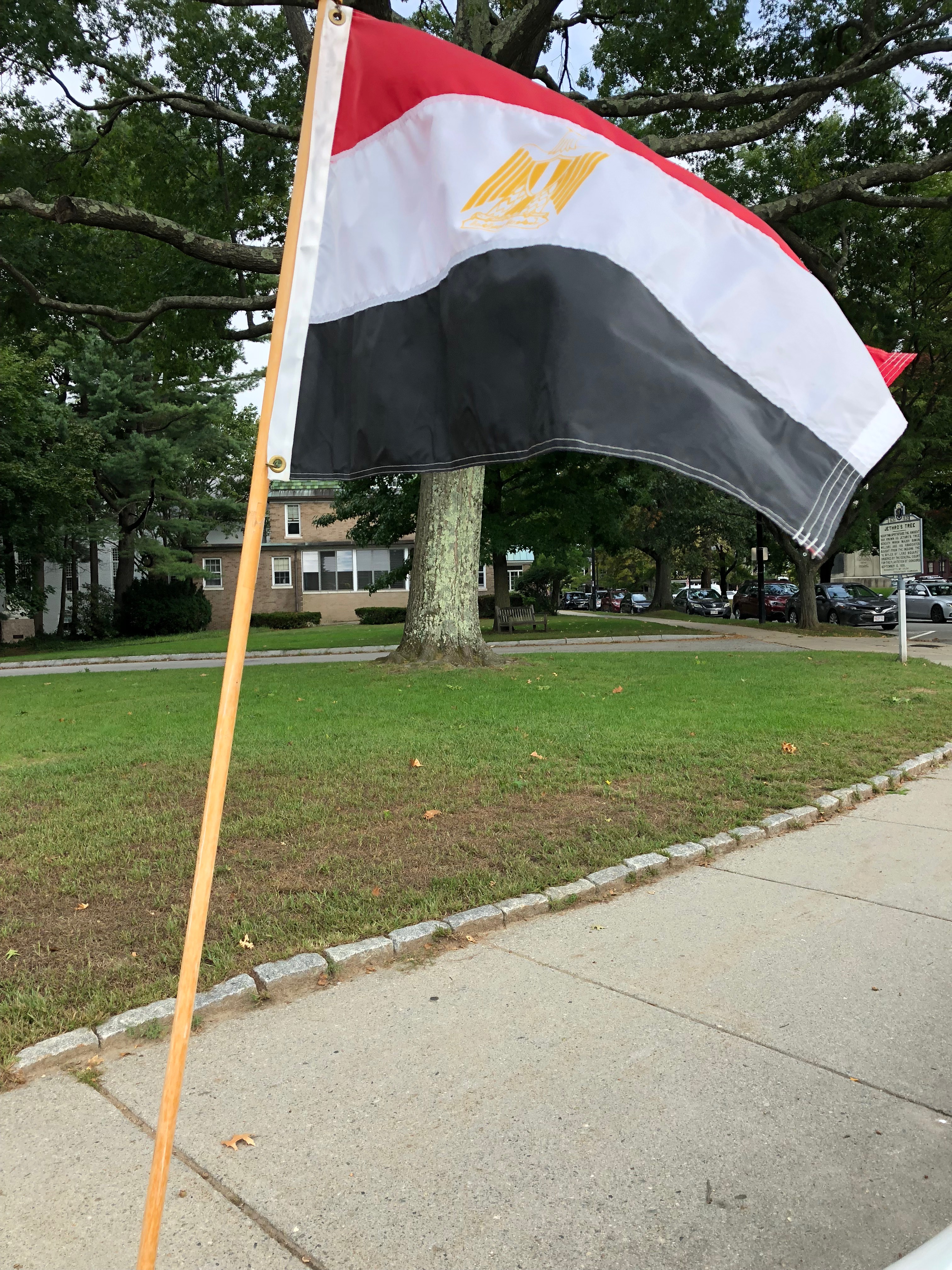
The town of Concord recognizes the International Day of Peace every year by putting up the flags of all members of the United Nations. This year I sent photos of my relatives’ countries of origin to them — Sweden and Egypt.

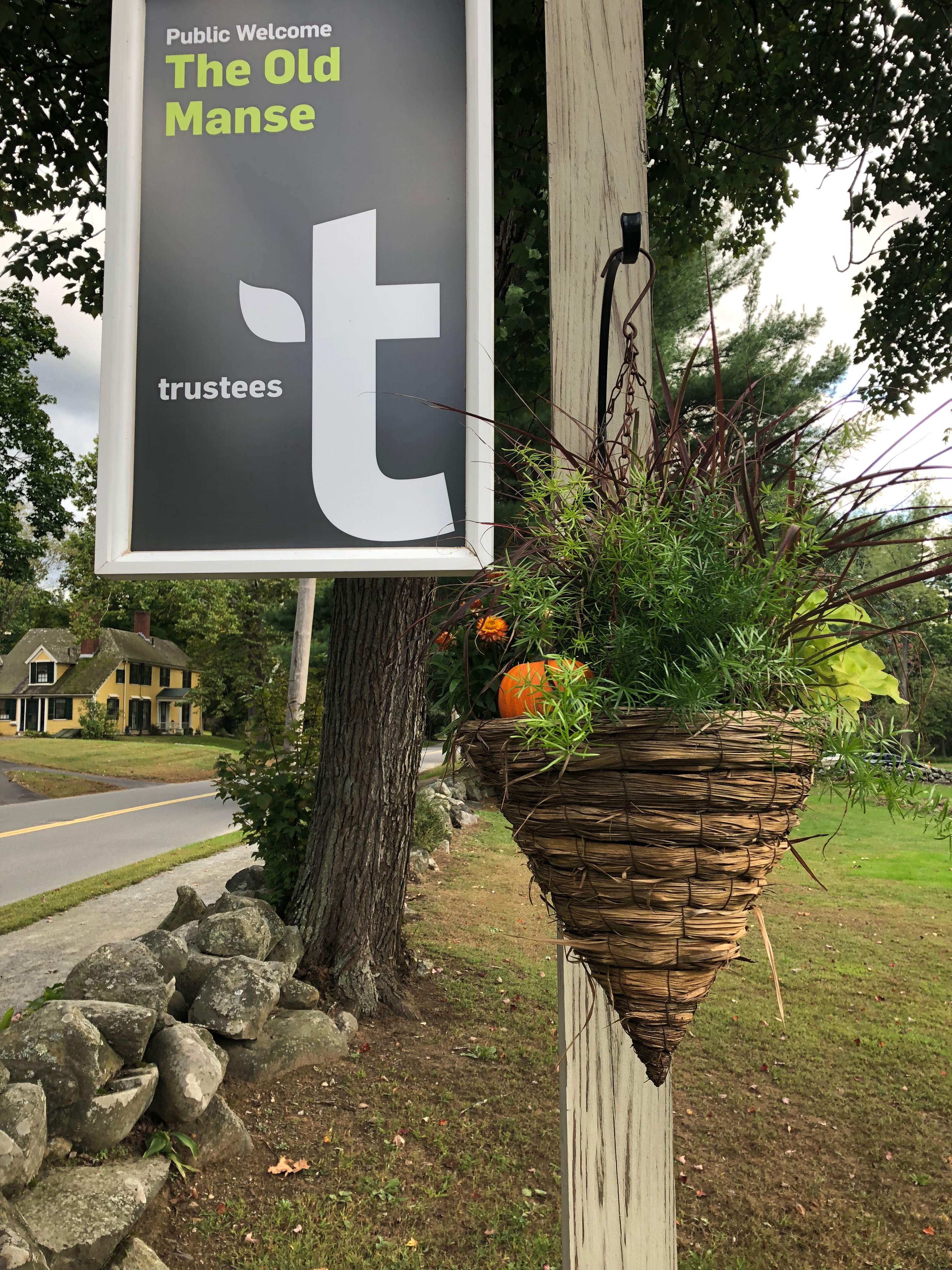
The Old Manse, run by the Trustees of Reservations, is decorating for fall. Its most famous tenants were author Nathaniel and artist Sophia Hawthorne. Tour guides like to show visitors where the couple carved window messages with her diamond ring.

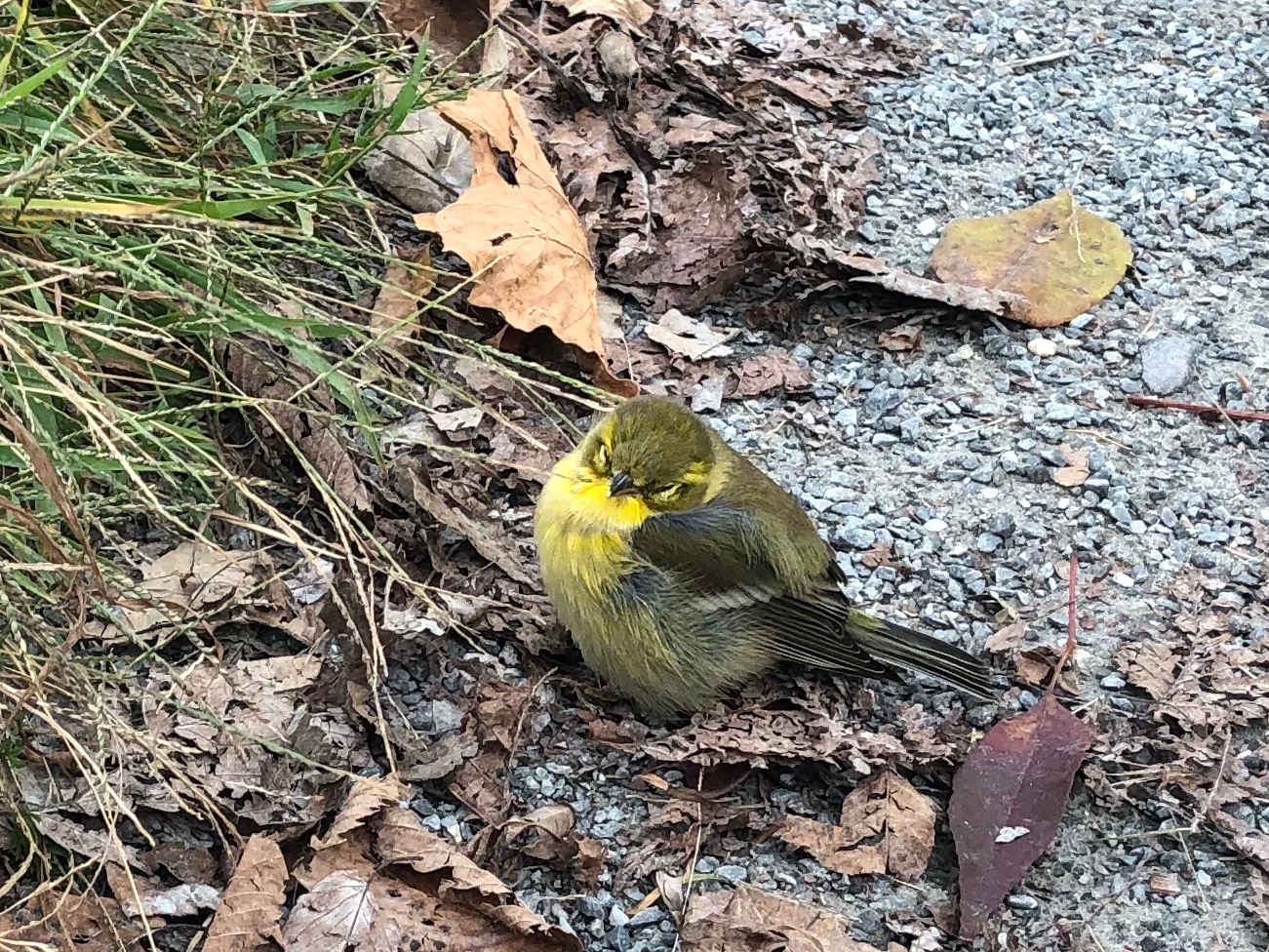
The injured Blackpoll warbler had a tough fall migration and didn’t make it through the night. I did learn from Kim that one should put an injured bird in a “small, warm, dark box for night. If living in the morning, drip a little sugar water into mouth and release.” Something to keep in mind.

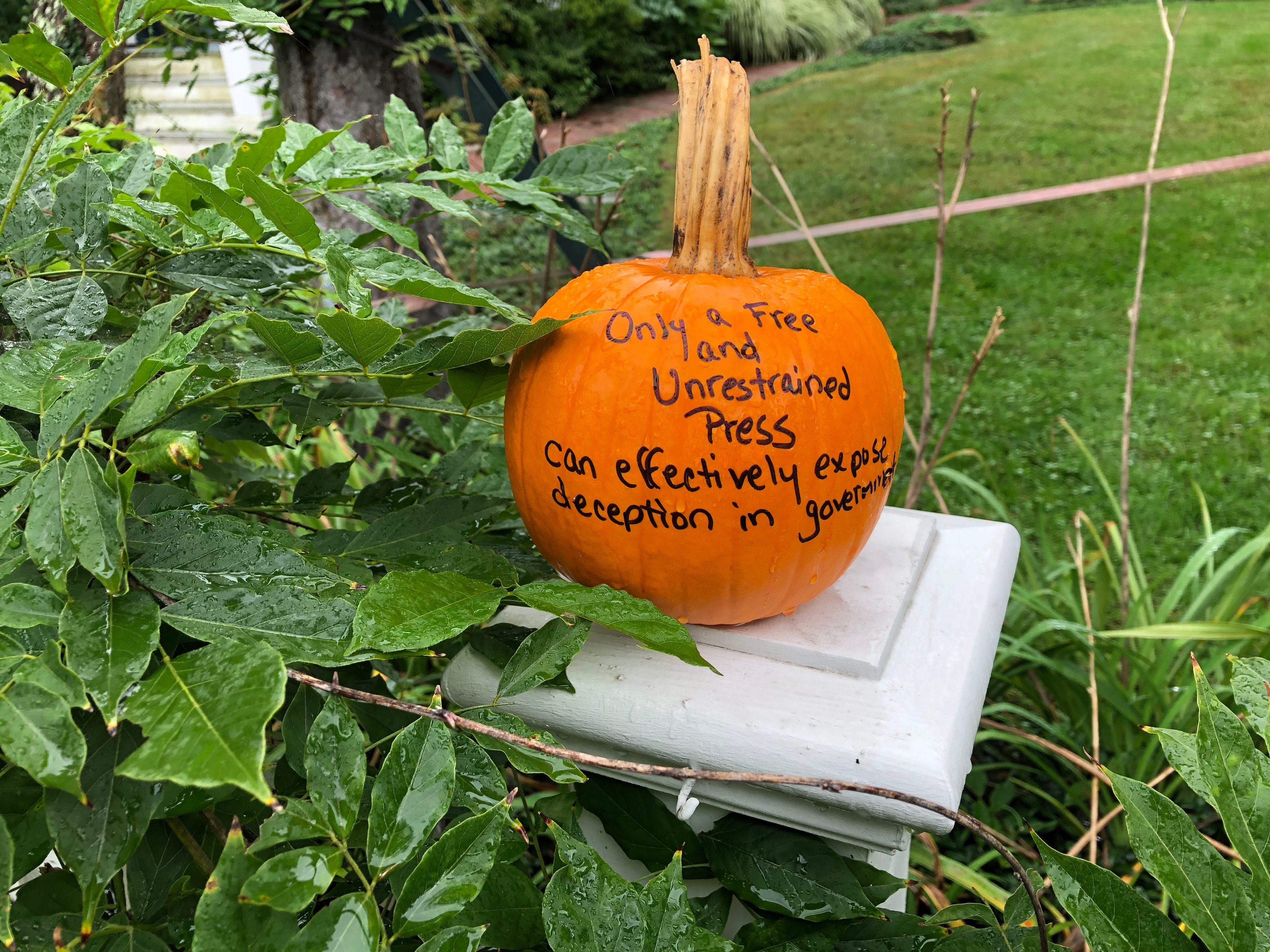
The pumpkin has an important quotation from former Supreme Court Justice Hugo Black about a free press. My neighbor puts 24 small pumpkins on her fence posts every year near Halloween and inscribes something on each. This year the words are from Supreme Court justices, the 19th Amendment (giving women the vote), Massachusetts justice Margaret Marshall (making the state the first to allow gay marriage), and the like.

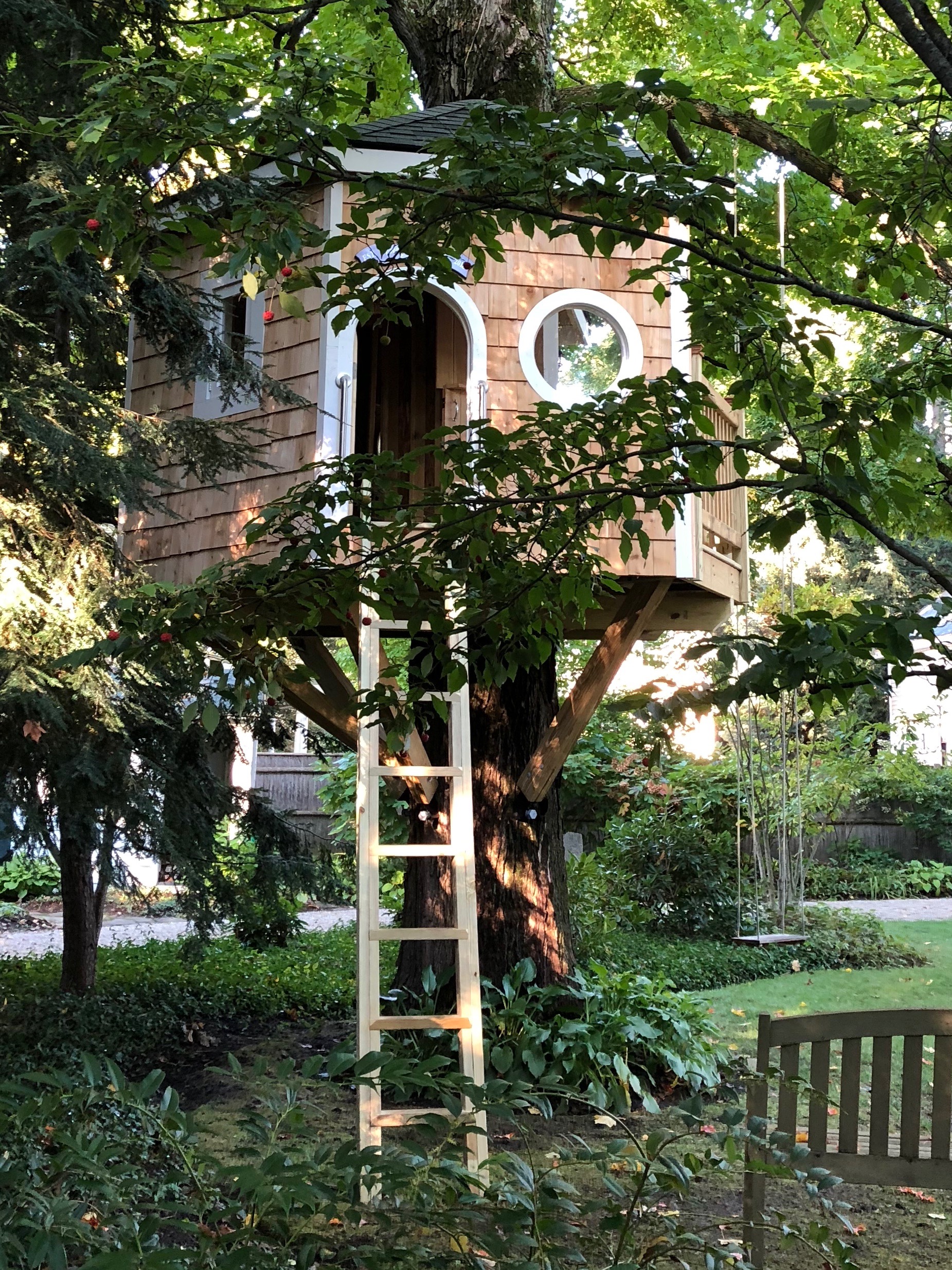
I wind up with another neighbor’s new tree house and a couple fungi photos. There seems to be a huge array of fungi in town this year, some of them very peculiar looking. We also have a lot of mosquitoes. Too much rain?

092918-Old-Manse

092918-clouds-over-North-Bridge

100918-fall-in-ConcordMA

092018-Civil-War-cannon-balls-NYC

092918-injured-Blackpoll warbler

092818-Justice-Black-addresses-free-press-on-pumpkin

100518-treehouse

100918-weird-fungus-in-cemetery

100918-fungi-at-Sleepy-Hollow


Read Full Post »

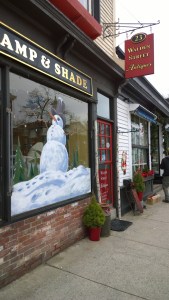
As spring belatedly decided to show up in our neck of the woods, a Hollywood movie crew turned the town into a Christmas set, building a crèche in front of a picturesque church, decorating store windows with candy canes, snowmen, and plastic poinsettias — and spreading fake snow on lawns that had barely recovered from an April 1 blizzard. It was a little weird. One friend said she looked up from washing dishes at her kitchen window and saw what looked like a gigantic spaceship hovering over the trees. It was the boom for the cameraman.

In more seasonal news, spring flowers began to poke out. Woodland walks were taken. Mushrooms and lichens were admired.

040517-movie-set-Xmas-in-April-1

040517-movie-set-Xmas-in-April-2


040517-hyacinth

040717-forsythia-and-lichen


040917-Oct-Farm-river-view

040917-Oct-Farm-fungus


041217-Concord-forest-walk

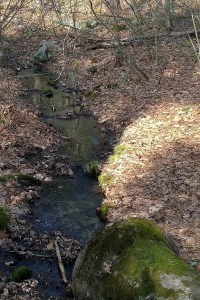
041217-stream-in-woods


041217-woodland-lichen

041217-shadows-stripe-forest-floor


Read Full Post »

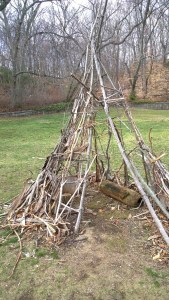
Something reader KerryCan said in a comment one day got me thinking that I’d like to see if I could get a photo of Providence that could make a part of the city pass for rural. At first, I found only bland vacant lots left over from the rerouting of route 195. Then I went to Blackstone Park, where a treehugger tree and an ersatz teepee caught my eye.

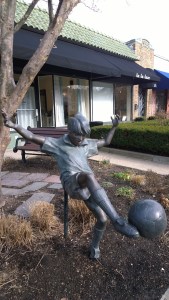
The soccer-playing kid is in a suburban-looking area on the East Side, and the glowing tunnel is right downtown.

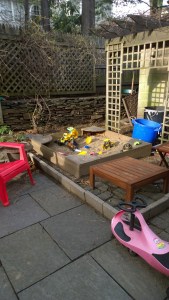
I thought the sandbox looked lonely.

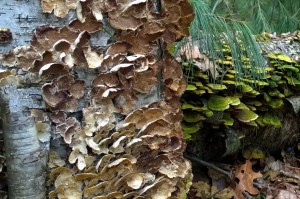
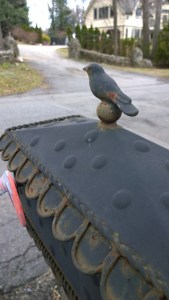
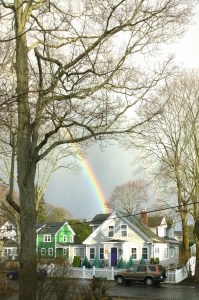
In Massachusetts, I went looking for skunk cabbage and jack-in-the-pulpit plants, but it was too early. Not spring yet. I did hear peepers. And I saw gracefully rotting tree stumps, a bird on a mailbox, and a wonderful rainbow.

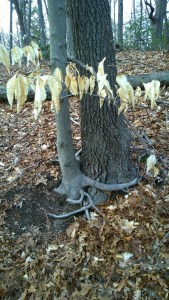
031616-treehugger-tree

031616-teepee-Blackstone-Park-RI


031616-soccer-statue

031616-glow-in-the-dark


031616-lonely-sandbox

031816-fungus-on-stumps


031816-bord-on-mailbox

031816-rainbow-Concord

Read Full Post »

Doubtless you know about fairy circles, also called fairy rings. According to Wikipedia, they’re a “naturally occurring ring or arc of mushrooms. The rings may grow to over 10 metres (33 ft) in diameter, and they become stable over time as the fungus grows and seeks food underground.

“They are found mainly in forested areas, but also appear in grasslands or rangelands. Fairy rings are detectable by sporocarps in rings or arcs, as well as by a necrotic zone (dead grass), or a ring of dark green grass. If these manifestations are visible a fairy fungus mycelium is likely to be present in the ring or arc underneath.

“Fairy rings also occupy a prominent place in European folklore as the location of gateways into elfin kingdoms.”

But in Africa, there is a different kind of fairy circle that doesn’t seem to have anything to do with mushrooms.

Did you catch the article by Sindya Bhanoo in the NY Times?

“The grasslands of Namibia — and to a lesser extent its neighbors Angola and South Africa — are speckled with millions of mysterious bare spots called ‘fairy circles,’ their origins unknown.

“Now, a study based on several years of satellite images describes the circles’ life span as they appear, transform over decades, and then eventually disappear.

“Writing in the journal PLoS One, Walter R. Tschinkel, the study’s author and a biologist at Florida State University, reports that the circles can last 24 to 75 years.

“The circles, which range from about 6 to 30 feet in diameter, begin as bare spots on an otherwise continuous grass carpet; after a few years, taller grass starts to grow around the circle’s perimeter.”

The reader is left with the question, Are these circles gateways to elfin kingdoms? What kind of elves are in Namibia?

I don’t understand why scientists don’t investigate matters like that.

Update July 13, 2012: Asakiyume has been tracking down stories about African fairy circles. Read this.

Update March 30, 2013: NY Times has fingered a particular species of sand termites, Psammotermes alloceru. Read this.

Photograph: Walter R. Tschinkel

Read Full Post »

I got an intriguing tip from a WordPress blog, The Yoga Hub, about Yale students who found a microbe that eats plastic. The discovery spells hope for breaking down plastics in landfills.

Bruce Fellman writes in the Yale Alumni Magazine, “A group of student bioprospectors from Yale has struck environmental gold in the jungles of Ecuador. The students, through the annual Rainforest Expedition and Laboratory course taught by molecular biochemistry professor Scott Strobel, have discovered a fungus with a powerful appetite for polyurethane. That common plastic often winds up buried in landfills, where it can remain, largely unaltered, for generations.

“In the September issue of Applied and Environmental Microbiology, Jonathan Russell ’11 and his colleagues describe how they isolated, from plants collected during the class’s two-week spring trips, a fungus they identified as Pestalotiopsis microspora—and then discovered its unique polyurethane-digesting talents.” More here.
Sounds promising, but I can’t help worrying about the possible unintended consequences of introducing a microbe to places where it is not native. Maybe cutting back on plastics is still the way to go.
Photograph: Yale University

Read Full Post »