Feeds:
Posts
Comments

Posts Tagged ‘lego’

Artist Tackles Potholes

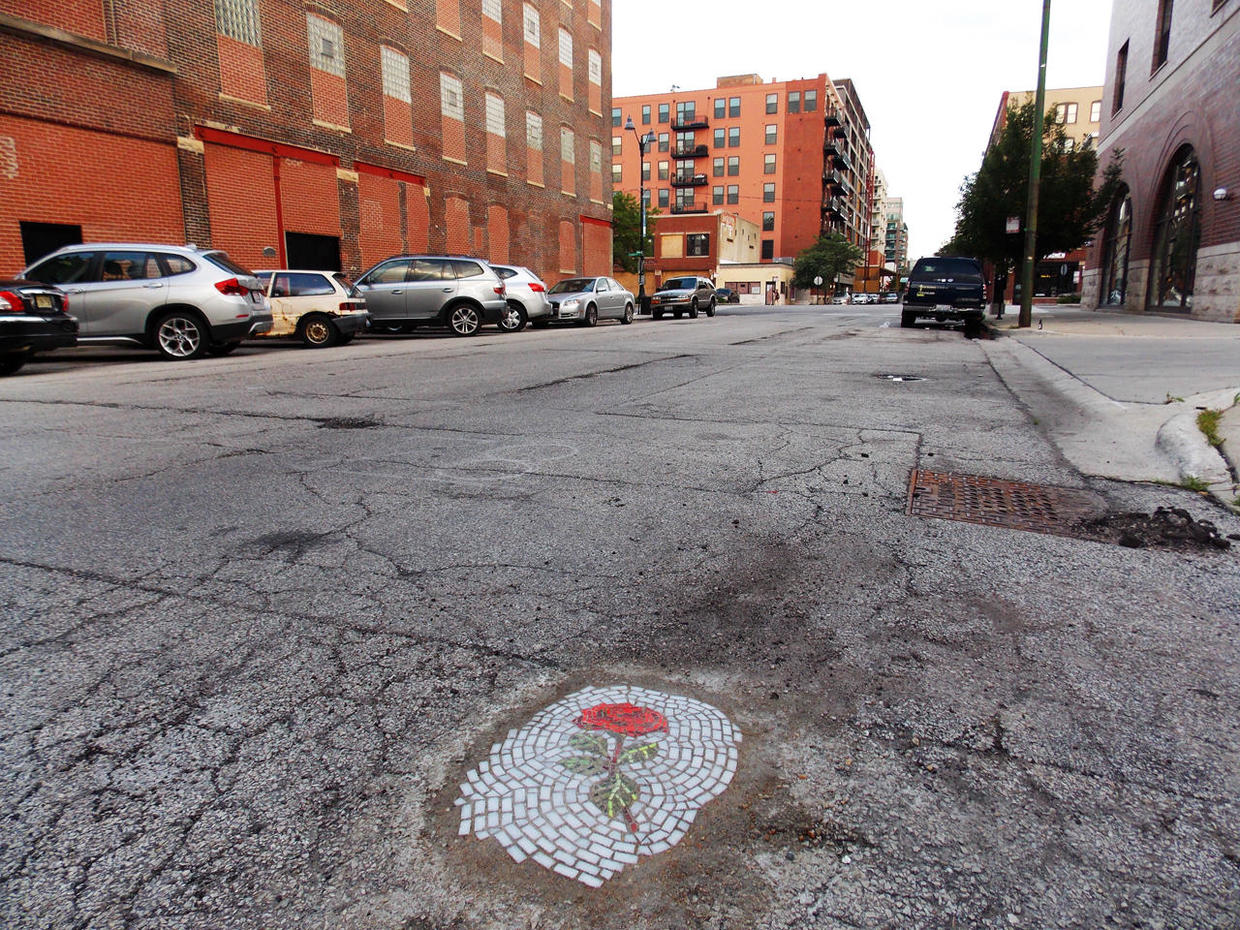
Photo: Jim Bachor via CBS News.

If any of you were following this blog in 2015, you might have seen what a stealth artist was doing in Boston to highlight crumbling infrastructure. Check out that artist’s Lego patchwork here.

Today, a different artist is working on potholes — using mosaics, not Legos. And he’s not anonymous.

Cathy Free reports at the Washington Post, “Jim Bachor travels across the country filling potholes for a living. He doesn’t just fill the unsightly road gaps with cement, he actually turns them into art — and often, social commentary.

“Bachor uses hundreds of pieces of Italian glass and marble that he cuts to create the sometimes subversive mosaics, which he installs on the ground to beautify unsightly city streets. He doesn’t work with cities on the installations, he works rogue, and he places the mosaics himself.

Bachor began his pothole art in Chicago, where he lives, by installing the word ‘pothole’ in black and white marble in a road divot in 2013.

“ ‘People loved it and thought it was funny,’ he said. ‘Was it legal? I still don’t know. I decided to turn my hobby into a bit of a Robin Hood thing. If I had to ask for permission, I wouldn’t be doing this.’ …

“In D.C., Bachor was hired by the #RelistWolves Campaign, a privately-funded group that is working to get Northern Rocky Mountain wolves reclassified as an endangered species in an effort to get them the same protection as other gray wolves.

“Samantha Attwood, one of the group’s co-founders, said they decided to hire Bachor to fill several potholes with mosaics of wolves to help draw attention to their efforts. …

“He made the pieces earlier in his basement studio in Chicago, then selected the locations himself after asking a few of his Instagram followers in D.C. to narrow down the possibilities. Attwood said she was pleased to see the campaign take off in front of Solid State Books at the 600 H Street location.

“ ‘The store put up a display with books and information about relisting the wolves, and they made sure that Jim’s pothole didn’t get covered up by cars parking there,’ she said. …

“He diligently scouts before he decides on a work site for his art, which usually measures 18 inches by 24 inches.

“ ‘The perfect pothole is actually really hard to find,’ said Bachor. ‘It has to be on the edge of a road that isn’t too beat up, and people have to be able to see it from five or six feet away.’ …

“Bachor said he first became intrigued by mosaic art in the late 1990s during a trip to see the archaeological ruins of Pompeii, Italy.

“ ‘A guide pointed out a mosaic on the site and said the art looked the same as the artist intended 2,000 years ago because marble and glass don’t fade,’ he said. ‘It blew me away to think that an art form could endure for centuries after I was gone.’

“Bachor returned to his advertising job in Chicago and began dabbling in mosaics. When he was laid off from his job and decided to make a living as an artist, his inspiration came from an unlikely place.

“ ‘In 2013, the potholes in my neighborhood were particularly bad,’ Bachor said. … Bachor filled the pothole with cement and stuck a flat piece of artwork on the top, making his first in-ground art very meta with the word ‘pothole.’

“After that first project, Bachor said he decided to transform other ugly potholes in his neighborhood into asphalt masterpieces. …

“Bachor enjoyed turning the streets into a drive-over gallery and was soon installing mosaic hot dogs, Cupids and flowerpots. For some of the designs … he installed the phone numbers of car repair places he liked, which he considered a public service.”

More at the Post, here. There is one mosaic based on Edward Hopper’s “Nighthawks” and another showing Van Gogh’s “The Bedroom.” The “Dead Rat” mosaic made me laugh.

Read Full Post »

Photo: Ryan Donnell/Sesame Workshop
Grover from “Sesame Street” in a Rohingya camp in Bangladesh. The Lego Foundation will provide $100 million over five years to the makers of “Sesame Street” and their partners for a program for refugee children.

Most of what we know about the situation of Rohingya refugees — expelled from Myanmar (Burma) for their Muslim beliefs — is pretty dire. But here and there we see positive efforts to lessen the pain of living in overcrowded camps in Bangladesh, especially for children. Read about this partnership among humanitarian relief organizations, Sesame Street, and Lego.

Karen Zraick writes at the New York Times, “Can play help refugee children heal from trauma?

“That’s the belief behind a new partnership formed by the Lego Foundation, Sesame Workshop and organizations working with Syrian and Rohingya refugees. In its first major humanitarian project, announced [in December], the foundation will provide $100 million over five years to the makers of ‘Sesame Street’ to deepen their work with the International Rescue Committee in the countries around Syria, and also to partner with the Bangladeshi relief organization BRAC.

“The aim is to create play-based learning programs for children up to age 6 in Lebanon, Jordan, Iraq and Bangladesh. The programs will teach basics like the alphabet and numbers, but will also emphasize social and emotional development to counter the effects of stress and suffering. They will be offered both to displaced children and to some of their potential friends in host communities.

“Officials at the organizations involved said that helping children’s brains develop during their first years — when they are absorbing information like sponges — is crucial to helping them become healthy and successful later in life, and that play is an excellent way to do it.

“ ‘We know from child development research that the best way for children to learn is through exploring their world and play,’ said Sarah Smith, the senior director for education at the International Rescue Committee. …

“The families’ needs are great. In addition to basics like adequate food and shelter, children need to foster ties with nurturing caregivers to heal from what they have witnessed and endured, said Hirokazu Yoshikawa, a director of Global TIES for Children, a research center at New York University that will conduct testing and evaluation for the program.

‘Part of the magic of human development is that very few experiences doom a child to ruin,’ Dr. Yoshikawa said. ‘But we have to address the risks early. This is particularly critical in these first years.’ …

“Erum Mariam, a program director for BRAC, said that many of the 240 play labs the organization has created for refugees were built by the children’s fathers and painted and decorated by mothers and children.

“ ‘We place a lot of emphasis on culture and on strengthening community engagement,’ she said. Within those centers, trained facilitators focus on providing enough structure to make children feel safe, while allowing for spontaneous joy.

“ ‘When a child enters the humanitarian play lab, we want the child to feel very happy and very connected to their culture and heritage,’ she said.” More here.

You may recall I wrote about Sesame Street helping Syrian refugee children, here.

Read Full Post »

When homes are destroyed in disaster zones, the Mobile Factory can turn the rubble into Lego-like building blocks to create new housing. They snap together without mortar.

Stella Dawson of the Thomson Reuters Foundation writes, “In Amsterdam a mobile factory, the size of two shipping containers, ingests rubble at one end, liquifies it into cement, and spurts out Lego-shaped building blocks.

“Call it rubble for the people, converting the deadly debris from disasters into homes and hospitals, cheaply and quickly.

“It’s the brainchild of Gerard Steijn, a 71-year-old sustainable development consultant turned social entrepreneur, who leads the Netherlands-based project to recycle the rubble from natural disasters and wars.

“He plans to create ecologically sound and safe housing by producing 750 building blocks a day from the debris, enough for one home at a cost of less than $20,000 each.

” ‘In disasters, you have piles and piles of rubble, and the rubble is waste. If you are rich, you buy more bricks and rebuild your home,’ Steijn said in a telephone interview.

‘But what happens if you are poor? In disasters it is the poorest people who live in the weakest houses and they loose their homes first. I thought, what if you recycled the rubble to build back better homes for poor people?’

“His rubble-busting Mobile Factory has fired the imagination of a landowner in Haiti and a civil engineer at the University of Delft. They have joined forces to test Steijn’s idea and build the first rubble community in Port au Prince next year. …

“Unskilled people can build the homes with the blocks, which meet demanding Dutch construction standards to ensure they will last for many years. [Hennes de Ridder, an engineering professor at the University of Delft,] expects further stress tests he planned for Peru in a few months will show the homes can withstand temblors of at least 6 on the Richter scale.” Read more here.

Photo: The Mobile Factory
Model homes built from cement rubble are on display at an industrial park in Amsterdam. The brightly painted homes are designed for disaster zones, using technology that creates Lego-style building blocks from cement rubble.

Read Full Post »

I often think that malls today are wasted space. Public places sheltered from the elements, they could be used so much better than they are. When Suzanne was 18 months or so, East View Mall was my favorite place for having her work off steam. She loved toddling up and down the aisles and looking at all the sights. Everyone fussed over her, which meant her sometimes wall-climbing stay-at-home mom enjoyed much-needed adult conversation.

Lately, if outdoor walking is too wet or icy, I may choose to take my morning walk in Providence Place. I think other people could consider the mall for walking and toddler entertainment. And malls themselves could promote more uses since they must now compete with online shopping and a renewed preference for small boutiques. Cities could help malls fund certain public activities.

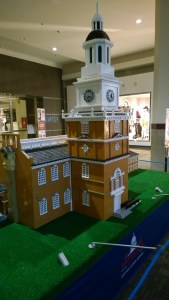
I was quite surprised on my Friday walk to find a traveling exhibition of elaborate Lego creations in Providence Place. Lego is advertising itself while also sharing a little history of government in the United States.

So as unnerving as it was to see our beloved Independence Hall surrounded by flashy clothing stores and run-amok consumerism, I’d rather feel the inspirational vibes from Independence Hall there than not.

In addition to Philadelphia’s most beloved landmark, note the Supreme Court, the Statue of Liberty, and a gigantic recreation of the Rhode Island statehouse. These photos represent only a sample of what is there until the show moves on to another state capital. Meanwhile, there is also a nice Lego play area for kids to make their own constructions.

(Isn’t it funny how a Lady Liberty made of Legos makes my fuzzy photography doubly pixilated?)

021916-Lego-Lady-Liberty

021916-Lego-Independence-Mall-Prov-Place


021916-Lego-US-Supreme-Ct

021916-lego-RI-Statehouse


Read Full Post »

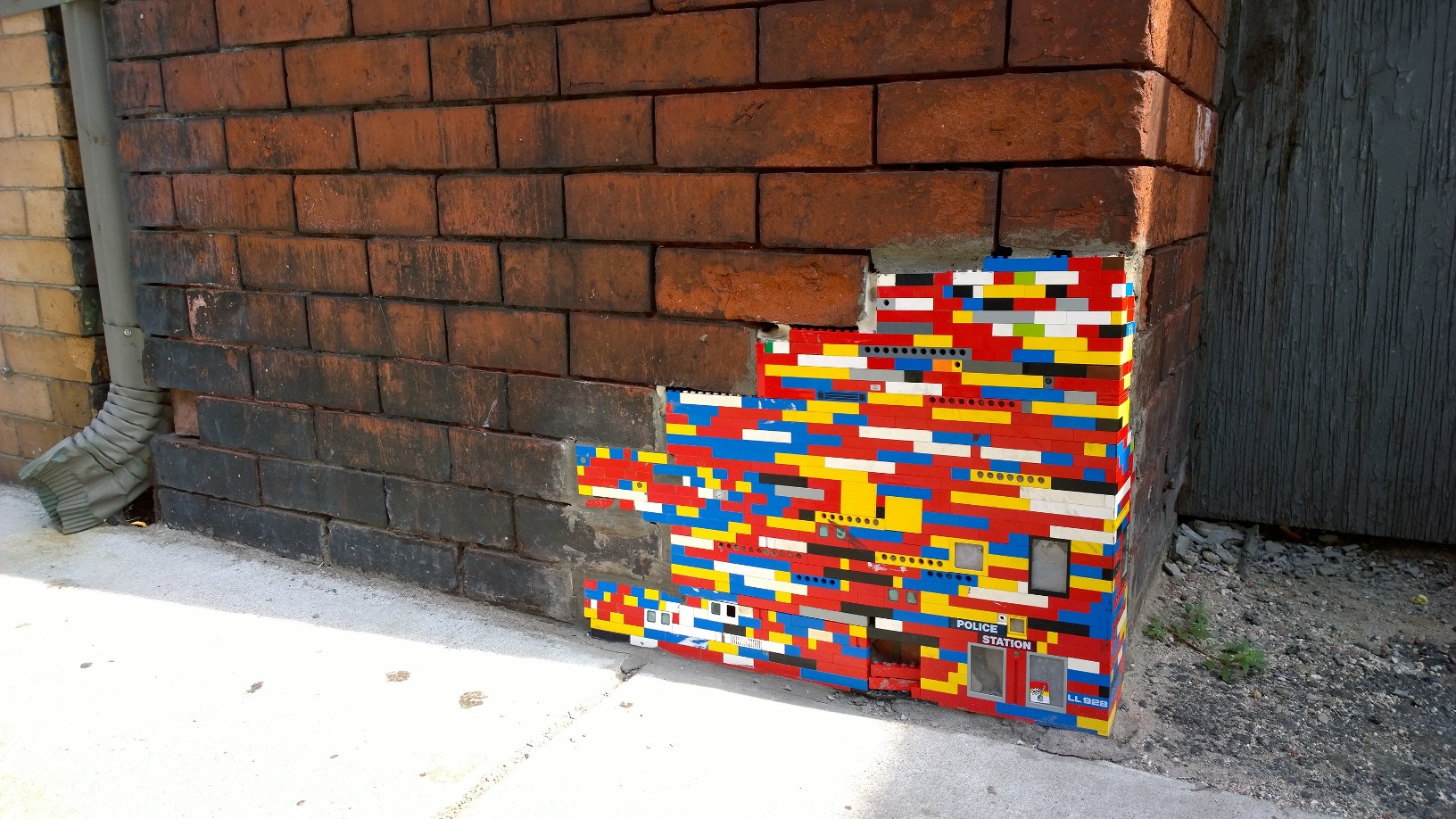
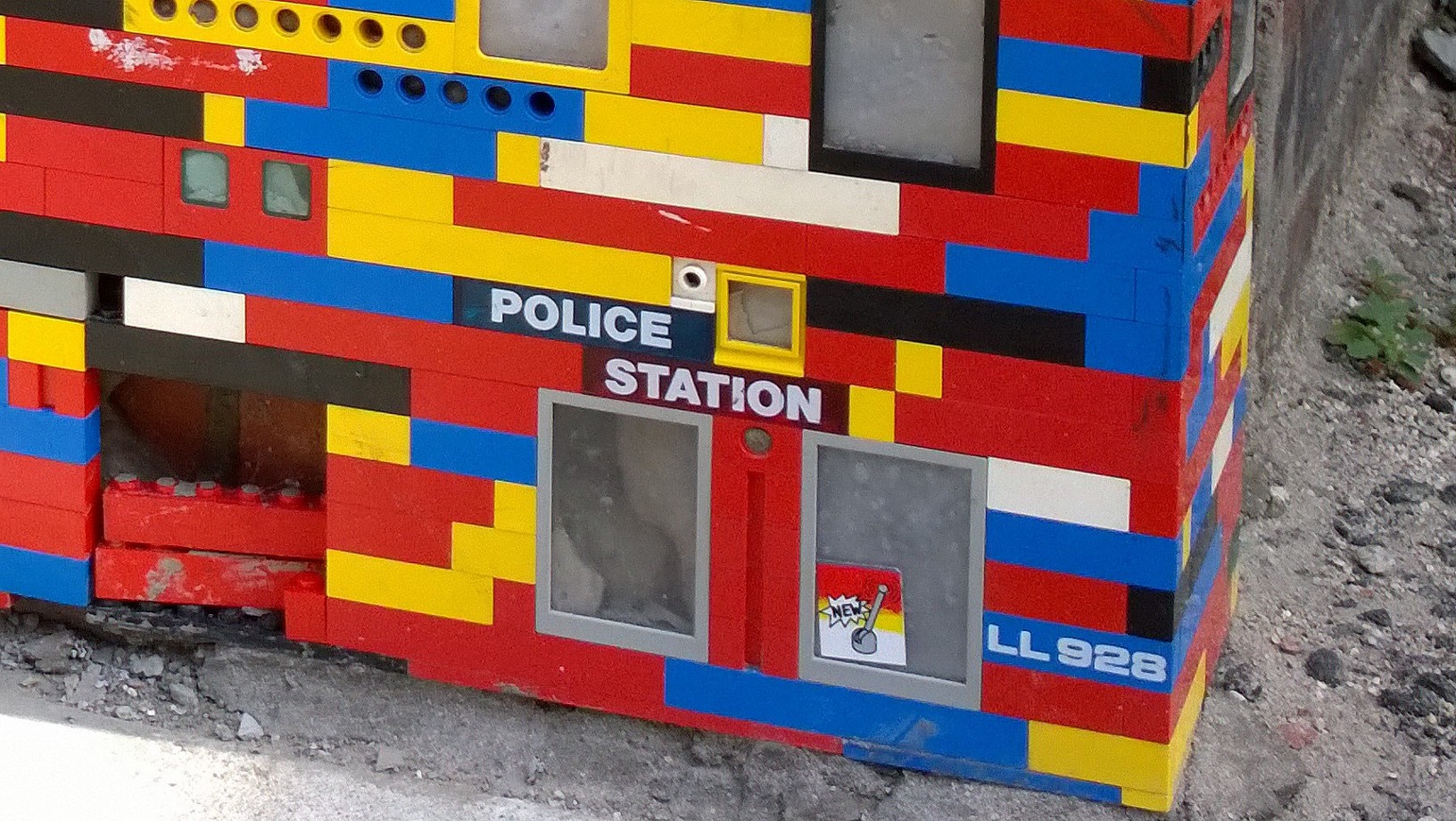
On the corner of Congress and Farnsworth, there is a parking lot, and on the Fort Point Channel side of the parking lot, there is a Lego-size police station. In case you are ever lost around there and need to ask for directions. If LL Bean is more your thing, there’s one by the parking lot, too. I took two pictures.

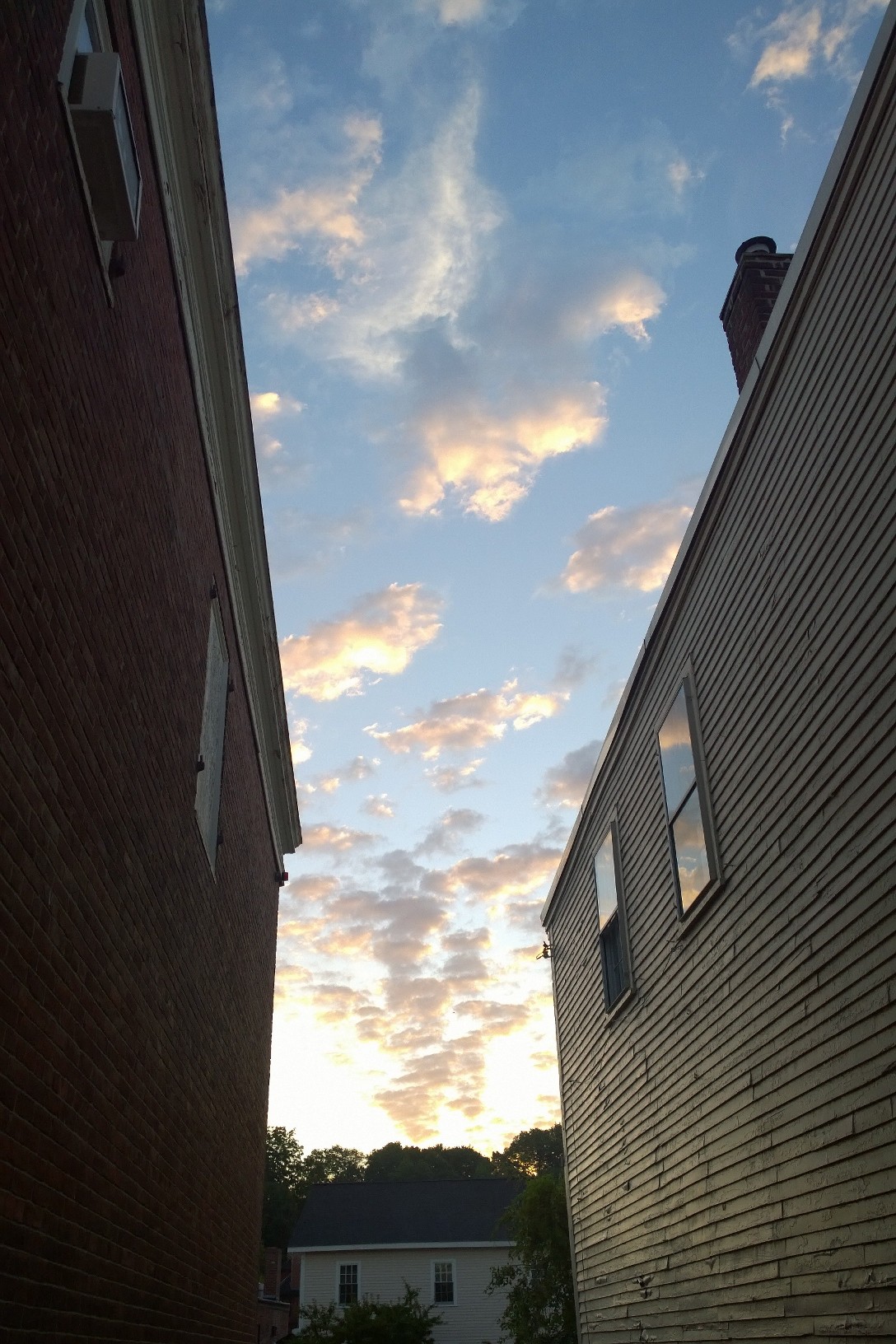
The clouds at dawn have been especially good lately. I include two shots in case you are not up early. Roses need no elaboration, but I am quite proud of how the yellow mullein turned out the second time I tried to capture it. A granddaughter was with me at the time, in the stroller.

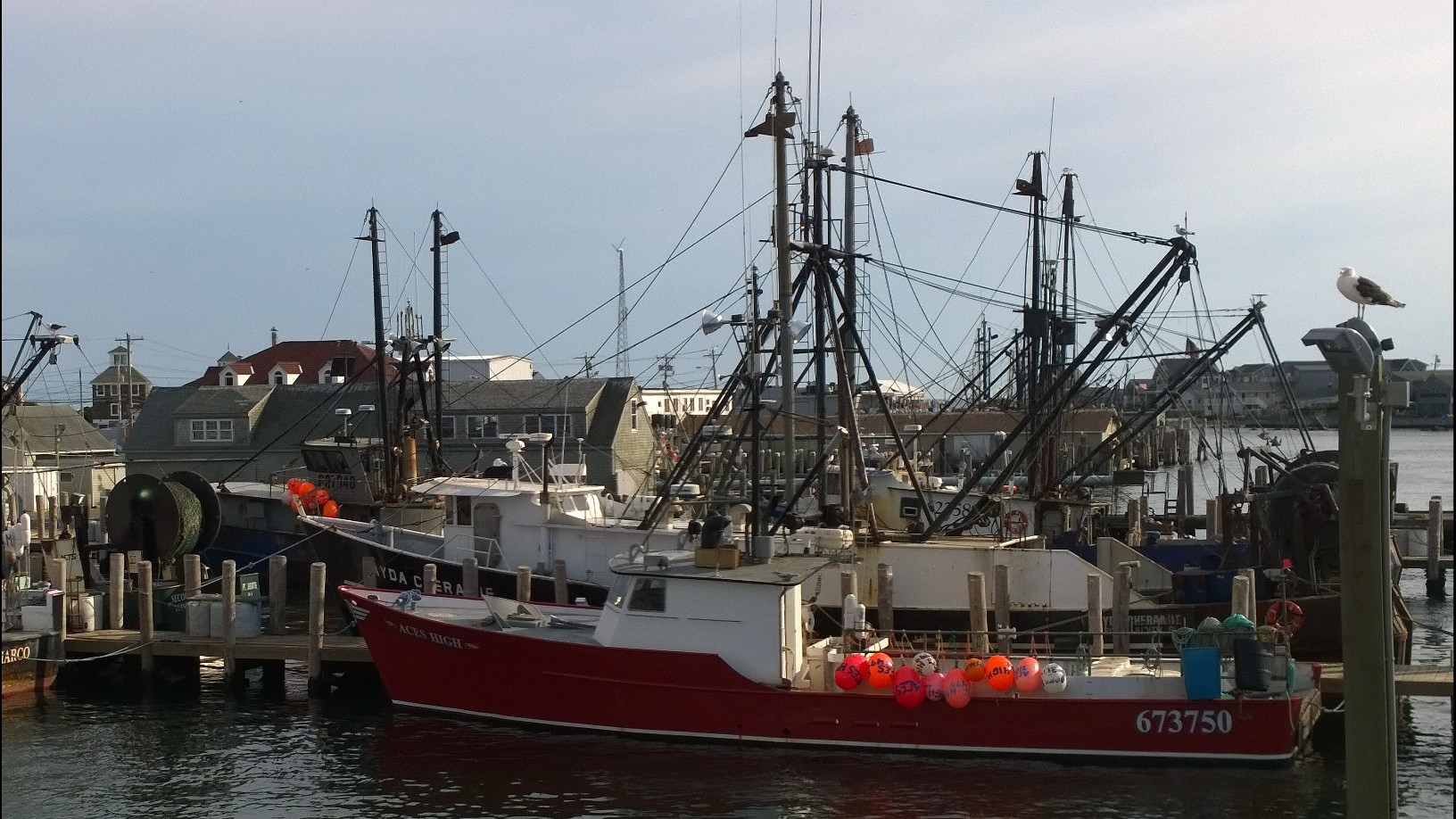
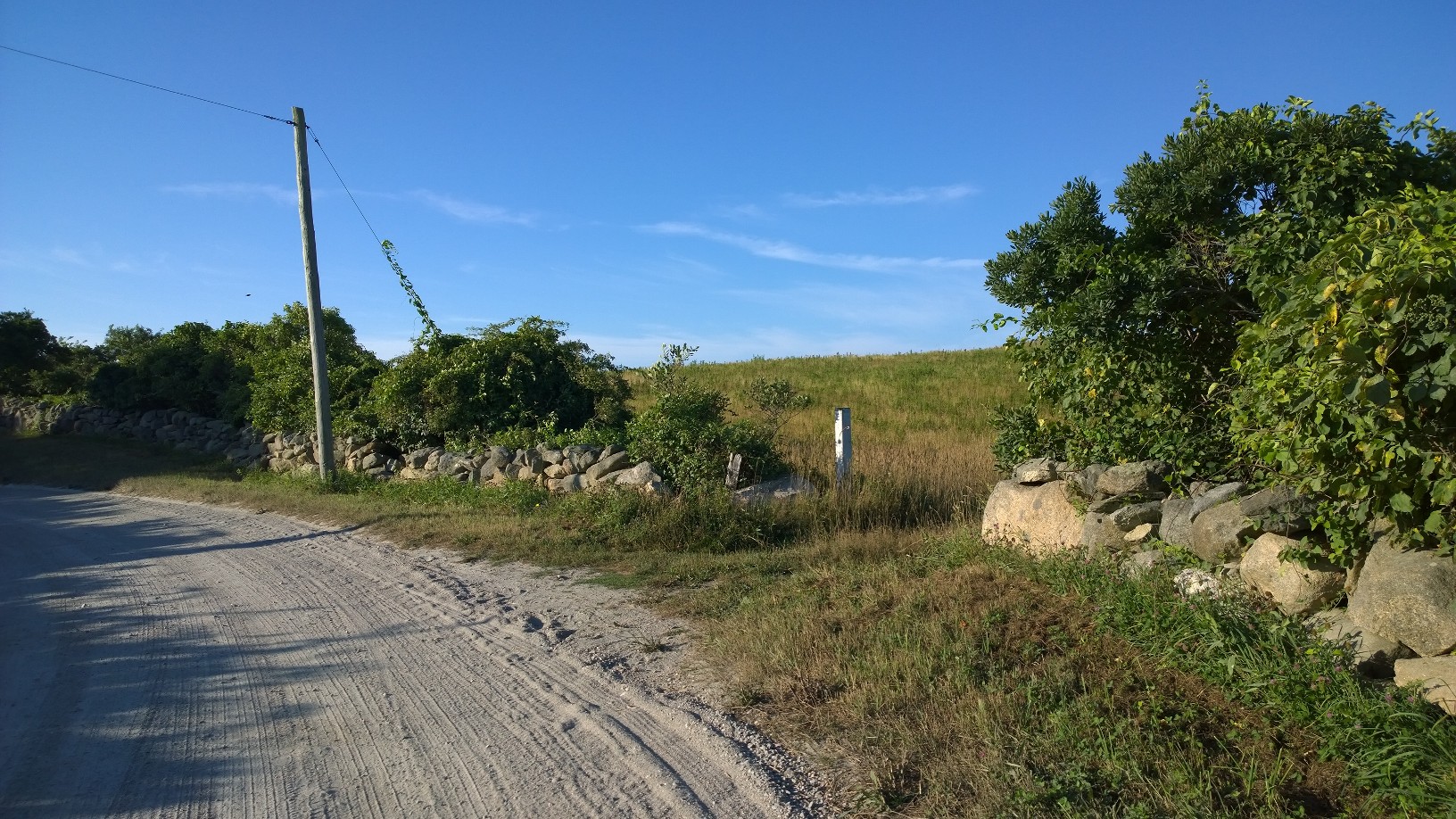
Moving right along, there is a shot of the fishing fleet in Rhode Island. The country road photo was supposed to show you a goldfinch, but even when I zoom in, it is too tiny to see. The still pond is called John E’s Tughole. A tughole is a place where peat is harvested, but I don’t think it happens much anymore. Maybe in Ireland. I know James used to harvest peat. And burn it, too.

080415-legos-built-into-corner

080415-Congress-St-nr-Farnsworth


080515-clouds-between-bldgs

080515-clouds-Concord-dawn


080815-rose-and-hydrangea

080315-mullein


080715-Point-Judith-boats

080815-dirt-road-RI


080815-John-E-Tug-Hole


Read Full Post »

“Nearly two decades ago,” writes National Public Radio, “a massive wave struck the Tokio Express, a container ship that had nearly 5 million Legos onboard. The colorful toy building blocks poured into the ocean. Today, they are still washing up on shores in England.

“Tracey Williams and her children first happened upon the Tokio Express Legos in the late 1990s. Since then, she’s created a Facebook page called — Lego Lost At Sea — where other collectors show off their findings.

“Williams, who lives in Cornwall, tells NPR’s Scott Simon that among the many small, colorful and ironically nautical-themed Lego bits are flowers, swords, life vests, scuba tanks and even Lego octopi. …

” ‘I thought it would be quite interesting, from a scientific point of view, to monitor where it was all turning up, what was turning up and in what quantities and who found it,’ Williams says.” Read more here.

I note a variation on a theme in Pen Pal (which tells what happens when a child on the Gulf Coast throws a message in a bottle into the sea and ends up with a political-prisoner pen pal across the world). Francesca Forrest, author of Pen Pal, records true stories about messages in bottles at her website about the novel, here. Like the stories of Legos washed up near England, some of the message-in-a-bottle stories are pretty intriguing.

Photo: Tracey Williams/Lego Lost at Sea

Read Full Post »