Feeds:
Posts
Comments

Posts Tagged ‘long island’

Photo: Katie Orlinsky.
“On Long Island [in New York state] a group of Shinnecock women are nursing a bay back to health and, in the process, reclaiming traditions,” writes the magazine Nature.

A couple nonprofits and a few indigenous women are putting into practice one of my favorite principles: “Two and two and 50 make a million.” They are saving their small piece of the ocean from pollution and helping to bring back a better world.

Claudia Geib writes at Nature, “Danielle Hopson Begun stands waist-deep in the waveless expanse of Long Island’s Shinnecock Bay. She reaches into the water and lifts out a heavy rope, which drips with the amber and butterscotch-colored fronds of a marine plant called sugar kelp. It’s early June, and over the past eight months this kelp, anchored here, has grown from millimeter-long seedlings into foot-long golden ribbons, absorbing nitrogen and carbon from the water in the process.

“Tended by Hopson Begun and four other women from the Shinnecock Indian Nation, these lines are part of the first Indigenous-owned kelp farm on the U.S. East Coast. The kelp is harvested each year and sold locally as a natural fertilizer. But for these women, who have formed a nonprofit organization called Shinnecock Kelp Farmers, it has become something more than a crop: It is one piece of a multifront effort to reassert ancestral ties to the lands and waters their community has stewarded for thousands of years.

“Today, though, Shinnecock Bay is drastically different from the waters their ancestors once harvested wild kelp from. It’s more polluted, and the waters have grown warmer and more acidic. And almost every year since starting the farm in 2020, Hopson Begun and her partners have found their lines coated in an alga that suffocates and kills baby kelp. It significantly reduced part of their harvests — until now.

“To combat the algae, the kelp farmers have turned to cutting-edge science and technological solutions — supported by a grant from The Nature Conservancy and industry expertise from aquaculture nonprofit GreenWave — to supplement their long connection to the bay.

“ ‘There is this traditional knowledge that we have — of how the seaweed grows in the bay, and how to nurture it and prepare it for the work that it has to do,’ says Tela Troge, one of the group’s founders. If the Shinnecock Kelp Farmers can successfully grow kelp in the bay — weaving this ancestral understanding with modern science — the plant stands to help restore an ancient link to a cultural practice, while perhaps helping stem the rising tide of pollution that has invaded these waters since the arrival of colonialism.

“Among the challenges of farming kelp is simply finding the time. The kelp farmers and their friends and families — mothers, lawyers, counselors, activists — live and work in the communities of the greater Long Island and New York City area. Today about half of the nearly 1,600 enrolled members of the Shinnecock Indian Nation live on a 900-acre property on the eastern edge of Shinnecock Bay — a property surrounded by wealthy Hamptons enclaves and just a barrier island away from the Atlantic Ocean.

“Life here has always been intertwined with water. For at least 10,000 years, the ‘People of the Stony Shore’ gathered fish, mussels, scallops and clams, and cultivated oyster gardens along a vast stretch of land and waters on and around what is now called Long Island. Skilled seafarers, they relied on the Shinnecock and Peconic Bays — both local inlets — as well as the open sea. They hunted whales and exchanged white and purple wampumpeag beads they carved from the shells of hard clams, or quahog. These beads, known as wampum, remain an important touchstone for the Shinnecock, who continue to carve them as jewelry and cultural symbols.

“When Europeans arrived in the Northeast in the 1600s, they brought diseases that decimated the Shinnecock and their neighbors, razed forests to sow farms and claimed burial grounds to build towns. Over time the Shinnecock Indian Nation lost access to most of their historic hunting and fishing grounds, retaining a territory of about 1,000 acres, including the 900-acre reservation. With the spread of new people, the waters the Shinnecock relied on changed, too.

“Shinnecock Bay, in particular, suffered. The bay spans 9,000 acres, separated from the Atlantic Ocean to the south by a narrow barrier island. Warm and shallow, with an average depth of only about 6 feet, the bay’s connection to the sea has shifted over the centuries as storms alternately carved and filled in cuts through the island. A powerful 1938 hurricane created Shinnecock Inlet, a permanent opening to the Atlantic. Yet, still largely landlocked, the bay’s waters concentrated high levels of nitrogen, which seeped through the ground from cesspools and septic systems as homes and towns sprung up along its shores.

“By the 1980s, annual nitrogen-fed algal blooms turned the water ‘brown like a cup of coffee,’ says Stony Brook University researcher Ellen Pikitch, one of the co-founders of the university’s Shinnecock Bay Restoration Program. These ‘brown tides’ clouded the water, blocking sunlight from reaching eelgrass, killing fish and destroying shellfish habitat. …

“By the mid-2000s the marine life that the Shinnecock people had once relied on was nearly gone. Oyster reefs vanished. Between the 1970s and 2011, the commercial fishery for quahogs, the clams used for Shinnecock wampum and food, collapsed by more than 99%.

“At the same time, members of the Shinnecock Indian Nation had been fighting to assert their ancestral land and water claims. In 2019, an ocean-farming nonprofit called GreenWave reached out to members of the Nation. Inspired by a PBS documentary about the Shinnecock people’s long battle against Southampton’s development, one of the group’s staffers wanted to know if members of the Nation would consider working with GreenWave on a kelp farm.

“The proposal captured the interest of the future Shinnecock Kelp Farmers for multiple reasons. They knew that, historically, the Shinnecock harvested seaweed for home insulation, food and medicine, and that kelp could absorb nitrogen and carbon into its tissues. When harvested and dried for garden fertilizer and used in place of traditional fertilizers, kelp offered a way to pull excess nutrients from the bay. …

“The Sisters of St. Joseph, a Catholic religious order, joined the collaboration by providing water access from their community center along Shinnecock Bay. In 2020, five Shinnecock women — Danielle Hopson Begun, Donna Collins-Smith, Rebecca Genia, Tela Troge and her mother, Darlene Troge — took up waders and began the work of nursing kelp to life.”

There’s a lot more at Nature, here. No paywall. Great photos.
Read Full Post »

Photo: Hyperallergic.
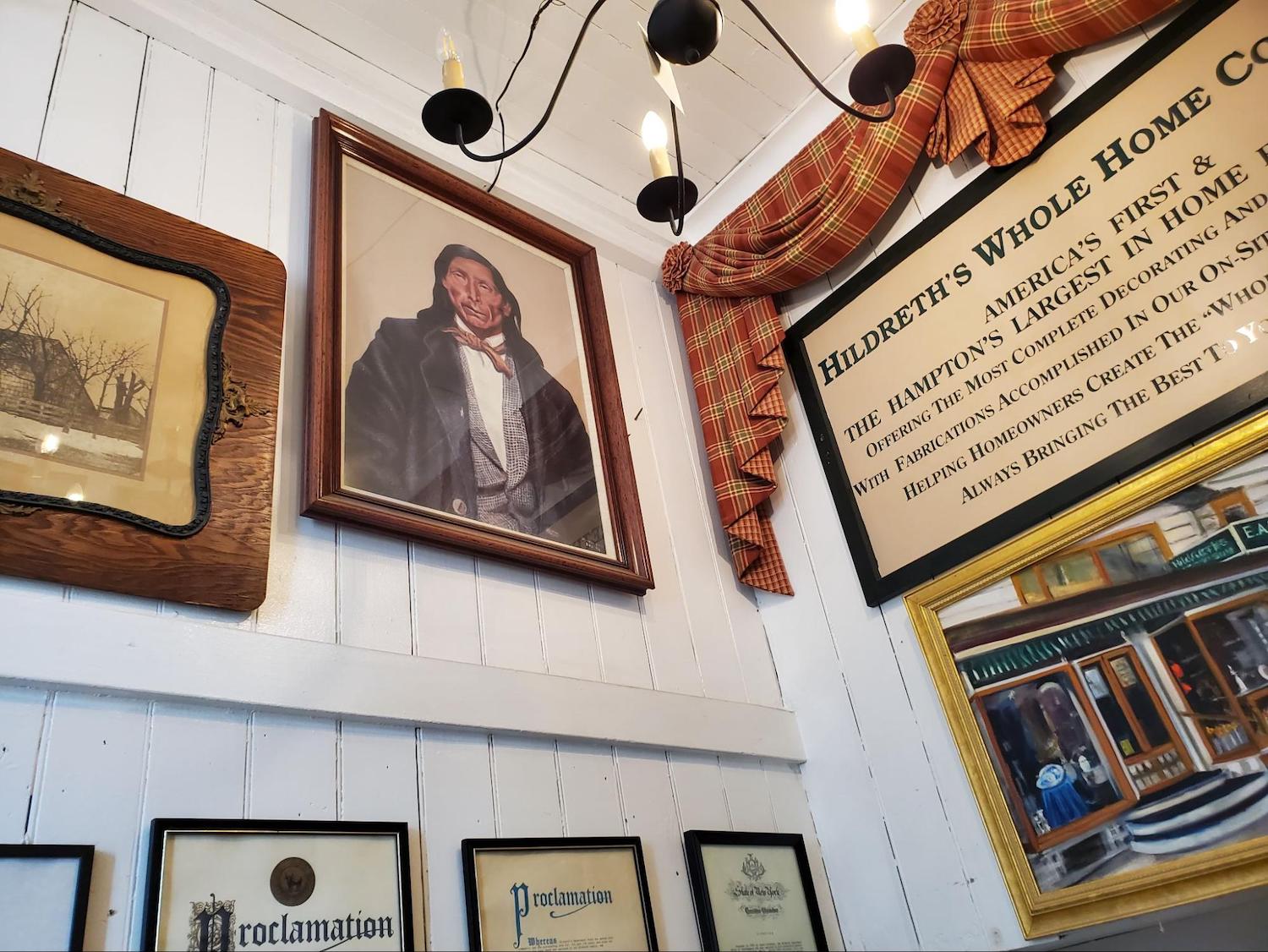
The print of Montaukett Indian Stephen Taukus (Talkhouse) is by Shinnecock artist Norman Smith. Seen here at Hildreth’s Whole Home Goods store on Main Street in Southampton, Long Island, New York.

Ever since indigenous tribes experienced First Contact with Europeans, the newcomers’ culture has run roughshod over the folks who had thousands of years of history here. The only positive thing about the way things are in the present time is that we are hearing more about it. You have to bring wrongs to light before you can start doing something better.

From Long Island, New York, Shinnecock tribal member Jeremy Dennis writes at Hyperallergic that his tribe’s “continued presence as a sovereign nation has been slowly rendered invisible by neighbors in the Hamptons.”

Wouldn’t I love to see “land recognition” statements before every Long Island party! And I know some who might be up for it.

Dennis writes, “The people of the Shinnecock Indian Nation of Eastern Long Island in New York State can trace their presence on their land back more than ten thousand years. Shinnecock’s claim is evident through Clovis Projectile Points from the Paleo-Indian Period (15,000–3,500 BCE).

“By 1000 BCE, Shinnecock people and other local tribal communities expressed themselves through clay pottery designs, wood sculptures, and wampum shell/bone beadwork. With the arrival of Europeans, Indigenous artisans incorporated richly colored cloth, glass beads, and blankets into their crafts and regalia. In the early 20th century, Shinnecock artisans loaded their wagons with baskets, caned chairs, beaded moccasins, embroidered table linens, eel traps, corn and herb mortars, duck decoys, wooden spoons, and scrub brushes, and sold them in nearby white communities.

“For thousands of years, and hundreds of years after first contact, Shinnecock artisans and other local tribal communities were best known for their wampum manufacturing and jewelry making. Wampum is manufactured by harvesting and shaping clamshells found only along saltwater sources from New Jersey to the Canadian coastline. …

“After 30 years of contact with European colonists, the demand for wampum waned, and the colonists came to value only Indigenous land and labor. By the 20th century, the historic trove of countless wampum beads, made individually by hand, were discarded — mistaken as gaudy jewelry, as Chief Harry Wallace of Unkechaug in modern-day Mastic Beach described during a public presentation at Guild Hall in 2021. …

“Walking through the East End [of the Hamptons], residents and tourists can find the only acknowledgment of Shinnecock people on Southampton’s Village Seal, which depicts a sole Indian and a mass of Europeans arriving on their boats.

“Following the first moment of contact in 1640, in which Shinnecock’s Sachem Nowedonah and other advisors greeted the English, Shinnecock people were understood as friendly neighbors and vital to European colonists’ early survival and industry. Building trust and friendship with the English quickly turned into the English swindling land from Shinnecock and other Indigenous communities on Long Island. Through deceit, insurmountable debt, threats of violence, and Shinnecock signature forgeries, the Shinnecock Nation alone illegally lost more than four thousand acres of its homeland. With the loss of land came the loss of natural resources, places to live, and means of survival. …

“Since the early 1700s, colonists recognized the real estate potential of this idyllic landscape. … This is why the arts are vital to our survival. We are defiant by sustaining our traditional storytelling, dance, beadwork, and wampum manufacturing, along with newer art forms, such as digital photography, videography, and painting, among many other mediums.

“Despite constant hardships, Shinnecock people have prioritized cultural expression through the generations. Artists such as Charles Bunn, Wickham Hunter, Norman Smith, Edward Terry, Dennis King, and Chuck Herman Quinn have found employment and opportunities as they’ve carried on carving and beadwork traditions, and their artworks and names will live on forever in those objects. Later generations of Shinnecock artists, including Denise Silva-Dennis, David Bunn Martine, and Herbert Randall, have explored self-representation in the arts as a means to challenge the stereotypes and caricatures of Shinnecock people from pre-contact times to the present.

“In recent years, Shinnecock artists have received support and recognition through programs such as the Gather series at Guild Hall and artwork acquisitions. The Parrish Art Museum, for example, now has two photos by artist and photographer Herbert Randall, though they were acquired decades after their original creation.

“For many years, Shinnecock art and cultural objects could be viewed at the Shinnecock Cultural Center & Museum, opened in 2001, on the reservation in Southampton — but the museum has been closed since 2017. … The lack of spaces showcasing Shinnecock art represents a need for new Indigenous-led art spaces and transformation in museum structures and collections to truly represent the East End community.”

More at Hyperallergic, here. No firewall.

Read Full Post »


Photo: Johnny Milano for the New York Times
Members of the Long Island Vegetable Orchestra practice for a performance at Long Island’s Oyster Bay Music Festival.

If you liked my 2015 post about MIT wizards making vegetable instruments, wait! There’s more!

Recently, Annie Correal wrote at the New York Times about an orchestra of such instruments.

“On a muggy day in July, in a Long Island backyard, a group of musicians had gathered for rehearsal. As their conductor gently raised both hands, they steadied their instruments, and played the first notes of a Bach chorale, ‘Nun freut euch, Gottes Kinder all.’

“The conductor stopped them. The snake gourd had not hit the D and the butternut squash had come in a little sharp. Take it from the top, he told the players.

“The group rehearsing, the Long Island Vegetable Orchestra, plays instruments made entirely from vegetables. On this day, in addition to the squash and the snake gourd, it included two carrot flutes.

“The orchestra was created more than a decade ago by Dale Stuckenbruck, a classically trained musician from Germany who teaches music on Long Island. It is not the first of its kind. … But it may be the only orchestra of its kind in New York. Over the years, it has performed at schools, galleries, libraries and at an environmental conference in Geneva. It even appeared in a film.

“On this day, Mr. Stuckenbruck, 63, and his four players were rehearsing for their annual performance at the Oyster Bay Music Festival.

“Because vegetable instruments don’t last, fresh ones have to be made every time they play, and they had spent the hour before rehearsal carefully drilling into carrots and hollowing out squashes with an ice cream scoop. The table before them was covered with pulp and broken carrots. …

“The instruments had been kept in ice water so they would stay crisp. … But the temperature hovered around 90 and the day was windless, and as they played the Bach chorale, they were racing against time. In this weather, the instruments would soon grow soft and the mouthpieces gummy, or they might dry out.

“Mr. Stuckenbruck’s … patience was perhaps the key to the continued existence of the Vegetable Orchestra.

“ ‘Let’s do it again,’ he said, as they sat in the broiling sun. …

“Mr. Stuckenbruck was born in Stuttgart, Germany, the son of a saw player. He attended a Waldorf school — which favors hands-on learning — and moved to New York in his 20s to play violin and saw; he played the saw with the New York Philharmonic this spring. …

“He had been asked to create a music program for students who were not musically inclined, he said. After failing to capture their interest with in drumming and music theory, he stumbled across the Viennese Vegetable Orchestra on YouTube.”

“ ‘Everything looks easy on YouTube,’ he said.

“Making playable vegetable instruments turned out not to be easy, but once he got the hang of it, the concept caught on. Carrots could be wind instruments — flutes, panpipes and clarinets, or, as Mr. Stuckenbruck called them, carronets. (The reed is often made from a slice of sweet potato.)

“Depending on the depth of the cavity and the size of the mouth hole, butternut squashes could be trumpets, trombones or French horns.

“Over the years, Mr. Stuckenbruck added more instruments. Broccoli and potatoes made melodious flutes. A daikon, a big white radish, made a deep, honking sound like an oboe. Peppers, with their seeds, were natural maracas.”

More at the New York Times, here, where you can learn which leafy vegetables are good for a sound like scratching a record. Also, be sure to check out the array of instruments on the vegetable orchestra’s home page, here.

Read Full Post »

I spent my first couple decades vacationing on Fire Island, a barrier beach off New York’s Long Island. Once you get islands in your system, you never want to get them out.

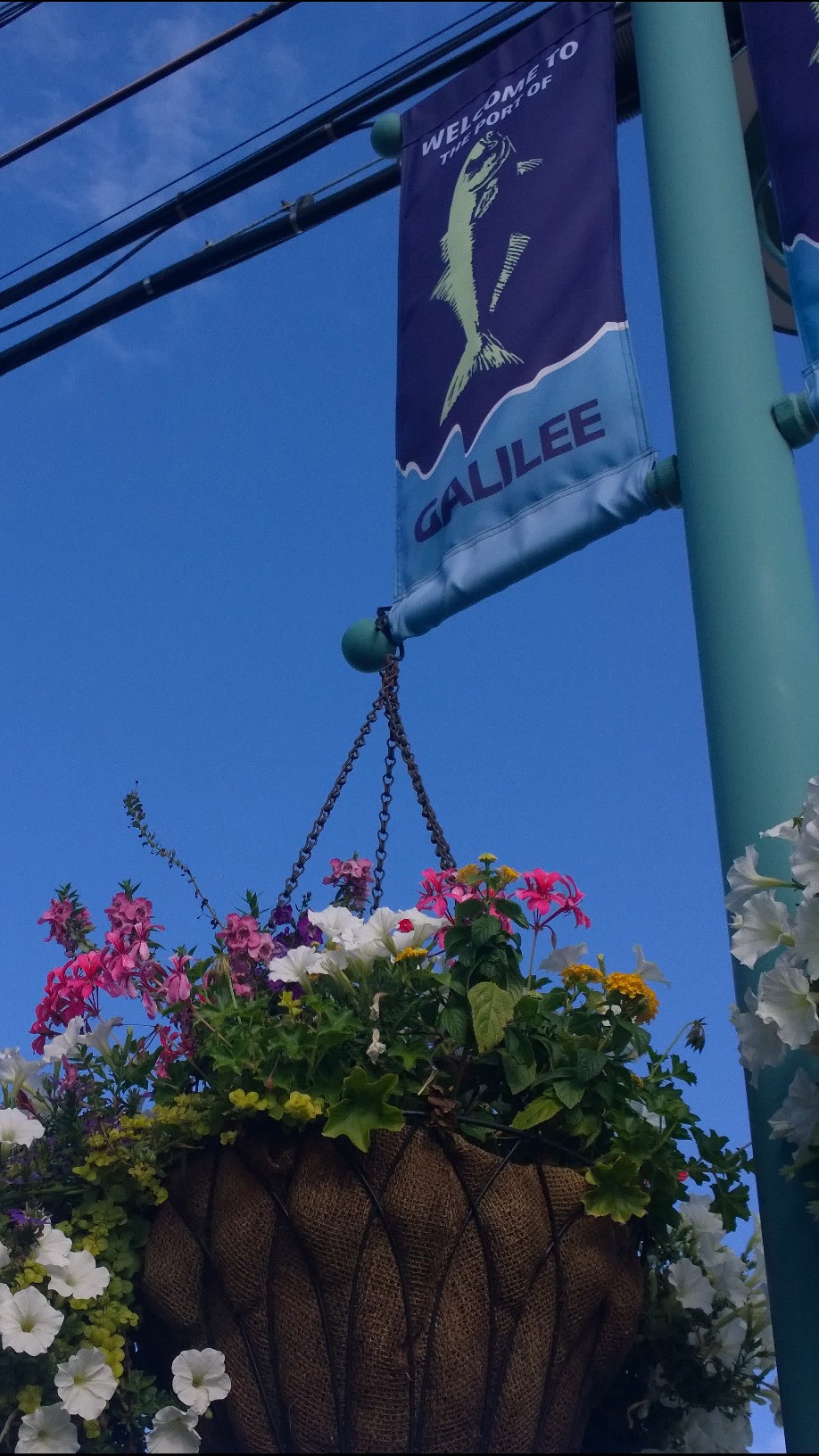
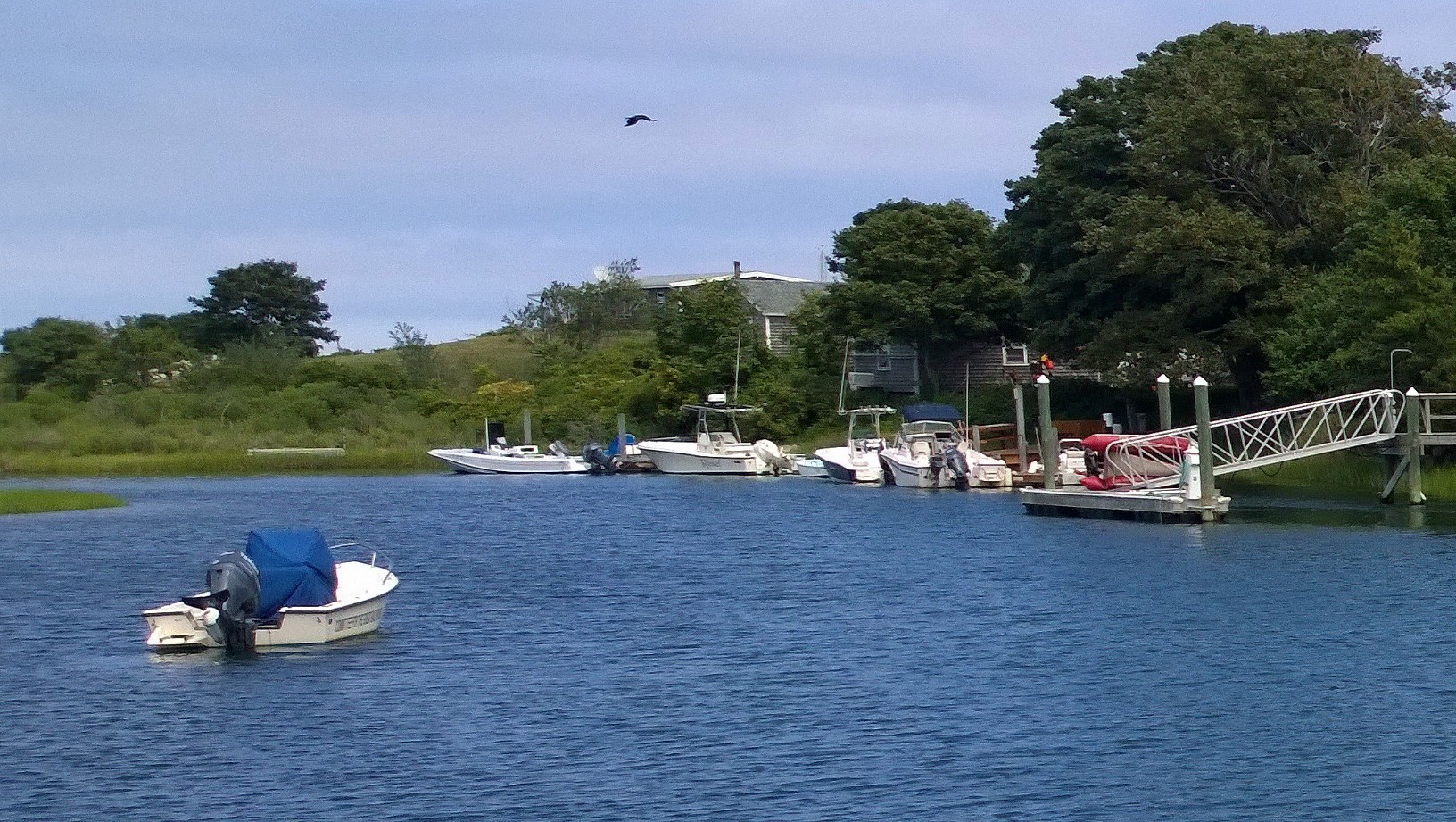
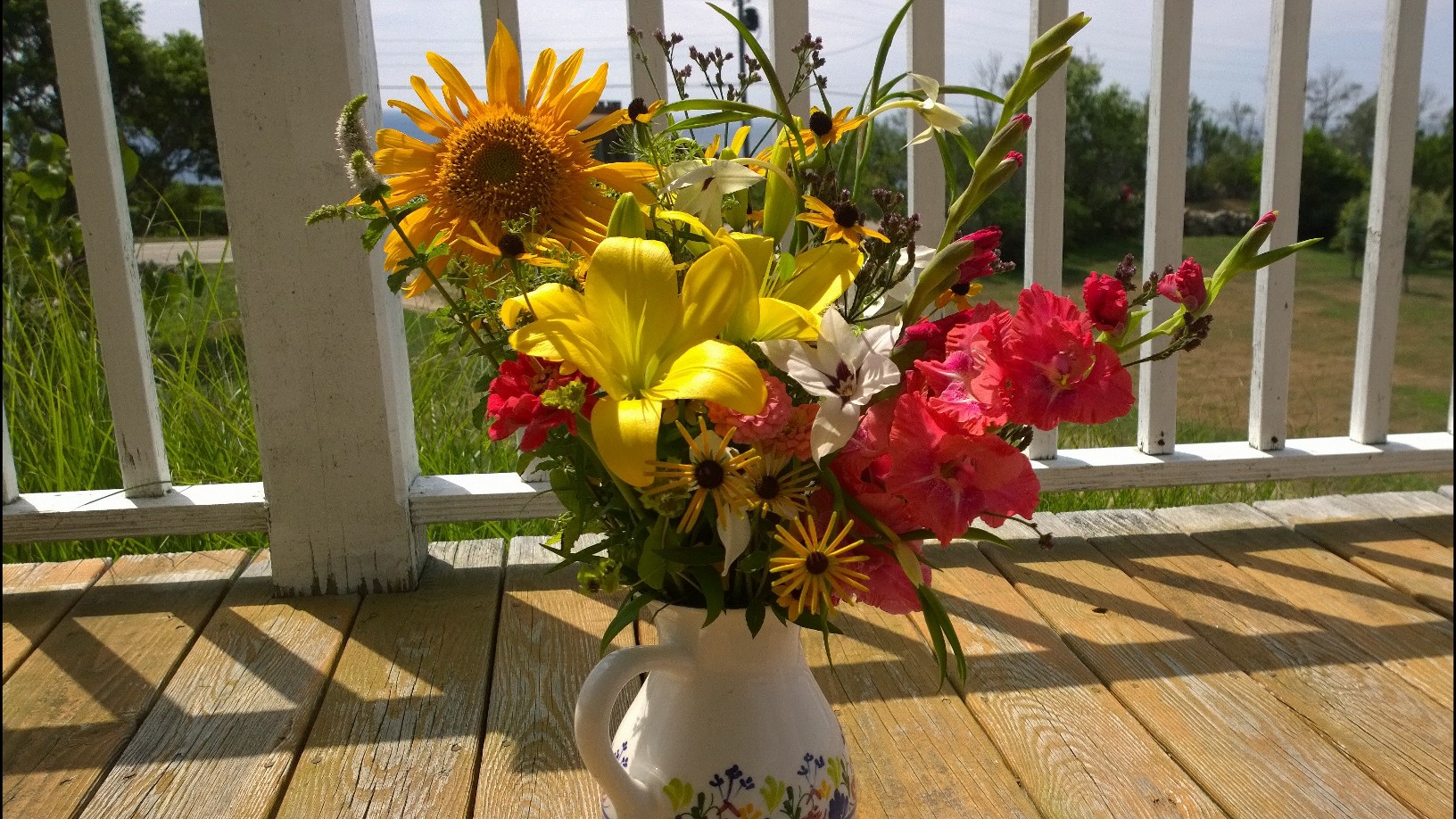
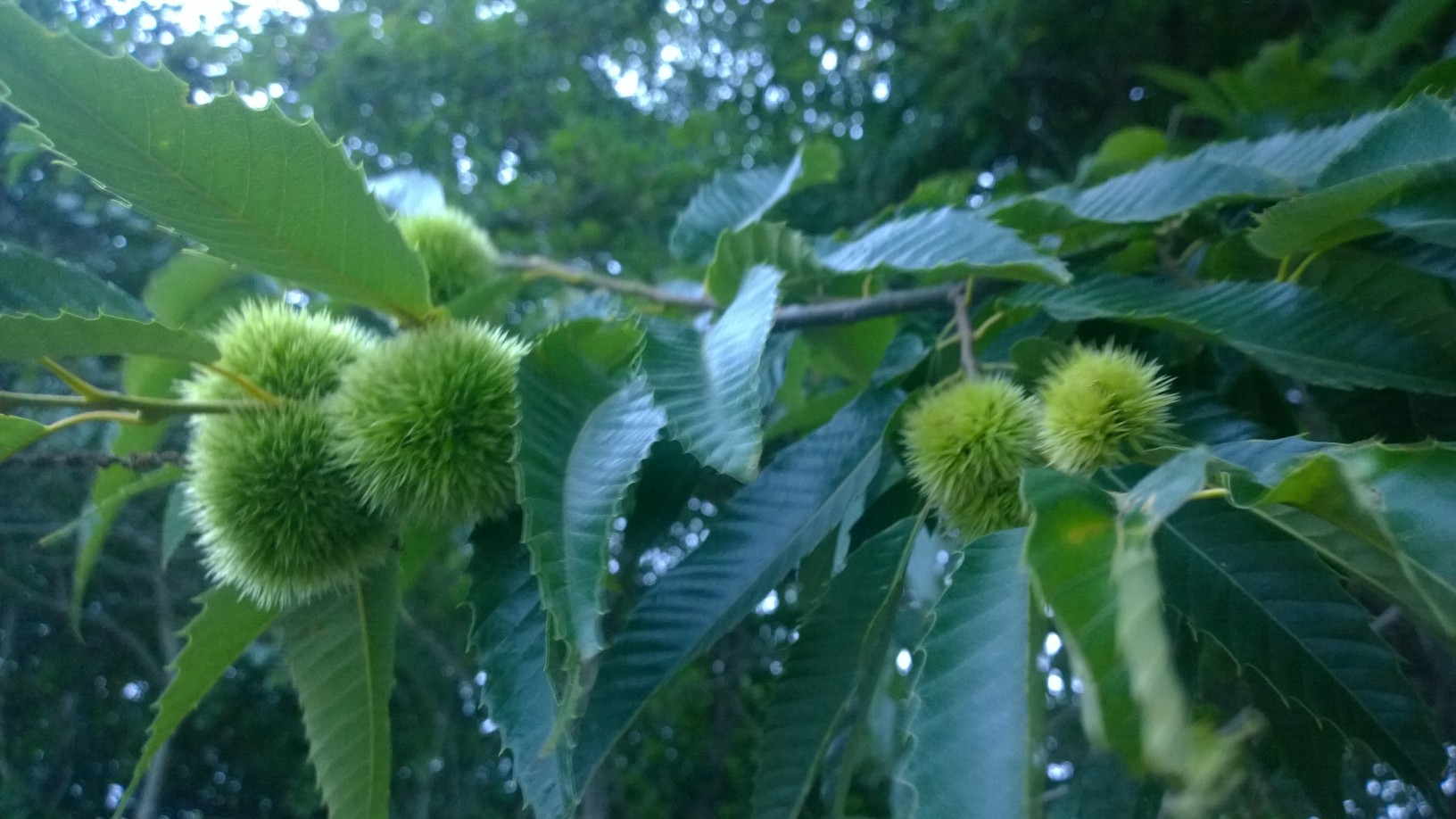
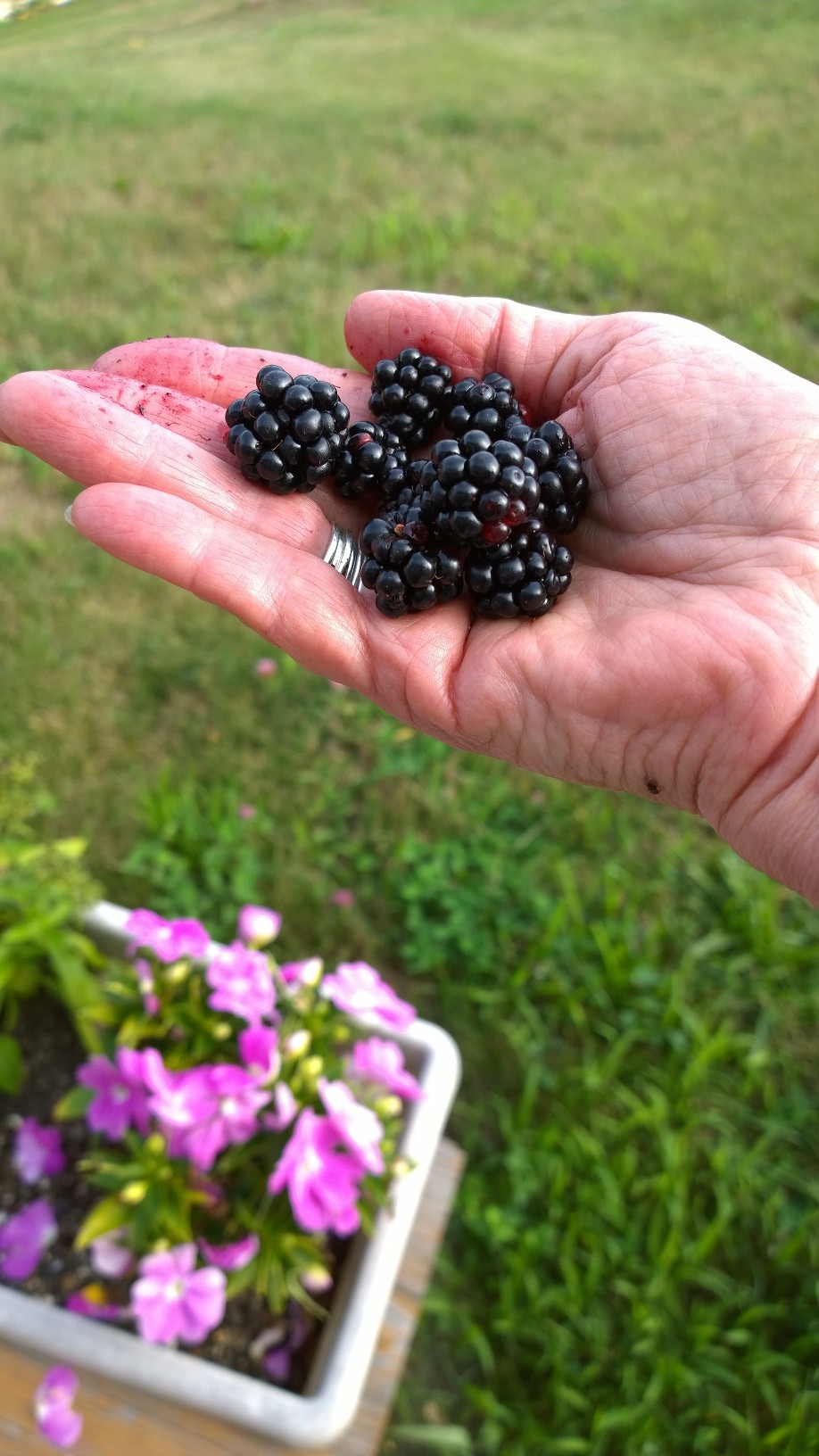
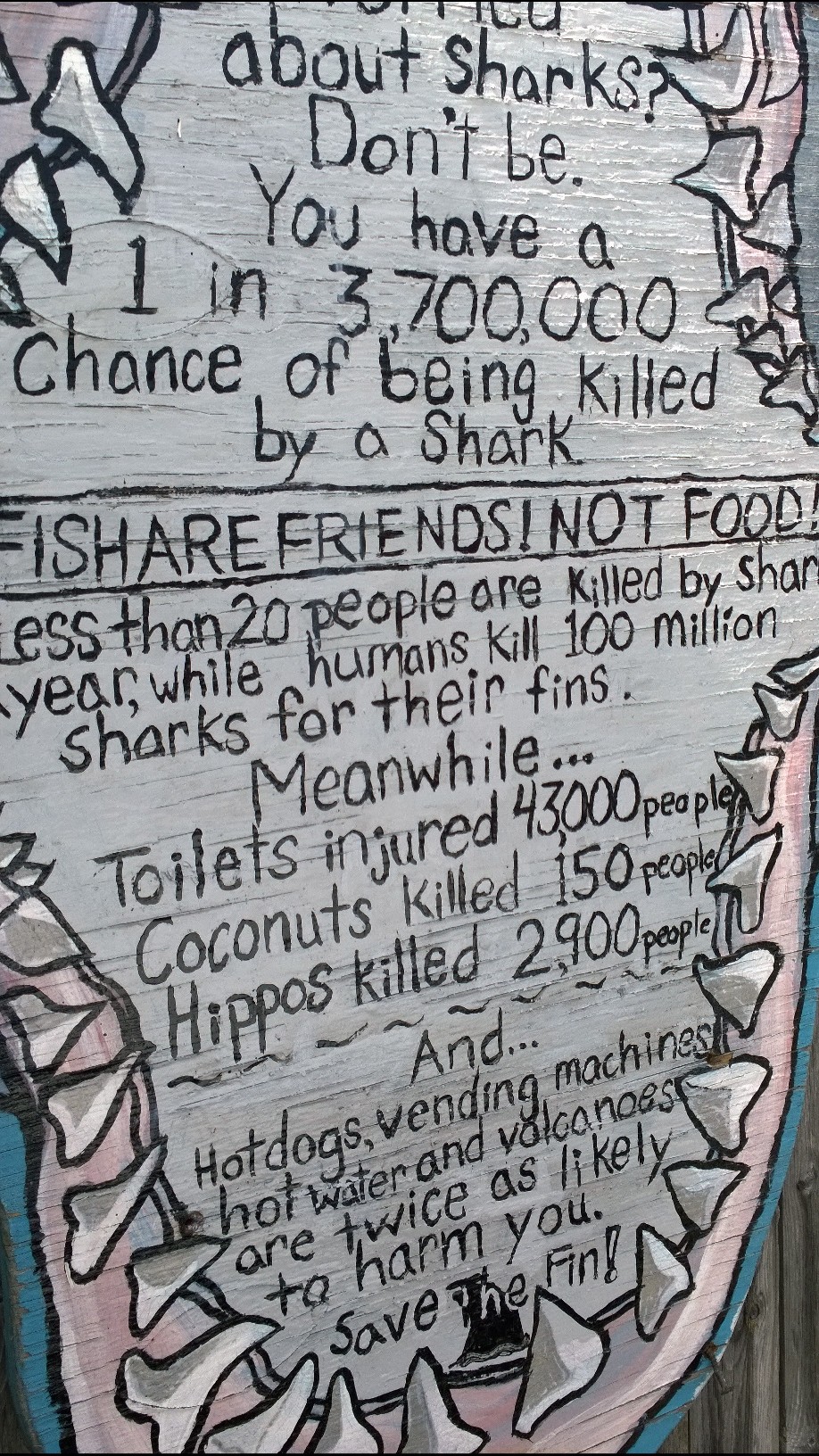
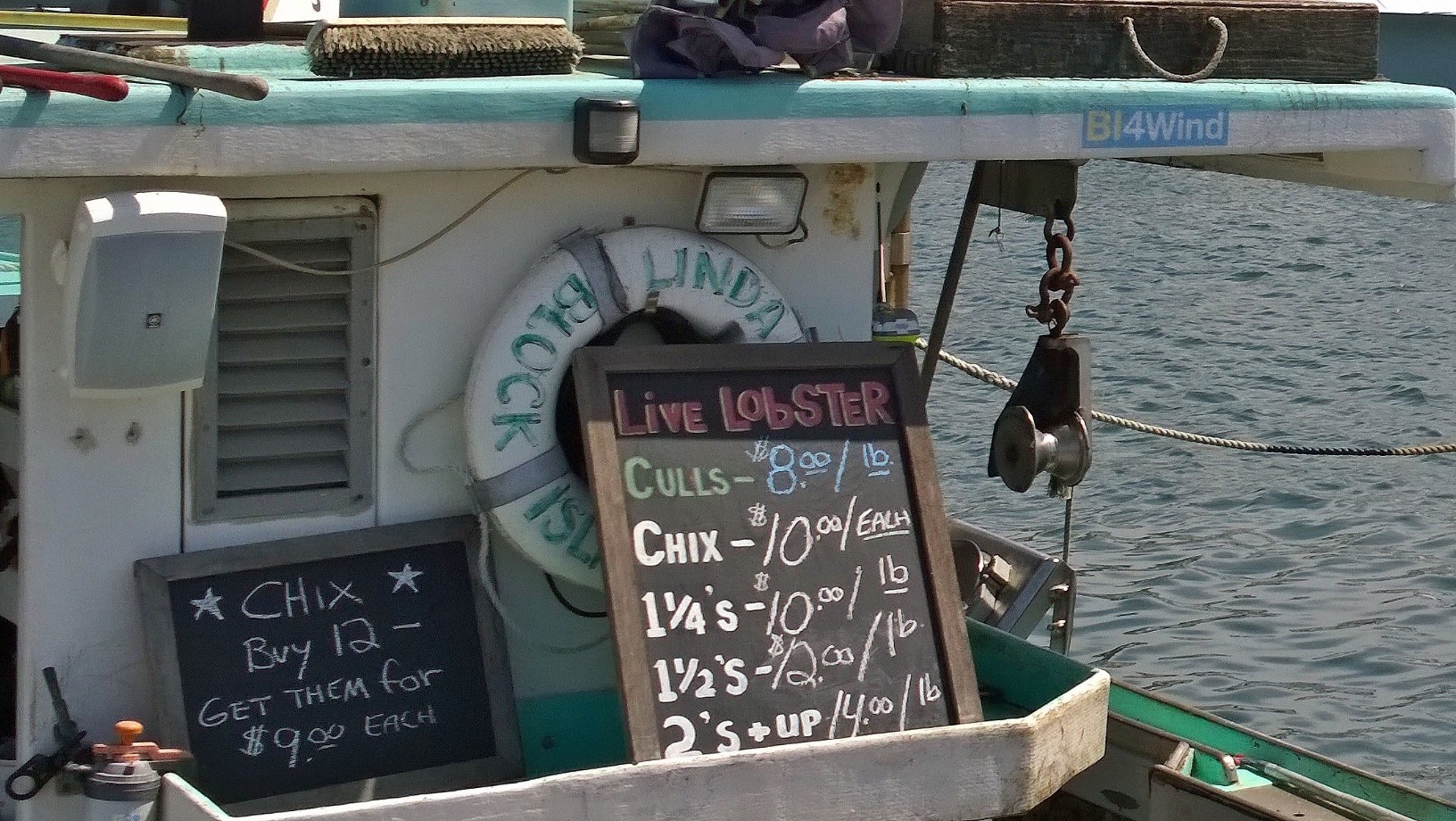
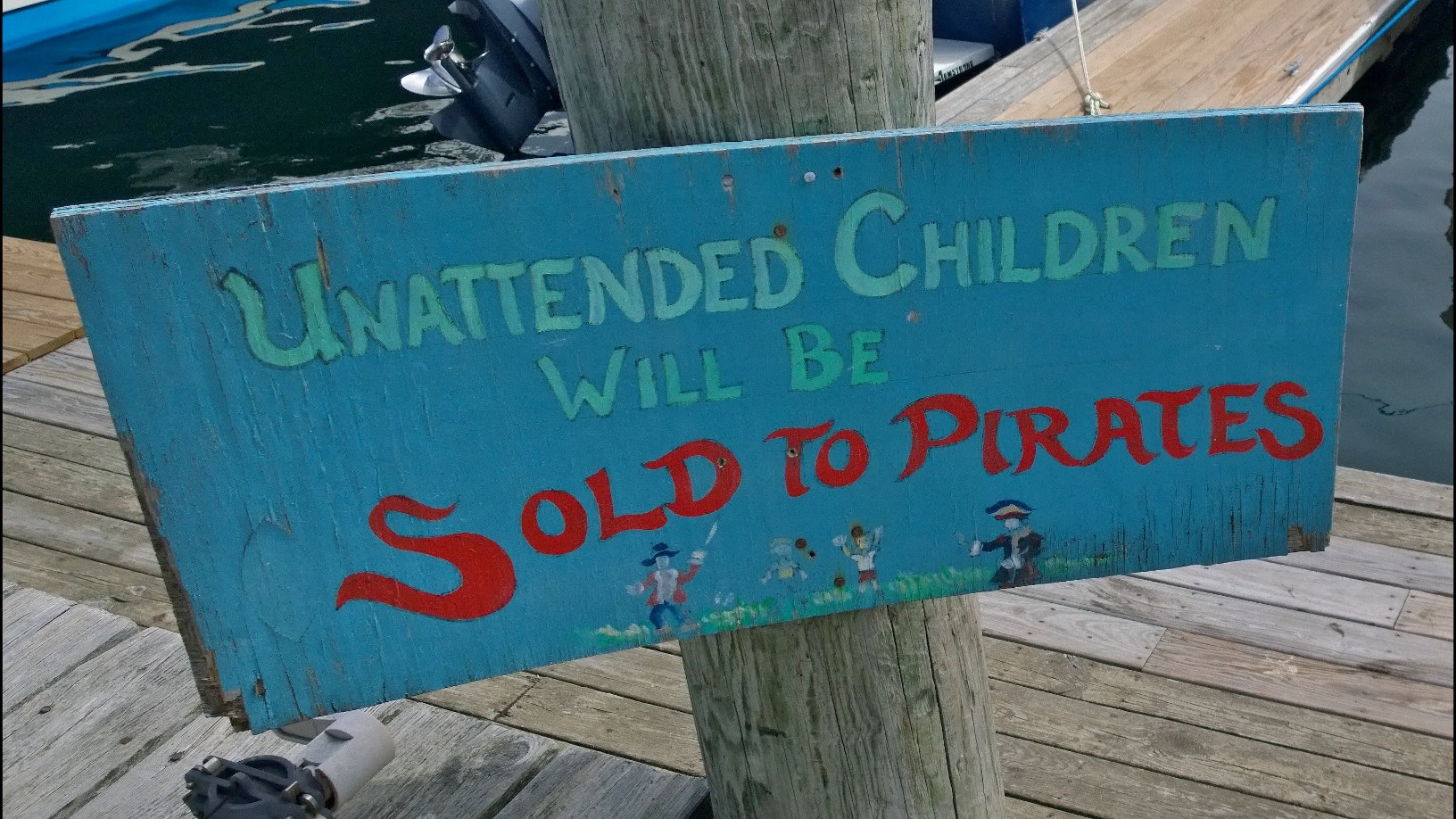
Nowadays I frequent an island that is part of a state that calls itself an island, too: Rhode Island. Here are some pictures from my latest visit.

The photos are mostly self-explanatory, but I would like to draw your attention to the carrot. The young man in the photo pulled that carrot out of the ground for a neighbor, who gave it to him. His mother washed it, and he ate most of it in one sitting.

And he didn’t even feel like he had overdone the eating the way Peter Rabbit did. No need for a dose of chamomile tea.

2115-Galilee-for-fishing

082315-sheltered-harbor

082215-vase-on-deck

082315-one-big-carrot

2215-fuzzy-fruit

082215-blackberries

082315-about-sharks

082315-lobster-boat

082315-sold-to-pirates

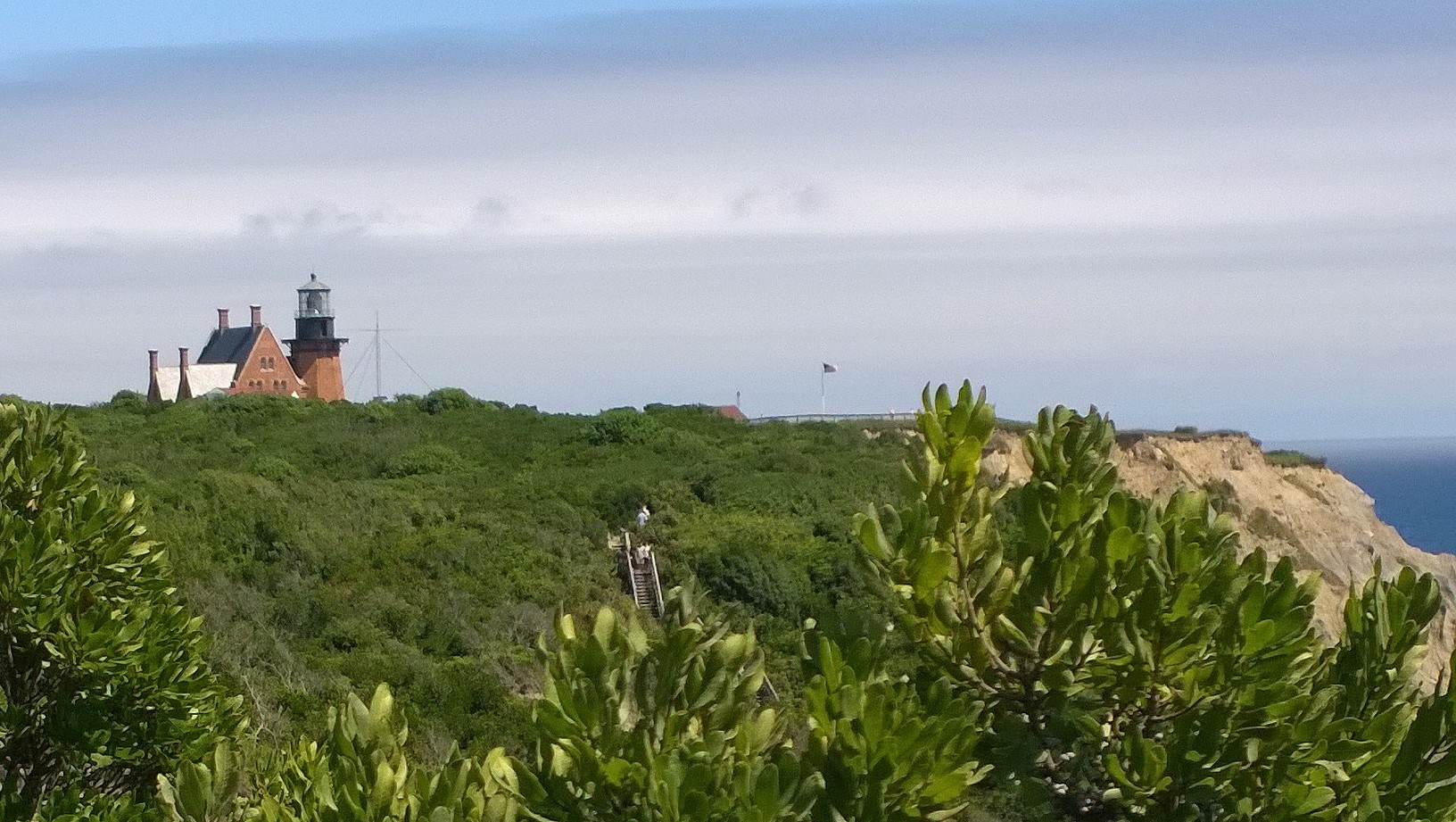
082315-Southeast-Light

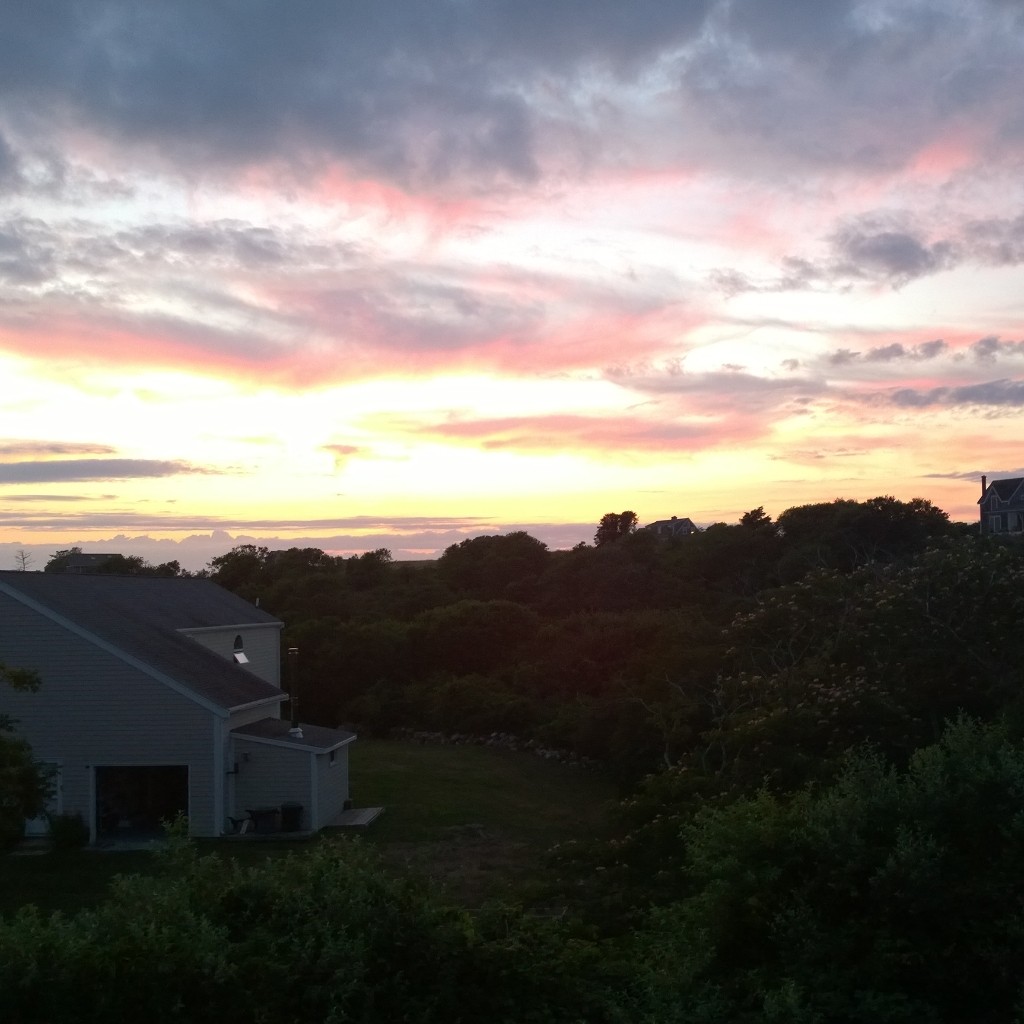
082215-sunset-RI

Read Full Post »

Thomas Whaley, a teacher of 7-year-old English-language learners on Long Island came up with a creative way to build confidence while building writing skills. He has students make the case for why they should be president.

Jasmine Garsd reports at National Public Radio, “Whaley does not look like the kind of guy that dabbles in magic markers. Before he was a second-grade teacher, he worked at a public relations company in New York City.

“He says he started thinking about doing something else while riding to and from work on the Long Island Rail Road. ‘I would talk with people on the train at 6 a.m. and 8 p.m. on the way home,’ he recalls. ‘They were people who had a complete disconnect from the young people of the world. They were all so focused on adults and the rat race. And I realized that this was not for me.’

“That was 16 years ago. He has been teaching ever since.

“In addition, Whaley has found time to write a novel called Leaving Montana, and he’s starting to write children’s books. Last year, he won the New York state teacher-of-the-year award.

“This second-grade presidential campaign is an example of why. He tells me he got the idea when he asked the children one day to raise their hands if they thought they could never be a U.S. president.

“The answer broke his heart.

” ‘Almost every single child who is an English-language learner believed that they couldn’t be,’ Whaley recalls. They’d say things like, ‘ “I can’t run for president because my parents are from a different country.” That was a biggie. “Because I’m poor, and you need a lot of money to be the president.” “Because I don’t like to read, or I can’t read.” ‘

“Whaley says the presidential speech project is about more than just learning to read and speak in public. He wants these kids to learn to boast about themselves.

” ‘Bragging about yourself, and your best qualities,’ Whaley says, ‘is very difficult for a child who came into the classroom not feeling any confidence whatsoever to read three or four words.’

“Robert Epstein, the principal at Canaan Elementary, says this is the essence of what makes Whaley such a great teacher.

” ‘There’s a sense of community that’s really unsurpassed,’ and the students will take risks as a result, Epstein says. He adds that Whaley goes above and beyond what is expected of him as a teacher. ‘If one needs sneakers, I’ve seen him go out and buy sneakers. He’s gone to homes. He’s constantly on the phone, constantly emailing parents.’ ”

More at NPR.

Photo: Christopher Gregory for NPR
Thomas Whaley walks his students back to class from the library.

Read Full Post »

I remember my mother’s story about driving home to Boston with a friend and trying to cross the Connecticut River on September 21, 1938. I wish I remembered the details: where they were coming from, who was driving, whether they got across or the bridge was closed, where they spent the night.

But I will never forget the awe with which people of a previous generation spoke about the Hurricane of ’38, its unexpectedness, its devastation — and little Edrie Dodge crawling on hands and knee across her yard as the winds destroyed the farming and fishing industries of her island.

That hurricane has always held a kind of fascination for me. I was riveted reading A Wind to Shake the World, an excellent book describing places I knew and emphasizing that lack of good communication in 1938. While people in Long Island were fighting the storm, people in Rhode Island had no idea they were next.

Nevertheless, good things came of tragedy, lessons were learned. Forecasting and communication improved exponentially.

The Globe had a retrospective on the 75th anniversary.

Jeremy C. Fox wrote, “On that September afternoon 75 years ago today, the Great New England Hurricane of 1938 tore into New York’s Long Island and then Milford, Conn., and raged through Massachusetts and Vermont, leaving a path of flooded towns, flattened homes, and fires caused by downed power lines. …

“Coming before televisions, computers, or weather satellites, the storm’s speed and fury took both meteorologists and residents by surprise, according to forecasters.

“Meteorology professor Lourdes B. Avilés said the storm remains “the one to which all other New England hurricanes are sooner or later compared.”

More here.

Photo: The Boston Globe
”This enormous tree in our backyard came completely uprooted and came crashing down,” said Irene Goodwin Kane, who was 14 when the storm hit. “That was when I realized that this was really bad.”

Read Full Post »