Feeds:
Posts
Comments

Posts Tagged ‘maine’

Rodin’s the Thinker, Wikipedia Commons

Went to Augusta, Maine, yesterday for a conference, where I took a bunch of pictures but not a single good one. Even when a conference is interesting, as this one was, it’s very hard to make it look interesting, although in one shot a panelist looked as absorbed as Rodin’s The Thinker.

I need a camera that shows thought processes — or a cartoonist who can draw light bulbs over people’s heads.

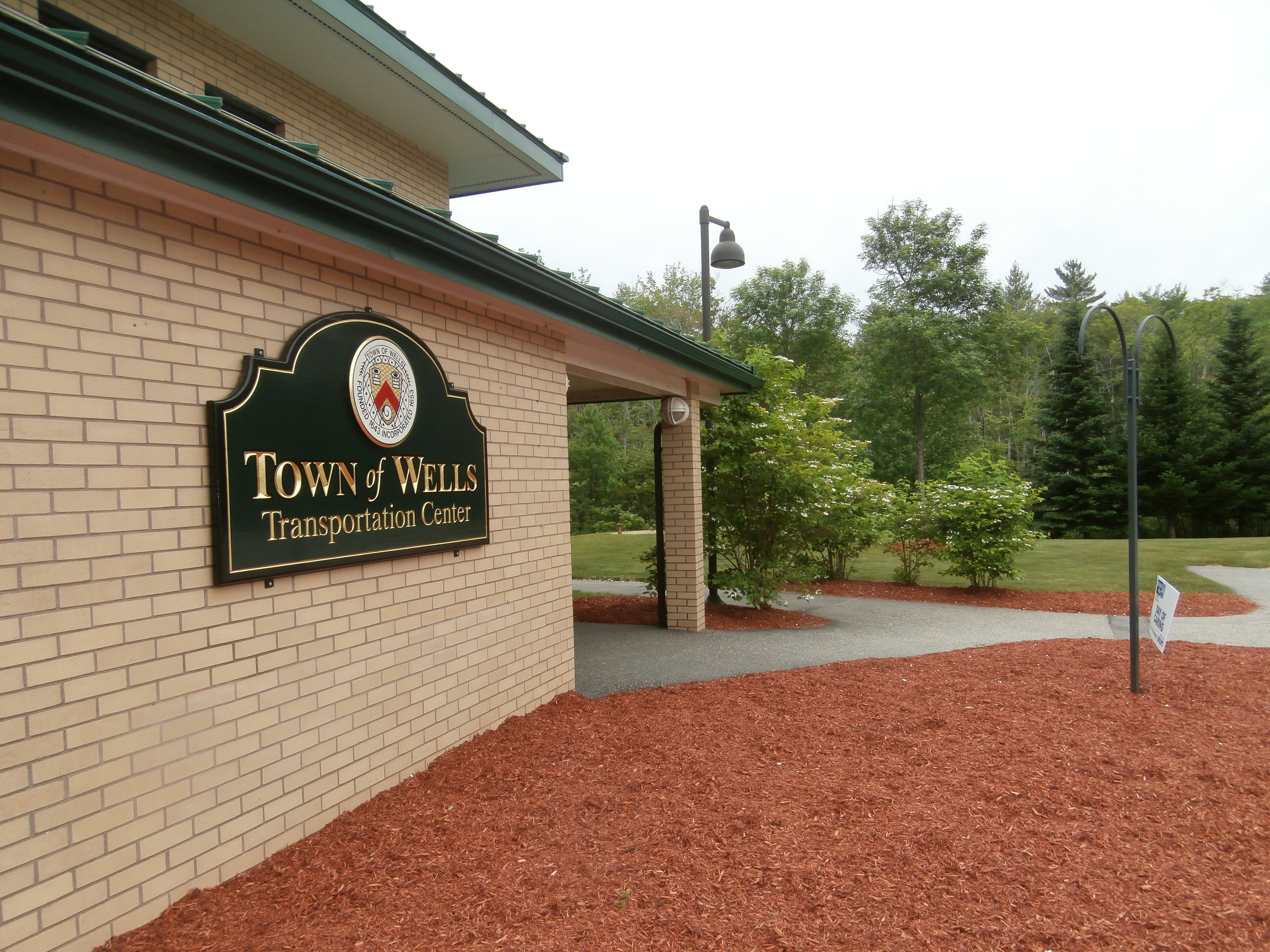
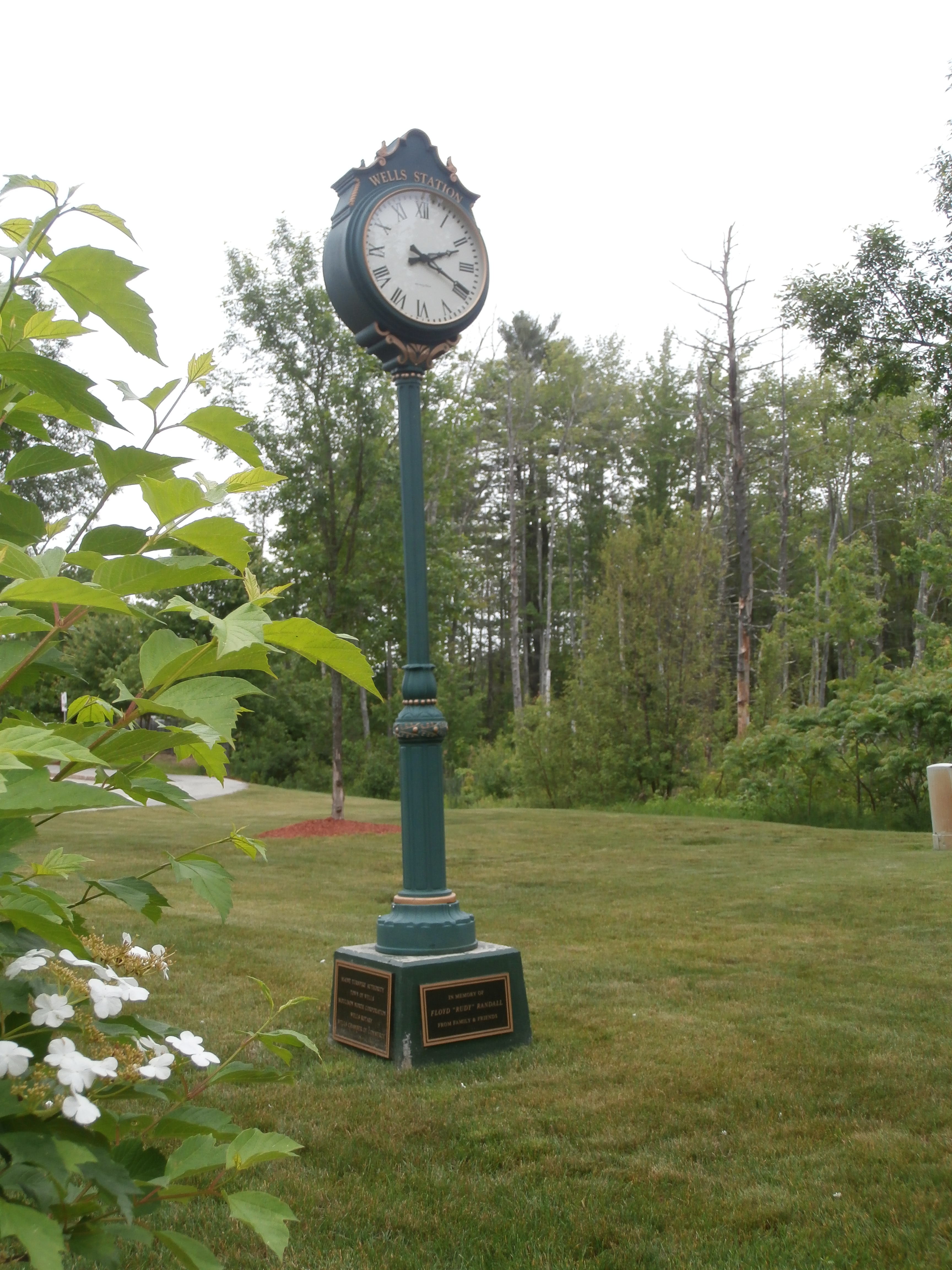
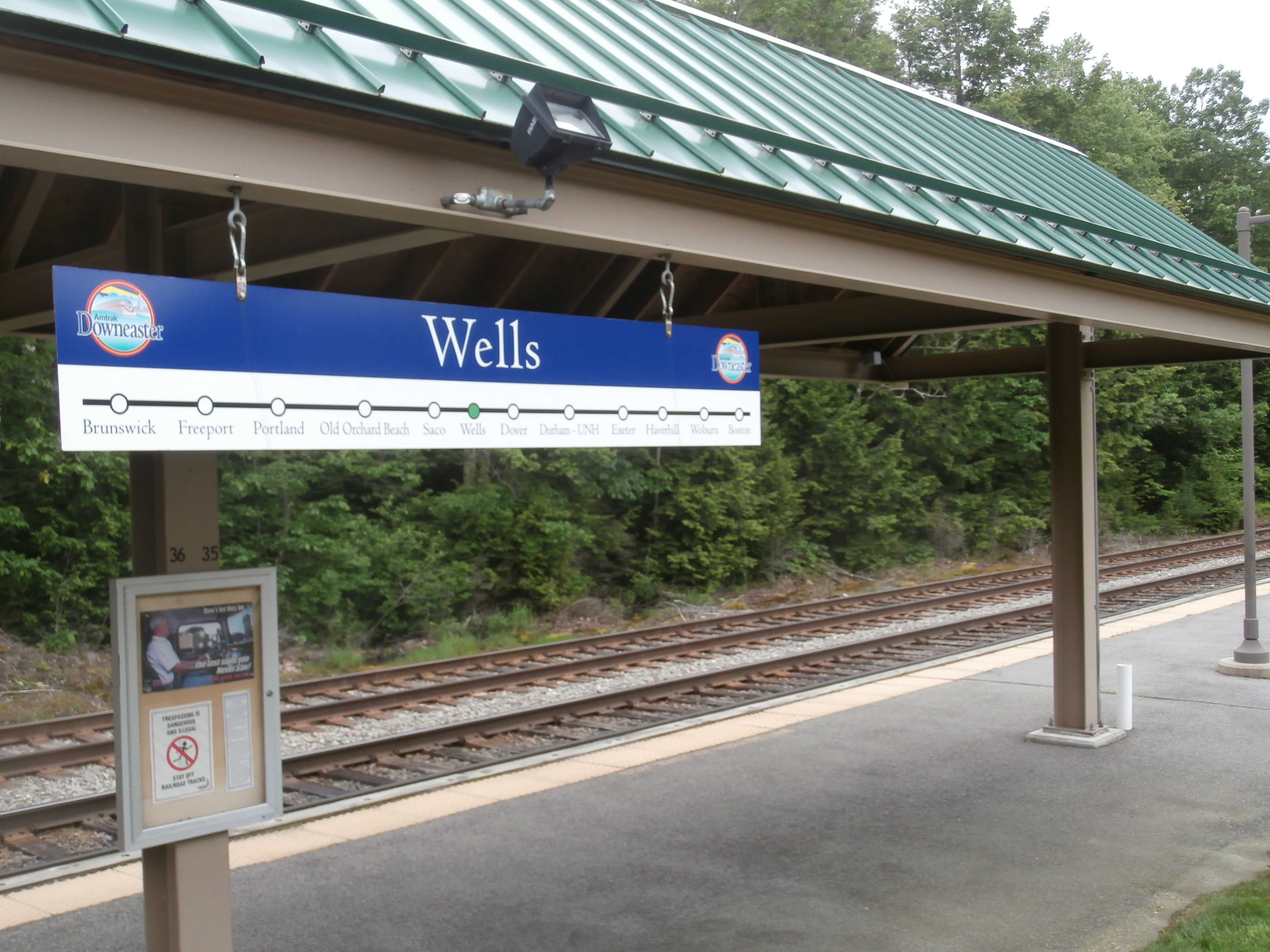
So here are few photos of a stretch-my-legs stop instead. Wells was about halfway to the Augusta, and I was curious about it as I always heard that a founder of Wells (Edmund L. Littlefield) was an ancestor. I couldn’t stay long, but the spiffy little train station made me want to take the Downeaster from Boston someday. Maybe spend a weekend in Portland and check out its art museum. …

wells-maine-train-station

wells-train-clock

wells-stop-on-Downeaster

Read Full Post »

Portland, Maine, has a reputation for being welcoming to immigrants and refugees. As a result, newcomers have been giving back, taking seriously their training in how to start a business, for example, hiring people, and boosting the city’s economy.

In this story by Jess Bidgood at the NY Times, we learn about Portland’s “class intended to help immigrants from warm countries cope with the cold.”

Bidgood writes about newcomers “squeezed into a plain conference room at the city’s center for refugee services … to be schooled in a central piece of Portland’s cultural curriculum for its growing population of new arrivals, many of whom are asylum-seekers from Central Africa: the art of handling a Maine winter.

“The instructor, Simeon Alloding, a human services counselor here, sat at the front of the room, ticking off winter’s many perils as clip art images of a penguin and an elephant decked out for cold weather hovered in a PowerPoint presentation behind him. ‘Everyone here has fallen, right?’ Mr. Alloding asked as he began a discussion on how to navigate the city’s icy sidewalks. ‘You don’t walk too fast, you don’t take long steps.’ …

“On this slushy morning, there were more attendees than could possibly find seating, and late arrivals clustered around the entrances to the room, many still wrapped in winter coats and hats despite the stifling heat of the room.”

The refugees help each other with translation, but some questions are hard to answer, like how to know what tomorrow’s weather might be.

“Miguel Chimukeno, from Angola, rose to ask a question in Portuguese, which another student translated to French, which the French interpreter, Eric Ndayizi, posed to Mr. Alloding.

“ ‘He’s low income — zero income — and you said they should watch TV and know some information. How does he get TV?’ Mr. Ndayizi asked.

“ ‘There’s nobody that’s going to issue out TV’s,’ Mr. Alloding said. ‘My only suggestion is that you talk to your neighbors.’ ”

More.

Photo: Craig Dilger for The New York Times

Read Full Post »

Miller-McCune.com tweeted today that the National Endowment for the Arts has new data on where artists are finding work.

Four of the six New England states are among the states with the most arts jobs: Vermont, Rhode Island, Massachusetts, and Connecticut.

“The report on artists in the workforce supplements and expands upon a 2008 paper, which found about two million Americans list a job in the arts as their primary source of employment. That comes out to 1.4 percent of American workers.

“New York heads the newly released state-by-state list, with artists making up 2.3 percent of its labor force. California, home to the film and television industry, places second with 2.0 percent.

“Not far behind are Oregon and Vermont, each of which has a workforce in which 1.7 percent of workers are artists. That means they exceed the national average by a substantial 20 percent.

“ ‘Writers and authors are especially prominent [in Oregon and Vermont],’ the NEA report notes.

“Also exceeding the national average: Colorado and Connecticut (where artists make up 1.6 of the labor force), and Hawaii, Rhode Island, Massachusetts, Maryland, Washington, Nevada, and Minnesota (at 1.5 percent).”

Although there likely to be different perceptions of what kind of work constitutes arts employment, I find the report interesting. And since I know anecdotally that there are arts jobs in Maine and New Hampshire (the two New England states not among the top few), I can’t help hoping that some organization will do an in-depth study of the region. Unfortunately, ornery New Englanders don’t often think regionally.

And more generally, what are the reasons some states have more arts jobs? Public policies? Landscape? Accident?

Read more here.

Read Full Post »

Philip Levine, 83, is a poet laureate for our times. He expresses, as the NY Times puts it, the “gritty voice of the workingman.”

“Half an hour to dress, wide rubber hip boots,
gauntlets to the elbow, a plastic helmet
like a knight’s but with a little glass window
that kept steaming over, and a respirator
to save my smoke-stained lungs. I would descend
step by slow step into the dim world
of the pickling tank and there prepare
the new solutions from the great carboys
of acids lowered to me on ropes — all from a recipe
I shared with nobody and learned from Frank O’Mera
before he went off to the bars on Vernor Highway
to drink himself to death. A gallon of hydrochloric …”

Read the Times article.

Levine’s appointment as poet laureate feels timely to me for several reasons.

While income inequality in the country has become increasingly pronounced over the last few decades, public attitudes toward the labor unions that worked to level the playing field have become markedly negative. Are unions really no longer needed? Certainly, there have been abuses of their power: for example, the way some teachers unions have protected bad teachers. And weak government officials in Central Falls (RI), having routinely succumbed to the demands of public safety workers, now find there is no money to pay the promised benefits. This summer Central Falls filed for bankruptcy.

But intensely hostile antilabor actions in Wisconsin, Ohio, and even Maine are like throwing the baby out with the bathwater.

A balance between workers and other stakeholders seems to make more sense. Workers are still sometimes abused, after all. That’s why I was happy to see unions helping out foreign “cultural exchange” students to protest conditions at a Hersey’s plant in Pennsylvania last week. (I blogged about that here.)

Read Full Post »

« Newer Posts