Feeds:
Posts
Comments

Posts Tagged ‘new england’

You probably think of the Connecticut River as being in Connecticut. And so it is. But it flows through most of the New England states, so protecting it results in protecting a large chunk of the Northeast. Its 7.2 million acre watershed runs through Connecticut, Massachusetts, New Hampshire, and Vermont.

The Christian Science Monitor recently added to its Change Agent series an article on the U.S. Interior Department’s May 24 designation of the Connecticut River as the first National Blueway.

Correspondent Cathryn J. Prince writes, “Between 40 and 50 local and state entities, both public and private, from four states will work together to preserve the 410-mile-long Connecticut River and its watershed. …

“It took the cooperation of between 40 and 50 local and state, public and private, organizations from four states to make the designation possible. While it doesn’t mean more federal funding, it does mean better coordination between these groups to promote best practices, information sharing, and stewardship.

“National Blueway is more than a label, says Andy Fisk, executive director of the Connecticut River Watershed Council.

“ ‘There are no turf wars here, but there are a lot of folks on the dance floor,’ Mr. Fisk says. ‘It’s important to recognize that this is a new way in how you get things done. It’s not one entity that will get things done, it’s diversity.’ ” Read more here.

Photograph: John Nordell, Christian Science Monitor

The Connecticut River, as photographed from the French King Bridge in Gill, Mass. The river and its watershed have been named the first National Blueway, an effort to coordinate the work of nonprofit groups and governments to protect and wisely use the entire 410-mile river and its 7.2 million acre watershed.

Read Full Post »

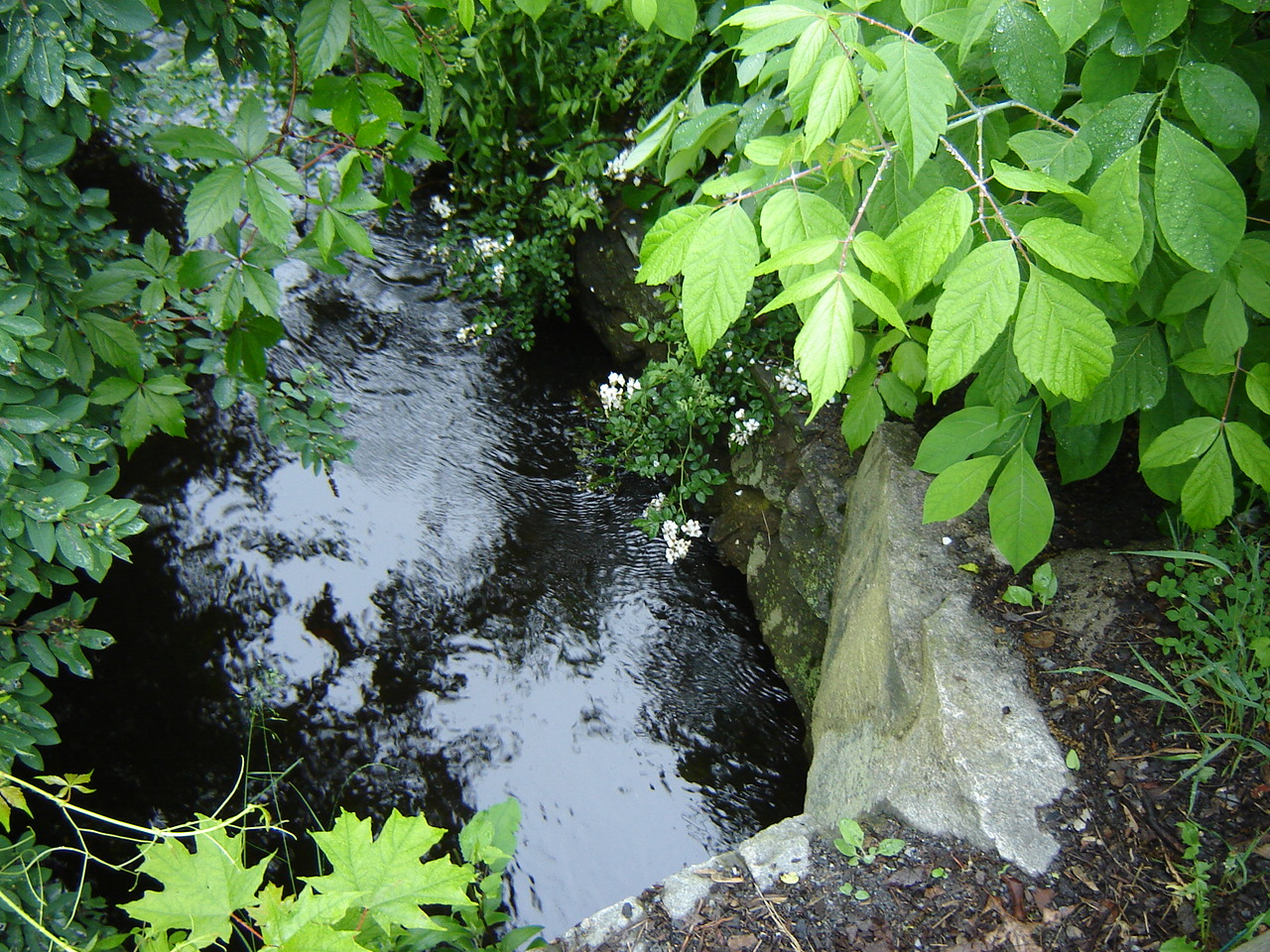
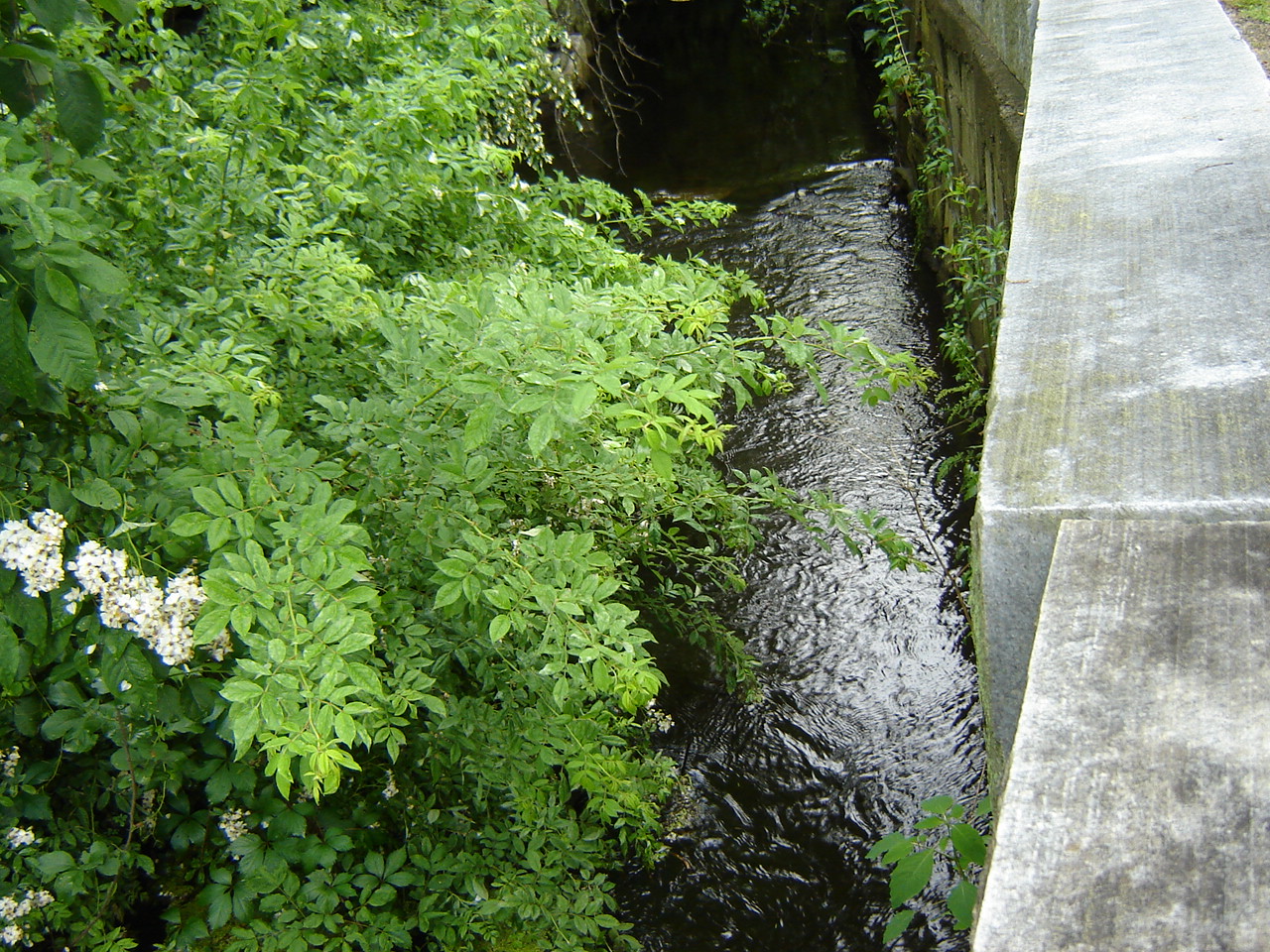
Looking at streams swollen by yesterday’s rain, I began thinking about Scuffy the Tugboat.

“The water moved in a hurry, as all things move in a hurry when it is Spring. Scuffy was in a hurry, too. ‘Come back little tugboat, come back,’ cried the little boy.”

Remember?

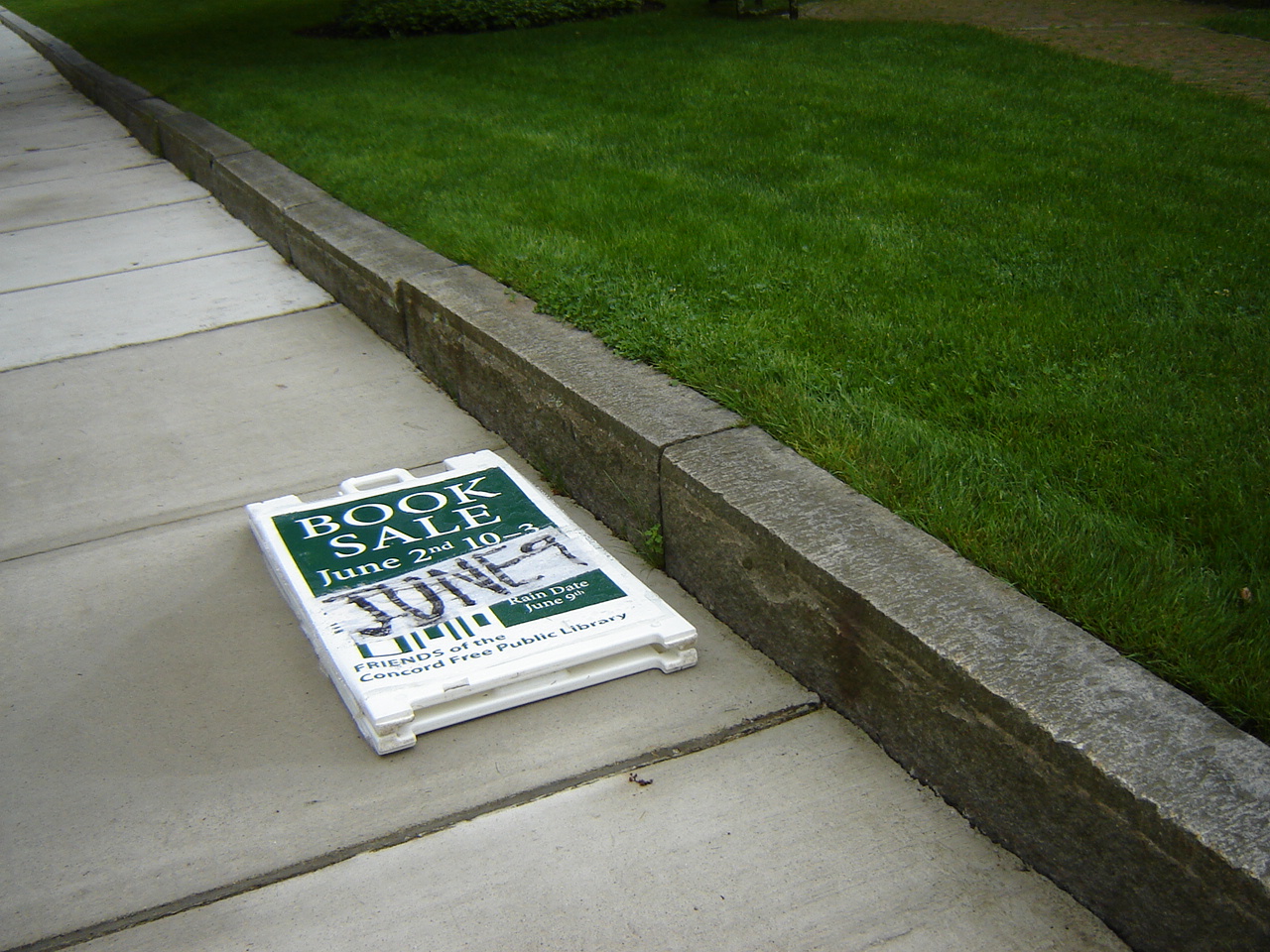
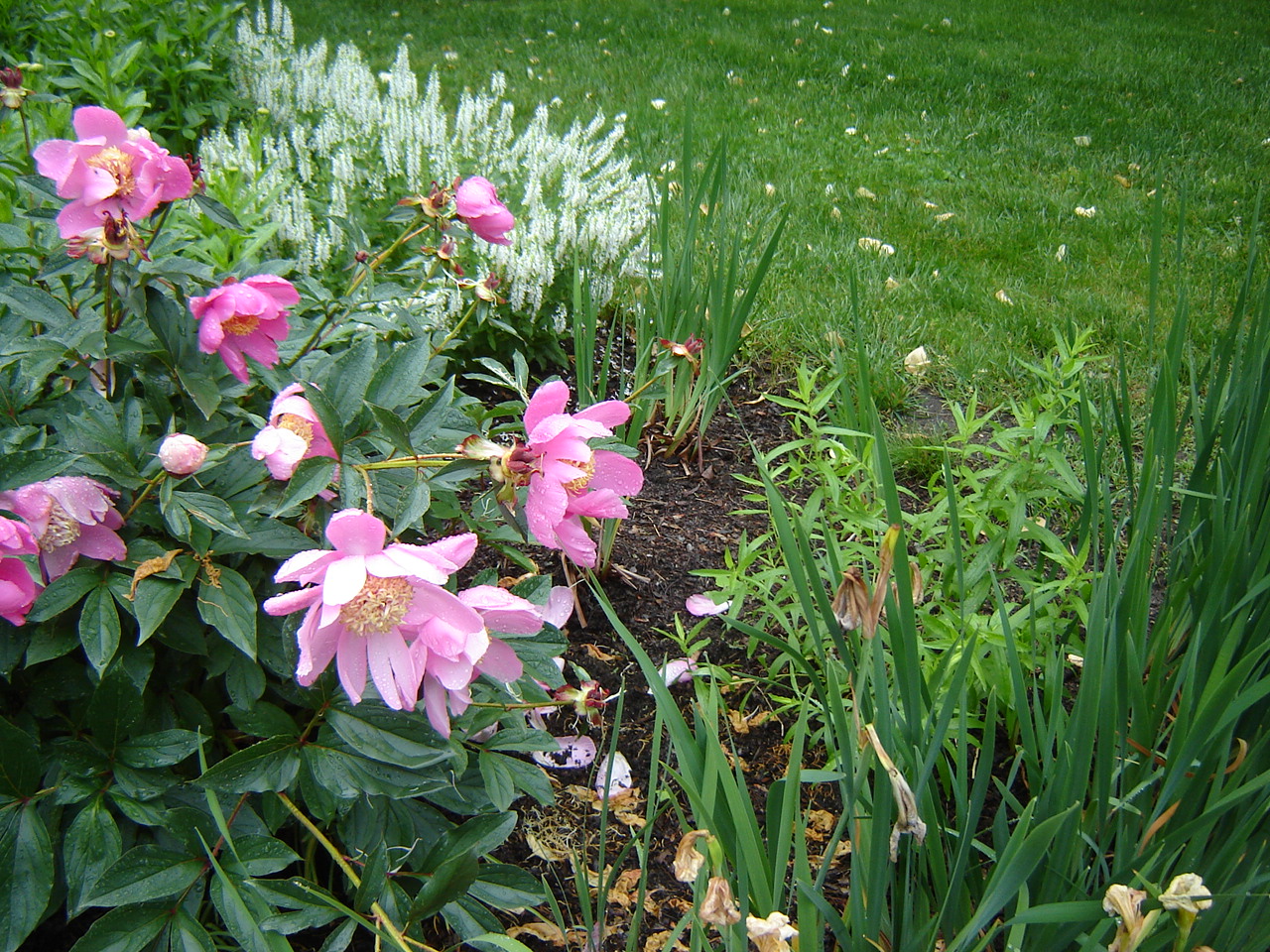
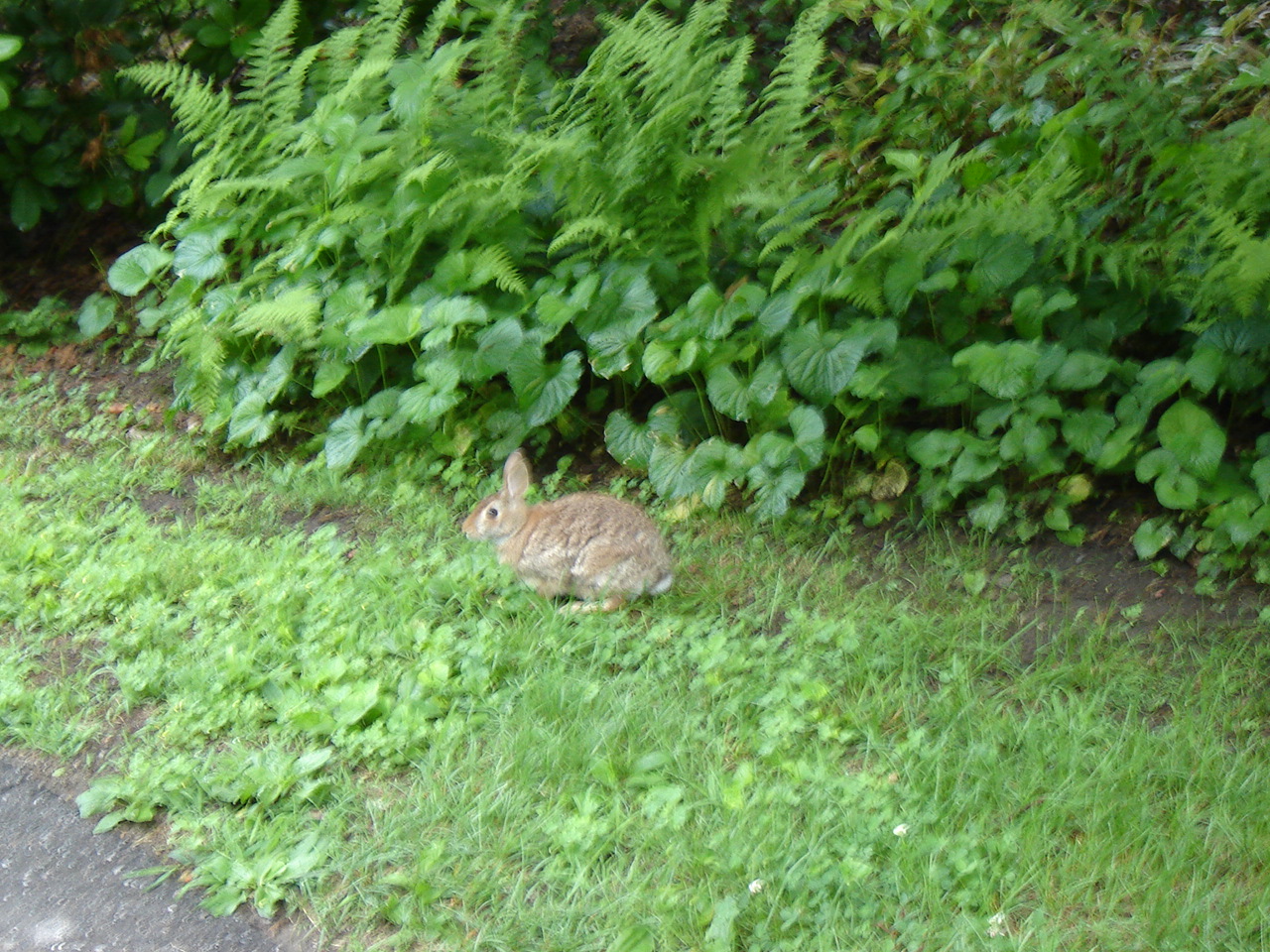
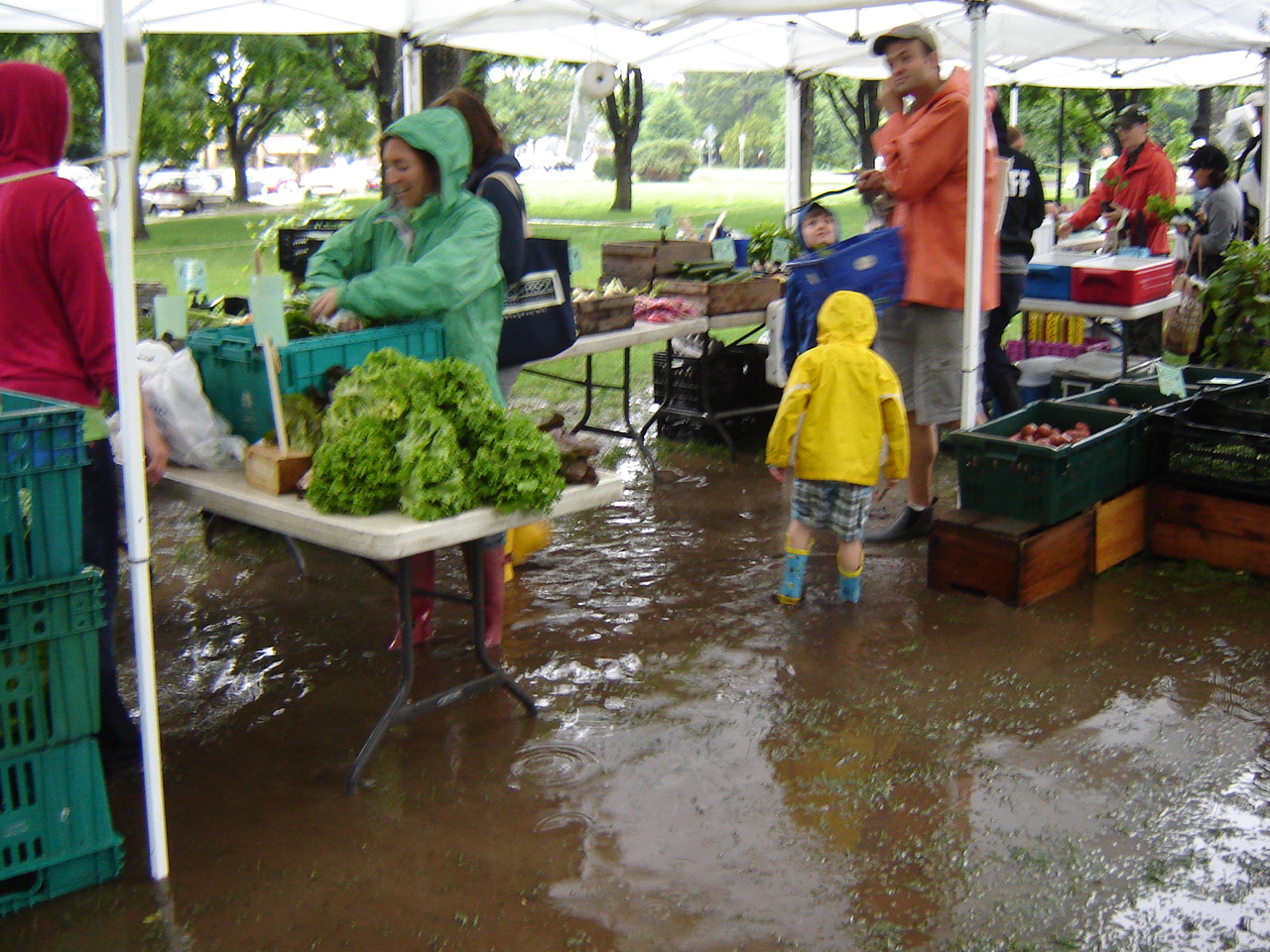
A farmers market in Providence was undaunted by the rain. The farmer at the farmstand here joked that the puddle was just a matter of hydroponic gardening. In other photos, I show peonies and a sign buffeted by the storm — and a rabbit too busy foraging to worry about cameras.

Read Full Post »

Kate Colby, New England poet, is a friend of Suzanne’s.

I struggled with her pithy collection Fruitlands but am now happily into Beauport. Which is not to say I understand everything. But I am loving the spare naturalness of the language.

It hits the same pleasure buttons as deceptively casual-sounding passages in T.S. Eliot’s The Waste Land, like:

“Madame Sosostris, famous clairvoyante,
“Had a bad cold, nevertheless
“Is known to be the wisest woman in Europe,
“With a wicked pack of cards.”

I don’t know what Eliot is getting at exactly, but I’m crazy about the way that sounds.

Here’s a bit from Beauport that made me smile:

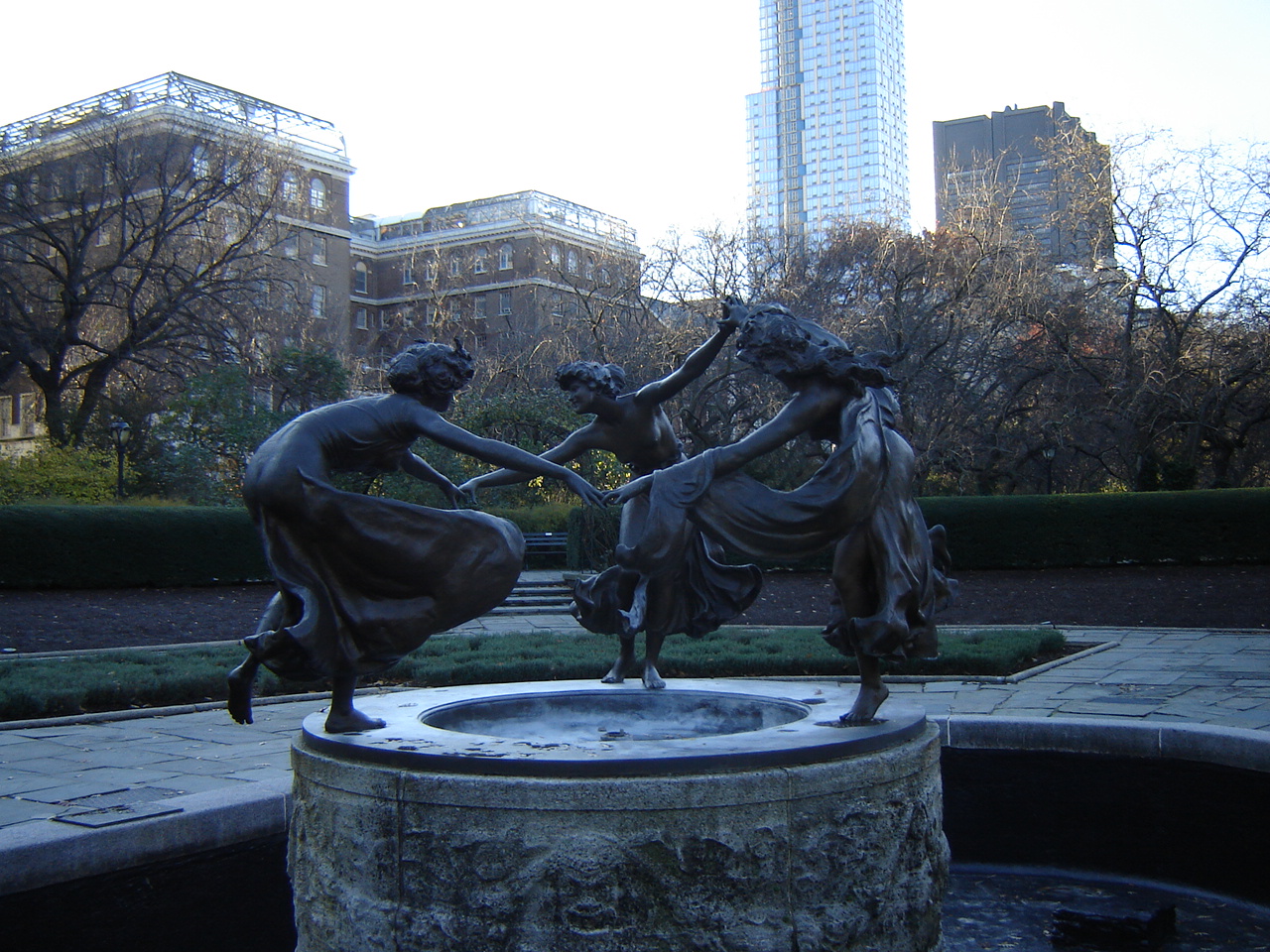
Fashionable Turn-outs in Central Park (1869)

“Those were the days.                  Don’t you think?
“Sunday driving in plein-
“air affairs of gold
“rims and spokes,
“upper-lip-shaped
“lisping, bespoke
“tailcoats.

“No incendiary pamphleteers,
“here, no lady lecturers,
“temperance hoo-hah …”

Read Full Post »

Miller-McCune.com tweeted today that the National Endowment for the Arts has new data on where artists are finding work.

Four of the six New England states are among the states with the most arts jobs: Vermont, Rhode Island, Massachusetts, and Connecticut.

“The report on artists in the workforce supplements and expands upon a 2008 paper, which found about two million Americans list a job in the arts as their primary source of employment. That comes out to 1.4 percent of American workers.

“New York heads the newly released state-by-state list, with artists making up 2.3 percent of its labor force. California, home to the film and television industry, places second with 2.0 percent.

“Not far behind are Oregon and Vermont, each of which has a workforce in which 1.7 percent of workers are artists. That means they exceed the national average by a substantial 20 percent.

“ ‘Writers and authors are especially prominent [in Oregon and Vermont],’ the NEA report notes.

“Also exceeding the national average: Colorado and Connecticut (where artists make up 1.6 of the labor force), and Hawaii, Rhode Island, Massachusetts, Maryland, Washington, Nevada, and Minnesota (at 1.5 percent).”

Although there likely to be different perceptions of what kind of work constitutes arts employment, I find the report interesting. And since I know anecdotally that there are arts jobs in Maine and New Hampshire (the two New England states not among the top few), I can’t help hoping that some organization will do an in-depth study of the region. Unfortunately, ornery New Englanders don’t often think regionally.

And more generally, what are the reasons some states have more arts jobs? Public policies? Landscape? Accident?

Read more here.

Read Full Post »

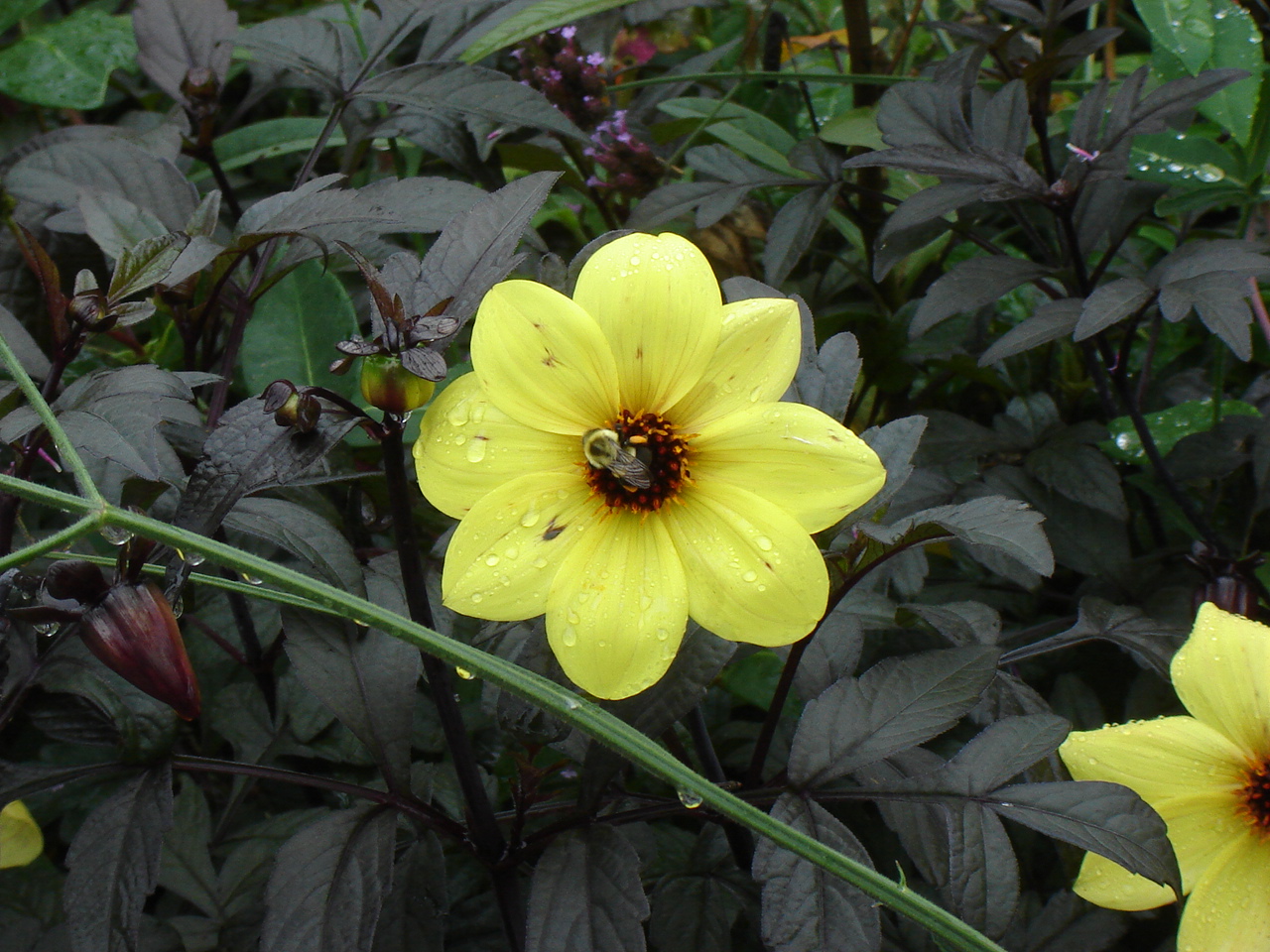
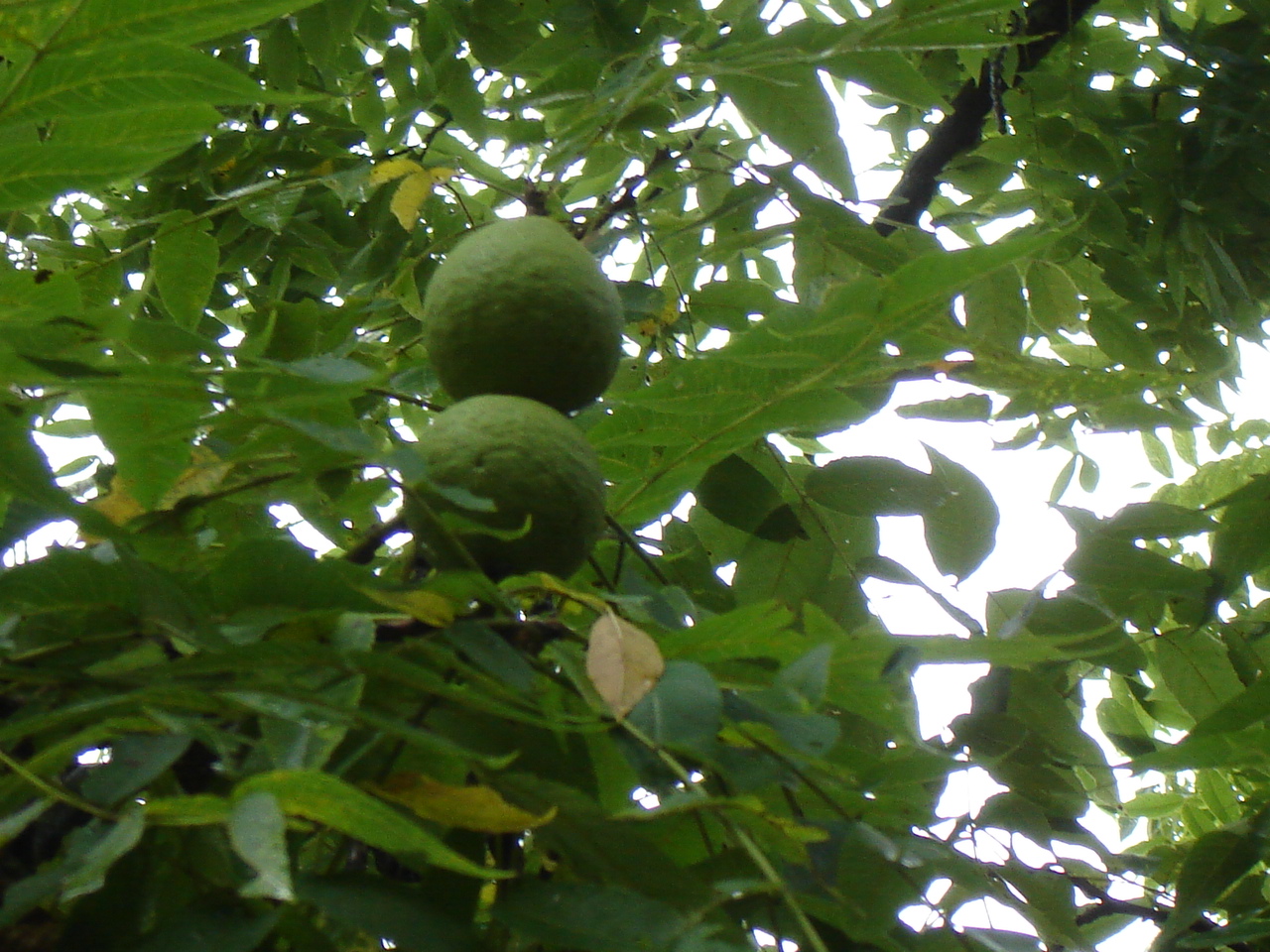
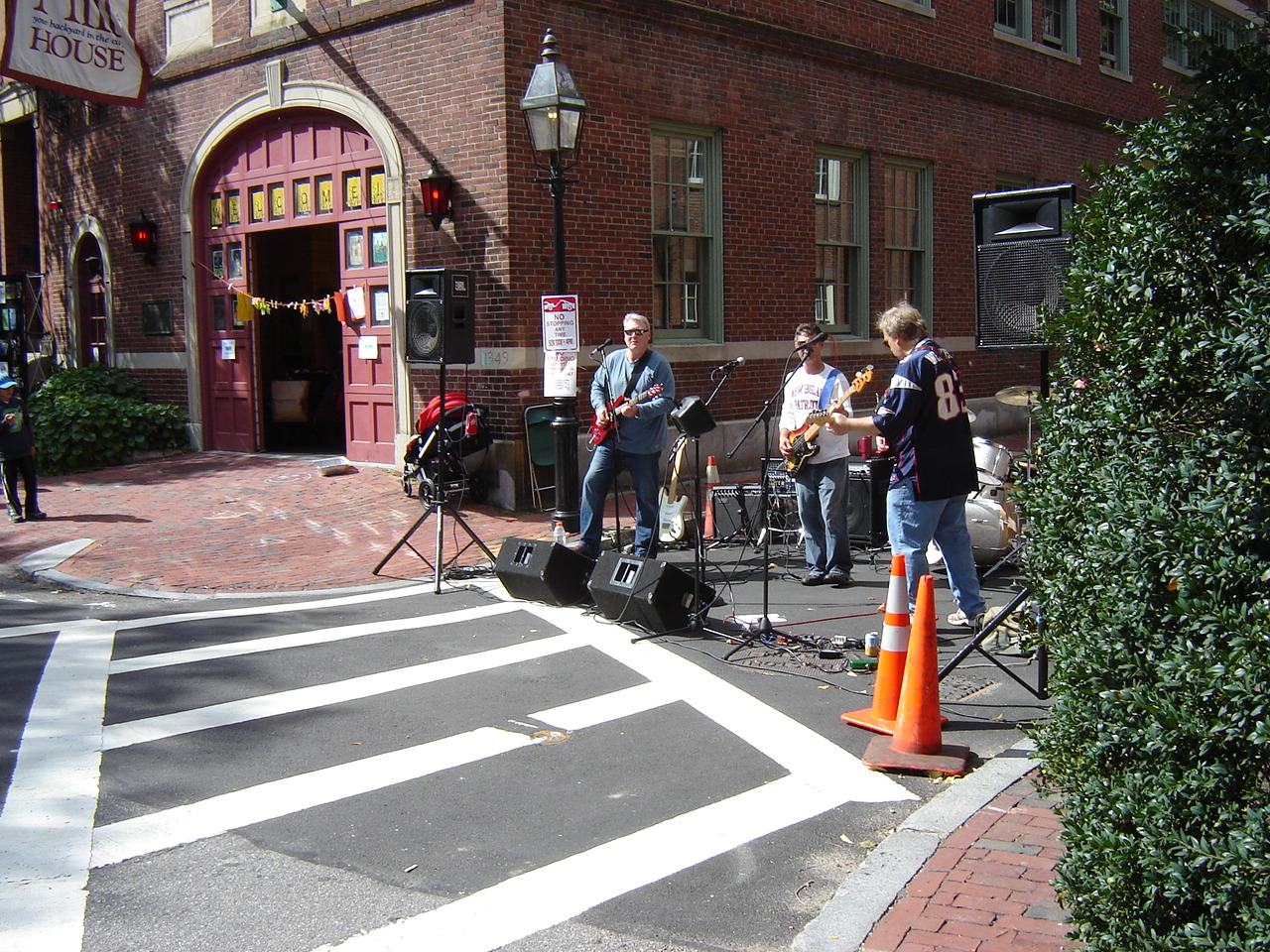
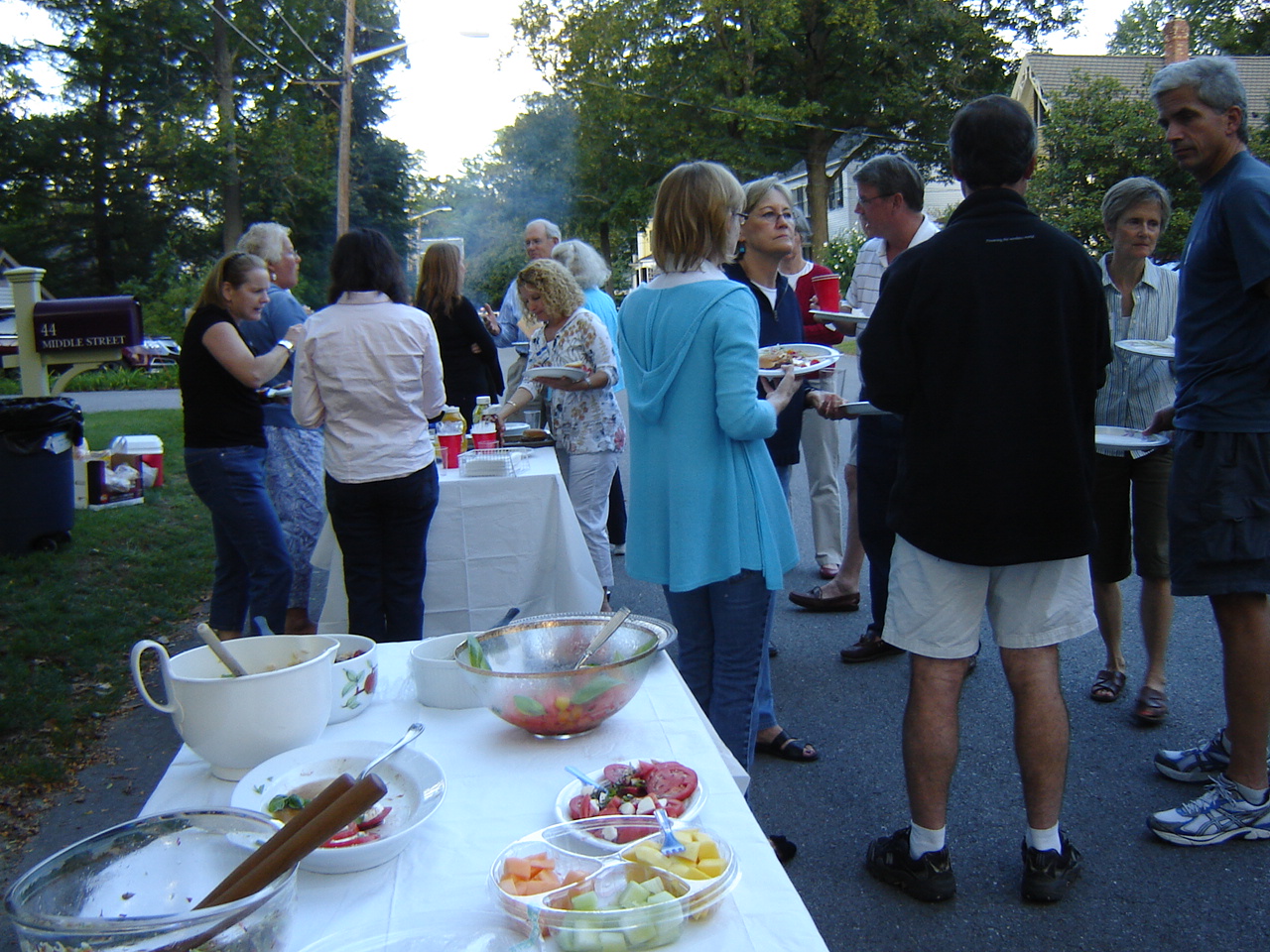
This is the time of year for walnut trees to bear fruit, for bees to bring in the last of the wine, and for block parties. Beacon Hill’s party is way more elaborate than any block party in Concord and is considered a time to raise funds for a cause. See if you can guess which party is which.

Orchard
by H. D.

I saw the first pear
as it fell—
the honey-seeking, golden-banded,
the yellow swarm
was not more fleet than I,
(spare us from loveliness)
and I fell prostrate
crying:
you have flayed us
with your blossoms,
spare us the beauty
of fruit-trees.

The honey-seeking
paused not,
the air thundered their song,
and I alone was prostrate.

O rough-hewn
god of the orchard,
I bring you an offering—
do you, alone unbeautiful,
son of the god,
spare us from loveliness:

these fallen hazel-nuts,
stripped late of their green sheaths,
grapes, red-purple,
their berries
dripping with wine,
pomegranates already broken,
and shrunken figs
and quinces untouched,
I bring you as offering.

Read Full Post »

« Newer Posts