Feeds:
Posts
Comments

Posts Tagged ‘newport’

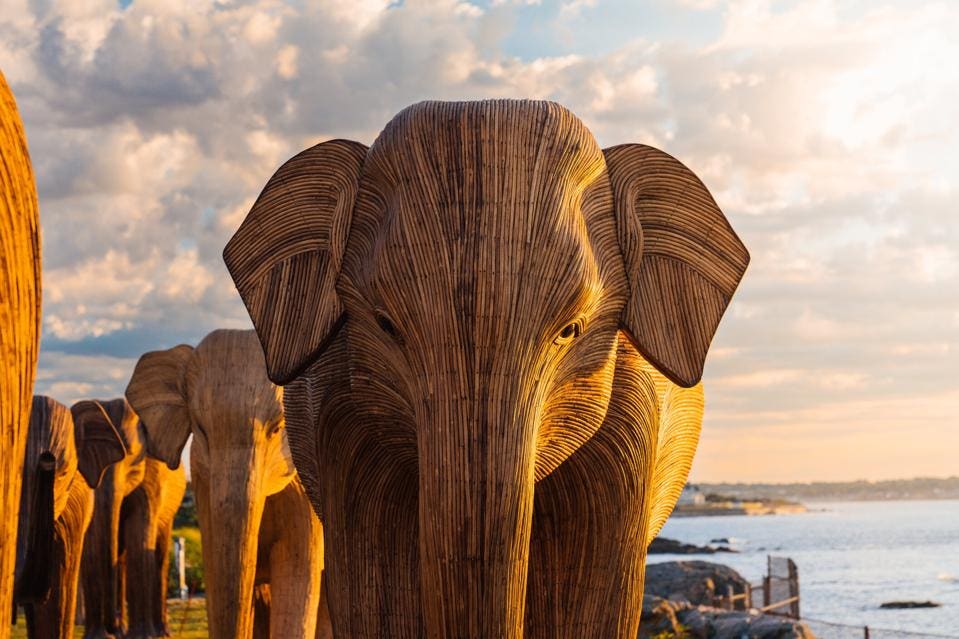
Photo: Corey Favino/Elephant Family USA/Newport Restoration Foundation.
The Great Elephant Migration installation outside Rough Point mansion in Newport, Rhode Island.
The elephants are made by indigenous people from an invasive plant.

Here’s a new way to reach audiences with a message about the importance of conservation: a giant “elephant” exhibit in a beautiful seaside setting that tourists visit anyway.

At Forbes magazine, Chadd Scott begins the story by talking about India.

“India has experienced a remarkable population explosion over the past 40 years. Several actually. One is well known. India’s human population has more than doubled since 1980. … Lesser known, and even more extraordinary in light of the country’s surging human population, has been a doubling of its elephant population over that same period, from a bottom-out of around 15,000 individuals to nearly 30,000 today. Populations of Asiatic lionstigers, and the greater one-horned rhinoceros are also increasing across the country.

“India offers a remarkable example for how humans and wildlife, even the largest of wildlife, can coexist in an ever-developing world. Sharing that message with the world is the mission of the Great Elephant Migration which debuted 100 life-sized Asian elephants in Newport, RI on July 1.

“The elephants — each based on a real, wild elephant from the Nilgiri Hills known by name and personality living alongside people in their coffee and tea plantations — were made by members of the Coexistence Collective, a group of 200 Indigenous artisans from the Nilgiri Biosphere Reserve

“The herd was produced from the Lantana camara, a toxic, invasive plant overtaking the Indian forest, pushing elephants and other wildlife out and into closer proximity to humans, with greater potential for conflict. …

“ ‘It’s a conservation miracle; it’s contrary to what’s happening everywhere else in the world and it’s definitely owed to an incredibly beautiful perspective on nature and our place within nature,’ Ruth Ganesh, trustee, Elephant Family USA, co-organizer of the Newport presentation along with Art&Newport, and co-founder of the Coexistence Collective, said at The Great Elephant Migration’s opening at Rough Point. ‘That’s what we hope the herd will spread, this beautiful perspective of coexistence and seeing other species as our biological kin.’

“The elephants, and the Indians, prove conservation is as much a mindset as a management plan.

“ ‘That culture of being able to live with animals is the most important thing, more than any of the natural variables about habitat and prey, and all of that,’ Asian elephant expert and co-founder of the Real Elephant Collective in India, Tarsh Thekaekara, told Forbes.com. The Great Elephant Migration exhibition and tour is the brainchild of he and Ganesh. His research in India has focused on human-elephant coexistence. ‘Animals will survive in human dominated landscapes if people tolerate them. That is the bottom line.’ …

” ‘The people who made the elephants [practice] kind of a fusion of Hinduism and animism,’ Ganesh told Forbes.com. Animism attributes a soul and living spirit to animals, rivers, mountains, plants, and other objects often considered inanimate. ‘There’s a spiritual tapestry that underpins the answer to the question why is India succeeding in this way despite so many challenges? It’s the spirituality. It’s this perspective.’ …

“Research published this year by scientists at Colorado State University indicates that elephants have names for each other.

“Research from 2022 demonstrates the numerous ways elephants grieve their dead and participate in post-death rituals like burial, same as humans. They communicate. Feel pain. Play. Look out for each other. …

“Seeing animals as beautiful people, seeing mountains as deities and rivers as our veins, that it’s a beautiful perspective,’ Ganesh added. …

“ ‘Not just India, in lots of traditional cultures there wasn’t a decimation of wildlife. If you look at conservation in most of the First World, it happened because there was a systematic decimation of all the wildlife,’ Thekaekara explains. ‘When settlers arrived on the North American continent, they wiped out most animals. So, then you had nothing, and you had to conserve.’ …

” ‘Set aside land for nature because you assume people cannot coexist with nature — that model of conservation was inherently separationist.’ …

“Indigenous people the world over have lived more or less harmoniously with wildlife for millennia. That has not been the case with Europeans and their descendants. …

“ ‘If people stopped killing, [animals are] going to come back,’ Thekaekara said. … ‘In coffee and tea plantations, the core of the local economy isn’t upset by the elephants. They don’t eat the coffee or tea, so people’s livelihoods are not affected. It’s only a minor adjustment to your lifestyle to be able to coexist.’ ”

More at Forbes, here. No paywall for your first articles.

Read Full Post »

Map: Surveyed by Charles Blaskowitz and published by William Faden, 1777.
When the future composer Occramer Marycoo was brought to America as a slave, he landed in Newport, Rhode Island. Today his achievements are getting belated attention.

It isn’t rewriting history to discuss slavery in America or the life of slaves. It’s resurrecting history. As one website admonishes, “To build a more just and equitable future, we must face our history in all its complexity.”

Today’s article, from Early Music America, is about an 18th century African who suffered the horror of slavery and is now being honored as the first published Black composer in America.

Sophie Genevieve Lowe writes, “In January 2023, Sotheby’s held an auction for a Chippendale chest of drawers, estimated to sell for almost $800,000. Part of its unusually high value derived from the original owner, which Sotheby’s advertised as the ‘Important Lieutenant Colonel Caleb Gardner’ — a hero of the American Revolution and friend to George Washington. Sotheby’s omits that Gardner helped enslave some 3,912 human beings, one of whom was Occramer Marycoo, perhaps the first Black African to have music published in America and the first Black musician to be recognized by the white American community as a professional musician.

“Occramer Marycoo’s story commences and concludes in Africa. … Based on the spelling of his name, it is likely that Marycoo was from an Akan language people group from the Gold Coast of Africa, specifically Ghana.

“Marycoo was forcibly transported to the American colonies, possibly on the 1764 voyage of the ship ‘The Elizabeth,’ owned by sea captain Caleb Gardner.  Records from the Transatlantic Slave Database show that the ship left Cape Coast, a prison fort in Ghana, with 120 captives on board. Only 89 survived the crossing.

“Although the majority of enslaved people who were brought to Newport, Rhode Island, were eventually shipped to the Caribbean, Gardner kept Marycoo as his own property, renaming him Newport Gardner. He is thought to have been around 14 years old when brought to America and, throughout his life, he would go by both names. …

“It was not long after arriving in Newport that Marycoo displayed his brilliant intellect. He quickly became fluent in English and French and learned the fundamentals of music. He was said to be composing within four years of his arrival in America. There are several theories as to who taught Marycoo, the most prominent being American composer Andrew Law (1749–1821). Law wrote much about music education. …

“There are numerous references to compositions by Marycoo, but his only known surviving work is the crux of Marycoo’s historical place as the first published musical work by a Black person in the nascent United States. Musicologist Eileen Southern, in her 1997 book The Music of Black Americans: A History, theorized that ‘Crooked Shanks,‘ from a collection called A Number of Original Airs, Duetto’s, and Trio’s [sic], published in 1803, was by Marycoo. The piece is credited to a composer with only the last name given, Gardner.

“However, new research seems to indicate that the music had been composed prior to the 1803 publication date. ‘Crooked Shanks’ was also previously published in London under the title ‘The Sea Side‘ by the publisher Bride in Twenty Four Country Dances for the Year 1768, and in the 1770s, as the ‘The Bill of Rights’ by the publisher Thompson.

John Fitzhugh Millar identified both these melodies in his book Country Dances of Colonial America. He also believes that Marycoo wrote this melody and goes as far to hypothesize that Marycoo also listed the dance instructions that accompany the melody. Marycoo’s status as a slave would have certainly been a deterrent to properly credit him at the time — if he indeed wrote the piece. …

“We can gather clues to some of Marycoo’s musical influences. As a composer and teacher, Law dedicated himself to forging an American musical style based on European traditions. That element is found in Marycoo’s short but delightful ‘Crooked Shanks.’ Although more scholarship may uncover earlier published compositions by Marycoo, as of now ‘Crooked Shanks’ stands as the first attributed published piece of music by a Black composer in the European style in the United States.

“Many sources point to Law as the most likely teacher to Marycoo. The problem is that the first known time that Law went to Rhode Island was in 1783, when Marycoo was already in his late thirties. By then, Marycoo had already composed his first known work, an anthem based on text from the biblical Book of Jeremiah, on or before 1764.

“An earlier teacher could have been the composer Josiah Flagg (1737-1794). Flagg was also a publisher and, in collaboration with Paul Revere, published a collection of psalm tunes in 1764, the same year as Marycoo’s anthem. Marycoo’s anthem was used in worship until at least 1940 at the Union Congregational Church in Newport, though it now appears lost. In all likelihood, Marycoo probably had a variety of musical teachers in America.

“As Marycoo approached his own musical identity, he would no doubt have been influenced by African musical traditions. West Africa had a rich history of musical instruments, for example the lute had been in West Africa since the 14th century. There is also the possibility he was a part of the jilikea or ‘singing men.’ These men were from an aristocratic family who were used by royalty to recall history, perhaps similar to the troubadours of Europe.”

How difficult it is to puzzle out these lost histories! I have to admire the people who are committed to doing it.

More at Early Music America, here. No firewall.

Read Full Post »

Jan Flanagan at the Providence Journal has put together a great list of things to do on Martin Luther King Jr.’s birthday, next Monday. I’ll highlight a few to help you plan ahead, but rather than lift the whole calendar, I hope you will go to the ProJo website, here.

The Providence Public Library will feature an exhibit with photos showing the famous Selma to Montgomery March, about which a movie was made in 2014.

In case you are near Newport on the 18th, Chevette Jefferies will speak at the Thompson Middle School at 9:30 a.m.; James Gillis will keynote a lunch at the Mainstay Inn; and St. Joseph’s Church will hold a special worship service at 5 p.m.

You could also consider participating in a Day of Service at the Martin Luther King Elementary School in Providence, a collaboration with RISD (the Rhode Island School of Design) “to help children reach their full potential by engaging them in arts, crafts, special activities and conservation.” And here’s something that sounds like fun: a celebration of black storytelling, ribsfest.org.

The Institute for the Study and Practice of Nonviolence will hold a candlelight vigil in honor of Sister Ann Keefe,  a longtime supporter of the Providence nonprofit, which follows in the footsteps of Martin Luther King Jr.

NeighborWorks Blackstone River Valley, will hold a memorial service and reception 11 a.m. to 2 p.m. in Woonsocket.

Finally, the Providence Children’s Museum will feature living history portrayals of civil-rights activists Ralph Abernathy, Rosa Parks and others by local actors.

Get all the details about these and other January 18 events here.

Photo: AP
The Rev. Martin Luther King Jr. speaks at the University of Rhode Island on Oct. 5, 1966.

Read Full Post »

The Institute for the Study and Practice of Nonviolence is an outstanding Providence nonprofit that takes a holistic approach to ending violence in poor communities.

On Thursday, I went to an open house and barbecue organized by the students in the Institute’s work program, and was mightily impressed. I shook hands with Mayor Jorge Elorza and chatted at some length with Chief of Police Hugh Clements and the Institute’s executive director, Teny Gross. Not to mention the retired priest who was a founding member, the youth themselves, and the dedicated staff. I heard some pretty inspiring stories!

The young organizers provided a tour of their headquarters, a lovely converted convent on Oxford St.

It was a great event. But here is something sad. In the five years since I visited the Institute’s old quarters, the vagaries of funding sources have forced cutbacks. They no longer have 17 streetworkers turning youth from violence toward work and better lives. They can afford only four. It seems a shame when the need is still significant.

The Institute is advertising for a development director, and they sure need a way to get more support. A big endowment to protect the work from shifts in the winds would be ideal. Read more here.

By the way, Teny Gross has been called to teach nonviolence techniques around the nation and world. He has received many acknowledgments for his success. An unusual honor this month gave him one of his proudest moments. It relates to a George Washington letter about religious tolerance.

“225 years ago, George Washington wrote a letter ‘To the Hebrew Congregation in Newport,’ which is now known as the Touro Synagogue in Newport, Rhode Island. To mark the historic importance of the letter, the congregation and the Touro Synagogue Foundation conduct an annual ‘Letter Reading,’ around the time that the letter was sent. The setting is the beautifully restored Touro Synagogue, built in 1763.

“The letter was only four paragraphs long, but they were four powerful and significant paragraphs and they are regarded as critical in the history of the Jewish people in the Colonial United States.  The letter reading evolved into today’s two hour event filled with greetings from dignitaries, announcements of scholarships and an award to Teny Gross, leader in the Institute for the Study of the Practice of Nonviolence.”

Goes to show that teaching nonviolence can spread out in many unexpected ripples.

Read the details here.

Photo: Institute for the Study and Practice of Nonviolence

Read Full Post »

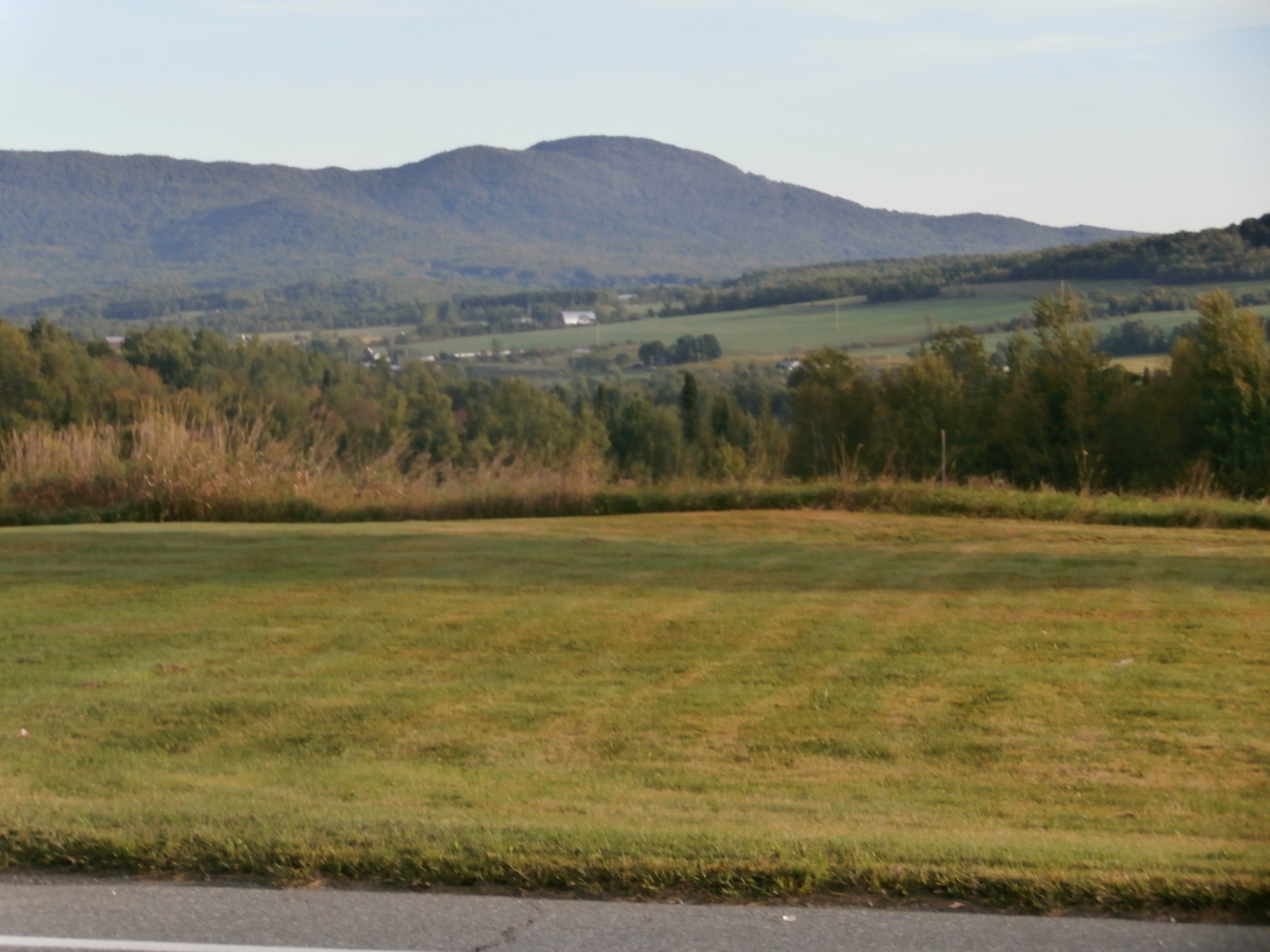
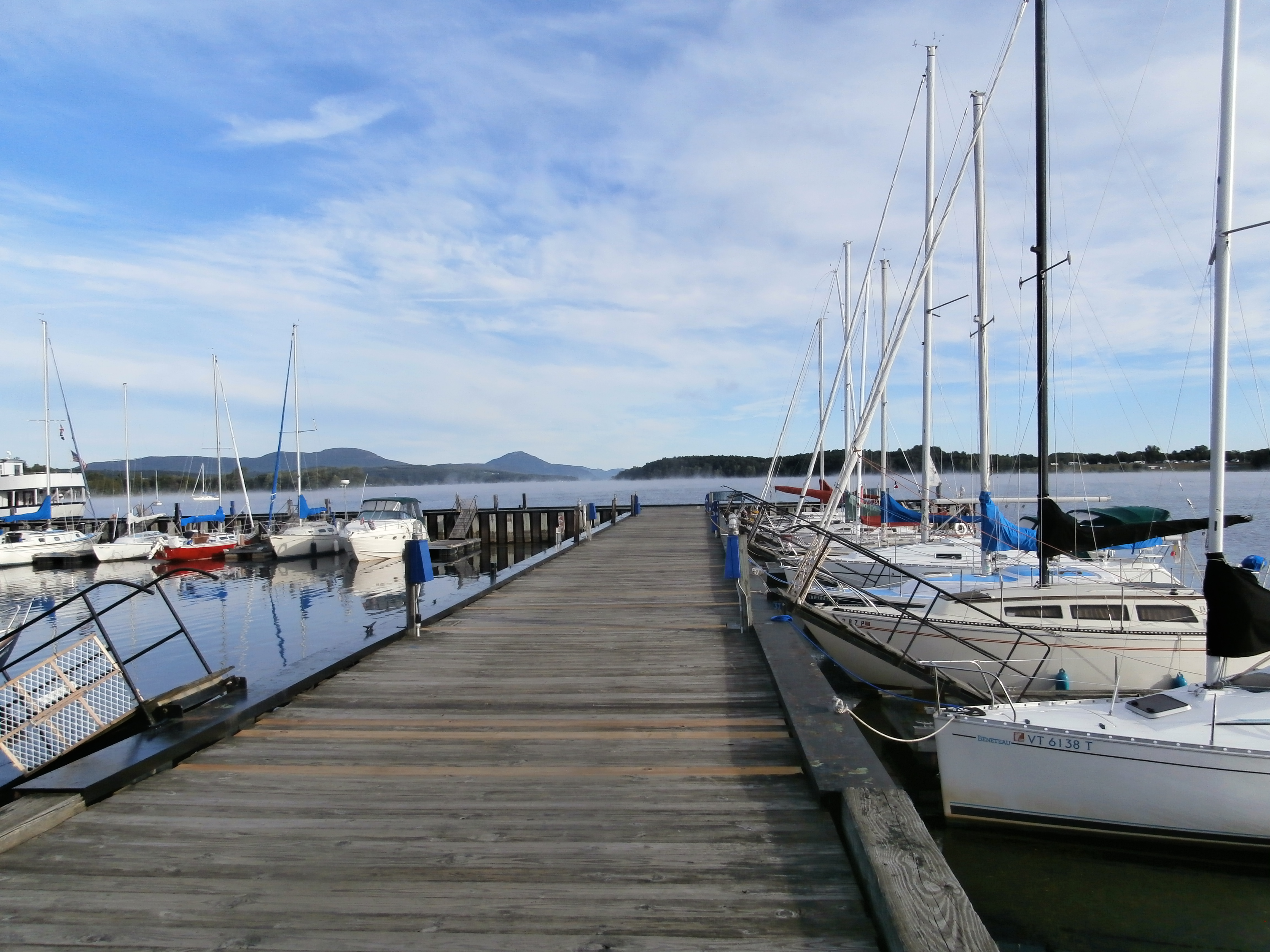
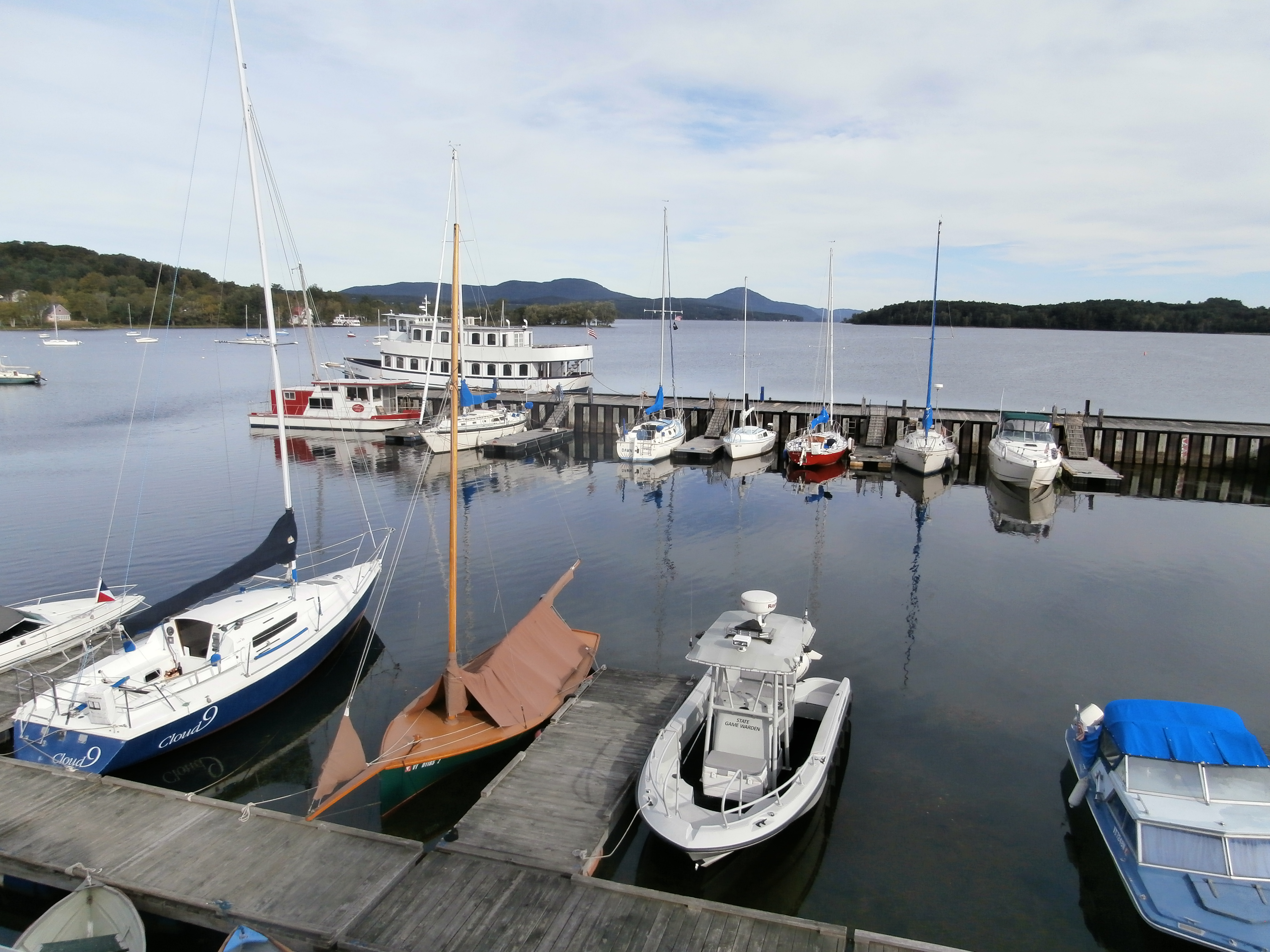
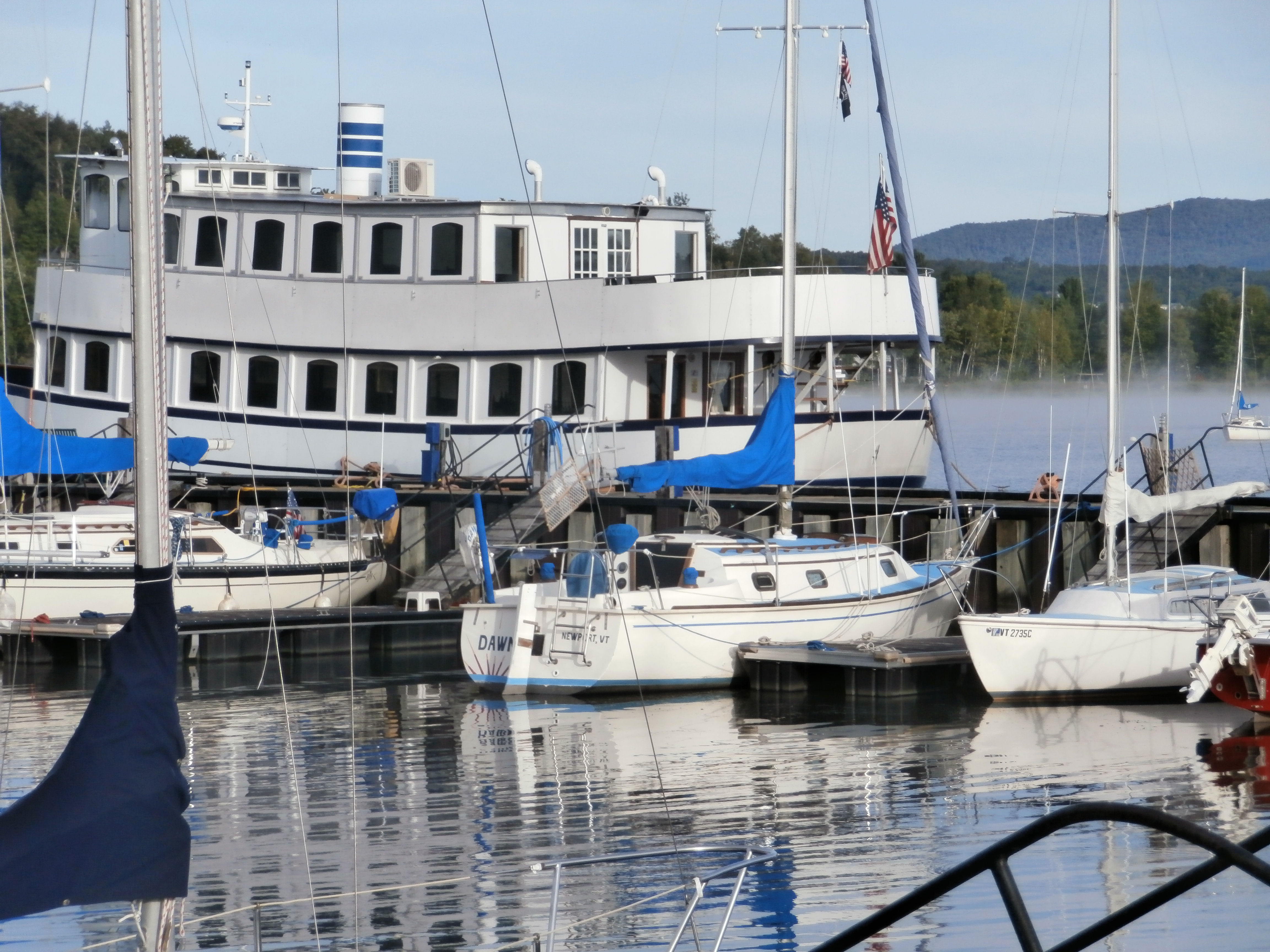
Here are a few pictures from my trip. I don’t think they do justice to the breathtaking Vermont scenery, but you get the idea. Memphremagog, a large lake on the border of Canada, is beautiful. We got a ride on the riverboat pictured here and sat up in the wheelhouse with the captain.

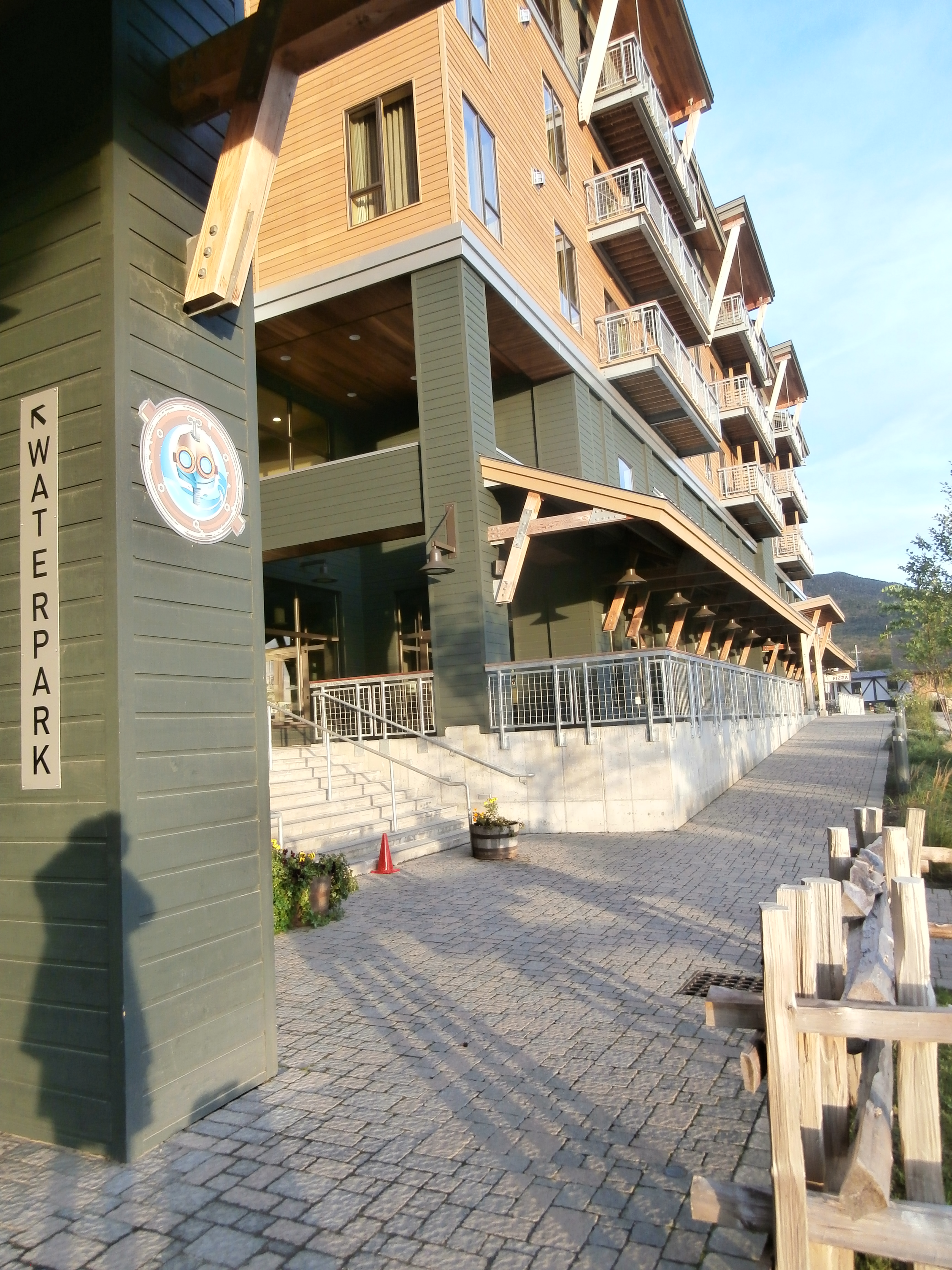
The chalet-like building is at Jay Peak resort.

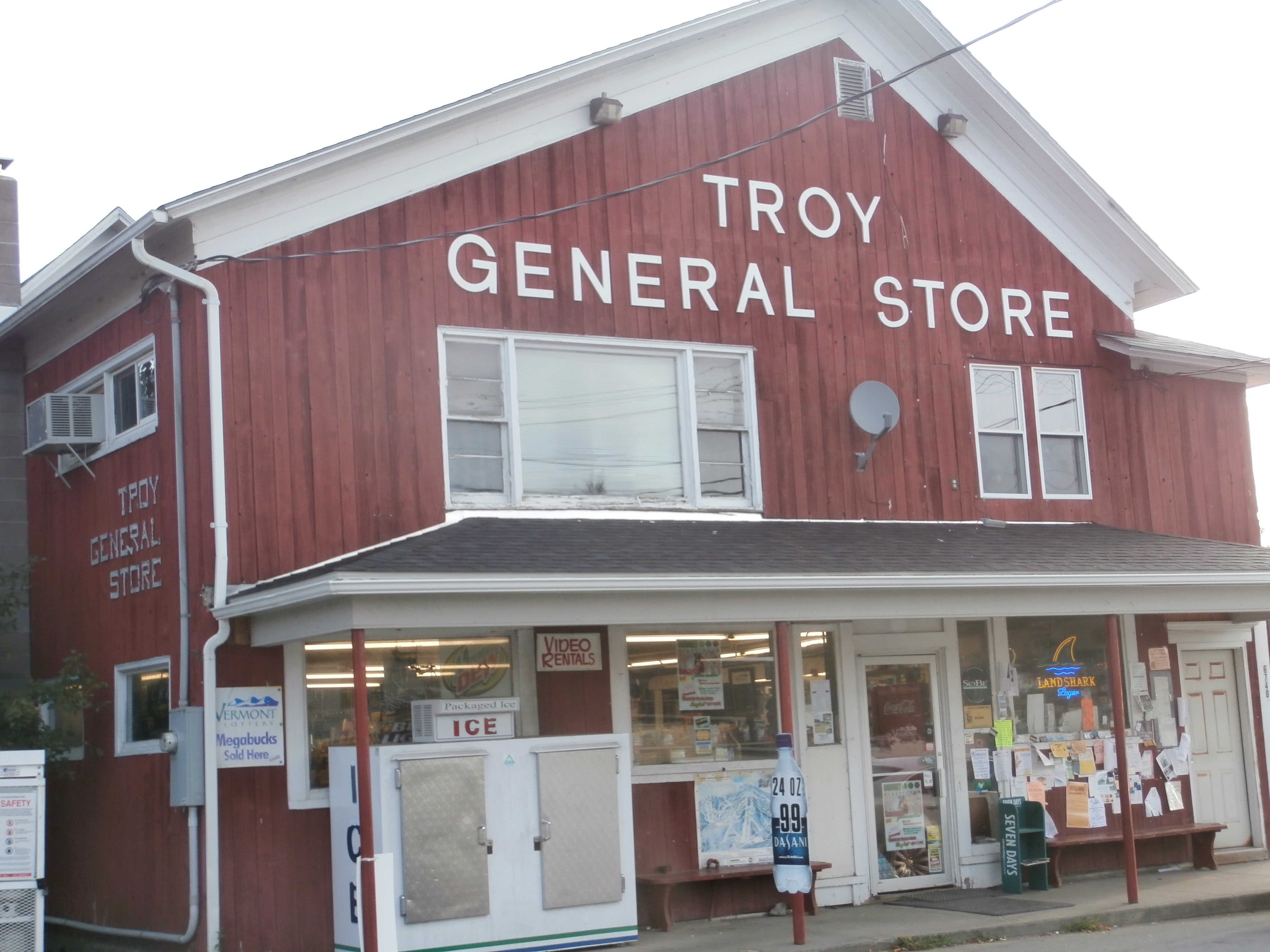
If you should ever happen to pass the Troy General Store, I can tell you that the coffee is 49 cents. Very good, too.

vermont-roadside

jay-peak


coffee-49-cents-vt

lake-memphremagog-090913

lake-memphremagog


lake-mist-newport-vt


Read Full Post »

Newport, Vermont, is way up north near Canada. It’s the southern port of vast Lake Memphremagog, whose name comes from an Abenaki Indian word meaning “beautiful waters.”

Any destination near Canada, as I should have known, means having access to French radio on the drive up, one of many small bonuses. Another bonus was the Northeast Kingdom Tasting Center, which provides shop space for sellers of many Vermont products under one roof. I bought a very nice turkey sandwich there and a bottle of Granny Squibb‘s Unsweetened Black Currant Tea. (I thought Granny might be a local, but the bottle says she’s a “Rhode Island original.”)

Discover Newport blogged about the Tasting Center in June, “The Northeast Kingdom Tasting Center, LLC, has completed its equity financing and will open its doors to the public this summer, announced Managing Partners Eleanor Leger and Gemma Dreher.

“ ‘This is a unique enterprise that we hope can serve as a model for other rural areas, not only in Vermont but in other regions that value their working landscape,’ said Eleanor Leger, the primary leader of the Northeast Kingdom Tasting Center project.

“A total of sixteen individuals and two foundations purchased equity shares in the holding company that purchased the building at 150 Main Street in downtown Newport in September of 2012.  Their equity of $562,000 is being leveraged with $750,000 in financing from Community National Bank and the Vermont Economic Development Authority [VEDA]. …

“Said Gemma Dreher, an early lead investor. ‘The Tasting Center will benefit from all of the changes happening in the Kingdom, but it will also play a key role in keeping our local farms and food producers viable for the future.’

“The building is fully leased to four local food and beverage businesses that feature products from across the region.” More.

You can learn how Newport conducted a visioning process to get input from residents on what they would like their community to be like in the future, here.

And there’s more at Newport’s website, here.

While I was enjoying my turkey sandwich and currant tea, my friends were taking a tour of nearby Jay Peak, which is benefiting from that special type green card that foreign nationals can get if they invest $500,000 in high-unemployment or rural areas. The resort is posh. I don’t think Princess Mononoke would like the loss of woodlands, but I am pretty sure the people getting the new jobs are grateful.

By the way, even if you hate superhighways, the drive  to the Northeast Kingdom, as that part of the world is known, is spectacular — green mountains, rivers, farms, red barns, cows. For all the photo ops, there are not nearly enough places to pull over and capture the autumn asters or the clouds over the mountain over the farm over the river.

Photo: http://discovernewportvt.com/fresh

Read Full Post »