Feeds:
Posts
Comments

Posts Tagged ‘poem’

At their wedding, Suzanne and Erik seated me next to Erik’s uncle on one side and Jonathan on the other. Jonathan was into literature. In fact he wrote a poem for Suzanne and Erik that he read as a toast. (You would not believe how many toasts Swedes give at weddings. It’s an awful lot of fun!)

Jonathan knew a lot about American and English poets, and I asked him to suggest a Swedish poet that I could read in translation. I figured that Google Translate might not be optimal for poetry. He recommended Tomas Tranströmer. After the wedding, I bought Tranströmer’s The Half-Finished Heaven, translated by Robert Bly. (Who knew Robert Bly translated Swedish?)

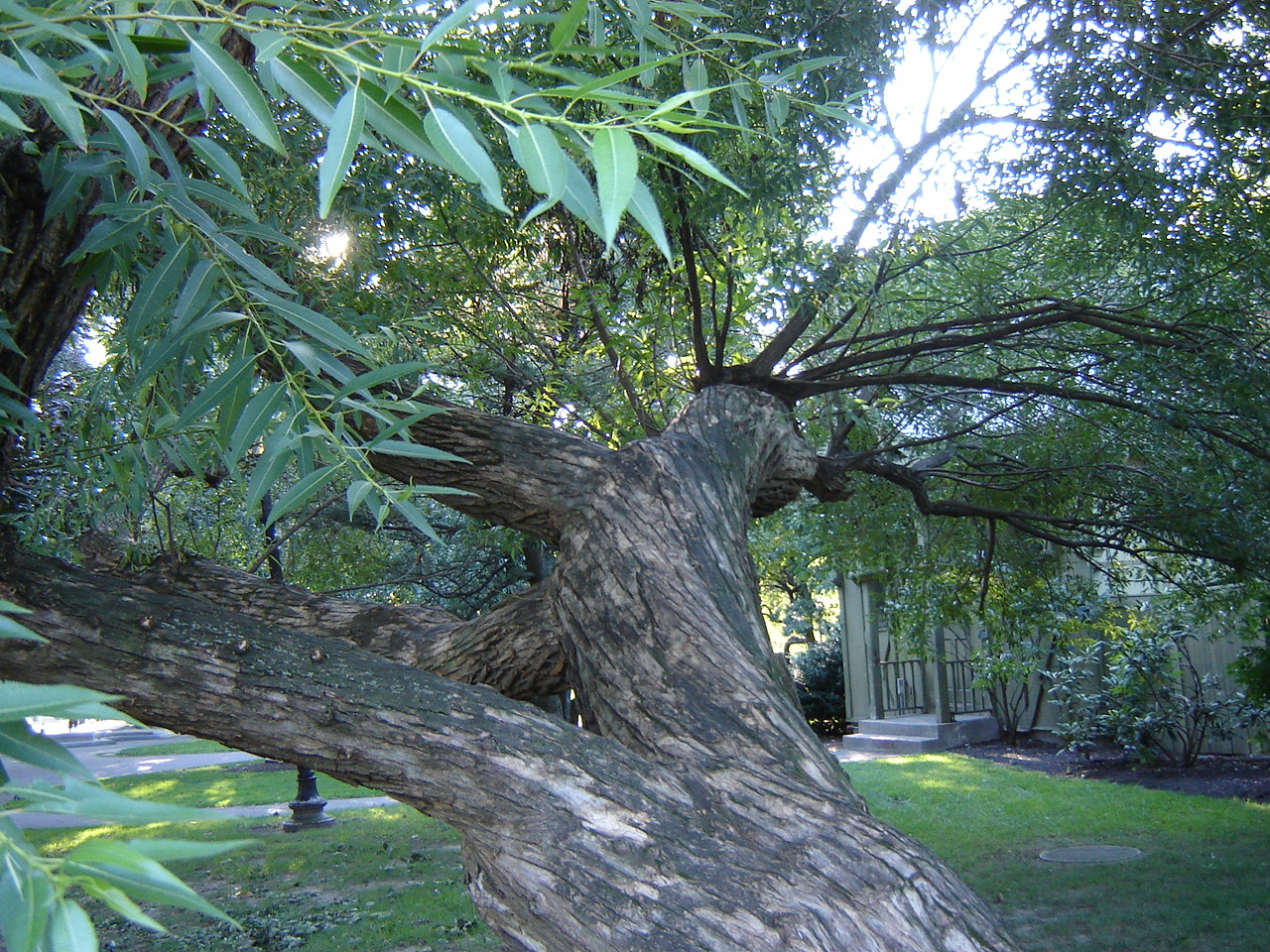
Last week, Tranströmer was awarded the 2011 Nobel Prize for Literature. Here is a short Tranströmer poem from the book, illustrated by a photo my husband took before Hurricane Earl in 2010. (The photo is called “Red Sky at Morning, Sailors Take Warning.”)

Storm, by Tomas Tranströmer

The man on a walk suddenly meets the old
giant oak like an elk turned to stone with
its enormous antlers against the dark green castle wall of the fall ocean.

Storm from the north. It’s nearly time for the
rowanberries to ripen. Awake in the night he
hears the constellations far above the oak stamping in their stalls.

Read Full Post »

I really like Michelle Aldredge’s blog on writing and the arts, Gwarlingo. (The word gwarlingo, Aldredge says, is Welsh for the rushing sound a grandfather clock makes before striking, “the movement before the moment.”)

See my post about Gwarlingo and artistic Japanese manhole covers here.

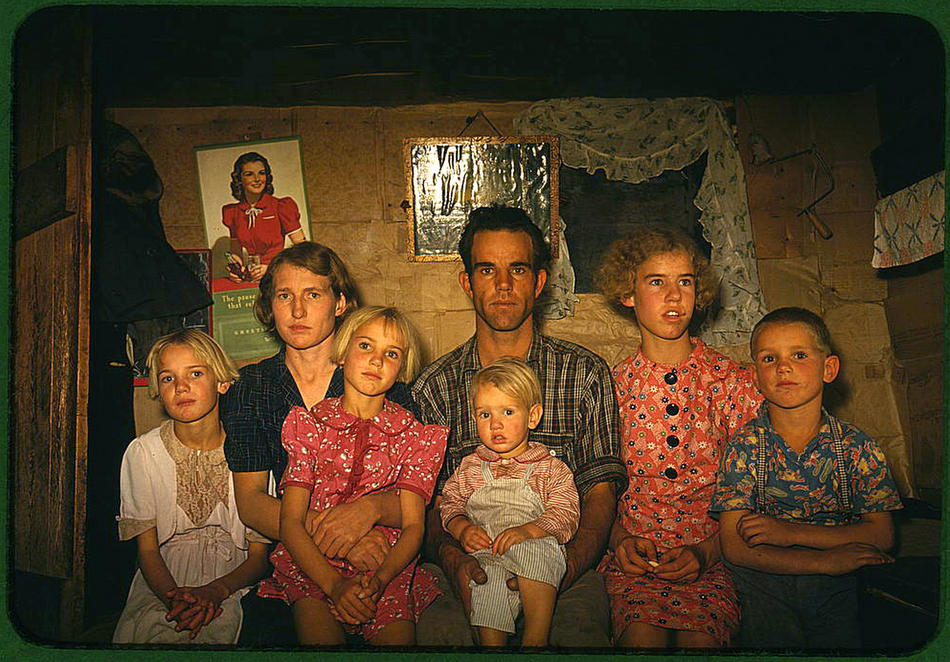
This week Aldredge wrote that she had recently “stumbled across a small online collection of rare color images taken by photographers from the Farm Security Administration and Office of War Information. The … photograph of Jack Whinery and his family was so remarkable and surprising that I immediately began exploring the online archive of the Library of Congress, which owns the images. The 1,610 Kodachrome transparencies were produced by FSA and OWI photographers like John Vachon, Marion Post Wolcott, Jack Delano, and Russell Lee. They are less well known and far less extensive than their black and white images, but their rarity only increases their impact.”

Check out the America in Transition photos.

*Jack Whinery, homesteader, and his family. Pie Town, New Mexico, October 1940. Photo by Russell Lee. Prints and Photographs Division, Library of Congress*

Another great Gwarlingo post was on poetry bombing.

“Since 2001,” writes Aldredge, “the Chilean art collective Casagrande has been staging ‘Poetry Rain’ projects in cities like Warsaw, Berlin, Santiago de Chile, Dubrovnik, and Guernica – all cities that have suffered aerial bombings in their history. The most recent event took place in Berlin in 2010 and was part of the Long Night of Museums. Crowds of thousands gathered in the city’s Lustgarten as 100,000 poems rained down from the sky.” Read more here.

I also found a happy video.

Read Full Post »

Huck Gutman, the chief of staff for Vermont Senator Bernie Sanders, is a man who knows the value of putting your head into a poem once in a while and leaving the chaos behind. And according to the Boston Globe, an increasing number of people are signing up for his poetry listserv.

“The chief of staff for the Senate’s liberal firebrand has created an unlikely patch of common ground. That place lies in the power of the poetry that longtime University of Vermont professor Huck Gutman … distributes by e-mail to 1,700 readers who include all the Senate chiefs of staff, several White House staffers, university presidents, academics, journalists, and former students.” Read more.

Wallace Stegner has written, “No place is a place until it has a poet.” In fact, there are countries where poetry, ancient and modern, is core to national identity. Perhaps surprising to Americans, one such country is Iran.

I have blogged about Mirrors of the Unseen: Journeys in Iran before. It’s taking me a while to finish it because, for a travel book, it is seriously intellectual. (Here is a post in which author Jason Elliot describes the earliest known electric battery. And here is my post called “Horse Agrees Not To Be Extinct.”)

One of the most intriguing aspects of Elliot’s book is how many ordinary people he meets who have interests that would seem quite high brow to the average Westerner. Workmen who know all about ancient architecture. Postal employees who are still angry that the Greeks twisted the facts about Persia hundreds of years ago. And people who love poetry.

In one anecdote, Elliot makes a vague poetic reference to a seatmate on an airplane who encourages him to go on and read from the blind poet Rudaqi. “I read the first couplet in Persian,” writes Elliot, “but before I could reach the second [my seatmate] said, ‘No, no, it’s like this.’ ” He reads the rest with deep feeling, adding, “Poetry … makes us very emotional.”

Similarly, at a private home, Elliot watches a man rapt and gently swaying to a musical recitation of classical poetry. The man turns out to be the Foreign Minister.

And when Elliot goes to see the chief of immigration police in Isfahan on a routine matter, he interrupts him reading a poetry book and observes that “the final syllables as he stood up, with an unmistakably distant look on his face, were still fading visibly from his lips.”

Read Full Post »

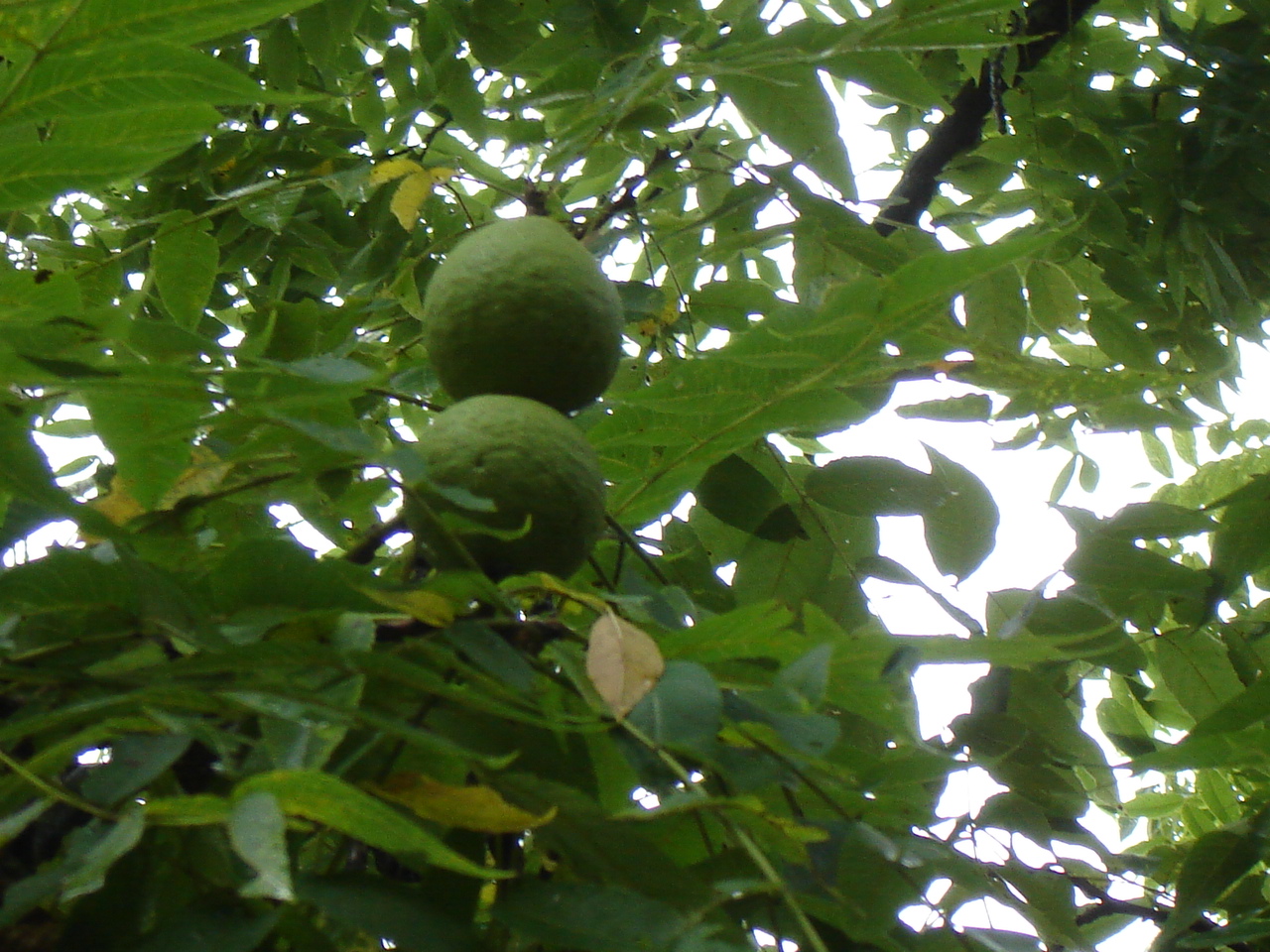
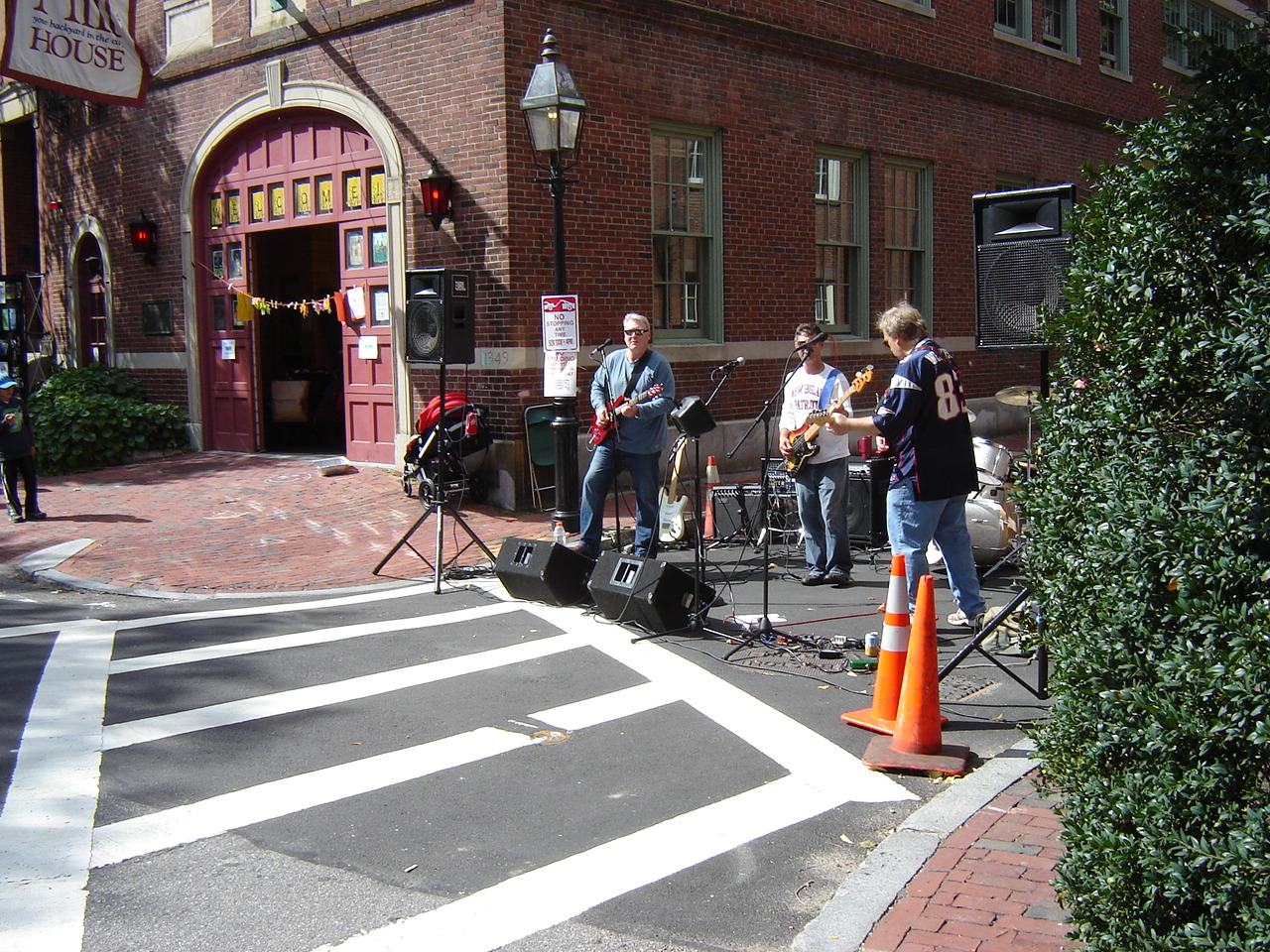
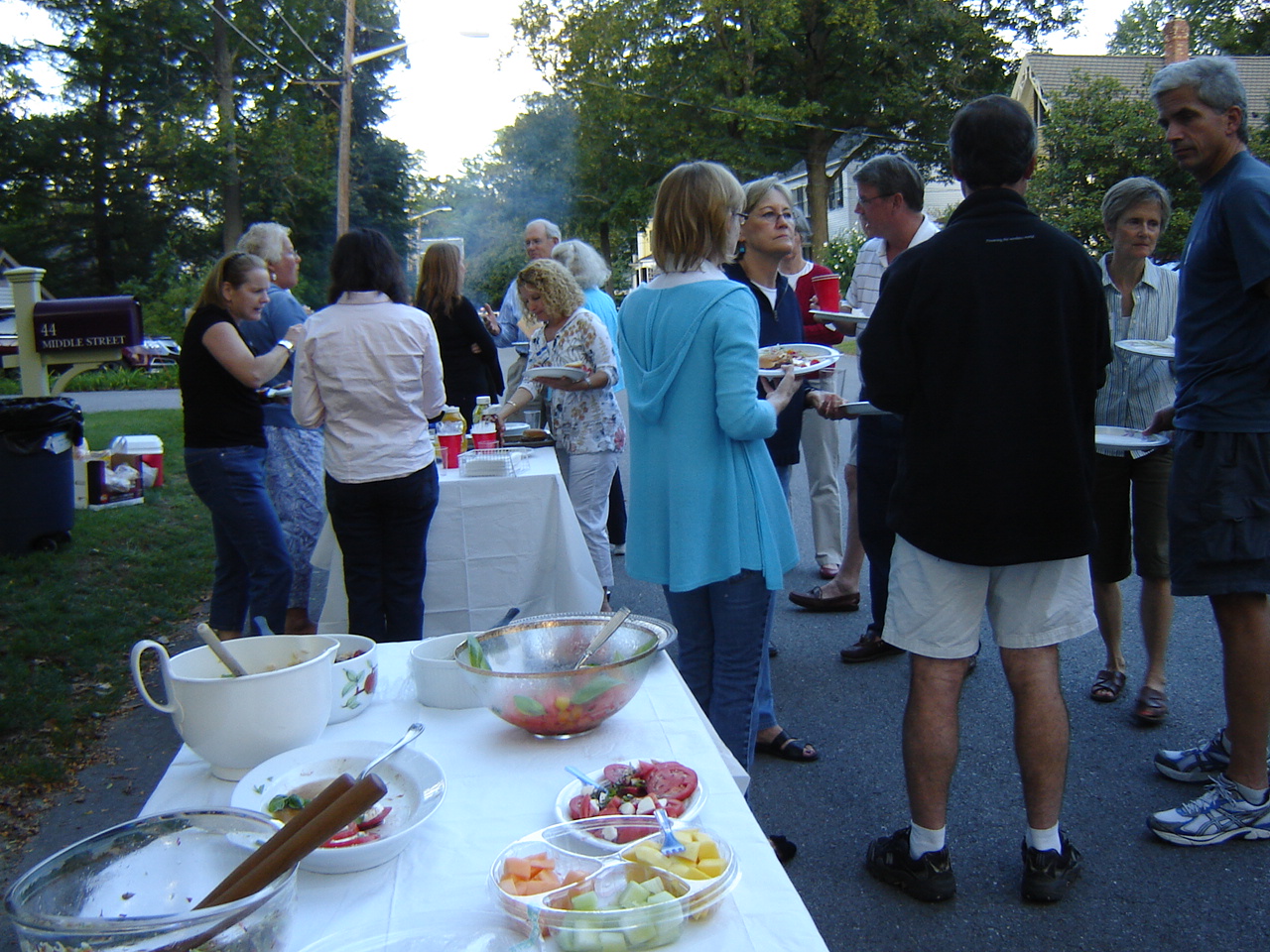
This is the time of year for walnut trees to bear fruit, for bees to bring in the last of the wine, and for block parties. Beacon Hill’s party is way more elaborate than any block party in Concord and is considered a time to raise funds for a cause. See if you can guess which party is which.

Orchard
by H. D.

I saw the first pear
as it fell—
the honey-seeking, golden-banded,
the yellow swarm
was not more fleet than I,
(spare us from loveliness)
and I fell prostrate
crying:
you have flayed us
with your blossoms,
spare us the beauty
of fruit-trees.

The honey-seeking
paused not,
the air thundered their song,
and I alone was prostrate.

O rough-hewn
god of the orchard,
I bring you an offering—
do you, alone unbeautiful,
son of the god,
spare us from loveliness:

these fallen hazel-nuts,
stripped late of their green sheaths,
grapes, red-purple,
their berries
dripping with wine,
pomegranates already broken,
and shrunken figs
and quinces untouched,
I bring you as offering.

Read Full Post »

Dear Poetry Lovers,

Please send me a haiku of yours to post. You may use the e-mail suzannesmom@lunaandstella.com or put your haiku in Comments. Let me know if you want me to use your first and last name or not.

I’ll start with one of mine.

Struck by lightning bug
Years ago, I know to look
For veiled messages.

Jane is letting me share this one of hers

Dandelions

 A child’s crayon suns,
Galaxies strewn on green skies;
The leaves are bitter.

Here is one Asakiyume wrote on a Halloween in the 1990s. She has probably forgotten.

Leaves salute the sun
Then fade away; the planet
Tilts toward dark, and night.

You can subscribe to A Poem A Day from the Academy of American Poets. I signed up after a tip from Ronnie, and I like the daily fix. It reminds me of book my friend Pam gave me when I moved to Minneapolis for a few years. It, too, was called A Poem A Day, and I liked getting into the habit of a daily read. Later, during a year of cancer ups and downs, a photocopied book of daily readings selected by patients was soothing. It’s out of print, and I’ve yet to find one I like as much for friends going through the same business. If you know a good one, I’m all ears.


Read Full Post »

Try to praise the mutilated world.

Remember June’s long days,
and wild strawberries, drops of wine, the dew.
The nettles that methodically overgrow
the abandoned homesteads of exiles.
You must praise the mutilated world.
You watched the stylish yachts and ships;
one of them had a long trip ahead of it,
while salty oblivion awaited others.
You’ve seen the refugees heading nowhere,
you’ve heard the executioners sing joyfully.
You should praise the mutilated world.
Remember the moments when we were together
in a white room and the curtain fluttered.
Return in thought to the concert where music flared.
You gathered acorns in the park in autumn
and leaves eddied over the earth’s scars.
Praise the mutilated world
and the gray feather a thrush lost,
and the gentle light that strays and vanishes
and returns.

—Adam Zagajewski (Translated, from the Polish, by Clare Cavanagh.)
Published in the New Yorker, September 24, 2011

Read Full Post »

Ever since the kids were little, we used the term “collapsing fit” to mean an emotional meltdown. It doesn’t need much explanation.

Then around 1990, I read about fainting goats and was fascinated by the idea that some animals collapse when frightened. Needless to say, goats that collapse when frightened by an enemy are fairly rare. Makes it hard to get away.

*

*

But one time I saw the ability to collapse benefit the human animal. Or maybe not.

It happened that a bunch of us teachers back in my first career, were concerned about an angry, out-of-control sixth-grader, so we called a meeting with his mother. After we laid out the problems as gently as possible, she fainted. After she came to, no one ever said anything to her about her son again. His classmates and teachers went for decades thinking they would read a headline about about some guy going postal and it would turn out to be this kid. I’m happy to say we were wrong. I never did learn the medical reason for his mother’s collapse.

This train of thought is the result of my reading in the science section of yesterday’s NY Times about a rare illness associated with the death of certain brain cells. It’s called cataplexy. And cataplexy is — get this — “a tendency to collapse when swept by strong emotions.”

I should write a poem. “A tendency to collapse when swept by strong emotions.” How great is that?

Or maybe one of you poets reading this blog would follow your personal train of thought, and write a poem related to cataplexy or collapsing. I would love to print one here.

Read Full Post »

I wrote before about a program using the arts to help people in prisons get beyond the prisoner mindset. Here’s a similar story.

Michelle “Bankston, who has short, blond hair and a muscular build, has spent almost 20 years behind bars. She was incarcerated first at a medium-security facility here in Alabama, and then at a private prison in Louisiana (to relieve overcrowding, Alabama sends some inmates out of state), and finally here, at the Montgomery Women’s Facility, a sun-soused cluster of buildings on the outskirts of the capital city.

” ‘A while back I decided that I could either spend decades in the bunks, watching TV or playing cards,’ Bankston says, ‘or I could get out here and take the opportunity to write poetry and draw.’

“That she’s been given this opportunity to do her art is testament to the work of Kyes Stevens, an avuncular and outspoken educator, poet, and Alabama native. Since 2002, Ms. Stevens has headed The Alabama Prison Arts + Education Project (APAEP), which offers literature and art classes in a range of prisons across the state. The program is funded by Auburn University and an array of grants. The teaching staff consists of five Auburn-based instructors and a rotating cast of teaching fellows from the graduate creative-writing program at the University of Alabama in Tuscaloosa. Classes run for 14 weeks and are rigorously structured, like college courses, demanding a full commitment from students.”

Read the article in the Christian Science Monitor.

On a related note, I met a woman in my playwriting class who founded a nonprofit called On With Living and Learning, Inc. Mary Driscoll lives in the Fort Point Channel area of Boston and works with people who have been through the prison system. She uses theater to generate the catharsis that can result from their telling their stories and also to help them develop “job skills for the 21st century.” Read about her here. A script that Mary was working on in my playwriting class is now going to be made into an opera, with all sorts of helpers, like the Harvard-trained opera composer, the cabaret singer, and the reggae performer.

I can’t help thinking that when these creative people use their talents to help others, they are getting something special in return.

Read Full Post »

Philip Levine, 83, is a poet laureate for our times. He expresses, as the NY Times puts it, the “gritty voice of the workingman.”

“Half an hour to dress, wide rubber hip boots,
gauntlets to the elbow, a plastic helmet
like a knight’s but with a little glass window
that kept steaming over, and a respirator
to save my smoke-stained lungs. I would descend
step by slow step into the dim world
of the pickling tank and there prepare
the new solutions from the great carboys
of acids lowered to me on ropes — all from a recipe
I shared with nobody and learned from Frank O’Mera
before he went off to the bars on Vernor Highway
to drink himself to death. A gallon of hydrochloric …”

Read the Times article.

Levine’s appointment as poet laureate feels timely to me for several reasons.

While income inequality in the country has become increasingly pronounced over the last few decades, public attitudes toward the labor unions that worked to level the playing field have become markedly negative. Are unions really no longer needed? Certainly, there have been abuses of their power: for example, the way some teachers unions have protected bad teachers. And weak government officials in Central Falls (RI), having routinely succumbed to the demands of public safety workers, now find there is no money to pay the promised benefits. This summer Central Falls filed for bankruptcy.

But intensely hostile antilabor actions in Wisconsin, Ohio, and even Maine are like throwing the baby out with the bathwater.

A balance between workers and other stakeholders seems to make more sense. Workers are still sometimes abused, after all. That’s why I was happy to see unions helping out foreign “cultural exchange” students to protest conditions at a Hersey’s plant in Pennsylvania last week. (I blogged about that here.)

Read Full Post »

An island neighbor has just published Criminal Ingenuity: Moore, Cornell, Ashbery, and the Struggle Between the Arts (Modernist Literature and Culture). Ellen has been studying poets Marianne Moore and John Ashbery, and artist Joseph Cornell for some years — first as a member of the faculty at Vanderbilt and now at Pratt. I don’t know much about Joseph Cornell, but I did hear novelist Jonathan Safran Foer give a lecture about how Cornell’s work inspired him to cut up Bruno Schulz’s “Street of Crocodiles” every which way from Sunday and make a kind of art book out of it.

A few poets read this blog from time to time, so you might want to take a look at Ellen’s book. If you read it, could you send me a short review to post?

Read Full Post »

What makes you happy? The bluebird of happiness brushed a little air current toward me today as I crossed over a bridge at lunch. So I can report that one thing that makes me happy is seeing the jellyfish arrive in Fort Point Channel on a sunny day in late June.
*
I remember being ridiculously happy at the sight of Fort Point Channel jellyfish some years ago on a Boston visit that broke up a three-year landlocked Minneapolis sojourn. Minneapolis had its points, but it didn’t have jellyfish. Jellyfish naturally lead to thoughts of 25 summers on Fire Island and going with my father at dusk to shine flashlights on glowing blobs in the water along the boat dock.
*
Two poets share many Fire Island memories with me. Poem 1 is by my sister Nell. Poem 2 is by Ronnie Hess, now based in landlocked Wisconsin. I offer the conclusion to Ronnie’s “Dinner at the Shish Cafe,” and you may read the whole poem here.
*
1. May 1986

Now the island belongs to the deer

And the birds and the wild bayberry flowers

*

And the workmen

Wearily riding the ferry,

To work on other people’s houses,

Carrying their tools home at night.

*

There’s no honeysuckle

Yet rimming the streets

And the crown-vetch sliding through

Rips in the concrete

Has no pink buds

*

And the rain is like tears

Over the fog-filled ocean.

*

What brush, what watery ink

Has painted this sky

The color of bruises?

*******

2. My husband says listening to poetry is hard work. Poems are dense.
Sometimes, I let him read mine. He sits quietly. He studies them.
He edits in blue ink in the margins, he writes words like
Good, nice image, not quite right, and meaning unclear.
*
Those lines of Ronnie’s remind me of the ever ironic poet Marianne Moore, who wrote of her beloved art, “I, too, dislike it.” By which she meant, I think, that it was hard work.
*
More poetry by Ronnie is here and here.

Read Full Post »

I blogged in May about the late Paul Nagel, the great biographer of the John Adams family and a friend from the years my husband and I spent in Minneapolis.

Today his son sent a lovely memorial piece by Paul’s longtime buddy Norbert Hirschhorn. Bert’s article appeared in the St. Paul Pioneer Press. Read it here. Bert is a physician who has written investigative medical articles on the real illnesses that likely killed historic figures. He is also  a poet. His website and photo are here. He divides his time between London and Beirut, where his wife is a professor at the American University. The following poem, written about a period he spent in Finland, might be an elegy for Paul.

Finnish Autumn

by Norbert Hirschhorn

Leaves flee their trees. Gold coins strewn across
woodland paths turn black, rain-smashed to dross.

Silver birches’ ciliate tips outside my window
incised against the sky like intaglio.

Bohemian waxwings rise in flocks, take flight –
maple leaves mottled by black-spotted blight.

Bone-white horizon, a full setting moon;
bone-white the sun rising into the brume.

I am worried, curious: the coming chill –
mythic, drear – augury of a world… gone still.

Read Full Post »

Rhyming

Every once in a while the urge to write doggerel just overwhelms a person, and you have to give in. It seemed to happen more often when I had young children in the house.

Basil, Basil, you’re a cat
Never try denying that
Stand up for your kitty mother
Turn your back on no cat brother
When the cat god calls your name,
Let there be no cause for blame.
Future generations all
Will praise the cat that heard the call.

Or how about this ditty, which I associate with Suzanne’s friend Joanna, who must have been visiting when the urge overcame me:

Think how lovely it would be
Living always by the sea
Eating muffins with our tea
And jam.

Finally, when Asakiyume and I were working at a famous management journal and hearing lots of jargon, I used one such hackneyed phrase in a haiku I wrote about a dream Asakiyume described:

Watercolor moon
Grows larger nightly and yet
Is trending downward

My father was his class poet at Princeton, and I think he must be turning over in his grave right now.

Read Full Post »

« Newer Posts