Feeds:
Posts
Comments

Posts Tagged ‘postaday’

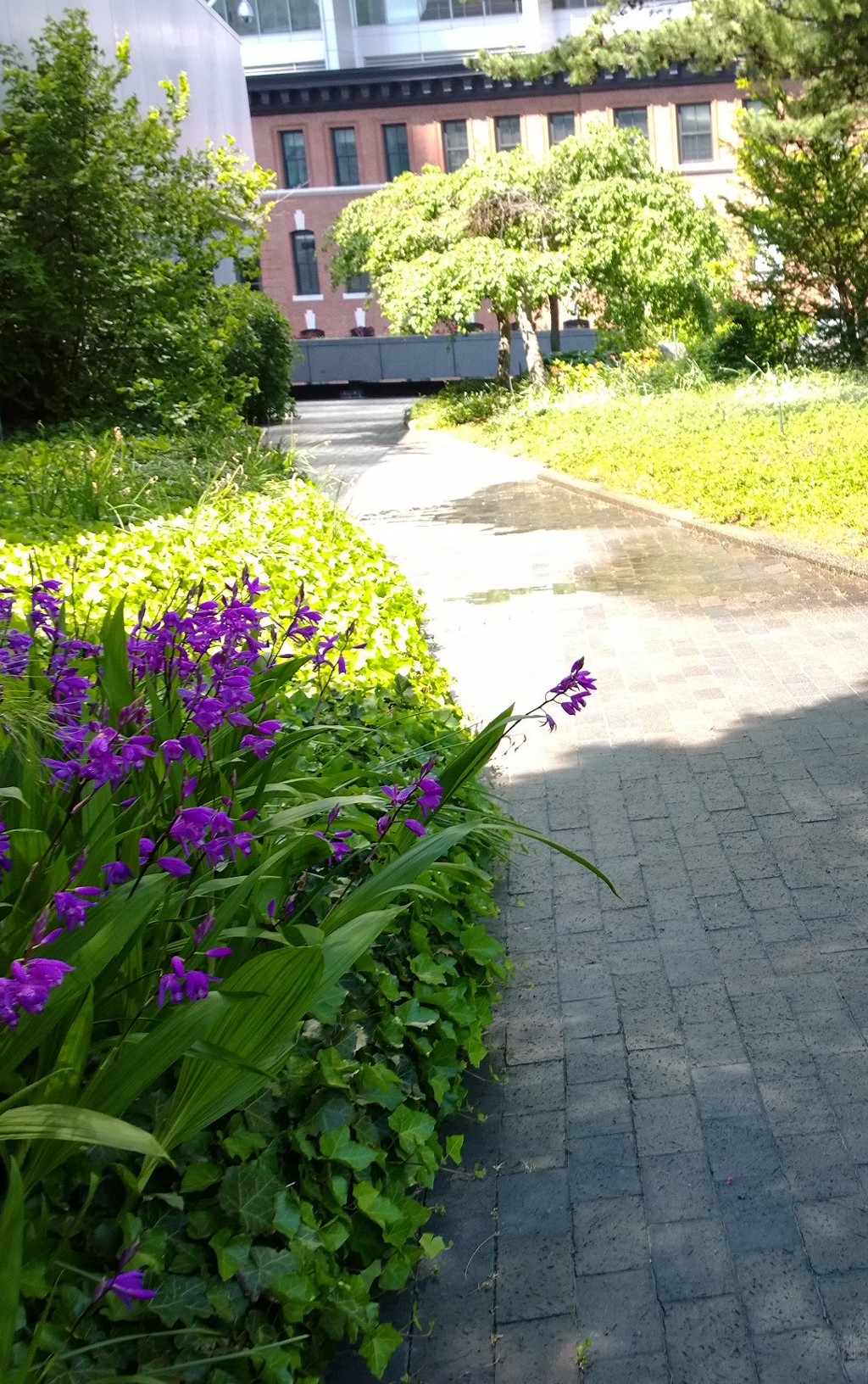
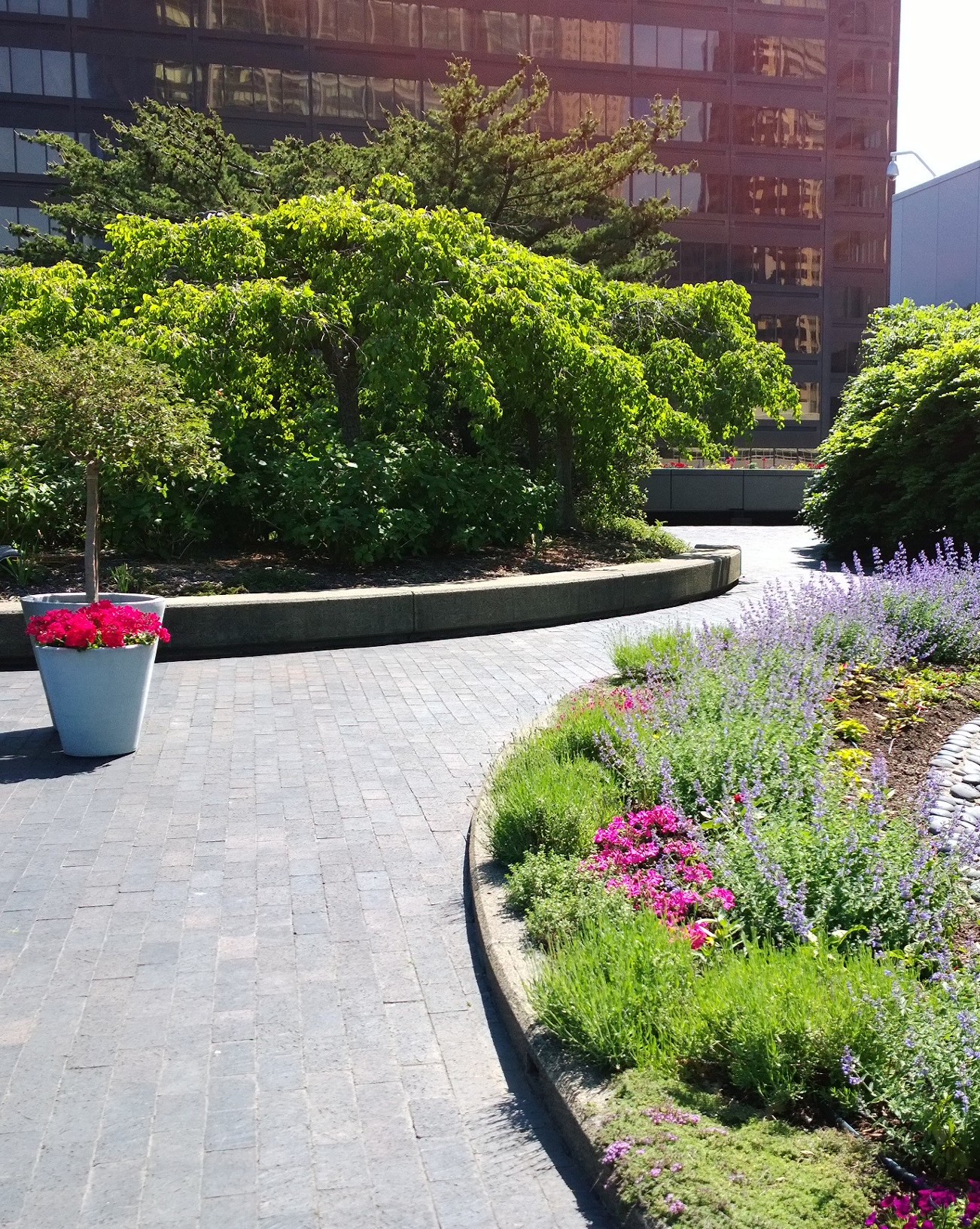
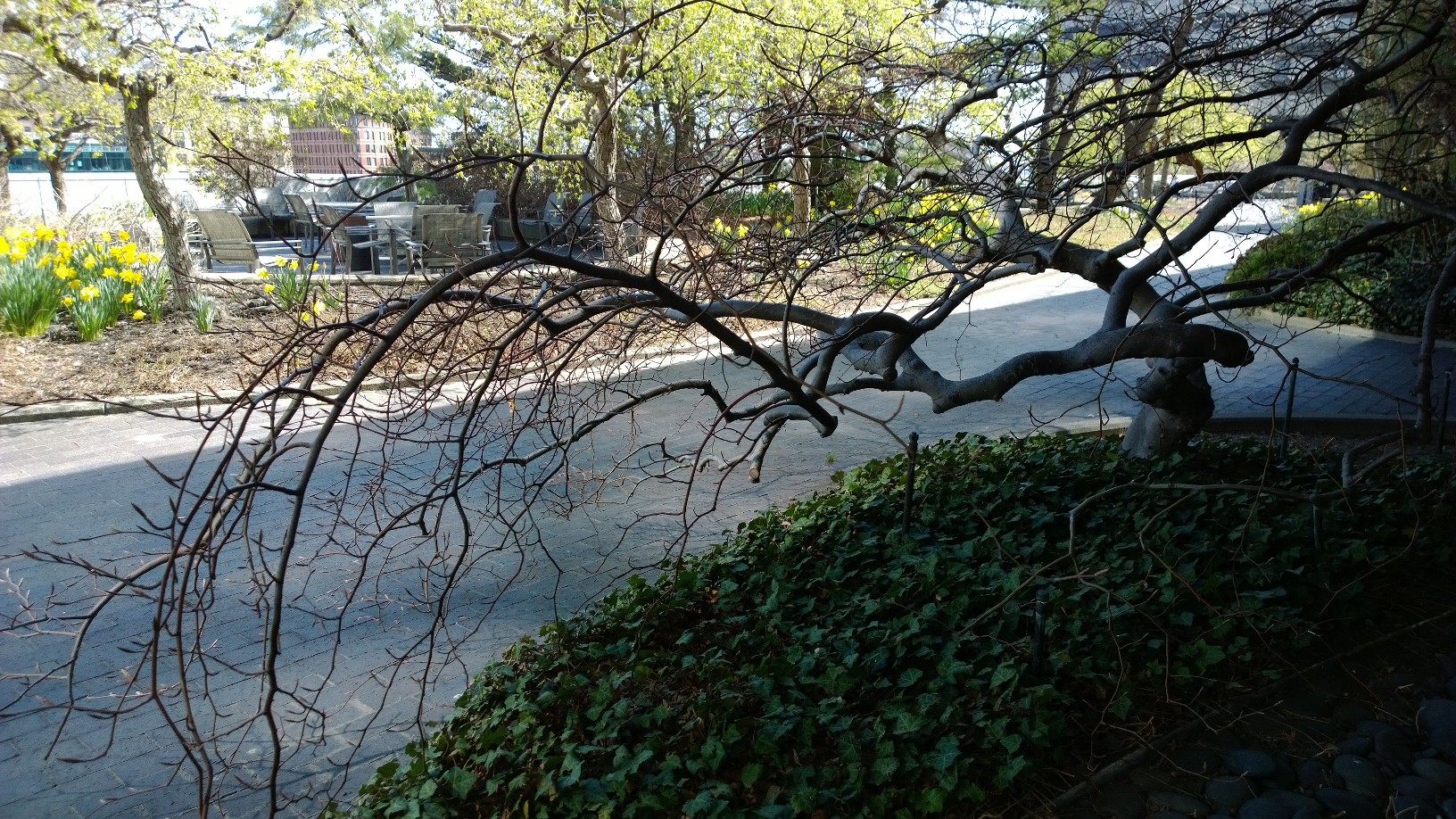
I’ve been wanting to say something about the inspired landscaper at a building in Boston. His vision is so different from that of most people responsible for office or apartment building plantings. You know what I mean: “It’s fall. Time to line up a row of yellow chrysanthemums. No, let’s do something creative this year and alternate them with maroon chrysanthemums. Just a foot apart.”

Plunk.

In contrast, landscaper Paul tells a story, writes a poem with his design, thinking about the changing seasons far ahead. Birds love him.

color
texture
light
shade
movement
dappling
swaying
open
huddled
reaching
clinging
weight
breeze
peace
song

110115-Paul-is-poet-of-lanscaping

roof-garden-at-office-building

flowering-4th-floor-roof

4th-floor-roof-garden

Read Full Post »

A widely-circulated image of a frosty frog is probably of a garden ornament. For the real survivor, watch the video.

I don’t like to click on links friends post on Facebook because I don’t want Facebook to know that much about my interests (not they it doesn’t have other ways to find out). So if I’m curious, I do a Google search.

When I did a search on “frozen Alaskan Tree Frog,” hoping to find out about the frozen-frog photo you have probably seen, all the references were to Facebook pages. I was suspicious.

When you are suspicious about an Internet meme, where do you go? Snopes.com, of course. And that is where I found out that although there are frogs that can survive freezing conditions, the photo that is all over the web is not of one of them.

Here’s what Snopes says. “While there is a species of frog in Alaska that can survive the area’s harsh winters, that species is not the ‘Alaskan tree frog.’ … There is no animal known as an Alaskan tree frog.

“There is, however, an amphibian that lives in Alaska and has an unusually high tolerance for freezing conditions. In August 2013, a report was published in The Journal of Experimental Biology explaining how the wood frog was able to survive long winters in Alaska:

There are a number of creatures, from reptiles and insects to marine life, that possess some level of freeze tolerance, but few can perform the trick quite like Rana sylvatica. The tiny amphibians can survive for weeks with an incredible two-thirds of their body water completely frozen — to the point where they are essentially solid frogsicles.

Even more incredible is the fact that the wood frogs stop breathing and their hearts stop beating entirely for days to weeks at a time. In fact, during its period of frozen winter hibernation, the frogs’ physical processes — from metabolic activity to waste production — grind to a near halt. What’s more, the frogs are likely to endure multiple freeze/ thaw episodes over the course of a winter.

The way wood frogs avoid freezing to death is due to so-called cryoprotectants — solutes that lower the freezing temperature of the animal’s tissues. These include glucose (blood sugar) and urea and have been found in much higher concentrations in the Alaskan wood frogs than in their southern counterparts.

Photo: http://www.alaskacenters.gov/images/wood_frog.png

Read Full Post »

Usually when I ask adults, “What are you going to be for Halloween?” they laugh, and really I am just joking.

But when I posed that question to a co-worker yesterday, he said, “A cereal killer.” He told me with some enthusiasm that he was going to paste the front panel of a cereal box on a red-splattered T-shirt.

I had to laugh. “Well, good for you, Nick!” I forgot to ask what killer cereal he was going to use. Probably one loaded with sugar.

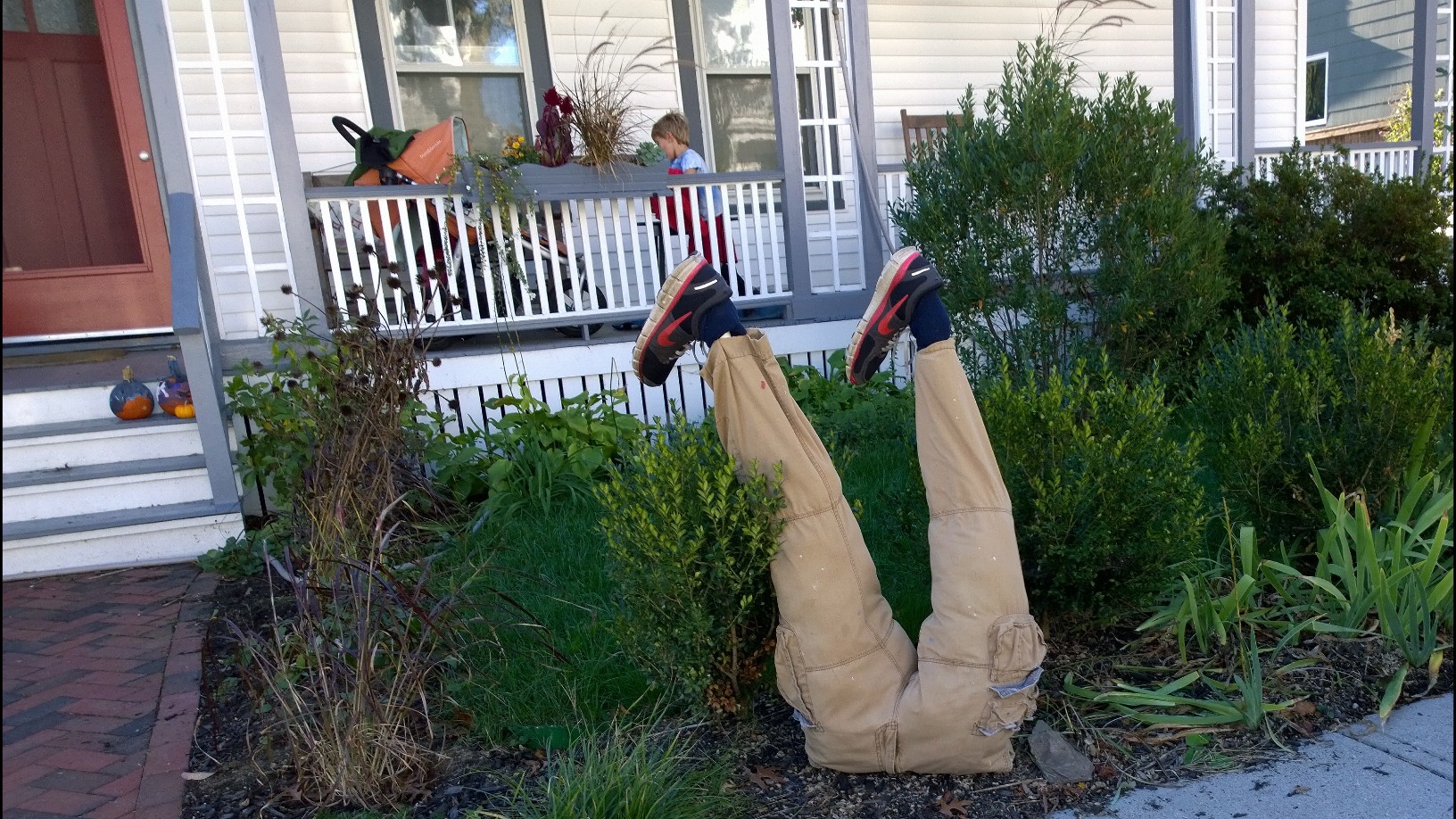
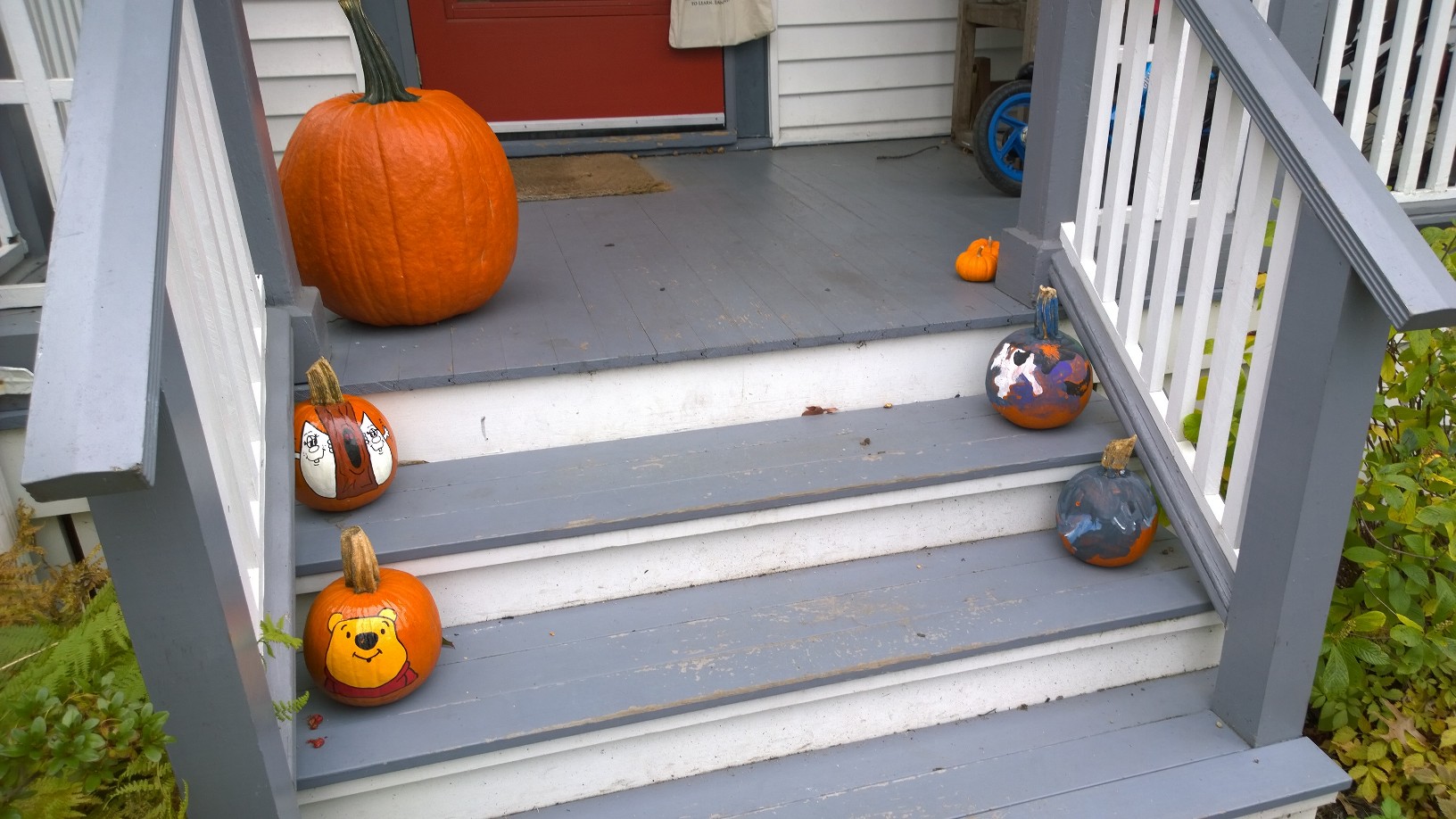
Although I don’t have a picture of my colleague the Cereal Killer, I can show you a zombie in John’s yard, decorated pumpkins on his steps, an upside-down bat carving at the the restaurant Trade, and a stormy sky that a witch just passed through. (You’ll have to take my word for that.)

101715-just-a-zombie

102415-front-stoop

103015-bat-carved-into-pumpkin

101815-fir-spooky-sky

Read Full Post »

In acknowledgment of the season, I’m pointing you toward Maria Popova’s Brain Pickings blog and some wonderful new illustrations of Edgar Allan Poe’s Tales of the Macabre.

People certainly love creepy stories. But, depending on the combination of experiences and attitudes unique to you, you may love one such story and hate another. I have never liked Henry James’s “The Turn of the Screw.” Not because I read it as a young babysitter and had to walk home in the dark, but because the idea of children’s minds being taken over turned me off.

But I loved Poe’s “Cask of Amontillado,” about walling in an enemy in revenge for some imagined slight. I even converted it to a script in my girls’ high school and directed the play. It was a colossal flop because the girl who was the unfortunate Fortunato forgot all her lines.

As I recall, no one seemed to care much. Halloween at that school was tremendous fun — the highlight being a spooky Tunnel of Horror that the older girls orchestrated. I went home that first Halloween of high school and created a memorable Tunnel of Horror for my siblings, in and out the windows at our shivery summer cottage.

Art: Benjamin Lacombe 

Read Full Post »

The uncle of my co-worker from Ghana is a very fine photographer who chronicled much of the last days of colonialism and the beginning of independence in his native land.

Another colleague was reading an article about the uncle’s new book in the Washington Post and thought, “Could they be related?” They are.

Nicole Crowder wrote at the Post, “In 1957, after over a century of colonization, Ghana gained independence from Britain. Just 30 years prior, in 1929, photographer James Barnor was born in the country’s capital Accra — then the Gold Coast colony — and over the course of a career that spanned more than six decades would become one of Ghana’s leading and most well-known photographers.

“Throughout the 1950s and 1960s, Barnor created a definitive portfolio of street and studio portraiture depicting societies in transition: images of a burgeoning sub-Saharan African nation moving toward independence, and a European capital city becoming a multicultural metropolis.

“Ghana in the 1950s was experiencing a radiance of post-colonization as well as its ‘heyday of Highlife,’ a fusion of traditional African rhythms, Latin calypso and jazz influences that would soon spread across Ghana’s borders to West Africa and beyond. … Barnor captured all of this energy, playing at once artist, director, photographer and technician, by offering a well-rounded portrait of Ghanian life from many walks of life.

“On Oct. 8, Autograph ABP and the gallery Clementine de la Feronniere [released] the book ‘Ever Young‘ showcasing Barnor’s extensive archive, followed by a corresponding photo exhibition in Paris through Nov. 21.”

More at the Washington Post.

Photo: James Barnor/Autograph, ABP
Nigerian Superman, Old Polo Ground, Accra, 1957–58.

Read Full Post »

You know this blog is connected to my daughter’s birthstone-jewelry company Luna & Stella, right?

Well, today I am passing along a Luna & Stella promotion in case you would like to follow Suzanne’s company on Instagram and get a chance at a $50 gift card. As a Luna & Stella Instagram follower, you’ll also get $10 off your first order with Suzanne (use the code INSTA10).

If you are not already on Instagram, you can sign up here, https://instagram.com/.

I liked this day-in-the-life small business story that Suzanne put on Facebook today:

“A customer in Qatar who had special ordered our 14K gold Constellation Stacking Birthstone Rings for his wife to celebrate the arrival of baby due in November, emailed us on the way to the hospital last night: ‘The baby is coming now! Can we change the birthstone?’

“No problem, we said, we are always happy to make adjustments for babies who don’t arrive on schedule.

“In celebration of ‪#‎octoberbabies‬ everywhere, we are doing an ‪#‎IGgiveway‬. You can win a $50 credit to our store.

“To enter:
“1. Follow us on Instagram
“2. Tag a friend
“3. For an extra entry, tell us who is your moon & stars, and what piece you’d buy to represent them!

“That’s it! Giveaway will end on Tuesday 11/4 /15 at 6 p.m. Eastern Standard Time.”

Photo shows the angel wing charm. See all the jewelry at Luna & Stella, here.

For angels only. Birthstone jewelry by Lunaandstella

Read Full Post »

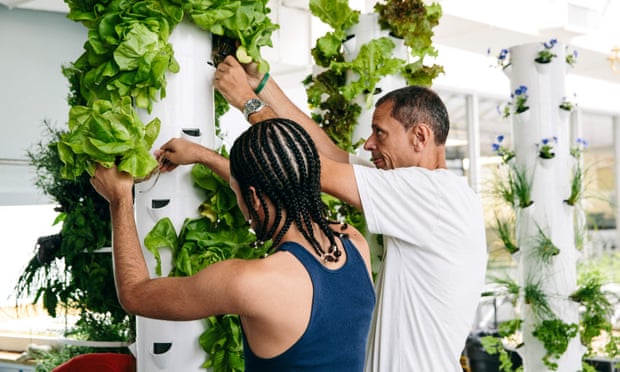
At the Guardian, teacher Steve Ritz tells Matthew Jenkin about how he began growing food in a troubled South Bronx school.

“The Green Bronx Machine was an accidental success. I wound up working at a very troubled high school in New York’s South Bronx district. It had a very low graduation rate and the bulk of my kids were special educational needs, English language learners, in foster care or homeless. It was dysfunctional to say the least.

“Someone sent me a box of daffodil bulbs one day and I hid them behind a radiator – I didn’t know what they were and figured they may cause problems in class. A while later … we looked behind the radiator and there were all these flowers. The steam from the radiator forced the bulbs to grow.

“That was when I realised that collectively and collaboratively we could grow something greater. We started taking over abandoned lots and doing landscape gardening, really just to beautify our neighbourhood. … We then moved on to growing food indoors in vertical planters around the school.

“By building an ‘edible wall’ to grow fresh vegetables in our science classroom, I gave the kids a reason to come to school. …

“Remarkably the plants grew. The kids really believe that they are responsible for them and attendance has increased from 43% to 93%. Students come to school to take care of their plants – they want to see them succeed. Along the way, the kids succeed, too.” More here.

Photo: Progressive Photos  
Steve Ritz gets students involved in the natural world. Attendance has more than doubled.

Read Full Post »

Artists love a challenge. Tell them it’s impossible and they’ll find a way to do it.

As Ralph Gardner Jr. writes for the Wall Street Journal, a good example may be found at one to the most polluted waterways in America, Brooklyn’s Gowanus Canal.

“What is it about the Gowanus Canal,” Gardner asks, “that attracts art and artists? I visited a bit more than a year ago and spotted some sort of homemade art project floating in the middle of the canal. It was as if the anonymous artist was saying, ‘Take that, Superfund site!’

“A far more ambitious project alighted [in late September], when Diana Balmori, a celebrated landscape architect and urban designer, oversaw the launch of a floating landscape at the foot of the Whole Foods parking lot that overlooks the canal.

“ ‘The reason we picked the Gowanus Canal is the attempt to show that plant material can clean water,’ Ms. Balmori explained. At the same time, she acknowledged, ‘We picked the hardest.’ …

“The floating island was to be filled with multiple tubes. In a poetic twist, the tubes were to be made of the same culvert pipe used to dump pollution and sewage into the canal.

“Perhaps even more poetically, the goal of the experiment was to test the viability of creating large-scale ‘edible’ islands in polluted urban rivers to serve as a food source. Some plants were to be irrigated with distilled water, others with captured rainwater, and a hearty few even with water directly from the canal. …

“I was told that a duck had laid an egg on some earlier iteration of the project. And indeed, we stood there admiring the island’s three monarch butterflies, a beleaguered species in recent years, flitting about the plants.”

More at the Wall Street Journal, here, but there may be a firewall. The author is highly skeptical about anyone ever eating plants from this island, but you can tell he has a grudging admiration for an optimistic artistic vision that insists on a better future.

Photo: Cassandra Giraldo for The Wall Street Journal

Read Full Post »

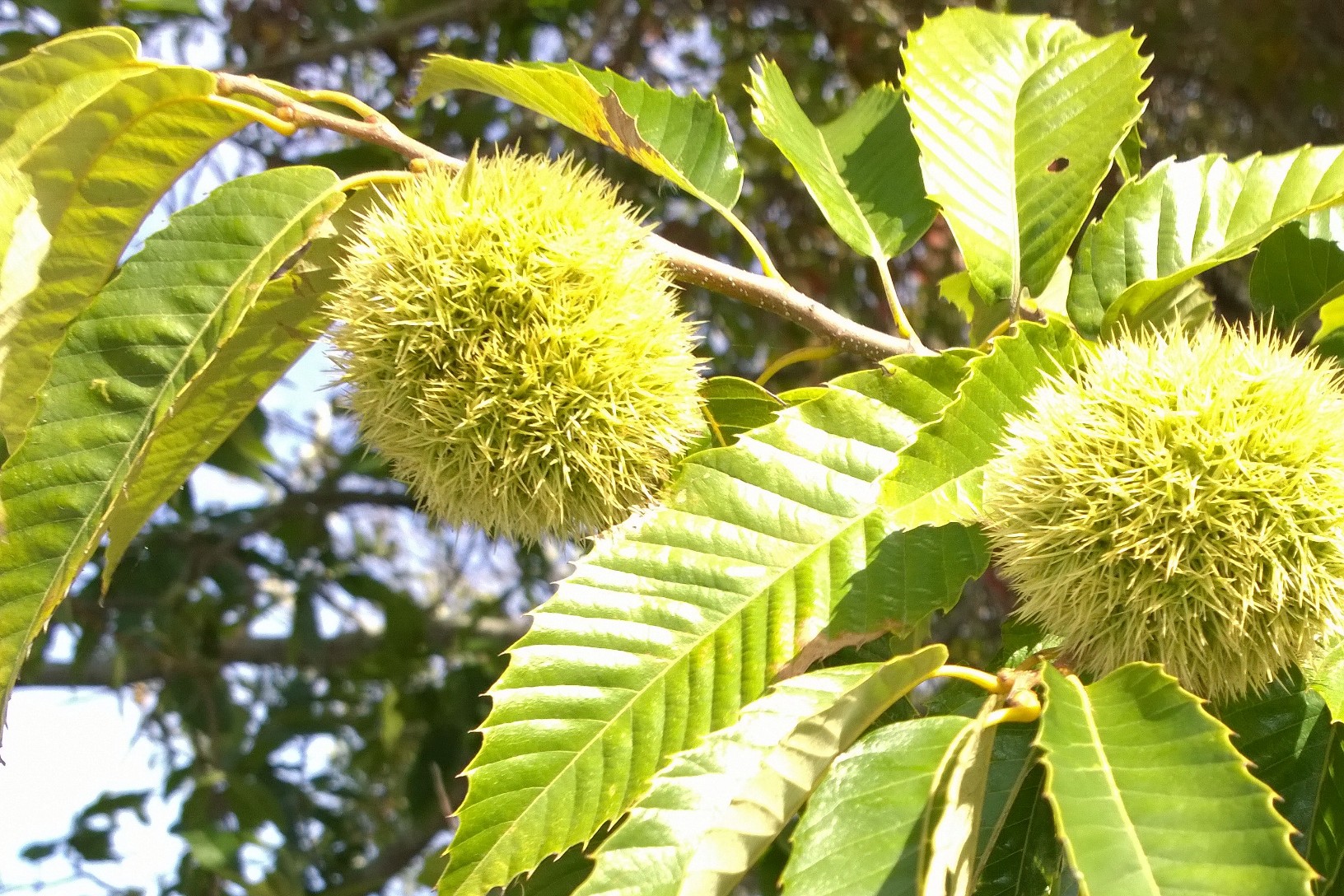
Time to share a few more pictures. The sunlit chestnut grows in Rhode Island. (I didn’t know chestnuts were around anymore.) The colorful dahlias are in John’s front yard.

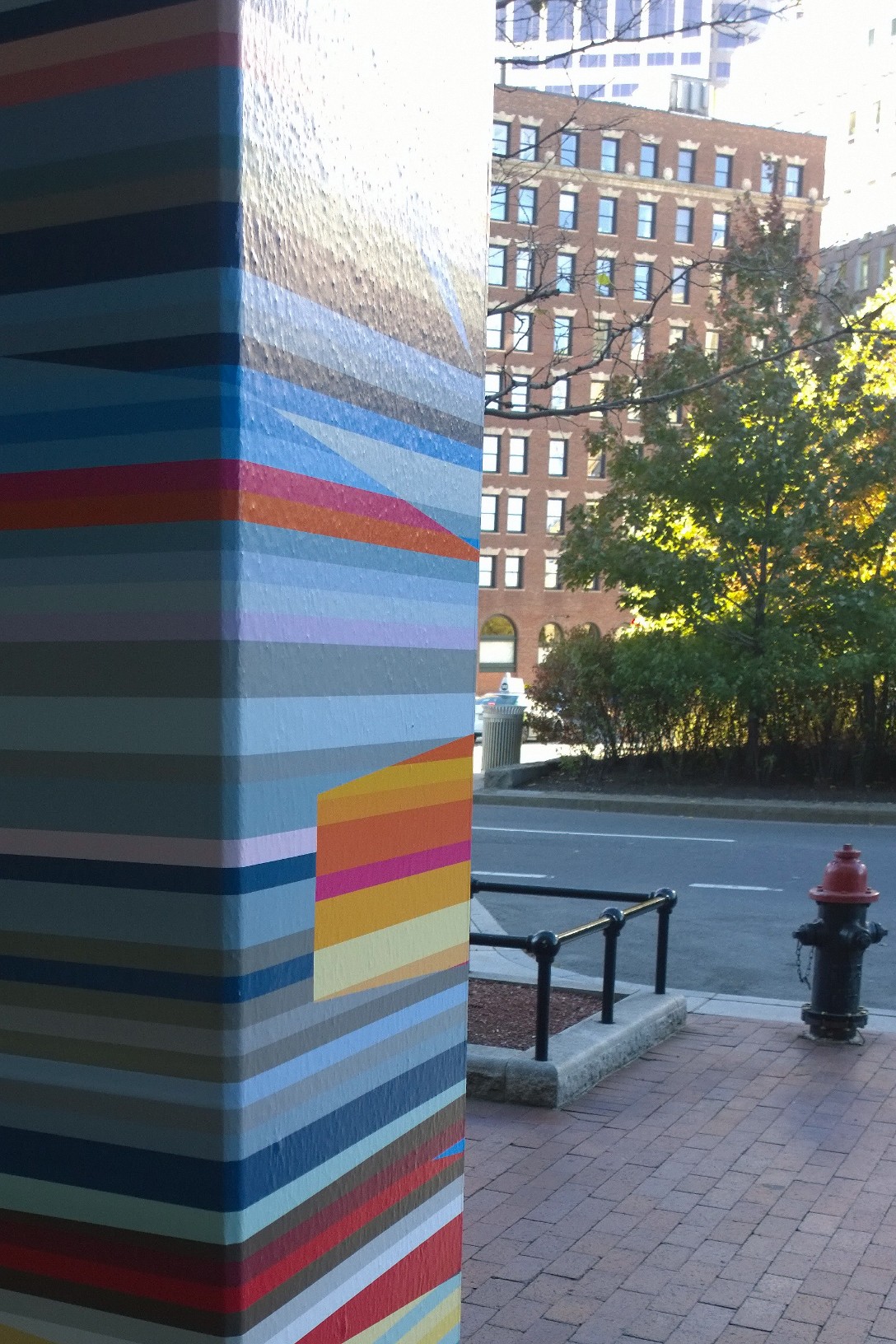
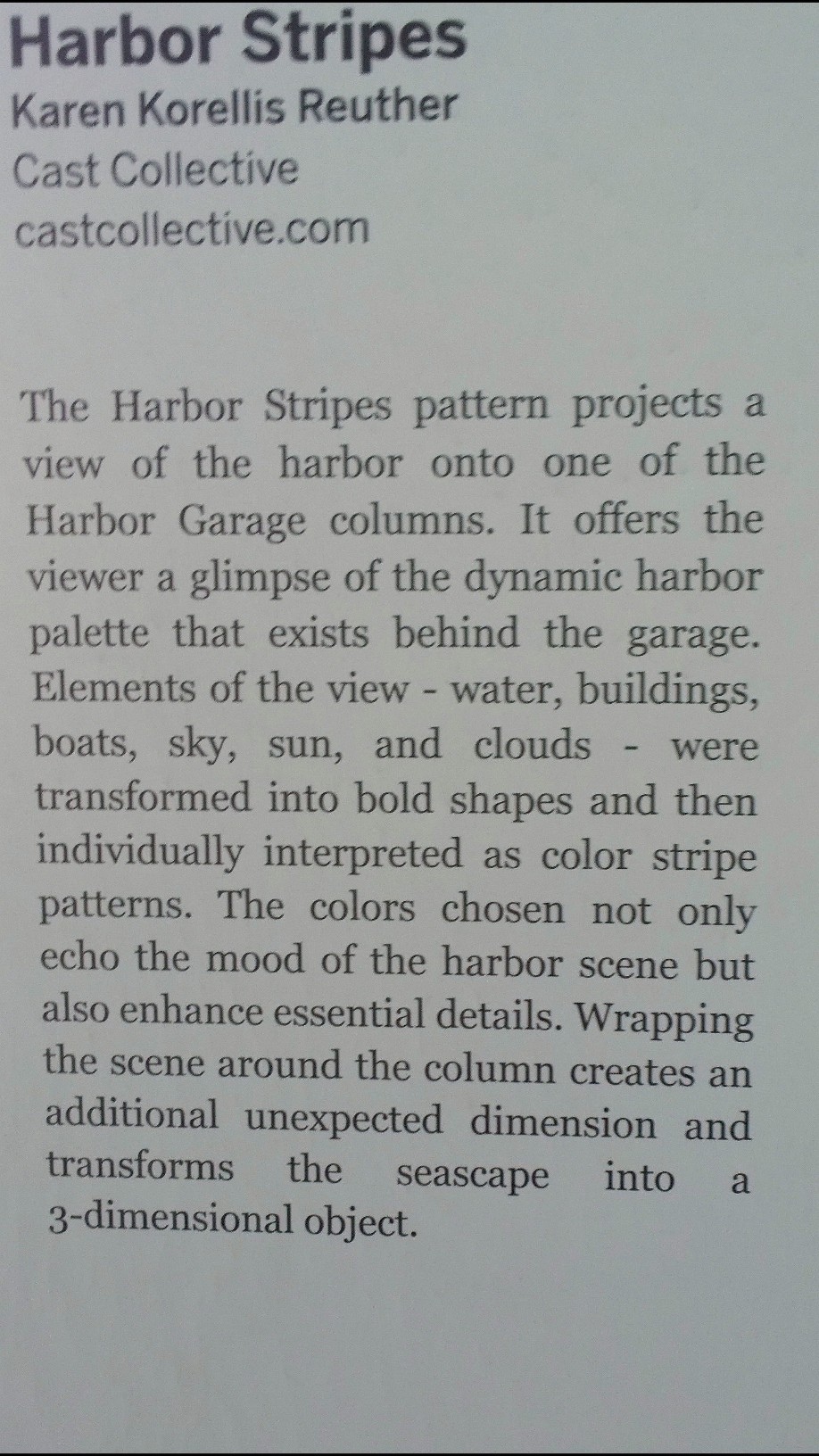
The brick wall with shadows is in the Fort Point area of Boston. The decorated pillar is one of several opposite the Greenway. It’s called “Harbor Stripes” and is by Karen Korellis Reuther. The work on all the pillars was sponsored by the Design Museum, which, among other enterprises, promotes public art.

The colorful shield is at the Swedish consulate in Fort Point, where I went to pick up my granddaughter’s Swedish passport. She has dual citizenship. I had to show a letter from Erik and also his Swedish driver’s license. I collected a lot of brochures about Sweden and about upcoming Swedish  activities in the Boston area.

Wrapping up the photo presentation with more shadows.

101115-chestnut-New-Shoreham

101715-dahlias


101715-special-dahlias


102215-fort-point-brick-and-shadows


102315-Design-Museum-likes-public-art

102315-Reuther-Harbor-Stripes


102215-visiting-Swedish-consulate

101715-thru-the-shade

Read Full Post »

The website “The Dodo: For the Love of Animals” recently posted about a man who built a little choo-choo train to give dogs rides.

Stephen Messenger writes, “Eugene Bostick may have officially retired about 15 years ago, but in some ways that was when his most impactful work began. Not long after, he embarked on a new career path of sorts — as a train conductor for rescued stray dogs. …

“Over the years, Bostick has taken in countless abandoned dogs. But more than just keeping them safe, he’s found an adorable way to keep them happy, too.

“While the rescued dogs have plenty of room to run and play on Bostick’s farm, the retiree thought it would nice to be able to take them on little trips to other places as well. That’s about the time he was inspired to build a canine-specific form of transportation just for them.

” ‘One day I was out and I seen this guy with a tractor who attached these carts to pull rocks. I thought, “Dang, that would do for a dog train,” ‘said Bostick. ‘I’m a pretty good welder, so I took these plastic barrels with holes cut in them, and put wheels under them and tied them together.’ And with that, the dog train was born. …

“The dog train has come to attract a fair share of attention among locals who occasionally stop to ask if they can take a few pictures. But for Bostick, it’s all about bringing a bit of joy to a handful of dogs who had been through so much before finding themselves as his cheerful passengers.”

Bostick tells Messenger, “Whenever they hear me hooking the tractor up to it, man, they get so excited, they all come running and jump in on their own. They’re ready to go.”

More.

Photo: Tiffany Johnson/Facebook

Read Full Post »

I was hoping to have a factory tour to write about this fall, but when I went to the MeetUp page to register, it turned out New England Factory Tours was taking a break.

I like factory tours. I remember a tour of a lima bean packaging factory on Shelter Island, NY, when I was a kid, and a Kodak tour when Suzanne and John were little.

I have often referred to the lima bean factory when trying to explain to colleagues why a good publishing process involves doing things at the right time. You wouldn’t try to put the lima beans in the package after you had pasted the wrapper around it, and you shouldn’t make lots of changes to your original paper after it has been copyedited, laid out, and readied for press.

What I gleaned from Kodak was mainly how much got thrown away. It seemed wasteful, but the guide said it was cheaper to toss things. I’d like to see the lean manufacturing that’s more common today.

The Boston Globe‘s Jon Christian wrote about a trip to manufacturer Built-Rite, which makes automation systems for industrial tasks.It’s in Lancaster, Mass.

“Built-Rite is the fourth plant visited by the group of manufacturing enthusiasts known as New England Factory Tours. Inspired by a similar group in San Francisco, it is indicative of the cachet manufacturing has gained in recent years as a new generation of entrepreneurs known as makers turn their attention from software and services toward tangible products — from hardware to drones to smartwatches.

“The growth of this movement is underscored by the emergence of shared workspaces such as Artisan’s Asylum in Somerville, the home of startups such as 3Doodler, the maker of a 3-D printing pen, and Greentown Labs, also in Somerville, a hardware incubator that houses wind turbine developer Altaeros Energies, weather sensor maker Understory, and other firms. …

“In Massachusetts, manufacturing still employs about 250,000 people, paying average wages of about $80,000 a year compared with about $60,000 for all industries, according to state labor statistics. Most manufacturing in the state is so-called advanced manufacturing that uses sophisticated processes, makes sophisticated products, and requires highly skilled workers.” More.

I’m hoping the MeetUp organizer gets going again. A factory tour is something fun to do with kids and can make a lasting impression.

Photo: Kieran Kesner for The Boston Globe
During a tour of Built-Rite Tool & Die, president Craig A. Bovaird (center) spoke with tour organizer Chris Denney and visitor Erik Sobel, a principal at Technology Research Laboratories.

Read Full Post »
Tim Faulkner at ecoRI has been covering Rhode Island’s newest food initiatives. Recently he wrote about the unusually advanced greenhouse of Boston Greens. in Kingstown.

“Lewis Valenti, CEO and founder of the greenhouse and the Boston Greens line of leafy green vegetables and herbs it produces, spent five years studying how to start a business that grows produce indoors and year-round. …

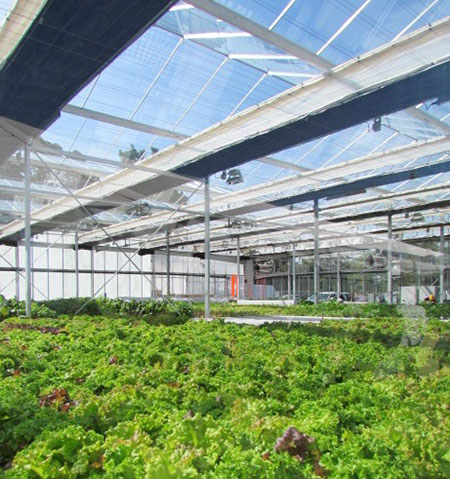
“The result is what Valenti describes as the most technologically advanced greenhouse in New England. The 8,400-square-foot glass barn relies on advanced computer programs to manipulate light, feeding and humidity.

“All plants are fed a fertilizer-rich water that recirculates in a system of troughs at the base of the plants, a process known as hydroponic growing. The water alone goes through several filters and processes that strip it of minerals and all non-water elements. A nutrient mix is then reintroduced before it is fed through the hydroponic system.

“The benefits are an ability to control the nutrients in the plants and increase their overall health benefits. There are no pests and therefore no need for pesticides or herbicides, according to Valenti. The process conserves water, using 1,200 gallons a day compared to 28,000 gallons for a comparable outdoor field, according to Valenti. The yield is higher, too. The greenhouse will grow 250,000 heads of lettuce throughout the year, producing the equivalent of a 4-acre farm. …

“So far, the $1.3 million project has been privately funded, and it’s already generating revenue. All future harvests of lettuces and herbs have been pre-sold to a handful of restaurants and eight grocery stores in Rhode Island and Massachusetts.

“Valenti, who went to college in Rhode Island and keeps a home in East Greenwich, said Rhode Island is a foodie state with top restaurants, culinary schools and a burgeoning agricultural movement. But with limited space for farmland, the new greenhouse is the best way to keep the local food movement sustainable while creating jobs, he said.

“ ‘I can’t think of a better place to grow food than Rhode Island,’ Valenti said.”

More here.

Photo: Tim Faulkner/ecoRI News photos
The new greenhouse is expected to grow 250,000 heads of lettuce annually.

Read Full Post »

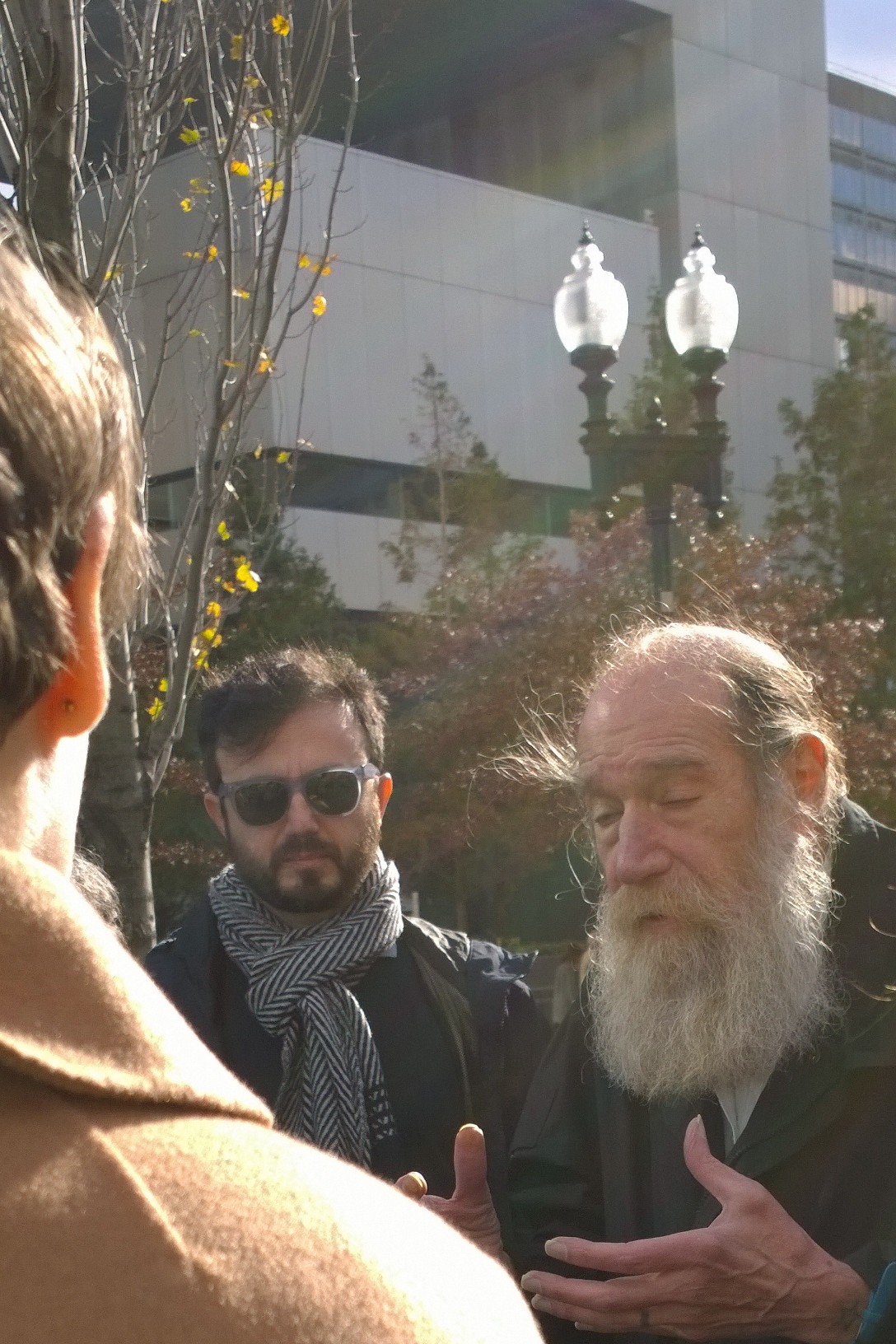
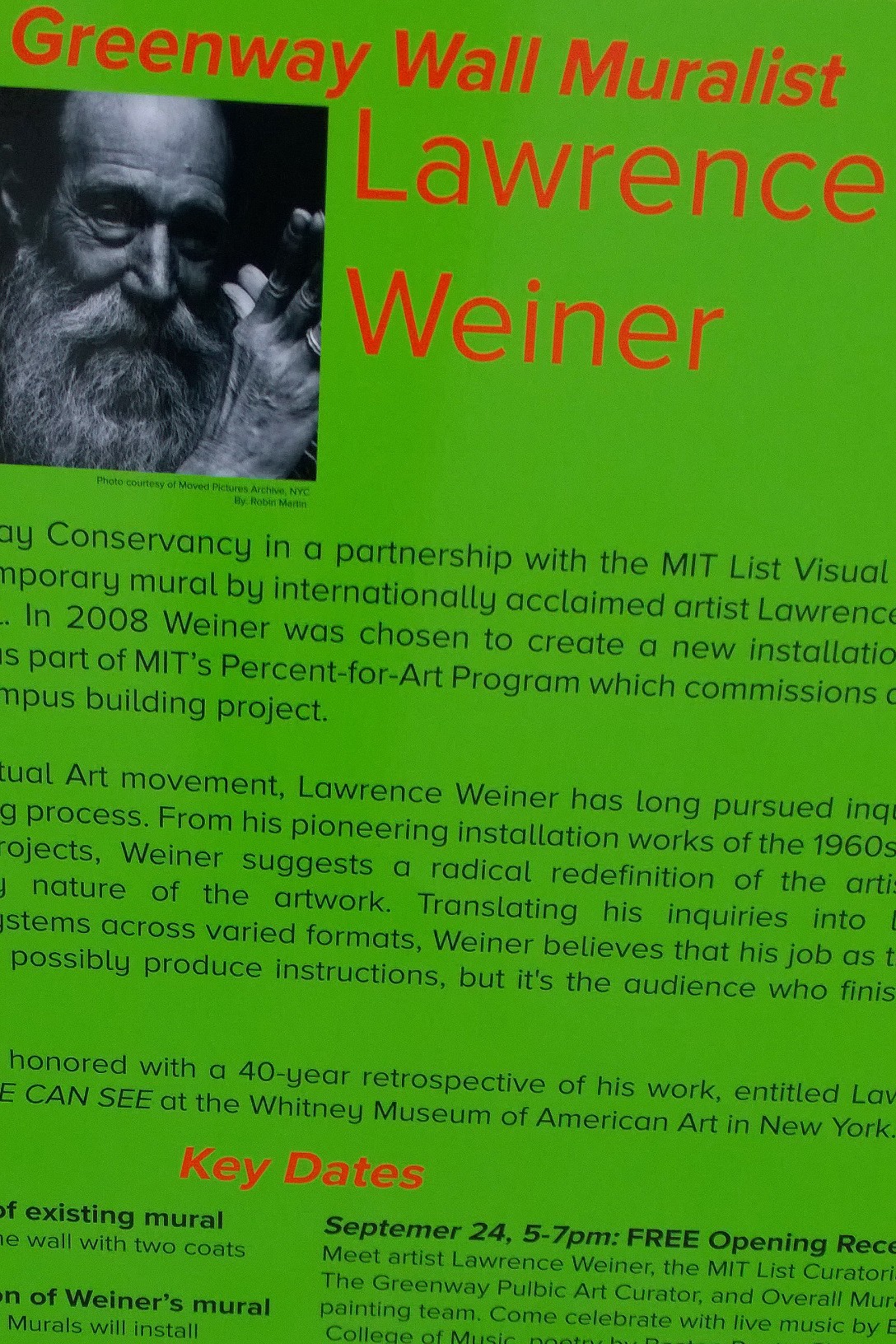
111315-Lawrence-Weiner-artistLawrence Weiner discusses art in Dewey Square.

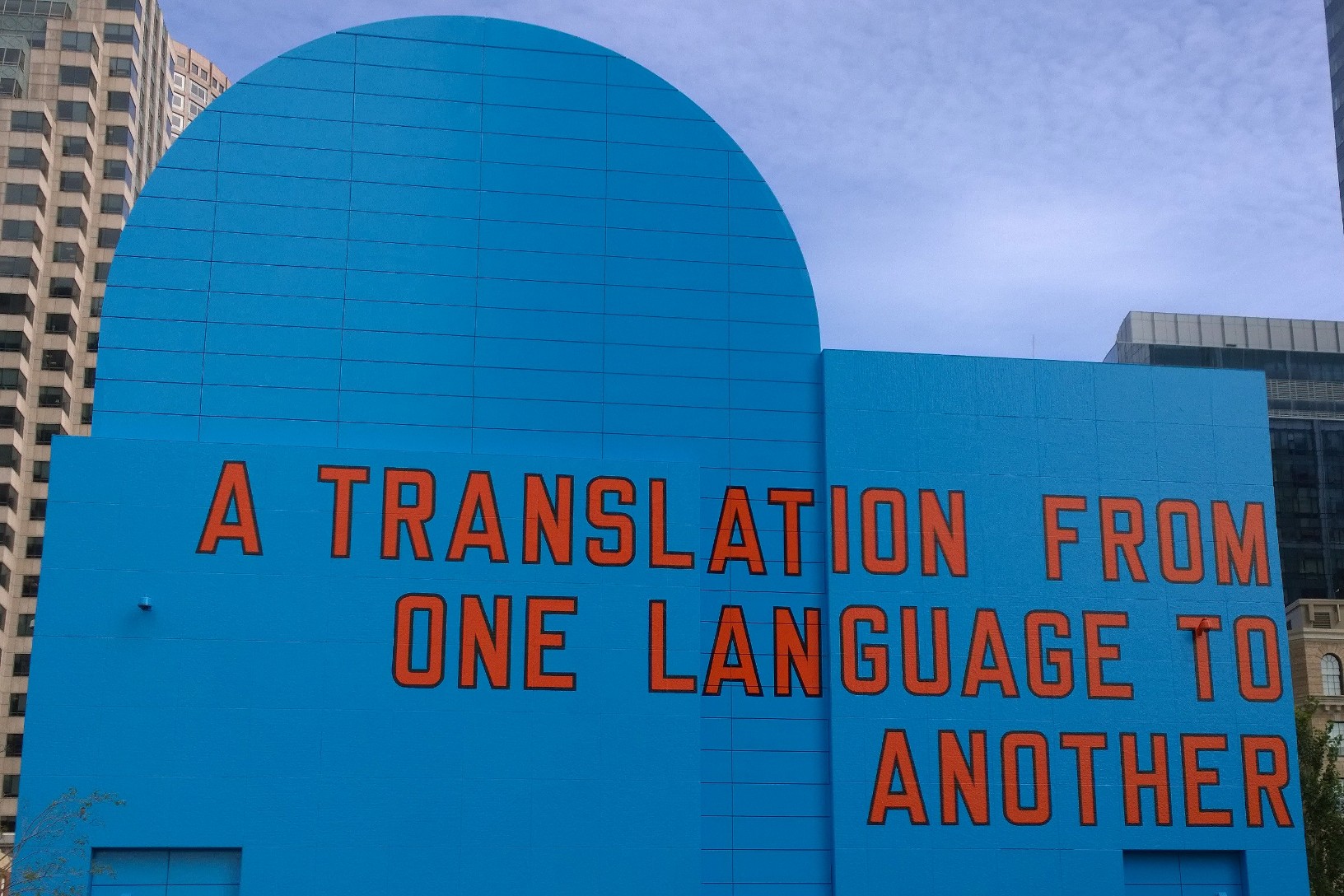
The latest Greenway mural in Dewey Square comes courtesy of MIT’s List gallery and is the work of Lawrence Weiner.  I admit to liking it even though it seems to be nothing more than bright orange letters on a blue background, with words saying, “A translation from one language to another.”

I am letting it sink in. Perhaps it’s about the translation from the artist’s idea to a work that others see. Perhaps something is lost in the translation. Perhaps it’s about how differently we understand one another, even without so-called language barriers.

Here’s what the Greenway writes, “Lawrence Weiner is considered a key figure in the Conceptual Art movement, which includes artists like Douglas Huebler, Robert Barry, Joseph Kosuth, and Sol LeWitt.

“A primary motivating factor behind Weiner’s work is the desire to make it accessible, without needing to purchase a ticket or understand a secret visual language. He contended that language reaches a broader audience, and situating language in contexts outside traditional art-viewing settings, such as art museums, furthers that reach.

“Thus, he began creating works consisting of words and sentences or sentence fragments that he displayed in public spaces, books, films, and other accessible media, as opposed to the cultural institutions that might deter broad and diverse viewership. Click here for an interview with Lawrence Weiner.” More at the Greenway site.

Malcolm Gay at the Boston Globe adds, “For Weiner, the work is less about art historical knowledge, outrage, or relating to other people. It’s about a viewer’s individual response to an object in the world — an object that’s been created by another person.

“ ‘Our job is not to throw things at people,’ he said. ‘The work doesn’t exist unless somebody decides to deal with it. You can pass it on your way work, and it’s not going to screw up your day. But if you pay attention to it, it might screw up your life.’ ”

092515-dewey-sq-list-gallery-mural

092515-Lawrence-Weiner

Read Full Post »

When the MBTA subway system decided to rebuild the stop called Government Center a couple years ago, it began a search for the artist who created the original murals there to see if she would like them back, and if not, if she would be OK with selling them.

It wasn’t easy to find her.

As Malcolm Gay writes at the Boston Globe, she was baking pies as part-owner of the Pie Place Café in Grand Marais, Minnesota.

“ ‘I got a phone call one day,’ [Mary] Beams explained, ‘and a voice I didn’t know said, “How does it feel to know that all of Boston is looking for you?” I had no idea what to say.’

“Beams, it turned out, hadn’t disappeared at all. An animator who had been a teaching assistant at Harvard’s Carpenter Center for the Visual Arts, and whose work has been collected by the Museum of Modern Art, she’d simply left the art world …

“With her blessing, the MBTA plans to hold an online public auction of the artworks, giving Bostonians a chance to own a piece of the city’s history.

“The online auction and display of murals will run Oct. 20-29, with a kick-off event at the state Transportation Building at 10 Park Plaza on Oct. 21. … The event will be something of a homecoming for Beams, who left Boston soon after completing the murals. She has never been back.

“ “I am so curious to see them again,’ she said. ‘I’ve gone on and lived this whole other life. But to be able to confront something that you made 35 years ago and ponder what they’ve been through? It’s quite amazing.’ ”

Pictures of the murals — and more information on the artist — here.

Mural by Mary Beams, for sale at Skinner

Read Full Post »

Martin Del Vecchio narrates his beautiful drone shots of Gloucester, Mass.

As Greg Cook writes at WBUR’s show the Artery, drones have as many uses as human creativity can devise, some good, some not so good.

He focuses on the photography and art applications. “In April, a graffiti artist going by the name KATSU used a customized drone to (illegally) scrawl paint high up on a Manhattan billboard that had been thought inaccessible to taggers. A video posted to YouTube in March, shows a bicyclist riding high up along a cliff in (according to the post) Sedona, Arizona. People have brought back astonishing footage from flying drones into fireworks and active volcanoes.

“Video by video, drones are transforming how we see the world — and this new view is changing how we understand the world.

“ ‘It’s not a fad,’ says Randy Scott Slavin, founder of the New York City Drone Film Festival. ‘Flying cameras are here to stay for sure. Because the perspective they get is great.’ …

“[Slavin] fell for drones when he got a Phantom a few years back. ‘I would shoot everywhere I went. Every time I went on vacation, I would shoot,’ he says. ‘Before I knew it, I started showing it to some of my director friends and they were like, “Shoot for me.” ‘ ”

Helen Greiner, CEO of Massachusetts-based Drone maker CyPhy Works says, “You’re just seeing the world the way a bird sees.” More here.

Photo: Greg Cook/WBUR
As drones have become cheaper and easier to fly, many people, like Martin Del Vecchio of Gloucester, are exploring the creative possibilities.

Read Full Post »
« Newer Posts - Older Posts »