Feeds:
Posts
Comments

Posts Tagged ‘street art’

Most street artists don’t think in terms of permanent museum collections. They don’t expect their work to be admired forever. Still, it must be a little sad to see it torn down.

Meghan alerted me, by way of twitter, to the demise of Boston’s only graffiti park, Bartlett Yard, about to be demolished.  Dig has the story.

“Rosa Parks, Mr. Miyagi, and the Incredible Hulk gaze down from the wall, their faces nearly big enough to drive a bus through. A giraffe in a space helmet floats carelessly through the light purple cosmos,” writes Dan Schneider at Dig.

“This barely begins to cover the intricate murals found at the Bartlett Yard, an 8.6-acre parcel of land just blocks away from Dudley Square in Roxbury, formerly used as a bus garage by the MBTA. Since the beginning of the year, the property’s owners have allowed an event planning group called Bartlett Events to turn half of the property into a community art space.

“In May, Bartlett Events held Mural Fest, an open call for graffiti muralists, which drew an estimated 1,000 artists and community members together in a frenzy of aerosol, transforming the Yard from a 125-year-old dilapidated bus garage into the massive public art installation.

“If you want to take in the art at Bartlett Yard, however, you’d better do it soon.

“Come this November it’ll all be torn down to begin construction of Bartlett Place, a mixed-use development of housing with—in all likelihood—no graffiti. …

“The Bartlett Bus Yard has been out of commission since the late nineties, following a community-led effort to shut it down due to concerns about bus exhaust contributing to high rates of childhood asthma in the area. Since then the Yard has been abandoned …

“With a few weekends’ worth of hard work, however, several dozen volunteers were able to clean out most of the Yard’s two main buildings and surrounding blacktop prior to opening day.”

Residents express mixed feelings about the redevelopment, which some fear could lead to the dreaded gentrification and push out lower-income people. Others think it will be good to have more variety.

In any case, it sounds like the artists want to stay around even if the art is  ephemeral.

For Jason Turgeon,  an environmental scientist and one of the founders of Bartlett Events, “the notion of trying to create a permanent graffiti museum would simply miss the point.

“ ‘I come from the Burning Man world, so I know that art doesn’t have to be here forever. Some people say, “You have to save this!” And I say “No, it’s okay. There will be more art after this.” ‘ ”

Read more at Dig.

Photo: DigBoston.com

Read Full Post »

I continue to be a fan of street art and the way it allows informal artists to express themselves while also letting passersby enjoy both homespun and professional achievements as they go about their errands.

In Rhode Island, there’s a painted rock. Everyone paints it, and no painting lasts for long. In the summer, paintings wishing someone happy birthday may last only a few hours, as mine did one Birthday Week when Suzanne turned 16 and John turned 21. (They didn’t wake up in time to see it.)

There has also been some amazing work by experts on that rock, too, but it gets respect for only a couple days. It’s essential to capture it with a camera.

Yesterday I passed along an idea to a gallery owner that she liked. How about painting the painted rock to look like a rock!? Crazy, huh? She may do it, too. She has a painting of rocks in the current show that she could replicate. She knows she’d have to take a photograph, though, or the rock might be painted over before anyone sees it.

Meanwhile, here’s a nice story about street art in the Bushwick section of Brooklyn.

Amy O’Leary writes at the NY Times, “Growing up, Joseph Ficalora would sit on the roof of his family’s steel fabrication business. In Bushwick, Brooklyn, in the 1980s, it was one of the few safe places outdoors. The view was grim. The streets were dirty. Graffiti was endless. …

“Most people want to hold onto their past as it was, but Mr. Ficalora has found greater comfort in obliterating it, bathing the neighborhood in paint.

“Today the rooftop of [his] family business, GCM Steel, offers an eye-popping panorama of street art. More than 50 multicolored murals have transformed a swath of nearby buildings into a vast outdoor gallery called the Bushwick Collective, anchored at the intersection of Troutman Street and St. Nicholas Avenue.” More.

Photo: Victor J. Blue for The New York Times
Gaia, well-known among street artists, paints — legally — on a building in Bushwick, Brooklyn.

Read Full Post »

“JR,” a French street artist, has created a series of murals called “The Wrinkles of the City.”

The wrinkles are the intriguing faces of older people, often pictured on crumbling edifices. Kevin Harnett writes about them at the Sunday Globe, here.

“JR, a Frenchman whose real name is unknown, has become an international art celebrity thanks to his work flyposting oversized black-and-white photographs, often portraits of ordinary people’s faces, to the sides of buildings in cities around the world. …

“JR’s series ‘The Wrinkles of the City,’ which he began in Cartagena, Spain, has also appeared in Los Angeles and Shanghai. More recently he and collaborator José Parlá took to Havana, where they bedecked the old communist capital with the faces of dozens of Cuban Revolution survivors wearing expressions of deep-creased sanguinity. ‘The Wrinkles of the City, Havana, Cuba’ has been adapted for display at the Bryce Wolkowitz Gallery in New York City.” The show may be seen until July 12.

Street art in Cuba by JR

Read Full Post »

I like street art and have blogged about it a lot (for example,  Slinkachu, Banksy, Egypt, Os Gemeos). It’s an expression of freedom, so even when it has a serious side, it is cheering.

I’m glad to learn about Street Art Utopia, an amazing site for browsing.

It’s not clear to me how you post something there. Although I see it has the supposed Banksy painting I photographed in Boston a while back, it’s not my picture. If you figure out how to participate at Street Art Utopia, let me know.

Thanks for the tip, Andrew Sullivan.

Photo: Flickr user ajhaysom
Street art by Adnate in Fitzroy, Melbourne, Australia


Read Full Post »

Photos from my wanderings in Boston and Cambridge are piling up.

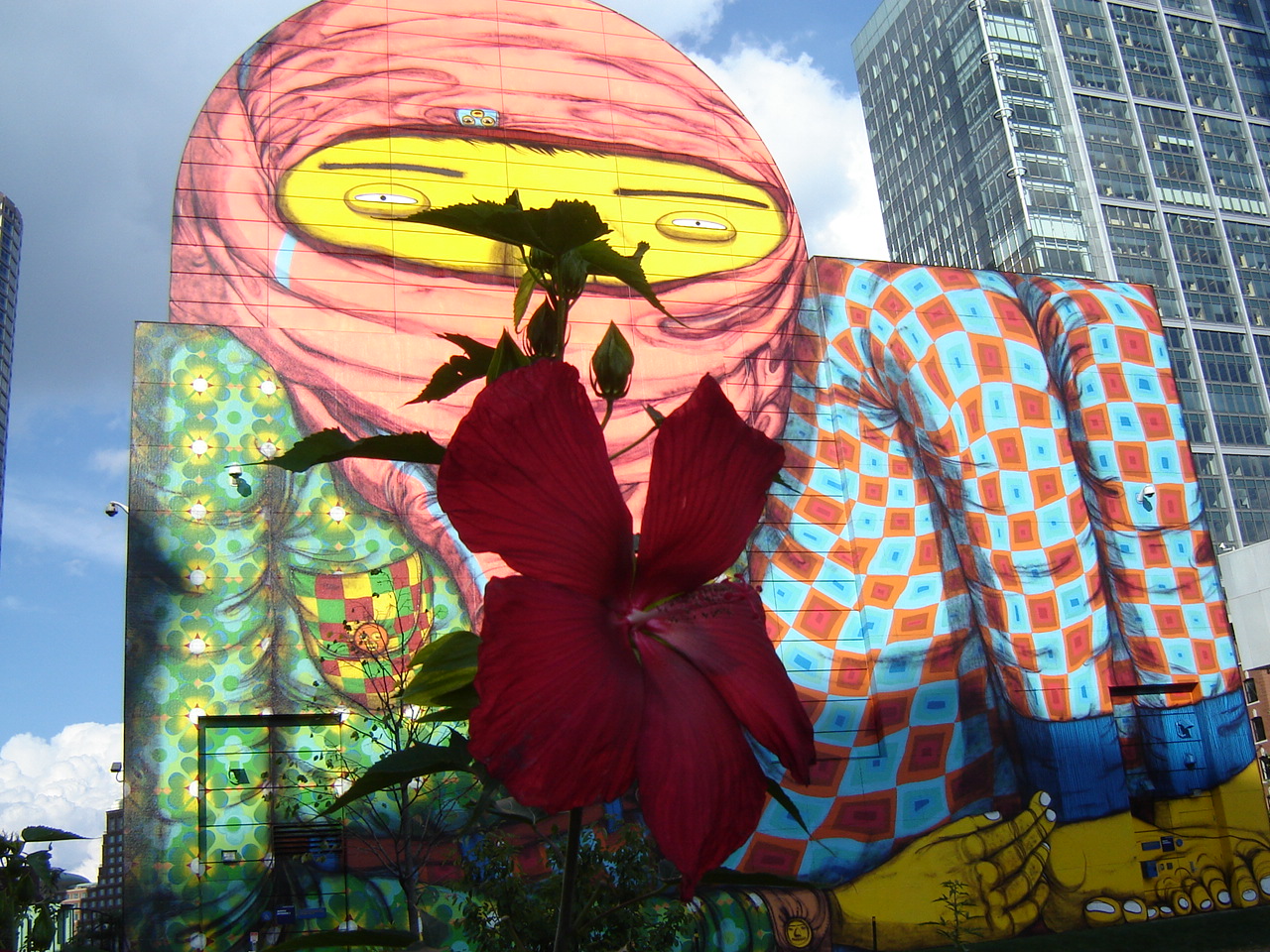
Can you identify the flower from the Greenway’s demonstration garden? It seems to be blotting out the mural in Dewey Square.

How about the approach to the Longfellow Bridge on the Kendall Square side of the Charles? Early in the morning, it looks like an ancient tomb.

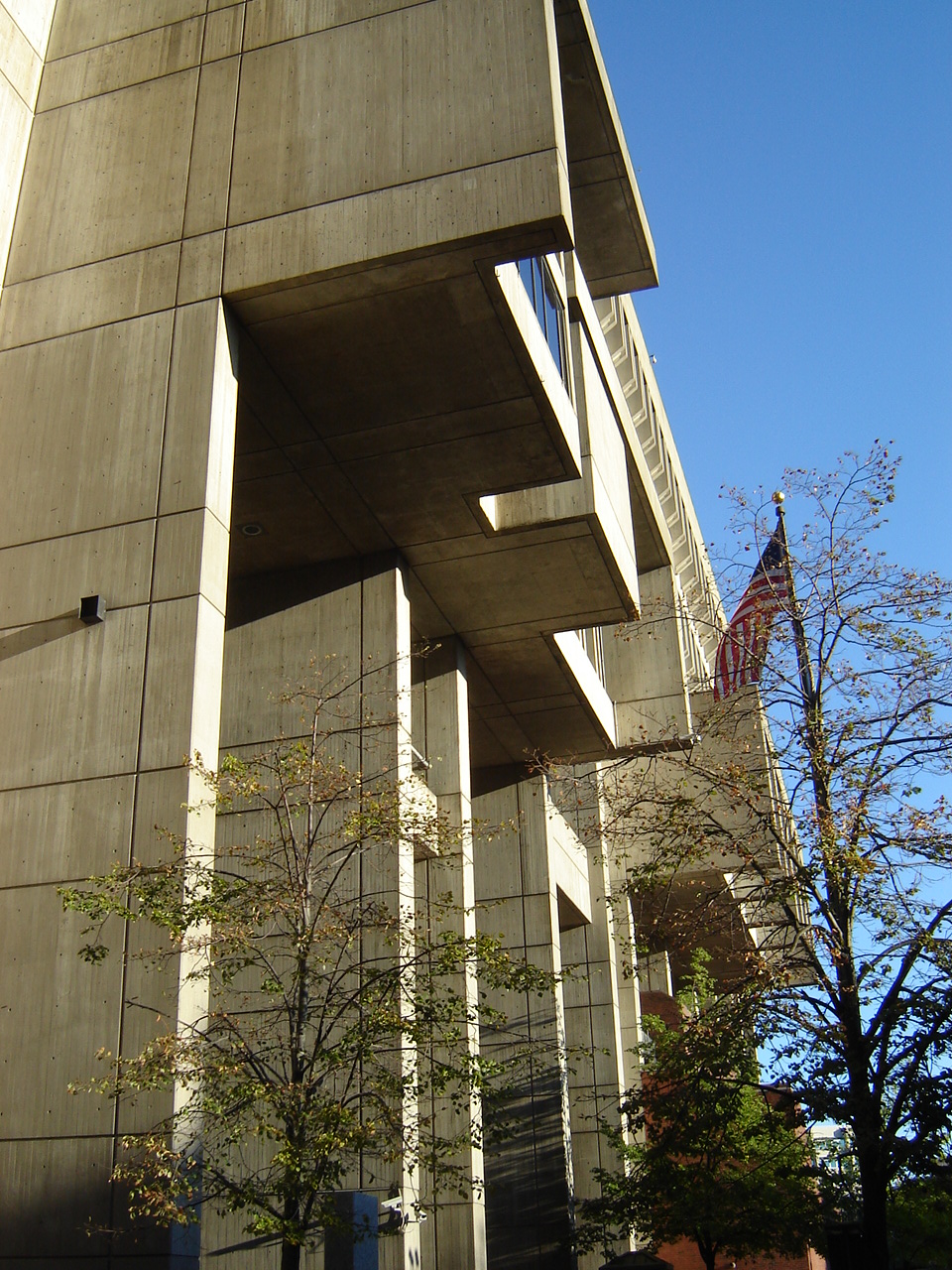
I took the photo of City Hall for my only friend who thinks modernism is beautiful.

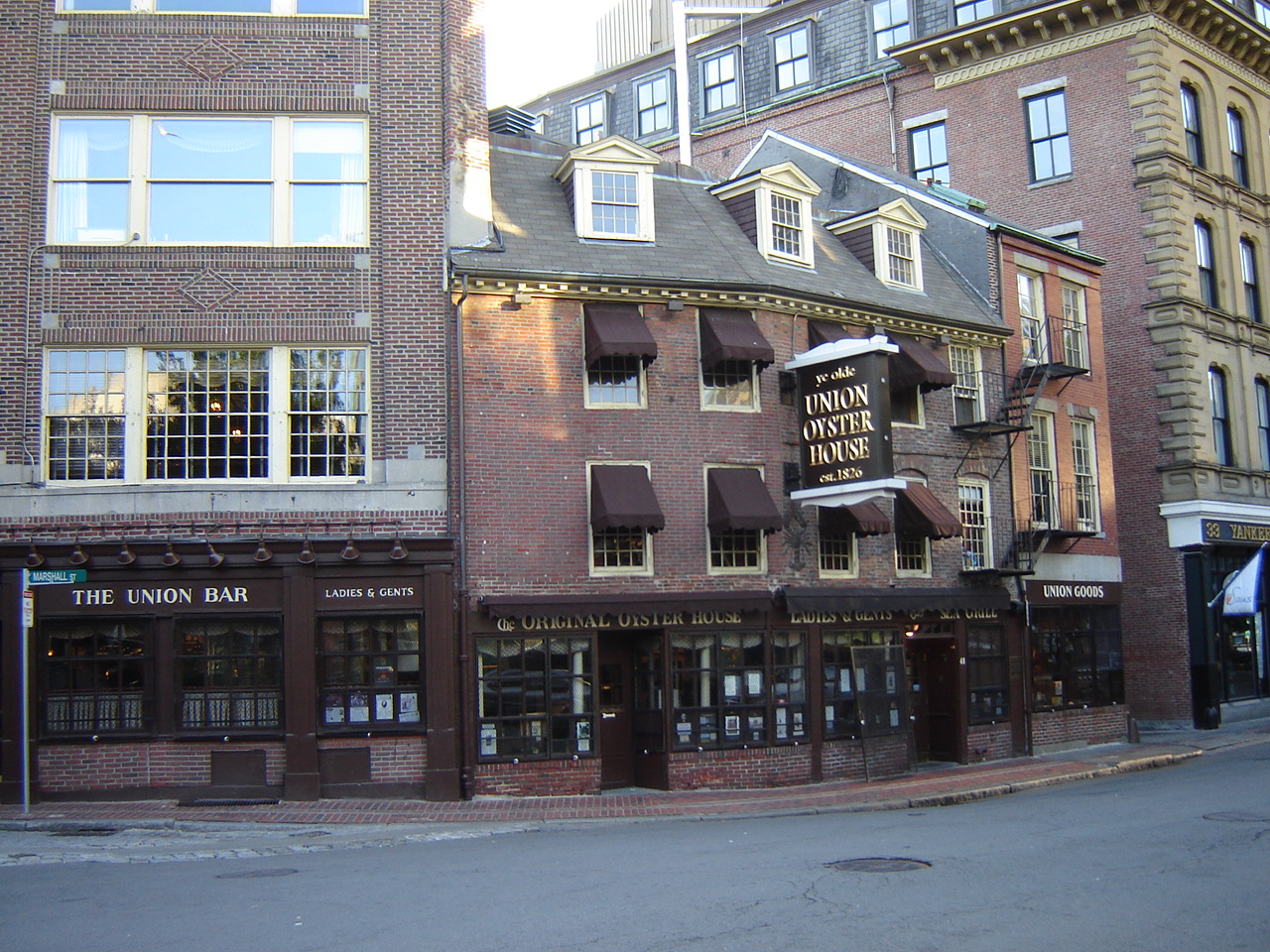
The Oyster House is a landmark.

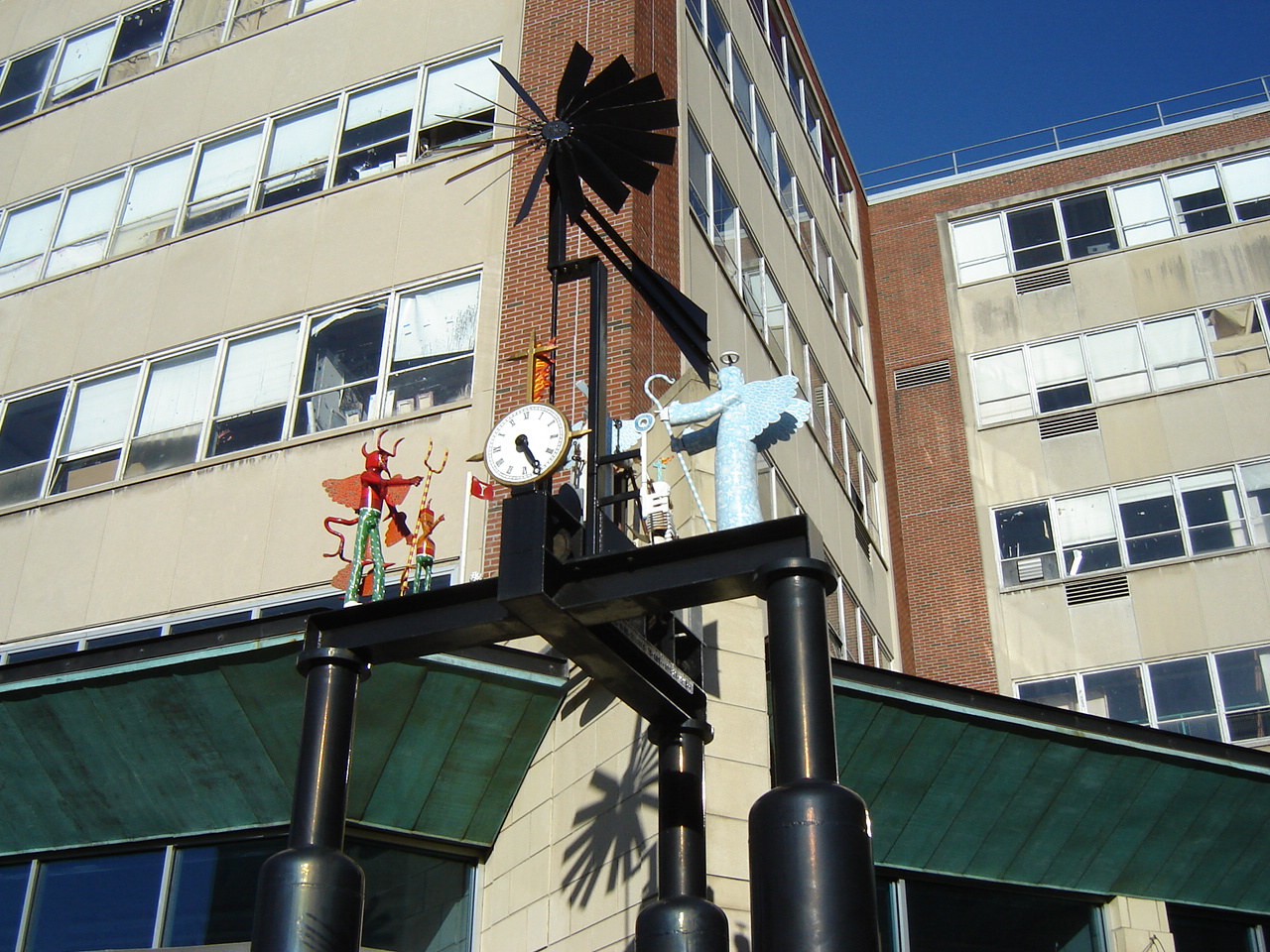
And the Manichean clock is at Northeastern University. (You do, of course, remember the Manichean Heresy, which posited good and evil as equal forces?) Comments welcome.

Read Full Post »

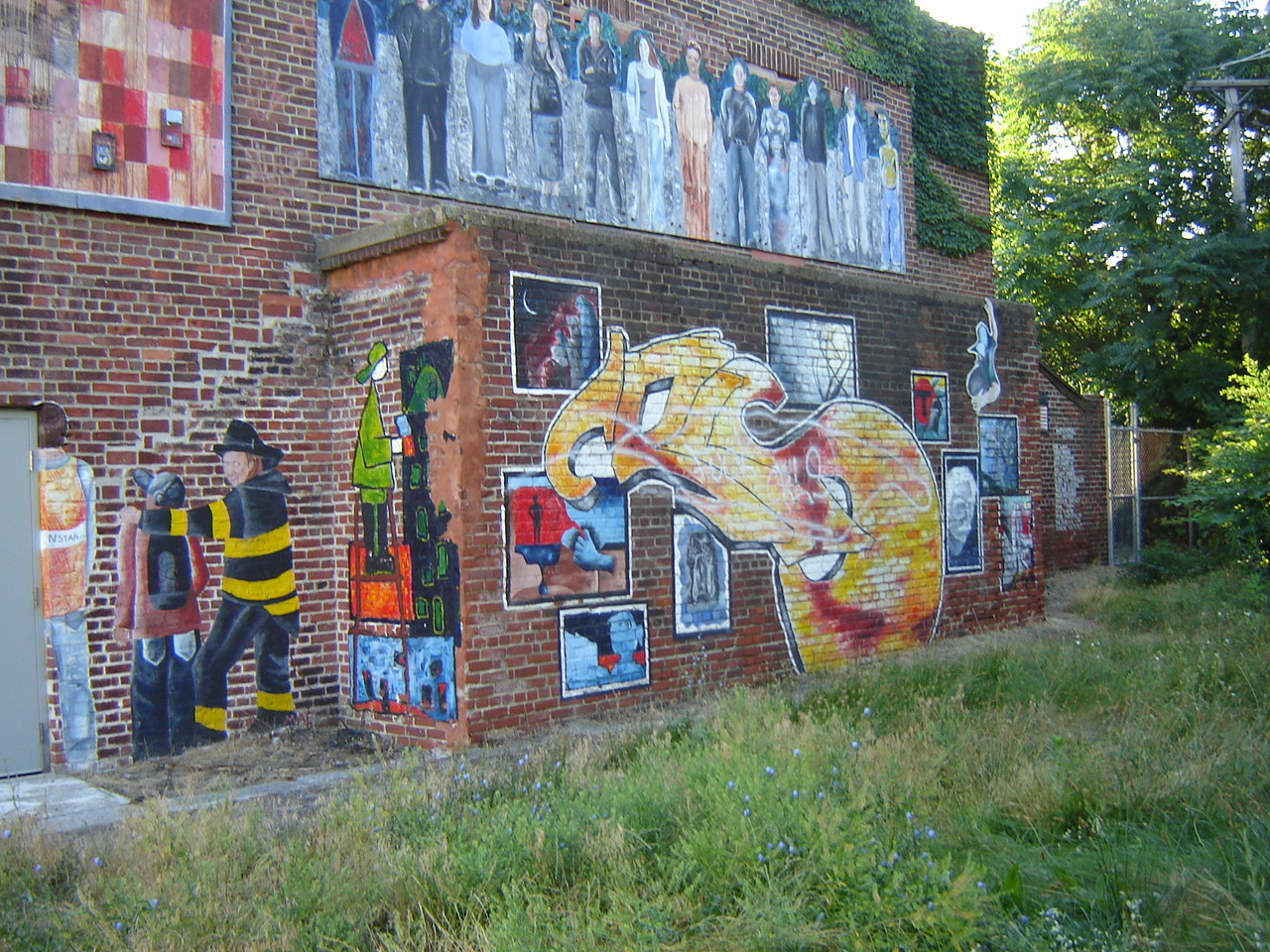
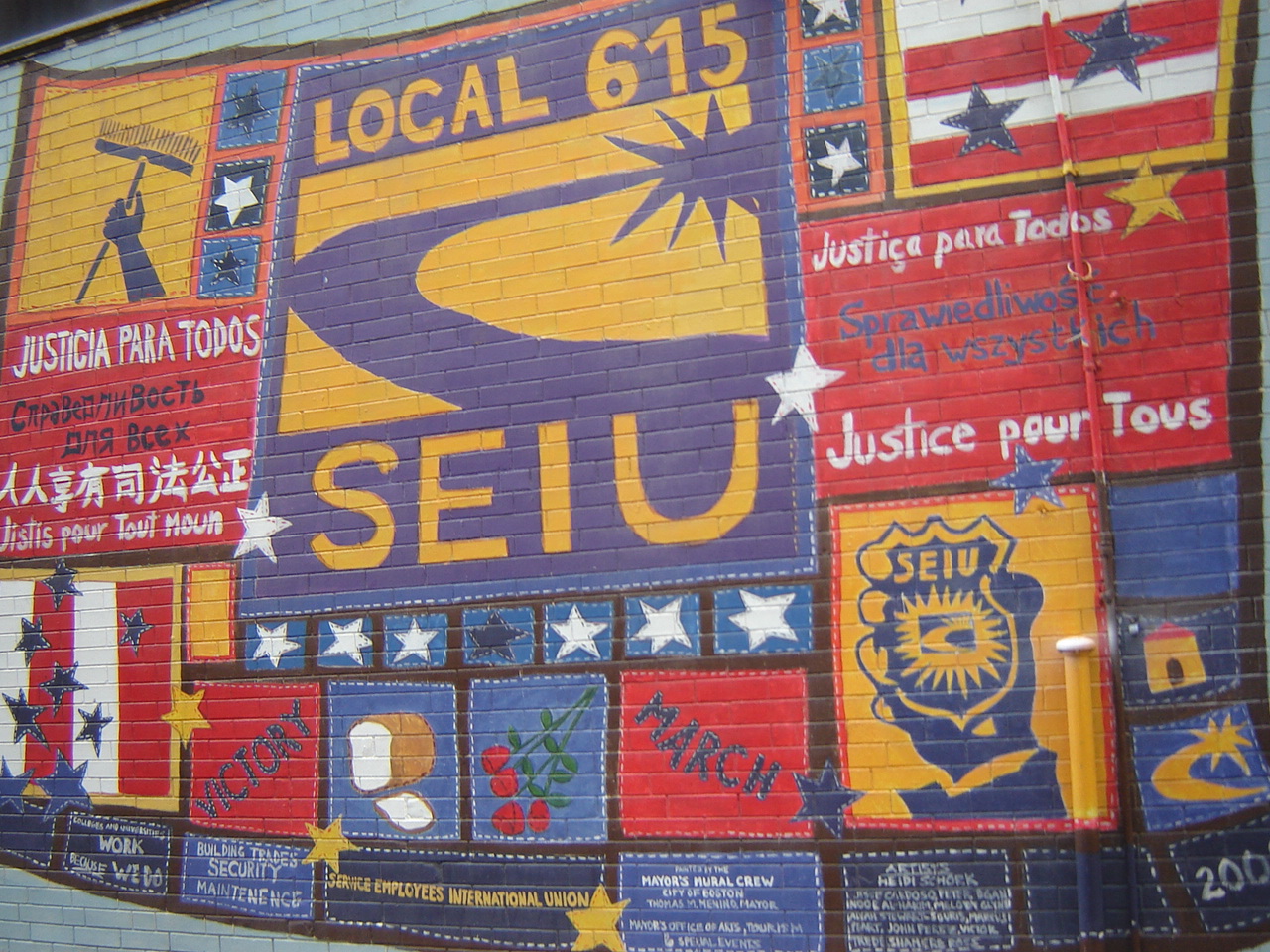
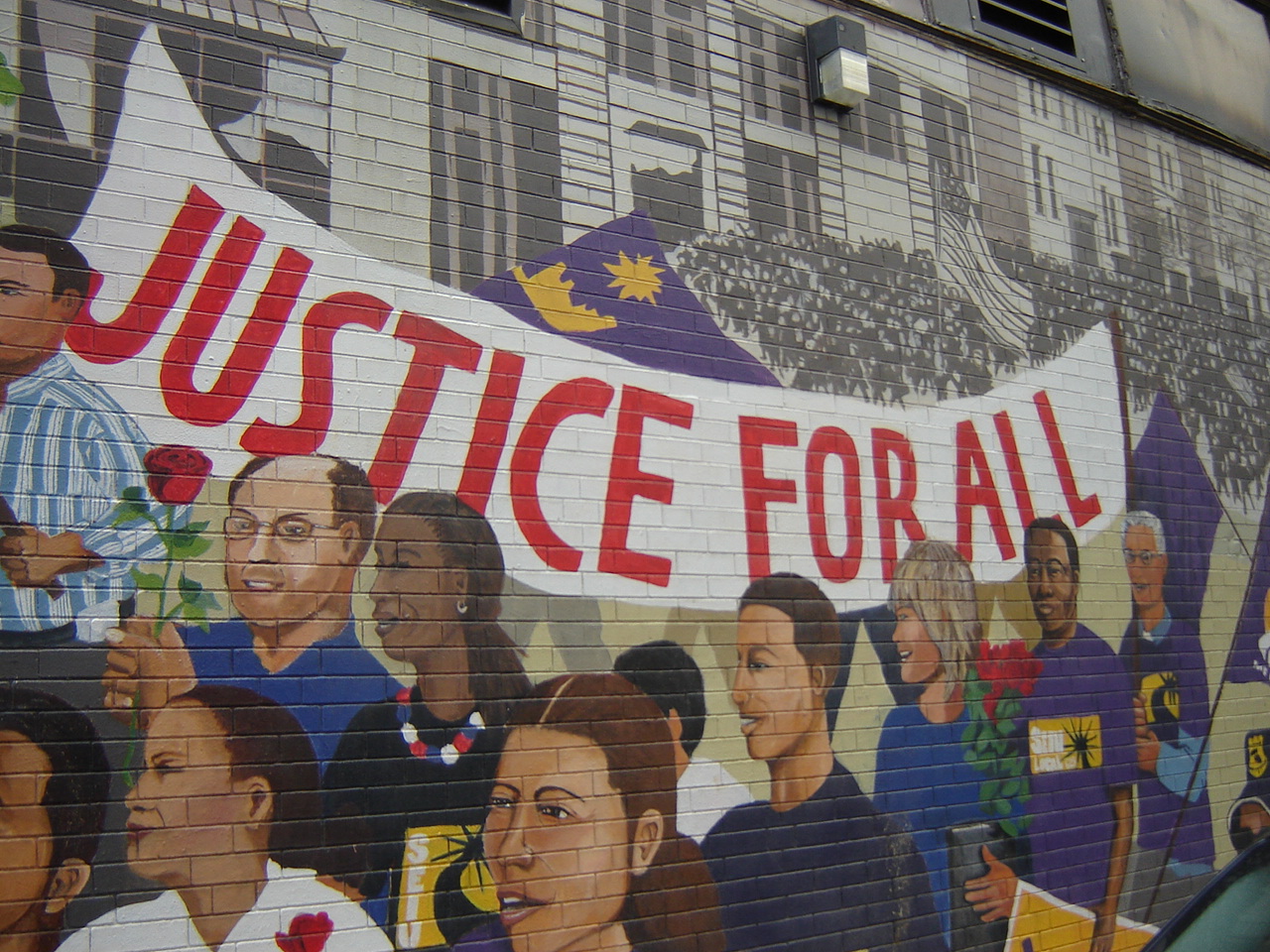
These two murals are from Somerville and Gloucester. Do you get the feeling that the towns themselves have different personalities? One seems to record the history of the city in a formalized way. The other is more about people’s lives today.

If you know more about the genesis of these murals, I’d love to hear it. In both cases, the murals seem to have been created with permission. I wonder if you think that permission subverts the subversiveness of street art?

Makes me think of the kids in eighth grade who were asked to create nice Halloween paintings on shop windows so the windows wouldn’t get soaped as a Halloween prank.

The goody-two-shoes kids painted windows with pumpkins and witches. The rough kids still soaped windows.

Read Full Post »

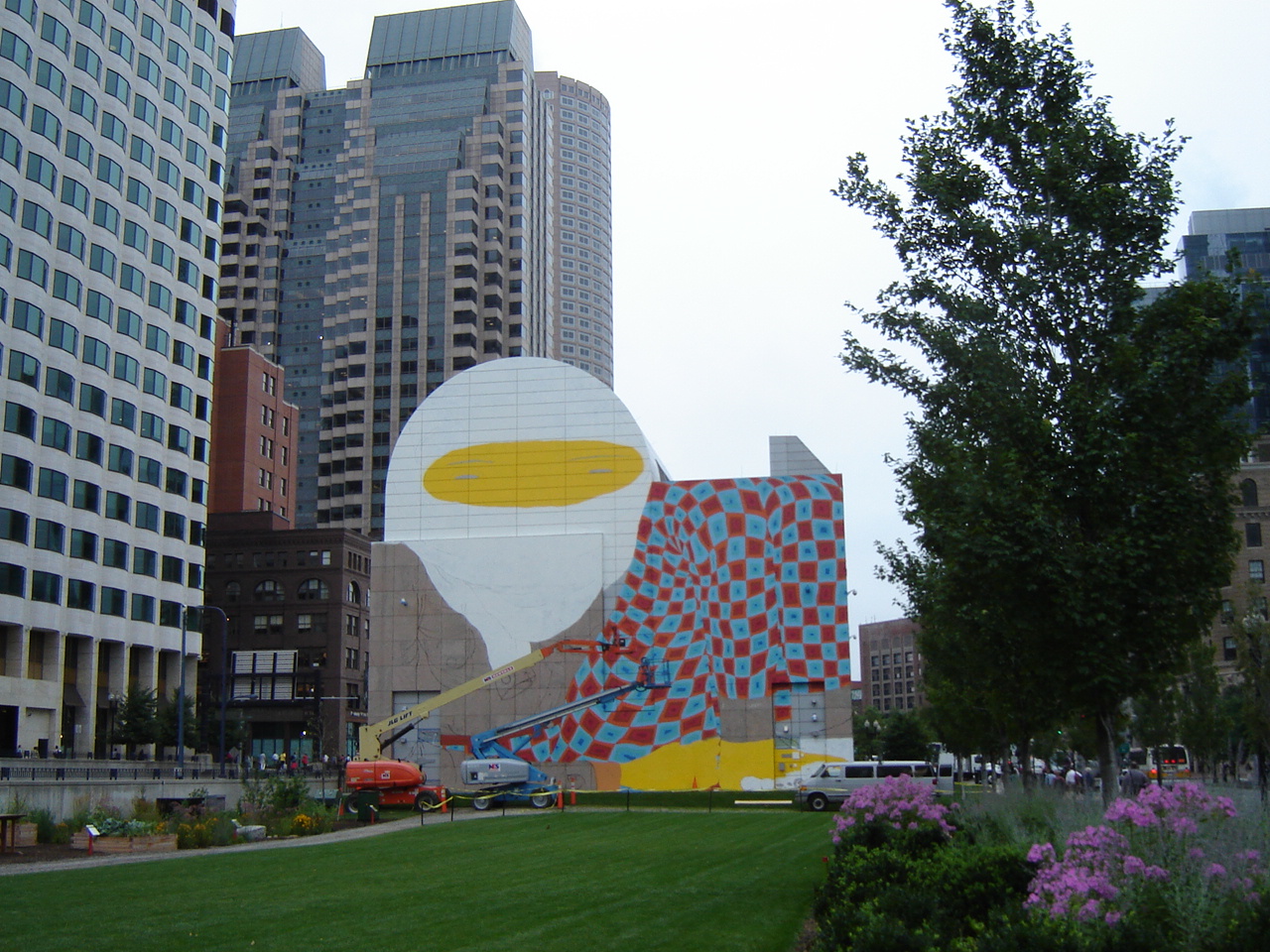
There is a huge structure in the middle of the Greenway that the inventive Sam and Leslie of Uni Project fame once envisioned as a projection screen for summer film festivals. It houses the Big Dig’s ventilation system.

About a week ago I was walking past and noticed what looked like window washers cleaning it. I thought, “Now, why would anyone want to wash that thing?”

A couple days later I saw why. Prepping the canvas.

This is in Dewey Square, where less than one year ago Occupy Boston pitched camp.

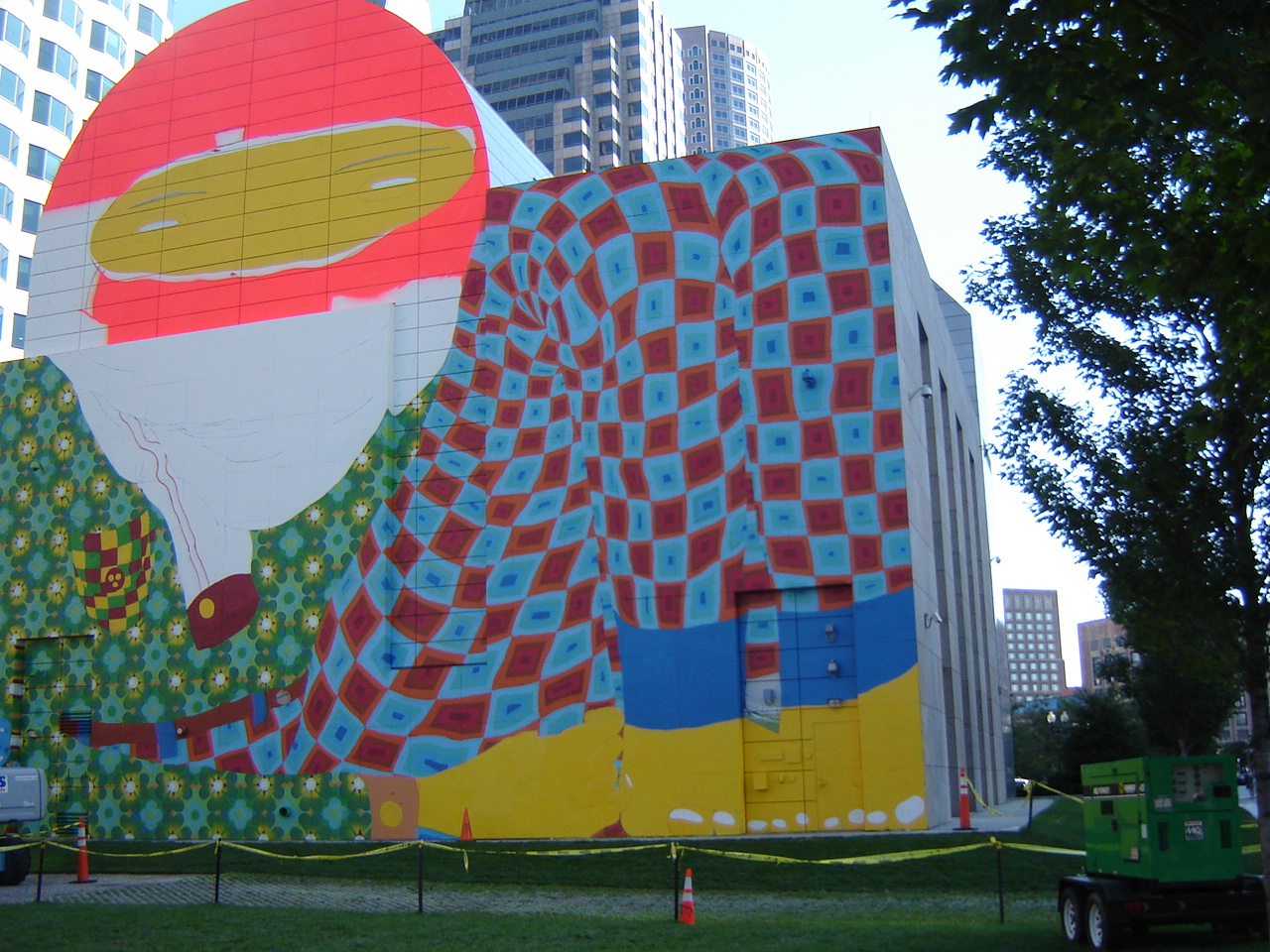
Now, writes Geoff Edgers in the Boston Globe, “That’s where Os Gemeos (‘the twins’), famous in the street art world for creating towering cartoonish figures with bright colors and grimacing expressions, began work on their first Boston piece. Depending on weather, they’ll need a little over a week to craft the mural on a wall of a Big Dig ventilation building and a second, smaller piece on the Revere Hotel near Boston Common.

“The pieces are part of the first solo museum exhibition in the United States for Os Gemeos. The Institute of Contemporary Art show, featuring paintings, mixed media works, and installations, opens Aug. 1.”

Read more and check out other art by these guys at the Globe.

You might also like to read the museum’s description of the brothers’ upcoming the exhibition:

“This August the ICA will present the first solo exhibition in the United States of works by the Brazilian brothers Otavio and Gustavo Pandolfo. Best known as Os Gêmeos, the twins are a major force in graffiti and urban art. The twins have a deep bond; they are tireless collaborators and say that they often experience the same dreams. In an effort to share their dreams with the world, they depict their visions in surreal paintings, sculpture, and installations: human figures with removable faces, exploding bursts of color, and room-size heads installed with shanty interiors.”

More from the ICA here.

Read Full Post »

Photograph: South End Knitters

Today I am thinking about the South End Knitters, the stealth street artists who wrap their knitting around parking meters and fire hydrants and telephone poles.

Writes Linda Matchan in the Boston Globe, “The South End Knitters’ weekly meetings at a Washington Street café seem innocuous, but don’t be fooled. Over knitting needles and yarn at the long table they’ve commandeered, they are contemplating something far more mischievous than a sweater. They’re graffiti knitters, and they’re plotting their next target. …

“As with graffiti, no two tags in the yarn-bomber subculture are alike. They range from sleeves on parking meters to tubes on tree limbs to sweaters on statues: A recent high-profile example is the neon pink sweater that the New York street knitter Olek crocheted in December for the 16-foot ‘Charging Bull’ statue on Wall Street.”

What put me in mind of the South End Knitters was an extraordinary post at the WordPress blog Pickled Hedgehog Dilemma, which describes a crochet effort that is drawing a lot of attention to the plight of vanishing corals.

Concerned about the effect of global warming on reefs, Margaret Wertheim and her twin sister got an idea that involved “crocheting corals. They used a crocheting technique invented by mathematicians in 1997 to model hyperbolic shapes called hyperbolic crocheting. … This ended up being a perfect technique for producing coral reproductions. …

“They crocheted a lot of corals,” continues Pickled Hedgehog, ” then they did something to change the world. They shared their corals with art museums. They got a community in Chicago to crochet with them. Then the crafting became a movement and groups all over the world started to crochet corals.”

Read Pickled Hedgehog Dilemma’s illustrated summary here. And if you have the time, this TED talk is super.

Pickled Hedgehog Dilemma

Read Full Post »

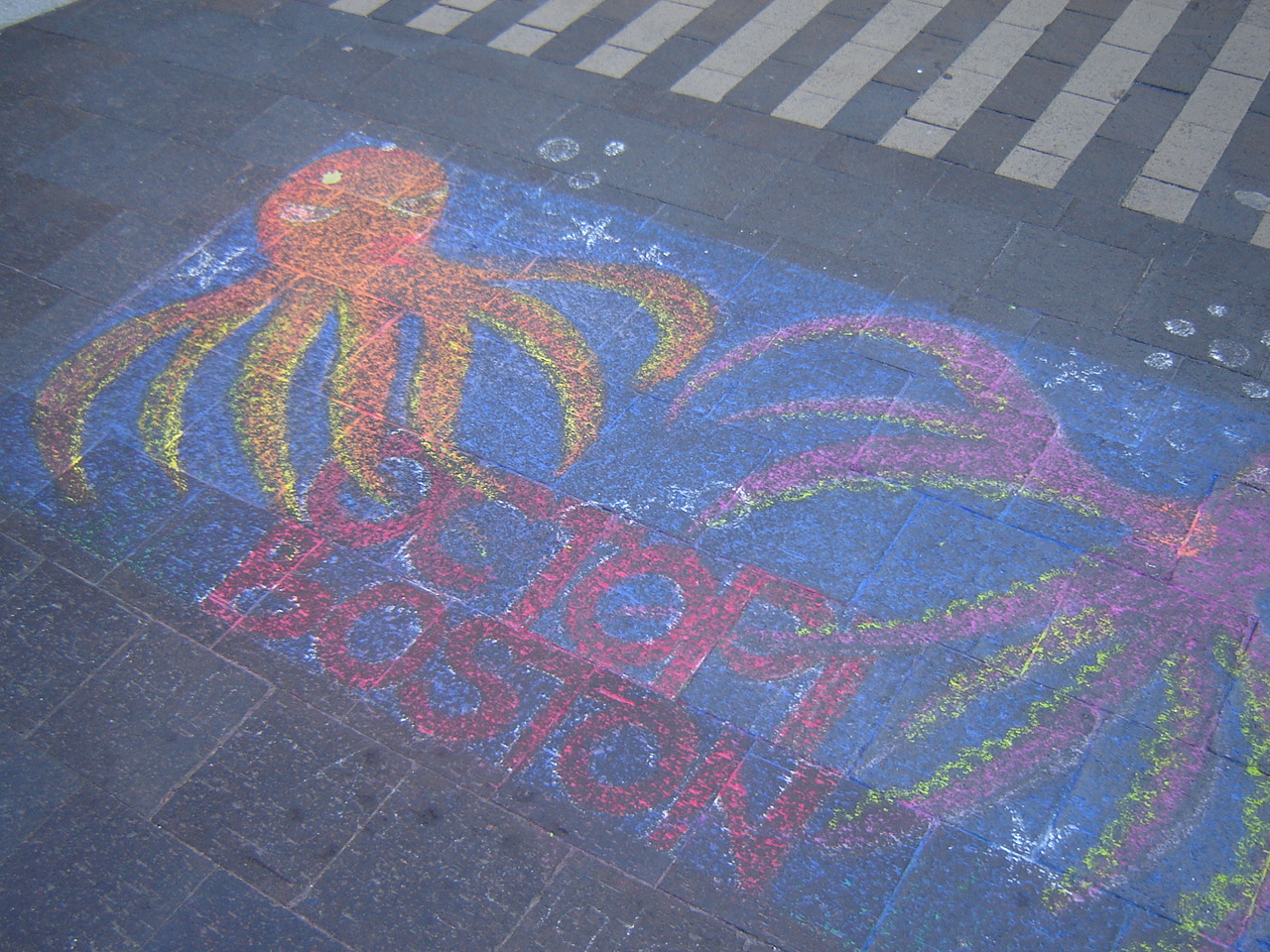
As you may recall, Occupy Boston camped out in Dewey Square. Today the new sod and the demonstration garden are flourishing alongside gourmet food trucks — and on farmers market days, alongside vendor tents.

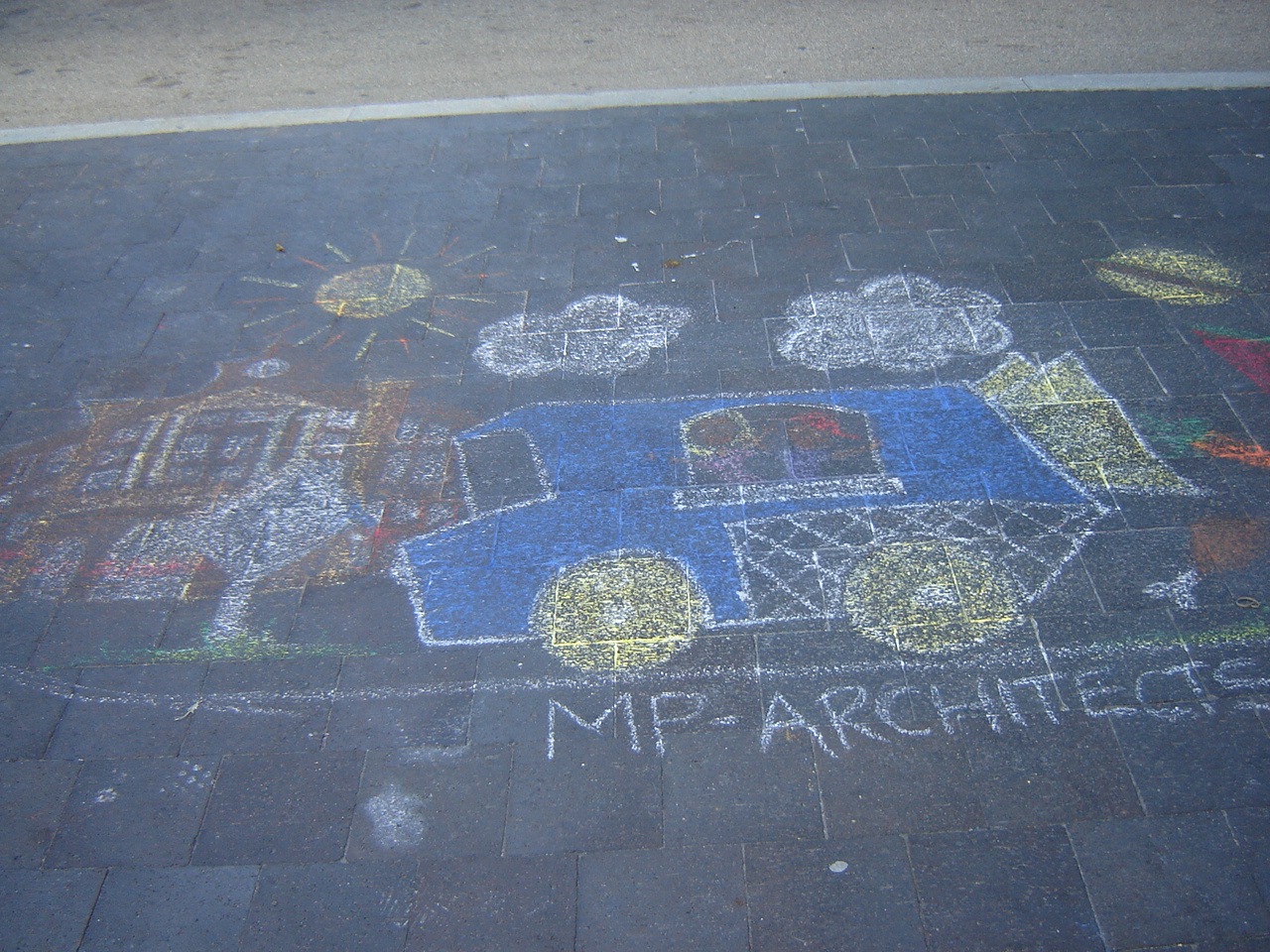
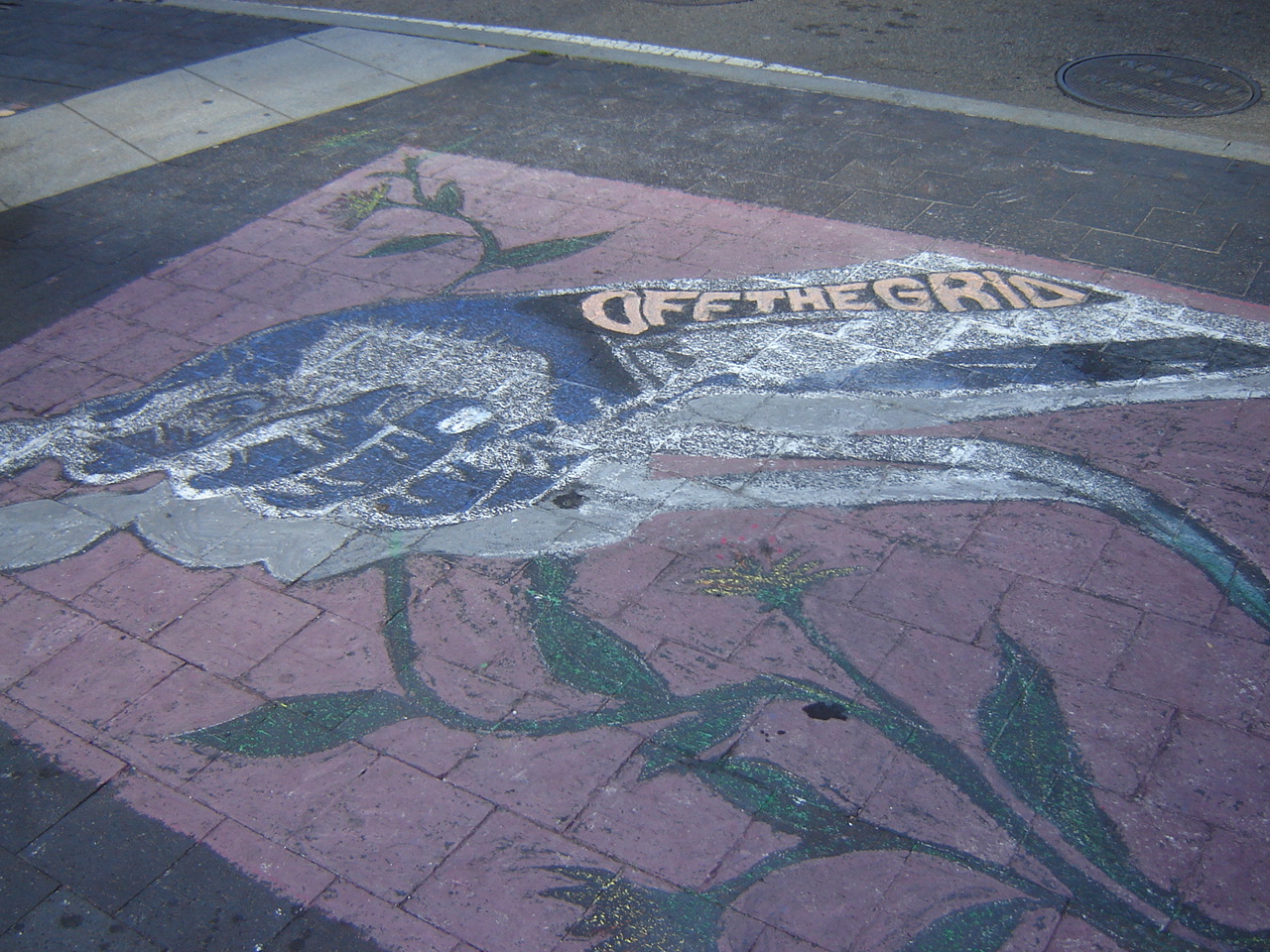
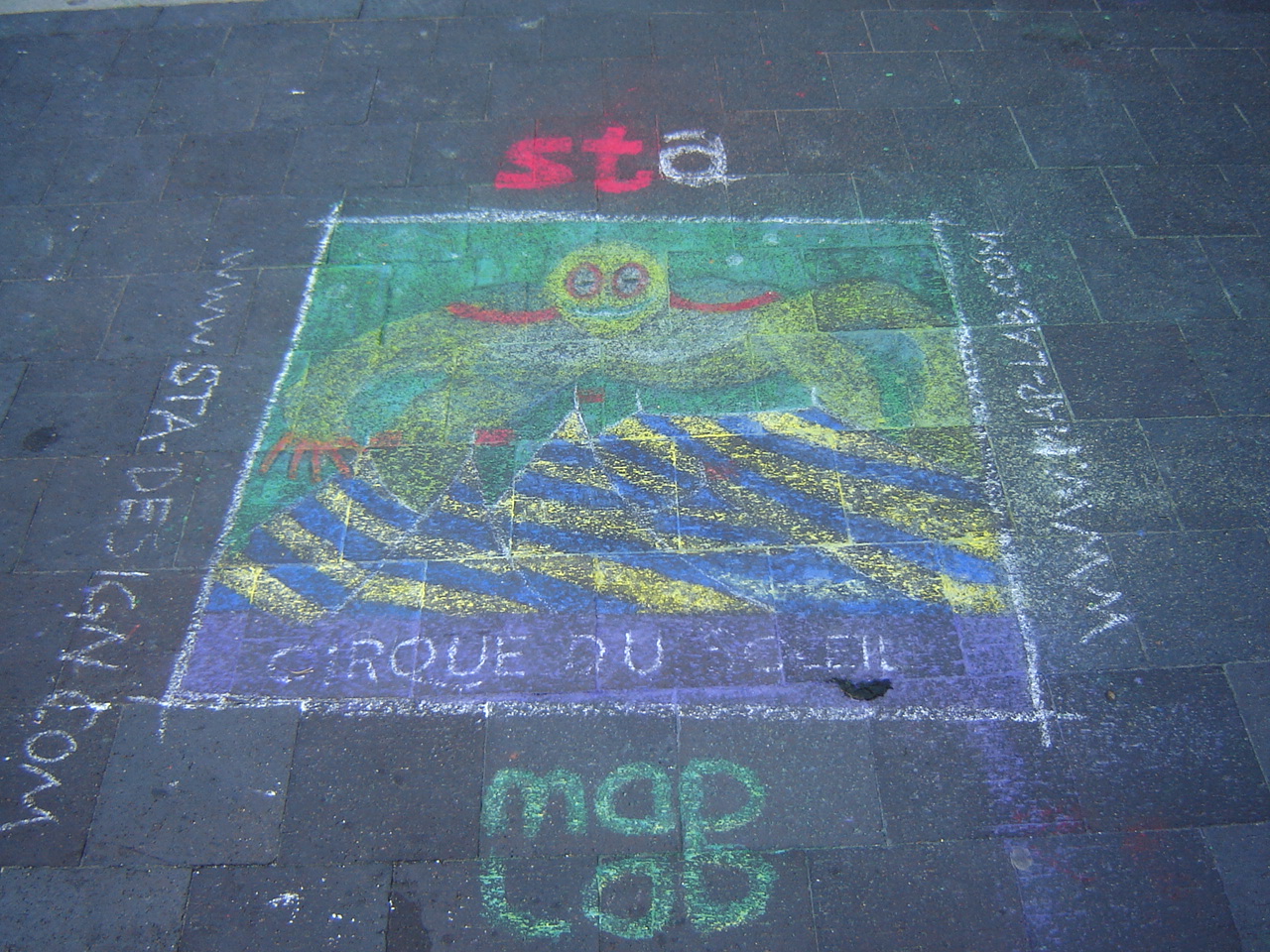
But it’s still a place for the public voice to express itself. I hope you can see these chalk drawings, captured Tuesday. Already gone, they were a rather fleeting public voice, as street art often is. One is called “Octopi Boston.” There’s another featuring Cirque du Soleil and one on the Red Sox. Icon Architecture stealth is apparently behind that one.

Read Full Post »

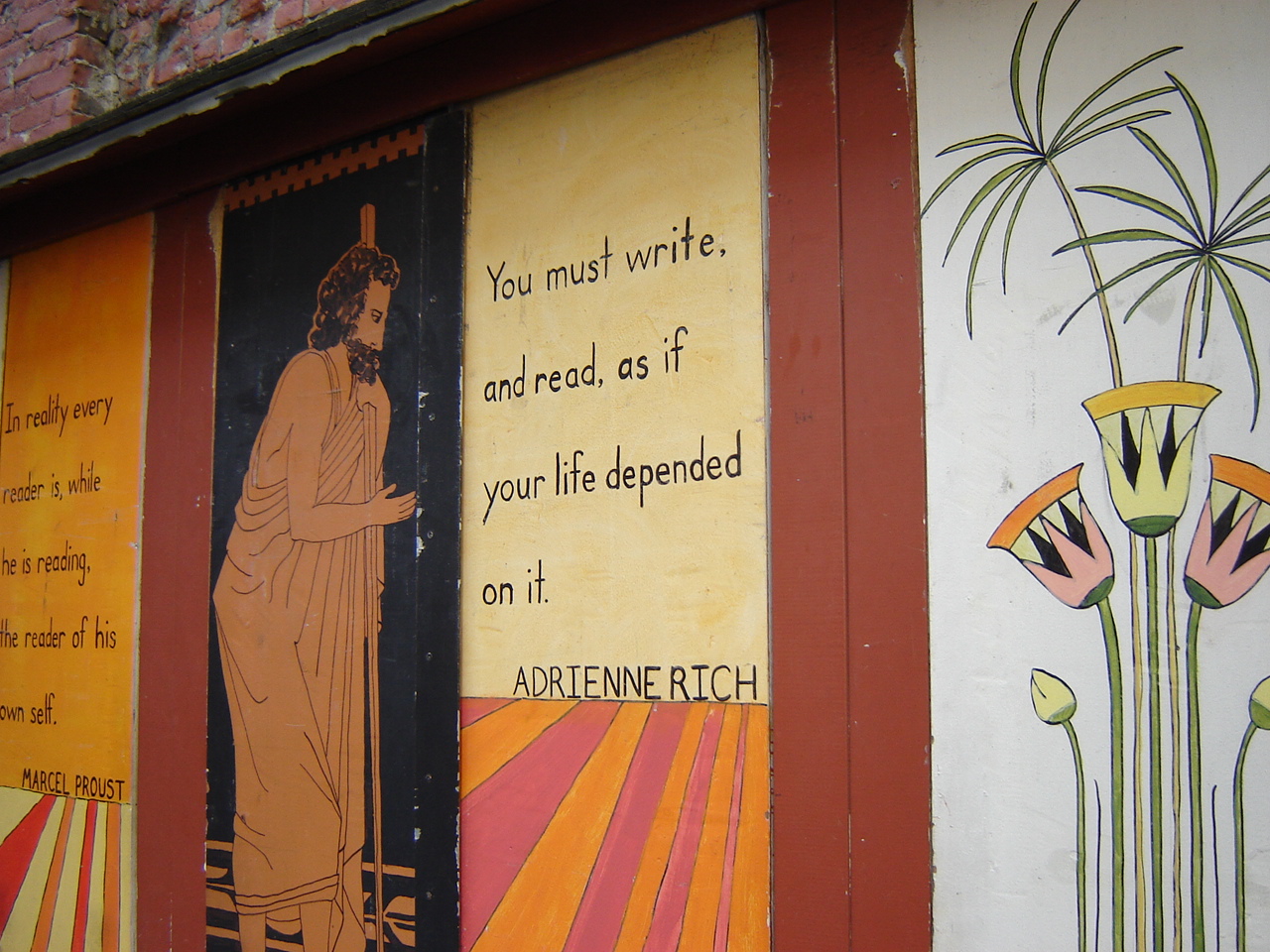
Some days I walk in Boston and snap the sights down side streets. The first photo was taken near the harbor. The others were taken near Downtown Crossing.

I like the Adrienne Rich line painted on a bookstore wall: “You must write, and read, as if your life depended on it.”

Read Full Post »

I am intrigued by street art, and have blogged a few times about the British street artist Banksy. For example, here.

So I wanted to share Nicholas Barber’s article “The Full Banksy Experience” at More Intelligent Life.

“Last week I was driving home along an unlovely stretch of main road in east London,” writes Barber, “when I saw what looked like a billboard on the side of a building. It had a friendly message printed in neat black letters: ‘Sorry! The lifestyle you ordered is currently out of stock.’

“It took a few seconds to process. It was definitely pithy, and definitely cheered me up at the end of a boring drive, but what was it? An advert? Did it have The Economist’s red logo at the bottom? Or was it … could it be … a Banksy?

“A few days later, an item in the local paper confirmed that it was indeed a Bansky, and a photo was on the artist’s website. I felt as if I’d lucked into a new artistic experience.

“The pleasure you get from a Banksy comes from the whole process: the chancing upon on an artwork in the unlikeliest of places, the speculation over how it got there, the uncertainty over whether it’s his or not, the subsequent authentication, and then the knowledge that it might have been rubbed out by the time you return.”

That is similar to my own reaction, except for the fact that I knew what I was looking for. And to this day, it has not been “authenticated.” Do you think it looks like a Banksy?

Read Full Post »

I like reading about street art and what motivates the creative outbursts. I have blogged on this before (Slinkachu, Banksy).

The Art Newspaper recently did quite a long feature on street art inspired by (and inspiring) the Arab Spring.

Anny Shaw and Gareth Harris interview “Hans Ulrich Obrist of London’s Serpentine Gallery, who is chairing a discussion on art patronage in the Middle East as part of a summit at the British Museum and the Royal College of Art (12-13 January).”

” ‘What is interesting to see in Egypt, and in all these countries, is that artists are not only going out into the city, they also become agents of change in society. … If you think about it in terms of the Russian Revolution and Mayakovsky saying “the streets are our brushes, the squares our palettes,” it’s about art going beyond the museum and blurring the boundaries between art and life.’

“Obrist also notes that there is a long-standing tradition, particularly in Egypt, of contemporary artists using the street to mount performances or install works. Indeed, several contemporary Egyptian artists, including Susan Hefuna and Hassan Khan, have used the city as a site for their work, both before and in response to the uprising. …

“As Anthony Downey, the director of contemporary art at Sotheby’s Institute of Art in London, editor of ibraaz.org and a speaker at the summit says, the region has ‘antecedents in graffiti-based pro­tests,’ citing those against the Shah of Iran before his flight from Tehran in 1979 and the graffiti and posters used in Beirut during the civil war in Lebanon.”

What a hoot that this art has been taken up by auction houses like Sotheby’s! But on the whole it’s good for the artists. I know what a great moment it was when the favela artists from Brazil were able to sell their work in the movie Waste Land.

Read more here.


Read Full Post »

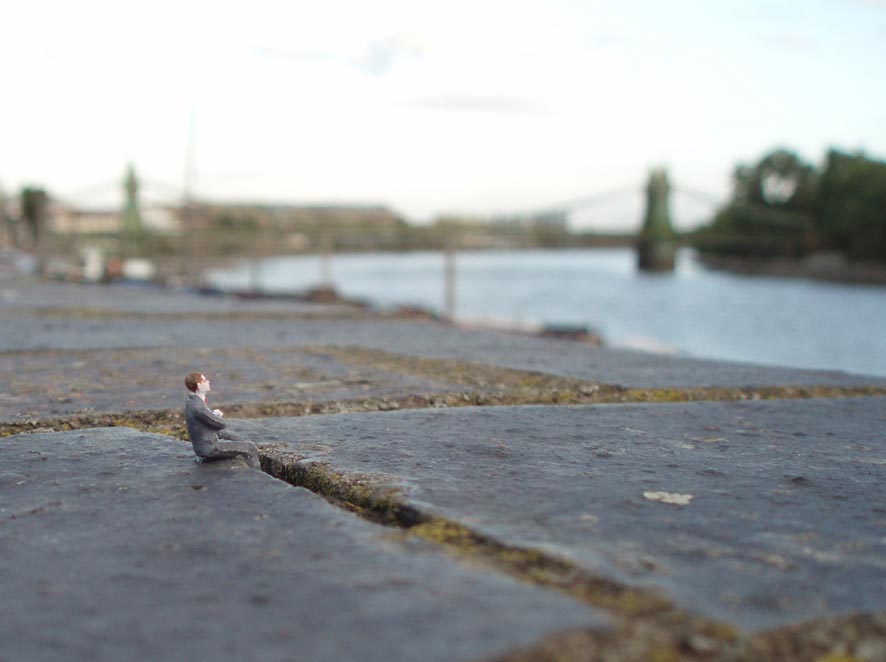
Michelle Aldredge once again introduces me to an artist I knew nothing about. Check out her wonderful post about the artist Slinkachu at her blog, Gwarlingo.

Like Banksy, Slinkachu is part of the London street art scene, Aldredge writes, but  “is everything Banksy is not — subtle, empathic, poignant, contemplative.”

I won’t try to replicate her post but will just mention that I especially like “The House of God” and “Dreams of Packing it All In.”

The photos are copyrighted by Slinkachu. If he doesn’t consider this “fair use,” I can take them down.

Update: He is in NYC until tomorrow, Oct. 7, 2012. Read up, here.

Read Full Post »

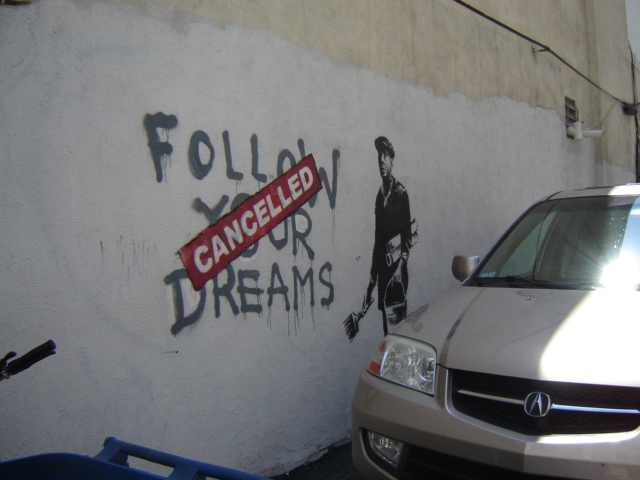
About a year ago, I read an article in the Boston Globe about an elusive British street artist known as Banksy. Some Banksy-style art had appeared on a restaurant wall alongside a parking lot in Chinatown, and rumors were flying that Banksy himself had snuck into Boston under cover of darkness to make his mark.

My office is quite near Chinatown, so with very few clues, I set out one lunch hour to find the art. A woman thought I looked lost. She was sure she knew where the restaurant mentioned in the newspaper was located. She didn’t actually, but I followed her a while and had a nice chat. She was amazed to hear what I was looking for: “Banksy? Banksy was here?!” It took a couple lunch hours, but I finally got this picture.

And I wasn’t the only one taking pictures. The parking lot attendant looked very annoyed. A year later the art is covered with ordinary graffiti, sprayed-on tags. I never did hear if it was an authentic Banksy, but I really like it.

If you want to know more about street art in general and Banksy in particular, see the offbeat documentary “Exit through the Gift Shop,” in which Banksy has to come to LA to rescue a street-art exhibition that takes in an awful lot of people.


Read Full Post »

« Newer Posts