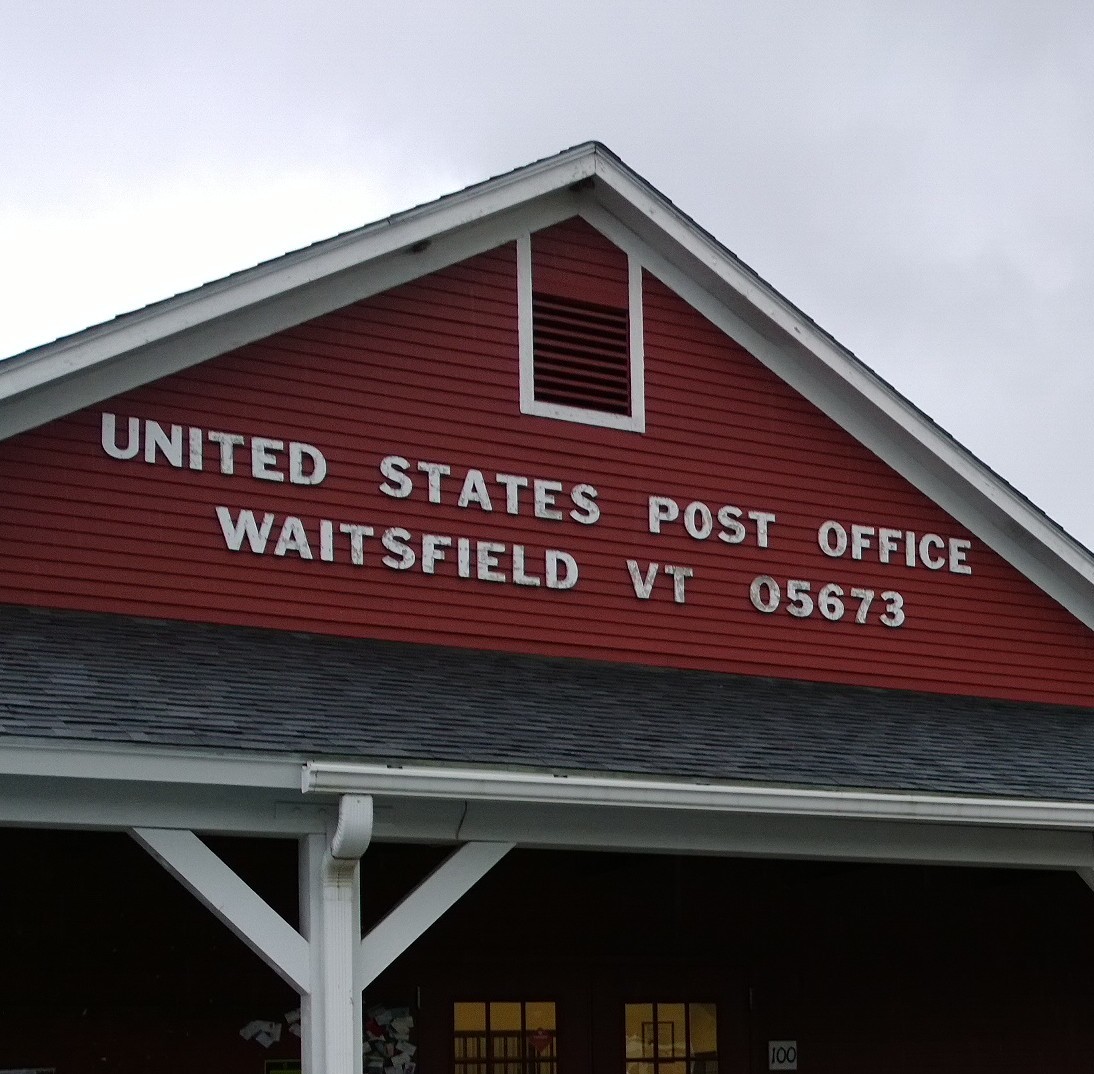
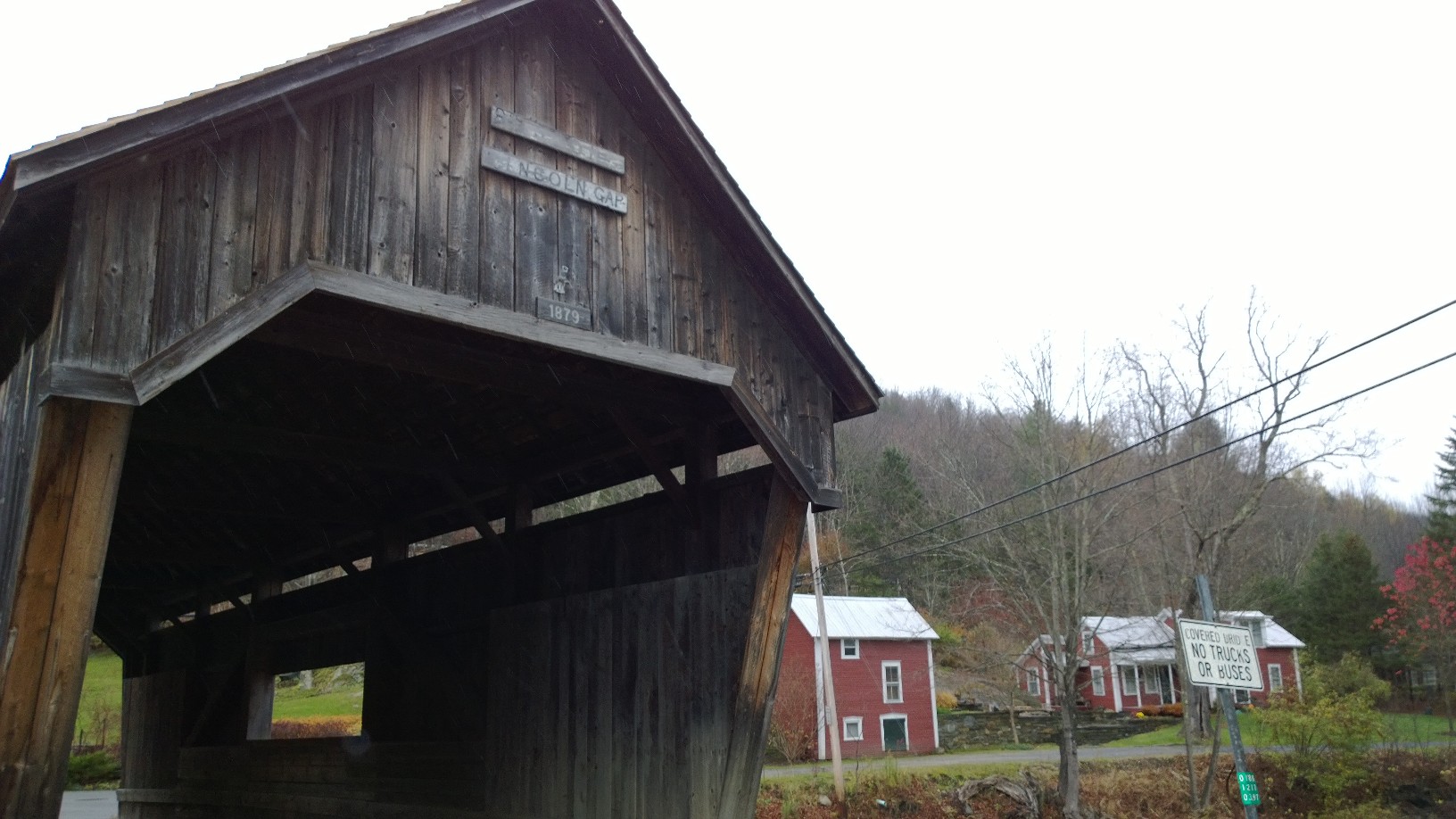
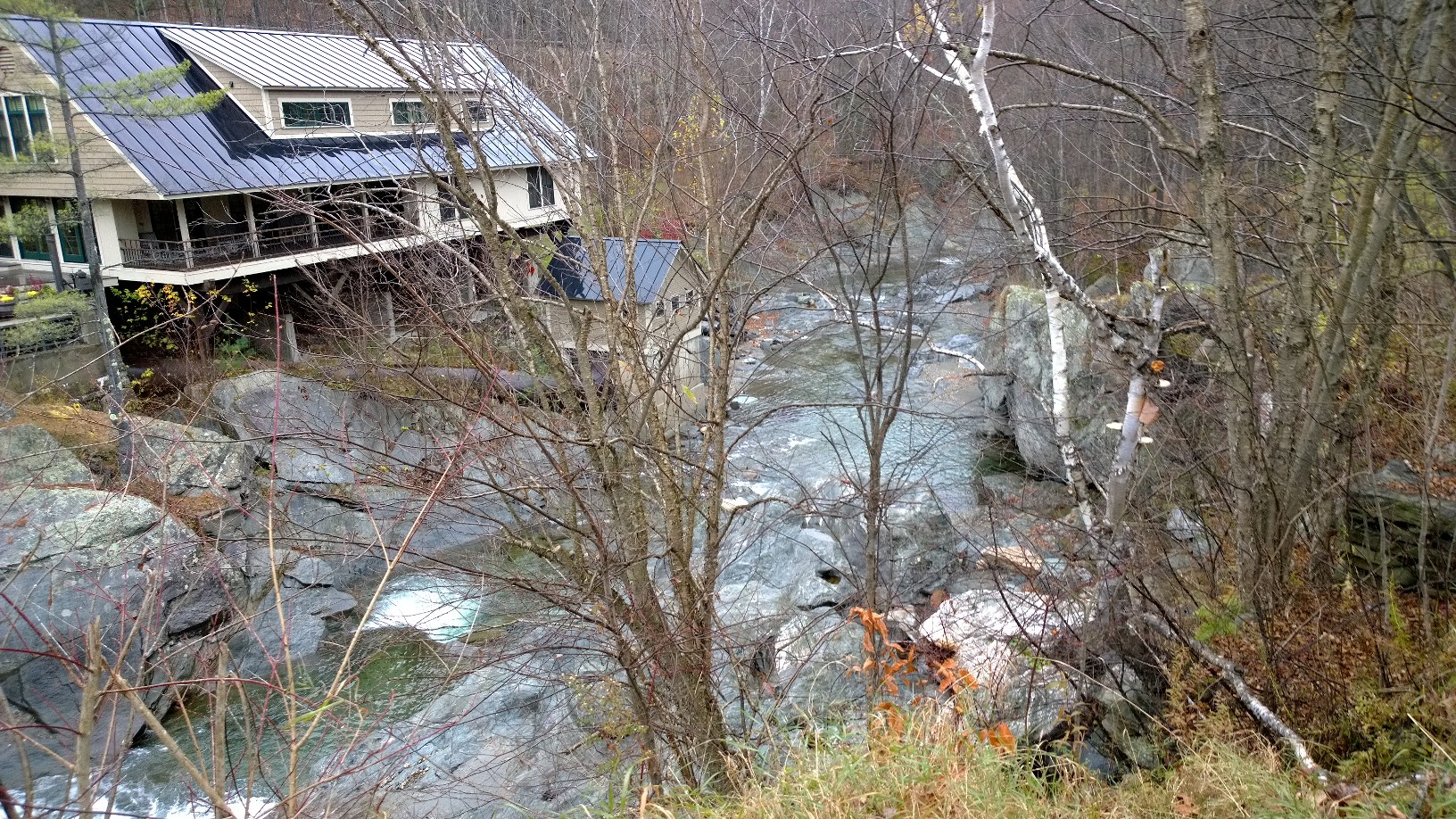
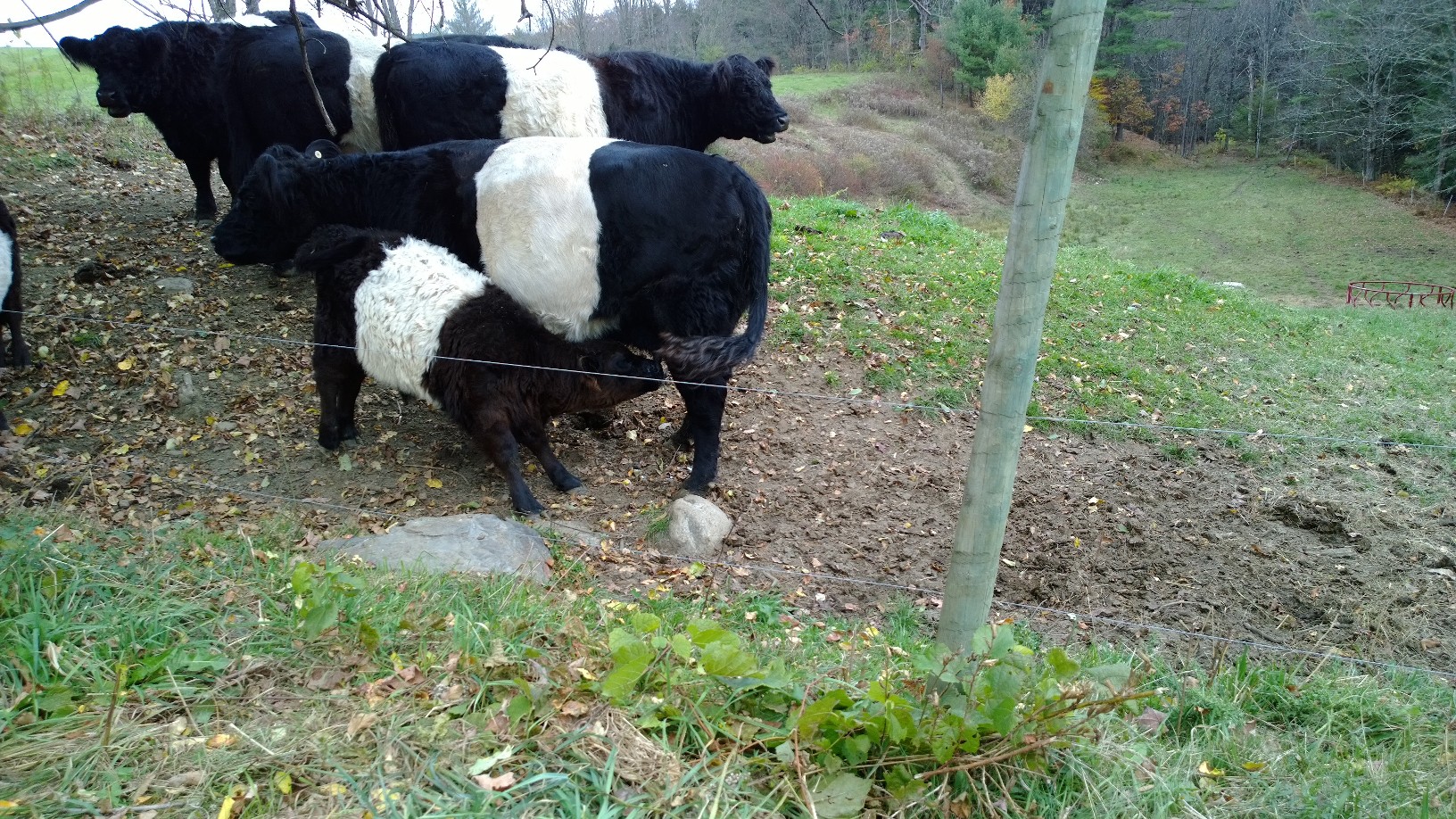
Two incredibly photogenic states.
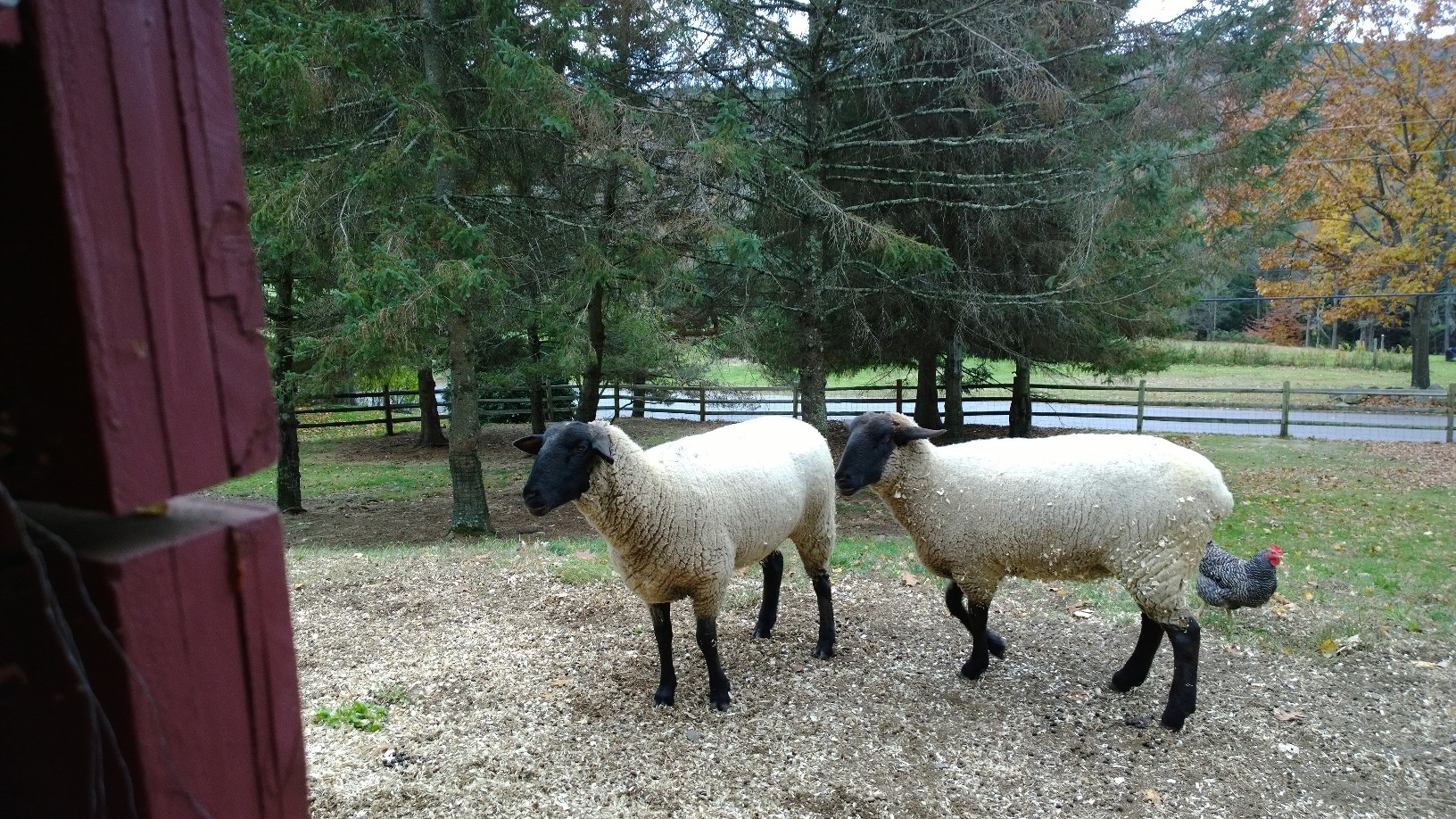
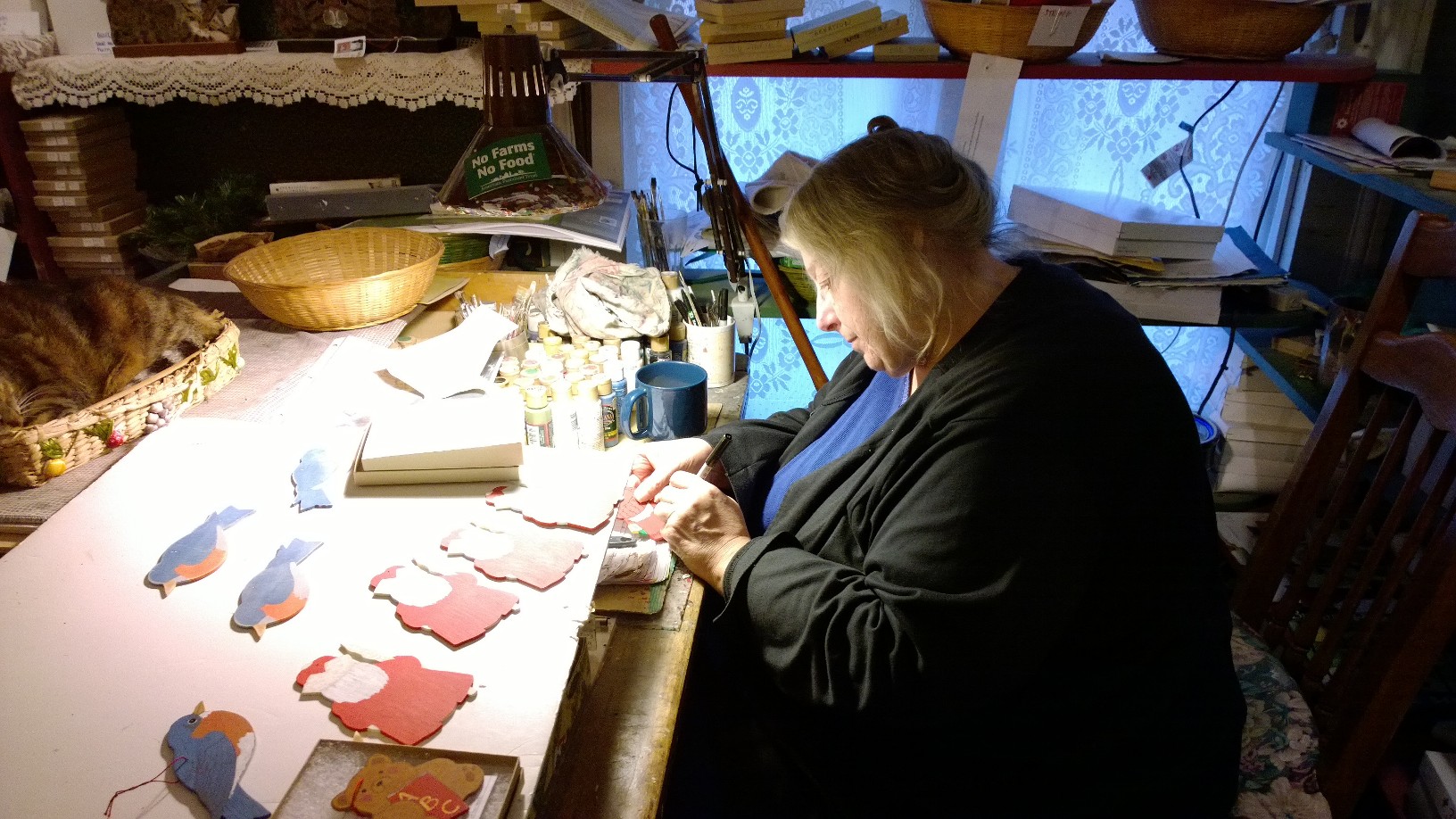
We got a special kick out of the sheep and chickens of my husband’s cousin, a dentist. He and his wife really know how to get the most out of the rural life.
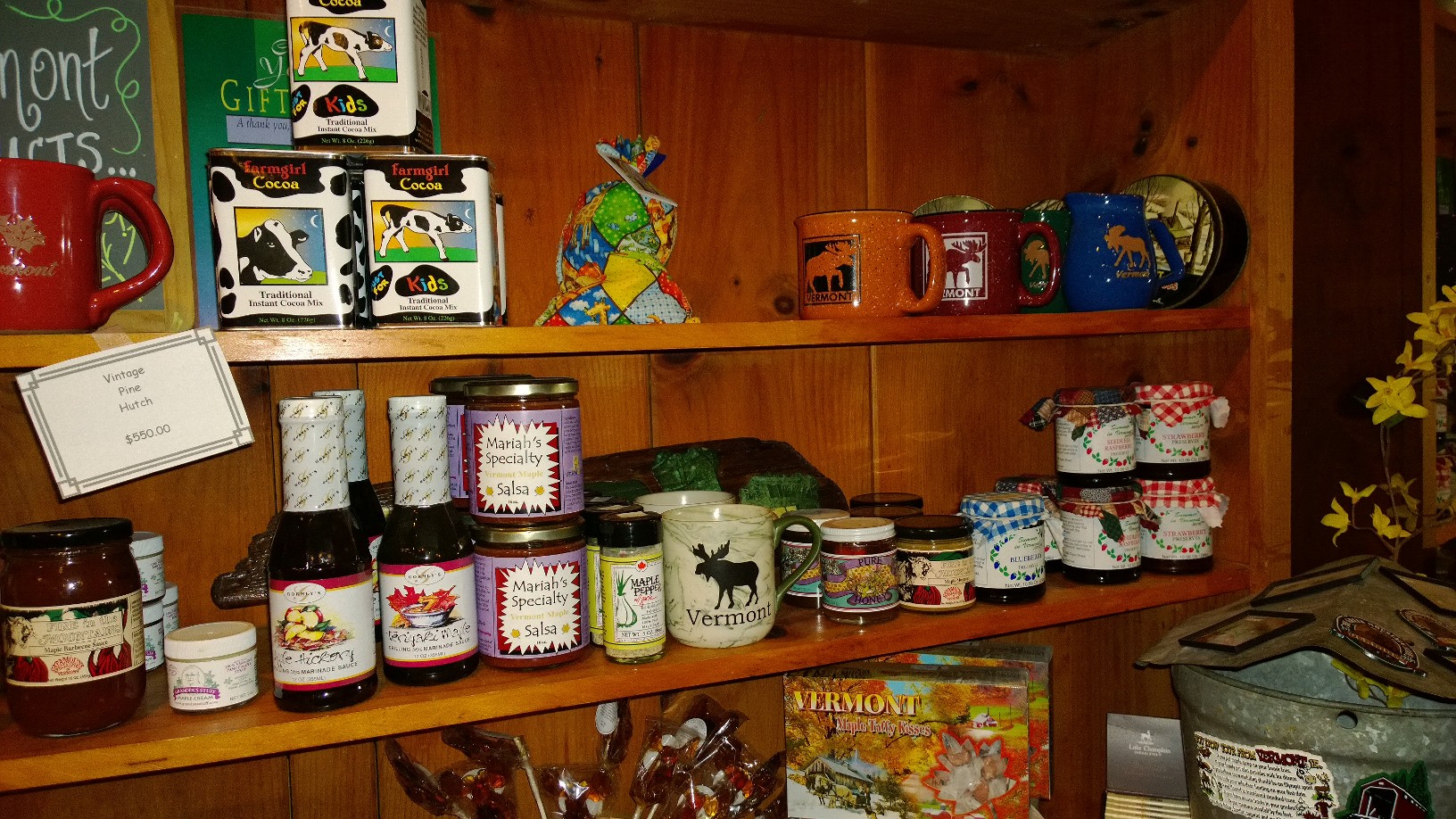
Posted in Uncategorized, tagged country store, cows, new england, new hampshire, photos, postaday, sheep, Vermont, waitsfield on October 26, 2013| 2 Comments »
Two incredibly photogenic states.
We got a special kick out of the sheep and chickens of my husband’s cousin, a dentist. He and his wife really know how to get the most out of the rural life.
Posted in Uncategorized, tagged canada, jay peak, Lake Memphremagog, newport, photo, photography, postaday, Troy general store, Vermont on September 10, 2013| Leave a Comment »
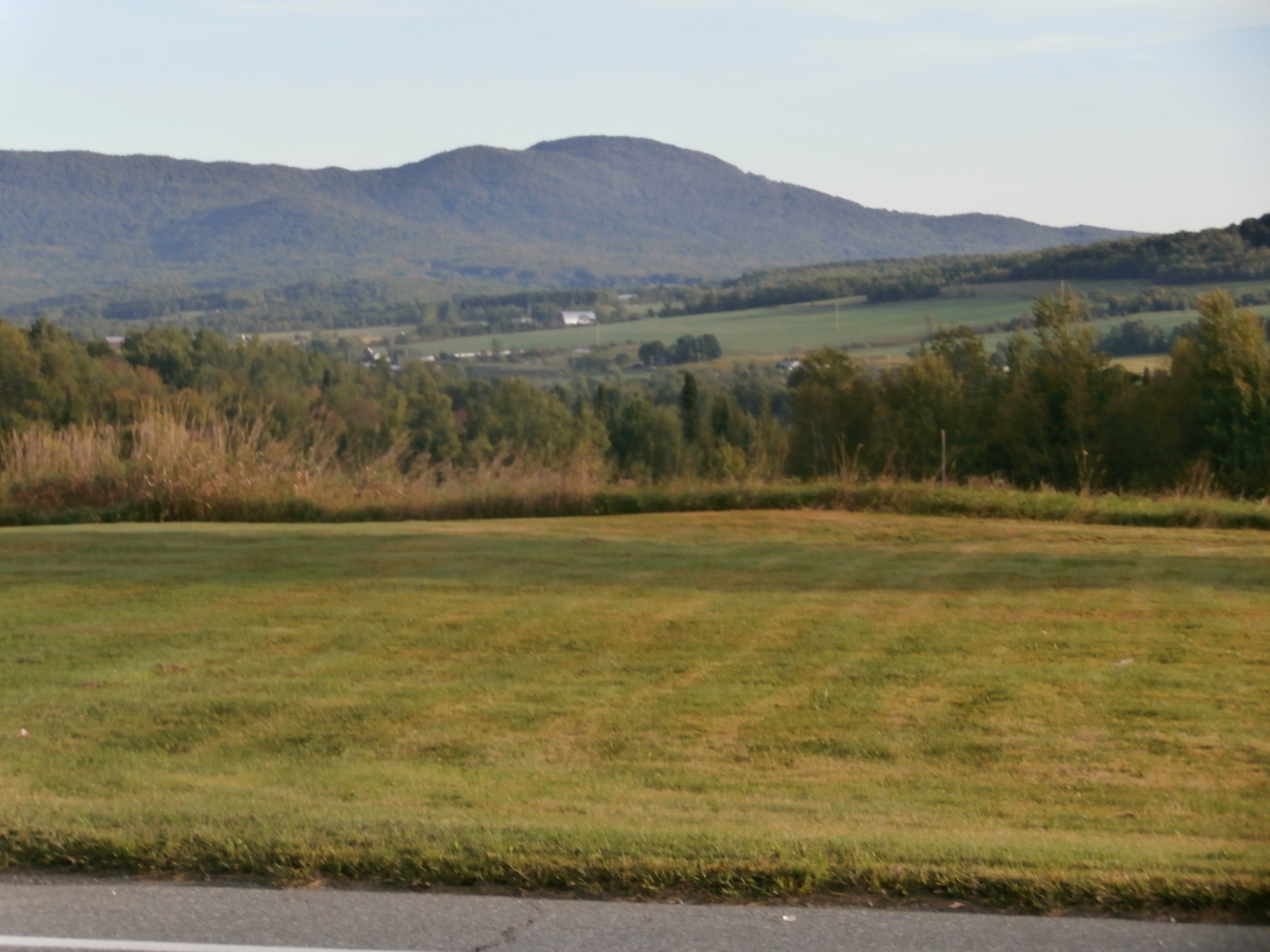
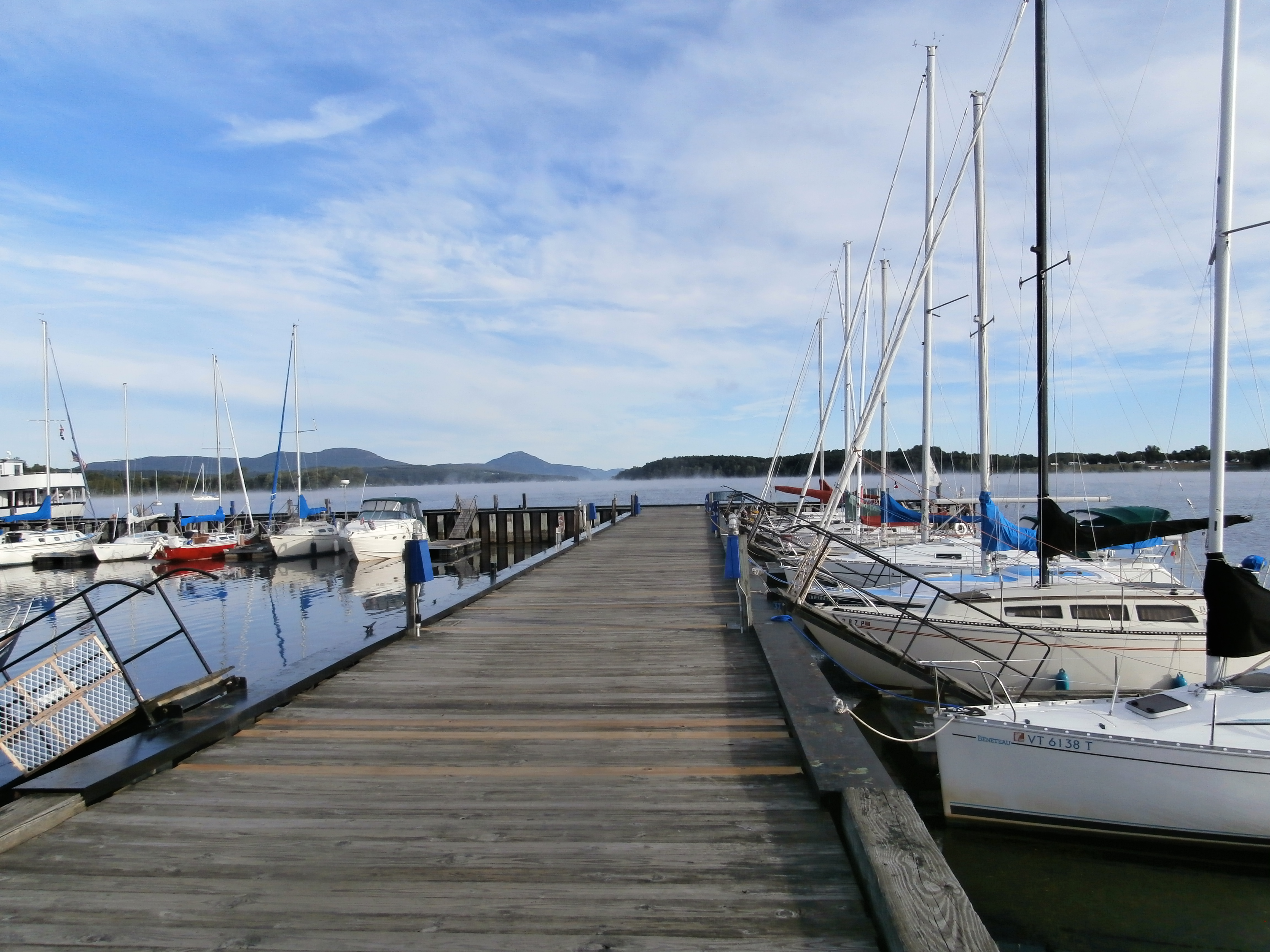
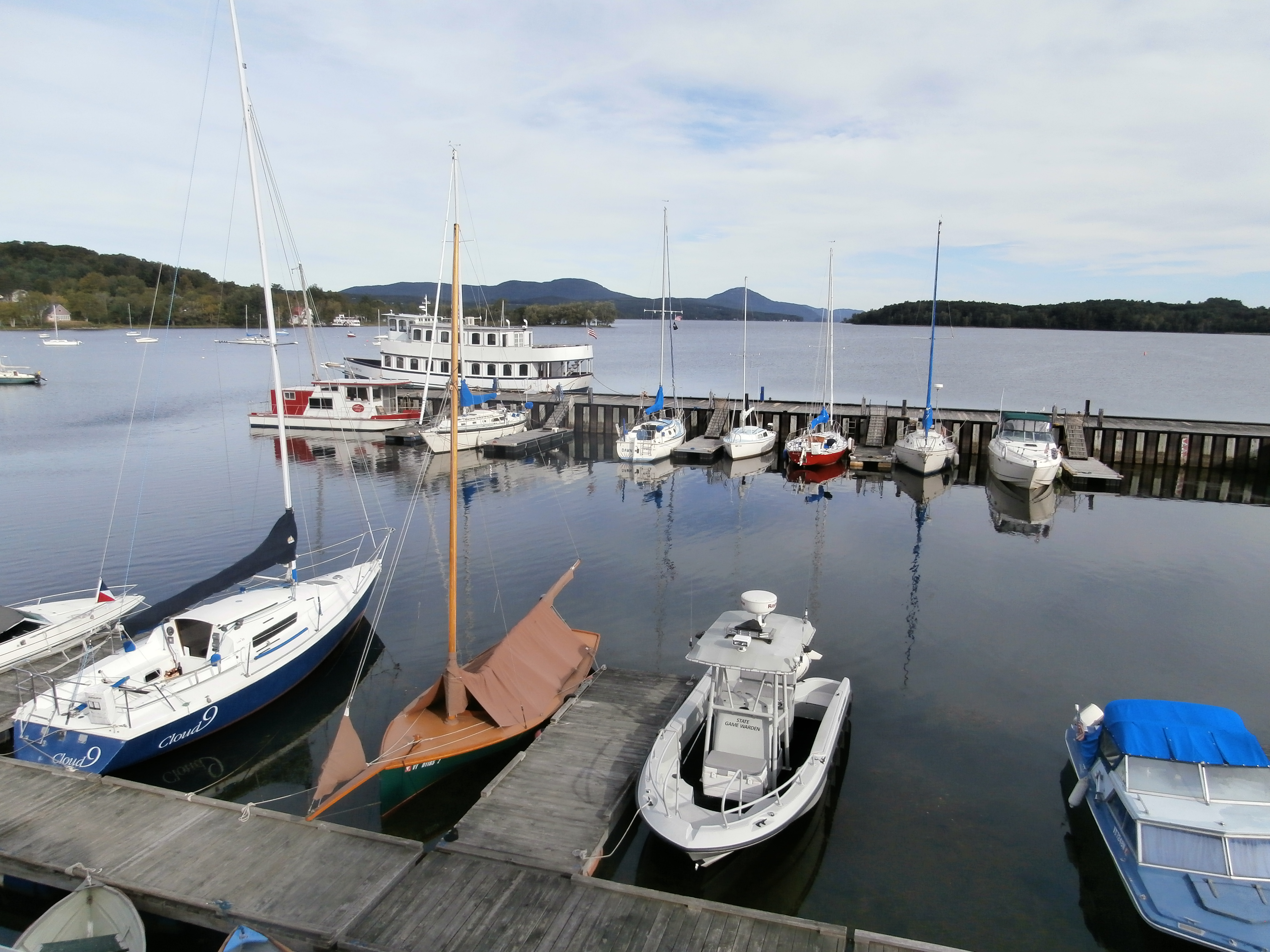
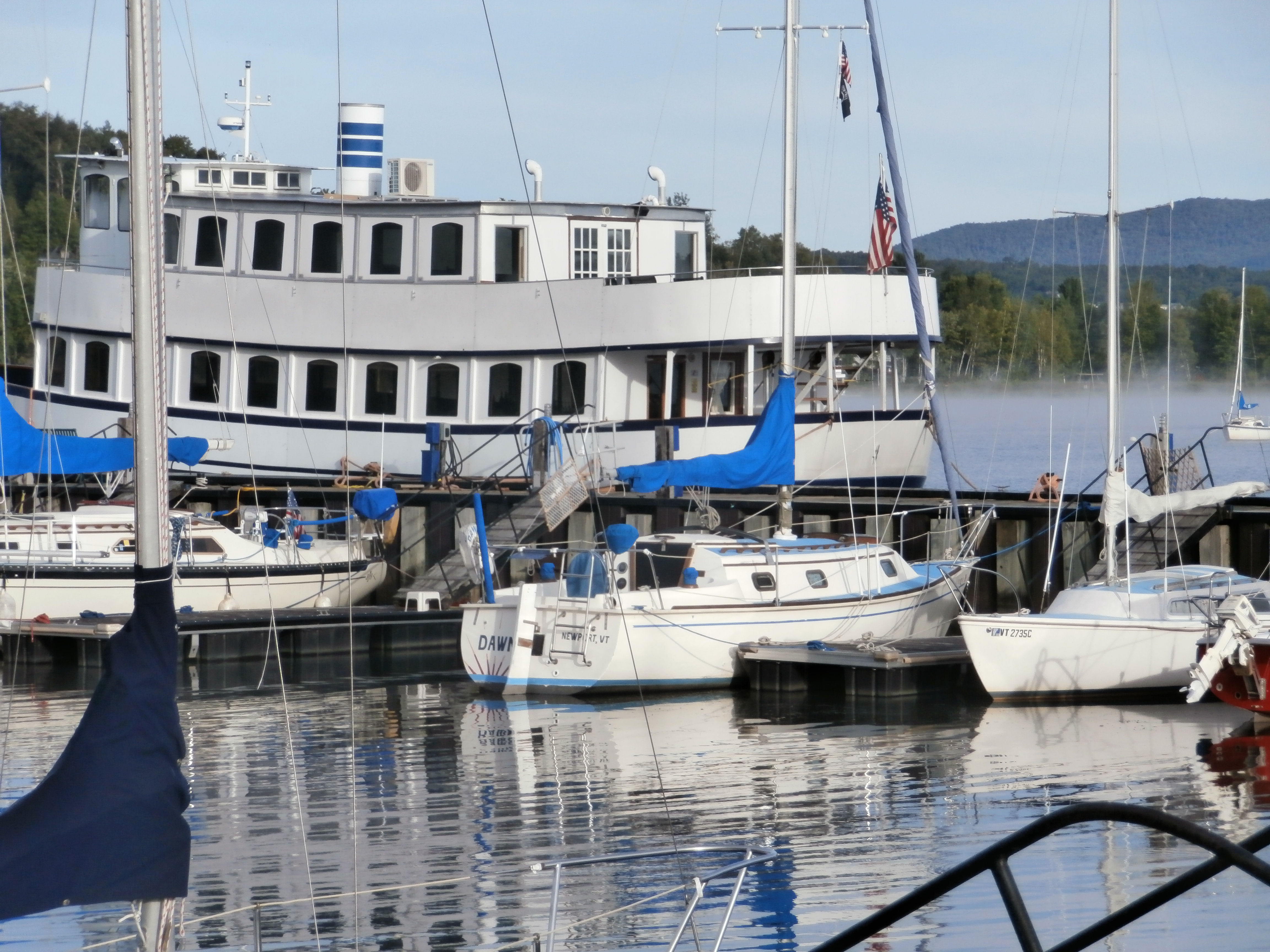
Here are a few pictures from my trip. I don’t think they do justice to the breathtaking Vermont scenery, but you get the idea. Memphremagog, a large lake on the border of Canada, is beautiful. We got a ride on the riverboat pictured here and sat up in the wheelhouse with the captain.
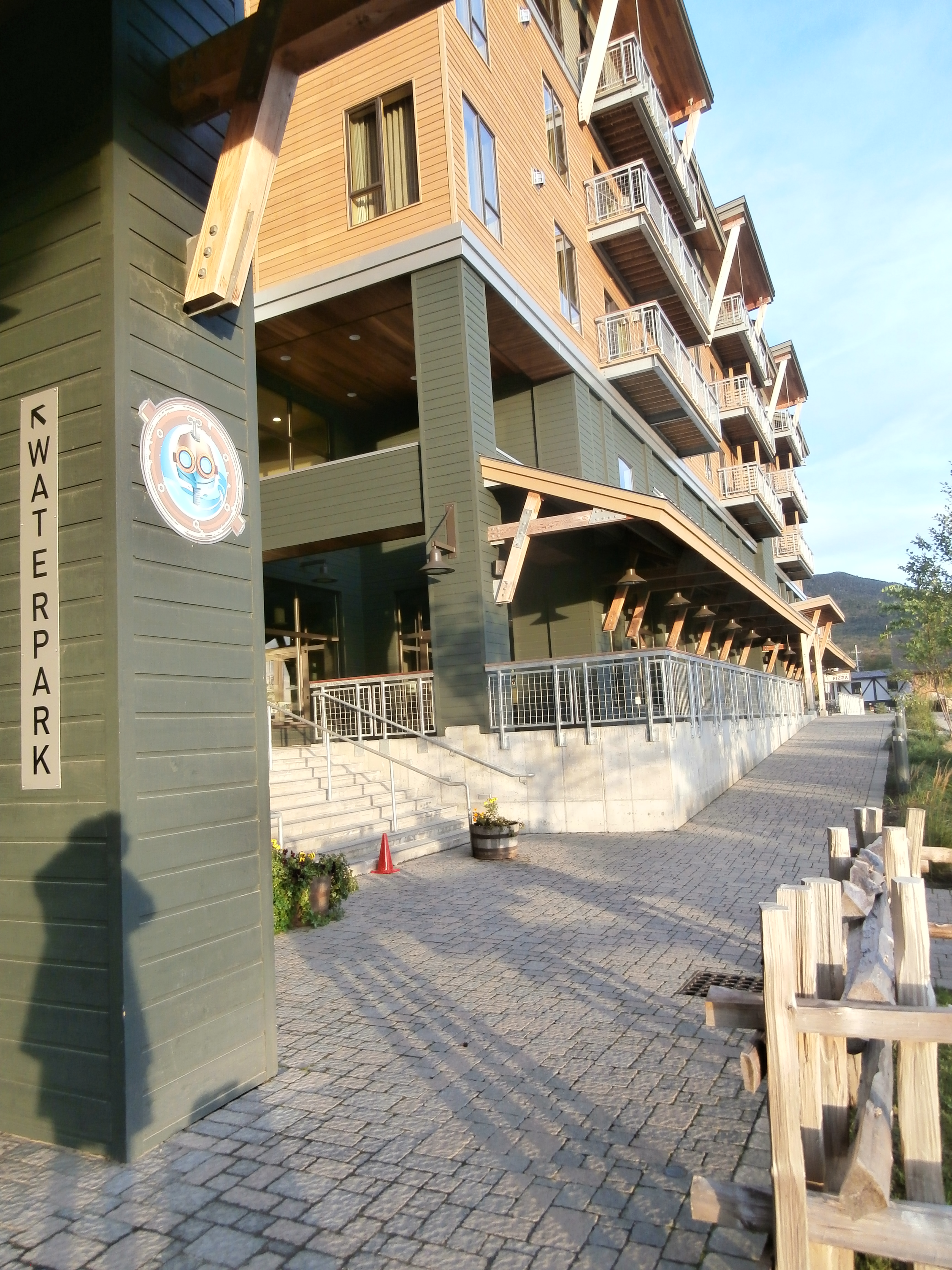
The chalet-like building is at Jay Peak resort.
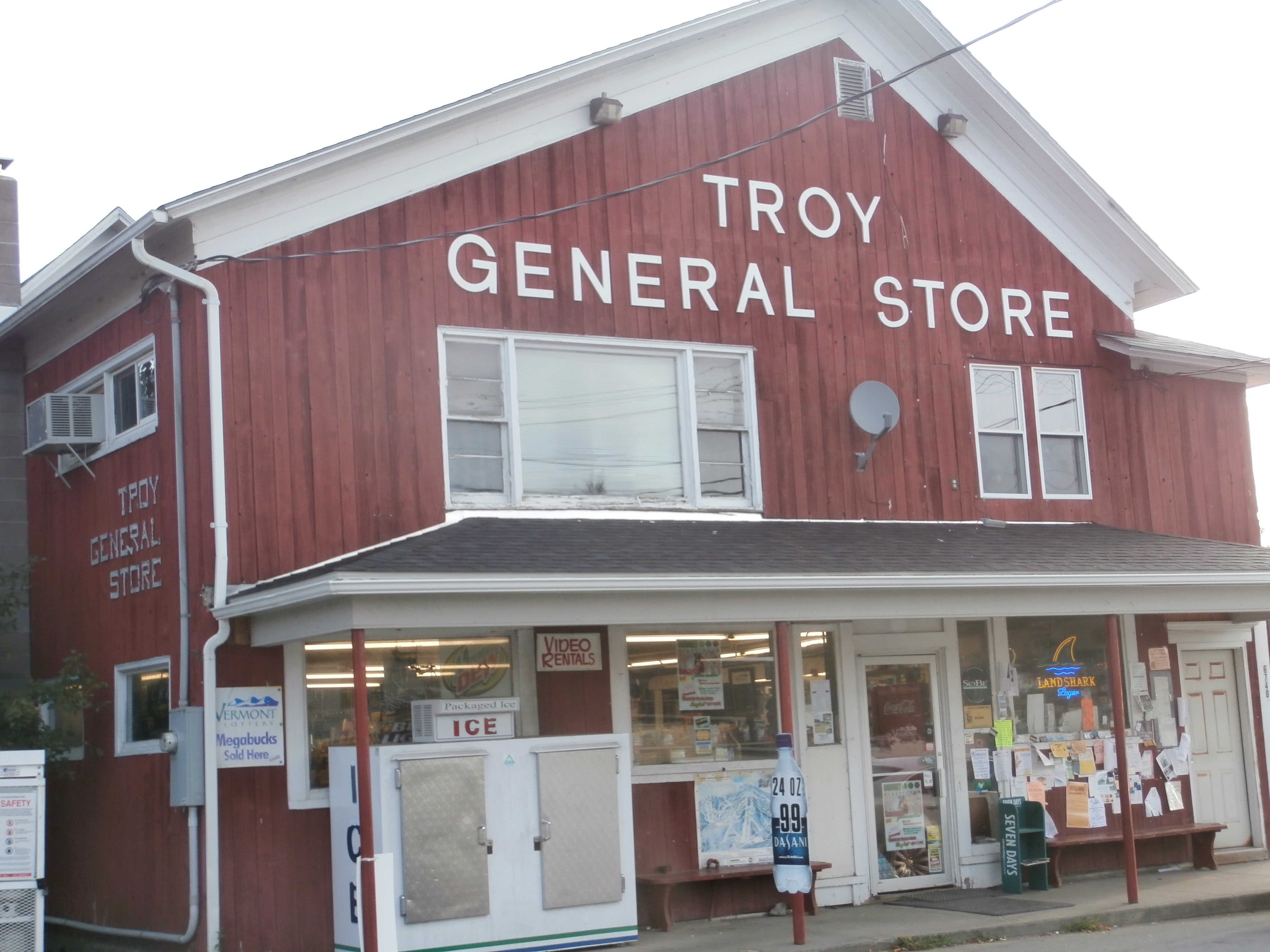
If you should ever happen to pass the Troy General Store, I can tell you that the coffee is 49 cents. Very good, too.
Posted in Uncategorized, tagged abenaki, canada, cows, dairy, eb-5 visa, farms, fresh by nature, memphremagog lake, mountains, newport, northeast kingdom, postaday, tasting center, Vermont on September 9, 2013| Leave a Comment »
Newport, Vermont, is way up north near Canada. It’s the southern port of vast Lake Memphremagog, whose name comes from an Abenaki Indian word meaning “beautiful waters.”
Any destination near Canada, as I should have known, means having access to French radio on the drive up, one of many small bonuses. Another bonus was the Northeast Kingdom Tasting Center, which provides shop space for sellers of many Vermont products under one roof. I bought a very nice turkey sandwich there and a bottle of Granny Squibb‘s Unsweetened Black Currant Tea. (I thought Granny might be a local, but the bottle says she’s a “Rhode Island original.”)
Discover Newport blogged about the Tasting Center in June, “The Northeast Kingdom Tasting Center, LLC, has completed its equity financing and will open its doors to the public this summer, announced Managing Partners Eleanor Leger and Gemma Dreher.
“ ‘This is a unique enterprise that we hope can serve as a model for other rural areas, not only in Vermont but in other regions that value their working landscape,’ said Eleanor Leger, the primary leader of the Northeast Kingdom Tasting Center project.
“A total of sixteen individuals and two foundations purchased equity shares in the holding company that purchased the building at 150 Main Street in downtown Newport in September of 2012. Their equity of $562,000 is being leveraged with $750,000 in financing from Community National Bank and the Vermont Economic Development Authority [VEDA]. …
“Said Gemma Dreher, an early lead investor. ‘The Tasting Center will benefit from all of the changes happening in the Kingdom, but it will also play a key role in keeping our local farms and food producers viable for the future.’
“The building is fully leased to four local food and beverage businesses that feature products from across the region.” More.
You can learn how Newport conducted a visioning process to get input from residents on what they would like their community to be like in the future, here.
And there’s more at Newport’s website, here.
While I was enjoying my turkey sandwich and currant tea, my friends were taking a tour of nearby Jay Peak, which is benefiting from that special type green card that foreign nationals can get if they invest $500,000 in high-unemployment or rural areas. The resort is posh. I don’t think Princess Mononoke would like the loss of woodlands, but I am pretty sure the people getting the new jobs are grateful.
By the way, even if you hate superhighways, the drive to the Northeast Kingdom, as that part of the world is known, is spectacular — green mountains, rivers, farms, red barns, cows. For all the photo ops, there are not nearly enough places to pull over and capture the autumn asters or the clouds over the mountain over the farm over the river.
Posted in Uncategorized, tagged agriculture, Ann Trieger Kurland, cheese, community farm, community owned, cow, dairy, dairy farm, farm, postaday, south woodstock, Vermont, water buffalo farm on May 4, 2013| Leave a Comment »
Vermonters care a lot about their farms. So when a dairy farm in South Woodstock was threatened with development, the neighbors bought it.
“Perched on a hill overlooking a valley,” writes Ann Trieger Kurland at the Boston Globe, “Farmstead Cheese Co. began as a neighborly plan to preserve a dairy farm.
“The bucolic 18-acre site was a former water buffalo farm and creamery that produced mozzarella and yogurt. When its owners moved to Canada and put the land up for sale, locals worried about the loss of jobs and the disappearance of another bit of the Green Mountain State’s rich heritage. They feared that the pastoral landscape might be grabbed by a developer.
“So 14 neighbors banded together to buy the farm and decided cheese making might safeguard its future. Within the year, they rebuilt the creamery, brought in a mixed breed herd — Holstein, Jersey, Ayrshire, and Swiss Brown — to blend milks and make farmstead cheese. They started the first community-owned dairy farm in the state. In two years, the company has won dozens of awards for its cheddar, a harvarti-style tilsit, Edam, and English and French-style cheeses.
“The new owners are not novices. They include seasoned farmers and food industry executives who hired experienced staff. The top cheese maker, Rick Woods, 46, has been plying his craft for 19 years. ‘We’re a new company, but it’s not the first time around the block for these people,’ says Sharon Huntley, who is in charge of marketing.” Read more about the community-owned farm and where you can buy the cheeses.
Photo: Vermont Farmstead Cheese Co.
At the community-owned in South Woodstock, Vt., there are 135 cows.

Posted in Uncategorized, tagged birds, center for eco studies, Norwich, Rosalind Renfrew, seattle pi, Second Atlas of Breeding Birds of Vermont, Vermont on April 7, 2013| Leave a Comment »
I went online to find information about a Vermont bird book mentioned briefly in the Boston Globe this week. I found more at Seattle pi, of all places (the pi comes from Post-Intelligencer, the newspaper’s name before becoming completely virtual).
Seattle pi writes, “Some bird species that depended on open farmland have seen their populations drop over the last three decades while the land has grown up into forests, but during that time some other bird species have become more common than they were, according to the new book, the ‘Second Atlas of Breeding Birds of Vermont.’ …
“The book was produced by the Norwich based Center for Eco-studies and the Department of Fish and Wildlife and is described as the most complete assessment of birds ever assembled for Vermont.
“The book took 10 years to produce with input from 350 volunteers who spent 30,000 hours working on the project. … [It] includes 208 photographs, 415 maps, 591 tables and 215 graphs.
“We cannot know the nature of Vermont, the health of the woodlands, wetlands and other wild places, without knowing the status of our birds,” said Rosalind Renfrew, a biologist with the Center who edited the book.” More.
I like the image of 350 volunteers. Birds rely on volunteer bird lovers in so many ways. John has helped with the Christmas bird count in the Boston area. And his son already identifies a few birds, with additional support from John’s bird-loving wife. Imagine how many birds my grandson will recognize by the time he is three!

Posted in Uncategorized, tagged anton cleaners, family business, Family Business Institute, Lisa Rathke, rainville, small business, tewksbury, toby talbot, Vermont, wooden toys on April 5, 2013| 4 Comments »
“If you want to go into business during tough economic times, you might want to do it with family,” writes Lisa Rathke, Associated Press, at the Boston Globe.
“According to the Family Business Institute,” she says, “90 percent of US businesses are family owned. Some giants got their start as family businesses, including retailer Walmart and automaker Ford.
“Maple Landmark, a wooden-toy company in Vermont started by Michael Rainville, now employs his sister, his wife, his mother, and his grandmother, as well as his sons.
“Rainville is willing to work long hours and do whatever it takes to keep the business going. When business softened after 2001, they bought a similar Vermont company so they could offer a broader array of toys. But between 2002 and 2007 they were lucky if they grew at all and ended up smaller by about 15 percent.
“Rainville said he didn’t have any more tricks to pull out his bag so they focused on being more efficient. …
“Brothers Charles and Arthur Anton also grew up in the family business, Anton Cleaners, based in Tewksbury, Mass. Their grandfather started the business nearly 100 years ago.
“When the economy soured, people were dry cleaning their clothes less often. But like the Rainvilles and [others] they didn’t resort to laying off employees. They cut back hours.” They were determined to make it work because it was family. More.
The infighting at some family businesses I’ve heard of make them seem like a bad idea most of the time, but I haven’t previously considered that in a recession, blood may really be thicker than water.
Photo: Toby Talbot/Associated Press
Michael Rainville employs his sister, wife, mother, and grandmother at Maple Landmark, a wooden toy company based in Vermont.

Posted in Uncategorized, tagged american flatbread, Amy Shollenberger, entrepreneur, farm, farmer, George Schenk, locavore, mike ives, northeast, organic, regional food, rural, social action, Vermont, waitsfield on January 19, 2013| Leave a Comment »

Photograph: http://americanflatbread.com/lareau-farm. Lareau Farm is home to American Flatbread in Waitsfield, Vermont.
@@@
A few of my readers will see “Waitsfield, Vermont” and think “skiing.” That’s because they were skiing there a couple weeks ago.
But this post is about the man who launched American Flatbread in Waitsfield in 1985, franchising his restaurant concept in other states and using his business success as a platform to advocate for the environment and other causes.
“In the fall of 1979,” writes Mike Ives for the Christian Science Monitor, “George Schenk stuffed all his worldly possessions into his pickup truck and moved from upstate New York to central Vermont. After settling in the sleepy ski town of Waitsfield, he began working as a dishwasher, freelance photographer, and live-in baby sitter.
“He also apprenticed at local restaurants and learned from chefs who were cooking in ways that emphasized local and regional ingredients. By 1985, Mr. Schenk was selling his own ‘flatbread,’ a variation on the brick oven-style pizza he’d eaten as a teenager, topped with Vermont produce.
“Serving nutritious food, he realized, was a good way to promote the kind of community values he’d absorbed in his Connecticut childhood and the ecological principles he’d embraced in his previous careers as a farmer and forester. …
” ‘I felt as though the environmental dimension of food needed a voice,’ Schenk recalls.
“Today, American Flatbread operates three popular Vermont locations, exports frozen pizzas nationwide, and is franchising its restaurant concept in other states.
“But profit isn’t Schenk’s only priority: For more than two decades he has donated thousands of his flatbreads to the poor and sick. He’s also held an average of eight benefit bakes each year to raise money for those in need.”
Although his political views and “civil disobedience” actions have often raised hackles, the people who know him best defend him.
“They insist his commitment to his employees and community is sincere and unwavering,” writes Ives. ” ‘I don’t always agree with George, but I always appreciate him,’ says Amy Shollenberger, former executive director of Rural Vermont, a nonprofit farm advocacy group. ‘He loves everybody, wears his heart on his sleeve — and walks his talk.’ ”
Read more.
Brian Mohr/EmberPhoto
George Schenk founded American Flatbread pizza as a way to showcase local produce and advocate for both community and global causes.

Posted in Uncategorized, tagged biodiversity, Cathryn prince, center for whole communities, ecology, ecosystem, environment, green, health, rain forest alliance, smartwood, timber, tom wessels, Vermont on October 20, 2012| Leave a Comment »
Cathryn J. Prince has a story in the Christian Science Monitor about a research ecologist who thinks we can have our cake and eat it too: that is, have a strong economy and a sustainable future.
Prince writes, “As head of the conservation biology department at Antioch University New England in Keene, NH, [Tom] Wessels isn’t against chopping down trees or clearing land to farm. He just wants to see more people embrace sustainable forest and land management practices.
“Wessels, trained as a research ecologist, says economics plays as much a role in protecting the environment as does saving energy. Think how the adoption of fair trade principles for growing and selling coffee have changed the economics of that industry. Forests can benefit in the same way.
“ ‘Adam Smith, the father of modern economic theory, wrote about this in Wealth of Nations,’ Wessels says. ‘People will act out of self-interest, but they can support each other doing it. …
“Market forces can help to conserve forests and farmlands, says Wessels, who also serves as chair of the Vermont-based Center for Whole Communities. …
“ ‘We are incredibly frivolous about our energy use,’ Wessels says. ‘Any organism or population that is energy wasteful gets selected out of the system.” Charles Darwin explained this when he wrote about survival of the fittest, he says. Survival of the fittest also means survival of the most adaptable, and the most energy efficient, he says. …
“Partnering with more than 400 organizations in 47 states, Whole Communities aims to help create communities where people rely on each other for their food and other needs.
“For example, Wessels would like to see Detroit become a different kind of urban jungle. The city has lost about 50 percent of its population since the late 1980s. Empty lots abound. But now community gardens have begun to fill these open tracts with food crops. The Detroit Food Policy Council and the city government want to make Detroit food secure by 2020 – meaning that everyone will have access to sufficient, safe, and nutritious food.
“ ‘A lot of our focus is around food security,’ Wessels says. ‘Detroit will become a model for other urban areas.’ ” More here.
Photograph: Cathryn J. Prince

Posted in Uncategorized, tagged Blueway, Cathryn J Prince, Change Agent, collaboration, connecticut river, conseervation, ecology, environment, French King Bridge, gill, John Nordell, massachusetts, new england, new hampshire, Vermont on June 5, 2012| Leave a Comment »
You probably think of the Connecticut River as being in Connecticut. And so it is. But it flows through most of the New England states, so protecting it results in protecting a large chunk of the Northeast. Its 7.2 million acre watershed runs through Connecticut, Massachusetts, New Hampshire, and Vermont.
The Christian Science Monitor recently added to its Change Agent series an article on the U.S. Interior Department’s May 24 designation of the Connecticut River as the first National Blueway.
Correspondent Cathryn J. Prince writes, “Between 40 and 50 local and state entities, both public and private, from four states will work together to preserve the 410-mile-long Connecticut River and its watershed. …
“It took the cooperation of between 40 and 50 local and state, public and private, organizations from four states to make the designation possible. While it doesn’t mean more federal funding, it does mean better coordination between these groups to promote best practices, information sharing, and stewardship.
“National Blueway is more than a label, says Andy Fisk, executive director of the Connecticut River Watershed Council.
“ ‘There are no turf wars here, but there are a lot of folks on the dance floor,’ Mr. Fisk says. ‘It’s important to recognize that this is a new way in how you get things done. It’s not one entity that will get things done, it’s diversity.’ ” Read more here.
Photograph: John Nordell, Christian Science Monitor
The Connecticut River, as photographed from the French King Bridge in Gill, Mass. The river and its watershed have been named the first National Blueway, an effort to coordinate the work of nonprofit groups and governments to protect and wisely use the entire 410-mile river and its 7.2 million acre watershed.

Posted in Uncategorized, tagged art, artist, arts, connecticut, employment, job, maine, massachusetts, miller-mccune, national endowment for the arts, nea, new england, new hamphsire, rhode island, Vermont, work on November 3, 2011| Leave a Comment »
Miller-McCune.com tweeted today that the National Endowment for the Arts has new data on where artists are finding work.
Four of the six New England states are among the states with the most arts jobs: Vermont, Rhode Island, Massachusetts, and Connecticut.
“The report on artists in the workforce supplements and expands upon a 2008 paper, which found about two million Americans list a job in the arts as their primary source of employment. That comes out to 1.4 percent of American workers.
“New York heads the newly released state-by-state list, with artists making up 2.3 percent of its labor force. California, home to the film and television industry, places second with 2.0 percent.
“Not far behind are Oregon and Vermont, each of which has a workforce in which 1.7 percent of workers are artists. That means they exceed the national average by a substantial 20 percent.
“ ‘Writers and authors are especially prominent [in Oregon and Vermont],’ the NEA report notes.
“Also exceeding the national average: Colorado and Connecticut (where artists make up 1.6 of the labor force), and Hawaii, Rhode Island, Massachusetts, Maryland, Washington, Nevada, and Minnesota (at 1.5 percent).”
Although there likely to be different perceptions of what kind of work constitutes arts employment, I find the report interesting. And since I know anecdotally that there are arts jobs in Maine and New Hampshire (the two New England states not among the top few), I can’t help hoping that some organization will do an in-depth study of the region. Unfortunately, ornery New Englanders don’t often think regionally.
And more generally, what are the reasons some states have more arts jobs? Public policies? Landscape? Accident?
Posted in Uncategorized, tagged Addison County, Atlanta, bank owned, bounty, farm, farmer, food pantry, foraging, foreclosed, foreclosure, garden, gleaning, harvest, Kelly Callahan, reo, rot, T. Lynne Pixley, Vermont, waste on September 3, 2011| 2 Comments »
Here’s an interesting thought for harvest time.
In the NY Times, T. Lynne Pixley writes about Kelly Callahan and other Atlanta residents who forage for food among the many neglected, foreclosed properties in their neighborhoods.
Walking her dog in her neighborhood, Callahan saw “plenty of empty, bank-owned properties for sale.”
She also noticed that the “forlorn yards were peppered with overgrown gardens and big fruit trees, all bulging with the kind of bounty that comes from the high heat and afternoon thunderstorms that have defined Atlanta’s summer. So she began picking. First, there was a load of figs, which she intends to make into jam for a cafe that feeds homeless people. Then, for herself, she got five pounds of tomatoes, two kinds of squash and — the real prize — a Sugar Baby watermelon.” Others have joined in. Read more here.
I was interested to learn about “foraging” in Atlanta because I had recently read about a related activity in Vermont, called “gleaning.” Gleaning is a bit more out in the open. Farmers who are finished harvesting their crops give permission to gleaners, usually volunteers, to pick over what’s left and take it to families in need and to food pantries. One group engaged in this effort is the Addison County Gleaning Program. Read about it here.
It turns out that there is a lot of food that would otherwise go to waste. So it seems good that the food benefits someone.


 Suzanne's Mom's Blog