Feeds:
Posts
Comments

Archive for the ‘Uncategorized’ Category

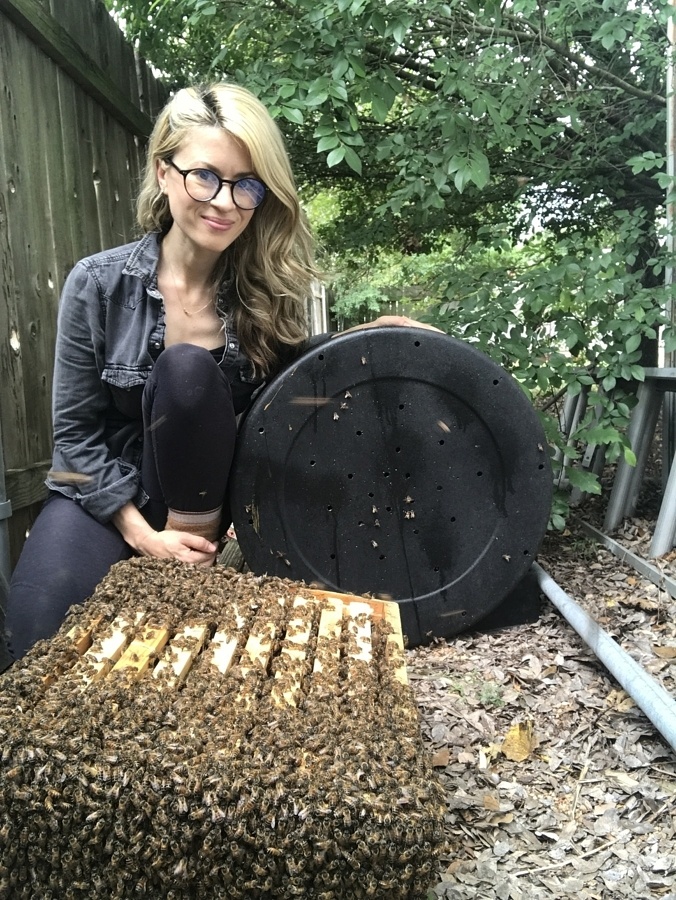
Photo: Erika Thompson via StyleBluePrint.
This Texas woman really loves bees. “Bees need advocates,” she says.

If you were to search this blog on words like “bees,” “Honeyland,” and “beekeepers,” you would see that I have a friendly attitude to bees. Besides the fact that they set such a good example for industry and cooperation, there’s this: no bees, no food.

Today’s post is about a woman who really, really loves bees.

Travis M. Andrews writes at the Washington Post, “The bees drip from Erika Thompson’s bare hand, as if she’s holding a scoop of melting ice cream. But she’s not worried. Just a simple flick of the wrist, and the gentle insects rush into their new home.

“This scene’s out of a recent TikTok from Thompson, an Austin-area beekeeper who has amassed an enormous social media following by documenting her work of ethical bee removal. In this particular video, she explains that she was asked to safely remove a colony of bees that have been living in a backyard shed for two years. At one point, she lifts up a section of wooden flooring to expose hundreds of bees crawling over one another. A delighted grin spreads across her face.

“And like a fly to honey, viewers flocked to the TikTok. It’s been viewed more than 60 million times. …

“Thompson simply love bees. Really loves them. The 35-year-old’s backyard is filled with about 50 hives. … Growing up, Thompson so admired Jane Goodall and Dian Fossey that she would pretend to be them, stringing binoculars around her neck and setting up her stuffed animals like creatures in the wild. Then, she’d head outside.

‘I spent a lot of time in my backyard on nights and weekends, trying to collect bugs and put them in jars … to keep them and care for them,’ she said. ‘It’s something I’ve been into my entire life.’

“About a decade ago, she took a beekeeping class out of curiosity. The University of Texas graduate didn’t expect it to become a living. She worked as a communications director at a nonprofit and didn’t even know if she could keep bees in her central Austin home. But she found herself learning more and more about bees and eventually keeping her own hive.

“She soon launched Texas Beeworks, spending nights, weekends and even some lunch breaks helping others keep bees and driving around with hives in the back of her hatchback. Two years ago, she made it full-time, making her feel like ‘the luckiest person in the world.’ …

“Thompson began making the videos to document her process for clients who, unsurprisingly, usually choose to be absent during a removal. Last year, when the pandemic began, several speaking opportunities she had lined up went by the wayside. With a little more time on her hands, she started a TikTok account. …

” ‘Most of the time when I tell people I’m a beekeeper, they say, “Oh, you’re a bookkeeper?” ‘ Thompson said. ‘I don’t know what has really captivated people, because for me, it’s just so normal. Maybe it’s people seeing something that they’ve never seen before and maybe that they didn’t know was possible.’

“Plus there’s an awful lot to admire about bees, she added, ‘from the way they work together as a superorganism and nobody thinks of herself as an individual but does everything for the good of the colony to the way they build the hive and forage and raise their young.’ …

“Though she didn’t expect her videos to become so popular, she hopes they can help continue changing our attitude by correcting misconception about bees, perhaps the largest one being that ‘all kinds want to sting you all the time.’

“For one, there are more than 20,000 species of bees, all of which have different temperaments. Plus, Thompson said, ‘Most bees, and most honeybees, are docile and do not want to sting you.’ ”

More at the Washington Post, here.

Read Full Post »

Photo: Bassem18/Wikipedia.
The rare Mountain Gazelle is returning to Turkey.

Today’s story is about both environmental rescue and the power of one individual to make a difference.

Carlotta Gall writes at the New York Times, “Turkey’s southern border with Syria has become a place of hardship and misery, with tented camps for people displaced by a decade of war on the Syrian side and a concrete wall blocking entrance to Turkey for all but the most determined.

“Yet amid the rocky outcrops in one small area on the Turkish side, life is abounding as an endangered species of wild gazelle is recovering its stocks and multiplying.

“The mountain gazelle, a dainty antelope with a striped face and spiraling horns, once roamed widely across the Middle East, and as Roman mosaics reveal, across southern Turkey as well. But by the end of the last century, it was hunted almost to extinction, with only a dwindling population of 2,500 left in Israel, according to the International Union for Conservation of Nature.

“In Turkey, the gazelle was forgotten and thought to no longer exist. The only ones officially recorded were a subspecies, known as goitered gazelles, in Sanliurfa Province in the southeast of the country.

The rediscovery and survival of the mountain gazelle in Turkey has been largely thanks to one man and his love of nature.

“Yasar Ergun, a village teacher who became a veterinarian and professor at Hatay Mustafa Kemal University in the city of Antakya, heard in the mid-1990s from an old hunter that there were wild gazelles in the mountains along the border with Syria.

“A keen hiker, he set out to try to find them. Barely 25 miles from Antakya — the ancient city of Antioch — Kurdish villagers knew about them and shepherds occasionally saw them. The gazelles live on the rocky hillsides, where their markings and coloring make them almost invisible. But they come down in groups to graze and find water on the surrounding agricultural land.

“The professor spotted his first one in 1998 and, after a decade of observing them, estimated that there were about 100 living in the area.

“With a small grant for a teaching project, he bought a camera and telephoto lens, which led to a close encounter and a breakthrough discovery.

” ‘It was the mating season,’ he recalled. ‘I ran to the road, and the male ran toward me to defend his females. It was very unusual.’

“When he examined the photos, he realized the gazelles differed from those in southeastern Turkey.

“ ‘This one was light brown, with some parts white, and the horns were completely different,’ he said. He was sure he was looking at the mountain gazelle, but found little interest in his claims in academic circles, he said.

‘I sent the photographs around — professors just laughed,’ he said.

“He drew on the help of Tolga Kankilic, a biologist, who gathered samples of dung, fur and skin from the remains of dead gazelles for genetic testing, and found that the DNA matched that of mountain gazelles.

“The discovery presented Mr. Ergun with an altogether more important task: to help the gazelles survive. There were several threats to them — lack of water and habitat especially — but by far the greatest danger was illegal hunting. Hunting is allowed only under license in designated areas in Turkey, but illegal hunting is rife.

“The gazelles had disappeared completely from other regions, including Adana, farther west, where American soldiers stationed at Incirlik air base used to hunt them 20 years ago, he said.

“ ‘The end of a genetic source is the same as the collapse of Earth,’ he said. ‘Nature needs biodiversity.’

“He won a grant from the World Wildlife Fund in Turkey for a grass-roots project with local villagers and bought mountain gear and amateur walkie-talkies for several shepherds, who began monitoring the gazelles. They dug basins in the rock to collect water for the gazelles, though it took the animals months to trust the water source.

“With his knowledge of village life, Mr. Ergun began softly, gaining the support of local shepherds, educating children to protect the gazelles and even encouraging a local Kurdish legend of a holy man who lived with the gazelles and milked them.

“With the hunters, Mr. Ergun and his helpers adopted an approach of traditional courtesy and respect, drinking tea with them but never mentioning their hunting.

“ ‘We never tried to use force to stop them,’ he said. ‘We would say, “Hello, we are from the Nature Project.” Sometimes silence is more powerful than talking.’

“The local people were Kurds, a mountain people with their own language and culture — and a history of resistance to the Turkish state.

“ ‘If you make an enemy, just one, in 10 years you will have 10 enemies, and in 100 years you will have 1,000,’ Mr. Ergun said. But as the shepherds began monitoring the gazelles, the hunters got the message.”

More here.

Read Full Post »

On Shadows

Photo of Magritte art: Thomas Hawk.
René Magritte’s “La Trahison des Images” (“The Treachery of Images”) (1928-9) or “Ceci n’est pas une pipe” (“This is not a pipe”). The work is now owned by and exhibited at LACMA.

The first time I saw the Magritte work called in English “This is not a pipe,” I thought, “What do you mean? Yes, it is.” It took me a long time to consider that it’s only a picture of a pipe, not the pipe itself. My pipe-smoking father wouldn’t have been able to put tobacco in it and smoke it.

I mention this because it relates to one of the reasons I’m fascinated by shadows.

Peter Pan’s shadow goes off on its own for a while, but it wouldn’t exist without Peter Pan. The shades in the Greeks’ Underworld are both the real people and not the real people. In “A Midsummer Night’s Dream,” when Puck says to the audience, “If we shadows have offended,” he’s describing actors as shadows of characters, and characters as shadows of people. He recommends thinking about the play as a dream — another kind of meaningful shadow.

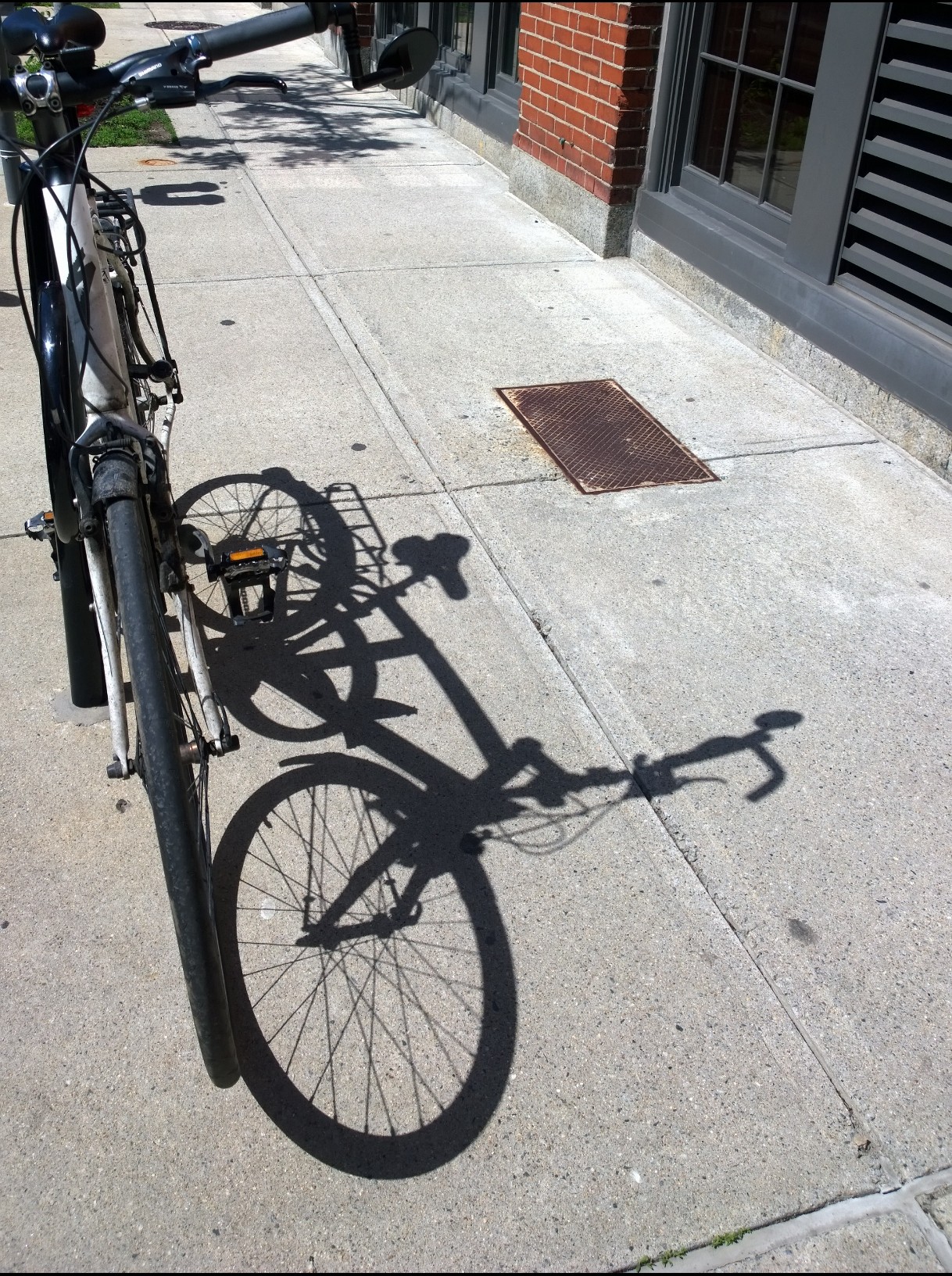
This is not a bicycle.

A shadow is the thing and not the thing, a distorted version of the thing that may lead to interesting or useful thoughts. Perhaps Orpheus will come and ride that bicycle into Hades and try bringing Eurydice home on the back. In the myth, though, he turned around despite dire warnings not to because he couldn’t hear her footsteps. I fear he will make the same mistake with the bicycle as he won’t be able to feel her sitting behind him.

Shadows are a way of thinking about things unseen that can stimulate the imagination and provide extra insight into the everyday world we experience. Since first reading The Princess and the Goblin, I’ve sensed that fiction and fantasy may provide the best ways to understand the “real.” It’s why I enjoy, for example, Francesca Forrest’s other world in Lagoon Fire, here, and blogger Laurie Graves’s fantasy series about the Great Library and her podcast, here.

There are so many things in our lives that are hard to fathom, and sometimes the imagination helps to get a grip on them. Some years ago, I read about a woman in Guatemala who was trying to explain why her neighborhood volcano erupted and killed so many people. She said it was because of her husband’s misdeeds. It was just her way to get her head around something too enormous to comprehend.

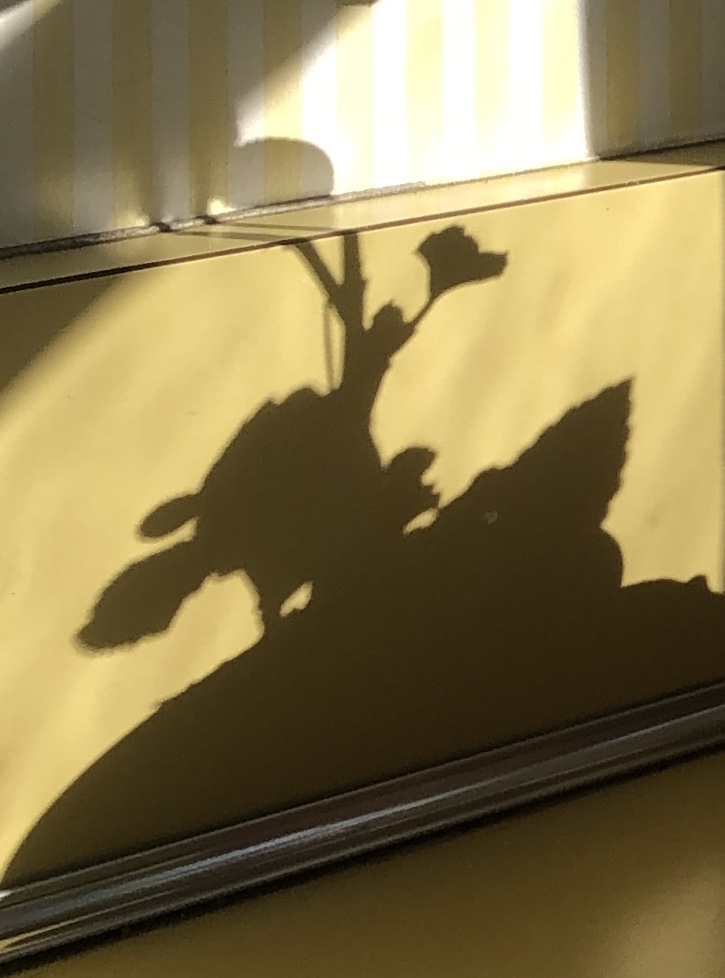
This is not a planter Suzanne made as a child. No plants here.

This is a planter Suzanne made as a child. Or is it?

Read Full Post »

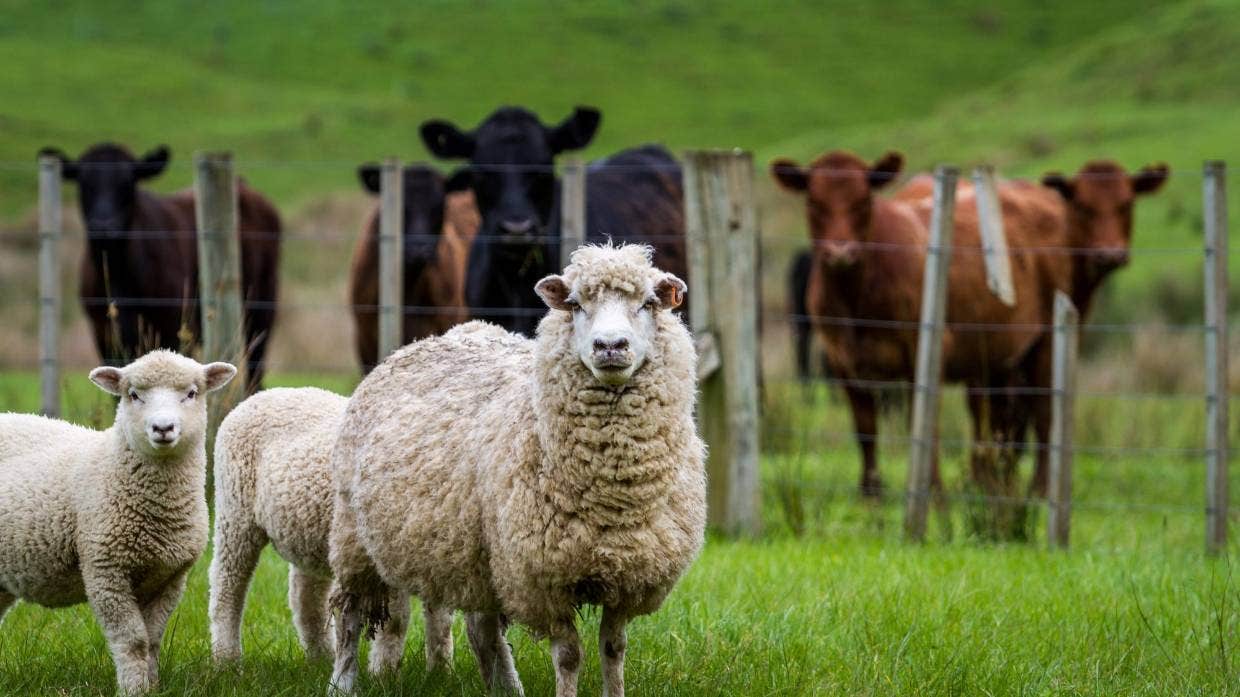
Photo: Stuff.
To meet methane goals, New Zealand must cut the number of sheep and cows by 15 per cent, the Climate Change Commission’s decarbonisation blueprint says.

Although I’m eating a vegetarian meal tonight, I’m disappointed in myself for not coming up with lots of interesting vegetarian recipes during lockdown. I had plenty of time to think about it. Part of my problem is that my Covid-era delivery services didn’t offer many prepared vegetarian meals, but it’s a weak excuse. Fortunately, my daughter-in-law knew I was interested in anything vegetarian and often added me to her shopping.

Meanwhile, in New Zealand, they’re way ahead of everyone as usual — not only in terms of trying to cut back on livestock emissions but addressing many other aggressive climate-change goals.

Olivia Wannan writes at Stuff, “Whether you work on the land, in a factory, an office or are still in school, life in 2035 will look significantly different under the Climate Change Commission’s decarbonisation blueprint.

“[If] the Government follows it to the letter., by 2025, you’ll be eligible for a public transport card offering discounted fares until you’re 25, to encourage low-carbon transport habits that may last a lifetime. …

By 2023, the Government’s emissions standards will start to bring lower-carbon cars into the country. The ban on petrol and diesel cars will also be in place as early as 2030. By 2035, both restrictions will also be influencing the second-hand car market, so if you do become an owner, the vehicle will be a lot greener than the cars on the road today. …

“Between now and 2035, you may be one of the thousands of employees that will transition out of carbon-intensive industries and into new jobs. … If you work in an at-risk industry, you’ll be eligible for government support to be re-trained for other roles. If you’re tangata whenua, you’ll be able to opt for education and training developed by Māori. By 2035, many Māori workers will have already transitioned to new industries, with the job gains outweighing losses. …

“The renewable electricity sector will be busy – the country requires one new wind farm to be built almost every year to meet the increased demand for power, plus new transmission lines. …

“By 2035, most truck drivers will be behind the wheel of a low-emissions vehicle, after the battery technology has developed enough to cover longer distances. But there will be fewer trucking jobs, as more freight will travel by rail or sea. … You’ll be twice as likely to head to the office by bike or on public transport, compared to today. If you still want to drive to the CBD, you may have to pay a congestion charge, with your cash helping to fund lower-carbon forms of travel. …

“By 2035, your office must be a pleasant place to be in all seasons, courtesy of energy efficiency standards for new and existing buildings. Building owners will have ditched coal in all heating systems by 2030. Natural gas will be phased out after that. …

“Across the country, dairy and meat farmers will reduce animal numbers by 15 per cent between 2020 and 2030. However, this isn’t an across-the-board cut. The efficiency gains you’ll make on your farm will probably differ to what your neighbours achieve. It’s the collective effort that matters.

“This could mean changing your farm management. You’ll need to use the plans, advice and tools developed by the agricultural industry partnership with Government, He Waka Eke Noa – though this guidance won’t be finalised until 2022. You may require reliable internet to precision-manage your farm, so you should have access to broadband by 2023 at the latest. …

“A farm might take a look at the efficiency gains required and choose to replace its cows and sheep with horticulture. An additional 20,000 hectares of land will grow grain, fruit and vegetables by 2035.

“Farmers staying in the meat or dairy business will carefully manage their use of nitrogen fertiliser (which creates the greenhouse gas nitrous oxide) and supplementary feed, which will cut expenses. Some will try their hand at regenerative farming, which aims to create healthier soil and land.

“Sheep farms will select rams that carry the genes to produce less methane when food is digested. The widespread uptake of low-methane sheep breeds will cut the country’s agricultural methane by 3 per cent by 2035. …

“If you have unproductive land sitting around, you’ll be able to access public funding to plant it with native trees. Nearly 250,000 additional hectares of sheep and beef farmland will be afforested by 2035. Combined with a ban on native deforestation in 2025, you’ll more frequently spot native birds and lizards, particularly if you fence off your bush and undertake pest control.

“Collective action will allow New Zealand to continue to promote the comparatively low-carbon credentials of its dairy and meat to international markets. …

“Buildings will be increasingly constructed using timber, which is less emissions-intensive than concrete and steel. By 2025, new natural gas connections will be banned. A decade after that, remaining gas appliances for cooking or heating will be increasingly costly. Because the domestic carbon price will steadily rise, the average annual gas bill will cost $150 more in 2035 compared to 2020.

“In comparison, the price of electricity will drop during the 2020s, after the Tiwai smelter closes. It’ll gradually rise again towards the end of the decade but should stay lower than today’s costs. …

“Remote and Māori communities will be able to access funds to build their own solar generation.”

It will likely to be hard to achieve all that, even with the less environmentally friendly biomass use and burning of “renewable” wood. But I think they are taking this seriously.

More at Stuff, here. Hat tip: Svein Tveitdal, @tveitdal, on twitter.

Read Full Post »

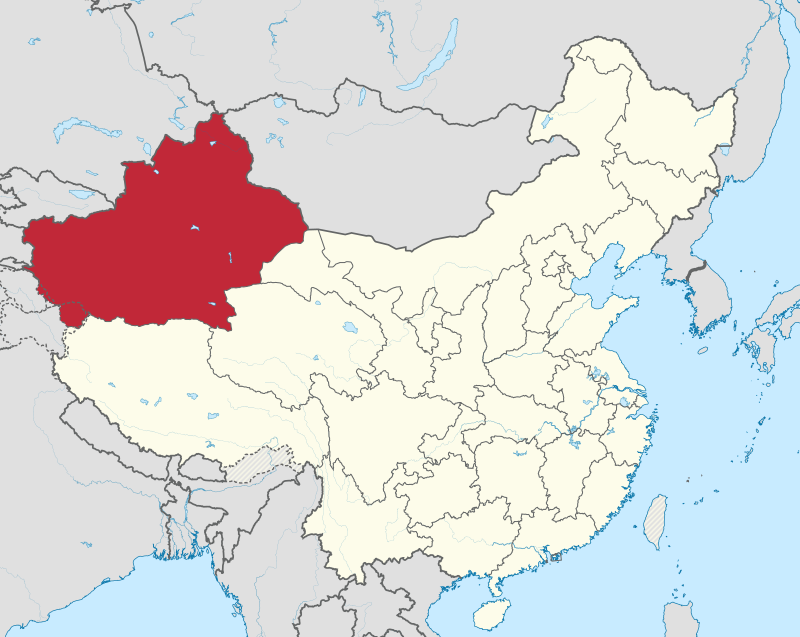
Map: Wikipedia.
Map showing the location of the Xinjiang Uygur Autonomous Region.

Before the pandemic, I had a conversation with a friend in her 80s who was raised in the Sephardic Jewish tradition. Along with others in her age group she has gone online to try to preserve the Spanish-based language Ladino, which goes way back to 15th century, when there was a large Jewish community living in Spain.

This blog has often covered the topic of endangered languages and efforts to protect them. Sometimes the danger to a language results from the dying out of aging speakers. Sometimes the danger comes from government policy, as was the case for many years with America’s indigenous tribes.

Filip Noubel writes at Global Voices about the language of a Muslim community in China whose proponents are working to adapt it to online use.

“Languages need to adapt to the modern world to catch-up with new technology and concepts if they want to remain competitive, particularly among younger speakers. This is particularly true for Uyghur, a Turkic language spoken in Western China that is under threat due to targeted discrimination conducted by Chinese authorities in the hope that Chinese may appear more attractive and technology-friendly among Uyghur youth.

“Uyghur linguists have long been aware of the fact that Uyghur, a Turkic language with an estimated 10 million speakers, written in the Arabic alphabet in China, and with a rich tradition of intricate poetry, philosophy and songs written in that language, needs to include elements of modern life to serve the needs of the younger generation, as well as of social media where more and more conversations are taking place.

“To have a rare insight into those efforts, Global Voices spoke to Elise Anderson, an expert on Uyghur language and music who spent years in Xinjiang, and now works as a Senior Program Officer with the Uyghur Human Rights Project. Anderson, who spent most of her time in Xinjiang from 2012 to 2016, was invited in January 2014 by an Uyghur linguist friend to join their WeChat group called ‘Tilchilar’ (Linguists) as she was herself studying the language in-depth as part of her doctoral research on Uyghur music and songs. Here is how she describes the group hosted on China’s most popular social media platform, WeChat:

” ‘The group had around 100 members at any given moment, most of whom were highly educated native speakers, including academics, translators, bureaucrats, and even a few officials from regional-level institutions. We discussed persistent “problems” in the language, including spelling, grammar, translation. Most often, our conversations centered on terminology and whether we could replace Chinese loanwords to preserve the “purity” (sapliq) of Uyghur. A group member might say, “I noticed teenagers are using [Mandarin word]. What could we say instead?” We would then cycle through possibilities: Was there a word to “resurrect” from pre-modern Uyghur? No? What about “borrowing” from other Turkic languages? No? What about ‘importing’ from a more distant language? And so on. In a few cases, we settled on terms, which more influential group members then attempted to lexicalize. But discussions of single words could last days and often went unresolved.’

“As Anderson explains, the group was also trading examples of bad translations, some of which were comical, but also raised an uncomfortable questions such as why would there be unedited translations in Uyghur in a territory inhabited by millions of native speakers of the language.

“For languages that do not have a dominating position in a country, or have a small number of speakers, their digital footprint is often an indicator of their chances for long-term survival. For Uyghur language, WeChat offered a unique opportunity with its voice messaging feature. As Anderson explains, the platform became so popular it was given an Uyghur name, ‘Ündidar,’ a portmanteau word made of the Turkic word ‘ün’ which means voice, and the Persian term ‘didar’ which refers to encounter. The poetic term was coined by the poet and intellectual Abduqadir Jalaliddin, who disappeared from his Ürümqi home in 2018 and is currently incarcerated. …

“Today the Uyghur diaspora living outside a Beijing-censored internet is probably the most active user of Uyghur language over social media. Microsoft has offered full operating systems in Uyghur since 2016, and most smartphones allow Uyghur on their keyboard. In February 2020, Google also added Uyghur on its free translation platform, expanding the space for Uyghur online. …

“According to Anderson: ‘The Uyghur web, most of which was hosted inside the borders of China, used to be a vibrant space, where popular message boards gave users space to discuss everything under the sun (or at least everything under the sun that made it through the censors). … Since 2016, authorities in the Uyghur region have managed to scrub that web nearly completely, such that today there are very few Uyghur-language sites left. …

” ‘The way to keep anything alive, including a language, is to create space for it to live and provide material support so it can thrive. The Uyghur language will survive if it is put it on equal footing with other languages, if it “counts” in professional and formal settings, if it has support as a language of literary and scientific production.’ “

More at Global Voices, here.

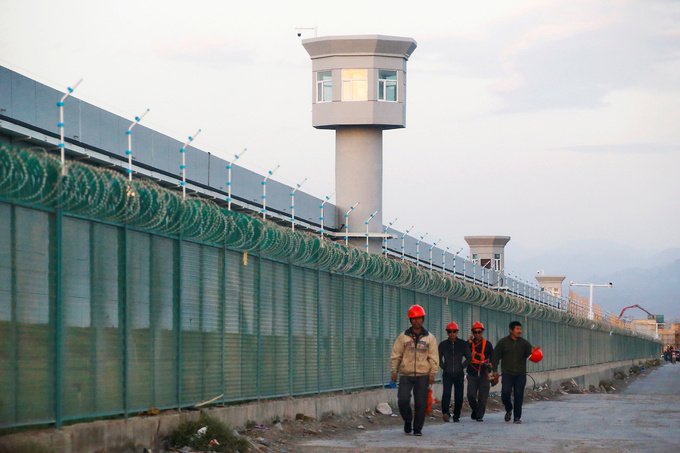
Photo: Thomas Peter/Reuters.
Workers walk along the fence of a fortification thought to be a Muslim detention center in Xinjiang, China, on September 4, 2018. Read more at the Council on Foreign Relations.

Read Full Post »

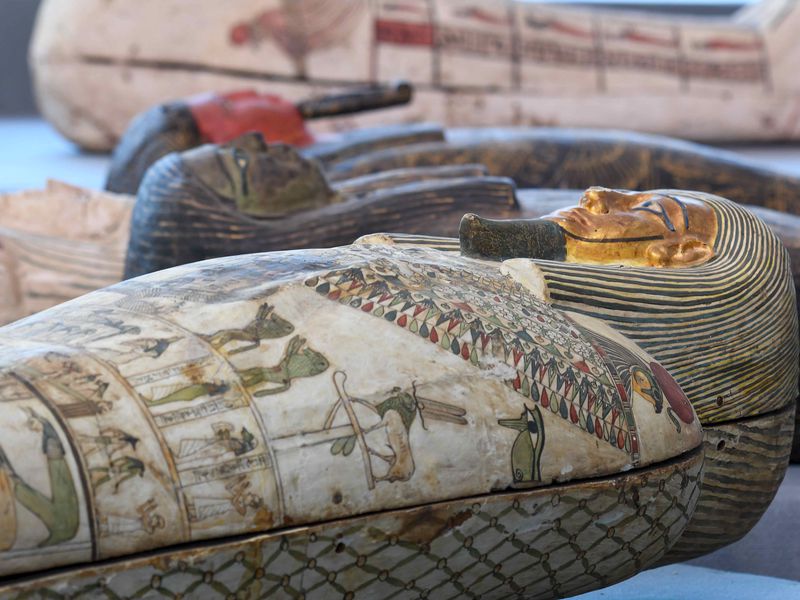
Photo: Ahmed Hasan / AFP via Getty Images.
The sealed wooden coffins at Saqqara in Egypt date from between the sixth and first centuries B.C.

On the weekend, when I was indoors with grandchildren for the first time in more than a year, one of the kids read to me from a book of “spooky stories.” One yarn was about mummies, which reminded me of the prepandemic time that grandson and I had visited the Egyptian section of the RISD Museum. Maybe Suzanne will show him the picture from today’s post about a recent discovery in Egypt.

Jo Marchant wrote about this at Smithsonian last November. “A giant trove of ancient coffins and mummies has been discovered at the vast Egyptian burial site of Saqqara. After hinting at a big announcement for days, the Egyptian antiquities ministry revealed the details this morning: more than 100 intact wooden coffins with brightly painted scenes and hieroglyphs, and well-preserved mummies inside.

“The announcement comes after a string of recent discoveries at Saqqara, including 59 intact coffins revealed in September and October. The newly announced coffins were found nearby, at the bottom of three 12-meter shafts revealed when archaeologists led by Mostafa Waziry, head of Egypt’s Supreme Council of Antiquities, were removing debris from the site. Other finds include funerary masks and more then 40 statues of the funerary deity Ptah-Sokar, all untouched for at least 2,000 years.

“Speaking at a press conference at Saqqara with dozens of the coffins displayed on stage behind him, Egypt’s antiquities minister, Khaled el-Enany, praised the Egyptian archaeologists who excavated the finds, which mostly date from between the sixth and first centuries B.C. ‘They have been working day and night and I’m very proud of the result,’ he said. Their story will be told in a Smithsonian Channel docuseries called Tomb Hunters, scheduled to air in 2021.

“As the coronavirus pandemic devastates the tourism industry on which Egypt depends, the recent finds have been publicized in a series of increasingly dramatic events. At a previous press conference in October, Egyptian officials opened a coffin live on stage. This time they went one step further, not just opening a coffin but X-raying the mummy inside, revealing the individual to have been an adult male, perhaps in his 40s. ….

“Egyptologists have welcomed the announcement. To find an unplundered necropolis from this period is ‘extremely significant,’ says Salima Ikram, an archaeologist based at the American University in Cairo, who works at Saqqara. They note that although the latest find is larger, it doesn’t differ significantly from the previously announced finds. ‘This is very impressive, but it’s lots more of what we already have,’ says Campbell Price, curator of Egypt and Sudan at the Manchester Museum in the United Kingdom. Nonetheless, researchers are excited about the possibilities for learning more about this ancient sacred landscape, and the people who were buried there.

“Saqqara, located around 20 miles south of Cairo, is one of Egypt’s richest archaeological sites. Home to the 4,700-year-old Step Pyramid, Egypt’s oldest surviving pyramid that’s about 200 years older than the more-famous Pyramids at Giza, the site was used as a burial ground for more than 3,000 years. Like the previous 59 coffins, the newly announced finds mostly date from fairly late in ancient Egypt’s history, from the Late Period (664-332 B.C.) and the Ptolemaic period when Greeks ruled as Pharaohs (305-30 B.C.)

“During this period, Saqqara was far more than a cemetery, says Price. It was a pilgrimage site, he says, like an ancient Mecca or Lourdes, that attracted people not just from Egypt but from all over the eastern Mediterranean. Buildings such as the Step Pyramid were already thousands of years old at this time; people believed they were burial places for gods, and wanted to be buried close by.

‘Saqqara would have been the place to be seen dead in,’ says Price. ‘It had this numinous, divine energy that would help you to get into the afterlife.’

“Geophysical surveys have revealed the remains of numerous temples buried under the sand. Archaeologists have also discovered millions of animal mummies, including dogs, cats and birds, believed to have been left as offerings. Recent finds of mummified cobras, crocodiles and dozens of cats, including two lion cubs, were reported in November 2019 and feature in a Netflix documentary, ‘Secrets of the Saqqara Tomb,’ released this month. Meanwhile the discovery of an underground embalmers’ workshop, announced in April, suggests a thriving business in dealing with the dead, with coffins and masks to suit a range of budgets.

“But the undertakers weren’t digging from scratch, says Aidan Dodson, an Egyptologist at the University of Bristol in the United Kingdom. They were reusing older, looted tombs, he says, ‘scouring Saqqara for locations’ suitable for placing new coffins, even beneath the Step Pyramid itself. That makes the site a densely packed mix of finds that range thousands of years. ‘One would be hard pressed to dig and not find something,’ says Ikram. The latest coffins come from an area north of the Step Pyramid, next to the bubasteon, a temple complex dedicated to the cat goddess Bastet, where older tombs were reused to hold hundreds of mummified cats.” As Laurie would say, “Holy Cats!”

More at the Smithsonian, here.

Read Full Post »

Photo: Wahrmund/ Wikimedia.
Break dancing in Cologne, Germany, 2017.

Back in the 1980s, John was really into break dancing. I think he mainly replicated what he saw other people doing, although he might have taken a class.

Today break dancing is considered athletic enough to be included as a competitive sport in the Olympics. Wow.

Rick Maese has the story at the Washington Post. “When her son had his fill of piano lessons, Ellen Zavian began looking for some other activity to keep him busy. She paid a visit to a dance studio in Washington that specialized in breaking — better known as break dancing to anyone who remembers the 1980s or simply breakin’ to many participants — and it didn’t take long before mother and son were hooked.

“Zavian is a sports law professor at George Washington University. … It didn’t take long before she started brainstorming about what was possible with breaking, an acrobatic urban dance style long associated with oversized boomboxes, hip-hop music, athletic spinning, whirling and ‘freezing.’

“ ‘I just thought: “My kid loves it. I work in sports. I’ve created associations. Why not? This is what I do,” ‘ Zavian said

“That was a full decade ago. The result was the United Breakin’ Association (UBA), an early step in organizing a sprawling, disorganized collection of young dancers, known as b-boys and b-girls, many of whom had no interest in formalizing and codifying their preferred form of self-expression. They were part of an anti-establishment counterculture that feared being co-opted by people who didn’t understand the dance or its dizzying band of denizens.

“The story of breaking’s meteoric rise to the Olympic stage — it’s set to make its debut at the Paris Summer Games in 2024 — involved an unlikely and reluctant partnership between street-savvy breakers and traditional ballroom dancers. …

“’Most of us knew that this could be big one day. We just didn’t really know how it would happen,’ said veteran b-boy Moises Rivas, who dances under the name ‘Moy.’ …. ‘We just had to deal with the misconceptions, negative connotations and people who didn’t always want to give it the credibility it deserves.’

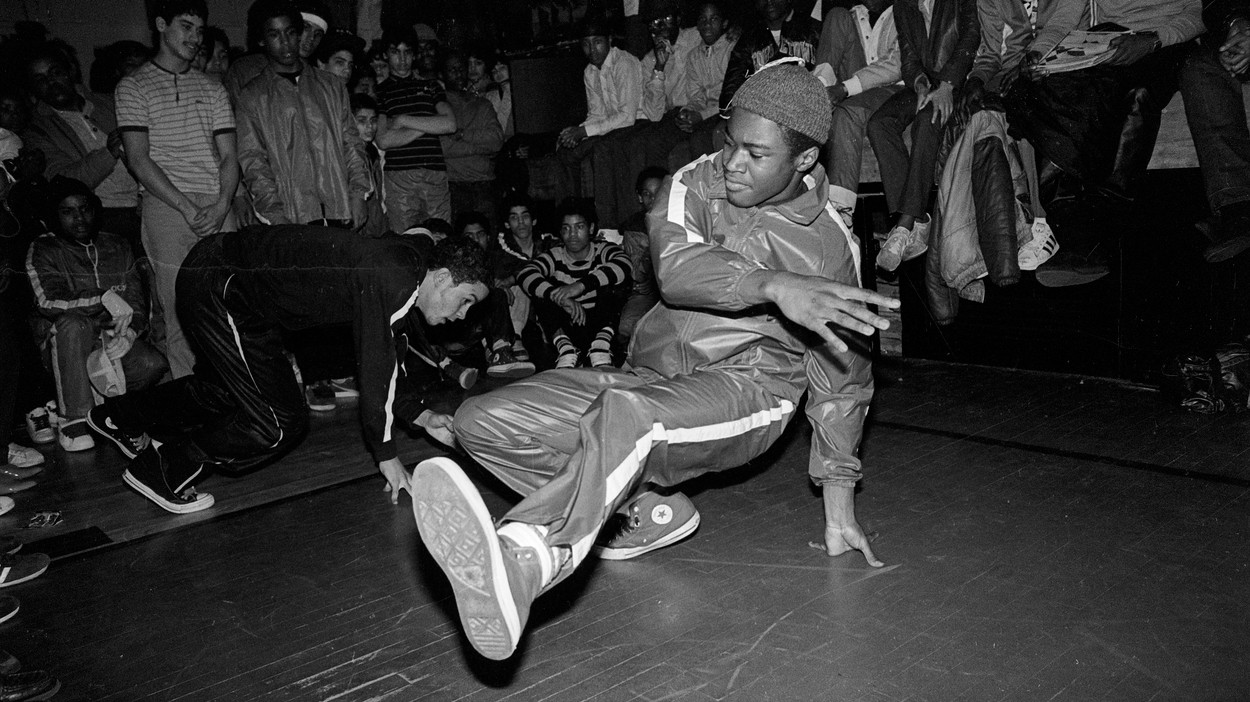
Photo: Ricky Flores.

“Born in the South Bronx nearly 50 years ago, breaking long ago had spread across the world. … From Los Angeles to Miami, there were parallel efforts to grow the sport but little coordination. Steve Graham had dabbled in breaking in college in the early 1980s. He worked on Wall Street and then established a successful private equity firm in Philadelphia. He gravitated back to breaking in his 50s, dancing alongside his children. He saw the potential for growth. The dance wasn’t just a form of expression; competition was baked into it with fierce dance battles between b-boys and b-girls.

“He ran a popular competition in Philadelphia and established a Pro Breaking Tour and a nonprofit membership organization called Urban Dance & Educational Foundation with a vision of drawing together the fragmented breaking world. Many of the competitions were spectacles, drawing large crowds with elaborate lights and window-rattling beats, but the sport was driven by independent event promoters without any movement trained on the Olympics.

“Far removed from booming bass notes and twirling young b-boys, however, serious efforts were afoot to get other forms of dancing on sport’s biggest stage. The global governing body was called International DanceSport, an umbrella organization for all dance disciplines, from Boogie Woogie to salsa. It was formally recognized by the International Olympic Committee in 1997, but officials there failed in their efforts to get ballroom dancing accepted into a Summer Games. Rather than pack up their tap shoes, they rebranded as the World DanceSport Federation (WDSF) and decided to double-down. …

“Breaking was far from the organization’s core when WDSF enlisted the help of Jean-Laurent Bourquin, an IOC veteran, in 2015, asking him for his help in wooing Olympic officials. The WDSF leaders were hopeful they could push specific styles of dance — either Latin or rock-and-roll — but after consulting with his colleagues in the Olympic world, Bourquin surprised them. …

“Dancing would be a viable candidate for the Olympics, he told them, but not the style they were used to.

“The WDSF’s top governing board included no breakers, so the proposition was something of a quandary: The organization could realize its Olympic dream, but only with a rogue, largely unfamiliar discipline.

“ ‘It was a bitter pill that was hard for everyone to swallow,’ recalled Ken Richards, who was on the board at the time and is now president of USA Dance. … ‘We had to come to this understanding and agreement that if dance can get a foot in the door with a style the IOC wants, then maybe the other dances aren’t as far behind as we feared.’

“Bourquin planted a seed with the IOC in 2016 and traveled to the Rio Olympics to chat up IOC members. [He] wanted to see breaking at the 2018 Summer Youth Olympics in Buenos Aires, a more apt platform and a friendly way to introduce the sport to Olympic officials, who skew older. For many in the Olympic world, it was the first time they considered dancing a true sport. And for many in the breaking world, it was the first time they considered the Olympics a realistic goal. …

“ ‘They didn’t view their talent as a sport,’ Zavian recalled, ‘so I had one of the skateboarders come to our meeting and talk about the difference between a sport and art. It was a very heated topic: “You’re going to take our culture away. You’re going to take our art away.” ‘ …

“But the ball was moving. While Graham provided much of the funding, the critical push for the Summer Youth Olympics was spearheaded by the larger dancing community, not the breakers.”

At the Washington Post, here, you can read what happened next.

Read Full Post »

Photo: Dex Ezekiel/ Unsplash.
A physician in Japan realized that artificial intelligence [A.I.] that could differentiate pastries might also be helpful in medicine.

I love accidental discoveries. In today’s story, a Japanese doctor was amazed at how precisely artificial intelligence could distinguish one pastry from another — and he had a lightbulb moment.

James Somers reports at the New Yorker, “A.I. researchers used to think that, without some kind of model of how the world worked and all that was in it, a computer might never be able to distinguish the parts of complex scenes. The field of ‘computer vision’ was a zoo of algorithms that made do in the meantime. The prospect of seeing like a human was a distant dream.

“All this changed in 2012, when Alex Krizhevsky, a graduate student in computer science, released AlexNet, a program that approached image recognition using a technique called deep learning. AlexNet was a neural network, ‘deep’ because its simulated neurons were arranged in many layers. As the network was shown new images, it guessed what was in them; inevitably, it was wrong, but after each guess it was made to adjust the connections between its layers of neurons, until it learned to output a label matching the one that researchers provided.”

Somers recounts that on a visit to Japan, he saw a bakery scanner identify a pastry with extraordinary precision and wanted to learn more. His curiosity took him to Hisashi Kambe, who once “developed SUPER TEX-SIM, a program that allowed textile manufacturers to simulate the design process, with interactive yarn and color editors. … A series of breaks led to a distribution deal with Mitsubishi’s fabric division, [and in 1985] Kambe formally incorporated as BRAIN Co., Ltd.

“For twenty years, BRAIN took on projects that revolved, in various ways, around seeing. … Then, in 2007, BRAIN was approached by a restaurant chain that had decided to spin off a line of bakeries. …

“The checkout process was difficult and error-prone—the cashier would fumble at the register, handling each item individually—and also unsanitary and slow. Lines in pastry shops grew longer and longer. The restaurant chain turned to BRAIN for help. Could they automate the checkout process? …

“By 2013, they had built a device that could take a picture of pastries sitting on a backlight, analyze their visual features, and distinguish a ham corn from a carbonara sandwich. …

“In early 2017, a doctor at the Louis Pasteur Center for Medical Research, in Kyoto, saw a television segment about the BakeryScan. He realized that cancer cells, under a microscope, looked kind of like bread. He contacted BRAIN, and the company agreed to begin developing a version of BakeryScan for pathologists. …

BRAIN began adapting BakeryScan to other domains and calling the core technology AI-Scan. AI-Scan algorithms have since been used to distinguish pills in hospitals, to count the number of people in an eighteenth-century ukiyo-e woodblock print, and to label the charms and amulets for sale in shrines. One company has used it to automatically detect incorrectly wired bolts in jet-engine parts.”

More in the long article at the New Yorker, here.

Read Full Post »

I found it harder than usual this year to wait for spring flowers, so I ordered bulbs online. The way the tulips opened was really intriguing. Do all tulips emerge from under a leaf as if from under a wing or from a womb? I had never noticed that before.

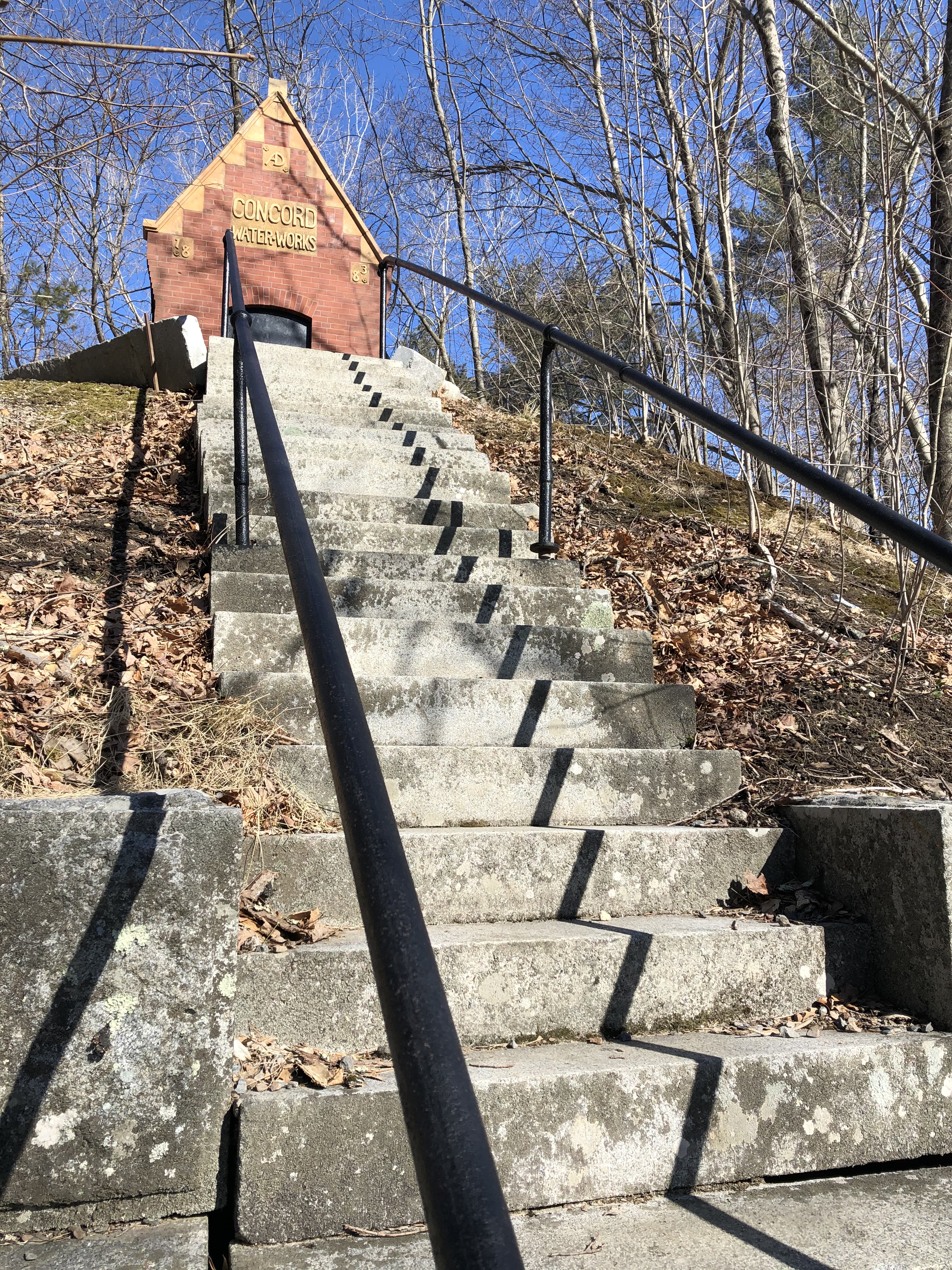
Signs of spring appeared outdoors in due time, but first I took plenty of snow, lichen, and shadow photos.

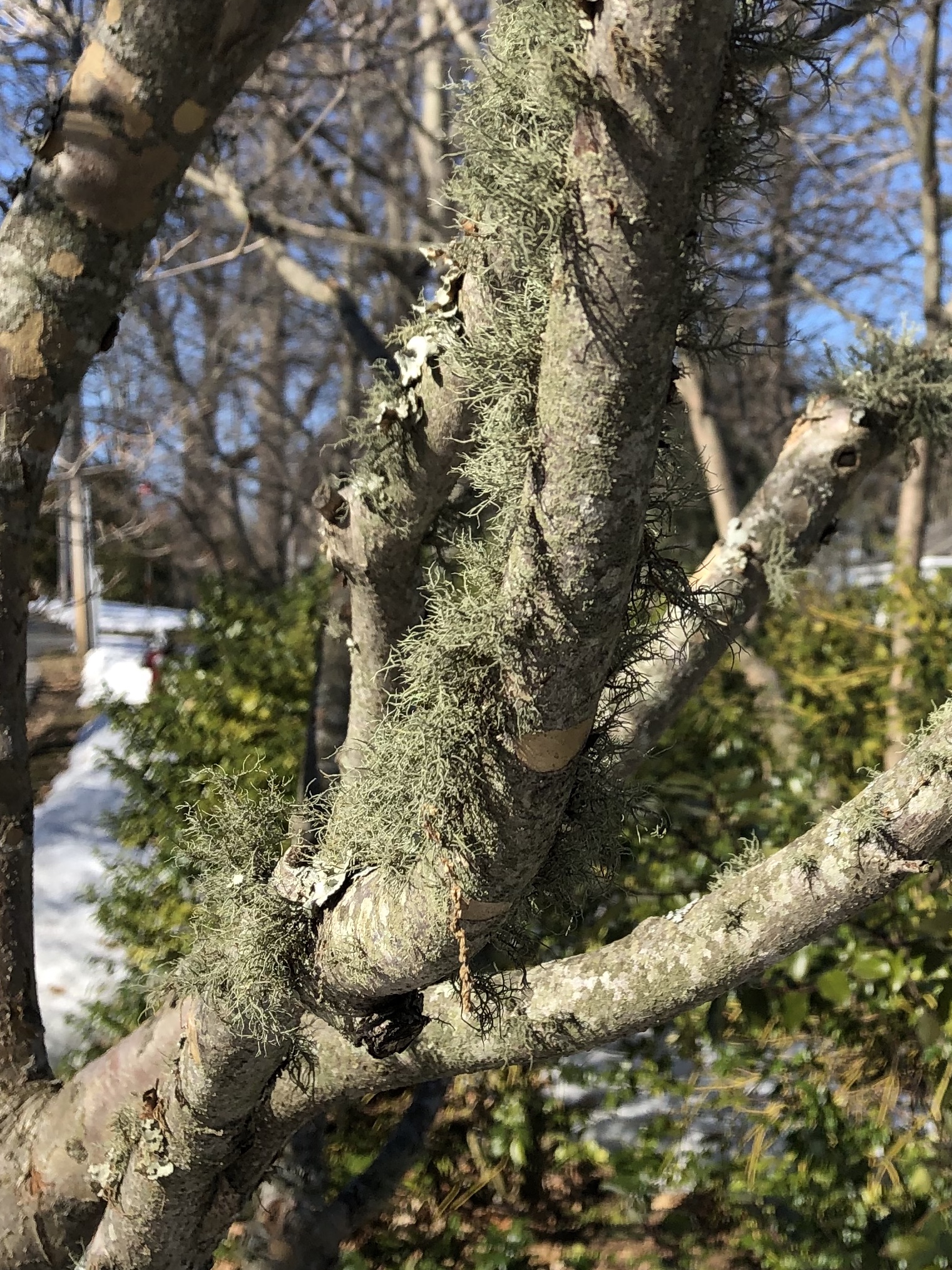
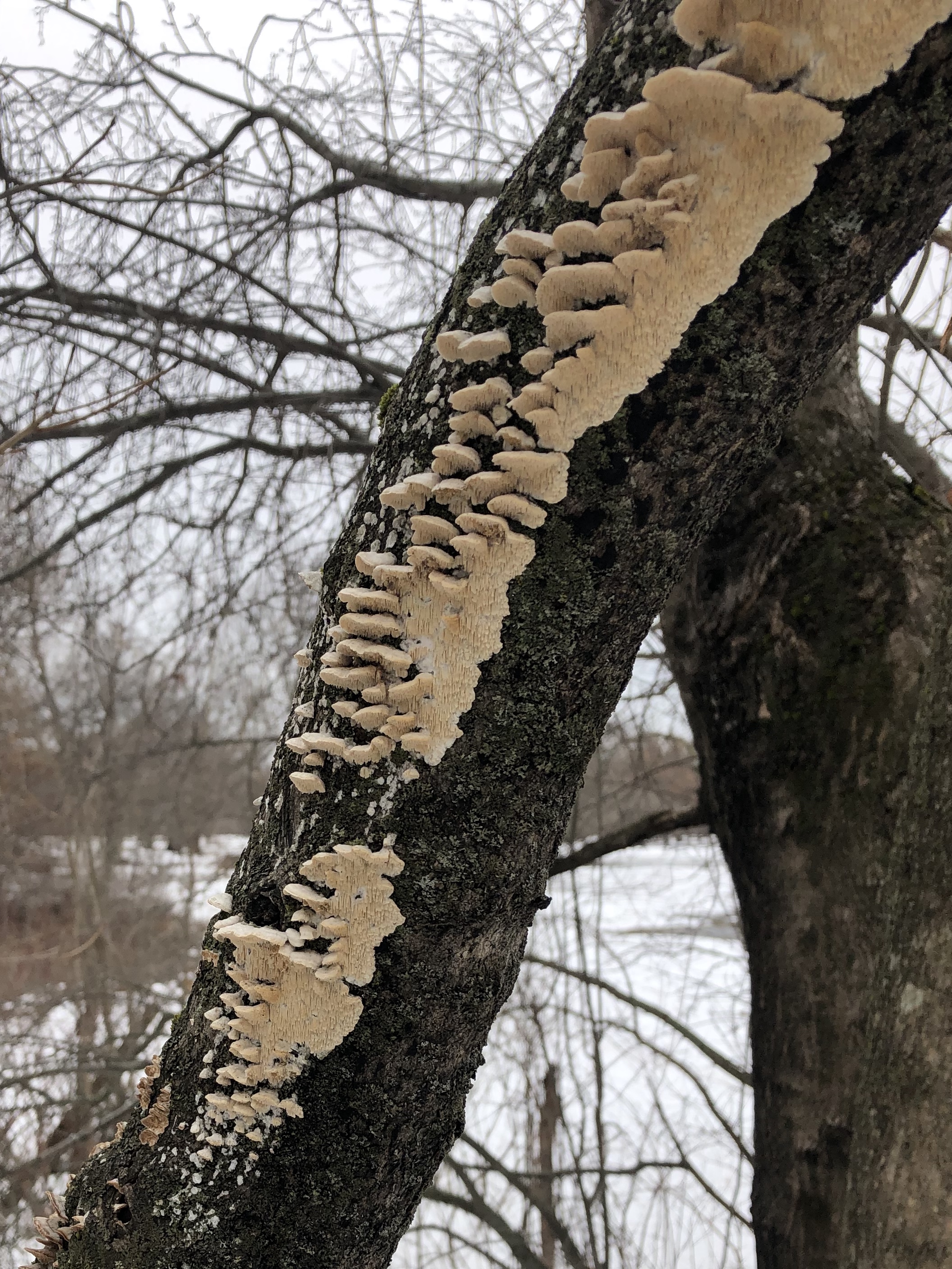
The bird feeder kept me entertained all winter, especially when rare visitors like bluebirds showed up. Another hit in lockdown was Kim’s lecture series about New Shoreham, RI, nature, where I learned that the fuzzy growth on the Massachusetts tree below is Bushy Beard Lichen.

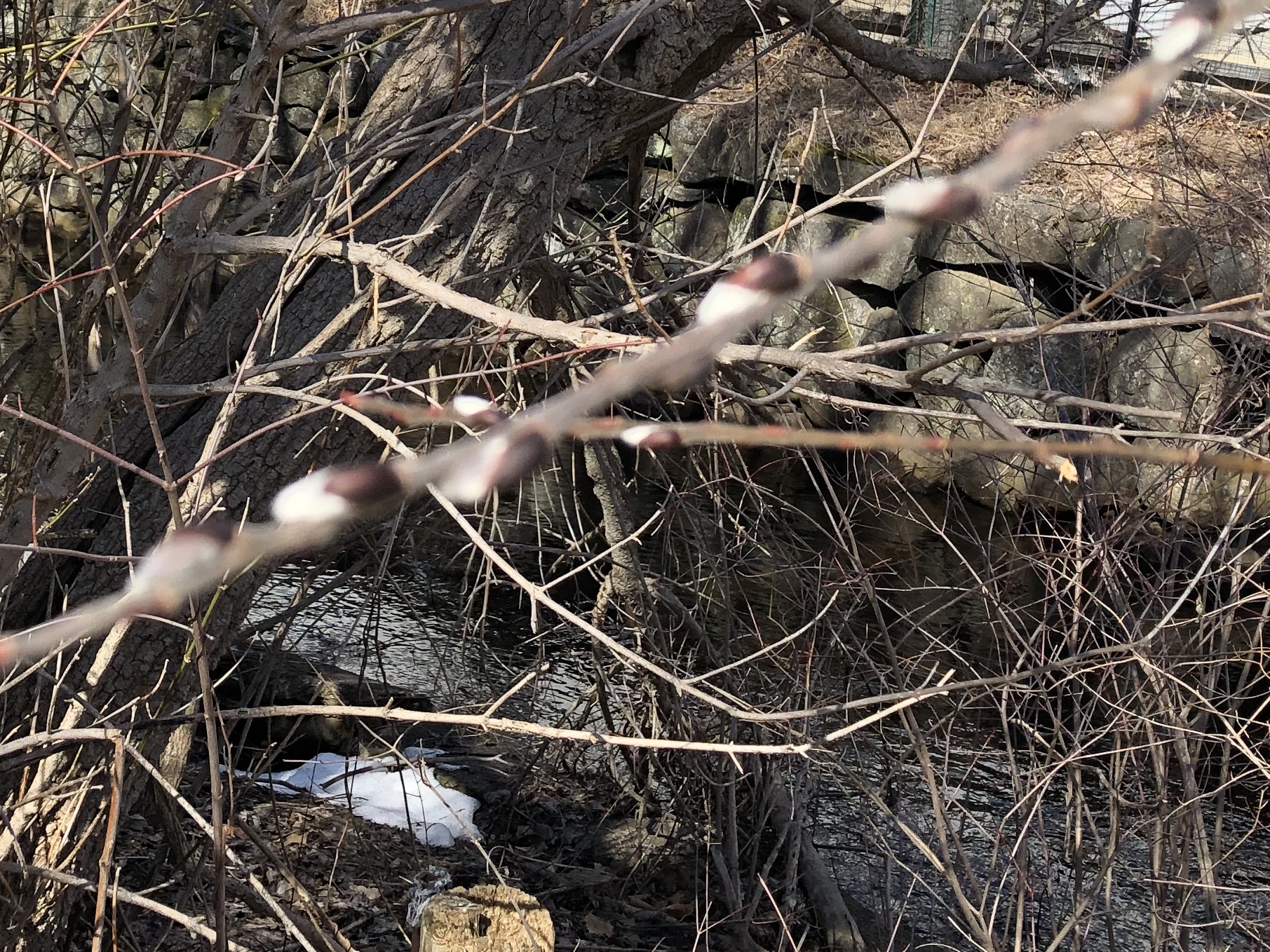
One funny thing: I was excited about seeing pussywillows, but when my Arlington family saw the photo, they thought there must be a hidden image. My granddaughter suggested there was a snake in the foreground, and my grandson saw a turtle. Now I’m inspired to seek photos of snakes and turtles!

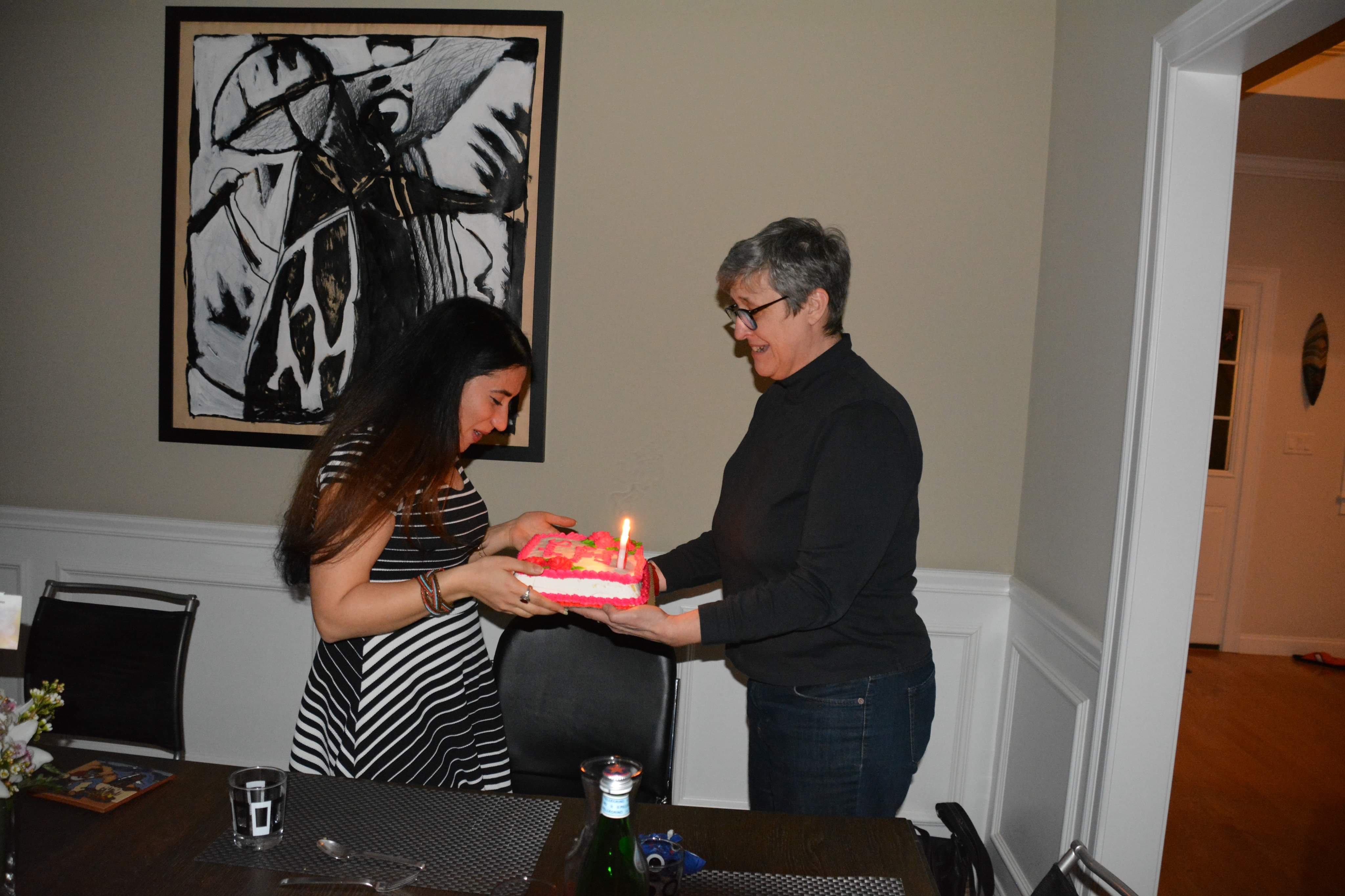
I hope you remember my Afghan mentee, Shagufa. She has the world’s best host family, helping her in countless ways. This month they gave her the first birthday party of her life. You never heard anybody so amazed and delighted by a cake with her name and age — and candles!

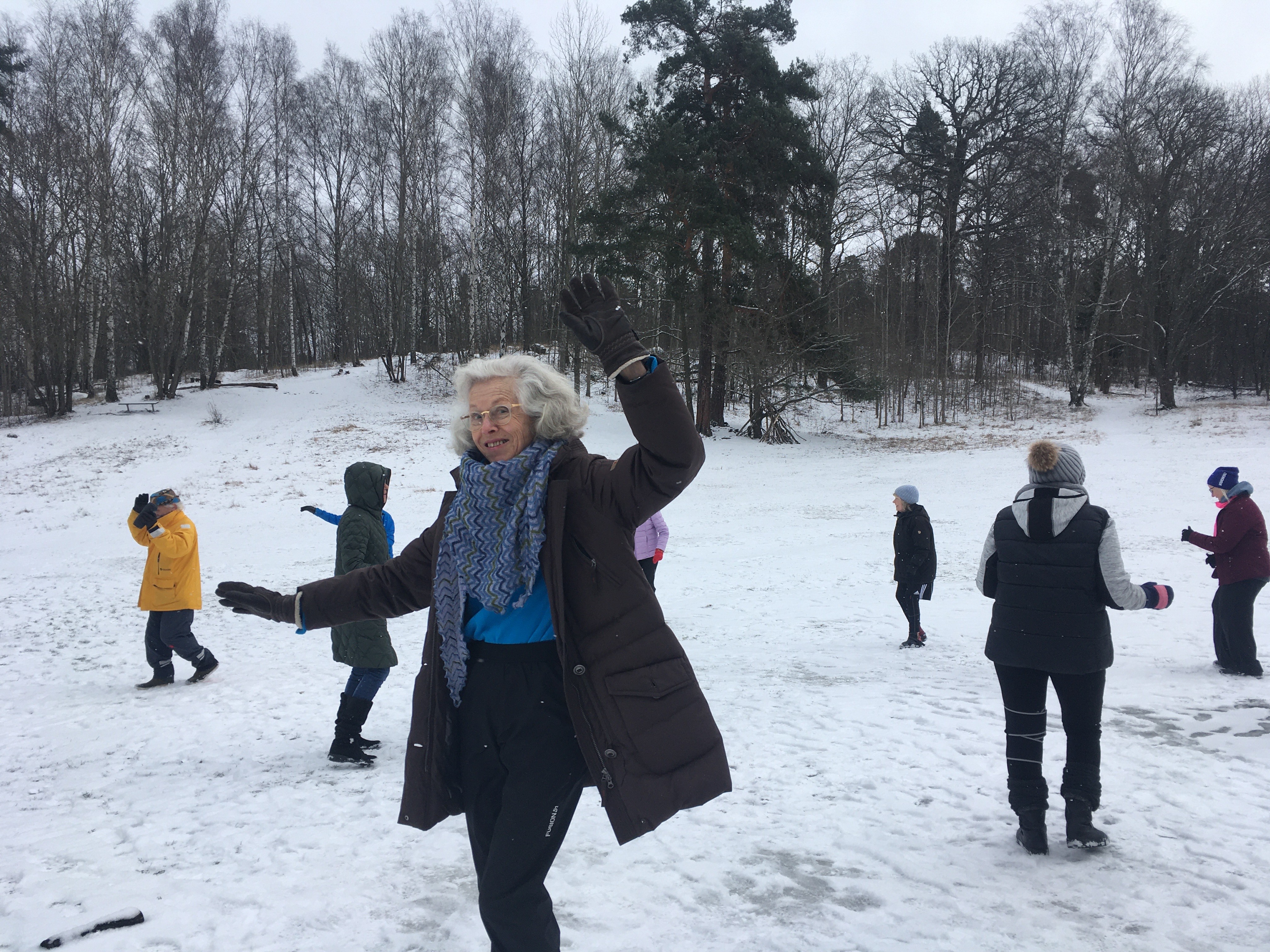
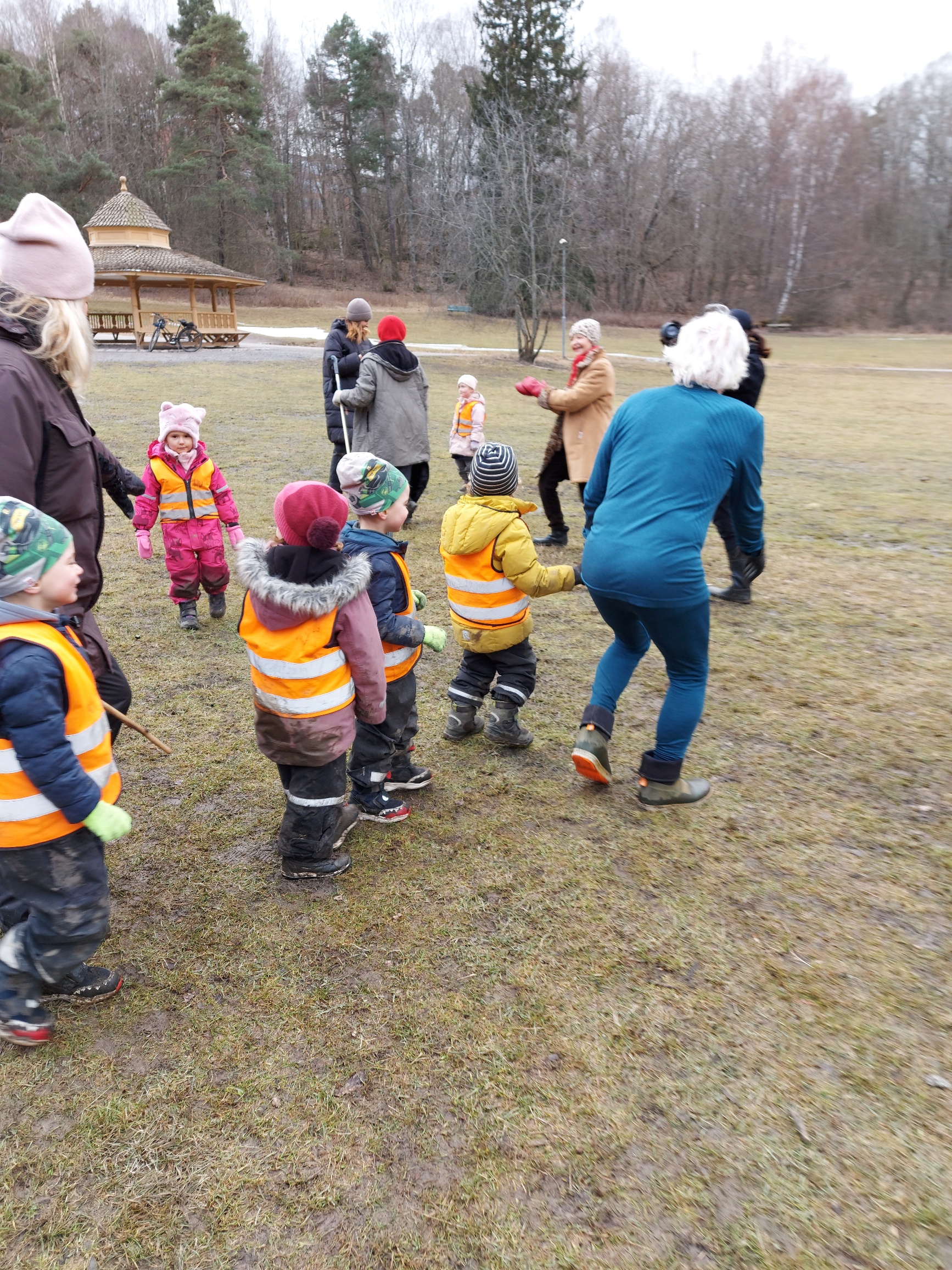
Meanwhile in Stockholm, the seniors continue outdoor dance exercise no matter how cold it gets. Stuga40, their volunteer leader, says that in addition to the health benefits, the point is to have fun. When a preschool group came walking through the park, the children were invited to join in.

Read Full Post »

Photo: Milwaukee Symphony Orchestra.
Robert Black started playing tuba with the Milwaukee Symphony Orchestra at 19.

The photo above reminds me of a long-ago time that one of my brothers played the tuba. Even today, people remember how it hung out the door of the VW bug when my mother drove him to junior high.

A tuba is a mighty big instrument, and it takes a certain kind of musician to fall in love with it. For example, the young man in today’s story.

Jim Higgins writes at the Milwaukee Journal Sentinel, “If Robert Black drops out of college, and that day could be coming soon, his professor and his parents aren’t going to cry or scold.

“Black, 19, beat out dozens of older musicians to win the job of tuba player in the Milwaukee Symphony Orchestra through a blind audition process. He’s the orchestra’s youngest musician and only member of the Gen Z cohort.

“He signed his contract in early 2020, but the COVID-19 pandemic disrupted chances to play last spring. So Black [made] his MSO subscription debut March 6, playing Paul Hindemith’s ‘Morgenmusik,’ though he did play a Christmas music quintet with MSO colleagues in December. 

“A calm speaker, Black finds it easy to explain why he enjoys being an orchestra tuba player. A tuba — and the low brass section — adds fullness in an ensemble filled with higher register instruments.

” ‘I just really love being … the person that gets to add that (depth) to the whole sound of the ensemble,’ he said.

“Black said he likely became a tuba player because his late godfather, who played the instrument, gave his family a small E-flat three-valve tuba. Black’s mother was a middle school and high school band teacher, and both his mom and his older sister played horns, so brass music was a regular part of family life in Vernon Hills, Illinois. …

“After finishing his college auditions and choosing Rice University in Houston, Black took part in the 2019 auditions for the Milwaukee Symphony’s open tuba position with 61 other musicians. He did not expect much to come from it.

” ‘My kind of goal was if I can advance past the first round, I’ll consider it a success,’ he said. 

“In the ‘elephant room’ where the tuba auditioners warmed up, he recognized musicians he knew from Facebook, people who already had jobs. But to his pleasant surprise, Black made it through to the final round, playing excerpts from Bruckner’s Seventh with a professional trombone section for the first time.  

“The MSO didn’t hire a player out of that audition, but Black went off to his freshman year at Rice with helpful feedback. … At Rice, he worked closely with professor David Kirk, who is also the principal tubist of the Houston Symphony. 

‘It was clear to me from when I first heard him that he would have a very short time as a student. He was destined for professional success,’ Kirk said during a telephone interview.

“For his second audition in January 2020, in attempting to prepare as much as possible at Rice while still making his flight to Milwaukee, but with dorms closed for winter break, Black slept on a couch in a practice room for a few days. …

“After the final round, assistant personnel manager Rip Prétat took him to meet the panel of musicians and music director Ken-David Masur, who welcomed him to the orchestra. …

” ‘Robert is an incredible musician,’ principal trombonist Megumi Kanda said in an email message. ‘He is sensitive to his surroundings and has great style. His playing and blending skills are remarkably mature, especially given his youthfulness! His ability and willingness to musically interact and adjust quickly will make him a great fit.’

“Lest Black’s parents have any concern about his adjustment to life in the MSO, Kanda wrote: ‘As his neighbors in the orchestra, the trombones are a nurturing bunch; we will take good care of him!’

“Kirk said he has counseled Black on integrating himself into the orchestra. Ask questions, don’t make statements, he has told the young musician: ‘You have to be respectful of the fact that those people have been playing music together for so long. They have their own habits, their own customs and they must be respected.’ “

More at the Milwaukee Journal Sentinel, here.

Read Full Post »

Photo: Nick Dymond.
Nick Dymond took his bags of old slides to the Shetland Islands recycling center. Paul Moar rescued them for posterity.

This why I have such a hard time throwing anything out. I say to myself that I really need to deal with the clutter here and leave less of a mess for my children. But then I think, what if these old letters, these old photos, etc., turn out to have value for posterity? I have read too many biographies that lament someone’s friend or grandmother burning precious material!

Megan Specia reported recently at the New York Times that a Shetland Islands resident who was cleaning house never considered that anyone would care about his slides of the old days. Fortunately, someone who did care saw them.

“After working for years at a recycling center in the Shetland Islands, at the northernmost reaches of the British Isles, Paul Moar is used to helping the public get rid of unwanted items.

“But when an older man walked into the recycling center in Lerwick, the capital of the archipelago in the North Atlantic, carrying two large bags heaving with old photograph slides, he quickly realized that this intended trash might be worth keeping.

“In the bags, he found a wealth of old pictures of the Shetland Islands taken in the 1960s and ’70s — old farmers shearing sheep by hand, views of dirt roads winding between small stone houses, and fishers rowing small dinghies ashore.

” ‘My jaw hit the ground,’ said Mr. Moar, a local history buff. ‘Some of them were these amazing snapshots into island life, and other ones were just scenic photos,’ he said. ‘But I knew I’d stumbled on a little bit of treasure.’

“In the days since, Mr. Moar has worked on digitizing the 300 images, tracked down the photographer and shared dozens of the pictures online. There, they have proved a sensation for residents of the islands, which have a population of just 22,000 or so, who have helped piece together when they were taken, identified the people in the photographs, and shared their own memories of the islands. …

“Through a neighbor, Mr. Moar reached out to Nick Dymond, the local resident who dropped off the bags and who took the photographs, and with his permission, uploaded a number of the images to a Shetland memories Facebook group

Overnight, dozens of people [on Facebook] were leaving messages and helping to identify the people featured, chiming in with notes on family homes and sharing memories of places they spent time as children. …

“One member of the Facebook group where Mr. Moar first shared the images said it was ‘giving everyone such a boost in these dark times.’

“Mr. Moar said his own passion for the history of the islands — where his family can trace ancestors back to the 1400s — was what had initially drawn him to save the pictures. …

“Mr. Dymond, 77, … is originally from Bedford, England, but in the 1960s, he made his home on the Shetland Islands, … and in the 1970s, he began leading bird and wildlife tours in the summers. He served as a warden for the Royal Society for the Protection of Birds, a charity, and later wrote a book on birding in the islands

“Mr. Dymond said that viewing the photographs was a journey back into small moments of his life that he had not thought of in some time. … One of his favorites is a photograph of a farmer kneeling to feed a lamb, taken on the tiny island of Fetlar, which had a population of just 100 during the seven years that Mr. Dymond lived there. He recognized the man, Lollie Brown, a neighbor, who died years ago.

“ ‘He was just a wonderful man,’ he said. ‘That was a great reminder for me.’ ”

More at the New York Times, here. See the Shetland Museum site, here.

Read Full Post »

Photo: Camilla Forte.
Nikkie Bauer sticks social distancing reminders for spectators onto the window of Chicago’s Reckless Records, where she performs her window play.

This story reminds me of being a kid. I had a passion for theater and many impractical ambitions. For instance, I was certain that if I put together a production of “Snow White and Rose Red” from the Brothers Grimm, my friends and I would be welcomed to perform it before a movie at the Lafayette Theatre. The grownups laughed.

In today’s article, frustrated theater people who persevered made surprising things happen.

Camilla Forte writes at American Theatre, “When the pandemic shut down live theatre in March of 2020, the ensemble members behind Chicago’s Stop Motion Plant were in the middle of producing a performance commissioned by Theatre Evolve. With the stages shut down and their play canceled, they found themselves having to pivot.

“As the world adapted to a new reality, the group began meeting virtually to discuss the possibility of producing and performing live theatre in a way that would keep both the performers and the audience safe. Eventually, inspired by Macy’s dioramas [and] Chicago performers who put on ‘porch concerts’ throughout the summer, the concept for Window Plays was born.

“Presented as a ‘walking tour with theatrical displays,’ and running Feb. 19-21, the performance was not a traditional narrative play, but rather a collection of six short individual vignettes performed within the storefronts of six separate businesses in Chicago’s Andersonville neighborhood.

In order to secure each storefront venue, members of Stop Motion Plant went door to door to explain the concept to shop owners.

“After receiving what they described as overwhelming support, the group landed on performing out of the Neo-Futurist Theater, Rattleback Records, Enjoy, Women and Children First, *Play, and Raygun.

“Each two- to five-minute play was acted out on a loop for an hour in its storefront window, allowing audience members to cycle between performances in a way that encouraged social distancing while making the experience accessible to a fairly large number of people. …

“Ensemble member Kevin Michael Wesson … drew on his puppetry background when determining the music and scale for his window play, Badvice. During his two-minute performance, Wesson asked audience members increasingly personal questions through the phone while pressing his hand against theirs through a pane of glass sanitized after every act. After the interaction concluded, he bestowed attendees with an envelope with three pieces of advice —two good and one bad — as a parting gift. …

“[Perry] Hunt placed a cardboard cutout of herself herself behind a screen and illuminated the cutout from behind. She then Facetimed her audience, convincing them the person they were speaking to on the phone was the person whose silhouette they could see in the window, only to reveal she was never actually there. …

“Although the performances were a revival of live theatre, the actors still had to grapple with the challenges of a virtual format throughout the six months it took them to put together the piece. …

“Despite the challenges this format presented, some ensemble members found the innovations born from working around these challenges refreshing. Hunt, for instance, found that working within a more limited format allowed her the freedom to think about theatre in more abstract ways, with this experience being something that will influence her work beyond the pandemic.

“ ‘I think it’s given me permission and space to think about more innovative ways that I can produce art,’ Hunt said. ‘This project has pushed me to be challenged and make challenging things.’ “

More at American Theatre, here.

Read Full Post »

Photo: Shelby Sherritt.
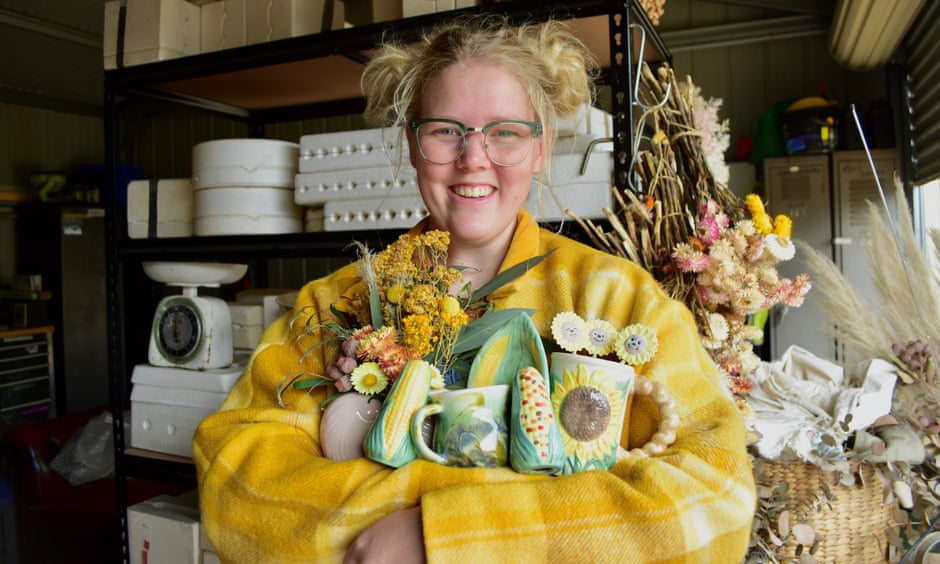
Shelby Sherritt is relieved to be known on TikTok for something other than surviving cancer, writes the Guardian. She started off making pottery koalas, echidnas, possums. Now she grabs a random slip-casting mold, enjoying the surprise at the end.

People started following a young lady in Australia because of her rare cancer, but she’s much happier being followed for her cheery slip-cast pottery.

Matilda Boseley reports at the Guardian, “For years, Shelby Sherritt was known as the ‘cancer girl.’ …

“Sherritt had been featured in videos about young people going through cancer. … Now hundreds of thousands of people are following her online, but much to her surprise it has nothing to do with cancer. Instead, Sherritt has become internet famous for reviving the 70s craze of slip casting pottery.

‘It’s now become, “Oh she’s the artist,” it’s about my pottery, and I find that so empowering,’ she says with a laugh.

“Sherritt has gained half a million followers on TikTok by hosting a wildly successful series from her Ballarat art shed, where every week she makes a new piece from a giant pile of mystery slip-casting molds she got free from a man on Gumtree.

“In the one-minute videos, she walks to her giant pile of plaster molds, picks one, and pours in watery clay or ‘slip.’ Once it’s dried she reveals the model, usually a kitsch 70s mug or garden gnome. Sherritt then paints it. … Many are looking forward to these videos every week. …

“ ‘I think it’s about the mystery. The molds are so elusive on the outside, people are just like “oooh what could actually be in that?” ‘

“Her videos now regularly top a million views, something Sherritt says she could have never imagined when her life was focused solely on surviving.

“When Sherritt was 20 she came down with what felt like run-of-the-mill appendicitis.

“ ‘I was on holiday in Perth and I just could not get out of bed, I was in that much pain. And then we went to a doctor. … By the time I went into surgery, it had ruptured,’ she says.

“During the surgery her doctors discovered she was suffering from a rare form of appendiceal and bowel cancer. … The doctors spoke in a serious, quiet tone that filled Sherritt with fear. …

“ ‘I obviously had to put my life on pause,’ she says. ‘I couldn’t work, I couldn’t study, I had to just do the treatment.’ …

“In the deepest pits of her boredom, Sherritt says she gravitated towards her old art equipment that had been gathering dust, painting, drawing, and even sculpting from her bed. …

“ ‘My original work started off as Australiana pieces. So koalas, echidnas, possums, paying homage to the bushland.’

“As Sherritt’s treatments went on her pottery got better and better, and after the chemotherapy and more surgeries beat the cancerous cells back she started selling her work, and wondered if maybe this was her new path. At the start of 2020 Sherritt was able to make pottery her full-time job, and with her extra hours began uploading videos to TikTok to promote her business. …

“Her views rapidly grew when she began the slip-casting series, and the bump in sales meant she was well and truly making enough money to live off. …

“When Sherritt first went into remission the doctors told her if her cancer was going to come back, the chances are it would be in the first five years. But on 18 January this year, Sherritt finally completed that long and nerve-racking countdown, totally cancer-free. …

“ ‘The cancer definitely inspired me to grow, but now it’s the pottery itself that’s my narrative. … I feel really, really fulfilled now that I’m on this path.’ ”

More at the Guardian, here.

When I was in junior high, my parents were dismissive of the slip-cast dish I made for them because the school used molds (ie, not creative), but I was proud of it. Kids should be encouraged in whatever version of art interests them. You never know where an interest will take them — or what it will mean to them.

Read Full Post »

Photo: University of Canterbury.
Maoris teach that we’re all in the same canoe, an understanding that enough New Zealanders have absorbed to make Covid restrictions successful there.

I don’t know much about the Maoris of New Zealand (does the Disney movie Moana count?), but having seen how successful New Zealand and its prime minister have been in dealing with Covid, I’m not surprised to learn that the high level of cooperation among the populace relates to absorption of Maori values.

In an opinion piece at the Washington Post, Matthew Milner and Richard Ngata explain.

“Life in New Zealand is almost back to normal. While the United States has seen more than half a million deaths from covid-19 — with a death rate of more than 160 per 100,000 of population — New Zealand has lost only 26 people at a rate of 0.53 per 100,000.

“Two months ago, one of us, Richard, went to a New Year’s festival with more than 12,000 fellow revelers — something barely imaginable in the United States, where most concerts are online-only. Meanwhile, teachers, including Matthew’s parents, have been instructing in person since May [2020] without requiring masks or social distancing measures.

“Why has New Zealand fared so much better? Many people argue that these differences stem from New Zealand’s geographic advantages, and there is no doubt that being an island nation has helped. But … there is a deeper reason: Manaakitanga.

“While New Zealand hasn’t always been great at recognizing or celebrating our indigenous Māori culture, campaigning by Māori advocates has helped to ensure that Māori culture is now well-incorporated into society.

Manaakitanga is one of many customs of the Māori people that are now taught in New Zealand schools. It holds that others have importance equal to, and even greater than, one’s own.

“Manaakitanga is about understanding the power of the collective. It derives from the Māori term ‘mana,’ which is the spiritual life force and energy that every living thing possesses. When you honor the mana of others, your own mana will increase through the respect you have earned. When you acknowledge these connections, you understand that your freedom as an individual is only as strong as your place in the community.

“This community approach underpins many aspects of life in New Zealand. We provide health care to anyone who needs it. Our gun safety laws focus on keeping the community safe. And manaakitanga is one of four key values the Teachers Council for New Zealand wants teachers to focus on in the classroom.

“But never has the importance of manaakitanga to our society been more evident than at the start of the covid-19 pandemic. Last March, when New Zealand went into full lockdown, people were not permitted to see others outside their ‘bubble’ (such as a household); only one person from each bubble could leave at any given time, and not travel farther than five miles from the house.

“This strict lockdown lasted six long weeks, and while there was political pushback, the ‘team of 5 million,’ as Prime Minister Jacinda Ardern calls New Zealanders, stayed home and stamped out the virus.

New Zealanders were willing to give up many of their individual freedoms and face personal hardship for the benefit of the community. …

“Still, people found ways to connect and support each other. The lesson of the coronavirus is that an individual approach is not sufficient and that it takes a team for us all to gain true freedom. The Māori proverb ‘He waka eke noa’ expresses these sentiments clearly: We are all in this canoe together. …

“While [the US president] was playing down the virus, Ardern was running daily broadcasts alongside the nation’s director-general of health to clearly communicate the latest updates and restrictions. The central message: ‘Stay Home, Stay Safe, Be Kind.’ ” More at the Washington Post, here.

If you want to dig deeper, check out research by Diane Ruwhiu and Graham Elkin at the Leadership journal on the “converging pathways of contemporary leadership,” here. The authors describe “two emerging domains in leadership – servant leadership and Indigenous Māori leadership. Both not only have strong resonance with each other,” they say, “but also reflect a common concern with individual and collective morality that draws us to the significance of human relationships.”

Read Full Post »

Photo: The Telegraph.
The United Kingdom’s Marsh family has been singing spoofs of popular songs since the beginning of the pandemic.

Probably at some point during the pandemic, you saw the Marsh family’s early 2020 spoof of the song “One Day More” from Les Miserables. But did you know the funny, sometimes off-key, UK family has kept going?

Isabella Kwai has the backstory at the New York Times. “The family of six is lined up in front of microphones, ready to perform. The stage: their living room, complete with flowery curtains and family photos. The costumes: for the children, pajamas and bathrobes. The song: Bonnie Tyler’s 1983 raspy-voiced power ballad ‘Total Eclipse of the Heart’ [below], tweaked for the pandemic era.

“ ‘Third lockdown,’ the father croons, before his son Alfie cuts in: ‘2021 … and it’s a little bit lonely, no one’s ever coming ’round.’

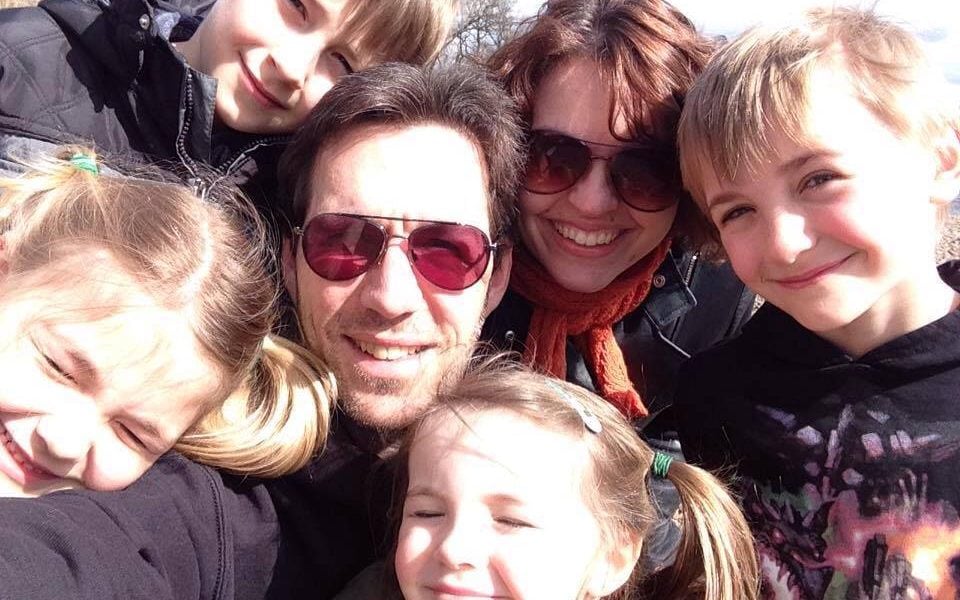
“Meet the Marshes — Ben, Danielle, and their four children Alfie, 14, Thomas, 13, Ella, 11 and Tess, 9 — a family from the English town of Faversham that has gained unexpected fame for their revamped, tongue-in-cheek cover tunes about life in times of Covid. This six-voice choir, with its sweet harmonies and the occasional wobbly note, is creating songs that dramatize the mundane moments of lockdown life, from too much screen time to the horrors of remote learning.

” In their version of ‘One Day More,’ from the musical Les Misérables, the parents groan about grocery shopping online during the first lockdown as the children lament: ‘Our grandparents can’t Skype, we’re brokenhearted.’ …

“And with England crawling through a third national lockdown, they felt the time was ripe for ‘Total Eclipse’ — ‘Used to be bright eyes. Struggling to tell the days apart. Now we’re Lords of Flies.’ …

“In a time when there has been little cause for celebration, the Marshes are just some of the many people around the world who have embraced music as a way to boost morale or income, and to cope with a pandemic that has confined many people inside. During the first wave, Italians sang from their balconies, mariachi bands in Mexico played in the streets, and the percussion of people banging pots to celebrate frontline workers became a nightly soundtrack in New York and other cities.

The Marshes have not limited themselves to song; their performances have included moments of bickering, dance — captioned ‘interpretive angst dance’ — and dramatic flourishes that have amused an audience around the world.

“ ‘This is the first thing that made me not just smile but laugh out loud,’ said one fan online who had been depressed about Germany’s extending restrictions. ‘Can you adopt me?’ another joked.

“The fame is new but the singing isn’t. Mr. Marsh, 44, and Mrs. Marsh, 43, who both work at the University of Kent, met as students at Cambridge, where they sang in low-budget university productions. Reworking lyrics was a family affair even pre-pandemic. … The difference is those earlier spoofs were mainly for their own entertainment. Then the pandemic hit.

“In late March [2020], the family was searching for ways to celebrate some birthdays that suddenly had to go remote, including that of Mrs. Marsh’s mother. Their gift, they decided, would have to go virtual.

“ ‘There was no schoolwork, there was no nothing,’ Mrs. Marsh said. ‘That’s when the music became a focus for us all.’ …

“So now they’re famous, but are they cool? Well, no, Mr. Marsh said. ‘I think if we tried to do “cool,” it would all fall apart.’ But at a time when ‘so few can sing together in one place,’ the family members hope to use their sudden fame, which Mr. Marsh called ‘bewildering and incredible,’ to do some good.

“They said they are donating the proceeds from guest appearances to the W.H.O. Covid-19 Solidarity Response Fund, which supports efforts to end the pandemic, and Save the Children. But recently they also decided to take a chance by encouraging people to get vaccines, a departure from their more comedic fare. …

“How did they deliver the message? Try replacing ‘Hallelujah’ in Leonard Cohen’s iconic song with this: ‘Have the new jab. Have the new jab. Have the new jab. Have the new-ew-ew-ew jab.’ (Sung by Tess, in fuzzy p.j.’s, as her father strums the guitar.) …

“ ‘I would have never spent this much time with my 14-year-old,’ said Mrs. Marsh.”

More at the New York Times, here.
Read Full Post »

« Newer Posts - Older Posts »