Move him into the sun —
Gently its touch awoke him once
At home, whispering of fields unsown.
Always it woke him, even in France
Until this morning and this snow.
If anything might rouse him now
The kind old sun will know …
Wilfred Owen (1893-1918)

Move him into the sun —
Gently its touch awoke him once
At home, whispering of fields unsown.
Always it woke him, even in France
Until this morning and this snow.
If anything might rouse him now
The kind old sun will know …
Wilfred Owen (1893-1918)
Posted in Uncategorized | Tagged boston common, fallen, flags, memorial day, poem, poet, poetry, postaday, wilfred owen | Leave a Comment »
After Brian Bailey started to follow this blog, I took a look at his own WordPress blog. The first thing I saw was the watercolor below. I said, “Oh, wow.” Then I looked through his other drawings and watercolors and liked them just as much. So I want to share the Art of Brian site with you.
I’ve always loved watercolors, the gentle suggestiveness, the uncertainty of how the the paints will run. Although good work takes a lot of skill, there’s an element of the unexpected that to me is about the randomness of experience and the beauty of randomness.
Here are some thoughts from Brian on one of his recent paintings.
“When pulling together the shapes and lines that make up a composition it can be challenging to determine how much information is enough. Some of my favorite drawings and paintings exhibit a very economical approach to line, saying just enough to let the viewer see what the artist sees. In recent weeks, I’ve been doing many gesture drawings, as I’ve mentioned before, and I’m trying to let my paintings be, somewhat, more gestural. I started my painting today outside with lots of light and finished it at home by bumping up the shadows and contrast. I’m really trying to stop myself from overworking each painting.”
Brian also has an Etsy store. I am liking everything I see there.
Art: Brian Bailey
The Orange Van, Watercolor, 4″ x 4″, © 2015

Posted in Uncategorized | Tagged art of brian, brian bailey, economical, etsy, painter, painting, postaday, san francisco, watercolor | 6 Comments »
Somerville, Massachusetts, is adding another innovation to its roster: bubble soccer. Sports don’t get much wackier than this.
Steve Annear writes at the Boston Globe, “A new form of entertainment is set to bounce into Somerville this fall, bringing a unique twist on conventional team sporting events.
“Beginning in September, the city will host a ‘bubble soccer’ league, a sport in which participants cram themselves into massive, inflatable balls and then use the air-filled bubbles to knock their opponents off their feet.
“Participants can’t move their arms while inside of the see-through plastic bubbles, and rely solely on their lower bodies to move a soccer ball into a goal.
“ ‘It’s a silly sport,’ said Matthew Aronian, co-director of MA Sports Leagues, the company bringing the team sport to Somerville. ‘But it’s getting bigger and bigger and more popular.’
“Bubble soccer is already being played in Norway, Italy, Austria, and other countries. There’s also a league in Chicago, which is believed to be the first of its kind in the United States.
“Aronian said the game is fun to watch and play, as opponents send each other flying through the air. The bubble-wrap encasings are intended to prevent serious injuries during contact. …
“The game aligns with Mayor Joe Curtatone’s ‘bump factor’ theory that the community thrives when innovative people, ideas, and activities collide.
“ ‘While bubble soccer isn’t exactly the type of bump factor he means, folks bouncing off one another in giant, inflatable orbs fits right into Somerville,’ said Somerville spokeswoman Denise Taylor in an e-mail.” More here.
Photo: Stan Grossfeld/Globe Staff
What does it look like? Here, players compete in the Chicago Bubble Soccer league.

Posted in Uncategorized | Tagged bubble soccer, bump factor, chicago bubble soccer league, Denise Taylor, innovative, Joe Curtatone, massachusetts, Matthew Aronian, postaday, somerville, stan grossfeld, steve annear | Leave a Comment »
The Associated Press had a story not long ago about some energetic Bolivians competing at handball.
“A group of Bolivian grandmothers and great-grandmothers have a pretty nontraditional way of easing the aches and pains of old age. These Aymara women get together every Wednesday in the city of El Alto and play handball.
“The ‘awichas,’ as grandmothers are known in the Aymara language, don sports jerseys over their traditional skirts and look forward to meeting and exercising with friends every week. …
“Team handball is an Olympic sport; two teams pass a ball using their hands to throw the ball into the opposite team’s goal.
“The handball team is part of a program where about 10,000 older people are practicing sports and playing Andean music; they also get free medical care.”
See some great great quotes and photos at NBC News, here.
Photo: Juan Karita/AP
In this Feb. 4, 2105 photo, 72-year-old Aurea Murillo prepares to make a pass during a handball match among elderly Aymara indigenous women in El Alto, Bolivia.

Posted in Uncategorized | Tagged andean, andes, aurea murillo, awichas, Aymara, bolivia, el alto, grandmother, handball, juan karita, postaday | 3 Comments »
Here is an artist who addresses the sense of smell — and not only with lily-of-the-valley fragrance or the sea or brewing coffee.
Douglas Quenqua writes in the Science section of the NY Times that Belgian artist Peter De Cupere uses pretty much everything that has an odor.
“Peter De Cupere’s ‘Tree Virus’ sculpture wasn’t much to look at: a dead, black tree rooted in a craggy white ball suspended over a dirt pit, all of it covered by a plastic igloo. Built on a college campus in the Netherlands in 2008, the whole thing might have been leftover scenery from a Tim Burton film if it weren’t for the outrageous smell.
‘Inside the igloo, a heady mix of peppermint and black pepper saturated the air. It flooded the nose and stung the eyes. Most visitors cried; many ran away. Others seemed to enjoy it, laughing through the tears. Such is the strange power of olfactory art.
“ ‘When you walk into an installation with scent, you cannot hide. Your body starts to react,’ said Mr. De Cupere. … He is just one of several contemporary artists using odor to create art that delivers an intensely personal, emotional and sometimes physical experience. …
“Smell has an unfair advantage over the other senses when it comes to eliciting a response, researchers say. ‘There is a unique and directly intimate connection between where smell is processed in the brain and where memory is stored,” said Rachel Herz, a psychologist at Brown University and the author of The Scent of Desire: Discovering Our Enigmatic Sense of Smell. …
“Just as Proust’s madeleines opened a floodgate to childhood memories, scents can recall different feelings depending on how a person first encountered them.”
Photo: Peter De Cupere
Peter De Cupere’s “Tree Virus” sculpture, which causes many visitors to cry.

Posted in Uncategorized | Tagged art, brown university, Douglas Quenqua, madeleines, olfactory, Peter De Cupere, postaday, Proust, psychologist, Rachel Herz, smell, tree virus | Leave a Comment »
Having given myself a serious scare reviewing the film Revolution (on the planet’s race to extinction through practices such as destroying critical forests), I was happy to read about a positive forestry initiative started in India and expanded to Haiti and Kenya. The pressures are the same in those countries as in Madagascar, which was featured in Revolution, but there is also a recognition that trees are life-giving.
Gregory M. Lamb writes at the Christian Science Monitor, “Aviram Rozin was excited. He had just returned from Haiti where the 80,000 Maya nut trees that volunteers with Sadhana Forest had planted there during the past five years had started to flower. Before long each tree would be producing huge quantities of nuts high in protein and other nutrients. One tree could supply enough yearly protein for a family of five.
“The nonprofit Sadhana Forest, cofounded by Mr. Rozin and his wife, Yorit, follows three simple strategies:
“• Plant indigenous trees in arid regions that once had been forested but have become barren, useless land.
“• With few exceptions, do the work using volunteers, both local and from around the world.
“• Since trees don’t grow overnight, plan on staying around for a long, long time to see the project through.
“The Rozins started Sadhana Forest in 2003, the year after they moved to India from Aviram’s native Israel to live in Auroville, an experimental township in southeast India that emphasizes sustainable living and has attracted immigrants from all over. The couple bought 70 acres of degraded land and set about creating a community dedicated to reforestation. …
“The aim of Sadhana Forest isn’t to buy and reforest massive tracts of public land. Rather, it is to teach local people how to grow trees on their own land. Faced with the dry climate, Rozin has come up with a simple, yet innovative, way to water the trees: wick irrigation. A two-liter plastic bottle filled with water is planted up to its neck next to each sapling or tree. A piece of cotton rope fed through a tiny hole in the bottom of the bottle acts as a wick, slowly moistening the soil. Loosening or tightening the bottle’s cap can control the rate of flow. …
“Each wick bottle becomes ‘a personal watering system for each tree,’ Rozin says, yet the materials are readily available locally and cost almost nothing. …
“Rozin, who studied psychology and later worked in management for an Israeli medical device company, does not have a degree in forestry but says that may have been a blessing in disguise.
“ ‘We found out that, in a way, ignorance is bliss because we’re very open to learning,’ he says. ‘We don’t think we know everything. A lot of innovation comes from listening to people, to being open.’ ”
Photo: Sadhana Forest
Volunteer Nixon Casseus (l.) and Sadhana Forest cofounder Aviram Rozin show off the first flowering Maya nut tree in Haiti.

Posted in Uncategorized | Tagged Auroville, aviram rozin, ecology, environment, gregory m lamb, haiti, india, maya nut, nixon casseus, nutrients, nuts, postaday, protein, reforestation, sadhana forest, sustainable, wick irrigation, yorit | Leave a Comment »
It rained hard at noon, but the stalwarts opening booths for the first farmers market of the season hung on and before long the weather cleared, and it was sunny and warm.
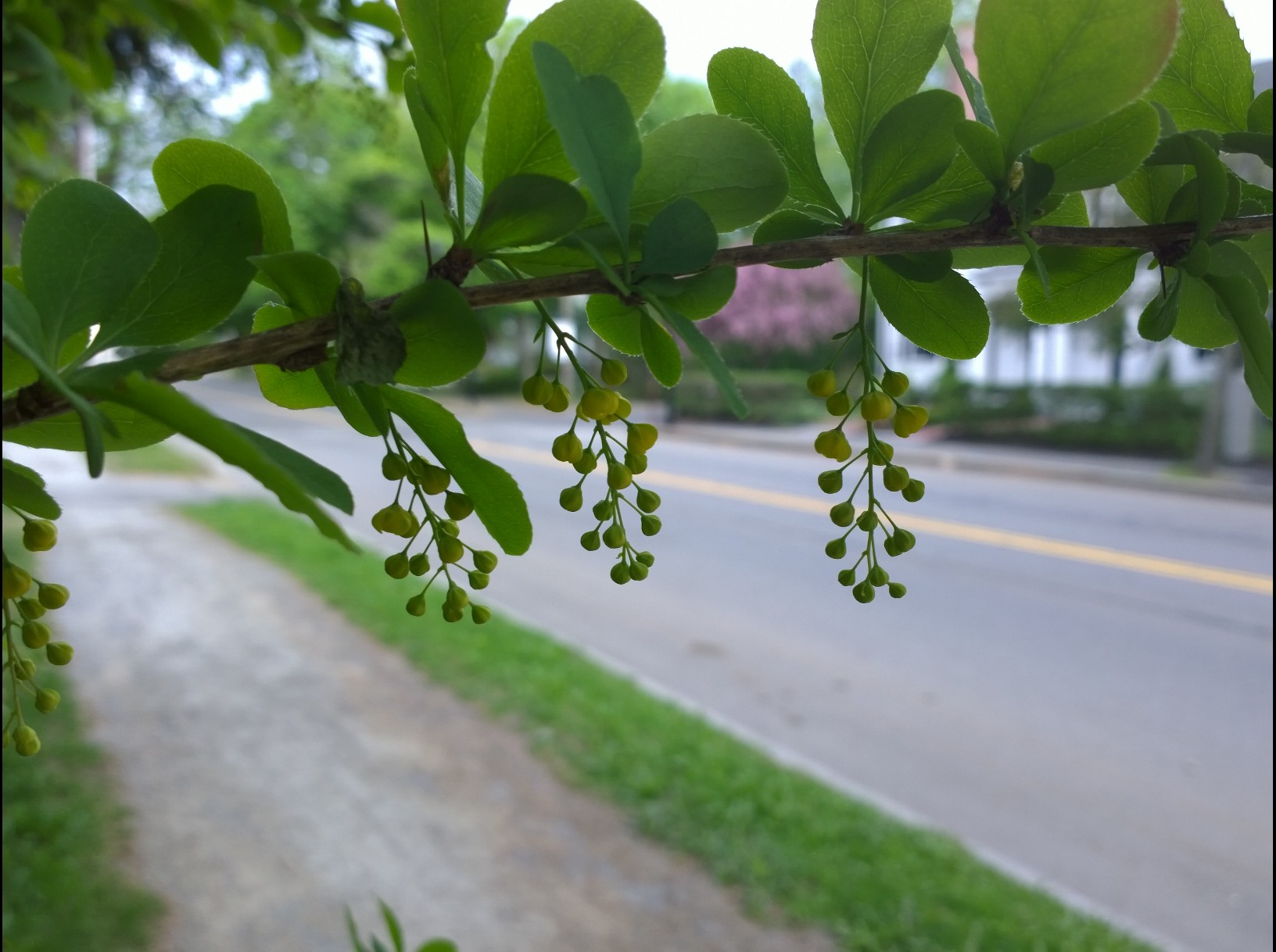
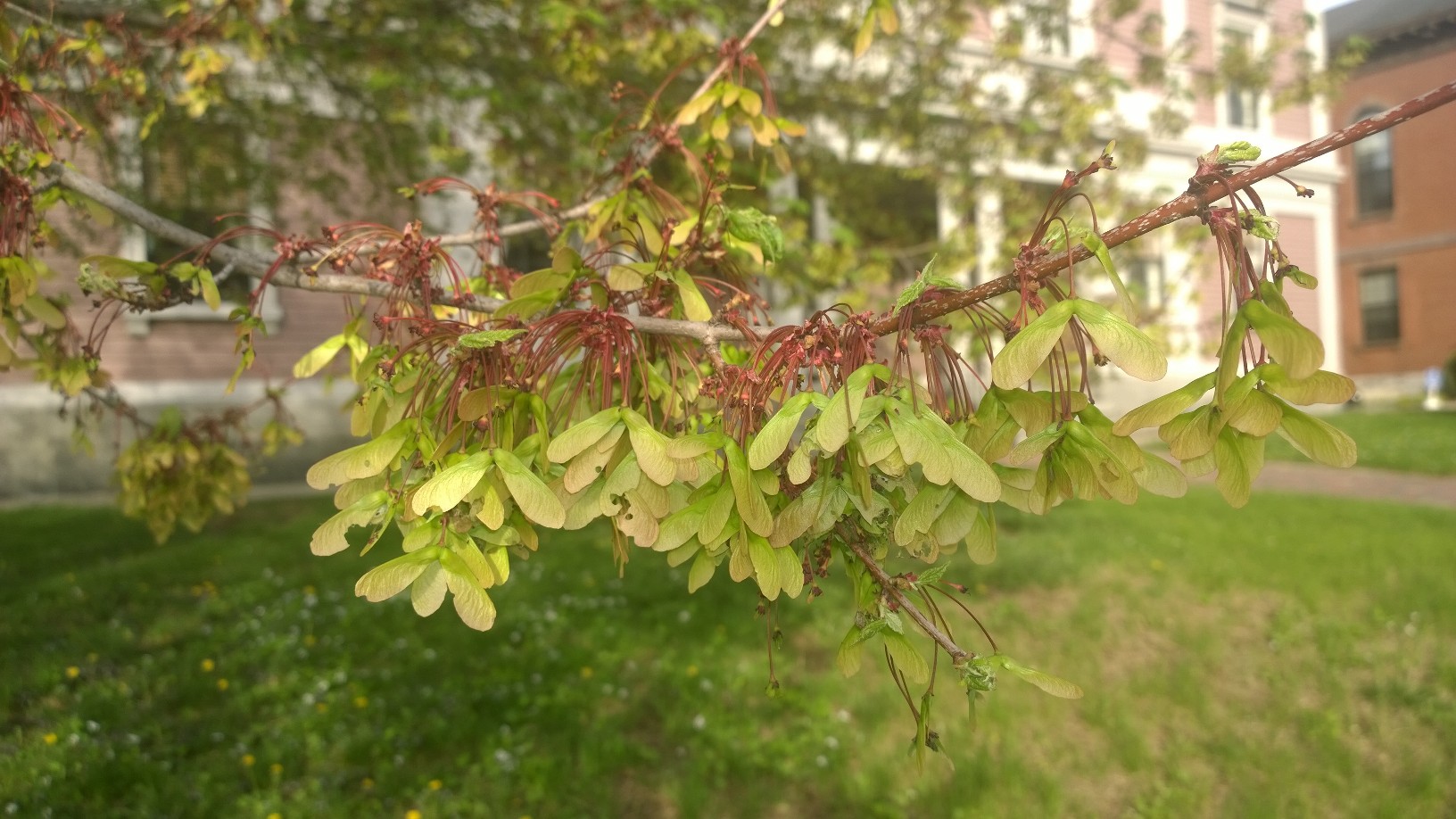
Today I’m posting some recent outdoor photos from Massachusetts and Rhode Island and thinking particularly how seed pods, the smell of lilacs, and small landscapers make me happy.

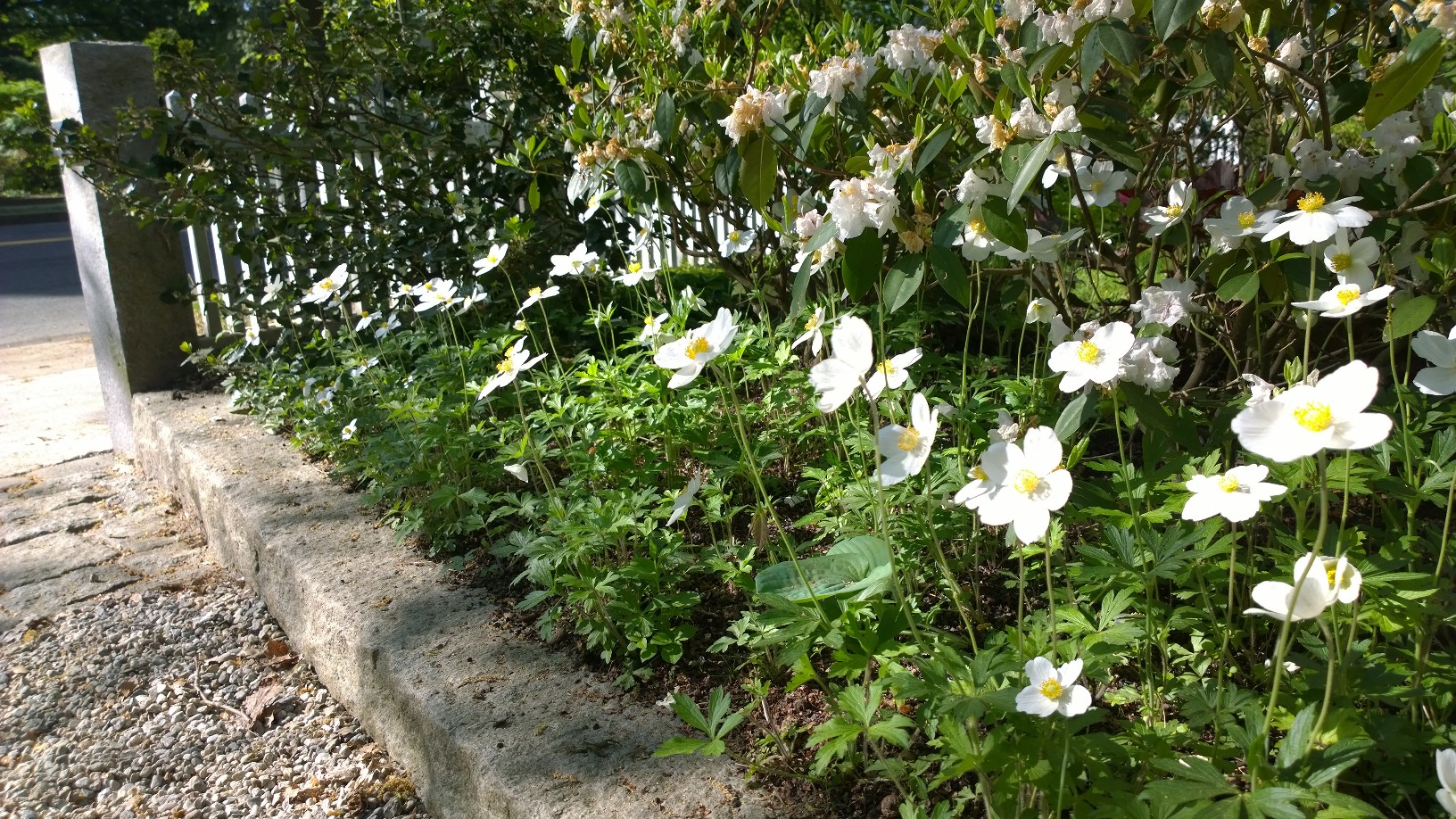


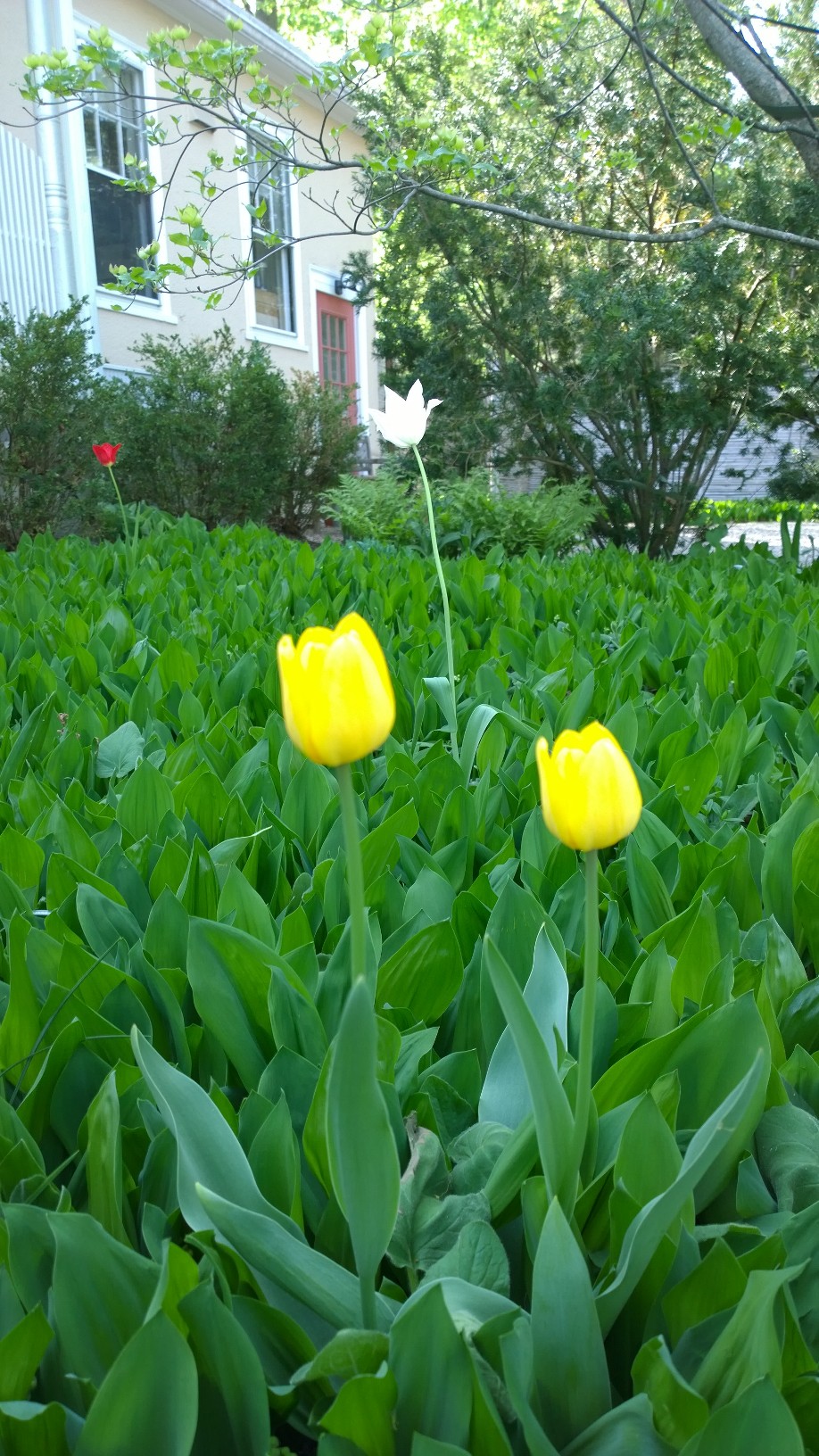
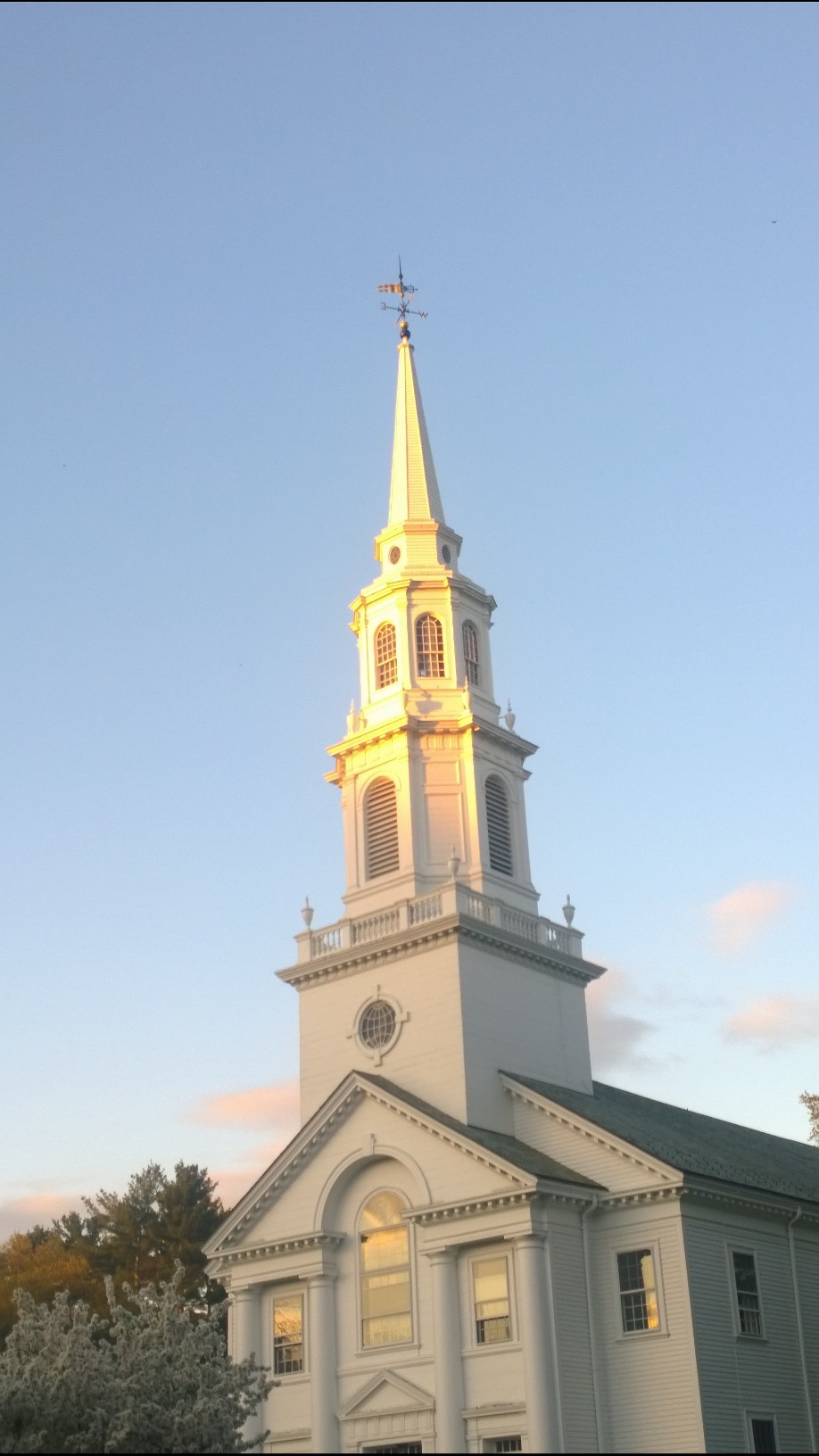
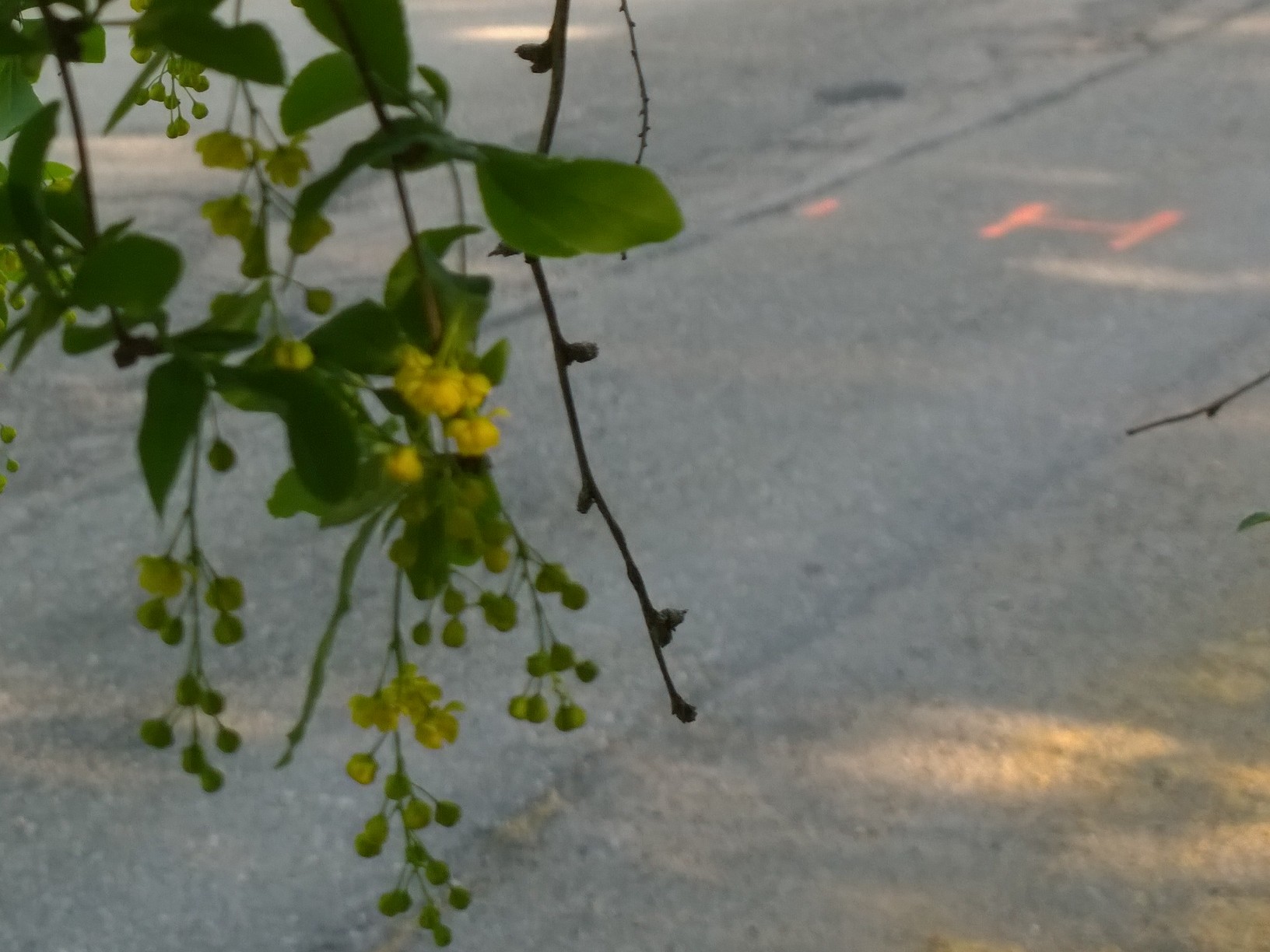

Posted in Uncategorized | Tagged massachusetts, new england, outdoors, photo, photograph, pictures, postaday, rhode island, spring | 2 Comments »
At WBUR’s The Artery, Andrea Shea has a story about a composer with a penchant for unusual texts: the package blurbs practically everyone reads at breakfast when the newspaper hasn’t arrived.
“Musicians are always searching for inspiration,” writes Shea, “and sometimes they find it in some unlikely places.
“Take Brian Friedland, a prolific Boston composer and jazz pianist who’s discovered a creative goldmine in his cupboards. He takes words on packaging for products such as granola, mouthwash and tea, then sets them to some pretty sophisticated music. Friedland calls the funny-but-serious project ‘Household Items’ and he has a new CD. …
“Friedland is not a singer, but he sees amusing, absurdist potential in labels featuring characters, quests or ‘extreme’ wording. He started foraging for inspiration about eight years ago and had an epiphany when he read a can of carpet cleaner after his cat missed the litter box.
“It read, ‘Do not. Do not puncture. Do not freeze. Do not incinerate. Do not expose to heat above 120 degrees Fahrenheit. Do not inhale.’ He made them into a percussive, vocally complex work where the singer repeats, ‘Do not! Do not! Do not puncture,’ with urgency.”
Percussionist and singer Laura Grill “performed a few songs, including one about a fragrant skin moisturizer.
“ ‘There’s one benefit of having these sort of accessible lyrics,’Grill said, ‘because people are like, “Oh right — Avon Peach Hand Lotion — I can connect with that.” ’
“Grill, also an [New England Conservatory] alum, says Friedland has found a unique solution to an age-old problem.
“ ‘As someone who enjoys composing and arranging, one of the hardest things is trying to write lyrics,’ she said, ‘so Brian finds them on his coffee packages and appliances.’ ”
Listen to Friedland’s SleepyTime tea music with lyrics taken straight from the box at WBUR, here.
Photo: Andrea Shea/WBUR
Brian Friedland, a composer who puts text from product packaging to music.

Posted in Uncategorized | Tagged andrea shea, artery, brian friedland, composer, granola, household products, jazz, lyrics, music, new england conservatory, package, postaday, sleepytime, song, tea | Leave a Comment »
Suzanne’s Mom was asked to review Revolution, a film by the young environmentalist, biologist, diver, and Sharkwater filmmaker Rob Stewart.
Encompassing gorgeous deep-sea photography, scientific climate-change testimony, a representative of the drowning country of Seychelles, and many youth demonstrations, the documentary forces you to think about what the burning of fossil fuels is doing to the oceans and what it means for the future of the planet. It also gives you the sense that anyone can do something about it — take up a camera, make a poster, or write a letter that makes a change.
The film is infused with a sense of youth, of young people saying, “Enough!” I particularly loved the moment early on when Stewart, who had read only two books on filmmaking, is flubbing his lines in front of Darwin’s Arch. What comes across in addition to the humorous inexperience is a feeling of energy, optimism, and determination.
The film has many engaging details about sea life that Stewart can’t resist throwing in, like how the endangered pygmy seahorse, which camouflages itself to look like coral, “mates for life — and the guy gets pregnant!”
He talks about how the burning of fossil fuels creates too much carbon dioxide, which is absorbed by the ocean and is harmful to anything that needs to grow a skeleton, which is pretty much everything but nasty, poisonous creatures that flourish in the muck where corals died, like the flamboyant cuttlefish. Coral expert Charlie Veron comments that at the same rate of ocean acidification caused by too much CO2, there will be no coral reefs in 50 years.
Stewart also looks at the island nation Madagascar, sole home of lemurs, explaining that endangered tropical forests are responsible for 1/4 of the world’s species and 1/3 of our oxygen. Madagascar scientist Serge Rajaobelina says that population growth on the island and the burning of the trees for development has meant the loss of 80 percent of the forest in 40 years, more than in 55 million years.
The movie goes on to cover perhaps a few too many youth protests, including one in which an inspired, tree-planting young boy says, “We have found we have to save our own future,” and is later arrested in tears.
But then we get to see that children and young adults are actually having an impact.
A sixth-grade class in Saipan writes letters to the Saipan government against killing sharks for shark fin soup, and the government signs a law preventing the practice. In fact, we are told, since the first Stewart film, China, the main adherent of shark-fin soup, has dropped the practice by 70 percent, and 100 countries have banned it.
The upbeat Saipan children who comment on their successful advocacy embody the truth of my favorite Pete Seeger line, “one and one and 50 make a million.” Says one, “Maybe the world might not end because of what we are doing.”
Watch the Revolution trailer here.
[We do not accept gifts here, so the DVD that the film company sends me for screening and reviewing will be forwarded to Save the Bay, RI.]
The late Rob Stewart. The filmmaker did not come up from a dive 1/31/17 near Key Largo.

Posted in Uncategorized | Tagged canada, carbon dioxide, coral, diver, envionment, fossil fuel, global warming, marine, ocean, reef, revolution, rob stewart, saipan, sea, seychelles, sharkwater, skeleton | 2 Comments »
According to a feature provided by the Christian Science Monitor, drip-irrigation systems are becoming a boon to regions suffering from persistent drought.
Kizito Makoye writes for Reuters, “Peter Chuwa has long flooded his paddy field using a canal that draws water from the river. These days, however, water is scarcer and growing rice this way is proving hard to sustain. A period of drought set in two years ago, and the abundant water that once helped suppress weeds in his fields and assure him of a crop regardless of rainfall has disappeared, hurting his harvests and his income. …
“Now, however, a drip irrigation system, introduced to help his village deal with worsening drought, is restoring his harvests, building his resilience to erratic weather, and saving time, he says.
” ‘You simply open the tap and leave the kit to supply water to the roots, unlike the traditional system, which takes a lot of time and energy,’ he said.
“Under pressure from drought, the 65-year-old farmer at Kikavu Chini village in Hai district in Tanzania’s northern Kilimanjaro region has switched to crops that need less water, including vegetables, maize, potatoes, and beans. A drip irrigation system, which uses far less water, supplies plenty to grow those crops, he says. …”
Nguluma Mbaga, a Kikavu Chini agricultural field officer, says the technology has come at the right time as farmers try to find ways to cope with worsening drought and other effects of climate change.
” ‘I believe farmers will be in a better position to cope with the changing weather patterns. This village is located in a dry area that does not get adequate rains, so farmers must try to use water wisely,’ he says.”

Posted in Uncategorized | Tagged drip, drought, fog, hai, irrigation, Kikavu Chini, Kilimanjaro, Kizito Makoye, Mariana Bazo, moisture, Nguluma Mbaga, peru, peter chuwa, postaday, tanzania | Leave a Comment »
I fear we may have missed the Blessing of the Bikes today. I just saw Steve Annear’s article about it in the Boston Globe.
“Helmets can help save cyclists’ lives in the event of an accident on Boston’s busy streets,” he writes, “but local clergy members are taking safety measures one step further Friday by blessing people’s bikes and headgear on the plaza in Copley Square using a special mix of holy oil and chain lube.
“ ‘It’s a spiritual decision to make the choice to take a bicycle instead of a car — something that expends more energy — so we want to affirm that healthy and holy decision for all the people in the city who do this,’ said Rev. Laura Everett, one of the organizers of the ‘Blessing of the Bicycles’ event.
“The ceremony, which will take place in front of Trinity Church, is in conjunction with Bay State Bike Week and National Bike to Work Day. Everett said Friday’s event will include special prayers for both cyclists and their bikes. …
“They will finish the ceremony by anointing each bike with a concoction of holy oil and bike chain lube. …
“Everett teamed up with the Boston Cyclists Union, the Rev. Nancy Taylor from Old South Church, the Rev. Patrick Ward from Trinity Copley Church, and Abbi Holt from Hope Central Church for the blessing.”
More here.
Photo: Rev. Laura Everett

Posted in Uncategorized | Tagged abbi holt, blessing of the bikes, boston cyclists union, hope central church, nancy taylor, national bike to work day, old south church, patrick ward, postaday, rev laura everett, steve annear, trinity copley church | 2 Comments »
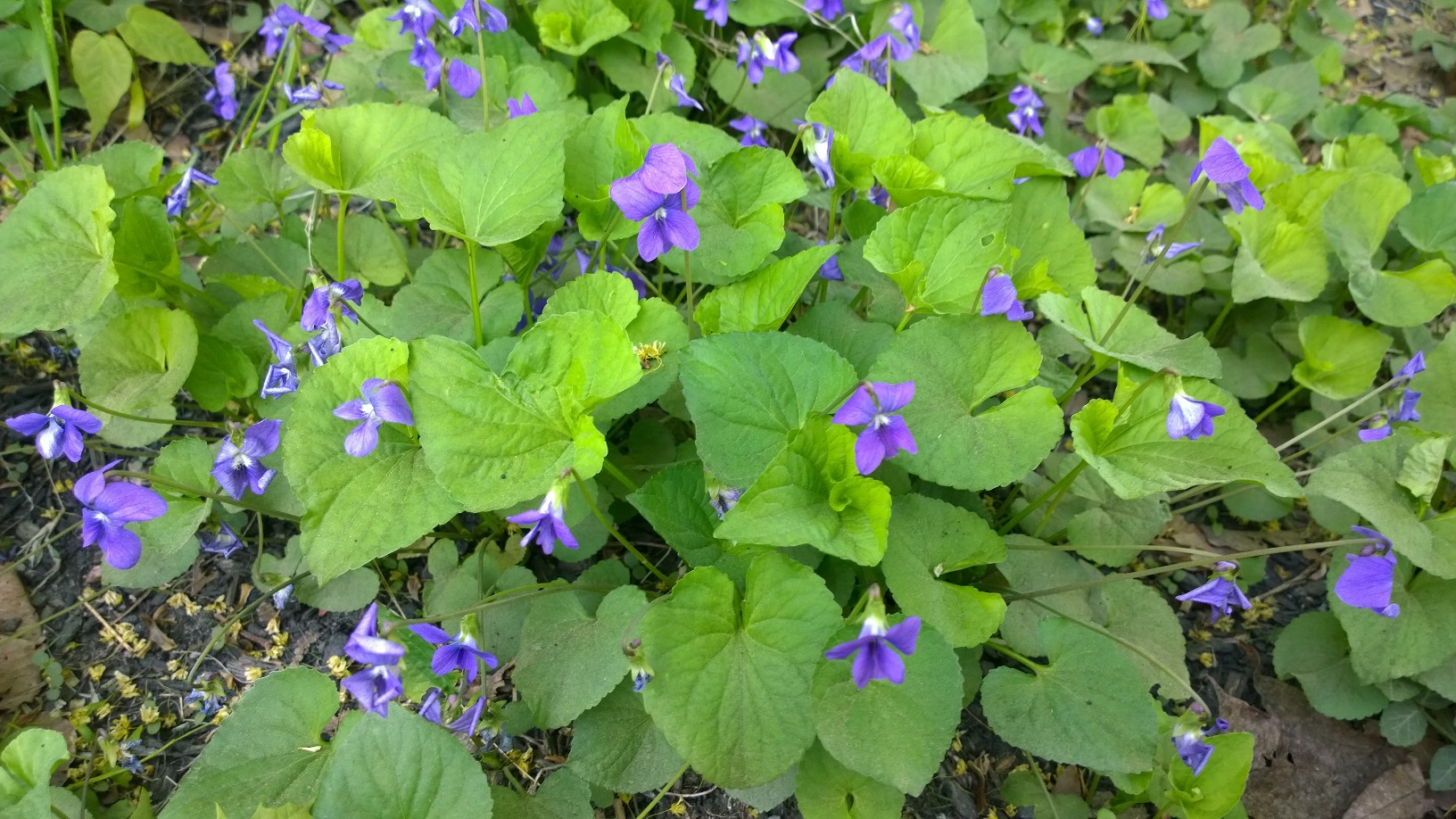
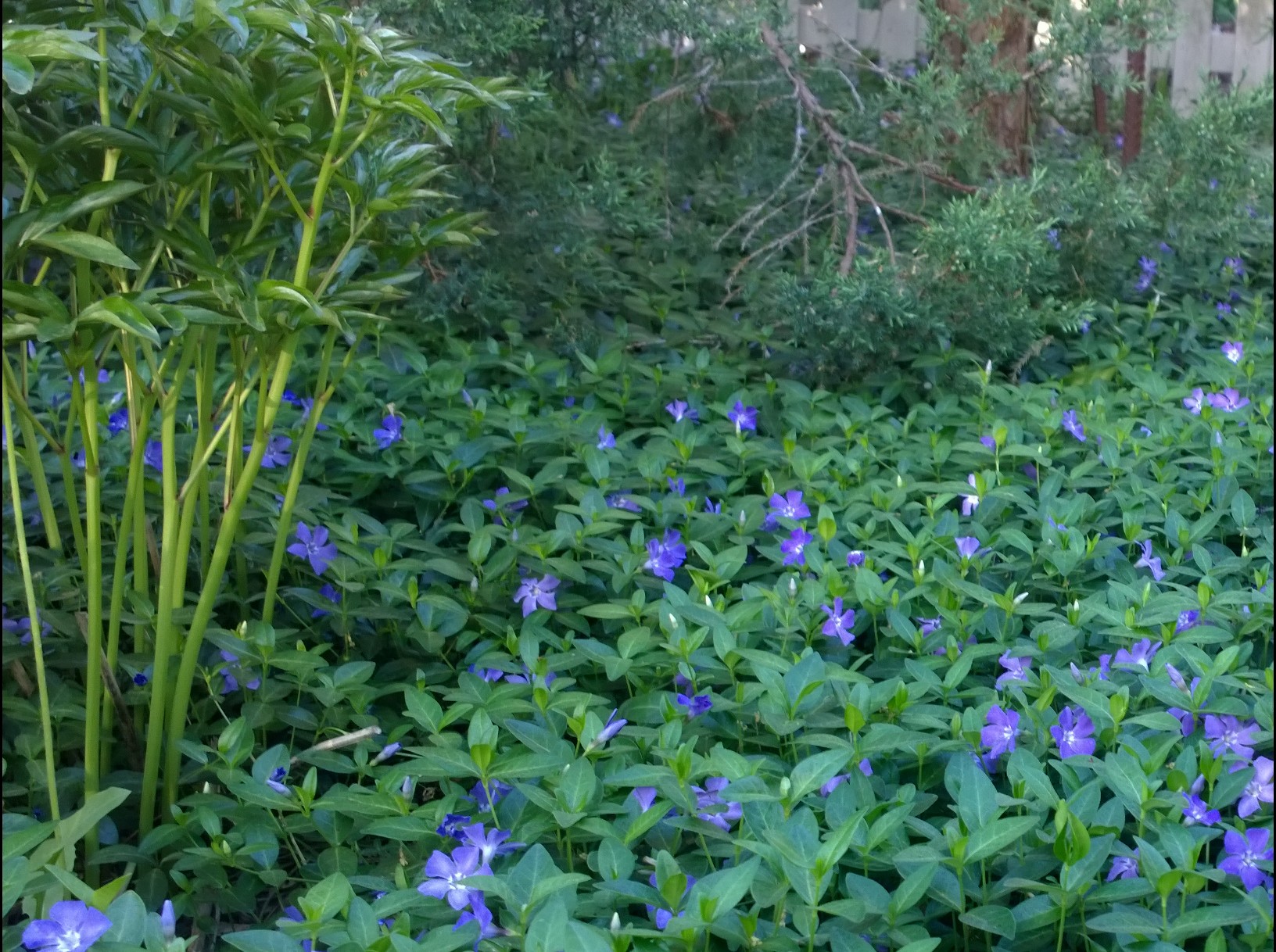
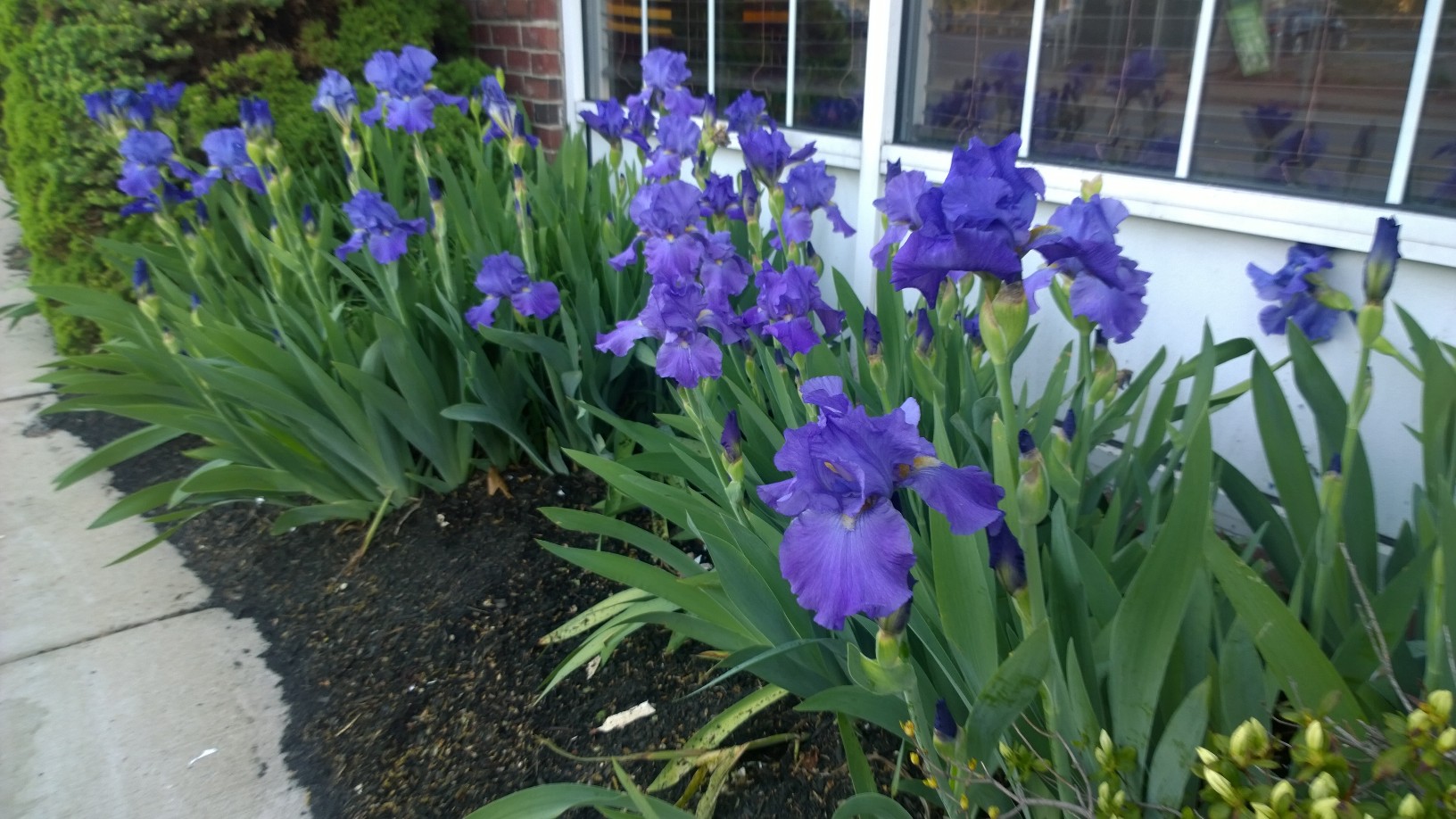
The other day, after taking grandchildren to the park, my husband remarked on how most flowering shrubs, other than yellow forsythia, seem to be pink. I wanted to see if that was so. I went for a walk. There was pink, it’s true — one rhododendron a very dark pink. And some white (apple blossoms and white lilacs). But I ended up seeing a lot of purple, in both shrubs (lilac, wisteria) and early flowers (phlox, vinca, iris, and violets). Here are a few pictures.
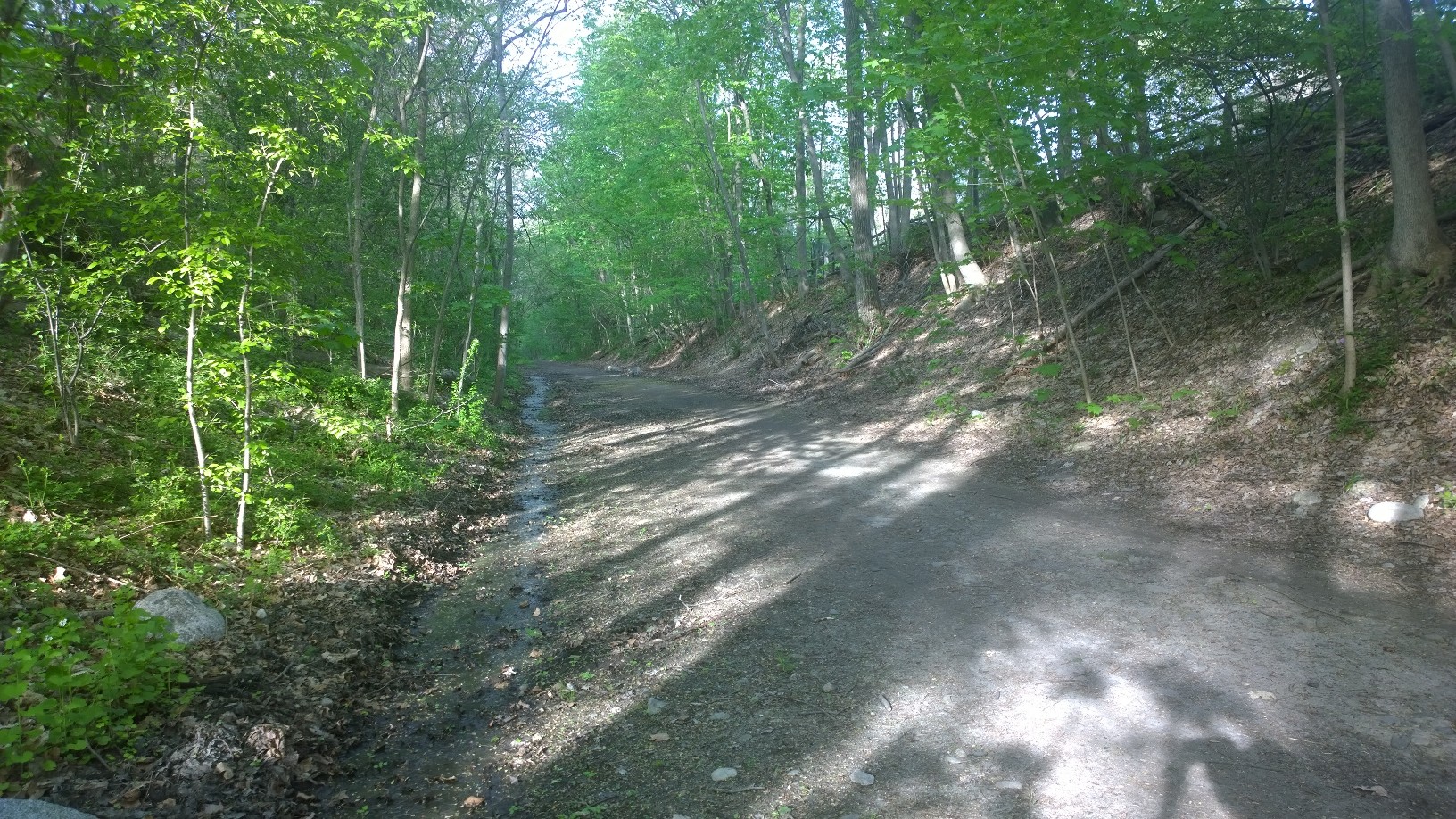
In addition to my purples, I am posting two other recent photos: the sunlit new bike path and seed pods on a tree.



Posted in Uncategorized | Tagged iris, lilac, phlox, photo, postaday, vinca, violet, wisteria | Leave a Comment »
The blogger at A Musical Life on Planet Earth — who has been healing from an injury suffered when he nearly tripped on an eager toddler in a music class — doesn’t need to be told that music is healing.
But for the rest of us, a new study from Greece on music and heart health might be enlightening. Tom Jacobs writes at Pacific Standard, “There are many ways of reducing your risk of a heart attack. A healthy diet. Regular exercise. And don’t forget your daily dose of Dylan or Debussy.
“A newly published, small-scale study from Greece finds listening to either classical or rock music positively impacts two important predictors of cardiovascular risk. The effects are particularly pronounced for classical music fans, who, in the study, had a more robust physiological response to music of either genre.
“ ‘These findings may have important implications, extending the spectrum of lifestyle modifications that can ameliorate arterial function,’ a research team led by cardiologist Charalambos Vlachopoulos of Athens Medical School writes in the journal Atherosclerosis. ‘Listening to music should be encouraged in everyday activities.’
“The pulse waves of one’s circulatory system and the rigidity of one’s arteries are related but independent predictors of morbidity and mortality. Essentially, the stiffer one’s blood vessel walls become, the greater the pulse pressure, and the harder the heart has to work to pump blood into the arteries. This can lead to higher blood pressure and an increased strain on the heart. …
“The participants, described as ’20 healthy individuals,’ visited the lab three times. On each occasion, baseline measurements of aortic stiffness and pulse wave reflections were taken following a half-hour rest period.
“They then either listened to a half-hour of classical music (primarily excerpts from J.S. Bach’s Orchestral Suites); a half-hour of rock (including tracks by Led Zeppelin, Black Sabbath, and Green Day); or a similar period of silence. …
“The key result: both indicators were lower after participants listened to either genre of music. … More at Pacific Standard here.
And you can listen to to Will McMillan’s healing singing at A Musical Life on Planet Earth, here.

Posted in Uncategorized | Tagged athens medical school, cardiovascular, Charalambos Vlachopoulos, classical, greece, healing, heart, music, postaday, study, tom jacobs, will mcmillan | Leave a Comment »
In March, ecoRI posted an article about a Rockefeller Foundation proposal for protection of four sensitive coastal areas.
The website reports, “Leading climate scientists, engineers, designers and scholars recently collaborated to create comprehensive resiliency design proposals for vulnerable coasts along the North Atlantic, such as Rhode Island’s.
“Structures of Coastal Resilience (SCR), a Rockefeller Foundation-supported project dedicated to providing resilient design proposals for urban coastal environments, focuses on four vulnerable coasts: Narragansett Bay; Jamaica Bay in New York; Atlantic City in New Jersey; and Norfolk, Va.
“Each of the project locations feature ongoing projects by the Army Corps of Engineers, and each location is highly prone to flooding and socioeconomic vulnerability, according to project officials. The goal of SCR is provide actionable project recommendations for hurricane protection and climate adaptation. …
“As Rhode Island was spared the worst of the devastation associated with Hurricane Sandy [in 2012], it’s an ideal location for developing structures of coastal resilience that can be advanced gradually and through systematic evaluation and adaptation, according to project officials. …
“As increased urban runoff and higher saltwater levels merge on the coastal zone, some species are threatened while others adapt. Marsh and dunes recede while weedy forest cover creeps closer to the beachfront. Plants with high salt tolerance that are capable of rapid establishment have begun to colonize areas with accommodating soil. Designers can capitalize on this process, deploying plants to prevent erosion and build resilient coasts.” More here.
Folks, a woman involved with a movie about saving the oceans (Revolution) e-mailed to ask if I would review it, and I said sure. So watch this space.
Photo: CityData.com
Posted in Uncategorized | Tagged army corps of engineers, city data, coastal, erosion, hurricane sandy, narragansett bay, ocean, postaday, resilience, revolution, rhode island, rob stewart, rockefeller foundation, Structures of Coastal Resilience | Leave a Comment »
An extra post for my tree-planting readers. From the WordPress site Hortographical.
In 2013 I was given three cork oak (Quercus suber) acorns to try growing.
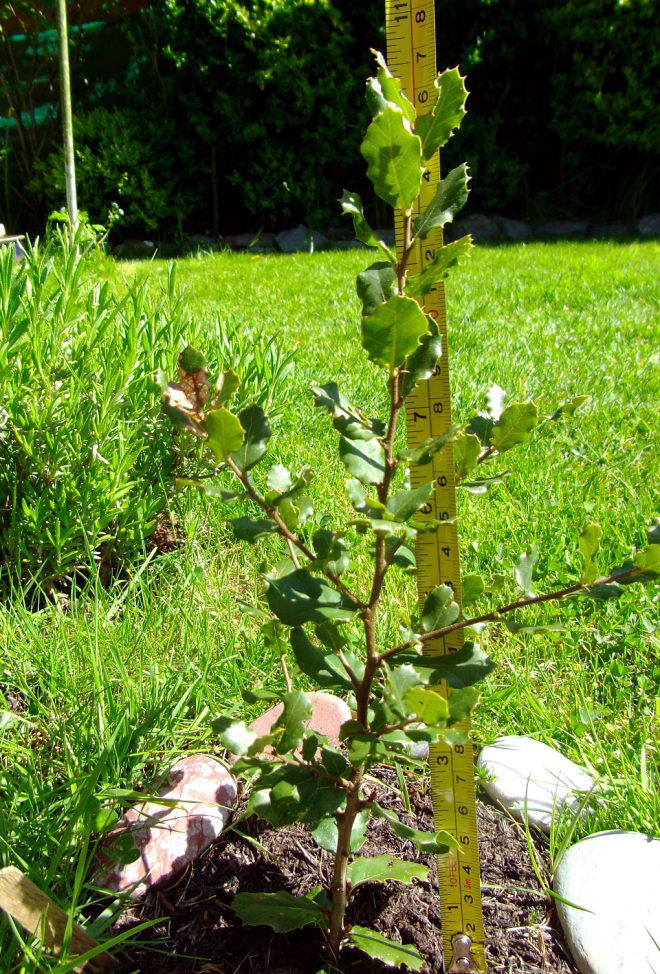 The first cork oak seedling after one year’s growth
At the time, I was in the middle of bulb planting and I popped the three acorns into individual 9cm pots without much thought. That was at the start of December.
I was amazed when about a month later the compost in the pots started to heave, indicating that things were stirring underneath. I was more amazed when I went out one morning and found a hole where one of the acorns had disappeared completely from the pot. I don’t know who stole it – possibly a magpie. My lesson learnt, I covered the two remaining pots with pea netting to stop further thefts.
I then started reading about how to grow cork oaks from acorns: obviously, I should have done the reading first:) I learnt that…
View original post 444 more words
Posted in Uncategorized | Leave a Comment »


