Oh, boy, what a cool site! Modern Hieroglyphics started following me after my last Banksy post, so I clicked and took a look at his site. It’s all about street art. I especially loved this post on “reverse graffiti.”
Says Modern Hieroglyphics, “Paul Curtis (Moose) uses a powerwasher to remove dirt and grime off of walls, resulting in the creation of stunning images and patterns. The new art form is known as ‘reverse graffiti’ or ‘clean tagging,’ and is growing in popularity all over the world. This is the story of Moose. …
” ‘I became an artist by accident really, I was promoting music that my label was releasing by using reverse graffiti. I created it for that purpose, then I would do large pieces for fun or like a strange hobby, then people started to ask me to work for them… and the Internet happened and I became notorious. …
” ‘I discovered reverse graffiti one day when I was a teenager working as a dishwasher in a restaurant. I aimlessly wandered out of the kitchen one day to just be in the restaurant section. I’d cleaned everything I could in the kitchen, and felt like I owned the place. So when I saw a small mark on the wall, I reached for the my cloth and wiped it off, only to find that in the process of wiping the mark off the wall, I made a much bigger mark by cleaning the original mark with the cloth.
” ‘In those days people smoked freely in establishments and the wall was brown with nicotine. I had always thought that the wall was painted that color, and now this almost-white cleaning stripe was shining out of the wall like I had a tin of white spray paint and started to write. It was quite a shock for me, and I spent a long time trying to rectify what looked like damage but was only cleaning.
” ‘Years later, while gazing out of the window on a bus, I saw that in the road tunnels in Leeds, these clean marks appeared everywhere, drunks sliding home along the tiled walls left long streaks that looked like chrome in the car lights. Later on, I finally did something with that observation.’ ”
More samples of Moose’s art are at Modern Hieroglyphics.
Art by Paul Curtis (Moose), creator of reverse graffiti
This post is for singer Will McMillan. It refers to singing in choirs, but I think singing with family around the campfire — or on the stage — would have the same effect on endorphins.
Horn says, “I used to think choir singing was only for nerds and church people. Since I was neither, I never considered singing in a group—even though I loved singing by myself. ”
She describes a period in her 20s when she was feeling really down. As she searched for ways to pull herself out of it, she remembered how happy she felt one time when she joined others to sing Christmas carols.
So, she continues, “I joined a community choir. Except that at that first performance, we didn’t sing Christmas carols—we sang a piece of music that was 230 pages long: Handel’s Messiah. It was magnificent. I was left vibrating with a wondrous sense of musical rapport. Since that performance, I haven’t found the sorrow that couldn’t be at least somewhat alleviated, or the joy that couldn’t be made even greater, by singing. …
“Music is awash with neurochemical rewards for working up the courage to sing. That rush, or ‘singer’s high,’ comes in part through a surge of endorphins, which at the same time alleviate pain. When the voices of the singers surrounding me hit my ear, I’m bathed in dopamine, a neurotransmitter in the brain that is associated with feelings of pleasure and alertness.
“Music lowers cortisol, a chemical that signals levels of stress. Studies have found that people who listened to music before surgery were more relaxed and needed less anesthesia, and afterward they got by with smaller amounts of pain medication. Music also releases serotonin, a neurotransmitter associated with feelings of euphoria and contentment. ‘Every week when I go to rehearsal,’ a choral friend told me, ‘I’m dead tired and don’t think I’ll make it until 9:30. But then something magic happens and I revive … it happens almost every time.’ More.
Makes me want to sing. (Thanks for the lead, Jean!)
Artist Sarah Hall is killing two birds with one stone. Or solving two challenges with one creation. According to Canadian Public Broadcasting, Hall has made stained glass windows that can convert the sun’s rays into energy for the building the stained glass embellishes.
Emily Chung writes, “Lux Gloria by Sarah Hall, at the Cathedral of the Holy Family in Saskatoon, is currently being connected to Saskatoon Light & Power’s electrical distribution network, confirmed Jim Nakoneshny, facilities manager at the cathedral.
“The artwork, which consists of solar panels embedded in brightly coloured, hand-painted art glass, had just been reinstalled and upgraded after breaking and falling into the church last year.
“Once it is connected, the cathedral will be able to use the solar power produced by the art installation to offset its own power consumption from the regular grid, Nakoneshny added.
“According to Kevin Hudson, manager of metering and sustainable electricity for Saskatoon Light & Power, the solar panels are expected to produce about 2,500 kilowatt hours annually or about a third to a quarter of the 8,000 to 10,000 kilowatt hours consumed by a typical home in Saskatoon each year.”
Photo: Sarah Hall on Popsci.com website
Lux Gloria: The solar-stained glass installment features dichroic glass and will be connected to the electrical grid in Saskatoon, Saskatechewan.
The website “This Is Colossal” has a lovely bit on a fish with artistic tendencies.
Japanese photographer Yoji Ookata “obtained his scuba license at the age of 21 and has since spent the last 50 years exploring and documenting his discoveries off the coast of Japan. Recently while on a dive near Amami Oshima at the southern tip of the country, Ookata spotted something he had never encountered before: rippling geometric sand patterns nearly six feet in diameter almost 80 feet below sea level. He soon returned with colleagues and a television crew from the nature program NHK to document the origins what he dubbed the ‘mystery circle.’ …
“The team discovered the artist is a small puffer fish only a few inches in length that swims tirelessly through the day and night to create these vast organic sculptures using the gesture of a single fin. …
“Apparently the female fish are attracted to the hills and valleys within the sand and traverse them carefully to discover the male fish where the pair eventually lay eggs at the circle’s center, the grooves later acting as a natural buffer to ocean currents that protect the delicate offspring.” Read more.
Never imagine that there is nothing left to discover. After all, “According to the National Oceanic and Atmospheric Administration less than five percent of the world’s oceans have been explored,”
Photo: This Is Colossal.
The male puffer fish makes this nest to attract a female.
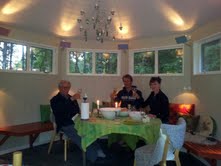
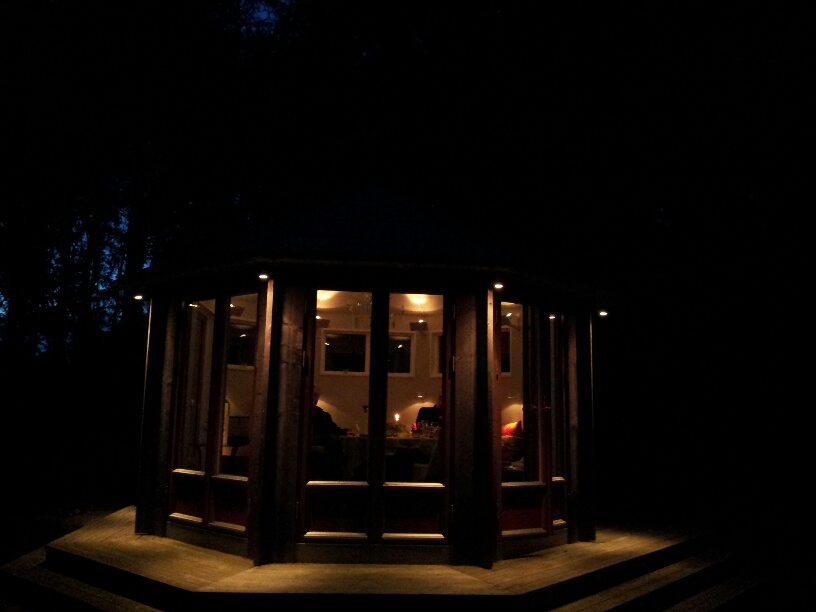
Margareta suggests that dinner in the lusthus might make a nice post.
Google Translate informs me that a “lusthus” is a “gazebo.” If you break it into two words, it’s “desire house.” I will ask Erik to explain more about that.
Judging from the light and the absence of high chairs, the folks are having a late dinner, after the young laird has retired for the evening. Everyone looks relaxed. I think it is a kind of shrimp they are eating.
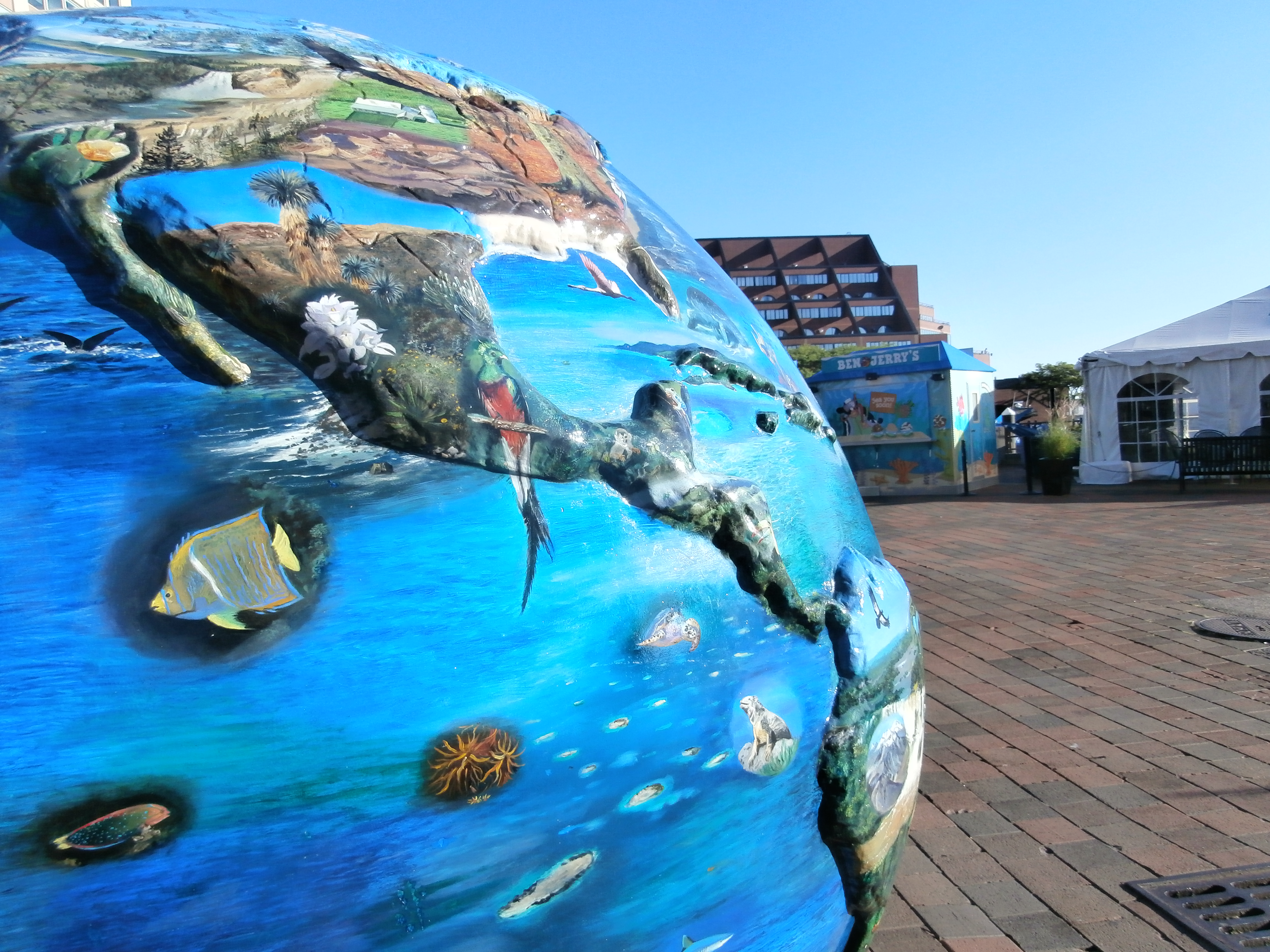
Cate McQuaid, my favorite Boston Globe art critic, who usually covers more esoteric subjects, explains some large artsy globes seen around Boston in recent days.
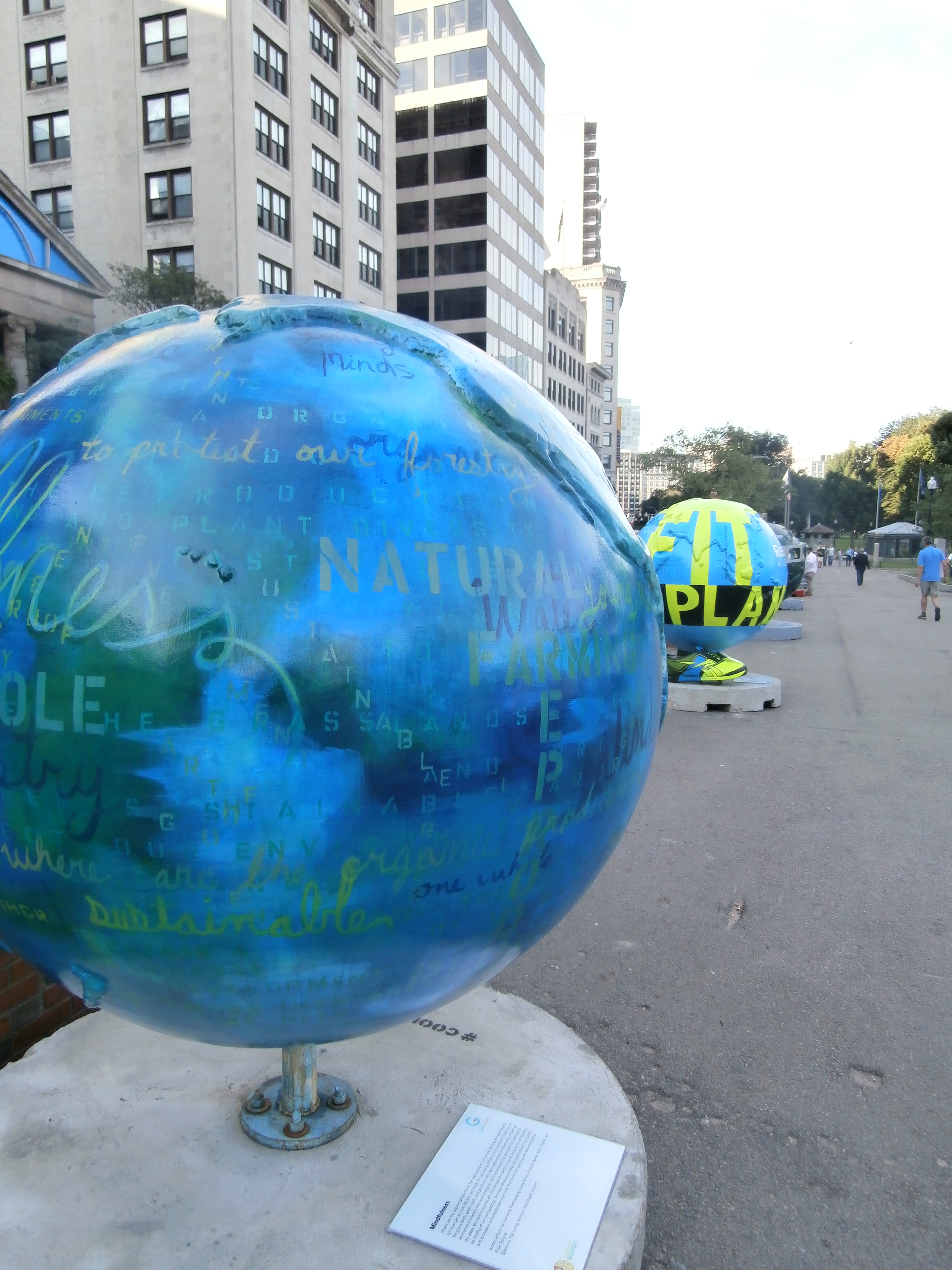
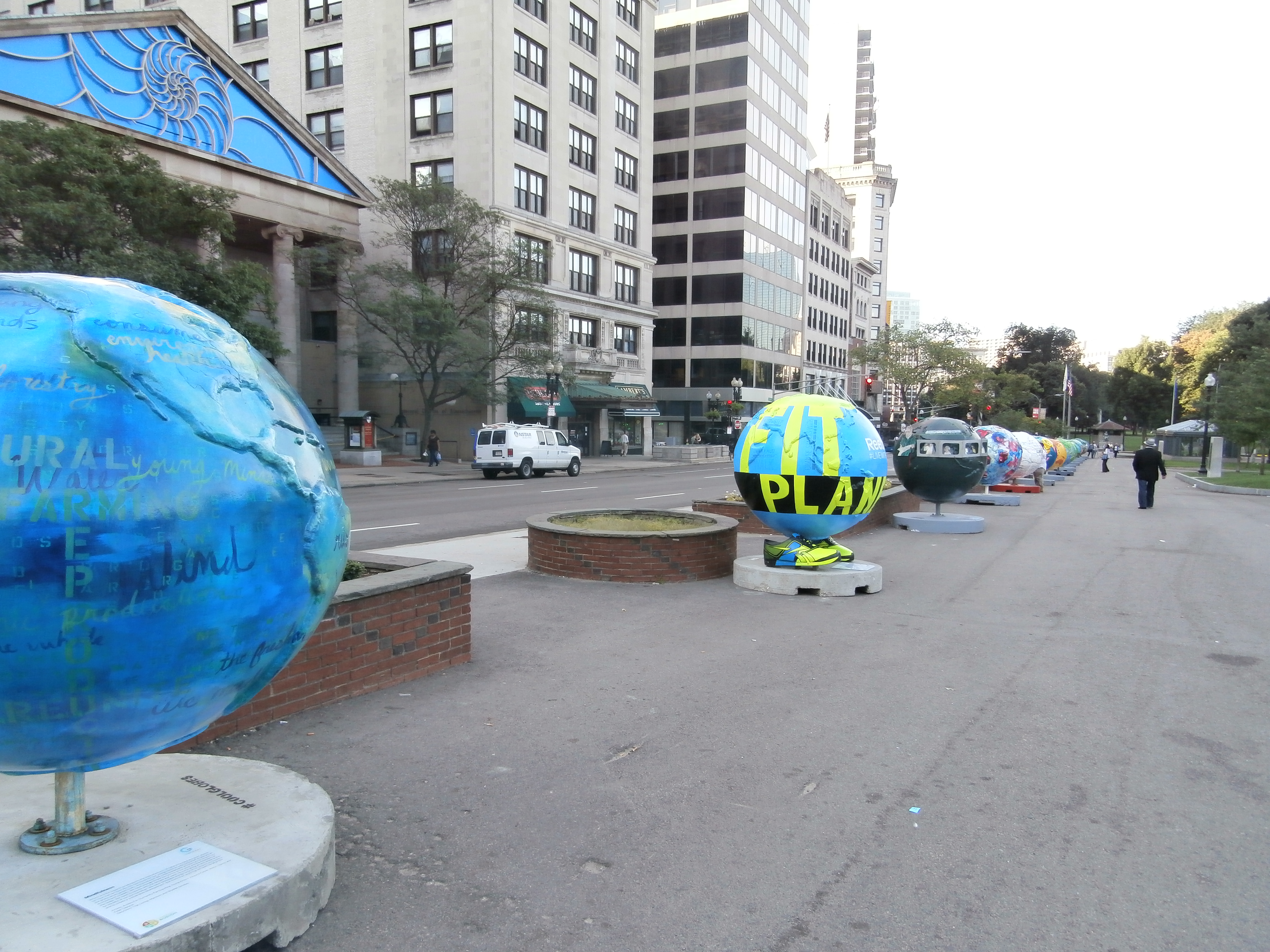
“Huge, colorful orbs line up in a row down the Tremont Street side of Boston Common. It looks like a giant might be marshaling his marbles. Get up close, and you’ll see that the spheres, each 5 feet in diameter, are globes, fancifully decorated and proffering solutions to climate change.
“ ‘Cool Globes: Hot Ideas for a Cooler Planet’ has landed in Boston. The public art project, for which artists designed globes with green strategies to contend with environmental issues, originated in Chicago in 2007 and has traveled the world.”
Environmental activist Wendy Abrams, says McQuaid, is the initiative’s founder.
“Abrams cites two inspirations for the project, the wrecked cars that Mothers Against Drunk Driving pointedly deploy in their Crash Car Program, and the painted cow sculptures that showed up in the streets of Chicago in 1999 — a public art project that prompted Boston to follow suit with painted cod.”
Read about individual artists’ Cool Globe themes, the outreach to students, and more, here.
The first two photos below are near the Park Street subway station. The third is in front of the aquarium, and I am not sure if it is part of the traveling series.
Photo: Getty Popperfoto L.S. Lowry, (pictured in 1957), the artist from Manchester, is the subject of a major new show at the Tate Britain gallery.
Some years ago when my husband was in England on business, he acquired a print of workers coming and going outside a factory. The original was by L.S. Lowry, whose paintings of industrial Britain turn out to be very popular in the UK.
Popularity, however, is not a ticket to being shown at the Tate Britain. Belatedly, Lowry will receive a retrospective in 2014.
Oliver Wainwright at the Daily Mail writes, “Clouds of smoke belch from forests of chimneys, while armies of spidery figures scuttle to and fro between narrow terrace houses and imposing factory gates.
“Crowds of fans shiver on the edge of a football field, a fist-fight breaks out, and barefoot children tease a stray cat on the street corner.
“These are the scenes depicted in the haunting paintings of L.S. Lowry who, more than any other artist, managed to capture the strange, bleak beauty of daily life in northern industrial towns.
“His dream-like images captured the popular imagination, adorning chocolate boxes and biscuit tins, tea towels and jigsaws.
“Yet they are scarcely to be found on the walls of our major national galleries. The Tate owns 23 of his works, but has only ever exhibited one on its walls in the past 20 years — and then only briefly. …
“Why has it taken so long?
” ‘He’s a victim of his own fan base,’ said Chris Stephens, Tate Britain’s Head of Displays. ‘What makes Lowry so popular is the same thing which stops him being the subject of serious critical attention. What attracts so many is a sort of sentimentality about him.’
“This is a strangely inverted piece of art world logic,” Wainwright comments, “where the popularity of an artist is seen as an obstacle to showing their work.”
If you’re an artist, be careful to stay off “chocolate boxes and biscuit tins, tea towels and jigsaws” — or wait to be discovered by art experts of a future generation.
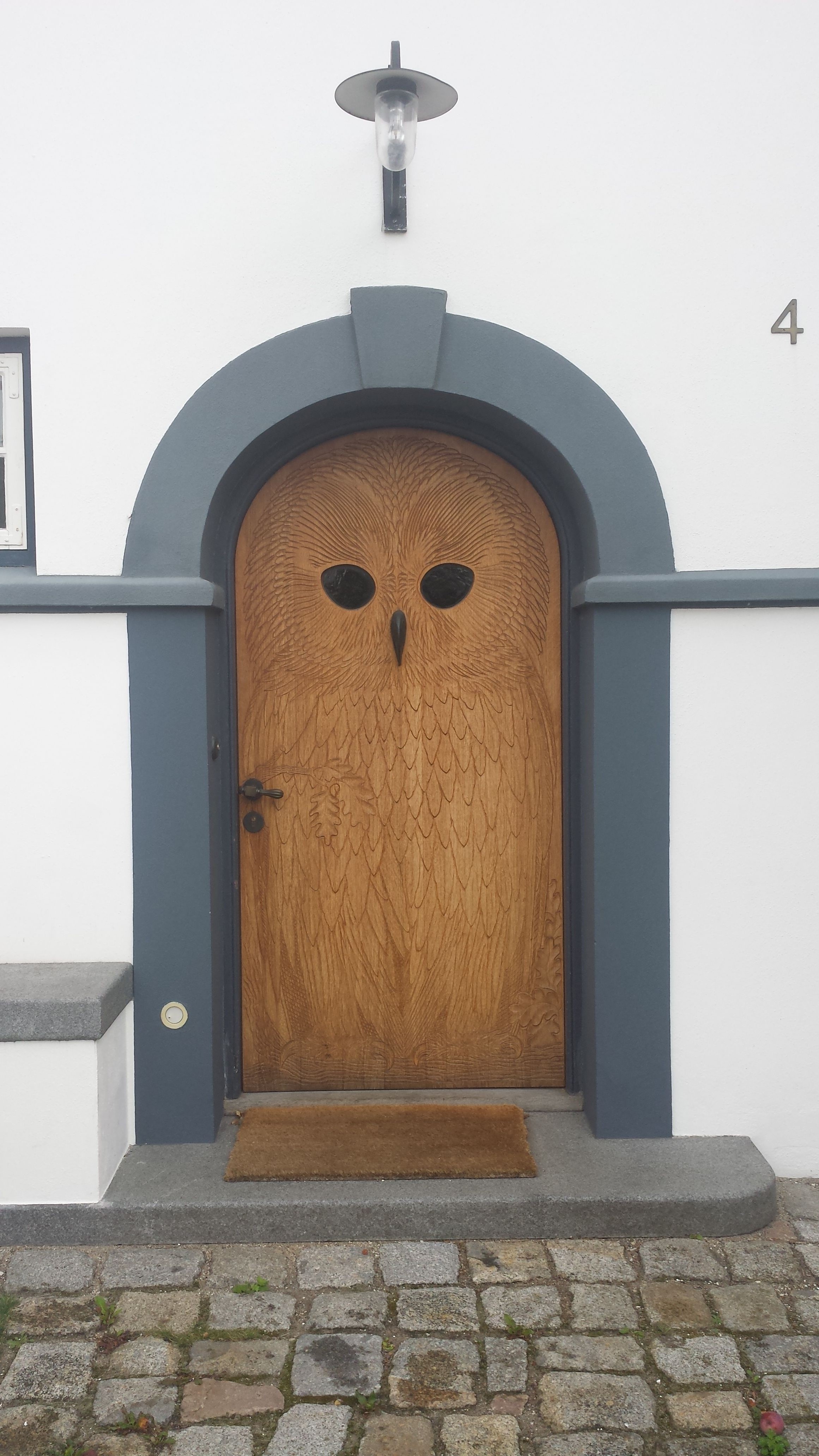
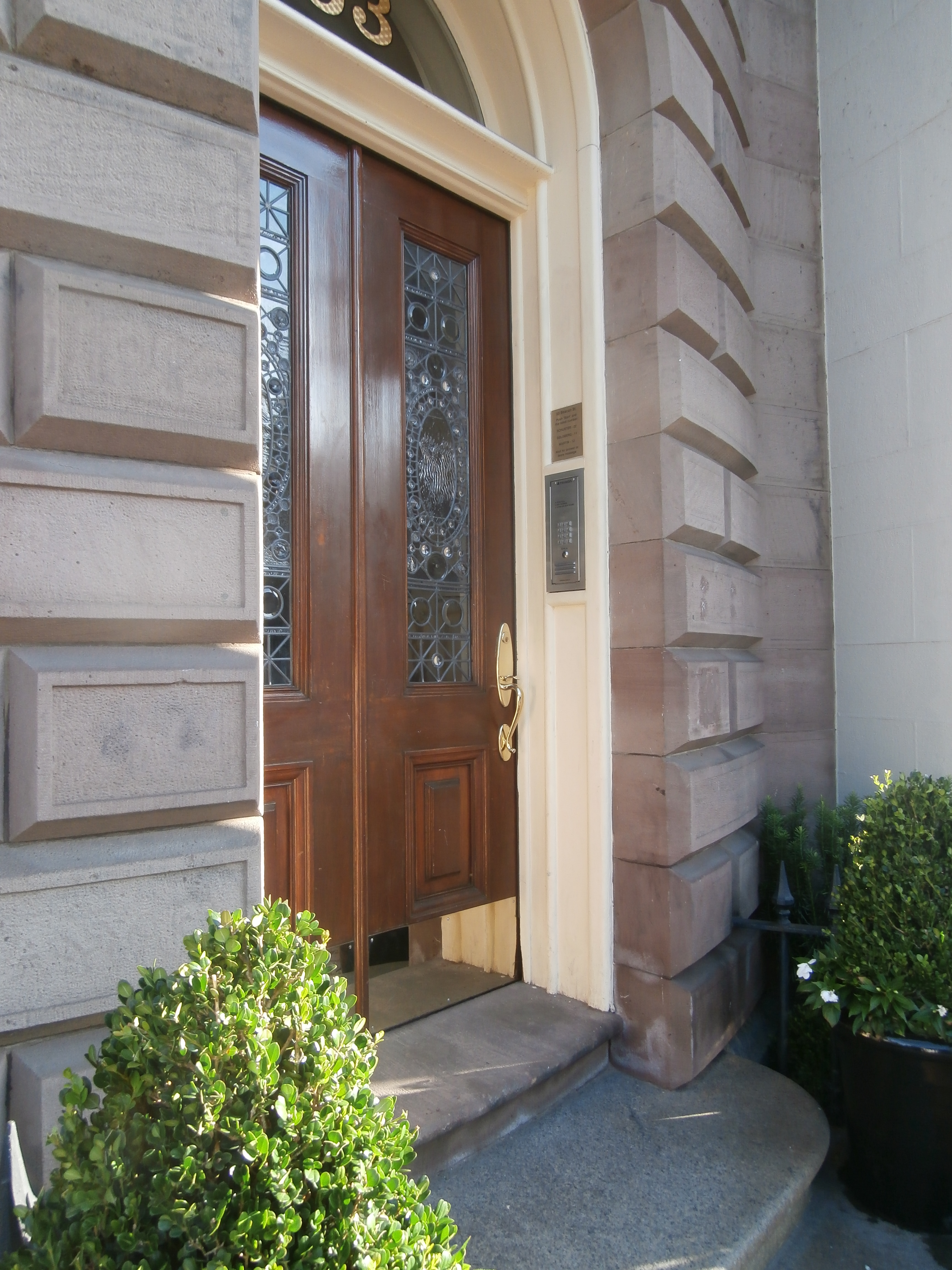
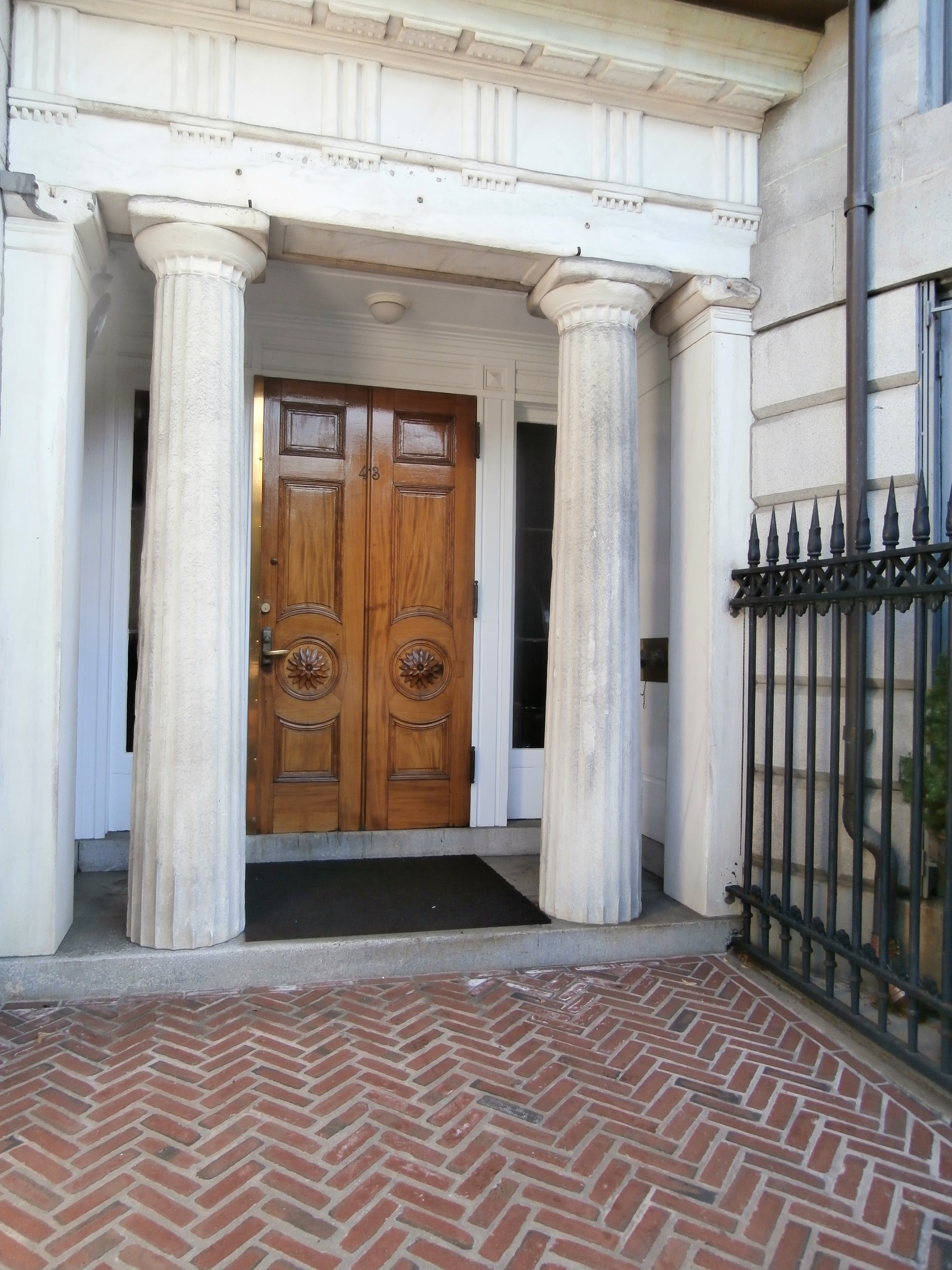
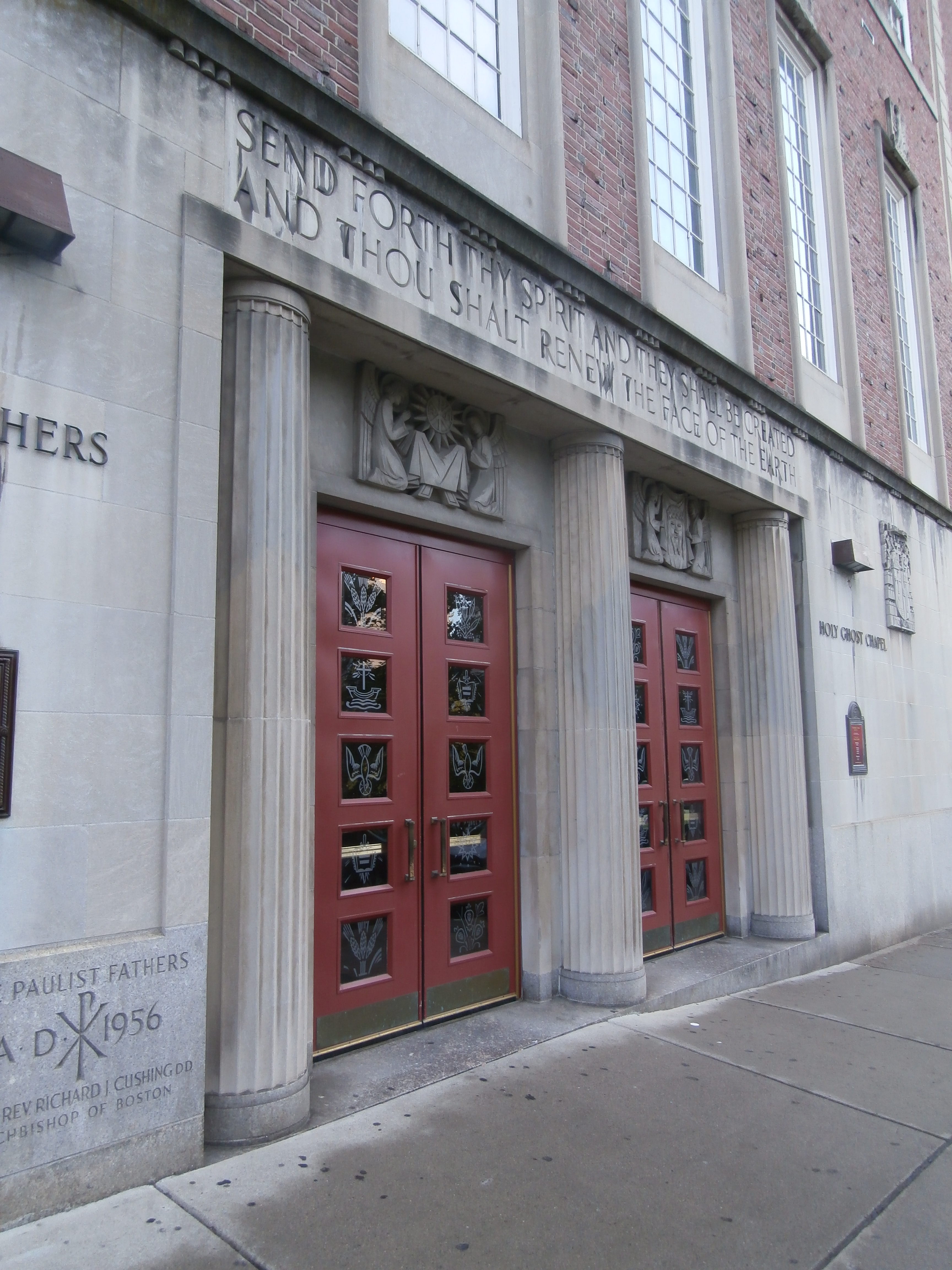
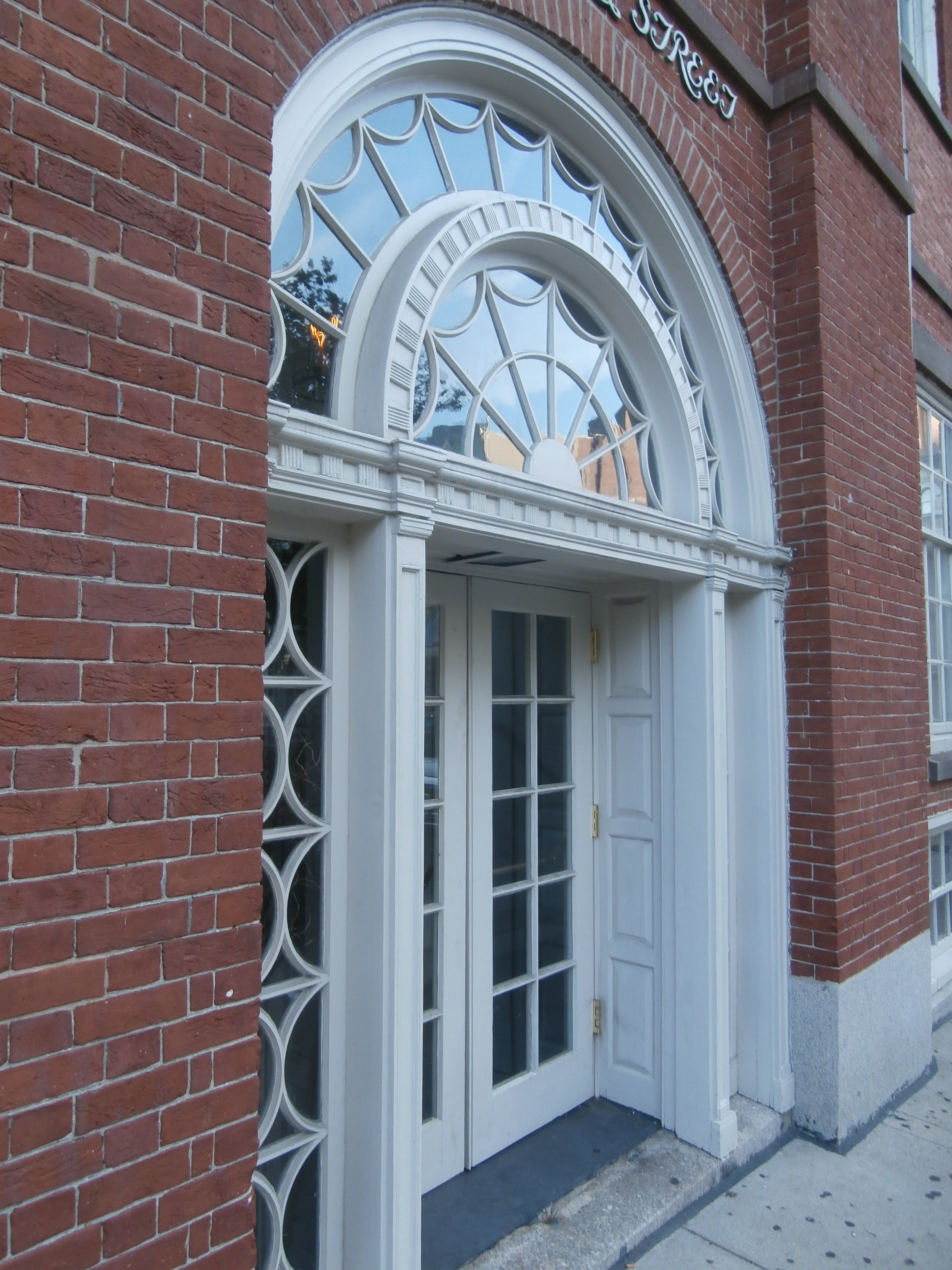
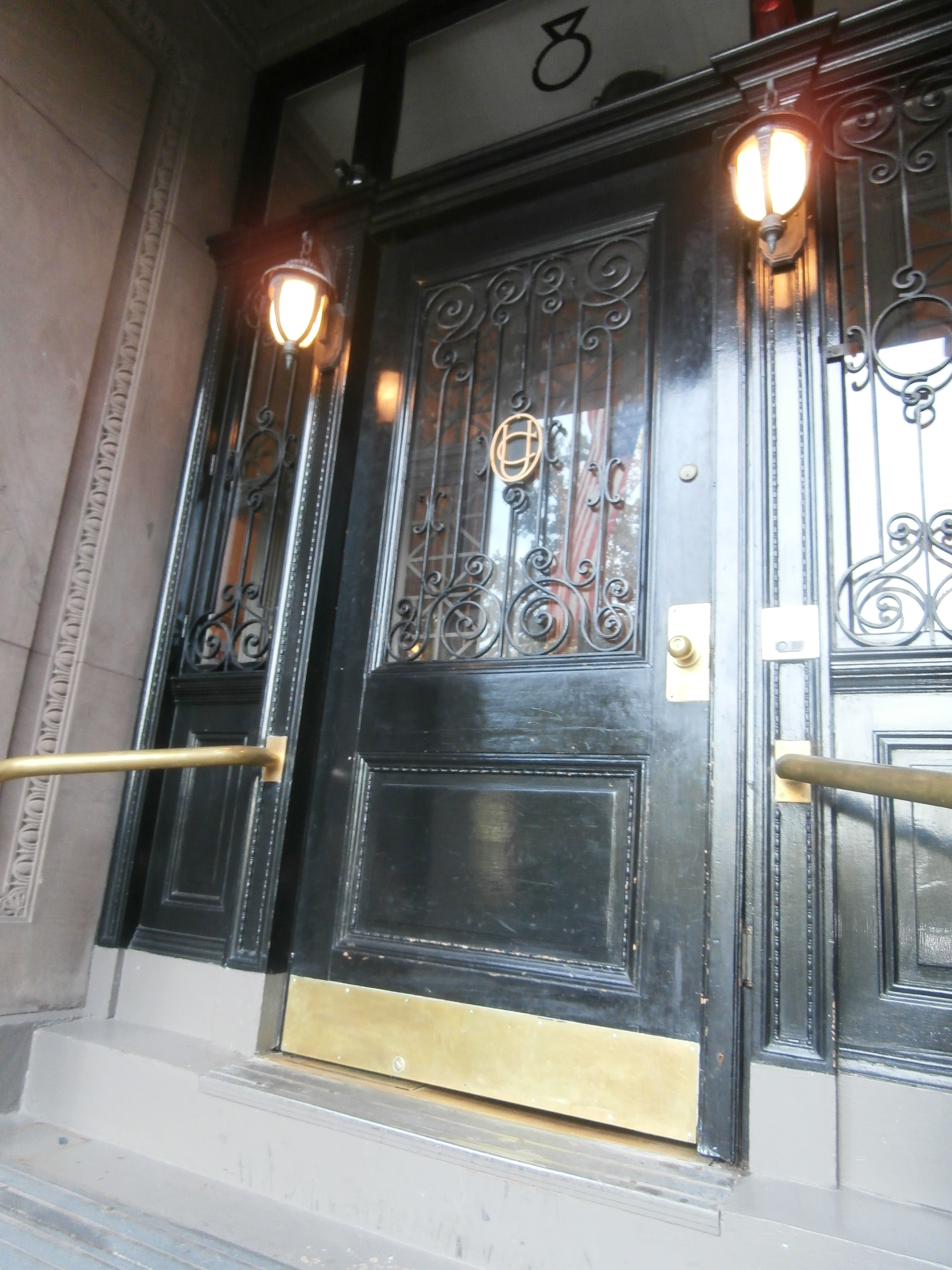
It made me think of the book The Door in the Wall, by Marguerite De Angeli. I don’t remember the story, but I do remember the illustration of the door and the scent of mystery: What is behind a door like that?
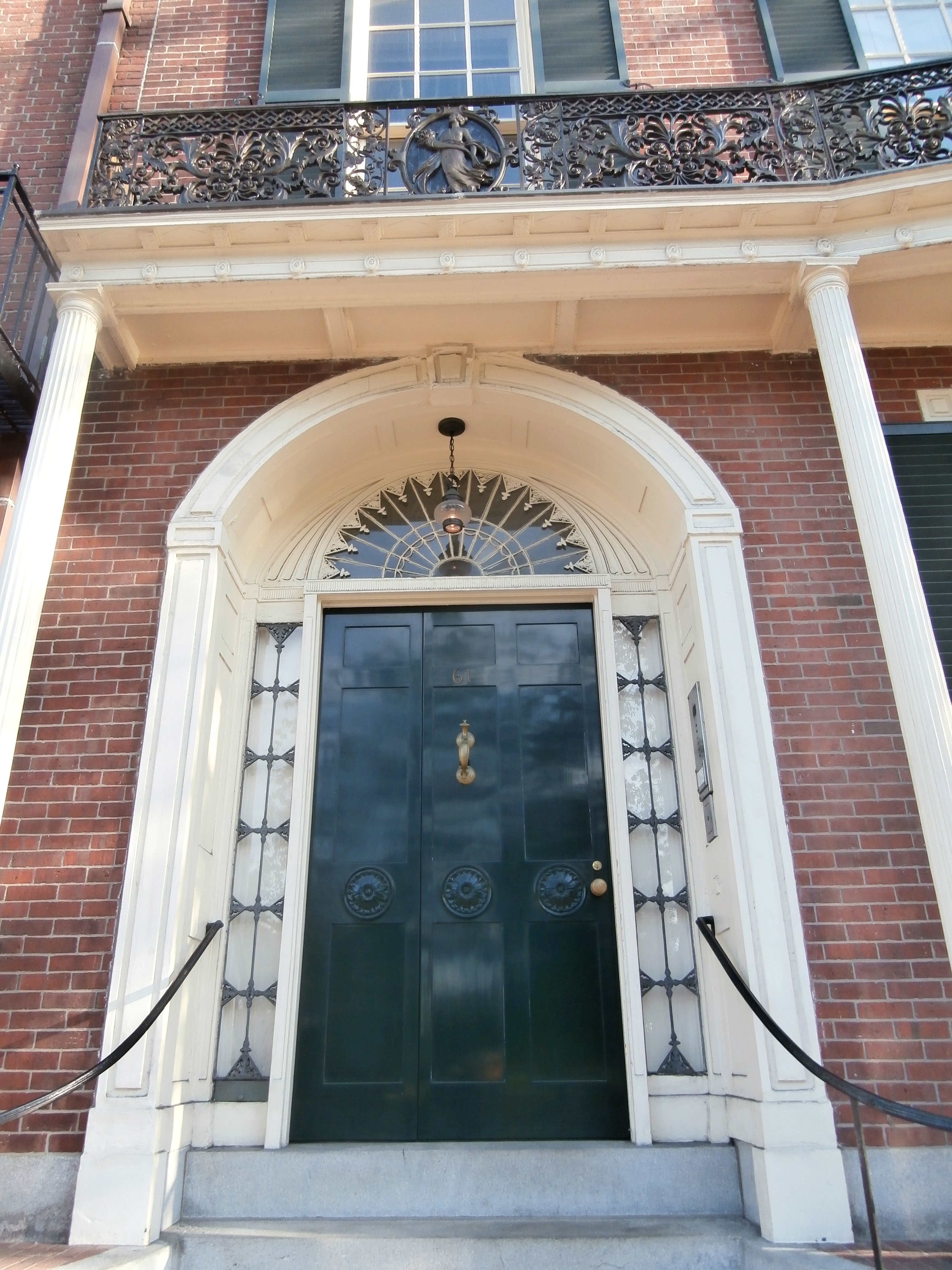
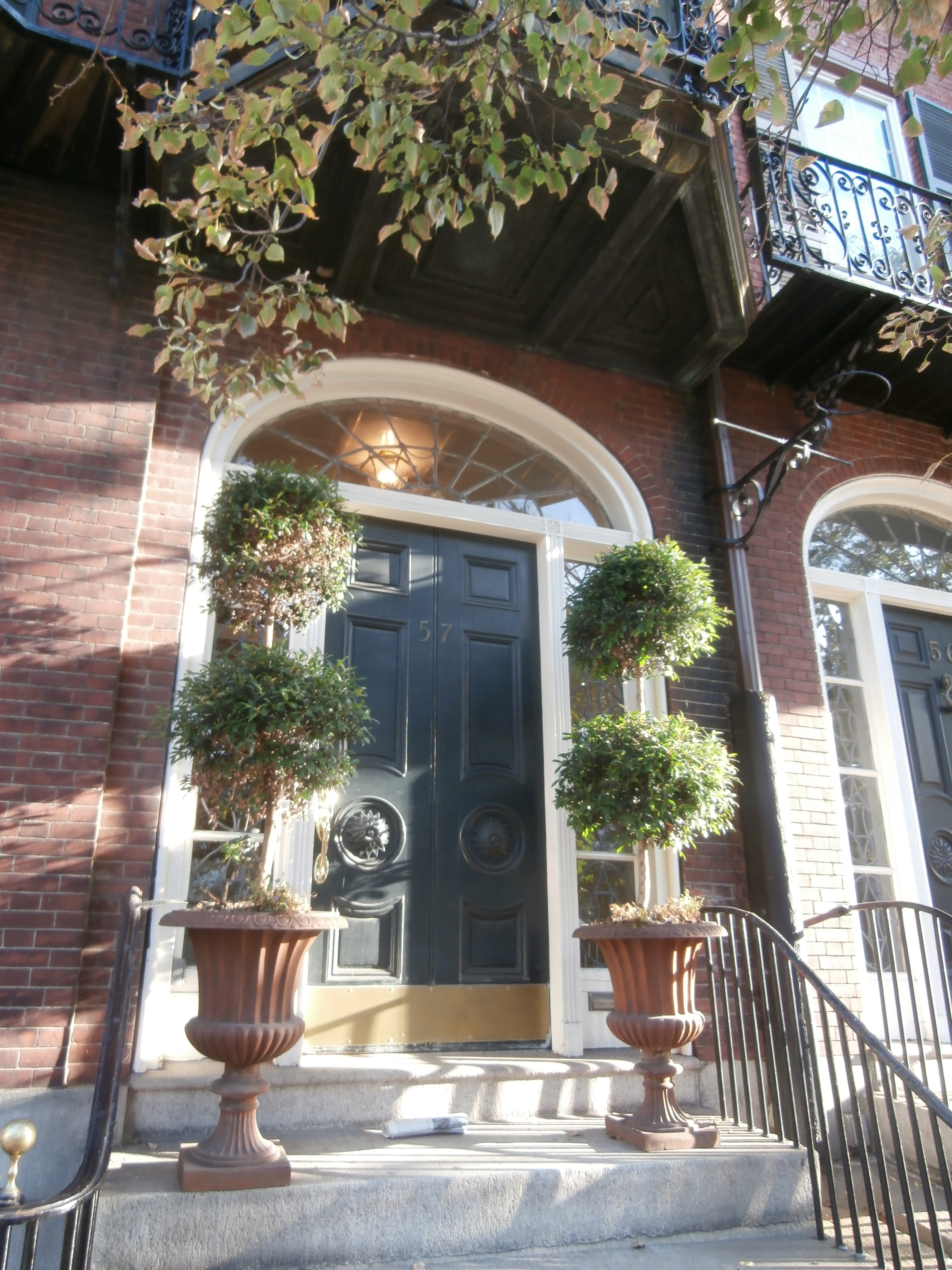
I started taking photographs of doors.
Behind almost any one of these I can picture Frances Hodgson Burnett’s Little Princess dining on bread crusts and water in her drafty garret until an emissary from the man who back in India bankrupted her father sneaks through a window (with monkey) while she is out doing chores, and redecorates her space with luxurious fabrics and fittings and a luscious spread of sweets.
The prime minister of Norway is running for reelection and wants to get close to the voter.
So he decided to drive a taxi.
Bob Crilly writes in the Telegraph, “For one afternoon in Oslo it was the passengers who were able to say, ‘You’ll never guess who I had in the front of my cab, after realising they were being driven by the Norwegian prime minister, Jens Stoltenberg. He worked incognito, wearing a standard uniform and dark glasses, in an effort to hear voters’ true views. …
“Most passengers cottoned on to his identity pretty fast, gazing in disbelief for a few seconds before leaning forward to take a better look.
” ‘From this angle you really look like Stoltenberg,’ said one.
“An elderly woman said she was lucky to have come across the prime minister as she was just about to write him a letter, before launching into criticism of corporate fat cats.” Read all about it, here.
I like to listen to a jazz radio station out of Worcester, WICN.
The other day the announcer mentioned an effort funded by TD Bank’s charitable foundation to collect old school instruments and refurbish them for a new generation.
If you live near Worcester and have been wondering what to do with those drums and violins, consider dropping them off at 50 Portland St. If you don’t live near Worcester, you might consider looking for a similar program in your town — or even starting one. Other TD Banks might help out. Banks in general can be good sources of such community support.
Here’s what the website says: “WICN 90.5, the NPR jazz station in Worcester, and Worcester Public Schools continue their collaboration called Instrumental Partners. The program collects used musical instruments from Central New England residents for the benefit of public school students. ‘We’re approaching 100 instruments donated so far!’ said WICN General Manager Gerry Weston. Instrumental Partners began in 2012.
“All instruments are accepted: brass, wind, string, percussion, acoustic, electric, etc. Worcester Public Schools Performing Arts Liaison Lisa Leach said, ‘We are very excited about this collaboration and putting instruments in the hands of young people who are unable to purchase or rent them, but still have the desire and work ethic to make music an integral part of their developing lives.’ ” More.
If you want to call first, the number is 508 752 0700.
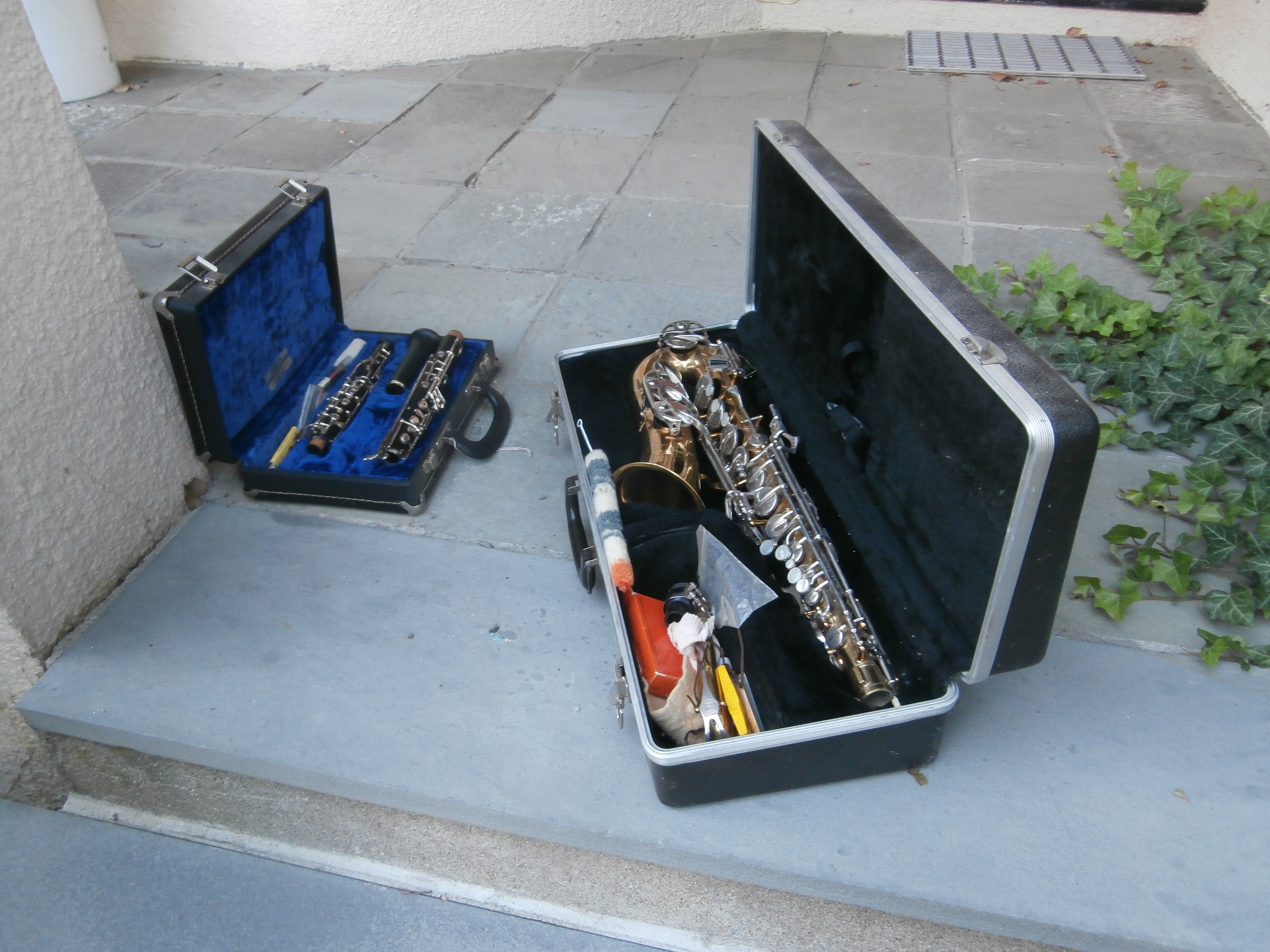
12/27/13 Update. Today I took the oboe and the alto sax below to WICN for the Worcester Public Schools music program. Now a new generation of children will play them.
I was reading an article by Kathleen Wolf, a social scientist whose “work is based on principles of environmental psychology and focuses on the human dimensions of urban forests and ecosystems.”
The following words struck me: “Interviewees say that merely looking at trees tends to reduce mental and physical stress. A walkable green environment is also thought to increase life satisfaction in later life and even longevity.” Hmm.
So to borrow some words from local honcho H.D. Thoreau, “I went to the woods to see if I could live” longer.
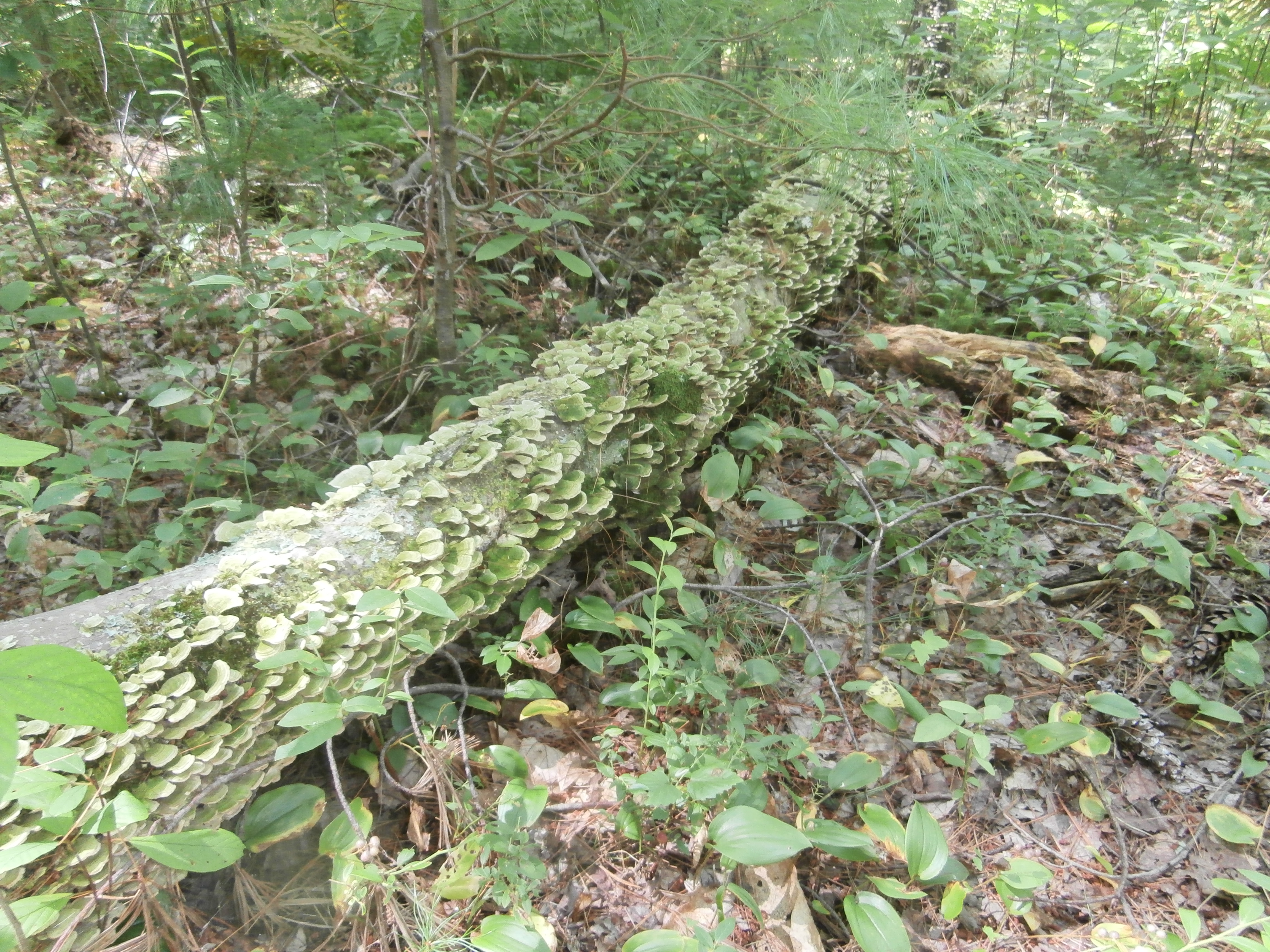
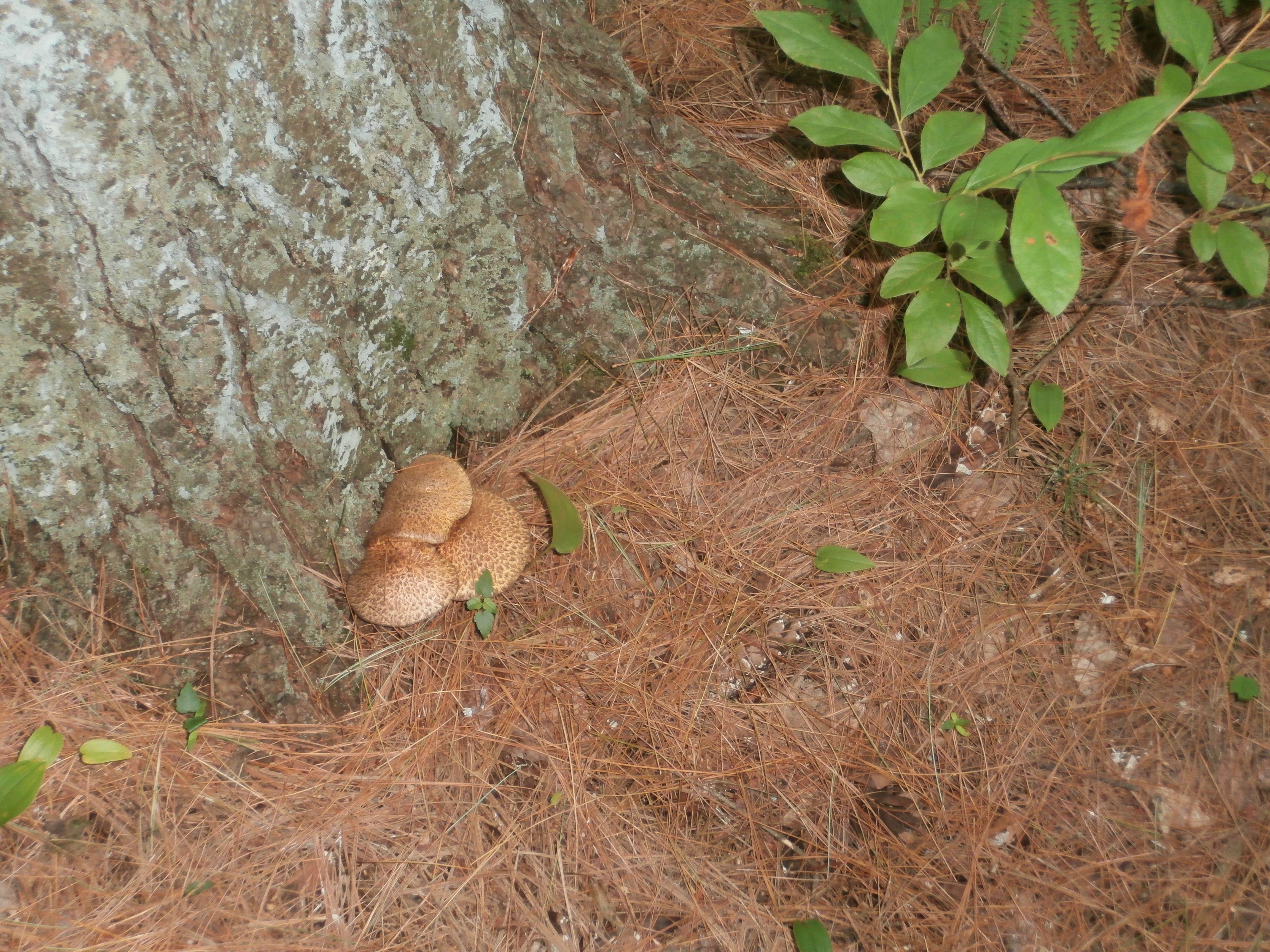
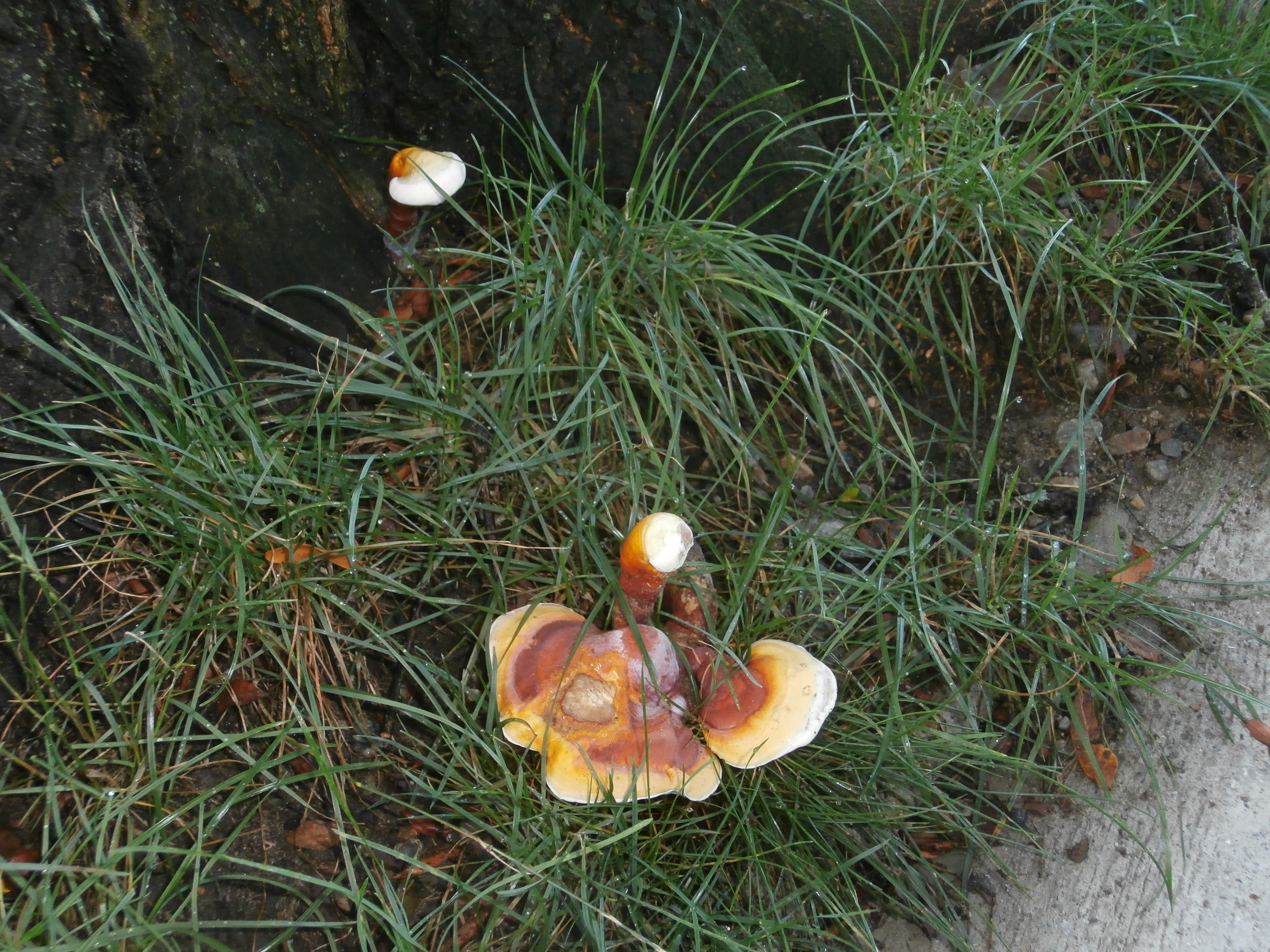
Photos include the Hapgood Wright Town Forest, Joe Pye Weed, an Eastern Tiger Swallowtail, a log like a scaly snake, and various fungi indicating mysteries beneath the surface.
When I was little, I liked to look at the cartoons in my parents’ New Yorker, and the ads, too if the pictures were interesting.
I loved the old ads for the Philadelphia Bulletin, in which one skinny, anxious guy in black, like a modern day Cassandra, tried to get people’s attention about something going wrong. Cassandra’s fate was to see the future and never be believed. His was never to be heard.
Usually what he saw was something that had me worried, too, like a shark coming onto the beach. I really couldn’t understand why all those beachgoers were reading the paper instead of paying better attention. On some level, I sensed that the ad might not hit its mark: it might make people wary of reading the Bulletin and maybe getting eaten by a shark.
My husband remembers those ads, too, and when we were reminiscing about them in a restaurant Saturday, he did some Googling and turned up the artist’s name and the cartoon below.
The cartoonist was Richard Decker. Wikipedia writes about him here.
From his obit: “Mr. Decker worked nearly four decades as a contract cartoonist at the New Yorker, starting with the magazine in 1929 and becoming well-known on its pages for his detailed cartoons and lush washes. …
“Those cartoons Mr. Decker crafted that did not appear in the New Yorker often found their way into such magazines as the Saturday Evening Post, Look, Colliers and Playboy.
“And over the years, he also did illustrations for advertising campaigns. Among the best known was a 28-year Philadelphia Bulletin series, which ran until the 1960s, that centered on the slogan, ‘In Philadelphia, nearly everybody reads the Bulletin.’ A major feature of the campaign was ‘Mr. Nearly’ – the only man around not reading the paper.” Decker’s full obit is here.
The cartoon character Mr Nearly is no more. But I can’t help hoping that sometime before his demise, someone heard his warnings.
Nathaniel Fink writes the blog Cycle Style Boston, “celebrating the everyday use of bicycles and the people who ride them.”
Recently he struck up a conversation with a devoted bicyclist I know. He describes how Kevin commutes by bike from Brookline to Dewey Square in Boston.
“He cycles every day of the year there isn’t ice on the ground. Rather than the direct route through Kenmore Square, he chooses a longer but more relaxing route route through Brookline to the BU Bridge, where he gets on the Charles River Esplanade bike path towards downtown. Says Kevin, ‘I feel like I have one of the most beautiful commutes in Boston.’ …
“I love Kevin’s attitude about cycling in the city: ‘I’m just a normal rider and I don’t wear a lot of special gear. I’ve ridden to work on days when the temperature was in the 100′s, and I’ve also ridden to work on days when the temperature was in the single digits.’ His internally-geared Cannondale commuter is a smart choice for daily usage.” More.
Kevin was delighted to be interviewed. He told Suzanne’s mom, “The guy who writes the blog is a professional photographer so he takes pretty nice pictures. The whole blog is really great, too. It’s a nice way to promote biking around Boston because it shows lots of regular people doing regular things on their bikes.”
I hope some biking folks who read Suzanne’s Mom’s Blog will take a look at Cycle Style Boston.
Melita has created some great exhibits. Sometimes she invites in speakers to expand on the topics. There was a secret service agent who talked about counterfeit money, a speaker from Crane & Co. whose family has made the U.S. currency paper for generations, and the FBI agent I blogged about here.
Her latest exhibit features handcrafted furniture from one of the top artisan schools in the world, North Bennet Street School.
Founded in 1885 to teach practical skills and English to poor immigrants, it has evolved into a range of activities, including a two-year program for those who want to get serious about jewelry making, carpentry, cabinet and furniture making, locksmithing, bookbinding, piano technology, or violin making. (More on the programs, here.)
The speakers for this exhibit gave an overview of the school and answered specific questions about furniture making.
One project that was described was second-year students’ assignment to make a writing desk and a chest of drawers to go in the Emily Dickinson Museum in Amherst. The museum wanted replicas because the originals are archived at Harvard.
Below you see the students with the originals and the carefully constructed replicas before the latter were sent for finishing.
Photo: Daniel Balter Moby Disc, a creature sculpted from 6,000 CDs salvaged from landfills by Fireseed Arts.
Central Massachusetts is getting its own arts and music festival this weekend in Devens (what used to be the military base Fort Devens).
Nancy Shohet West writes at the Globe, “During her years as a university student in Austin, Texas, Monica Hinojos witnessed firsthand the way the city’s iconic festival, South by Southwest, grew meteorically from a music festival with 700 participants in 1987 to an amalgam of music, film and interactive media that drew 25,000 people to this year’s gathering in March.
“So it’s understandable that when Hinojos took up the reins as executive director for 3Rivers Arts, a Groton-based nonprofit whose mission is to support local artists and the arts while spurring the creative economy and enriching community life in the towns in and around Central Massachusetts, she arrived with grand visions.
“One of those visions will materialize this weekend in the form of ‘The Nines.’ The multistage music and arts festival’s inaugural edition kicks off Saturday at Willard Field in the Devens property off Route 2.
“Hinojos concedes the scale of the event might seem a little bit outsized for the normally low-key performance scene in the Nashoba Valley, but she says it is time to start building up local cultural offerings — and that’s why she’s choosing to do it with a bang.
“’ I had a vision of a music, film, multiart festival, modeled on South by Southwest,’ Hinojos said. ‘We want to provide a platform for artists in Central Massachusetts by which we can elevate their work. We have some world-class artists out here. My vision is to amplify their presence so that others throughout New England and the world can see it.’ …
“ ‘In the end, we found a little bit of something for everyone,’ she said. ‘Most of the musical performers are nationally touring, emerging acts …’
“Identifying local artists appropriate for the event was the job of 3Rivers Arts art director Christopher Cyr, a Rhode Island School of Design graduate now living in Pepperell. One of the studios he chose to highlight was FireSeed Arts of Framingham, known for its ‘art with a repurpose’ mission and focus on eco-design.
“ ‘We call it locally harvested trash,’ said Daniel Balter, a cofounder of FireSeed Arts. ‘We try to bring awareness to the role of repurposing trash as art. The Nines festival is a perfect opportunity to provide platforms for local artists, and create some great things.’ ”
“Gates open at noon; the music begins at 1 p.m. and will continue until 11 p.m. … www.theninesfestival.com or 800-653-8000. Children under 10 admitted free if accompanied by parent or guardian. ” More.
Photo: Colm O’Molloy for the Boston Globe Monica Hinojos of 3Rivers and Benjamin Jachne of Great Northeast Productions are co-sponsoring The Nines music, comedy, arts festival in Devens.













 Suzanne's Mom's Blog