Feeds:
Posts
Comments

Posts Tagged ‘art’

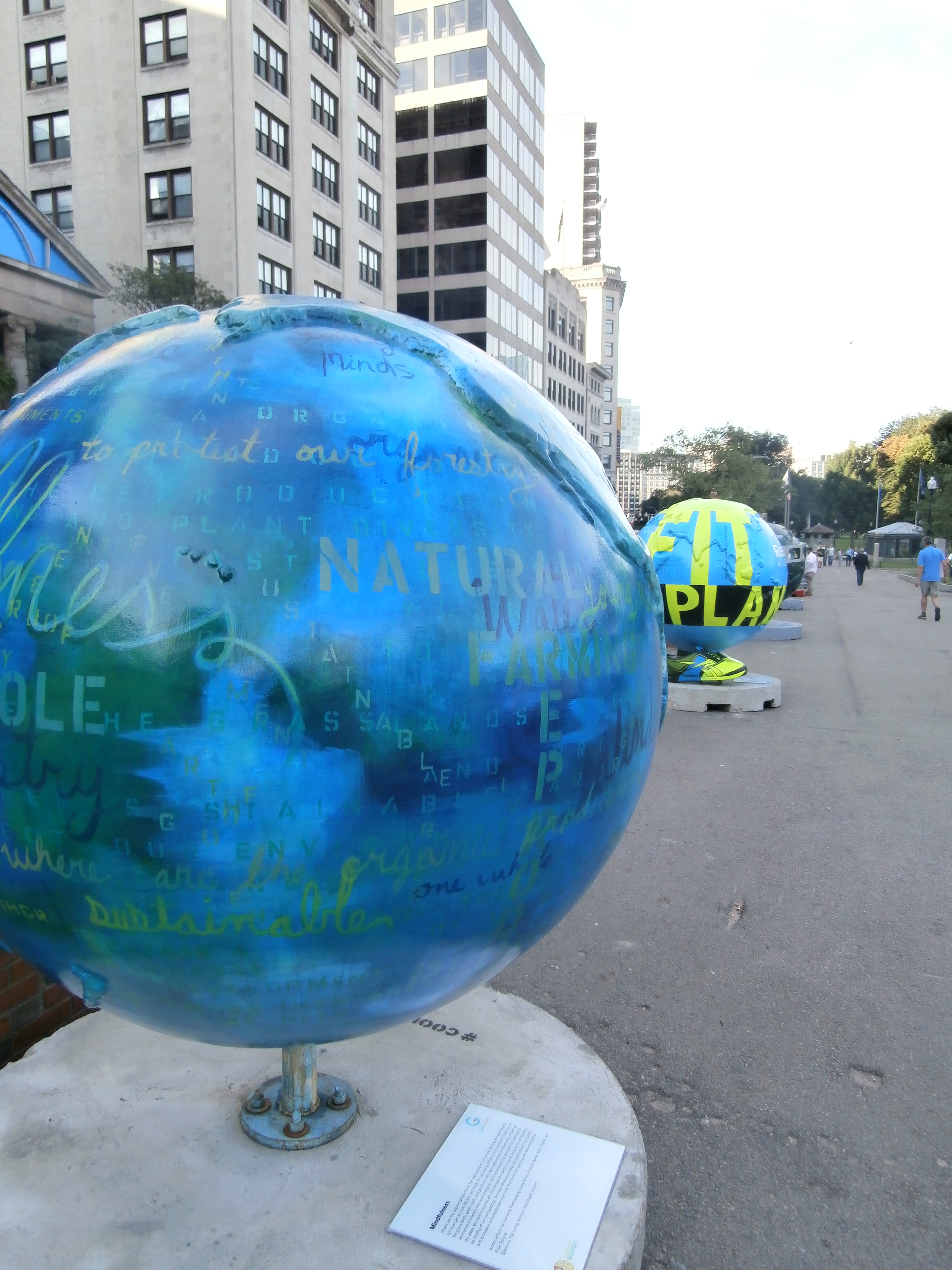
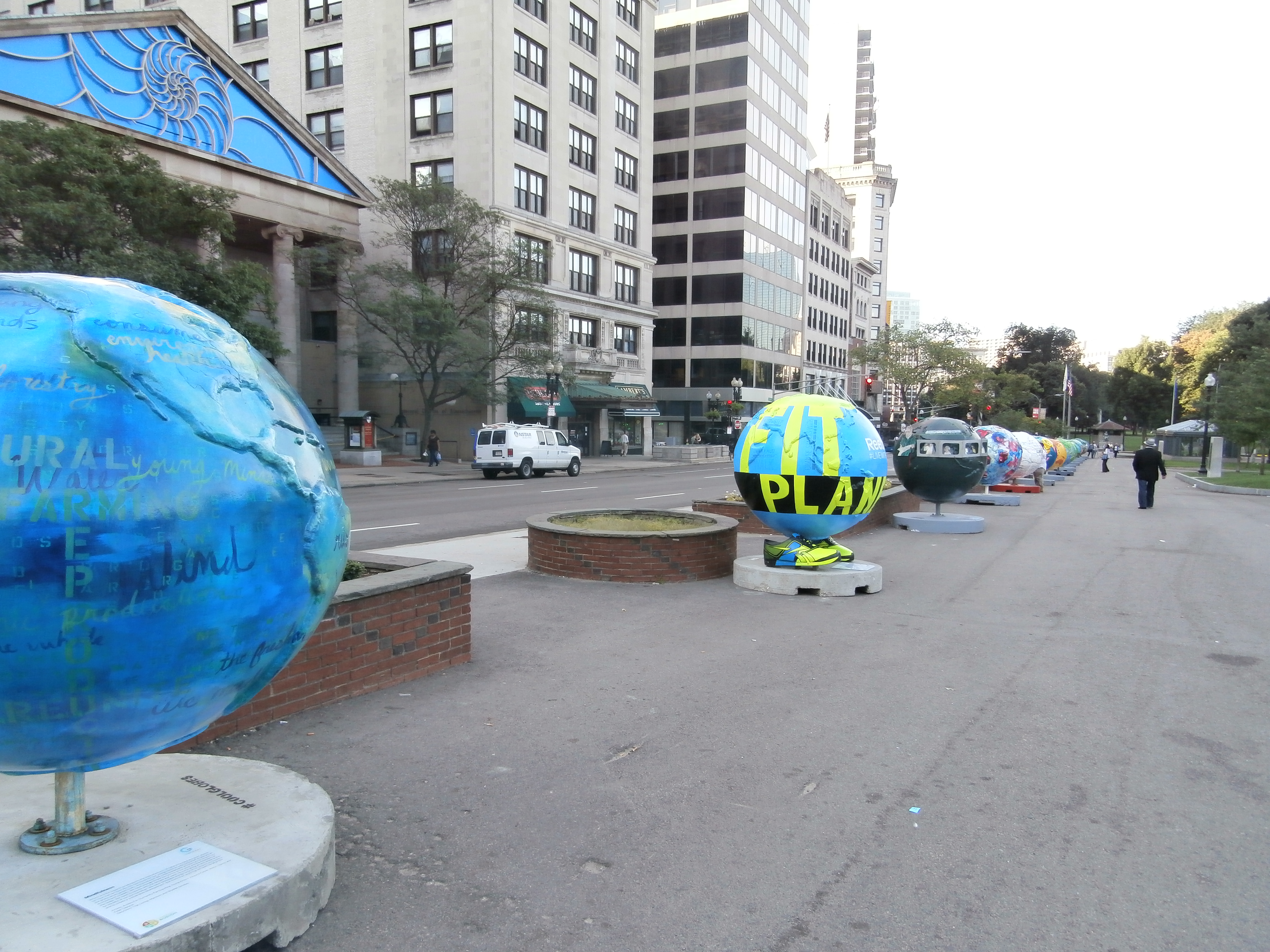
Cate McQuaid, my favorite Boston Globe art critic, who usually covers more esoteric subjects, explains some large artsy globes seen around Boston in recent days.

“Huge, colorful orbs line up in a row down the Tremont Street side of Boston Common. It looks like a giant might be marshaling his marbles. Get up close, and you’ll see that the spheres, each 5 feet in diameter, are globes, fancifully decorated and proffering solutions to climate change.

“ ‘Cool Globes: Hot Ideas for a Cooler Planet’ has landed in Boston. The public art project, for which artists designed globes with green strategies to contend with environmental issues, originated in Chicago in 2007 and has traveled the world.”

Environmental activist Wendy Abrams, says McQuaid, is the initiative’s founder.

“Abrams cites two inspirations for the project, the wrecked cars that Mothers Against Drunk Driving pointedly deploy in their Crash Car Program, and the painted cow sculptures that showed up in the streets of Chicago in 1999 — a public art project that prompted Boston to follow suit with painted cod.”

Read about individual artists’ Cool Globe themes, the outreach to students, and more, here.

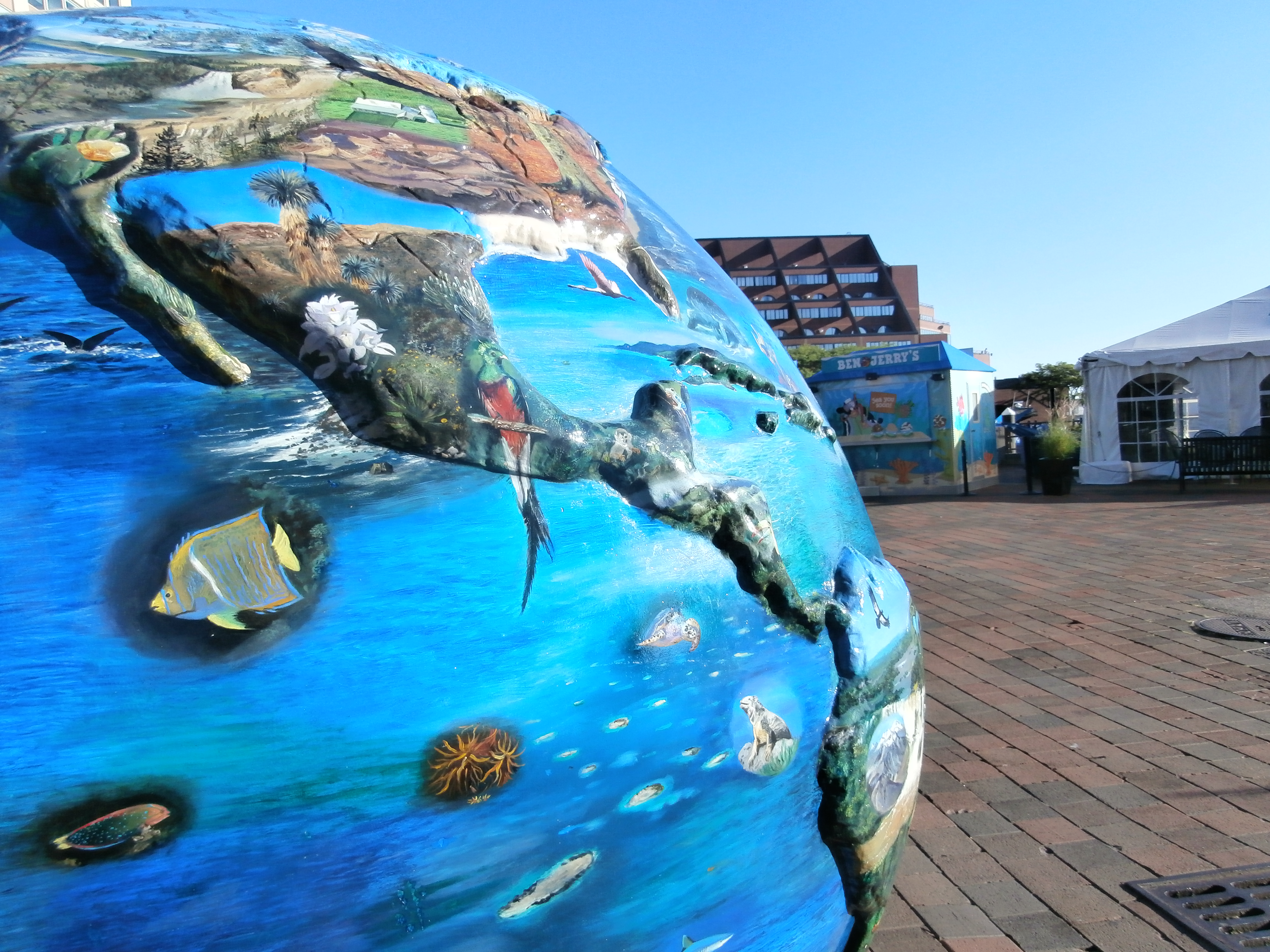
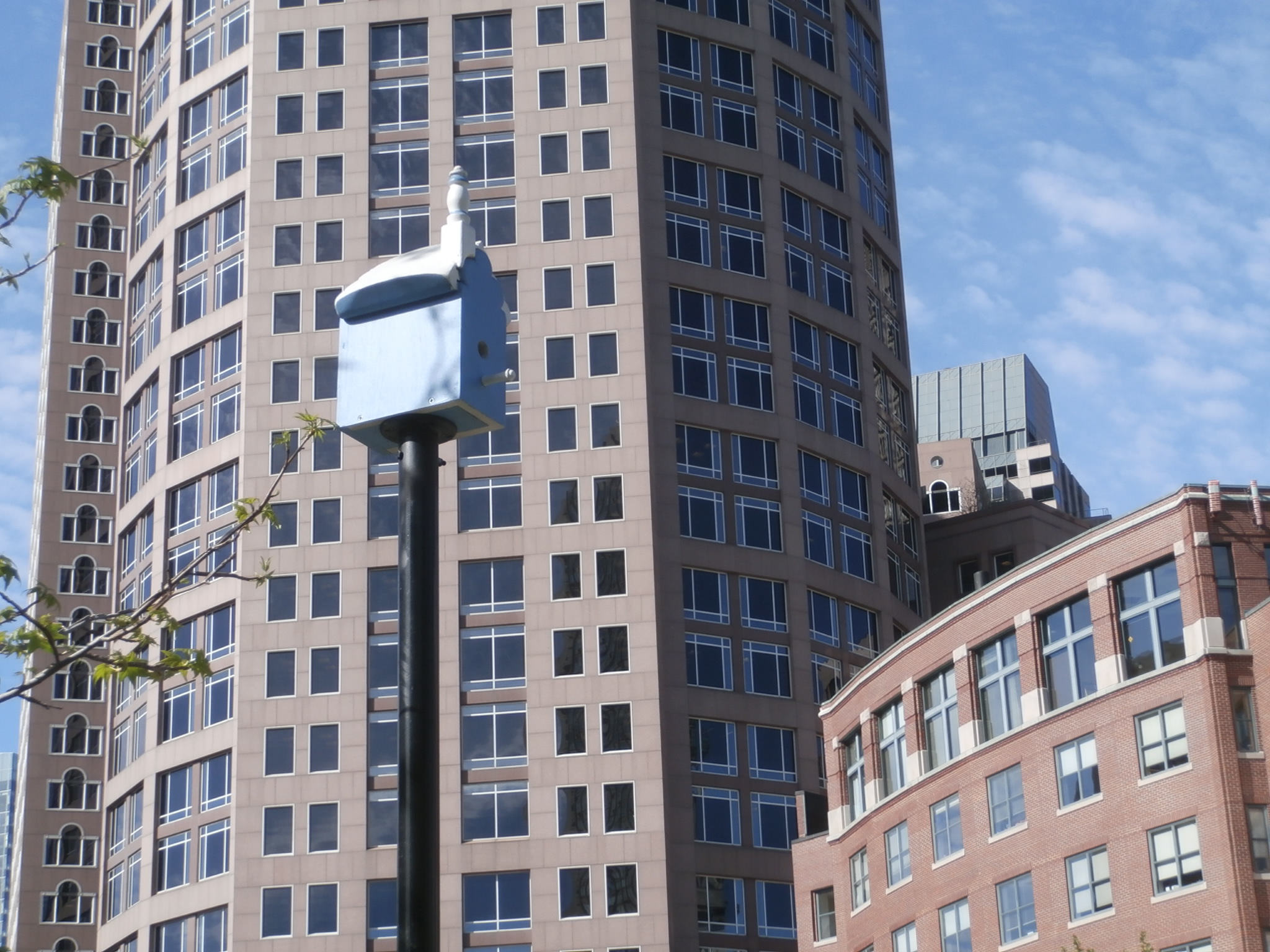
The first two photos below are near the Park Street subway station. The third is in front of the aquarium, and I am not sure if it is part of the traveling series.

cool-globes-boston

globes-for-a-coller-planet

globe-at-aquarium

Read Full Post »

Photo: Getty Popperfoto
L.S. Lowry, (pictured in 1957), the artist from Manchester, is the subject of a major new show at the Tate Britain gallery.

Some years ago when my husband was in England on business, he acquired a print of workers coming and going outside a factory. The original was by L.S. Lowry, whose paintings of industrial Britain turn out to be very popular in the UK.

Popularity, however, is not a ticket to being shown at the Tate Britain. Belatedly, Lowry will receive a retrospective in 2014.

Oliver Wainwright at the Daily Mail writes, “Clouds of smoke belch from forests of chimneys, while armies of spidery figures scuttle to and fro between narrow terrace houses and imposing factory gates.

“Crowds of fans shiver on the edge of a football field, a fist-fight breaks out, and barefoot children tease a stray cat on the street corner.

“These are the scenes depicted in the haunting paintings of L.S. Lowry who, more than any other artist, managed to capture the strange, bleak beauty of daily life in northern industrial towns.

“His dream-like images captured the popular imagination, adorning chocolate boxes and biscuit tins, tea towels and jigsaws.

“Yet they are scarcely to be found on the walls of our major national galleries. The Tate owns 23 of his works, but has only ever exhibited one on its walls in the past 20 years — and then only briefly. …

“Why has it taken so long?

” ‘He’s a victim of his own fan base,’ said Chris Stephens, Tate Britain’s Head of Displays. ‘What makes Lowry so popular is the same thing which stops him being the subject of serious critical attention. What attracts so many is a sort of sentimentality about him.’

“This is a strangely inverted piece of art world logic,” Wainwright comments, “where the popularity of an artist is seen as an obstacle to showing their work.”

If you’re an artist, be careful to stay off “chocolate boxes and biscuit tins, tea towels and jigsaws” — or wait to be discovered by art experts of a future generation.

More here and here.

 © The estate of L.S. Lowry
L.S. Lowry, Coming out of School, 1927

Read Full Post »

Suzanne is in Denmark at the moment and sent me a website for something unusual she saw there: a modern Stonehenge.

“The idea of creating The DODECALITH arose in 2006 when the composer Gunner M. Pedersen saw sculptor Thomas Kadziola’s land art project Anemarken (Ancestors’ field) … on the island of Lolland.

“The composer suggested that he and the sculptor create a Stonehenge on Lolland, consisting of a circle of twelve huge menhirs with heads in the open countryside.”

The creators write, “On a hill overlooking the sea, we are creating a singing monument … that will give everyone from near and far an experience of greatness, closeness and beauty, of time’s migrations and settlements. It will express pride and humbleness, times gone by, the present, and, importantly, time coming. …

“The stone figures will stand on invisible foundations and they will sing!
Under a circle of natural sitting stones, a 12 channel sound system will be installed. This system will allow spatial electro acoustic song and music specially created for The DODECALITH to sound inside the circle at intervals every day, all year round. …

“The ancestors [came] from afar, from the land to the south where the waters rose 7,500 years ago and sent the Lolers on their long journey. … Along the coast from Ravnsholt to Ravnsby alone, over 70 burial mounds have survived, several of which are passage graves. … There are now only four mounds … It is here we are re-erecting the Ring of the Lolers, The DODECALITH, to let the new Lolers ancestors sing.” More.

Read Full Post »

Along the Greenway, there is a changing array of public art. This photographic display was borrowed from New York City. The themes are Home, Streets, Creatures, Play, and People. The artists are all topnotch, but the location — set way back from the sidewalk and alongside a superhighway — makes me think that not many people are going to take a good look at it.

Ilona Szwarc entered this one in People/Rodeo Girls.

The artist says, “Rodeo Girls is an ongoing portrait project about young girls from Texas who compete in rodeos. These individuals have a fundamentally different idea about their femininity and a contrasting attitude towards gender roles. … They grow up according to a male archetype and I am examining how their lives and identities are shaped by their surroundings. The photographs celebrate the beauty of the terrain and the idiosyncrasies of this old fashioned American tradition, which is recently vanishing.”

The Fence is “a summer-long, outdoor photographic exhibition that explores the essence of community across cultural boundaries and geographical lines. The Fence is a site-specific exhibition stretching over 1000ft in length, culled from a call for submissions; we asked our community of photographers across the globe to respond to the question – ‘what makes up a community?’ ” More at the project’s website, here.

Read Full Post »

There is always so much to share from Andrew Sullivan’s site.  In a recent entry he pointed to a book called The Art Instinct, by Denis Dutton.

“Micah Mattix reviews

“The first feature of our inclination toward art is that we seem to have a universal love of landscape paintings — and not just any landscape, but landscapes similar to those our ancestors would have encountered on the African savanna. A central pillar of evidence for his argument is a 1993 study commissioned by Russian painters Vitaly Komar and Alexander Melamid that surveyed people from ten diverse countries and found a surprising number of consistent aesthetic preferences. …

“Dutton suggests that this seemingly universal preference for paintings depicting open spaces, trees, water, and animals is related to our ancestors’ search for food and safety. Such landscapes would have presented opportunities for cultivation; and the presence of water and climbable clusters of trees — which could have served as lodgings for game and provided safety from predators — would have been preferred by hunter-gatherers to either a dark forest or desolate plains.” More.

Evolutionary psychology often seems like a stretch, but it’s fun to think about. I do like landscapes.  I also like abstraction. In any case, I’m sure my ancient Picts and Celts ancestors, if such they were, would have liked the 19th century painting Andrew picked to go with his entry.

Who can resist a Turner?

Image: Petworth Park: Tillington Church in the Distance, J. M. W. Turner, c. 1830, via Wikimedia Commons


Read Full Post »

Most street artists don’t think in terms of permanent museum collections. They don’t expect their work to be admired forever. Still, it must be a little sad to see it torn down.

Meghan alerted me, by way of twitter, to the demise of Boston’s only graffiti park, Bartlett Yard, about to be demolished.  Dig has the story.

“Rosa Parks, Mr. Miyagi, and the Incredible Hulk gaze down from the wall, their faces nearly big enough to drive a bus through. A giraffe in a space helmet floats carelessly through the light purple cosmos,” writes Dan Schneider at Dig.

“This barely begins to cover the intricate murals found at the Bartlett Yard, an 8.6-acre parcel of land just blocks away from Dudley Square in Roxbury, formerly used as a bus garage by the MBTA. Since the beginning of the year, the property’s owners have allowed an event planning group called Bartlett Events to turn half of the property into a community art space.

“In May, Bartlett Events held Mural Fest, an open call for graffiti muralists, which drew an estimated 1,000 artists and community members together in a frenzy of aerosol, transforming the Yard from a 125-year-old dilapidated bus garage into the massive public art installation.

“If you want to take in the art at Bartlett Yard, however, you’d better do it soon.

“Come this November it’ll all be torn down to begin construction of Bartlett Place, a mixed-use development of housing with—in all likelihood—no graffiti. …

“The Bartlett Bus Yard has been out of commission since the late nineties, following a community-led effort to shut it down due to concerns about bus exhaust contributing to high rates of childhood asthma in the area. Since then the Yard has been abandoned …

“With a few weekends’ worth of hard work, however, several dozen volunteers were able to clean out most of the Yard’s two main buildings and surrounding blacktop prior to opening day.”

Residents express mixed feelings about the redevelopment, which some fear could lead to the dreaded gentrification and push out lower-income people. Others think it will be good to have more variety.

In any case, it sounds like the artists want to stay around even if the art is  ephemeral.

For Jason Turgeon,  an environmental scientist and one of the founders of Bartlett Events, “the notion of trying to create a permanent graffiti museum would simply miss the point.

“ ‘I come from the Burning Man world, so I know that art doesn’t have to be here forever. Some people say, “You have to save this!” And I say “No, it’s okay. There will be more art after this.” ‘ ”

Read more at Dig.

Photo: DigBoston.com

Read Full Post »

I continue to be a fan of street art and the way it allows informal artists to express themselves while also letting passersby enjoy both homespun and professional achievements as they go about their errands.

In Rhode Island, there’s a painted rock. Everyone paints it, and no painting lasts for long. In the summer, paintings wishing someone happy birthday may last only a few hours, as mine did one Birthday Week when Suzanne turned 16 and John turned 21. (They didn’t wake up in time to see it.)

There has also been some amazing work by experts on that rock, too, but it gets respect for only a couple days. It’s essential to capture it with a camera.

Yesterday I passed along an idea to a gallery owner that she liked. How about painting the painted rock to look like a rock!? Crazy, huh? She may do it, too. She has a painting of rocks in the current show that she could replicate. She knows she’d have to take a photograph, though, or the rock might be painted over before anyone sees it.

Meanwhile, here’s a nice story about street art in the Bushwick section of Brooklyn.

Amy O’Leary writes at the NY Times, “Growing up, Joseph Ficalora would sit on the roof of his family’s steel fabrication business. In Bushwick, Brooklyn, in the 1980s, it was one of the few safe places outdoors. The view was grim. The streets were dirty. Graffiti was endless. …

“Most people want to hold onto their past as it was, but Mr. Ficalora has found greater comfort in obliterating it, bathing the neighborhood in paint.

“Today the rooftop of [his] family business, GCM Steel, offers an eye-popping panorama of street art. More than 50 multicolored murals have transformed a swath of nearby buildings into a vast outdoor gallery called the Bushwick Collective, anchored at the intersection of Troutman Street and St. Nicholas Avenue.” More.

Photo: Victor J. Blue for The New York Times
Gaia, well-known among street artists, paints — legally — on a building in Bushwick, Brooklyn.

Read Full Post »

I got this lead from Andrew Sullivan. He wrote a post about a paper sculptor who made the commissioned work below, a kraken destroying a galleon. (I know, the kraken in The Island of the Aunts is a holy, nonthreatening creature, but elsewhere it’s more like a giant squid.)

Justin Rowe is an artist and paper sculptor from Cambridge [England]. After graduating from Norwich School of Art in 1998, he began working for Cambridge University Press as an academic bookseller.”

The BBC says, “Justin Rowe started carving up the pages of old books as a hobby in 2010, using a small rotating-bladed scalpel. …

“Mr Rowe ‘lifts’ illustrations from ‘junk books’ to create scenes and illuminated installations.

“His intricate hobby began when he wanted to create a Christmas window display for the Cambridge University Press bookshop where he works as a senior bookseller.” More.

I wonder if Justin Rowe had anything to do with the stealth art project in U.K. libraries that we blogged about here. Also quite gorgeous.

Photo: Justin Rowe

Read Full Post »

Summer makes me think of Fire Island, where I spent much of my childhood, and Stone Harbor, where my husband spent much of his.

Stone Harbor was also where my husband’s parents and many relatives retired. Uncle Al lived next door to my in-laws and made wooden whirligigs for family and friends: a seagull, for example, or a Mr. Sawyer who appeared to saw wood when the wind blew.

Recently I read the obit of a man who was widely known for his whirligigs, Vollis Simpson of Raleigh, North Carolina.

Martha Waggoner wrote about him for the Associated Press and the Globe.

“Where others saw trash, Vollis Simpson saw whimsical, wind-powered whirligigs, creations with hundreds of moving parts that turned and twirled.

“The whirligigs were made from recycled heating and air conditioning systems and reflector material Mr. Simpson patiently cut into thousands of tiny pieces that made the works shine when lights hit them in the dark. His work was featured in museums, backyards, dentist offices, and the 1996 Olympics.

‘‘ ‘I got caught with a lot of material, and I worked it out,’ he said in a 2010 interview. …

“Some of Mr. Simpson’s whirligigs stand as high as 50 feet … They can weigh as much 3 tons.

“He built the contraptions near his machine shop in Lucama. More than 30 of them were on display there until last year, when an effort to restore them began. That process is about halfway complete, with a few of the larger whirligigs still in the pasture, waiting to be moved.

“The Vollis Simpson Whirligig Park is scheduled to open in November in Wilson, about 10 miles from his home.” Read more about him here.

Photo: Ellen Albanse for The Boston Globe
Mr. Simpson’s “Giant Whirligig” is shown near the entrance to the American Visionary Art Museum in Baltimore.

Read Full Post »

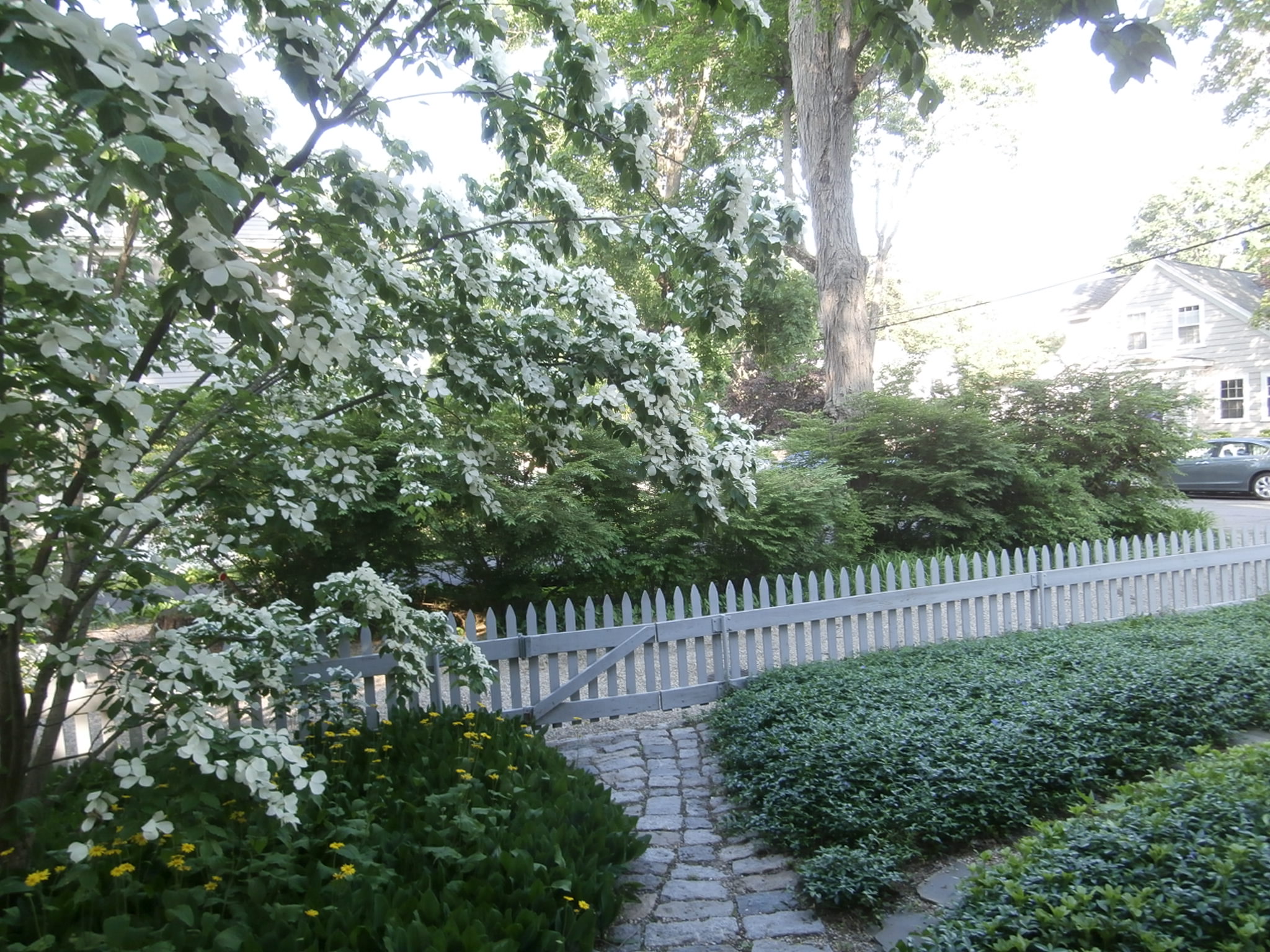
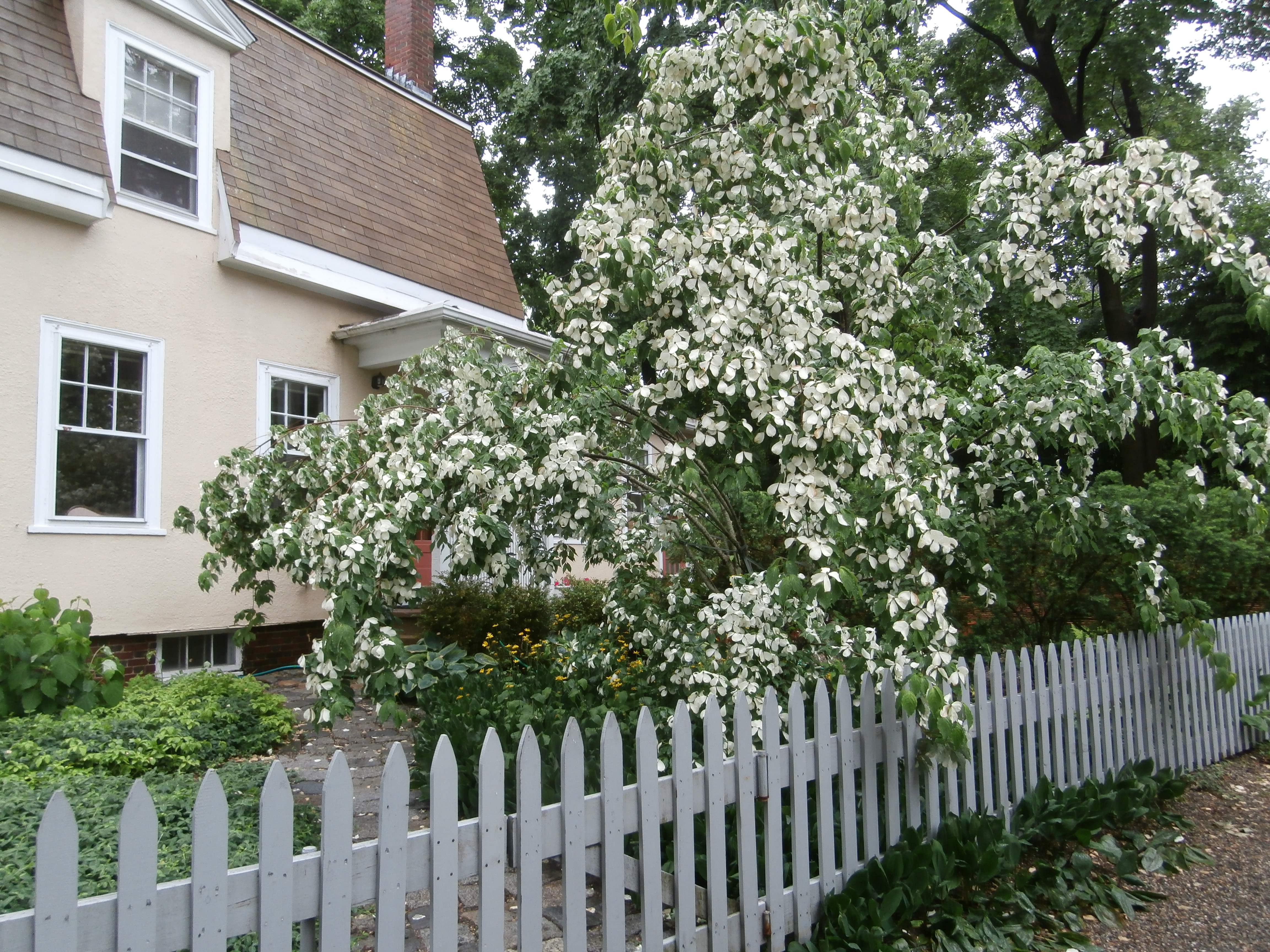
Heavy rain Friday night stunned our dogwood. I include before and after, plus a gaggle of other photos from my springtime meanderings.

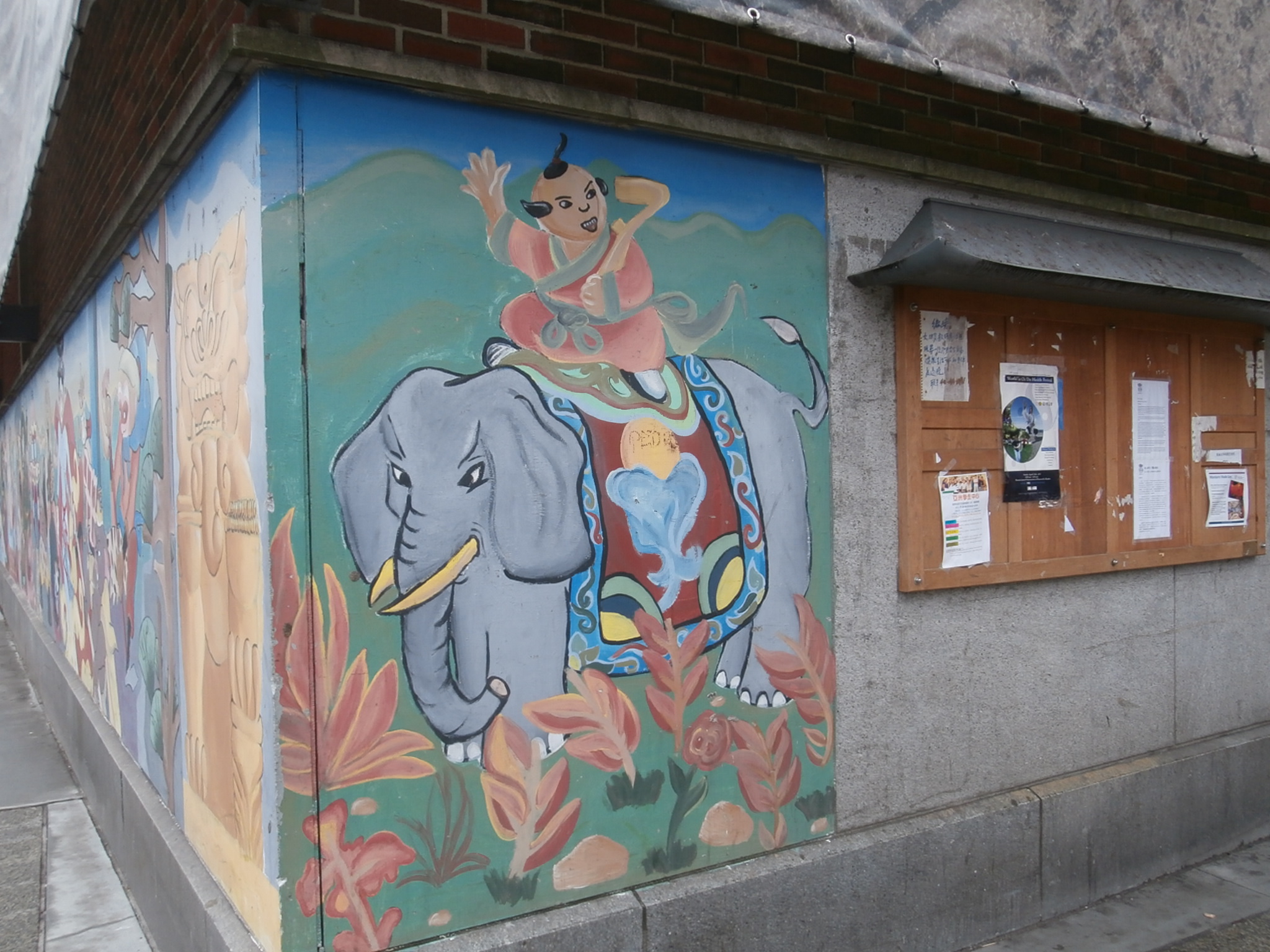
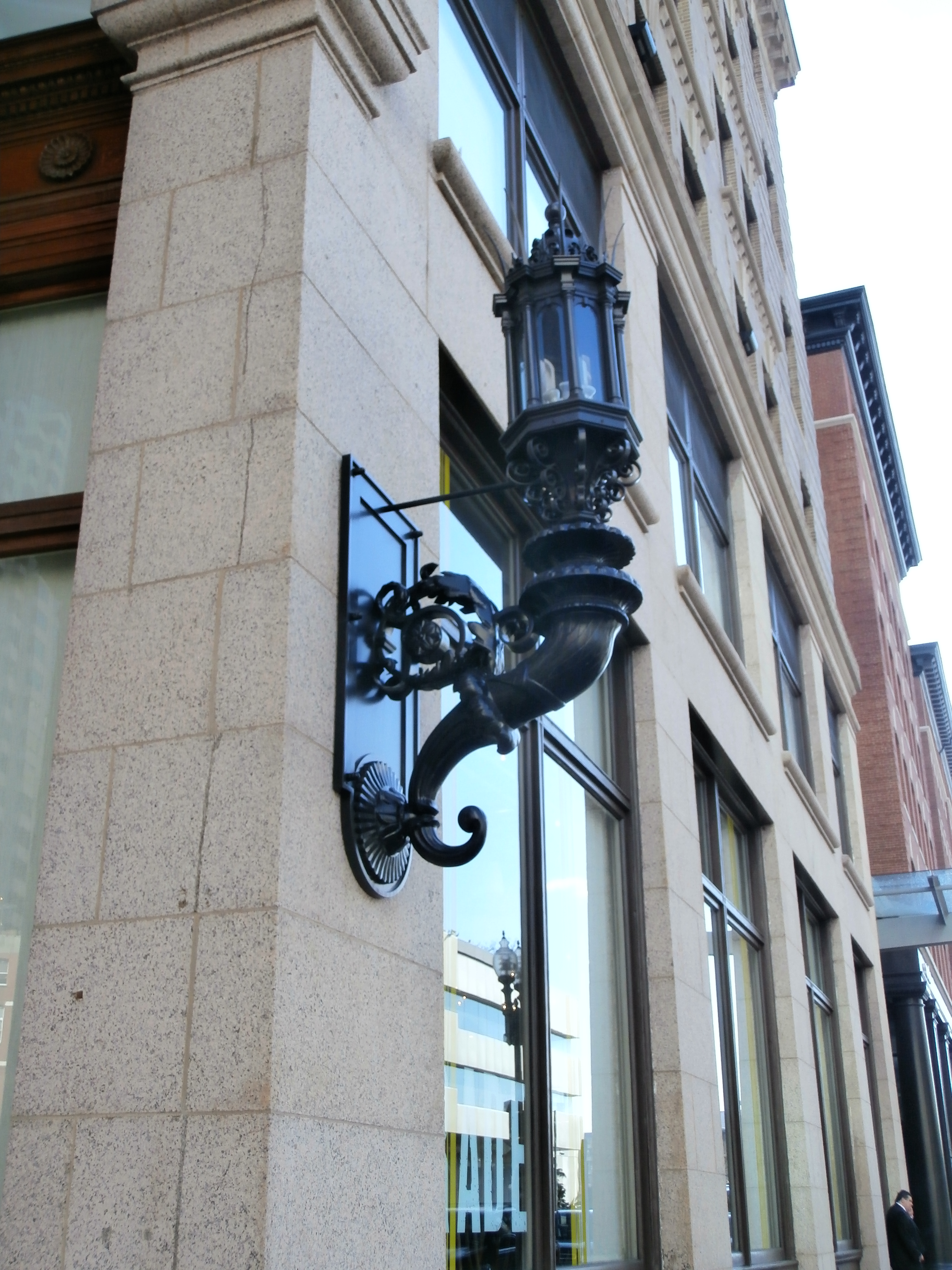
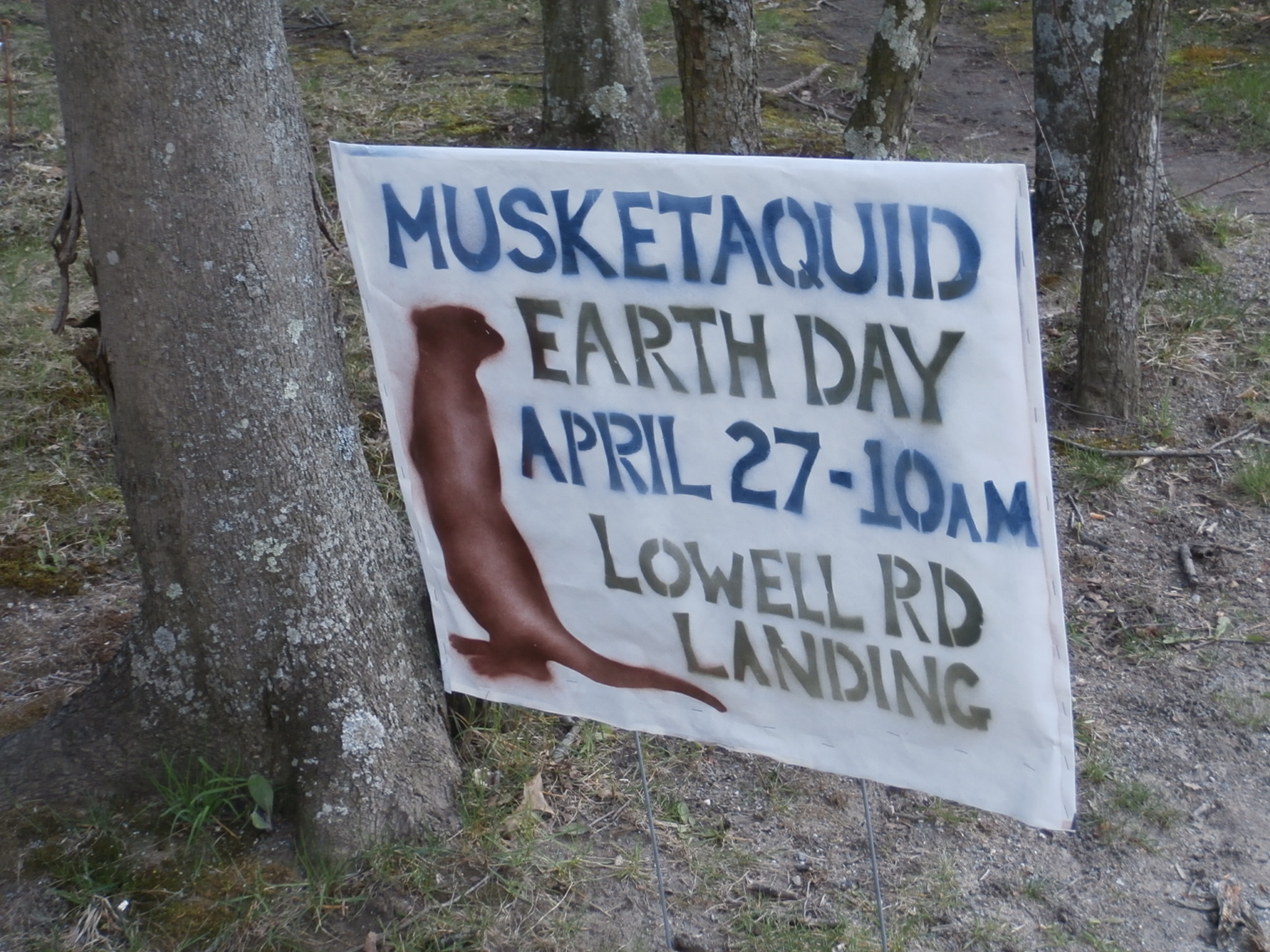
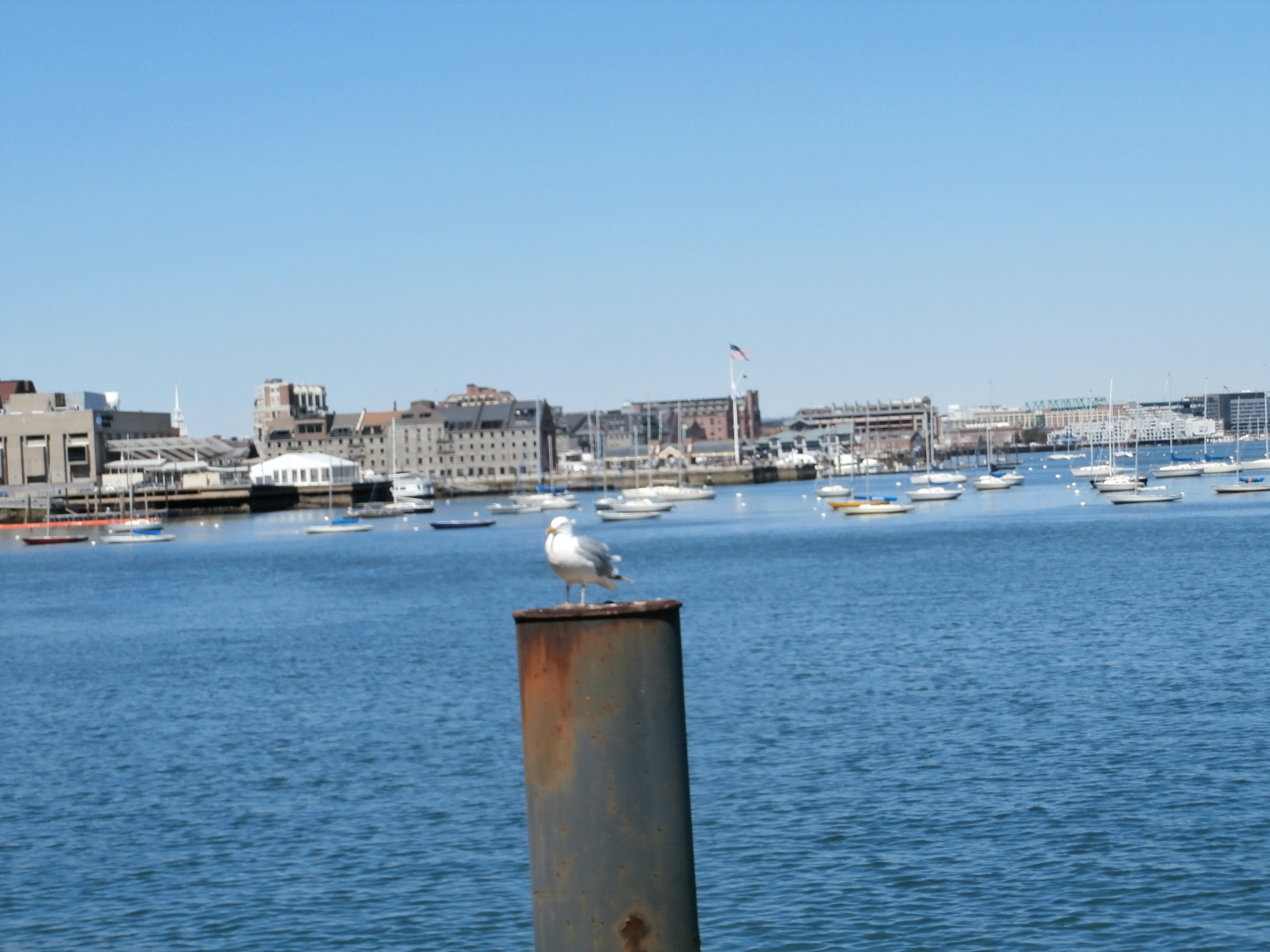
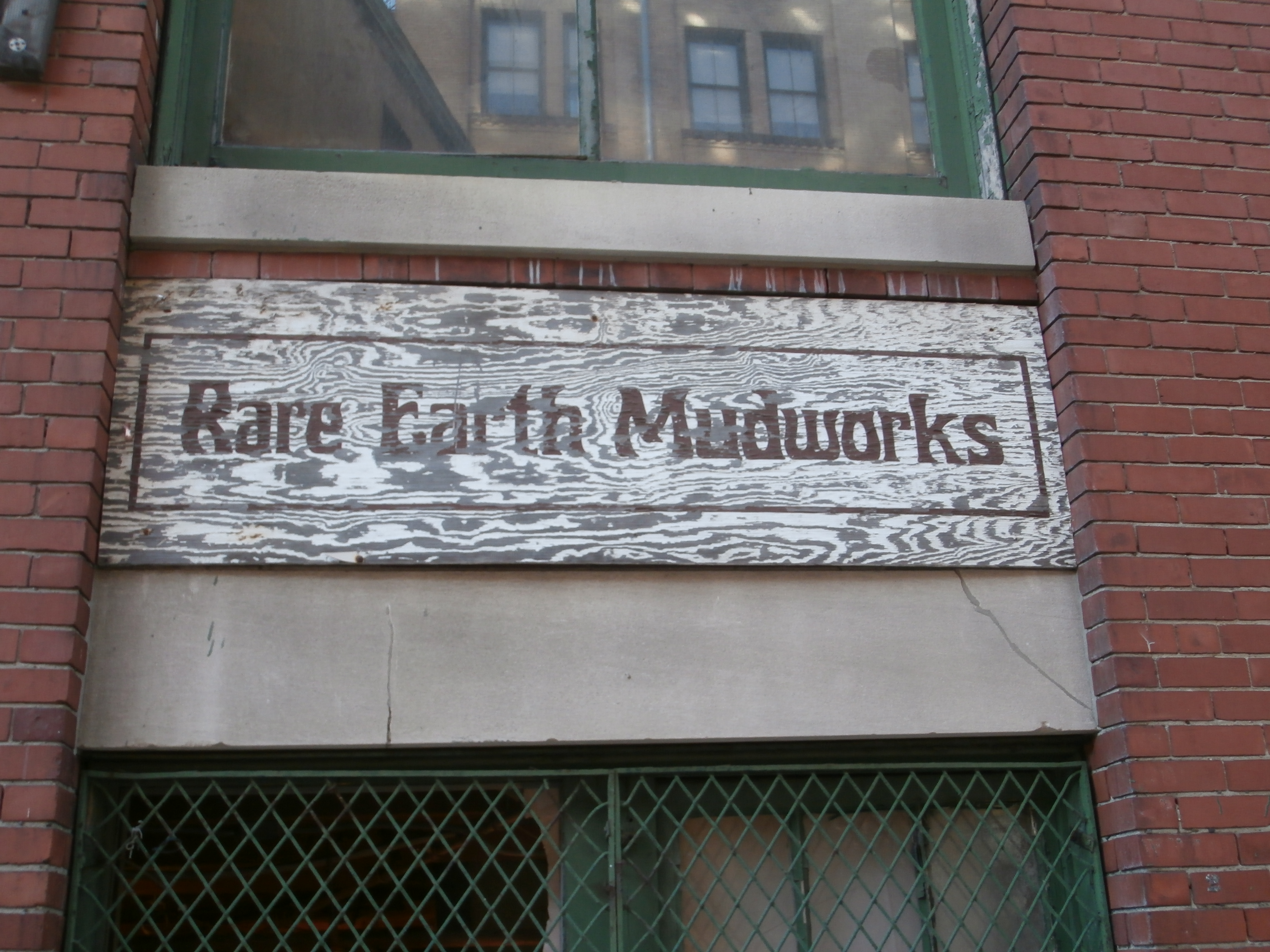
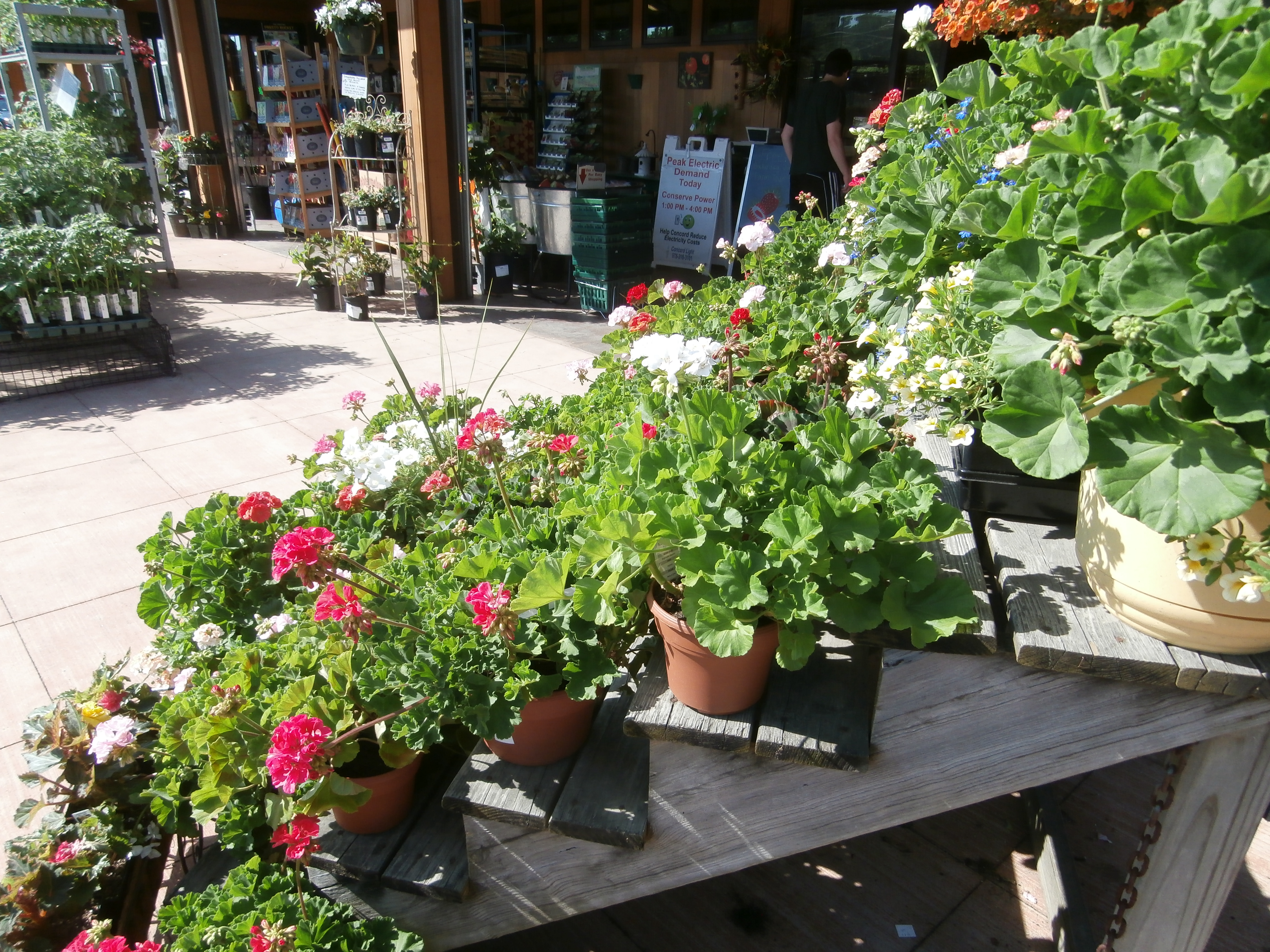
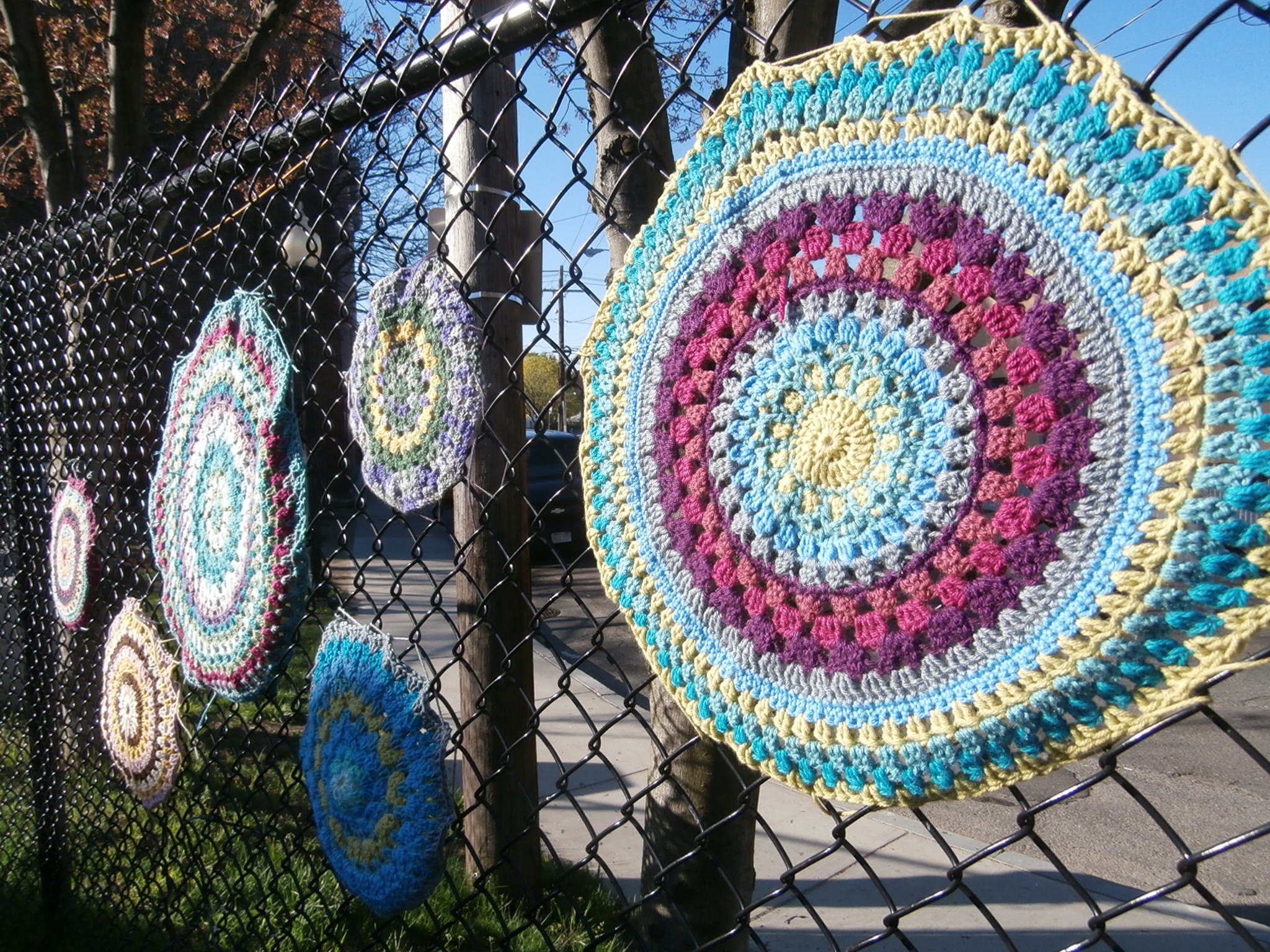
The elephant mural is at the entrance to Boston’s Chinatown. The fancy light fixture is outside Trade restaurant. The fence with crocheted wheels is at the Davis Square subway stop. The fountain is next to a rose garden honoring the mother of President Kennedy, Rose. The urban birdhouse is in the Greenway. The herring gull is at Boston Harbor. The Canada Geese are too prolific. The Mudworks sign is in Fort Point. And the flowers are at Verrill Farm.

dogwood-late-May

rain-pummeled-dogwood

elephant-mural-chinatown

trade-restaurant-lamp

earth-day-concord-mass

davis-square-somerville

rose-kennedy-garden-fountain

birdhouse-downtown-boston

gull-boston-harbor

canada-geese-goslings

fort-point-sign

verrill-farm-concord-mass

Read Full Post »

A WordPress blogger who clicked on one of my posts has a nifty site, here. The blogger is Razvan, from Romania. Razvan apologizes for a lack of fluency in English, but I am grateful for any amount. Wish I could speak other languages.

You will like Razvan’s origami. Here’s a description of the fruit basket below.

“I want to introduce another model Origami3d origami fruit basket, this 3d origami model  consists of about 3,000 pieces. Origami 3d basket is 25 cm diameter and 9 cm tall and is made of around 1,100 pieces.Pieces are made from rectangles of paper with dimensions of 5.2-3.6 cm and took me about 16 hours to finish. 3D Origami fruit are  made of around 170-500  pieces . Pieces are made from rectangles of paper with dimensions of 3.8-2.7cm and took me about 24 hours all.”

I hope Razvan checks out a couple of my past posts on paper art. This one is from Tokyo Bling. This one involves a stealth project in English libraries. And Peter Gentenaar’s Flying Paper Jellyfish and other paper artworks are gorgeous.

3-D Fruit Basket Origami: Razvan at Razcaorigami.

Read Full Post »

An artist discovered at 64 has a gallery show in New York.

Jim Dwyer writes at the NY Times, “For more than three decades, [Rafael Leonardo] Black, 64, has made a portal to the world in dense, miniature renderings of ancient myth and modern figures: Frank Wills, the security guard who discovered the Watergate break-in; Shirley Temple as a sphinx; the head of the surrealist André Breton as the head of John the Baptist; Marianne Faithfull in multiple incarnations.

“Until recently, few people ever saw his work because he had almost no visitors. He held paying jobs as a typist in a law firm, a salesman at Gimbels and then Macy’s, and as a secretary in a school. Most recently, he has worked mornings as a part-time receptionist in a hospital. …

“ ‘I just never made the effort to sell it,’ Mr. Black said. ‘I never expected to be able to make a living at it, but I’ve always done it since — well, I guess, since I’ve known my self.’

“Then [in May], a Manhattan gallery owner, Francis M. Naumann, mounted ‘Insider Art,’ an exhibition of 16 works by Mr. Black. Ten of them sold within days, at prices ranging from $16,000 to $28,000.

“ ‘People liked them, people who know art,’ Mr. Black said. ‘It makes me very happy.’ …

“Late last year, [his friend John] Taylor passed along Mr. Black’s number to [another] friend, Tej Hazarika, who publishes in the art world. Mr. Hazarika urged Tom Shannon, an artist and inventor, to look at the work. In turn, he brought it to Mr. Naumann’s attention. …

“ ‘If you are going to make a picture, you have to make something that’s in concert with the way the world operates,’ Black said. ‘There’s a line from the Lovin’ Spoonful: “You came upon a quiet day, and simply seemed to take your place.” ‘ ” More.

Photo: Victor J. Blue for the NY Times
“There’s a saying: ‘Everybody writes poems at 15; real poets write them at 50,’ ” said Rafael Leonardo Black, who draws miniature figures.

Read Full Post »

No one needs to be told that art is healing. I find it can cheer me up when I’m just having a bad day. I even tell coworkers who are stressed out, “Go over to Fort Point and look at some art.”

But for those who care more about data than folk wisdom, there is research.

Genevra Pittman writes at Pacific Standard, “Music, art, and dance therapy may relieve anxiety and similar symptoms among people with cancer, according to a new analysis of past studies.

“Researchers who analyzed results from trials conducted between 1989 and 2011 said the benefits tied to creative arts therapies were small, but similar to those of other complementary techniques such as yoga and acupuncture. …

“The analysis included 27 studies of close to 1,600 people who were randomly assigned to receive some form of creative arts therapy or not, during or after cancer treatment. Patients with breast cancer or blood cancers—such as leukemia and lymphoma—made up the majority of study participants. Music, art, and dance therapy programs varied in how often sessions were conducted and over what time span. …

“On the whole, people with cancer who were assigned to creative arts treatments reported less depression, anxiety, and pain and a better quality of life during the programs than those who were put on a wait list or continued receiving usual care.” More.

I didn’t get into art therapy when I had cancer, but I’m sure I would have liked it. I did have a booklet created by past patients that contained daily readings, and more often than not the choices hit the spot. The patients named the booklet “No Other Way but Through.”

Photo: Memorial Sloan-Kettering Cancer Center
Art therapy program

Read Full Post »
There’s an in-demand artist who goes to Wal-mart to find subjects. His name is Brendan O’Connell. Maria Godoy writes about him at National Public Radio.

“Most people would be hard-pressed to call Wal-Mart a source of artistic inspiration. … Yet that’s exactly what artist Brendan O’Connell sees in the sprawling big-box stores. For the past decade, O’Connell has been snapping photographs inside dozens of Wal-Marts. The images have served as inspiration for an ongoing series of paintings of everyday life — much of which involves shopping, which O’Connell calls ‘that great contemporary pastime.’ …

“Wal-Mart stores, he notes, are ‘probably one of the most trafficked interior spaces in the world.’ In the tall, open, cathedral-like ceilings of Wal-Mart’s big-box stores, he sees parallels to church interiors of old. …

“As artistic matter, [Wal-mart is] a part of everyday life that seems to have resonated with lots of people. Since [a February New Yorker profile began a] media blitz …  sales of O’Connell’s work have jumped dramatically, he told me [in April]. ‘I sold more in a week than I did in some years,’ he says. …

“The people doing the buying, he says, come from all over the country.

” ‘What I’m struck by is this relationship to brands,’ he says, noting that buyers have called to inquire about specific paintings: ‘ “Do you still have the Corn Flakes? … I want the Maxwell House.” Whatever brand it is that they have a personal relationship with. And that, to me, is fascinating.’ ”


“O’Connell’s work is probably out of the price range of the average Wal-Mart shopper,” adds Godoy. “But he’s passionate about a project to bring art to the masses. The idea behind everyartist.me is to create a collaborative art project involving 1 million elementary school kids across the country. And all the recent attention on his Wal-Mart series has helped jump-start funding for the project … he says.”

(Thank you, Andrew Sullivan, for the lead.)

Image: http://www.brendanoconnell.com
Blond with yams

Read Full Post »

Another good lead from the voracious reader of magazines in my household.

This Smithsonian story shows how a relatively simple invention made it possible for the Impressionists to do much more painting outdoors, en plein air.

Perry Hurt writes, “The French Impressionists disdained laborious academic sketches and tastefully muted paintings in favor of stunning colors and textures that conveyed the immediacy of life pulsating around them. Yet the breakthroughs of Monet, Pissarro, Renoir and others would not have been possible if it hadn’t been for an ingenious but little-known American portrait painter, John G. Rand.

“Like many artists, Rand, a Charleston native living in London in 1841, struggled to keep his oil paints from drying out before he could use them. At the time, the best paint storage was a pig’s bladder sealed with string; an artist would prick the bladder with a tack to get at the paint. But there was no way to completely plug the hole afterward. And bladders didn’t travel well, frequently bursting open.

“Rand’s brush with greatness came in the form of a revolutionary invention: the paint tube. Made from tin and sealed with a screw cap, Rand’s collapsible tube gave paint a long shelf life, didn’t leak and could be repeatedly opened and closed.

“The eminently portable paint tube was slow to be accepted by many French artists (it added considerably to the price of paint), but when it caught on it was exactly what the Impressionists needed to abet their escape from the confines of the studio, to take their inspiration directly from the world around them and commit it to canvas, particularly the effect of natural light.

“For the first time in history, it was practical to produce a finished oil painting on-site, whether in a garden, a café or in the countryside.” More.

Dear artist friends, I can picture what it would have been like for you traveling by train after an outing to some scenic spot before this invention. “Oh, Madame, I am so terribly sorry. I’m afraid my cobalt pig’s bladder burst!”

Photo: Chrysler Museum of Art
The tin tube, below, was more resilient than its predecessor (the pig bladder), enabling painters to leave their studios.

Read Full Post »
« Newer Posts - Older Posts »