Feeds:
Posts
Comments

Posts Tagged ‘boston’

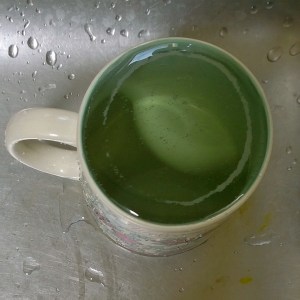
After feeling pretty under the weather for a couple days, I rejoiced to be back to normal on Friday, well enough to help out at the ESL class for Haitians in Boston, if not well enough to eat, say, a pizza. I feel the way you are supposed to feel when you stop hitting your head with a hammer. Perhaps you can tell that the two quirkier photos were taken in a happy mood.

Anyway, the collection represents more of my Rhode Island and Massachusetts travels, in sun and shade.

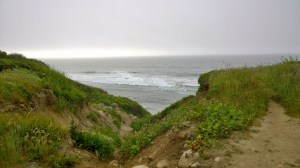
First, New Shoreham, Rhode Island, overcast but lovely.

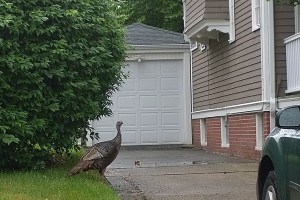
The Providence photos start with the wild turkey I saw on a morning walk. Erik tells me the turkeys are common. He and the children followed a group of them one day to see if they could find out where they were headed.

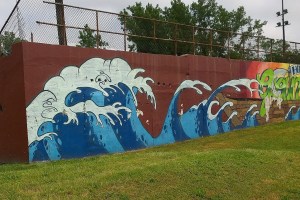
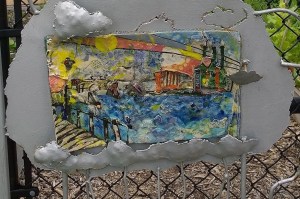
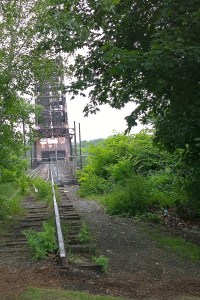
Next comes a reproduction of the Hokusai’s “The Great Wave of Kanagawa” on the bleachers of a high school baseball stadium. Then a piece of art welcoming urban farmers to the Fox Point Community Garden. My third Providence photo shows the end of the line for an old train track near a new bikeway. The drawbridge has been frozen in time.

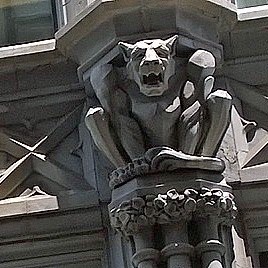
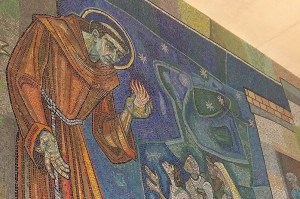
The off-kilter gargoyle is on a building at Downtown Crossing, Boston. Near there I took a picture of the mosaic at St. Anthony’s Shrine, where Lillian and I went to light a candle in amazement and gratitude for an election some years ago. Neither of us is Catholic, but we felt the need of a ceremony.

I had to look up St. Anthony on Wikipedia, which says, “He was proclaimed a Doctor of the Church on 16 January 1946. He is also the patron saint of lost things.”

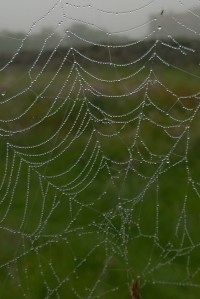
061717-spider-web


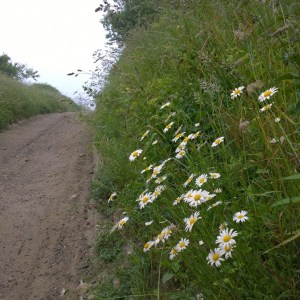
061817-daisies


061817-new-shoreham-bluffs


061917-the-wave-Providence-bleachers


061917-Fox-Pt-Community-Garden-art


061917-drawbridge


062317-cup-runneth-over


062317-disoriented-gargoyle


062317-St-Anthony-Shrine


Read Full Post »

The Rose Fitzgerald Kennedy Greenway in downtown Boston is not only the place to go for peaceful walks among gorgeous trees and flowers, it is loaded with art. One example: a 3-D printer in the Chinatown stretch of Greenway for passerby to celebrate the Year of the Rooster.

Allison Meier at Hyperallergic writes, “Acquiring a 3D-printed rooster from the “Make and Take” installation in Boston’s Chinatown Plaza on the Rose Fitzgerald Kennedy Greenway requires a bit of luck.

“The small objects are printed continuously, dropping into a slot when complete. Although artist and engineer Chris Templeman designed his project with ample space for accumulating roosters, visitors have been arriving day and night to collect the free birds. …

“The ‘Make and Take’ machine, made in collaboration with New American Public Art, is housed in an eight-foot-tall polycarbonate kiosk, positioned just before the red gate to the plaza. It was launched on Chinese New Year in January in honor of the Year of the Rooster. The interactive art machine follows previous Greenway Conservancy projects based on the Chinese zodiac, including Kyu Seok Oh’s handmade paper ‘Wandering Sheep‘ for 2015’s Year of the Goat, and Don Kennell’s steel ‘Monkey See‘ for 2016’s Year of the Monkey.

“Templeman’s rooster was 3D scanned from a porcelain statue at the Museum of Fine Arts, Boston. …

“Running a 3D printer constantly out in the elements of Boston has had its challenges, with wild tangles, and misshapen botched birds. …

” ‘Over the first month I was on site on average every other day, so it was a tough start, but I learned so much and I got to interact with the public which was awesome,’ Templeman said. ‘I am awe-struck that people are waiting hours to get a rooster.’ ”

More here. If you are on instagram, check this out, too: @newamericanpublicart.
Image: Chris Templeman
“Make and Take” 3D printer installed in Chinatown Plaza on the Rose Kennedy Greenway, Boston.

Read Full Post »

Restaurants are having trouble finding trained workers, and many low-income people have trouble getting themselves qualified for a job.

Enter the Culinary Arts Training Program at the Salvation Army’s Kroc Center in Dorchester, Mass.

Sacha Pfeiffer writes at the Boston Globe, “A recent business survey found that the state’s dining sector is facing its worst labor shortage in more than three decades. That survey, by the Federal Reserve, called the staffing situation a ‘crisis,’ and Boston-area restaurants of all types report that hiring at every level, from dishwashers to chefs, is a major challenge.

“But those industry woes pose an opportunity for graduates of free culinary training programs offered by the Salvation Army, Pine Street Inn, Lazarus House Ministries, Community Servings, UTEC, Roca, and other local nonprofits, which have become a small but valuable source of employees for the region’s food service industry. …

“At [November’s] culinary graduation at the Salvation Army’s Kroc Corps Community Center in Dorchester, for example, several prospective employers attended the event to canvass for possible hires. …

“Aimed at low-income students, the programs generally offer basic training in cooking techniques, knife skills, food terminology, menu planning, nutrition, and kitchen safety standards. Many also teach ‘soft skills,’ such as resume writing and effective interviewing, and job-readiness, like the importance of punctuality. …

“Most also provide job placement assistance at not only restaurants, but school cafeterias, hospital kitchens, nursing homes, sporting venues, corporate cafes, and large food supply companies such as Aramark and Sodexo.

“ ‘There are more jobs than we have students for,’ said Paul O’Connell, the former chef/co-owner of Chez Henri in Cambridge who is now culinary director at the New England Center for Arts & Technology, which offers a 16-week culinary training course. … And even low-level jobs in the food sector can lead to lasting careers.

“ ‘The beauty of our industry is if people have a really good attitude and want to learn, they can go from the dish room to the boardroom and everywhere in between,’ said Robert Luz, chief executive of the Massachusetts Restaurant Association, which collaborates with many nonprofit programs.

“ ‘I’ve seen an incredible number of people grow their career from line cook to assistant kitchen manager to kitchen manager to chef and beyond,’ Luz added, ‘so it’s the road to middle income for a lot of people.” More here.

Photo: Jonathan Wiggs/Globe Staff
A graduate of the Culinary Arts Training Program at the Salvation Army’s Kroc Center shows off his certificate.

Read Full Post »

As in other cities nationwide, relations between communities and police are often tense in Boston, but here is a small effort that focuses on reducing arrests and getting help for people who are troubled.

Evan Allen writes at the Boston Globe, “When Officers Michael Sullivan and Jeff Driscoll and senior crisis clinician Ben Linsky head out on their beat in Mattapan, they seek out the most vulnerable citizens: the drug-addicted, the homeless, and the mentally ill. Theirs is the only unit of its kind in the city, and its mission since it was started in February is to help, not arrest, people [with problems]. It’s part of a broader effort in the Police Department to work with the community. …

“Sullivan, Driscoll, and Linsky, who make up Mattapan’s ‘Operation Helping Hands,’ spend two nights a week freed from dispatch calls. Instead, they get to know the people on the streets, figure out what services they need, and try to provide them.

“ ‘You’re one part social worker, one part cop, and one part older brother,’ Sullivan said. …

“The number that [Police Chief William] Evans is most proud of is arrests: for the past year and a half, officers have been locking up fewer and fewer people. The city saw a 15 percent reduction in 2015, followed by the 10 percent drop so far this year.

” ‘When I came on the job, you measured what kind of an officer someone was by quantitative statistics. How many arrests. How many moving violations. We don’t do that anymore,’ Evans said. ‘I think our officers get it: It’s not about throwing people behind bars, it’s about getting them services and opportunities.’

“Driscoll, a 39-year-old father of two, has been on the force for 10 years, all of them in Mattapan. Before that, he served for several years in Watertown. He and Sullivan, a 32-year-old father of a 2-year-old boy, who joined the force three years ago, both grew up in police families, wanting to be officers. When Mattapan Captain Haseeb Hosein decided to start Helping Hands, they were an easy choice.

“ ‘With everything that’s going on in this country, the biggest thing is trust and fear. So how do we break those two barriers down? I think we break it down by building relationships,’ Hosein said. ‘They’re really good guys who understand the environment that we’re in, that we need to go the extra mile.’ ” More.

Getting people services that really create lasting change would be ideal, but who can cavil with de-escalating potential blowups? Ensuring that you don’t make matters worse than they are already is surely an important step.

Photo: Jessica Rinaldi/Globe Staff
“Operation Helping Hands,” made up of two officers and a crisis clinician, is the only Boston Police unit of its kind.

Read Full Post »

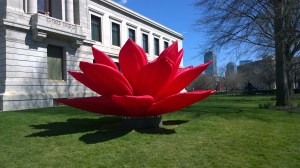
I’m bummed that I couldn’t get my video of the giant red lotus to load. I can provide a still shot, but the flower outside the Museum of Fine Arts in Boston does more than look big — it opens and closes with a goofy clatter. Audrey II from the Broadway show Little Shop of Horrors has nothing on this hilarious monster.

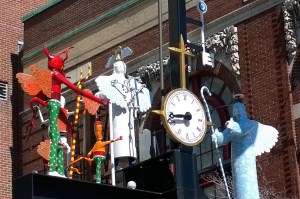
A few blocks away, speaking of clatter, is the mechanical clock that graces Mass College of Art.

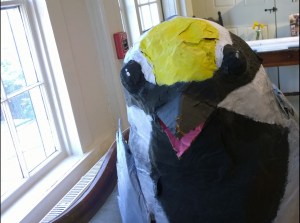
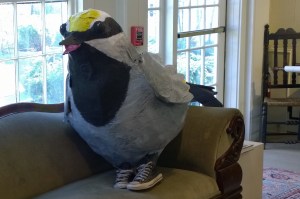
At Concord Art, where Mary Ann’s friend Holly Harrison curated a fascinating show on birds, Rivers and Revolutions students from Concord Carlisle High School had a small exhibit of their own — featuring a giant yellow warbler (in sneakers) and a nest complete with appropriately spotted eggs.

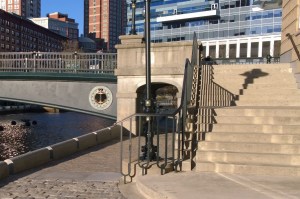
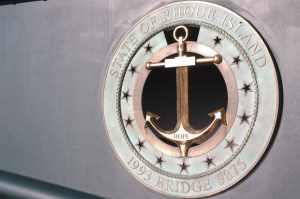
Next is Waterplace Park in Providence, where I was once again tempted by shadows. Note how interesting the streetlamp looks stretched out on the staircase. The state emblem with “hope” and an anchor reminds me to tell you that Suzanne sells an anchor charm at Luna & Stella and donates $5 of the sale of every anchor to the Rhode Island Foundation, now celebrating its 100th year.

My favorite photo here is the little boy on the banks of the Sudbury River, where he has just pulled in a nice bass, his fourth fish of the day. I took a bunch of photos of the boy and his dad, but this was the only one that made clear you are actually looking at a fish.

041416-Museum-Fine-Arts-lotus

041416-Mass-Art-clock


041516-giant-warbler-Concord-Art

041516-warbler-in-sneakers


041516-art-nest-for-warbler

042016-shadows-by-Providence-River


042016-RI-anchor-and-Hope

042116-boy-catches-fish-Sudbury-River

Read Full Post »

Artists seem to think differently from people who aren’t artists, which is why Renée Loth likes the idea of embedding a few in government.

“Imagine a dancer working with police officers to better interpret a suspect’s gait,” she writes. “Or a musician teaching a city parking clerk how to listen deeply. Or an abstract painter rearranging a tangle of contradictory street signs. That’s the idea behind Boston’s new artist-in-residence program, which will embed local artists inside city departments to promote creative thinking about municipal government. …

“ ‘Artists are all about asking questions,’ says Julie Burros, Boston’s cabinet-level chief of arts and culture. ‘They bring a unique set of tools to solving problems.’

“A jury of seven arts professionals and partners from the Massachusetts College of Art and Design [met in February] to winnow a field of 10 finalists to three artists, who will each receive a $20,000 stipend for a six-month residency. …

“Boston is in the throes of a comprehensive planning process that is working to inject fresh ideas into city transportation, housing, and zoning policies. Burros is directing the city’s two-year cultural plan, Boston Creates, and is a prime force behind the artist-in-residence program.

“But Boston is hardly in the vanguard of this approach. The concept dates back to at least 1976, when activist Mierle Ukeles accepted a nonsalaried position as the first artist in residence of the New York City sanitation department.

“Over the decades, Ukeles created artworks that engage questions of nature, class, and culture; her ‘Flow City,’ a video installation at a Hudson River transfer station, confronts visitors with their own role in the massive waste management task of city government. Environmental education is a dull, dutiful business — until it’s in the hands of a performance artist. …

“In 16th century Europe, wealthy rulers of church and state often commissioned artists to live and work in their courts — you might say that Michelangelo was embedded in the Vatican. Today’s artists in residence may not paint the ceiling of City Hall, but they will surely contribute to Boston’s renaissance.”

More at the Boston Globe.

Art: Pep Montserrat for The Boston Globe

Read Full Post »

I’m leaving a job that has been a great fit for me and starting at another organization. Although I’m really looking forward to new experiences after 10 years, there are a few things I’m likely to miss …

an unusual number of really nice co-workers, the building’s art collection and landscaping, subway musicians, the weary dignity of homeward-bound commuters, sunrise over Boston Harbor, Styrofoam sheep floating in Fort Point Channel, a vast array of food trucks, the farmers market, the Rose Fitzgerald Kennedy Greenway, conversations on the commuter rail, the conductor with the circus-announcer’s voice, a commute that allows me to read …

and this view.

120315-sky-over-boston-harbor

Read Full Post »

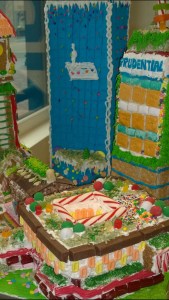
You have until Jan. 3 to see beloved Boston landmarks in the form of  gingerbread, gumdrops, frosting, and pretzels. The annual competition is put on at the Boston Society of Architects, which has a public exhibit area on Congress Street between Atlantic and Dorchester avenues.

The public is invited to a reception on Monday.

“Please join the Community Design Resource Center (CDRC) for the Gingerbread Reception, where we will view more than 20 gingerbread designs from teams of architecture and landscape architecture firms on exhibit, enjoy light refreshments, announce the winners, celebrate the incredible bakers, and launch CDRC’s first Open Call for Projects.

“Vote for your favorite gingerbread house now!

“At the Gingerbread Reception we will launch our first Open Call for Projects — an open invitation to neighborhood groups and community nonprofits in the greater Boston area to apply for a design assistance grant. Underserved audiences are especially encouraged to apply, as well as projects that otherwise fall between traditional funding cracks but that somehow serve to make communities better. …

“While challenging designers to explore a new medium, this sweet event also raises funds for the CDRC. A special thank you to the Boston Society of Landscape Architects and the BSLA ‘gingerscapes’ for joining us this year!” More here.

The BSA’s photos are on instagram. Look for bsaaia. It’s fun to guess what you are seeing.

121815-BSA-gingerbread-1

121815-BSA-gingerbread-2.


121815-BSA-gingerbread-3.


Read Full Post »

121115-ICA


Until January 24, you can see at the ICA in Boston an exhibition on the artistic legacy of one of the most interesting colleges ever. It couldn’t last, but while it did, it burned with a bright flame.

Let me drop a few names of people who worked and studied there: Robert Rauschenberg, Josef Albers, Robert Motherwell, Cy Twombly, Jacob Lawrence, Willem de Koonig (painters); Buckminster Fuller (architect); Merce Cunningham (choreographer); John Cage (music); and Robert Creeley (poetry). I am leaving out too many, including the women, whose names are not as well known.

I went on my lunch hour and so swept through the exhibition too fast. I confess I am not crazy about much of the art from this period. My favorites here are Motherwell, Lawrence, Cunningham, and Creeley. But how amazing that they all gathered North Carolina’s Blue Ridge Mountains, energizing one another across disciplines and making the school their life for a while, even pitching in with the chores.

Surprisingly, the things I took away with me were two ideas I’d like to apply to art with grandchildren.

I’ve done photographic paper before (you put objects like leaves or shells on the paper, leave it in the sun a few minutes, then run in the house and rinse it in water), but someone in the show did a full body. I might try a hand or a face. I also loved the textures of one piece of art I saw. Not quite a collage, it used string and bumpy surfaces in imaginative ways that reminded me of a project I watched Earl Gordon do when I was a child. He sliced the seed pod of a flower and used it as a stamp. Got to try more of that.

You can read about the school and the exhibit here.

Photo: Craig F. Walker/Globe
I liked “Female Figure” on sun-exposed photographic paper, by Susan Weil and Robert Rauschenberg, left.

Read Full Post »

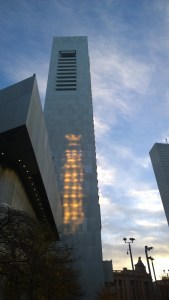
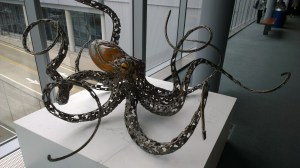
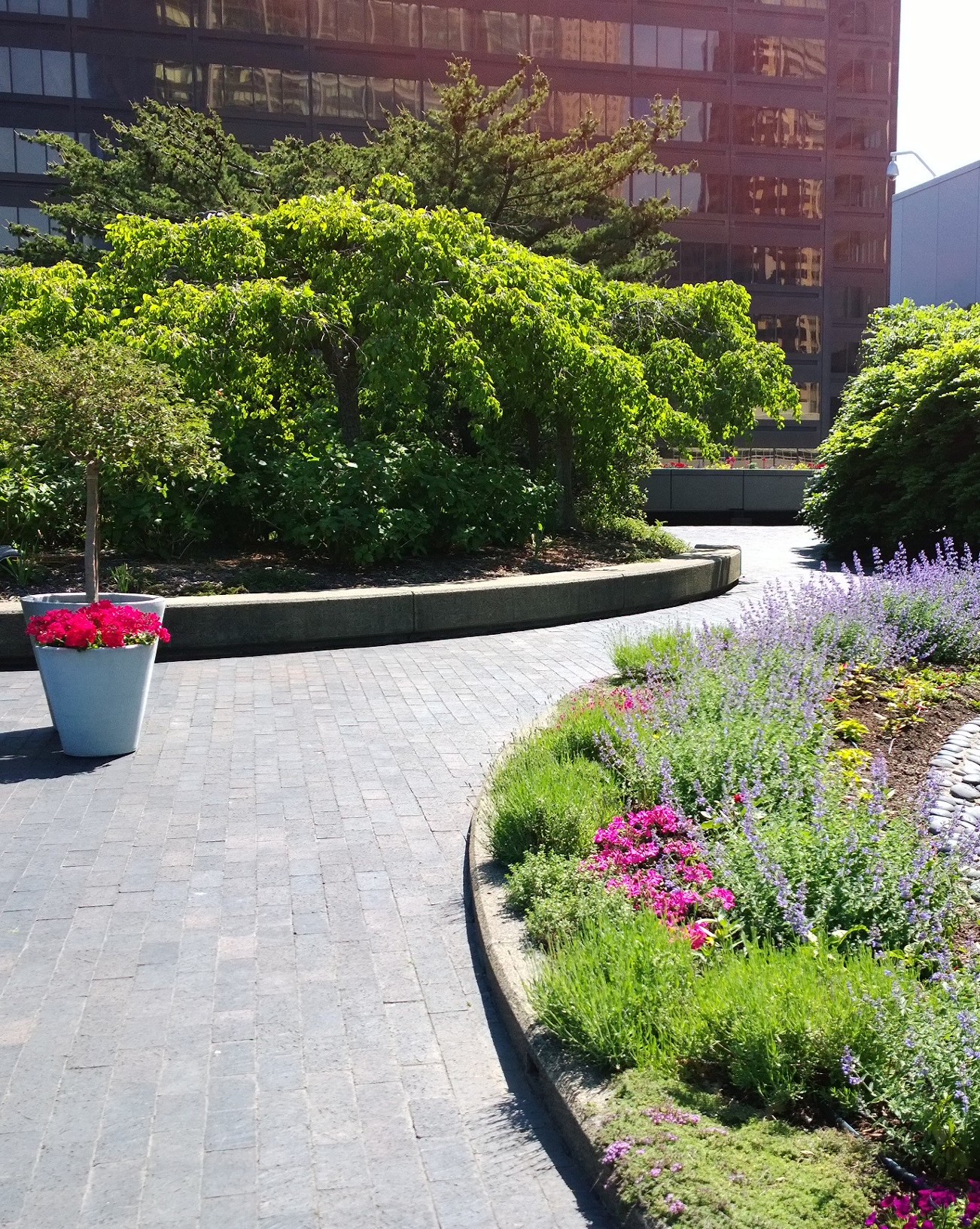
These photos are from my rambles in downtown Boston, which I will be leaving at the end of the year for a new commute to Providence.
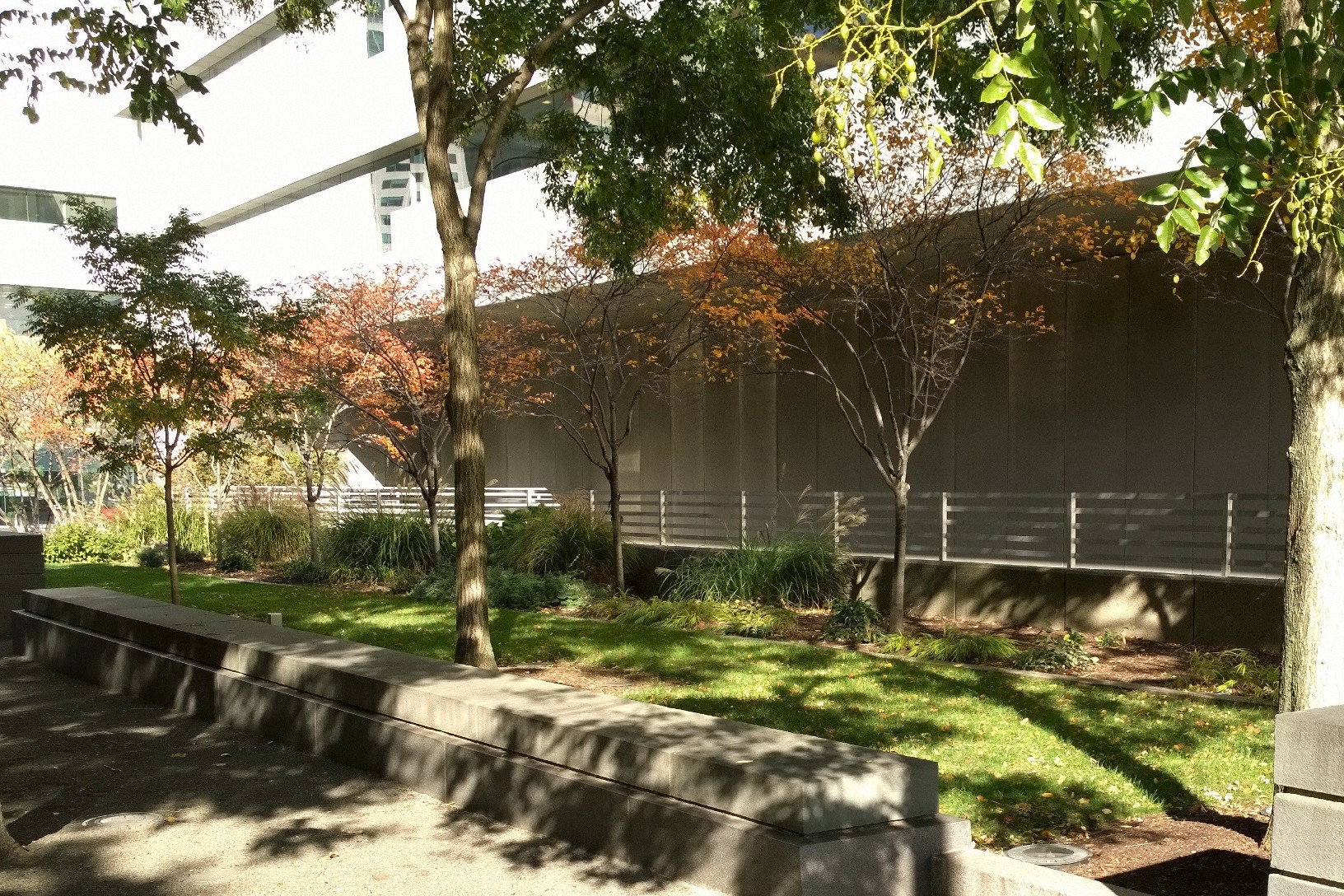
The first picture shows strange reflections on an iconic piece of local architecture. Then we have musicians in South Station, an octopus sculpture at the convention center, a lovely floral display by the landscape genius where I currently work, fall color in the Greenway, and more color along Fort Point Channel in front of the Children’s Museum.
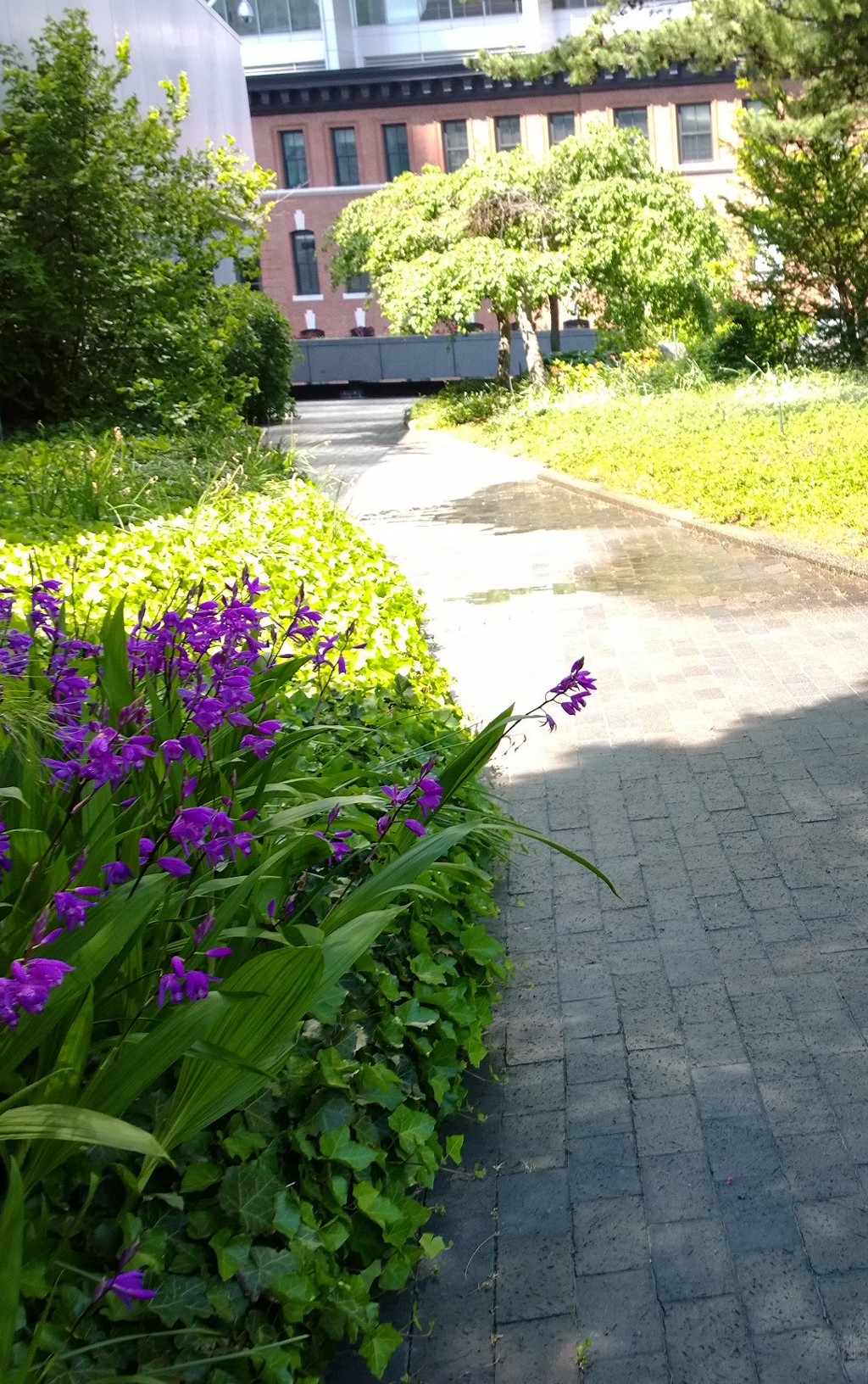
What a neighborhood!

120715-Fed

120115-South-Station-musicians


121015-Boston-convention-center-art

120315-lobby-flowers


120715-fall-color-in-Greenway

121115-childrens-museum-colors

Read Full Post »

Photo: Jesse Costa/WBUR
Workers lay cement for the Lynch Family Skate Park in Cambridge, Mass.

Other than Asakiyume, I didn’t know any daredevil types who skateboard. But at Thanksgiving, David was telling a young parkour artist at my house about his early years doing skateboarding — before getting into tamer events like double marathons.

Whew. I do appreciate being exposed to worlds I am never likely to explore on my own.

Here is with a WBUR story on the new Lynch Family Skate Park in Cambridge, Mass.

“The $3 million, 40,000-square-foot facility, located in East Cambridge underneath ramps to the Zakim Bridge, is the first skate park of its size in the Boston area.

“Organizers say the skate park is designed for skaters of all skills levels as well as athletes in wheelchairs. It features three bowls reminiscent of empty swimming pools (the largest is 11 and a half feet deep) and a street skating area designed to mimic public locations like sidewalks and plazas — complete with stairs, ledges and other common street furniture.

“ ‘Skaters that like street are going to find enough street-type elements to satisfy their wants and needs, and then the same thing goes for the folks that like to ride transition in the bowl area,’ said Doug Russell, the skate park’s project manager. …

“[Renata] von Tscharner, of the Charles River Conservancy, said the skate park will not only be ‘a home for the skaters’ but also an attraction for the city.

“ ‘It’s wonderful to watch skaters,’ von Tscharner said. ‘It’s like watching fire, constantly changing [and] flowing. So, it will be a great destination also for tourists to come here and see what the skaters are up to.’

“In addition to skateboarders, the skate park will accommodate BMX riders, rollerbladers and scooter riders. The park also has viewing areas for spectators, and organizers say the facility will be used to host community events and professional skating competitions. The public outdoor park will be open year-round. Organizers say skaters will likely still get use out of the skate park even in the winter months since a large portion of the park is covered by the highway.”

More here.

PS: A parkour athlete and videographer of my recent acquaintance  …

Read Full Post »

Greg Cook has a lovely story at WBUR’s “The Artery” on Boston artist Nate Swain’s Zen garden.

Swain tells the reporter, ” ‘I worked driving a tour trolley in Charlestown, and I drove over that bridge every day to go to work, and looked down … I went down there not even knowing what I wanted to do.’

“At the edge of the Charles River, near the North Washington Street Bridge, by the dock in front of the Residence Inn by Marriott on the east end of the park, he’s been assembling ‘Low Tide City’ or ‘Barnacle City.’ It’s ‘a little city’ of bricks and stones that disappears under the river and appears when the tide goes out. ‘I realized it could be an art piece about sea level change,’ he says. ‘People could watch it flood and imagine Boston could do that if sea level rises.’

“And right under the Zakim Bridge, Swain realized he could rake the existing expanse of gravel he found there into patterns, much like a traditional Zen rock garden, to create ‘Zen Under the Zakim.’ He says, ‘If you really sit there and you listen to all the noise, some of the traffic, even though it’s really noisy, it does sound like ocean waves.’ …

” ‘I try to find places where I can do art without asking permission. In Boston, there’s so much bureaucracy. There’s no room for spontaneity. … With all the bureaucracy and the permission-asking, it sucks all the energy and all the inspiration out of the art piece itself.’ …

” ‘I have this theory,’ he adds, ‘if you put something up beautiful and colorful and fun, in good taste, uplifting, it will stay and everyone will love it and no one will bat an eye.’ ”

More here.

Photo: Greg Cook
Nate Swain’s “Zen Under the Zakim” in 2015.

Read Full Post »

I’ve been wanting to say something about the inspired landscaper at a building in Boston. His vision is so different from that of most people responsible for office or apartment building plantings. You know what I mean: “It’s fall. Time to line up a row of yellow chrysanthemums. No, let’s do something creative this year and alternate them with maroon chrysanthemums. Just a foot apart.”

Plunk.

In contrast, landscaper Paul tells a story, writes a poem with his design, thinking about the changing seasons far ahead. Birds love him.

color
texture
light
shade
movement
dappling
swaying
open
huddled
reaching
clinging
weight
breeze
peace
song

110115-Paul-is-poet-of-lanscaping

roof-garden-at-office-building

flowering-4th-floor-roof

4th-floor-roof-garden

Read Full Post »

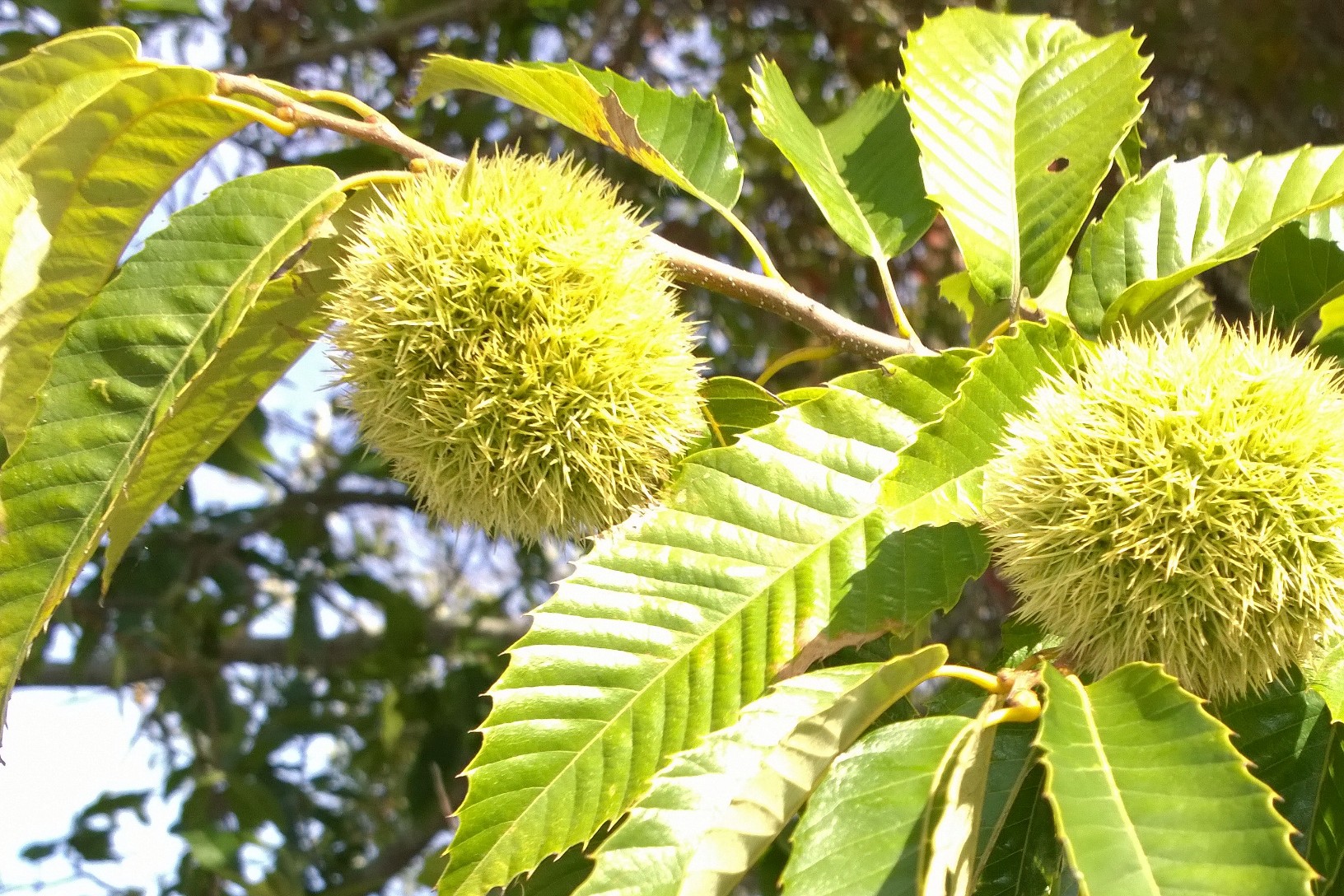
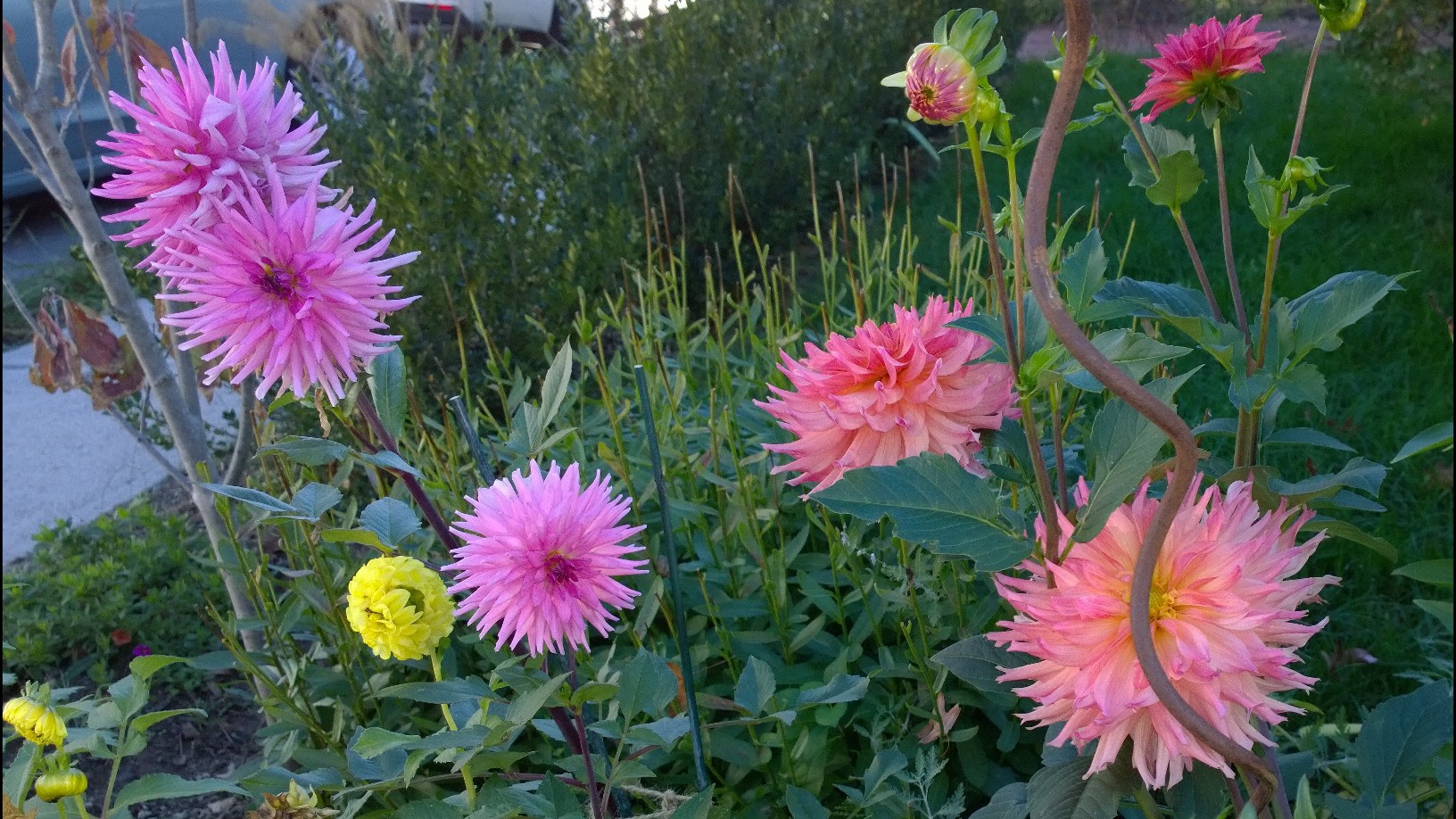
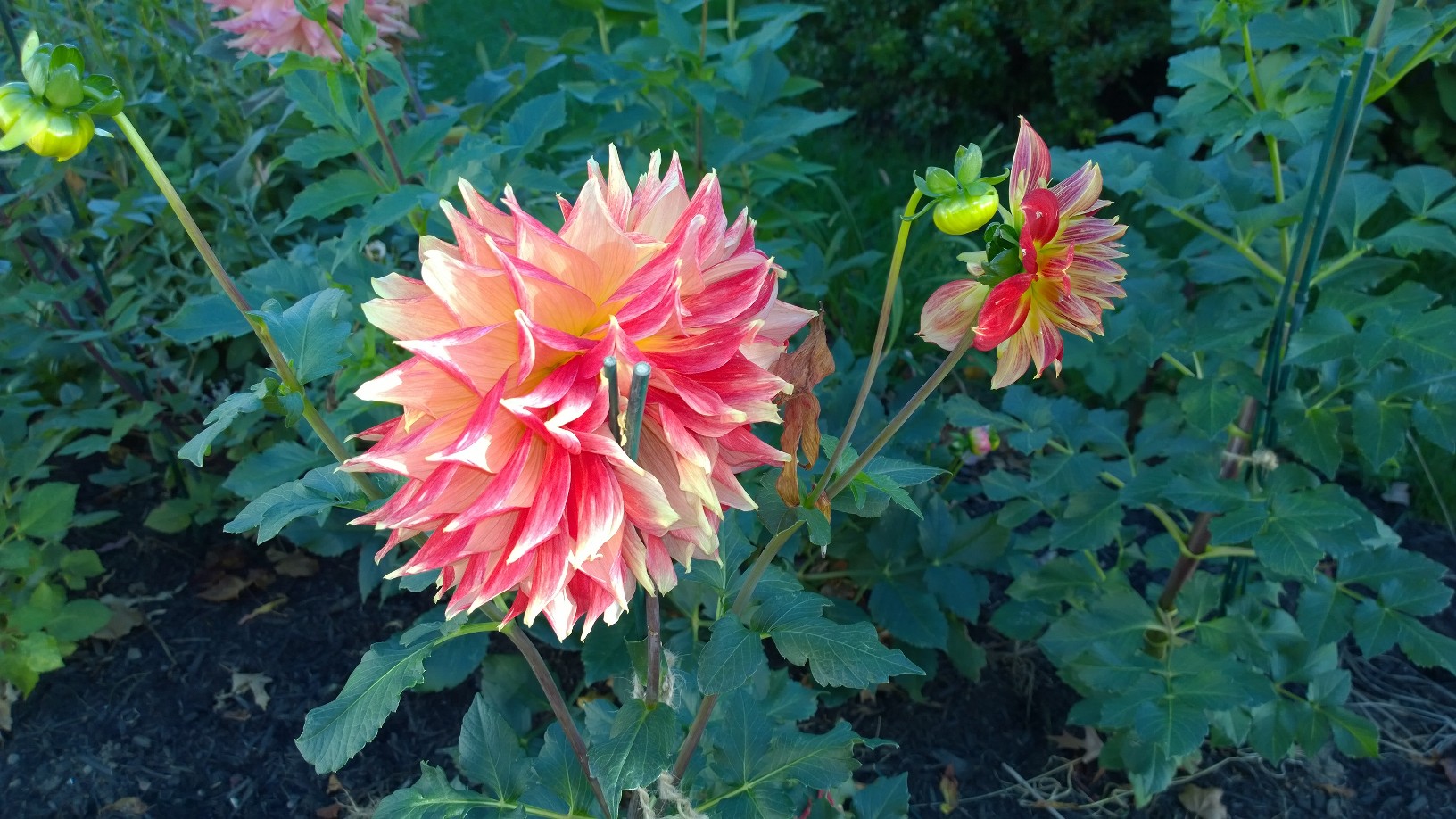
Time to share a few more pictures. The sunlit chestnut grows in Rhode Island. (I didn’t know chestnuts were around anymore.) The colorful dahlias are in John’s front yard.

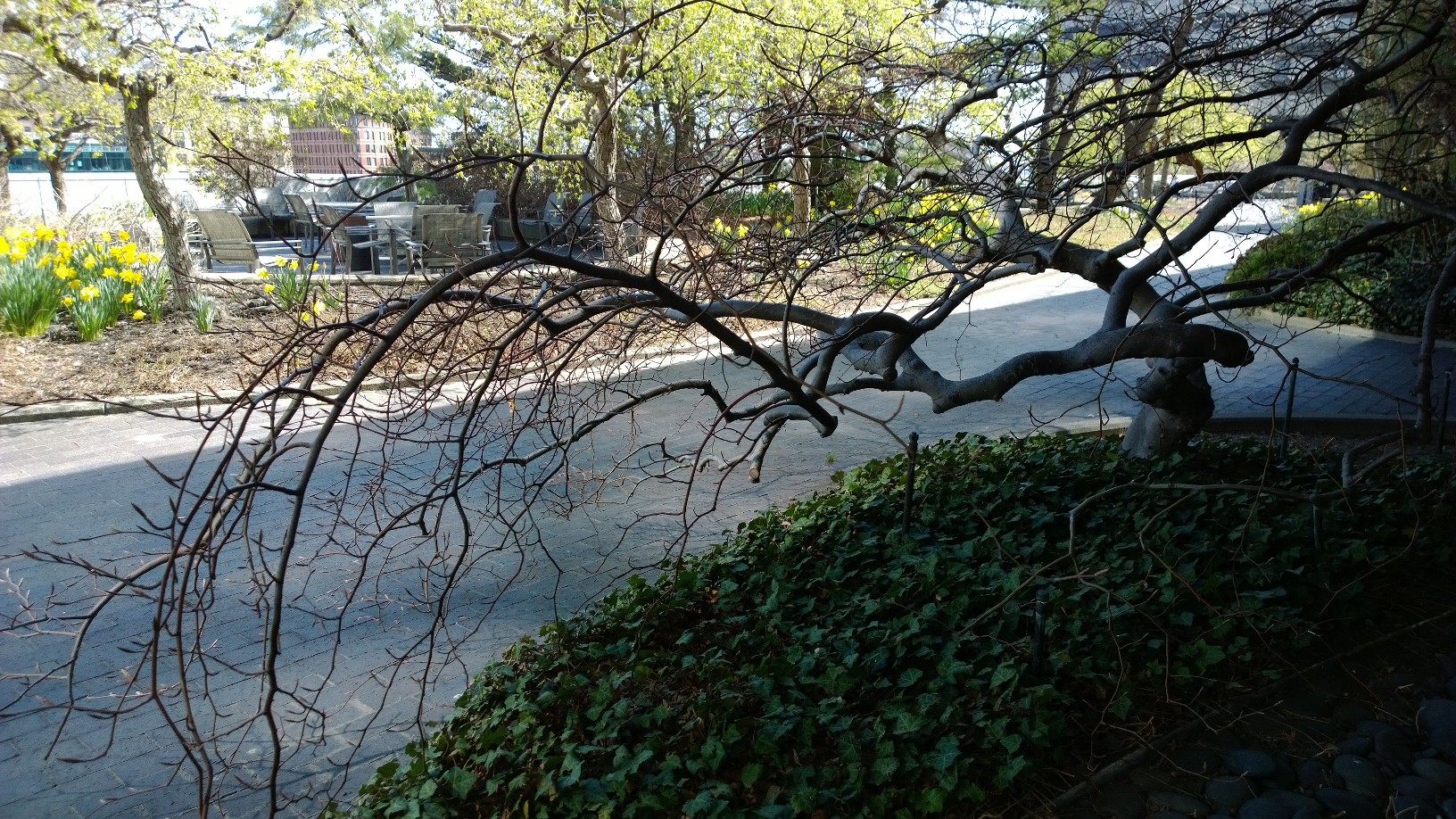
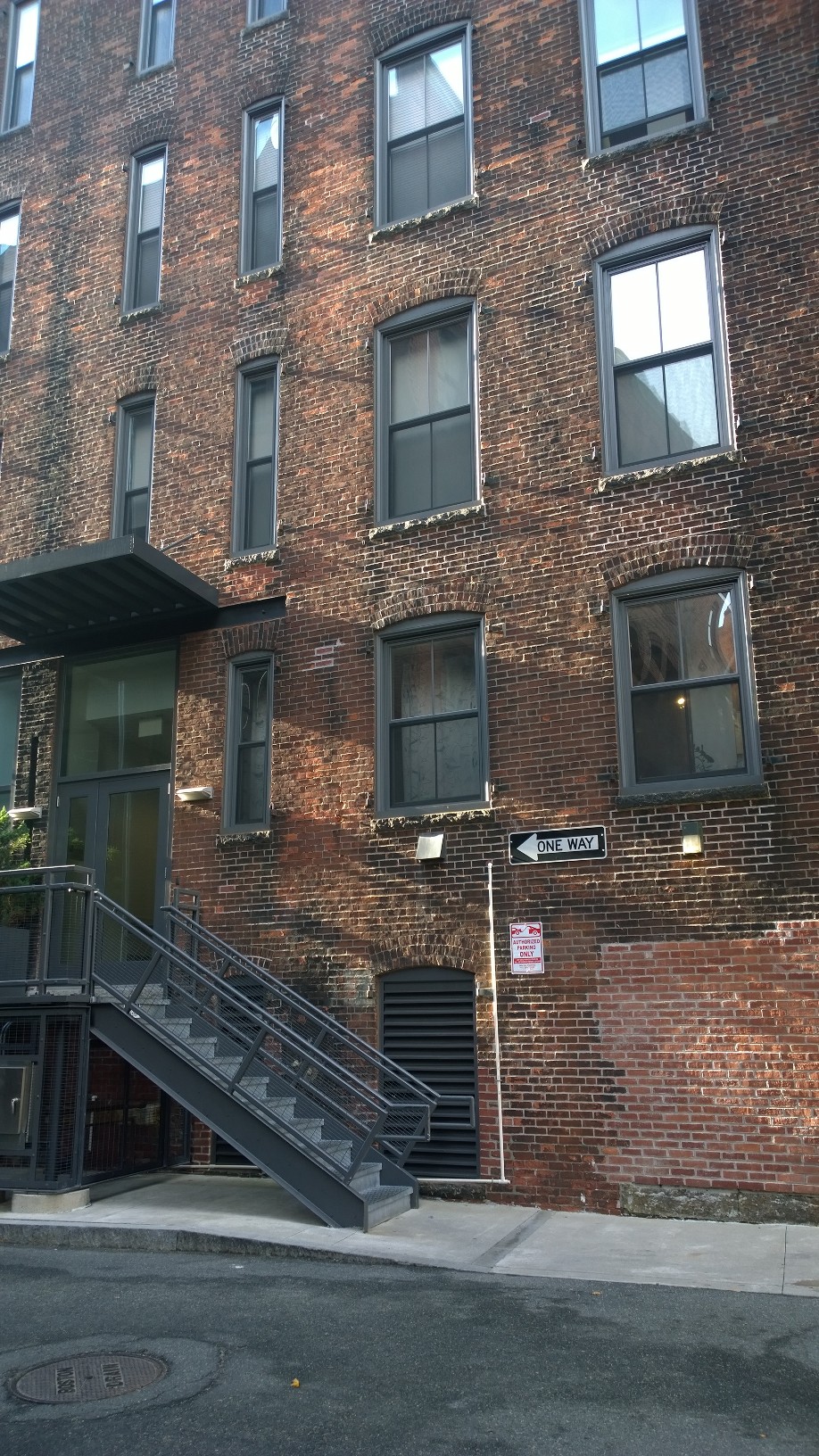
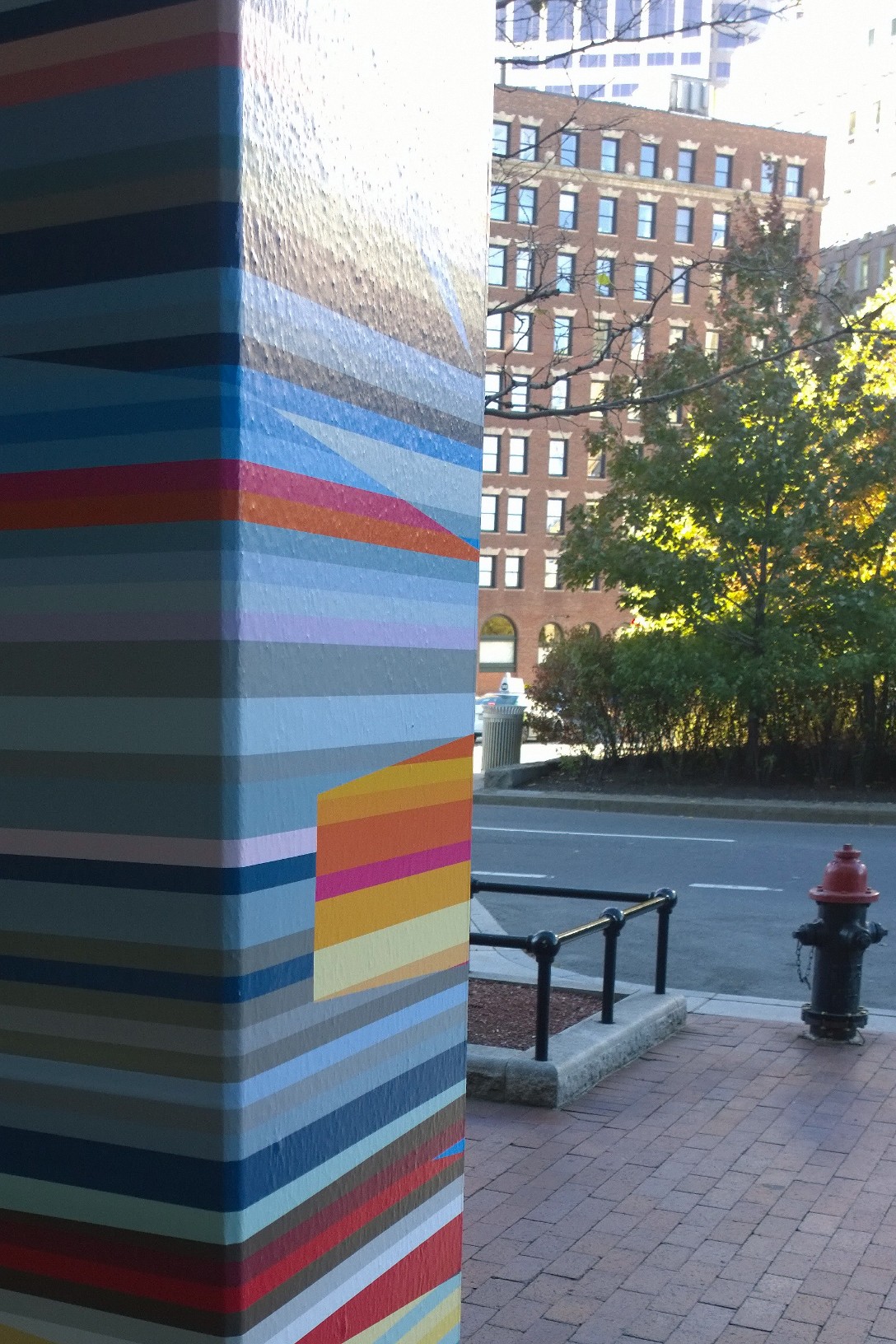
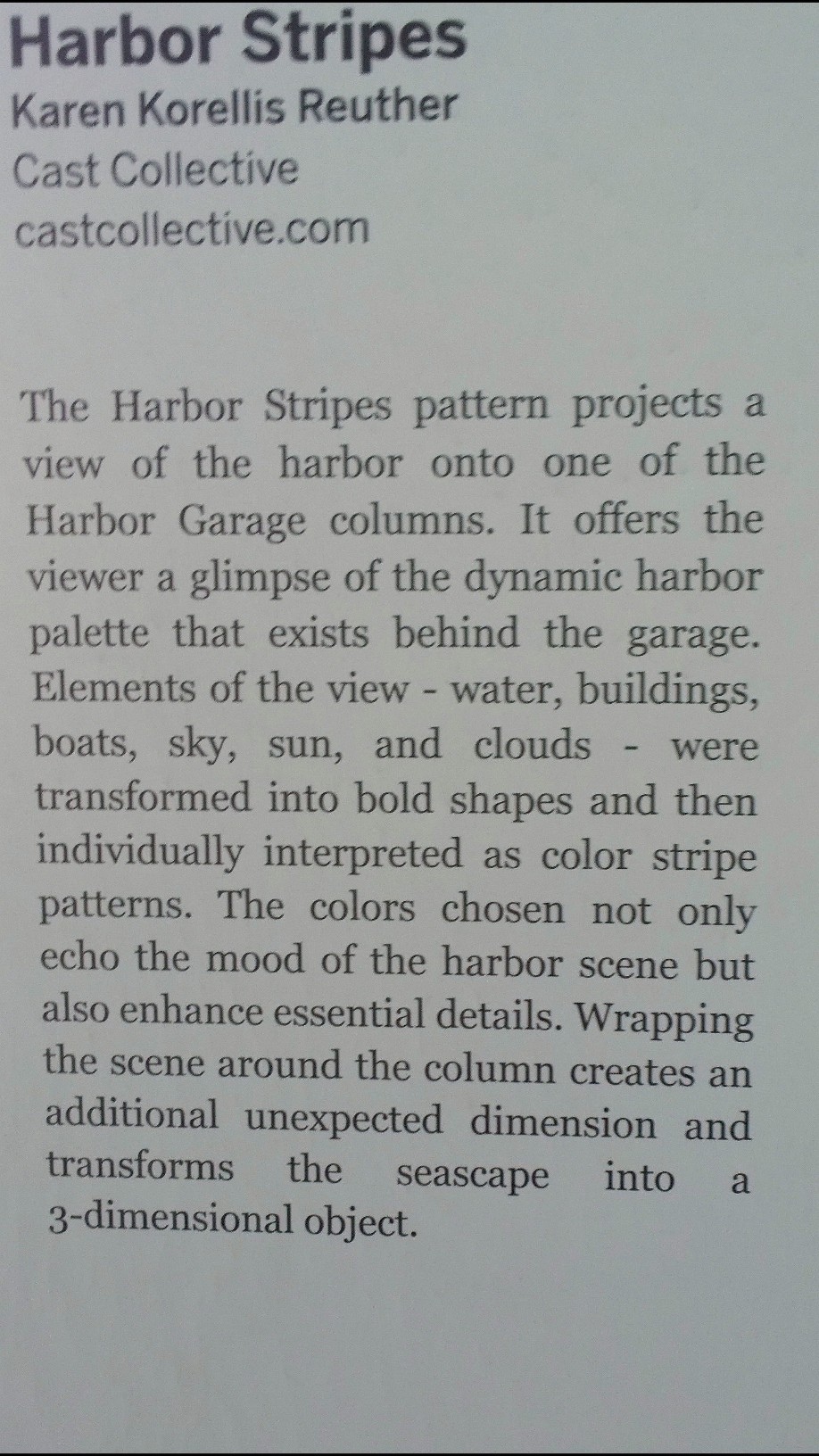
The brick wall with shadows is in the Fort Point area of Boston. The decorated pillar is one of several opposite the Greenway. It’s called “Harbor Stripes” and is by Karen Korellis Reuther. The work on all the pillars was sponsored by the Design Museum, which, among other enterprises, promotes public art.

The colorful shield is at the Swedish consulate in Fort Point, where I went to pick up my granddaughter’s Swedish passport. She has dual citizenship. I had to show a letter from Erik and also his Swedish driver’s license. I collected a lot of brochures about Sweden and about upcoming Swedish  activities in the Boston area.

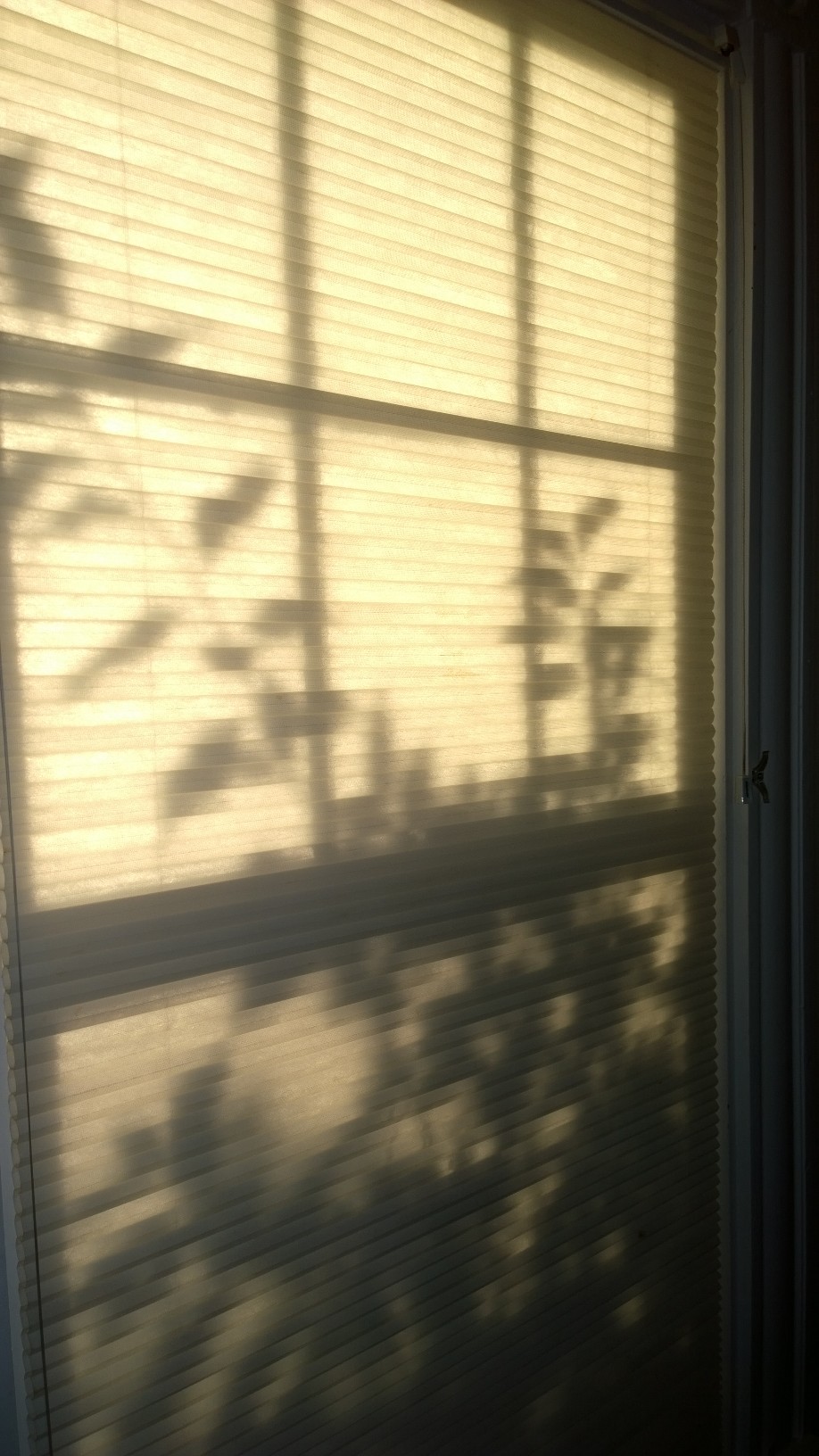
Wrapping up the photo presentation with more shadows.

101115-chestnut-New-Shoreham

101715-dahlias


101715-special-dahlias


102215-fort-point-brick-and-shadows


102315-Design-Museum-likes-public-art

102315-Reuther-Harbor-Stripes


102215-visiting-Swedish-consulate

101715-thru-the-shade

Read Full Post »

111315-Lawrence-Weiner-artistLawrence Weiner discusses art in Dewey Square.

The latest Greenway mural in Dewey Square comes courtesy of MIT’s List gallery and is the work of Lawrence Weiner.  I admit to liking it even though it seems to be nothing more than bright orange letters on a blue background, with words saying, “A translation from one language to another.”

I am letting it sink in. Perhaps it’s about the translation from the artist’s idea to a work that others see. Perhaps something is lost in the translation. Perhaps it’s about how differently we understand one another, even without so-called language barriers.

Here’s what the Greenway writes, “Lawrence Weiner is considered a key figure in the Conceptual Art movement, which includes artists like Douglas Huebler, Robert Barry, Joseph Kosuth, and Sol LeWitt.

“A primary motivating factor behind Weiner’s work is the desire to make it accessible, without needing to purchase a ticket or understand a secret visual language. He contended that language reaches a broader audience, and situating language in contexts outside traditional art-viewing settings, such as art museums, furthers that reach.

“Thus, he began creating works consisting of words and sentences or sentence fragments that he displayed in public spaces, books, films, and other accessible media, as opposed to the cultural institutions that might deter broad and diverse viewership. Click here for an interview with Lawrence Weiner.” More at the Greenway site.

Malcolm Gay at the Boston Globe adds, “For Weiner, the work is less about art historical knowledge, outrage, or relating to other people. It’s about a viewer’s individual response to an object in the world — an object that’s been created by another person.

“ ‘Our job is not to throw things at people,’ he said. ‘The work doesn’t exist unless somebody decides to deal with it. You can pass it on your way work, and it’s not going to screw up your day. But if you pay attention to it, it might screw up your life.’ ”

092515-dewey-sq-list-gallery-mural

092515-Lawrence-Weiner

Read Full Post »

« Newer Posts - Older Posts »