Feeds:
Posts
Comments

Posts Tagged ‘cambridge’

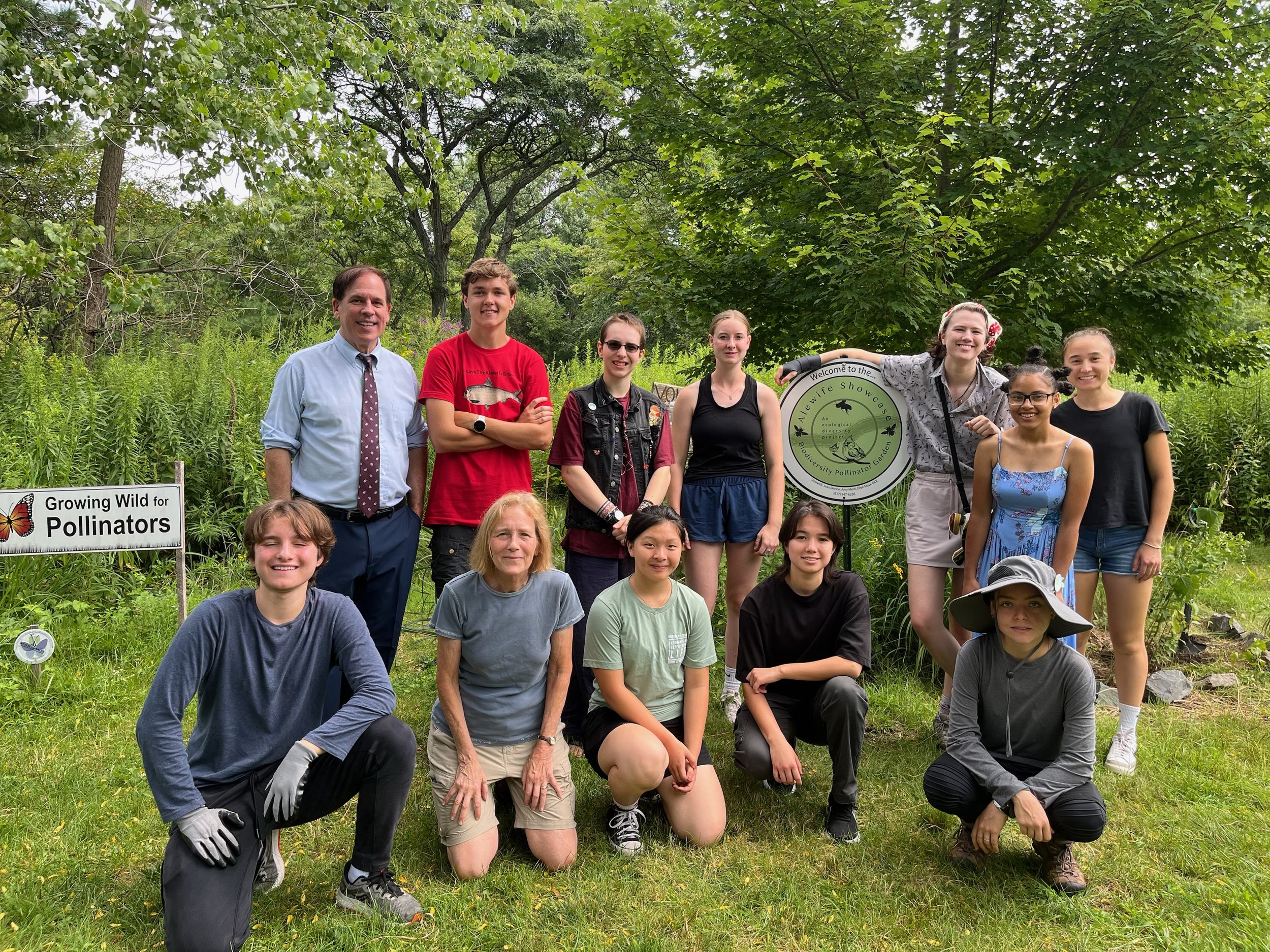
Photo: Devine Native Plantings.
Jean Devine, founder of Biodiversity Builders, is in the front row, second from left. She engages young people in the important work of improving the environment.

Recently, I blogged about my friend Jean Devine, founder of Biodiversity Builders, and described how she took me on a tour of local urban forests. (Click here.)

Now I find that Edible Boston has caught up with her and is highlighting the amazing environmental work Jean’s been doing with young people.

Nicole Estvanik Taylor writes, “Ask the average Gen Z-er to name their favorite native plant and you might expect a blank stare. But for alumni of the Biodiversity Builders program, the hard part is narrowing it down.

“Strawberries come to mind for Jasmine Rancourt, International School of Boston graduating senior — ‘or maybe butterfly weed, because it’s really pretty and vibrant … and it attracts butterflies, obviously.’

“Belmont High School’s Sophia Shaginian chose to plant bleeding heart in front of her house because it’s ‘absolutely gorgeous’ and ‘blooms all summer long.’

“Leia Ahmad-LeBlanc of Arlington Catholic High School gravitates to the striking red pods of wild sumac. ‘You can actually make lemonade out of it, and it’s a good source of food for animals.’

“And UMass Amherst student Kira O’Neill is partial to black birch trees: ‘They have such beautiful yellow leaves in the fall. And if you scratch a twig, it smells like root beer.’ 

“The students got to know these and many other plant species native to Massachusetts through a six-week paid summer internship created and run by Jean Devine, a Belmont-based environmental educator, native plant coach and specialty landscaper.

“Entering its fourth year, Biodiversity Builders has provided 55 high school students from Arlington, Belmont and Cambridge with hands-on experience designing and installing native plant gardens and removing invasive flora. The curriculum also covers entrepreneurial concepts like mission and marketing and culminates in a native plant sale run entirely by the students. …

“It’s only been a decade or so that Devine herself could tell you much about birch trees or bleeding hearts. …

“ ‘I was looking for opportunities to mentor youth and get them outdoors as an antidote to “nature-deficit disorder,” ‘ she says, referencing a term coined by journalist Richard Louv in his book Last Child in the Woods.

“A walk with a scientist opened Devine’s eyes to the ecological value of native plants, including as a source of food and shelter for pollinators and other wildlife, and the threat invasives pose to biodiversity. Teaching kids how to restore this balance struck her as ‘an ideal project with a purpose that helped the world and the youth at the same time.’ …

“After several years running nature programs for school kids in Cambridge and Brookline, she launched her own business, Devine Native Plantings, in 2021. Biodiversity Builders followed a year later, operating as a nonprofit under the fiscal sponsorship of the Vermont-based Tiny Seed Project. It partners with the Cambridge Mayor’s Summer Youth Employment Program to support the participation of students from that city and covers the rest of its budget through grants and crowdfunding. This July, it will recommence with a fresh batch of 14 high school students and a pair of college mentors, plus four young professionals interested in the Biodiversity Builders approach.

“ ‘Jean is so high energy and enthusiastic about the curriculum,’ says O’Neill, who did the program in 2022 and returned last summer as a mentor. ‘She very easily connects with the students … and she knows so many of the people in the area doing similar kinds of work.’

“Among her many affiliations, Devine is a co-founder of the Mystic Charles Pollinator Pathways Group, which maps local gardens that support declining populations of native bees, butterflies and birds. She guided Belmont High School’s Climate Action Club in creating a pollinator garden and is part of an intergenerational committee of Belmont residents organizing to plant a Miyawaki miniforest. As a member of the Native Plant Community Gardeners group in Cambridge, she’ll help install Danehy Park’s first pollinator garden this summer — with upkeep to come from the 2025 Biodiversity Builders crew. …

“For 2024 Biodiversity Builders participant Rancourt, who has artistic leanings, planning gardens that are aesthetically pleasing and ecologically useful was a highlight of the program.

“ ‘It turns out you have many colorful native plants that can be used,’ Rancourt reasons, ‘instead of those other plants that are colorful but look like plastic for pollinators.’ …

“Ahmad-LeBlanc, part of last summer’s cohort, says she applied to Biodiversity Builders after watching her sister go through the experience two years prior.

“ ‘She would always come home covered in dirt, she would have to wear super high socks because there were a lot of ticks, but she had a great time,’ she says. When it was her turn to get dirty, she understood why. ‘I think it was easier for us to process the information because it was all really hands-on … It’s a way that we’re not usually able to learn in school.’

“The Alewife reservation is Biodiversity Builders’ home base, but the students tend plots in other community spaces. … Last summer they removed invasives at Mass Audubon’s Habitat Education Center and Wildlife Sanctuary with the aid of its resident goats; toured Mount Auburn Cemetery with a herpetologist, a horticulturalist and an artist; and took the T to East Boston for birdwatching in Belle Isle Marsh. They also donned gloves and climbed into canoes with the Mystic River Watershed Association to remove thick, spiny mats of invasive water chestnuts from the Arlington Reservoir—filling 270 laundry baskets by day’s end.

“ ‘It was just amazing how we were all collaborating and working all together,’ says Shaginian, who shared a canoe with Devine. ‘I remember how big that pile was. It was huge.’

“Shaginian says pulls like that one, or the sweaty hours spent uprooting black swallow-wort along the edge of the Minuteman Bike Path, impressed upon her both the enormity of the problem and the importance of doing her part. …

“ ‘For me, the idea of getting paid to do gardening, which I did at my house for fun, was novel and exciting,’ says O’Neill, ‘and definitely cemented the idea that I wanted to study something related to working outside when I got to college.’ “

More at Edible Boston, here, and at this blog, here.

Read Full Post »

Photo: David L. Ryan/Globe Staff.
Maya Lin’s landscape artwork in Kendall Square in Cambridge. It’s an “undulating wave field” in front of the Volpe Transportation building on Binney Street.

For most of us, sculptor Mia Lin first came to our attention when she was chosen to create the Vietnam war memorial in Washington, DC. The solemn listing of the names of the dead on black granite was a brilliant idea, endlessly moving.

Until now Lin had never created landscape art in Massachusetts, so people were surprised to learn that in fact she had had an impressive earthwork in busy Cambridge since 2023.

Scott Kirsner writes at the Boston Globe, “What if someone spent $1.3 million on a work of art, installed it in one of the busiest parts of Cambridge, and forgot to tell anyone?

“That’s effectively what happened with a piece called ‘The Sound We Travel At,’ by the New York City artist Maya Lin. She is best known for works like the Vietnam Veterans Memorial in Washington, D.C., and the Civil Rights Memorial in Montgomery, Ala. …

“But she also makes works of landscape art … and that’s what was created in Kendall in 2023. You can find it on Binney Street as you head toward Boston, to the left of a new 13-story building that houses the Volpe National Transportation Systems Center, a research center run by the US Department of Transportation. Sandwiched between a row of trees and lampposts is a series of 11 grass-covered, wave-like mounds of earth.

“Apropos of the Volpe Center’s work … the artwork outside is a physical representation of the Doppler effect. You know: the phenomenon of a sound, like a train’s horn, changing in pitch as it races past you. Some of the rippling mounds in Lin’s work represent sound waves that are approaching the viewer, and some of them represent sound waves that are receding from the viewer. Visitors are invited to walk atop, or even sit on, the work.

“There’s so much construction work in Kendall Square right now that I only noticed the artwork in November 2023, when I was visiting the Volpe Center to write a piece. … A year later, I noticed that there’s still no sign, and it doesn’t appear on the website of either the Volpe Center or the Maya Lin Studio. I couldn’t find a single museum curator or former curator in town who knew about it. …

“The artwork is part of a 14-acre site that MIT’s real estate management arm acquired from the federal government in 2017, and is redeveloping to include housing, retail, office space, parks, and a new community center. Part of that deal involved MIT building a newer home for the Volpe Center, and any time a new federal building goes up, half of one percent of the building’s cost goes to art. (That’s even true when MIT is footing the construction bill, as it was in this case.)

“Paul Ha, the director of MIT’s List Visual Arts Center, helped make the connection to Lin for the project. He was one of the few people in the local art world I could find that was aware of its existence. Ha had worked with Lin on a major exhibit when he was running the Contemporary Art Museum in St. Louis. …

“Aprile Gallant of the Smith College Museum of Art says, ‘I do believe this is Lin’s first landscape piece in Massachusetts, so it is a milestone.’ That museum hosted a major exhibit of Lin’s works in 2022, when a library that she’d designed opened on campus. …

“Did ‘The Sound We Travel At’ fall through the cracks, in a neighborhood peppered with cranes and construction fencing, and tech and biotech workers who go from garages to offices perhaps two or three days a week?

“ ‘We felt that way,’ says James Ewart, manager of the Maya Lin Studio.

“But according to the government’s General Services Administration, by the time spring rolls around, a sign will finally be installed next to the artwork.”

More on the Maya Lin project at the Globe, here.

Read Full Post »

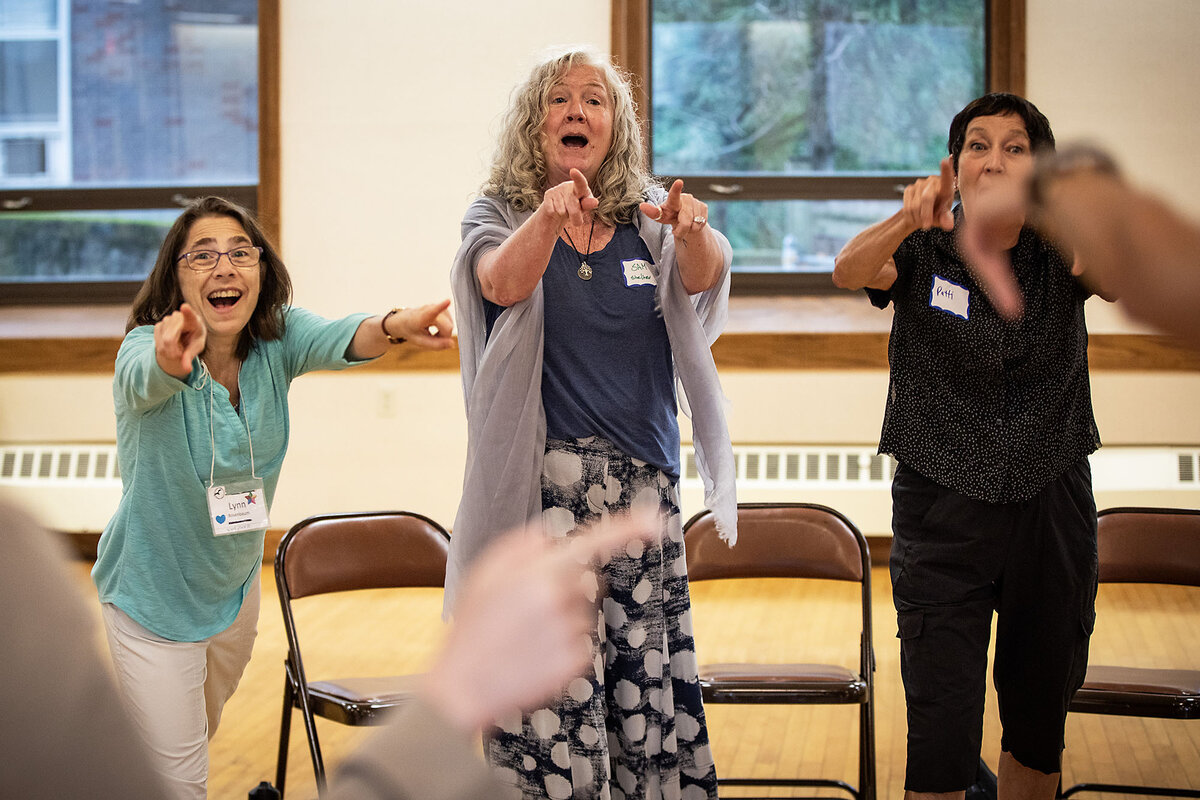
Photo: Melanie Stetson Freeman/CSM.
From left, Lynn Rosenbaum, Sam Whyte, and Patti Gurekian introduce themselves through song at a CircleSinging session at St. Mary Orthodox Church, Aug. 18, 2024, in Cambridge, Massachusetts.

Those of us worry a lot need to make a point of searching out joyful moments. Here’s one way that folks in Massachusetts fill their joy quotient: circle singing.

Oli Turner reports at the Christian Science Monitor, “The song coming from the St. Mary Orthodox Church meeting room in Cambridge, Massachusetts, has never been heard before. And it will never be heard again. 

“Fourteen singers stand in a circle of metal folding chairs, improvising an organic cacophony of harmonious and discordant sounds. Some tap their feet, sway, or bob their heads to the rhythm – but no two people engage with the music in quite the same way. 

“In CircleSinging, there’s no sheet music, no director, no pitch pipe. There’s an art to it, but not a pretentious one.

The singers have coalesced into an intergenerational network of friendship.

” ‘It’s really all about following. Following well,’ organizer Peter McLoughlin explains to the group between exercises. Mr. McLoughlin is not a teacher or a director. He gently sets the group in motion, and then blends into the circle as a participant. 

“ ‘Everybody’s welcome, and we’re not as concerned with whether you’re an excellent singer or you are an excellent harmonizer,’ he says before the rest of the singers arrive. 

“The Boston area’s CircleSinging community – tucked away in church meeting rooms in Cambridge, Arlington, Somerville, and the Jamaica Plain neighborhood – is part of an international network of CircleSingers who delight in the spontaneous art form. 

“The improvisational singing technique was developed by jazz musician Bobby McFerrin, best known for his 1988 hit song ‘Don’t Worry, Be Happy,’ the first a cappella song to go No. 1 on the Billboard Hot 100 chart. Mr. McFerrin’s vocal jam sessions relied on a call-and-response model, in which a leader improvises one vocal part at a time and other singers repeat those ‘loops.’ Any singer can volunteer to lead a composition.

“Cambridge organizer Mr. McLoughlin started the first of the four Boston-area circles in 2015 on Meetup.com, inspired by Mr. McFerrin’s ‘magnificent’ rendition of Psalm 23. The looping choruses and complex harmonies reminded him of the music surrounding his own Catholic upbringing. He was hooked.

“Mr. McLoughlin learned the technique from Mr. McFerrin himself, attending his weeklong workshops once a year for seven years. Then CircleSinging Boston was born in Mr. McLoughlin’s living room.

“Each of the four Boston groups, run by different organizers, holds two-hour meetings that prioritize openness. One Boston CircleSinger, Maureen Root, says her favorite exercise starts by singing a random word – not for its meaning, but for its sounds.

“ ‘So it’s like these different vibrations and things come out,’ Ms. Root says. ‘It’s almost like you’re bypassing the mental circuitry. … It gets me out of my self-conscious mind.’

“Some CircleSingers have no prior musical or singing experience, like Ms. Root, a retired medical technologist and yoga and meditation instructor of more than 30 years. …

“Less-experienced singers like Ms. Root share a circle with vocal professionals like Boston Children’s Chorus conductor Destiny Cooper, who moved to Boston after college, ‘knowing not a soul.’ In experimental CircleSinging, a far cry from her familiar structured choirs, she found belonging.

“ ‘Most of the members are significantly older than me, but nonetheless, I think that community was really important to give me a sense of home,’ Ms. Cooper says. Since joining the group about five years ago, she never missed a circle until the pandemic. …

“Arlington CircleSinging organizer Lynn Rosenbaum leads her meetups with all singers in mind.

“ ‘I tend to think of the arc of where we start and where we end, and bringing people along, building their confidence and their skills,’ says Ms. Rosenbaum, a seasoned improv singer herself. ‘There’s usually a big difference between the beginning and the end, especially for new people – in their level of comfort and how much they’re willing to take risks.’ …

“ ‘Singing together and playing together – I say “playing” as in “playfulness” – it just creates a connection among people,’ Ms. Rosenbaum says. ‘It’s a common denominator that we can all connect to.’ …

“ ‘[CircleSinging is] just this opportunity to express our full range of emotions and letting it out through our voices and our bodies,’ Ms. Rosenbaum explains. ‘There’s not always a lot of opportunities in everyday life to do that, so this creates a safe space for people to be silly and explore and take risks and express joy.’ ”

More at the Monitor, here.

Read Full Post »

Photo: David L Ryan/ Globe Staff.
Homeowner Paul E. Fallon hopes to inspire others to bequeath their homes to an affordable-housing nonprofit that will help moderate-income families in Cambridge, Mass., to build wealth through homeownership.

As much as I believe that lack of homeownership is a major cause of inequality, keeping many lower-income families from passing on their nest egg to another generation, I could never bring myself to do what Paul E. Fallon recently committed himself to doing. He’s really putting his money where his mouth is. And his children are amazingly supportive.

As Jon Gorey reported for the Boston Globe, “When Paul E. Fallon purchased a Victorian four-family in Cambridge nearly 30 years ago, he wasn’t angling to become a minor real estate tycoon. But he wanted to raise his children in the city, and a single-family home was, even then, more than he could afford. ‘I bought it when a four-family house in Cambridge was a pariah because it was under rent control,’ Fallon said. ‘There was no crystal ball in 1992 that told me this house was going to make me rich.’

“But it did. Fallon lived in one unit and rented out the others, first under rent control, then at fair market rents. Now a single man in his mid-60s, the writer and retired architect owns his property outright. … In just one generation, his home in what had long been a middle-class neighborhood of plumbers and electricians has become a multimillion-dollar asset.

“That makes Fallon uncomfortable as he sees young families, especially people of color, unable to plant the kind of roots in Cambridge he did. His own children, despite being well-launched in good careers, he said, could never afford to buy the house they grew up in now. ‘Cambridge’s vanishing middle class makes my city a less diverse, less dynamic place to live’ he said.

“So when he turned 65 last year, … Fallon realized he wanted to do something very different with his property. He decided to leave his house to a local nonprofit when he dies. The goal is to create not just affordable housing, but long-term generational homeownership opportunities for four Cambridge households. …

‘I don’t just want to give people a secure place to live; I want to give the opportunity for people to be in the middle class, to accrue equity, to be able to pass the house down to their own children if they want to … to really build wealth.’

” ‘The difference between the haves and have-nots in the United States is largely a matter of who owns their house,’ Fallon added. … ‘I feel like if we’re going to be serious about creating a more equitable world, then those of us who have more than we need have to spread our wealth. We can’t just talk about it.’ …

“Fallon first wanted to make sure his two adult children were on board with his idea, even though it meant they would be losing out on a significant portion of their inheritance. But that, too, was part of his plan. ‘My house is worth so much money that, if my children inherited it, they would be living on Easy Street. And I’ve never met anyone who inherited wealth that wasn’t changed for the worse as a result,’ Fallon said. Gratefully, his kids understood where he was coming from. ‘They’ve spent their whole lives around me — they were not surprised,’ he said.

“He then sent letters to eight Cambridge nonprofits explaining his still-nebulous idea in vague terms — big on concept, short on logistics. After interviewing a handful of them, Fallon landed on Just-A-Start, a 53-year-old Cambridge organization that develops and manages affordable housing and offers youth programs, job training, and other economic advancement services.

“ ‘Just-A-Start really got it,’ Fallon said. Their goals aligned with his, and he felt confident they would still be around when the time comes to implement his vision. ‘They understood that what I’m trying to do is to help Cambridge be a more diverse place, a more equitable place,’ he said. …

“When Just-A-Start executive director Carl Nagy-Koechlin received the inquiry, he recognized Fallon’s name; they had worked together on an affordable housing development in Somerville a few years prior. He also realized that Fallon’s explicit instructions — that the house be used for homeownership opportunities — would help fill a key gap in the city’s affordable housing stock. ‘Most of the housing we’ve developed is rental housing, and that’s because it’s needed — but also because the financing sources for affordable housing are skewed in that direction,’ he said. …

“Fallon and Nagy-Koechlin spent a few months hammering out the details into a memorandum of understanding, which Fallon then brought to [Gregory Pearce, the Cambridge lawyer who assisted Fallon with his estate plan] to review. ‘All the heavy lifting was done before it got to me,’ Pearce said. ‘All I really had to do was to make sure that the plan is actually going to happen upon Paul’s death.’ That meant establishing an estate plan and selecting a reliable trustee to make sure Fallon’s wishes are faithfully carried out.”

Read the details about how this is going to work, here.

Read Full Post »

el-jefes-taqueria-850x478large

Photo: Suzanne Kreiter/Globe Staff
El Jefe’s Taqueria is among the restaurants Cambridge is paying to serve hot and cold meals to homeless shelters.

One of the many interesting aspects of the Situation has been the way leaders in states and municipalities have taken matters into their own hands.

We know that individuals and both for-profit and nonprofit organizations are stepping up, but some government entities are, too. Across-the-board federal efforts would be better, especially if we don’t want to see New York suing Rhode Island and other such anomalies, but we’ll take what we can get.

Here’s a story about Cambridge, Mass., a city that some have called Moscow on the Charles mainly because it tries to help the poor.

Erin Kuschner, writes at the Globe‘s Boston.com, “With restaurants facing a sudden loss of revenue due to Gov. Baker’s mandated dine-in ban, and homeless shelters seeing a drop in volunteers helping to deliver and prepare food, the City of Cambridge came up with a solution to benefit both parties: Paying restaurants to make and deliver food to homeless shelters.

“The program launched Monday after the city reached out to both the Harvard Square Business Association and the Central Square Business Improvement District to help organize the initiative, with a goal of distributing roughly 1,800 to 2,000 meals to various shelters by the end of the week. …

“Denise Jillson, executive director of the Harvard Square Business Association, said that it has already brought roughly 15 restaurants on board to make meals for local shelters like the Harvard Square Homeless Shelter and Y2Y, a youth homeless shelter that has seen many of its student volunteers leave following Harvard’s closure.

“ ‘It just made so much sense,’ Jillson said. ‘We were on board immediately.’ …

“Among the restaurants serving Harvard Square’s homeless shelters are Black Sheep Bagel, Cardullo’s, El Jefe’s Taqueria, Orinoco, Subway, and Veggie Grill. Jillson said that they have tried to provide a range of healthy meal options for breakfast, lunch, and dinner.

“The Central Square Business Improvement District partnered with PAGU to deliver meals to Bay Cove Human Services and the Cambridge YMCA.

‘We made our first delivery [Monday],’ said Michael Monestime, executive director at the Central Square Business Improvement District. ‘It was pretty humbling and sad at the same time. It’s hard enough being homeless on any given day, and then under these circumstances it’s even more difficult.’ …

“In addition to providing hot and cold meals to those experiencing homelessness, the city has set up a Cambridge Community Food Line, available to any resident who is a high risk for food insecurity.

“The delivery service provides a weekly bag of produce and shelf-stable food items to individuals and families who have experienced the following: The food pantry or meal program you used has closed until further notice; you have lost your job or part of your income and cannot afford groceries at this time; you are homebound due to illness, disability, or quarantine and do not have friends or family that can bring you food; you are at high risk for COVID-19 (coronavirus) and do not have access to a regular food source.”

More at the Boston Globe, here. Local readers, try to remember these restaurants and thank them with your business when we come out of the tunnel to the other side of this plague.

Read Full Post »

051118-looks-up-at-blue-sky

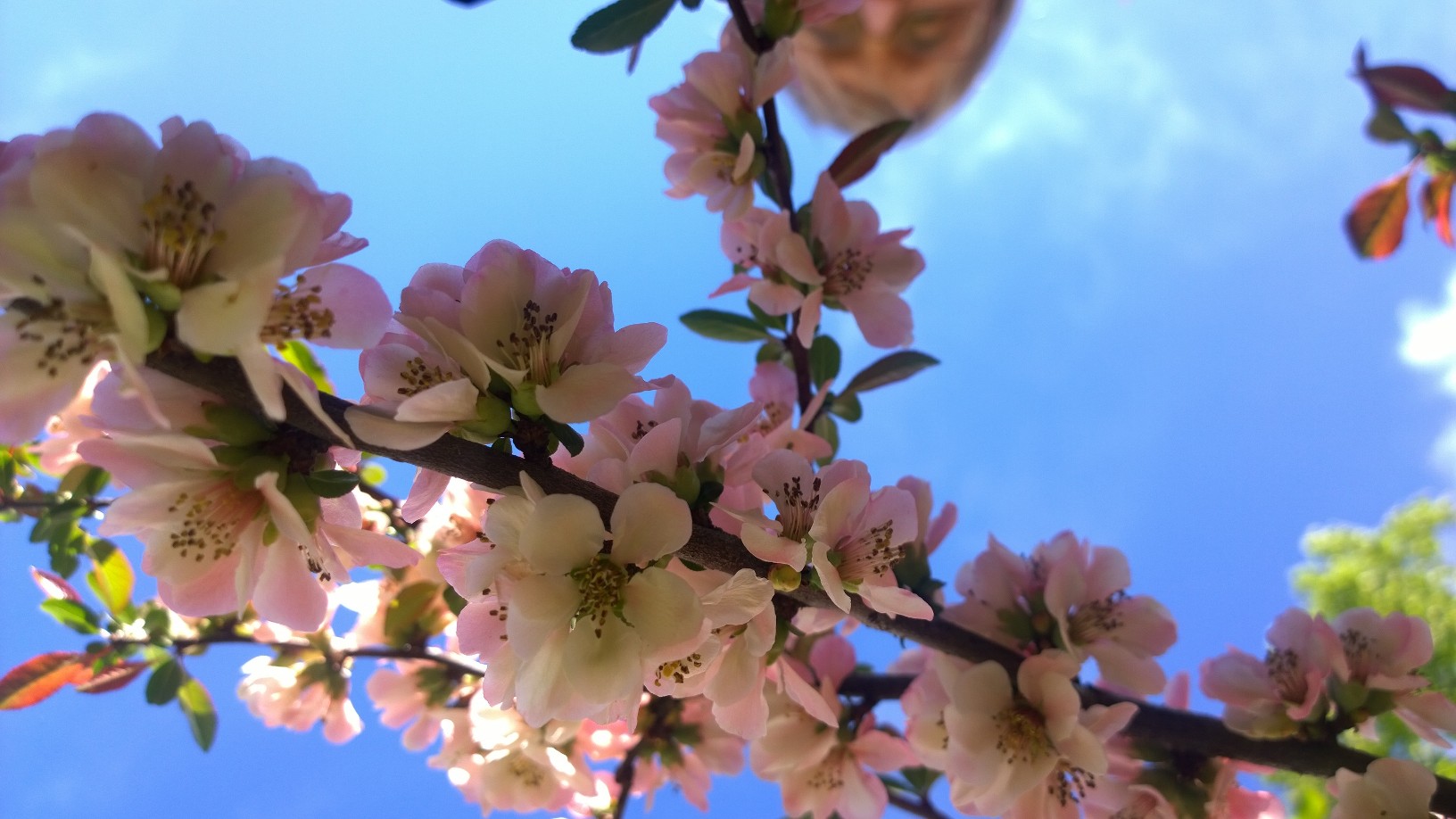
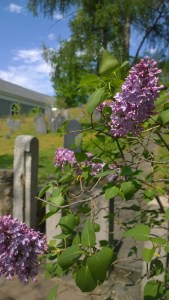
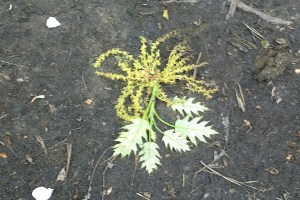
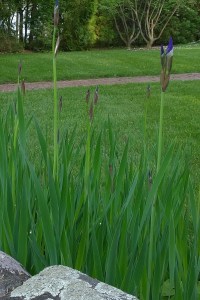
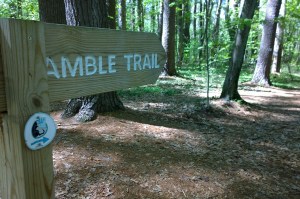
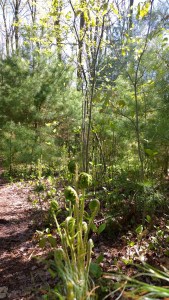
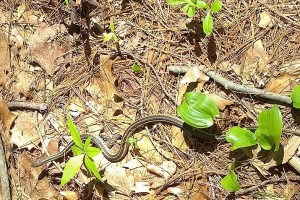
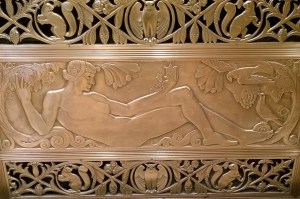
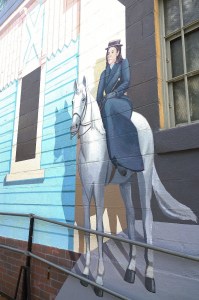
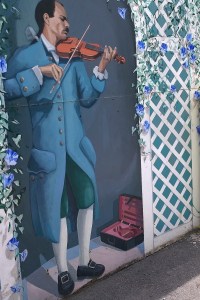
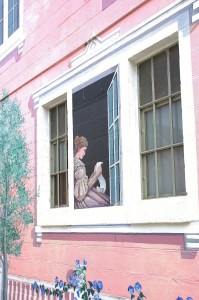
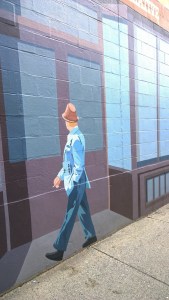
Spring sunshine and blooms provide opportunities to take the kinds of photographs I like best. Here I share blossoms that I believe are quince, things I saw in the woods (baby oak leaves in mud, foam flowers, ferns, Sessile Bellwort, and a garter snake), murals in Cambridge, Mass., and a random indoor shot from the past month.

The carpet of cherry petals was shot in Providence.

051118-might-be-quince

051018-lialcs-and-graveyard


051518-pink-petal-carpet

051018-world-is-mudluscious


051718-iris-in-waiting

051318-Amble-Trail-Hapgood-Wright-Town-Forest


051318-could-be-Sessile-Bellwort

051318-foam-flower-Town-Forest


051318-unfurling-ferns

051318-garter-snake


051118-brass-75-Federal-St-Boston

051818-horsewoman-mural


051818-violinist-mural

051818-woman-in-window-mural


050418-mural-in-Cambridge-MA


Read Full Post »

tiep8r0mct2xnjxb7w8tntetqtbkuyah6hj-zgw637s

Photo: Amy Sterling
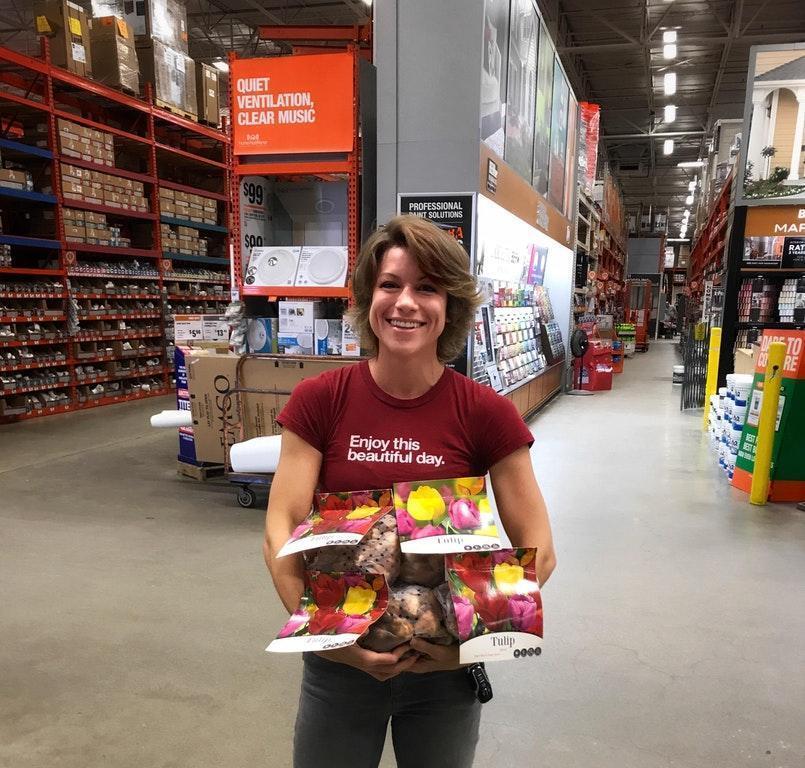
Amy Sterling’s guerrilla-gardening campaign means tulips will be blooming in unexpected places come spring. You could do this in your neighborhood.

Boston Globe reporter Steve Annear gets all the fun stories. Here is one that John knew at once was made for this blog. I do love public-spirited projects that people organize just for the heck of it.

“Amy Sterling had tulips on the brain,” writes Annear. “After returning from a recent trip to Amsterdam, where she served on a panel about artificial intelligence, the Cambridge resident went to a home improvement store and picked up a bag of bulbs so she could plant the spring-blooming flowers in her yard.

“When she was finished gardening, Sterling and her husband, Will, realized they had about 50 bulbs left over. In a moment of spontaneity, they decided to bury them in random places around their neighborhood near Inman Square.

“Now Sterling wants others to do likewise and participate in this act of so-called ‘guerrilla gardening.’ …

“ ‘It’s just a way to cheer people up,’ Sterling said. ‘Get outside, it’s super nice out, go plant some stuff, and then sit back and relax — and when spring comes, you can enjoy the spoils.’ …

“After burying bulbs beneath public trees in Cambridge Sunday, she posted a picture of herself, shovel in hand, to the Boston Reddit page, as a way to spread some happiness, [and] others quickly latched on to the concept. …

“Sterling started calling around to Home Depot stores in the area, asking if they’d be willing to donate to the cause. In the days since sharing her impromptu project with others online, Sterling has collected hundreds of additional bulbs, she said. …

“Sterling said she chose tulips because they’re ‘a signifier of the death throes of winter’ and require very little maintenance. You dig a hole, plop the bulb in the ground, cover it up, and then just wait, she said. …

“She has also started a Google signup sheet for the ‘Boston Tulip Takeover,’ where people can get a free bag of tulips to plant around their neighborhood.

“ ‘We need some actions to bring us together,’ she said, noting that the news has been particularly hard to swallow lately. ‘And remind us that people are generally pretty nice and want to do well for their neighbors.’ ”

More at the Boston Globe, here.

Read Full Post »

My childhood friend Caroline, now living in Colorado, writes, “As a person who has spent her life designing and building housing, I am pretty convinced that we need to figure out how to house more people closer to downtown areas rather than contributing to endless low density sprawl and destruction of open spaces.

“To this end Tom and I attended the first ever YIMBY (yes in my backyard) conference that was held here in Boulder in June. It is a movement driven primarily by millennials and I am forwarding this invitation to a lecture in Cambridge in case it piques your interest.”

It does pique my interest.

As anyone who has read the incredibly moving Evicted (by MacArthur award winner Matthew Desmond) knows, housing is one of the most critical issues, if not the most critical, for domestic policy today. Housing ties to everything else.

So here’s the opportunity for people in the Greater Boston area: Jesse Kanson-Benanav (chairman of A Better Cambridge) is giving a talk September 14 at 6:30 p.m. for the Cambridge Historical Society on the Yimby movement.

Click this EventBrite link to sign up.

This month we’re asking ‘What is a YIMBY?,’ with the help of Jesse Kanson-Benanav, Chair of A Better Cambridge.

What’s our goal?

The Cambridge Historical Society wants to facilitate dynamic conversations about the housing issues facing Cambridge residents today with a historical perspective.

Where and why?

We are heading out to meet you in the city. The historic Hong Kong in Harvard Square is the perfect setting to bring your friends (or make new ones), grab a drink, and settle in for some engaging conversation about our 2016 theme, “Are We Home?”

Tickets:

$5 members/ $10 non-members

Questions?

Email us at rprevite@cambridgehistory.org

or call 617-547-4252

Read Full Post »

So much anxiety about “the others” these days, anxiety that is seldom based on knowing even one of those others!

That is why I found this story by Steve Annear in the Boston Globe so charming and important.

He wrote, “Mona Haydar knew that when she set up two signs outside a Cambridge library [in December] with the words ”Ask a Muslim’ and ‘Talk to a Muslim,’ she had to be prepared for strong opinions about her faith.

“But the Duxbury resident said the impromptu experiment led to a meaningful series of conversations about religion, politics, history, and sports. It was an experience that, even in a time of prejudice against Muslims, showed Haydar that ‘the community is loving.’

“ ‘We just wanted to talk to people and we didn’t see any harm in doing that,’ said Haydar. ‘We are just normal people. There is definitely fear [in America], and I want to talk about it, because it’s actually misplaced and misguided — I am really nice!’

“Holding a box of doughnuts and cartons of coffee from Dunkin’ Donuts, and wearing a traditional hijab, Haydar last Friday and Saturday planted herself alongside her husband, Sebastian Robins, outside the library for several hours each day.

“Haydar said that over the two days they spoke with more than 100 strangers. The initiative, she said, was inspired by a similar act, called Talk to an Iraqi, that was featured on ‘This American Life’ in 2008.” More here.

I’d say she gave a gift to the Cambridge populace, which although considered open-minded, is not monolithic. And she seems to have received a gift in return: the satisfaction of initiating an important conversation and of confirming that the majority of people are kind.

Photo: Mona Haydar
Mona Haydar and her husband, Sebastian Robins, stood outside of a library in Cambridge.

Read Full Post »

In case you’ve ever wondered why anyone would become a scholar and spend life mired in musty, dark library stacks, let me introduce you to an assistant professor of English at Montclair State University in New Jersey.

“In an unassuming notebook held in an archive at the University of Cambridge,” writes Jennifer Schuessler an American scholar has found what he says is an important new clue to the earthly processes behind that masterpiece [the King James Bible]: the earliest known draft, and the only one definitively written in the hand of one of the roughly four dozen translators who worked on it.

“The notebook, which dates from 1604 to 1608, was discovered by Jeffrey Alan Miller, an assistant professor of English at Montclair State University in New Jersey, … last fall, when he was in the archives at Sidney Sussex College in Cambridge, researching an essay about Samuel Ward, one of the King James translators and, later, the college’s master. He was hoping to find an unknown letter, which he did.

“ ‘I thought that would be my great discovery,’ he recalled.

“But he also came across an unassuming notebook about the size of a modern paperback, wrapped in a stained piece of waste vellum and filled with some 70 pages of Ward’s nearly indecipherable handwriting.

“The notebook had been cataloged in the 1980s as a ‘verse-by-verse biblical commentary’ with ‘Greek word studies, and some Hebrew notes.’ But as Professor Miller tried to puzzle out which passages of the Bible it concerned, he realized what it was: a draft of parts of the King James Version of the Apocrypha, a disputed section of the Bible that is left out of many editions, particularly in the United States.

” ‘There was a kind of thunderstruck, leap-out-of-bathtub moment,’ Professor Miller said. ‘But then comes the more laborious process of making sure you are 100 percent correct.’ ” More here.

Photo: Maria Anna Rogers/Master and Fellows of Sidney Sussex College, Cambridge
Pages from Samuel Ward’s translation for part of the King James Bible, the earliest known draft for the King James translation, which appeared in 1611.

Read Full Post »

Cambridge knows how to make artists feel welcome, even cherished. Recently the city had a poetry contest, and the winners are getting their poems embedded in the sidewalk.

Steve Annear writes at the Boston Globe, “Cambridge officials received hundreds of submissions from residents hoping to make their mark as literary legends through the city’s first-ever ‘Sidewalk Poetry’ contest this spring. In the end, only five scribes emerged victorious.

“In March, the city put out a call for poets to participate in the project. Winners were promised a permanent display space for their musings — the poems would be imprinted in the freshly poured concrete as Department of Public Works crews replaced sidewalk slabs cracked or damaged during the winter.

“The response was great, said Molly Akin, the Cambridge Arts Council’s marketing director. More than 300 submissions flooded in from writers ranging in age from 4 to 95, according to organizers.

“A special committee that included workers from the [Department of Public Works], representatives from the local libraries, members of the Arts Council, and Cambridge’s former Poet Populists helped select the finalists. …

“Below are the names of the winners, and their poems:

Rose Breslin Blake
Children, look up
Cherish those clouds
Ride grey ponies over their hills
Feed the shiny fish
Boo the big bear
Chase the gloomy giant
Giggle with the geese
Sing with the lambs
Cherish those clouds; they cherish you
Rest on their pillows.

Benjamin Grimm
I could not forget you if I tried.
I have tried.

Ty Muto
Your blue-green glances
My heart skips double dutch beats
Caught in your rhythm

Carolyn Russell Stonewell
Sun takes a bite of
mango as it sets.
Its last rays
run down my cheek.

Elissa Warner
A Mother’s Wish
Little boys, little treasures
Shine like lights from above
My son, my only one
My wish for you is that you wake
One day when you are old
And feel raindrops on your cheek
Tears of joy from my heart
For you to keep

More here.

Photo: Cambridge Arts Council

Read Full Post »

More and more cities are adding mini parklets, pocket vegetable gardens, food trucks, and tiny outdoor businesses to their parks and playground amenities.

Sara Feijo writes for the Cambridge Chronicle, “Parking spots have always been reserved for cars and motorcycles, but that’s no longer the case in Cambridge. The city is now leasing them to restaurants for pop-up cafes. Tasty Burger in Harvard Square was the first to apply for the permit. …

” ‘It’s a cool idea, David Dubois, owner of Tasty Burger, said. …

” ‘The pop-up cafes work in places where the sidewalks don’t facilitate outdoor dining,’ said Katherine Watkins, city engineer for DPW. “It enables us to expand the outdoor program. We’re really excited to see this one go in.’ …

“Unlike outdoor dining, food is not sold in the pop-up café. Folks have to order food inside and then bring it outside. According to Iram Farooq, acting deputy director for the Community Development Department, pop-up cafes must be placed in locations where there is plenty of parking and they must be adjacent to the permitted business.” Read more.

There really are a lot of wasted mini spaces in cities and towns. I myself would like to see something other than weeds growing around the parking meters on Thoreau St. (Anyone want to go with me under cover of darkness and plant tomatoes there?)

Photo: Wicked Local / Sam Goresh
Cambridge restaurants may now lease ‘pop-up cafes’, where diners are invited to eat their take-out orders.

Read Full Post »

I took one look at the photo and I knew. This story is for me.

Michael B. Farrell writes at the Boston Globe, “Leave it to the tech set to tinker with something so perfect as the nap. Not a group to leave well enough alone, they are coming up with new gadgets — from high-tech masks to wearable pillows to portable pods — to improve on the daytime snooze, bring it from the couch at home to a quiet place in the office, and encourage more people to steal a few winks every afternoon.

“These new gadgets are coming out as the nap itself is enjoying a new appreciation by professionals and amateurs alike. Scientists who study sleep habits say napping makes people more alert and productive  …

“There is nap fashion, too. A British design firm sells a wearable, portable Ostrich Pillow — a space-age fashion accessory that lets users ‘take a comfortable power nap in the office, traveling, or wherever you want.’

“One of the newest entrants to the nap marketplace is Cambridge’s Napwell, which recently raised $51,000 on the crowdfunding site Kickstarter to begin making high-tech sleeping masks. Inside the mask is a timer that triggers a built-in sunrise light, which gradually brightens to gently rouse someone from sleep so they do not wake up feeling so groggy.

“ ‘If you happen to wake up in dead sleep, you are going to feel really bad,’ said Napwell’s inventor, Justin Lee, a PhD student studying health technology at a joint MIT-Harvard program. ‘Napwell came out of that. It was the simplest thing to build that would solve that problem.’ ”

More here.

As a person who can sleep for 20 minutes and feel really refreshed, I really regret the loss our the office nap room to an expanded conference center. I would consider the Ostrich solution below but that my office has a a glass wall. Besides, it looks like it would hurt my neck.

Photo: Studio Banana Things

Read Full Post »

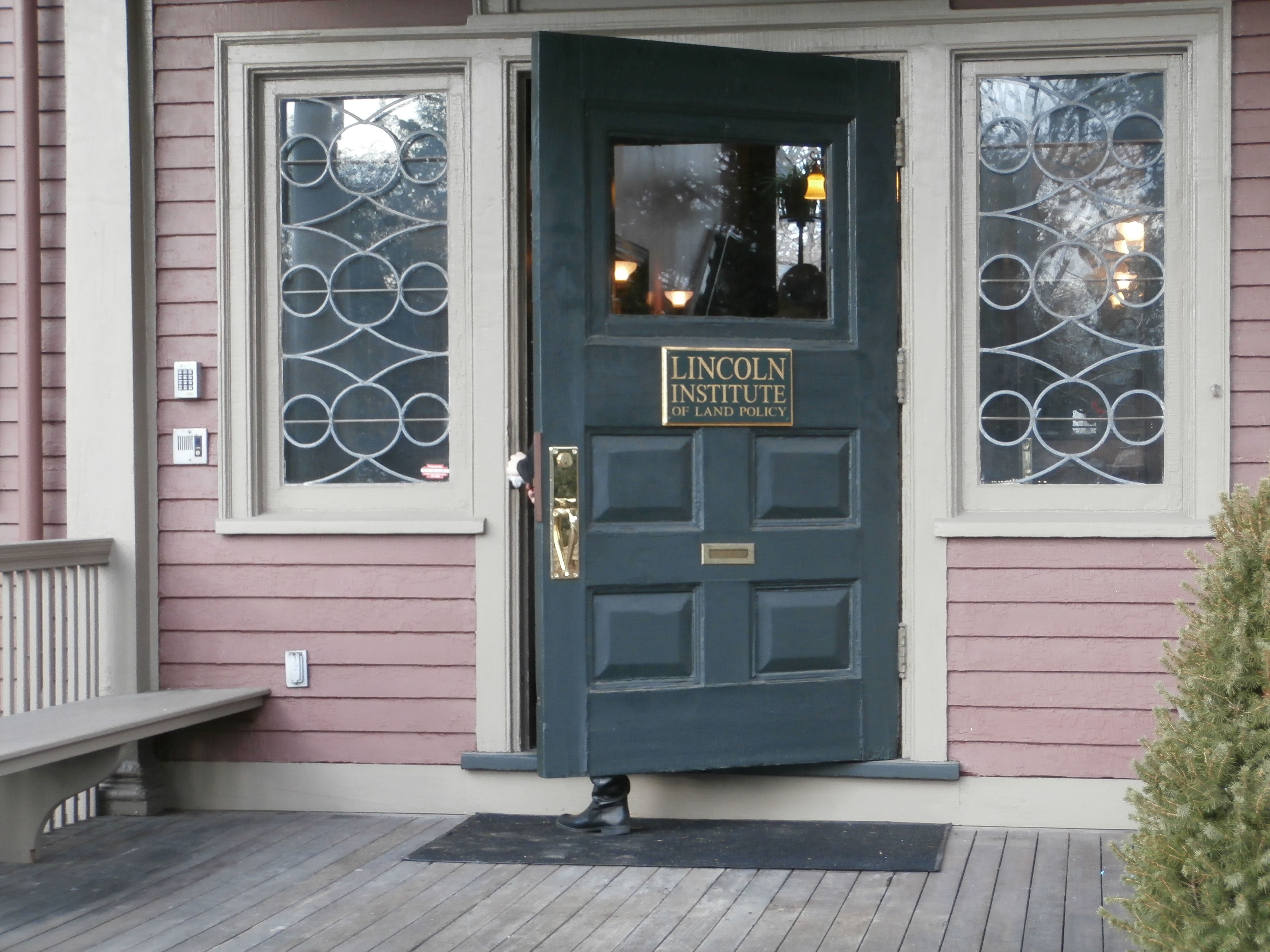
Lincoln Institute of Land Policy

Because the lecture was on walkable communities, I walked to the Lincoln Institute of Land Policy today.

Julie Campoli was scheduled to talk about her book Made for Walking: Density and Neighborhood Form.

From the Institute’s website: “In this era of high energy prices, economic uncertainty, and demographic change, an increasing number of Americans are showing an interest in urban living as an alternative to the traditional automobile-dependent suburb. Many people are also concerned about reducing their annual vehicle miles traveled as a way to lower greenhouse gas emissions affecting climate change. …

“Researchers delving into the question of how urban form affects travel behavior identify specific characteristics of place that boost walking and transit use while reducing [vehicle miles traveled]. In the 1990s some pinpointed diversity (of land uses), density, and design as the key elements  … After a decade of successive studies on the topic, these ‘three Ds’ were joined by two others deemed equally important—distance to transit and destination accessibility … Added to the list is another key player: parking.”

Campoli talked about all five elements, showed great pictures, and shared intriguing stories from successful communities. More.

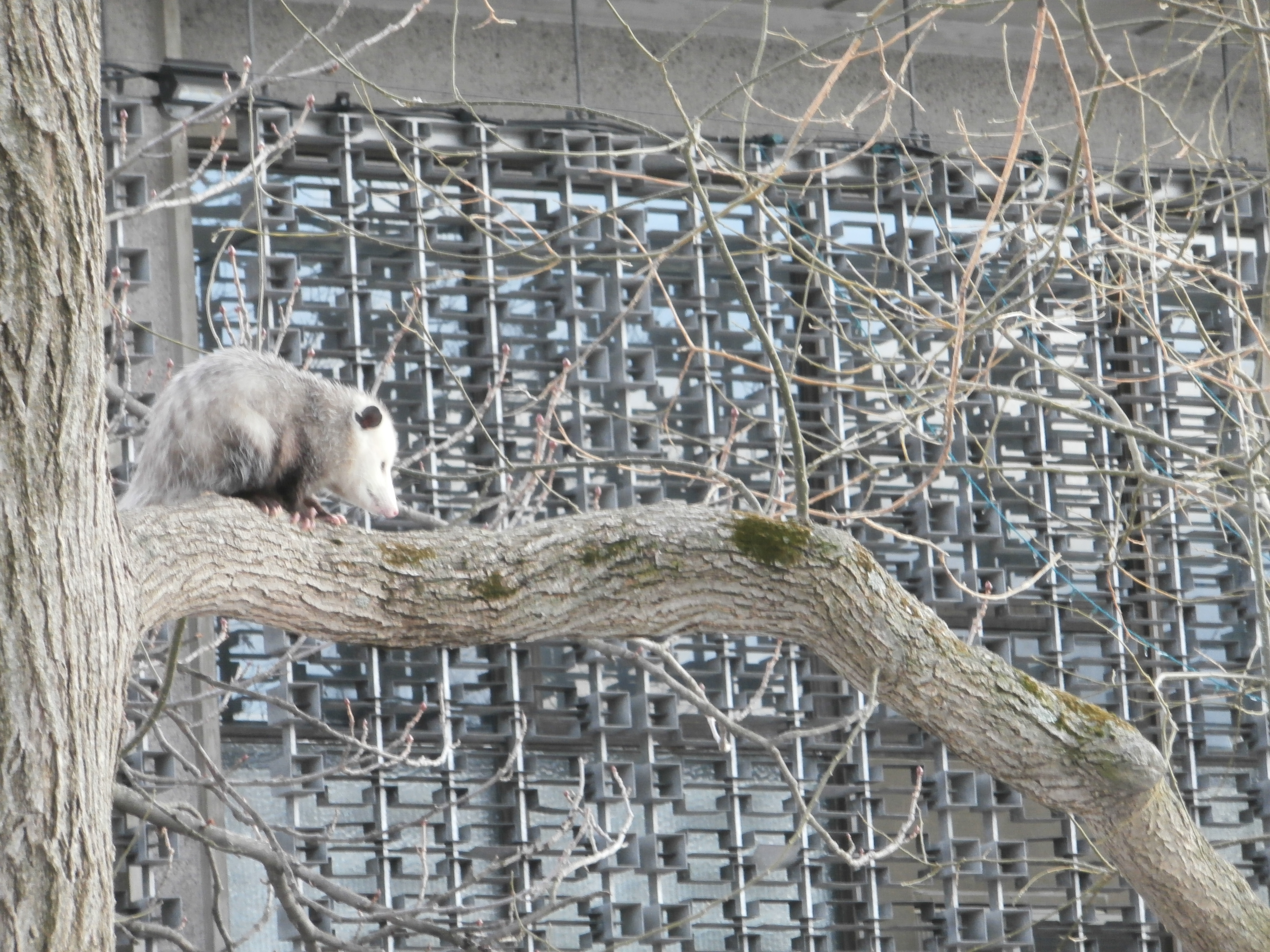
By the way, if I had gone by car to the lecture instead of on foot, I would most assuredly have missed the possum, one of the more contemplative creatures in Cambridge today. He was still on his branch when I walked back after the presentation. But he had turned around.

possum_near_Harvard_Square.


Read Full Post »

Photos from my wanderings in Boston and Cambridge are piling up.

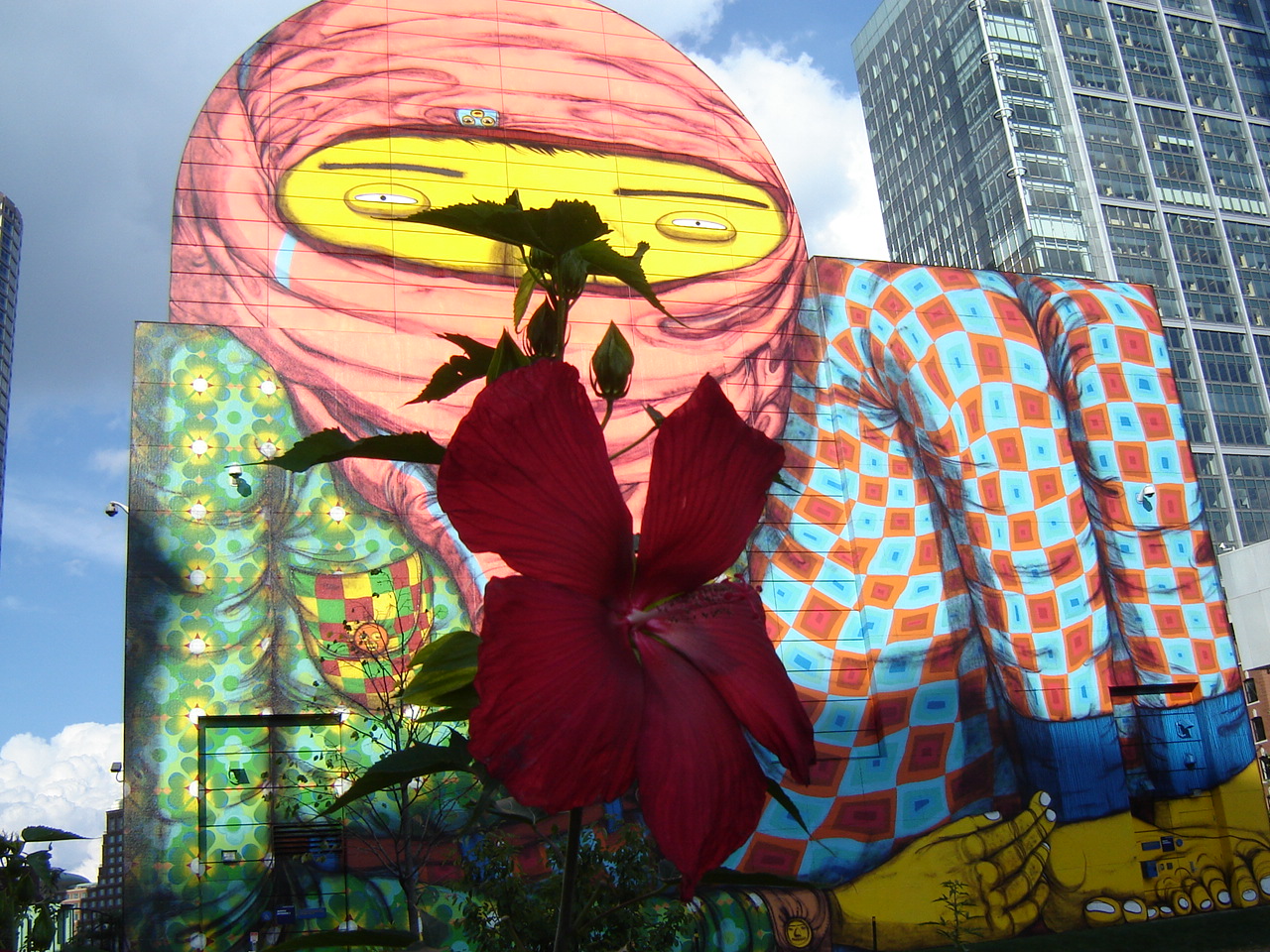
Can you identify the flower from the Greenway’s demonstration garden? It seems to be blotting out the mural in Dewey Square.

How about the approach to the Longfellow Bridge on the Kendall Square side of the Charles? Early in the morning, it looks like an ancient tomb.

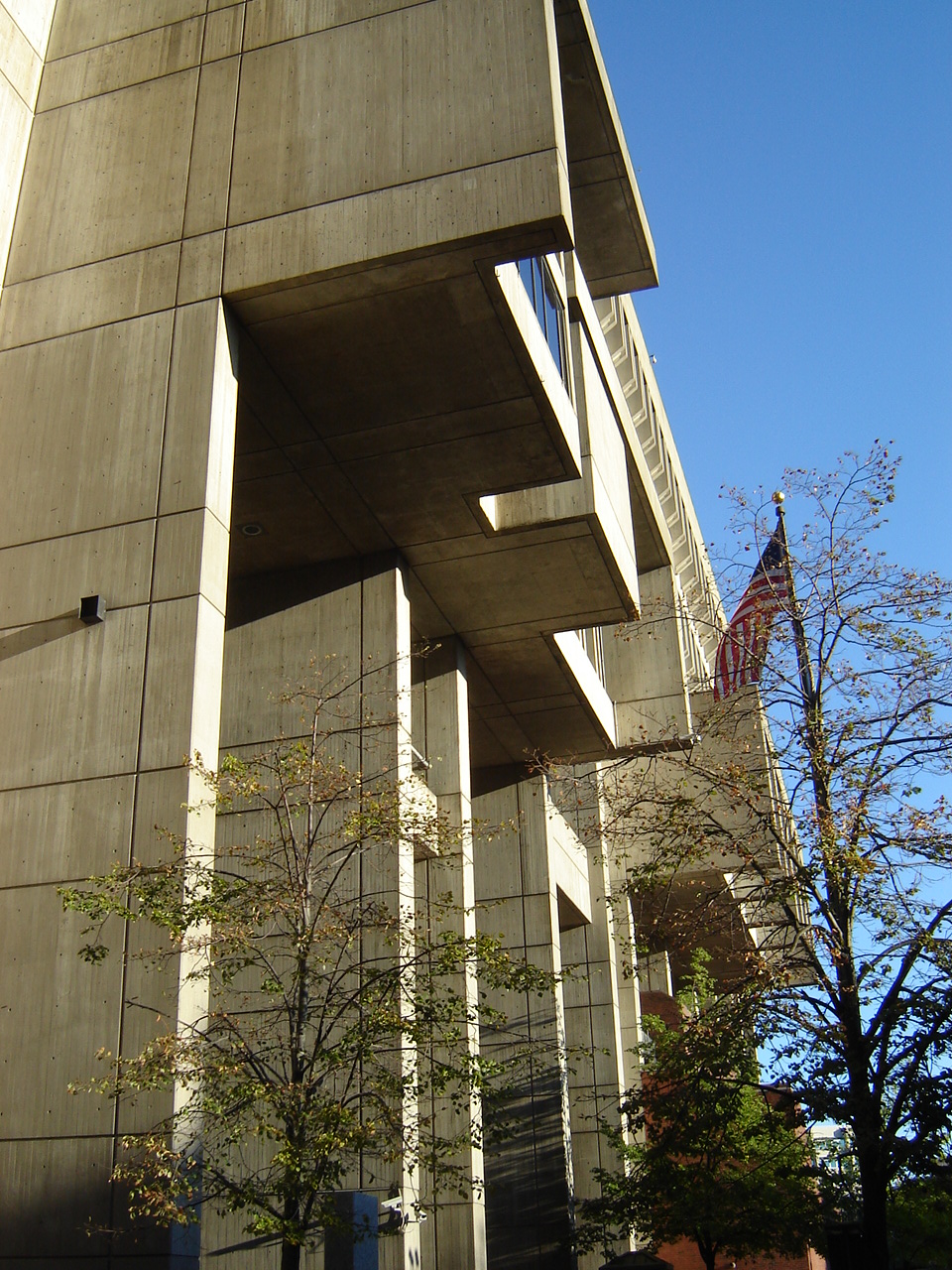
I took the photo of City Hall for my only friend who thinks modernism is beautiful.

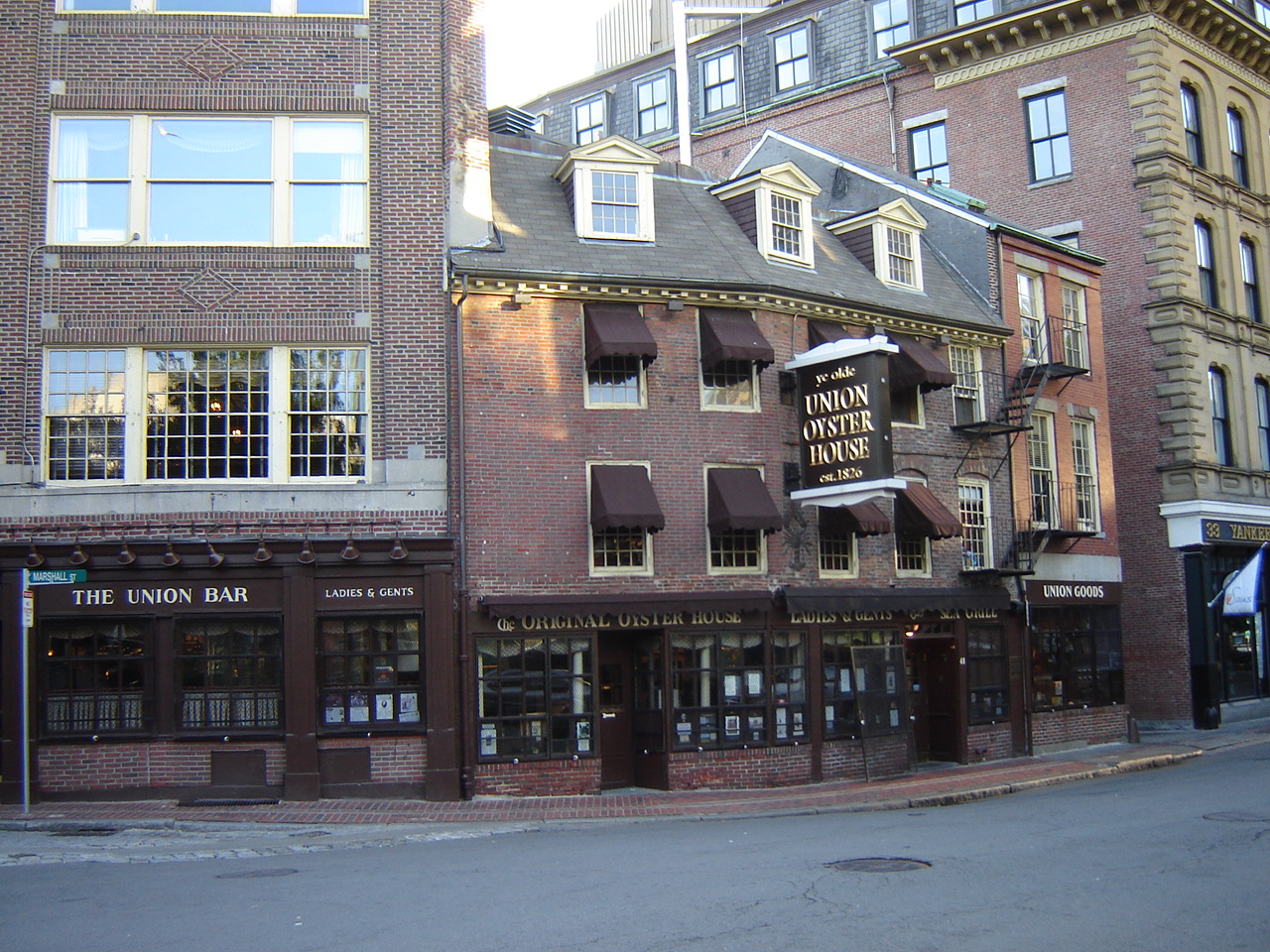
The Oyster House is a landmark.

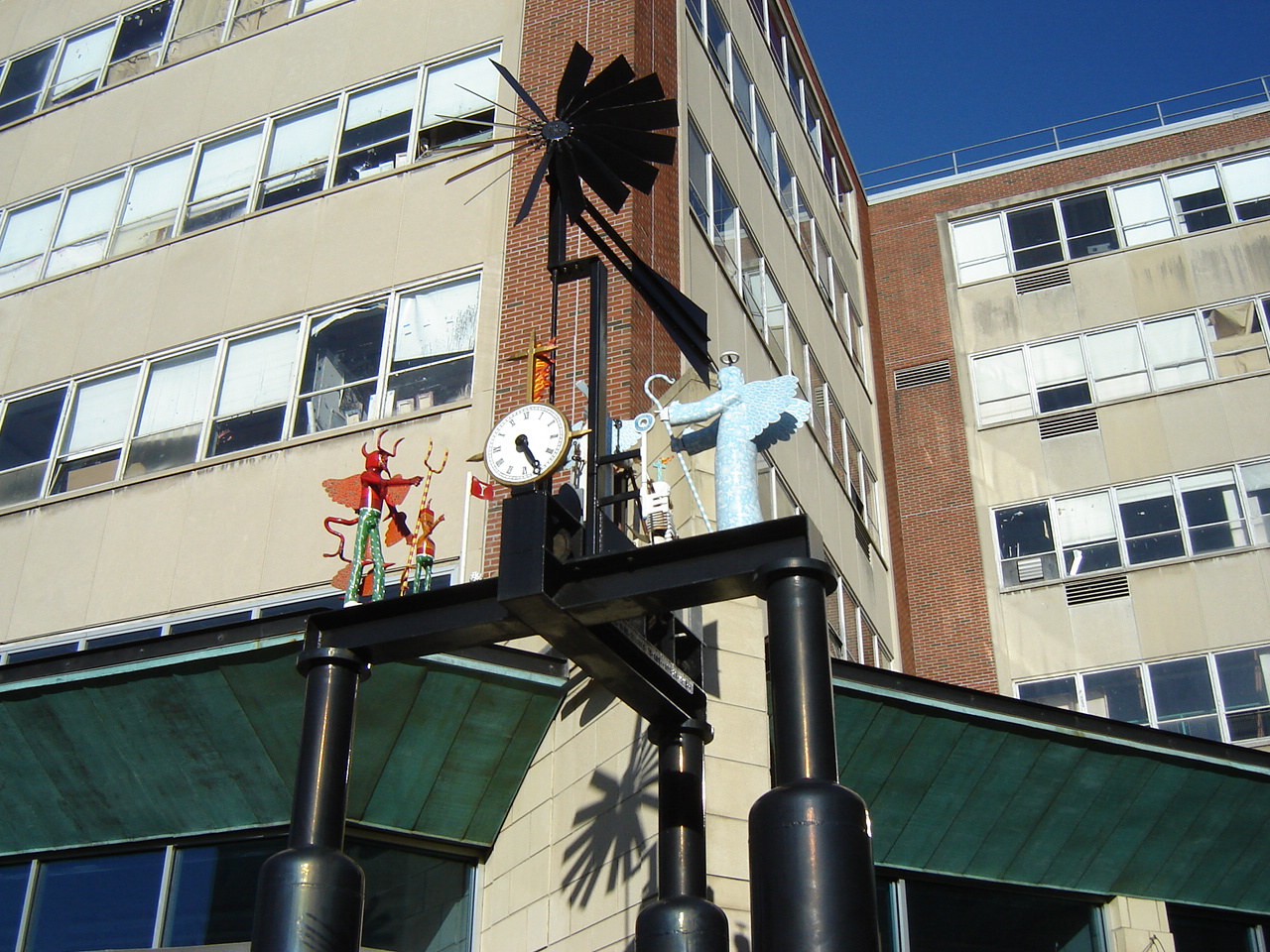
And the Manichean clock is at Northeastern University. (You do, of course, remember the Manichean Heresy, which posited good and evil as equal forces?) Comments welcome.

Read Full Post »

Older Posts »