Feeds:
Posts
Comments

Posts Tagged ‘massachusetts’

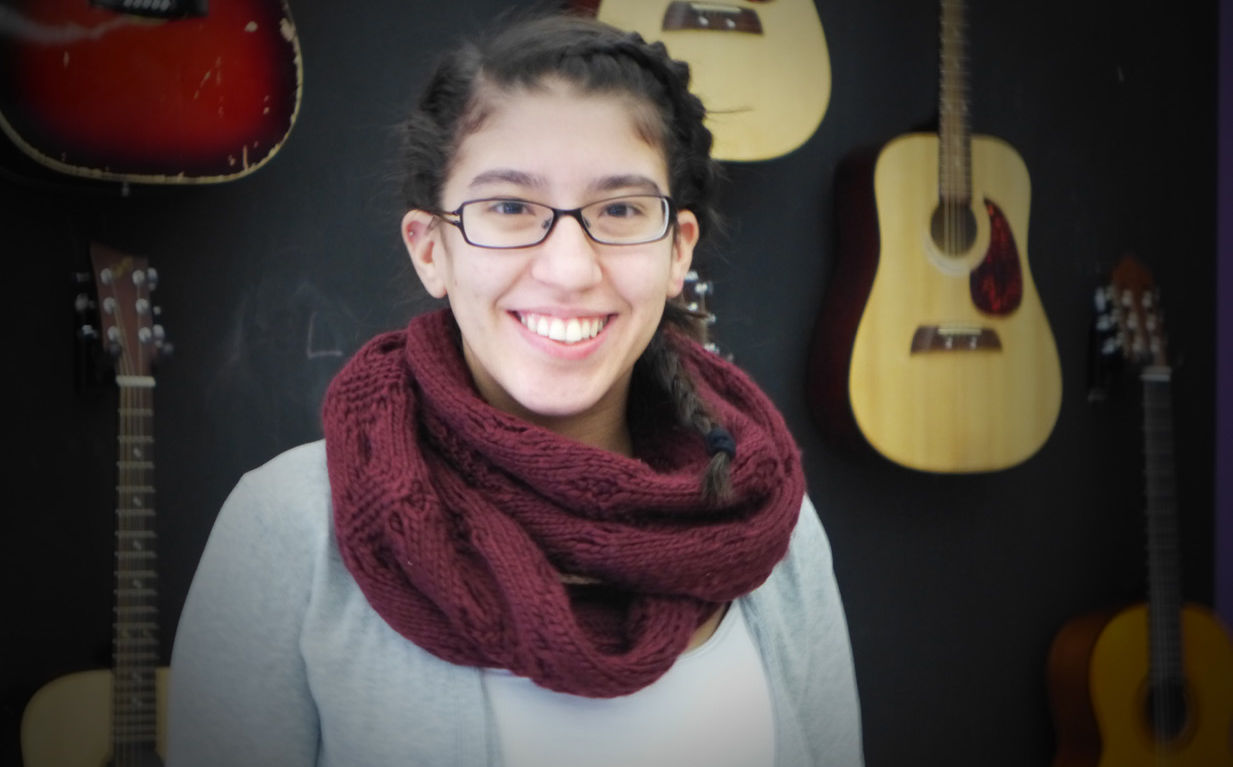
Photo: Music & Youth.
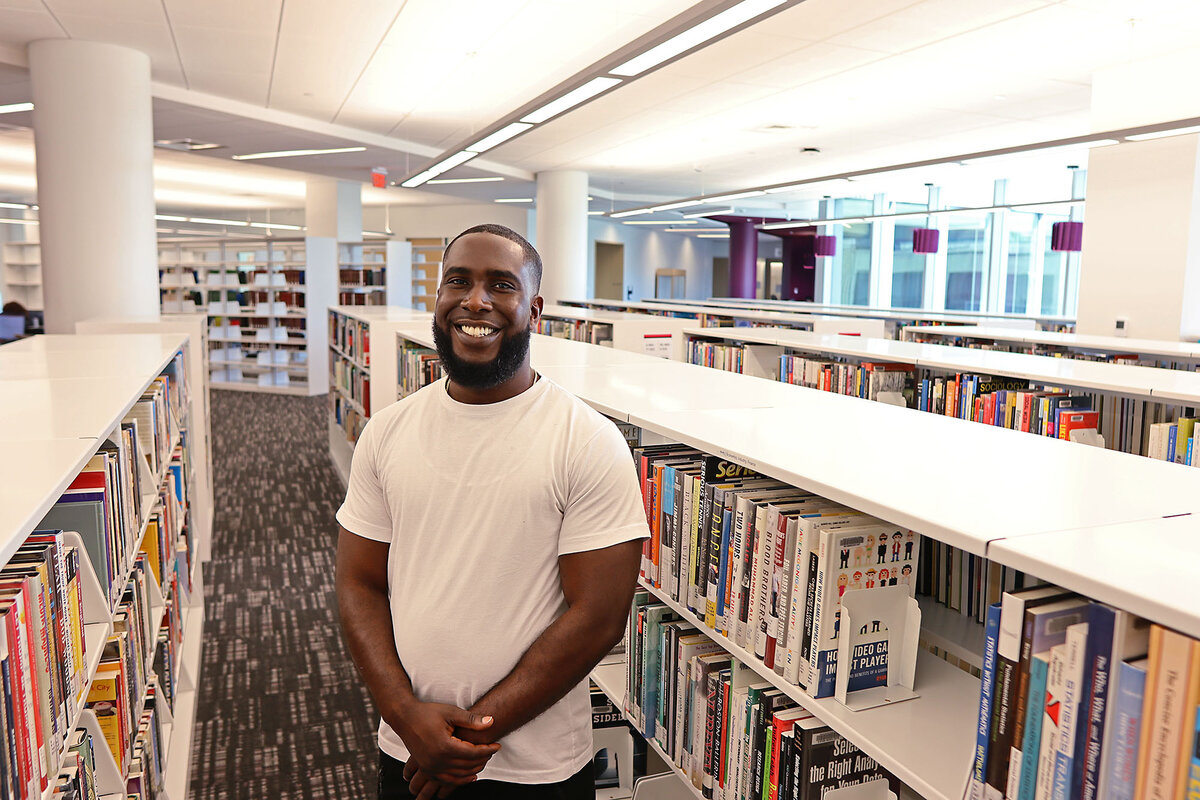
The Music Clubhouse, one of several music-focused hangouts for teens in Massachusetts, opened unexpected doors for Kristiana — forming a band, participating in a music event with the Red Sox, being accepted to the Berklee College City Music Program.

Teens always need a place to hang out with other teens. The centers in today’s story offer a lot more than hanging out.

Catherine Hurley writes at GBH radio, “Eden Troderman knew where she wanted to spend her first afternoon as a student attending the Berklee College of Music: at BTC Records, the music production space at the Brookline Teen Center that she knew well. …

“The Brookline High School graduate, who releases songs under the name Aruna, has been playing music her whole life — which included writing some ‘really cringey songs in sixth grade,’ she said. But [Aruna] didn’t start releasing music until receiving some help from BTC Records.

“Founded in 2013, the Brookline Teen Center offers a community hub for teenagers who live or go to school in Brookline. It’s one of more than 800 active youth development nonprofits in Massachusetts, according to ProPublica’s Nonprofit Explorer.

“On that cold and icy afternoon in January, the center was active with teens playing basketball in the gym and huddling around small tables with snacks after school. Others were working on music in the BTC Records studio space. …

“Bri Skywall, teen technology coordinator at the Boston Public Library, said the library’s Teen Central aims to ‘provide what we call the “third space”: a space that isn’t their home and isn’t school or work, that they can come and just be themselves.’ A space where teens ‘don’t have to pay to exist,’ she said.

“Third spaces, which broadly include include free and publicly available spaces, social services organizations and low-cost commercial establishments, are known to strengthen communities. But research shows third spaces are declining, and disparities are more present along income, race and geographic lines.

“Connections in these spaces are informal, but the plans to expand them are in writing. Strengthening the BPL’s role as a third space is listed in the city’s Imagine Boston 2030 plan. And Boston’s Third Spaces Lab, in collaboration with New Urban Mechanics, aims to ‘make it easier for grassroots organizations and individuals to grow and nurture community-based third spaces from the bottom up,’ according to the program’s website.

“BTC Music Coordinator Pablo Muñoz said the center’s goal has always been to develop a space where teens can make music, whether they have big dreams in mind or are looking to express themselves day-to-day. …

“ ‘Whenever they’re having maybe not the best week, they’ll come in here and they’ll be like, “I want to do a song. I want to talk about this.” … They’ll get it out, and then they feel better, and they’ll work on their craft,’ Muñoz said. …

“With 60-70 hours of work, Troderman writing and Muñoz producing, she released her first song, ‘Crave‘ last May, which recently surpassed 1,000 streams.

“ ‘It’s a small milestone, but it means a lot to me. If people are even listening to my music, that’s crazy,’ Troderman said.

“Tom Goldberg, a junior at Brookline High School, started taking a music production class with Muñoz in early November. He’s still learning the basics, he said, but Muñoz has already helped him create a vocal-less track, teaching him how to establish a beat.

“ ‘I think I’m more confident in myself,’ Goldberg said. … [He] said if he were to show people at school the music he likes, there would be a different reaction than at BTC Records. ‘Here, [it’s] way more welcoming,’ he said. ‘Like the sense of community is way bigger here.’ …

“Teens at the center that day milled in and out of the control room, pushing open the heavy, soundproof door in search of Muñoz, their admired teacher and collaborator. Muñoz himself started at BTC in 2022, about a year after he graduated from Berklee. …

“The next day, on a colder and icier afternoon in Back Bay, four teens huddled around computers and small keyboards. They were there for Music Production with Hamstank, a weekly digital music creation session at the Boston Public Library. Somerville-based record producer Tony ‘Hamstank’ Hamoui has led the program for the last seven years. …

“Hamstank’s routine during the hourlong sessions differs from week to week. Sometimes he’s helping teens get started — like a participant that day who opened the music software for the first time and was already making a song — but he also supports kids with more advanced music skills.

“Hamstank glanced over to another teen, calling him a ‘master-level composer and vocalist.’ The student was working on a song he started the week prior, this time re-recording vocals in the space’s audio booth. …

“Hamstank said some kids come to the session with their headphones on, wanting to work solely on their own projects. ‘And that’s fine, but you always find them slowly taking the headphones off and listening and asking questions and talking to other teens,’ he said.”

More at GBH, here. No firewall. [Note: I may have used the wrong pronouns for Troderman. The GBH article was inconsistent.]
Read Full Post »

We’re saying good-bye to our home of 42 years.

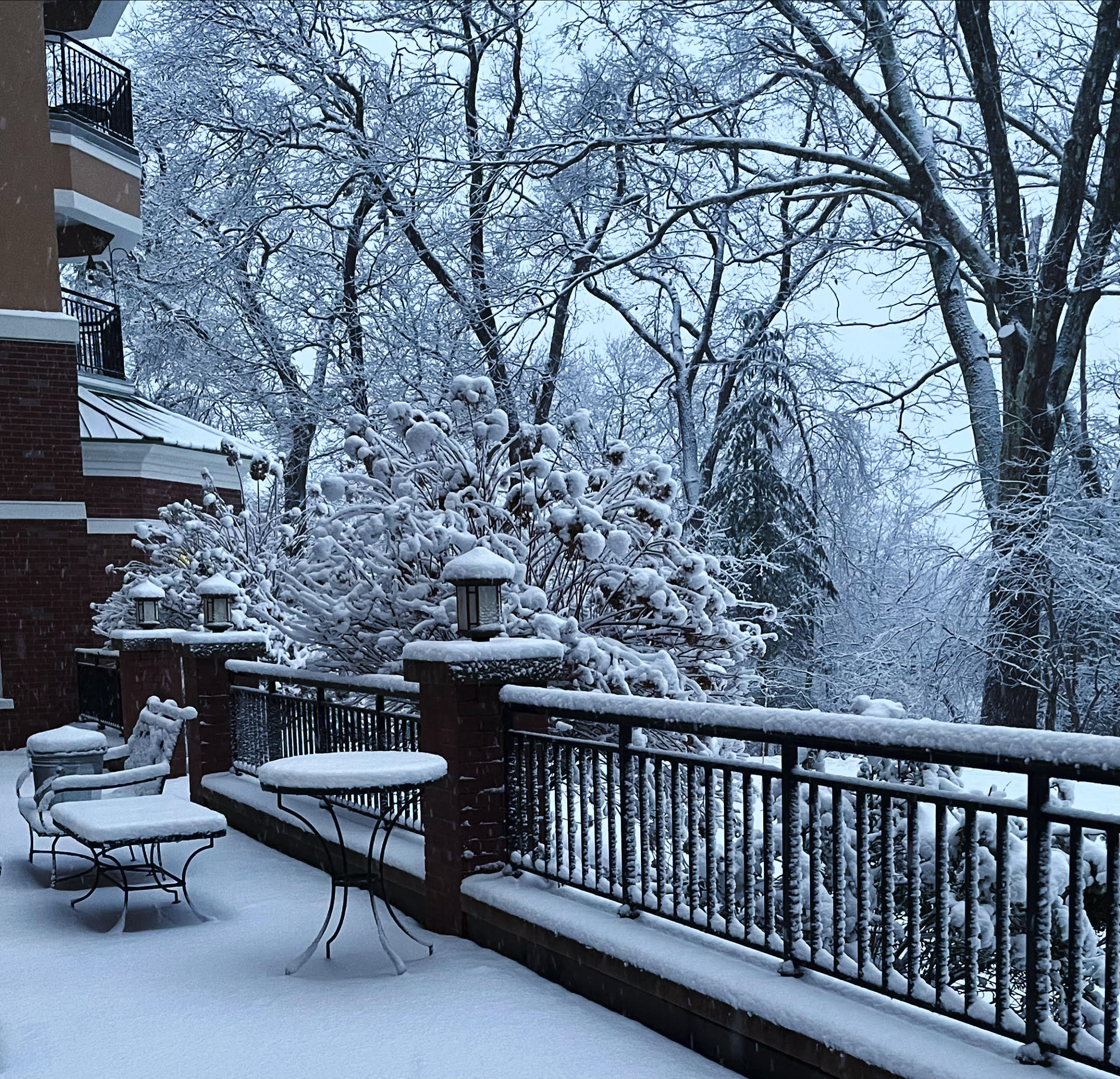
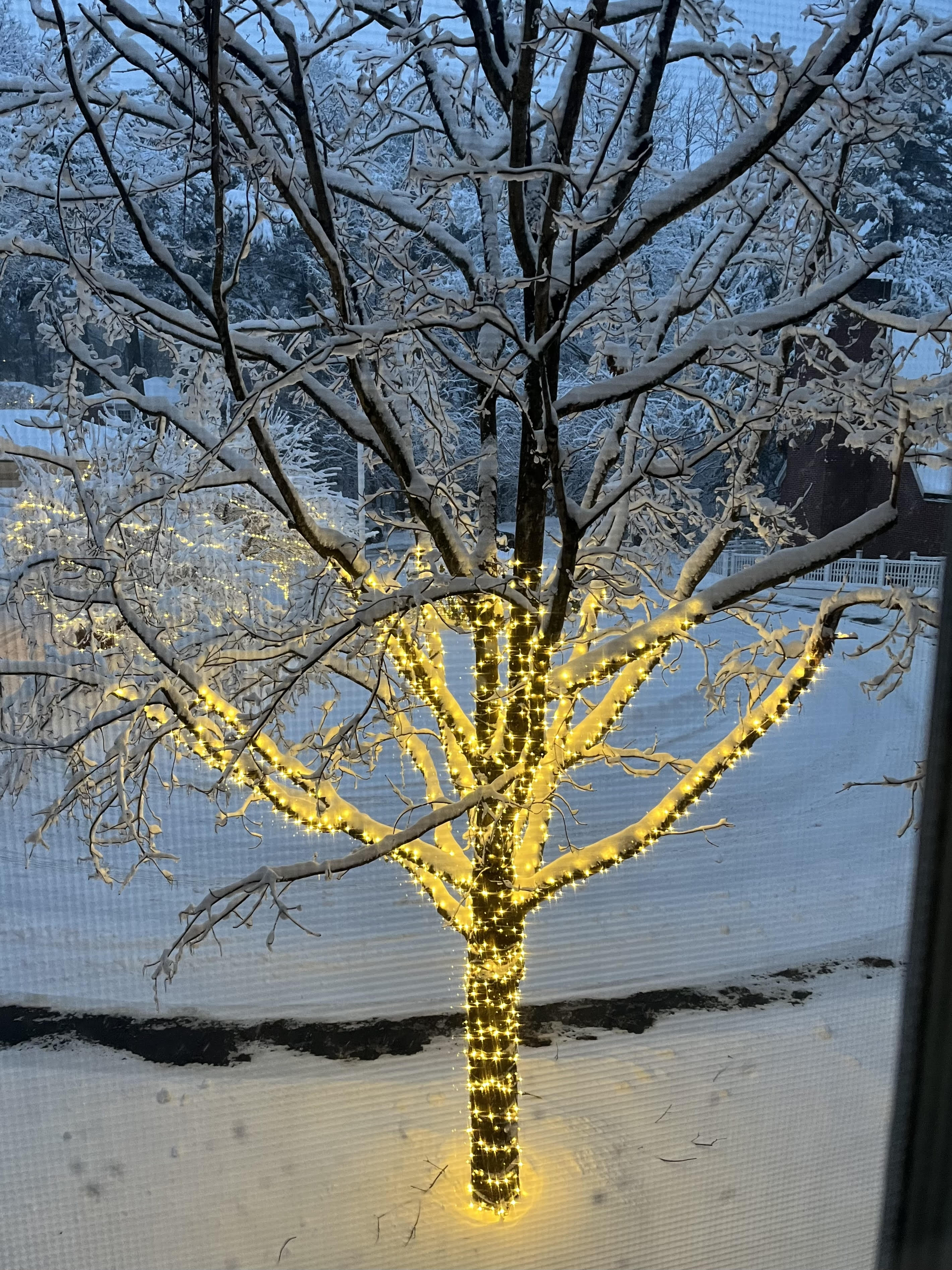
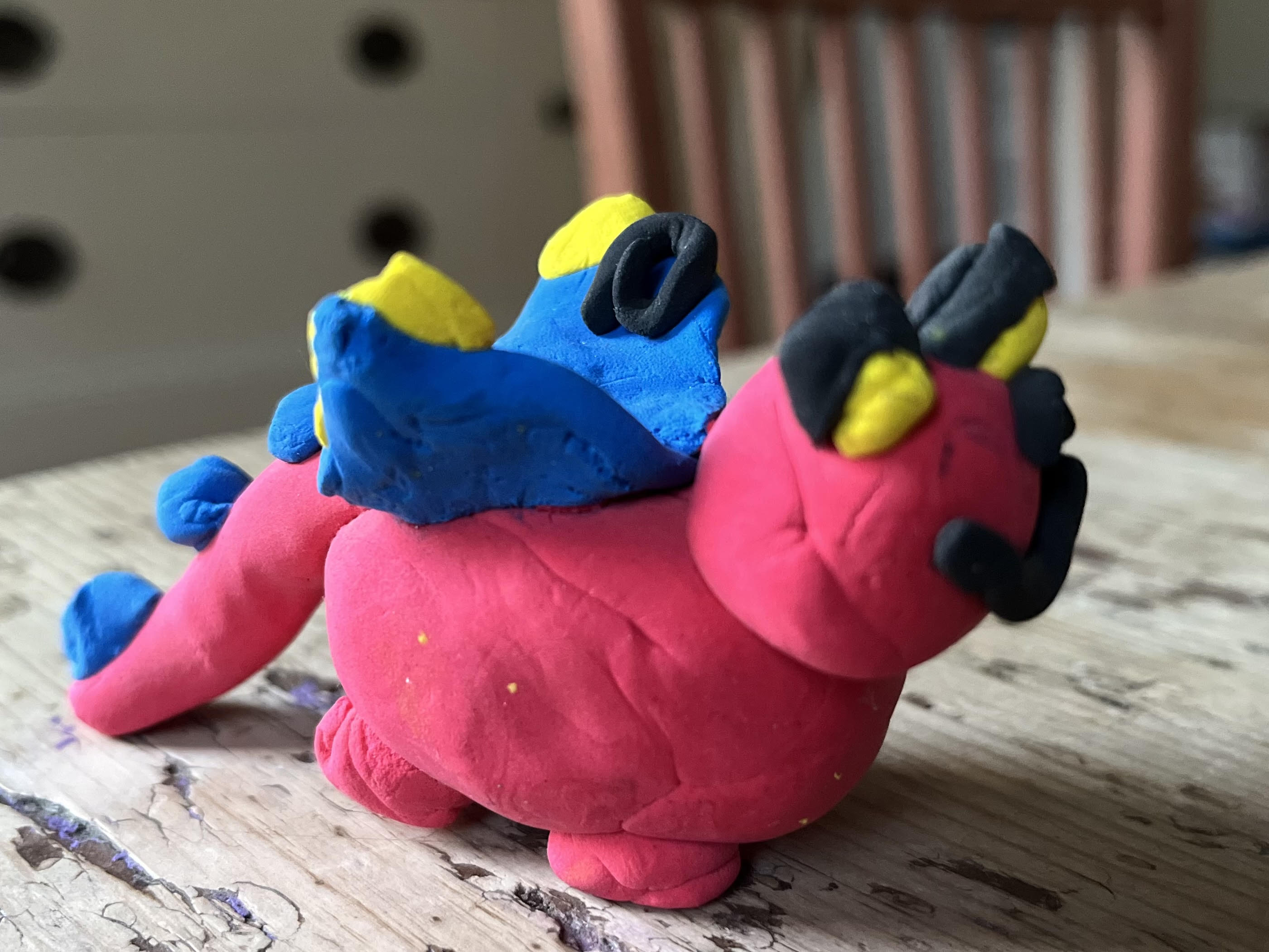
I haven’t posted photos for a while. Increasingly, I feel uninspired on cloudy, overcast days, and we have had a lot of those this winter. But here are the photos I did shoot. They were all all taken in Massachusetts, with the exception of the last one, my Providence granddaughter’s Model Magic dragon.

Happy Year of the Dragon!

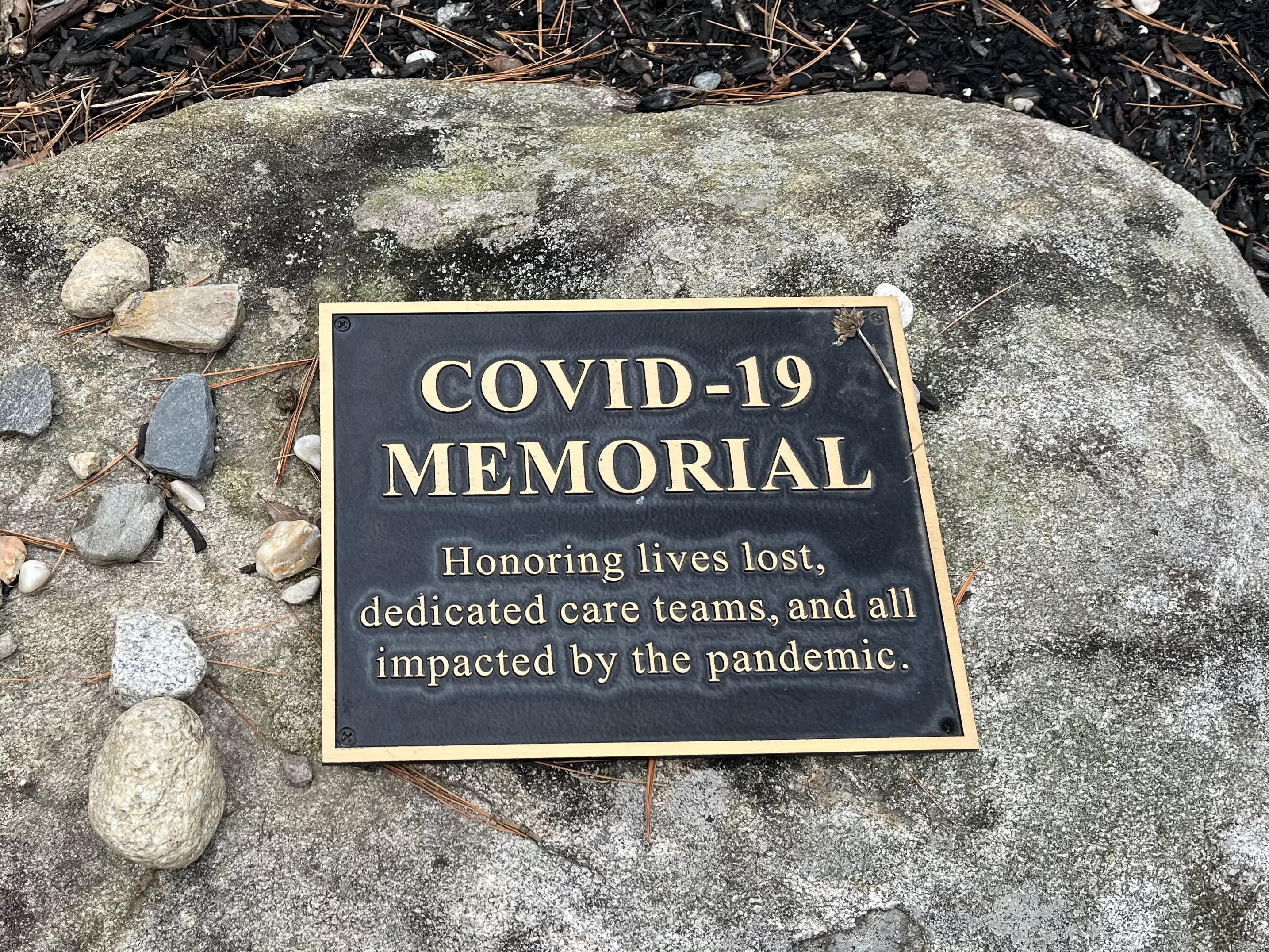
First comes the big snowfall we had in early January, then the bleak, rainy days that came after the snow melted. The river is the Sudbury. The river photo is followed by a memorial at the neighboring hospital, where everyone from our community goes, at least initially, when they have an emergency.

I think it’s good to be reminded what it was like in the early days of the pandemic.

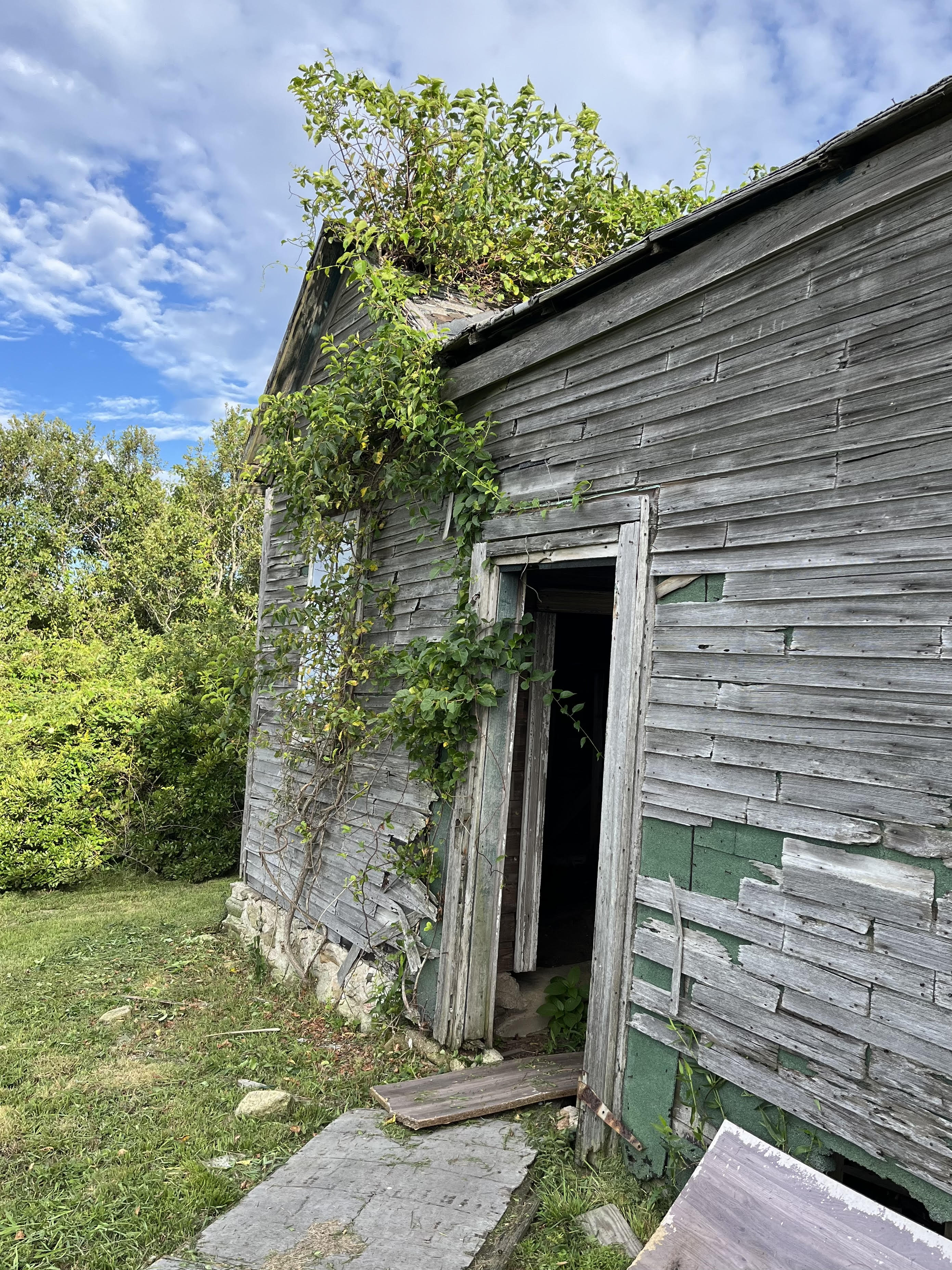
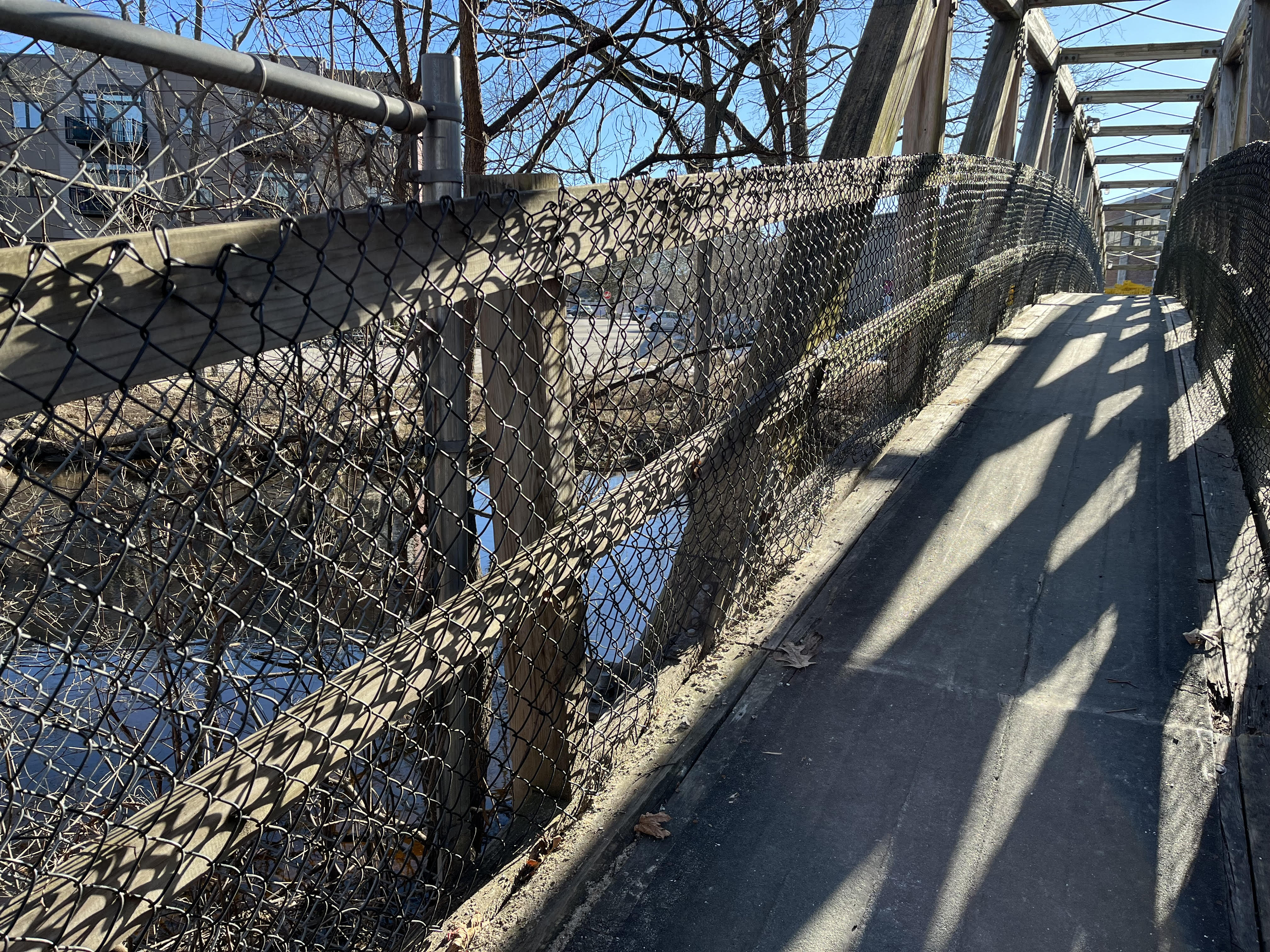
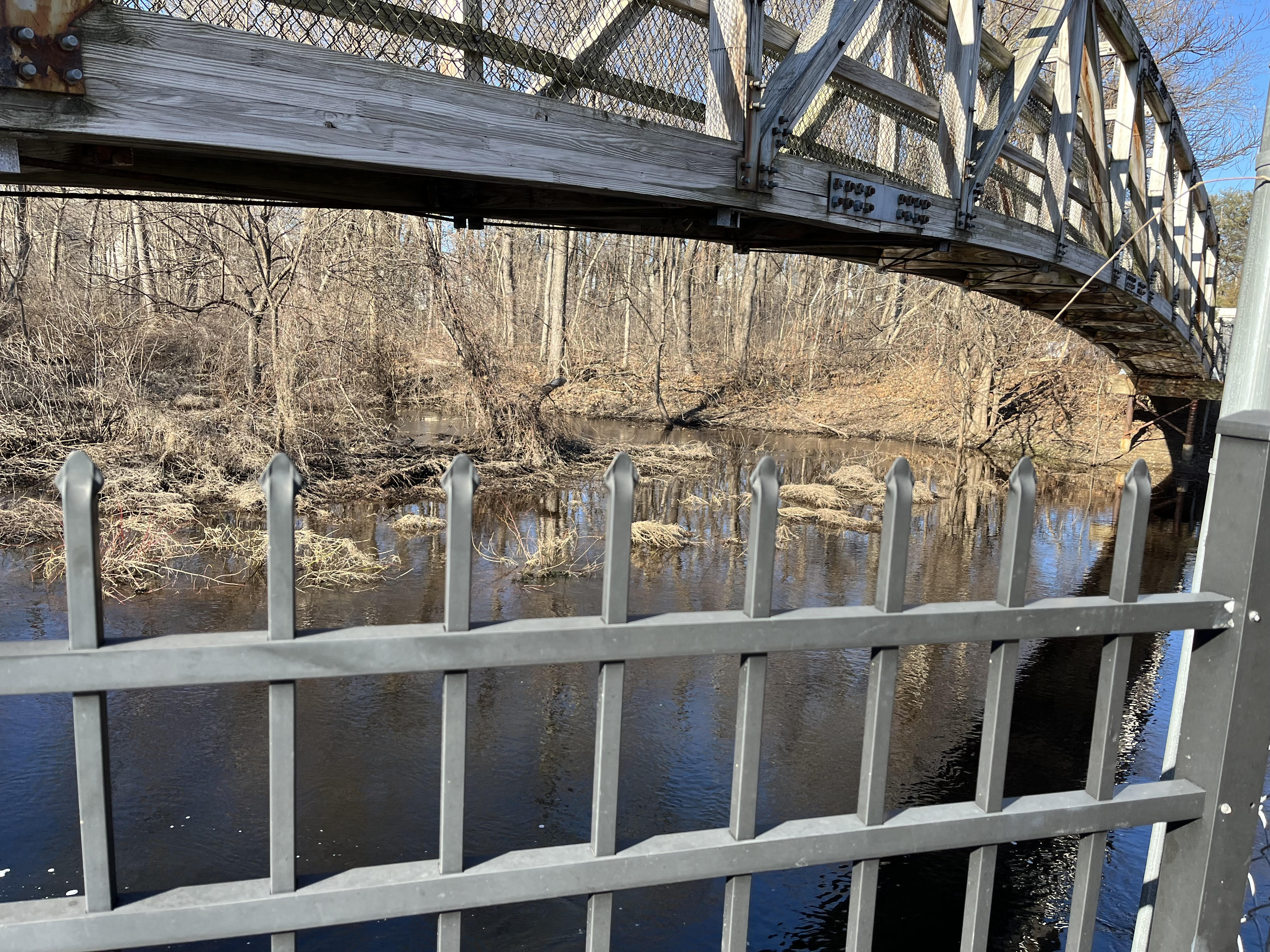
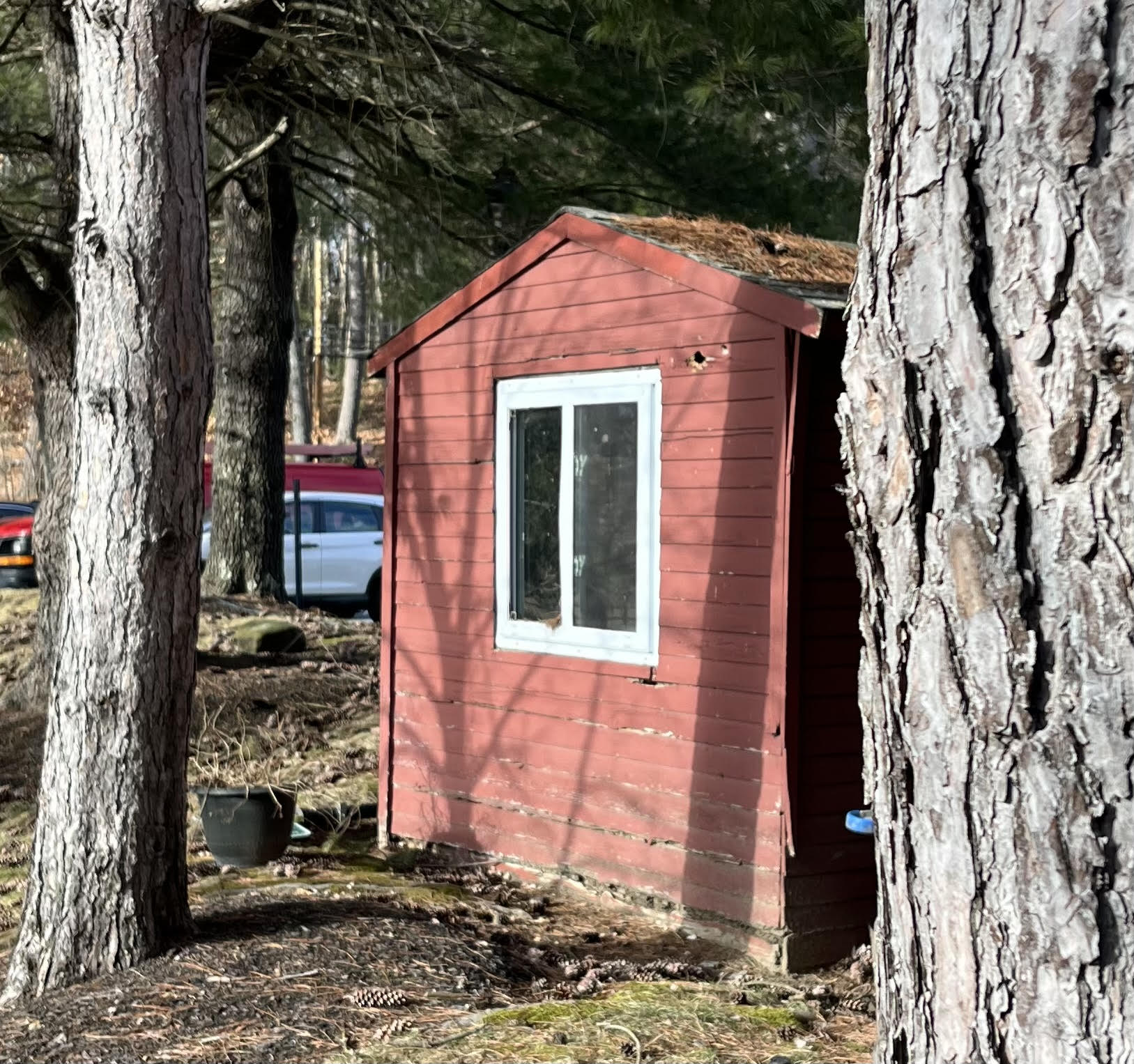
Finally the sun came out. I took photos of the footbridge over Nashoba Brook, which was hurrying along as if it were spring already. Also in sunshine, a mossy-roofed shed caught my eye.

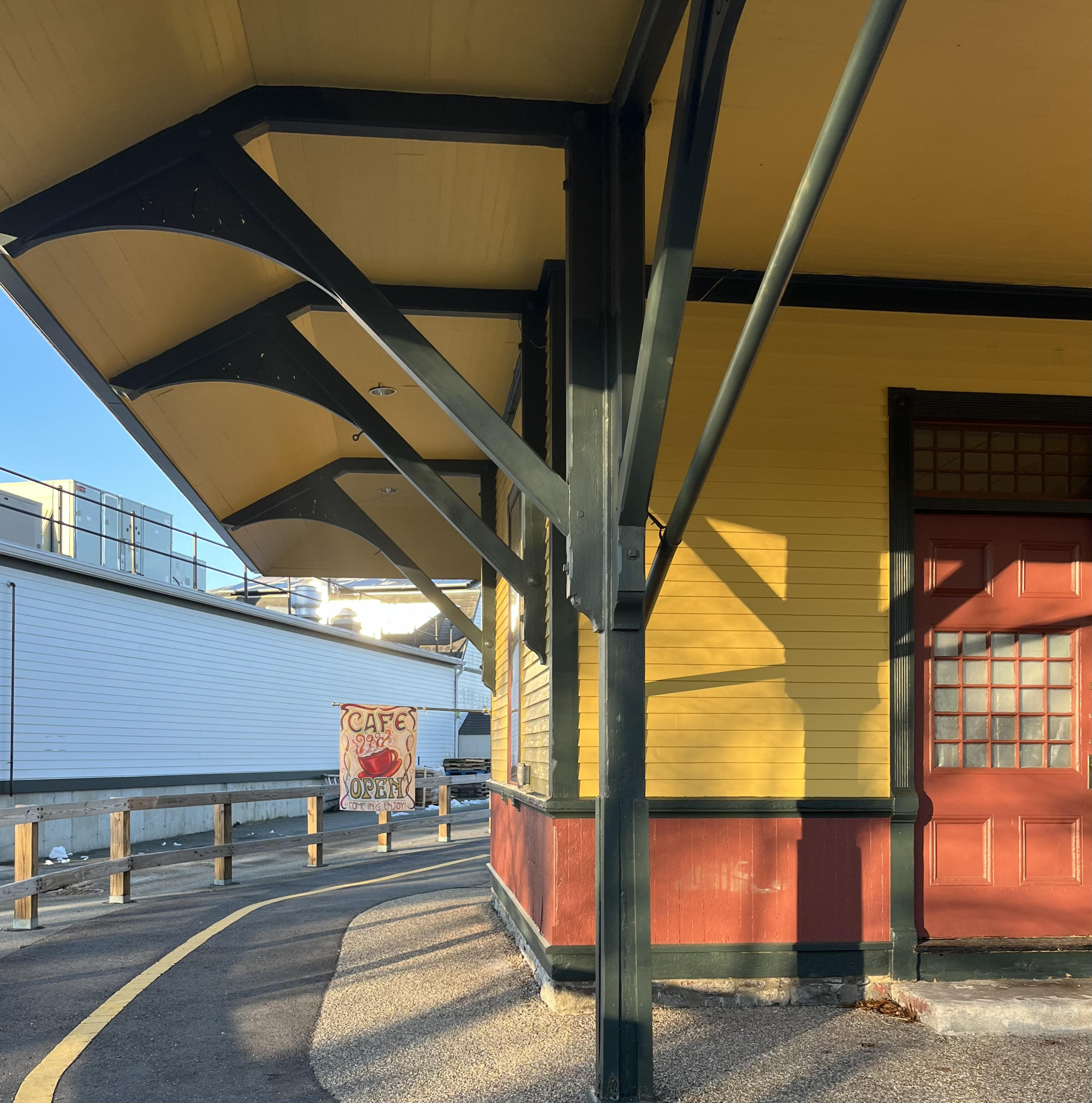
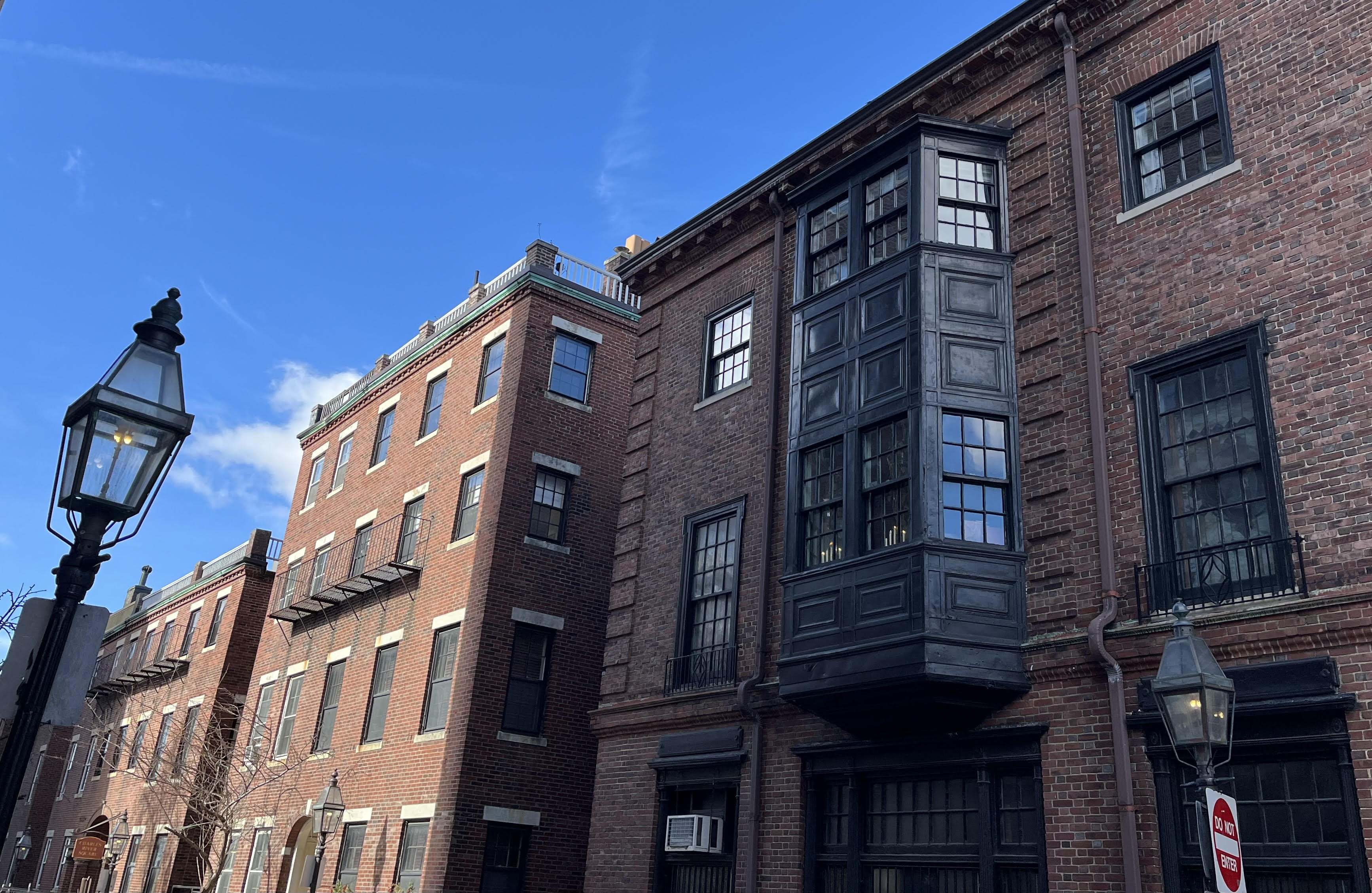
Do you see balconies next? After the balconies, is the train depot. I was there in the early morning to catch the train to Boston for annual checkups at MGH. While in town, I also took a shot of the Beacon Hill area off Charles Street.

PS All dragons smile, if we know how to look at them.

Read Full Post »

Photo: Alexandra Ionescu/Rhode Island Collective.
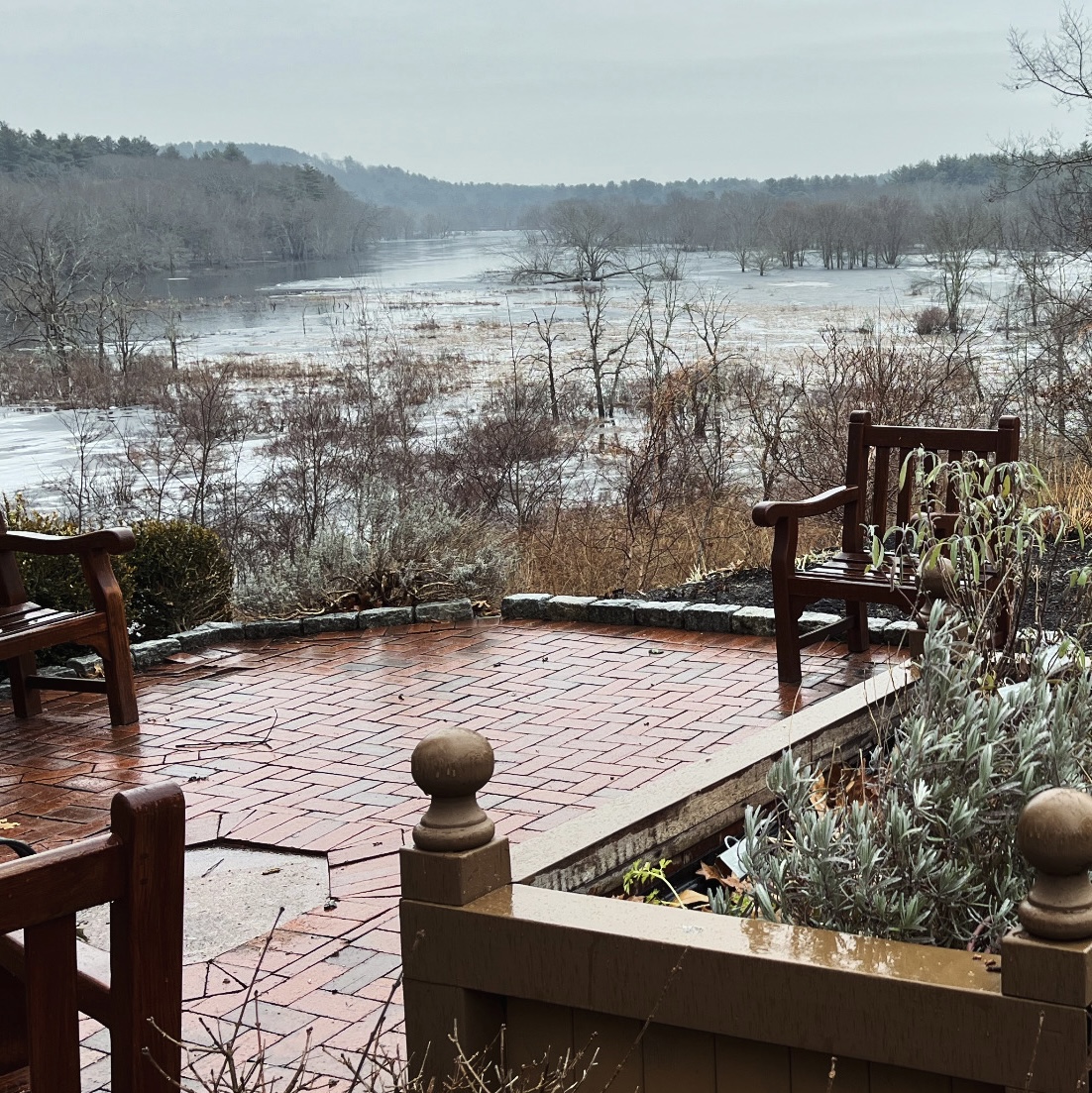
This floating wetland, an artificial island hosting a human-made ecosystem, was scheduled to remain in Ice Pond in Southborough, Mass., until Sept. 17.

Here’s a new thing under the sun: a floating wetland. Art and science join forces, and Frank Carini at ecoRI News has the story.

“Floating in a circle around a pond in Massachusetts is a mini-wetland built by six Rhode Islanders. Earlier this summer, the mostly natural creation was chosen as the winning installation in the seventh annual Art on the Trails outdoor art and poetry program.

“But the freshwater wetland, built by a group of Ocean State artists, designers, and a botanist, wasn’t commissioned to win an award. It was designed to raise awareness about the importance of wetlands and show how they work. Mission accomplished.

“Art juror Sarah Alexander, who chose ‘Below and Above: A Floating Wetland Supports Life” by the Rhode Island Collective as the best installation, said, ‘The amount of careful research and thoughtful response to the space, along with the combined efforts of its dedicated creators, blew me away.’ …

“The wetland has been floating in Ice Pond in Southborough since June 11. It was created by sourcing native plants, and experiments with natural cordage. It shows how pollutants could be sucked from stressed waterbodies with a little help from human hands. A single anchor line keeps the wetland floating in a 15-foot circle, and not all over the popular skating pond.

“Members of the Rhode Island Collective include Holly Ewald (visual artist), Maxwell Fertik (interdisciplinary artist), Alexandra Ionescu (ecological artist), Hope Leeson (botanist), and August Lehrecke and Matthew Muller (co-founders of an inflatable architecture studio), who led the project’s construction. …

“ ‘The floating wetland ecosystem creates a habitat for the more-than-human world below and above the water line through the growth of native macrophytes. Through the plants’ life cycles, they regenerate the food web, amplifying the natural processes between sunlight, water, and microorganisms,’ according to the Collective. …

“Their structure was built using dried Japanese knotweed, broadleaf cattails, and bamboo for buoyancy, as alternatives to petroleum-based materials such as plastic and foam typically used to construct floating wetlands. A small amount of stainless steel wire mesh and cable holds the craft together.

“The knotweed used to create the floating wetland was harvested in late winter as dry stems from Mashapaug Pond and Gano Park in Providence. Fertik said repurposing invasive species for the project’s pontoons removed some of their biomass from the environment and transformed the nonnative plants into a vessel to improve water quality and promote biodiversity. (The dead stalks weren’t capable of spreading.) …

“The craft is home to 18 native wetland plant species: American bur-reed; bayonet rush; brown fruited rush; Canada rush; common cattail; Alleghany monkey-flower; blue flag iris; boneset; cardinal flower; flat-topped goldenrod; Joe-Pye weed; New York ironweed; northern water horehound; pickerelweed; swamp milkweed; buttonbush; silky dogwood; and steeplebush. …

“Suspended in water, the plant roots provide a home for diverse communities of algae, bacteria, fungi, and protozoans, known as periphyton. As the plants upcycle nutrients from the water into their roots, stems, leaves, and flowers, the periphyton provide nutrient uptake, filtration, oxygenation, and toxin removal.

“Southern New England’s freshwater lakes and ponds, especially the shallow ones, are being stressed by development, wastewater overflows, old and failing septic systems, antiquated cesspools, and stormwater runoff carrying nutrients such as nitrogen and phosphorous from fertilizers and roadway pollutants such as polycyclic aromatic hydrocarbons. …

“The Collective’s 48-page PowerPoint presentation noted Indigenous communities built floating islands for hundreds of years by harvesting natural materials found in their surroundings. ‘By incorporating native plants from freshwater marsh and pond ecosystems, we are supporting a variety of other life forms,’ they said.

“Ice Pond, part of the 58.5-acre Elaine and Philip Beals Preserve, is a healthy ecosystem in little need of a floating wetland to pull pollutants out of the water, but it did give the Collective an opportunity to learn how floating wetlands create a habitat, observe the decay of the natural materials used to build the craft, and document the growth of the native wetland plants. … The Providence Stormwater Innovation Center has requested the craft’s presence for the ponds at Roger Williams Park. …

Art on the Trails is an annual site-specific ecological sculpture park exhibition. To watch a video about the project, click here.
More at ecoRI News, here.
Read Full Post »

Photos: John and Suzanne’s Mom.
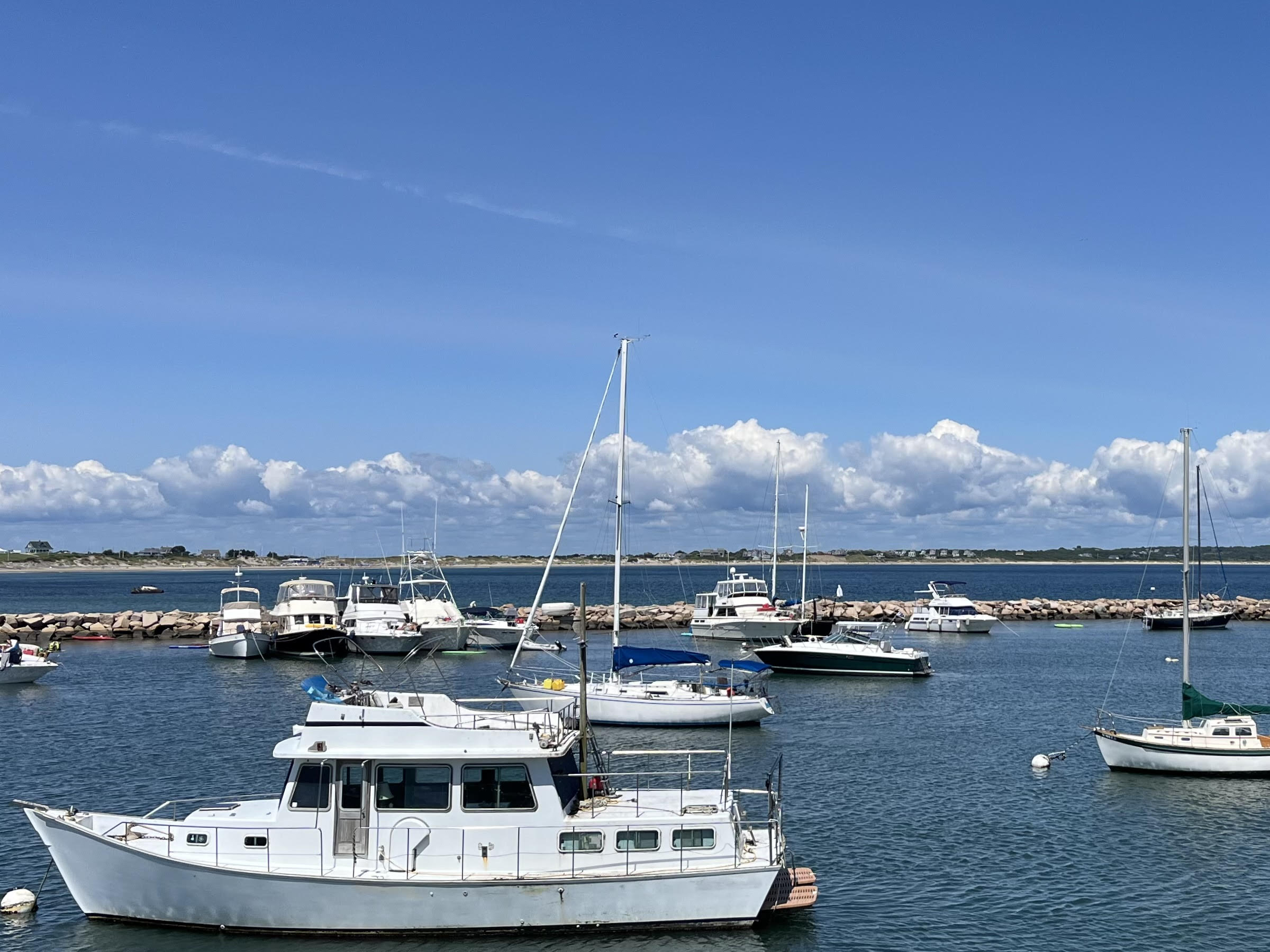
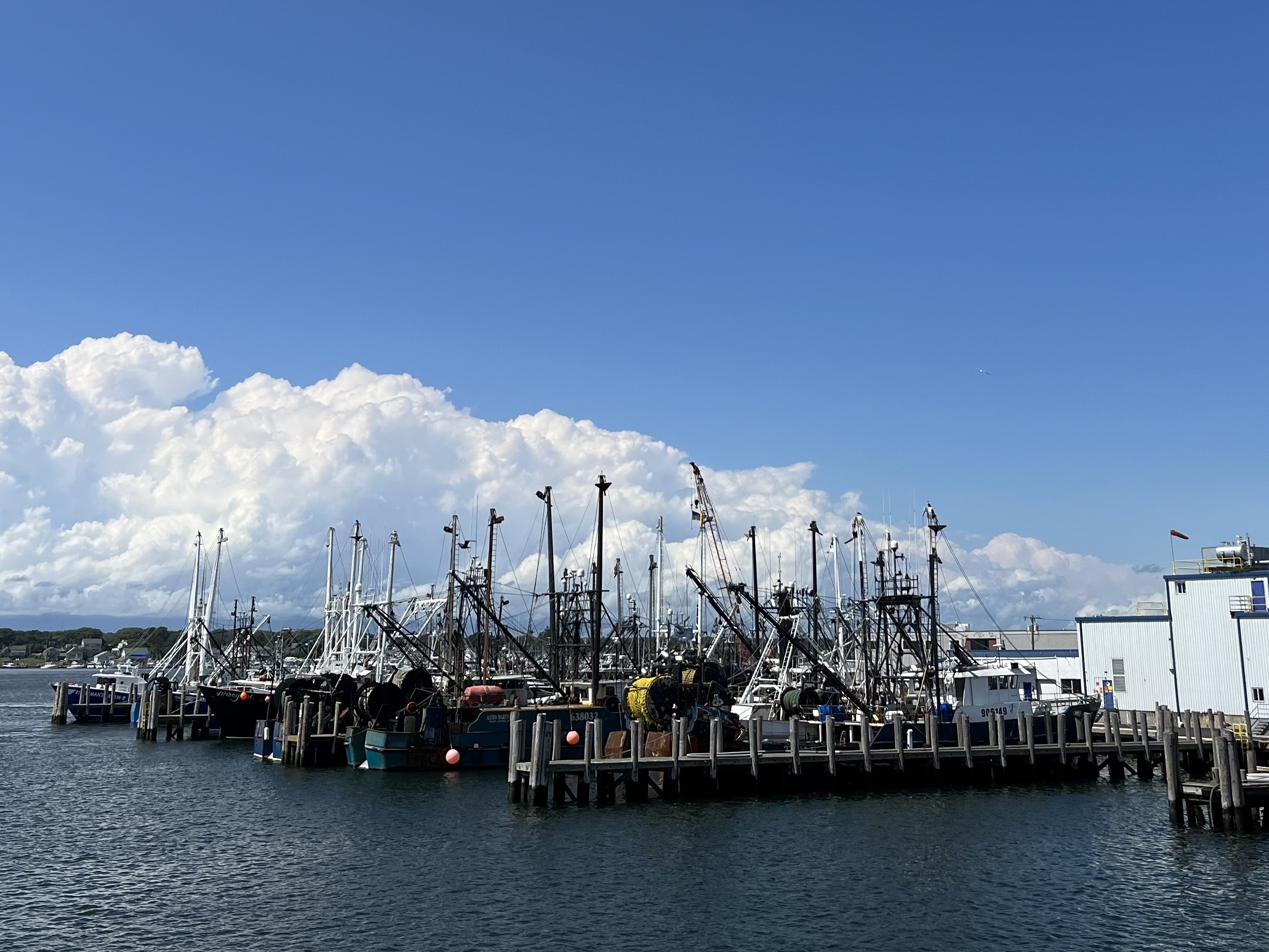
Above, the fishing flee in Galilee, Rhode Island. And some rather decent clouds.

Summer always seems to be the best time for photos. In winter I have to look harder. Here are a few recent shots from New England: specifically, from Massachusetts and Rhode Island.

A luau at our new Place had an unusual approach: Hawaiian food, Caribbean music. Well, OK, I thought, I do like the sound of a steel drum.

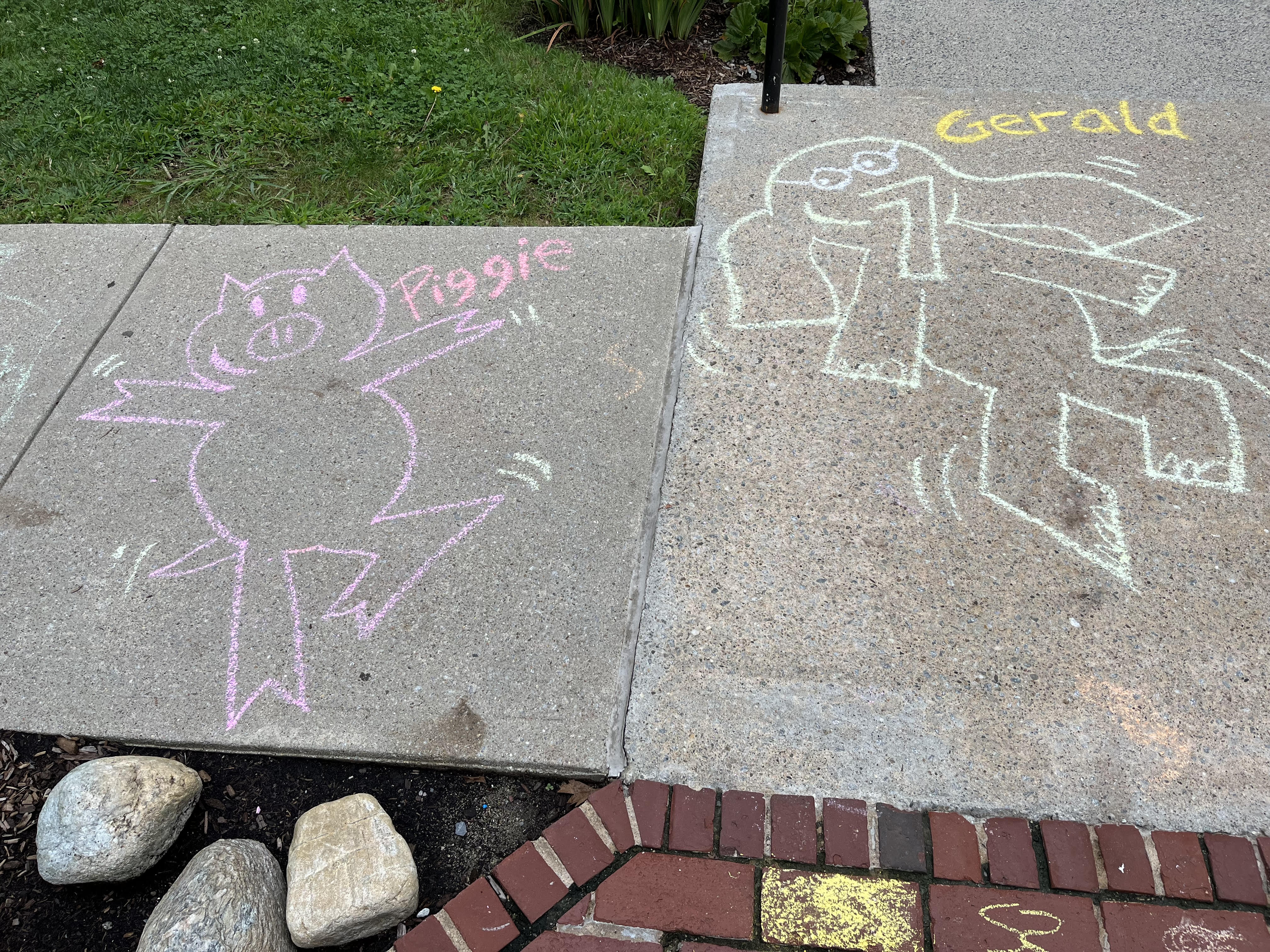
A very decent artist brought Gerald and Piggy to the front walk of the Fowler Library.

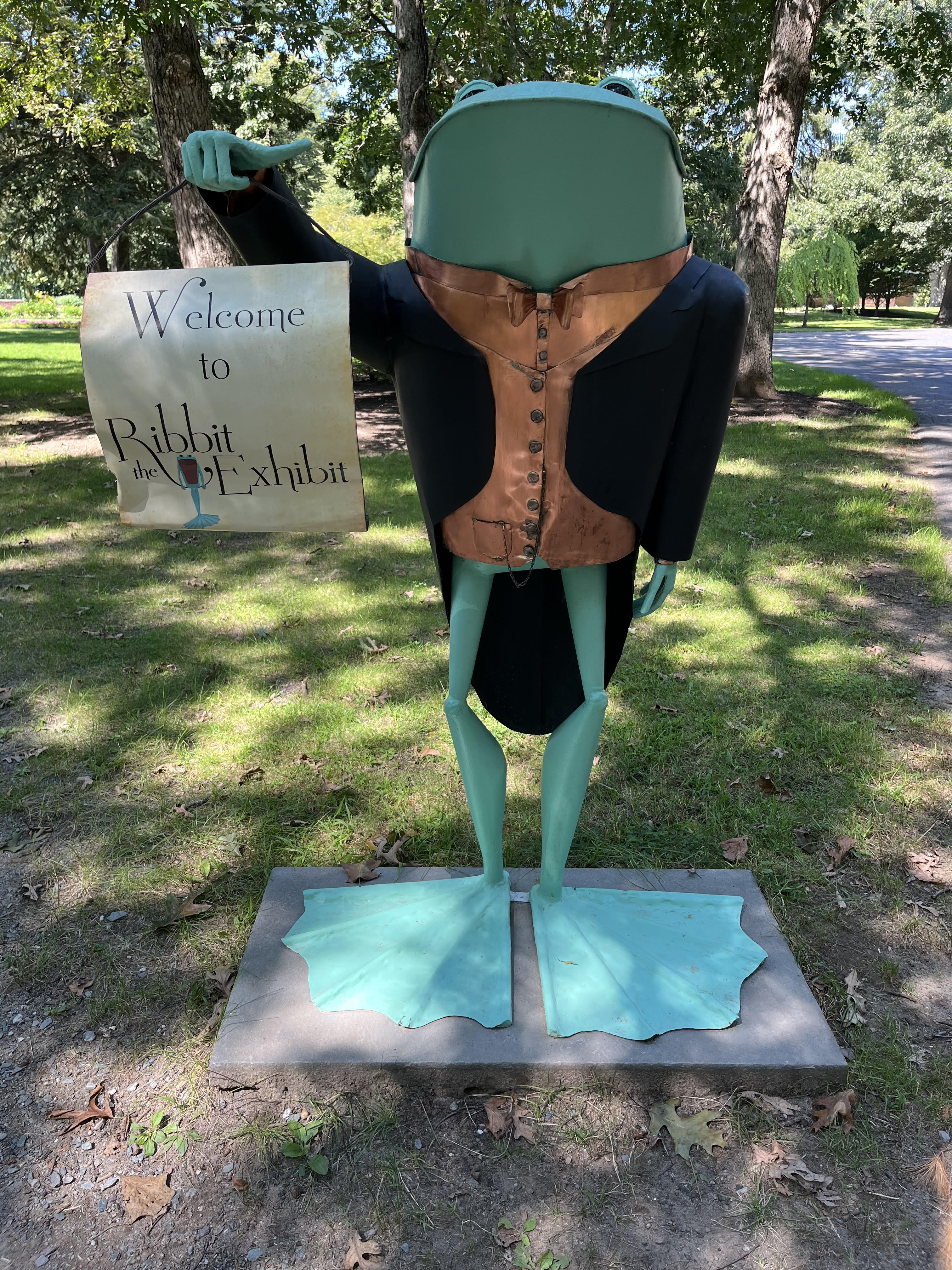
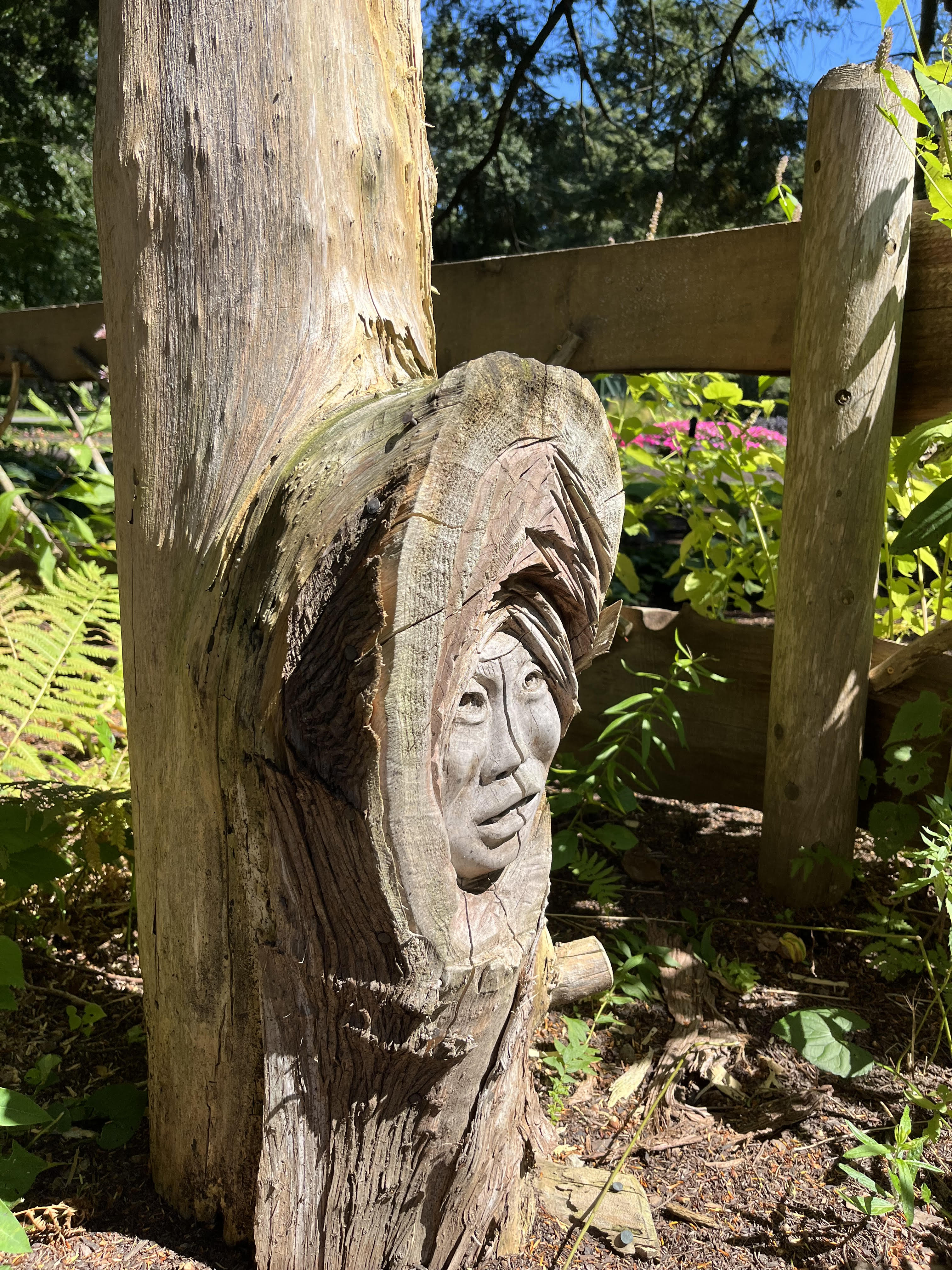
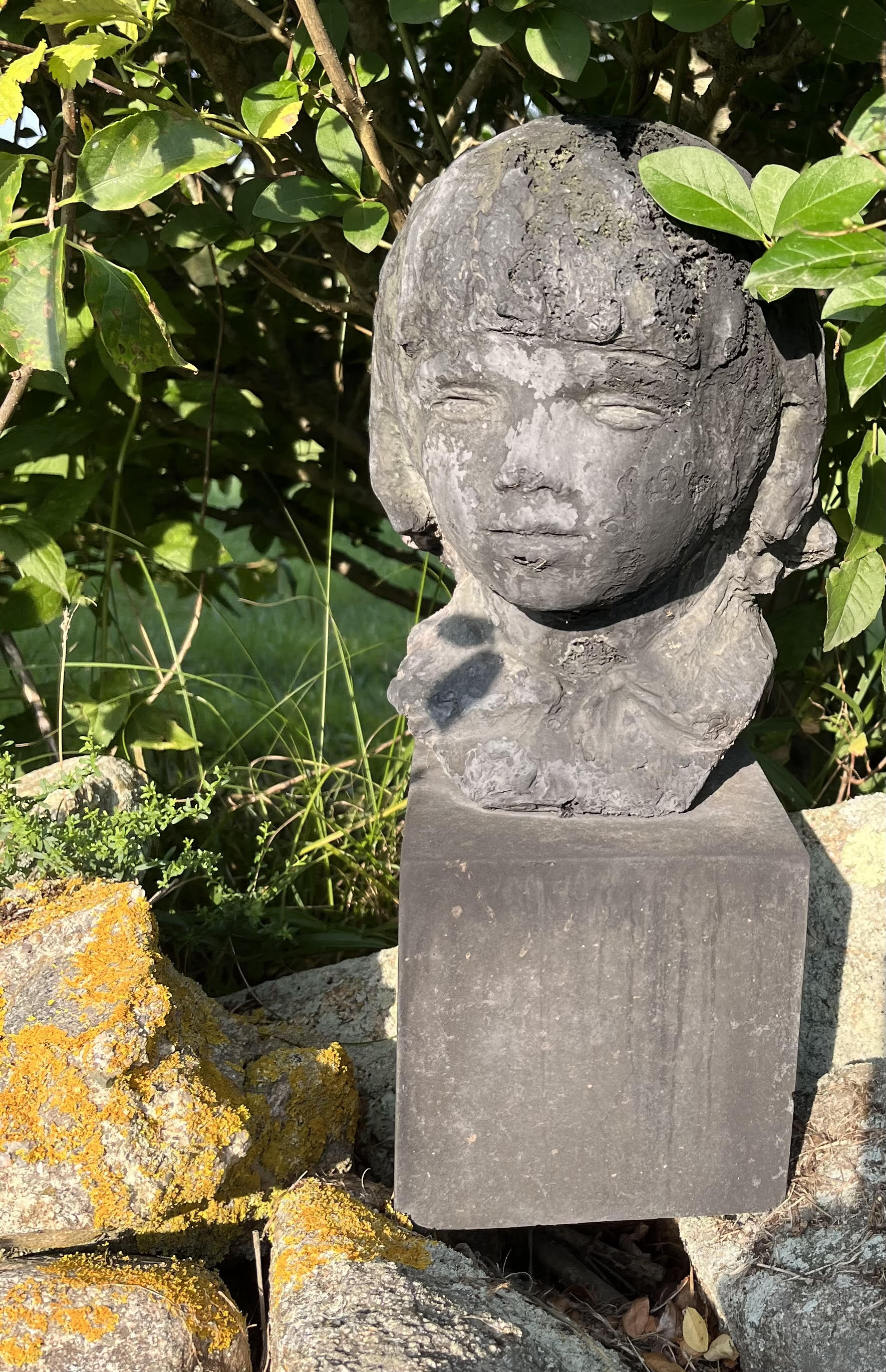
Frog characters welcomed both children and adults to Mass Horticultural Society’s Elm Bank gardens. Nancy and I liked the pollinator garden with its tinkling waterfalls and shady benches a lot more than the formal gardens. I also admired an interesting totem-like carving there.
My other photos are just odds and ends that caught my eye. Let me know if you would like more explanation of any.

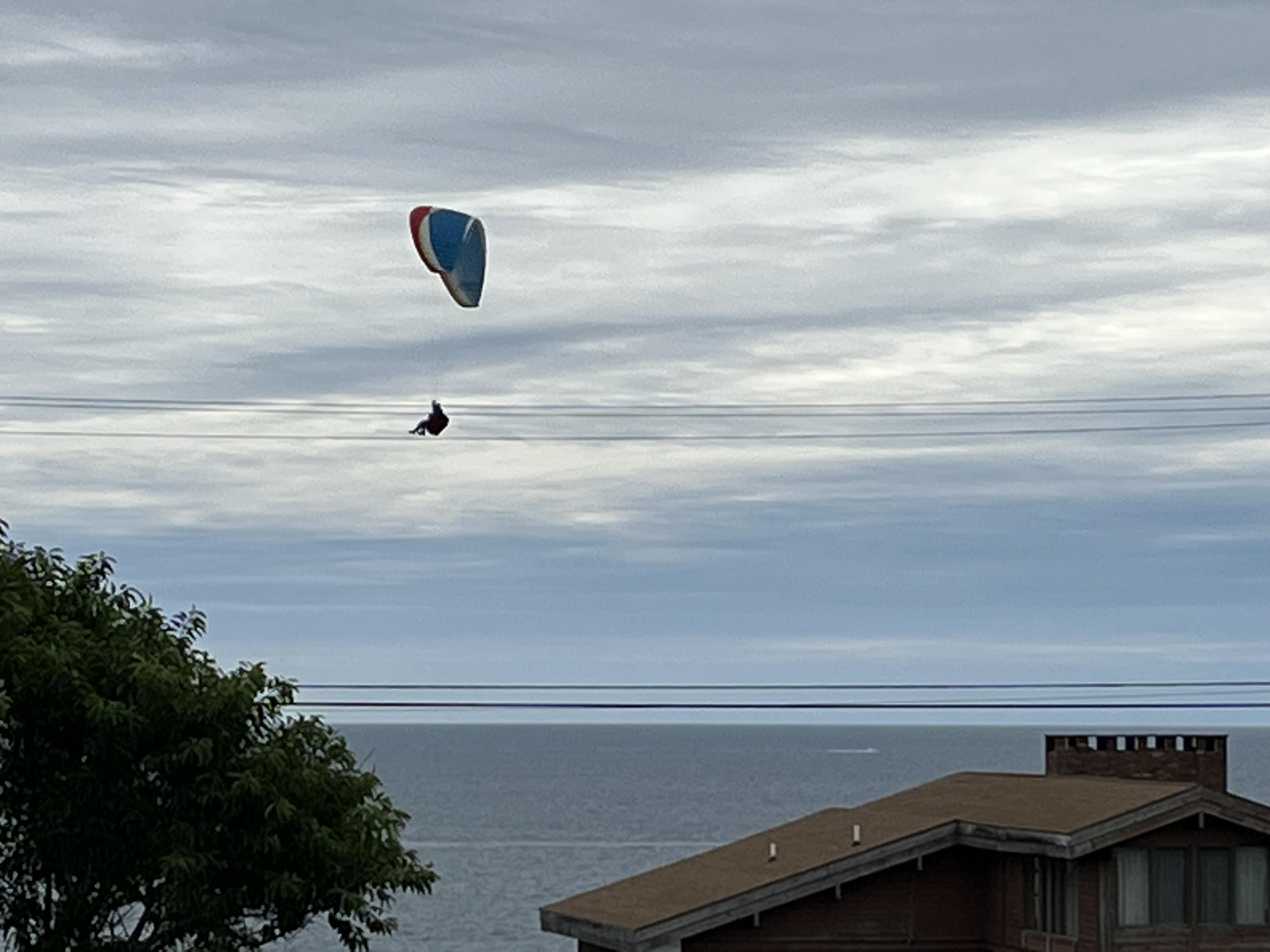
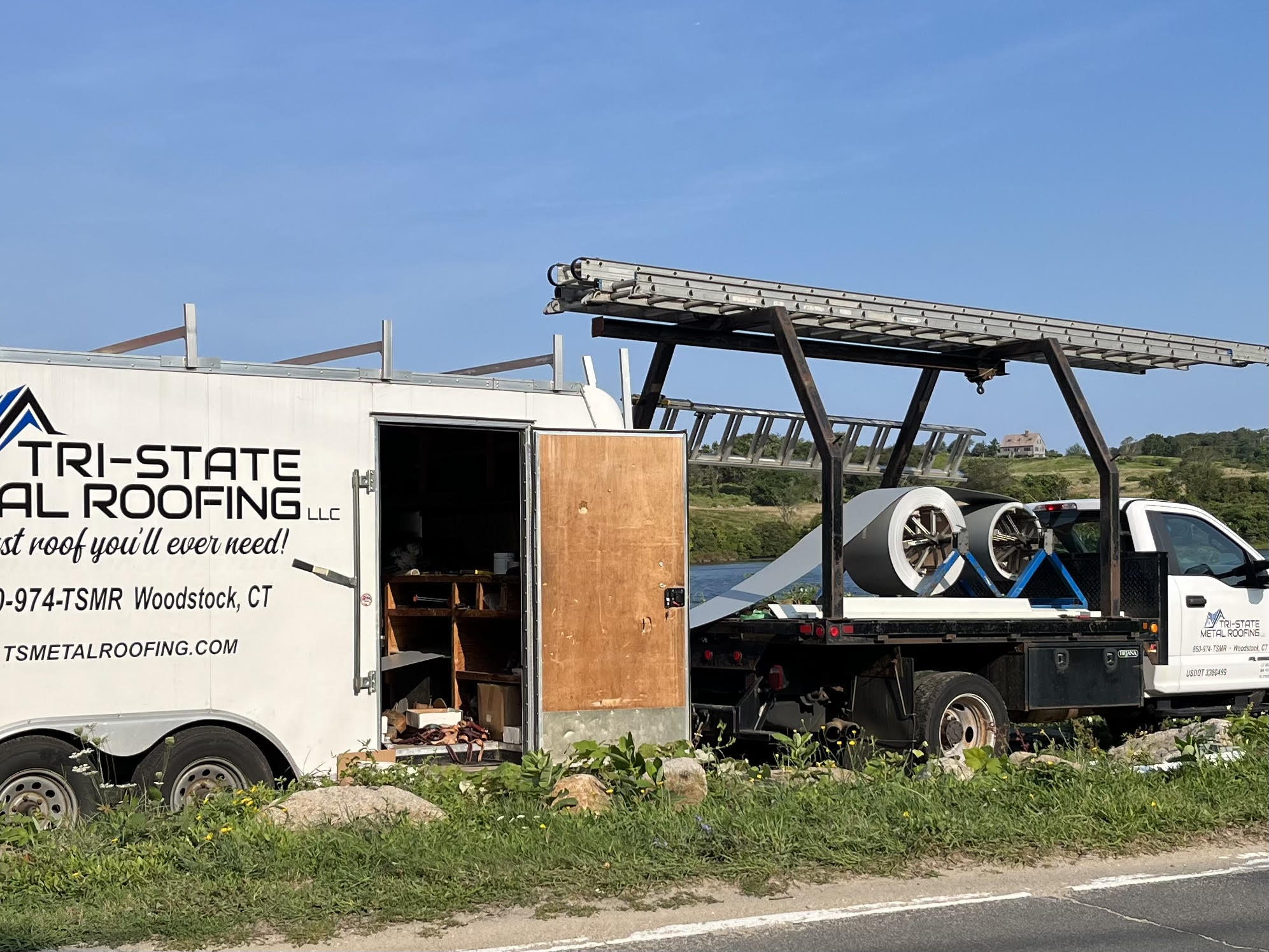
I do need to explain that the person floating along the bluffs was likely in a motorized parachute. Frightening! And the truck is included because I was fascinated that metal roofing comes off a giant roll that looks to me like nothing so much as chewing gum.

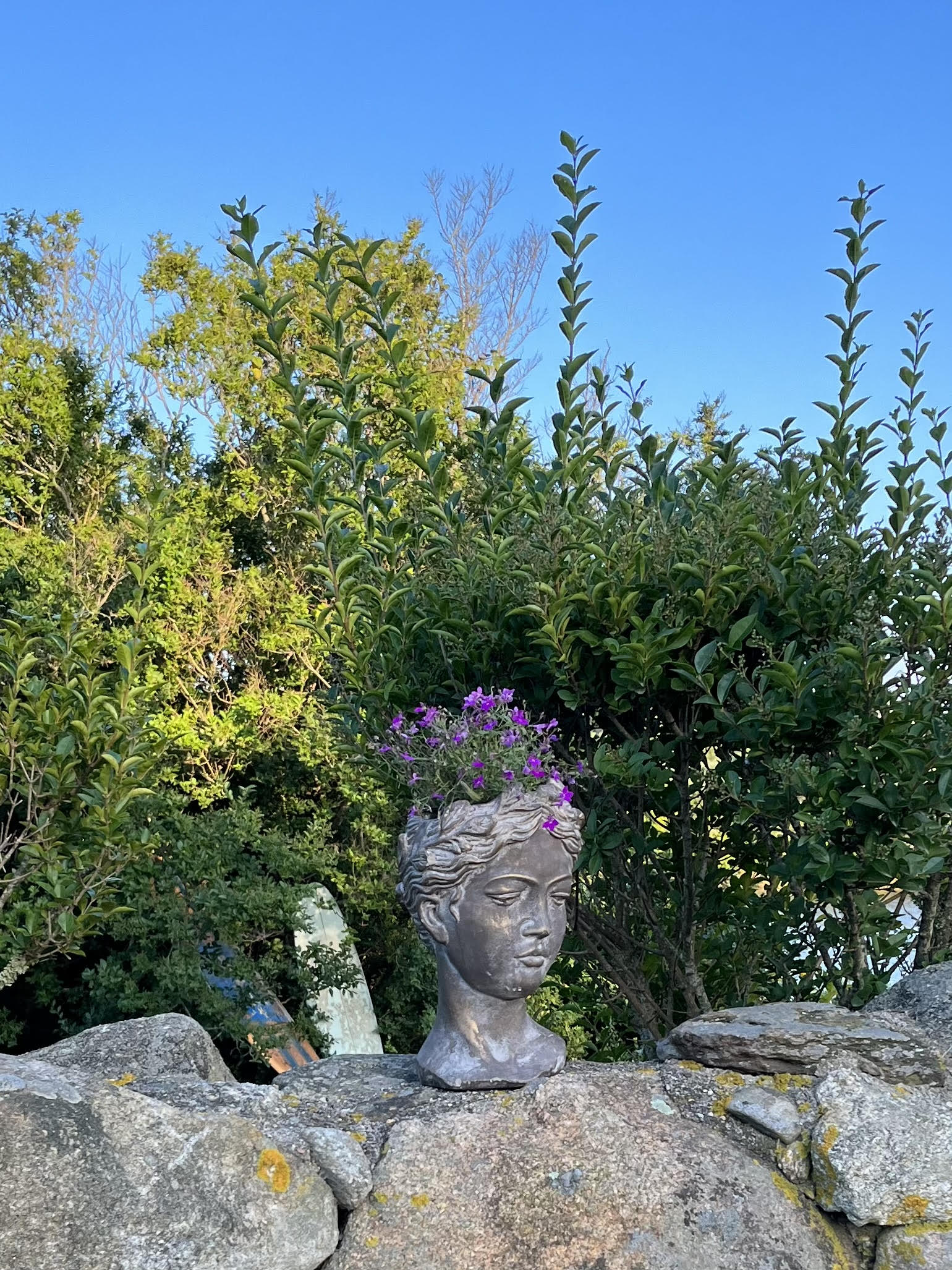
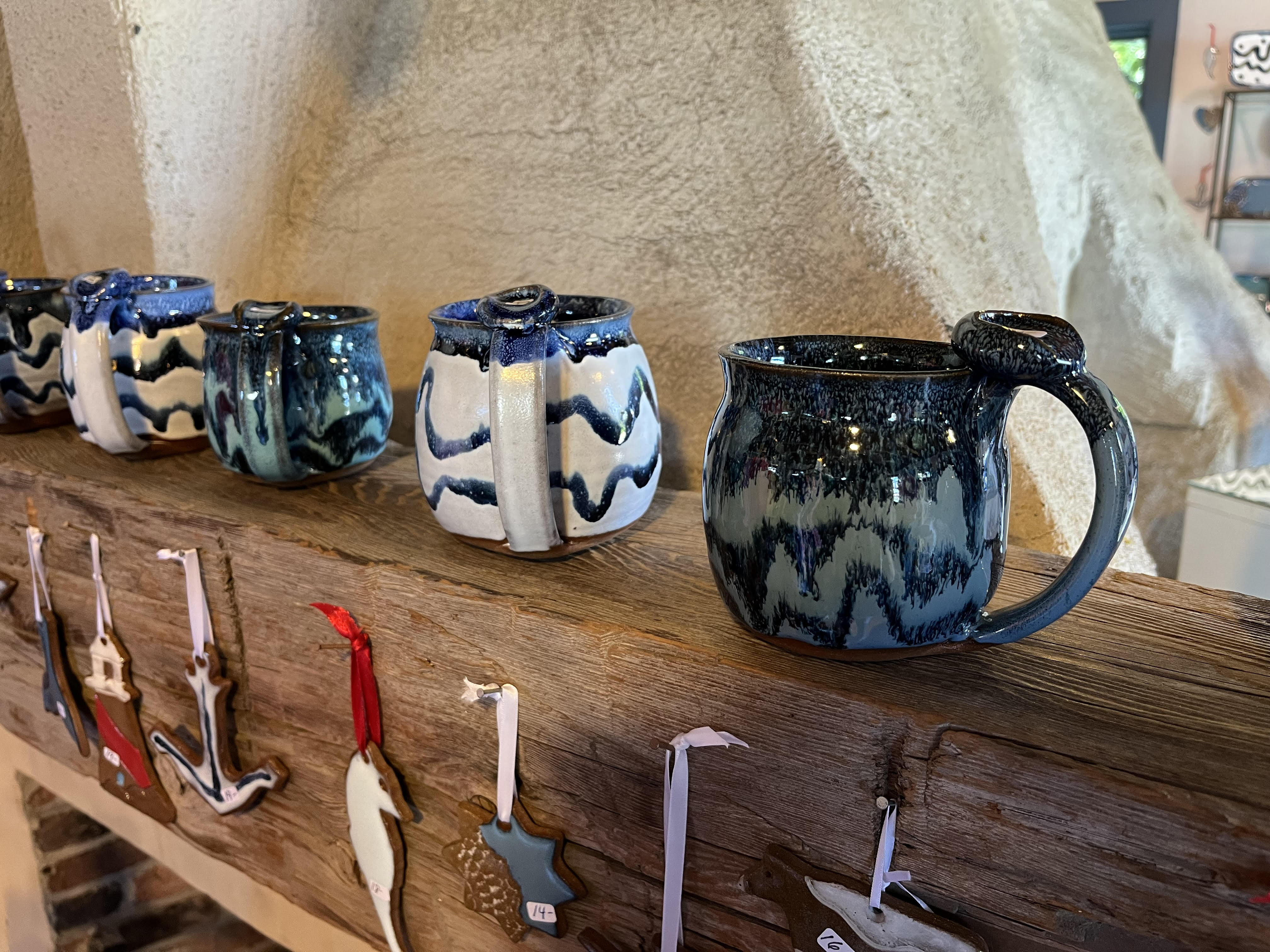
I’ll wrap up with a word on Joan Mallick’s popular “blue pottery. ” As Joan is unwell and no longer able to work, I think her distinctive mugs, plates, planters, and Christmas ornaments are likely to become collectors’ items.

The last shot shows my husband’s clematis trying to get into the house.

Read Full Post »

Photo: Pat Greenhouse/Boston Globe.
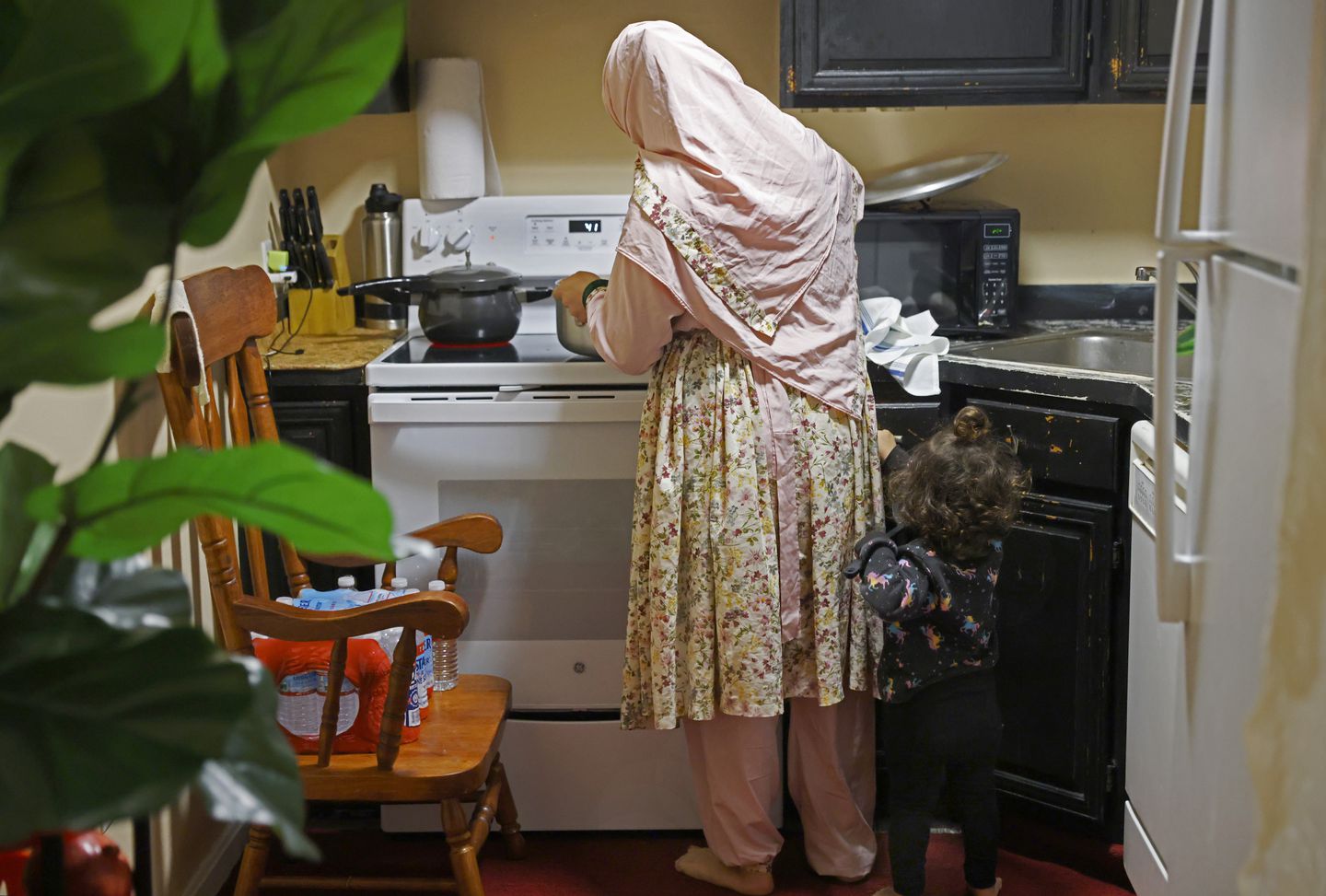
Samya prepares an evening meal. Back in Afghanistan, Samya and Noori’s fathers are out of work and their families struggle to find enough to eat. Noori sends them $200 to $400 a month.

In today’s story, an Afghan who worked as an interpreter for US troops builds a new life for his family in Lowell, Massachusetts, a longtime “gateway” city for new Americans.

Alexander Thompson reports at the Boston Globe, “Scarcely any of the 40 Afghans who trooped off planes at the Manchester, N.H., airport on an unseasonably warm day on Nov. 18, 2021, had ever heard of Lowell.

“Among the dazed and weary refugees at the airport was an irrepressibly optimistic former US military interpreter called Noori. His wife, Samya, and two young daughters, Taqwa and Zahra, were at his side. They were exhausted, but they were safe.

“Noori recalled that he didn’t know a single person in New England. He didn’t have a job. Or a car. Or an apartment. Or a winter coat. But he had his family. ,,,

“After a harrowing escape and a grueling journey halfway around the world, Noori and his fellow Afghans quickly found that life in Lowell is no Hollywood movie.

“ ‘We thought that in America all the facilities of life were going to be provided for you,’ he said. ‘It’s true that it has, if you work [for it].’

“Noori and several hundred other Afghan refugees who have been resettled in Lowell have set about doing what they could not in their own country. They’re building lives in peace while forging a united community that is, slowly, bridging the divides of language and creed that have riven Afghanistan for decades.

“ ‘The United States of America did not build a nation in Afghanistan, and now the Afghans who are here are trying to build a new nation here in the United States,’ said Jeff Thielman, president of the International Institute of New England, which resettled many of the Afghans.

“And in the past year, Noori has gone from being just another Afghan in the crowd to a community leader, always eager to help his compatriots even as he navigates his own obstacles in the new country he’s proud to now call home. …

“Getting his license at the end of March was a huge relief. It felt like a hard-earned victory after the family’s first few months in Lowell, which had been difficult at times.

“Noori was lucky that the Lowell Community Health Center hired him days after he arrived as a Dari and Pashto language interpreter for their influx of new Afghan patients. But rent, Wi-Fi, and heat were expensive. They also desperately missed their families back in Afghanistan.

“ ‘Whenever I’m talking to my mom, she was crying because we are away from her, so this is the hardest part,’ Samya said, with her husband interpreting from Pashto.

“[Samya’s] and Noori’s fathers are out of work and their families struggle to find enough to eat amid Afghanistan’s worsening humanitarian crisis. Noori sends back $200 to $400 a month.

“Worse still, as Noori would acknowledge many months later, the family was feeling trapped and helpless in a tiny apartment. Fortunately for Noori and the other 275 refugees who eventually settled in Lowell, there was a group of Afghans who had arrived in the area years earlier and who offered support and guidance. The group’s de facto leader, named Mohammad Bilal, is another former military interpreter, who arrived in 2014.

“Among the first things Bilal and the others did was establish a WhatsApp group for the new arrivals.

“ ‘We will just call to the community if there is someone available, just please help this family. … They were going to get [the refugees] food, they were there to get them to the hospital,’ Bilal said. ‘Whatever their need was, we were helping them.’

“Noori had an extra advantage: Major White [who helped him escape] was still looking out for him. White knew Noori needed a car, so he set up a GoFundMe page that raised $14,000 and bought Noori a used Ford Focus. …

“By May, doing checkups with every new Afghan, [Dr. Rob] Marlin and Noori were the clinic’s dynamic duo. Marlin brings the medical knowledge and Noori the linguistic and cultural savoir-faire. Each patient reveals aspects of Afghan life in Lowell. …
“Before one checkup, Noori pointed out to Marlin that a man’s name indicated he is a member of the persecuted Hazara ethnic group. That prompted Marlin to probe deeper about the man’s roommates and whether he feels safe.
“ ‘He will often find out something that I didn’t ask about, that I hadn’t thought about,’ Marlin said.”

Read more about the Marine who aided the family’s spine-tingling escape and about their new life, here.
Read Full Post »

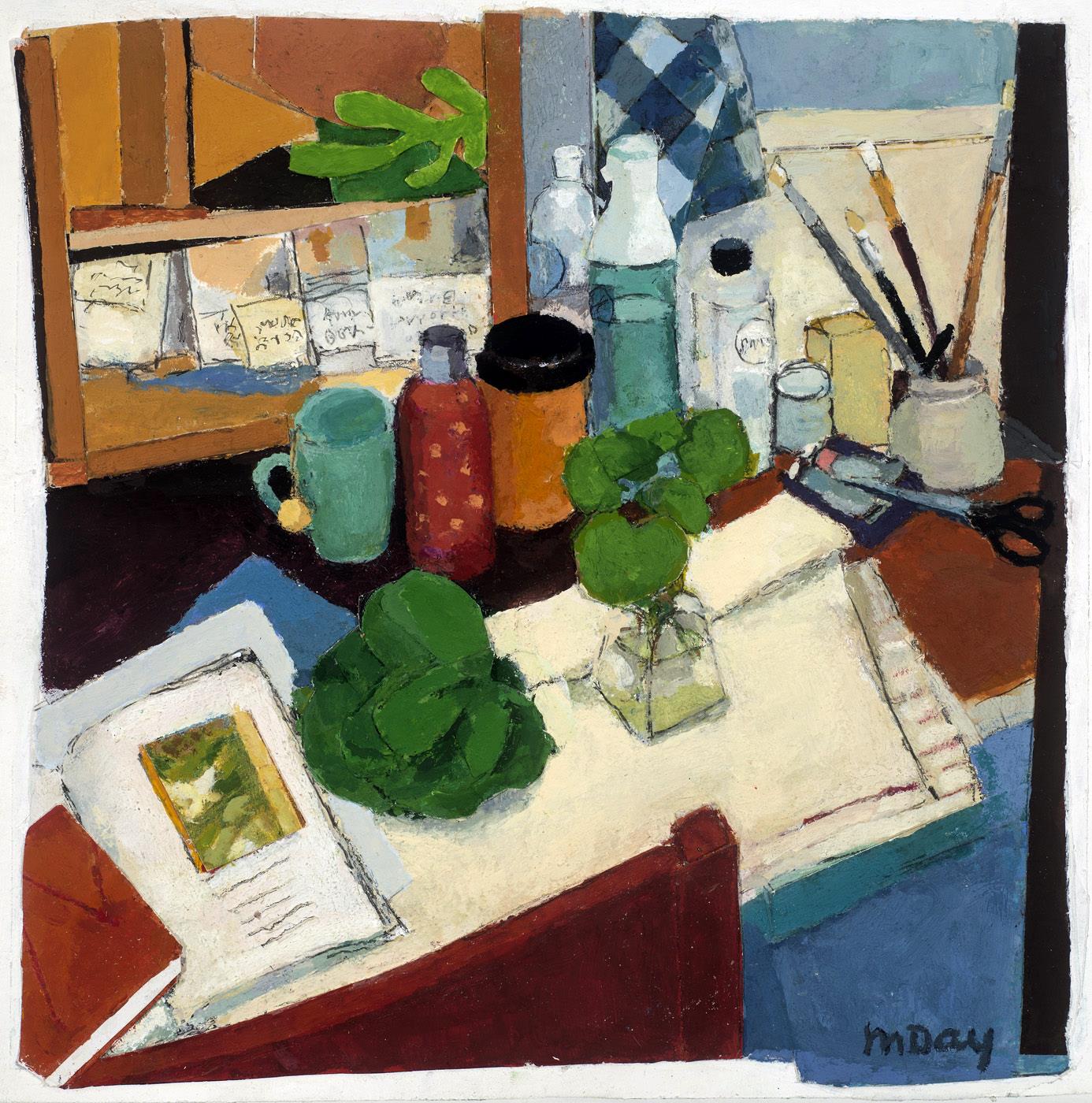
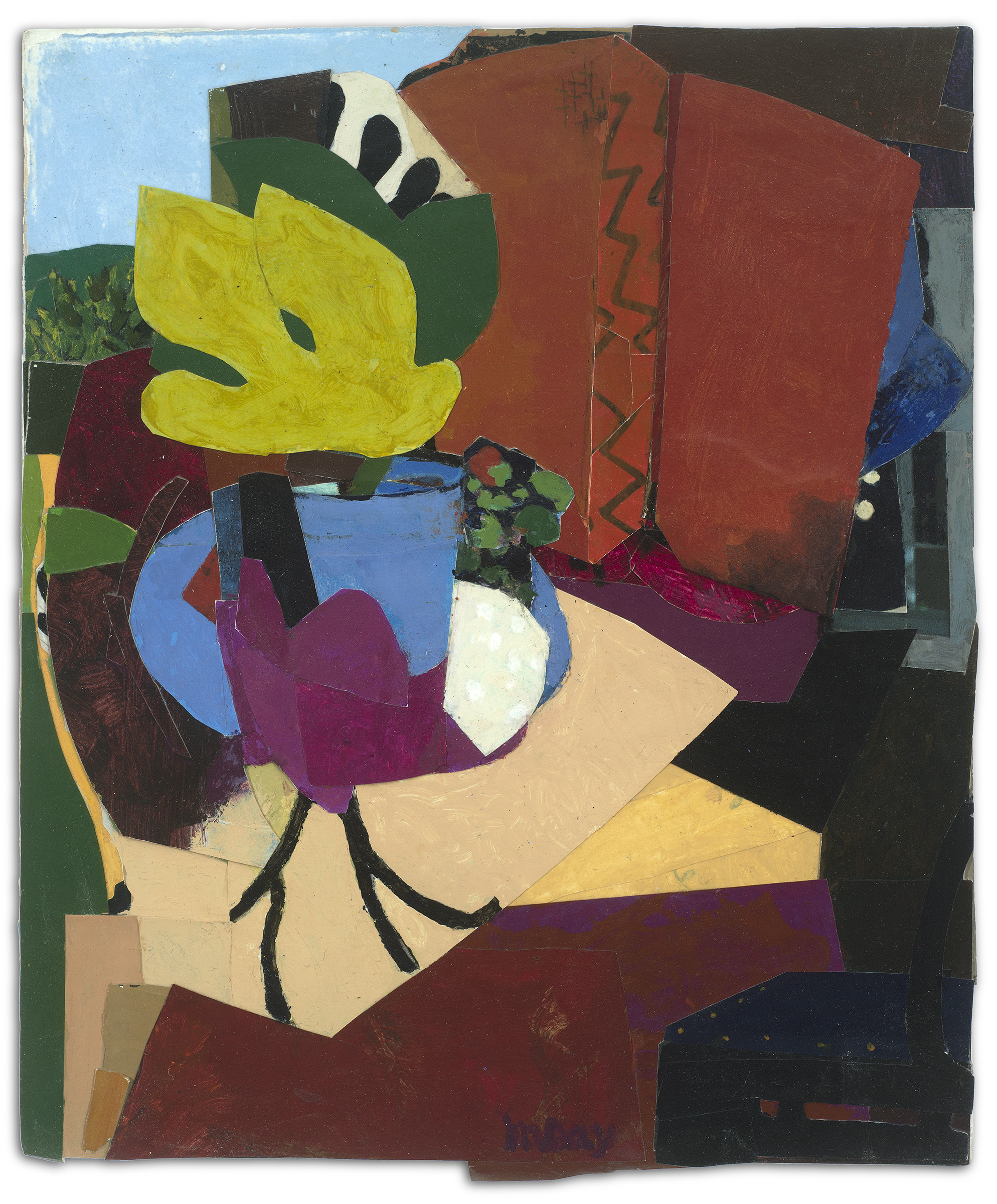
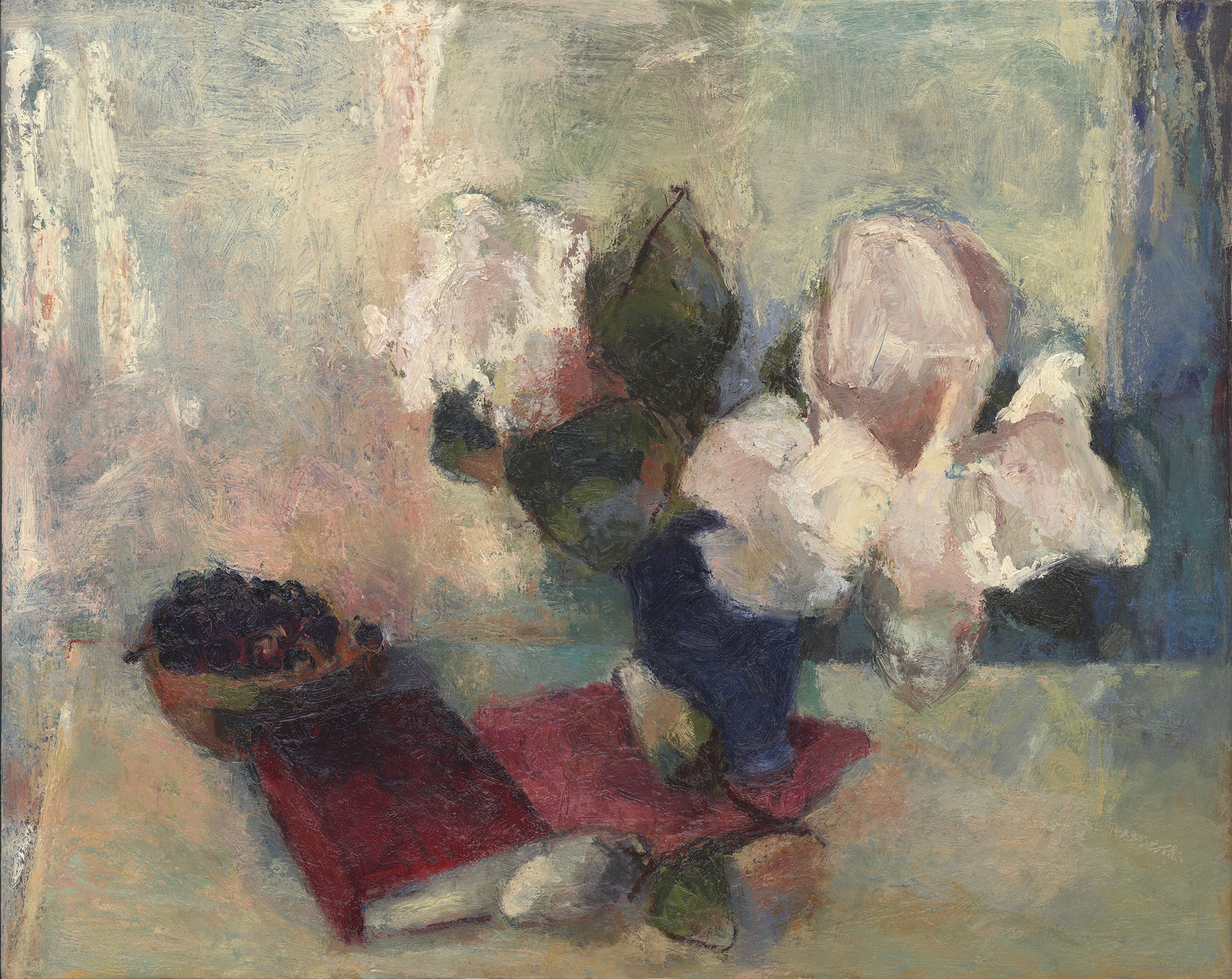
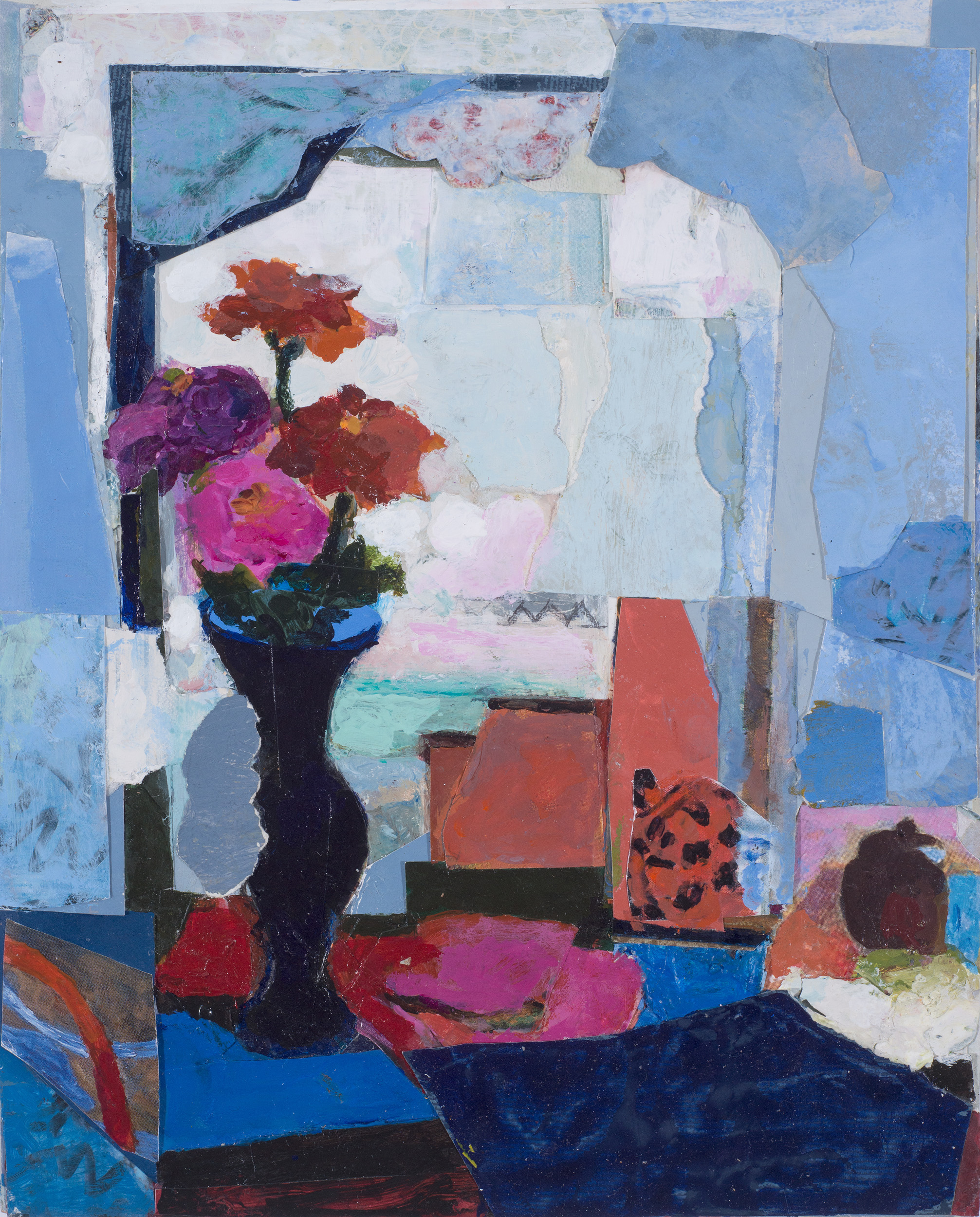
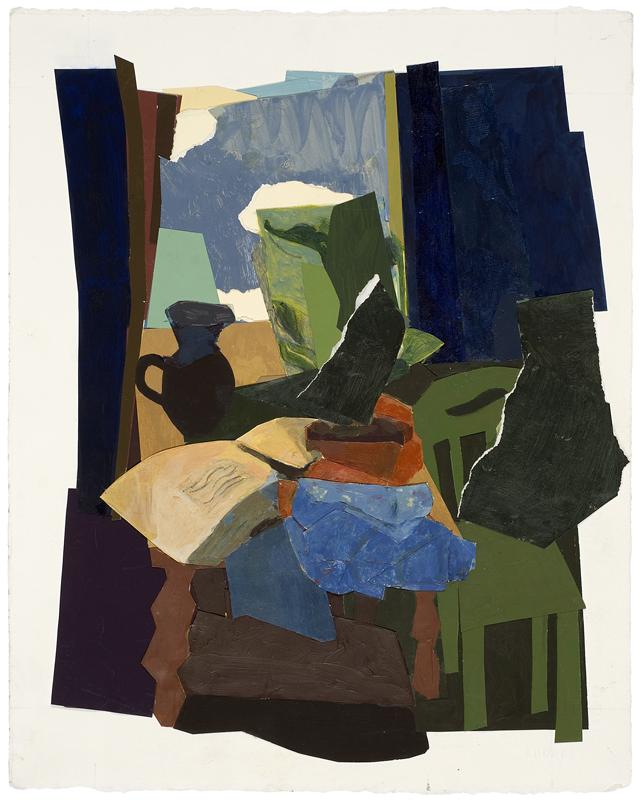
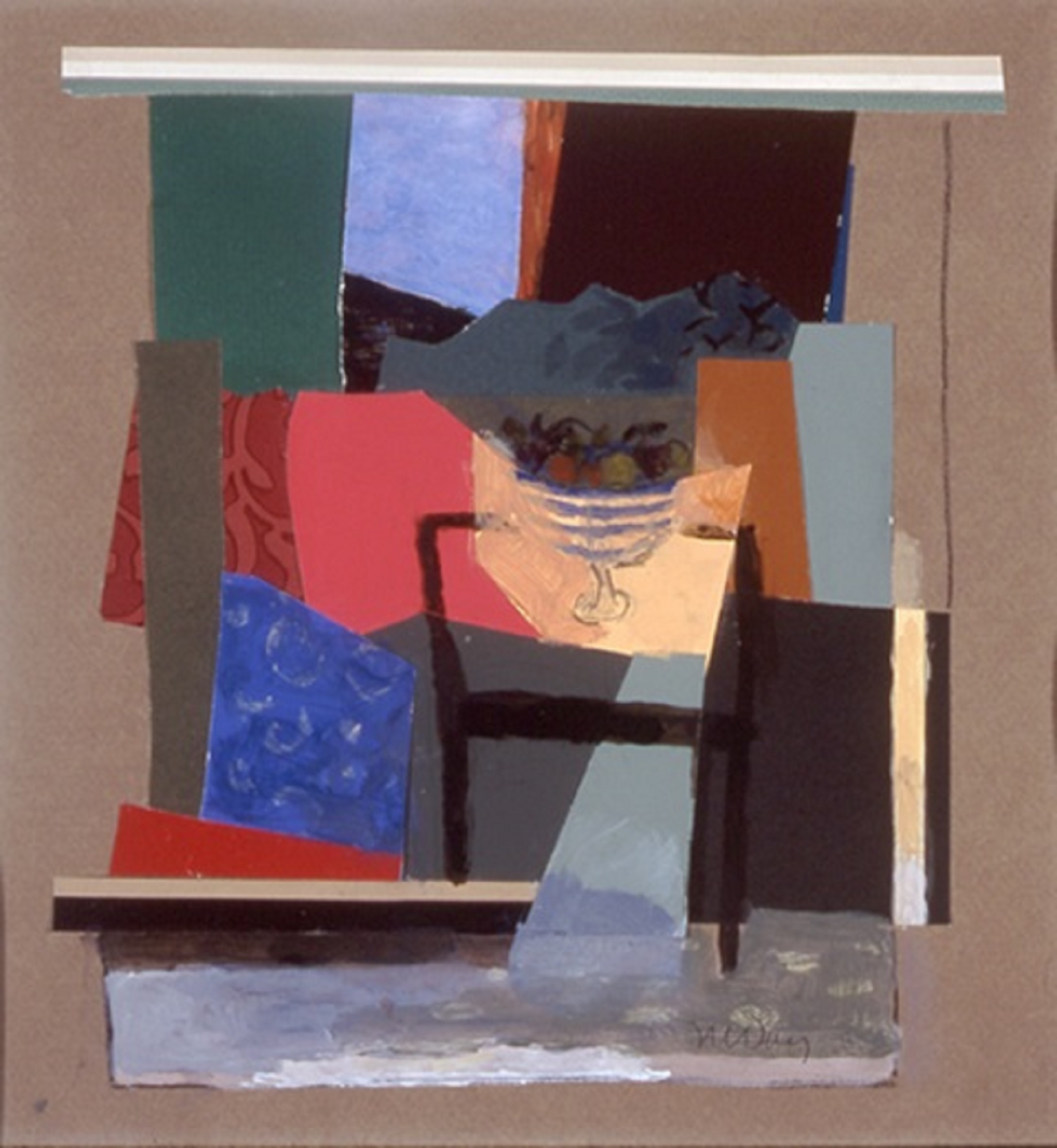
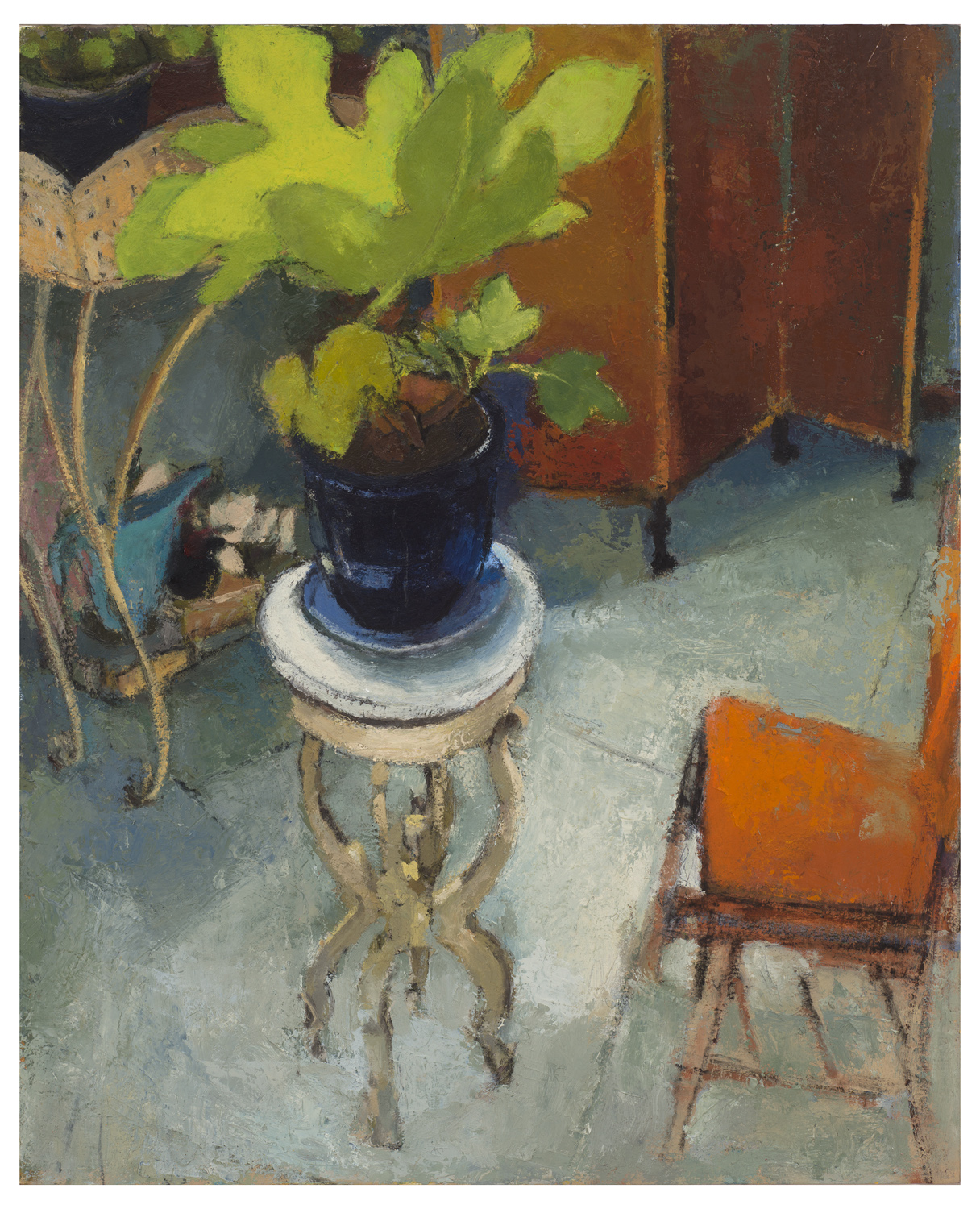
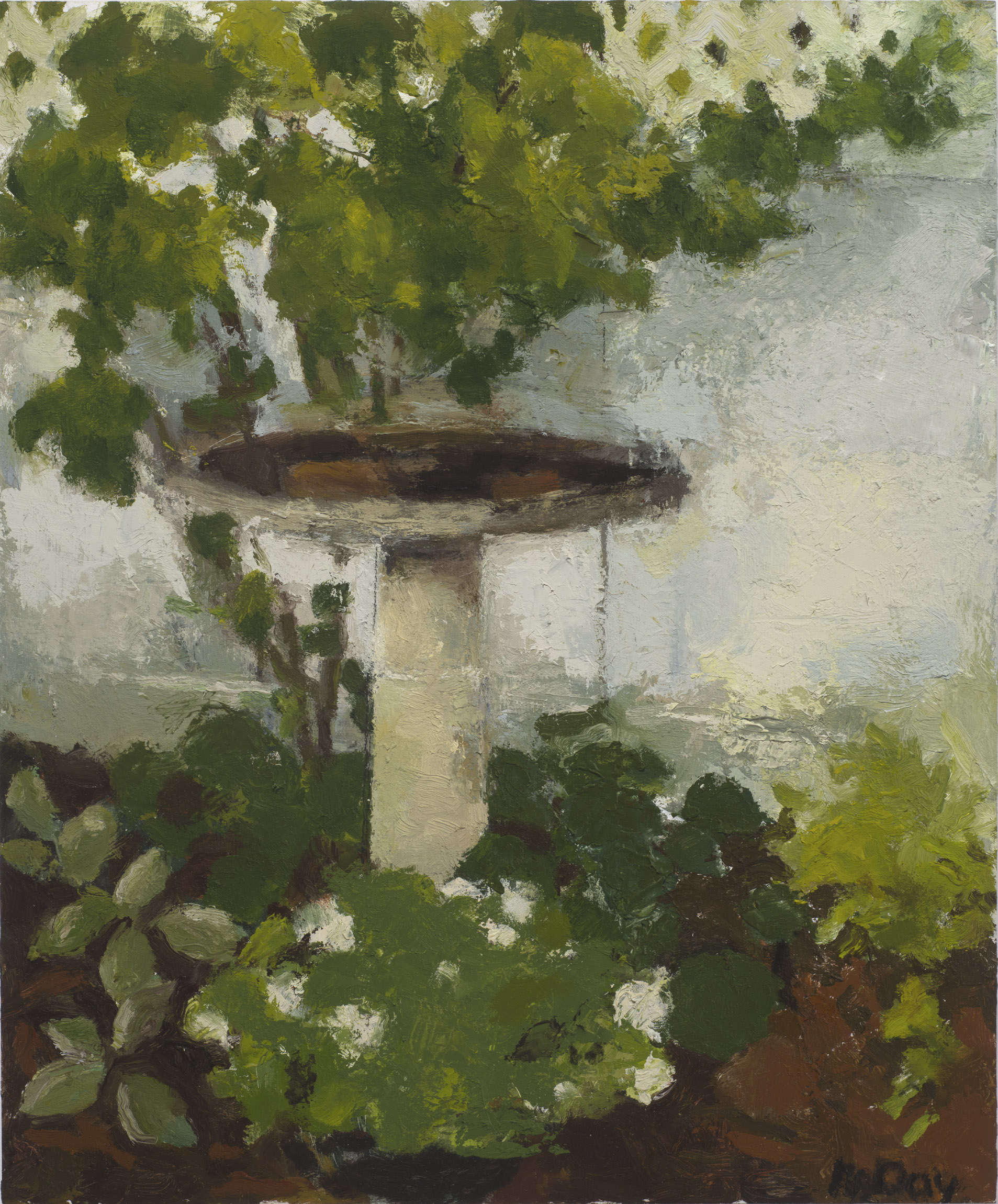
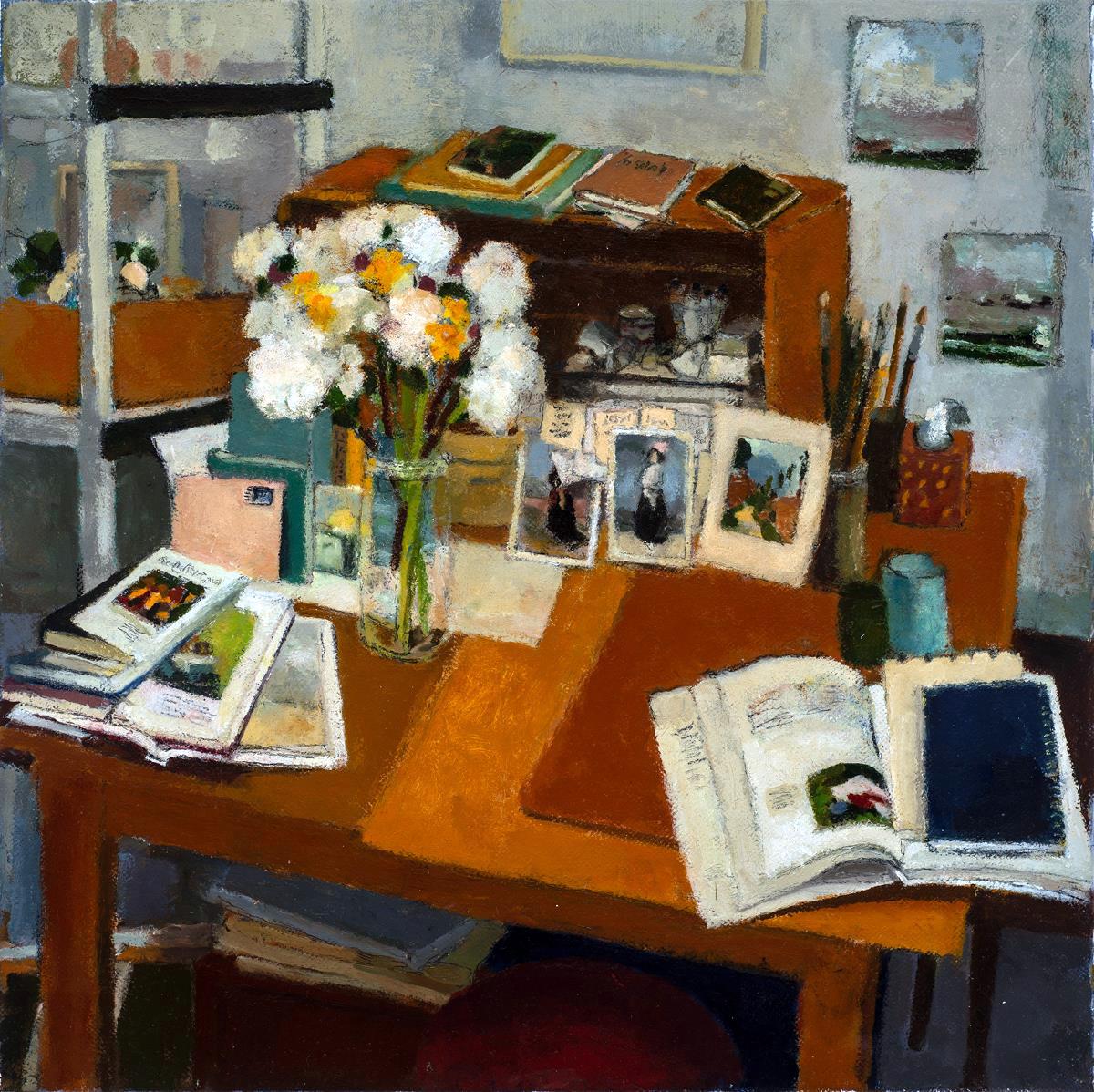
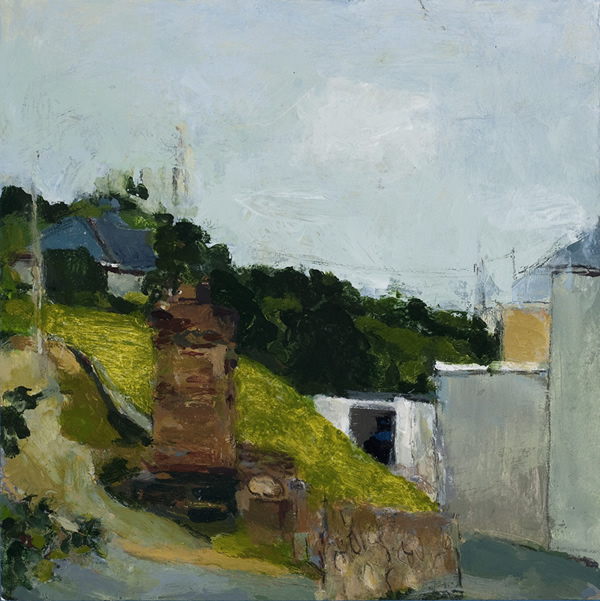
Art: Meredith Fife Day.
Studio Life.

The day job of artist Meredith Fife Day was for many years running a department at a community newspaper chain in Massachusetts. That is where I met her. She was my first boss in publishing. After retiring from the newspaper, Meredith focused on her art while teaching art at a local college during the day and working with the amazing nonprofit she founded, Making Art with Artists (MAwA). MAwA enabled low-income urban kids to practice art under the guidance of working artists. I wrote about the award Meredith received for that work here.

Recently, I asked her if I could do a post on her art, and she sent me these riches.

From her bio: “Her art reviews and essays have appeared in a variety of publications for more than 25 years and she chronicles her days through journaling. She writes poems which, like her paintings, are frequently in homage to observational response, memory and imagination.

“She has exhibited paintings for more than four decades in numerous invitational shows and national competitions. She earned an MFA degree from Boston University after receiving BA and MFA degrees from Louisiana State University in her native Baton Rouge. Meredith has been awarded fellowships at Virginia Center for the Creative Arts in Amherst, Va., and Auvillar, France, and Millay Colony for the Arts in Austerlitz, N.Y.  She has taught at Art New England/Mass Art summer workshops in Vermont and Cullowhee Mountain Arts in North Carolina.” 

Note how much the ficus plant below returns Meredith’s love by modeling for her on repeated occasions. And do you sense the joy the artist takes in homely things lifted to a spiritual level? I love her work.

Read Full Post »

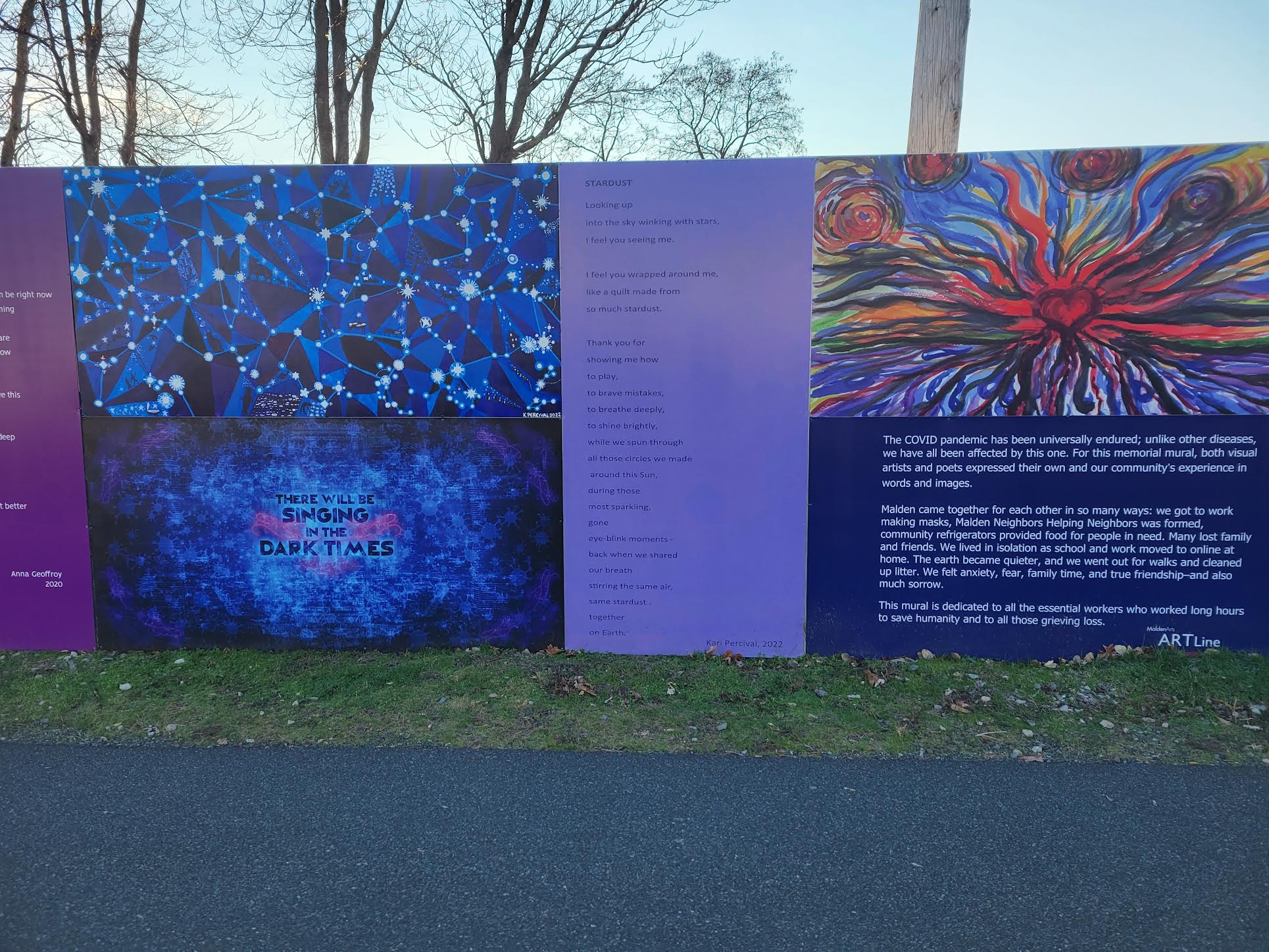
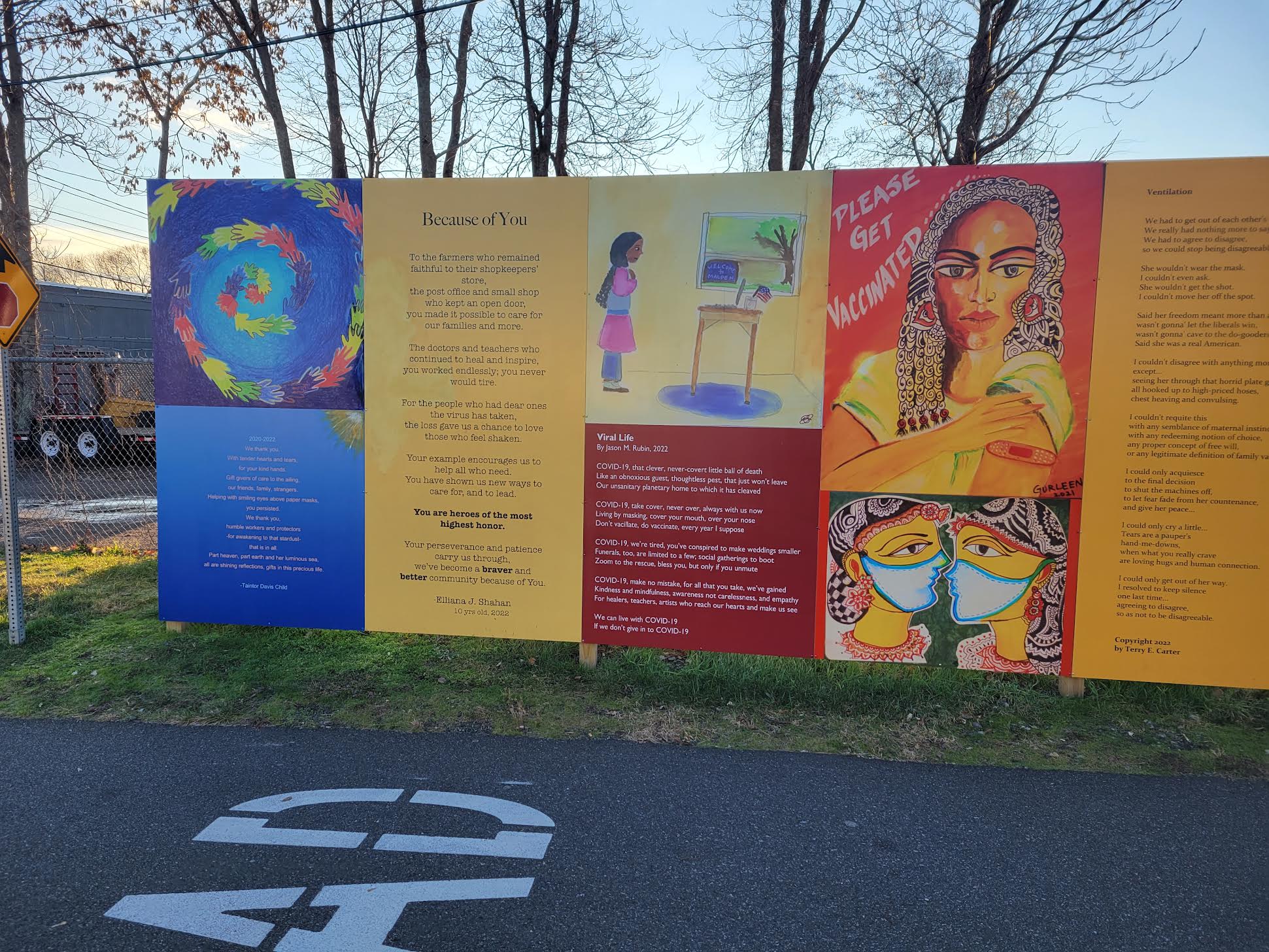
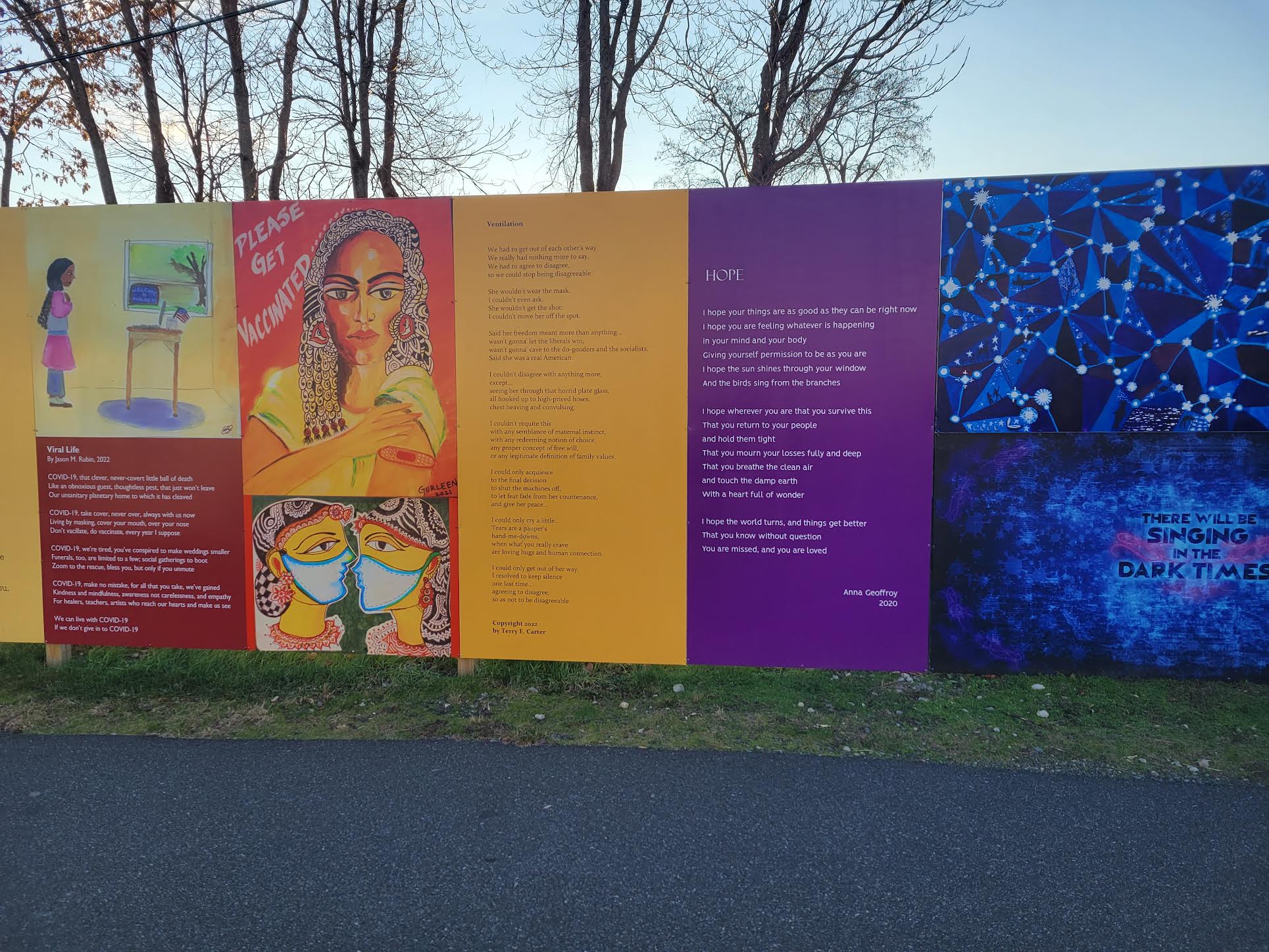
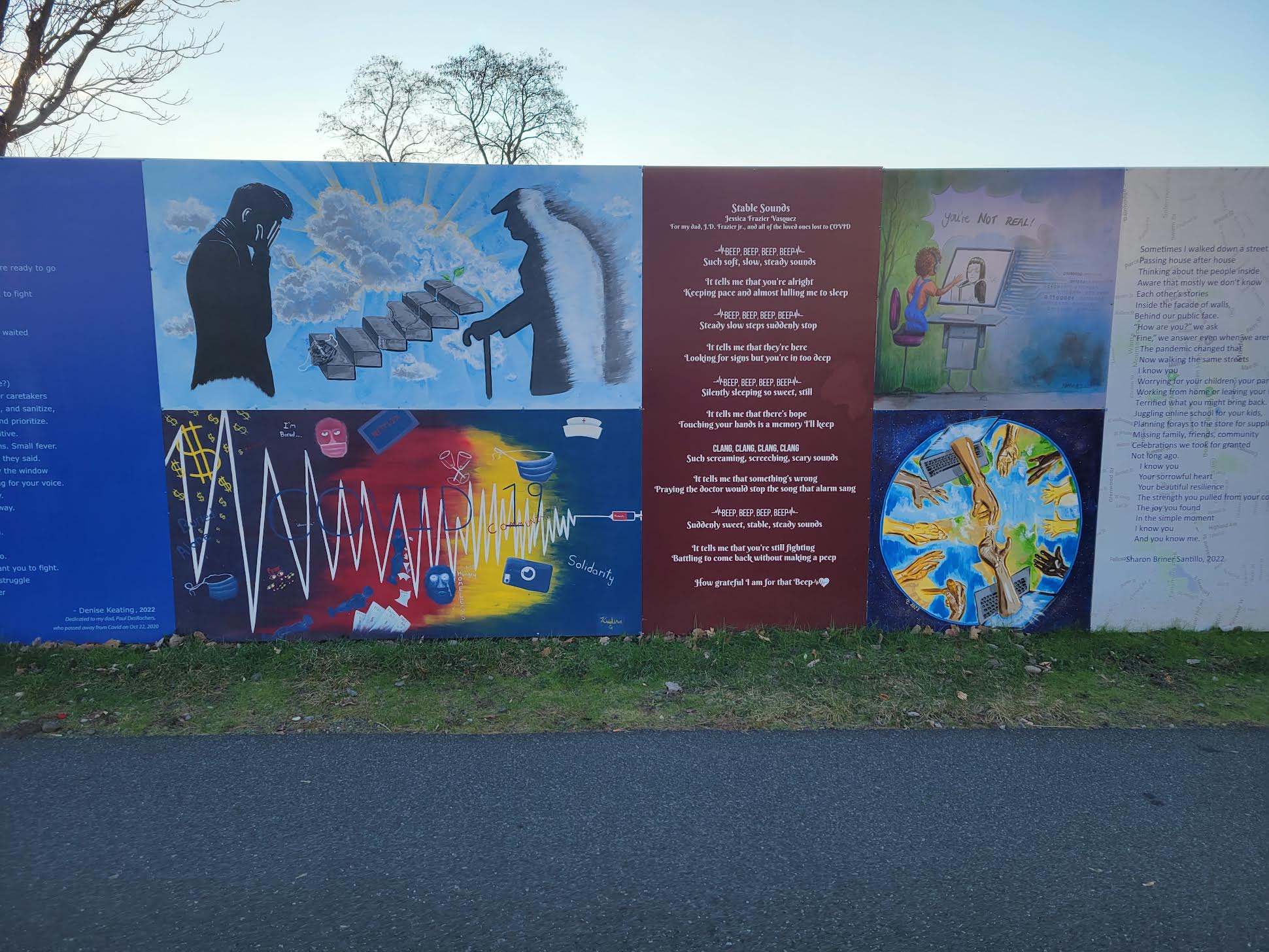
Covid Murals

Photos: John.

John was in Malden yesterday and saw the Covid murals on the bike path. He was stunned. I tried to find a descriptive article about them online but ended up having to copy lines of poems from the photos on Flickr. I hope I got all the punctuation right. Poets care about such things.

How soon we forget what it was like to be deep in the midst of this! When we thought protecting ourselves meant wiping down the groceries with bleach. When doctors and nurses were having to reuse masks and were sending out pleas for people to find old masks in their garage workshops and take them to emergency rooms. When there were few test kits and no vaccines. How soon we forget it was all about breath and breathing!

The memorial to lost lives in Malden features both art and written words. These are excerpts from the poems.

Terry E. Carter wrote a poem about his mother called “Ventilation.”

“She wouldn’t wear a mask.
“I couldn’t even ask. …
“Said her freedom meant more than anything —
“wasn’t gonna let the liberals win.”

Ten-year-old Elliana J. Shahan’s poem “Because of You” honors farmers, shopkeepers, postal workers, doctors, teachers, and all who kept the world running in the dark times.

Jessica Frazier Vasquez’s is poem about the beep beep beep of her dad’s ventilator showing he was at least still alive: “It tells me that you’re still fighting/Battling to come back.” At least for a while.

Sharon Briner Santillo’s poem noted how one never used to know what was going on behind a neighbor’s windows and how one may feel more connected now.

“I know you
“Your sorrowful heart
“Your beautiful resilience …
“I know you
“And you know me.”

There is another by Dina Stander called “Breath”: “May her memory be for a blessing.” And one by Denise Keating called “A Slow Goodbye” about her father, who had already been paralyzed by a stroke for 10 years.

“We hovered by the window
“Moths fluttering for your voice
“We went away.
“You slipped away.
“And now.
“Guilt-stricken.
“Paralyzed.
“We let you go.
“We didn’t want you to fight.
“But we still struggle
“To remember
“To breathe.

More at MaldenArts, here. Be sure to look at the Flickr pictures, here: you can zoom in to read the words. Most of the poems are not literary, but all are heartfelt.
Read Full Post »

Photo: Stanley Forman.
A bear seen in Middleton in August represents the surprising Massachusetts black-bear comeback.

I’m sure you know it’s Fat Bear Week and time to vote on your favorite grizzly based on how successful the bear has been fattening up to hibernate.

Everybody loves bears — almost as much as dinosaurs. The advantage is that bears are still around. In fact, in today’s story we learn about a bear comeback. One caveat: it’s not safe to play with bears, anymore than with dinosaurs.

Billy Baker at the Boston Globe reports that black bears, once nearly extinct in Massachusetts, have staged their comeback without any help from wildlife officers.

“The story of the black bear that is coming to a suburb near you begins one day in the fall of 1969,” Baker reports, “when two bears showed up along a road in the northern Berkshires, in the tiny town of Florida, and appeared to be drunk.

“Back then, black bears were barely hanging on in Massachusetts, at the losing end of a 12,000-year fight with humans and [development], and the tiny population of survivors was believed to live somewhere nearby, along the border with Vermont.

“Still, these two bears were different. They hung around, happy for the crowds that came to watch them. Game wardens said the ‘tipsy bears,’ as they became known, were drunk from too many apples fermenting in their bellies.

Wardens even went so far as to briefly close the hunting season to give the bears time to ‘sober up’ before someone took a shot at them.

“Ultimately, it turned out the bears were comfortable around humans because they were semi-tame, raised by a guy in Shelburne as a roadside attraction for his gift shop on the Mohawk Trail, then released when he couldn’t afford to feed them. But all the fanfare forced the state’s wildlife experts to acknowledge that ‘we didn’t really know anything about bears in Massachusetts, other than there are some,’ according to Jim Cardoza, then a young biologist for MassWildlife.

“Thus began a five-decade effort to understand and conserve black bears in the state, a project that has succeeded beyond most people’s wildest dreams. …

“Starting in 1970, just after the ‘tipsy bears,’ the state shortened the bear hunting season to a single week, from 10 weeks since the early 1950s, and tasked Cardoza with figuring out how many bears lived in Massachusetts and the history that brought them there.

” ‘I was able to learn that at the time of Colonial settlement, bears were widespread in the state, except for very Southeastern Massachusetts and the islands,’ Cardoza said. But as settlement advanced inland to the Connecticut River Valley and the Berkshires, bears saw their forest habitat turned into farms, and their status lowered from king to pest; farmers could, and still can, legally kill any bear destroying their crops, at any time.

“They nearly disappeared in the decades between the end of the Civil War and the onset of hunting regulations in the early 20th century. By the mid-1970s, when Cardoza finished his study, he estimated there were only 80 to 100 bears in the state, all in the Berkshires. With such a small base, conservation goals were modest.

“ ‘The dream would have been to see them get established in western Franklin and Hampshire County,’ he said, but worried even that was a stretch. It wasn’t.

“By the early 90s, bears were thriving in the western part of the state, with an estimated 1,000 throughout the Berkshires and nearby hill towns. At the time, the Connecticut River was seen as a natural barrier to the east for all but the most adventurous young males. Yet over the next three decades, as the bear population in Western Massachusetts became more concentrated, females crossed the river in search of unoccupied territories, spreading throughout Central Mass., crossing endless natural and man-made barriers, including highways here, there, and everywhere.

“By 2011, the last time the state attempted a proper bear census, their numbers had grown to about 5,000. More incredible was how they were doing it, showing time and again an incredible resourcefulness, especially among breeding females, who figured out how to raise young in the woods behind a Target. …

“ ‘The expansion east is just a natural phenomenon of population expansion,’ said John Organ, a conservation scholar and former University of Massachusetts professor who recently joined the board of MassWildlife. ‘Bears are territorial, so those bears that are entering the population are looking for new unoccupied territories, and much of the state has returned to habitat where they can do quite well, even into Eastern Massachusetts.’ …

“If there’s anything biologists have learned in these five decades of studying bears, it’s that there is no overestimating their resourcefulness.

” ‘We had very little to do with [their success]. Bears are just extraordinary animals,’ said John McDonald, a professor at Westfield State University who did his doctoral research on Massachusetts black bears three decades ago. ‘What’s been satisfying is to see our predictions come true.’ …

“They’ve learned to live around people almost entirely without incident. The reverse cannot be said; with no natural predators, humans remain the chief source of bear mortality. Between 25 and 65 are killed by vehicle collisions each year, according to state environmental police records, but the actual number is likely much higher.

“Hunters now have three seasons when they can target black bear, but it remains a fringe pursuit, largely due to the extreme difficulty, after the state outlawed the use of traps, snares, bait, and dogs to hunt them. Most of the 200-250 bears harvested each year are by opportunistic hunters in tree stands waiting for deer.

“Yet as the number of bears increases, MassWildlife has stepped up efforts to get more hunters into the woods pursuing them, both to thin the population and to keep them from losing their fear of humans. …

“The best way to keep the bears at bay is exceedingly simple, specialists said: Get rid of birdfeeders and put electric fencing around chicken coops. They are the two biggest attractants to backyards and hardly anyone had either a few decades ago.”

Oh, dear! Give up my birdfeeder? I am a block from the train and my town is almost urban. Probably I will never see a bear here. If I do, good-bye birdfeeder. More at the Globe, here.

Read Full Post »

Photo: Suzanne and John’s Mom.
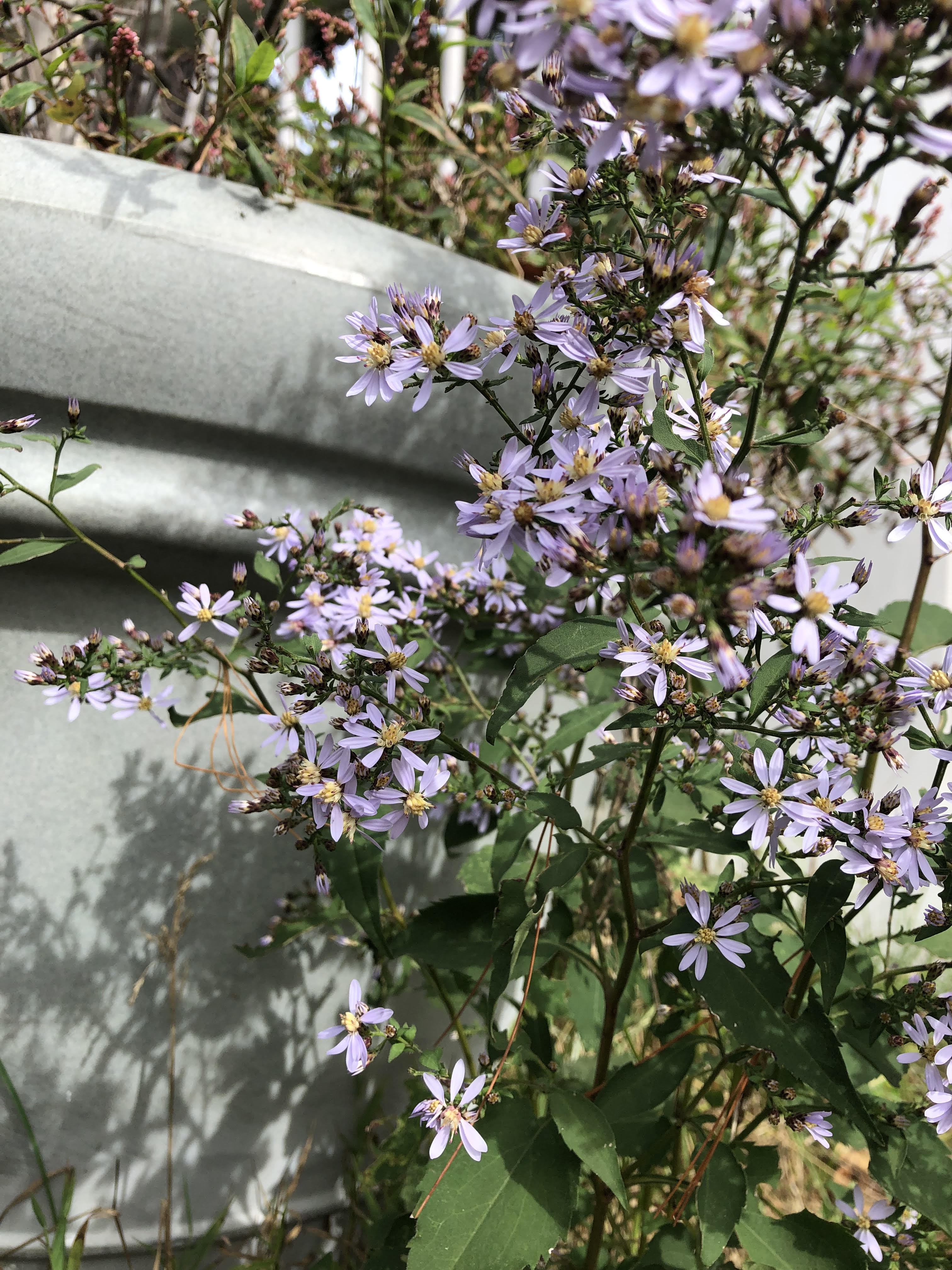
My teabag tag: “The difference between a flower and a weed is a judgment.” In fall, it hits us that wild asters are flowers. Bees go bananas for them. The bees knew all along.

Happy October. Time to gather recent photos to share. I use only my phone for photography, I’m sorry to say, so if you want to see what a real camera can do with nature scenes in my region, check out bloggers like jmankowsky and her site From My Window, here.
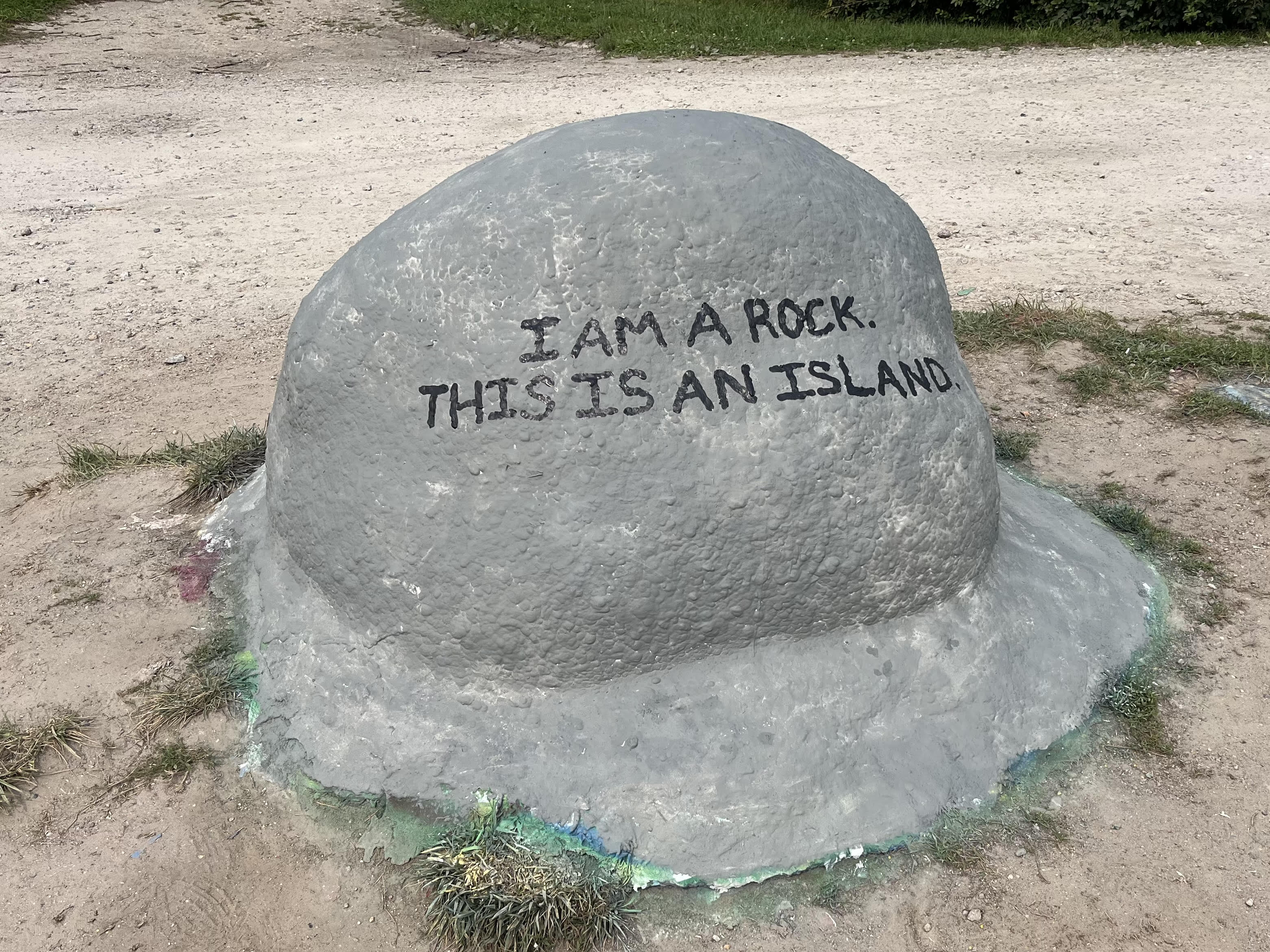
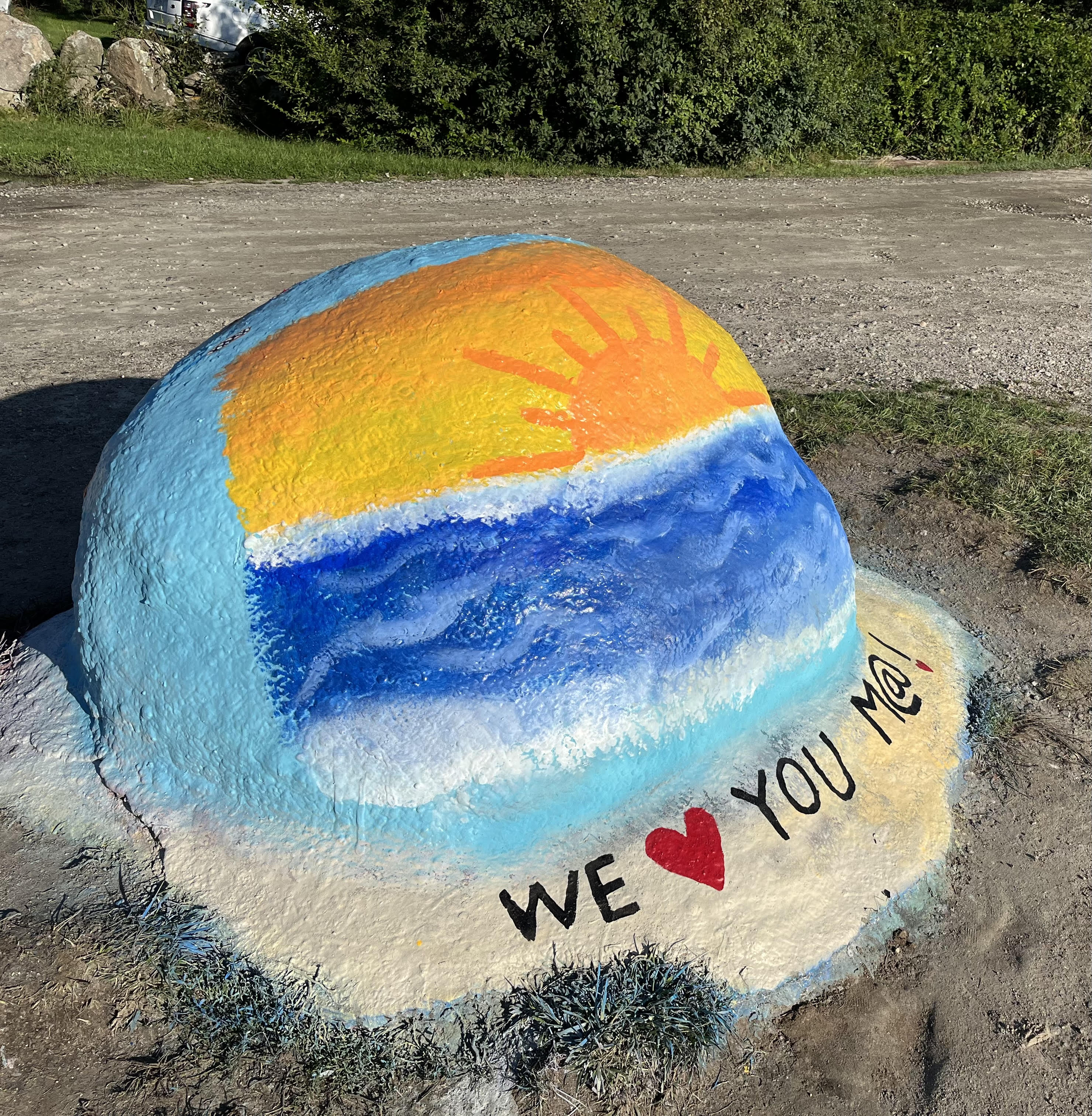
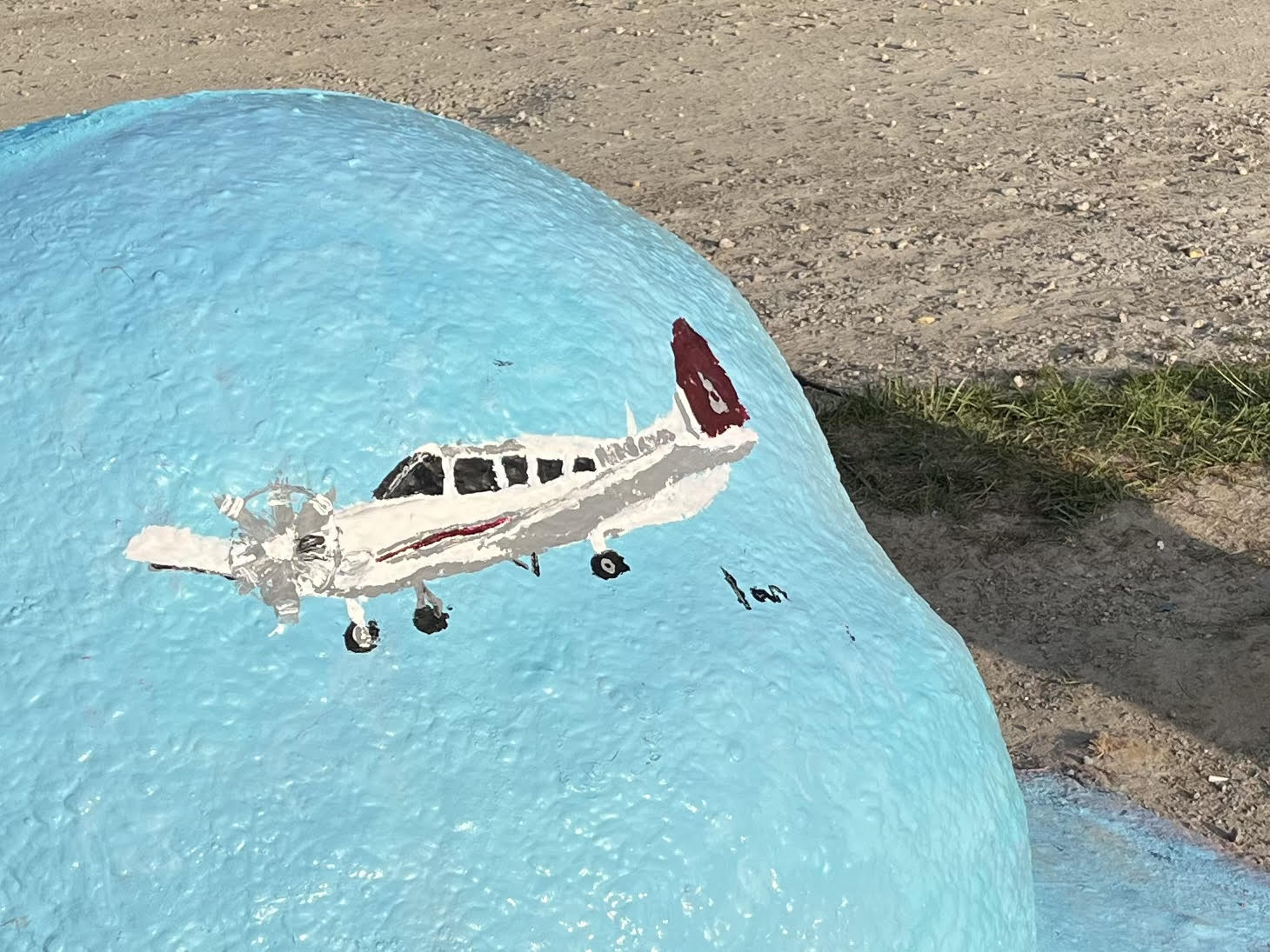
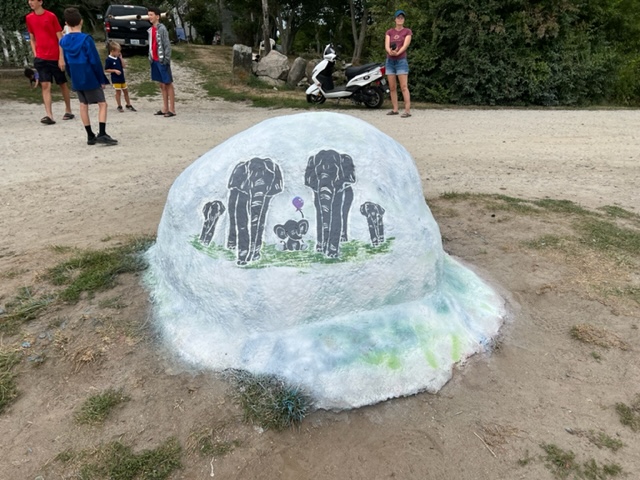
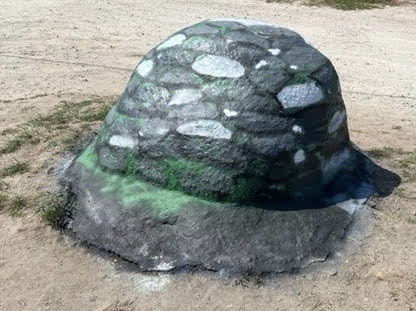
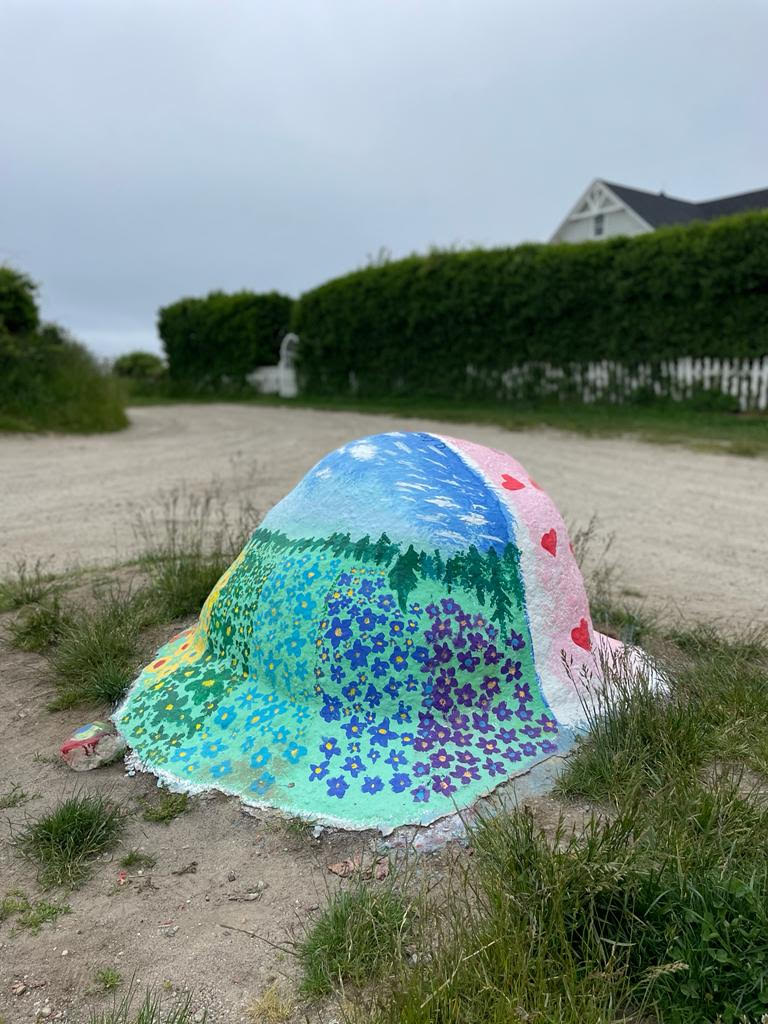
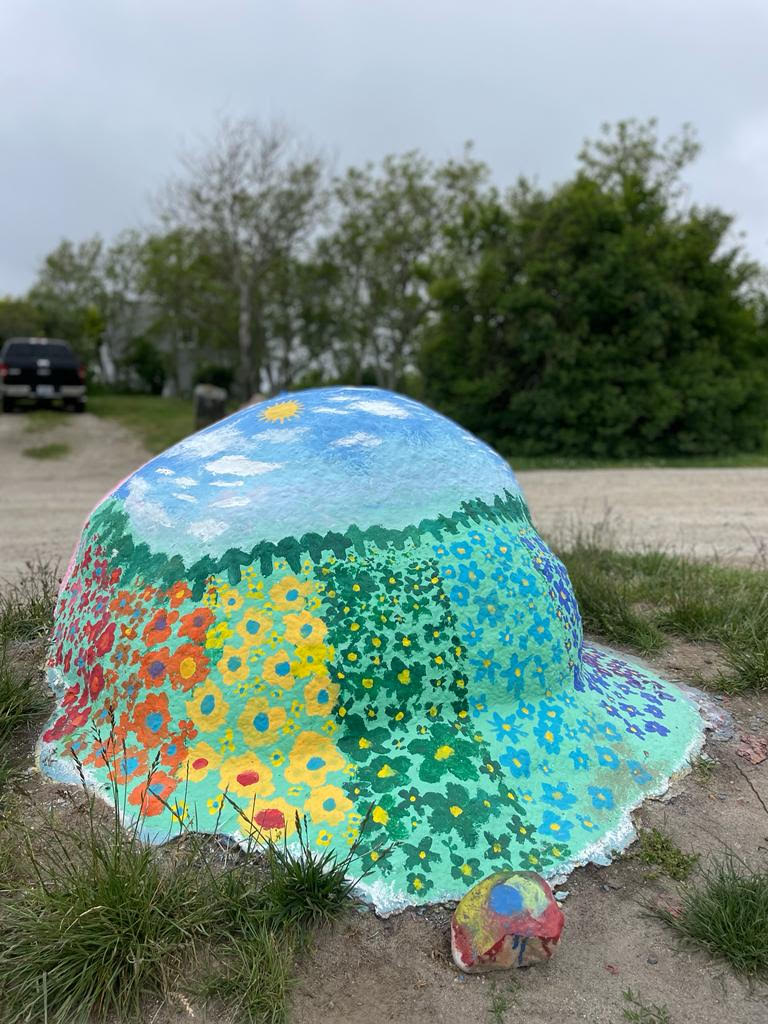
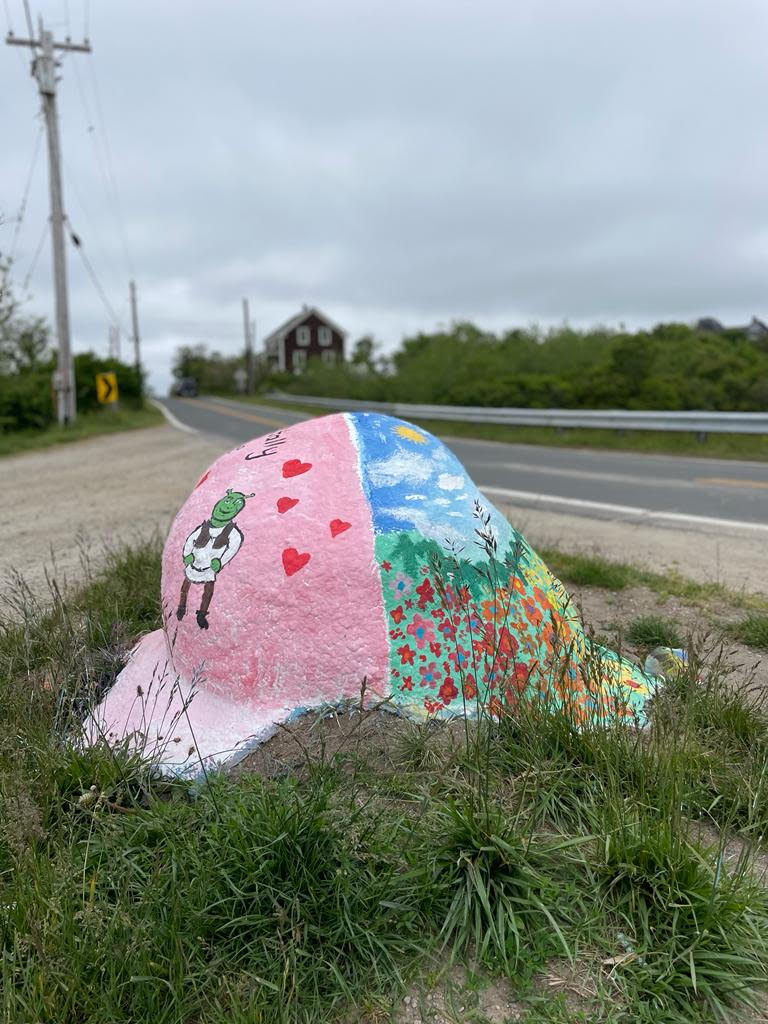
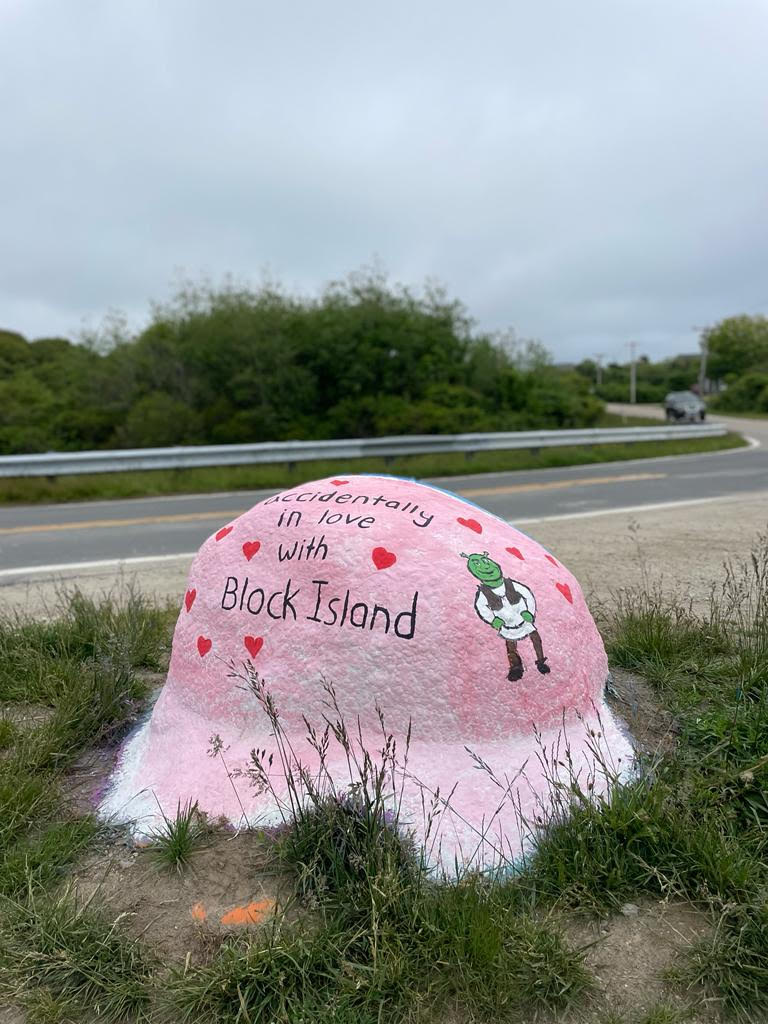
The first two pictures below are by Sandra M. Kelly and were taken at the Painted Rock in New Shoreham, Rhode Island.

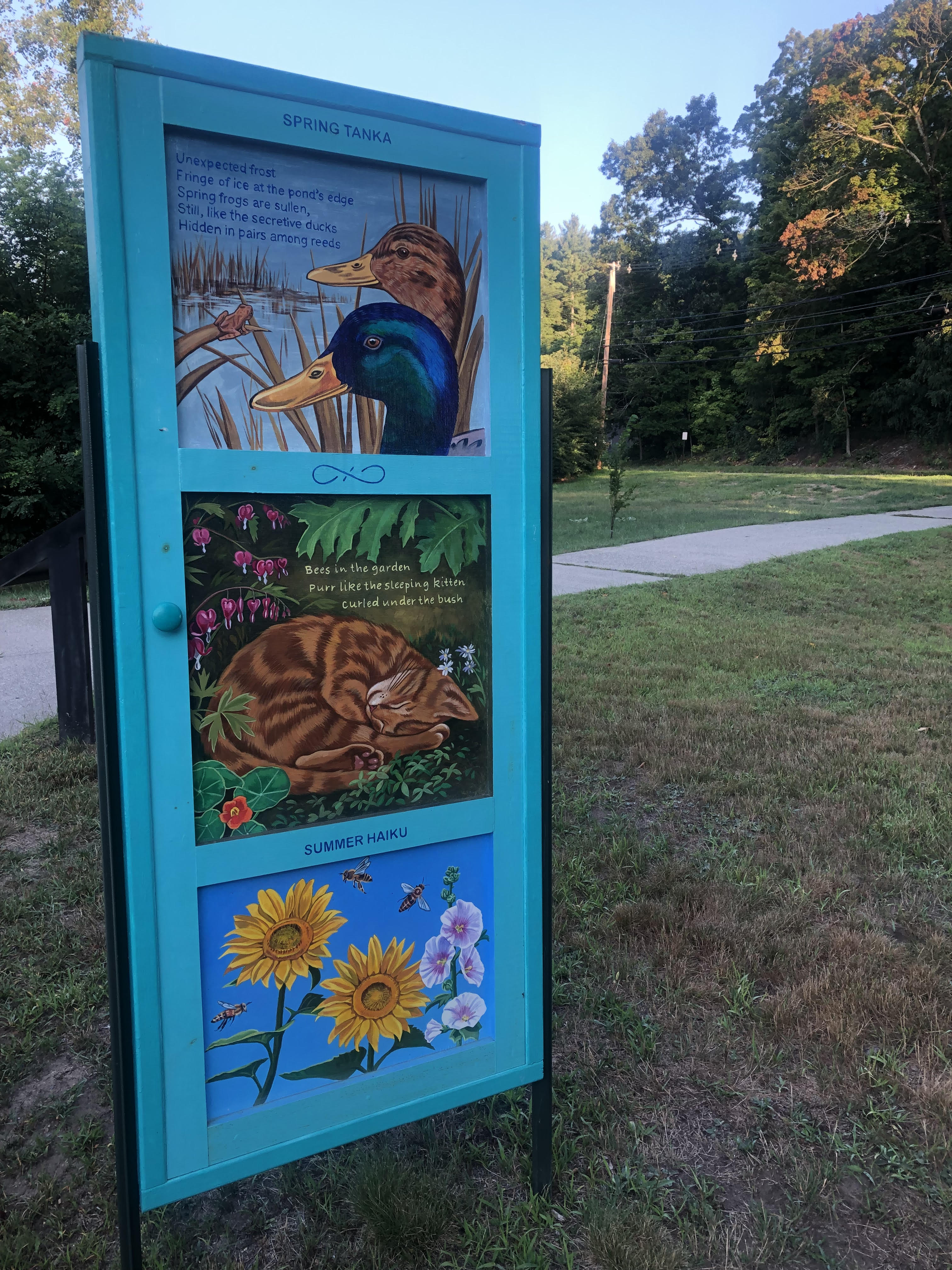
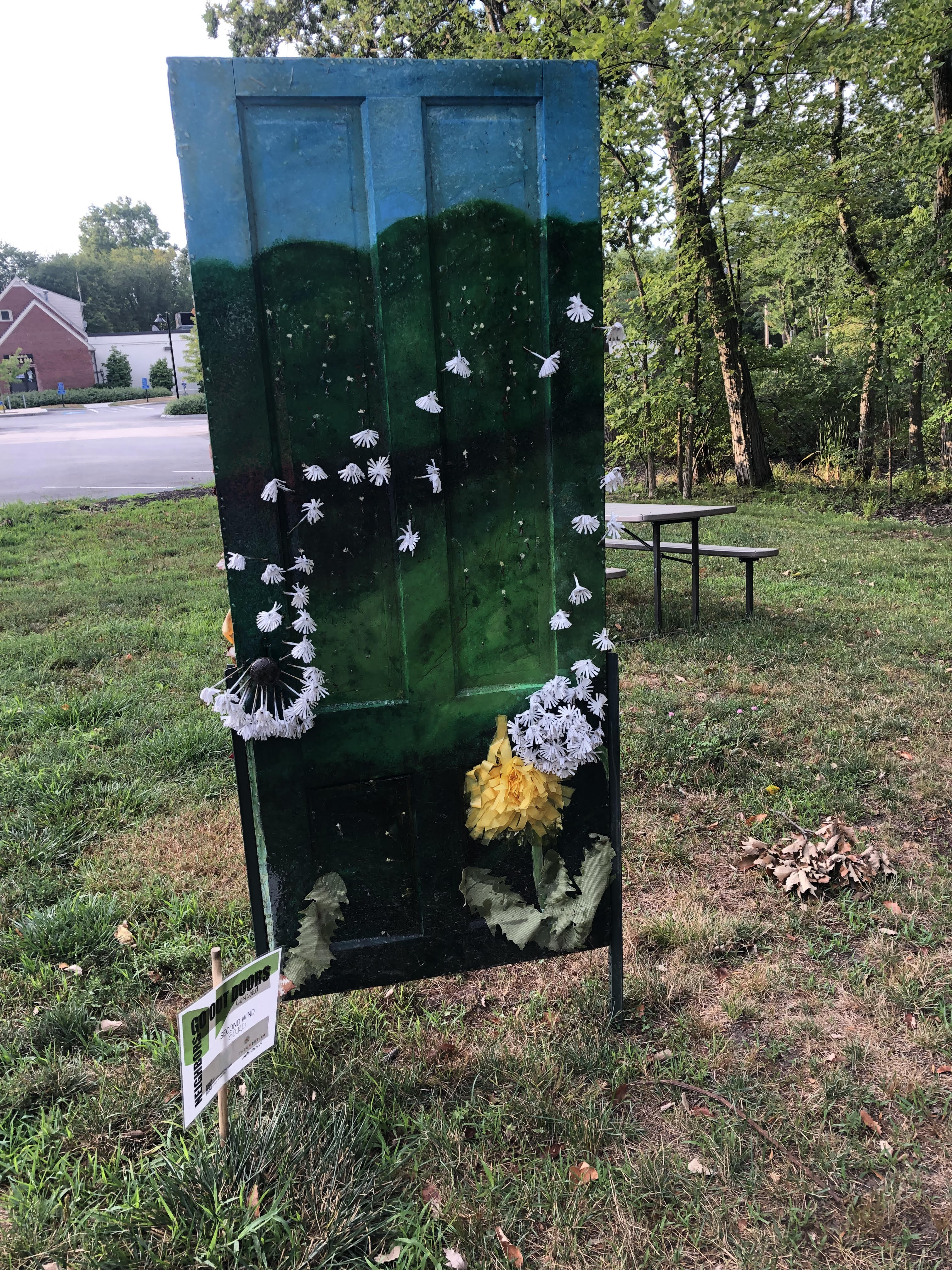
In the Massachusetts town where I live, there are lots of painted doors, an Umbrella Arts initiative. The one pictured, over by the parking lot for two childhood homes of Louisa May Alcott (the Wayside and the Orchard House), features four kinds of poems for the four seasons.

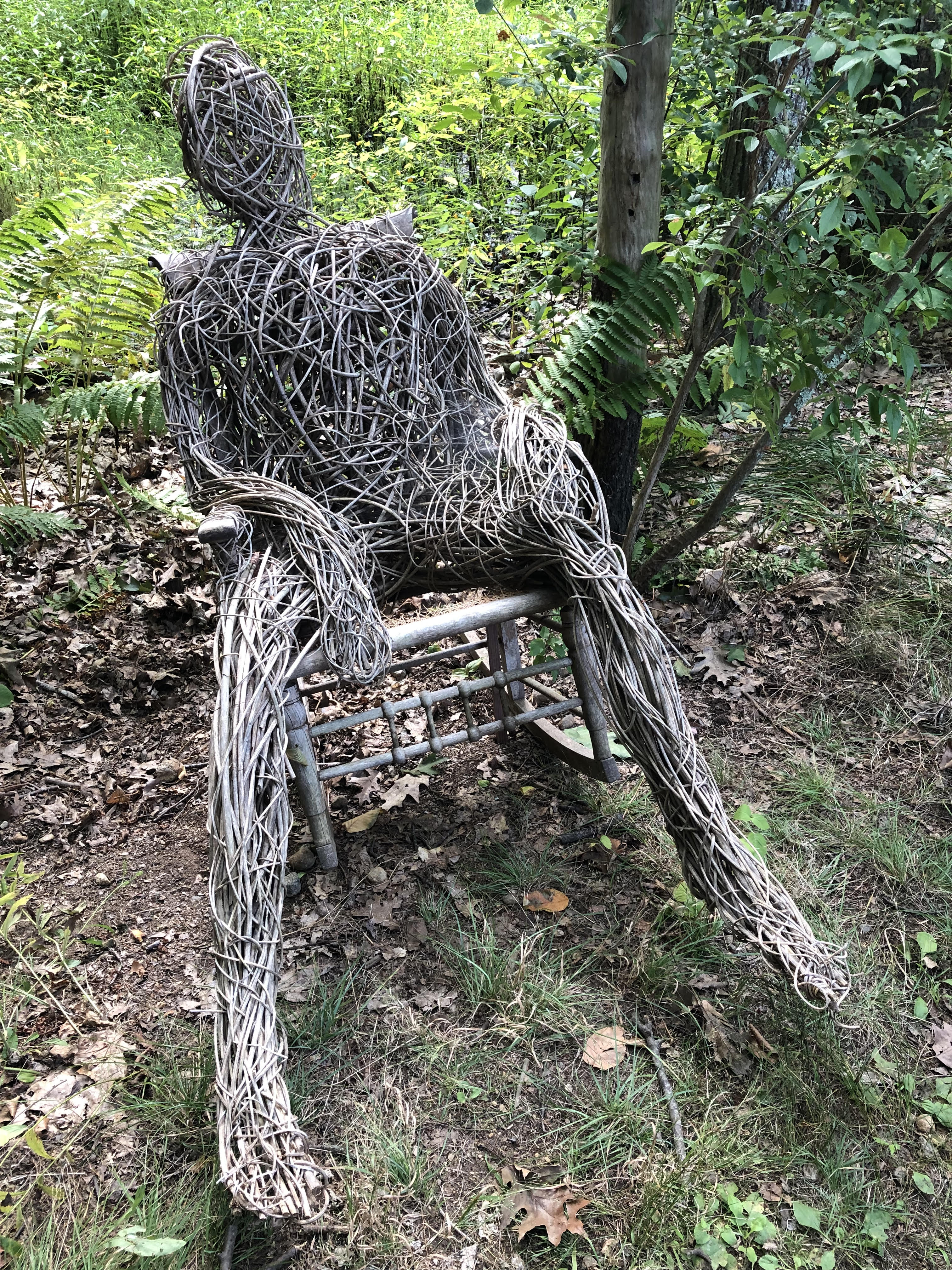
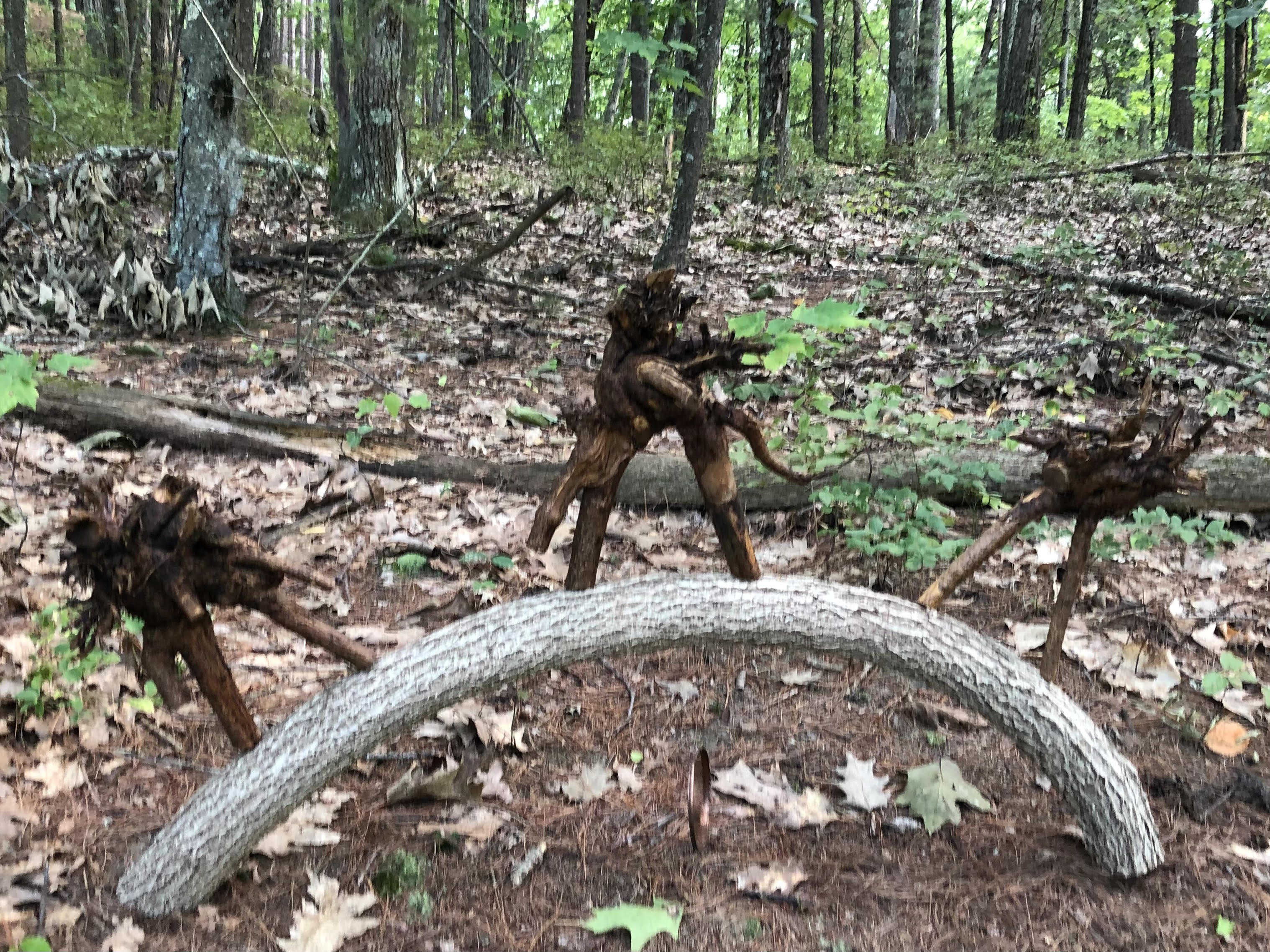
The next two photos were taken at the Umbrella’s annual woodland art show. The theme this year had to do with getting out of balance with nature. The problem is, most of the artists thought they had to use a lot of plastic to express themselves on the topic. John and the kids and I really didn’t like all the plastic. The real-life frogs in the wetlands were fun though.
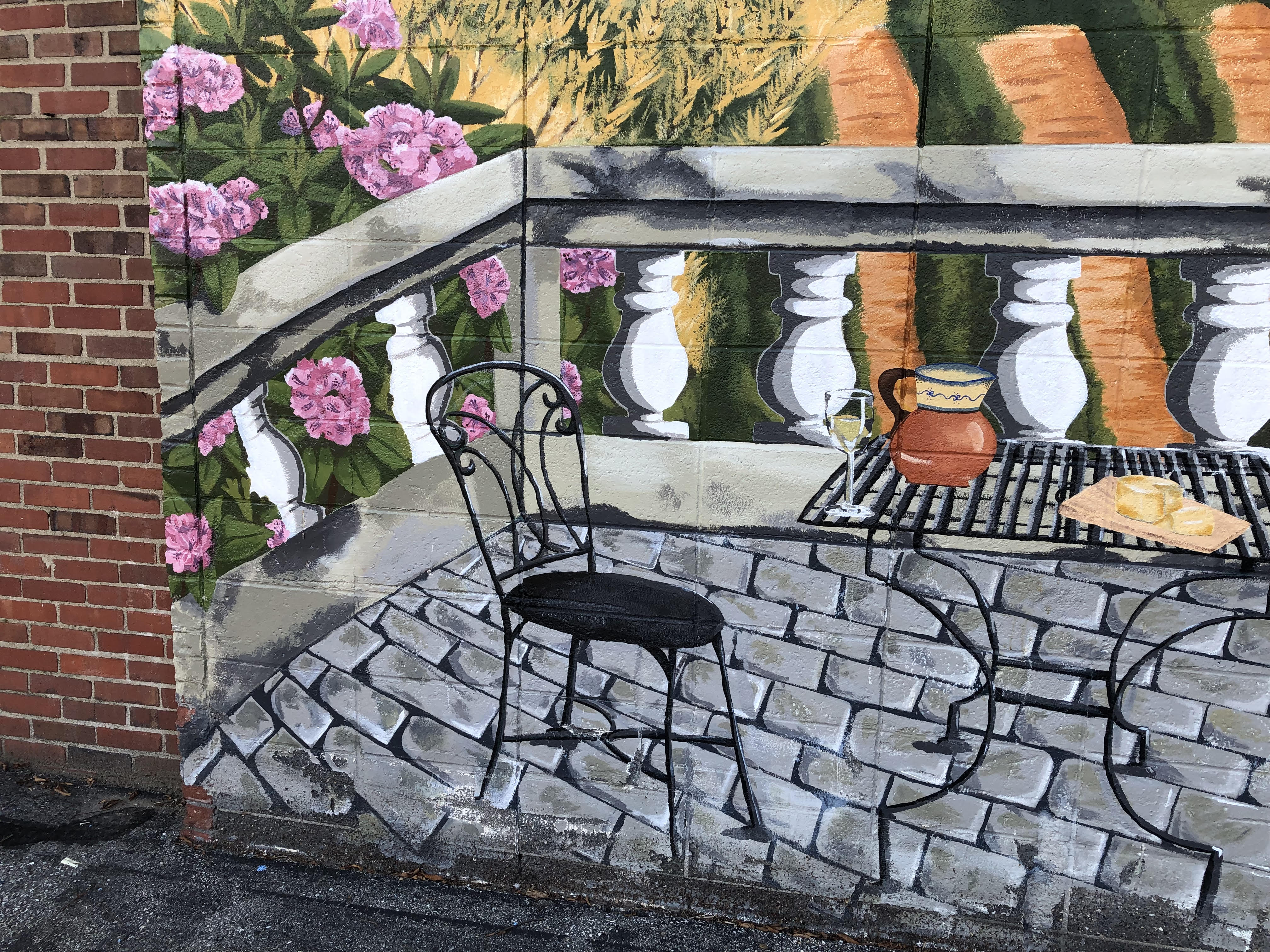
The mural off Thoreau Street has been wearing well. I wrote about its development in 2012, here.
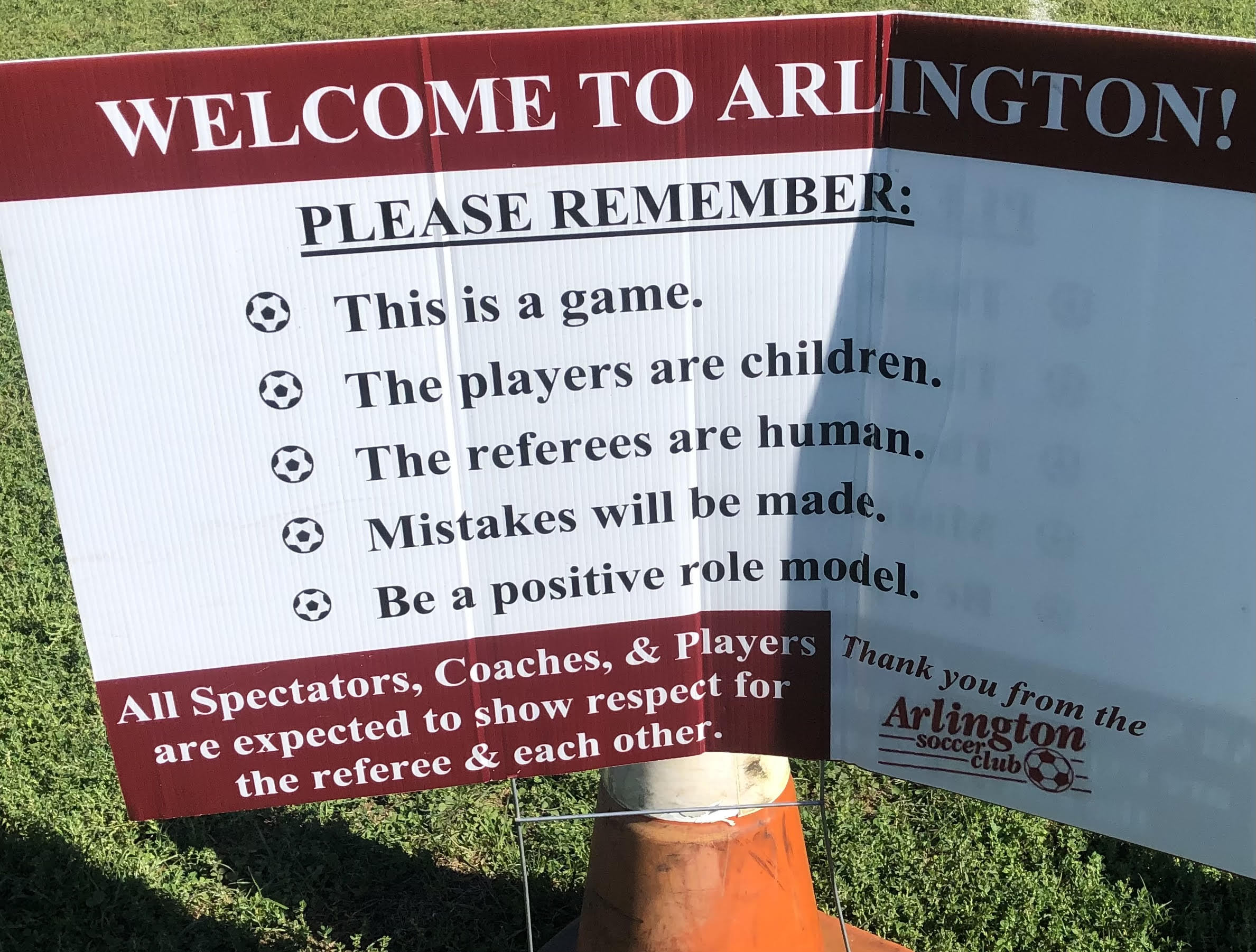
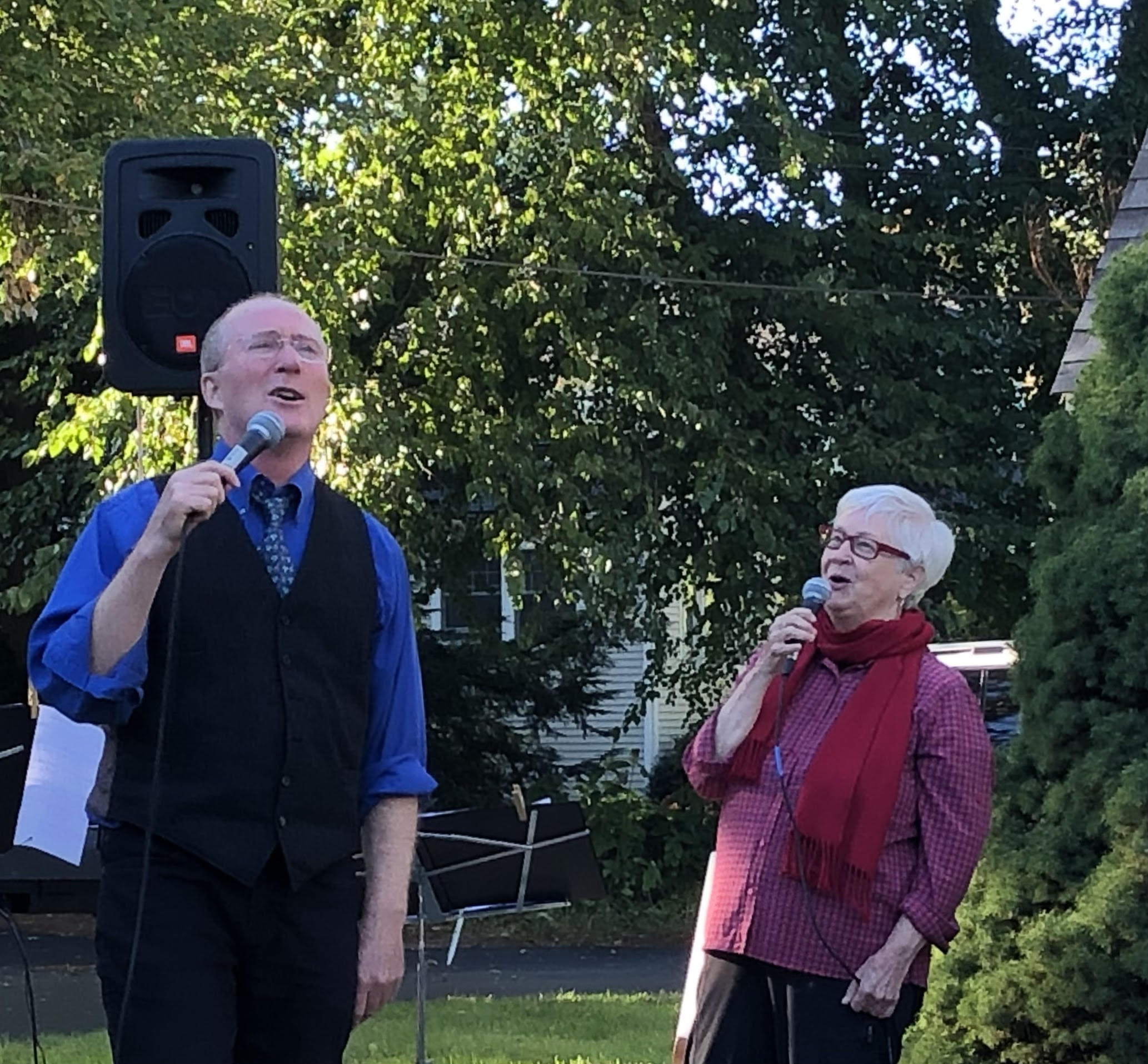
I loved the sign at my older granddaughter’s soccer game. Also loved hearing blogger Will McMillan, Carole Bundy, and Molly Ruggles (not shown) singing at Porchfest.
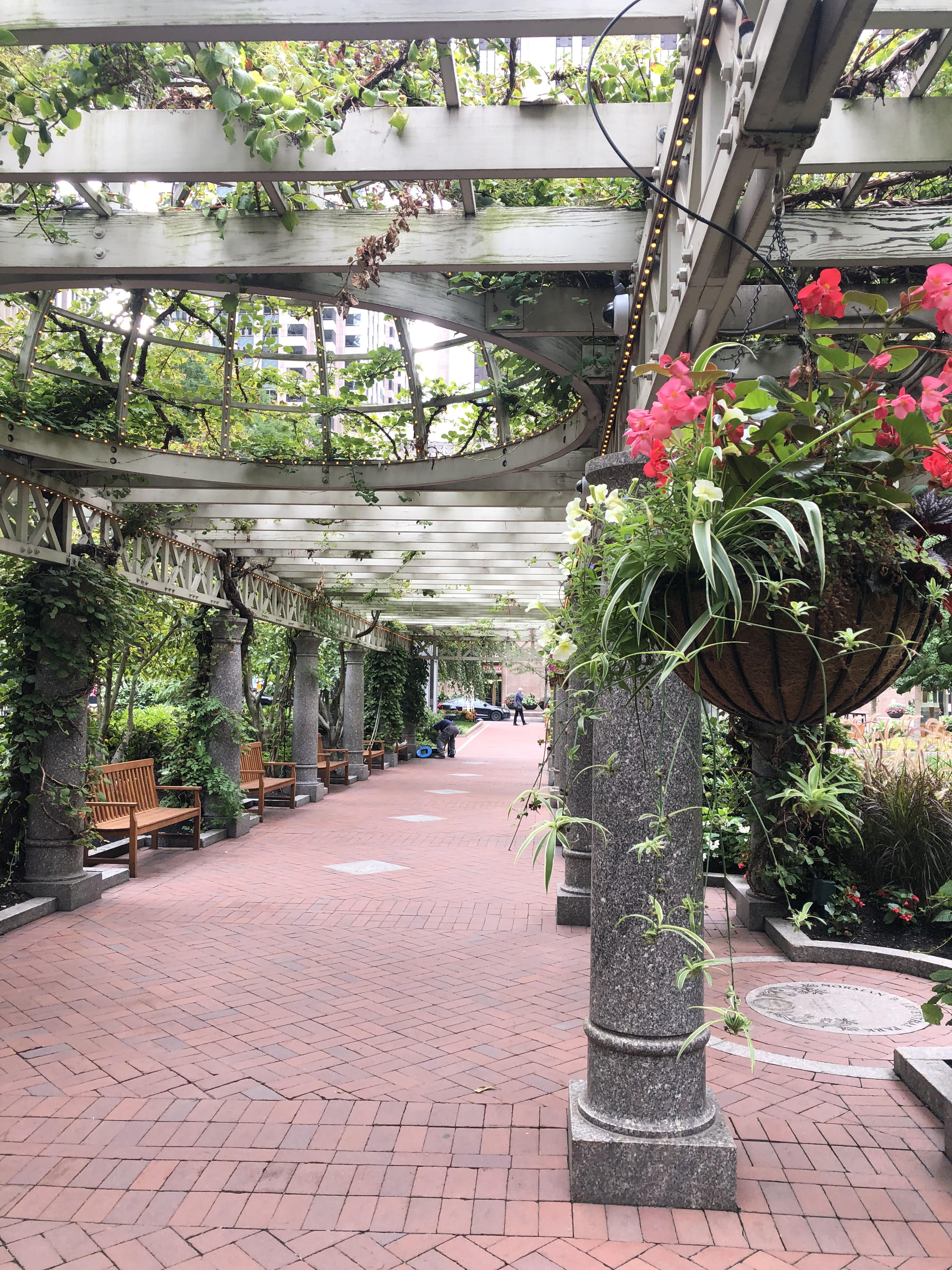
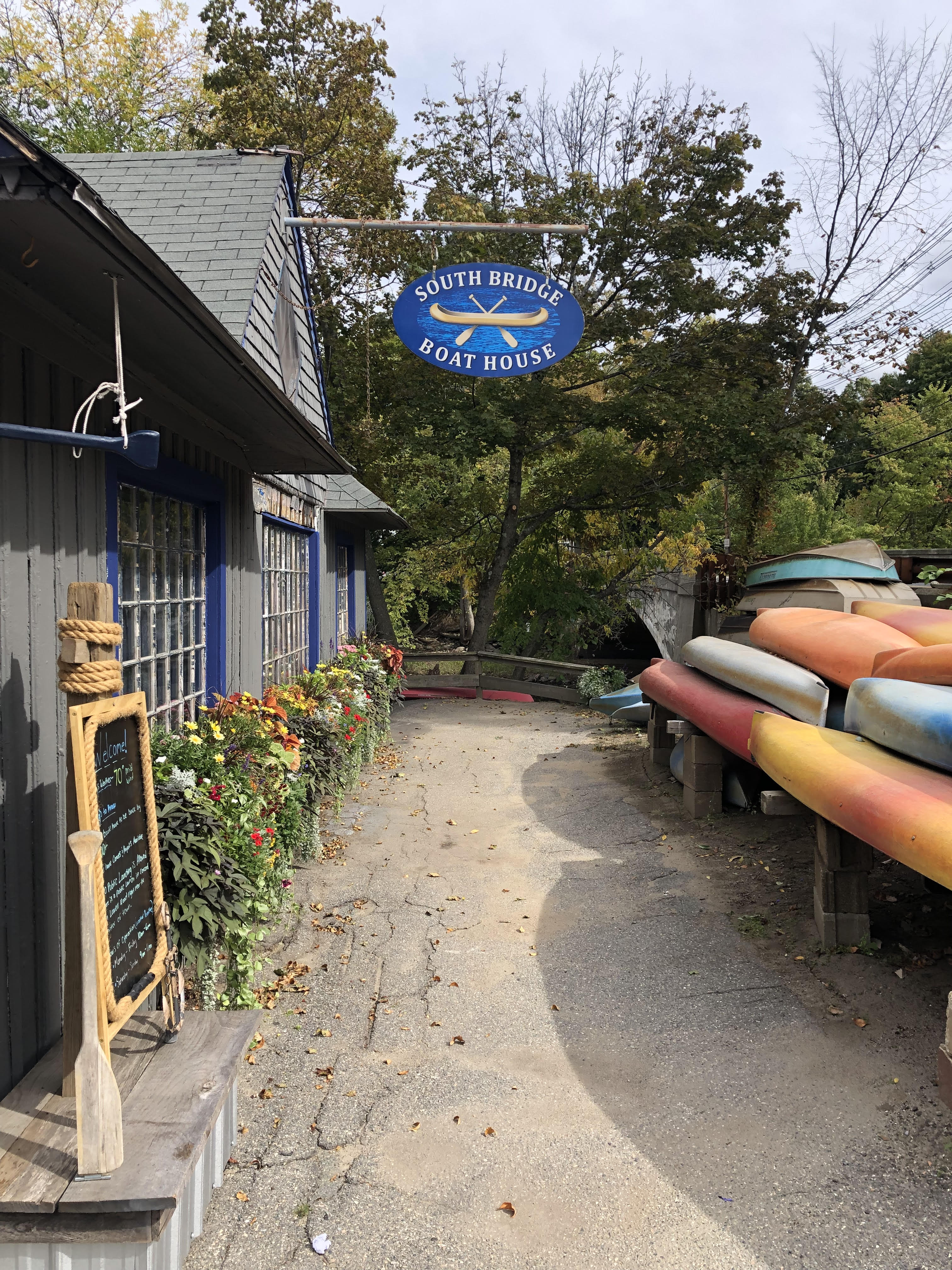
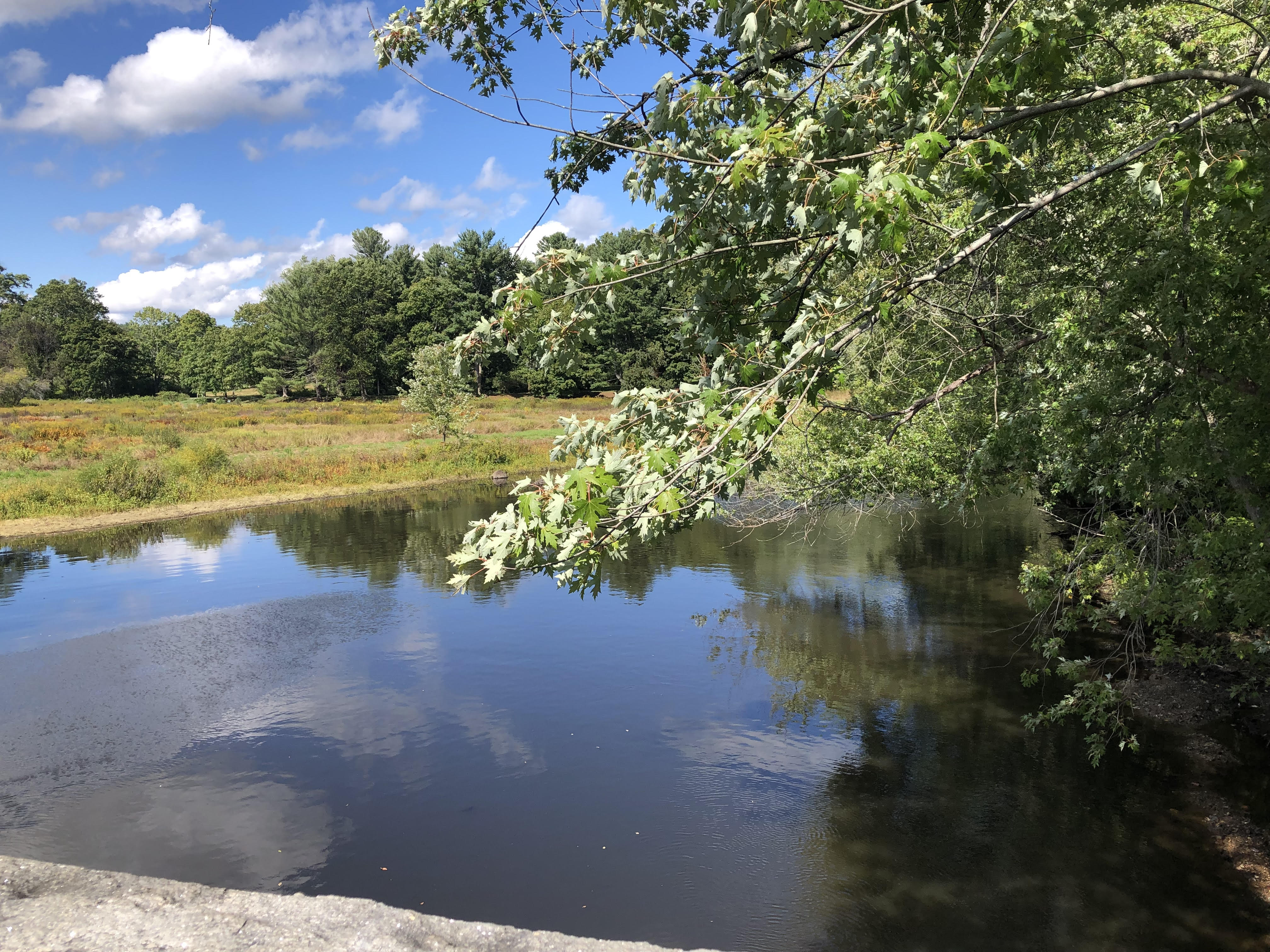
In the second-to-last picture, Boston’s Post Office Square is a lovely urban oasis. And I close with shots of the boat house and the nearly dry Sudbury River in September.

Read Full Post »

Photo: Suzanne.
The Painted Rock gets the best art in the off-season. This was in early June.

Today I’m rounding up a few photos from summer in New England (although, of course, the badger photo was not taken in New England but on that wedding trip).

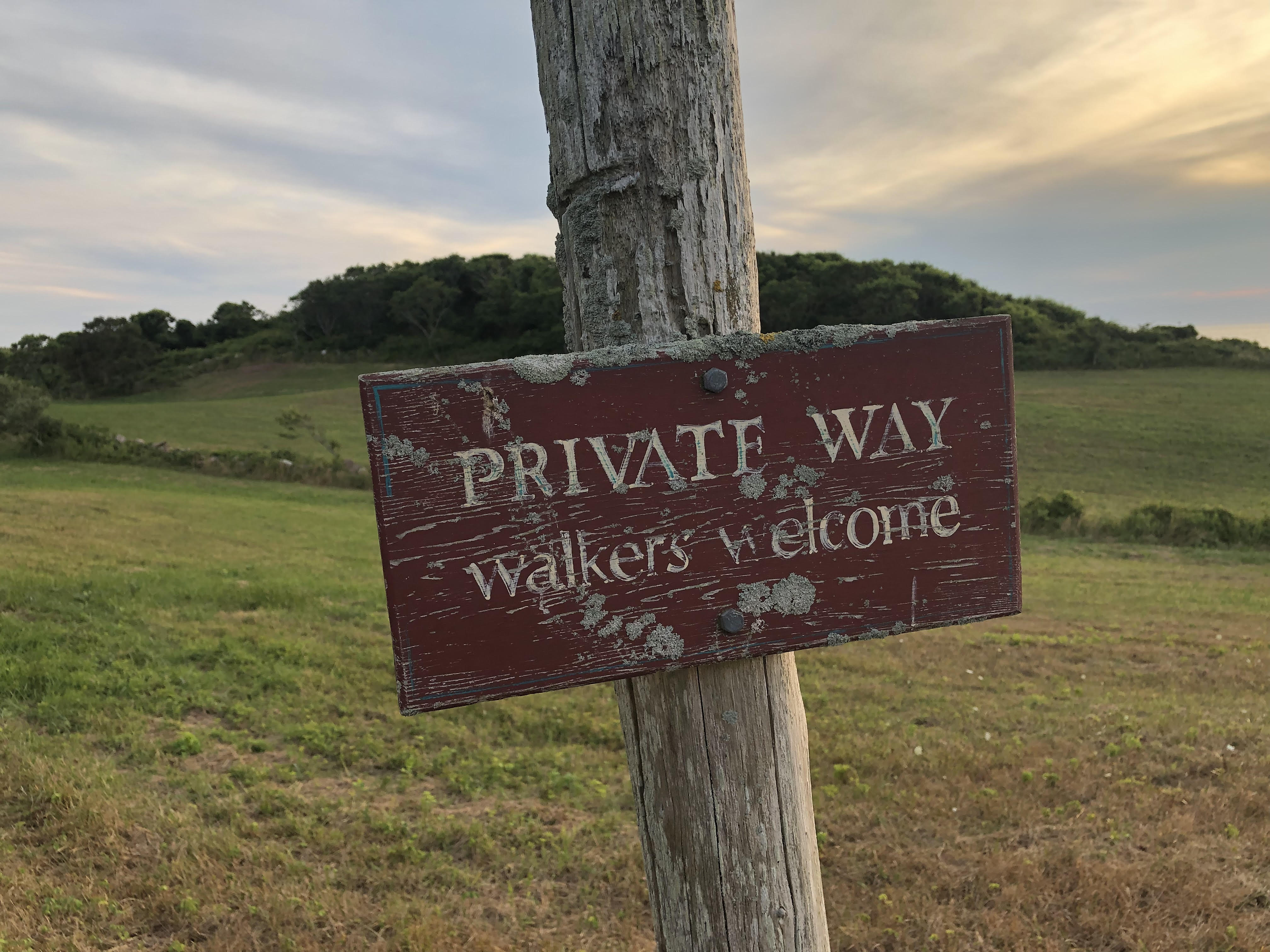
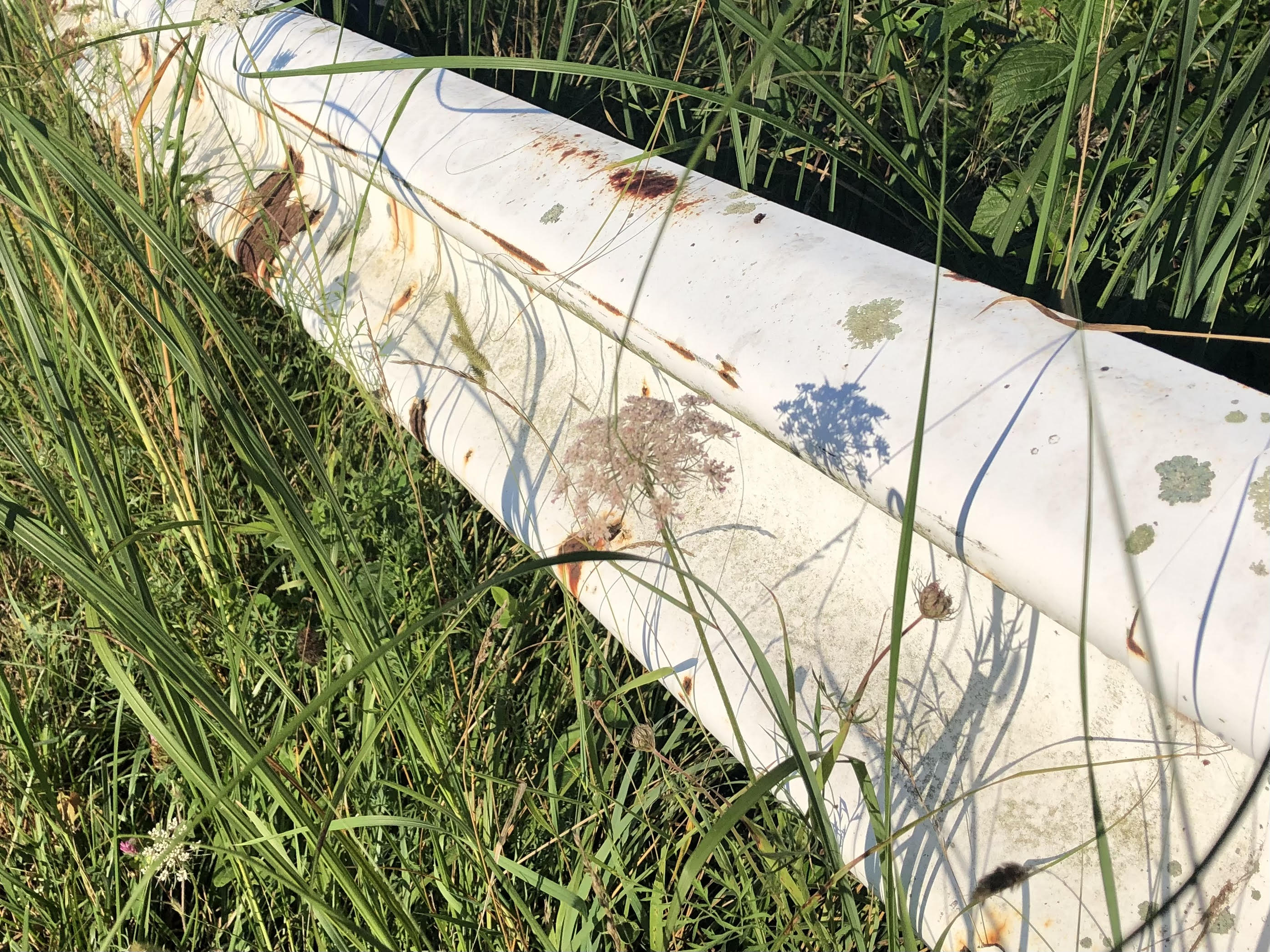
There are four photos of some really artistic work on the Painted Rock. Next comes a typical island clothesline in the mellow light near sunset. That’s followed by a pile of rocks that someone (a child?) collected at the edge of the Tug Hole, a sign showing that some landowners are welcoming, and a sharp Queen Anne’s Lace shadow on a guard rail. Those photos were all taken in New Shoreham,, Rhode Island.

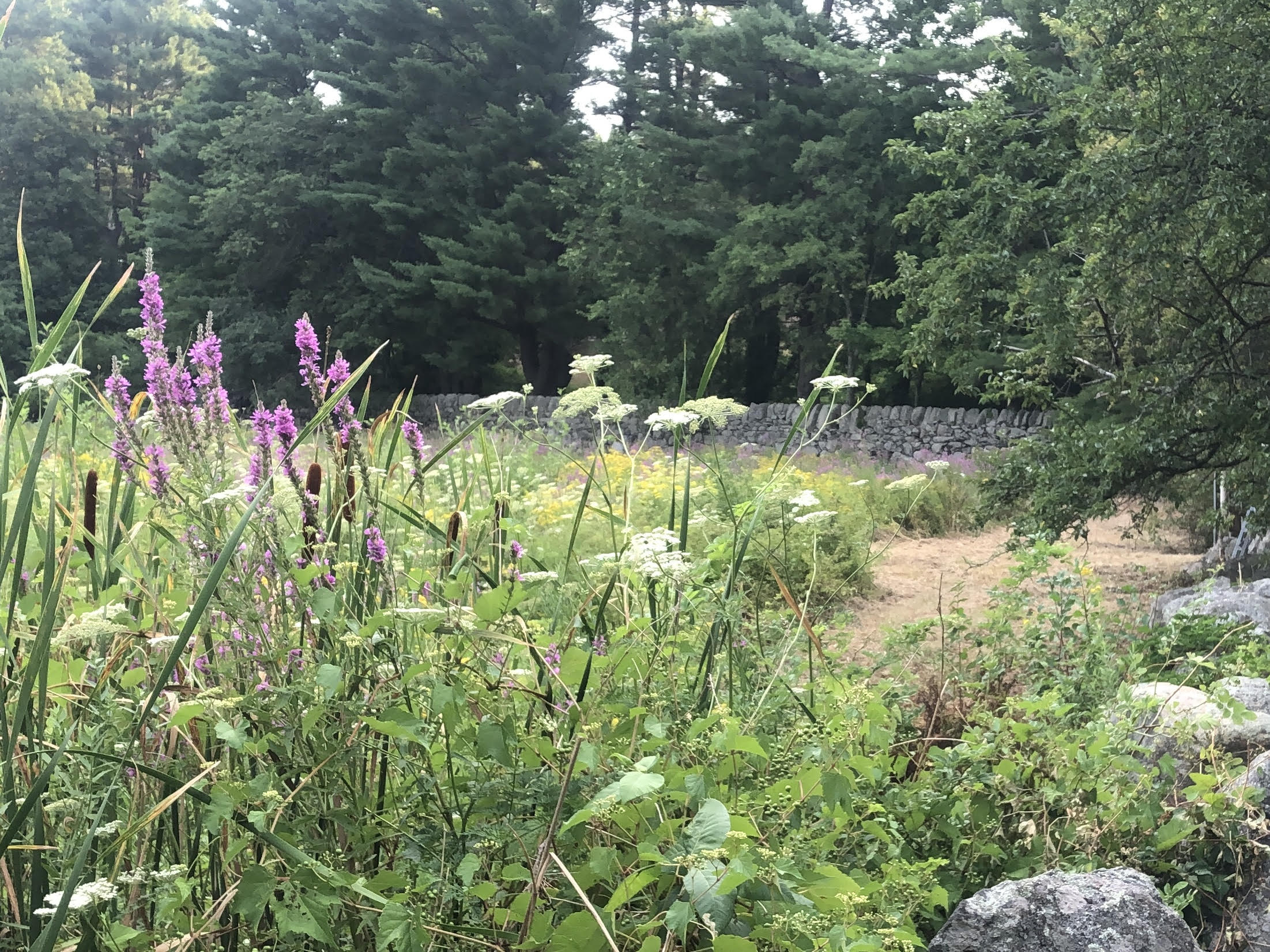
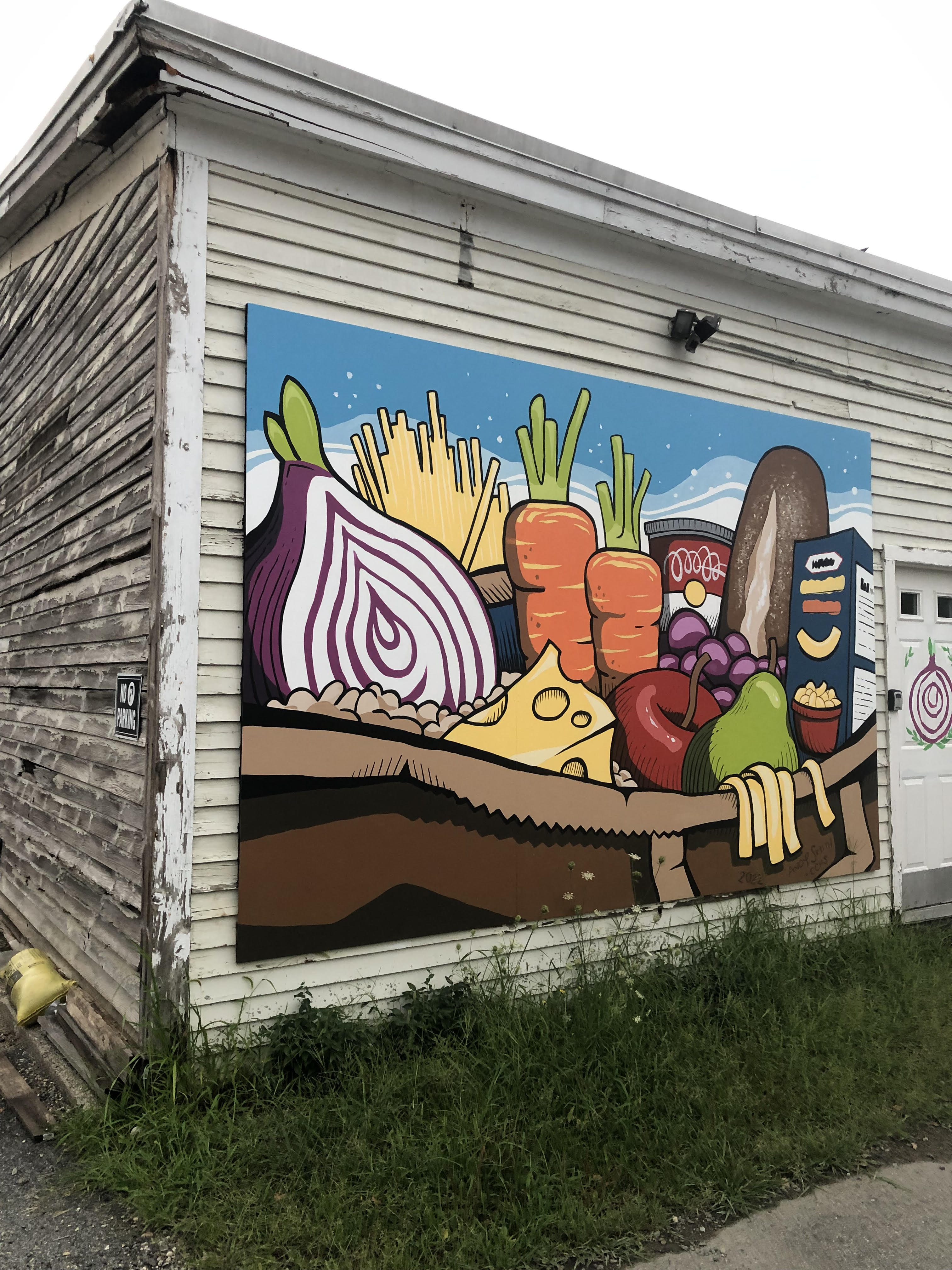
The next few are from Massachusetts: Purple Loosestrife near a stone wall, a food-themed mural, a painted door with 3-D touches, and a juvenile red-tailed hawk at Minuteman Park. There were three of the young hawks horsing around that morning. They threw me off the identification until I learned that red tails whistle and that the tail isn’t red in the first year.

Finally, the Wisconsin tough guy.

Read Full Post »

Looking for turtles.

I do my wandering in a small circumference, but I’m always finding something new. Today’s photos are from favorite haunts in Massachusetts and Rhode Island.

As a kid, I spent a lot of time exploring the woods. Now the granddaughter above and her friend enjoy doing the same thing. They particularly like tromping through the less traveled paths — a great opportunity to practice poison ivy identification.

The next photo shows another Providence pond beloved of turtles. My granddaughter worries about them when they lay eggs on the small beach where people walk.

The next scene was taken from the North Bridge in Concord. The little boathouse belongs to the Old Manse. A fisherman is having a relaxing day on the river near there.

Lots of lupines in a yard devoted to native plants. Iris in my yard. Clematis on a phone pole.

Do you have a guess how far below the Clayhead Trail the beach in the next photo is? This is a true optical illusion as the distance is scores of feet down. Would love it if someone from New Shoreham could tell me just how many. 100?

The next shot is of our town in Massachusetts. The play Our Town was actually performed outdoors in the street here, directed my my friend Dorothy Schecter years ago.

A creative resident hangs a lantern with poetry free for the taking.

I hope you’ll get a kick out of the bumper sticker. Unfortunately, no one was singing when I walked past. Next is a photo of a local second hand shop, followed by one of the cute veggie tables at the new health-food store.

The quilted warning about eating the fish you catch was in Pawtucket at an Art League of Rhode Island show called “Under the Surface.” The Make Way for Ducklings wallpaper covered the windows of a Boston shop that was being renovated.

Read Full Post »

My first photo today is from Pawtucket, Rhode Island, where a homeowner is expressing the solidarity that most of us feel for Ukrainians defending their homeland against a crazed invader.

Some other recent photos also make me think about solidarity — and how good things can happen when folks band together. Remember the WPA? Many of its works are still in use. New Congressional allocations will be doing some of the same kinds of infrastructure projects, thank goodness.

I loved the sign on the bank of the Seekonk River showing the power of “unionized” little fish in a dangerous world.

The photo of the pollinator sign highlights the banding together of neighborhoods in Massachusetts and elsewhere to protect honey bees and other pollinators, guardians of a healthy environment.

Looks like Providence’s official guardian on the river may actually be needed more on the road.

Meanwhile, encouraging signs of spring give us hope that winter won’t keep returning after random warm days. Still, winter can have attractions. Note the bluebirds that have been regular visitors to our feeder.

Read Full Post »

Photo: Nathan Klima for the Boston Globe.
Health care professionals at a Mass. General vaccination van parked near the La Colaborativa food pantry administered COVID-19 vaccines and tests for residents during a mini-festival for teens in Chelsea, Mass., on Oct. 06, 2021.

Today I’m thinking about all the people who keep on keepin’ on. Some may think they have no choice, but that doesn’t make them any less heroic to me. There is a kind of unconscious daily heroism of putting one foot in front of the other without any expectation of light at the end of the tunnel that I used to see among tired commuters on the subway. Endless Covid has a bad effect on my gumption, so I greatly admire truckers, grocery workers, nurses, doctors, hospital cleaners, housecleaners, farmers, teachers, and the many others who just keep going.

Today’s article from the Boston Globe shows, I hope, that such dedication pays off. Even if things get worse after they get better, it pays off again and again.

Felice J. Freyer, Bianca Vázquez Toness and Diana Bravo wrote last fall, “The crew had been out on the streets for more than an hour before they found a man who needed a shot.

“The five young people in torn jeans and mint- and cantaloupe-colored T-shirts had already accomplished a lot on this bright late-September day. Stopping stroller-pushing moms on the sidewalk and knocking on the doors of triple-deckers, they told people about the food pantry, the English classes, the sports and music lessons for children, the upcoming block party, where to get help with a leaky oil tank — even how to register to vote.

“But until they came across Gato, sitting at the open door of a shed under the staircase to his home, the promotores de salud — community health workers — did not have occasion to talk about the vaccine against COVID-19, an illness that had stormed this small impoverished city with notorious ferocity.

“ ‘Have you been vaccinated, Gato?’ asked Natalia Restrepo, the 29-year-old engagement coordinator for La Colaborativa, the community service group that hired and trained the promotores.

“ ‘No,’ he said. Restrepo knows Gato; he’s friends with her husband. But she did not know this troubling fact about him.

“He was a member of the unvaccinated minority. According to state data, 74 percent of Chelsea residents are fully vaccinated, above the state average of 67 percent. That happened even though Chelsea’s population is dominated by groups traditionally hard to reach — immigrants, poor people, Latinos. …

“And new COVID-19 cases in Chelsea have plummeted to below the statewide average. Chelsea has made itself into a vaccination standout, the result of a person-to-person campaign by multiple community groups.

“ ‘The Chelsea experience is one we really need to learn from,’ said Carlene Pavlos, executive director of the Massachusetts Public Health Association. ‘It’s one where we can see the value of efforts that are locally designed, locally led, and developed by the people most familiar with the community and most trusted by the community.’ …

“The pandemic had raged like a wind-whipped fire in Chelsea, a 2.5-square-mile city across the Mystic River from Boston, bringing fevers and hacking coughs to apartments and houses packed with grandparents, mothers and fathers, sons and daughters — a mysterious sickness that rode home with folks who took the bus to jobs serving food or cleaning hotels or hospitals.

“In April 2020, according to a new report from the environmental group GreenRoots, the COVID-19 infection rate in Chelsea was one of the highest in the nation, 57 per 10,000 residents, higher than the worst days in New York City, six times the statewide infection rate. Researchers at Massachusetts General Hospital found that by April 2020 one-third of the city’s residents had acquired antibodies to the virus, indicating they’d been infected. …

“But sickness wasn’t the only source of pain: By June 2020, with the economy flattened by the pandemic, one in five Chelsea residents was out of work. …

“Founded in 1988 to serve a new influx of Latino immigrants, La Colaborativa [offered employment and more]. It set up a food pantry, delivering food and medicine to those in quarantine. ‘We became the survival center,’ said Dinanyili Paulino, the chief operating officer.

Gladys Vega, the CEO, recalls encountering an 11-year-old in the food line. The girl had been left to care for her 6-month-old sibling when their mother was suddenly hospitalized with COVID-19.

“ ‘We adopted that girl for three weeks,’ Vega said, making sure she had diapers and food, and neighbors checking in on her.

“So when it came time to vaccinate, Paulino said, community members wondering whether the vaccine was safe turned to La Colaborativa —’the people that have been with them from the beginning.’ …

“When the COVID-19 vaccines were approved in late 2020, the organization trained mothers to form a cadre of promotores, who teamed up with doctors from Massachusetts General Hospital going door to door to talk about the importance of vaccination. …

“Despite such preparations, despite the severity of COVID-19 in Chelsea, the vaccine itself was slow to arrive. … Advocates were outraged, and undeterred. …

“The first big vaccination clinic in Chelsea opened on Feb. 4. The doses didn’t come from the state. Instead, the East Boston Neighborhood Health Center received them through a federal program and agreed to set up a clinic at La Colaborativa.

“Offering the vaccine at their headquarters, Vega said, ‘sent a strong message that, if we are welcoming the vaccination, that means that you as an individual should get vaccinated.’ ”

More at the Globe, here.

Read Full Post »

Once a year, they close off a block on Main Street.

Saturday was quite a joyful day in town. The weather was beautiful (not too humid), the farmers market boasted vegetable car races for kids as well as vegetable stalls for grownups, and the Covid-delayed library book sale made a record haul from book lovers overjoyed to be back.

So today seems like a good day to share pictures from those events and also from late summer in general. The beach plums are in New Shoreham. My neighbor knows the secret places for every kind of berry, and he goes out at dawn to pick them so Sandra can make jams and jellies. This year was a bust for blackberries, but Sandra expects to get several batches out of the beach plums.

Next comes one of the better Painted Rock designs from 2021, followed by a photo of seining for small fish and shrimp in Great Salt Pond.

From those scenes we turn to the lobster pots and breathtaking vistas of Lewis Farm. Then a view of Old Harbor boats and the National Hotel.

The windmills did not get much action this summer, partly because of the cost and partly because of repairs. That’s what I was told, anyway.

The fishing boat is docked in the active port of Galilee, the last stop in Rhode Island today.

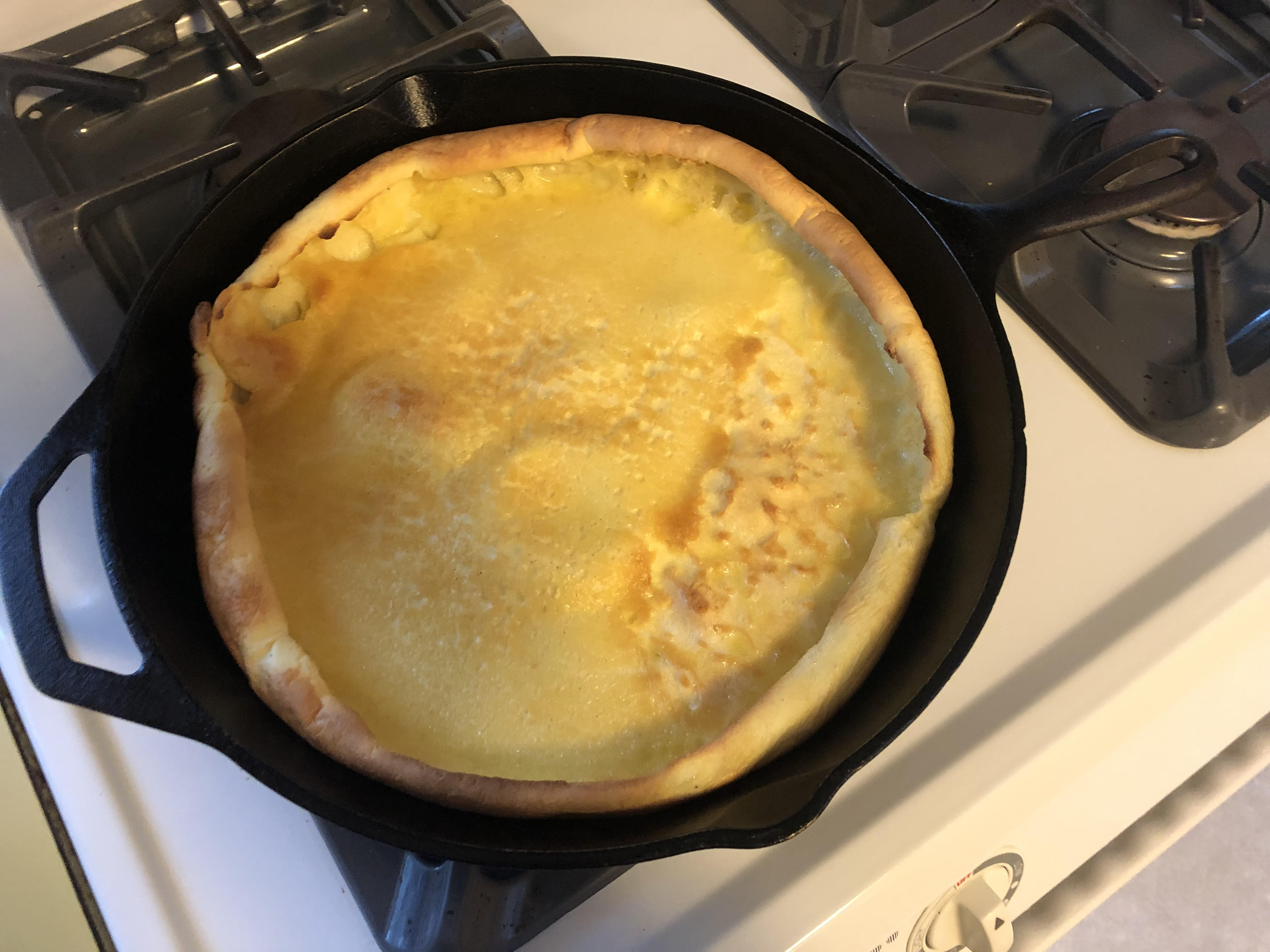
Next we return to Massachusetts, where I want to share a bit regarding post-Covid life. First, a delicious Dutch pancake that I learned to make during the pandemic. Then, the story of my hair. My daughter-in-law loved how it grew out during the year and a half I stayed away from scissors, and she made beautiful braids for me. But in the end, I couldn’t manage long hair and resigned myself to easy care.

I was glad to see the Umbrella arts center still has a lot of opportunities to enjoy art outdoors. The Millbrook farm stand offers a different kind of art. Similarly, the colors of autumn sedum and lily-of-the-valley berries make an unstudied picture. The praying mantis is another work of art, busy going after the less welcome bugs in the yard.

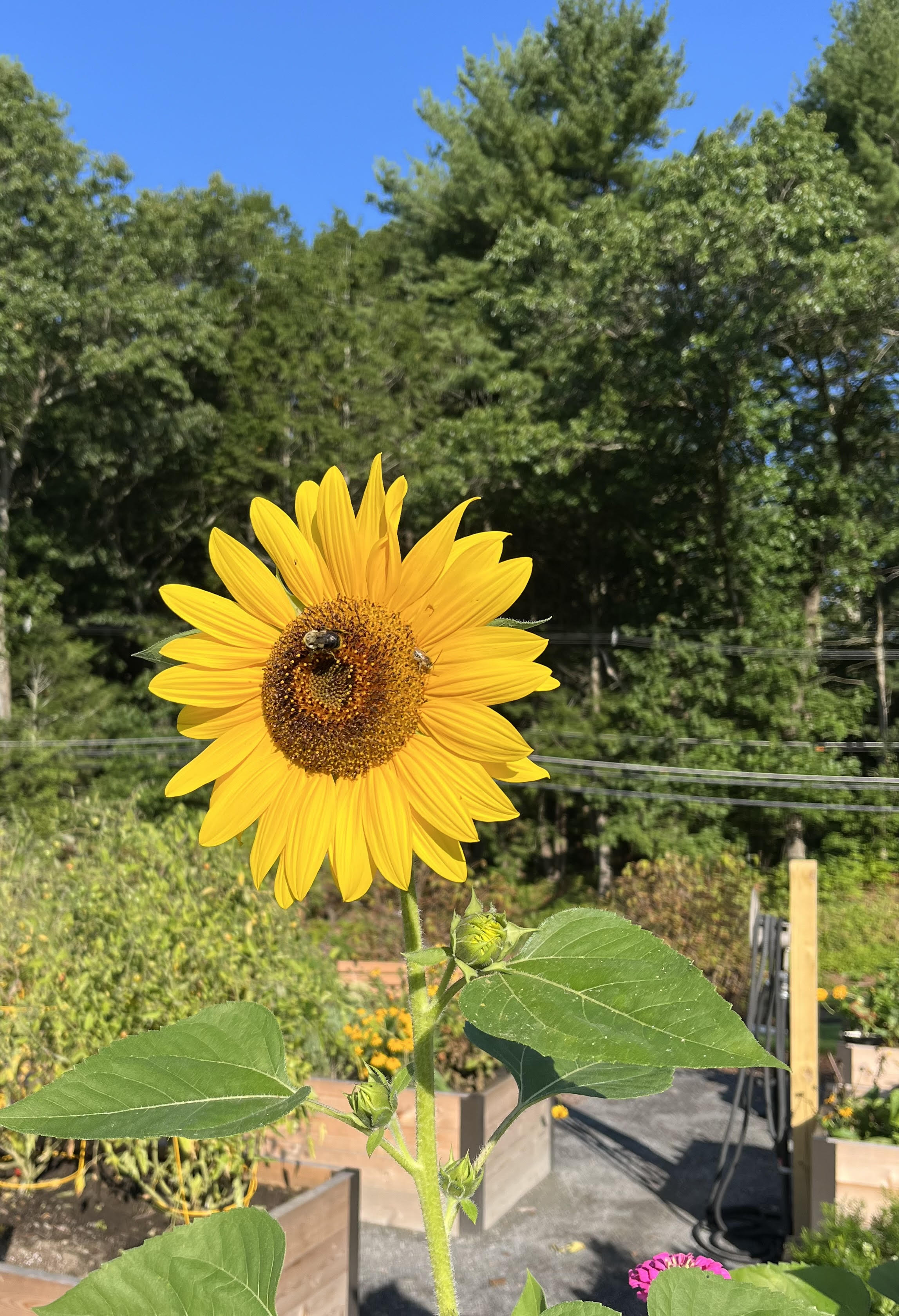
Hello and good-bye, Happy Sunflower.

Read Full Post »

Photo: Andrea Pyenson.
In this 2019 photo, a student harvested lettuce at the Rivers School’s Freight Farm.

Are we all too disconnected from the wisdom and skills of our ancestors? At the Rivers School and other Massachusetts schools, students have been getting hands-on insight into growing food — but a bit differently from how our ancestors grew it.

Boston Globe correspondent Andrea Pyenson reported on the hydroponic initiative in a January 2020 article.

“Inside the big white shipping container parked behind a classroom building on the campus of the Rivers School in Weston, it smells like a verdant field on a warm spring day, with a degree of humidity that is completely at odds with the cold, dry air outside. A variety of lettuces, herbs, and a smattering of other vegetables grow on vertical towers in adjustable rows. The sixth-grade students who maintain the school’s Freight Farm cycle through in groups of four to reap the bounty of work they started at the beginning of the 2019-2020 academic year. The first harvest day was in late October.

“ ‘They all love to come in here,’ says Emily Poland, who teaches eighth-grade science and is the farm director at this independent school for grades 6 through 12. The Freight Farm and related projects are built in to the sixth-grade curriculum, incorporating humanities, social justice, and science, among other subjects. Students spend time there once a week planting, cleaning, and harvesting. Farming is a club activity for the school’s high school students, who can go in during their free time.

“Based in Boston, Freight Farms manufactures technologically advanced hydroponic farming systems. In 320-square-foot, climate-controlled shipping containers, users can grow up to 13,000 plants at a time, vertically, without soil. The company was founded in 2010 by Brad McNamara and Jon Friedman. Several area schools, among them Rivers, Boston Latin School, and Worcester State University, are using the farms to grow food for their own communities, for their neighbors, and as educational tools.

“For Poland, managing the farm was a natural extension of her teaching. ‘I like to create curriculum. I care about food. I like to be outside,’ she says. One of the sixth-graders’ annual activities, which combines academics with community service, is cooking a meal for the Natick Open Door at St. Paul’s Episcopal Church. These are hosted every week and attended primarily by seniors. Poland explains that planning the meal incorporates math skills because the students have to scale recipes to feed up to 45 people. And naturally they use their own greens in the salads. …

“Boston Latin, a public exam school for grades seven through 12, acquired its farm in 2013 after students in the Youth Climate Action Network won the $75,000 prize in the Global Green Schools Makeover Competition. Farming is a student-run after-school activity here, under the guidance of eighth-grade history and civics teacher Cate Arnold. …

“Addy Krom, a junior, notes of the farm, ‘You can come in, it’s a whole different environment. All the stress from school [goes] away.’ Adds sophomore Azalea Thompson, ‘This makes locally grown food more accessible to the city.’ The students give the food they grow to faculty members, bring some home, and are working to create a CSA. With Arnold’s help they are also trying to reestablish a more consistent connection to a food pantry in Jamaica Plain, where a former Boston Latin parent, recently deceased, used to deliver their greens.

“At Worcester State, Mark Murphy, associate director of dining services, oversees the Freight Farm, which sits outside of Sheehan Hall, the school’s newest dormitory and site of its main cafeteria. Rich Perna, former director of dining, made the decision to purchase the farm five years ago, says Murphy, ‘to bring hyperlocal produce to the campus.’

“Murphy has been responsible for the farm for the last two years. An employee of Chartwells, which has the contract for all of the school’s food services, he grows almost all of the greens for the cafeteria, as well as for alumni catering events. …

“At full capacity, Murphy explains, the farm produces about two acres’ worth of crops. He is constantly looking for different varieties of lettuce that will appeal to the students and is currently ‘trying to figure out a gourmet mix.’ In addition to three varieties of lettuce, he grows kale, rainbow Swiss chard, parsley, and basil. He coordinates with the cafeteria’s cooks, telling them what he is growing so they can plan menus to incorporate the farm’s production. …

“Through a partnership with the Worcester Public Schools and its program that helps young adults with differences transition from school to the workforce Murphy has three part-time helper/trainees. Once a week three students, who have completed high school with a certificate, come (often with a job coach from the program) to seed, plant, harvest, and clean. Murphy is in the process of hiring one of the students, who has aged out of the program. She ‘has a lot of passion for the farm,’ he says.”

More at the Boston Globe, here.

Read Full Post »

« Newer Posts - Older Posts »