Feeds:
Posts
Comments

Posts Tagged ‘nature’

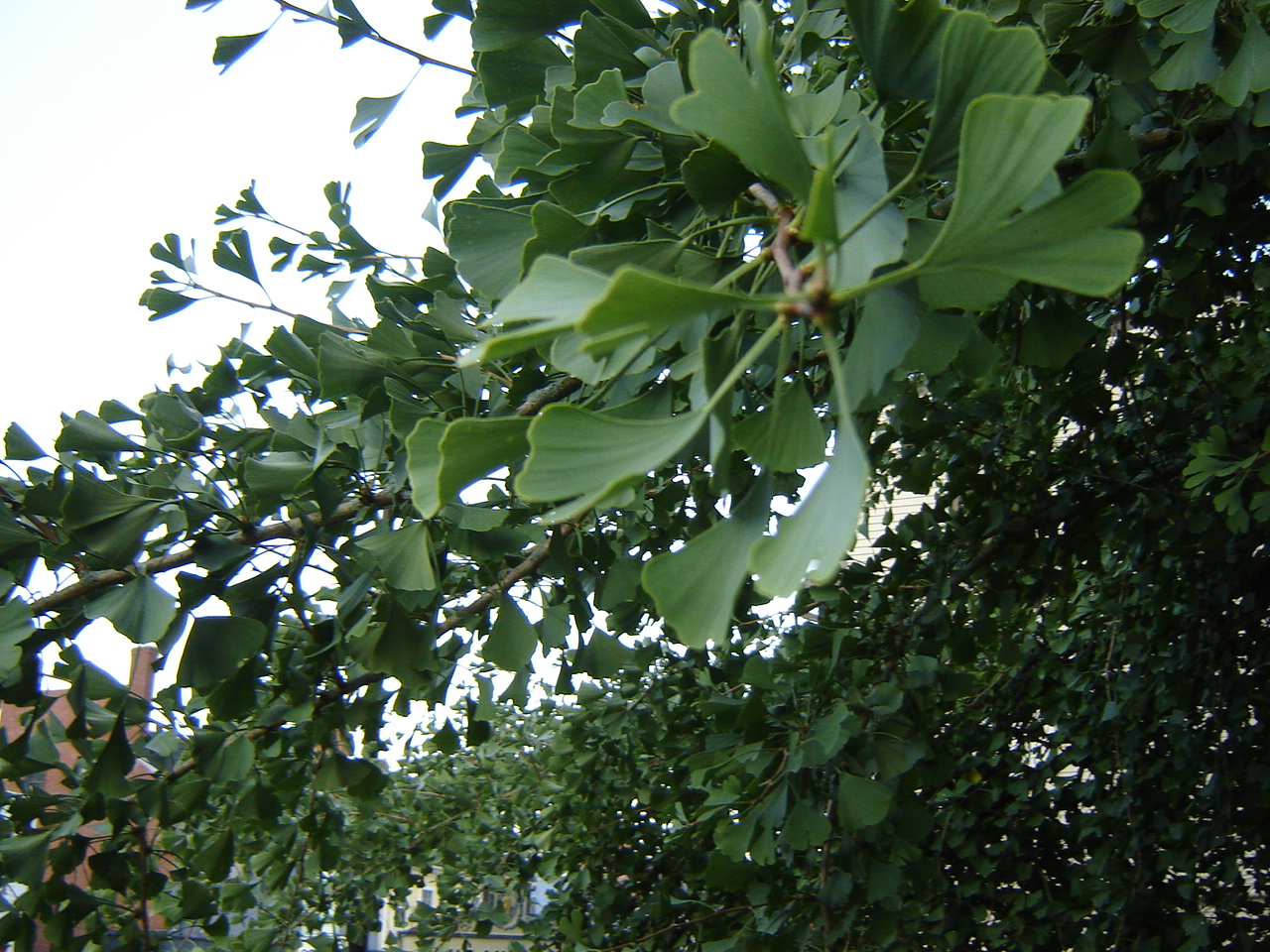
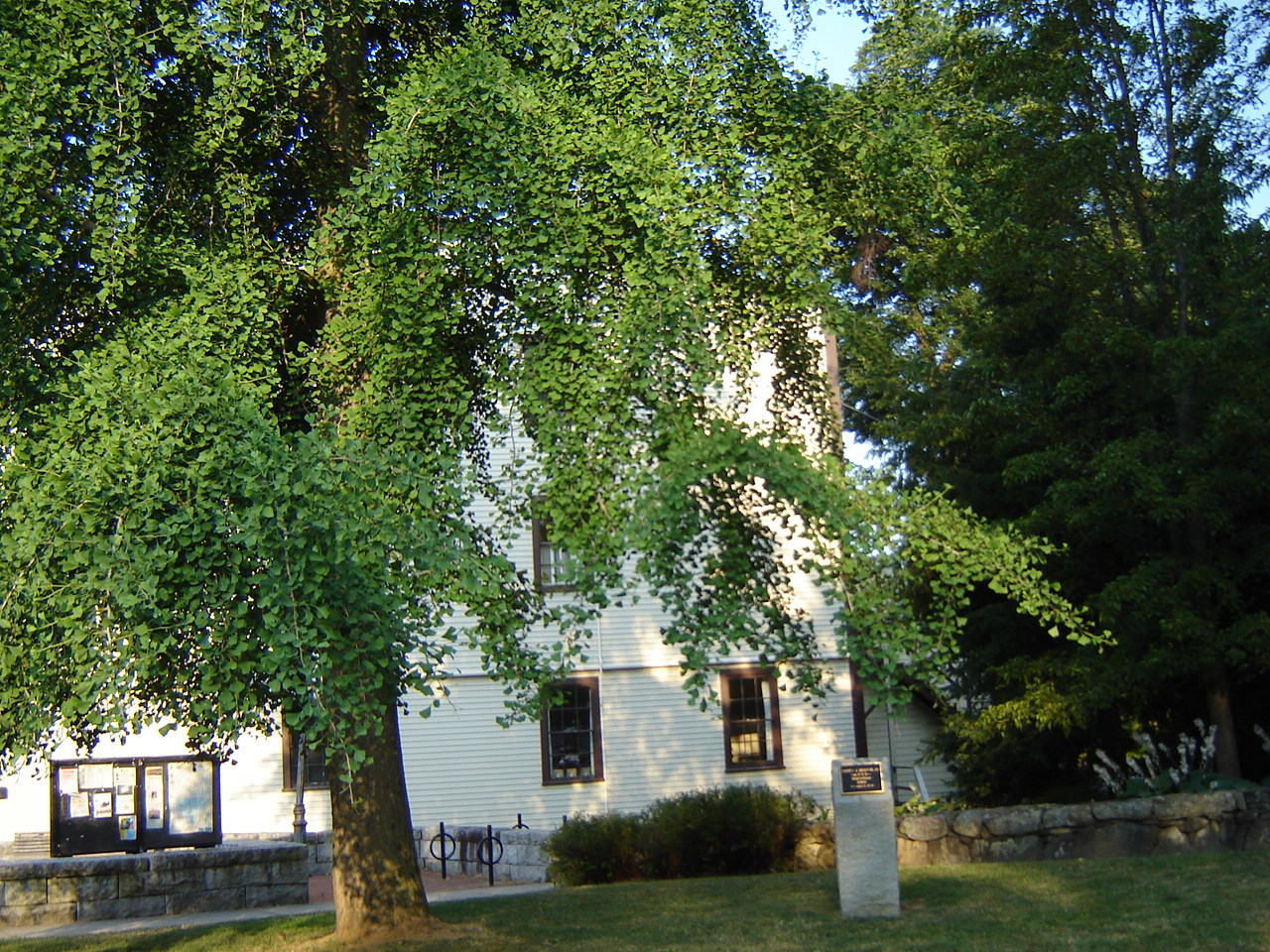
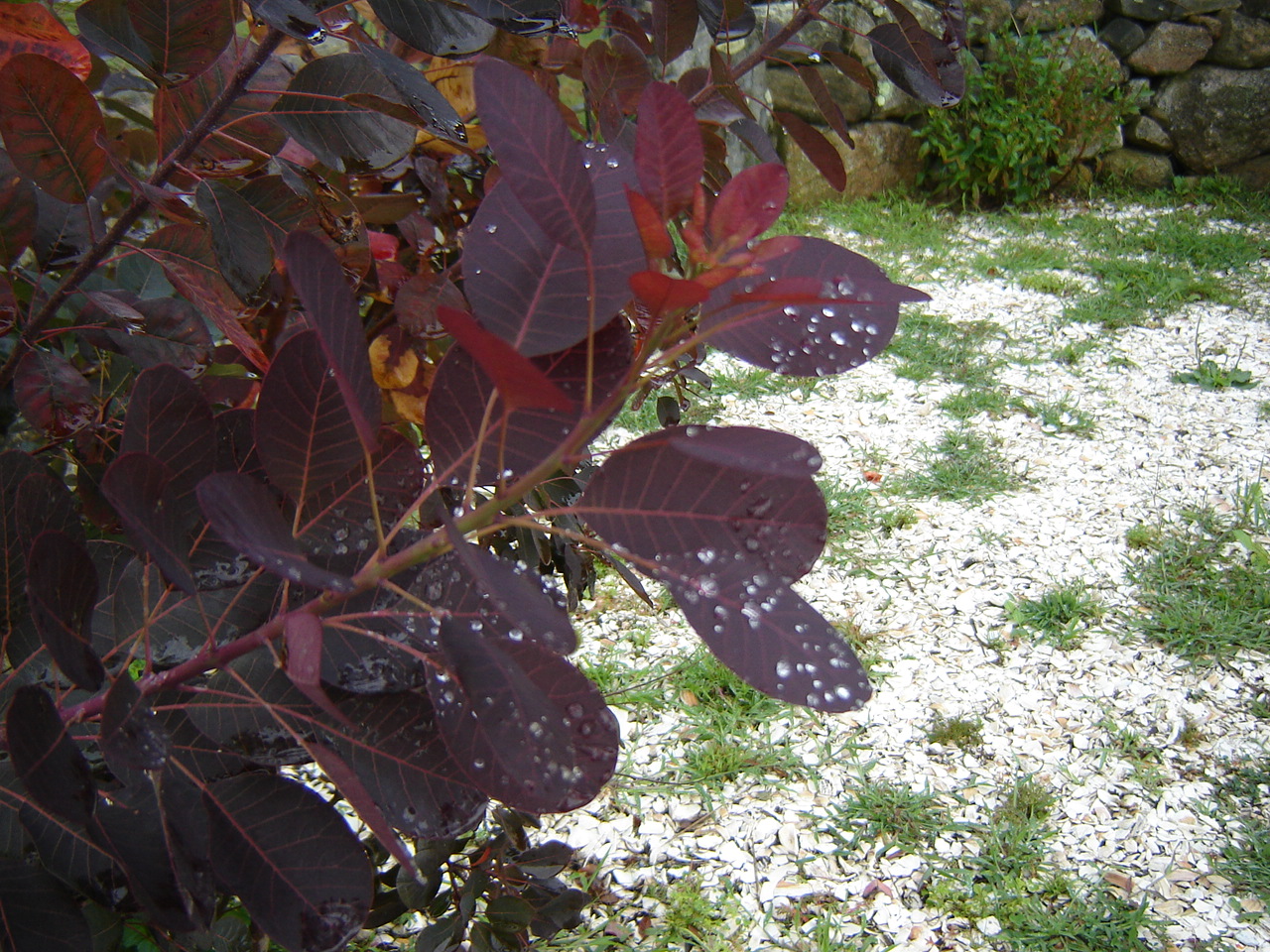
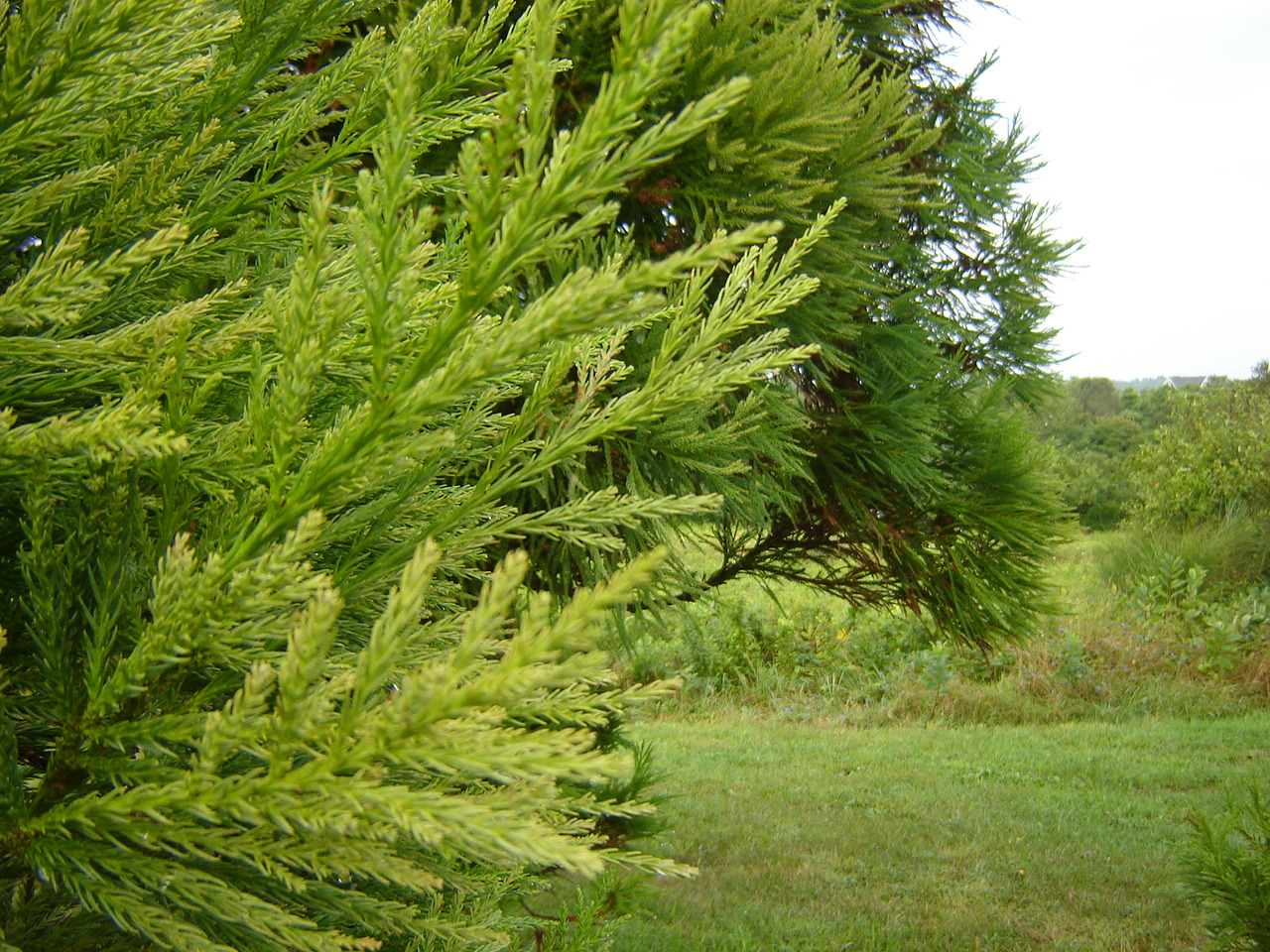
Today I’m sorting through pictures I’ve been taking of leaves. I think I can identify most of them, although I will have to check in with plant-identification site MisterSmartyPlants for the soft needles (larch?).

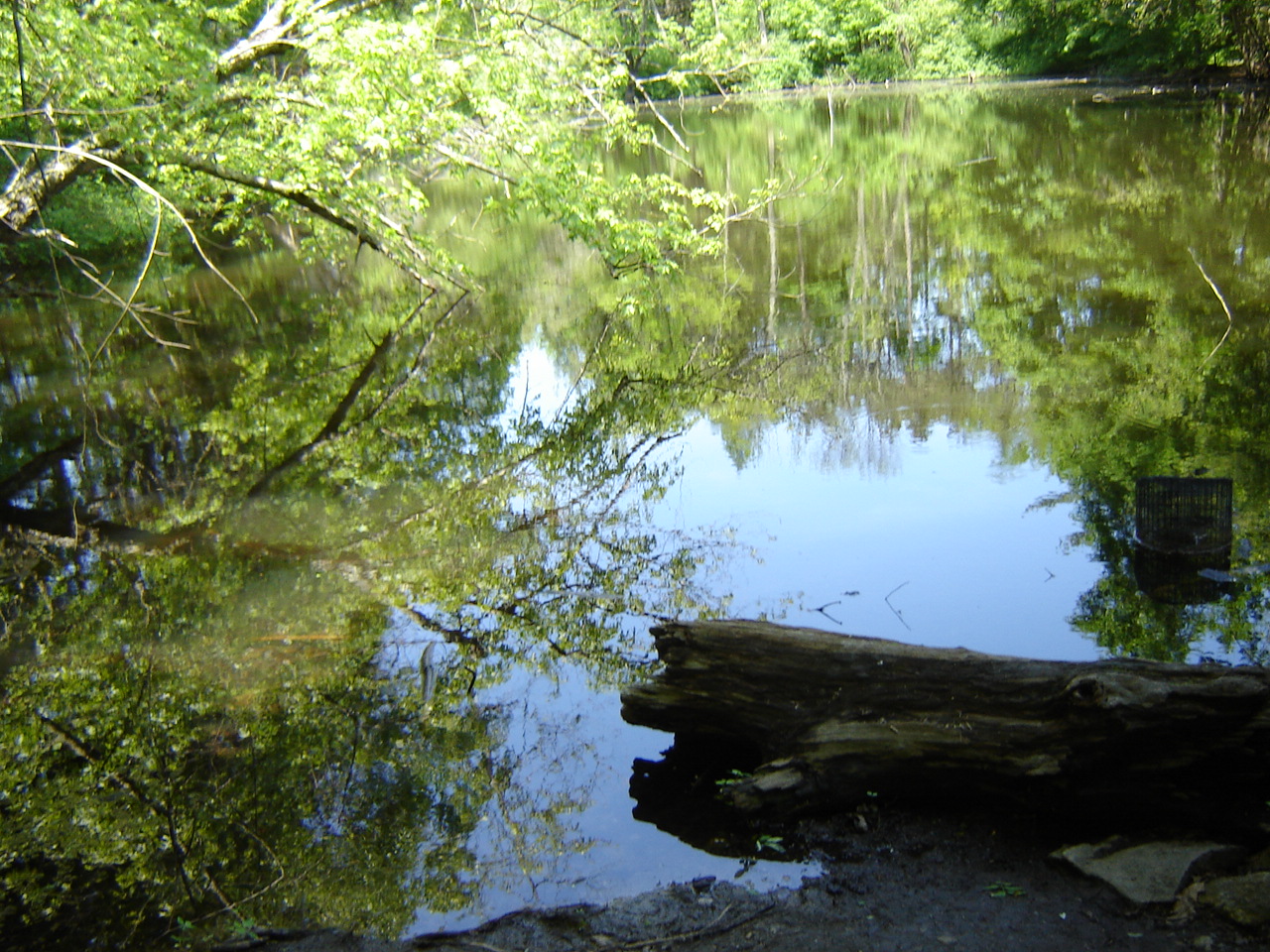
I’m especially fond of the lacy ginkgo leaf. The purple leaf I believe to be smoke tree. The thistle leaf says, “Approach at your own risk.” The wild grape clusters are a giveaway for the broad leaves drooping over the pond.

By the way, if you like identifying plants, it’s fun to see how many you can help people with at MisterSmartyPlants.

Read Full Post »

Photograph: South End Knitters

Today I am thinking about the South End Knitters, the stealth street artists who wrap their knitting around parking meters and fire hydrants and telephone poles.

Writes Linda Matchan in the Boston Globe, “The South End Knitters’ weekly meetings at a Washington Street café seem innocuous, but don’t be fooled. Over knitting needles and yarn at the long table they’ve commandeered, they are contemplating something far more mischievous than a sweater. They’re graffiti knitters, and they’re plotting their next target. …

“As with graffiti, no two tags in the yarn-bomber subculture are alike. They range from sleeves on parking meters to tubes on tree limbs to sweaters on statues: A recent high-profile example is the neon pink sweater that the New York street knitter Olek crocheted in December for the 16-foot ‘Charging Bull’ statue on Wall Street.”

What put me in mind of the South End Knitters was an extraordinary post at the WordPress blog Pickled Hedgehog Dilemma, which describes a crochet effort that is drawing a lot of attention to the plight of vanishing corals.

Concerned about the effect of global warming on reefs, Margaret Wertheim and her twin sister got an idea that involved “crocheting corals. They used a crocheting technique invented by mathematicians in 1997 to model hyperbolic shapes called hyperbolic crocheting. … This ended up being a perfect technique for producing coral reproductions. …

“They crocheted a lot of corals,” continues Pickled Hedgehog, ” then they did something to change the world. They shared their corals with art museums. They got a community in Chicago to crochet with them. Then the crafting became a movement and groups all over the world started to crochet corals.”

Read Pickled Hedgehog Dilemma’s illustrated summary here. And if you have the time, this TED talk is super.

Pickled Hedgehog Dilemma

Read Full Post »

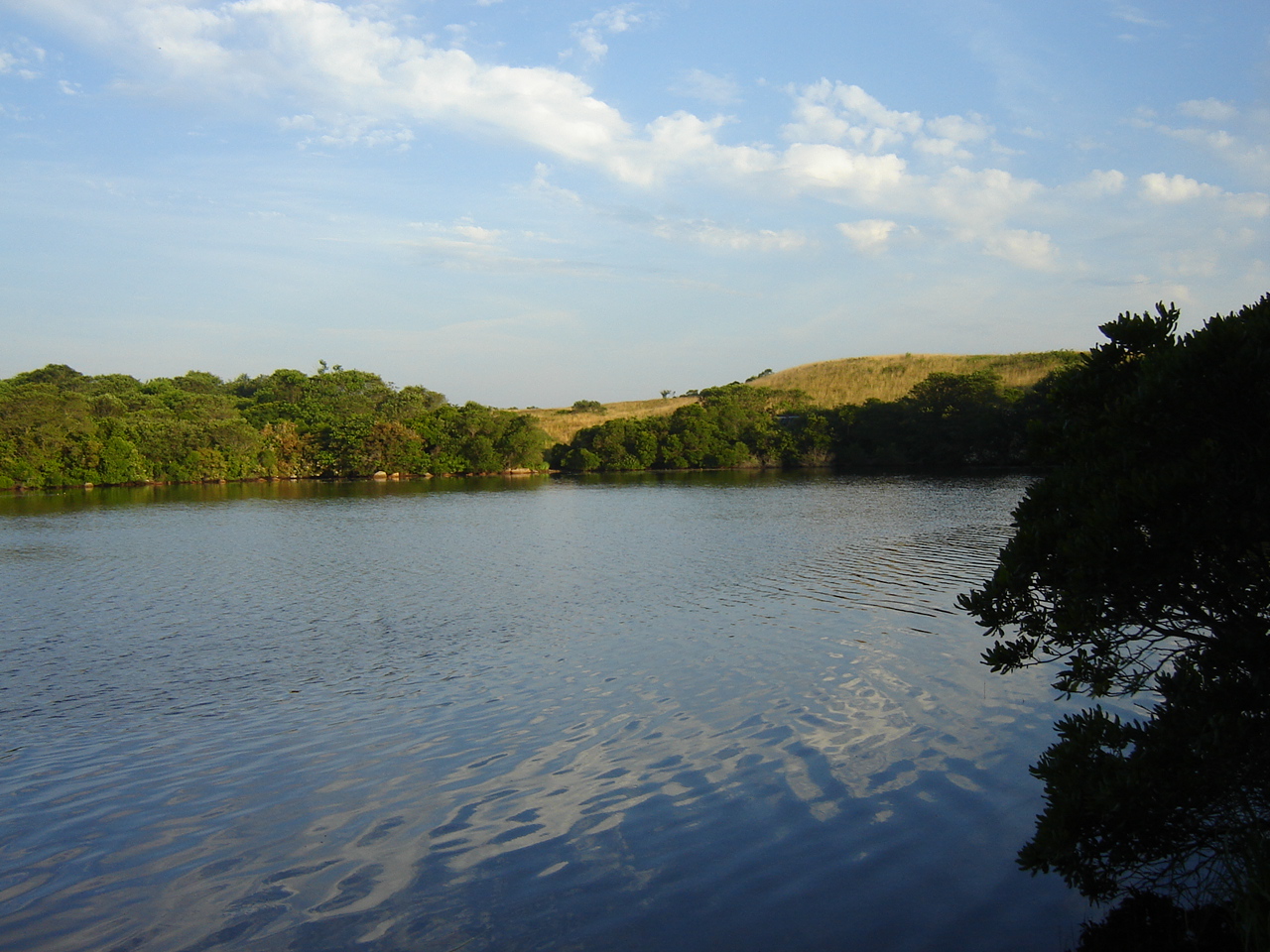
Whenever I walk by this field, I think of the Andrew Wyeth painting “Christina’s World.” But Christina doesn’t live in the house. An old woman does, visited by her son, who lives nearby.

One day, I suspect, the field will be sold and summer cottages will sprout there to take in the view of the pond.

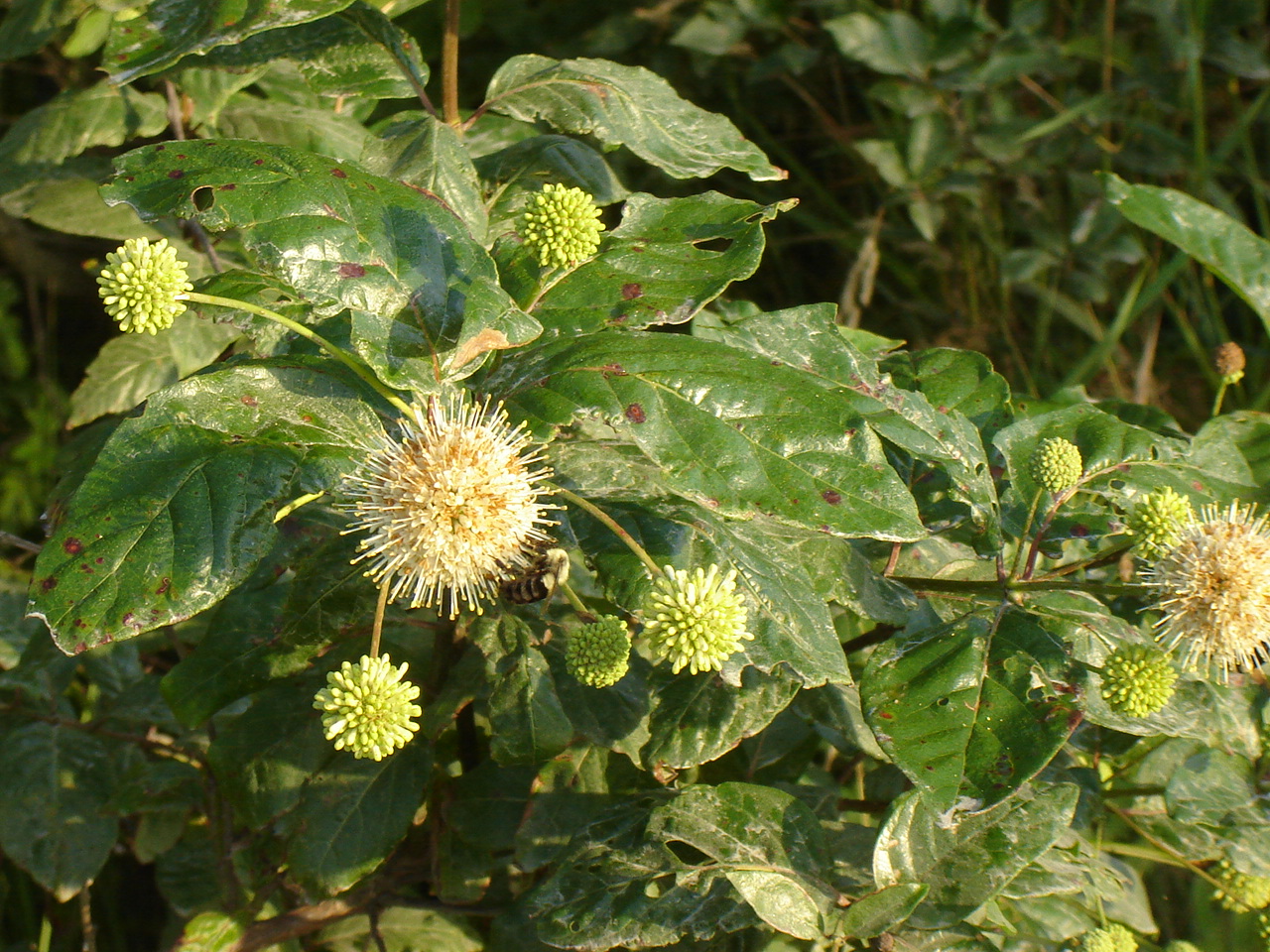
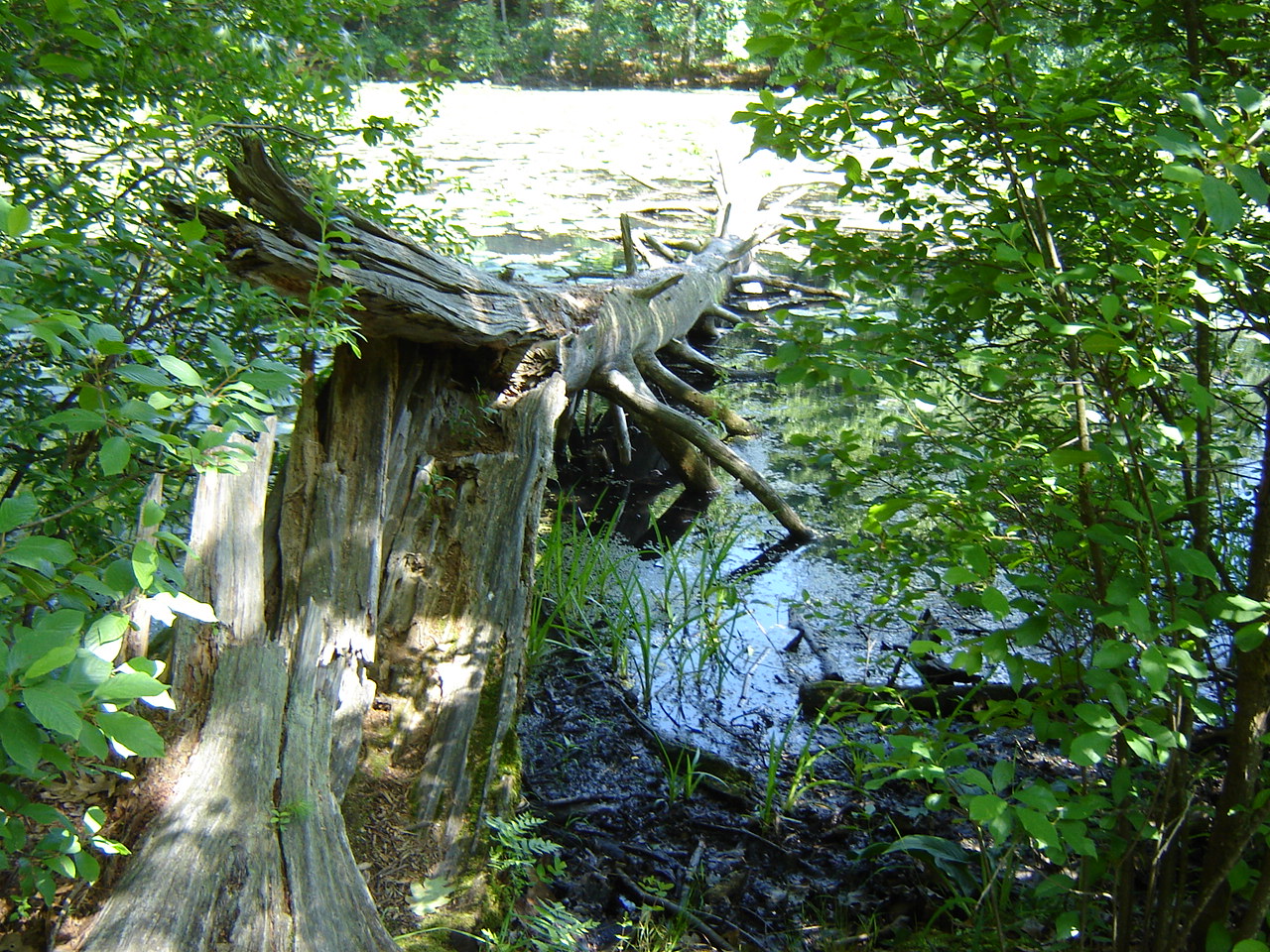
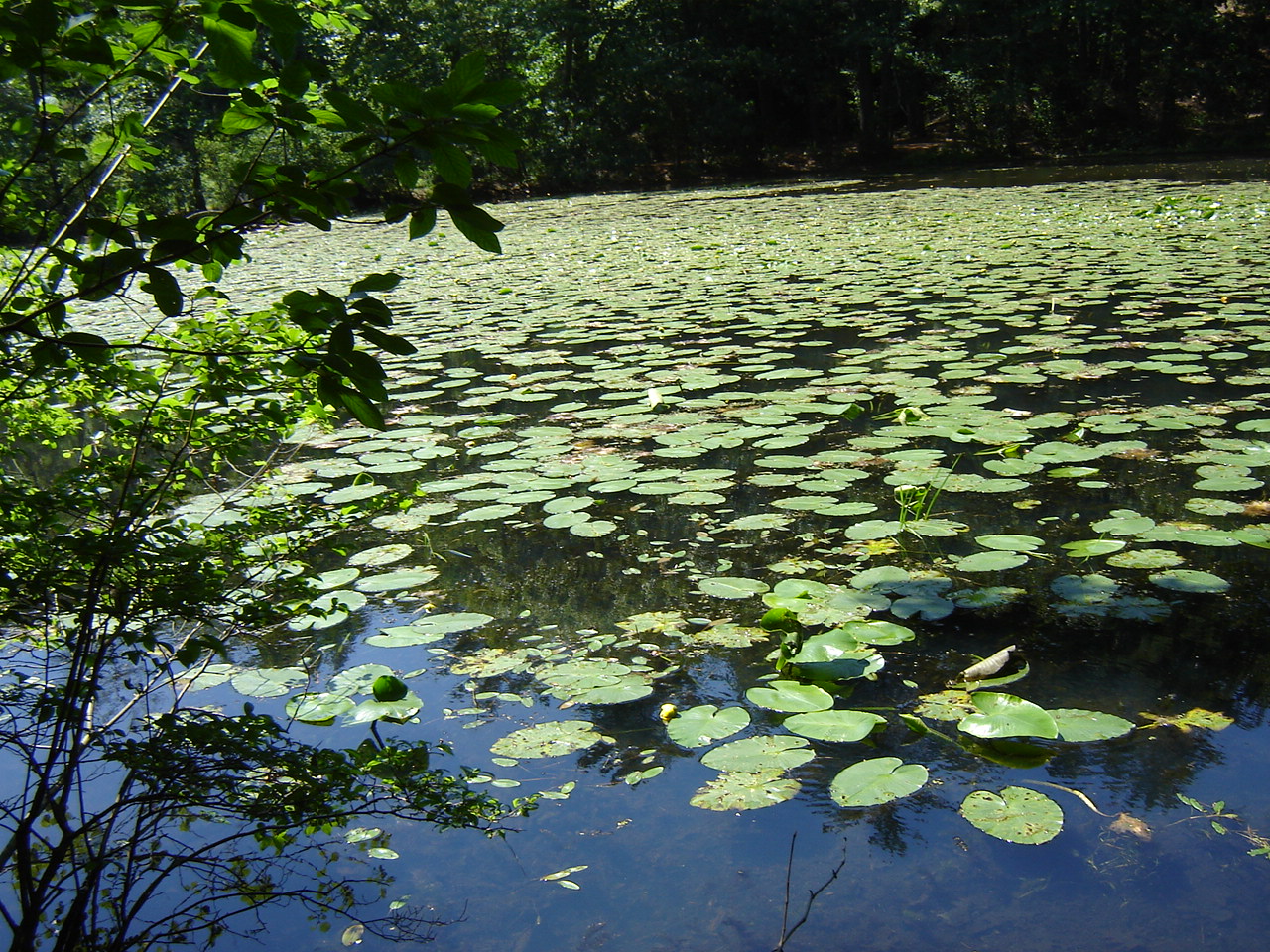
From today’s walk: note the bumble bee on the button bush. And the water lilies.

Read Full Post »

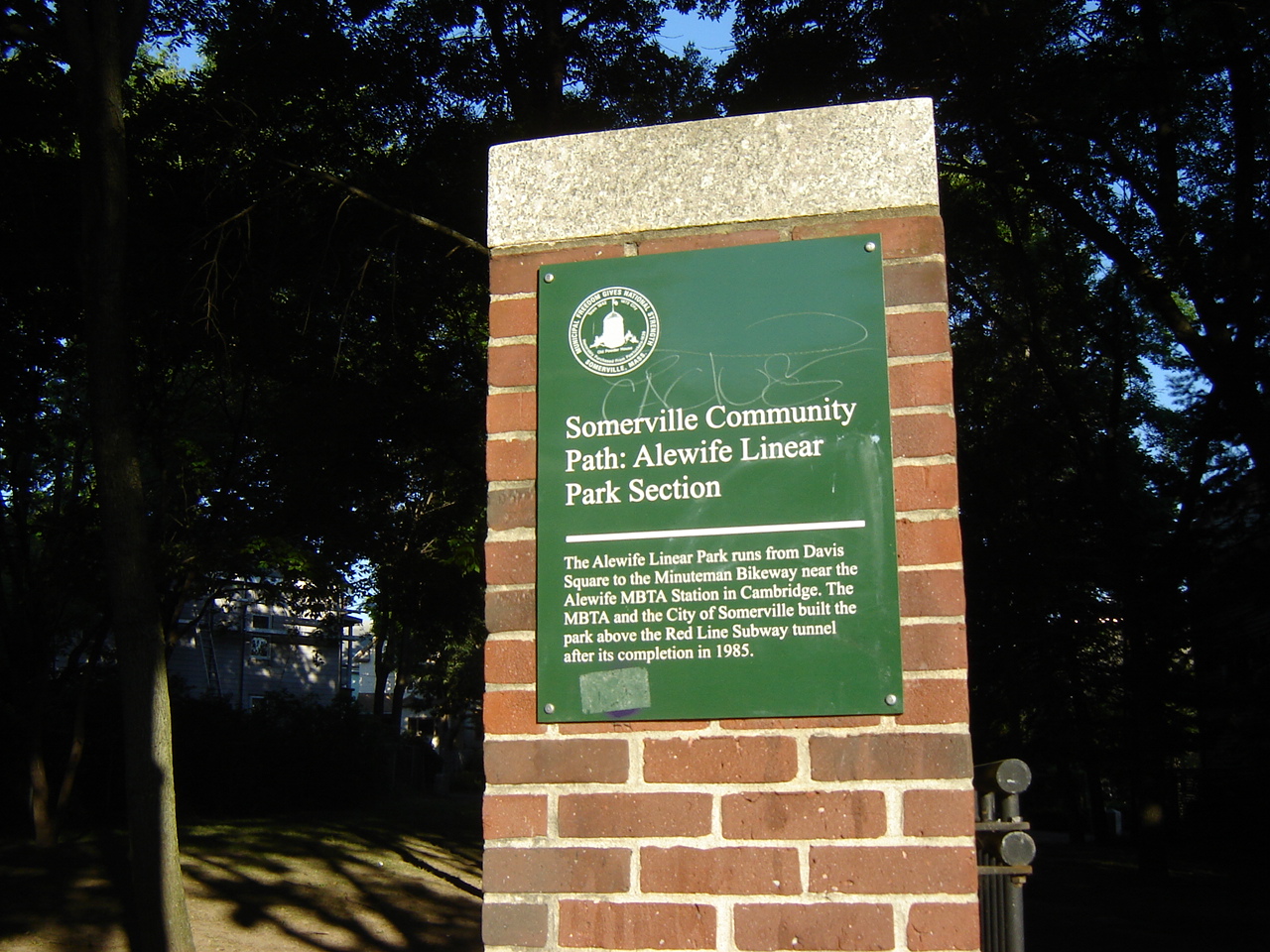
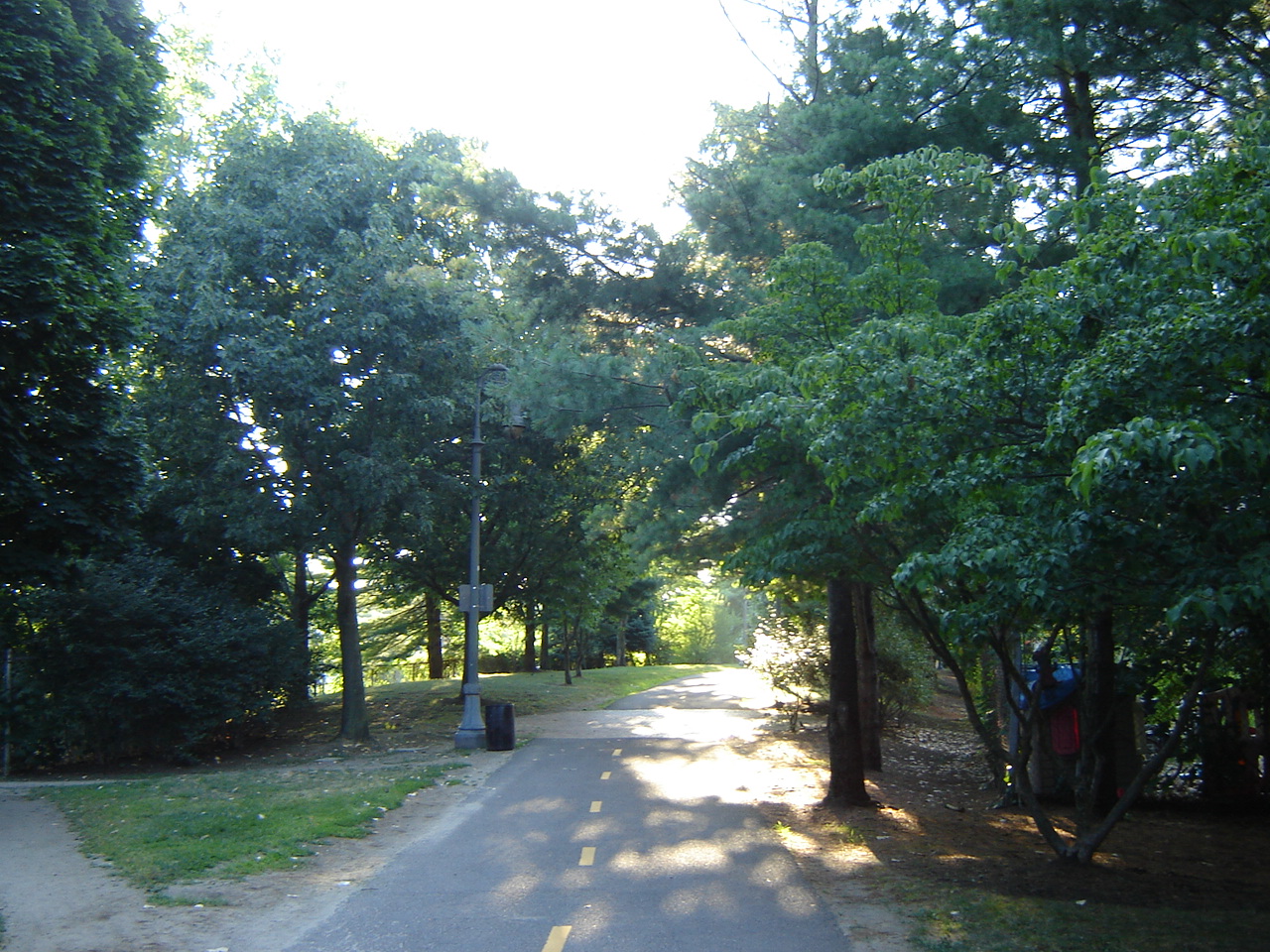
The bike path between the Alewife and Davis Square subway stops is lovely early on a summer day.

The path is part of the Minuteman Bikeway, I think. But a sign said it was the “Somerville Community Path: Alewife Linear Park Section.”

Today people were enjoying walking their dogs at 7 a.m., biking, commuting on foot to the T, and pushing strollers.

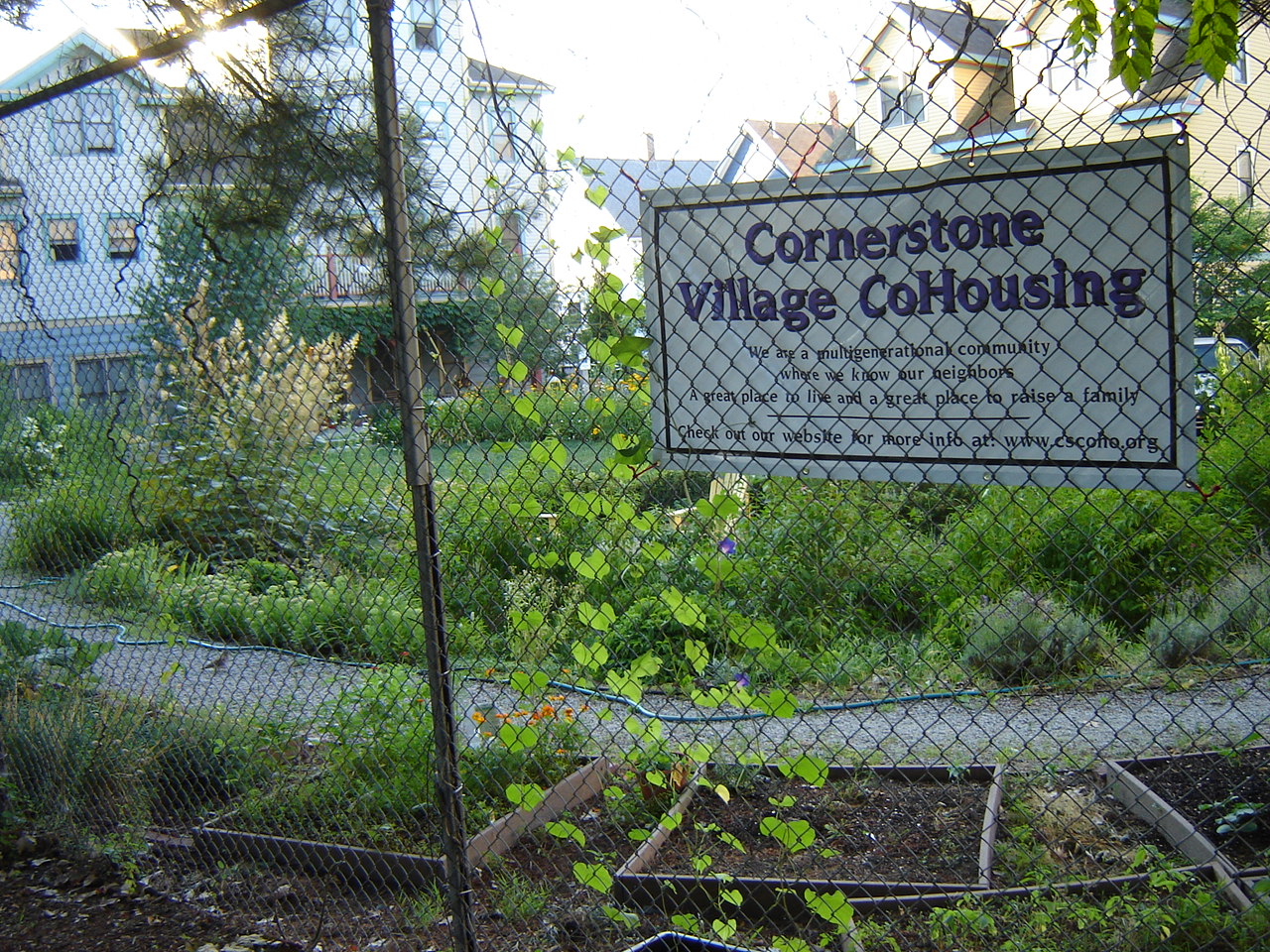
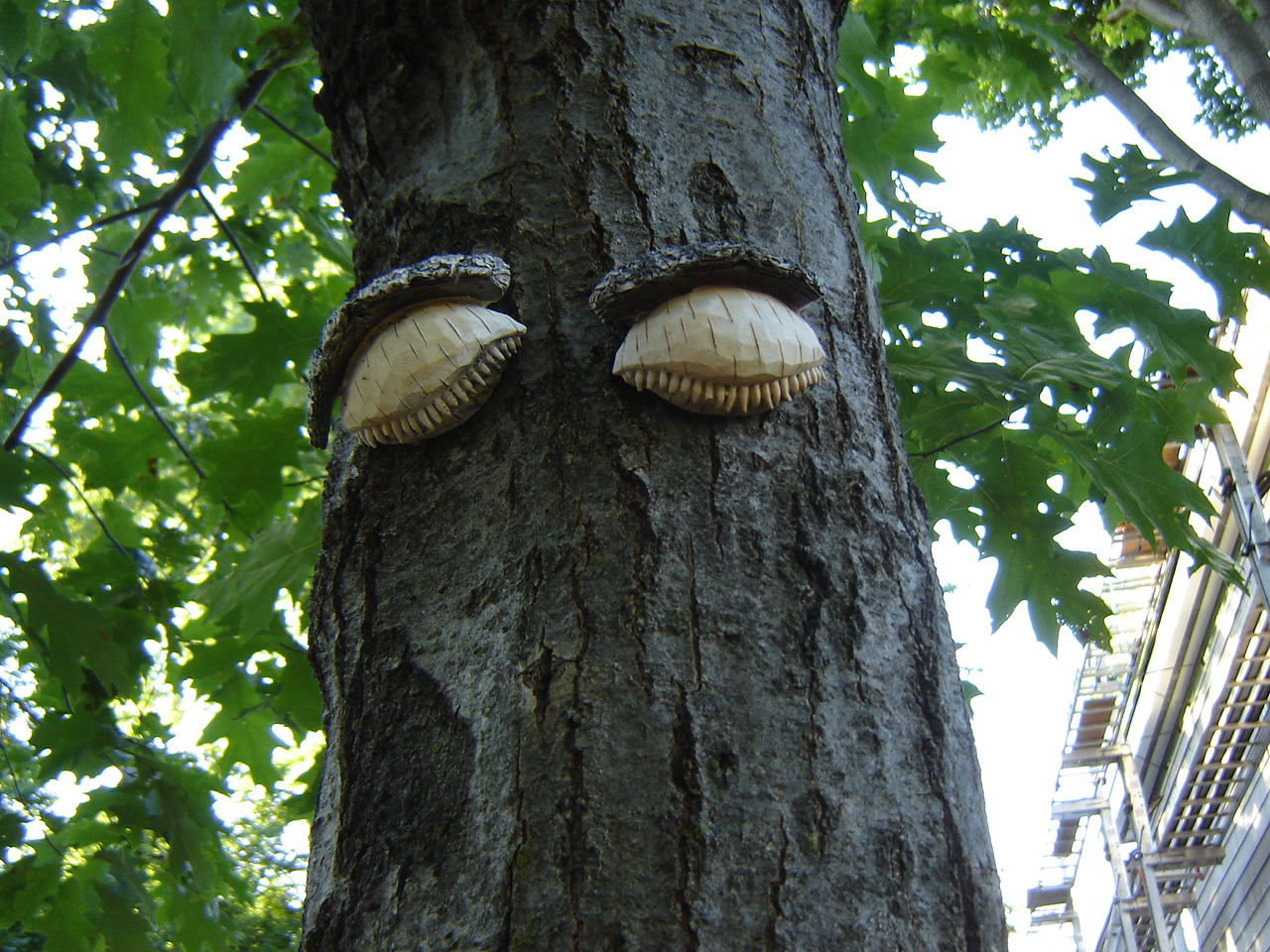
I loved it all, especially discovering a co-housing community along the way (kind of like a commune, but not quite) and a tree with eyes.

Read Full Post »

A sunny day for outings. First to the fabled Korean grocery, where salmon and pickled radish were cheap — if you don’t count the gas for the trip.

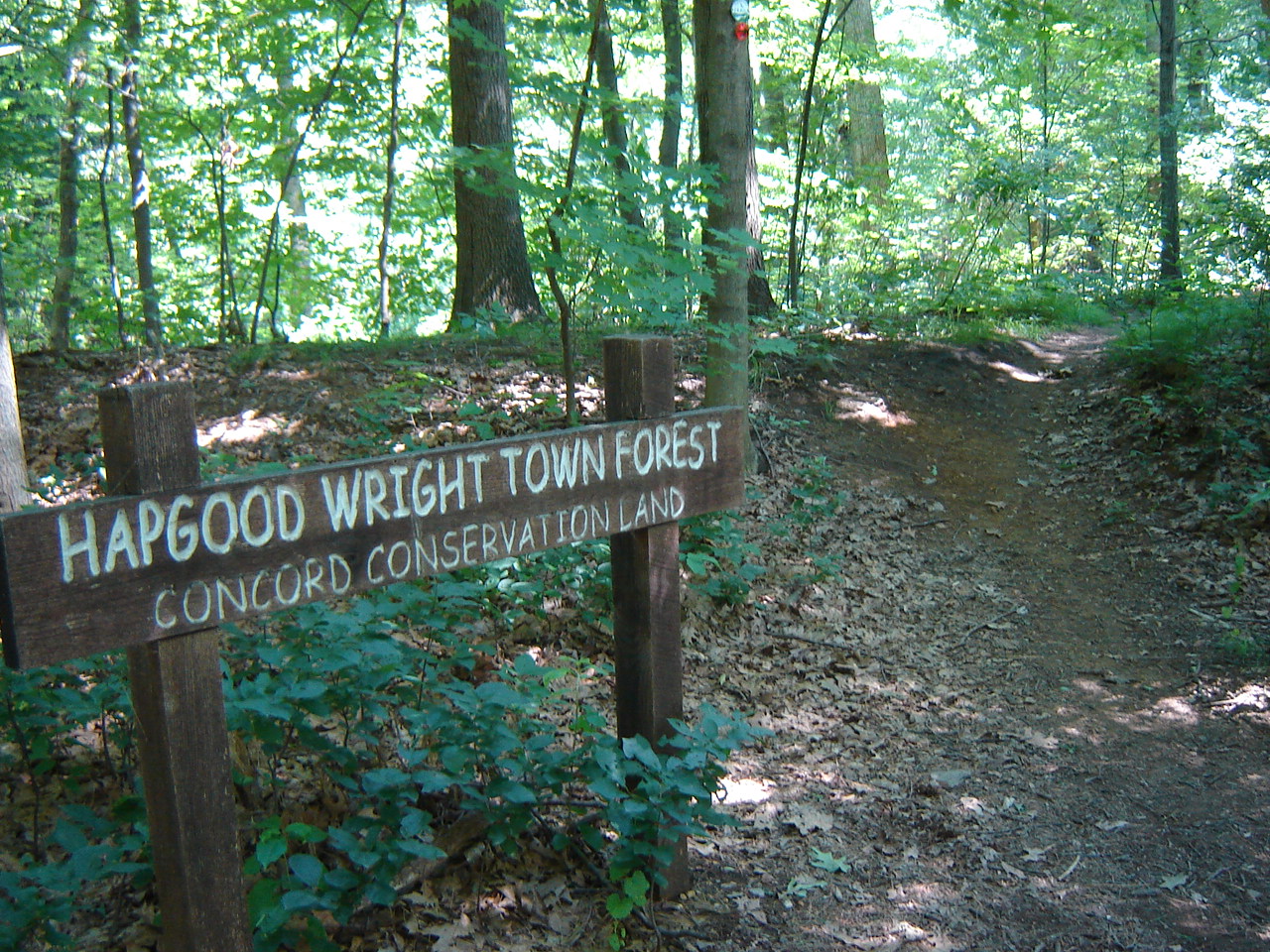
Then to the town forest for a walk with the Father in Chief.

Read Full Post »

At some point in my childhood, family friends raised goats. It seemed exotic. The Gordon children drank goat’s milk. And we learned that goats will eat anything when my brother tried to pat a goat and lost his mitten.

In addition to mittens, goats eat weeds, and increasing numbers of individuals and groups are deciding to use goats instead of herbicides to control weeds.

Evan Allen writes in the Boston Globe, “According to the US Fish and Wildlife Service, the use of goats to control invasive species, already common out West, is becoming more common across the East Coast.

“Goats love woody shrubs and vines, making them ideal weed-whackers. Using goats cuts down on the need for herbicides, and, unlike tractors, goats don’t require diesel fuel to do their job. And nimble goats can easily maneuver across rocky or marshy surfaces that humans and machines can’t safely reach.

“ ‘Folks are looking for long-term means of control,’ said Eric Schrading, private lands coordinator at the Fish and Wildlife Service. ‘As the last 30-plus years have gone by, we’ve started to, maybe not abandon chemical control, but use that as only one tool in the toolbox.’ …

“In Wellesley, the goats were shuttled out to the Boulder Brook Reservation in a bright pink truck driven by a crew from the Goat Girls: Hope Crolius, owner of the Amherst-based business, and two of her goatherds.” Read more here.

For a video about goat weed control, check out this clip from Bear Creek Park in Colorado.

Read Full Post »

You remember the advice at the end of Voltaire’s Candide? “Il faut cultiver ton jardin”? Increasing numbers of people are finding the advice to cultivate a garden a good idea for our times. But the implication of minding one’s own business is not part of it as people become more neighborly and create better communities through gardening.

“In 2002,” writes Katherine Gustafson at YES! Magazine, “two neighbors armed with spades and seeds changed everything for crime-addled Quesada Avenue in San Francisco’s Bayview-Hunters Point area.

“The street had been ground zero for the area’s drug trade and its attendant violence. But when Annette Smith and Karl Paige began planting flowers on a small section of the trash-filled median strip, Quesada Gardens Initiative was born. Over the course of the next decade, the community-enrichment project profoundly altered the face of this once-blighted neighborhood.

“Jeffrey Betcher is the initiative’s unlikely spokesperson. A gay white man driven to the majority-black area by the high cost of housing elsewhere, he moved into a house on Quesada Avenue in 1998 to find drug dealers selling from his front stoop and addicts sleeping beneath his stairs. He told me about the day that he returned home from work to discover that his neighbor Annette had planted a little corner of his yard.

“ ‘Even though there was a throng of people – drug dealers who were carrying guns, pretty scary folks – she had planted flowers on this little strip of dirt by my driveway,’ he told me. ‘I was so moved by that … I thought, that’s what life is about. That’s what community development is about. That’s what’s going to change this block faster than any public investment or outside strategy. And in fact it did.’ ” More here.

If you like this sort of thing, please read a little book called Seedfolks. You will love it.

Photograph: Katherine Gustafson

Read Full Post »

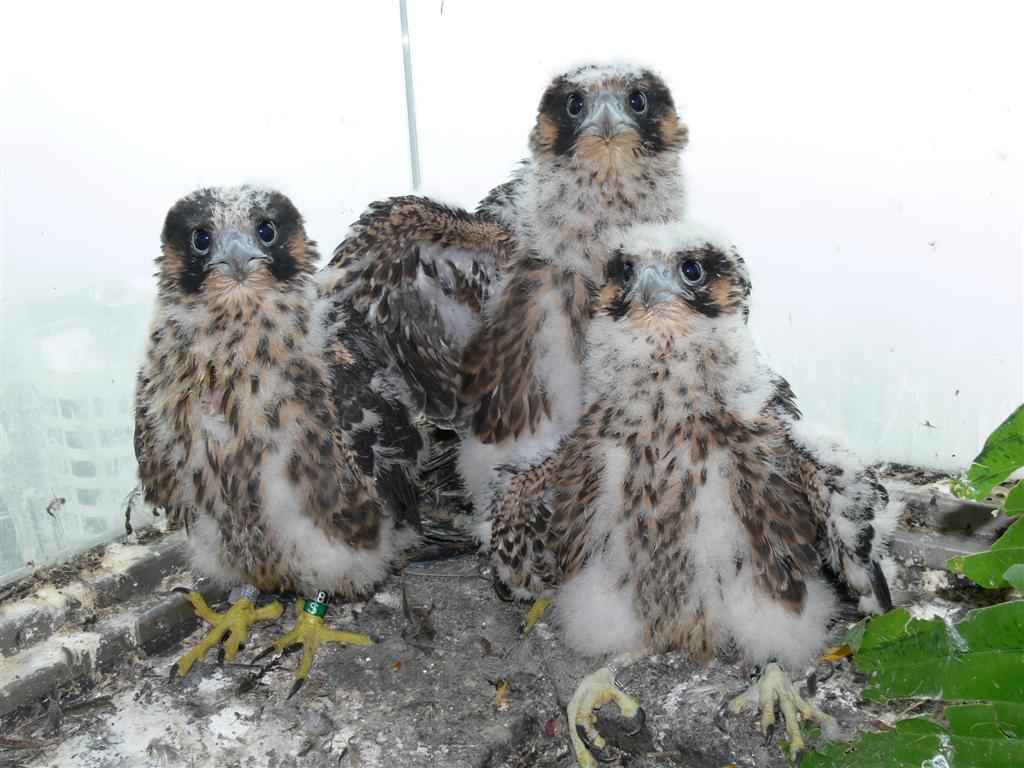
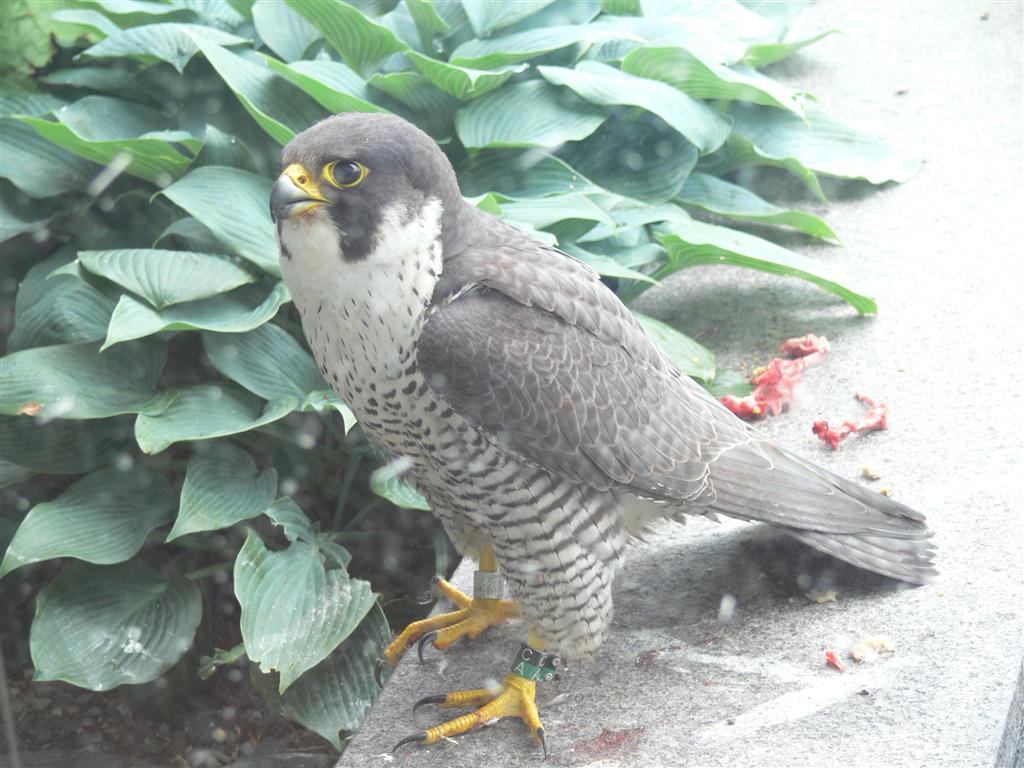
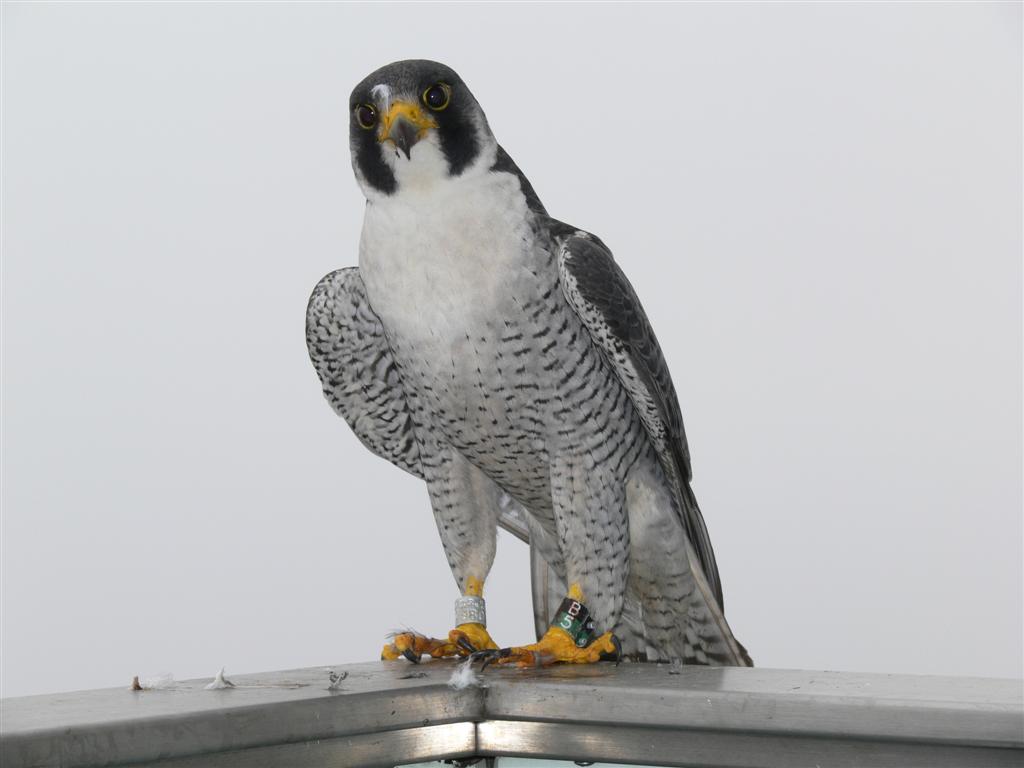
I was in a meeting on the 31st floor a month or so ago, when I saw a bird swoop past the window. That could never be a pigeon up this high, I thought. Could it be a … ?

This week a colleague sent me photos. It turns out that a pair of peregrine falcons had nested several years ago on the 32nd floor outside our president’s office and, after a sojourn at the Custom House, decided to come back this year. The babies have just been tagged, and the tagger took pictures.

I have been reading a novel about Bedouins translated from Arabic. It has numerous passages on Bedouins’ fondness for falcons as hunting birds, so this feels like a coincidence. But the main thing is, they are really cool birds.


Read Full Post »

Years pass, and I forget how delightful Drumlin Farm is and how close. The Audubon Shop there is also a wonder. You find things in the shop that you don’t find anywhere else. All nature related.

It must have been years since I visited, because it looks like the “new” entrance and parking lot have been there a long time.

It’s a good place to go on a day that feels like summer.

Read Full Post »

A friend is helping to build a playscape, a playground for all ages and abilities that takes advantage of the natural environment‘s restorative qualities.

My husband and I went to see where the playscape is emerging with a boost from the state’s Community Preservation Act. It is located over by Gowing’s Swamp, a lovely wooded area with native plants once cataloged by Thoreau. We walked on a hilly woodland path around the swamp and took note of Canada Mayflowers like tiny bottle brushes and a starlike white flower with six long, narrow leaves growing out from the stem at the same height. (If I’d had my camera, I’d have uploaded a picture at MisterSmartyPlants.com.)

The Sudbury Valley Trustees oversee Gowing’s Swamp, and have this to say about it:

“Gowing’s Swamp, named by Thoreau for its landowner in the mid-1850’s, is an 8.9 acre acidic wetland complex located in a protected, glaciated hollow on the eastern side of a glacial kame known as Revolutionary Ridge.  A kettlehole bog, at the southern end of the wetland, contains specialized plant communities that are locally rare in Southern New England.  The natural area provides habitat for a diverse range of wildlife.

” ‘Unlike any other bog in New England, Gowing’s Swamp found its way into American literature by virtue of significant passages in Thoreau’s Journal,’ says botanist Ray Angelo, and has been visited and studied regularly over the last 160 years by Concord naturalists, literary and historical scholars, and has been the subject of ongoing scientific studies.” More here.

Photograph of Gowing’s Swamp: Sudbury Valley Trustees

Read Full Post »

Living on Earth, a radio show based in Somerville, Massachusetts, and distributed by Public Radio International, recently did a story on East Africa and the worst drought in 60 years. Bobby Bascomb interviewed musicians who decided to do something about it, letting their voices be heard in the way they know best.

They call themselves the Caravan of Hope, says Bascomb. “More than 25 bands from 11 different African nations are traveling across the continent to raise awareness about climate change … as international climate talks begin in Durban, South Africa.”

Singer Angella Katatumba of Uganda explains, “We use our voices to get people fired up and educate people about climate change in Africa. Uganda usually has an amazing climate. It’s usually warm and just perfect. These days, when it’s hot it’s way too hot. When it’s cold it’s way too cold. When it’s wet, it’s storming. We’re seeing things like landslides, which we’ve never had before.” So she’s taking her concern on the road. Read more here.

Read Full Post »

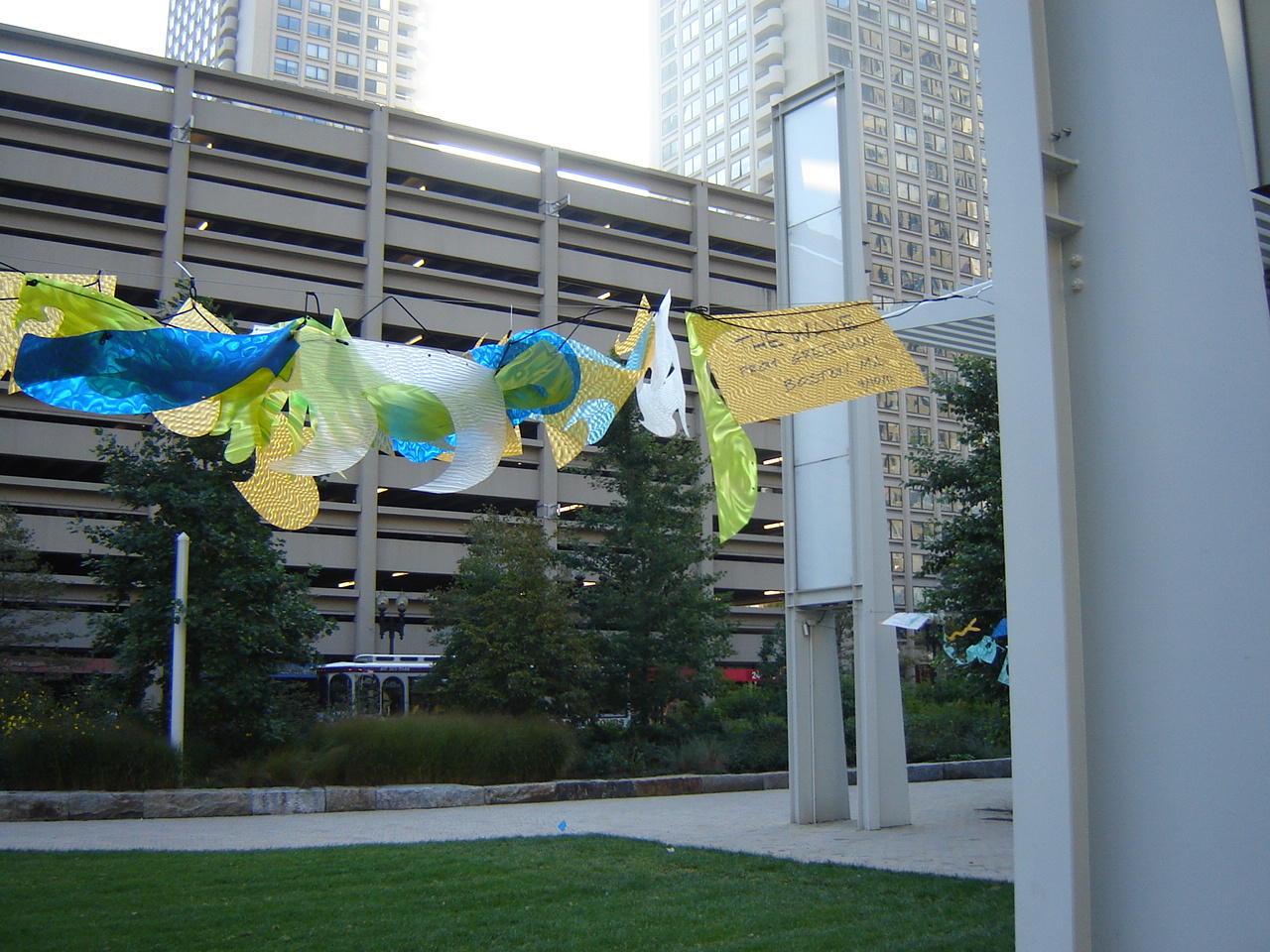
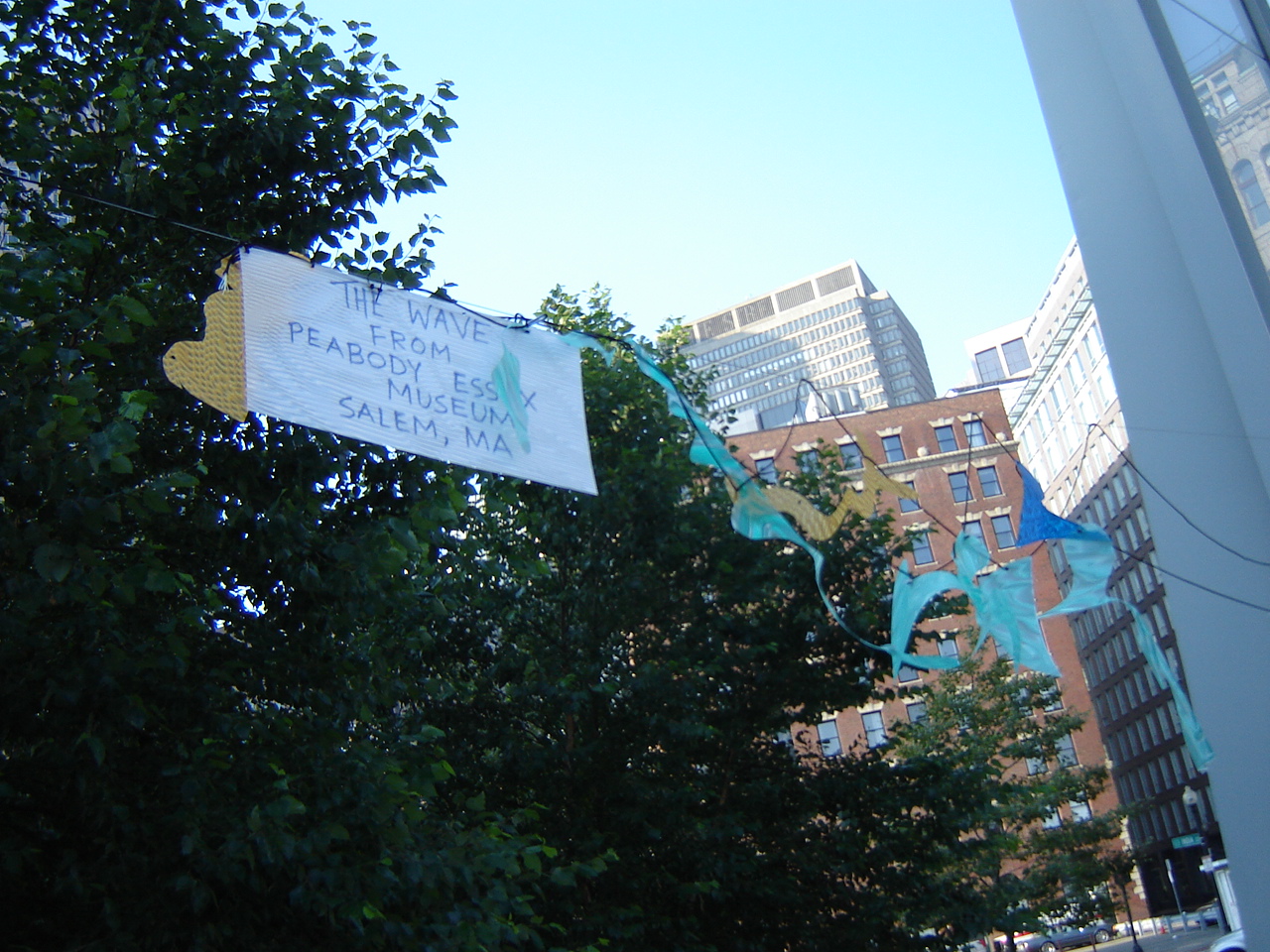
More curiosities seen on the Rose Kennedy Greenway in Boston: Waves. The first wave pictured below has a sign saying, “From the Greenway.” The second says, “From the Peabody Essex Museum, Salem, MA.”

This website helps to explain that an urban collaboration led by artists Susan Hoffman Fishman and Elena Kalman is behind this project, “The Wave: An Interactive Public Art Installation Fostering Global H20 Awareness.” I love it, but it didn’t raise my water awareness immediately because I had trouble figuring out what it was. Thank goodness for Google.

A couple weeks ago, I wrote to the Greenway people (and to the city of Boston) about bikers who were using the Greenway paths despite signs saying not to use “bicycles, skateboards, personal transportation, i.e. Segway.” I like that people bike instead of use cars, but not on footpaths. The signs cause walkers to lower their guard. I’ve seen near misses.

The city wrote me: “Thank you so much for your email. It is illegal to ride on the Greenway. We at the City of Boston are aware of this issue. We will be installing a bike lane on the road for the cyclists this season. Research shows that that bike lanes dramatically reduce sidewalk riding.”

The Greenway people wrote: ” For the safety and enjoyment of all Greenway visitors, biking is not permitted anywhere in the parks. When our horticultural and maintenance staffs witness a cyclist, they will ask them to dismount; City of Boston Police Department handles enforcement.  … The City of Boston installed five new Hubway stations along the Greenway.  This fall, the City will be installing painted bike lanes onto the street which will help alleviate the problem in the parks.”

(At the moment the Boston police are more preoccupied with Occupy Boston. They arrested 141 Occupiers early Tuesday because they had spread into the Greenway from Dewey Square. Funny how a few days can change one’s perspective. Today the concerns of the Occupiers and the concerns of the police both seem more serious than bikes on footpaths.)


Read Full Post »

In case you just tuned in, this blog was started at the invitation of my daughter, who is the founder of the birthstone-jewelry company Luna & Stella. Sometimes I blog about the jewelry, but Suzanne told me to write about whatever interests me. Already a customer who was previously wary of online purchasing found the blog and wrote Suzanne that it helped her decide that Luna & Stella was good people.

The blog is currently housed at WordPress, which makes life easy for a neophyte like me. One thing that is fun at WordPress is clicking on posts from the other bloggers, posts that are on the Freshly Pressed page or found by clicking on a key word at the Tags page.

Today I got quite interested in an entry from a WordPress blogger in northern England who calls herself Heather Uphillanddowndale. She shows her photographs of a lovely Scottish island and talks about its fight against a major commercial fish farm.

I used to think fish farms made a lot of sense, but lately I have read about possible environmental damage and overcrowding that can spread disease to wild fish.

Heather quotes from a statement by island residents: “Highland Council has recently received an initial application to site a fish farm off the east coast of Eigg, north of Kildonan. The site identified covers an area extending to 20ha (this equates to 28 football pitches) & would consist of 14 x 30m diameter cages which would be serviced by a 10m x 10m permanently sited barge (powered by diesel generator).

“The community has considered this proposal at length. The outcome of the resulting ballot which had an 86% turnout was 97% against the development.

“Eigg lies within the Small Isles National Scenic Area. A large fish farm would have a considerable negative impact on the approach to the island and could also impact negatively on the peace and quiet that visitors seek when they come to the island, as well as on the quality of life of nearby residents.” Read more at Uphilldowndale.

Read Full Post »

I was reading about the latest enthusiastic group of LEAF interns in the Block Island Times tonight and decided to look up more information on the program.

The Leaders in Environmental Action for the Future (LEAF) program is an initiative started by the Nature Conservancy (TNC) 17 years ago. According to the TNC website, it “provides paid summer internships for high school students and helps educators from environmental high schools share best practices and scientific resources. The long-term goal of LEAF is to support more than 30 environmental high schools across the country, ultimately serving over 20,000 students.”

The Block Island Times notes that this is the third year of the island’s participation. The three girls who are currently interning have come with their mentor come from Atlanta. Intern Niniola Mark tells the newspaper, “This is my first time in New England, and I also saw the ocean for the very first time.” The article doesn’t say what high school the girls attend, but the only one in Georgia that I see on the TNC site is the Arabia Mountain High School.

What fun to go to an environmental high school!

Read Full Post »

Heard this interview today on the great environmental radio show Living on Earth. Tom Montgomery Fate talks about  trying to “live deliberately” like H.D.  Thoreau and connecting to nature and memories of his father in the woodland cabin he often escapes to. His book is  Cabin Fever: A Suburban Father’s Search for the Wild.

In the elementary school Suzanne attended, all second-graders learn about Thoreau, and as a parent volounteer, I went with her class to the cabin site at Walden Pond. The children had a quiz sheet with questions like, “What sounds would Thoreau have heard in his cabin?” The teacher asks,  “An airplane?” (All the kids say, “No-o-o!”) When the Living on Earth interviewer asked the author about his own retreat being near a noisy highway and a short walk to a pub, I was surprised that he didn’t point out that a Boston-Fitchburg train ran right along the edge of Walden Pond in Thoreau’s day, and that the famous naturalist had an easy walk back home to Concord for a Sunday dinner with his mother. Fate did explain that the Walden mystique was all about a mindset and keeping a balance between what’s important and the often numbing dailiness of modern life.

Asakiyume comments: Living deliberately. Something that’s very important to me about that concept is the notion that you can do it anywhere, in any circumstances. I’ll grant that some circumstances make it really hard: if you’re in a job you hate, or a relationship you hate–basically, if there’s some part of your life that’s putting a huge negative drain on you–I think it’s very hard. But I do think that living deliberately can be done in a suburb, in the country, in a city… not just in the wilderness. I think Thoreau wanted to mark, in actual space, his separation from mundane daily life, and I understand that. But I think it’s the mindset, not the location, that’s important.  

Read Full Post »
« Newer Posts - Older Posts »