Feeds:
Posts
Comments

Posts Tagged ‘postaday’

My husband is into all things Iceland and Frozen North, which led to his mentioning the other day that an island much farther north than Iceland was “where the seed bank is.”

“What seed bank?” said I, running to Wikipedia.

Wikipedia answered, “The Svalbard Global Seed Vault … is a secure seed bank on the Norwegian island of Spitsbergen … 810 mi from the North Pole. Conservationist Cary Fowler, in association with the Consultative Group on International Agricultural Research (CGIAR), started the vault to preserve a wide variety of plant seeds that are duplicate samples, or ‘spare’ copies, of seeds held in gene banks worldwide. The seed vault is an attempt to insure against the loss of seeds in other gene banks during large-scale regional or global crises. …

“The Norwegian government entirely funded the vault’s approximately … $9 million construction. Storing seeds in the vault is free to end users, with Norway and the Global Crop Diversity Trust paying for operational costs. …

“Running the length of the facility’s roof and down the front face to the entryway is an illuminated work of art that marks the location of the vault from a distance. In Norway, government-funded construction projects exceeding a certain cost must include artwork. KORO, the Norwegian State agency overseeing art in public spaces, engaged the artist Dyveke Sanne to install lighting that highlights the importance and qualities of Arctic light. The roof and vault entrance are filled with highly reflective stainless steel, mirrors, and prisms. The installation reflects polar light in the summer months, while in the winter, a network of 200 fibre-optic cables gives the piece a muted greenish-turquoise and white light.”

(You’ll forgive me for taking out all the hyperlinks for terms like “Norwegian,” “global crises,” “fibre-optic cables,” and “North Pole.” Wikipedia gets carries away with hyperlinks, but you can read the whole thing here.)

May 19, 2017 update: Uh-oh. The permafrost is melting and the safe house for seeds is starting to flood: https://www.theguardian.com/environment/2017/may/19/arctic-stronghold-of-worlds-seeds-flooded-after-permafrost-melts.

Photo: NordGen/Dag Terje Filip Endresen
Entrance to Svalbard Global Seed Vault in 2008
Read Full Post »

giant-sandbox-at-playscape

gluing-nature-collage

slide-at-Ripley-Playscape

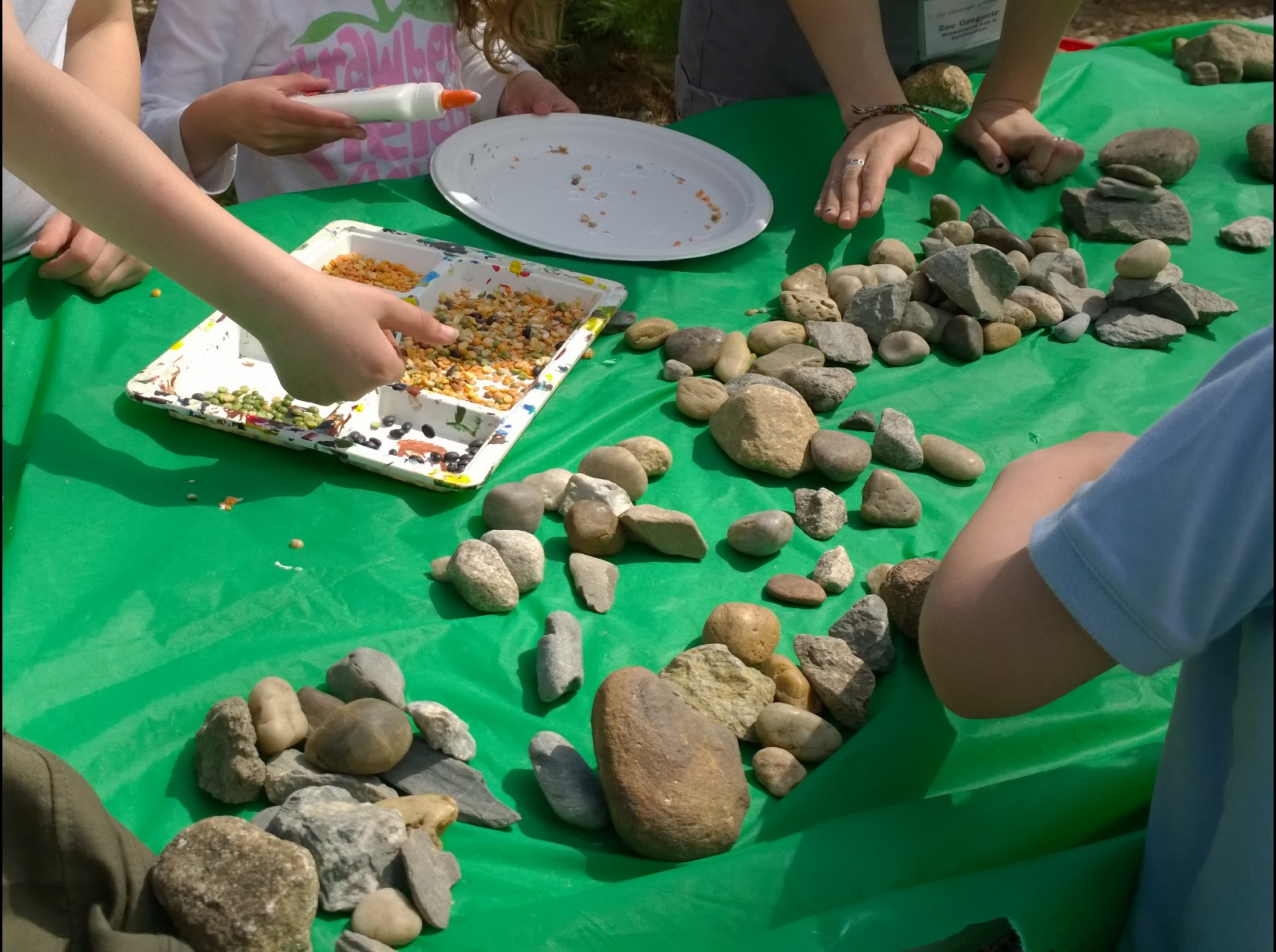
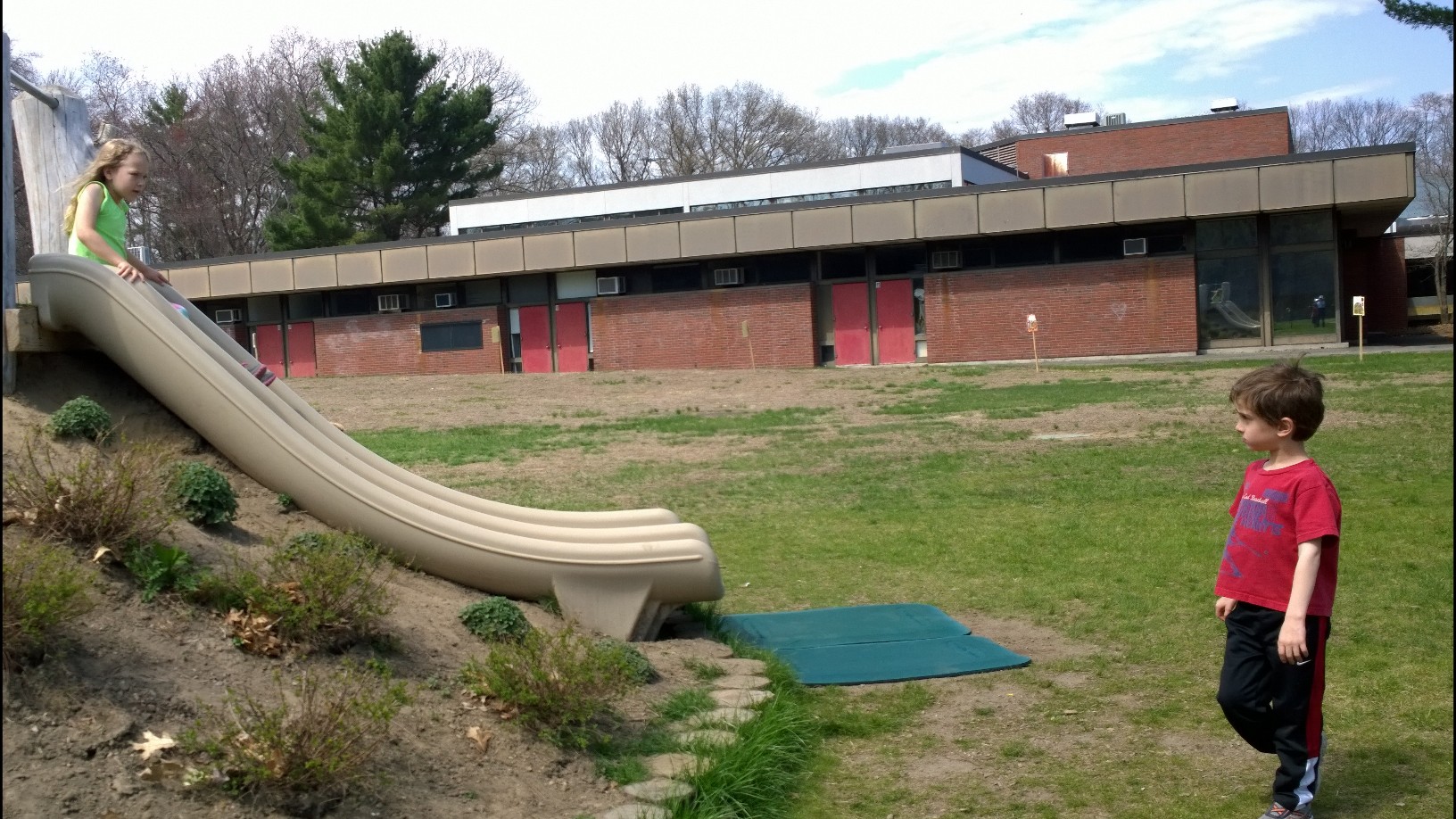
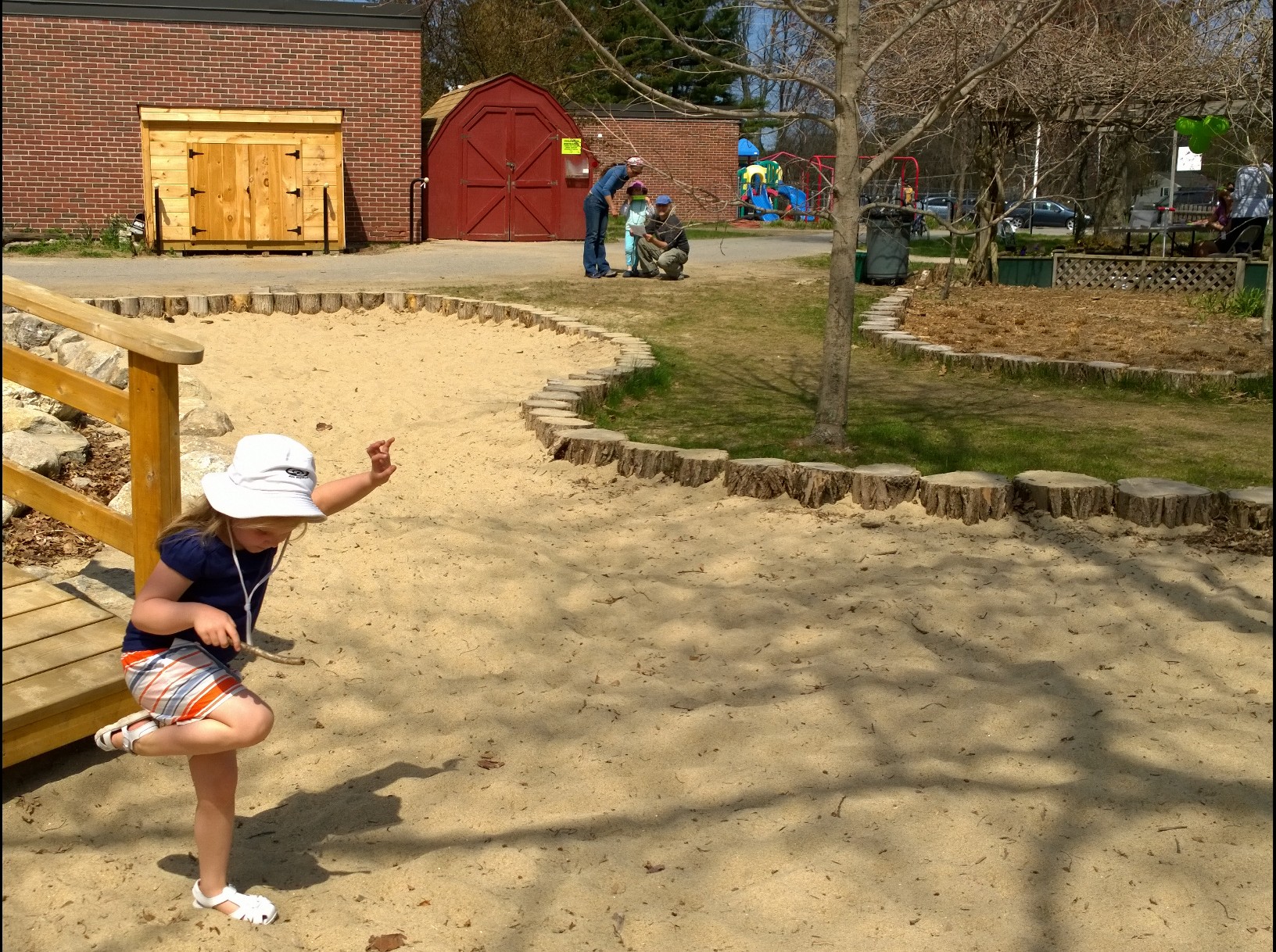
I wrote about the early stages of the Playscape at the Ripley School three years ago, here. The idea of the playscape was to incorporate nature activities into a playground. An open house was held last Sunday, and I saw lots of children, parents, and grandparents checking it out.

Perhaps because it was early in the season, perhaps because an open house seems to call for planned activities, it was hard to see if there were enough attractions available for exploring nature on quieter days. Of course, I grew up on the edge of an orchard, a forest, and a mountain, and no one told us kids how to have fun there. Anything less in nature play seems sparse.

One thing I liked was not really an interaction with nature except that you had to walk through a field to engage. It was the story walk for Lynne Cherry’s picture book on a groundhog who learns to make his own garden rather than help himself to other people’s. The laminated page spreads on posts around the field were charming and had lots of useful details about plants and seeds.

A gardening friend on my commuter train was very glad to hear the groundhog learned to grow his own food and leave hers alone.

Read Full Post »

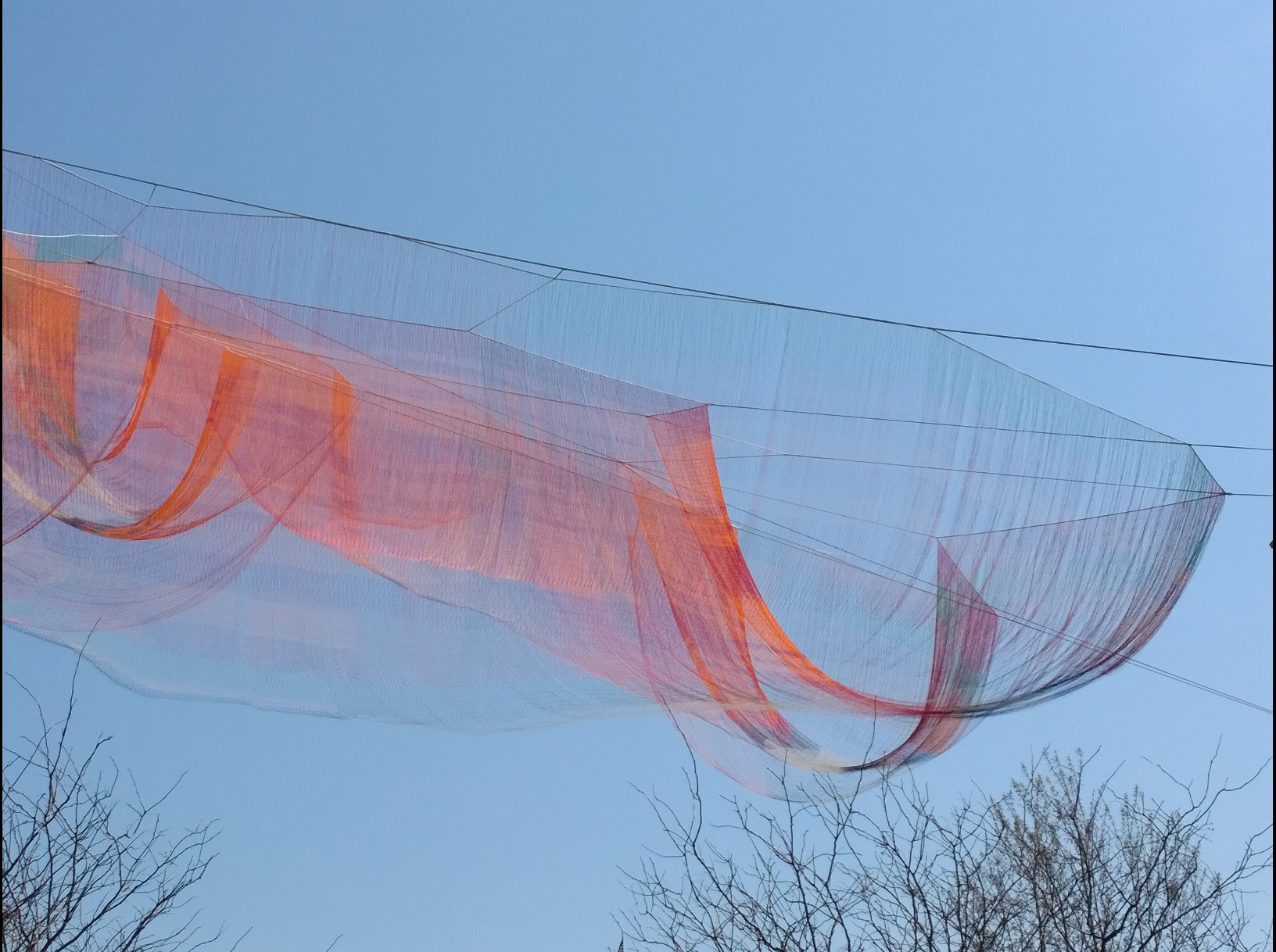
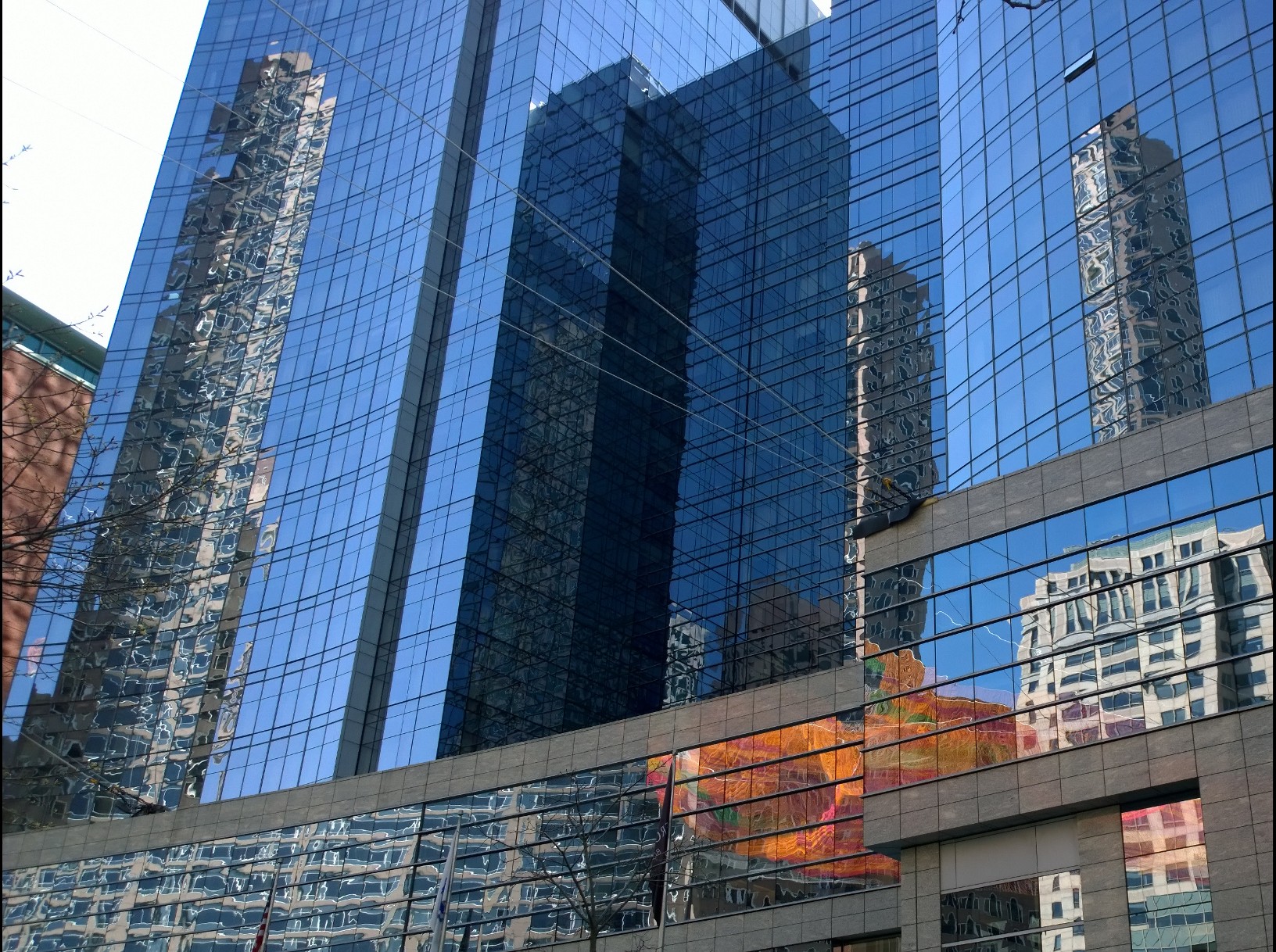
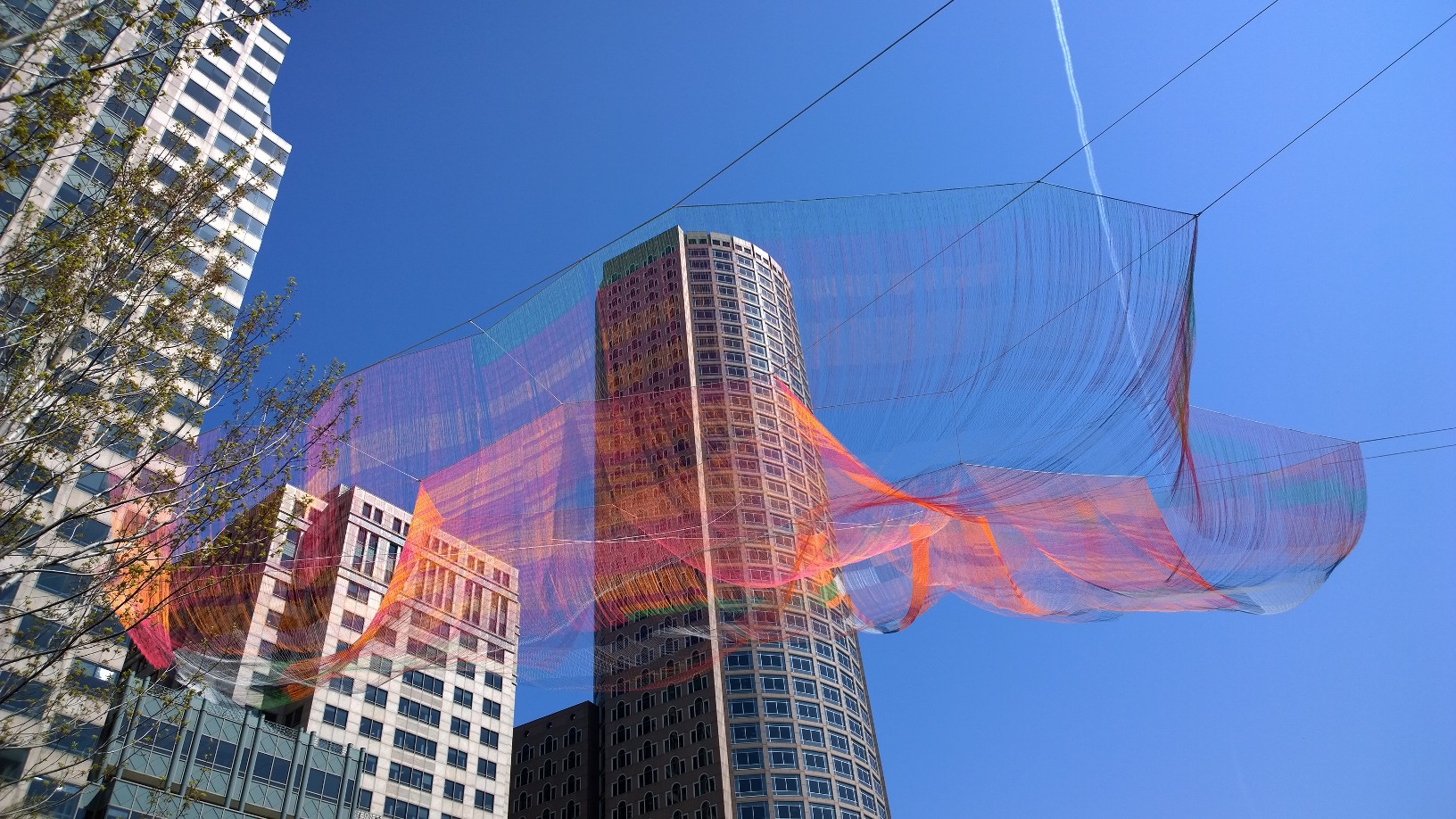
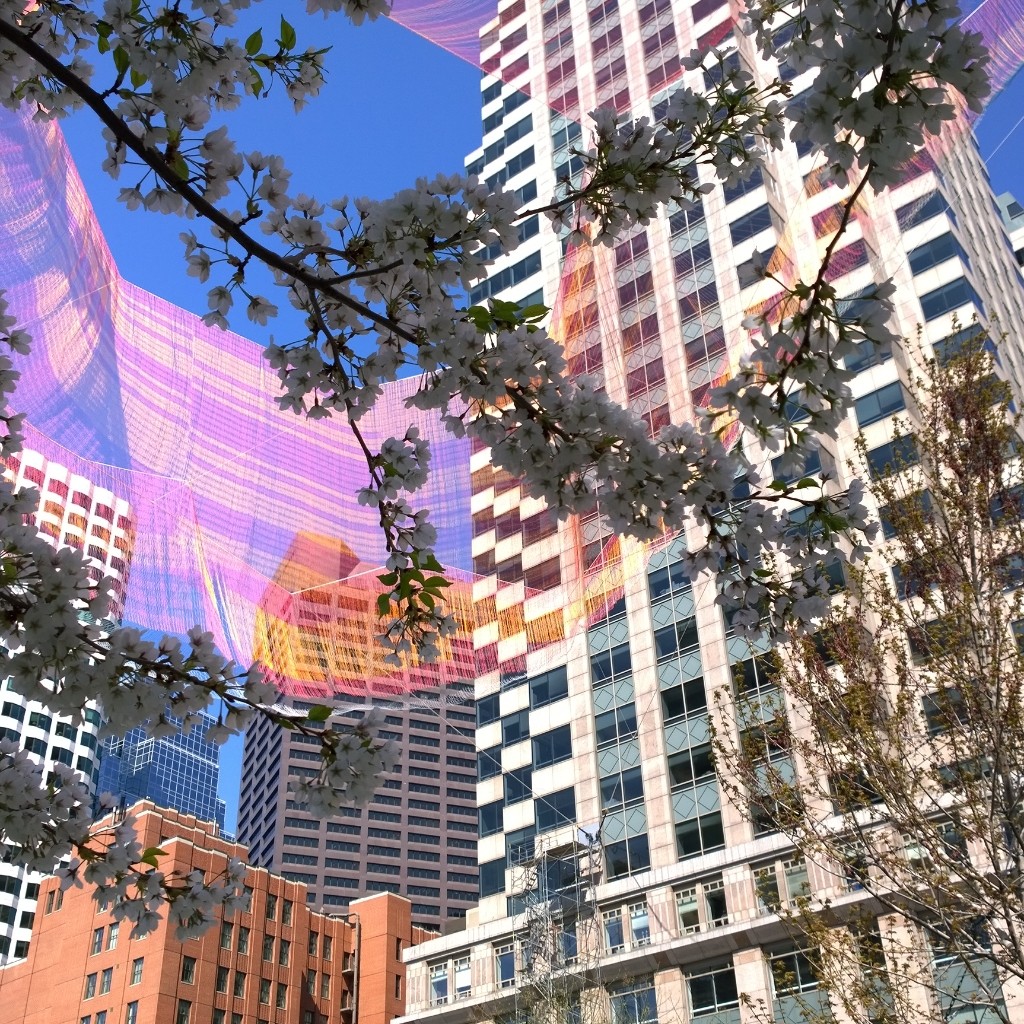
From every angle, the luminous art floating over the Rose Kennedy Greenway suggests a unique story. Fire in the sky, fishing nets for spirits, a voice saying, “look up,” magic, the Aurora Borealis. I don’t think words capture it.

Karissa Rosenfield at Architecture Daily writes, “Janet Echelman‘s latest aerial sculpture has been suspended 365 feet above Boston’s Rose Kennedy Greenway. On view through October 2015, the monumental spans 600 feet, occupying a void where an elevated highway once divided the city’s downtown from its waterfront. …

“The fluid structure is made by hand-splicing rope and knotting twine into an interconnected mesh of more than a half-million nodes. Though the rope structure is incredibly strong, it appears to be as delicate as lace, floating above the Greenway’s traffic and pedestrian park.” More at ArchDaily.com.

The locals talk a lot about making Boston “a world-class city.” The most likely route for that could be through art that embraces everyone. Walking under this sculpture and seeing people’s faces light up makes you realize that public art really is for everyone. Whether you work in one of the office buildings nearby or sleep on a park bench at night.

There’s more on Janet Echelman at her website.  Tonight they will be lighting up the sculpture.

i-will-make-you-fishers-of-men

beauty-ennobling-commerce

fire-rising-over-Boston

Magic-in-the-air

Read Full Post »

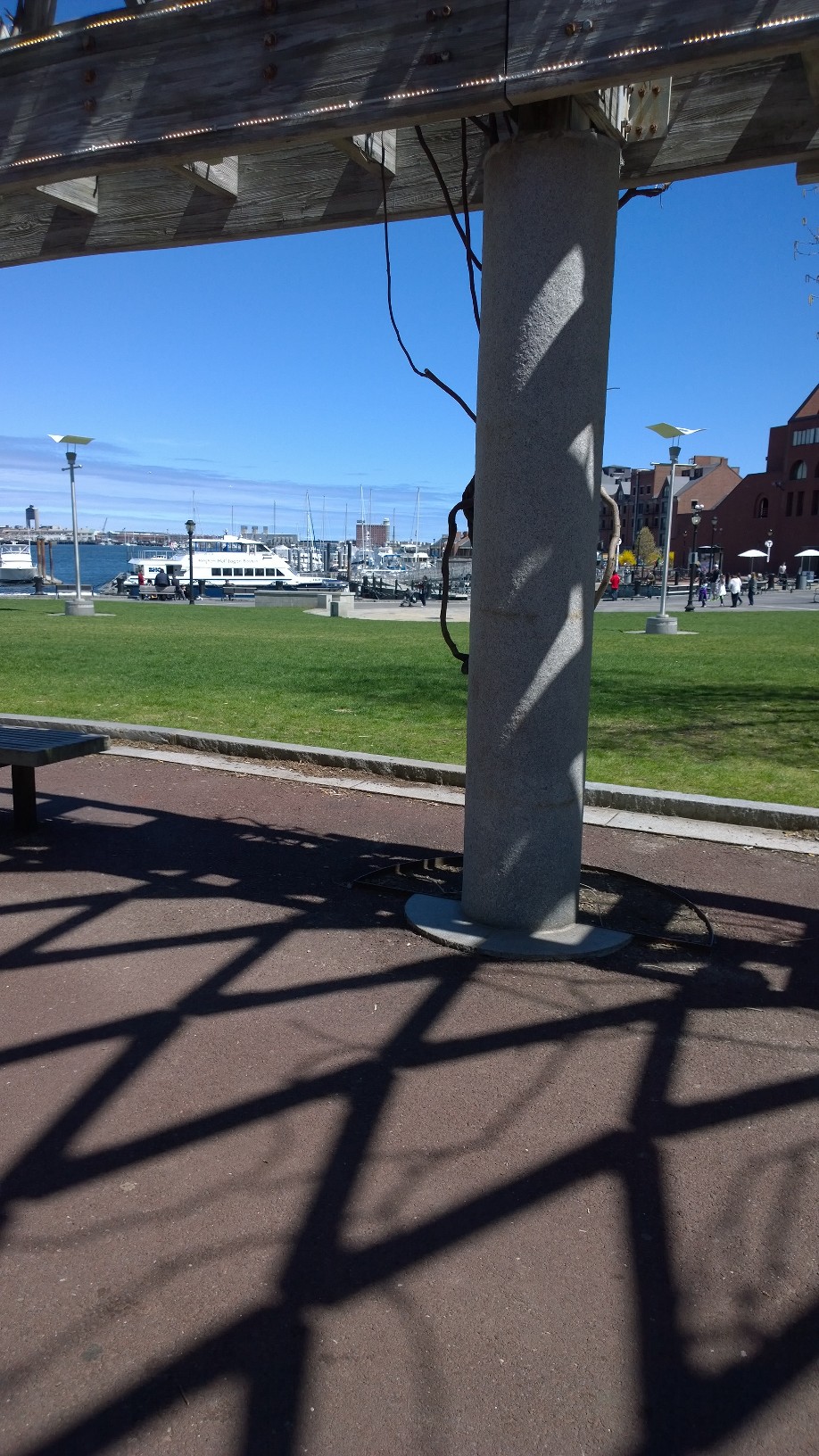
The snowstorms were great for pictures, but spring seems to bring photo ops everywhere you turn.

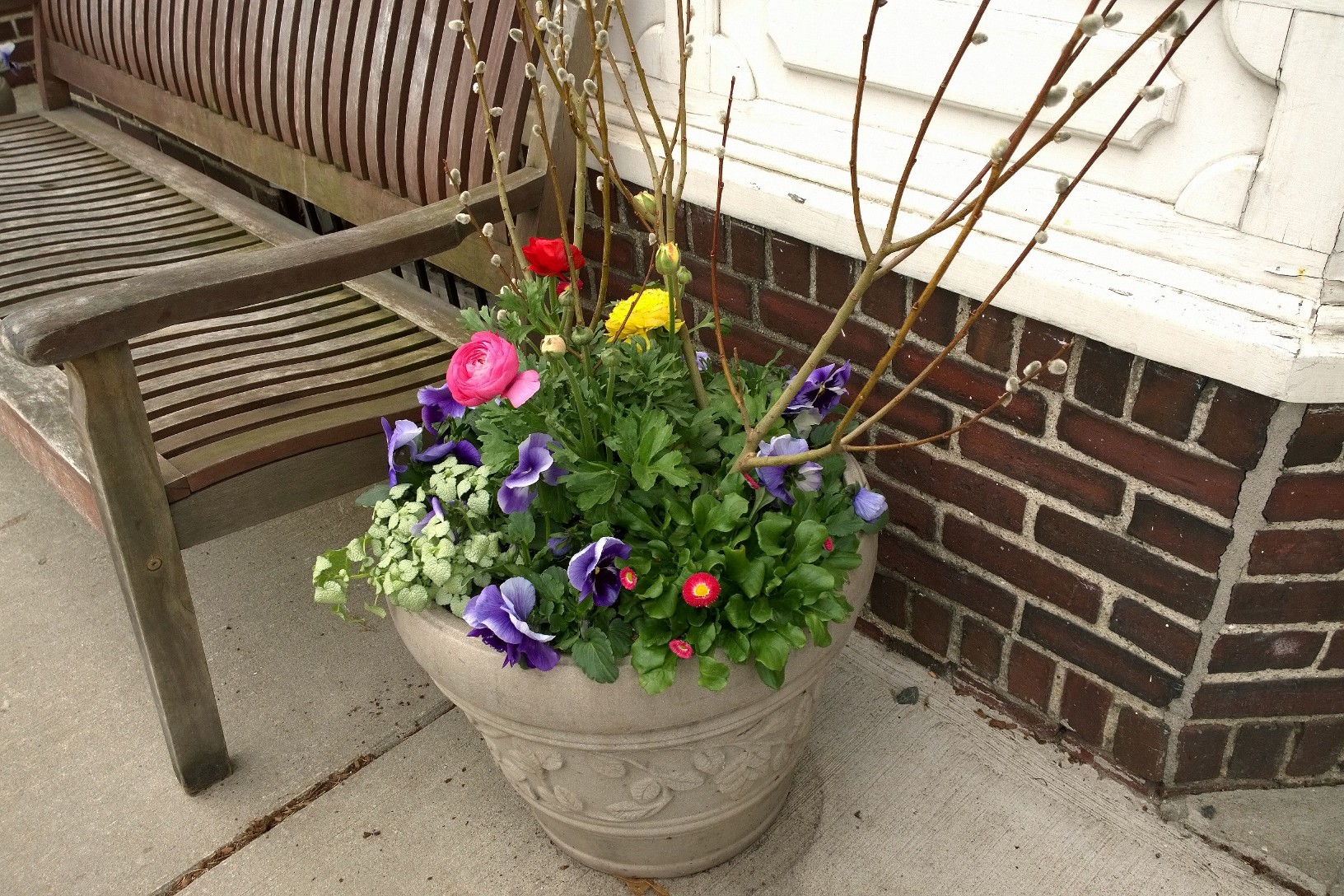
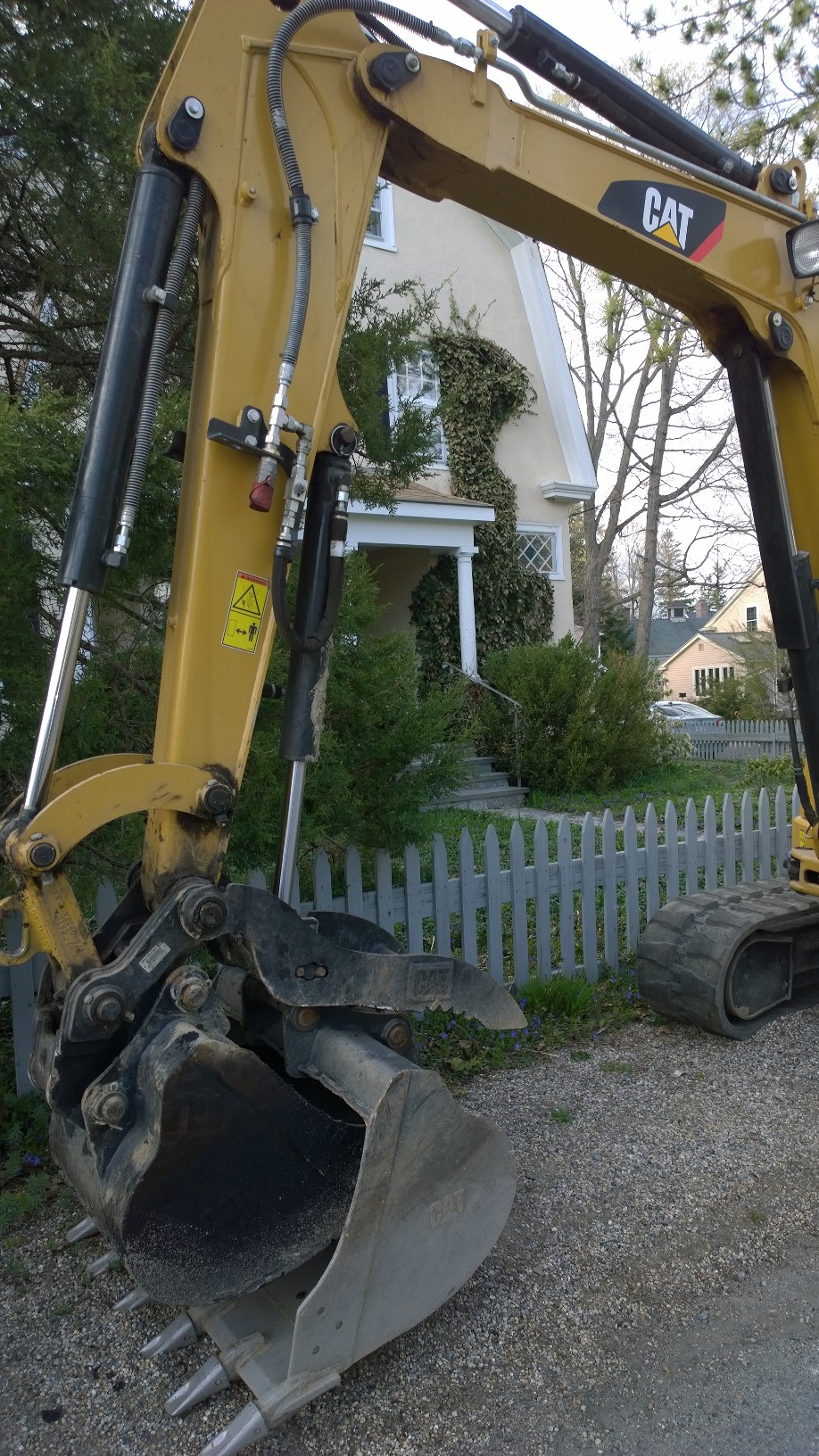
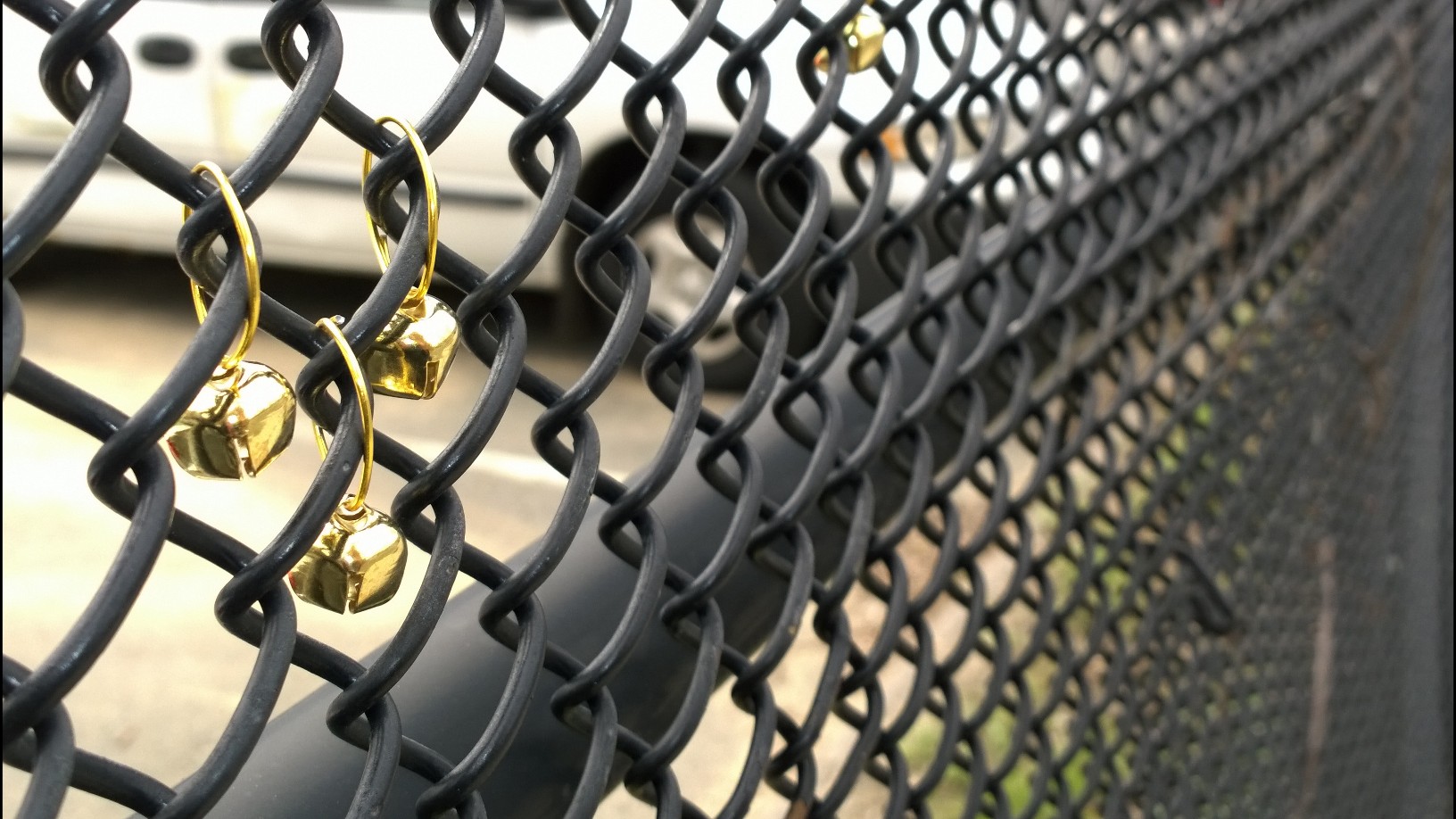
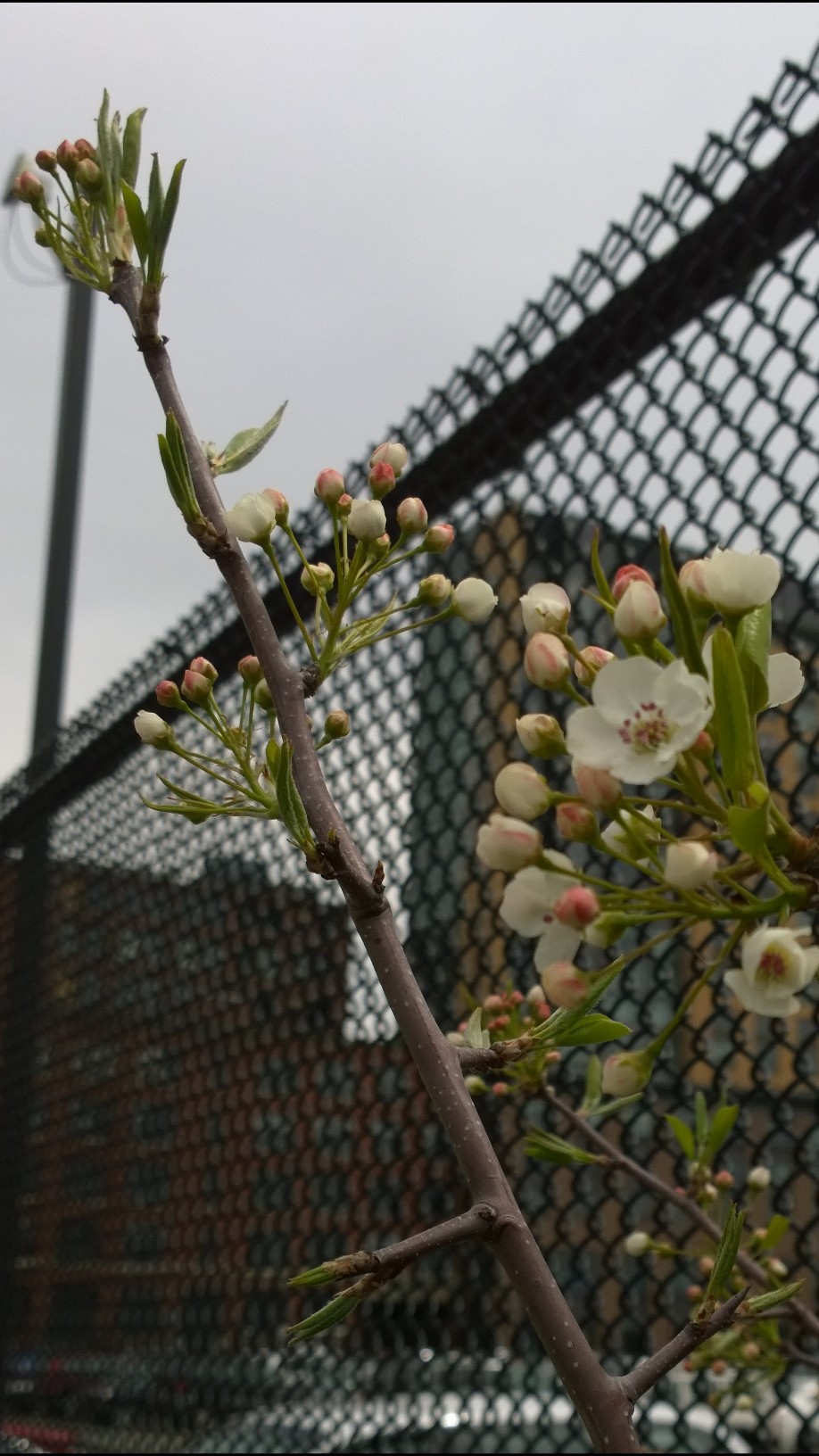
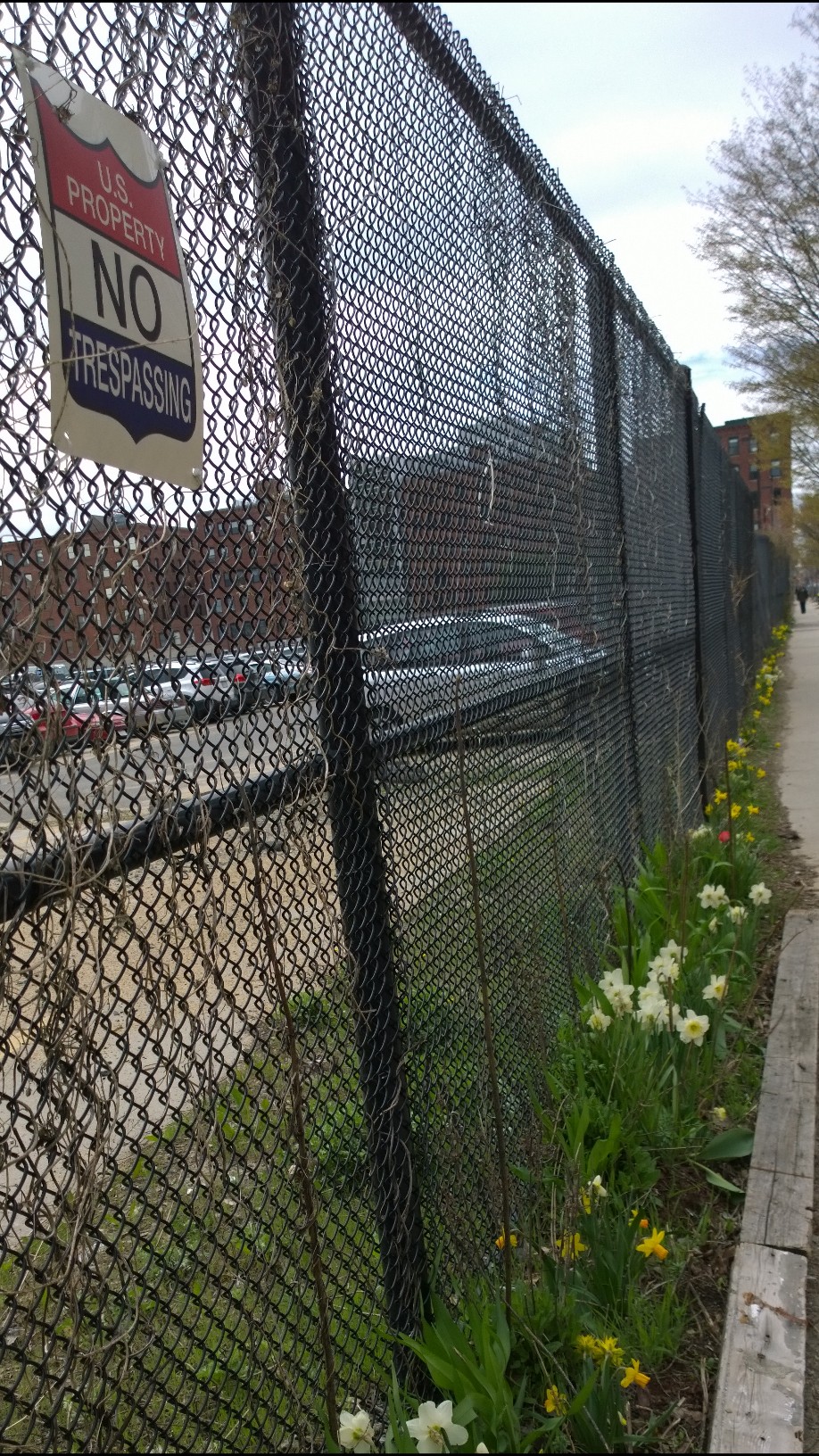
Here you have a flower pot outside Sally Ann Bake Shop, my neighbor’s weeping cherry, an excavator at my house, a utilitarian fence that is always being decorated by Fort Point artists (this time with bells) or by nature (a flowering tree) or the government (“No Trespassing”).

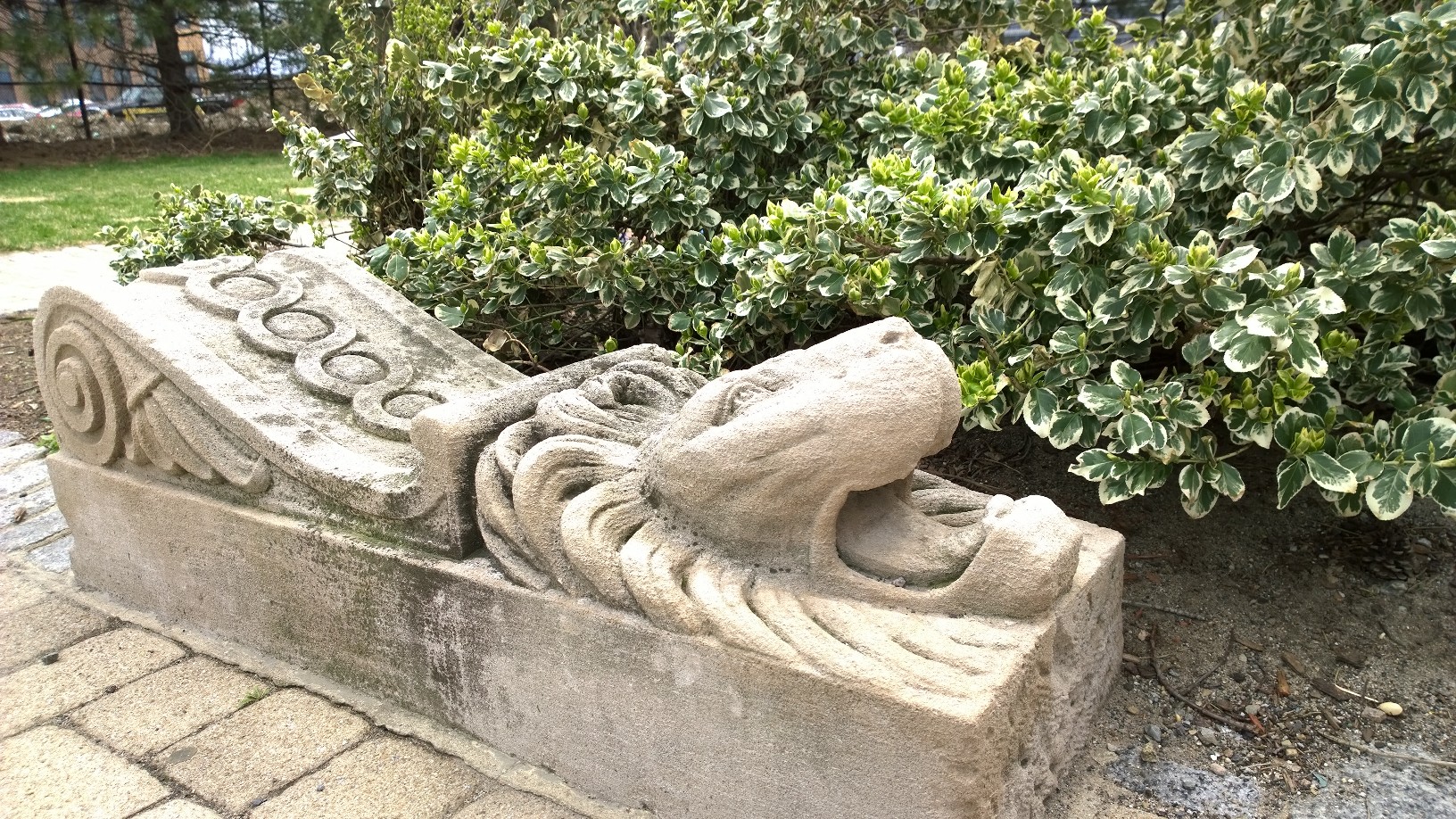
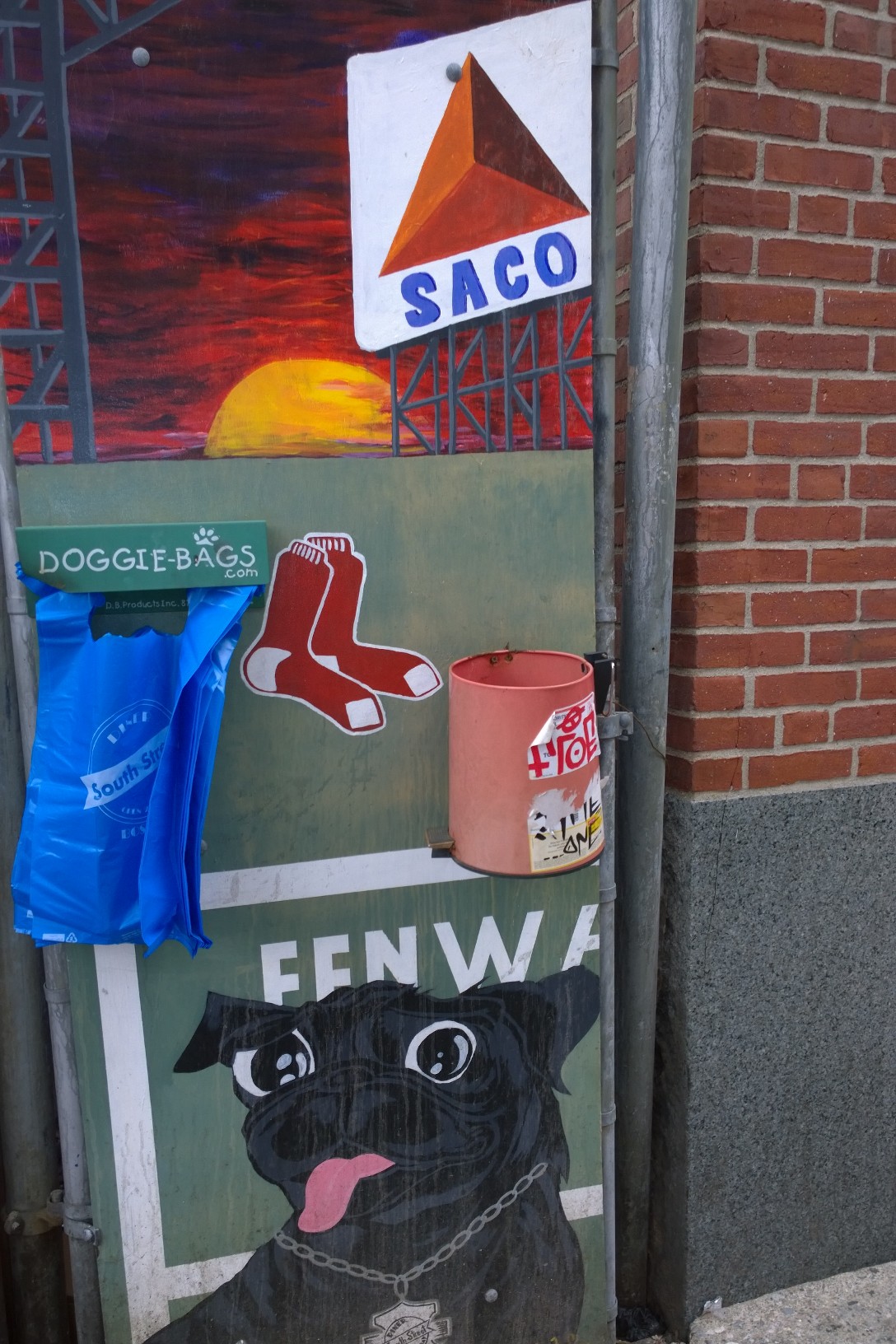
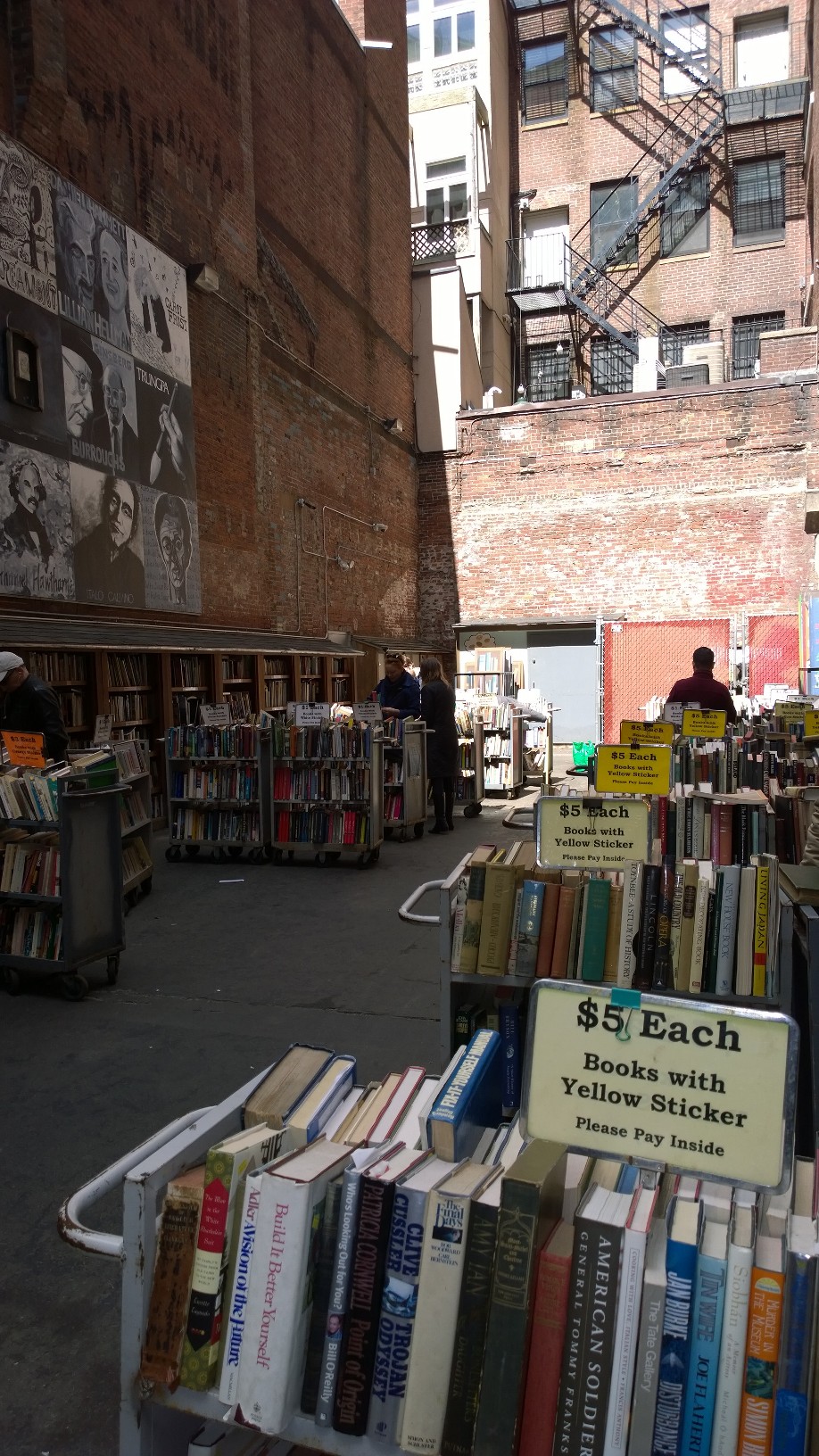
The lion lives in tiny Wormwood Park. The street art riffing off Boston’s famed Citgo sign is on South Street. The harbor arbor is putting out shoots. At the Brattle Book Shop on West Street, books have come out again in the warmer weather.

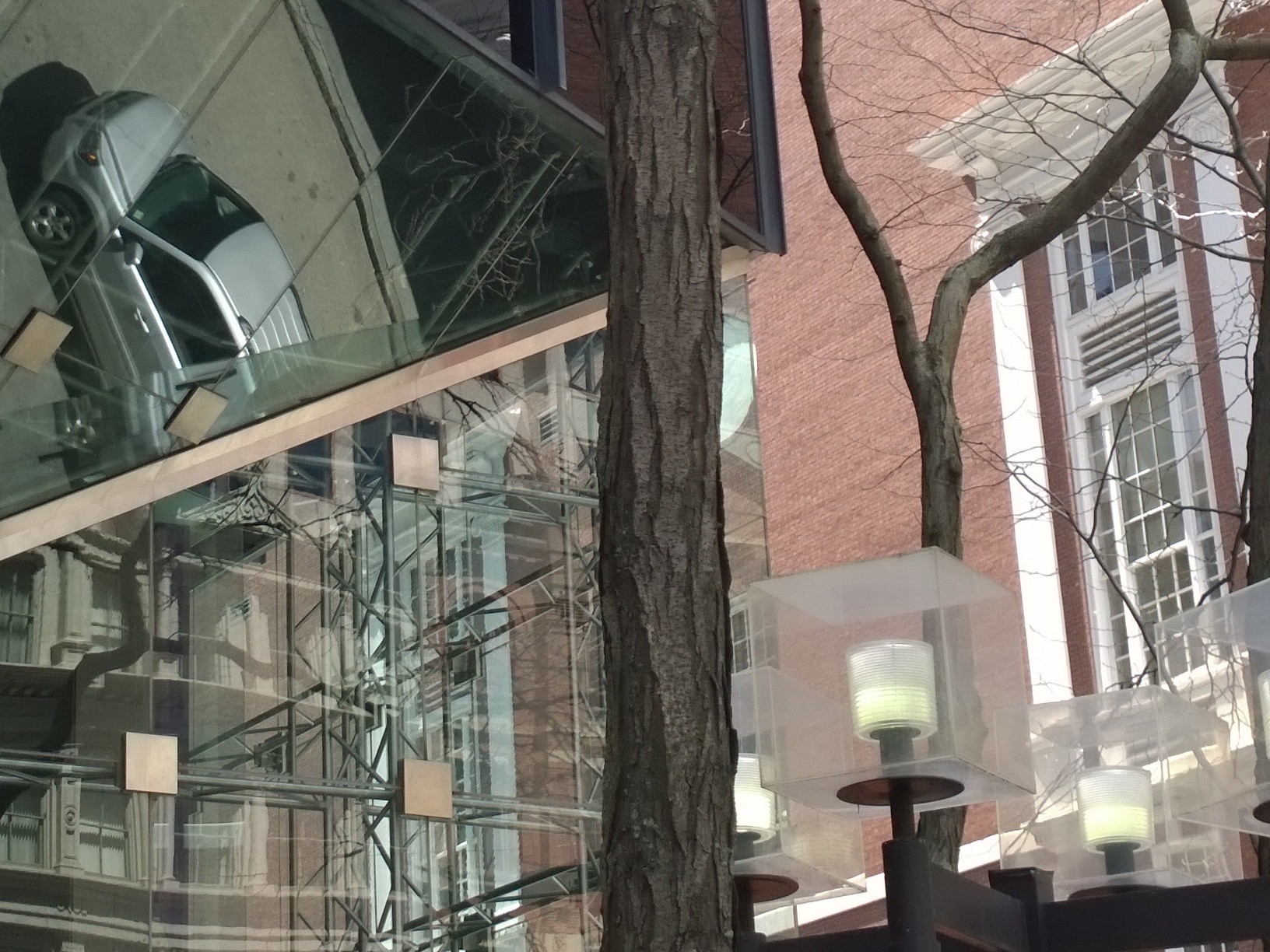
Finally, please note the upside down car reflected at the Downtown Crossing CVS.

outside-the-bakery

Mike-Mulligan-shovel


weeping-cherry

with-bells-on


spring-busting-out

trespassers-will


a-lion-at-wormwood

4-30-15-harbor-arbor


on-South-St

brattle-books


upside-down-car

Read Full Post »

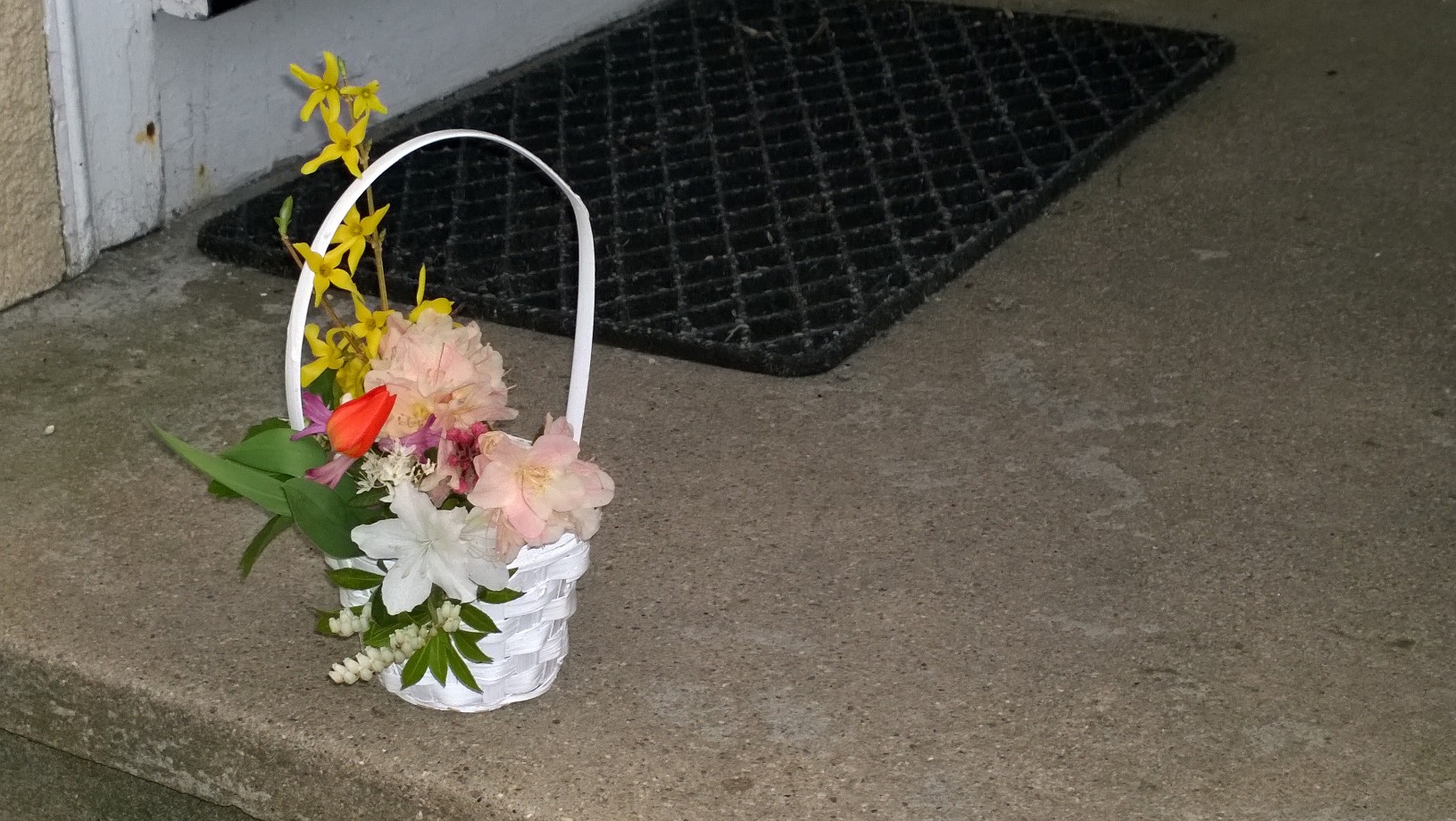
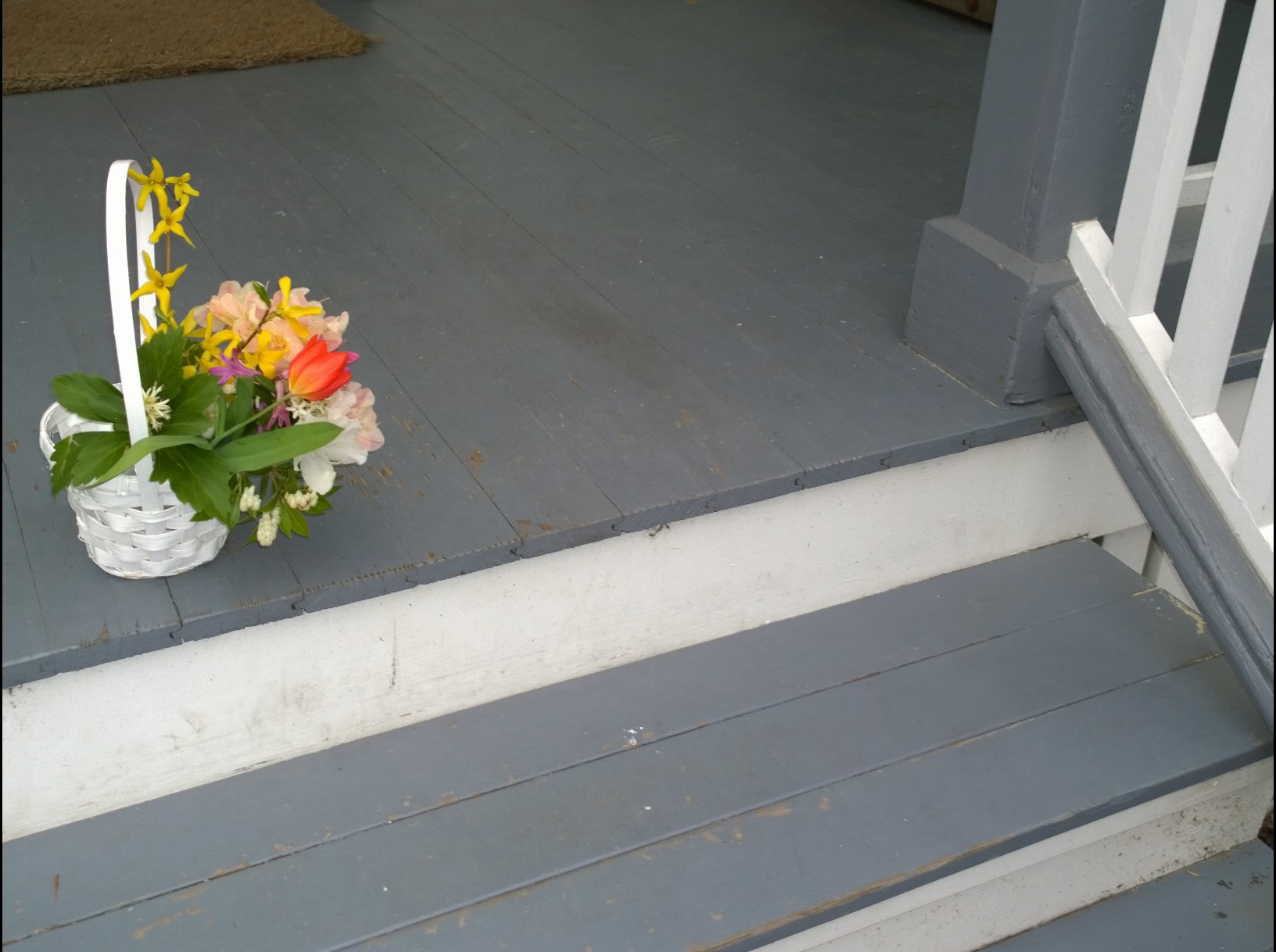
May-Day-basket

Happy May Day, Everyone.

Not to take anything away from other things that get celebrated on May 1, but it’s in the ancient rituals of girls dancing ribbons around poles and secretly leaving  baskets of flowers on doorsteps that the deep magic lies.

May-Day-flowers

Read Full Post »

Douglas Quenqua recently wrote in the NY Times about a study with rats that could someday lead to aids for the blind.

“Blind rats with a sensor and compass attached to their brains were able to navigate a maze as successfully as sighted rats, researchers found.

“Researchers at the University of Tokyo wanted to test whether a mammal could use allocentric sense — the awareness of one’s body relative to its environment — to replace vision. The scientists attached a geomagnetic sensor and digital compass to the visual cortices of rats with their eyes sewn shut.

“When the rats moved their heads, the sensors generated electrical impulses to tell them which direction they were facing. The rats were then trained to find pellets in various mazes.

“Within a few days, the blind rats were able to navigate the mazes as well as rats that could see. The two groups of rodents relied on similar navigation strategies. The findings, published in the journal Current Biology, could help lead to devices that help blind people independently navigate their surroundings.

“ ‘The most plausible application is to attach a geomagnetic sensor to a cane so that the blind can know the direction via tactile signals such as vibration,’ Yuji Ikegaya, a pharmacologist and co-author of the study, wrote in an email.” More here.

I couldn’t find a picture of three rats together although there were lots of drawings of three blind mice. I started thinking, Do children even know nursery rhymes anymore? I wonder what they would make of Jack, for example, who fell down “and broke his crown” and “went to bed to mend his head with vinegar and brown paper.” I know a couple kids who would have a lot of questions about that medical treatment.

Perhaps we should make a concerted effort to teach these rhymes before they are lost completely. After all, they are part of our culture, one of our many cultures.

Photo: redorbit

Read Full Post »

Did you see the Kenneth Chang story about Hawaii’s wild chickens? Tourists love them. Scientists study them. And the guy in the picture below has the job of rehabilitating the ones that are injured or orphaned. (I need to remember Orphaned-Chicken Rehabilitator next time I make a list of unusual jobs.)

“On the island of Kauai, chickens have not just crossed the road,” writes Chang. “They are also crowing in parking lots, hanging out at beaches and flocking in forests.

“ ‘They’re absolutely everywhere,’ said Eben J. Gering, an evolutionary biologist at Michigan State University who has been studying these truly free-range birds. …

“In a paper published last month in the journal Molecular Ecology, Dr. Gering and his colleagues tried to untangle the genetic history of the Kauai feral chickens, which turn out to be not only a curiosity for tourists, but also a window into how humans domesticated wild animals. …

“Local lore is that many of the Kauai chickens are descendants of birds that escaped when Hurricane Iwa in 1982 and then Hurricane Iniki in 1992 blew open coops. (Feral chickens are found on other Hawaiian islands, but not in overwhelming numbers. Some speculate that Kauai is overrun because mongooses, which like to eat eggs, were never released there. Dr. Gering said another reason could be that the two hurricanes only sideswiped the other islands.) …

“In follow-up research, the scientists would like to observe more of the characteristics of the feral chickens — How many eggs do they lay? How often? Do they grow quickly like the farm breeds? — and then try to connect the genes responsible for the evolution of the hybrids. Dr. Wright is mating chickens and red junglefowl to precisely study how traits and behaviors are passed on.

“Dr. Gering speculated that until recent decades, the Kauai chickens were largely like the ones that the Polynesians brought long ago, living in small parts of the island and modest in number. Then they began mating with the escaped farm chickens or their descendants, with greater fecundity and a wider range of habitats.

“ ‘We think that’s why we’re seeing them now at Walmart and all over the place,’ Dr. Gering said.”

More at the NY Times.

Photo: Hob Osterlund for The New York Times
Stuart Hollinger, right, rehabilitates injured and orphaned wild chickens on Kauai. 

Read Full Post »

Taking pictures is a personal expression. I imagine it is a bit personal even if you are taking a standard shot of something like the Washington Monument. What catches your eye has a lot to do with who you are, and there is only one of you.

Libby Kane captured that idea in a December Business Insider story about homeless photographers. Kane reported, “In early June, Jason Storbakken distributed disposable cameras to 10 homeless residents of New York City.

“Storbakken, the director of chapel and compassionate care at The Bowery Mission and author of Radical Spirituality: Repentance, Resistance, Revolution, directed each photographer to capture ‘things they hoped others might see.’ …

“The photos from this project have been curated into a show called ‘Through My Lens,’ which will spend the next year in various locations around New York City. …

“As the photographers returned with their images, Storbakken sat down with them in his office to do some light editing through web editor Picasa and to add their statements to each photo.”

See 17 of the pictures at Business Insider, here. More on the project at OneGlimpse.org.

Photo: Sean Collins
“This was on the subway platform. There is a reggae band in the back singing ‘Three Little Birds.’ The little girl is dancing with her daddy. Watching this interaction gave me a lot of joy.” 

Read Full Post »

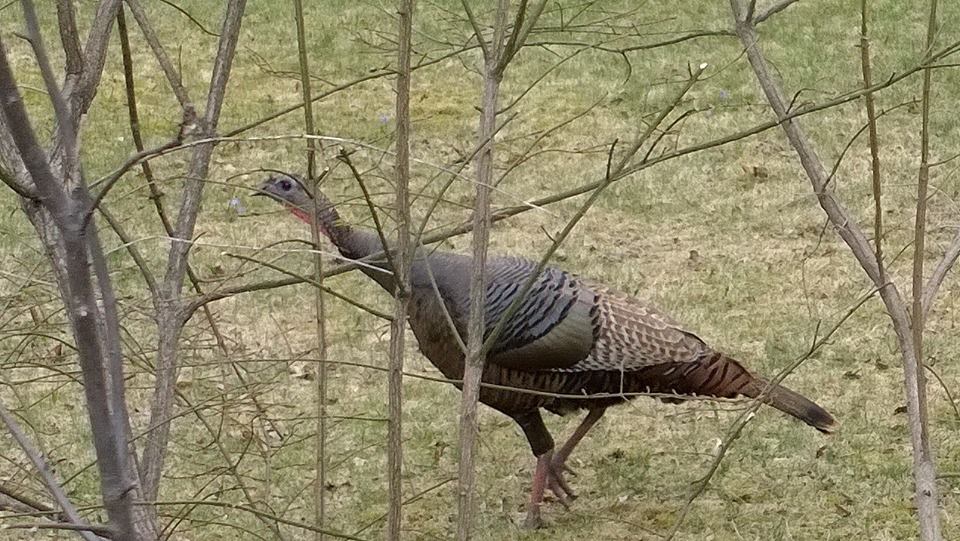
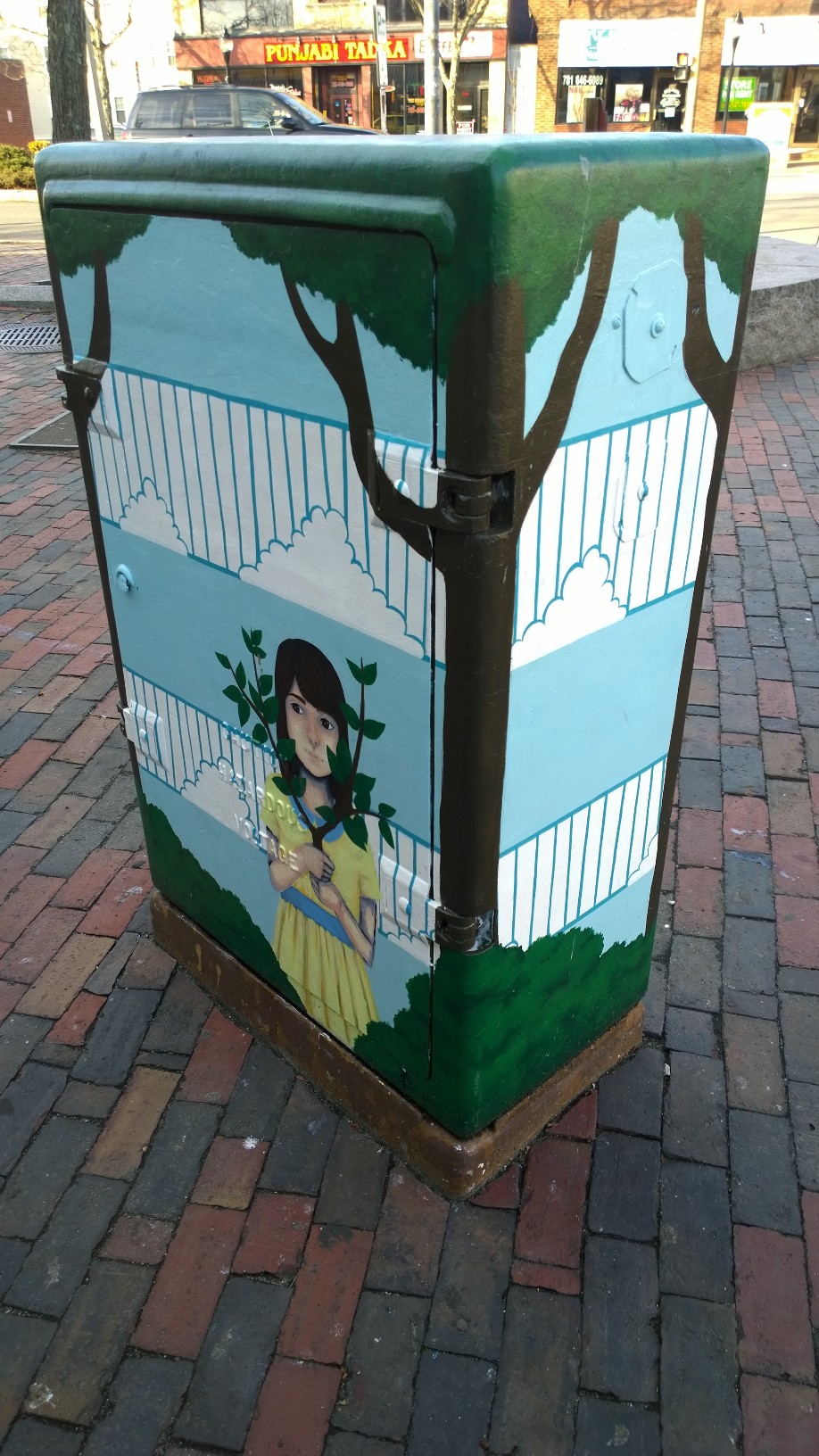
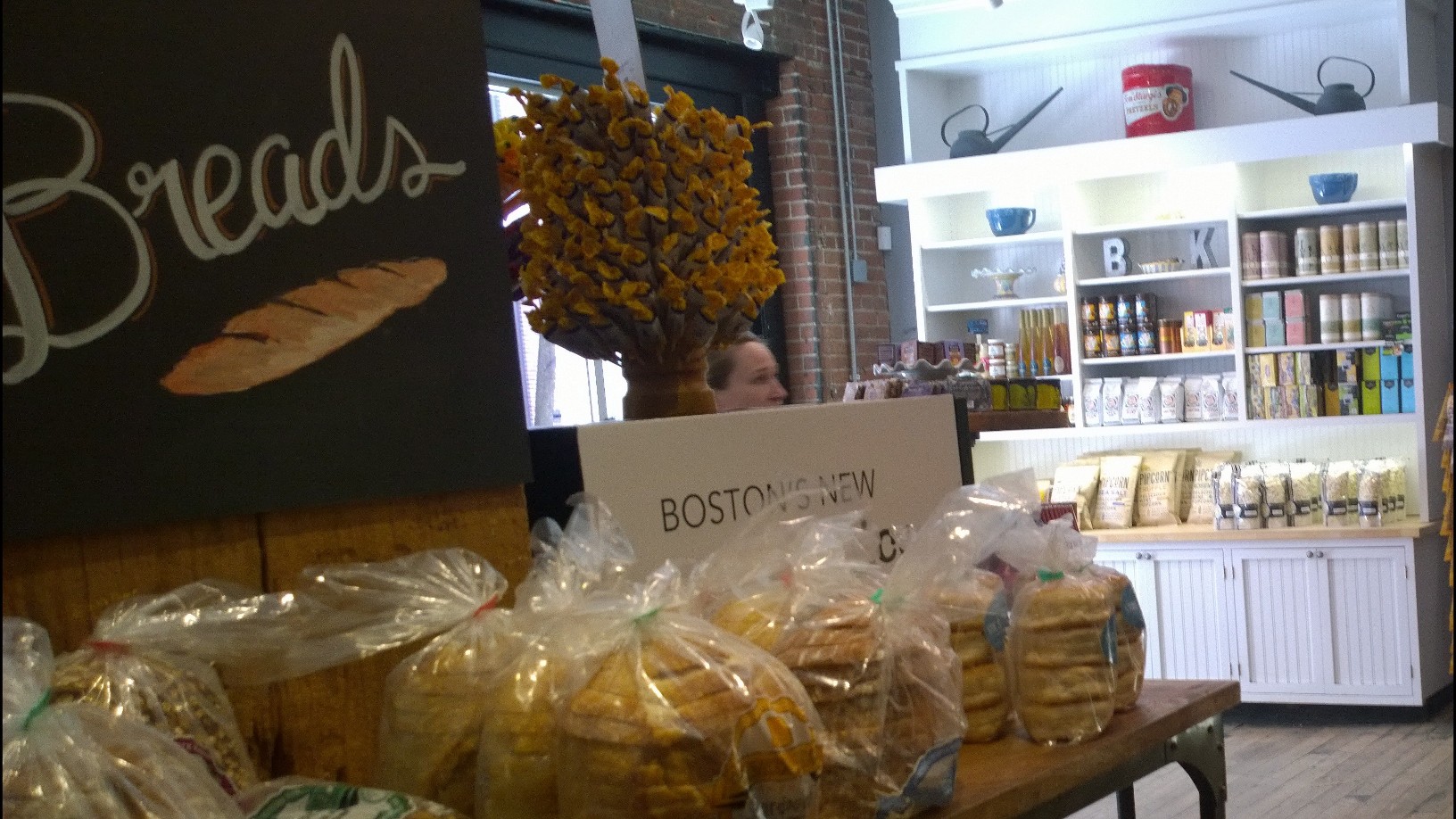
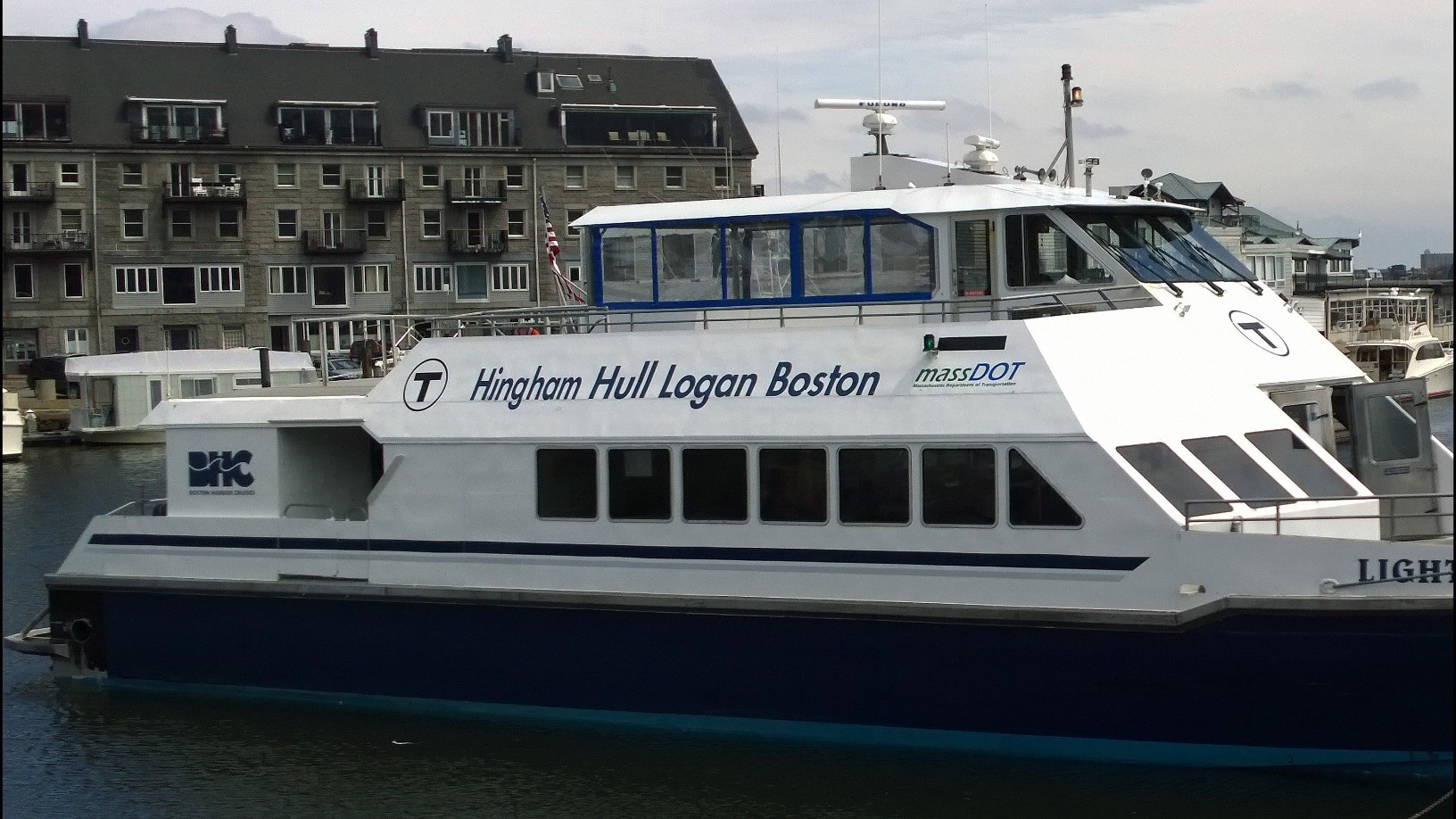
I have a few more photos to share today. The first is of some early flowers. (I don’t know the name. Will have to ask mistersmartyplants.com.) Next is a long-necked character hanging out in my neighbor’s backyard. Then there’s an example of how Arlington artists are sprucing up utility boxes, followed by the gourmet Bee’s Knees grocery in Fort Point, a commuter boat reminiscent of the water taxis we sometimes took when we missed the Ocean Beach back in the day, and a new fancy building about to sail into the sky. (Construction in Boston is making up for time lost during the recession. The view from my office window has been completely altered in just a few years.)

April-flowers

new-kid-on-the-block


Arlington-Public-Art

breads-at-bees-knees


water-taxi

setting-sail

Read Full Post »

otter-welcome

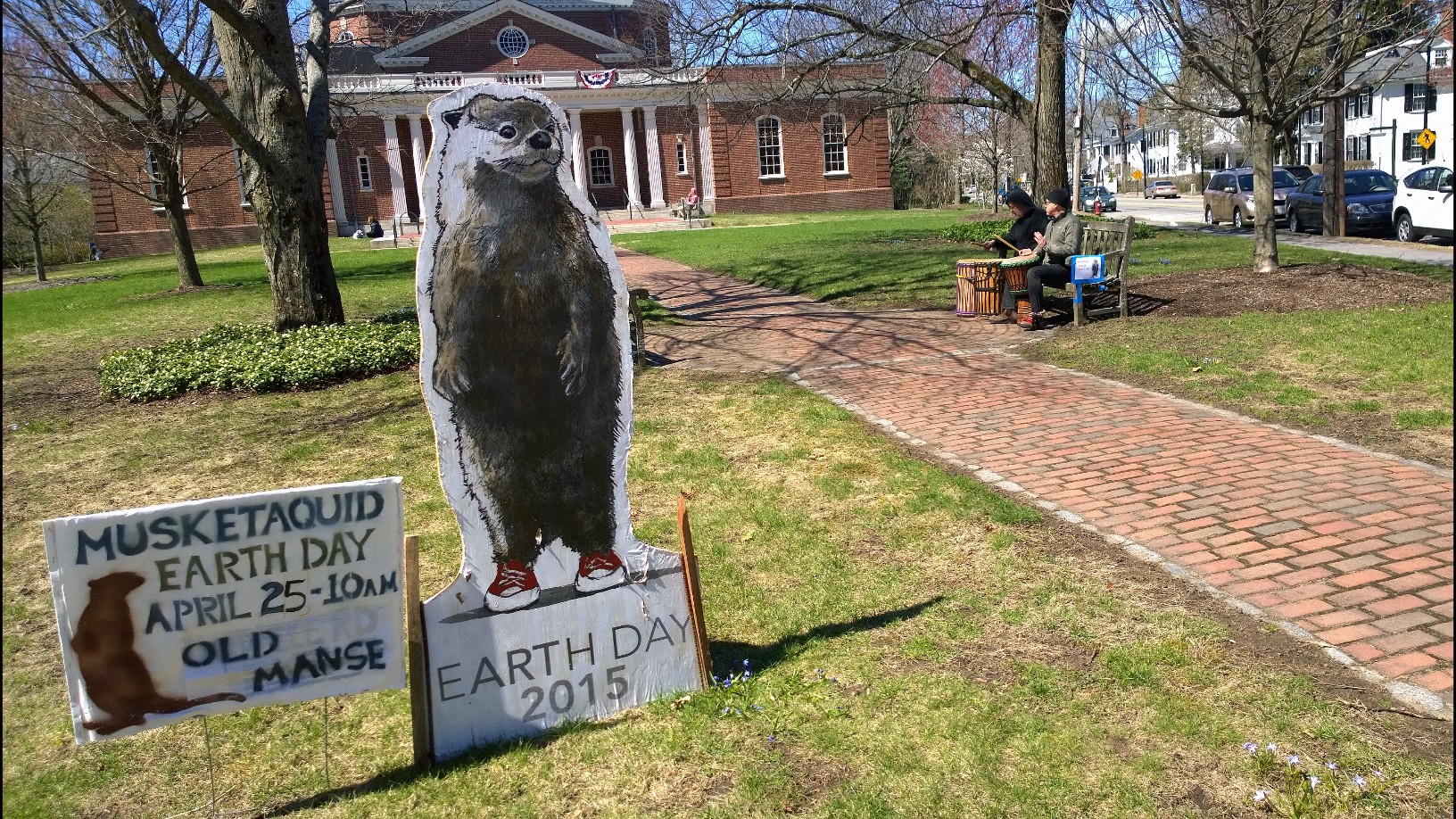
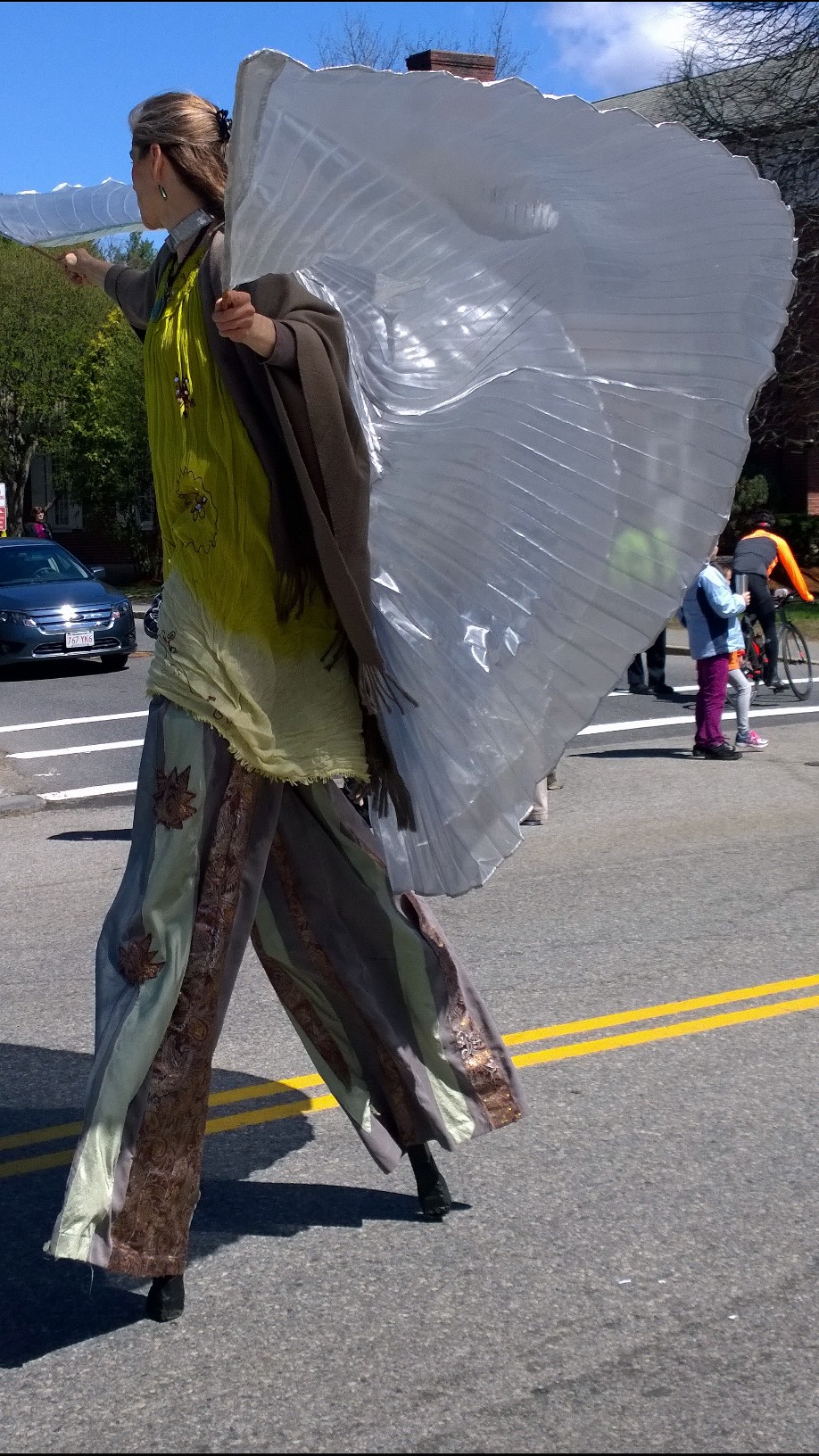
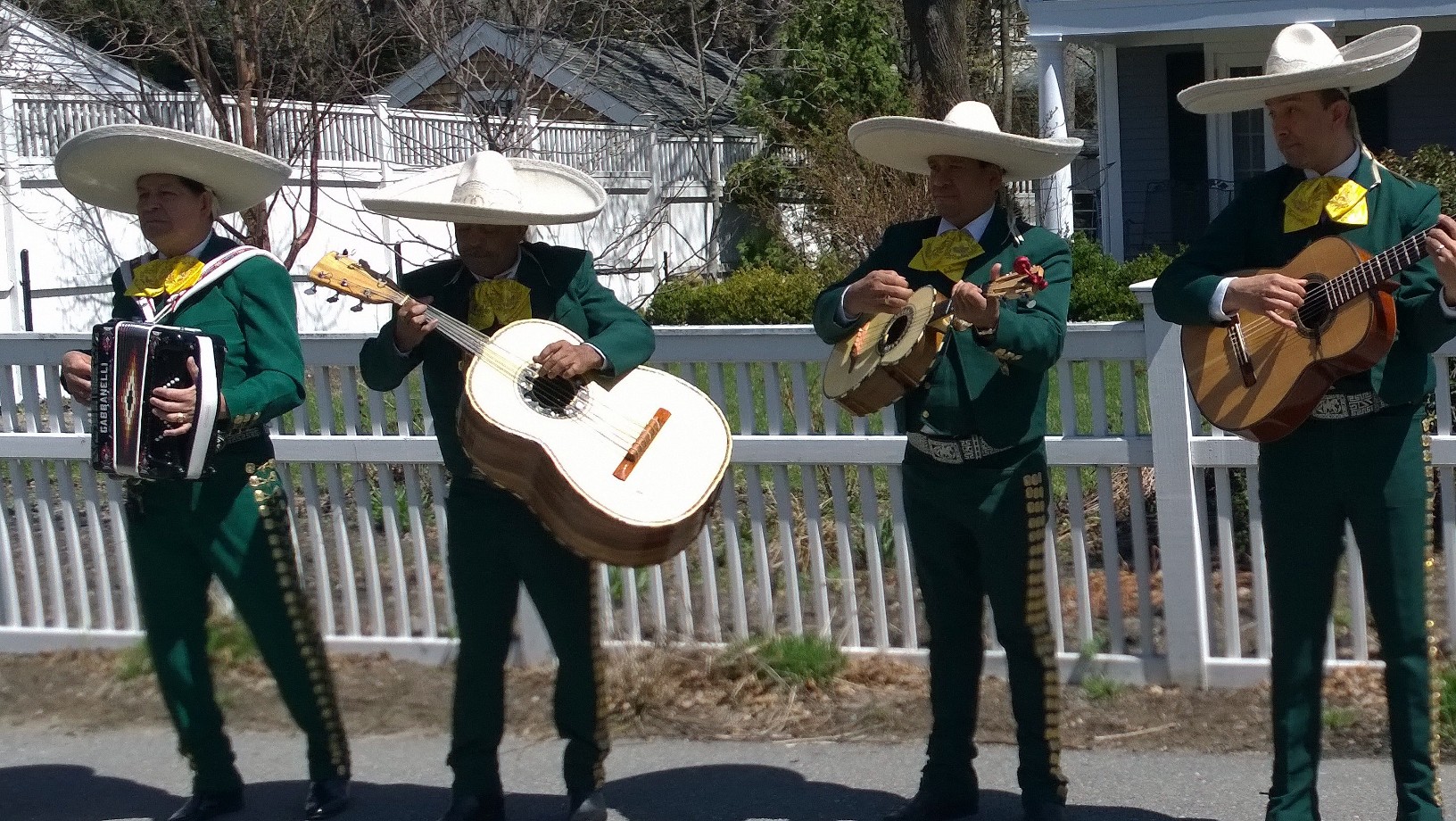
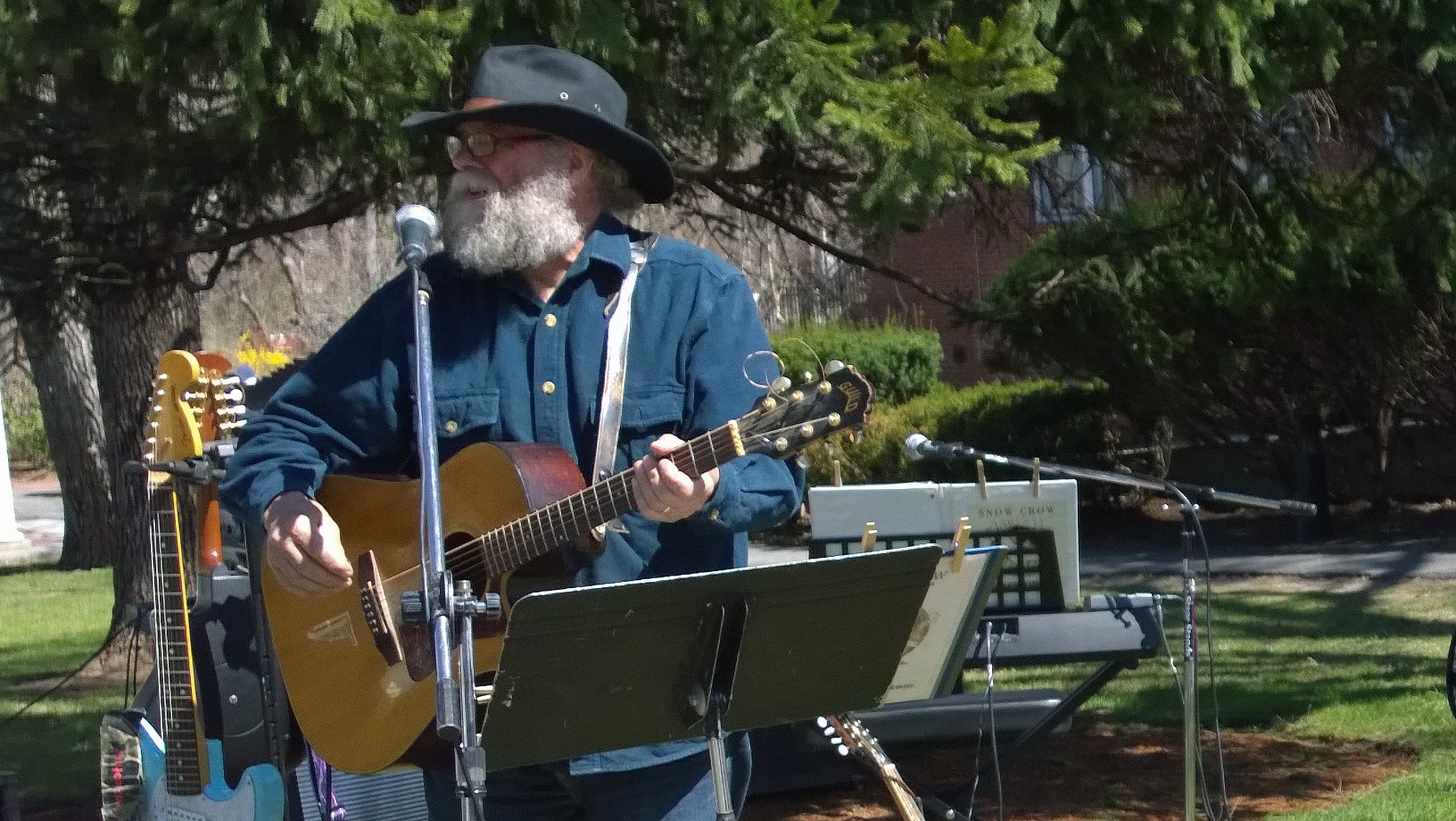
It was still chilly on Saturday, but a great day for the Musketaquid Parade celebrating the Earth. Bands, stilt walkers, homemade floats, drummers, tables for environmental advocates of all kinds.

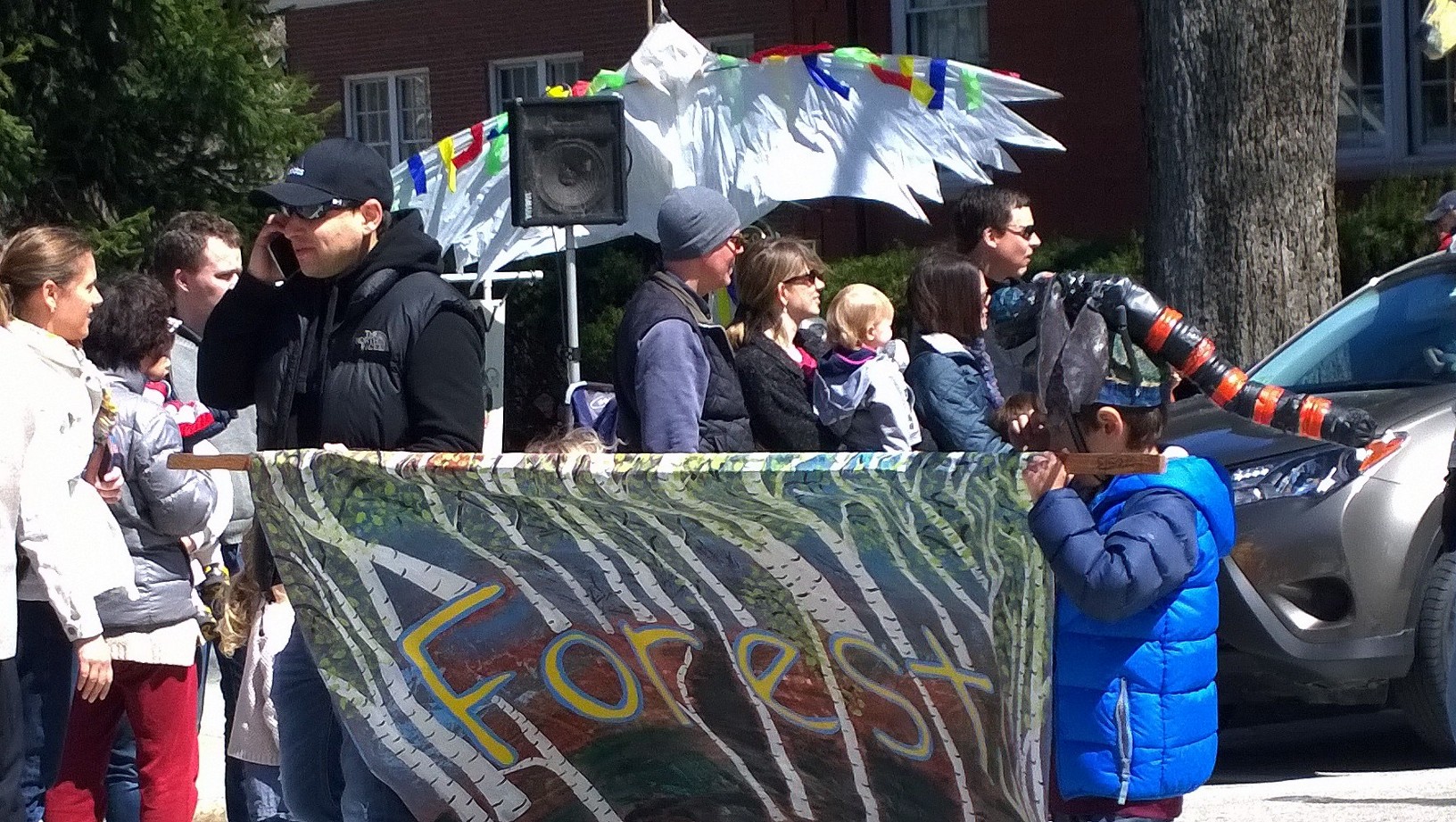
Does the boy with the “forest” banner whose dad is on a cellphone remind you of the picture book Sidewalk Flowers?

In the afternoon, I helped my 3-year-old grandson dig holes for strawberry plants. (“It’s gonna be a flower. It’s gonna be beautiful!”)

joyous-drummers

perhaps-a-fox

stilts-and-wings

mariachi-band

Earth_Day-guitar

forest-and-cellphone

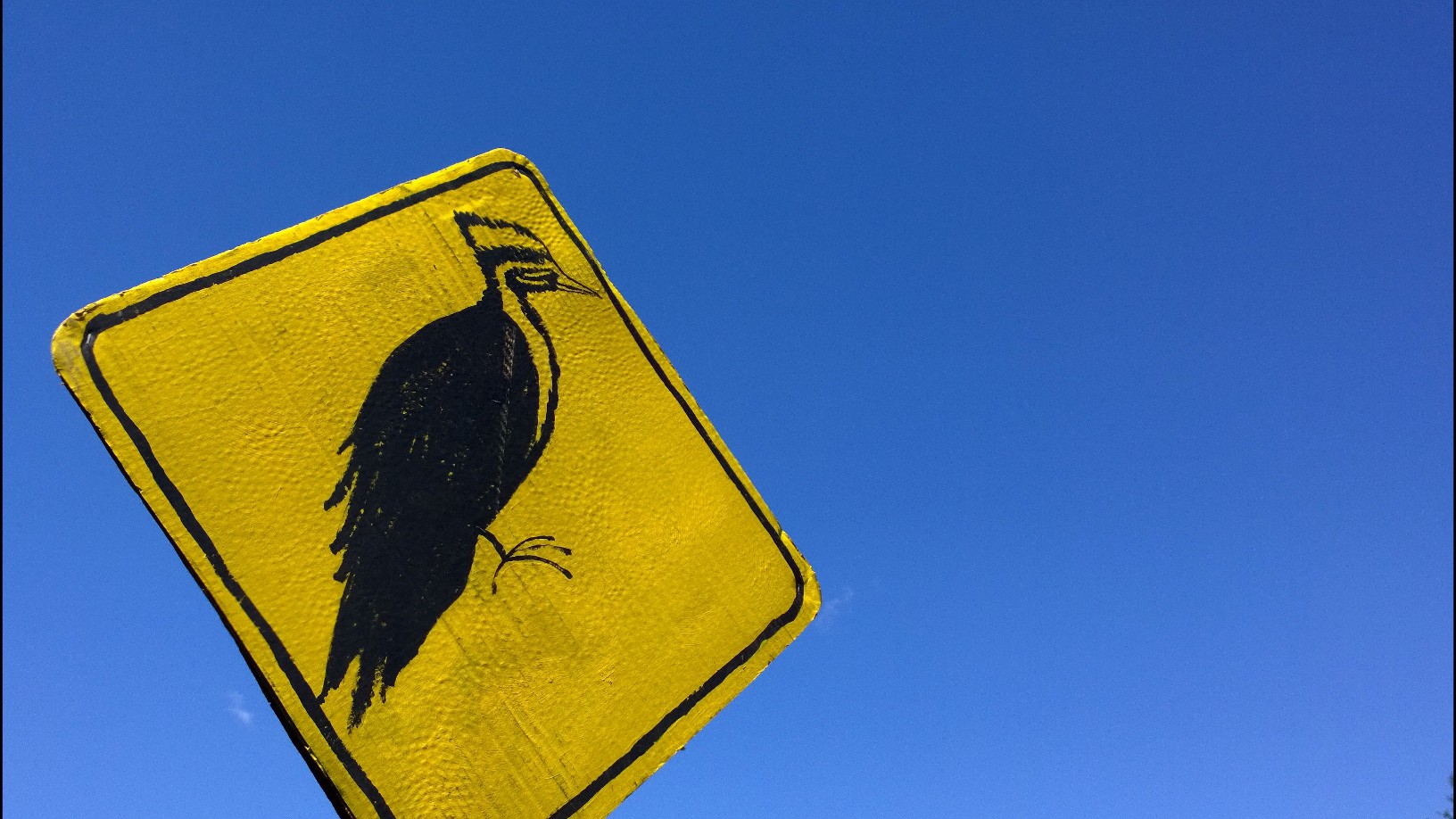
woodpecker-for-Earth-Day

Read Full Post »

Knitting seems to be coming back in style. I thought I had forgotten everything I learned from knitting sweaters during college lectures, but the basic stitch came back to me when I started tackling scarves as an alternative to doodling in work meetings.

Now I see that knitting is serving many positive social purposes among kids in a poor Chicago neighborhood

Lisa Suhay writes at the Christian Science Monitor, “Students are getting knitty in a gritty urban neighborhood on Chicago‘s west side, as they are learning to craft skeins of yarn into a blanket of calm that is making them more social – and fiscally sound.

“ ‘Three years ago, I started teaching kids here to knit and then I thought, “Let’s see if we could sell what they make at my church and give the kids some pocket money in the process,’ says Dorothea Tobin, a teacher at North Lawndale College Prep, in a phone interview from her classroom where she is surrounded by clicking needles and chatting teens.

“In the ‘BT Lives in the Stitch’ club, according to Ms. Tobin, students price their wares between $10 and $30 per item and reap the rewards of being able to socialize while earning enough profit to pay for prom tickets or sundries they might not otherwise be able to afford. …

“Of the 40 students in Tobin’s club a handful are boys. Asked if there was a difference between what boys and girls prefer to knit she says, ‘Boys prefer to knit scarves because those are good sellers. Girls tend more towards baby hats.’ … She has observed that the simple act of mastering a traditional skill and producing something has a profound effect on her students. …

“ ‘They’re always making fun of my rules, but I have club rules for a reason,’ she says. ‘I don’t want them to isolate themselves in the process.’

“The first rule of Knitting Club, Tobin says, is no headphones. … The second rule is to dance with her on Fridays. The third rule, she says is ‘Greet each other when new members come to join us in a session.’ ”

More here.

Photo: Casey Bayer

Read Full Post »

talulah-cooper-boutique-providenceNew followers can be forgiven for not knowing that this is a blog for Luna & Stella, the contemporary birthstone jewelry company. The company owner is my daughter, Suzanne, and she lets me blog about anything that interests me. So I do go off on tangents.

But today what interests me is the Luna & Stella trunk show, scheduled to take place Saturday, May 2, 12 to 5, in Providence, Rhode Island, at the Talulah Cooper Boutique on Traverse Street (left).

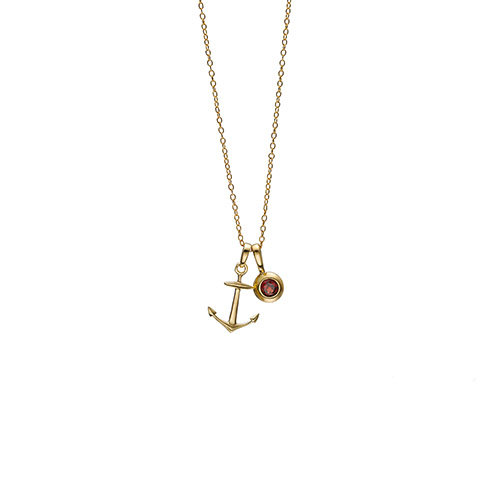
I really love the new Luna & Stella charms, including the Blixt lightning bolt (which has a special association with Suzanne’s electrifying son), the delicate cross, and the anchor that is based on the Rhode Island state flag. And because I am pretty familiar with the great work of the folks at the Rhode Island Foundation, I’m also tickled that Suzanne is sending them $5 of every anchor charm purchased.

She writes, “Our Hope Anchor Charm Necklace is inspired by the anchor on the Rhode Island state flag. $5 of every Anchor charm ordered goes to The Rhode Island Foundation’s Fund for Rhode Island, serving the state’s most critical needs since 1916.”

Oh. Did I mention that Mother’s Day is really soon, May 10? I myself have been dropping broad hints about needing my new granddaughter’s birthstone.

hope anchor birthstone charm necklace

Read Full Post »

Today would have been Shakespeare’s 451st birthday, and I am seeing testimonials all over Facebook and twitter. So it seems like a good day to write about the Sonnet Project in New York City.

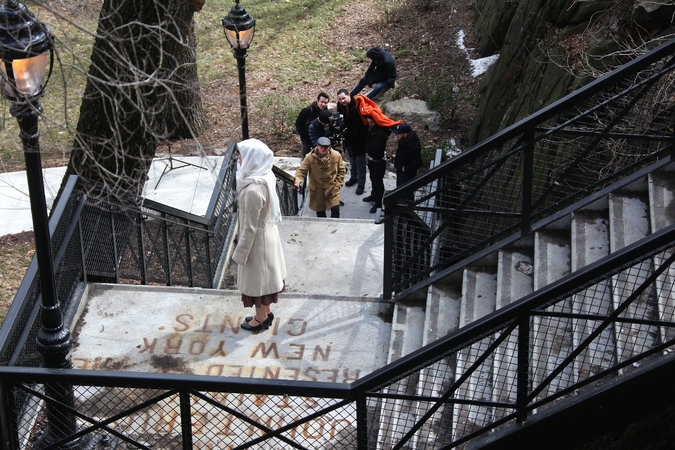
Stuart Miller wrote at the New York Times about “an ambitious project to create a short film for each of Shakespeare’s 154 sonnets, with each movie shot at a different New York City location.

“ ‘It brings Shakespeare to people who might not be in touch with it, and we can use social media like Twitter and Instagram to spread the word,’ [actor Billy] Magnussen said. The endeavor, called the Sonnet Project, grew from the work of the New York Shakespeare Exchange, a local theater group.

“The group, which started the project in 2013, just completed its 100th film: Sonnet 27, starring Carrie Preston, an Emmy award-winning actress, and filmed on the Verrazano-Narrows Bridge [and premiering] April 8 on the Sonnet Project website and app. …

“Some directors found inspiration at the location where the films were shot. At Leidy’s Shore Inn, a 110-year-old bar on Staten Island, Daniel Finley, who was making Sonnet 19, filmed Laurie Birmingham, an actress who works mostly in regional theater, as a world-weary regular musing over her drink.

“ ‘We walked in at 10 a.m. and the regulars were there watching OTB and scratching their lotto tickets,’ he said. ‘We learned some of their stories and Laurie based her character on those impressions.’ ” More at the New York Times, here.

Photo: Chang W. Lee/The New York Times
A crew filming Sonnet 108 at the John T. Brush stairway. 
Read Full Post »

At Global Envision, Seth Heller blogged about an organization that provides inexpensive eyeglasses to poor people in the developing world.

“We often take clear vision for granted,” writes Heller, “but Peter Eliassen knows that eyeglasses can be the difference between financial security and poverty for many in the developing world. As the chief operating officer of VisionSpring, Eliassen travels the globe making reasonably priced eyewear available for people who cannot otherwise afford them. …

“VisionSpring estimates more than 703 million people around the world need eyeglasses. Without vision correction, people are unable to secure employment during their prime working years, and supporting a family becomes almost impossible. …

“VisionSpring’s eyeglasses are priced around $4 and typically boost the wearer’s wage by an average of $108 per year – a significant amount in many developing nations. …

“However, a worker’s clear vision can be life-changing to many people outside their family. …

“The correlation between good public health and economic growth in developing nations is strong. If developing nations can reduce unemployment by solving ongoing public health problems such as impaired vision, the socioeconomic benefits can improve the lives of a nation’s entire population.” More here.

The story came to me by way of the Christian Science Monitor‘s Change Agent listserv.

Photo: Thatcher Cook/Mercy Corps
Eyeglasses from VisionSpring.

Read Full Post »

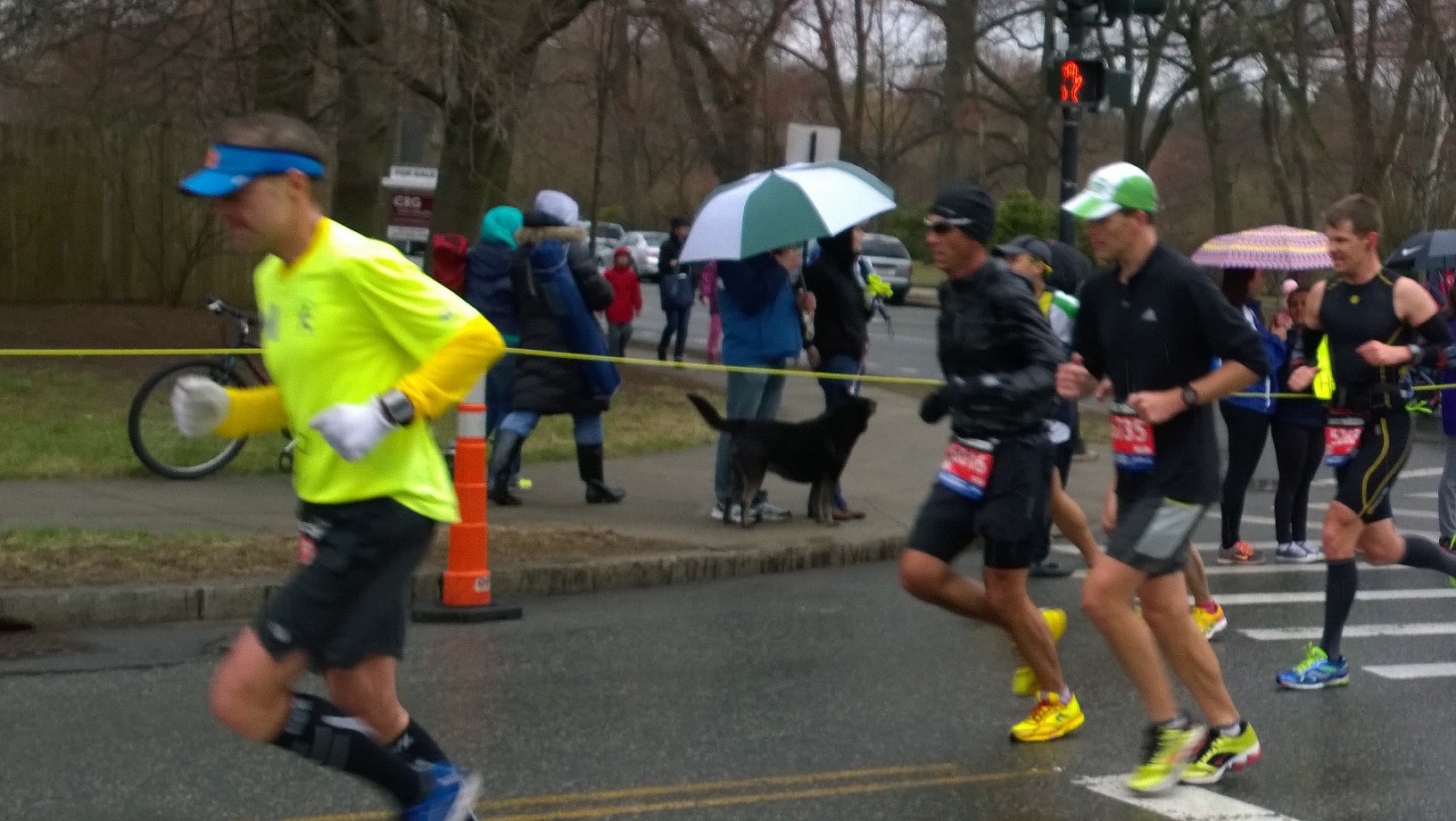
Hours in an icy rain madly cheering family and strangers along with four grandchildren under the age of five. Erik made his best time, coming in under three hours. John looked on the web and found that Erik’s sister was the fourth woman from Denmark to cross the finish line yesterday, and Erik’s cousin was the fourth woman from Sweden. Erik’s mother waved a makeshift Swedish flag, which bled onto everything in the rain but elicited delight from unknown Swedes who also were running in the Boston Marathon.

Mile 19 in Newton was our meeting place, next to the hot-dog vendor. Suzanne got stuck on the wrong side, but the police knew this would happen and had little cards already printed out to tell people how to drive to the other side. She got there in time.

The day was a grand accomplishment for all concerned, not excluding four cold, soggy, cheering children.

runners-042015-Newton

Read Full Post »

« Newer Posts - Older Posts »