Feeds:
Posts
Comments

Posts Tagged ‘risd’

Photo: Brett Phelps for the Boston Globe.
At her new studio space in Providence, Felicia Neuhof holds a bag of shells she gathered at her sister’s wedding to create new products sustainably.

Today’s story is about a designer who looked around for a way to do her work using more-sustainable materials and found them almost under her nose.

Alexa Gagosz writes at the Boston Globe, “After spending seven years as an art director in New York City working for Fortune 500 brands, Felicia Neuhof grew increasingly frustrated with the unsustainable materials of her industry. She was constantly surrounded by plastic with a single-use lifecycle that would later become landfill waste.

“When she moved to Providence to earn her master’s degree at the Rhode Island School of Design, she started eating a ton of shellfish and wondered what would eventually happen to the discarded shells, which were typically thrown away. That‘s when she set out on a mission. She started by experimenting with the shells being tossed into dumpsters behind her favorite restaurants, and began molding them into building materials.

“Neuhof is now the founder and chief executive officer of Shellf Life, a Providence startup that transforms discarded seafood shells into innovative building materials. She’s also received international praise, winning the Terra Carta Design Lab, a global competition where she was able to place her material into the hands of King Charles III.

“What is Shellf Life and how does it work?
“Shellf Life transforms discarded seafood shells into innovative building materials through a process I developed on my kitchen stove. We take what restaurants throw away — oyster, mussel, clam, crab, and scallop shells — and create architectural surfaces, furniture, and lighting with properties ranging from rigid to flexible to translucent. Since winning the Terra Carta Design Lab competition, I’ve been scaling operations at our 50 Sims [incubator] facility in Providence.

“[We turn] waste into valuable building materials through processes accessible to people from all backgrounds and skill levels.

“How much seafood waste is there in New England?
“The numbers are staggering. One Rhode Island shellfish processor alone generates 7 tons of shell waste weekly — that’s 728,000 pounds annually, enough material for 30,000 square feet of tiling. When combined with restaurant waste across New England, we’re looking at a tremendous resource: Rhode Island could produce enough material for 3,000 kitchen backsplashes annually, Massachusetts enough for 5,000 bathroom floors, Maine sufficient for 20,000 serving bowls that return to the restaurants supplying the shells, Connecticut enough for 1,500 countertops, New Hampshire enough for 1,000 shower surrounds, and even my home state of Vermont contributes. …

“What kind of materials are you creating? Furniture and fixtures? Raw materials?
“Both. I create three product lines: furniture for residential and commercial settings, homeware like bowls and lighting, and architectural materials including tiles and surfaces. I’m also developing specialized applications for marine environments — working with City Island Oyster Reef to create alternatives to concrete currently used in aquaculture farms and coastal defense. …

“Walk me through the process.
“I collect shells from restaurant partners, clean and sanitize them, then crush them into a calibrated material. This is blended with my proprietary binder — much like following a recipe — and molded into form. During curing, the material actually captures CO2. At my facility at 50 Sims [Ave.] in Providence, I’ve scaled this process from my kitchen to a manufacturing microlab. I’ve secured a provisional patent on both the material composition and manufacturing method, which was an important step for commercialization. My goal has been to develop a system so refined that making a tile is as easy as flipping burgers. …

“What kind of seafood waste are you using?
“I primarily use oyster, mussel, clam, and scallop shells — any bivalve shells typically tossed in restaurant dumpsters. Each brings unique qualities: oysters provide strength and texture, mussels offer beautiful color and luminosity, clams contribute creamy hues with flecks of purple, and scallops add structural pattern variability. Like a chef selecting ingredients, I blend these shells in various ratios to customize the material for specific applications.

“What was it like to meet King Charles, and develop Shellf Life as part of the Terra Carta Design Lab?
“Meeting King Charles III was transformative. … He asked thoughtful questions, revealing someone who truly understood the potential, calling the idea ‘genius.’ What struck me most was seeing how Shellf Life made intuitive sense to everyone — from farmers and chefs to a King.

“How can restaurants, consumers, and others direct seafood waste to Shellf Life?
“I’ve made it as simple as recycling. For restaurants, I provide collection buckets and regular pickup that fits into their existing workflow. … For individual consumers, I’m looking to establish community collection points. My goal is to make shell recycling as normal as glass or paper recycling.

“Do you have any investors?
The Terra Carta award has funded my initial development. Now I’m seeking additional investment to support my two-year growth plan as I move from R&D into commercial production. I’m looking for partners who understand both the environmental opportunity and the social impact — investors who recognize the value of creating accessible manufacturing jobs while addressing environmental challenges.”

More at the Globe, here.

Read Full Post »

Photo: @risdmuseum on Instagram.
Conservator Ingrid Neuman (left) with Rhode Island School of Design undergrad student Sophie Bugat, doing repair work on a statue of Pan.

When a new artwork is acquired by a museum, it doesn’t go right on display. At least one expert must look it over and make sure it’s in good shape.

At the Rhode Island School of Design [RISD ] in Providence that expert is often Ingrid Neuman.

Kristine Yang writes at the Providence Eye, “This past November, Ingrid Neuman, senior conservator at the RISD Museum, wheeled a twelfth-century Japanese wooden Bodhisattva Avalokiteshvara into Hasbro Children’s Hospital for a CAT scan. Conservators have repaired the ancient figure, a revered Buddhist symbol, over centuries — Neuman’s examination would reveal exactly where and how they had carried out those repairs. …

“Over time, sculptures accumulate dirt and often chip, show wear, or even break. Some arrive with broken parts or past repair attempts that complicate restoration. Preparing these pieces for public exhibition falls to the museum’s conservation team.

“Through a meticulous process that integrates chemistry, art history, and craftsmanship, conservators work to stabilize and restore each object. … Neuman’s background in organic chemistry is essential to her work. Sculptures are vulnerable to a host of natural forces over time such as ultraviolet radiation, pollution, humidity, and fluctuations in temperature – all of which can degrade original materials. Pieces with organic materials like wood and ivory, along with metals such as bronze or iron, are particularly prone to these ‘agents of deterioration’ and can experience accelerated degradation if not properly maintained, says Neuman.

‘An ancient bronze beaker from China wants to corrode. It wants to go back to its original copper ore,’ says Neuman. ‘We’re trying to keep it from doing that.’

“Corrosion is a natural chemical reaction that occurs when metals like bronze are exposed to oxygen, moisture, or pollutants over time. This reaction, called oxidation, causes the metal to slowly break down. Left unchecked, this chemical process can eat away at the surface of a sculpture. …

” ‘We borrow a lot of techniques from dentists and doctors,’ says Neuman. ‘There’s a lot of overlap with the medical field.’ With limited in-house instrumentation at the RISD Museum, Neuman often relies on nearby hospitals such as Hasbro’s and research institutions for specialized evaluations.

“Understanding a sculpture’s composition and preservation history is crucial, as it directly informs the selection of repair materials. … Conservators intentionally choose repair materials that are visually similar to the original but chemically distinct, ensuring that their work can be easily differentiated from the artist’s upon chemical evaluation.

“ ‘We don’t like to use the same materials as the artist,’ Neuman says. ‘We’re not trying to be the artist, or be better than the artist, or confuse people.’ 

“The ease with which any added materials can be removed is also a crucial consideration for conservators, as they must ensure that any restoration work can be undone without damaging the original piece. …

“For this reason, conservators use inpainting – a technique used to fill in missing parts of an artwork – with materials that can be easily distinguished and removed. For example, Neuman says conservators often use acrylic paint when filling in an oil painting. Acrylic is water-based and chemically different from oil paint, allowing it to be safely removed. …

“Neuman emphasizes the importance of reversibility and the chemical properties of adhesives. ‘There’s so many glues in the world. A zillion,’ she says. ‘Everyone uses epoxy or Gorilla Glue, but we never use them because they’re too strong.’

“If conservators use a glue that is stronger than the sculpture’s original material, any physical stress on the object could result in new fractures, rather than breaking along existing lines. … She prepares her own adhesives in the lab, including wheat starch paste and Funori, a traditional Japanese adhesive made from seaweed — both of which are gentle yet effective enough for conservation work.

“While conservators intentionally make their repairs distinguishable from the original through their selection of materials, their work must remain invisible to the viewer. … This means conservators must address each deformity with painstaking precision and care. Inpainting demands an especially detailed approach. … Neuman says, ‘You have to use a very tiny brush, with only a few hairs in it, and you have to be really good at color matching.’

“One of the challenges of inpainting is a color perception phenomenon called metamerism, where colors that match under one light source may look different under another. … To navigate this, she moves the piece back and forth on wheeled carts between her sunlit lab and the gallery space to ensure the colors match under different lighting conditions.

“Once the restoration is complete, detailed documentation is essential, Neuman says. Photographs of the piece before, during, and after the process, along with written records, are uploaded to the museum’s database for future conservators’ reference. ‘It’s important to leave a record,’ Neuman says.”

More at the Providence Eye, here. This story reminds me of the work that Sotheby’s did on one of my mother’s Pousette-Dart paintings, one that had been too close to a chimney fire!
Read Full Post »

Photo: Rachel Rosenkrantz.
Rachel Rosenkrantz, a luthier, uses all-natural materials. For example, to build a bracing structure for the instrument above, she followed a bee blueprint, placed the structure in a hive, and waited for a year.

Now here’s a commitment to using natural materials that I bet you never heard of.

The nonprofit ecoRI News is great at finding stories like this one by Emily Olson on a Rhode Island luthier who makes guitars using mushrooms and honeycomb.

“During the pandemic lockdown,” Olson reports, “local guitar-maker Rachel Rosenkrantz collected shells from her daily two-egg breakfast. They seemed an appropriate — and certainly plentiful — biomaterial to integrate into a USB-chargeable electric guitar she was working on.

“ ‘Calcium is an integral part of violin varnish because it contributes to the sound quality,’ she explains. With this in mind, and inspired by the work of Gaston Suisse, a French art deco artist who worked with eggshell inlay, she used a laser cutter and manicure file to shape her collected shells into tiny triangles. The eggshell guitar was the last in a series of biomaterial-based instruments she completed during the pandemic. …

“Rosenkrantz had a thriving and well-established career as a commercial furniture and lighting designer when, 10 years ago, she had an epiphany.

“ ‘I can always make money,’ she says. ‘But I can’t make time. … I had been daydreaming about being a luthier for too long to not do it.’ …

“Rosenkrantz grew up just outside Paris in Montfermeil, an industrial town she describes as ‘the Fall River of France.’ She is the daughter of a family of tailors; her grandfather lived in an apartment above his small tailoring shop. …

“Rosenkrantz studied at l’ESAG in Paris, and in her college days, crossed the ocean a couple of times, first as an exchange student at the Rhode Island School of Design — ‘I loved the name Providence,’ she recalls. … She now lives just outside Pawtuxet Village in Cranston … above her guitar-making studio, Atelier Rosenkrantz. ‘I guess I’ve come full circle,’ she says, referencing her grandfather’s shop. … ‘This is my happy place.’ …

“Rosenkrantz is well aware of the negative impact guitar-making has on the environment. Though little seems more environmentally conscious than someone sitting outside plucking a guitar, guitars are made from wood. And it isn’t always harvested in a sustainable way. …

“Rosenkrantz relies on timber updates from the Convention on International Trade in Endangered Species of Wild Fauna and Flora, a Switzerland-based organization that, through international agreement, offers a framework to ensure that when plants and animals cross borders, a species’ survival isn’t threatened.

“ ‘Brazilian rosewood is a big no-no because their rainforests were depleted,’ she says. But it isn’t just the type of wood used that she considers; she also considers how a country manages its resources. ‘India, for example, manages their rosewood really well,’ she adds. …

“Replenishment also is important. ‘Every guitar-maker, every woodworker — if we consume wood, we should grow wood,’ she says. The alternative, of course, is to not use wood at all. …

“One afternoon Rosenkrantz was at RISD, where she teaches spatial design, and decided to spend some time in the Nature Lab.

“ ‘RISD has a whole library of natural specimens, including biomaterials,’ she says. … ‘I know that Styrofoam conducts sound because it’s full of air, so I tested RISD’s [imitation Styrofoam] mushroom sample with my sound diffuser and realized that I could make a solid body sound like a hollow body.’

“The thing that excites her most about using farm waste inoculated with mushrooms in her craft is that she can grow her own design — a plastic mold is at her feet, leaning against the bench. ‘It takes about a week to grow a guitar body — four days to grow, then four days to let a crust develop,’ she says. …

“She slides a banjo from a shelf behind her and explains the body is made from kombucha leather. Kombucha home brewers are familiar with a symbiotic culture of bacteria and yeast (SCOBY), a cellulose mat that forms from the basis of kombucha — sweet tea — and houses the cultures that turn sweet tea into more kombucha. To get a SCOBY large enough make adequate leather for a banjo, Rosenkrantz brewed kombucha in a fish tank. ‘It took 11 tries before I made enough leather for one instrument,’ she says. …

“Rosenkrantz began dabbling in beekeeping, and as she researched hive options, quickly discovered the top bar beehive … a horizontal box with bars on top that support honeycomb, and it allows bees to build the way they would in nature. … ‘The bars in a top bar hive reminded me a lot of the bracing that goes in the front of a guitar that provides rigidity and guides sound,’ she says. … ‘I wondered if I provided the bees with bracing, if I could trick them into building a guitar.’

“But bees are not so easily tricked. ‘Bees have their own egress and architectural code,’ Rosenkrantz says, and she had to learn those codes to encourage the bees to collaborate on a design.

“So, after a great deal of research, she built a bracing structure according to the bees’ blueprint, placed it in a hive, and waited for a year. The result was something she never could have anticipated. The bees not only accepted her design and built their comb along her bracing structure, but they maintained the wood.”

More at ecoRI News, here. Amazing pictures. No firewall.
Read Full Post »

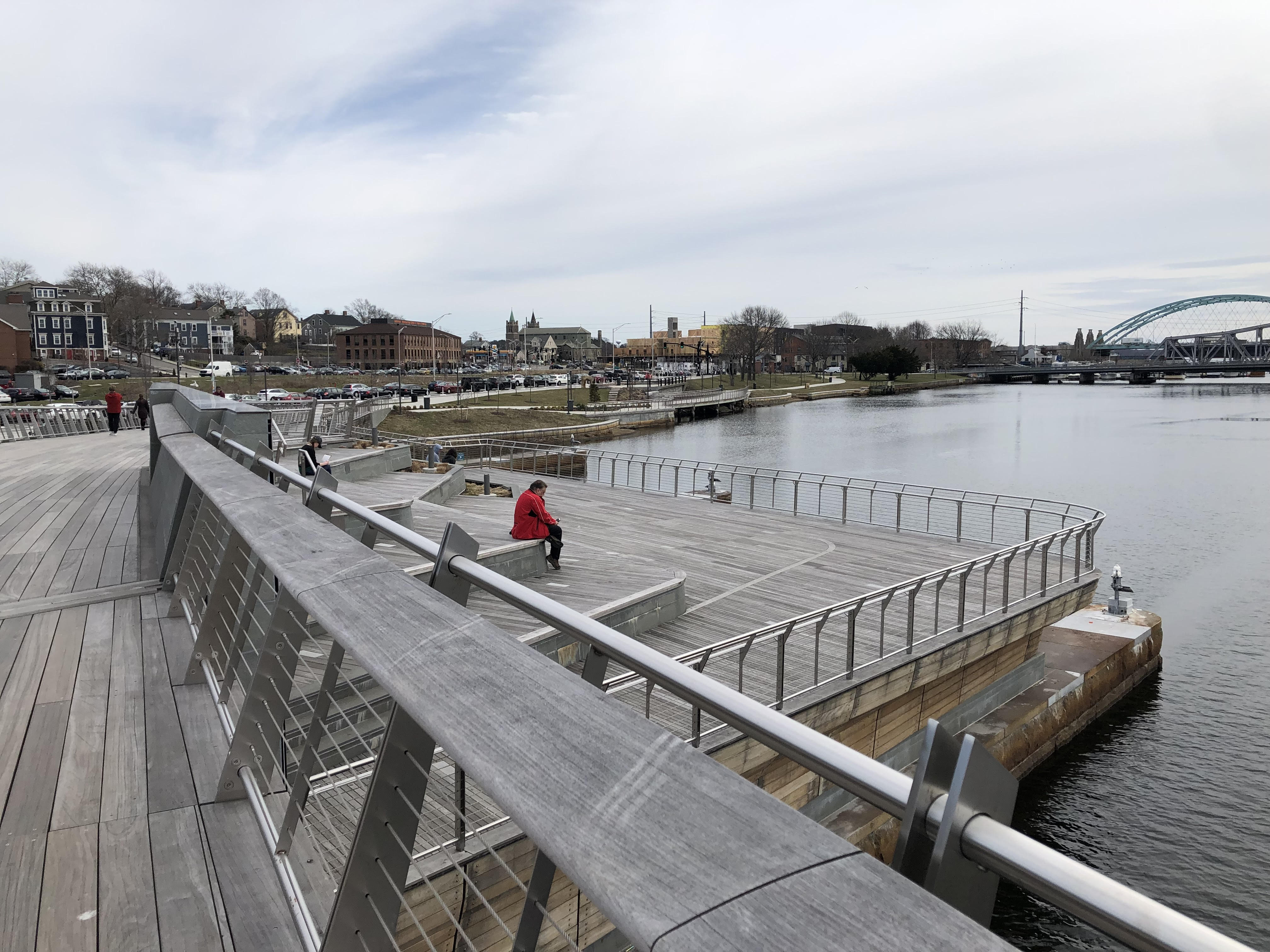
The Michael S. Van Leesten Memorial Bridge is a footbridge crossing the Providence River. The bridge connects Providence’s Fox Point neighborhood to the city’s former Jewelry District.

Spring is coming to New England in fits and starts. I warned Stuga40 before she left Sweden to visit Providence that she might need to bring clothes for anything from balmy days to a deep freeze. She was glad to know that, as it turned out we did have both.

The day we walked with her over the Providence River pedestrian bridge (above) it was cold but warm enough to eat our lunch outside at a nearby vegan restaurant. We were dressed for it.

When the I-195 highway was rerouted, Providence had a big debate about what to put in the old Jewelry District area where land was freed up. I’m so glad the pedestrian advocates won out. The bridge is truly magnificent, a model that other cities would be well to emulate. We don’t need to enable more cars and driving. And the bridge has become a major attraction, which helps local businesses.

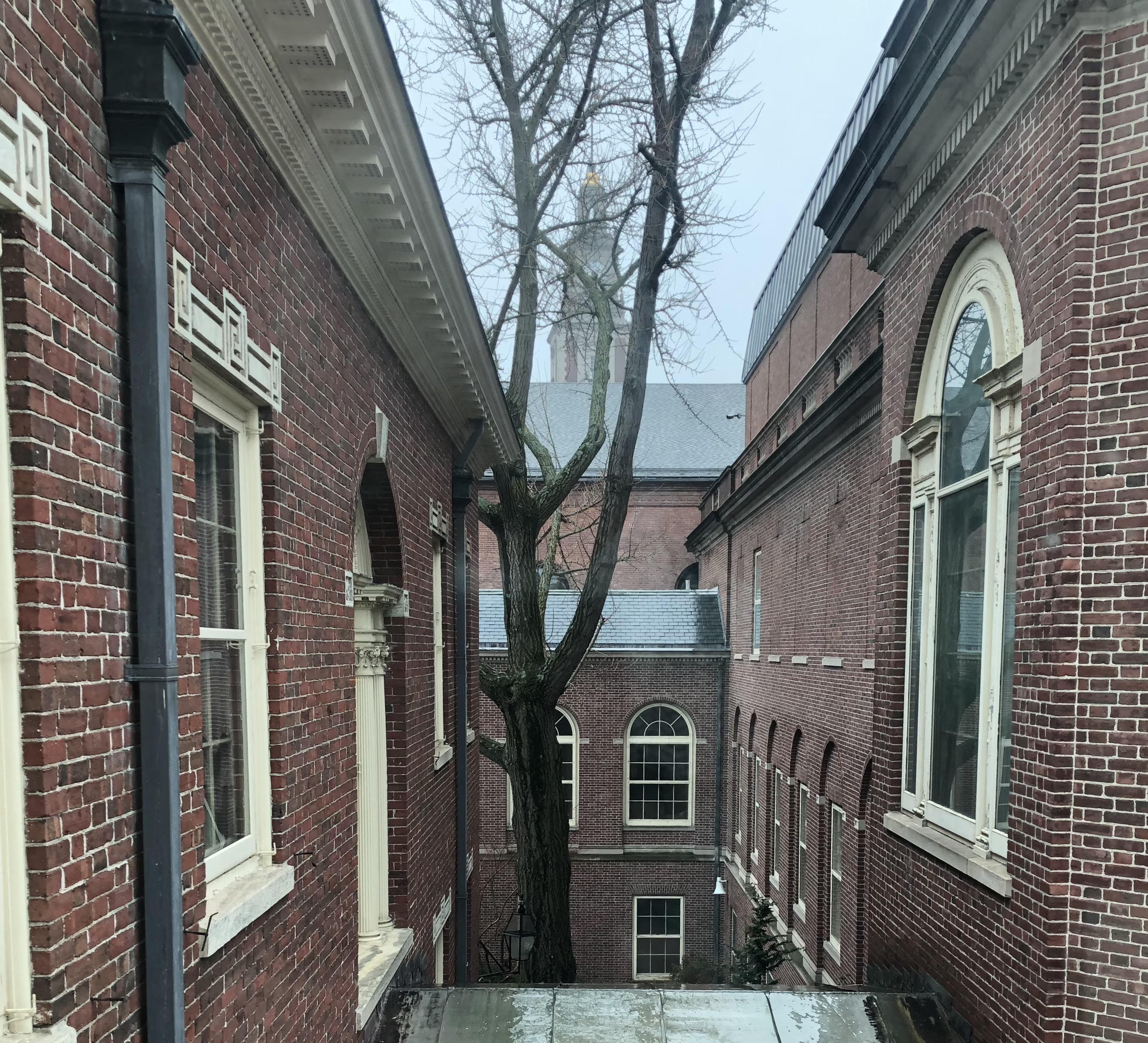
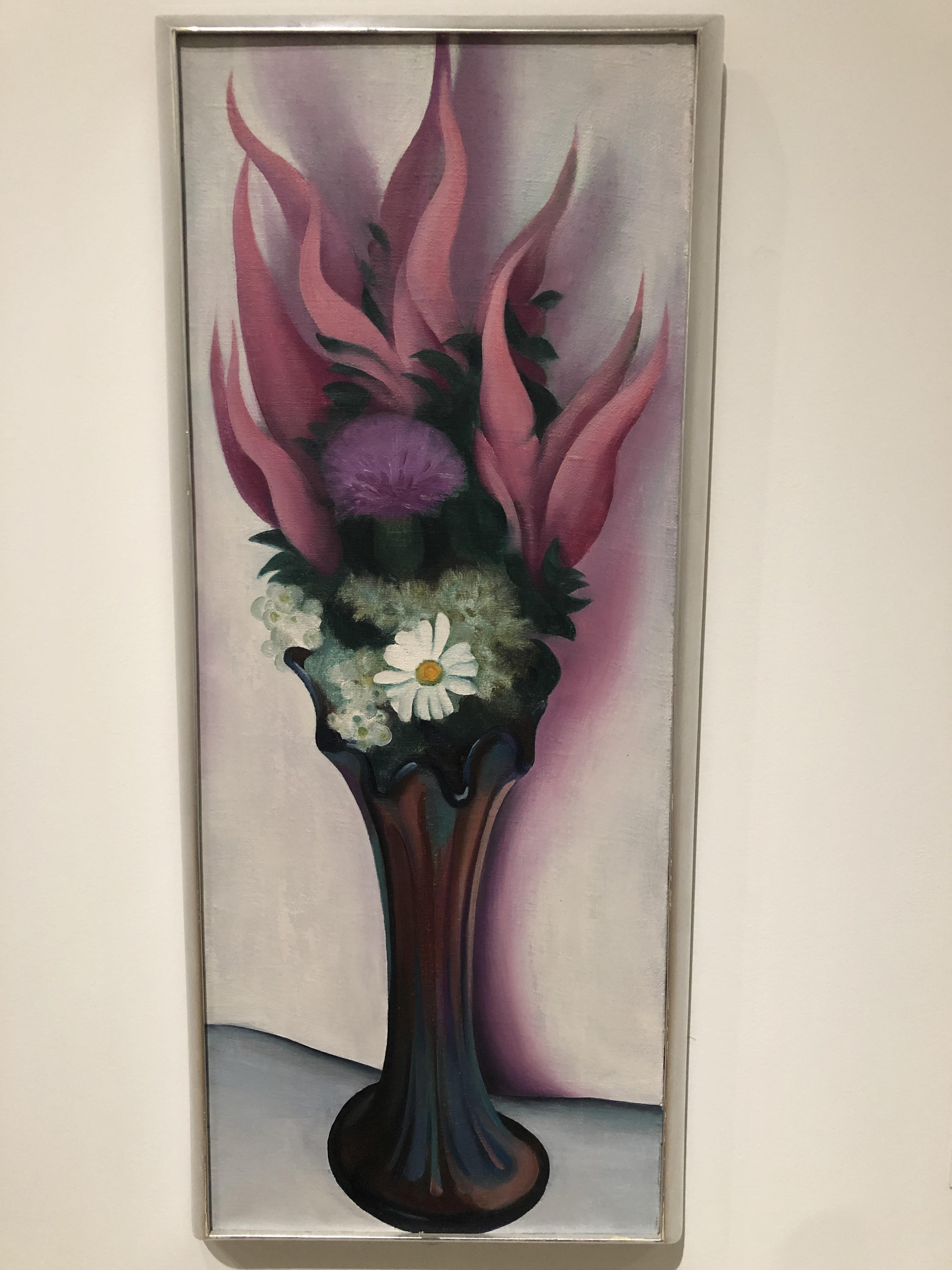
While our Swedish relative was at Suzanne and Erik’s house, my husband and I stayed at a rental apartment nearby in order to have more time to explore the city with her. Below are two photos from our rainy day at the Rhode Island School of Design Museum. The RISD Museum is a quirky collection of buildings featuring photogenic nooks and crannies that I like. I also liked this Georgia O’Keeffe. When I showed the photo to my 7-year-old granddaughter, she knew already that many O’Keeffe paintings are close-ups of flowers. She’d heard about the artist in school.

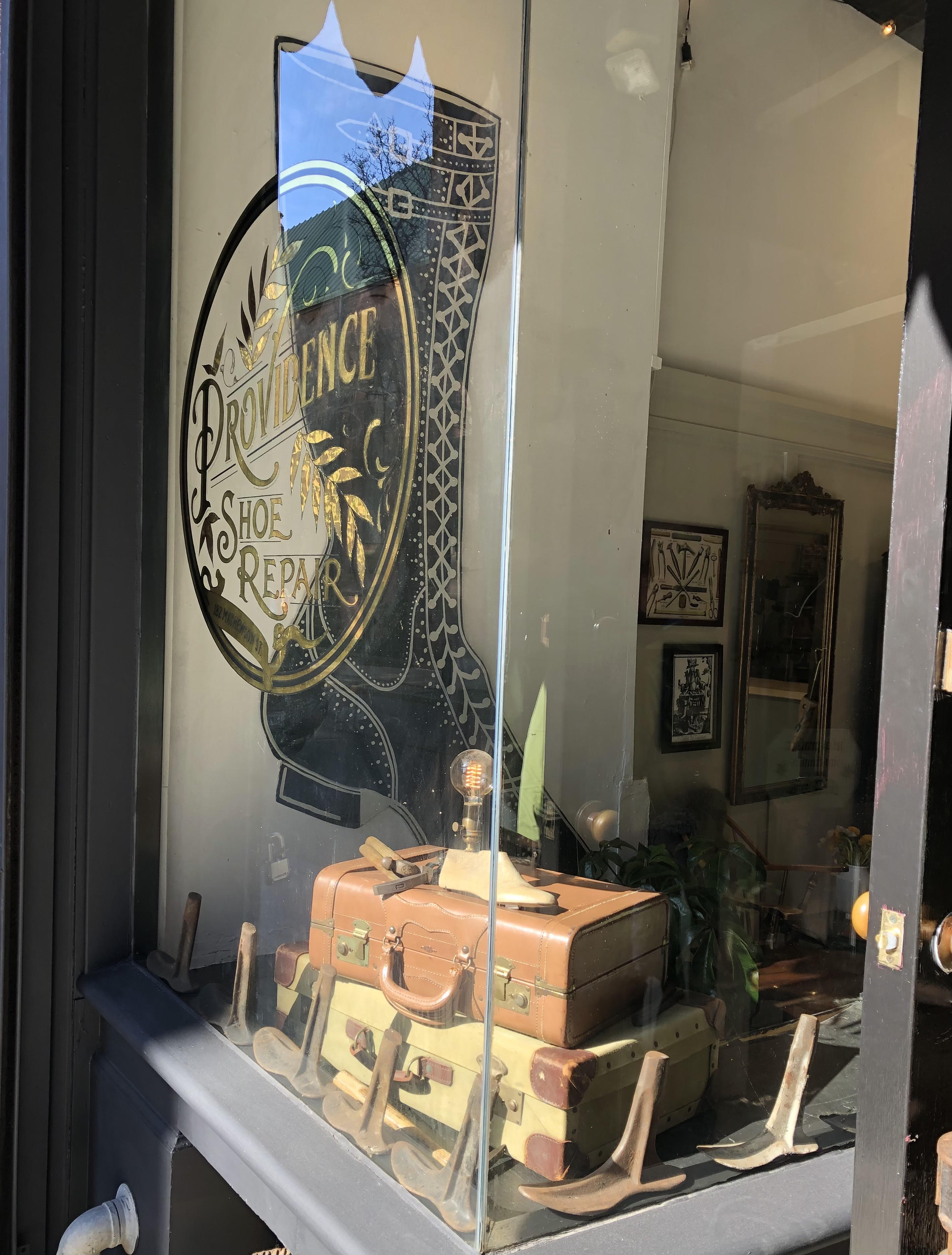
Stuga40 and I also walked the downtown area and chatted with the shoemaker at the new cobbler shop, recently reviewed in the Boston Globe.

The other photos are just things that caught my eye, both in Rhode Island and Massachusetts.

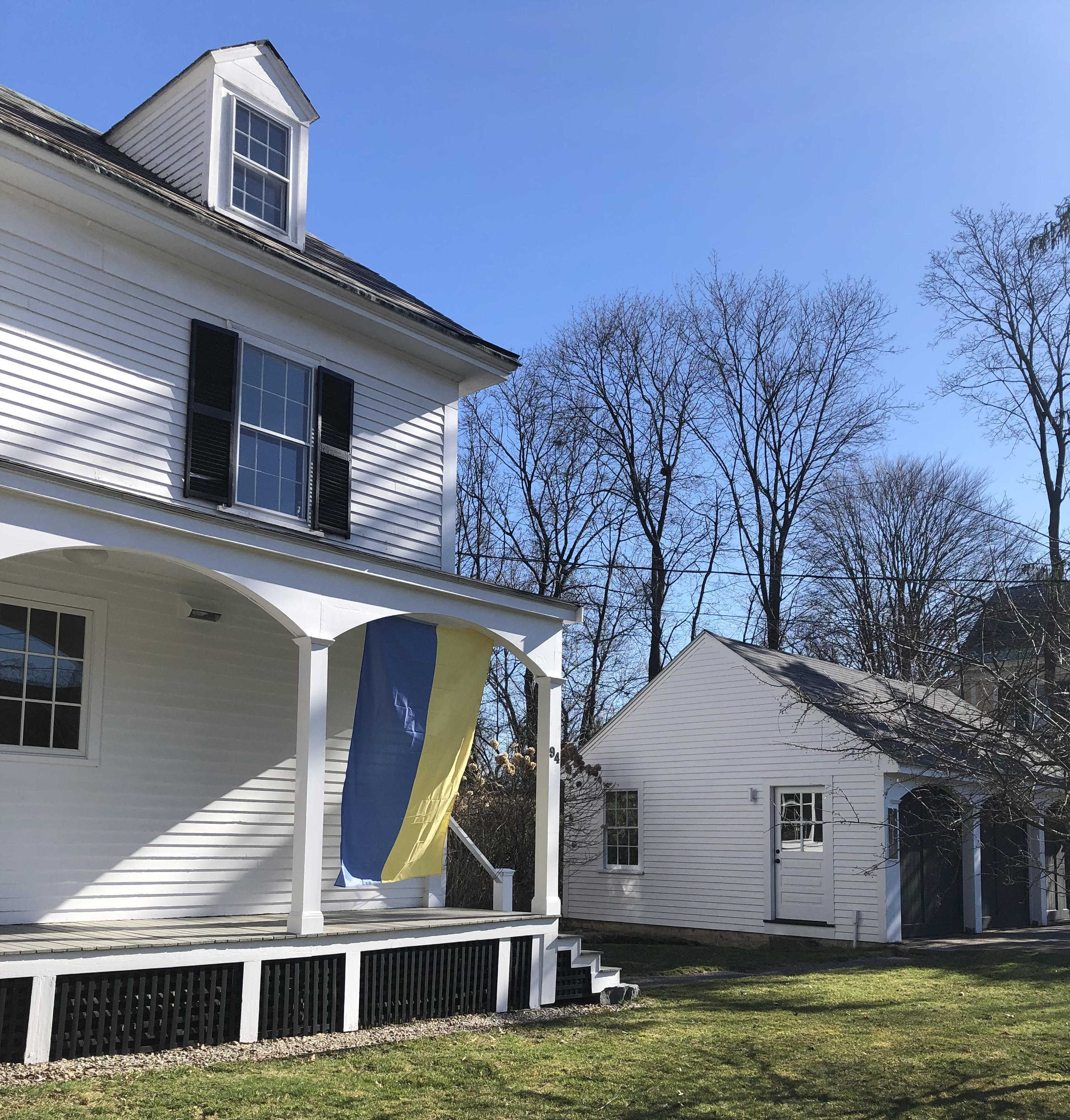
Note that signs of Ukraine solidarity are popping up everywhere. You might be interested in a Kyiv messaging project that Asakiyume and I (and many other volunteers) are working on. Podcast here.
Read Full Post »

Suzanne’s mother-in-law, known on this blog as Stuga40 (see selfie below), flew from Sweden in March to hang out with family in Providence for a few weeks. She brought along her artist’s eye.

My husband and I had many nice walks with her, outdoor lunches, indoor conversations, and playtimes with grandchildren. Because of Covid, it had been three years since we’d seen her.

I wanted to share a few of Stuga40’s photos with you because I liked them so much.

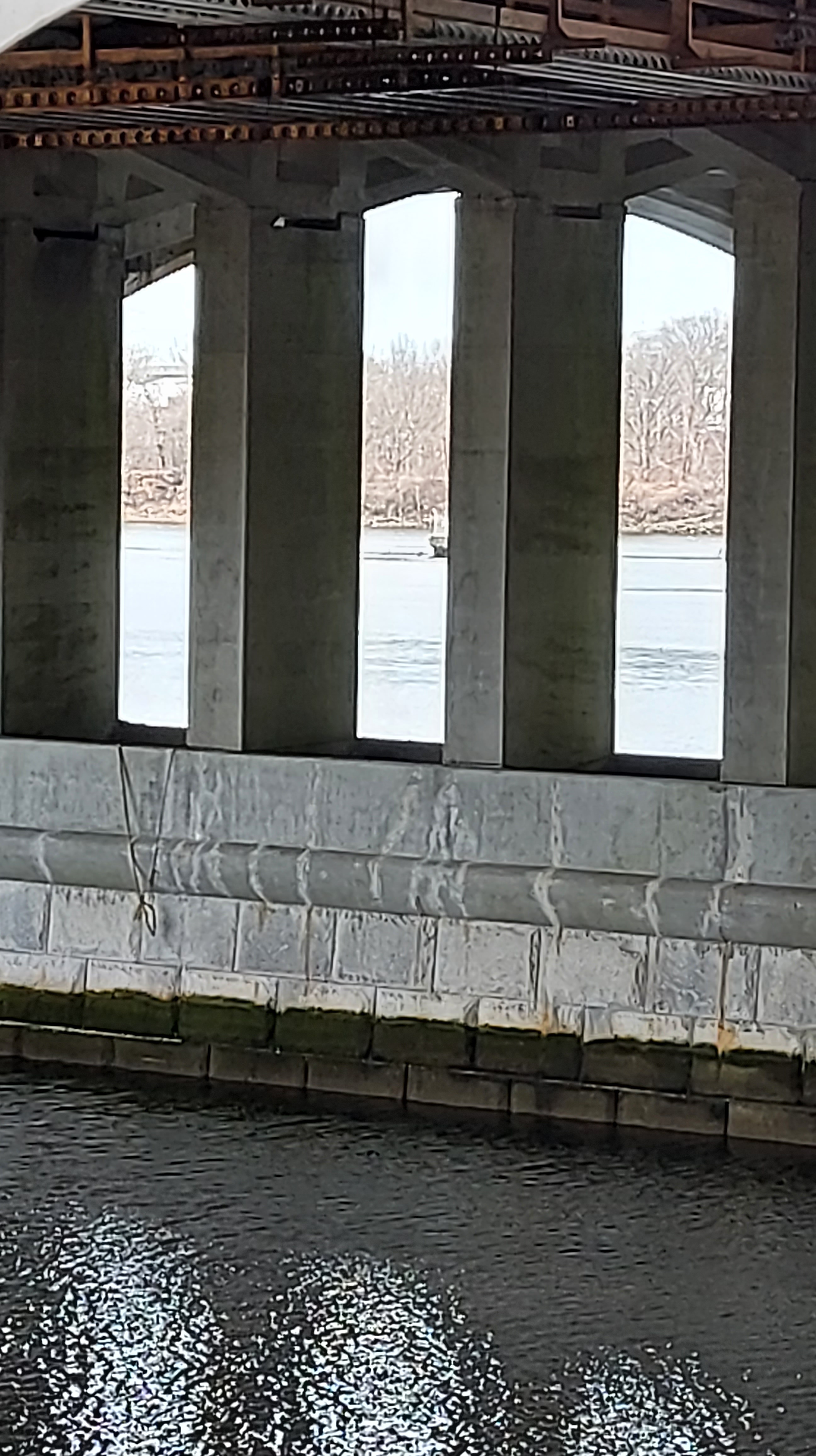
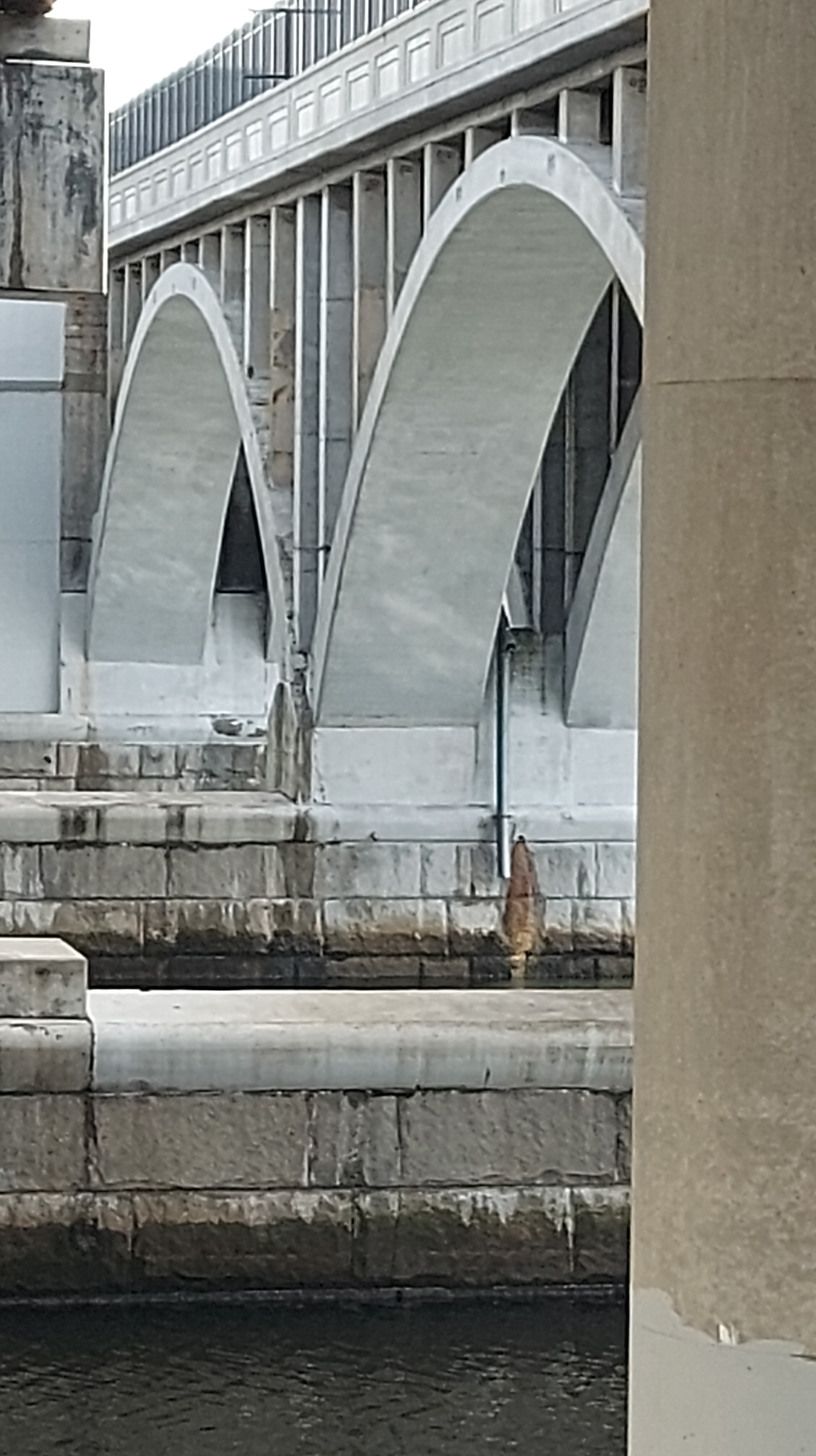
Above, you see a view under the I-195 bridge over the Providence River, where a new bike trail passes. It reminded me of artists like Charles Sheeler, whose work was among those we saw on a rainy-day visit to the RISD [Rhode Island School of Design] Museum.

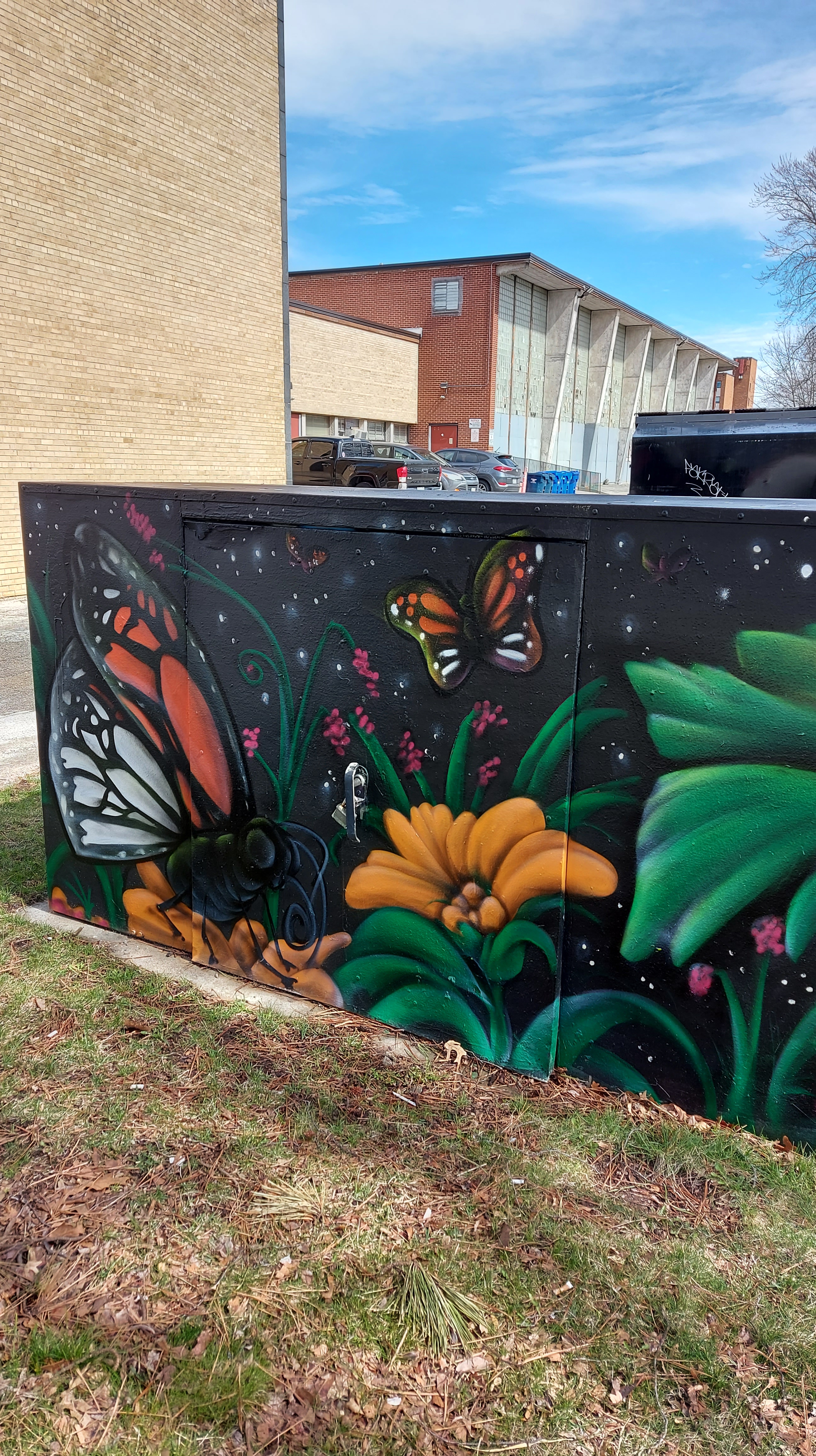
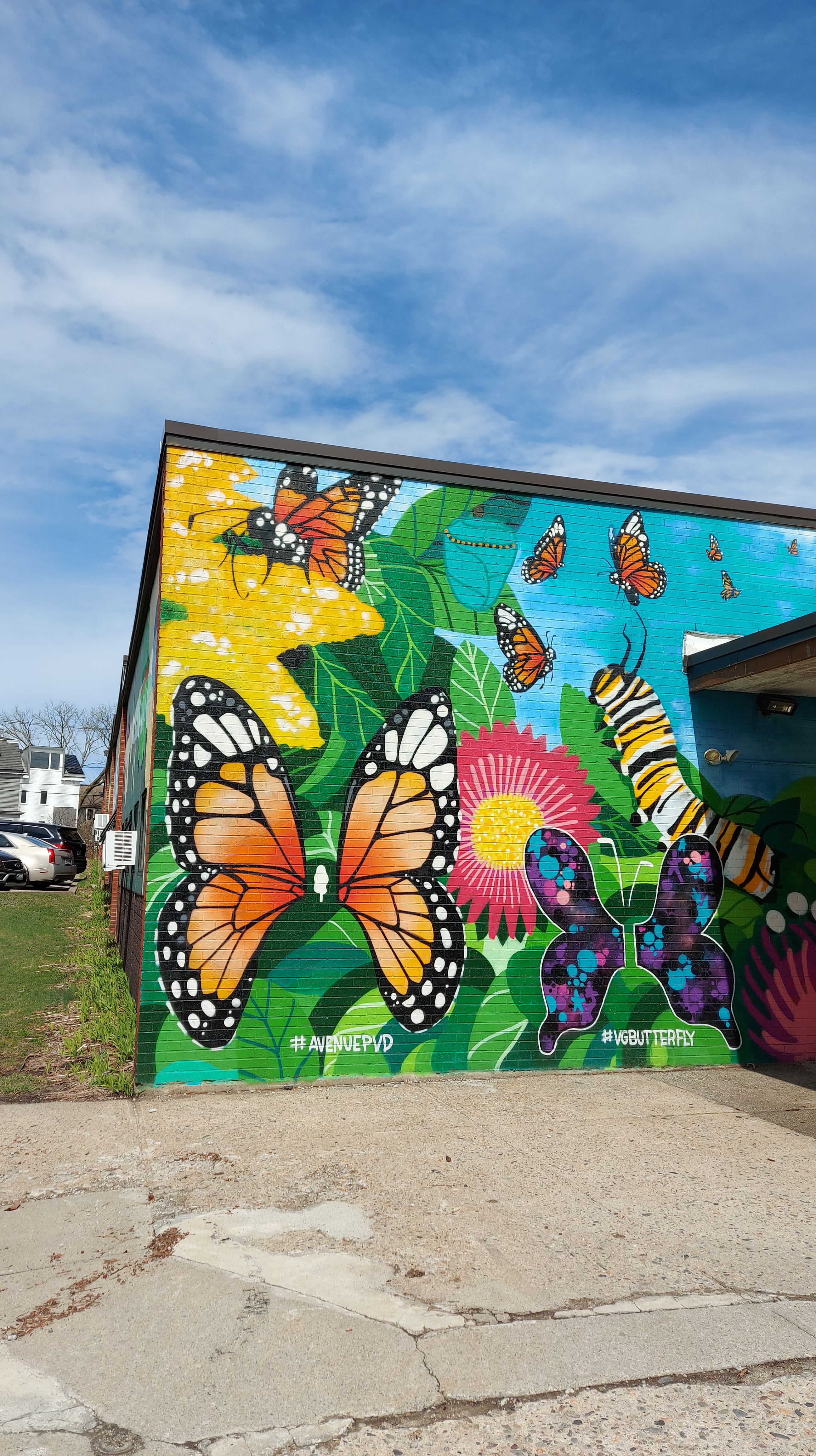
She also took shots of random things that intrigued her: utility-box art, a large mural, and the plant life we have all around us but don’t always notice.

When Stuga40 gets back to Sweden, I know she will continue to apply her connoisseur’s eye to the photos she takes on her walks around Stockholm. I hope to have some more to show anon.

Read Full Post »

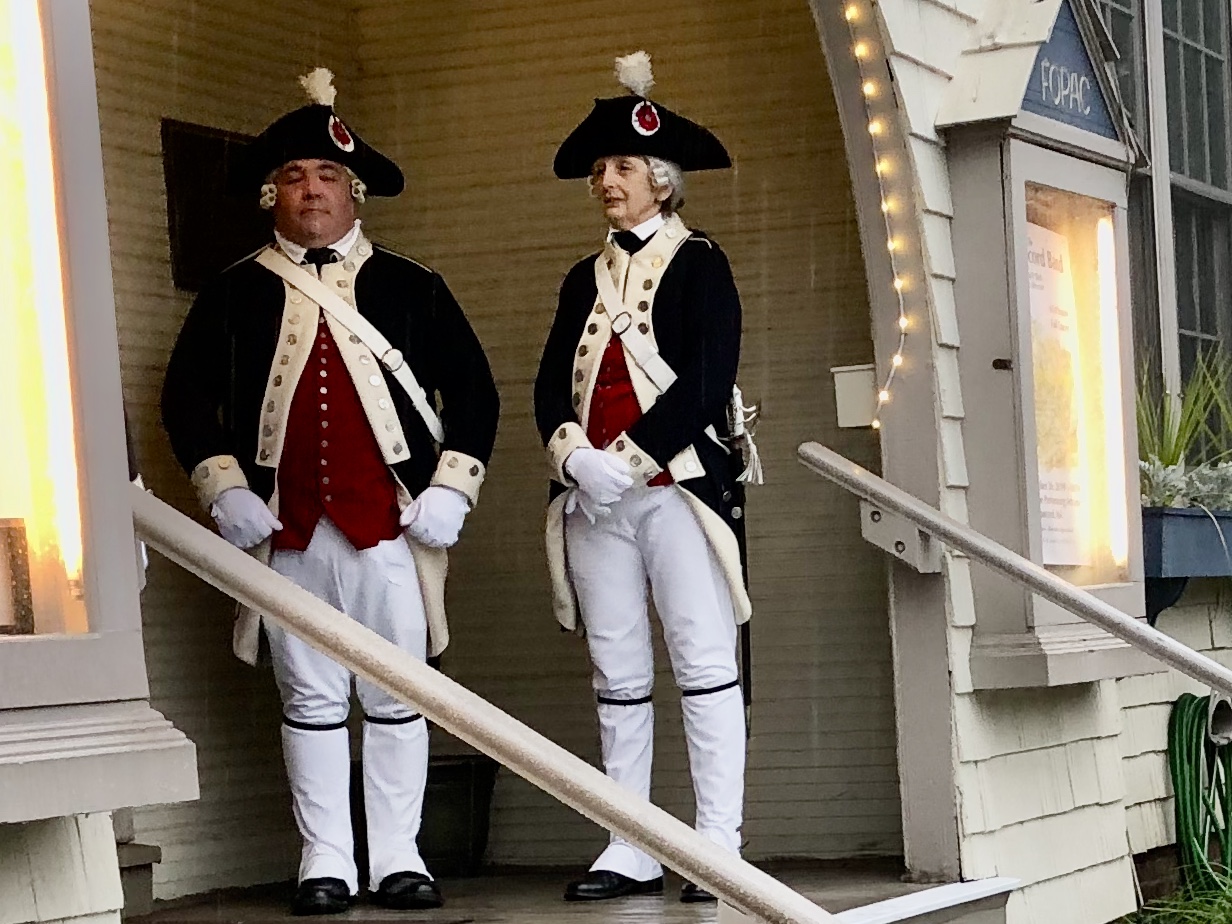
102719-Middlesex-Volunteers

I was hurrying along Walden Street on a cold and rainy Sunday, awkwardly carrying parcels and a heavy umbrella, when whom should I see but a couple of historical reenactors. So of course I had to put everything down in the damp and find my phone to take a picture. I still don’t know what the occasion was for the guys above or who they were supposed to be, but this sort of thing happens all the time where I live.

Here are a few more photos, going back to October.

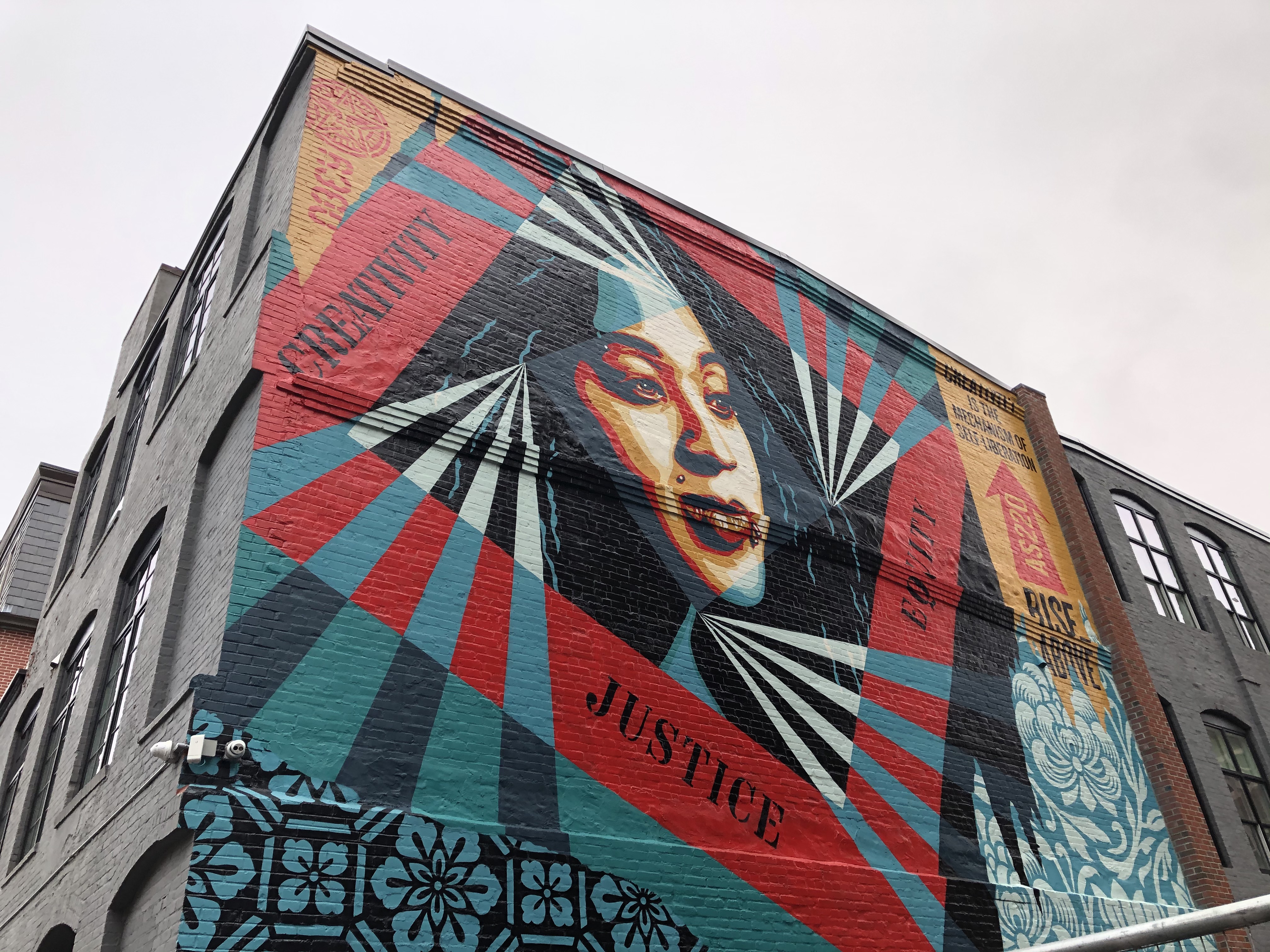
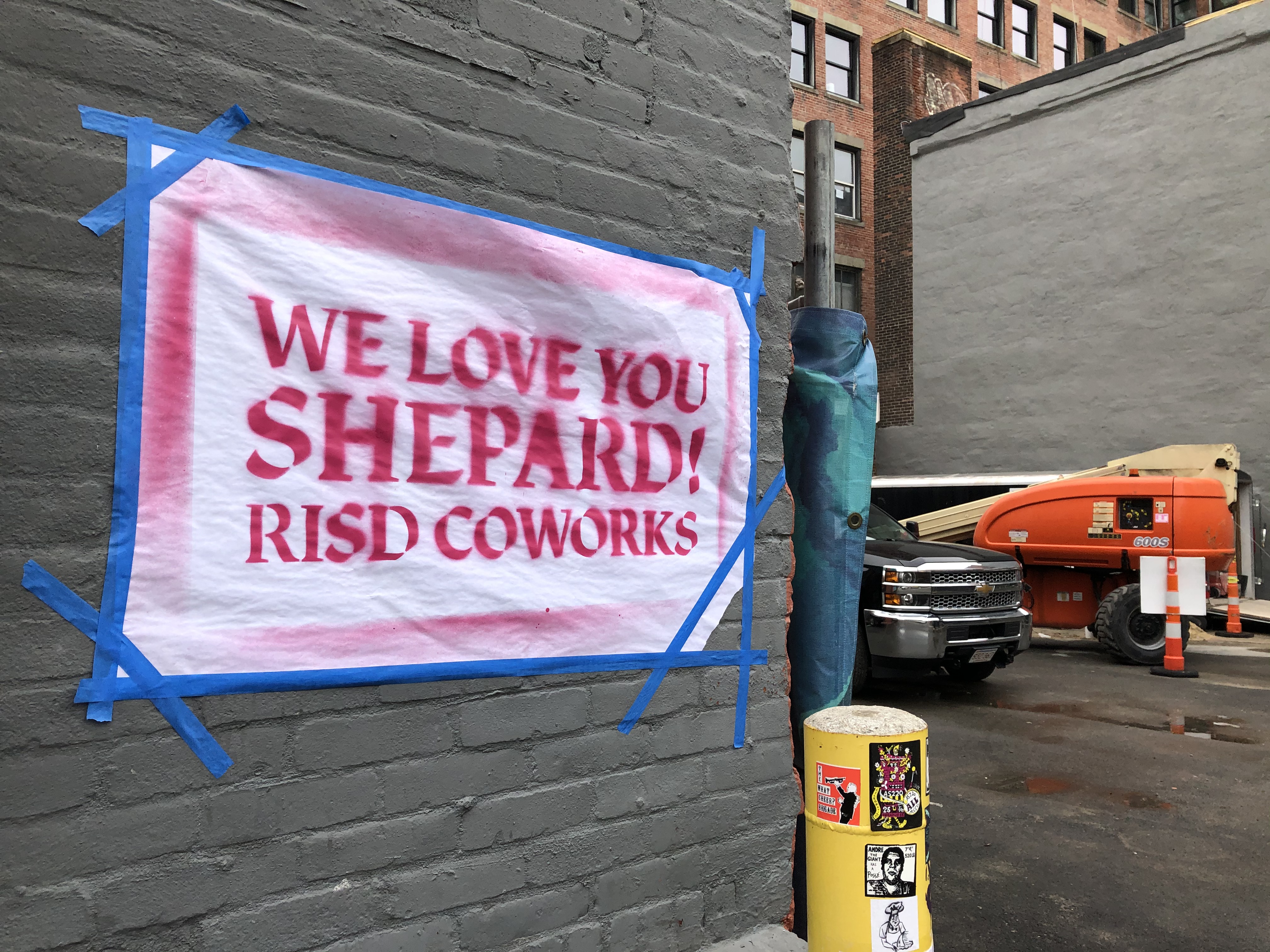
First, I wanted to show you the finished mural by Shepard Fairey in Providence. I posted the work in progress here. The sign by RISD Coworks is just one example of the welcome that Providence and the Rhode Island School of Design give to artists in general.
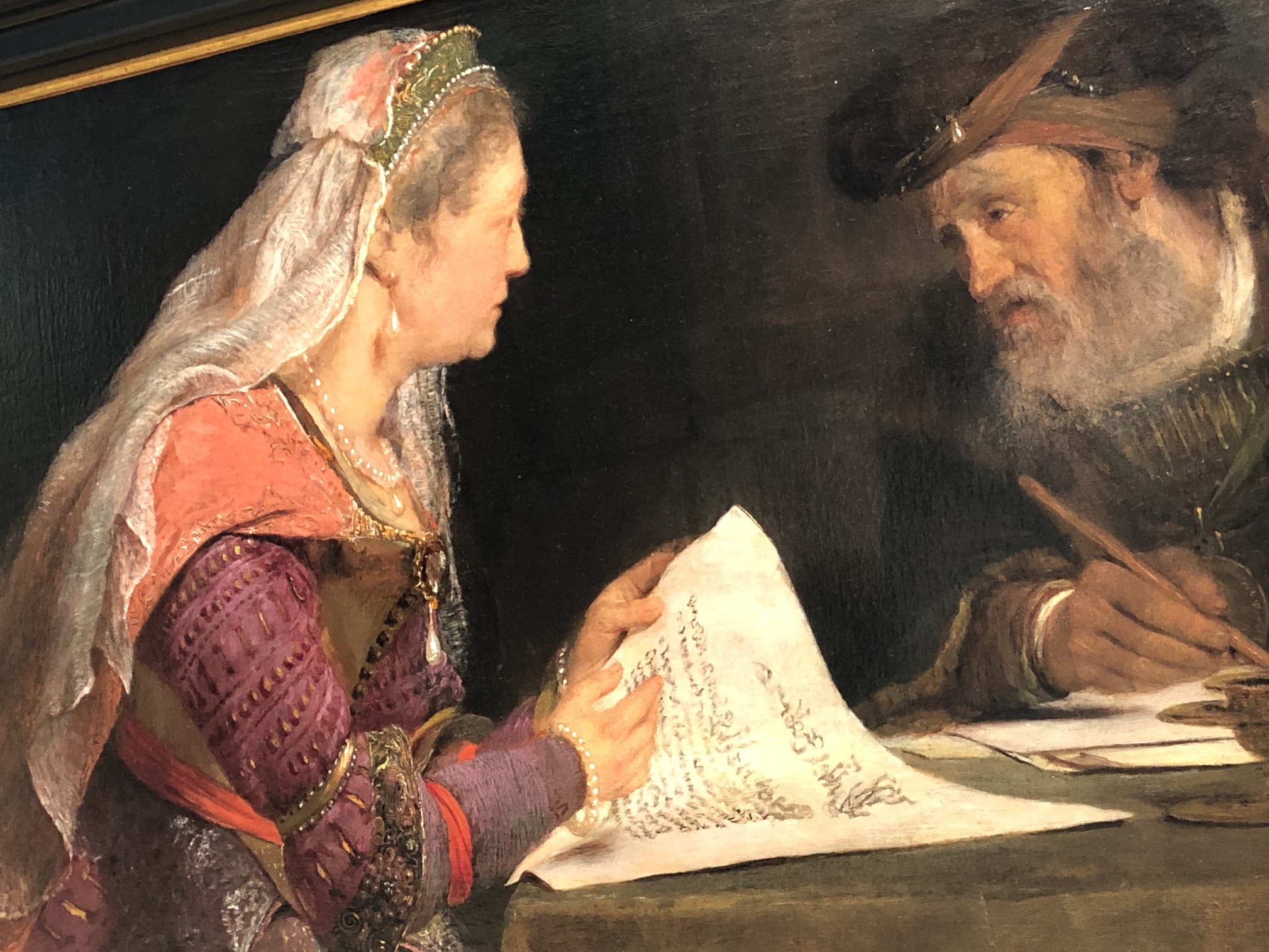
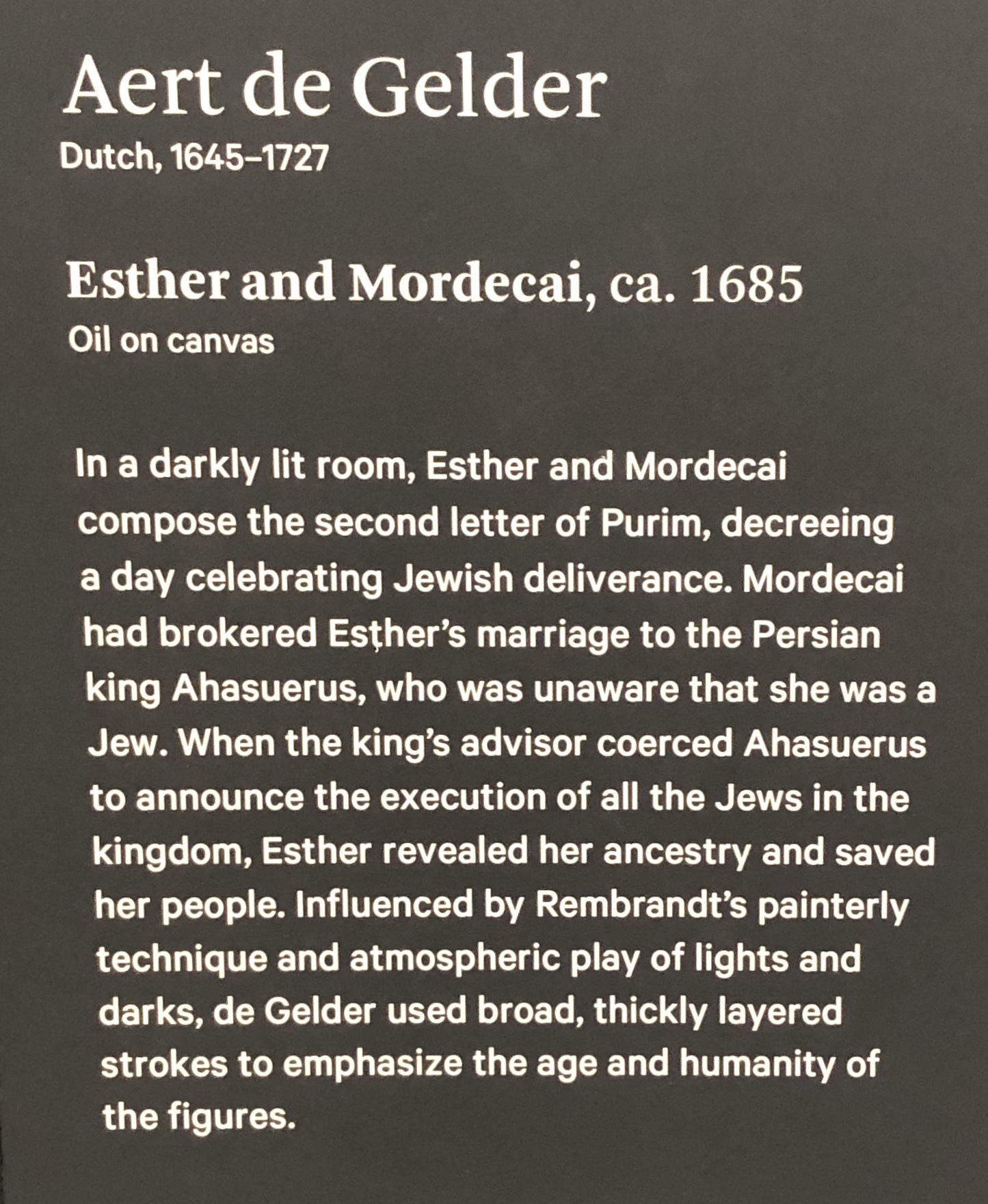
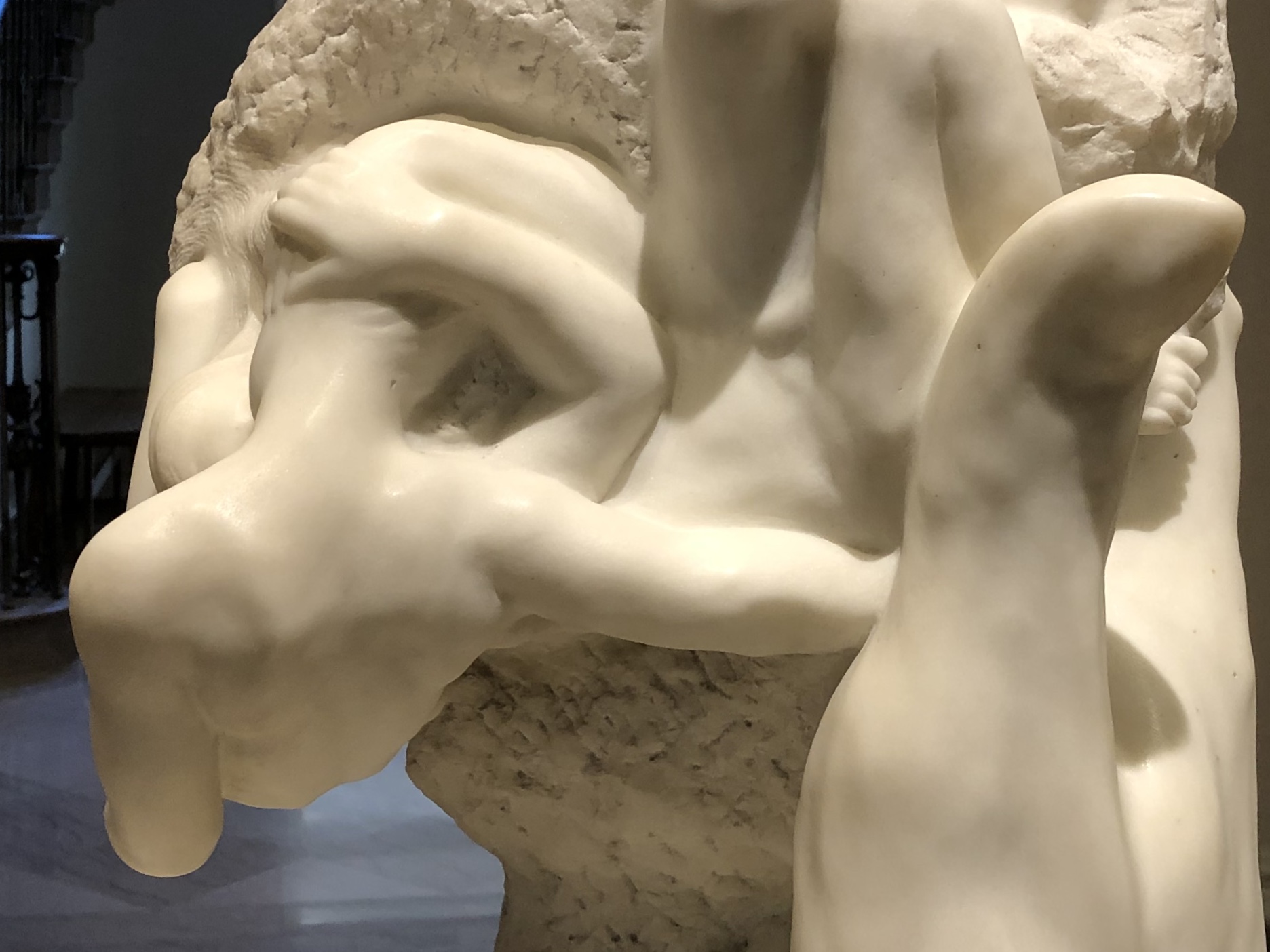
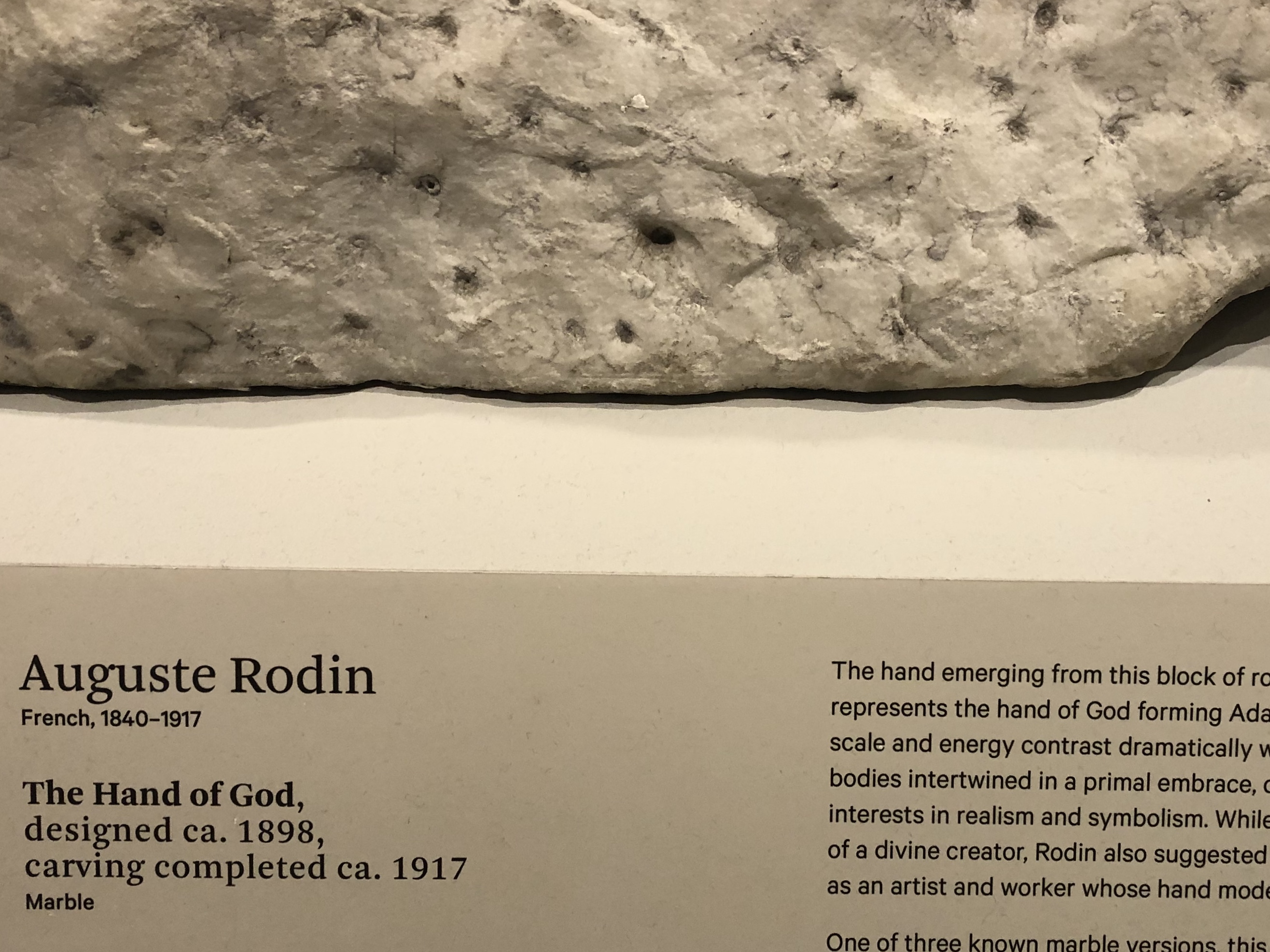
And speaking of RISD, my husband and I took my sister’s husband to the RISD art museum at Thanksgiving, and he loved it. I took pictures of some art I liked below, but I also want to tell you about an auditory installation that meant a lot to us.

In one room, a museum guard pointed out a circle of chairs on a dais and an old-fashioned microphone. You could vaguely hear a tape of voices looping softly in the background. The guard said that one could speak into the microphone and in a few seconds, one could hear the words projected and amplified. I stepped up and said to my sister, who died in September, “Hey, Nell, wherever you are. We’re thinking of you.”

The effect of hearing those words resonate around the room a moment later was spectral, indescribable. We felt we were communicating.

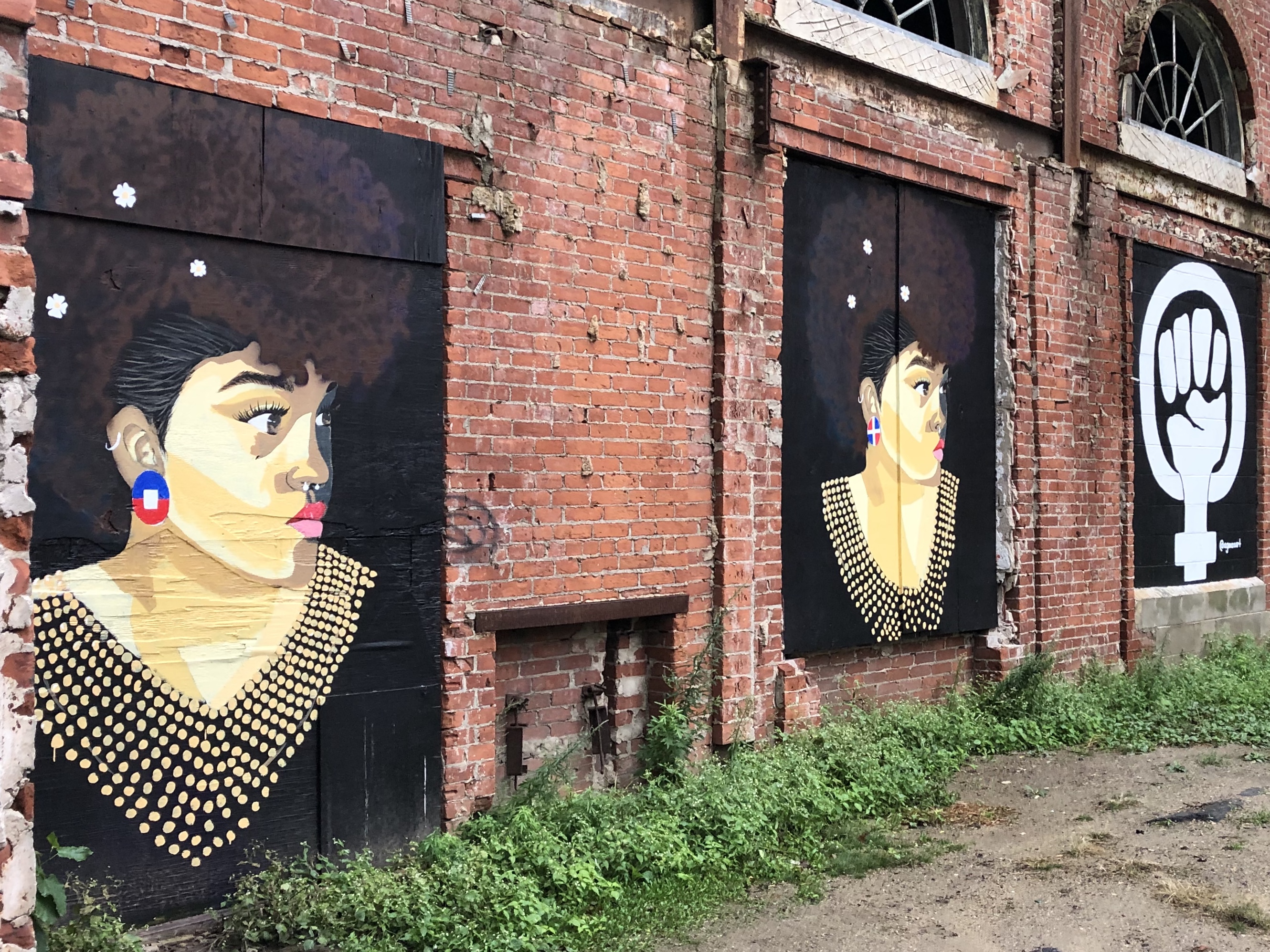
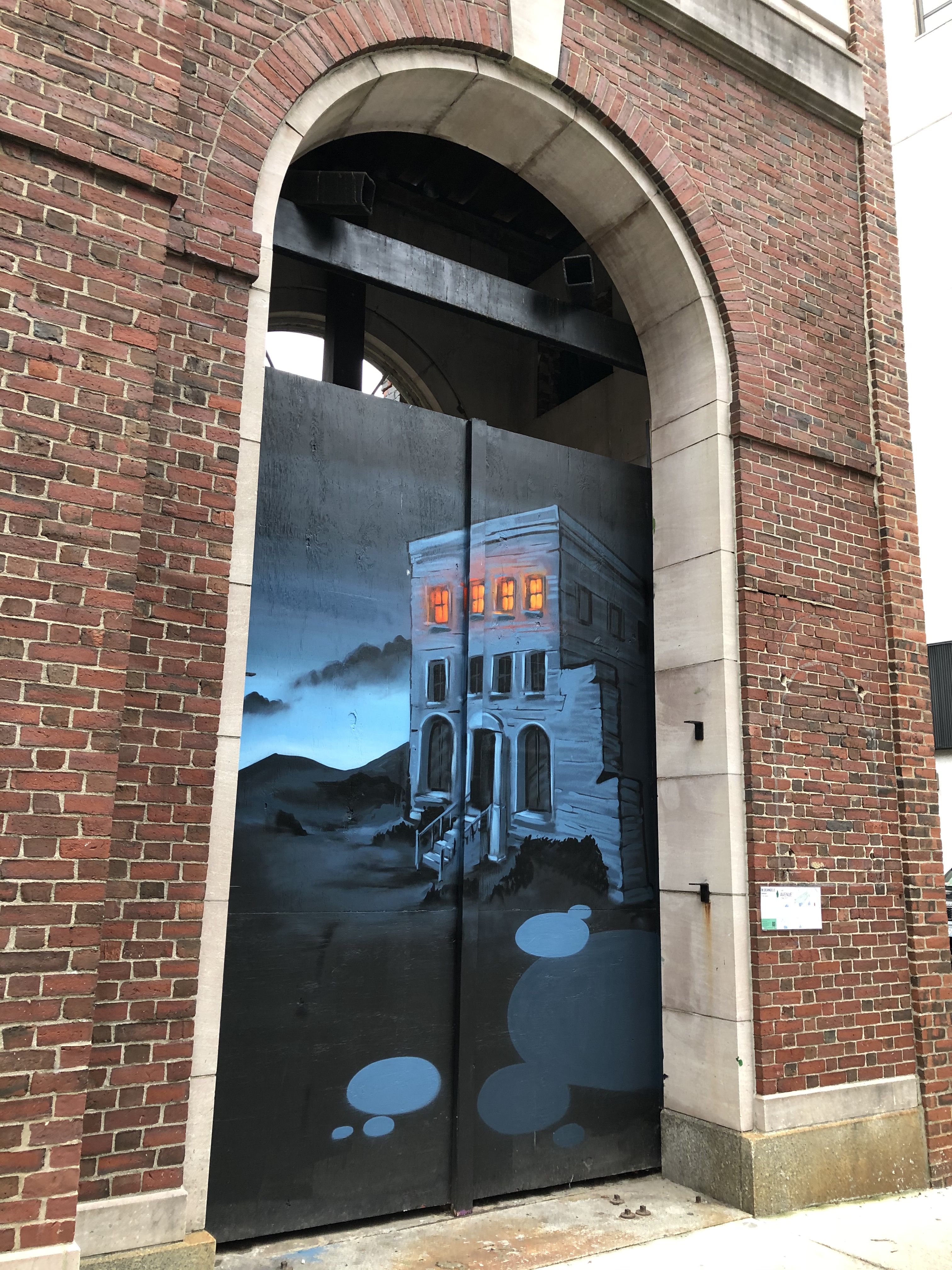
I close with the ruined wall in Providence that features a constantly changing array of artworks. And then one of my shadow pictures, this one taken in late afternoon in the local cemetery.

102919-finished-Fairey-mural-RI

102919-Fairey-fan-club

112919-Esther-and-Modecai-at-RISD

112919-Esther-and-Mordecai

112919-Hand-of-God

112919-Rodin-at-RISD

102919-strong-woman-mural-on-Weybosset

102919-glowing-haunted-windows

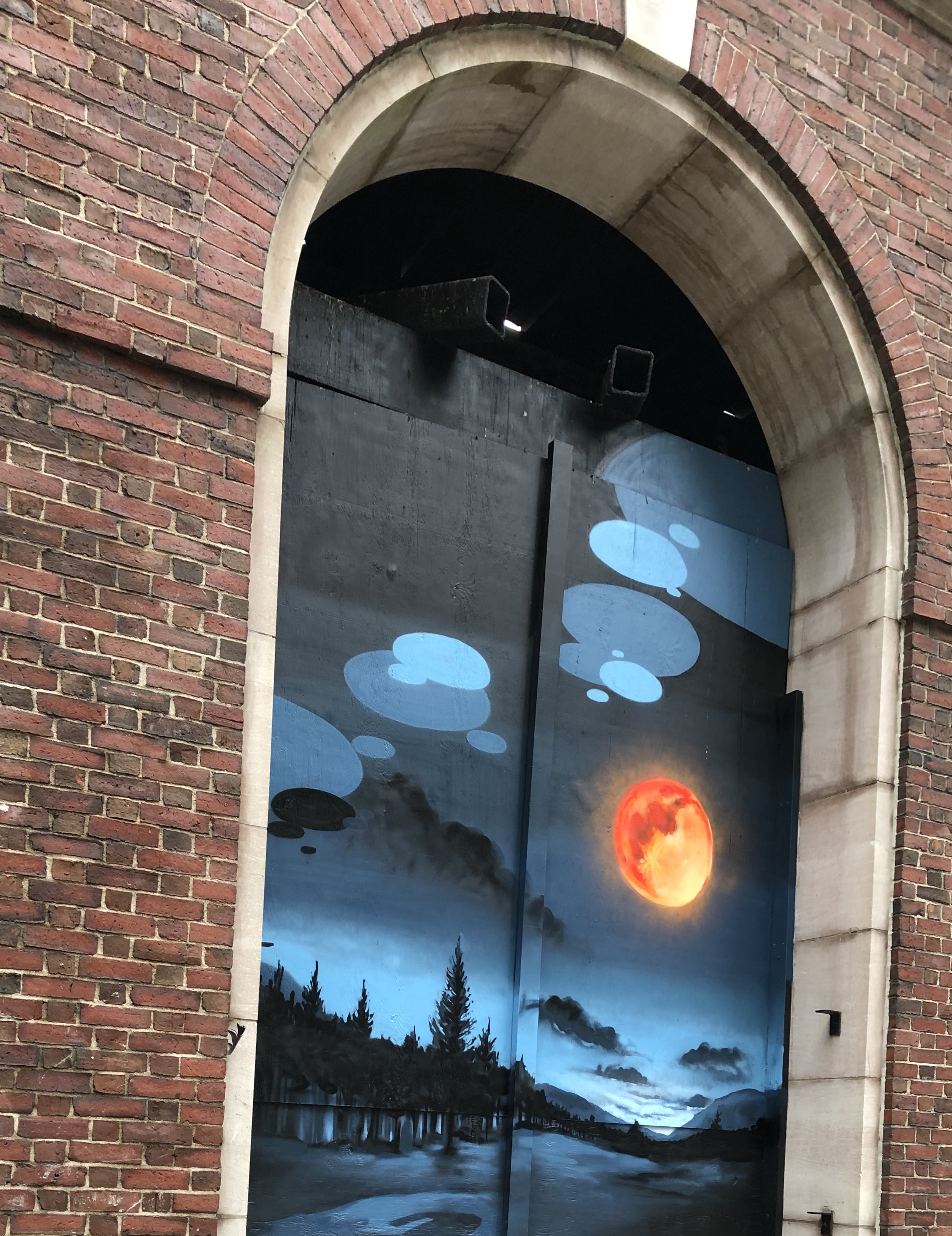
102919-blood-moon-mural

112119-late--afternoon-cemetery-2


Read Full Post »

payment-720x478

Photo: Jay Simple
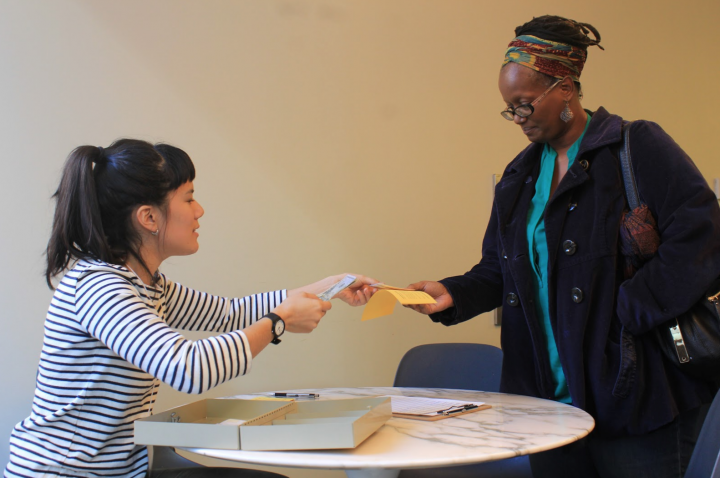
Artist Maia Chao pays a guest critic $75 in cash at the end of a 4-hour visit to the Rhode Island School of Design Museum.

The Rhode Island School of Design and its museum are justly famed for cutting-edge art and ideas. In this Hypoallergic story, Laura Raicovich speaks with Maia Chao and Josephine Devanbu, the founders of Look at Art. Get Paid., a program that pays people who wouldn’t otherwise visit art museums to visit one as guest critics. It premiered at RISD.

“Critique is a hallmark of the art field,” writes Raicovich, “yet the vast majority of cultural critics, curators, museum leadership, and museum visitors are affluent and white. What is critique without diversity? What possibilities and truths are we missing?

“I was fortunate to meet artists Maia Chao and Josephine Devanbu, who launched the pilot of an ingenious way to approach these questions called Look at Art. Get Paid. (LAAGP), in 2016 at the RISD [Rhode Island School of Design] Museum. The initiative is a socially engaged art project that pays people who wouldn’t otherwise visit art museums to visit one as guest critics of the art and the institution, flipping the script between the institution and its public, the educator and the educated, the paying and the paid. In the next year, they will embark on an expanded campaign to launch LAAGP simultaneously across a regional cohort of three to five art museums in the US. …

“Hyperallergic: What is the origin story of LAAGP?

“LAAGP: We started LAAGP when we were both students at the Rhode Island School of Design (RISD). We were grappling with the relevance of our chosen field to our wider communities. We believed in art making and cultural critique as vital sites of collective meaning-making and world-building, but felt frustrated by how access to the majority of resources and infrastructure to sustain ambitious projects was constrained to a (mostly white and affluent) initiated few. We asked each other, what would a critique environment look like if you didn’t need to be an insider to be in the room? We were curious to test out how we might use our institutional access and artistic license to move funds that would normally circulate within RISD out into the community. We launched our pilot in 2016 at the RISD Museum. …

“Paying people in cash to visit a museum names the elephant in the room: wealth, specifically the wealth accumulated by beneficiaries of the transatlantic slave trade, and the way this wealth continues to shape whose cultural production gets prioritized.

“As with any group of people, some enjoyed their experience and others didn’t. One critic took a picture of her favorite painting on her phone to get printed at Walgreens and hang it up in her living room. Others found the experience reaffirmed their assumptions that museums are boring.

“But beyond like and dislike of the experience, there was a general feeling amongst critics that the museum is ‘addressing a certain kind of person’ — namely white people and people with money. Throughout our conversations, the topic of belonging featured prominently, and one critic said, ‘maybe this place isn’t for me.’ Another critic articulated that they just didn’t feel like they had ‘bandwidth for another white space.’ When discussing what changes the critics would like to see, most agreed the museum would have to better represent POC [people of color] in their collection, improve language accessibility, advertise in their neighborhoods, and make the experience less intimidating.

“However, there were some critics who felt energized to help the museum. For instance, one critic, a sign-maker, said he’d love to help the museum improve their signage. Another critic — an organizer from Direct Action for Rights and Equality — suggested having cookouts at the museum. We’ve been working with these critics to commission local artists to engage these ideas. …

“Critic Samanda Martínez said, ‘Están cuidando más a las imágenes que a nosotros/They’re taking better care of the paintings than they are of us.’

“It’s one thing to know that a space isn’t welcoming to another person, but it’s another to hear directly from someone who has felt unwelcome. In general, our goal as artists is to make that experience legible and valid, in order to create more urgency and disrupt usual practices that need to change. ” More here.
Read Full Post »

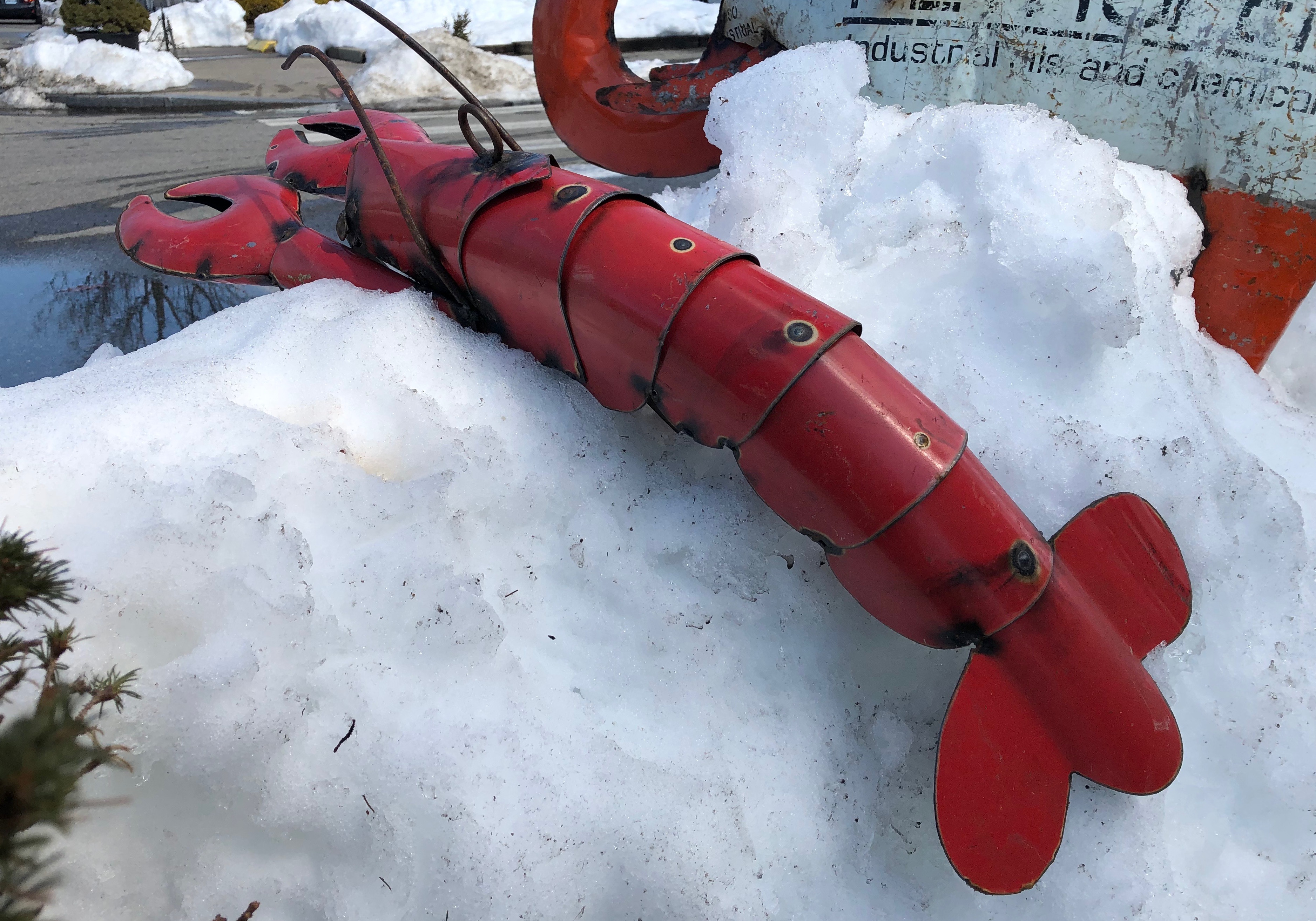
031119-lobster-on-ice

The quirky Frog & Toad shop on Hope Street carries a variety of these funny metal creatures. This lobster on ice is an especially good one for New England.

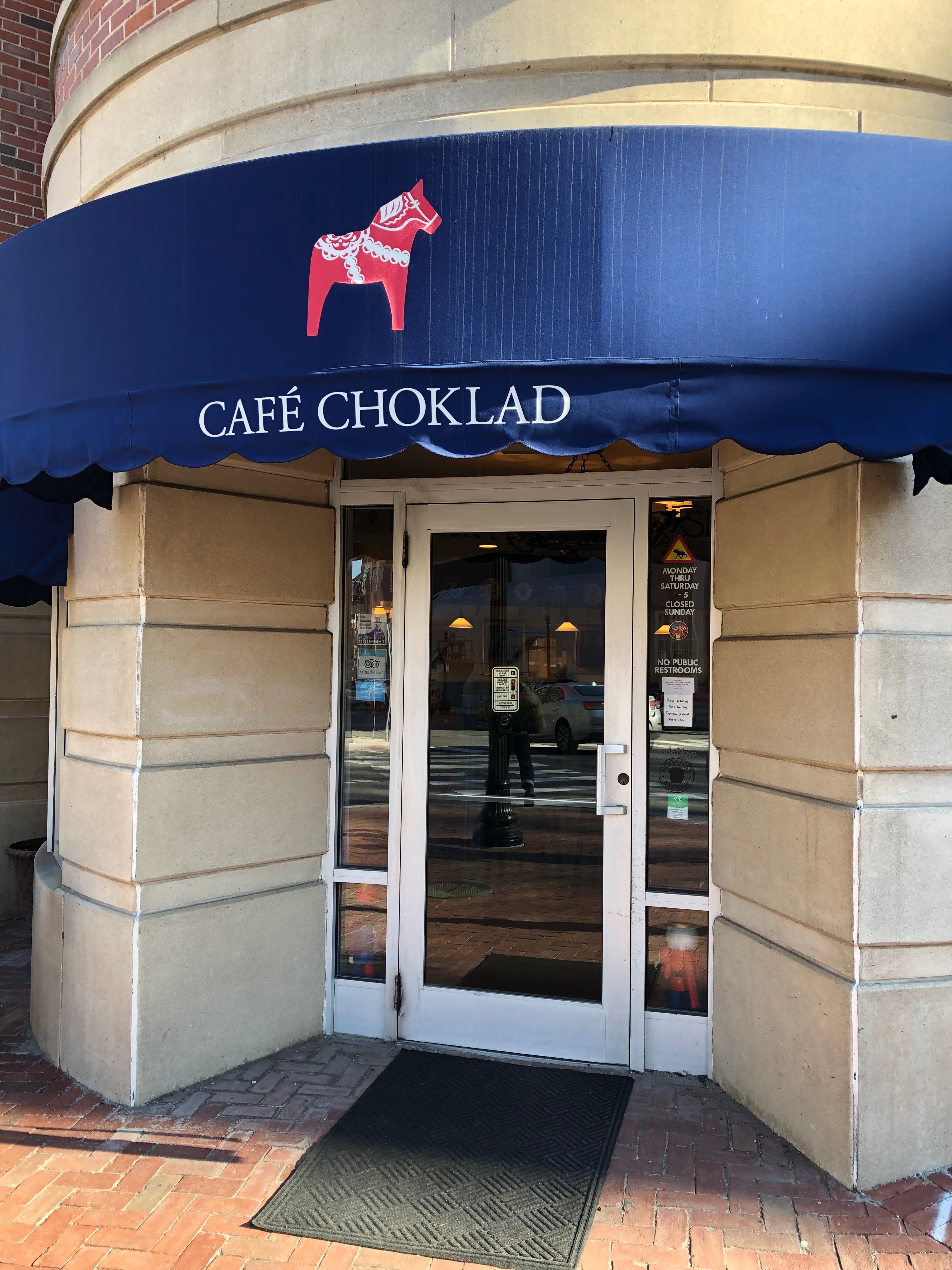
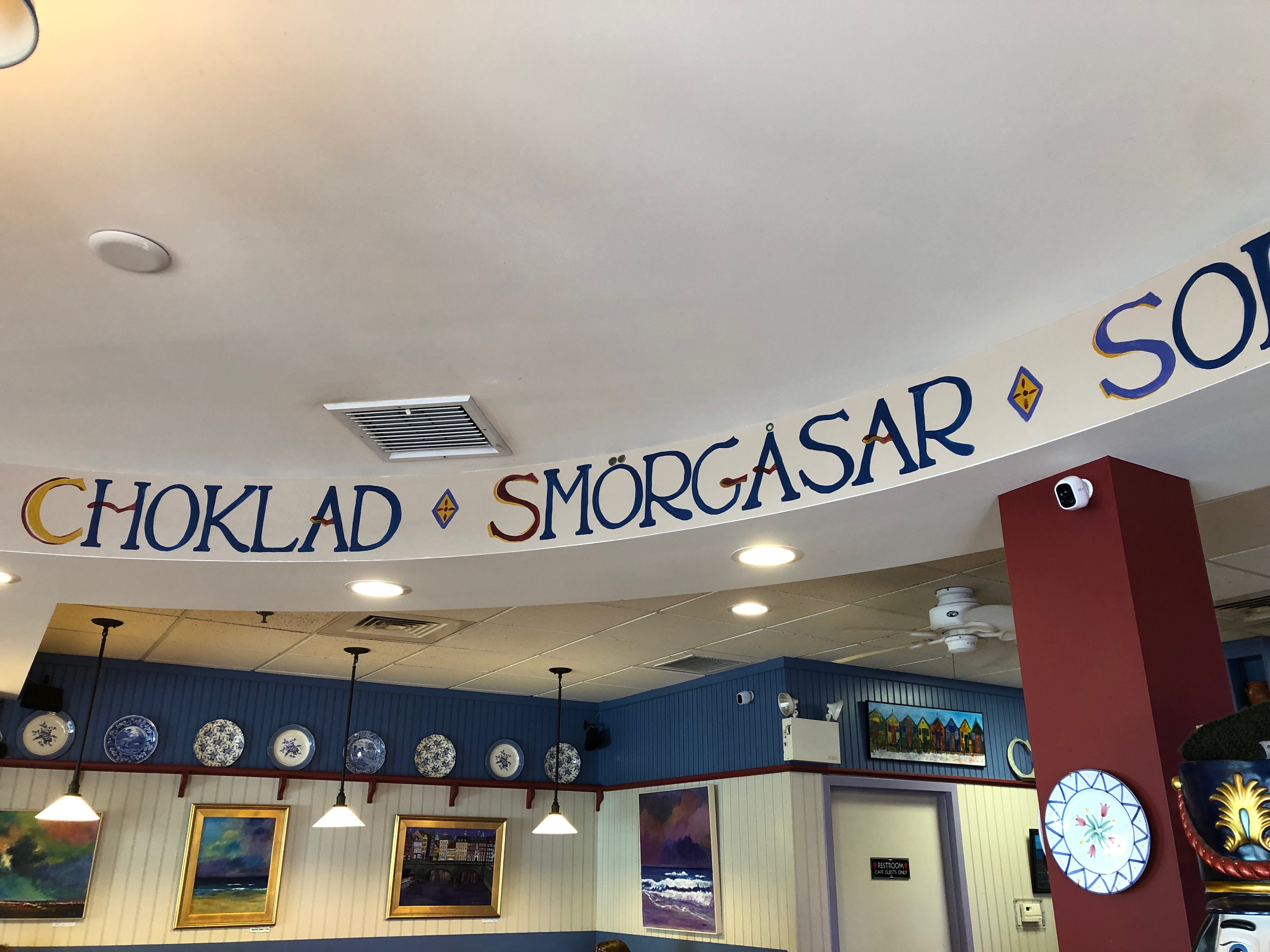
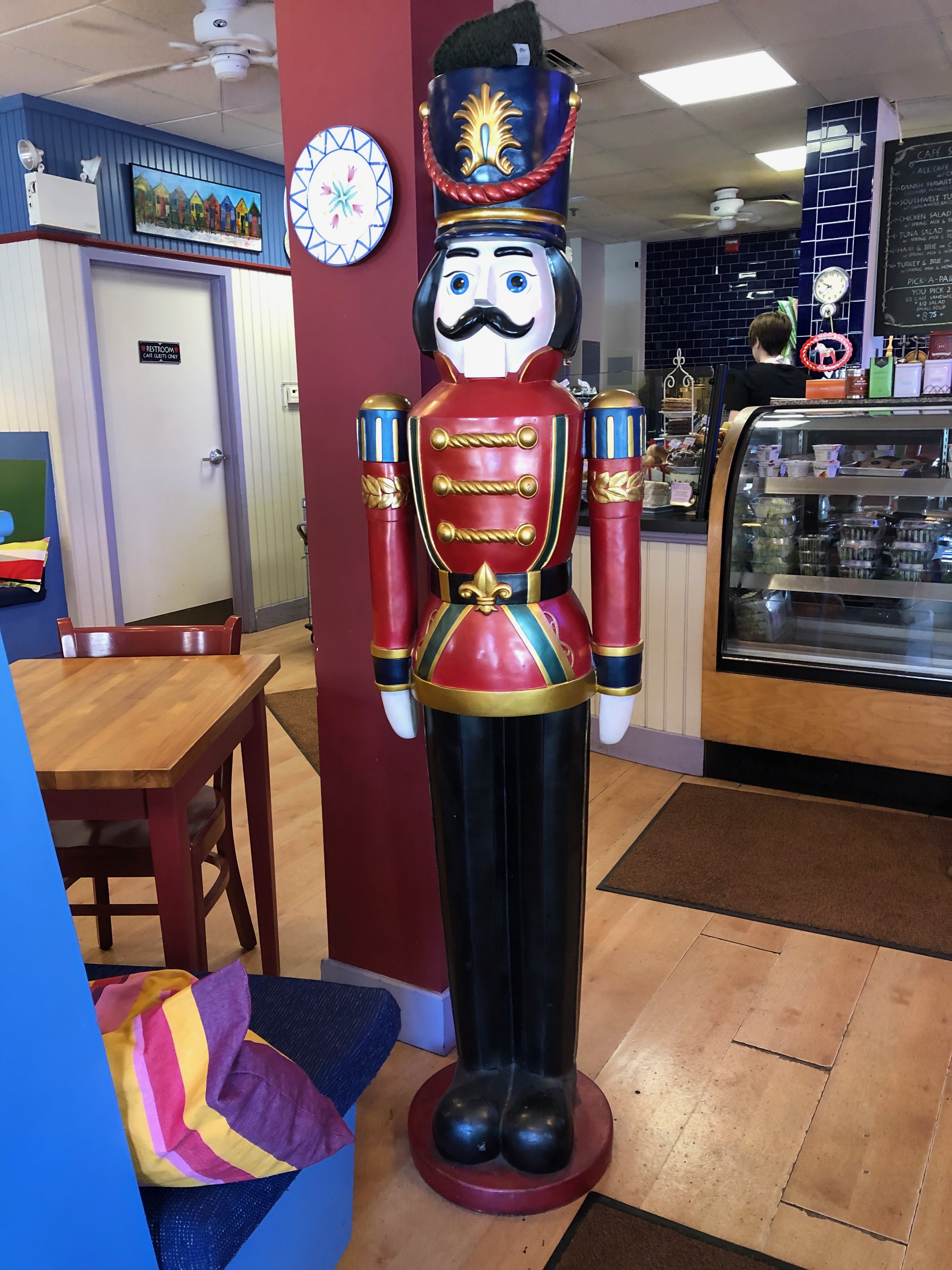
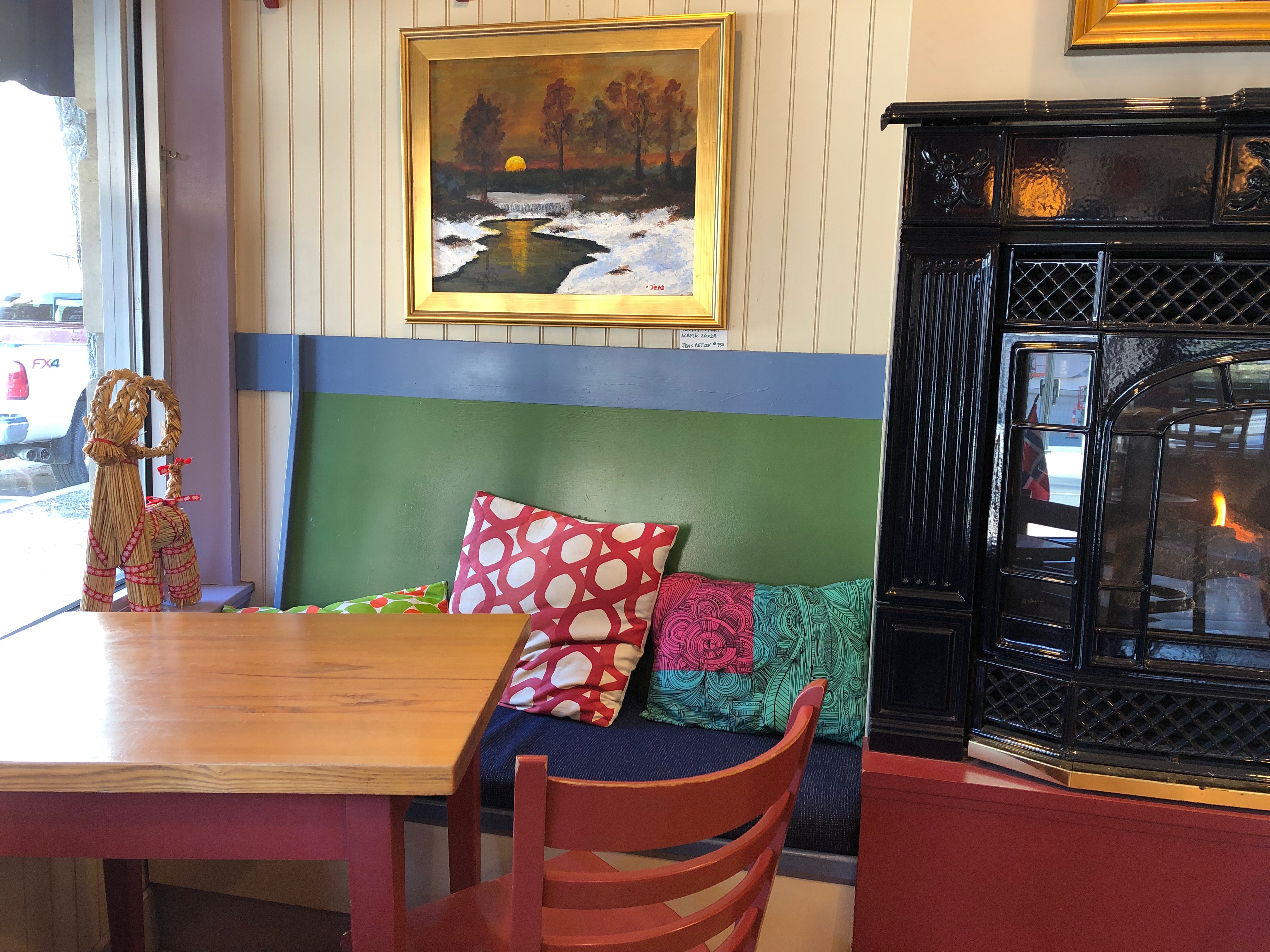
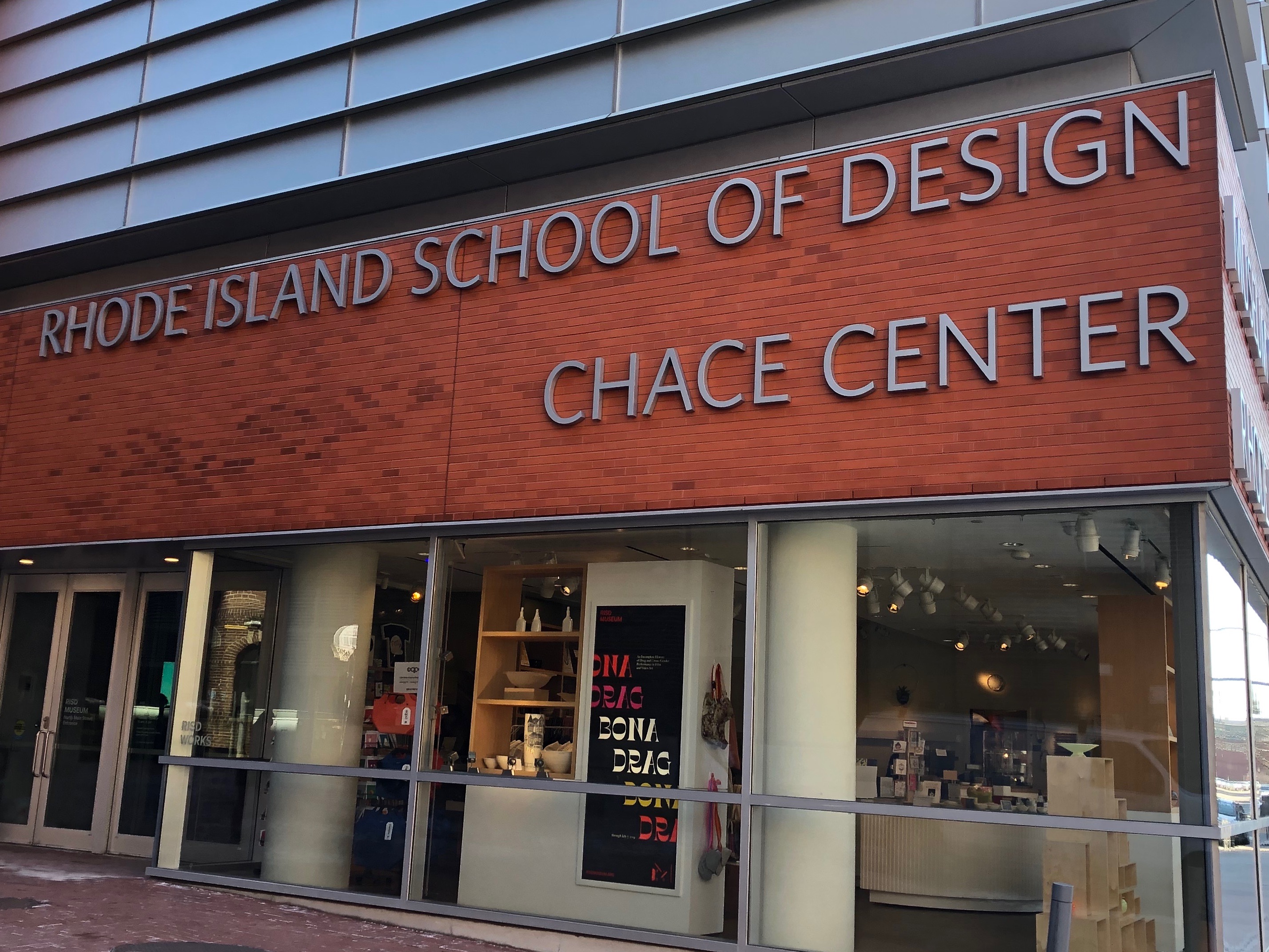
Most weeks when I am in Providence, I volunteer at Dorcas International Tuesday morning and at the Genesis Center Tuesday afternoon. Last week, because Dorcas was doing its standardized testing, I had the morning off and decided to stop in at the Swedish-themed shop called Café Choklad and then at the nearby Rhode Island School of Design Museum. Here are a few photos of that morning and another day of Providence wandering.

031919-Cafe-Choklad-Providence

031919-Swedish-shop-in-Rhode-Island

031919-Swedish-soldier

031919-cozy-corner

031919-RISD-Museum_Providence

031919-inside-RISD-Museum

031919-Babylonian-lion-at-RISD

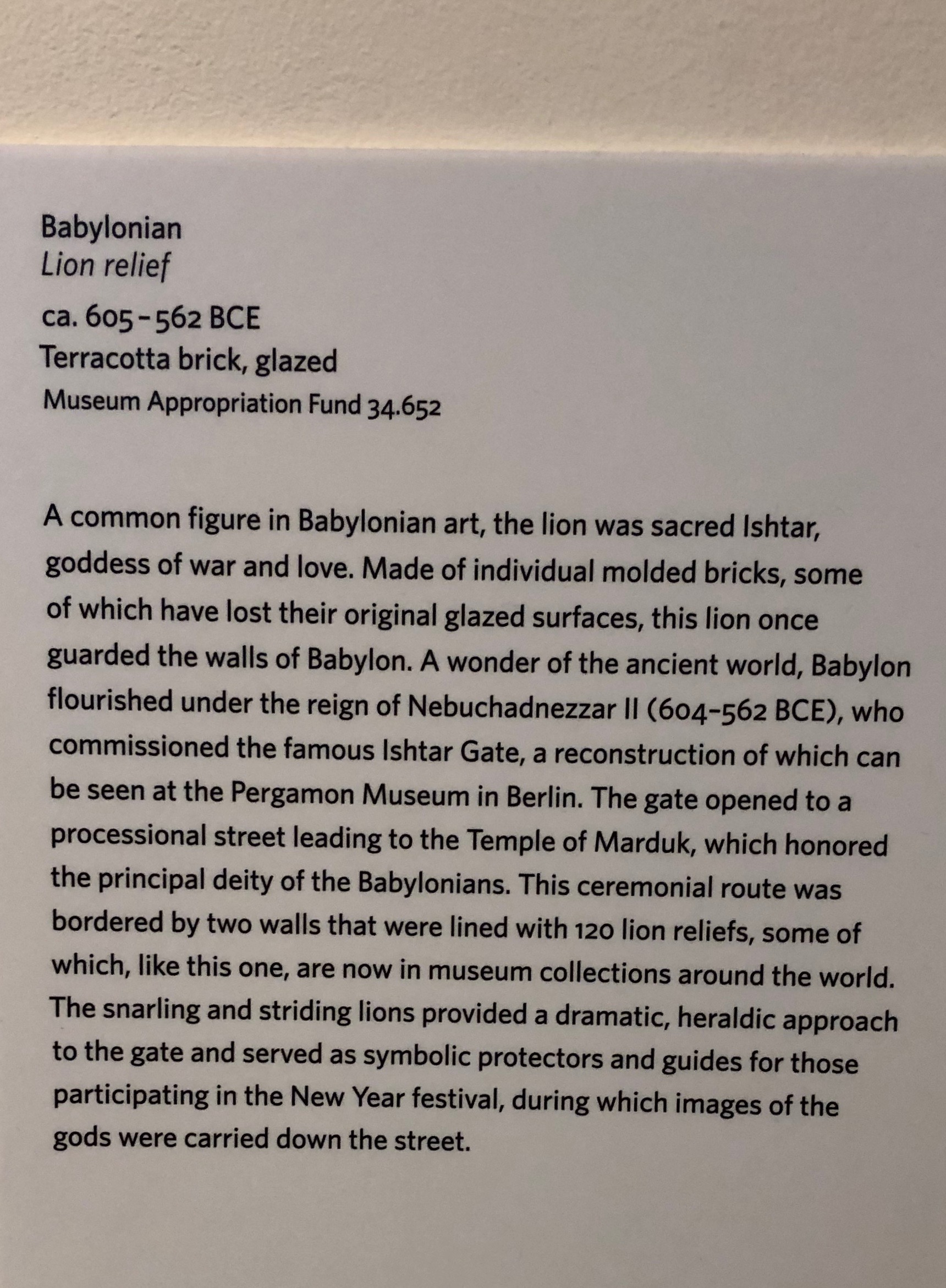
031919-Babylonian-lion-text

031119-warm-March-day-Providence

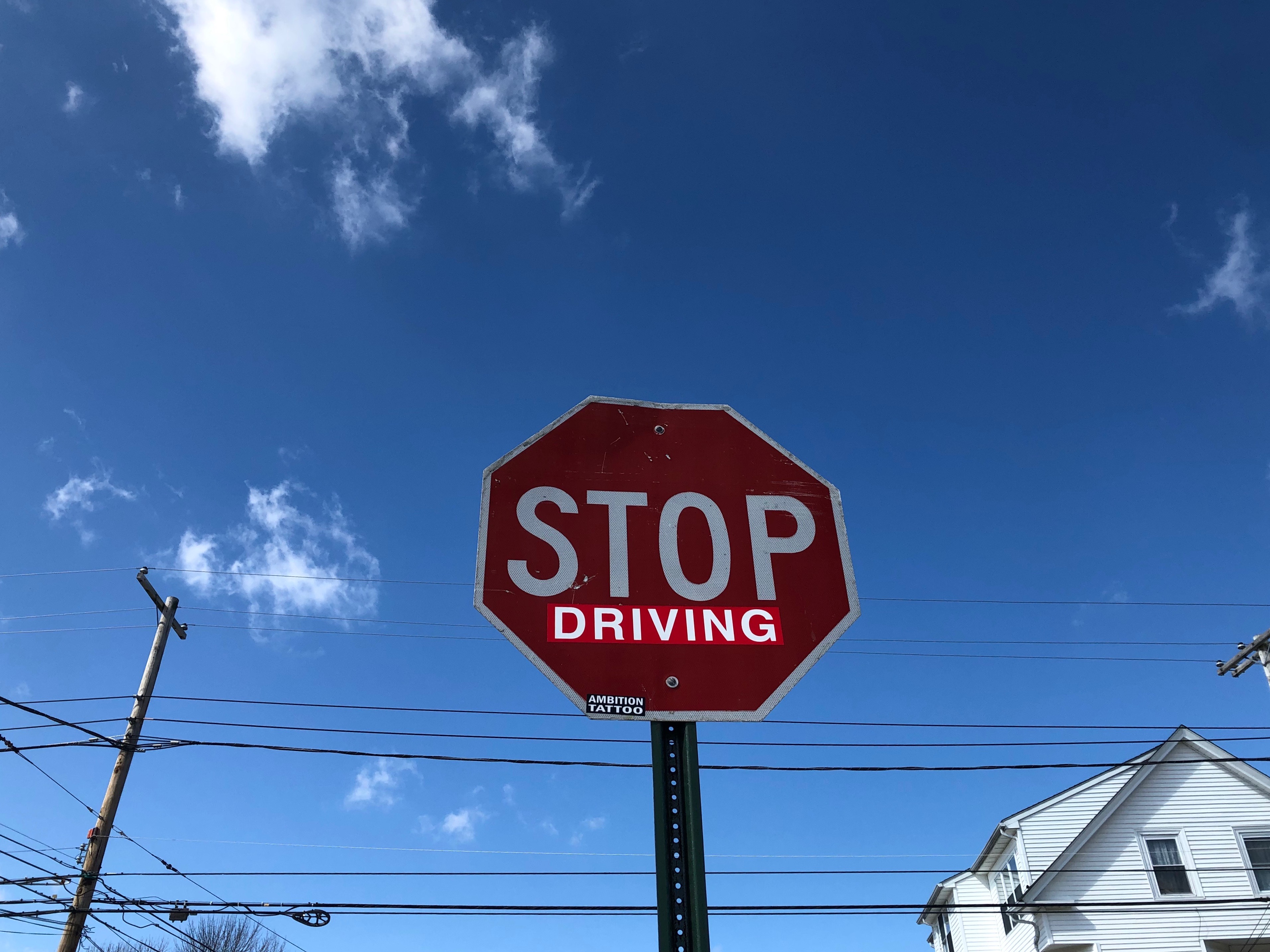
031119-stop-driving-sign


Read Full Post »

081716-3-little-pigs-Chez-Pascal

Here’s my latest photo round-up.

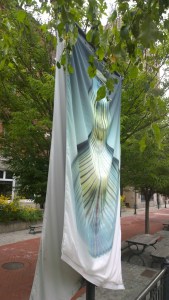
The three cheerful and unsuspecting little pigs are hanging out at Chez Pascal in Providence. French-inspired, the restaurant features wurst and local produce. The horse dancers grace a wall of AS220, an arts powerhouse. The Roy Lichenstein POW! art is on a Rhode Island School of Design Museum banner. I think the iris-like banner is of a vase.

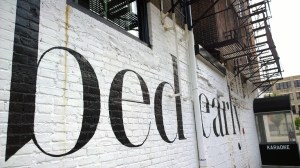
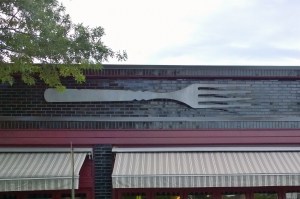
The “Bed Early” mural is part of a longer thought at the charming Dean Hotel. The skinny windows are just skinny windows. The fork, which I just noticed after several years of walking past, is on a Wayland Square restaurant called the Red Stripe.

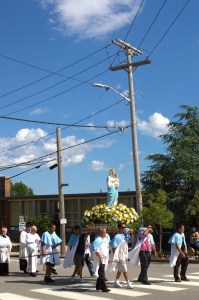
Providence is not all food and fun. If anyone can tell me what church was behind the Assumption of the Virgin parade on August 7, I’d be much obliged. It was impressive. I Googled everything I could think of. I can at least tell you that the guy waving the hat is George M. Cohan at Fox Point. A king of parades, he nevertheless probably composed no music for the one I saw.

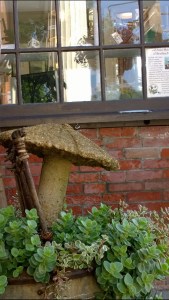
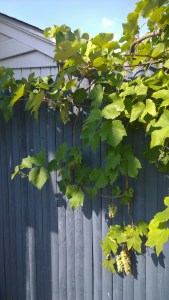
From Concord, we have a typical lichen-covered stone wall near the North Bridge, a garden ornament in the shape of a mushroom and grapes hanging on a blue fence.

Sometimes KerryCan tells me which photo she liked best. I’m always grateful for signs that someone’s reading.

081016-AS220-street-art-dancing-horses

WP_20160816_07_11_22_Pro


081616-RISD-Museum-banner

081016-Dean-Hotel-Providence-mural


081016-narrow-windows-Providence

WP_20160817_07_03_52_Pro


080716-Geo-M-Cohan-at-religious-parade

080716-religious-parade-fox-point-


080716-church-parade-providence

81116-lichen-stonewall-near-North-Bridge


081116-garden-ornament

081116-grapes-in-Concord

Read Full Post »

I gravitate to stories about older people who keep on truckin’ and don’t let age keep them from doing what they love.

Here’s one about a 102-year-old museum docent, who is being honored with a café in her name.

Chuck Hinman of Rhode Island Public Radio reported, “There’s something new at the Rhode Island School of Design in Providence … . Visitors to the [Rhode Island School of Design] Museum have been unable to use its Benefit St. entrance since mid-April, but that entrance now has been re-opened, as RISD unveils what it’s been working on these past few months: its first café, called Café Pearl, after one of the museum’s most dedicated and long-serving docents, Pearl Nathan.

“RIPR’s Chuck Hinman talked to the 102-year-old Nathan at her home in East Providence, about her long association with the RISD Museum.”

Hinman goes on to say Nathan is bemused by the café and her new fame. She tells him her “emphasis was on my art collection,” not the food.  She graduated with a degree in art history in New York. When she came to Providence, a friend got her involved in “touring with the children,” and she stayed on. For 70 years.

When Hinman asks who Nathan’s favorite artist is, she says she thinks she will surprise him: “I adore Francis Bacon!”

Now, that takes a certain kind of person, I’d say. A person open to experience. Listen to the audio here and see a photo of Nathan leading a tour in 1962.

Photo: Chuck Hinman / RIPR

Pearl Nathan, 102, a guide at the museum of the Rhode Island School of Design.

Read Full Post »

Over at the Brain Pickings blog, Maria Popova has a review of a book that features photos of famous meals in fiction.

“Food and literature have a long and arduous relationship … But nowhere does that relationship come alive more vividly and enchantingly than in Fictitious Dishes: An Album of Literature’s Most Memorable Meals  … an ingenious project by designer and writer Dinah Fried, who cooks, art-directs, and photographs meals from nearly two centuries of famous fiction. Each photograph is accompanied by the particular passage in which the recipe appeared, as well as a few quick and curious factlets about the respective author, novel, or food.

“The project began as a modest design exercise while Fried was attending the Rhode Island School of Design a couple of years ago, but the concept quickly gripped her with greater allure that transcended her original short-term deadline.

“As she continued to read and cook, a different sort of self-transcendence took place. [Although] a near-vegetarian, she found herself wrestling with pig kidney for Ulysses and cooking bananas eleven ways for Gravity’s Rainbow. …

“All of Fried’s photographs are immensely thoughtful (Ishmael’s austere dinner from Moby-Dick is not only a nautically appropriate serving of clam chowder, but also appears lit by candlelight), and some bear a distinct undertone of cultural meta-satire (representing A Confederacy of Dunces is the ultimate edible Americana, a hot dog on a classic All-American diner tablecloth).”

Check out Popova’s review here, and revel in photographs that include Sylvia Plath’s avocado and crabmeat salad, Oliver Twist’s request for “More,” Proust’s petite madeleine, Alice’s Mad Tea Party, and Heidi’s toasted cheese.

Photo: Dinah Fried
“On buffet tables, garnished with glistening hors-d’oeuvre, spiced baked hams crowded against salads of harlequin designs and pastry pigs and turkeys bewitched to a dark gold.” — The Great Gatsby, by F. Scott Fitzgerald, 1925

Read Full Post »

Jan Flanagan at the Providence Journal has put together a great list of things to do on Martin Luther King Jr.’s birthday, next Monday. I’ll highlight a few to help you plan ahead, but rather than lift the whole calendar, I hope you will go to the ProJo website, here.
The Providence Public Library will feature an exhibit with photos showing the famous Selma to Montgomery March, about which a movie was made in 2014.

In case you are near Newport on the 18th, Chevette Jefferies will speak at the Thompson Middle School at 9:30 a.m.; James Gillis will keynote a lunch at the Mainstay Inn; and St. Joseph’s Church will hold a special worship service at 5 p.m.

You could also consider participating in a Day of Service at the Martin Luther King Elementary School in Providence, a collaboration with RISD (the Rhode Island School of Design) “to help children reach their full potential by engaging them in arts, crafts, special activities and conservation.” And here’s something that sounds like fun: a celebration of black storytelling, ribsfest.org.

The Institute for the Study and Practice of Nonviolence will hold a candlelight vigil in honor of Sister Ann Keefe,  a longtime supporter of the Providence nonprofit, which follows in the footsteps of Martin Luther King Jr.

NeighborWorks Blackstone River Valley, will hold a memorial service and reception 11 a.m. to 2 p.m. in Woonsocket.

Finally, the Providence Children’s Museum will feature living history portrayals of civil-rights activists Ralph Abernathy, Rosa Parks and others by local actors.

Get all the details about these and other January 18 events here.
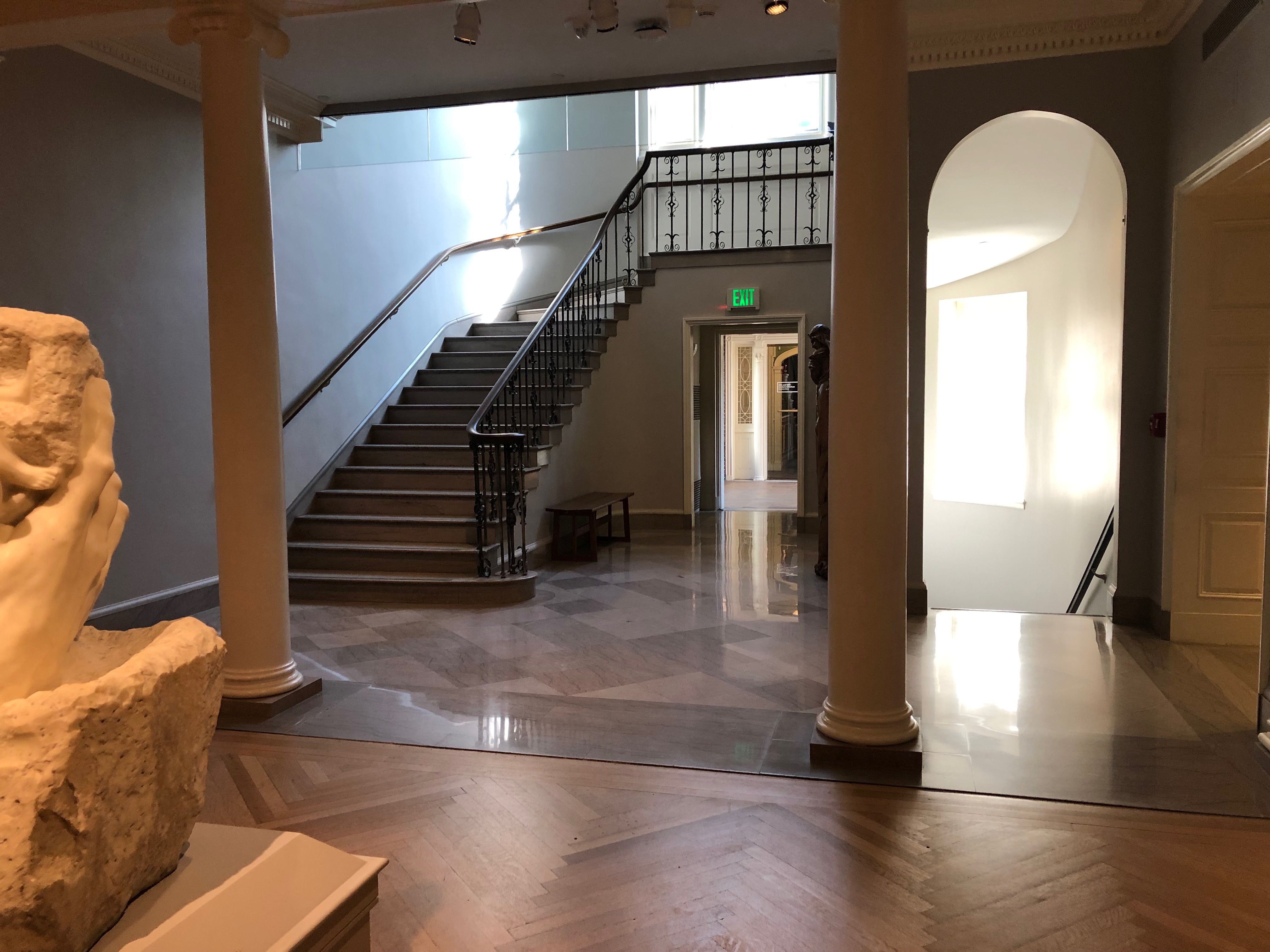
Photo: AP
The Rev. Martin Luther King Jr. speaks at the University of Rhode Island on Oct. 5, 1966.

Read Full Post »

Gotta love MIT. There is always something crazy going on over there. And when MIT and Rhode Island School of Design (RISD) ideas come together, watch out.

At WBUR radio, Fred Thys explains about a new, multidiscipline design program.

Matt “Kressy has put MIT’s first-ever integrated design and management (IDM) students in a kind of boot camp. He wanted to immerse the engineers, designers and business school students in a project where they would have to work in concert. …

“The task: build instruments from found materials. And boy did the students find materials. Mechanical engineer Maria Tafur, from Bogota, made a clarinet from a carrot. Engineer Tammy Shen, from Taipei, has made an instrument that includes glass bottles. …

“Kressy was teaching a course at the Rhode Island School of Design when he got the idea for the new IDM master’s program. He was also teaching engineers and business students at MIT — but it was the design students from RISD that caught Kressy’s attention by asking a critical question:

‘How does this product enhance our lives?’ …

“Kressy says it took 13 years for his idea for a design program to get traction at MIT. When it did, he was able to pick 18 students with completely different criteria from what MIT typically uses.

“ ‘And that rubric had crazy metrics, such as the metric love,’ Kressy says. ‘And the love metric was basically: Does this candidate have a large capacity for love and compassion? …

“ ‘When I showed the rubric to my colleagues here, let’s just say it got mixed responses,’ he says, laughing.”

To get at the love-and-compassion metric, he asked applicants to submit a portfolio indicating their efforts to make the world a better place.

You can read here about the impressive portfolios, struggles to get to MIT from poor countries, and inventive ideas for the future.”

Photo: Jesse Costa/WBUR
MIT integrated design graduate students Maria Tafur and Masakazu Nagata play their homemade instruments along with Brave Sharab, 7, on Main Street in Cambridge.

Read Full Post »

While we’re on the subject, here are two more poetry events scheduled for spring.

Nancy writes, “Some of your readers may also be interested in the Massachusetts Poetry Festival, in Salem, May 1 – 3. Marge Piercy and Richard Blanco will be among the many well-known poets reading.”

She also notes that if you are near Providence in March, you may want to attend the Poetry Out Loud recitation competition for high school students. The statewide competition will be held at Rhode Island School of Design in Providence, with 15 students from schools across Rhode Island reciting poems (by such people as Shakespeare, Mary Oliver, Robert Frost, etc.) in hopes of qualifying for nationals. Info here.

Another inspiring poetry competition for youth is the one depicted by the movie Louder than a Bomb, in which students compose their own poems and perform them. My husband and I were impressed by what the creative opportunity and the discipline did for some at-risk kids. You can get the movie from Netflix, which describes it thus: “Capturing the combined creative spirit of more than 600 Chicago-area teenagers who are participating in what’s billed as the world’s largest youth poetry slam, this documentary highlights the joy of language and the power of collaboration.”

Read Full Post »

I asked around whether any local nonprofits were providing a service opportunity in honor of Martin Luther King Jr. on the Monday holiday. Here is what I learned.

Rhode Island

The Rhode Island Black Heritage Society told me it published a 12-page booklet to honor Dr. Martin Luther King, Jr and celebrate the 50th Anniversary of the Selma-to-Montgomery March. The Dr. King Booklet is free. Postage is $3 for one booklet or $4 for two or more copies.  To have one mailed, send a $3 check to RIBHS at 123 North Main Street, Providence, RI 02903 or call 401-421-0606.

“Let Freedom Ring: 50 Years Later …” Woonsocket, RI. Memorial Service, King Memorial Sculpture Garden, South Main Street, across from St. James Baptist Church, 10 a.m., January 19, 2015. Youth Service Learning Project, St. James Baptist Church, 340 South Main St., 11 a.m.-2 p.m. Participants will help collect basic-needs items and snack food for the homeless. Contact nofokansi@neighborworksbrv.org or call 762-0993, ext. 234.

Providence College MLK Jr. Day of Service (2nd annual). Open Mic Night and Potluck, PC/Smith Hill Annex, 231 Douglas Ave., Providence. 2-5:30 p.m. Click here for info.

Special programs are being held to celebrate Martin Luther King Day at Audubon’s Environmental Education Center in Bristol, January 19, 10 – 2. Click here to volunteer to do crafts with children on Monday.

RI School of Design (RISD) has planned MLK Jr. events in Providence. Day of Service, Martin Luther King Jr. Elementary School, 35 Camp St., RISD and the Mt. Hope Learning Center partner to celebrate King’s teaching by inspiring children to reach their full potential through the arts, crafts and special activities. 8:30 a.m.-2:30 p.m. Click here for details.

Greater Boston

I also wanted to check on what Kids4Peace Boston was doing because I know they are into service. Youth from the interfaith organization are volunteering on MLK Jr. Day at Solutions at Work. Matt says, “Approximately 12 of our teens will be helping to revitalize the space at Solutions at Work, which works to end homelessness in the Boston area.” Click here for some of the nonprofit’s other MLK Jr. service options.

Next year I hope to reach more nonprofits to give them — and the idea of a service day — publicity.

Photo: http://commons.wikimedia.org/wiki
Martin Luther King Jr., Washington DC

Read Full Post »

Older Posts »