Feeds:
Posts
Comments

Archive for the ‘Uncategorized’ Category

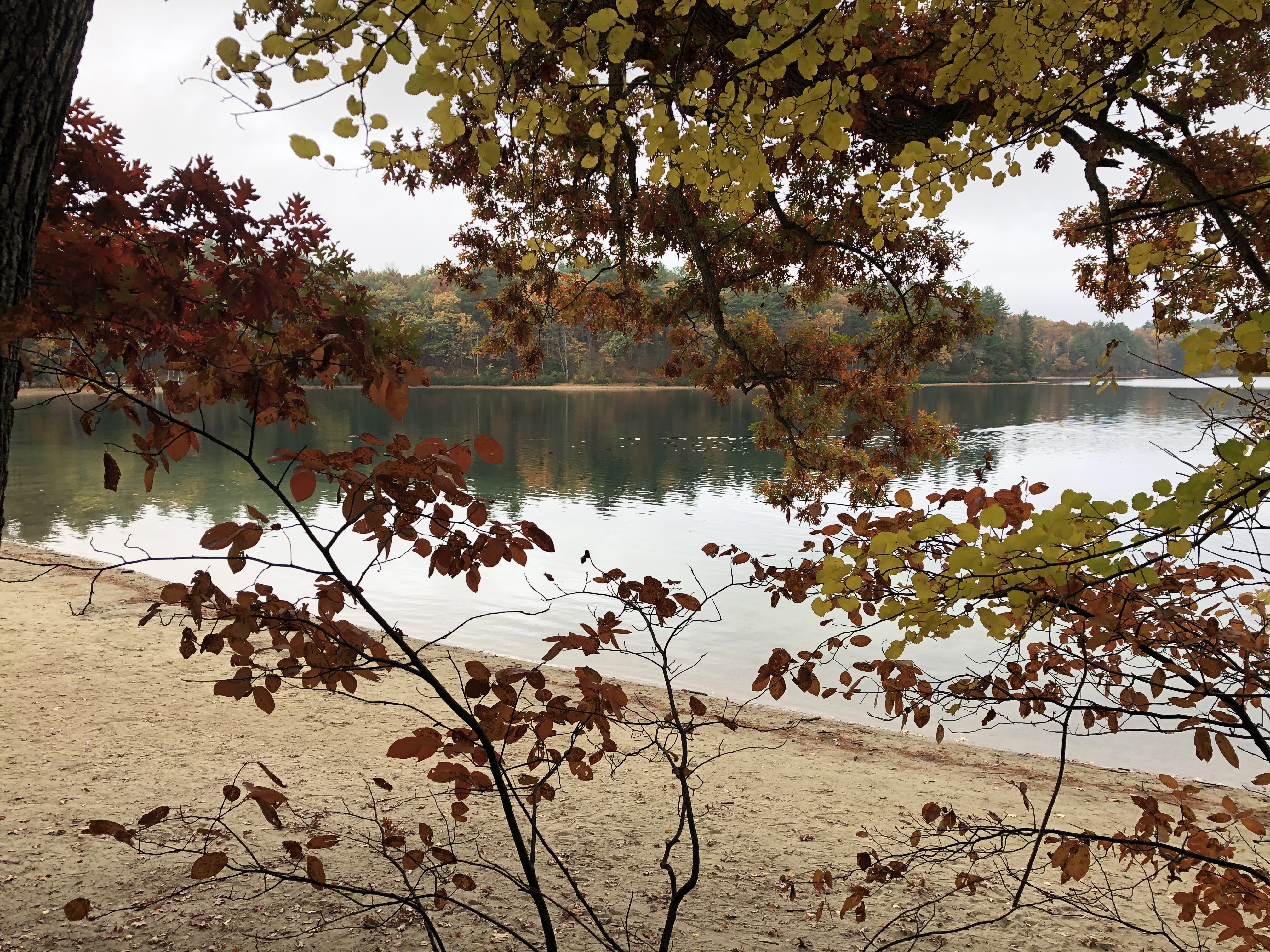
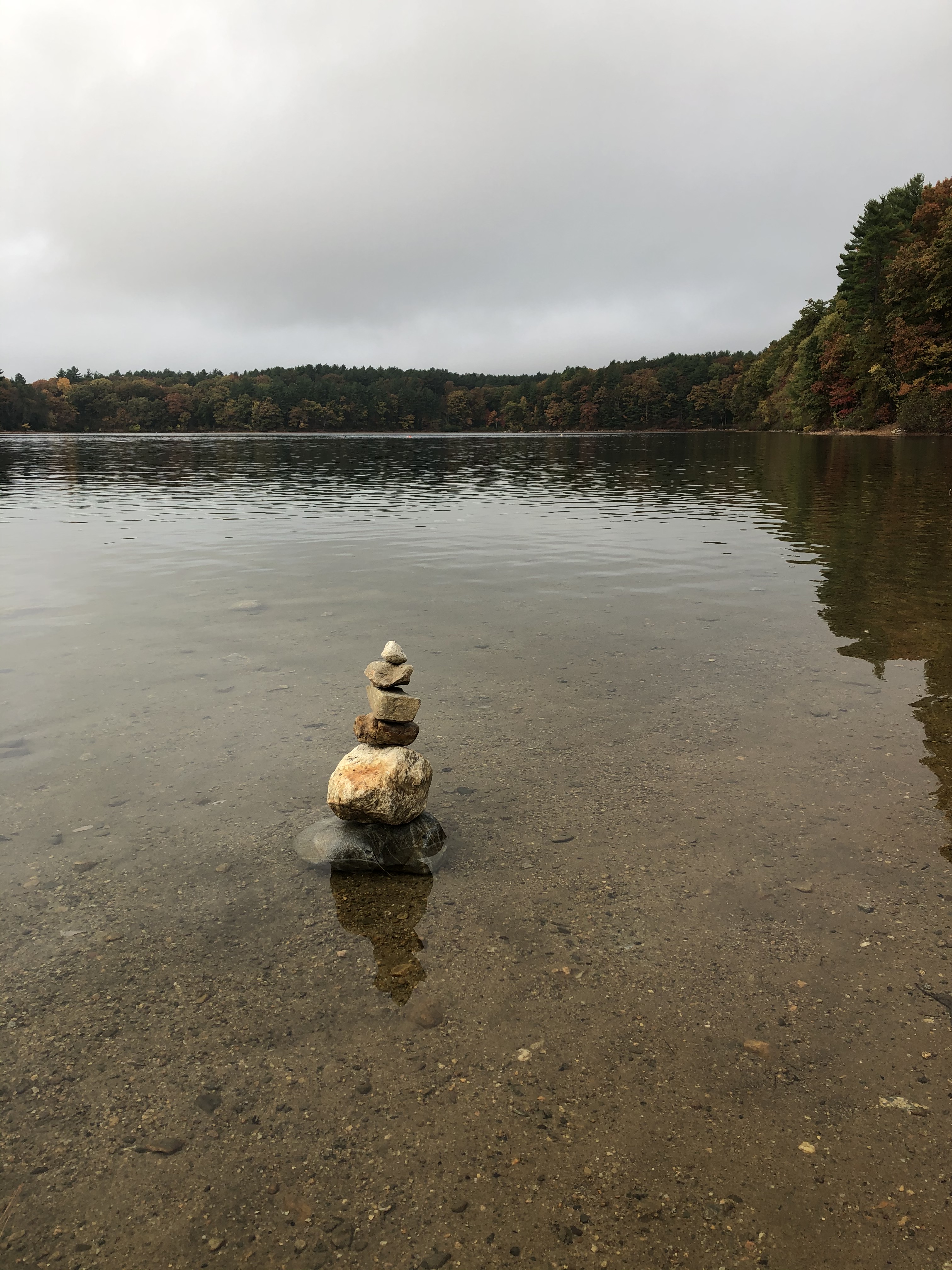
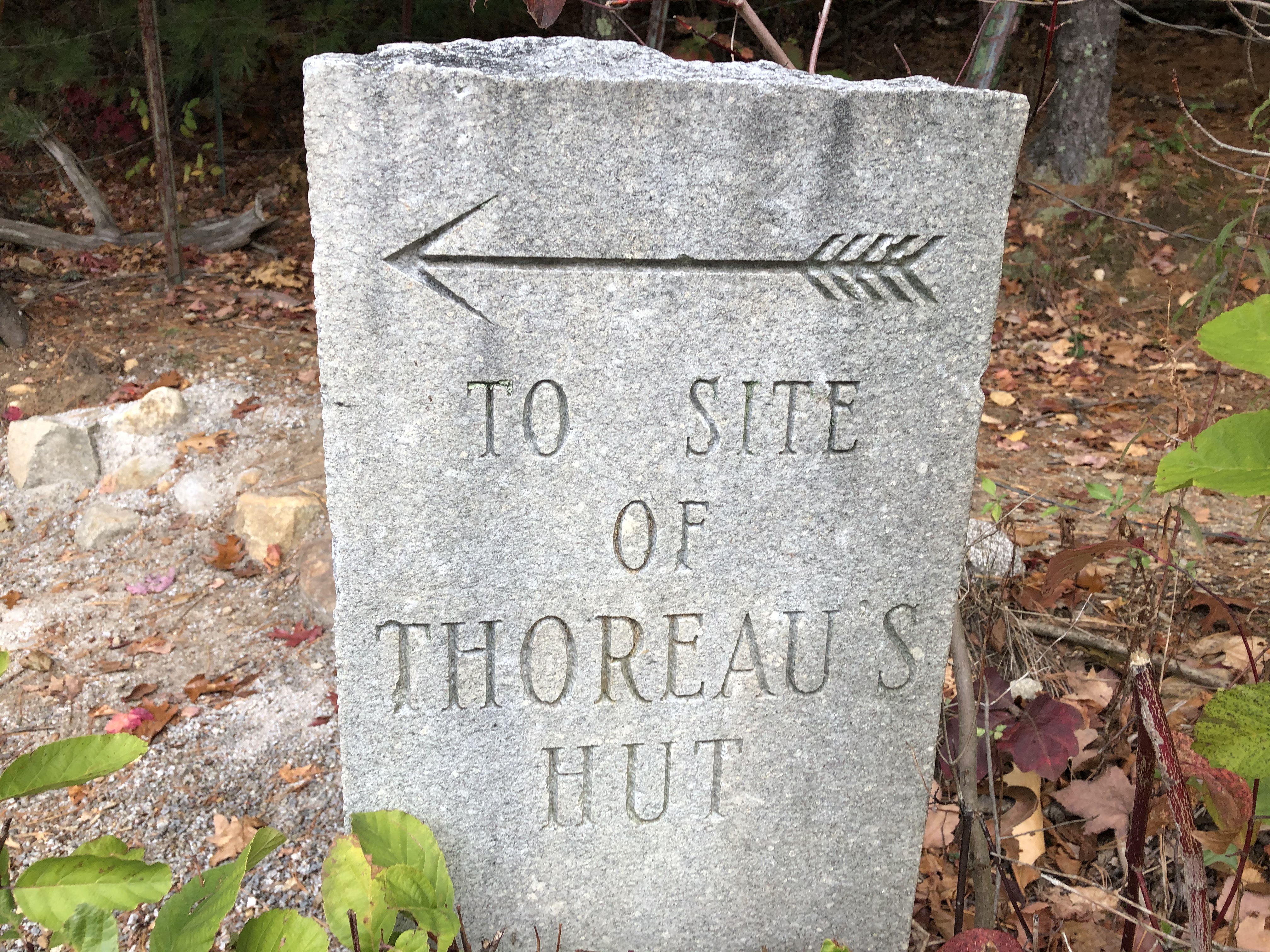
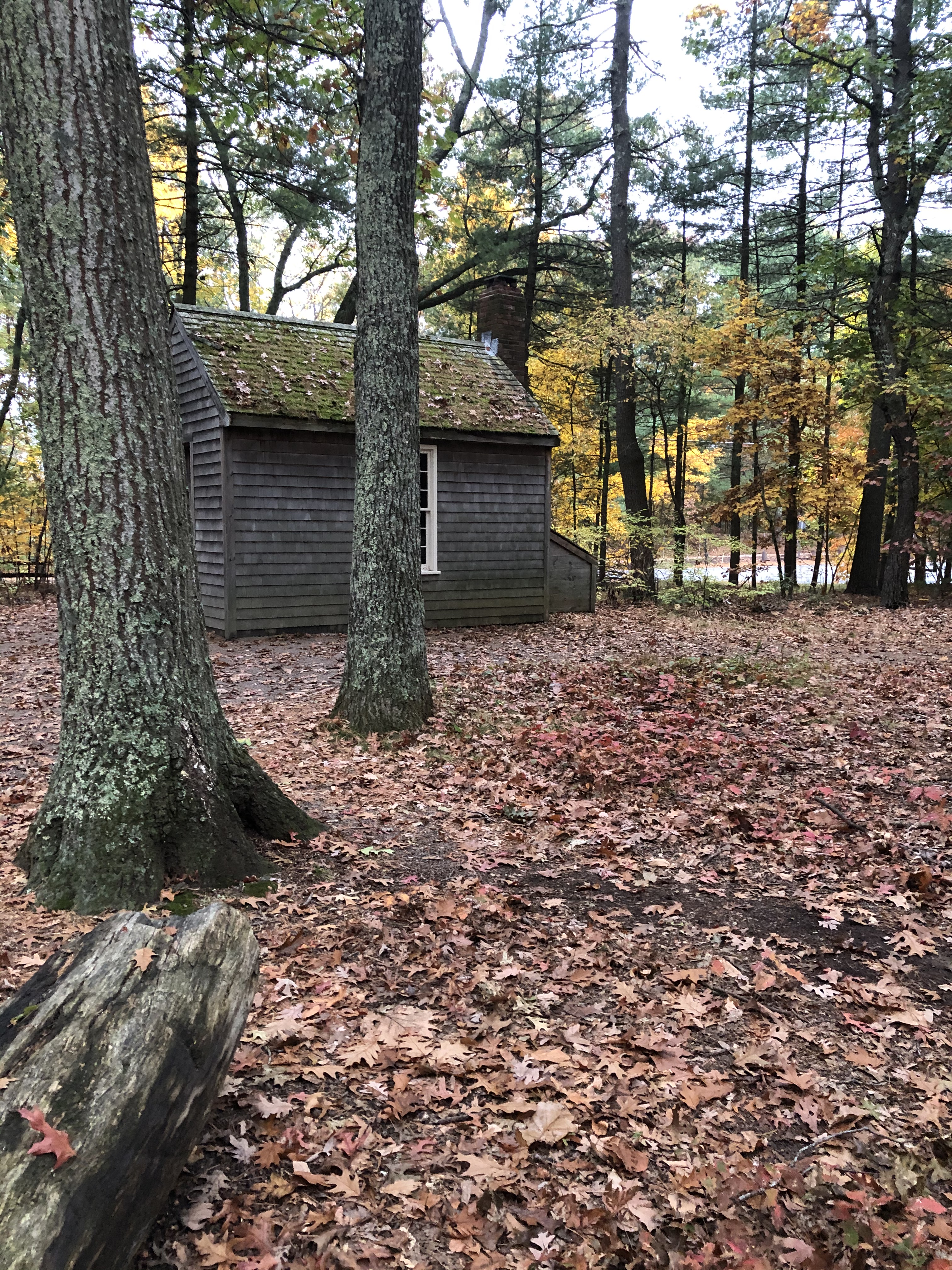
I take pictures with my phone, and some are better than others. Don’t expect too much.

These shots are from recent rambles in my neighborhood: I don’t like to go so far these days that I might have to use a public bathroom! Actually, there is one photo that is not mine. It was taken by my friend Kristina’s Arizona cousin. So adorable! I don’t think we have quail around here.

Let me start with a few oddities: a lily that had a tough time waking up, the first possum to visit my yard in 38 years, and a whimsical tombstone (the more traditional family of the deceased had their way with the other side).

From there we move to the baby quail, hatched in a flower pot, lovely shadows early and late, and kindness rocks. I think initially the young artists started making the rocks just to cheer people up, but now they have set up a way to sell them for the benefit of the Boston Food Bank. Outside the front door of their house, they have a poster of a giant thermometer to mark how they’re doing with their donation goals — the way one might do for Community Chest. I’m impressed.

Moving along to the community garden, I love one person’s tidy plot with a woven gate. In fact, I love all the spring scenes I’ve collected, including skunk cabbage and ferns unfurling. The spring photos could illustrate the children’s book I’ve been rereading, The Secret Garden — so full of joy about nature! Don’t laugh when I tell you why I originally thought about asking the library for the e-book: all those people dying of cholera in the beginning, followed by a happy life for the survivors.

The last picture is from the elementary school’s playground. At most times of day, there is no one on the school grounds, and unless I can keep a steady six-foot distance walking with a friend, going where there is no one at all is pretty much my favorite thing these days.

051520-a-lily-blooms

051920-possum

051220-Sheila-Shea-tombstone

050320-baby-quail-photographer-Susan

050820-white-rhododendrons-and-shadows

050520-shadows-in-the-neighborhood

052020-kindness-rock-in-tree

052020-rocks-sold-for-food-bank

051420-prepping-a-community-garden

051220-skunk-cabbage

051920-tree-budding

051120-ferns-and-fungus

050720-flowering-tree-ConcordMA

050320-double-daffodil

050420-apple-blossoms-by-Sudbury-River

051420-Alcott-School-US-map

Read Full Post »

cali_wwfus

Photo: Julia Kurnik, World Wildlife Fund
WWFUS hopes that a research-based pilot project could identify the best crops to grow in the mid-delta Mississippi region as climate change forces California to reconsider what it should grow
.

As changes in weather patterns damage agriculture in California, scientists are wondering if the Mississippi Delta could pick up the slack. The potential benefits of moving some farming to Mississippi include employment, better distribution systems, and less waste.

Radio show Living on Earth says,”Droughts and extreme weather are already taking a toll on the produce grown in the Central Valley of California. Now researchers from the World Wildlife Fund have found that the mid-Delta region of the Mississippi River, where rich soils currently mostly grow commodity crops like rice, corn, and soybeans, is ripe for growing more specialty crops such as fruits and vegetables.

“Jason Clay of WWF spoke with Host Steve Curwood about how the types of crops now grown in California could also be grown in the Mississippi mid-Delta region to enhance climate resilience and address poverty, food waste and food insecurity in America’s Heartland.

“CURWOOD: When you take a juicy bite out of a honeydew melon or chomp down on a handful of almonds, chances are that food came from the central valley of California. This region has perhaps the world’s largest patch of Class 1 soil, with abundant sunlight and no winter snow. But as the climate has changed, the flow of water from the Sierra Mountains has become less reliable. There have also been more heat waves and choking smoke from wildfires. So scientists and economists from the World Wildlife fund [say] the Mid-Mississippi river delta region is ripe for a switch from commodity crops such as cotton, rice and soy, to more high value specialty crops such as fruits and vegetables. …

“So how did you get into this study of farming and food?

“CLAY: I actually grew up on a farm, a very small farm in northern Missouri. And we lived on less than $1 a day. And so, as you might imagine, I couldn’t get away from farming fast enough. But everything I’ve done in my life has kind of led me back to farming. And about 20 years ago or so I started to work with WWF and convince them that, in fact, the biggest threat to the planet to biodiversity to ecosystem services is where and how we produce food. And from that point on, we begin to develop a program around agriculture, around livestock, around aquaculture, seafood. …

“CURWOOD: So Jason, what’s the importance of California to our food systems?

“CLAY: For the last hundred years or so California has become the major source of the fresh food that we eat. About a third of all vegetables about two thirds of the fruits and nuts all come from California. So, almonds and pistachios and things like that, but also cling peaches and olives and Kiwi and honeydew. California is just very important to the food system. 100 years ago it wasn’t, but it is today. …

“CURWOOD: What are some of the risks to this system? Looking ahead?

“CLAY: Well, it’s actually not even looking ahead. We’re already seeing that California is being affected by droughts, by fires, by freezes late in the spring, [also] by winters that are too warm to actually allow the fruit trees to bloom well and [we’re seeing] below normal snowfall in the mountains. And then in the summer, the snow melts too fast so that we don’t have enough water all year round to irrigate the crops. We’re losing at least the last of four crops and maybe the last two, depending on where you are. …

“CURWOOD: So I understand that you and your colleagues at the World Wildlife Fund have just released a report that identifies the potential of the Mississippi River mid-Delta region, that’s near Memphis, as I understand it, as perhaps an agricultural engine for fruits and vegetables. You’re calling it the Next California plan. …

“CLAY: Could we actually begin to shift production in a logical, organized way into this region without major disruptions in the food system? Because if we can anticipate this change, we can can make it happen much more smoothly, much more efficiently and a lot cheaper. …

“Fruit trees, for example, which require cold winters, are perfect for this area. In fact, they’re better than in California. There’s also the fact that in this region, there’s a lot of poverty, a lot of unemployment. …

“We’re probably going to get back to a much more distributed food system with the impacts of climate change. [One] of the things that struck me about farming in the Midwest is that most of the farming areas are actually food deserts. …

“They don’t have access to fresh food all year round. And this is no exception. In fact, people in the mid-Delta region are like number 49 or 50, in terms of [eating] fresh fruits and fresh vegetables.

“CURWOOD: Jason, some folks point out that we waste about 1/3 of our food. …

“CLAY: What the Next California does is reduce the transportation involved in food. It increases the quality of food on the shelf by having it more local. [We] can really take advantage of how close this region is to Chicago and St. Louis and Kansas City and New Orleans and [through] the intercoastal canal up to the East Coast. And so those things all should reduce food waste.”

More here.

Read Full Post »

van-gogh-exhibit

Photo: Immersive van Gogh exhibit
The co-producer of the van Gogh drive-through exhibition in Toronto says, “It will be almost as if the car is floating through the paintings.”

Where there’s a will, there’s a way. This story reminds me of friends who refuse to take no for an answer. Somehow they figure out how to make a thing happen no matter the obstacles.

Zulekha Nathoo reports for CBC News, “An upcoming digital art exhibit featuring the work of Vincent van Gogh is planning to open next month in Toronto, but you’ll need a car to get in.

“The large-scale exhibition, which was initially supposed to begin May 1 but couldn’t open as a result of the pandemic, will temporarily operate as a drive-in starting June 18 to adhere to current COVID-19 physical distancing and health guidelines.

“The exhibit’s producers said after a year of working on the original plan and purchasing the rights to more than 400 pieces from different museums, they didn’t want to give up on the project. ….

“Said co-producer Svetlana Dvoretsky, ‘People have to see the light at the end of the tunnel and also the light during this situation.’

“Art lovers will drive into the 4,000 square foot downtown industrial space and will stay inside their vehicles. … The drive-in, the first of its kind in a post-pandemic era, will allow 14 vehicles per time slot. Visitors will park, turn off their engines and watch a 35-minute show while remaining inside their cars.

” ‘The lights go down and the projection begins,’ said co-producer Corey Ross. ‘It will be almost as if the car is floating through the paintings.’

“The exhibit includes some of the Dutch painter’s most well-known masterpieces, including ‘Starry Night,’ ‘Sunflowers’ and many self-portraits. It also attempts to chronicle the famed artist’s tragic demise through the works.

” ‘It’s not that you just walk in and see the display of his paintings. That, you can see in a museum,’ said Dvoretsky.

‘What our artists have done with this exhibit is they take you inside the painting … They’re trying to show us their version of how the story is born in the mind of the genius.’

“The Gogh by Car exhibit is an interim alternative to the walk-through van Gogh exhibit at the same location, which has been postponed until at least July due to COVID-19 restrictions. But the producers say the ‘test drive’ could continue beyond its currently scheduled 11-day preview if public gatherings are still limited over the summer. …

“The installation has been designed by the creators of the successful Paris-based digital art project Atelier des Lumières, which received more than two million visitors before the global shutdown.”

More at the CBC, here. The exhibit is not free, but the cost covers both the drive-through for two and a future walk-through.

To learn more about van Gogh, check out this wonderful, quasi-animated film called Loving Vincent. Here’s the trailer.

Read Full Post »

639.1999_2017-detail-7-copy-scaled-e1584113138609

Photos: Blanton Museum of Art, University of Texas, Suida-Manning Collection
Luisia Roldán’s “Education of the Virgin” (1689–1706). Detail, preconservation. Mary is the child reading at her mother’s knee.

I like thinking about the career of this 17th century sculptor and her subject in the terracotta above, whether she chose the topic or it was commissioned. We see Mary’s parents encouraging her reading, and I know that to rise to her official position in the court of the last Habsburg king, Luisa Roldán had support from her parents, too.

Lydia Pyne writes at Hyperallergic, “In 1692, the sculptor Luisa Roldán was invited to take up the post of Escultora de Cámara in the court of Spain’s last Habsburg king, Charles II. A well-established artist long before her court appointment, Roldán’s sculptures were commissioned by Spanish aristocrats and royalty and her works were widely circulated — they were sent to Mexico and England during her lifetime. She was Spain’s first recorded female artist, learning the craft from her father, the sculptor Pedro Roldán.

Luisa Roldán is easily the most famous sculptor you’ve never heard of.

“Roldán’s work is characterized by small-scale terracotta sculptures like ‘Education of the Virgin’ (1689-1706). … Historically, her small, painted polychrome terracotta sculptures would have been used for private devotion in homes or private chapels. …

“ ‘Education of the Virgin’ portrays an encounter between the young Virgin Mary and her parents, Saints Anne and Joachim. Anne holds a book as Mary reads, Mary’s finger carefully keeping her place on the page. In the bottom right corner, a small, cherubic angel presents a woven basket filled with swaddling cloth. The scene emphasizes Anne’s role in actively managing Mary’s education, both spiritual and secular. …

“The sculpture underscores the importance of children’s religious training, for both boys and girls, and originally served as a didactic template for children’s spiritual and secular education — education that would have been facilitated through the household’s matriarch.

“By the 17th century, terracotta had long been an interim medium for sculptors — something used to work out a rough plan or idea, but not for a final piece. This changed with Roldán. …

“Many Roldán sculptures also allowed for audience participation through detached figures that could be moved and arranged by audiences, thus offering a blueprint for the hugely popular Neapolitan crèches and, centuries later, Fontanini Nativity sets. …

“Terracotta is an extremely fragile medium and ‘Education of the Virgin’ is among only 20 or so of Roldán’s sculptures to survive. The Blanton’s conservation efforts have highlighted the complexity of these artworks as well as the intricate multimedia material makeup of the sculpture as it existed in the 1600s. …

“Luisa Roldán’s career emphasizes her familial network and connections. Her father taught her and her sisters to sculpt; her husband, Luis Antonio de los Arcos, was a carver in Pedro’s workshop; and her brother-in-law Tomás de los Arcos painted many of her sculptures. Luis Antonio would eventually manage Roldán’s workshop, rather than taking commissions for his own work. Within the social confines of 17th-century Spain, Roldán managed to carve out a successful, respected place as an artist.”

More at Hyperallergic, here.

The sculpture following its conservation at the Blanton Museum of Art.

639.1999-2019_recto-copy-scaled-e1584113175697-1

Read Full Post »

mpop6quj4nezzmmrxrndeii7g4

Photo: Topps Company
The 1954 original Ted Williams baseball card and a new version by artist JK5.

If these were normal times, the grandchildren in both families would be starting baseball, and John would be organizing parents to help coach the kids’ team. Right. Normal.

So very many American kids grew up with baseball! My brother Bo knew all the stats of pretty much every player back in the day and had a big baseball card collection. He was beyond thrilled the times that our family visited the Baseball Hall of Fame in upstate New York.

As you can imagine, today that great institution’s website features a “Virtual Hall of Fame Spotlight: Giamatti Research Center,” a “Virtual Field Trip: Geography: Baseball Coast to Coast,” and “Virtual Voices of the Game: Al Oliver.” What’s the world coming to?

Meanwhile, the baseball card company Topps has decided to have some fun.

As Peter Abraham reported at the Boston Globe in April, Topps has solicited artists to recreate some of the best-known and most valued cards.

“That he refused to wear a tie for even formal occasions was as close as Ted Williams came to being a rebel. … So the idea of 20 artists from such disciplines as graffiti, cartooning, jewelry design, and tattooing reimagining the look of his 1954 Topps baseball card would probably not sit well with Williams.

“Or maybe it would. In his own way, Williams was a stubborn individualist, [defying] the lords of baseball by using his Hall of Fame induction speech to call for the inclusion of Negro League players in Cooperstown.

“ ‘We’re all honoring him in our own individual way,’ said Joseph Ari Aloi, one of the artists who took on the unique project. ‘I think he’d like it.’

“Aloi, who is known professionally as JK5, graduated from the Rhode Island School of Design and now works at a Brooklyn tattoo shop while pursuing myriad other interests. His homage to Williams was rendered in black and white with intricate details that resemble his tattoo designs and reflect a love of typography.

“In place of his bat, Williams is swinging a pencil, a symbol of the parallels between artists and athletes. What appear to be laser beams are shooting from his eyes. The shapes in the background reveal his name, number, and statistics. …

“Aloi jumped at the opportunity to work with baseball cards when his agent presented him with the proposal from Topps. Reconnecting with something from his past was energizing. …

“ ‘I wanted to bring it to life with my own aesthetics and make it something unique. I’ve had a lot of fun with this.’

Topps calls it Project 2020 because Aloi is one of 20 artists who are reinterpreting 20 classic cards. The 400 cards — plus some artist proofs — will be sold over a period of roughly 40 weeks in limited quantities. …

“Topps recruited a wide range of artists, including Groteskito, the creative director of Nike Basketball, and Sophia Chang, a New York illustrator who has collaborated with adidas and Puma.

“Jewelry designer Ben Baller, who has 1.4 million Instagram followers, did his Frank Thomas card with a diamond look that was similar to pieces he designed for Drake, Snoop Dogg, and Kanye West. …

“Along with Williams, the artists will re-create cards featuring Roberto Clemente, Ken Griffey Jr., Sandy Koufax, Willie Mays, Ichiro Suzuki, and Mike Trout, among others. …

“The Williams card from 1954 card was traditional. There was an image of Williams smiling, a black-and-white photograph of his swing, and his careful, neat signature.

“ ‘It’s a classic card,’ said Aloi, who collected cards when he was a kid. ‘Ted Williams had such phenomenal stats. My father knew players from that era and always talked about him. For me, mixing two worlds appealed to my creativity and my sensibilities. With everything that has been going on, it’s been a good outlet.’ ”

More here.

Read Full Post »

image_1

Photo: Simone Saunders
Thanks to the pandemic and the Long Distance Art series, Canadian artist Simone Saunders is making connections with artists around the world.

The other day, I was talking to a friend about activities that were started only because of coronavirus self-distancing but were perhaps enough fun to keep doing in the future.

I like the FaceTime meetings that my husband and I have managed to do a couple times with our grown children when the grandchildren were otherwise occupied. The conversations were funny.

My friend mentioned an art lecture that would previously have had a dozen local students but is now online and attracting hundreds of international participants. She also spoke of a Zoom call with nieces and nephews around the country, marveling, “We’ve never all been together at the same time before!”

On the theme of helpful pandemic discoveries, here’s a report by Bianca Hillier at Public Radio International’s the World about an art collaboration that also might last beyond the pandemic.

“Speaking a dream or a goal into existence has little evidence proving its effectiveness. But for Nick Green, creator of the Social Distancing Festival, the practice has worked.

“ ‘My dream is to hear the story of two artists that have met through my site and collaborate on some really profound piece of art,’ Green told the World in March. His site aggregates content from artists whose performances have been canceled due to the coronavirus pandemic. ‘And they live across the world and never would have met, otherwise.’

“Weeks later, Green’s dream came to fruition.

“ ‘It’s quite poetic that we’re speaking again, given the last words in our last interview of what my big dream was — to have this become more of a collaborative project,’ Green told the World more recently. ‘And now, there have been some new projects happening that are really, really exciting.’ …

Long Distance Art, which launched this week, is an international, multidisciplinary collaborative art series that emerged from the Social Distancing Festival. Artists can contact Green and inquire about collaborating with another artist they’ve seen on the site, or have Green pair them with another artist of his choosing. …

“ ‘For online art, I’ve become a matchmaker,’ he joked. … Green’s matchmaking magic has recently connected a team of Canadian musicians with a dancer in Dar es Salaam, Tanzania. Barbara Johnston, a member of the Toronto-based composing team alongside Anika Johnson and Suzy Wilde, was contacted by Green and immediately thought the idea was ‘the most exciting thing possible in the world.’ Once paired with Tanzanian dancer Tadhi Alawi, Johnston’s team got to work. …

“Johnston said. ‘We just wrote an email about what we felt the song was about, how we thought the themes could be expanded upon, how certain aspects of what’s going on in the world can relate to what this song is about. And he wrote us back this beautiful email the next day. And we just began sharing emails back and forth, talking about our process, talking about the song and the movement to the song.’

“The final product of the collaboration is a video showing Alawi dancing to ‘Wild Heart,’ a song composed by Johnston and her team. It’s a partnership unlike any Johnston’s been a part of, she said, but one she wants to explore more. …

“ ‘It’s just amazing how quickly we connected as collaborators without ever having met, and with being, you know, literally a world apart. … All I want to do now is try to find ways to connect with people. And I feel that this is an opportunity to see beyond the barriers that exist and have existed, because we’re in unknown land now. We’re just trusting in the process.’ …

“Other collaborations in the Long Distance Art series’ unveiling include work between Calgary, Canada-based visual artist Simone Elizabeth Saunders and Tekikki Walker, a Cleveland, Ohio based multimedia designer. Painter Liza Merkalova, based in Adelaide, Australia, also teamed up with New York musician Charlie Rauh. …

“As venue doors remain closed, laptop computers remain open. Green said his aspirations for the Social Distancing Festival and the Long Distance Art series aren’t canceled — but they need funds to sustain themselves.

“ ‘A dream of mine is that there might be someone or an organization out there who sees that this is the artistic embodiment of connecting people across the world and global conversations about humanity and lived experiences,’ Green said. ‘And they might say, “Hey, you know, that aligns really well with what we, as an organization, are doing. Why don’t we put some money into this?” …

” ‘Why stop now?’ ”

More at PRI, here.

Read Full Post »


2019-BI-School-graduation-by-Malcolm-GreenawayPhoto: Malcolm Greenaway
Gone are the graduation ceremonies of yesteryear.

Spurred on by a suggestion from Nancy Greenaway and by actor John Krasinski’s Some Good News (below), I poked around on the web to see what people were doing about class reunions and graduations this year — besides canceling them.

A group of women missing out on their 50th class reunion got together on a video call, dressed mostly as they would have been in person. Max Chesnes wrote about their reunion at Treasure Coast Palm in Florida.

“At 67, Mimi Kuriger prepped for her first ever Zoom video call the only way she knew how: ‘I wore my Barbara Bush pearls to hide my wrinkles,’ laughed the now-retired nurse living in Vero Beach.

“Kuriger is among the 92 graduates of Mount Saint Joseph Academy, an all-women school in Flourtown, Pennsylvania, who had been planning their 50th class reunion weekend for over a year. … But as is the case for most people around the world who have altered or cancelled travel in the midst of a global pandemic, the novel coronavirus shuttered their plans. …

“Instead of an in-person meetup, 25 women from Saint Joseph sipped from their glasses of wine and martinis (or several) and gathered virtually. …

‘We were all probably sitting in our pajama pants, but we were dressed to the nines up top,’ Kuriger said. …

“The online conversation ran for two hours and went on without a hitch, Kuriger said. Some ladies pulled out their 1970 yearbooks and pointed to pictures from five decades ago, while others brought up the academy’s nuns.

“The virtual meetup was nostalgic — and sometimes emotional — as everyone came together from the comfort of their own homes to reminisce.” More.

Meanwhile, there have been nontraditional graduation plans for many age groups, including drive-by celebrations for kindergartners.

Brown University will have a virtual graduation May 24 and a double in-person one next year for both the class of 2020 and the class of 2021.

UMass Amherst had wide range of speakers for this year’s virtual commencement, held May 8. They included sports stars, actors, politicians, and graduates like John Jacobs of Life Is Good.

Photo: UMass Amherst
UMass alumnus John Jacobs, cofounder of Life is Good, spoke from a social distance to UMass graduates during the online commencement.

wopj3fkouypbqfbkqcvmf4aqpu

Jacobs told graduates, “I know it hasn’t been easy this year, but the resilience you’ve shown — that’s going to serve you well in the long haul. … If you’re feeling a little lost right now, we did too. The only way we learned was to try, and stumble, and adjust as we went along.” More.

Howard University in Washington also held an online ceremony, and although some would undoubtedly have preferred to hear their names read out in a crowd of people, graduate Anna Sumner reported pure joy to a local television station: “I feel like I’m on cloud nine right now. Even though I wasn’t there in body, I was definitely there in spirit. …

“I could imagine instead of being on the bleachers, for once actually being the one in the seats in my cap and gown. … It was bittersweet for sure though, and I try not to dwell on the negative aspect, but still just the recognition and the moment of victory. It was awesome.” More.

Pretty sure Anna has a bright future.

Meanwhile, students at Berkeley, preserving their reputation for being a bit “out there” are hosting a virtual Minecraft graduation on an exact replica of the campus, followed by a two-day virtual music festival that will be streamed on @twitch TV. (Follow at @blockeleyofficial on Instagram.) More here.

Now, Friends, set aside 25 minutes or so to watch this graduation ceremony from the John Krasinski YouTube show called Some Good News. It was amazing. And be sure to hang on after it appears to be over and the credits start to roll so you can hear National Youth Poet Laureate Amanda Gorman recite her graduation poem.

Read Full Post »

112093307_slunglow

Photo: Slung Low
The Slung Low theater group sorting out food parcels at their headquarters in Leeds, England.

Many companies and nonprofits around the world have been stepping up to meet new needs during the lockdown. This story is about an innovative UK theater delivering food to the hungry.

Ian Youngs reports at the BBC, “When you’re suddenly tasked with co-ordinating emergency food parcel deliveries to vulnerable local people during a pandemic, the ability to think creatively comes in useful. As artistic director of one of the UK’s most innovative theatre companies, Alan Lane is used to coming up with imaginative solutions.

“But they normally involve finding ways to stage epic community theatre shows, not making sure hundreds of people have the food and medicines they need in a lockdown.

” ‘Today we find ourselves with a Transit van full of crisps,’ he says on the phone from Leeds. … Yesterday we didn’t have any vegetables. And tomorrow we’re not going to have any eggs. So constantly I’m on the phone doing deals.

‘The other day, I swapped a load of tote bags that I got from the university for some face masks, which I split in half and swapped the other half for a lot of cream. …

“Six weeks ago, Lane and his company Slung Low were asked by Leeds City Council to co-ordinate the community response in Holbeck and Beeston, meaning any requests for help from the 10,000 households in the area have been passed to them.

“They are mainly from people needing food, but prescriptions need dropping off too, and they are often asked to just phone lonely people for a chat.

“Lane is in charge of around 90 volunteers, including some from the region’s other arts organisations — from Opera North and Yorkshire Sculpture Park to theatre company Red Ladder. …

“Managing them is not the only new role Lane has taken on during the pandemic. When not scrounging and delivering food, he has become a game show host, and a very entertaining one at that — appearing online every fortnight from Slung Low’s HQ to keep locals’ spirits up. …

“On top of that, he has launched an open-air art gallery, posting residents’ lockdown pictures on lampposts. And Slung Low has just made a short film — shot before coronavirus rewrote Lane’s job description — which went online on Friday.

” ‘We didn’t know this at the time, but having a short film to release at the moment is much better than having a play,’ he says.

“Except — he will be taking an enforced break from all that frenetic activity for a while. [A Covid-19 test] came back negative, but he has symptoms so is isolating and recovering. Others have stepped in to ensure Slung Low’s work goes on. …

“The connection with the local community is what sets Slung Low apart from other theatre companies and means it can adapt to doing things like delivering food during a crisis, Lane says.

“Other venues have been busy putting their shows online and continuing their education and outreach activities digitally, but Lane thinks they could be doing more with their facilities.

” ‘There are a lot of vans currently sat in the car parks of arts organisations because they couldn’t quite work out the insurance to get them doing food bank work,’ he says. … ‘We spend a lot of time talking about what we’re for at Slung Low. What we’re for is not putting on a show for people to pay for tickets.

” ‘[Putting on a show is] something we do quite a bit, and something that we can be quite good at on a good day. But it’s not what we’re for. And therefore, when you can’t do that, it doesn’t mean we stop.’ ” More at the BBC, here.

Although people in the arts may not be uniquely compassionate, they’re often among the first to demonstrate sensitivity to the needs of others. Still, gold stars for a city council that thought of asking for the theater’s help!

Read Full Post »

tf6jpcshny6opk4chij2zicauq

Photo: Celeste Sloman for the Washington Post
In New York City, where the Covid-19 lockdown is putting many residents in danger of going hungry, immigrants at Migrant Kitchen are feeding multitudes.

I always like stories about how much immigrants benefit America, and this one from the Washington Post is a great example.

Richard Morgan writes, “At 5:30 a.m. in a godforsaken industrial crevice of Queens, Daniel Dorado recently waited in a line of mostly undocumented restaurant workers before the opening of Restaurant Depot, a wholesaler like Costco on steroids available only to the industry. His goal was 2,000 meal containers, and, boom, he was in and out in 12 minutes.

“The containers would soon be packed with sumptuous entrees: citrus garlic salmon with Cuban black beans and coconut herb rice, or moussaka-stuffed zucchini with dirty rice and beans, or mojo chicken with chimichurri and roasted potatoes with grilled shishito peppers. …

“Dorado, an American-born son of a Mexican immigrant, has been running what is probably New York’s largest restaurant-quality active cooking operation during the pandemic lockdown, serving 6,000 meals a day.

“Last year he and two former colleagues from Ilili, a Lebanese-Mediterranean restaurant in the Flatiron District, formed the Migrant Kitchen NYC, ostensibly a catering company, which orchestrated an alliance with four other kitchens. …

“As much attention as beleaguered restaurants have gotten in the pandemic’s lockdown, far less attention has been paid to catering companies, which can produce food on a massive scale but not within the limits of a la carte orders available through delivery apps. Enter Migrant Kitchen. They pay wages of $20 to $25 an hour in their kitchen, [Nasser Jaber, a Palestinian immigrant who was an Ilili waiter,] said, and with the four other kitchens pooled 40 largely undocumented workers from Make The Road, a civil rights group — plus workers and volunteers who handle packing and delivery. …

What started out on March 13 with 100 meals to hospitals and shelters quickly grew to 6,000 meals a day to 13 hospitals, four food pantries, three homeless shelters, three senior centers, public housing complexes in the Bronx and Queens, a Queens mosque and dozens of covid-19-infected families. …

“A few days before Ramadan began on April 23, they switched all meals to halal-certified. ‘We don’t just want to give people food,’ Dorado said. ‘We want them to know we took their needs into consideration. We don’t want anyone getting food that they don’t want to eat. It’s for them, not for us.’ For families, Migrant Kitchen also makes grocery bags of staples like eggs and milk, and tucks in chicken tenders or pizza for children. Even diapers. …

“Sam Bloch, [World Central Kitchen’s] director of field operations, laid out Migrant Kitchen’s strength: ‘It’s beautiful, right? How many win-wins can you have? Where the food is coming from, who’s making it, how it’s supporting that individual person, how it’s supporting that [kitchen], and all that built on top of the fact that someone who really needs that plate of food is receiving it.’ …

“Head chef Ryan Graham explained the [Migrant Kitchen] mission: ‘A lot of big-batch cooking … doesn’t monitor seasoning, the flavor, the texture, the veg, the meat, the starch, the digestion, the nutrition.’ By contrast, he noted, he was slow-cooking a sauce that included 20 spices for nine hours. One of his cooks also recommended that a dish’s tomato paste be caramelized. (Bloch called the approach ‘food with dignity.’) …

” ‘I’m trying to keep myself strong. I’m alone but I don’t feel lonely,’ said a 76-year-old Bangladeshi man who lives by himself in the heavy-hit Elmhurst neighborhood of Queens. …

“He said he was ashamed to be publicly identified as in need. He hasn’t left his home since the first week of March. His income is $500 a month. Through [social justice group Desis Rising Up and Moving, DRUM, his Migrant Kitchen meals — two a day — come every afternoon, but, in accordance with Ramadan, he waits until sunset and pre-dawn to eat them. ‘It’s a blessing for old people,’ he said. ‘It’s an example for humanity.’ ”

More here.

Read Full Post »

APTOPIX Virus Outbreak Germany

Art: Street artist FreeThinker via the Mercury News
Artists are reflecting our pandemic experience in whatever media they use. Some of the work ends up in the Covid Art Museum, some can be found on the street.

The Covid Art Museum (@covidartmuseum on Instagram) has provided some laughs for me lately. It’s one of the many new links I’ve added to my social media during the pandemic. I first learned about it at a site called OZY.

Dan Peleschuk reported, “With entire populations around the world locked inside, museums everywhere have closed their doors until the deadly coronavirus pandemic passes.

“Not this one. Which actually opened. …

“Three Barcelona-based advertising professionals came up with a bright idea: the Covid Art Museum (CAM), an Instagram account collecting the best COVID-19-related work out there.

“Launched in mid-March, just as Spain was careening into the health crisis, this volunteer effort showcases the creative fruits of mostly European artists who have something to say about how society’s changing before our eyes. …

“After all, ‘we are now in a period of very important reflection on everything,’ says CAM co-founder Irene Llorca, creative art director at marketing agency Honest Barcelona.

“Popular themes include creative pleas for consumers to stay home, as well as playful takes on the newly ubiquitous face masks. And, perhaps unsurprisingly, toilet paper features prominently too. Virtually every art form — photographs, illustrations, installations and much more — makes an appearance in the museum’s quickly growing archive. …

“London-based art director Thomas Ollivier, also known as Tom le French, has turned his attention to a series of photographic manipulations that comment, among other things, on what face masks might tell us about our future. Even after the crisis ends, he says, the objects might find their way into our normal routine. ‘Surely it will start to become like a handbag or an accessory, and obviously brands will step in and create their own version of it,’ he says. …

“For creators, it’s a free platform for their art. For everyone else, Llorca adds, ‘it’s a space that can give them strength and help them realize that they are not alone in this.

‘Maybe they’ll see that artwork by a Spanish person in Bilbao speaks directly about their current situation. It’s a way to connect people virtually.’

“Just like with every other aspect of life these days, it feels pointless to talk about future plans. But at the very least, Llorca says, a digital book might be in the works — plus a physical exhibition, for when it’s all over.” More.

In Angie Kordic’s Widewalls interview with the museum’s founders, Irene Llorca explains more: “From the artworks that we receive through our questionnaire, so far we have counted more than 50 different nationalities. We have also created the hashtag #CovidArtMuseum and many artists are using it. They send the artworks to us and we also look for them.

“The three of us are passionate about art and we follow many artists and art galleries; this has helped us find very interesting works.

“The main filter when choosing the pieces is that they are related to the current moment: the crisis of Covid19. That’s why we don’t close ourselves to any technique, we collect all kinds of art whether it’s illustrations, photographs, paintings, drawings, animations, video, etc. From all the works received or found, a selection is made to publish those that best reflect the current moment.” More.

If you are on Instagram, it’s definitely worth following @covidartmuseum.

Photo: Bored Panda

yorkshire-silly-walks-1-5ea299cbc7ddf__700

Photo: CBC

altered-city-of-ottawa-sign

Image: Ozy

shutterstock1101396713-3

Read Full Post »

gettyimages-1223213694

Photo: Finnbarr Webster / Getty Images
The UK’s “Sturminster Newton Mill has stood on the banks of the River Stour in Dorset County since 1016,” writes the
Smithsonian. It was called up out of retirement to help feed the populace during the Covid-19 pandemic.

You’ve heard of old soldiers reenlisting to fight a war and medical people being called out of retirement to fight a pandemic.

In this story, we learn about a 1,000-year-old decommissioned mill in England that is rolling again. (Imagine being able to talk about 1,000 years ago! In this country, only indigenous people can do that.)

Cathy Free writes at the Washington Post, “Flour has been in high demand and short supply during the coronavirus pandemic. Imogen Bittner and Pete Loosmore knew they were in a unique position to help home bakers in southwest England by firing up a mill site that is more than 1,000 years old.

“So the two millers, who help run the Sturminster Newton Mill and the adjacent museum, decided in early April that it was time to dust off their aprons and go back to the grind.

“They cranked up the ancient machinery at the mill, which has been updated through the years but has been powered by a water turbine since 1904. In recent years, it has been used exclusively as a museum that churns out small ornamental bags of flour for visitors in the small town of Sturminster Newton in Dorset county.

‘When covid-19 struck, all of the local shops ran out of flour very quickly,’ said Loosmore, 79, a retired art teacher who has worked at the mill for 25 years. ‘We had a stock of good-quality milling wheat and the means and skills to grind it into flour, so we thought we could help.’

“In the past month, with the mill operating full-time in the agricultural town of 5,000 people, he estimates they have ground more than a ton of grain and bagged several hundred sacks of flour. The three-pound bags are sold at cost to a local grocer and baker, who then sell them, said Bittner, with all proceeds benefiting the mill’s upkeep.

“ ‘We’ve been inundated with requests to sell it online or in large quantities, but we are not a commercial business,’ said Bittner, 63, an artist who began learning the art of milling 18 months ago and plans to take over as supervisor when Loosmore retires next year.

“Bittner, who has traveled the world but now lives in the home in which she was born near the mill, said she has always been drawn to the historical structure along the River Stour.

“ ‘It’s been amazing to work alongside oak beams that have been inside the mill since the 14th century and which were probably [trees] growing locally in the 10th and 11th centuries,’ [Bittner] said. ‘Although there have been adaptations and changes, these gnarled old timbers still hold the roof in place.’ …

“Loosmore said the mill, which is managed by the Sturminster Newton Heritage Trust, is treasured by locals, who volunteer every year to bag flour for museum visitors and help with maintenance. …

The wooden water mill dates to 1016, he said, and is mentioned in agricultural records in the Domesday Book, a ‘survey’ of England and Wales written in 1086 by order of William the Conqueror. …

“[It’s] a building that has survived everything from war to the Black Death.

” ‘It’s just a wonderful historical attraction — we have details from abbey documents dating back to the 13th century naming some of the millers and describing their roles, rents and obligations,” said Bittner, adding that one miller in 1230 paid part of his rent in eels.’ ”

More at the Washington Post, here.

Read Full Post »

050920-window-flowers

Happy Mother’s Day to all nurturing people out there — mothers and nonmothers. Among nurturing nonmothers who deserve thanks today, I think of my late sister, my friends Lillian and Sandy, blogger Bereaved Single Dad, and Teacher David.

Who in your life do you think of?

Not every star in the beautiful mothering pantheon is a mother.

Read Full Post »

nucrke2b2bf6xeybpm4ktz4kxy

Photo: John Moore / Getty Images
Stamford elementary school teacher Luciana Lira, 42, kisses baby Neysel, then 2 1/2 weeks, before showing the newborn for the first time to his mother Zully, a Guatemalan asylum seeker gravely ill with COVID-19, and her son Junior, 7, via Zoom.

I wanted my blog to be the first place you saw this story, but you can’t keep a good story down. Yesterday I noticed that the Washington Post had picked it up from a May 2 report by Christine Dempsey at the Hartford Courant. Read on.

“One month ago,” Dempsey wrote, “Luciana Lira, a bilingual teacher at a Stamford elementary school, got a call from a parent like no other. The mom, gravely ill with the coronavirus and about to deliver a premature baby, could barely breathe. ‘Miss Lira?’ she said in Spanish. ‘I need help.’

“The call set off a chain of events that led to Lira agreeing to take the woman’s newborn while the mother and her other family members recover from COVID-19. The 42-year-old educator spent most of April teaching online during the day and warming up bottles and feeding the baby at night, all while looking after her own son, husband and in-laws.

“For the baby’s mother, Zully, recovery has been slow. Her breathing tube was removed only on April 18, and she still is testing positive for COVID-19. Zully’s son — Lira’s student — Junior, 7, also tested positive, as did Zully’s husband, Marvin. …

“In the urgent phone call, Zully asked Lira to call her husband, Marvin. She gave Lira his number.

“At the time, Lira wouldn’t have known Marvin if she walked into him, she said. … But after Zully’s April 1 request, Lira was now on the phone with him, speaking Spanish, and he was a mess.

” ‘All he could do is cry. And cry. And cry,’ Lira said. …

“Lira realized she needed to act as an interpreter for the family. So she went to the hospital, but was turned away when staff learned that she was not a relative. A few days later, with Marvin’s approval, she was allowed to receive medical information on behalf of the family. Lira was now the point person for communication between Marvin and Stamford Hospital. In addition to talking to Marvin, she has been communicating with family members as far away as Guatemala.

“Her role was stressful. Zully was doing very poorly. She delivered her 5-pound, 12-ounce baby boy while in a medically induced coma, Lira said. …

“While Zully lay in a hospital bed, unaware she had given birth, the conversation turned to the baby, who eventually was named Neysel. …

“Marvin, who strongly suspected he, like his wife, had COVID-19, was afraid his newborn would contract the disease. He had no available relatives who could take the baby home. …

“ ‘Mrs. Lira, I know I can’t ask you this,’ he said one day, according to Lira.

“ ‘I said, “Don’t even say it because I’m going to,” ‘ Lira said. ‘ “You don’t even have to ask. My answer is yes.” ‘

Marvin insisted on making Lira’s husband Alex — who only knows a little bit of Spanish — part of the conversation before she brought a strange baby into the house, she said. ‘Marvin is amazing, a very, very responsible man,’ she said. ‘Even the nurse was crying.’ ..

“A colleague from school set up a gift registry for baby items. People donated supplies and food, she said. Then came the day of discharge. Donning a mask, gloves and protective covering, Lira took a car seat and headed to the hospital. … Marvin, who, like Lira, also was wearing head-to-toe protective gear, was standing on the opposite corner of the room, recording the moment from a distance with his phone.

“ ‘Oh … my … God. Hi, Baby,’ Lira said. The baby opened his eyes, looked at her and blinked, as if trying to figure out her role in his new life. …

“Since he arrived at her house, Neysel has been doing ‘amazing,’ said Lira, who sounds upbeat even when she’s dog-tired. ‘I work full time during the day, and at night, the baby’s up.’ Asked when she gets sleep, she laughed. ‘I’m getting strength from God.’ …

“Lira is more worried about Zully than herself. While her condition gradually improved, and Zully was discharged, she is far from recovered. She is having trouble walking. Lira said doctors wanted Zully to go into a rehabilitation center, but Zully and Marvin lack the insurance to pay for it because they both got laid off from their jobs at the beginning of the health crisis, essentially falling victim to the coronavirus twice. …

“ ‘My dream would be to have her home, with the baby, for Mother’s Day,’ she said.”

More at the Hartford Courant, here, and at the Washington Post, here.

Read Full Post »

200424_drive_by_performances_008_0

Photo: Devin Muñoz
” ‘Cooped-Up’ is a contemporary dance performance viewed entirely from behind car windows,” reports Margo Vansynghel at
Crosscut.

I’m fascinated by all the different ways the arts are reaching out during our lockdown. Some efforts come off better than others, and a given organization may be kind of lame on one evening and on another delightful. We’re all learning as we go.

In this story, Seattle dancers offer performances for an audience in cars.

Margo Vansynghel writes at Crosscut, “Gedney Barclay sat in her idling car in a North Seattle Safeway parking lot, awaiting instructions. She could feel herself getting anxious. … She looked around — unsure of what would happen next — and glanced at the phone in her hand. The call from an unknown number would come anytime now. And then there would be no turning back.

“Barclay wasn’t involved in some kind of nefarious plot. She was about to participate in ‘Cooped-Up: Drive-in Dances for Cooped Up People,’ a contemporary dance performance by local company LanDforms, in which audience members view the proceedings through their own car windows. …

“Guided by pins on a digital map and a downloaded soundtrack — featuring songs,  poetry, a couple of old voicemail messages and mysterious clues — ticketed audience members drive through the city and visit performers at their homes. The dancers perform from porches, sun rooms, front yards, alleys and balconies while the audience, cocooned in 20 cars (one per household), drives up to watch at 10-minute intervals.

“ ‘It’s a wild journey all over Seattle,’ says LanDforms’ Leah Crosby. She and co-director Danielle Doell describe the show as a whimsical mashup of a drive-in movie, scavenger hunt, escape room and ‘durational performance’ tailored to and inspired by COVID-19 restrictions. Basically, they say, it’s like curbside pickup of food-to-go, but for dance. The first, mid-April performance of Cooped-Up sold out almost instantly. …

“Crosby and Doell are among the many local artists finding front yard and window workarounds to the stay-at-home order and ban on gatherings.

“Earlier in March, artist Rachel Kessler and On the Boards director Betsey Brock staged a citywide performance titled ‘Going the Social Distance,’ for which they collected song requests (and home addresses) from participants, donned cheerful costumes and biked to people’s houses blasting the songs through Bluetooth speakers. Isolated fine art photographers are venturing out to photograph people from a safe distance either outdoors or behind windows. In late April, KEXP radio DJ John Richards started broadcasting live concerts from his front yard. …

“Cooped-Up deals explicitly with our new corona-colored reality. In seven different dances created collaboratively over Zoom, the participating dancers bring their personal quarantine experiences (and corresponding cocktail of emotions) to the makeshift stage. However whimsical, the show doesn’t shy away from expressing the loneliness and the boredom specific to this cultural moment. …

“On a Zoom call with production manager (and frequent collaborator) Ari Kaufman in late March, the duo wondered: ‘How can we make a live performance right now?’ Doell says. …

“When Doell, who is also a youth educator, noticed that cooped-up kids in her neighborhood had been hunting for the stuffed animals neighbors placed in windows as a way to pass the time, she wondered, ‘Maybe we can make kind of a dance teddy bear hunt?’ …

“These are not improvised performances. Everything is timed to the minute, if not to the second: when the first audience member’s car leaves; when they should arrive at the next location; where every car should theoretically be at each point in the performance; when the next song is supposed to start; and when each dancer resumes their short loop. ….

‘At any given time during the show, there are basically seven miniperformances happening simultaneously, Crosby says. That’s a lot to keep track of.

“During the five-hour run of the show, she sits in her room in West Seattle, headphones on, surveying multiple screens and spreadsheets like an air traffic controller. Meanwhile, pacing in his kitchen about a dozen miles away, production manager Kaufman has his phone at the ready, in case a car gets lost or runs into any trouble. …

“The dancers, including Doell, say [they] miss the collective warmups and preshow rituals, the murmur as the audience trickles into the theater. When they’re done, there’s no applause. It’s a new shade of loneliness. But also one that has Doell reconnecting with her neighborhood, she says.

“ ‘A lot of neighbors were poking their heads out and being like: “Wow, what is happening?” ‘ Doell recalls. …

” ‘Normally, the audience member’s job is to pay money and then sit face-forward in a dark room where their identity is masked,’ she says. [In this performance, they] have to figure out where to go. Follow the clues. Find the dancer. Park by the gray garbage bin, not the green one — and don’t knock it over while backing up. …

“[Audience member Barclay] hadn’t ventured outside her neighborhood for a long time. Driving through the city was a poignant reminder of something she already knew: So many people, in house after apartment after studio, were going through the same isolation, the same loneliness. But for a few hours, from the relative safety of her car, Barclay felt like she’d made a connection — rekindled the kind of mutual appreciation between dancer and audience that electrifies live performance.

” ‘It made me feel way less alone,’ she says.”

More here.

Read Full Post »

323_mu_sk_russian_avant_garde_02web

Photo: Vasnetsov Brothers Art Museum
In Soviet times, avant-garde art such as Ilya Mashkov‘s Landscape (1911) were hidden in the provinces for fear of censorship and persecution. Recently the authenticity of a cache uncovered in a small history museum was verified.

I can never resist a story about antiquities that have just been unearthed or long-lost art that has been found. Rediscoveries give me hope that other losses may be retrieved. Even intangibles such as, say, nationwide respect for science, concern for the marginalized, friendly collaboration, kindness.

Today I want to tell you about exceptional art once labeled “degenerate” that was recently authenticated. Surprisingly, in the first five years after the Bolshevik Revolution, the works were considered OK and were part of a traveling show. It was only later that they fell out of favor.

Sophia Kishkovsky reports at the Art Newspaper, “A leading Russian avant-garde expert says he has identified dozens of works by artists such as Wassily Kandinsky, Alexander Rodchenko and Varvara Stepanova languishing in an obscure history museum in the Kirov region, [500 miles] from Moscow.

“Andrey Sarabyanov says he was ‘astounded’ at what he found in the basement store of the Yaransk Museum of Local Lore, in a town of fewer than 16,000 people. Discoveries included three watercolours by Kandinsky, a gouache by Stepanova and a ‘completely unknown’ work by Rodchenko from 1915 — a painting on cardboard that is now being restored.

“Sarabyanov, the editor of a Russian avant-garde encyclopaedia that will be published in English in 2022, believes the works were abruptly abandoned after featuring in an early Soviet travelling exhibition in 1921. …

“Sarabyanov learned of Yaransk’s hidden treasures from a local cultural official, Anna Shakina, during a 2017 visit to the regional capital, Kirov, where the Vasnetsov Brothers Art Museum holds a rich avant-garde collection. Shakina’s 2008 dissertation research had unearthed the catalogue of the 1921 exhibition, for which the early Bolshevik government transported more than 350 works by 20th-century artists around the region by horse-drawn cart.

“According to records, 85 of the works remained in Yaransk. Around half were transferred to Kirov in the 1960s for restoration and hidden in storage due to censorship from the Soviet authorities, which had long since banned avant-garde art. They are now openly displayed as part of the Vasnetsov Brothers Art Museum’s collection. Sarabyanov knew those pieces from visits in the late Soviet era and in 2015, when he was preparing a Moscow exhibition of forgotten avant-garde art from provincial museums.

“Together with Shakina — now the Kirov museum’s director — and Natalia Murray, a lecturer at London’s Courtauld Institute of Art, Sarabyanov plans to reconstruct the 1921 exhibition at the Yeltsin Center in Yekaterinburg, reuniting the works divided between Kirov and Yaransk. The show is currently scheduled to open in September. The whereabouts of the 250-plus other works are still unknown but alternative pieces will be lent by the Slobodskoy Museum and Exhibition Center.” More here.

Photo: Wikimedia Commons
Married Soviet avant-garde artists Alexander Rodchenko and Varvara Stepanova are pictured here in the 1920s.

1920s_rodchenko_and_stepanova

Read Full Post »

« Newer Posts - Older Posts »