Feeds:
Posts
Comments

Archive for the ‘Uncategorized’ Category

20sci-climattesounds-jumbo

Art: Matt McCann
As the planet warms, say scientists, Earth’s creatures are having a harder time making noises needed for survival.

Today is the 50th anniversary of the first Earth Day. Are you old enough to remember what you were doing then? I was teaching sixth grade language arts in a Pennsylvania public school. The science teacher spearheaded our Earth Day and made sure everyone absorbed lessons about pollution.

Pollution was the biggest concern 50 years ago, says Denis Hayes, Earth Day founder. Global warming “was not part of the national discussion,” but that has changed, he adds.

Among the many climate-change topics I could highlight on this Earth Day, I found the altered soundscape of the natural world especially interesting.

Emily Anthes writes in the Science section of the New York Times, “Spring in Sugarloaf Ridge State Park, in Northern California, is typically a natural symphony. Streams whoosh, swollen with winter rains, and birds — robins, sparrows, grosbeaks, woodpeckers and hawks — trill and chatter.

“But in 2011, a yearslong drought set in. By spring 2015, a local creek had dried up and the valley had gone quiet. ‘The park went from an extremely vibrant habitat to one that was dead silent,’ said Bernie Krause, a soundscape ecologist who has been recording in the park since 1993.

‘Nothing was singing, nothing was chirping, nothing was moving. It’s like it was dead.’

“In the coming years, severe droughts are likely to become more common; as the water dries up, bird song could disappear along with it. It is just one example of how climate change may be altering the planet’s soundscapes, or ‘breaking Earth’s beat,’ as Dr. Krause and his colleagues put it in a paper last year. Dr. Krause, who has amassed more than 5,000 hours of natural recordings for his company, Wild Sanctuary, wrote the paper with Jérôme Sueur, an ecoacoustician at the French National Museum of Natural History in Paris, and Almo Farina, an ecologist at the University of Urbino in Italy.

“Climate change will silence some species and nudge others into new habits and habitats, changing when and where they sing, squeak, whistle, bellow or bleat. (In New York, several species of frogs now begin croaking nearly two weeks earlier in the spring than they did a century ago.) It will also alter the sounds that animals produce, as well as how such vocalizations travel.

“These shifts could make it more difficult for wild creatures to attract mates, avoid predators and stay oriented, as well as force them to expend more energy to make themselves heard. …

“Snapping shrimp are some of the noisiest creatures in the ocean. By rapidly closing their large claws, the animals make snaps, crackles and pops loud enough to stun prey into submission. But ocean acidification, which occurs as seawater absorbs rising levels of carbon dioxide, could soften their snaps. … Researchers at Australia’s University of Adelaide found that the shrimp snap less often and at lower volumes when the water becomes more acidic. …

“ ‘It’s not that ocean acidification completely takes away their ability to make loud snaps,’ said Ivan Nagelkerken, a marine biologist who led the study. ‘They can still do that but essentially don’t want to do that any more.’ [Meanwhile] many marine organisms, especially fish larvae, rely on the sound of snapping shrimp to navigate to suitable habitats.”

Other sound research is on the birds of northern Denmark. “In spring 2010, they were singing from positions nearly four feet higher above the ground than in the late 1980s, Anders Moller, an ecologist at the French National Center for Scientific Research, found.

“Dr. Moller suspects that climate-related changes in vegetation could be responsible. Over the last several decades, the spring and summer temperatures in the region rose 20 percent and precipitation increased 30 percent, he found, and other research has demonstrated that spring is arriving earlier than it used to across much of Europe.

“Foliage can interfere with the transmission of bird songs. If trees are leafing out earlier, or the vegetation is denser, birds might seek higher song posts to avoid this interference, Dr. Moller suggested. He found that species that breed in the forest increased their singing height more than those who mate in more open habitats, like grasslands.

But sitting higher in the trees could come with costs, too. ‘A bird that sits more exposed will run a higher risk of being captured by a sparrow hawk,’ Dr. Moller said.

“Climate change will bring extreme weather, including more frequent and intense storms, to many places on the planet. This uptick in wind and rain could drown out animal calls. … King penguins, which rely on acoustic cues to find their mates and chicks in crowded colonies, … cannot fully counteract the noise, and it takes them longer to find their mates when the wind is howling.”

Lots of other curious tidbits about changing soundscapes here.

Are you doing anything particular for Earth Day? Before lockdown, I was thinking of joining a demonstration against fossil fuel expansion, Stop the Money Pipeline. Instead I’ll probably donate to that, the Arbor Day Foundation, or the highly rated Eden Reforestation Projects. Bad air quality has made coronavirus more deadly, and trees remove pollutants.

Read Full Post »

1300

Photo: Tuul and Bruno Morandi/Alamy Stock Photo
The Apocalypse Tapestry was “made after war and pestilence had killed millions in medieval Europe,” says the
Guardian. “It is remarkable that the tapestry still exists, given that during the French Revolution it was looted, cut into pieces and used as floor mats and blankets for horses.”

Sometimes we need a reminder that many people in past ages got through pandemics. And we are so much better off. For one thing, most of us believe in germs and know how to protect ourselves. We can get reliable news on the latest science about our plague. We can talk to friends near and far and see how they’re doing. We can have video chats with family. Some of us can even continue our jobs or our volunteer work online.

In the 14th century, it must have been even scarier than now, and it’s no wonder people turned to fanciful interpretations of ancient texts to try to understand. John Kampfner writes at the Guardian about a beautiful tapestry of the Apocalypse that might have reassured some folks that war and pestilence were part of a divine plan.

“In a basement gallery in a French provincial chateau stands the perfect artwork for our chilling times. The Apocalypse Tapestry is by turns grotesque and daunting. It is also mesmerising in its beauty and intricacy. …

“The 90 different scenes tell the story of the Book of Revelation, the Bible’s last gasp of horror, retribution and redemption. It hangs in the city of Angers, in a dimly lit modern gallery at the foot of the castle. …

“In 1373, at the height of the hundred years war and not long after the Black Death, [Louis I, the Duke of Anjou,] instructed Hennequin de Bruges, a Flemish painter to the court of King Charles V, to draw a group of miniatures from the final book of the Bible. His designs were then woven into 100 separate tapestries by the workshops of Nicolas Bataille and Robert Poincon using vivid red, blue and gold woollen thread.

“This epic work – the largest known medieval tapestry in the world – took nine years to complete but was kept in a chest and rarely shown. …

“Revelation was written by Saint John the Divine. … It marks the final battle between good and evil: Satan as a dragon and Christ as a lamb. The tapestry tells the story of the book through the eyes of John, who is present in almost all of the panels. It depicts the seven seals, seven golden candlesticks, seven angels and seven trumpets – and, of course, the four horsemen, who are released by the opening of the first four seals. One of the most beautiful images, after all the blood and fury, is of John on the point of walking up the river of life into the new Jerusalem. …

“So what does Revelation – and what might the tapestry – tell us about our responses to Covid-19? …  Over the past few weeks, as people have had more time to reflect, discussions about human behaviour and causality have adopted a more urgent tone. To put it another way: is this pandemic a dress rehearsal for trials to come, a final warning perhaps?

“When I visited the tapestry in February, none of this was on my mind, even as coronavirus was spreading across China and into South Korea. I was awed by the beauty and horror of the work. Now, in seeking to relate it to our present predicament, I spent a day of isolation reading Revelation.

” ‘And he opened the bottomless pit and there arose a smoke … and there came out of the smoke locusts upon the earth … those which have not the seal of God in their foreheads should be tormented five months; and their torment was as the torment of a scorpion when he striketh a man.’ … Believers are raptured to heaven, and those left behind suffer seven (more) years of torment before the second death arrives. …

“Reformation, revolution, rebellions – the more dangerous the world, the more art fell back on Revelation. Albrecht Dürer’s cycle of 15 woodcuts at the end of the 15th century came at a time of pestilence and peasants’ revolts. The works of William Blake and James Gillray reflected fears that the upheaval of the French Revolution would arrive on British shores.

“It wasn’t just bloodshed that caused artists to turn to Revelation. One of the great works of this genre is John Martin’s The Great Day of His Wrath, painted in 1853. … Martin depicts a pile of rocks collapsing, sending people falling into an abyss. Some eight million people saw Martin’s works, a third of the British population at the time. According to William Feaver, art historian and author of a seminal work on Martin, the artist was reflecting a fear of machines, of lives torn asunder by rapid industrialisation. …

“[Dr Natasha O’Hear, whose book, Picturing the Apocalypse, points out that some are more directly based in Revelation than others. She cites as example the video game Darksiders, released in 2010, which draws on the four horseman of the apocalypse and the evil angel Abaddon for some of its characters. But she insists that nowhere is the story more vividly told than on the tapestry in Angers. …

It is remarkable that the tapestry still exists, given that during the French Revolution it was looted, cut into pieces and used as floor mats and blankets for horses. The pieces were gathered back by a canon of the cathedral and all but 16 were found and restored. …

“The castle is planning to build a new interpretation centre within its grounds. It was scheduled to open in June, but now who knows when?”

More at the Guardian, here.

Read Full Post »

jeannetteandevon

Photo: Beautiful Day
The photo above was taken before social distancing. But the nonprofit Beautiful Day has made Covid-19 adjustments like the rest of us and continues to train refugees in making delicious products.

It’s been a while since I wrote about the Rhode Island miracle called Beautiful Day (originally Providence Granola Project), and I want to update longtime blog readers while also letting newer readers know about this amazing initiative.

The nonprofit was founded in 2012 by Keith Cooper, who grew up among missionaries in foreign lands. It gives workplace training to refugees and supports itself not only by donations and grants but by selling the delicious products the trainees learn to make. I laid in a haul of my favorite granola at the beginning of the pandemic, and I must say it cheers me up every day.

On March 27, Keith wrote on his blog about the childhood that shaped him.

“I was born during a curfew. I grew up in a war zone. Over the last couple weeks I’ve been having flashback memories from my childhood. We lived in the central highlands of Vietnam, in a town called Kontum, not far from the border or Laos and Cambodia. We lived near a US military airport and compound which we always called MAC-V.

“So military conflict was part of the context for daily life. Just the way things were. My siblings and I had a bullet shell collection. My mom sometimes kept flowers in a brass mortar shell. My parents were linguists working with indigenous peoples who were in the process of being displaced by the war. There were visitors and stories, adults making decisions or talking in a certain tone of voice. There were sometimes flares and gunshots at night, the whir of Chinook and helicopter blades.

“When I was around 4 or 5 … my dad built built a cement-walled bunker under the house with steep steps going down from a wooden trapdoor. Some of my earliest memories, either real or imagined, came from that bunker.

“For some reason I remember the light down there as a beautiful emerald green. I remember a cylindrical kerosene heater with pretty blue flames. My dad had been in ROTC and part of a reserve unit, so he knew enough to make a guessing game of estimating the distance and counting down to the boom of mortars. For some reason, having a shaking boom correctly predicted for you by a voice you love counters any surge of fear….

“I know we can all feel the world getting a shaking these days. I suspect there will now be a break between a pre- and post-carona world and our pre- and post-carona lives. Yet my flashback memories remind me how significant the little things are. My mom pinning laundry. My puppy and a paper birthday hat. The bright scent of coffee blossoms or taste of ripe coffee cherries.

The fact that I remember these better than artillery booms reminds me to make room in my life these days for the small things.

“I’m painting the ceiling of my entryway a twilight blue and a woman at our local hardware store spent a half hour on the phone helping me choose the right finish. What a kind gift from a stranger. And we made a special trip to the store today for cake flour. Tomorrow my daughter and I will bake a lemon birthday cake for my sister. One of my daily joys now is going for a walk around dinner time. Never before have I seen so many apartment lights on or smelled so many wonderful things being cooked in our neighborhood. It has a completely different feel.

“Even in a great shaking there are joys.” More.

Earlier this month, Keith emailed supporters about how Beautiful Day is managing in the pandemic, which has coincided with moving into a new kitchen.

“Everything went as smoothly as could be expected given the new space, the new equipment, and the new routines. The trainees worked long hours making hundreds of [granola] bars and bags of Mochaccino Hazelnut, Ginger Muesli and Pistachio Cardamom granola. …

A big challenge has been to make sure that everyone maintains proper social distance while still having enough room to dance.

“That’s right, dance! The owners of the kitchen left us a big Bluetooth speaker along with a playlist of spirited tunes. When the trainees aren’t listening to music from their own countries, they are blasting top 40’s hits and bouncing around. The Bluetooth has been a big hit and has helped everyone stay productive and focused. Morale is high. …

“We have so much to learn from our trainees in times like these. Even in the midst of a pandemic, they remain upbeat and strong. And they are dancing.”

My past posts on Beautiful Day may be found in 2012, 2015, and 2018.

Buy something yummy for yourself or send a care package to a shut-in, here. You won’t regret it.

Read Full Post »

harss_plainspoken_img_0

Photo: Timothy Norris
Choreographer Mark Morris is currently learning to make films remotely with his dancers. Above, he leads audience members in a sing-along at California’s Ojai Music Festival in June 2013. The image is from an article in the
Nation.

As we all try to learn new technologies to continue valued activities under social distancing, I’m noticing that some technologies turn out to be pretty hopeless while others will be a good addition to our repertoire. Figuring out why my sound system’s feedback was disrupting an ESL teacher’s online class wasn’t worth repeated failures. I contribute to the teaching other ways. But basic features of Google Classroom, WhatsApp, Skype, and FaceTime have been great. Those are keepers.

In an example from the dance world, choreographer Mark Morris is teaching himself to make films with his quarantined dancers.

Sarah L. Kaufman writes at the Washington Post, “Choreographer Mark Morris says to his dancers. ‘Go as far away as you can in your room.’

“Morris, in a black T-shirt and a string of beads, peers through his reading glasses at his computer screen. Arranged around his own image in rows of little boxes he can see who’s on this recent videoconference call: his rehearsal director, music director and three Mark Morris Dance Group performers.

“Stuck at home like everyone else in New York, the dancers jog backward, past couches, beds and bookshelves, to the rear walls of their apartments. … It’s all he and his performers have to work with.

“Choreography in the age of covid-19 is hardly a graceful undertaking. Morris, the esteemed modern-dance artist whose company has performed to acclaim for more than 40 years, suddenly finds himself out of place in a world of seclusion. His profession depends on working closely with people, getting them to move exactly as he wants. But he’s determined to keep creating. No matter that the city’s quarantine makes gathering in a rehearsal studio impossible.

‘Now, let’s dance a little bit,’ he says. ‘Foot articulation is not important ’cause I don’t see that. What’s more interesting is swooshing’ — he swirls his hand in a serpentine movement — ‘and depth changing.’ …

“The three dancers in their separate squares whirl and glide into view with a smooth, floating quality, winding side to side as if drifting on wind currents. In his chair, Morris echoes their moves with his upper body, lifting his arms as they do. He gasps, he gapes. He sucks in a breath and runs a hand over his hair. Suddenly he waves frantically at the screen.

“ ‘Stop, stop!’ He grabs his head in his hands and pitches backward in his chair. Something has bowled him over — but what? Anguish, despair? Has he been horrified into silence by what he’s seen?

“The dancers wait, breathing hard. Finally the choreographer snaps himself upright.

” ‘That was great!’ he shouts, beaming.

“He adjusts his glasses and adopts a lilting Italian accent: ‘I feel like-a Federico Fellini.’

“That captures this weird, tilted reality perfectly. There is a certain hallucinatory, Fellini-esque quality to this scene, where a giant of the dance world struggles to master the same awkward video technology that remote office workers are using to teleconference. And where top dancers are limited to a few feet of floor space and bad lighting, using bathroom doors as stage wings. …

“Morris has retooled himself as a filmmaker. He began working on this dance last fall, devising the movements in his company’s spacious Brooklyn headquarters with a pianist and 15 dancers. He was nearly finished before shuttering the building last month. …

” ‘My job is irrelevant, if not obsolete,’ Morris says in a phone interview. … ‘The truth is,’ he continues, ‘I’m not making up a dance. I’m making a film. But I’m not an auteur, I don’t understand this technology.’ …

“The dancers have been taking company class every day on Zoom, and having weekly Zoom singing sessions and happy hours. But rehearsing with Morris — even with his tendency to tease them about their unmade beds — fulfills a deep-seated need. Gazing into his virtual studio, Morris appears to be comfortably in his element, scanning each face, each body, picking up every move and gesture, editing freely. No one escapes his focus.

” ‘Can you exit stage left or stage right?’ Morris asks the group. Christina Sahaida and Laurel Lynch slip out of view through nearby doorways, then simultaneously strut back in like Ziegfeld showgirls.

“ ‘Oh, my God,’ he exclaims, delighted. He leans in, like a scientist studying specimens under glass. …

“ ‘There will be more dance products coming from me,’ Morris says later. … ‘When I’m done with this I’ll start something else. Even though it’s not my medium.’ ”

More here. (There’s a firewall at the Post, but you can get a free subscription for a short period of time.)

Photo: Mark Morris Dance Group

DANCE-MORRIS

Read Full Post »

karnad-indiapollutioncoronavirus

Photo: Manjunath Kiran / AFP / Getty
A nationwide lockdown has had positive effects on India’s air quality. Says the
New Yorker magazine, “The sky is clearer, rivers are less contaminated, and people have awakened to possible change.”

Will less air travel, commuting, and industrial smoke mean long-term improvement in global warming and pollution? One expert I heard on the radio said no because there has also been a slowdown in work on alternate energy.

But I do think if people see a difference in their skies, they may be more motivated to keep carbon reduction going. When they can see that clear skies are not a hopeless dream, it makes an impression.

In the New Yorker, Raghu Karnad has written about what people in India are seeing.

“On the morning of April 3rd, residents of Jalandhar, an industrial town in the Indian state of Punjab, woke to a startling sight: a panorama of snowcapped mountains across the eastern sky. The peaks and slopes of the Dhauladhars—a range in the lesser Himalayas—were not new, but the visibility was. … On March 24th, as a national lockdown was imposed to stop the spread of the coronavirus, nearly all of Jalandhar’s road traffic came to a halt, along with its manufacture of auto parts, hand tools, and sports equipment.

“Ten days later, suspended particulates had dispersed from the air, and the Himalayas were unveiled. Residents gathered on their rooftops, posting photos of far, icy elevations towering behind water tanks and clotheslines.

‘Never seen Dhauladhar range from my home rooftop in Jalandhar,’ the international cricketer Harbhajan Singh, who was born there forty years ago, tweeted. ‘Never could imagine that’s possible.’

“The view from my own rooftop, fifteen hundred miles to the south, in Bangalore, has not revealed any equivalent surprises. Instead, there is the birdsong. … I could never have imagined it possible, in an Indian city, to wake up not to the sounds of traffic but to the sovereignty of bulbuls and mynahs over the morning air. …

“The silence on the street may be therapeutic, but it can also feel grim, suspenseful. It suggests the held breath of a country bracing for disaster — not only for the brunt of a pandemic but for empty savings accounts, purses, and pantries. Millions of Indians eat only if they are paid wages each day, which means that when the lockdown was announced, a second epidemic, of hunger, began to unfold. …

“Of the thirty cities with the worst air pollution in the world, twenty-one are in northern India. … The World Health Organization has linked exposure to PM2.5—particles with a diameter of 2.5 micrometres or less—to a hundred thousand deaths in India each year, and that’s just among children below the age of five.

“The coronavirus will only compound these morbidities. Studies of viral pandemics such as the 1918 flu, or the 2003 SARS outbreak, found that residents of areas with more polluted air were far more likely to die. … The worst of the smog is seasonal, drifting over the city when the farmers of the Indo-Gangetic plain burn crop stubble after the harvest, in October. …

“The lockdown, whatever its effect on the virus, has given Indian cities the kiss of life. In a week, Delhi’s PM2.5 count dropped by seventy-one per cent. The sky is bluer now, the Yamuna River less black, and my friends say that the stars are out at night. ..

“The lockdown is also improving our understanding of the complex phenomena that contribute to pollution. ‘From a research viewpoint, this is a fantastic experiment,’ Sarath Guttikunda, a founder and director of UrbanEmissions.info, told me over the phone. …

‘What we’re seeing now is unprecedented: drops in commercial activity, industrial activity, and transport, all at the same time — not just in a city but, significantly, across a region,’ he said. The past few weeks have allowed his team to assess, for example, how responsible a given city is for its air quality. …

” ‘Now we don’t have to blindly say, ‘Look, you are responsible for seventy per cent of your pollution. Please do something about it,” Guttikunda said. ‘We have that proof.’ …

“To truly revitalize our air, we need to change how we cook, build, farm, travel, consume, and produce—bearing in mind, through it all, how we breathe.

“Such comprehensive action can seem impossible. Guttikunda’s hopeful analogy is to the 2008 Summer Olympic Games, a turning point for Beijing. …

” ‘For two months, people got to see the change possible in the city. … As soon as the Games were over, the restrictions were lifted and the PM2.5 levels shot back up,’ Guttikunda said. ‘But now there was a public outcry saying, “Look, we could have those blue skies for longer. We don’t mind the restrictions.” ‘ ”

More here.

Read Full Post »

2020-04-15-coronavirus-veteran

Photo: Peter Cziborra/Reuters
Tom Moore, 99, a retired British army captain, walks to raise money for health workers in the pandemic. His initial goal was to walk the length of his garden 100 times before his 100th birthday April 30. He did it and is still going strong.

Public Radio International  (PRI) is a wonderful service. It covers stories from around the world with greater depth than most egocentric US outlets. Sometimes PRI’s stories take off, like this one, which you may have already heard from another news source.

It’s about 99-year-old World War II veteran Captain Tom Moore, who feels deep gratitude to the health-care workers who looked after him in previous illnesses and made up his mind to help them during a pandemic that puts them at risk.

From PRI on Instagram: “He did it! Today, 99-year-old World War II veteran Captain Tom Moore achieved the goal he set up for himself earlier this month: to walk the length of his back garden 100 times before his 100th birthday on April 30.

“But Captain Moore didn’t walk just for recreation. He was also raising money for Britain’s national health service (NHS), now strained because of the coronavirus pandemic. He raised an astonishing 16 million GBP, or nearly $20 million — way above his initial fundraising goal of 1,000 GBP, or $1,200.

“Moore said he wanted to thank NHS workers for the care he received while recovering from skin cancer and a broken hip.

‘The patience and the kindness that I’ve got from all of them from top to bottom was absolutely amazing. So, anybody who is helping with me and the National Health Service, I’d be very pleased, because they’ve done so well for me and they’re doing so well for everybody else at the moment,’ Captain Moore said. ‘I think we must say “Well done, National Health Service.” ‘ “

Listen online to the PRI story, here. And do make PRI part of your ongoing routine. Yesterday alone it had a slew of intriguing topics, and its presentation of international music is as good as I’ve heard anywhere:

Read Full Post »

ysm20stock20201920220019

I see a lot of discussion on social media about whether this company or that school is doing the moral thing in the pandemic, and I think it’s reasonable to criticize wealthy institutions when they lay off employees with little severance or health-care coverage or when they fail to help college students with housing if they can’t go home. But some organizations use their ample resources more ethically. Consider Yale University’s School of Music.

Zach Finkelstein writes at Middle Class Artist about a massive stimulus package for music students that earlier this month, the Yale University School of Music “offered its students, over 200 young musicians — a relief package on a sweeping, unprecedented scale.

“In a March 31st letter to alumni, Dean Robert Blocker outlined an ambitious plan to provide aid, including ‘a one-time stipend of $500’ to all students to assist with travel and expenses; full pay, despite social distancing, for all student employees through May 1st, 2020; and relocation of all international students who could not return home to University housing.

“For the remainder of the semester, Blocker announced that all classes and degree recitals have moved online. …

adams20center2001

Photo: Matt Fried

“The Yale School of Music is in a rarefied position among its peers to provide aid. Under the leadership of Dean Blocker, the school has grown its endowment from $29 million to over $400 million, in part due to a ‘transformative $100 million gift.’ Since 2005, thanks to this generous donation all students admitted receive a full tuition award and fellowship.’ …

“Alumni interviewed were deeply moved by the School’s actions on behalf of students: ‘I am proud to know that my alma mater, the Yale School of Music, is taking proactive, compassionate steps to aid its students during the unprecedented COVID-19 crisis. … By putting its considerable resources to good use – such as housing students, disbursing emergency funds, or paying student employees for cancelled work — the YSM is taking a lead role among its peers in finding a helpful, humane response. This is a wildly scary time for many musicians around the world, and it is heartwarming to see a world-class educational institution stand up and support its artists.’

“Another alumni also stated their pride in Yale, and that the email ‘showed the generosity possible from heavily-endowed institutions as well as a level of interpersonal caring that has not been exemplified across the board, in the university or professional settings. Our student colleagues are some of the most vulnerable and impressionable amongst us, and Yale’s willingness to help with issues of housing and travel, as well as extending a generous financial donation to each student, sets a great example to the community at large.’ ”

You might say, Well, look what a wealthy institution it is! But there is no end of examples of wealthy institutions that are not doing much of anything. The Kennedy Center in Washington, DC, for example, received $25 million from Congress as part of a coronavirus relief package and promptly furloughed workers, saying it was running out of money. And while Amazon’s Jeff Bezos gives millions to Covid-19 relief, he is making extra billions for himself and not protecting his workers.

So I have to applaud whoever does the right thing for people who are in their care.

More at Middle Class Artist, here.

Read Full Post »
holbert-harlem_h_0

Photo: Boston University
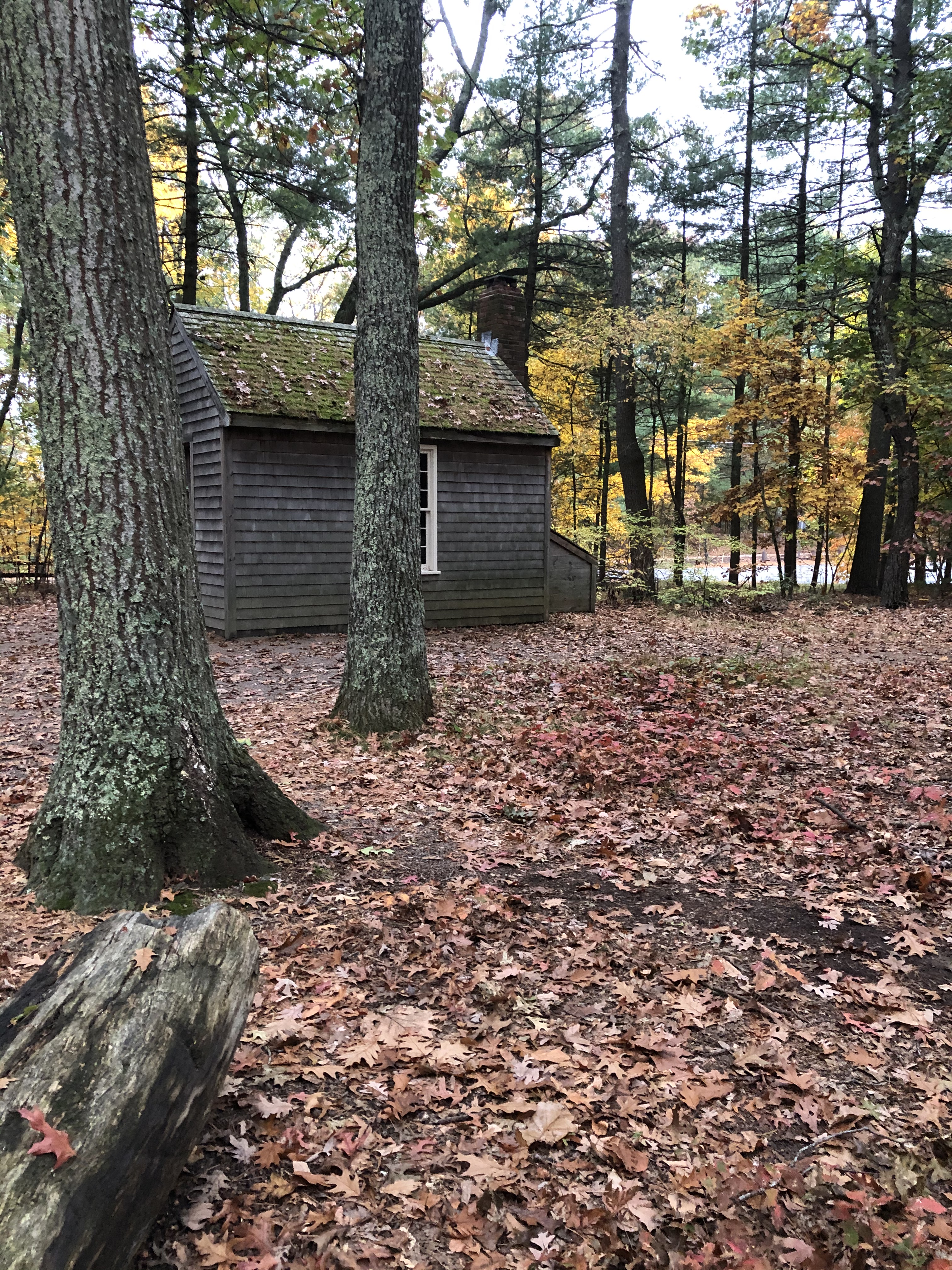
In 2009, Carl Hobert and his Boston University class visited Harlem Renaissance High School to talk conflict resolution with the school’s teens. Recently, he says, he has been researching delivery systems for work in Rwanda.

These are unusual times. For example, when we started getting our groceries brought to the house, we had a surprising conversation with our first delivery man (at a safe six-foot distance, of course). He said he was on leave from Boston University (BU) and was researching delivery systems for his work in Rwanda. He gave us his card (also at a safe distance) and offered to pick up items if the market’s online ordering was overloaded.

I was interested about Rwanda because I know someone else who does work there, and I went online to read about him.

From a BU post about a Global Literacy Institute: “Carl Hobert is a clinical instructor at the Boston University Wheelock College of Education & Human Development. He holds a BA cum laude in French and Political Science from Middlebury College, and an MA in Spanish from Middlebury College. He also holds a Master of Arts in Law and Diplomacy from the Tufts University Fletcher School of Law and Diplomacy. His book, Raising Global IQ: Preparing Our Students for a Shrinking Planet (Beacon Press), came out in 2013.” More here.

There was also this from 2009: “Lively apprentices of what Hobert, a visiting scholar and School of Education lecturer, calls preventive diplomacy, [students] are combining a rigorous, nuanced understanding of current events with the guiding principles of conflict resolution. Like countless dogged young optimists, these students, most majoring in international relations or education, believe a peaceful future is within reach.

“Hobert is the founder and executive director of the nonprofit Axis of Hope Center for International Conflict Management and Prevention, and under its umbrella, the students’ focus to get to that future is not governments but children and teens. …

“Hobert’s homework assignments focus students outward, locally to globally. They need to know in scholarly detail what is happening right now in every conflict zone from Somalia to Honduras by close daily readings of the Boston Globe, the New York Times, the International Herald Tribune, and Foreign Affairs. ..

“As students cultivate a global awareness, they engage in case studies that zoom in on conflicts, designed to illuminate the cornerstones of Hobert’s preventive diplomacy: the power of listening, mutual respect, negotiation, and compromise. …

“Most recently at the Harlem Renaissance High School in New York City, Hobert’s protégés [guided] school groups through the case study workshops refined in their BU class.” More.

And there was a MetroWest newspaper article from 2016: “A local resident says he is preparing to move to Rwanda where he hopes to attract high school students from around the world to an independent school in the African country.

“Carl Hobert, a Boston University professor who lives in Wayland, strives to raise students’ global awareness. He said he tries to teach them about conflict resolution through case studies that emphasize the importance of understanding different perspectives.

“Ultimately, students are ‘learning how to get along,’ said Hobert, who has been tapped to be assistant headmaster as well as director of the upper school at Rwanda’s Green Hills Academy.

“Hobert brings Rwandan experience, including taking youngsters to visit a Rwandan orphanage and bringing his conflict resolution expertise to the country. … The school currently includes Rwandan children and children whose families have moved there to take part in new investment in infrastructure and buildings, Hobert said. …

“His work at Green Hills Academy will include creating a high school boarding program for students from around the world, teaching international conflict resolution and overseeing the creation of a service learning program, according to a press release. …

“Hobert said students will come to a country that was once torn apart by genocide. They’ll see peace and stability and learn ‘that it can be done.’ ” More.

Oh, my, so many noble efforts on hold these days while we deal with the way things are!

Read Full Post »

merlin_171405549_b9319d51-b564-460a-94ca-34e0d88ccf4f-jumbo

Photo: Brian Kaiser
N95 masks and other personal protective equipment (PPE) are collected daily from hospitals, fire departments, etc., for eight hours of decontamination with hydrogen peroxide vapor at Battelle. The PPE is then put in individual bags marked with how many times they have been disinfected.

It’s scary to read that doctors are having to reuse N95 masks, but it turns out that if the masks have been steamed in hydrogen peroxide vapor for eight hours, they can be reused safely up to 20 times. How can we get this service for everyone?

Tiffany Hsu has the story at the New York Times, “Inside the rural Ohio labs run by Battelle, a nonprofit research and development firm, … employees have spent the recent weeks decontaminating over 30,000 used face masks for doctors and nurses on the front lines of the coronavirus pandemic.

“Each day, N95 masks collected from more than 100 hospitals, clinics, fire departments and nursing homes are treated for hours with a hydrogen peroxide vapor. Once cleaned, the masks are sent back to the same facilities to be reused.

“A severe shortage of personal protective equipment has left hospitals desperate as the outbreak continues to spread. …

“For Battelle, which usually develops products across a range of disciplines, from robotics to oil drilling, the decontamination project is an attempt to extend the lives of masks that already exist.

“Late last month, Battelle was granted emergency authorization by the Food and Drug Administration to expand its decontamination efforts. … Its process, what they call the Critical Care Decontamination System, will eventually be able to clean 80,000 masks a day per site, and [each] mask can be cleaned up to 20 times before losing effectiveness.

“Hundreds of employees are involved, and thousands more are being hired, with many going through training to set up decontamination sites on Long Island and in Seattle, Boston, Washington, D.C., and elsewhere. For now, the bulk of the operations are happening roughly 20 miles west of downtown Columbus.

“Like many efforts underway, Battelle’s project was barely an idea three weeks ago. The company had used vaporized hydrogen peroxide to sterilize sensitive equipment for years. But to develop a large-scale decontamination process, the logistics were hurriedly sketched out on a conference room table by a handful of experts and executives.

“Battelle’s West Jefferson [Ohio] site has since received scores of face coverings, double-bagged and stored in boxes marked with biohazard symbols. Health care networks like OhioHealth and Mercy Health are delivering their used masks by trained couriers. Recently, the chief of a local fire department dropped off masks in person. …

“Preparing newly arrived masks for decontamination requires small teams of workers in the tents, each wearing black rubber boots, two layers of gloves, surgical scrubs, a lab coat and a portable, powered air purifying respirator attached to a belt that blows filtered air into a closed hood over the worker’s head.

“Each mask is inspected before it is processed; roughly 10 percent are soiled or broken and cannot be decontaminated, according to [Kevin Sayers, who is helping to oversee the West Jefferson operation]. ‘We’re seeing a lot of masks right now that have makeup on them,’ he said.

“When ready to be decontaminated, the masks are brought inside a 1,000-cubic-foot chamber. Inside the decontamination chamber, the teams position the masks, in batches of 5,000 per cycle, on wire shelves affixed to the chamber’s metal walls, taking care to avoid overlapping.

The workers then exit the chamber, spraying themselves with a 70-percent alcohol solution. The precaution requires a gallon of alcohol each day.

Read about the rest of the process at the New York Times, here.

Oct. 8, 2020. Uh-oh. This post needs an update as the FDA has now condemned the business for not considering problems like allergies. Read this.

Read Full Post »

ca_0313nf_notre_dame_roof_10210381_1280x720

Photo: Patrick Zachmann/Magnum Photos
“In a 2019 fire, Notre Dame’s spire toppled and pierced its vaulted ceiling. Its lead roof melted into jagged stalactites,” writes Christa Lesté-Lasserre at the journal
Science.

How did you spend your Sunday? I took an early walk and watched FaceTime with my husband as Suzanne’s kids hunted for eggs. John sent a picture of his egg-hunters, and in the afternoon we chatted. I also “attended” San Francisco’s Glide Memorial Church via Zoom, but it got hacked, and the church had to turn off the “chat” feature. The music was super, as usual. Then Suzanne sent me a Broadway-style Passover seder meant to raise money for the CDC Foundation’s COVID-19 Emergency Response Fund, and I got a huge kick out of that.

Meanwhile, in Paris, online services were performed at the damaged Notre Dame Cathedral, as you can read at CNN. Reporter Alaa Elassar quotes Paris Archbishop Michel Aupetit: “A year ago, the cathedral was destroyed. Today the country is ravaged by a pandemic. There’s always a message of hope, and this celebration at the heart of the cathedral will be the sign of our hope.”

My post today is about that cathedral.

Christa Lesté-Lasserre writes at the journal Science, “Eight restoration scientists put on hard hats and heavy-duty boots and stepped inside the blackened shell of Notre Dame de Paris, the world’s most famous cathedral. Ten days earlier, a fire had swept through its attic, melted its roof, and sent its spire plunging like an arrow into the heart of the sacred space. Now, it was silent but for the flutter of house sparrows. The space, normally sweet with incense, was acrid with ash and stale smoke. Light beamed through voids in the vaulted stone ceiling, cutting through the gloom and illuminating piles of debris on the marble floor.

“Yet the scientists, called in by France’s Ministry of Culture to inspect the damage and plan a rescue, mostly felt relief — and even hope. Rattan chairs sat in tidy rows, priceless paintings hung undamaged, and, above the altar, a great gold-plated cross loomed over the Pietà, a statue of the virgin Mary cradling the body of Jesus.

“ ‘What matters isn’t the roof and vault so much as the sanctuary they protect,’ says Aline Magnien, director of the Historical Monuments Research Laboratory (LRMH). “The heart of Notre Dame had been saved.”

“On 15 April 2019, an electrical short was the likely spark for a blaze that threatened to burn the 850-year-old cathedral to the ground. Following a protocol developed for just such a disaster, firefighters knew which works of art to rescue and in which order. They knew to keep the water pressure low and to avoid spraying stained glass windows so the cold water wouldn’t shatter the hot glass.

“But even though their efforts averted the worst, the emergency was far from over. More than 200 tons of toxic lead from the roof and spire was unaccounted for. And the damage threatened the delicate balance of forces between the vault and the cathedral’s flying buttresses: The entire building teetered on possible collapse.

“At LRMH, the laboratory tasked with conserving all the nation’s monuments, Magnien and her 22 colleagues apply techniques from geology to metallurgy as they evaluate the condition of Notre Dame’s stone, mortar, glass, paint, and metal. They aim to prevent further damage to the cathedral and to guide engineers in the national effort to restore it. …

“And even as they try to reclaim what was lost, they and others are also taking advantage of a rare scientific opportunity. The cathedral, laid bare to inspection by the fire, is yielding clues to the mysteries of its medieval past. …

“The LRMH researchers work in the former stables of a 17th century chateau in Champssur-Marne, in the eastern suburbs of Paris. … Véronique Vergès-Belmin, a geologist and head of LRMH’s stone division, was sorting cathedral stones until 10 p.m. last night. This morning, she’s the first to unlock the laboratory’s ancient oak door.

“She slips a hazmat suit over her dress clothes and slides on a respirator mask — necessary when dealing with samples contaminated with lead. In the lab’s high-roofed storage hangar — once a garage for the chateau’s carriages — she presents several dozen stones that fell from the cathedral’s vaulted ceiling. Fallen stones hint at the condition of those still in place, which are largely inaccessible. The scientists can’t risk adding their weight to the top of the vault, and debris falling near the holes in the ceiling makes it dangerous to inspect the structure from below. Many of the samples in the lab were retrieved by robots.

“Heat can weaken limestone, and knowing the temperatures endured by these fallen stones can help engineers decide whether they can be reused. Vergès-Belmin has found that the stones’ color can provide clues. At 300°C to 400°C, she says, iron crystals that help knit the limestone together begin to break down, turning the surface red. … ‘Any colored stones or parts should not be reused.’ …

“Philippe Dillmann, an LRMH collaborator and a metal specialist with CNRS, the French national research agency, believes rust from the cathedral’s iron structures can provide similar clues. At increasing temperatures, the microscopic structure of the rust changes. By investigating the cathedral’s nuts and bolts — literally — as well as a ‘chaining’ system of iron bars within and around its walls, Dillmann wants to create a heat map for the nearby stones. He says it’s unknown whether these bars were used in construction and left in place or served as reinforcement. …

“Beyond the physical damage left by the fire is the emotional trauma suffered by thousands of Parisians and others, and CNRS researchers are also investigating this hidden aftermath.

Sylvie Sagnes, a CNRS ethnologist with the Interdisciplinary Institute of Contemporary Anthropology in Paris, is part of a group that will interview tourists, locals, guides, journalists, donors, and church members to analyze the fire’s emotional effect.

“She says people can display a powerful attachment to monuments, parks, and historical sites. When people mobilize to protect heritage, she says, it’s a democratic expression — something French anthropologists studied 30 years ago during a public outcry against planned renovations of a basilica in Toulouse. In the case of Notre Dame, strong feelings are intensifying controversies around its restoration, such as whether to rebuild it exactly as it was.

“ ‘Notre Dame isn’t just any monument,’ she says. ‘After the fire, people remain emotionally implicated.’ ” Over to you, Pierman Sister.

More at Science.

P.S. Do take a look at Andrea Bocelli singing in Milan’s Duomo on Easter, here.

Photo: CNN
A meditation ceremony was arranged at the damaged Notre Dame Cathedral in Paris to celebrate Good Friday 2020.

200410101353-03-notre-dame-mass-0410-exlarge-169

Read Full Post »
merlin_171401421_7bd14fe0-6988-4520-9c7d-acf5ead55b88-superjumbo

Photo: Erin Schaff/New York Times
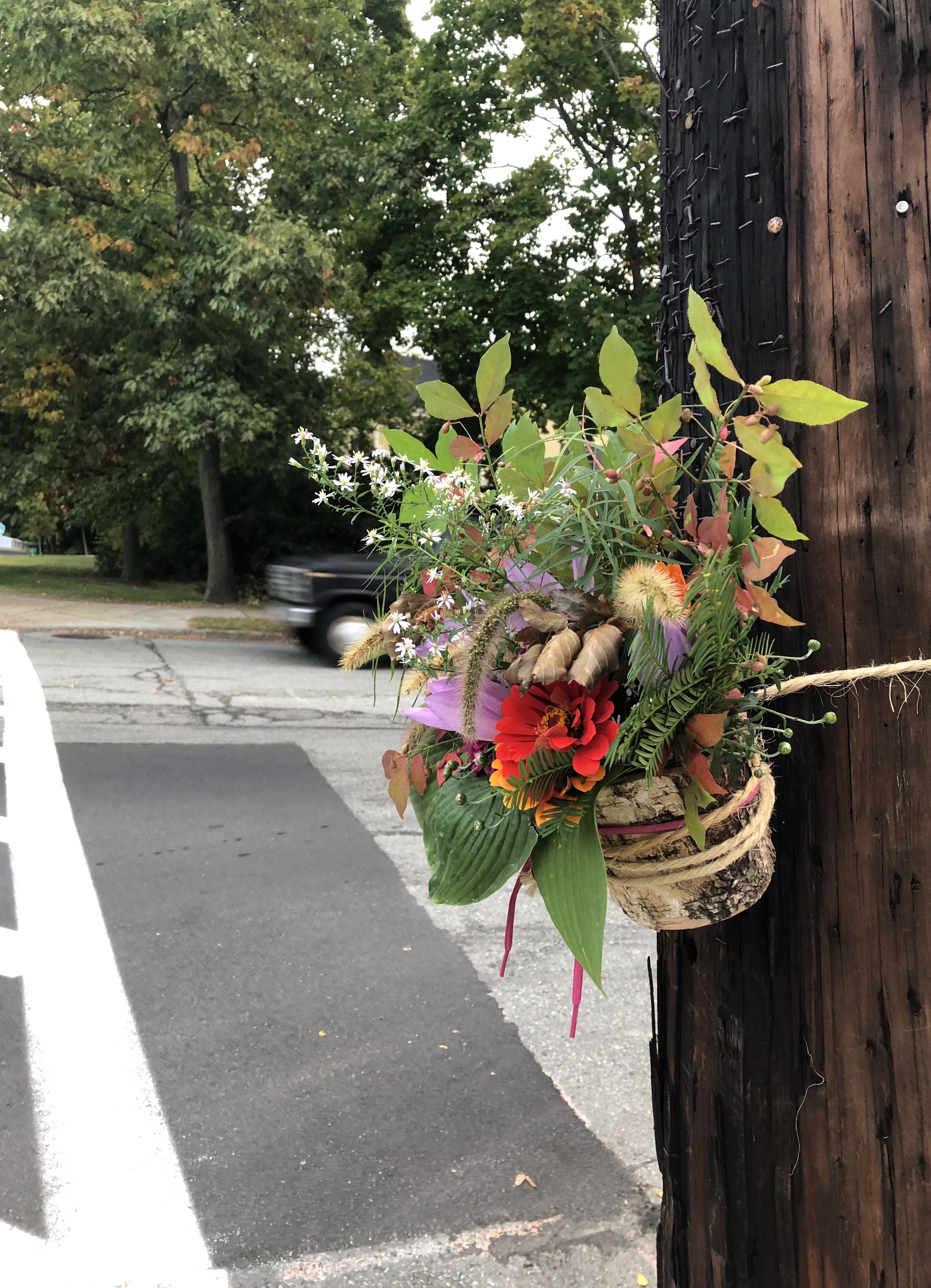
Workers assembling face shields at Berlin Gardens’ warehouse, Millersburg, Ohio, early this month. T
he Amish community is stepping up to fight coronavirus.

I know very little about the Plain People, and as is often the case when we know little about a group, we make assumptions. Amish communities are said to keep to themselves mostly, so perhaps I assumed that they would deal with coronavirus among themselves and not participate with wider efforts to tackle it. Wrong again, Suzanne’s Mom!

Elizabeth Williamson, reporting from Sugarcreek, Ohio, writes this for the New York Times: “On April 1, John Miller, a manufacturer here with deep connections to the close-knit Amish community of Central Ohio, got a call from Cleveland Clinic. The hospital system was struggling to find protective face masks for its 55,000 employees, plus visitors. Could his team sew 12,000 masks in two days?

“He appealed to Abe Troyer with Keim, a local lumber mill and home goods business and a leader in the Amish community:

‘Abe, make a sewing frolic.’ A frolic, Mr. Miller explained, ‘is a colloquial term here that means, “Get a bunch of people. Throw a bunch of people at this.” ‘

“A day later, Mr. Troyer had signed up 60 Amish home seamstresses, and the Cleveland Clinic sewing frolic was on.

“For centuries, the Amish community has been famously isolated from the hustle of the outside world. Homes still lack telephones or computers. Travel is by horse and buggy. Home-sewn clothing remains the norm. And even now, as the coronavirus rages in the country at large, there is resistance from people sustained by communal life to the dictates of social distancing that have brought the economy to a halt — in Amish country as everywhere else.

“But as the virus creeps ever closer, the Amish community is joining the fight.

“ ‘If there is a need, people just show up,’ said Mr. Troyer, a man in his 40s with a gray-streaked beard and a mild German accent. …

“The pandemic has idled hundreds of Amish seamstresses, craftsmen and artisans, and Amish people do not apply for federal unemployment benefits.

“ ‘It conflicts with our faith and our commitment to the government,’ said Atlee Raber, who founded Berlin Gardens, an area garden furniture maker that now makes protective face shields.

“Almost overnight, a group of local industry, community and church leaders has mobilized to sustain Amish households by pivoting to work crafting thousands of face masks and shields, surgical gowns and protective garments from medical-grade materials. When those run scarce, they switch to using gaily printed quilting fabric and waterproof Tyvek house wrap.

“ ‘We consider this a privilege that we can come in here and do something for somebody else who’s in need and do it right at home here, and do it safely,’ Mr. Raber said, instead of ‘taking handouts.’

“Mr. Miller, who is president of both Superb Industries, a manufacturer in Sugarcreek with medical, automotive and commercial clients, and Stitches USA, a commercial sewing operation, calls March 16 ‘Black Monday.’ That’s when social distancing guidelines laid waste to Holmes County’s economy. … Member businesses employ about 6,000 people, the majority of them Amish. Three days later, Mr. Miller created ‘Operation Stop Covid-19.’ …

“With area businesses, he set up a website and enlisted emergency workers from Sugarcreek Fire & Rescue to model prototypes of N95 mask covers, fluid-resistant gowns sewn of tarp material from Zinck’s Fabric Outlet in Sugarcreek, and boot covers made of Tyvek from Keim, in nearby Charm, Ohio.

“Keim’s Amish millworkers built hardwood dividers for field hospitals in New York, the meticulous workmanship belying their temporary purpose. Berlin Gardens, which normally makes garden furniture from recycled plastic milk jugs, completed their first order of 20,000 plastic face shields for Yale New Haven Hospital last month.

“ ‘We’re close to 100,000 a day,’ Sam Yoder, the current owner of Berlin Gardens, said last Friday. ‘It almost covers our payroll. Not quite.’ …

” ‘Cleveland Clinic has been here for us,’ Mr. Miller said. ‘They saved my mom’s life many times.’ ”

More here. The part about Covid-19 challenges to the communal way of life among the Amish is interesting. Like the rest of us, everyone is having to rethink how things get done.

Deb at https://abearsthimble2.wordpress.com/, I know you are not Amish, but you know a lot more about their way of life than I do, so if a comment on this post comes to mind, send it to suzannesmom@lunaandstella.com and I will post it. That way we can work around the Comments glitch.

Read Full Post »
04062020_muralartists_105054-1020x574-1

Photo: Ramon Dompor
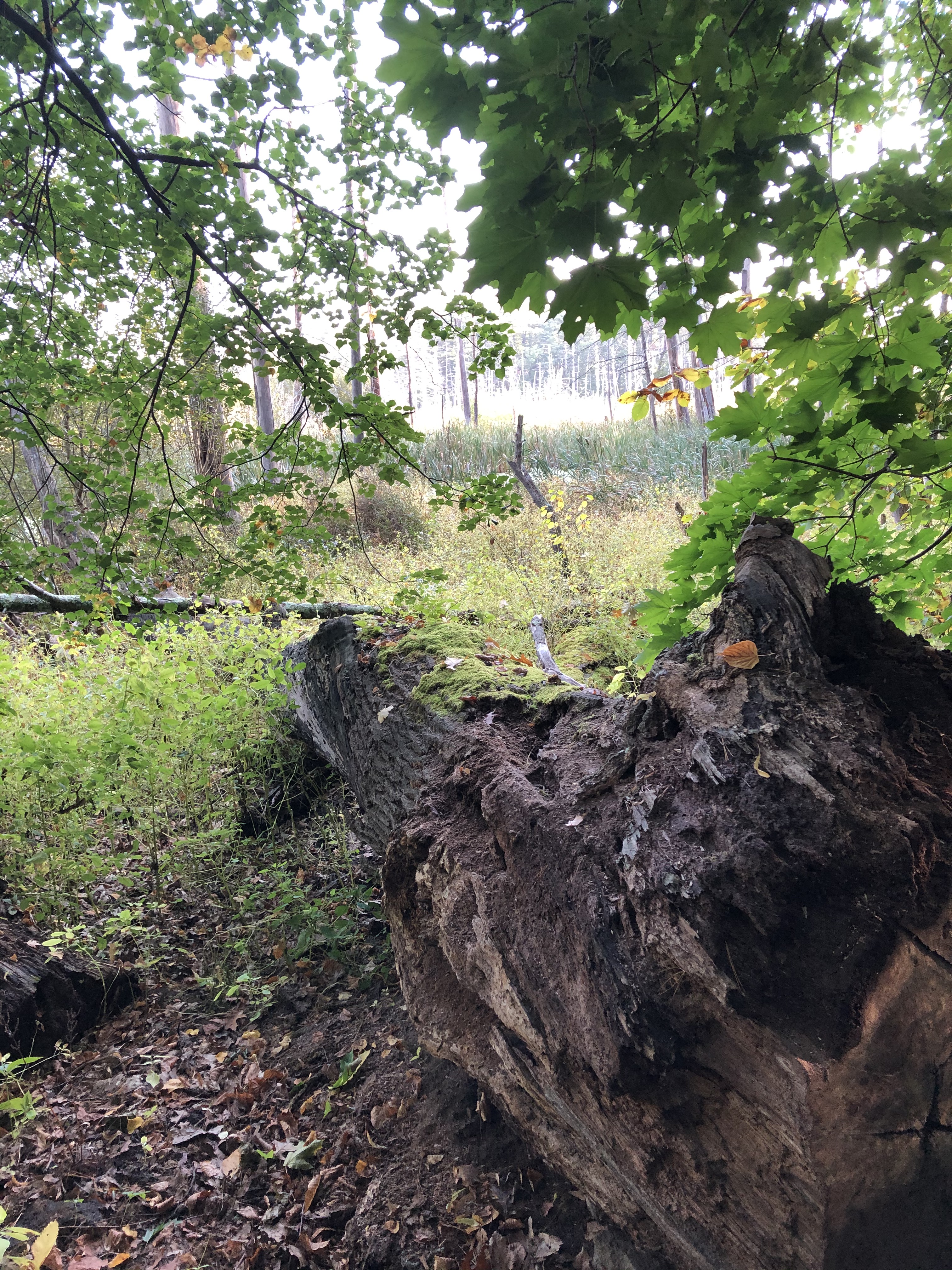
Artist Carlos Ruiz works on his mural to cover the boards on the Jade Garden Restaurant. Ruiz and other local artists donated their time and paint to help several restaurants in Seattle.

As we all know, Washington State had the first cluster of coronavirus cases in the US, and it is still struggling. That’s why the Seattle Times decided to solicit stories for a Stepping Up series meant to bring residents some encouragement.

In one example, Chris Talbott reported on artists beautifying boarded-up storefronts.

“Plywood is going up all over town. It’s not pretty. Give Seattle’s art community a little time, though, and it will catch up. Already artists are out and about, painting  murals to combat the growing blight as the novel coronavirus pandemic forces continued closures of local businesses and restaurants.

” ‘I have been homebound mostly like everybody else and trying to think of ways that I can help my community,’ artist Amanda Bishop said.

‘I’ve been feeling a little bit helpless because I’m not on the front lines. I’m not a nurse, I’m not a doctor. I don’t have a ton of money and my husband and I both lost work because of the virus. So when this opportunity came up, I was like, “This is a way that I can use my skills because this is my full-time thing.” ‘

“Working with permission from owners through the group Overall Creative, Bishop has started painting murals. She spent Sunday at the corner of Pike Street and 10th Avenue working in front of the Comet Tavern and Lost Lake Café along with other artists, each presenting their own vision. …

“Bishop said, ‘I actually did have a lot of people come up and say thank you. And I’ve done a ton of murals over the last eight years of doing this professionally and I haven’t had that as much as I had the last two days.’

“Plywood started going up [in March] after vandals began smashing windows of closed businesses. That led to more plywood from store owners who feared they might be next. Things were starting to look bleak all over town.

“The folks at Venue in Ballard realized this immediately. The shop sells the work of local artists and features a row of large picture windows. There was no question the windows needed to be covered up, but plywood seemed so … blah. So owners decided to hire a painter to beautify the plywood with a forest scene. …

“Venue owner Diane Macrae said, ‘Knowing artists are struggling as well with canceled shows and lack of sales, we figured it was a chance to provide some additional work for them. Our store is all about supporting local artists, so it made sense to continue to do this during this time in any way we can.’

“A similar effort has been under way in the International District and Little Saigon areas after vandals took out the windows of several restaurants nearly two weeks ago. …

“Ivy Chan and her family, which has run Jade Garden for 17 years, aren’t sure if the vandals were trying to break in or were just out to cause damage. But she feels the opportunity arose because the streets are virtually empty thanks to the stay-at-home order.

“ ‘Those people, they like to take advantage of the fact that there’s less people now because they’re all trying to do their diligent part to stay home,’ Chan said. “And then other people are like, ’Oh, it’s easier for me to go out there and do stuff. There’s less police patrolling, there’s less eyes to watch.’ …

“Keoke Silvano, a local photographer, … organized a group of artists who proceeded to paint the colorful mural at Jade Garden. He hopes it’s just the start, and that painters who might be out of work or looking for a way to contribute will continue the effort for businesses forced into fortress mode. …

“ ‘It seems to me that some of these businesses might’ve been targeted because they are Asian businesses,’ Silvano said. … He decided to fight back and put out word to the art community. He ended up with a half dozen or so painters who decorated the front of Jade Garden in a variety of colorful styles. They used mostly spray paint to craft scenes that included a meal of noodles, vegetables and tea with a fortune cookie, and a Seattle skyline framed by jacaranda blossoms.”

More here.

Isn’t that the way things go? First something bad like vandalism happens, then individuals in the community basically say, “I’m not on that team” — and join forces.

Read Full Post »
iu6gz4ze2zbl5godytm4y5pgqu

Photo: Jim Davis/Globe Staff
Jars of Teddie Peanut Butter on the shelves in Market Basket, Nashua, New Hampshire. Teddie is increasing production to meet new demand.

But wait! There’s more. More, that is, on civic-minded businesses pivoting to meet the pandemic challenge. Whether it’s companies like Teddie Peanut Butter increasing production to prevent shortages (here), or the companies that are suddenly making something new, it’s all good.

Here’s a nice story by Leanne Italie at the Associated Press that was broadcast on WEARTV about a small sail company.

“On the coast of Maine, Eric Baldwin and his staff of two usually spend their days selling, repairing and washing sails for boats. They transform their surplus sailcloth into tote bags to bring in extra money.

“But when the coronavirus outbreak slowed business, they turned their industrial sewing machines to a new task: making cotton masks for caregivers and others who need protection from the disease.

‘We wanted to do something to give back,’ Baldwin said from his North Sails workshop in the small village of South Freeport, about 20 miles north of Portland. ‘Doing something like this just makes you feel good.’

“The 53-year-old Baldwin, who has operated his shop, known as a loft, for about 25 years, got the idea from employee Karen Haley. They went to work immediately and are now shipping to recipients as far away as Arizona after word spread on social media that masks were available. …

“Haley’s mother is a quilter. She raided her mom’s stash of cotton remnants to turn into double-ply rectangles called for by a mask pattern they found on a hospital website. Baldwin’s former wife got a Jo-Ann fabric store to provide elastic at a discount.

“Although they still have orders to fill for totes and sails, a portion of each day is dedicated to masks. Baldwin’s other worker, Alan Platner, volunteered to sew masks at home as well. …

” ‘I have every intention of keeping both of these people employed, and we’re not at a point yet where that’s even close to being in jeopardy, but I do think in terms of the tote business. I would be shocked if that picks up. We’re essentially missing the tourist season,’ Baldwin said. …

” ‘The response from the people has been overwhelming,’ Haley said. ‘They’ve been so appreciative of what we’re doing. The recipients include a woman who works for the Department of Homeland Security whose husband is an EMT. Others are nurses and nursing assistants. One is a social worker who makes home visits.’ …

“There’s been a run on elastic so when their stash is gone they might have to quit. He’s scrounging for more.

“Even if he’s no longer able to produce the masks in Maine, the effort is likely to continue elsewhere. Baldwin put out the word to other North Sails lofts around the country, letting them know what he was doing. Four have already offered to begin making masks, including shops in San Diego, Chicago and Annapolis, Maryland.” More.

Meanwhile in Rhode Island, as @angusdav noted on Twitter recently, “Kinder Industries shifted production today from boat canvas to PPE face shields at our industrial park in my hometown Bristol, RI. 3M raw material truckload arrived today; manufacturing begins Monday. 1st 8,000 to R.I. hospitals. Ready to supply others.”

Please give a shout-out to other companies stepping up during the pandemic. We need to remember them down the road.

Photo: AP/Robert F. Bukaty
In this Monday, March 23, 2020, photo, Eric Baldwin examines the stitching on a cotton mask, one of hundreds he and the employees at his sail-maintenance business are making for coronavirus caregivers at North Sails in Freeport, Maine.

46d3cefa-d589-4653-af04-8942d0234ca2-medium16x9_ap20083809763998

Read Full Post »
040520-Melvin-Memorial-ConcordMA

Time for a few more photos sent to me by family or gathered on a walk. What would I do without the outlet of walks?

Above I am bundled up in front of the Melvin Memorial at Concord’s Sleepy Hollow cemetery. It commemorates another bad time in US history, the Civil War. A heartbroken man whose three brothers never came home commissioned the famous Concord sculptor Daniel Chester French (who created the statue of Lincoln at the Lincoln Memorial in DC) to make this lovely recognition of his brothers’ service.

French, by the way, is buried not too far from this, near authors Henry David Thoreau, Nathaniel Hawthorne, and Louisa May Alcott.

In the next picture, I’m photographing John’s adventurous neighbors from the bridge over the Sudbury River as one of them photographs me. The bridge is near the next scene, a meadow that the river floods every spring.

A walk on conservation land can turn up a fox if I’m lucky. Or maybe a bathtub.

What to make of the bear? I did read somewhere that folks in another town were putting teddy bears in windows to make a safe scavenger hunt for neighborhood children, but this was the only bear I encountered on my walk. He looks like he is being held for ransom.

In the last picture my Rhode Island grandchildren are making flags of countries they have invented where there is no coronavirus. According to Suzanne, my grandson’s country is “a mountainous island off of Norway [and my granddaughter’s] is filled with rainbows, unicorns, and — LOL — dolls.”

Laurie, I know you’d like a country with unicorns.

032820-me-filming-the-Teel-St-gang

033120-underwater-meadow

033120-outdoor-tub

033120-shadows-on-grass-straight-view

040220-flowering-bushes

040820-are-there-bears-in-the-woods?

400820-bouquet

040620-red-green-shadows

040820-flowering-cherry-at-neighbor

040120-banana-bread-in the-plague-year

2020-04-01-making flags-of-country-with-no-coronavirus


Read Full Post »

gerbil-museum-2-1080x607-1

Photo: Filippo and Marianna
Nine-month old gerbils Pandoro and Tiramisù survey London’s newest art institution, the Gerbil Museum.

This cute story from London about two imaginative shut-ins and their pets makes me think of Beatrix Potter books. But which one in particular? Maybe The Tale of Two Bad Mice? What do you think?

Hrag Vartanian reports for Hyperallergic, “Pandoro and Tiramisù are not your ordinary gerbils. The London-based pair got a special surprise when their owners, Filippo and Marianna, created a miniature museum  just for them during the current COVID-19 quarantine. …

“Both Filippo and Marianna are art lovers, with one working in a local museum and the other as an artist and writer. The gerbils declined to comment.

“Hyperallergic: Tell us about your gerbils!

“Filippo and Marianna: They are 9-month-old brothers and their names are Pandoro and Tiramisù. Pandoro is tawny while Tiramisù is the taupe one.

“H: Have they demonstrated a love of art before?

“F&M: Not really, this was their first time in a museum. They much enjoyed the display and paid close attention to the quality of the gallery’s props. They can’t read, so the sign to advise the visitors to not chew [on the furniture] went completely unnoticed. Overall, it seemed to be a satisfying and engaging experience.

“H: How did you choose the paintings?

“F: Initially we wanted to select less famous paintings but in the end we thought it would have been funnier and more engaging to choose some of the best known works in art history. … Marianna is very good at painting and I couldn’t help but wonder how ‘The Kiss’ and “’Girl with a Pearl Earring’ could have looked with a gerbil twist. …

“H:  Did Pandoro and Tiramisù enjoy the opening of their private museum?

“F&M: Initially they explored the gallery space looking for clues about the rather eclectic selection of artworks. After a while, boredom and a certain love for disruptive gestures grew to a point they managed to start a performance by chewing the empty gallery assistant’s stool — an act that we were lucky enough to film. …

“H: Is this a complicated ploy to write off your gerbils on your taxes?

“F&M: Maybe yes, although they are not very expensive. As long as we have seeds and mini gallery assistants’ stools we are good.”

The blogger Bereaved Single Dad, also in England, frequently mentions gerbils. This is from 2019: “A couple of days back we set off for the pet shop to get a gerbil. A couple of hours later we had fallen for the story of the three inseparable brothers who they didn’t want to split up. … Happy Son. Confused Dad.

“Meet our three new faces. Cupid, Jeff and Hendrix. Unbelievably the house is already covered in wood chippings. Suspect I will need a bigger Hoover.”

The video of the museum-going gerbils is at Hyperallergic, here.

As the New Yorker magazine used to say in a bottom-of-the-column feature: “There’ll always be an England.”

Read Full Post »
« Newer Posts - Older Posts »