Feeds:
Posts
Comments

Archive for the ‘Uncategorized’ Category

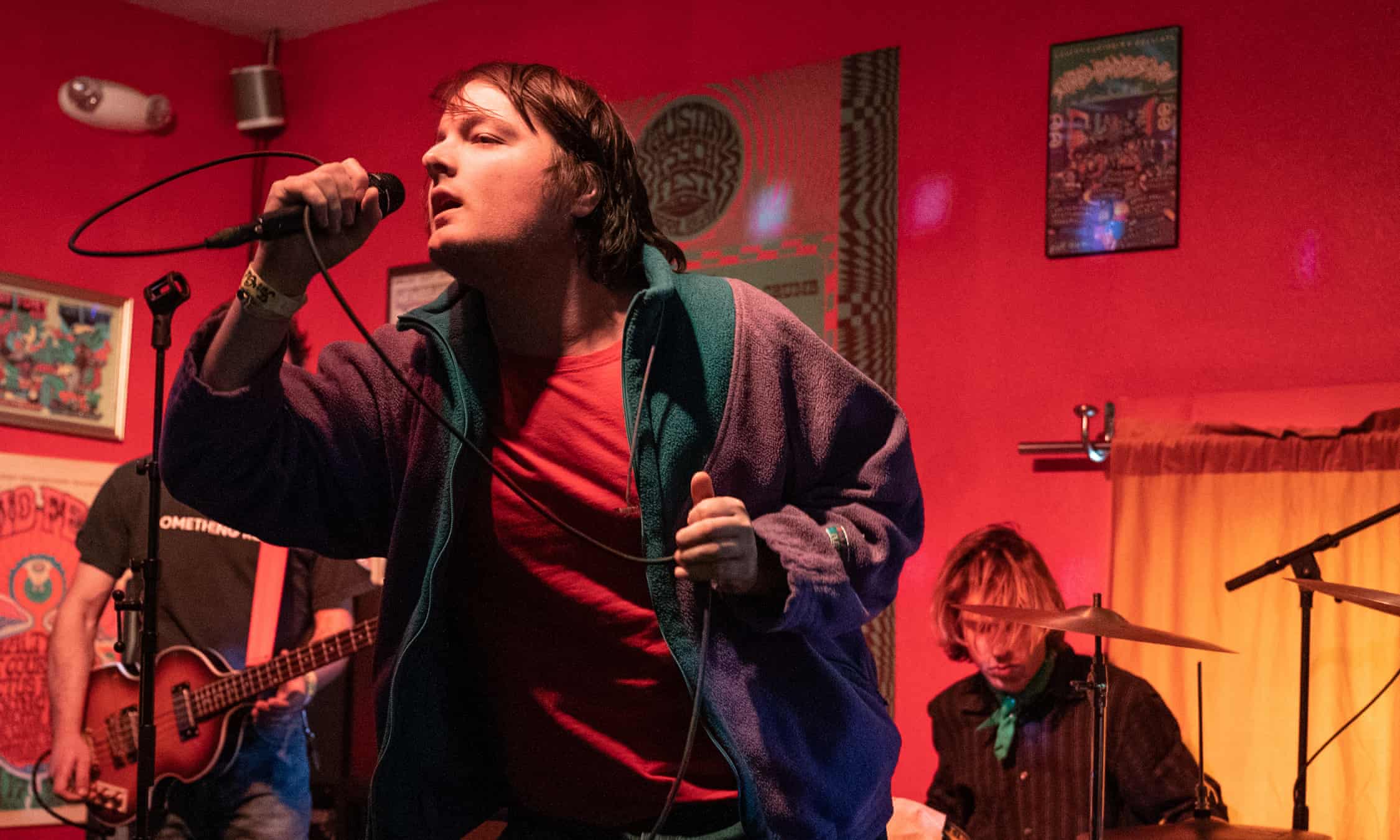
Photo: Brooke Holder/The Christian Science Monitor.
Eddie Lorah performs at Barber’s Den in Somerville, Massachusetts, Sept. 14, 2024. Every Don’t Tell Comedy show is located at an unconventional venue. 

People often say, “I have to laugh so I don’t cry.” And goodness knows, we all need laughter. In fact, a doctor I met when I was working for Minnesota Physician actually taught people how to make themselves laugh. Because it boosts endorphins that are good for you. He called himself the Laugh Doctor.

Now I’m learning that there’s such a thirst for comedy these days that live clubs are popping up everywhere. Including in barbershops.

Stephen Humphries writes at the Christian Science Monitor, “Of all the options for a night out in Boston, an immigration lawyer’s office probably doesn’t rank high on many lists. Yet that’s where Hayley Licata and Renee Tracy found themselves last fall. The two recent college grads had such a blast that they’ve opted to repeat the experience.

“Tonight, they’ve arrived at a barbershop. This location was a secret – just as the law office had been. A man at the door checks that they’re on the guest list. Then he welcomes them to Don’t Tell Comedy.

“Every weekend, in over 200 cities around the world, Don’t Tell Comedy hosts secret shows by stand-up comedians. Venues range from boxing gyms to boats. For one night only, this dimly lit salon in Somerville, Massachusetts, has been transformed into a pop-up comedy club. In one corner, a microphone stand basks in the flat halo of a spotlight. Forty folding chairs have been set up between work stations sporting arrays of electric razors. …

“Founded in 2017, Don’t Tell Comedy has had a success that reflects the remarkable boom of live comedy since the pandemic. In large part, the demand for stand-up has been fueled by filmed specials on streaming platforms and funny clips on TikTok and YouTube. But, paradoxically, it’s also a reaction to those media. Events such as Don’t Tell Comedy are inspiring people to get off their couches, because online entertainment is no substitute for participating in intimate, in-person events.

“ ‘It feels a little bit like magic,’ says Brendan Eyre, the headliner among the five performers at the barbershop. … ‘You’re sharing an experience with strangers. You’re laughing at the same thing. They’re laughing at the same thing, which brings people together. You feel a sense of community.’ …

“In an era when many people can’t seem to watch television without constantly checking their phones, the audiences for both sets at the barbershop are fully unplugged for more than 70 minutes. Attendees may even become part of the show. For instance, one comedian cracked a joke about first-timers Gilbert Paredes and Kelly Emmons.

“ ‘If you sit at the front, they might give you attention,’ says Ms. Emmons. ‘But that’s part of the fun. If you wanted something that was one-way, you would stay at home and watch your TV.’ …

“For her, part of the appeal of the inexpensive Don’t Tell Comedy event is discovering talents she hasn’t heard of before. The lineups are a secret prior to each show. (Very occasionally, big-name acts such as Jeff Garlin and Michael Che will drop by to road test new material.)

“Tonight, audiences are especially enamored with comic Janet McNamara. She tells the audience about her audition for Season 9 of ‘American Idol.’

“ ‘You know how they have “bad people”? I was one of the bad people,’ Ms. McNamara tells the room, which erupts with laughter. ‘I went on as, like, a goof to make my friends laugh. But then it didn’t occur to me that it would be on TV.’

“Ms. McNamara, who mercifully didn’t sing during her set, performed at the first-ever Don’t Tell Comedy show. It was staged in a backyard in Los Angeles in 2017. She says fringe stand-up venues aren’t a novel concept – shows in laundromats predate Don’t Tell Comedy – but what the company does especially well is showcase fast-rising stars on its YouTube channel.

Case in point: Susan Rice, a septuagenarian comic from Portland, Oregon.

“ ‘Her set really just did well,’ says Don’t Tell Comedy’s chief operating officer, Brett Kushner. ‘It’s over a million [viewers] now. She’s now taping her special down in LA from that momentum.’ “

More at the Monitor, here. No firewall.

Read Full Post »

Photo: John and Suzanne’s Mom.
Found a special cranberry recipe on WordPress years ago. Still a hit with the family.

This year, I’m grateful for what’s left.

What I mean is that I’m glad I’m healthy for my age and that I can often remember what I’m supposed to be doing next — I can even remember names if I just wait.

Though I’m missing people who have died, I’m really grateful for all the friends and family who are alive and doing fine. I’m grateful that people still write books that interest me and that most of those unwanted “improvements” in tech (WordPress, Instagram, the iPhone, Zoom) I can usually figure out without asking for help.

I’m grateful for kindness in unexpected places. And I’m grateful for the many, many leaders and organizations in the US that still care about the people.

I’m also grateful for the maple-clementine-ginger-lemon-apple-cranberry recipe I once found online and can probably continue to make until my arthritic thumbs tell me to stop peeling apples. Check out the cranberry recipe here.

Read Full Post »

Photos: Suzanne and John’s Mom.

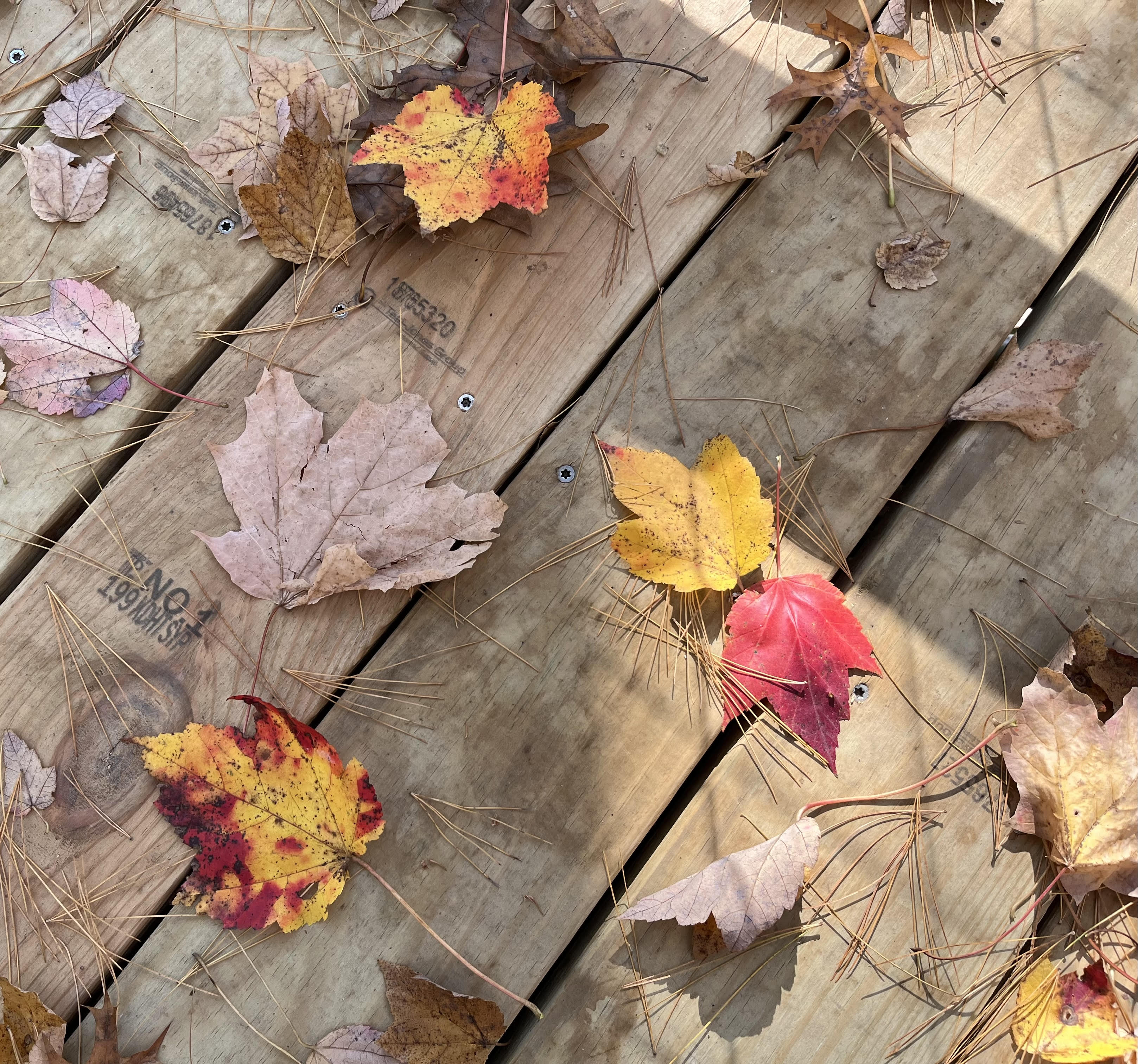
It’s starting to feel like winter is around the corner, so I’ll just post a few photos from my New England autumn before the snow falls.

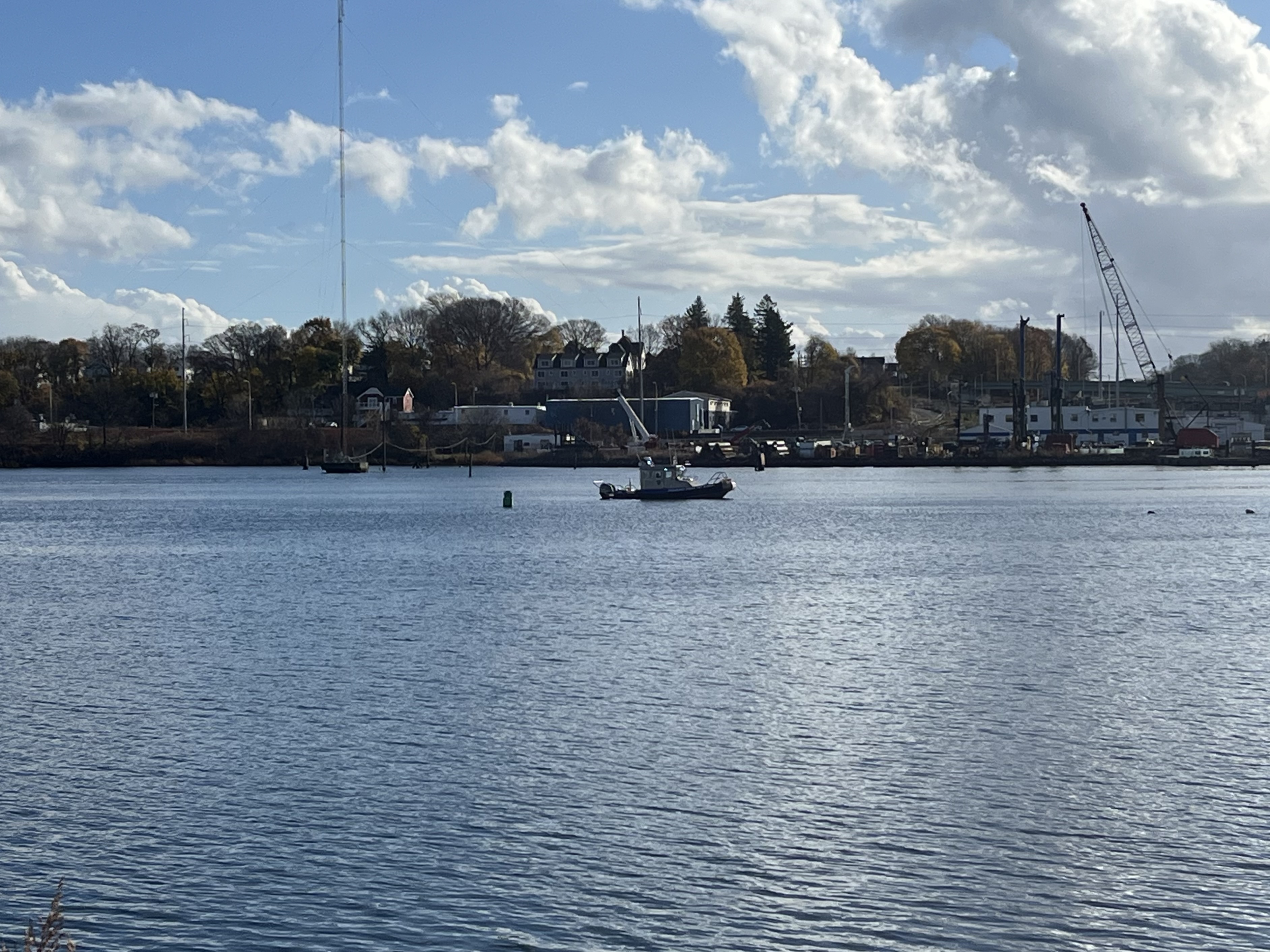
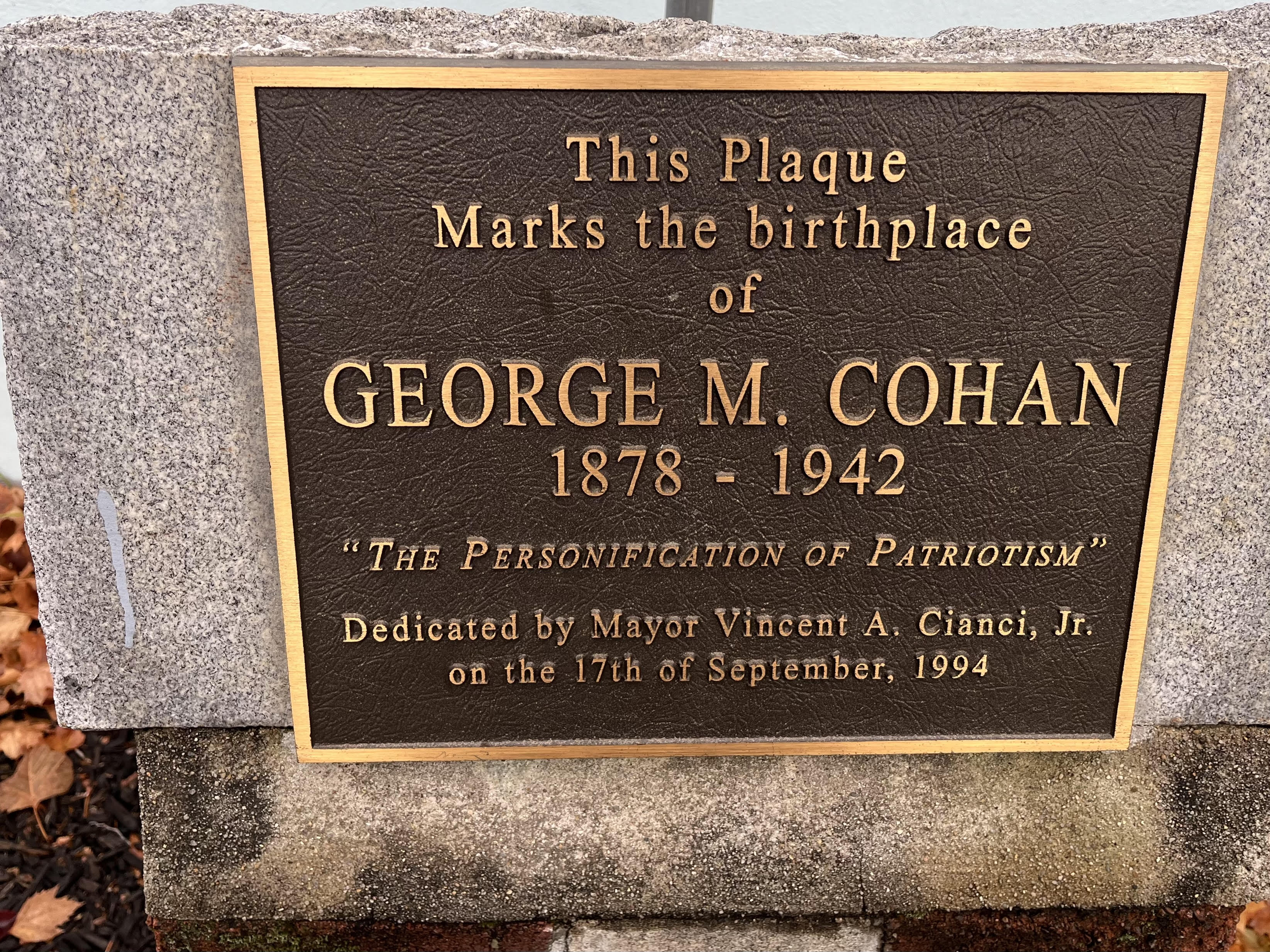
Below, clouds over the Seekonk River in Providence, Rhode Island, and chess-playing foxes in Fox Point. Also in Fox Point, the notorious Mayor Cianci’s plaque honoring both composer George M. Cohan — and Cianci himself.

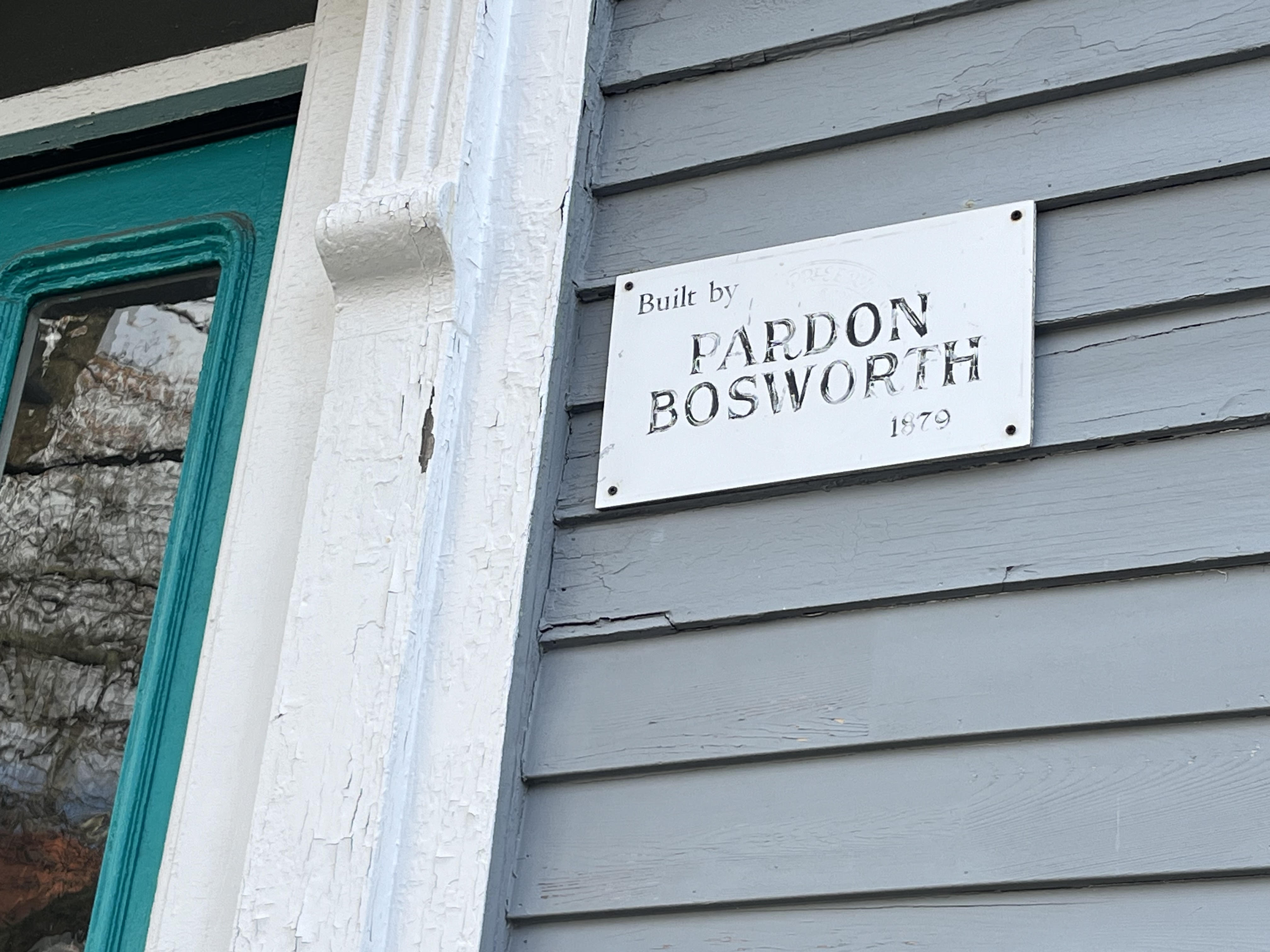
In the same neighborhood, I got a kick out of the name of a 19th century homeowner. And a jazzed-up staircase across the street.

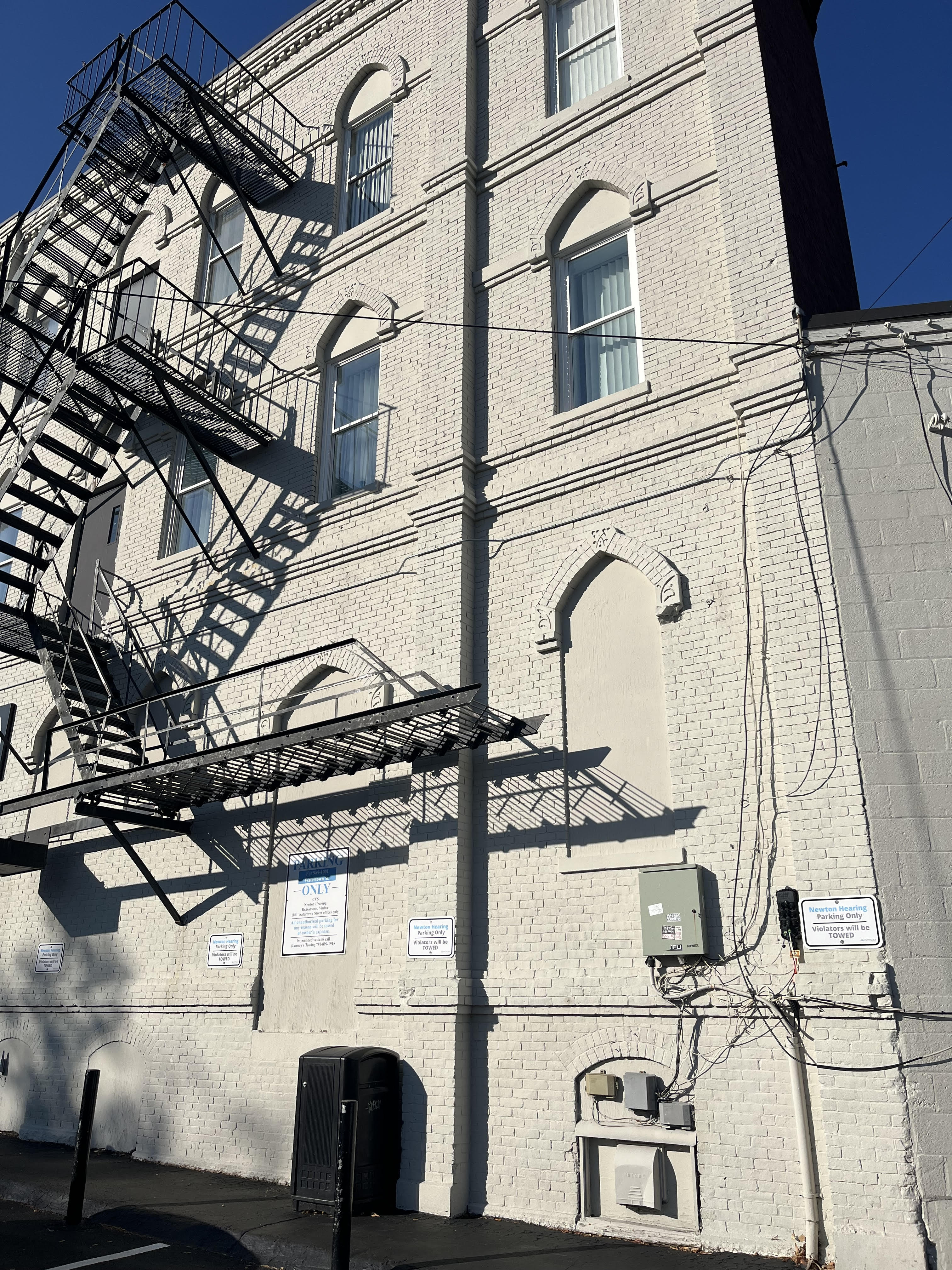
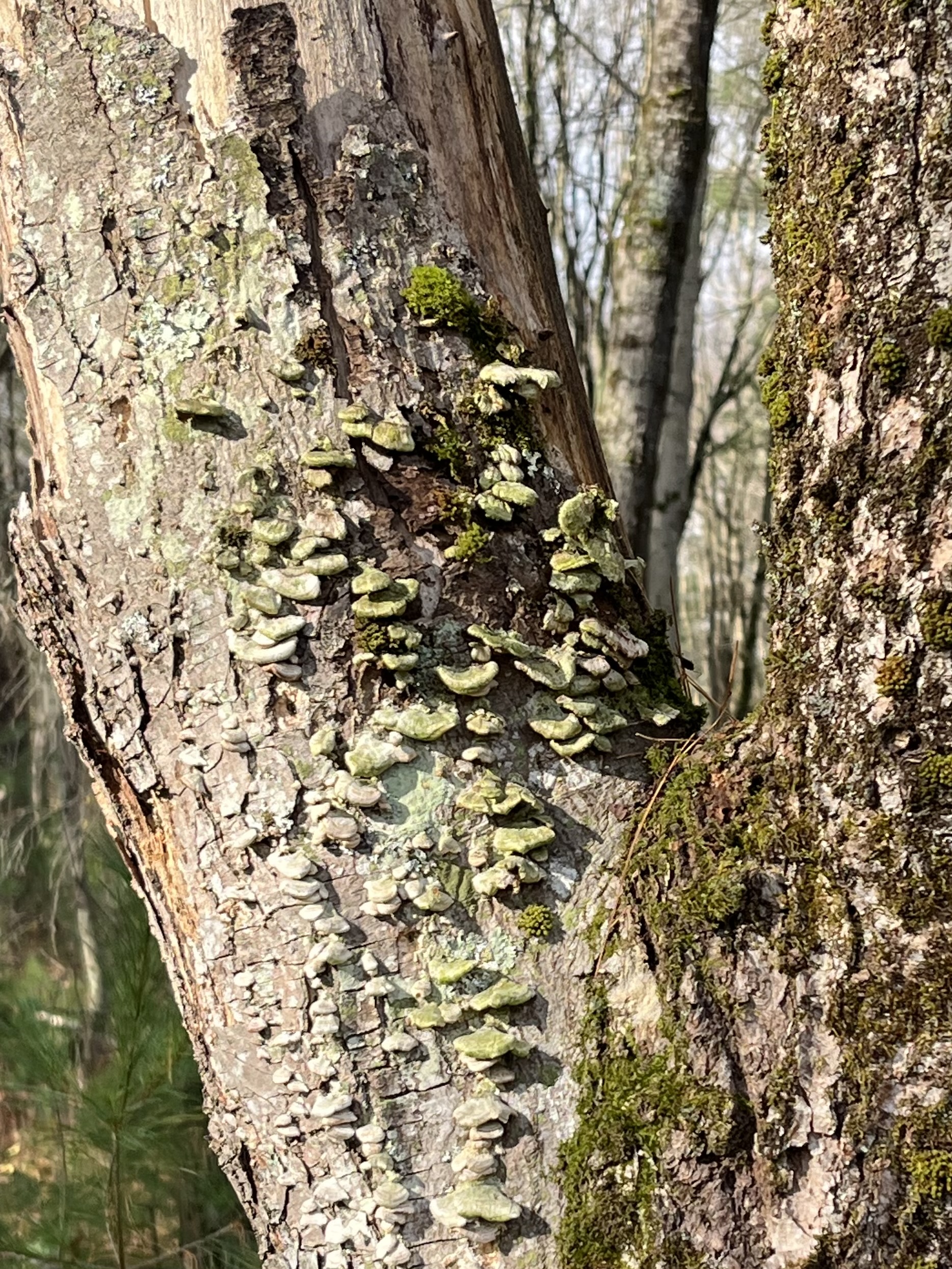
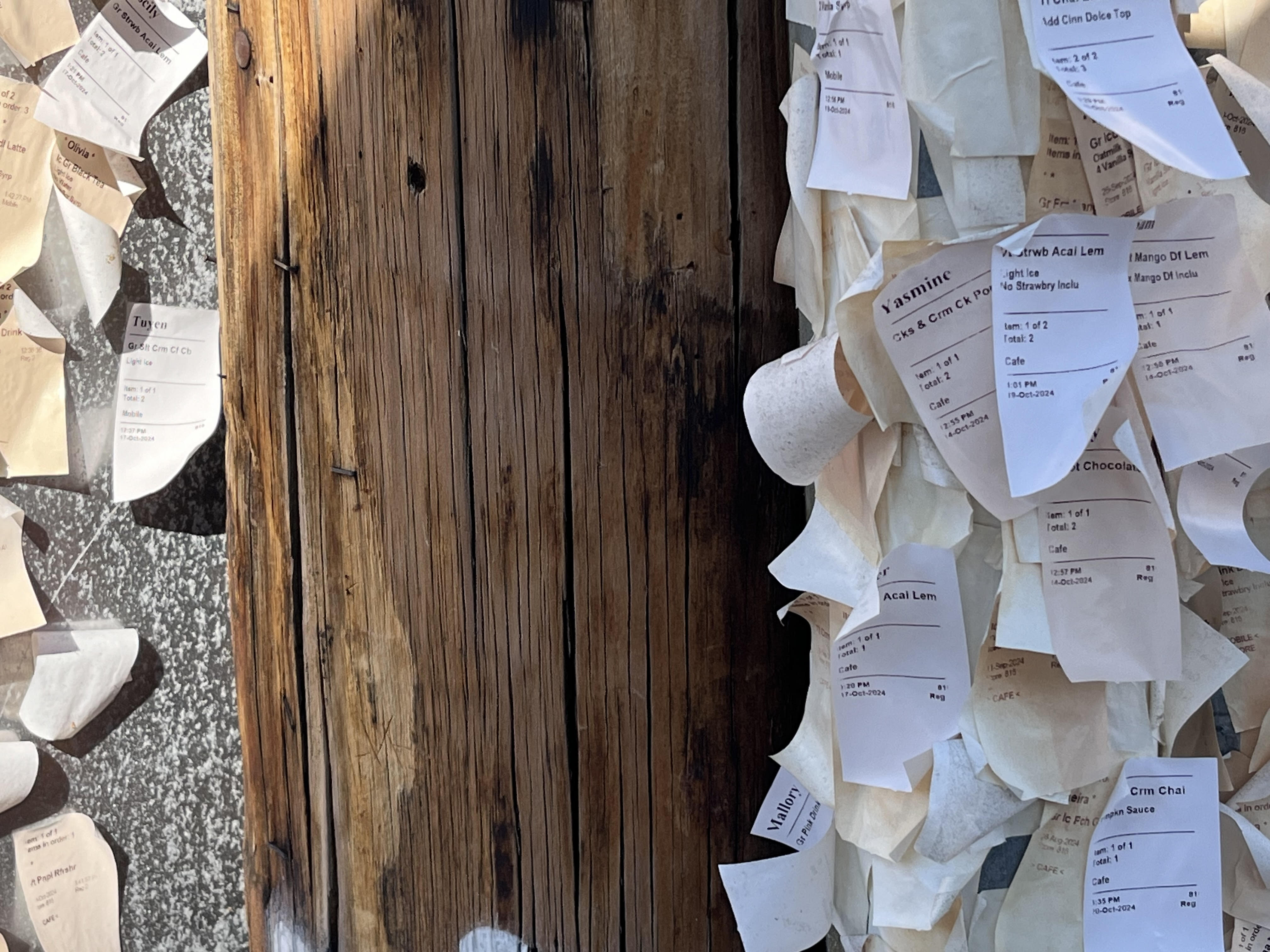
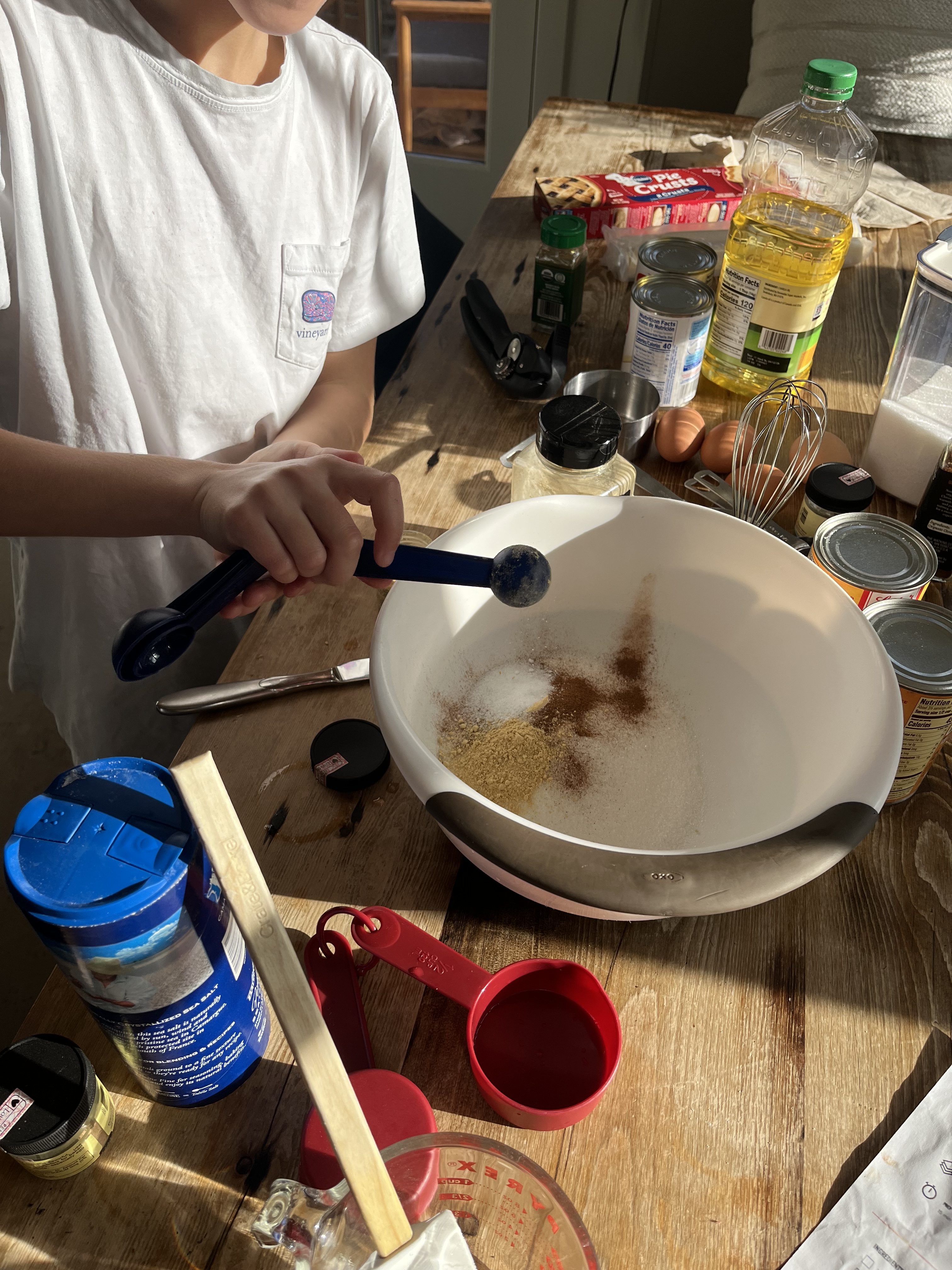
Back in Massachusetts, I found a nice shot of a different kind of staircase (jazzed up by light and shadow), then two fungus photos (one flower-like) and Starbucks receipts decorating a telephone pole. The pastry chef, age 11, has more baking experience than most adults.

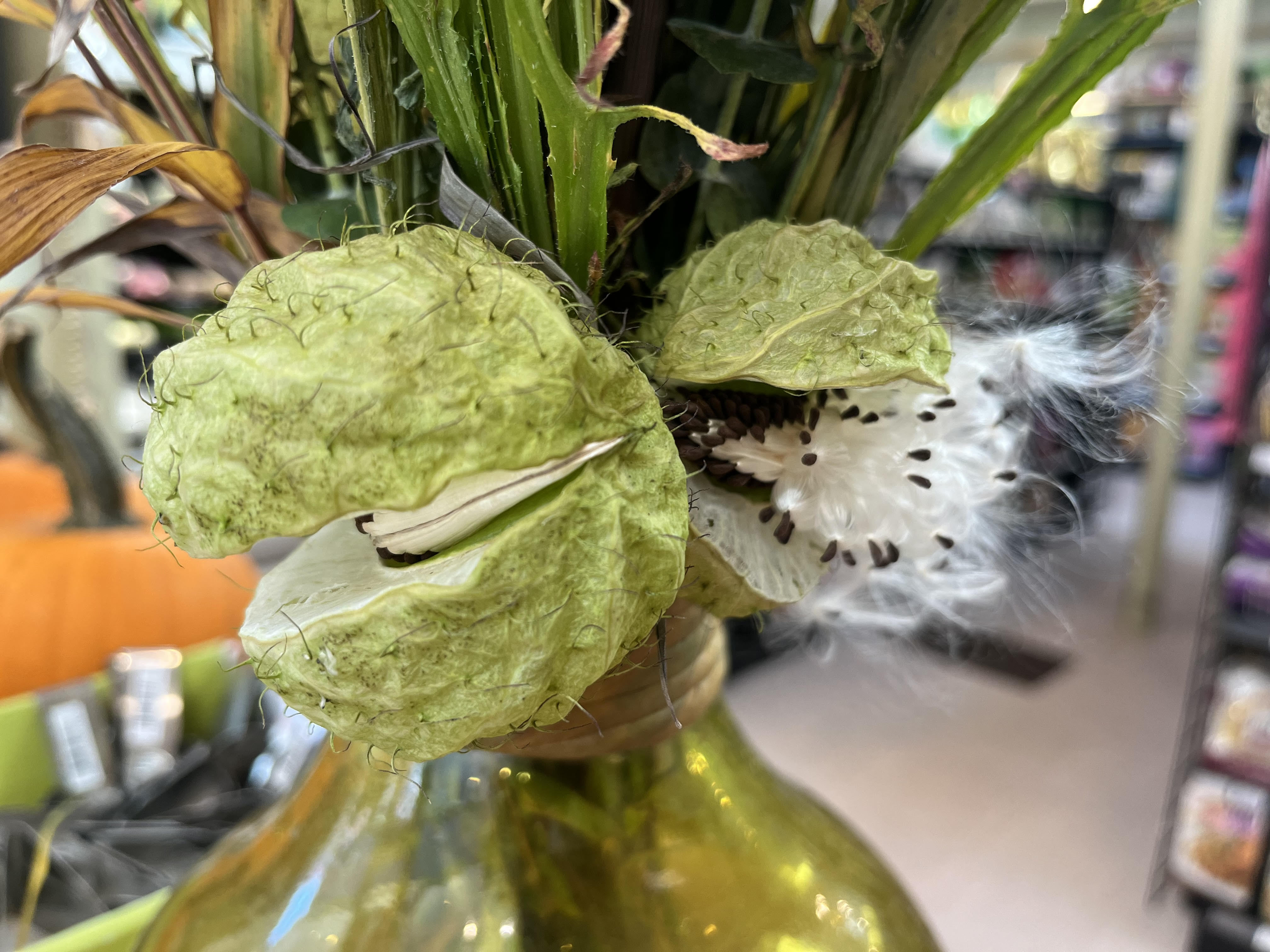
In the what-the-heck-is-it department, there’s a decorative plant at Debra’s Natural Gourmet that is not milkweed but looks sort of like it. Any ideas?

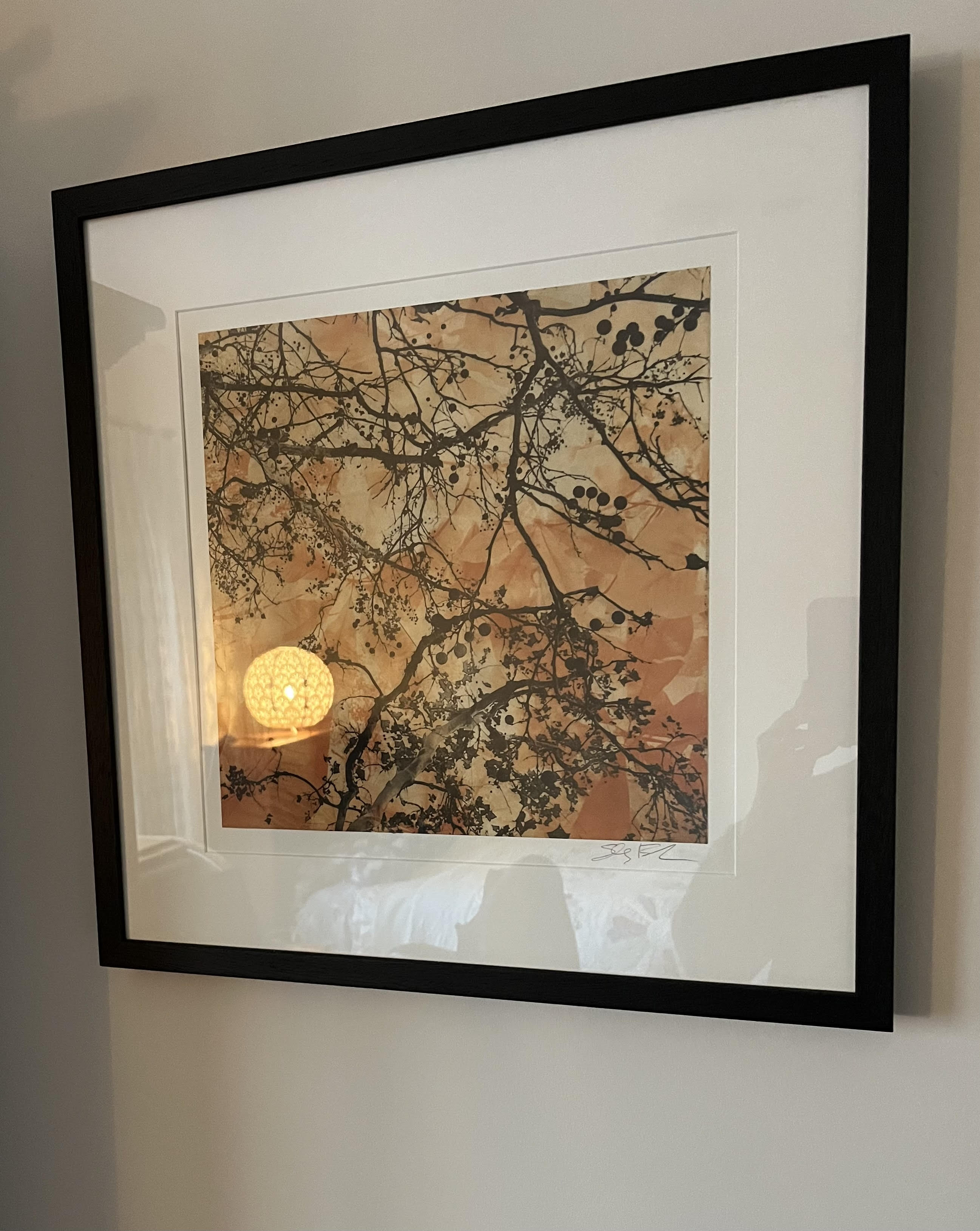
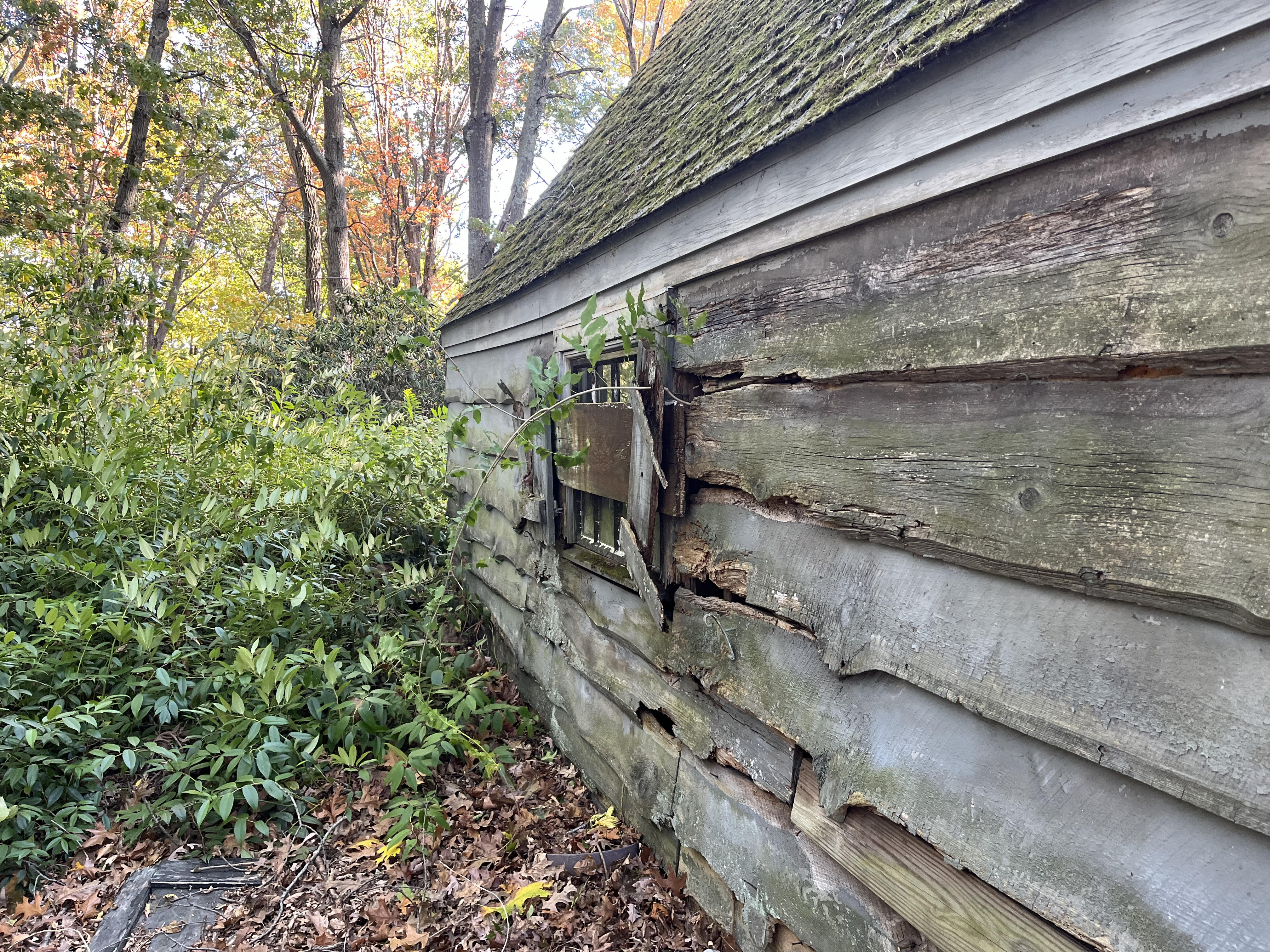
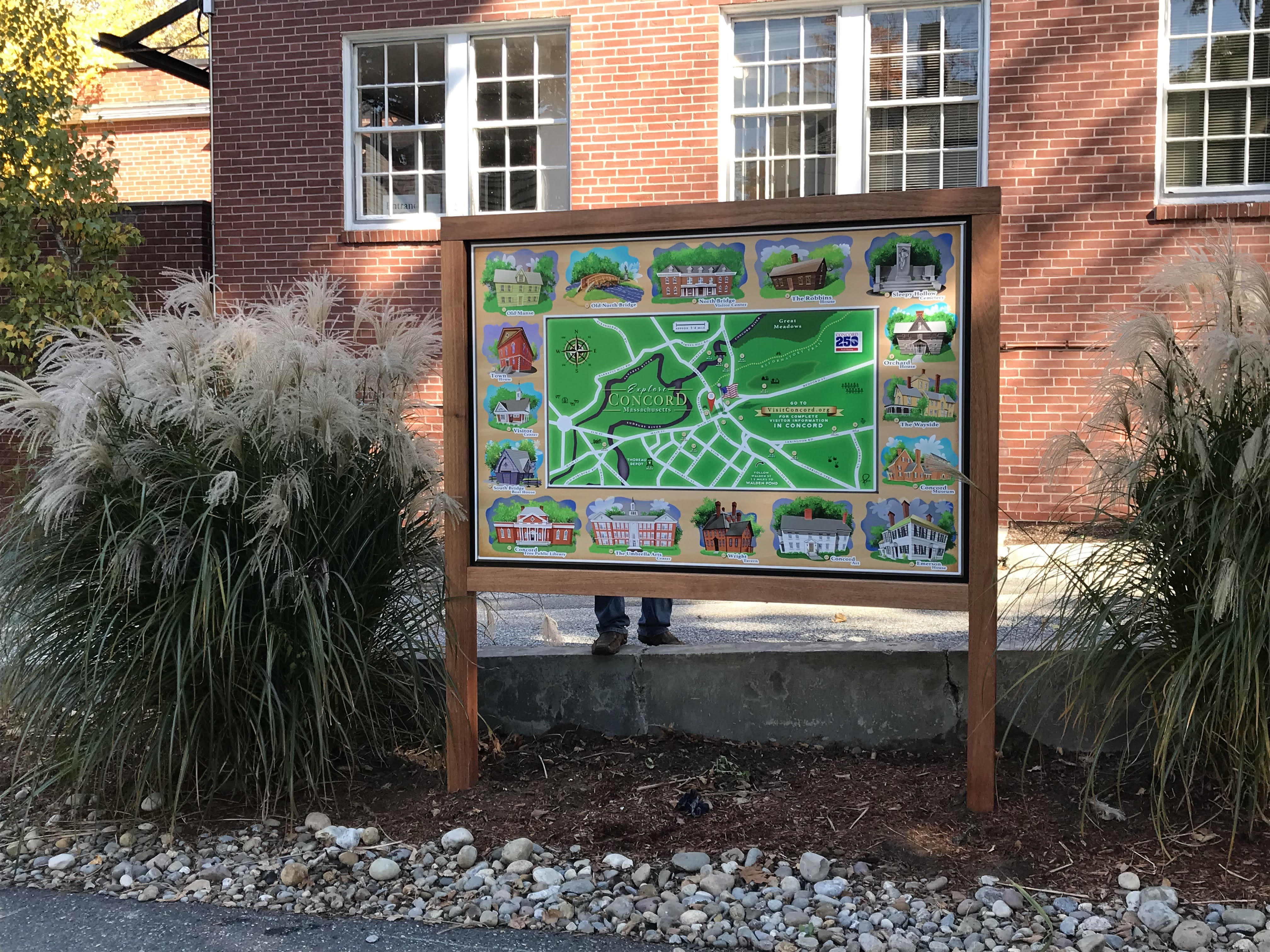
Next comes Sally Frank’s magnificent Black Sycamore print in a frame reflecting my table lamp. Then a derelict house waiting for the land developer’s bulldozer, and a special map for the town’s 250th anniversary in 2025. Did you know the Revolution started at the North Bridge? Not with the Declaration of Independence, as significant as that was.

Read Full Post »

Photo: C. Stephen Hurst.
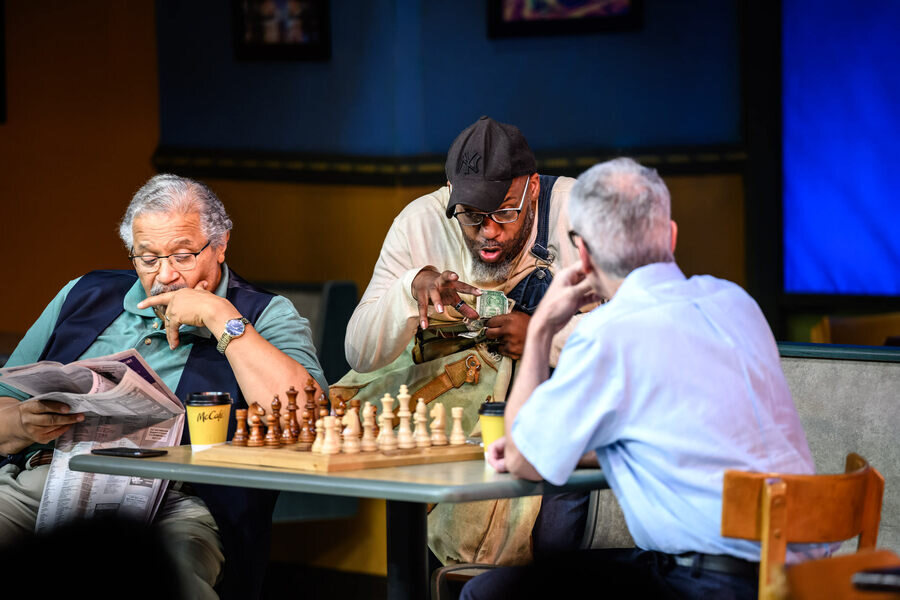
A production of the play Coconut Cake at the International Black Theatre Festival in July 2024.

One of the interesting things about theater targeted at a particular group is that people from many demographics may be curious to see it. The production may become a kind of meeting place, a place of shared laughter and emotion. Just for example, the plays of Black playwright August Wilson were often tried out in Boston, where a very diverse audience jumped at the chance to see them.

To encourage and support more Black playwrights, several theaters have decided to collaborate.

Dorothy Marcic and Kimberly LaMarque Orman report at American Theatre, “Chicagoan and English professor Melda Beaty started writing plays in 2011 and sent them out to readings, festivals, and theatres, with limited response. Then she submitted to a contest — and won.

“Her life changed when the International Black Theatre Festival (IBTF) awarded her play Coconut Cake the Sylvia Sprinkle-Hamlin Rolling Premiere (SSHRP) Award, presented at the IBTF July 29-Aug. 3 in Winston-Salem, N.C. Named after the co-founder of the IBTF, the SSHRP award includes ‘rolling premieres’ at several Black theatres. …

“The idea for the award came from IBTF artistic director Jackie Alexander, also North Carolina Black Rep’s producing artistic director. Recalling his experiences in New York seeing great plays that disappeared after a single run, Alexander wanted to try another model. As he put it to us, ‘We have these great Black theatre companies in major cities, and if we work together on a worthy play, we don’t need critics, we don’t need funding — we can create a hit of our own.’

“He’d been talking for a number of years with various artistic directors on how to collaborate, including at a dinner with the founder/executive director of Memphis’s Hattiloo Theatre, Ekundayo Bandele, and with the artistic director of Houston’s Ensemble Theatre, Eileen J. Morris, who recalled discussions about what their theatres could do to create art in the most efficient and economical way.

“When Alexander called and asked Morris if her theatre could be one stop for the rolling premiere of a new play about Maya Angelou called Phenomenal Woman, while its writer, Angelica Chéri, was still writing it, Morris noted, ‘For me, that was cool because I believed in the play. I believed in the experience. I believed in the opportunity. Despite not seeing the final script yet, I trusted in the process. The fact the first play was about Dr. Maya Angelou — that was a great selling point.’

Their goal for the first project was to share resources: designers, director, costumes.

“Though they wanted a female director, Morris was already booked to helm several plays in her own season, so Alexander stepped in and directed productions in both North Carolina and Houston; each theatre came up with its own funding. …

Phenomenal Woman played first in North Carolina, and by the time it opened in Houston it was selling out already because of the buzz from press in Winston-Salem. That success led to Phenomenal Woman to be picked up by producers with an eye on New York. …

“Hattiloo was recently able to produce Beaty’s Coconut Cake, [a] play about five senior men (four Black, one white), who meet every morning at the same McDonald’s to talk about marriages, health, and ambitions, while playing chess and learning important life lessons. This time around, each rolling premiere production of Coconut Cake is being produced on its own, without sharing designers or directors — a structure that allows both bigger-budget theatres like Houston’s Ensemble and theatres with fewer resources to each have their own vision. …

Coconut Cake has been in the oven for a while; it first appeared at IBTF in a reading in 2017. This was followed by a 2020 virtual reading through Houston’s Ensemble Theatre, in collaboration with St. Louis Black Rep. Ron Himes, St. Louis Black Rep’s producing artistic director, was initially skeptical.

” ‘I was one of those adamantly opposed to streaming theatre,’ he said, ‘and I had told everyone, no, we’re not doing it. Then Eileen called, and I was in. And you know, it worked. It was great!’ …

“Another Coconut Cake cast member was the indomitable Count Stovall, who had been in the original 2017 festival reading. An avid chess player, he had inspired Beaty with some moves she uses, particularly at the end of the play, when the audience sees that the king only can move a couple spaces at a time, while ‘the queen is everything.’ Stovall also told us even though memory loss was not explicitly written into the play, the fact that all actors were in their 60s and 70s meant, ‘It was there — you just didn’t see it.’

“Also joining for the Coconut Cake rolling premiere program was the Westcoast Black Theatre Troupe (WCBTT) of Sarasota, Fla. Founder/artistic director Nate Jacobs had been mentored for years by Sprinkle-Hamlin and her husband, Larry Leon Hamlin, the Festival’s co-founder and also the director of Jacobs’s first production at the IBTF.

“As Jacobs continued attending the festival, bringing other artists, he remembered what Sprinkle-Hamlin had told him about the festival: ‘We Black artists are competing with each other. But we ain’t got anything — no money. We need to unify and become stronger, because no other people are obligated to tell our stories.’

“So when Alexander asked if Westcoast would join the rolling world premiere program, Jacobs immediately agreed. ‘The show was a hit,’ he said of Westcoast’s production of Coconut Cake in June. ‘It popped. I was happy, again, to propel another artist.’ Beaty came and took notes, making changes as the show progressed through the various productions. ‘She’s a phenomenal writer,’ Jacobs told us. ‘And we need quality. [Audiences] such as ours, love Black culture, but they don’t want mediocrity, which means we have to be better than the best.’ “

More at American Theatre here.

Read Full Post »

Photo: Robert Ormerod/The Observer.
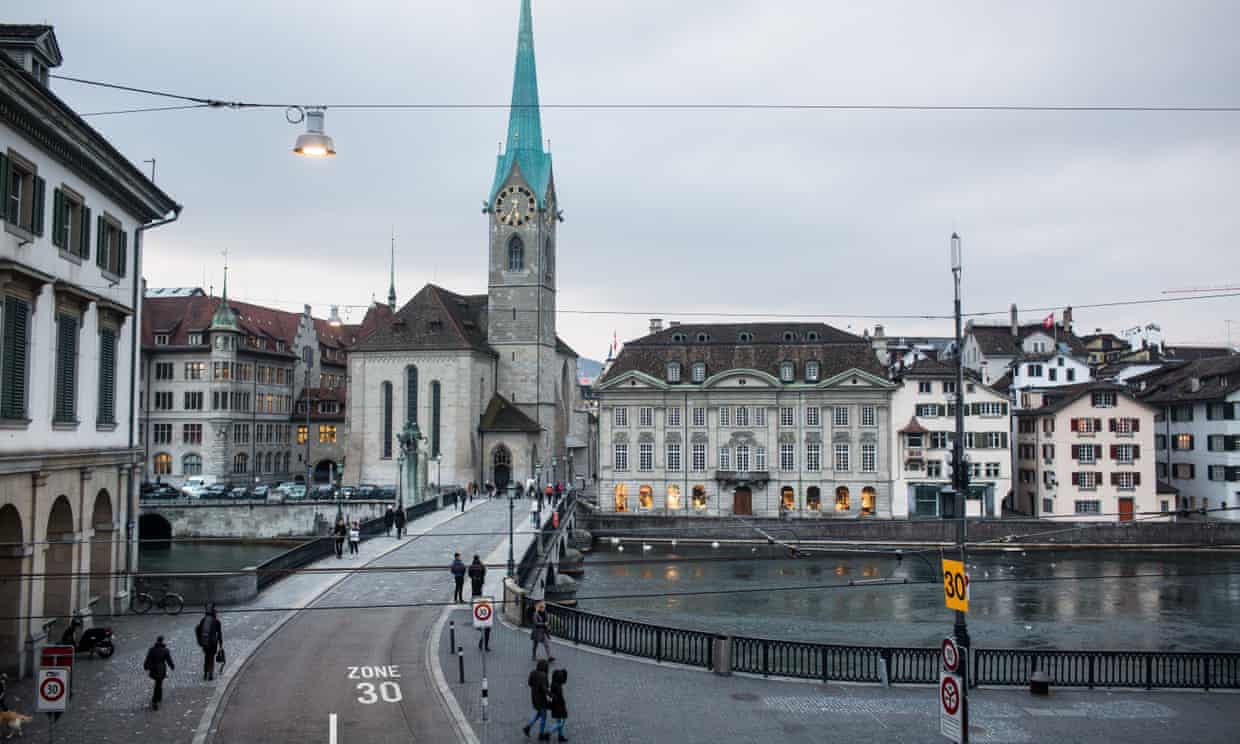
Zurich city center, where 99.2% of residents live within a 15-minute walk of essential services such as health care and education. 

My parents always preferred homes that were out in the countryside, and as much as I loved my walks in the woods as a child, I knew from car-free summers on Fire Island that being able to walk to everything was pretty great. After marriage, my husband and I always chose homes in walkable communities, whether we were in upstate New York or Massachusetts or Minnesota.

Ajit Niranjan writes at the Guardian on the topic of walkable communities.

“When Luke Harris takes his daughter to the doctor, he strolls down well-kept streets with ‘smooth sidewalks and [ramps] for strollers at every intersection.’ If the weather looks rough or he feels a little lazy, he hops on a tram for a couple of stops.

“Harris’s trips to the pediatrician are pretty unremarkable for fellow residents of Zurich, Switzerland; most Europeans are used to being able to walk from one place to another in their cities. But it will probably sound like fantasy to those living in San Antonio, Texas. That’s because, according to new research, 99.2% of Zurich residents live within a 15-minute walk of essential services such as health care and education, while just 2.5% of San Antonio residents do.

“ ‘Zurich feels extraordinarily walkable to me, coming from the US,’ said Harris, a landscape architect from Portland, Oregon. ‘Most of the things you need are within walking distance – and if they’re not, it’s easy to take public transport.’

“Just a tiny fraction of 10,000 cities around the world can be considered ’15-minute cities,’ according to a study published in the journal Nature Cities [in September]. The researchers used open data to work out the average distance people must walk or bike to reach essential services – such as supermarkets, schools, hospitals and parks – and calculated the proportion of residents who have the necessities at their fingertips.

“ ‘When we looked at the results, we were amazed by how unequal they are,’ said Matteo Bruno, a physicist at Sony Computer Science Laboratories in Rome and lead author of the study.

“The researchers selected 54 cities to explore in detail and found that the most accessible cities were midsize European ones such as Zurich, Milan, Copenhagen and Dublin – all of which had essential services that could be accessed within 15 minutes by more than 95% of residents. At the bottom of the rankings were sprawling North American cities with a high dependency on cars, such as San Antonio, Dallas, Atlanta and Detroit.

“Small cities tended to score better but the researchers found that in some big metropolises, such as Berlin and Paris, more than 90% of residents live within a 15-minute walk of essential services.

“The authors developed an algorithm to explore how much these cities would have to change to become more accessible. They found Atlanta would have to relocate 80% of its amenities to achieve an equal distribution per resident, while Paris would need to relocate just 10%.

“Hygor Piaget, a co-author of the study who grew up in São Paulo, where 32% of people live within a 15-minute walk of essential services, said the study was not a proposal to destroy cities and reallocate their services but a mathematical exercise to get people thinking. ‘We’re searching for ways to make the lives of most people better,’ he said.

“The concept of a 15-minute city has been attacked in recent years by conspiracy theorists who see it as a government plot to control movement and restrict freedom. The vitriol has frustrated scientists, urban planners and doctors. …

“The authors say the study is limited by the quality of the open data, which is patchier in cities outside of Europe and North America, and how practical it is to walk in some cities. Heavy traffic, high crime, bad weather and steep hills may discourage people from walking even geographically short distances. …

“Researchers caution that making a city more accessible is not enough in itself to wean residents away from private cars. The Netherlands boasts some of the best bicycle infrastructure in Europe but has more cars per person than rural countries such as Ireland and Hungary.”

More at the Guardian, here. No firewall, but please donate occasionally. Not owned by US oligarchs!

Read Full Post »

Photo: Sony Pictures Classics/Manolo Pavon/Allstar.
From left: Asier Flores, Penélope Cruz, and Raúl Arévalo in a scene from Pain and Glory (2019), a film by Pedro Almodovar.

Today’s story is about how Spanish film director Pedro Almodóvar wrote a collection of short stories as a kind of memoir. And it zeroes in on his mother’s influence on his life’s work.

Sam Jones writes at the Guardian, “One day when he was nine years old and living in a small Extremaduran town of makeshift adobe houses, steep slate streets and dusty, meagre horizons, Pedro Almodóvar caught his mother out in a lie.

“The family had recently moved south from La Mancha and Francisca Caballero was making ends meet by reading and writing letters for her illiterate neighbors. As he read over his mother’s shoulder, Almodóvar realized the words on the page did not correspond to the words on her lips.

“ ‘She was improvising and saying things that weren’t in the letters,’ he says. ‘My mum knew all the neighbors – she knew the grandmother and the granddaughter and how they got along. And so she made stuff up. For example, if she noticed that no one had asked after the grandmother, she’d say, “I hope Granny is very well and knows that I think about her a lot.” That wasn’t in the letter.’

“When they got home, he asked why she had made up the reference to the grandmother. His mother looked at him and replied: ‘Did you see how happy it made her?’

“At the time, Almodóvar was most struck by the fact of the lie. But, as the years passed and he began writing stories on the Olivetti typewriter his mother gave him when he was 10, he came to understand the meaning of her actions. ‘I realized just what a huge lesson she’d taught me: that life needs fiction to make it bearable. We need fiction so that we can live a bit better.’

“The truth his mother imparted that day lies at the heart of El último sueño, the short-story collection-cum-memoir now published in English as The Last Dream. Almodóvar, 74, has travelled an almost unfathomable distance from the house in Orellana La Vieja whose bare earth floors would turn to mud under his mother’s mop. The smart central Madrid offices of his production company, which sit near a yoga studio and a short walk from the neo-Moorish splendor of the city’s Las Ventas bullring, are lined with film posters – Tie Me Up! Tie Me Down!, High Heels, Live Flesh, All About My MotherVolver – that describe a singular director now in the sixth decade of his career.

“Just as those films have become time capsules of his life and his era, so the dozen stories that make up The Last Dream, which has been translated by Frank Wynne, are snapshots of his development as a person, a writer and a filmmaker. … There are fictional tales of misfits, outsiders, actors and the odd supernatural entity.

“One tells of a writer whose life is lived backwards, beginning with his burial … another of a wounded soul out for revenge on the priest who abused them as a child; another of a world-weary vampire seeking solace in a monastery. There is a cult film director in the throes of a crisis … and, at the book’s conclusion, a melancholic sense of the director’s retreat from the hedonism and delightful chaos of the 1970s, 80s and early 90s, as chronicled in his early films. …

“A mix of fiction, observation and autobiography, the collection exists largely thanks to the care and efficiency of Almodóvar’s long-serving assistant Lola García, who assiduously grabbed and filed the pieces over the decades, preserving them from house move to house move. Some were written in his late teens and early 20s, others during his first years in Madrid, and some as recently as last year. …

“As the collection progresses, you can almost see the artist develop: the kitsch, riotous and transgressive early work giving way to something calmer, sadder and increasingly self-reflective. Over the course of 211 pages, the exuberant, coal-haired enfant terrible of Spanish cinema becomes the salt-and-pepper-haired auteur of the late 90s and then, finally, the thoughtful, white-haired sage who sits on the other side of the desk on a merciless Madrid summer afternoon and explains, over bottled water, why the 12 tales tell a more honest story than would a straightforward memoir.

“ ‘There’s a biographical line that runs through them, even though some of them are pure fiction,’ he says. ‘It’s a way of looking back at something I found interesting, because I recognized myself in all those stories: even if some were written when I was 17 or 18, I’m still the same person. Yes, things change, time passes and biology changes – there’s nothing you can do about that – but I’m exactly the same person now as I was when I came to Madrid forty something years ago.’ …

“Although Almodóvar is modest about his literary abilities, writing was his initial vocation and one that he has pursued from the early days of tapping away on his Olivetti ‘under a grapevine with a skinned rabbit hanging from a string, like one of those revolting flycatchers,’ to the scripts he wrote on the sly while working for Telefónica in Madrid.

“ ‘I’ve wanted to write from the very beginning, and I thought about devoting myself to literature, but from the time I was about 18 or 19 – when I’d bought a Super 8 camera – I immediately turned all those literary ideas into images,’ he says. ‘I also discovered that I was better at telling stories with images than with words. Very often, I’d start writing a story but it would end up as a film script.’

“Cinema had long been an escape from the claustrophobic confines of his provincial upbringing. ‘I’d already learned from living in small communities that I was different,’ he says. ‘People made me see that I was different. Life there horrified me. I started going to the cinema when we lived in Orellana and I continued going when we moved to a nearby village. From the moment I discovered cinema, I discovered a parallel reality that interested me far more than daily reality.’ …

“ ‘My references still come from outside – from a book I read, or a conversation I overhear, or something I see on TV – but over the past few years, I’ve been resorting much more to myself as inspiration,’ he says. ‘Well, perhaps not for inspiration, but as a document store.’ …

“That autumnal, autobiographical approach is most apparent in the collection’s titular story, which sees Almodóvar seeking to make sense of his mother’s life, death, and the epiphany contained in her embellished letter readings. The Last Dream is also a letter of love, gratitude and a belated effort to settle an old debt.

“ ‘My mother always used to get very worked up when people talked about Pedro Almodóvar or just Almodóvar,’ he remembers. ‘She used to say, “You’re Pedro Almodóvar Caballero because I’m the one who gave birth to you!” She wanted me to use my full name in my films.’ …

“Better late than never – the six pages that make up ‘The Last Dream’ are signed: Pedro Almodóvar Caballero.”

More at the Guardian, here.

Read Full Post »

Photo: César Rodríguez.
The New York Times says, “Illegal deforestation for avocado crops points to a blood-soaked trade with the United States involving threats, abductions and killings.

Today’s story about Mexico’s environment-destroying avocado production and thoughtless US demand was concerning. If anyone knows where I can get sustainably grown avocados, please let me know.

Meanwhile, here is the New York Times story. The authors were Simon Romero and Emiliano Rodríguez Mega.

“First the trucks arrived, carrying armed men toward the mist-shrouded mountaintop. Then the flames appeared, sweeping across a forest of towering pines and oaks.

“After the fire laid waste to the forest last year, the trucks returned. This time, they carried the avocado plants taking root in the orchards scattered across the once tree-covered summit where townspeople used to forage for mushrooms.

“ ‘We never witnessed a blaze on this scale before,’ said Maricela Baca Yépez, 46, a municipal official and lifelong resident of Patuán, a town nestled in the volcanic plateaus where Mexico’s Purépecha people have lived for centuries.

“In western Mexico forests are being razed at a breakneck pace and while deforestation in places like the Amazon rainforest or Borneo is driven by cattle ranchinggold mining and palm oil farms, in this hot spot, it is fueled by the voracious appetite in the United States for avocados.

“A combination of interests, including criminal gangs, landowners, corrupt local officials and community leaders, are involved in clearing forests for avocado orchards, in some cases illegally seizing privately owned land. Virtually all the deforestation for avocados in the last two decades may have violated Mexican law, which prohibits ‘land-use change’ without government authorization.

“Since the United States started importing avocados from Mexico less than 40 years ago, consumption has skyrocketed, bolstered by marketing campaigns promoting the fruit as a heart-healthy food and year-round demand for dishes like avocado toast and California rolls. Americans eat three times as many avocados as they did two decades ago.

“South of the border, satisfying the demand has come at a high cost, human rights and environmental activists say: the loss of forests, the depletion of aquifers to provide water for thirsty avocado trees and a spike in violence fueled by criminal gangs muscling in on the profitable business.

“And while the United States and Mexico both signed a 2021 United Nations agreement to ‘halt and reverse’ deforestation by 2030, the $2.7 billion annual avocado trade between the two countries casts doubts over those climate pledges.

“Mexican environmental officials have called on the United States to stop avocados grown on deforested lands from entering the American market, yet U.S. officials have taken no action, according to documents obtained by Climate Rights International, a nonprofit focused on how human rights violations contribute to climate change.

“In a new report, the group identified dozens of examples of how orchards on deforested lands supply avocados to American food distributors, which in turn sell them to major American supermarket chains.

“Fresh Del Monte, one of the largest American avocado distributors, said the industry supported reforestation projects in Mexico. But, in a statement, the company also said that ‘Fresh Del Monte does not own farms in Mexico,’ and relied on ‘industry collaboration’ to ensure growers abided by local laws.

“In western Mexico, interviews by the Times with farmers, government officials and Indigenous leaders showed how local people fighting deforestation and water theft have become targets of intimidation, abductions and shootings.

“Like deforestation elsewhere, the leveling of Mexico’s pine-oak and oyamel fir forests reduces carbon storage and releases climate-warming gases. But clear-cutting for avocados, which require vast amounts of water, has ignited another crisis by draining aquifers that are a lifeline for many farmers.

“One mature avocado tree uses about as much water as 14 mature pine trees, said Jeff Miller, the author of a global history of the avocado.

“ ‘You’re putting in deciduous forests of a very water hungry tree and tearing out conifer forests of not so very water hungry trees,’ Mr. Miller said. ‘It’s just wrecking the environment.’

“In parts of Mexico already on edge over turf wars among drug cartels, forest loss is fueling new conflicts and raising concerns that Mexican authorities are largely allowing illegal timber harvesters and avocado growers to act with impunity.”

Bad as things are in Mexico, you know they would not be happening if there was no demand. That’s on us. Read more at the Times, here.

Because I still hope to have an avocado from time to time, I went looking for advice. The Eco Experts in the UK say, “Although avocados aren’t the worst food for the environment, growing them on a mass scale isn’t sustainable. This is because of the large amount of water they need to grow, and the fact that they can’t be grown locally in countries like the UK, where they are in high demand. The solution isn’t to cut avocados out of our diets altogether, but to reduce the amount that we consume.” More from the experts, here.

Read Full Post »

Photo: Troy Aidan Sambajon/The Christian Science Monitor.
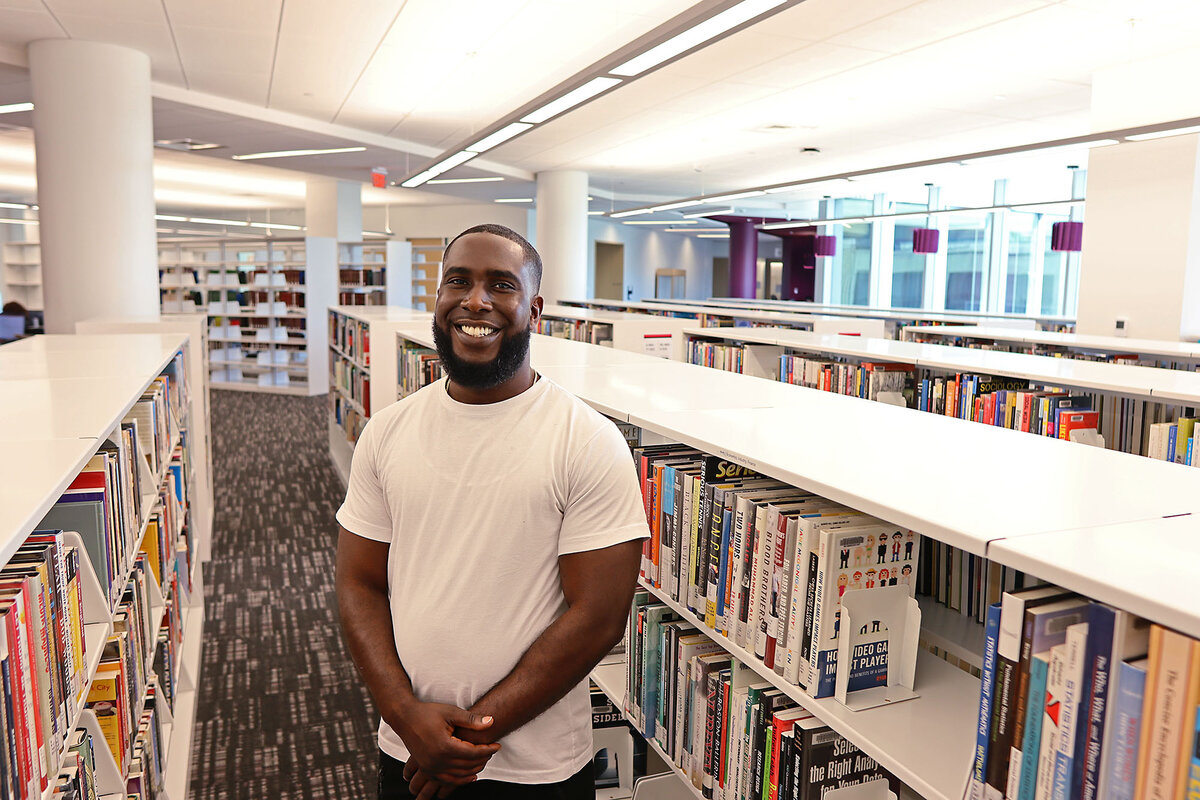
Tyrie Daniel poses in the library at the Charlestown campus of Bunker Hill Community College in Boston, Sept. 10, 2024.

I think most people would agree — maybe even college presidents would agree — that the cost of higher education has gotten out of hand. Two of our grandchildren, being half Swedish, could get educated for free in Sweden, but free higher ed is not an option for most Americans. That’s why Massachusetts is joining the states that have been offering options to students who could use the help.

Troy Aidan Sambajon writes at the Christian Science Monitor, “Cambridge resident Tyrie Daniel was almost at the finish line when he dropped out of Bunker Hill Community College in 2015. He just needed 16 more credits to transfer to a four-year school. But life just came hard. His family was scammed, he says, and their Social Security numbers were stolen.

“ ‘When your stomach keeps growling and you have nothing in your fridge, you can’t even focus on school,’ says Mr. Daniel, who is 33 years old. His family was struggling to pay bills at home and provide for their household of six. … ‘I had to choose between school or food on the table.’

“With five classes to go, he dropped out. He worked as a cleaner, in his family’s spice business, and in real estate. More than thrice, he contemplated returning to school. But he couldn’t reenroll until his overdue fees were paid.

“Now, Mr. Daniel is back at Bunker Hill. This time, he is debt-free and his tuition is covered by MassReconnect. The program, which started in 2023, made community college tuition free for Massachusetts residents over 25 who don’t have a degree. Mr. Daniel says he feels both enormous relief and a new motivation to succeed. …

“Says the cybersecurity major, ‘Now, I’m actually back in school to further my career in something that I really am interested in and passionate about.’

“This fall, Massachusetts is widening the halls of higher education even further. For the first time, all residents with a high school diploma can attend one of its 15 community colleges for free. Since Tennessee first pioneered tuition-free community college for all in 2017, it has spread rapidly in both red and blue states.

“With the launch of MassEducate, the Bay State becomes the 20th to offer tuition-free community college regardless of age, income, or GPA. Another 14 states offer programs targeting specific demographics, such as people over 25, or high-demand majors, such as nursing. …

“Douglas Harris, chair of the economics department at Tulane University and director of the National Center for Research on Education, Access, and Choice [says] promising universal access to community college ‘wipes away that complexity and the risk and uncertainty that goes with it.’

“ ‘Going to college is complicated,’ he says. … ‘When it gets cheaper and simpler, it makes people say yes.’ …

“ ‘This is going to change family trees for generations to come, for the better,’ says Nate Mackinnon, executive director of the Massachusetts Association of Community Colleges. … ‘More families are turning to public higher education and discovering that these institutions offer excellent quality at an affordable price.’

“Why free tuition now? The Bay State needs workers. Massachusetts has 42 available workers for every 100 open jobs, categorizing its workforce shortage as ‘most severe,’ according to the U.S. Chamber of Commerce. Meanwhile, 700,000 residents have some college credits but no degree. …

“In MassReconnect’s first year, 2023-24, some 8,411 students enrolled through MassReconnect. That was a 45% increase in students over 25 from the previous academic year. …

“As of this August, with the launch of MassEducate, total enrollment is up another 20% compared with last year. ‘It’s like the advertising value of free college is giving you a pretty big bang for your buck,’ says David Deming, an economist from the Harvard Kennedy School. … ‘The challenge in the long term is maintaining the quality of education with more students. If local colleges themselves are not getting any extra funding to accommodate the influx, the quality of the service itself might decline.’ …

“For recent high school graduates like Erick Peguero, free tuition means his family can save money while he takes classes in the hopes of transferring to a four-year program. … When he graduated from Brooke High School in June, Mr. Peguero didn’t have plans to go to college this fall. It wasn’t that the resident of the Dorchester neighborhood wasn’t interested, but his family lives in Section 8 low-income housing. When community college became free last month, he jumped at the chance to continue his education.  …

“Some community college leaders say they welcome the challenges that more students in classes bring.

“ ‘I’ve been waiting my entire professional life for this moment,’ says [Pam Eddinger, president of Bunker Hill Community College]. ‘I’ll be damned if I’m going to turn anyone away. Because if I turn somebody away now, where it takes so much for them to come to me, they may not come back.’ ”

More at the Monitor, here.

Read Full Post »

Photo: Soren Ryesgaard.
A boat looks tiny cruising by the rockslide gully of a destroyed glacier in Greenland recently. Rockslide plus global warming equals a surprise.

I don’t remember reading about this mysterious rumble at the time, but I’m always interested when scientists are stumped. I like how they approach figuring out a new phenomenon. Here’s hoping that science will continue to guide us the future. For one thing, unlike business or politics, it is usually collaborative, as seen in this story.

Kasha Patel wrote at the Washington Post, “The strange rumble was detected mid-September last year. An odd seismic signal appeared at scientific stations around the globe, but it didn’t look like the busy squiggles of an earthquake. A day passed, and the slow tremor still reverberated. When it continued for a third day, scientists worldwide began assembling to discuss what was causing the grumble in the ground.

“Some initially thought the seismic instruments recording the signal were broken, but that was quickly nixed. Maybe it was a new volcano emerging before their eyes, others said. …

“ ‘No one had ever seen this. We have nothing to compare it with,’ said Kristian Svennevig, a geologist at the Geological Survey of Denmark and Greenland.

“Nine days later, the vibrations greatly dissipated. But the mystery of the USO [Unidentified Seismic Object] lasted much longer. A year later, the puzzle has been solved, according to a study published in the journal Science [in September 2024]. It took about 70 people from 15 different countries and more than 8,000 exchanged messages (long enough for a 900-page detective novel) to crack the case.

“The short answer: A mega-tsunami created waves that sloshed back and forth in a fjord in Greenland, creating vibrations that traveled around the world.

“The long answer begins in the atmosphere. As greenhouse gas concentrations increase due to climate change, those heat-trapping gases accelerate ice melt particularly around Earth’s poles. On Sept. 16 last year, that extra heat thinned a glacier in eastern Greenland over time so much that it could no longer support the mountain rock above it.

“A 500-foot-thick piece of metamorphic rock, about a third of a mile wide and long, fell and triggered a massive landslide. Rock and ice, enough to fill 10,000 Olympic-size swimming pools, let loose as fast as 47 meters per second and ran for more than a mile. The avalanche plunged into the Dickson Fjord, triggering a 650-foot-high tsunami — one of the highest seen in recent history.

“Farther away from the fjord, tsunami waves reaching 13 feet high damaged an unoccupied research station and destroyed cultural and archaeological heritage sites, including an old trapper hut that had never been affected by tsunamis during its century-old history. …

“Meanwhile, in the fjord, the mega-tsunami wave traveled back and forth in the inlet and created a standing wave called a seiche. We often see small-scale seiches — this rhythmic oscillation in water — in a swimming pool or bathtub. This tsunami source was so energetic that the seiche radiated seismic waves globally, shaking the planet for nine days before it petered out.

“Members of the Danish military sailed into the fjord only days after the event to collect drone imagery of the collapsed mountain face and glacier front and scars left by the tsunami.

“Of course, Svennevig and many of his close colleagues didn’t fully know of the connection between the tsunamigenic landslide and the seiche as the events unfolded, which is detailed in the study.

“At the time, they were scratching their heads about the data at the seismograph stations. The seiche appeared as a single slow vibration, like a monotonous-sounding hum, as opposed to the frantic lines of a typical earthquake reading. The wave peaked every 92 seconds, which is slow compared with an earthquake. …

“ ‘When we started doing this research, nobody had any ideas about what was the root cause,’ said Carl Ebeling, a co-author of the study and a seismologist at the Scripps Institution of Oceanography at the University of California at San Diego. ‘Even for a large landslide under normal circumstances, it would be hard to see that on a global scale, so something special is going on here.’

“As some scientists investigated the peculiar seismic data, another group of authorities and researchers had heard of a large tsunami in a remote fjord in eastern Greenland. The two teams, among others, joined forces, quickly growing into a 24/7 international collaboration via a messaging system. The group brought a variety of local field data and remote, global-scale observations.

“ ‘We knew there was a landslide and a tsunami. You could pull the seismic signal of those,’ Svennevig said. ‘But then there was this other seismic signal that continued for nine days, and they were taken from roughly the same area, so they must be associated somehow.’ …

“The breakthrough came when they received new bathymetry data of the fjord, similar to a topographic map, from the Danish military, which allowed them to better map the seabed in the computer models. Once incorporated, the team used an unprecedentedly high resolution model to show how the landslide direction, along with the uniquely narrow and bendy fjord channel, led to the nine-day seiche.”

More at the Post, here.

Read Full Post »

Photo: Top Africa News.
One of the benefits of having Kenyan farmers raise butterflies for a living is that they are protecting East Africa’s largest coastal forest.

I’m reading a strange British novel called Ash Before Oak in which the protagonist is keeping a diary about the natural world he encounters on leaving London for England’s West Country. As a kind of self-therapy for the impending breakdown he senses, he makes lists of — and tries to focus on — all the flora and fauna he sees. Starting with butterflies.

Who knew there were so many butterflies in the world? Who knew there were so many in southwest England? They do have a mesmerizing quality. Today’s article is about how unsuspecting butterflies are mesmerizing people in Africa while doing good work for the planet.

Evelyn Makena wrote at Top Africa News, “Before becoming a butterfly farmer, Dickson Mbogo made a living by selling charcoal from trees he cut in the forest.

“ ‘In my search for food and an income, I was destroying the forest,’ he said.

“Now, after getting involved in butterfly farming, Mbogo’s weekly routine involves visiting sections of Kenya’s eastern Arabuko-Sokoke Forest to capture butterflies using trapping nets.

“Home to some of the world’s endangered animals and plants, the Arabuko-Sokoke Forest Reserve is the most extensive indigenous forest on the east African coast. Once part of an extensive coastal forest that ran from southern Somalia to northern Mozambique, the forest is visible for miles along Kenya’s north coast highway.

“It is home to several threatened bird species, including Clarke’s weaver bird and the Sokoke scops owl, as well as endemic animals like the Aders’s duiker, the golden-rumped elephant shrew and the bushy-tailed mongoose. It is also home to elephants and other members of the ‘big five.’

“The forest also hosts almost 300 butterfly species. For local communities living adjacent to the forest, these butterflies are now the source of a sustainable livelihood, enhancing the conservation of a forest previously threatened by illegal logging.

“At home, Mbogo places the butterflies in a netted cage that houses different varieties of trees for the butterflies to feed on and lay eggs.

“ ‘Butterflies can lay up to 300 eggs. After a few days, eggs hatch to caterpillars and feed on specific food plants until they develop into pupae,’ explained Mbogo.

“After the pupae stage, farmers take the insects to Kipepeo Center in Gede town, a few kilometers from their homes.

“ ‘Here, the insects are sorted according to species, graded, carefully wrapped in cotton for protection and packaged in boxes. They are then exported to markets in the United Kingdom,’ said Hussein Abdulahi Aden, Project Manager of the Kipepeo Butterfly Project.

“From an initial 141 members when the project started, [in 2022, there were] 872. … Farmers are paid for every pupa delivered, depending on the species type. Pupae can attract between Ksh. 90 – 225, (US$0.75 – 1.8) with farmers making collective earnings of up to Ksh.15 – 20 million (US$124,000 – 166,000) per year.

“According to Aden, the Kipepeo project was started in 1993 by the National Museums of Kenya and other stakeholders to reduce pressure on the forest while offering an alternative source of income to locals. Initially, the project was met with resistance from the community.

“ ‘For a community used to subsistence farming of maize, cashew nuts and coconuts, the idea of butterfly farming was strange and perceived as mystical. There was also fear that this was a government project aimed at evicting them from their farms,’ Aden explained. But other community members followed suit as the pioneer farmers began reaping the project’s benefits. …

“Among the butterfly species reared are the colourful African Swallowtail, Silver Stripped Charaxes and Taita Blue-banded Swallowtail. There are also other less colorful species, like the African Migrant.

“The project buys all the pupae brought by the farmers. When supply is higher than the demand, the surplus is released to the Kipepeo Butterfly Exhibition House at Gede to educate the public on the insects. Some are released back into the forest for the continuity of species – ensuring that the forest is not only protected from the charcoal burners but is also well pollinated. …

“In many ways, Kipepeo project members have become champions of conservation within the community. Sofia Saidi, a member of the Mkongani group, said that members report any suspicious activities they may come across in the forest to the relevant authorities, including Kenya Forest Service and Kenya Wildlife Service. The project has also trained volunteer community scouts who patrol the forest and deter illegal activities.

“The Kipepeo project has also been crucial in improving food security in the community. Specific butterfly species play a vital role in pollination. According to Aden, a survey conducted within a five-kilometre radius of the forest boundary found that farms closer to the forest had better yields, indicating the impact of the butterflies on plant reproduction.”

More at Top Africa News, here. For an audio story about Kenyan butterfly growers, check out The World, here.

Read Full Post »

Photo: Marc Bruxelle.
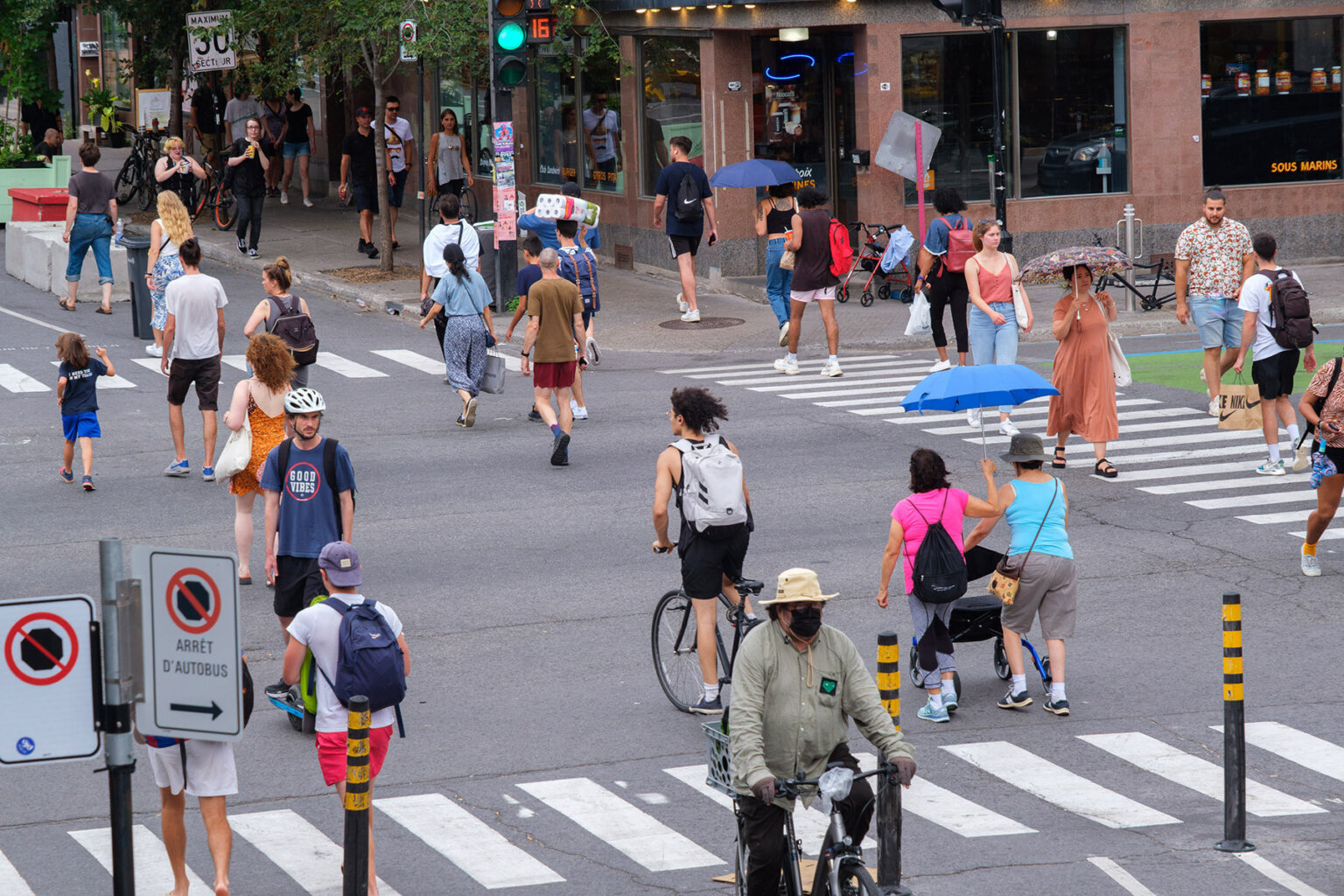
Montreal’s pedestrian revolution has been good for the city.

I like the idea of a walkable city, and often that means a city more friendly to pedestrians than to cars. When a move toward walkability is proposed — even in a small area, even as a pilot — shops on the street expect to lose business. But is that what really happens?

Toula Drimonis reports at the Walrus on a Montreal experiment: “In 2020, during the first pandemic summer, Montreal’s Projet Montréal administration, led by mayor Valérie Plante, closed a two-kilometer stretch of Mont-Royal Avenue to motorists for a few months. The idea was simple: get people out shopping and socializing while also respecting physical distancing guidelines.

“The pilot project faced criticism from business owners concerned that removing cars would deter driving clients and complicate deliveries. But once merchants saw the street fill with milling crowds, they were convinced. The pandemic initiative became an annual event. By 2023, the avenue’s commercial vacancy rate plummeted from 14.5 percent in 2018 to 5.6 percent. A few years earlier, in 2021, the pedestrianization of Wellington Street in the Verdun borough had increased foot traffic and shoppers by 17 percent. A once-drab strip is now lined with restaurants, bars, and cafes. On Fridays, hundreds gather to dance salsa and bachata.

“The pilot kept growing. As of this summer, eleven streets in total have been transformed into seasonal pedestrian-only destinations, creating almost ten kilometers of walkable car-free surfaces across several boroughs. The experiment has proven so popular that it has drawn praise, and not a little astonishment, from visiting urban planners. … Mayor Plante makes no secret of how she feels about the car-free streets, calling them ‘the lifeblood of Montreal’s neighborhoods.’

Flâneur-friendly cities don’t just materialize. It took strategic planning and years of push and pull. A little over a decade ago, then Plateau-Mont-Royal mayor Luc Ferrandez set out to make his borough’s streets safer and reclaim public space. He wanted a neighborhood people could live in and not just drive through. His first move, in 2010, was to convert a two-way ten-block stretch of Laurier Avenue to a one-way to clear more room for pedestrians, cyclists, and community activities. He didn’t stop there: he kept closing roadways that ran through parks and changing the direction of streets to divert traffic.

“Resistance was fierce.”  Find out what happened, here.

Jason Magder at the Montreal Gazette has more: “With summer winding down, Montrealers were walking, cycling and using scooters on Mont-Royal Ave. Thursday afternoon, with the closure of part of the street to all cars extended until October this year.

“The pedestrianization of this street has been a resounding success, borough mayor Luc Rabouin said, with more than 33,000 people flocking to the area between St-Laurent Blvd. and Fullum St. While most of the street was reopened at the end of last month, the portion between St-Laurent and St-Denis St. remains closed to vehicles until Oct. 14 for the first time, as a trial project.

“ ‘The other streets don’t even come close,’ Rabouin said during an interview Thursday while sitting on the terrasse of the bar Bily Kun. … Rabouin said the city wants to go even further on pedestrianization, with more money dedicated to projects and more predictability.

“The Plante administration will announce Friday morning that it will renew the pedestrianization of all nine streets that were closed this year for a three-year period starting next year. … The city is also almost doubling the funding available to the merchants associations to put together the pedestrian-only zones, to $700,000 per year from $375,000.

“Alia Hassan-Cournol, an associate executive committee member handling economic development, said adding predictability, rather than announcing the streets every year, will help businesses. The new money will allow local businesses to hire liaison agents to prepare the streets several months in advance, and will allow the associations to conduct impact studies. The city is also adding $1.1 million per year to support new pedestrian zones on other roads. Overall, the city will spend $12 million for three years for pedestrian streets, up from $10 million for the previous three-year period.”

More at the Gazette, here.

Read Full Post »

Photo: Lorne Thomson/Redferns.
A group called Personal Trainer performs in an Austin, Texas, record shop (above). Like NPR’s Tiny Desk Concerts, record shops provide a welcome venue for performers.

In the record industry, apparently, as long as performances feel a little different and surprising, it’s good for business. But how long do things stay surprising? Today’s article traces the rise of band performances in record shops and leads me to wonder, After record shops, what’s next?

Michael Hann writes at the Guardian, “At one end of Banquet Records in Kingston upon Thames the Dutch indie band Personal Trainer are performing a short set next to the album racks. … Afterwards, the band will sign the albums the fans have bought and everyone will depart a little happier: the fans with memories of an intimate show and signed records; the band a few quid richer, a few more sales made, maybe a few more fans won. And Banquet will have sold a few hundred quid’s worth of stock.

“It’s early August and the start of an intensive week for Personal Trainer – as well as Banquet, they will play record shops in London, Brighton, Portsmouth, Totnes, Bristol, Liverpool, Leeds and Nottingham. There will be festival shows, too, but only one conventional gig, an undersell in a tiny pub. This campaign is not launching with touring, at least not in the old-fashioned sense. …

“Artists have always gone to record shops to sign albums. And there have long been one-off promo shows in shops. But the idea of the in-store performance as a key part of an album launch dates back a decade or so, partly because physical sales of music were so low that the extra sales from a handful of appearances could dramatically affect chart position for bands with a loyal fanbase (physical sales still carry a greater chart weighting than streams or digital downloads).

“But also it’s because it’s one of the few routes left to promote a new album, says Tara Richardson, who managed the Last Dinner Party when they reached No 1 in the album charts earlier this year with their debut. ‘There’s no TV any more for bands,’ she says. ‘There’s only a Radio X session and a Live Lounge recording. So in the week of release you either put in shows, or you put in in-stores, and they’re the perfect thing to keep everyone busy in the week of release.’

“Labels favor in-stores, she says, not just for the chart position, but because it keeps the decks clear for a proper tour later in the campaign. Meanwhile in-stores tend to favor indie-ish bands, not least because independent record shops are now far more of a driving force in retail than the megastores. The Rough Trade chain, for example, hosts scores of shows. …

“With the right act and enough advance notice, in-stores can make a huge difference to sales and set the tone of an album campaign. ‘In the UK, the in-store has become part of the process of building a week-one launchpad for the campaign and building a chart position, because physical sales still leapfrog the streaming economy,’ says James Sandom, who works as a manager with bands including the Vaccines and Interpol. Sandom says the charts actually measure nothing of meaning any longer, but they still have use, because a high chart position will allow booking agents to demand higher fees, and get bands better spots on festival bills. …

“Simon Raymonde of Bella Union – Personal Trainer’s label – says it’s about building community. ‘I really like it when the shops are fully involved and they will be far more supportive of the record.’ …

“But for Rupert Morrison of Drift Records in Totnes, which staged one of Personal Trainer’s shows, in-stores becoming an institutionalized part of an album campaign risks losing what was once special about them. ‘Originally it was an American thing,’ he says. ‘Culturally outlying stores like Other Music in New York were melting people’s minds: the people there would talk about Laurie Anderson playing and Lou Reed cheering her on and helping with her pedals. They were these incredible, intimate, mind-blowing experiences, where you got completely different access to people. …

“ ‘I worry that like everything, once people see that something is a thing, it gets hammered and hammered.’ …

“Nevertheless, the results, for certain artists, can’t be argued with. Shed Seven had their first No 1 album earlier this year thanks to sales made at their in-store appearances in January. ‘You’re in a van, you’ve got one crew member to help, and you’re in Brighton at midday, then Southampton at teatime, Bristol the next lunchtime. And then you’re in Glasgow,’ says singer Rick Witter. ‘It’s intense.’

“But that No 1 changed perceptions of the band, Witter says. No longer were they a Britpop punchline, but a band with a No 1 album.”

More at the Guardian, here.

Read Full Post »

In ancient times, Arabic translations of Greek helped spur scientific inquiry.

You may have seen that there are contemporary publishers planning to use artificial intelligence to translate texts. Ha! What could possibly go wrong? If you have ever used Google Translate, you know the answer to that: AI works only up to a point.

Today’s excerpt from Josephine Quinn’s book How the World Made the West, focuses on benefits that came from the traditional type of translation.

“In the eighth-century CE the Abbasids undertook to collect the wisdom of the world in their new capital at Baghdad. … The operation was lavishly funded by [the second Abbasid caliph, al-Mansur] as well as by members of his household, courtiers, merchants, bankers, and military leaders. …

“What is often now called the ‘Translation Movement’ … was part of a wider commitment by Islamic scholars and political leaders to scientific investigation that also saw caliphs commission new works of science, geography, poetry, history, and medicine.

The real legacy of the Arabic translations is the impetus they gave to further thought. 

“It is well-known that classic works of Greek science and philosophy were translated into Arabic before they were translated into other European languages — including Latin. What is less well-known is that the point of translating foreign works was not to preserve them but to build on them. As links around the Mediterranean continued to increase, that Arabic scholarship began to reach western Europe, and to change the way people there thought.

“Back in Baghdad, as so often happened, cultural change began from the outside — and in this case with the collection and comparison of foreign knowledge. The fundamental model and first material for the Abbasid translation project came from Iran, where sixth-century Sasanian shahs had commissioned Persian translations of important Indian and Greek works.

“Living Iranians were an inspiration too. … Persian scholars had already started to translate classic works of their own literature into Arabic. This ensured their preservation, and advertised the history and high culture of Iranian lands. Sasanian intellectuals also maintained useful links with scientific traditions farther east, above all with Indian mathematicians, the most advanced in the ancient world, and they had already translated important works from Sanskrit into their own language. …

“Incorporating the work of Greek thinkers into the Arabic canon was by contrast a declaration of cultural hegemony over the rump Roman empire at Constantinople, where older learning had been set aside in favor of Christian genres from sermons to saints’ lives, and where ancient science and philosophy now moldered in archives and monasteries.

“More immediately, the project took inspiration from the contemporary intellectual culture of western Asia, revitalized by the unification under Islam of regions once subject to either Persia or Rome. … This world produced well-traveled intellectuals expert in topics from military strategy to astrology, and comfortable in Greek, Syriac, Middle Persian (Pahlavi), and now Arabic as well.

“The final key component came from farther east. Paper had been invented in China in the second century BCE and by the second century CE it is found in the trading oases of the Tarim Basin. … As paper was much cheaper to produce than papyrus, it finally made writing in great quantity a practical prospect.

“In the early ninth century scientific scholarship in Baghdad coalesced around a library called the ‘House of Wisdom’ (Bayt al-Hikma), and the translation efforts were put on a more organized footing. … Persian scholars translated into Arabic works that had already been translated from other languages into their own, and since there was comparatively little direct Greco-Arabic bilingualism, Arabic translations of Greek works were often made from Syriac versions. …

“We have a useful guide to the foreign works considered worthy of investigation in the form of an encyclopedia entitled Keys of the Sciences written by Muhammad ibn Musa al-Khwarizmi (c. 780–850), a Persian-speaking mathematician and astronomer from the central Asian oasis of Khwarazm, south of the Aral Sea, who worked at the House of Wisdom.

“He divided the work into two books: one describes ‘Islamic religious law and Arabic sciences,’ defined as law, theology, grammar, secretaryship, poetry, and history; the other is devoted to ‘the sciences of foreigners such as the Greeks and other nations’: philosophy, logic, law, medicine, arithmetic, geometry, astronomy/astrology, music, mechanics, and alchemy. …

“Practical Greek texts also found their way into the collection, on topics from engineering to military tactics to falconry. Popular literature included books of fables, ‘wisdom sayings,’ and letters supposedly exchanged between famous historical figures. …

“Some of the Greek texts were acquired through personal request, even from the caliph himself. Other manuscripts were found on investigative missions. [A] tenth-century compendium of literature written in Baghdad reports that camel-loads of old works were discovered in a pagan Greek temple that had been locked since the arrival of Christianity, getting worn and gnawed at by pests. …

“Most ancient science was indeed lost to western Europe for almost a millennium: such works were usually written in Greek, even by Romans, and they disappeared with the knowledge of that language. …

“Greek texts were far from the only inspiration for Arabic science. [But the] manipulation, criticism, and sometimes outright rejection of foreign works by intellectuals working in the Islamic world catalyzed a scientific revolution.”

More at Literary Hub, here.

Read Full Post »

Photo: Wikipedia.
Rembrandt’s “The Night Watch” (1642) at the Rijksmuseum in Amsterdam.

A couple years ago I wrote (here) about how AI was being used to help in the restoration of Rembrandt’s “The Night Watch.” Now at the Rijksmuseum in Amsterdam, conservators are taking another unusual step: allowing museum goers to watch the restoration process.

Kelsey Ables writes at the Washington Post, “Visitors eager to catch a glimpse of Rembrandt’s ‘The Night Watch’ at the Rijksmuseum in Amsterdam may be surprised to find the large oil painting looking more like a work in progress than a masterpiece that was completed in 1642. On Tuesday, conservators — equipped with masks, gloves, brushes and scaffolding — began a long-anticipated restoration of the work, a process that would usually take place behind the scenes but that the Rijksmuseum is putting on full display to the public.

“Images and videos from the museum show conservators inside a glass chamber, crouching over Rembrandt’s emphatic figures and gently removing decades-old varnish with brushes and solvent, as curious visitors crowd around outside.

“Taco Dibbits, director of the Rijksmuseum, said in a statement that the beginning of the restoration, which follows years of research and a re-stretching of the canvas, ‘is filled with anticipation.’ …

“A sprawling 12½-by-15-foot canvas that depicts a group of civic guardsmen cast in a dramatic lighting style known as chiaroscuro, ‘The Night Watch’ is considered one of the crowning artistic achievements of the Dutch Golden Age. The Rijksmuseum’s undertaking marks another chapter in the long life of the famous work, which has survived two knife attacks and was hidden in a cave during World War II.

“The process will involve removing varnish that was applied during its 1975-1976 restoration and will significantly change the look of the painting, making white paint whiter and dark areas more visible. The current varnish is ‘discolored, has yellowed, and it saturates poorly,’ Ige Verslype, paintings conservator at the Rijksmuseum, said in a video. …

“To remove the old varnish, conservators are using a special technique that reduces the need for ‘mechanical action’ and involves applying a measured amount of solvent to the canvas with a tissue and brush. As they remove the varnish, the famously dark painting will become more matte and gray, the Rijksmuseum explained, until a fresh layer is applied, imbuing the figures with new life.

“Paula Dredge, a lecturer in cultural materials conservation at the University of Melbourne in Australia … said that such work, which involves peeling back previous restorations, is a ‘process of discovery,’ even for the conservator. ‘The value we give originality and artists’ intent is a modern concept. In the past, restorations were more invasive and often covered over passages of the artist’s paint,’ she wrote, adding, ‘We may find more of Rembrandt.’

“In the 18th century, the painting’s old varnish and accumulated dirt actually became a part of its identity when it was nicknamed ‘The Night Watch,’ in response to its dark colors. The painting is in fact set during the day.

“It is a type of painting unique to the northern Netherlands, where civic watchmen companies commissioned group portraits that were intended to create a sense of local pride. While such paintings were usually stiff and straightforward, Rembrandt broke with tradition in ‘The Night Watch’ by imagining a dynamic composition that shows the guardsmen poised for attack. In his scene, the guardsmen, cloaked in darkness, appear to be responding to a threat. They hold up flags, raise weapons, play the drums, as their captain, bathed in light, guides them forward.

“Rembrandt also added unique flourishes, such as a personification of the watchmen’s company in the form of a small girl with a chicken — and even his own self-portrait (peeking over a soldier’s shoulder in the top row, just left of center).

“But the drama is a fiction. By the time Rembrandt finished this, the Dutch war of independence against the Spanish was nearly over, Amsterdam was mostly safe, and these watchmen companies were largely drinking societies.”

More at the Post (via MSN), here.

Read Full Post »

Photo: Daniel Ofman/The World.
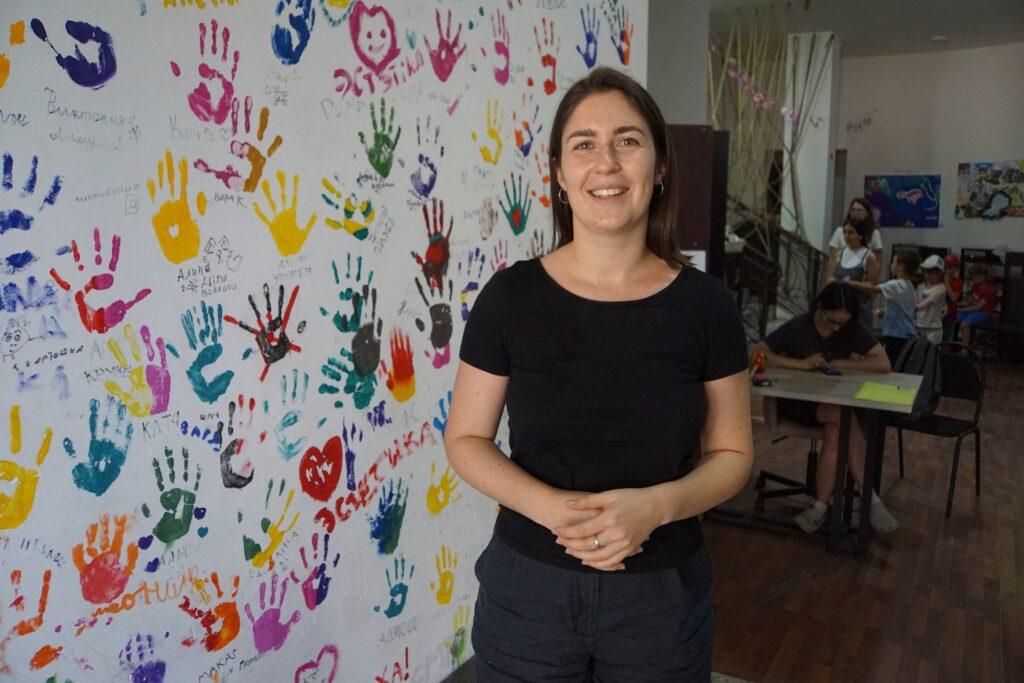
Elena Chegodaeva is the founder of the Liberated School in Yerevan, Armenia. Most of the students are the kids of Russian immigrants who left Russia because of the war in Ukraine.

When tyrants like Putin have total control over the media, it’s easy to forget that there may be some people in the country who are not supportive of tyranny. In today’s story we learn about Russian dissenters who fled to Armenia after Russia’s full-scale invasion of Ukraine — and how they are trying to make a new life there. (Do you know why media outlets always say “full-scale” invasion? Because Russia has been doing other, more limited invasions for a long time.)

With contributions from Stepan Adamyan, Daniel Ofman reported the story for Public Radio International’s The World.

“Russian Elena Chegodaeva left Moscow in early March of 2022 — about a week after Russia began its full-scale invasion of Ukraine.

“Chegodaeva was against the war and fled to Yerevan, Armenia. … Chegodaeva is among the hundreds of thousands of Russians who have left their homeland since the invasion of Ukraine. Most of them oppose Russia’s war in Ukraine, or they fear getting drafted. 

“Many have wound up all over Europe — and Turkey, Georgia and Armenia have become some of the most-frequent destinations for exiled Russians. According to some estimates, more than 100,000 Russian citizens fled to Armenia alone. This reality has led to some changes within Yerevan, the Armenian capital, as the new residents try to put down roots.

“Chegodaeva, an educator, soon realized the need for a school for the Russian children coming to the city. So, after coordinating with families and securing teachers and a space within a couple of weeks, she started the Svobodnaya Shkola, which is Russian for Liberated School. …

“At first, the school only had 40 students — all kids of Russian immigrants. Back then, many of the families thought the war would end and they would soon return to Russia. The school operated out of an apartment. Now, 2 1/2 years later, many of the families are still here, and the student body has grown to 250, with classes held in two different buildings. Lessons are taught in Russian and English, while Armenian is also taught twice a week. …

“Yura Boguslavsky, a parent of two sons, ages 10 and 15, at Chegodaeva’s school, said that their education is one of the reasons he left Russia. … [And] when he and his family first arrived in Armenia, they also struggled. ‘I think the first two or three weeks was just a shock; we managed to find someplace to live, and all the streets in Yerevan were full of lost people with backpacks who were very sad.’ …

“Back in Russia, Boguslavsky attended anti-war protests, and was opposed to the Kremlin’s politics. Professionally though, Boguslavsky said, he was thriving. In Moscow, he ran a studio and an animation school. But once he got to Yerevan, he had to start from scratch. …

“A year after arriving in Yerevan, Boguslavsky started a new animation studio called Invisible Friends. He also teaches animation to students of all ages. He produced a Claymation, stop-motion documentary called, We flew, we came here, based on interviews that Armenian students conducted with Russian kids who had recently arrived in Yerevan.

“In the film, one child says that he didn’t know how long they were leaving Russia for — but when he found out, he says he ‘began missing his friends’ and sometimes cried at night. The kids described the toys they took with them and the ones they left behind.

“Boguslavsky said that the kids were a lot more expressive than the adults were. That’s why he chose to feature children in the film.

“ ‘All the adults … were saying almost the same things, just retelling the news. And the kids were sometimes even funny; they talked about how they understood what their parents told them. They were speaking a lot about their feelings.’

“Boguslavsky said that this film inspired him to find a way to keep teaching animation in Armenia. He said that nowadays, he feels comfortable in Armenia, but he knows that many other people are having a hard time.

“Finding affordable housing, and consistent work, is a challenge for many Russian immigrants who don’t work in the tech sector. A lot of people are also having trouble adjusting because they’re still hoping to return to Russia.

“ ‘I know many people who were suffering a lot, and not living their lives, and they were stuck in the past, and I don’t want to be like that, you know.’

“Boguslavsky said that it’s unlikely that he’ll return to Russia anytime soon. He said that he’s focused on making a life for himself and his family here in Armenia.

“Chegodaeva said that’s her mindset as well, and one of the reasons she founded the school. However, she said she still holds out hope that she’ll one day go back to Russia.”

More at The World, here.

Read Full Post »

« Newer Posts - Older Posts »