Feeds:
Posts
Comments

Archive for the ‘Uncategorized’ Category

Gian Carlo Menotti composed Amahl and the Night Visitors for an NBC Christmas show in 1951. He was under deadline and drawing a blank when the painting “The Adoration of the Magi” at the Metropolitan Museum of Art sparked his childhood memories of three kings who visit Italian children with gifts.

I have seen the operetta and listened to the recording many times. It takes only the first few bars and the lovely oboe representing the shepherd boy’s pipe for me to bring out the tissues and start crying and smiling all the way through.

A production today at the Friends of the Performing Arts in Concord was excellent. Kim Lamoureux took the role of Amahl. Robert Runck was stage director. Robin Farnsley was music director. Farnsley also was a breathtaking Mother of Amahl. Her anguish in the scene where her fear for her son overcomes her is heartbreaking as she inches toward the gold of the sleeping kings.

“All that gold! All that gold!
I wonder if rich people know what to do with their gold?
Do they know how a child could be fed? Do rich people know?”

You may read the whole script of this short operetta here. And there are lots of snippets on YouTube.

Update: December 22, 2013 at 2:00 p.m. and 4:00 p.m.
Amahl and the Night Visitors, with soloists Julia Shneyderman, Robin Farnsley, Ray Bauwens, Brad Amidon, Thomas Dawkins, and Michael Prichard. Chorus and orchestra conducted by Alan Yost,  Tickets $20 adults/$10 students. Call 978 369-7911 or buy on-line.

Follow us on twitter @LunaStellaBlog.
Read Full Post »

I blogged here about the late Jane Scott, who was still reviewing rock bands into her 80s. Today I thought I might write on a couple mature gals in wheelchairs who write a political blog on WordPress. Unfortunately, their language is too salty for a blog associated with Luna & Stella. So I’m going to tell you about a jazz musician who, having been rediscovered in his 80s in a nursing home, and is back in the business.

As Dan Barry writes in the NY Times, “For years, the donated piano sat upright and unused in a corner of the nursing home’s cafeteria. Now and then someone would wheel or wobble over to pound out broken notes on the broken keys, but those out-of-tune interludes were rare. … Then came a new resident, a musician in his 80s with a touch of forgetfulness named Boyd Lee Dunlop, and he could play a little. Actually, he could play a lot, his bony fingers dancing the mad dance of improvised jazz in a way that evoked a long life’s all. …

“And so Mr. Dunlop would have remained, summoning transcendence from a damaged piano in the Delaware Nursing and Rehabilitation Center, his audience a couple of administrators, a few nurses and many patients beset with dementia, loneliness and age — were it not for a chance encounter … .

“In the spring of 2010, a freelance photographer named Brendan Bannon arrived to discuss an art project with nursing home administrators — and Mr. Dunlop greeted him at the door. … A bond quickly developed, and before long Mr. Dunlop invited his new friend to hear him play what he referred to as “that thing they call a piano.” Mr. Bannon, who knows his Mingus from his Monk, could not believe the distinctive, vital music emanating from a tapped-out piano missing a few keys.

“ ‘He was a beautiful player,’ Mr. Bannon says. ‘He was making it work even though it was out of tune.’ ” Read the whole story.

I told my kids that I used to hope I’d make a splash before I was 40. Then before I was 50. Now I’m thinking 90 is more realistic.

Read Full Post »

About a year ago we had the great pleasure of attending a panel discussion featuring Orhan Pamuk, winner of the 2006 Nobel Prize for Literature. We took our seats at the New Yorker magazine’s lecture series, and because I had read his novel Snow, I was expecting someone quite dour and grim.

Instead he was hugely entertaining and funny as he talked about literature and his latest project, creating a museum to replicate one he had invented for his 2008 novel, The Museum of Innocence.

Writes Gareth Harris in the September 2010 Art Newspaper, “Turkey’s most famous living novelist is holding a pair of dentures in a room packed with ephemera reflecting everyday Turkish life of the past three decades. Orhan Pamuk, winner of the Nobel Prize in Literature 2006 and author of My Name is Red (1998) and Snow (2002), is standing among a sea of objects—sewing machines, clocks, soda-bottle tops, buttons, lottery tickets, china dogs, birdcages, cigarette lighters and false teeth—that will soon go on display in The Museum of Innocence, a four-storey building in the Çukurcuma neighbourhood, central Istanbul. This venue, not just a chamber of curiosities, is the real-life incarnation of the museum painstakingly assembled and detailed in his book The Museum of Innocence (2008).”

I expect that, for someone who has read the novel, the museum experience will be both delightful and unnerving. I know I felt delighted and unnerved years ago after reading a nonfiction book about a Rhode Island community and then trying to reconcile the characters who had seemed so real with the people who had been described. Storybook characters coming to life. At first the real people seem shadows. Then as you get to know them, the storybook characters become the shadows, superficially imagined imitations.

April 30, 2012, update here.

Read Full Post »

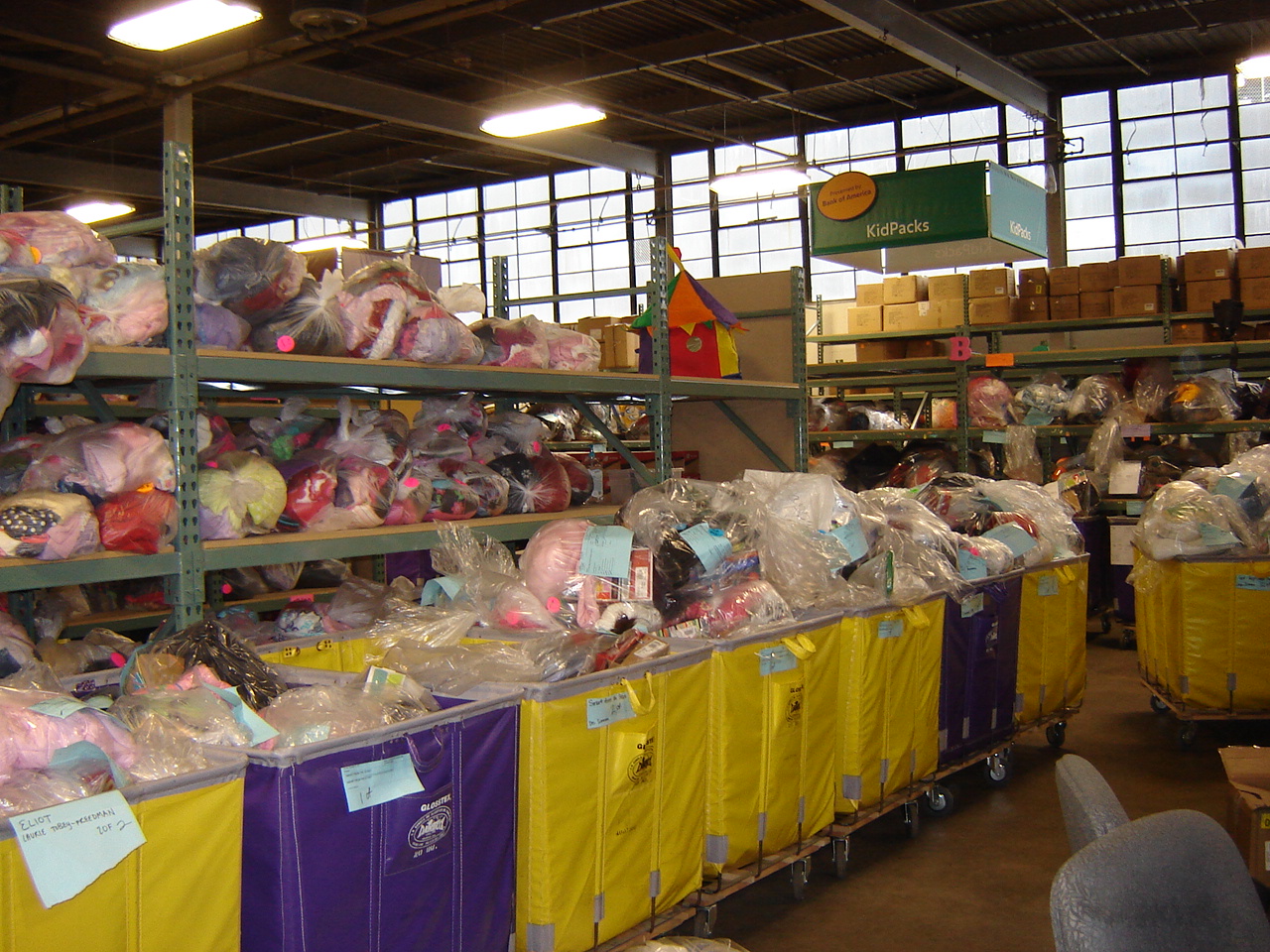
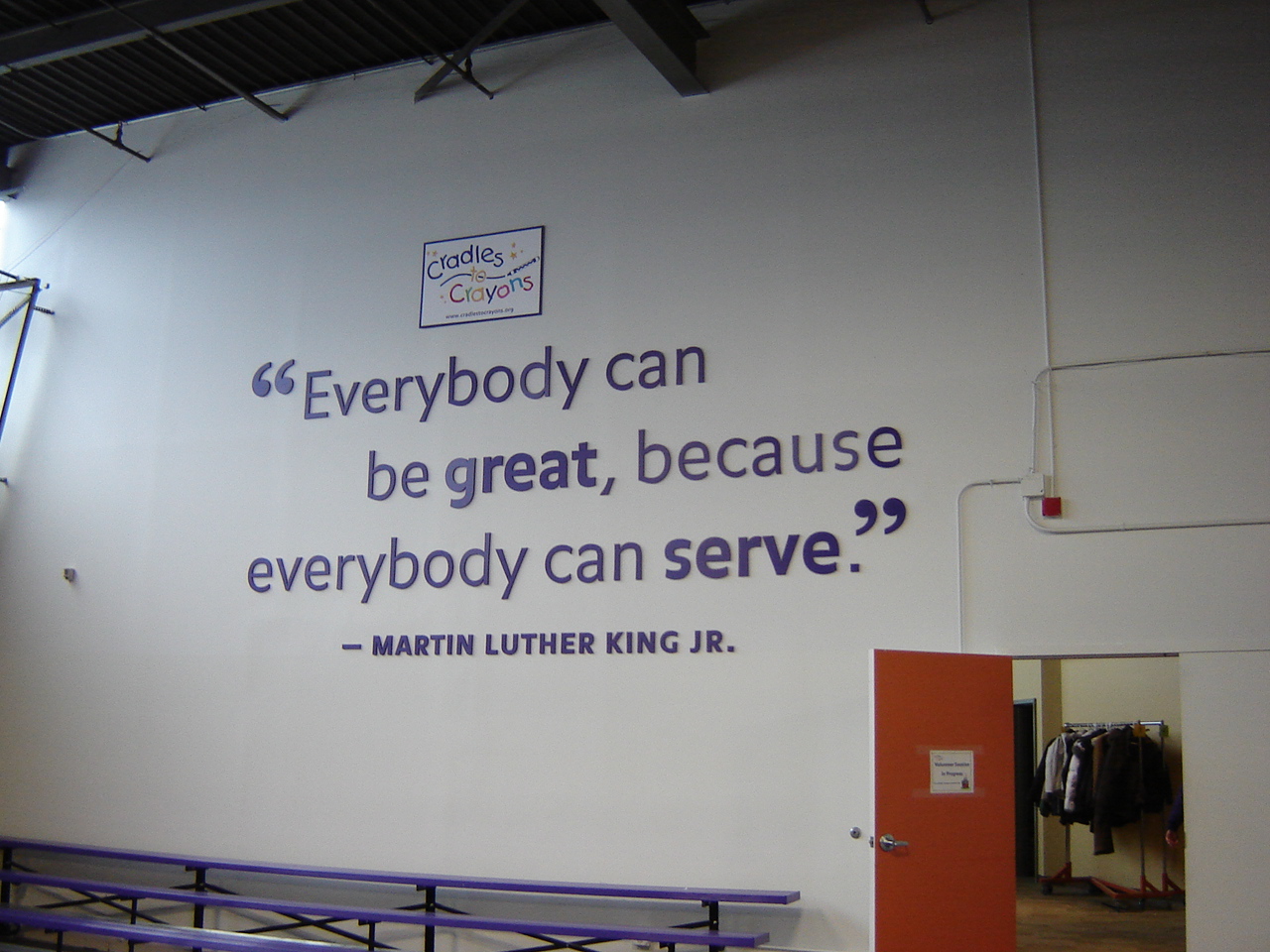
Today at work we had a holiday team-building outing to the nonprofit Cradles to Crayons. A lot of organizations bring employees to the group’s Giving Factory for their community service projects. Our team volunteered at the same time as Blue Cross Blue Shield and Bank of America.

First we watched a video about the history of the organization, which takes donations of clothes and equipment for children, sorts them, and fills orders for individual children at the request of social service agencies. The donations come from ordinary people and from partner corporations.

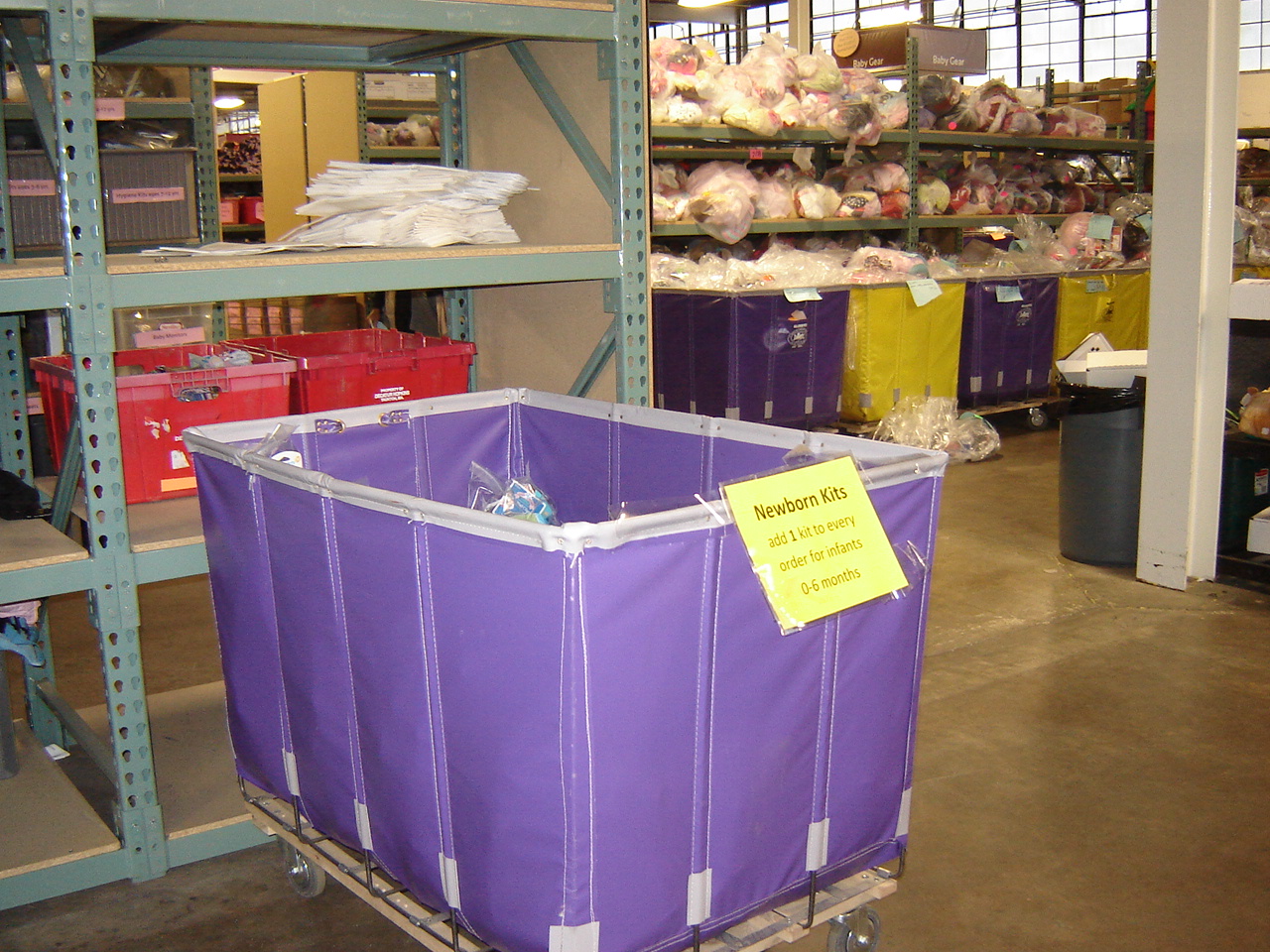
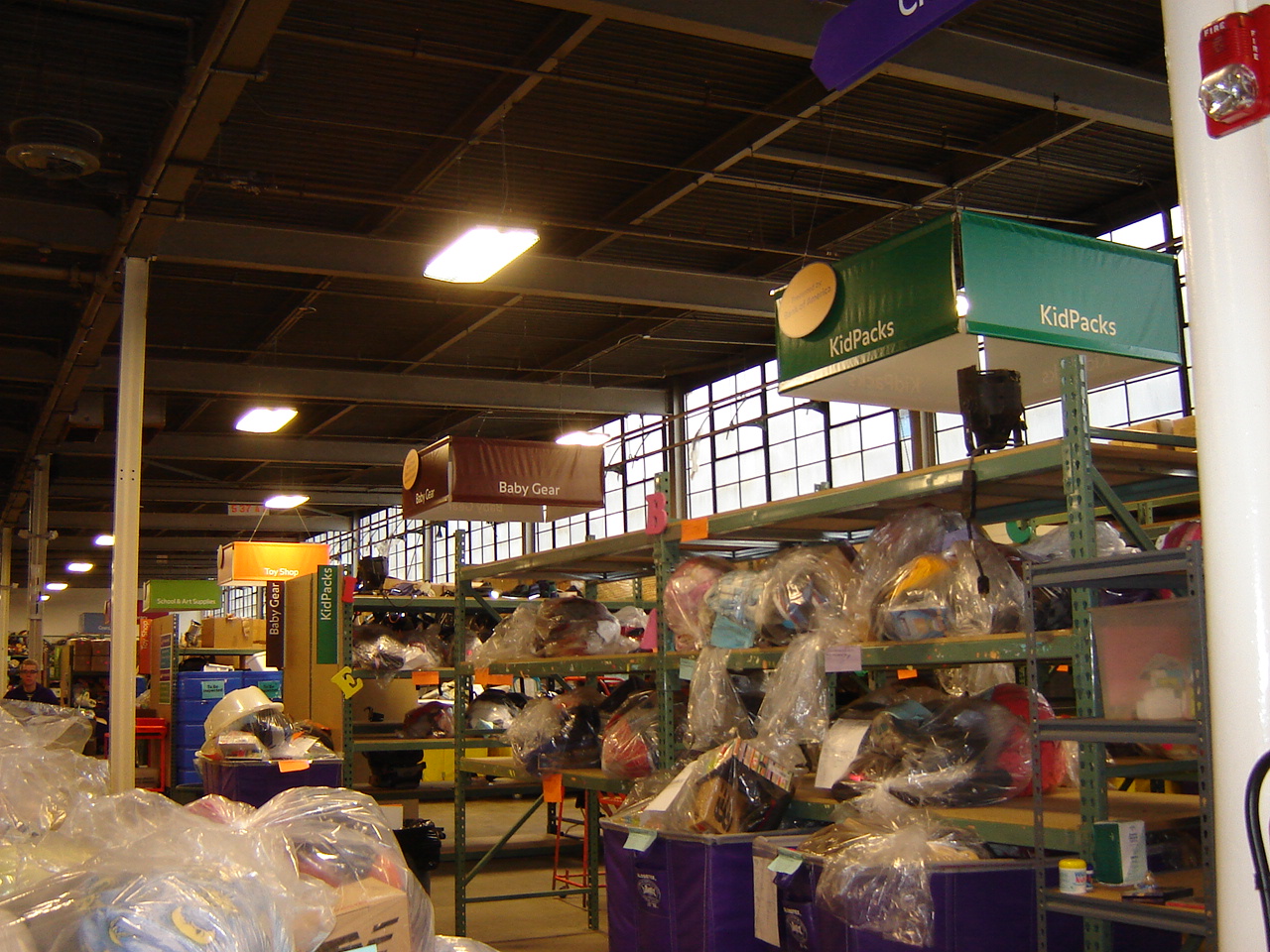
A group of us sorted donated coats. I was with the group that “shopped” among the warehouse shelves for bundles of sorted and age-labeled items, looking for the needs listed on individual order sheets. For example, we might have a sheet for a boy, age 4, that said “clothing pack, book bundle, craft packet, boots size 6, coat size 6.” It was very well organized. If we found that Cradles to Crayons was  out of something, the staff would fill the order anyway and invite the requesting agency to reapply for missing items. They like to provide whatever they can as fast as they can.

Cradles to Crayons says, “Our vision is that one day every child will have the essentials they need to feel safe, warm, ready to learn and valued. Through the Giving Factory, we provide those essentials, as donated clothes, shoes, books and school supplies to homeless and low-income children. We also offer meaningful volunteer opportunities to hundreds of corporations and thousands of individuals and families each year.”


Read Full Post »

In a recent study of professions that involve intensive memorization, London cab drivers were found to have brains with swollen hippocampi. Not even doctors or so-called memory champions show that effect. Andrews Sullivan has the story.

Says researcher Eleanor Maguire, “We’re in a situation where people are living longer and often have to retrain or re-educate themselves at various phases in their lives. It’s important for people to know that their brains can support that. It’s not the case that your brain structure is fixed.”

A cabbie competes against a satellite system in a really cool video.

Read Full Post »

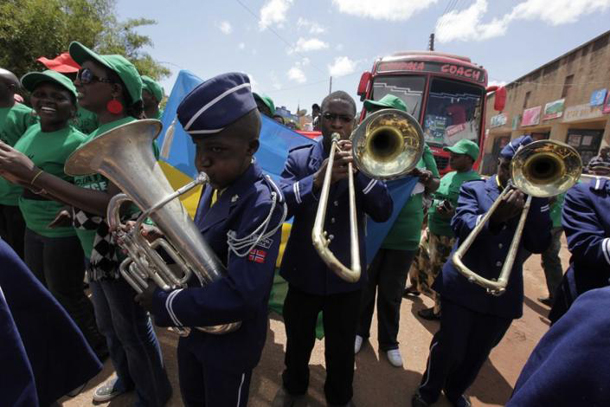
Living on Earth, a radio show based in Somerville, Massachusetts, and distributed by Public Radio International, recently did a story on East Africa and the worst drought in 60 years. Bobby Bascomb interviewed musicians who decided to do something about it, letting their voices be heard in the way they know best.

They call themselves the Caravan of Hope, says Bascomb. “More than 25 bands from 11 different African nations are traveling across the continent to raise awareness about climate change … as international climate talks begin in Durban, South Africa.”

Singer Angella Katatumba of Uganda explains, “We use our voices to get people fired up and educate people about climate change in Africa. Uganda usually has an amazing climate. It’s usually warm and just perfect. These days, when it’s hot it’s way too hot. When it’s cold it’s way too cold. When it’s wet, it’s storming. We’re seeing things like landslides, which we’ve never had before.” So she’s taking her concern on the road. Read more here.

Read Full Post »

Not an appropriate quote, but I can’t keep it from coming into my head:
“Like the leaves of the forest when Summer is green,
“That host with their banners at sunset were seen:
“Like the leaves of the forest when Autumn hath blown,
“That host on the morrow lay withered and strown.”

Read Full Post »

There is always something new to learn about Stonehenge, a site shrouded in mystery for centuries.

Rossella Lorenzi writes at Discovery News, “Using noninvasive technologies such as ground-penetrating radar and geophysical imaging, a team from the University of Birmingham’s IBM Visual and Spatial Technology Centre, known as VISTA, and the Ludwig Boltzmann Institute for Archaeological Prospection and Virtual Archaeology in Vienna, discovered evidence of two huge pits positioned on a celestial alignment at Stonehenge. …

” ‘This is the first time we have seen anything quite like this at Stonehenge,’ said project leader Vince Gaffney, an archaeologist from the University of Birmingham. ‘When viewed from the Heel Stone, a rather enigmatic stone which stands just outside the entrance to Stonehenge, the pits effectively mark the rising and setting of the sun at midsummer days.’ ”

Read more here.

On YouTube you can find both boring videos about Stonehenge and funny ones. A comedy routine by Eddie Izzard made me laugh, but it’s a bit too naughty for Suzanne’s Mom’s Blog. You can check out a few of Spinal Tap singing “Stonehenge” in the movie This is Spinal Tap. And here is a great scene about Druids from that movie.

Read Full Post »

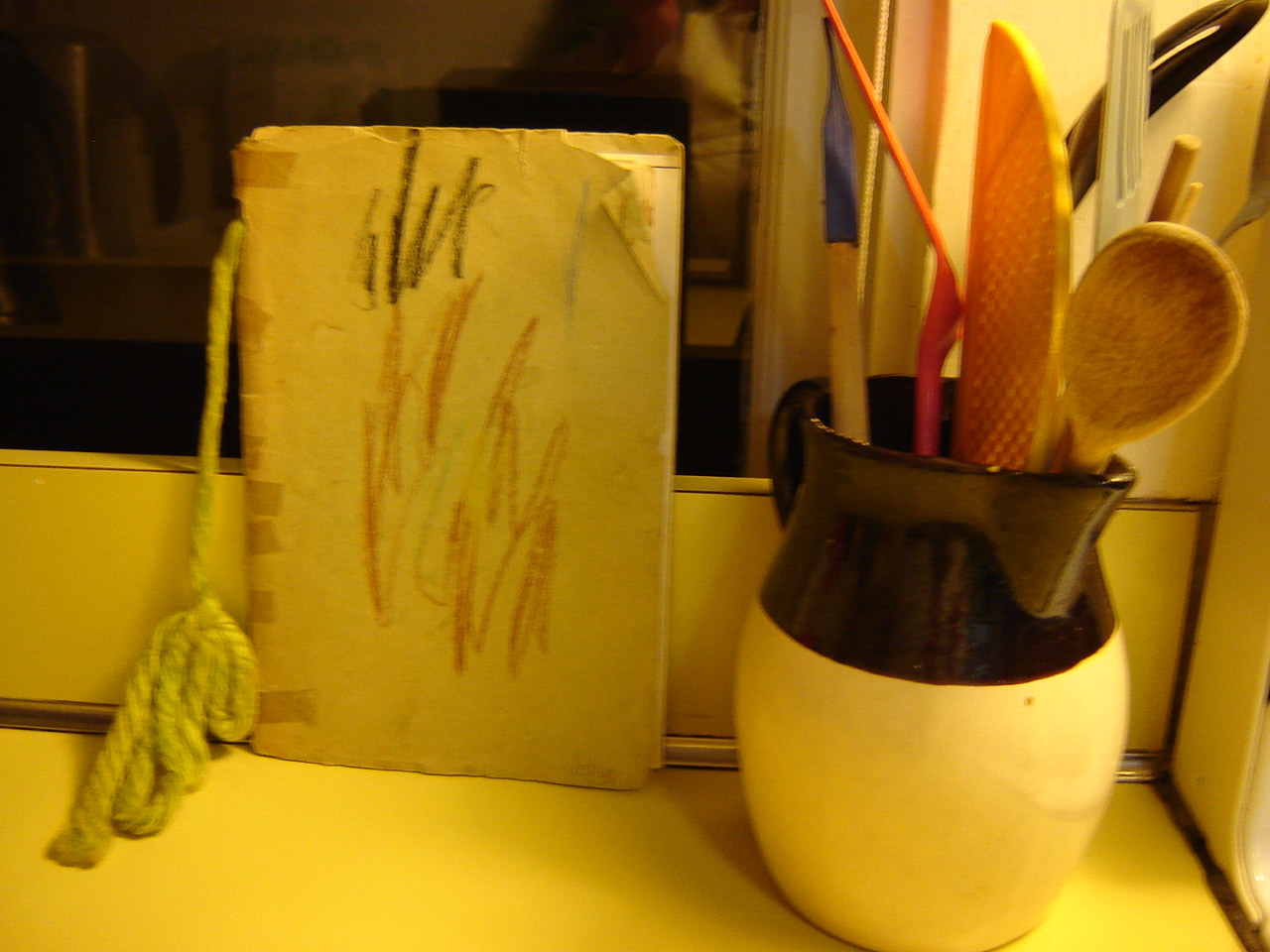
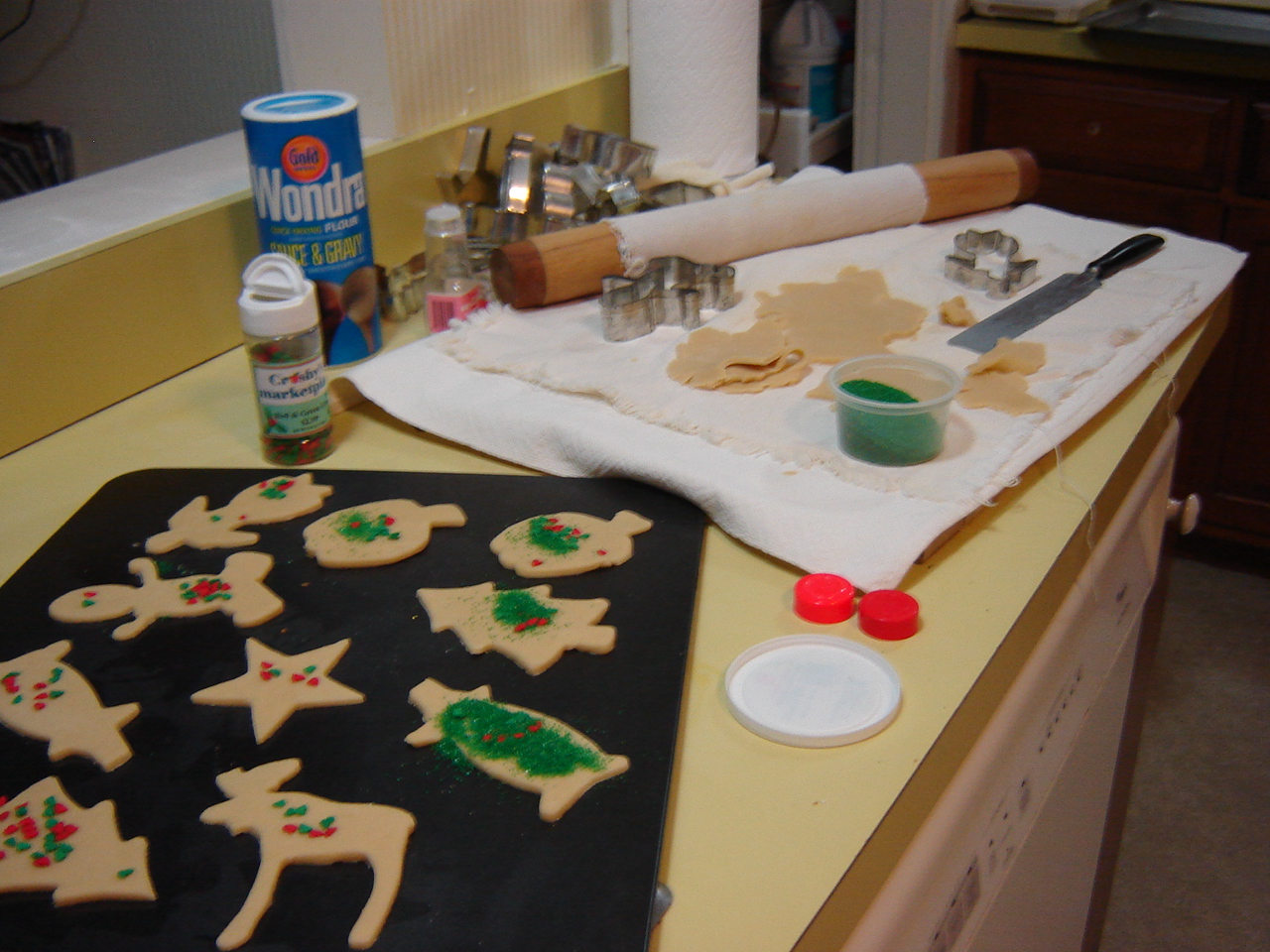
Still the best sugar cookie recipe comes from the cookbook John made in nursery school, age three.

Read Full Post »

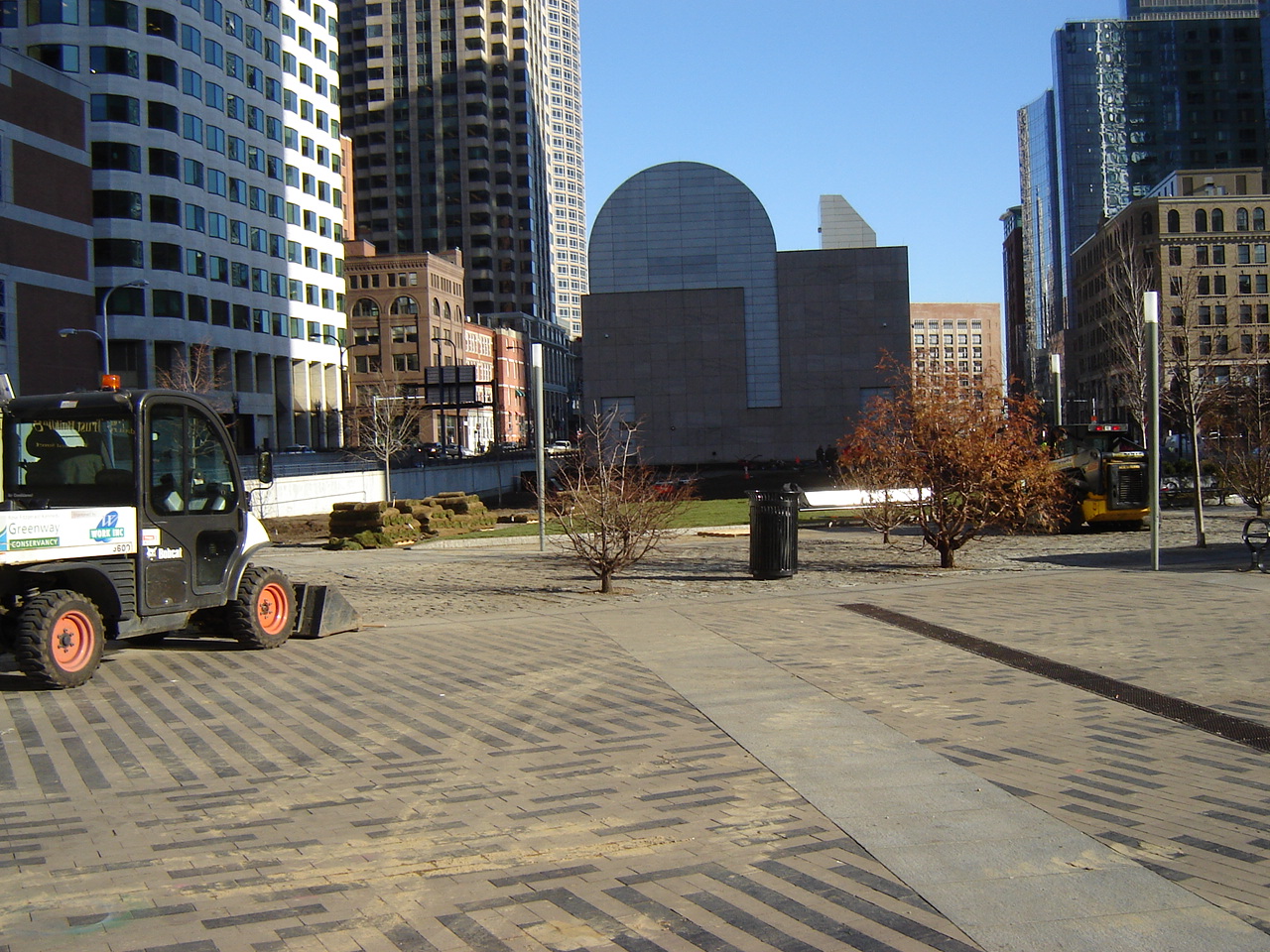
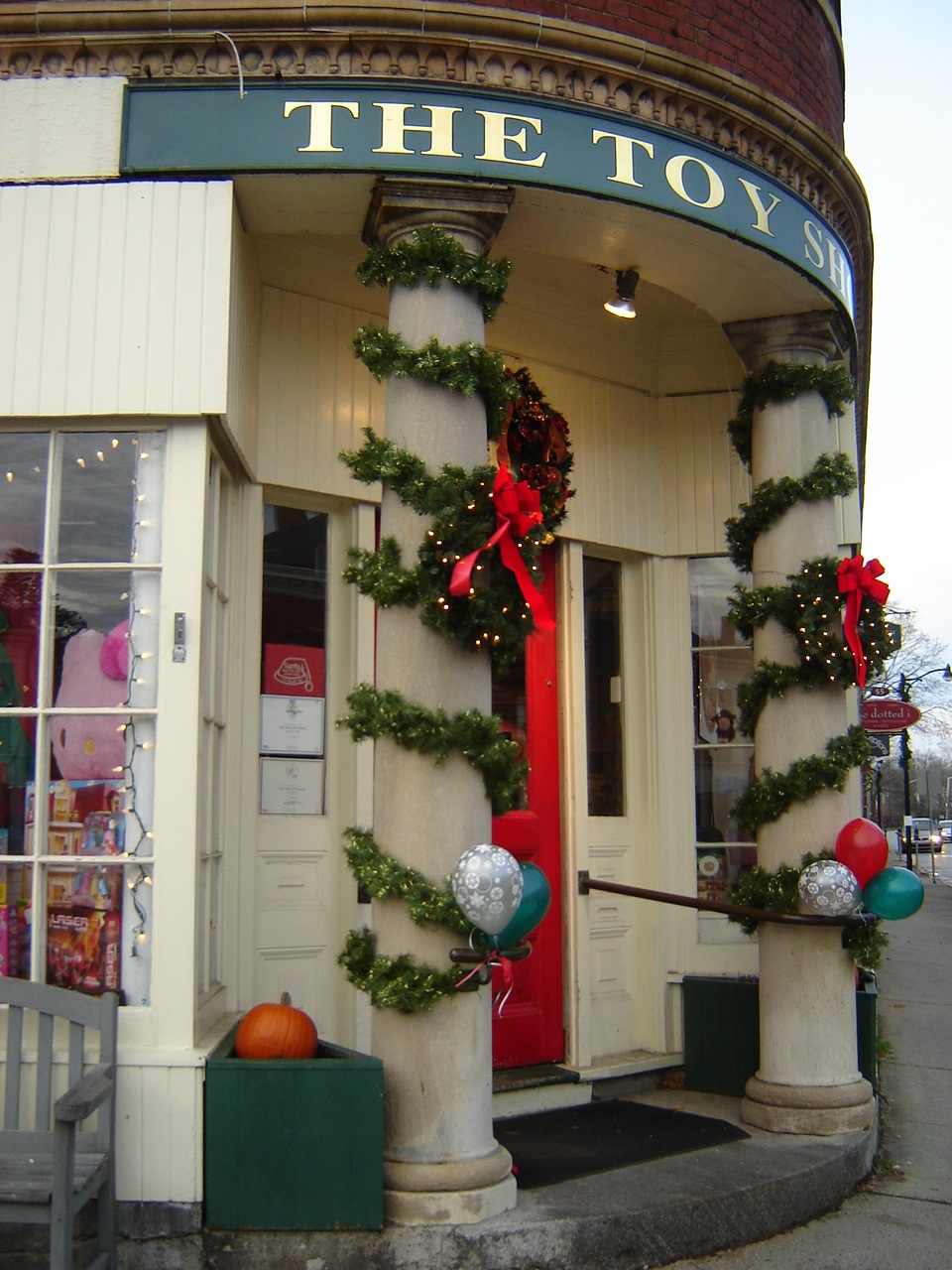
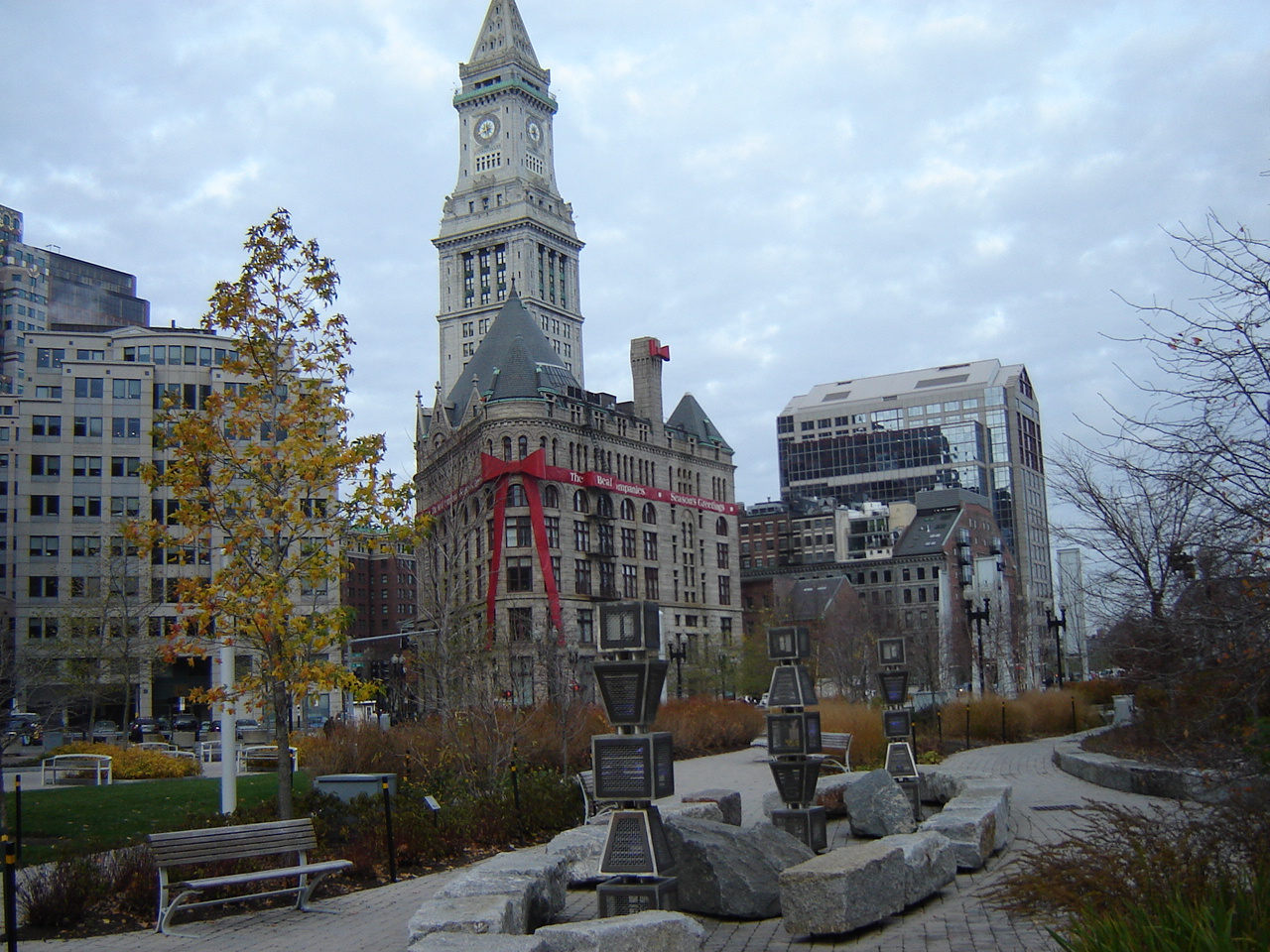
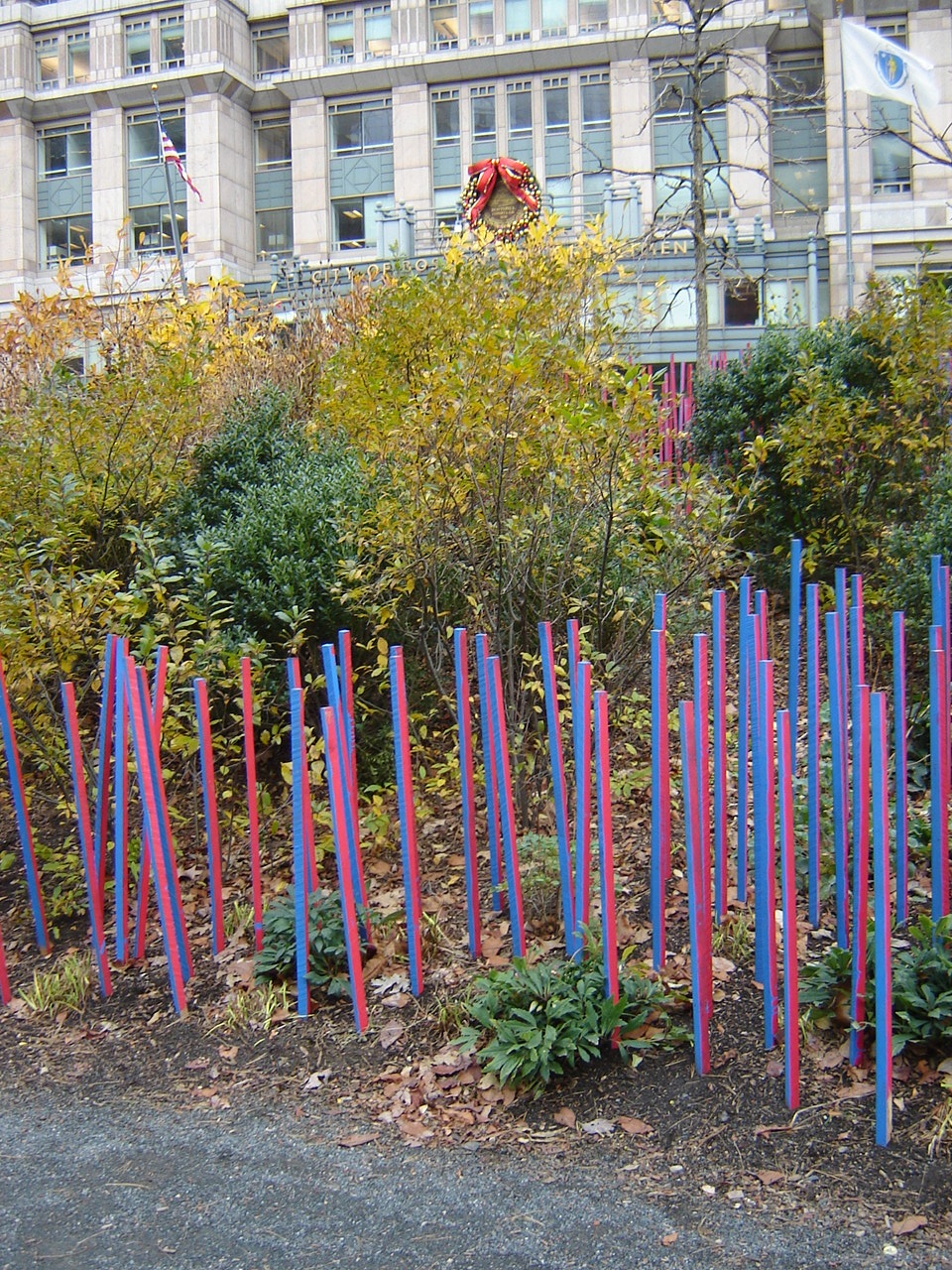
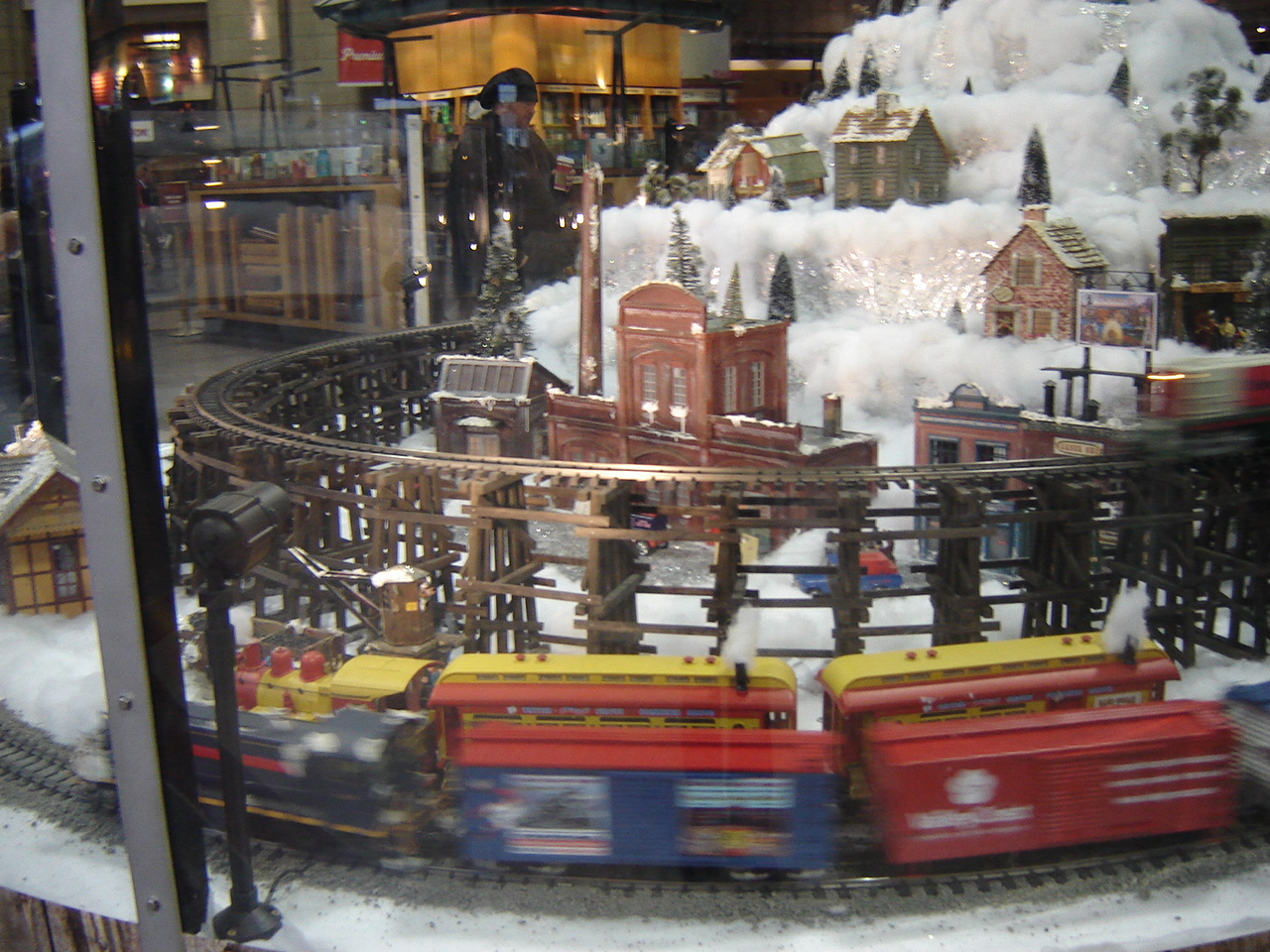
A building gets wrapped with a bow, friends volunteer to hammer in some color along Greenway walks, South Station digs out its toy trains (display by these folks).

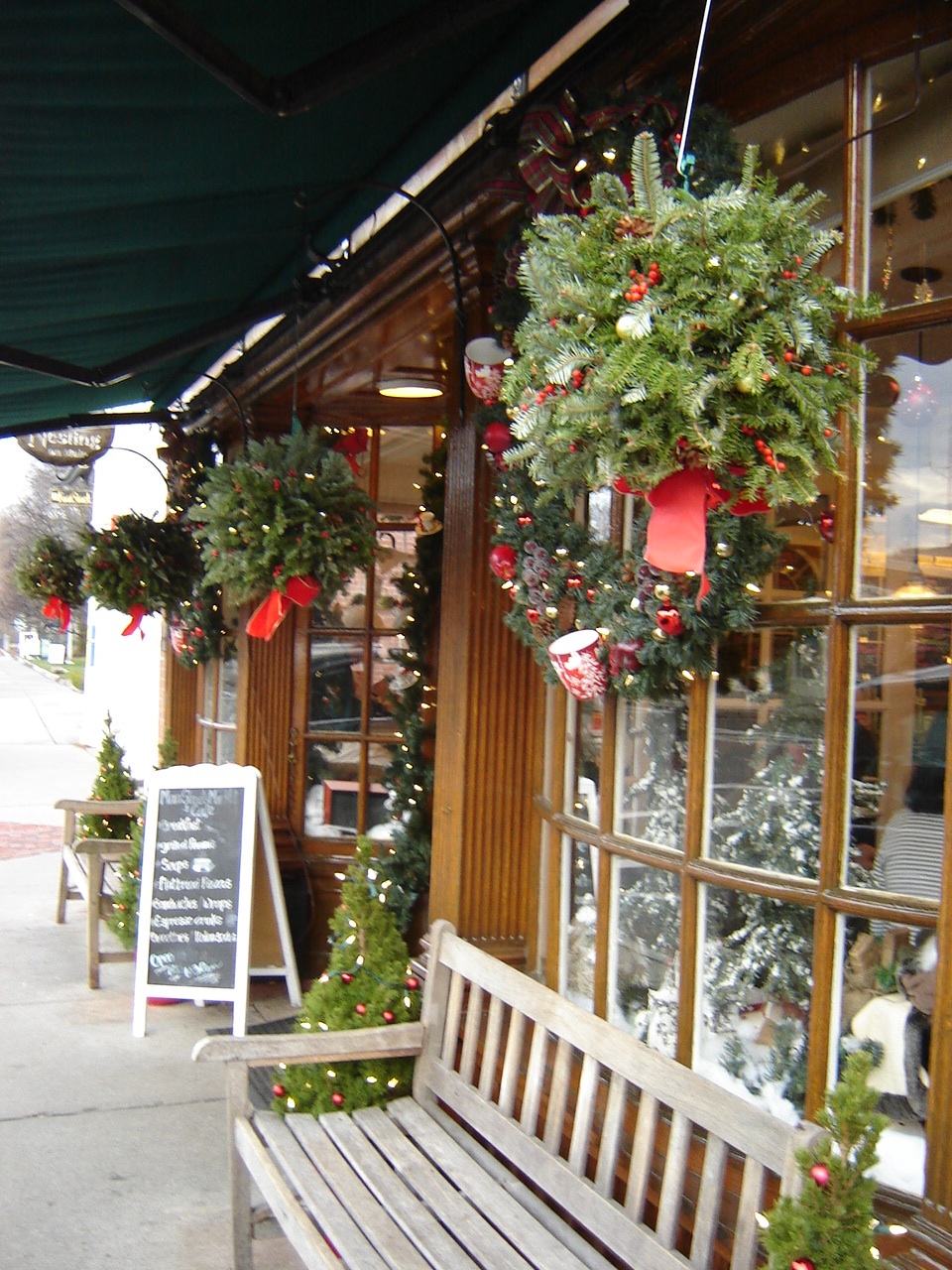
We don’t have snow, but we’re pretty festive anyway.

Read Full Post »

Some people will go pretty far to prove a point.

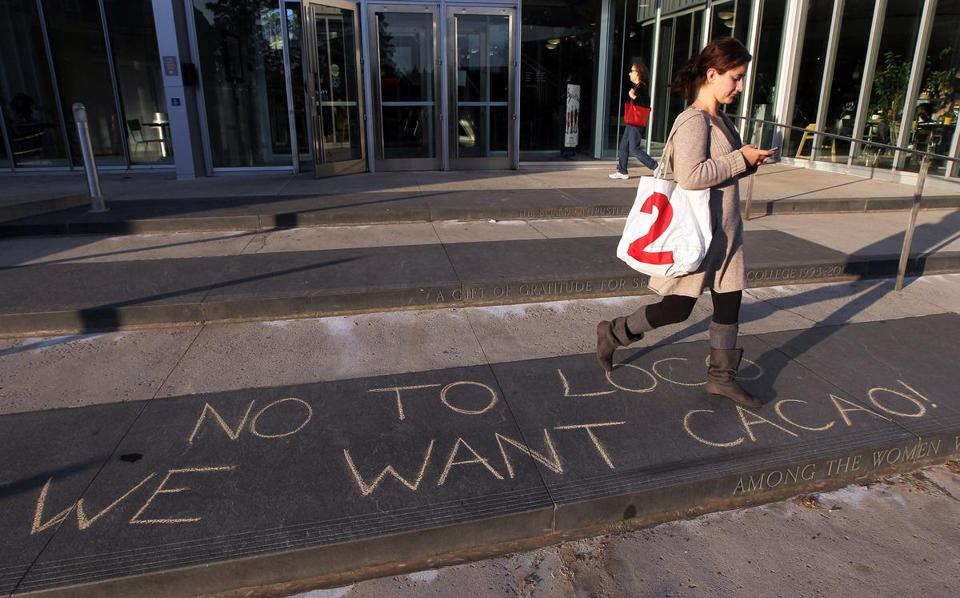
The point that a couple of Smith College logic professors like to prove whenever they get a new batch of students is that hardly anyone applies logic to rumors. So the profs plant rumors and wait to see what happens.

This year’s rumor got the campus up in arms.

In late October, writes the Boston Globe, “students at Smith College were buzzing over a rumor that the school was going completely vegetarian and locavore. There were protests and counter-protests, with slogans chalked on walkways. There was a Twitter feed that caught the attention of VegNews, ‘America’s premier vegan lifestyle magazine.’ At a student government meeting, the dining services manager came under attack: How did she expect students to pass their midterms without coffee?

“But the Smith administration wasn’t really planning to ban meat, food from outside New England, or anything else.

“The whole thing was a hoax — one in a decade of annual pranks perpetrated by professors Jay Garfield and Jim Henle as part of their introductory class in logic.” Read more.


Photo of student: Bill Greene, Boston Globe

Read Full Post »

It’s amazing how much the arts can help people.

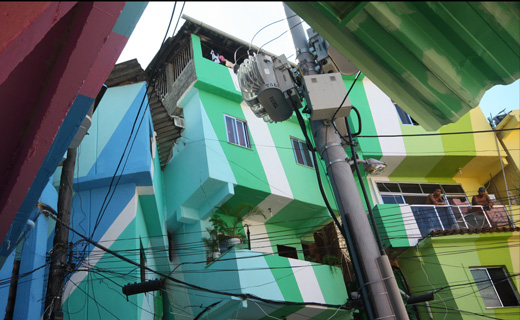
I have blogged about programs that use the arts to turn convicts toward something positive, to build up the self-worth of the homeless, to turn Brazilian slums into more hopeful places. The list goes on.

Recently ArtsJournal.com alerted me to a BBC story on an arts initiative that helps veterans reacclimate to civilian life.

“Many veterans are turning to charities for help. One is using the unlikely weapon of art to help fight the psychological wounds of war, while another organisation is actively encouraging artwork in the army. Outside of the [national health service] the charity Combat Stress is the biggest provider of support to armed forces veterans with conditions such as post-traumatic stress disorder (PTSD), depression and anxiety.

“Art therapy is one of the treatments it uses. Drawing, sculpting and painting are helping patients manage their symptoms with great success.

” ‘Traumatic memories take a different path from our normal memories and tend to be frozen in the body in the central nervous system,’ explains Janice Lobban, who has been a trauma therapist at Combat Stress for the past 10 years. …

“Group sessions typically begin with the therapist giving a one or two word brief to inspire creativity before veterans are given a selection of materials for painting, modelling or writing. After 45 minutes of quick work, the group then get together to talk about and describe what they’ve just created.

” ‘I try to keep a blank mind and just let images and feelings rise out from my unconscious to my hand and things start appearing,’ says Richard Kidgell … who served in the Royal Air Force from 1978 to 1985. ‘What surprises me is that while I’m drawing I don’t know what it is — they’re just images, but by the end of the session I’ve made a complete story. It’s quite enlightening as sometimes I’m not entirely sure what I’ve drawn until I speak to others about it.’ ”

Read more of Genevieve Hassan’s story on arts therapy for veterans here.

Read Full Post »

When playwright Willie Reale started the 52nd Street Project in 1981 it was to meet a need. Children living in poverty in and around the Hell’s Kitchen section of New York City often had little joy in their lives. A group of theater people decided to use the art they knew best to change that.

“The mission of The 52nd Street Project is to bring together kids (ages 9 to 18) from the Hell’s Kitchen neighborhood, with theater professionals to create original theater.  The primary activity of the Project is to present free theater to a general audience. The Project’s deeper purpose is to use the art form of theater to engage the children’s imaginations, broaden their means of expression, and increase their sense of self worth, their literacy skills and their appreciation for the arts. With the addition of our expanded Clubhouse and our own theater, the Project has been able to add programming in various other art forms (such as Photography, Poetry, Theatrical Design and Dance). Additionally, the Project runs a free, after school homework help and academic mentoring program.”

In the early years, I saw some of the plays created when one child and one actor bonded and collaborated. Delightful. As Reale says, “There is no way to fast forward and know how the kids will look back on this, but I have seen the joy in their eyes and have heard it in their voices and I have watched them take a bow and come up taller.”

In this clip, kids work with adult partners on haiku.

Read Full Post »

Here is a business that is in the business of innovating to solve problems in poor countries.

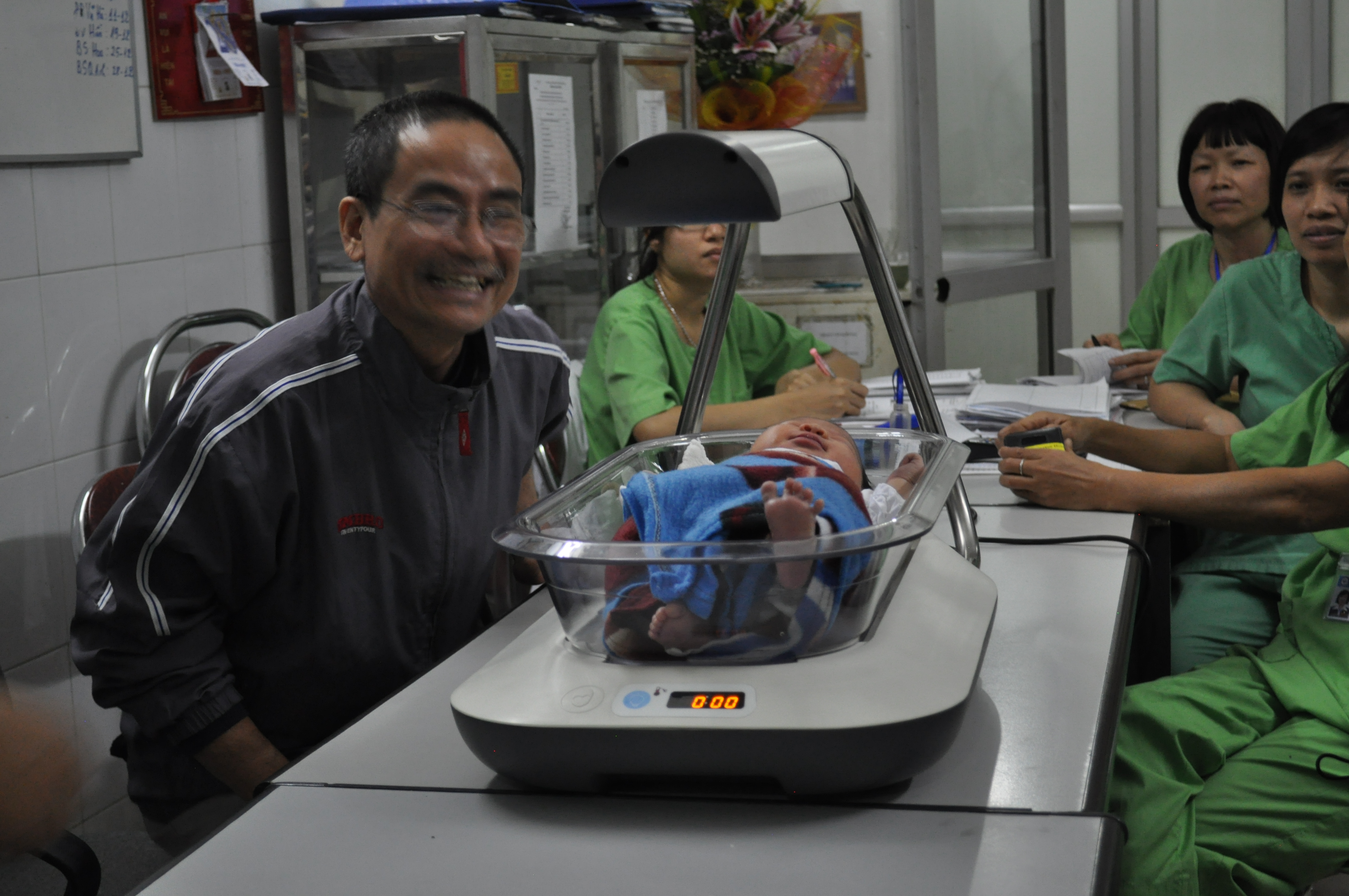
The latest initiative at Design that Matters has been to find a low-cost way to treat babies in the developing world who have jaundice. This week the group tested Firefly, an easily transportable phototherapy bassinet specially designed for Vietnam. The doctors in Vietnam were ecstatic.

“Currently infants born with jaundice in Vietnam will first travel to a district hospital in their search for treatment, which are usually not equipped with the proper tools to treat any newborn health issues and are referred on to a provincial or national hospital. Due to this lack of equipment at the rural and district level, infants’ conditions worsen as they travel for multiple days, risking the development of permanent brain damage. …

“In response, Design that Matters (DtM), the East Meets West Foundation (EMW) and Vietnamese manufacturer MTTS have launched a collaboration to develop a new infant care device that will treat newborn jaundice during the critical first days of life.” Read more about Firefly here.

“Design that Matters (DtM), a 501c3 nonprofit based in Cambridge, Massachusetts, creates new products that allow social enterprises in developing countries to offer improved services and scale more quickly. DtM has built a collaborative design process through which hundreds of volunteers in academia and industry donate their skills and expertise to the creation of breakthrough products for communities in need. Our goal is to deliver a better quality of service, and a better quality of life, to millions of beneficiaries through products designed for our clients.”

John’s company, Optics for Hire played a role.


Read Full Post »

A November NY Times had this article on some activist nuns.

“Sister Nora Nash of the Sisters of St. Francis of Philadelphia. And the slight, soft-spoken nun had a few not-so-humble suggestions for the world’s most powerful investment bank.

“Way up on the 41st floor, in a conference room overlooking the World Trade Center site, Sister Nora and her team from the Interfaith Center on Corporate Responsibility laid out their advice for three Goldman executives. The Wall Street bank, they said, should protect consumers, rein in executive pay, increase its transparency and remember the poor. …

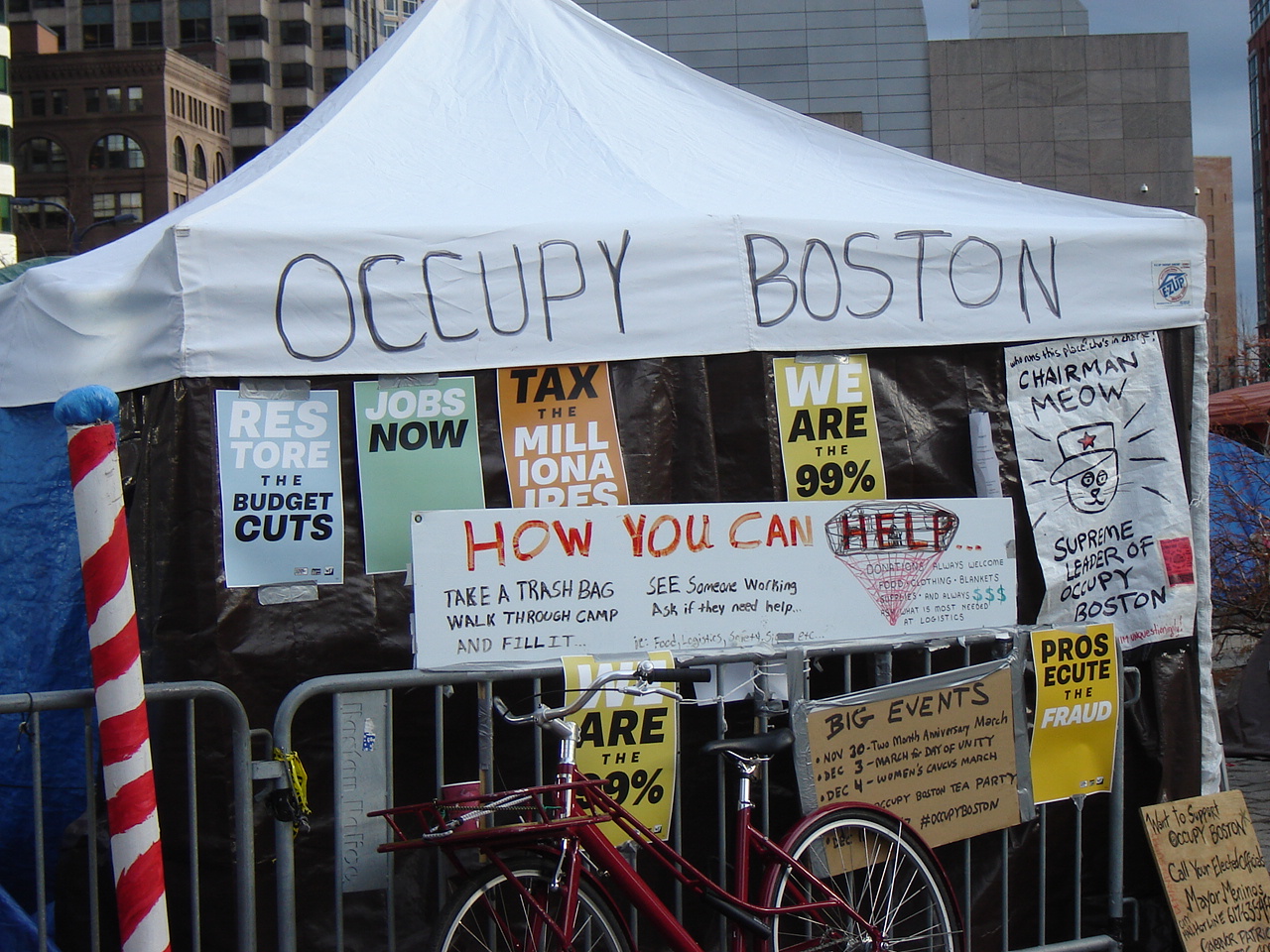
“Long before Occupy Wall Street, the Sisters of St. Francis were quietly staging an occupation of their own. In recent years, this Roman Catholic order of 540 or so nuns has become one of the most surprising groups of corporate activists around.

“The nuns have gone toe-to-toe with Kroger, the grocery store chain, over farm worker rights; with McDonald’s, over childhood obesity; and with Wells Fargo, over lending practices. They have tried, with mixed success, to exert some moral suasion over Fortune 500 executives, a group not always known for its piety.

” ‘We want social returns, as well as financial ones,’ Sister Nora said, strolling through the garden behind Our Lady of Angels, the convent here where she has worked for more than half a century. She paused in front of a statue of Our Lady of Lourdes. ‘When you look at the major financial institutions, you have to realize there is greed involved.’ ”

Read more here.

Sometimes it just takes a few small voices to verbalize what everyone has noticed and get the ball rolling.

I was thinking about that today as I read an essay by a student at my old girls high school. She had interviewed me and another of my classmates for her history (!) class, and she captured the importance I placed on my tiny role in helping my school desegregate. All I did was ask the headmistress why there were no black girls in the school (I think in the 1960s I would have said “Negro”). I believe that it was because of questions like that and her own natural inclinations — not to mention what was going on in the nation — that she took action.

At the time, I thought asking a question was pretty small potatoes, but now I think that if lots of people do a small thing, it can be big.

Read Full Post »

« Newer Posts - Older Posts »