Feeds:
Posts
Comments

Archive for the ‘Uncategorized’ Category

Photo: Suzanne and John’s Mom.
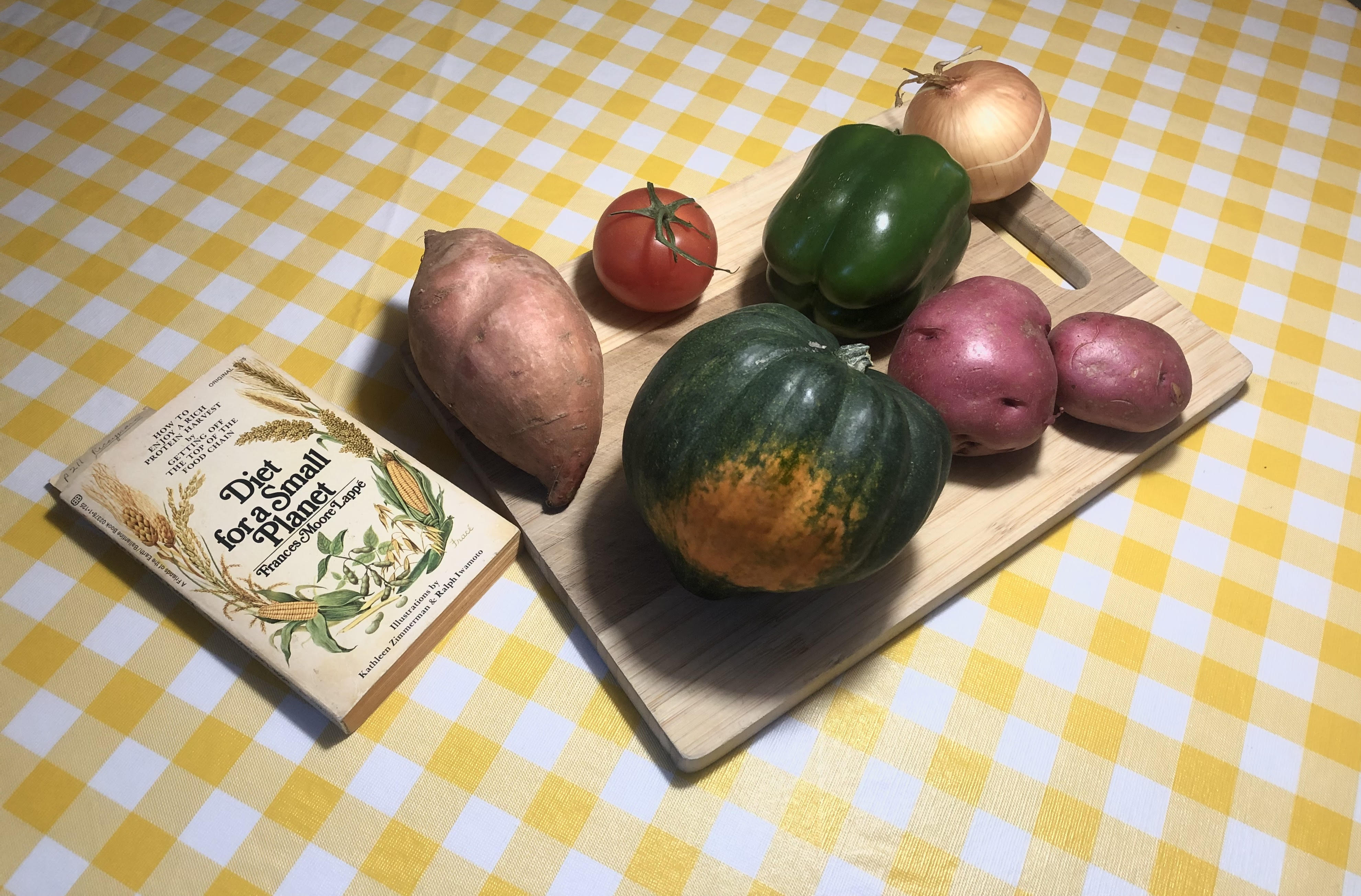
Frances Moore Lappé, author of Diet for a Small Planet, founded the Small Planet Institute, which focuses on social solutions to environmental, hunger, and political challenges.

The environmental radio show Living on Earth is staying on top of concerns about our global food system and the role it plays in “environmental crises like global warming and water pollution even as it fails to adequately feed billions of people.” Diet for a Small Planet author Frances Moore Lappé recently joined host Steve Curwood to discuss how “embracing the plant world in our diets connects to climate, health, and democracy.”

“STEVE CURWOOD: Our present food system is polluting and wasteful. For starters, about a third is thrown away, tossed from kitchens and plates in rich places and spoiled where people can’t afford to refrigerate. And many industrial growing systems pollute and waste as well, using too much water, land and chemicals in ways that also add to climate disaster. Yet around the world more than 2 billion people are food insecure.

“Fifty years ago Frances Moore Lappé wrote the bestselling Diet for a Small Planet in a bid to address the hunger crisis, and along the way she seeded a plant-centered food revolution in the kitchens of America. She joins me now from Belmont, Massachusetts. … Frankie, just to be clear, what is a plant-centered diet?

“FRANCES MOORE: Well, it’s embracing the plant world. When I moved from meat, you know I grew up in Texas cow town, right. So people said oh you’re giving up so much and I said, no, no, no, it’s the plant world that has all the taste differences, the color, the shapes, the textures, you know, it’s where all the yummy stuff is. And so for me being plant centered is I don’t follow recipes a lot but going into the kitchen and looking, you know, seeing what’s there and finding out spices and herbs I love and for example, I turned a basic beans and rice dish into an Italian dish by just changing the herbs that are used in it. It’s called Roman Rice and Beans in Diet for a Small Planet. …

“CURWOOD: So what’s changed in the last 50 years since you wrote Diet for a Small Planet? …

“MOORE: We’re sort of moving in two directions at once because we’ve got it now we know what to do and all over the world, people are aligning with nature to grow our food [but] the dominant extractive approach that is so dangerous and so unnecessary is still going strong. …

“Our food system globally contributes about 37% of greenhouse gas emissions and about 40% of that is from the livestock sector. So that’s a huge contribution. And now I’m calling it a plant- and planet-centered diet because if we really addressed this crisis and grew a healthy plant-centered diet, that would cut the agricultural greenhouse gas emissions by about two-thirds. A professor at the University of Minnesota calculated that it would be the equivalent to removing basically all the vehicles off the planet.

“CURWOOD: Now, people listening to us need to be reassured that you’re not saying you can never eat meat, you’re just telling us to make it a rare occasion. …

“MOORE: I really want to be big tent and to welcome people if they are eager to align with their body because there’s a lot of evidence that this plant-centered stuff is really good for us. … Any step we can take, I celebrate.

“CURWOOD: Now, the meat production industry has gone to great lengths to concentrate operations. …

“MOORE: What woke me up at age 26 [was] that I saw meat production as a protein factory in reverse. Consider this, we use about 80% of our agricultural land to produce livestock, but they give to us only 18% of our calories. So right there, that is pretty darn inefficient and for beef, one estimate says that of the grains fed to livestock we get about 3% to 5% of the calories and protein that we eat from all of that grain that gets fed to livestock in this country. So it’s really hard to imagine anything less efficient. …

“CURWOOD: Tell me a little bit more about the the health risk of red meat.

“MOORE: Well, I was actually shocked to learn recently that the WHO, the World Health Organization, has deemed red meat a probable carcinogen. And when I looked into it a bit that has to do with heme iron in red meat. … And then on processed meat, the WHO has deemed processed meat a carcinogen. …

“CURWOOD: Why [is] the food we eat is also linked to the health of our democracy in your view? …

“MOORE: Our democracy [is] the taproot crisis and we also have a living-planet crisis and we also have an economic crisis [of] concentration of wealth, but the taproot is democracy, because that is the way that we make decisions together to solve problems. [If] we’re going to solve these huge problems of our environment and the impact of farming on climate change, which is quite significant, we have to have democracy. And what we have now I think of as a very corrupted form because private interests those who are benefiting very much from fossil fuels and from the meat-production industry and [they] have tremendous power in Washington. There are now 20 corporate lobbyists in Washington for every single person that you and I elect to represent us in Washington. That is problematic, that is what I call a corrupted system, and that’s why I think it’s so important, Steve, we’ve got to solve these problems, and we’ve got to have democracy to solve them.”

More on that at Living on Earth, here. No firewall.
Read Full Post »

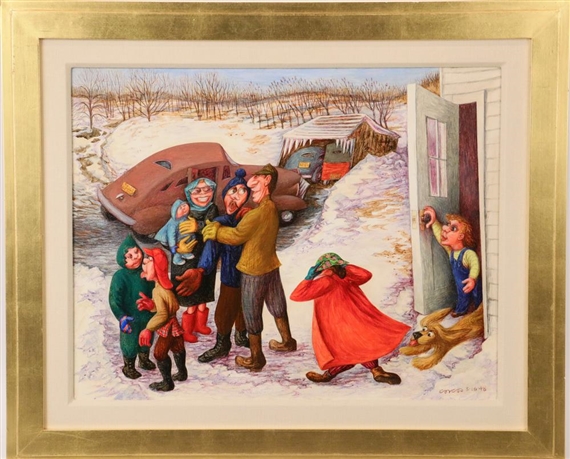
Art: Lucille Corcos Levy.
A family scene in winter, probably South Mountain Road, Rockland County, NY. In the collection of Victor Lloyd.

Would someone please make a Wikipedia entry on artist/illustrator Lucille Corcos? I tried a decade ago, but a Wikipedia moderator took it down. I love the wavy aesthetic of her art — so full of energy and love of life.

At the time that I made my one and only Wikipedia entry, internet links were not considered good enough for citations, and that was the reason given for removal. I have since read that Wikipedia is prejudiced against posts about women and/or by women. I haven’t seen any statistics on that and don’t know if it used to be the case but is no longer.

Lucille Corcos (1909 to 1973) was a working artist who was the main breadwinner for her family, although artist husband Edgar Levy also had a following. She trained at the Art Students’ League in New York City and began professionally as a children’s book illustrator.

I knew the family when I was a child because my father wrote the Upjohn Company’s 10-year-anniversary book with artist Will Burton, who was a Levy neighbor. More recently, I noticed Corcos’s work in a museum. Still, there’s a huge Wikipedia entry for one of her artistic sons, and nothing for her.

I might as well share some of the information I collected on Corcos before giving up, starting with a fascinating book I read (Cipe Pineles Golden and Martha Scotford, Cipe Pineles: A Life in Design [New York: W.W. Norton & Co., 1999]).

“Lucille and Edgar left the city in 1941 with their son David,” wrote Martha Scotford. “Son Joel was born a couple years later. They moved to South Mountain Road in New City. … Corcos was a successful painter and illustrator by this time. In the 1930s, fashion, culture and home magazines published her work and her popularity continued into the 1960s.

“[Designer] Cipe Pineles’s close friendship with Corcos had begun when Pineles commissioned Corcos’s work for Seventeen and Charm. Her humor in personal interactions and in her art made her an engaging collaborator.

“Corcos’s paintings were densely packed with many small stories and commentary. The compositions had detailed multiple subjects; perspective and scale were distorted for practical and expressive purposes. This new modern primitivism was considered part of a native tradition in American art and its ‘unacademic’ nature was celebrated.

“Corcos’s subjects included rural landscapes and urban scenes, ranging from Christmas Eve, Rockefeller Center, to the Oyster Party to Everybody Meets the Boat. In addition to doing commissioned illustration, Lucille Corcos built her career as a fine artist and was a steady participant in New York gallery shows from 1936 to 1954. During the same time, she was a part of major exhibitions in Chicago, Pittsburgh, Philadelphia, Washington, D.C., and other institutions in New York.”

Click here for the Corcos books held in the University of Minnesota’s Children’s Literature Research Collections, where you can also find a write-up about her work for Fortune magazine and links to the pictures.

I remember the family’s actual Fire Island house (painted in 1950), here, and I want to point out that Everybody Meets the Boat is another classic Fire Island scene.

If any reader is better at research than I am, maybe you could find an article I heard was in the July 12, 1954, issue of Life magazine showing two Corcos paintings, one of her life in a wintery Rockland County, another of activities around the Fire Island house in summer.

Sorry this is all a bit jumbled. Maybe that’s the real reason the moderator deleted what I wrote at Wikipedia. Someone more knowledgable should tackle this worthy subject.

Read Full Post »

Photo: PenguinRandomHouse.
In Iceland, Christmas Eve signals the long-awaited “book flood,” Jólabókaflóð. Icelanders love to read. And the prime minister writes books herself.

Up at a Vermont ski lodge as Christmas approached, Suzanne’s family experienced the power outage from the latest winter storm. What is there to do in darkness but read a book by candlelight — or at least by headlamp? They did.

In Iceland, where winters are especially dark, Icelanders love to read.

David Mouriquand reports, “Euronews Culture was recently in Reykjavík for the European Film Awards, and while in the city, we sat down with Iceland’s Prime Minister Katrín Jakobsdóttir, one of only eight women in power in Europe. 

“She made her mark on the global cultural map this year when she published her first thriller novel, entitled Reykjavík, which she co-wrote with best-selling author of the ‘Dark Iceland’ series Ragnar Jónasson.

“Jakobsdóttir, former minister of education, science and culture, is the chairperson of the Left-Green movement and has been serving as the prime minister since 2017. …

I’d be remiss not to mention the fact that you published a novel this year, a crime novel. It’s not the first time that this has happened in Iceland, as one of your predecessors, Davíð Oddsson, published a novel when he was in office. What is it about writing and the crime / noir genre that appeals to you?

“I used to study crime fiction. I studied Icelandic literature and crime fiction was my main topic, so I have always enjoyed crime. In fiction, not in reality! And I actually was writing my master’s thesis when the Icelandic crime novel was flourishing and becoming rather big. It has become even bigger in the last decade or so. And it has been a longstanding dream to write a novel of my own, but I definitely would not have done it if I didn’t have this co-author (Ragnar Jónasson), who pushed me and said: ‘We have to do this together!’

“I must admit that I really enjoyed writing it, and I think that even us politicians can be creative. I think it’s very good for us, because sometimes we are not very creative in our politics! And it’s because the writing time was during the time of the pandemic, when I was totally absorbed in the virus and was getting, let’s say, obsessed with the virus and its effects and what we were doing.

“So having this kind of pet project to think about sometimes late in the evening or when I had an hour or two actually saved my mental health during the pandemic.

The more I thought about you writing your novel, the more I thought: Wouldn’t the world be a better place if world leaders took the time to embrace a creative outlet? So, tap dancing for Biden, or oil painting for Macron… Terrible ideas, granted, but as you say, it’s very good for politicians to get creative…

“I definitely think that the world would be a better place! Not just politicians, but all of us. I don’t think we all do major works of art, but I think it’s a very healthy thing to really grow and nurture that creative strength that I think we all have. I don’t think we do enough of it. So, yes definitely, the world would be a better place.” More at EuroNewsCulture, here.

Sara Miller Llana at the Christian Science Monitor stresses that Iceland as a whole is a book-loving country: “Hördur Gudmundsson spends the better part of his day with a book in his hands – but only in winter.

“As the skies darken, he will spend full mornings at his favorite bookstore, IÐA Zimsen, near the Icelandic capital’s harbor. After supper he’ll turn to his hobby: bookbinding. He’s already bound all the works of Iceland’s most famous author, Nobel laureate Halldór Laxness, and now is deep into the works of Gunnar Gunnarsson.

“By Icelandic standards, this doesn’t make him a fringe book buff. Iceland is known as one of the world’s most literary countries, when it comes to the love of both reading and writing. 

‘It must be in our mother’s milk,’ says Mr. Gudmundsson, a retired trades teacher.

“Books in Reykjavík, the first nonnative English-speaking city to be designated a UNESCO City of Literature, are everywhere. At one breakfast spot, the counter serves as a giant bookshelf. Tomes are piled onto the sills of steamed-up cafe windows.

“The streets of Reykjavík are an ode to the characters of the medieval sagas. Written in the 13th and 14th centuries, the Icelandic sagas retell the exploits of Norse settlers beginning in the ninth century. The works are a source of pride and a pillar of Iceland’s literary sensibilities. Tours in Iceland’s only city take visitors to the birthplaces of authors like Mr. Laxness and the scenes of plot twists in Nordic noir, a booming genre.” More here.

The WordPress site Jólabókaflóð.org posted the “founding story,” here.

And if you search on the word “Jólabókaflóð,” you will find lots of other fun articles.

Read Full Post »

“I Heard the Bells on Christmas Day” is song that really makes you think. Not the usual jolly fare, it speaks solemnly about how humanity has fallen short of the universal ideals the holiday is supposed to represent. Do we make peace our priority?

I myself stand accused of not focusing enough on ending war, given that I want to see Ukrainians triumph over the Russian invasion last February. It’s complicated. Of course I wish the heroic people fighting back didn’t have to die, but I have to respect why they are fighting.

The hymn is also hopeful because it reminds us that there are others who feel as we do and long for peace everywhere.

The carol was written by Henry Wadsworth Longfellow on Dec. 25, 1863, in response to the near fatal wound his son, Charles Appleton Wadsworth, received at the Mine Run campaign in Virginia during the Civil War. Now, that’s a heartbreaking war!

Blogger Will McMillan of “A Musical Life on Planet Earth” has a lovely rendition of the carol that you can listen to here. And today I would like to share this version from the group Casting Crowns.

Read Full Post »

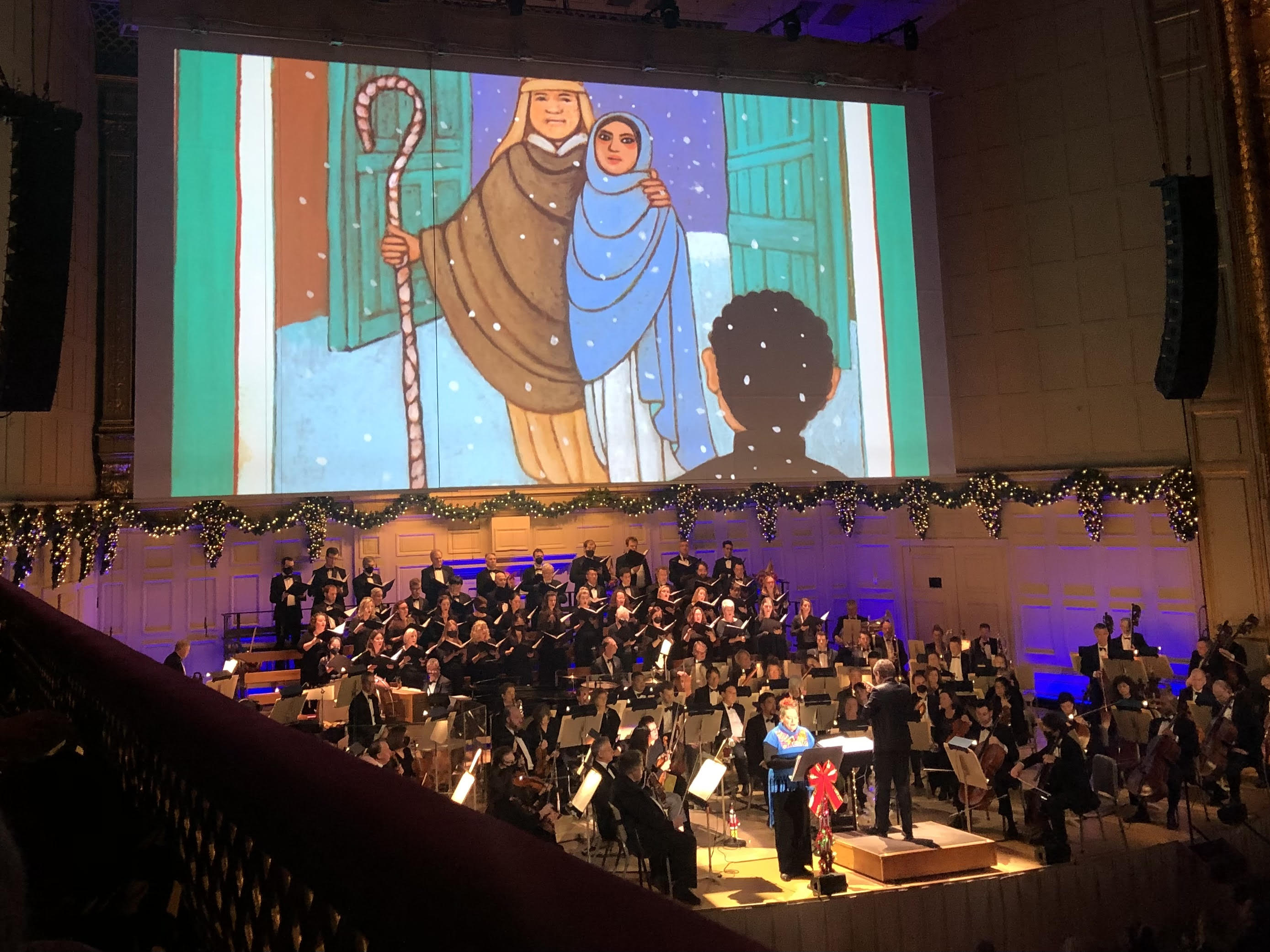
In spite of living in the Greater Boston area for 40 years, I had never been to the Boston Pops. I decided to check out this year’s holiday concert and go by public transportation.

The Red Line subway track was being repaired and was not in use that Saturday, so the transportation ended up being a problem, but I was glad I went. It was lovely.

One of the pieces featured was the premier of composer Arturo Rodríguez’s Noche de Posadas (The Night of Las Posadas), which was based on a Mexican tradition and tied to a children’s book by the late author/illustrator Tomie dePaola.

Rodríguez, a native of Mexico, wrote in the program about the custom that inspired dePaola’s storybook and about working on the commission from the Boston Pops Orchestra.

“The enduring tradition of Las Posadas in México,” he wrote, “is a representation of Joseph and Mary and their pilgrimage from Nazareth to Bethlehem. The community organizes into two groups, those who accompany the couple while they go from door to door in search of shelter and those inside the houses that reject them. These are done by singing the traditional litany. Finally the couple are welcomed, and a big celebration with food and the emblematic piñata takes place. The piñata, symbolizing the triumph of faith over sin, must have 7 spikes, each of them representing a capital sin. The candy and fruit inside the piñata represent the grace of God. The high point of the celebration is when the piñata breaks and the guests are showered by all the blessings that fall from it.

“When I was asked to compose a work about the Mexican Christmas tradition of Las Posadas, to be premiered by the Boston Pops Orchestra conducted by maestro Keith Lockhart during the Holiday season of 2022, I was delighted and honored, and immediately I had a flashback to my childhood.

“I clearly remember this particular day, growing up in my hometown of Monterrey, México (I must have been around 7 years old), when I had to stay home and skip school because it had snowed, a rare occurrence in that city. Luckily for me, the local TV cultural channel was showing a Christmas concert with the Boston Pops Orchestra conducted by maestro John Williams. The cold weather, the warm blankets, and the beautiful music that came out of the TV set have stayed in my mind and soul all these years.

“Cut to the present: having the opportunity to compose a work through which I can share my Mexican culture with the Boston audience as well as the amazing musicians of the Boston Pops Orchestra and the Tanglewood Festival Chorus at Symphony Hall, that same venue I saw on the TV set as a child, is truly the best Christmas gift I could ever receive.

“The resulting work for orchestra with narrator and choir is also inspired and built around the touching children’s book written and illustrated by Tomie dePaola, The Night of Las Posadas. I hope this music lifts you from your seats and takes you right into the heart of some magical Mexican town and that you are embraced by the flavors, rhythms, and colors of this beautiful tradition of my home country.”

Also in the concert program, I learned about Karina Beleno Carney, who narrated the storybook in between sections of the music. “A Massachusetts-based actor, Karina has appeared this year in Central Square Theater’s Young Nerds of Color, Apollinaire Theater’s Don’t Eat the Mangos, and Huntington Theatre’s Breaking Ground Festival of New Work in Rough Magic. A first-generation Colombian American and mother of three, Karina is thrilled to bring the Latine children’s book The Night of Las Posadas to life with the Boston Pops.”

In the book, the couple playing Mary and Joseph for Las Posadas get stalled by a snowstorm, but the village doesn’t know it because everything goes on as it’s supposed to. How is that possible?

Enjoy this night, wherever you are. Try to find the hidden magic in it.

Read Full Post »

Photo:  LauriPatterson/Getty Images.
Eating in Chinese restaurants on Christmas has a particular history in New York.

As a child reveling in the wonders of Christmas, I didn’t think about what friends from other faith traditions did on the big day. Most stores and entertainment venues are closed. Most restaurants, too. But, fortunately, there are Chinese restaurants.

At Mental Floss, Kirstin Fawcett writes, “For Jewish New Yorkers, scoring a seat at one of veteran restaurateur Ed Schoenfeld’s Chinese eateries on Christmas Day could be compared to a holiday miracle. ‘I think on that day we do more business than many restaurants do in three months,’ Schoenfeld told Mental Floss in 2017. ‘We serve all day long, we stay open all day long.’

“Schoenfeld is the Jewish owner-operator of RedFarm, an Asian-fusion dim sum restaurant. … While his expertise lies in Far Eastern cuisine, Schoenfeld grew up in Brooklyn and learned to cook from his Eastern European grandmother. And just like his customers, Schoenfeld and his family sometimes craved Chinese food on Christmas, eschewing homemade fare for heaping plates of chow mein and egg foo yung. The future restaurateur’s grandmother kept a kosher kitchen, but outside the home all dietary laws flew out the window with the single spin of a Lazy Susan. Suddenly, egg rolls with pork were fair game, transfigured into permissible delicacies through hunger and willful ignorance. …

“Jews developed their love for all things steamed, stir-fried, and soy-sauced after leaving the Old Country. Between the mid-1800s and the 1930s, waves of Jewish immigrants from Eastern Europe, Germany, and Greece began settling in Manhattan’s Lower East Side, a gritty, inexpensive neighborhood teeming with tenements, docks, and factories—and filled with synagogues and kosher butcher shops. ‘You started here, and then moved on,’ Sarah Lohman, author of Eight Flavors: The Untold Story of American Cuisine, said.

“While Jewish immigrants found community on the Lower East Side, ‘there was a lot of discrimination against Jews at the turn of the century,’ Lohman added. ‘They were often criticized not only for not dressing like Americans and not speaking the language, but also for not converting to an “American” religion.’

“Right next door to the burgeoning Jewish community on the Lower East Side was the city’s nascent Chinatown. Many Chinese immigrants had initially come to the U.S. to work on the Transcontinental Railroad. After its completion in 1869, these laborers faced violence and discrimination in the western states. They came to New York City seeking new business opportunities, and some opened restaurants.

“By and large, Chinese restaurateurs didn’t discriminate against Jewish customers. Joshua Eli Plaut wrote in his book A Kosher Christmas: ‘Tis the Season to be Jewish that the Chinese, as non-Christians, didn’t perceive any difference between Anglo-Saxon New Yorkers and Jewish immigrants.

They accepted all non-Chinese customers with open arms.

“Jewish customers embraced Chinese food in return. The restaurants were conveniently located and inexpensive, yet were also urbane in their eyes. … According to Yong Chen, a history professor and author of Chop Suey, USA: The Story of Chinese Food in America, ‘[Diners] were attracted to Chinese food because, in their mind, it represented American cosmopolitanism and middle class status.’ And they weren’t deterred by the fact that food in Chinese restaurants wasn’t kosher. But they could easily pretend it was.

“Dairy wasn’t a big part of Chinese meals, so Jewish diners didn’t have to worry about mixing meat and milk (a no-no in kosher diets). And non-kosher ingredients like pork or seafood were often finely chopped, drowned in sauces, or mixed with other ingredients, like rice. These elements were well disguised enough that they could pass for more permissible forms of meat. ‘You could kind of willfully ignore that there might be pork in there,’ Lohman said. ‘It’s like a vegetarian eating a soup that has chicken stock. If you’re a little flexible about your Judaism, you would just “not notice” the pork in your fried rice.’

“Chinese food was exotic and new, filled with surprising flavors, ingredients, and textures. But for some Eastern European Jews, it also had familiar elements. Both Eastern European and Chinese cuisines shared an affinity for sweet and sour flavors and egg-based dishes. ‘[Chinese restaurants] had these pancakes, which were like blintzes,’ said Joan Nathan, author of King Solomon’s Table: A Culinary Exploration of Jewish Cooking from Around the World, and the wontons resembled kreplach (both are meat-filled soup dumplings).

“The fact that the Chinese and Jews were America’s two largest non-Christian immigrant populations brought them together, Jennifer 8. Lee, author of The Fortune Cookie Chronicles: Adventures in the World of Chinese Food, told Mental Floss in 2017. Unlike, say, Italian restaurants, Chinese restaurants were open on Sundays and on Christian holidays. They also lacked religious imagery, which may have made them appear more welcoming for Jews. …

“Yet, an unwavering affection for Chinese food wasn’t shared by all Jews. In an example cited by Chen and Lee, a reporter for Der Tog (The Day), a Yiddish daily newspaper in New York City, noted in 1928 that Jewish diners were in danger of drowning their culinary roots in soy sauce. To take back their taste buds, Jewish-Americans should hoist protest signs reading ‘Down with chop suey! Long live gefilte fish!’ the journalist joked.

“But Jewish cookbooks had already begun including Americanized dishes like chop suey and egg foo yung, which Chinese chefs had specially created to appeal to homegrown appetites. And as Lower East Side Jews moved to different neighborhoods, boroughs, and suburbs, Chinese restaurants followed them.

“By the mid-20th century, Nathan said, Chinese restaurants had become de facto social clubs in Jewish communities. Familiar faces were always present, children were always welcome, and eating with your hands wasn’t just encouraged—it was required. …

“Thanks to immigration patterns, nostalgia, and convenient hours of operation, this culinary custom has stuck around. … Schoenfeld, the Manhattan restaurateur, said, ‘It’s become a tradition, and it’s extraordinary how it’s really grown.’ ”

More at Mental Floss, here.

Read Full Post »

Photo: Deniz Altindas via Unsplash.
New approaches in health care include meditation exercises and hospital care at home.

A couple of my doctors are convinced that people who are good at daily meditation are building new brain cells. I’m not convinced that I can do it, but I’m giving it the old college try. I go to a weekly class where we just sit and breathe. And I listen to an online meditation I like because it seems to give me permission to be “off duty” in so many ways. Trying to be good at meditation, for example, is out.

In another new approach to improving health care, hospitals are responding to both costs and the understanding that many acute-care patients fare better if they get the care they need at home, in their familiar surroundings.

Paula Span pursues the insights at the New York Times.

“Late last month, Raymond Johnson, 83, began feeling short of breath. ‘It was difficult just getting around,’ he recently recalled by phone from his apartment in the Jamaica Plain neighborhood in Boston. ‘I could barely walk up and down the stairs without tiring.’

“Like many older adults, Mr. Johnson contends with a variety of chronic health problems: arthritis, diabetes, high blood pressure, asthma, heart failure and the heart arrhythmia known as atrial fibrillation.

“His doctor ordered a chest X-ray and, when it showed fluid accumulating in Mr. Johnson’s lungs, told him to head for the emergency room at Faulkner Hospital, which is part of the Mass General Brigham health system.

“Mr. Johnson spent four days as an inpatient being treated for heart failure and an asthma exacerbation: one day in a hospital room and three in his own apartment, receiving hospital-level care through an increasingly popular — but possibly endangered — alternative that Medicare calls Acute Hospital Care at Home.

“The eight-year-old Home Hospital program run by Brigham and Women’s Hospital [is] one of the country’s largest and provided care to 600 people last year; it will add more patients this year and is expanding to include several hospitals in and around Boston.

“ ‘Americans have been trained for 100 years to think that the hospital is the best place to be, the safest place,’ said the program’s medical director, Dr. David M. Levine.

‘But we have strong evidence that the outcomes are actually better at home.’

“A few such programs began 30 years ago, and the Veterans Health Administration adopted them more than a decade ago. But the hospital-at-home approach stalled, largely because Medicare would not reimburse hospitals for it. Then, in 2020, Covid-19 spurred significant changes.

“With hospitals suddenly overwhelmed, ‘they needed beds,’ said Ab Brody, a professor of geriatric nursing at New York University and an author of a recent editorial on hospital-at-home care in the Journal of the American Geriatrics Society. ‘And they needed a safe place for older adults, who were particularly at risk.’

“In November 2020, Medicare officials announced that, while the federally declared public health emergency continued, hospitals could apply for a waiver of certain reimbursement requirements — notably, for 24/7 on-site nursing care. Hospitals whose applications were approved would receive the same payment for hospital-at-home care as for in-hospital care.

“Since then, Medicare has granted waivers to 256 hospitals in 37 states. … But Medicare’s waivers are not permanent. The public health emergency remains in effect until January; although the Biden administration will likely extend it, state health officials are anticipating its end at some point next year, perhaps by spring.

“What will happen to hospital-at-home care then? Twenty-seven percent of programs that participated in a poll by the Hospital at Home Users Group said that they were unlikely to keep offering the option without a waiver, and 40 percent were unsure; 33 percent said that their programs were likely to continue. …

“Studies have repeatedly documented the risks of hospital stays to seniors, even when the conditions that made the stay necessary are adequately treated. Older adults are vulnerable to cognitive problems and infections; they lose physical strength from inadequate nutrition and days of inactivity, and they may not regain it. Many patients require another hospitalization within a month. One prominent cardiologist has called this debilitating pattern ‘post-hospital syndrome.’

“Had Mr. Johnson remained in the hospital, ‘he would have been lying in bed for four or five days,’ Dr. Levine said, adding: ‘He would have become very deconditioned. He could have caught C. diff or MRSA’ — two common hospital-acquired infections. ‘He could have caught Covid,’ Dr. Levine continued. ‘He could have fallen. Twenty percent of people over 65 become delirious during a hospital stay.’

“Patients must consent to hospital-at-home care. Almost one-third of Brigham and Women’s patients decline to participate because the hospital setting feels safer or is more convenient. But Mr. Johnson was delighted to leave, when an attending doctor told him that his conditions were treatable through hospital-at-home care. …

“At home, a doctor saw him three times, twice in person and once by video. A registered nurse or a specifically trained paramedic visited twice daily. They brought the drugs and the equipment Mr. Johnson needed: prednisone and a nebulizer for his asthma, and diuretics (including one administered intravenously) to reduce the excess fluid caused by heart failure. All the while, a small sensor attached to his chest transmitted his heart and respiratory rates, his temperature and his activity levels to the hospital.

“Had Mr. Johnson needed additional monitoring (to ensure that he was taking medications as scheduled, for instance), food deliveries or home health aides, the program could have provided those. If he needed scans or experienced an emergency, an ambulance could have returned him to the hospital.

“But he recovered well without any of those interventions. About a week after he was discharged, Mr. Johnson said he was ‘much better, much better,’ and that he would recommend hospital-at-home care to anyone. …

“ ‘Are there people who need to be in a hospital?’ Dr. Leff said. ‘Absolutely.’ Surgeries, complex testing and intensive care still require a building and its staff. Nonetheless, he added, hospital-at-home initiatives demonstrate that more care could be provided outside bricks-and-mortar facilities.

“ ‘Hospitals in the future will be big emergency rooms, operating rooms and intensive care units,’ [Dr. Bruce Leff, a geriatrician at Johns Hopkins University School of Medicine] said. ‘Almost everything else will move to the community — or should.’ ”

More at the Times, here.

Read Full Post »

Photo: BBC.
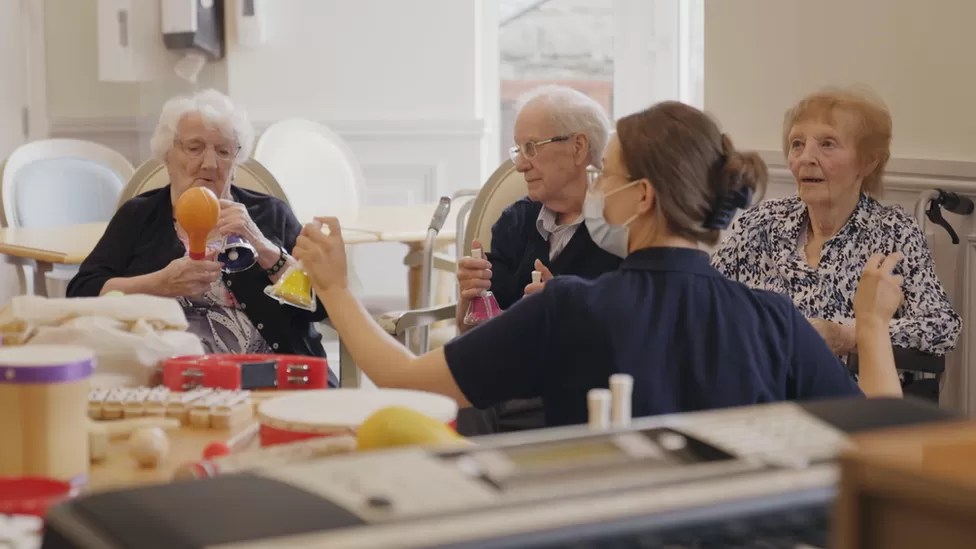
Carer Beth Forster leads music workshops for seniors with dementia in the UK.

At Thanksgiving, we had the pleasure of meeting Meg, a relatively new member of our family who shared a bit about using music therapy with hospitalized patients suffering from mental illness. So I was interested to read today’s story about a similar music program in the UK, one that focuses on people with dementia.

Sarah Gwynne and Woody Morris had this report at the BBC.

“An orchestra is attempting to bring people living with dementia back into the present. The work being done by Manchester Camerata has never been more important, given that there are about 900,000 people with the condition in the UK, a number that is predicted to nearly double by 2040. …

“People with dementia often find listening to music can reignite old memories from long ago. Much more overlooked, though, is the impact that making music can have on the present.

“While some with dementia can often feel trapped in the past, some researchers believe the act of creating music – as well as listening to it – can help to reconnect them to the here and now.

“A new BBC documentary — Dementia, Music and Us — follows the work of Manchester Camerata and its principal flautist Amina Hussain.

“Amina, who is also a professional music therapist, leads classes across the north-west of England that have been described as life-changing.

” ‘Taking part in the ‘Music in Mind’ workshops has been an enormous privilege for me as a musician,’ she said. …

“Classes for the community consist of improvisation, singing, and writing their own music and lyrics.

“Keith Taylor, 62, was diagnosed with frontotemporal dementia when he was 53. … Like many, he really struggled to come to terms with his new reality.

” ‘The best way I could explain it,’ he said, ‘is if you’re in a pine-wooded area and all of the trees are in grids and blocks and you’re walking through that and it’s dark and you can see the mist coming up behind you and you can feel it catching you.’ …

“Keith’s partner of 14 years, Joan, said they had found the sessions to be genuinely life-changing. ‘I think the thing that saved us was the first ever music group we went to because from that group it opened other groups up for us,’ she said. ‘It’s been fantastic.’

“Keith added: ‘I live life every week. Not every day — every week because I’ve got music sessions.’ He said the workshops ‘make him smile, enjoy life and it just brings the best out of you.’

“Researcher Dr Robyn Dowlen is seeking to better understand the ‘in the moment’ benefits of music-making for people with dementia. … She believes the improvisational music workshop experience allows people to ‘create something that is held now in the moment.’

“Keith described how the sessions and being in what Dr Dowlen calls the ‘musical spotlight’ had helped him ‘stand up taller.’

“Dr Dowlen added: ‘Improvisational music-making is particularly important for people with dementia, especially when it comes to building their confidence and their self-esteem.’

“Beth Forster, from Liverpool, started her career in caring as a volunteer two years ago when she found herself furloughed during the pandemic. When a staff position subsequently became available she applied and has never looked back.

“The 28-year-old decided to get involved in the music workshops after news began to spread about the positive impact they could have on those living in care homes. A musician herself, Beth received training from Manchester Camerata’s professional music therapists so she could lead her own workshops.

“Beth said: ‘I feel like I’ve got more strategies to bring residents into the present to help them if they’re distressed… I can’t really believe this is my job. … it is a real privilege.’ “

More at the BBC, here.

Read Full Post »

Photo: Suzanne’s Mom.
One of my granddaughters made this gingerbread house from a kit. The idea for a carrot was her own.

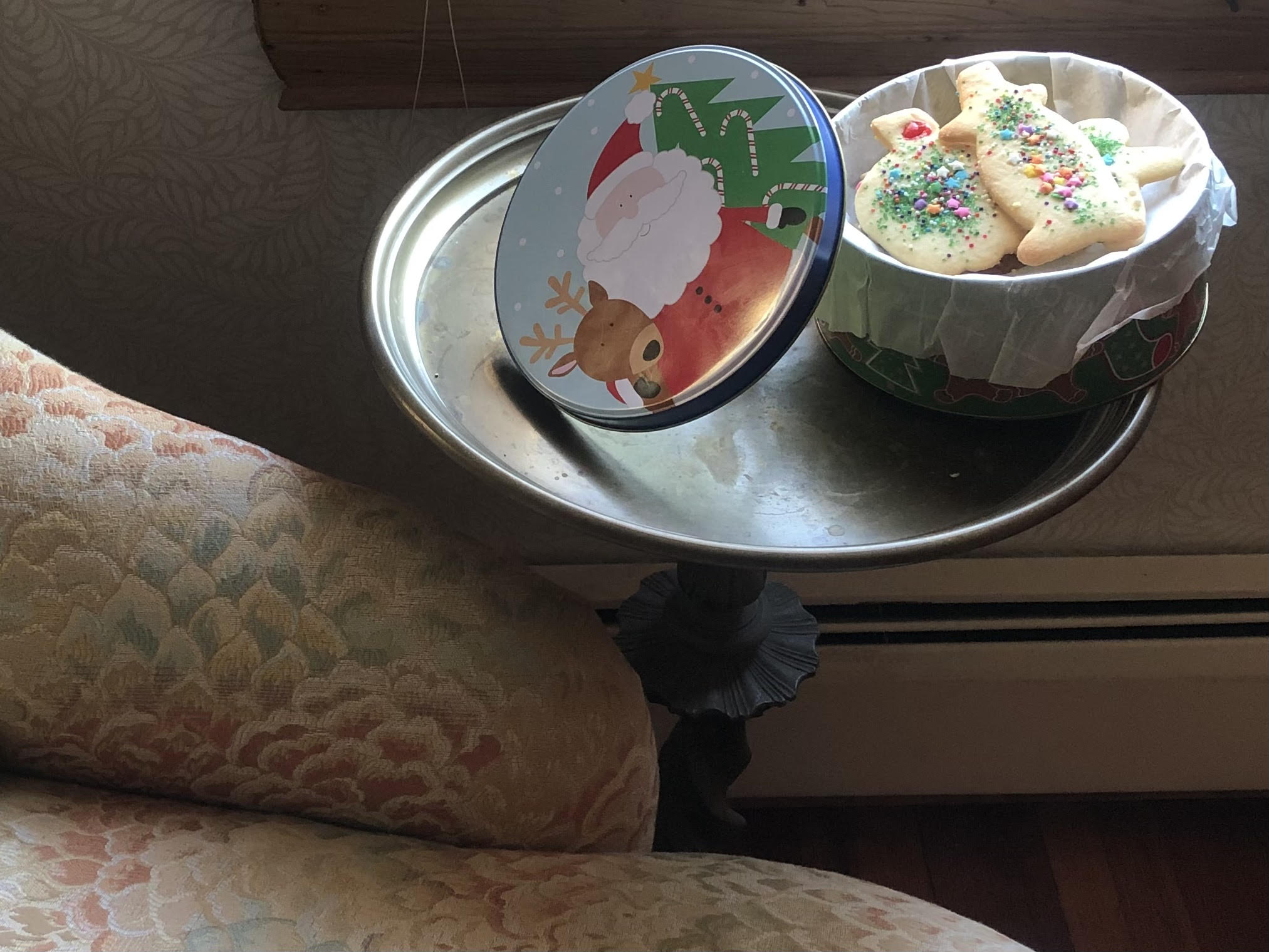
Time for another photo round-up.

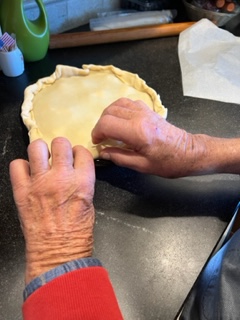
Sandra M. Kelly surprised us with a picture of Patrick making a mince pie for Thanksgiving. And, here, we thought Sandra was the only chef!

The hellabore below loves cold weather. You can understand why it’s sometimes called Christmas Rose.

My husband sent me photos of mysterious “ice flowers,” taken by Ned Friedman, director of Harvard’s Arnold Arboretum. The flowers formed the other day on a herbaceous Chinese plant called Isodon henryi, and even Friedman doesn’t know for sure what conditions cause the phenomenon.

Sandra also sent the photograph of the Christmas cactus. She’s a genius at rescuing cacti that people like me can never get to bloom. I have her instructions if you want to try.

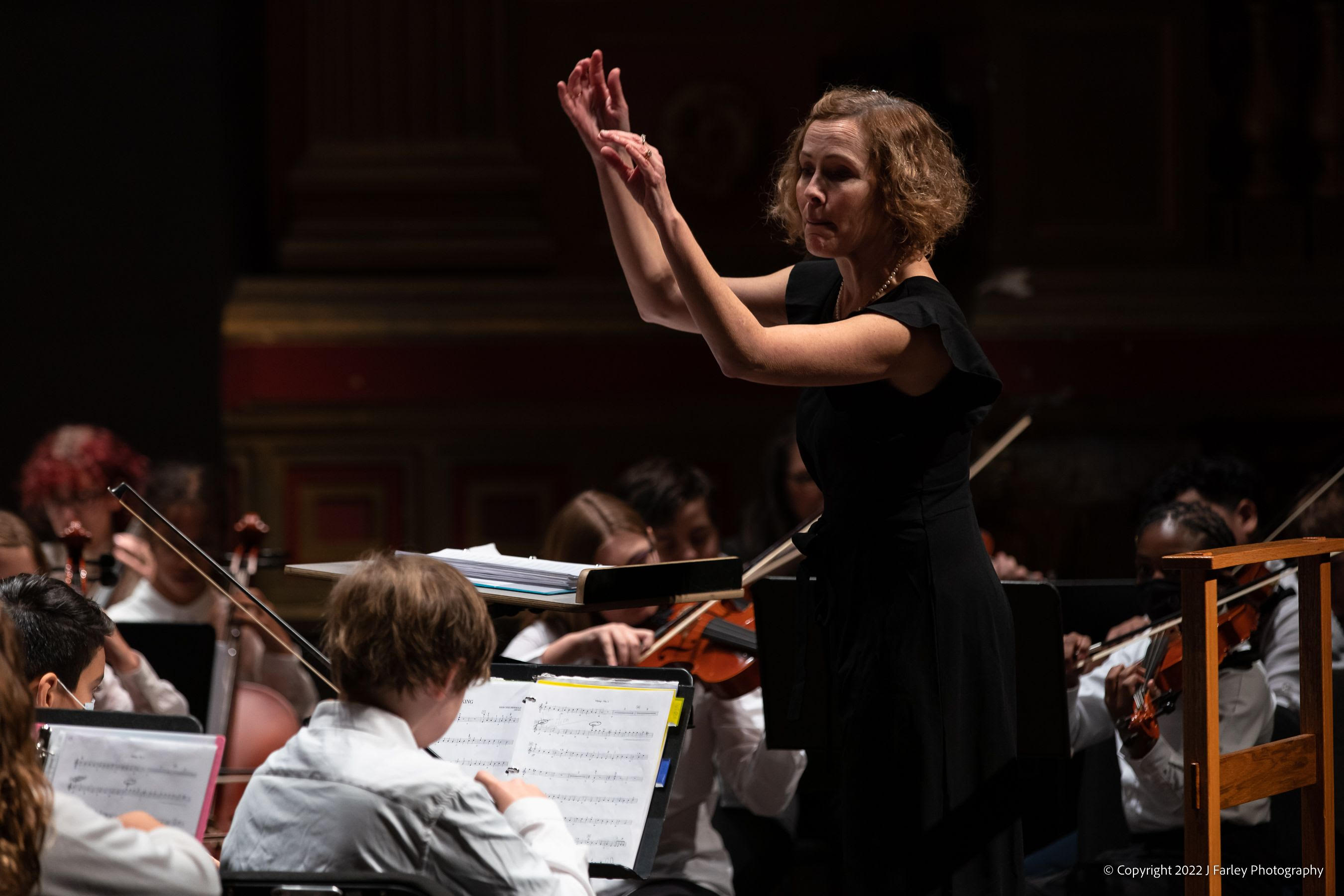
In the next picture, you see our niece, who’s a genius with youth orchestras in North Carolina. She gets pretty worn out with concerts at this time of year.

Stuga40’s snowy image was shot in Stockholm. She is now in New England for a visit with Erik, Suzanne, and our half-Swedish grandchildren. Maybe she’ll have other snowy photos after the family goes skiing in Vermont.

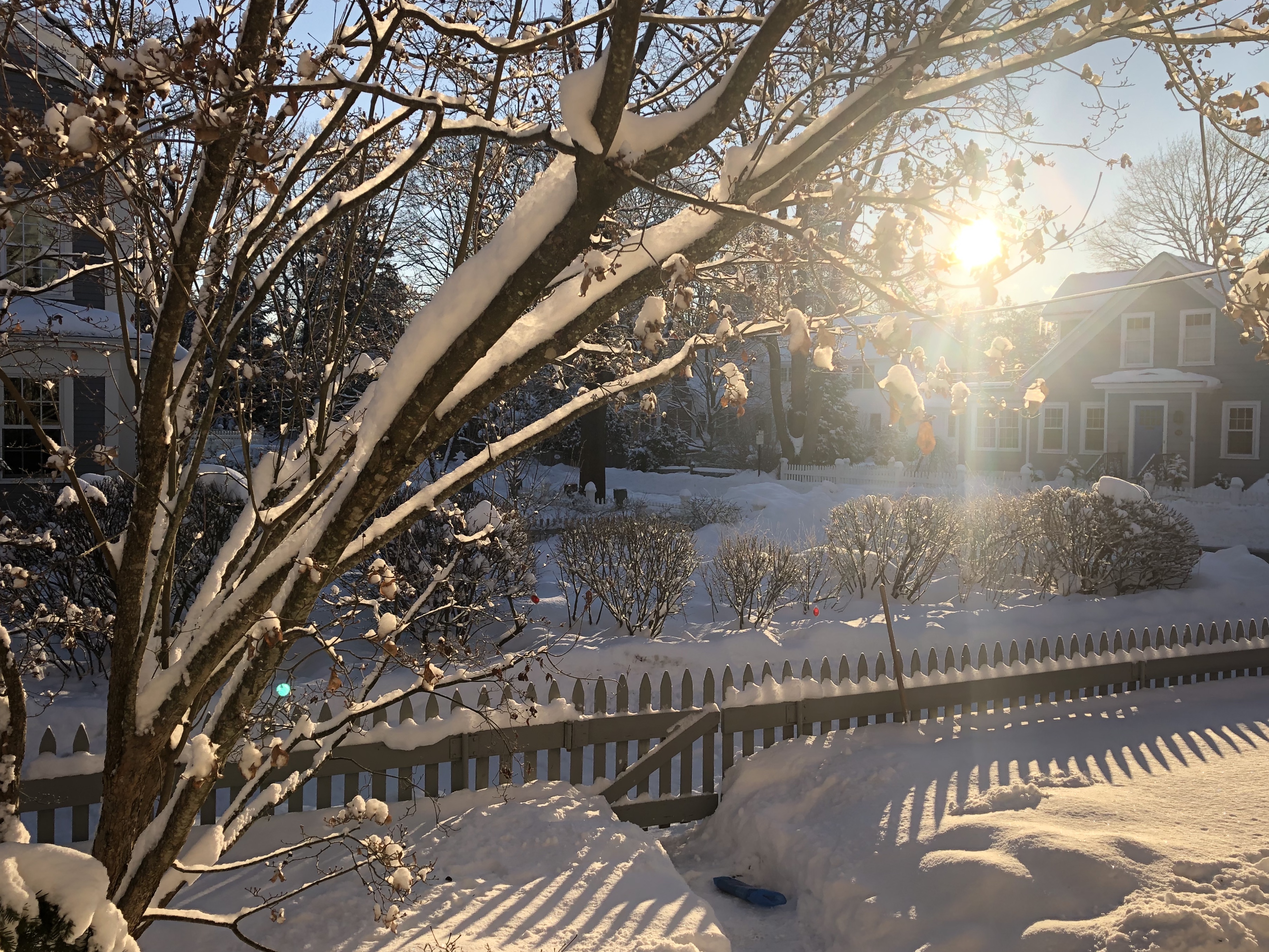
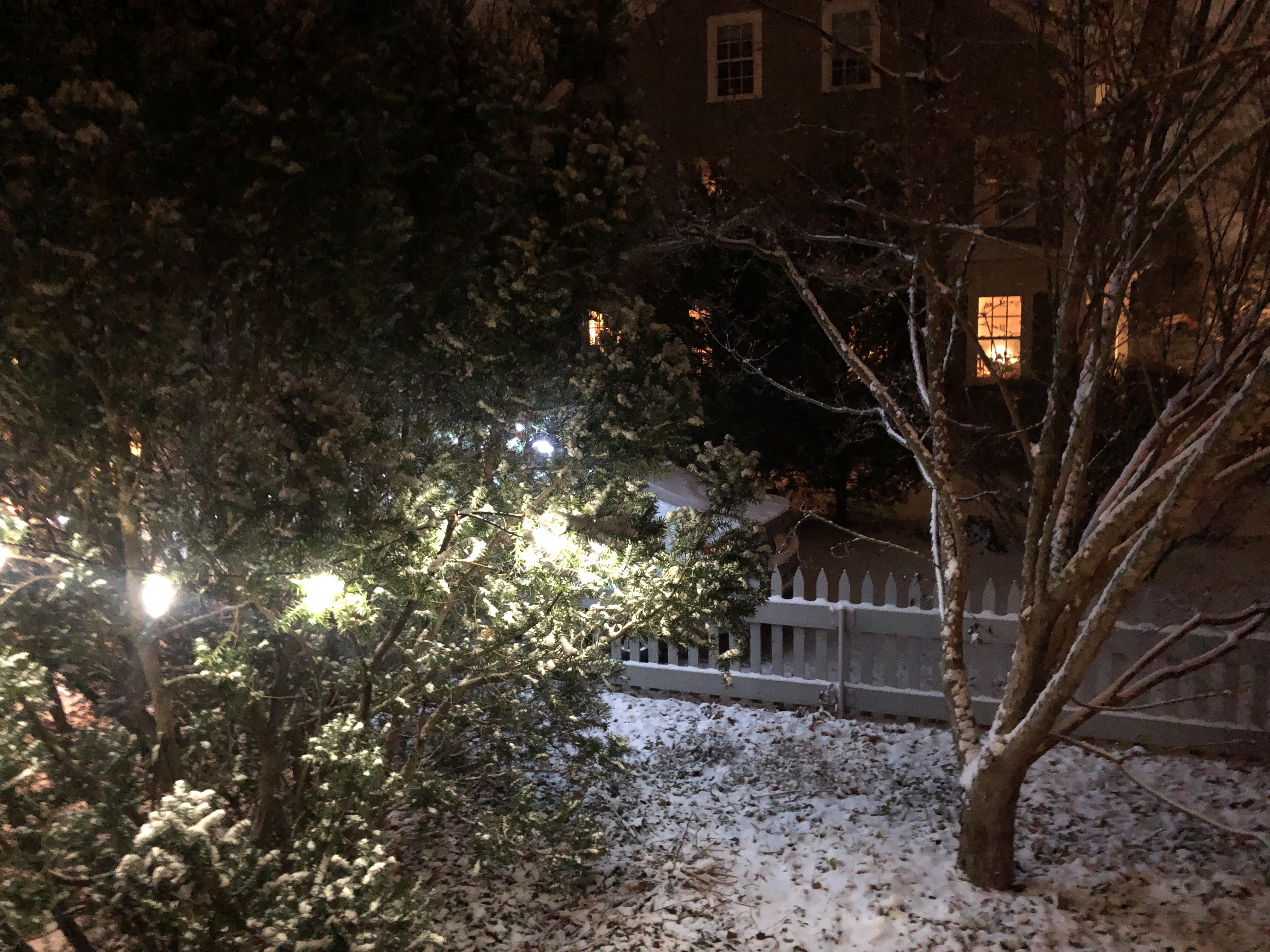
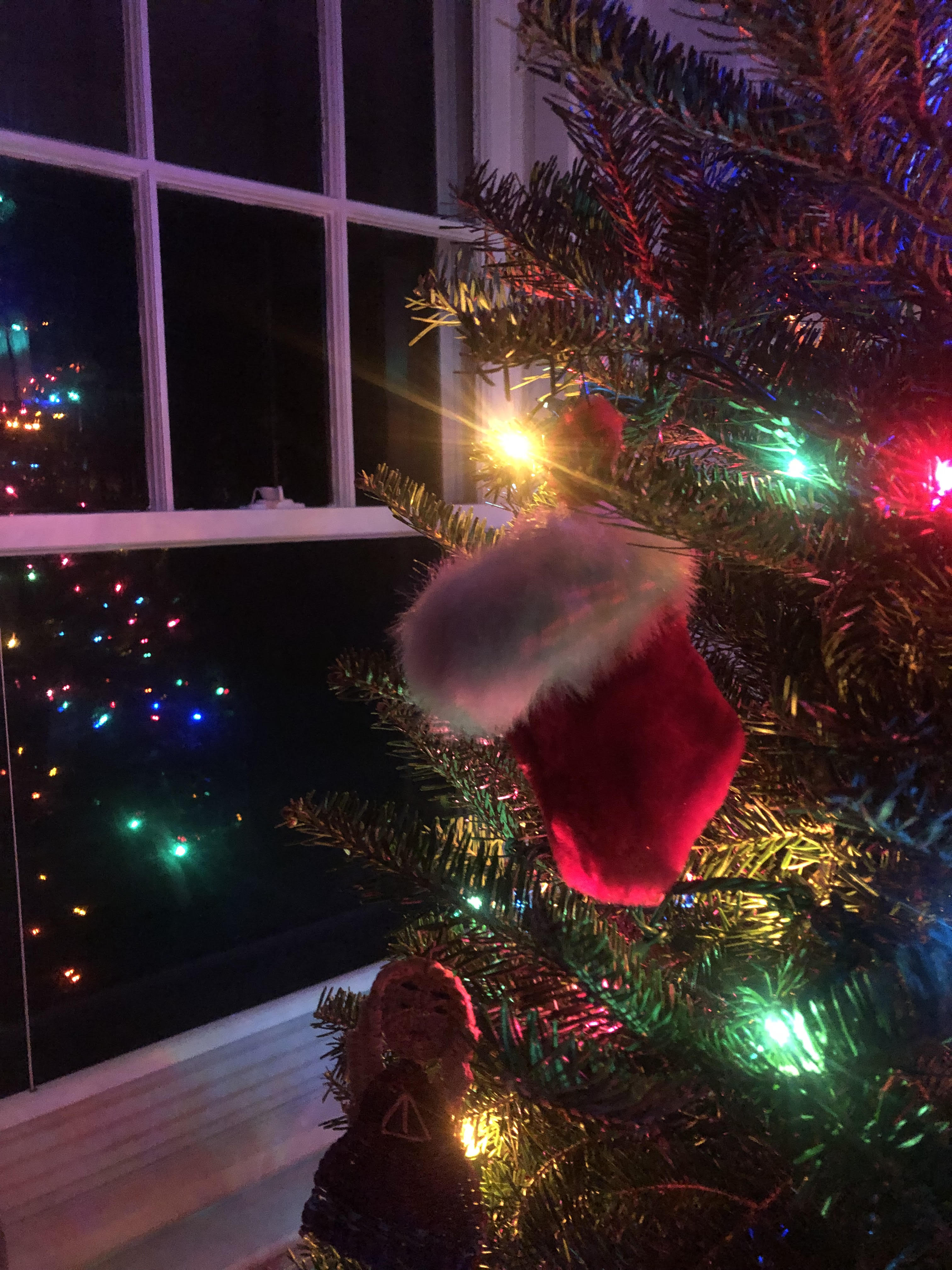
The next snow scene was shot in my own yard. Our first snow this year. The last two photos need no explanation.

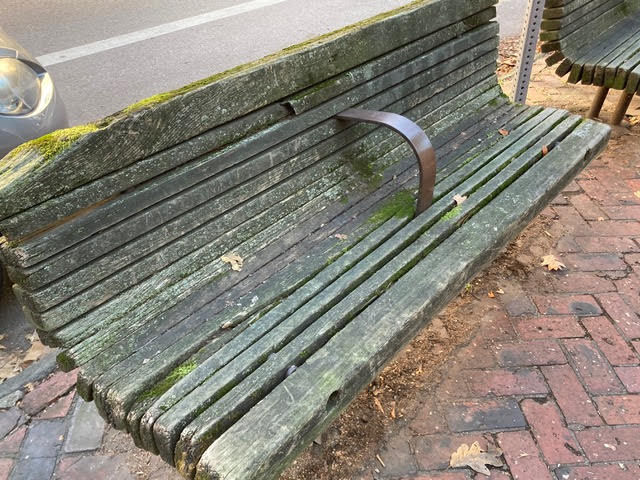
PS. 12/22/22. I’m sharing the worn bench at Hannah’s church in Philadelphia, because I love worn benches. I wish I had photographed the really beat-up one I admired on a train platform yesterday.

Read Full Post »

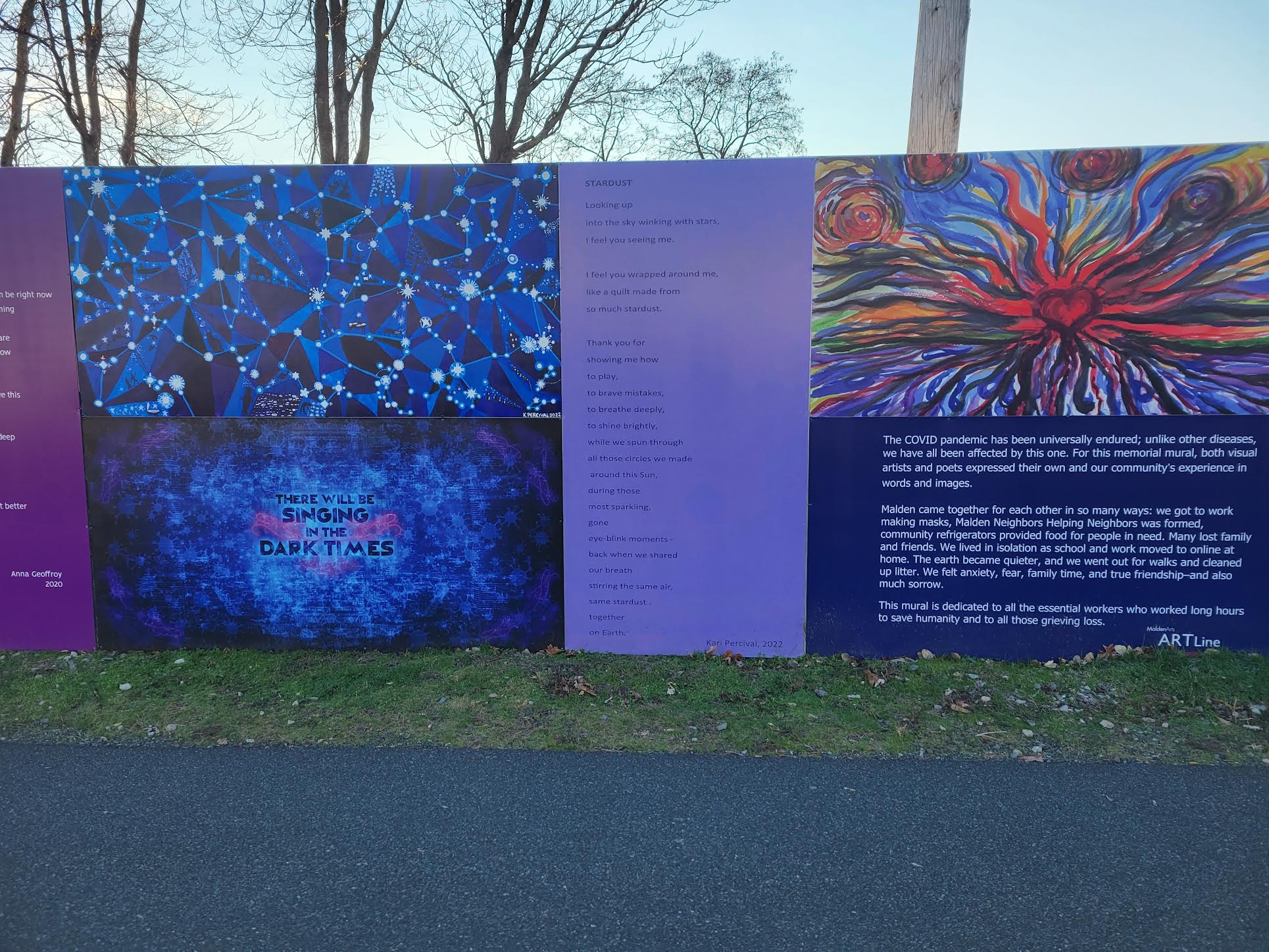
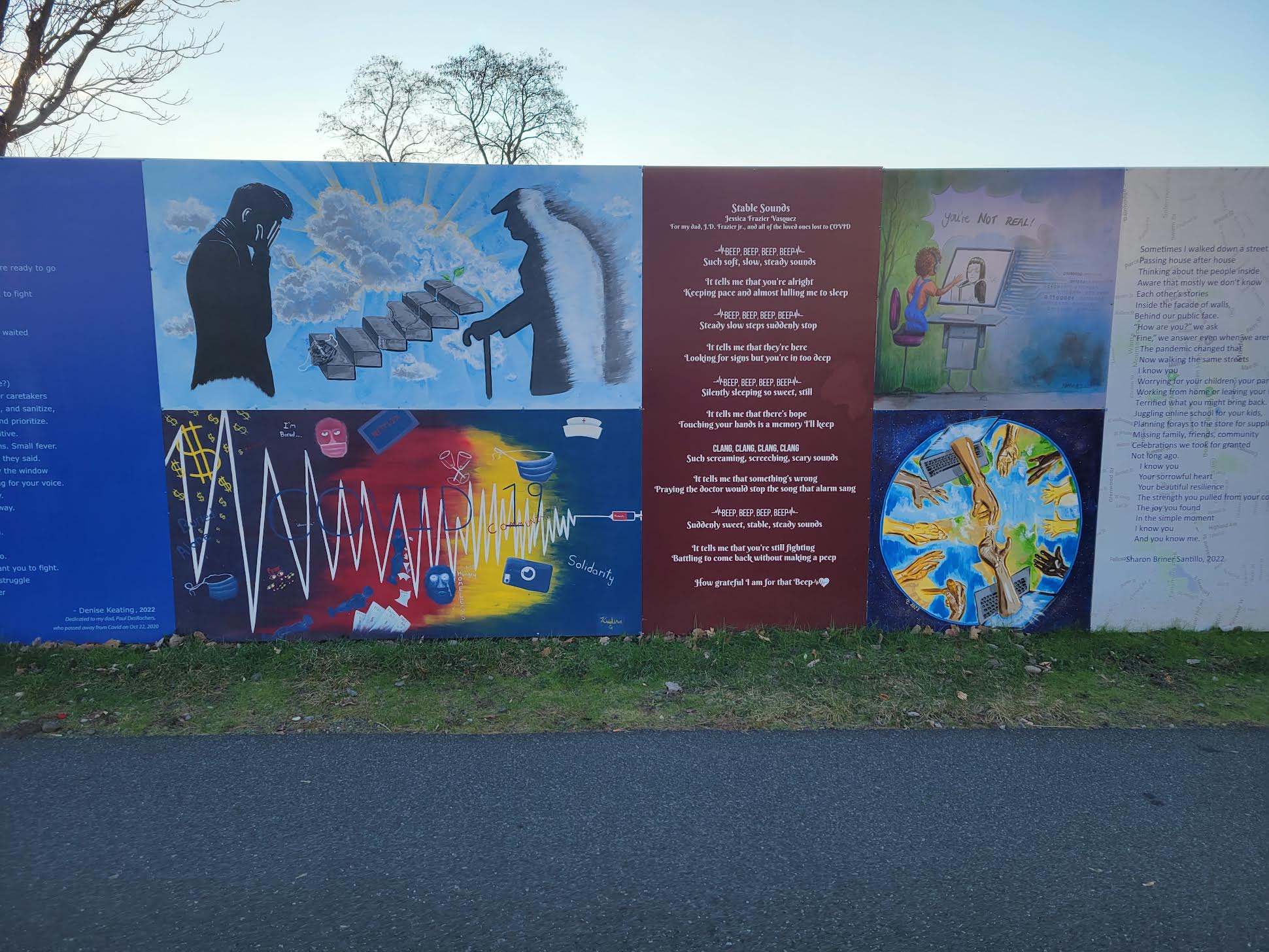
Covid Murals

Photos: John.

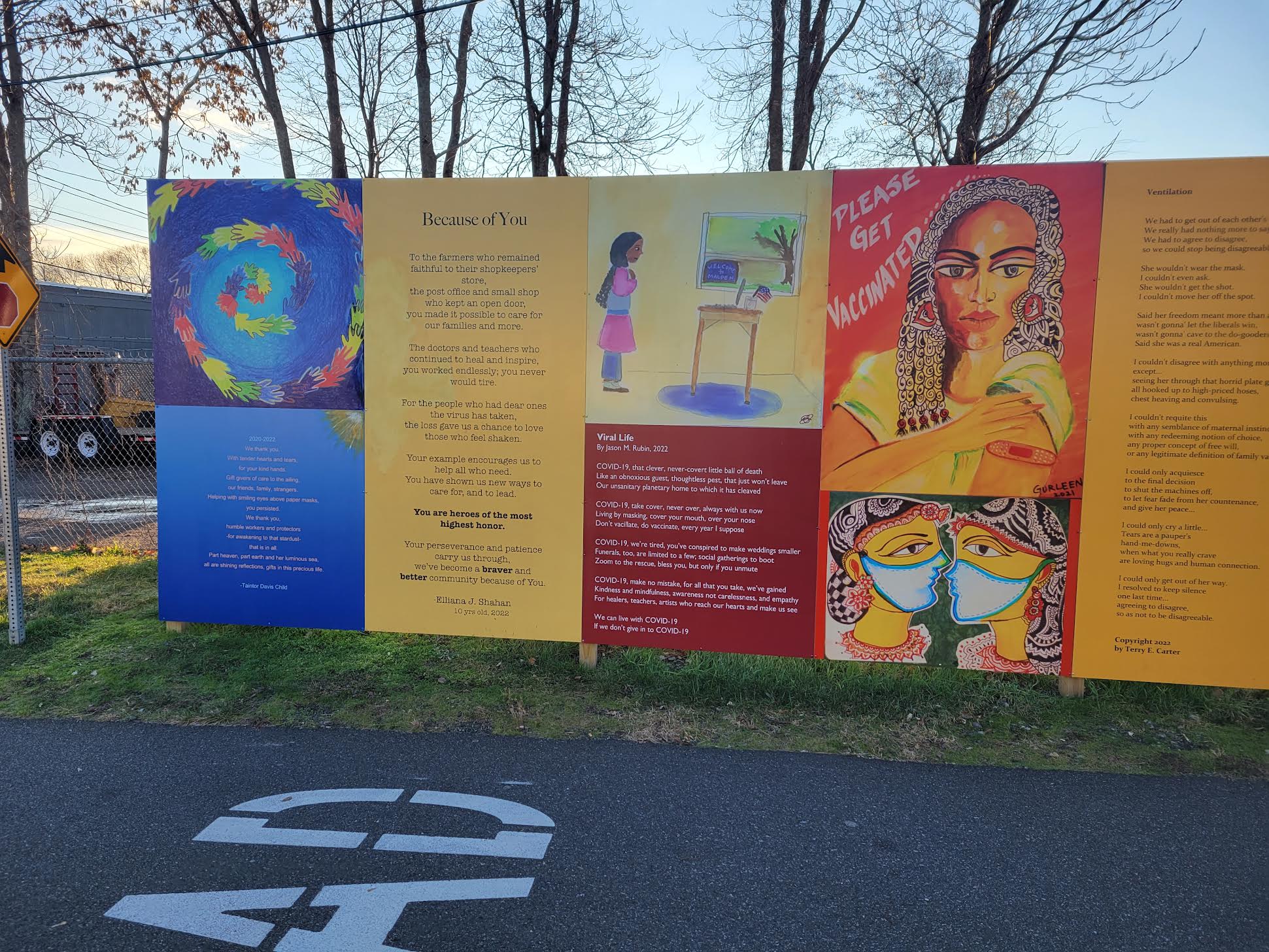
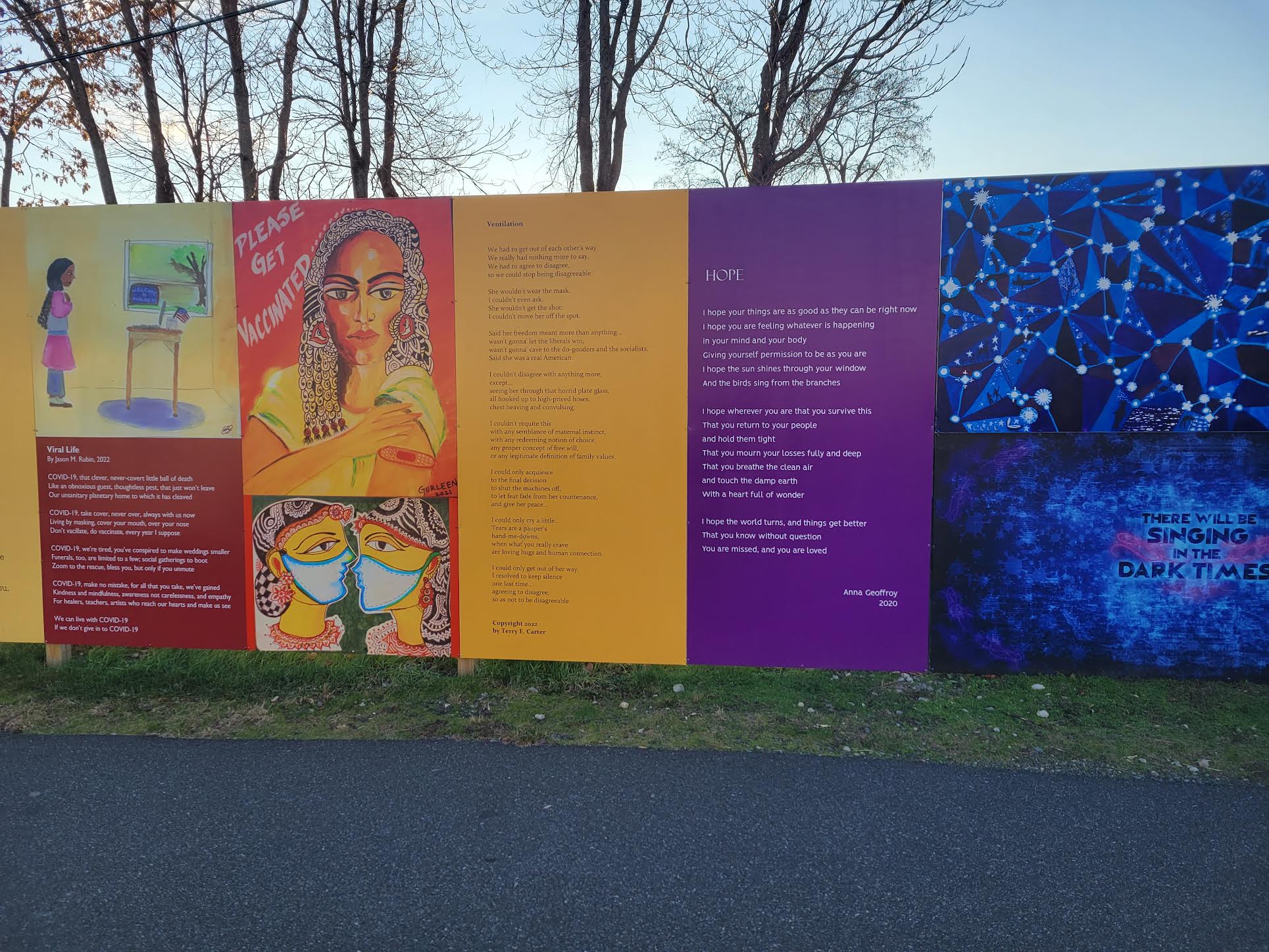
John was in Malden yesterday and saw the Covid murals on the bike path. He was stunned. I tried to find a descriptive article about them online but ended up having to copy lines of poems from the photos on Flickr. I hope I got all the punctuation right. Poets care about such things.

How soon we forget what it was like to be deep in the midst of this! When we thought protecting ourselves meant wiping down the groceries with bleach. When doctors and nurses were having to reuse masks and were sending out pleas for people to find old masks in their garage workshops and take them to emergency rooms. When there were few test kits and no vaccines. How soon we forget it was all about breath and breathing!

The memorial to lost lives in Malden features both art and written words. These are excerpts from the poems.

Terry E. Carter wrote a poem about his mother called “Ventilation.”

“She wouldn’t wear a mask.
“I couldn’t even ask. …
“Said her freedom meant more than anything —
“wasn’t gonna let the liberals win.”

Ten-year-old Elliana J. Shahan’s poem “Because of You” honors farmers, shopkeepers, postal workers, doctors, teachers, and all who kept the world running in the dark times.

Jessica Frazier Vasquez’s is poem about the beep beep beep of her dad’s ventilator showing he was at least still alive: “It tells me that you’re still fighting/Battling to come back.” At least for a while.

Sharon Briner Santillo’s poem noted how one never used to know what was going on behind a neighbor’s windows and how one may feel more connected now.

“I know you
“Your sorrowful heart
“Your beautiful resilience …
“I know you
“And you know me.”

There is another by Dina Stander called “Breath”: “May her memory be for a blessing.” And one by Denise Keating called “A Slow Goodbye” about her father, who had already been paralyzed by a stroke for 10 years.

“We hovered by the window
“Moths fluttering for your voice
“We went away.
“You slipped away.
“And now.
“Guilt-stricken.
“Paralyzed.
“We let you go.
“We didn’t want you to fight.
“But we still struggle
“To remember
“To breathe.

More at MaldenArts, here. Be sure to look at the Flickr pictures, here: you can zoom in to read the words. Most of the poems are not literary, but all are heartfelt.

Read Full Post »

Photo: African American Design Nexus.
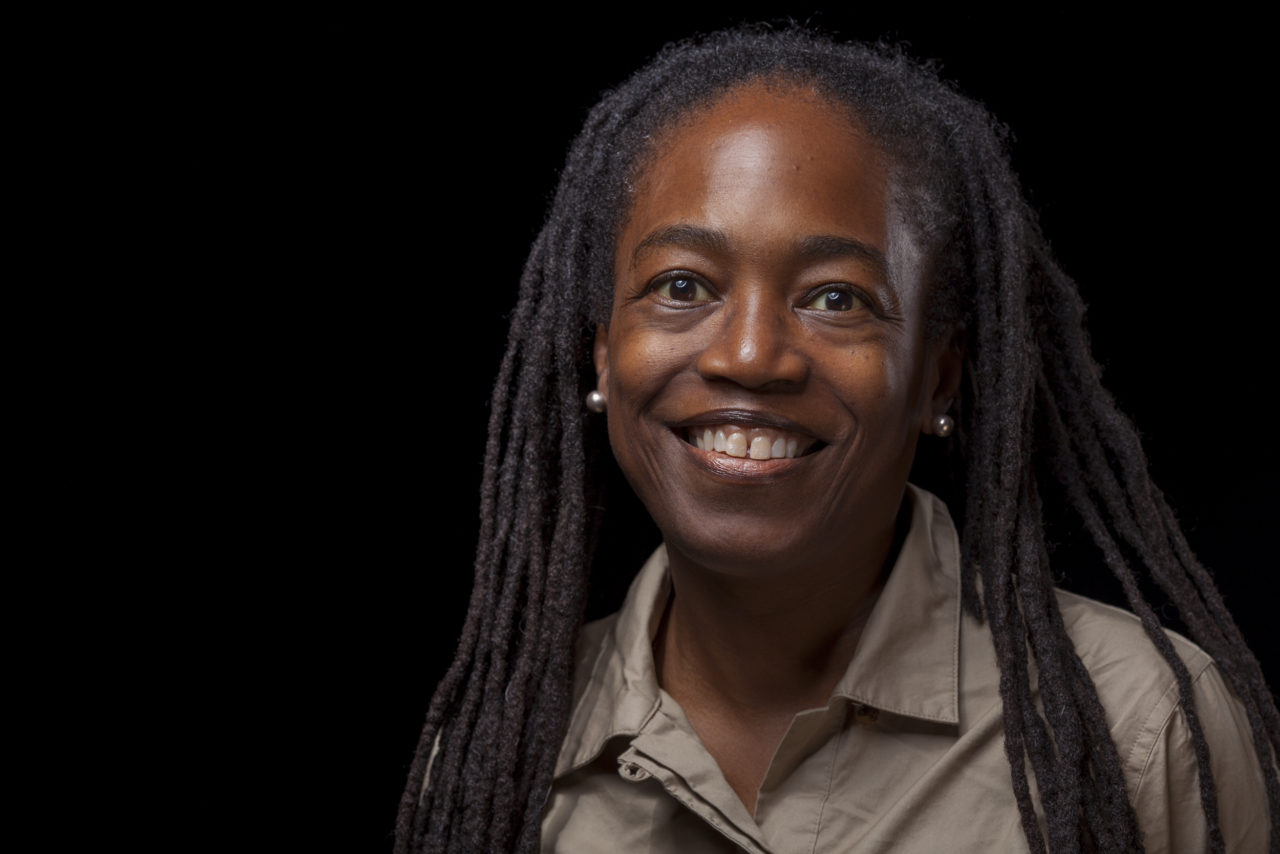
The innovative architect and designer Felecia Davis can make buildings out of wool and fungus.

More on human ingenuity today. At the Washington Post, Elizabeth Evitts Dickinson writes about a woman who is pioneering all-fiber construction materials and “clothes that monitor your health.” And that’s just the beginning.

“Imagine you’re standing in an outdoor pavilion,” Dickinson suggests, “one that’s similar in design to a covered picnic area at a local park or an amphitheater, only instead of support columns made from concrete, wood or stone, this structure is propped up by what appear to be posts of crocheted wool. Above you, a vast expanse of undulating roof is made of the same knitted material. Fungus coats this wool frame, forming the walls and the ceiling, not unlike the way plaster might cover the wood framing of a wall.

“This is the premise of an experimental material known as MycoKnit. ‘We’re trying to make an all-fiber building,’ says designer Felecia Davis, an associate professor of architecture and a lead researcher in the Stuckeman Center for Design Computing at Pennsylvania State University. She is part of an interdisciplinary team testing how knitted materials, such as wool yarn, might function as the framing for a building while a mixture of straw and mycelium fungus embeds itself onto this knitted fabric to create the rest. Mycelium is composed of individual fibers known as hyphae, which, in nature, create vast and intricate networks through soil, producing things like mushrooms. The amazing thing, Davis tells me, is that something as basic as fiber can become both the structure (the wool yarn) and the infill (the fungus).

“Davis and her partners are harnessing mycelium’s fast-growing power by regulating environmental conditions in the lab to encourage the fungus’s expansion on their knitted edifice. With the assistance of a computer algorithm made by one of Davis’s PhD students, the team can virtually assemble and examine the structure stitch-by-stitch in order to predict its shape, before building it and letting the fungus propagate overtop. …

“Davis is now working with her students to create a 12-by-12-by-12-foot MycoKnit prototype that can be fabricated and grown in one place, and then taken on-site to build, like an Ikea kit. She imagines a future where biofabricated materials replace less-sustainable building supplies, many of which wind up in landfills.

“Davis is a triple threat designer: trained as both an architect and an engineer, and with a penchant for technology. In her Penn State lab and through her firm, Felecia Davis Studio, she mixes time-honored craft techniques and humble materials with the high-tech — so that clothing might, for instance, alert the wearer to excess carbon monoxide in the air or signal when an infant stops breathing in their crib. Davis works with textiles, she says, because ‘you can address it at the nano- and micro-scale with tiny particles that you can spin to make a thread or yarn, or you can look at it from the massive scale. A building. A city.’ …

“Davis has always loved experimenting with objects and material. The oldest of three siblings, her earliest collaborator was her sister Audrey (now a neonatologist). As kids in the ’60s and ’70s, they explored the foothills of Altadena, Calif., near their home, gathering fresh bay laurel leaves and other natural materials for projects. With their friends, they fashioned dolls out of flour-based papier-mâché, carving apples for the heads. …

“Davis’s mother volunteered at the Pasadena Art Museum and introduced her children to abstract art and modernism; she was also a docent at the Gamble House in Pasadena, one of the country’s most well-preserved examples of Arts and Crafts design. Davis credits that house, in part, for her early desire to pursue architecture. ‘We would do our homework in the attic while she gave her tours,’ Davis says. ‘That house was mind-blowing.’

“On a recent October day, the SoftLab at Penn State is ‘messy,’ Davis says. … Fabric samples have been stretched and pinned to a corkboard, sharing space next to thin electrical conduits and sketches of networking design. There are clear boxes filled with copper-coated yarn and fabrics twisted with stainless steel that are capable of conducting electricity. Davis is refreshingly agnostic about her sourcing, using a combination of existing craft techniques and materials — from wool to human hair — in combination with the latest in software and hardware, such as the LilyPad Arduino, a microcontroller designed to work with e-textiles.

“A pair of black leggings stretch across the bottom half of a dress form. From a distance, they resemble something a rock star might wear, bedazzled and tricked out with lines of metallic thread, but on closer inspection these accents are electrical threads and processors. The leggings are the result of a partnership with Penn State engineer Conrad Tucker, who wanted to create a way of alerting people with Parkinson’s disease to subtle changes in their walking gait, which can foreshadow the onset of more debilitating symptoms. …

“The leggings were originally an information-gathering experiment, but ‘we’ve circled back on this project now that we have a yarn that is washable,’ she says. ‘We think we can make a simpler version of our leggings.’ Davis sees the potential for other ‘smart’ clothing like

a hospital shirt that frees patients from the tether of wires affixed to machines, allowing them to move freely or, ideally, go home sooner because their clothes, connected to the internet, would be able to communicate critical data to doctors.

“While Davis was earning her master’s in architecture at Princeton University, she ‘noticed how little people talk about the emotional experience of people in [a] space. … You’re in basic response with your environment all the time … You’re meshing with it, which is why it’s so important to think about human emotion in design.’ In this view, the aesthetics of what we design is more than an accessory, but a fundamental need in support of human emotional health. …

“As humans we tend to imbue the materials in our lives with emotional resonance — a child’s security blanket or a favorite sweater — and Davis has wondered whether we could also imbue the materials themselves with emotional feedback capacities. In 2012, she partnered with two other designers to create and install a project called the Textile Mirror at Microsoft Research Lab in Redmond, Calif. In the back of a fabric panel, Nitinol wires, made of a shape-changing nickel-titanium alloy, were activated after a person entered information about their state of mind into a mobile phone. The panel would adjust, shrinking and crumpling to reflect pain or sadness, for instance, and then release. As the textile ‘relaxed,’ it helped those in an agitated state to relax as well. Textiles capable of reflecting emotion have the potential to alert architects, building owners and inhabitants to the effect that specific design and material choices have. We can begin to create emotionally reactive dwellings and objects, as Davis calls them. …

“As someone who believes in the scientific method of showing data and results, Davis recognizes that working with emotions is tricky. It’s nearly impossible to scientifically pin down, precisely, what people are feeling at any given time. ‘This is kind of at the edge of what computation can actually tell you,’ she says. ‘We can’t read people’s minds, and yet we function as a species because we can intuitively read emotions.’ “

More at the Post, here.

Read Full Post »

Photo: Pixabay.
Believe it or not, little Holland is the world’s second-largest food exporter.

We know from childhood stories that the Dutch have always been innovative. Think about all that land taken from the sea by means of dikes. But who knew that such a little country as the Netherlands was the world’s second-largest food exporter? How do they do it?

Laura Reiley at the Washington Post has the details.

“The rallying cry in the Netherlands started two decades ago, as concern mounted about its ability to feed its 17 million people: Produce twice as much food using half as many resources.

“The country, which is a bit bigger than Maryland, not only accomplished this feat but also has become the world’s second largest exporter of agricultural products by value behind the United States. Perhaps even more significant in the face of a warming planet: It is among the largest exporters of agricultural and food technology. The Dutch have pioneered cell-cultured meat, vertical farming, seed technology and robotics in milking and harvesting — spearheading innovations that focus on decreased water usage as well as reduced carbon and methane emissions.

“The Netherlands produces 4 million cows, 13 million pigs and 104 million chickens annually and is Europe’s biggest meat exporter. But it also provides vegetables to much of Western Europe. The country has nearly 24,000 acres — almost twice the size of Manhattan — of crops growing in greenhouses. These greenhouses, with less fertilizer and water, can grow in a single acre what would take 10 acres of traditional dirt farming to achieve.

Dutch farms use only a half-gallon of water to grow about a pound of tomatoes, while the global average is more than 28 gallons. …

“With their limited land and a rainy climate, the Dutch have become masters of efficiency. But there are challenges: The greenhouse industry has flourished in part because of cheap energy, but Western Europe is facing soaring gas prices. And the country’s intensive animal agricultural practices are also at risk. This summer, a conservative government coalition pledged to halve nitrogen emissions by 2030, which would necessitate a dramatic reduction in the number of animals raised in the country. Farmers and ranchers have protested. …

“Dutch companies are the world’s top suppliers of seeds for ornamental plants and vegetables. There is an area in the northwest called Seed Valley, where new varieties of vegetables and flowers are in constant development. Enza Zaden is headquartered here, just north of Amsterdam.

“In three generations, Enza Zaden has evolved from a family-owned seed shop into a global market leader in vegetable breeding, with more than 2,500 employees and 45 subsidiaries in 25 countries.

“Jaap Mazereeuw, Enza Zaden’s managing director, said the company spends $100 million annually on research, introducing about 150 new vegetable varieties each year.

“ ‘We are very much a research company,’ he said. ‘With climate change, we are seeing the weather becoming more extreme. We’re looking at resilient varieties, seeds for organic farms as well as varieties that are more salt tolerant for places where water quality is not good. We need to find solutions for subsistence farmers all the way up to large-scale farmers. …

“ ‘We have our own indoor farm here where we develop the varieties of the future, crops that can grow quickly and be harvested quickly: lettuce, herbs, leafy crops. The genetics can be improved, as well as the whole technology — indoor farming will only become cheaper.’ …

“More than 12 billion heads of lettuce are grown each year from Enza Zaden’s seeds, but it was a tomato in the early 1960s that really put the company on the map — and perhaps what, in turn, put the Netherlands on the map for tomatoes. The country’s greenhouses produce nearly a million tons of tomatoes a year, with exports totaling around $2 billion annually.

“ ‘There’s a new tomato virus and we recently found the resistance to that virus in our seed bank,’ Mazereeuw said. The company stores its seeds in a temperature-controlled vault — called a seed bank — to preserve genetic diversity, but because seeds don’t stay viable forever, each stored variety must be grown out and those seeds, in turn, saved. …

“ [Eelco Ockers is] chief executive of PlantLab, which develops and operates custom-built indoor farms worldwide — systems they call ‘plant production units.’ Indoor vertical farmers trade in the free power of the sun for much more expensive electric light, but the benefit is they can much more easily control every variable to get consistent and reliable yield, Ockers said.

“The three founders put together their first prototype in 2008 and launched the company in 2010, helping Dutch greenhouse and indoor farmers increase yields with LED lights even when the technology was in its infancy. They have a system whereby enough crops to supply 100,000 residents daily with nearly half a pound of fresh vegetables each can be grown in an area no larger than two football fields. …

“PlantLab’s research and development center in Den Bosch is the largest such center for vertical farming in the world, and it uses limited light spectrum LEDs and plastic stacked production trays, and the plants grow in vermiculite with their roots in water. ‘Nothing is hand-harvested, nothing is touched by human hands,’ Ockers said. The water is recirculated, meaning no water is lost in the growing process. For now, the system is most effective for growing leafy greens, herbs and tomatoes, but he said cucumbers, zucchinis and all types of berries are suited to this growing system. And by limiting the time between harvest and consumption, he said, food waste is minimized and nutrient density is much higher than traditionally grown crops.”

Outdoor farming in Holland is really creative, too. The article covers not only growing vegetables outdoors but raising pigs, cows, and chickens. Read it all at the Post, here.

Read Full Post »

Artists Leave Russia

Photos: Tanya Habjouqa/NOOR for NPR.
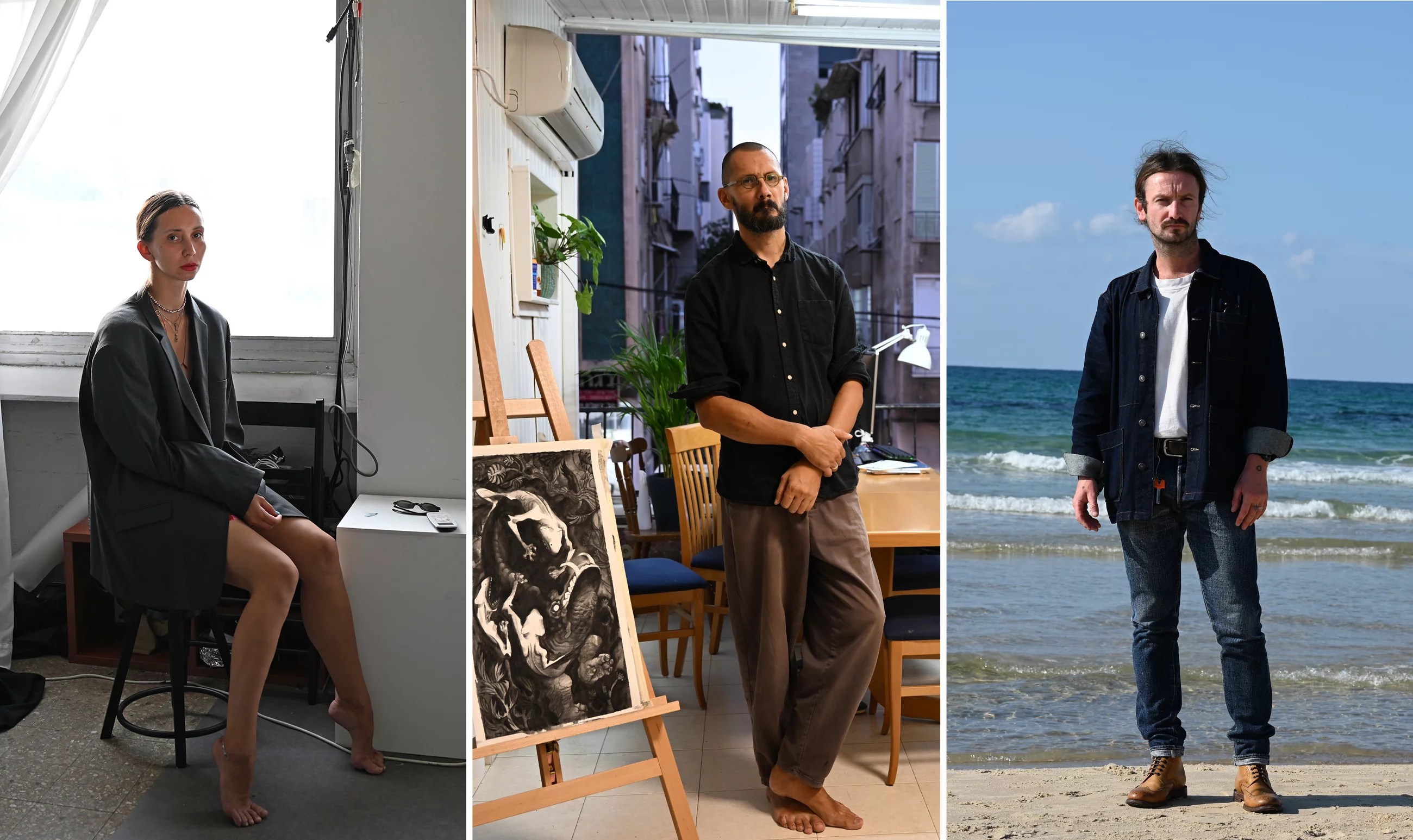
Choreographer Polina Mitryashina, artist Victor Melamed, and jazz producer Evgenii Petrushanskiy are Russian artists who have recently fled Russia to live in Israel.

Most of the Ukrainians I worked with for those precious few months after the Russian invasion believe that all Russians support Putin’s war. But although I would probably feel the same if I were constantly being bombed and had no electricity and was running out of food, I believe that nations aren’t monoliths.

Today we learn about some Jewish Russian artists who are against the war and have left their country. It’s not just about saving their own skin. It’s outrage.

As Daniel Estrin reports at National Public Radio, “Some of Russia’s biggest artistic talents have immigrated to Israel this year, finding a safe place to rebuild their careers and voice their conscience about their country’s war in Ukraine.

“Since Russia invaded Ukraine in February, it has cracked down on even the slightest opposition to the war, forced thousands of citizens to enlist to fight and drawn tough sanctions from the West. All this has prompted many Russians to flee.

“More than 28,000 Russian nationals have acquired Israeli citizenship since the war began, according to Israeli government figures. …

” ‘Staying behind the Iron Curtain was incredibly scary,’ Russian artist Victor Melamed says. … Melamed, whose portraits have appeared in the New Yorker magazine, fled to Israel in June. He says: ‘I want to be a person of the world.’

“Russians are relocating mostly to Turkey, Kazakhstan and Georgia. But Israel offers one big advantage: Those with at least one Jewish grandparent can get Israeli citizenship for themselves and their close family.

” ‘When the war started, I think, like, everybody literally remembered their Jewish grandma,’ says Liza Rozovsky, a Russian-born Israeli journalist tracking Russian celebrity arrivals for the Haaretz newspaper. …

“Some Ukrainian immigrants in Israel wish the Russian newcomers would stay in Russia to protest their leadership, despite the risks. ‘They’re trying to run away,’ says Ilona Stavytska, 33, a Ukrainian-born barista in Tel Aviv.

“But Russian exiles say their protest is more effective here. ‘Go protest in Moscow. I will support you. I will say, “Oh, look, this person is protesting.” Then I will send you letters to jail,’ says Maxim Katz, 37, a Russian YouTube blogger and former opposition politician who escaped to Israel and publishes anti-war videos to audiences in Russia. …

“What a difference a year has made for jazz producer Evgenii Petrushanskii. Last year, his record label in Russia, Rainy Days Records, produced a jazz album which got nominated for a Grammy. This year, the record label has gone silent.

” ‘I don’t feel it’s the right time now to release music as a Russian label,’ Petrushanskii, 36, says at a Tel Aviv coffee shop. ‘For the ethical reasons, I stopped.’ Days after Russia invaded Ukraine, he left St. Petersburg for Tel Aviv, claiming Israeli citizenship based on his father’s Jewish roots.

” ‘It’s impossible to release a record in Russia so it goes to the foreign audience,’ Petrushanskii says. ‘A majority of music aggregators who release music toward the platforms like Apple Music, Spotify … are not presenting in Russia anymore.’ Now he’s re-registering his record label in Israel, hoping to release new records of Russian artists next year.

Polina Mitryashina, 28, worked at one of the world’s leading dance institutions, Russia’s Mariinsky Theater. Then when the war broke out, her dancers began to vanish.

” ‘Now they’re in Oslo,’ she says. …

“Mitryashina attended a recent networking event at the Israel Festival in Jerusalem, which brought 100 Russian and Ukrainian artists in film, music, art and dance — new immigrants like her — to meet veteran Israeli artistic directors and try to rebuild their careers in Israel.

‘Sometimes I’m angry [at] the people who stay … and continue to work for the big companies, and continue to make money’ in Russia, she says. ‘I am like, “Are you crazy? You, you’re like a sponsor of the war.” ‘

“Artist Victor Melamed, 45, moved his family to a quiet Tel Aviv suburb to keep his teenage boys out of a potential Russian military draft — though they will likely be drafted into the Israeli army.

” ‘I have no romantic visions of, you know, Israel’s policies,’ he says. ‘The Israeli army is an institution that cares for every person they have … as opposed to the Russian army.’

“Each morning he draws a black-and-white portrait of a Ukrainian civilian killed in a Russian attack, and posts it on Instagram. He says it’s his way of pinching himself, not to get too comfortable in his new home in Israel. …

” ‘We need to grow up,’ he says. ‘We cannot afford to stay the same.’ “

More at NPR, here.

Read Full Post »

Photo: Felipe Milanez via Wikimedia.
Fire at the National Museum of Brazil, in Rio de Janeiro, on 2 September 2018.

Do you remember reading about the disastrous fire at Brazil’s national museum? It was before Covid. Many irreplaceable artifacts were destroyed. I recall, for example, that the curator of entomology at the University of Texas, Austin, was devastated by the loss of that museum’s priceless insect collection.

Also lost were indigenous artifacts. But since that part of the collection had been created without tribes’ input, the rebuilding is a chance to make something better.

Mariana Lenharo and Meghie Rodrigues report at the New York Times, “In the evening of Sunday, Sept. 2, 2018, the National Museum of Brazil in Rio de Janeiro was closed, and its hallways were empty. Silent activity, however, coursed within its walls. Electricity hummed through wires connected to computers; climate-controlled storage and three air-conditioning units connected, improperly, to a single circuit breaker in the ground-floor auditorium. When one unit most likely received a surge of electricity it couldn’t handle, the overburdened system sparked. The museum’s smoke-detector system was not set. There were no sprinklers or fire doors, and a flame bloomed.

Seeing the news, staff members rushed to the building and pleaded with firefighters to let them enter and rescue something — anything. …

“Much of what was lost or severely damaged was irreplaceable: the mummy of an Ancient Egyptian priestess, a 110-million-year-old fossilized turtle, a vast collection of butterflies, the oldest known human remains in Latin America.

“The fire also obliterated an enormous assemblage of artifacts representing the cultural history of Brazil’s Indigenous populations. Masks, vases, weapons, mortars and elaborately feathered ceremonial capes dating back at least a century from the Ticuna, the Kadiwéu, the Bororo, the Tukano — at least 130 peoples in all — were gone. Researchers worked to salvage what they could from the ashes. Astonishingly, a few ceramic vases kept their original paint. One Karajá animal sculpture was found almost intact. But most ‘were fragments, scraps that would no longer be recognized by the people who made them,’ says João Pacheco de Oliveira, the head of the museum’s ethnology and ethnography division. When Ananda Machado, a social historian at the Federal University of Roraima, told members of the Wapichana people about the fire, they were devastated. ‘To them, these objects were much more than material,’ she said; they carried with them the strength of the people who made them. …

“In 2018, after 40 years with the museum, Oliveira planned to retire. But the fire pushed those plans aside. Even while mourning the tragedy, he saw possibility. Yes, the ethnographic collection was in some ways unparalleled, but he had long been vexed by what was missing from it. Many objects were collected by European travelers in the 19th and early 20th centuries who didn’t grasp the purpose that the objects served. A pot or a cape might have been chosen simply because it seemed beautiful or peculiar to a Western eye. As a curator, he found this lack of cultural context deeply frustrating.

“As an anthropologist, Oliveira was even more troubled. Since the 1970s, he has spent long periods with the Ticuna in northern Brazil trying to understand them on their own terms and to communicate their culture to a wider world. The museum was an important vehicle for his aims, but the institution came with its own inglorious history. As with other 19th-century museums, the National Museum was a repository of items plucked, purchased or plundered from Indigenous communities and had presented the people themselves as curiosities, papier-mâché figures in dioramas alongside taxidermied animals. And sometimes worse. …

“With no building to return to, Oliveira met with his team members on park benches and in cafes and explained his vision for a new collection. Indigenous people would be consulted not only about what items would go into the museum but also on how they should be identified, stored and exhibited. One of the first people he turned to was a former student named Tonico Benites.

“Benites grew up in Mato Grosso do Sul in midwestern Brazil on a reserve for the Guarani-Kaiowá, one of the country’s 305 surviving Indigenous groups. His parents never learned to read and write, but he finished high school and went on to study for a degree in education, picking up work on the side as an interpreter for anthropologists. Drawn to the questions the researchers asked, he applied to a master’s program in social anthropology offered at the museum.

“Benites’s first visit to the museum in 2006 was also his first day as a student there. Entering the ethnographic exhibition area, he saw a collection of spears and arrows and then rounded a corner. He froze, sickened. Covering an entire wall was an outsize reproduction of a woodcut from a 1557 book by the German explorer Hans Staden. The account of Staden’s captivity by the Tupinambá was immensely popular in its day, and some scholars now assert that its sensational depictions of cannibalism were used to justify European conquest of Indigenous peoples. …

“Benites raised his concerns with Oliveira, who was his research adviser. Oliveira sympathized but suggested that Benites use his research to change people’s minds. The image was removed months later, but almost a decade would pass before Benites, who had just finished his anthropology Ph.D. — the first Indigenous person to do so at the museum — began research for what he hoped would be a Guarani-Kaiowá exhibition. The fire decimated his plans. …

“The absence of Indigenous perspectives in exhibitions about Indigenous people has been acknowledged, if rarely remedied, at natural-history museums. … Unlike Indigenous groups in other countries, those in Brazil have traditionally maintained a sense of ownership over the museum, which was conceived as a museum of the nation’s history as well as of natural history, Oliveira says. Even the Wapichana, so distraught by the loss of their heritage, have committed to working with curators. Had there been arguments over ownership of older objects, the fire, in its indiscriminate destruction, made them moot. The National Museum has a unique opportunity, says Mariana Françozo, an associate professor of museum studies at Leiden University in the Netherlands. Museums in Europe would find it difficult to build a collection entirely based on collaboration, she says, ‘because they still have the old collections that carry the weight of colonialism.’ ”

More at the Times, here.

Read Full Post »

Art: Artemisia Gentileschi via Wikimedia Commons.
Artemisia Gentileschi, an an Italian Baroque painter, is considered one of the 17th century’s most accomplished artists. Shown here is her “Allegory of Inclination” (1616).

Have you been seeing the name of seventeenth-century painter Artemisia Gentileschi mentioned more these days? I have. Finally the world is coming to grips the astonishing proposition that some female artists are better than many male artists.

Elaine Velie has some thoughts on Gentileschi at Hyperallergic.

“In 1616, the 22-year-old artist Artemisia Gentileschi painted a nude woman perched in the clouds and holding a compass at the Florence home of Michelangelo Buonarroti the Younger, Michaelangelo’s great-nephew. The work was the first in the Buonarroti family’s home gallery dedicated to their famous ancestor, and the impasto ceiling painting, likely a self-portrait, was also one of Gentileschi’s first commissions. ‘Allegory of Inclination’ remained untouched for around 70 years until a descendant of Michelangelo Buonarroti commissioned the Late Baroque painter Baldassarre Franceschini (il Volterrano) to paint draping over the nude figure in the interest of modesty.

“Now, the former Buonarroti residence is the Casa Buonarroti museum, and a team of conservators there is working to ‘virtually restore the original appearance’ of the painting in a project called ‘Artemisia Unveiled.’ Using imaging techniques such as X-rays and raking light to examine the over 400-year-old brush strokes, the team will determine which additions were Gentileschi’s and which were Franceschini’s, and the final result will be an uncensored image.

“Elizabeth Wick, the restorer leading the project, told the Florentine that the team will not physically alter the existing painting for two reasons: Franceschini’s layer is considered a historic addition that contributes to the painting’s story, and since the two layers of paint were applied only 70 years apart, removing Franceschini’s draping would likely damage Gentileschi’s original coat of paint. …

“Gentileschi’s success in the male-dominated art world of 17th-century Italy, and the woman-focused subject matter of her work, have turned her into somewhat of a feminist icon. Although she earned recognition during her lifetime, Gentileschi’s work has been revisited in recent years through museum shows and other conservation projects.”

More at Hyperallergic, here. No firewall, but contributions are sought.

At Wikipedia, we learn that Gentileschi started out working in the style of Caravaggio and “was producing professional work by the age of 15. In an era when women had few opportunities to pursue artistic training or work as professional artists, Gentileschi was the first woman to become a member of the Accademia di Arte del Disegno in Florence, and she had an international clientele.

“Many of Gentileschi’s paintings feature women from myths, allegories, and the Bible, including victims, suicides, and warriors. Some of her best known subjects are Susanna and the Elders (particularly the 1610 version in Pommersfelden), Judith Slaying Holofernes (her 1614–1620 version is in the Uffizi gallery), and Judith and Her Maidservant (her version of 1625 is in the Detroit Institute of Arts).

“Gentileschi was known for being able to depict the female figure with great naturalism and for her skill in handling color to express dimension and drama. … For many years Gentileschi was regarded as a curiosity, but her life and art have been reexamined by scholars in the 20th and 21st centuries. She is now regarded as one of the most progressive and expressive painters of her generation.”

P.S. Check out SJ Bennett’s Queen Elizabeth II murder mystery, All the Queen’s Men, in which the Queen’s Gentileschi painting plays an important role.

Read Full Post »

« Newer Posts - Older Posts »