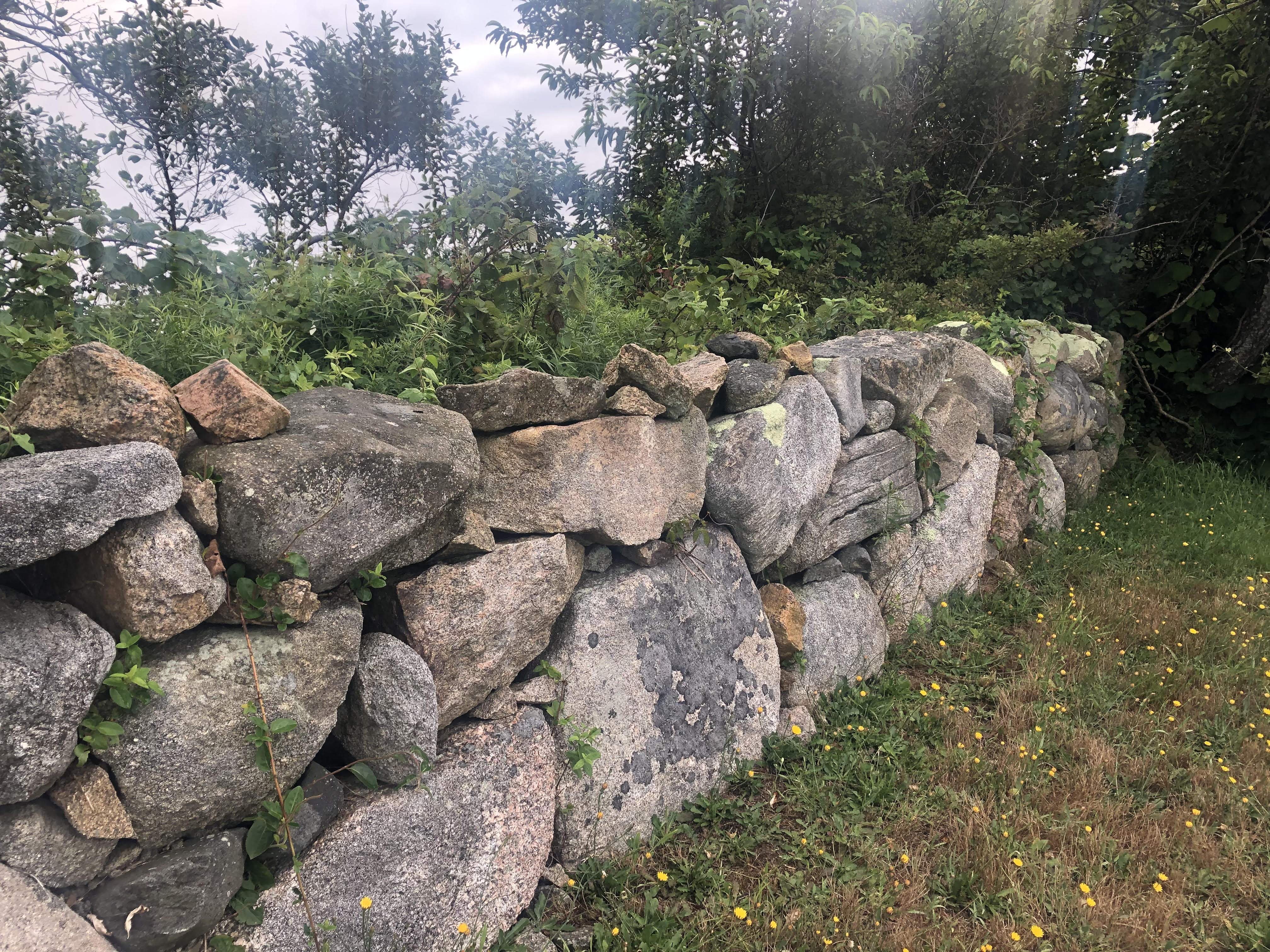
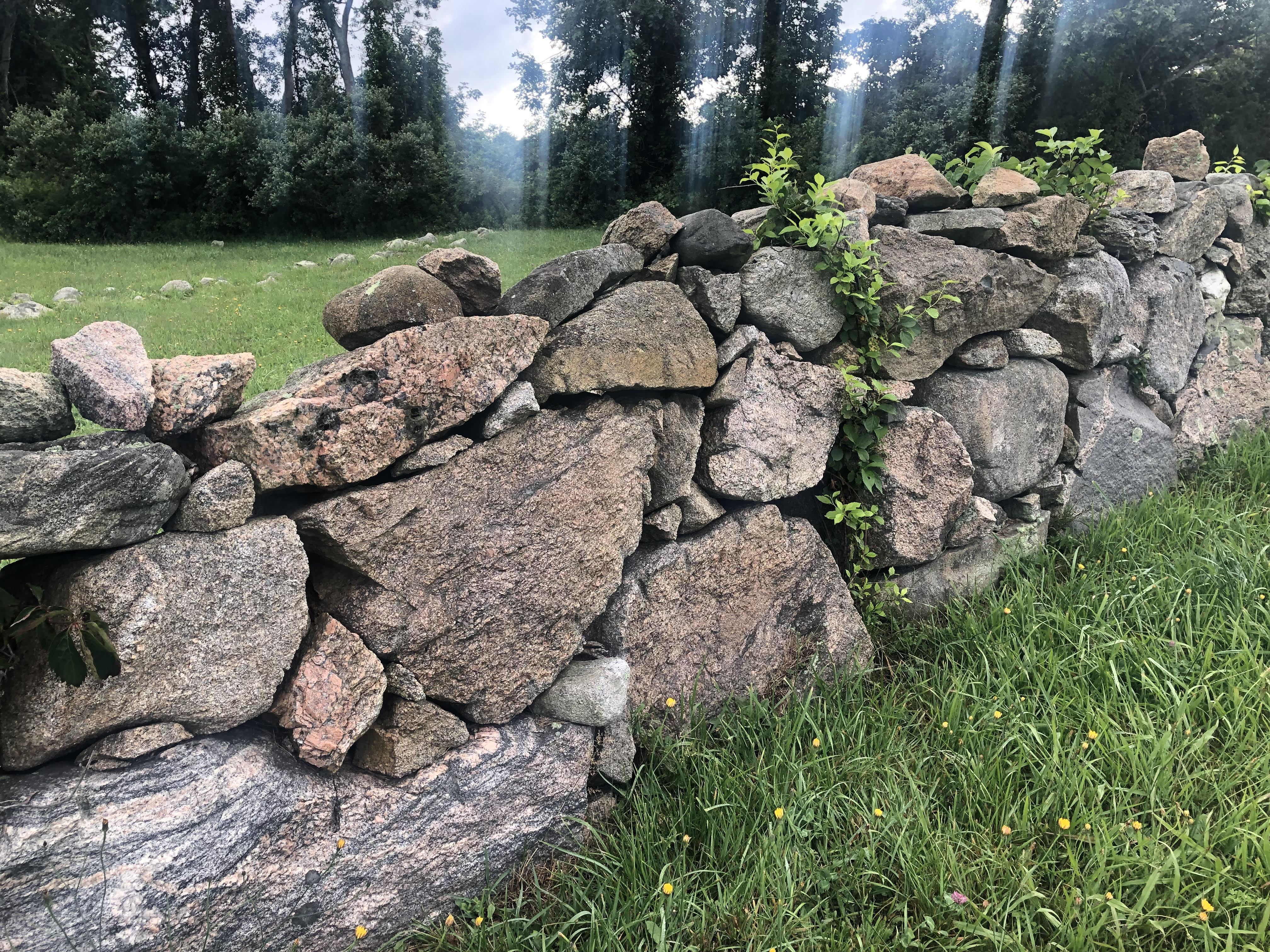
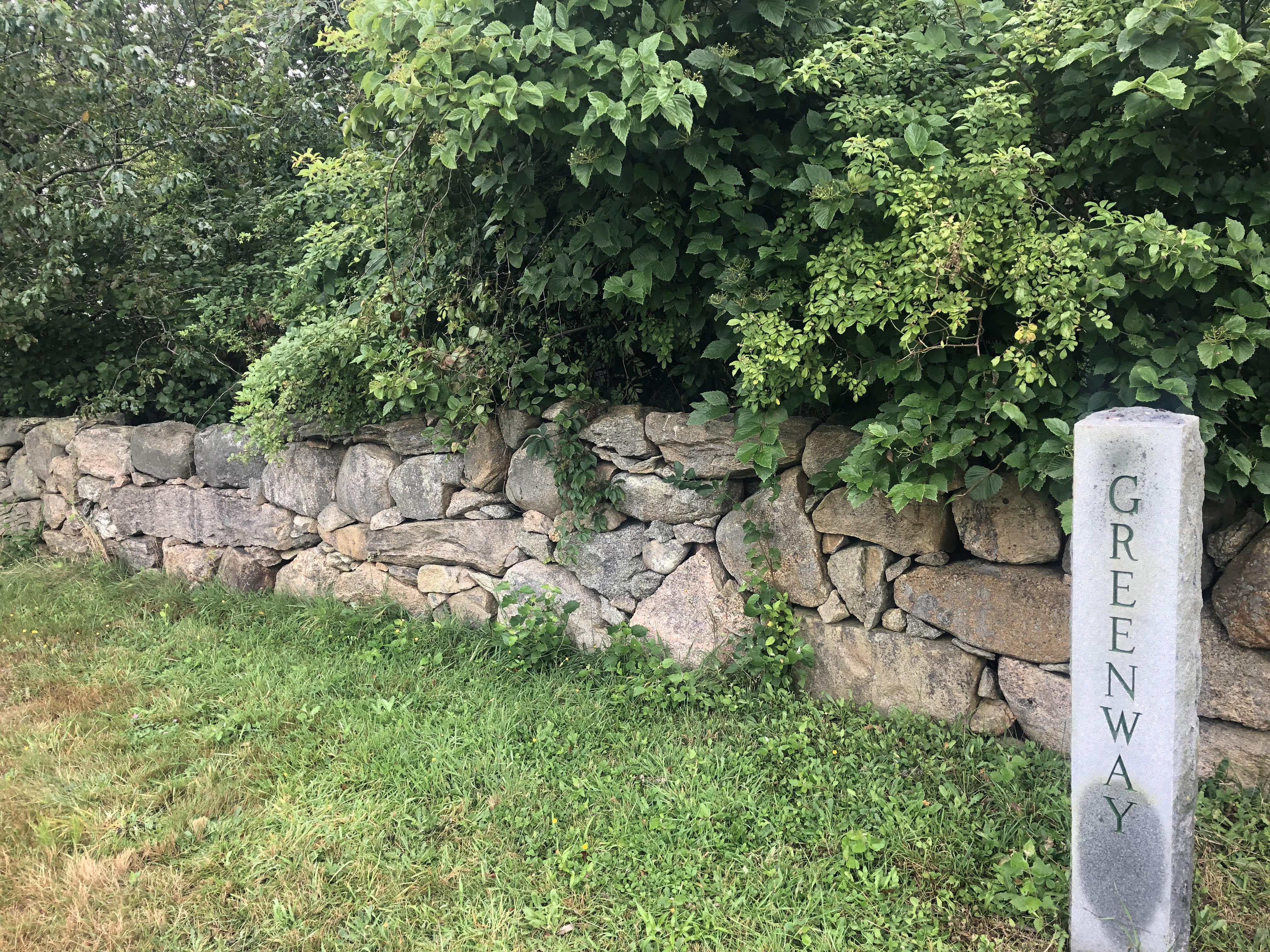
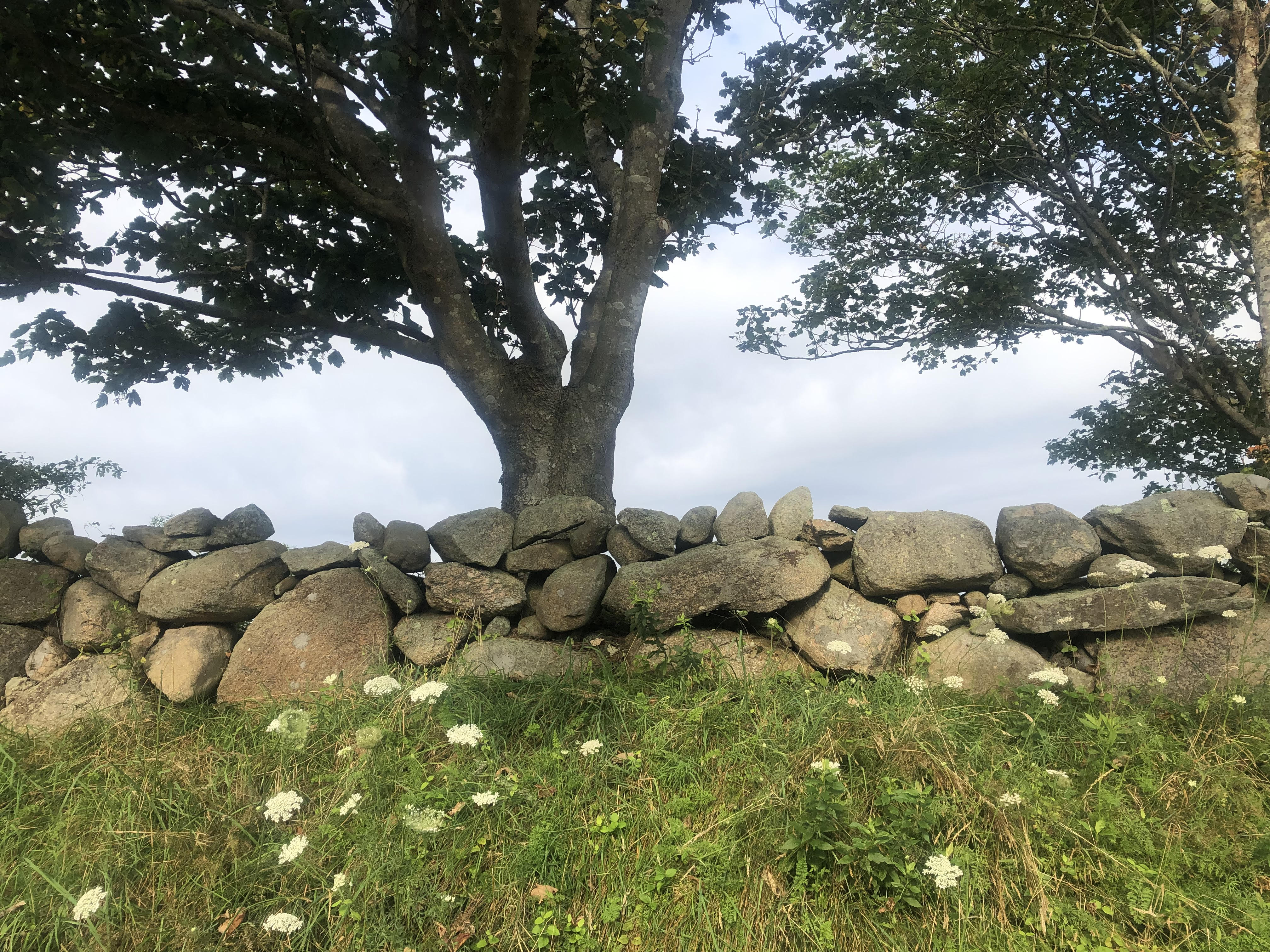
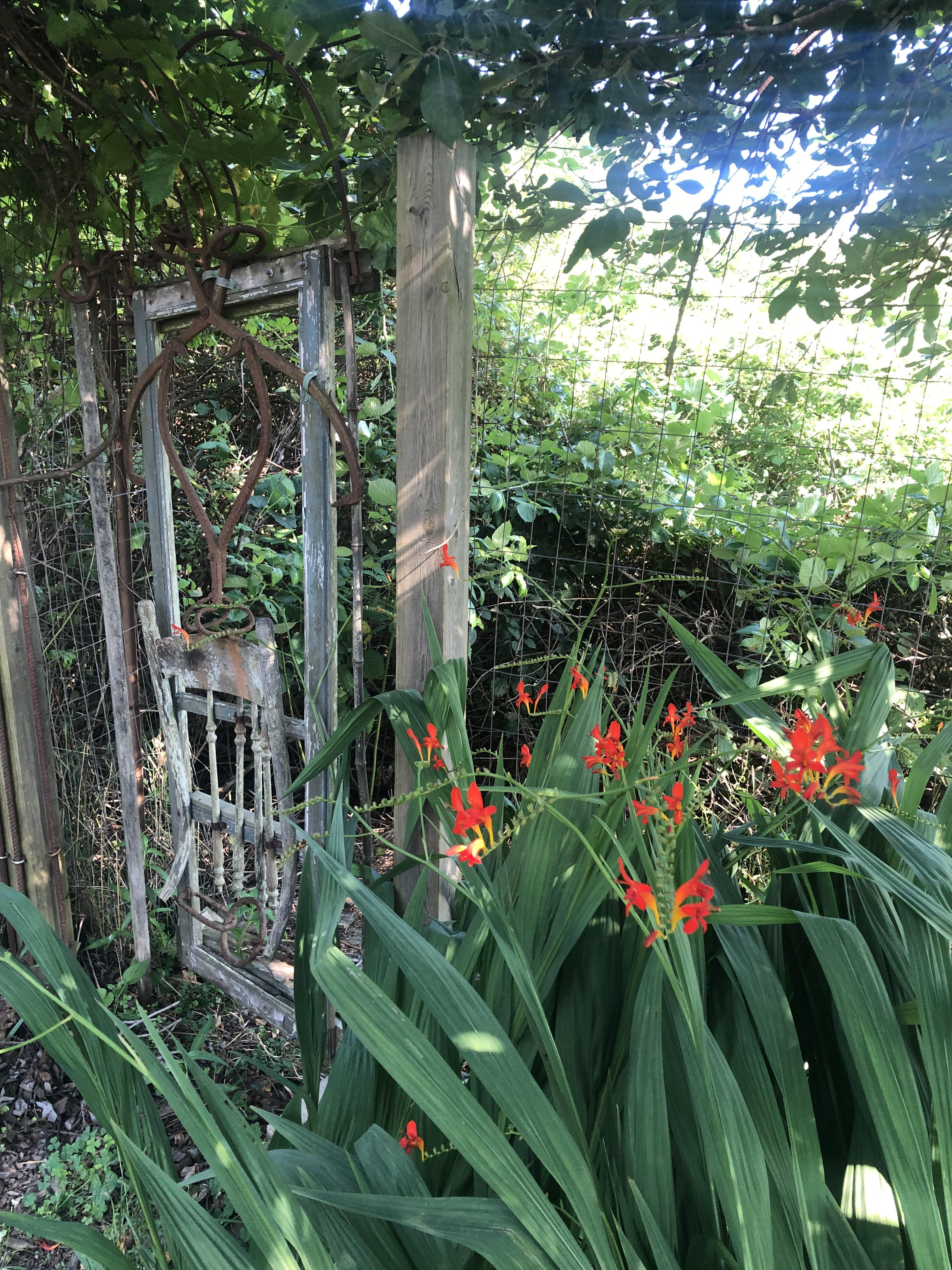
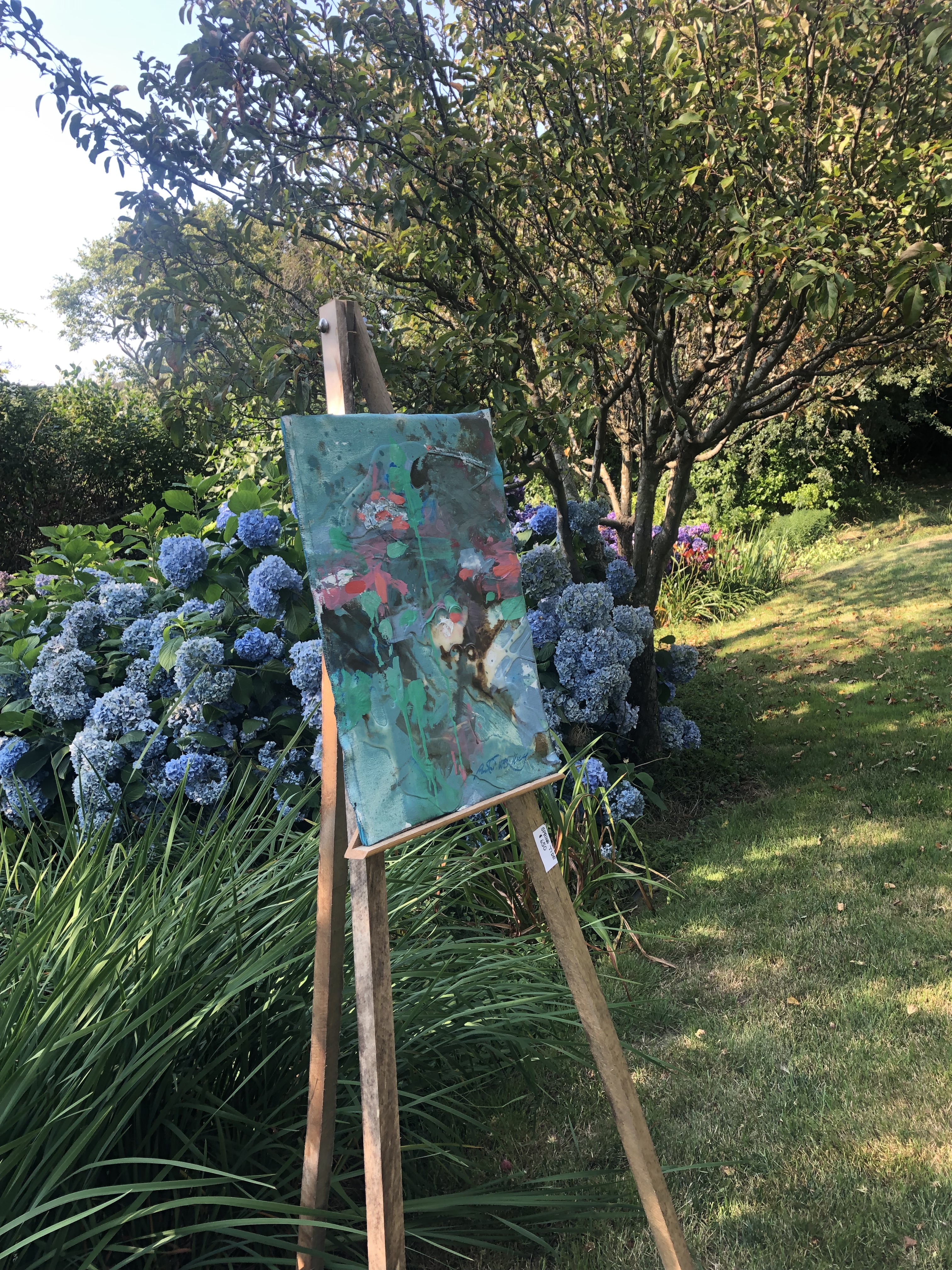
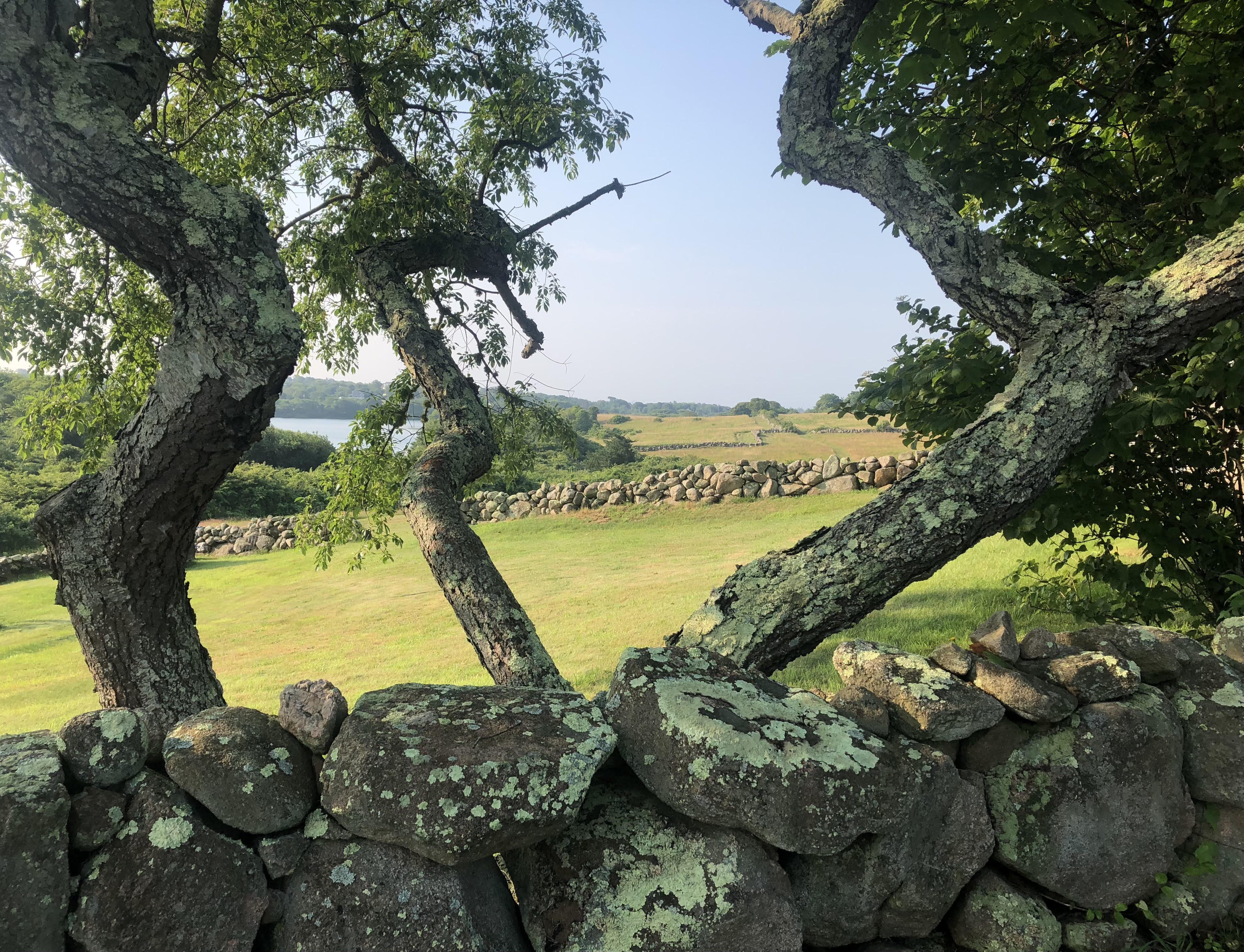
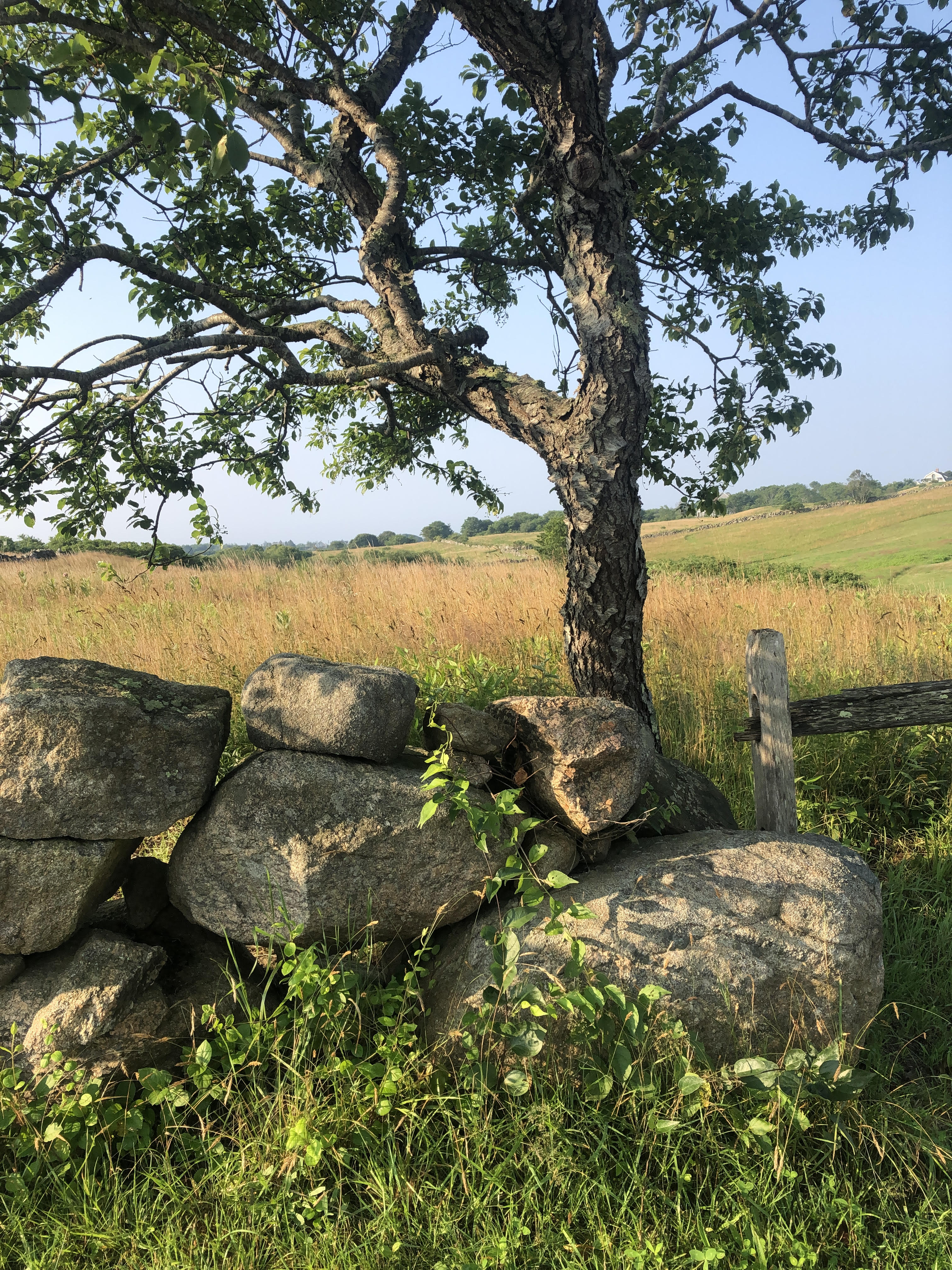
“Something there is that doesn’t love a wall, “That sends the frozen-ground-swell under it, “And spills the upper boulders in the sun; “And makes gaps even two can pass abreast. …”
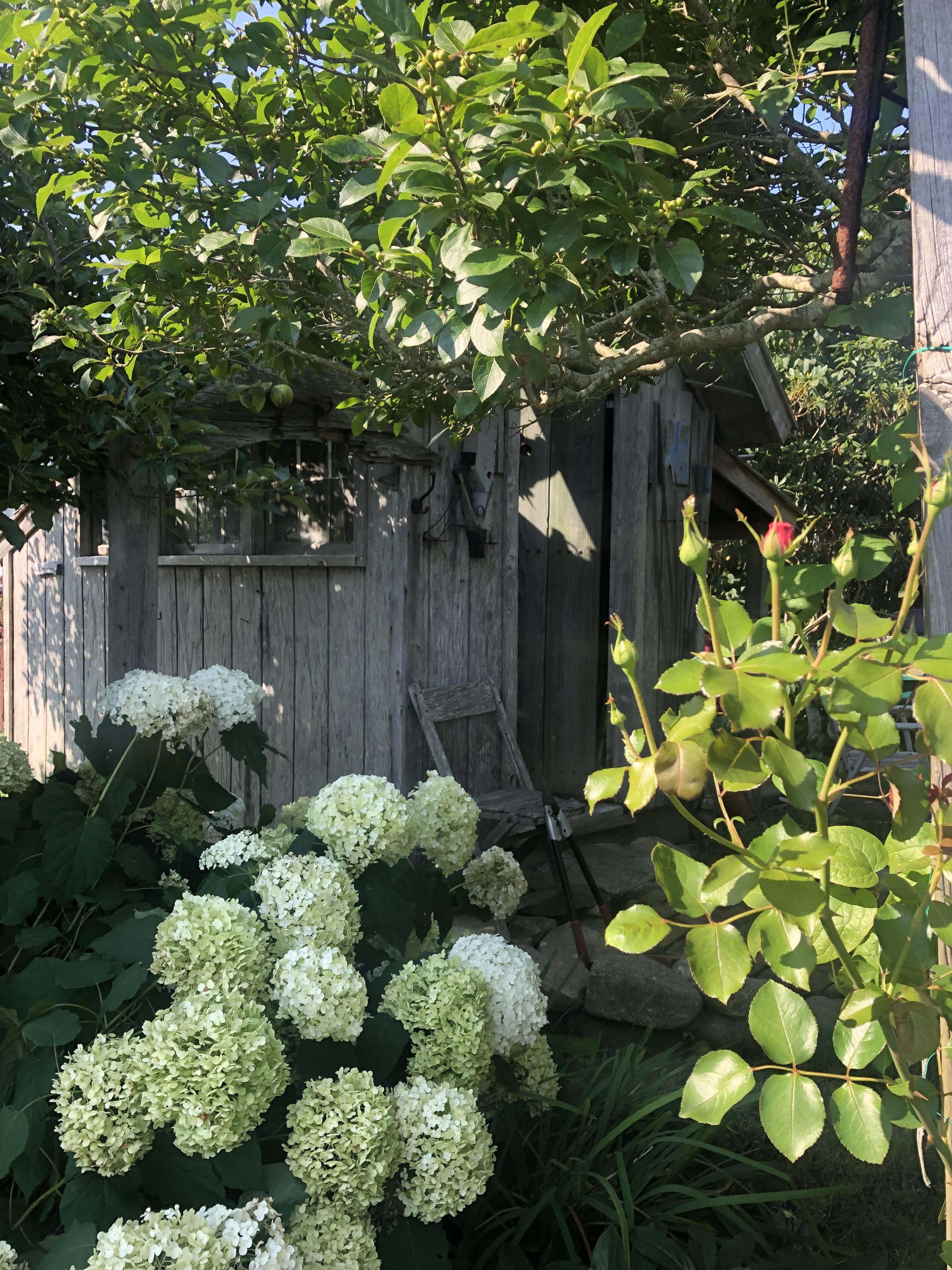
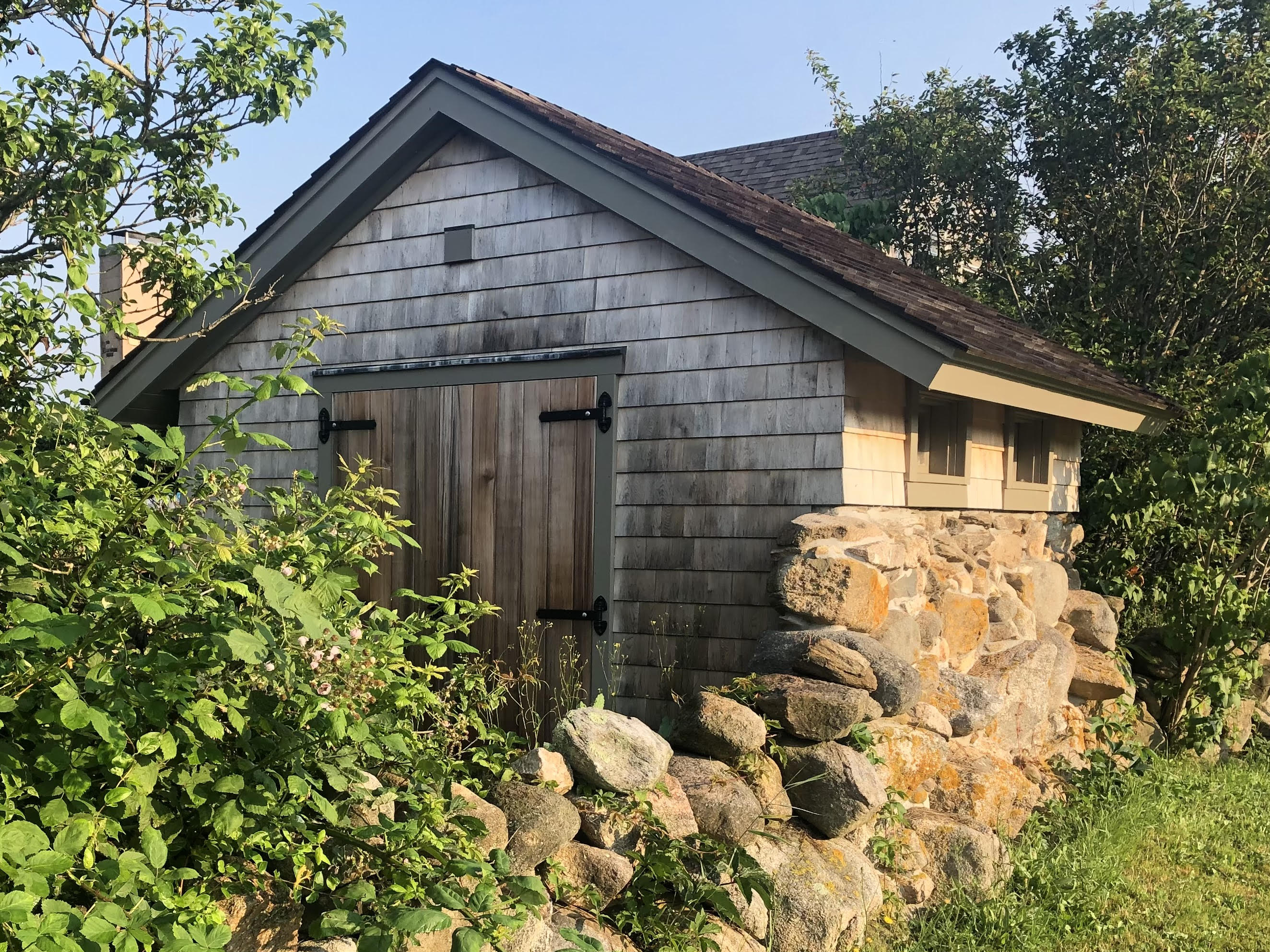
I was going to make some pompous observations about old-time walls meant to clarify property lines, not keep people out or prevent neighborly conversations. But then I read a merciless spoof of bloggers trying to be profound. So I decided just to show you how cleverly these old dry walls were built to last, smaller stones tucked into gaps to keep higher ones balanced.
The spoof was in a strange, delightful novel called Winter, by Ali Smith. And although I bristled at the unproofread mess of her fake blog post, I recognized the temptation to invent or reinterpret something from childhood because … who will know the difference?
But I must stay honest, like the old, sturdy dry walls. They were not the kind that blow over in a high wind as the one in this 2020 story: “A portion of [the] border wall blew over from gusty winds Wednesday, falling on the Mexican side of the border.
“The newly installed panels were a part of an ongoing project to improve existing parts of the wall in Calexico, California. Agent Carlos Pitones of the Customs and Border Protection in El Centro, California, told CNN that the new concrete foundation had not yet cured when the wall panels fell down amid windy conditions.”
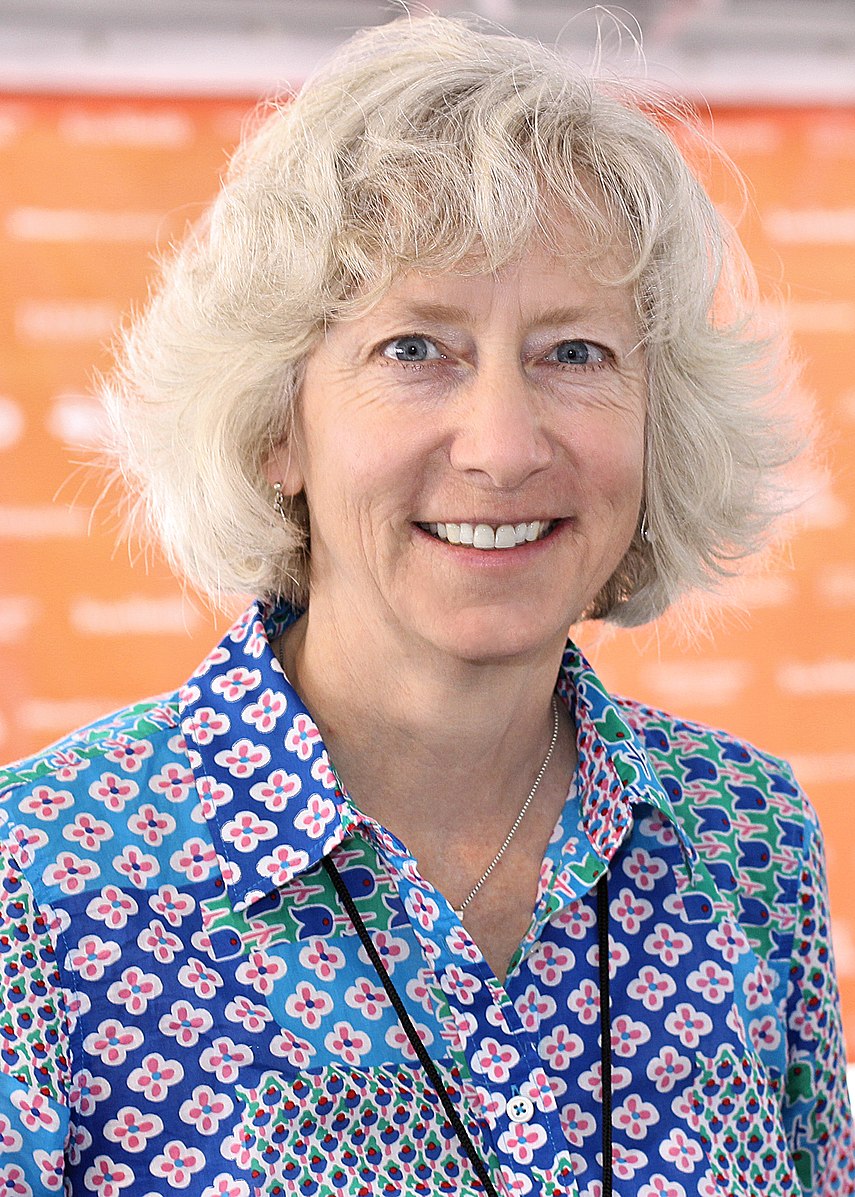
Photo: Larry D. Moore/ Wikimedia Commons. Prof. Gretchen Daily of Stanford writes about “natural capital” and argues that nature preserves are not enough: conservation awareness needs to be part of all development decisions.
Needless to say, we shouldn’t have to put a monetary value on nature to save it, but then again, we shouldn’t have to offer a million-dollar lottery to the unvaccinated to do the right thing.
For those who need capitalistic arguments about the obvious good of our natural world, there’s a professor who can provide the data.
Gretchen Daily, says Tik Root at the Washington Post, “is a pioneer in the field known as ‘natural capital.’ Using science and software, she shows stakeholders why it benefits everyone to prioritize conservation.
“Colombia’s Gulf of Morrosquillo is home to thousands of mangroves. Their roots arc downward into salty seawater while their limbs climb upward — a mesmerizing entanglement of branches and leaves.
“But the mangroves must compete with hotels, resorts and other financial ventures in the tourist-dependent area, which spans 325 miles of Caribbean coastline. One study found that between 1960 and 2011, the mangrove population in Colombia dropped by more than half, largely due to human activities such as development or trash dumping.
“The burgeoning tourist destination of Rincón del Mar, for instance, is one of many towns along the gulf that was built on land cleared of the trees. And because there is no central garbage collection system, people’s wrappers, bottles, bags and other refuse often end up in the mangroves that still stand.
“In early 2020, the government signed a five-year, $300 million pact to promote tourism in the gulf area, where approximately 350,000 Colombians live. It called for, among other initiatives, building hotels, a hospital and aqueducts to alleviate a dearth of drinking water that threatens the growth of the tourism sector. But the plan could also put even more pressure on the mangroves, as well as the sea grasses, coral reefs and fisheries offshore.
“For Gretchen Daily, threats like these are also moments of opportunity.
‘Nature is often just seen as kind of in the way of prosperity,’ she said. ‘What we’re saying is that nature is crucial to prosperity.’
“Daily is a professor of biology at Stanford University and a pioneer in a field known as ‘natural capital.’ The term refers to the soil, air, water and other assets that nature has to offer. As a conservation model, it is rooted in the idea that nature has a measurable value to humans and that protection efforts must go far beyond walled-off reserves and be broadly integrated into development practice and planning. …
“By the time Daily and her team had identified the potential for impact in the Gulf of Morrosquillo, the coronavirus pandemic had confined the 56-year old to her home in Stanford, Calif. Zoom — which is decidedly not her natural habitat — became the norm.
“But within a matter of months, the Natural Capital Project put together a report for the Colombian government detailing that more than a third, or 118 miles, of the coastline had high exposure to flooding and coastal erosion. Protecting and restoring mangroves, the authors said, could help with that issue — especially along two specific stretches of the coast, including Rincón, where local activists say they’ve removed many tons of trash.
“Mangroves, the report highlighted, also nurture robust fisheries for local communities and sequester carbon at a rate two to four times greater than tropical rainforests. Left in their current state, the Morrosquillo mangroves will store 62 million tons of carbon by 2030 — the equivalent of taking 12 million cars off the road for a year — which could help the country toward its commitments under the Paris climate accord.
“ ‘Until now we didn’t have the specific information in a simple way to show the importance of maintaining the mangroves,’ said Santiago Aparicio, director of environment and sustainable development for the Colombian department of national planning. He added, ‘you don’t protect what you don’t value.’
“The next step, he said, is to take the information to mayors and local officials to incorporate that value into their development plans. [One] ‘ideal situation’ would be using mangroves instead of cement walls as barriers against rising sea levels fueled by climate change.
“For Daily, the work in Colombia has met all three of the criteria she uses when deciding whether to pursue a project: There must be a policy window that allows change; partners on the ground must be committed to that change; and the change must be scalable. …
“Daily’s own scientific curiosity dates back to middle school — or rather, she says, to her walks on the way to school.
“In 1977, Daily and her family lived in Kalbach, West Germany, where her father was stationed in the military. Then a 12-year-old, Daily and her sister would walk about a kilometer to class. It wasn’t far. But the route passed a coal plant.
“ ‘You could taste the acid on the tongue,’ she said of the pollution. The smell of coal permeated the air. ‘That turned me on to science.’ …
“ ‘Reserves are too small, too few and too isolated to sustain enough nature,’ she explained. ‘We have to be able to integrate nature into our normal lives.’ …
“ ‘Gretchen has really been the forerunner in clarifying the natural capital movement,’ said Carl Folke, director of the Beijer Institute of Ecological Economics at the Royal Swedish Academy of Sciences. He said one major catalyst came in late 1997, when Daily edited the book Nature’s Services: Societal Dependence on Natural Ecosystems — recently referred to as ‘one of the most influential books published on the environment in the past 30 years.’ Read more at the Washington Post, here.
By the way, Francesca Forrest has a delightful fictional take on the mangroves-versus-hotels issue in her novella Lagoonfire, which features an imagined world that is both uncomfortably and amusingly familiar.
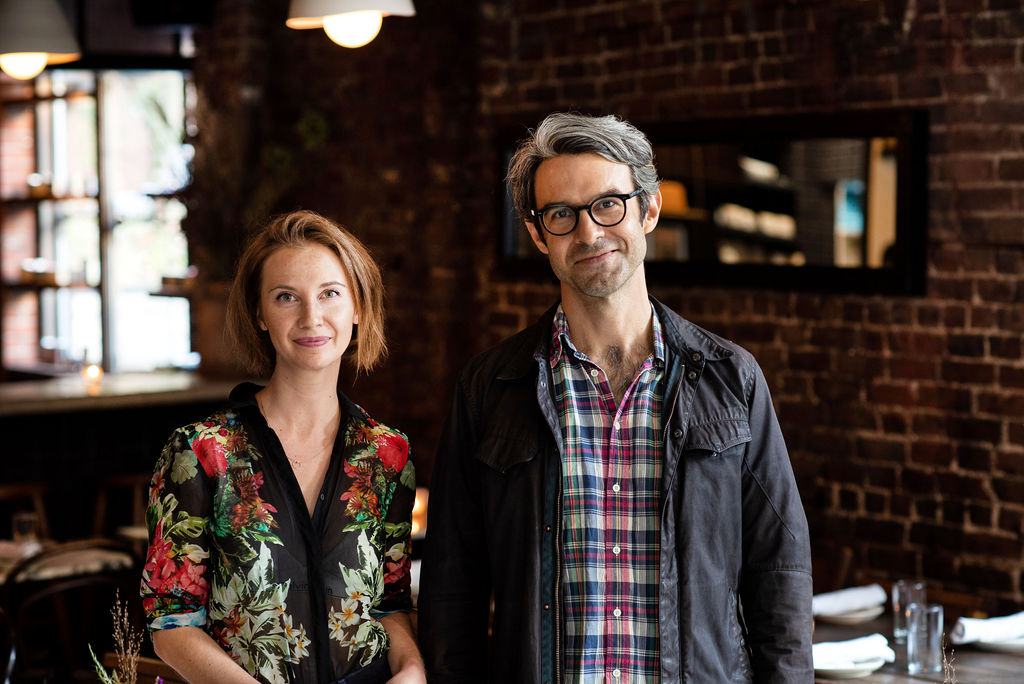
Photo: Cool Hunting. Brooklyn bar owner Henry Rich, pictured in 2019 with co-owner Halley Chambers, says, “You start with the commitment to remove the trash. That creates quite a bit of clarity in terms of what we can and can’t, should and shouldn’t do.”
One of the challenges of blogging since the pandemic started has been trying to figure out if the stories I was saving are still relevant. For example, was the New York wine bar that was aiming to create zero waste in January 2020 even still in business and was there any point in reporting on its laudable goal?
Well, hooray! Google informs me that Rhodora is still in business, and I think you’ll appreciate the banner at the top of its home page that may be a reason it has remained in business. It reads, “Hello! Due to the rise in Delta variant Covid cases we are requiring proof of vaccination for guests dining indoors. Thank you for helping keep our doors open + our community safe!”
As Matthew Sedacca wrote in the New York Times in a time of innocence, New Year’s Day 2020, “Garbage is inevitable in the restaurant and bar business. Kitchen employees toss onion skins and meat fat into the wastebasket almost instinctively. Once-used plastic wrap and slips guarding the linens find their way into black bags for trash-day pickup. Plastic bags are ordered by the bundle and then often discarded after customers use them to take leftovers home.
“At the Brooklyn natural wine bar and restaurant Rhodora, however, taking out the trash works a little differently.
“The new eatery is one of a handful of establishments in various cities that have begun to operate under a zero-waste ethos, meaning they do not send any trash or food waste that enters their business to a landfill. There is not even a traditional trash can on the premises. …
“Such radical idealism comes with challenges, including finding producers and distributors who can accommodate requests like compostable packaging and figuring out how to recycle broken appliances. …
A recent report from ReFED, a nonprofit organization focused on food waste reduction, found that restaurants in the United States generate about 11.4 million tons of food waste annually, or $25.1 billion in costs. The Environmental Protection Agency has reported that food waste and packaging account for nearly 45 percent of the materials sent to landfills in the United States. …
“Mr. Rich and Halley Chambers, the deputy director of his Oberon restaurant group and co-owner of Rhodora, spent almost 10 months and $50,000 researching and transforming their Fort Greene space into a neighborhood joint that could operate without any trash pickup.
“Out went many of their regular vendors who wrapped deliveries in single-use plastic. In came tools to aid their waste-reduction efforts: a cardboard shredder to turn wine boxes into composting material, a dishwashing setup that converts salt into soap, beeswax wrap in lieu of plastic wrap.
“ ‘It’s not arcane secret knowledge,’ Mr. Rich said. ‘It’s just a couple things that are very specific, and you need to kind of re-engineer how you think about’ operating a restaurant or bar.
“Much of the planning time was spent searching for distributors and producers who could adhere to Rhodora’s mission. … A handful of companies were able to accommodate the unorthodox restrictions, including She Wolf Bakery and its sister butcher shop, Marlow & Daughters, which deliver reusable plastic bins full of fresh-baked breads and jars of pickled vegetables and eggs via Cargo Bike Collective riders. Another company, A Priori Distribution, switched to using compostable packaging and paper tape when dropping off aluminum tins of fish. …
“The paper menus, which feature a mini-essay on the restaurant’s green mission, are fed to the compost pile when they become outdated or tattered. Anything left on customers’ plates is dumped into collection bins in the kitchen, which are fed into the commercial-grade composter tucked inside hutches adjacent to the bar. (Rhodora does not serve meat, which is more difficult to compost, although its composter does process any fish that is left over.)
“Natural wine bottles and most other non-compostable containers are removed for recycling via Royal Waste Services, which the restaurant said also accepted broken glass. Corks are donated to ReCork, a recycling program that repurposes the material for shoe soles and yoga blocks.” More at the New York Times, here.
I wonder if not being able to compost meat is another reason to give it up. Our extended family composts, but there are always discussions (arguments?) about what to do with leftover meat before the trash man cometh. My husband and I double-bag ours and freeze it, but others think it’s gross to keep any garbage in the freezer.
Photo: Chelsey Geralda Armstrong. An aerial shot of the Sts’ailes forest garden. These forests demonstrate the way that First Nations people in the Pacific Northwest have actively managed natural ecosystems to increase the accessibility of preferred food near their homes.
Today’s story is about how indigenous people in Canada have created “forest gardens” to be able to harvest the traditional food the tribes value.
From the radio show Living on Earth:
“BOBBY BASCOMB: British Columbia is home to lush forests that cover almost two-thirds of the Canadian province. And for some ten thousand years, First Nations peoples made the forests their home. The trees provided much of what the people needed to survive and thrive. After asking permission of towering cedars, Coast Salish and other peoples would harvest bark for weaving and wood to carve canoes and totem poles. But they also carved out special gardens in the forest to grow food and medicinal plants. And new research shows that these forest gardens are still home to abundant biodiversity. …
“DR. CHELSEY GERALDA ARMSTRONG: We live in the Pacific Northwest where you have very contiguous conifer dominant forests … cedar and spruce and hemlock and firs. [But the forest gardens are] broadleaf forests, which are very rare here … maple and birch and then sub canopies of hazelnut and crabapple, all deciduous species. One of the big things that kind of sticks out when you’re in these places is at the right time of year, it’s just like a fruit paradise. There’s so many fruits going, kind of around late August, early September. It is an edible forest without question, and also a lot of medicinal species as well in that understory, things like wild ginger. …
“BASCOMB: And these were gardens cultivated by the Indigenous people that lived there, how did they create them? It sounds like they must have had to travel quite far to bring these different species together in one spot. …
“ARMSTRONG: We don’t know exactly how they were started, or when, how old they are, although we are getting closer to some dates. … Hazelnut, for example, [is] a native species to British Columbia, but it’s found far outside its range in certain forest gardens. But also, people were managing for succession. These types of forest management practices are basically utilizing and capitalizing on natural ecosystem processes. So things like wild raspberries, black huckleberries, Alaska blueberry, oval-leaf blueberry, all these kinds of plants that grow in forest gardens are locally available. And so it’s just about letting those things come back, keeping the competitors out, and then enhancing them with new species. …
“ARMSTRONG: Comparing forest gardens with the surrounding conifer forests, or what we refer to as peripheral forest, it was very clear that overall, forest gardens [were] a lot more biodiverse. … So you can imagine that, in fact, the edge between these two ecosystems are incredibly productive areas.
“BASCOMB: Well, that totally makes sense. I mean, you would expect more biodiversity in an area with, say, maybe a field, next to a forest, with a river running through it. If you have several different ecosystems all in one spot. ….
“ARMSTRONG: We found that forest gardens have a higher frequency of animal-dispersed and animal-pollinated species. So what this means is that forest gardens are the result of animal movement. And of course, humans are included in that category. But on top of that, what this suggests is that after humans left these gardens and villages, in some cases a couple hundred years ago, forest gardens began providing really unique habitat for animals and pollinators seeking food. So what we see here is an example of human land use that actually provides and increases functions across the landscape, rather than depleting it. …
“BASCOMB: Can you tell me about the First Nations people that lived in this area and created these gardens? …
“ARMSTRONG: I worked with two communities, Kitsumkalum, and Kitselas. And, you know, the archaeological record of people living in this area is very, very rich. People have been here for, you know, 10,000 plus years. And for Kitselas, we know that [families] have been in the same canyon area for at least 7,000 years. [But] people were forcibly removed from their communities. A lot of times they moved to the coast to work in canneries, which were, you know, kind of slave-like conditions for people. But they returned, a lot of them, to their communities in the ’50s and ’60s. …
“There are elders in Kitselas that always say, ‘Old villages are really good places to hunt,’ … But basically, these places have not been maintained for, you know, 200 years. … A huge part of our research is actually employing different management strategies, clearing the forest garden areas and getting them back to a place where they can be producing lots of food for people locally.
“BASCOMB: And what did you learn about these forest gardens from the First Nation elders that you spoke with? …
“ARMSTRONG: The elders had pointed me in [the direction of hazelnuts, which I was studying], saying, well, it’s not just hazelnut. [It’s] Pacific crabapple, it’s Saskatoon berries, it’s soapberries. And so, you know, they’re the ones that were leading a lot of this inquiry. And of course, we know from them all the different ethno-botanical uses of plants. … A lot of our research is kind of being led by them and the questions that they have about these places that we can answer.
“BASCOMB: Chelsey Armstrong directs the Historical and Ethnoecological Research, or HER, Lab at Simon Fraser University.”
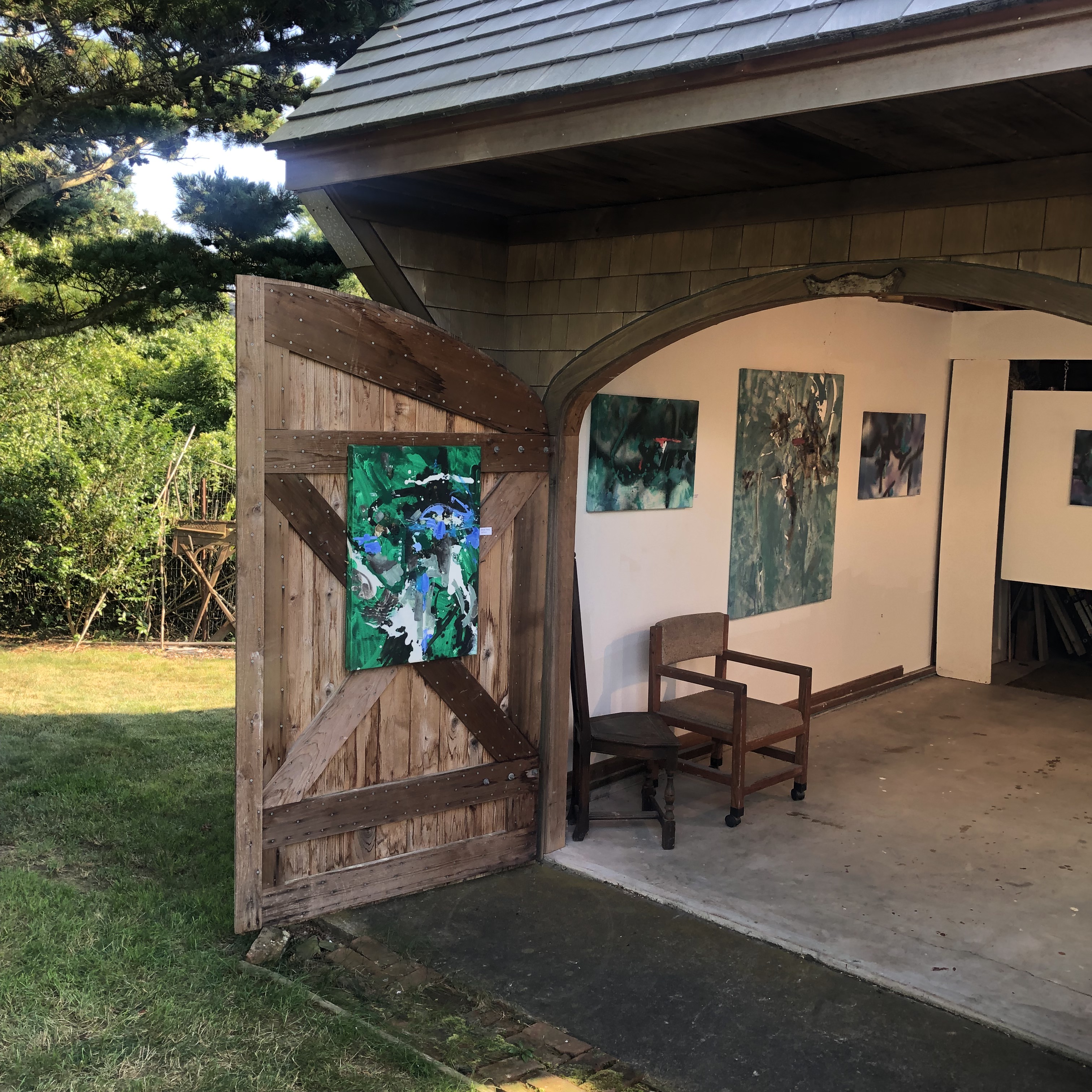
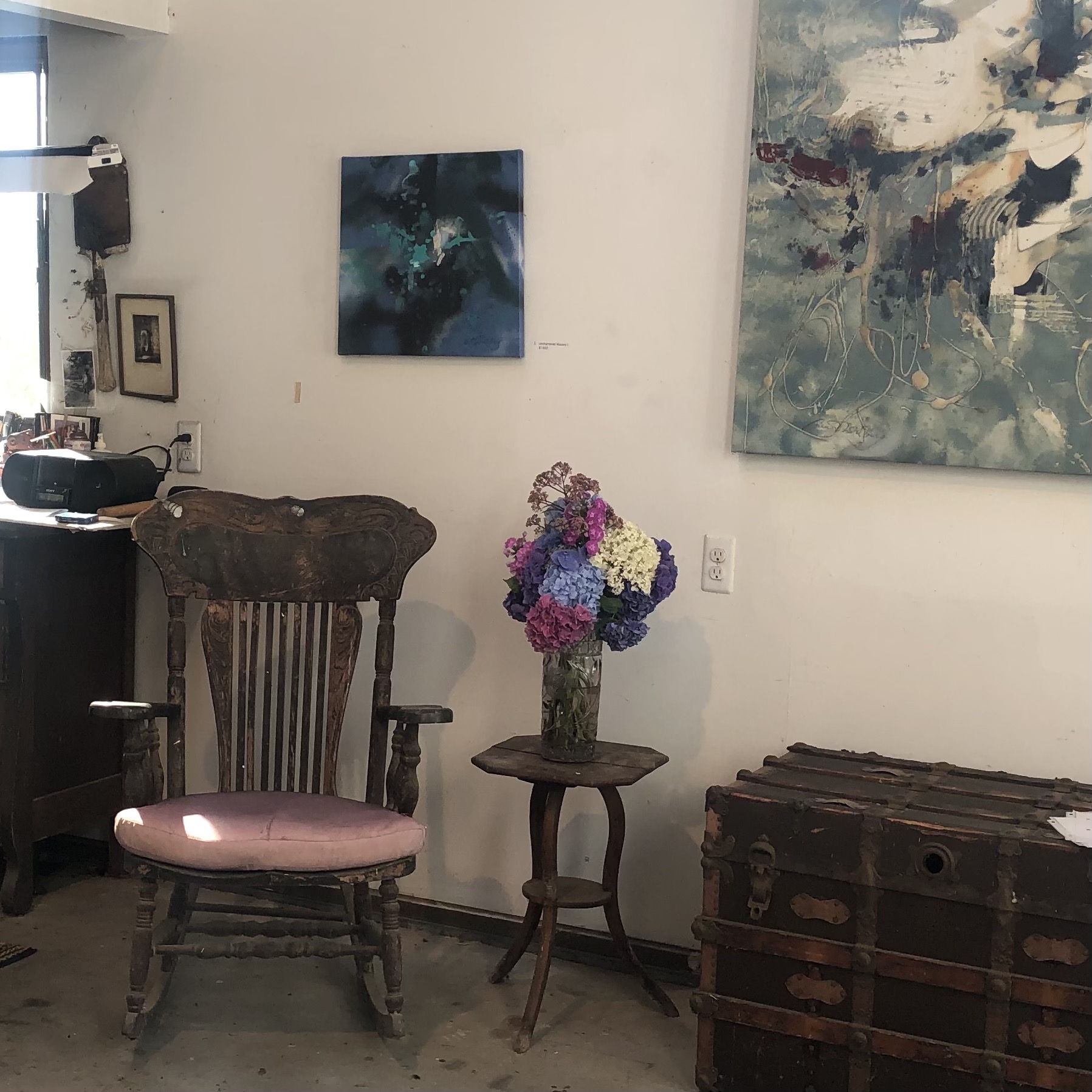
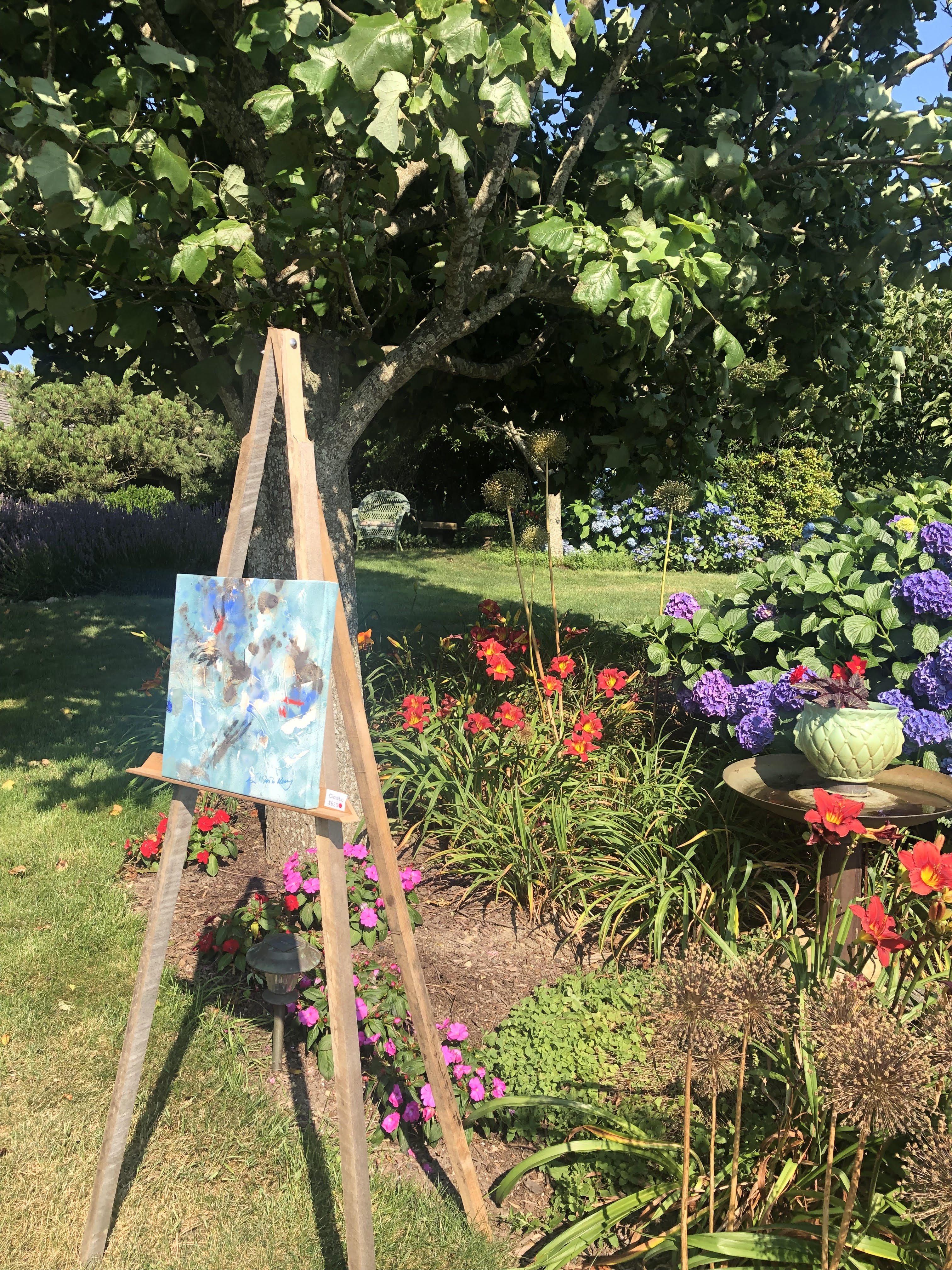
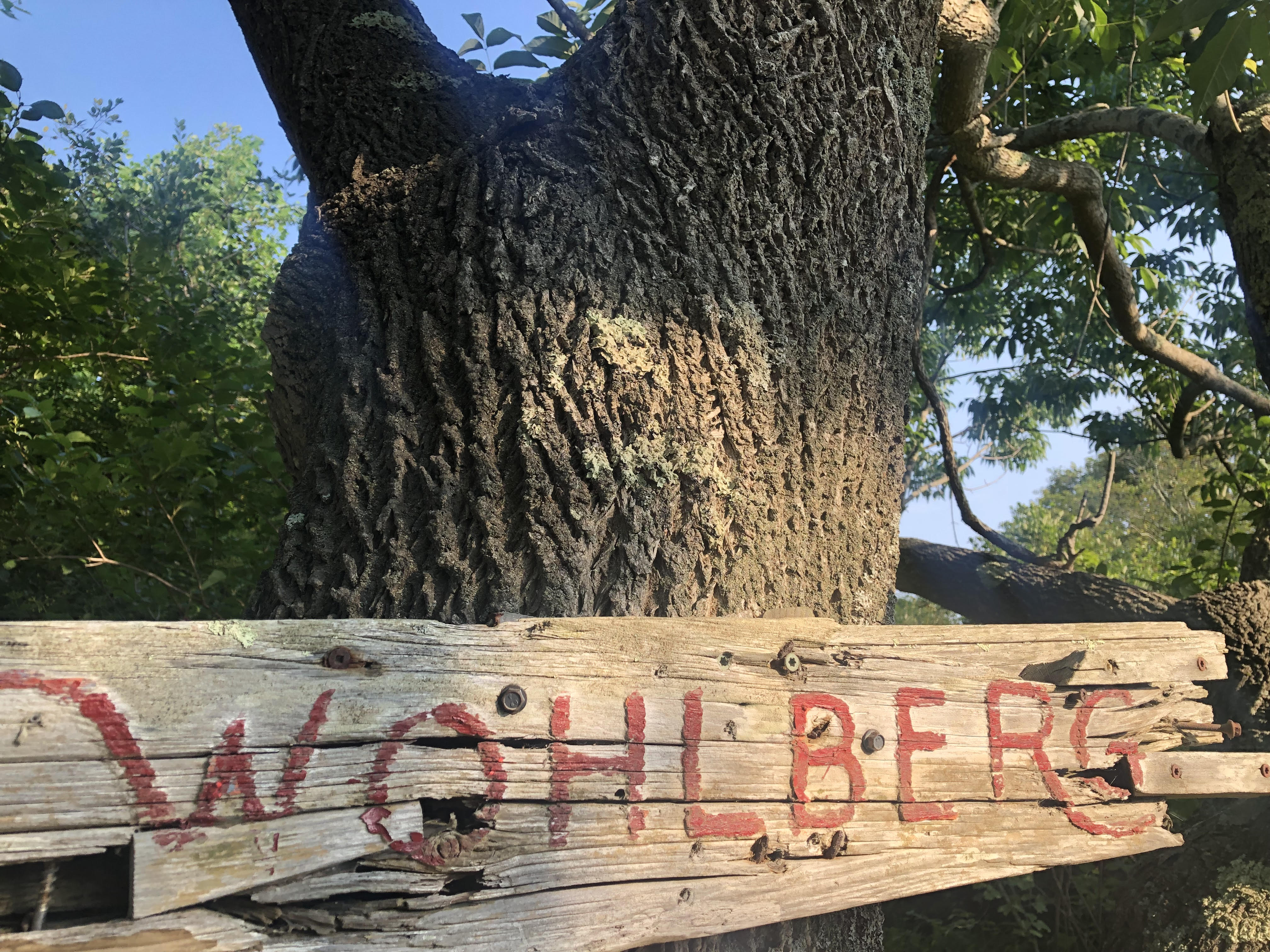
After decades as a commercial artist doing illustrations and portraits, Ben Wohlberg has “retired” to focus on abstract painting and gardening with his wife, Catherine. Once a year, they open to the public the grounds of their lovely summer home located on a shady dirt road. And what a treat that is!
I love the colors of the abstract paintings, which speak to me of the water, sky, flowers, butterflies, and mist that surround the couple on the island they love. In the blues of one with a flight of rose color lifting the upper right corner, I sense a bird flying in a studio window and swooping past a mirror that captures the feeling of its freedom rather than its photograph.
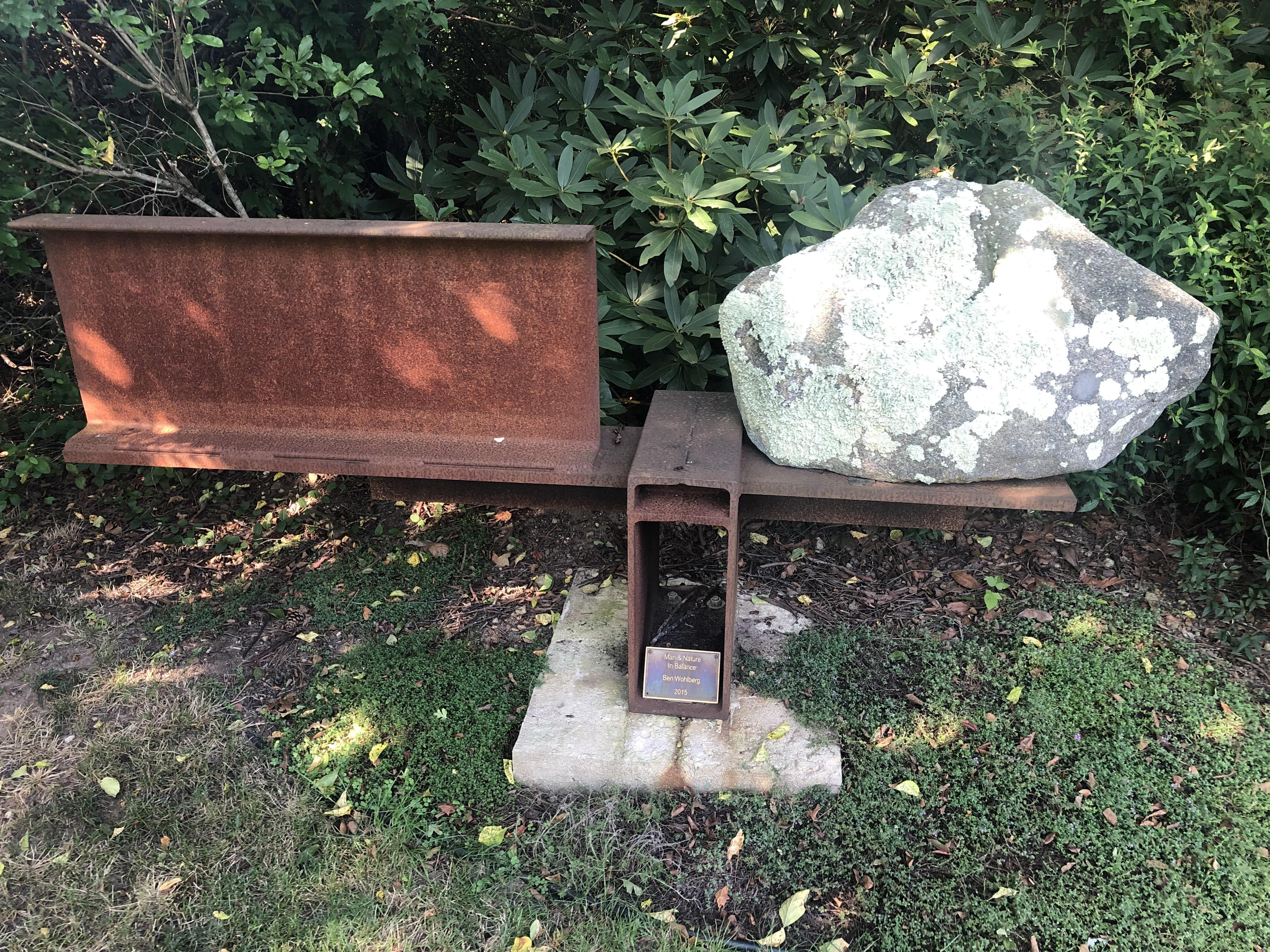
Seeing these paintings on easels around the grounds brings something extra to both. Note the “galrage” below (gallery in a garage) and the sculpture called “Man and Nature in Balance.”
More at Wohlberg’s website and in a video that features two islands the painter loves.
Photo: ABC/Rick Rowell. Paul and Millie Cao, the subjects of a short documentary contender in 2020, pose with filmmaker Laura Nix and Colette Sandstedt. The 92nd Oscars was broadcast in February, right before the pandemic.
Walk Run Cha Cha was a 2019 American documentary short with an inspiring message about the multicultural role of ballroom dance in America. It was directed by Laura Nix of the New York Times, which distributed the film. Ada Tseng wrote about it for the Los Angeles Times.
“It’s a bustling weeknight at Lai Lai Ballroom & Studio in Alhambra. The disco lights flicker over couples scattered across the dance floor, and the speakers blast Mandarin-language pop.
“Chipaul and Millie Cao, who come at least four nights a week, practice the routine they’ll be performing for their anniversary party. It’s a jive and cha-cha number set to a medley of Michael Jackson songs.
“They are planning a January party to mark three milestones: their 30th wedding anniversary, Millie’s birthday and Chipaul’s 40 years in the United States.
“This month they got another reason to celebrate: WalkRun Cha Cha, a 20-minute short documentary directed by Laura Nix about the Caos’ real-life refugee love story, made the Oscar shortlist for documentary short. …
“The Caos met the director when she stumbled upon Lai Lai while researching mini-malls in the San Gabriel Valley for another film project. Intrigued, Nix started taking group classes. …
“Chipaul works as an electrical engineer, Millie as an auditor. They didn’t start taking ballroom dancing classes together until about seven years ago, but they have gone on to perform in dance competitions and events all around Southern California. …
“The Caos, who are ethnically Chinese but were born and raised in Vietnam, met as teenagers in the 1970s. During the war, a Vietnamese government ‘morals code’ banned dancing even in private homes. Parties were held anyway, and Millie still remembers a shy Chipaul reaching his hand out and asking, ‘Shall we dance?’
“But only six months after they met, the young lovers were separated. The Viet Cong came to power, and Chipaul knew he and his family had to leave.
“Unlike Millie, who lived in Saigon, Chipaul’s family lived in a small town where it was obvious who was Chinese Vietnamese. He went to a Mandarin-language school, his mother was a businesswoman, their community had money and property to be confiscated. They soon became targets. …
“Chipaul, 20 at the time, and his family took an early boat out of Vietnam and stayed at a Taiwanese refugee camp before coming to America.
“It took six years for him to figure out how to get Millie here. The process involved sponsoring her on behalf of her long-estranged father, who was living in the U.S.
“ ‘I came by plane, after two unsuccessful attempts by boat,’ she says. ‘That is something like God arranged, because if I escaped like the boat people, I probably cannot survive.’
“Nix’s short documentary tells the Cao’s love story as a series of new beginnings — how they had to restart their relationship after Millie came to the U.S. and how they’re now just learning to enjoy their lives and reconnect through dance after decades of being in survival mode. …
“She describes a moment before a performance, as Chipaul nervously takes off his Patagonia jacket to reveal a sequined costume.
“ ‘The crowd went, “Wow!” ‘ Nix says. ‘And then they dance, and the place went crazy. People were crying. They gave them a standing ovation.’ …
“The full-length feature will have more of the Caos’ backstory as well as more fantasy sequences that express what they are feeling emotionally through dance. Because, to Nix, Walk Run Cha Cha is more than a love story. It’s about the importance of remembering and celebrating the history of immigrants in the U.S.
“ ‘You have Eastern Europeans teaching Latin dance to people in the Chinese diaspora from Vietnam,’ says Nix, who is French Canadian and English. ‘To me, that’s the best version of America.’ “
Just before Covid descended on our world, an unusual comic book was created in Vermont. Using two languages, it spoke to the lives of migrants who work in the state in normal times.
Kaitlin E. Thomas, an assistant professor of Spanish at Norwich University, reported for Public Radio International’s The World.
“Imagine becoming a character in your favorite comic book, ” she writes. “For Latino residents in Addison County, Vermont, seeing their stories illustrated in print has been key to tackling some of the mental health challenges of migration. …
“Vermont is the second least populated state in the US and more than 50% of its residents live in rural areas. The state is confronting a range of obstacles — a declining labor force, an aging population, and difficulty attracting young residents. But Latino migrants are increasingly stepping into roles that would otherwise remain unfilled.
“There is ample opportunity for migrant workers willing to venture to the far reaches of the Northeast, particularly in the agriculture, dairy and construction sectors. But even for the heartiest locals, Vermont winters can be a challenge to endure.
“Add to the mix not knowing the local language, little access to public transportation, and separation from home, and it becomes a recipe for isolation, depression, substance abuse, and other mental hurdles for migrant farmworkers.
“ ‘People think that crossing the border is the hardest part, but the worst part is finding a way to survive after you arrive,’ said Guadalupe, 43, a homemaker and cook who came to Vermont from Veracruz, Mexico.
“Guadalupe is one of 18 contributors to ‘El viaje más caro” or “The Most Costly Journey’ — a project to create a comic-based set of stories that spotlight the experiences of Latino migrants in Vermont. She and her co-storytellers use pseudonyms to protect their identities in the midst of an increase of immigration raids and apprehensions in the area.
The comic book project was sparked by Julia Doucet, an outreach nurse at the Vermont-based Open Door Clinic. While seeing patients at the clinic and in the field, Doucet noticed that the Latino migrant community she serves was dealing with an epidemic of failing mental health. …
“Doucet works with more than 300 Latino immigrant farmworkers in Addison County, the vast majority of whom are men under 40. They are primarily from Mexico, while others come from Guatemala, Honduras, Ecuador, and El Salvador to work in Vermont. Some speak an Indigenous language as their first language, while a third have completed less than an 8th grade level of education.
“In this population group, the topic of mental health can be sensitive. And with low levels of literacy and limited internet access, Doucet felt challenged to find a tool to best serve migrant workers struggling with mental health challenges.
“With the support of Andy Kolovos of the Vermont Folklife Center and the University of Vermont, they started documenting the stories of migrant workers in Vermont.
“That’s when Marek Bennett, local Vermont cartoonist and educator, who had spent time documenting stories of marginalized people in Eastern Europe through comics, joined the initiative. …
“Through the initiative, migrant storytellers talk about why they made the impossible decision to leave their home countries, and how some eventually managed to find happiness and community in rural, small-town Vermont.
“ ‘It helps all of us who are isolated. We talk about our situations,’ [said] storyteller Lara, a homemaker and gardener from Mexico. In her story, she offers encouragement to other migrant farmworkers to tap into mental health resources and the community — migrant and non-migrant alike.”
Photo: National Geographic for Disney+/Peter Kragh. Baby beluga. Belugas are the only whale that can use their lips to form different shapes to communicate.
Many of us pay more attention to oceans in the summer as that is the time we go swimming, fishing, or boating in oceans. It’s the time we suddenly start talking about sightings of Great White Sharks or a deadly Portuguese Man-of-War. It’s when my surfer grandchildren report on huge fish they say are nibbling their feet, probably striped bass.
So today I want to share a story about ocean royalty, whales. It’s from the environmental radio show Living on Earth.
“On Earth Day 2021, National Geographic released Secrets of the Whales, a video documentary miniseries that seeks to unravel the secrets of whale behavior and understand whale cultures of orcas, humpbacks, narwhals, belugas, and sperm whales. National Geographic Explorer and wildlife photographer Brian Skerry joins host Bobby Bascomb to talk about the experience of filming this epic project and the breathtaking complexity of whale societies. …
“BASCOMB: A theme that comes up again and again in this series is culture: that whales have distinct cultures. And not just between different species of whales, but between different pods or families. …
“SKERRY: You’re absolutely right. When I created this, I saw this as a game changer that the latest and greatest science was revealing that these charismatic ocean animals are showing behaviors that are really cultures, not unlike humans. My friend, Dr. Shane Gero, who’s a sperm whale biologist, he defines it this way. He says behavior is what we do, culture is how we do it.
“So for example, most humans eat food with utensils, that would be behavior, but whether you use knives and forks or chopsticks, that is culture. So what we see in whales, you know, you might have a family of Orca that live in New Zealand, and their preference for ethnic food is stingrays. And they figured out how to eat those there. And the ones in the Norwegian Arctic, like to eat herring, and they figured out how to predate on herring. And the ones in Patagonia like seal pups, and they are the only ones in the world who have that strategy. They not only figured out this stuff, which is culture, but they pass it on to their children.
So they are not only teaching their offspring the skills that they will need to survive, but they’re teaching them their ancestral traditions, the things that matter to them.
“Whales have unique dialects. Sperm whales that Shane studies in the Eastern Caribbean, he’s identified about 24 families that all speak the same dialect or language, and they belong to a clan. But they don’t intermingle with other sperm whales that might come into those waters that speak another language. …
“BASCOMB: And during your time in New Zealand with orcas there, there was a moment in the series where you were invited to share in the spoils of their hunt. Can you tell us about that experience?
“SKERRY: I can. This was certainly one of the most extraordinary moments of my career of four decades of exploring the ocean. We worked in 24 locations collectively for this series worldwide over three years. And I had just come from six weeks in the Canadian Arctic and I had about 10 days in New Zealand. I was working with a researcher Dr. Ingrid Visser, who is the orca expert, lives in New Zealand, understands these animals. … We drove three hours to get there, got in the boat, went out, found the orca, they were hunting in shallow water. I got in the water and started swimming towards them. And lo and behold, here is this adult female swimming towards me with a stingray actually hanging out of her mouth. My mind is on overload now, I’m thinking, I can’t believe this. And then she drops it. …
“I swim down to the bottom and I knelt on the sandy floor next to the dead stingray just laying there. And then out of the corner of my right eye, I see this orca coming back, and she swings behind my back, I lose sight of her for a moment. And then she emerges on the left side of my view, she swings around directly in front of me.
“And now we’re staring at each other with a stingray between us. And she’s looking at me and looking at the ray looking at me looking at the ray as if to say, ‘Well, are you going to eat that?’ And when I don’t go for it, then she very gently just bends over, picks it up in her mouth and lifts it up in front of me. And then she turns and begins sharing her food with another member of her family. …
“BASCOMB: This series also documents the formation of a surprising cross species adoption between lost Narwhal, a youth, and a pod of beluga whales. …
“SKERRY: Yeah, that’s a really special situation. … I think it speaks to the empathy and the accepting nature of these beluga whale families. I mean, clearly, they know that that’s not one of their own. But yet they saw this narwhal that was alone, and just made it part of the family. They adopted it as one of their own. And, I mean, how wonderful is that?
“I think this is one of the messages that I’ve sort of taken away. You know, I spent three years working on this. As I’ve processed a lot of these moments that we witness in the series, it occurred to me that I’ve been reminded of things that I already knew, and that is that community matters, that family matters, that the whales make time for each other.
“A sperm whale for example, these are matrilineal societies led by the older, wiser females, they spend most of their life in the deep ocean foraging for squid. Life in the ocean is hard, but yet every day or every couple of days, they make time to come together and socialize. You see them rolling around and enjoying each other’s company, reaffirming their family bonds. And for me to reflect back on this was to be reminded of how important social creatures are, that humans and whales can’t do it alone. We need each other, we need family, we need community, and that that alone can bring us the greatest joy in life.”
Lots more whale cultures described at Living on Earth, here.
Image: Mayyu Khan/Mohammed Rezuwan. “The Blind Mother,” an illustration by Mayyu Khan, a Rohingya artist living in a Bangladesh refugee camp, from Rohingya Folk Tales, by Mohammed Rezuwan.
While we’re on the subject of saving languages (see yesterday’s post), let’s look into how preserving folk tales can help keep a threatened culture from disappearing.
Few cultures are more threatened than that of the Rohingya of Myanmar, and today’s article is about a young folklorist in a Bangladesh refugee camp who is determined to do something about that.
Stephen Snyder has the report at Public Radio International’s The World. “Mohammed Rezuwan is on a rescue mission: The 24-year-old who lives in Cox’s Bazar — the world’s largest refugee camp — is working to save Rohingya traditional stories before a generation of storytellers dies off.
“Rohingya people have lived in the region for over a thousand years, but Myanmar’s government considers them foreigners from neighboring Bangladesh. Over the last four years, hundreds of thousands of Rohingya have been driven out of Myanmar by government troops and local militias. Many now live in dozens of refugee camps.
” ‘We, Rohingya people, have our own culture, tradition. We are on the brink of losing all of them, unfortunately,’ Rezuwan said in a WhatsApp voice message from Kutupalong, one of more than two dozen encampments in Cox’s Bazar, on the coast of Bangladesh.
“The crowded area accommodates families who live in tents and shelters along narrow alleyways. United Nations figures put the exile population in the camp at nearly a million — four times the number of Rohingya still living in Myanmar.
“Rezuwan lives in a bamboo shelter with his wife, his mother, a brother and a sister. The family fled their home in Maung Daw, in the Rakhine district of Myanmar, on Aug. 25, 2017, as their village was set ablaze in a campaign that has forced most Rohingya out of Rakhine.
“ ‘On that terrible day, my family and I ran to a nearby mountain where we hid for three days before we decided to cross the border to Bangladesh.’
“In 2020, after several years at Cox’s Bazar, he took on the role of folklorist — recording stories passed along in the oral tradition by Rohingya elders.
“ ‘Folk tales are used by Rohingya people to teach morals and lessons to their youngsters,’ he said. ‘I, myself, decided to make a book.’
“Rezuwan speaks his native Rohingya and learned to speak and write Burmese in school, but his English is largely self-taught. He spent a year collecting material for his English-language book, and the online version now includes 19 stories from storytellers in several of Cox’s Bazar’s camps.
Research was no easy task. Rezuwan doesn’t have a car or bike, so he walked, sometimes up to five miles, to meet with each storyteller and record his or her story on the phone. …
“ ‘The hardest part is finding and meeting the people from different sorts of camps,’ Rezuwan said. ‘After all, not everyone has the same talents to remember the stories — just because they are uneducated — and so, finding the right person to tell the story was finding a gem from the ocean.’
“The Rohingya language is primarily spoken, without a standardized written script. Rezuwan translated the stories by playing back his recordings and, word by word, constructing English versions of the tales. He then pasted them into WhatsApp and sent them to his editor and friend, Alex Ebsary, in Buffalo, New York, who corrected grammar and word usage. Ebsary said he intentionally edited the stories with a light touch.
“ ‘Folktales are not a universal language,’ he said in a phone interview. ‘You know, if you read these folktales, some of them are quirky. They’re kind of not even the morals that I would think of when thinking of a folktale.’ …
“Rezuwan said his mother used to tell him the story known as ‘A Hunter and a Flock of Heron.’ The version he collected from Rashid Ahmod, a 60-year-old resident of Kutapalong, was essentially the same story he heard as a boy, he said.
“The story is about a hunter who catches a group of beautiful herons in his net. The herons all try to escape by flying around in all directions, Ebsary explained. Rezuwan said the moral of the story is that birds — and people — can’t manage to go anywhere until they cooperate. …
“Since coming to Kutupalong, Rezuwan has organized an educational network where Rohingya children — unable to attend schools — can follow the same curriculum taught in Myanmar. He also works with humanitarian groups as a guide and interpreter.”
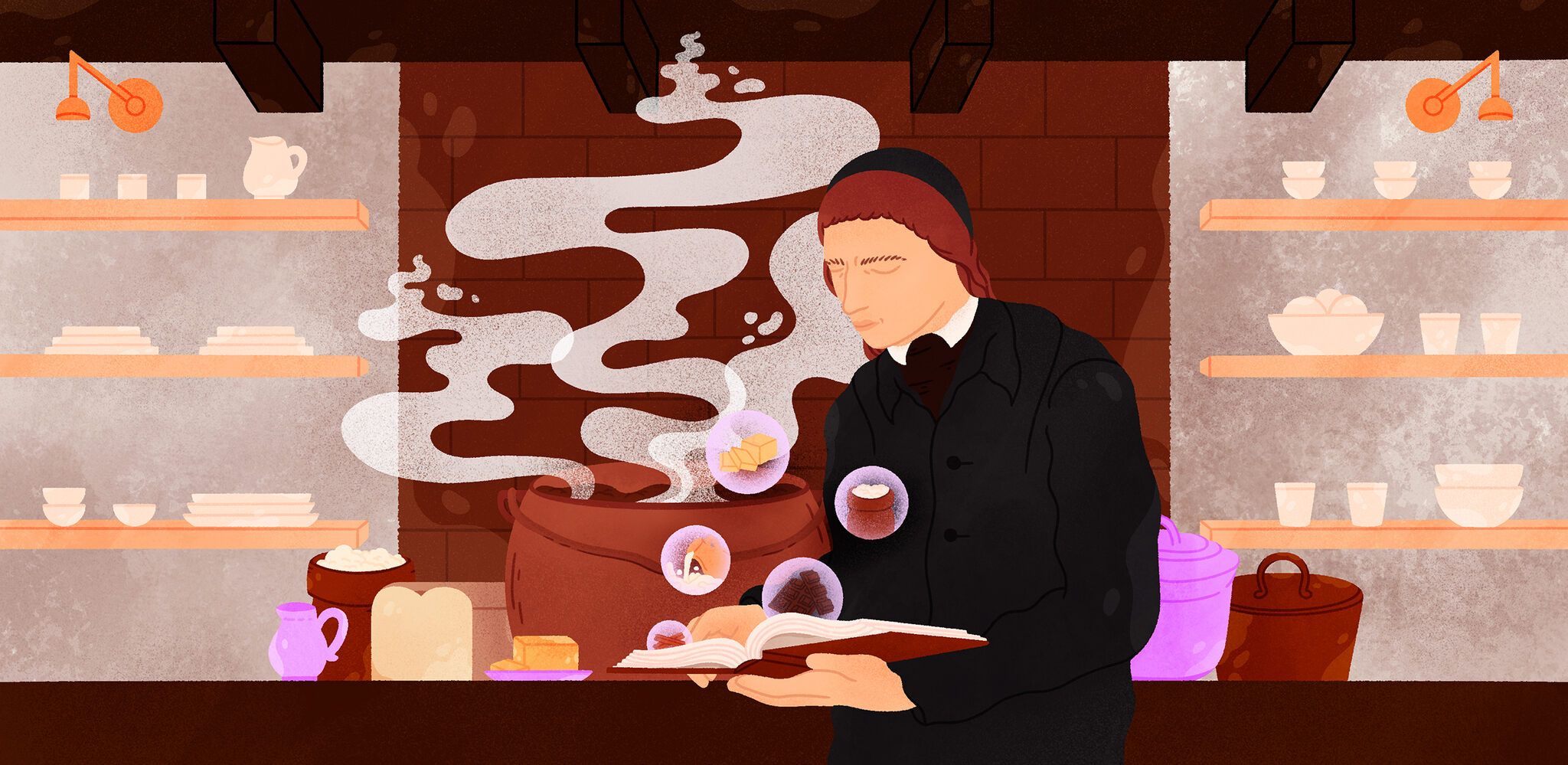
Image: Thumy Phan for Gastro Obscura. Among Valentin Vodnik’s efforts to build up the Slovene language in the 18th century was publishing a cookbook, though he couldn’t cook.
The need to preserve languages and cultures grows more urgent as the world becomes more interconnected. But from today’s article we learn that even before we were all connected, there were creative efforts to keep local languages from dying out.
“Straddling the imaginary border between the Balkans and Central Europe, Slovenia is home to two million citizens united by a common language. But this wasn’t always the case. For about six hundred years, the Slovene lands were the domain of the Habsburgs, with the occasional appearance by the French, Italians, Hungarians, and Serbs.
“The Slovene language — and with it the core of Slovene identity — should by all rights have disappeared long ago, subsumed by the much stronger languages and political powers surrounding it. The language survived thanks to the efforts of many people, from the 16th-century protestants who first wrote it down to the 18th- and 19th-century intellectuals who coaxed it out of the church and spread it among the people. Among their arsenal of weapons: a cookbook, wielded by one relentlessly determined priest.
“Valentin Vodnik was born in 1758 near Ljubljana, today the capital of Slovenia and then part of the Habsburg empire. He was a man of boundless energy, curiosity, and drive: Besides his work as a priest and later a high-school teacher and headmaster, he was fluent in half a dozen languages, wrote some of the first Slovene poetry, published the first Slovene newspaper, and began corresponding with intellectuals in Slovene. Vodnik’s mission was popularizing and elevating the reputation of the language at a time when educated Slovenes mostly spoke German, considering their native tongue to be the vernacular of poor illiterate farmers, unfit for polite society and incapable of expressing complex ideas.
“ ‘I see him as a quixotic figure, someone who didn’t let reality get in the way of his idealism,’ says Dr. Andreja Legan Ravnikar, a linguist focusing on the history of Slovene. ‘He never gave up — the newspaper almost bankrupted him, but he went on to write technical books on everything from mining to midwifery, the first grammar book in Slovene, and the first dictionary.’
“Vodnik was part of the Zois Circle, a group of intellectuals gathered around baron Žiga Zois, a central figure of the Slovene Enlightenment period who poured his wealth into the fostering of Slovene language and national identity.
“After the first book in the Slovene language, a catechism, was published in 1550, written Slovene remained bound to religious writing and was completely disconnected from the spoken language by Vodnik’s time. He saw the dominance of German and strong influences of Italian, Hungarian, and Serbian in various regions as forces that threatened to disintegrate the language into mutually intelligible dialects. …
“As compulsory public education was introduced in the Habsburg empire, the Zois Circle saw their opportunity to modernize and expand written Slovene into other genres.
They were trying to break out of a Catch-22: There was no secular writing in Slovene due to the dearth of Slovene readership, but there could be no Slovene readership until they had something to read.
“And so they wrote — everything from plays and poetry to textbooks and technical manuals — conquering new linguistic territories along the way. Much of this work fell to Vodnik, whose command of the language made him a linguistic role model for his contemporaries.
“Although he was a man of many talents, Vodnik had probably never cooked a meal in his life. Yet, in 1799, he published the first cookbook in the Slovene language, creatively titled The Cookbook. …
“ ‘There isn’t a single traditional Slovene recipe in there,’ says Dr. Janez Bogataj, a leading Slovene food ethnologist. ‘He wanted to educate people and offer them a better sort of cuisine, while also proving that the Slovene language is capable of expressing everything that other languages can.’
“The cookbook’s foreword is half a lecture on the importance of healthy food and half a linguistic manifesto. Vodnik makes an impassioned plea for finding common ground among Slovenia’s disparate dialects: ‘We must find the Slovene words scattered around the land and assemble a pure Slovene language. Experience has taught me that few things don’t have a proper Slovene name somewhere … Why beg words from others when I can find them at home? Are we never going to mend our own language?’
“Vodnik was true to his word: He was a purist, mercilessly hacking away at Germanisms that Slovenes had relied on for centuries and replacing them with local expressions collected with the help of informants from different regions. Failing that, he would turn to old Slovene expressions, or appropriate one from another Slavic language. This was not a case of making up a language — though he did also create a number of words from scratch as a last resort — but of carefully collecting and curating a vocabulary out of an abundance of dialectical words, creating a standard language that all Slovenes could understand. …
“Today, Slovenes speak around 50 local dialects. … But standard Slovene gives us shared words to fall back on, as well as a language used in politics, academia, and literary art. A long lineage of intellectuals worked through the centuries to protect and nurture the fledgling Slovene language, but few were as prolific or as prescient as Vodnik. Not one for false modesty, he signed the foreword to his cookbook, as well as other works, as Vodník, the added accent mark transforming his name to mean ‘leader.’ After his death in 1819 Vodnik became the patron saint of the Slovene language and a hero to the nascent national movement that gained momentum after the Spring of Nations swept through Europe in 1848.”
It’s true that when efforts like this increase nationalism, the results are not always peaceful. Ideally, preserving languages means that marginalized cultures existing in dominant ones can have a rich life of their own and create not friction but appreciation among others.
Photo: Mark Naison. Fordham students who helped launch the Bronx COVID-19 Oral History Project, stand with the project’s faculty adviser and an artist interviewed for the project outside the Crab Shanty Restaurant in the Bronx on May 20, 2021.
It’s hard to predict how anyone will respond to a stressful situation. A tightly controlled person may completely lose it; an anxious individual may find a reservoir of calm. As Harry Bruinius reports at the Christian Science Monitor, there were surprises like that in lockdown. What was clearly a stressful time had an unexpected positive side when kindness and resilience shone through the darkness.
“When Bethany Fernandez first began to document oral histories in the Bronx during the pandemic,” Bruinius writes, “her own life was ‘chaotic.’ … But the past year and a half has become, almost in a strange way, a time of profound personal growth and self-discovery, says Ms. Fernandez, a lifelong resident of the Bronx, a borough of New York City.
“The communities surrounding her were among the most afflicted in the country, and they were being documented relentlessly in the news. But when she decided to join a group of fellow students at Fordham University to launch the Bronx COVID-19 Oral History Project, she found a reality not fully captured in the news, she says.
“ ‘In moments like these, a cynical person might think,”Oh, people are going to be selfish” – resources are scarce, survival of the fittest, or whatever,’ says Ms. Fernandez. ‘But no, it was the complete opposite.’ …
“Far from tales of woe, in fact, she and the five others in the project found their subjects again and again using a particular word to describe their experiences: resilience.
“Resilience in the face of hardship and trauma has always been a part of the human story. But during the past few decades, researchers have probed more deeply into what some scholars call a ‘psychological immune system’ that enables many people to respond to even the worst of situations and to recover from their resulting traumas. …
“ ‘If there is a silver lining that could come out of this, it would be that people are understanding that while the negatives scream at you, the positives – the resilience you can always find in people – these are only whispers,’ says Ken Yeager, director of the Stress, Trauma and Resilience (STAR) Program at The Ohio State University in Columbus.
“Human beings are wired to take particular note of the dangers that surround them and even focus on stories of trauma and fear. ‘The fight-or-flight response actually helps the species as a whole to survive, but it does nothing to make you happy,’ Dr. Yeager says. ‘It does nothing to help you build resilience.’
“The Bronx COVID-19 Oral History Project tells this story.
“[According to] Alison Rini, a senior from New Jersey studying English and Italian … ‘It was such a surprising experience, finding these examples of people describing their resilience in the midst of such hard times – in the Bronx, in particular. …
“ ‘The pandemic has been a test of the global psychological immune system, which appears more robust than we would have guessed,’ wrote scholars Lara Aknin, Jamil Zaki, and Elizabeth Dunn in the Atlantic. ‘In order to make sense of these patterns, we looked back to a classic psychology finding: People are more resilient than they themselves realize.’
“The authors emphasize that such broad trends should not erase ‘the immense pain, overwhelming loss, and financial hardships’ so many have faced over the past year and a half, especially disadvantaged populations. …
“ ‘But [the] pandemic holds its own lessons,’ they wrote. ‘Human beings are not passive victims of change but active stewards of our own well-being.’ …
“In what Ms. Fernandez calls one of her most memorable interviews, the owner of a Bronx restaurant described how she lost nearly 85% of her business and struggled to stay afloat after laying off most of her employees.
“Though the restaurant specializes in Puerto Rican and American cuisine, the owner, Maribel Gonzalez, kept the original name of the restaurant she bought 16 years ago, South of France. …
“Describing herself as a person of faith, Ms. Gonzalez said she had always offered her local community a free buffet every Wednesday. During the pandemic, as she and one or two employees struggled to keep the restaurant open, she kept that tradition alive, providing a free buffet at the height of the shutdown, even if only for an hour or two a week.
“ ‘You know, in all of this devastation, there are also a lot of blessings, because you find that you’re more resilient, that you’re stronger than you may have thought,’ Ms. Gonzalez told the project. She said her restaurant provided hundreds of meals for front-line health workers in partnership with others, supported by donations from a GoFundMe page.
“ ‘When you need to lug that 50 pound bag because you have to make whatever money you can, because maybe some of it can go to feed families that can’t afford it, you find the strength, you get the stamina, you find the chutzpah, if you will, to lift that bag, because there are so many depending on it – myself, my business, my future, the future of my employees, and those of my community.’ …
“The project had a profound effect on Ms. Fernandez as she wrestled with the challenges in her own life. ‘It was the one thing that stood out to me, the generosity that was shown all over, even throughout the time of the pandemic,’ she says. ‘Because when you see how resources are limited, when you’re being stretched out by work, by family obligations, by life and all of that, even with all the suffering going on, people were willing to give, people were willing to offer compassion and kindness.’ ”
An example of tiny houses designed to combat homelessness.
It’s been a while since I’ve written about tiny houses (you can search on the term to see what I posted before), and I was curious to see what was going on in the movement. To my surprise, I learned that a tiny-house community is being planned to combat homelessness in Worcester.
Tori Bedford writes at GBH News, “Plans for a community of tiny homes for people experiencing chronic homelessness in Worcester have been announced, with a small village slated to open in 2023.
“The village, to be located at 264 Stafford St., will have 21 tiny homes that contain a bedroom, bathroom and combination kitchen and living room, contained within about 480 square feet. As of 2019, 84 people in Worcester were chronically homeless, according to data reported to Central Mass Housing.
” ‘It’s expanding the options for people,’ said Amy Arrell, a service director at Open Sky Community Services, ‘because different things work for different people, depending on their trauma history, their need for privacy, their different experiences when they’ve been out on the streets.’
“Arrell says Worcester’s homelessness crisis has heightened during the coronavirus pandemic: at the height of the crisis in April of last year, nearly half of the population at a Worcester adult emergency homeless shelter tested positive for COVID-19.
“Open Sky is working in partnership with the Worcester East Side Community Development Corporation and a group of local real estate developers, organizations and agencies to offer permanent housing for people who have struggled with chronic homelessness, mental health challenges and substance use.
“Applicants for residency will be processed through a coordinated entry process, led by the city, Open Sky and the Department of Mental Health, to select candidates who don’t thrive in a group setting or temporary housing. …
“The village will include on-site housing specialists to help transition tenants into the neighborhood, as well as individualized and group mental health and substance use treatment. Staff will live in a central building that also serves as a community center, offering monthly social activities like barbecues and picnics. Residents will additionally have access to both individual and community gardens.
“Subsidies will be available to cover the cost of rent based on a percentage of income, and resources for job placement will be made available to residents on-site. …
“ ‘In permanent supportive housing programs, people usually don’t live there forever, they live there for as long as they need to. But there is a sense of security as you’re recovering to know that if you do need that, it’s a permanent option for you.’ …
“Some funding has already been secured through UMass Memorial Health’s anchor mission program, which has connected Worcester East Side CDC and Civico, a real estate development firm that has designed the model based on similar projects across the Pacific Northwest.
“ ‘We abide by some of the principles referred to as “trauma-informed design,” ‘ Taylor Bearden, a partner at Civico, said. ‘The idea is that you’re actually designing for the population and the experiences that these people who may have suffered from chronic homelessness have had in their life. You’re not creating dark corners. You’re making sure that, from the bedroom, you have a clear line of sight to the front door. Certain things that may be triggers for trauma are sort of addressed in the architecture of the spaces themselves.’
“Bearden says safety and community are huge factors in designing a space that can serve as both a recovery center and a liveable space for people who have experienced trauma.
“ ‘The goal is to create a really permanent community where the people who live there develop relationships.’ “
More at GBH radio, here. At the Christian Science Monitor, here, you can see what some other cities are doing to address homelessness.
Are you ever annoyed by the same tune going ’round and ’round in your head for hours — maybe even days? Drives me crazy. As fast as I can get to a radio, I put on a music station to drive the tune out. Here’s a theory about that repeating phenomenon.
Jeremy Reynolds reports at the Pittsburgh Post-Gazette, “In the dark corners of the internet hides a playlist of some of the most torturous, addictive music known to man. That’s right, Spotify, SoundCloud and Apple Music all have playlists of ‘Baby Shark’ remixes. Do doo, do do, do do, do.
“Would you walk 500 miles to get away from that tune? Will your poker face crack the thousandth time it plays in your head? Does it remind you of somebody that you used to know? Do you value the sound of silence?
“You aren’t alone. These so-called earworms — gross — are annoying but useful, as new research published in the Journal of Experimental Psychology in June helps illuminate the exact function these loops play. …
“Music therapists and shrewd marketers have long taken advantage of music’s ability to trigger memory. As research continues to illuminate how the process works, their techniques and goals are likely to become increasingly refined and targeted.
[Per Janata, a researcher at the University of California, Davis] says earworms help your brain encode and parse through daily memories and sensations that may not have anything to do with the exact moment when you first heard the tune. As it plays over and over in your head, you may come to associate memories or sensations different from those you experienced on first listening.
“In general, musicians and scientists alike have concluded that faster music with simple, repetitive melodies and harmonies are more likely to loop in the brain. …
“[Pittsburg composer Nancy Galbraith] differentiates between musical ‘hooks,’ a fragment designed to catch the ear, and earworms. Many earworms come from song hooks, but not all hooks become earworms. …
“ ‘Tchaikovsky was a really great hook writer, but we don’t really call them that in classical music,’ she said. ‘Personally I don’t associate them with anything specific. It’s more of an emotion or sensation.’ …
“Music therapists already use music’s ability to trigger a range of emotional states with their patients. According to Brittany Meyer, a neurologic music therapist at UPMC Children’s Hospital of Pittsburgh, music’s ability to activate multiple parts of the brain simultaneously makes it a useful tool for rebuilding and strengthening pathways in the brain.
“ ‘Repetition is really great for creating earworms,’ Ms. Meyer said. ‘And we know that music is great for both encoding and retrieving memories.’
“She explained that music can trigger reaction in both the hippocampus, which plays a role in learning and memory, and the amygdala, which is involved in experiencing emotions. So listening to the same music at a later date can trigger the same emotions as when the listener last experienced the music.
“Ms. Meyer also said that a patient’s prior associations with a tune are more important than the inherent characteristics of the tune itself. For example, she cited an experience working with a child on the autism spectrum who didn’t want to brush his teeth. Ms. Meyer made up a song about brushing teeth to the tune of a song he liked. Then his mother could sing with him every night, which helped him remember to brush his teeth.
“Mr. Janata wonders how long it will be before this research is used in a more targeted way. Many Americans above a certain age can recall a few jingles from their childhoods and the products they advertised, and some educators use songs or tunes to help memorize information.
“But the possibilities don’t stop there. Mr. Janata’s recent study found that music can function as a targeted memory aid. That means learning names or new faces or places could one day be paired with an individual tune, almost like a personalized musical tag.
“Mr. Janata is exploring that idea in his research and attempting to observe how the brain responds to musical stimuli and earworms using neural imaging technology. …
“ ‘That’s what our current experiments are trying to show and see whether that’s possible.’ ”
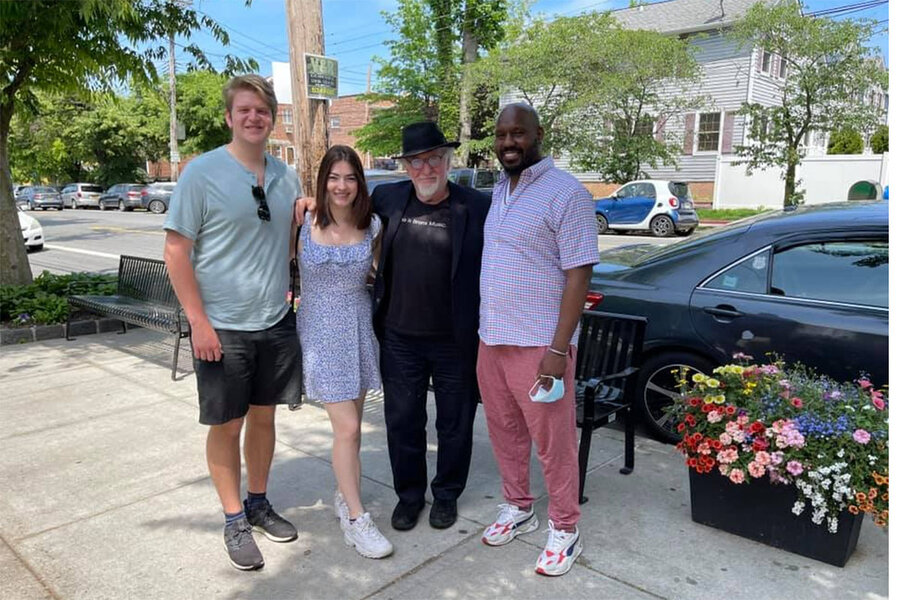
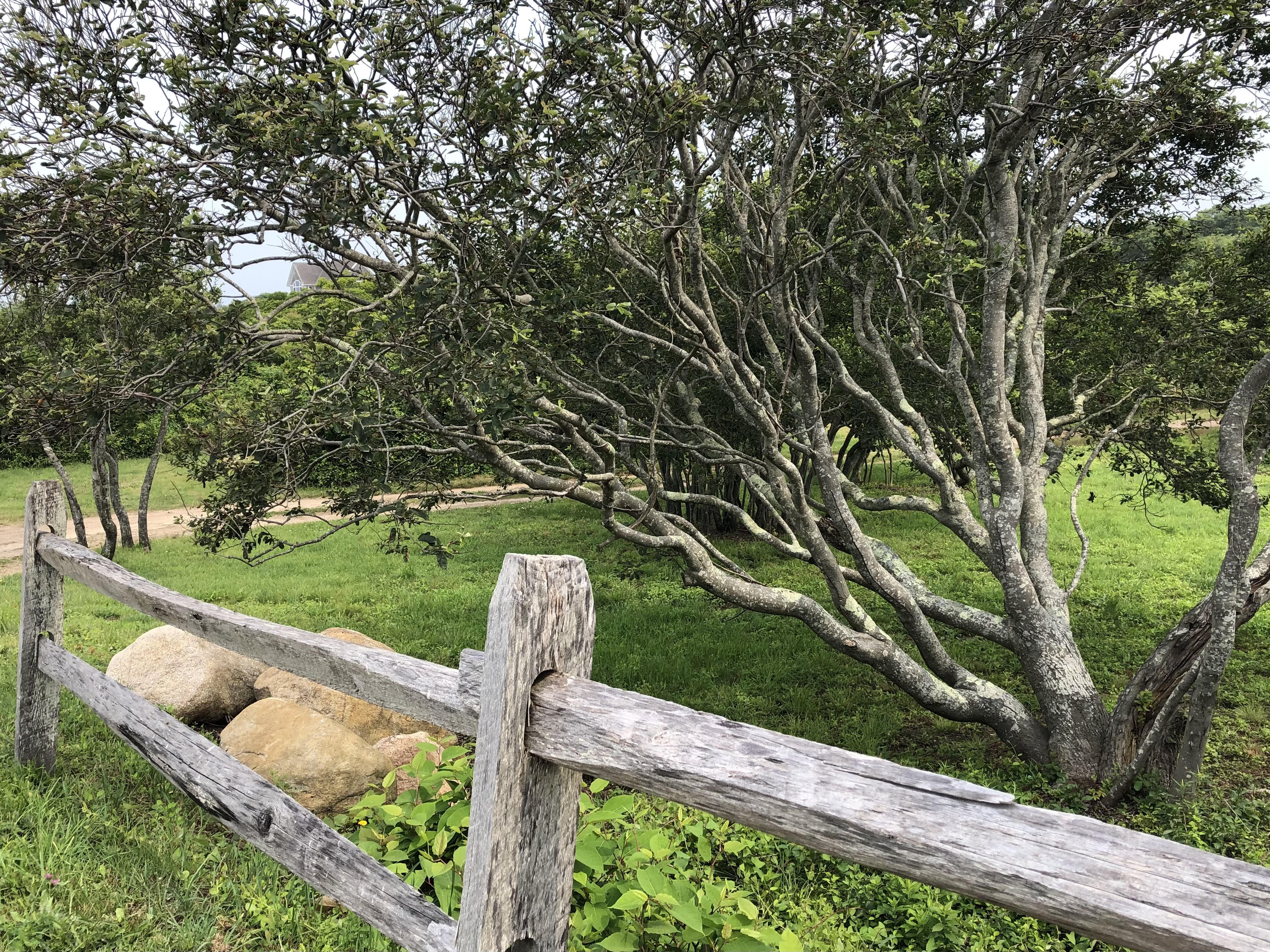
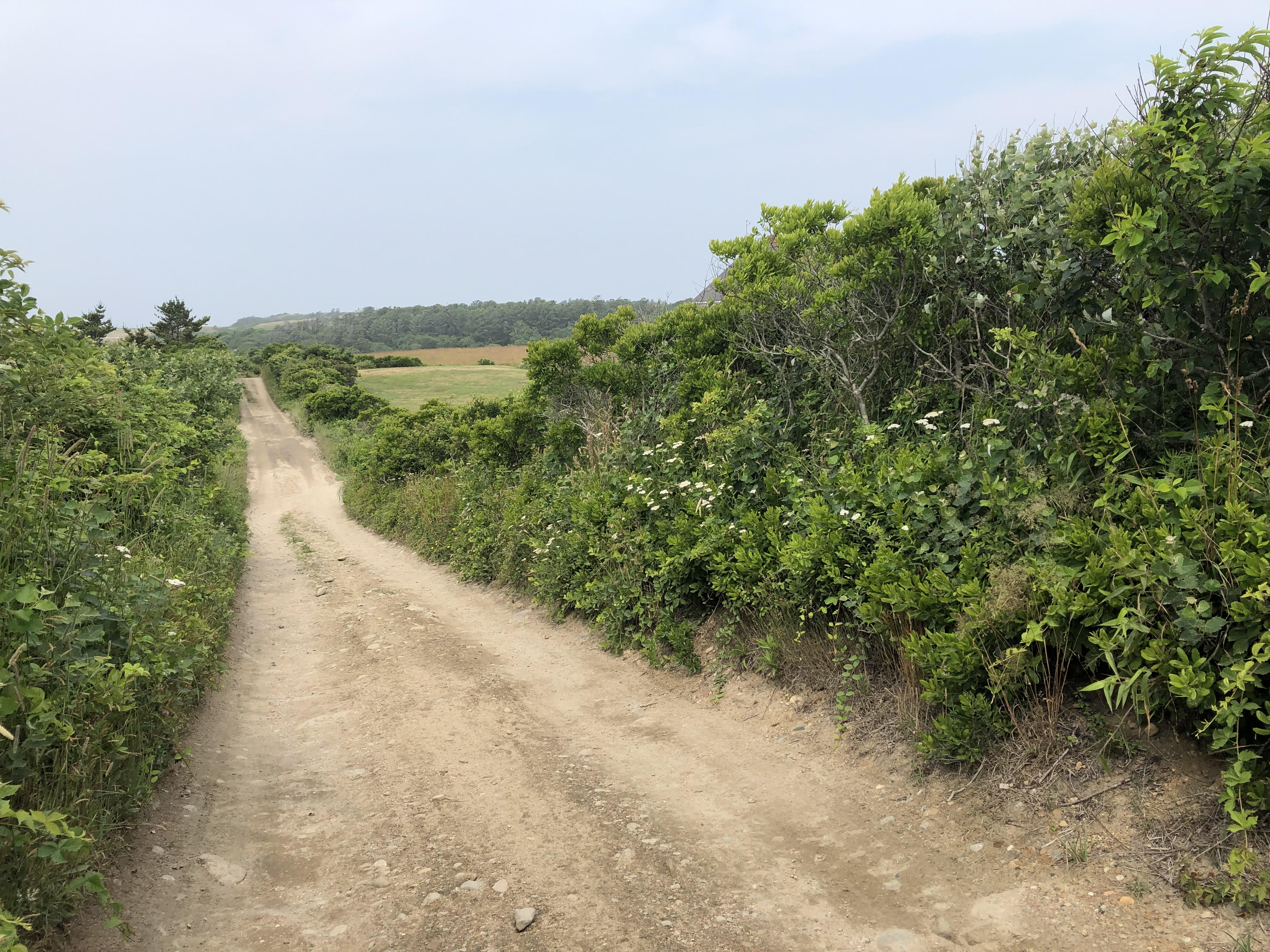
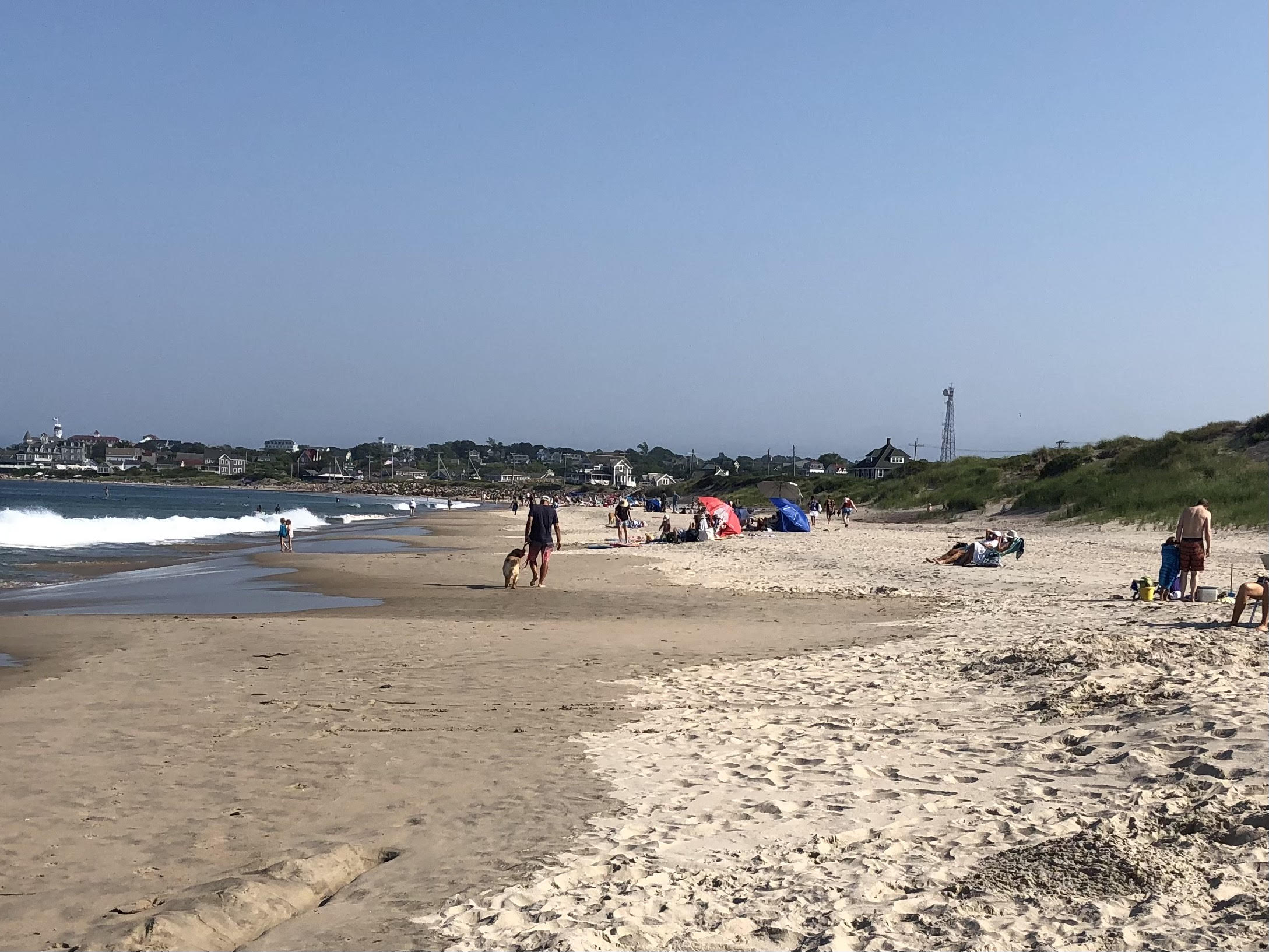
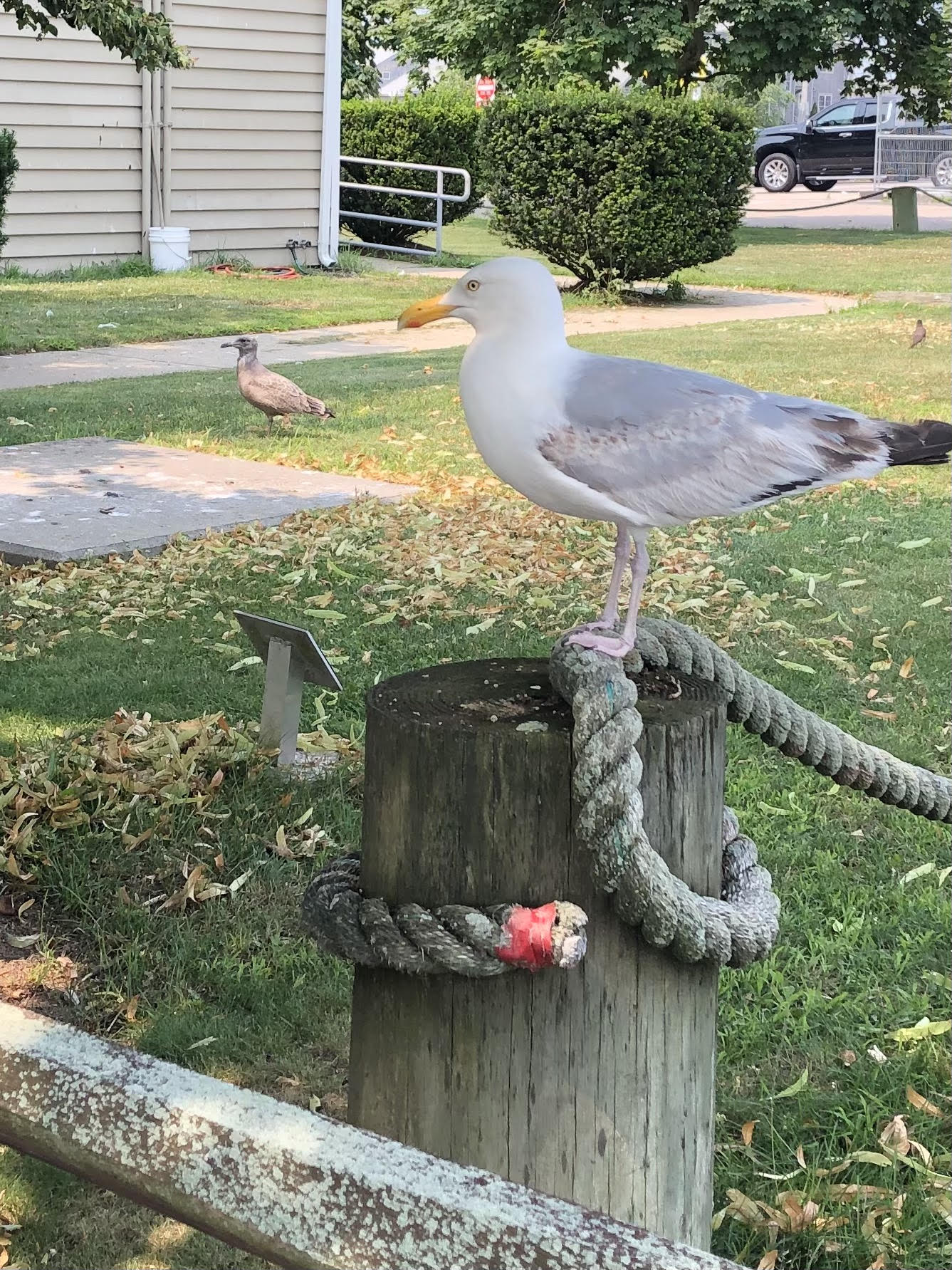
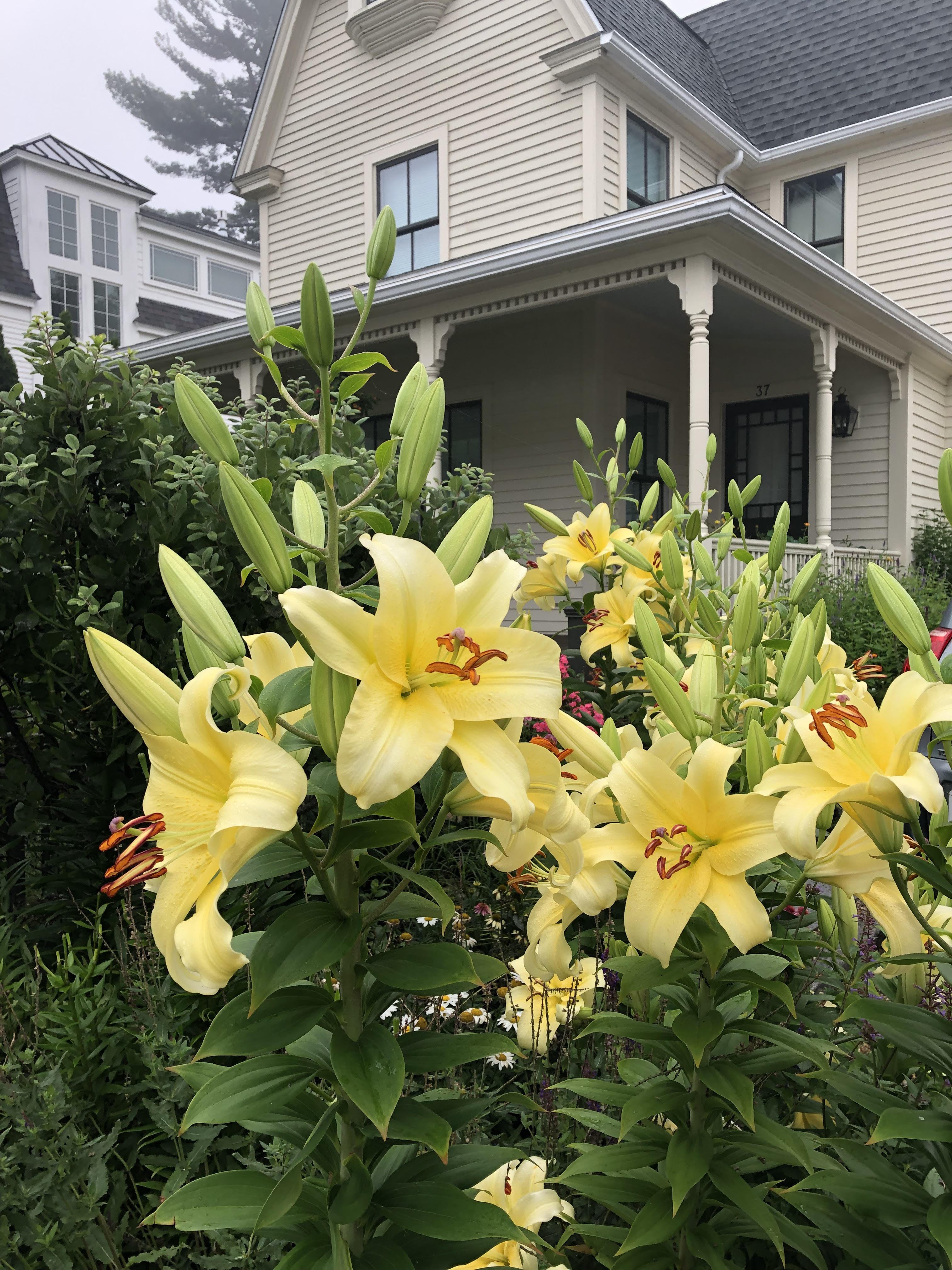
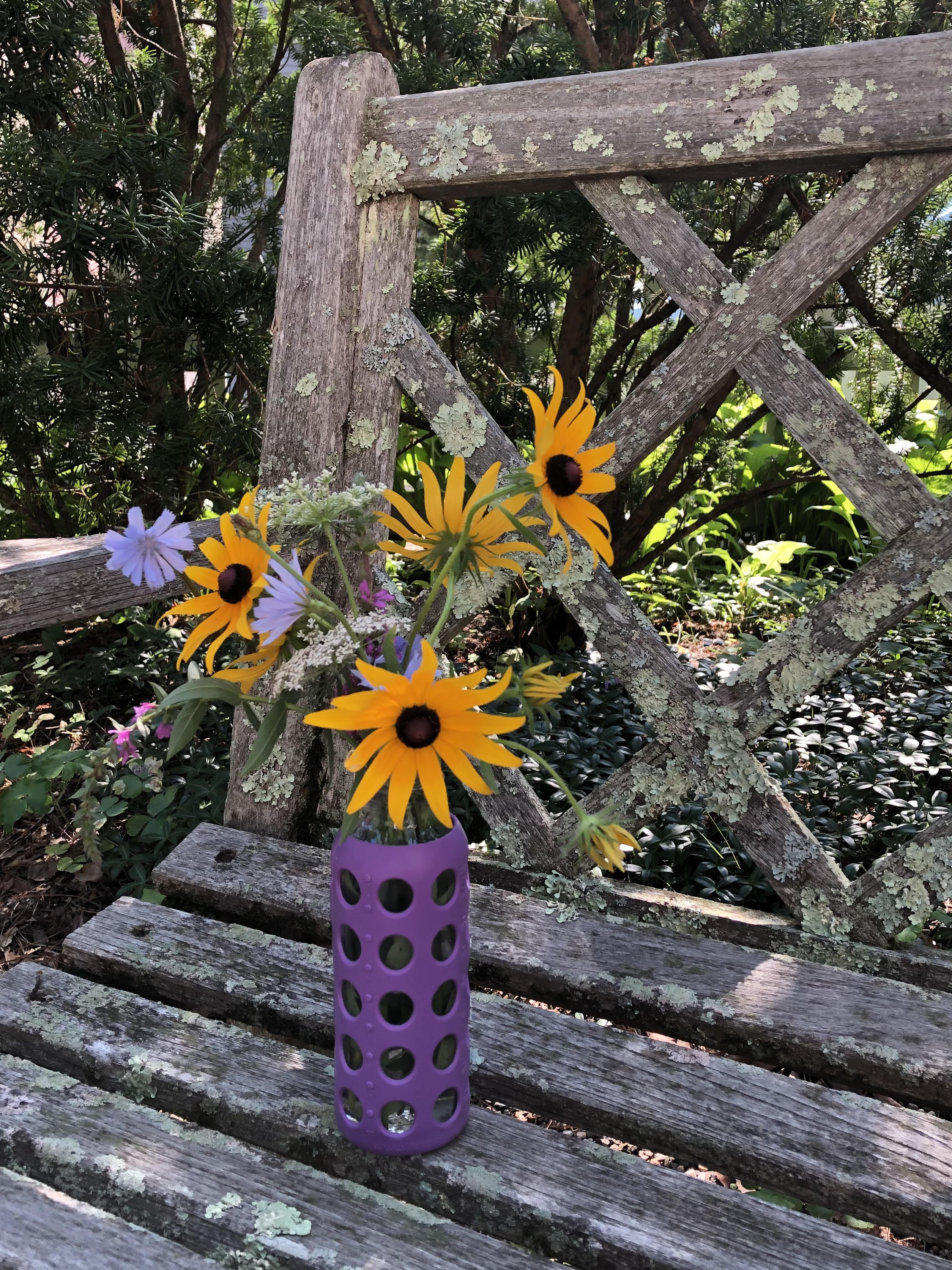
Hello, Everyone. Here are a few summer photos. They mostly speak for themselves. The first eight are all of Rhode Island. As you can see, I’m fascinated by stone walls, lichen, and dirt roads.
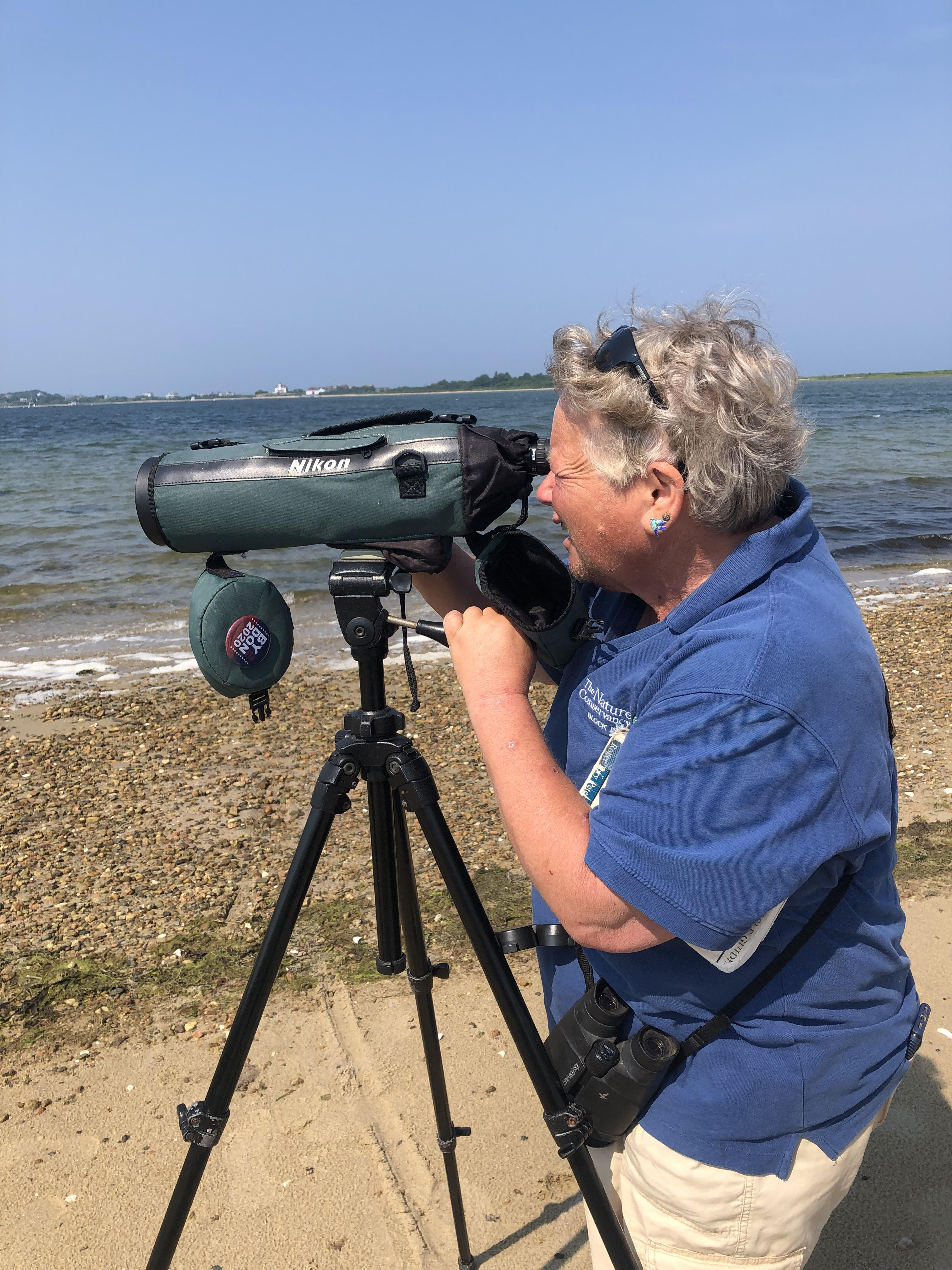
Also, I took a shorebird hike with the Nature Conservancy and saw oyster catchers, among other cool birds. Our guide (with the telescope) taught Suzanne and John all about bird banding when they were young.
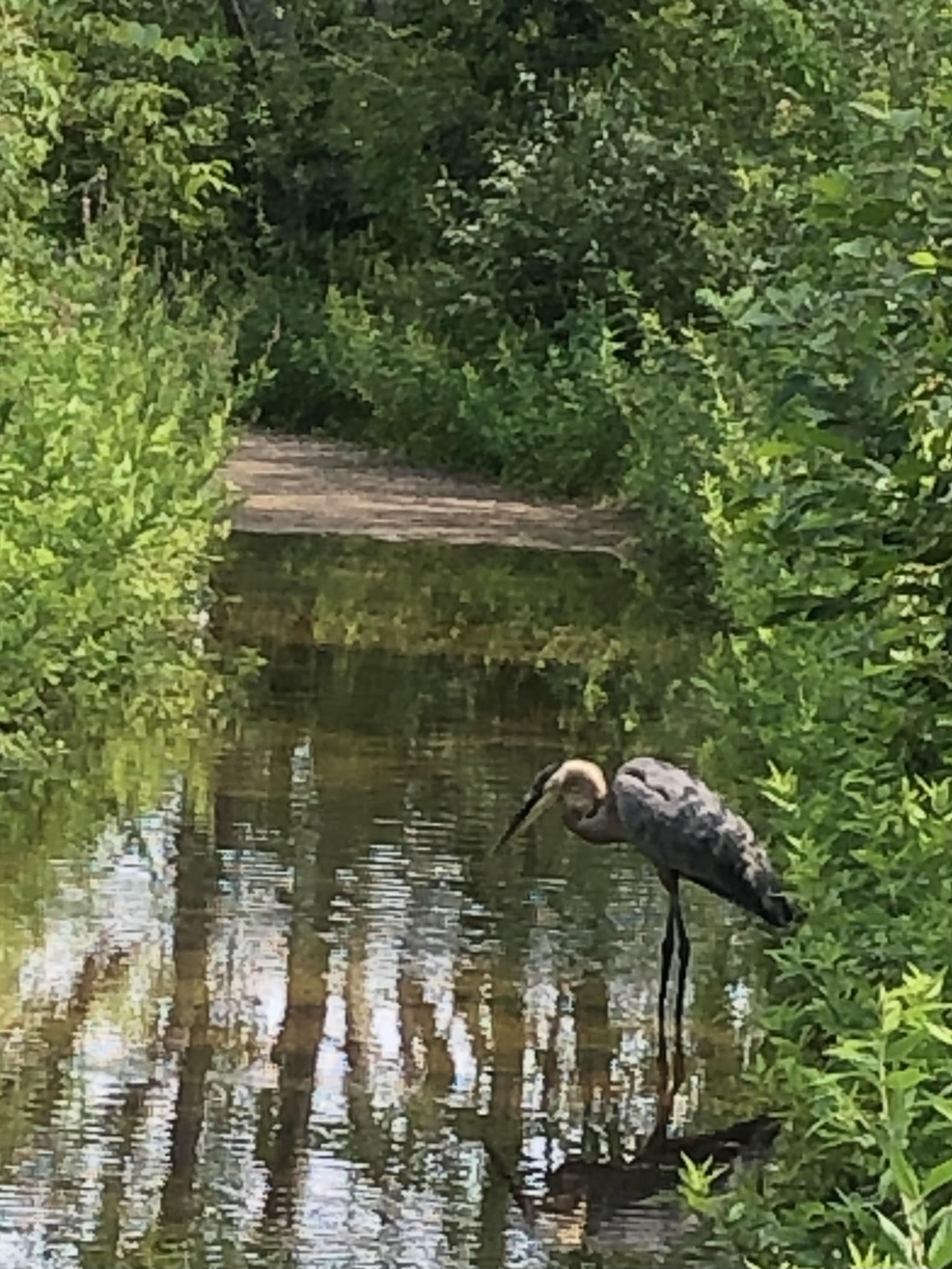
The Great Blue Heron here, however, is not the one I saw in Rhode Island but one that stood in the flooded path of Great Meadows National Wildlife Sanctuary in Massachusetts. After the heavy rains, I found I couldn’t walk there because I had no wading boots, but it was a treat to see people silently watching this bird, including a troop of little boys with bicycles. When I left, everyone was still waiting for the heron to decide what to do.
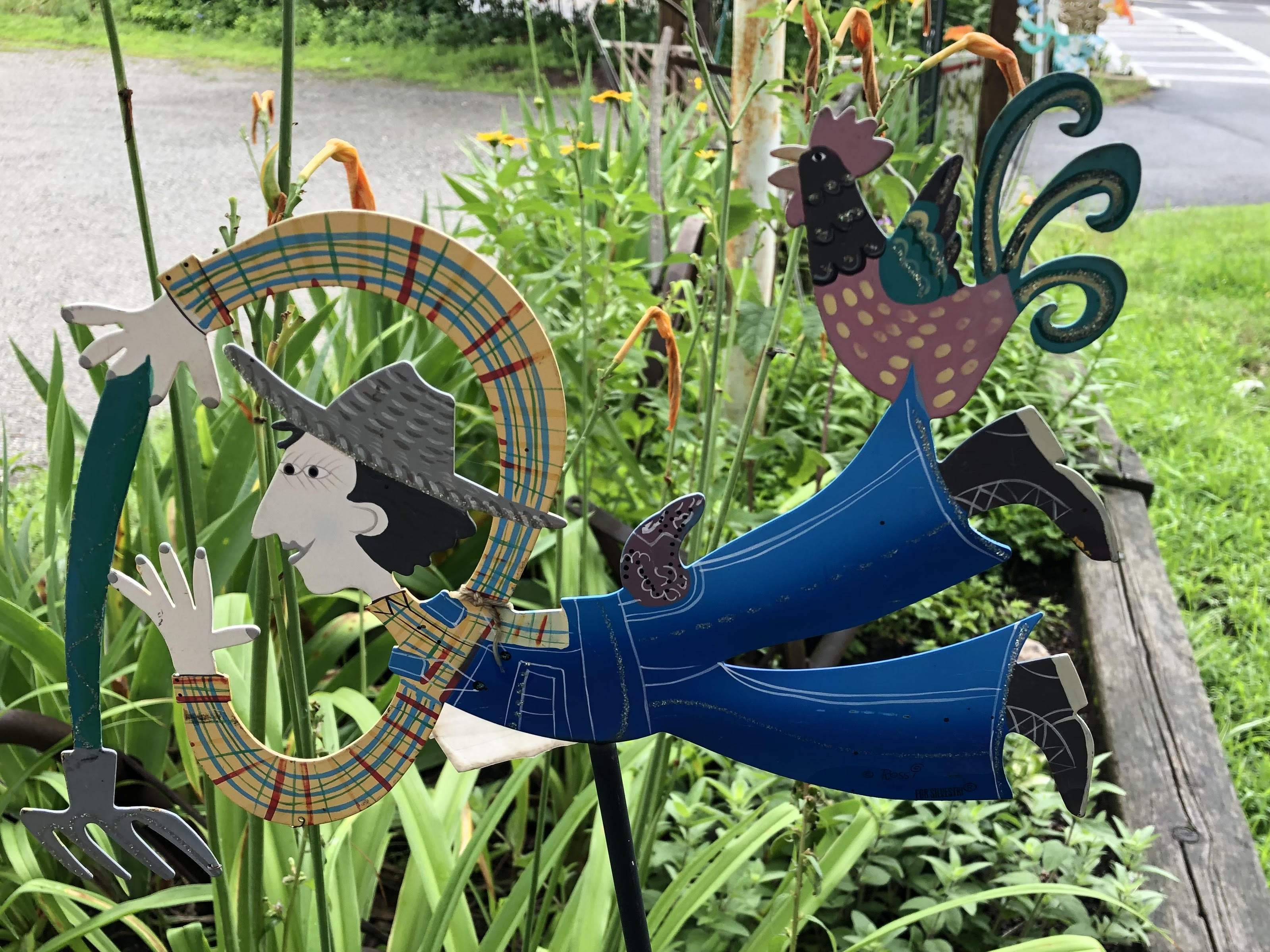
Also from Massachusetts, are photos of an agricultural lawn ornament, summer lilies and wild flowers, and Concord grapes in a vine honoring the founder of that variety, Ephraim Bull.
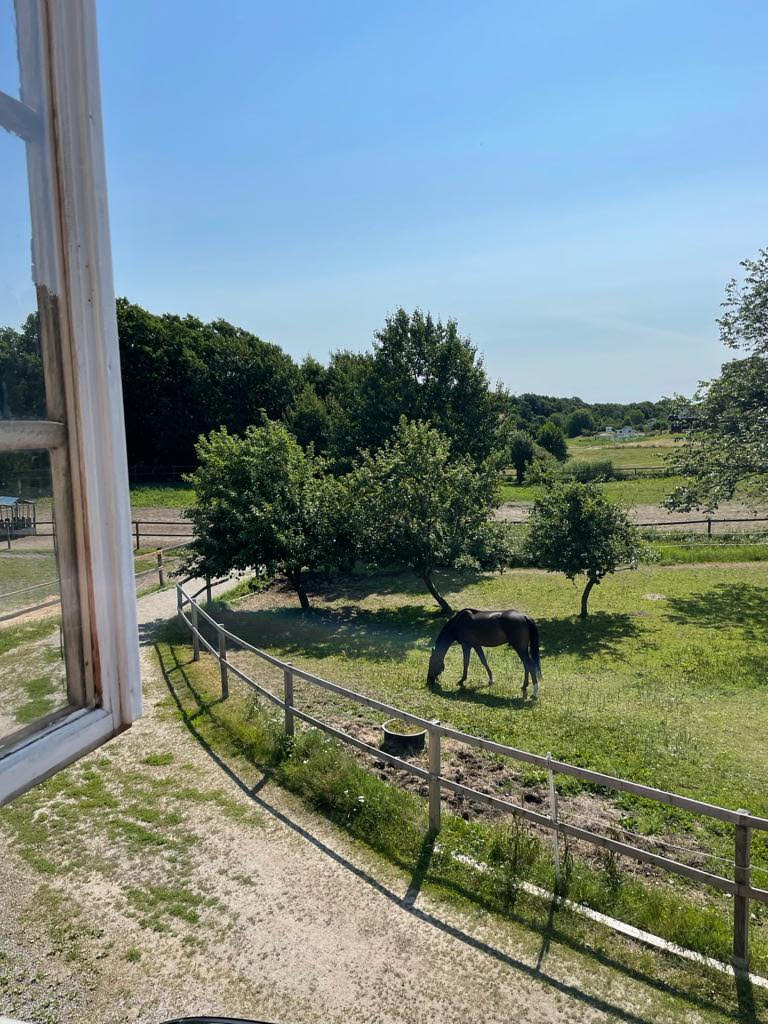
The last photo is neither from Rhode Island or Massachusetts but one Suzanne sent from the west coast of Sweden, where her family is renting an apartment on a horse farm near where they’re boating.
Maria Popova writes, “Daughters of the Bombay-born Australian entomologist Alexander Walker Scott [were] barely out of childhood when they started harmonizing their father’s scientific studies with their shared artistic gift.”
If you don’t yet follow Maria Popova at Brain Pickings, please consider doing so: she writes beautifully on topics you’re unlikely to hear about anywhere else. A recent post resurrects 19th century artist-scientist sisters. It draws on a book about them by Australian Museum curator, historian, and archivist Vanessa Finney called Transformations.
Popova writes, “A century after the self-taught German naturalist and artist Maria Merian laid the foundations of modern entomology with her stunning pictorial studies of butterflies in Surinam and a century before Vladimir Nabokov applied his glorious intellectual promiscuity to advancing the field, the Australian sisters Harriet and Helena Scott unleashed their immense talent and curiosity on the natural history of butterflies and moths. A century after their death, their stunning, scrumptious paintings would furnish one of the most heartening conservation triumphs in history. …
“The Scott sisters spent innumerable hours in the wilderness, studying the plants that sustained the insects, seeking to understand and document the intricate relationships of life. At a time when most natural history illustration depicted animals in black and white, islanded on the page as specimens extracted from their natural context and splayed for the human viewer’s eye, they chose to honor the vibrant living creatures within the web of life. …
“[After] their father died, forced to lean on their talent not along their passions but against their survival, they began taking commissions decorating wedding photographs with drawings of wildlife and plants, they painted commercial dinner plate sets, they made botanical illustrations for railway guides, they illustrated the first holiday cards featuring native Australian wildflowers. Scholars consider them Australia’s first paid female artists.
“Even so, the income was not enough for the sisters to subsist on. They made the difficult decision to sell their life’s work to the Australian Museum. …
“For a century, the Scott sisters’ work lay brown-papered in the underbelly of the museum, until curator Marion Ord rediscovered it with a gasp of awe and set about bringing it back to life in a book celebrating the museum’s bicentenary — a book on which conservationists began leaning to restore and rewild Ash Island, which industrial farming had left razed of trees and bereft of insects in the twentieth century. …
“A century after Harriet and Helena Scott returned their borrowed atoms to the web of life, more than 250,000 native trees have been replanted on their beloved Ash Island with the help of hundreds of volunteers, restoring the flood-plane rainforest of their childhood. Ash Island is now a national park.”
I must say, it always sets my teeth on edge to think about how difficult it has been historically for women to support themselves no matter how great their talent. Getting a nice reputation after death hardly seems enough.
More at Brain Pickings, here. Be sure to see Popova’s suggestions for “pairing” the article with related topics.