Margareta e-mailed one of my entries to her extended family with a note and copied me. Once I had used Google Translate on her note (Google Translate gets better every day), I read some very nice things she was saying about the blog. That made me want to keep on truckin’.
At work I struggled all week with a pretty terrible article that I probably should have rejected. But then I ran into another of my authors who made a point of telling me that she really liked the editing I had done on her submission. So I redoubled my efforts to salvage the terrible submission.
And here’s a compliment that made me laugh. My colleague who creates gallery exhibits invited me to lunch with a couple of her external collaborators. As she introduced me, she seemed to stumble at first on what to say, given that my job as an editor actually has nothing to do with her exhibits.
She said, “She’s and editor here … and … uh … she’s interested in … stuff.”
That’s me! Interested in stuff. Here’s some stuff.
Today was the second time this week I woke up, looked out the window, and was surprised to see snow. I bundled up and went for my walk around 5. The snowplow drivers probably thought I was in the way of their serious business, but the snowplows themselves seemed to rejoice that they were finally getting some exercise.
Today is the right day to reprint this from the poem-a-day listserv of Poets.org.
Winter
by Walter De La Mare
And the robin flew
Into the air, the air,
The white mist through;
And small and rare
The night-frost fell
Into the calm and misty dell.
And the dusk gathered low,
And the silver moon and stars
On the frozen snow
Drew taper bars,
Kindled winking fires
In the hooded briers.
And the sprawling Bear
Growled deep in the sky;
And Orion’s hair
Streamed sparkling by:
But the North sighed low,
“Snow, snow, more snow!”
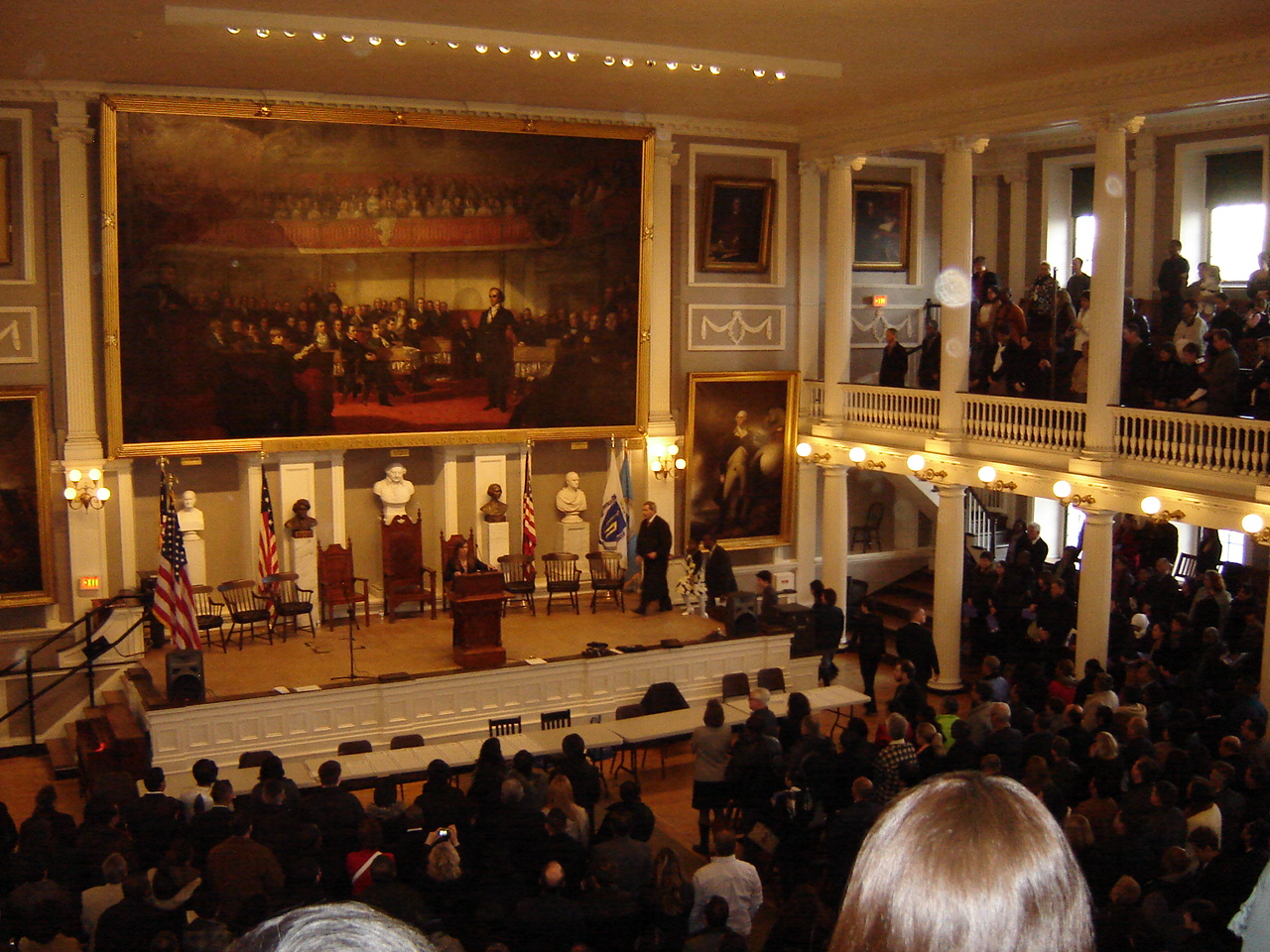
I have always wanted to attend a citizenship ceremony. It turns out the Boston branch of the U.S. Citizenship and Immigration Services performs them every week at historic Faneuil Hall, which was a witness to some of the first rumblings of the American Revolution. It’s an imposing place for a great event.
There were 376 immigrants from 79 countries today (Belarus, Egypt, Sweden, and 76 others). It was moving to think about those 376 people wanting to be citizens and also to think about the United States as a place that can mean hope and opportunity. I did find myself wondering whether some of the new Americans were feeling a little sad, especially refugees and the elderly, who might be thinking about the way their homeland used to be — or could have been.
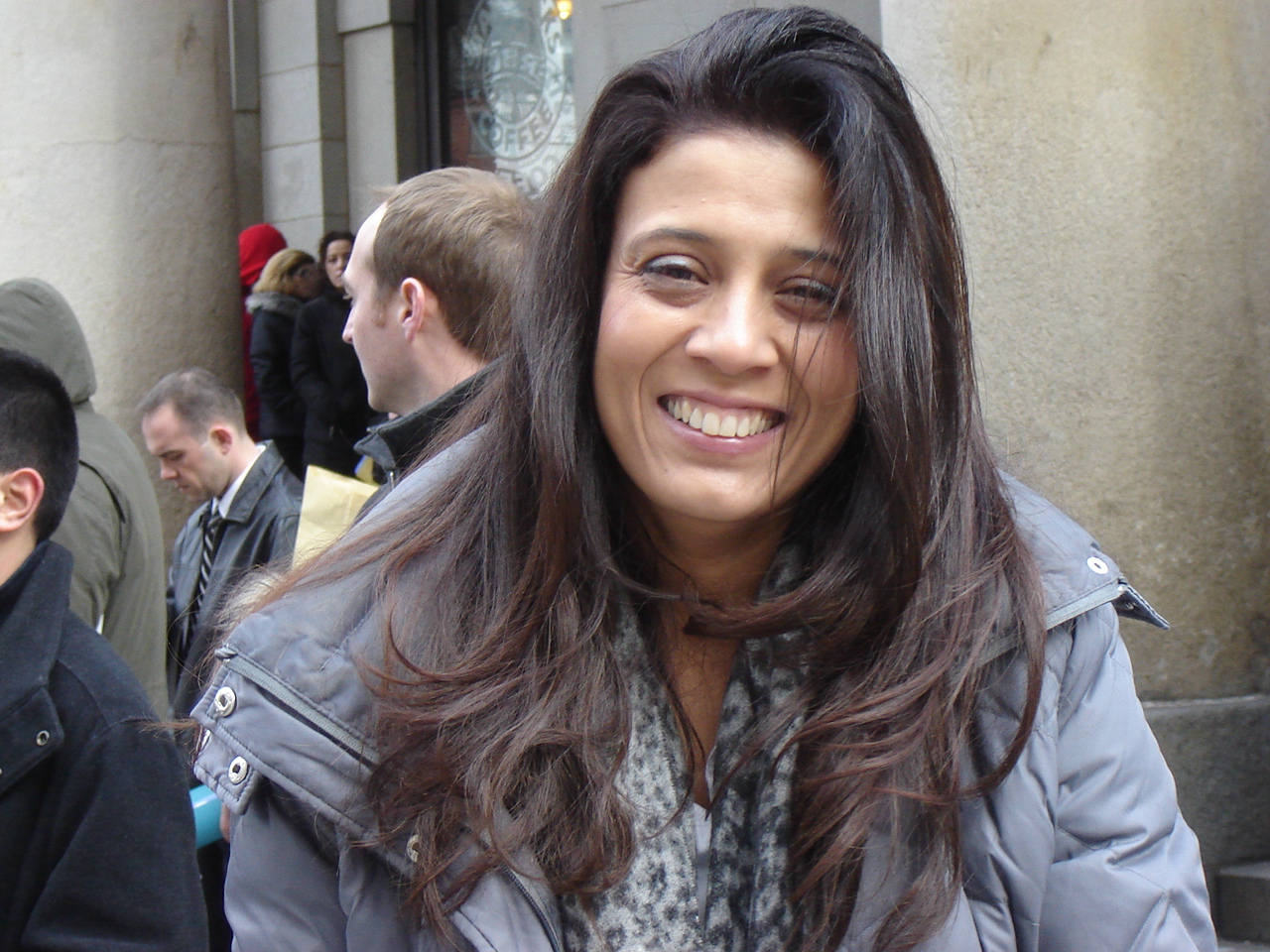
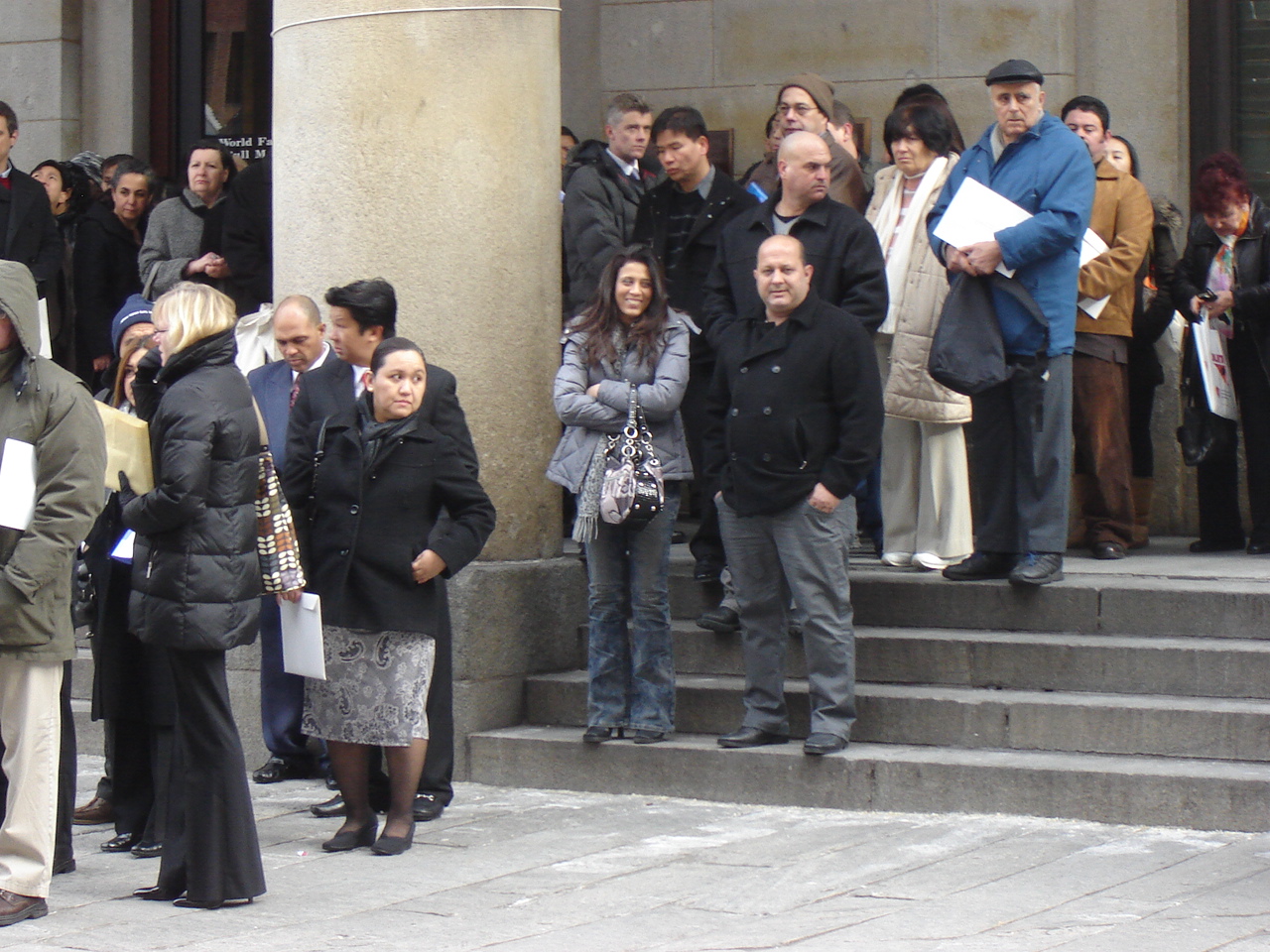
I saw Ione lining up outside. She looked happy and beautiful. Inside, I was surprised to observe a man I knew through my work also becoming a citizen.
The first announcement made me chuckle:”Is there anyone on the floor who speaks Russian?”
As things got underway, the supervisor from the Boston office of U.S. Citizenship and Immigration Services explained that the order of activities related to the different color packets given out to organize the applicants. (He referred to one kind of packet as “skin-colored,” which considering his experience and the broad spectrum of skin colors in the room, seemed odd.) Staff conducted people efficiently along tables where their papers got checked. Then the judge entered.
When the judge entered, the hall became a courtroom. Becoming a citizen is a judicial process, we were told. A young man sang the national anthem. The judge started out lightheartedly by reading the list of 79 countries, making comments about his visits to a particular country or about the country’s soccer status. (I guess “football” is an international language.)
In the solemn part, everyone took an oath of loyalty to the United States. As the complicated phrases were read aloud, the applicants held up their right hands and repeated the historical words about rejecting monarchs and potentates and serving in the military if required by law.
Finally, the judge asked the small citizen daughter of one new American to lead everyone in the Pledge of Allegiance. It was hard to speak. A wonderful moment.
I am reading A Pigeon and a Boy, an Israeli novel by Meir Shalev. Although I’m really enjoying it so far, I don’t like to recommend a book until I’ve read through to the last page, so stay tuned.
In addition to getting wrapped up in the book’s interwoven stories from two time periods, I’m also learning quite a lot about pigeons.
In 1574, Leiden was under siege and ready to surrender when a pigeon brought news that help was near. “And during the campaign against Fort Souville at Verdun, who was it that succeeded in taking off above the clouds of poison gas … and transporting a message to the front? Only a French homing pigeon. …
“A Canadian homing pigeon named Sunbeam rescued fishermen whose boat had nearly capsized in the frozen waters off Newfoundland.”
Homing pigeons are not the pigeons you normally see (real name of city pigeons: Rock Doves). Though Rock Doves are an urban scourge, they are often beloved of small children. I’m told I was fascinated with chasing them as a toddler. And when Suzanne went to the big city at age 2, the sight of a pigeon caused her to break into the “Stop the Pigeon” song from her favorite cartoon show.
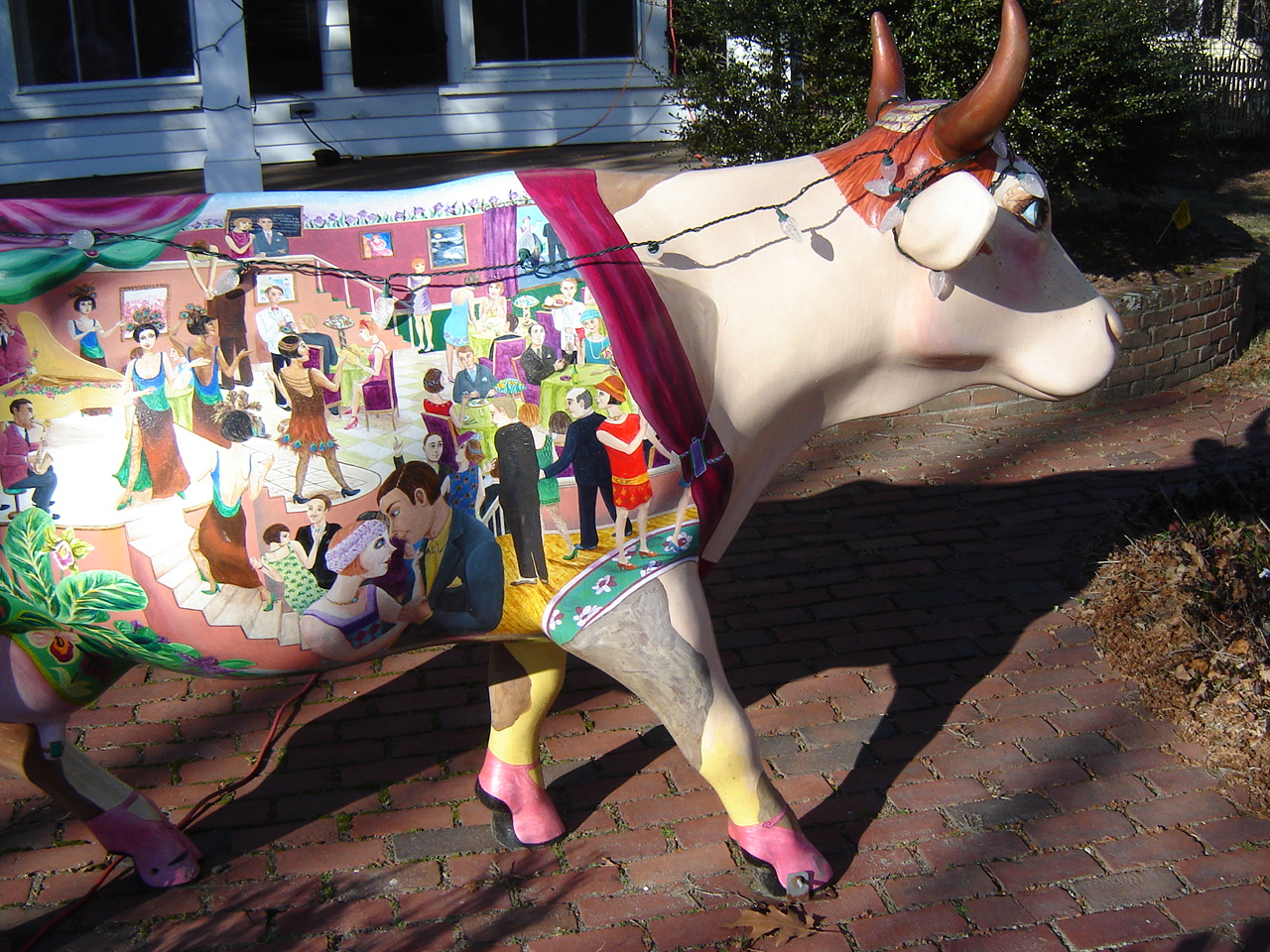
My neighbor’s cow is still sporting Christmas lights in mid-January. I like the subjects that interest her deeply (in her gut, really), and I love her high-heeled shoes and pink socks. I also appreciate that she is very calm and unlikely to kick over a a lamp and start the Chicago Fire.
My neighbor’s cow is detached and steady and, other than donning Christmas lights, never changes.
Today I went to Belmont Against Racism’s 18th annual Martin Luther King Jr. breakfast and heard broadcast journalist Callie Crossley speak.
As a high school student, Crossley participated in the marches of the striking Memphis garbage workers, whom MLK Jr had come to support at the time of his death in 1968.
King was already turning his attention to the challenges of poverty and unequal opportunity that we have been hearing so much about since the recession. Crossley exhorted the large audience to be active, not just nostalgic, speaking specifically to folks who feel they are not leaders or who just feel weary of struggle.
She said, “Leadership comes when no will say and no one is doing.” And she quoted a line from Marian Wright Edelman of the Children’s Defense Fund, who visited Boston a while back: “You have no right to be tired when there is still work to be done.”
Later Crossley answered questions, advising one student on getting involved to defeat new measures likely to undercut voting rights.
In response to a question about how she got into journalism, she told a funny story about writing a newspaper at age 8 (like Axel), with all the articles about herself. She laughed that she couldn’t understand why her neighbors didn’t want to pay for it and said that was how she learned that news stories are supposed to be about other people.
Music provided by poet and performer Regie Gibson as well as by Berklee College of Music student Angelina Mbulo was great.
I sat with an Ethiopian family. From time to time we were riveted by the sign language interpreters at a nearby table. It is so like watching theater or dance. Beautiful.
There were activities nationwide today, including service projects like one at Kids4Peace.
Meanwhile in Bellingham, Washington, where Erik’s Aunt Anna reads Suzanne’s Mom’s Blog, the Kulshan chorus was on deck once more to help residents celebrate.
We found a letter with a return envelope in a recent issue of our newspaper. The envelope wasn’t for a tip.
The newspaper delivery man was telling us, and his 629 other customers, a bit about himself and his work situation and asking how early we needed our papers. He said that the delivery service for seven national and local papers was changing. Some some clients had always wanted their paper delivered before 5:30, but he was hoping people would let him know who could wait until 6:15. He told us he makes 7-1/2 cents per household. (I think there’s a song about 7-1/2 cents from the musical Pajama Game.) He referenced the cost of gasoline and car maintenance.
And then he told a story that is very common for generations of immigrants and Puerto Ricans (who are, of course, citizens but come to the mainland to provide a better life for their children).
“I am father to four children who are 11. 10, 6, and 4 … My wife and I decided to move to the Untied States 4 years ago finding a better quality of life for our family. I obtained my degree as a Licensed Electirician in Puerto Rico and my wife was a Nail Technician. When we arrived in the United States, we were faced with the hard reality that neither of our licenses were valid in the US. My wife and I decided to start our studies here, so that we can obtain once again our licenses and pursue a career in our field of study. Currently, in addition to my job as a Newspaper Delivery, I go to school every night — Monday through Thursday — and I have a second job, right after I finish newspaper delivery, as an electrician assistant, while my wife is both taking care of the children, and working as a Housekeeper at St Patrick Parish.
“Together, with hard work and dedication, we are able to cover all the expenses that come our way. We want to ensure that our children will learn by example to work hard to become self-sufficient and independent … . We hope God will provide us with good health and strength to be able to work each day so that our dreams can became a reality.”
Needless to say, I wrote him and said no hurry on the paper. My husband thought the letter really embodied what the season was about.
(I am always grateful for our comments. and if you tweet, consider following us @LunaStellaBlog1 on twitter.)
Will Lebow was affecting as a disillusioned Chicago donut maker who gets a different perspective on life when a young African American with big ideas applies for work (Omar Robinson). Funny and touching production.
This post is not a review. Rather it is “What I did on Saturday when not doing work I brought home from the office.”
In the morning I was editing an article about Venturing Out, a program that helps ex-offenders tap their street skills to set up legitimate microenterprises. Watching the play, I had a shock of recognition, thinking at first that the story would be about an ex-offender. It wasn’t.
There certainly are plays about such topics. Venturing Out produced one of its own in December, The Castle. And my friend Mary from playwriting class is gearing up for a similar production: “Generational Legacy integrates music and dance and centers around the life of one woman and her son, both of whom have been incarcerated for non-violent offenses, … and the challenges and barriers they face as they re-enter their communities.”
I haven’t seen the plays, so I don’t know if they are didactic. Superior Donuts wasn’t. Here’s a scene from it.
We have a fierce wind here today. A woman in the elevator where I work said she went outside to mail a letter, and all the pedestrians were walking at a 45 degree angle trying not to be blown off their feet. Which gives me a great opportunity to highlight the creative endeavors of a young relative (age 8) who, with a classmate, wrote a quite wonderful poem about the wind.
I may be scary
I may be cold
I’m all around you and I never get old
If you enter the woods you may hear me howl
Or maybe it´s just an owl
When I get angry I become a hurricane
Look out!
You may not want to come out
The apples tumble down the hill after I throw them off their branches
I shake things
I take things and sink all the ships
I am the wind
Something that´s everywhere and you should take care of me
Or I will never be there
You might be interested to know that Axel has other creative irons in the fire. While my husband was in Sweden, Axel interviewed him for a possible article in a magazine he was putting together. The interview didn’t make the cut, but the magazine came home, all in Swedish, crossword included. 5 kroner.
I like reading about street art and what motivates the creative outbursts. I have blogged on this before (Slinkachu, Banksy).
The Art Newspaper recently did quite a long feature on street art inspired by (and inspiring) the Arab Spring.
Anny Shaw and Gareth Harris interview “Hans Ulrich Obrist of London’s Serpentine Gallery, who is chairing a discussion on art patronage in the Middle East as part of a summit at the British Museum and the Royal College of Art (12-13 January).”
” ‘What is interesting to see in Egypt, and in all these countries, is that artists are not only going out into the city, they also become agents of change in society. … If you think about it in terms of the Russian Revolution and Mayakovsky saying “the streets are our brushes, the squares our palettes,” it’s about art going beyond the museum and blurring the boundaries between art and life.’
“Obrist also notes that there is a long-standing tradition, particularly in Egypt, of contemporary artists using the street to mount performances or install works. Indeed, several contemporary Egyptian artists, including Susan Hefuna and Hassan Khan, have used the city as a site for their work, both before and in response to the uprising. …
“As Anthony Downey, the director of contemporary art at Sotheby’s Institute of Art in London, editor of ibraaz.org and a speaker at the summit says, the region has ‘antecedents in graffiti-based protests,’ citing those against the Shah of Iran before his flight from Tehran in 1979 and the graffiti and posters used in Beirut during the civil war in Lebanon.”
What a hoot that this art has been taken up by auction houses like Sotheby’s! But on the whole it’s good for the artists. I know what a great moment it was when the favela artists from Brazil were able to sell their work in the movie Waste Land.
Bike Share came to Boston last summer. I blogged about it here. I did wonder if people who used the Bike Share would be bringing their own helmets. It turns out that only 30 percent of Bike Share users do, compared with about 70 percent of those who have their own bikes.
MIT to the rescue! Thanks to a group of determined problem solvers, a bike helmet is in the works.
“The prototype of the product they call HelmetHub would dispense headgear to what until now have been the mostly helmetless riders of Hubway. …
“Much of Hubway’s allure is its immediacy,” writes Eric Moskowitz in the Boston Globe, “making even that side trip to the store — or the prospect of being saddled with a helmet after returning the bike — inconvenient for some users, said Nicole Freedman, who runs the city’s Boston Bikes program, which oversees Hubway.
“The HelmetHub prototype features a touch screen similar to those on Hubway rental kiosks, draws power from solar panels, and occupies half the space of a soda machine. And it works, dispensing helmets that adjust to fit most head sizes.” The prototype is almost ready to launch, and knowing the enterprising MIT mindset, it won’t take long. Read more.
Isy Mekler, 13, wanted to do a charitable deed in anticipation of his Bar Mitzvah. Because he has always loved reading, he decided that what would be ideal would be to raise money for the early literacy program Reach Out and Read, which gets books to kids who need them.
Isy “wrote to hundreds of artists across the country and asked them to create a work of art that could be auctioned to raise money for books. …
“He was inspired, he said, by a favorite children’s book, Shel Silverstein’s The Giving Tree, which has an underlying message about generosity. He e-mailed some 300 artists and illustrators and asked them to paint or illustrate a three-dimensional cardboard tree, which he had manufactured in Colombia.”
About 35 artists responded, throwing “themselves into the project with such enthusiasm that their trees will be exhibited at the Danforth Museum and School of Art’s Children’s Gallery in Framingham, [Massachusetts] beginning in May. The auction, held online, will run concurrently.
“Author-illustrator Grace Lin of Somerville, a Newbery Honor book winner who is enamored of large origami animals, painted a tree with tiny origami birds.
“ ‘Not only was it for a good cause, I thought it would be fun to do,’ said Lin.” (BTW, I wrote about reading her book Where the Mountain Meets the Moonhere.)
Read more about Isy’s outreach to artists and the artists’ responses here, in the Boston Globe.
Nicholas Kristof wrote recently about a new ” ‘poverty statement’ from the premier association of pediatricians, based on two decades of scientific research.” It ties early childhood stress to persistent poverty.
In his NY Times column “A Poverty Solution that Starts with a Hug,” Kristof says of stressed children, “Toxic stress might arise from parental abuse of alcohol or drugs. … It might derive from chronic neglect — a child cries without being cuddled. Affection seems to defuse toxic stress — keep those hugs and lullabies coming! — suggesting that the stress emerges when a child senses persistent threats but no protector. … The crucial period seems to be from conception through early childhood. After that, the brain is less pliable and has trouble being remolded.
“ ‘You can modify behavior later, but you can’t rewire disrupted brain circuits,’ notes Jack P. Shonkoff, a Harvard pediatrician who has been a leader in this field. ‘We’re beginning to get a pretty compelling biological model of why kids who have experienced adversity have trouble learning.’ ”
Lest this is striking too dark a note for Suzanne’s Mom’s Blog, I hasten to point out that identifying a problem is the first step to fixing it. As a proponent of both hugs and poverty alleviation, I was really happy to see this addressed! And Kristof’s mention of the stress hormone cortisol jumped out at me because I hadn’t heard about it until I saw the research in yesterday’s post, which suggested that a pleasant phone conversation with Mom can reduce cortisol more effectively than instant messaging with Mom. (Or whoever reduces your stress.)
(I must look up that article from a few years ago about the Indian woman who stood on a street corner in New York and gave free hugs to long lines of people craving hugs.)
New research on the importance of calling your mom is doing the rounds.
John, @OFH_John on twitter, saw it at a Washington Post blog, which saw it at Wired, which saw it at the journal Evolution & Human Behavior: “Wired flags a new study that proves many mothers across the country right: For your own sake, you should call home more often. … A phone call to mom provides significant stress relief while instant message conversations won’t.”
Once my post goes up and triggers @LunaStellaBlog1 (you’re aware that I write this blog for Suzanne’s birthstone-jewelry company?), who knows where the message in a bottle will end up? Telephones will ring.
The Evolution & Human Behavior authors say that upbeat hormones can be generated by Mom’s voice (unless she is hassling you, of course), and those good hormones can combat your stress chemicals (read the abstract).
Bet moms get stress relief, too. As Dr. Malissa Wood said at a book reading today, women with more interpersonal connections are less likely to have heart attacks.
The call-your-mom paper is “Instant messages vs. speech: hormones and why we still need to hear each other.” The authors are Leslie J. Seltzer, Ashley R. Prososki, Toni E. Ziegler, and Seth D. Pollak.
Bless their healthy little hearts for getting ET to phone home.
I had dinner with friends at Harvard Square’s Casablanca last night.
Hadn’t seen them in ages. Their older son is moving to New York City with his family this summer. A key attraction is an experimental “international” school opening in Chelsea in the fall. My friends’ granddaughter will start in the new middle school and their grandson in the new elementary school.
Avenues School is the brainchild of publishing whiz Chris Whittle, best known for his not-so-successful Edison Schools. He puts that experiment in a positive light on the Avenues website, saying that it helped to spark the charter school movement. My friends say that experienced and inventive educators from all over have rushed in to help with Whittle’s new global approach to education.
“Begin by thinking Avenues Beijing, Avenues London, Avenues São Paulo, Avenues Mumbai,” says the website. “Think of Avenues as one international school with 20 or more campuses. It will not be a collection of 20 different schools all pursuing different educational strategies, but rather one highly-integrated ‘learning community,’ connected and supported by a common vision, a shared curriculum, collective professional development of its faculty, the wonders of modern technology and a highly-talented headquarters team located here in New York City.”
Erik went to an international school in Wales, a United World College, and made lifelong friends from many nations. As Avenues plans to do, United World Colleges has campuses in different countries. The one in Wales is for high school, but other UWC schools are, like Avenues, preschool to 12th grade, even beyond. Kim Jong-Il’s grandson attends the one in Bosnia!













 Suzanne's Mom's Blog