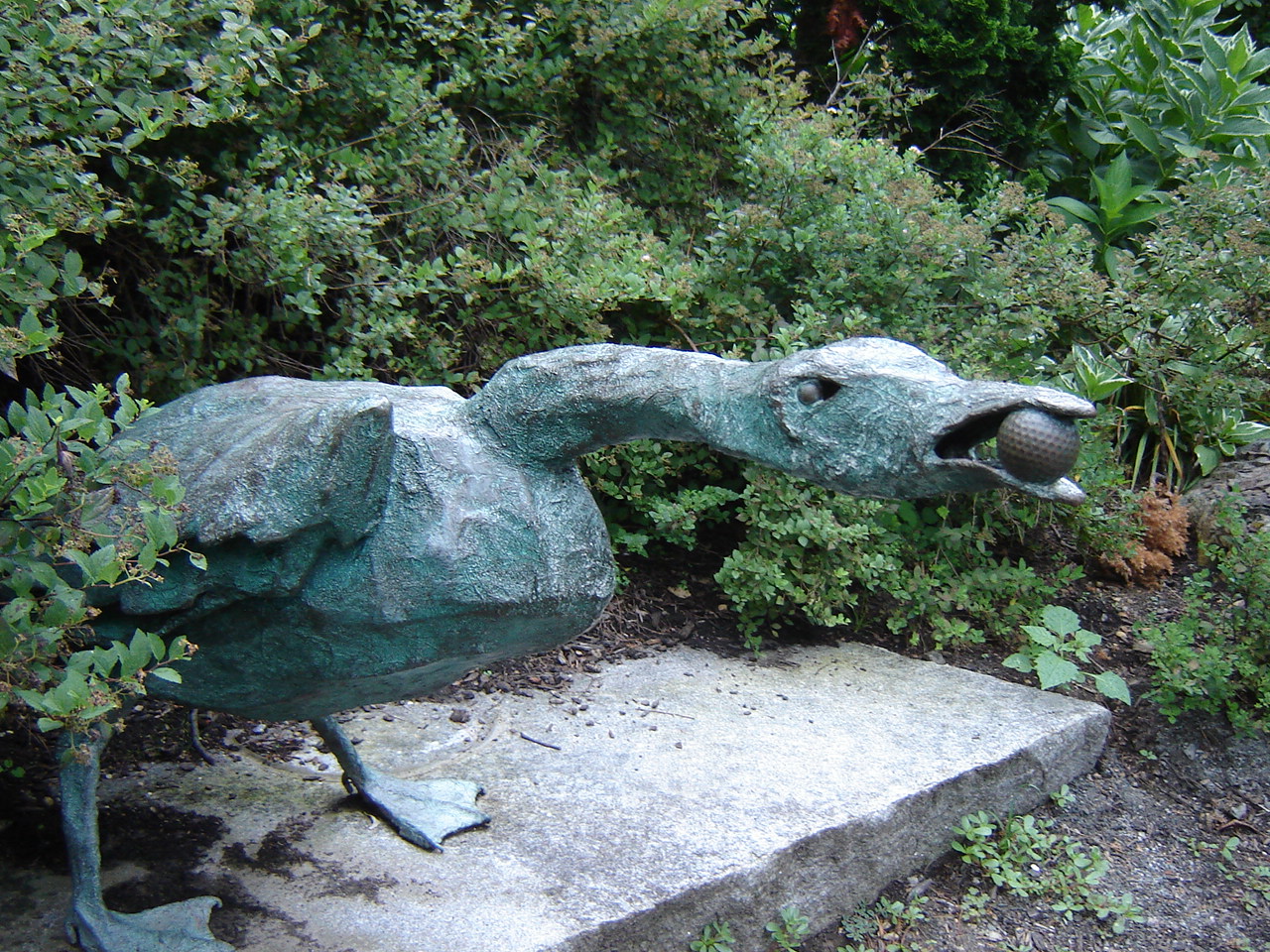
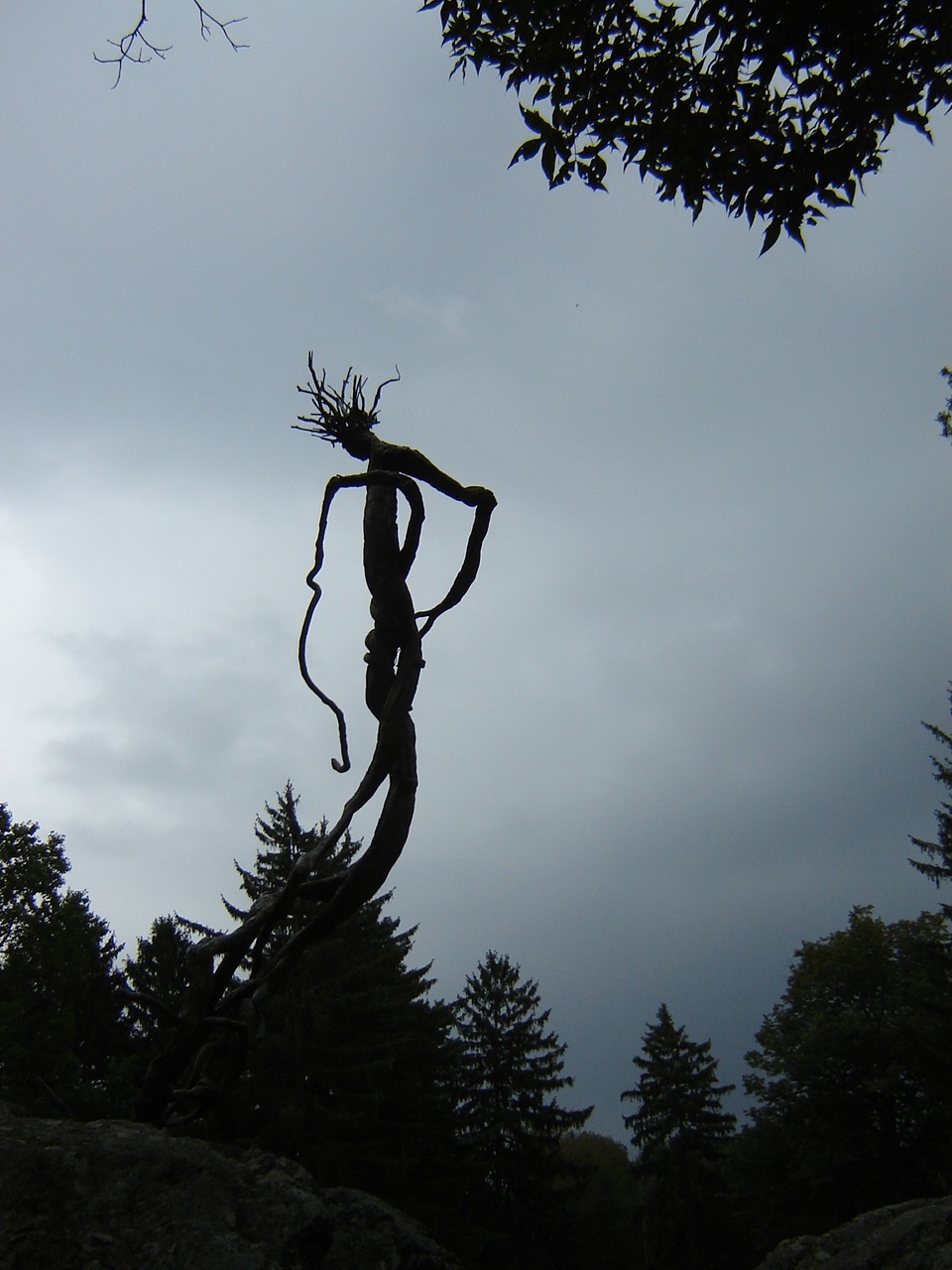
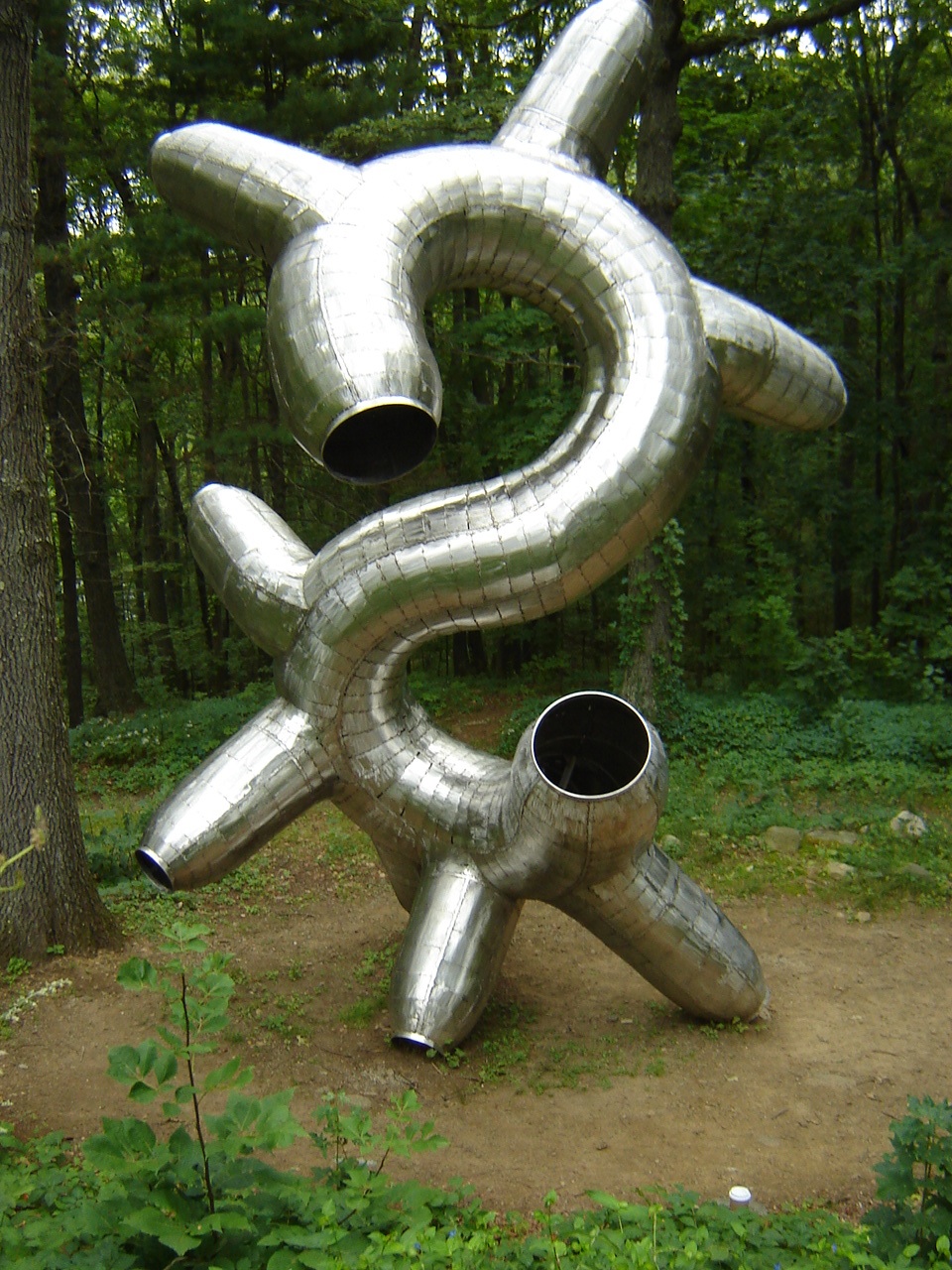
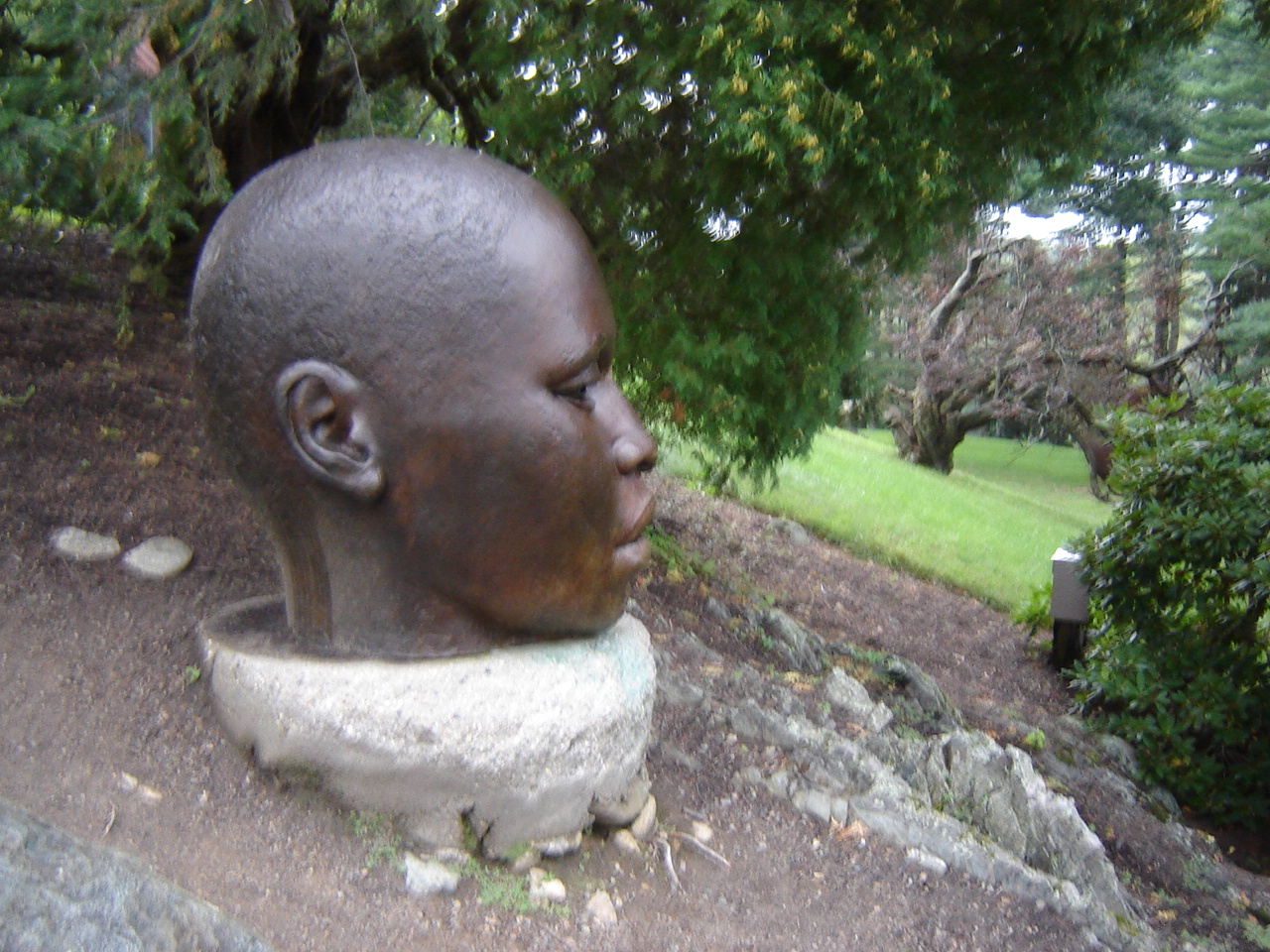
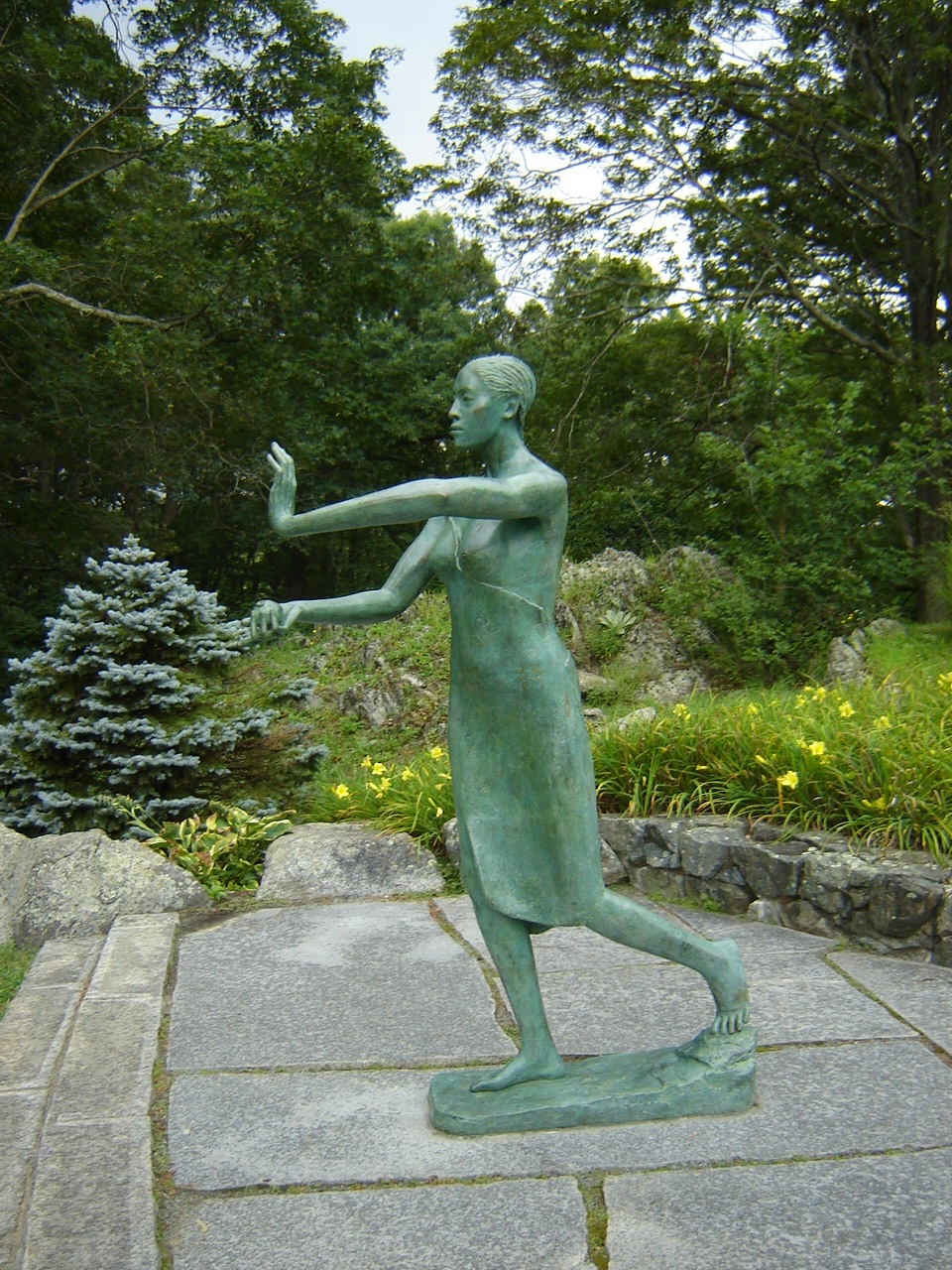
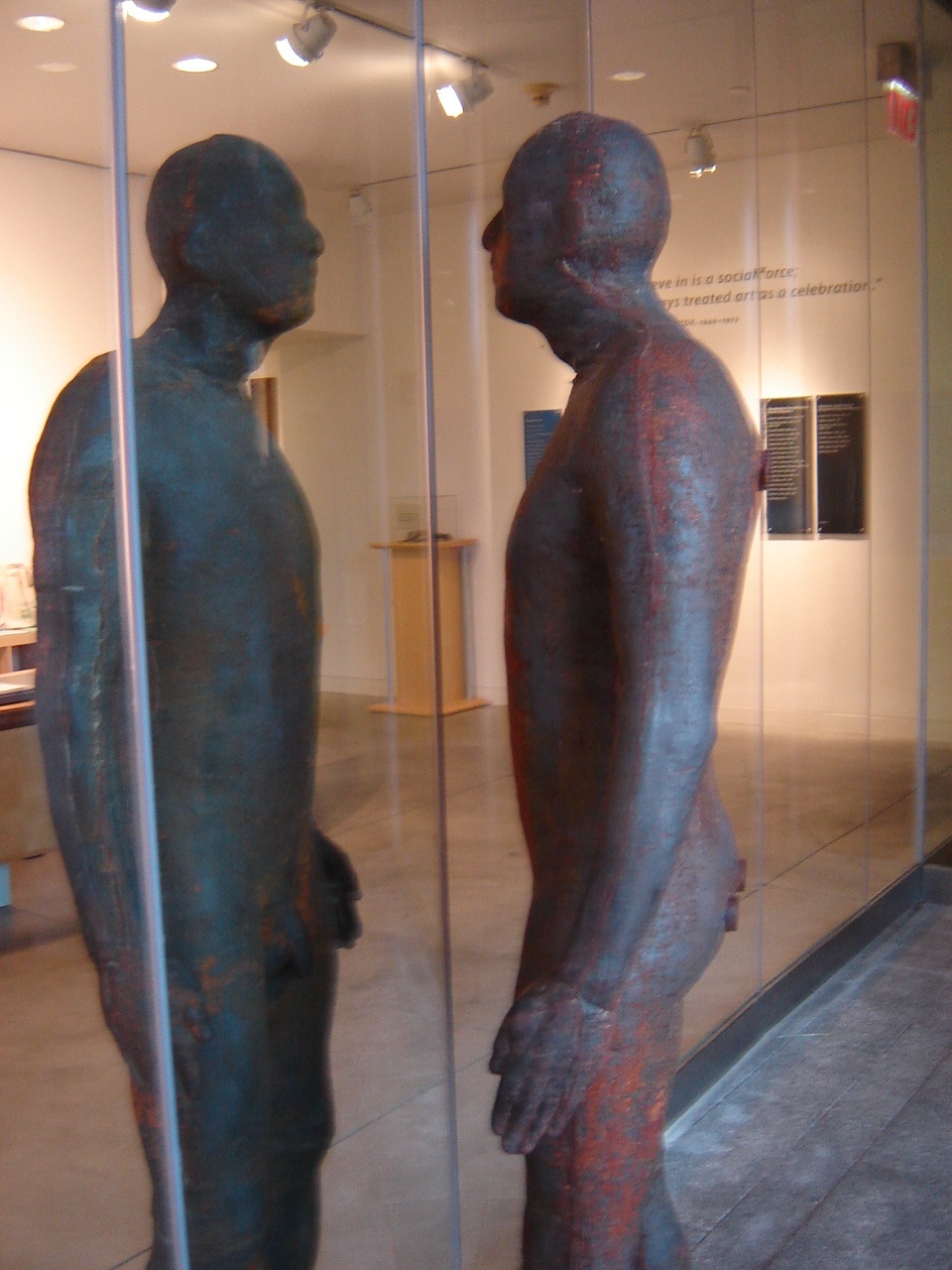
A few favorites from a rainy day at the DeCordova Museum and Sculpture Park.
We also liked the Andy Goldsworthy and the Caleb Neelon artwork.
Posted in Uncategorized, tagged andy goldsworthy, art, artist, artists, caleb neelon, DeCordova, sculpture on August 27, 2011| Leave a Comment »
A few favorites from a rainy day at the DeCordova Museum and Sculpture Park.
We also liked the Andy Goldsworthy and the Caleb Neelon artwork.
Posted in Uncategorized, tagged art, artist, arts, boston, catharsis, composer, drama, ex-offender, fort point channel, incarceration, job skills, Mary Driscoll, on with living and learning, opera, OWLL, play, playwriting class, poem, poetry, prison, prisoner, recidivism, reentry, theater, theatre on August 23, 2011| 2 Comments »
I wrote before about a program using the arts to help people in prisons get beyond the prisoner mindset. Here’s a similar story.
Michelle “Bankston, who has short, blond hair and a muscular build, has spent almost 20 years behind bars. She was incarcerated first at a medium-security facility here in Alabama, and then at a private prison in Louisiana (to relieve overcrowding, Alabama sends some inmates out of state), and finally here, at the Montgomery Women’s Facility, a sun-soused cluster of buildings on the outskirts of the capital city.
” ‘A while back I decided that I could either spend decades in the bunks, watching TV or playing cards,’ Bankston says, ‘or I could get out here and take the opportunity to write poetry and draw.’
“That she’s been given this opportunity to do her art is testament to the work of Kyes Stevens, an avuncular and outspoken educator, poet, and Alabama native. Since 2002, Ms. Stevens has headed The Alabama Prison Arts + Education Project (APAEP), which offers literature and art classes in a range of prisons across the state. The program is funded by Auburn University and an array of grants. The teaching staff consists of five Auburn-based instructors and a rotating cast of teaching fellows from the graduate creative-writing program at the University of Alabama in Tuscaloosa. Classes run for 14 weeks and are rigorously structured, like college courses, demanding a full commitment from students.”
Read the article in the Christian Science Monitor.
On a related note, I met a woman in my playwriting class who founded a nonprofit called On With Living and Learning, Inc. Mary Driscoll lives in the Fort Point Channel area of Boston and works with people who have been through the prison system. She uses theater to generate the catharsis that can result from their telling their stories and also to help them develop “job skills for the 21st century.” Read about her here. A script that Mary was working on in my playwriting class is now going to be made into an opera, with all sorts of helpers, like the Harvard-trained opera composer, the cabaret singer, and the reggae performer.
I can’t help thinking that when these creative people use their talents to help others, they are getting something special in return.
Posted in Uncategorized, tagged art, artist, charm magazine, cipe burton, cipe pineles, design, edgar levy, fire island, joel levy, lucille corcos, modern primitivism, painting, rockland county, seventeen, south mountain road on August 14, 2011| 4 Comments »
I’ve been thinking of Lucille Corcos the last couple weeks. I have no idea why, but I hope eventually to reconstruct the train of thought that led to her. She was an artist I knew when I was a child. I rediscovered her art in the 1990s in a Minnesota museum. That was when I realized I love it.
Since Corcos wasn’t in Wikipedia, in spite of having works in museums, I taught myself how to write a Wikipedia contribution and am just waiting for the Wiki experts to let me post it.
As Cipe Pineles Golden and Martha Scotford write in Cipe Pineles: A Life in Design (New York: W.W. Norton & Co., 1999), Corcos and her artist husband, Edgar Levy, moved from New York City to the artsy South Mountain Road in Rockland County, New York, in 1941.
“Corcos was a successful painter and illustrator by this time. In the 1930s, fashion, culture and home magazines published her work and her popularity continued into the 1960s. Cipe Pineles’s close friendship with Corcos had begun when Pineles commissioned Corcos’s work for Seventeen and Charm. Her humor in personal interactions and in her art made her an engaging collaborator. Corcos’s paintings were densely packed with many small stories and commentary. The compositions had detailed multiple subjects; perspective and scale were distorted for practical and expressive purposes. This new modern primitivism was considered part of a native tradition in American art and its ‘unacademic’ nature was celebrated. Corcos’s subjects included rural landscapes and urban scenes, ranging from Christmas Eve, Rockfeller Center to The Oyster Party to Everybody Meets the Boat. In addition to doing commissioned illustration, Lucille Corcos built her career as a fine artist and was a steady participant in New York gallery shows from 1936 to 1954. During the same time, she was a part of major exhibitions in Chicago, Pittsburgh, Philadelphia, Washington, D.C., and other institutions in New York.”
I found a few other tidbits about her by Googling around. For example, I found an article in the July 12, 1954, issue of Life magazine that shows two Corcos paintings, one of her life in winter in Rockland County, another of activities around her Fire Island house in summer. And here is a 1950 painting of her Fire Island house. I remember the house well.
Levy was often spoken of as the great artist in the family, with his numerous Picasso-esque paintings of his wife as mostly feet and eyes, but my mother pointed out that Corcos herself had an art career. Levy is not in Wikipedia either, but I leave it to an admirer of his art to fix that lapse.
Posted in Uncategorized, tagged allston, art, artist, arts, dedalus, dedalus wainwright, kinodance, mockingbird, sculptor, sculpture, studio on August 5, 2011| Leave a Comment »
I met Dedalus Wainwright when he was collaborating with a colleague of mine on an exhibit about carbon fiber. He is an artist, a sculptor.
Dedalus is having an open house this weekend at the Allston studio he rents from Harvard University.
In the studio, three tables full of models trace the origin of the full-sized painted aluminum sculptures you see here. He created the canes, or strips, in his models by cutting up drawings he had done in the past. Then he painted the blank sides with bright colors. I was intrigued by that multilayered approach and by what I could see by bending down and looking through the strips. I liked one model with especially intricate and colorful drawings and another that from the back reminded me of an Edvard Munch forest of ominous skinny trees.
I learned that a bird planted the seed that grew into the sculpture project.
Dedalus had been listening to a bird singing outside all day long. It may have been a mockingbird because it had so many different songs. At night, counting 47 different calls without one repeat, he dozed off, and when he awoke he had an idea for a sculpture with upright pieces such as you see here. If you look behind him, you also can see his studies of his pillars. Some are rising from what might be destruction, others from something more luminous.
There is a short bio of Dedalus at the Kinodance site. Read it here.
Posted in Uncategorized, tagged art, artist, arts, artsjournal, backstage blog, crowd funding, csa, funding, kickstarter, patron of the arts, patronage, support on July 31, 2011| 1 Comment »
A week or so ago, I wrote about CSA, community-supported arts, a concept that borrows from the community-supported agriculture movement. In case you missed it, here’s the post.
Another creative idea for supporting the arts is crowd funding. I learned about it from the Backstage blog by way of ArtsJournal.com.
” ‘I saw people believing in themselves enough to try and make money for their projects,’ said Monica Mirabile, a co-founder of the Copycat Theatre. Earlier this year, Mirabile was applying for grants for her Baltimore-based theater troupe when a friend suggested she look into Kickstarter, a ‘crowd-funding’ website that promotes artistic projects through social media and allows donors to
support fundraising campaigns with any amount of money they desire. Crowd-funding sites have grown in popularity over the last few years and continue to attract artists and benefactors. …
” ‘This is not the newest idea on the block. It’s very traditional. But we’ve become very used to the idea of someone in a boardroom giving us a check and we hand them a piece of art and cross our fingers. The longer history of art is actually one of patronage that involves the artist’s audience. …
” Users of crowd funding must summarize their projects and goals for potential donors, a process that can help artists sharpen the skills needed to pitch or develop those projects in the future. ‘I learned how to better articulate why I’m doing the project and my artwork and what we’re trying to gain,’ said Mirabile. ‘I made friends because, by promoting, I got to talk to different
people in my community and made connections.’ ”
Read more here. And if you try an approach like Kickstarter, would you let me know how it worked for you? Leave a comment.
Posted in Uncategorized, tagged art, artist, ben wilson, chewing gum art, england, gum, london on July 12, 2011| Leave a Comment »
Did you read in the NY Times about England’s chewing gum artist?
“Ben Wilson, 47, one of Britain’s best-known outsider artists, has for the last six years or so immersed himself in a peculiar passion all his own: he paints tiny pictures on flattened blobs of discarded chewing gum on the sidewalks of London.” The article is sweet, and it shows that an original concept can delight people in large and small ways.
After he “became friendly with the workers in the discount general store that replaced the Woolworth’s, [he] painted a message of love on behalf of Syed Miah, a cashier there who had had a fight with his girlfriend.
“ ‘She thought maybe I’d stuck a sticker on the ground,’ said Mr. Miah, 32. ‘Then I explained that I’d had an artist come and do it. It was brilliant.’ “
Posted in Uncategorized, tagged anne, anne kraus, art, artist, garth clark gallery, kraus, Lacoste Gallery, minneapolis, Northern Clay Center, porcelain, pottery, tea cup, teacup, Warren MacKenzie on June 28, 2011| 13 Comments »
My last job in Minneapolis was located not far from the wonderful Northern Clay Center on Franklin Avenue. I liked to go over at lunch, and when the late Anne Kraus was showing her ceramics, I must have visited five times just to look at her domestic but fanciful pieces and read their cryptic messages. Kraus decorated exotic tea cups. teapots, tiles, and more with intricate, mysterious scenes, and on them she wrote puzzling remarks. You would think about them long after leaving.
This one, “I Can’t Sleep Tile 1998” has this written near the top: “I ask this intruder if he can be quiet because I want to sleep so that I can dream. But he tells me that we are right now asleep and deep into a dream.” (The photo in the Garth Clark Gallery survey book was taken by Noel Allum.) You can see more of Kraus’s work online. Here, for example.
By the way, Warren MacKenzie, a giant among potters, was one of the original founders of the Northern Clay Center in 1990. He gets around, and I have observed that he has an exhibit at the Lacoste Gallery in Concord (MA) almost every year. He is showing there now.
On October 28, 2011, the NY Times noted a sale of some Anne Kraus ceramics, which brought numerous people who were searching on her name to my post.
Posted in Uncategorized, tagged art, artist, beach plum, connecticut, crabapple, lakeville, monotype, Sally Frank, tree art, white gallery on June 26, 2011| 1 Comment »
I think that my cousin Sally has been an artist ever since she first picked up a crayon.
Today she works in monotype and other advanced media. Her work has appeared in solo and group shows. Read about the current one in Lakeville, Connecticut, here.
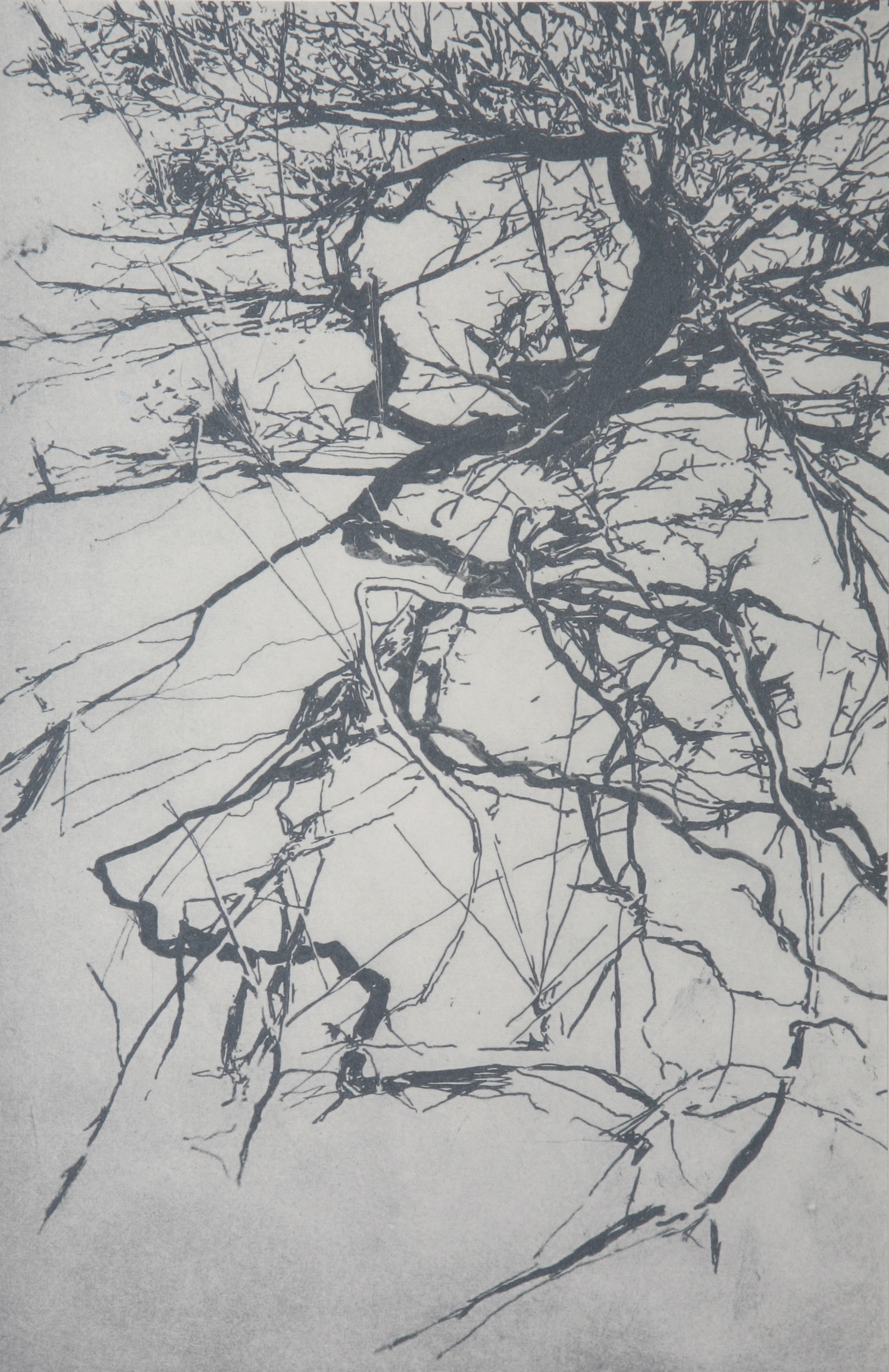
Sally has become a bit of an expert in beautiful, bare trees and branches. Whether or not this focus has anything to do with my Uncle Jim having been a supreme gardener and nature aficionado, I am not prepared to say, but if you read about Sally Frank here and look at some of her art, you will likely find that the trees speak to you in their subtle tree language.
Here Sally captures the intricate expressions of a beach plum bush.
Posted in Uncategorized, tagged art, art gallery, artist, brasil, brazil, film, garbage picker, healing, marwencol, movie, netflix, poor, poverty, psychology, recyclable, recycled, vik muniz, waste land on June 12, 2011|
We watched a couple unusual documentaries last night and last weekend. Often by the time films are available on Netflix, all I remember about the review is that someone highly recommended them. I know only that we will get a big surprise.
“Marwencol” and “Waste Land” were amazing surprises. They turned out to have something in common, too — the idea that art can lift people from despair, help them see things in a way that opens up their world. What was different between the movies was that for the troubled guy who created art in “Marwencol,” showing his work in a NYC gallery is quite beside the point of his healing process and probably the last thing he needs.
The movie is beautifully executed, but one has the sense that the young filmmakers who think the protagonist will benefit from the big-time art world don’t understand psychology very well.
The protagonist of “Waste Land,” successful Brazilian artist Vik Muniz, although equally idealistic, understands his subjects better, having experienced a life similar to theirs in his impoverished childhood. He decides to combine an art project with helping “garbage pickers” in the world’s biggest landfill, in Rio. Getting to know a few of the workers really well, he develops tremendous admiration for them and their deep dignity. He pays a few to work with him on giant portraits on themselves, portraits that play on the themes of some famous paintings. They use recyclables to complete the images, which are then photographed and shown in galleries and at auction. The proceeds come back to the people and help them both individually and collectively.
But the biggest transformation is not monetary but rather what Vik anticipated based on his own life experience — that by seeing things in a new way, they would get new ideas about themselves and their possibilities.