Feeds:
Posts
Comments

Posts Tagged ‘birds’

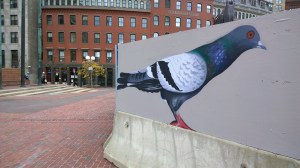
110714-a-pigeon-that-I-pass-alas


Sometimes when I’m trying to cross a city street in traffic that’s coming from all directions, I think about how people who don’t visit cities much — Inuit people, say, or rural tribesmen in Africa  — would cope. Probably about as well as I would cope dealing with the habits of lions or polar bears. We all develop the survival skills we need most.

Birds do, too. According to Scientific American, urban birds develop skills that let them outwit their country cousins on certain tests.

Christopher Intagliata reports,”While visiting Barbados, McGill University neurobiologist Jean-Nicolas Audet noticed that local bullfinches were accomplished thieves.

” ‘They were always trying to steal our food. And we can see those birds entering in supermarkets, trying to steal food there.’

“And that gave him an idea. ‘Since this bird species is able to solve amazing problems in cities, and they’re also present in rural areas, we were wondering’ are the rural birds also good problem-solvers, and they just don’t take advantage of their abilities? …

“So Audet and his McGill colleagues captured Barbados bullfinches, both in the island’s towns and out in the countryside. They then administered the bird equivalent of personality and IQ tests: assessing traits like boldness and fear, or timing how quickly the finches could open a puzzle box full of seeds.

“And it turns out the city birds really could solve puzzles faster. They were bolder, too, except when it came to dealing with new objects—perhaps assuming, unlike their more naive country cousins, that new things can either mean reward … or danger.

“The study is in the journal Behavioral Ecology [Jean-Nicolas Audet et al, The town bird and the country bird].”

More here.

Read Full Post »

There’s always something fun over at PRI’s environmental radio show Living on Earth. Here’s a story that ran in March about the unique bird species isolated in Northeastern Australian rainforests.

Bob Sundstrom wrote up the audio report of BirdNote‘s Mary McCann: “The Eastern Whipbird hangs out in the dense understory. It’s dark, crested … nearly a foot long and emerald-green with white spots. … The large, pigeon-like Wompoo Fruit-Dove … feathered in a stunning combination of green, purple, and yellow, [is] clearly named for its voice.

“Pig-like grunting on the forest floor tells us we’re in the company of the largest bird on the continent – the Southern Cassowary. On average, the female weighs 130 pounds and stands around 5 feet tall, looking like a giant, lush, black hairpiece on thick legs. A helmet called a casque makes it look as much like a dinosaur as any living bird.” Five feet tall? I think I know a one-year-old who would like to try riding it.

The bird sounds on the radio show were provided by The Macaulay Library of Natural Sounds at the Cornell Lab of Ornithology. Hear them all here, where you can also enjoy the equally far-out pictures.

Photo: Jan Anne
Southern Cassowary

Read Full Post »

I love thinking about sunlight and shadow. Dickens uses them a lot for Richard and Ada’s story in Bleak House — maybe my favorite book of all time.

“So young, so beautiful, so full of hope and promise, they went on lightly through the sunlight … So they passed away into the shadow, and were gone.”

Many of you know what the decades-long case of Jarndyce vs Jarndyce did to Richard and Ada’s bright hopes. I’ve come to think that it was not so much Richard’s fevered expectations of an inheritance that brought the most sorrow, but his need to fix blame. Blame is corrosive.

When I interviewed a formerly homeless Marine last week and he started telling me about how upset he was that something bad had just happened with his benefits, I was touched by how he kept reminding himself how to cope, saying, “I believe in fixing the problem — not the blame.” Words to live by.

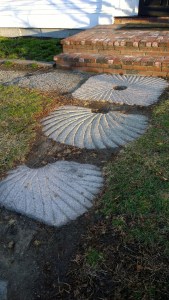
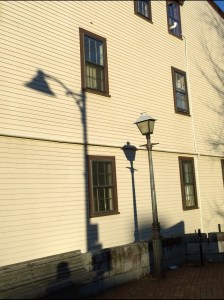
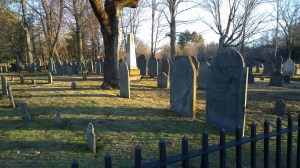
The first three photos were taken early Saturday morning, when the effects of sunlight and shadow were especially breathtaking. (I can never resist that old graveyard. You’ve seen it here in all weathers.)

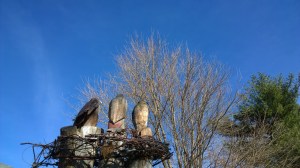
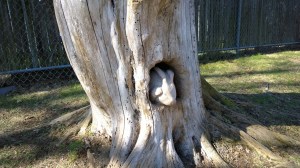
The next three were taken at the playground near John’s house. Every few months, new creatures appear on that tall tree stump. (You’ve seen previous creature photos, too, on this blog.)

031216-early-footpath-shadows

031216-lamppost-shadows


WP_20160312_06_42_36_Pro

031216-carved-eagles-arlington


031216-carved-woodpecker-arlington

031216-hidden-bunny

Read Full Post »

Photo: PA/Owen Humphries
Murmuration of starlings over Gretna, Scotland

Starlings swarm in flash mobs over Scotland every November and February, and they don’t even need social media to remind them it’s time.

According to an article at the BBC, “Tens of thousands of the birds are regularly seen around this time of year near the Dumfries and Galloway town. It is one of the most famous locations for the natural spectacle, the reason for which is not definitively known.

“A survey of the birds across the UK is currently under way with members of the public urged to record sightings. The poll, conducted by the University of Gloucestershire and the Society of Biology, is the first of its kind and has already received more than 600 reports from Cornwall to John O’Groats.

“Dr Anne Goodenough, reader in applied ecology at Gloucestershire University, said: ‘One of the theories behind the murmurations is that it means they are safer from predators such as hawks and falcons.

” ‘Another theory could be they are signalling a large roost and it could be a way of attracting other birds to that area to build up a big flock as it would be warmer. It’s much warmer to roost as a big group rather than a smaller one and the murmurations can be as big as 100,000 birds.’ ”

More here. Don’t miss the other amazing photos at the BBC site.
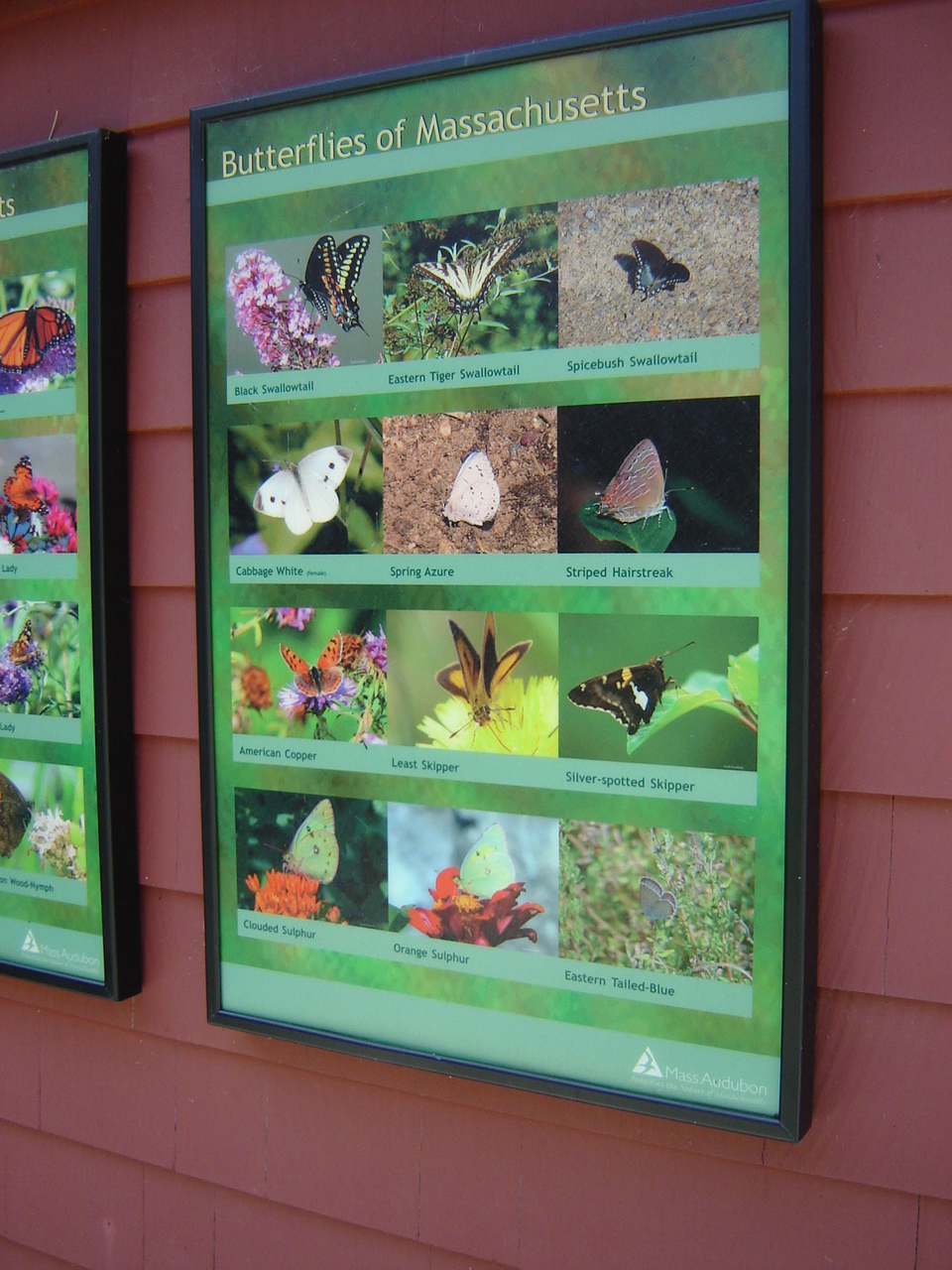
YouTube video: DylanWinter@virgin.net

Read Full Post »

When I lived in Minneapolis (1997-2000), I liked to walk in Loring Park. It was a lovely oasis located right downtown. The only problem was you really had to watch your step. Canada Geese frequented its pond and besmirched the grass and sidewalks.

Then one year, the city had an idea. It planted tall grasses around the perimeter of the pond. Before you knew it, no more geese! At the time, I was told that geese didn’t like the way the grasses feel on their feet when they come out of the water. But an article yesterday about the use of tall grasses at an Ohio airport said birds like geese fear long grasses because they could be hiding predators.

Whatever works.

Scott Mayerowitz reported the story for the Associated Press. “One Ohio airport is now experimenting with a new, gentler way to avoid bird strikes: planting tall prairie grass. …

“Says Terrence G. Slaybaugh, director of Dayton’s airport. ‘If we are going to protect the long term use of airports in an increasingly populated area, we need to be less intrusive and find ways to contribute in a positive way to our surroundings.’

“The thick grass has other benefits: preventing water runoff, taking carbon dioxide out of the air and requiring only one mowing every three years. Bird lovers are also excited about the use of non-lethal methods to keep birds away from the airport. The airport’s neighbor, the Aullwood Audubon Center and Farm, has been working closely with aviation officials on the tall grass project.

” ‘It’s a watershed moment. Our airport is embracing it,’ says Charity Krueger, executive director of the center.’ ” More here.

Photo: Chris Gregorson 
Loring Park, Minneapolis. Note the tall grasses around the pond.

Read Full Post »

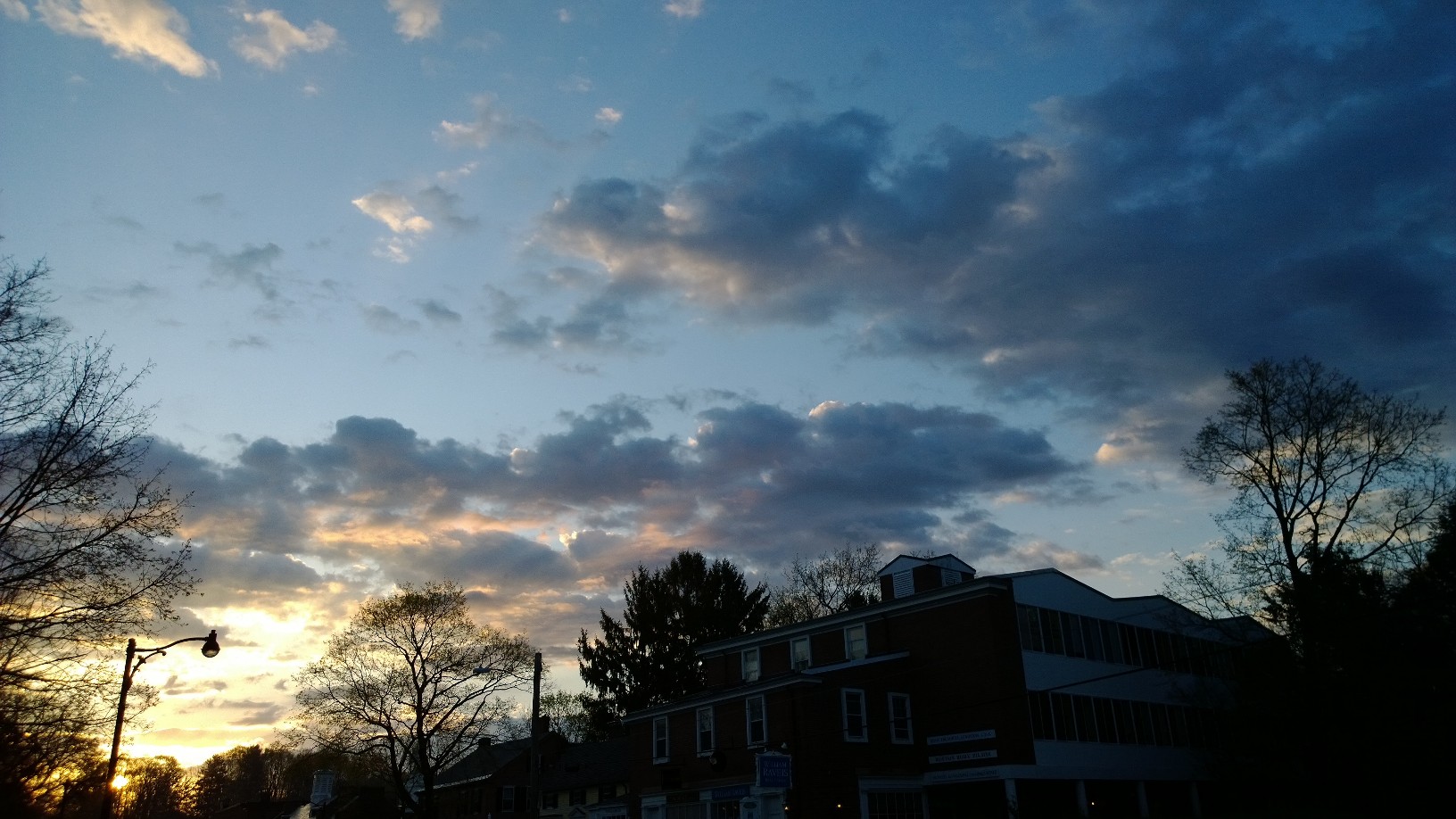
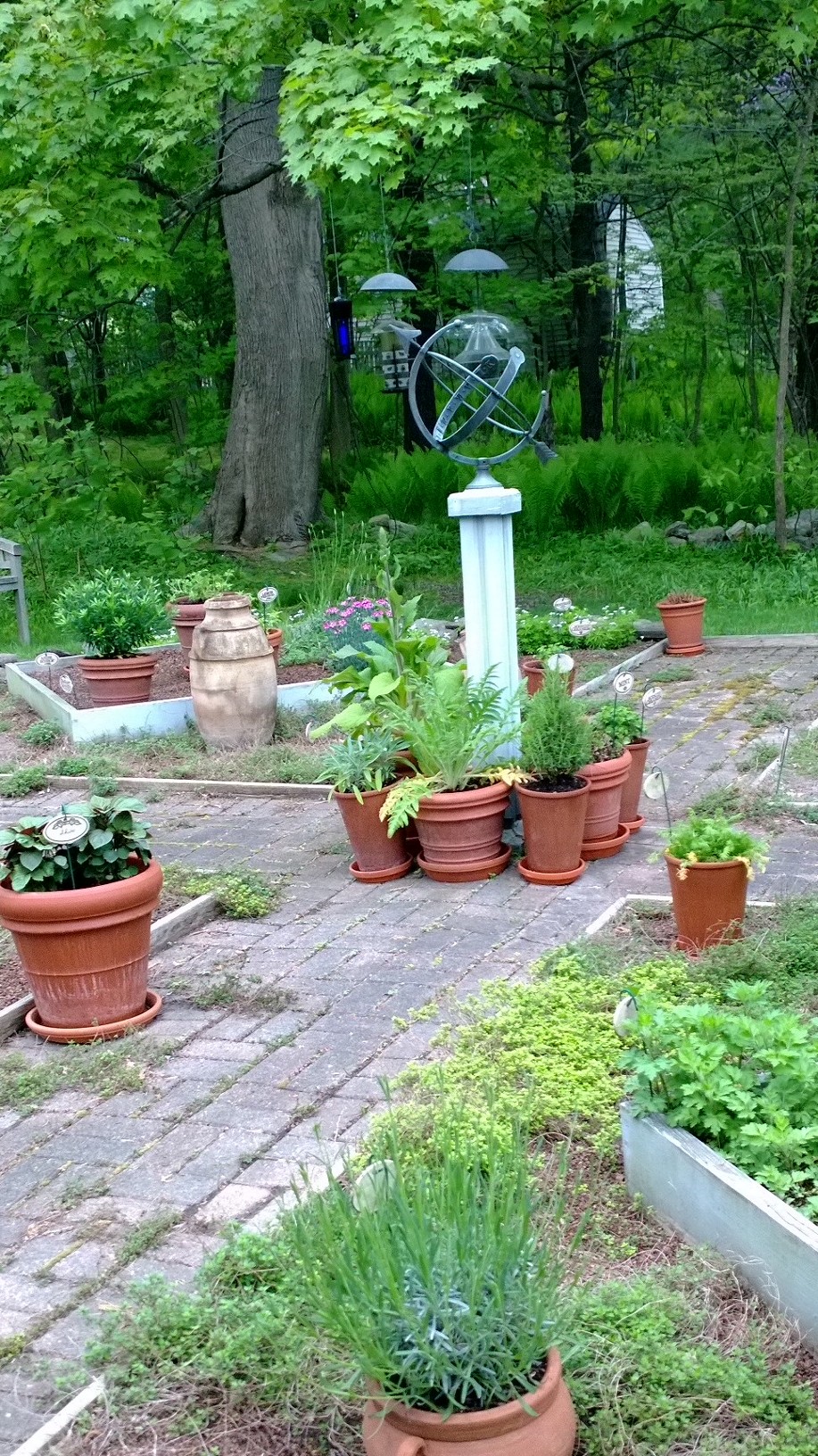
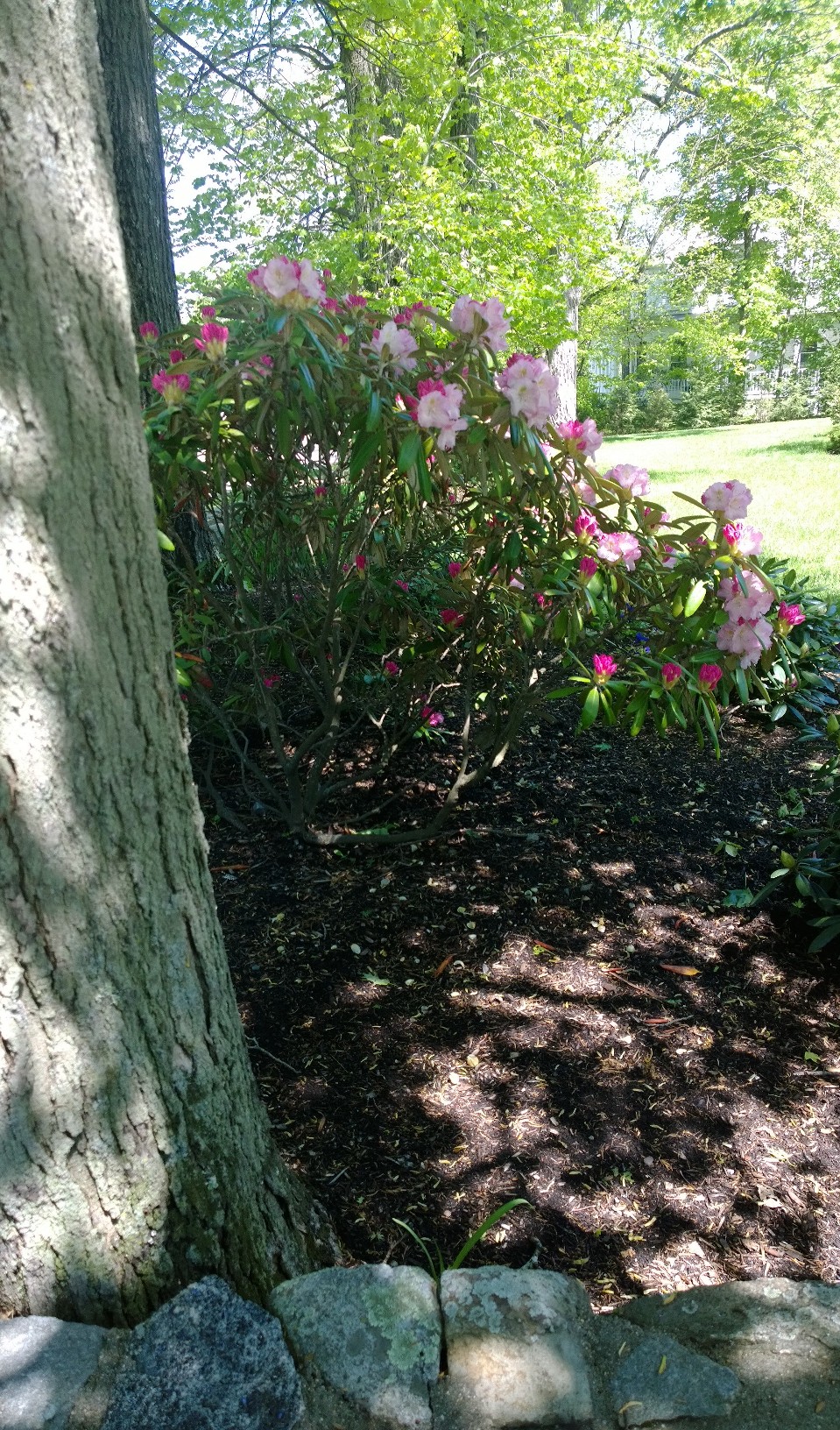
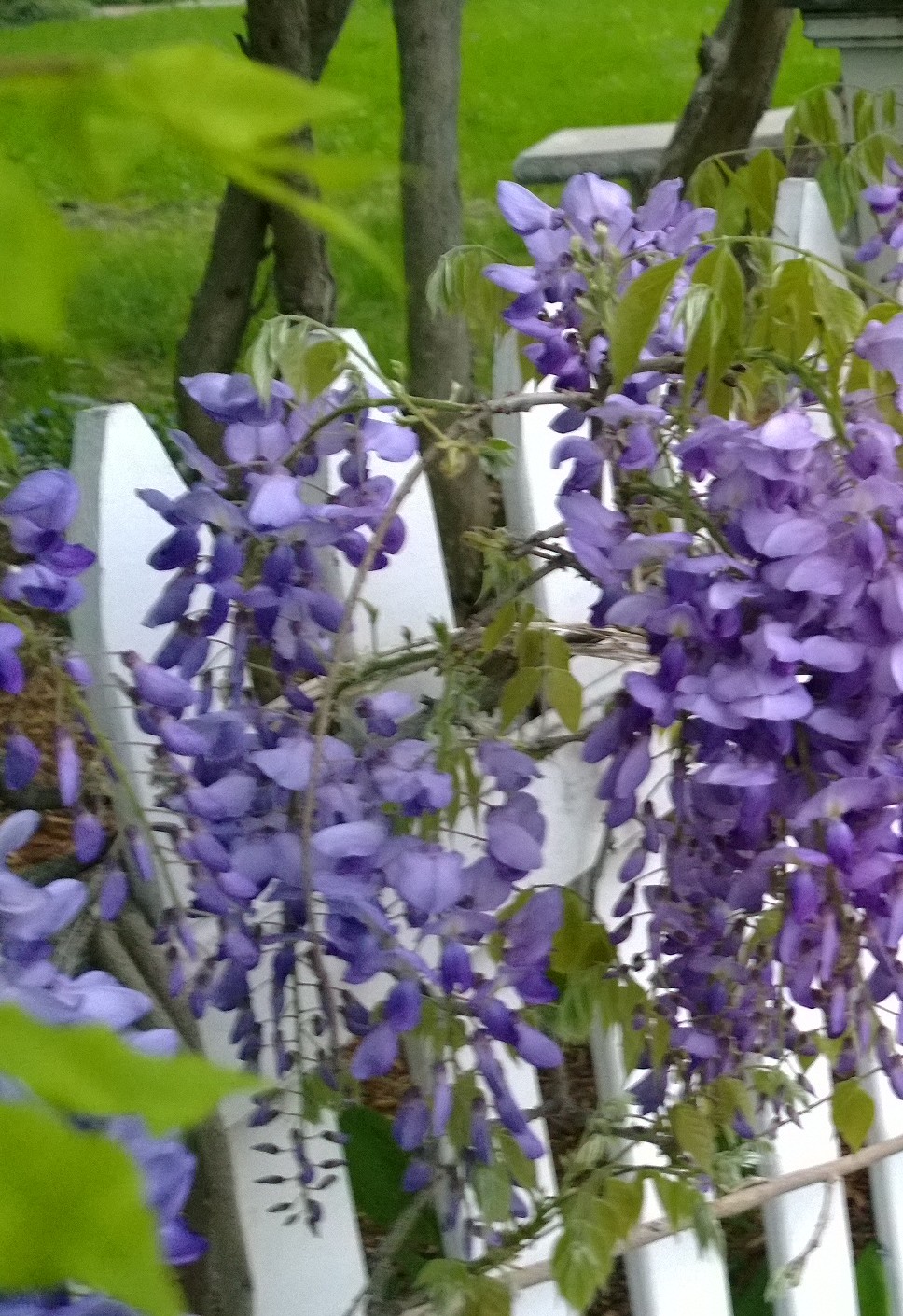
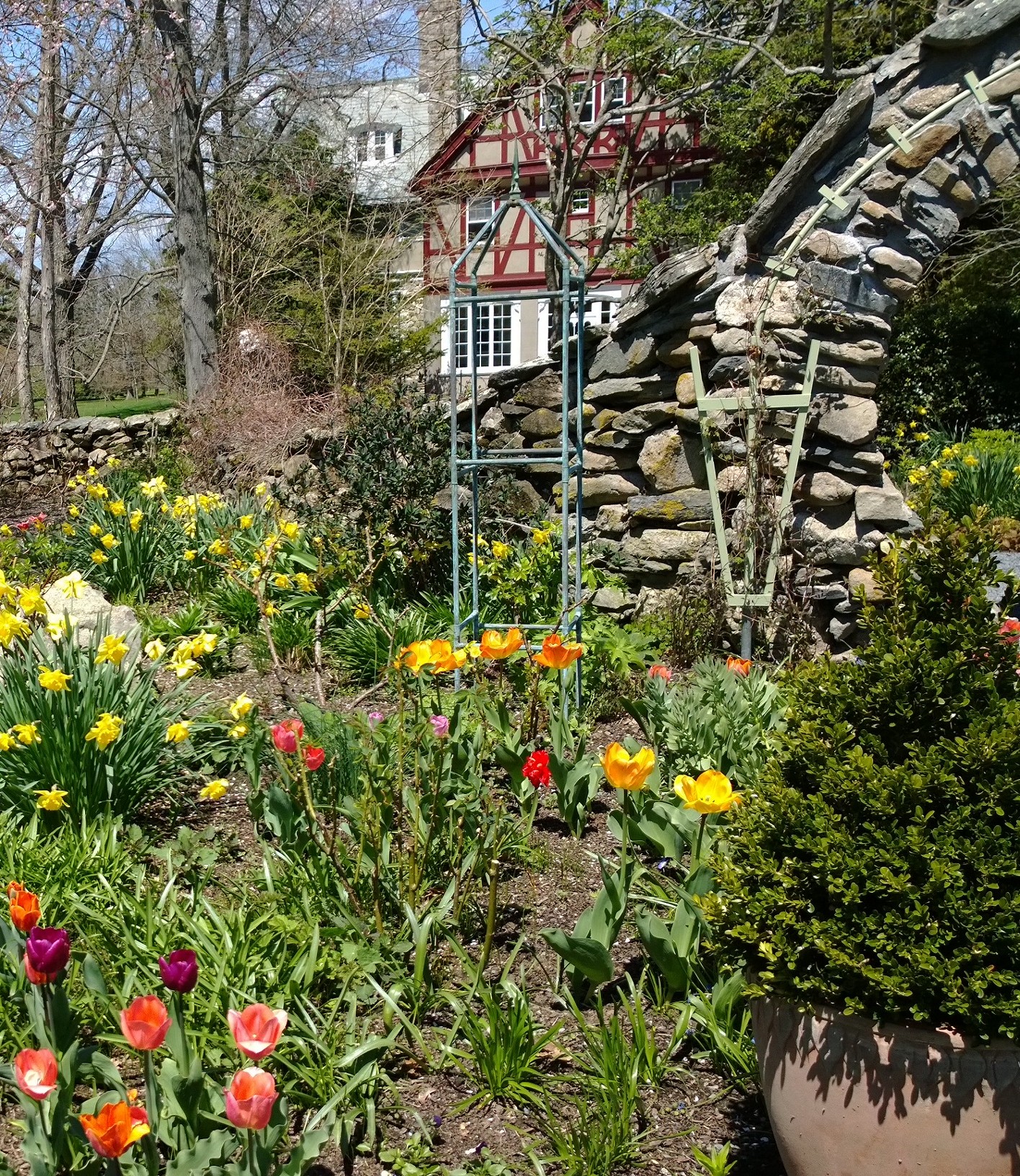
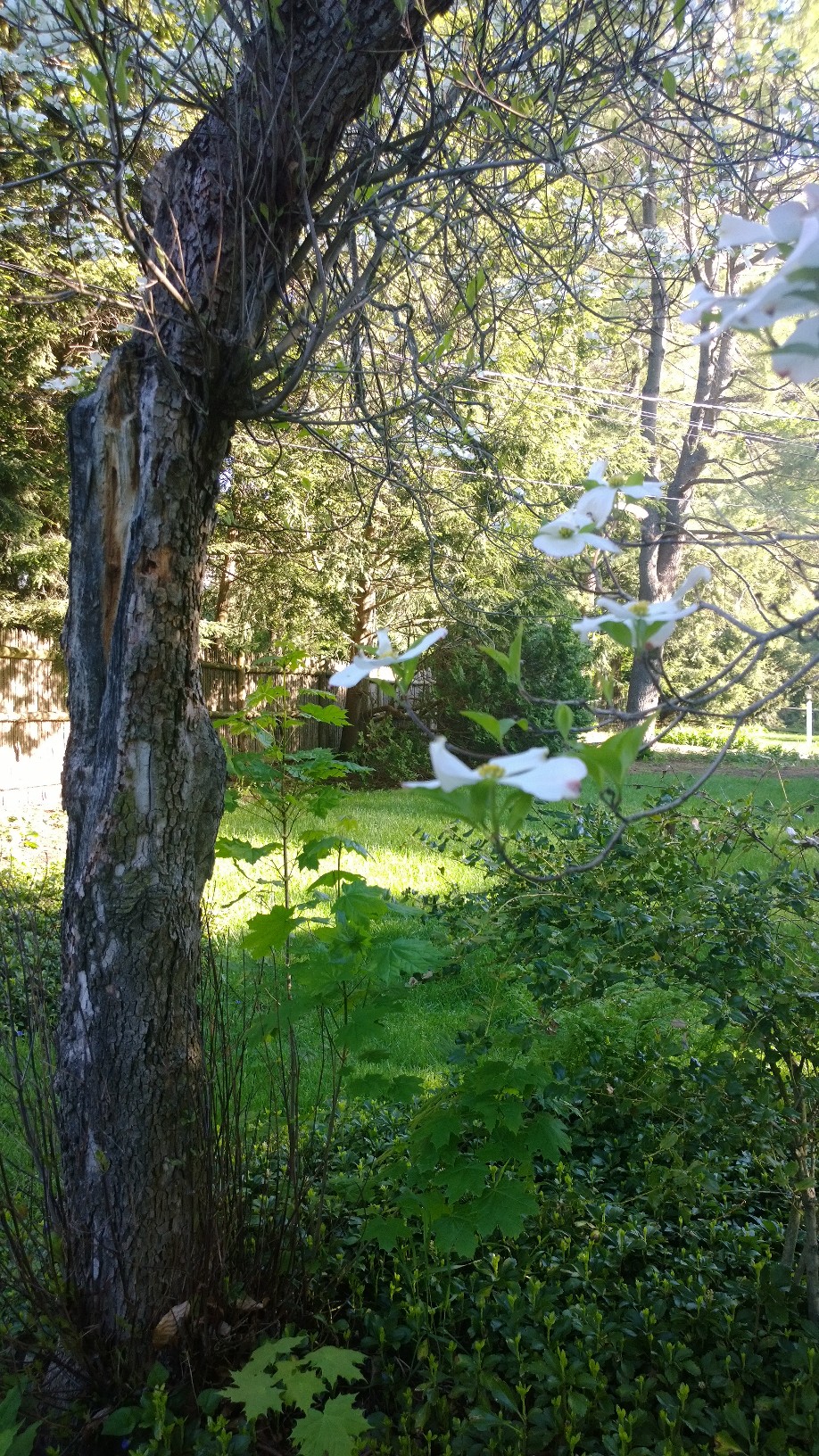
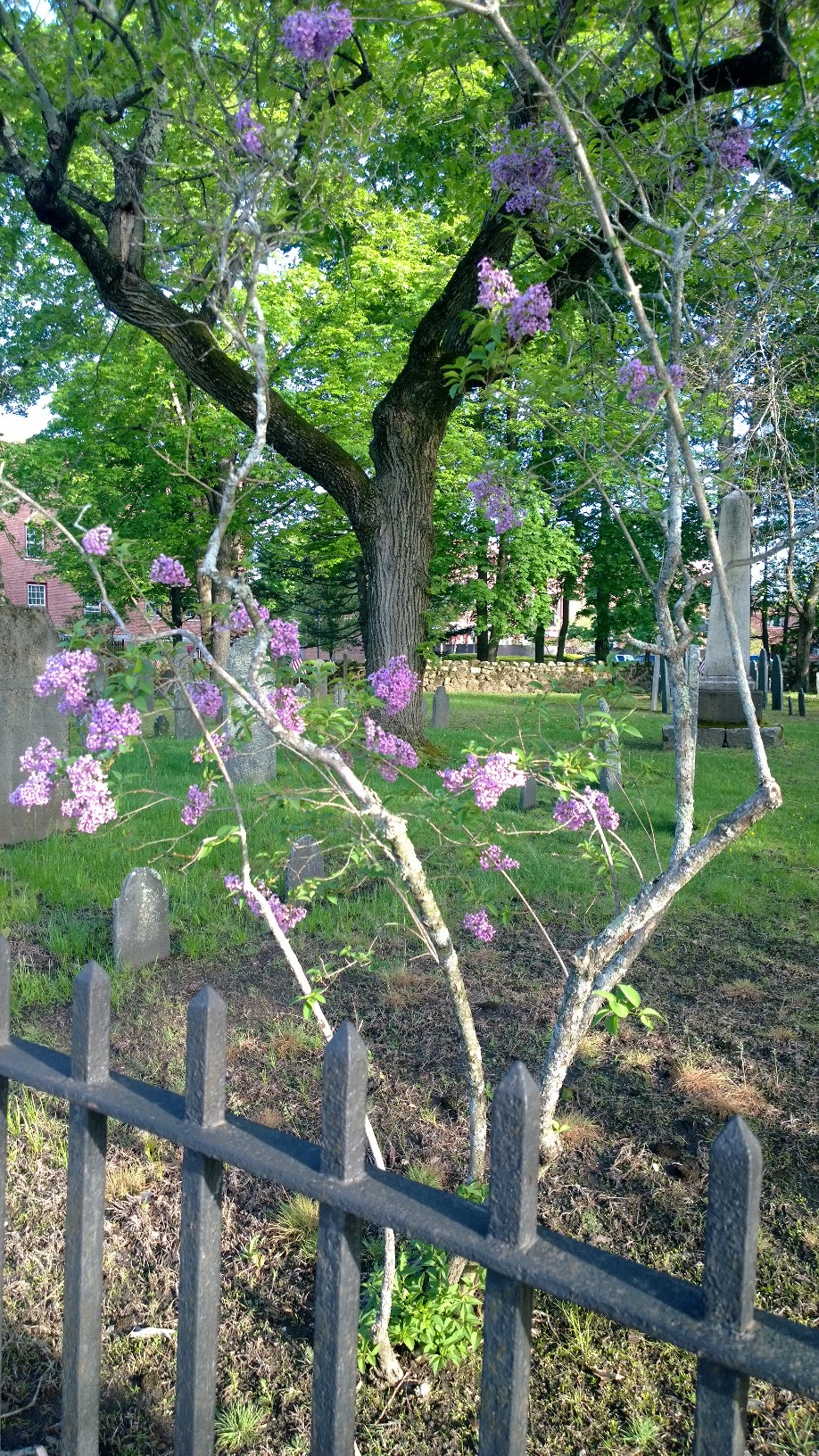
These photos are mostly from walks in Concord, although one is from Blithewold in Bristol, R.I. I’d like to develop my eye for good shots in winter, but there are so many more reasons to take pictures in spring! I especially love old, blasted trees with delicate, young flowers. I include one, a dogwood. The lilac in the graveyard is another tree that doesn’t know it’s not as hale and hearty as ever.

On Nashawtuc, a hundred different bird calls replaced the sounds of traffic.

Morning-sky-050214

rustic-flower-basket


church-herb-gaarden

dappled-rhodies


red-impatiens


wisteria-at-dawn


flowers-at-Blithewold

bondir-landscaping


crippled-but-flowering-dogwood

lilac-in-graveyard


Read Full Post »

On Sunday, the Concord Bookshop had a guest speaker, bird maven David Allen Sibley.

There was a great turnout to hear him and to have him sign the new edition of his guide.

He talked about his painting process and his interest in perception as it applies to people who are convinced they see a bird they are looking for. From what he has read, he says, it’s very much like the phenomenon of witness identification of suspects — many factors may distort what witnesses think they see. (Consider the old guy in the play Twelve Angry Men, for example, who didn’t have his glasses on.)

When asked how 12 people who identified the probably extinct ivory-billed woodpecker in Louisiana in recent years could all be wrong, he tries to explain why it’s likely: They get only a glimpse, they are desperate to see it, they are being paid to find it, etc.

I want to believe they saw it, of course, but I thought his points were interesting.

Also interesting was the way he paints. He has a very good sense of the profile of the bird, having drawn birds since he was seven. So in the wild he looks for identifying markers, sketches in the profile, and adds the marks. Then he paints the bird in the studio. He does a lot of research, but once he has done all he can, he takes only about an hour to do each painting.

Read more at Sibley’s website, here, and at his Facebook page, here.

Below is a bird that a woman in the audience Sunday asked about, the Snowy Owl. The questioner wanted know whether the many Snowy Owls that were sighted around New England this winter would stay. He said that, no, they were already heading back to the Arctic and only came because there were a lot of babies hatched up north this year and not enough food to go around.

Art: David Allen Sibley
Snowy owl

Read Full Post »

If you can’t photograph the ivory-billed woodpecker in Louisiana or Cuba or wherever it is rumored to have survived, the next best thing is to find a brand new species. That’s what Simon Mahood did in Cambodia.

Thomas Fuller writes about it in the NY Times. “The discovery of new fauna conjures up images of Livingstone-like explorers trekking through malaria-infested jungles. But scientists working in Cambodia have reported a new species of bird in a decidedly less remote environment: the outskirts of Phnom Penh.

“Simon Mahood, the lead author of an article released Wednesday in the Oriental Bird Club’s journal Forktail, says the bird’s primary habitat is about a 30 minutes’ drive from his home in Phnom Penh, ‘allowing for traffic.’

“ ‘I’ve always wanted to discover a bird species, but I never expected it would happen like this,’ Mr. Mahood, who works for the Wildlife Conservation Society in Cambodia, said by telephone from Phnom Penh. ‘I certainly didn’t expect to be standing in flip-flops and shorts a half an hour from home.’

“Roughly the same size as a wren, with white cheeks and a cinnamon cap, the bird was named the Cambodian tailorbird by the team that documented the discovery. Tailorbirds get their name from the way they build their nests, by threading spider silk or other fibers through a leaf, creating a sort of cradle.” More.

Photo: Ashish John/Wildlife Conservation Society
The Cambodian tailorbird was found near Phnom Penh.


Read Full Post »

I took a walk on Lakeside Drive today and saw scores (hundreds?) of swallows swooping and wheeling like berserk bats toward the lake, upside down over the road, then sideways and shuddering back toward the lake again in a group dance with no obvious explanation.

When I went online and Googled “swallows going berserk,” I found an Audubon blog post in New Hampshire that used that exact phrase. But the author  thought the swallows were just feeding and happy to see spring arrive.

I have decided that the collective noun for swallow should be “delirium,” as in “a delirium of swallows.”

Are you into collective nouns for birds and animals? They can be a lot of fun, with terms going back hundreds of years. Find your favorites at Wikipedia, here. A congregation of alligators, a rabble of bees, a coalition of cheetah, a gulp of cormorants, a consortium of crabs, a murder of crows — and I am only in the c’s!

Be sure to use “a delirium of swallows” as your next opportunity and appear to know something esoteric that no one else knows.

Video: John Downer Productions

Read Full Post »

I went online to find information about a Vermont bird book mentioned briefly in the Boston Globe this week. I found more at Seattle pi, of all places (the pi comes from Post-Intelligencer, the newspaper’s name before becoming completely virtual).

Seattle pi writes, “Some bird species that depended on open farmland have seen their populations drop over the last three decades while the land has grown up into forests, but during that time some other bird species have become more common than they were, according to the new book, the ‘Second Atlas of Breeding Birds of Vermont.’ …

“The book was produced by the Norwich based Center for Eco-studies and the Department of Fish and Wildlife and is described as the most complete assessment of birds ever assembled for Vermont.

“The book took 10 years to produce with input from 350 volunteers who spent 30,000 hours working on the project. … [It] includes 208 photographs, 415 maps, 591 tables and 215 graphs.

“We cannot know the nature of Vermont, the health of the woodlands, wetlands and other wild places, without knowing the status of our birds,” said Rosalind Renfrew, a biologist with the Center who edited the book.” More.

I like the image of 350 volunteers. Birds rely on volunteer bird lovers in so many ways. John has helped with the Christmas bird count in the Boston area. And his son already identifies a few birds, with additional support from John’s  bird-loving wife. Imagine how many birds my grandson will recognize by the time he is three!

Read Full Post »

Photograph of northern lapwing off course in Massachusetts: Ian Davies

Birds deal with hurricanes better than you might think.

Some get blown off course, but they adapt. Today’s Boston Globe has a story by Peter Schworm and Melissa M. Werthmann on northern lapwings that Hurricane Sandy detoured from their Scandinavia-to-African migration route. The lapwings are now delighting birdwatchers on Cape Cod, Nantucket, and in Middleborough. Read more here.

And Natalie Angier writes at the NY Times, “Biologists studying the hurricane’s aftermath say there is remarkably little evidence that birds … have suffered the sort of mass casualties seen in environmental disasters like the BP oil spill of 2010, when thousands of oil-slicked seabirds washed ashore, unable to fly, feed or stay warm.

“ ‘With an oil spill, the mortality is way more direct and evident,’ said Andrew Farnsworth, a scientist at the Cornell Lab of Ornithology. …

“To the contrary, scientists said, powerful new satellite tracking studies of birds on the wing — including one that coincided with the height of Hurricane Sandy’s fury — reveal birds as the supreme masters of extreme weather management, able to skirt deftly around gale-force winds, correct course after being blown horribly astray, or even use a hurricane as a kind of slingshot to propel themselves forward at hyperspeed. …

“In preparation for a possible offshore wind development project, Caleb Spiegel, a wildlife biologist with the United States Fish and Wildlife Service, and his colleagues at the Bureau of Ocean Energy Management have attached transmitters to the tail feathers of several types of migratory birds, including the northern gannet, a big waterfowl with a spectacular fishing style of falling straight down from the sky like a missile dropped from a plane.

“As it happened, one of the gannets was approaching the southern shore of New Jersey at just the moment Hurricane Sandy made landfall there, and Mr. Spiegel could catch the bird’s honker of a reaction. Making a sharp U-turn, it headed back north toward Long Island and then cut out to sea along the continental shelf, where it waited out the storm while refueling with a few divebombs for fish.

“ ‘The bird has since returned to New Jersey,’ Mr. Spiegel said. ‘It’s pretty much back where it started.’ ” More here.

Photograph: NY Times
A protected area for plovers in Lido Beach, N.Y., after a 2009 storm.

Read Full Post »

Years pass, and I forget how delightful Drumlin Farm is and how close. The Audubon Shop there is also a wonder. You find things in the shop that you don’t find anywhere else. All nature related.

It must have been years since I visited, because it looks like the “new” entrance and parking lot have been there a long time.

It’s a good place to go on a day that feels like summer.

Read Full Post »

Living on Earth, a national radio program produced in Somerville, Massachusetts, has interviewed an interesting guy who makes audio recordings of nature.

He may record, for example, what a woodland sounds like before a logging company comes in and what it sounds like after clear cutting. He may record the sounds of insects in trees. He says it is nearly impossible to get away from man-made sounds when recording nature.

Listening to his recordings early this morning resulted in my listening for the birds more on the walk I took later. (And I turned to see a very jubilant cardinal.)

“Few have heard the world as Bernie Krause has. Originally trained as a musician, he spent years recording the most famous musicians of the 1960s and 70s. Then he left the studio to explore the origins of music in nature. Krause has recorded wild sounds in places few have ever been or even dreamed of. Living on Earth’s Ike Sriskandarajah listens in.” Listen here or read transcript.

Krause calls his field of study soundscape ecology. Here is his new book, The Great Animal Orchestra.

Read Full Post »

Photograph: Mark Brown, Boston Globe

What a treat! A poet who follows this blog just sent me two lovely poems about a snowy owl she once saw. Or perhaps I should say, she once experienced. She would appreciate feedback on the poems, so please let me know your reactions in the Comments feature. E-mail is fine, too, suzannesmom@lunandstella.com. (And if you have a photo of a snowy owl in flight, I will replace the rather contemplative owl from National Geographic, below.)

Snowy Owl, by Nancy Greenaway

White shuttle of silken feathers
wefting across cloud warp of winter gray,
silently weaving sky with sea,
looming above watching walkers
tucked between patchworks
of stone-bound fields
and folds of silvered awe.

Snowy Owl 2, by Nancy Greenaway

Wide-winged whiteness
sensed before seen
swooping soundlessly
under low-lying layers
of cloud gauze

white on white
white on gray
soft on soft

too large to be living
and airborne

too white to be
worldly and wild

floating unruffled
on drafts of arctic cold

piercing consciousness
not with bill
or talon
or quill

but with light
and motion

avian divinity
spirited from
another dimension

penetrating dusk
by force of feathers

Read Full Post »

Jim Robbins writes in today’s NY Times that snowy owls are showing up where they have never been seen before (Hawaii!). Bird lovers are thrilled, and scientists are puzzled.

“From coast to coast across the northern United States, a striking number of snowy owls have been swooping onto shorelines and flying over fields this winter, delighting bird-watchers and stirring speculation about the cause of the spike. …

“Why so many more of the birds are showing up is largely a mystery, [Denver Holt, director of the Owl Research Institute in Charlo, Mont.] said. ‘We do know they had a really good breeding year, and there was plenty of food last year,’ he said. Instead of no chicks, or one or two, a single nest will produce five, six, seven or more fledglings in a good breeding year, he said.

“The owls are even showing up in urban and suburban areas, along highways, on signs and fence posts, and in other places where people can more easily spot them. It has been a good snowy owl year at Logan Airport in Boston, too. Because the airfield looks like tundra, snowy owls tend to flock there, and they must be trapped and removed.

“ ‘We’ve removed 21 so far this year, and the average is six,’ said Norman Smith, who works for the Massachusetts Audubon Society and traps the birds. The most ever trapped was 43 in 1986, Mr. Smith said, ‘but the year’s not over.’ ” Read more here.
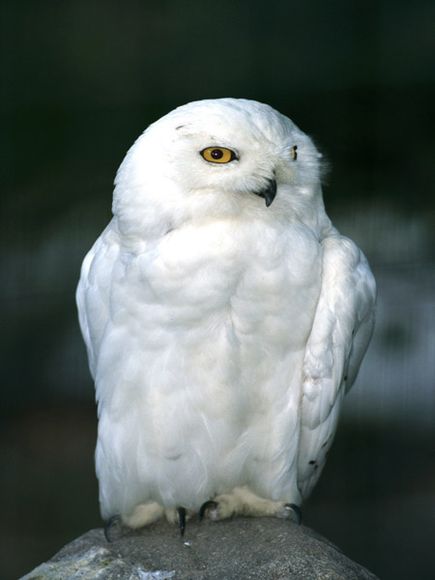
WordPress blogger Photo Nature Blog captures birds really well. Here is one of a snowy owl getting ready to take off.

The owl below is from the National Geographic.

Read Full Post »

« Newer Posts