Feeds:
Posts
Comments

Posts Tagged ‘boston’

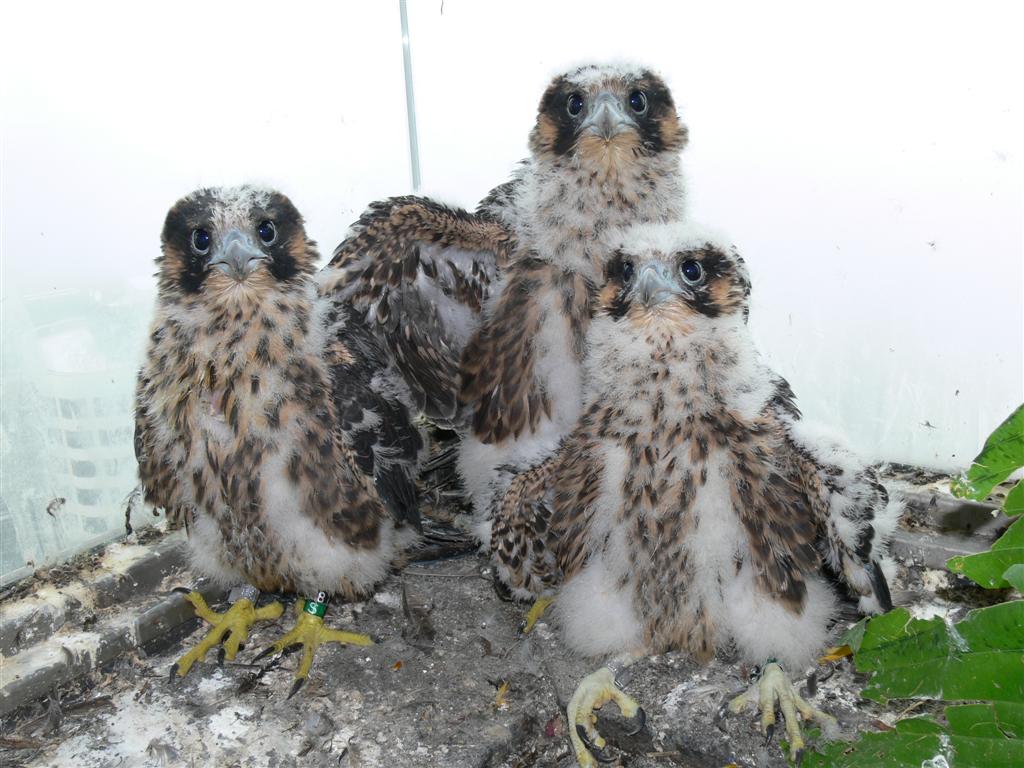
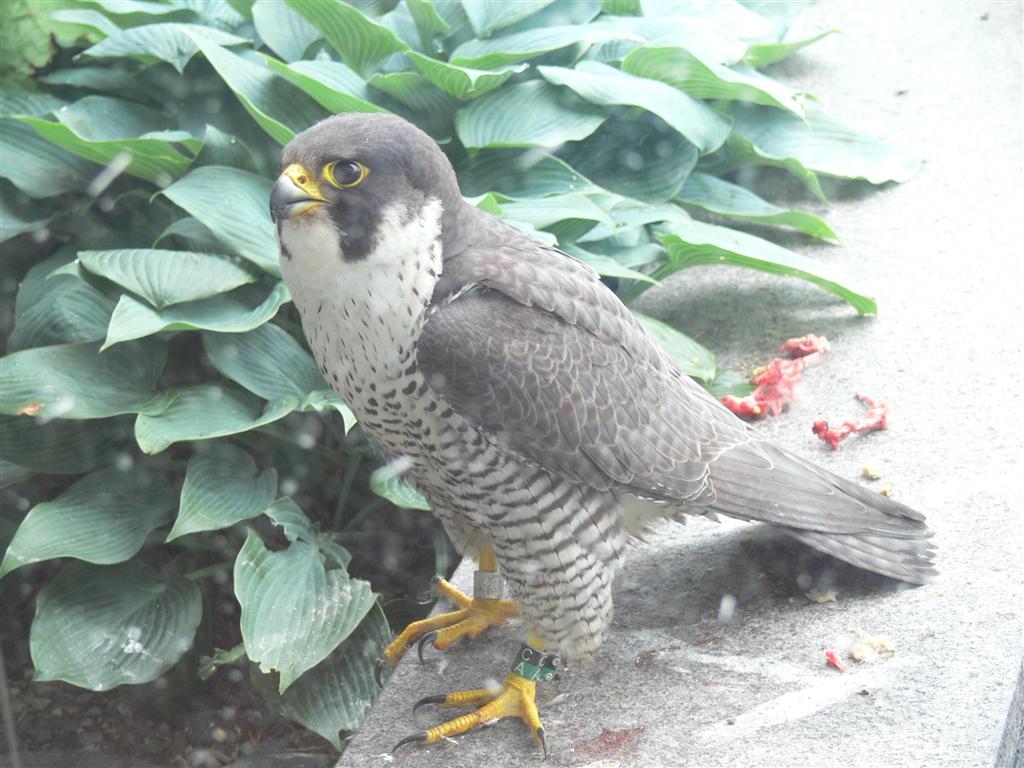
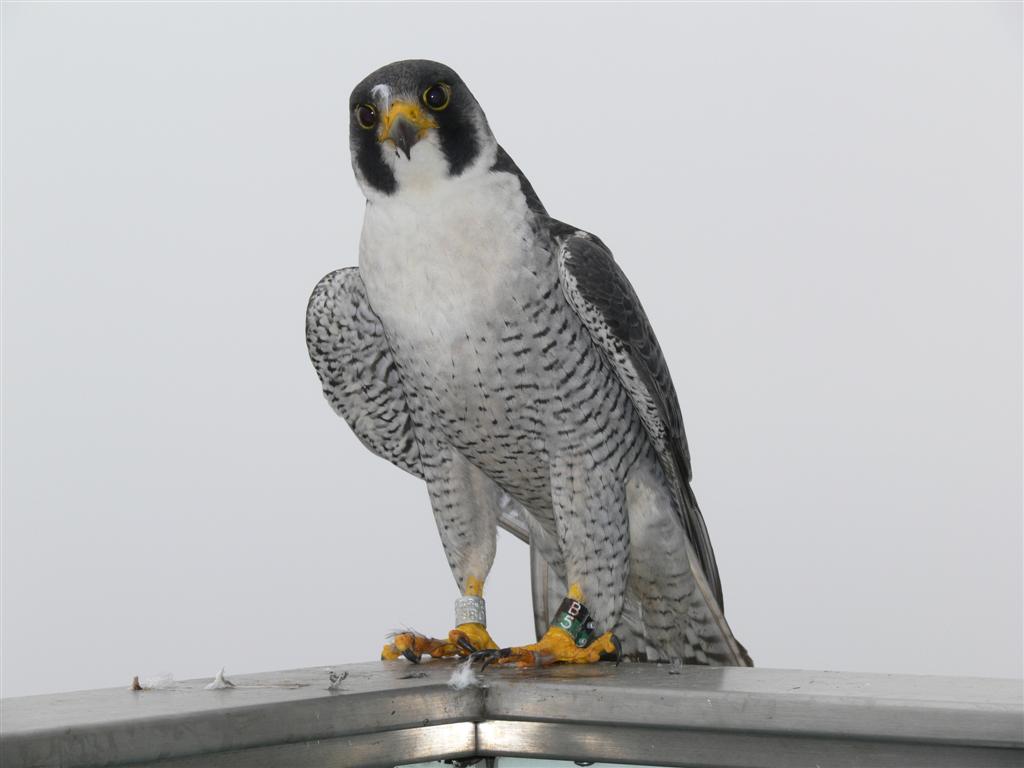
I was in a meeting on the 31st floor a month or so ago, when I saw a bird swoop past the window. That could never be a pigeon up this high, I thought. Could it be a … ?

This week a colleague sent me photos. It turns out that a pair of peregrine falcons had nested several years ago on the 32nd floor outside our president’s office and, after a sojourn at the Custom House, decided to come back this year. The babies have just been tagged, and the tagger took pictures.

I have been reading a novel about Bedouins translated from Arabic. It has numerous passages on Bedouins’ fondness for falcons as hunting birds, so this feels like a coincidence. But the main thing is, they are really cool birds.


Read Full Post »

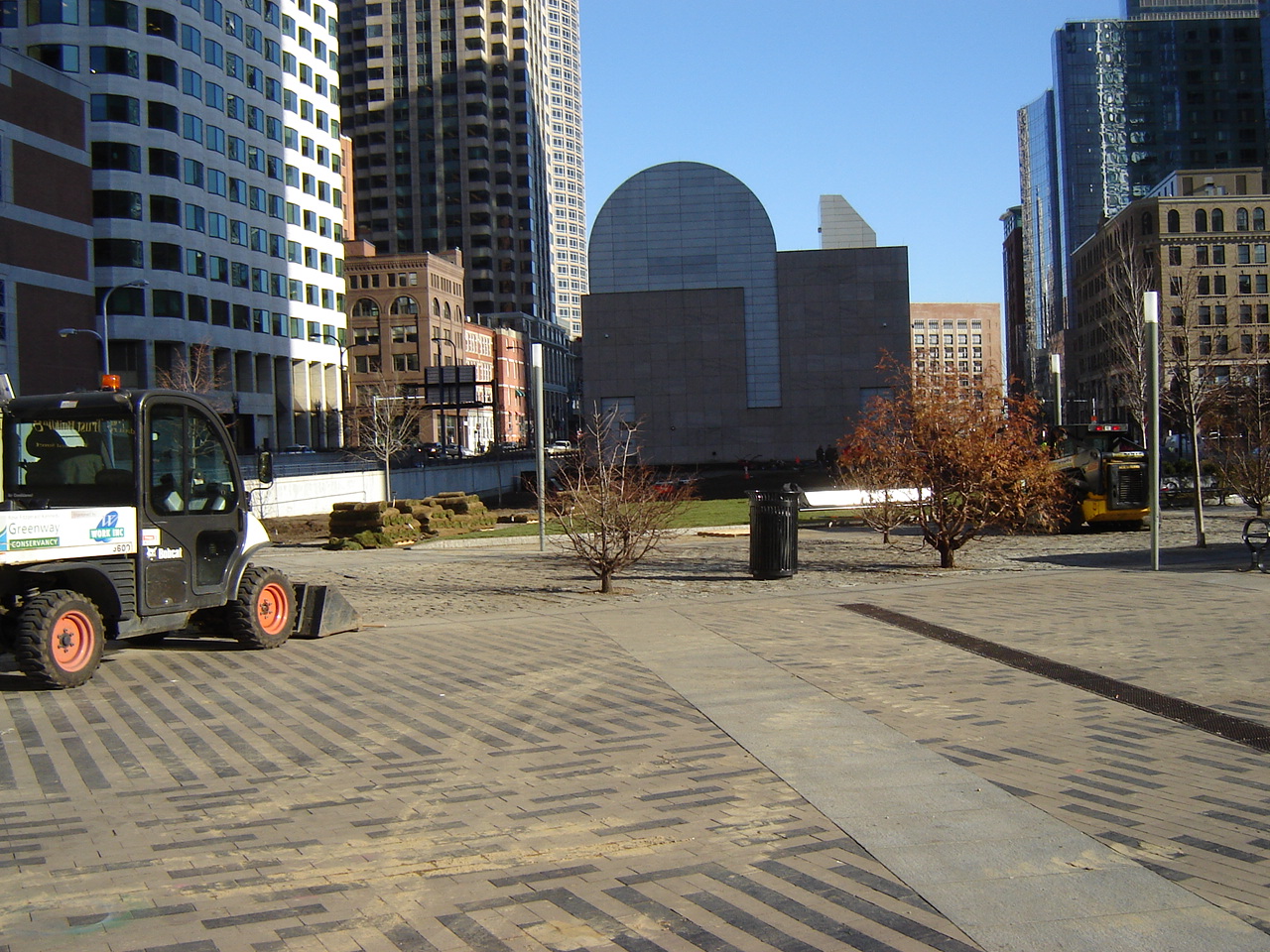
So far this spring I have walked to the office by way of North Station only a few times. But when I did, I got curious seeing people in hard hats working like they had a deadline on a part of the Greenway blocked off by a fence. I peeked in and thought, “What is that? It looks like a labyrinth.”

As someone who tends to think of Theseus, Ariadne, and the Minotaur on
Crete when labyrinths are mentioned, it has taken me a while to realize how many people today use them for meditation. And work being what it is, there will probably come a day soon when I want to test out the possibilities.

The new labyrinth was dedicated on a rainy day this week as part of a lovely Armenian Heritage Park.

Alejandra Matos writes for the Boston Globe, “US Representative Edward Markey and other officials welcomed the rain, calling it tears of joy from generations of Armenians.

“The park, located between the North End and Faneuil Hall, includes a sculpture surrounded by a reflecting pool, and is meant to honor Armenian immigrants to the state. Middlesex Sheriff Peter J. Koutoujian, who is Armenian, said he has been fighting for the park since 1999.

“ ‘This is a gift to the city, not just for the Armenian immigrants. This is a park dedicated to all immigrants who have experienced coming to this great city,’ Koutoujian said.”

The third-largest Armenian population in the United States is in nearby Watertown. Read more at the Globe.

4/8/13 Update: The sculpture gets reconfigured to reflect how immigrants adapt. Check it out here.

Photograph: Aram Boghosian for the Boston Globe

Read Full Post »

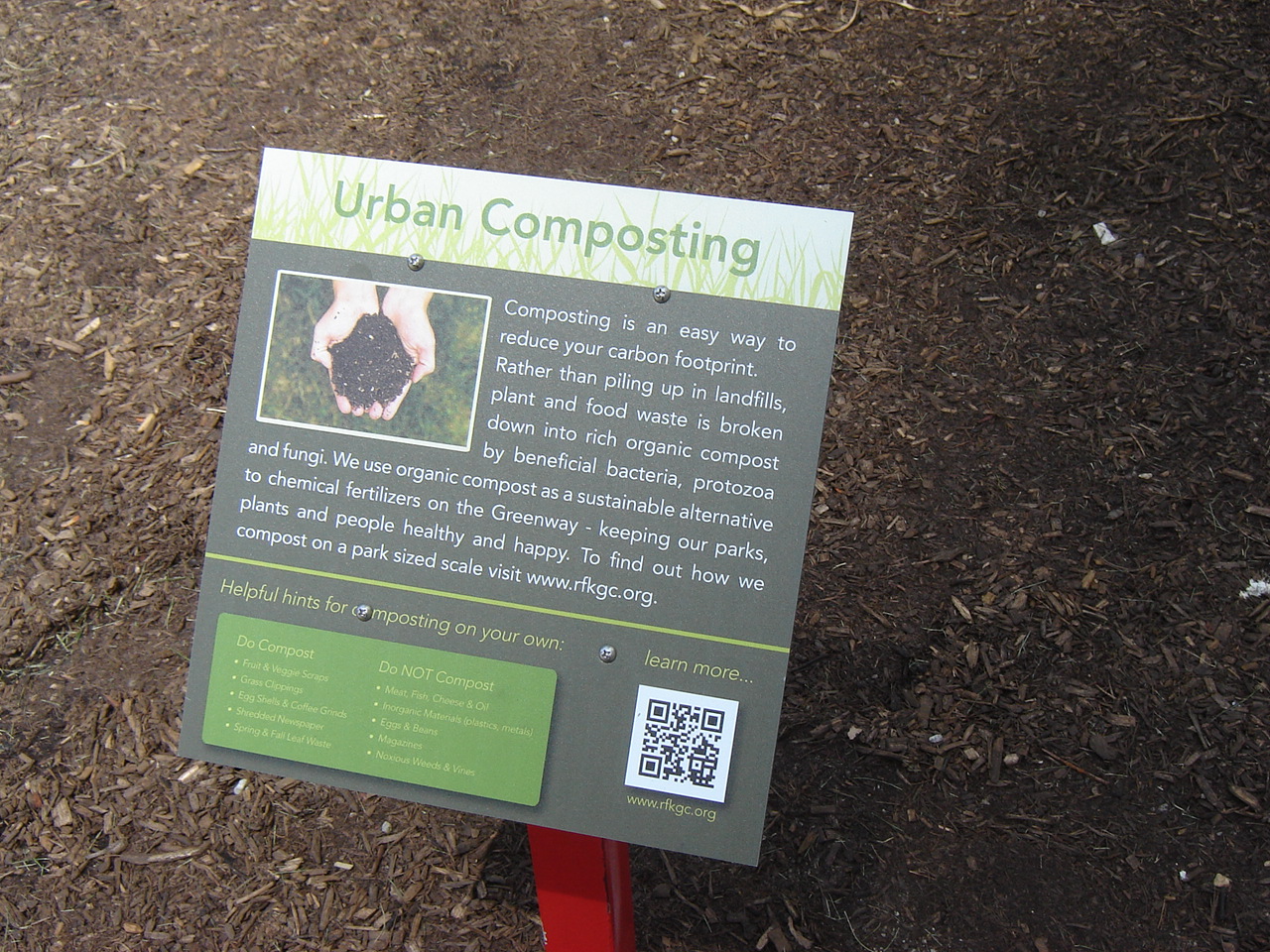
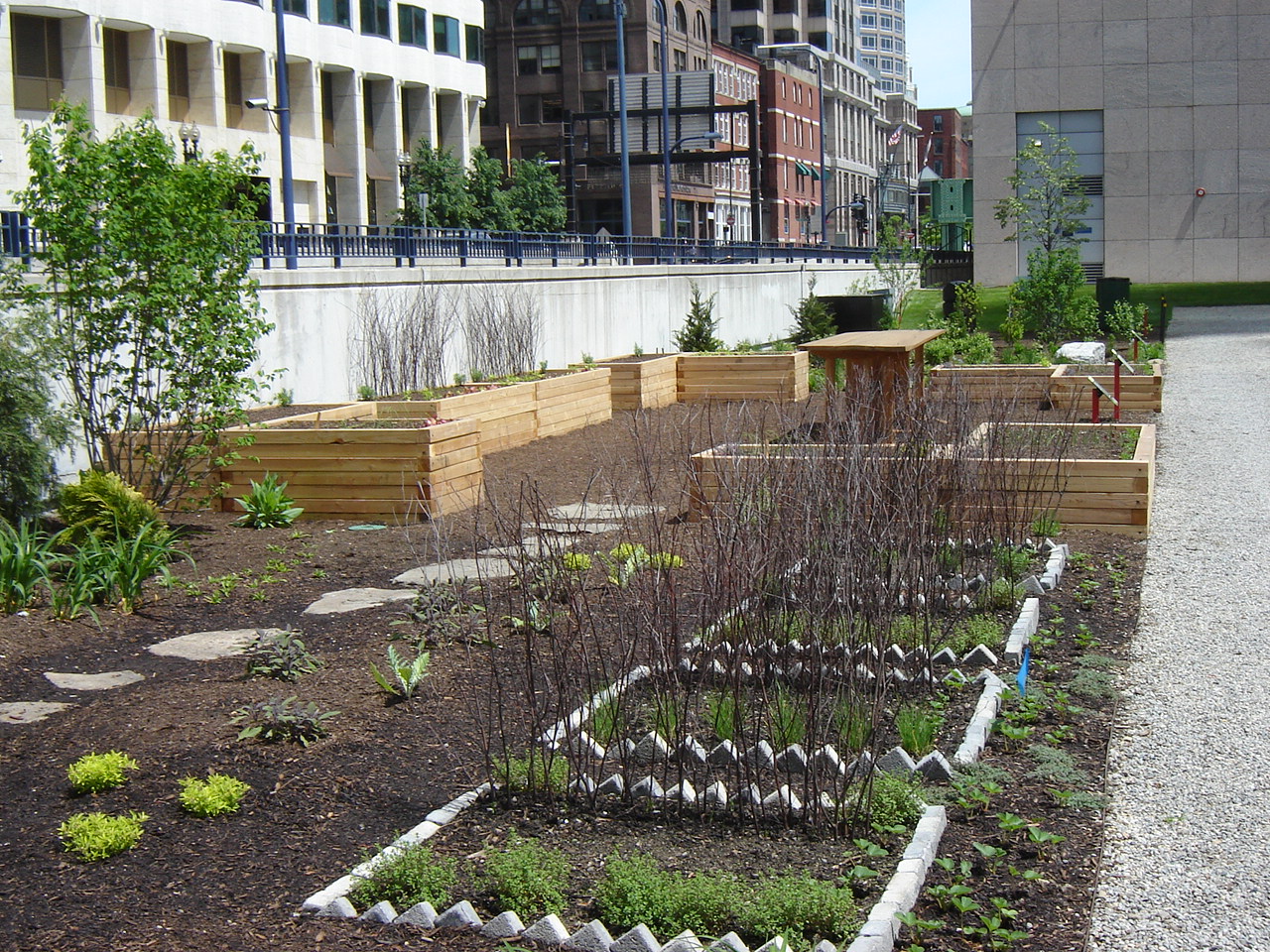
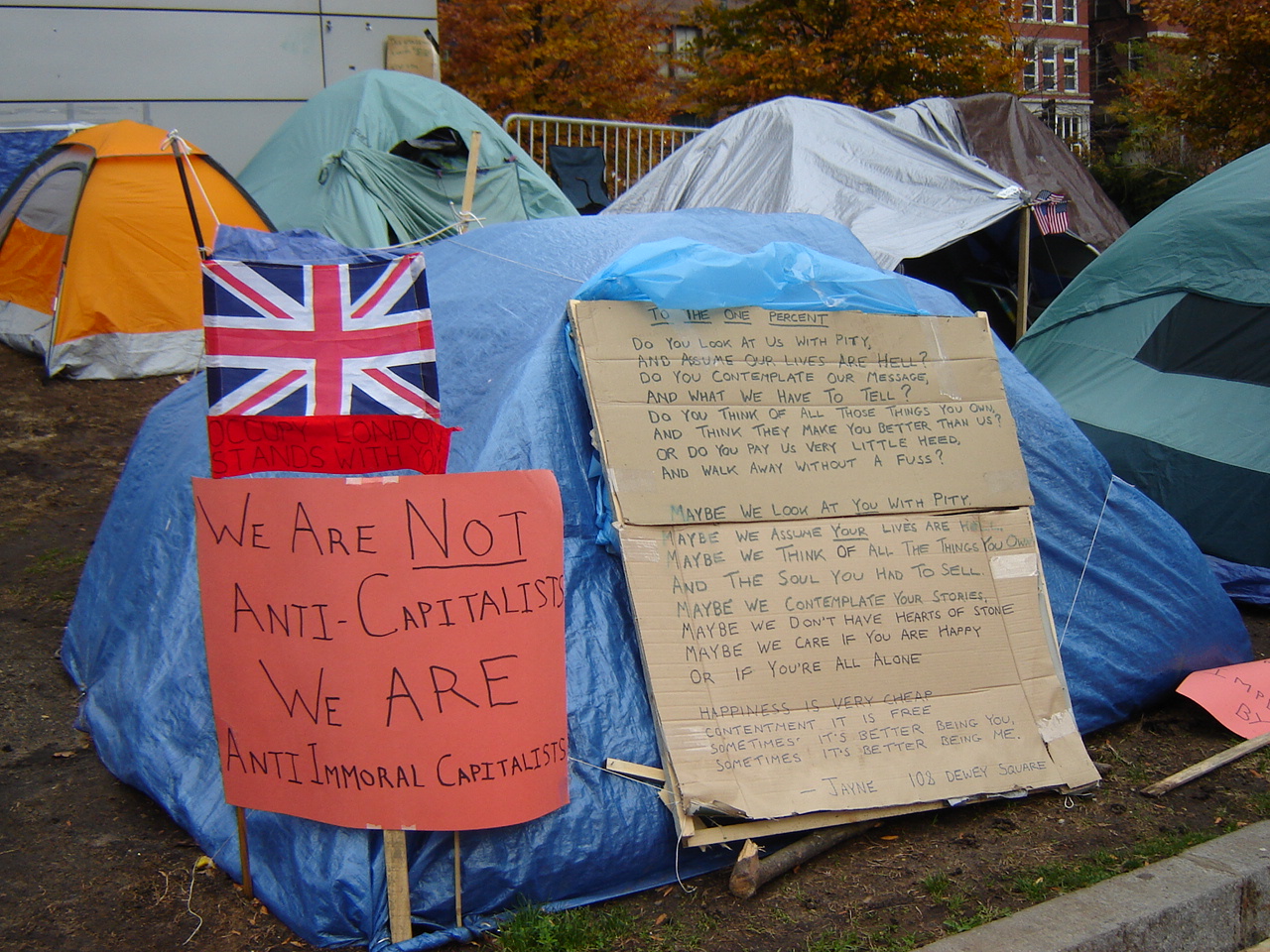
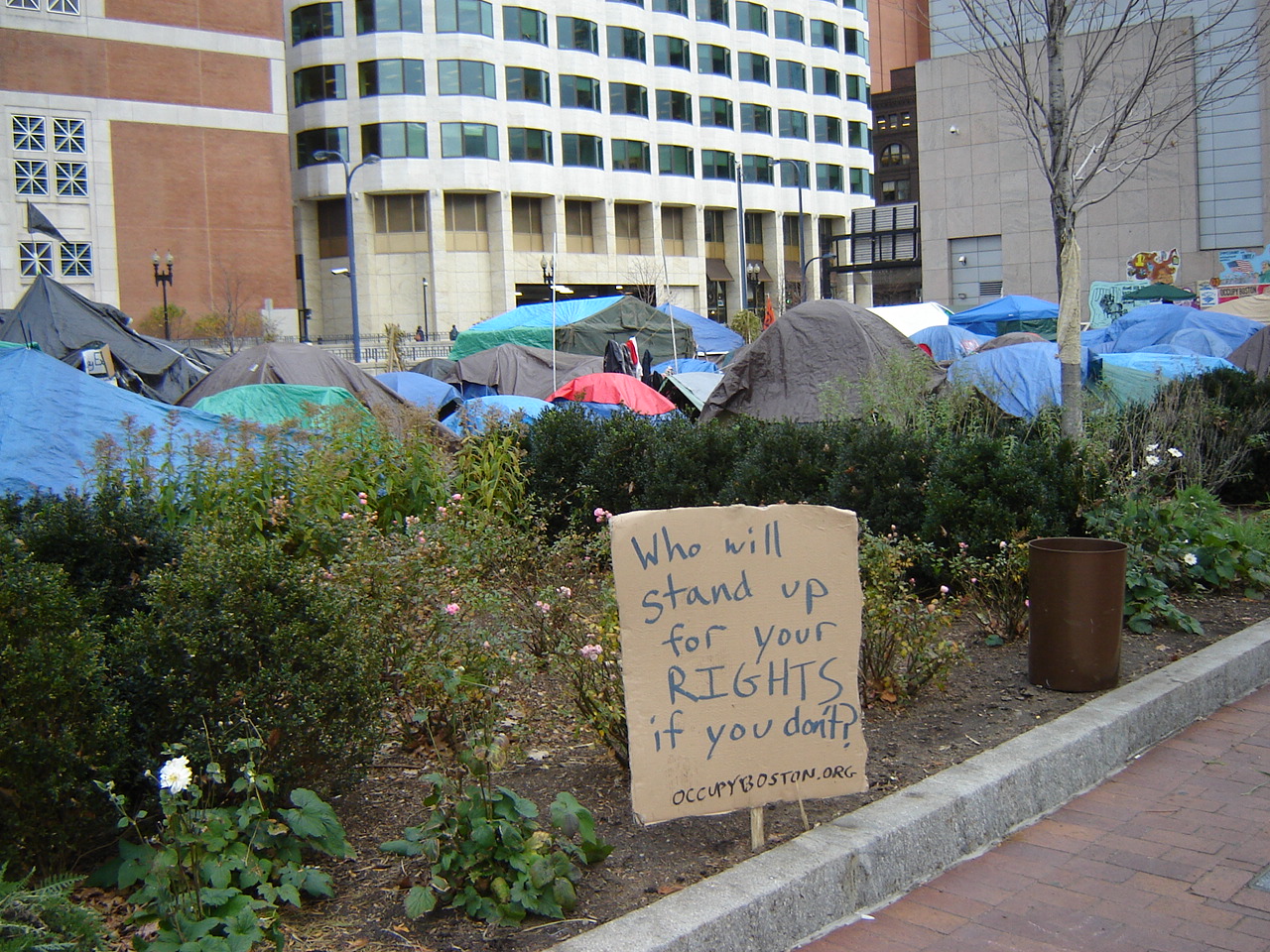
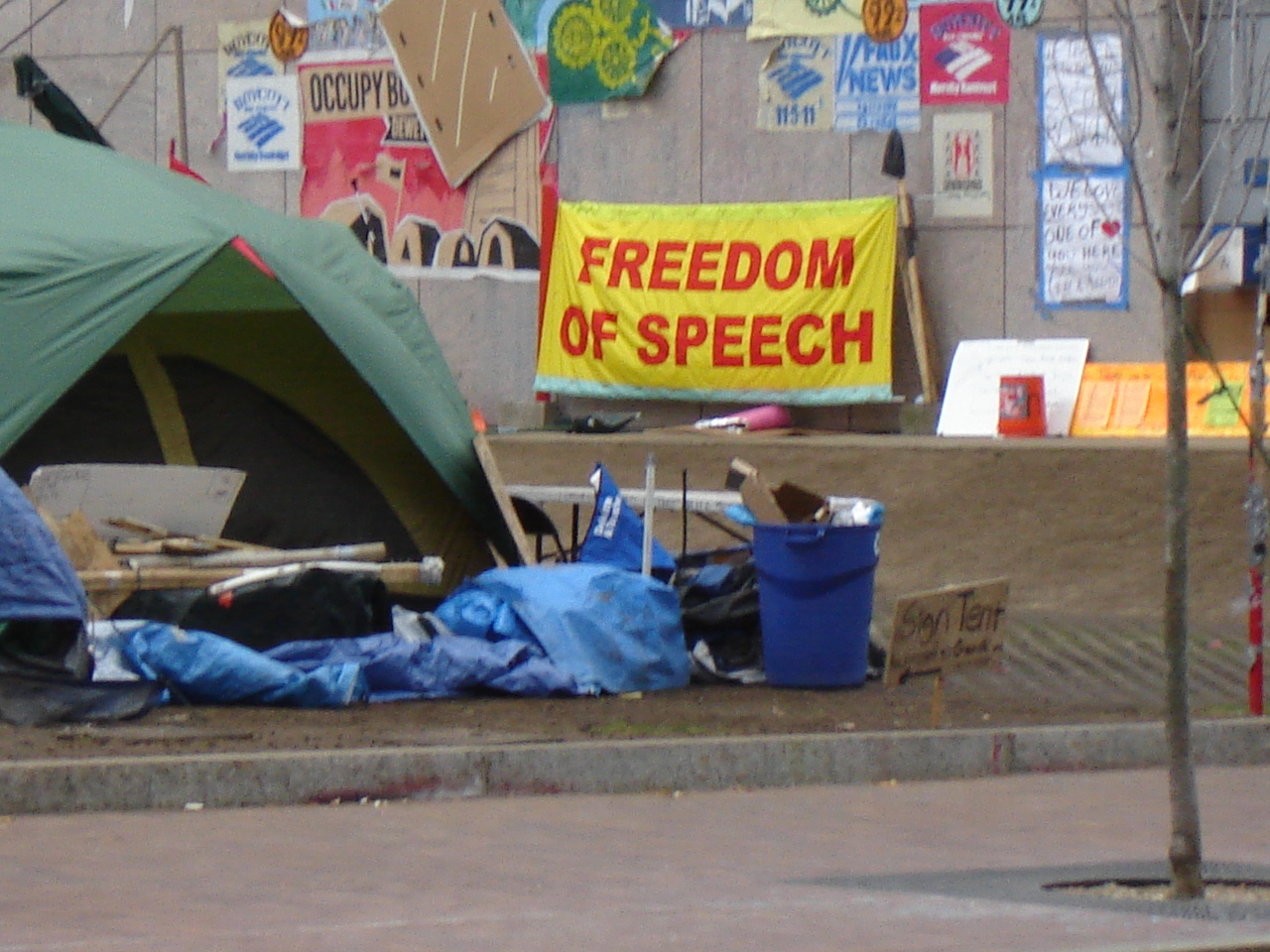
In the Greenway area where Occupy Boston camped last fall, there is now a demonstration garden. It includes raised beds of edible plants, a rain garden to capture run-off, and examples of urban composting. It’s a teaching garden.

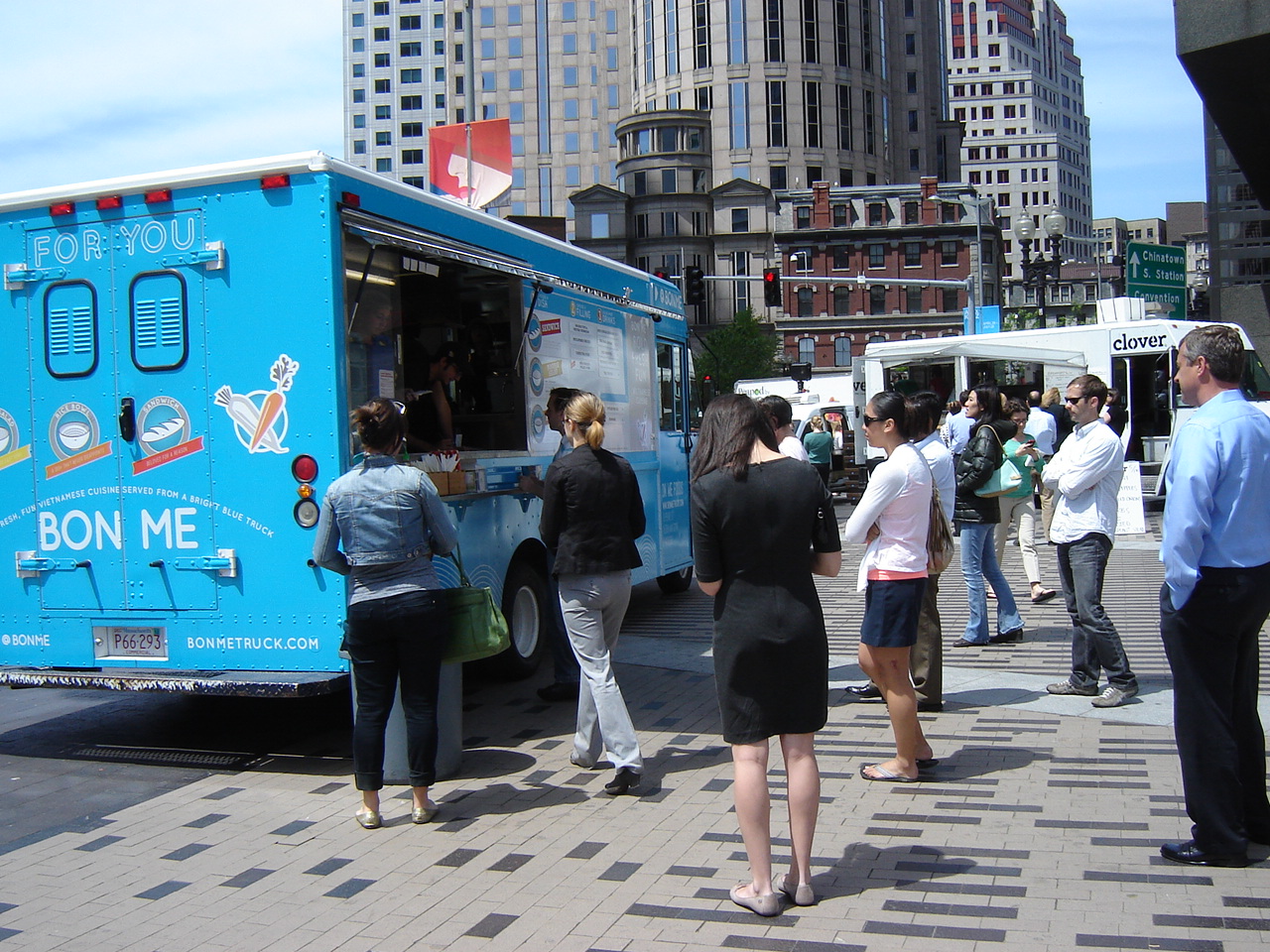
Also in Dewey Square are food trucks, such as this Bon Me truck, which offers great Vietnamese lunches.

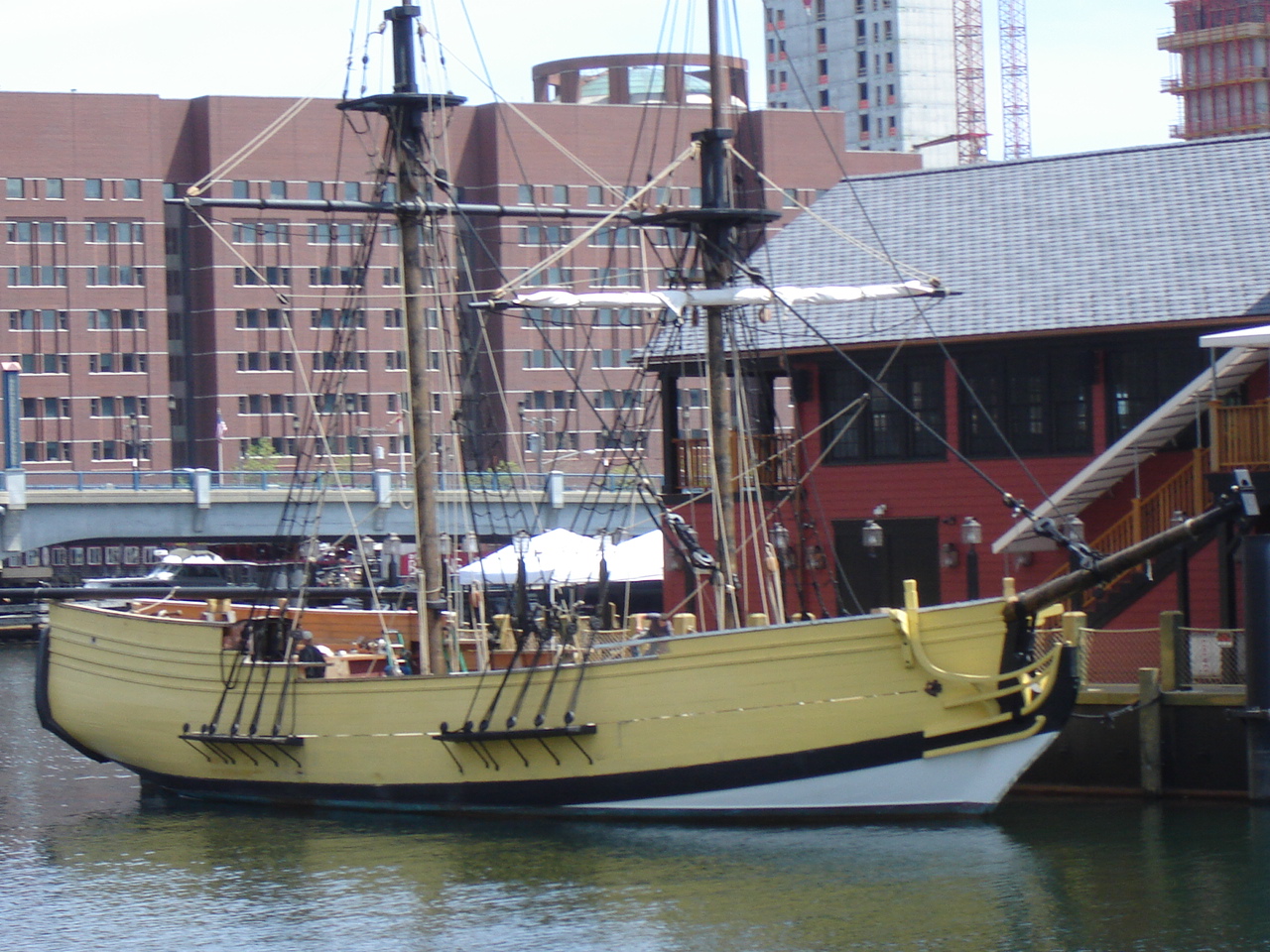
Around the block, in Fort Point Channel, the first of two Boston Tea Party Ships has arrived and has docked next to the new Boston Tea Party Museum.


Read Full Post »

I learned about an unusual artist today because I was following @FortPointArts on twitter. Her name is Heidi Kayser, and just when I no longer have an office with a view of Fort Point Channel, she has launched an art project on the water. Sigh.

Anyway, I went to her website and poked around. This blog entry from 2011 is a typically amusing one, and I think one of my readers may want to try the experiment:

“Sarah Rushford arrived today and we got right to work … The mission, as we chose to accept it, was to construct some sort of wearable platforms to hold the cameras on the back of my legs. Wonderful engineers that we are, Sarah and I  ingeniously came up with [contraptions] made of CD cases, zip ties, rubber bands, twine and alligator clips. …

“Sarah filmed me tramping across the beach. I filmed my ankles tramping across the beach. It was very surprisingly difficult to walk wearing the cameras — I couldn’t extend my knees very much, so finding balance in soft sand proved challenging but oddly meditative. My attention had to be focused on every step, otherwise I’d fall and damage the cameras.

“When we were nearly finished, the curious beach-goers who had been pretending to ignore me as I walked steadily and weirdly by them, came up to us and asked what we were doing.” Read more.

Photograph: Sarah Rushford

Read Full Post »

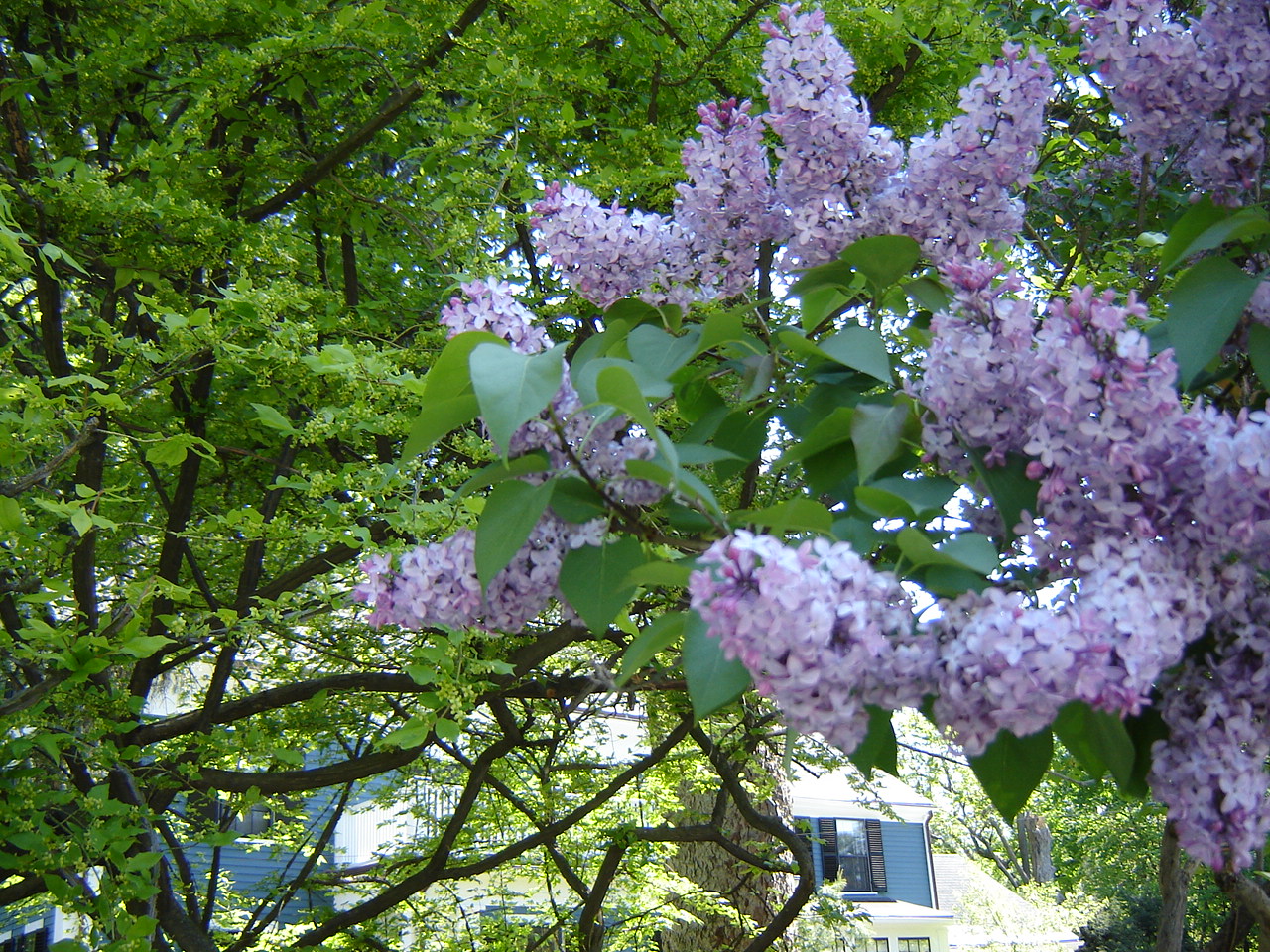
Many flowering trees are early this year. I associate lilacs with Mother’s Day, the Lilac Festival in Rochester, New York, and Lilac Sunday at the Arnold Arboretum in Boston — events that occur May 13 this year. But here we are in April, and lilacs are delicious everywhere.

The unusually dark red of the Japanese Maple at Dunkin Donuts is hard to capture on film. But as amazing as the color is, even more amazing is the tree’s comeback after March’s unseasonal heat and frost blasted the first leaves to brown. I was sure that was it for this year, but the leaves are richer than ever.

Read Full Post »

When I was a kid, April would see me heading out to the woods to check on what was new since fall and to climb on the rocks in the stream all afternoon. Inevitably, I would fall in. I remember one year coming home carrying my sopping shoes and socks, very pleased with myself for thinking to wear my mittens on my feet.

In Boston, the Greenway has lovely spring rituals. Here are two: pussy willows turning into cats and a carousel horse flaunting a spiffy new paint job.

Read Full Post »

There’s this one doctor who is generally quite late, so I always plan to take half a vacation day when I have an appointment with her. On Thursday, however, she was on time, so after I saw her, I got on a bus and went to SoWa (“South of Washington,” known for art galleries). Ferris Bueller’s Day Off.

I had got it in my head that I would like to buy an Easter hat this year. No one does Easter bonnets anymore. It used to be fun, if a little ridiculous.

After I left some of Suzanne’s Luna & Stella cards in the SoWa building where there are  open studios on first Fridays, I went over to the hat shop.

The hats were pretty gorgeous, but pricey. (It’s art, after all.) The smallest little saucer with a couple feathers was $150. The more magnificent hats were close to $400.  So I just looked. You should look, too. Amazing, huh?
Marie Galvin, the artist, writes on her site: “Galvin-ized Couture Hats and Headpieces are handcrafted with innovative design & techniques. These fabulous creations are perfect for Weddings, Ascot, the Kentucky Derby and Cocktail Parties.”

Nothing about Easter.

Can’t you picture me in a back pew of the U-U church in this little number? Sigh.

Read Full Post »

Who would have imagined it would be 80 degrees in March! I certainly enjoyed being able to take a walk I usually take in the summer and check out the flowers and art.

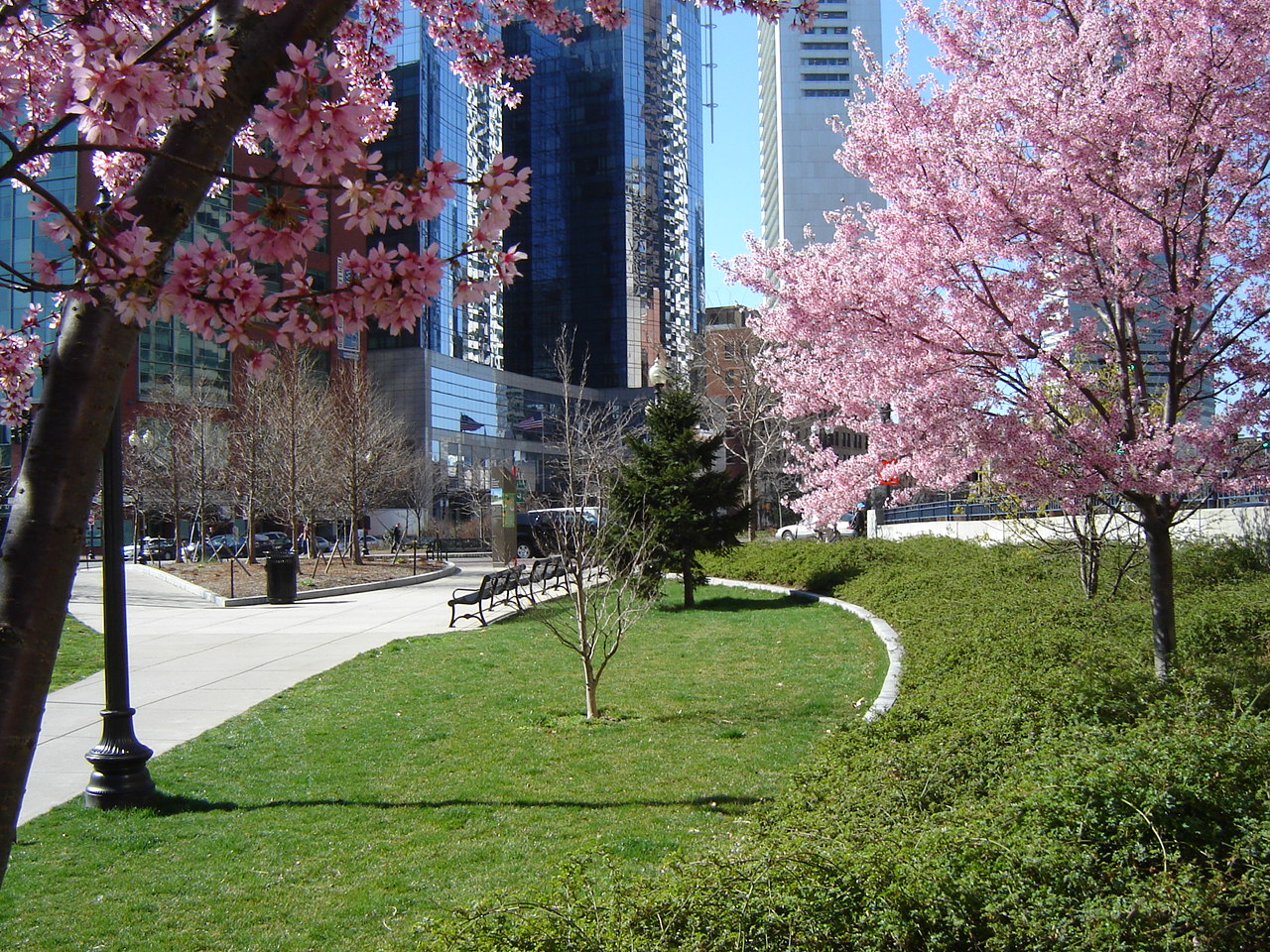
Search this blog on “Greenway” for more pictures and posts about the lovely Rose Fitzgerald Kennedy Greenway in Boston. Here’s what it looked like today.


Read Full Post »

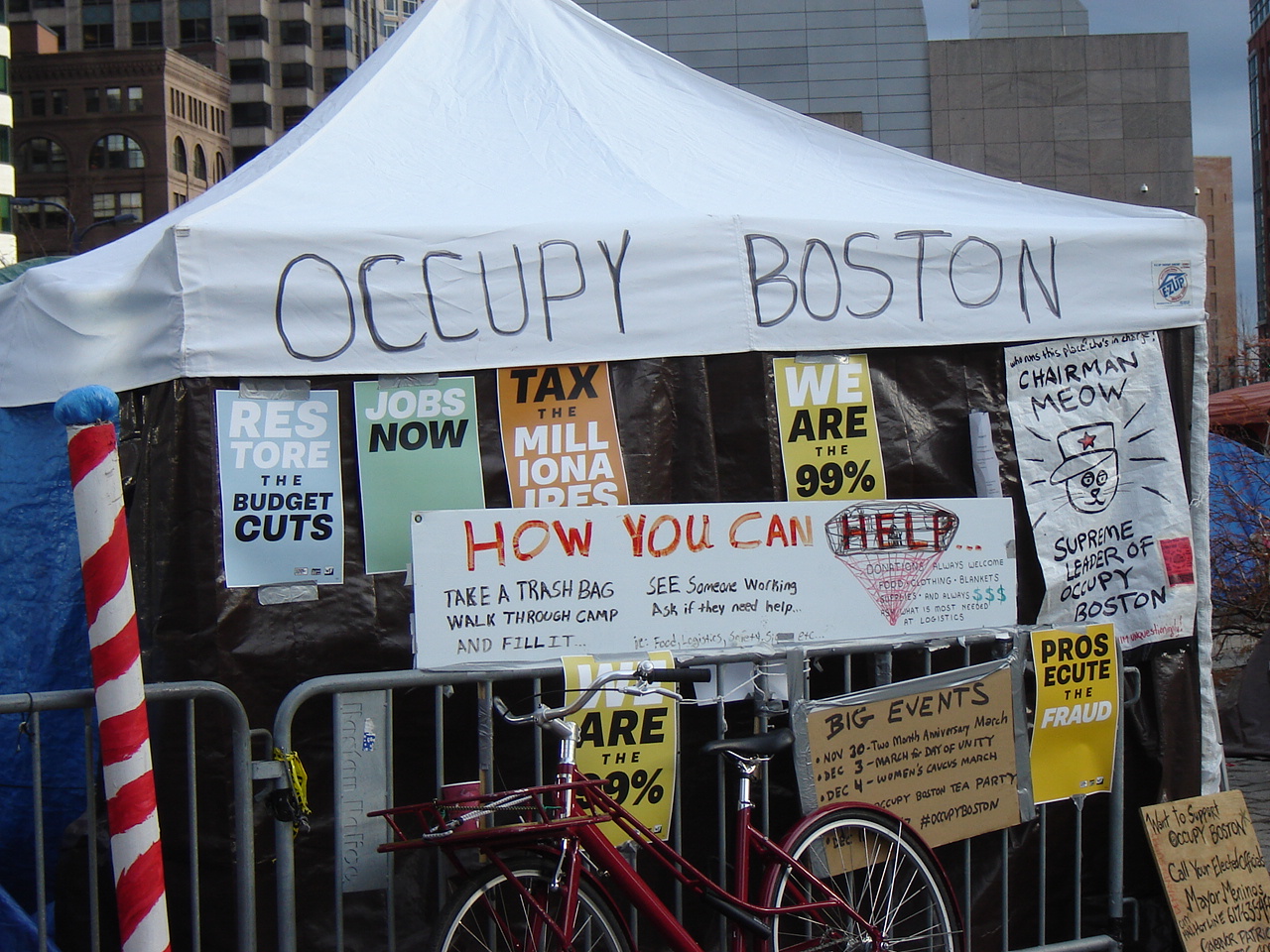
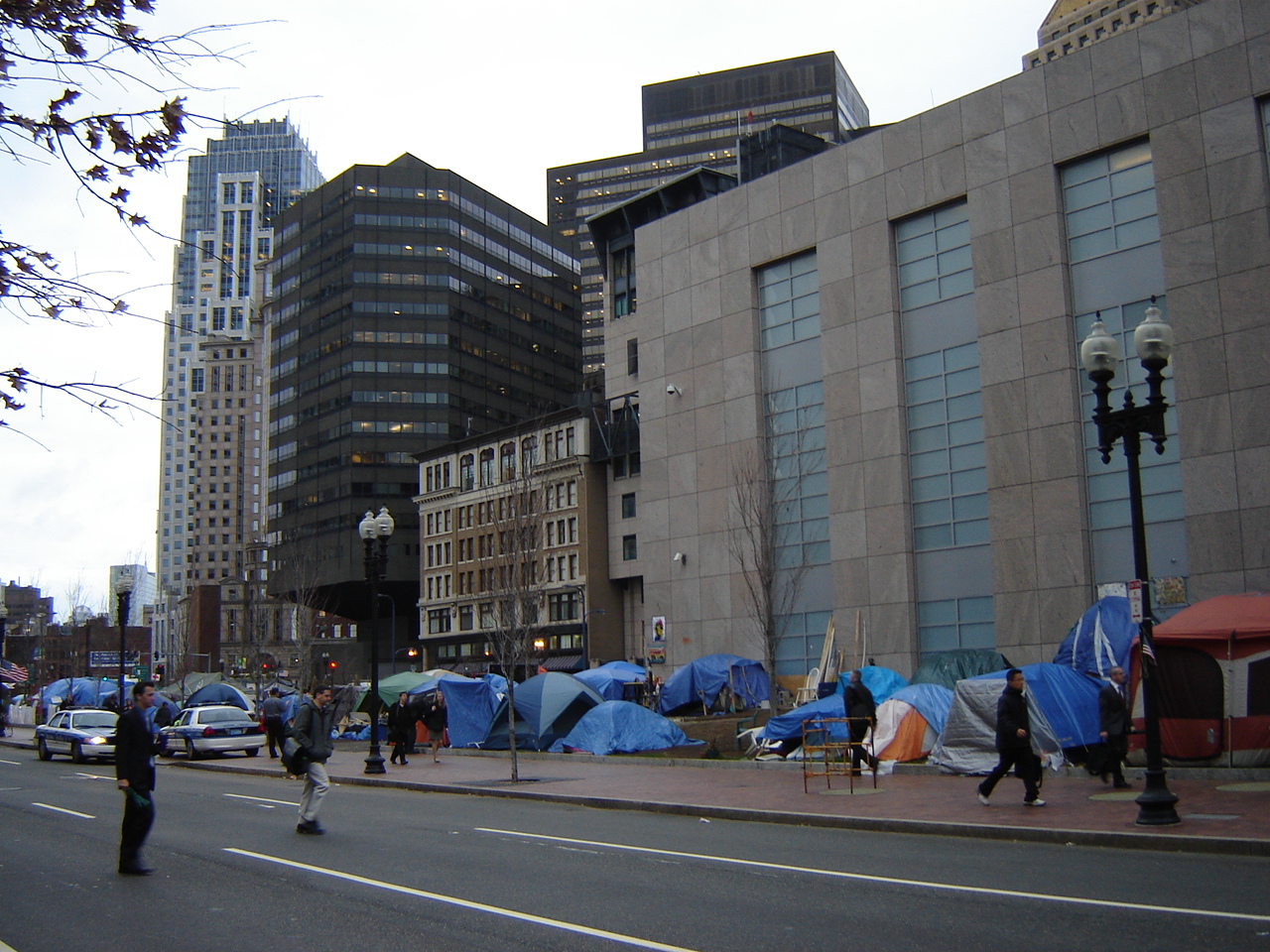
The last time we checked in at the Greenway, Occupy Boston had just departed, and new sod was being laid down where there had been tents.

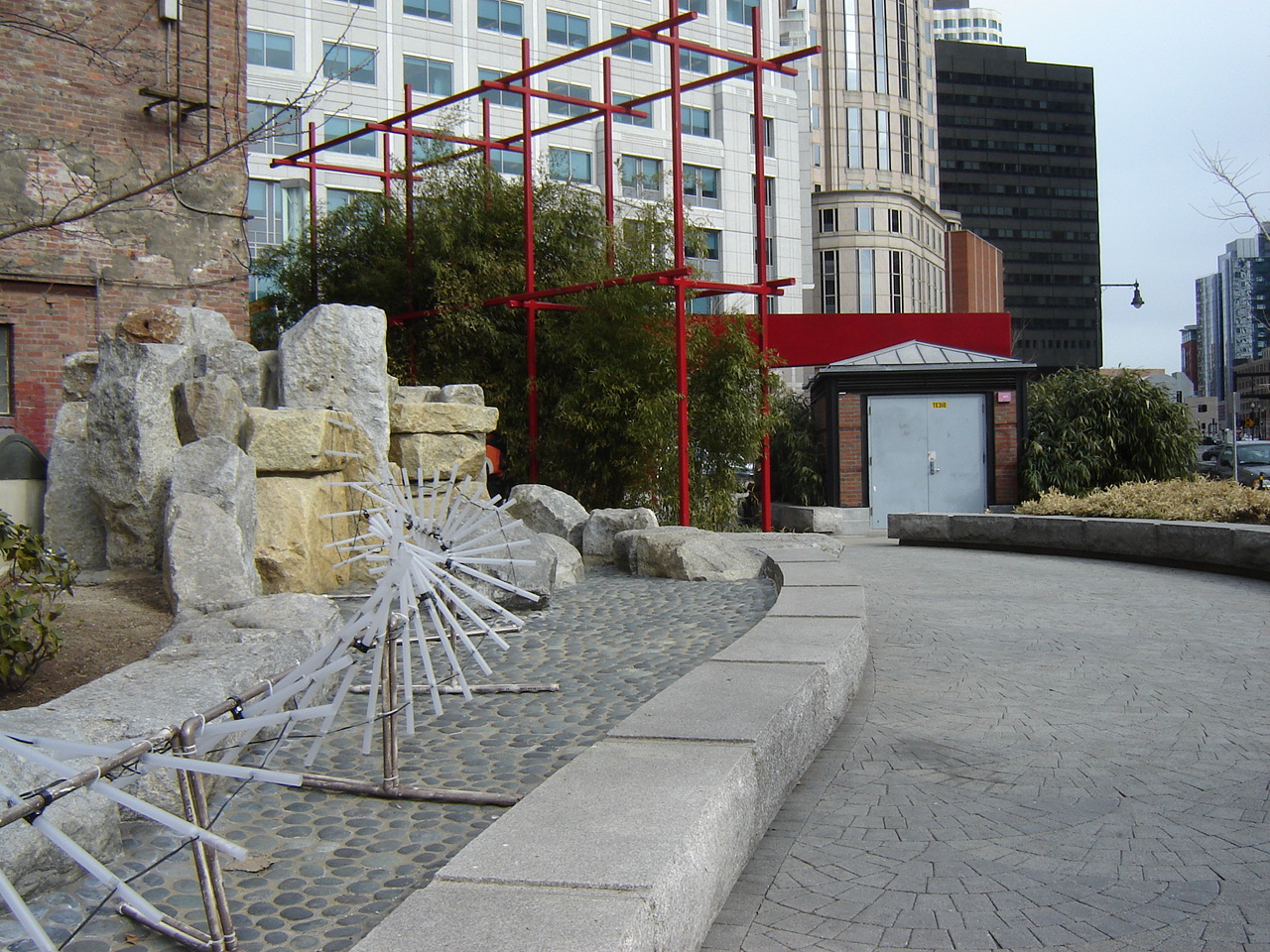
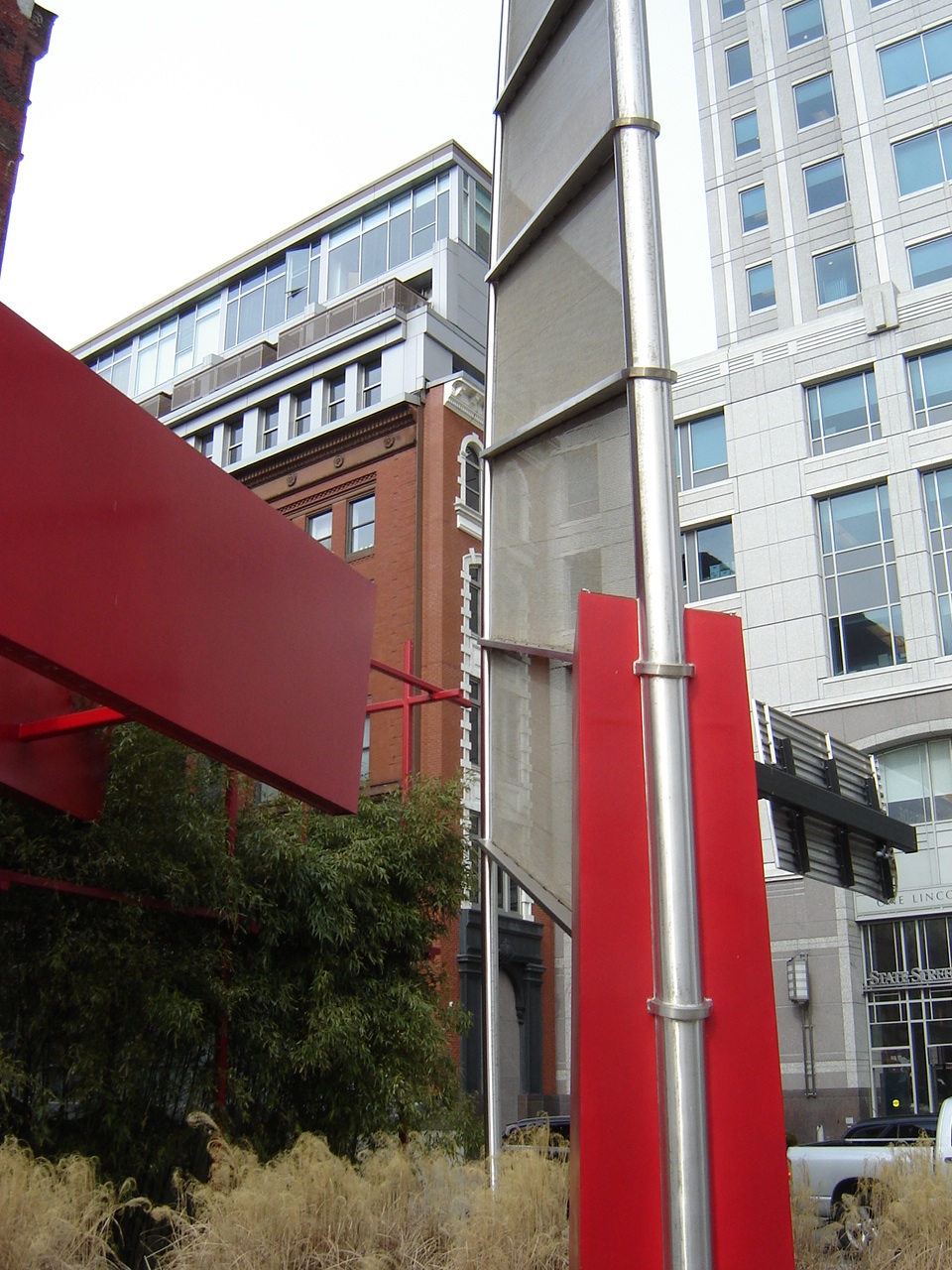
Today I walked in both directions along the Greenway and took pictures of the new art. In front of the Boston Harbor Hotel is a temporary exhibit called Ice Chimes. It is designed to enhance the music of icicles. In the other direction, near the gateway to Chinatown is a sculpture with what looks like the sail of a junk and another sculpture of white sticks.

Pictures may serve better than words.

Read Full Post »

The museum commemorating the real Boston Tea Party burned down a few years ago. Now a travel company has rebuilt it bigger and stronger in its Fort Point Channel location.

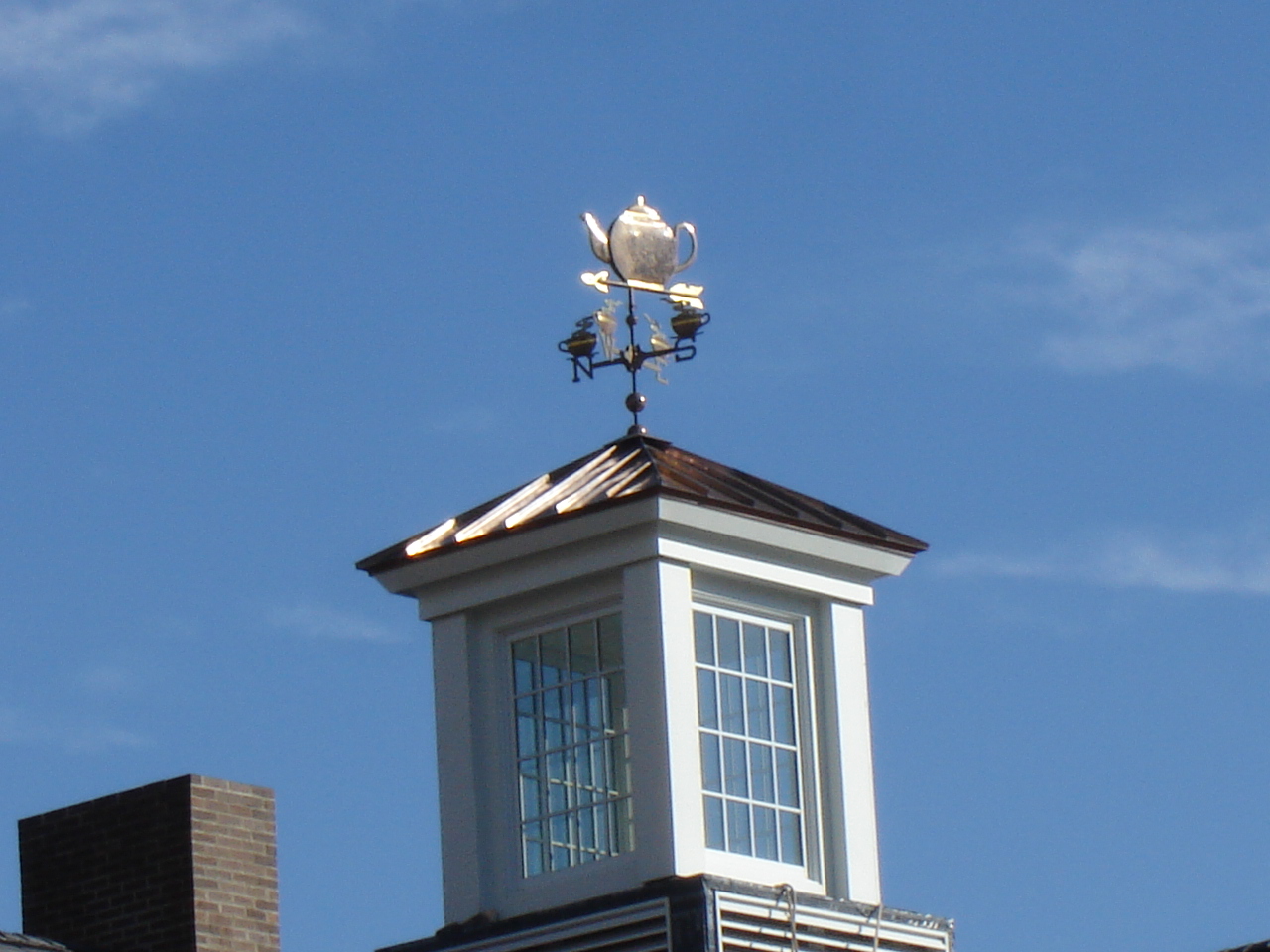
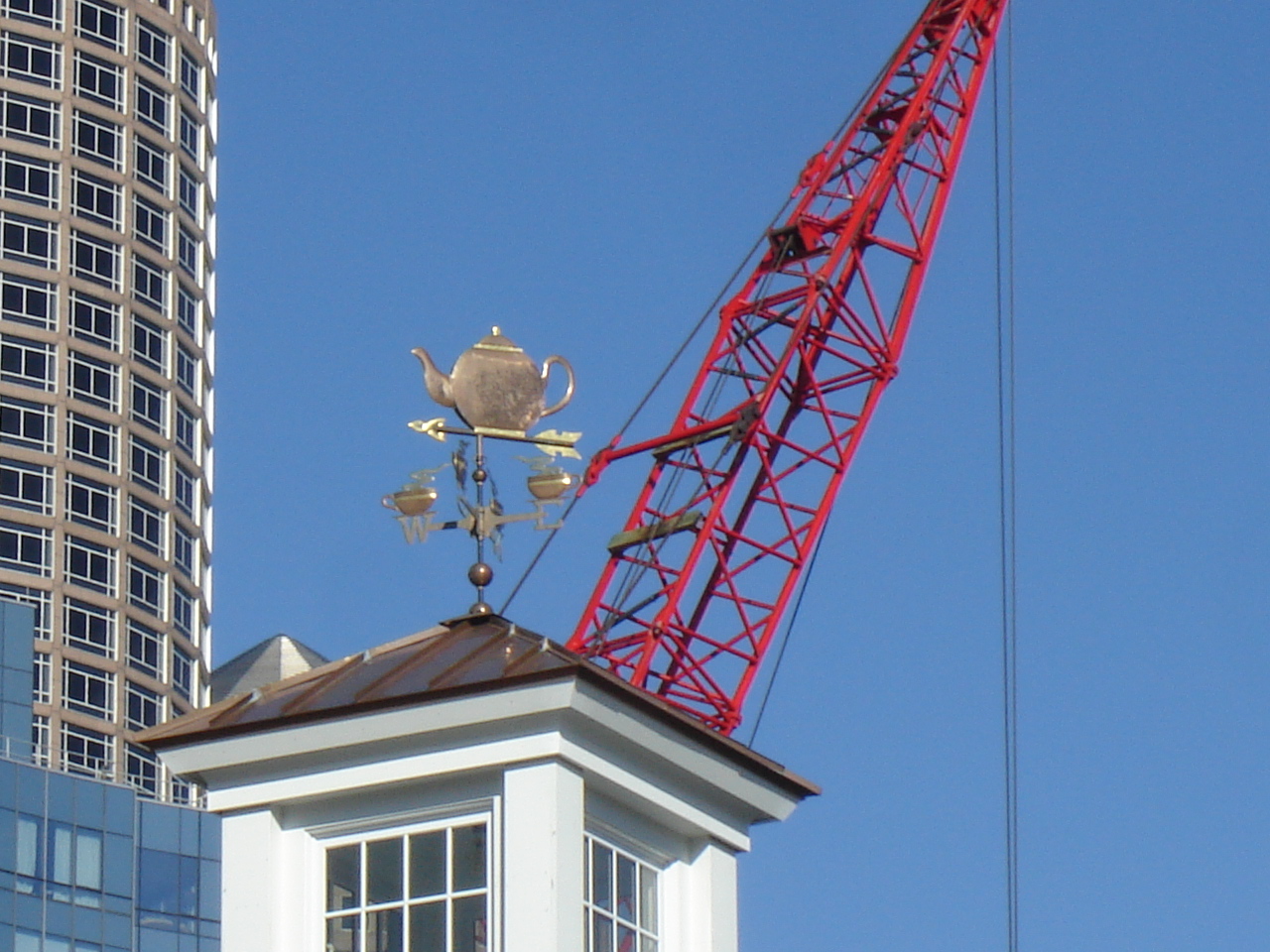
I like the history lesson at the museum, but the thing I am getting the biggest kick from is the weathervane: a teapot and steaming tea cups. If this isn’t the best weathervane ever, please send me your contenders. Click https://suzannesmomsblog.wordpress.com/wp-admin/post.php?post=2126&action=editto make the photos bigger.

031/31/12

Oh, wow! Just learned the weathervane is by Lizanne Jensen. Read about her at Fort Point Arts Community, here.

Read Full Post »

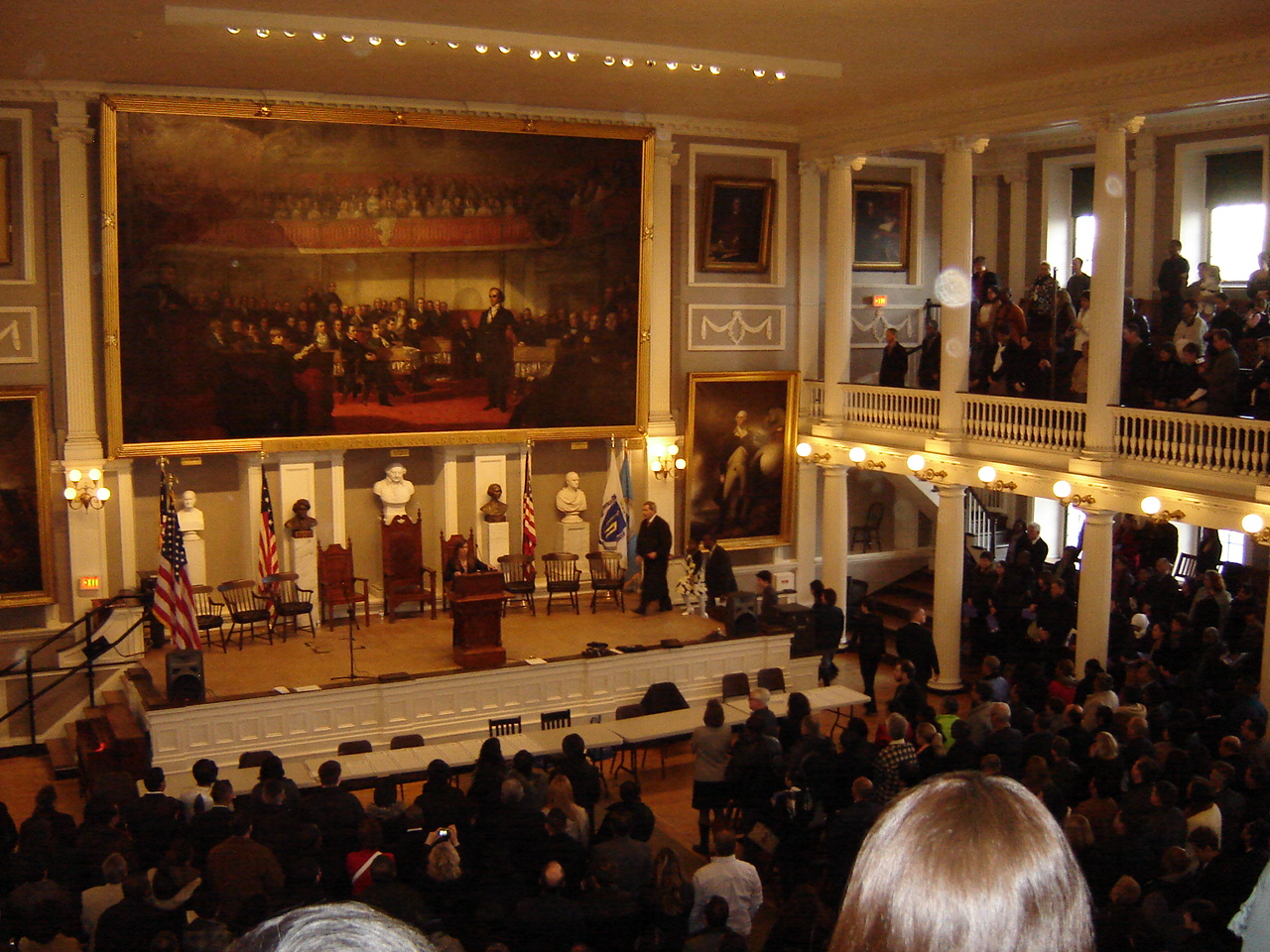
I have always wanted to attend a citizenship ceremony. It turns out the Boston branch of the U.S. Citizenship and Immigration Services performs them every week at historic Faneuil Hall, which was a witness to some of the first rumblings of the American Revolution. It’s an imposing place for a great event.

There were 376 immigrants from 79 countries today (Belarus, Egypt, Sweden, and 76 others). It was moving to think about those 376 people wanting to be citizens and also to think about the United States as a place that can mean hope and opportunity. I did find myself wondering whether some of the new Americans were feeling a little sad, especially refugees and the elderly, who might be thinking about the way their homeland used to be — or could have been.

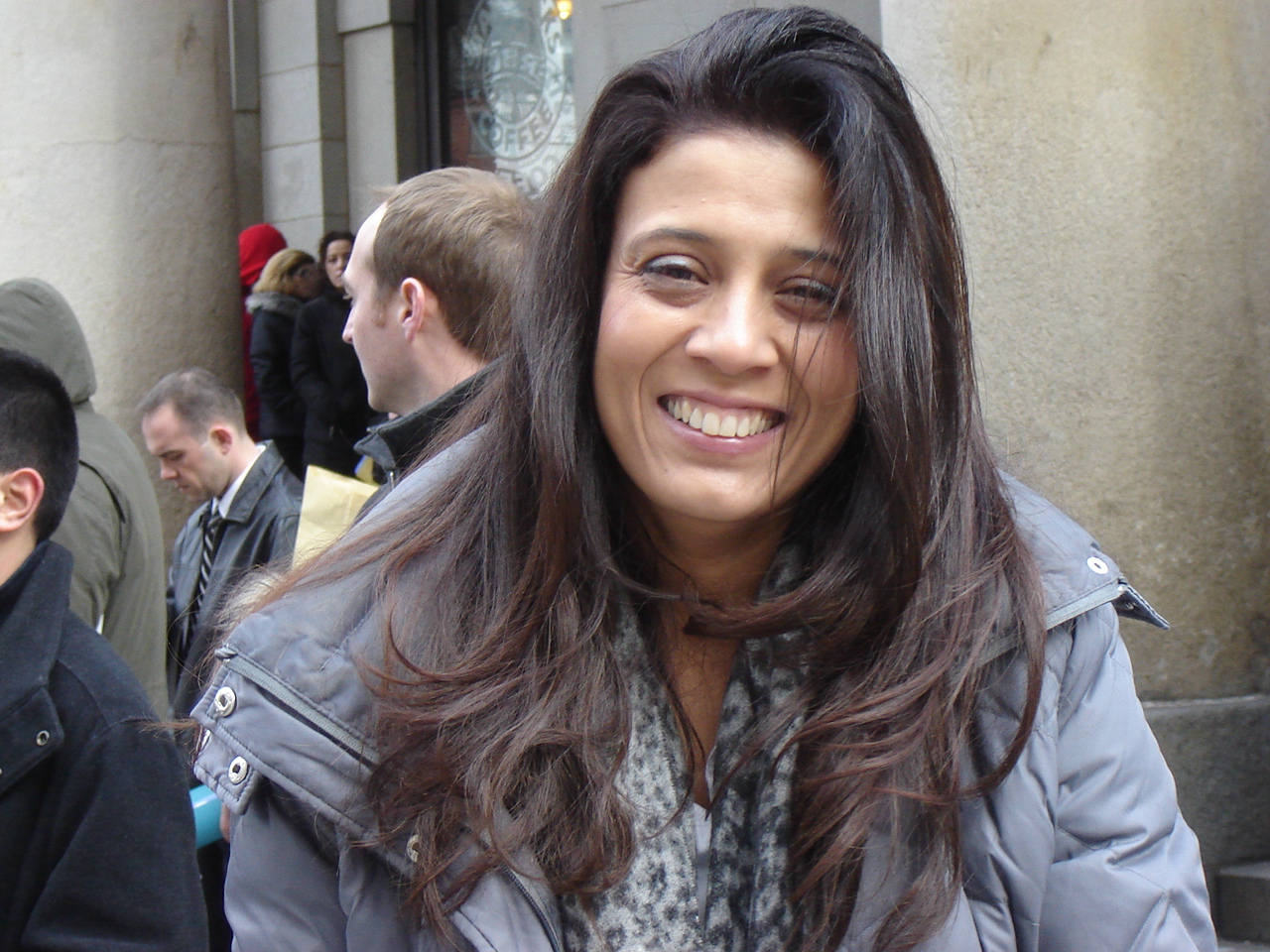
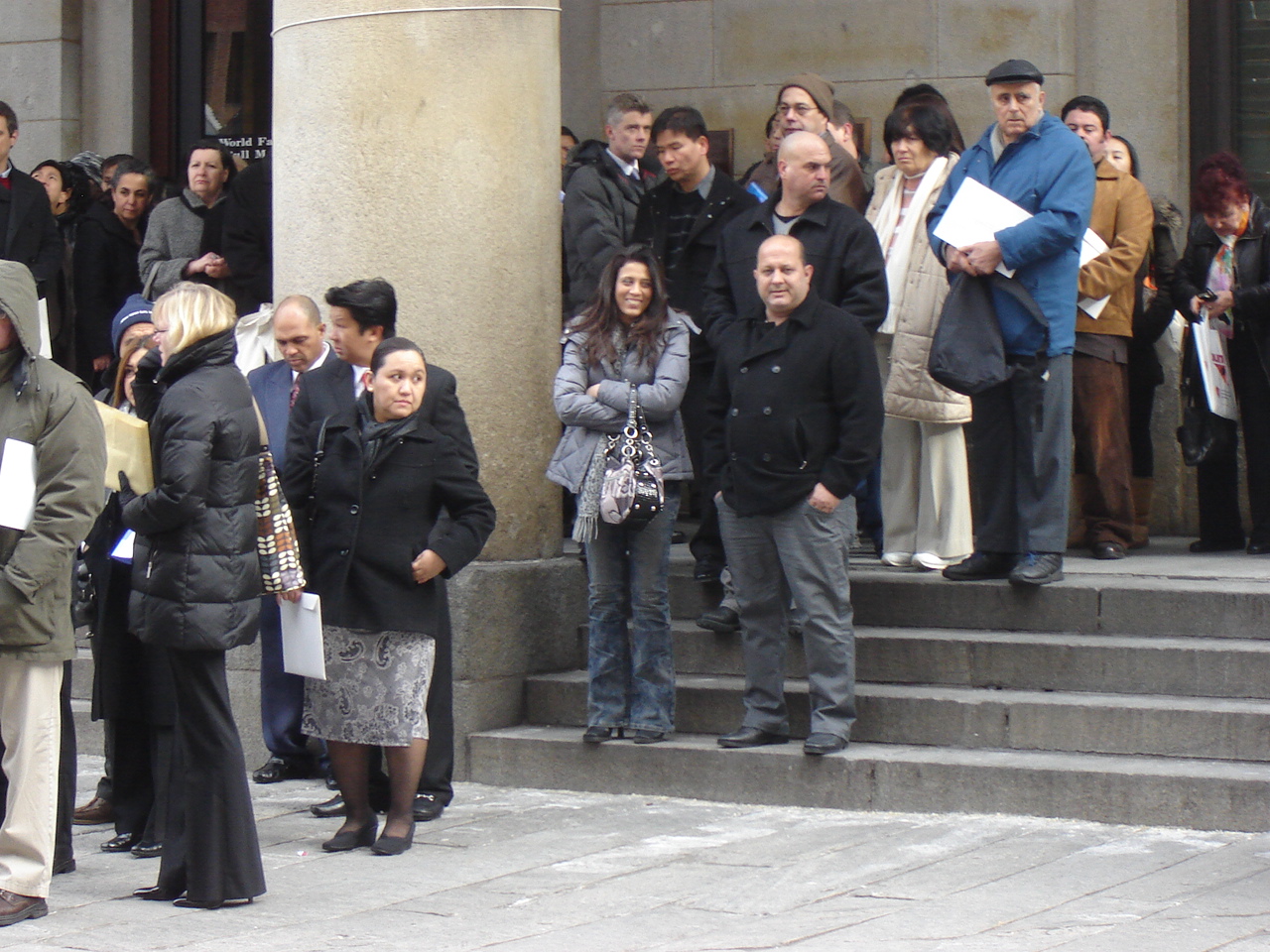
I saw Ione lining up outside. She looked happy and beautiful. Inside, I was surprised to observe a man I knew through my work also becoming a citizen.

The first announcement made me chuckle:”Is there anyone on the floor who speaks Russian?”

As things got underway, the supervisor from the Boston office of U.S. Citizenship and Immigration Services explained that the order of activities related to the different color packets given out to organize the applicants. (He referred to one kind of packet as “skin-colored,” which considering his experience and the broad spectrum of skin colors in the room, seemed odd.) Staff conducted people efficiently along tables where their papers got checked. Then the judge entered.

When the judge entered, the hall became a courtroom. Becoming a citizen is a judicial process, we were told. A young man sang the national anthem. The judge started out lightheartedly by reading the list of 79 countries, making comments about his visits to a particular country or about the country’s soccer status. (I guess “football” is an international language.)

In the solemn part, everyone took an oath of loyalty to the United States. As the complicated phrases were read aloud, the applicants held up their right hands and repeated the historical words about rejecting monarchs and potentates and serving in the military if required by law.

Finally, the judge asked the small citizen daughter of one new American to lead everyone in the Pledge of Allegiance. It was hard to speak. A wonderful moment.

Read Full Post »

Bike Share came to Boston last summer. I blogged about it here. I did wonder if people who used the Bike Share would be bringing their own helmets. It turns out that only 30 percent of Bike Share users do, compared with about 70 percent of those who have their own bikes.

MIT to the rescue! Thanks to a group of determined problem solvers, a bike helmet is in the works.

“The prototype of the product they call HelmetHub would dispense headgear to what until now have been the mostly helmetless riders of Hubway. …

“Much of Hubway’s allure is its immediacy,” writes Eric Moskowitz in the Boston Globe, “making even that side trip to the store — or the prospect of being saddled with a helmet after returning the bike — inconvenient for some users, said Nicole Freedman, who runs the city’s Boston Bikes program, which oversees Hubway.

“The HelmetHub prototype features a touch screen similar to those on Hubway rental kiosks, draws power from solar panels, and occupies half the space of a soda machine. And it works, dispensing helmets that adjust to fit most head sizes.” The prototype is almost ready to launch, and knowing the enterprising MIT mindset, it won’t take long. Read more.

Read Full Post »

Not an appropriate quote, but I can’t keep it from coming into my head:
“Like the leaves of the forest when Summer is green,
“That host with their banners at sunset were seen:
“Like the leaves of the forest when Autumn hath blown,
“That host on the morrow lay withered and strown.”

Read Full Post »

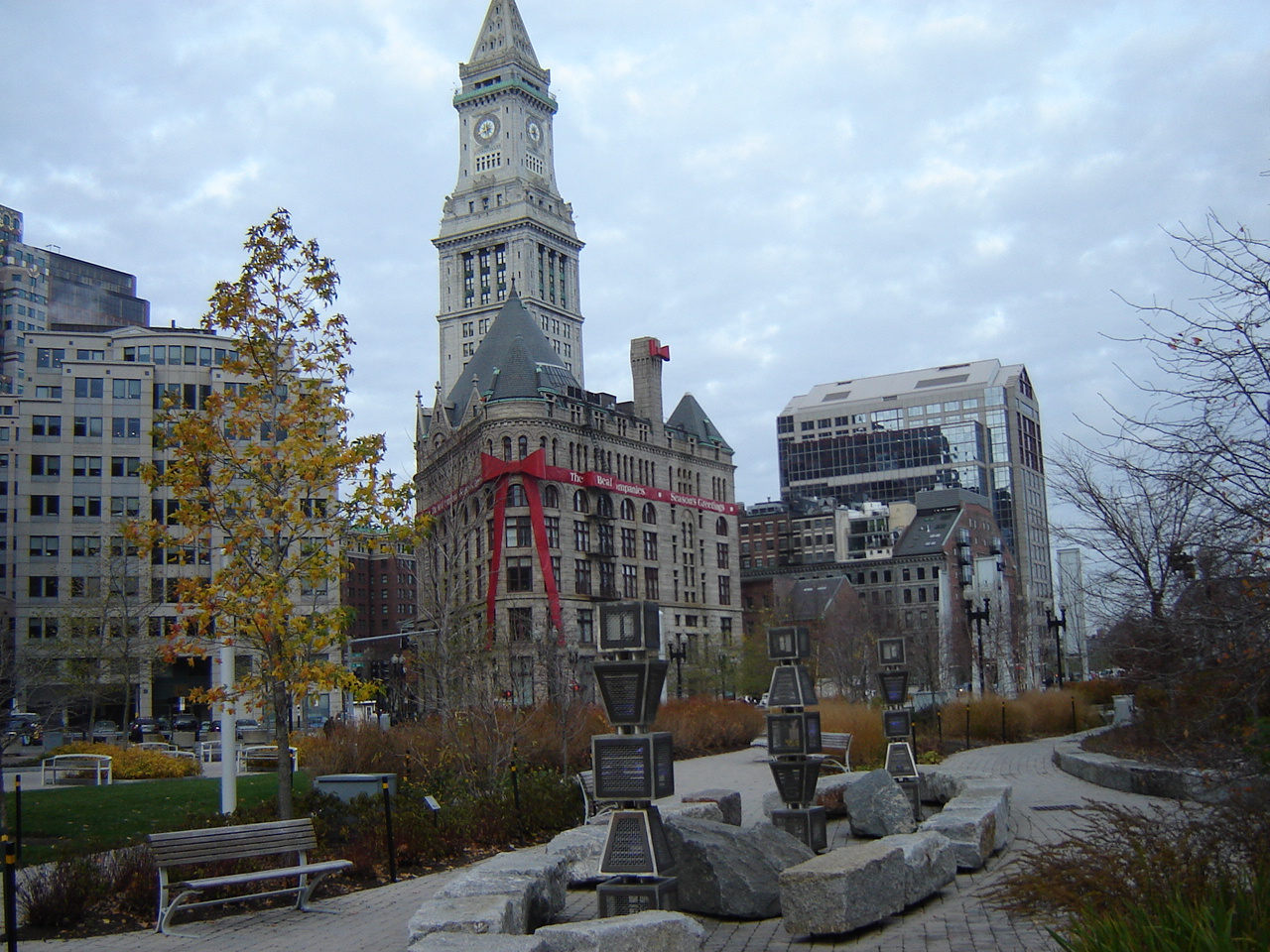
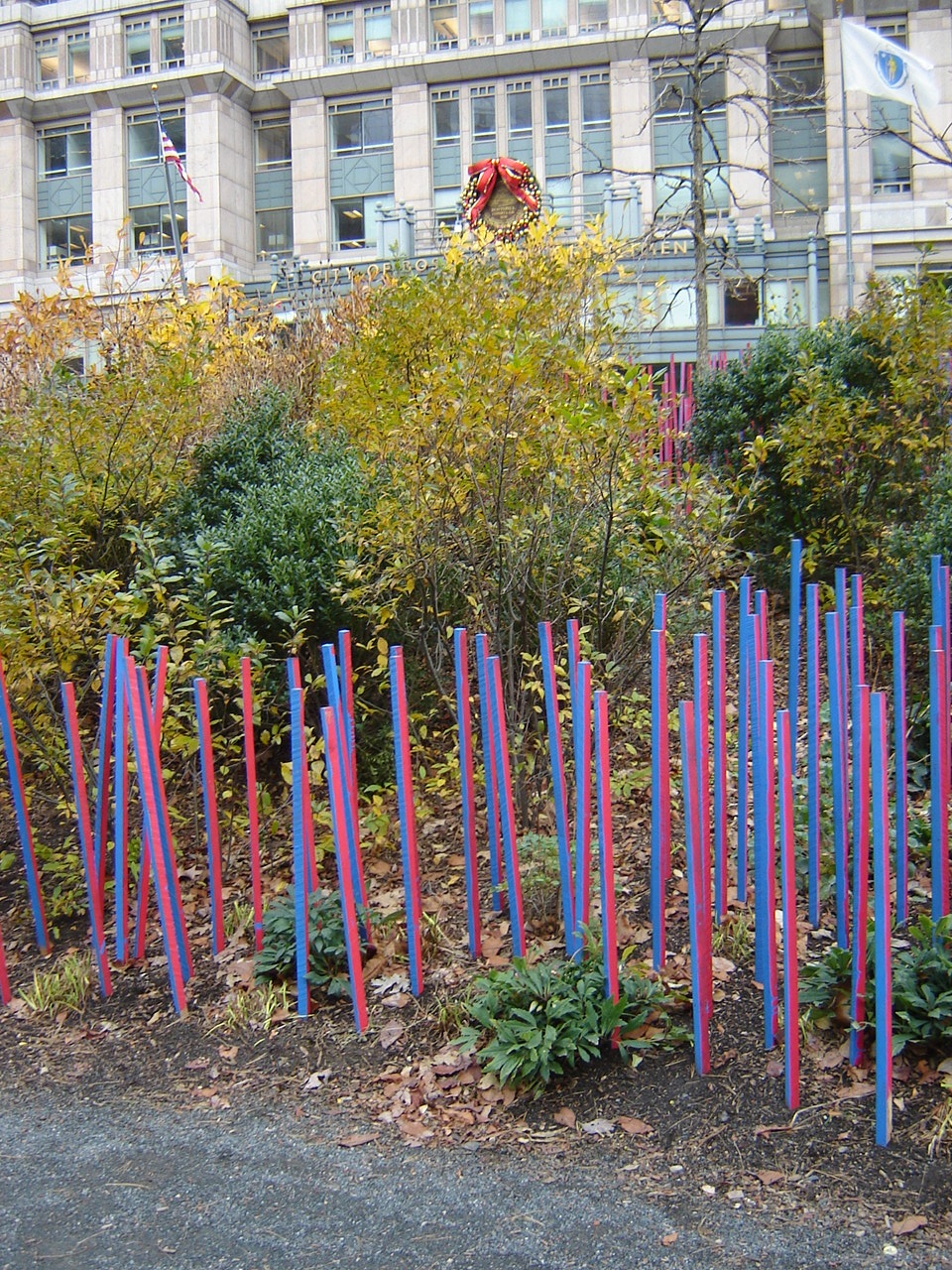
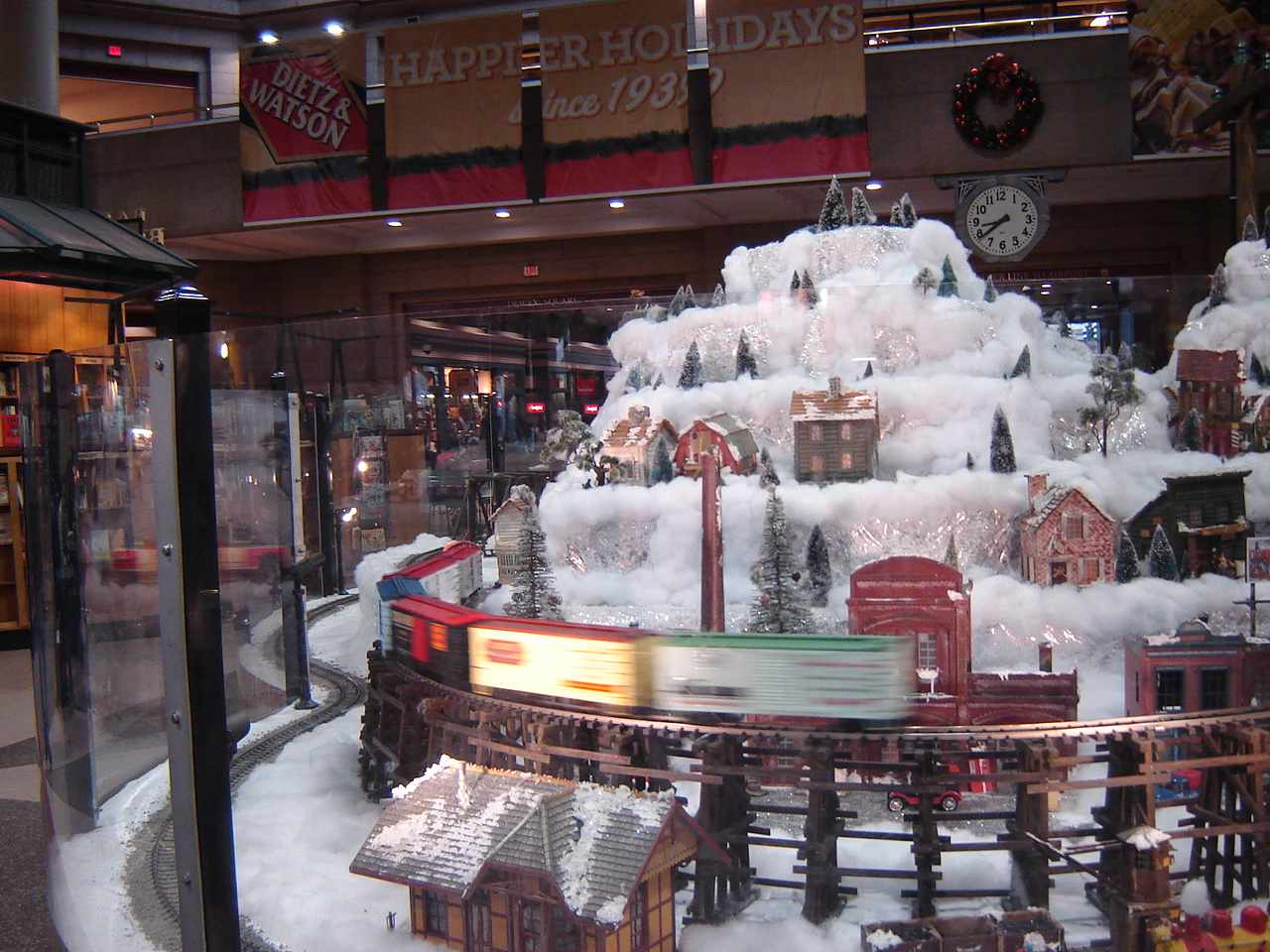
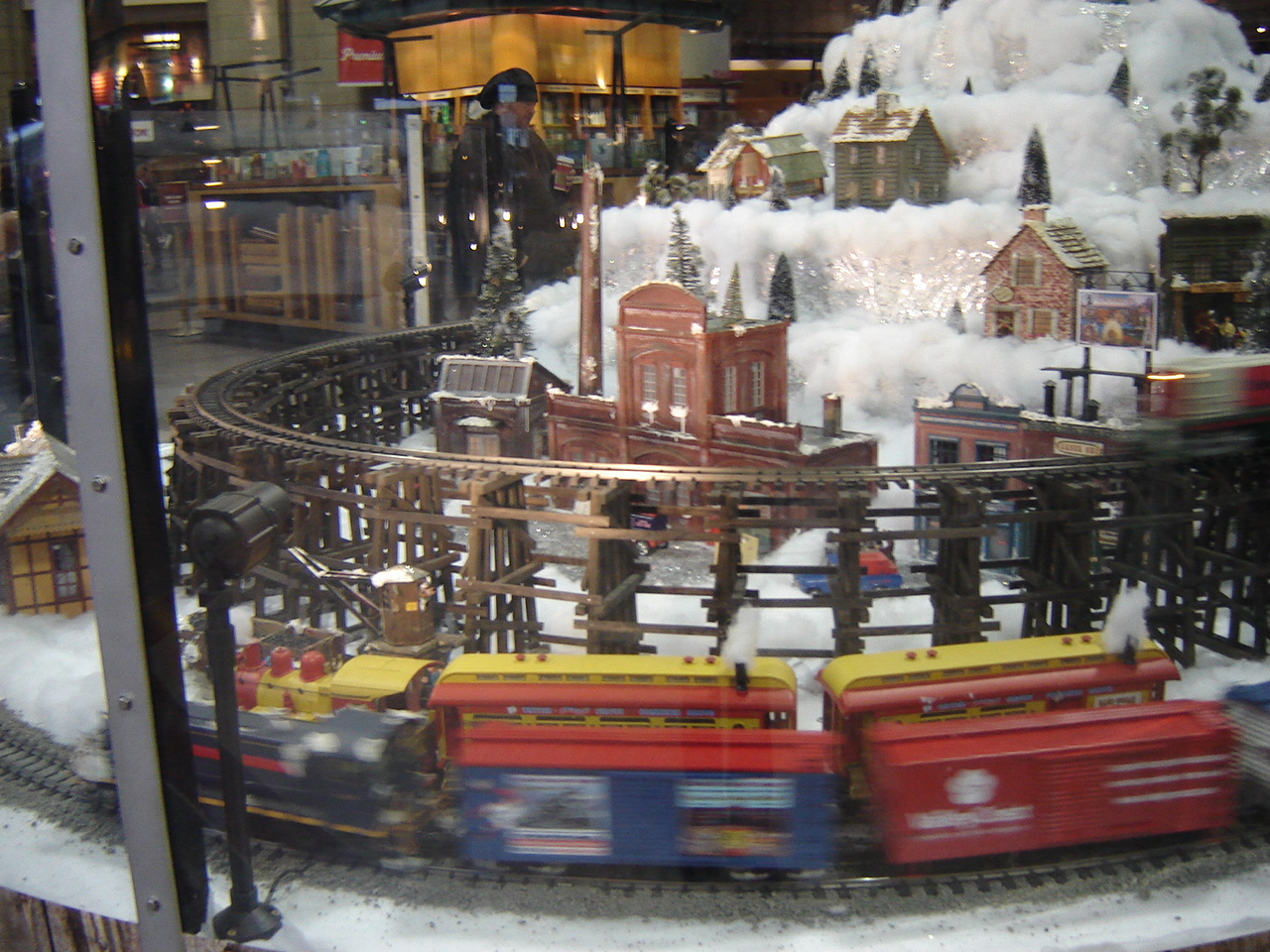
A building gets wrapped with a bow, friends volunteer to hammer in some color along Greenway walks, South Station digs out its toy trains (display by these folks).

We don’t have snow, but we’re pretty festive anyway.

Read Full Post »

The Boston Medical Center, whose patients are mostly poor, has been a pathbreaker in treating the whole person. Its volunteers and staff help patients find services for life issues that may be exacerbating health problems. BMC works with lawyers to get landlords to make building-code-required changes that affect asthma and other conditions.

Now it is doing an experiment with yoga.

On Monday, the Boston Globe wrote, a “yoga class, held in a Boston Medical Center lobby for staff and patients, features postures vetted for people with back pain. It was a prototype for an ongoing study exploring the use of yoga in the city’s poorer neighborhoods.

“A survey of 5,050 people who practice yoga, conducted for Yoga Journal in 2008, found that 44 percent — almost half — reported annual incomes of $75,000 or more, and 24 percent said their income was higher than $100,000. Chronic low-back pain annually affects between 5 and 10 percent of all income levels of the population …

“Because many yoga postures stretch and strengthen the muscles affecting the back, at least 10 published studies have been done on yoga and chronic low-back pain, says [BMC’s Dr. Robert B.] Saper. But though the majority have shown yoga to be promising as a low-cost treatment, all have been done on predominantly white, educated, affluent populations, he says.

“ ‘In our patient population, it’s unusual to have back pain alone as a single problem,’ Saper says, noting that many patients also suffer from hypertension, diabetes, obesity, depression, and anxiety. And while he emphasizes that he doesn’t consider yoga a ‘panacea for everything,’ he says that ‘because of the mind-body component of yoga, we’re aware that [it] may be helpful for a variety of patients with co-morbidities. And that it may help with depression, anxiety, and resilience.’ …

“The yoga group received one 75-minute class each week that included postures, deep breathing, and meditation. They were also given an instructional CD and equipment to practice 30 minutes a day at home. After 12 weeks, the yoga group reported one-third less pain and an 80 percent decrease in pain medications. The control group reported a decrease in pain of 5 percent and no change in medication use.”

Read more here.

Read Full Post »

« Newer Posts - Older Posts »