Feeds:
Posts
Comments

Posts Tagged ‘independence’

Photo: Caitlin Kelly.
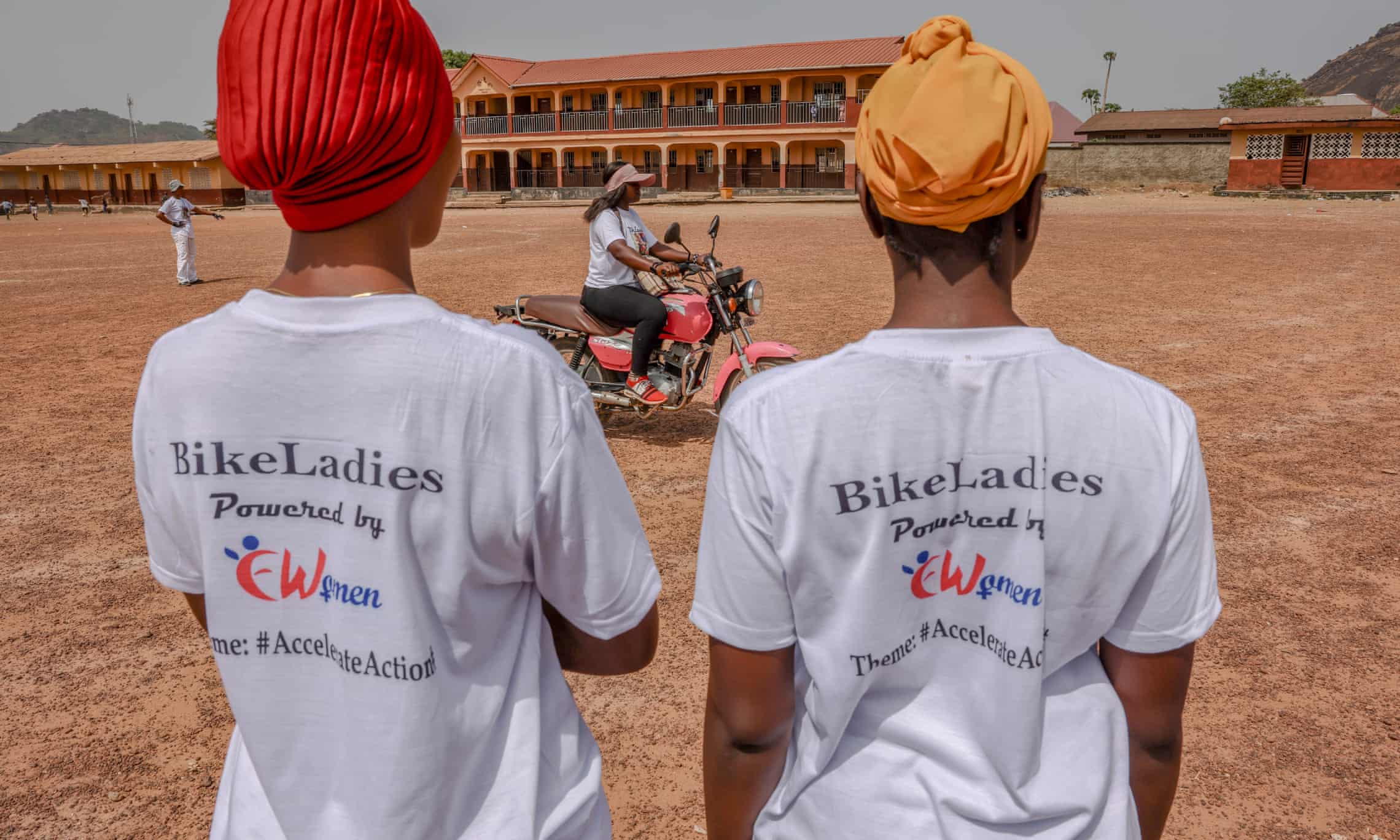
The Bombali Bike Ladies of Sierra Leone hope that by learning to ride a motorbike and take up package delivery services it will be possible to improve their lives.

I’ve been reading a mystery about some Minnesota Indigenous women who, fed up with a spate of kidnappings, unite to fight back. Whenever I read stories about women uniting to improve their lives and the lives of other women, I rejoice. After all, the individual women who eventually get to run their countries do not always operate differently from their male predecessors, but women in mutual-support initiatives definitively behave differently.

In today’s Guardian article, Caitlin Kelly writes about Mariama Timbo, the sole female biker in her Sierra Leone province ferrying people and goods to town and “training a new generation of women to follow her lead.”

“Streaming through the green fields of Sierra Leone’s Bombali district, Mariama Timbo sits tall on her pink motorbike. Women selling nuts on the side of the road wave as she glides by; policemen give an approving nod as she passes through checkpoints. ‘They don’t give me any trouble,’ she says – a badge of honor in the rural district. Taking her time on the rocky roads, she brakes, slowly approaching the bumps. …

“The 26-year-old is the sole female motorcyclist in the northern province ferrying people and goods to Makeni, one of Sierra Leone’s fastest growing cities. …

“At a petrol station en route, male drivers greet Timbo with fist-bumps and high fives. ‘At first when I started, people were mocking me,’ she says. ‘Now they see how my life has changed since I started riding the bike.’

“In Sierra Leone, motorcycles are a lifeline. The locally known okadas are often the only accessible and affordable way to reach markets, hospitals and cities. With nearly 60% of the country’s rural population living in poverty, commercial riding offers income to hundreds of thousands – nearly all of them men.

“In her early teens, Timbo left her village, Kagbere, to ‘join society’ and attend school in Makeni, but the opportunity turned into a nightmare when she was sexually abused by a male relative who was helping her financially. ‘I didn’t feel safe,’ she recalls.

“She managed to move out and pay for the last years of school by doing odd jobs in Makeni but couldn’t afford further education. In 2022, she turned to Kisimi Kamara at eWomen Sierra Leone, a local NGO that supports business initiatives for women. One thing she had learned during her time away was how to ride a motorbike. The NGO helped Timbo get funding for a motorbike via a World Bank grant.

“ ‘I decided to ride because I knew I could survive,’ says Timbo.

“Defying stereotypes, Timbo has since started transporting goods and people – earning about 50NLE [$2.42] a day.

“Since the civil war in the early 2000s, okadas have become a popular mode of transport after the fighting destroyed public infrastructure. A recent survey by the Institution of Civil Engineers found that women make up almost half of motorcycle taxi passengers in rural Sierra Leone – but the drivers are almost always men.

“Timbo makes the 45-minute journey between Makeni and Kagbere twice a day, mostly to the market. Like many rural villages in Sierra Leone, Kagbere is isolated, agriculture-dependent, and cut off from mains electricity and water. As she arrives, women flock to greet her.

“ ‘We are exchanging things – we are constantly giving to each other because we are family,’ says ‘aunty Marie,’ one of the women in the village.

“Marie hops on the back of Timbo’s bike to sell pepper and groundnuts at the market, but she also helps tend the land Timbo has recently been able to invest in.

“ ‘Mariama has changed over the past few months … because of that motorbike,’ says Kamara. According to him, more than 60 local women – including sex workers in search of alternative work – have shown interest in learning to ride after seeing Timbo on her bike in Makeni.

“On International Women’s Day in March, a group of young women gathers in a dusty school playground, watching as Timbo skids around confidently. One by one, they jump on the bike, nervously revving the engine. They are the newly formed Bombali Bike Ladies – under Timbo’s leadership. Timbo recently won a grant from the UNFPA and the government to teach others how to ride.

“ ‘It’s good for women to ride bikes, because they are very patient and caring,’ says Aysha Kamara, a 21-year-old student who hopes the motorbike could help her secure work with an NGO.

“ ‘Job opportunities for young people in Sierra Leone are so difficult … unless you create one for yourself,’ says Adama Makaloko, 24, who is hoping to master the bike to ’empower herself’ and sell produce.

“Sibeso Mululuma at the UNFPA says: ‘The challenge presented by the group was that young women in Bombali district faced economic hardship, making them vulnerable to exploitation and gender-based violence due to a lack of skills and financial independence.

“ ‘It sends a strong message … that there’s nothing wrong with taking up space or doing things differently. That’s powerful.’ ”

More at the Guardian, here. Great photos and no paywall.
Read Full Post »

Photo: Jackie Valley/The Christian Science Monitor.
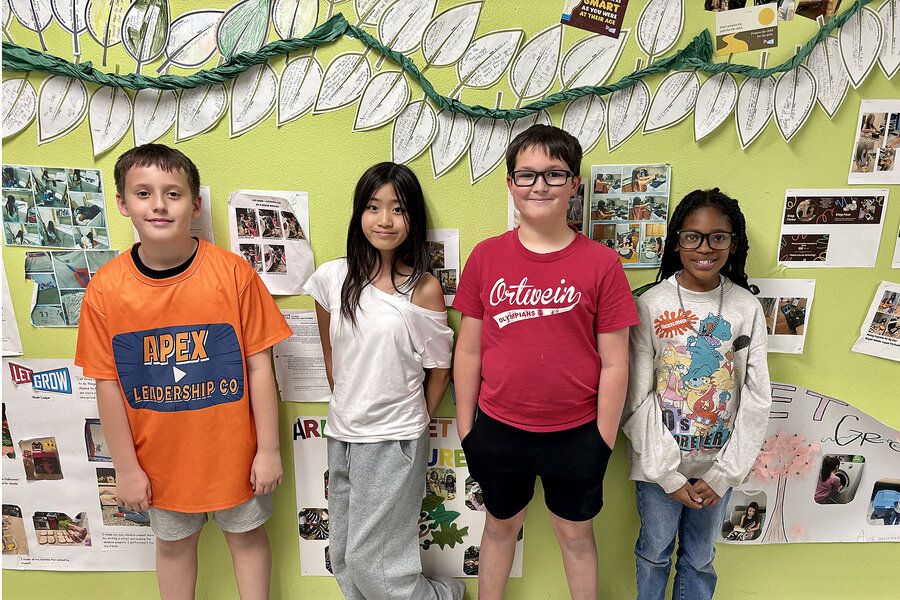
Fifth graders at Dennis Ortwein Elementary School in Las Vegas, Nevada, and their Let Grow posters.

Ultimately, you want your children to grow up able to take care of themselves. Love and convenience give parents plenty of temptation to do things for them beyond the point where the help is beneficial. That’s why a school in Nevada is lending a hand to kids and parents alike to so that fledglings may have a good chance to fledge.

Jackie Valley has the story at the Christian Science Monitor.

“Walking the dog. Wrapping a package. Cooking dinner.

“For adults, these activities often represent mundane to-do list tasks. But for fifth graders in Las Vegas, they offered something different this past school year – a taste of independence. 

“ ‘I can do things by myself more instead of having my dad or my mom do them,’ says Deven Doutis, who learned his dog goes a little nuts when he spots another canine out for a stroll.

The small steps toward greater – and lasting – independence came about in a very intentional way.

“Deven’s teacher, Amy Wolfe, sensed students were entering higher grades with more needs than in past years. Some couldn’t open a water bottle, for instance, or navigate minor conflicts with their peers. So when Ms. Wolfe heard about a program called Let Grow, she decided to pilot it within select classrooms at Dennis Ortwein Elementary School in Las Vegas.

“The program’s premise is simple: When children gain independence, they grow into more confident and capable people. …

“But what, exactly, are kids allowed to do by themselves nowadays? Terms such as ‘helicopter parent’ or ‘overparenting’ have become shorthand to describe adults who are overly involved, sometimes to the detriment of their child’s developmental growth. …

“A poll conducted last year for C.S. Mott Children’s Hospital at the University of Michigan found that three-quarters of parents say they have their children do things for themselves; however, the percentage of parents who report their children do specific activities independently is lower. Only a third of parents, for example, allow their 9-to-11-year-old child to walk or bike to a friend’s house. A similar portion say they encourage their 5-to-8-year-olds to decide how to spend their own gift or allowance money.

“Safety concerns emerged as the top reason those same parents don’t allow their children more free rein. The results did not come as a surprise to Lenore Skenazy, president of Let Grow and author of Free-Range Kids. For years, she has been on a mission to unleash children in a society where they increasingly have little independence in the physical world. …

“She says the backlash stems from a pervasive, heightened sense of danger built by media narratives and litigious tendencies. …

“In a commentary piece published by the Journal of Pediatrics last year, researchers pointed to evidence showing a correlation between children’s dwindling independence and increasing mental health problems over several decades.

” ‘We are not suggesting that a decline in opportunities for independent activity is the sole cause of the decline in young people’s mental well-being over decades, only that it is a cause, possibly a major cause,’ the authors wrote. (The lead author, Peter Gray, is a research professor in psychology at Boston College and a founding member of Let Grow.)

“In Ms. Wolfe’s classroom each month, students chose an independent activity, loosely tied to a theme, and completed it by themselves. Then they reported back to their classmates and teacher about the experience. There were no grades or critiques. If Ms. Wolfe asked any probing questions, it was to suss out how her students felt after, say, baking a cake or pulling weeds. …

“ ‘It’s more about developing the conversations with students to where they see independence … as a value,’ she says. …

“For her first project, Giwan Istefan’s 11-year-old daughter, Aria, decided to make miniature lemon-and-blueberry cheesecakes. Ms. Istefan says it turned into an exercise in parental restraint as well.

“ ‘I was like, “Oh my gosh, I see the disaster happening,” ‘ she says. ‘But I had to step back. It was growth not just for her, but it was growth for also myself.’ “

More at the Monitor, here. What are some of the ways you have encouraged independence in children, not necessarily only as a parent?

Read Full Post »

Not long ago, a teacher I work with as an English as a Second Language volunteer asked the class if, like us, their home countries had an independence day. They all did, but it seemed to me that independence from a colonizer hadn’t led to happily ever after. If their countries had flourished after gaining independence, I doubt any of them would have ended up in the USA.

It made me ask myself whether I could identify my own opinions on the building blocks of a successful country. Our recent national introspection has helped. We are looking closer at our history and asking ourselves if it’s really true we’re the only ones on the planet without a stain on our national character. Of course not.

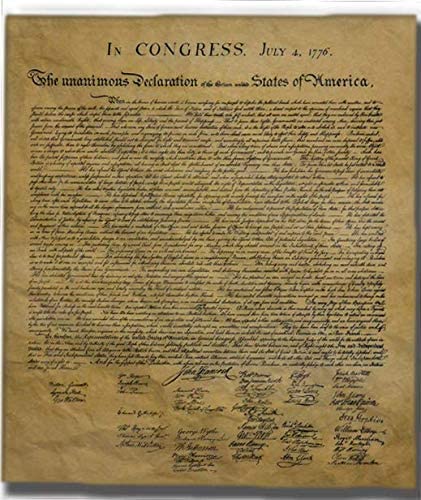
One Glorious Fourth at the Robbins House, a freed slave’s preserved home in my town, I got to hear the whole Declaration of Independence read aloud, and I winced about items I hadn’t remembered, such as the wording about King George using the local “savages” against the colonists. Even more revelatory that day was a reading of Frederick Douglass’s speech “What to the Slave is the Fourth of July?” (Read it here.)

So what makes a country that lives up to its ideals after independence? For starters, I’d say that all adults vote. The corollary to that is that everyone gets a good education so their votes will be informed and based on facts.

Then there are a few things we managed to get into our constitution, things that need to be eternally protected, like the right to free speech and the freedom of the press — to uncover government corruption, for example. There needs to be a structure that enables local resources to be used for good jobs so that people can have homes and other requirements met. There needs to be a fair system of justice in which wrongs are righted as much as possible.

When I think of ESL students from, say, Guatemala, I know that a country’s resources are not always used fairly for all the people. If that were so, those students wouldn’t have become immigrants. The resources have continued to be plundered after “independence,” the government is corrupt, the press is not allowed to say so, and gangs fight everyone over the little that is left.

My knowledge of these things is not deep, but off the cuff, that’s how see what a country needs to be a successful democracy, and I’m hoping you will add some of the important things I’m sure I’ve forgotten. I wonder if we began to think of this holiday as Independence and Introspection Day, we might move a little closer every year to our ideals.

Read Full Post »

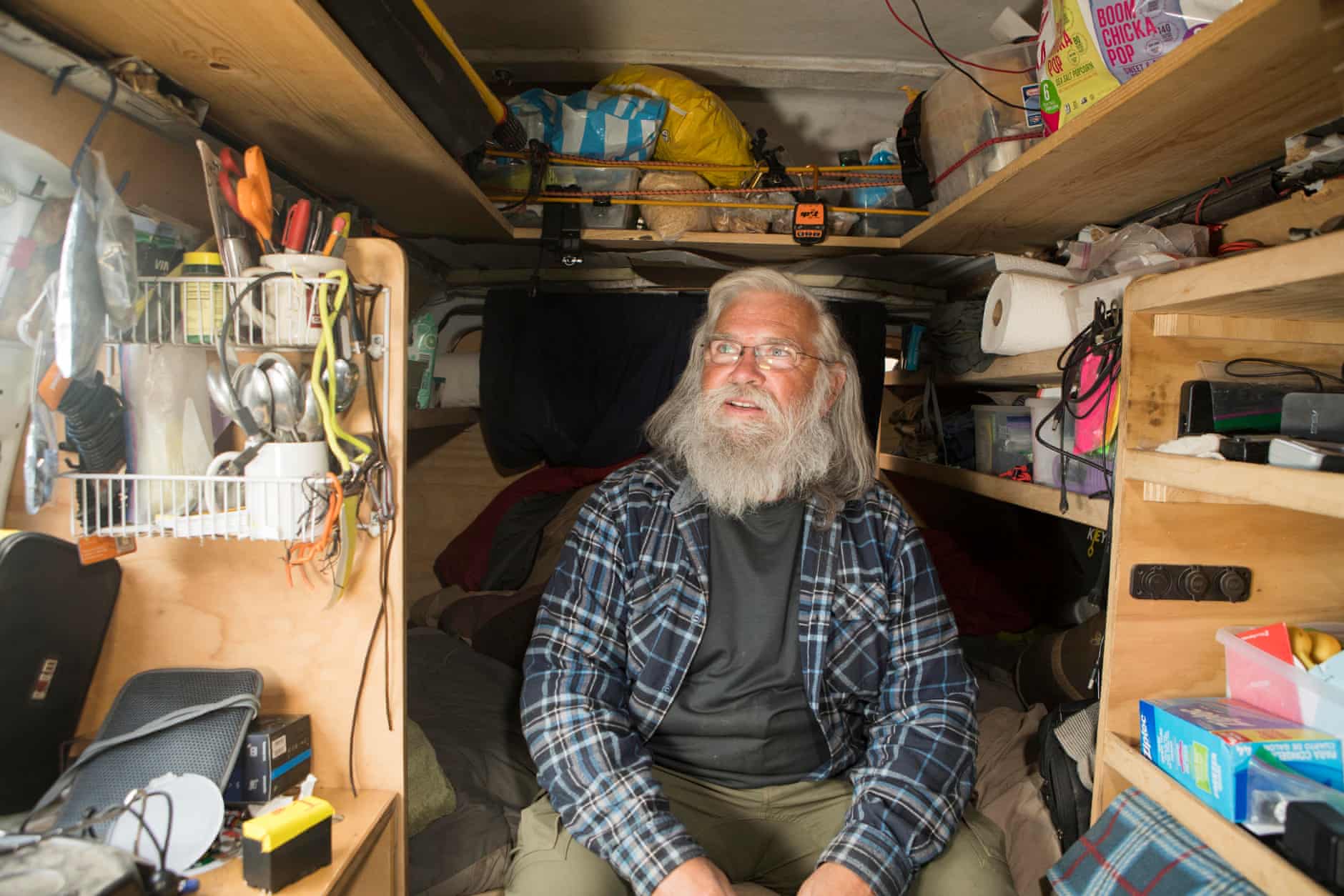
Photo: Angie Smith/Redux/eyevine.
Bob Wells: ‘Then came the first of the month, and something clicked: he didn’t have to pay rent.’

Although many of us have yet to see the award-winning film Nomadland, we can get a taste of the characters’ way of life from this article at the Guardian.

Reporter Stevie Trujillo describes living off the grid in the back roads of America. “If you look closely on city streets, campgrounds and stretches of desert run by the Bureau of Land Management, you’ll see more Americans living in vehicles than ever before. It was never their plan.

” ‘I wasn’t prepared when I had to move into my SUV. The transmission was going. I had no money saved. I was really scared,’ said April Craren, 52, bundled in blankets atop a cot inside her new minivan, a 2003 Toyota Sienna.

“She flipped the camera on her phone to show me the camp stove she uses to make coffee and her view of the sun rising over the Colorado River. She has no toilet, shower or refrigeration.

“After separating from her husband, April found herself homeless in June 2020, exacerbating the depressive disorder for which she receives $1,100 a month in disability benefits.

“ ‘I could have gotten an apartment but in a crappy unsafe place with no money to do anything at all,’ she explained.

“Last year, where April lived in Nixa, Missouri, the average rent for an apartment was $762, slightly less than the national average. Like nearly half of American renters, she would have been crippled by the cost.

“It’s not surprising, then, that job loss, divorce or, say, the sudden onset of a global health or financial crisis can push so many over the edge.

“ ‘If the Great Recession was a crack in the system, Covid and climate change will be the chasm,’ says Bob Wells, 65, the nomad who plays himself in the film Nomadland. …

Today, he lives exclusively on public lands in his GMC Savana fitted with 400 watts of solar power and a 12-volt refrigerator. His life mission is to promote nomadic tribalism in a car, van or RV as a way to prevent homelessness and live more sustainably.

“Before becoming a nomad in 1995, Bob lived in Anchorage, Alaska, with his wife and two boys. He worked as a union clerk at the same Safeway where his father had worked until retirement, only to die two years later. … By his own telling, he was the living embodiment of Thoreau’s ‘quiet desperation.’ …

“Then, when he was 40 years old, the divorce happened. After paying alimony and child support, he was taking home $1,200 a month, $800 of which went towards rent.

“One day, fretting about impossible finances, he saw a green box van for sale and thought: ‘Why don’t I buy that van and move into it?’ The idea struck him as crazy, but with the prospect of homelessness closing in, he drained the last $1,500 in his savings account and bought the van. …

“Then came the first of the month, and something clicked: he didn’t have to pay rent. As his finances improved, he installed insulation, a proper bed, even a dream-come-true PlayStation fortress for his boys. He started working only 32 hours a week, and since every weekend was a three-day weekend, he spent more time camping with his kids, which ‘tremendously helped’ his mental outlook on life. …

“Realizing he had something valuable to share, he bought the domain name Cheap RV Living in 2005. He posted tips and tricks about better vehicle-dwelling, but what he was really offering was a road map to a better life.

“Four years later, when close to 10 million Americans were displaced after the Great Recession, traffic to his site exploded. Finding himself at the center of a growing online community, he decided to create a meet-up in Quartzsite, Arizona. He dubbed it the Rubber Tramp Rendezvous (RTR), and in January 2011, 45 vehicles showed up. Eight years later, an estimated 10,000 vehicles convened for what was said to be the largest nomad gathering in the world. …

“While Bob concedes the limits of his solution – it doesn’t address PTSD, mental illness or drug addiction, three main causes of homelessness – he does see it as a way to lower our carbon footprint and make ourselves more financially resilient in trying times ahead.”

At the Guardian, here, read why it’s mostly older women seeking advice and assistance from Bob’s programs.

Read Full Post »

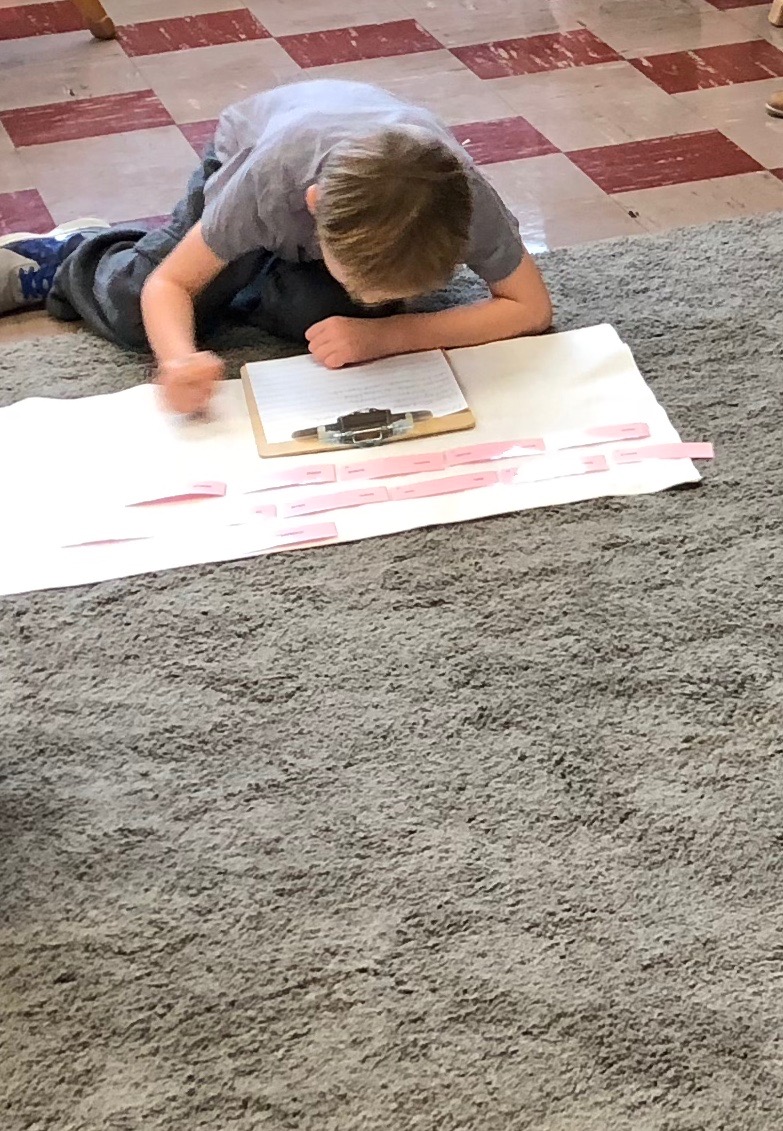
110218-recording-his-compound-words

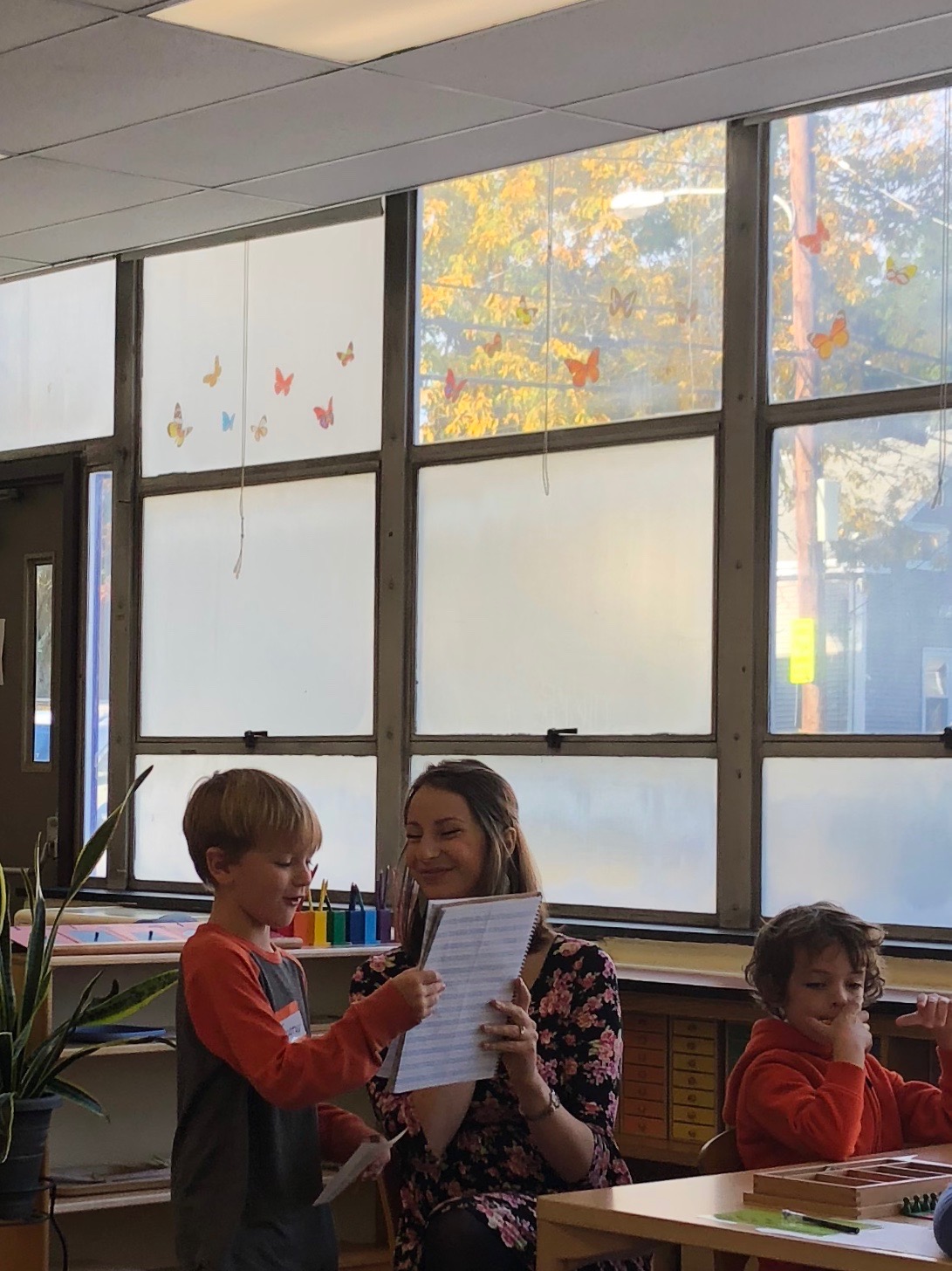
My husband and I went to one of our grandchildren’s schools this morning for a delightful event called Grand Friends Day. Suzanne‘s oldest knew the ropes and was fine with letting us look over his shoulder as he worked, but her youngest said not to come because she would be too sad when we left after the designated hour. We knew that might be true. Since pretty much anyone can be a child’s Grand Friend, our granddaughter’s teacher was happy to serve in that capacity and enjoy extra one-on-one time with her.

Before Suzanne’s family joined a Montessori school, we didn’t know a lot about this approach to education, even though one of my own grandmothers actually studied with founder Maria Montessori. Even now we have no idea how one lone teacher sets all these little spinning-top children working independently on different tasks, but each one in the multilevel class (first, second, third grade) seems to know what to do.

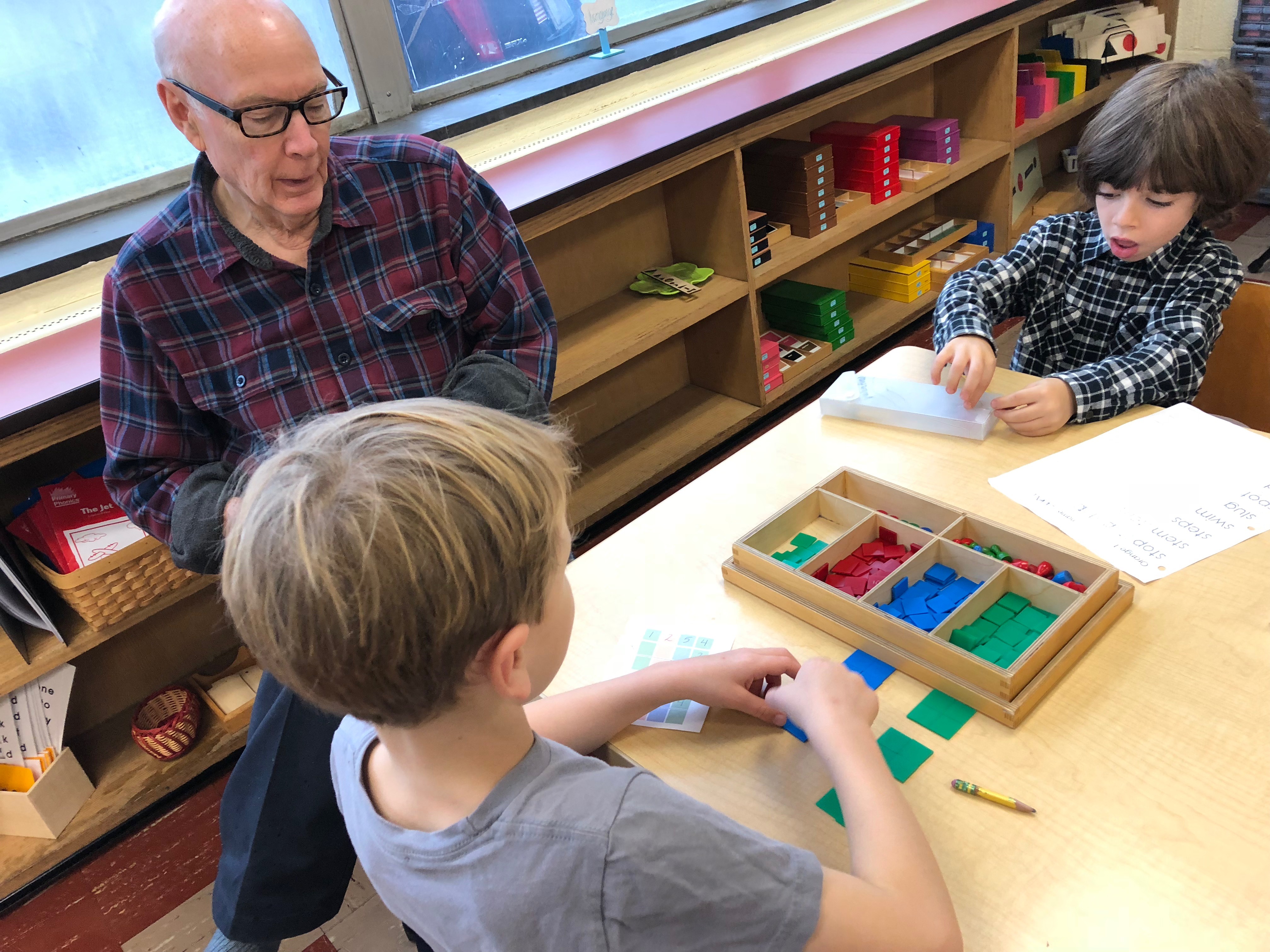
Our grandson demonstrated a whole new way of getting ready for multiplication. It took me a while to catch on as he did his work. He didn’t want to explain it. Then he headed off to other tasks, including the one above with compound words. My husband and I helped him match all the words at the left end of the pink strips with words at the right end of other pink strips. We ended up with words like “necklace,” “earthworm,” and “bluebird.” After the teacher checked the work, he began to write it all down — first as two words and then as compound words. He was still writing as we left. (The picture with the teacher was taken by Suzanne on a different day.)

It was fun to see him in operation. He definitely didn’t want much help. I offered a red pencil when his yellow one didn’t show up on a manila card he was using for consonant blends, but he said he was supposed to use yellow for those particular words, and he was right. Also, I always have a really good eraser with me, but he didn’t want it. He preferred the one that was nearly gone on his pencil. I think independence is part of the Montessori deal, but he is probably kind of independent anyway.

110218-creating-compound-words

110218-math-with Morfar

2018-teacher-checks-work

Read Full Post »

Happy Mother’s Day to all mothers! This mother is indulging her interest in photography today (the simple kind: pointing and shooting with a phone). So here are a few recent pictures and explanations for the less obvious.

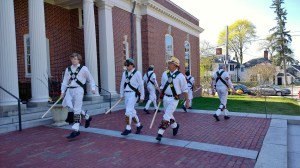
For example: I went out for a walk one evening and was surprised to encounter Morris Dancers on the steps of the library. They seemed to be practicing, not performing. Where would Morris dancers be performing in late April, after Patriots Day? That was a mystery. Another mystery to me was how young men and boys get drawn into performing Morris Dance. I’m sure it’s good exercise, but …

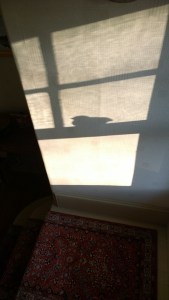
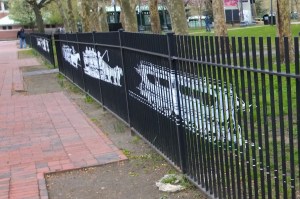
I include shots of a clay bird’s shadow on my wall and hedge shadows on a sidewalk. The fence with the stage coach and other old timey images painted along the railings is in Providence — easy to overlook when walking past.

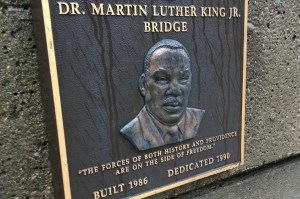
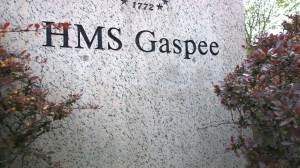
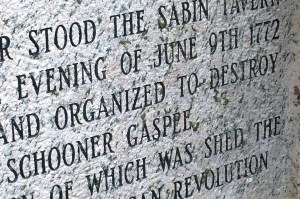
Providence plaques and memorials. The one of Martin Luther King Jr. is on a bridge with a view of Water Place. The monument to an event Rhode Island celebrates as the real first engagement of the American Revolution — the colonists’  clash with Brits on the HMS Gaspee — is partly obscured by bushes.

Little old Rhode Island gets no respect. It was also the first colony to sign on for independence, May 4, 1776. Who knew?

042316-daffodils-and-white-feince

042616-1821-universalist-church-providence


WP_20160505_10_01_32_Pro

042416-branches-shadows


042416-Morris-dancers-stepping-out

043016-bird-in-window


042616-stage-coach-on-fence-providence

043016-pavement-shadows


WP_20160503_07_47_05_Pro

WP_20160504_07_32_57_Pro


WP_20160504_07_33_23_Pro


Read Full Post »

I think it’s safe to say that most adults would rather take care of themselves than rely on charity, but sometimes it’s hard for people living in extreme poverty to figure out how to cut the cord. Beth Alaimo at the Christian Science Monitor‘s People Making a Difference has a story about some Ugandans who are finding a way.

“Iganga, a town conveniently located along the central highway from Kampala to Nairobi, is much more than a popular truck stop. It’s where Musana, a community organization breaking Uganda’s reliance on foreign aid, has made its home. …

“With 67 percent of the population living in poverty, Uganda is no stranger to dependency. Despite being a popular region for development ventures, organizations often lack an approach that prioritizes what locals want and need while leaving the savior mentality behind.

“Originally a children’s home for 80 orphans, Musana Community Development Organization decided to change its model from a system that perpetuated child-rearing dependency to one that encouraged parents to provide what they could. Today, says co-founder Leah Pauline, ‘we are more than a charity. We’re a sustainable solution for the community.’ …

“Its first and largest project, the nursery and primary boarding school, is the closest to being self-sustainable. Roughly 600 students are attending this upcoming semester, an estimated 500 of whom are paying fees, with the rest receiving scholarships.

“Businesses created and run by locals are also moving the Musana community closer to achieving sustainability. A trendy restaurant (the ‘only place in Iganga you can find a burger’ says Pauline), a dairy farm, and handmade women’s crafts are all businesses funding community outreach.

“A bakery is the newest sustainability project at Musana and has quickly become profitable. Proposed and started by the head of child care, the kids often come in and help bake.” More here.

A famed Wharton School professor from South Africa, Ian C. MacMillan, has been known to complain about the dependency cycle he sees in Africa, and has taken steps on his own to boost independent small businesses there. An article here is partly about that work.

Photo: Musana Community Development Organization
The Musana Community Development Organization runs several enterprises, including a nursery and primary boarding school. A bakery, proposed and started by the head of child care, is the newest project and has quickly become profitable. The children often come in and help bake.

Read Full Post »

The uncle of my co-worker from Ghana is a very fine photographer who chronicled much of the last days of colonialism and the beginning of independence in his native land.

Another colleague was reading an article about the uncle’s new book in the Washington Post and thought, “Could they be related?” They are.

Nicole Crowder wrote at the Post, “In 1957, after over a century of colonization, Ghana gained independence from Britain. Just 30 years prior, in 1929, photographer James Barnor was born in the country’s capital Accra — then the Gold Coast colony — and over the course of a career that spanned more than six decades would become one of Ghana’s leading and most well-known photographers.

“Throughout the 1950s and 1960s, Barnor created a definitive portfolio of street and studio portraiture depicting societies in transition: images of a burgeoning sub-Saharan African nation moving toward independence, and a European capital city becoming a multicultural metropolis.

“Ghana in the 1950s was experiencing a radiance of post-colonization as well as its ‘heyday of Highlife,’ a fusion of traditional African rhythms, Latin calypso and jazz influences that would soon spread across Ghana’s borders to West Africa and beyond. … Barnor captured all of this energy, playing at once artist, director, photographer and technician, by offering a well-rounded portrait of Ghanian life from many walks of life.

“On Oct. 8, Autograph ABP and the gallery Clementine de la Feronniere [released] the book ‘Ever Young‘ showcasing Barnor’s extensive archive, followed by a corresponding photo exhibition in Paris through Nov. 21.”

More at the Washington Post.

Photo: James Barnor/Autograph, ABP
Nigerian Superman, Old Polo Ground, Accra, 1957–58.

Read Full Post »

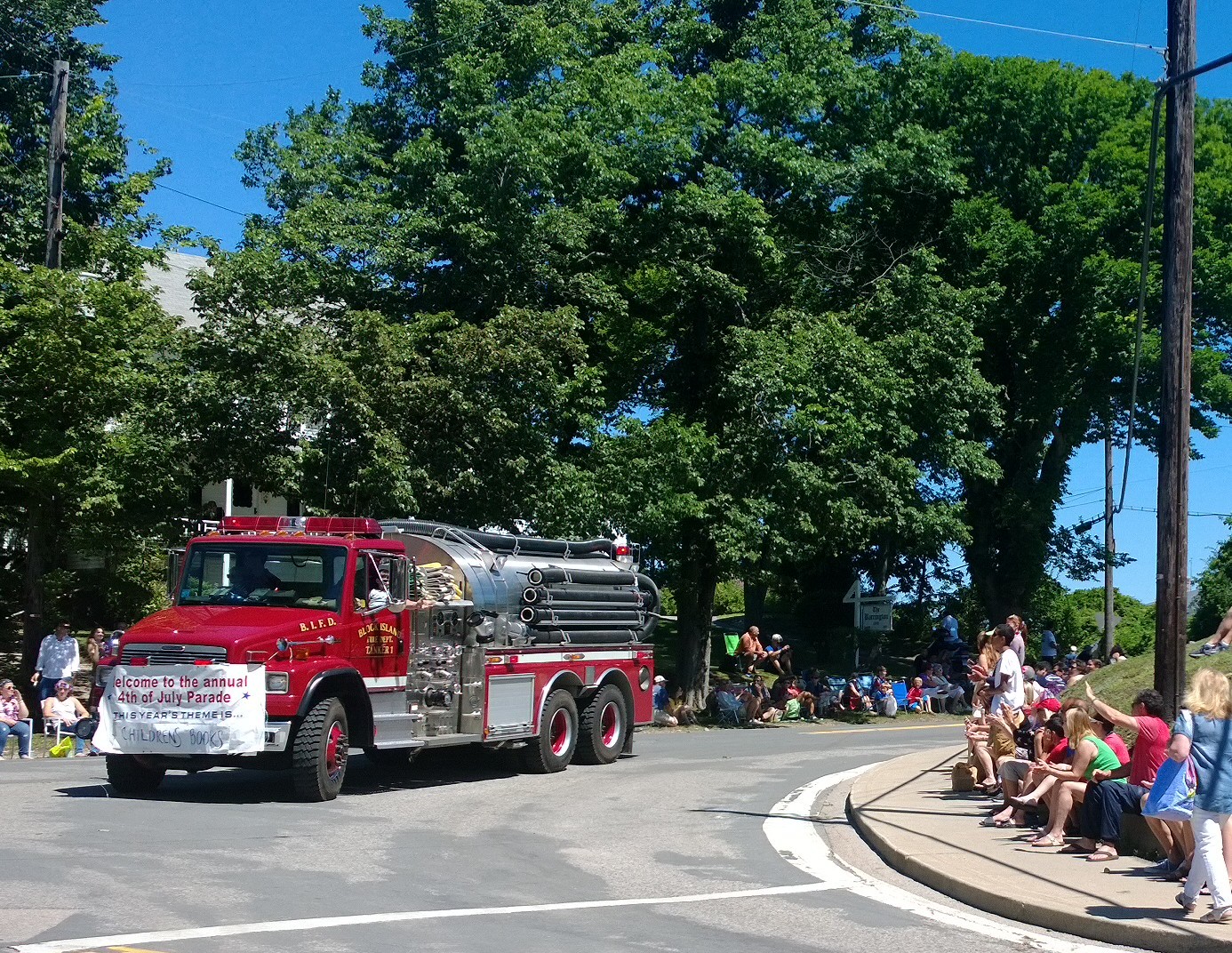
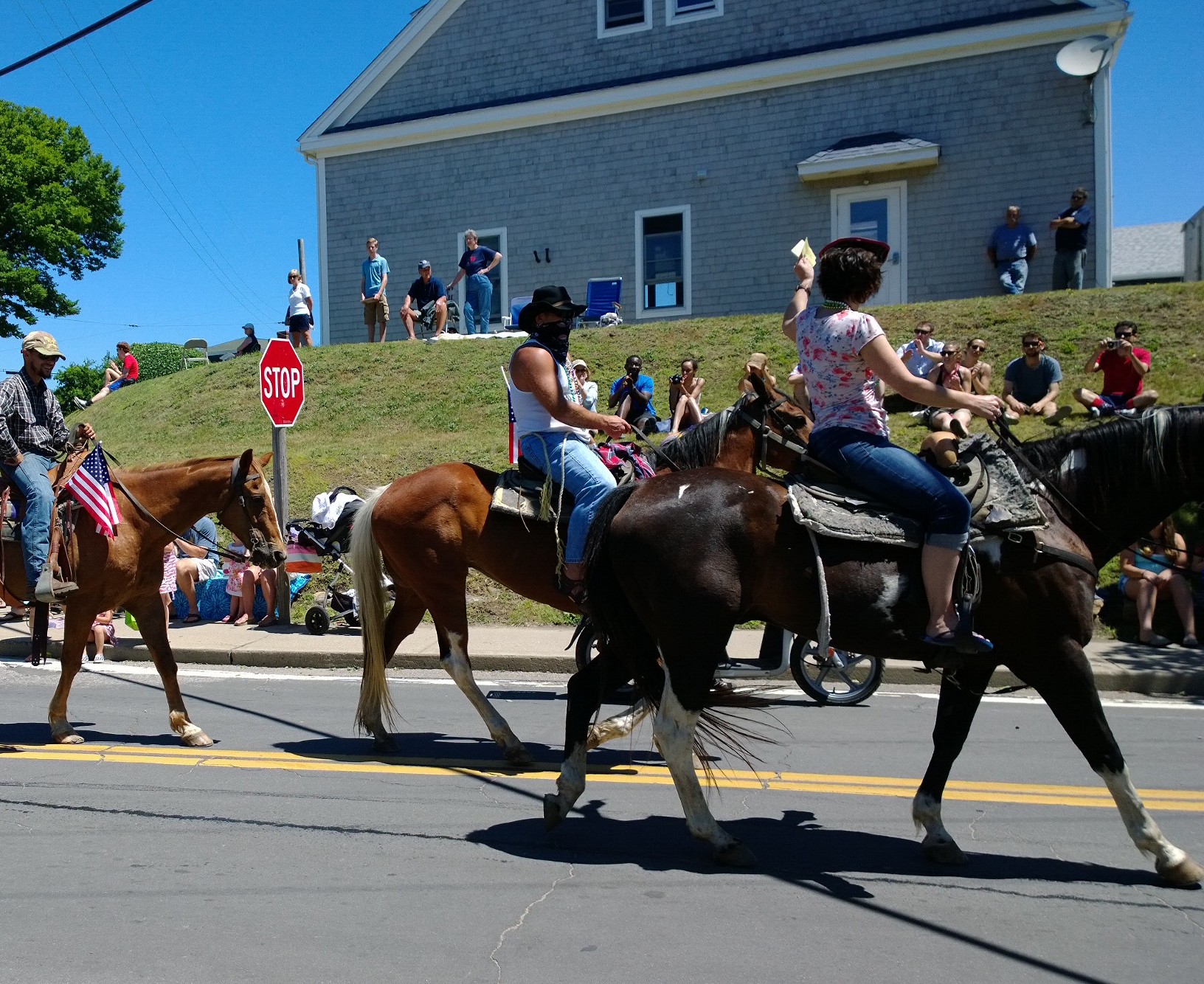
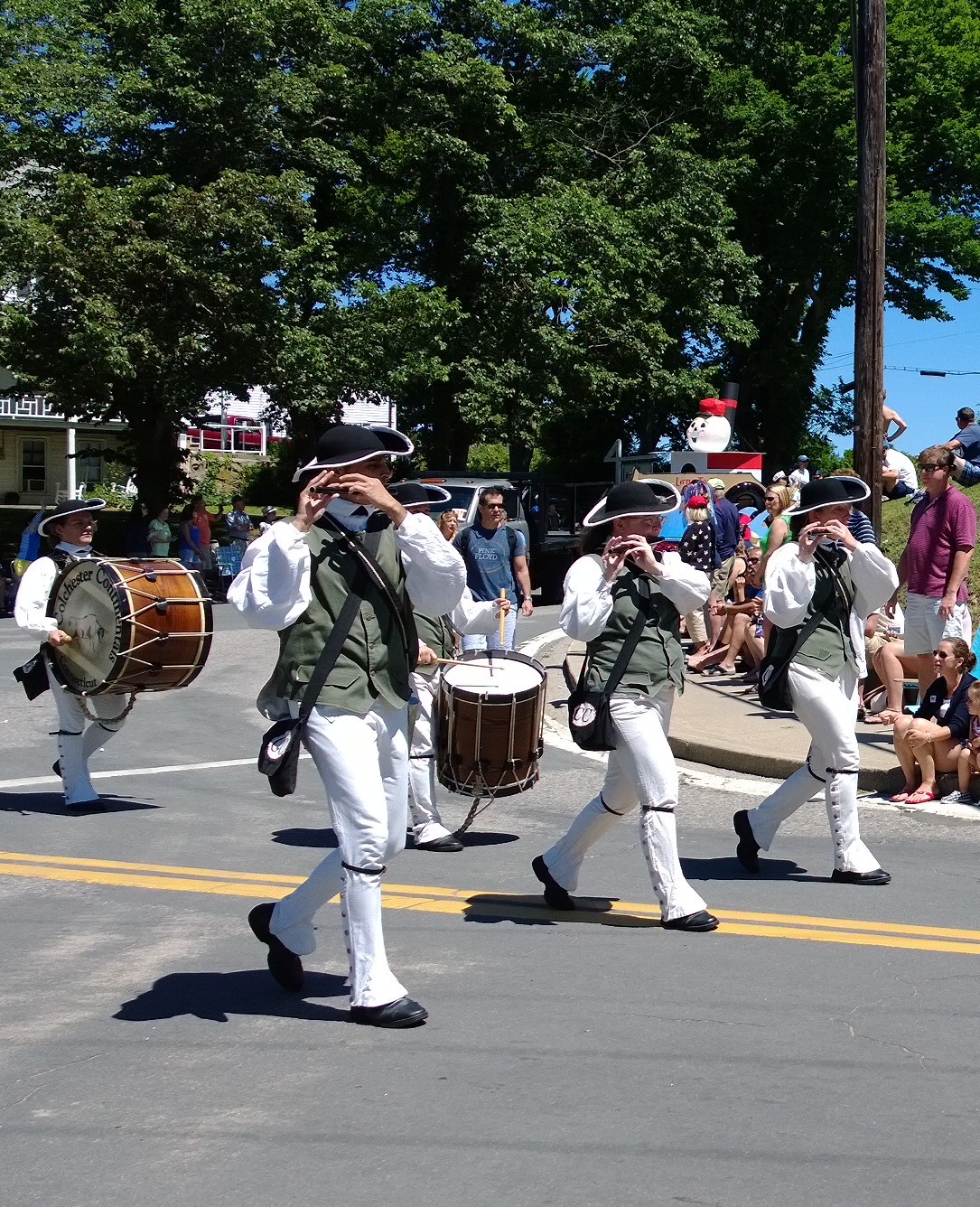
The tail of the hurricane socked us pretty hard on the Glorious Fourth, so the parade, the fire-police-and-rescue steak fry, and the fireworks were put off until the 5th.

Makes me wonder about how people felt on the 5th in 1776, realizing that they were in for it now. That it might not work.

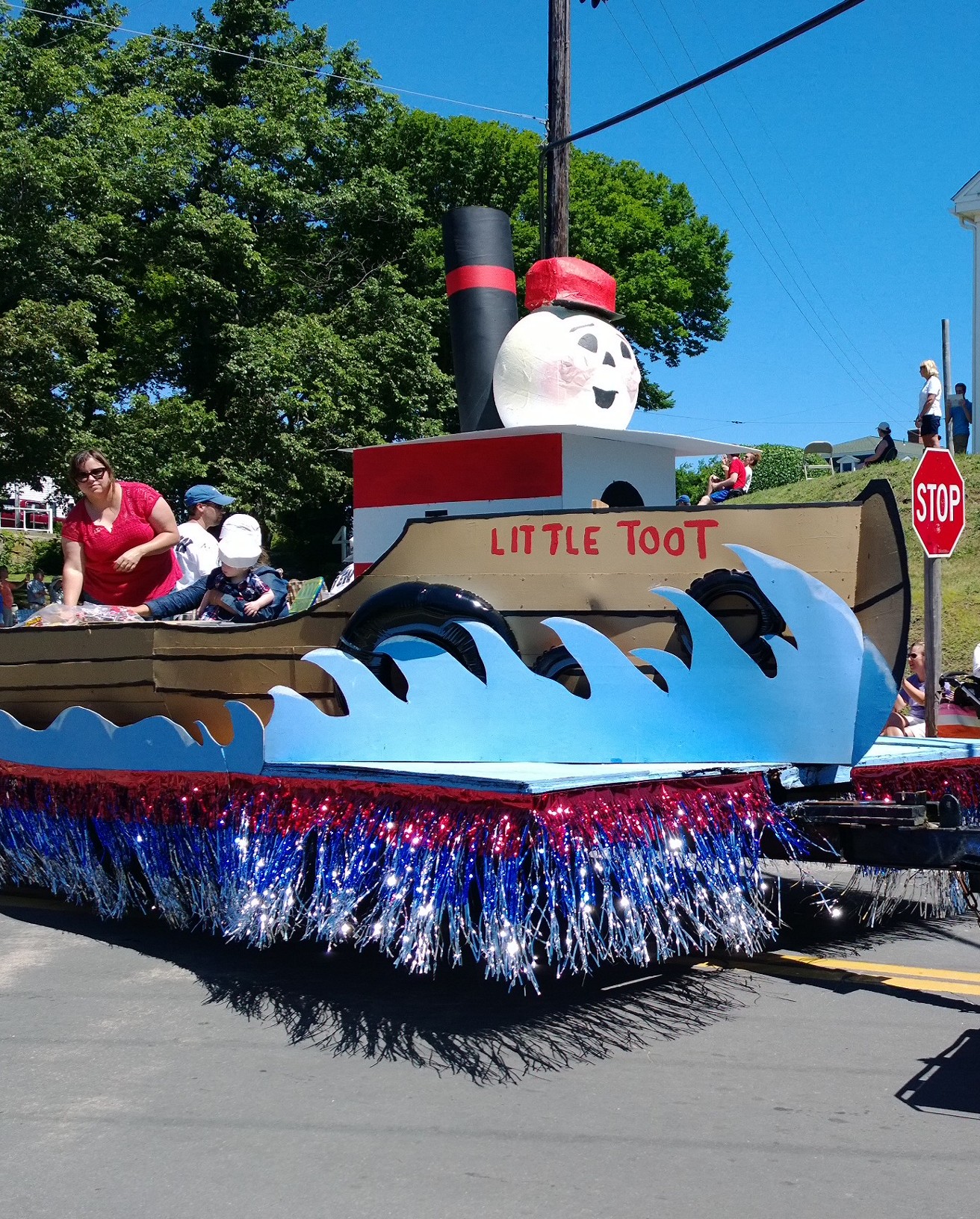
The theme of this year’s parade was children’s books. There were at least two Cat In the Hat floats and two very differently conceived Hungry Caterpillar entries. I managed to to snap the Little Toot float — it’s always good to have a boat in an island parade.

This was Erik’s first Independence Day parade since he became a citizen, and the first that our two-year-old grandson really got into. He will need to brush his teeth especially well tonight. Only very sticky candy like Tootsie Rolls seemed to be tossed to the crowd.

watching-the-parade


fire-truck-in-parade


horses-in-the-parade


070514-fife-and-drum


Little-Toot-in-parade


Read Full Post »

I was reading about the latest enthusiastic group of LEAF interns in the Block Island Times tonight and decided to look up more information on the program.

The Leaders in Environmental Action for the Future (LEAF) program is an initiative started by the Nature Conservancy (TNC) 17 years ago. According to the TNC website, it “provides paid summer internships for high school students and helps educators from environmental high schools share best practices and scientific resources. The long-term goal of LEAF is to support more than 30 environmental high schools across the country, ultimately serving over 20,000 students.”

The Block Island Times notes that this is the third year of the island’s participation. The three girls who are currently interning have come with their mentor come from Atlanta. Intern Niniola Mark tells the newspaper, “This is my first time in New England, and I also saw the ocean for the very first time.” The article doesn’t say what high school the girls attend, but the only one in Georgia that I see on the TNC site is the Arabia Mountain High School.

What fun to go to an environmental high school!

Read Full Post »