Feeds:
Posts
Comments

Posts Tagged ‘photography’

Here’s an update on the Wooly Pig farmers I blogged about in 2012. (See that here.) At that time, they were raising chickens in Connecticut. They have since joined forces with other young farmers and are now part of the Letterbox Farm Collective in Hudson, New York. If you have Facebook, that’s the best place to see their photos and learn what they are up to. (Click here.)

From the Letterbox Farm About page: “We are a group of people growing meals and medicine on shared land in the Hudson Valley. We take our time and listen.”

If you don’t have Facebook, you might enjoy the pictures at a Turnquist Photography post called “Young Farmers of the Hudson Valley.”

The photographer writes, “We were recently contacted by Chronogram Magazine, a tremendous monthly publication circulated in and around the Hudson Valley based out of Kingston, NY. They asked that we photograph some young farmers local to the Hudson area for an article being written for their September issue. … It was a true honor to be considered for this assignment, especially after meeting these amazing people who UNDERSTAND what it means to eat responsibly.

“My first stop was just outside of the Hudson city limits to Letterbox Farm Collective.” (Turnquist photos here.)

Letterbox farmer Nichki’s Aunt Sandra sent me a photo of a spring farmers market that the collective attended in Rhinebeck. I’m told they can hardly keep up with the demand from restaurants for duck eggs, rabbits, and quail.

Read Full Post »

In 2010, photographer Rose-Lynn Fisher published a book of remarkable images that captured the honeybee in an entirely new light. By using powerful scanning electron microscopes, she magnified a bee’s microscopic structures by hundreds or even thousands of times in size, revealing startling, abstract forms that are far too small to see with the naked eye.

Now, as part of a new project called “Topography of Tears,” she’s using microscopes to give us an unexpected view of another familiar subject: dried human tears.

Read more: http://www.smithsonianmag.com/science-nature/the-microscopic-structures-of-dried-human-tears-180947766/#UBkOIVzILZd8kaLc.99
Give the gift of Smithsonian magazine for only $12! http://bit.ly/1cGUiGv
Follow us: @SmithsonianMag on Twitter

In 2010, photographer Rose-Lynn Fisher published a book of remarkable images that captured the honeybee in an entirely new light. By using powerful scanning electron microscopes, she magnified a bee’s microscopic structures by hundreds or even thousands of times in size, revealing startling, abstract forms that are far too small to see with the naked eye.

Now, as part of a new project called “Topography of Tears,” she’s using microscopes to give us an unexpected view of another familiar subject: dried human tears.

Read more: http://www.smithsonianmag.com/science-nature/the-microscopic-structures-of-dried-human-tears-180947766/#UBkOIVzILZd8kaLc.99
Give the gift of Smithsonian magazine for only $12! http://bit.ly/1cGUiGv
Follow us: @SmithsonianMag on Twitter

A Smithsonian article by Joseph Stromberg about photographs of tears is resonant on so many levels one doesn’t know where to start.

Stromberg writes, “In 2010, photographer Rose-Lynn Fisher published a book of remarkable images that captured the honeybee in an entirely new light. By using powerful scanning electron microscopes, she magnified a bee’s microscopic structures by hundreds or even thousands of times in size, revealing startling, abstract forms that are far too small to see with the naked eye.

“Now, as part of a new project called ‘Topography of Tears,’ she’s using microscopes to give us an unexpected view of another familiar subject: dried human tears….

“Scientifically, tears are divided into three different types, based on their origin. Both tears of grief and joy are psychic tears, triggered by extreme emotions, whether positive or negative. Basal tears are released continuously in tiny quantities (on average, 0.75 to 1.1 grams over a 24-hour period) to keep the cornea lubricated. Reflex tears are secreted in response to an irritant, like dust, onion vapors or tear gas.”

Oh, but I knew that tears from different causes are different. I learned that from a fantasy I was exposed to at age 10, when the future star of stage and screen René Auberjonois, age 13, played the wicked uncle in a production of James Thurber’s The 13 Clocks.

The wicked uncle requires jewels to release his lovely niece, the Princess Saralinda, from captivity.

Although you really will get a kick out of reading the whole book, all you need to know for present purposes is from Wikipedia:  “Zorn and the Golux travel to the home of Hagga, a woman with the ability to weep jewels, only to discover that she was made to weep so much that she is no longer able to cry.

“As the realization that they have failed sets in, Hagga begins to laugh inexplicably until she cries, producing an abundance of jewels. Hagga informs them that the magic spell that let her cry tears was altered, so whereas ‘the tears of sadness shall last without measure, the tears of laughter shall give but little pleasure.’ Jewels from the tears of happiness return to the state of tears a fortnight after they were made.”

(Fortunately, that was enough time to trick the wicked uncle.)

Photo: Rose-Lynn Fisher/Craig Krull Gallery
“Tears of Timeless Reunion”

Read Full Post »

fish-car-made-with-vinyl-stickersHere are a few recent photos. The owner of the fish car showed up as I was taking the picture, so I heard the artist’s story. He threw a party and provided his friends with every shade of adhesive-backed vinyl and pairs of scissors. And they cut small pieces to create a kind of mosaic of the fish, the sea, the goldfinch on the mirror, and so on.

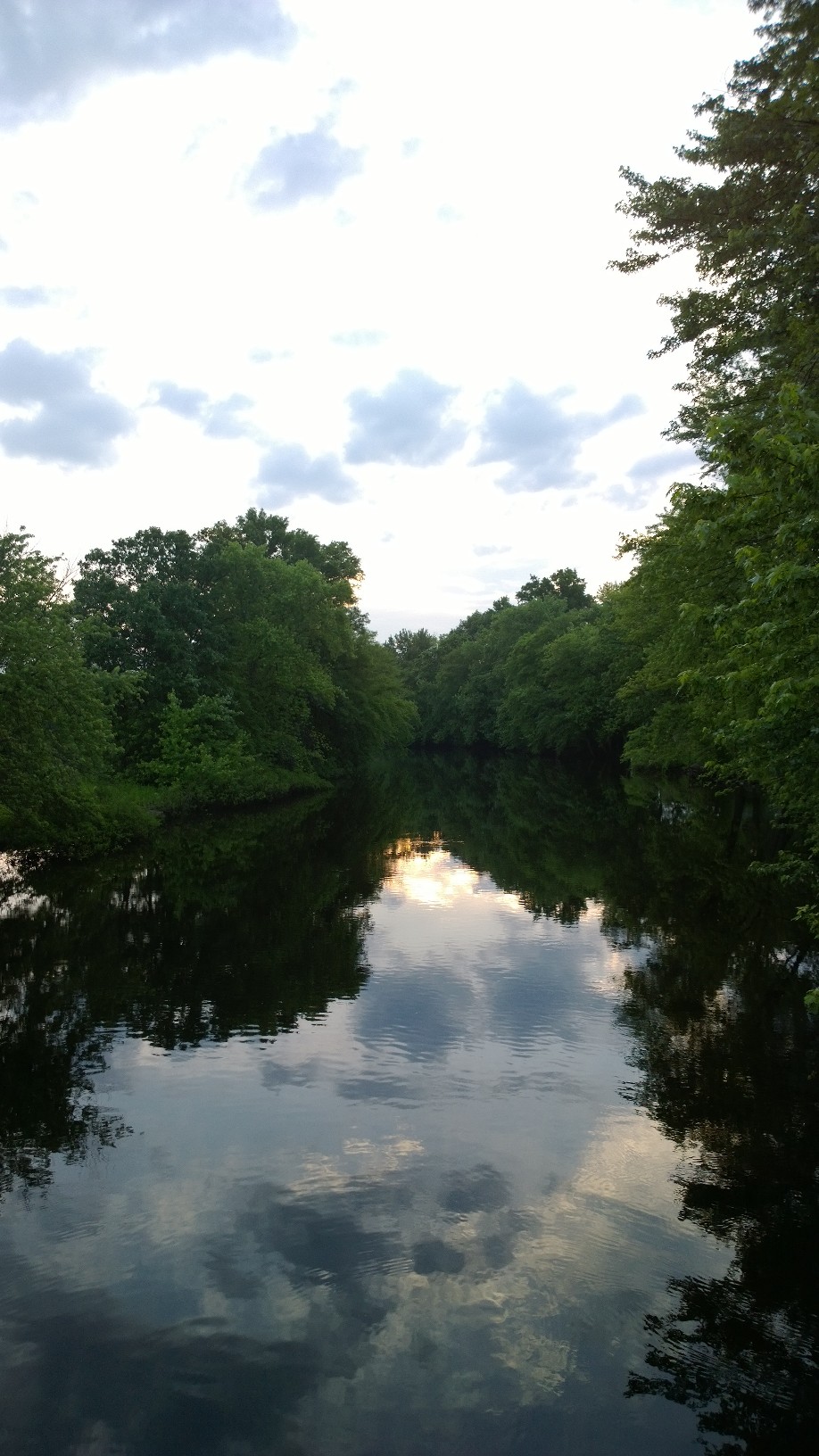
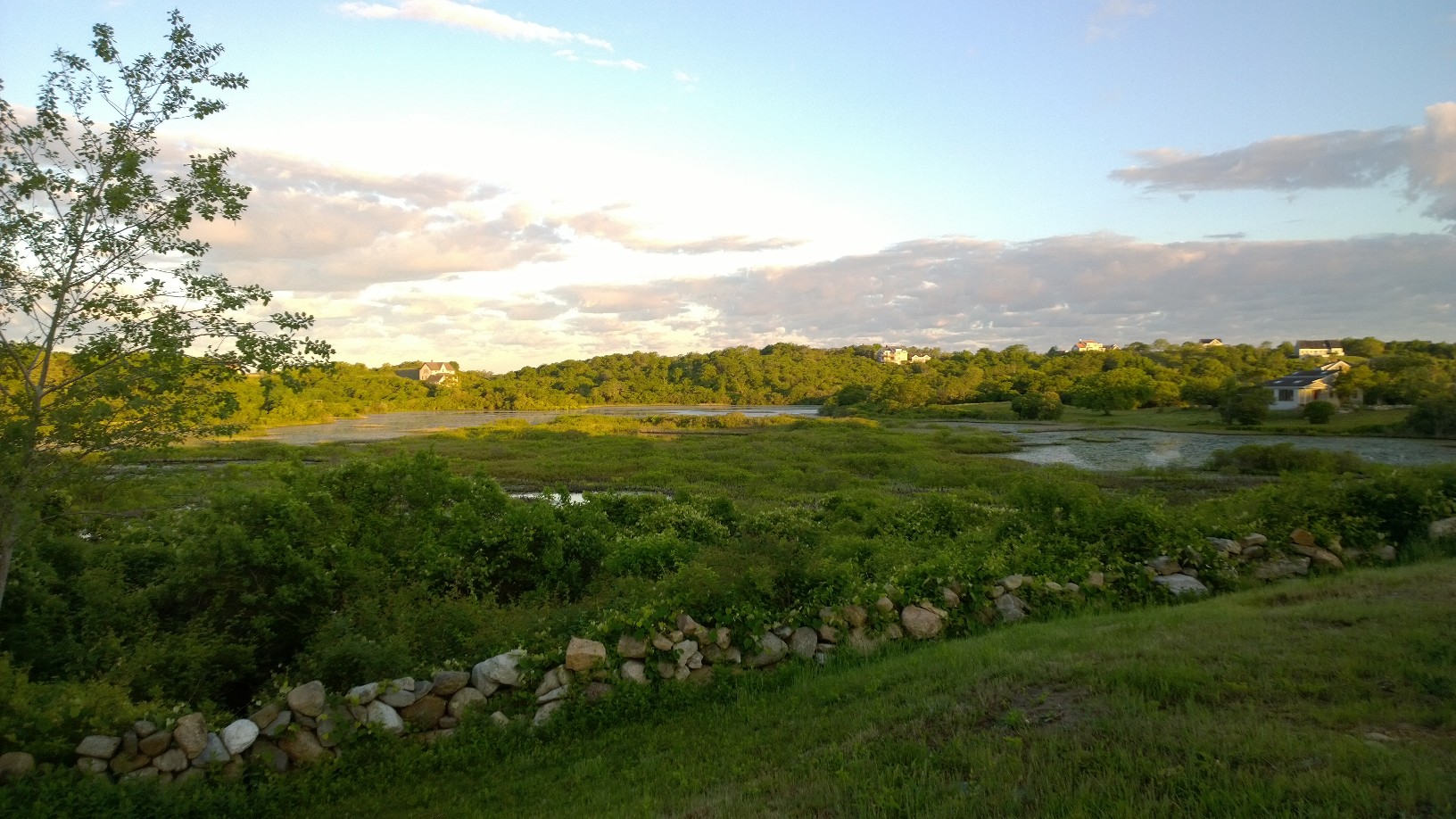
Next we have early morning looking over a river in Concord, then early-morning rowers on the Seekonk in Providence.

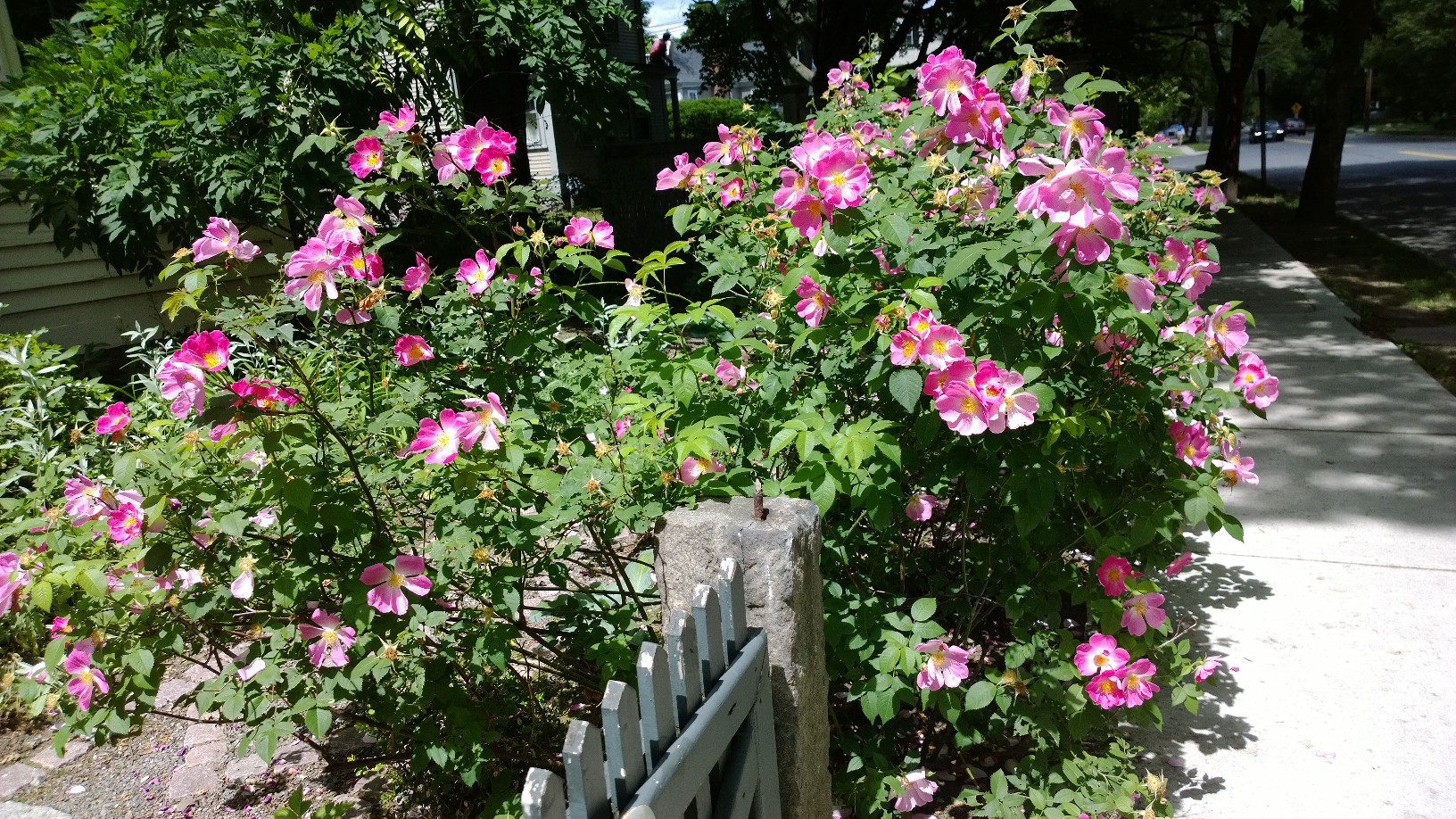
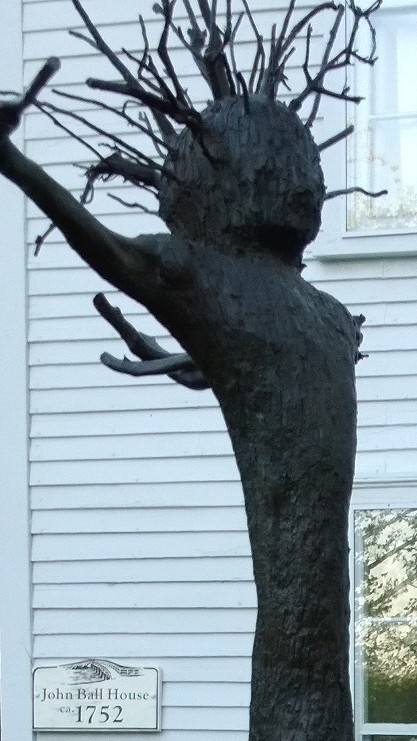
Early-morning roses follow on early-morning clematis. Modern sculpture does an early-morning stretch in front of the historic house that is now an art center.

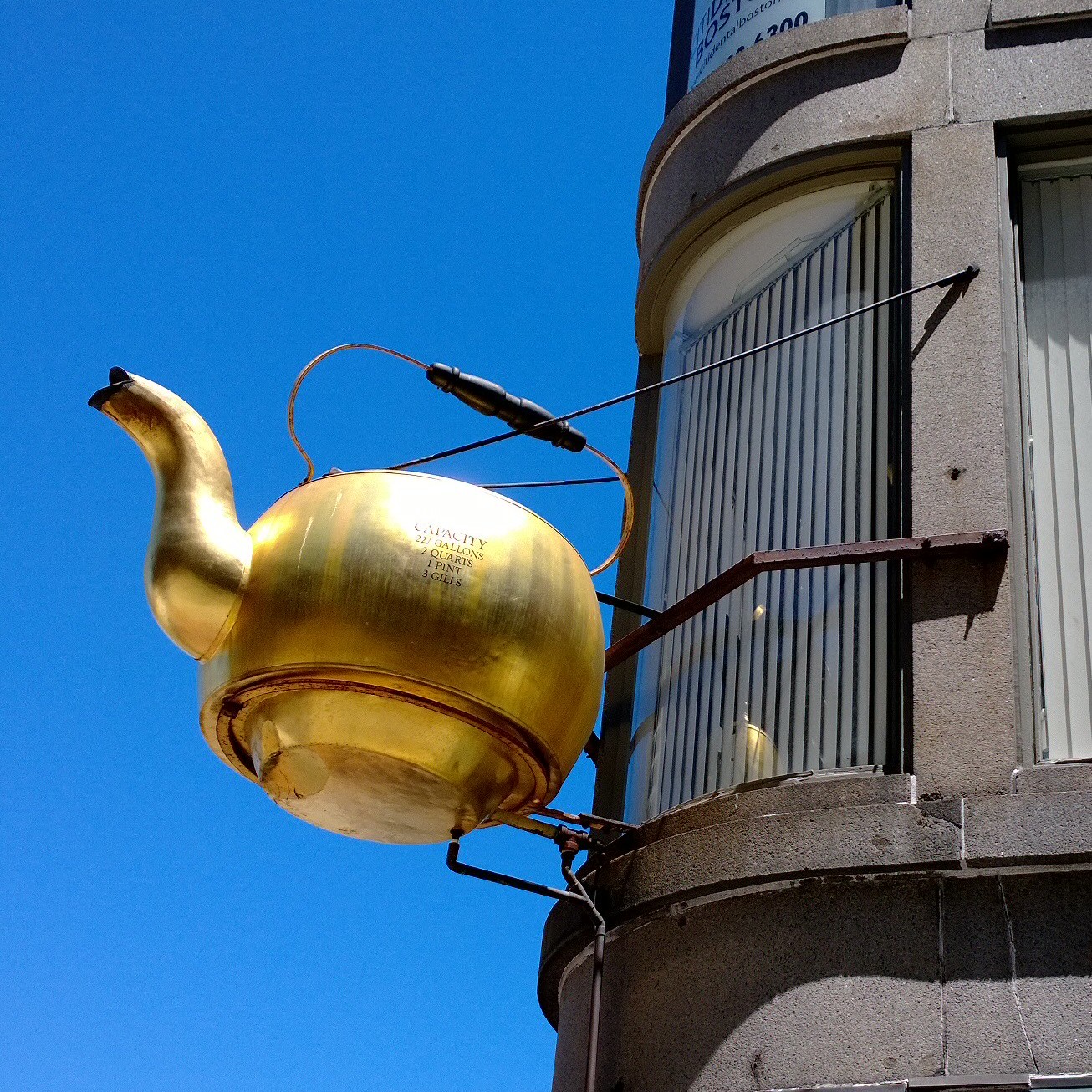
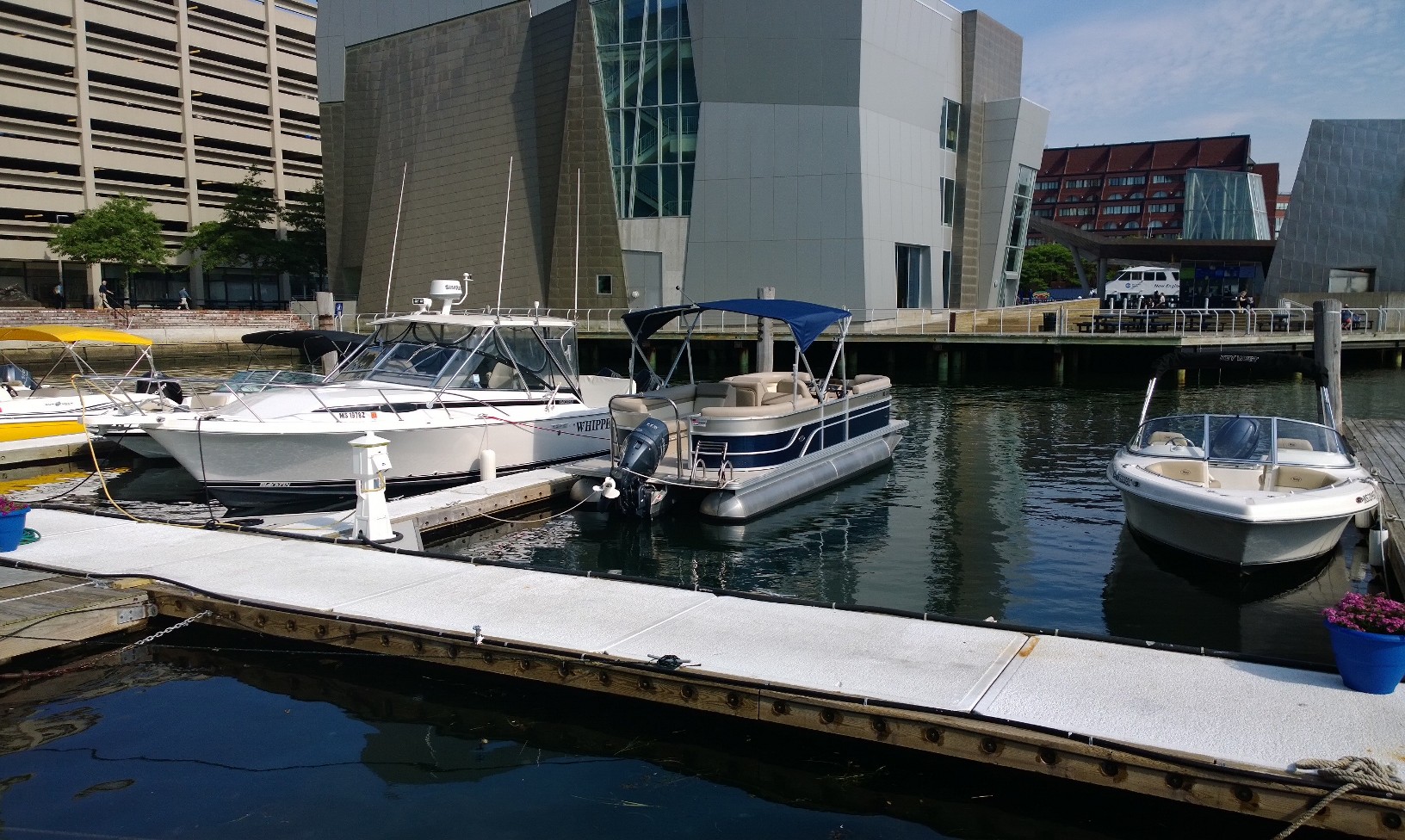
Then there is the teapot near Boston’s Government Center, private boats in Boston Harbor, and milkweed. (You’ll have to take my word for it that the milkweed was full of bees.)

061814-dawn-over-the-river


early-rowing-seekonk-river


061514-clematis

roses-on-fence


art-outside-Concord-Art-Assoc

teapot-near-govt-center-Boston


boat-dock-boston

milkweed-with-bees


Read Full Post »

living-under-dogwood


I live under a waterfall. You can’t get to my back door this time of year without crouching under a waterfall of dogwood. It’s especially true after a rain shower.

Bob has been supportive of my random photos, taken with a Nokia Lumia 1020 phone, so I’m emboldened to post them frequently, even when I don’t have much to say.

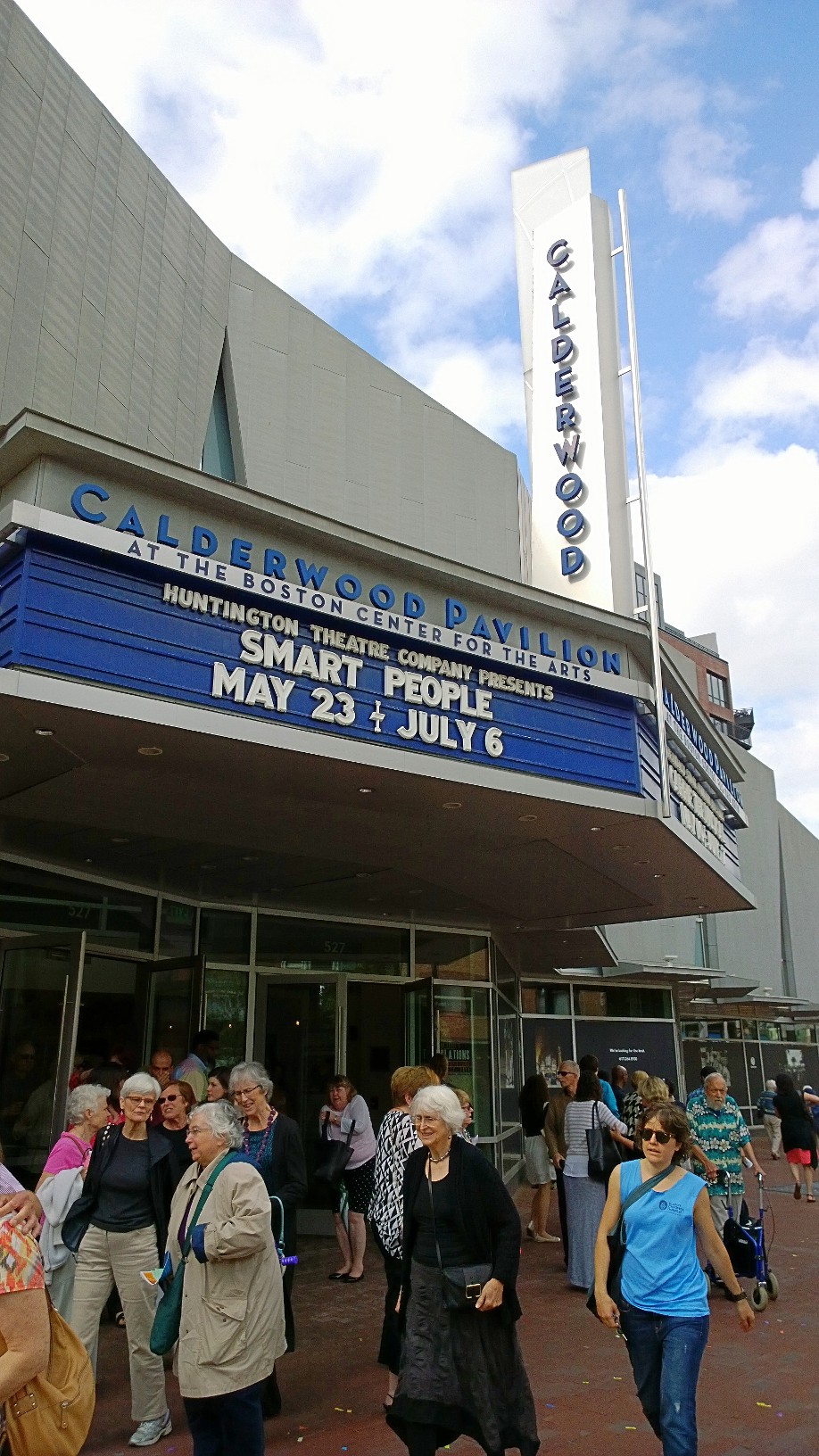
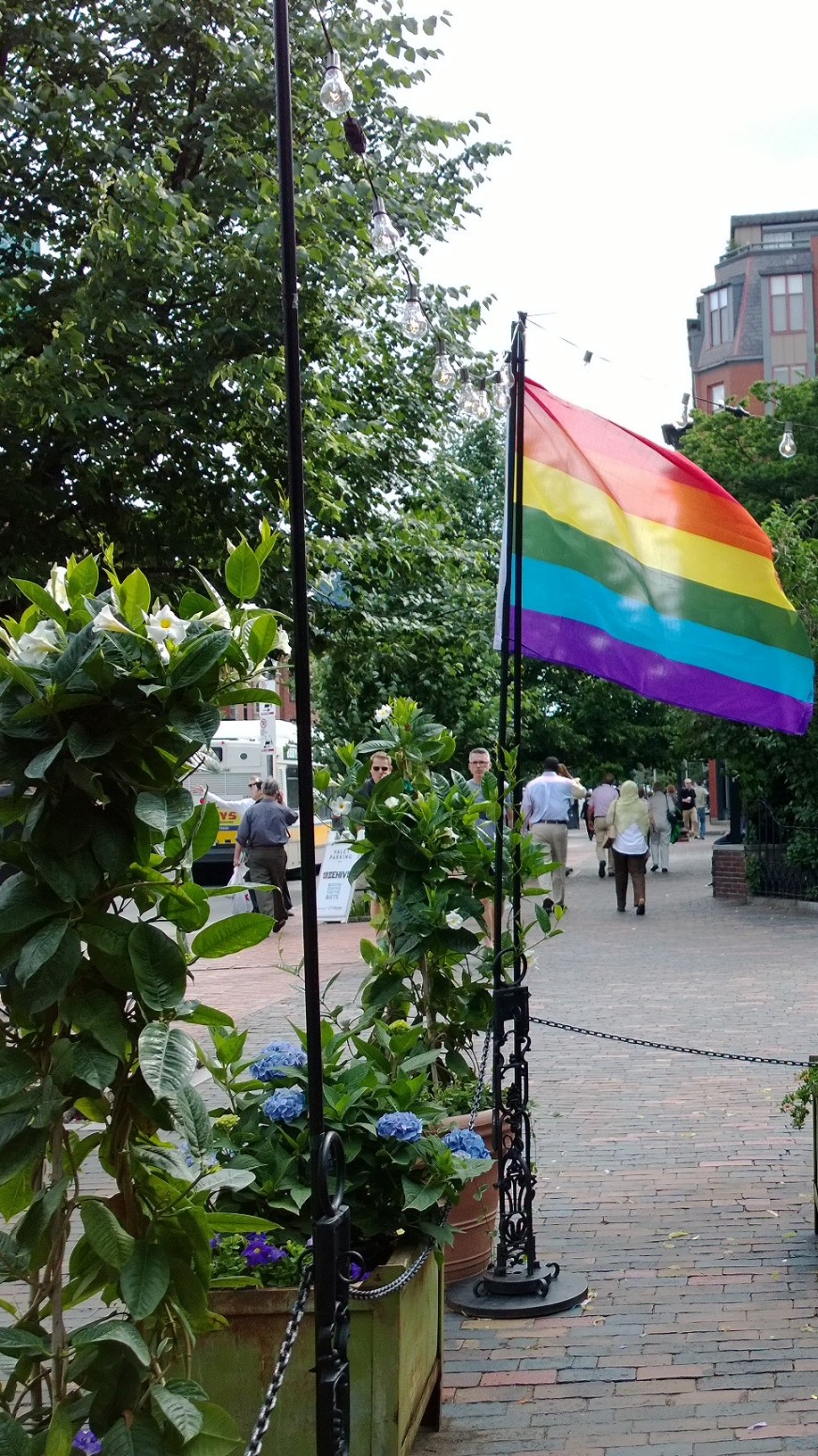
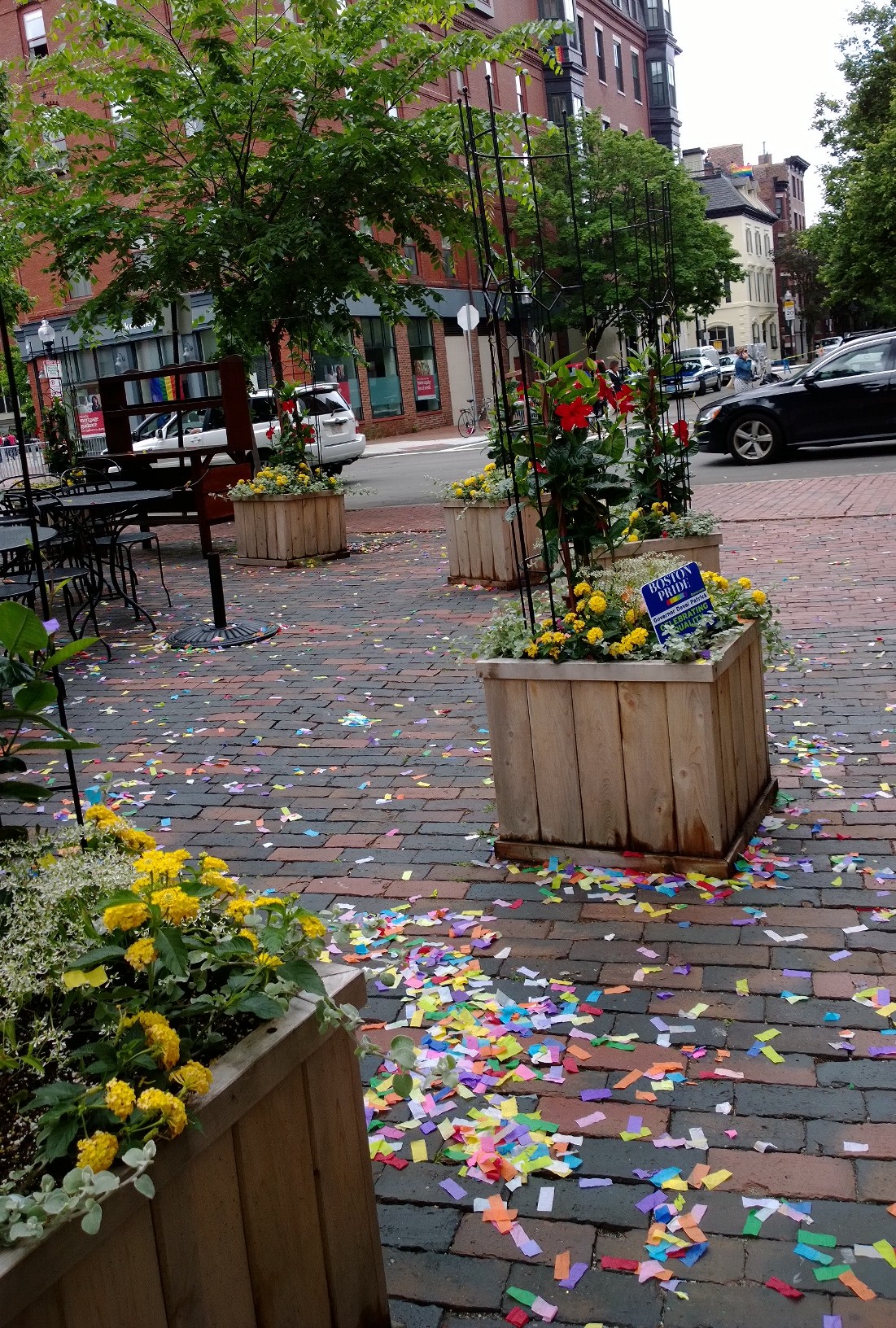
Below, you will see what else was going on in the South End yesterday when we attended a well-done play about race relations, Smart People (running through July 6).

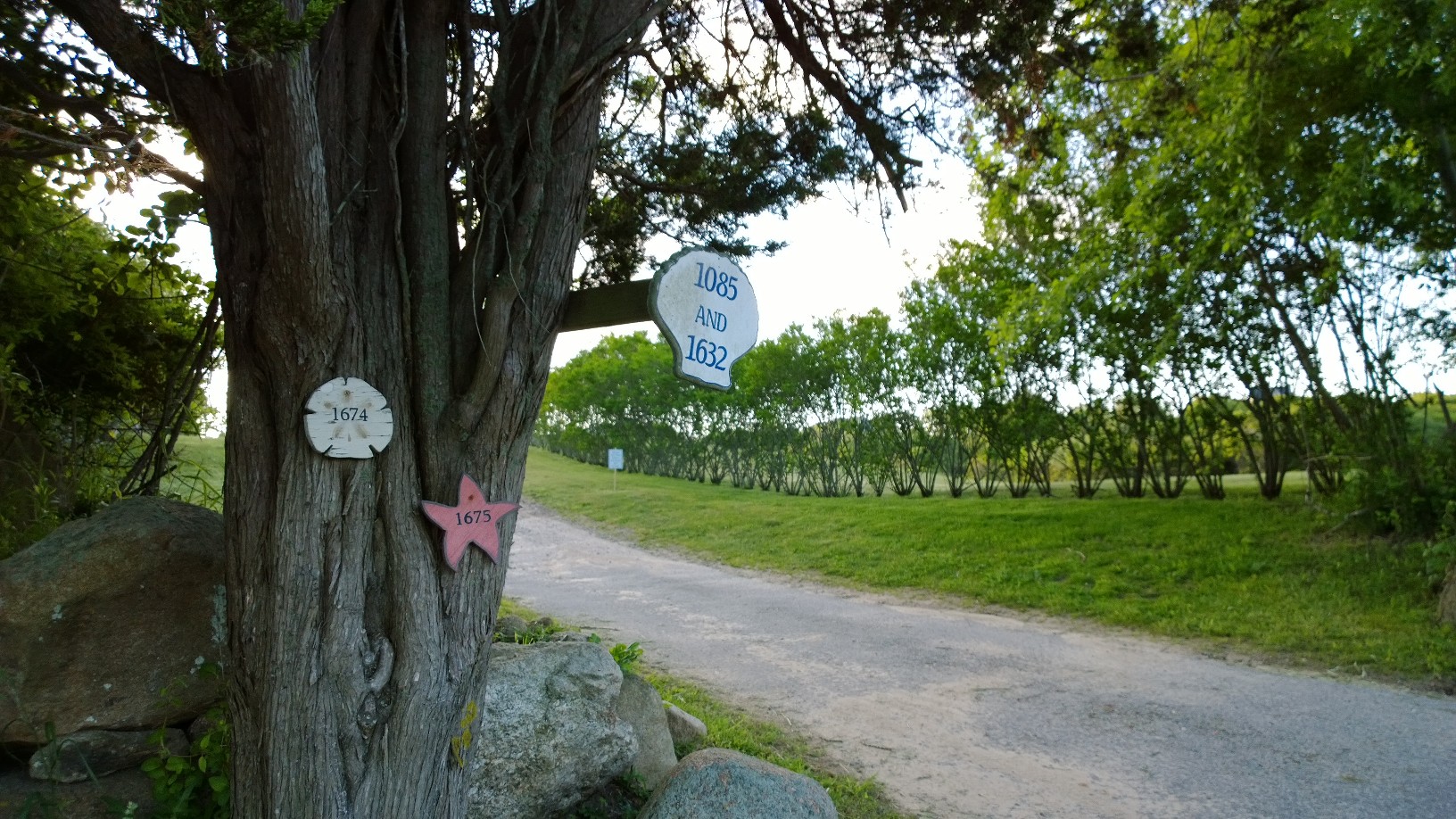
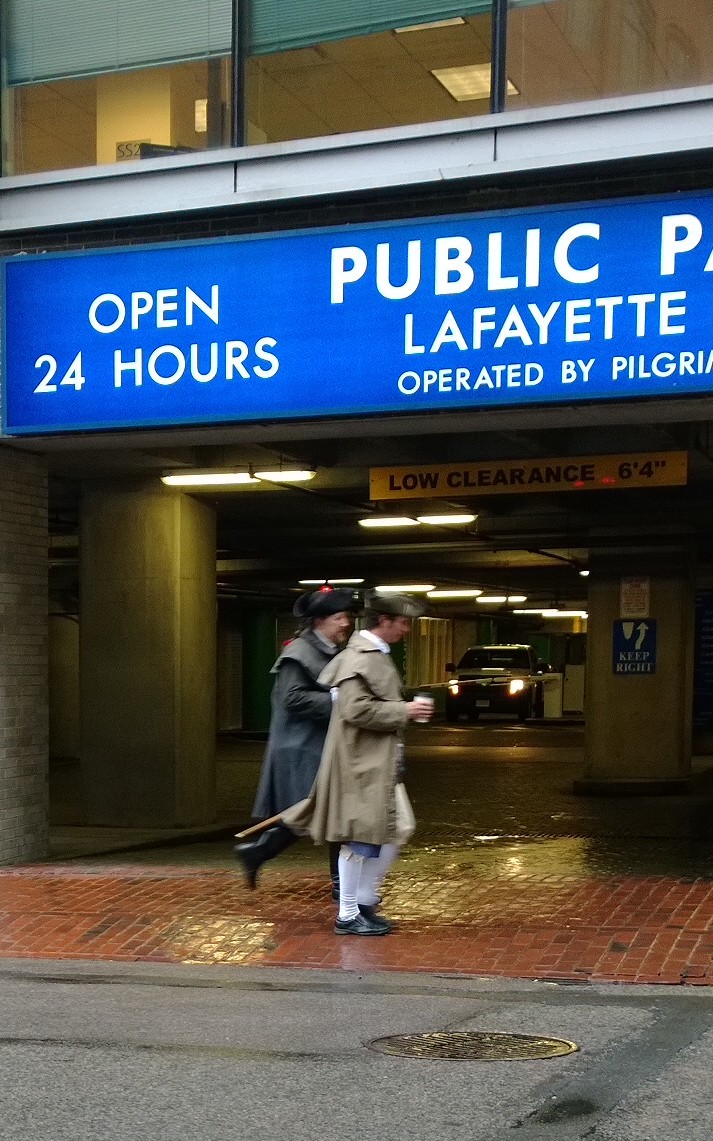
You will also note that I got interested in a climbing wisteria vine, typical Boston pedestrians in period dress, sunrise in Rhode island, and house numbers there that caught the spirit of the seashore.

smart-people-marquee


rainbow-flag-boston


rainbow-confetti-061414


early-morning-RI


marine-house-numbers


wisteria-vine


Boston-pedestrians

Read Full Post »

Here’s an unusual approach to art. Christopher Bollen at Interview magazine has the story.

“Since 2005, the 41-year-old [Marie] Lorenz has been navigating New York Harbor in her handmade plywood-and-fiberglass boat, taking friends, artists, and willing participants on nautical odysseys of the city’s rivers and islands.

“The project, Tide and Current Taxi … has its roots in multiple artistic practices — from traditional Romantic seascape and marine painting to more radical iterations of performance art …

“It helps that the Brooklyn-based artist, who could command a boat by the age of 6, is an adventurer at heart — the kind of avant-garde pioneer more often found on Manhattan’s dry land than in its surrounding waters. Lorenz has extensive knowledge of the city’s waterways. ‘When I got to New York, I realized that the tides were significant,’ she says. …

“Lorenz uses the tides like a motor to propel her boat, as well as the time-trusted manual labor of paddling. She usually sits at the stern, with passengers facing forward at the bow and in the middle.  …

“The boat trips themselves are often captured on video by a waterproof digital camera fixed to a metal pole jutting up from the stern. The camera’s eye is in the position of fellow traveler or a Charon-like ferryman through the derelict metropolis. Perhaps what is most arresting about her work is the way it destabilizes our usual perception of the city itself — specifically the hypnotic rocking of the Manhattan skyline.

” ‘You usually see the city on solid ground,’ Lorenz says. ‘I think when you’re floating, you see differently, your vision expands. You get to see the city from an in-between zone.’ ”

More here.

Sebastian Kim

Read Full Post »

flowers-in-lobby

flowering-4th-floor-roof


roof-garden-at-office-buildingHere are some photographs from Greater Boston this spring.

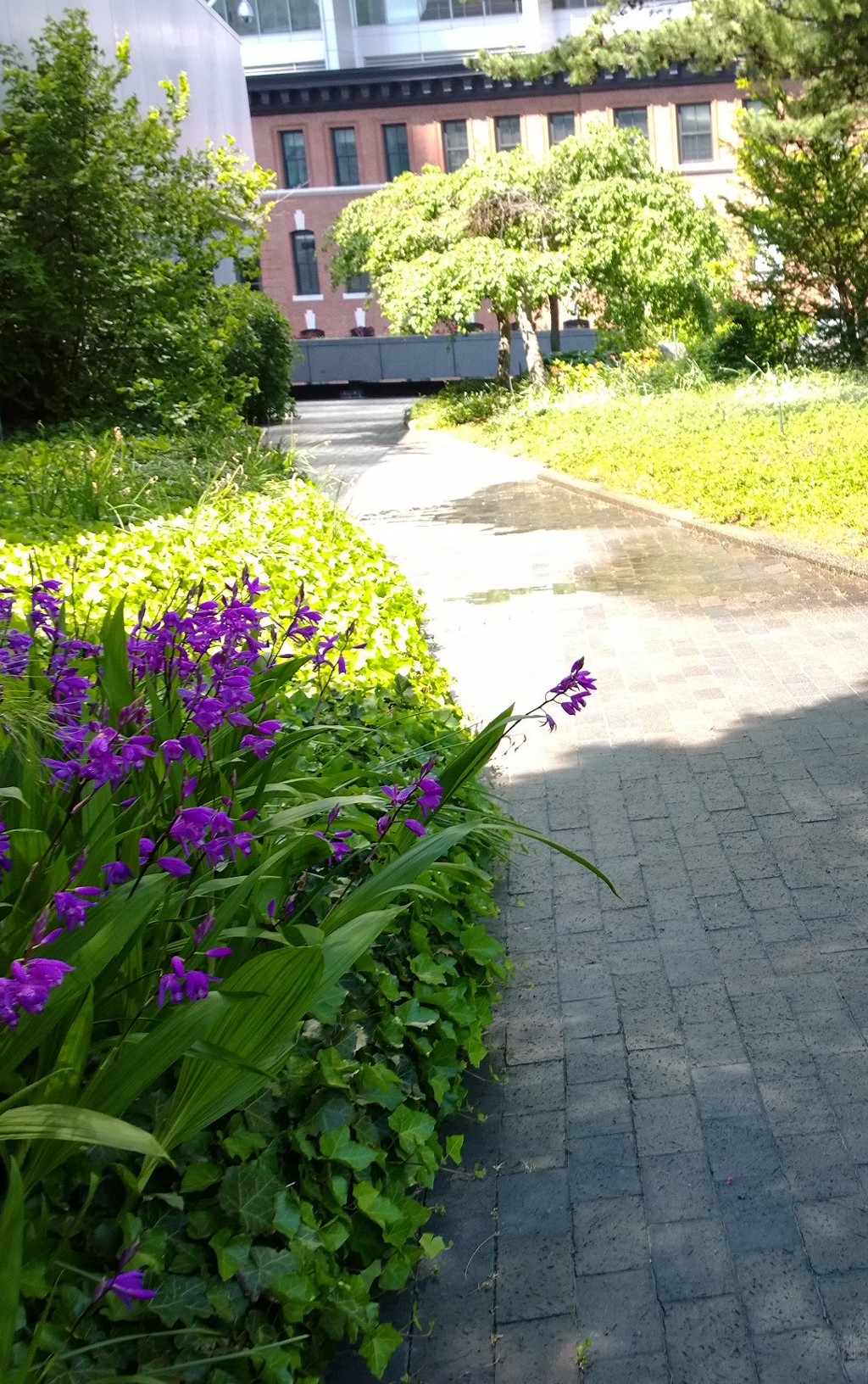
The first three represent the work of an exceptional landscaper in an office building downtown.

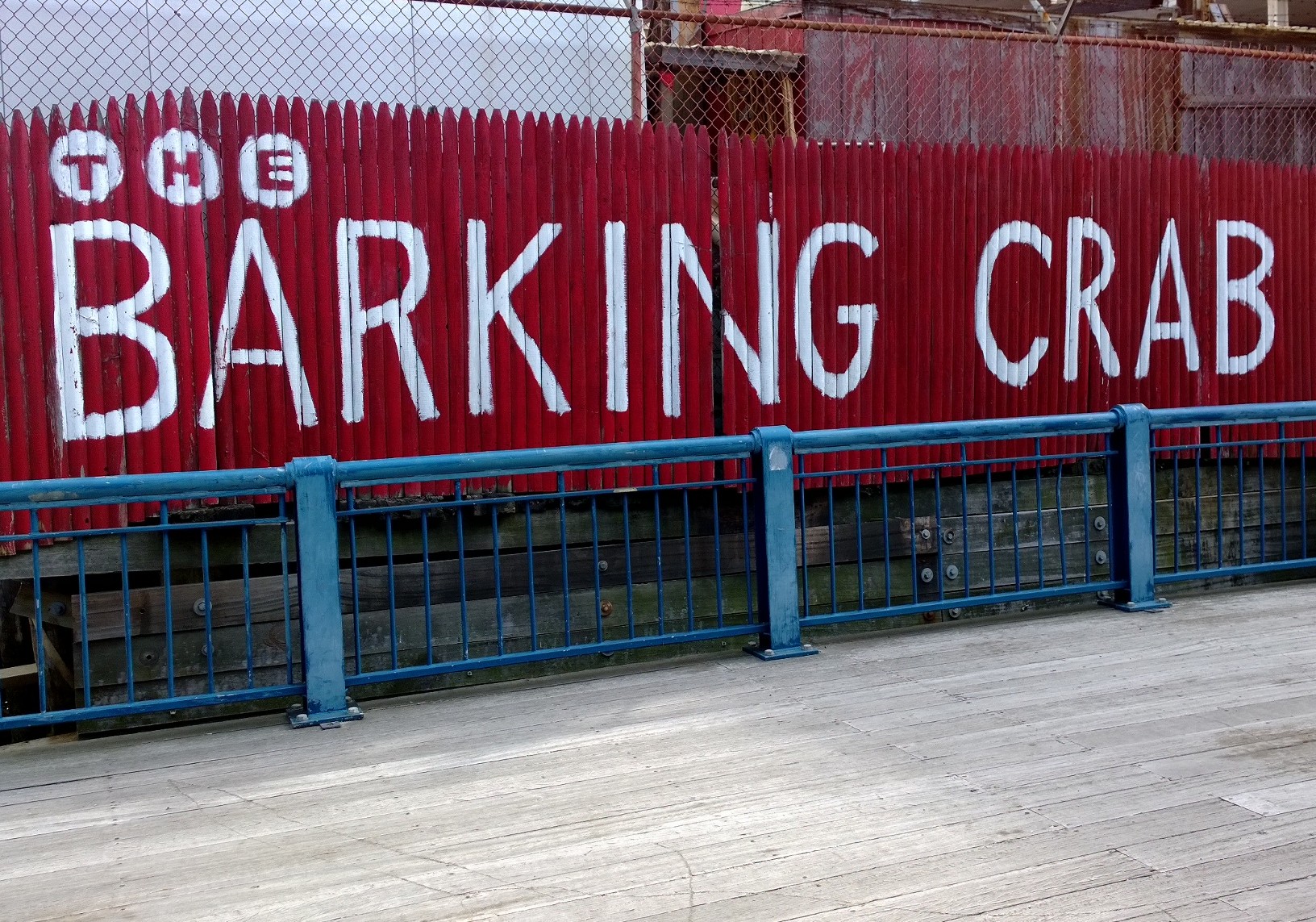
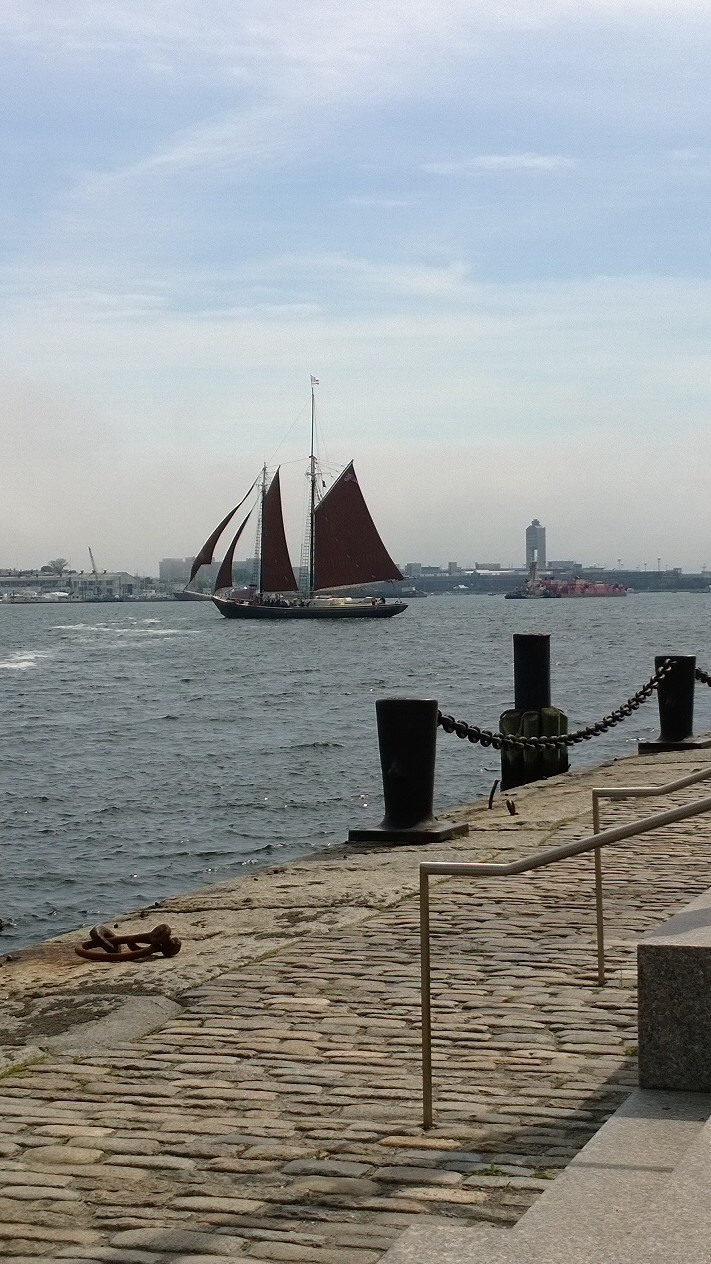
I also want to show you that the Barking Crab may be surrounded by construction in the Seaport District but is still open for business. There’s a tall ship in the Harbor. The blue whale in the Greenway carousel is ready to ride, and the Greenway demonstration garden is producing strawberries. The Dewey Square farmers market has plenty of produce and flowers.

I threw in the third-floor balcony at home.


barking-crab-boston

may27-2014-boston-harbor-sailing


blue-whale-and-carousel

060314-farmers-market


urban-greenway-grows-strawberries

balcony-early-morning


blooming


Read Full Post »

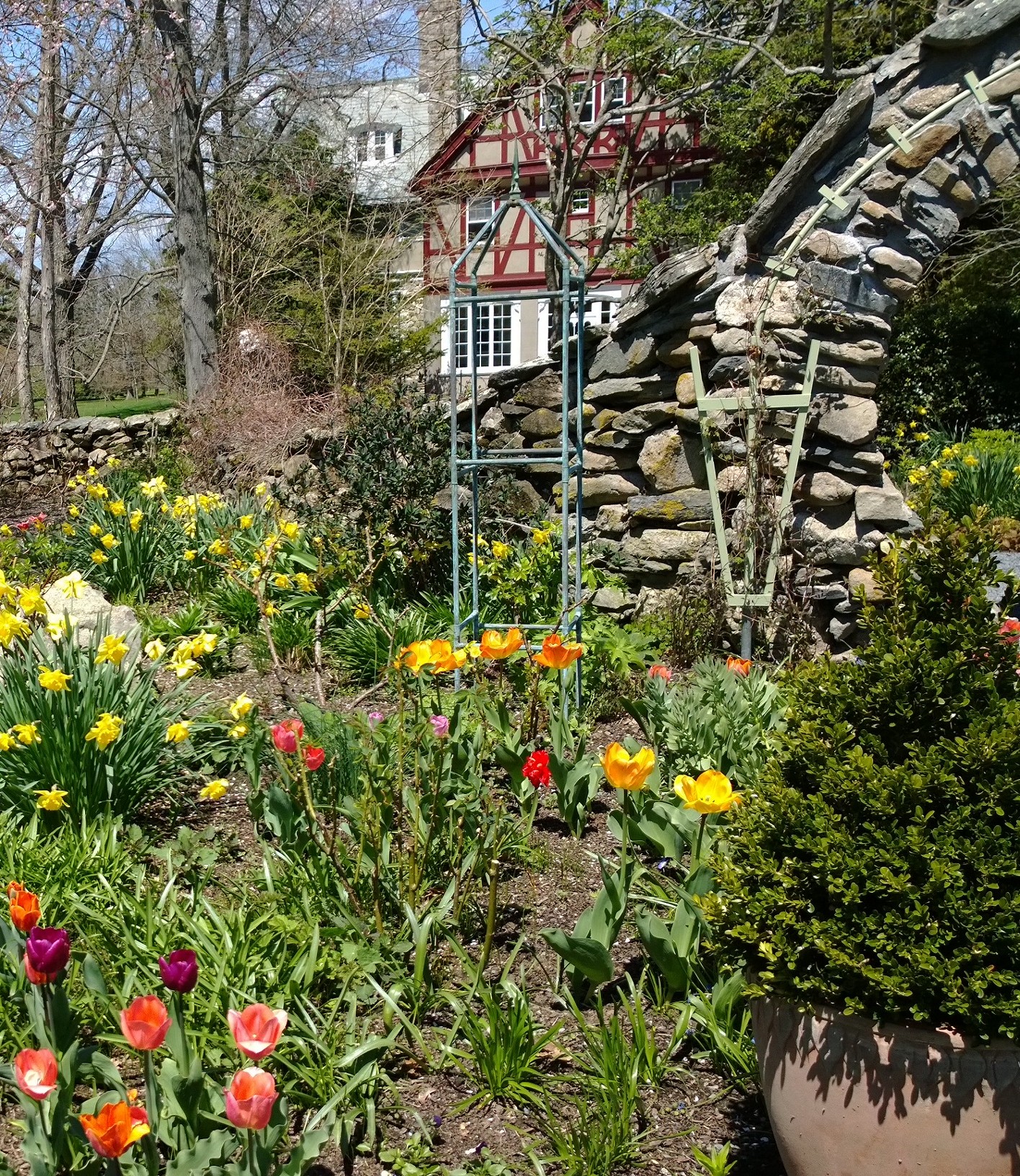
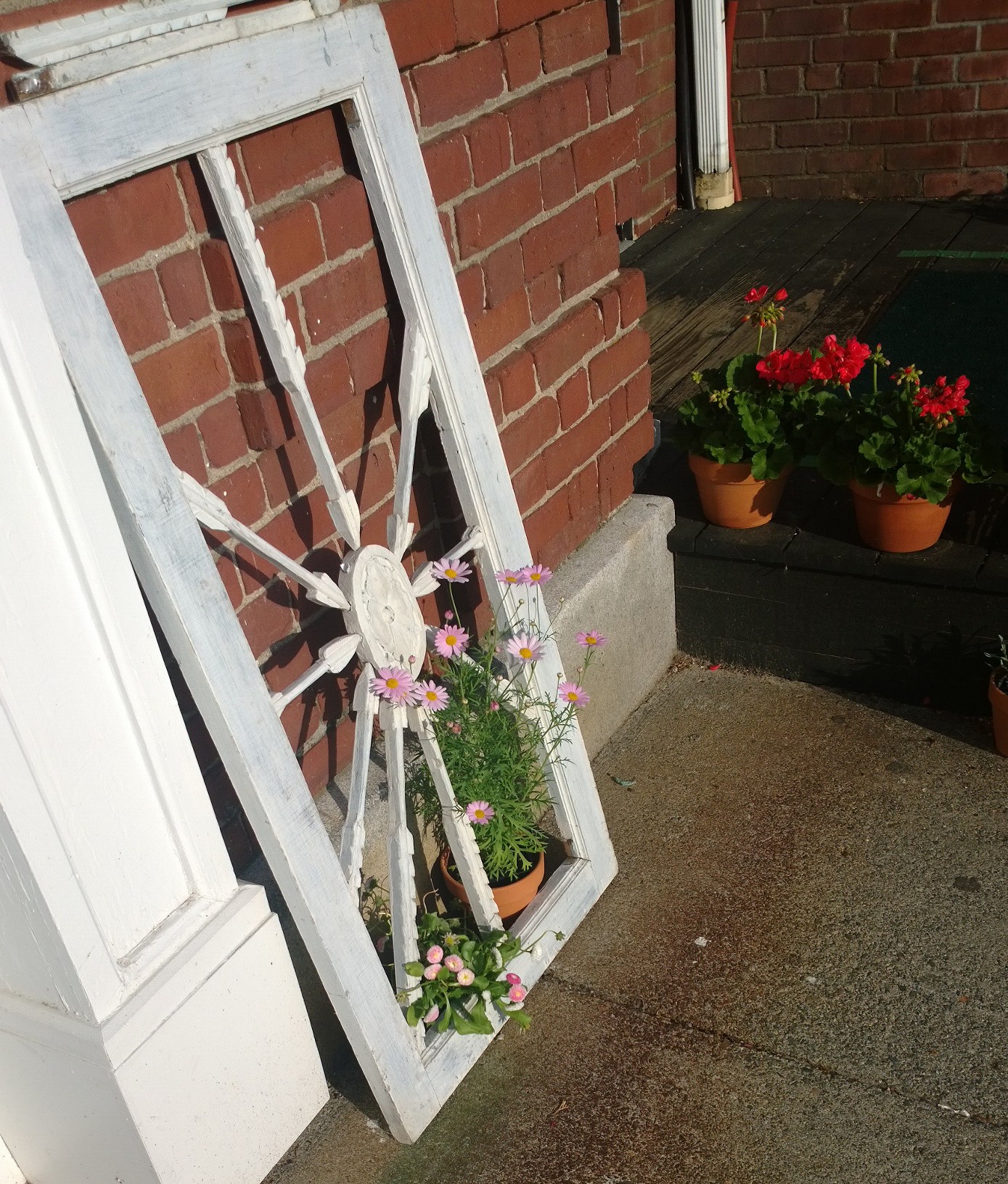
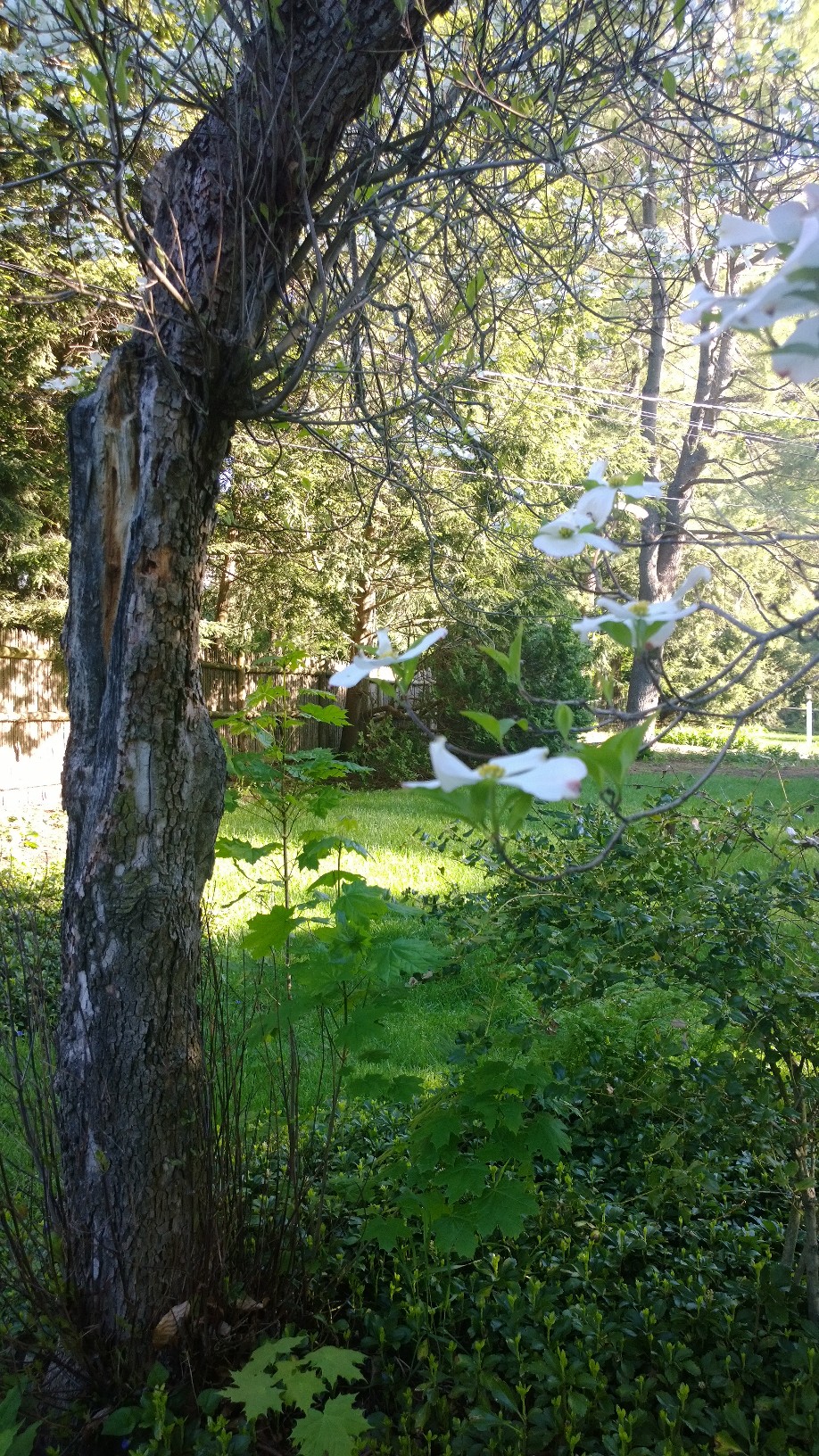
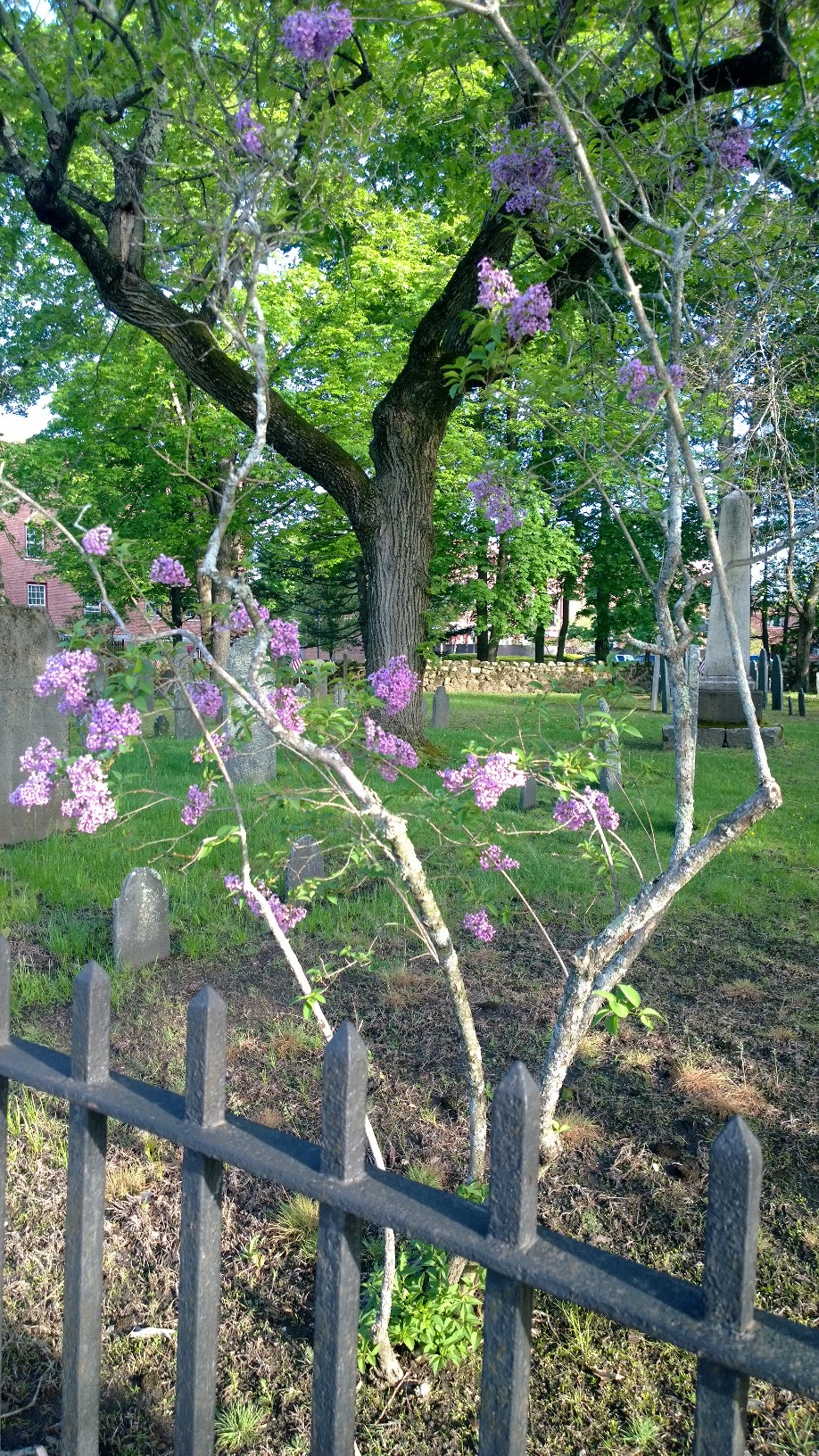
These photos are mostly from walks in Concord, although one is from Blithewold in Bristol, R.I. I’d like to develop my eye for good shots in winter, but there are so many more reasons to take pictures in spring! I especially love old, blasted trees with delicate, young flowers. I include one, a dogwood. The lilac in the graveyard is another tree that doesn’t know it’s not as hale and hearty as ever.

On Nashawtuc, a hundred different bird calls replaced the sounds of traffic.

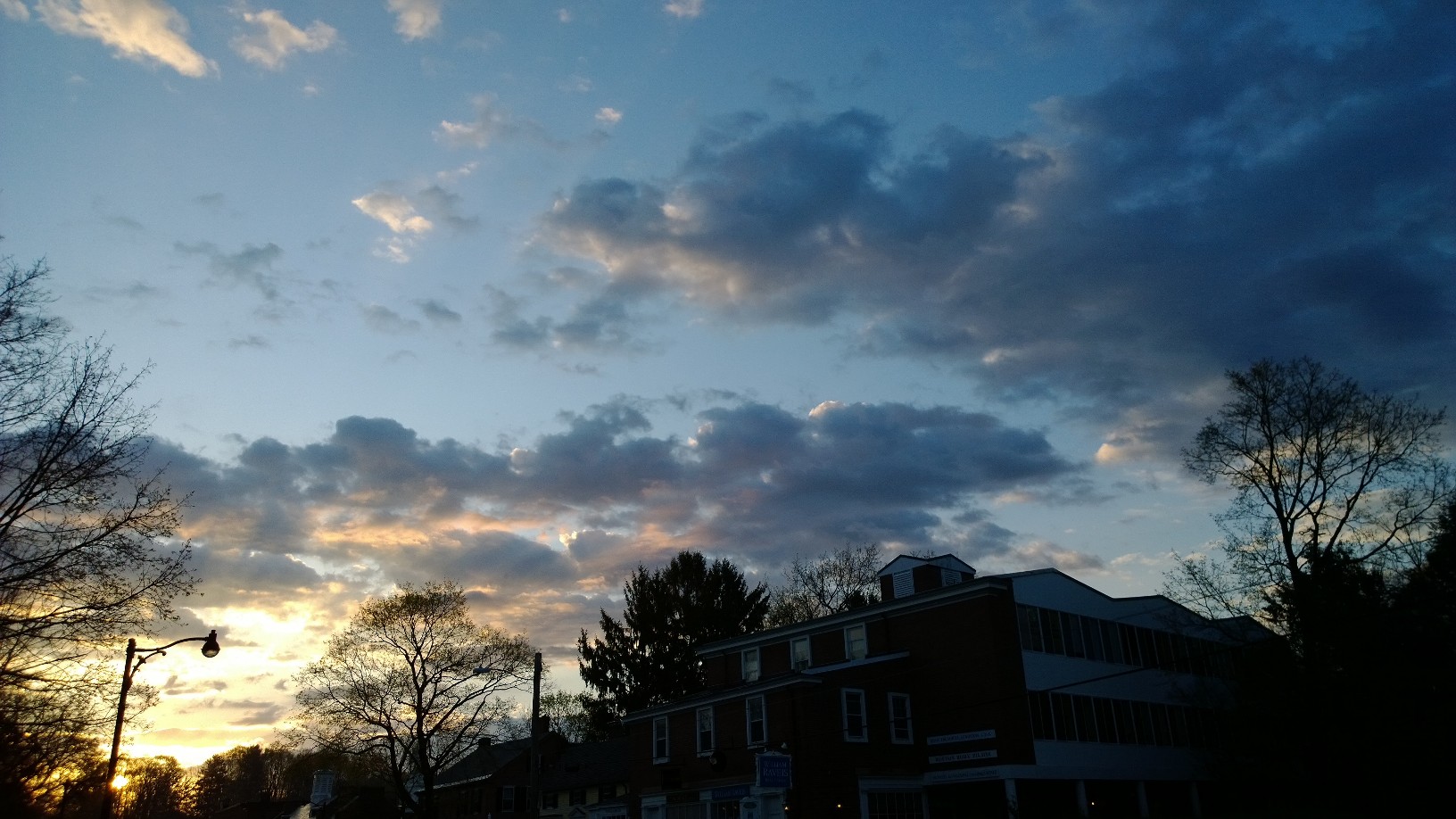
Morning-sky-050214

rustic-flower-basket


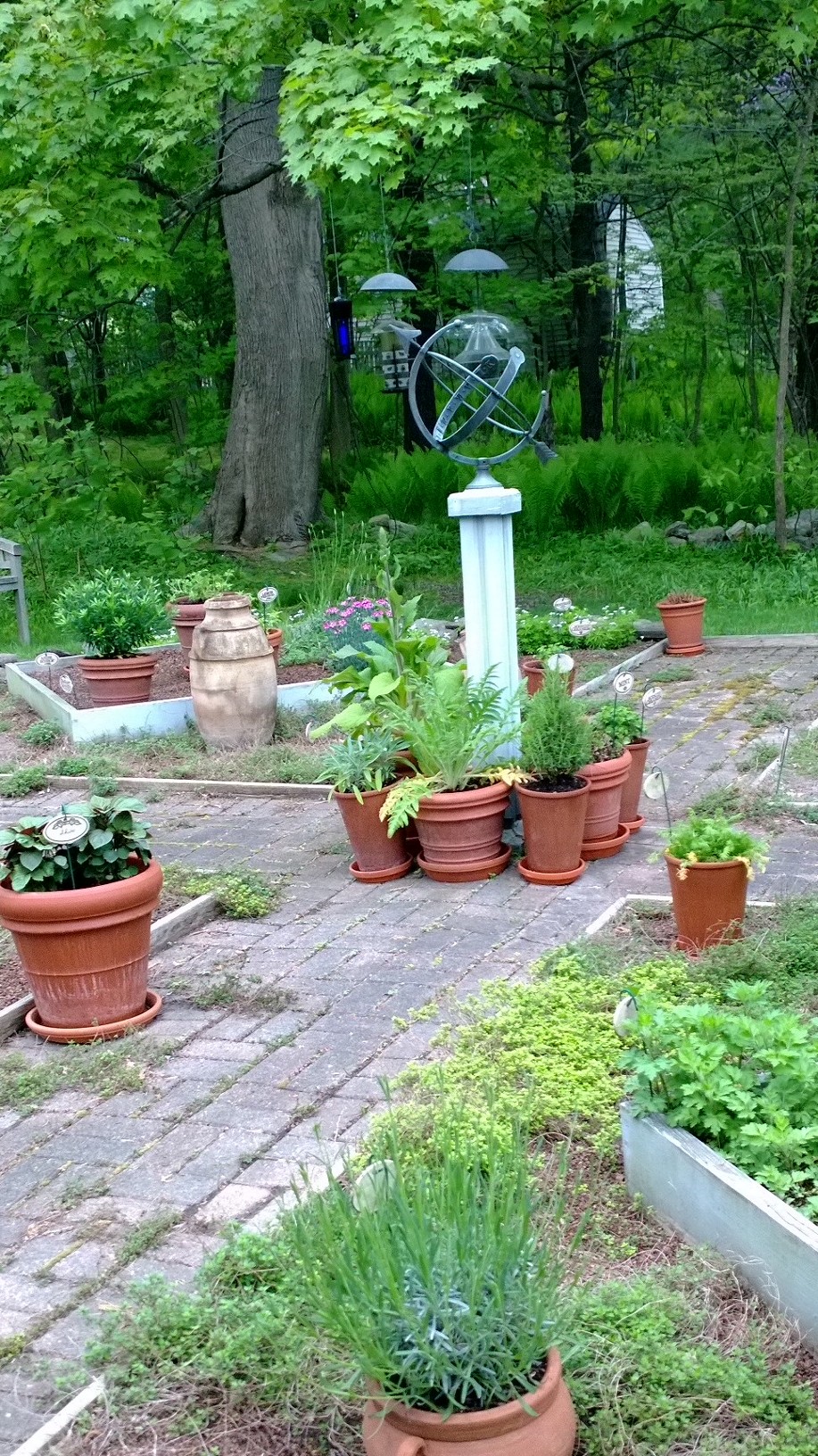
church-herb-gaarden

dappled-rhodies


red-impatiens


wisteria-at-dawn


flowers-at-Blithewold

bondir-landscaping


crippled-but-flowering-dogwood

lilac-in-graveyard


Read Full Post »

Washington-Sq-is-where-I-came-inWashington Square, New York City

Random photos from my travels.

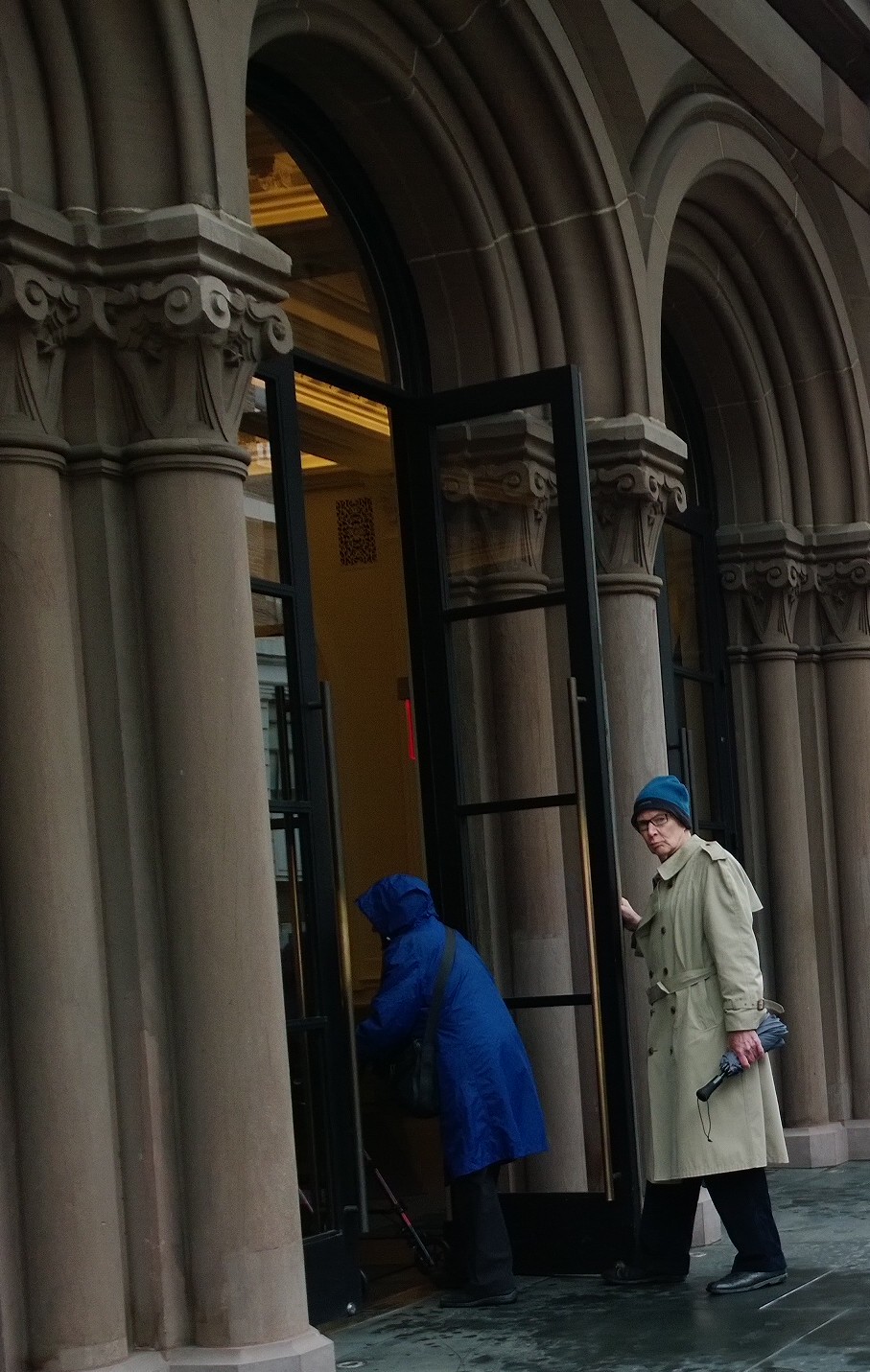
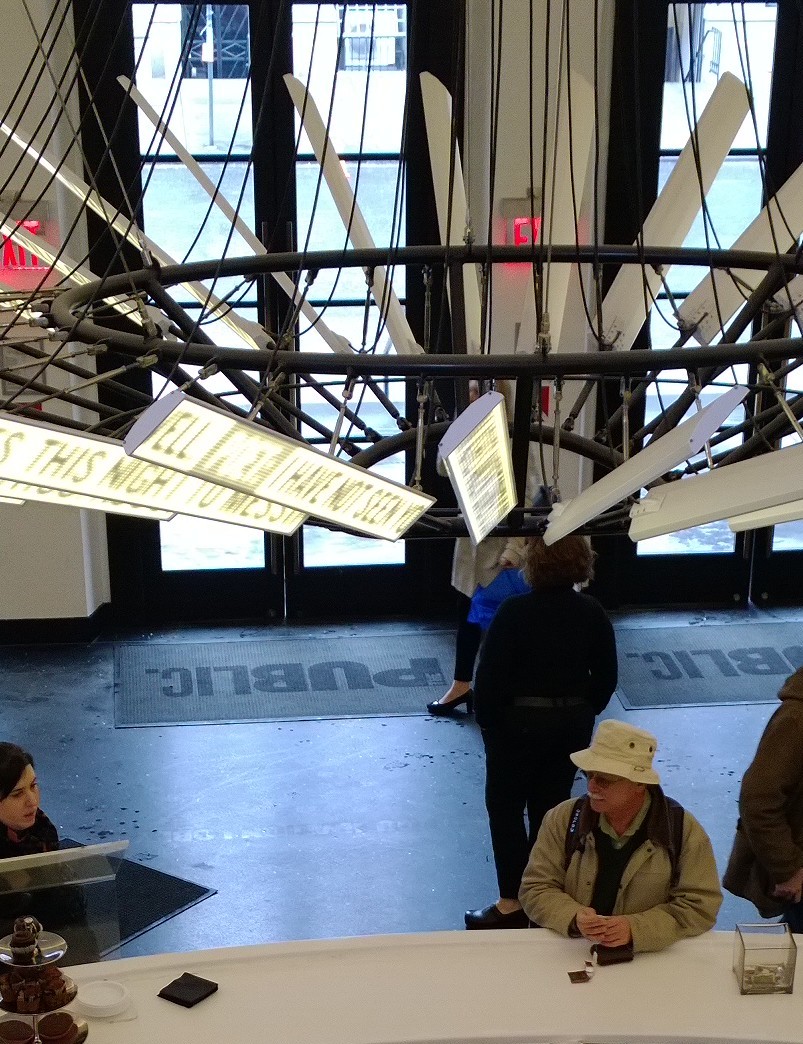
My husband going into the Public Theater to see classmate Ted Shen’s musical, A Second Chance. The Playbill for the show. A delightful chandelier at the Public, with paddles that illuminate changing phrases.

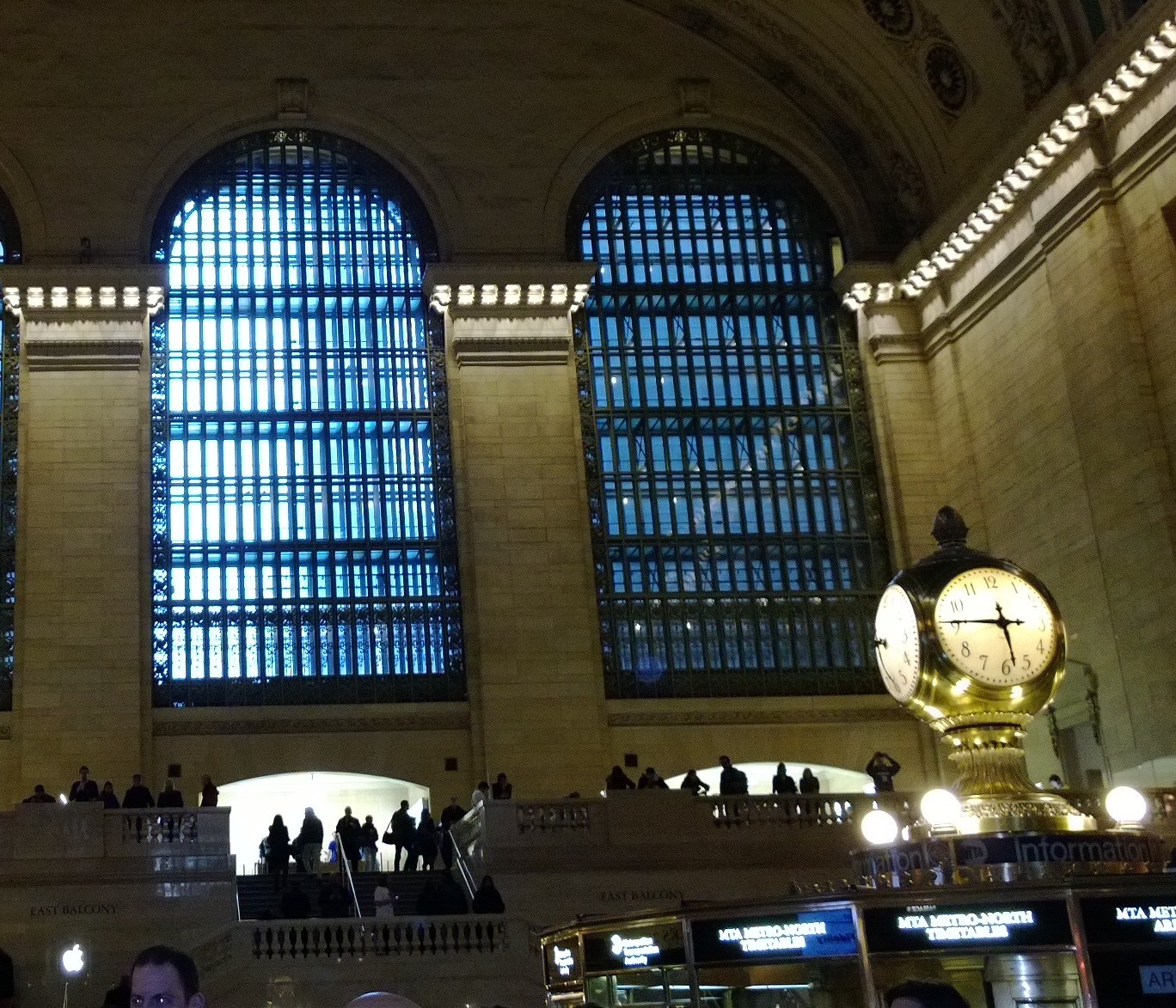
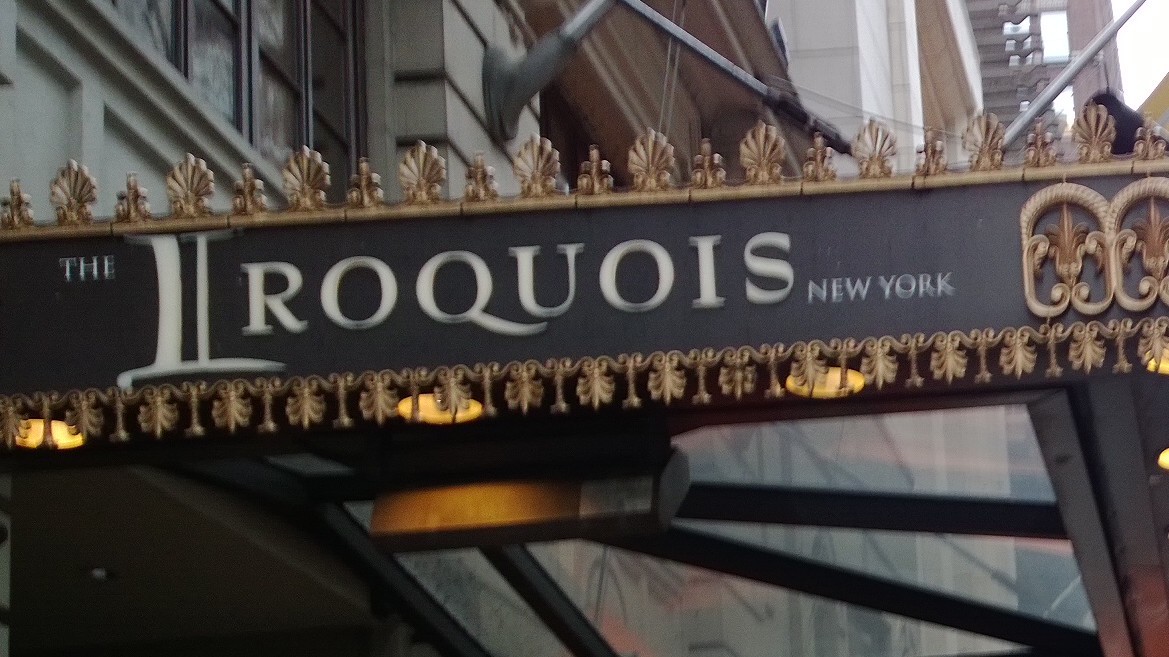
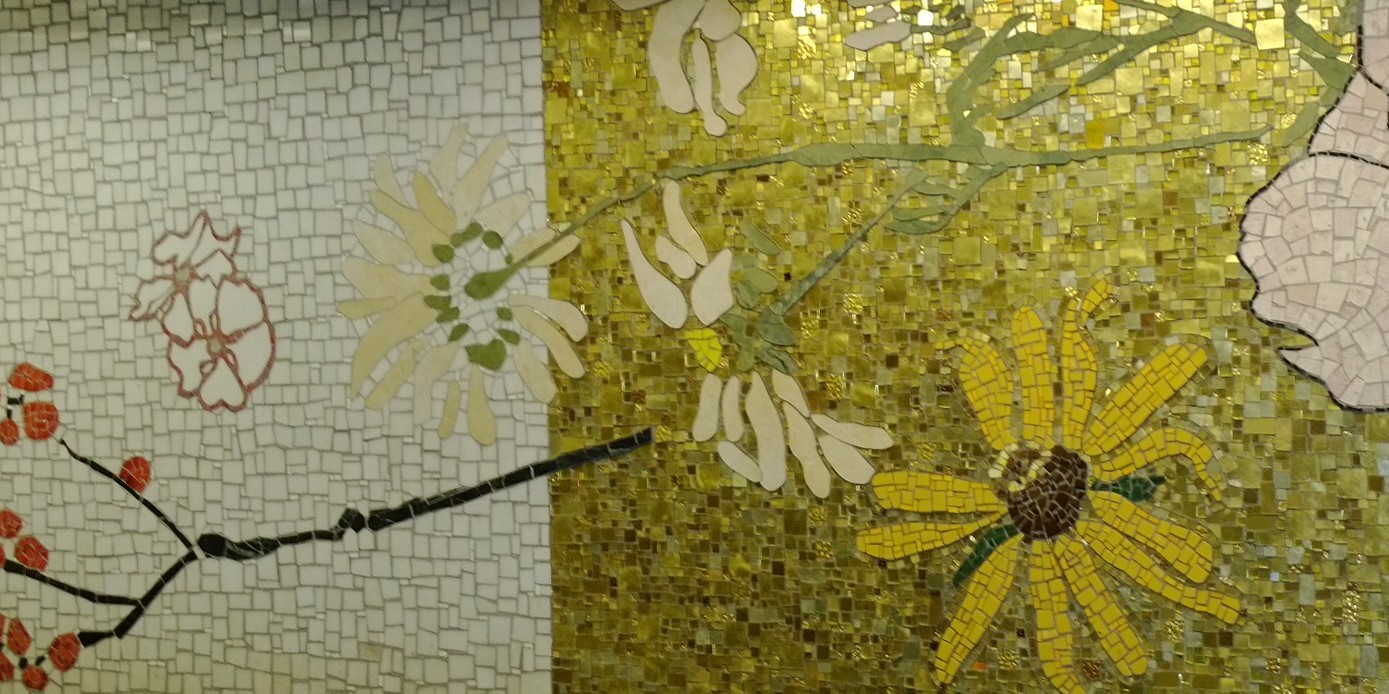
Subway buskers playing a grandson’s favorite song, “When the Saints Go Marchin’ In.” Grand Central Station. The charming Iroquois Hotel. A flower-themed mosaic in the Lexington Ave. subway.

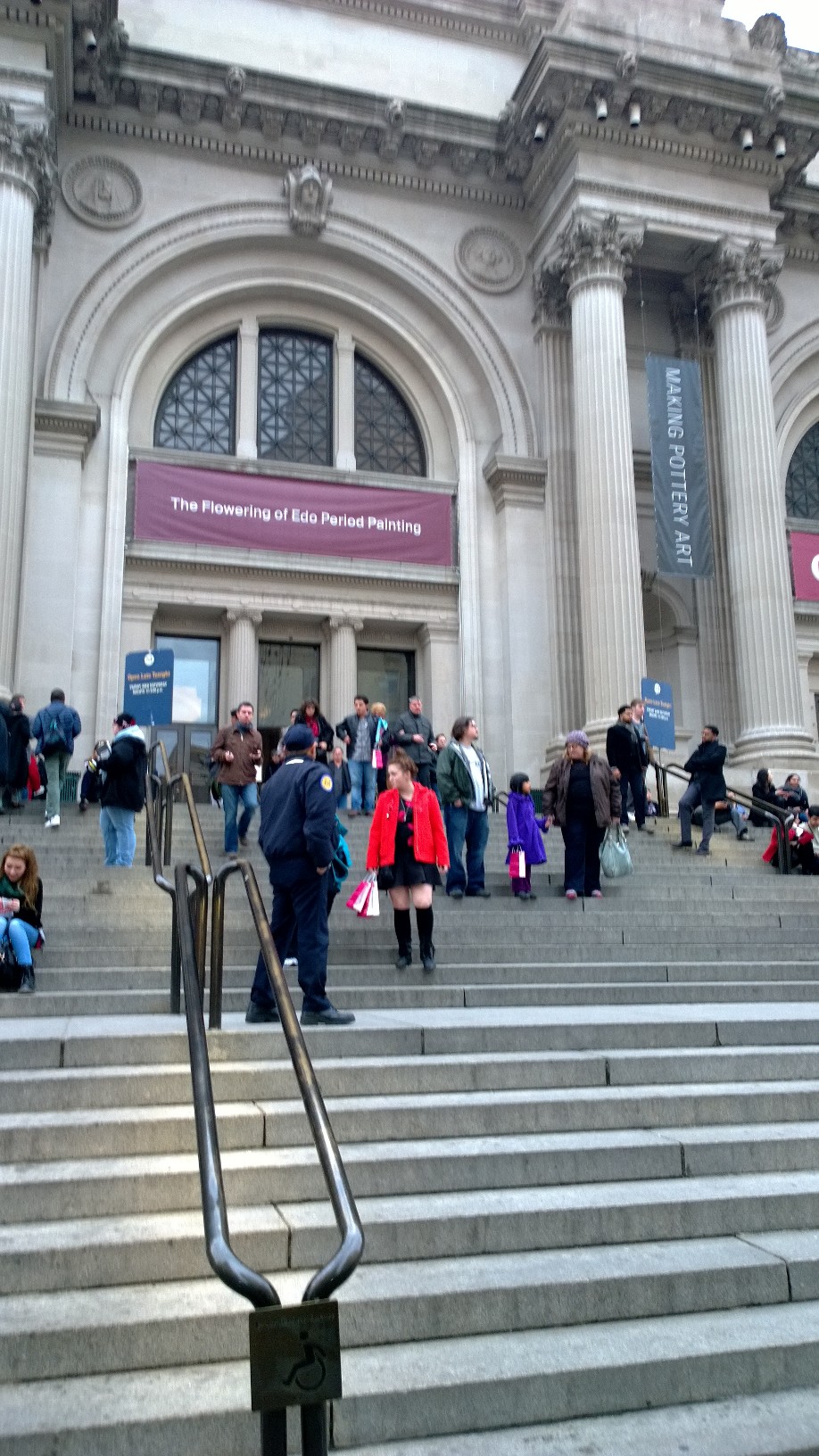
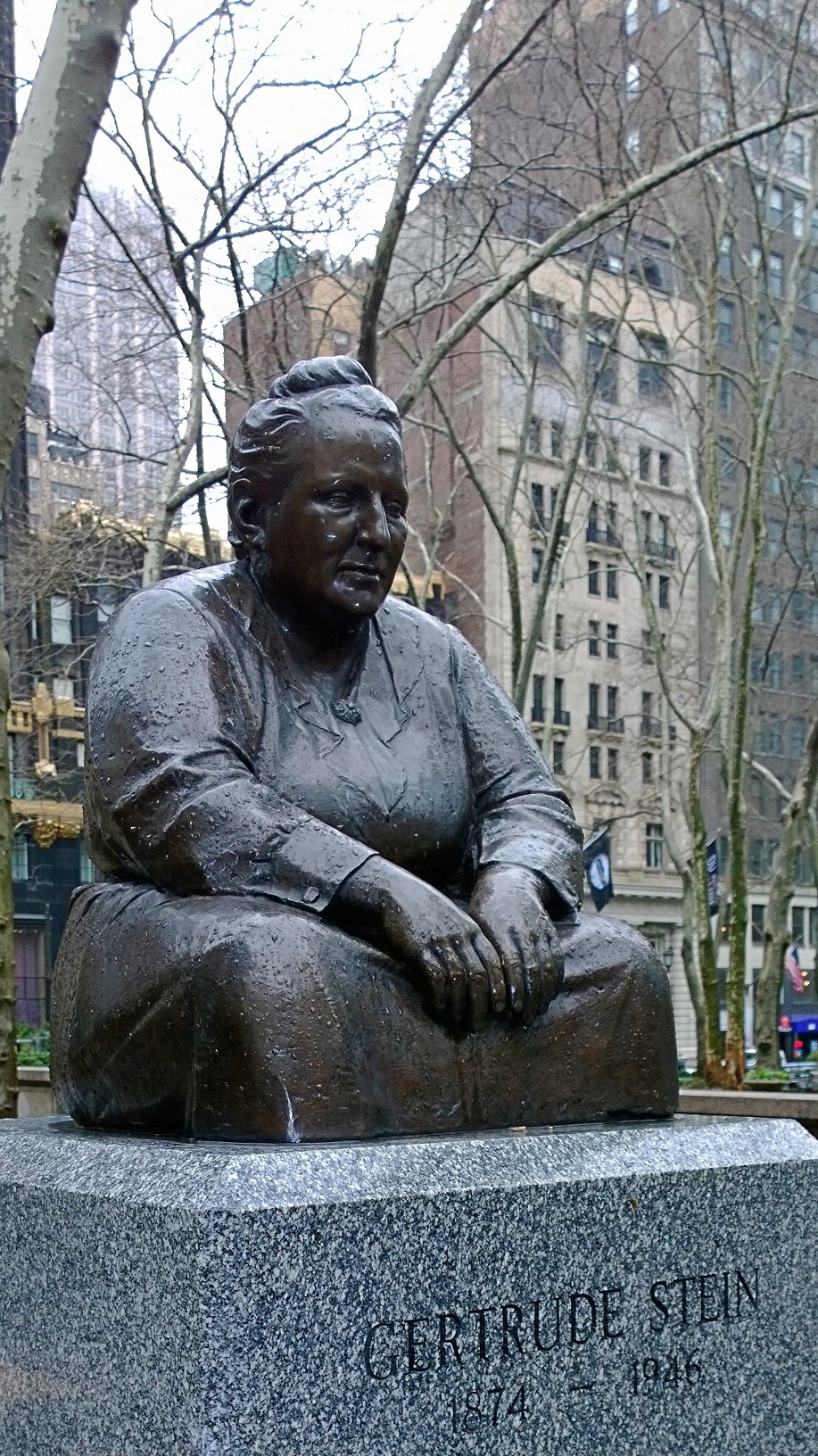
Gertrude Stein looking like herself in Bryant Park. And the Metropolitan Museum, where we saw a great photography show with my sister and brother-in-law. More on that later.

(Be watching for the relaunch of the Luna & Stella website, where one of the family pictures is of my sister at age 3, pictured with Suzanne’s maternal grandfather. … Did I mention this is a blog for Suzanne’s birthstone-jewelry company Luna & Stella?)

Public-Theater_NYC

Ted-Shen-Second-Chance-Playbill


The-Public_has-cool-chandelier

When-the-saints-go-marching-in


Grand-Central-NYC

Iroquois-hotel-treats-guests-right


Lex-Av-Subway-NYC

Met-Museum-NYC


Gertrude-Stein-Bryant-Park


Read Full Post »

Cynthia-Marie Marmo O’Brien has a nice story at Narratively on a close-knit Latino subculture in the Bronx.

“Generations of Nuyoricans — Puerto Rican New Yorkers — have found familia in a little house on an overgrown patch of the South Bronx,” O’Brien writes. The place is known as La Casita.

She continues, “Today I am relaxing with some of the regulars under the hanging branches of trees separating us from the busy life on the street; they have picked grapes from overhead and are making wine.

“I came here with César Colón-Montijo to experience plena, a musical genre indigenous to Puerto Rico. In his scholarship, Colón-Montijo, an ethnomusicologist who the regulars consider part of la familia, describes plena as a way through the South Bronx’s difficulties. Plena has always been a call-and-response form of song; its origins are usually attributed to striking workers. …

“La casita is the classic liminal space: neither Puerto Rico nor New York; neither a secular sanctuary for all nor a performance place for legends. It is all four. Puerto Rican flags fly and an original album cover of John F. Kennedy’s 1960s speeches is displayed along with other memorabilia. No topic is too big or small for plena’s repertoire; there’s even a plena about JFK. After the city’s Puerto Rican Day Parade every June, the music royalty of the island flock here.”

Read more here and see how people use music to transport themselves to Puerto Rico while still in the Bronx.

Photos: Emon Hassan
Jose Rivera (left) during a jam session at the Casita. On the right, demonstrating how an out-of-tune piano can still make music.

Read Full Post »

Maser-Flanagan-quilt-Concord-Library

This was a weekend for looking at art. The quilts on the left are by Valerie Maser-Flanagan and are on display at the Concord Library. My favorite was the one with the vertical stripes.

My husband and I also visited Brandeis University’s Rose Art Museum, back in action after being threatened with extinction by a president who lost his job over the ensuing uproar. I must say, the Rose presents some pretty inaccessible stuff, but the weird films by Mika Rottenberg were the highlight of the visit for me today. Mesmerizing.

The films carried me back to Kenneth Anger’s and Andy Warhol’s experimental movies in the ’60s. I didn’t understand those films either, but I was fascinated. Rottenberg’s kooky stories also was reminded me (my husband, too) of an offbeat video Asakiyume lent us recently called Cold Fever, which we loved. (Saying it was about a young Japanese businessman getting lost in Iceland in winter — on a quest to honor his dead parents with ceremonies he doesn’t believe in — hardly does it justice.)

Sebastian Smee at the Boston Sunday Globe has more on Rottenberg’s videos, and he covers the other exhibits, too.

Also this weekend, I stopped in at a gallery I like in Lincoln. They were featuring several interesting artists, including the photographer Leonard Freed, below. And they have other great work coming up March 4 — take a taste here.

Photo: Leonard Freed
From “Black and White in America” exhibit at the Clark Gallery in Lincoln. See review by Mark Feeney in the Boston Globe, here.

Read Full Post »

2014-DeCordova-in-winter

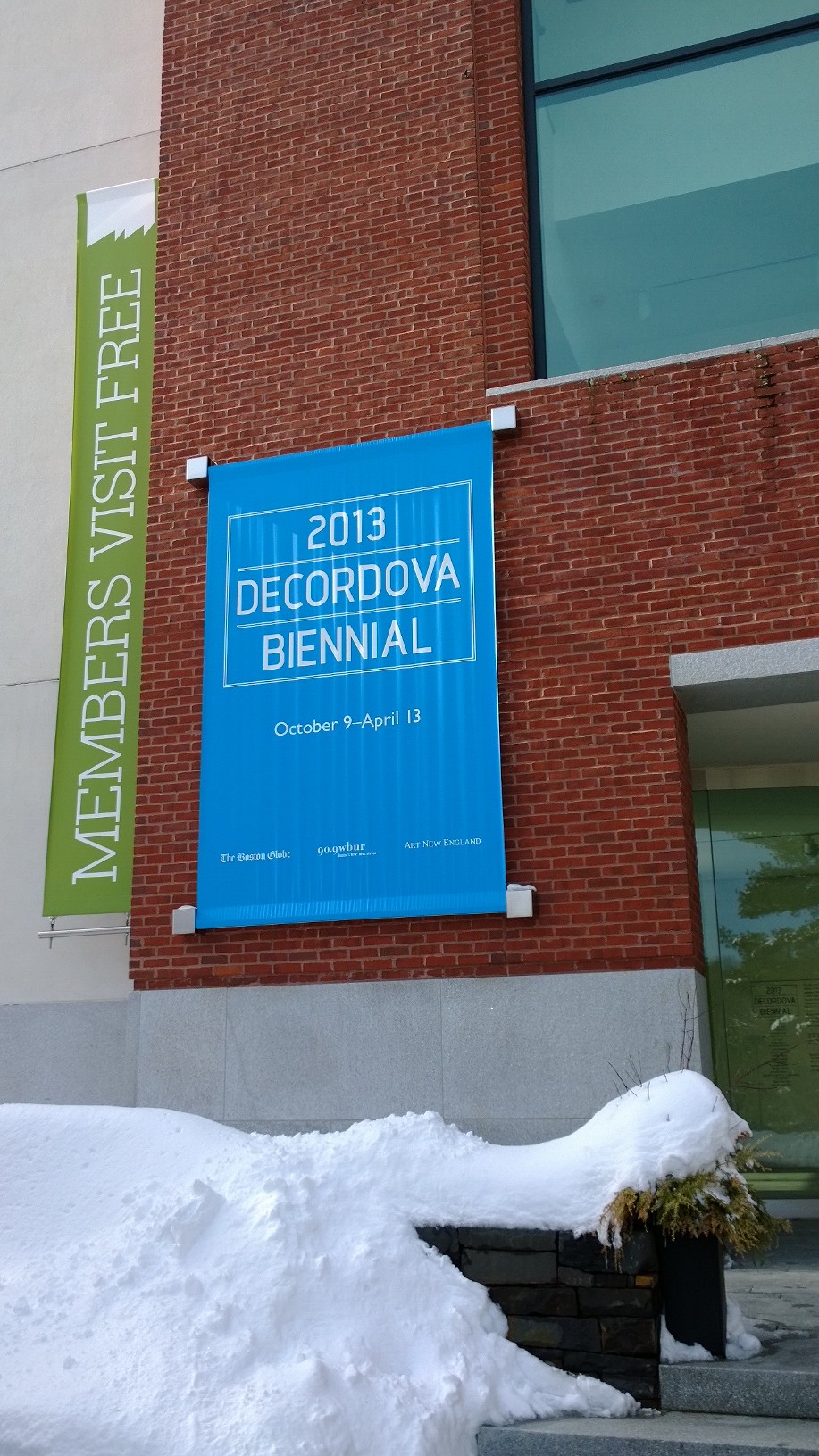
On Sunday, my husband and I decided to see what’s new at the DeCordova Museum in Lincoln.

A favorite in the biennial show of New England artists was Laura Braciale of Manchester, NH. It took me a minute, but when I realized she had displayed everyday objects along with what they looked like once she had turned them into art, I thought, Yes, art really is in everything if you look.

The blurb about her says, “close observation reveals subtle differences between the three-dimensional structures and their two-dimensional renderings. …  Her works engage a question concerning representation—which image is more ‘real’? As both her items and her illustrations occupy the same physical reality, however, Braciale’s work suggests that neither is more real than the other.” (Sigh. I’m not really fond of the way museums write.)

In a different DeCordova exhibit we saw three tintype photo portraits by the late David Prifti, Suzanne’s high school photography teacher. (A solo show in Winchester, Mass., goes through March 2, here.)

The biggest surprise was a documentary about Laos, a country we are interested in largely because of the the mystery books of Colin Cotterill. (Read one of my posts about him, here.)

The film, Route 3, shows a small mountain town that, having been leased to China for 75 years, was utterly destroyed to make way for casinos, hotels, entertainments, and jobs for Chinese people alone. Hard to imagine selling a part of your country like that, but Laos is desperately poor.

The documentary was by Patty Chang and David Kelley, who live and work in Boston and Brooklyn.

The DeCordova says on its website, “Blending the genres of documentary and road trip films with surrealist cinematic passages, Patty Chang and David Kelley present a compelling trip through the physical and psychological landscape of a community in transition. … Enlisting the help of tour guides and local entrepreneurs in this tightly controlled area, the artists immersed themselves in this community to create a unique portrait of a changing society.” More information on the artists here and here.

Read Full Post »

You never know with winter. The weatherperson says “possible snow flurries,” and you get two and a half inches. Lichen-covered branches crash in the first high wind.

I’m posting a few pictures.

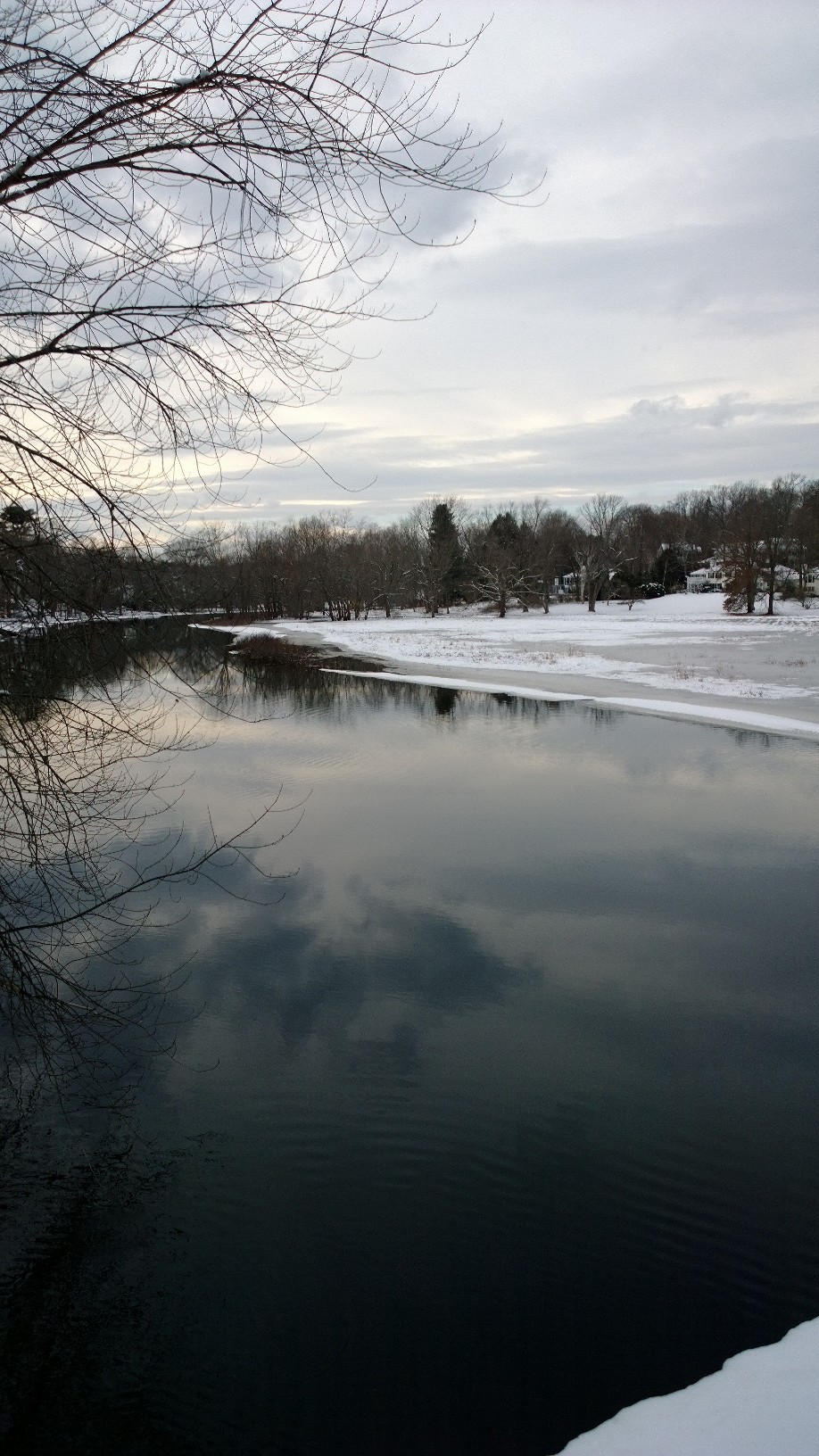
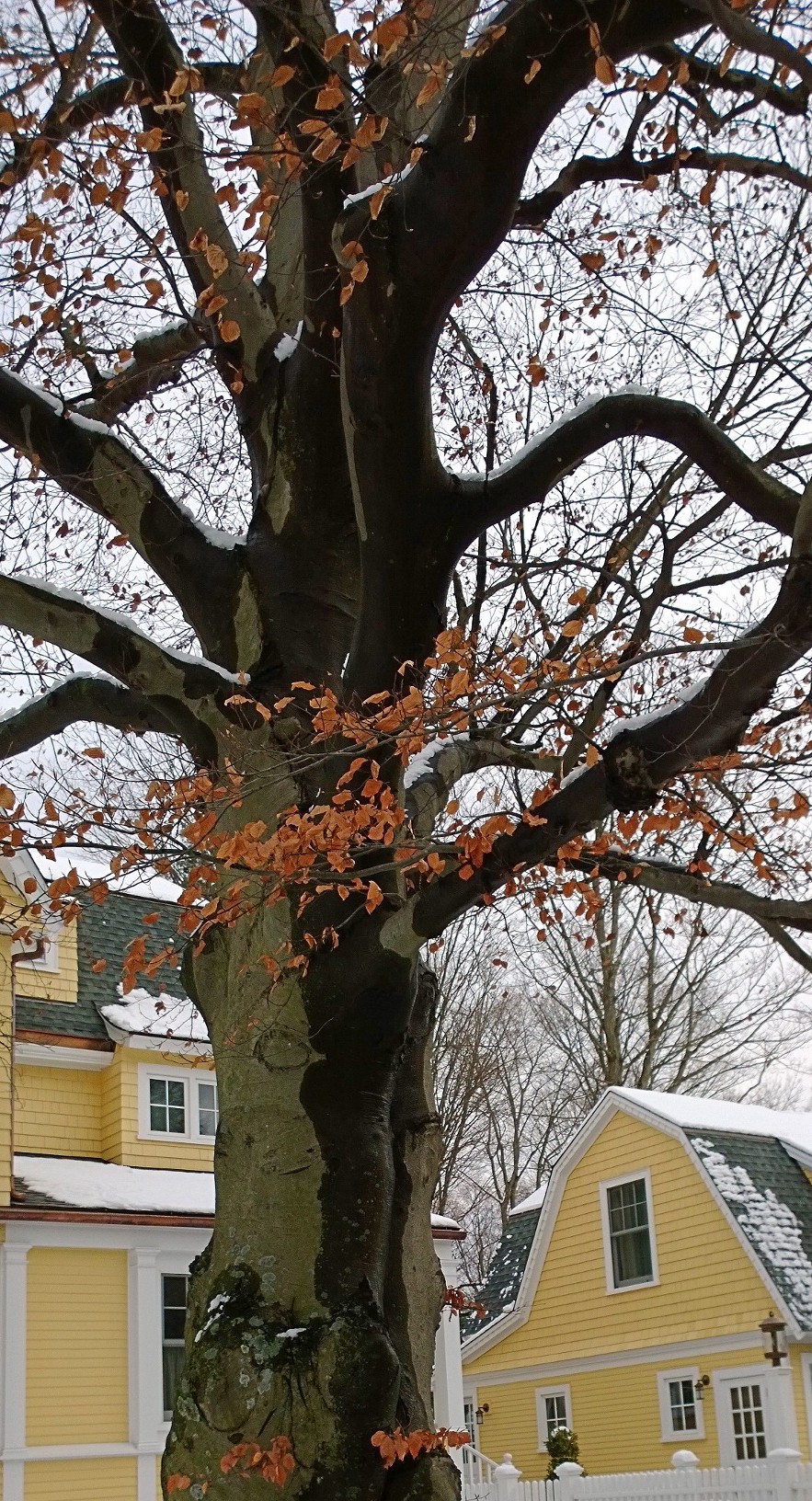
The tree in front of the brick bank will look just like this in the spring, but the white puffs will be flowers. I especially like the way the dogwood looks in winter — a Chinese scroll painting. The Assabet River is lovely from any angle. The tree between the yellow buildings has an elephant’s trunk.

Friends and family are heading off to warmer weather or just coming back and feeling mellow. But I think I kind of like winter.

011914-magnolia-in-winter

011814-fluffy-surprise

like-Asian-wall-hanging

lichen-on-sunny-day

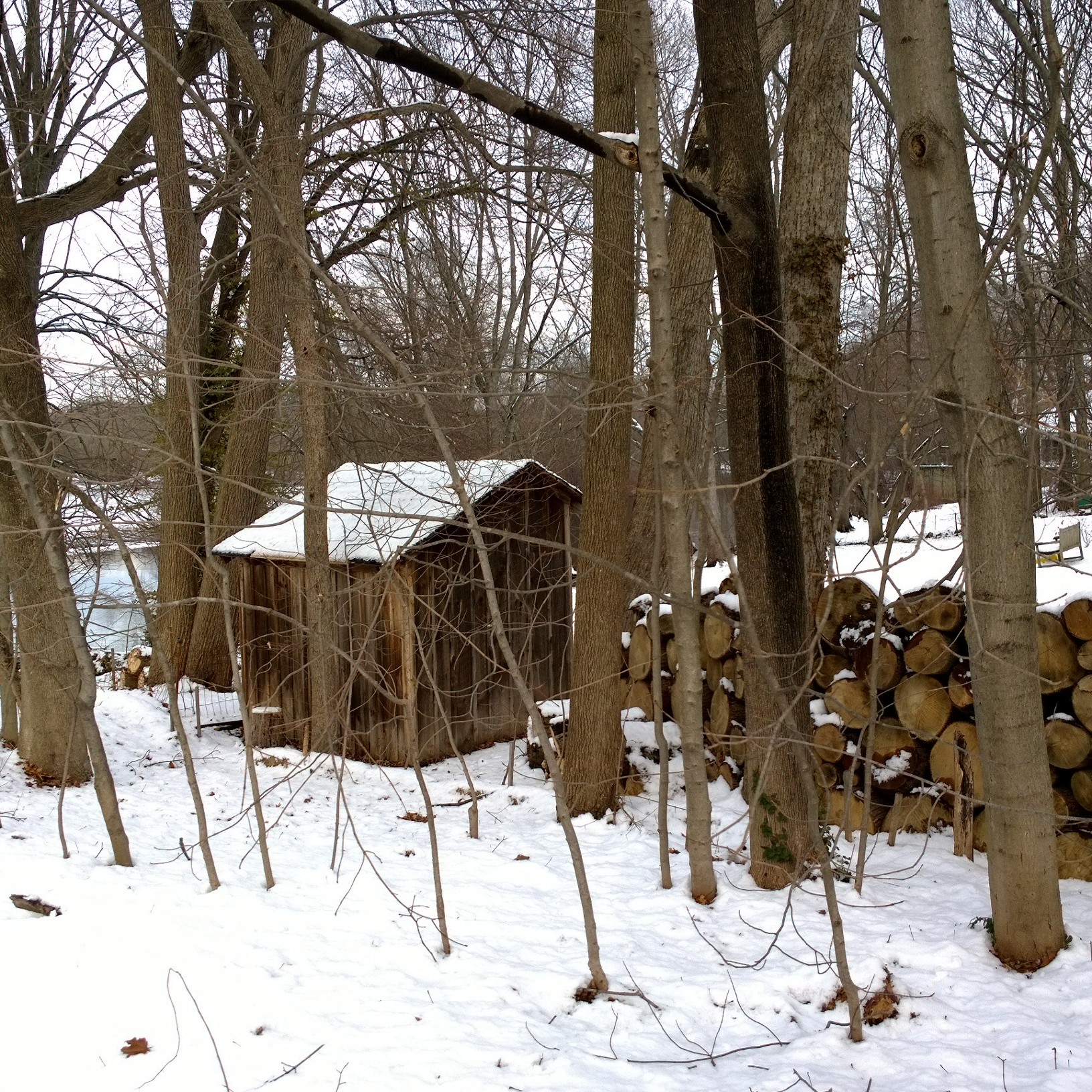
woodshed

branch-snow-water-sky

winter-river-New-England

ripples-in-snow

reflections-on-the-river

trunk-like-an-elephant

Read Full Post »

Among my best gifts this season was that my dentist was available when I broke my tooth at the office holiday party and that a dermatologist was available when I decided that a weird rash on my leg was was from a dangerous woodchuck tick bite (which, as I had read that morning, had struck down a grandmother in Maine).

Even though I knew I really didn’t have Powassan disease from a woodchuck tick, I do like knowing sensible medical people are available.

Now I read at Narratively that there is a 24-hour dentist in New York.

Alissa Fleck writes that many patients wind up in Isaac Datikashvili’s office “because they put off getting help until the last minute, when the pain becomes unbearable.

“According to Datikashvili, this phenomenon stems from a deeply ingrained dental phobia, a fear that’s implanted during childhood when kids typically experience some sort of traumatic—and occasionally anesthesia-free—procedure. …

“Once out of high school in Philadelphia, he immediately began working as an EMT, and he grew accustomed then to a sporadic schedule that has given him a unique advantage …

“ ‘When it was time to start applying to graduate schools I could go to medical or dental school,’ he explains. ‘My uncle was a dentist and I followed in his footsteps. I realized I didn’t want to be a general dentist and just do cleanings, though, so I put together the two things I knew how to do.’ By this, he means dentistry and emergency care.”

Patients call him at night and “on the holidays, when no other dentist can be reached. ‘We get very busy around Thanksgiving, Christmas, New Years, Labor Day, Memorial Day… ‘ he says, noting that he’s on call  364 days a year; Datikashvili’s only day off is Yom Kippur , when he’ll refer emergency callers to colleagues.”

Read more about him here. Who knows? You may need him if you break a tooth some New Year’s Eve in New York.

Photo: Emon Hassan

Read Full Post »

Michelle Aldredge runs an outstanding arts blog called Gwarlingo. Recently, she wrote about snowflake art by the identical twins who created the Big Bambú installation at the Met. (I wrote here about the second life of Big Bambú when it was done being art.)

Asks Aldredge on December 21. “What do photographs of snow have to teach us about artistic originality?

“Today is the winter solstice, the shortest day of the year, and snowflakes have been on my mind, specifically the snowflakes of Doug and Mike Starn.

“Born in New Jersey in 1961, Mike and Doug Starn have worked collaboratively in photography since the age of thirteen. …

“The Starns’ approach [to snowflakes] is partly science, but mostly art. It took the brothers years to hammer out the logistics that would allow them to capture flakes during their fleeting existence — there were microscopic lenses, plasma-emitting lights, snowstorm photo sessions. But the results speak for themselves. There is a poetic quality about their flakes.” More.

The twins called Os Gemeos, whom I wrote about here are an artistic team, too. In fact, they say, they always know what the other twin is thinking as they work on giant murals like the one they did in Dewey Square, Boston.

After seeing the musical Sideshow, I became aware that even Siamese twins may have very different personalities, but it’s intriguing to think about the close communication many twins have.

 Art: Doug + Mike Starn, from the series alleverythingthatisyou, 2006-2007.

Read Full Post »

Photo: MediaBistro.com

One day when I was reading the paper I saw a photo of North Korea. It was beautiful in a lonely sort of Edward Hopper way, showing a street that was empty of almost everything generally seen on streets, just a couple people in a hurry and blank walls of buildings, one pink, one blue.

I really wanted to buy a copy, but in spite of sending a twitter message, I never did figure out how to reach the photographer, David Guttenfelder. Since then I have seen other fans on his Instagram site asking for copies of North Korea photos.

According to Guttenfelder’s official website, he “has spent all of his career as a photojournalist working and living outside of his native United States. He began as a freelance photographer in East Africa after studying Swahili at the University of Dar es Salaam in Tanzania. As an Associated Press photographer he has been based in Kenya, Ivory Coast, India, and Japan. … Born in the U.S. state of Iowa, he graduated from the University of Iowa with a B.A. in Cultural Anthropology, African Studies, and Journalism.

“He now lives in Tokyo as AP’s chief photographer for Asia.”

In a National Geographic article that Elizabeth Krist wrote called “Reality On A Need-to-Know Basis,” Guttenfelder talks about his photo collection of “North Korean artifacts,” odd little bits from his hotel rooms and from banquets and events he has been allowed to attend. He is a frequent visitor and has an unusual amount of access.

The artifact pictures are a lot of fun. Check out a few, and follow the photographer on twitter: @dguttenfelder.

“North Korean artifact #155. A book of piano sheet music for a North Korean songs found in the town of Sinpyong, DPRK. The title is, roughly, ‘My Nation’s Bright Moon’ ”

“North Korean artifact #156. Hotel room key, Rajin, DPRK.”

“North Korean artifact #157. Toilet paper roll with no hole in the center.”

Read Full Post »

« Newer Posts - Older Posts »