Feeds:
Posts
Comments

Posts Tagged ‘rhode island’

Lisa W. Foderaro writes in today‘s NY Times (here) about several elaborate carved-pumpkin events in and around New York City. Her article caught my eye because yesterday Suzanne and Erik took their baby dragon and Erik’s mother, sister, niece, nephews (in costume), yours truly and my husband to something pretty dramatic along those lines. In Providence.

As I was reading Foderaro and feeling competitive with New York, this bit in the story jumped out:

“Two carvers, Ray Villafane and Andy Bergholtz, who developed a national following on the Food Network’s ‘Halloween Wars’ show, were at the [New York Botanical] Garden in mid-October, using six-inch rinds of Atlantic Giant pumpkins to sculpture the zombie, whose organs and intestines poke through his cracked ribs. Their assistants were busy harvesting chunks of pumpkin with handsaws and, for the zombie’s jeans, steaming pumpkin rinds.

“Mr. Villafane, a commercial sculptor who has made a year-round business out of carving pumpkins, said … his one disappointment this year was that the official ‘all-time biggest pumpkin,’ the first to weigh more than a ton, did not make it to the Bronx, as was planned. The 2,009-pound specimen, grown by Ron Wallace in Coventry, R.I., ran into trouble.

“ ‘It sprang a leak and rotted on the way,’ Mr. Villafane said. ‘We wanted to carve the world-record holder, so that was sad.’ ”

Well, excu-use me! A Rhode Island monster pumpkin should have gone to the Roger Williams Zoo’s Spectacular, which was way better than anything the Times described. I’m afraid that Mr. Villafone tempted fate. Clearly a curse struck that giant pumpkin when it crossed the border.

The Roger Williams Zoo Spectacular lasts the whole month of October, involves 25 carvers carving 25,000 pumpkins (replaced as they decay), and many fun themes (with piped-in music). We wandered from “Star Wars” to Beatles to “Gone with the Wind” to “The Wizard of Oz” and on and on. I was as amazed as the relatives visiting  from Sweden.

The idea of 25 people carving pumpkins for a month is in itself amazing to ponder. How much do pumpkin carvers get paid? What work do they have during the other 11 months? Are any from Rhode Island School of Design?

The Spectacular would have been a bit scary for the youngest among us, I think, but he was jet-lagged and zonked out in the stroller. A buffet before the walk around the lake was super and got us in early, in front of incredibly long lines. Read more about it all here.

Photograph by Suzanne, Luna & Stella

Read Full Post »

At first, Suzanne and Erik thought the chair backs attached to tree stumps on Blackstone Boulevard must have been the work of a conservancy-type organization. The boulevard’s broad, shaded medial strip for walkers, runners, and baby carriages is always well maintained and welcoming.

But it turns out that a “guerrilla good deed campaign” is behind the tree-stump art. Erin Swanson, of Providence’s East Side Monthly, tracked down a vigilante known as Johnny Chair Seed.

“Last summer,” Swanson writes, “a few friends were having themselves a little stroll down Power Street when they stumbled upon a broken chair, discarded on the sidewalk. A few footsteps further, they happened upon a tree stump. ‘It started as just a random idea. We figured someone got drunk and broke the chair,’ says the anonymous mastermind behind the array of stump chairs now scattered throughout the East Side. ‘I hear people have started calling me Johnny Chair Seed,’ he says with a devilish smile. ‘I kind of like it.’

“With the help of two friends (two of the ‘select few’ who know his true identity), Johnny has constructed a total of ten stump chairs including those on Hope, Rochambeau, Blackstone, Elmgrove and Larch, among others.” The full article is here.

Makes me want to do a stealth project again. It’s been too long. I have something in mind involving poetry. Stay tuned.

Photograph: East Side Monthly

Read Full Post »

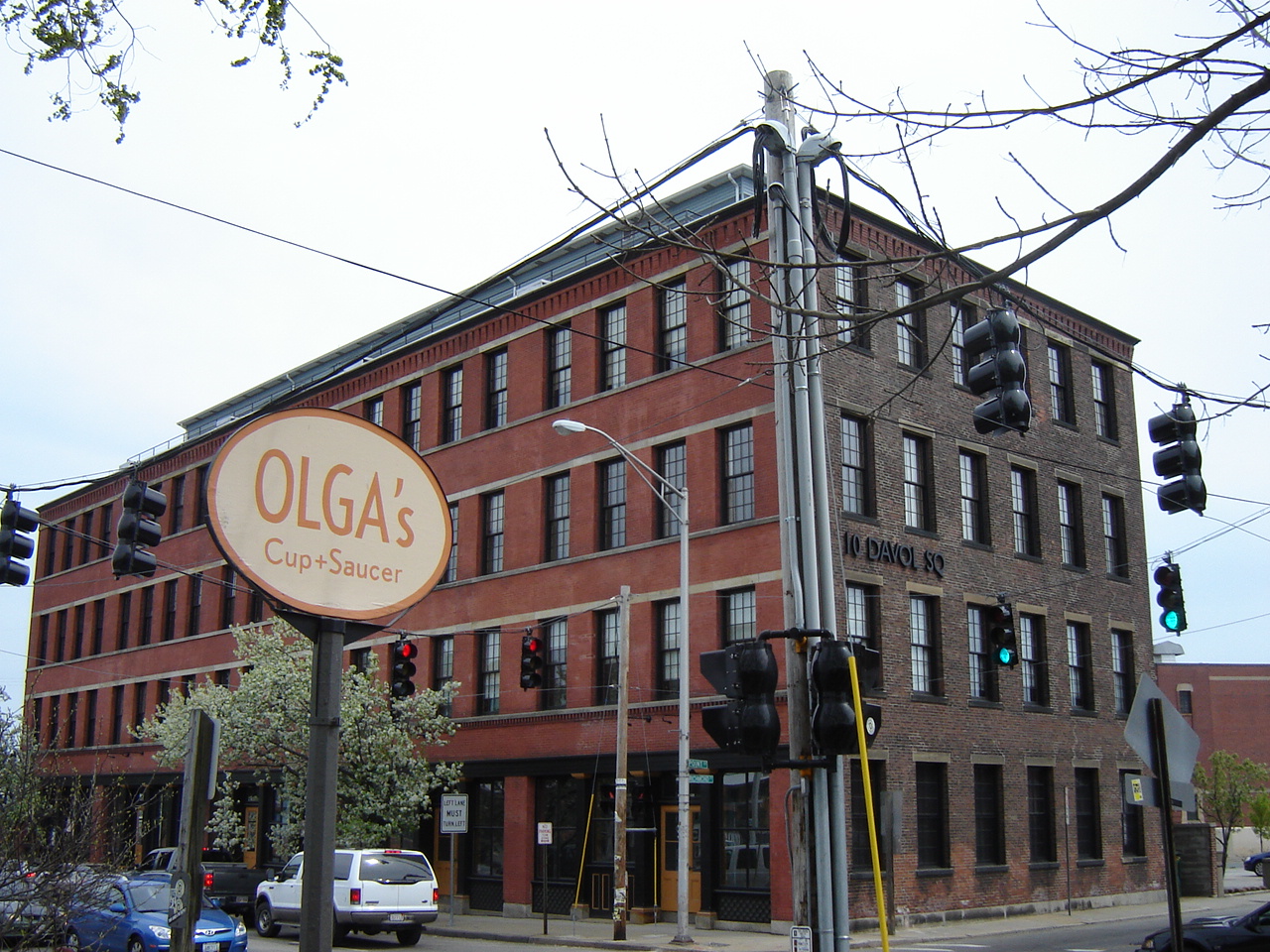
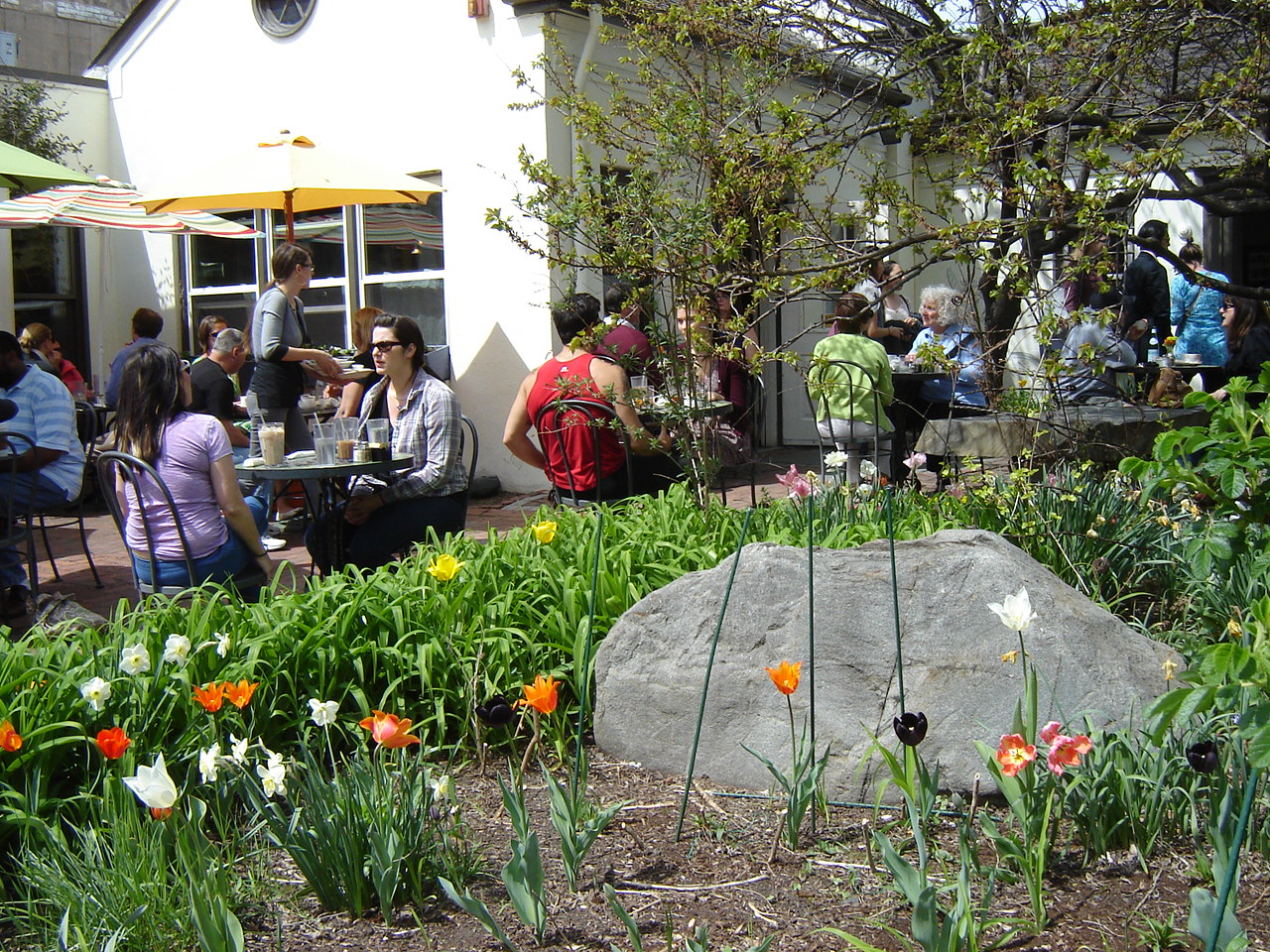
Brunch in Providence’s former jewelry district (now called the Knowledge District) can feature some intriguing overheard conversations among Brown University students. Wish I had caught the rest of this one: “Well, but if there were an alien invasion …”

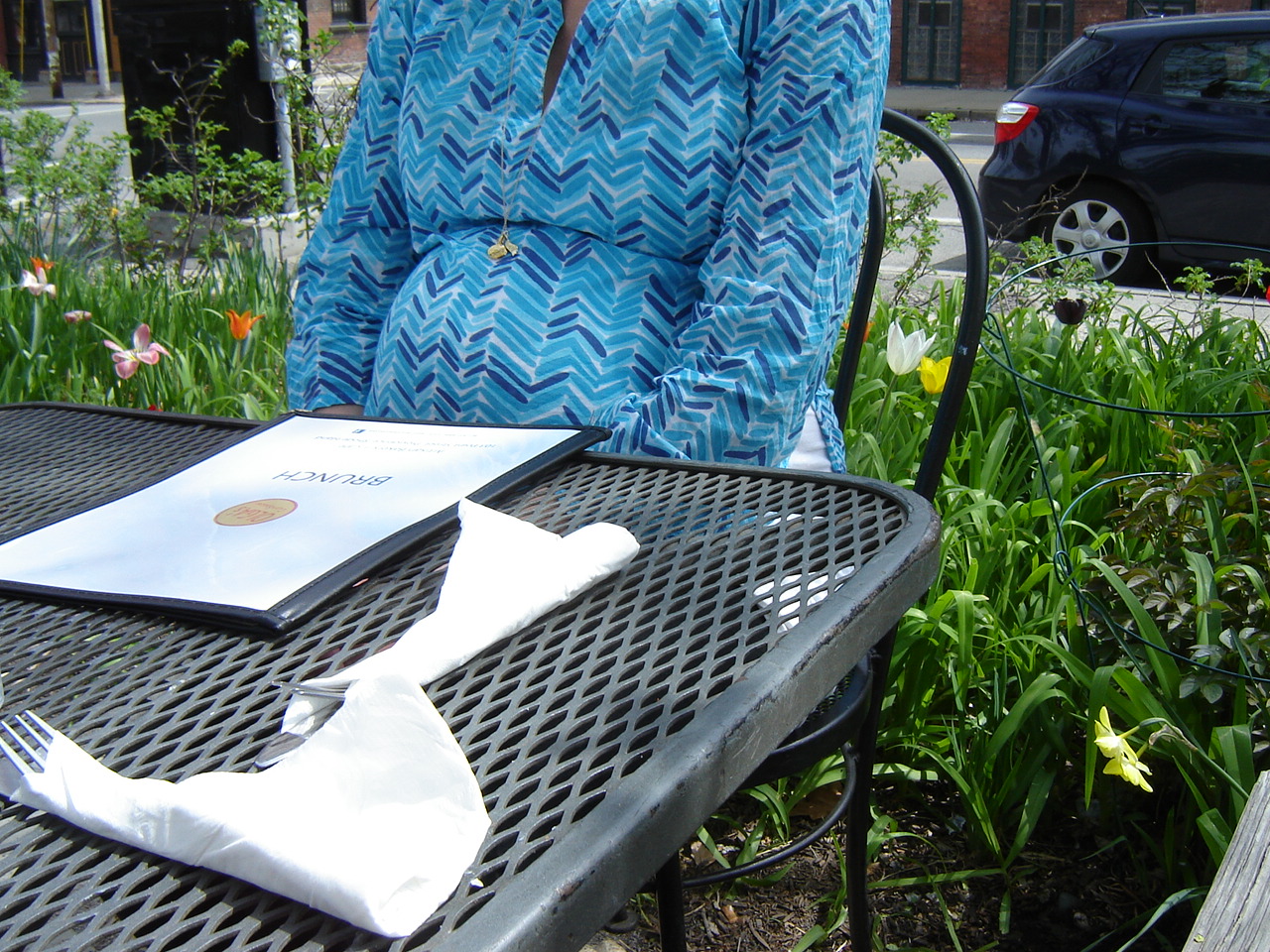
Today was lovely for sitting outside with two of our favorite Rhode Islanders. Do note the chain-and-charms motherhood present (I don’t call it a “push” present) modeled by the mother-to-be. Sorry I didn’t get a close-up. Better pictures at Luna & Stella.

Read Full Post »

Suzanne has found us two “vacation rentals by owner ” in the last six months: one on the West Coast and one on the East. Other than being just right in their own ways, they had little in common. Except for one curious thing.

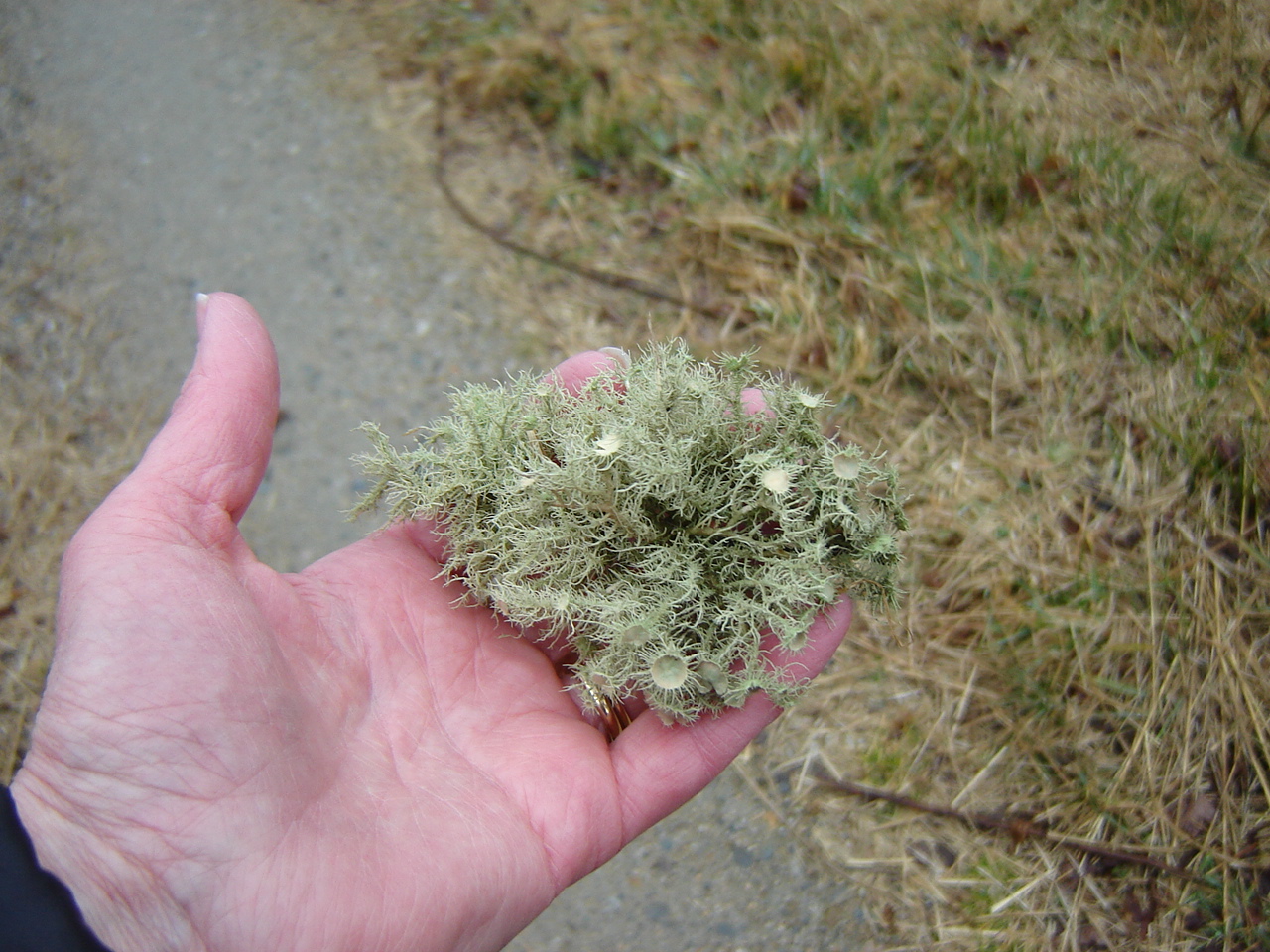
They both featured trees covered with some kind of moss or lichen. What should we make of this coincidence?

In my West Coast post, I did a little research and found a site suggesting that the mosses and lichens in California had a symbiotic relationship with trees. Another site said, “Tree decline is often not a simple cause and effect relationship but sometimes a complex web of interacting factors.” So I still have no idea if lichens are good, bad, or indifferent.

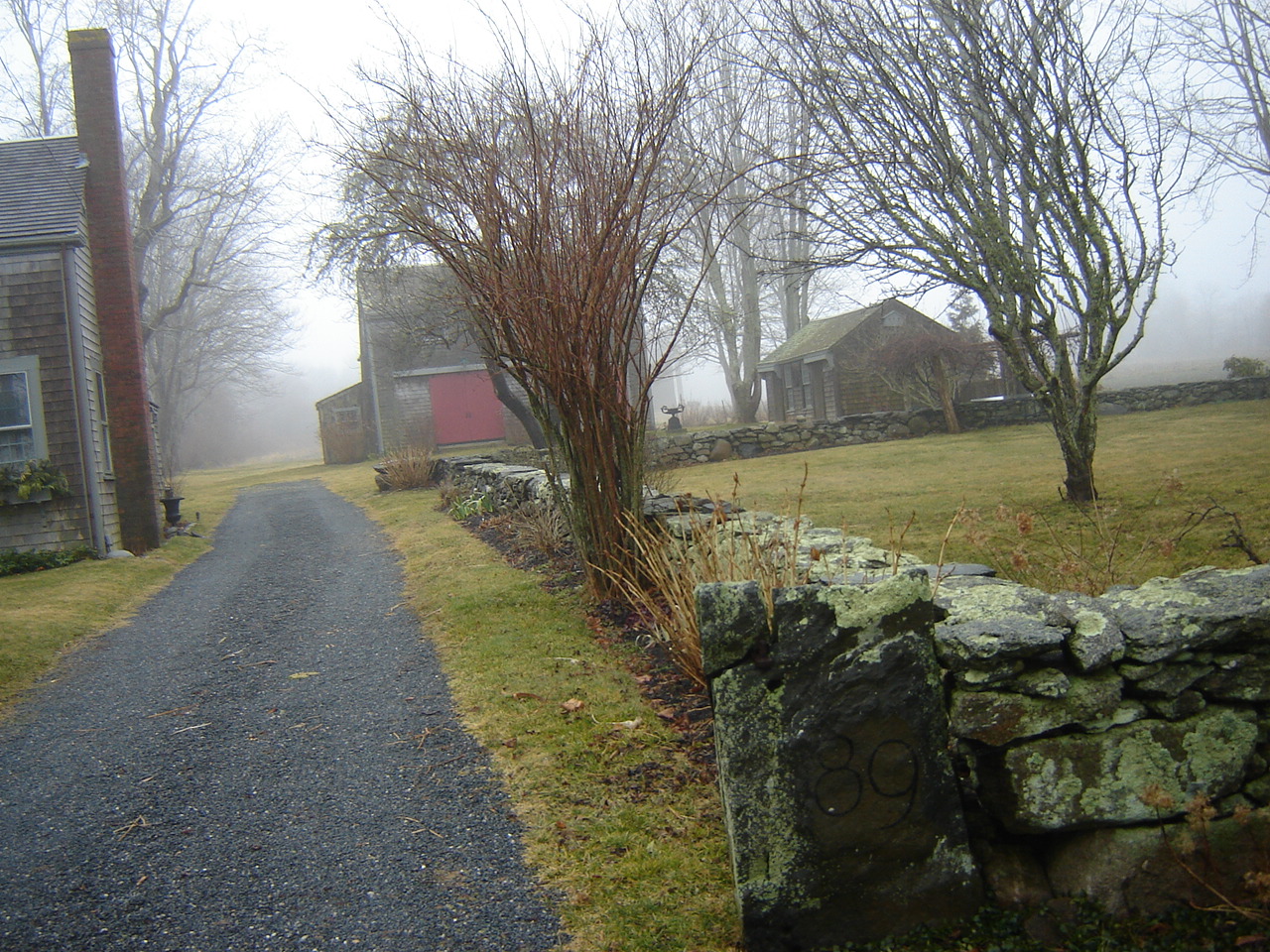
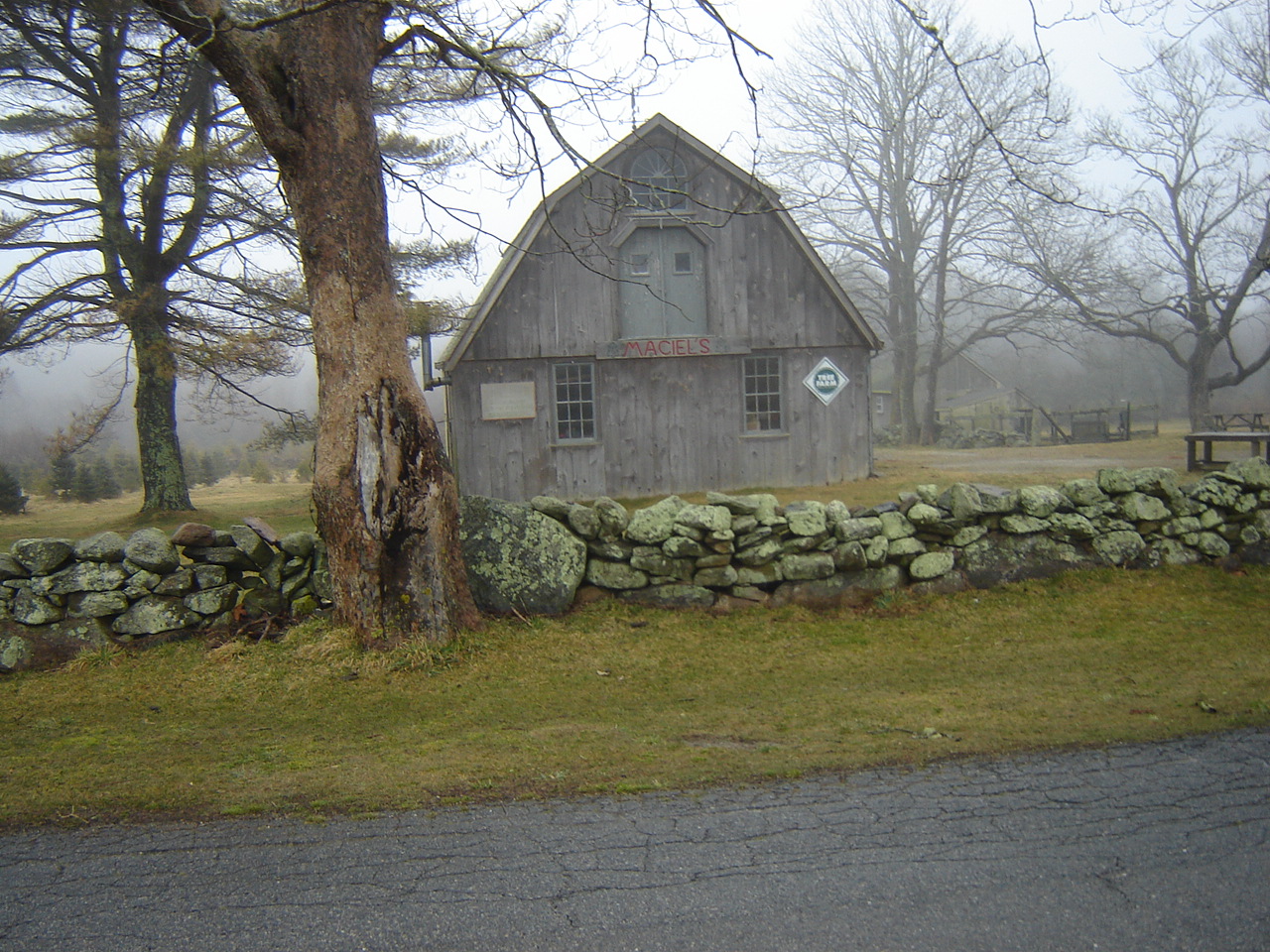
Today I offer some pictures from Little Compton, Rhode Island, where one of the seven of us celebrated a special birthday this weekend.

BTW, if you are looking for sweet seaside towns that time forgot, try the Rhode Island Farm Coast.

Read Full Post »

Central Falls, Rhode Island, may be best known today for going bankrupt and forcing its police and fire unions to accept cuts to pension benefits, but it has more going for it than angst.

It has people who care, like Mike Ritz and chocolatier Andrew Shotts, who are selling Chocolateville chocolate bars to help children at risk.

It also has a charter school that has quietly improved children’s reading skills, spreading its success to public schools in the city.

Joe Nocera writes in the NY Times that before starting The Learning Community in Central Falls, Meg O’Leary and Sarah Friedman “spent three years working with the Providence school system on a pilot program designed to come up with ways to ‘transform teaching practices and improve outcomes.’ ”

In 2007, when Frances Gallo became the Central Falls Schools superintendent, she began to investigate why families were so excited about getting into The Learning Community.

“The school drew from the same population as the public schools. It had the same relatively large class sizes. It did not screen out students with learning disabilities. Yet the percentage of students who read at or above their grade level was significantly higher than the public school students. When Gallo asked O’Leary and Friedman if they would apply their methods to the public schools, they jumped at it.

“ ‘At first it was, “Oh, here comes another initiative,” ‘ recalls Friedman. There were plenty of venting sessions at the beginning, along with both resentment and resistance. But The Learning Community invited the teachers to visit its classrooms, where the public school teachers saw the same thing Gallo had seen. And very quickly they also began to see results.”

Read about how they do it here.

Read Full Post »

Miller-McCune.com tweeted today that the National Endowment for the Arts has new data on where artists are finding work.

Four of the six New England states are among the states with the most arts jobs: Vermont, Rhode Island, Massachusetts, and Connecticut.

“The report on artists in the workforce supplements and expands upon a 2008 paper, which found about two million Americans list a job in the arts as their primary source of employment. That comes out to 1.4 percent of American workers.

“New York heads the newly released state-by-state list, with artists making up 2.3 percent of its labor force. California, home to the film and television industry, places second with 2.0 percent.

“Not far behind are Oregon and Vermont, each of which has a workforce in which 1.7 percent of workers are artists. That means they exceed the national average by a substantial 20 percent.

“ ‘Writers and authors are especially prominent [in Oregon and Vermont],’ the NEA report notes.

“Also exceeding the national average: Colorado and Connecticut (where artists make up 1.6 of the labor force), and Hawaii, Rhode Island, Massachusetts, Maryland, Washington, Nevada, and Minnesota (at 1.5 percent).”

Although there likely to be different perceptions of what kind of work constitutes arts employment, I find the report interesting. And since I know anecdotally that there are arts jobs in Maine and New Hampshire (the two New England states not among the top few), I can’t help hoping that some organization will do an in-depth study of the region. Unfortunately, ornery New Englanders don’t often think regionally.

And more generally, what are the reasons some states have more arts jobs? Public policies? Landscape? Accident?

Read more here.

Read Full Post »

I had heard about community-supported-agriculture-type efforts that deliver fish directly to consumers in the Greater Boston area. Very fresh. What I did not know is that this sort of initiative is taking place on a wider scale.

My husband recently pointed out a NY Times story on how professional Rhode Island fishermen have made it easy for chefs to buy directly from the daily catch. And according to the Times, the chefs are ecstatic.

“This boat-to-table initiative is part of Trace and Trust, a program that [Point Judith-based fisherman Steve] Arnold; Christopher Brown, the head of the Rhode Island Commercial Fishermen’s Association; and Bob Westcott, another local fisherman, started this year to make fishing more lucrative and shopping more reliable. …

“Trace and Trust comes at a moment when the seafood industry is under attack because of misleading labeling as well as the freshness and sustainability of what it sells. Consumers and fishermen have reacted by setting up community-supported fisheries, in which consumers pay in advance for a weekly delivery of seafood. And fishermen have reached out to chefs before. But Trace and Trust has used technology to create a more direct and responsive connection between consumers and fishermen than any other program in the country, said Peter Baker, director of Northeast Fisheries Program for the Pew Environment Group.”

Read more here. See also the Pew Environment Group’s focus on Conserving New England Fish.

Because of the field I’m in, I do have to spare a thought for the fish-processing jobs that may be lost with more of this direct marketing, but there is no doubt that for the fisherman, the consumer, and the restaurant, fresh is best.

Here’s a picture I took of the Point Judith (RI) fishing fleet at rest.

Read Full Post »

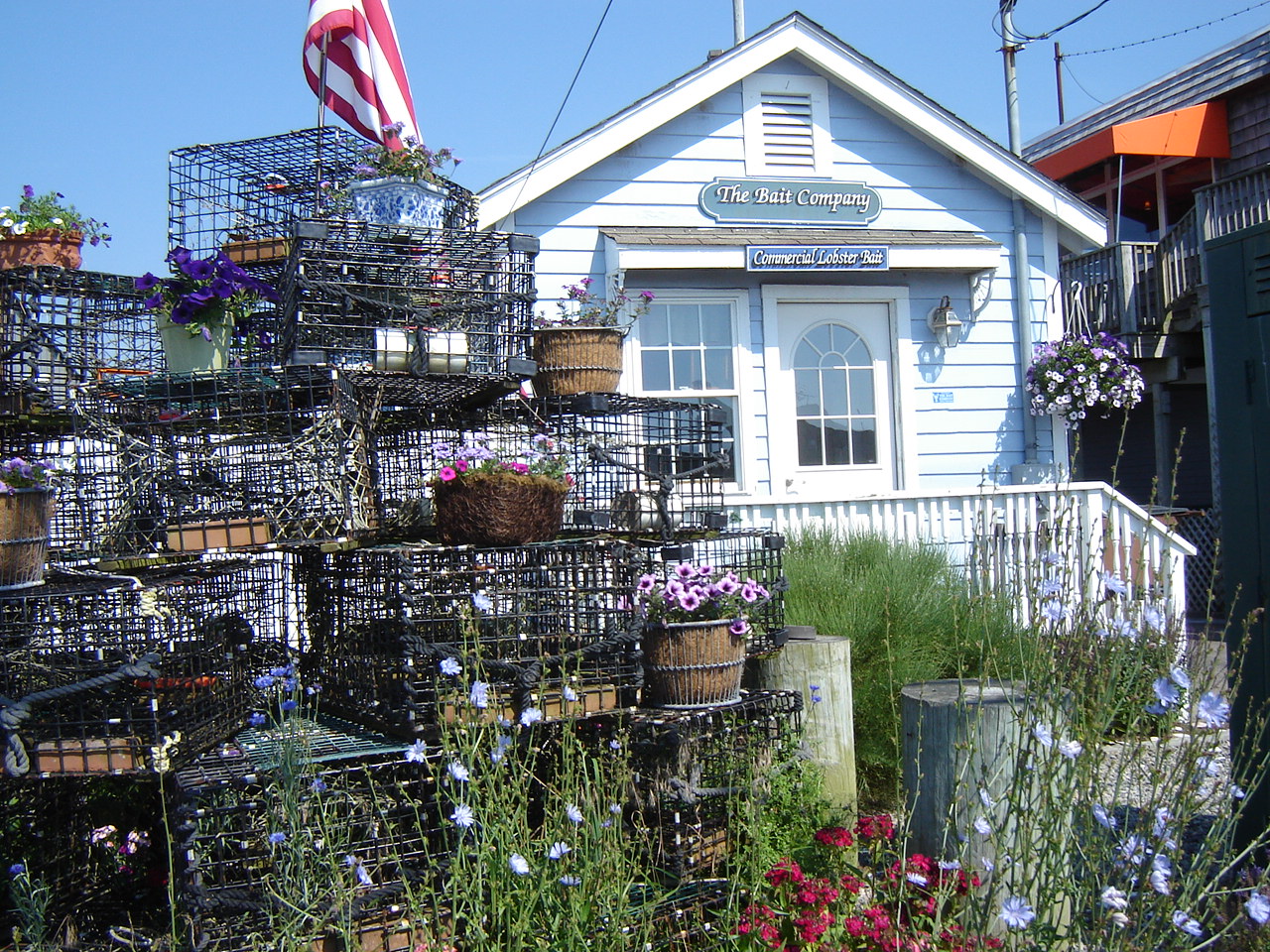
In case you find yourself with too many lobster pots, consider this approach, suitably embellished with the U.S. flag for the Glorious Fourth. (If you don’t live in the U.S., you could skip the flag.)

There is quite a variety of flowers here. The blue ones on tall stems in the front are called chicory by most people but Ragged Sailor in Rhode Island.

If you have any creative ways you have retired your own lobster posts, do leave a comment.

Read Full Post »

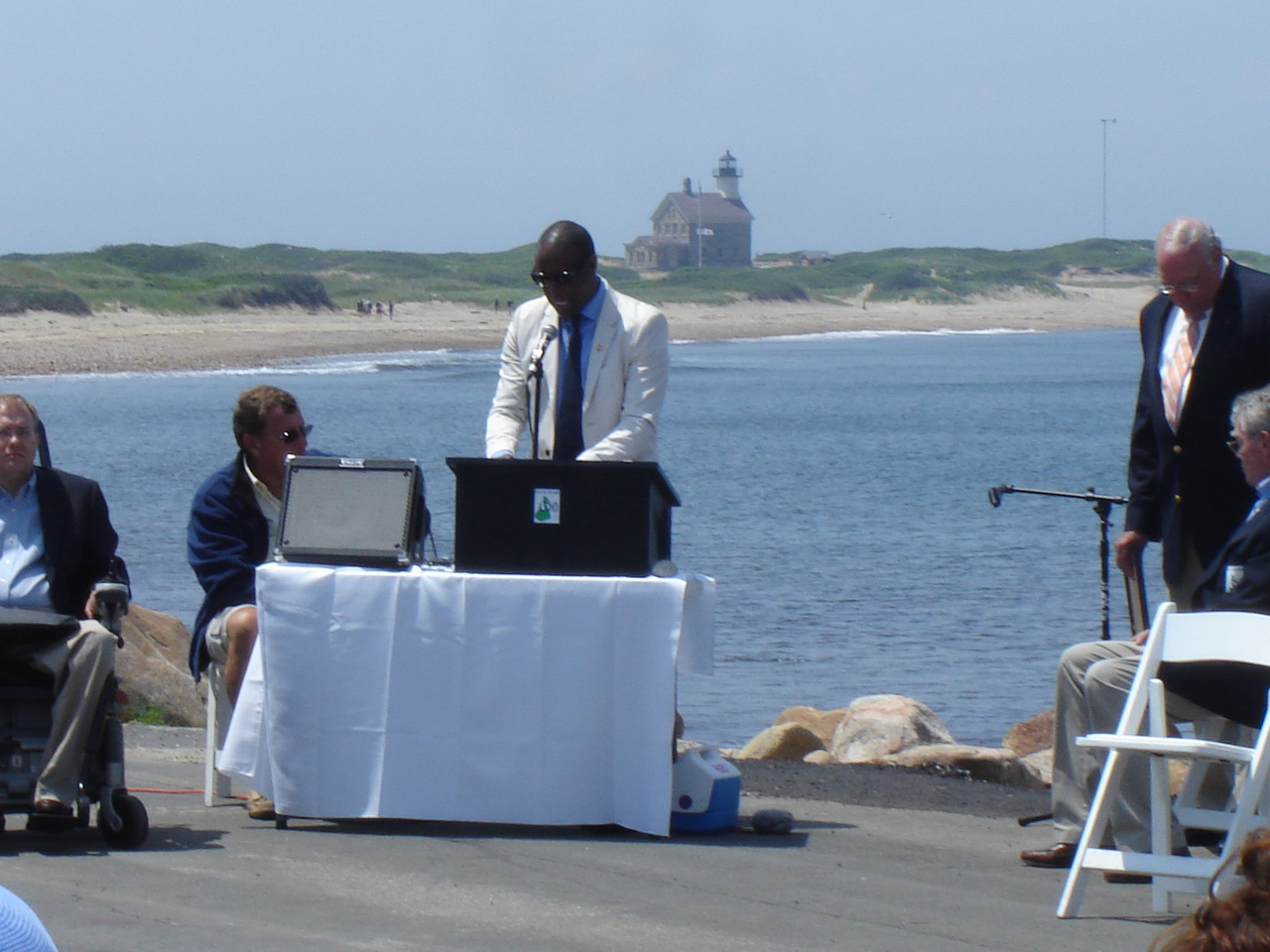
A swell time was had by all at the 350th anniversary of British settlers landing their boats on the shores of what is still the smallest community in the smallest state! The sun shone, the speakers were brief, and lots of pictures were taken.

I thought we had come a long way as a country when several speakers, including the governor, acknowledged that the Manissean Indians were there first and that there would be another ceremony at the Indian Cemetery the following weekend, with another commemorative marker.

The governor, who had earlier visited an oyster aquaculture area by boat, was brief and gracious. Interesting speakers included a Rear Admiral with a surname that is pronounced — I kid you not — Neptune. He gave the chief of police an award for a risky rescue at sea last year.

Dutch Consul General Kibbelaar was there because it was a Dutch navigator who originally named the island as he sailed by without landing. British Consul General Budden, based in Boston, made jokes about his brother who is the Consul General in Vancouver and the bet he intended to collect since Boston won hockey’s Stanley Cup. Budden was invited because the British were the ones who landed at Settlers’ Rock 350 years ago. He said that Britain today is the biggest foreign investor in Rhode Island. The chorus of the island school (which had recently graduated all seven seniors) sang the Alma Mater and “America the Beautiful.”

Gov. Lincoln Chafee (in green blazer)

First Warden Kim Gaffett (in straw hat) and governor

Dutch Consul General Kibbelaar (in white suit)

Read Full Post »

Got to love this unemployment story on a 17-month job search by an older worker.
“Count 97-year-old Mary Poncin of Warwick (RI) among the long-term unemployed who have finally found work. Poncin has been hired as a greeter at Kent Hospital after nearly 17 months of being unemployed. She was laid off in January 2010 from a retail sales job. Her first job was as a waitress at a diner in the 1930s, earning $1 a day.” AP

If I were aged and sick and were fortunate enough to be greeted by her at the hospital, I think it would give me hope. Good for Kent Hospital to see a good thing!

Read Full Post »

We drove back home from Rhode Island yesterday after three lovely days. The weather had been remarkably warm for a Memorial Day weekend, but very misty early. Every morning that I took my walk, I returned with soaking wet shoes.


On the drive home there was nothing much on the radio, so I read a children’s book aloud. The book had been recommended by Asakiyume because she knows I like children’s books, especially the ones she writes. The book I read on the drive home was Where the Mountain Meets the Moon, by Grace Lin, and I haven’t finished it.

So don’t tell me what happens.

These Rhode Island photos show a path to the beach, a small shop on the main street, and fishing boats in the harbor. Comments may be sent to suzannesmom@lunaandstella.com.

Read Full Post »

« Newer Posts