Feeds:
Posts
Comments

Posts Tagged ‘sea’

I was charmed by Sy Montgomery’s recent article in the Boston Globe on the intelligence of octopi (she says “octopuses”).

The author of The Soul of an Octopus: A Surprising Exploration into the Wonder of Consciousness, Montgomery describes getting to know a clever and apparently affectionate octopus called Octavia.

“Everyone wanted to pet Octavia,” she writes. “And no wonder. She was beautiful, graceful, and affectionate. The fact that she was boneless, slimy, and living in painfully cold, 47-degree water deterred none of us.

“What thrilled us — me, New England Aquarium volunteer Wilson Menashi, and four visitors from the environmental radio show Living on Earth was the surprising fact that Octavia, who clearly wanted to be petted, was a giant Pacific octopus.

“When her keeper, Bill Murphy, opened the top of her exhibit, Octavia recognized Menashi and me immediately; we’d been working with her for several weeks. Turning red with excitement, she flowed over toward us from the far side of her tank. When we put our hands in the water, her arms rose to meet ours, embracing us with dozens of her strong, sensitive, white suckers. Occasionally Wilson handed her a fish from the plastic bucket perched on the edge of her tank. …

“Then, as Menashi reached for another capelin to feed her, we realized the bucket of fish was gone. While no fewer than six people were watching, and three of us had our arms in her tank, Octavia had stolen the bucket right out from under us.

“ ‘Octopuses are phenomenally smart,’ Menashi says. And he should know: He has worked with them for 20 years, and is expert in keeping these intelligent invertebrates occupied. Otherwise, they become bored. Aquariums design elaborate escape-proof lids for their octopus tanks, and still they are often thwarted. Octopuses not infrequently slip out of their exhibits and turn up in other tanks to eat the inhabitants.

“Many aquariums give their octopuses Legos to dismantle, jars with lids to unscrew, and Mr. Potato Head to play with. Menashi, a retired inventor, designed a series of nesting Plexiglas cubes, each with a different lock, which Boston’s octopuses quickly learned to open to get at a tasty crab inside. And just this spring, New Zealand Sea Life aquarists teamed up with Sony engineers to teach a female octopus named Rambo to press the red shutter button on a waterproof camera to take photos of visitors, which the aquarium sells for $2 each to benefit its conservation programs. Rambo learned in three attempts.”

What a different perspective on the scary beast in the film 20,000 Leagues Under the Sea, which I saw as a child.

I’d love to copy the whole intriguing article, but I’m afraid that would not be “fair use.” So read it all here.

Photo: Tia Strombeck
Sy Montgomery pets Octavia, an octopus at the New England Aquarium in Boston.

Read Full Post »

Suzanne’s Mom was asked to review Revolution, a film by the young environmentalist, biologist, diver, and Sharkwater filmmaker Rob Stewart.

Encompassing gorgeous deep-sea photography, scientific climate-change testimony, a representative of the drowning country of Seychelles, and many youth demonstrations, the documentary forces you to think about what the burning of fossil fuels is doing to the oceans and what it means for the future of the planet. It also gives you the sense that anyone can do something about it — take up a camera, make a poster, or write a letter that makes a change.

The film is infused with a sense of youth, of young people saying, “Enough!” I particularly loved the moment early on when Stewart, who had read only two books on filmmaking, is flubbing his lines in front of Darwin’s Arch. What comes across in addition to the humorous inexperience is a feeling of energy, optimism, and determination.

The film has many engaging details about sea life that Stewart can’t resist throwing in, like how the endangered pygmy seahorse, which camouflages itself to look like coral, “mates for life — and the guy gets pregnant!”

He talks about how the burning of fossil fuels creates too much carbon dioxide, which is absorbed by the ocean and is harmful to anything that needs to grow a skeleton, which is pretty much everything but nasty, poisonous creatures that flourish in the muck where corals died, like the flamboyant cuttlefish. Coral expert Charlie Veron comments that at the same rate of ocean acidification caused by too much CO2, there will be no coral reefs in 50 years.

Stewart also looks at the island nation Madagascar, sole home of lemurs, explaining that endangered tropical forests are responsible for 1/4 of the world’s species and 1/3 of our oxygen. Madagascar scientist Serge Rajaobelina says that population growth on the island and the burning of the trees for development has meant the loss of 80 percent of the forest in 40 years, more than in 55 million years.

The movie goes on to cover perhaps a few too many youth protests, including one in which an inspired, tree-planting young boy says, “We have found we have to save our own future,” and is later arrested in tears.

But then we get to see that children and young adults are actually having an impact.

A sixth-grade class in Saipan writes letters to the Saipan government against killing sharks for shark fin soup, and the government signs a law preventing the practice. In fact, we are told, since the first Stewart film, China, the main adherent of shark-fin soup, has dropped the practice by 70 percent, and 100 countries have banned it.

The upbeat Saipan children who comment on their successful advocacy embody the truth of my favorite Pete Seeger line, “one and one and 50 make a million.” Says one, “Maybe the world might not end because of what we are doing.”

Watch the Revolution trailer here.

[We do not accept gifts here, so the DVD that the film company sends me for screening and reviewing will be forwarded to Save the Bay, RI.]

The late Rob Stewart. The filmmaker did not come up from a dive 1/31/17 near Key Largo.
rob_stewart_memdf

Read Full Post »

The radio show Living on Earth (LOE) reported recently on work to restore seaweeds that are a key part of the ecosystem.

From the LOE website: “Ripped from the seafloor by strong swells, massive amounts of kelp recently washed ashore in southern California. But the uprooted algae may actually be a sign of successful kelp restoration efforts. Marine biologist Nancy Caruso discusses the fragile ecosystem and how she and a community are helping to rebuild the majestic kelp forests.”

Radio host Steve Curwood interviewed Caruso. She recounts how she began 12 years ago with a group of students and volunteers “to restore the kelp forests off of Orange County’s coast.”

After a storm, she says, big holes get ripped in the forest of kelp, often 10 feet high. Then “new life can grow from the bottom up, and so if we see this happen, which we’re seeing right now, the kelp returns immediately after this event, then we know that our restoration efforts are successful, and after 30 years of our local ecosystem not having healthy kelp forests, we can rest assured that it’s now restored.”

To Curwood’s question about how restoration is done, Caruso answers, “It was actually quite an effort because I had the help of 5,000 students from ages 11 to 18 as well as 250 skilled volunteer divers, and we planted this kelp in 15 different areas in Orange County. There’s a spot down in Dana Point. It’s the only kelp forest that was left in Orange County so we would collect the reproductive blades from those kelp plants, and I would take them into the classrooms for the students to clean them and we would actually stress them out overnight. We would leave them out of water in the refrigerator, kind covered with paper towels, and then the next morning we would put them back in the ice-cold seawater and the kelp blade would release millions of spores” that would then be raised in nurseries and returned to the ocean.

“All those animals that get washed up on the beach inside the wrangled tangled kelp become a food source for shorebirds that live along our coast.”

More from Living on Earth here. For more on the importance of seaweed, see also Derrick Z. Jackson’s article in the Boston Sunday Globe: “Eelgrass Could Save the Planet.”

Photo: NOAA’s National Ocean Service
Kelp forests can be seen along much of the west coast of North America.

Read Full Post »

John sent a link to a story at Business Insider about a science fair project that could have a real impact on the environment.

Jessica Orwig writes, “This 13-year-old is trying to save the world one ecosystem at a time. Chythanya Murali, an eighth grader from Arkansas, has created a safe, effective, non-conventional method to clean oil spills, by harnessing the cleaning properties of bacteria — specifically the enzymes they use to break down oil particles. These enzymes disassemble oil molecules, making way for the bacteria to convert it into harmless compounds. …

“In 2012, a study found a chilling discovery about the oil-cleaning agents dispersed in the Gulf of Mexico after the Deepwater Horizon oil spill of 2010. When combined with the oil itself, the resulting mixture was 52 times more toxic to small animals like plankton than oil alone. …

” ‘My inspiration for this project began [from] the immense damage caused by the BP oil spill in early 2010.’

“To improve oil-cleaning methods, Murali designed a science fair project that explored the different mixtures of oil-eating enzymes and oil-breaking-down bacterias, to see how they effect the marine environment.

” ‘The combination of bio-additive enzymes and oil-degrading bacteria as a novel combination for short and long-term cleaning, and its effect on ecosystems, was not explored before,’ Murali told Business Insider.

“So it only seemed natural to Murali to combine the two and see what happened. She discovered that in a small-scale aquarium, the combination of her chosen oil-cleaning agents could help remove oil while preserving the health of the overall ecosystem, something that some of the oil-cleaning agents we use today cannot achieve.” Read more here.

Kids are going to save the world, I think.

Photo: Chythanya Murali
Chythanya Murali with her science fair poster.

Read Full Post »

Klaus’s dad — who, I am told, is a musician in his spare time — recently wrote about enjoying the post on conducting your own orchestra. He lives in Denmark. I told him I have also posted about Denmark a few times and hope to do so often.

So when SmallerCitiesUnite! tweeted this tidbit on Denmark today, I knew it had to be in the blog.

From The Local: “Swimming in the North Sea just got a bit easier, at least near the northwestern Jutland town of Thy. Denmark opened its first sea pool, also known as a lido, over the weekend in Nørre Vorupør on the coast of the North Sea.

“The 50 square metre open-air pool allows swimmers, divers and kayakers to be in the North Sea without worrying about large waves, dangerous undercurrents or rip tides. …

“ ‘It could lead to investments in summerhouses or rental opportunities,’ Lene Kjeldgaard, the mayor of Thisted council, told Danmarks Radio.

“See a gallery of photos from the pool’s first weekend here.”

More here.

 Photo: Sofus Comer

Read Full Post »

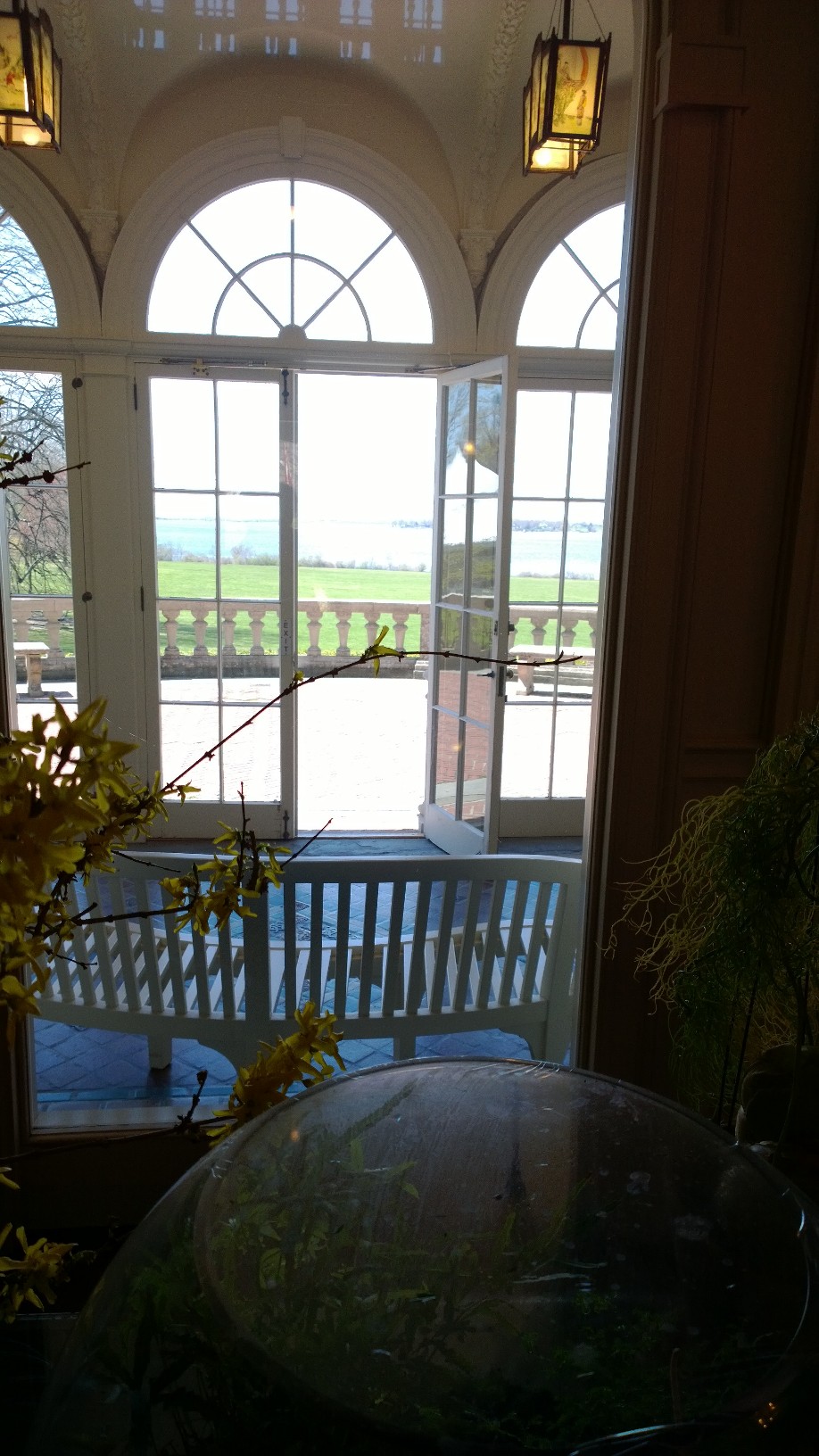
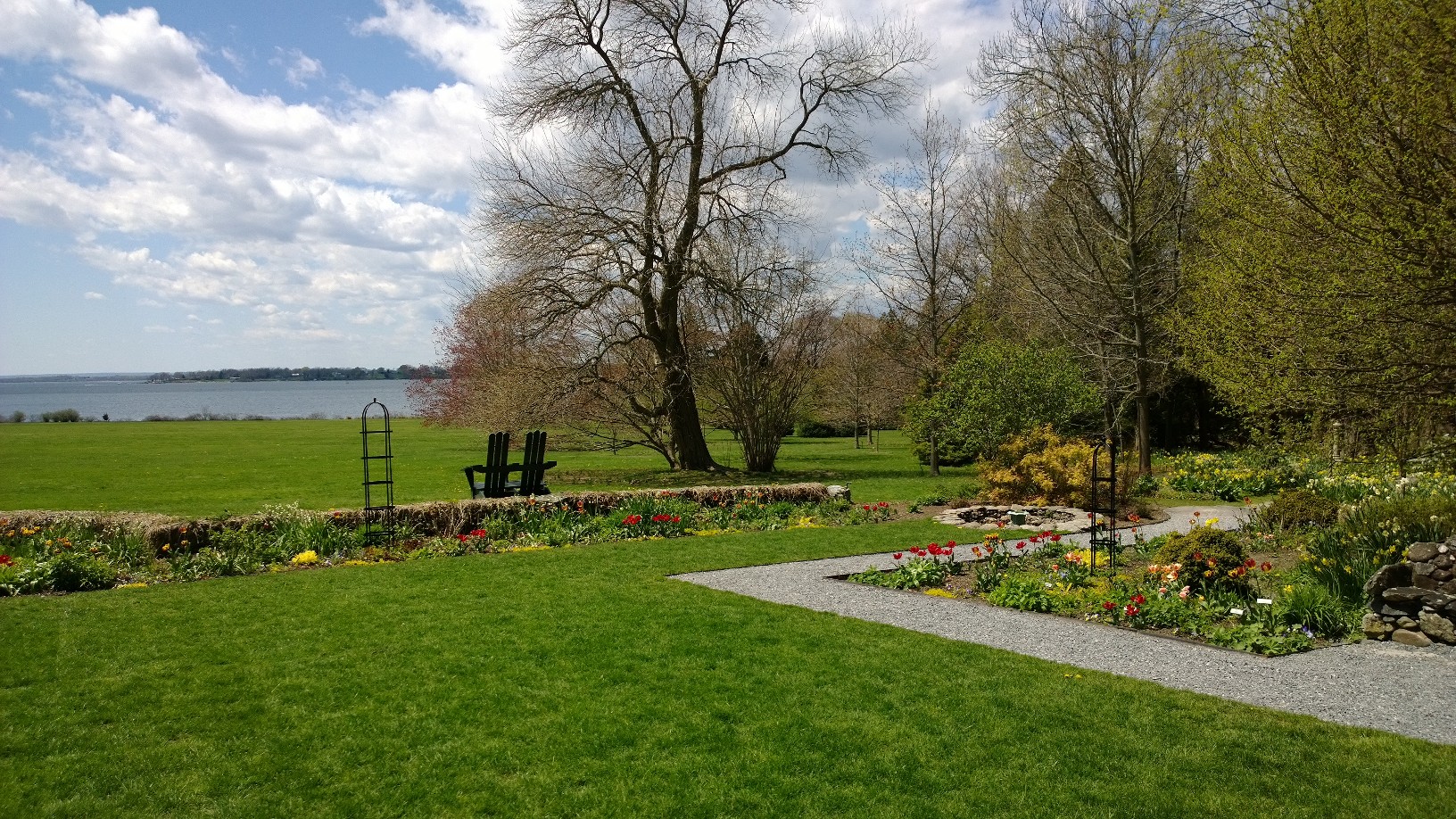
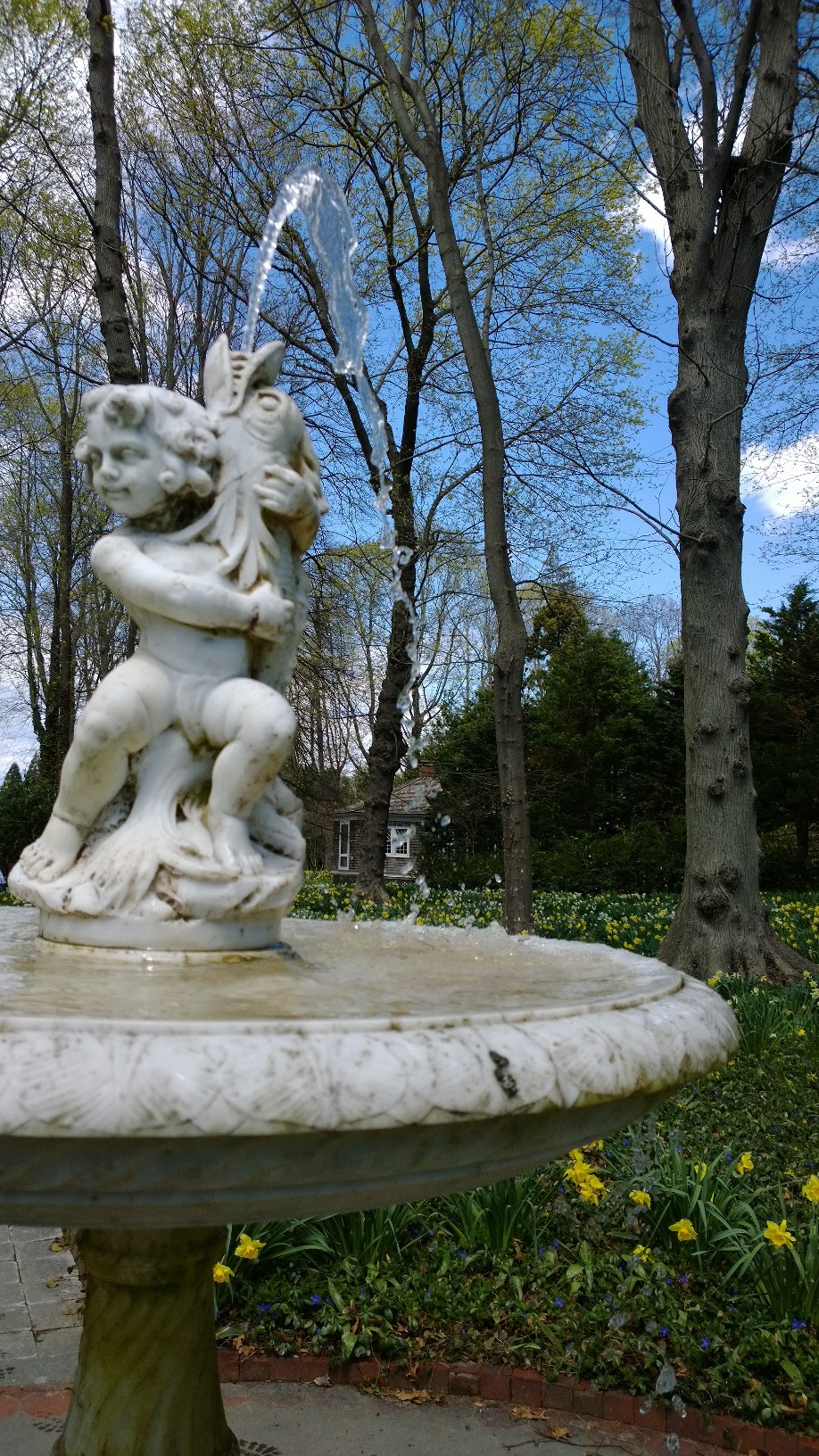
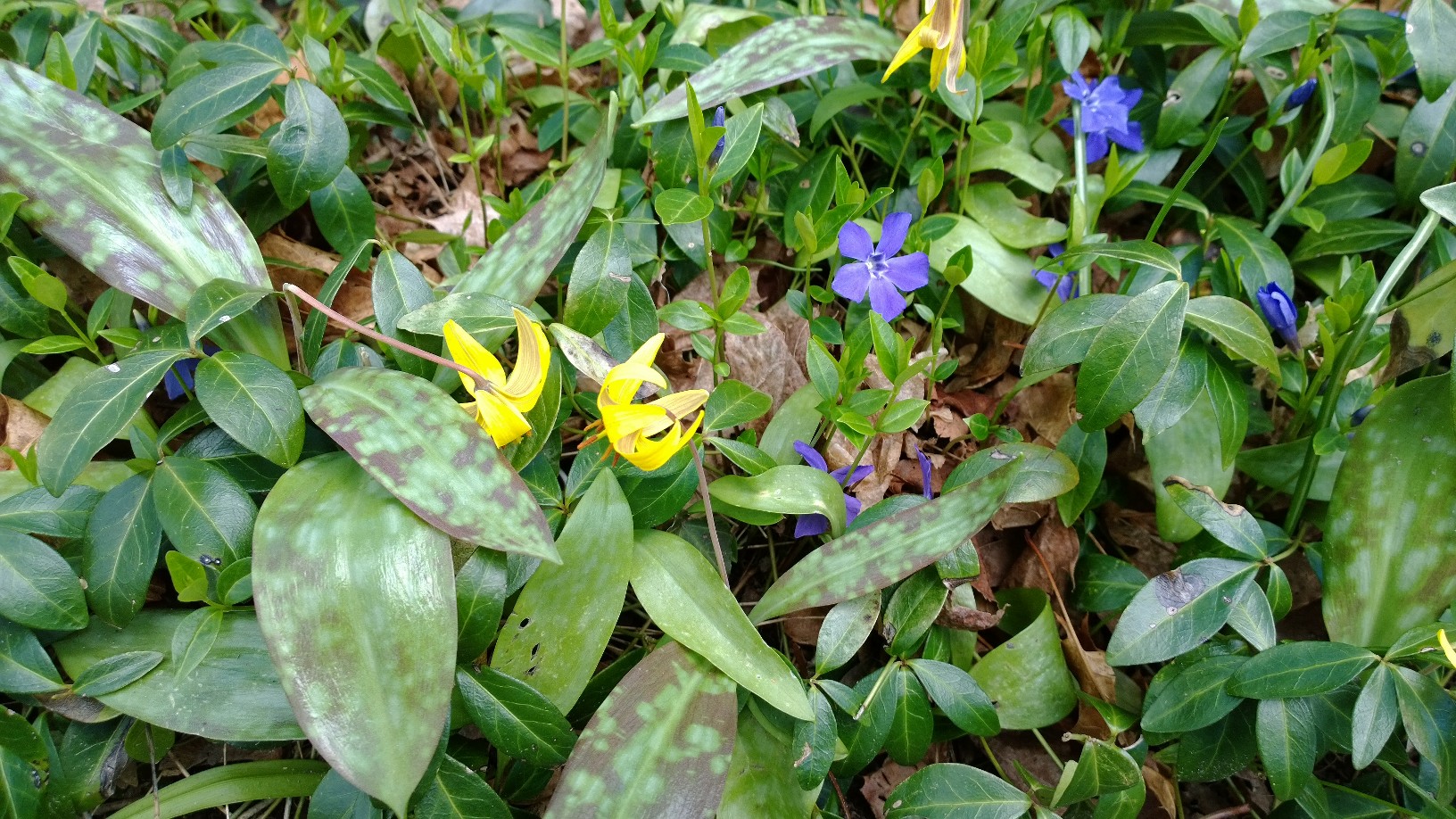
Photos: Above, Herreshoff Marine Museum, Bristol, RI.
Below: Suzanne’s Mom

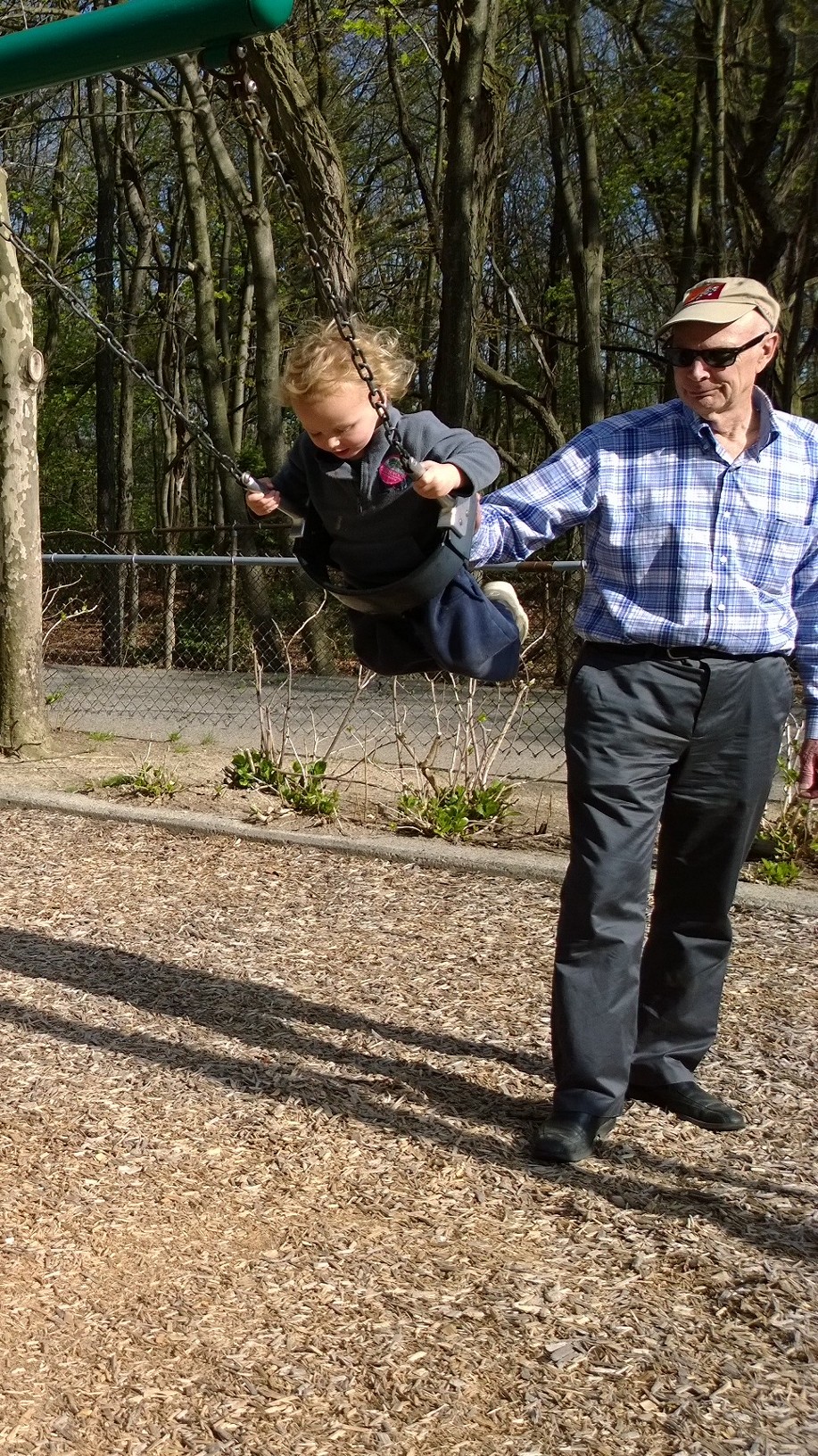
A certain napless two-year-old wore out five devoted adults in Rhode Island today — but what a fine time we had! From the Blithewold estate, to the yacht museum, to the playground, it was a grand way to spend a warm spring day near the sea.

And so, to bed … zzzzzzzzzzzz.

Blithewold-vista

Blithewold-Bristol-R!


Blithewold-flowers


fountaindog-toothed-violet


Blithewold-stone-benchMorfar-and-G-050314


Read Full Post »

The website “This Is Colossal” has a lovely bit on a fish with artistic tendencies.

Japanese photographer Yoji Ookata “obtained his scuba license at the age of 21 and has since spent the last 50 years exploring and documenting his discoveries off the coast of Japan. Recently while on a dive near Amami Oshima at the southern tip of the country, Ookata spotted something he had never encountered before: rippling geometric sand patterns nearly six feet in diameter almost 80 feet below sea level. He soon returned with colleagues and a television crew from the nature program NHK to document the origins what he dubbed the ‘mystery circle.’ …

“The team discovered the artist is a small puffer fish only a few inches in length that swims tirelessly through the day and night to create these vast organic sculptures using the gesture of a single fin. …

“Apparently the female fish are attracted to the hills and valleys within the sand and traverse them carefully to discover the male fish where the pair eventually lay eggs at the circle’s center, the grooves later acting as a natural buffer to ocean currents that protect the delicate offspring.” Read more.

Never imagine that there is nothing left to discover. After all, “According to the National Oceanic and Atmospheric Administration less than five percent of the world’s oceans have been explored,”

Photo: This Is Colossal.
The male puffer fish makes this nest to attract a female.

Read Full Post »

From the Jules Verne classic 20,00 Leagues Under the Sea came a film with Kirk Douglas and a memorable Giant Squid. (Disney will probably sue if I embed a pirated trailer. See the official one here. It has the Giant Squid in it.)

Until very recently, no one could prove that such a thing as a Giant Squid even existed. I have seen renderings of what sailors might really have seen when they described a Giant Squid: for example, a whale with an octopus wrapped around it. And I just learned that the mythological Kraken may be the result of people seeing a Giant Squid and thinking it was a supernatural monster. (Oh, surely not the gentle Kraken of The Island of the Aunts!)

Here’s what made my day: the wonder and delight in the voice of the woman videotaping the first Giant Squid ever caught on camera, a creature that hangs out in the deep sea off Chichi island, Japan, where expeditions going down 3,000 feet have sought him for years.

You can hear Tom Ashbrook’s guests talk about this triumph at WBUR’s OnPoint program.

They are Richard Ellis, author of “The Search For The Giant Squid: The Biology and Mythology of the World’s Most Elusive Sea Creature,” and Edie Widder, the president and senior scientist at the Ocean Research and Conservation Association who filmed the Giant Squid.

“For thousands of years, sailors have told stories of giant squids. In myth and cinema, the kraken was the most terrible of sea monsters. Now, it’s been captured — on a soon-to-be-seen video.

From National Public Radio: “Even after decades of searching, giant squids had only been seen in still photographs. Finally, in last July, scientists filmed the first video of a live giant squid swimming some 2,000 feet below the surface of the Pacific Ocean.

“Edie Widder is the ocean researcher who shot the footage, which is slated to be released in a Discovery Channel documentary later this month.

“She told Jacki Lyden, host of weekends on All Things Considered, the elusive creature could have been as much as 30 feet long” More.

(I am spatially challenged and embarrassed to admit how many decades it took me to figure out that Captain Nemo traveled in his Nautilus 20,000 leagues horizontally, not straight down.)

Photograph: Edie Widder/Discovery Channel
A giant squid stars in this still image taken from the first-ever video of giant squids.

Read Full Post »

I like win-win stories like this one from National Public Radio. It’s about a new crop with a lot of monetary potential — and distinct advantages for the environment.

“It doesn’t require any land or fertilizer. Farming it improves the environment, and it can be used in a number of ways. So what is this miracle cash crop of the future? It’s seaweed.

“Charlie Yarish, professor of ecology and evolutionary biology at the University of Connecticut, loves seaweed. In nature, he says, when seaweed turns a rich chocolate color, that means the plant is picking up nitrogen, a process called nutrient bioextraction. …

“Many plants and animals cannot survive when there is too much nitrogen in the water, but seaweed is able to ‘capture’ the nitrogen, as well as contaminants in the water.

“A United Nations report says that nearly 16 million tons of seaweed were farmed in 2008 — most of it in Asia. Yarish helped a company called Ocean Approved start the United States’ first open-water kelp farm in the Gulf of Maine in 2006 … Now, he’s helping to create a seaweed farm off the coast of Connecticut.

“Bren Smith owns and runs the Thimble Island Oyster Company, off the coast of Branford, Conn. After his business was hit hard by Tropical Storm Irene last year, ruining about 80 percent of the shellfish crop, Smith started looking around for something more resilient to farm. That’s when he found Yarish, who agreed to help set him up in the seaweed farming business. …

” ‘There’s no barns, there’s no tractors. This is what’s so special about ocean farming. It’s that it’s got a small footprint and it’s under the water. I mean, we’re so lucky; I feel like I stumbled on this just great secret that we then can model and spread out to other places,’ ” Smith says. …

” ‘The plan is to actually split it into a couple different experimental markets — one for food, one for fertilizer, one for fish food. I’m [also] working with a skin care company in Connecticut, and then one for biofuel,’ Smith says. He’s even hoping he can someday fuel his own boat with biofuel from the seaweed.”

Craig LeMoult has the whole story here at NPR, where you also can listen to the audio.

Photograph by Ron Gautreau
Oyster fisherman Bren Smith on his boat.

Read Full Post »

My husband and I are often drawn to New England’s older postindustrial cities, with their walkable town centers and their old brick warehouses. They are sometimes called Gateway Cities because for generations they have served as immigrant gateways into the American life. We explored North Adams, Massachusetts, with Suzanne and Erik a couple years ago, and this weekend we went to New Bedford with Suzanne.

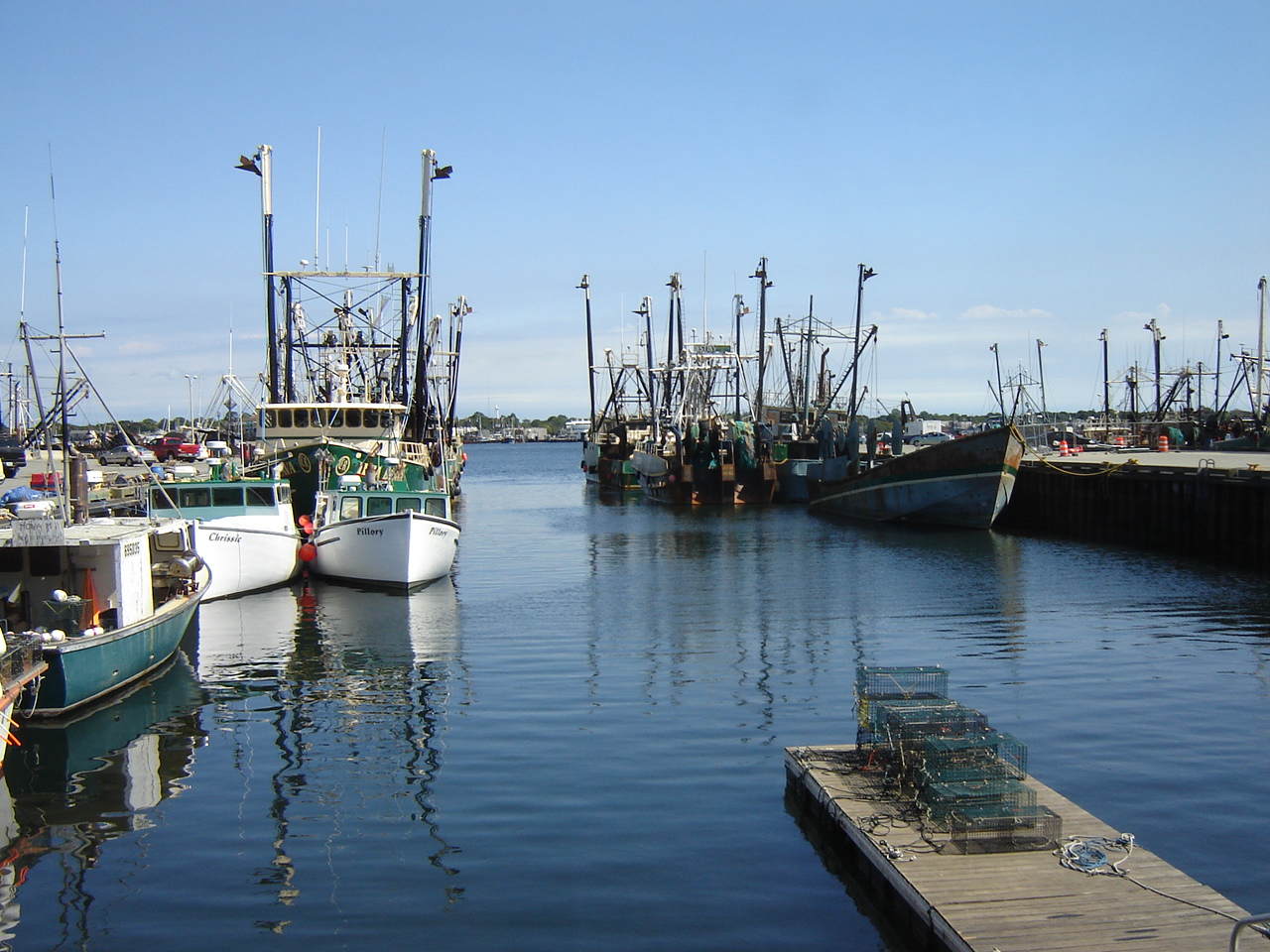
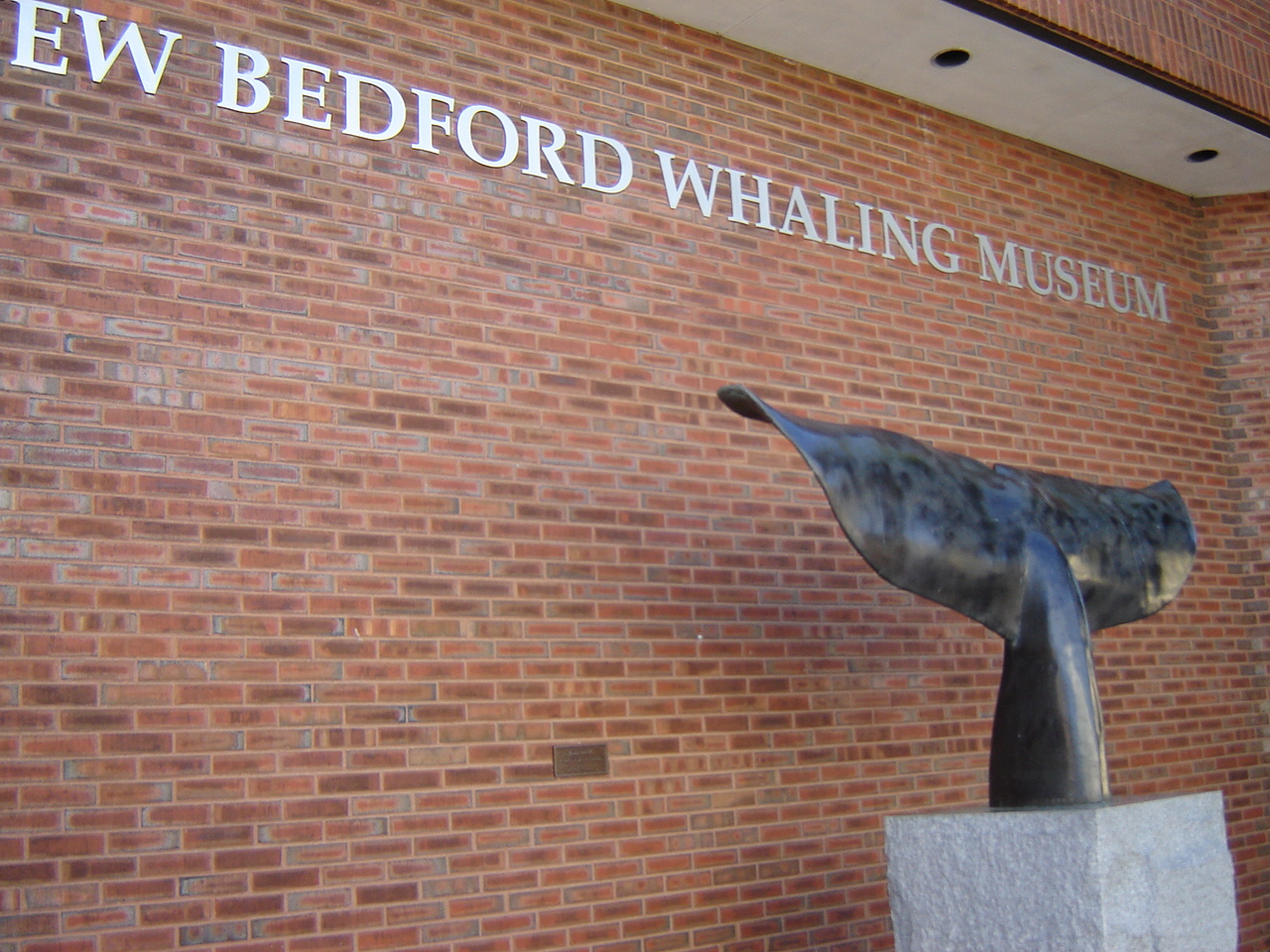
Once the whaling capital of the world, New Bedford today is home to an anxious fishing industry, clothing manufacturing, and tourism. We went to the Whaling Museum and came out feeling glad that most countries are more focused on whale preservation than whale hunting.

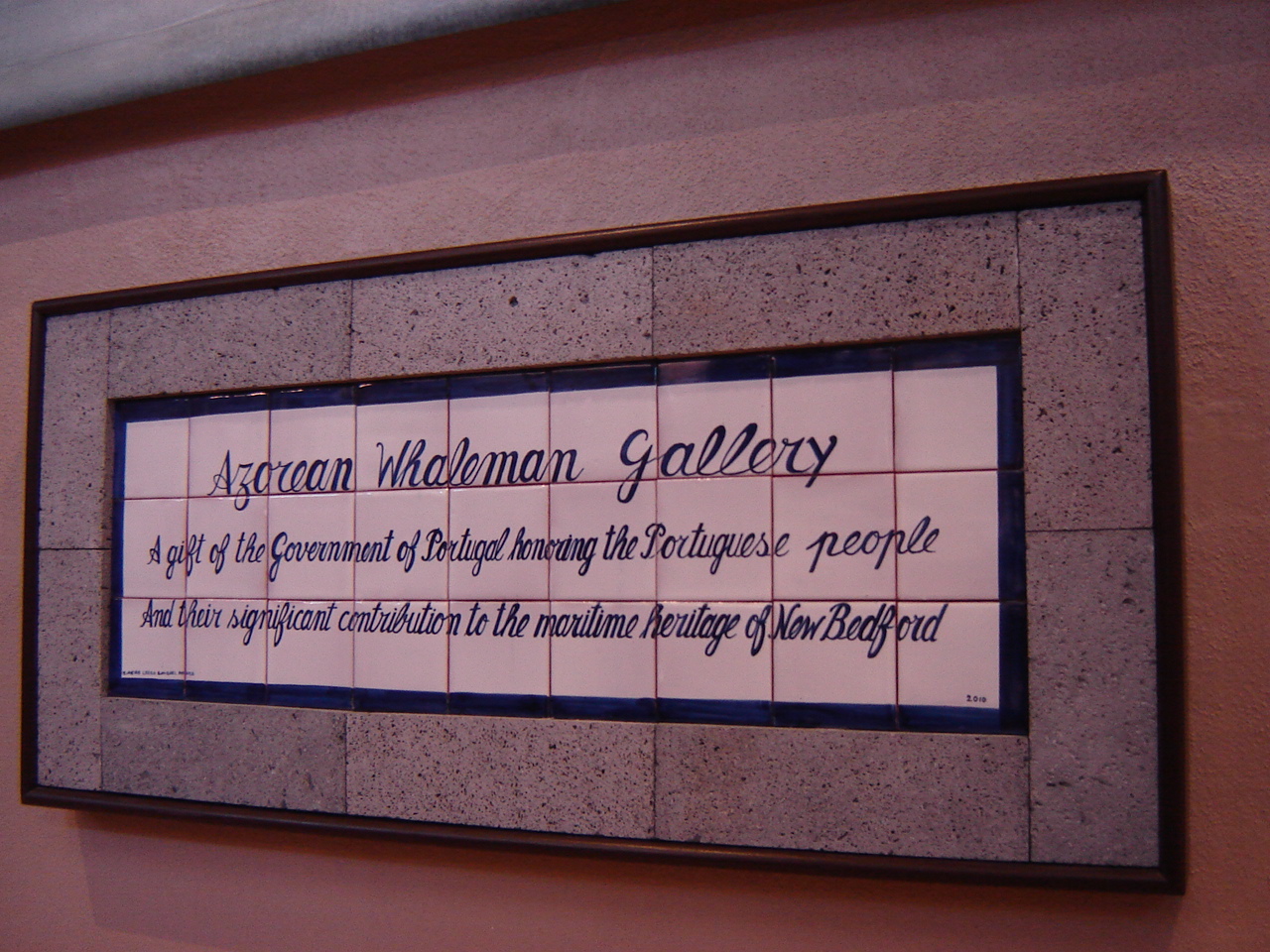
We sought out Portuguese restaurants and sat on the patio near an outdoor fireplace at one place. We knew there would be Portuguese restaurants as Portuguese speakers have come to New Bedford for generations — from Portugal, the Azores, Cape Verde, and Brazil.

At our beautiful Bed & Breakfast, the hosts (who have spent most of their working lives doing economic development overseas with US A.I.D.) told us that a large Guatemalan community has grown up in the city. They said that most of the Guatemalans speak an indigenous language, Spanish being a second language for them. That’s a particular challenge when Guatemalans go to the hospital as none of the staff speak that indigenous language.

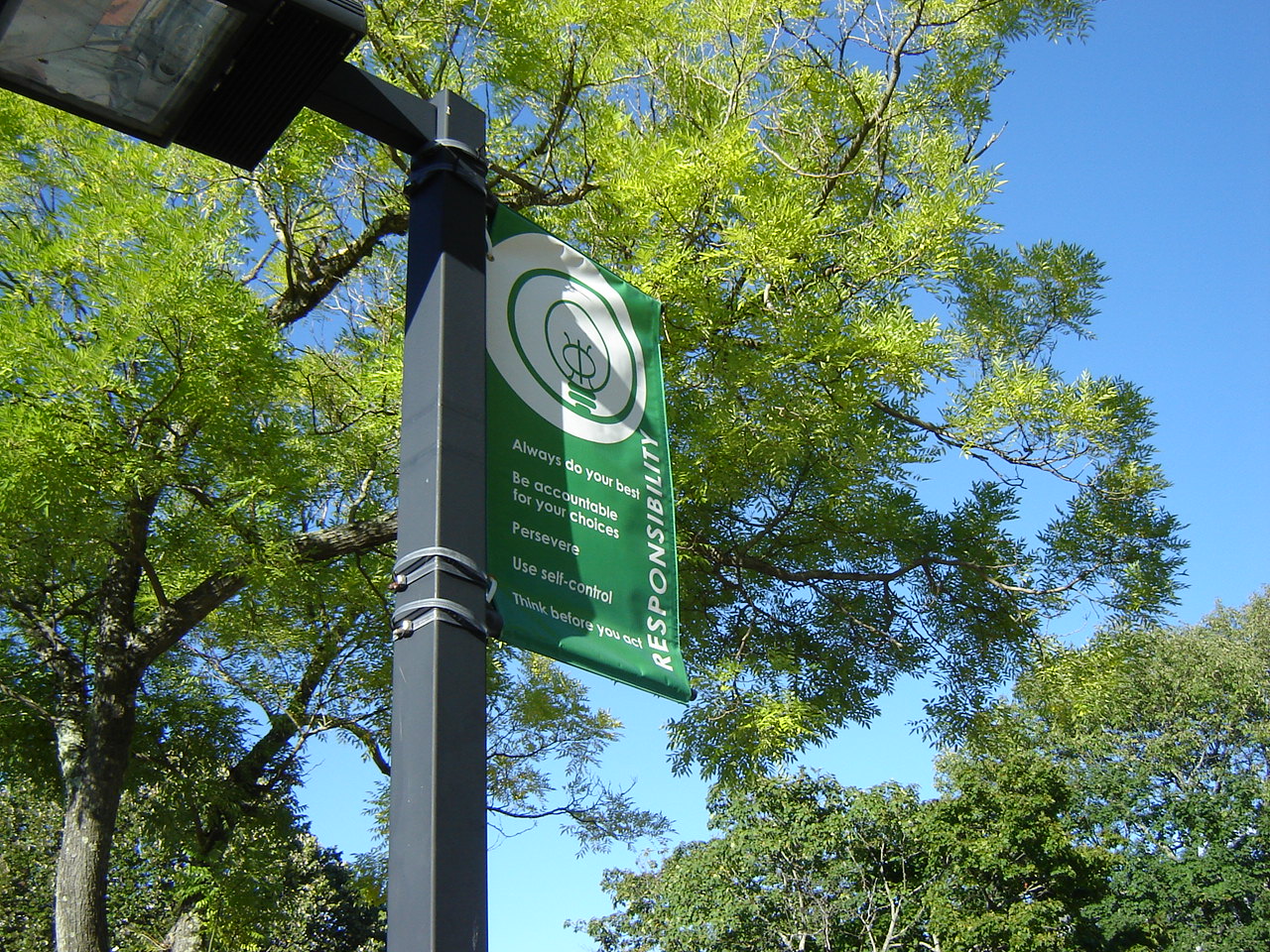
My husband and Suzanne and I walked around. We passed lively Pentecostal churches and a storefront church full of dancers and clowns. We noted lamp posts bearing inspirational banners on how to be a good citizen or how to volunteer. I include one on “Responsibility.”

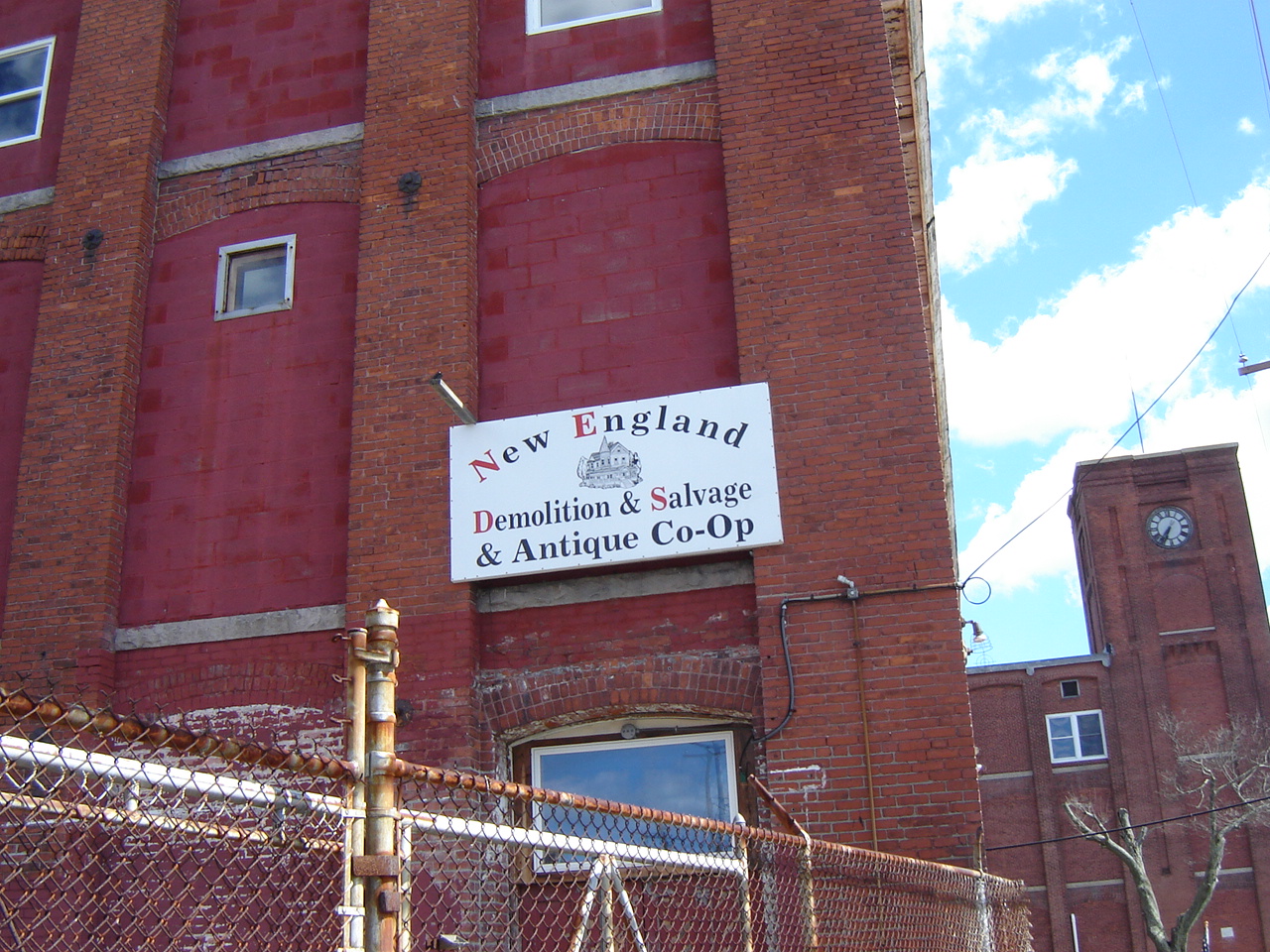
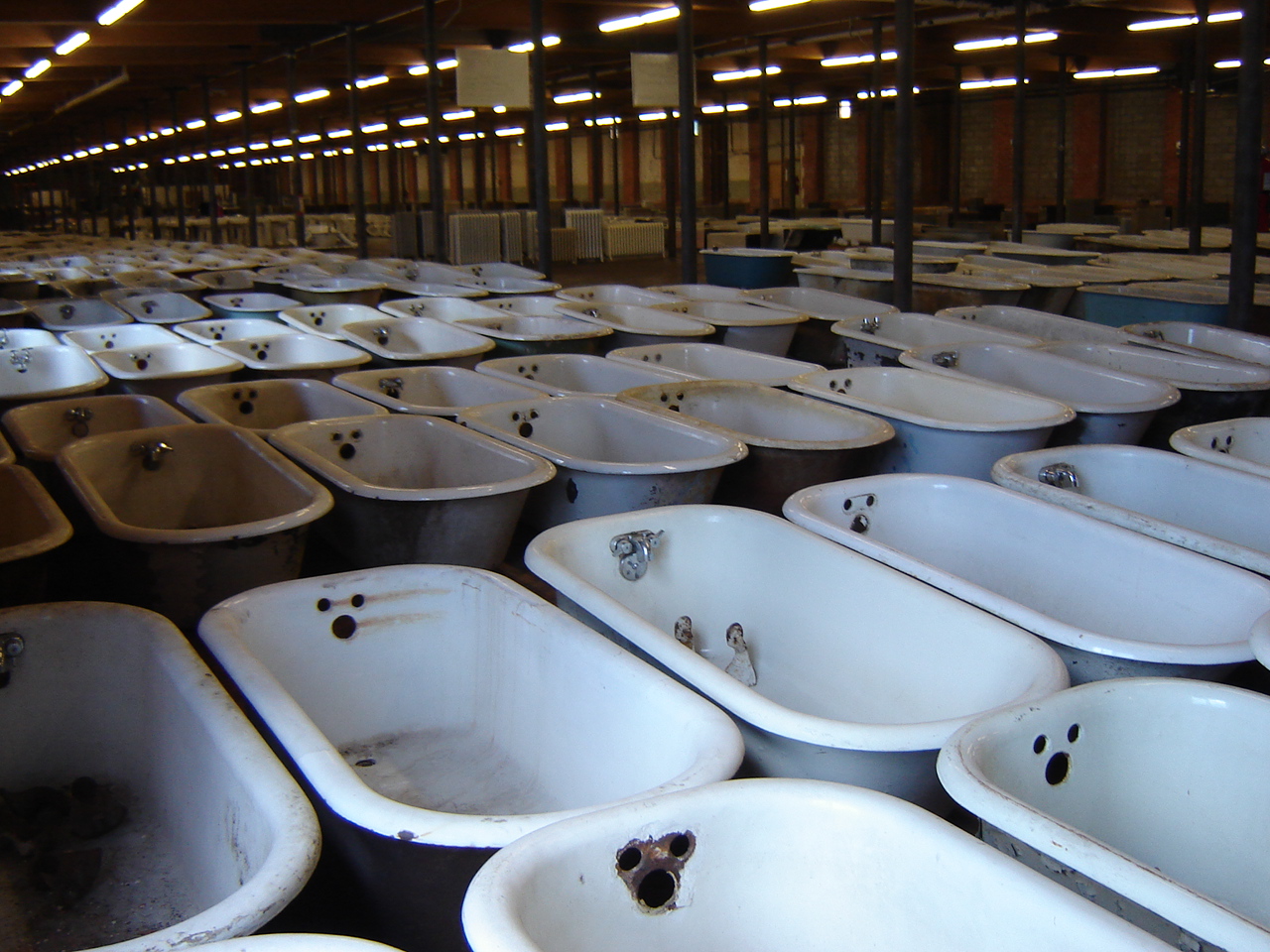
We also liked the cooperative shops run by members of the local arts community. And we had fun checking out a salvage warehouse for cool architectural bits, here. Among other things, it has rather a lot of bathtubs.


Read Full Post »

No doubt I would have grown up to be a photographer if the Brownie cameras and box cameras I used as a child had not gotten sand in them. After at least a week of high anticipation, the film kept coming back black. Very discouraging. All the effort I had put into creating little still-life scenes with dolls and sea shells — wasted!

So a word to the wise, if you take a camera to the beach, protect it.

I got a few pictures on this lovely June day, but I fear they lack the artistry that surely would have been evident had sand not mysteriously worked its way into all cameras in my youth.

Read Full Post »

Photograph: Mark Brown, Boston Globe

What a treat! A poet who follows this blog just sent me two lovely poems about a snowy owl she once saw. Or perhaps I should say, she once experienced. She would appreciate feedback on the poems, so please let me know your reactions in the Comments feature. E-mail is fine, too, suzannesmom@lunandstella.com. (And if you have a photo of a snowy owl in flight, I will replace the rather contemplative owl from National Geographic, below.)

Snowy Owl, by Nancy Greenaway

White shuttle of silken feathers
wefting across cloud warp of winter gray,
silently weaving sky with sea,
looming above watching walkers
tucked between patchworks
of stone-bound fields
and folds of silvered awe.

Snowy Owl 2, by Nancy Greenaway

Wide-winged whiteness
sensed before seen
swooping soundlessly
under low-lying layers
of cloud gauze

white on white
white on gray
soft on soft

too large to be living
and airborne

too white to be
worldly and wild

floating unruffled
on drafts of arctic cold

piercing consciousness
not with bill
or talon
or quill

but with light
and motion

avian divinity
spirited from
another dimension

penetrating dusk
by force of feathers

Read Full Post »

We drove back home from Rhode Island yesterday after three lovely days. The weather had been remarkably warm for a Memorial Day weekend, but very misty early. Every morning that I took my walk, I returned with soaking wet shoes.


On the drive home there was nothing much on the radio, so I read a children’s book aloud. The book had been recommended by Asakiyume because she knows I like children’s books, especially the ones she writes. The book I read on the drive home was Where the Mountain Meets the Moon, by Grace Lin, and I haven’t finished it.

So don’t tell me what happens.

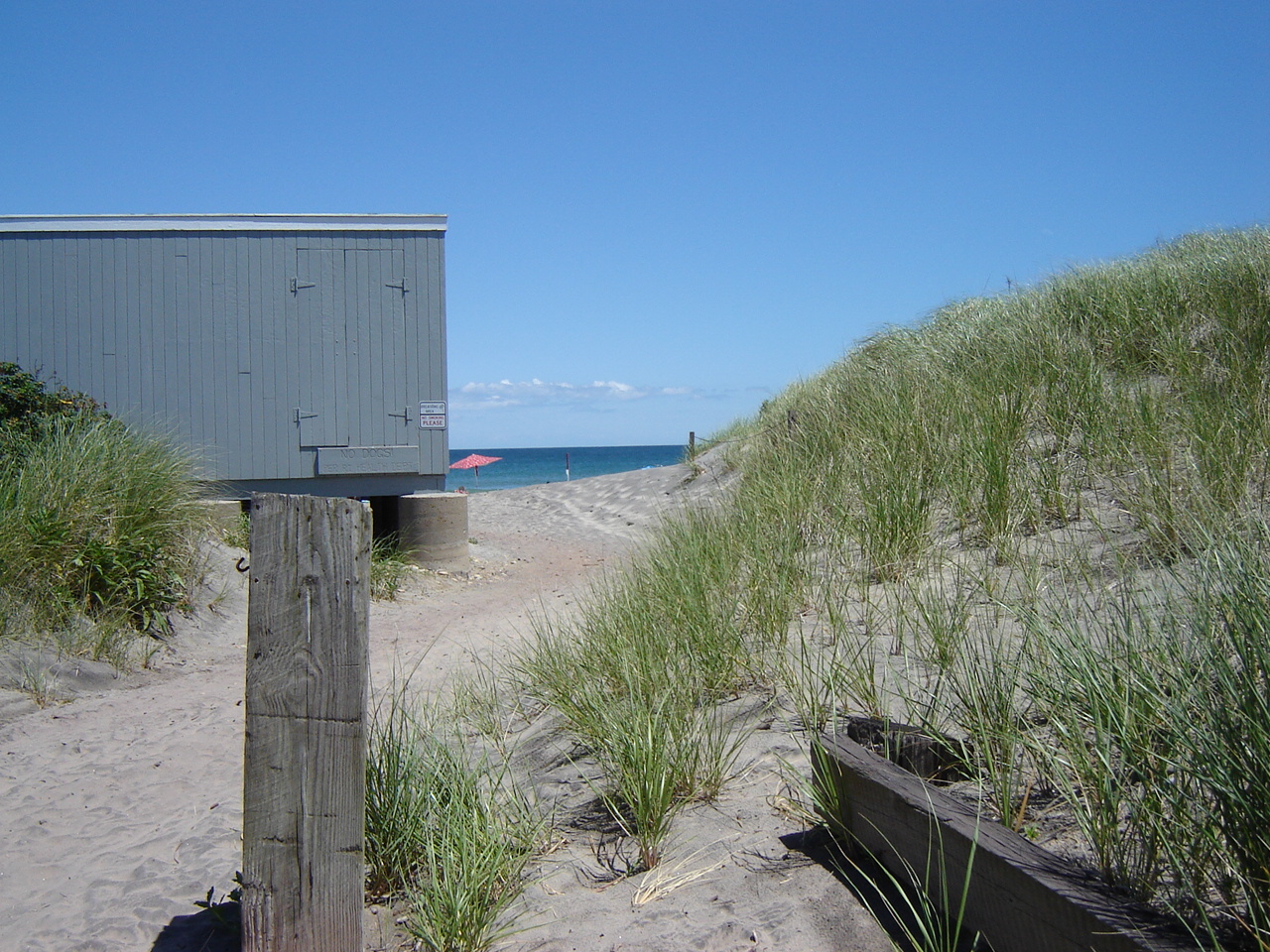
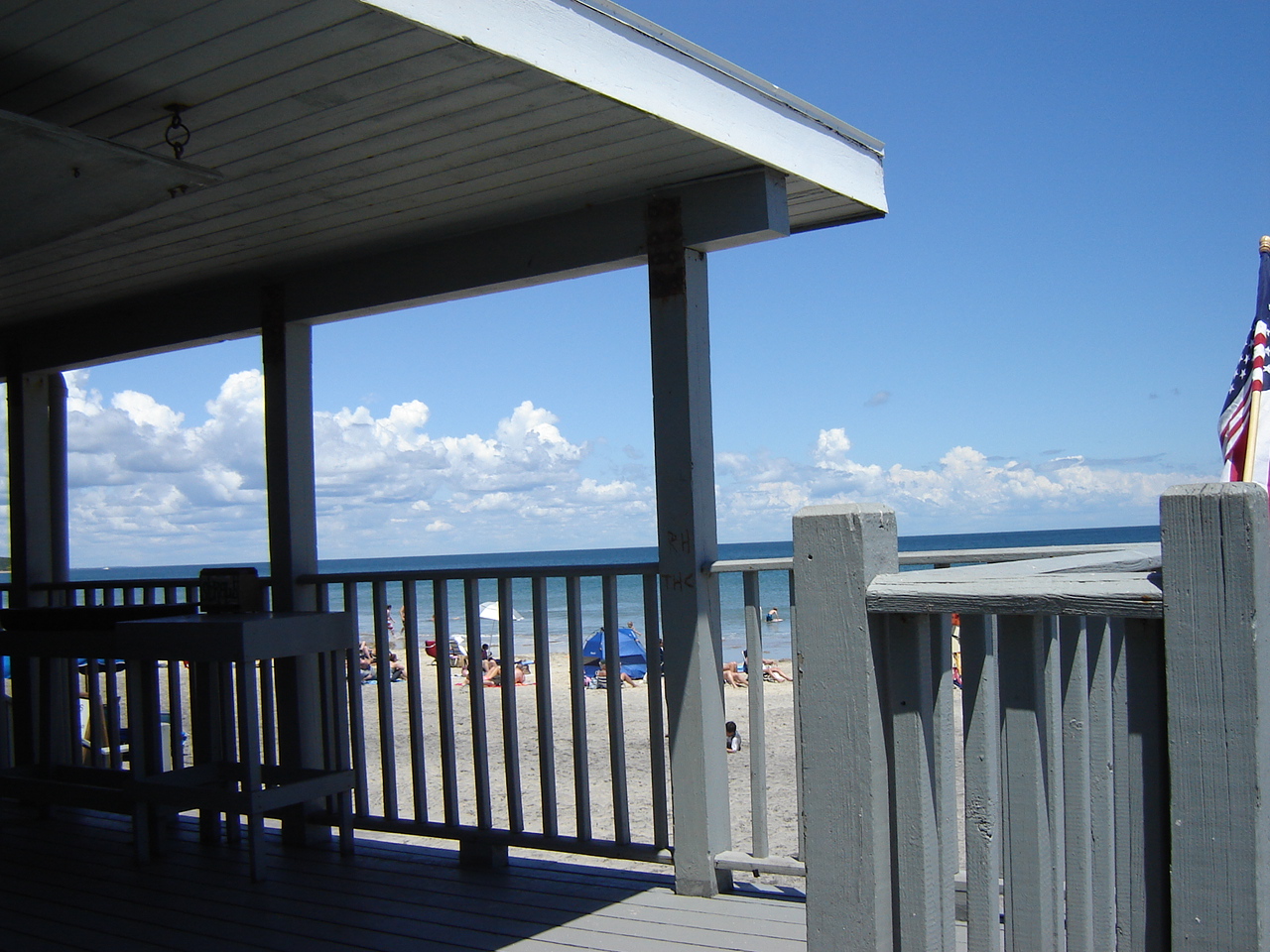
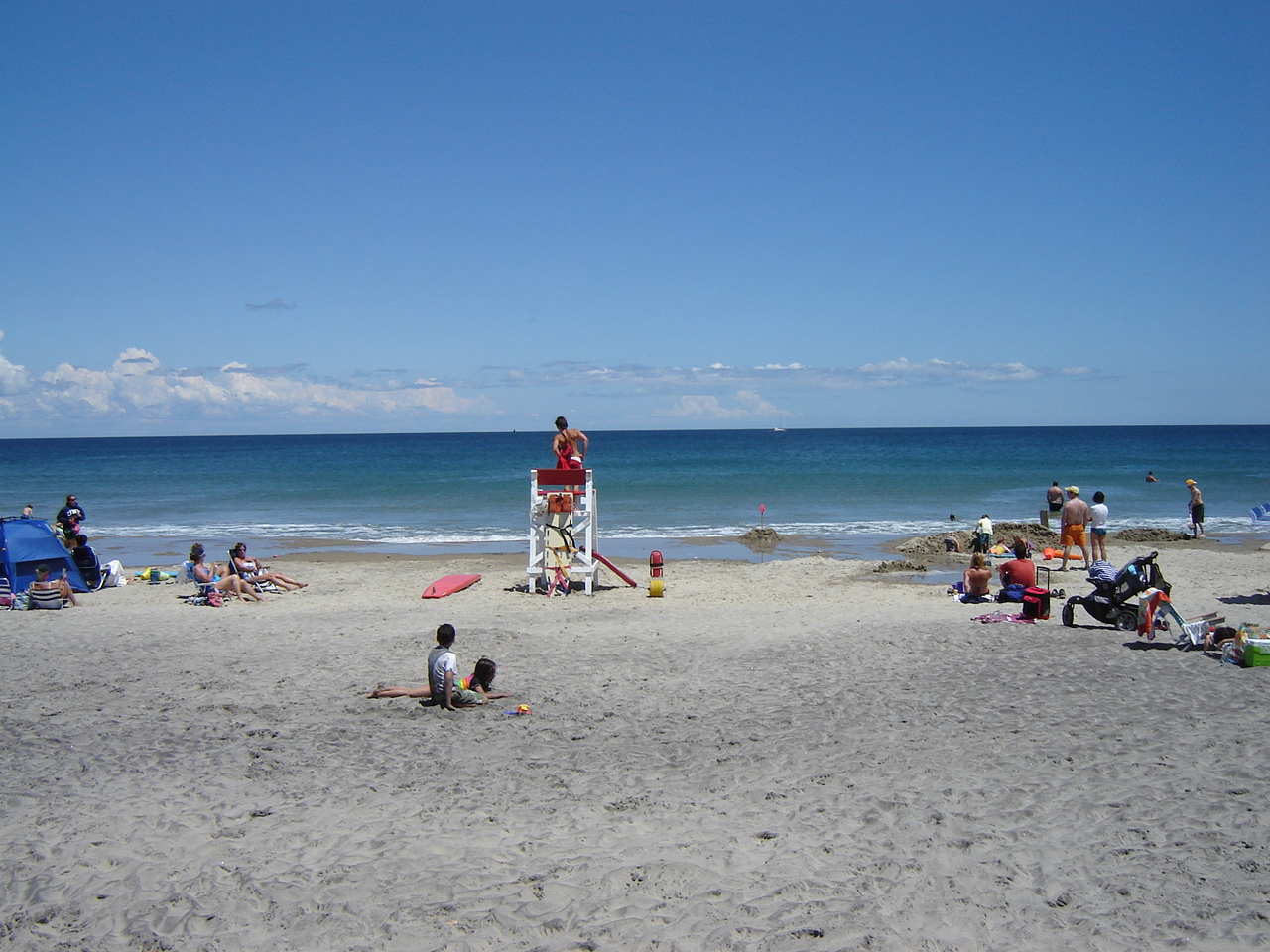
These Rhode Island photos show a path to the beach, a small shop on the main street, and fishing boats in the harbor. Comments may be sent to suzannesmom@lunaandstella.com.

Read Full Post »

« Newer Posts