
Photo: Steve Johnson.
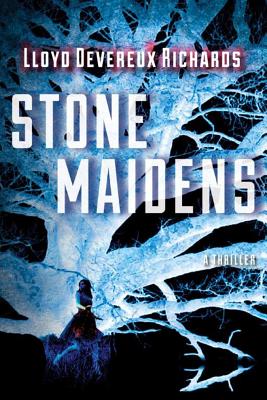
Real books start with a human, a human with feelings.
Blogger Asakiyume is an activist against AI. And no wonder. She’s an author, and an especially creative one. Believe me, what her brain comes up with, no one else’s brain ever could! AI, however, just copies what has come before.
So right now, as other published authors are uniting against AI robot writers, she’s in good company.
Chloe Veltman reports at National Public Radio, “A group of more than 70 authors including Dennis Lehane, Gregory Maguire and Lauren Groff released an open letter on Friday about the use of AI on the literary website Lit Hub. It asked publishing houses to promise ‘they will never release books that were created by machines.’
“Addressed to the ‘big five’ U.S. publishers — Penguin, Random House, HarperCollins, Simon & Schuster, Hachette Book Group, and Macmillan — as well as ‘other publishers of America,’ the letter elicited more than 1,100 signatures on its accompanying petition in less than 24 hours. Among the well-known signatories after the letter’s release are Jodi Picoult, Olivie Blake and Paul Tremblay.
“The letter contains a list of direct requests to publishers concerning a wide array of ways in which AI may already — or could soon be — used in publishing. It asks them to refrain from publishing books written using AI tools built on copyrighted content without authors’ consent or compensation, to refrain from replacing publishing house employees wholly or partially with AI tools, and to only hire human audiobook narrators — among other requests. …
“The letter states, ‘AI is an enormously powerful tool, here to stay, with the capacity for real societal benefits — but the replacement of art and artists isn’t one of them.’
“Until now, authors have mostly expressed their displeasure with AI’s negative impacts on their work by launching lawsuits against AI companies rather than addressing publishing houses directly. Ta-Nehisi Coates, Michael Chabon, Junot Díaz and the comedian Sarah Silverman are among the biggest names involved in ongoing copyright infringement cases against AI players.
“Some of these cases are already starting to render rulings: Earlier this week, federal judges presiding over two such cases ruled in favor of defendants Anthropic AI and Meta, potentially giving AI companies the legal right under the fair use doctrine to train their large language models on copyrighted works — as long as they obtain copies of those works legally.
“Young adult fiction author Rioghnach Robinson, who goes by the pen name Riley Redgate … said, ‘Without publishers pledging not to generate internally competitive titles, nothing’s stopping publishing houses from AI-generating their authors out of existence. We’re hopeful that publishers will act to protect authors and industry workers from, specifically, the competitive and labor-related threats of AI.’
“The authors said the ‘existential threat’ of AI isn’t just about copyright infringement. Copycat books that appear to have been written by AI and are attached to real authors who didn’t write them have proliferated on Amazon and other platforms in recent years.
“The rise of AI audio production within publishing is another big threat addressed in the letter. Many authors make extra money narrating their own books. And the rise of machine narration and translation is an even greater concern for human voice actors and translators. For example, major audio books publisher Audible recently announced a partnership with publishers to expand AI narration and translation offerings. …
“Audible CEO Bob Carrigan said as part of the announcement, ‘We’ll be able to bring more stories to life — helping creators reach new audiences while ensuring listeners worldwide can access extraordinary books that might otherwise never reach their ears.’
“Robinson acknowledged the steps publishers have taken to help protect writers.
” ‘Many individual contracts now have AI opt-out clauses in an attempt to keep books out of AI training datasets, which is great,’ Robinson noted. But she said publishers should be doing much more to defend their writers against the onslaught of AI.”
More at NPR, here.










 Suzanne's Mom's Blog
