Feeds:
Posts
Comments

Archive for the ‘Uncategorized’ Category

An extra post for my tree-planting readers. From the WordPress site Hortographical.

hortographical

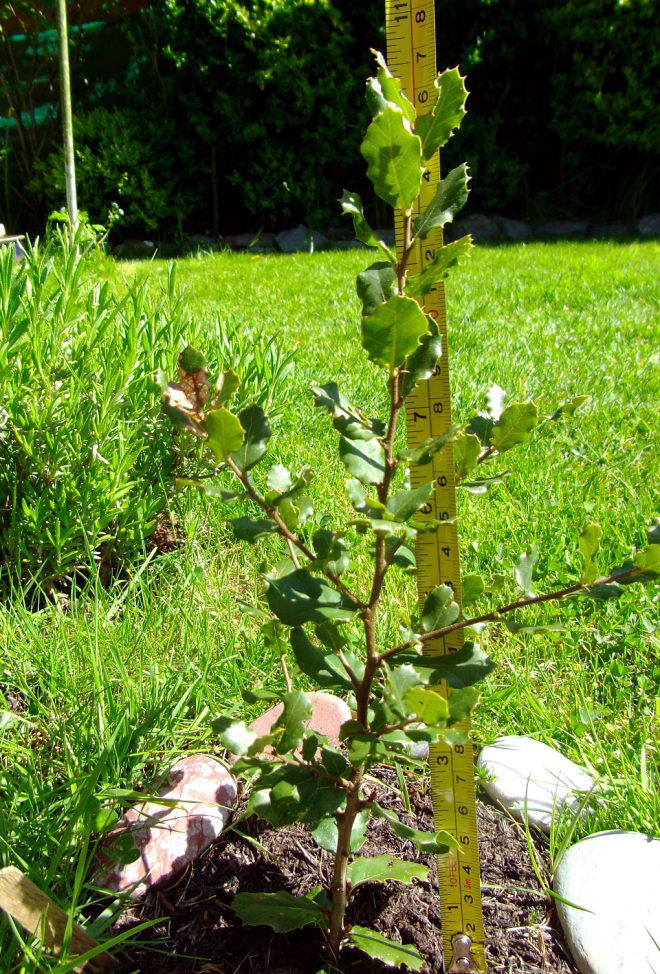
In 2013 I was given three cork oak (Quercus suber) acorns to try growing.

The first cork oak seedling after one year's growth The first cork oak seedling after one year’s growth

At the time, I was in the middle of bulb planting and I popped the three acorns into individual 9cm pots without much thought. That was at the start of December.

I was amazed when about a month later the compost in the pots started to heave, indicating that things were stirring underneath. I was more amazed when I went out one morning and found a hole where one of the acorns had disappeared completely from the pot. I don’t know who stole it – possibly a magpie. My lesson learnt, I covered the two remaining pots with pea netting to stop further thefts.

I then started reading about how to grow cork oaks from acorns: obviously, I should have done the reading first:) I learnt that…

View original post 444 more words

Read Full Post »

In a move that will benefit the environment, farmers are placing increased emphasis on the quality of their soil and cutting back on ploughing. It took a kind of soil evangelist to create the revolution.

Erica Goode has the story at the NY Times.

“Gabe Brown is in such demand as a speaker that for every invitation he accepts, he turns down 10 more. …

“Mr. Brown, a balding North Dakota farmer who favors baseball caps and red-striped polo shirts, is not talking about disruptive technology start-ups, political causes, or the latest self-help fad.

“He is talking about farming, specifically soil-conservation farming, a movement that promotes leaving fields untilled, ‘green manures’ and other soil-enhancing methods with an almost evangelistic fervor.

“Such farming methods, which mimic the biology of virgin land, can revive degenerated earth, minimize erosion, encourage plant growth and increase farmers’ profits, their proponents say. And by using them, Mr. Brown told more than 250 farmers and ranchers who gathered at the hotel for the first Southern Soil Health Conference, he has produced crops that thrive on his 5,000-acre farm outside of Bismarck, N.D., even during droughts or flooding.

“He no longer needs to use nitrogen fertilizer or fungicide, he said, and he produces yields that are above the county average with less labor and lower costs. ‘Nature can heal if we give her the chance,’ Mr. Brown said.” More here.

Sounds like wisdom that even a backyard farmer could embrace.

Photo: Brandon Thibodeaux for The New York Times
“My goal is to improve my soil so I can grow a better crop so I can make more money,” [says Texas farmer Terry] McAlister, who farms 6,000 acres of drought-stricken cropland. 


Read Full Post »

Nineteen years ago, about 500 people, many of whom had lost loved ones to urban tragedy, marched for peace on Mothers Day in Boston.

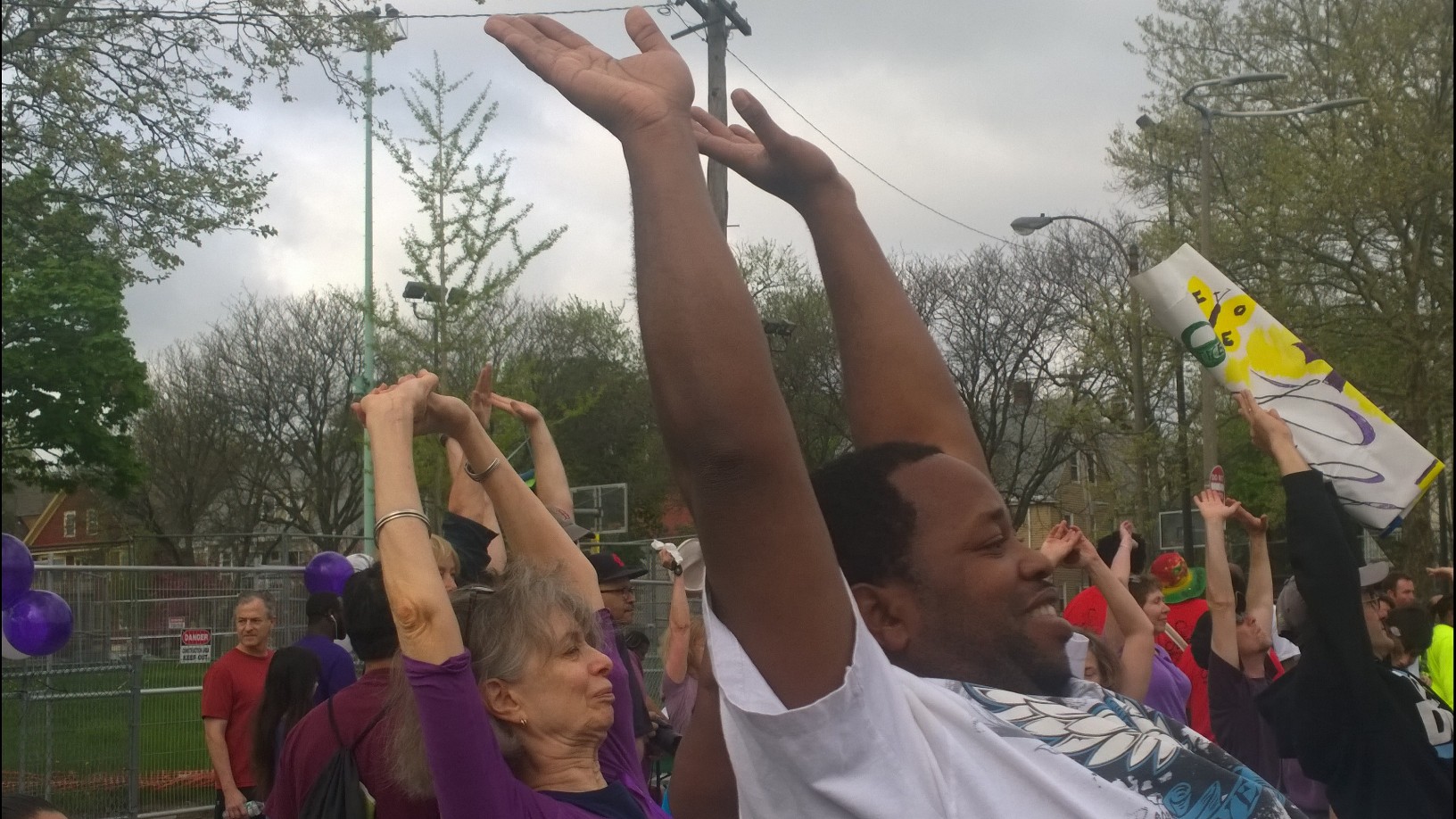
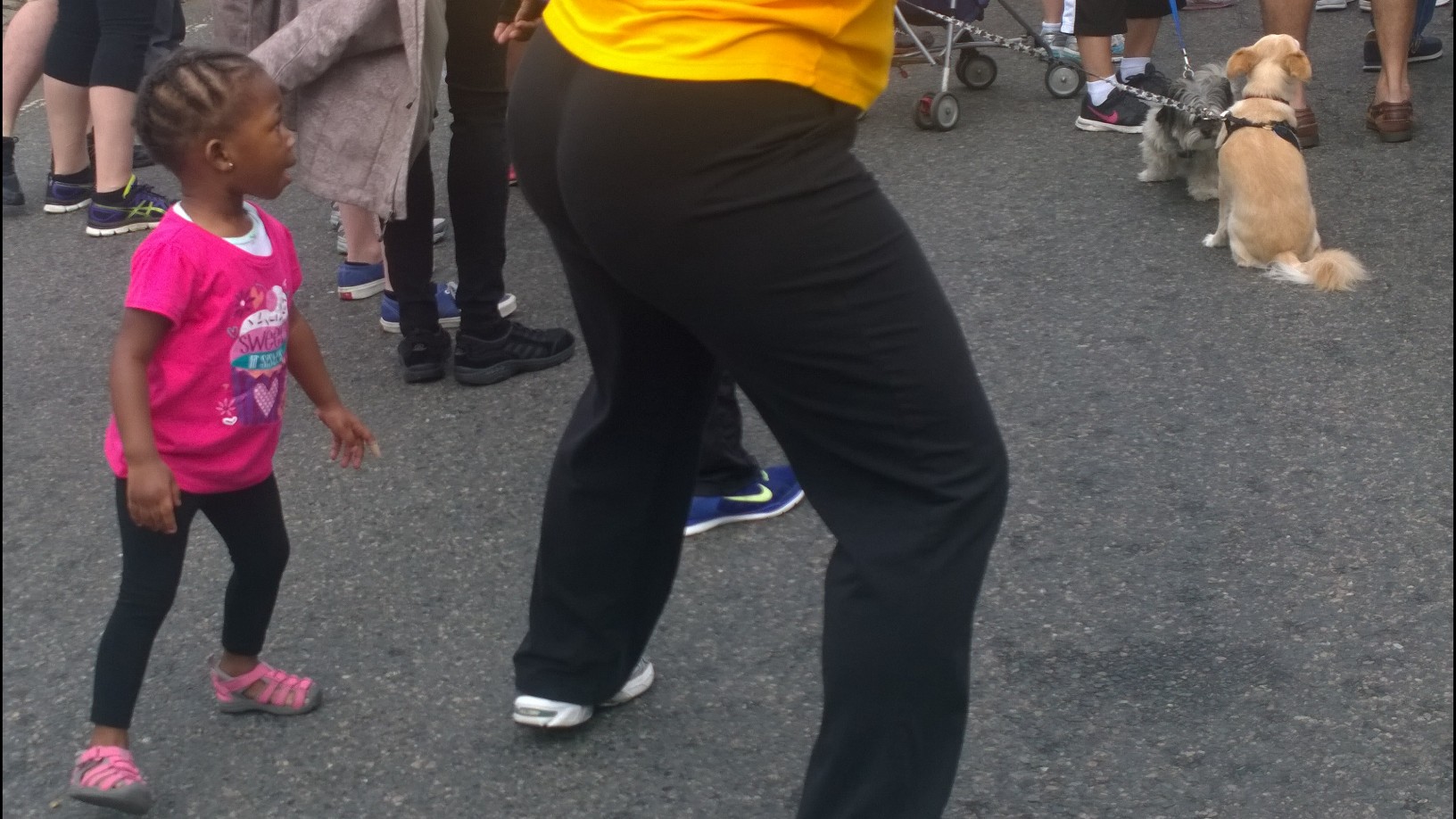
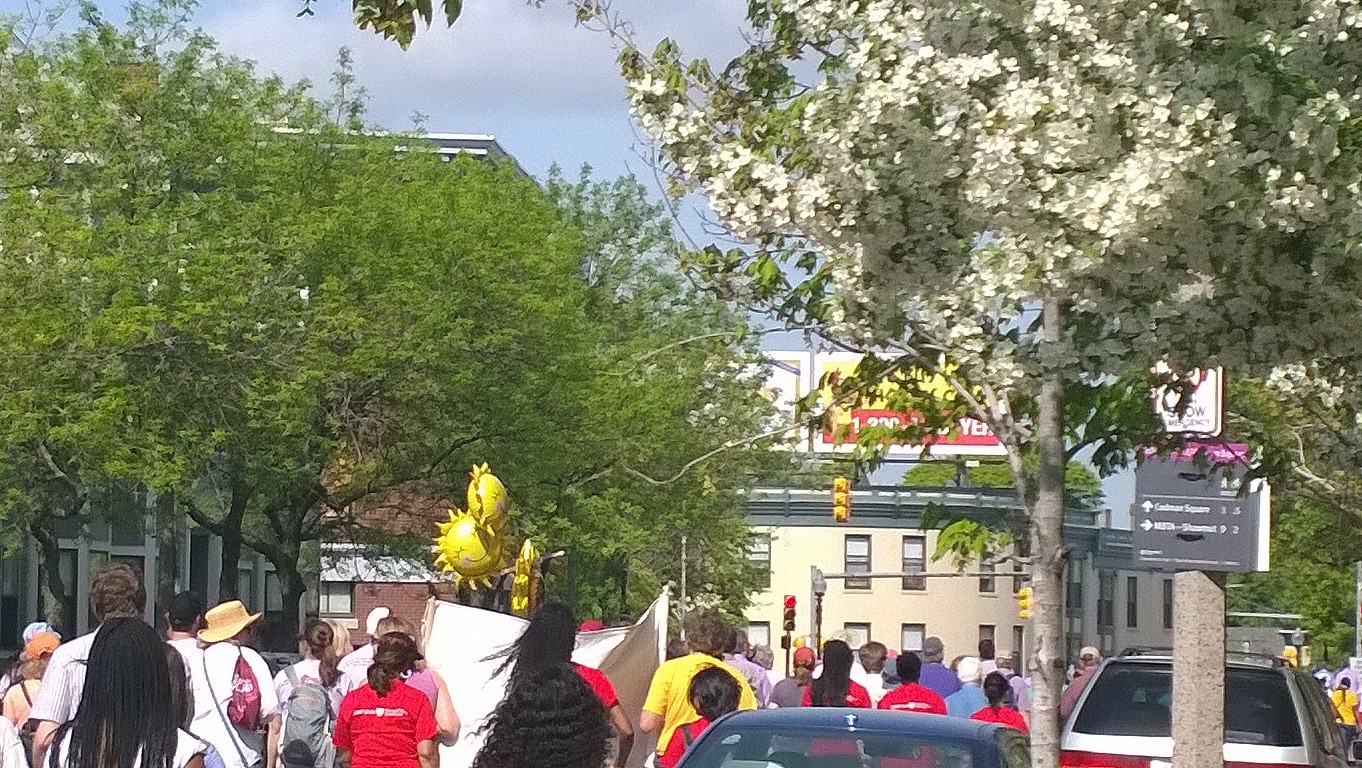
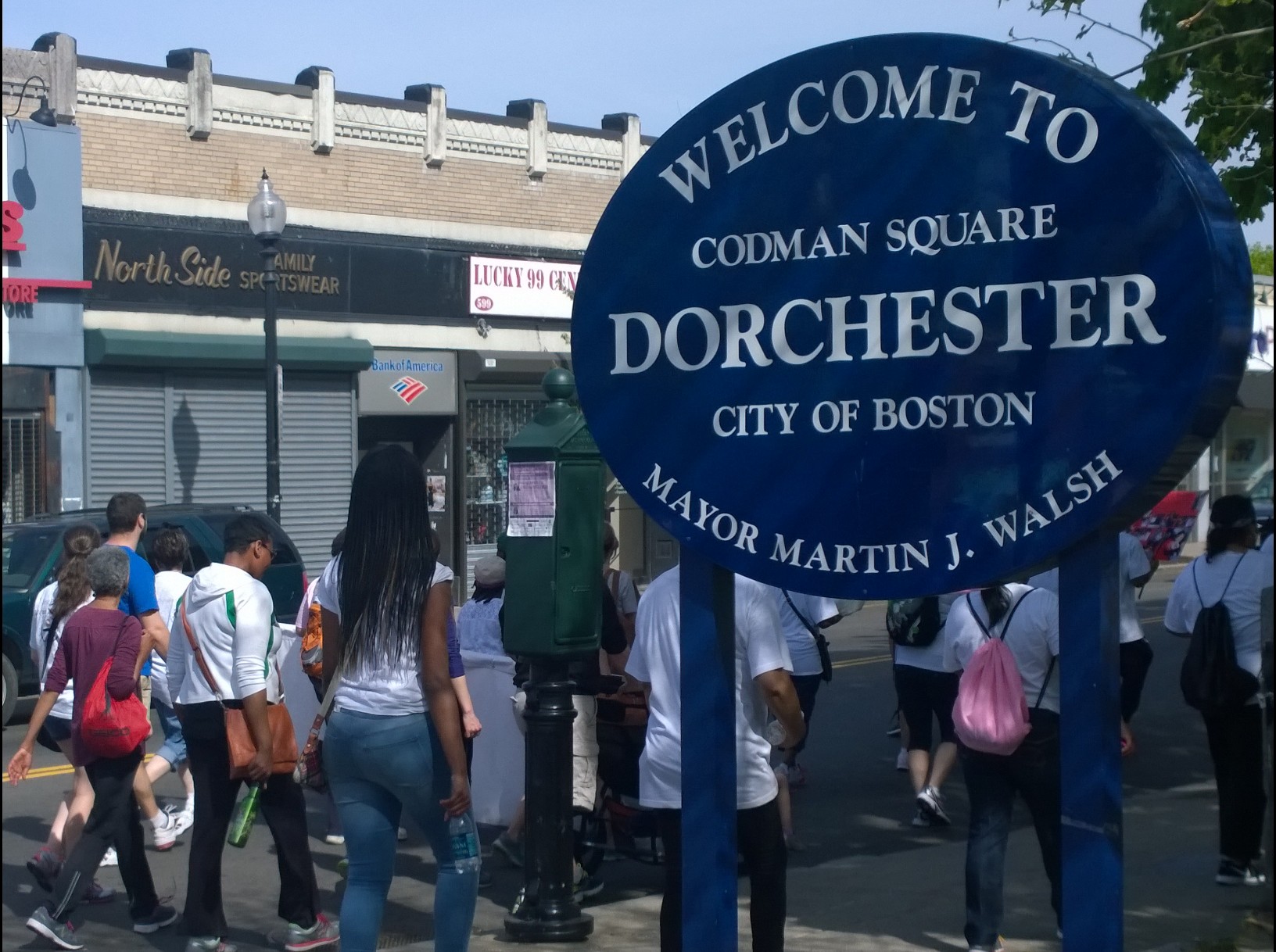
Today there must have been thousands. After the pre-walk warm-up exercises and the children’s choir, the prayers from all the major faith communities, the announcements by media personalities and the words of encouragement from Mayor Walsh and the police commissioner, we set out at a snail’s pace, crowding onto a Dorchester street that was expecting us.

A lot of organizations had banners, and many marchers wore T-shirts that pictured a loved-one. The spirit was upbeat and celebratory of lives. Politicians handed out water bottles, churches provided bathrooms, photographers recorded the event for free. The temperature was in the 80s, so by the end of the 3.5 mile walk, we older folks were ready for a nap.

The funds from the various team and individual contributors go to the Louis D. Brown Peace Institute, a local nonprofit that bases its actions on the belief that “Peace is Possible.” I like that slogan and also their “Seven Principles of Peace”: love, unity, faith, hope, courage, justice, forgiveness.

limbering-up-Mothers-Day-Walk

051015-warming-up-for-walk

observing-the-walk-for-peace

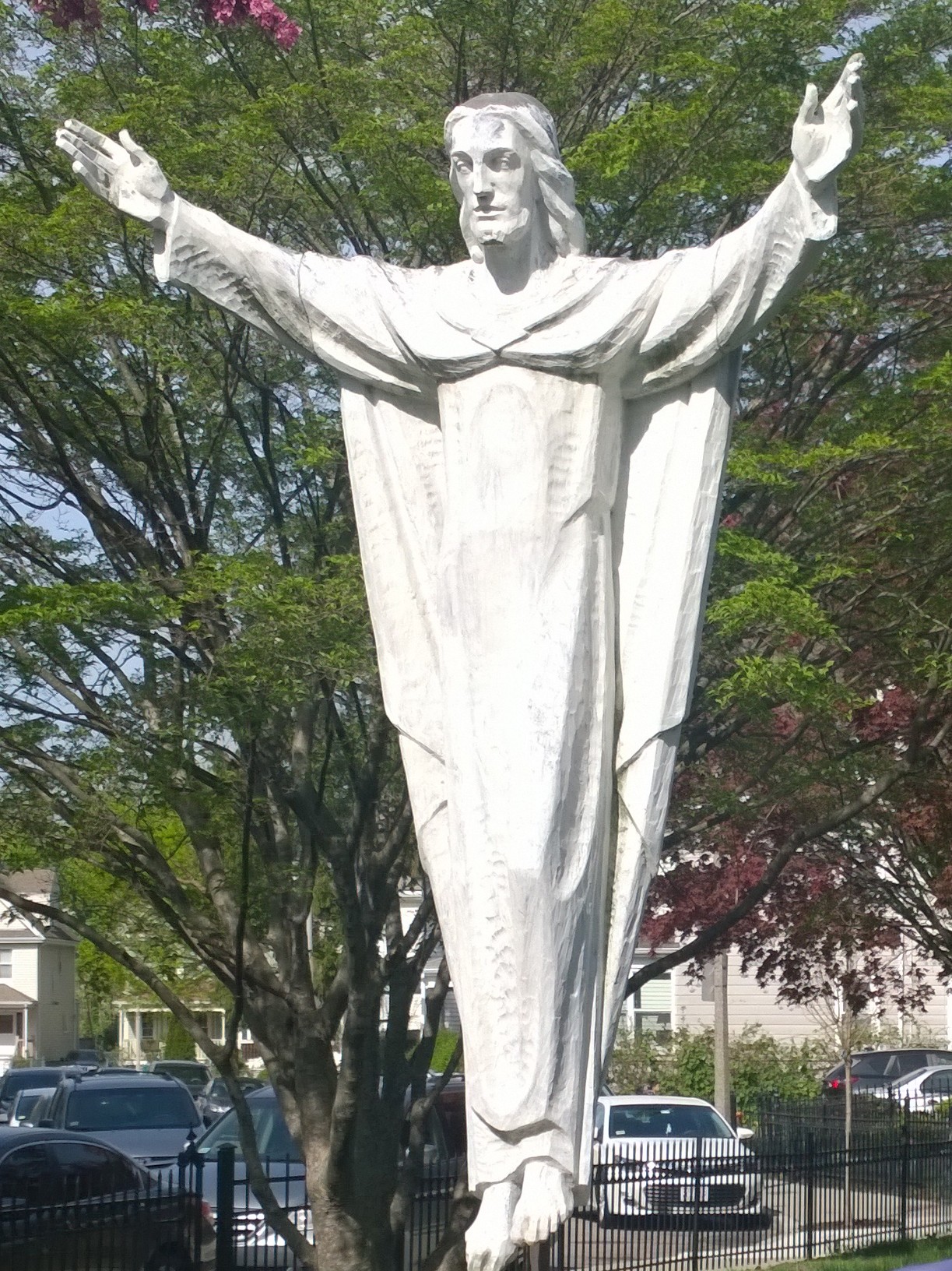
flowering-Dorchester

Mothers-Day-Walk

Read Full Post »

Ajay Singh writes about the good work of a library in Haiti that manages to do everything libraries do … except hand out books.

“When Rebecca McDonald was helping rebuild Haiti in the aftermath of its 2010 earthquake, the former construction manager witnessed … noticed that children had little or no access to books. …

” ‘I asked myself how children were supposed to get any education without books, especially given that they’d catch up with their teachers really fast,” McDonald said. An avid reader herself, the 36-year-old often shopped for books online, which led to her epiphany about the medium.

“ ‘It hit me that Haiti’s kids could use digital books,’ she said. …

“In spring 2012, McDonald met Tanyella Evans, then the Scottish executive director of Artists for Peace and Justice in charge of building a school in Haiti. Evans, 27, immediately liked McDonald’s idea, and together they set out to achieve a lofty goal: Launch a cloud-based digital library that would make books accessible to 250 million schoolchildren in developing countries around the world.

“With $110,000 raised on Kickstarter in July 2013, the duo officially established their nonprofit, Library for All. By the end of that year—thanks to Open Educational Resources, free digital titles provided by major US publishers, and partnerships with local governments and NGOs to purchase electronic devices—Evans and McDonald started their pilot program at Respire Haiti, a K–12 school on the outskirts of Port-au-Prince. …

“Today, Library for All uses an Android app for low-cost tablets, PCs, and feature phones to make available a selection of 1,200 cloud-based e-books in Haitian Creole, French, English, and Spanish; many of the students had never even seen books in their native language of Haitian Creole before.” More here.

The story comes from TakePart, by way of the Christian Science Monitor feature “People Making a Difference.”

Swoan Parker/Reuters/File
Students at Julie Siskind School in Port-au-Prince, Haiti, identify alphabet letters on a wall.

Read Full Post »
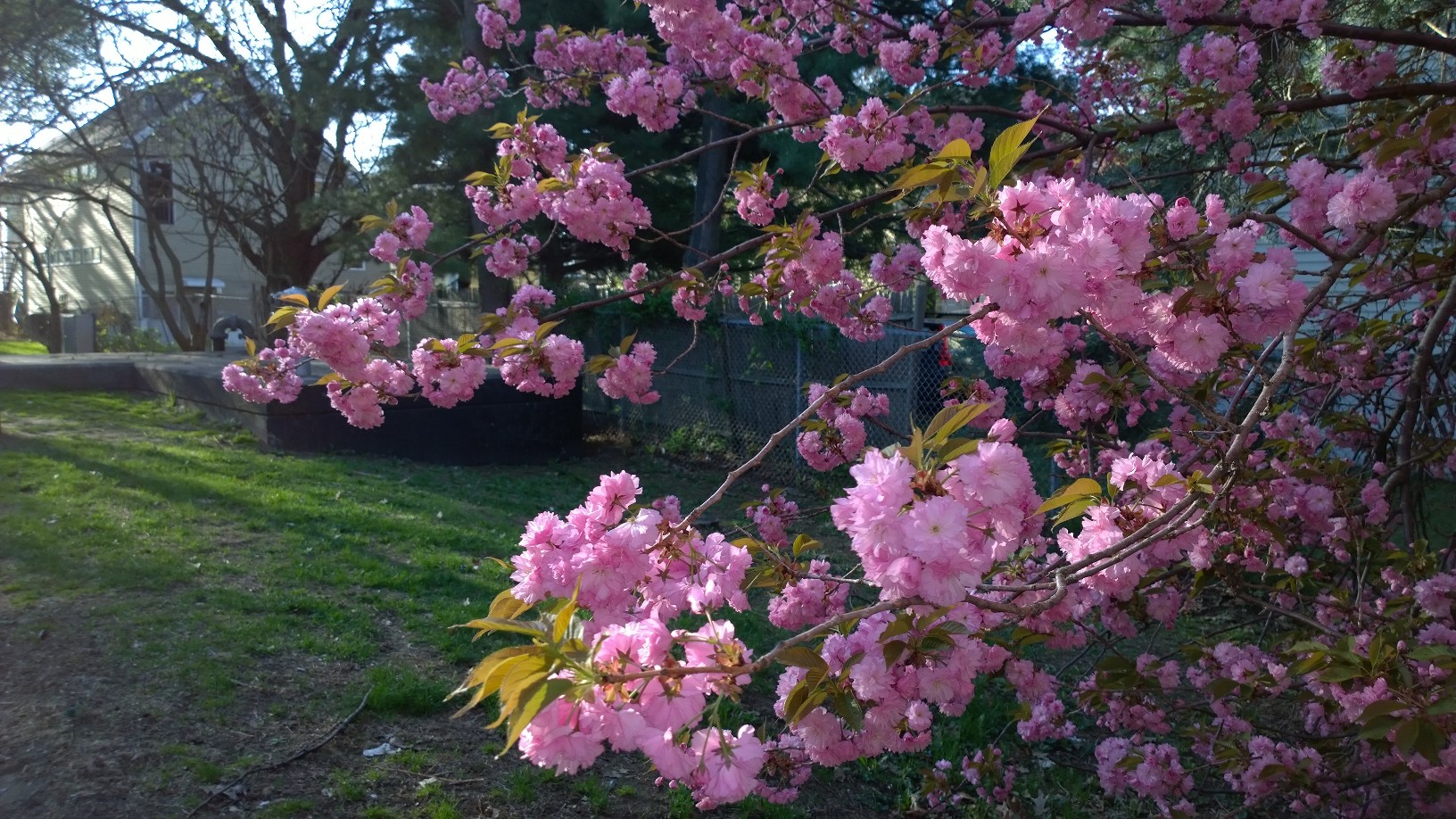
flowering-on-the-bike-pathI had such a nice walk on the bike path before work this morning! The sense of it kept coming back to me during the day.
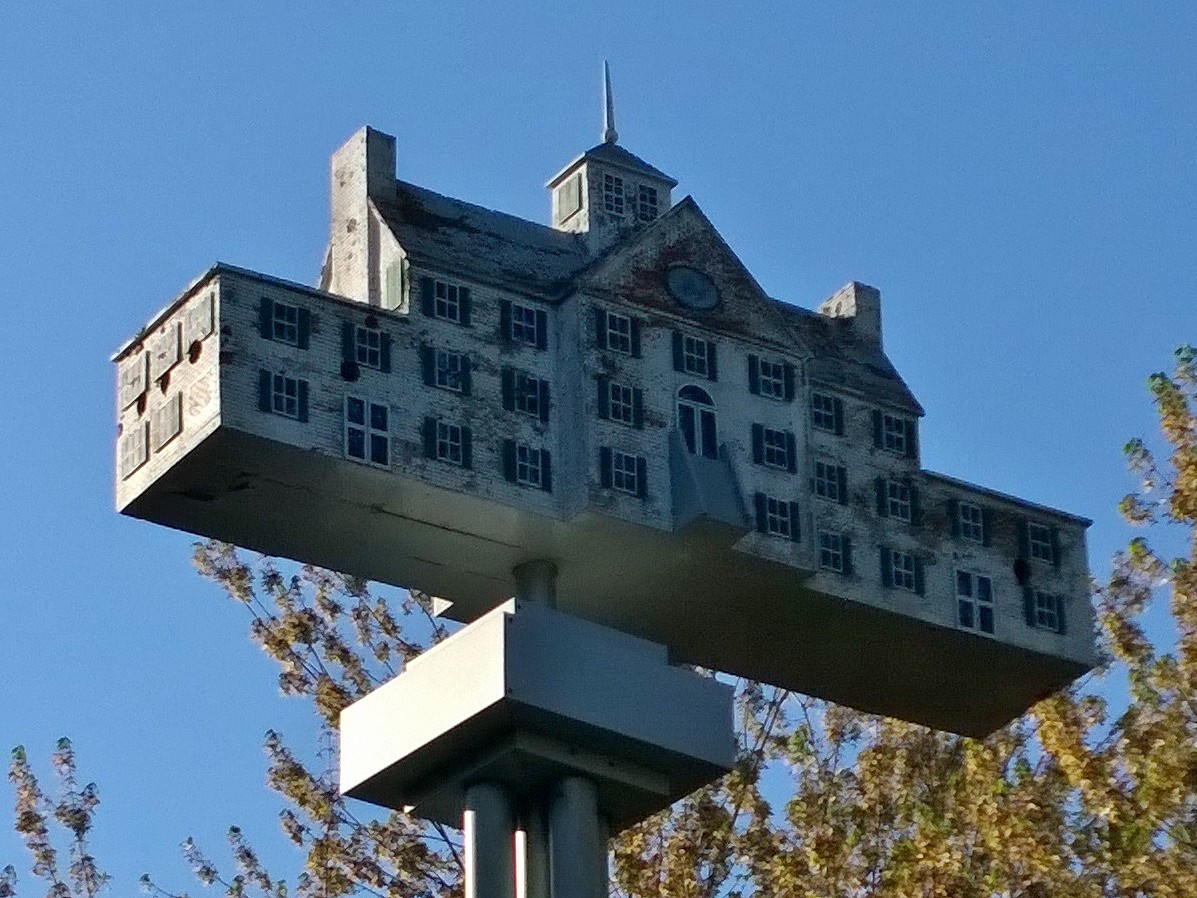
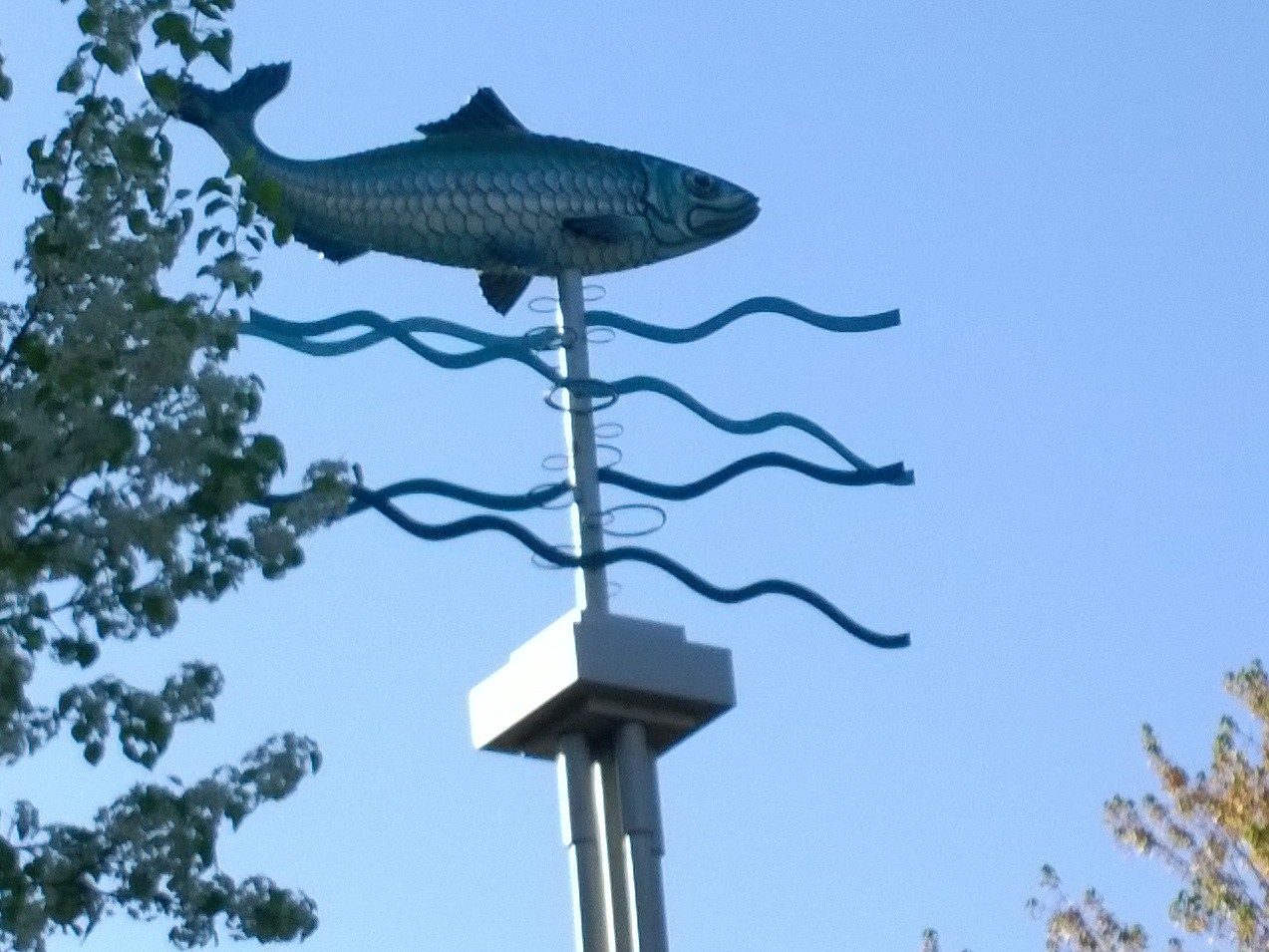
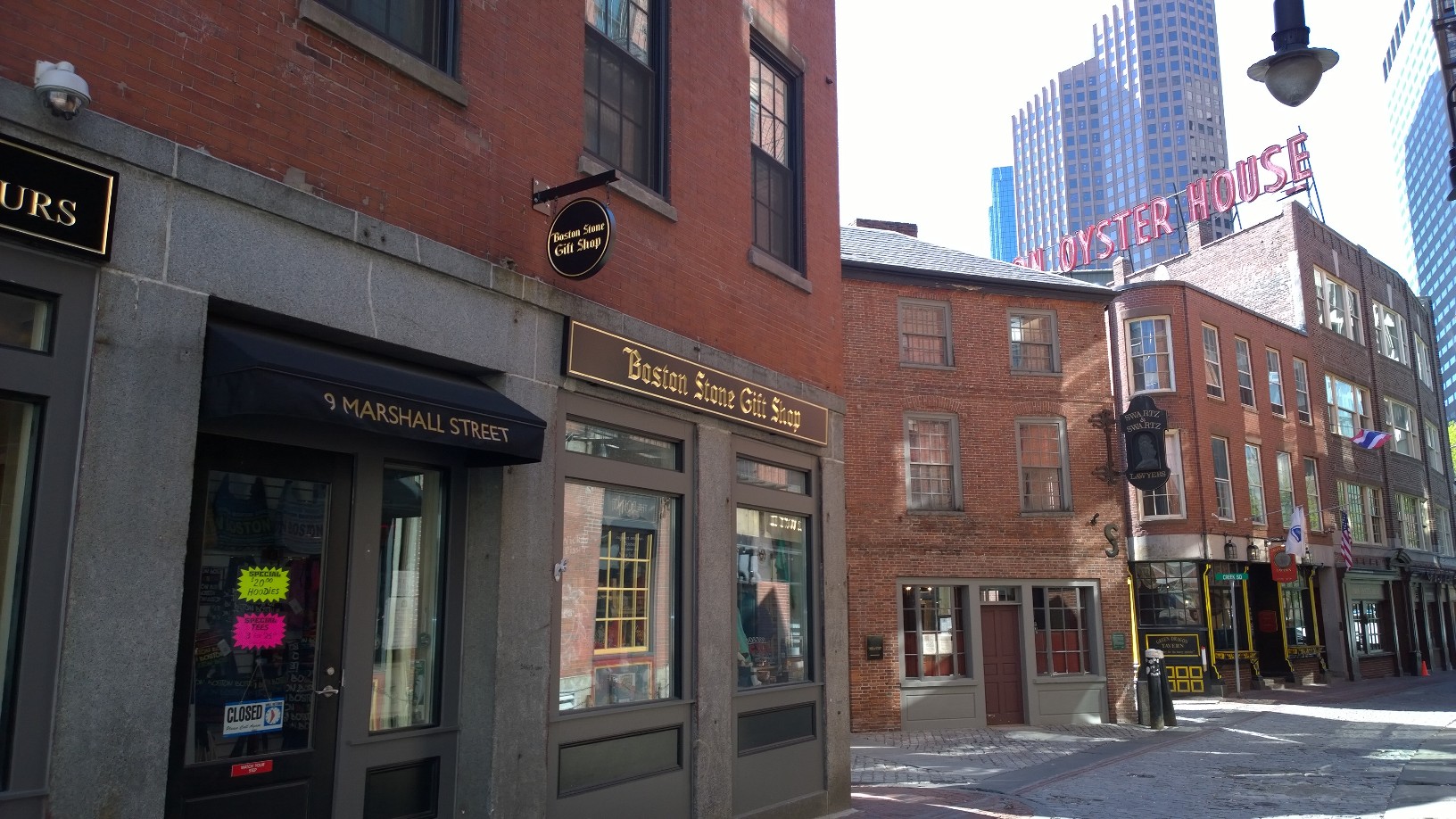
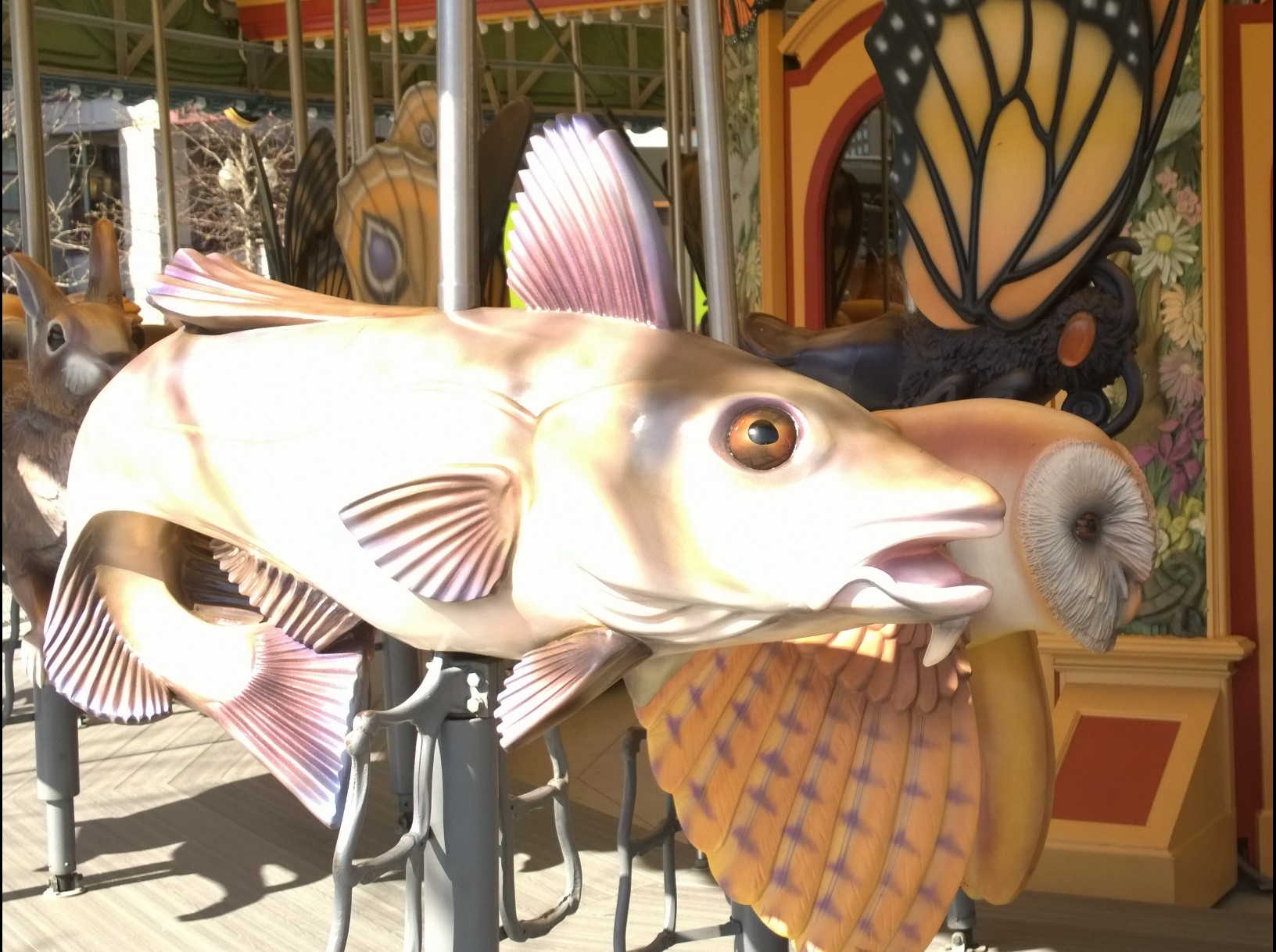
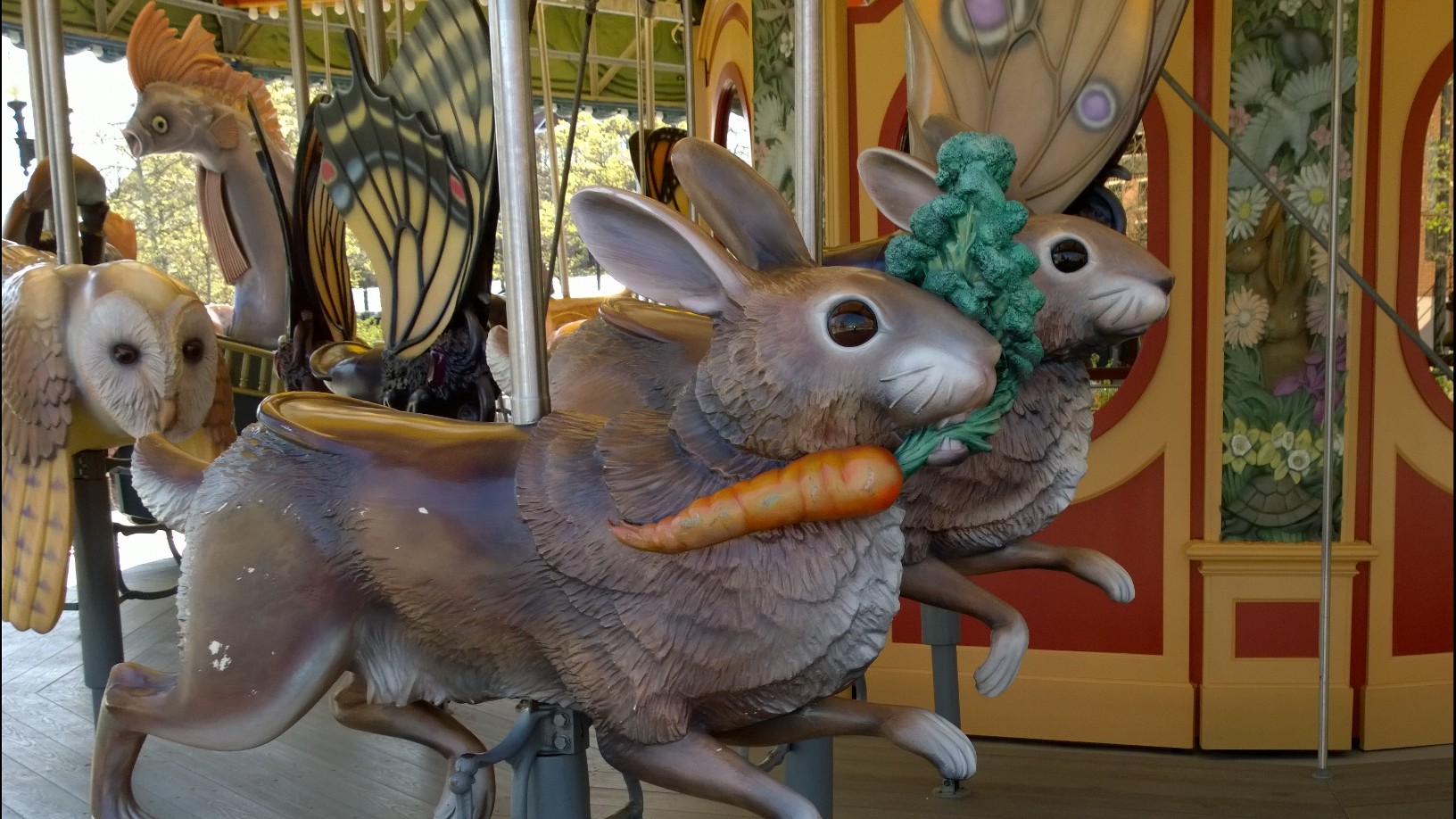
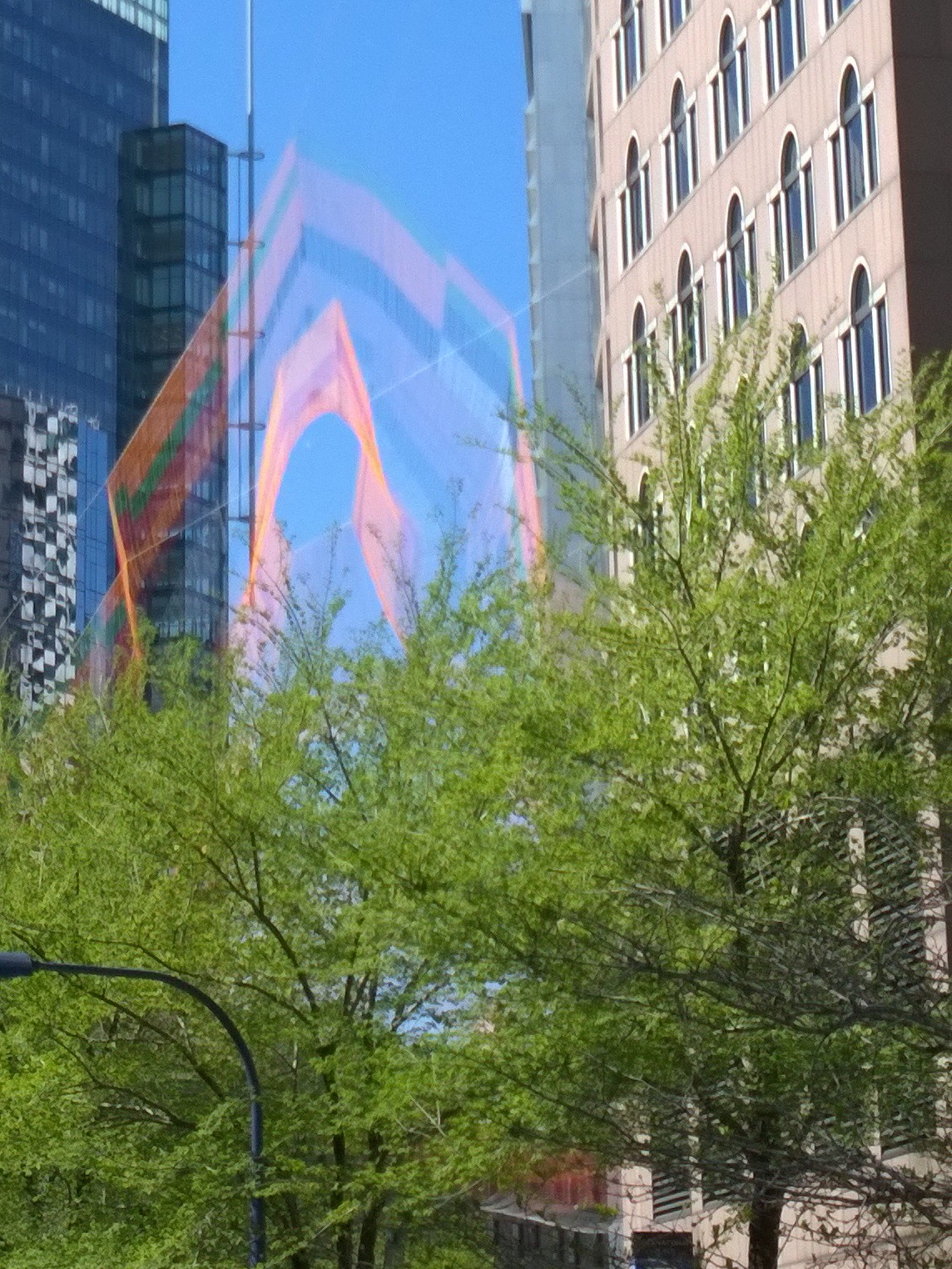
The flowering cherry photo is from that walk, as are the sculptures on flagpoles that I never noticed before. I am also sharing an amble down a Boston alley near the Oyster House, a cod racing an owl on the carousel, and two rabbits pursued by an owl, a butterfly, and some kind of sea serpent that can never catch up.
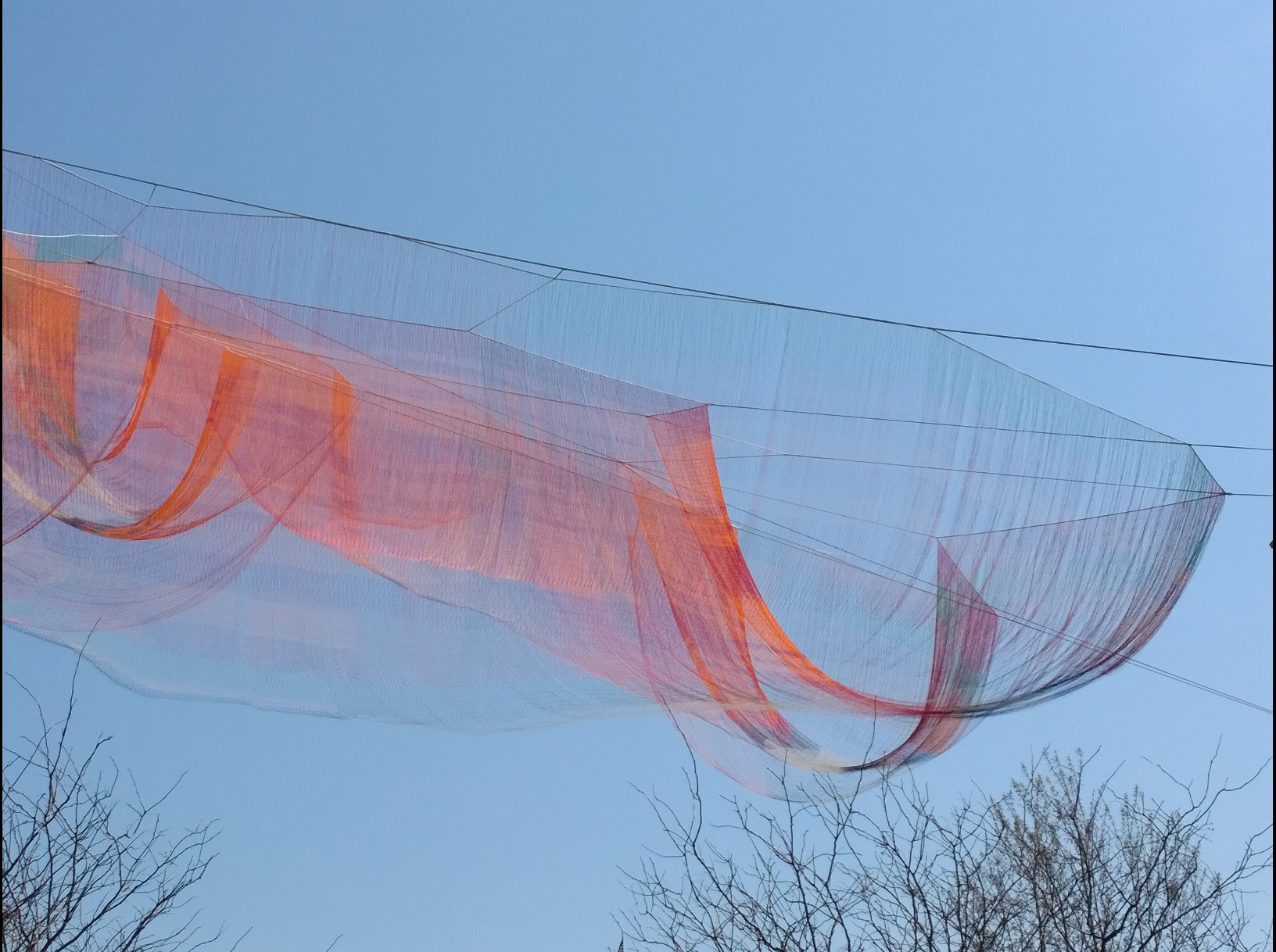
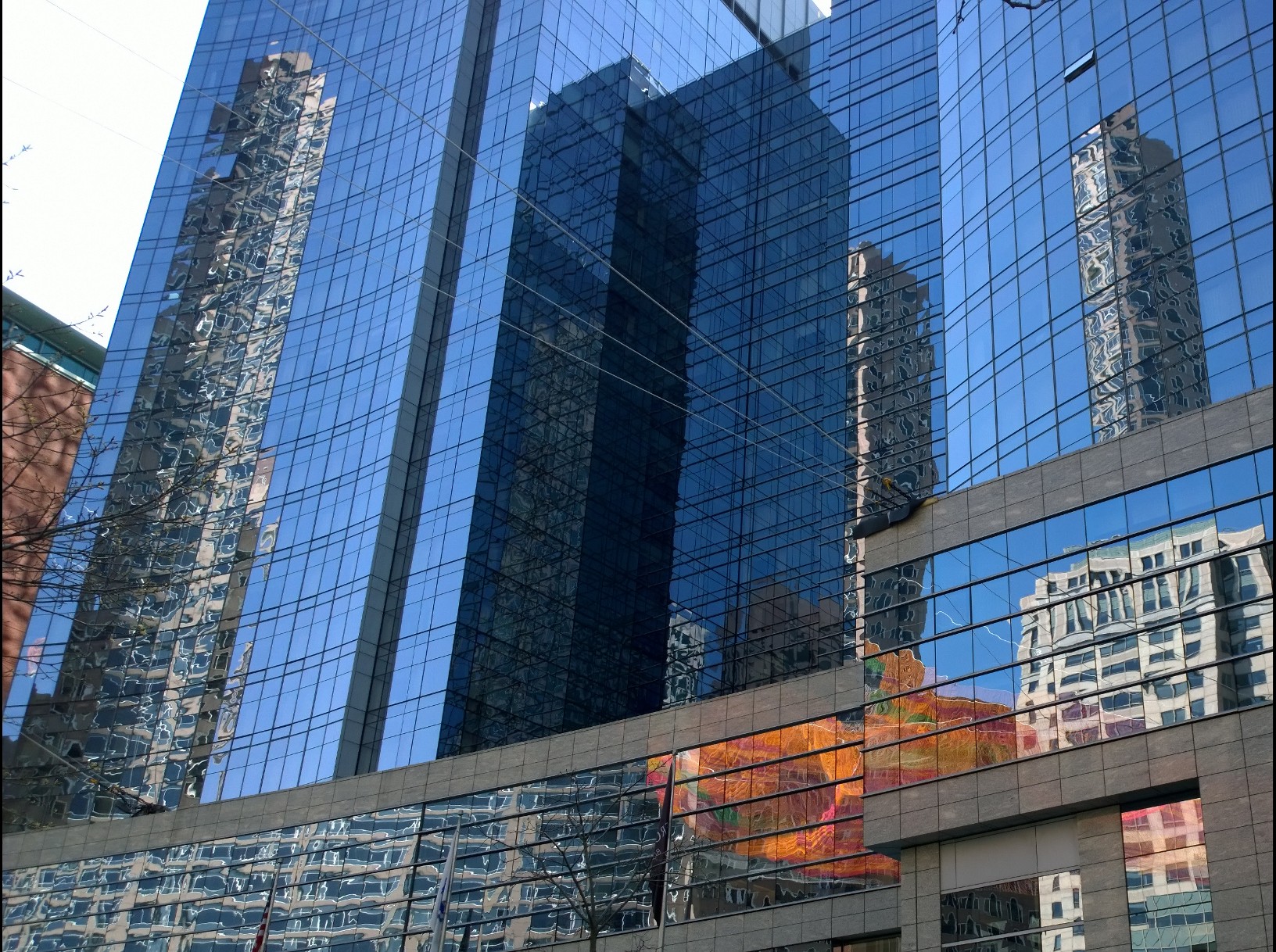
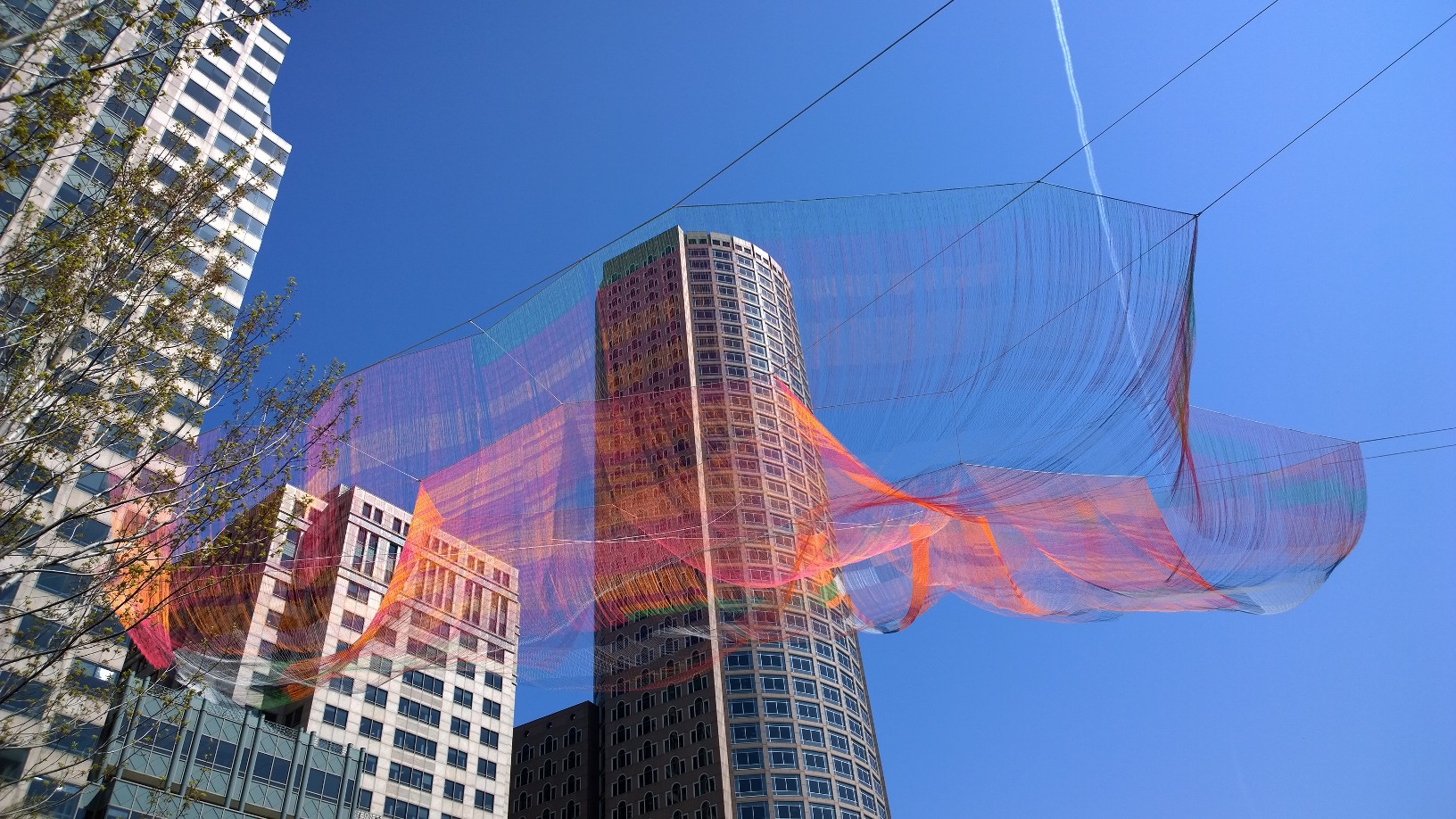
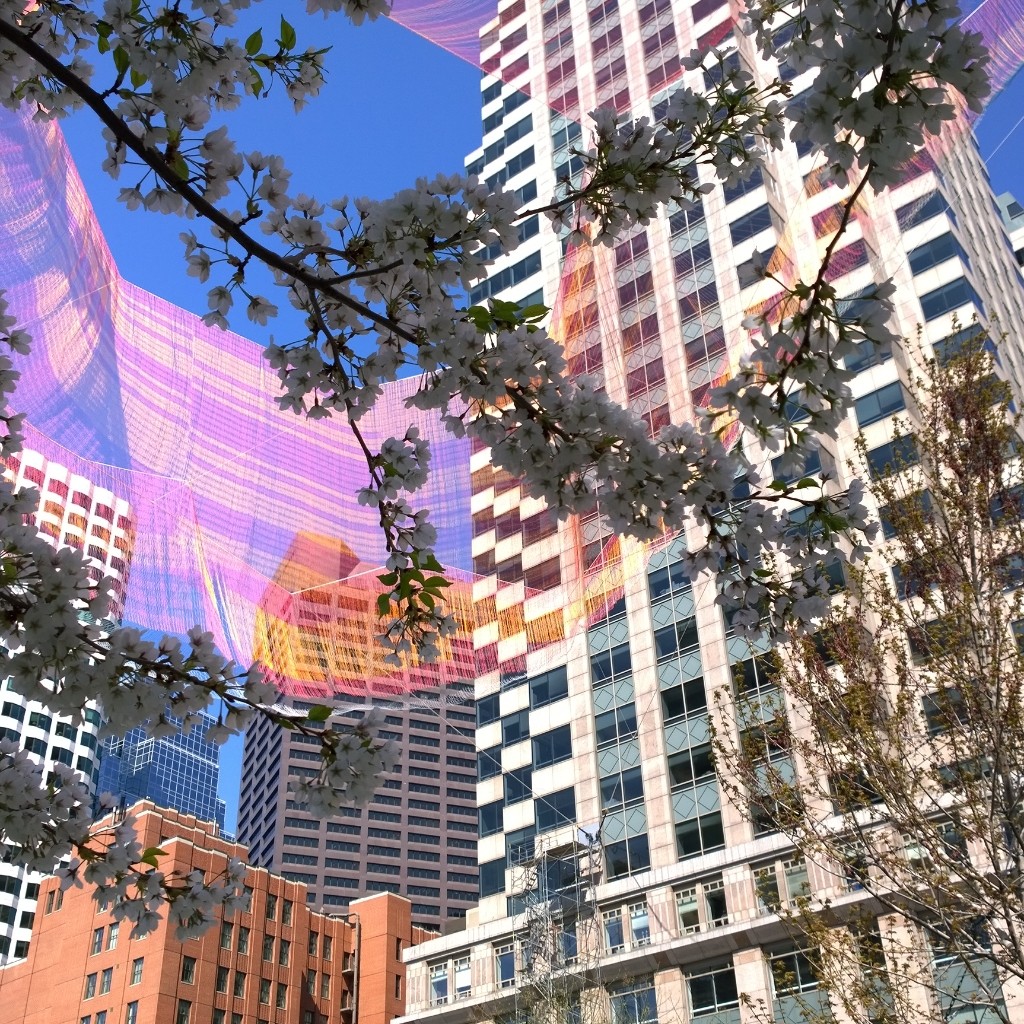
I have a new Greenway photo I’ll call Heat Rising: from every new angle, the Echelman sculpture surprises.

Finally, I can tell you that the wonderfully artsy pipe resting against my neighbor’s fence is now buried under the street.

mansion-on-a-stick

fish-on-a-stick

Oyster-House-alley

owl-and-cod-on-carousel

abbits-nec-and-neck

heat-rising-in-Greenway

pipe-will-go-under-road

Read Full Post »

My husband is into all things Iceland and Frozen North, which led to his mentioning the other day that an island much farther north than Iceland was “where the seed bank is.”

“What seed bank?” said I, running to Wikipedia.

Wikipedia answered, “The Svalbard Global Seed Vault … is a secure seed bank on the Norwegian island of Spitsbergen … 810 mi from the North Pole. Conservationist Cary Fowler, in association with the Consultative Group on International Agricultural Research (CGIAR), started the vault to preserve a wide variety of plant seeds that are duplicate samples, or ‘spare’ copies, of seeds held in gene banks worldwide. The seed vault is an attempt to insure against the loss of seeds in other gene banks during large-scale regional or global crises. …

“The Norwegian government entirely funded the vault’s approximately … $9 million construction. Storing seeds in the vault is free to end users, with Norway and the Global Crop Diversity Trust paying for operational costs. …

“Running the length of the facility’s roof and down the front face to the entryway is an illuminated work of art that marks the location of the vault from a distance. In Norway, government-funded construction projects exceeding a certain cost must include artwork. KORO, the Norwegian State agency overseeing art in public spaces, engaged the artist Dyveke Sanne to install lighting that highlights the importance and qualities of Arctic light. The roof and vault entrance are filled with highly reflective stainless steel, mirrors, and prisms. The installation reflects polar light in the summer months, while in the winter, a network of 200 fibre-optic cables gives the piece a muted greenish-turquoise and white light.”

(You’ll forgive me for taking out all the hyperlinks for terms like “Norwegian,” “global crises,” “fibre-optic cables,” and “North Pole.” Wikipedia gets carries away with hyperlinks, but you can read the whole thing here.)

May 19, 2017 update: Uh-oh. The permafrost is melting and the safe house for seeds is starting to flood: https://www.theguardian.com/environment/2017/may/19/arctic-stronghold-of-worlds-seeds-flooded-after-permafrost-melts.

Photo: NordGen/Dag Terje Filip Endresen
Entrance to Svalbard Global Seed Vault in 2008

Read Full Post »

The Providence-based Capital Good Fund, which helps low-income folks get on their feet financially, has been testing an interesting fund-raising idea. Participating artists donate to the Capital Good Fund half the proceeds of a work that they sell through the fund’s platform. The art offerings change every few weeks. I include one example below, and there are more at https://squareup.com/market/cgfund. The selections feature a range of styles. Some works are representational, others impressionistic or abstract.

The organization’s website explains its mission: “Capital Good Fund is a nonprofit, certified Community Development Financial Institution that takes a holistic approach to fighting poverty. We offer small loans and one-on-one Financial & Health Coaching to hard-working families in America. Our mission is to provide equitable financial services that create pathways out of poverty.” More here and here.

The Rhode Island Foundation posts at its own blog about its latest partnership with the Capital Good Fund, an initiative designed to overcome the incentives that drive people to costly payday lenders. Read about that here.

Art: Carol C. Young
Barn on Robin Hill, 11″ x 11″ Giclée, limited edition signed print

Read Full Post »

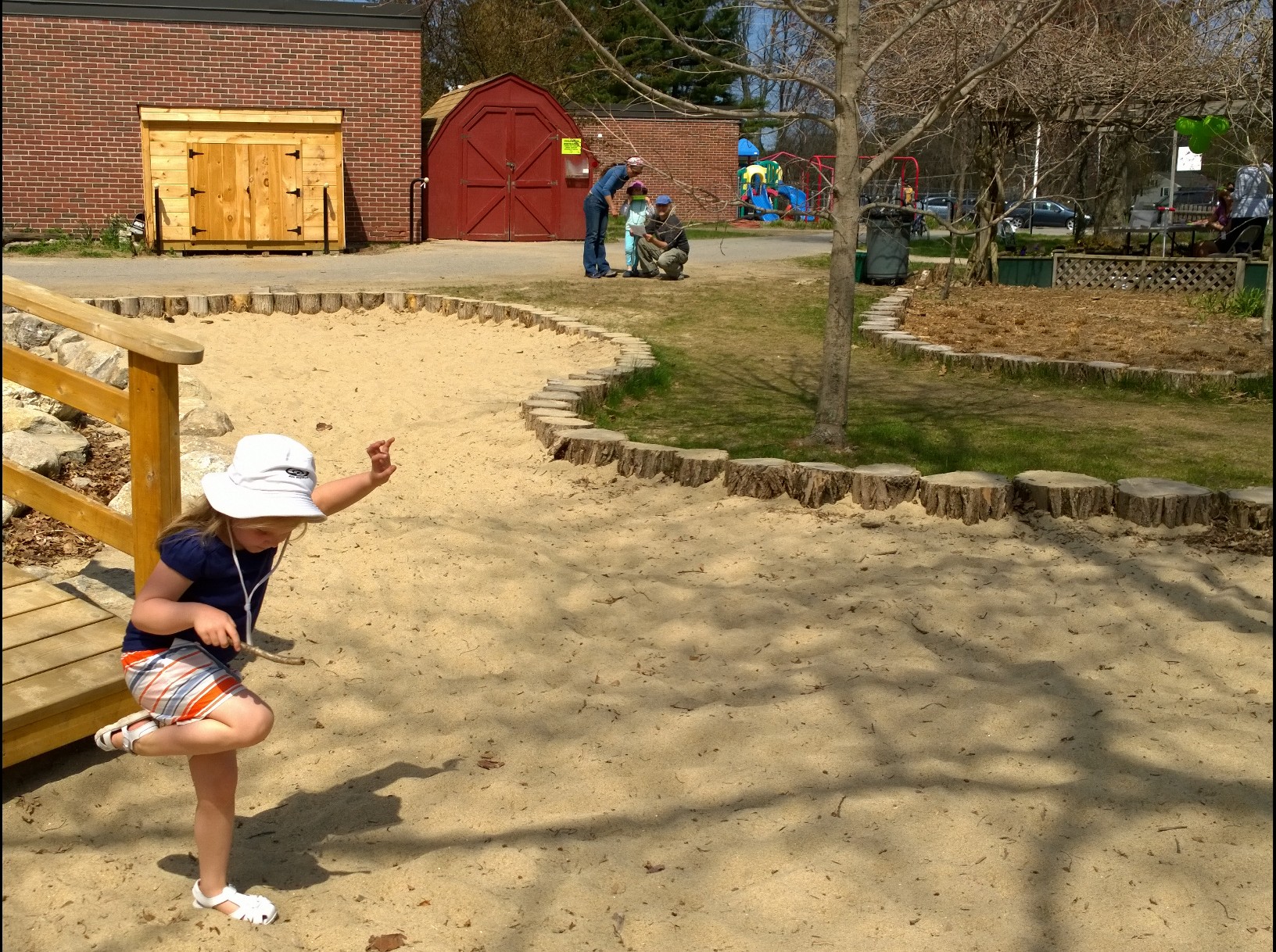
giant-sandbox-at-playscape

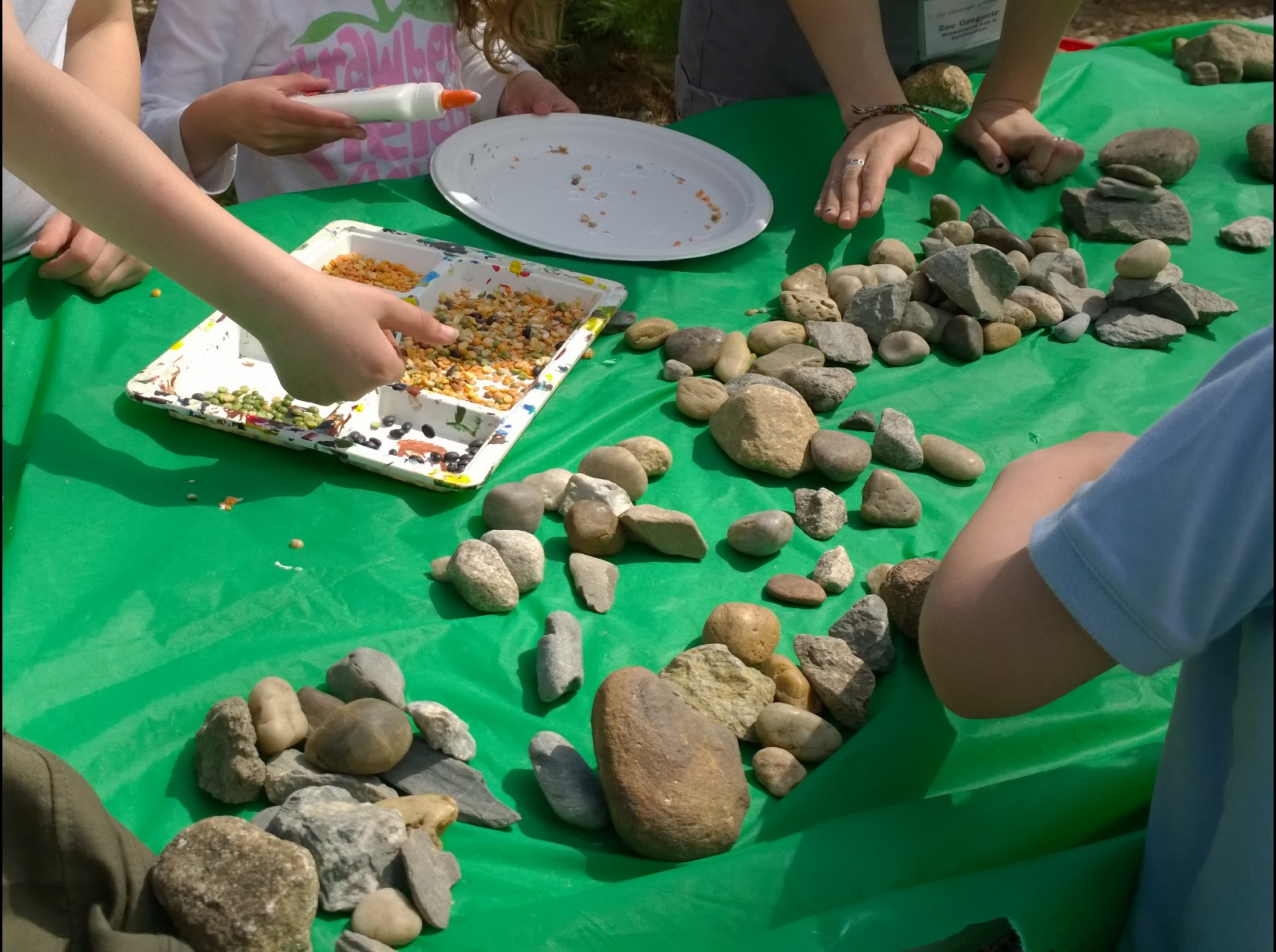
gluing-nature-collage

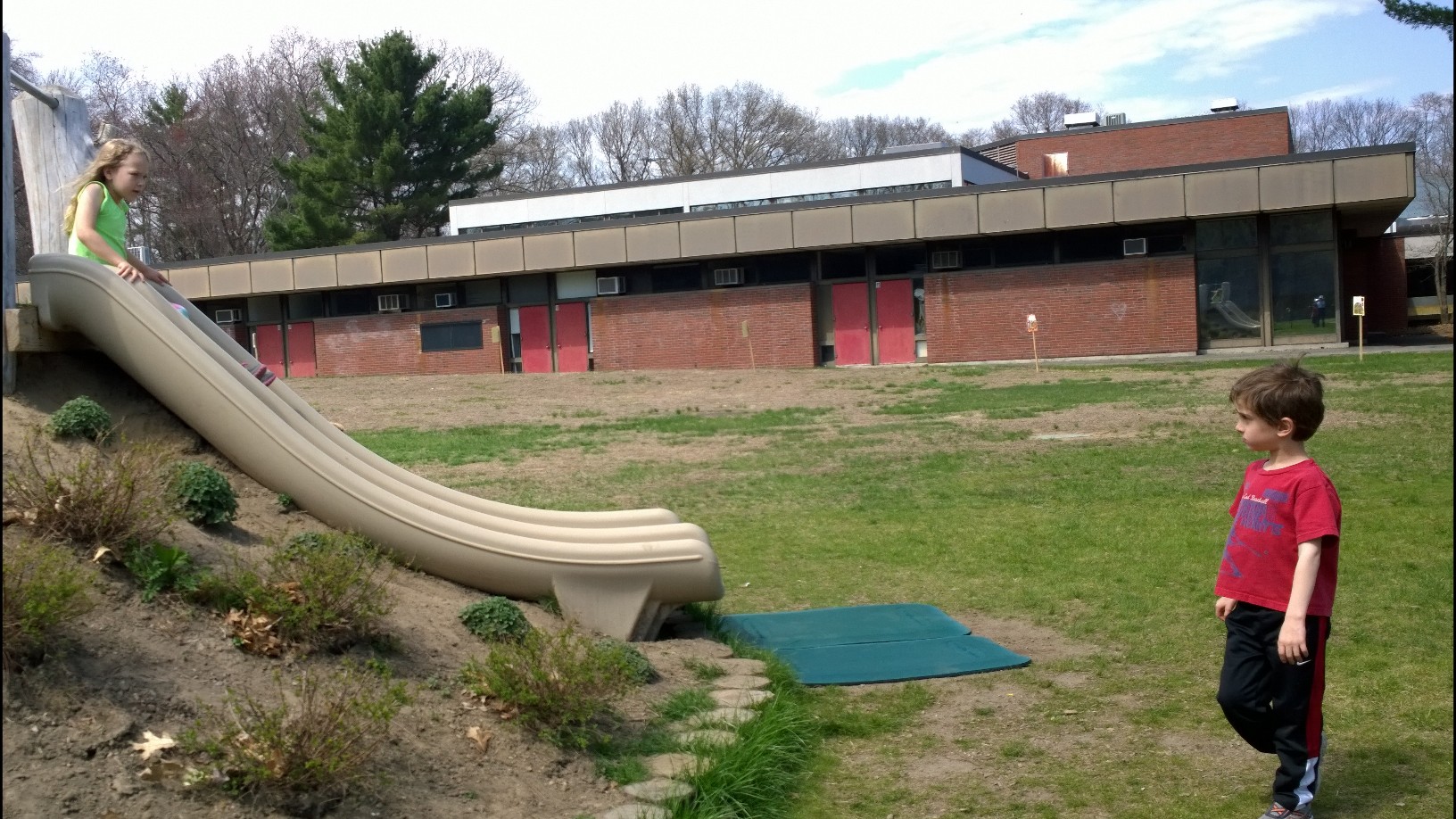
slide-at-Ripley-Playscape

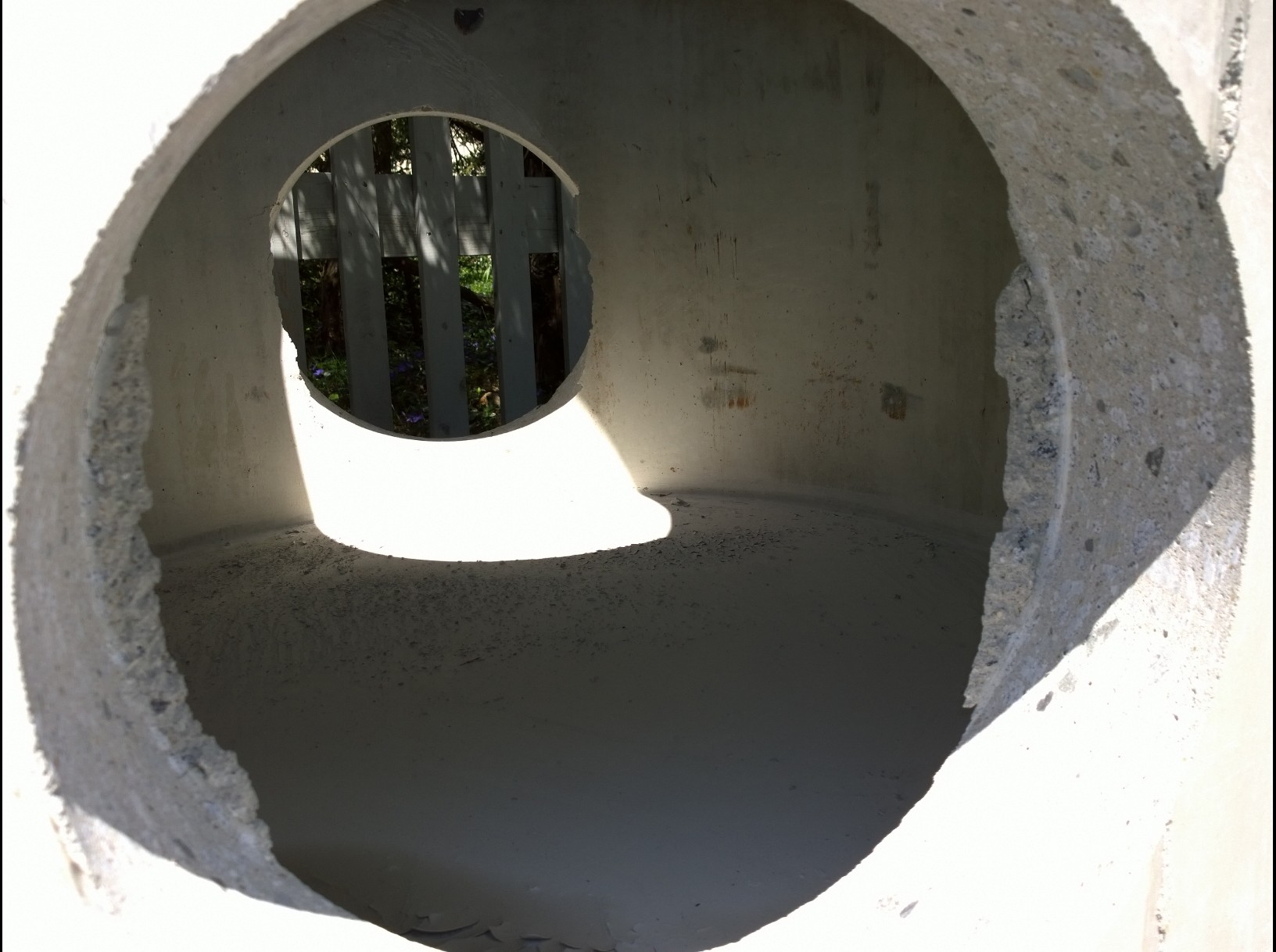
I wrote about the early stages of the Playscape at the Ripley School three years ago, here. The idea of the playscape was to incorporate nature activities into a playground. An open house was held last Sunday, and I saw lots of children, parents, and grandparents checking it out.

Perhaps because it was early in the season, perhaps because an open house seems to call for planned activities, it was hard to see if there were enough attractions available for exploring nature on quieter days. Of course, I grew up on the edge of an orchard, a forest, and a mountain, and no one told us kids how to have fun there. Anything less in nature play seems sparse.

One thing I liked was not really an interaction with nature except that you had to walk through a field to engage. It was the story walk for Lynne Cherry’s picture book on a groundhog who learns to make his own garden rather than help himself to other people’s. The laminated page spreads on posts around the field were charming and had lots of useful details about plants and seeds.

A gardening friend on my commuter train was very glad to hear the groundhog learned to grow his own food and leave hers alone.

Read Full Post »

From every angle, the luminous art floating over the Rose Kennedy Greenway suggests a unique story. Fire in the sky, fishing nets for spirits, a voice saying, “look up,” magic, the Aurora Borealis. I don’t think words capture it.

Karissa Rosenfield at Architecture Daily writes, “Janet Echelman‘s latest aerial sculpture has been suspended 365 feet above Boston’s Rose Kennedy Greenway. On view through October 2015, the monumental spans 600 feet, occupying a void where an elevated highway once divided the city’s downtown from its waterfront. …

“The fluid structure is made by hand-splicing rope and knotting twine into an interconnected mesh of more than a half-million nodes. Though the rope structure is incredibly strong, it appears to be as delicate as lace, floating above the Greenway’s traffic and pedestrian park.” More at ArchDaily.com.

The locals talk a lot about making Boston “a world-class city.” The most likely route for that could be through art that embraces everyone. Walking under this sculpture and seeing people’s faces light up makes you realize that public art really is for everyone. Whether you work in one of the office buildings nearby or sleep on a park bench at night.

There’s more on Janet Echelman at her website.  Tonight they will be lighting up the sculpture.

i-will-make-you-fishers-of-men

beauty-ennobling-commerce

fire-rising-over-Boston

Magic-in-the-air

Read Full Post »

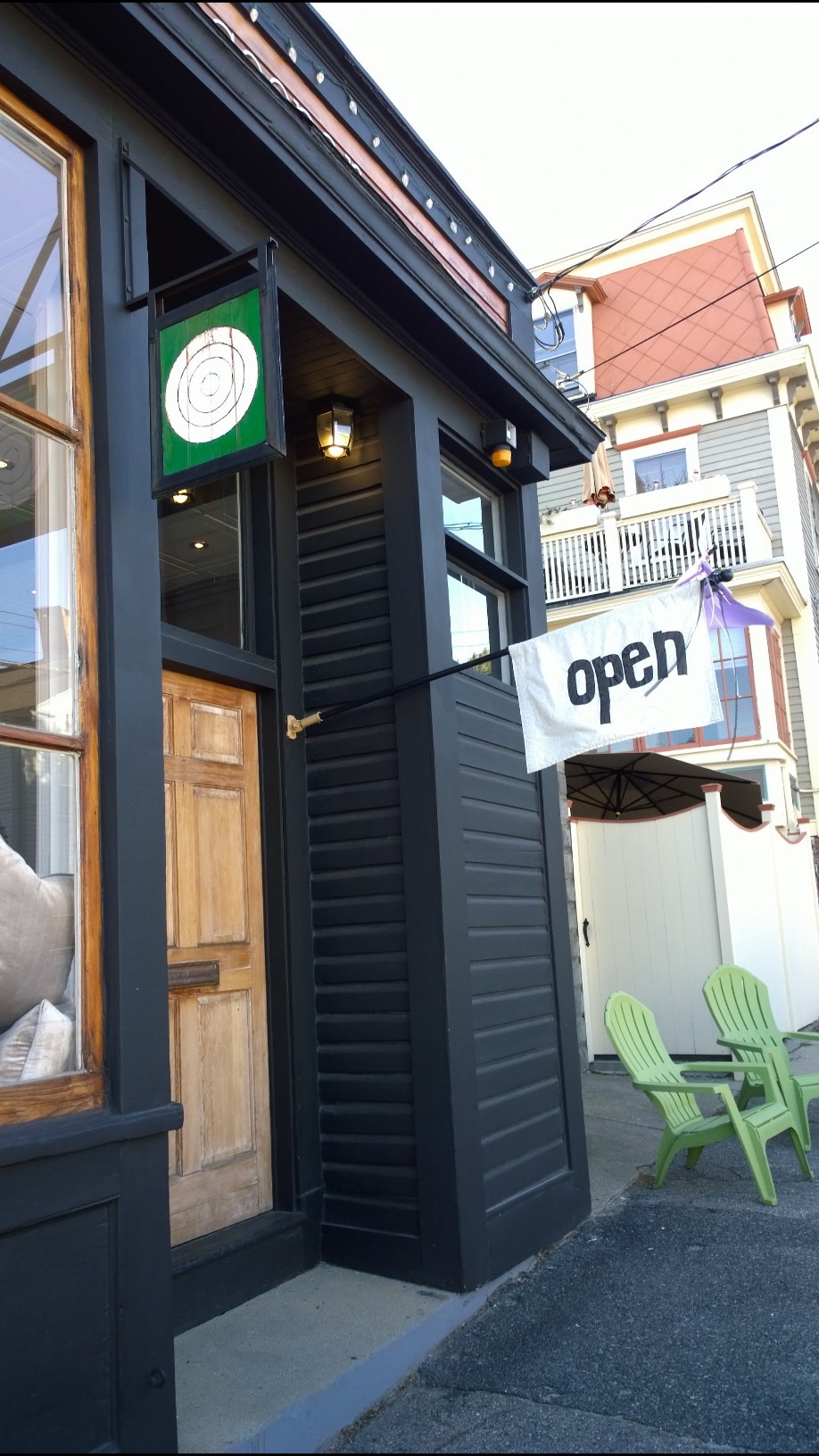
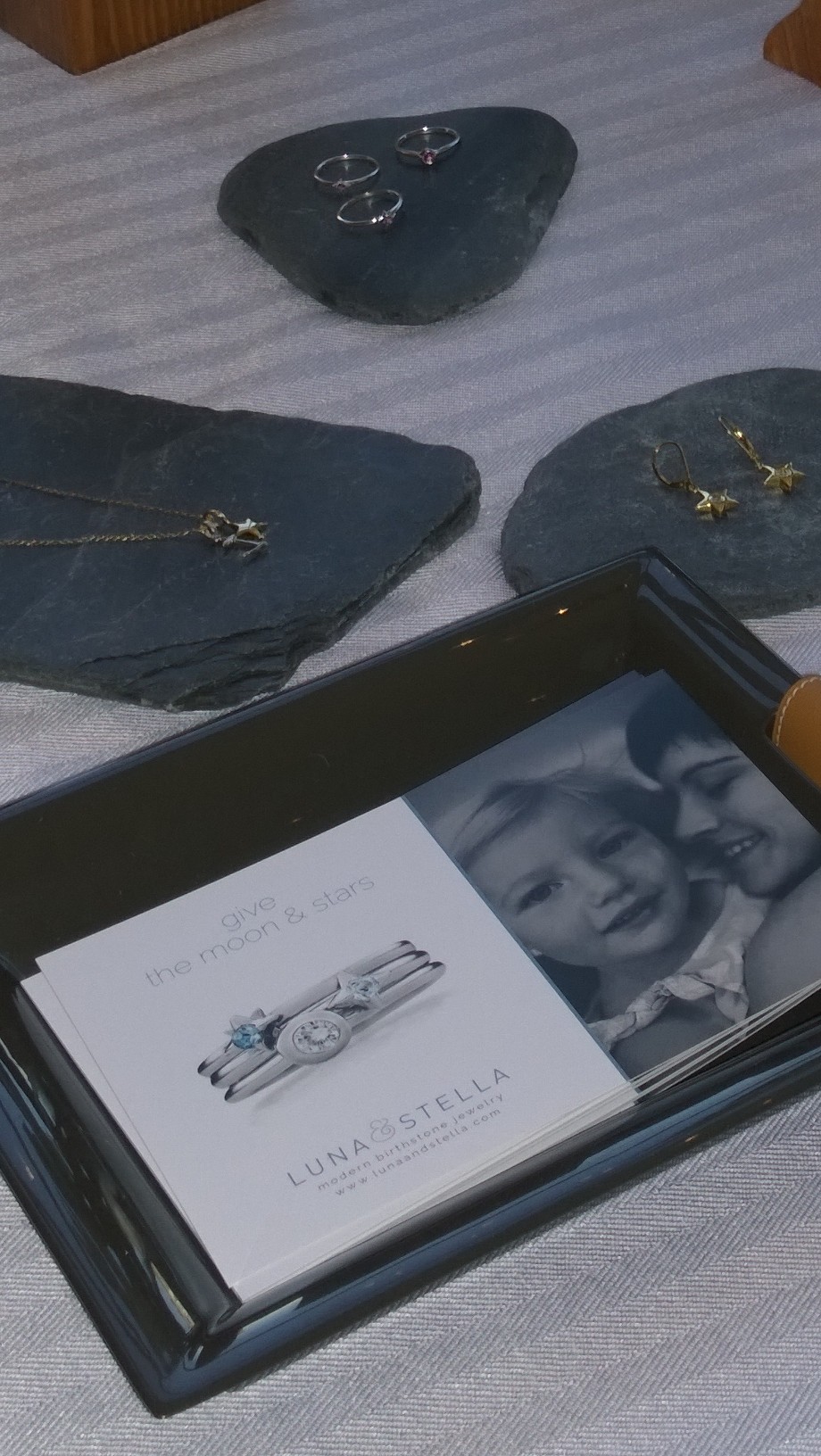
Suzanne’s pre-Mother’s Day trunk show at Talulah Cooper in Providence went really well. It didn’t hurt that the weather was gorgeous and everyone wanted to be out walking around. I went down to help Erik with the kids. He bought two pints of ice cream for his 3-year-old, having learned that less ice cream gets eaten when it looks like too much.

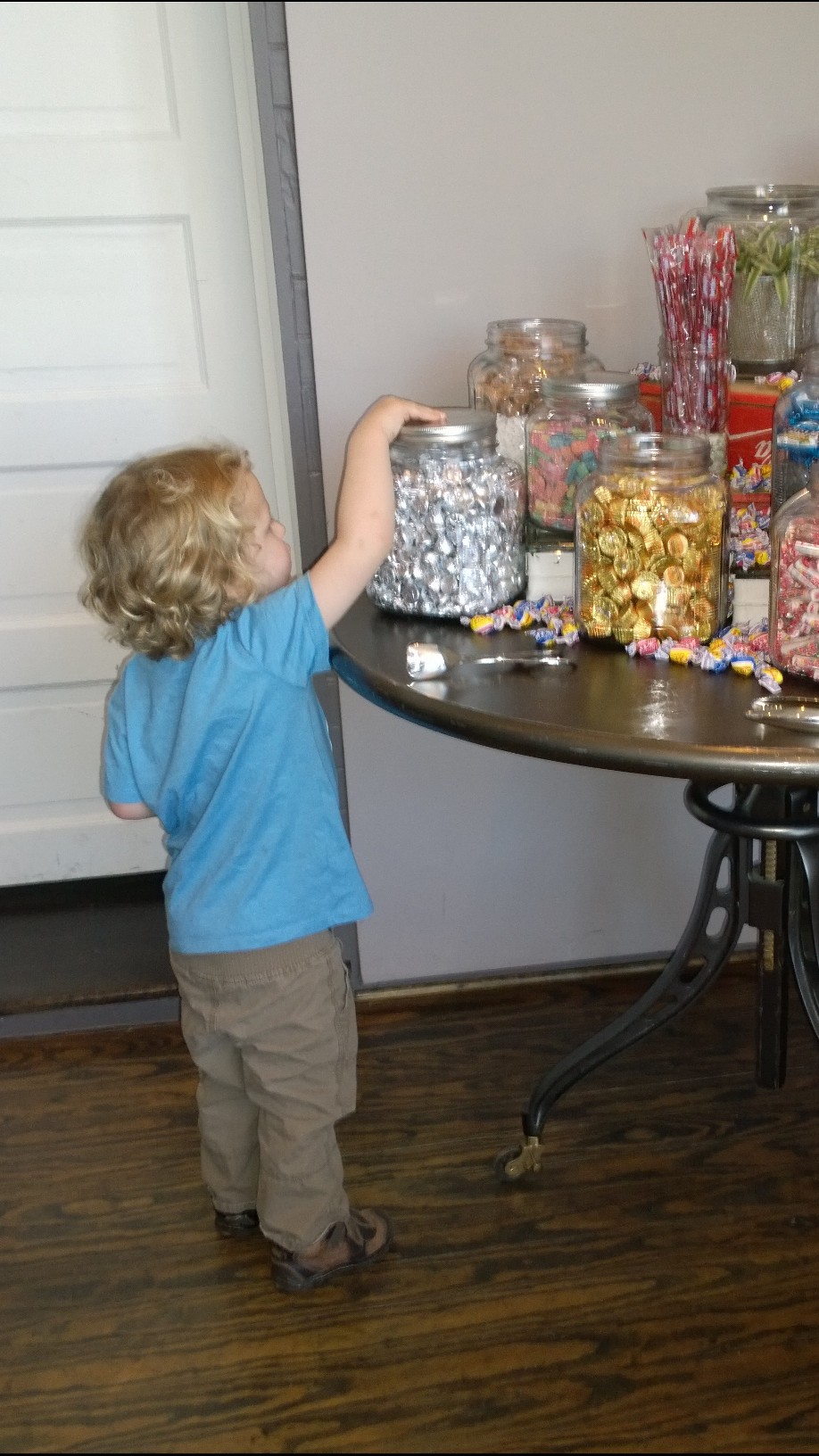
Hayley at Talulah had a free penny candy corner to attract shoppers who have little kids — and to let the world know that she likes having children in the Traverse Street store and doesn’t care about things like fingerprints on glass cases.

A young woman whose navy-veteran dad had died recently decided to give the Luna & Stella anchor charm to her mother next Sunday on Mother’s Day That’s the charm that sends five dollars to the Rhode Island Foundation. Many people bought birthstone charms.

talulah-cooper-providence

trunk show

Luna-Stella-trunk-show

extras-at-the-trunk-show

Read Full Post »

The snowstorms were great for pictures, but spring seems to bring photo ops everywhere you turn.

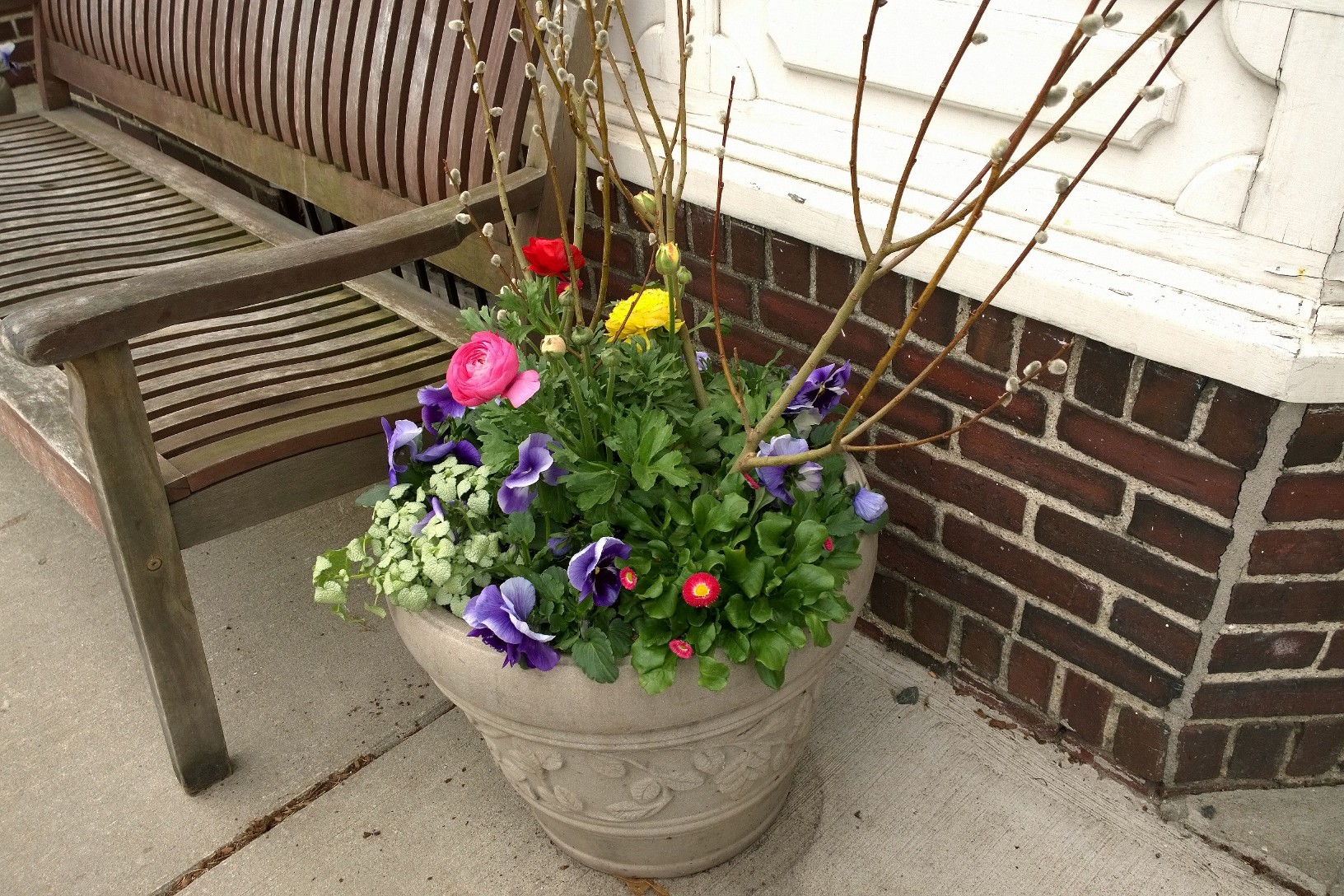
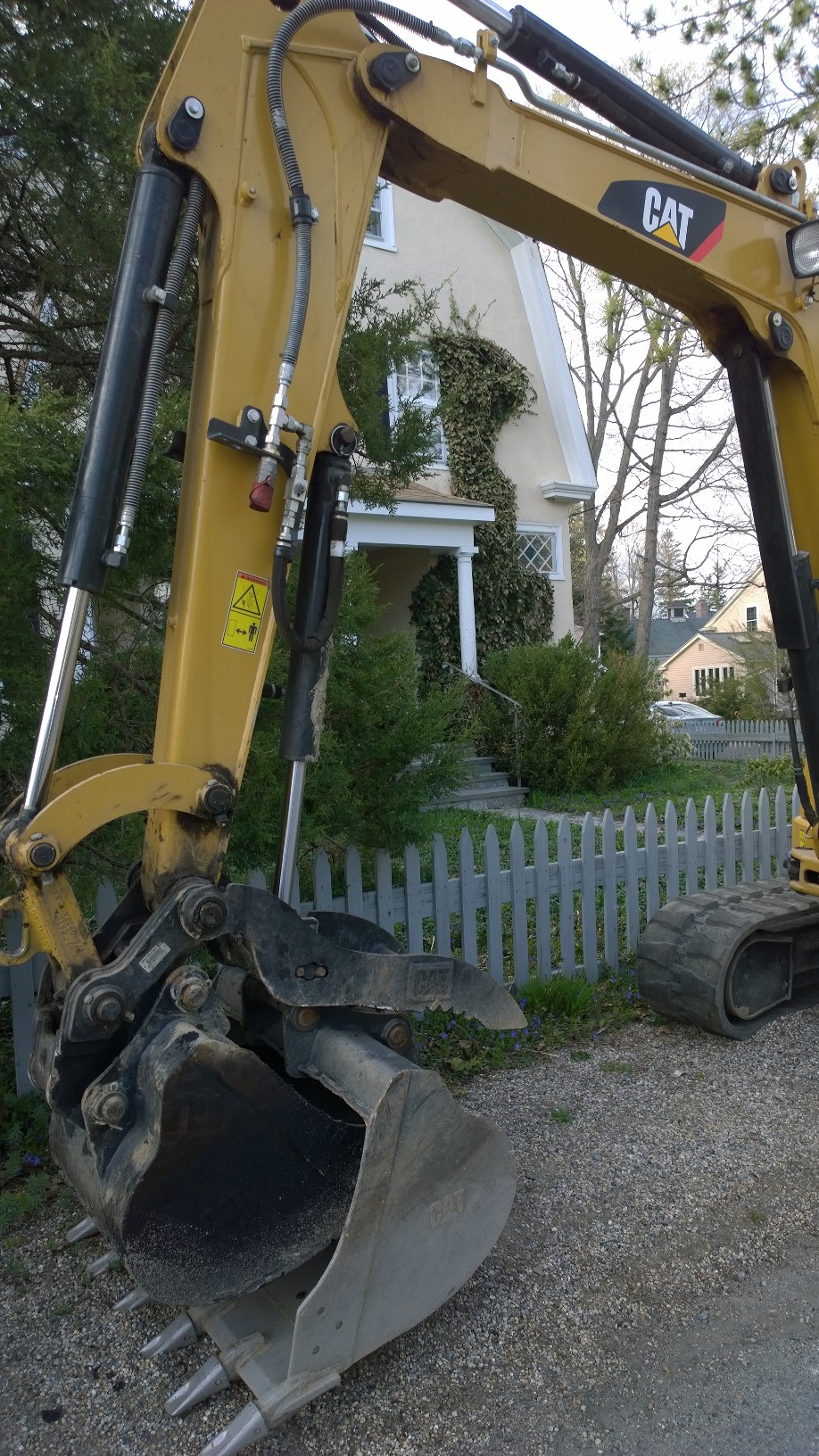
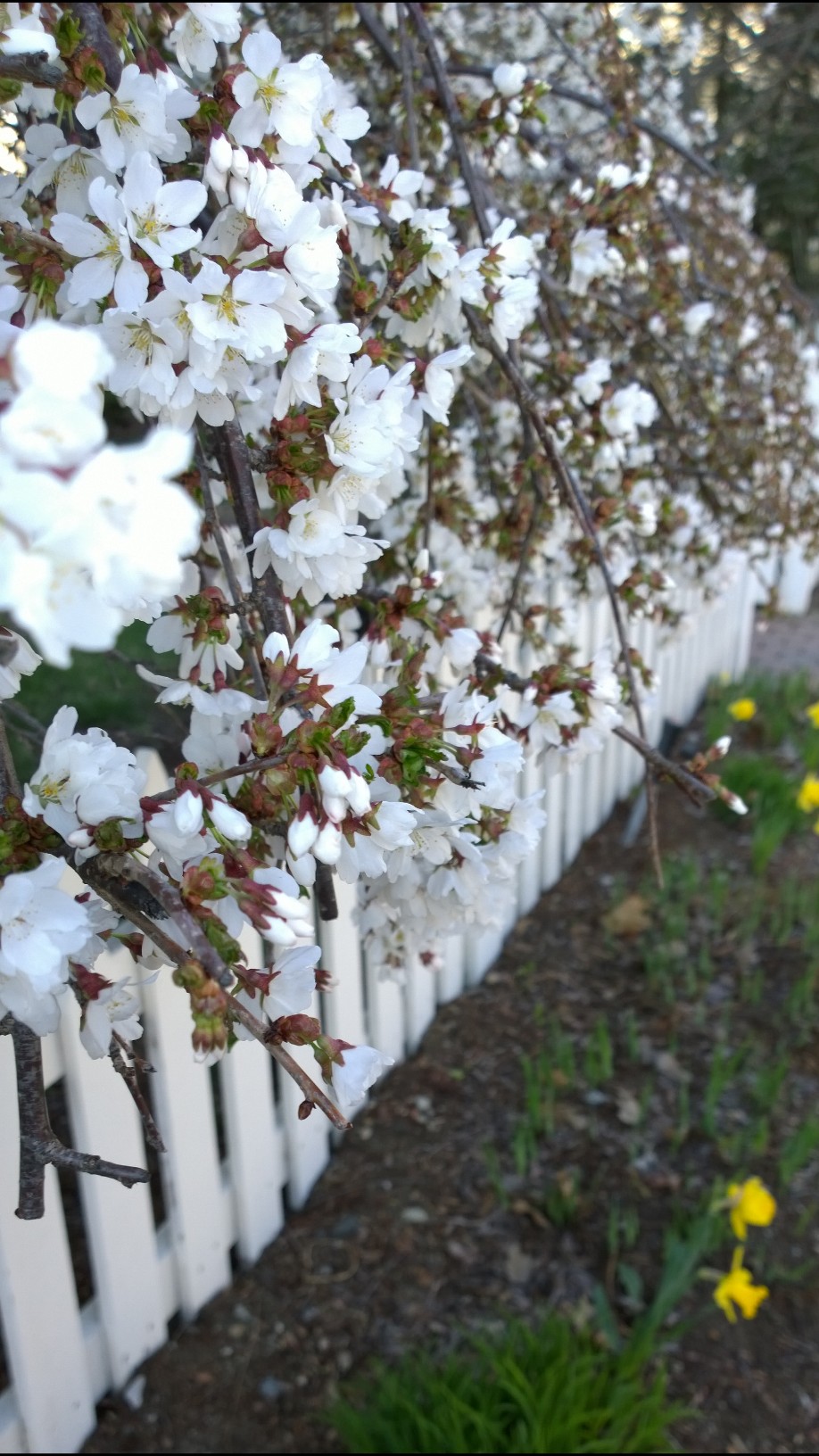
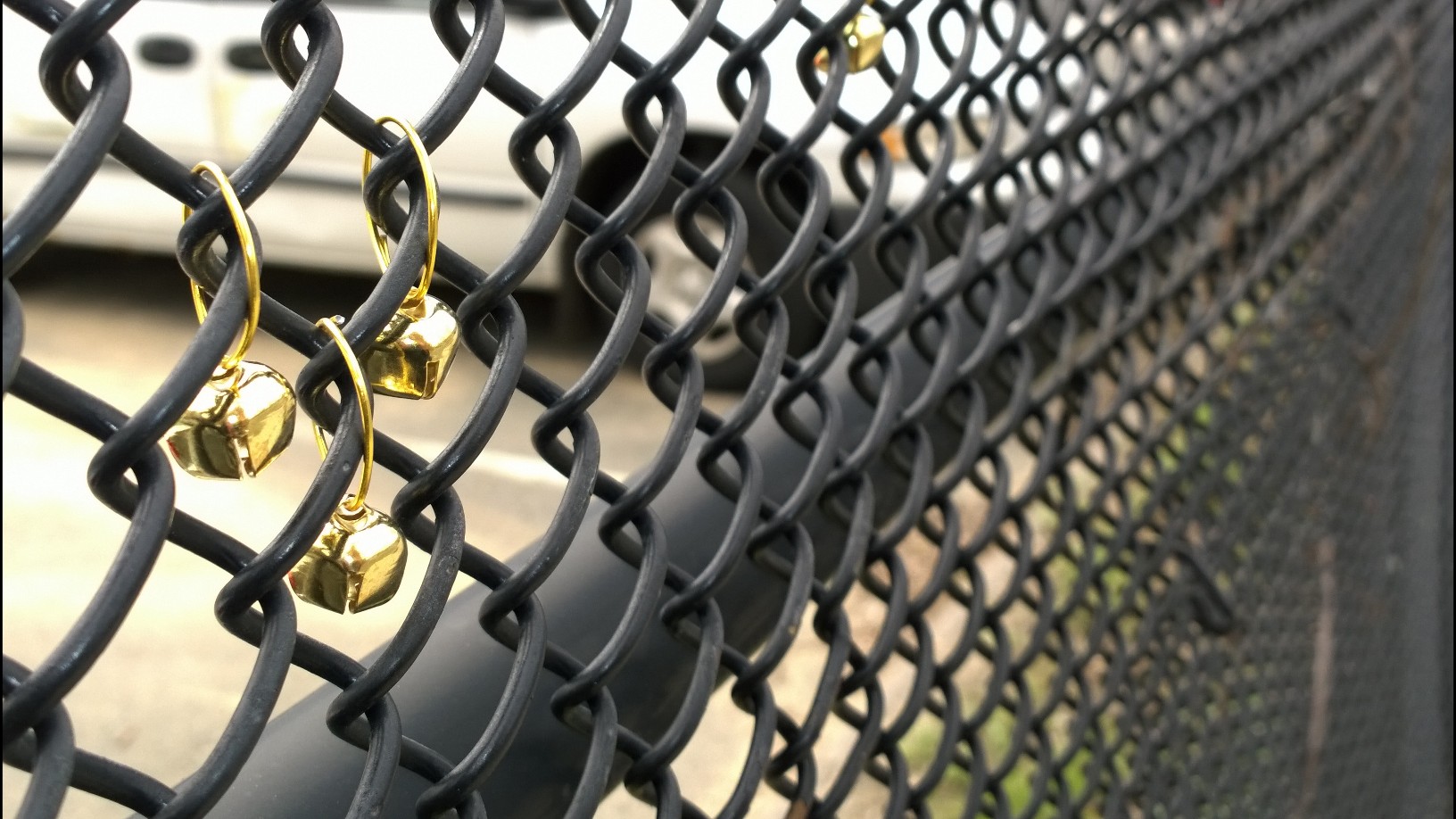
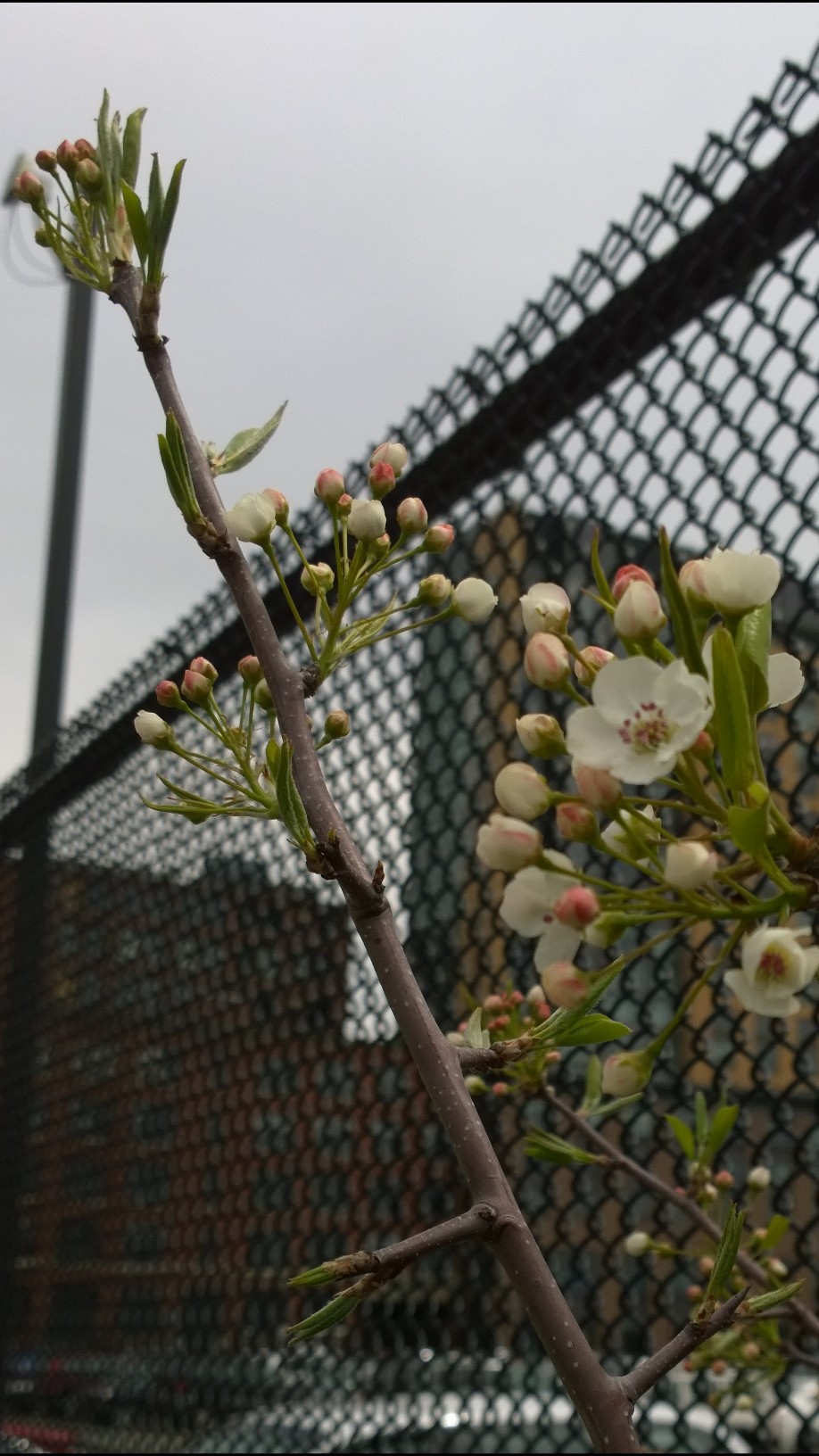
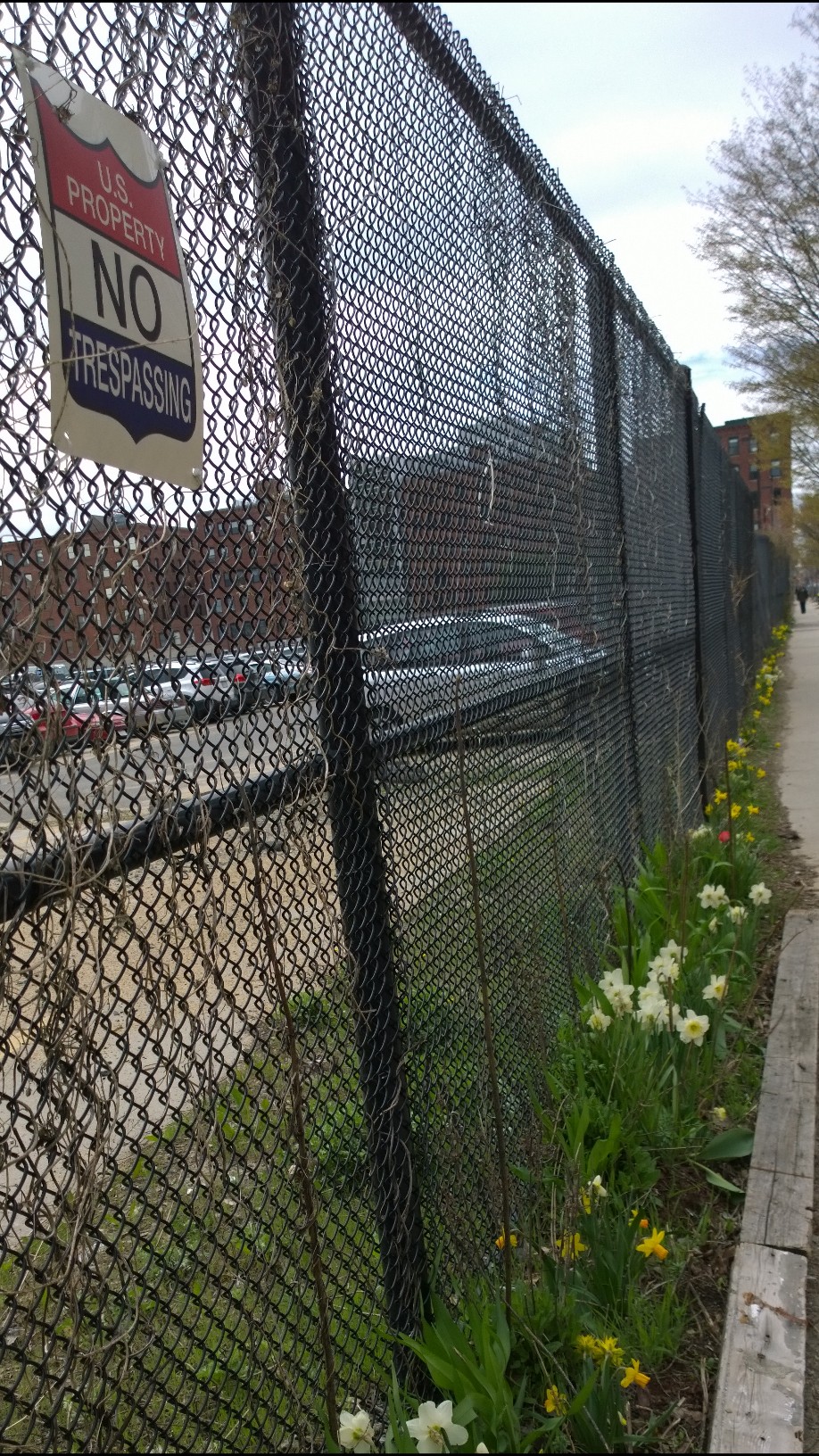
Here you have a flower pot outside Sally Ann Bake Shop, my neighbor’s weeping cherry, an excavator at my house, a utilitarian fence that is always being decorated by Fort Point artists (this time with bells) or by nature (a flowering tree) or the government (“No Trespassing”).

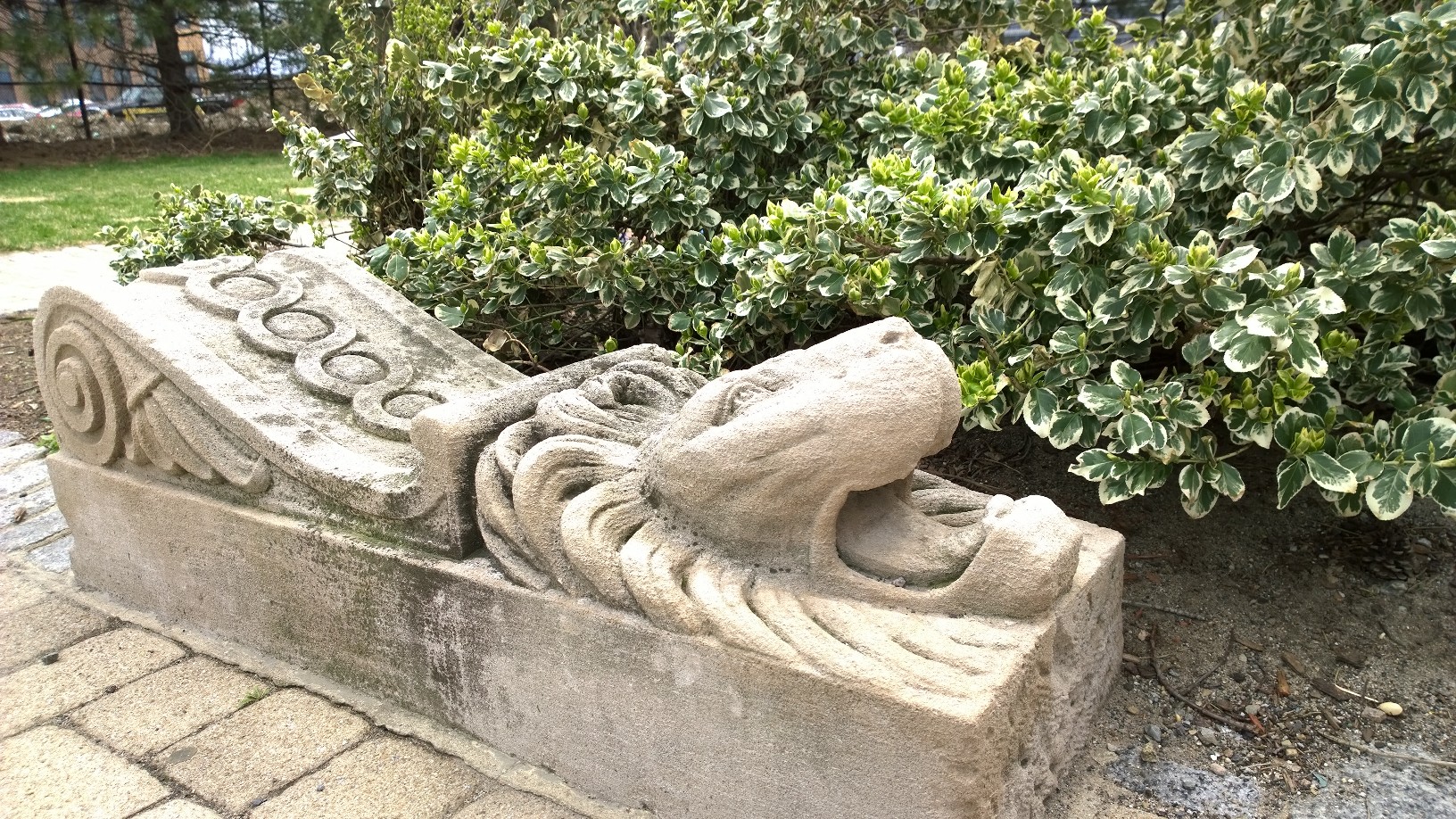
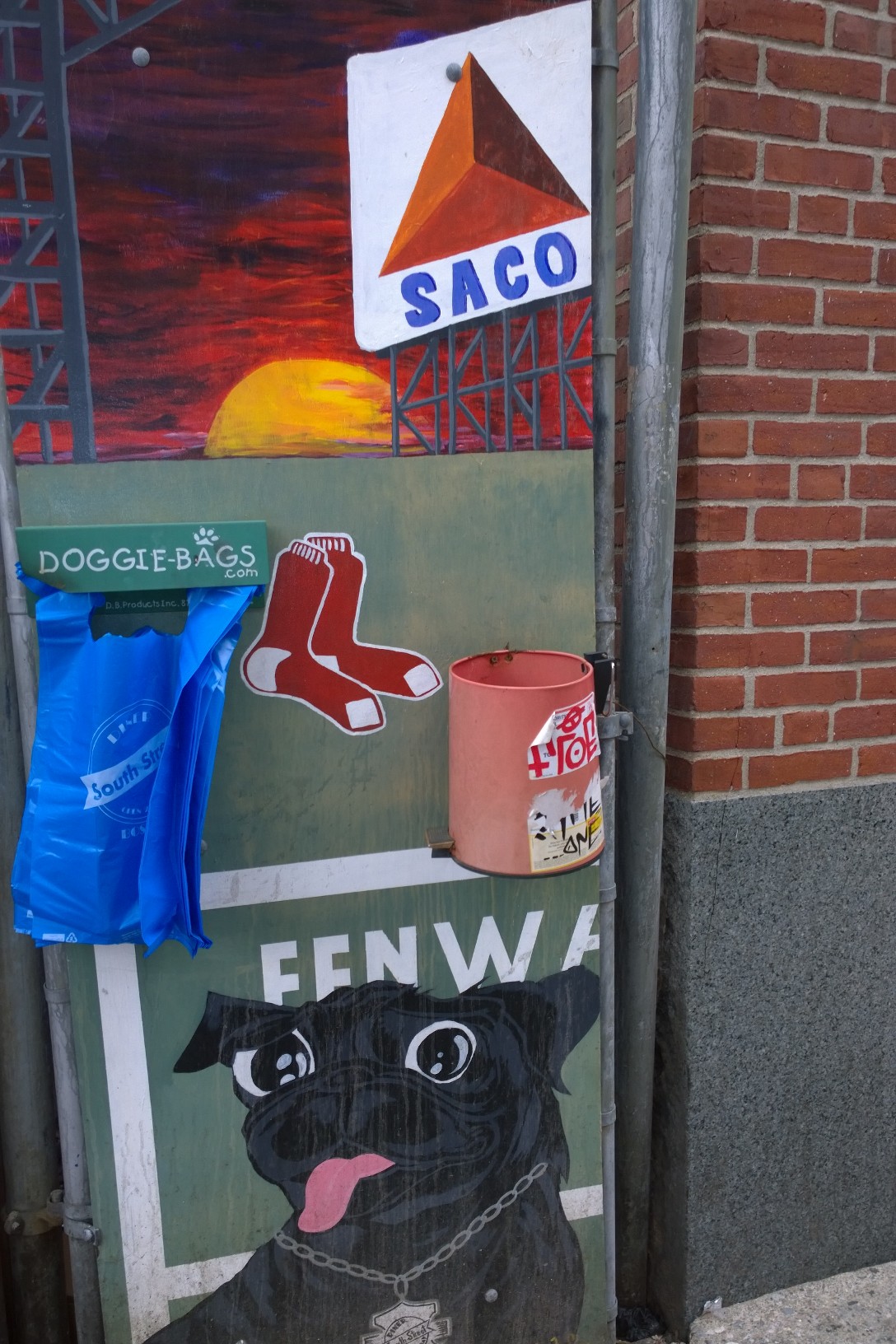
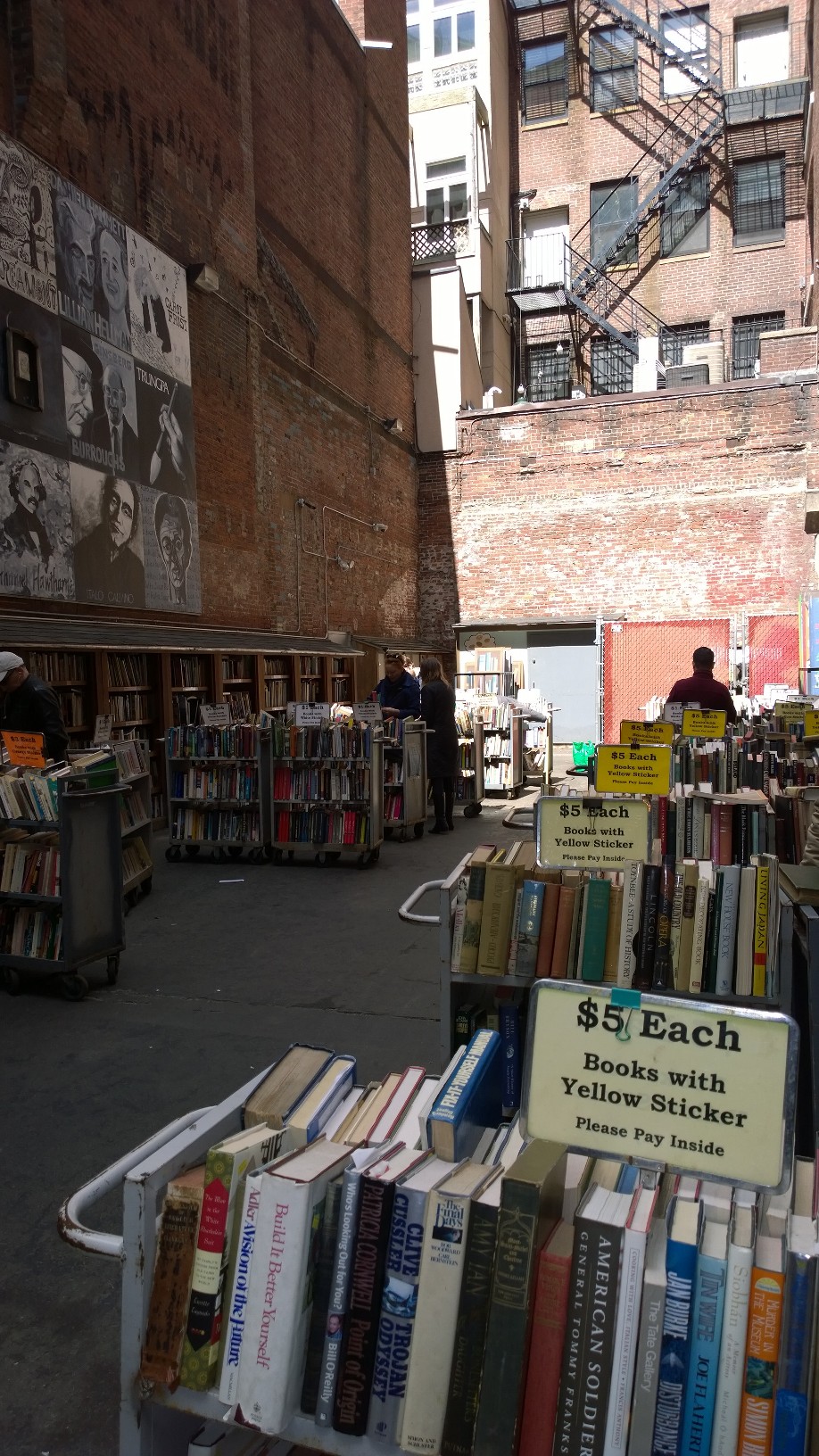
The lion lives in tiny Wormwood Park. The street art riffing off Boston’s famed Citgo sign is on South Street. The harbor arbor is putting out shoots. At the Brattle Book Shop on West Street, books have come out again in the warmer weather.

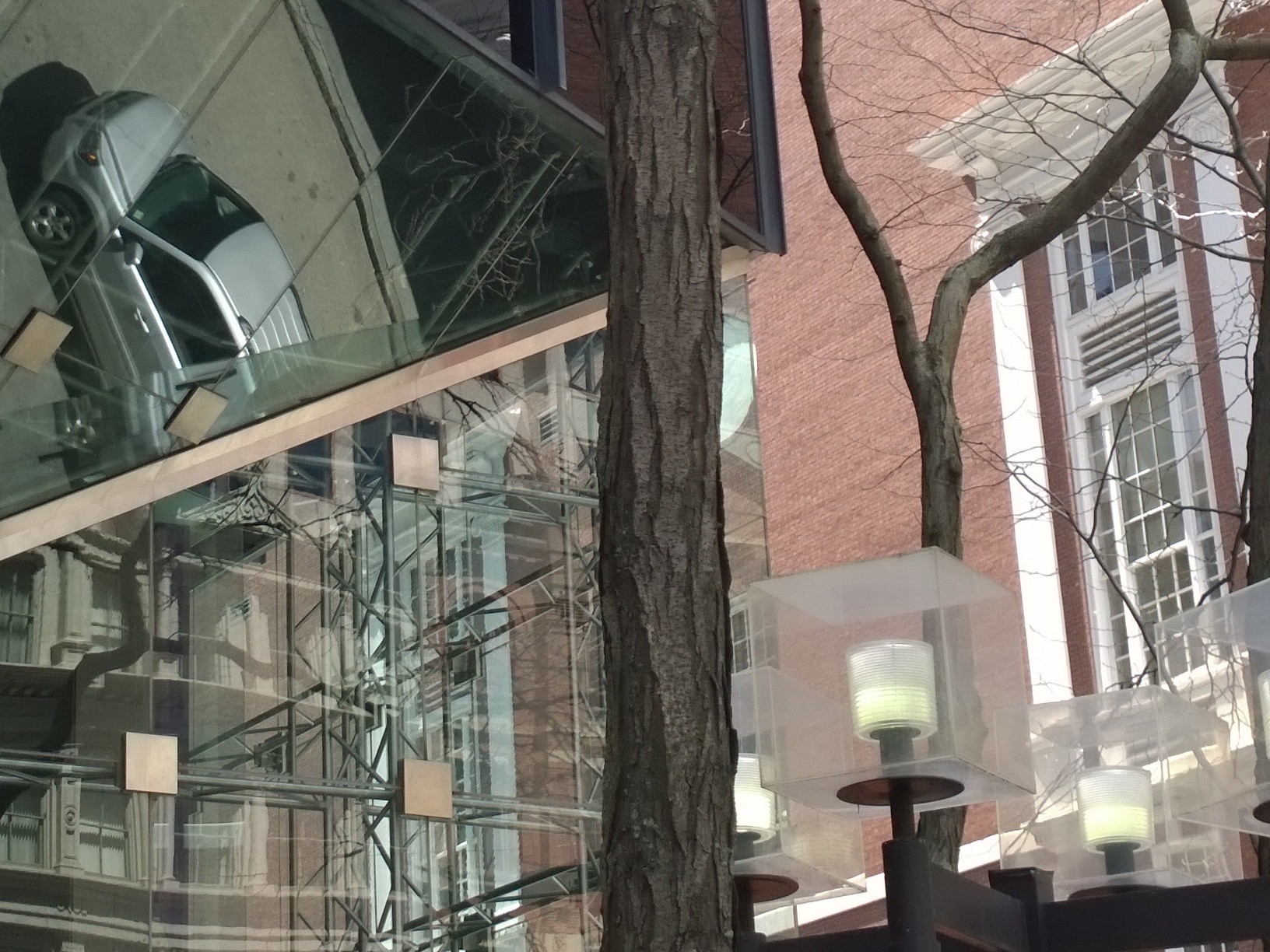
Finally, please note the upside down car reflected at the Downtown Crossing CVS.

outside-the-bakery

Mike-Mulligan-shovel


weeping-cherry

with-bells-on


spring-busting-out

trespassers-will


a-lion-at-wormwood

4-30-15-harbor-arbor


on-South-St

brattle-books


upside-down-car

Read Full Post »

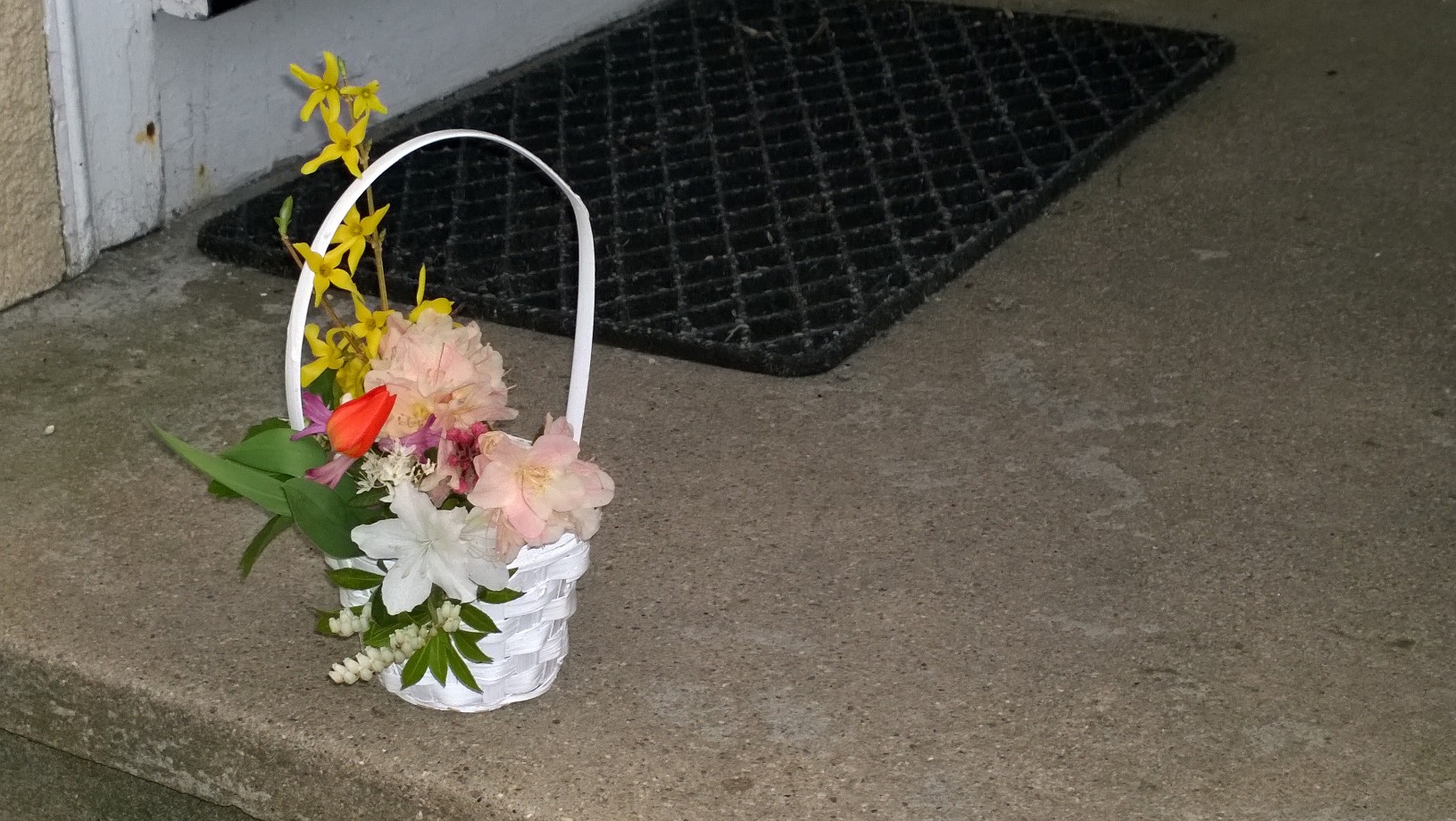
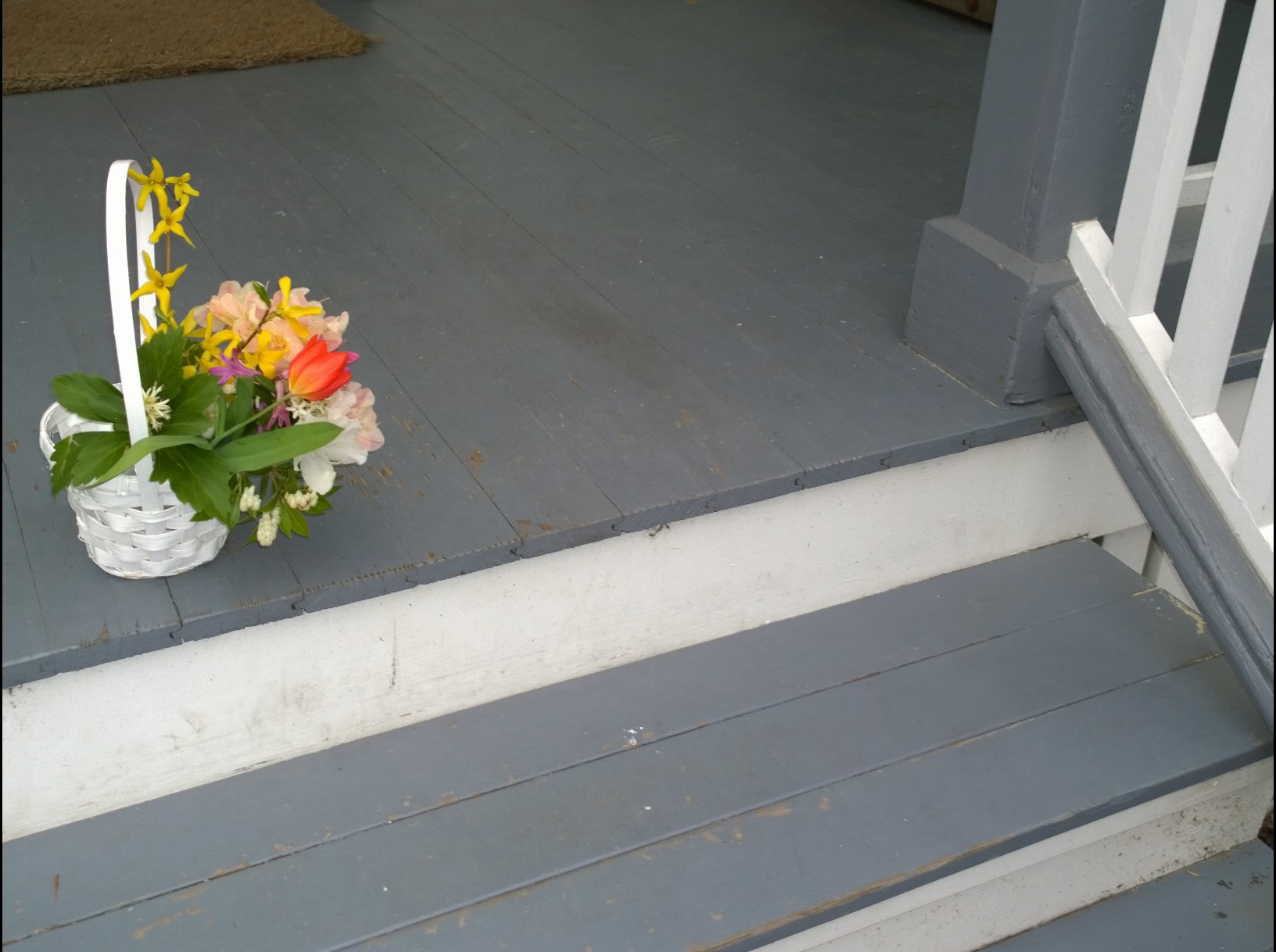
May-Day-basket

Happy May Day, Everyone.

Not to take anything away from other things that get celebrated on May 1, but it’s in the ancient rituals of girls dancing ribbons around poles and secretly leaving  baskets of flowers on doorsteps that the deep magic lies.

May-Day-flowers

Read Full Post »

Douglas Quenqua recently wrote in the NY Times about a study with rats that could someday lead to aids for the blind.

“Blind rats with a sensor and compass attached to their brains were able to navigate a maze as successfully as sighted rats, researchers found.

“Researchers at the University of Tokyo wanted to test whether a mammal could use allocentric sense — the awareness of one’s body relative to its environment — to replace vision. The scientists attached a geomagnetic sensor and digital compass to the visual cortices of rats with their eyes sewn shut.

“When the rats moved their heads, the sensors generated electrical impulses to tell them which direction they were facing. The rats were then trained to find pellets in various mazes.

“Within a few days, the blind rats were able to navigate the mazes as well as rats that could see. The two groups of rodents relied on similar navigation strategies. The findings, published in the journal Current Biology, could help lead to devices that help blind people independently navigate their surroundings.

“ ‘The most plausible application is to attach a geomagnetic sensor to a cane so that the blind can know the direction via tactile signals such as vibration,’ Yuji Ikegaya, a pharmacologist and co-author of the study, wrote in an email.” More here.

I couldn’t find a picture of three rats together although there were lots of drawings of three blind mice. I started thinking, Do children even know nursery rhymes anymore? I wonder what they would make of Jack, for example, who fell down “and broke his crown” and “went to bed to mend his head with vinegar and brown paper.” I know a couple kids who would have a lot of questions about that medical treatment.

Perhaps we should make a concerted effort to teach these rhymes before they are lost completely. After all, they are part of our culture, one of our many cultures.

Photo: redorbit

Read Full Post »

Did you see the Kenneth Chang story about Hawaii’s wild chickens? Tourists love them. Scientists study them. And the guy in the picture below has the job of rehabilitating the ones that are injured or orphaned. (I need to remember Orphaned-Chicken Rehabilitator next time I make a list of unusual jobs.)

“On the island of Kauai, chickens have not just crossed the road,” writes Chang. “They are also crowing in parking lots, hanging out at beaches and flocking in forests.

“ ‘They’re absolutely everywhere,’ said Eben J. Gering, an evolutionary biologist at Michigan State University who has been studying these truly free-range birds. …

“In a paper published last month in the journal Molecular Ecology, Dr. Gering and his colleagues tried to untangle the genetic history of the Kauai feral chickens, which turn out to be not only a curiosity for tourists, but also a window into how humans domesticated wild animals. …

“Local lore is that many of the Kauai chickens are descendants of birds that escaped when Hurricane Iwa in 1982 and then Hurricane Iniki in 1992 blew open coops. (Feral chickens are found on other Hawaiian islands, but not in overwhelming numbers. Some speculate that Kauai is overrun because mongooses, which like to eat eggs, were never released there. Dr. Gering said another reason could be that the two hurricanes only sideswiped the other islands.) …

“In follow-up research, the scientists would like to observe more of the characteristics of the feral chickens — How many eggs do they lay? How often? Do they grow quickly like the farm breeds? — and then try to connect the genes responsible for the evolution of the hybrids. Dr. Wright is mating chickens and red junglefowl to precisely study how traits and behaviors are passed on.

“Dr. Gering speculated that until recent decades, the Kauai chickens were largely like the ones that the Polynesians brought long ago, living in small parts of the island and modest in number. Then they began mating with the escaped farm chickens or their descendants, with greater fecundity and a wider range of habitats.

“ ‘We think that’s why we’re seeing them now at Walmart and all over the place,’ Dr. Gering said.”

More at the NY Times.

Photo: Hob Osterlund for The New York Times
Stuart Hollinger, right, rehabilitates injured and orphaned wild chickens on Kauai. 

Read Full Post »

Taking pictures is a personal expression. I imagine it is a bit personal even if you are taking a standard shot of something like the Washington Monument. What catches your eye has a lot to do with who you are, and there is only one of you.

Libby Kane captured that idea in a December Business Insider story about homeless photographers. Kane reported, “In early June, Jason Storbakken distributed disposable cameras to 10 homeless residents of New York City.

“Storbakken, the director of chapel and compassionate care at The Bowery Mission and author of Radical Spirituality: Repentance, Resistance, Revolution, directed each photographer to capture ‘things they hoped others might see.’ …

“The photos from this project have been curated into a show called ‘Through My Lens,’ which will spend the next year in various locations around New York City. …

“As the photographers returned with their images, Storbakken sat down with them in his office to do some light editing through web editor Picasa and to add their statements to each photo.”

See 17 of the pictures at Business Insider, here. More on the project at OneGlimpse.org.

Photo: Sean Collins
“This was on the subway platform. There is a reggae band in the back singing ‘Three Little Birds.’ The little girl is dancing with her daddy. Watching this interaction gave me a lot of joy.” 

Read Full Post »

« Newer Posts - Older Posts »