Feeds:
Posts
Comments

Archive for the ‘Uncategorized’ Category

Nearly every morning when I was four or so, my mother would send me upstairs to wake my father, and he would sing in a hungover gravelly voice “Minnie the Moocher.”

Last weekend I sang a few lines to my Swedish son-in-law, including “She had a ro-mance with the King Sweden/ Who gave her things that she was needin’.” I won’t repeat what he said about another King of Sweden.

See all the correct lyrics here.

Anyway, I was pondering the phrase “she was the roughest, toughest frail” when I happened upon a radio talk show on how we date ourselves if we use older terms: if we say “blouse” instead of “shirt” or “slacks” instead of “pants.” The radio host made a big deal of young people who don’t know that a “churchkey” opens bottles, for example.

Photo of a “churchkey”: Wikipedia.com

Churchkey is a fun term, but older terms from my father are even more fun. Do you know “infradig,” for example? Other words he used will come to me later, and I’ll update.

Meanwhile, what is a “frail,” rough and tough or otherwise? The Slang Dictionary provides the usage in a sentence:

“n. a girl; a woman. (Underworld. frail frame = dame. Detective novels and movies):  ‘I’ll shoot the frail if you don’t hand it over!’ Dictionary of American Slang and Colloquial Expressions, by Richard A. Spears. Fourth Edition.
Copyright 2007. Published by McGraw Hill.

By the way, almost any song from the musical Guys and Dolls will give you a flavor of the period I’m talking about.

And here’s Cab Calloway, who made Minnie famous.

Read Full Post »

The Globe has a good story today on Whole Foods, which hired an urban farming company to grow an anticipated 10,000 pounds of food per year on the roof of its Lynnfield, Massachusetts, store.

Erin Ailworth writes, “The soon-to-open Whole Foods Market in Lynnfield will offer its customers something the company says no other major grocery chain has offered before: ‘rooftop produce,’ picked from a field atop the store. …

“Whole Foods and its contractors say the commercial roof garden is an experiment that, if it succeeds, could encourage other grocers to do the same, boosting efforts to expand rooftop gardening. Such gardens not only insulate buildings, lowering heating and cooling costs, but also decrease storm-water runoff, which can overwhelm sewer systems and carry pollutants into waterways.

“And they yield fruits and vegetables that do not need to be trucked or flown, cutting transportation costs and emissions, including of greenhouse gases. The rooftop produce — a tiny fraction of Whole Foods’ inventory — will be sold in the Lynnfield store or used in its prepared foods.

“A green roof, however, is not cheap. It can cost up to 60 percent more than a traditional roof, according to the Sustainable Cities Institute, a program of the National League of Cities. …

“Whole Foods began thinking about the project three or four years ago, [Robert Donnelly of Whole Foods] said, and at first planned to build a basic green roof — essentially, a lawn atop the store. Then the company came across Green City Growers and Recover Green Roofs, two Somerville companies that partnered on a 4,000-square-foot garden above the Ledge Kitchen & Drinks restaurant in Dorchester. (That garden provides about 75 percent of the veggies and herbs served at the Ledge.)

“Whole Foods’ plans quickly became more ambitious as company officials realized the 45,000-square-foot roof (nearly an acre) provided plenty of space for farming.” More. There’s also a fun video at the Globe site showing the construction of the roof farm.

Suzanne’s Mom’s Blog had another roof garden post here; a post about Glide Memorial’s roof garden here; and a related entry about the Guardian Environment Network, here.

Photo: David L. Ryan/Globe Staff
Workers dumped soil into containers on the Lynnfield Whole Foods roof, which was reinforced to bear the extra weight.

Read Full Post »

I love stories like this in any field, even a field as foreign to me as mathematics.

A mathematical puzzle that most experts didn’t expect to see solved in their lifetime has been quietly mastered by a professor in New Hampshire. He just got an idea and worked it out.

Carolyn Y. Johnson covers the story for the Boston Globe:

“A soft-spoken, virtually unknown mathematician from the University of New Hampshire has found himself overnight a minor celebrity, flooded with requests to give talks at top universities.

“On May 9, mathematician Yitang Zhang, who goes by Tom, received word that the editors of a prestigious journal, Annals of Mathematics, had accepted a paper in which he took an important step toward proving a very old problem in mathematics.”

He showed that there are “an infinite number of primes separated by less than 70 million. [It] excites mathematicians because it is the first time anyone has proved there are an infinite number of primes separated by an actual number. … News of the feat rippled across the math world.

“ ‘This is certainly one of the most spectacular results of the last decade,’ Alex Kontorovich, a mathematician at Yale University, wrote in an e-mail. ‘Many people expected not to see this result proved in their lifetime.’

“Zhang said that he began to think seriously about solving the problem four years ago. … The epiphany did not come to him until July 3 of last year, when he realized he could modify existing techniques, building on what others had tried.

“ ‘It is hard to answer “how,” ‘ Zhang wrote in an e-mail. ‘I can only say that it came to my mind very suddenly.’

“The mathematician lives a simple life that he says gives him the ability to concentrate on his work. … Zhang’s achievement shows what can be accomplished by the elegant instrument of the human mind, working alone.

“ ‘Keep thinking, think of it everyday,’ Zhang said he would tell himself. ..

“ ‘The old adage is that mathematics is a young person’s game, and moreover most of the top results come from people or groups of people known to produce them,’ Kontorovich wrote. “Professor Zhang has demonstrated not only that one can continue to be creative and inventive well into middle-age [he’s in his 50s], but that someone working hard enough, even (or especially) in isolation, can make astounding breakthroughs.’ ”

I love the reminder about the importance of time to think. Everyone needs time to think. Even people who are not solving math puzzles for the ages.

Photo: Boston Globe

Read Full Post »

Every day I look at the statistics that WordPress supplies to its bloggers.

On May 31, for example, I had 25 visitors (other than the folks who subscribe) and 35 views of different entries. There were a bunch of visitors from the United States, three from Germany, and one each from Japan, Poland, Haiti, Canada, Denmark, Switzerland, and Indonesia. No clicks on any of my links that day.

I would love to know more than just bare bones about these visitors. If I knew more, I’d try to post about things that might interest them.

Words have double meanings, which is why I eventually had to elide the two-word name of a certain white whale. And there is apparently a bus company called R*d Bus (guess the missing letter) that finally forced me to remove my picture of a r*d bus. It was just too lame to be getting all those hits from folks wanting tours of Australia.

Here are the search terms that brought folks to me on Friday: “corinna da fonseca-wolheim,” “inflatable flood tubes flooding house,” “swidish [sic] mom blog rose,” “coffee planting business model,” “mom storytelling to child, reuters,” “christy maclear,” “naomi shihab nye ghazal,” “mom blog income.”

Sometimes I have no idea why a search engine sent a particular query here. Sometimes I can guess. Corinna writes for the NY Times, and I have featured her articles several times. And I did have a post on inflatable flood tubes.

Unless they are in the archives, WordPress shows me which entries got viewed by the visitors on a given day. So I can assume that my post on a coffee business in Haiti was the draw for the search term “coffee planting business model.”

No one should come to me for “mom blog income.” But I am amply paid in technology and the great satisfaction of mastering a daily challenge and helping out.

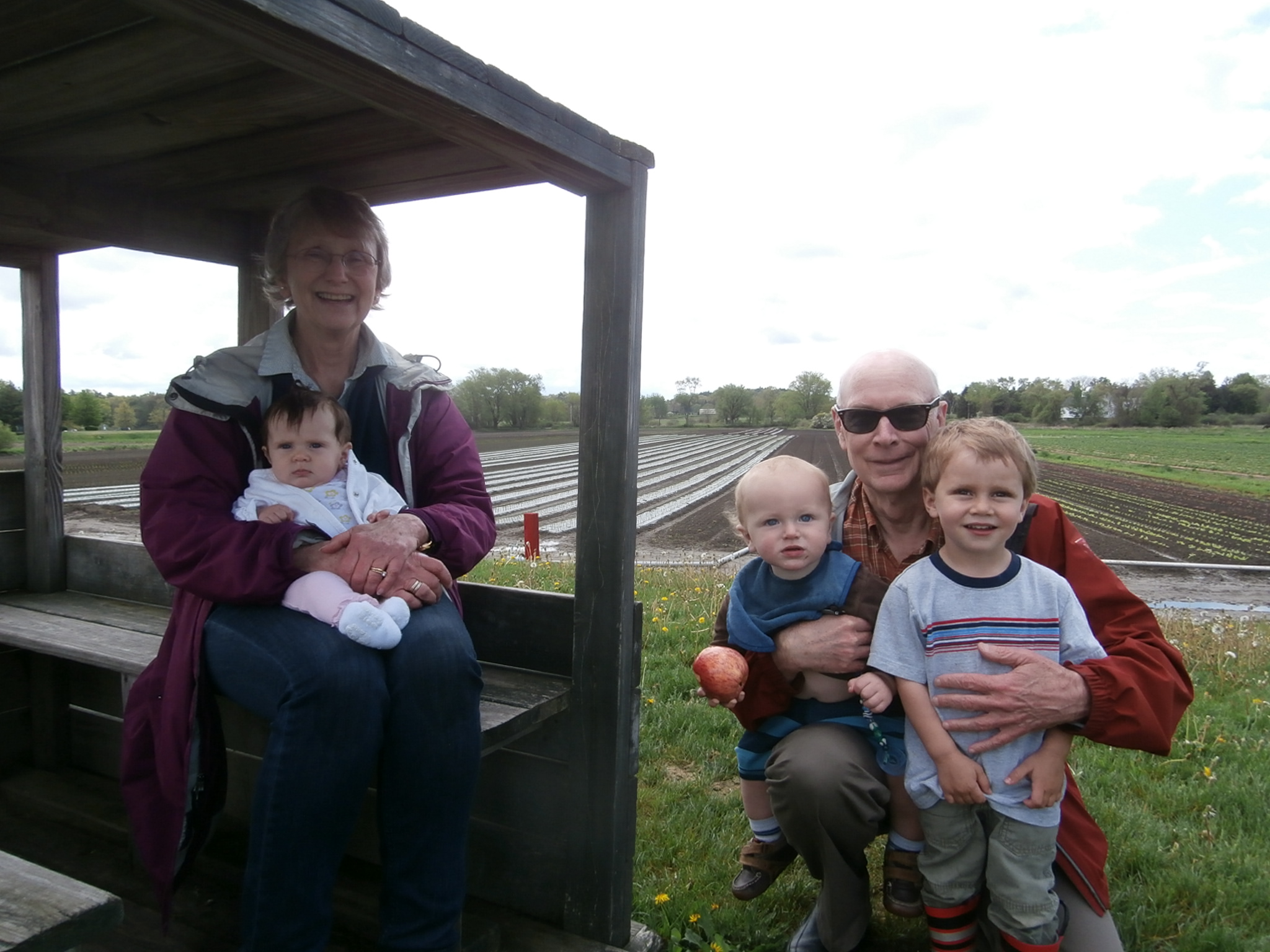
Photo at Verrill Farm, Mother’s Day, 2013

3 grandchildren

Read Full Post »

On Saturday I took a miserable walk in the wind and rain, temperature in the 40s. Today the temperature is in the 90s. Well, you know New England.

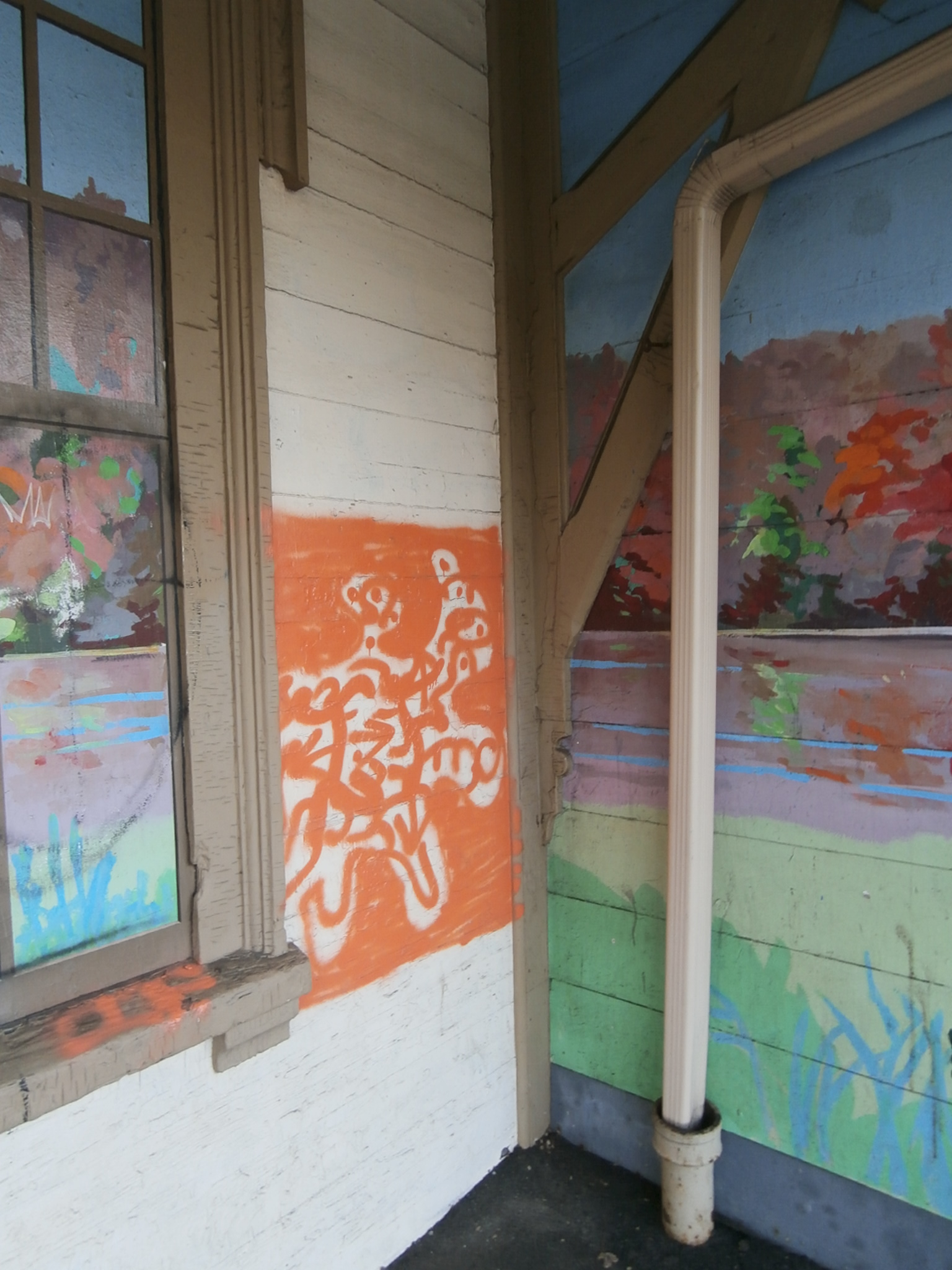
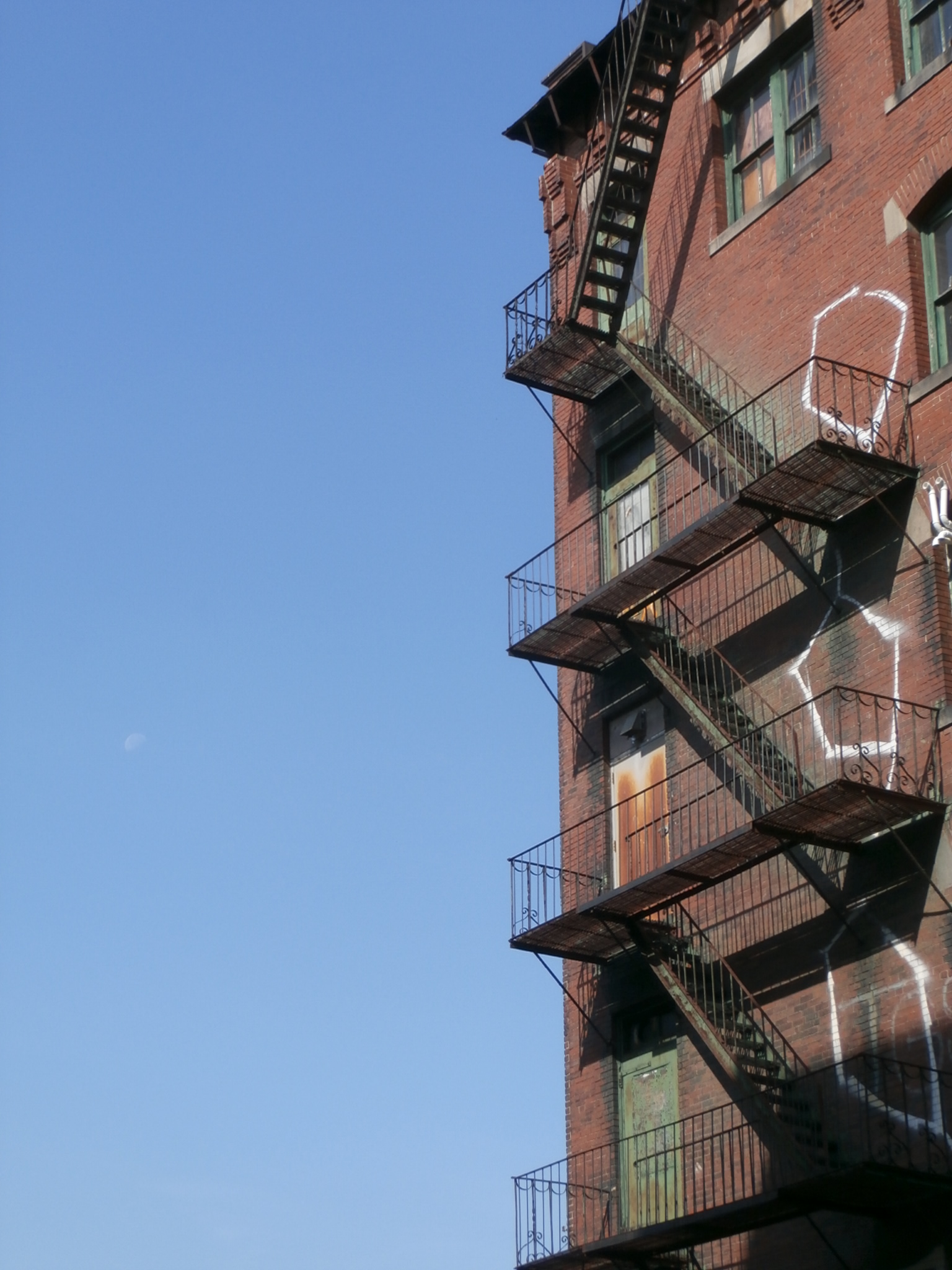
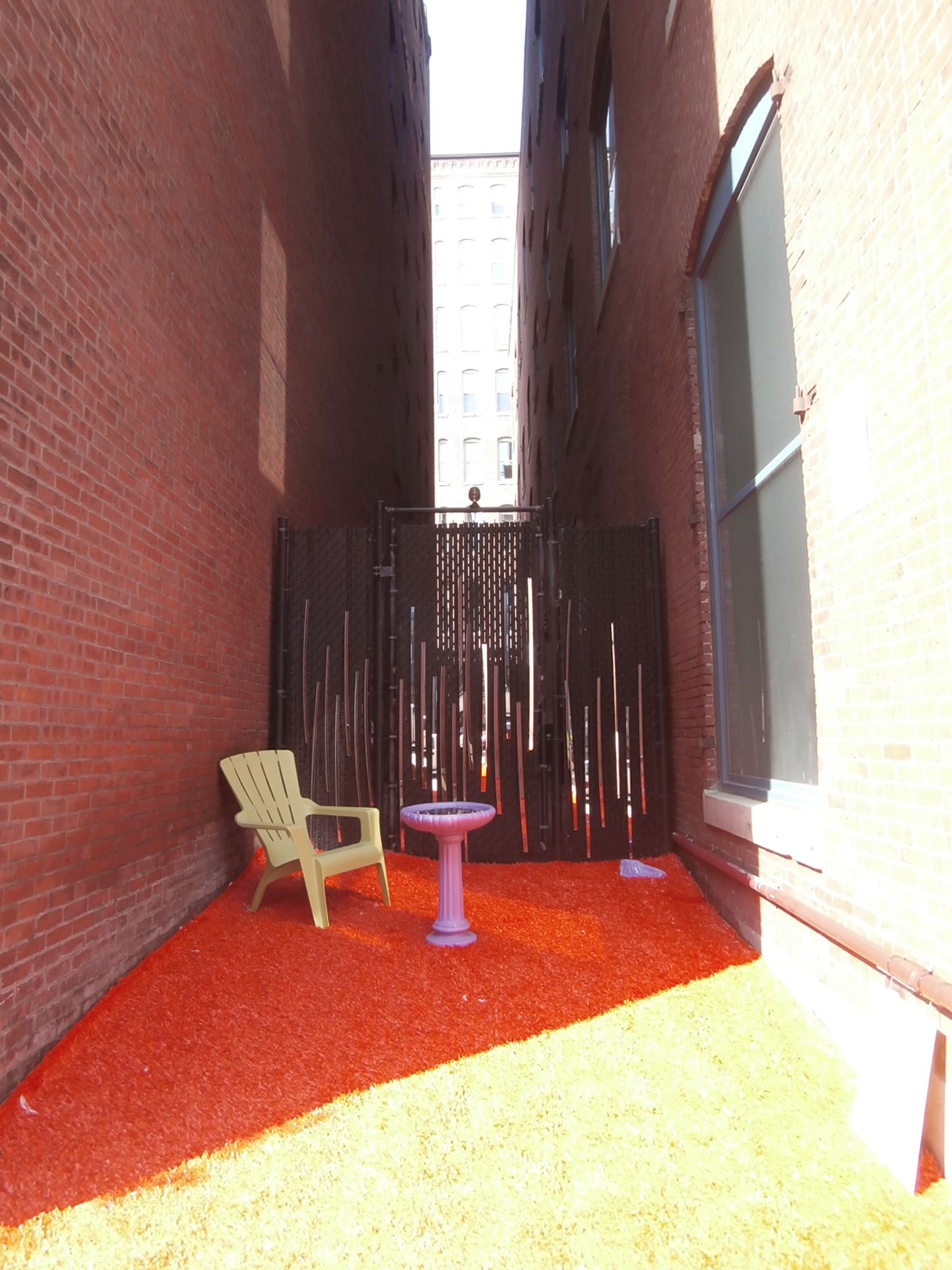
In the nicer weather I’ve been walking around and clicking. Would love to have you weigh in on any of these pictures, especially the ones that make you say, “What the heck?”

mural and graffiti, concordfort point fire escape


congress st nookleaning in - fort point


mysteriy plant like fireworksfort point - urban rebirth


random angel

random glam angel

Read Full Post »

When I got my current job, I went through the human resources “onboarding” with a young man from Mali. Even though he went back to Africa a couple years ago, we keep in touch. Naturally, I was worried when radicals took over Timbuktu, Mali, for a while. Fortunately, Mamoudou wasn’t living in Mali at the time, although he says Guinea is not that much safer.

Because of Mamoudou, I continue to follow the Mali news, and was especially interested in a link at the Arts Journal blog today: “Mali’s Underground Railroad: How Timbuktu’s Ancient Manuscripts Were Smuggled To Safety.”

Writes Sudarsan Raghavan of the Washington Post, “It was 7 o’clock on a hot night in August, and Hassine Traore was nervous. Behind him were 10 donkeys, each strapped with two large rice bags filled with ancient manuscripts. The bags were covered in plastic to shield them from a light rain.”

Radicals had taken over Timbuktu four months earlier and “had demolished the tombs of Sufi saints. They had beaten up women for not covering their faces and flogged men for smoking or drinking. They most certainly would have burned the manuscripts — nearly 300,000 pages on a variety of subjects, including the teachings of Islam, law, medicine, mathematics and astronomy — housed in public and private libraries across the city.”The scholarly documents depicted Islam as a historically moderate and intellectual religion and were considered cultural treasures  …

“A secret operation had been set in motion … It included donkeys, safe houses and smugglers, all deployed to protect the manuscripts by sneaking them out of town.

“This is the story of how nearly all the documents were saved, based on interviews with an unlikely cast of characters who detailed their roles for the first time. They included Traore, a 30-year-old part-time janitor, and his grandfather, a guard. …

“The New York-based Ford Foundation, the German and Dutch governments, and an Islamic center in Dubai provided most of the funds for the operation, which cost about $1 million.

“ ‘We took a big risk to save our heritage,’ said Abdel Kader Haidara, a prominent preservationist who once loaned 16th- and 18th-century manuscripts from his family’s private collection to the Library of Congress. ‘This is not only the city’s heritage, it is the heritage of all humanity.’ ”

There are heroes everywhere, keeping a low profile. And I am also pretty impressed with the funders, springing into action like that.

More here.
Map: National Geographic

Read Full Post »

No one needs to be told that art is healing. I find it can cheer me up when I’m just having a bad day. I even tell coworkers who are stressed out, “Go over to Fort Point and look at some art.”

But for those who care more about data than folk wisdom, there is research.

Genevra Pittman writes at Pacific Standard, “Music, art, and dance therapy may relieve anxiety and similar symptoms among people with cancer, according to a new analysis of past studies.

“Researchers who analyzed results from trials conducted between 1989 and 2011 said the benefits tied to creative arts therapies were small, but similar to those of other complementary techniques such as yoga and acupuncture. …

“The analysis included 27 studies of close to 1,600 people who were randomly assigned to receive some form of creative arts therapy or not, during or after cancer treatment. Patients with breast cancer or blood cancers—such as leukemia and lymphoma—made up the majority of study participants. Music, art, and dance therapy programs varied in how often sessions were conducted and over what time span. …

“On the whole, people with cancer who were assigned to creative arts treatments reported less depression, anxiety, and pain and a better quality of life during the programs than those who were put on a wait list or continued receiving usual care.” More.

I didn’t get into art therapy when I had cancer, but I’m sure I would have liked it. I did have a booklet created by past patients that contained daily readings, and more often than not the choices hit the spot. The patients named the booklet “No Other Way but Through.”

Photo: Memorial Sloan-Kettering Cancer Center
Art therapy program

Read Full Post »

An April NY Times article by Joseph Berger focused on the egalitarian, colorblind brotherhood of pigeon breeders.

“When New Yorkers consider the subculture of people who raise pigeons on rooftops, many are likely to think of Terry Malloy, the longshoreman in the 1954 film ‘On the Waterfront’ played by Marlon Brando. He was a classic rooftop breeder, rough-hewed, working-class and white ethnic to his toes.

“But that image has long needed some alteration because in the dwindling world of rooftop fliers, as they are known, the men are as likely to be working-class blacks or Hispanics. Many were introduced to the hobby by Irish, Italian and other fliers of European descent …

“Ike Jones, an African-American who manages one of the last pigeon supply stores for its Italian-Jewish owner, Joey Scott, said he learned much of the craft when he was about 12. He then became a helper to George Coppola, an Italian rooftop breeder in Bedford-Stuyvesant. …

“A new book, ‘The Global Pigeon,’ by Colin Jerolmack, an assistant professor of sociology at New York University who spent three years hanging out with pigeon fliers, makes the point that pigeon breeding brought Italian-Americans and other ethnic whites ‘into contact with people of a different ethnic and age cohort with whom they were not voluntarily associating before.’ ” More.

For another take on the rarefied world of pigeon lovers, read A Pigeon and a Boy, which I blogged about here. A wonderful book in many ways, I thought the ending bizarre and so can’t give it five stars. But I liked how it wove the world of pigeon raising and message sending into the whole modern history of Israel. (If you should happen to read it, please explain the ending to me.)

Photo: Todd Heisler/The New York Times
Delroy Sampson breeds his own birds.

Read Full Post »

At Public Radio International’s “The World,” David Leveille has a story on research at Ellesmere Island in northern Canada.  There, University of Alberta biologist Catherine La Farge is finding that some frozen plants are able to begin growing again after 400 years on ice.

“Cold as it may be during the winter,” writes Leveille, “it’s a part of the world where glaciers are melting and ice sheets are breaking up due to climate change.

“One glacier there is called the Tear Drop glacier. As it has melted, some interesting plant life was exposed.”

La Farge’s results, published in the Proceedings of the National Academy of Sciences “suggest that bryophytes, representing the earliest lineages of land plants, may be far more resilient than previously thought, and likely contribute to the establishment, colonization, and maintenance of polar ecosystems.” Who knows what else is under the glacier and about to be thawed out.

More.

Photo: Catherine La Farge
In vitro culture of Aulacomnium turgidum regenerated from emergent Little Ice Age plants beneath the Tear Drop Glacier, Sverdrup Pass, Ellesmere Island, Nunavut.


Read Full Post »

There’s an in-demand artist who goes to Wal-mart to find subjects. His name is Brendan O’Connell. Maria Godoy writes about him at National Public Radio.

“Most people would be hard-pressed to call Wal-Mart a source of artistic inspiration. … Yet that’s exactly what artist Brendan O’Connell sees in the sprawling big-box stores. For the past decade, O’Connell has been snapping photographs inside dozens of Wal-Marts. The images have served as inspiration for an ongoing series of paintings of everyday life — much of which involves shopping, which O’Connell calls ‘that great contemporary pastime.’ …

“Wal-Mart stores, he notes, are ‘probably one of the most trafficked interior spaces in the world.’ In the tall, open, cathedral-like ceilings of Wal-Mart’s big-box stores, he sees parallels to church interiors of old. …

“As artistic matter, [Wal-mart is] a part of everyday life that seems to have resonated with lots of people. Since [a February New Yorker profile began a] media blitz …  sales of O’Connell’s work have jumped dramatically, he told me [in April]. ‘I sold more in a week than I did in some years,’ he says. …

“The people doing the buying, he says, come from all over the country.

” ‘What I’m struck by is this relationship to brands,’ he says, noting that buyers have called to inquire about specific paintings: ‘ “Do you still have the Corn Flakes? … I want the Maxwell House.” Whatever brand it is that they have a personal relationship with. And that, to me, is fascinating.’ ”


“O’Connell’s work is probably out of the price range of the average Wal-Mart shopper,” adds Godoy. “But he’s passionate about a project to bring art to the masses. The idea behind everyartist.me is to create a collaborative art project involving 1 million elementary school kids across the country. And all the recent attention on his Wal-Mart series has helped jump-start funding for the project … he says.”

(Thank you, Andrew Sullivan, for the lead.)

Image: http://www.brendanoconnell.com
Blond with yams

Read Full Post »

I took a walk on Lakeside Drive today and saw scores (hundreds?) of swallows swooping and wheeling like berserk bats toward the lake, upside down over the road, then sideways and shuddering back toward the lake again in a group dance with no obvious explanation.

When I went online and Googled “swallows going berserk,” I found an Audubon blog post in New Hampshire that used that exact phrase. But the author  thought the swallows were just feeding and happy to see spring arrive.

I have decided that the collective noun for swallow should be “delirium,” as in “a delirium of swallows.”

Are you into collective nouns for birds and animals? They can be a lot of fun, with terms going back hundreds of years. Find your favorites at Wikipedia, here. A congregation of alligators, a rabble of bees, a coalition of cheetah, a gulp of cormorants, a consortium of crabs, a murder of crows — and I am only in the c’s!

Be sure to use “a delirium of swallows” as your next opportunity and appear to know something esoteric that no one else knows.

Video: John Downer Productions

Read Full Post »

Last fall, I blogged about the worthy Granola Project, which gives employment to refugees in Rhode Island. It is housed at the social service agency Amos House in Providence. I bought some of the granola at the farmers market a just last week.

Now Sarah Shemkus has written for the Boston Globe about a similar initiative for refugees in Massachusetts, but with the goal of helping refugee women to spin off companies on their own.

“Moo Kho Paw fled the violence and oppression of Myanmar for a refugee camp in Thailand nearly a decade ago,” writes Shemkus. “Five years later, she, her husband, and their baby daughter resettled again, this time landing in Springfield.

“As she adapted to her new home, Paw started looking for a job … That’s when she learned about Prosperity Candle, the Easthampton company where she has now worked for three years.

“ ‘I love the job,’ Paw said. ‘It helps me to pay the rent, to buy the baby diapers.’

“That’s precisely what Ted Barber, 46, hoped for when he and partner Amber Chand founded Prosperity Candle in 2010. … Sales are only part of its mission — the company says its real goal is to help women in and from developing countries by teaching them new skills and creating jobs. …

“In Easthampton, the company employs refugees such as Paw to make and package candles and fulfill orders. Currently, up to four refugees are working there at any given time, though Barber expects to hire more as the business expands. …”

The idea for an enterprise like Prosperity Candle first occurred to Barber when he was working in Africa, helping entrepreneurs build small businesses. …

” ‘I realized I wanted to do something different.’ …

“Rather than giving away money or supplies, [his] company would provide women with the resources, skills, and support they need to start a sustainable businesses. …

“Prosperity Candle formed as a low-profit limited liability company, a structure that requires the business to put its social mission ahead of profits.”

More.

Photo: Matthew Cavanaugh for The Boston Globe
Moo Kho Paw (left) and Naw Test made candles at Prosperity Candle in Easthampton.

Prosperity Candle formed as a low-profit limited liability company, a structure that requires the business to put its social mission ahead of profits.

Read Full Post »

Building energy savings into school design means more money for education.

At Yes! Magazine, Erin L. McCoy describes what planners did for the rural Richardsville Elementary School near Bowling Green, Kentucky.

“When Richardsville opened its doors in fall 2010, it was the first net zero school in the nation, meaning that the school produces more energy on-site than it uses in a year.

“Solar tubes piping sunlight directly into classrooms eliminate much of the school’s demand for electric light, while a combination of geothermal and solar power cut down on the rest of the energy bill. Concrete floors treated with a soy-based stain don’t need buffing. The kitchen, which in most schools contributes to 20 percent of the energy bill, houses a combi-oven that cooks healthier meals and eliminates frying. This means an exhaust fan doesn’t pipe the school’s temperature-controlled air to the outdoors all day long.

“Meanwhile, ‘green screens’ in the front hall track the school’s energy usage so kids can see the impact of turning off a light in real time.

“These and other innovations make Richardsville better than net zero. It actually earns about $2,000 a month selling excess energy to the Tennessee Valley Authority. …

“Three factors are essential to making a green school work: First, you need the participation of the community and the local power company; second, you can’t forget that a school is a dynamic learning environment; and third, you need to speak the language of money.

“Since the economic recession began in 2008, school districts have suffered. Local tax bases were shaken as property values plummeted, and states have cut back on funding to districts, which were pushed to cut funds wherever they were able. Addressing energy use made a lot of financial sense.”

More.

Photograph: Michael Heinz/The Journal & Courier/AP/File
Students gather on the first day of school at Wyandotte Elementary School near Lafayette, Ind., in 2011. Wyandotte is one of many US schools that have made cutting energy use a priority.


Read Full Post »

Whenever I walk in the Greenway, I see where they are building the new  carousel park. Can’t wait until it launches! The carousel critters are so unusual.

Taryn Plumb writes in the Globe about the three years of painstaking work that have gone into creating them.

“A miniaturized right whale is caught in mid-spout, baleen exposed, barnacles clinging.

“A sea turtle swims, its wide shell blushed with yellow and iridescent red, flippers with waves of violet, pink, and cobalt.

“Enormous butterflies hover – monarchs in dramatic orange and black; buckeyes boasting amethyst spots; swallowtails showing off elaborate webbed patterns of scarlet, purple, and blue.

“Carousels usually evoke images of horses of various shapes and sizes, adorned with flamboyant regalia, circling endlessly in trots and leaps to a backdrop of colorful lights and carnival music.

“But this carousel – designed, sculpted, and painted by two local artists, and soon to adorn the Rose F. Kennedy Greenway in Boston – is a horse of a different color.

“In fact, it doesn’t have any horses at all.

“ ‘You’ll never see another one like this,’ said designer Jeff Briggs of Newburyport. ‘It’s much more elaborate, much more intense.’

“To be installed by Labor Day weekend, the carousel will include a resplendent assortment of local land, sea, and air creatures: lobsters, rabbits, owls, a skunk, squirrel, fox, right whale, sea turtle, cod, peregrine falcon, grasshopper, three species of butterflies, a sea serpent gondola, and a harbor seal chariot. According to the Rose Fitzgerald Greenway Conservancy, the animals were inspired by drawings from Boston schoolchildren, and the project, which also includes a new park, was funded by grants and several dozen donors.” More.

Who will join me when it opens?

Photo: Mark Wilson for The Boston Globe
Sculptor Jeff Briggs has spent the last three years creating the animals on the carousel for the Rose Kennedy Greenway.

Read Full Post »

Boston and Baltimore have created cool places to learn and practice engineering and craft skills.

At Technical.ly (better cites through technology), Andrew Zaleski describes how the Baltimore Foundery [sic], “a campus for makers,” was inspired by Artisan’s Space in the Boston area.

“It was by chance that Andrew Stroup and Corey Fleischer, two [Baltimore] locals-turned-contestants on a new engineering-focused Discovery Channel TV show, met Jason Hardebeck, the executive director of gb.tc.

“But despite having only met earlier this year, the three had more in common than they knew: each thought it was high time Baltimore city had its own makerspace — a large, indoor area replete with machine tools, digital tools like 3D printers and equipment for woodworking and metalworking — on par with similar spaces in other cities in the U.S.

“Through their time on the show, Stroup and Fleischer met Gui Cavalcanti, who started the Artisan’s Asylum makerspace in Boston, a sprawling, 40,000-square-foot complex where members renting space brew their own beer, construct their own bikes and sculpt pieces of art from metal. After spending a weekend there in mid-January, the two were convinced they needed to find a place within Baltimore where any resident could do the same type of work.

“ ‘Baltimore has everything that we saw at Artisan’s Asylum: the level of artists, engineers, hobbyists,’ said Fleischer, 31, who received his bachelor’s and master’s degrees in mechanical engineering from UMBC, and now works at Lockheed Martin in Middle River. ‘Baltimore has those people, and Baltimore does not have a space like that where everyone can go.’ …

“Whereas few people in Baltimore have the resources to become ‘coders and programmers,’ Hardebeck said, people ‘can understand how to become CNC machine operators.’

“In effect, that’s the grandest wish Hardebeck — a former product manager at DeWALT — harbors for the new makerspace: a place that can foster the next generation of blue-collar workers in Baltimore city by offering a community workshop so people can have access to good equipment and classes. In turn, people can become entrepreneurs building products in their own small-scale manufacturing facility, albeit one they share with other makers.”

More.

Photo: Technical.lyFleischer leads a class in Introductory Welding last month.

Read Full Post »

« Newer Posts - Older Posts »