Feeds:
Posts
Comments

Archive for the ‘Uncategorized’ Category

Dr. Paul Farmer, the subject of a great Tracy Kidder book called Mountains Beyond Mountains, has spent many years delivering medical care — and working to alleviate poverty — in remote areas of Haiti. His nonprofit organization, Partners in Health, takes the word “partners” seriously. The teams do not tell the locals what is good for them but makes a point of learning from them and helping them get what they need.

In recent years, Farmer has been in demand in other countries, too. One focus area has been Rwanda. I liked a recent Boston Globe article on the approach to building a Partners in Health hospital there.

“The designers quickly realized that the challenge was not simply to draw up plans, as they had first thought, but rather to understand the spread of airborne disease and design a building that would combat — and in some cases sidestep — the unhealthy conditions common to so many hospitals.

“Learning from health care workers that hospital hallways were known sites of contagion, poorly ventilated, and clogged with patients and visitors, MASS Design decided that the best solution would be to get rid of the hallways. Taking advantage of Rwanda’s temperate climate, they placed the circulation outdoors, designing open verandas running the lengths of the buildings. …

“When it came to building, MASS Design looked at the Partners in Health model of involving local poor communities in health care, and realized that they could apply the same ideas to the construction process. The hospital was built entirely using local labor, providing food and health care for the workers. Unskilled workers received training that would help them get more work; and skilled laborers, notably the Rwandan masons who built the hospital’s exterior from carefully fitted together local volcanic stone, refined their craft and found themselves in demand all over the country. The construction process also beefed up local infrastructure — new roads and a hydroelectric dam — creating more jobs and literally paving the way for future projects.”

To paraphrase what Farmer often says, the biggest challenge to health is poverty. Read more.

Update on the designers from the June 19, 2012, Boston Globe.
Read Full Post »

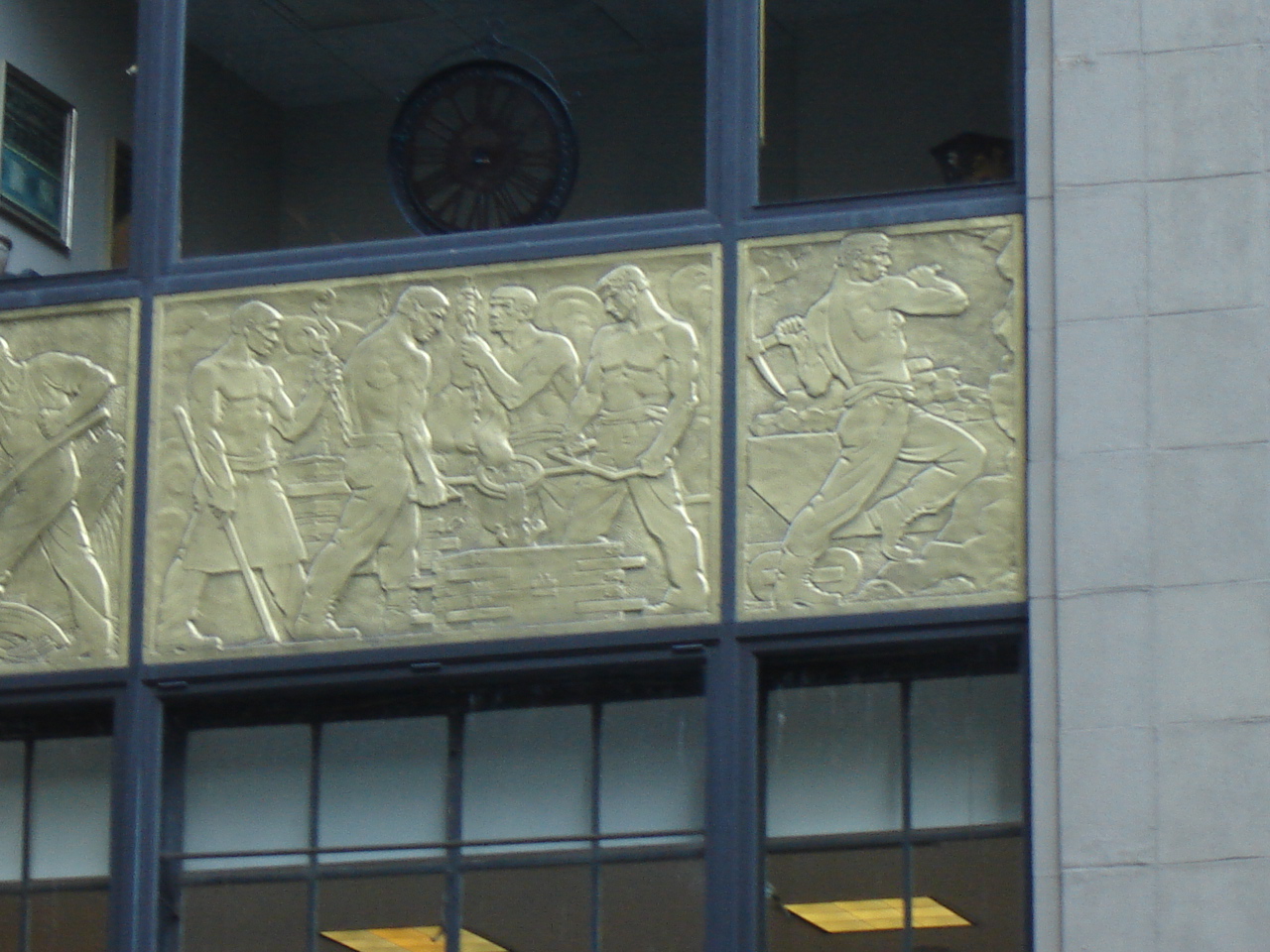
Back before “labor” became a dirty word in the minds of some politicians, “workingmen” were more appreciated.

A corporation might even honor workers in the architecture of a headquarters. (Note the photo taken in Boston’s financial district.)

These days, looking around the subway at the tired bodies heading home at night, I’ve begun to think of almost everyone as the workingman. All but a few folks who are very well off. There is hardly anyone in the middle anymore.

The people slogging back and forth, doing whatever they have to do, are unconscious of a kind of heroic aura that envelops them collectively. You can see it if you look.

Read Full Post »

John leads the way for the end-of-summer clambake, rallying Suzanne and Erik to go with him first to collect driftwood, then to swim out to where there is good seaweed on the rocks.

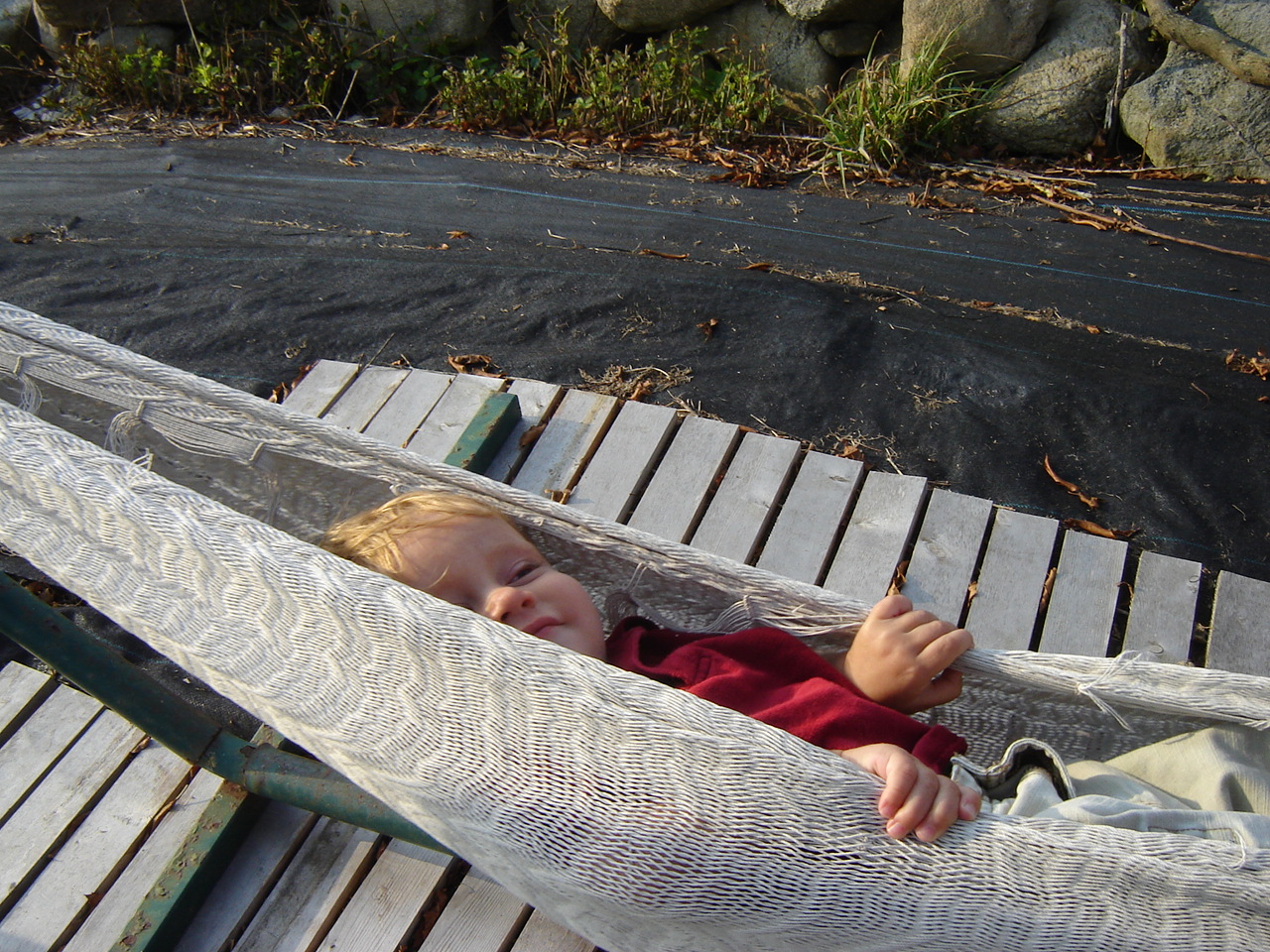
It’s an all-day project ultimately involving six adults and one toddler.

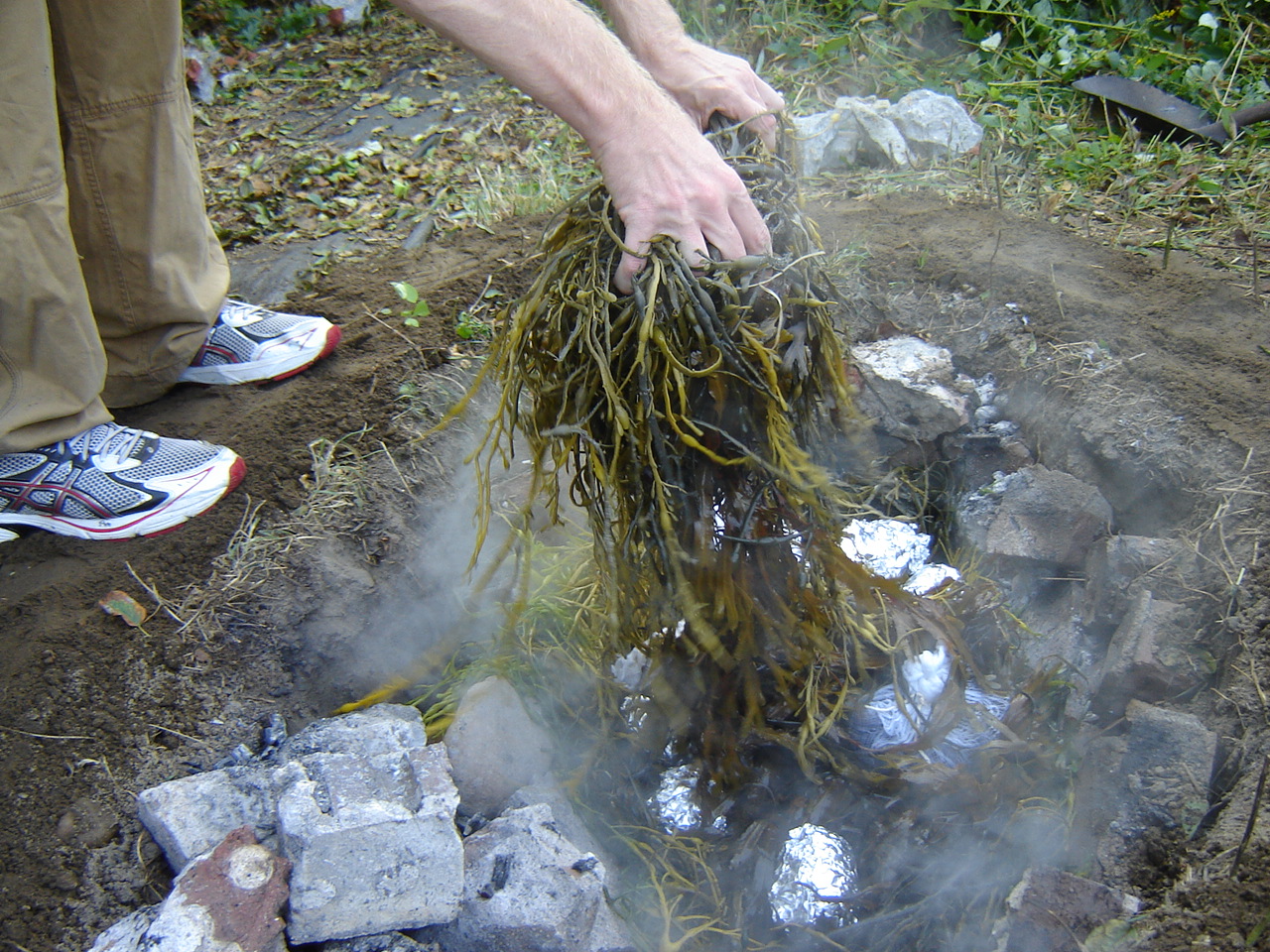
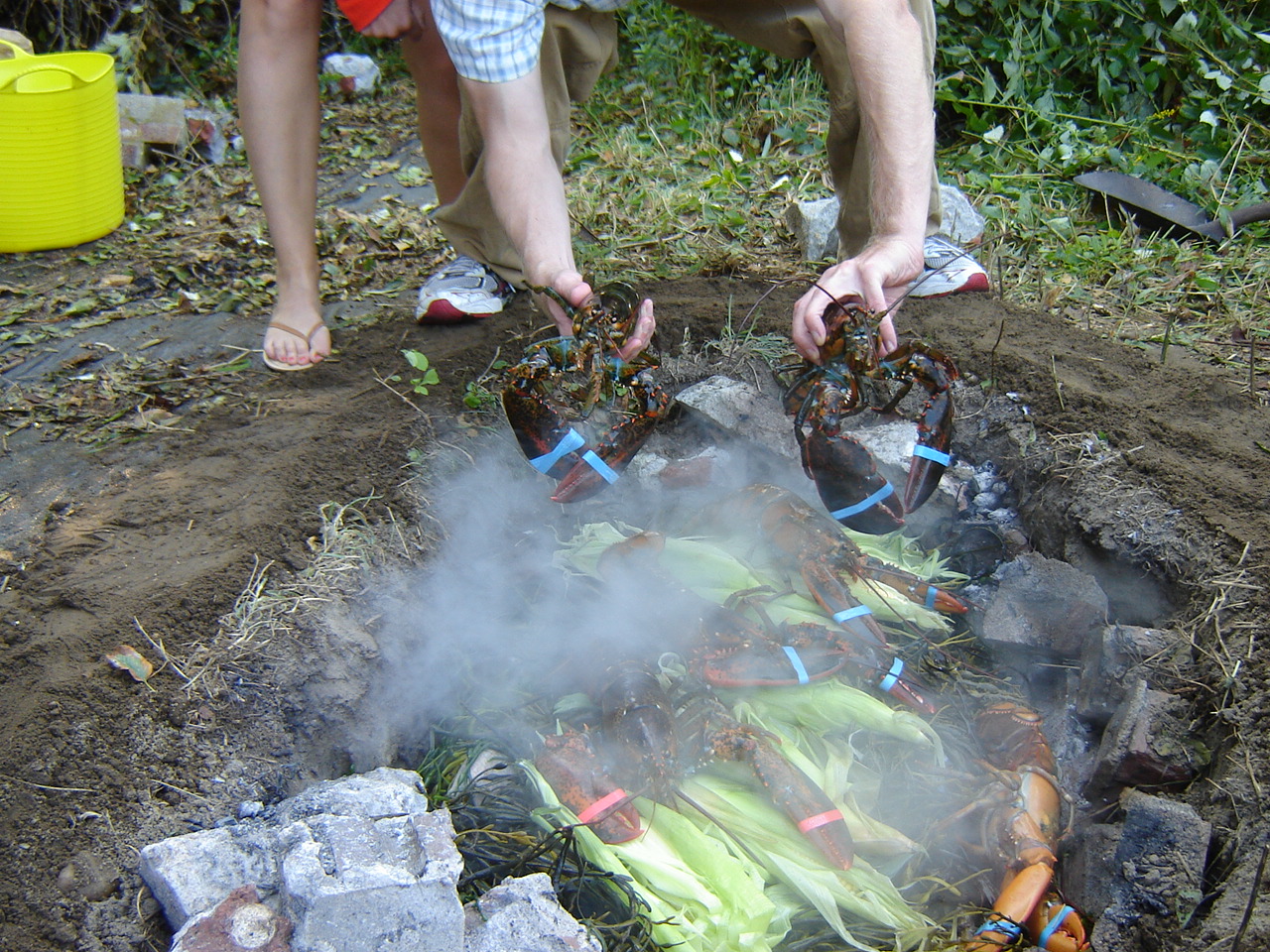
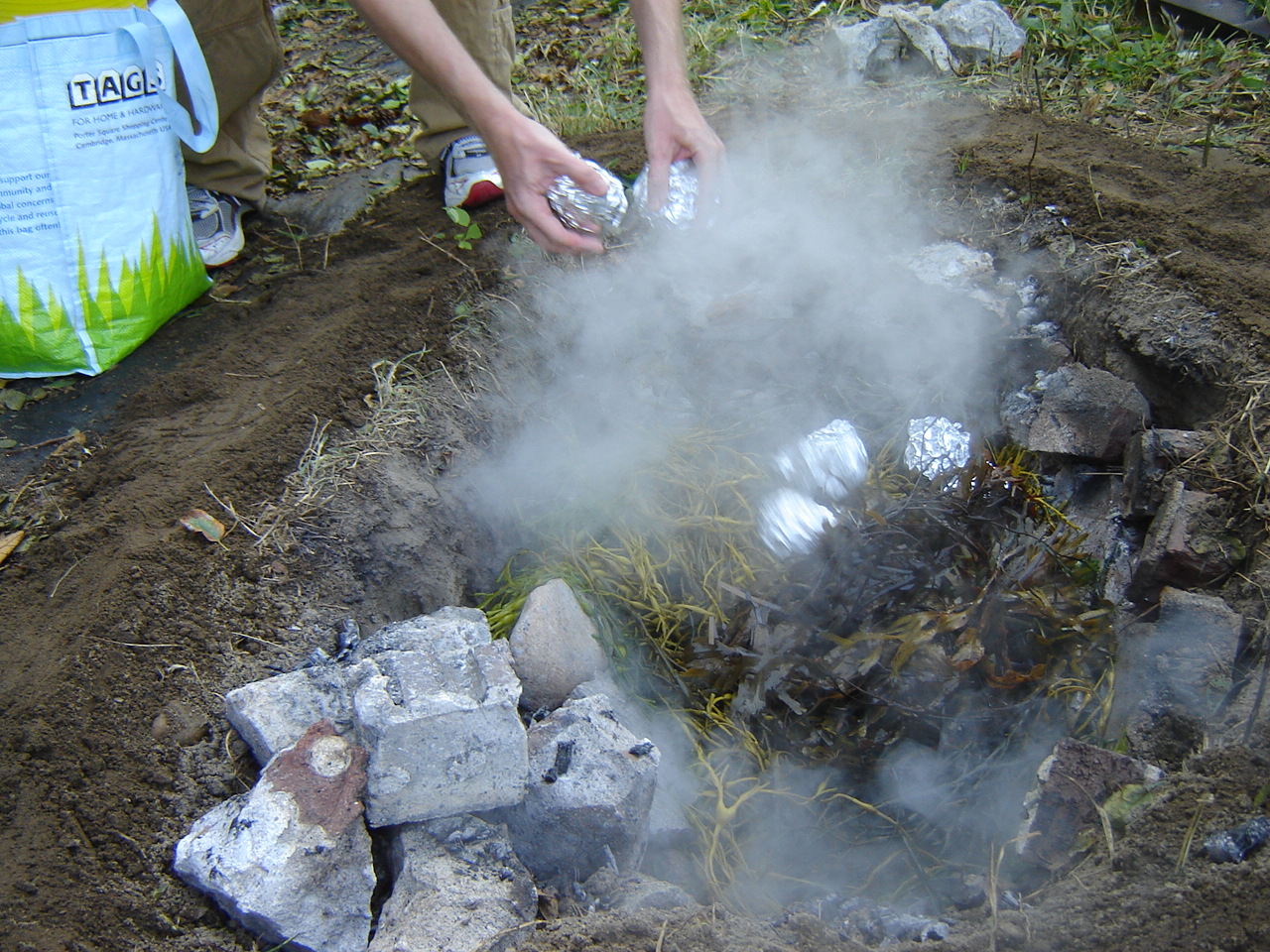
Rocks get placed in a pit, wood gets burned on top, wood coals get shoveled out, lobsters, seaweed, potatoes, corn, clams, mussels in cheesecloth, seawater, and more seaweed get dumped on the very hot rocks, a tarpaulin covers everything and is sealed with more rocks so the steam stays in.

After a couple hours, newspaper gets spread for  a tablecloth, the neighbors arrive, and the tarp is whipped off.

In the kitchen, Meran has made a salad with her garden’s tomatoes, plus spaghetti with fresh clam sauce. Sandra has brought an assortment of her famed homemade cookies. Patrick has brought extra utensils for cracking open lobster claws.

If you want to learn more, do what John does. He searches the Internet on “how to do a clambake” and reads several websites.

Read Full Post »

Here’s an interesting thought for harvest time.

In the NY Times, T. Lynne Pixley writes about Kelly Callahan and other Atlanta residents who forage for food among the many neglected, foreclosed properties in their neighborhoods.

Walking her dog in her neighborhood, Callahan saw “plenty of empty, bank-owned properties for sale.”

She also noticed that the “forlorn yards were peppered with overgrown gardens and big fruit trees, all bulging with the kind of bounty that comes from the high heat and afternoon thunderstorms that have defined Atlanta’s summer. So she began picking. First, there was a load of figs, which she intends to make into jam for a cafe that feeds homeless people. Then, for herself, she got five pounds of tomatoes, two kinds of squash and — the real prize — a Sugar Baby watermelon.” Others have joined in. Read more here.

I was interested to learn about “foraging” in Atlanta because I had recently read about a related activity in Vermont, called “gleaning.” Gleaning is a bit more out in the open. Farmers who are finished harvesting their crops give permission to gleaners, usually volunteers, to pick over what’s left and take it to families in need and to food pantries. One group engaged in this effort is the Addison County Gleaning Program. Read about it here.

It turns out that there is a lot of food that would otherwise go to waste. So it seems good that the food benefits someone.

Read Full Post »

Evolutionary biologist David Sloan Wilson has just published a book recounting his efforts to apply the principals of his discipline to improving urban life.

The book is called The Neighborhood Project: Using Evolution to Improve My City, One Block at a Time, and it sounds cool.

Mark Oppenheimer writes in the NY Times:

“For years the evolutionary biologist David Sloan Wilson paid little attention to Binghamton, N.Y., where he lived and taught. ‘I hadn’t joined the PTA,’ he writes, ‘attended council meetings, given blood, or served turkey to the homeless on Thanksgiving.’ …

Photographer: Jonathan Cohen

“Five years ago Mr. Wilson, the author of two popular books about Darwin, decided it would be fruitful to apply his training to the (human) animals closer to home. With colleagues at Binghamton University, Mr. Wilson founded the Binghamton Neighborhood Project to use evolutionary theory, along with data collection, to improve the quality of life in his struggling city.”

Although the work is still — evolving — the people he works with make interesting reading as do the experiments.

Oppenheinmer says that the “best chapters describe some of the preliminary work Mr. Wilson’s team has done. For example the Project gave a wide cross section of Binghamton schoolchildren the Development Assessment Profile, a survey that measures sociability, citizenship skills and the conditions that promote such traits. Students rated their agreement with statements like ‘I think it is important to help other people’ and ‘I tell the truth even when it is not easy.’

“The project then figured out where the most trusting, pro-social children lived: which neighborhoods, in other words, seemed to be breeding the most social capital. Using the technology on which Google Earth relies, the project created a krig map — a topographical map representing demographic data — for the city. The valleys showed areas with low social capital, the peaks with high.”

The results have implications for where community-building intiatives might have the most impact. Read the whole review here.

Read Full Post »

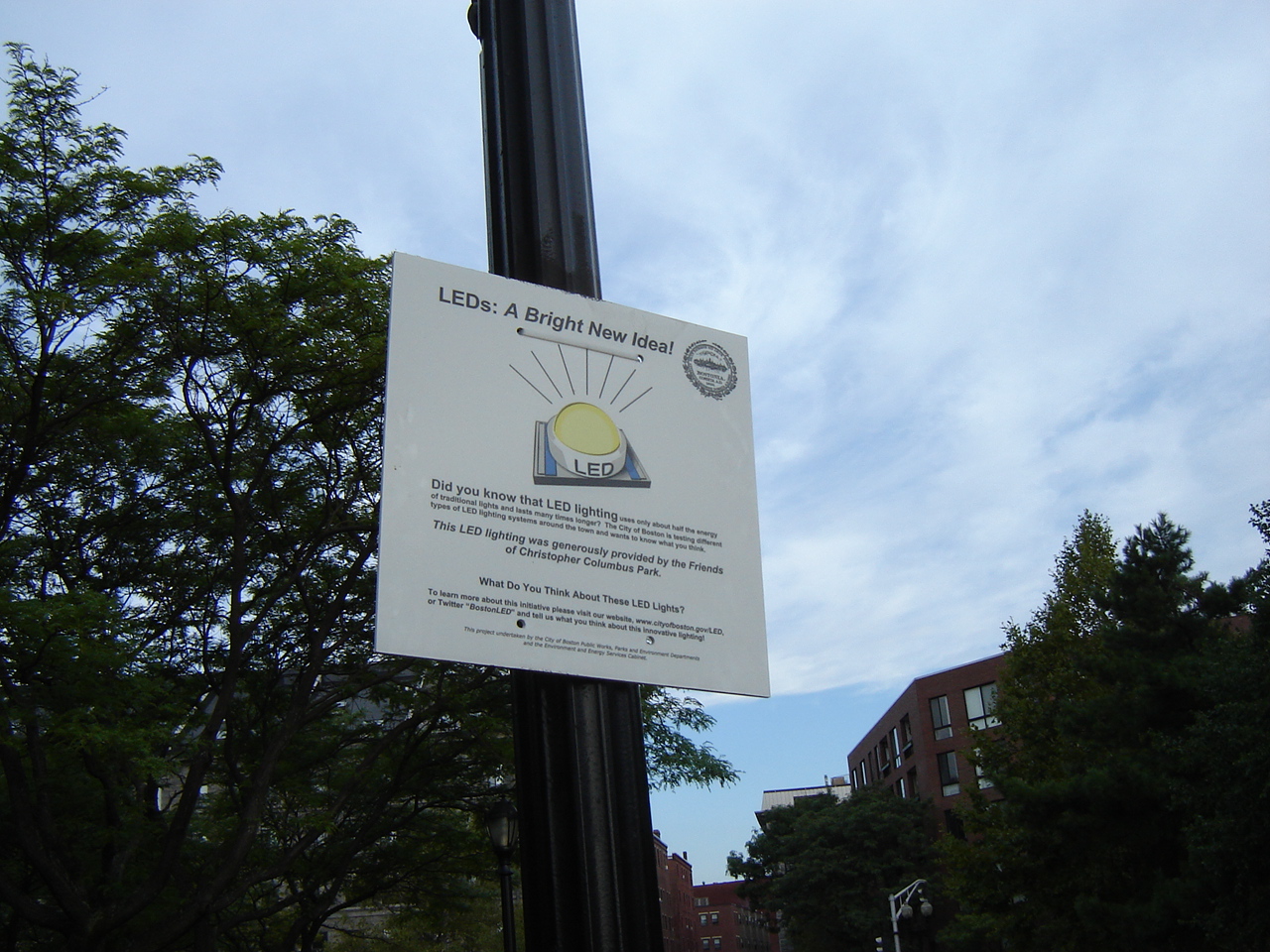
This morning on my walk I noticed a sign about energy-saving LED (light-emitting diode) street lamps. The sign is hard to read here, but it says that the LED lighting was provided by the Friends of Christopher Columbus Park. It also says that “the City of Boston is testing different types of LED lighting systems around the town and wants to know what you think.” Tell the City here.

The main reason I’m interested is that John is in the optics business, and his team is always working on LED, 3-D, and other optical projects beyond my ken. (I blogged about his Eastern European optical engineers here and here. John and Gregg tweet at OFH_John and gfavalora.)

And while we’re on the subject of optics, check out an article about “bizarre optical phenomena, defying the laws of reflection and refraction. …

“Cambridge, Mass. – September 1, 2011 – Exploiting a novel technique called phase discontinuity, researchers at the Harvard School of Engineering and Applied Sciences (SEAS) have induced light rays to behave in a way that defies the centuries-old laws of reflection and refraction.” They bend light. Kind of like a fun house mirror.

You can see what they are talking about here.

Read Full Post »

This is about a Unitarian Universalist minister who decided that community work was more important than having a church building.

As Donald E. Skinner writes of Ron Robinson in UU World, “The particular mission field that the Rev. Ron Robinson has claimed is one of America’s abandoned places.

“Turley, Oklahoma, a suburb of Tulsa, was a thriving place until the 1960s when white flight and the movement of oil industry jobs out of Tulsa began Turley’s long slide into economic and social decline.

“Today many houses in Turley are vacant and abandoned, some boarded up, others open to the elements and slowly falling down. Burned-out structures are nearly hidden by tall weeds and brush. The once robust main street is now down to a gas station, grocery, a pizza place that won’t deliver, self-service laundry, carwash, and a collection of auto repair and salvage businesses.

“Most younger residents have no health insurance and little health care. Most children qualify for free school lunches. Residents live, on average, fourteen fewer years than people five miles south, in midtown Tulsa. Unemployment is twice the national average.

“In the middle of this, Robinson, a Unitarian Universalist minister, has established A Third Place, a community center that includes Turley’s only library, several computers for public use, a free health clinic, food pantry, drop-in living room, and a place to get used clothing and household items.”

Read more here.

Read Full Post »

Near where I work in Boston, there is something new to see every day.

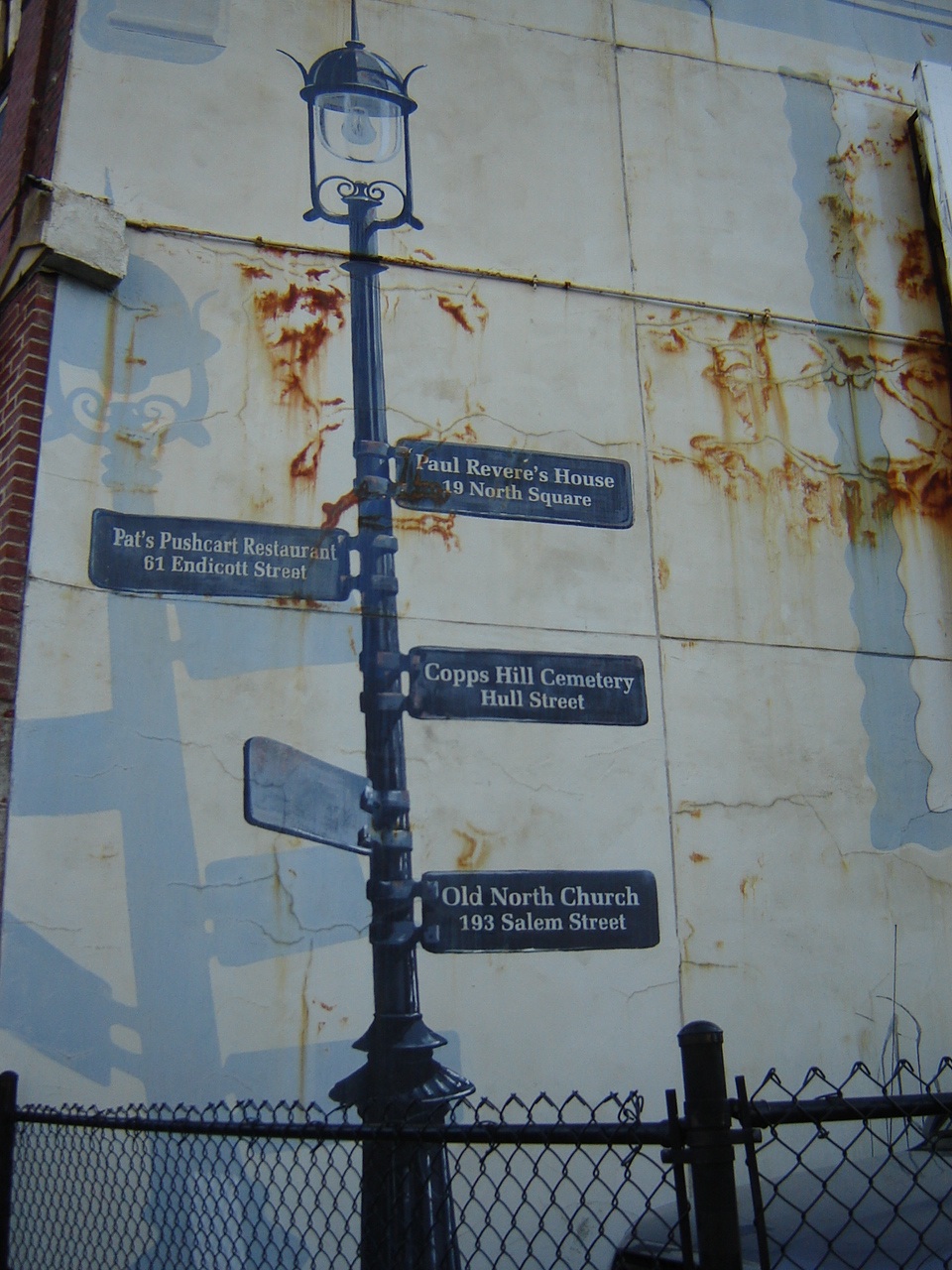
Here are two shots of the ever picturesque North End. 

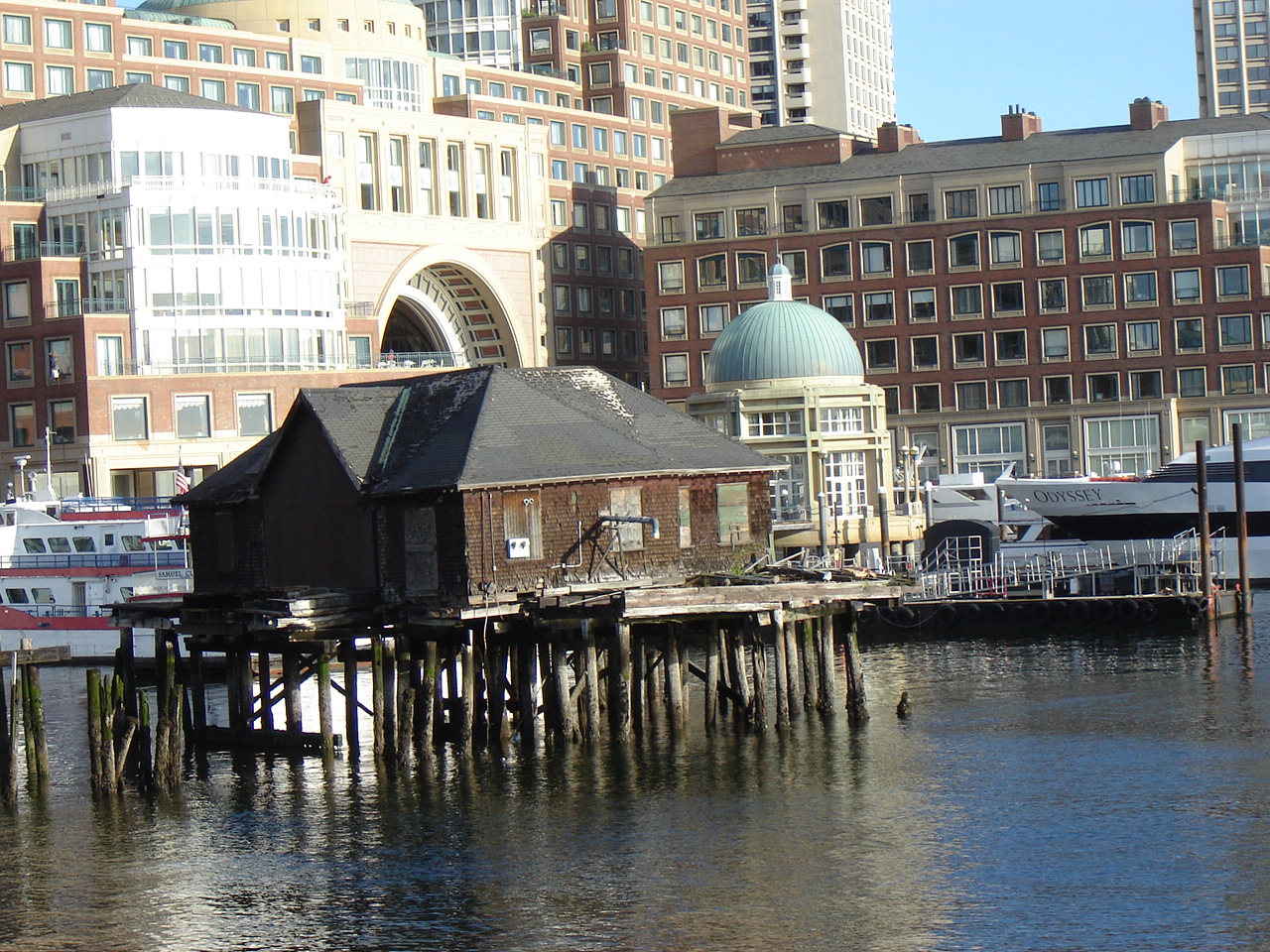
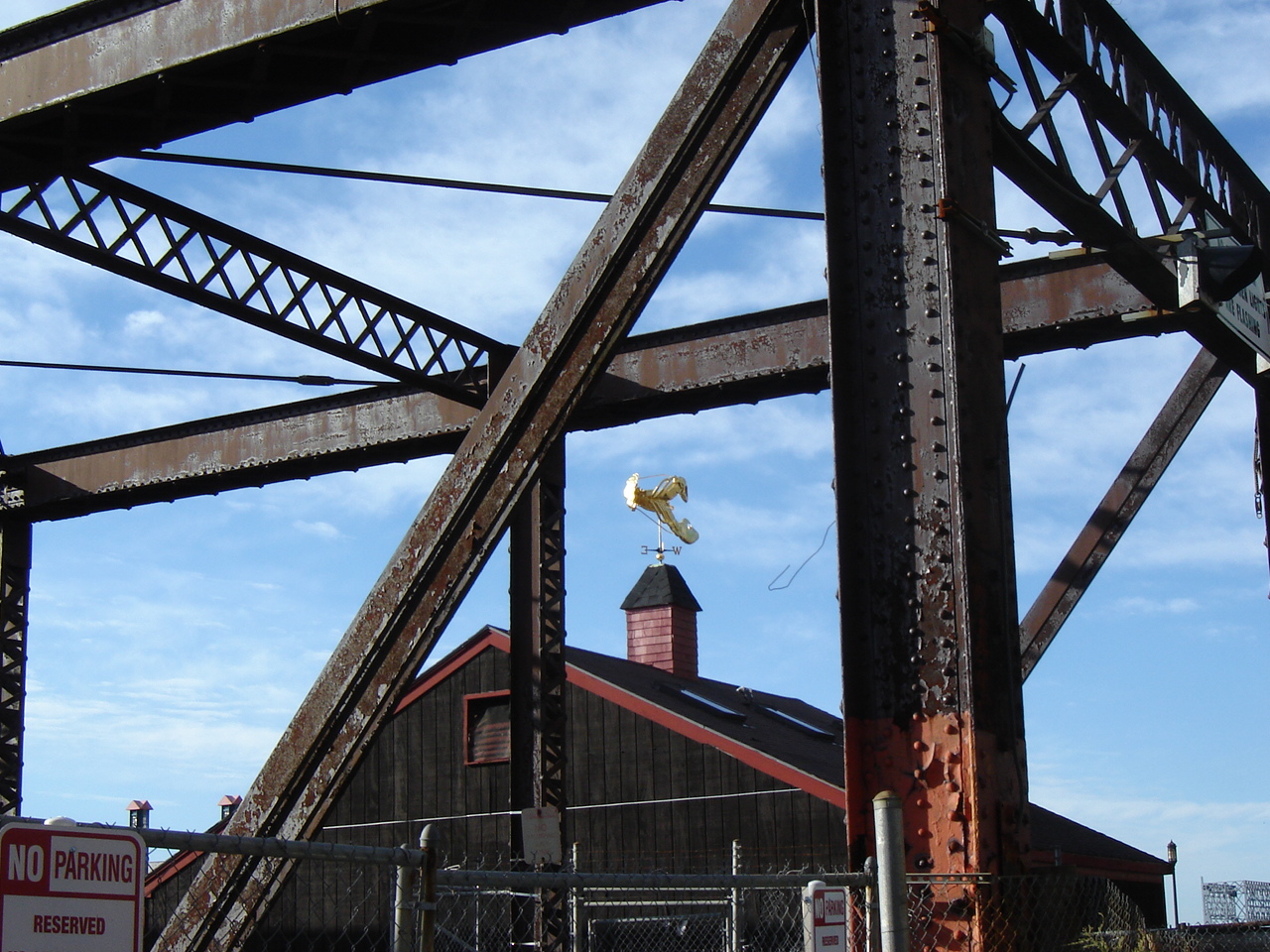
Here are shots of the harbor post-Irene and the James Hook & Co. golden lobster.

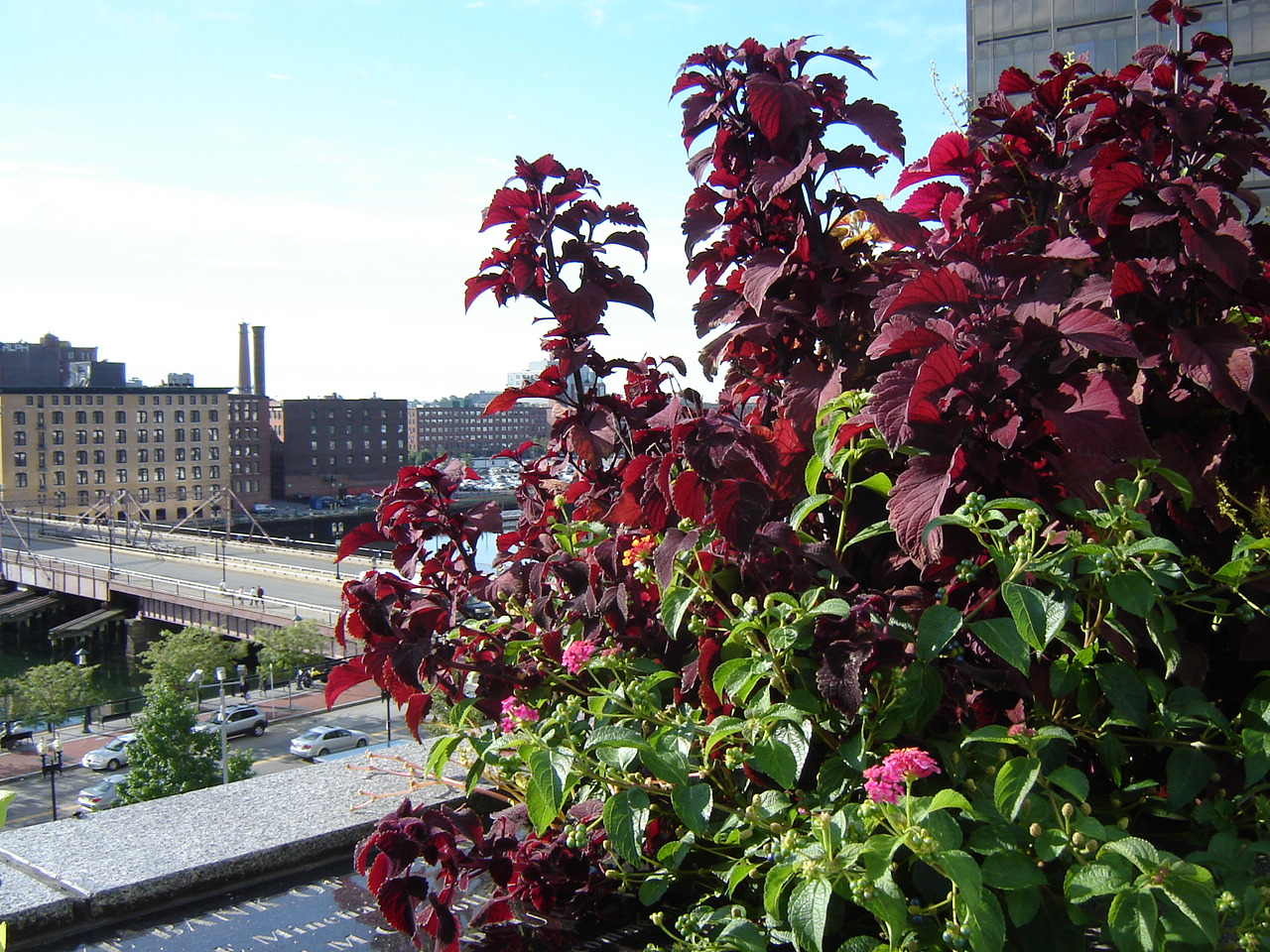
And here are the deep red plants that attracted a hummingbird outside the cafeteria yesterday. He didn’t show up today for his screen test, so I borrowed someone else’s hummingbird.

Read Full Post »

Manchester (NH) is an official refugee resettlement city. The State Department determines how many refugees the United States will take in each year and works through agencies to ease the transition. A colleague of mine lives in Manchester and was upset to learn about growing hostility to refugee placements.

Kathryn Marchocki writes in The Union Leader, “Mayor Ted Gatsas wants a moratorium on new refugee arrivals in Manchester after learning the city will receive a projected 600 refugees over two years, even though it now is the second-largest refugee resettlement community in New England.”

An alternative paper, The Hippo, goes into more depth. Here it quotes refugee supporters.

“ ‘For us, it’s a double-edged sword,’ said New Hampshire Catholic Charities’ Chesley. ‘The conditions they’re leaving are abhorrent. … But when the refugees come to New Hampshire, we witness the difficulty, the challenge. We also witness the evolution of a refugee’s life. The first few months here, they’re struggling. But there are so many wonderful examples of success.’

“There are many who realize just how much these refugees are bringing to the city. … [Rwandan refugee] Ntabaganyimana is one example of refugees’ giving back. He serves on a variety of community boards and organizations.

“The focus is always on challenges facing refugees or how refugees are impacting services. Ntabaganyimana would like a little more emphasis on the benefits of refugees and their successes. Sure, he says, there is an upfront investment in the refugees. But once they’re settled and acclimated, they’re contributing to the fabric of a community just like everyone else.”

Chesley points out that people have been migrating around the world forever. ” ‘That’s not new to New Hampshire. It’s not new to Manchester. The faces just look different and the colors are darker than the French Canadians or the Irish or the Polish, but the issues are still pretty much the same.’

“Refugees are working, and they are paying taxes. Ntabaganyimana guesses the refugees who are working are probably outweighing any impact that comes from refugees who aren’t able to find work quickly.”

The Hippo article also mentions a student from Suzanne’s alma mater, who has made a documentary on the issue. “Brendan Gillett is a student at Pomona College in California. He spent a great deal of time immersed in the refugee community while he filmed his documentary, Our Community. Gillett …  suggested implementing a program that would spread responsibility and include not just resettlement organizations but also the general public. He suggested establishing a family sponsorship program in which a native New Hampshire family could work with and provide help (rides to appointments, the grocery store, etc.) to a newly arrived family.”

Read more here.

Read Full Post »

Suzanne and Erik went to grad school with David O’Halloran, whose consulting company was recently cited in The Irish Times for its focus on sustainable business ventures in Africa.

“For Irish entrepreneur David O’Halloran, adhering to a sustainable business model that helps develop and protect local communities and their environment is the key to enjoying long-term success in Africa’s emerging markets. In late 2006, the Galway man, along with three former colleagues, rejuvenated a business development consultancy called BusinessMinds by turning it into an incubator company that develops, finances and operates sustainable commercial ventures in Africa.

“The idea behind the enterprise is to offer investors a socially responsible approach to doing business on the continent, while also making a profit. ‘Historically, many investors in Africa have used a more short-term, exploitative business model, one which has existed since the days of colonialism,’ O’Halloran says. ‘Unfortunately, for some investors this remains the modus operandi even today. As in, they take what resources they can and then get out without giving much back to the local economies.’

“However, O’Halloran says he believes people are starting to realise that such an approach is inherently unstable and increases risk.” His organization is called BusinessMinds, Africa.

Bill Corcoran wrote the Irish Times article. Read more here.

Read Full Post »

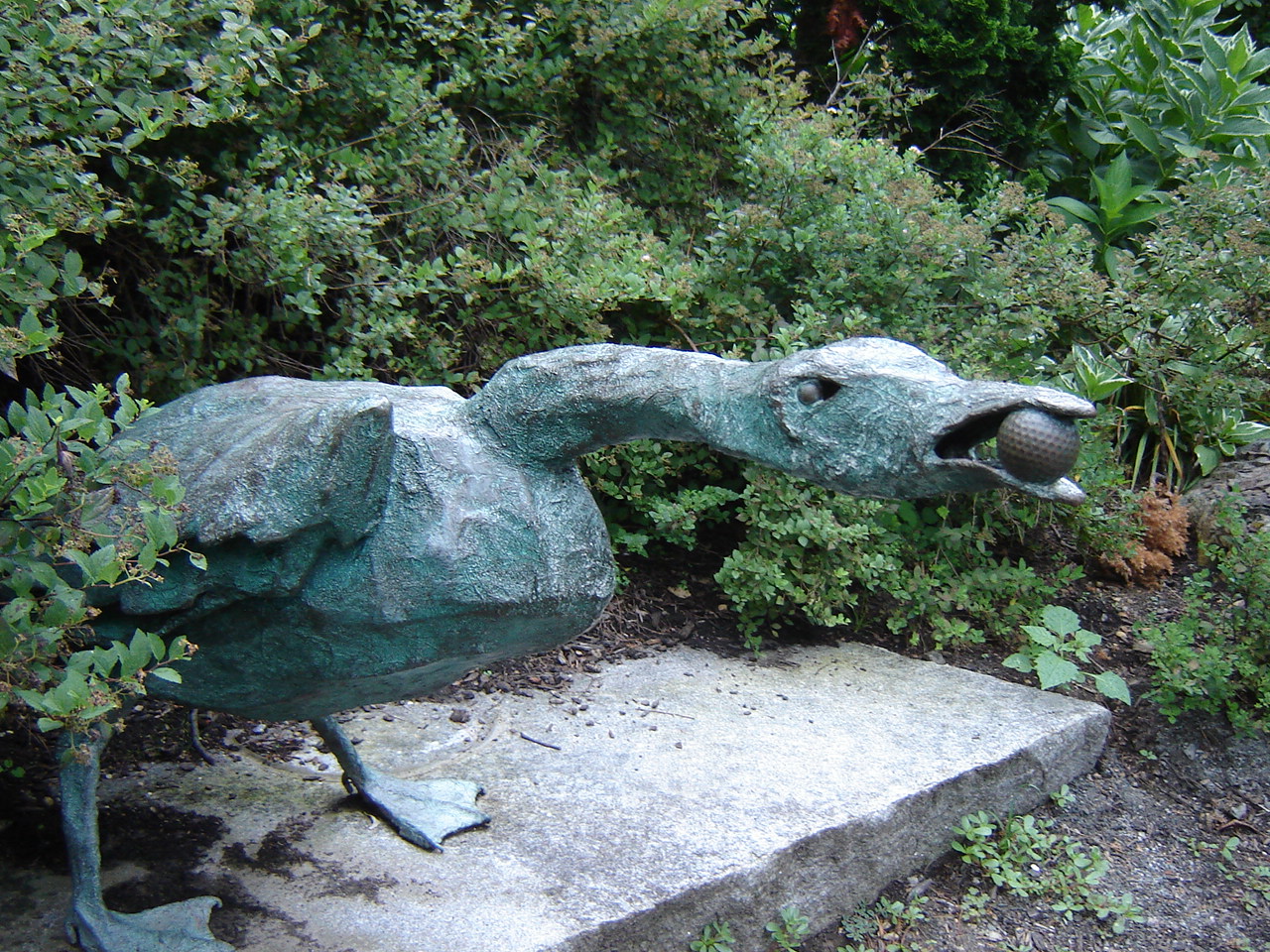
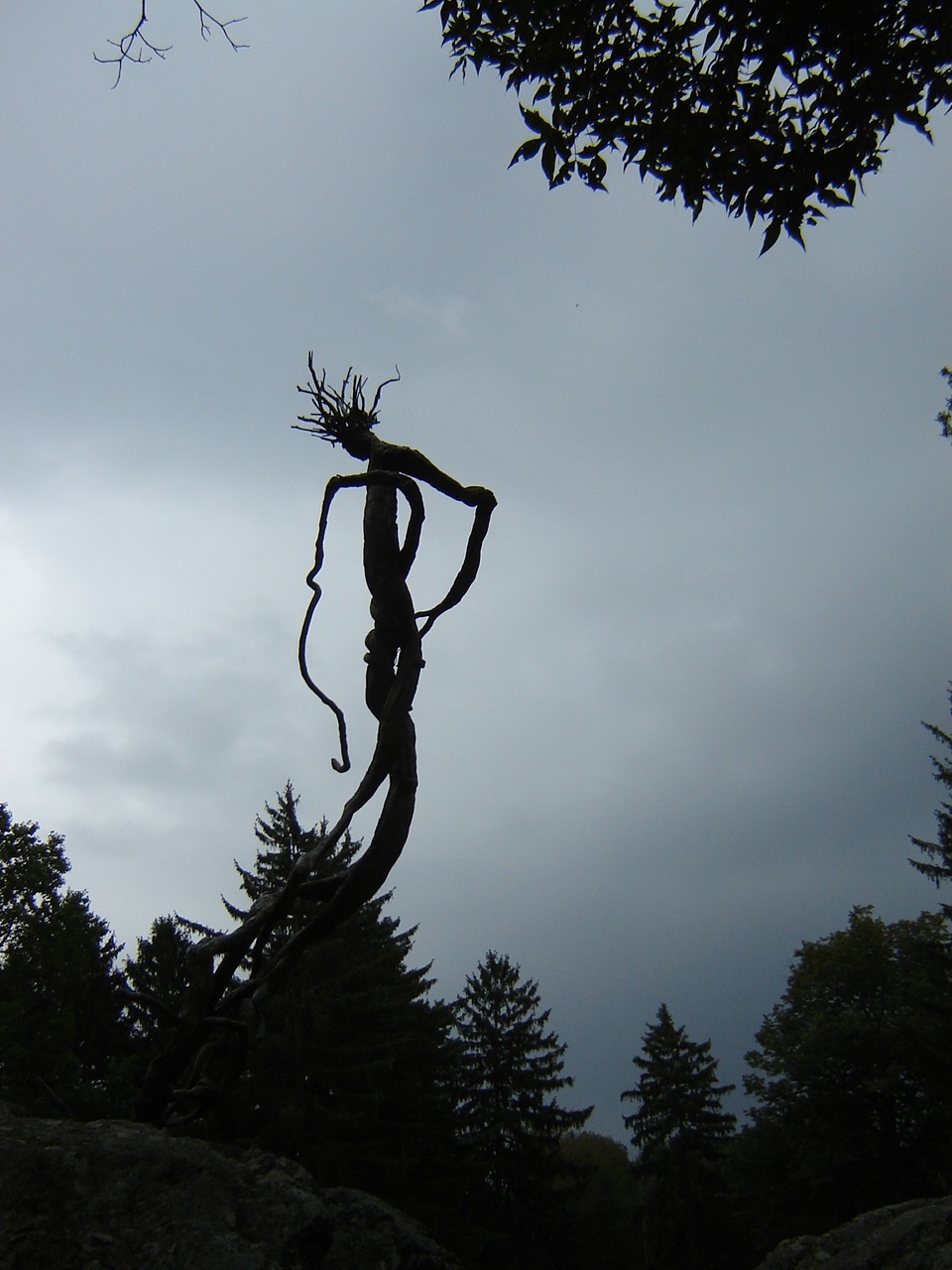
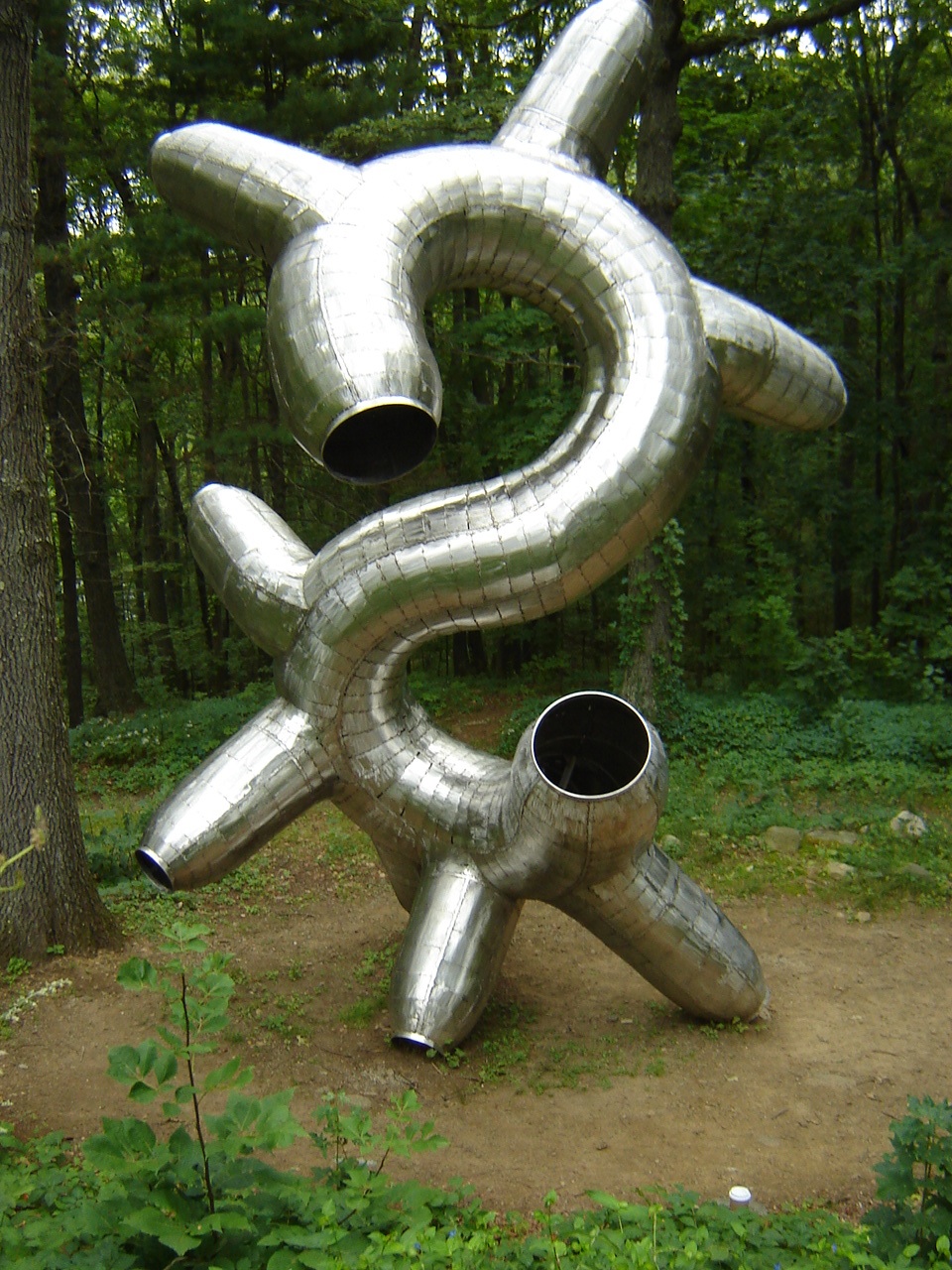
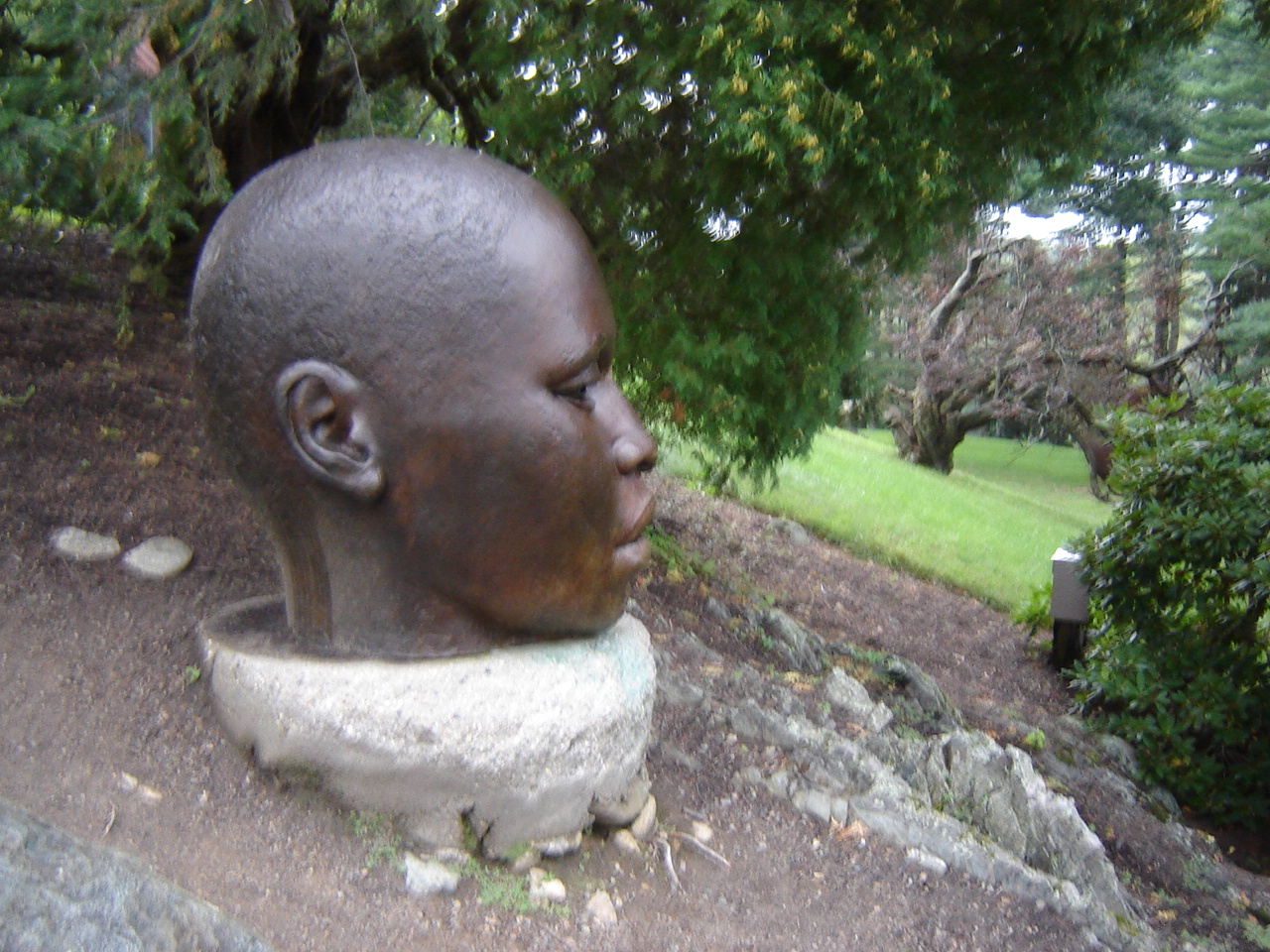
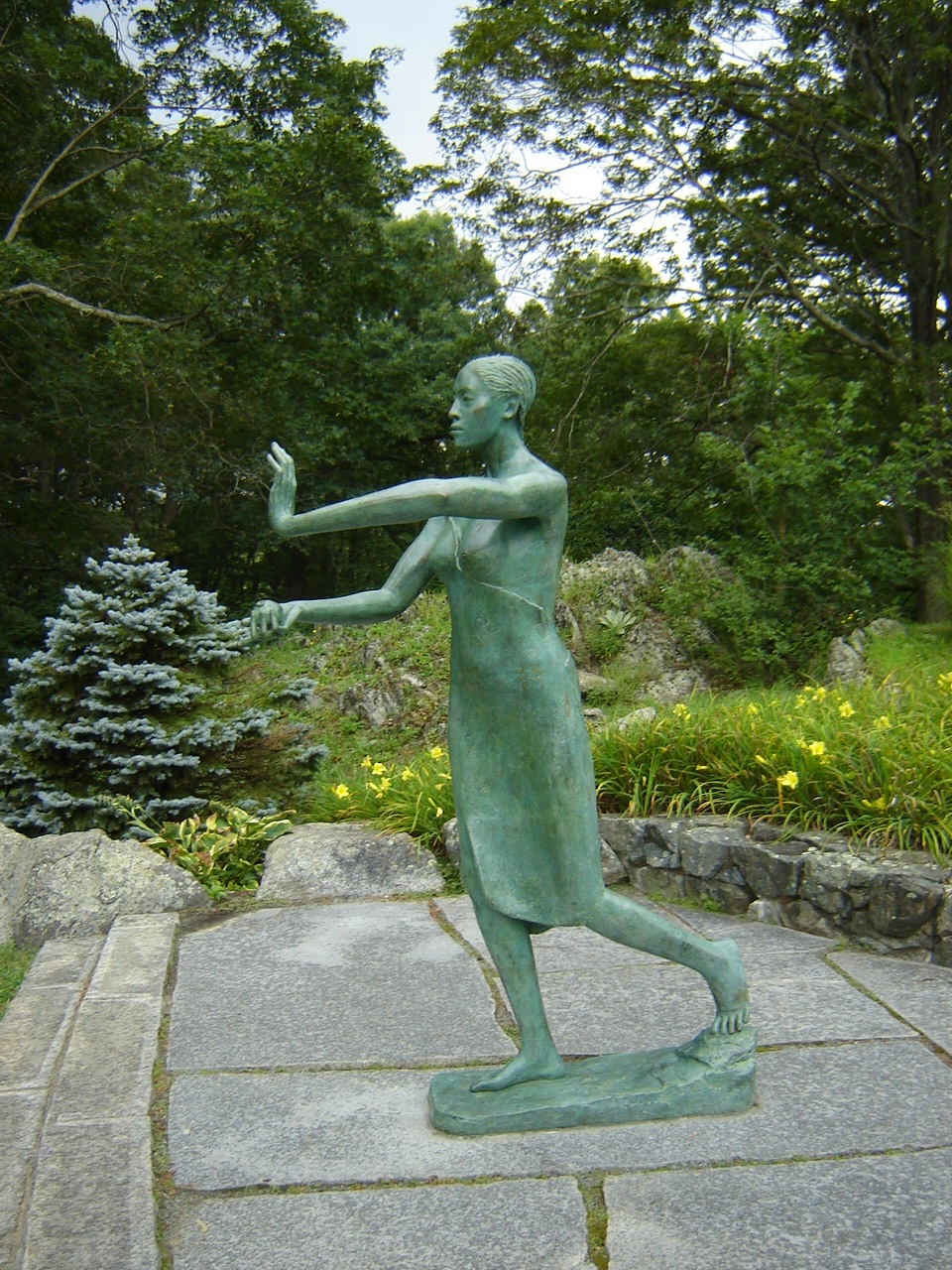
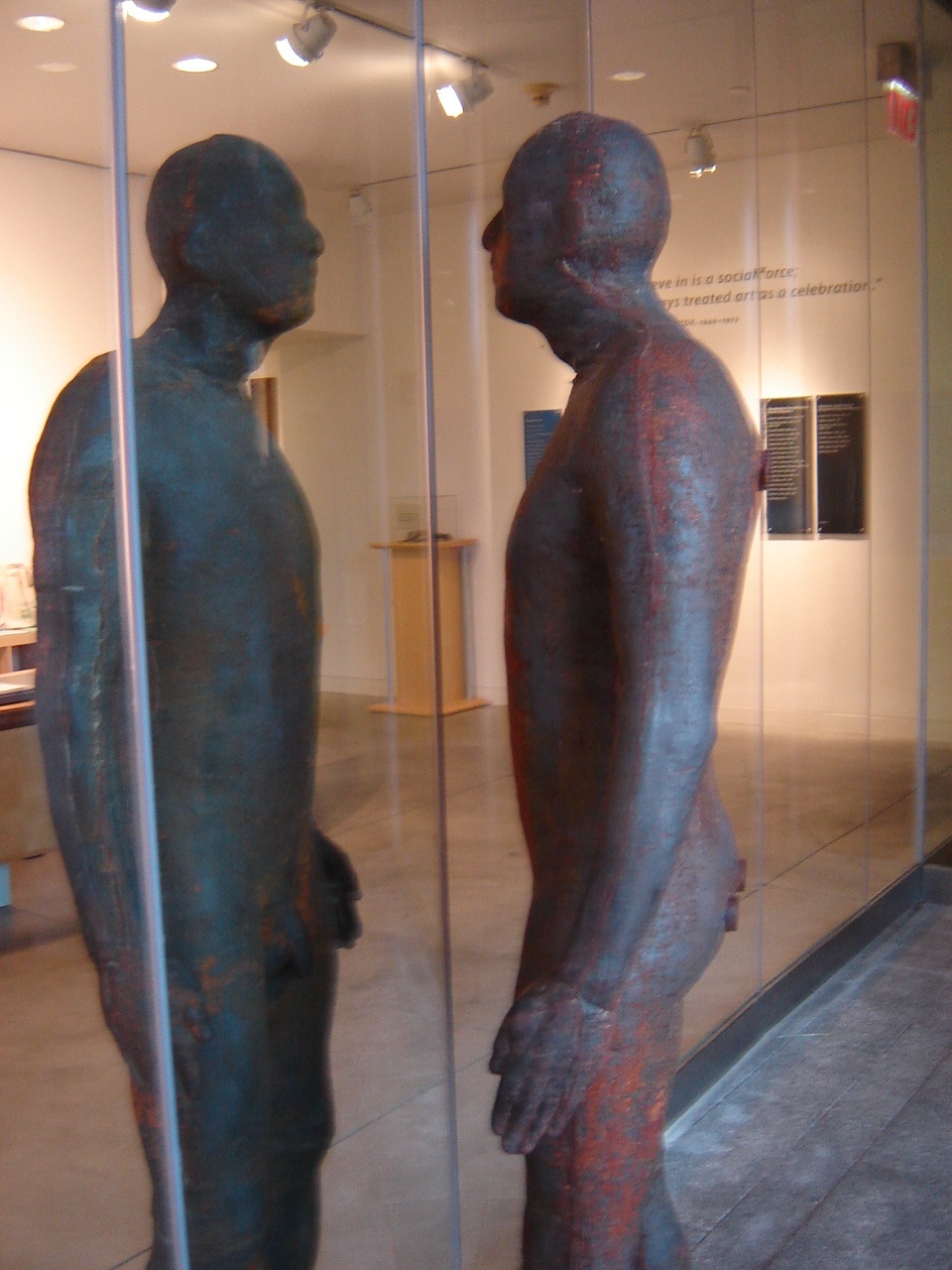
A few favorites from a rainy day at the DeCordova Museum and Sculpture Park.

We also liked the Andy Goldsworthy and the Caleb Neelon artwork.

Read Full Post »

Blogger Andrew Sullivan is on vacation in Provincetown (uh-oh, hurricane!), but his crack team at the Daily Beast is doing him proud.

I’m so grateful that they clued me in to the delightful Gwarlingo blog. Creator Michelle Aldredge says that her goal with Gwarlingo is to highlight “some of the most inventive work being made today in music, writing, film, performance, and the visual arts.” My first exposure confirms that she’s succeeding.

In this Gwarlingo post, we learn about the fine art of manhole covers in Japan and a book by Remo Camerota on the topic called Drainspotting. Camerota writes, “In the 1980s as communities outside of Japan’s major cities were slated to receive new sewer systems, these public works projects were met with resistance, until one dedicated bureaucrat solved the problem by devising a way to make these mostly invisible systems aesthetically appreciated above ground: customized manhole covers.”

https://i0.wp.com/www.gwarlingo.com/wp-content/uploads/2011/08/Paper-Crane-Design-in-Hiroshima-Manhole-Cover.jpg

Photo source unknown.

https://i0.wp.com/www.gwarlingo.com/wp-content/uploads/2011/08/Crane-Japanese-Manhole-Cover-Photo-by-Carlos-Blanco.jpg

Photo by Carlos Blanco via Flickr Commons

Lots more manhole covers at Gwarlingo.


Read Full Post »

Back in the day, I was a great fan of Mary Renault. I took her every word as gospel, down to the conversations Theseus had with Ariadne, because the stories generally meshed with what I knew from studying ancient Greek.

The Bull from the Sea was about the sea god Poseidon, who also is the god of earthquakes. I remember Renault’s description of the eerie stillness in the air before an earthquake and the strange behavior of the creatures.

So I am not at all surprised to read in the Washington Post that animals at the National Zoo knew before this week’s earthquake actually quaked that something was about to happen.

“The zoo documented a broad range of animal behavior before, during and after the tremor … . For example, a gorilla, Mandara, shrieked and grabbed her baby, Kibibi, racing to the top of a climbing structure just seconds before the ground began to shake dramatically. Two other apes — an orangutan, Kyle, and a gorilla, Kojo — already had dropped their food and skedaddled to higher turf. The 64 flamingos seemed to sense the tumult a number of seconds in advance as well, clustering together in a nervous huddle before the quake hit. One of the zoo’s elephants made a low-pitched noise as if to communicate with two other elephants. And red-ruffed lemurs emitted an alarm cry a full 15 minutes before the temblor, the zoo said.

“During the quake, the zoo grounds were filled with howls and cries. The snakes, normally inert in the middle of the day, writhed and slithered. Beavers stood on their hind legs and then jumped into a pond. Murphy the Komodo dragon ran for cover. Lions resting outside suddenly stood up and stared at their building as the walls shook. Damai, a Sumatran tiger, leaped as if startled but quickly settled down. Some animals remained agitated for the rest of the day, wouldn’t eat and didn’t go to sleep on their usual schedule.” Read the full story.

And while we’re on the subject, please read about 96 percent of a certain kind of male toad abandoning their breeding ground five days before the 2009 L’Aquila, Italy, earthquake! (That lead came via Andrew Sullivan’s blog.)


Read Full Post »

Ever since the kids were little, we used the term “collapsing fit” to mean an emotional meltdown. It doesn’t need much explanation.

Then around 1990, I read about fainting goats and was fascinated by the idea that some animals collapse when frightened. Needless to say, goats that collapse when frightened by an enemy are fairly rare. Makes it hard to get away.

*

*

But one time I saw the ability to collapse benefit the human animal. Or maybe not.

It happened that a bunch of us teachers back in my first career, were concerned about an angry, out-of-control sixth-grader, so we called a meeting with his mother. After we laid out the problems as gently as possible, she fainted. After she came to, no one ever said anything to her about her son again. His classmates and teachers went for decades thinking they would read a headline about about some guy going postal and it would turn out to be this kid. I’m happy to say we were wrong. I never did learn the medical reason for his mother’s collapse.

This train of thought is the result of my reading in the science section of yesterday’s NY Times about a rare illness associated with the death of certain brain cells. It’s called cataplexy. And cataplexy is — get this — “a tendency to collapse when swept by strong emotions.”

I should write a poem. “A tendency to collapse when swept by strong emotions.” How great is that?

Or maybe one of you poets reading this blog would follow your personal train of thought, and write a poem related to cataplexy or collapsing. I would love to print one here.

Read Full Post »

I wrote before about a program using the arts to help people in prisons get beyond the prisoner mindset. Here’s a similar story.

Michelle “Bankston, who has short, blond hair and a muscular build, has spent almost 20 years behind bars. She was incarcerated first at a medium-security facility here in Alabama, and then at a private prison in Louisiana (to relieve overcrowding, Alabama sends some inmates out of state), and finally here, at the Montgomery Women’s Facility, a sun-soused cluster of buildings on the outskirts of the capital city.

” ‘A while back I decided that I could either spend decades in the bunks, watching TV or playing cards,’ Bankston says, ‘or I could get out here and take the opportunity to write poetry and draw.’

“That she’s been given this opportunity to do her art is testament to the work of Kyes Stevens, an avuncular and outspoken educator, poet, and Alabama native. Since 2002, Ms. Stevens has headed The Alabama Prison Arts + Education Project (APAEP), which offers literature and art classes in a range of prisons across the state. The program is funded by Auburn University and an array of grants. The teaching staff consists of five Auburn-based instructors and a rotating cast of teaching fellows from the graduate creative-writing program at the University of Alabama in Tuscaloosa. Classes run for 14 weeks and are rigorously structured, like college courses, demanding a full commitment from students.”

Read the article in the Christian Science Monitor.

On a related note, I met a woman in my playwriting class who founded a nonprofit called On With Living and Learning, Inc. Mary Driscoll lives in the Fort Point Channel area of Boston and works with people who have been through the prison system. She uses theater to generate the catharsis that can result from their telling their stories and also to help them develop “job skills for the 21st century.” Read about her here. A script that Mary was working on in my playwriting class is now going to be made into an opera, with all sorts of helpers, like the Harvard-trained opera composer, the cabaret singer, and the reggae performer.

I can’t help thinking that when these creative people use their talents to help others, they are getting something special in return.

Read Full Post »

« Newer Posts - Older Posts »