Feeds:
Posts
Comments
Photo: Russ Rowland/Heartbeat Opera.
Professional opera singers Kelly Griffin and Derrell Acon perform with incarcerated singers for Heartbeat Opera’s production of Fidelio in a dress rehearsal at New York’s Metropolitan Museum of Art.

Positive things happen when punishment for people who have committed crimes doesn’t negate their basic humanity. That’s why I like posting stories about enlightened systems (see Norway’s successful rehabilitation process, here) and programs that bring the arts inside the walls.

Anastasia Tsioulcas reported recently at National Public Radio (NPR) about an unusual production of Beethoven’s opera Fidelio, the story of a man who has been imprisoned for political reasons.

“A group of enterprising artists has found a way to bring Fidelio, quite literally, into today’s incarceration system — and to bring the voices of those men and women to the stage.

“In this updated version of Fidelio staged by New York City’s Heartbeat Opera, the main character is Stan, a Black Lives Matter activist who has been thrown into solitary confinement. His wife, Leah, tries to rescue him. The music is still sung in German, but the spoken parts are in English.

“In person, this production is small: there’s just a handful each of instrumentalists and singers on stage at New York’s Metropolitan Museum of Art. … But this production is a much larger effort, notes Ethan Heard, who is a co-founder and artistic director of Heartbeat Opera.

” ‘I revisited the story and was just so struck by the idea of a wrongfully incarcerated man and this amazing woman, his wife, who infiltrates the prison where she believes he’s been kept. And it felt like an opera we could really update for a contemporary American version,’ Heard says.

“Heartbeat first staged its version of Fidelio in 2018 [then updated it] to reflect certain events of the past couple of years, from the nation’s racial reckoning to the Jan. 6 insurrection at the Capitol.

“Stan has been jailed by the corrupt prison governor Pizarro [who exhorts] his cronies to ‘stand back and stand by’ as he plots Stan’s murder. A senior guard, Roc — who is Black himself — comes to wrestle with his position in the system. …

“The emotional apex of any version of Fidelio is a scene in which the prisoners are allowed a brief outing into the fresh air, exulting in a passing moment that feels just a little bit like freedom.

“In thinking about that scene, Heard and co-musical director Daniel Schlosberg hit upon a much larger idea that spoke to what they really wanted this production to address: mass incarceration in America.

“They connected with an old friend of Schlosberg: Amanda Weber, a prison choir director in Minnesota. She in turn helped put them in touch with other such groups. As a result, in Heartbeat’s production, singers from six prison musical groups — a mix of over 100 men and women who are incarcerated as well as about 70 community volunteers — are the ones singing the ‘Prisoners’ Chorus.’

“The groups are the Oakdale Community Choir in Iowa; KUJI Men’s Chorus, UBUNTU Men’s Chorus and HOPE Thru Harmony Women’s Choir in Ohio; East Hill Singers in Kansas; and the group Weber leads, Voices of Hope in Minnesota. …

“Schlosberg says that this moment in the opera [is] some of the most gorgeous music ever written for chorus in an opera, and that is the center, both emotionally and musically. Everything about this piece kind of comes from there.’

“In order to make this collaboration happen, the Heartbeat team had to earn the trust of the singers in prison. Michael Powell is one of those chorus members; he’s also known by the name Black. He was formerly incarcerated in Ohio, at Marion Correctional, and sang in the KUJI Men’s Chorus there. Above all, Black says, they didn’t want to be used as a prop. …

‘When Danny and Ethan came in, it was like the quick feel-out process — let’s see what’s going on there because we don’t want to feel exploited in any way. We already get exploited enough.’

“Derrell Acon is the associate artistic director of Heartbeat. In Fidelio, he sings the role of Roc. Acon says that opera can be a great vehicle for addressing and reflecting social movements. …

” ‘I’m someone who has been impacted by the carceral system. I have a sibling who was incarcerated. … This is not actually a mechanism for justice, but rather revenue,’ Acon continues, referring to the use of privatized prisons. ‘It sits on the backs of Black and brown people.’ …

“Black, the singer from the KUJI men’s chorus, was released from prison in 2020. He’s now the director of outreach and new initiatives for a small non-profit in Columbus, Ohio, Healing Broken Circles, which works with people touched by the justice system. …

” ‘If you really want to try to impact lives or if you care anything about prison justice reform or any of those things,’ Black says, ‘support the arts going into those prisons and support the community coming out of prison.’ ” More at NPR, here.

Music heals. And in case you missed it, see also what music can do for people in a bomb shelter, here.

Photo: Biosphere2.
Biospheres in Arizona gather ancient wisdom to aid future generations.

Now that we know human activity is the main reason for dangerous global warming, it’s time to turn to indigenous tribes and learn to step more lightly on Plant Earth. That’s the thinking behind a biosphere project in Arizona.

Samuel Gilbert reports at the Washington Post, “Indigenous peoples have known for millennia to plant under the shade of the mesquite and paloverde trees that mark the Sonoran Desert [in Arizona], shielding their crops from the intense sun and reducing the amount of water needed.

“The modern-day version of this can be seen in the Santa Catalina Mountains north of Tucson, where a canopy of elevated solar panels helps to protect rows of squash, tomatoes and onions. Even on a November afternoon, with the temperature climbing into the 80s, the air under the panels stays comfortably cool.

“Such adaptation is central to the research underway at Biosphere 2, a unique center affiliated with the University of Arizona that’s part of a movement aimed at reimagining and remaking agriculture in a warming world. In the Southwest, projects are looking to plants and farming practices that Native Americans have long used as potential solutions to growing worries over future food supplies. At the same time, they are seeking to build energy resilience.

“Learning from and incorporating Indigenous knowledge is important, believes Greg Barron-Gafford, a professor who studies the intersection of plant biology and environmental and human factors. But instead of relying on tree shade, ‘we’re underneath an energy producer that’s not competing for water.’

“On both sides of the Arizona border with Mexico, scientists are planting experimental gardens and pushing the potential of an ‘agrivoltaic’ approach. Thirsty crops such as fruits, nuts and leafy greens — which require elaborate irrigation systems that have pulled vast quantities of water from underground aquifers and the Colorado and other rivers — are nowhere to be found. …

“Southern Arizona is an epicenter of the movement not just because of the intense environmental pressures that the region faces but because of the presence of the Tohono O’odham Nation southwest of Tucson.

“The Tohono O’odham have farmed in the Sonoran Desert for several thousand years. Like many Indigenous groups, they now are on the front lines of climate change, with food security a paramount concern. Their expansive reservation, nearly the size of Connecticut, has just a few grocery stores. It is a food desert in a desert where conditions are only getting more extreme.

“Since the early 1970s, a group of Nation members have run the San Xavier Cooperative Farm and grown ‘traditional desert cultivars’ in accordance with their ancestral values — particularly respect for land, water and plants.

“Sterling Johnson, a member of the Tohono O’odham Nation, has worked for the past decade to share that expertise broadly. His partner, Nina Sajovec, directs the Ajo Center for Sustainable Agriculture, a Native American-governed food justice organization that several years ago founded its own seed bank and already has distributed over 10,000 seeds to farmers.

“ ‘We’re all about using what is out there,’ Sajovec said. Among the center’s heirloom varieties: 60-day corn, a fast-maturing desert-adapted vegetable, and the tepary bean, a high-protein legume particularly suited to the climate because of leaves that can fold to withstand direct sunlight during the peak of summer.

“Johnson captures precipitation during the Arizona monsoon season to sustain crops on his field in the desert lowlands. ‘It’s using the rainwater,’ he explained, ‘using the contour lines, using your environment and nature to grow food.’ …

“Perhaps even more daunting than the rising temperatures of climate change are the water shortages that many parts of the world will confront. In Tucson, the Santa Cruz River is now dry because of too much diversion and burgeoning demand, according to Brad Lancaster, an expert on rainwater harvesting.

“ ‘The majority of the water that irrigates landscapes and Tucson and Arizona is not local water’ but tapped from the Colorado River, Lancaster said. Unless severe drought conditions reverse and the river level improves, mandatory federal cutbacks mean farmers will lose a significant amount of that critical resource starting next year.

“ ‘The goal is how can we use rainwater and storm water, passively captured, to be the primary irrigator,’ said Lancaster, who lives in a local neighborhood that has been transformed through passive water harvesting into an ‘urban forest,’ with wild edible plants such as chiltepin pepper and desert hackberry lining the sidewalks.

“He is planning a similar system at Tumamoc Resilience Gardens, using basins and earthen structures to spread water across the landscape and reduce channelized flows. Nabhan, who also is involved in the site’s design, sees it as replicable and, more importantly, scalable. …

“ ‘We’ve had 5,000 years of farmers trying out different strategies for dealing with heat, drought and water scarcity,’ said [Gary Nabhan, an ethnobotanist and agrarian activist who focuses on plants and cultures of the Southwest], walking around his own creation at his home in Patagonia, a small town about 18 miles north of the Mexico border. The fenced space holds 40 species of agave, three species of sotol, prickly pear and other varieties of cactuses and succulents.

“ ‘The key concept,’ he said, ‘is that we’re trying to fit the crops to the environment rather than remaking the environment.’ ”

More at the Post, here. Lots of great photos.

Coding a Game at 82

Photo: Takehiko Kambayashi.
Octogenarian app developer Wakamiya Masako creates fabric designs with Excel art (note her shirt) and also games that older people can win against kids.

I know I’m not the only one when I say that I miss Jimmy the Geek. He would make an initial housecall for computer problems, but after that, he’d solve problems over the phone, usually without charge.

Jimmy died two years ago. And I have managed to take care of myself, techwise, mostly by following his approach to finding solutions.

The common wisdom that old folks need to ask children for tech help gives us a bad rap. Many older bloggers know how wrong that is. We have learned to do all sorts of fancy things with WordPress, for example, adapting when the platform makes its endless “improvements.” My grandchildren have no idea how to do this. They could learn it fast, but I would have to teach them.

You can see why I was drawn to today’s story about Wakamiya Masako, 86, who learned to develop a game app at age 82.

Takehiko Kambayashi writes at the Christian Science Monitor, “Retired from bank management for about 25 years, she has spent a lot of her time helping older friends and neighbors learn to use smartphones, and she’s developed the theory that they have a hard time because there aren’t games and apps aimed at their age group.  

“One possible solution, she thought, was to create a gaming app to encourage and enchant older people into more comfort with their smartphones. …

“Her idea has made her famous at home and abroad for being one of the oldest app developers in the world, lauded by Japanese leaders and global technology executives for transcending age barriers.  

“ ‘Ms. Wakamiya asked me to develop a gaming app in which seniors can beat young people,’ recalls Koizumi Katsushiro, president of Tesseract, a company that teaches computer programming and app development in the northeastern city of Shiogama. 

“But he suggested she create the app herself, and that he would help her. The energetic Ms. Wakamiya took on the challenge, struggling for six months to create the game. …

“In 2017, at the age of 82, she launched Hinadan. The game features Japan’s traditional Hinamatsuri festival, a celebration of Girls’ Day. On the Hinadan app, which takes its name from a tiered stand for displaying traditional Japanese dolls, users must move dolls – puzzle-like – into appropriate positions according to roles: the emperor and the empress, court ladies, and court musicians with instruments. It has now been released in five languages. 

“ ‘I was pleased with the launch. But I did not think it was such a major achievement,’ says Ms. Wakamiya, surprised at the global interest in her work. 

“Hailing her as the world’s oldest app developer, Apple chief executive Tim Cook invited her to the company’s Worldwide Developers Conference in San Jose, California, in 2017. …

“Ms. Wakamiya, who serves as vice chair of the Mellow Club, a Japanese online group for older people, soon found herself on the global speaking circuit encouraging older people to overcome discomfort with technology.

“In 2018, she delivered a keynote address at a United Nations conference in New York on ‘Why are digital skills critical for older persons?’ And she has published several books on aging and technology in Japan, including one titled ‘Life Becomes More and More Interesting After 60.’ …

“In Japan, her advocacy for the use of technology at older ages is particularly notable. Japan has struggled with difficult problems associated with its declining birthrate and aging population, including labor shortages and slow economic growth.

“Those age 65 or older account for 29% of Japan’s population. That’s projected to rise to 38% by 2065, estimates the National Institute of Population and Social Security Research in Tokyo. 

“Ms. Wakamiya began using computers a few years before she retired in 1997 in hopes of socializing online while looking after her aging mother at home.

She says she found that, more than just a new way to expand her circle of friends, computer literacy enriched her life with opportunities to broaden her perspective and satisfy her intellectual curiosity.

“The deficit of online material for older people made her get creative: Using Excel spreadsheets, she saw patterns that she translated into art – designs for fabric and paper fans. She calls it ‘Excel art.’ 

“ ‘Excel looks difficult for seniors. But I came up with an idea of drawing designs using its functions. Then, I got so excited as I was able to produce one new pattern after another,’ says Ms. Wakamiya. … 

“Ms. Wakamiya has taught other seniors how to produce artworks online, using the Excel software as a design tool. ‘It’s very important for seniors to be creative and produce something original,’ she says. 

“Ms. Wakamiya, who sits on Prime Minister Kishida Fumio’s digital policy committee, is known as an information technology evangelist with a mission to get seniors to acquire digital skills. … On her own initiative, Ms. Wakamiya flew to Estonia, which is pioneering the e-Residency concept of digital nations, in 2019 to see how seniors are able to fit in its e-government systems. She also made a speech and held workshops on Excel art during her stay. …

“Hashimoto Kayoko, retired from her career at a major trading house, stumbled upon Ms. Wakamiya at an Apple store in Tokyo, where she was giving an inspirational speech. ‘It was as though rain in the dark sky suddenly turned to a brilliantly sunny day. Ma-chan lights up my heart,’ she says. ‘Ma-chan shows me a can-do attitude.’

“Ms. Wakamiya, who lectures across Japan, encourages older people to be involved in volunteer work especially because many, particularly men, do not know what they are going to do in their post-retirement life. 

“ ‘While you contribute to society, volunteering can help broaden your perspective by meeting and working with those in different age groups. Some of them have high aspirations,’ she says. … 

“Ms. Wakamiya’s life after retirement made her see things differently because, throughout her four-decade career at a bank, most of her acquaintances were in the same business, she says. She recently realized that often, in Japan’s culture of perfectionism, many people are simply so afraid of failure they won’t try something new.

“ ‘You should not worry about failures. There are no such things as failures,’ she says. ‘To just start something new is deemed a success because you still learn in the process.’ ” 

More at the Monitor, here.
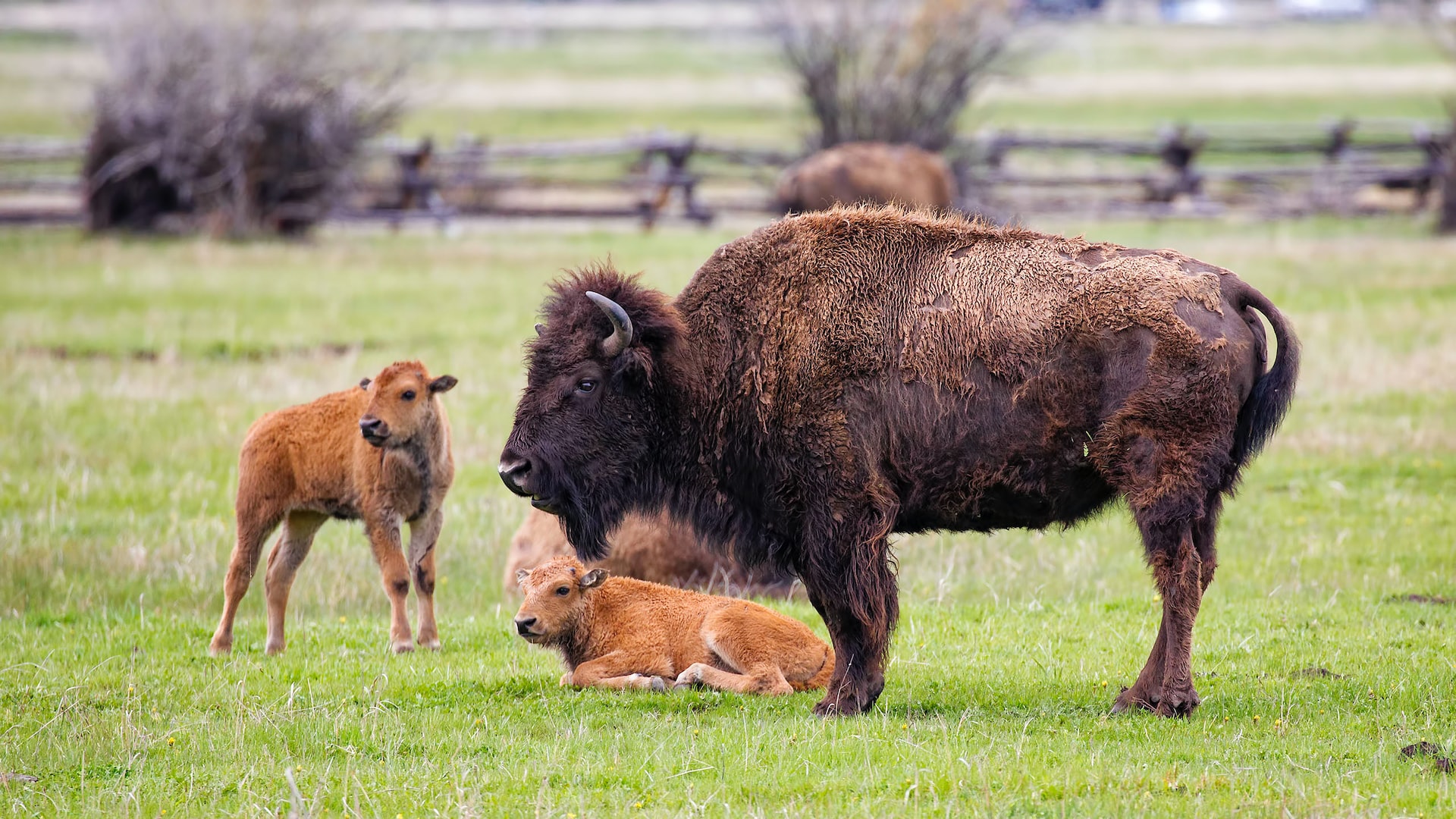
Percy the Porcupine

Photo: Richard Vogel via New York Post.
Percy the porcupine is two stories tall and has 2,000 foam quills.

I finally got it through my head that wild animals want to be in the wild — not in a zoo. But I have lingering ambivalence. The better zoos can keep animals pretty happy while also protecting those that are endangered; they collaborate with other organizations to improve the habitat of animals’ endangered families back home; and they teach delighted children about the importance of conservation.

So you be the judge of today’s story about delighting children at a zoo. No animals were harmed.

Jessica Gelt has the story at the Los Angeles Times. “Boris is not shy, but he is a bit prickly. He enjoys being the center of attention and squeals with indignation if anyone tries to remove him from the limelight. He loves bananas and his large, porcine nose wriggles with contentment as he bites into one.

“A group of artists, designers and fabricators surround Boris [at] Jim Henson’s Creature Shop in Burbank.

“ ‘What color is his tongue?’ one asks, leaning in to observe the lithe muscle as it darts out of his diminutive mouth for a taste of fruit.

“Another studies his whiskers, marveling at the way they cover his velvety muzzle.

“Boris … is a 21-year-old Brazilian porcupine — a visiting ambassador to the legendary puppet-making shop as it works to build what might be the world’s largest animal puppet, most certainly the largest porcupine puppet. …

“Named Percy the Porcupine, the two-story creation is covered in 2,000 foam quills and has an articulated nose the size of a 2-ton Volkswagen. And that’s just the arboreal animal’s head. The five fabricators who spent more than 1,000 hours meticulously constructing the fantastical creature decided to leave the body out of the equation. …

“The San Diego Zoo commissioned Percy over the holidays in celebration of the grand opening of a new 3.2-acre attraction called Wildlife Explorers Basecamp, which will welcome families beginning March 11. …

“ ‘Our goal is to inspire the youth of the world,’ says San Diego Zoo wildlife ambassador Marco Wendt, who stands in a conference room beside a small 3-D-printed foam model of Percy’s head that was made to ensure the patterns created for the giant puppet were accurate. ‘Jim Henson’s Creature Shop does the same. So it’s the perfect collaboration.’

“Wendt shares that his parents are from Mexico, and that as a first-generation American, he learned English in part from cartoons and Jim Henson movies.

“Peter Brooke, creative supervisor for the Creature Shop, smiles broadly beneath his face mask as Wendt talks. ‘The reason we said ‘yes’ is that we’ve never had such a challenge,’ says Brooke. …

“Fabricators, including Tina Roland, labor on Percy’s 2,000 quills, which are hand carved out of pool-noodle-like foam using a variety of sharp knives, box cutters and razors. It will take more than 10 gallons of paint to give all of the quills their signature brown stripes.

“ ‘I did get the process down to a minute-and-a-half for each quill,’ says Roland, who uses barge glue (the kind you’d find at a cobbler shop for repairing soles) to attach the quills to Percy’s head. ‘But that was after a lot of practice, and it doesn’t include painting.’ …

“Fabrication supervisor and lead designer Scott Johnson first created the patterns for Percy using a stock photo and a computer program for digital sculpting called ZBrush. The patterns were sent off to a company that turned them into sewing patterns for Percy’s giant head, which was stitched together from inflatable canvas (the kind you’d find on a hot air balloon).

Percy is made large using air blown by a loud generator through a seam at the back of his head. Creators realized this was the only reasonable solution to the problem of the puppet’s portability. …

“Percy’s whiskers are made from a thick monofilament, like fishing line, says Brooke. Those are punched into the muzzle and pulled through. The tongue, which fabricators have identified as pink thanks to Boris, ends up being made from a piece of foam, as do the two beaver-esque front teeth. …

“A few hectic weeks later, Percy is ready for his coming-out party. Dozens of eager elementary kids from schools around the city sit on the grass in Elysian Fields with a stunning view of downtown L.A. behind them. …

“After some inspirational words from San Diego Zoo reps, the kids count backward from five and Percy zooms out from inside the log, his giant head bouncing and bobbing, his liquid-brown eyes blinking beneficently. Rice paper confetti shoots from two air rockets on either side, strains of ‘Going to the Zoo’ by children’s folk singer Raffi blast from speakers, and the kids swarm the massive puppet. They scream, squeal and cheer, petting his super-soft snout and pulling on his fabulous quills.

“ ‘It’s a success; we’re happy,’ says Brooke, proudly observing the kid chaos. ‘It really worked!’ “

More at the Los Angeles Times, here.

Photo: Alhaji Siraj Bah via CNN.
Alhaji Siraj Bah makes eco-friendly products in Sierra Leone.

In many parts of the world, when people have no way to heat their homes or cook, they cut down trees to make charcoal, leading to a whole series of other problems. In Sierra Leone, Alhaji Siraj Bah learned that lesson as a kid, and never forgot it.

Danielle Paquette writes at the Washington Post, “Their house was gone. They weren’t at the hospital or the morgue. Even as he searched the news for their faces, the teenager knew: His adopted family — the people who’d given him a bed when he was sleeping under a bridge — didn’t survive the mudslide.

“Three days of downpours, heavy for Sierra Leone’s rainy season, had given way to reddish brown muck streaming down the residential slopes of Sugarloaf mountain. Sinkholes opened. People in this hilly capital reported hearing a crack— like thunder, or a bomb — before the earth collapsed.

“Alhaji Siraj Bah, now 22, might have been there that August morning in 2017 if his boss had not put him on the night shift. He might have been sharing a bedroom with his best friend, Abdul, who he called ‘brother.’

“Instead he was sweeping the floor of a drinking water plant when 1,141 people died or went missing, including Abdul’s family.

“ ‘All I felt was helpless,’ he said, ‘so I put my attention into finding ways to help.’

“Four years later, Bah runs his own business with nearly three dozen employees and an ambitious goal: Reduce the felling of Sierra Leone’s trees — a loss that scientists say amplifies the mudslide risk — by encouraging his neighbors to swap wood-based charcoal for a substitute made from coconut scraps. Heaps of shells and husks discarded by juice sellers around Freetown provide an energy source that requires no chopping.

“His enterprise, Rugsal Trading, has now produced roughly 100 tons of coconut briquettes, which, studies show, burn longer for families who do most of their cooking on small outdoor stoves. One report in the Philippines found that a ton of charcoal look-alikes fashioned from natural waste was equivalent to sparing up to 88 trees with 10-centimeter trunks.

“ ‘My motivation is: The bigger we grow, the more we can save our trees,’ Bah said on a steamy afternoon in the capital, chatting between coconut waste collection stops. ‘The hardest part is getting the word out about this alternative. Everyone loves charcoal.’

“Researchers weren’t sure what triggered the worst natural disaster in the West African country’s history, but some pointed to Sugarloaf mountain’s vanishing greenery. Deforestation not only releases more carbon dioxide into the atmosphere — it weakens slopes. Canopies are critical for soaking up rain and taming floods. Roots anchor the soil together. …

“ ‘After [the flood], he was always on YouTube,’ said Foday Conteh, 23, who met Bah when they were both living on the street. ‘He became obsessed with looking for ways to stop deforestation.’

“Bah, 17 at this point, saw a video of a man in Indonesia who crafted charcoal replacements from coconut shells. Others were doing something similar in Ghana and Kenya: Collecting coconut scraps, drying them out in the sun, grinding them down, charring them in steel drums.

“He watched the makers mix the blackened powder with binders like cassava flour and then feed the dough into a machine that spits out matte loaves. Next came slicing the loaves into cubes. You could grill with them the same way — except a coconut aroma fills the air.

“ ‘It looked like a great business idea,’ Bah said. ‘I could make fuel with stuff we find on the street.’ …

“He kept researching the concept on his boss’s computer. The [briquette] machine cost about $3,000, so Bah asked for more hours and a raise. … The wages alone weren’t enough, spurring him to follow the blueprint of another young entrepreneur he’d read about in Uganda who’d started a recycled bag business with $18. Bah saved up for scissors and glue. He visited shops around town, offering to sell bags fashioned from discarded paper for customers who would pay half up front.

“One hotel manager agreed, and Bah suddenly had the capital to make a thousand bags. The order took five days to complete and netted him $100. More clients emerged. Within a few months, he bought the machine he needed to churn out the coconut briquettes. …

“ ‘I was a homeless boy,’ Bah [says today], ‘and now, on a good month, we do $11,000 in revenue.’ …

“Deforestation still worries him. Charcoal remains king in Africa — the continent accounts for 65 percent of global charcoal production — and people haven’t stopped hacking down trees on Sugarloaf mountain. Sierra Leone’s president was among the 100 world leaders who vowed to halt deforestation by 2030 at this year’s United Nations climate summit in Glasgow, and Bah hopes he sticks to his word.

“ ‘We have a lot more to do.’ “

Although I would love to see more solar stoves and less burning of any kind of material, I have to admire this young man’s ecological awareness and his determination to improve the world. Read about the challenges he had to overcome at the Post, here.

Photo: Andy Chopping/MOLA.
This newly unearthed mosaic is thought to have adorned the floors of a Roman dining room. The spot where it stands is close to London Bridge.

There are still surprises to be found on Planet Earth. Sometimes right beneath your feet. In today’s story, it was a Roman mosaic buried below a parking lot. Wouldn’t you have liked to be the chap who first realized what was there? As often happens in archaeology, the mosaic was discovered in the process of prepping a site for new construction. Jeevan Ravindran had the story at CNN.

“A large area of well-preserved Roman mosaic — parts of it approximately 1,800 years old — has been uncovered in London near one of the city’s most popular landmarks. The mosaic is thought to have adorned the floors of a Roman dining room, and the spot where it stands is near the Shard — the capital’s tallest building, close to London Bridge.

“Archaeologists from the Museum of London Archaeology (MOLA) unearthed the mosaic earlier this month during an excavation ahead of building work due to take place on the site, which previously served as a car park.

“The find is the largest area of Roman mosaic to have been discovered in London in at least 50 years, according to a press release from MOLA.

” ‘It is a really, really special find,’ Sophie Jackson, MOLA’s director of developer services, told CNN Wednesday, adding that large Roman mosaics were not often built in London due to it being a ‘crowded’ city. …

“The dining room where the mosaic was found is thought to have been part of a Roman ‘mansio,’ or ‘upmarket “motel” offering accommodation, stabling, and dining facilities,’ the team said in the press release. The lavish decorations and size indicated only ‘high-ranking officers and their guests’ would have stayed there.

“The mosaic itself is [composed] of two panels, with the larger dating to the late 2nd or early 3rd century AD. However, the team spotted traces of an earlier mosaic underneath, which Jackson said an expert will now attempt to retrace and reconstruct.

“The larger panel is decorated with ‘large, colorful flowers surrounded by bands of intertwining strands’ and patterns including a Solomon’s knot (a looped motif). …

“As there is an ‘exact parallel’ to this design in a mosaic found in the German city of Trier, the team believes the same artists worked on both, suggesting a tradition of ‘traveling Roman artisans at work in London.’ …

“Near the spot where the mosaic was found, the team also found traces of ‘lavishly’ painted walls, terrazzo-style and mosaic floors, coins, jewelry and decorated bone hairpins, suggesting the area was occupied by wealthy inhabitants.

“Although the mosaic’s future is not yet decided, Jackson said it will likely go on public display. The archaeologists will now proceed to the final stage of the excavation, at a spot that has not previously been examined.”

Bet the folks behind the planned construction are feeling a little frustrated! More at CNN, here.

You may also like to read about the mosaics in Trier, a World Heritage site. Dr. Marcus Reuter, director of the Rheinisches Landesmuseum, says, “Most of the mosaics come from our own excavations in the region. Many impressive objects that point to the Roman city’s significance have been found in the former Roman Imperial Residence of Trier.” More from Germany here.

Photo: Brandon Harris.
Brandon Harris (left) and Sura Sohna after Sohna’s release from the Patuxent Institute Feb. 8. Harris’s work on a Davidson College project figured into the court’s decision to release Sohna more than a decade before the end of his 14-year sentence.

Your childhood friends may know you better than anyone else. In today’s story, Brandon Harris knew that a disadvantaged friend who had gotten in trouble with the law was a good person at heart and deserved a second chance. Getting him out of jail took a college research project and people willing to listen.

Sydney Page reports at the Washington Post, “Brandon Harris sat anxiously in an Annapolis courtroom, his head buried in his hands. He took an audible breath as the judge prepared to read the ruling.

“The 22-year-old college student didn’t fear his own fate. He was concerned for Sura Sohna, his childhood friend, whose 15-year prison sentence for first-degree burglary was being reconsidered that morning.

“ ‘Being in that moment was completely surreal,’ said Harris, a senior at Davidson College in North Carolina. It was his independent-study project that was part of what compelled the court to reassess the case [of] Sohna, 23, who had been in the Patuxent Institution, a correctional facility in Jessup, Md., since he was 20. …

“Sohna’s friendship with Harris began at Hillsmere Elementary School in Annapolis, when they were in the same fourth-grade class.

“ ‘We had a lot of great times,’ Sohna recalled. ‘We were close as kids.’ … They remained close as they moved on to Annapolis Middle School.

“ ‘But towards the end of that, we started drifting apart,’ Harris said.

“As teenagers, they were on opposite paths. While Harris got an academic scholarship to a prestigious private high school, Indian Creek School, Sohna was living in an affordable-housing community, witnessing acts of violence with little guidance or stability in his life.

“ ‘We had bad circumstances,’ Sohna said, explaining that he felt responsible for looking after his mother and brother. ‘I felt like I had to be the one to support us, and I went into criminal activity because of that.’ He broke into several houses when people weren’t there and stole property. He would then sell the items for money.

“Sohna got caught and was first incarcerated at age 17 after being charged as an adult with 25 counts, including burglary, theft and multiple gun-related offenses. Many of the charges were dropped in a plea deal, but he still ended up behind bars. When he was released, he continued committing crimes and was again arrested. On Jan. 14, 2020, he was sentenced to 15 years in prison for one count of first-degree burglary, which he had committed while on probation.

“ ‘The judge gave him a really hefty sentence,’ said Keith Showstack, Sohna’s lawyer, who thinks the tough sentence was due to ‘a track record of Sura committing a lot of burglaries, and the judge thought enough was enough.’

“At that time, Harris and Sohna had lost touch. Harris remembers seeing Sohna’s mug shot in the local news more than once over the years. ‘I was very scared for him,’ Harris said. ‘That hurt.’

“Harris knew his friend was a good person at his core and believed he had committed those crimes as a response to poverty and desperation. ‘The thought that went through my head was that if our life circumstances were flipped, I might also be behind bars,’ Harris said.

“While they weren’t in contact, Sohna stayed on Harris’s mind, particularly during his college classes that covered social justice. ‘It just made me think a lot about him,’ Harris said.

“But it wasn’t until June 2020, when Harris read about how the coronavirus pandemic was worsening already poor prison conditions, that he decided to write a letter to his childhood friend to check in. Sohna was stunned to receive it.

“ ‘It was so shocking to me,’ he said. ‘I saw it said, “Brandon Harris,” and that made me feel warm inside.’ [He added] that when you’re in prison, ‘you don’t have people on your side.’

“Harris’s letter was mostly filled with life updates, as well as motivational messages. … Before long, their childhood bond was restored.

“Sohna shared with Harris what life was like in prison. ‘It was miserable. It was shameful. It was angering,’ Sohna explained. ‘I felt like that place was going to define me and make the worst of me.’ When Harris resurfaced in his life, he added, it was ‘at a time when I really needed it.’

“Corresponding with Sohna was meaningful for Harris, too. … He was inspired to start an independent-study project through the school’s Communication Studies department. … Sohna was enthusiastically onboard. It offered him a sense of purpose, and for the first time in a while, allowed him to see himself as more than an inmate.

“As part of the semesterlong assignment that started last January, Harris conducted interviews with Sohna, as well as some of the victims of Sohna’s crimes, prosecutors, law enforcement officers and Sohna’s family.

“Harris learned that Sohna’s father was mostly uninvolved in his upbringing, and that his family struggled with homelessness at one point. He also came to understand the violence that Sohna had seen while living in Robinwood, an affordable-housing community in Annapolis, where even this week, two youths were shota boy, 15, and a girl, 11.

‘He had to be willing to listen to good things about Sura but also things that were not all that flattering in order for him to actually have the full story, which is not always easy,’ said Ike Bailey, a journalist and professor at Davidson College, who mentored Harris through the project. …

“Harris contacted Maryland Gov. Larry Hogan (R), who gave permission for Sohna to participate in a public interview from prison, which the facility initially had prohibited. It turned into a live Zoom conversation that was publicly broadcast.

“Sohna’s lawyer, Showstack, participated in the discussion — which was promoted by the school and featured in local media — along with hundreds of members of the Davidson community and others. Sohna could feel the support, he said.

“His lawyer said the Zoom was helpful, as it ‘opened his eyes to the realization that there are a lot of good people who are willing to help,’ Showstack said. … In December, Showstack decided to try to get Sohna’s sentence reevaluated. … The judge granted the request. …

“By the end of the month, Sohna was granted a hearing. While Showstack was optimistic, Sohna was less confident. ‘I just had really no hope,’ he said.

“At the Feb. 8 hearing, though, he poured out his heart to the judge, owning his actions and explaining why he was worthy of being back in society. He said he wanted to contribute to his community rather than take from it.

“ ‘It was an amazing speech. I was proud,’ Harris said. … Harris also took the stand, outlining the findings from his project, including Sohna’s unstable situation at home and his family’s financial struggles. He reinforced that Sohna’s behavior was a series of bad choices he made rather than who he was as a person — or who he would be in the future.

“ ‘I talked about the progress I’ve witnessed since working with him’ [and added] that Sohna’s father is back in his life, he speaks regularly with a therapist and, because of the project, he has many prospective mentors in the Annapolis community and beyond.

“At one point, Maryland Circuit Court Judge William Mulford II — the same judge who sentenced Sohna in 2020 — asked everyone in the gallery to raise their hand if they had come to support Sohna that morning, and everyone did.

“Then, in a moment Harris and Sohna described as dreamlike, the judge said: ‘You’re going home today.’ “

More at the Post, here.

Photo: Kate Evans, CIFOR, Flickr, CC BY-NC-ND 2.0.
Note the contrast between forest and agricultural landscapes near Rio Branco in Brazil. Learn how you can have the products you love without damaging the environment.

We all love chocolate, but it’s important to be mindful in our interconnected world to think about the potential consequences of producing the foods we love. I have written before about how you can avoid buying chocolate that relies on child labor (click here). Today we turn to the environmental radio show Living on Earth to learn about saving the rain forest and other critical ecosystems from the wrong kind of cultivation.

Host Steve Curwood talks to Anke Schulmeister of the World Wildlife Fund about the European Union’s decision to stop importing a half-dozen agricultural products from newly deforested areas.

“STEVE CURWOOD: When someone takes a bite of a hamburger or tofu or has a cup of coffee or chocolate bar, it’s hard to know if those foods added to the destruction of tropical forests that are so key for biodiversity and climate stability. …

The EU is moving to ban the importation of certain agricultural products from any newly deforested areas. And they are starting with soy, beef, palm oil, wood, cocoa and coffee.

“The EU laws would compel purveyors to prove their products didn’t come from any newly deforested land. The proposed laws are projected to reduce greenhouse gas emissions by some 32 million tons a year and help the EU meet its goal of net zero emissions by 2050. It requires final approval by the European Parliament as well as each of the 27 EU member states. … How will people be able to understand that the cocoa that was used to make [chocolate] came, in fact, from a place that’s not being deforested, at least in contravention of this proposed set of regulations? …

“ANKE SCHULMEISTER: What this law is trying to do is that there is no choice for a consumer on whether the product is made with deforestation or not; it’s just simply you’re making sure that no matter which chocolate you buy, it is going to be free from deforestation. And to achieve that, there are measures in this legislation proposed that will ask a company to check down the whole supply chain. [No] environmental impact … neither human rights violation taking place. …

“For example, in Brazil, deforestation is still legal in certain aspects. … What the EU at the moment is proposing is to say, even if the Brazilian law allows that, we in the EU do not want to buy this. …

“CURWOOD: So beef is part of this, which of course, at the end of the day means leather. So let’s say an American shoemaker, who has a contract with somebody in China is now selling that label in the European Union, once this rule goes into effect, what kind of challenge would they would they face?

“SCHULMEISTER: This is a very good question, because that goes really much into the depth of it. So normally, what the commission has proposed is that you would need to know where it was produced no matter whether it came by China, or else. So if this American shoemaker would like to actually sell in Europe, he would need to get from his Chinese supplier information that tells him where he actually bought the leather. And then in the end where the cow was fed that produced that leather.

“CURWOOD: Sounds very complicated.

“SCHULMEISTER: Yes and no. Because let’s put it like this: we’re asking something rather simple in stating, is there still land where there’s forest or has this forest been converted to something else? And for this, there’s a lot of satellite data these days available. So you know, it’s very clear, very regularly updated. What is making it a bit more complicated is that there is a need for more transparency about your supply chains. …

“CURWOOD: What are the numbers? What kind of reductions in emissions, carbon emissions, do you think these rules, this legislation, will create? …

“SCHULMEISTER: If there’s no law, there will still be about 248,000 hectares a year of deforestation, and about 110 million tons of C02 emitted until 2030 per year. … We think that European Commission is on the right track. But you know, what our plea would be now to the European member states and the parliament is that, you know, to close some of the gaps which we see. One is that for example, other ecosystems — savannas or grasslands — are not included from the beginning.

“We [call] savannas ‘the inverted forests,’ meaning that their roots store nearly as much carbon as actually forests do, you know. On the landscape that they are they have such a dense root system, you know, that they really store a lot of carbon in there and that is then if it’s converted to agricultural land lost. [Also] it is not very strong on human rights violations or actually ensuring that there are no human rights violations. [Further] it is not addressing the finance sector. …

“And what for us is important is that this law applies the same to all companies so that we do not make a differentiation between sourcing from a high-risk region–so where there’s a high risk of deforestation–or a so-called low risk region. … And even if a company is sourcing from a high-risk region, there can be companies who have a good traceability and a good transparency.”

More at Living on Earth, here.

Saving Rural News

Photo: Cardinal News.
Cardinal News calls itself “an independent, nonprofit, nonpartisan news site serving Southwest and Southside Virginia.”

Local news is desperately needed as chains buy up papers for their advertising potential and show little interest in actual communities. The need is especially dire in rural areas.

Margaret Sullivan reports at the Washington Post on one hopeful development in western Virginia, where “veterans of a once-great newspaper are starting something small with big ambitions for serving Appalachian readers.”

She writes, “Two photographs tell the story of Cardinal News, a start-up news site in a mostly rural section of Virginia.

“One shows a lawn chair and small table set up just outside the Fincastle branch of the Botetourt County public library. It’s where editor Dwayne Yancey sometimes goes to use the broadband Internet access that he lacks at his nearby home. When he needs to upload big digital files — particularly photographs he wants to publish on the news site — his mobile hotspot can’t get the job done.

“The other photo is of the ravaged interior of Patty Coleman’s home in Hurley, a community close to the Kentucky and West Virginia state lines, where a flood and mudslide destroyed dozens of homes and caused one death last summer. After Yancey sent Megan Schnabel, one of Cardinal’s two reporters, to Hurley for several days, along with a photographer, their in-depth reporting about the devastation brought much-needed attention to Hurley’s suffering residents — and may help them get $11 million of state aid.

“ ‘Without that story, we wouldn’t have had the awareness we needed,’ said Will Morefield, a state legislator who has proposed a funding bill that is moving forward; the money is sorely needed after the Federal Emergency Management Agency denied the state’s request for financial help to individual homeowners. …

“Like many similar start-ups around the nation, Cardinal — named for Virginia’s state bird — is helping to fill the gap left by the shrinking of traditional local news organizations, particularly newspapers. Most of the staff came from the Roanoke Times.

“Yancey made the move after watching the Times scale back its staff in recent years, especially after its sale by longtime owner Landmark Communications in 2013.

Now the Times, like many other Virginia newspapers, is in the hands of Lee Enterprises, which has been fighting off a takeover bid by Alden Global Capital, a hedge fund that is perhaps the worst newspaper owner in the country. …

“More than 1,800 local papers have closed since 2004 as print advertising revenue plummeted and reader habits shifted to online sources. The shuttering of those papers, along with the shrinking of other local news sources, is having profound negative effects on society. …

“ ‘It was basically like getting the band back together,’ Yancey told me last week. They have also been joined by Markus Schmidt, the Cardinal’s second reporter, who is a veteran of the state politics beat at the Richmond Times-Dispatch. He remains based in Richmond, focused on reporting government news of particular interest to Cardinal’s part of the state.

“[Chief development officer, Luanne Rife, a former Times health reporter] told me she took a buyout from the Roanoke paper after she was told she would no longer be able to do many in-depth stories on the health beat, even in the midst of a pandemic.

“ ‘I had always enjoyed my work, but I was burned out,’ she told me. ‘I would go to my keyboard in the morning and start to feel tears rolling down my face.’ When a foundation approached her about a reporting project it wanted to fund, it lit a spark of inspiration for her — and she started exploring whether she could start her own project, one that would be more ambitious and permanent.

“Cardinal’s territory extends far beyond the Roanoke metro area; its mission is to … what Yancey calls ‘Cumberland County to the Cumberland Gap.’

“Much of it is considered part of Appalachia — ‘an easy part of the state to stereotype,’ Yancey noted. Cardinal’s mission includes providing a more nuanced picture of the region to the rest of the state.

“With no paywall, the site’s funding comes from foundations, businesses and individual donors; it has applied for nonprofit status.

“Rife says she’s heartened by the way those contributions have grown from a handful when the site launched last September to more than 700. A new grant will allow Cardinal to add a reporter soon in Danville, along the North Carolina border; Rife also would like to hire an education reporter and one dedicated to health coverage.

“ ‘We’ve been amazed, overwhelmed and humbled by the support,’ Rife told me. The other day, she picked up the mail to find five checks — one for $25, another for $10,000. Cardinal lists its donors on the site and discloses in stories if a person or organization it writes about is a significant contributor.

“In Cardinal’s first big story about the devastation in Hurley, Schnabel describes Coleman’s house: ‘A blue tarp partially draped the door frame where the mud had rushed in. The floor had caved in, and mold and mildew covered the walls.’

“The house was beyond repair. Coleman didn’t have flood insurance; she did have a homeowner’s policy, but the insurer, according to the story, had given her the crushing news that nothing would be covered.

“Now there may be help on the way after all. And a tiny news start-up with big ambitions will have made a difference.”

More at the Post, here.

Photo: Ana Ionova.
Luis Carlos Gomes, an açaí grower, holds a handful of the berries from his plantation in the Brazilian state of Amazonas.

What is a good product for the rainforest, both for farmers and for the environment? In the coffee arena, my husband and I like Dean’s Beans because of their focus on the environment and shade-grown coffee.

Ana Ionova writes at the Christian Science Monitor about another rainforest crop, acai berries.

“Squinting into the late afternoon sun, Nelson Galvão leans against the trunk of a towering açaí palm. About 20 feet above his head, nestled into the crown of the palm, clusters of deep-purple berries weigh down the tree’s slender branches.

“ ‘Açaí has been good to us,’ Mr. Galvão says. ‘If you know how to care for it right, it brings in a good income. It’s our family’s survival.’

“For the last two decades, Mr. Galvão has been cultivating açaí, a tart berry native to the Amazon rainforest that has become a global health food sensation and a [industry] worth nearly a billion dollars a year. About 2,000 açaí palms grow on his lot here, some 70 miles from the Amazon capital of Manaus, yielding enough pulp each harvest to earn him about $2,150, the equivalent of a minimum wage.

“Mr. Galvão is working hard to make a living without destroying the forest. Instead of toppling trees, he restores the land by planting banana, pineapple, and cupuaçu – a close relative of cacao – in the gaps between his palms.

” ‘Growing up, I saw my parents clearing big pieces of land, clearing everything,’ Mr. Galvão says. ‘Now I know that, if we just destroy without restoring, all this will come to an end.’

“Many of Mr. Galvão’s neighbors have chosen a different path though. The emerald jungle canopy here is fast giving way to cattle pasture, as in much of the Brazilian Amazon, and Mr. Galvão is feeling the impact.

“Açaí palms usually thrive in this sun-drenched corner of the Amazon, where flood plains swell during the rainy season to form a maze of land and water. This year, though, his trees yielded less as Brazil was hit by its worst drought in almost a century. Then this part of the Amazon was struck by devastating flash floods.

“ ‘We see these weather disasters and we really worry. We wonder about future harvests,’ he says. ‘But the cattle ranchers – they are not worried. They cut, cut, cut. They deforest everything. And we, the small growers, are the ones who end up paying the price.’

“Mr. Galvão is not alone in his concerns for the future. The Brazilian Amazon is being razed and burned at a dizzying pace, with deforestation hitting its highest level in 15 years, despite government vows to curb the destruction. Scientists warn the rainforest is nearing a tipping point. …

” ‘Some areas where açaí palms grow today will no longer be suitable in a future climate scenario,’ says Pedro Eisenlohr, professor at the State University of Mato Grosso and co-author of a recent study forecasting climate change in the Amazon. …

“The popularity of this ‘wonder berry’ spread to gyms and surf shacks across Brazil in the 1990s. Before long, açaí made a name for itself abroad too and quickly amassed a loyal following, making its way into smoothies and protein bars in cities like Los Angeles, London, and Tokyo. Exports have grown more than a hundredfold in the past 10 years. …

“The surge in demand for the nutrient-packed berry has been welcome news in the Amazon, promising a path to prosperity for small-scale growers. Although some have sounded the alarm over the unbridled growth, fearing growers may raze virgin forest to make space for more açaí, the berry has proved a sustainable source of income for most growers, often cultivated within the forest.

“Luis Carlos Gomes experienced the açaí boom firsthand. When he was growing up, the fruit was a lunch staple rather than a business opportunity. When he started planting the berry 12 years ago, he was one of few growers in Autazes excited about its potential. But soon that changed.

“ ‘Before, there was no market for açaí,’ Mr. Gomes says. ‘People only picked it for their families to eat. But, all of a sudden, our açaí started selling and selling. And other people got excited about planting it too.’ …

“The industry has come in for criticism due to allegations about the use of child labor, but as the destruction of the Amazon advances, açaí has emerged as a rare bright spot in the fight to save the rainforest. Projects promoting the sustainable cultivation of the berry aim to make preserving the forest more lucrative than razing it. In already deforested areas, planting more açaí is also helping restore degraded forests while providing local people with an income. …

“Now that climate change is threatening the açaí palms, environmentalists worry that some growers, unable to make a living from the forest standing, will move to raze it, turning the land into pasture.

“Mr. Gomes also worries about what climate change might mean for his açaí trees. Still, for now, he says the future is bright.

“ ‘The droughts, the floods – it all worries me, of course,’ he says, steadying a ladder as his son climbs up a palm in search of the very last berries of the harvest. ‘But we are doing our part. We are planting trees. And we’re putting our faith in açaí.’ ”

More at the Monitor, here.
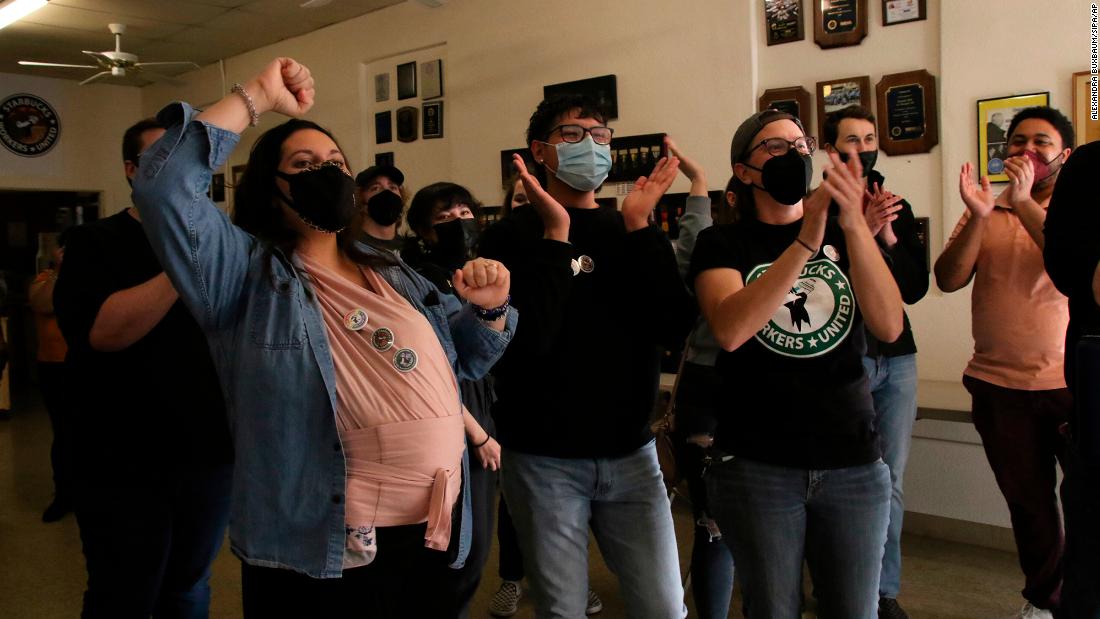
Photo: Federico Vespignani/Bloomberg.
The Standard of Saint Mark, the flag of the Venetian region, flies above gondolas. Venice is eager to attract young professionals who want to live in, not just visit, the city. 

I’m not sure how a floating city puts out the welcome mat, but this one is inviting young professionals to come and be part of its daily life. Just don’t try to recreate the culture of any other city there. As one resident says, “You do have to live by Venice’s rules.”

Catherine Bennett writes at Bloomberg’s City Lab, “From Karuna Clayton’s window, she can see a gondola bobbing in a Venetian canal and a simple white stone church on one side of a small campo, or city square. Normally there would also be a steady trickle of tourists walking below, but on a January afternoon amid the pandemic’s omicron wave, the square’s empty. 

“For the last nine months, this has been Clayton’s home and workspace. Formerly a commercial food photographer based in London, she now shares an apartment in Venice with her partner and two-year-old daughter, running a coaching business and teaching yoga alongside her photography.

“ ‘I’ve always called myself location-independent,’ she says. … Young, skilled and nomadic, the 35-year-old Clayton represents exactly the demographic that the new Venice-based project Venywhere is trying to attract.

“Launched in December 2021 by the Università Ca’ Foscari and the Fondazione di Venezia, a nonprofit group that protects Venice’s cultural heritage, Venywhere aim is to convince people who can do their jobs from anywhere to do so in Venice. …

“Inspired by the Tulsa Remote work program in the U.S. and a slew of similar efforts from around the world, leaders in the Italian city are eager to bring in young professionals who want to live and work there, not just vacation. …

“ ‘The pandemic has created a large population of highly skilled people who want to move,’ says Venywhere founder Massimo Warglien, a professor of management at the Università Ca’ Foscari. He believes that the pandemic’s disruptive impact on the world of work, from the ‘Great Resignation’ to a new breed of flexible and remote workers, could present a solution to Venice’s chronic brain drain. ‘This is a way of repopulating Venice,’ he says. …

“Unlike remote-worker programs in less-charismatic sites, Venywhere isn’t offering cash incentives to prospective residents. Instead, digital nomads who want to move to Venice will pay a one-time fee to get access to a concierge service that eases them into Venetian life: viewing apartments on their behalf, advising them on how to get a SIM card or access the health system, and even showing them where to shop. The platform promises to help newcomers navigate the city’s many eccentricities, connecting them with workspaces, language lessons and recreational amenities off the beaten tourist paths. …

“The latest population data shows that there are twice as many people in their 50s living in the historical center as there are people in their 20s. Sara Ajazi, a 26-year-old project manager at Venywhere, says that she was the only one of 300 students in her management class to stay and work in the city after graduating from the Università Ca’ Foscari.

For freshly minted graduates who don’t want to be gondoliers, tourist guides or waiters, building careers in Venice can be a challenge. …

“Could an injection of remote workers reverse this demographic trend? The Venywhere project is banking on a domino effect: If large firms send remote teams to the city, that will attract investment and, eventually, more startups who would hire the city’s graduates.

“But some people say it’s hard to see Venice transforming into an entrepreneurial hub or hot destination for remote workers anytime soon. ‘It’s not the easiest city to live in,’ says Riccardo Longobardi, a former Venice resident and the founder of the Digital Nomads in Italy Facebook group. ‘It’s very beautiful, but it’s a bit isolated. Digital nomads tend to look for places with a big nomad community.’

“Clayton agrees. ‘Venice isn’t set up for remote workers, unless you have a nice space to work in. There are almost no coworking spaces and it’s not a thing here to sit at a café for a few hours, getting coffee or lunch and working on your laptop. Lots of places don’t even have Wi-Fi.’

“Solving connectivity problems is one of the first things Venywhere plans to address, in part by creating a network of open-air Wi-Fi hotspots around the city. …

“To accommodate new workers, Venywhere proposes repurposing historic buildings, scattering workers across several sites. The economics campus of the Università Ca’ Foscari, where the team behind Venywhere works, is a perfect example of this: Sleek, white-painted coworking stations, student cafeterias and tutor rooms occupy mid-19th century brick buildings that used to be the municipal San Giobbe slaughterhouse.

“Alternatively, remote workers could hop on a vaporetto and head to Giudecca island, where the bare stone galleries and vaulted ceilings of former tanneries, mills and shipyard buildings in the Giudecca Art District are more often used to host art exhibitions during the Venice Biennale. Venywhere plans to use spaces like these, along with unused rooms in museums, artists’ studios that lie empty without an artist-in-residence, vacant hotel rooms and even restaurant tables between mealtimes as alternatives to the traditional rent-a-desk coworking set-up.

“ ‘This isn’t an expensive project because we are using what is already there. So many structures in the city are only half-used,’ says Warglien.

“The same can be said for the city’s rental housing during the pandemic. Living in Venice can be expensive: In the last few decades, efforts to build social housing have stalled as the region’s conservative politicians have chosen instead to turn residential lots over to the more lucrative tourist market, driving up prices in the city center. Venice has become increasingly unaffordable for Venetians, many of whom have migrated to terraferma, the mainland. The apartments that they left behind have been bought up by private companies for rent to tourists through platforms like Airbnb and Booking.com. Ocio, a local organization that investigates the city’s housing issues, has found that there are now as many beds for tourists in the city as there are for residents.” More at CityLab, here.

Photo: Chelsea Sheasley/Christian Science Monitor.
Diane Nicholls stands in the room where she teaches in Elmore, Vermont. The Elmore School is the state’s last one-room schoolhouse. Elmore residents are voting on whether to form their own independent school district to preserve the school.

Today is the day that residents of Elmore, Vermont, were scheduled to vote on whether or not to protect their one-room school. Although my own brief experience with a one-room school does not incline me to nostalgia, I understand why this community may be afraid to lose its identity in the larger district.

Chelsea Sheasley writes at the Christian Science Monitor, “Each morning before school starts and after recess, Diane Nicholls rings the bell atop the snug one-room schoolhouse where she teaches.

“ ‘I don’t feel like I’m living in the 19th-century, but it is charming,’ says Ms. Nicholls, who educates a group of 18 students in the Elmore School, Vermont’s last operating one-room schoolhouse.

“The Elmore School, a public school serving students in grades one through three, is a cherished tradition in the tiny town of Elmore, with a population of under 1,000. Generations of students have attended since the school opened in the 1850s. Now, townspeople are wrestling with how best to support it.

“Residents will vote March 1 on whether the town should withdraw from a joint school district with two other nearby towns in order to strike out on their own in hopes of preemptively preserving their schoolhouse. Concerns mounted after a district-commissioned report released in November 2020 proposed five cost-saving recommendations, with four out of the five options suggesting closing the Elmore School. 

“Behind the ballot effort are questions that also play out in other rural areas: How much does a school contribute to a community’s identity?

Is a local school such a crucial community hub that taxpayers are willing to pay higher costs to preserve it?

“ ‘It’s difficult to say what forms the identity of a community, but we know these institutions like the Elmore Store, the school, are part of it, and we defend them as a proxy for defending the community,’ says Trevor Braun, an Elmore resident and board member of the Elmore Community Trust, a nonprofit that recently raised $400,000 to ensure the town’s general store didn’t close. 

“March 1 won’t mark the first time residents will vote on whether to form an independent school district. In December 2021 the town voted not to leave the joint district, Lamoille South Unified Union (LSUU), amid concerns that taxes might rise and unknowns over what forming an independent school district means. But enough townspeople signed a petition to bring the question back to the Town Meeting this week. 

“Elmore … is located 14 miles north of Stowe, a popular ski destination and home of the Trapp Family Lodge, known for its connection to the relatives portrayed in ‘The Sound of Music.’

“Elmore consists of a short main drag with the school, the general store across the street, town hall, and one church. The population swells with seasonal summer residents. 

“On a recent February morning, students in the cozy Elmore School classroom practiced nonfiction writing. A first grade student wrote about chickens, while a few desks over a third grader wrote about her favorite animal, polar bears. Kids write and draw on paper, with iPads handy on their desks to research questions.  …

” ‘I remember my very first day here and I just really liked it,’ says Ruby, a third grader, who says that now, as one of the oldest kids, she appreciates that ‘you can have friends younger than you and help them, and it’s fun to see and help them develop their skills.’ 

“Jon Osborne, an Elmore parent whose two children now attend college, says the Elmore School provided his kids with a ‘phenomenal’ experience, including building a tight-knit group of friends who helped each other in the classroom. …

“The superintendent and school board of LSUU say they have no plans to close the Elmore School. The report that recommended closing was completed under a previous superintendent and done by an outside group without consideration of local culture, says LSUU superintendent Ryan Heraty. …

“ ‘That sense of independence, of local control, is very Vermont,’ says Mr. Heraty. 

“But even with the school district’s assurances, some residents are skeptical about putting the future of the treasured school in the hands of others. A recent kerfuffle with the United States Postal Service over halting service to the post office inside the Elmore Store raised townspeople’s hackles. In an effective show of civic activism, the town rallied elected leaders and pressured the USPS to reverse course. …

“If Elmore were to leave LSUU, it’s unclear what would come next. Residents don’t know if the state would allow the town to revert to a previous agreement where older Elmore kids were allowed to attend their school of choice in other towns. Or the state might force the town to fully operate their own independent school district. (Another small Vermont locale offers a cautionary tale: In 2021 the town of Ripton voted to leave its school district but is now negotiating rejoining after the state said the town had to provide all the related services, like payroll and transportation.) …

“Inside The Elmore Store, where residents pop in and out to pick up mail and exchange town news, Kate Gluckman and Mike Stanley are settling in after moving from Mississippi to run the store for the Elmore Community Trust. They are enjoying the warm welcome from locals. 

“Ms. Gluckman grew up in a neighboring Vermont town. The couple is still getting up to speed on the school independence vote. They were planning to listen to community members at a town forum and take their cues from the discussion. 

“ ‘I just want to support the community,’ says Mr. Stanley. ‘If it’s what’s best for the community, I will vote for it.’ ”

More at the Monitor, here. In case you’re wondering, my experience was this: I spent the first month of first grade attending a one-room school on the island where I had spent the summer. My mother arranged for me to have the desk near the only person I knew slightly, an older girl who walked me to school, but the big boy whose desk it was became angry and threatening. I refused to go back after lunch, but that was a problem because the reading group for my age was in the afternoon. I didn’t catch up in reading until late in second grade back home.
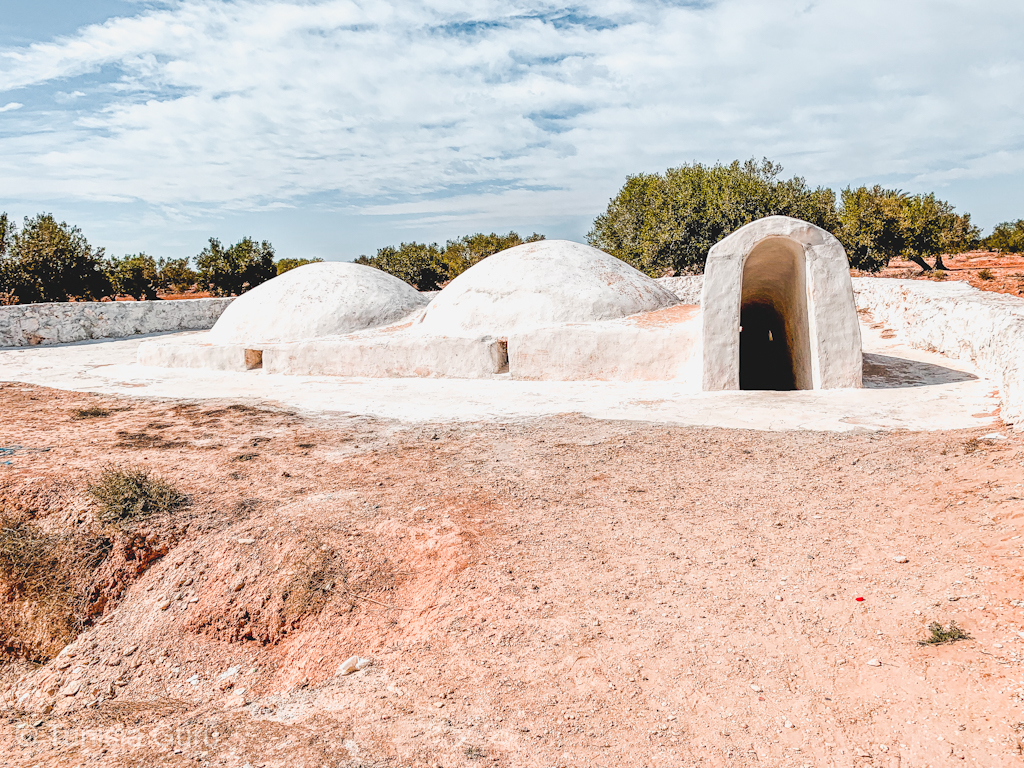
Photo: John R Crane/Lee Newspapers.
Sharswood, a 10-acre property in Gretna, Virginia, was the heart of a pre-Civil War plantation. When Frederick Miller bought the property in 2020, had no idea that his ancestors were once enslaved there.

Life can present some surprising twists. Frederick Miller, who spent his childhood in Gretna, Virginia, was naturally excited to buy a beautiful property there after he grew up and returned to the area. But a mysterious force must have also been at work.

As Joe Helm reported at the Washington Post last month, “There was so much Fredrick Miller didn’t know about the handsome house here on Riceville Road.

“He grew up just a half-mile away and rode past it on his school bus every day. It was hard to miss. The home’s Gothic revival gables, six chimneys, diamond-paned windows and sweeping lawn were as distinctive a sight as was to be seen in this rural southern Virginia community. But Miller, 56, an Air Force veteran who now lives in California, didn’t give it much thought. …

“Two years ago, when his sister called to say the estate was for sale, he jumped on it. He’d been looking, pulled home to the place he left at 18. His roots were deep in this part of Pittsylvania County, and he wanted a place where his vast extended family, many of whom still live nearby, could gather.

“The handsome house set on a rise had a name, it turned out. Sharswood. And Sharswood had a history. And its history had everything to do with Miller.

“Slavery wasn’t something people talked much about in this part of Virginia when Miller was growing up in the 1970s and 1980s. And other than a few brief mentions in school, it wasn’t taught much, either.

“The only time he remembers the subject coming up was when Alex Haley’s miniseries, ‘Roots,’ was broadcast in 1977. …

“Miller assumed his ancestors had been enslaved. But where and when and by whom were questions that were left unasked and unanswered.

“ ‘People didn’t want to talk about this stuff because it was too painful,’ said Dexter Miller, 60, a cousin of Fredrick’s who lives in Java. … Another cousin, Marian Keyes, who taught first in segregated schools and later in integrated schools from 1959 to 1990, said that for a long time there was little teaching about slavery in Pittsylvania County.

“ ‘We weren’t really allowed to even talk about it back then,’ said Keyes, who turns 90 this year and lives in Chatham. ‘We weren’t even allowed to do much about the Civil War and all of that kind of stuff, really.’

“Even outside of school, when she was growing up, Keyes said, the subject of slavery was avoided. ‘I just thought everything was normal,’ she said, ‘because that was the way of life.’ …

“It wasn’t until after Fredrick Miller bought Sharswood in May 2020 that its past started coming into focus. That’s when his sister, Karen Dixon-Rexroth and their cousins Sonya Womack-Miranda and Dexter Miller doubled down on researching their family history.

“What neither Fredrick Miller nor his sister knew at the time was that the property had once been a 2,000-acre plantation, whose owners before and during the Civil War were Charles Edwin Miller and Nathaniel Crenshaw Miller.

Miller.

“Fredrick Miller and so many members of his extended family were born and grew up in the shadow of Sharswood — and perhaps it was a clue to a deeper connection. It wasn’t uncommon after emancipation for formerly enslaved people to take the last names of their enslavers. But establishing the link required more research. …

“They pored over court and real estate records, examined census data and revisited family tales passed down over generations. As the puzzle pieces connected, a clearer picture emerged. Sarah Miller, great-grandmother to Fredrick, Karen and Dexter, and great-great-grandmother to Sonya, died in 1949 at 81. From her death certificate, they learned that Sarah’s parents were Violet and David Miller.

“The 1860 Census does not list enslaved people by name, only by gender and age. In the 1870 Census, however, Violet and David Miller lived just a short distance from Sharswood. Between the many documents that the descendants of Sarah Miller have obtained, the fragments of family oral history they’ve sewn together and the proximity of the family to the plantation, they are certain that Violet and David Miller were among those enslaved at Sharswood.

“More clues continue to emerge. An entry in the Virginia Slave Births Index uncovered this month by [Karice Luck-Brimmer, who works in community outreach with Virginia Humanities in Pittsylvania County] shows that a boy named Samuel was born to Violet in Pittsylvania County on May 9, 1864. N.C. Miller is listed as the enslaver. In the 1870 Census record for Violet and David Miller, Samuel, age 5, is listed as a member of the household. Sarah, his youngest sister, also is listed as a member of the household. She would have been 2, although no age is given for her in the record.

“The newly discovered document ‘hands-down places them on the plantation,’ Womack-Miranda said after seeing the entry. …

“For Fredrick Miller, the 10.5-acre-estate he’d purchased for $225,000 ended up not being just a future gathering spot for the family, but also its first traceable point in the United States — an astonishing revelation for him. It also left him thinking about family history and the absence of that history for many people like him.

“ ‘You’ve got to know where you come from,’ he said in a phone interview from his California home. ‘You’ve got to know where you come from. It’s unfortunate that a lot of us don’t.’

“In an undated photo of Sarah that family members have shared with one another, the mother of seven wears wire-rimmed glasses and faces the camera with a somber expression. When he looks at the photo of his great-grandmother, Fredrick Miller sees sadness in her face. But, he hopes, maybe this purchase has brought some redemption.

“With Sharswood in his hands, her family is reclaiming its past.

“ ‘I just hope that somehow she’s looking down from heaven and finally cracking a beautiful smile,’ he said.”

More at the Post, here.

Photo: City of San Antonio.

There are so many beautiful pieces of buildings that end up in the dump when individuals or municipalities choose demolition: “wavy” glass from old homes, priceless woods, marble, stained glass, historical artifacts, and more. Fortunately, in the spirit of Reduce, Reuse, Recycle, a different approach is being tested around the country.

Aarian Marshall writes at Wired, “Emily Christensen knows this sounds a little West Coast, but when she enters the old houses her company has been hired to take apart, she senses an energy. ‘It’s intense,’ she says. ‘These houses have seen decades of human drama.’

“Christensen and her partner, David Greenhill, started their firm, Good Wood, in 2016. Portland, Oregon, where they live, had just become the nation’s first city to require houses of a certain age to be deconstructed rather than demolished. That means that, instead of using an excavator and backhoe to crush an old building, anyone scrapping an older structure in the city must hire a deconstruction crew, which takes it apart delicately — almost surgically — by hand. Rather than a jumble of smashed wood, plaster, fixtures, insulation, concrete, and dust, deconstruction firms can extract cabinetry, masonry, windows, marble, brick, and beautiful old-growth lumber. The idea is that these materials can be sold and eventually reused locally. …

“Using old materials to make new things feels meaningful. It helps, too, that reclaimed wood tends to be very pretty. But a growing number of US cities think the idea makes good policy too. In the past five years, cities as disparate as Baltimore, Cleveland, Boise, and San Jose and Palo Alto in California have adopted their own deconstruction policies; San Antonio has been working on one for four years.

“Deconstruction, city officials say, is a green alternative to demolition, sending up to 85 percent less material to landfills. Building materials and construction account for just under 10 percent of the world’s energy-related global carbon emissions, according to the Rocky Mountain Institute.

Using salvaged materials eliminates emissions associated with making and transporting new building materials. Plus, it’s not as noisy as knocking down a house, and doesn’t spew dust or toxic materials, such as asbestos, into the air.

“Backers say it creates jobs even for those without high-tech skills, while highlighting the importance of sustainability. As the climate warms, ‘the circular economy is one promising alternative,’ says Felix Heisel, an architect, assistant professor, and director of the Circular Construction Lab at Cornell University.

“Good Wood illustrates Portland’s success. Over the past four years, the city has deconstructed more than 420 single-family and duplex homes that were registered as historic places or built before 1940. Good Wood has taken apart 160 of them. Today, 19 contractors are licensed to deconstruct in the city, thanks in part to a city-sponsored training. …

“But all that manual labor comes at a cost. Deconstructing a building can be more than 80 percent more expensive than demolishing it, according to a report from Portland State University, though selling some of the recovered material can offset part of the cost.

“And sometimes the labor isn’t available. In 2018, Milwaukee required many of the city’s older structures to be deconstructed instead of demolished. But the rule is still on ice, through at least 2023, as officials still struggle to find local contractors who can take apart homes by hand.

“The delay ‘is in hopes of building a bigger pool of potential contractors,’ says Chris Kraco, supervisor of the condemnation section at the city’s Department of Neighborhood Services. Kraco and his colleagues continue to hold training sessions. … Many places also need to update their local building codes to allow contractors to build with salvaged materials.

“The complexity has prompted some cities to tackle deconstruction slowly. Pittsburgh just launched a year-long pilot project, in partnership with a local nonprofit construction materials and appliances business, to see whether taking apart old, condemned structures on city land makes financial sense there. …

“San Antonio’s Office of Historic Preservation, which has spearheaded the city’s deconstruction efforts, plans to propose an ordinance to city council later this year. In the meantime, it’s helping with demonstration projects, including one on a 1930s homestead that uncovered a basement full of moonshine bottles — something that might have otherwise been crushed in a demolition. …

“Most cities, Portland included, have targeted old buildings for deconstruction. It’s partly because limiting the pool of homes required to use the technique gives local deconstruction economies time to develop. But also, starting in the 1970s, builders tended to use materials that haven’t held their value, like second- or third-growth lumber, or particle board. Construction also used more glue, spray foam sealant, and other adhesives, which make it harder to take apart new buildings by hand.” More at Wired, here.

Banned Books

The Master and Margarita is a novel by Russian writer Mikhail Bulgakov, written in the Soviet Union during Stalin‘s regime. A censored version was published in Moscow magazine in 1966–1967, after the writer’s death.

John has worked with optical engineers in Ukraine for decades now. Some years ago, when one of the engineers was in the US to talk to clients, we got to share a meal and a chat. I remember it was a sweltering hot day. We had no air conditioning in our dining room, and we were all sweating.

At the time, I must have been reading Bulgakov’s The Master and Margarita, a fantastical satire on the USSR, written in the time of Stalin. We began to talk about it, and John’s colleague described what one had to do to read the book’s loose unpublished pages before Ukraine gained its freedom. Under the table in the library with a flashlight.

That memory came to mind in the last few days as I watched the Soviet Union try to return from the dead in Ukraine. My train of thought took me to current headlines about banned books in the US and an article in the New York Times that gave students a chance to opine on that trend.

The Times staff explains, “In the article ‘Book Ban Efforts Spread Across the U.S.,’ Elizabeth A. Harris and Alexandra Alter write about the growing trend of parents, political activists, school board officials and lawmakers arguing that some books do not belong in school libraries.

“As we regularly do when The Times reports on an issue that touches the lives of teenagers, we used our daily Student Opinion forum to ask teenagers to share their perspectives. The overwhelming majority of students were opposed to book bans in any form, although their reasons and opinions were varied and nuanced. They argued that young people have the right to read unsanitized versions of history, that diverse books expose them to a variety of experiences and perspectives, that controversial literature helps them to think critically about the world, and that, in the age of the internet, book bans just aren’t that effective. … Thank you to all those from around the world who joined the conversation this week, including teenagers from Japan; Julia R. Masterman School in Philadelphia; and Patino High School in Fresno, Calif.

” ‘I think the idea of people trying to censor speech is absolutely abhorrent. Right to freedom of speech, religion, peaceful assembly, petition, and press is our 1st amendment and one that we take for granted …

” ‘As a teenager I am still trying to find my way in this world; I want to know as many other viewpoints as possible so that I know my thoughts are my own and not just a product of a limited amount of information. Even if these books are not required reading they should be allowed in libraries. Families can decide what books are allowed in their homes but trying to force a community to get rid of a book is a way of forcing one’s beliefs on an entire community. Removing books about issues faced by marginalized groups is a way to ignore them, a way to minimize the issues faced by those groups and allow the banners to not have their opinions challenged. This is a democracy that should be open to discussion and if it is then people will find others who agree and disagree with them.’ [Jason, Maine] …

” ‘Maybe a student has past trauma that they may struggle to deal with, a book that has a topic based on their past may comfort them and bring them closure. These books also inform students on what really happens within the mind and life of someone else. Banning books is an overall loss for a school or library, it only limits human growth.’ [Alex, Michigan]

” ‘Reading the article and these comments just makes me think, ”Jeez, the fact these books are being challenged shows how much some people need education on the subjects of them.” These books may have hard topics but they essentially are a needed part of education. They might be brutal and hard to swallow, but they are the best examples of real-world problems and history. They provide a good sense of realism and give kids somewhat of an idea of what goes on and has gone on in the world.

” ‘Challenging these books is like trying to protect someone from the world. Then instead shoving them in front of something that makes them think, “Everything will always work out,” And, “These things will never happen again.” It makes them think the world has no struggle or insanely big problems. When in reality it definitely does and they will be directly affected by these problems.’ [Jordan, Massachusetts]

“While it’s reasonable to be concerned about the material your children are reading, as some material might not be age appropriate, there is almost never — honestly, never at all — justification for banning a book. …

“Books are the primary way to tell stories, to learn right from the mouths of people who have witnessed things we need to learn and grow from. Our society depends on the idea of future generations learning and progressing, and with the banning of books all we are doing is going backwards, not forwards.” [Meghan, Illinois]

Read more at the Times, here.