October 1, 2012 by suzannesmom
In case you missed it, last week Prince Charles’s campaign to sell British wool in the United States brought 30 lovely sheep to Bryant Park in New York (where surprising things seem to happen on a regular basis).
Erin Durkin described the happening in the NY Daily News:
“The Bryant Park lawn looked more like the Sheep Meadow Thursday as a flock of wooly livestock took over the famous green space for the day.
“The thirty sheep were brought in to launch the Campaign for Wool, an effort by Prince Charles to promote the wool industry in the United States. …
“The Bryant Park Corporation signed off on the event — the first time they’ve ever hosted ‘live animals of this quantity,’ according to spokesman Joe Carella — after the local community board voted unanimously in favor of hosting it.”
Well, you know, we have a lot of nice sheep right here in the U.S. of A. Do you have a neighborhood park? If Prince Charles is too busy, maybe a local farmer would show off some sheep. I could see this attracting a lot of attention around Easter.
Bally Duff Farm in Chepachet, Rhode Island, for example, raises Black Lincoln sheep. Other Ocean State farms are listed here.
The Prince of Wales can afford giveaways, and that could be a challenge for local farmers. Enter to win a wool mattress from his campaign, here. Extra photos here.
Photograph: Diane L Cohen
Bryant Park was transformed into a wool installation to celebrate the launch of HRH Prince of Wales Campaign for Wool in the USA.

Posted in Uncategorized | Tagged bally duff farm, british wool, bryant park, campaign, farmer, farming, HRH Prince of Wales, joe carella, lamb, Prince Charles, sheep, wool | Leave a Comment »
September 30, 2012 by suzannesmom
At first, Suzanne and Erik thought the chair backs attached to tree stumps on Blackstone Boulevard must have been the work of a conservancy-type organization. The boulevard’s broad, shaded medial strip for walkers, runners, and baby carriages is always well maintained and welcoming.
But it turns out that a “guerrilla good deed campaign” is behind the tree-stump art. Erin Swanson, of Providence’s East Side Monthly, tracked down a vigilante known as Johnny Chair Seed.
“Last summer,” Swanson writes, “a few friends were having themselves a little stroll down Power Street when they stumbled upon a broken chair, discarded on the sidewalk. A few footsteps further, they happened upon a tree stump. ‘It started as just a random idea. We figured someone got drunk and broke the chair,’ says the anonymous mastermind behind the array of stump chairs now scattered throughout the East Side. ‘I hear people have started calling me Johnny Chair Seed,’ he says with a devilish smile. ‘I kind of like it.’
“With the help of two friends (two of the ‘select few’ who know his true identity), Johnny has constructed a total of ten stump chairs including those on Hope, Rochambeau, Blackstone, Elmgrove and Larch, among others.” The full article is here.
Makes me want to do a stealth project again. It’s been too long. I have something in mind involving poetry. Stay tuned.
Photograph: East Side Monthly

Posted in Uncategorized | Tagged art, artist, blackstone Boulevard, chairs, East Side Monthly, erin swanson, guerrilla art, johnny chair seed, providence, rhode island, stealth art, stumps, trees | Leave a Comment »
September 29, 2012 by suzannesmom
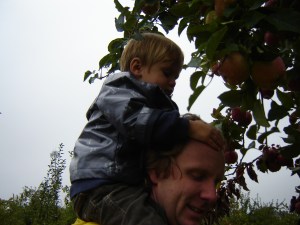
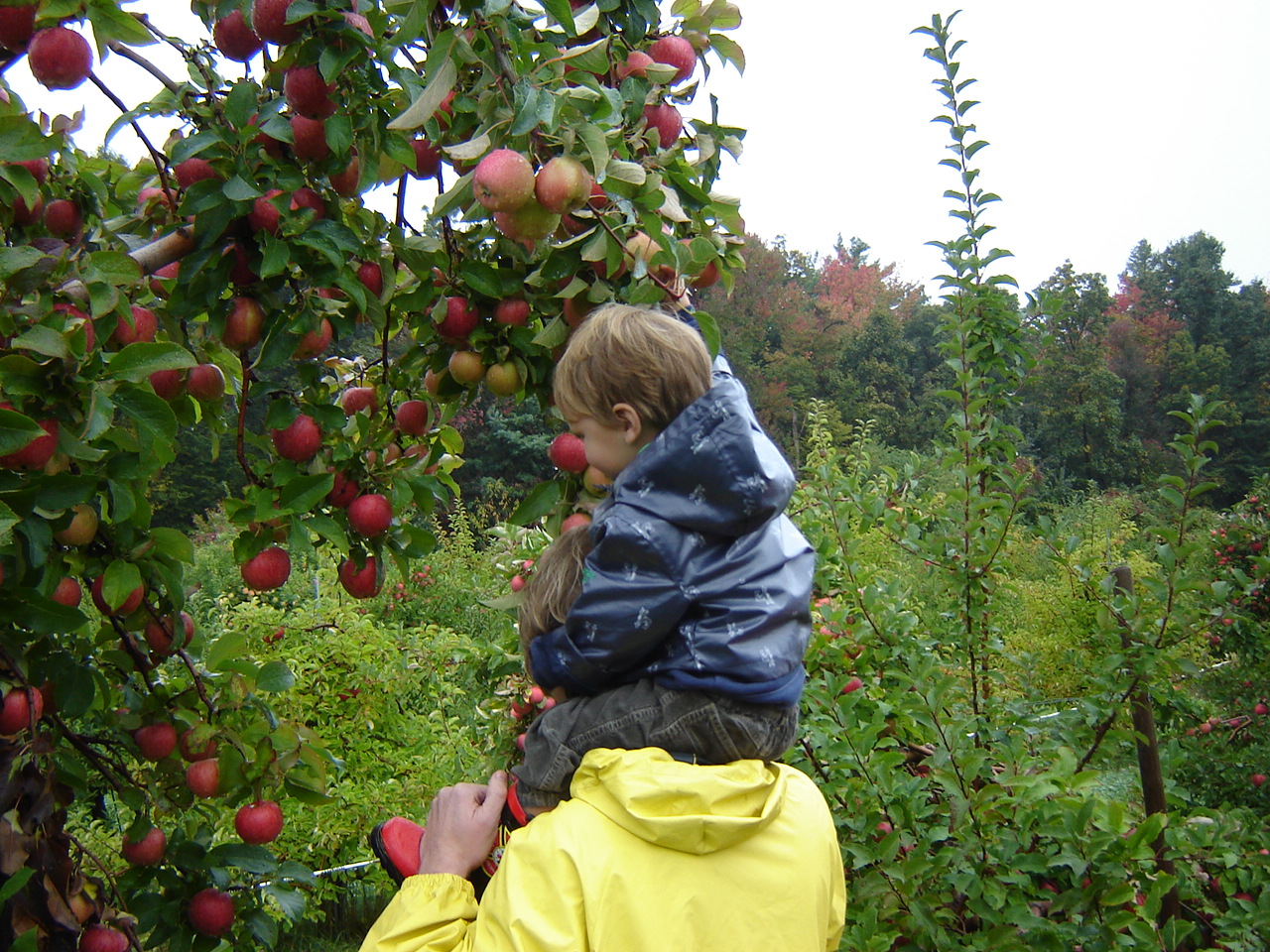
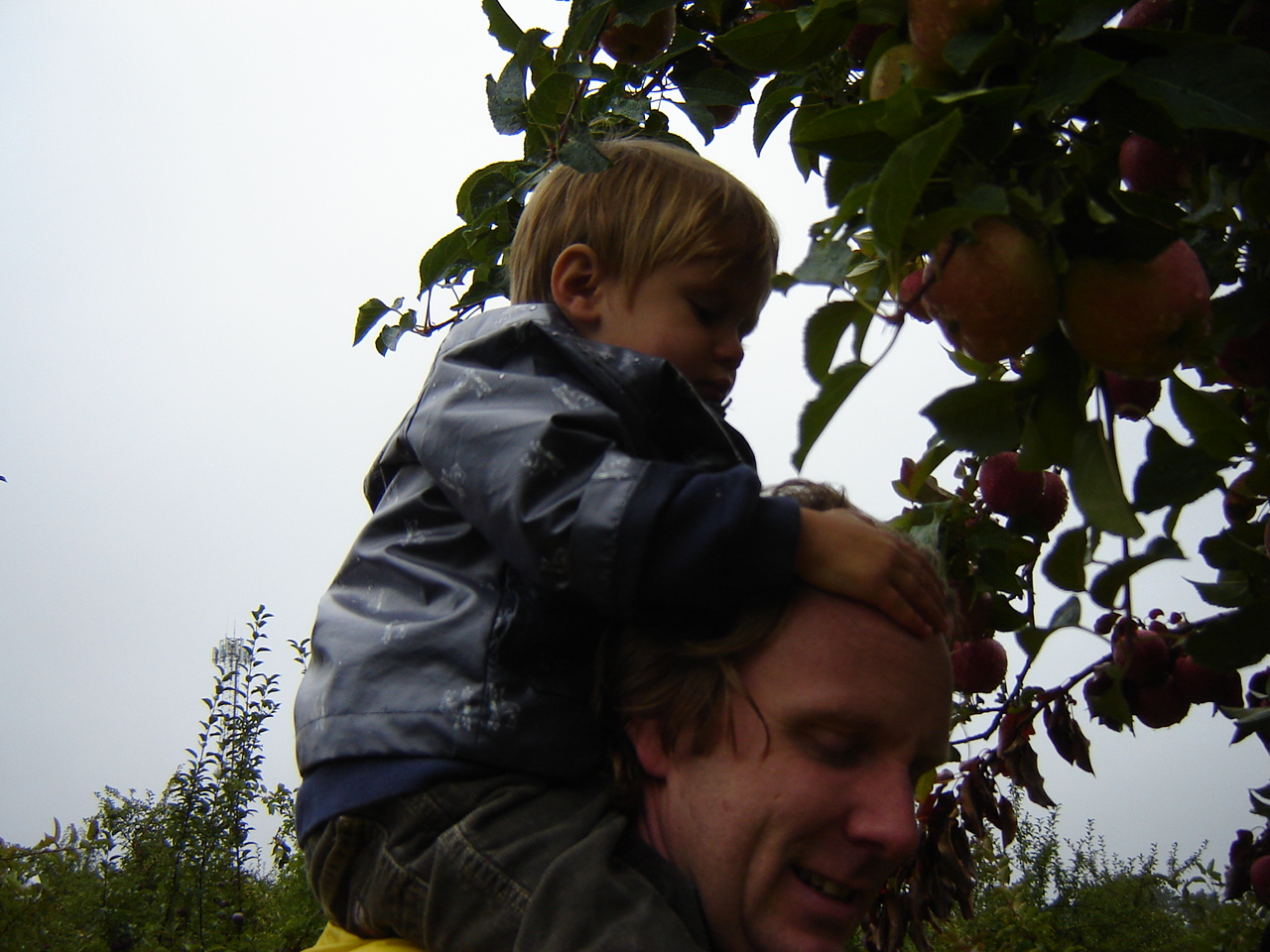
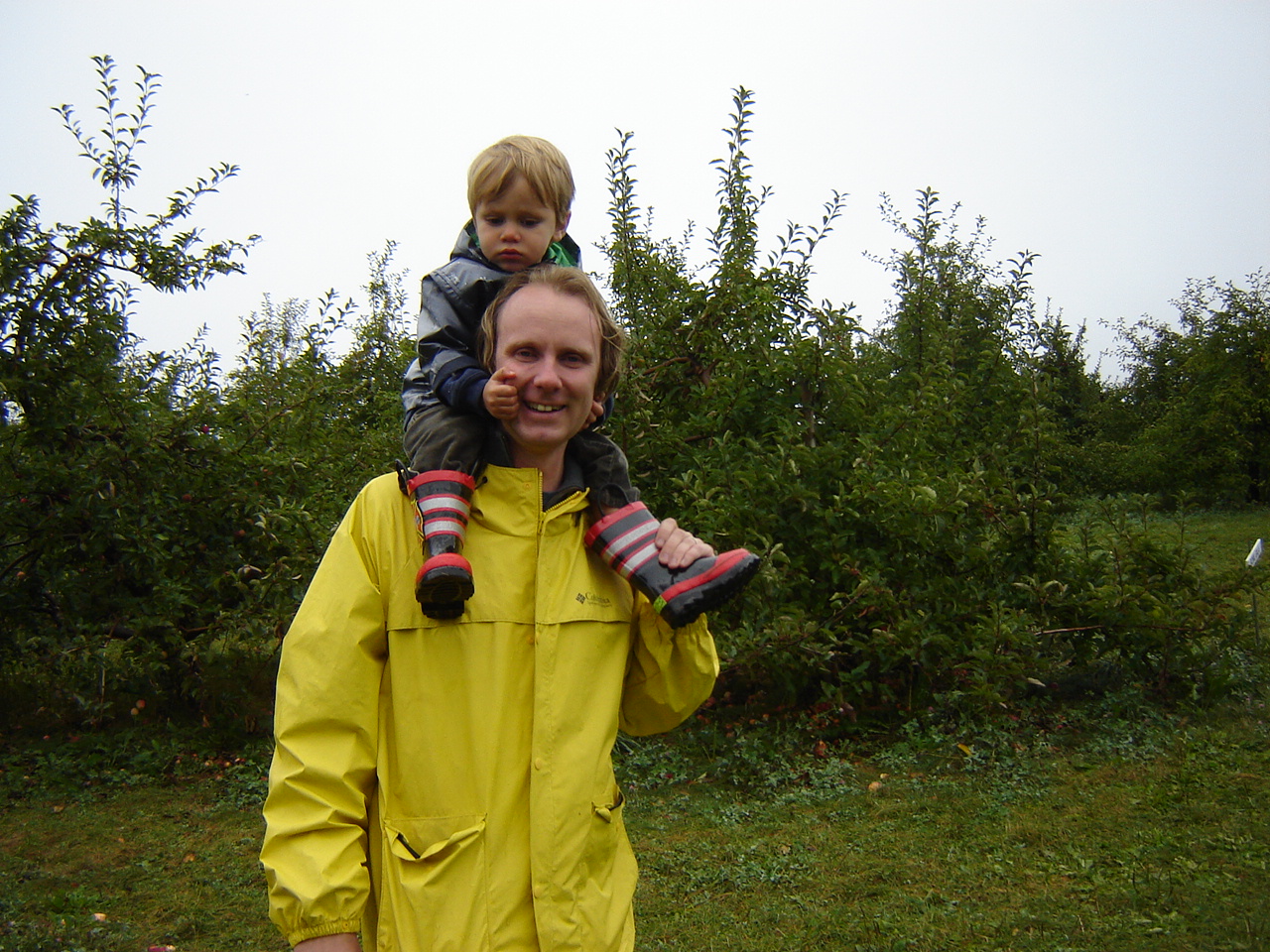
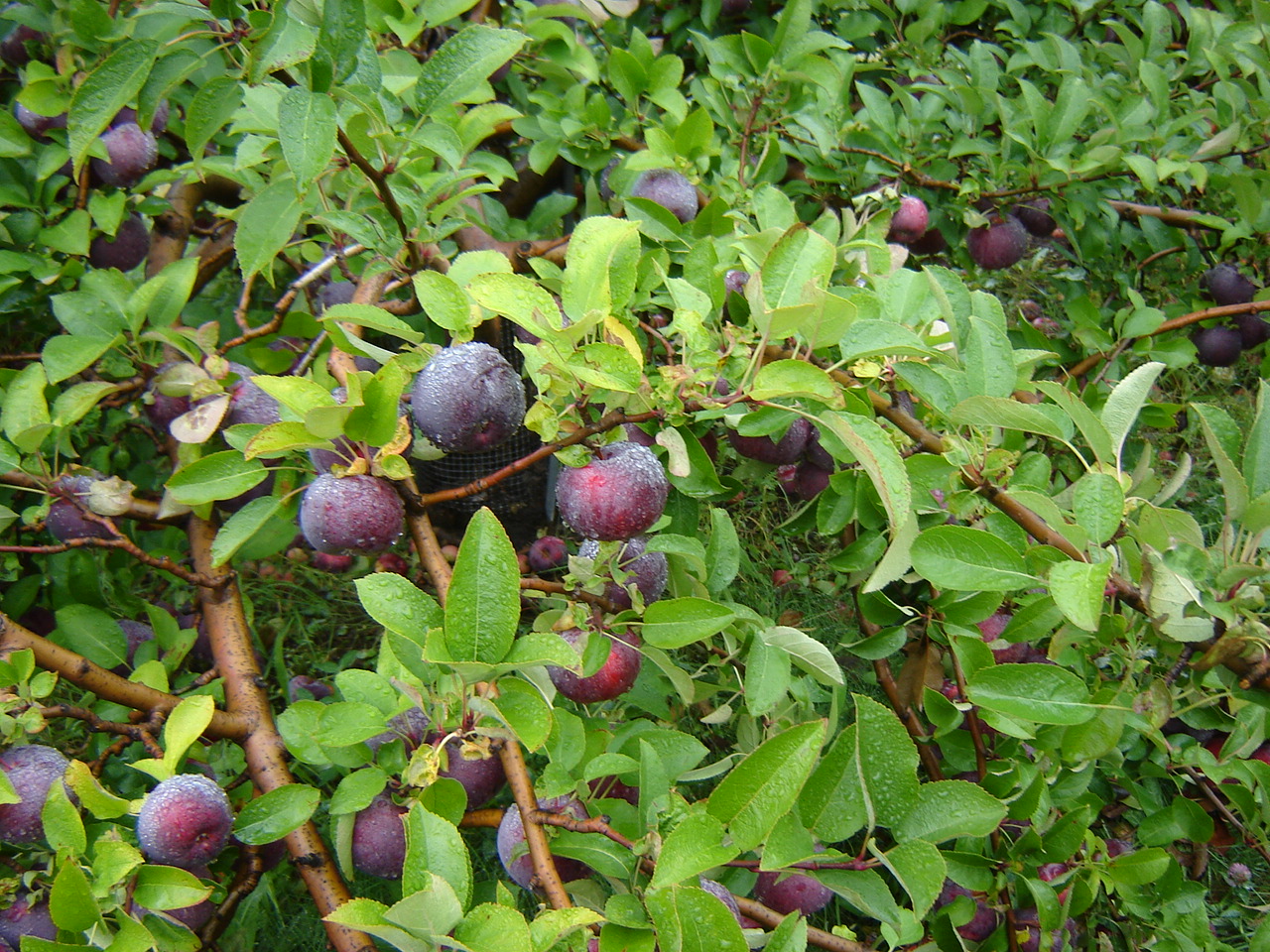
Today we joined forces with our son, daughter-in-law, and two-year-old grandson for a lovely, low-key apple-picking adventure in Harvard, Massachusetts.
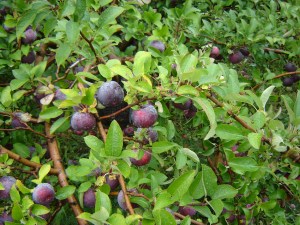
Carlson Orchards has many varieties of apples. Small painted signs tell you which ones grow in which part of the farm. The trees have been pruned so as not to grow too tall, and they are loaded with fruit. The purplish ones are Empire. I had never seen Empire apples that looked purple. We picked Empire, Cortland, Mac, and Pink Gala.
A friend from the office told me about the farm. She likes to go pick peaches in summer.
The little general store had hot cider and donuts, pumpkins and a nice variety of apple products and jams.



Posted in Uncategorized | Tagged apple picking, apples, carlson orchards, empire apple, food, harvard, massachusetts, orchard | 4 Comments »
September 28, 2012 by suzannesmom
Kirk Johnson writes in today’s NY Times about efforts to make time in prison more constructive, both in terms of sustainable practices that control prison costs and in terms of inmate improvement. The endangered frog program in Oregon, which requires perfect behavior from participating prisoners, is especially intriguing.
Johnson writes, “Mat Henson, 25, serving a four-and-a-half-year sentence for robbery and assault, and his research partner, Taylor Davis, 29, who landed in the Cedar Creek Corrections Center here in central Washington for stealing cars, raised about 250 Oregon spotted frogs in the prison yard this summer.
“Working with biologists, Mr. Henson is now helping write a scientific curriculum for other frog-raisers, in prison or out. A previous inmate in the program, released some years ago, is finishing his Ph.D. in molecular biology. …
“The program’s broader goal of bringing nature and sustainable practices to prisons is echoed across the nation as states seek ways to run prisons more cost-effectively.
“Utilitarian practicality led Wisconsin in 2008 to begin having inmates grow much of their own food. And federal energy rules are pushing the goal of zero-net energy use in federal prisons by 2030.
“Indiana and Massachusetts have become aggressive in reducing energy and water consumption and waste in their prisons, and tough renewable energy mandates in California are pushing alternative generation and conservation at prisons there, said Paul Sheldon, a senior adviser at Natural Capitalism Solutions, a Colorado-based nonprofit that works with government agencies and companies on sustainability issues. …
“There may be some intangible benefits for inmates who are being exposed to the scientific process, many of them for the first time, said Carri LeRoy, a professor of ecology at Evergreen State College in Olympia, and co-director of the Sustainability in Prisons project.
“Science, she said, is about procedural order, point A to point B, with every step measured and marked for others to check and follow. And when the focus of that work is a creature that undergoes a profound metamorphosis from egg to tadpole to adult, the lesson is also one about the possibilities of change. In a prison, Professor LeRoy said, that is a big deal.
“ ‘This image of transformation, I think, allows them maybe to understand their own transformation,’ Professor LeRoy said.”
Read more.
Photograph: Matthew Ryan Williams for The New York Times

Posted in Uncategorized | Tagged biology, carri leroy, cedar creek corrections, conservation, endangered frogs, evergreen state college, inmate, kirk johnson, matthew ryan williams, natural capitalism solutions, offender, paul sheldon, prison, rehabilitation, renewable energy, science | 2 Comments »
September 27, 2012 by suzannesmom
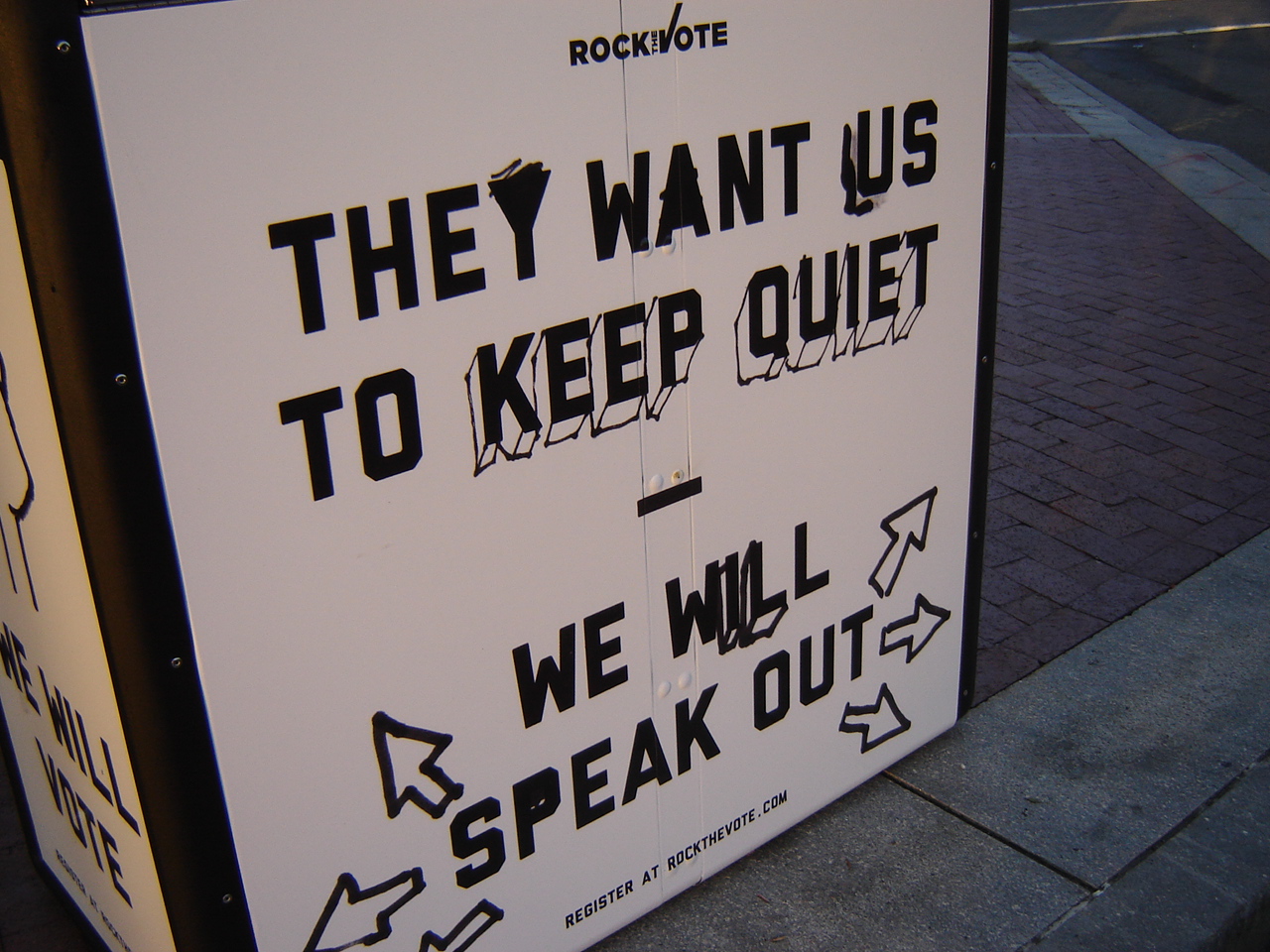
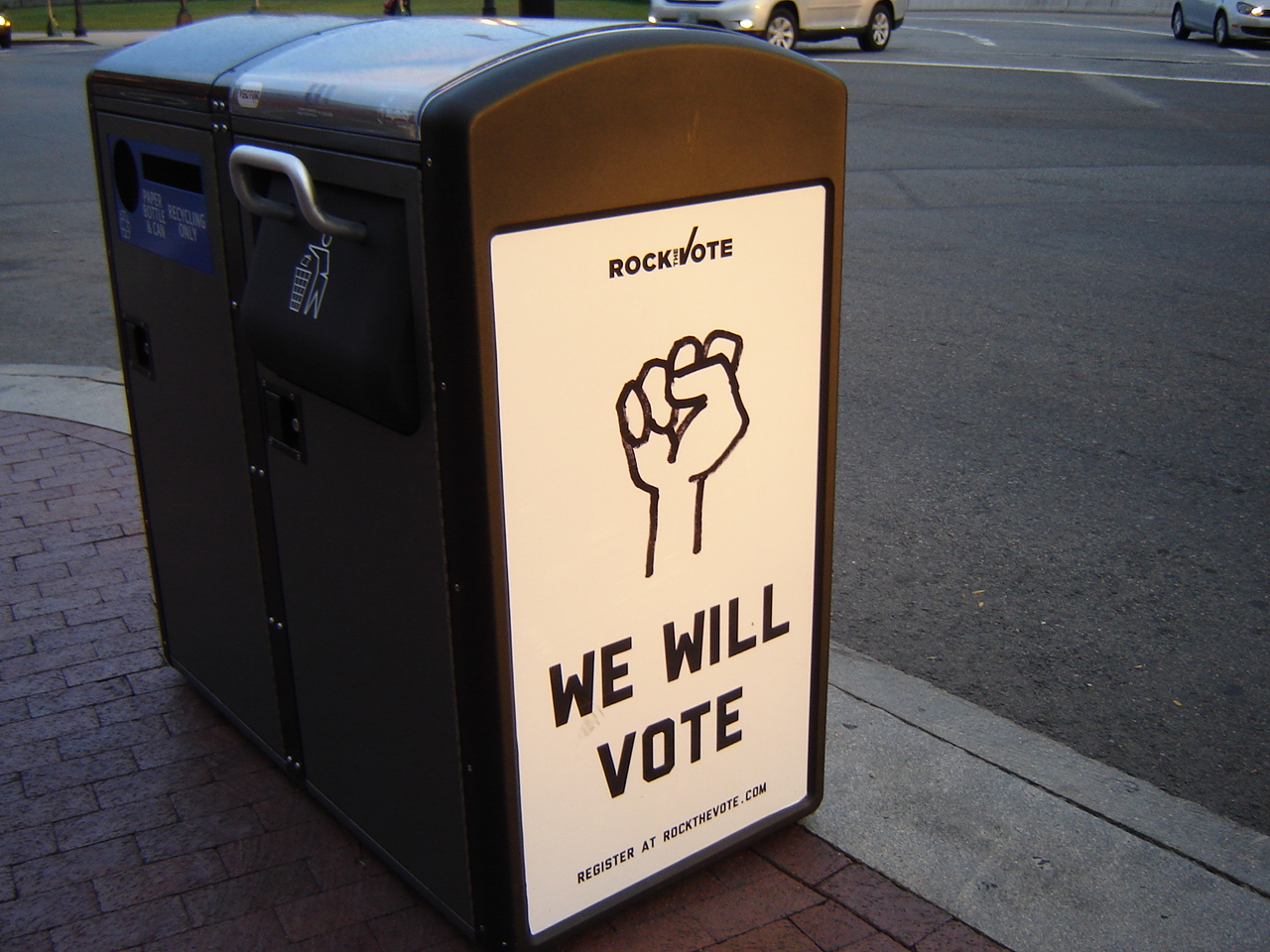
Saw these signs on my morning walk and did a little googling around to learn more.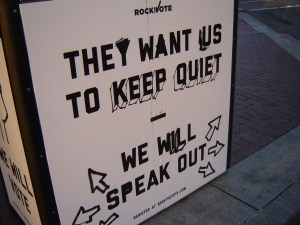

Naturally, there’s a website with an explanation:
“Rock the Vote’s mission is to engage and build political power for young people in our country.
“Founded twenty-one years ago at the intersection of popular culture and politics, Rock the Vote has registered more than five million young people to vote and has become a trusted source of information for young people about registering to vote and casting a ballot. We use music, popular culture, new technologies and grassroots organizing to motivate and mobilize young people in our country to participate in every election, with the goal of seizing the power of the youth vote to create political and social change.
“The Millennial Generation is diverse and huge in number, making up nearly 1/4 of the entire electorate in 2012. This is both the challenge and the opportunity. Rock the Vote is dedicated to building the political power of young people by engaging them in the electoral process, urging politicians to pay attention to issues that matter to young voters, and protecting their fundamental right to vote. Our goal is to reinvigorate our country’s democracy and redefine citizenship for a generation in 2012 and beyond.”
Check out Rock the Vote here. There are some videos from celebrities using humor to encourage young people to register.
Posted in Uncategorized | Tagged ads, election, franchise, millennials, rock the vote, video, youth | Leave a Comment »
September 26, 2012 by suzannesmom
I’m happy to see some long-neglected murals being restored in Harlem. Robin Pogrebin has the story in the NY Times:
“When the Works Progress Administration [WPA] commissioned murals for Harlem Hospital Center in 1936, it easily approved the sketches submitted by seven artists, which depicted black people at work and at play throughout history. The hospital, however, objected, saying four of the sketches focused too much on ‘Negro’ subject matter … .
“Protesters rallied around the art, though, lodging complaints as high as President Franklin D. Roosevelt, and the murals ultimately prevailed.
“Over the years, those wall paintings deteriorated or were obscured by plaster. Now they have been restored and brought front and center as part of a new, $325 million patient pavilion for the hospital, on Lenox Avenue at 135th Street that will be unveiled on Sept. 27. …
“The artists — the last of whom, Georgette Seabrooke, died last year — were not well known and their murals portrayed ordinary people going about their daily lives. Vertis Hayes’s ‘Pursuit of Happiness’ panel traces the African diaspora from 18th-century African village life to slavery in America to 20th-century freedom; from agrarian struggles in the South to professional success in the industrialized North.” More.
The WPA cost money, but it put a lot of people to work. And look at all the great things that were created! I especially love the idea that unemployed people were paid to paint murals, write and produce plays, interview ordinary Americans for the National Archives, and record folk music. I know it was a stressful time, but thinking about the art makes me almost nostalgic.

Photograph: Karsten Moran for The New York Times
Elizabeth Kolligs works on restoring Vertis Hayes’s “Pursuit of Happiness” at Harlem Hospital.
Posted in Uncategorized | Tagged art, Elizabeth Kolligs, georgette seabrooke, harlem, hospital, Karsten Moran, mural, pogrebin, restoration, Robin Pogrebin, Vertis Hayes, wpa | 4 Comments »
September 25, 2012 by suzannesmom
I never thought about this before, but it seems that there is a whole community of migrant workers who take care of the horses at racetracks and then move on at the end of the season.
Melissa Shook, a photographer who has taught at UMass Boston and MIT and whose work is at the Museum of Modern Art, has photographed these so-called “backside workers.” Her pictures appear in a book called My Suffolk Downs. The book is a fundraiser to help these invisible migrants, who have no access to health providers or other social services. A 22-year-old nonprofit called the Eighth Pole is their lifeline.
Read what the Boston Globe‘s Linda Matchan has to say about photographer Melissa Shook and why she loves the racetrack world, here.
Photograph of Melissa Shook by Wendy Maeda, Boston Globe

Posted in Uncategorized | Tagged backside, eighth pole, horse, melissa shook, migrant worker, mit, my suffolk downs, photographer, racetrack, thoroughbred, umass boston | 3 Comments »
September 24, 2012 by suzannesmom
Although I have always bought chrysanthemums in the fall and put them out on the front stoop like everyone else, this year I decided I was tired of them.
I consulted a woman who gardens, someone I see on the commuter train. She said, “How about asters? How about kale?”
So that’s what I’m doing this year. I need a few more, though, because my neighbors’ chrysanthemums do look more substantial.
In coming down rather hard on chrysanthemums, I am reminded of the A.A. Milne poem about the dormouse. Do you remember?
The dormouse’s favorite thing was to lie in bed of delphiniums (blue) and geraniums (red). But a doctor and a team of experts decided the dormouse was sick, sleeping too much. The doctor prescribed chrysanthemums (yellow and white).
The self-effacing dormouse says wistfully, “I suppose all these people know better than I.” He lets them have their way and they tear up his beloved delphiniums (blue) and geraniums (red) and plant chrysanthemums (yellow and white). The dormouse comes up with his own solution.
“The Dormouse lay there with his paws to his eyes,
“And imagined himself such a pleasant surprise:
” ‘I’ll pretend the chrysanthemums turn to a bed
Of delphiniums (blue) and geraniums (red)!’ ”


Posted in Uncategorized | Tagged a.a. milne, aster, chrysthanthemum, delphinium, dormouse, garden, geranium, poem, poet, poetry | 8 Comments »
September 23, 2012 by suzannesmom
My friend’s great niece doesn’t come from professional farmers, but the gardening gene goes back at least to her Italian great grandfather. Now, having graduated from a liberal arts college and worked for various park services, she is — like a surprising number of young people today — going into farming.
At a farm blog, she describes raising organic chickens in Connecticut.
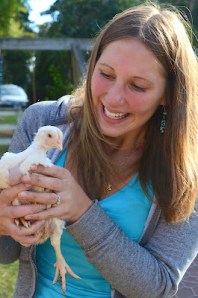
“Hi! Nichki and Laz from The Wooly Pig here, taking over the Barberry Hill Farm blog for an entry!
“We are young aspiring CT farmers who were lucky enough to meet Kelly and Kingsley last March and over the past several months they have become our good friends and farming mentors. This fall, the Goddards have been so kind as to lend us their pasture and their expertise so that we can raise our very first batch of chickens for our community.
“Our birds are pasture raised, which means they are brought up outdoors with plenty of access to fresh vegetation, open air, and sunlight.
“They are fed a strictly organic diet — an added cost for us that we feel is a worthwhile investment in our customers’ health. …
“We can’t thank our customers enough for supporting local, sustainable agriculture. Your good decisions help build strong, healthy communities right here in Connecticut. …
“For more information on our chickens, please contact us by email at TheWoolyPig@gmail.com.”
Read the engaging Barberry Hill Farm blog here. And if you live near Madison, Connecticut, get your chickens from The Wooly Pig
Photograph from http://www.barberryhillfarm.com.
Posted in Uncategorized | Tagged agriculture, barberry hill farm, chicken, connecticut, farm, farmers, food, free range, garden, gardening, jobs, local food, madison., organic, sustainable, woolly pig, young farmers | Leave a Comment »
September 22, 2012 by suzannesmom
Paul Tough has written a book arguing that developing character is more critical to a child’s future success than IQ.
National Public Radio has the story: “Tough explores this idea in his new book, How Children Succeed: Grit, Curiosity and the Hidden Power of Character.
” ‘For some people, [the] path to college is so easy that they can get out into life and they’ve never really been challenged,’ he tells NPR’s David Greene. ‘I think they get into their 20s and 30s and they really feel lost — they feel like they never had those character-building experiences as adolescents, as kids, that really make a difference when they get to adulthood.’
“That wasn’t true for the teenagers Tough met during the time he spent in some of Chicago’s roughest neighborhoods. There, he worked with teenagers overcoming unimaginable challenges. One young woman … was getting into fights in school and was on the verge of dropping out. But then she entered an intensive mentoring program that changed her life.
” ‘She made it through high school, overcame a lot of obstacles and now is getting a cosmetology degree,’ Tough says. ‘For some people, that wouldn’t be a huge success. But for her, she overcame obstacles that won’t only set her on a path for material success, but also psychological success.’
“The difference-maker really depends on the person, Tough says. Mentoring programs that focus on goal-setting can be helpful, and he also says parents should try to help their kids manage stress from a very early age.”
Do you agree with this? Overcoming obstacles is important, but the obstacles that some of the students Tough met were so severe, I can’t help wondering if the consequences have yet to play out. I’m for kids overcoming normal, age-appropriate obstacles that are part of any life — as they say in Italy, “the things that happen to the living.”
More at NPR, here.

Posted in Uncategorized | Tagged character, Curiosity and the Hidden Power of Character, david greene, education, How Children Succeed: Grit, iq, npr, Paul Tough, school, teaching | Leave a Comment »
September 21, 2012 by suzannesmom
This Canadian critic doesn’t think much of the aurora borealis or the “noble sorrow of being descended from rugged settlers” as subjects worthy of poetry. That is perhaps why he is rejoicing at the current poetry trends in his country.
Russell Smith writes at the Globe and Mail that Canadian poetry is experiencing a renaissance.
“You know where Canadian literature is excelling? In its poetry. There hasn’t been so much challenging work around – so much that is playful, amusing, dazzling or simply exasperating – for as long as I can remember. Some of this has to do with a new generation of tough-minded editors, some of it has to do with the fading of a certain kind of weepy folksiness, and a lot of it has to do with the Internet. Quite simply, it is easier to read and share poems now, and people are actually doing it.
“Exhibit A: The Walrus magazine, a general-interest journal that bravely publishes poems every month, has been spreading the word online about their ‘readers’ choice’ competition. They asked for submissions of individual poems, then their poetry editor, the truculent Michael Lista, selected his five favourites (blind – that is, he saw no names). Lista has posted the five finalists and is asking for a public vote on the best. (You can vote at the Walrus’s website; voting ends Sept. 30.) The winner gets $1,000. More importantly, the poem will be widely linked to and forwarded, which means it will be read, unlike prize-winning poems of my youth.
“Also unlike the prize-winning poems of my youth – which tended to be about aurora borealis and the great noble sorrow of being descended from rugged settlers – the ones selected for this shortlist are amazingly, some might say frustratingly, dense and intellectual. They are not about birds. (Well, only one is.)” Read more.
I have to thank ArtsJournal.com for linking to wonderful stories like this in newspapers I would never see otherwise. (P.S. I personally have nothing against poems about birds.)
Posted in Uncategorized | Tagged Bardia Sinaee, canada, globe and mail, Méira Cook, Nyla Matuk, poem, poet, poetry, readers' choice, russell smith, Stevie Howell, walrus magazine | Leave a Comment »
September 20, 2012 by suzannesmom
Maria Di Mento writes in The Chronicle of Philanthropy about a new fund to help military families.
“Three affluent families are forming a fund with the purpose of raising $30 million to support programs that serve military veterans, the Iraq and Afghanistan Veterans of America announced [in July].
“The families have donated more than $1 million and plan to seek contributions especially from other wealthy people, including those without personal connections to any service members.
“Philip Green, president of PDG Consulting, a health-care consultancy, and his wife, Elizabeth Cobbs, chief of geriatrics at the Veterans Affairs Medical Center in Washington, D.C., joined with their friends Glenn and Laurie Garland and with the Jim Stimmel family to create the fund, Mr. Green said in an interview with The Chronicle.
“The money raised for the new Veterans Support Fund will be funneled to five nonprofits that help returning service members and their families.” Read more.
I think it’s interesting that the donors are reaching out to those who have not been personally touched by the wars to solicit funds. On a blog at work we were just discussing the fact that so many men and women were risking their lives, their families’ stability, and their mental health for the last ten years while so many of the rest of us were mostly untouched.
Hats off to these philanthropists! It’s one thing to see the unequal contributions of Americans. It’s another to do something about it.
Photograph: Sarah Conard/Reuters/File
Sgt. Audrey Johnsey (left) greets Sfc. Joshua Herbig (right), who she served with in Afghanistan, during the Welcome Home Heroes Parade in St. Louis in January.

Posted in Uncategorized | Tagged afghanistan, charity, iraq, Iraq and Afghanistan Veterans of America, Jim Stimmel, Laurie Garland, Maria Di Mento, philanthropy, Philip Green, vets, war | Leave a Comment »
September 19, 2012 by suzannesmom
She doesn’t do only trees, but she knows trees inside and out.
Katherine Pacchiana has a nice update in the Daily Voice, a newspaper in North Salem, New York.
“Sally Frank was in the middle of the Maine woods as she talked, via cell phone, about her collection of tree art, now on display at the Ruth Keeler Library.
“ ‘Most of what I do is make prints,’ she explained. ‘Unfortunately, I have a day job, but I like to do monotypes which are spontaneous and don’t take a long period of time.’ Monotypes are a form of prints, dating back to the 17th century. Each is made individually.
“Frank has been drawing all her life and has trained in many places, including Simon’s Rock in Great Barrington, Mass., and Long Island University, where she earned a master’s in fine arts. At the age of 19, she was apprenticed to Tom Bostelle, the American painter and sculptor who was a colleague of Andrew Wyeth.
“ ‘I’ve always drawn trees and the natural landscape. I went from focusing on the architecture of a tree – its sturdy trunk and the strong presence it has on the landscape – to what is left when a tree dies away and leaves forms behind.
“ ‘I’m fascinated by the texture and light that trees create, the patterns – a tree’s essence.’ ” Read more.
Today I happened to be in Great Barrington for a work conference on affordable housing in rural areas. It was my first visit since Sally’s parents’ wedding, which I remember as being in a Unitarian church. I was hoping to get a picture I could post, but I saw only St. Peter’s and the Congregational church.
The Red Lion Inn in Stockbridge looked vaguely familiar, and I wondered if that was where we were staying when my father, as best man, realized he’d forgotten the wedding ring and raced back to fetch it while Uncle Jim paced anxiously, muttering words I recall as, “He always does this”!

Posted in Uncategorized | Tagged art, artist, daily voice, drawing, Katherine Pacchiana, monotype, north salem, ruth keeler library, Sally Frank, simon's rock, Tom Bostelle, tree art | 2 Comments »
September 18, 2012 by suzannesmom
David Karas writes at the Christian Science Monitor, “When Danielle Gletow adopted her daughter Mia, she began to learn about the American foster care system – and the challenges faced by more than 100,000 children and young adults who are part of it.
“Determined to do something to help them, Ms. Gletow made it her mission not only to educate others about the challenges these children and teens face, but also to give people an easy way to lend a helping hand.
“That’s how One Simple Wish was born.
“Founded in 2008 out of Gletow’s home office, One Simple Wish is a nonprofit organization that connects foster children and vulnerable families with potential donors who grant their wishes online or at the organization’s Ewing, N.J.-based ‘Wish Shop.’
“The wishes, which typically cost from $5 to $100 to grant, encompass everything from a desire for a musical instrument to a movie ticket, new clothes, or horseback riding lessons. …
“To date, Gletow has seen more than 2,800 wishes granted by her organization. And while each is special, Gletow enjoys remembering some of the first wishes that she herself helped to grant. …
“When Sarah, a girl who had grown up in foster care, was graduating from basic training in the US Army, Gletow was able to help arrange for her caseworker to fly to South Carolina. … Sarah was the only student who didn’t have family coming to the graduation, Gletow says. ‘She had no way to pay for [her caseworker] to come.’ ”
Read more.
Suzanne’s friend Liz has been something like a Big Sister and Legal
Guardian for many years to a girl in foster care who is now a young woman. Liz says that the transition out of foster care is an especially vulnerable period, as young people are thrilled to be “free” but still need the kinds of support that young adults with families have.
Photograph: Ann Hermes/The Christian Science Monitor
Danielle Gletow, founder of One Simple Wish, stands next to a wall of thank-you notes.

Posted in Uncategorized | Tagged aging out, charity, danielle gletow, david karas, foster care, foster child, good works, make a wish, nonprofit, one simple wish, philanthropy, wish, wish shop | Leave a Comment »
September 17, 2012 by suzannesmom
I liked Jacki Lyden’s story at National Public Radio about some unusual artists in the 1960s.
“If you traveled by way of Florida’s Route 1 in the 1960s, you might have encountered a young, African-American artist, selling a lushly painted oil landscape from his car. They weren’t allowed in galleries during Jim Crow segregation — but motels, office buildings and tourists would buy their vivid works.
“Together, they formed a loosely associated band around Fort Pierce, Fla., that came to be known as The Highwaymen. At $20 a painting, they made their way out of agricultural jobs like citrus-picking and defined the cultural look of an era.
“Their paintings departed from an earlier tradition of landscape painting in Fort Pierce. A.E. ‘Beanie’ Backus, considered the father of the landscape movement there, caught the clouds and savannahs and inlets that were falling to developers in the mid-century. He would teach many youngsters who came to his studio, including the teenage Alfred Hair, leader of The Highwaymen.
“These artists would take off in their own direction. But success has brought enduring tensions on their home turf, raising questions about art, race and cultural legacy. …
“The who’s who of The Highwaymen can be tricky. (A curator named Jim Fitch coined the name in the ’90s and it stuck.) Gary Monroe, author of The Highwaymen, Florida’s African-American Landscape Artists, counts 26 original painters — 18 of whom are still living. That’s how many were inducted into the Florida Artists Hall of Fame in 2004.”
Lots more.
Photograph: Gary Monroe
Alfred Hair (left) and Robert Lewis

Posted in Uncategorized | Tagged A.E. 'Beanie' Backus, alfred hair, art, artist, ex-offender, gary monroe, incarceration, jacki lyden, jail, jim fitch, landscape artist, painting, penitentiary, prison, robert lewis, the highwaymen | Leave a Comment »
« Newer Posts - Older Posts »





 Suzanne's Mom's Blog