April 18, 2012 by suzannesmom
Nancy L. urged me to take a look at the work of Providence-based artist Anne Spalter. I found fascinating, kaleidoscopic videos and stills at various online locations.
From her artist statement: “Anne Morgan Spalter creates art works that explore her concept of the ‘modern landscape.’ The works depict modern landscape elements or ways of viewing our surroundings and use traditional materials as well as digital imaging, printing, and video.
“Spalter takes hundreds of digital photos and videos each year, often from the windows of moving cars and planes, that capture both technologically advanced ways of moving through the landscape and the modern structures that are in it …”
She is the author of The Computer in the Visual Arts, which former RI School of Design president Roger Mandle described as, “a seductively articulate and illuminating introduction to the rapidly expanding world of the computer and art, design, and animation.”
She and her husband are collectors of early computer art. “In early 2011, the DeCordova Museum in Lincoln, MA, exhibited works curated from the collection,” notes Spalter’s c.v. MoMA has shown pieces from the collection, too.
This video, called I95, will amaze anyone who has driven that daunting thoroughfare.
Find some stills from videos by Anne Spalter here.

Posted in Uncategorized | Tagged anne spalter, art, artist, DeCordova, lincoln, providence, rhode island school of design, risd, roger mandle, video | Leave a Comment »
April 17, 2012 by suzannesmom
I have been on a few whale watches over the years. It is unbelievably thrilling to see those magnificent creatures rise up out of the ocean — and scary to think of threats to their continued existence. (I have heard that too many whale watches, though well-intentioned, are becoming a threat, too.)
Among the efforts being made to protect whales, there’s one that ordinary boaters can do: Go slow.
Colin A. Young writes in the Boston Globe about two sightings of North Atlantic right whales over the weekend. “Authorities are warning boaters to keep an eye out for the endangered marine mammals.
“On Friday, three whales were spotted off Scituate. On Sunday, three of the whales were observed off Nantasket Beach in Hull. Officials were not sure if it was the same set of animals.
“The National Oceanic and Atmospheric Administration fisheries service established a ‘voluntary vessel speed restriction zone’ in waters off the Boston area. Mariners are urged to either avoid the area or keep their speed lower than 10 knots while traveling through the zone. The restricted zone is in effect until April 27.” More here.
Defenders of Wildlife offers information on North Atlantic right whales here.
Photograph: Brian Skerry, National Geographic

Posted in Uncategorized | Tagged boat, boater, boating, brian skerry, colin young, defenders of wildlife, hull, marine, noaa, north atlantic right whale, scituate, speed, voluntary vessel speed restriction zone | Leave a Comment »
April 16, 2012 by suzannesmom
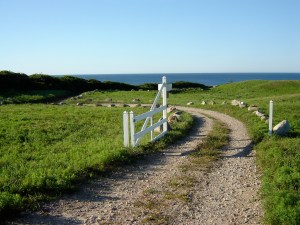
In case you don’t usually read blog comments and missed the ones on yesterday’s post, the owl poet sent word about two great poetry events coming up soon.
“Just a reminder to your readers that The Massachusetts Poetry Festival begins in Salem this Friday, April 20, and runs through Sunday, April 22. Go online to discover details and to register for a wide variety of sessions.
“Also, the Block Island Poetry Project is sponsoring a weekend on Getting Published, running Friday, April 27, through Sunday, April 29. For details, go to Block Island Poetry Project 2012.”
Posted in Uncategorized | Tagged block island, block island poetry project, owl poet, poem, poet, poetry, salem | Leave a Comment »
April 16, 2012 by suzannesmom
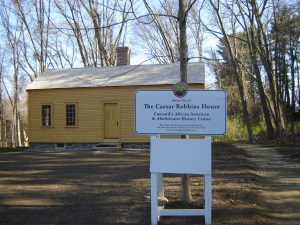
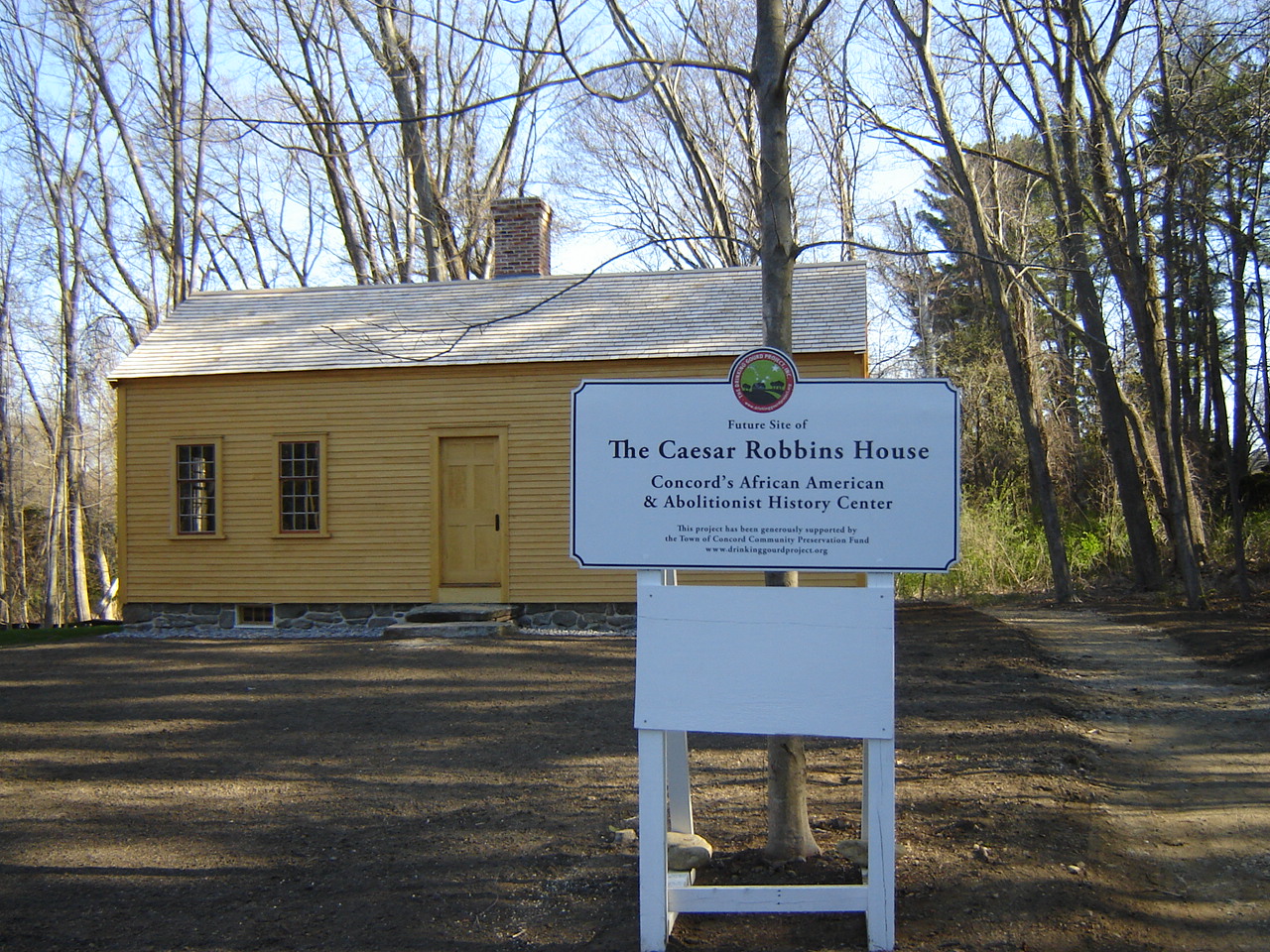
When I first wrote about the Concord home of former slave Caesar Robbins, a group of concerned citizens had just raised enough money to save it from demolition and move it near the North Bridge (in the Minute Man National Historical Park). See that post here.
Quite a lot has happened since then, and it looks like the refurbished house should be open to the public soon, if not in time for Patriots Day 2012, celebrated today.
Concord was once a stop on the Underground Railway, so saving the first Concord home owned by a freed slave is in keeping with that history.
By the way, if you are my reader in Australia or South Korea, you may not know about Patriots Day, which is a big deal in most of New England. People here consider April 19, 1775, the start of the American Revolution, although there are other worthy claimants for that honor. Paul Revere and Samuel Prescott rode to warn colonists that the British were coming, and shots were fired in Concord and Lexington.
Nowadays the day is commemorated on the closest Monday. Schools and libraries close. The Boston Marathon is run. Parades and reenactments sprout all over the region. One of my colleagues gets up at crack of dawn to march between towns in costume, playing the fife. In spite of all the hoopla, there is something about it that touches people.
Posted in Uncategorized | Tagged april 19, Caesar Robbins, concord, fife, free man, lexington, north bridge, patriots day, paul revere, slave, underground railway | 2 Comments »
April 15, 2012 by suzannesmom
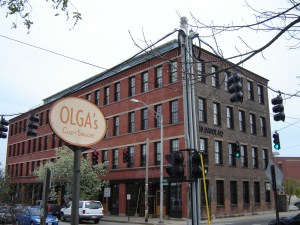
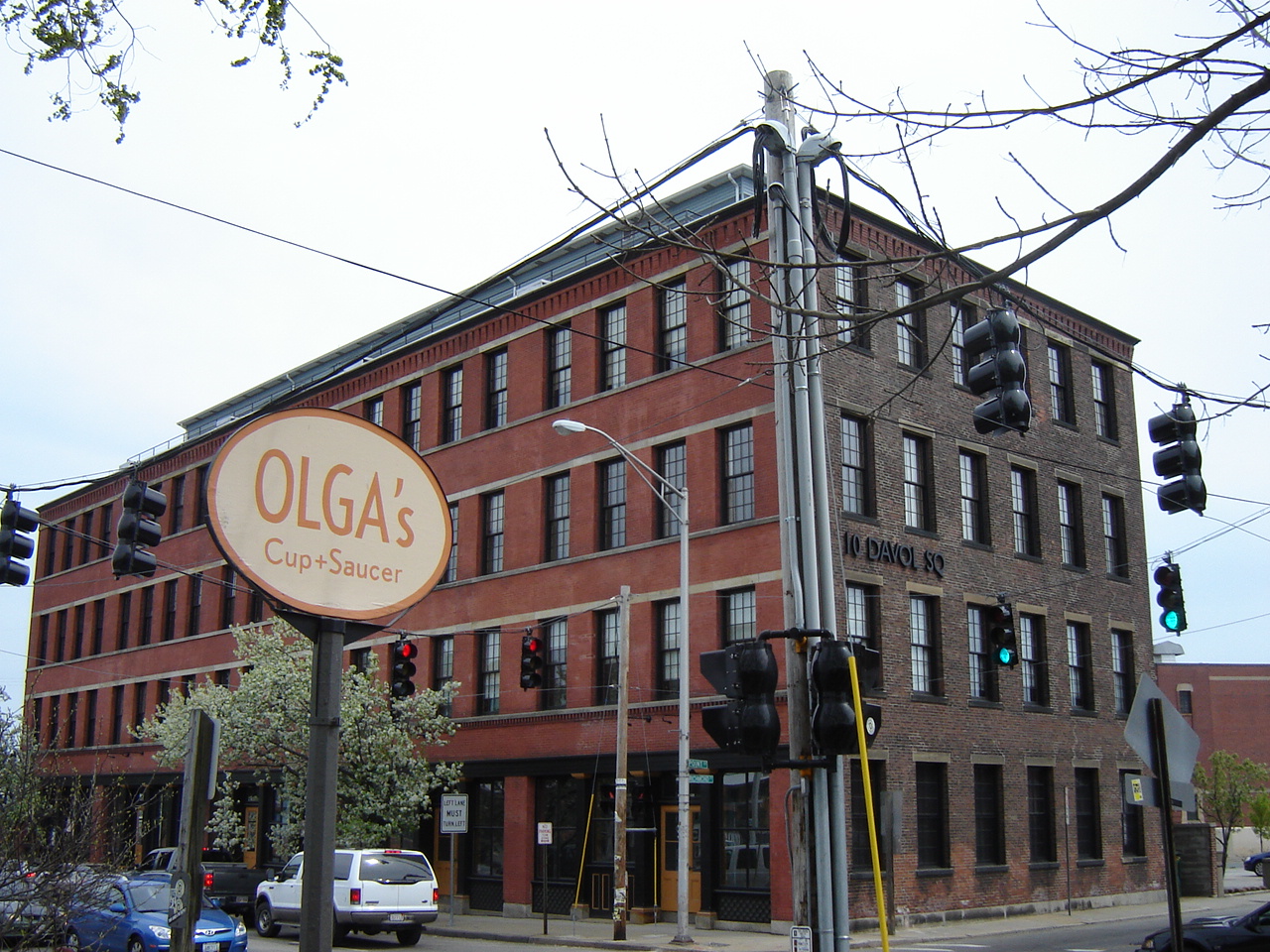
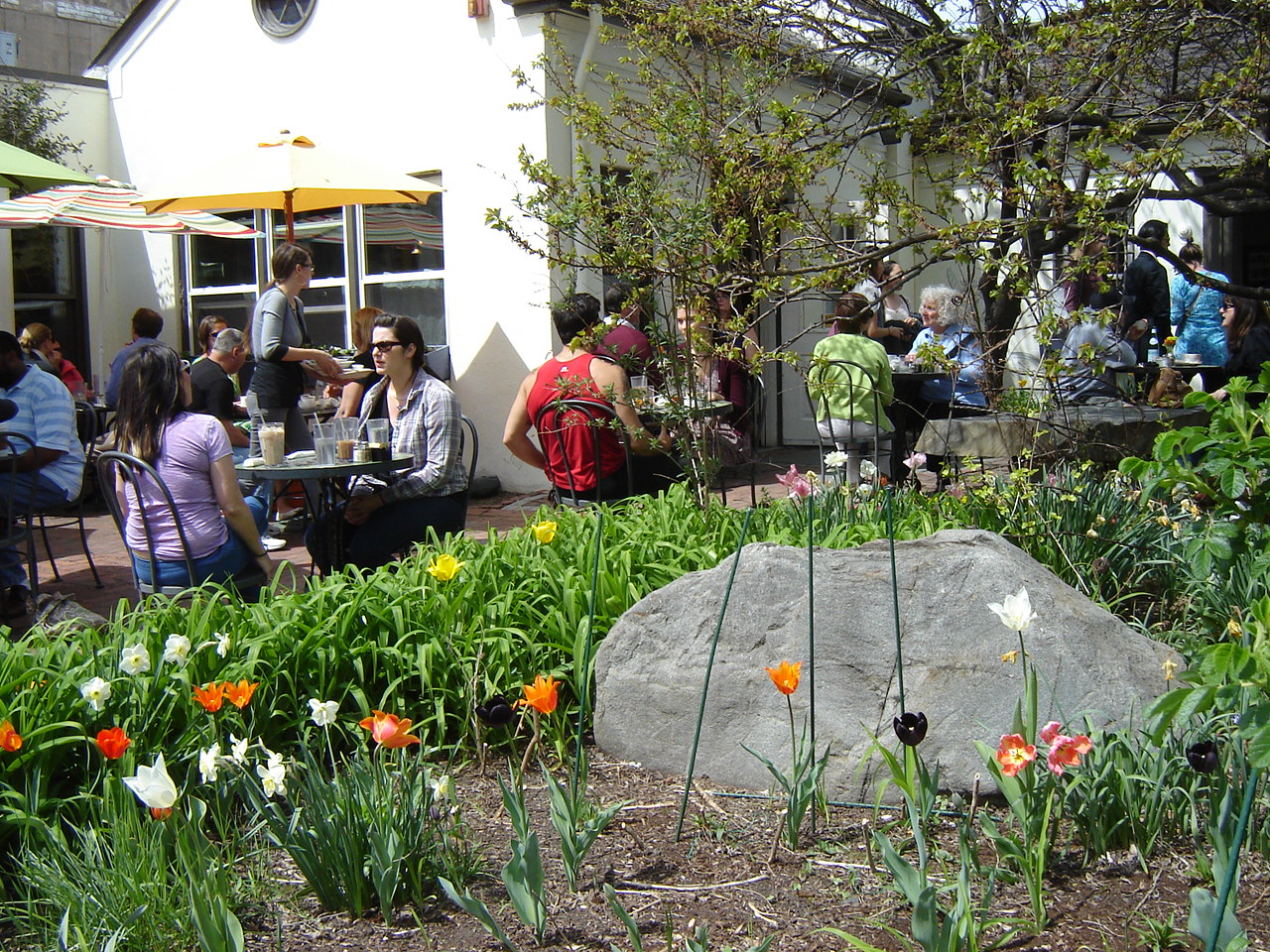
Brunch in Providence’s former jewelry district (now called the Knowledge District) can feature some intriguing overheard conversations among Brown University students. Wish I had caught the rest of this one: “Well, but if there were an alien invasion …”
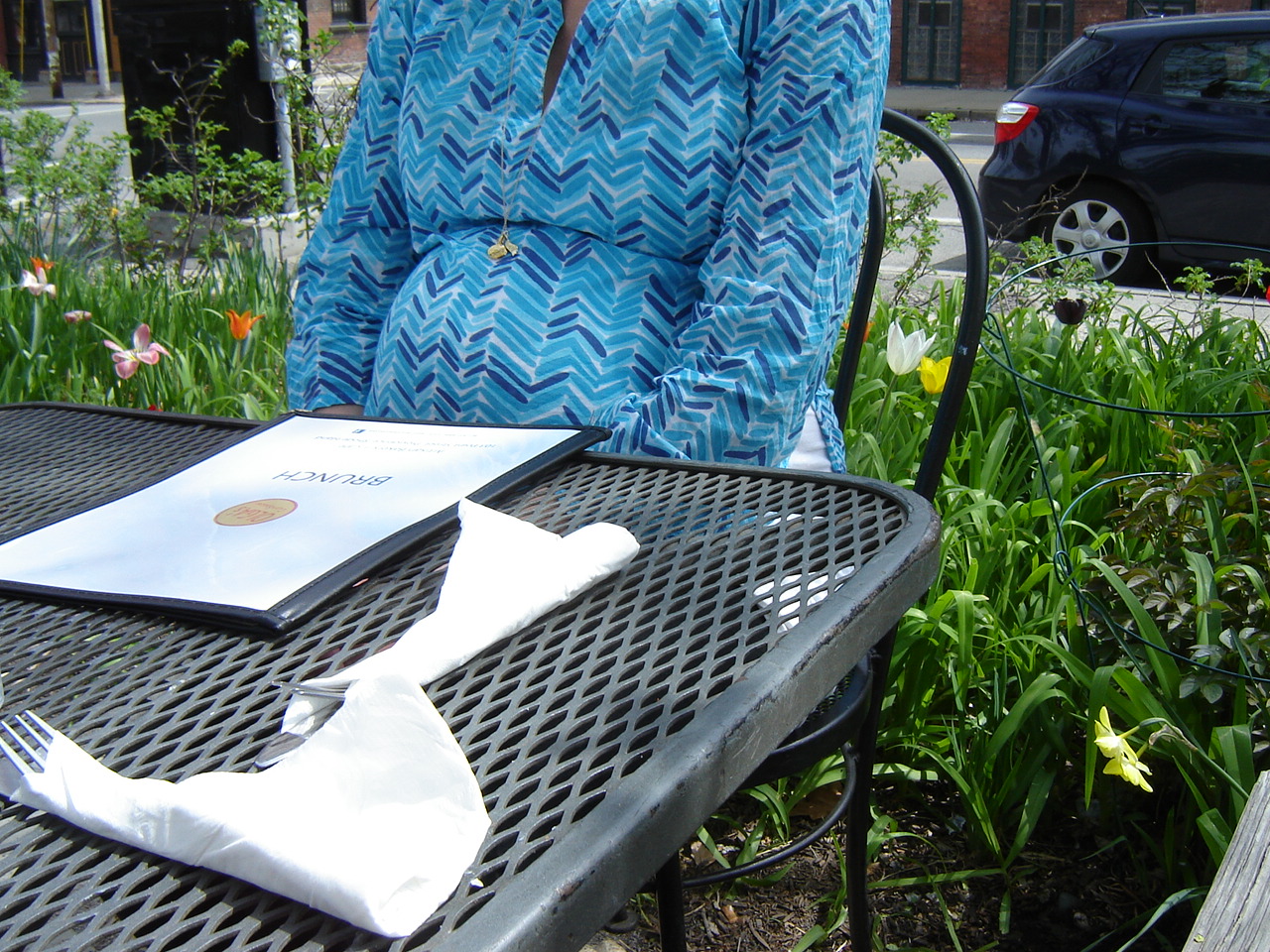
Today was lovely for sitting outside with two of our favorite Rhode Islanders. Do note the chain-and-charms motherhood present (I don’t call it a “push” present) modeled by the mother-to-be. Sorry I didn’t get a close-up. Better pictures at Luna & Stella.


Posted in Uncategorized | Tagged brown university, jewelry district, knowledge district, olga's cup and saucer, providence, rhode island | 4 Comments »
April 14, 2012 by suzannesmom
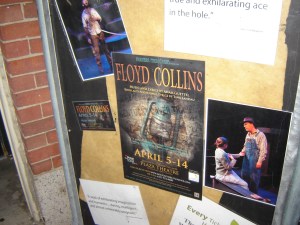
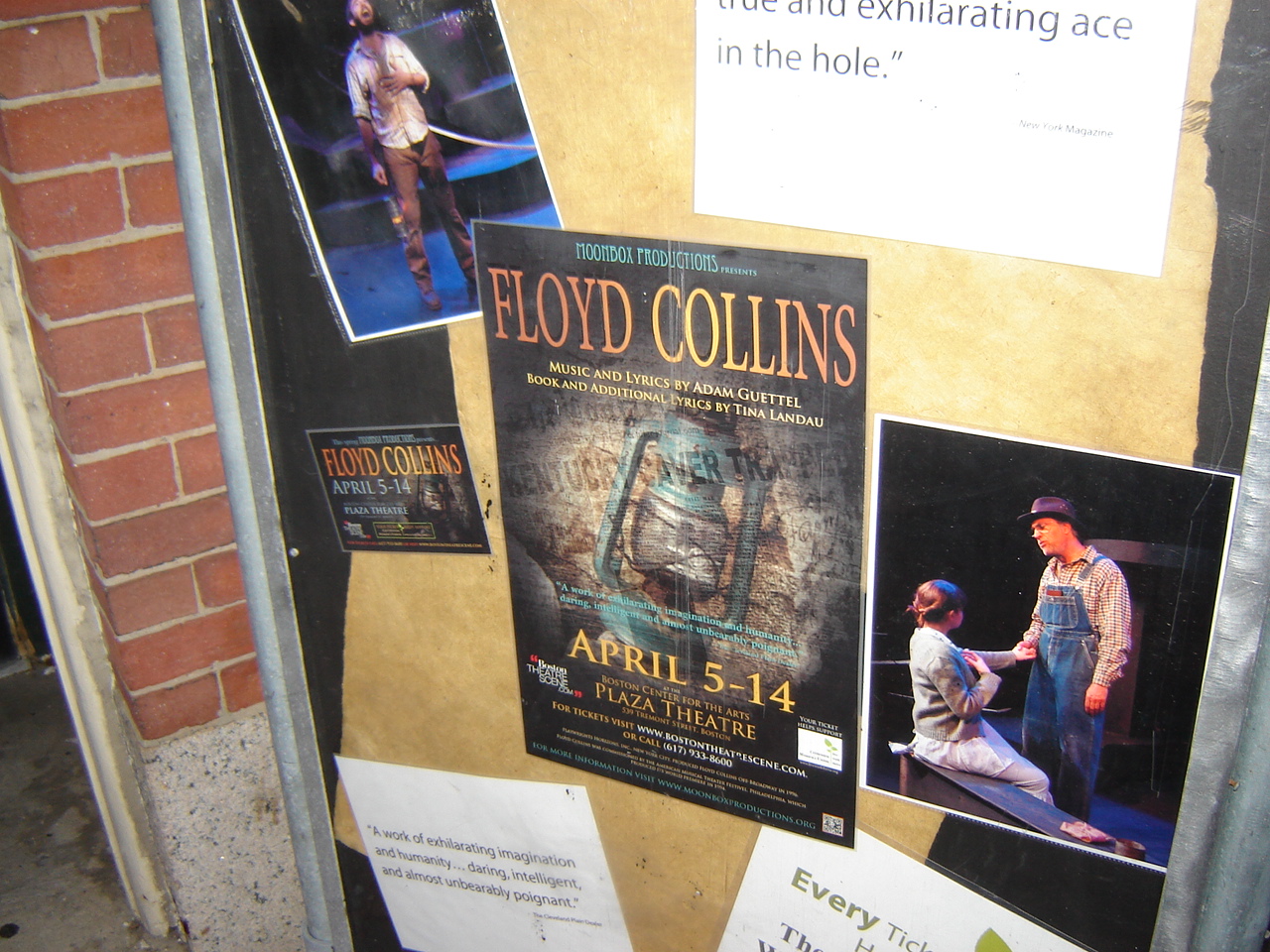
Moonbox Productions presented the musical Floyd Collins tonight in Boston. It’s a true story, and a sad one, but Adam Guettel‘s music made it uplifting. Guettel is the grandson of composer Richard Rodgers, and quite a genius in his own right.
Wikipedia tells the story of Floyd Collins:
“William Floyd Collins (July 20, 1887 – c. February 13, 1925) was a celebrated pioneer cave explorerin central Kentucky,an area that is the location of hundreds of miles of interconnected caves, including the Mammoth Cave National Park. On January 30, 1925, while trying to discover a new entrance to the system of underground caves that were a popular tourist attractionin Kentucky, Collins became trapped in a narrow crawlway 55 feet (17 m) below the surface. The reports about efforts to save Collins became a nationwide newspaper sensation and among the first news stories to become a major sensation on the new technology of home radio.”
Read more.
Moonbox gave a portion of ticket sales to Boston-based Crittenton Women’s Union, which helps poor women move out of poverty.
Posted in Uncategorized | Tagged adam guettel, bca, boston center for the arts, floyd collins, Moonbox | 2 Comments »
April 13, 2012 by suzannesmom
When I was a kid, April would see me heading out to the woods to check on what was new since fall and to climb on the rocks in the stream all afternoon. Inevitably, I would fall in. I remember one year coming home carrying my sopping shoes and socks, very pleased with myself for thinking to wear my mittens on my feet.
In Boston, the Greenway has lovely spring rituals. Here are two: pussy willows turning into cats and a carousel horse flaunting a spiffy new paint job.


Posted in Uncategorized | Tagged boston, greenway, rose kennedy greenway | 4 Comments »
April 12, 2012 by suzannesmom
I blogged before about the idea that one and one and 50 make a million, the idea that little actions by many people can make big change.
It speaks to me. So I loved this food-for-the-hungry story in yesterday’s Boston Globe. Volunteers at Community Cooks in Somerville, Massachusetts, provide part of a meal for a charity once a month. It’s relatively small commitment that adds up. Vicki I founded it 20 years ago.
She tells the Globe‘s Jane Dornbusch: “My friend heard the Somerville Homeless Coalition wanted some food support. … It was an era when many young professionals who were interested in helping the community were moving to Somerville, so we were able to recruit very easily.”

Derek Neilson makes potato salad for Community Cooks. Photograph: Barry Chin, Globe staff
Dornbusch adds, “Community Cooks is just that: a community of cooks that prepares food for the community. Each volunteer is assigned to a team that provides a meal once a month to a partner organization; these organizations include homeless shelters, women’s and family shelters, youth development programs, providers of support for the developmentally disabled, and more.
“The team leader hands out dish assignments — main course, salad, side, dessert — and each volunteer purchases the necessary ingredients and prepares a homemade recipe to feed about 15. Then the volunteer drops it at a central location. Each team serves a particular organization, so volunteers develop a sense of community and partnership with one group. It’s not an overwhelming commitment.” But together the cooks make a big difference Read more.
Posted in Uncategorized | Tagged abused, community cooks, diabled, food, Jane Dornbusch, one and one and 50, shelters, somerville, vicki i, volunteer, youth | 2 Comments »
April 11, 2012 by suzannesmom
My husband went to college with Frank Popper, who went on to become a professor at Rutgers and Princeton. Along with his wife Deborah, also a professor, Popper has written extensively about the loss of population in the industrial Midwest and the idea of returning former urban areas to a “Buffalo Commons.”
That once seemed far out, but today he is popular with leaders of shrinking cities like Detroit that are open to any idea that might make cities livable again, including turning abandoned neighborhoods into parkland.
This week he sent a surprising e-mail. His research is in an opera being performed by a Milwaukee new-music ensemble called Present Music.
“The libretto.” writes Popper, “has big quotes from a 1999 academic-journal article Deborah and I wrote about the Buffalo Commons, and two of the actors play us. Composer Kitzke, librettist Masterson, baritone Ollmann and the other performers are all excellent.”
From Present Music’s website: “Buffalo Nation (Bison bison), by Jerome Kitzke and Kathleen Masterson, [was] commissioned by the Map Fund, a program of Creative Capital supported by the Doris Duke Charitable Foundation and the Rockefeller Foundation; Forest County Potawatomi Foundation, Suzanne and Richard Pieper Family Foundation and by other individual donors. This project is supported in part by an award from the National Endowment for the Arts.”

Jerome Kitzke and Kathleen Masterson
Posted in Uncategorized | Tagged baritone Ollmann, buffalo commons, buffalo nation, deborah popper, Forest County Potawatomi Foundation, frank popper, Jerome Kitzke, Kathleen Masterson, map fund, milwaukee, music, nea, opera, present music, Princeton, Suzanne and Richard Pieper | 5 Comments »
April 10, 2012 by suzannesmom
I took a tour of Mass Challenge today, an accelerator incubator program. And what is an accelerator incubator program? you ask. An incubator helps small businesses get launched and grow. An accelerator helps them get launched and grow really fast.
The program I visited may be the biggest anywhere. It has a whole floor of a gorgeous new building overlooking Boston Harbor, which the landlord has provided rent-free at least until 2014. It has zillions of sponsors and supporters, including the mayor and the governor, who don’t always see eye to eye on other matters.
Enter by tomorrow to be in the running for this year’s program and the top prize. Every entrant, whether chosen for the program or not, gets three to five professional reviews. You can enter from anywhere in the world. Caveats: there is an entry fee of $200, and your startup has to have made less than $1 million so far. Click here to enter.
From the website: “MassChallenge is the largest-ever startup accelerator and competition, and the first to support high-impact, early-stage entrepreneurs with no strings attached. Benefits for startups include:
* 3 month accelerator program. World-class mentorship and training, free office space, access to funding, media and more.
* $1M in Cash Awards. $4M+ in-kind support.
* Open to all. Any startup can enter, from anywhere, in any industry.
* No equity taken. No restrictions applied.”
And while we’re on the subject of small business, I also saw a great presentation about a new City of Boston website that walks people through all the things they need to do to get a business started in Boston. A wonderful, user-friendly site.
Posted in Uncategorized | Tagged angels, boston business hub, entrepreneurs, ideas, innovation, small business, startup, vcs, venture capital | 2 Comments »
April 9, 2012 by suzannesmom
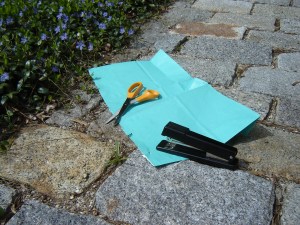
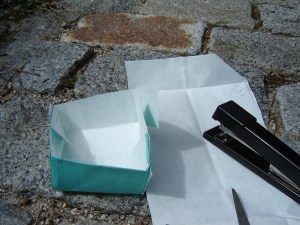
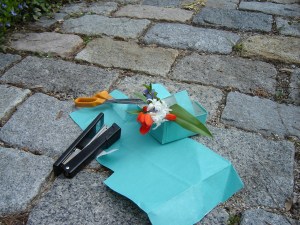
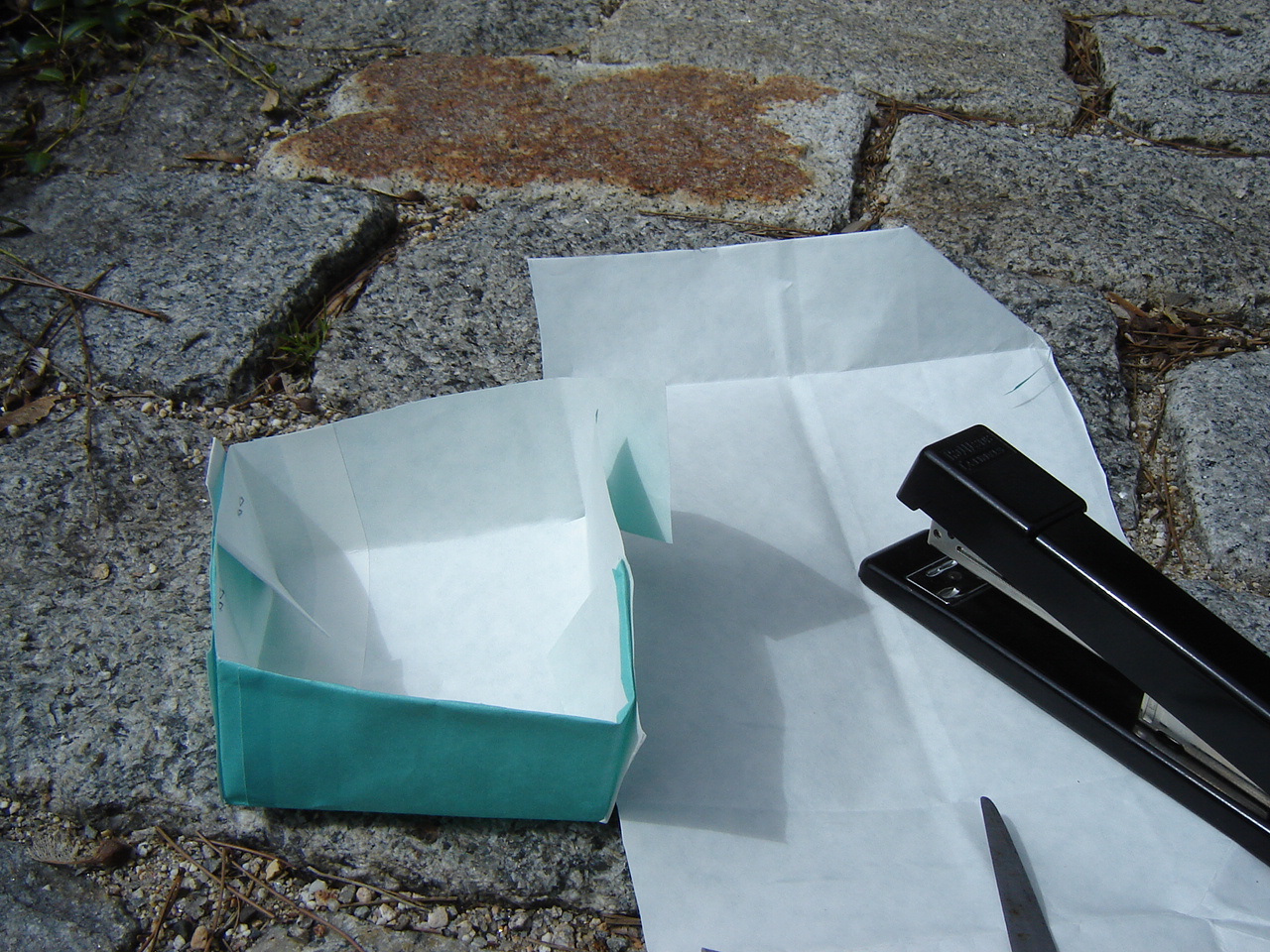
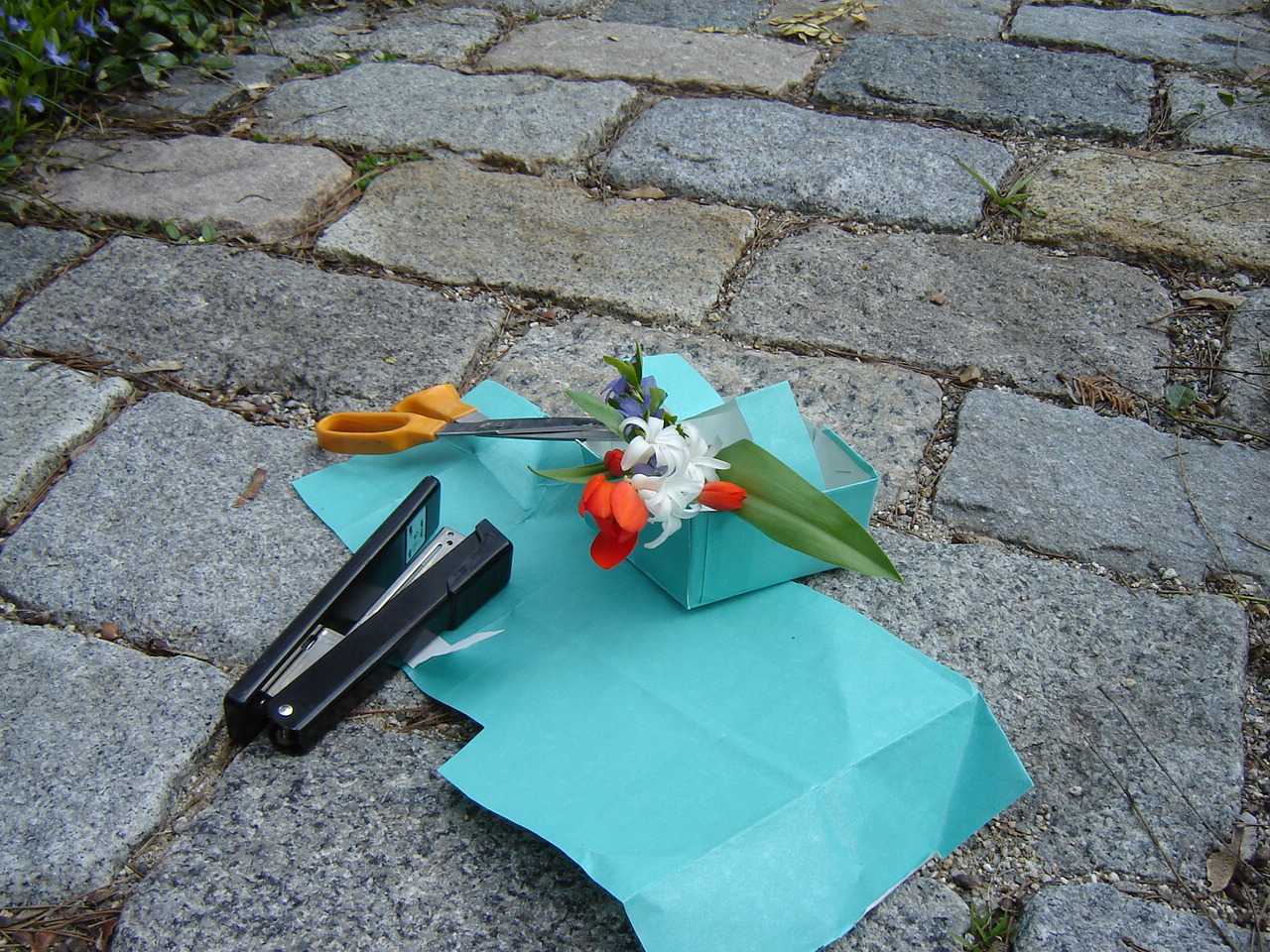
Does anyone do May baskets any more? It’s such a lovely custom, and it’s always surprising to me that florists don’t promote it. How difficult could it be to partner with a Girl Scout troop or something?
On the first of May, you fill home-made paper baskets with spring flowers, place them at the door of, say, a neighbor, an elderly person, or a teacher and run. As kids, we used to knock and go hide in the bushes to see the look of surprise on the neighbor’s face. With fewer neighbors at home during the day now, the surprise is for the person who gets home from work first.
When Suzanne and John were small, they did May Baskets every year. I remember one neighbor (who had figured out where the basket came from) telling me, “Oh, I’m going to be so sad when your children grow up!” Of course, part of the drill is to pretend you have no idea what your neighbor is talking about.
There is a really simple way to make baskets from pages of discontinued wallpaper books. I’ll tell you if you ask. Here is another way.
(P.S. The birthstone rings are from Luna & Stella.)

Posted in Uncategorized | Tagged basket, birthstone, Luna & Stella, may basket, may day, rings, spring flowers | 5 Comments »
April 8, 2012 by suzannesmom
“GLAD PÅSK!” says Margareta by e-mail from Sweden.
Back in the States, my grandson did his first egg hunt. He caught on quickly. Meanwhile, I pulled together an Easter bonnet — like Cinderella and the mice. I don’t have wicked stepsisters, so the bonnet made it through the festivities without recourse to a fairy godmother.

The base hat is one I’ve had for years (sans ribbon and rabbit). It is made 100% of paper and packs really well.
Next year my daughter-in-law is going to help me search thrift shops for Easter bonnets. Let me know if you want to come.
Posted in Uncategorized | Tagged bunny, Easter, Easter basket, easter bonnet, egg hunt, hat, rabbit | 2 Comments »
April 7, 2012 by suzannesmom
I’m learning about cash mobs and how they are used to help small businesses and promote economic development.
I like that it’s kind of a surprise for the business. The town selects a shop for some policy reason like wanting to revitalize a particular part of town or to encourage a promising entrepreneur. It promotes the business for a cash-mob day and encourages local folks to spend some money. People do because it’s fun, and because they, too, want to help.
“A cash mob works like this,” writes the Globe. “City officials, civic groups, or individuals use social media, blogs, and e-mail to spread the word about the event. As @Lowellcashmob tweeted this week, ‘Infusing revenue into Lowell businesses, you never know where the cash mob will strike!’ …
“Merchants do not run them, but are selected for a ‘hit.’ Participants are encouraged to spend $10 to $20. There often aren’t any discounts or incentives — it’s less about nabbing a Black Friday bargain and more about sharing the wealth.” More here.
Got me thinking. How else could this work? Could the town choose a local blood bank for a cash-mob day? How about a “paint the youth center” day? Or a day to buy something at the Pirate Supply Store to support the tutoring program? Would people think that was fun, too?

Posted in Uncategorized | Tagged cash mob, community development, economic development, entrepreneur, nonprofit, small business, social media | 3 Comments »
April 6, 2012 by suzannesmom
There’s this one doctor who is generally quite late, so I always plan to take half a vacation day when I have an appointment with her. On Thursday, however, she was on time, so after I saw her, I got on a bus and went to SoWa (“South of Washington,” known for art galleries). Ferris Bueller’s Day Off.
I had got it in my head that I would like to buy an Easter hat this year. No one does Easter bonnets anymore. It used to be fun, if a little ridiculous.
After I left some of Suzanne’s Luna & Stella cards in the SoWa building where there are open studios on first Fridays, I went over to the hat shop.
The hats were pretty gorgeous, but pricey. (It’s art, after all.) The smallest little saucer with a couple feathers was $150. The more magnificent hats were close to $400. So I just looked. You should look, too. Amazing, huh?
Marie Galvin, the artist, writes on her site: “Galvin-ized Couture Hats and Headpieces are handcrafted with innovative design & techniques. These fabulous creations are perfect for Weddings, Ascot, the Kentucky Derby and Cocktail Parties.”
Nothing about Easter.
Can’t you picture me in a back pew of the U-U church in this little number? Sigh.

Posted in Uncategorized | Tagged art, artist, boston, easter bonnet, first friday, Galvinized couture hats, haberdasher, hat, Marie Galvin, milliner, millinery, open studio, south of washington, sowa | 4 Comments »
April 5, 2012 by suzannesmom
Kate Colby, New England poet, is a friend of Suzanne’s.
I struggled with her pithy collection Fruitlands but am now happily into Beauport. Which is not to say I understand everything. But I am loving the spare naturalness of the language.
It hits the same pleasure buttons as deceptively casual-sounding passages in T.S. Eliot’s The Waste Land, like:
“Madame Sosostris, famous clairvoyante,
“Had a bad cold, nevertheless
“Is known to be the wisest woman in Europe,
“With a wicked pack of cards.”
I don’t know what Eliot is getting at exactly, but I’m crazy about the way that sounds.
Here’s a bit from Beauport that made me smile:
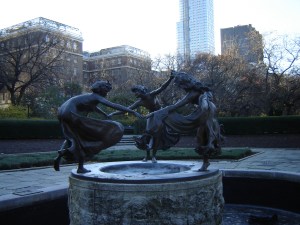
Fashionable Turn-outs in Central Park (1869)
“Those were the days. Don’t you think?
“Sunday driving in plein-
“air affairs of gold
“rims and spokes,
“upper-lip-shaped
“lisping, bespoke
“tailcoats.
“No incendiary pamphleteers,
“here, no lady lecturers,
“temperance hoo-hah …”
Posted in Uncategorized | Tagged beaufort, colby, fruitlands, new england, poem, poet, poetry, sosostris, waste land | 2 Comments »
« Newer Posts - Older Posts »







 Suzanne's Mom's Blog