Feeds:
Posts
Comments

Posts Tagged ‘food’

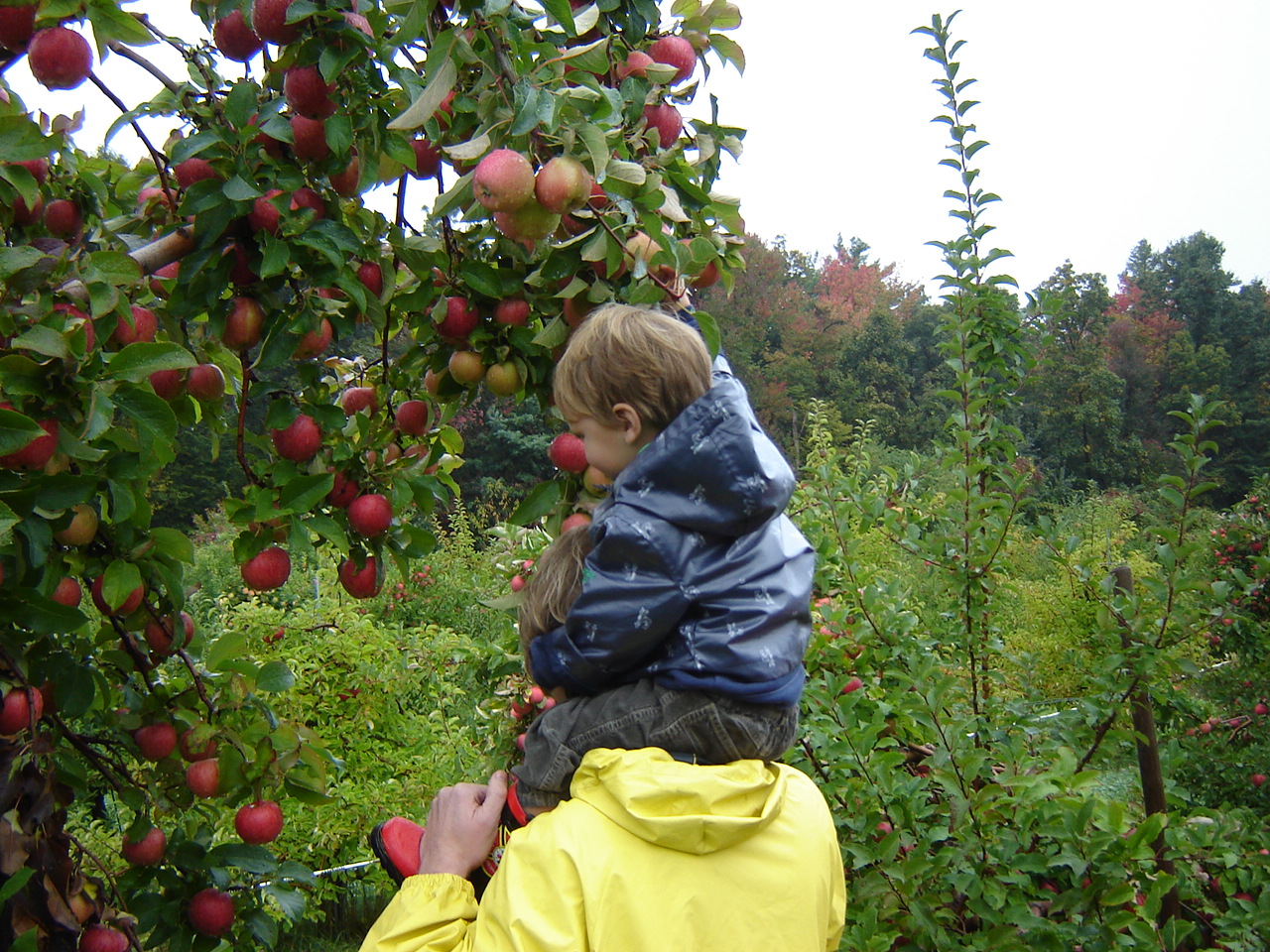
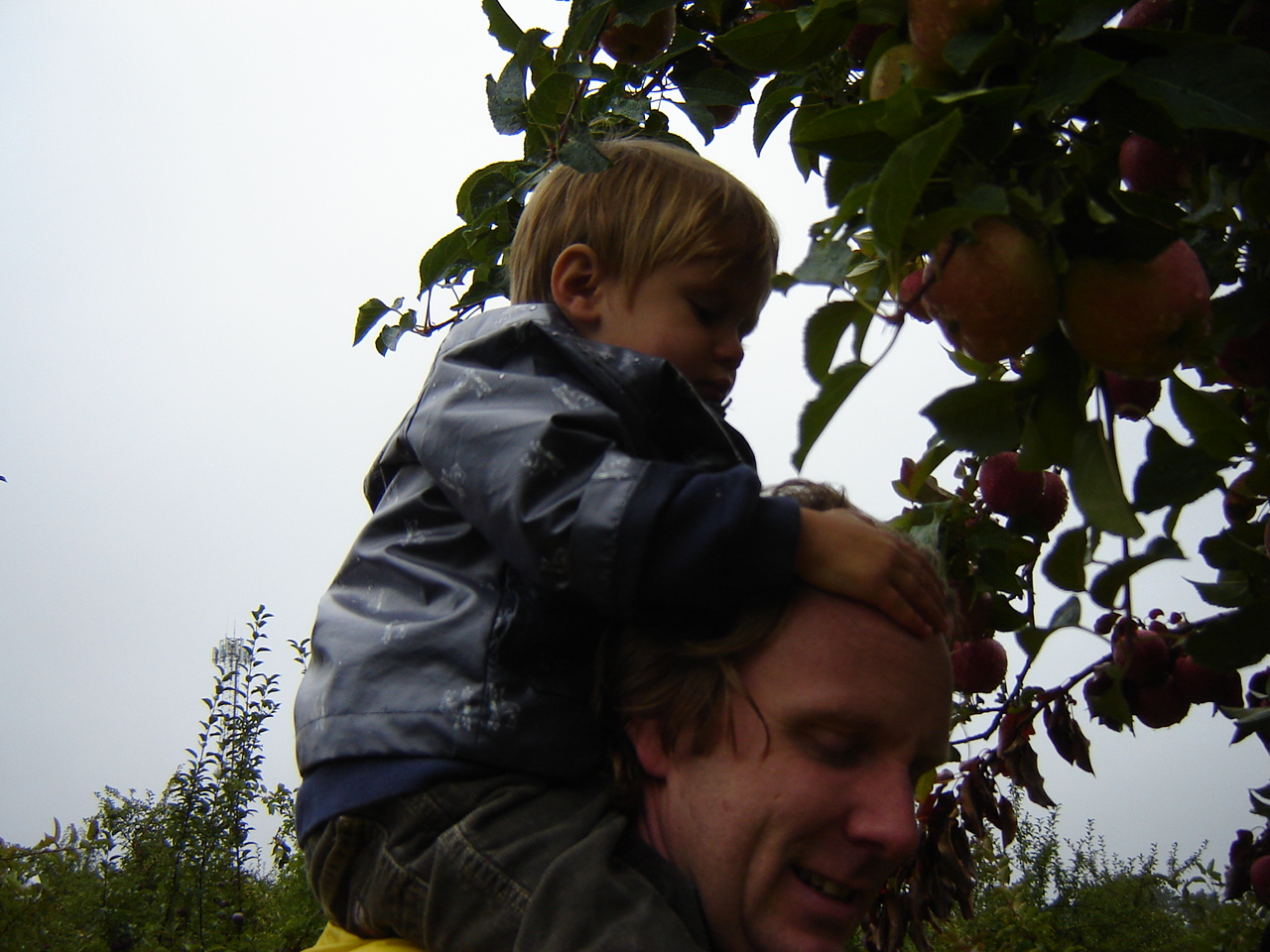
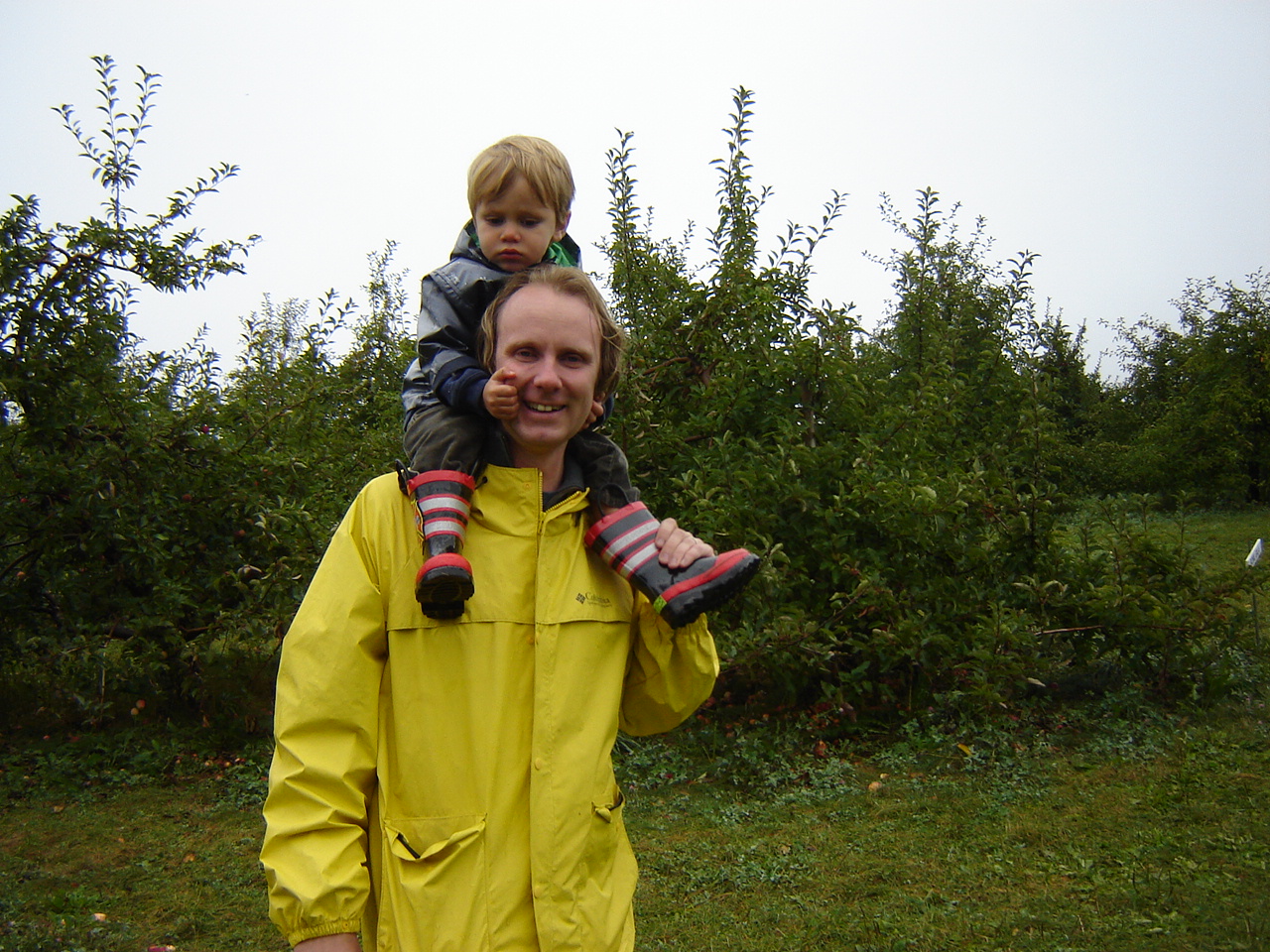
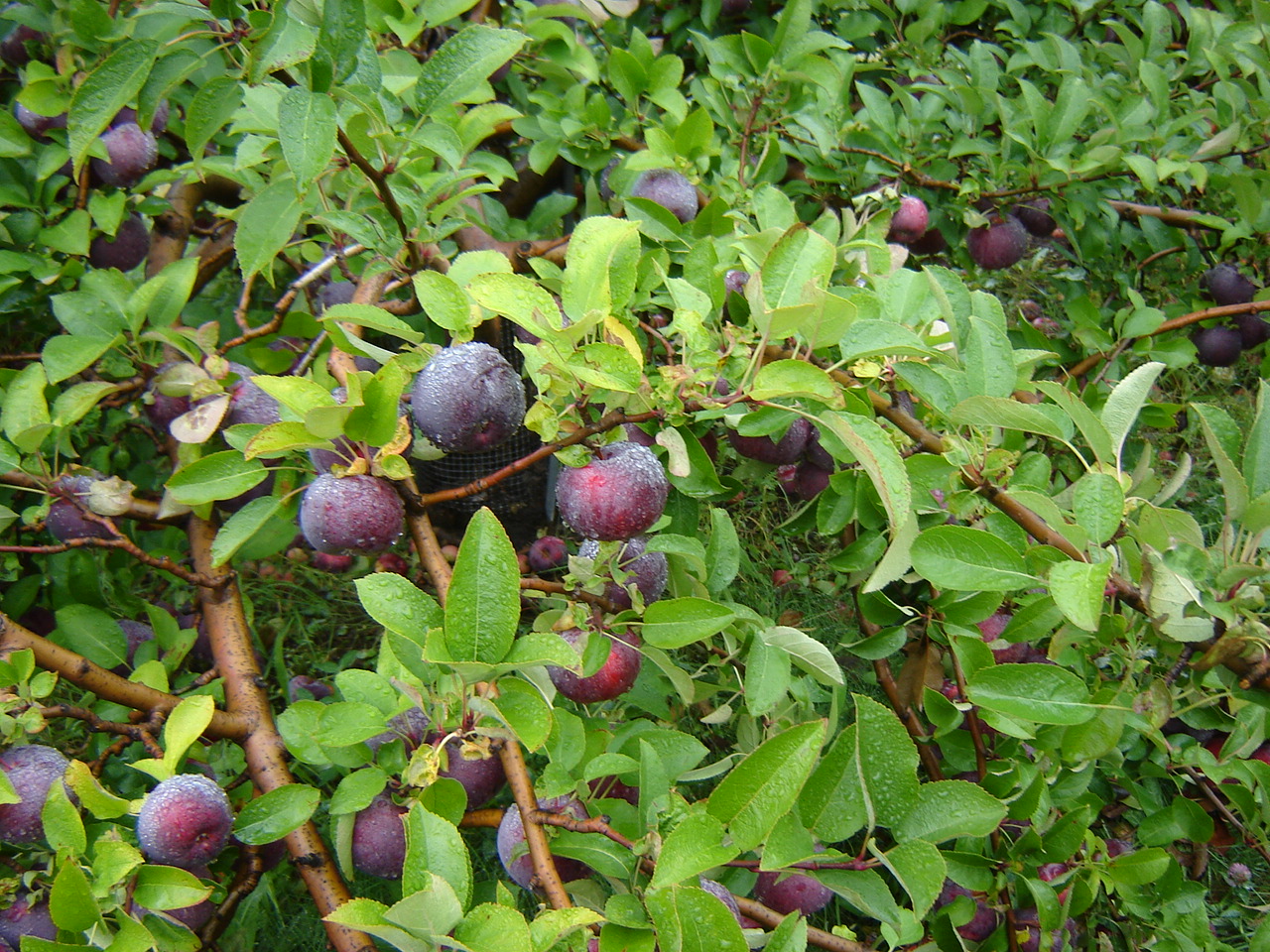
Today we joined forces with our son, daughter-in-law, and two-year-old grandson for a lovely, low-key apple-picking adventure in Harvard, Massachusetts.

Carlson Orchards has many varieties of apples. Small painted signs tell you which ones grow in which part of the farm. The trees have been pruned so as not to grow too tall, and they are loaded with fruit. The purplish ones are Empire. I had never seen Empire apples that looked purple. We picked Empire, Cortland, Mac, and Pink Gala.

A friend from the office told me about the farm. She likes to go pick peaches in summer.

The little general store had hot cider and donuts, pumpkins and a nice variety of apple products and jams.


Read Full Post »

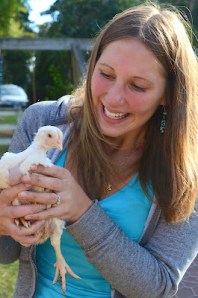
My friend’s great niece doesn’t come from professional farmers, but the gardening gene goes back at least to her Italian great grandfather. Now, having graduated from a liberal arts college and worked for various park services, she is — like a surprising number of young people today — going into farming.

At a farm blog, she describes raising organic chickens in Connecticut.

“Hi! Nichki and Laz from The Wooly Pig here, taking over the Barberry Hill Farm blog for an entry!

“We are young aspiring CT farmers who were lucky enough to meet Kelly and Kingsley last March and over the past several months they have become our good friends and farming mentors. This fall, the Goddards have been so kind as to lend us their pasture and their expertise so that we can raise our very first batch of chickens for our community.

“Our birds are pasture raised, which means they are brought up outdoors with plenty of access to fresh vegetation, open air, and sunlight.

“They are fed a strictly organic diet — an added cost for us that we feel is a worthwhile investment in our customers’ health. …

“We can’t thank our customers enough for supporting local, sustainable agriculture. Your good decisions help build strong, healthy communities right here in Connecticut. …

“For more information on our chickens, please contact us by email at TheWoolyPig@gmail.com.”

Read the engaging Barberry Hill Farm blog here. And if you live near Madison, Connecticut, get your chickens from The Wooly Pig

Photograph from http://www.barberryhillfarm.com.

Read Full Post »

An early version of fast food, as many readers will recall, was the Automat. You didn’t wait for a waiter to wait on you. You took your nickels and quarters to a wall of little doors, popped the coins in where you saw what you wanted to eat, opened the little door, and then took your piece of pie or sandwich or whatever to a table where, more often than not, you dined with strangers.

I found this recent NY Times story by Sam Roberts charming.

“The Automat is being recreated at the New York Public Library on Fifth Avenue starting Friday for an exhibition on lunch. …

“The Automat, which first opened in Philadelphia, was democratic, because its tables accommodated customers from every class. It replaced the free lunch at saloons shuttered by Prohibition. The chrome and brass vending machines framed by Italian marble conveyed cleanliness, because the workers who prepared the food were invisible behind the spinning steel drums that fed the machines. …

“In a doctoral dissertation at Cornell University, Alec Tristin Shuldiner noted that compared with Philadelphians, New Yorkers wanted more sugar in their stewed tomatoes, favored seafood, except for oysters, craved clam chowder and chicken pies, and eschewed scrapple. …

“The playwright Neil Simon once wrote of his Automat memories, recalling that he learned more from his dining partners there than during three years at Princeton:

‘And the years went by and I turned from a day customer to a night patron, working on those first attempts at monologues and sketches at two in the morning, over steaming black coffee and fresh cheese Danish. And a voice from the stranger opposite me.

‘ “Where you from? California?”

‘ “No. I grew up in New York.”

‘ “Is that so? Where in New York?”

‘ “At this table.” ’ ”

But perhaps you’d like to read the whole thing.

Photograph: Berenice Abbott, NY Public Library

Read Full Post »

A website affiliated with Fast Company and called FastCo.Exist has some interesting information on sustainability.

Consider the article showing how Mexico City is promoting several public goods simultaneously. The city’s environmental agency recently launched Mercado de Trueque, a barter market where recyclable materials are exchanged for fresh food to support the city’s farmlands.

Michael Coren reports: ” ‘This innovative program is designed to show citizens directly and tangibly how what we call trash becomes raw materials. If solid waste is properly separated, it still has value,’ writes the Ministry of Environment (in Spanish). The market accepts glass, paper and cardboard, aluminum beverage cans, PET plastic bottles, and returns ‘green points’ redeemable for agricultural products grown in and around Mexico City, including lettuce, prickly pears, spinach, tomatoes, plants, and flowers.” More here.

Co.Exist also has an article by Ariel Schwartz on how you may track where the things you buy come from. For example, your canned tuna. Check it out.

Read Full Post »

I blogged before about the idea that one and one and 50 make a million, the idea that little actions by many people can make big change.

It speaks to me. So I loved this food-for-the-hungry story in yesterday’s Boston Globe. Volunteers at Community Cooks in Somerville, Massachusetts, provide part of a meal for a charity once a month. It’s relatively small commitment that adds up. Vicki I founded it 20 years ago.

She tells the Globe‘s Jane Dornbusch: “My friend heard the Somerville Homeless Coalition wanted some food support. … It was an era when many young professionals who were interested in helping the community were moving to Somerville, so we were able to recruit very easily.”

Derek Neilson makes potato salad for Community Cooks.

Derek Neilson makes potato salad for Community Cooks. Photograph: Barry Chin, Globe staff

Dornbusch adds, “Community Cooks is just that: a community of cooks that prepares food for the community. Each volunteer is assigned to a team that provides a meal once a month to a partner organization; these organizations include homeless shelters, women’s and family shelters, youth development programs, providers of support for the developmentally disabled, and more.

“The team leader hands out dish assignments — main course, salad, side, dessert — and each volunteer purchases the necessary ingredients and prepares a homemade recipe to feed about 15. Then the volunteer drops it at a central location. Each team serves a particular organization, so volunteers develop a sense of community and partnership with one group. It’s not an overwhelming commitment.” But together the cooks make a big difference  Read more.

Read Full Post »

I liked a story in the January 25 Boston Globe. It’s about a gourmet chef taking a job at a homeless shelter and helping to train residents with the marketable skills he knows best.

“Frank Van Overbeeke used to prepare foie gras and filet mignon for the French brasserie crowd as executive chef at Bouchee on Newbury Street,” writes Katie Johnston. “Now he makes cheeseburger meatloaf for the residents at the Pine Street Inn.

“In the shelter’s kitchen, he also oversees the preparation of jerk chicken with pineapple rice pilaf for the Boston Foundation, chicken tikka masala for Simmons College, and baked ziti for doctors at Boston Medical Center.

“Van Overbeeke’s move two years ago from haute cuisine to homeless shelter was a key step in Pine Street Inn’s efforts to develop a corporate catering business to increase revenues to support its food service job-training program.” Read more.

Another job-training program in the culinary arts has been going since 1983 at a prisoner pre-release facility in Concord.

Betsy Levinson writes in a March 29 Globe article, “Four days a week, diners pay $3.21 to enter one of the drab gray buildings at the Concord rotary, drop off their licenses at security, and line up for a seat at one of nine tables in the cafe known as the Fife and Drum.

“Inmates serve as waiters, cooks, and busboys, all trained by chef Kim Luketich. Those who complete the 10-month culinary arts program get a Serve Safe food-handler certificate, making them eligible for work in restaurants.

“ ‘I love it,’ said Jacqueline Friedman, an Acton resident arriving for lunch. ‘It’s an experience. The guys are so nice and are trying so hard.’ …

“ ‘This is a premier program,’ said the superintendent. ‘No other facility has this kind of program that allows the community to come in and eat. We have some elderly who have come daily for years. It’s a great setting, a great atmosphere.’

“ ‘They learn quality skills,’ said Luketich. … “‘They learn social skills. The whole idea is that they will go back into society. That is what we focus on.’ ’’

Read more. As the article says, food service is one of the areas where there actually are jobs today, and it can be a way to get acclimated to dealing with the public.

Photograph: Bill Greene/Globe Staff

Read Full Post »

I went to Manchester, New Hampshire, today for an event designed to bring bankers together with community and economic development people.

The panelists were pretty interesting. A woman from the NH Small Business Development Center talked about what it takes to put together a financing package and what sorts of entrepreneurs are a good investment. For example, people like Richard Tango-Lowy, who do their homework.

Tango-Lowy kept his IT job while he researched everything about fine chocolate, traveling extensively in France and Italy. Almost as soon as he opened Dancing Lion Chocolate, he was successful. He got a great review in the Boston Globe. He has no cash-flow problems. His only problem is keeping up with demand.

“The entrepreneur’s Mayan-style drinking chocolate, made with milk or water, is served in large painted bowls,” writes Kathleen Pierce in the Globe. “This driven chocolatier and Manchester resident is more than a little obsessed with cacao. He works with chocolate maker Alan McClure of Patric Chocolate in Columbia, Mo., to create a house-blend derived from Madagascar beans.

“Like a vintner, Tango-Lowy selects the chocolates that go into his tasting squares, bars, and candies, paying close attention to flavor profiles and how a particular bean enhances the moment. ‘I think about how long will it linger in your mouth. There are ones that hit the fragrant front and each piece evolves as you eat it,’ he says.

“When you discover that Tango-Lowy is a physicist, his approach to chocolate begins to make sense.” Read more.

Read Full Post »

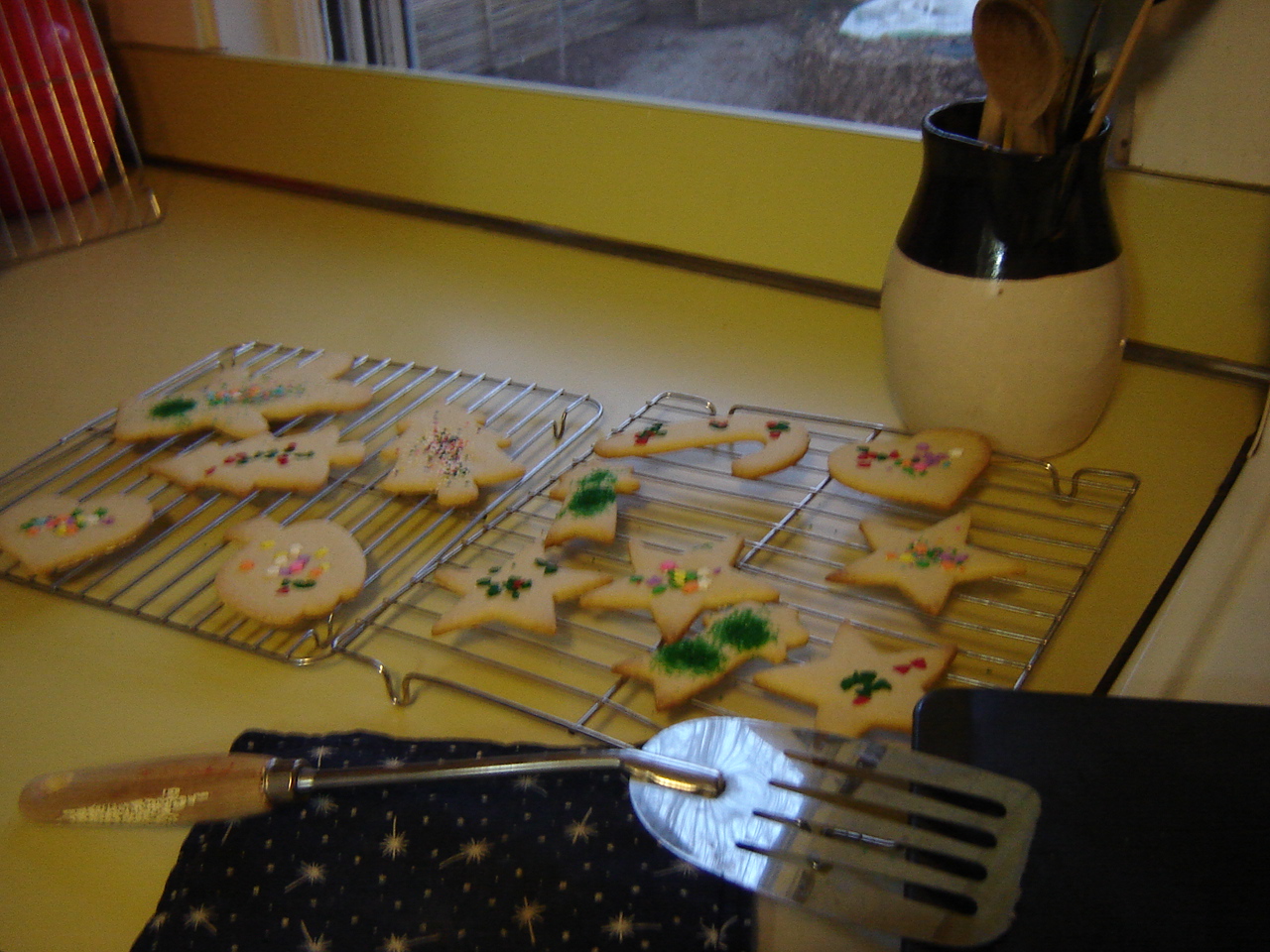
Here is the Christmas cookie recipe I have used ever since John put together his little recipe book in nursery school.

(have ingredients at room temperature)

Rolled Sugar Cookies

2 cups sifted flour
1-1/2 tsp. baking powder
1/2 tsp. salt
1/2 cup margarine
1 cup sugar
1 egg, well beaten
1 tsp. vanilla
1 Tbsp. milk

Sift together first three ingredients.
In another bowl, cream margarine, add sugar gradually. Cream until light and fluffy.
Add egg, vanilla, milk and sifted dry ingredients.
Mix dough well, chill at least one hour.

Roll approximately 1/8 inch thick on lightly floured board and use good-sized cookie cutters so children can be successful in handling shapes.
Place cut out cookies on ungreased cookie sheets and let children sprinkle sugar on them.

Bake at 375 degrees for 8-10 minutes. (My oven prefers 350 for 6-10 minutes.) 2 doz.

Read Full Post »

We’re hopping an early Acela train Wednesday to join Suzanne, Erik, and other family members for Thanksgiving.

I’m assigned to make cranberry sauce, stuffing, and a squash dish. Although I have already placed my ingredients order and can’t use the recipe I just saw at another WordPress blog, you might like to. It’s a maple-citrus-ginger-cranberry sauce.

The blog in question is the public face of a collaboration in Upstate New York, the “From Scratch Club”: “We are a small group of women, living within the Capital Region of NYS (Albany, Troy, Schenectady, Saratoga Springs) striving for a sustained connection to the whole food we, our loved ones, and our communities consume.

“We meet twice a month for food swaps, and maybe even a food-related adventure, field trip, cheesemaking party or potluck. Once a month we participate in community outreach at various local farmers markets in our area.”

These ladies understand that the key to enjoying great cooking is to have others to share the results with.

Consider Thanksgiving. Thanksgiving is mostly about preparing lots of food and bringing groups of people together to eat the food and talk and not rush off to anything.

This year at Suzanne’s, my sister and her husband will join the fun. Also Erik’s cousin and her family, who have just relocated from Sweden to the U.S. It’s great that little kids will be part of the festivities.

Read Full Post »

Yesterday’s NY Times Dining section had a delightful story about all the food being delivered to Occupy Wall Street. Donations have come from far and wide, and people have self-organized to distribute it and do the washing up. The story is here.

“Requests for food go out on Twitter and various Web sites sympathetic to the protesters. And somehow, in spontaneous waves, day after day, the food pours in. …

“Platters and utensils are washed on site. The soapy runoff slides into a gray-water system that’s said to draw impurities out through a small network of mulch-like filters. …

“Members of the [food] crew sometimes fail to show up in the morning because they were arrested the night before. (Then again, as many a chef will tell you, that happens in a lot of restaurants.)” …

“Telly Liberatos, 29, the owner of Liberatos Pizza on Cedar Street in the Financial District, said he has received orders from places like Germany, France, England, Italy and Greece, as well as every region of the United States.

“ ‘It’s been nonstop,’ he said. ‘The phones don’t stop ringing. People from California order the most at one time.’ Someone from the West Coast had called in the biggest delivery: he wanted 50 pizzas dispatched to the park.”

You might enjoy knowing that Asakiyume’s blog offers music suggestions for the 99 percent. Check it out. (I borrowed the picture from downtownmonks.blogspot.com.)

Read Full Post »

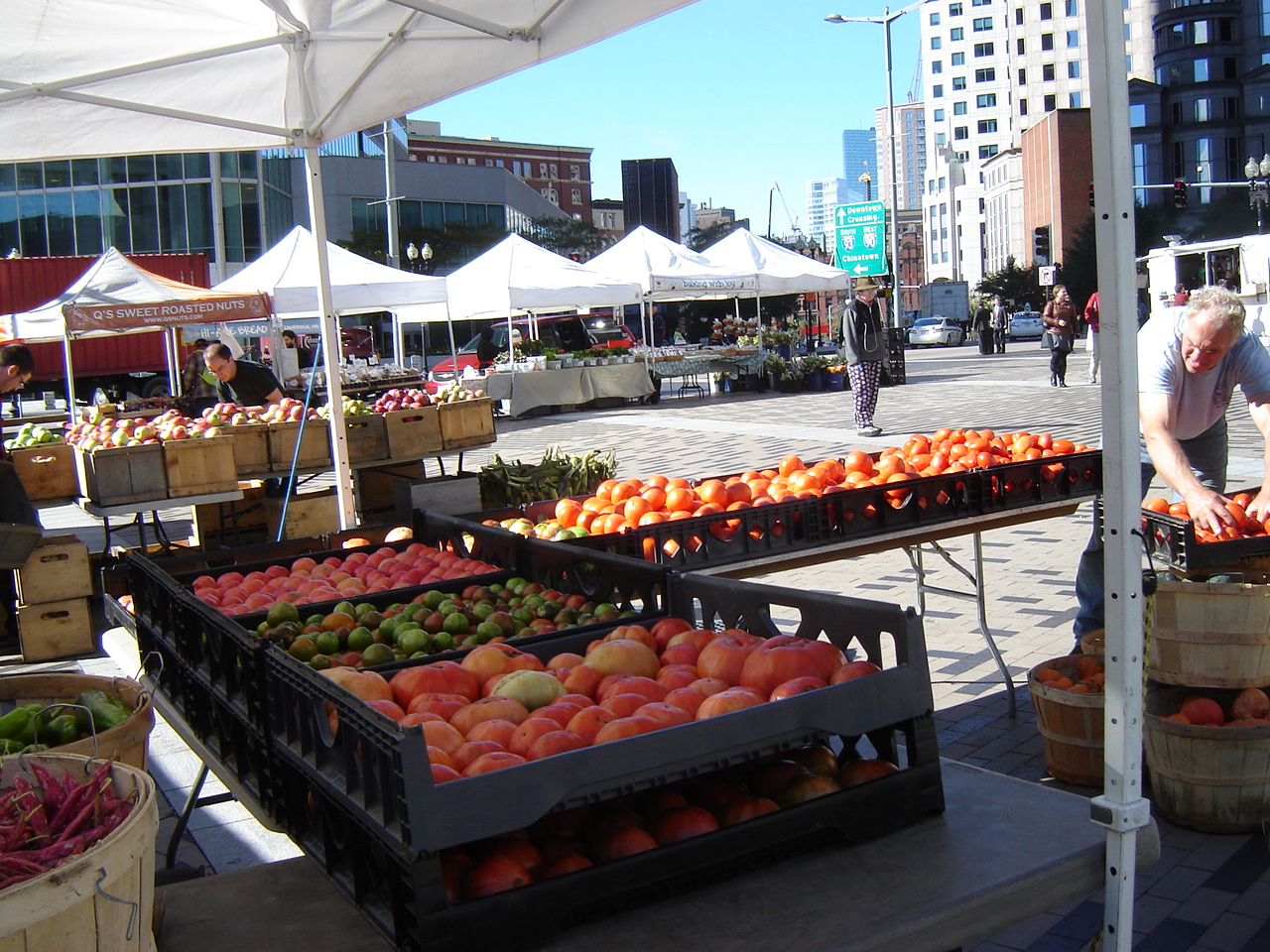
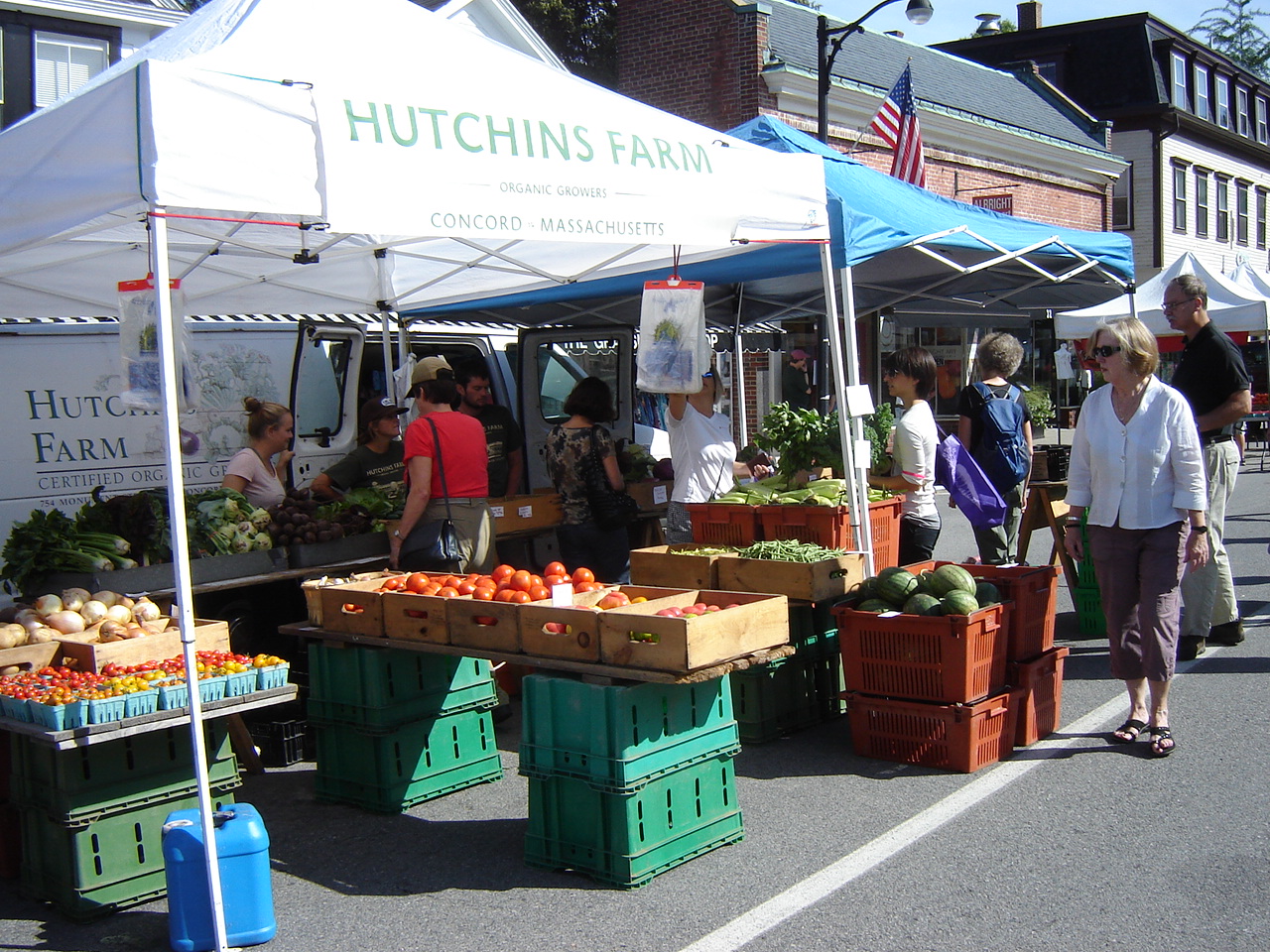
Concord’s main business street, sometimes called the Milldam because it was built over a dam, got blocked to traffic this morning, and farmers set up booths. Concord doesn’t do this often because most farmers around town have their own stands. I bought a small yellow watermelon, corn, lettuce, green beans, and a tomato. Because I was on foot I resisted buying more, but the raspberries looked wonderful as did some seasoned salt, pots of flowers, dried hydrangeas, and homemade soaps.

Among the farms represented were Verrill Farm (where we went for Mothers Day brunch this year),  Pete & Jen’s Backyard Birds, Frank Scimone Farm, and Hutchins Farm (pictured).

Last year we attended the Concord farms’ annual Stone Soup dinner, a benefit organized by the town’s Agricultural Committee — quite elaborate and delicious. A scholarship was awarded that night to a young local farmer as part of the campaign to encourage the next generation to pursue or stay in agriculture. I was surprised to learn that there are 18 farms in Concord. Read more here.

Read Full Post »

John leads the way for the end-of-summer clambake, rallying Suzanne and Erik to go with him first to collect driftwood, then to swim out to where there is good seaweed on the rocks.

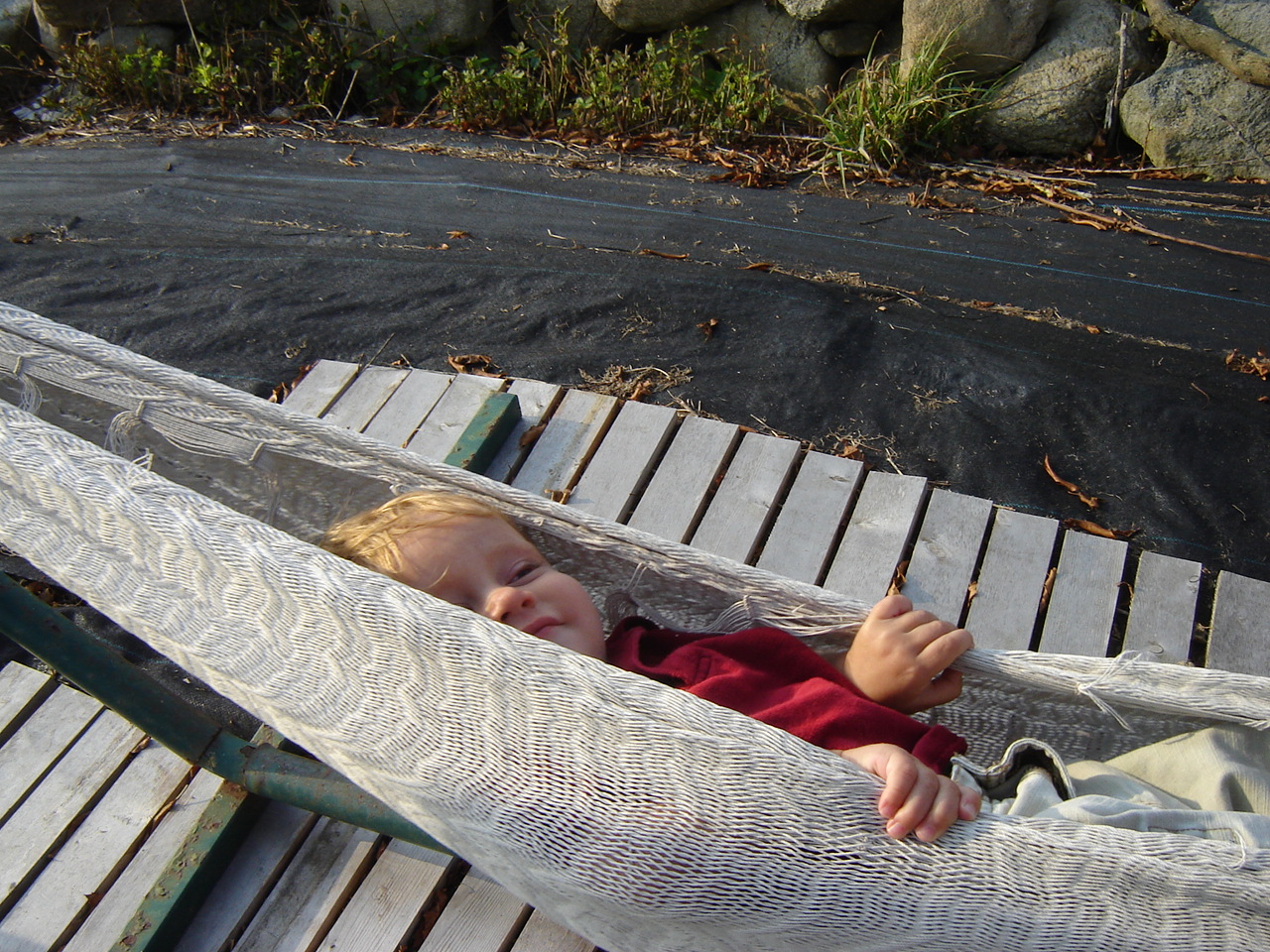
It’s an all-day project ultimately involving six adults and one toddler.

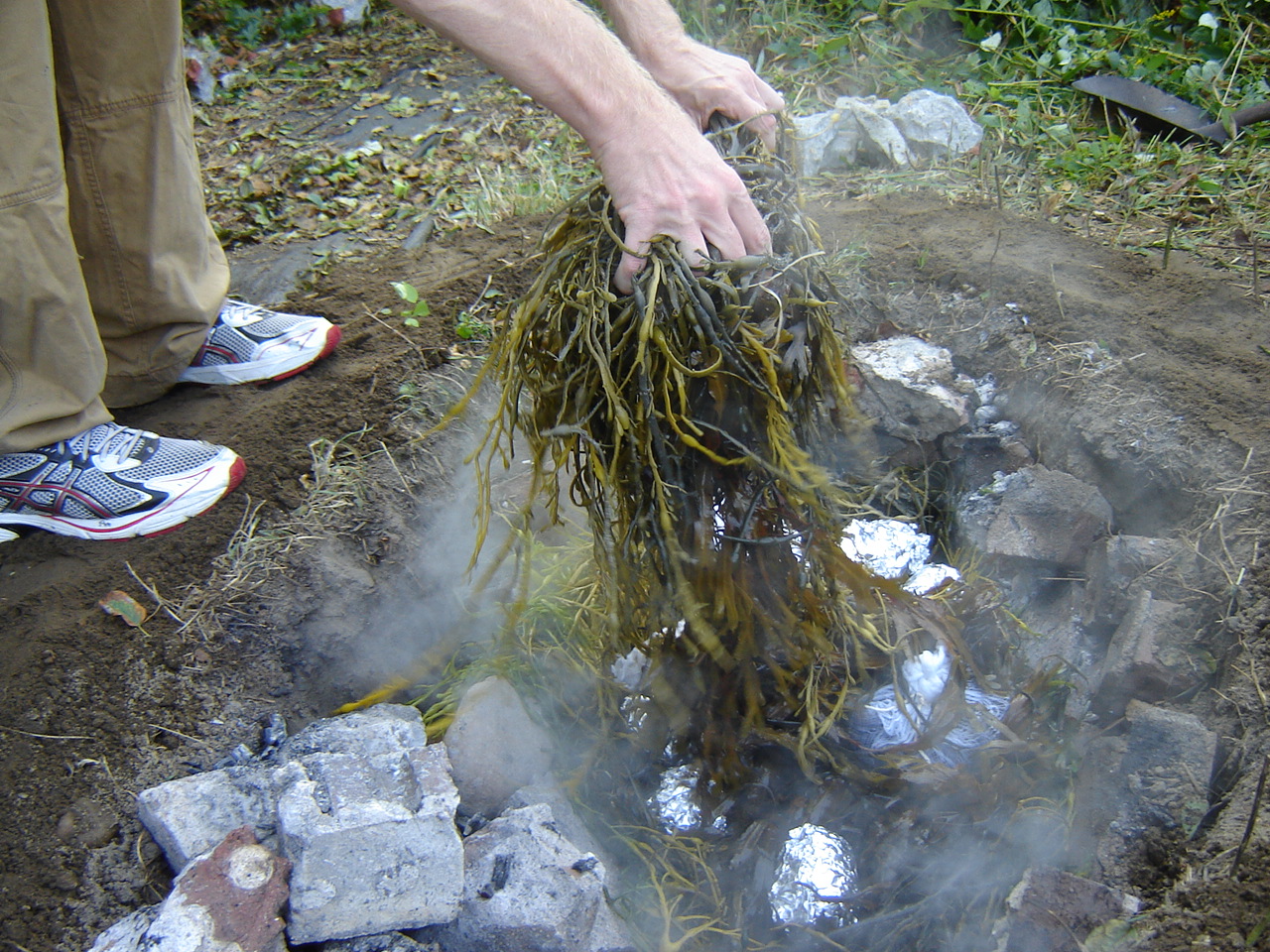
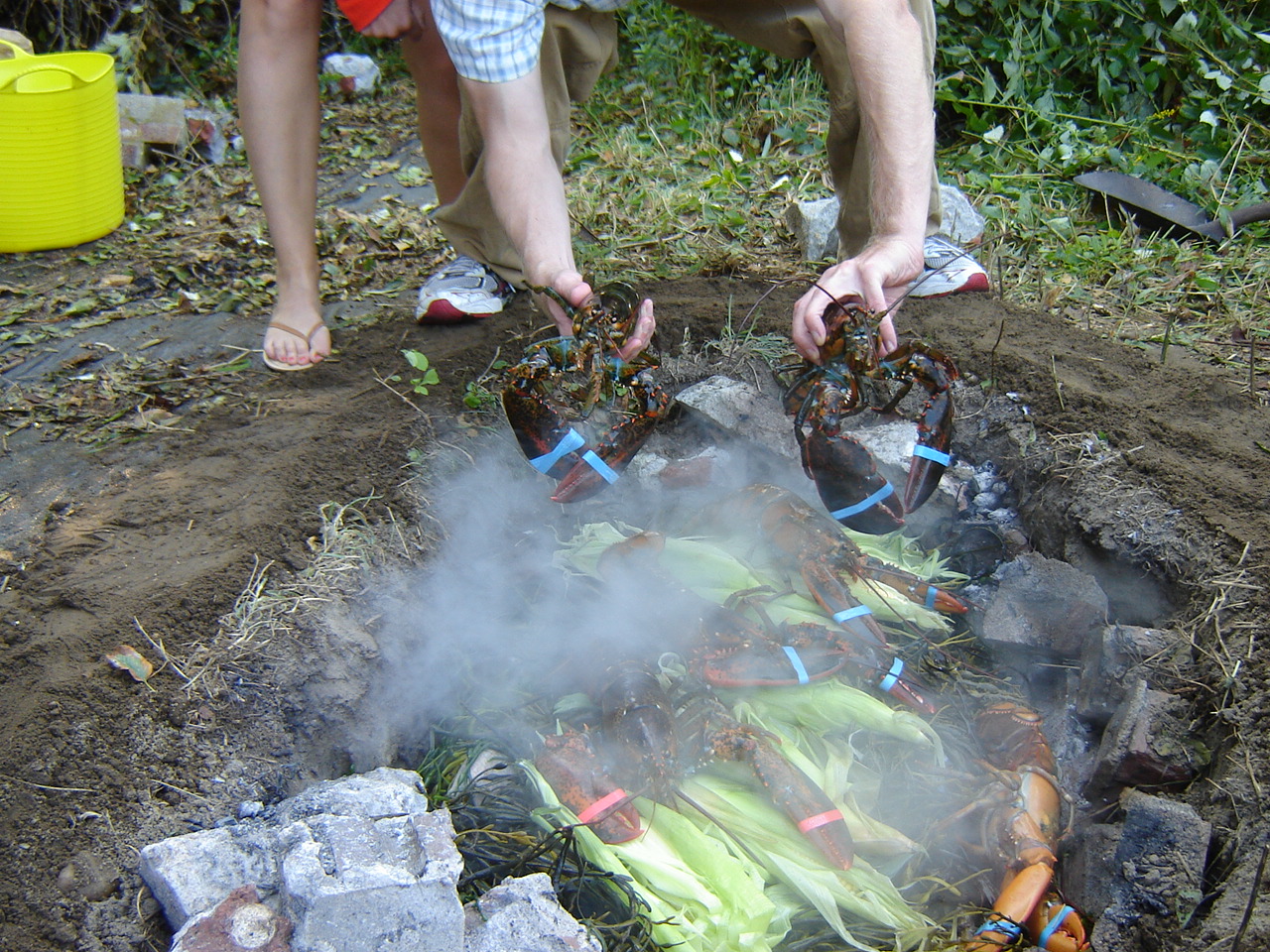
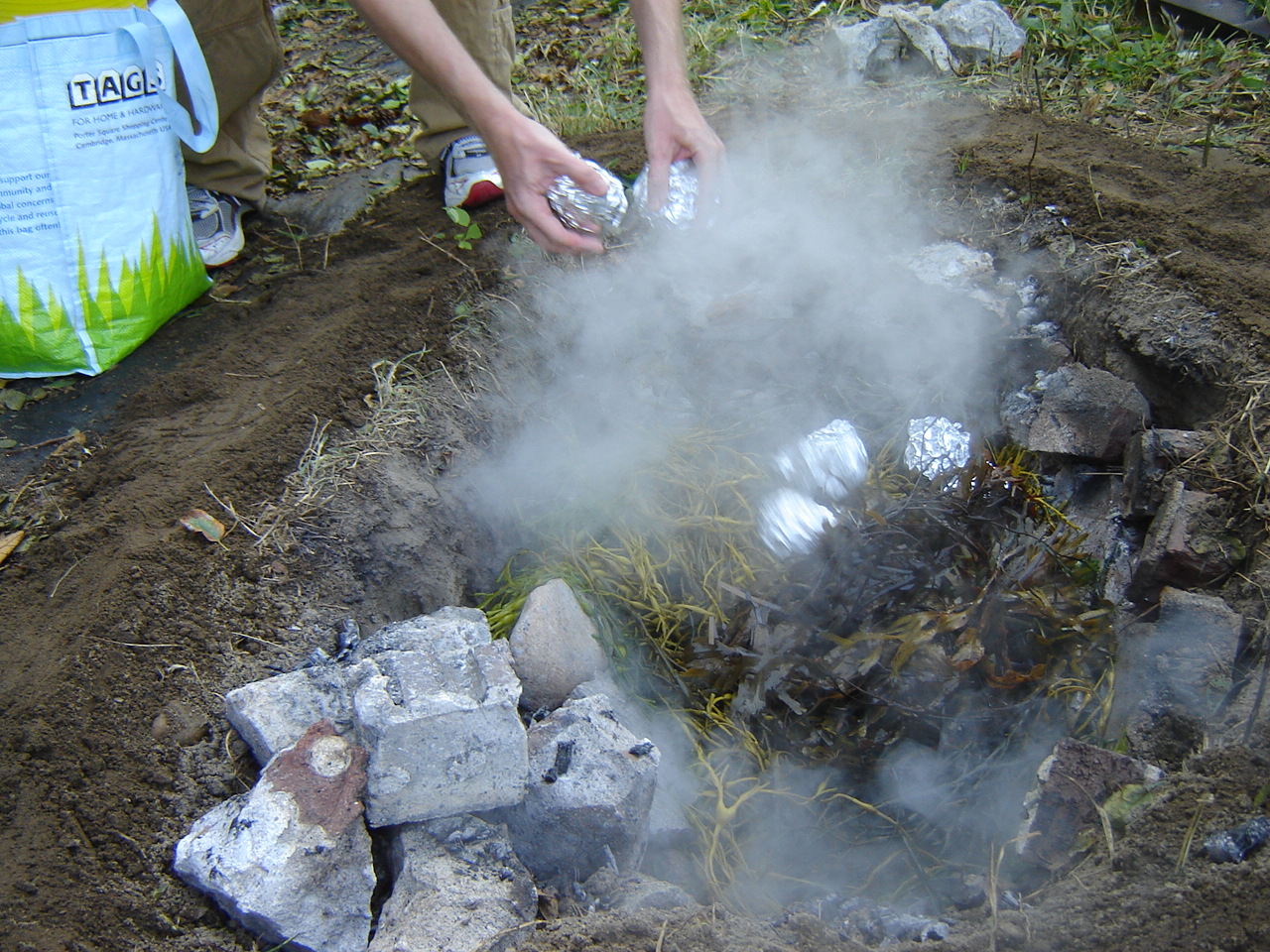
Rocks get placed in a pit, wood gets burned on top, wood coals get shoveled out, lobsters, seaweed, potatoes, corn, clams, mussels in cheesecloth, seawater, and more seaweed get dumped on the very hot rocks, a tarpaulin covers everything and is sealed with more rocks so the steam stays in.

After a couple hours, newspaper gets spread for  a tablecloth, the neighbors arrive, and the tarp is whipped off.

In the kitchen, Meran has made a salad with her garden’s tomatoes, plus spaghetti with fresh clam sauce. Sandra has brought an assortment of her famed homemade cookies. Patrick has brought extra utensils for cracking open lobster claws.

If you want to learn more, do what John does. He searches the Internet on “how to do a clambake” and reads several websites.

Read Full Post »

« Newer Posts